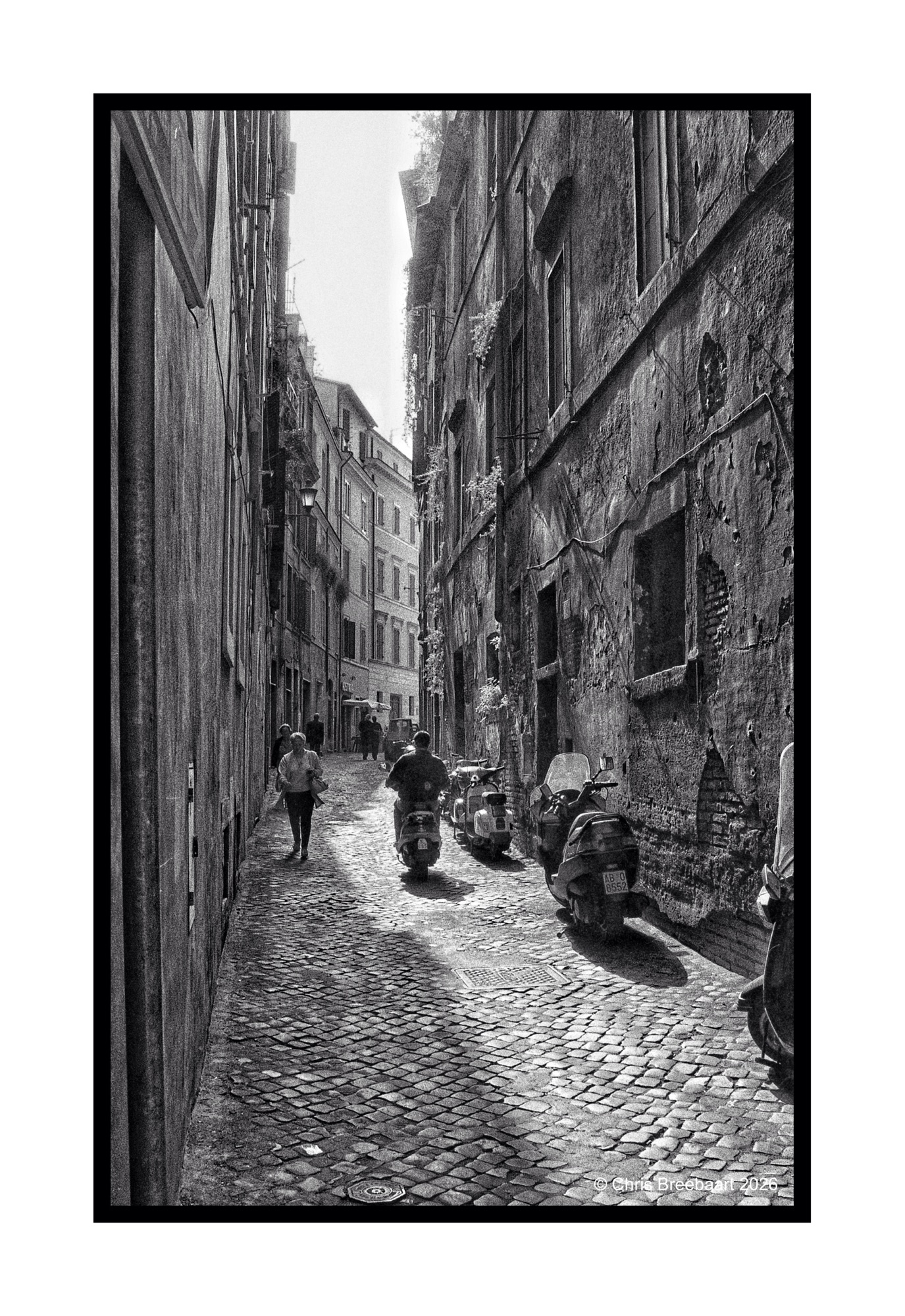
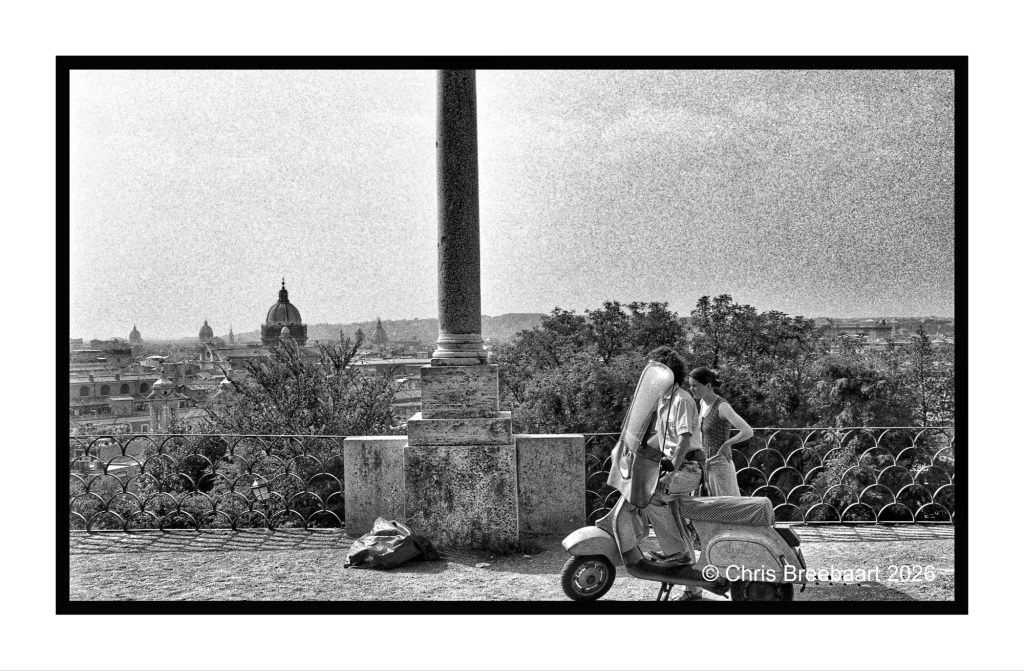
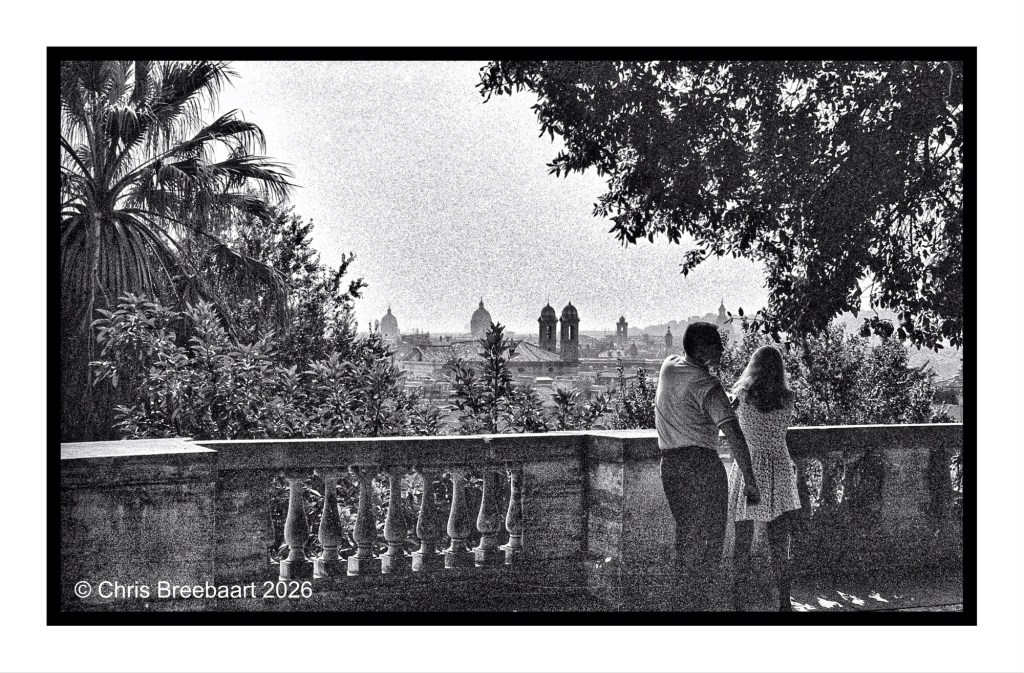
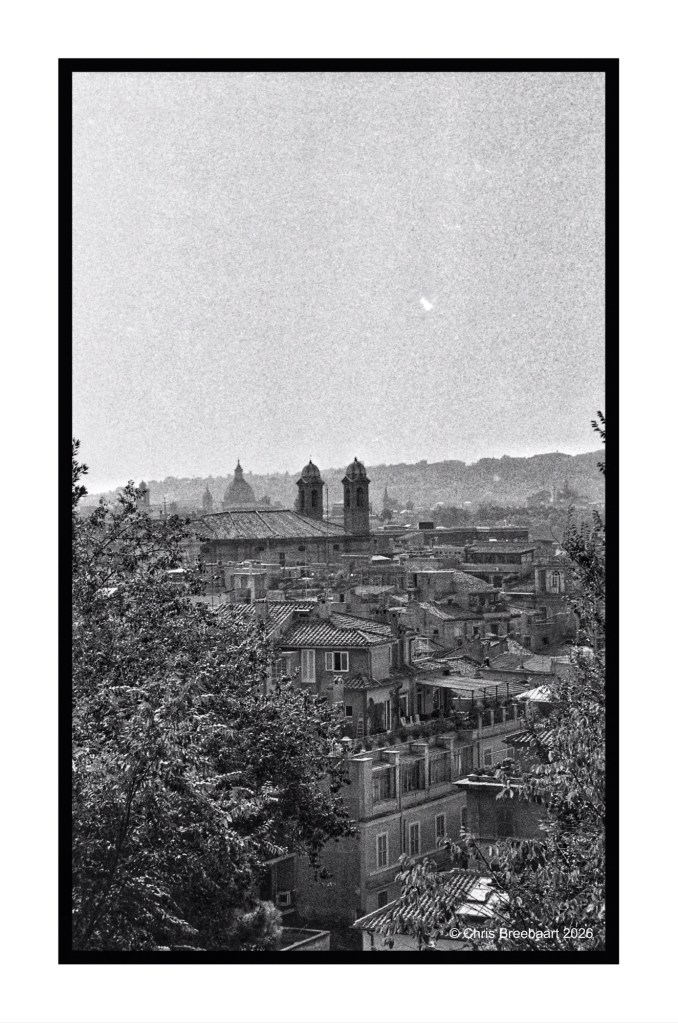
About the B4 retouch series: I browsed my archive for pictures to publish. Some of them are partly retouched but most do have scratches, dust and stains.
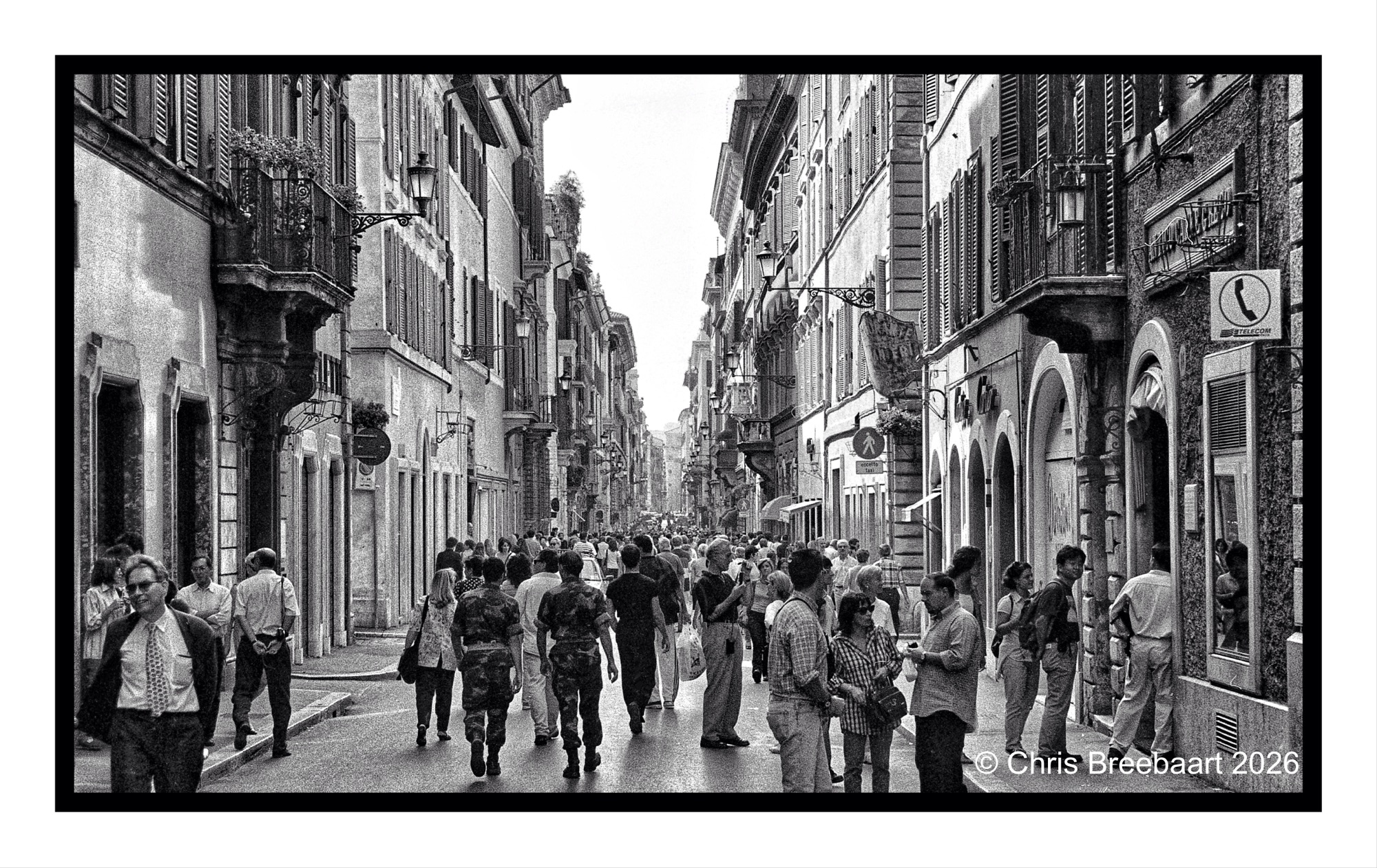
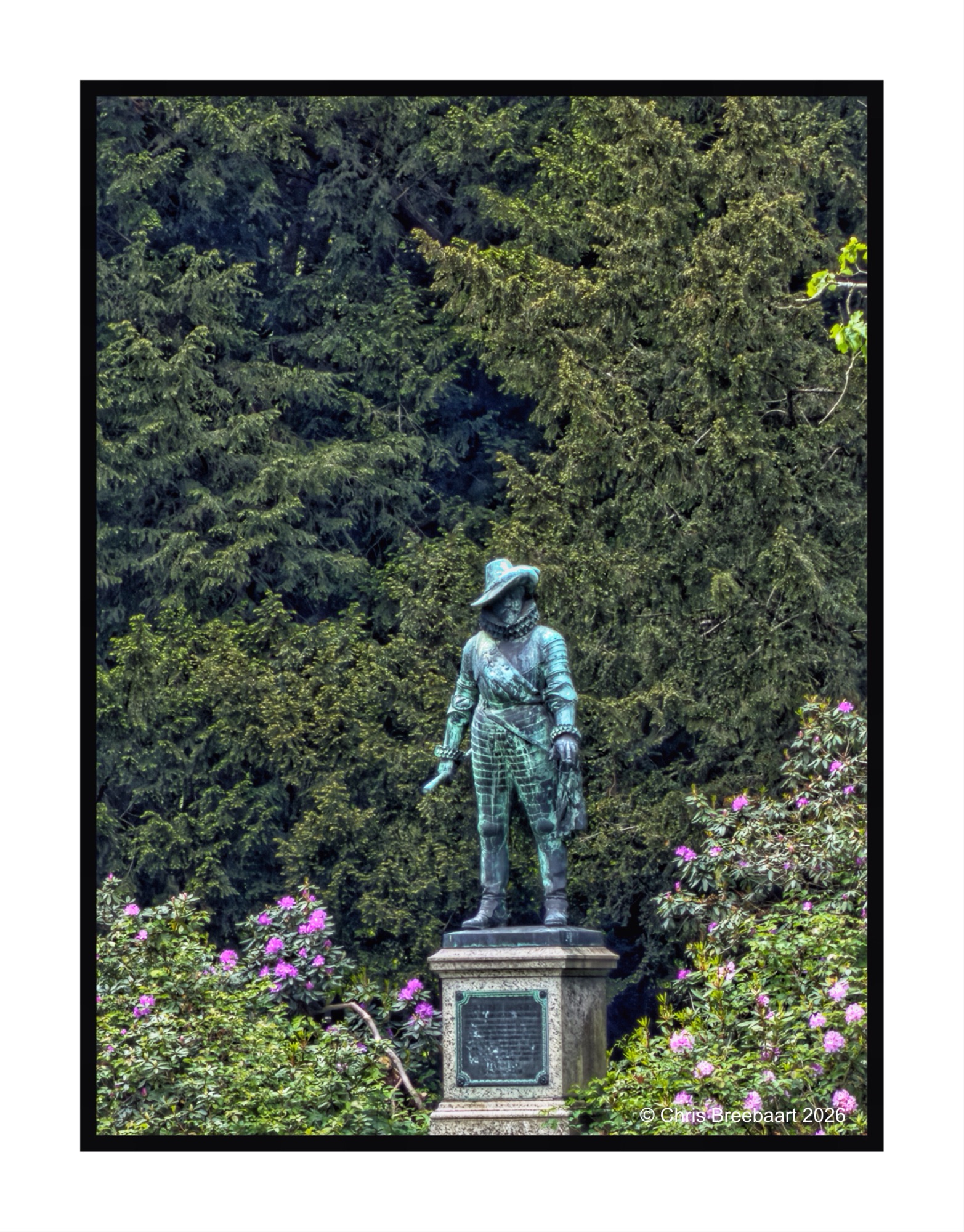
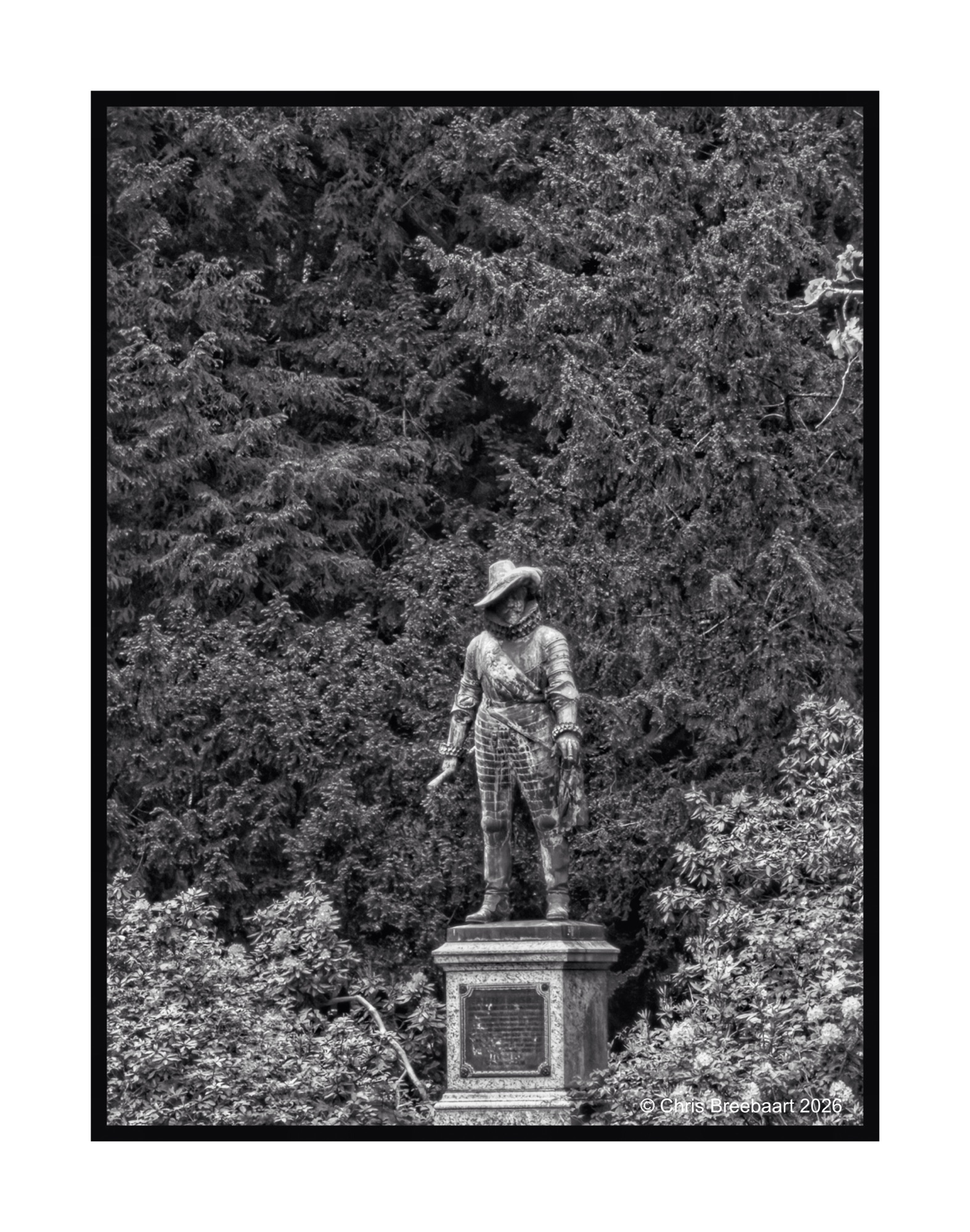
Rome is build on seven hills, but some hills are not counted in that list. One of the non listed hills is the Pincian Hill, that – like all of them – offers beautiful views over the eternal city.
About the B4 retouch series: I browsed my archive for pictures to publish. Some of them are partly retouched but most do have scratches, dust and stains.
Rome is build on seven hills, but some hills are not counted in that list. One of the non listed hills is the Pincian Hill, that – like all of them – offers beautiful views over the eternal city.
About the B4 retouch series: I browsed my archive for pictures to publish. Some of them are partly retouched but most do have scratches, dust and stains.
Rome is build on seven hills, but some hills are not counted in that list. One of the non listed hills is the Pincian Hill, that – like all of them – offers beautiful views over the eternal city.
About the B4 retouch series: I browsed my archive for pictures to publish. Some of them are partly retouched but most do have scratches, dust and stains.
About the B4 retouch series: I browsed my archive for pictures to publish. Some of them are partly retouched but most do have scratches, dust and stains.
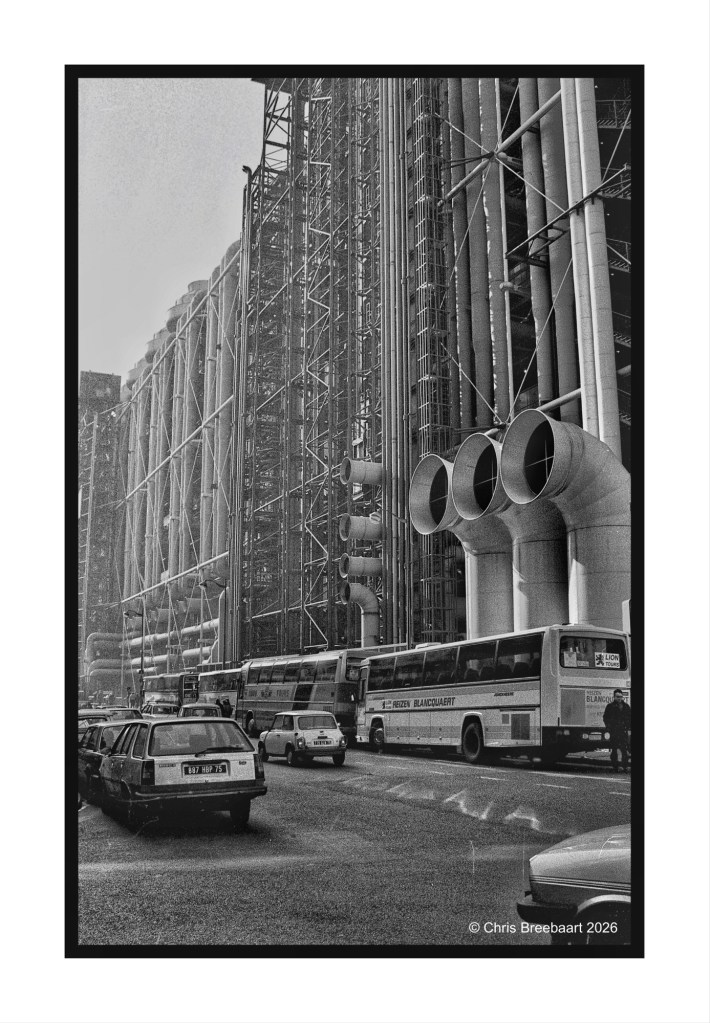
When the Centre Pompidou opened, the Parisians nicknamed it ‘the refinery’. It is a unique construction. But quite hard to maintain given all the angles and open spaces. The art collection inside is nice to walk around when in Paris. Always a place to visit again, when there.
About the B4 retouch series: I browsed my archive for pictures to publish. Some of them are partly retouched but most do have scratches, dust and stains.
Originally shot with Nikon F301 on Kodak TriX, scanned from negative and tweaked using Snapseed and Marksta. Click the picture for a larger version.
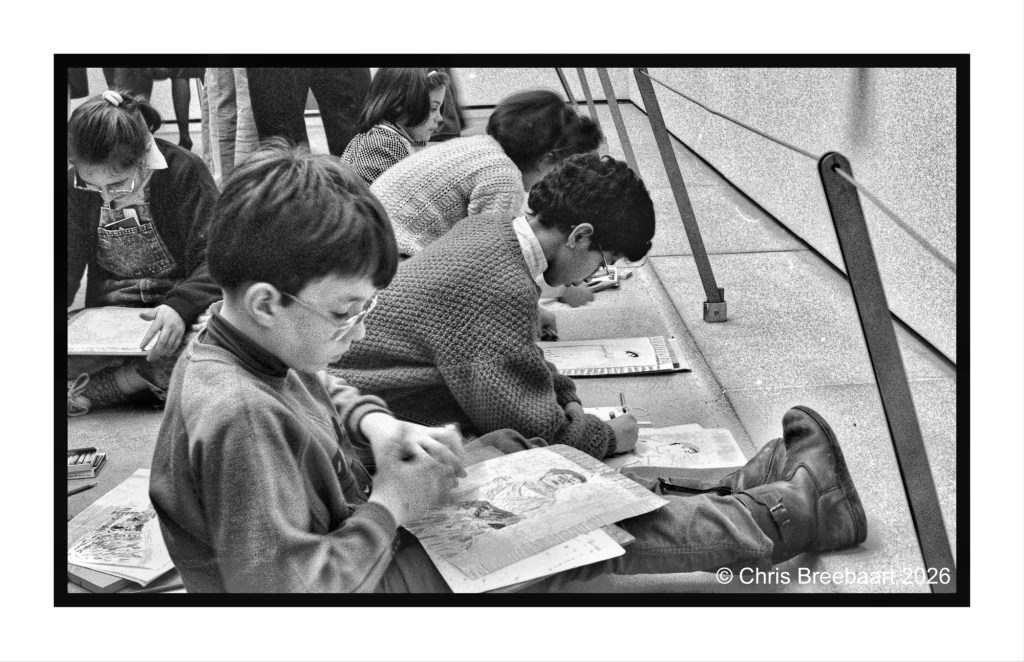
The Musée d’Orsay. One of my favourite museums. Not only for its architecture, but also for their collection of impressionist paintings. Here school kids, drawing in front of them.
About the B4 retouch series: I browsed my archive for pictures to publish. Some of them are partly retouched but most do have scratches, dust and stains.
Originally shot with Nikon F301 on Kodak TriX, scanned from negative and tweaked using Snapseed and Marksta. Click the picture for a larger version.
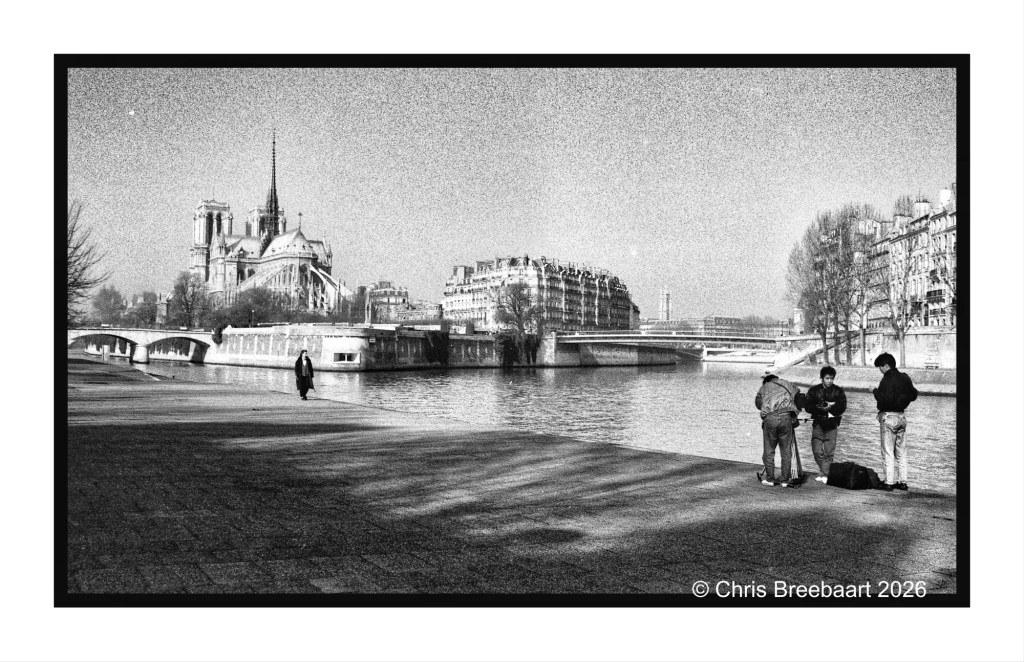
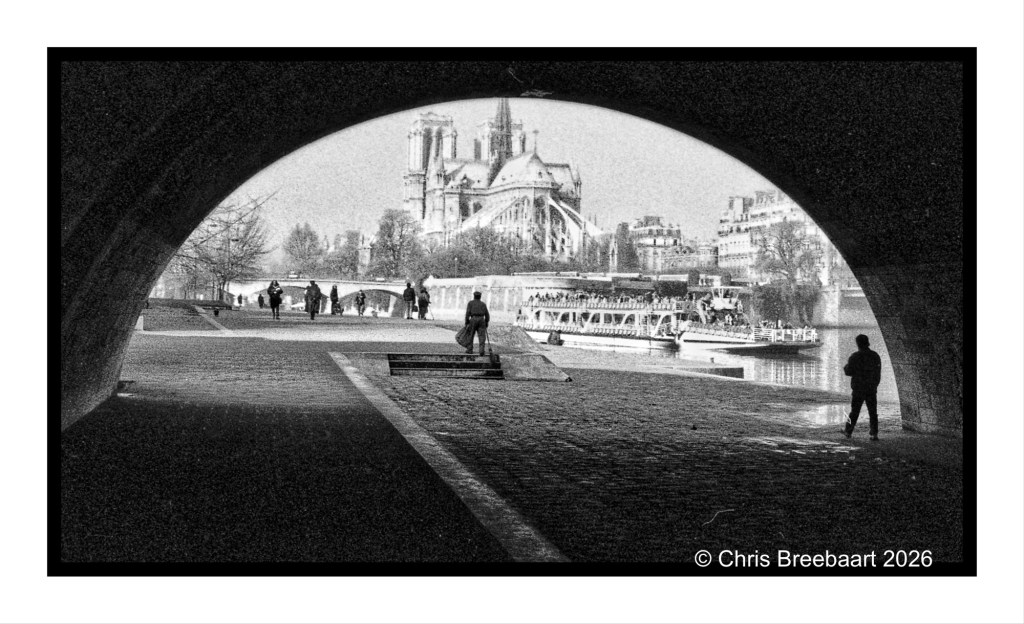
The Notre Dame in Paris before the fire. A view from the quay toward the Île de la Cité. From a walk along the river, the third I took at almoste the same point. The previous ones I published yesterday and the day before yesterday, showing bridge arches.
About the B4 retouch series: I browsed my archive for pictures to publish. Some of them are partly retouched but most do have scratches, dust and stains.
Originally shot with Nikon F301 on Kodak TriX, scanned from negative and tweaked using Snapseed and Marksta. Click the picture for a larger version.
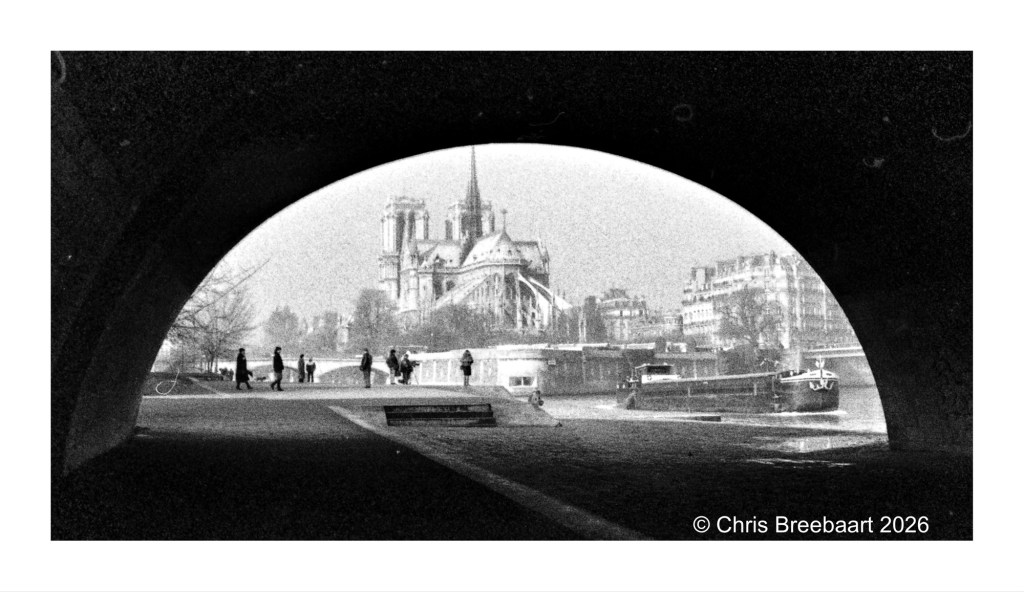
The Notre Dame in Paris before the fire. The bridge arch offers a template on a sunny Winter morning. The first shot in a set of shots of three. The second I published yesterday.
About the B4 retouch series: I browsed my archive for pictures to publish. Some of them are partly retouched but most do have scratches, dust and stains.
Originally shot with Nikon F301 on Kodak TriX, scanned from negative and tweaked using Snapseed and Marksta. Click the picture for a larger version.
The Notre Dame in Paris before the fire. The bridge arch offers a template on a sunny Winter morning. Earlier published but a bit adjusted. This is the second shot in a set of three. The first one will be on tomorrow, the third the day after.
About the B4 retouch series: I browsed my archive for pictures to publish. Some of them are partly retouched but most do have scratches, dust and stains.
Originally shot with Nikon F301 on Kodak TriX, scanned from negative and tweaked using Snapseed and Marksta. Click the picture for a larger version.
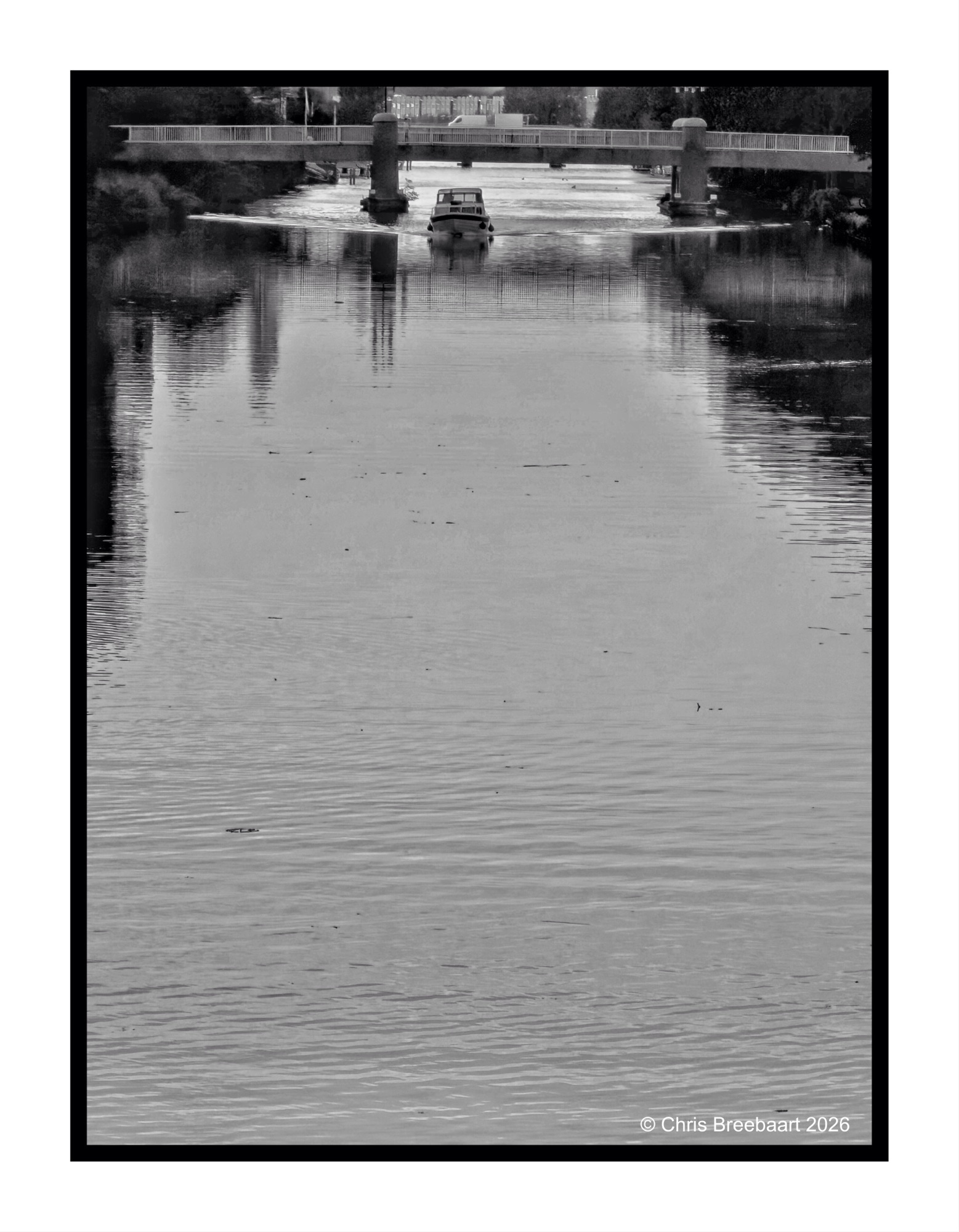
A slightly different shot than yesterday. With a bit more of the atmosphere of the canal itself.
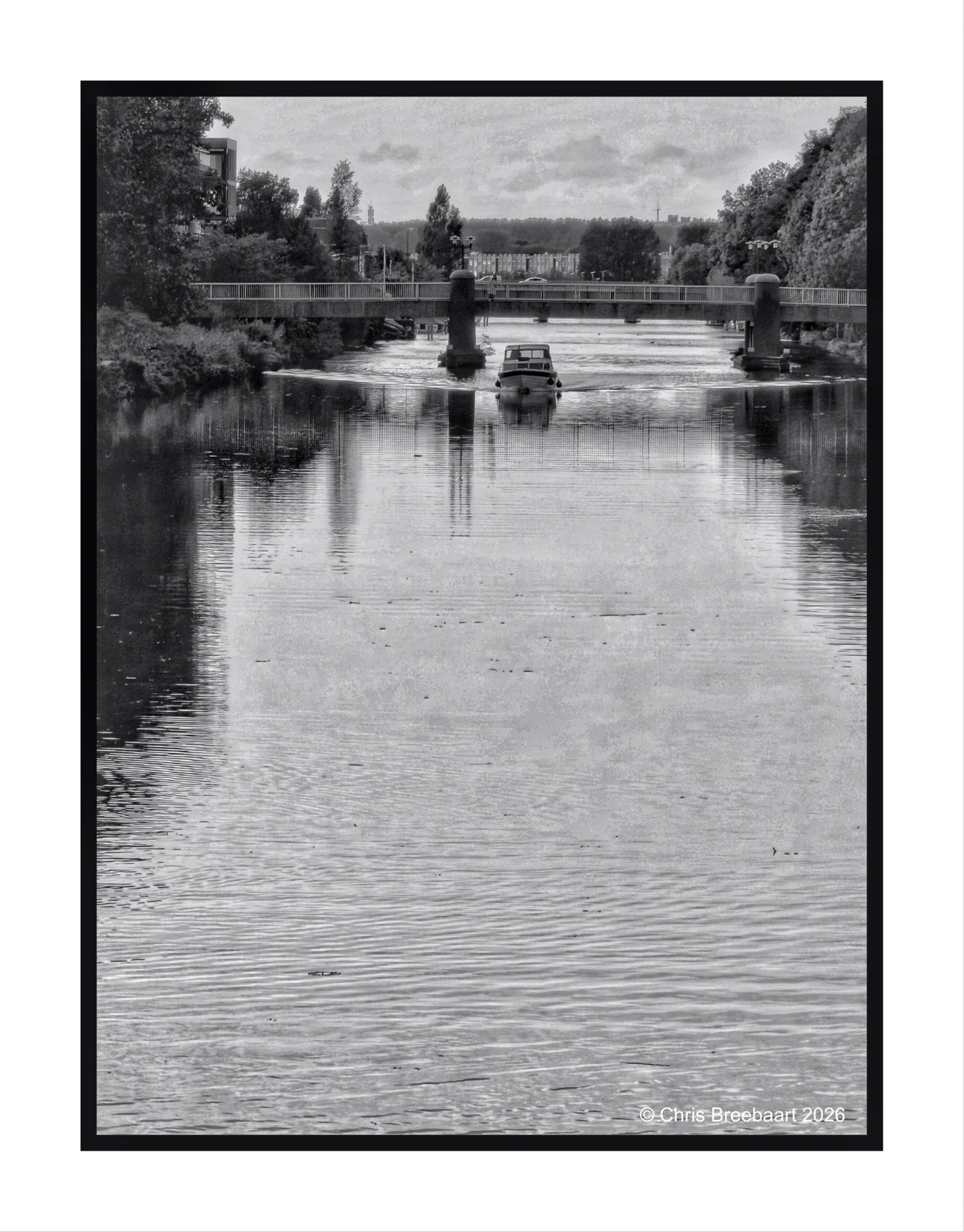
The Netherlands has its fair share of water (canals, lakes, ponds) and a fair share of bridges and even aquaducts. LAPC #413 is ‘bridges’. The two overlapping bridges (behind the front one is a motorway bridge) are not my favourites as the brief of LAPC asks for. They are the most practical in daily life to cross the canal. In the Archive bridges you find more photos of bridges. Most of them are from ordinary daily life close to home. But two of my favourites are the Millennium Bridge in London and the Pont de Normandie in Normandy.
The Netherlands has its fair share of water (canals, lakes, ponds) and a fair share of bridges and even aquaducts. LAPC #413 is ‘bridges’. The two overlapping bridges (behind the front one is a motorway bridge) are not my favourites as the brief of LAPC asks for. They are the most practical in daily life to cross the canal. In the Archive bridges you find more photos of bridges. Most of them are from ordinary daily life close to home. But two of my favourites are the Millennium Bridge in London and the Pont de Normandie in Normandy.
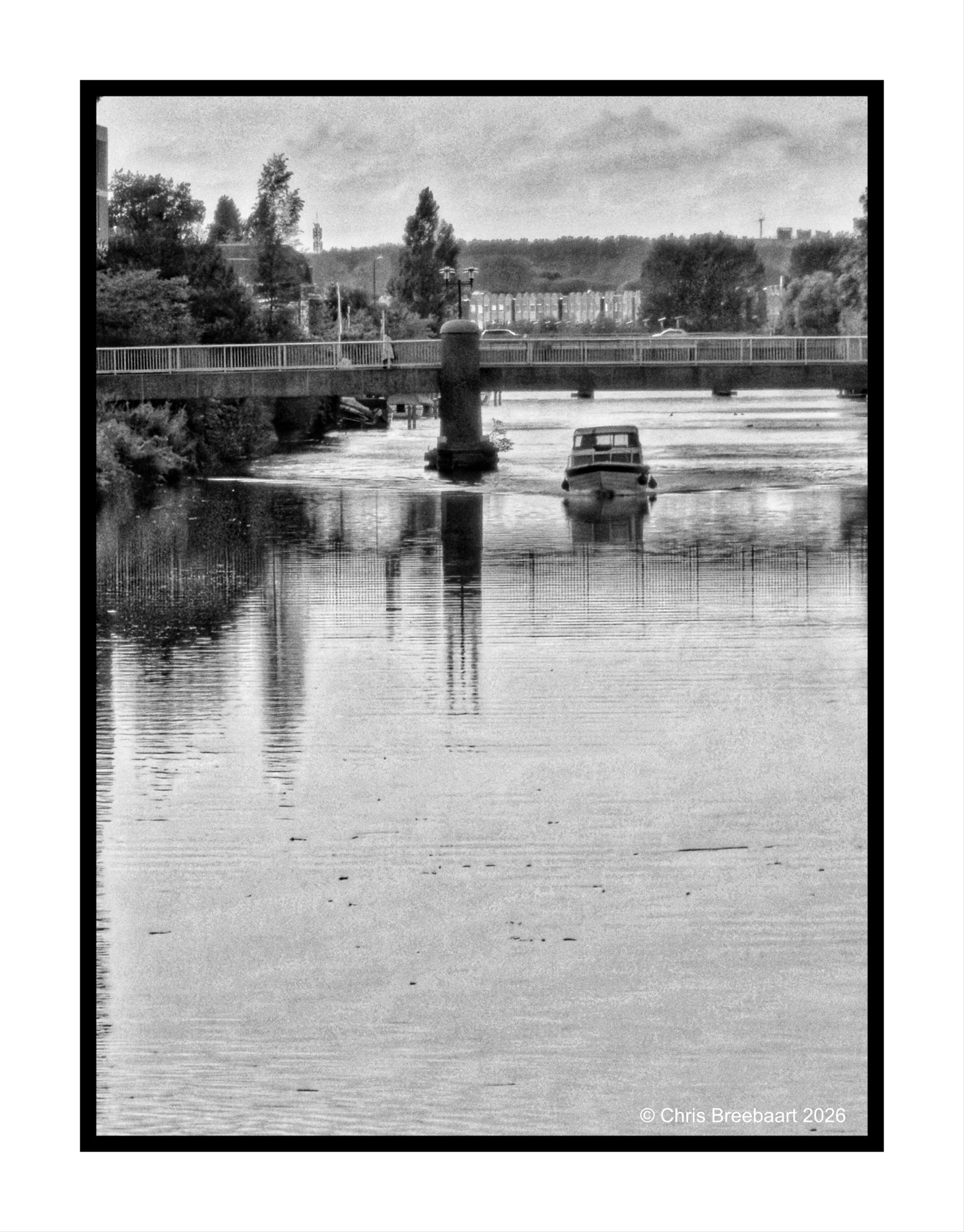
The Netherlands has its fair share of water (canals, lakes, ponds) and a fair share of bridges and even aquaducts. LAPC #413 is ‘bridges’. This two bridges (overlapping) are not my favorites, but with the bridge this one is taken from, the most common I see every day.
One of the first questions I had buying my first digital DSLR was ‘how do I shoot monochrome photos from now?’. In the past it was just choosing what film I put in a camera. Going digital implied using editing to revert from color to monochrome. More recently black and white modes came back on devices. Not only on iPhone. My choice for Nikon Zf was influenced by it. But it all is a question of taste.
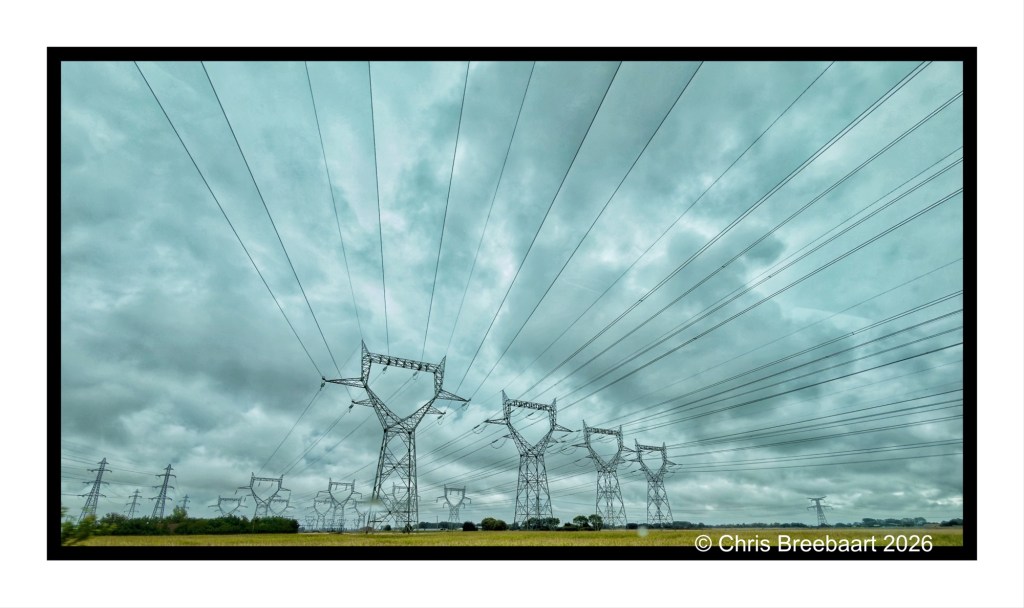
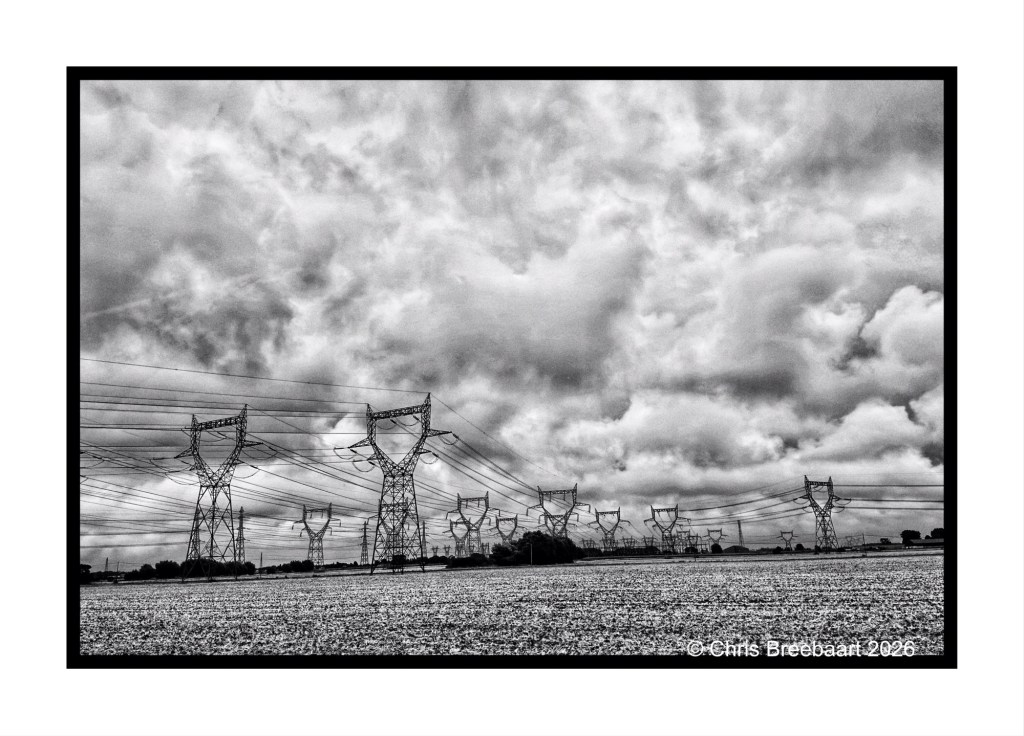
Two photos of the power lines at St. George-sur-L’Aa in France. Pick one or both. Both were shot on iPhone without the mono setting.
France, St. George-sur-L’Aa -August 2026
Every time we travel to or from the UK via the Channel Tunnel, I try to take photos of these steel giants. They carry power lines in the area of St. George-sur-l’Aa. No worries, I’m in the passenger seat.
One of the first questions I had buying my first digital DSLR was ‘how do I shoot monochrome photos from now?’. In the past it was just choosing what film I put in a camera. Going digital implied using editing to revert from color to monochrome. More recently black and white modes came back on devices. Not only on iPhone. My choice for Nikon Zf was influenced by it. But it all is a question of taste.
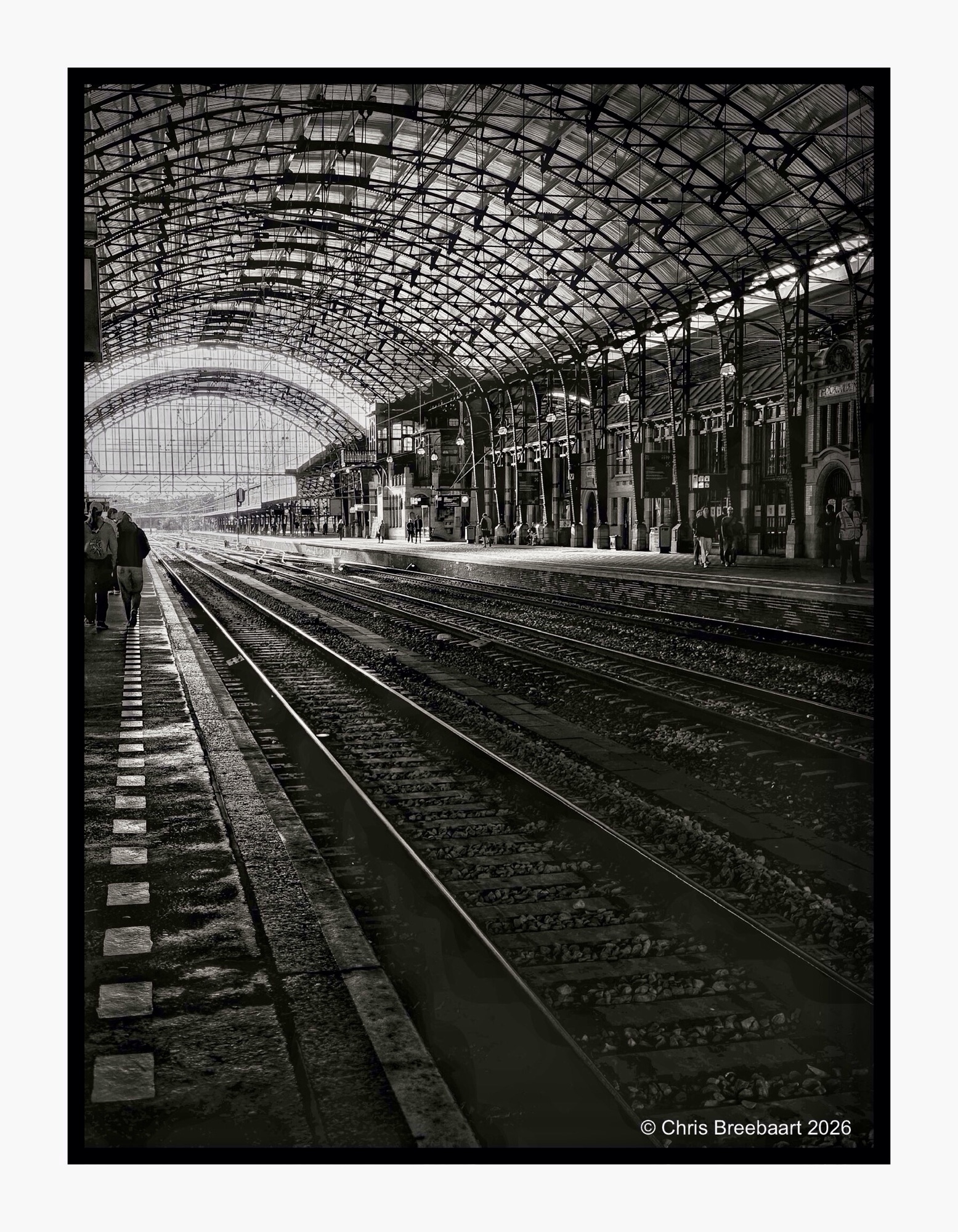
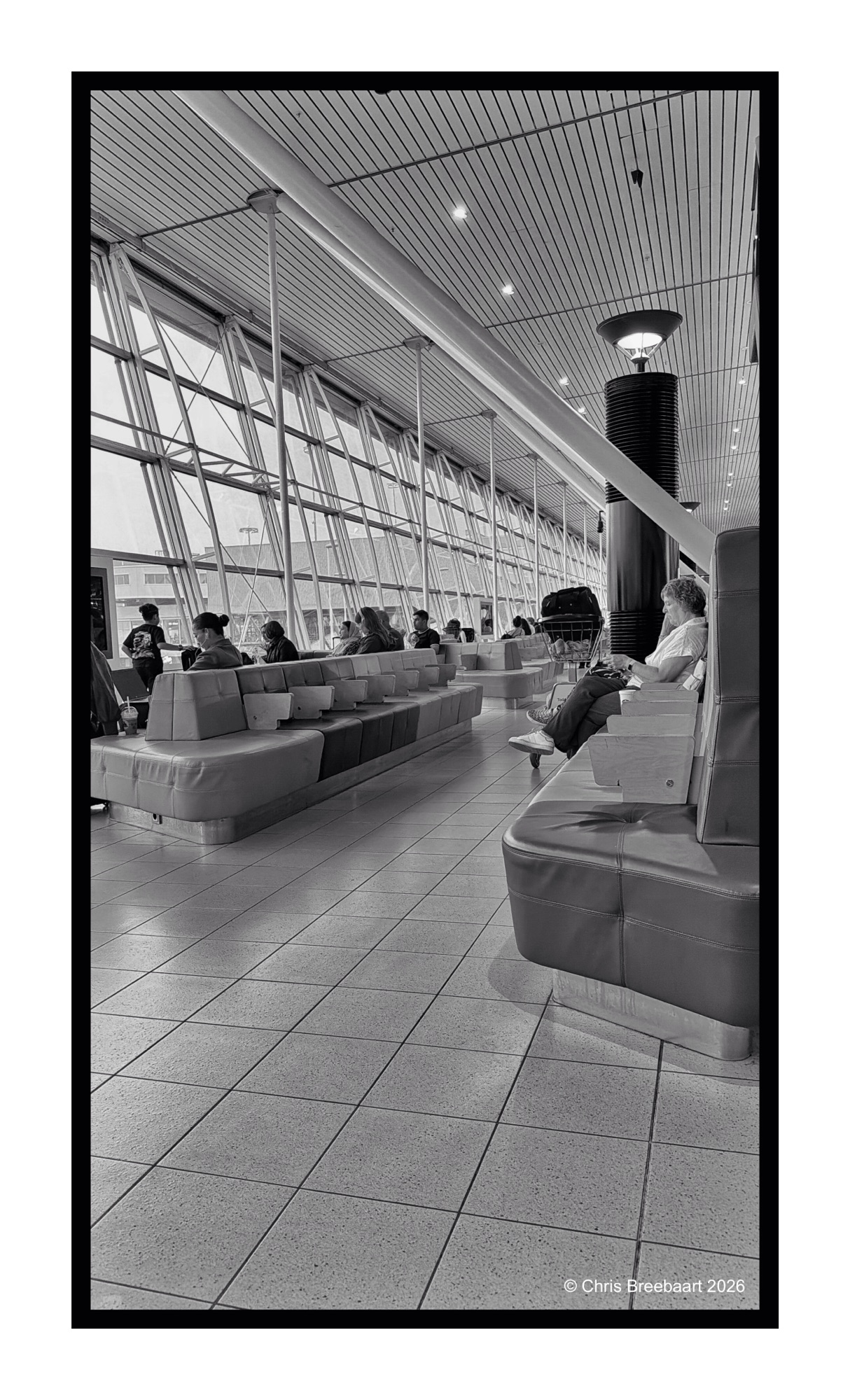
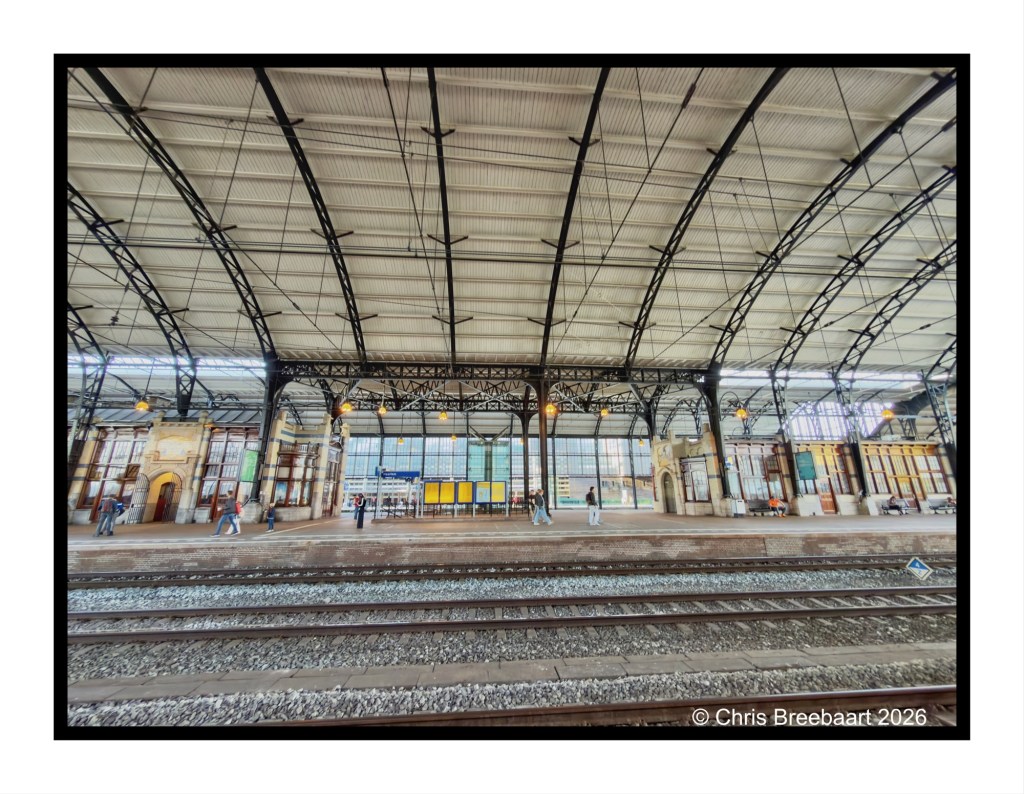
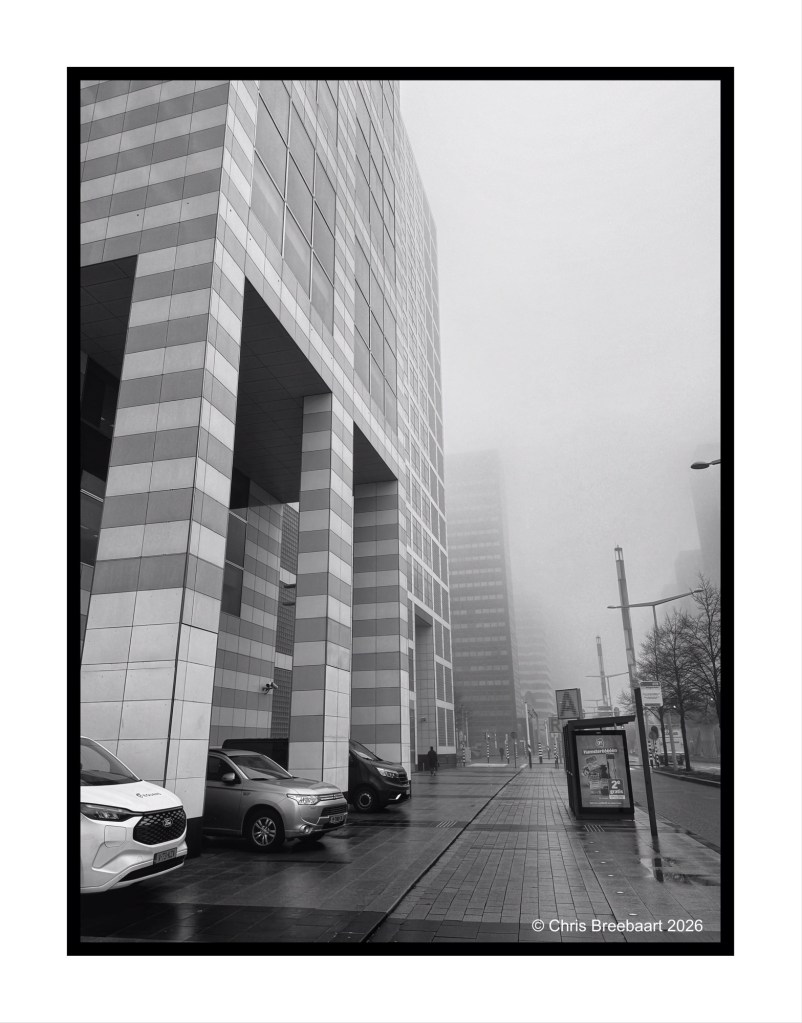
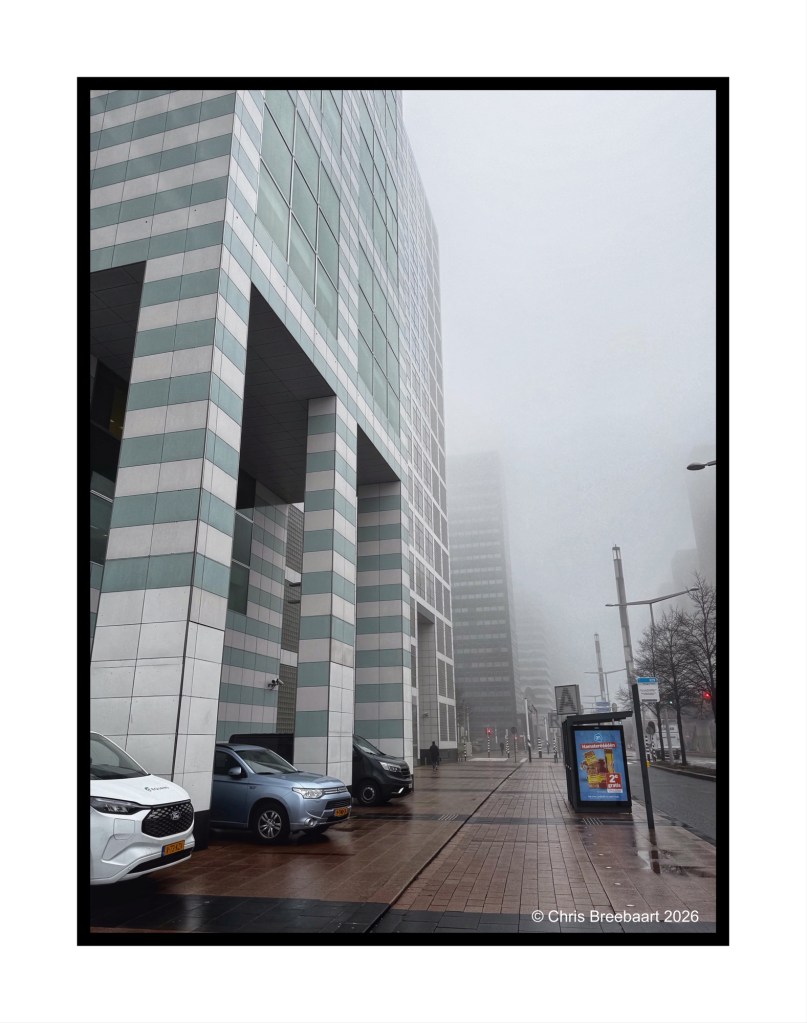
The same photo of the station of Haarlem in color and (edited) monochrome. Pick one or both.
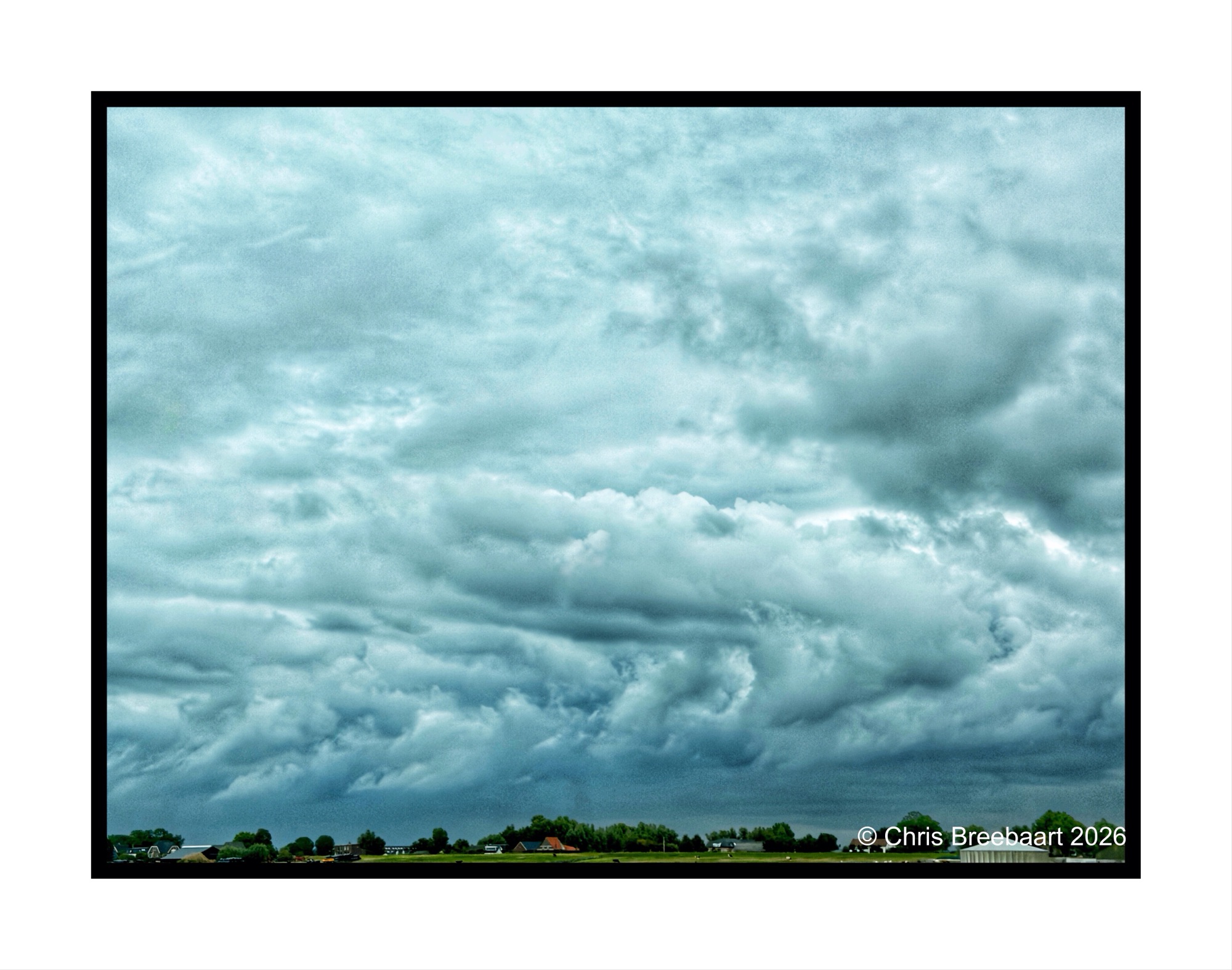
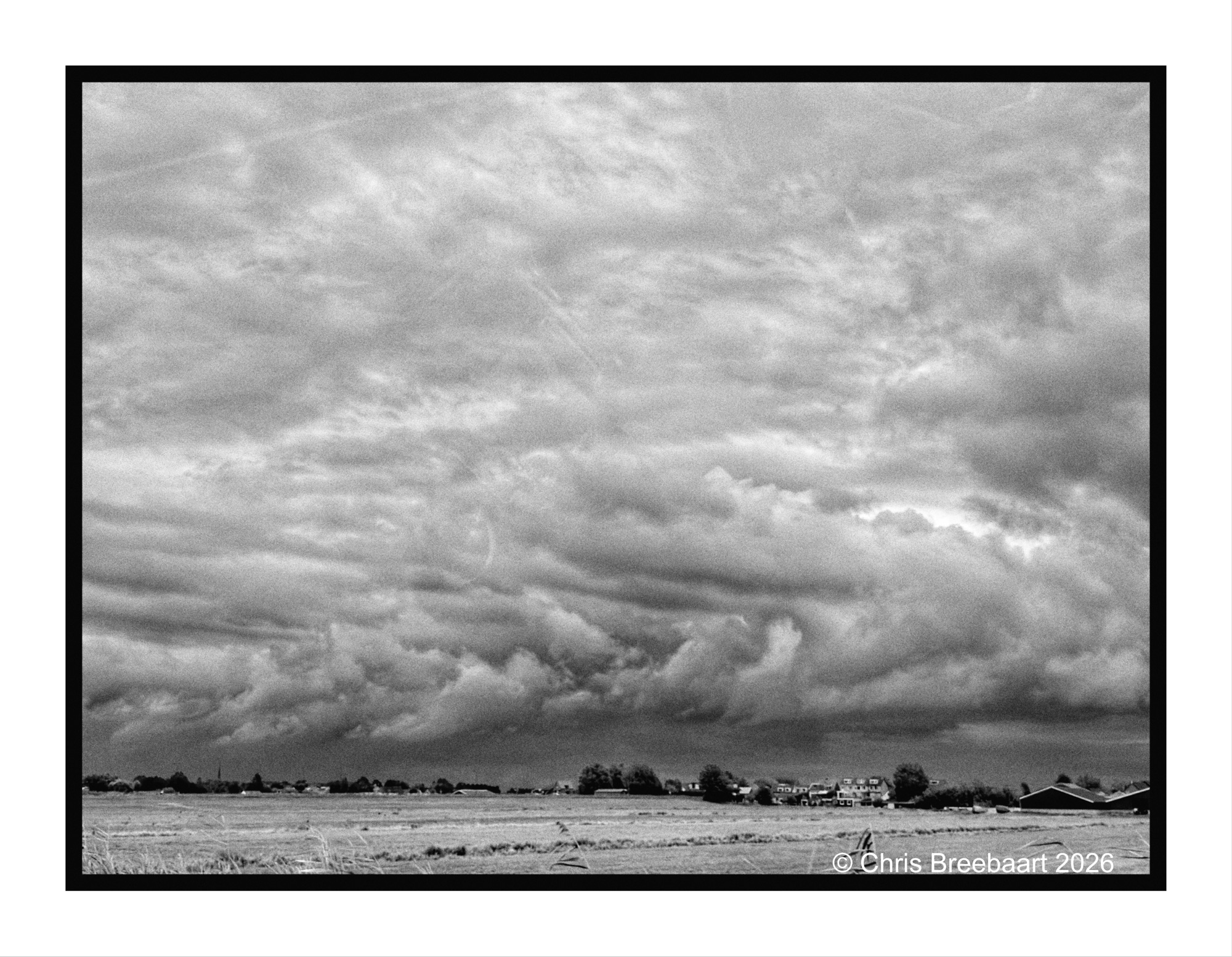
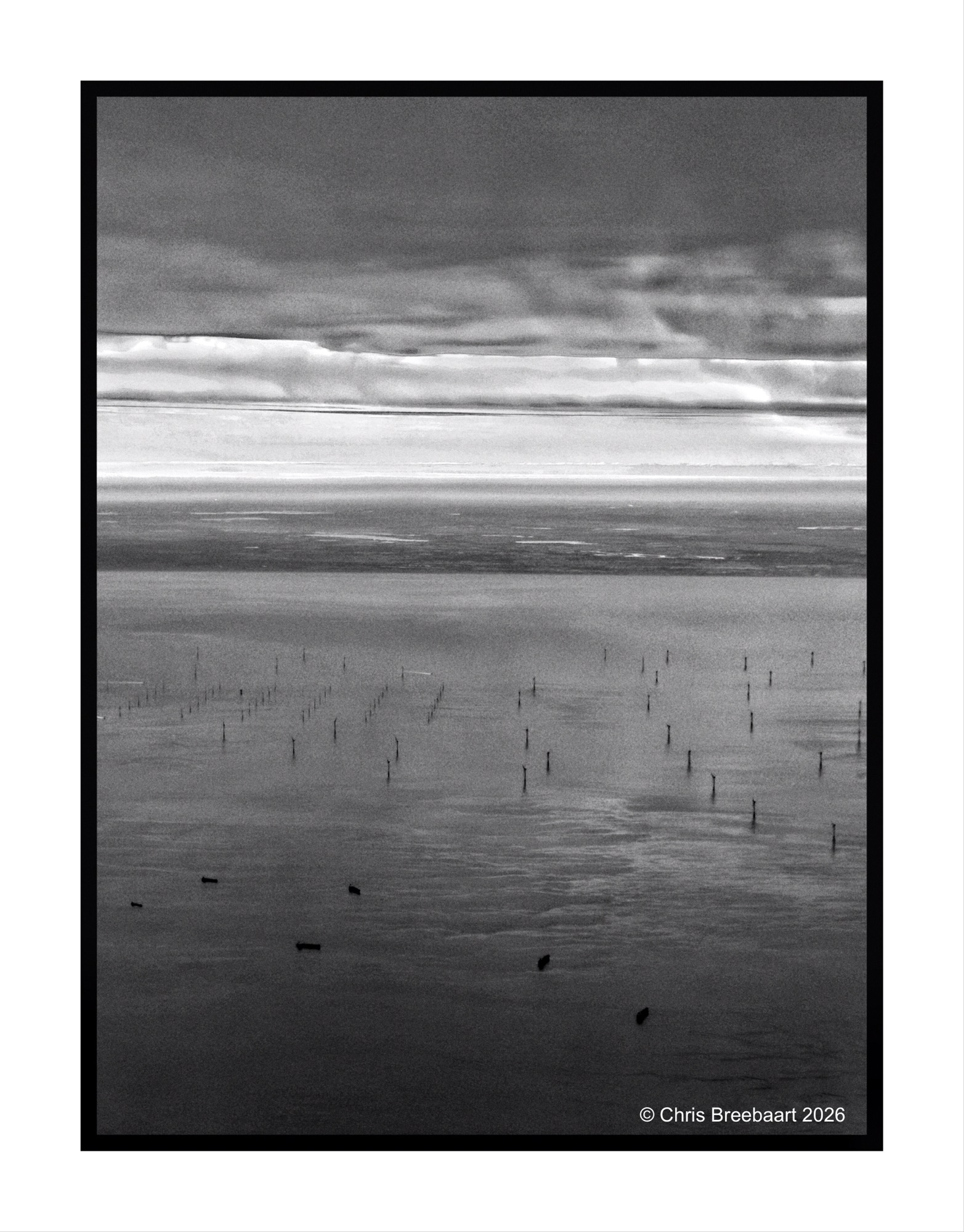
The coast of The Netherlands, showing the Dutch version of Le Plat Pays (my flat country) from an incoming Easyjet flight from London Gatwick to Schiphol Amsterdam. Lots of windmills still.
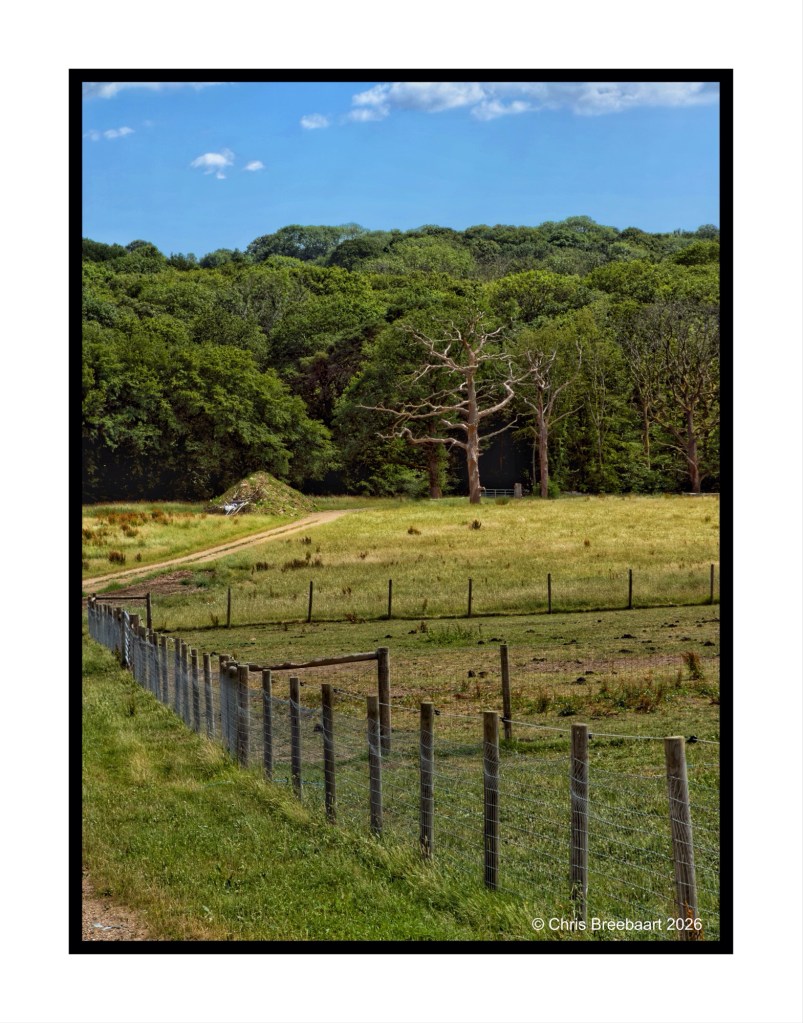
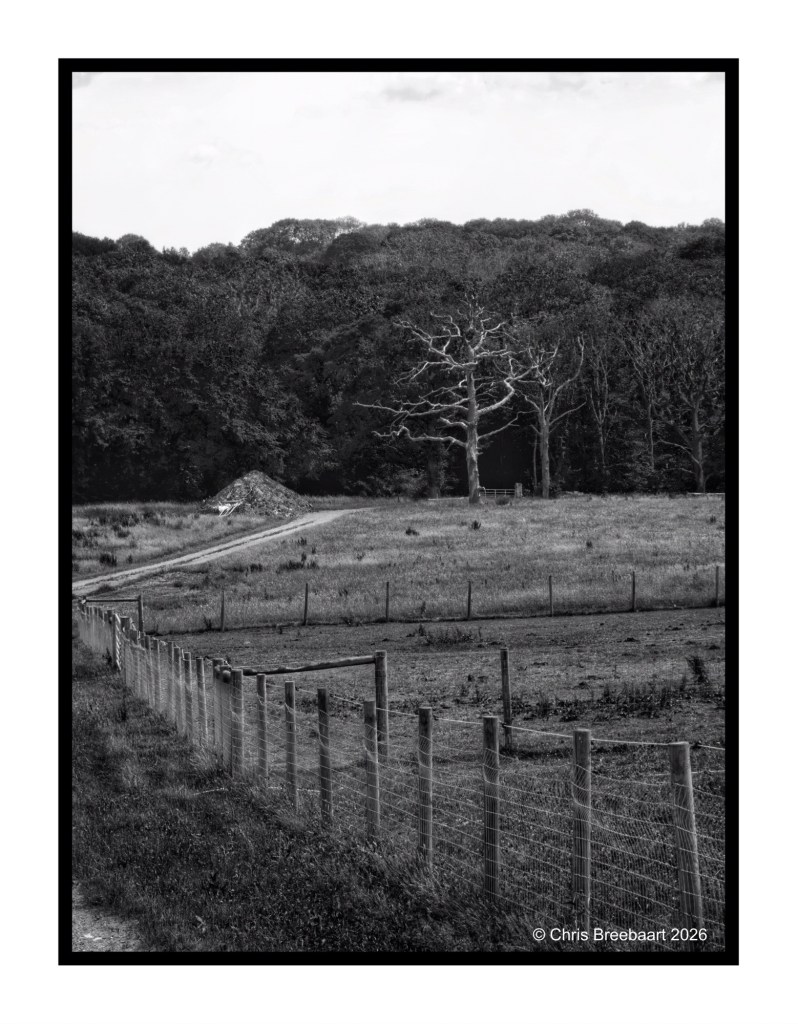
People who follow my photoblog (thank you!) know my love for monochrome. And sometimes it is a matter of taste what to choose: the original colour shot, or the monochrome version? That is if the original shot is not done in monochrome, I do that quite a lot on iPhone and Nikon Zf.
The question to you is: which one do you prefer, and why? Any comments are as always welcome.
People who follow my photoblog (thank you!) know my love for monochrome. And sometimes it is a matter of taste what to choose: the original colour shot, or the monochrome version? That is if the original shot is not done in monochrome, I do that quite a lot on iPhone and Nikon Zf.
The question to you is: which one do you prefer, and why? Any comments are as always welcome.
People who follow my photoblog (thank you!) know my love for monochrome. And sometimes it is a matter of taste what to choose: the original colour shot, or the monochrome version? That is if the original shot is not done in monochrome, I do that quite a lot on iPhone and Nikon Zf.
The question to you is: which one do you prefer, and why? Any comments are as always welcome.
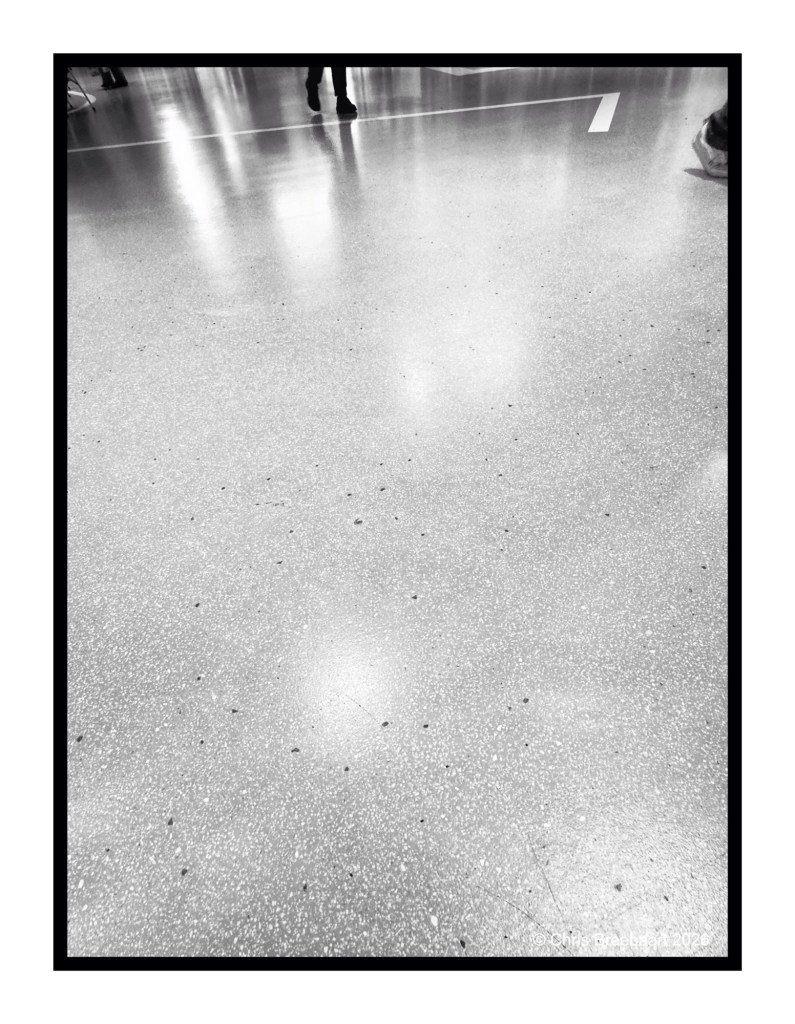
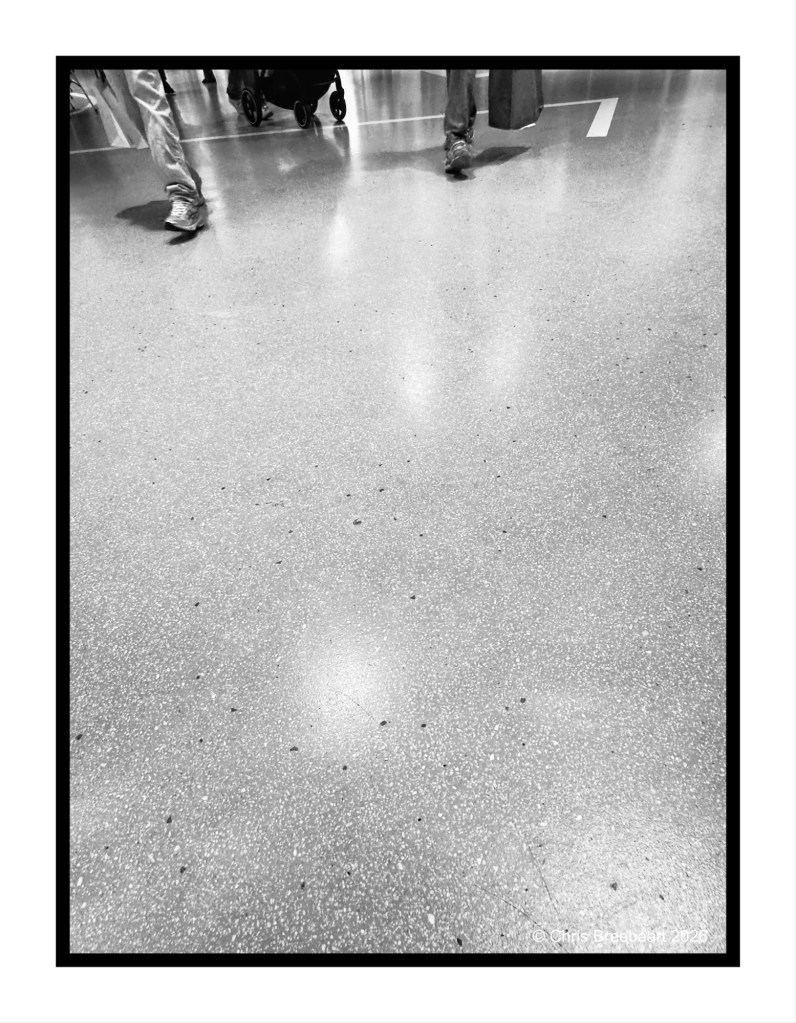
Some of the last photos with the iPhone15 Pro Max. A close view on a shopping floor. Like it is an endless circle of steps lining the floor. what can you do waiting for someone shopping?
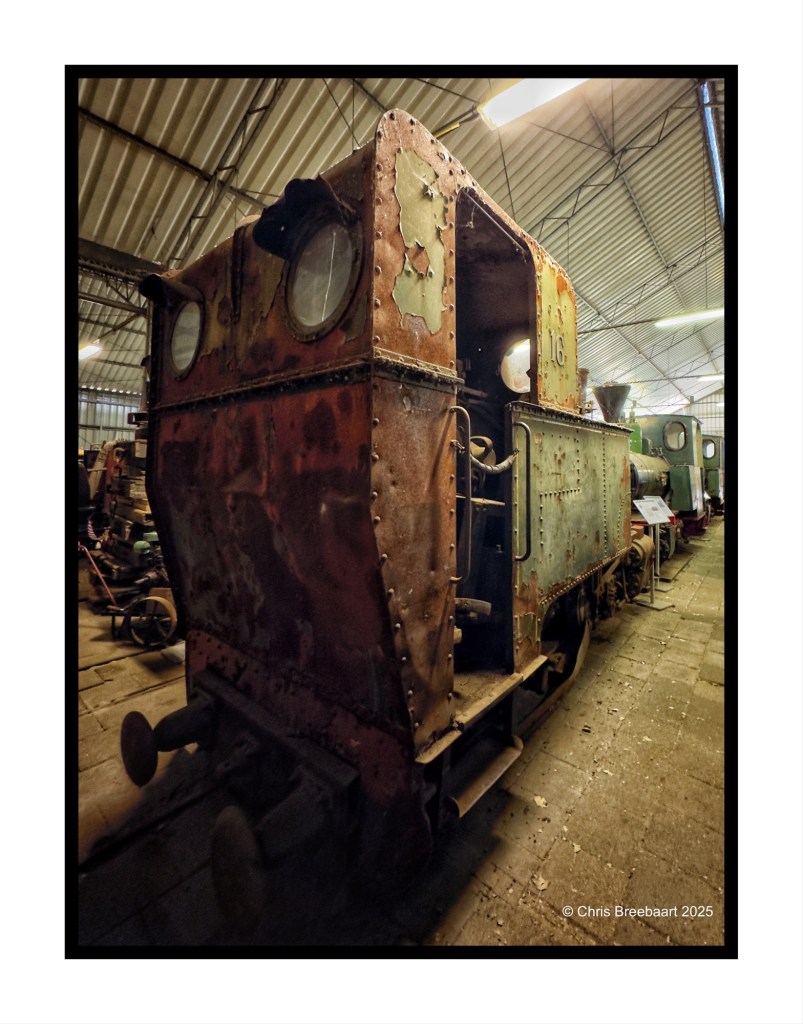
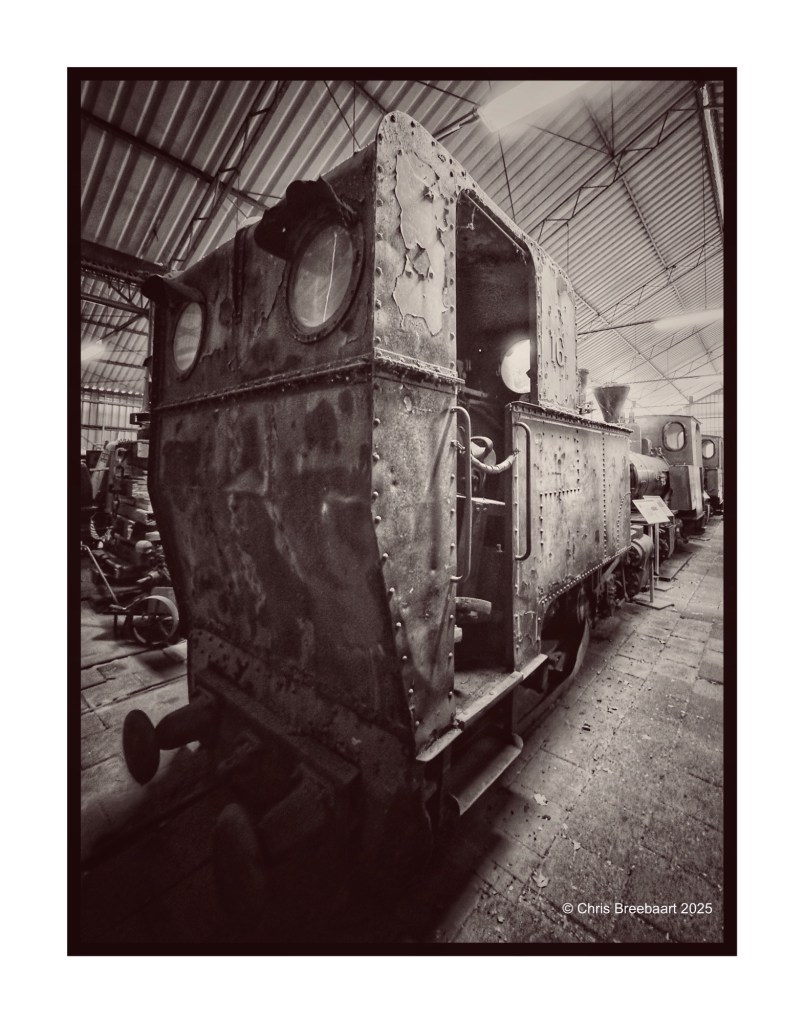
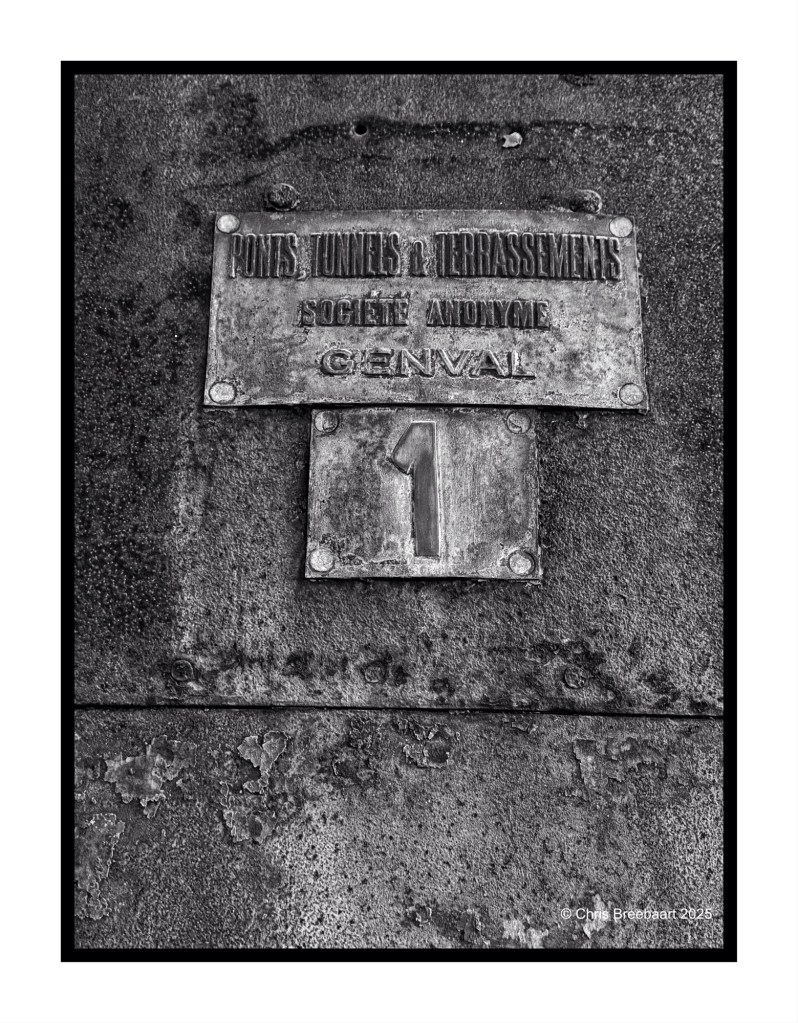
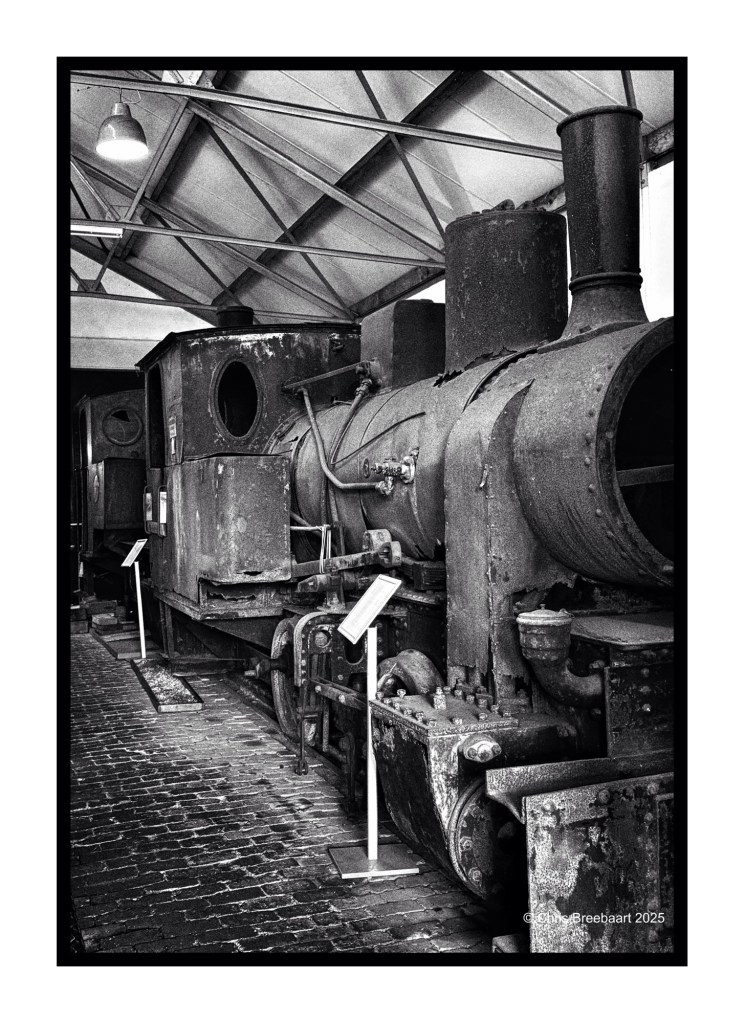
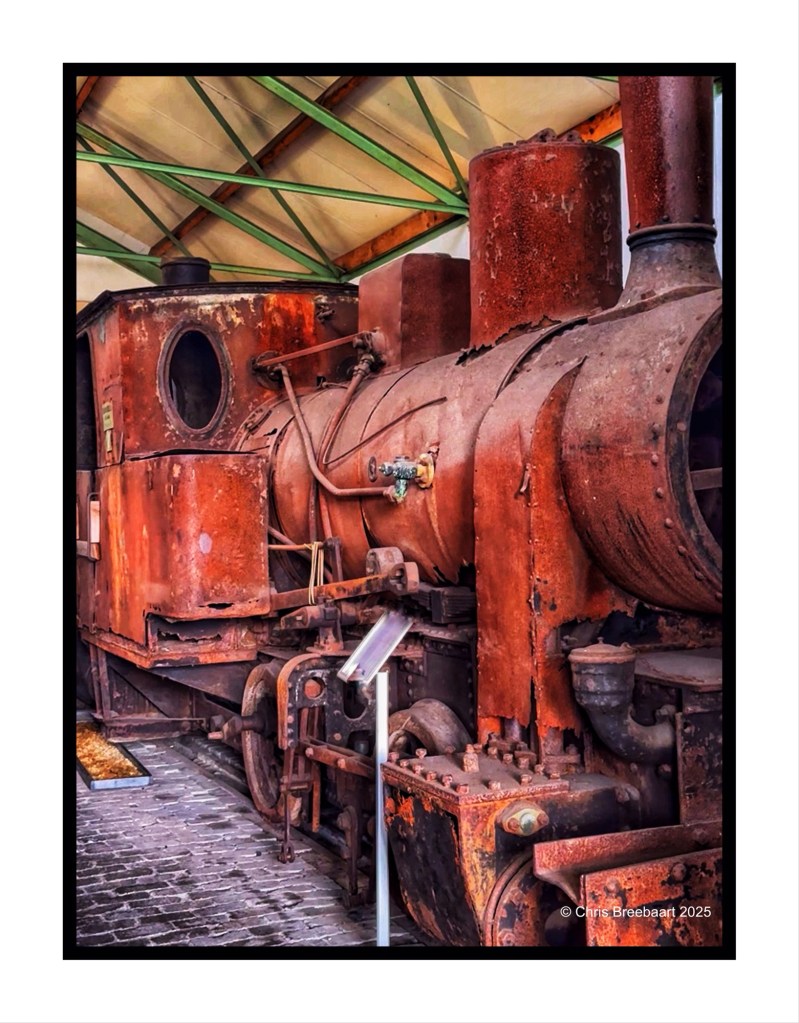
The Lens-Artists Photo Challenge #374 is ‘on the move’. Most of what is on these photos has not moved in a long time. However, the machines they got moving again are brilliant. It is a place where they try to keep history alive and accessible, touchable and usable.
The Steamtrain Museum Katwijk Leiden is run by volunteers. It offers the history of steam trains and their use on narrow gauge tracks. And the volunteers fix up and restore old locomotives, carriages and other cars. They have a big storage full of old parts and rusty machines.
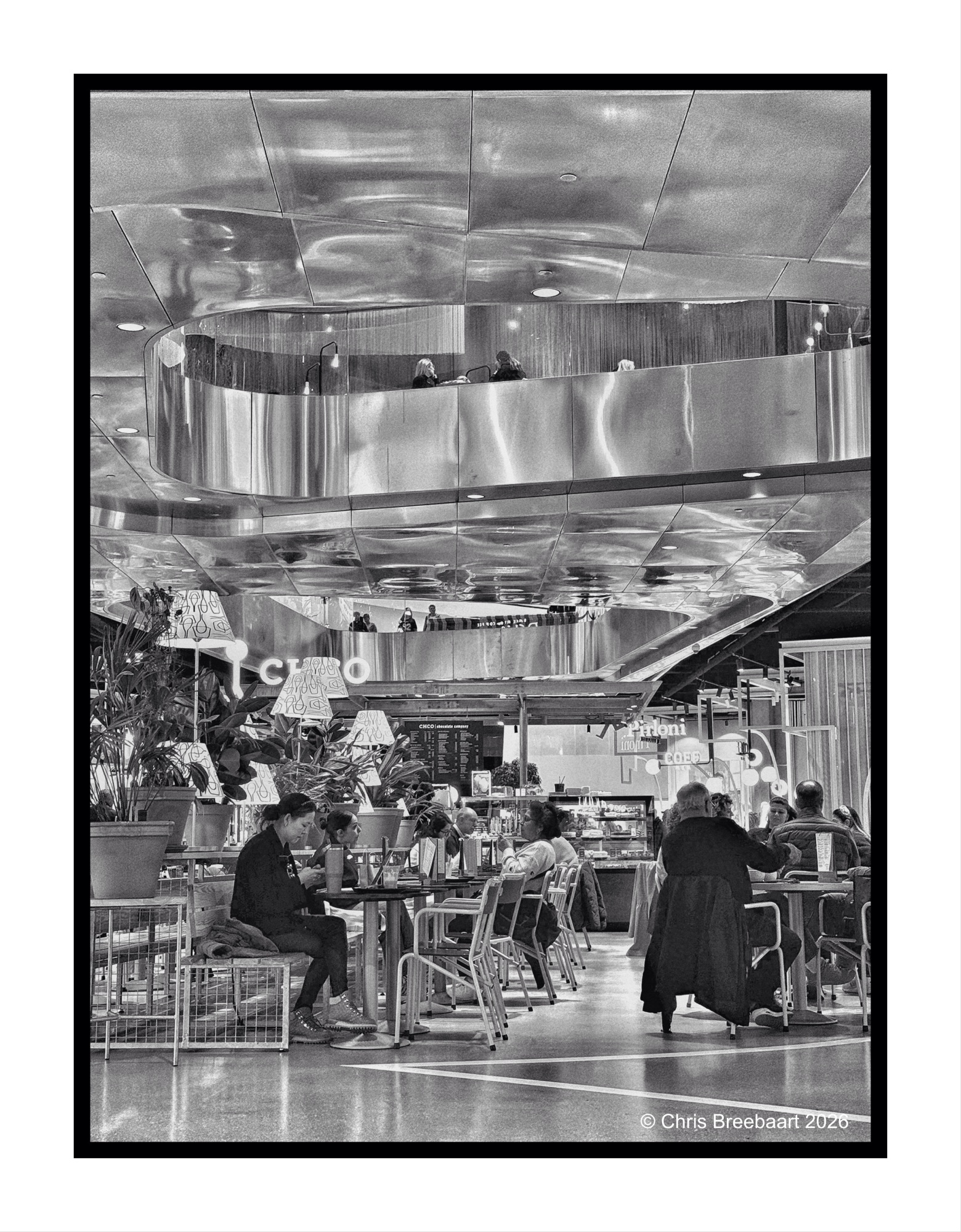
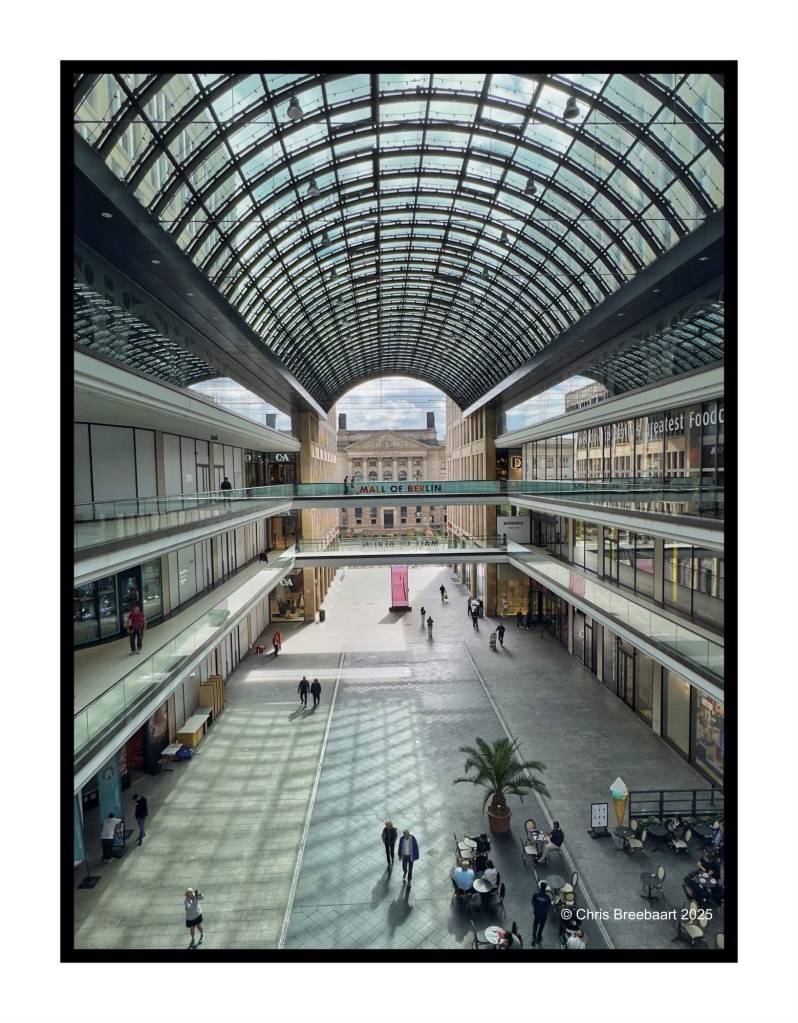
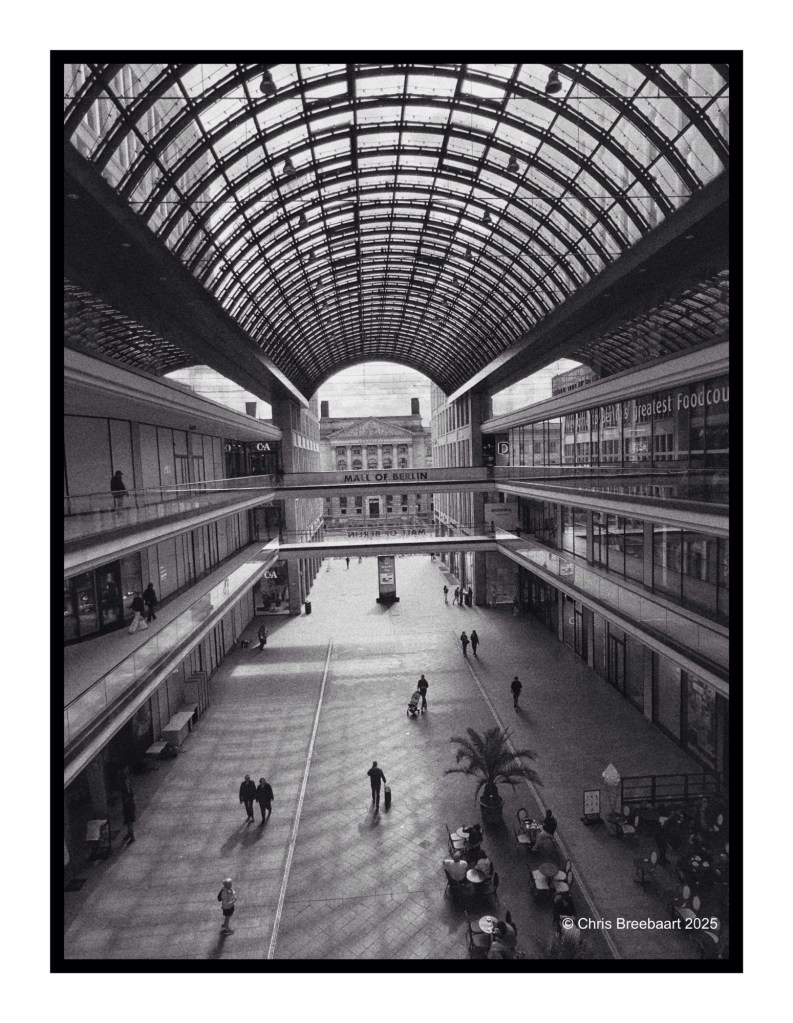
Every big city has its own mall, a big shopping center. Most of the times the shops and brands are the same as in the mall next to where you live. And the food court can be slightly different. The Mall of Berlin is no exception to that rule. The location (Leipziger Platz) makes it interesting, as does the architecture.