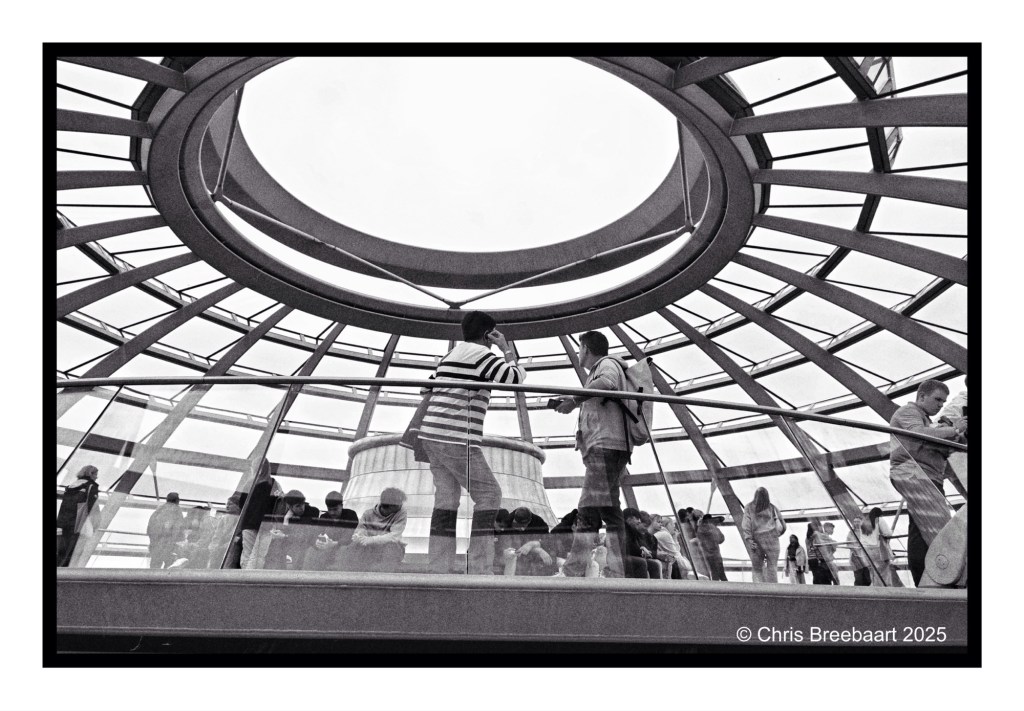
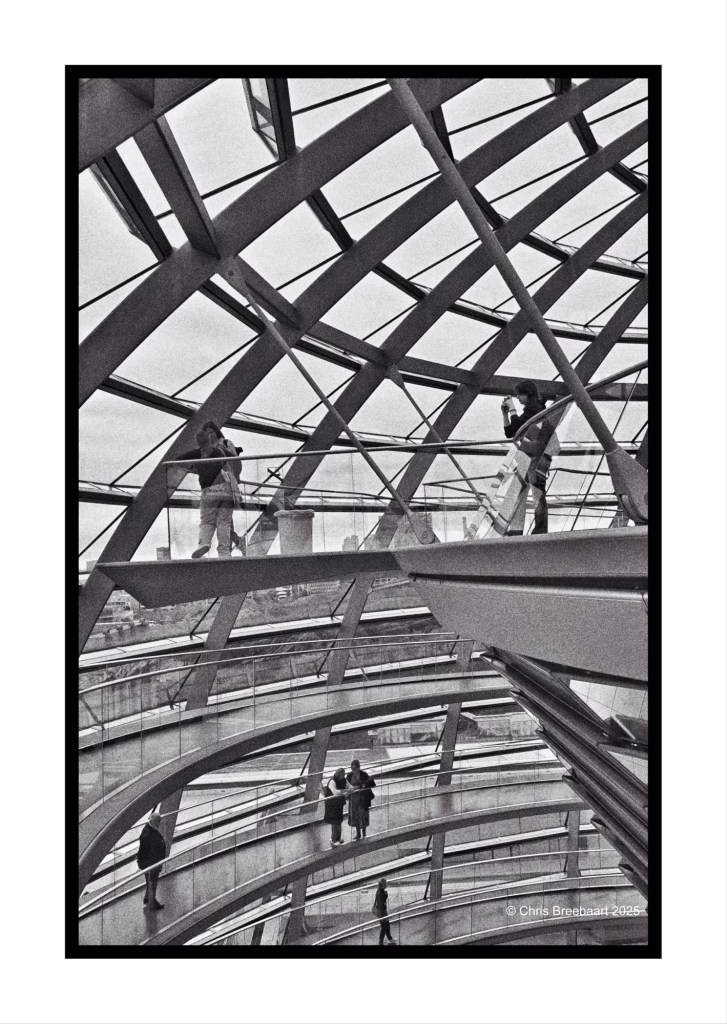
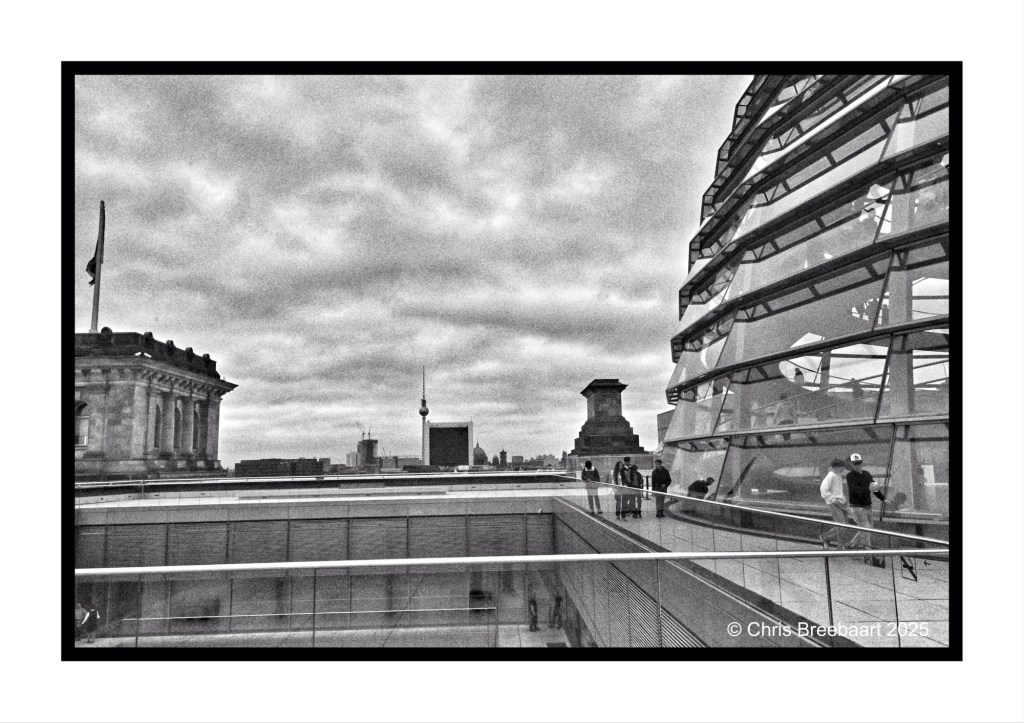
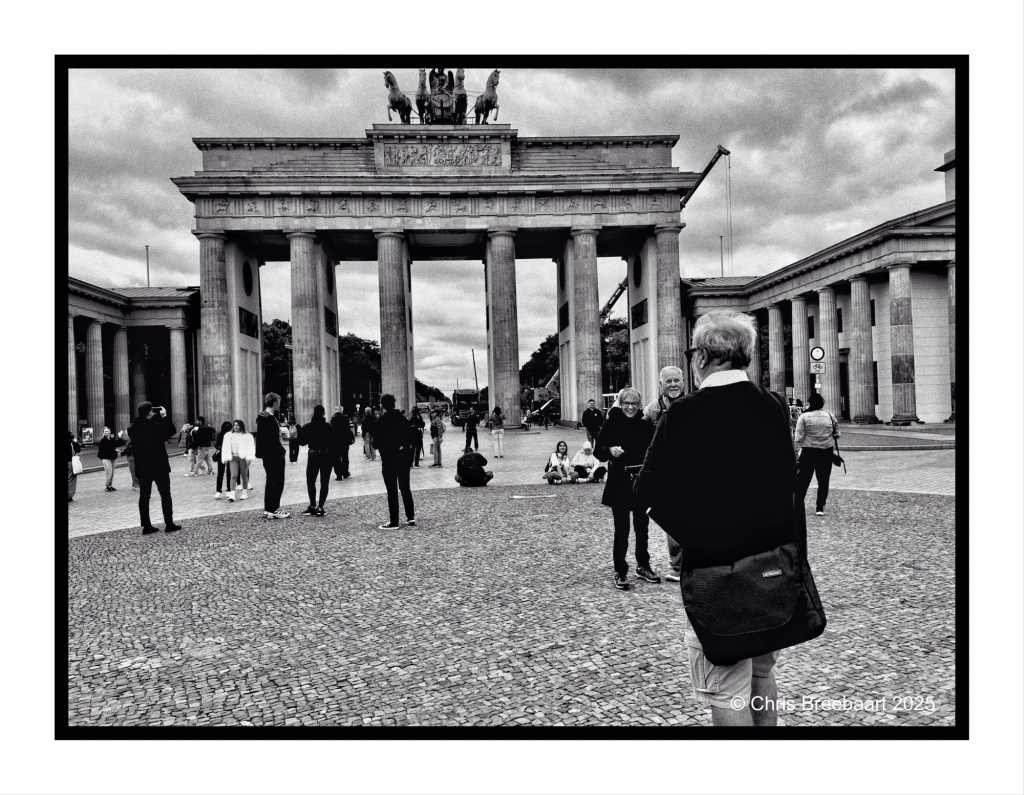
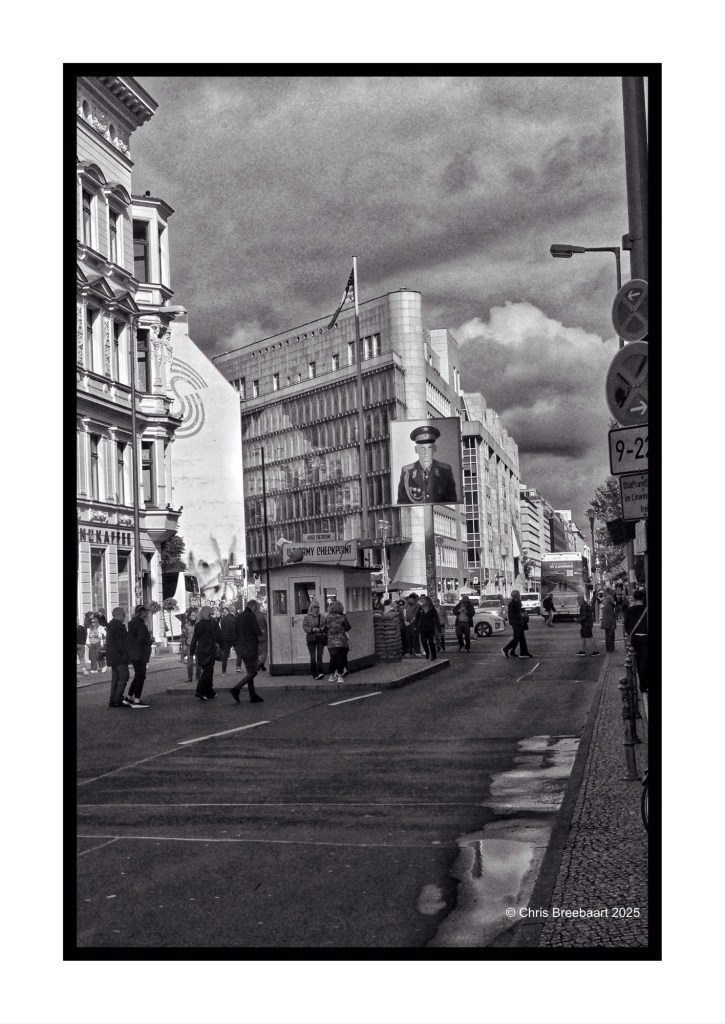
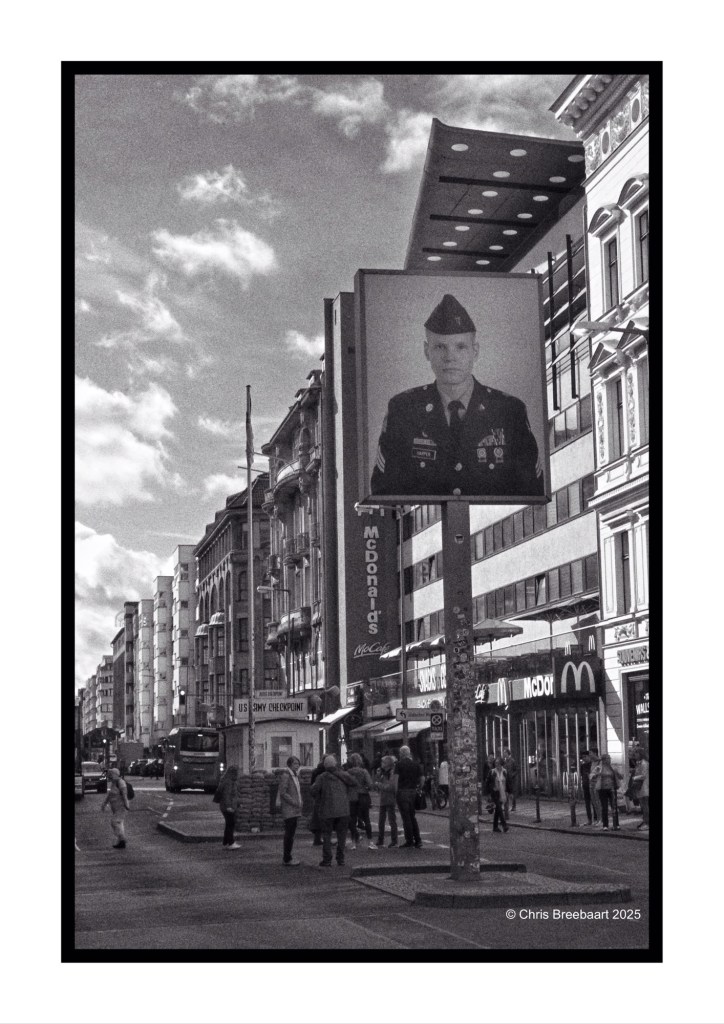
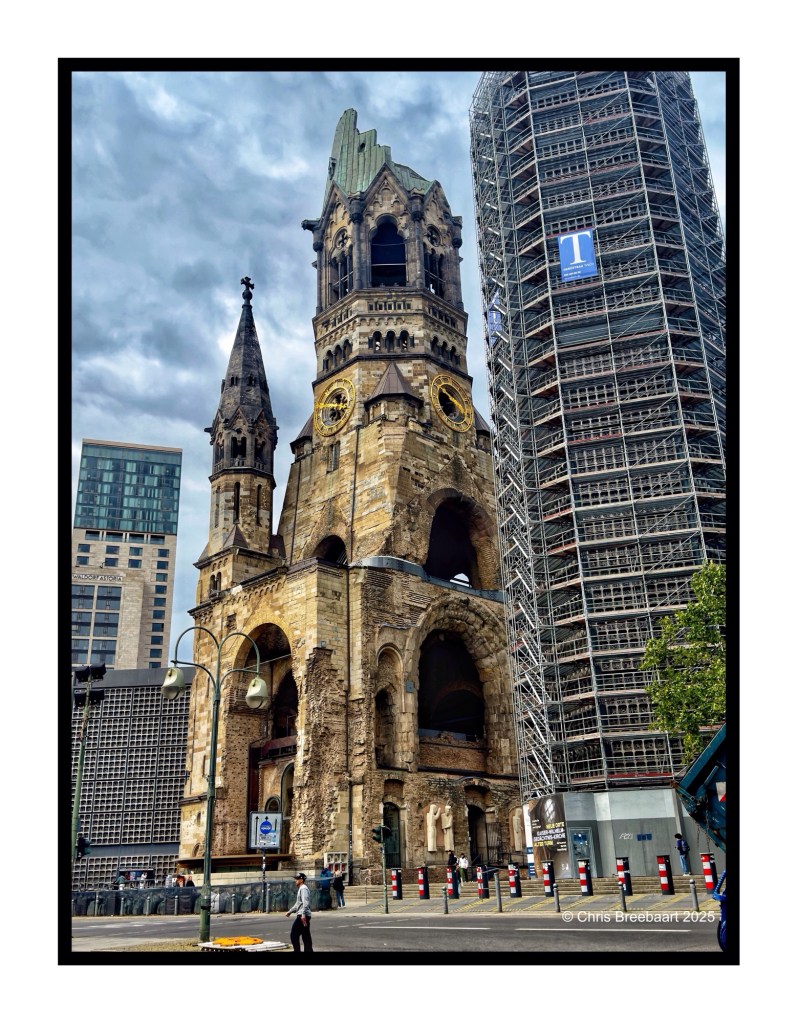
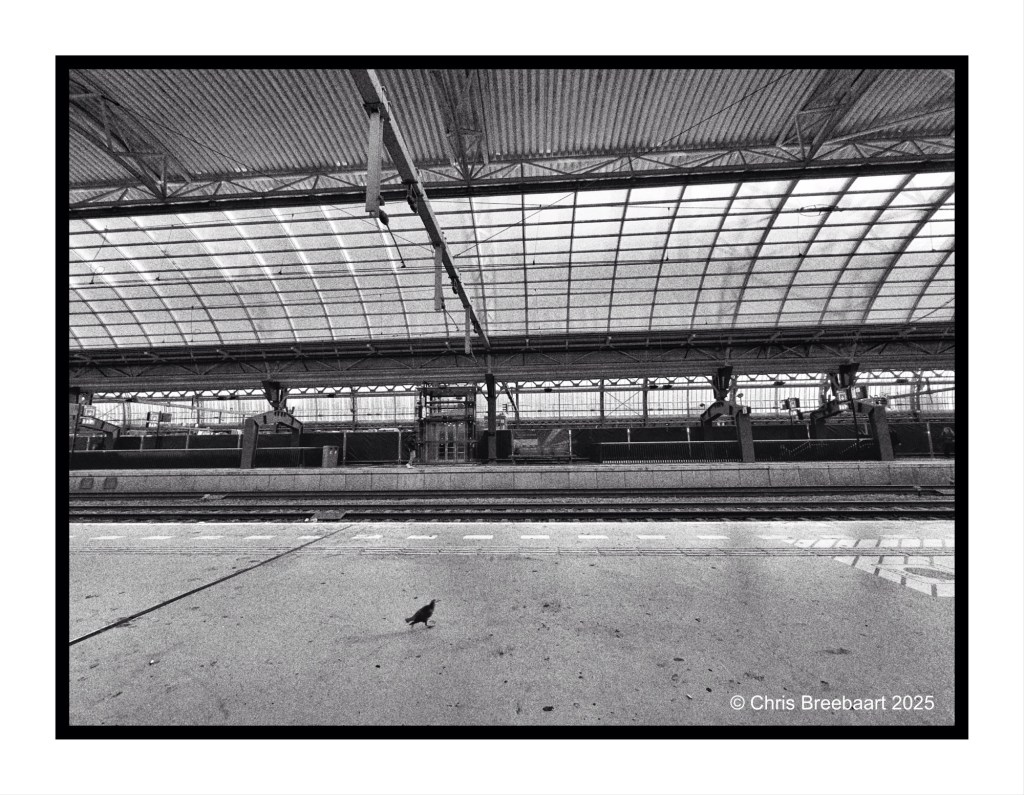
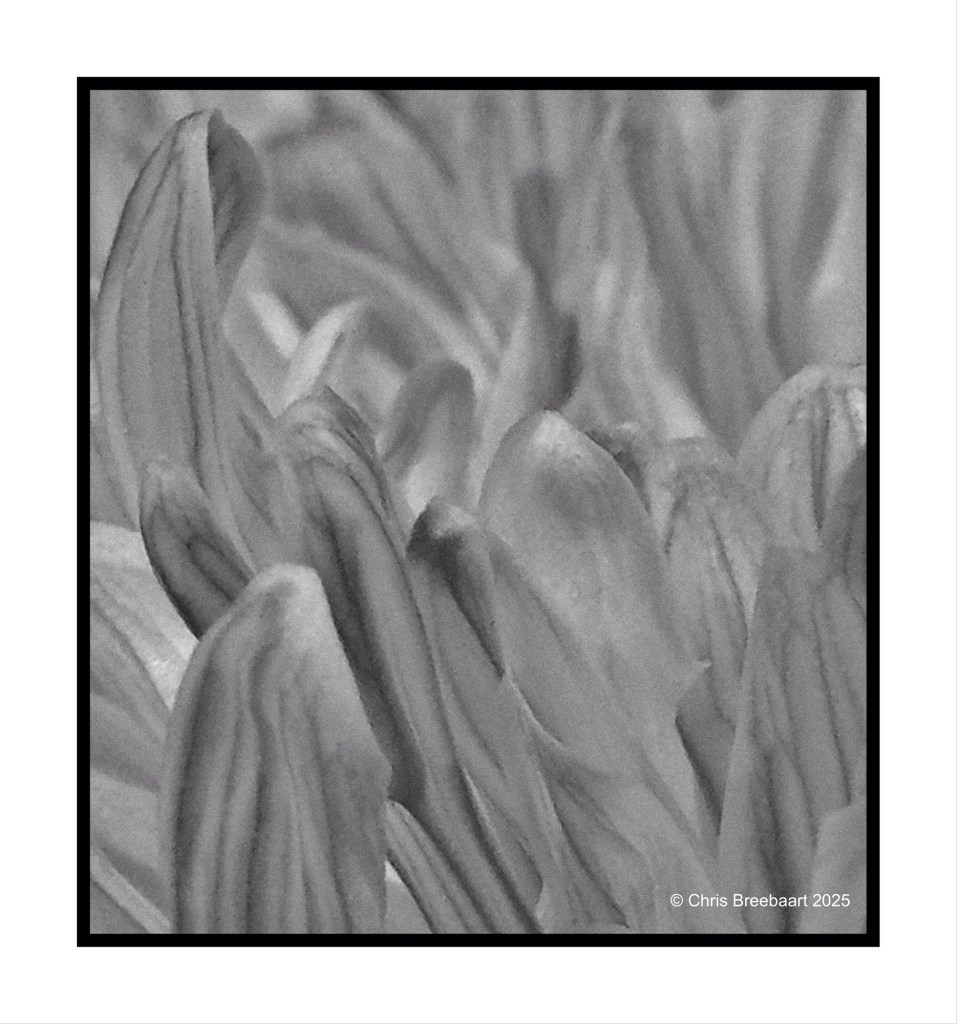
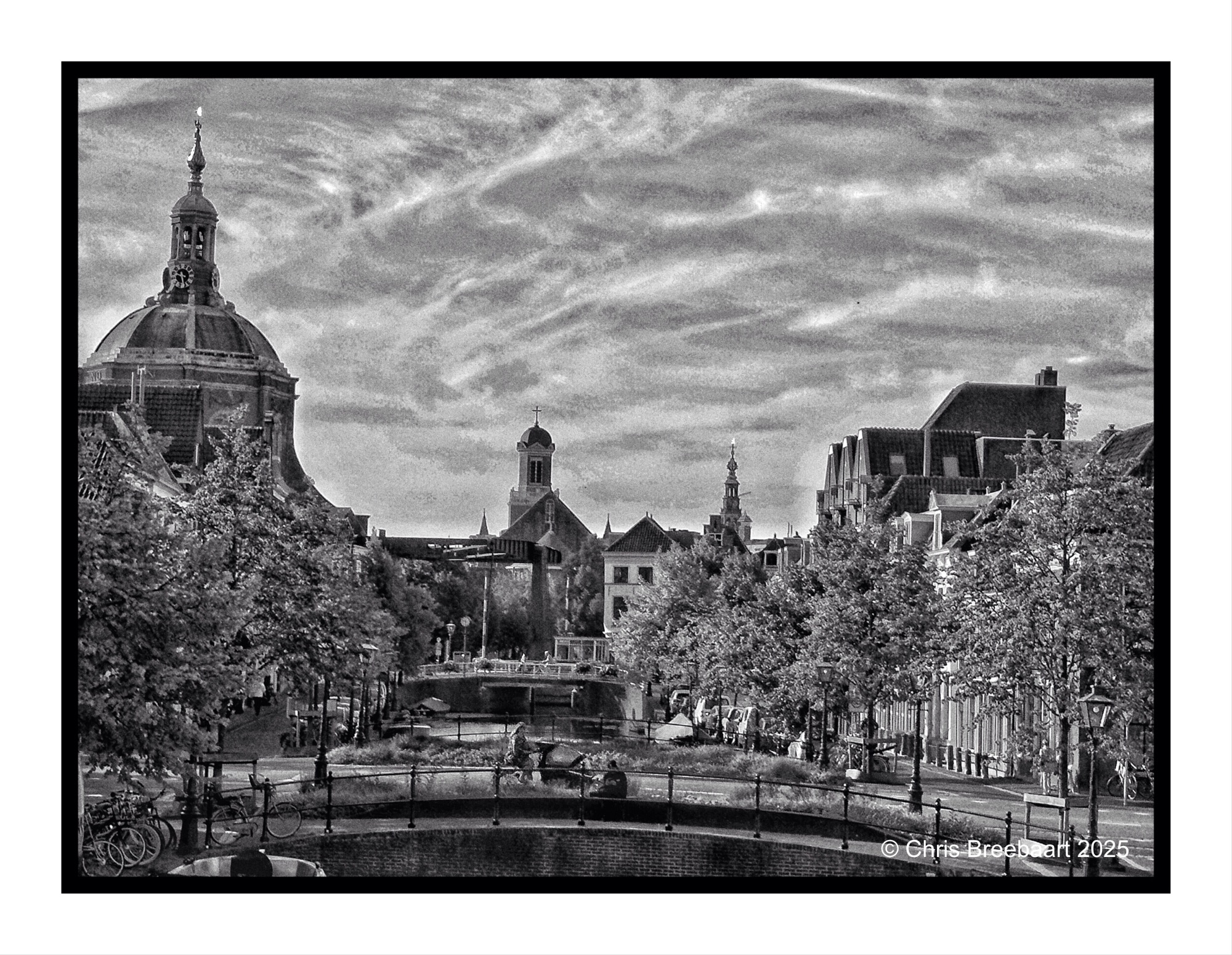
The dome on the Reichstag offers a wonderful panoramic view on Berlin. And you can walk the rest of the roof as well to look over the city. Here an impression in monochrome.
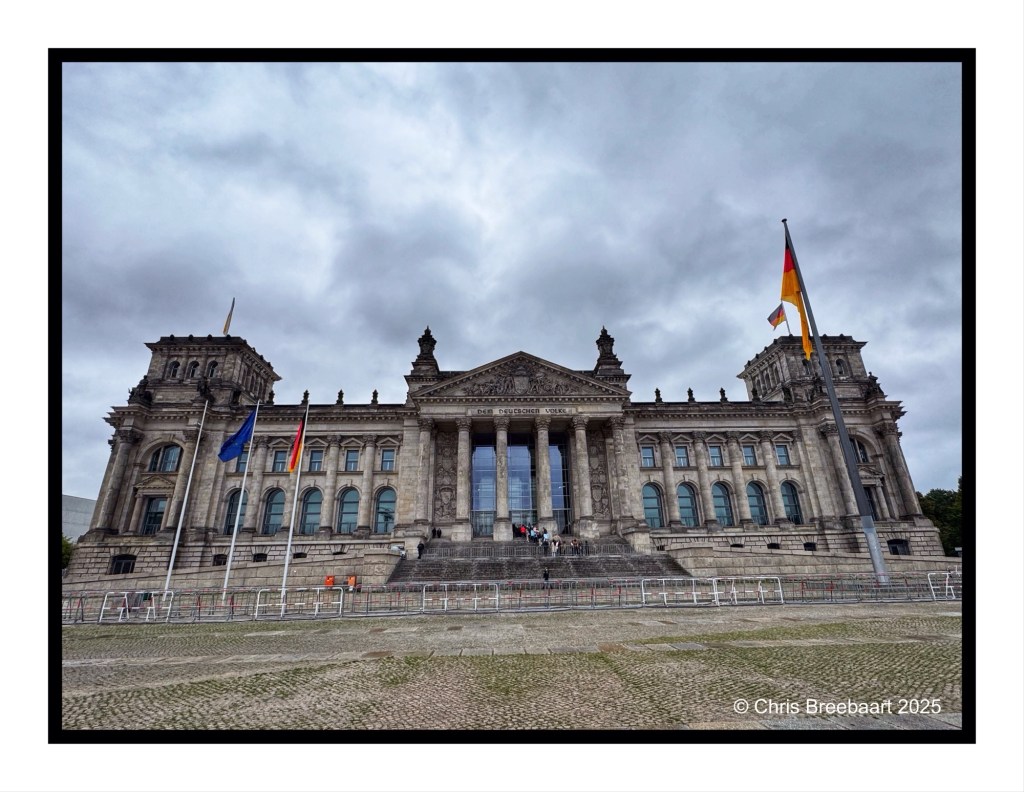
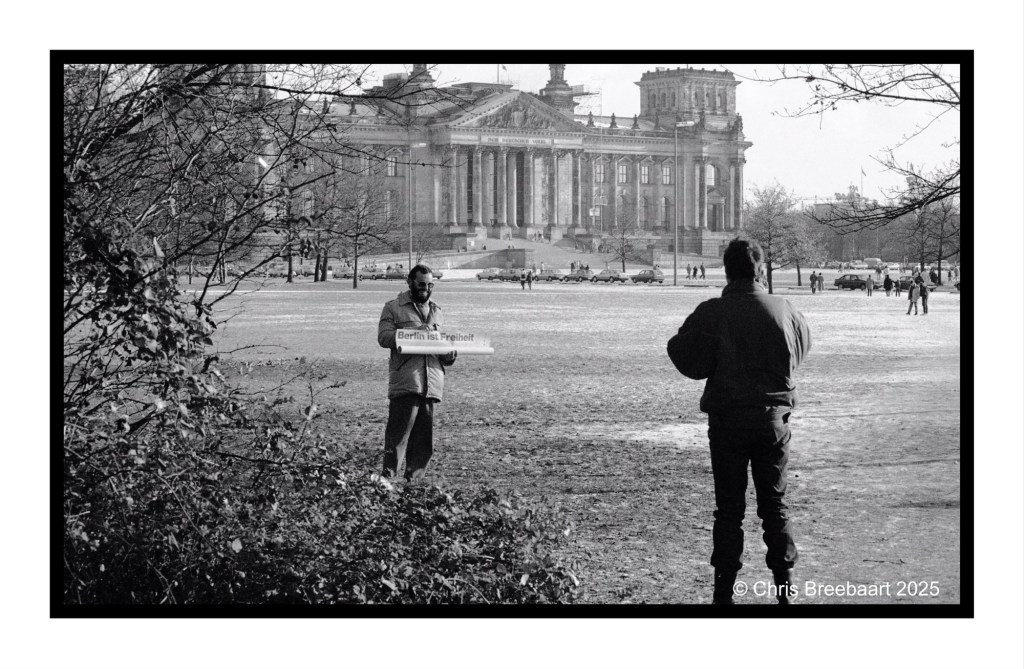
The front of the Reichstag. A visit was on the top of my list. In 1989 the Berlin Wall was right next to the building; and since 1989 this area was completely developed. So we booked a visit to the dome. On this photo I left the dome out consciously. I wanted to have an image like the building looked in November 1989 below.
Germany, Berlin – November 1989
The history of the Reichstag is connected to my hometown and Leiden. In 1933 Marinus van der Lubbe was accused, tried and sentenced by the Nazi-regime for setting fire to the building. He was born in Leiden en lived in Oegstgeest, as did his family.
About the B4 retouch series: I browsed my archive for pictures to publish. Some of them are partly retouched but most do have scratches, dust and stains.
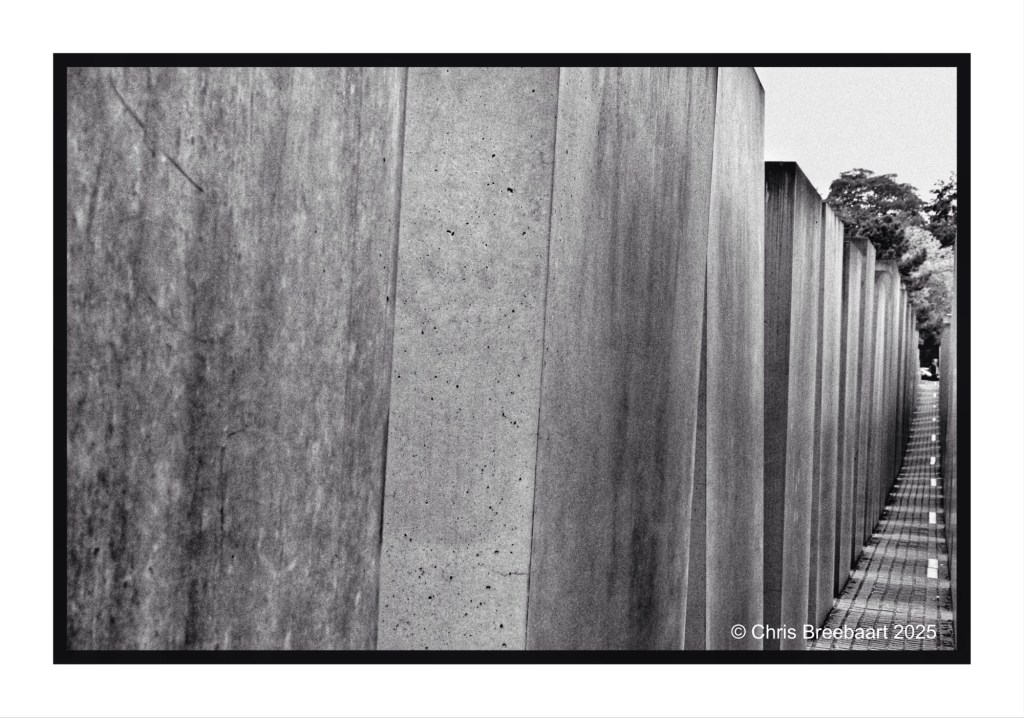
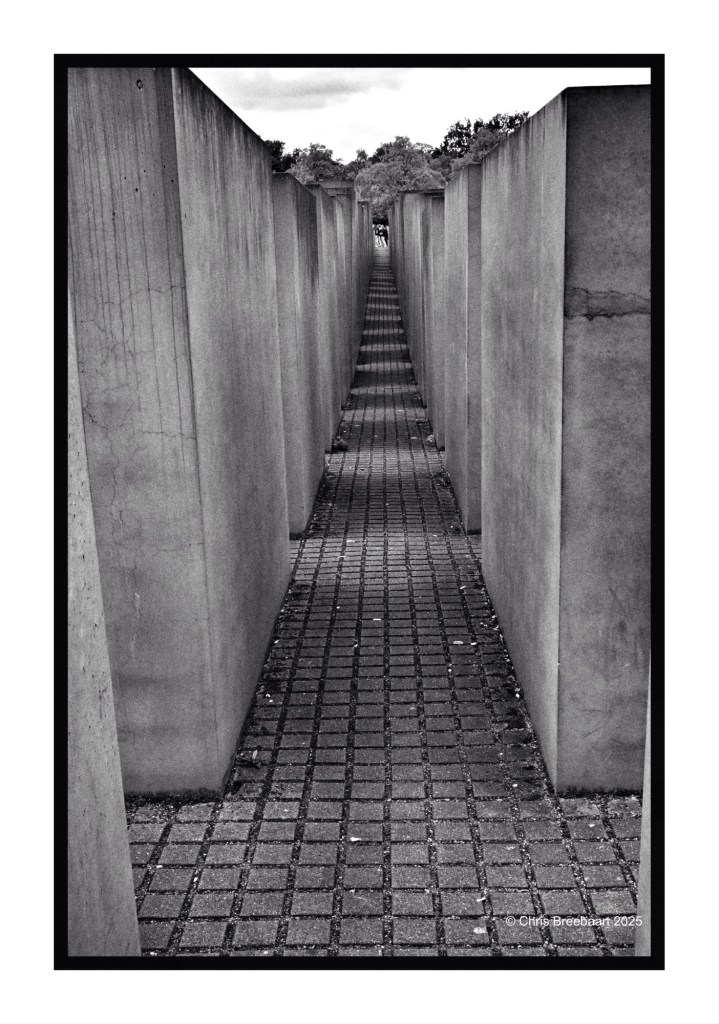
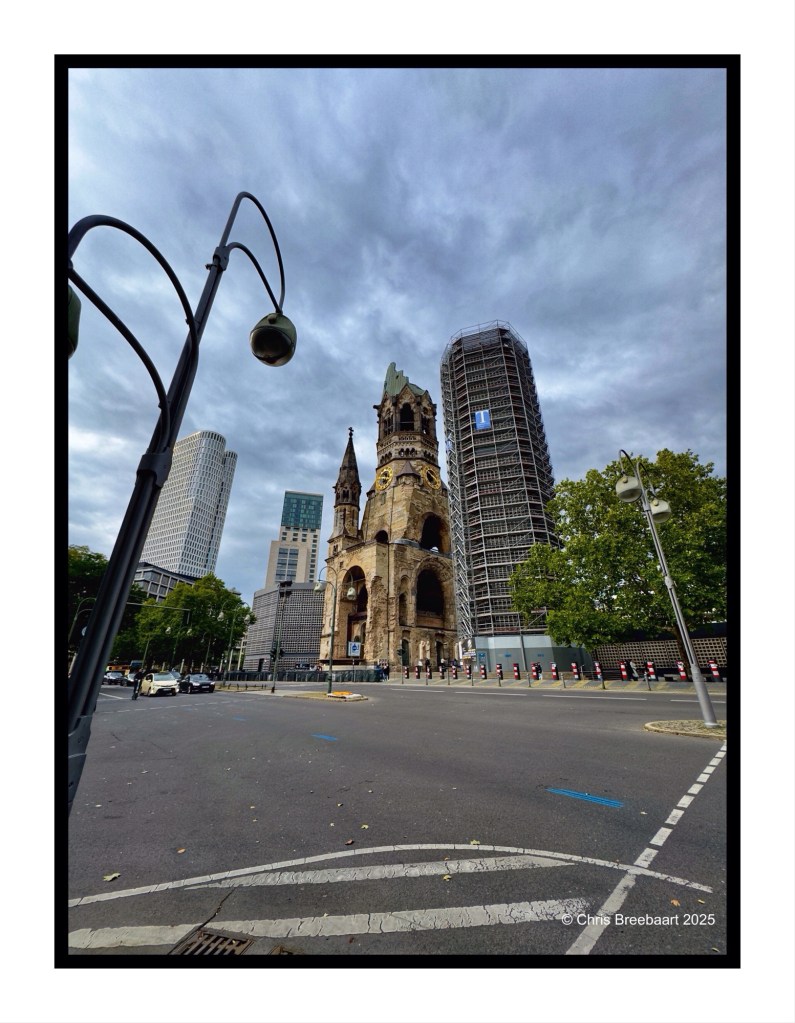
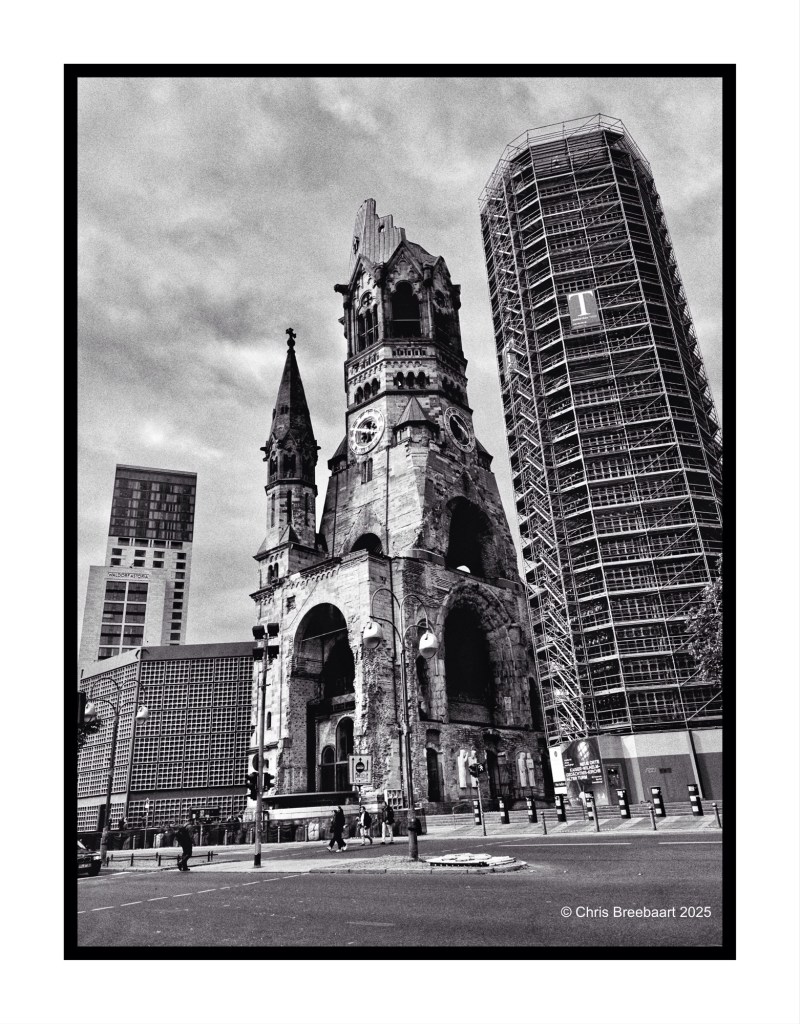
Last September I revisited Berlin after 46 years. One of the reasons to come back was to visit the Memorial to the murdered Jews in Europe. I had read stories and seen photos, and I wondered how I would take photo’s of it. And what it would be like to wonder through it. This visit I had my first experience with the monument. Here is the first impression (and the coming days I will publish some more).
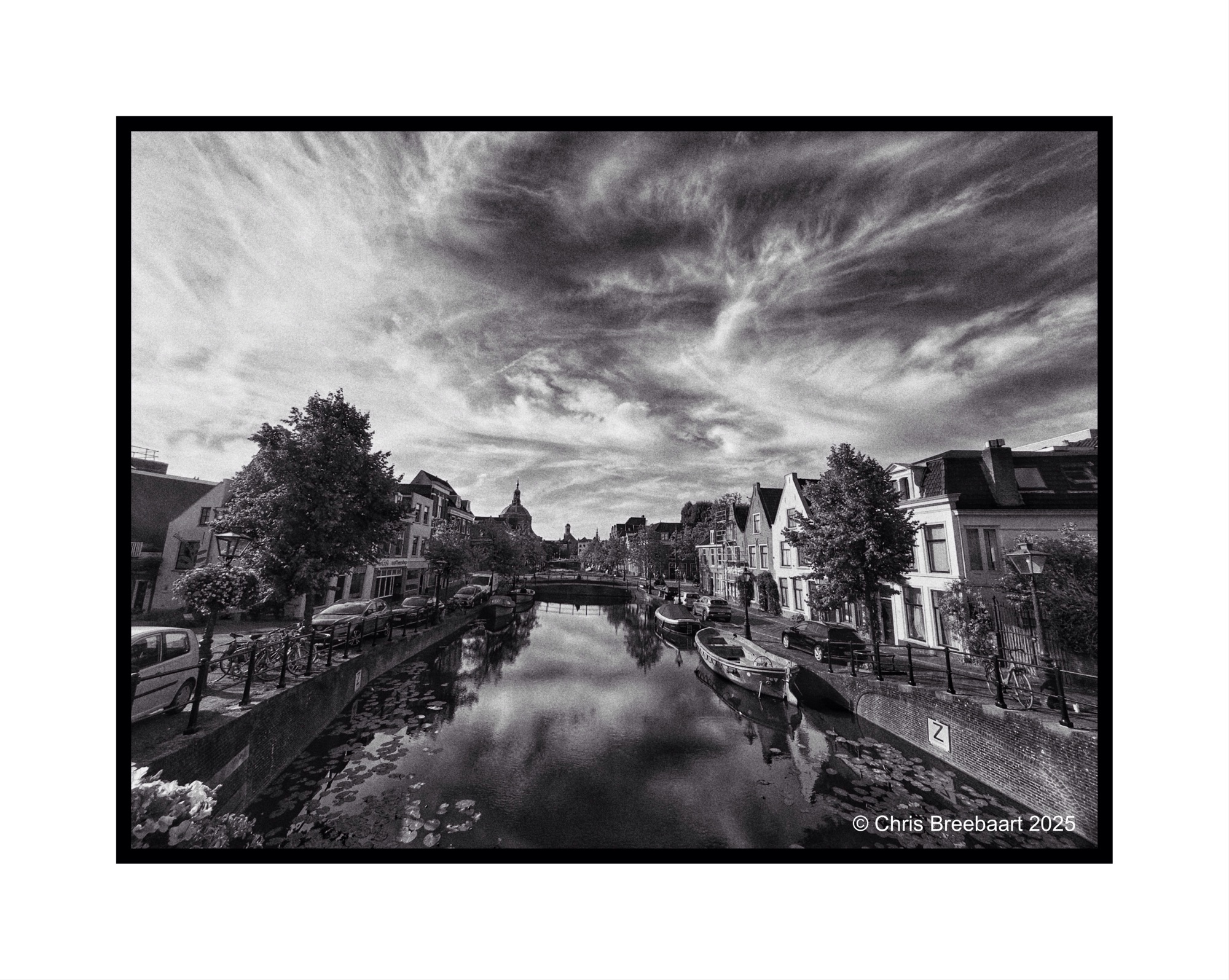
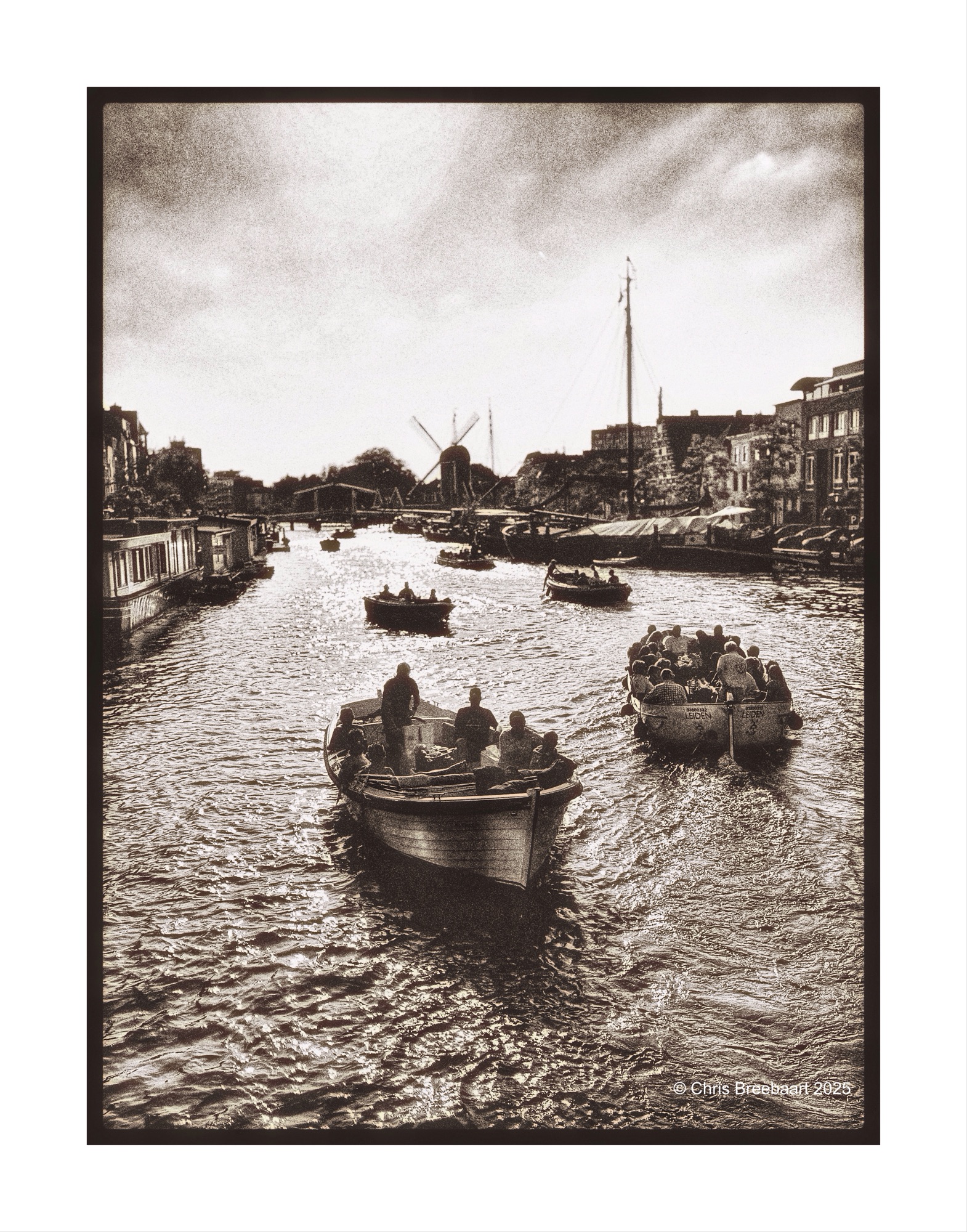
A more detailed view of the photo I published yesterday of Leiden. Leiden used to be famous for fabrics, and canals provided the infrastructure for the logistics. Some of the canals were filled up in the second half of the 20th century. However, there are debates about opening a few of them again. These discussions focus on sustainability and environmental quality.
A view on the city where Rembrandt van Rijn was born, Leiden. It was the home where he grew up. There he started his now famous career as a painter. Later, he moved to Amsterdam.
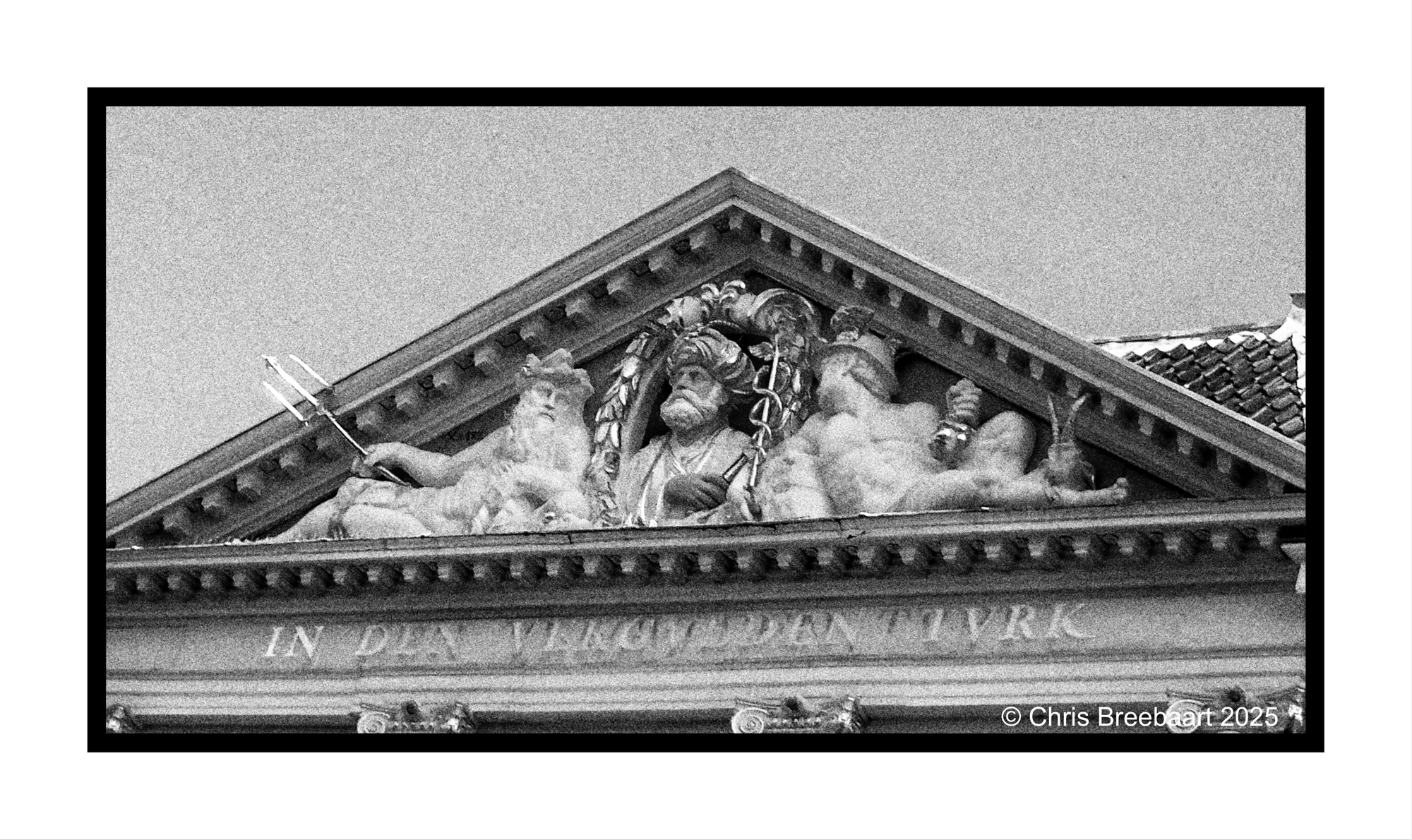
Detail from a front in the Breestraat in Leiden. In den vergulden Turk used to be a restaurant. It moved decades ago to a different spot in town. It then changed its name to Wienerwald. The top of the original front is still there, and recently brought back to its old splendor.
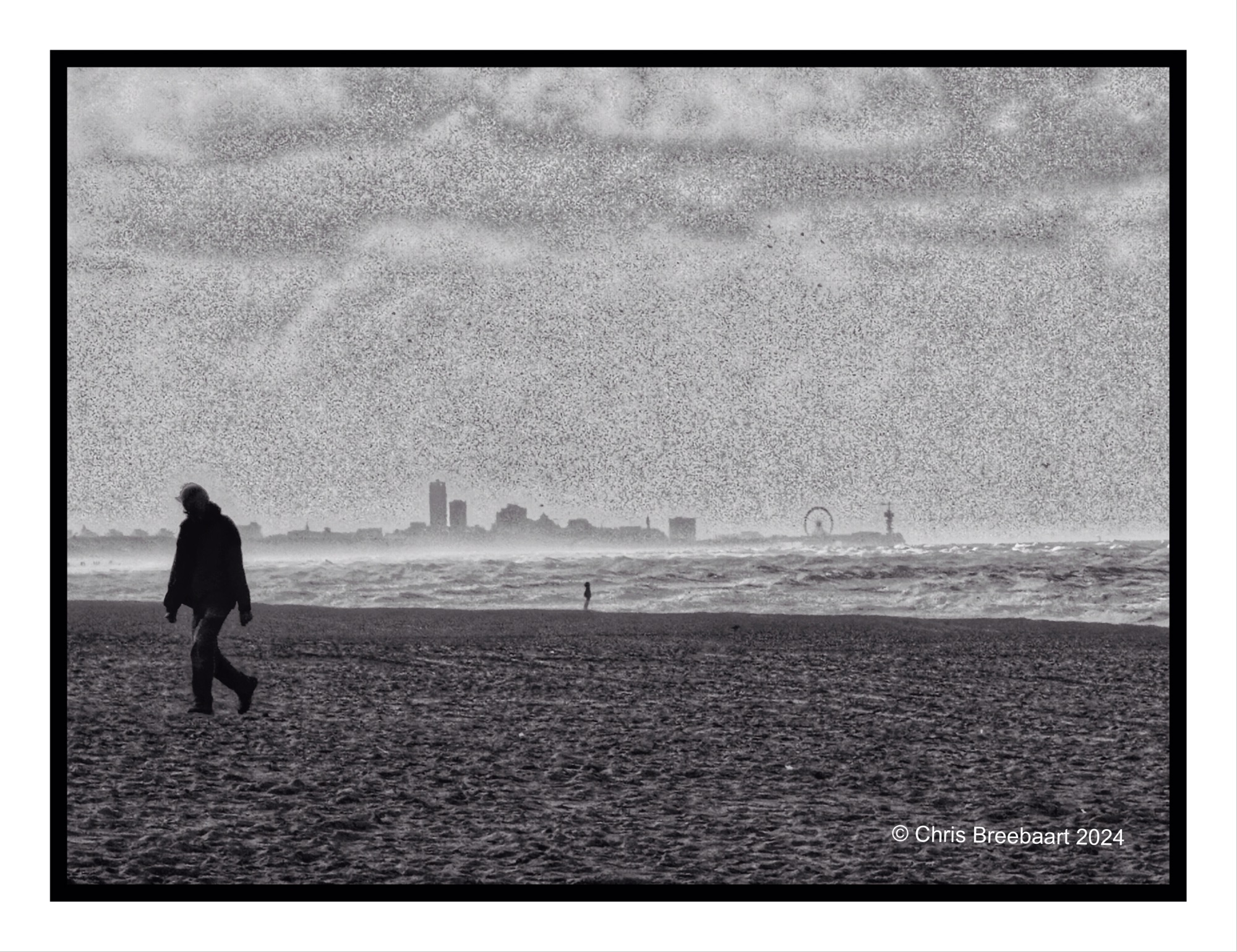
I like monochrome photography for many reasons. One of them is the ability to play with the mood in the photo. Just by adjusting the aperture time or the opening of the lens, the same light delivers a different mood. This one and the photo I published yesterday, were shot on the same day.
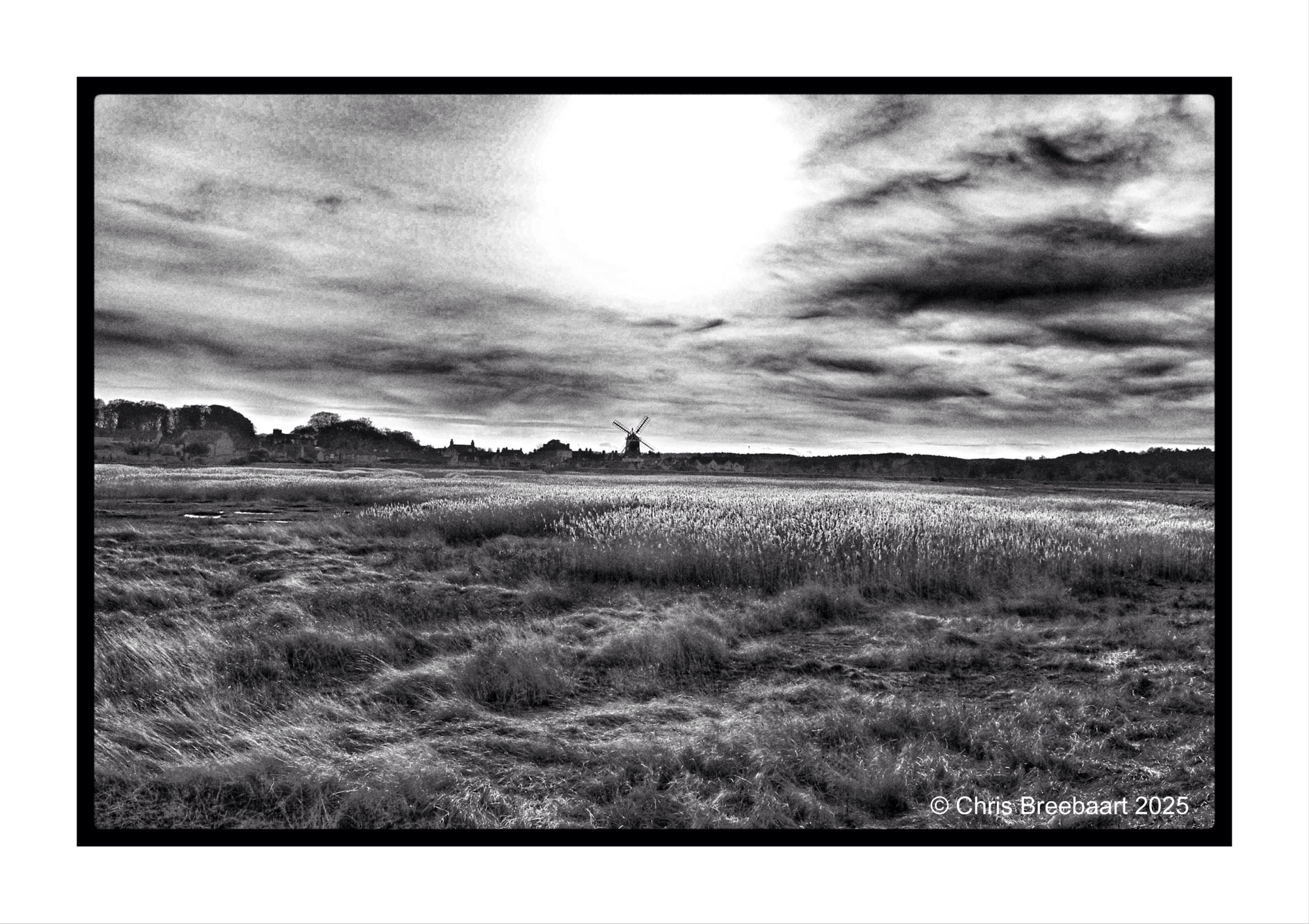
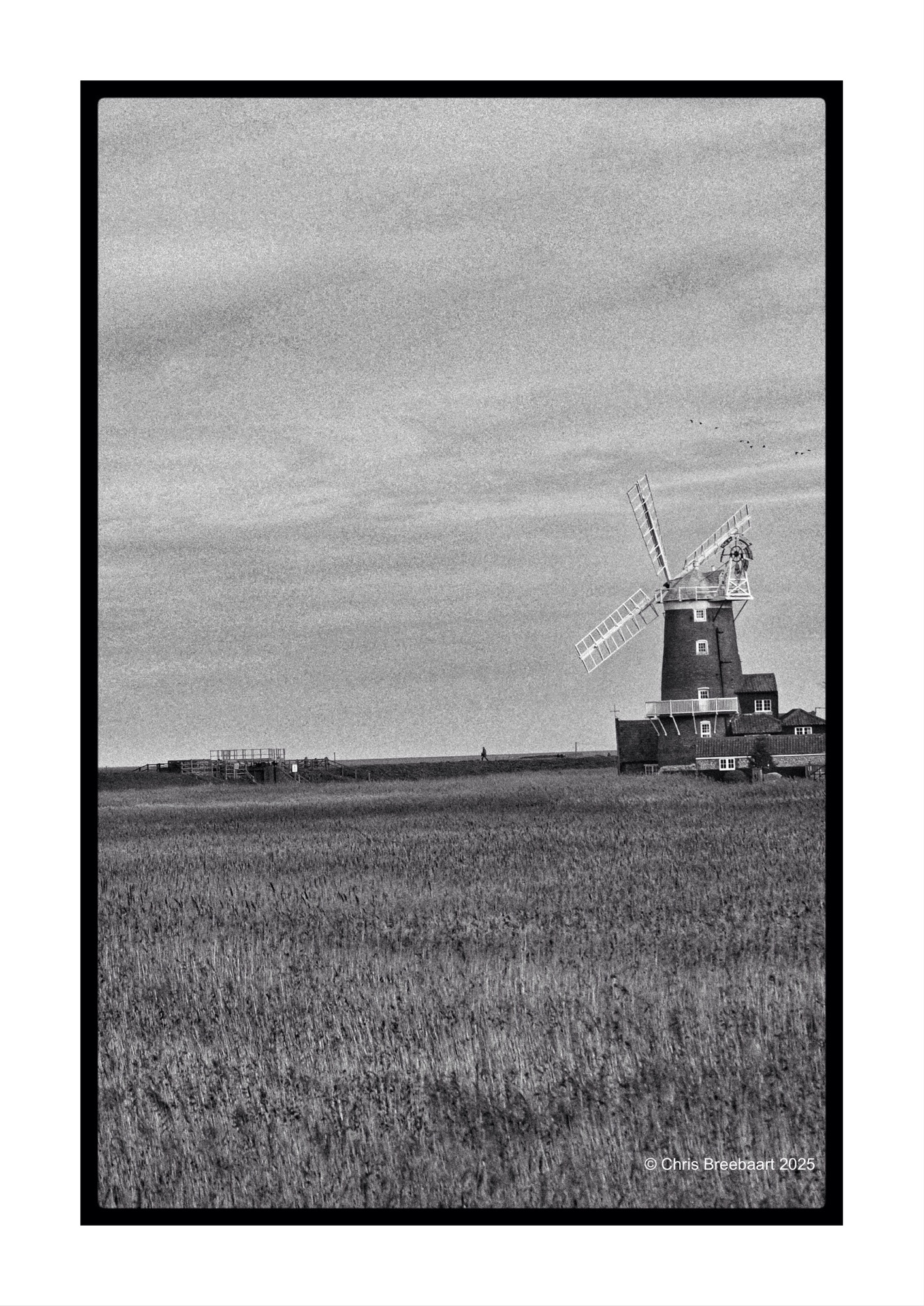
This is the famous Cley windmill at Cley next the sea. It’s by far the best name for a coastal village. Interestingly, it actually does not have a sea front. The mill was owned by the family of James Blunt.
I have a fondness for black and white aka monochrome. That grew on me. Mono was cheaper 50 years ago and more ‘easy’ to handle in a dark room. Monochrome gives something extra at times. The sphere, the grain. And over all these years I learned to see objects in monochrome, visualizing what something looks like in grays.
When I bought my first Nikon digital camera (the D70), I naively asked ‘where is the monochrome setting?’. It was not there. Shooting was color only. If I wanted mono I had to create it myself afterwards in Lightroom, Photoshop or an app like Snapseed. But lucky for me, on the iPhone and on the recent Nikon Zf, there are monochrome settings. To be honest, that was one of the reasons to buy a Zf. So now I have a choice: choose a mono or color setting, or turn color afterward turn it into mono.
I know the taste of my ‘audience’ is different than mine. In three days I like to find out more about your taste. What do you fancy more: a photo in mono or in color?
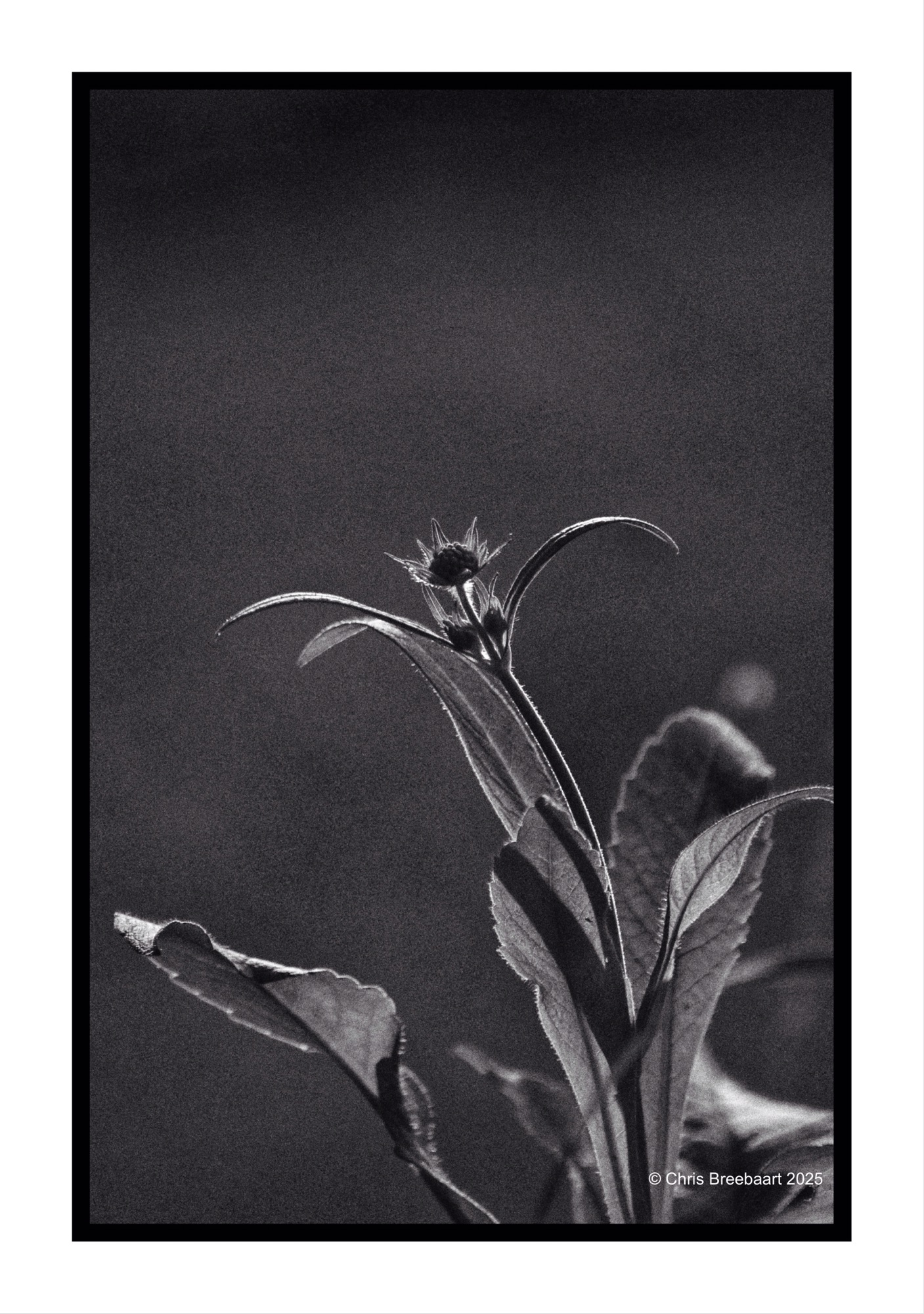
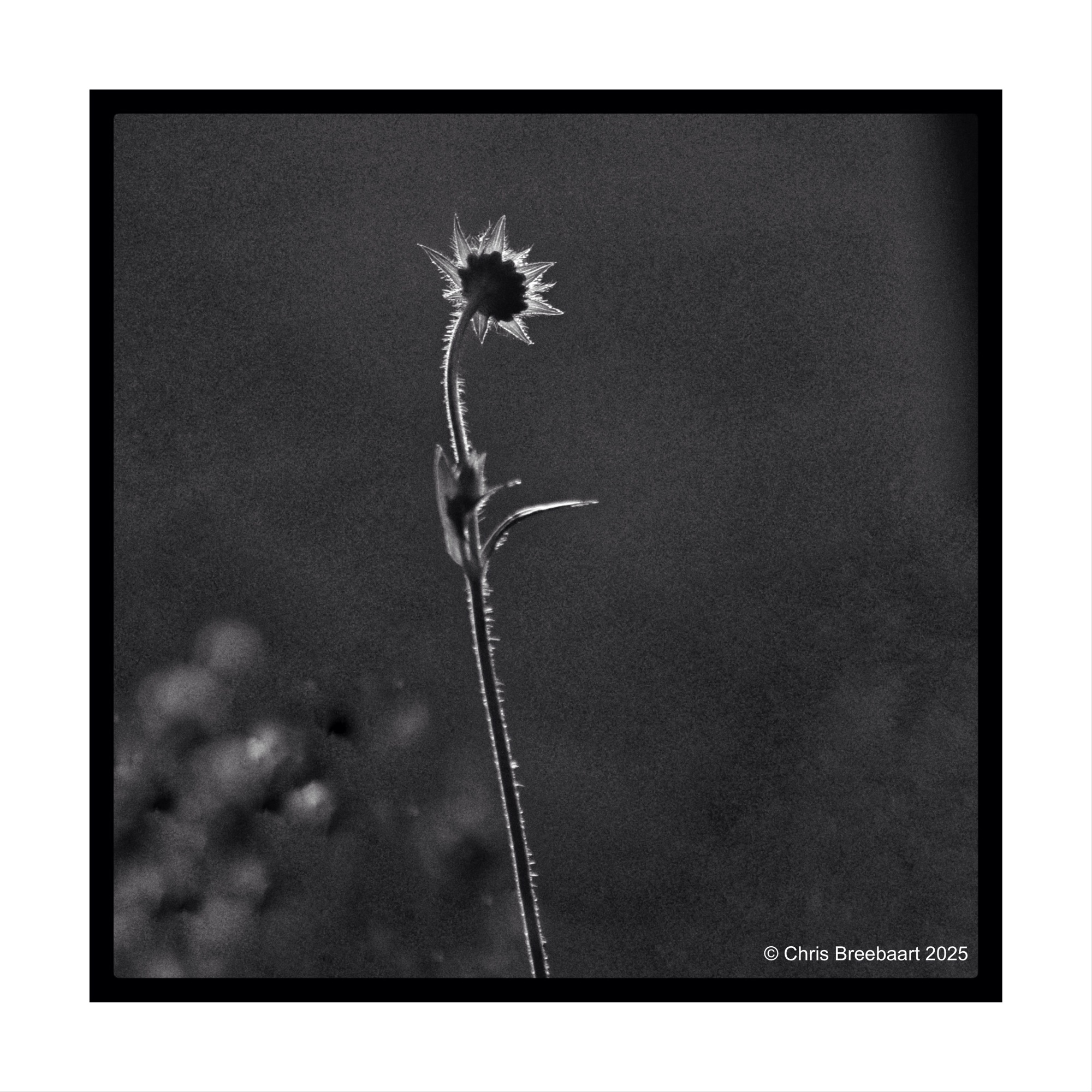
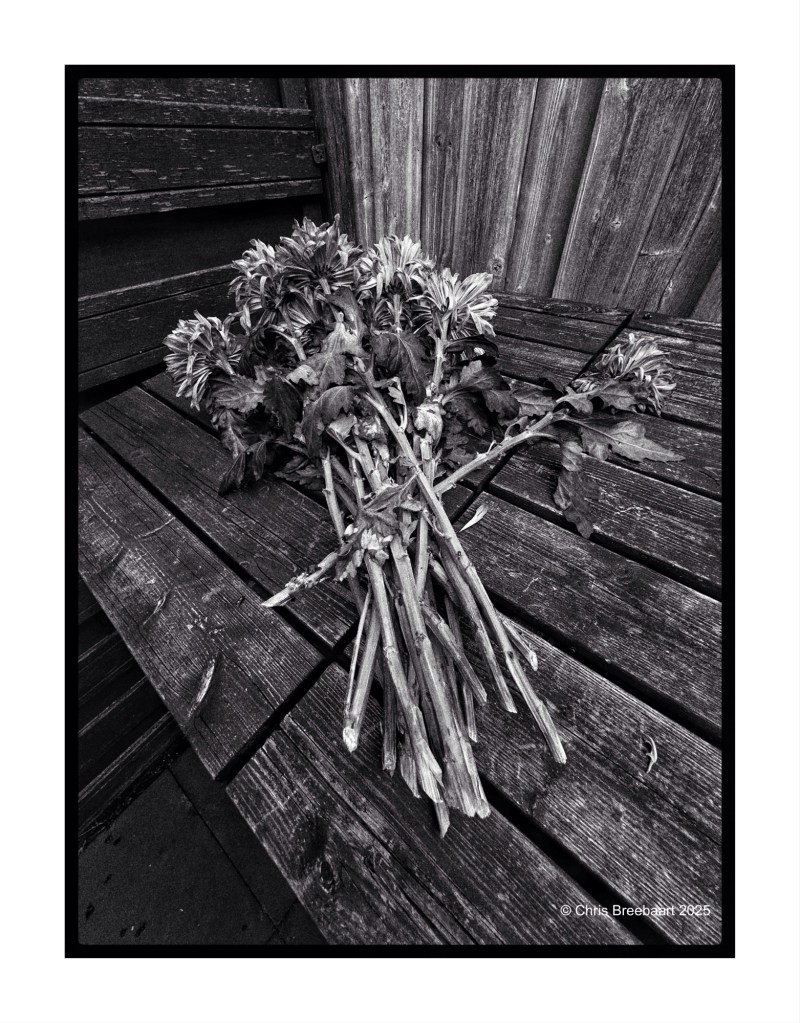
This third and last one is about flowers, waiting for the recycle bin. The photo was shot in color.
I have a fondness for black and white aka monochrome. That grew on me. Mono was cheaper 50 years ago and more ‘easy’ to handle in a dark room. Monochrome gives something extra at times. The sphere, the grain. And over all these years I learned to see objects in monochrome, visualizing what something looks like in grays.
When I bought my first Nikon digital camera (the D70), I naively asked ‘where is the monochrome setting?’. It was not there. Shooting was color only. If I wanted mono I had to create it myself afterwards in Lightroom, Photoshop or an app like Snapseed. But lucky for me, on the iPhone and on the recent Nikon Zf, there are monochrome settings. To be honest, that was one of the reasons to buy a Zf. So now I have a choice: choose a mono or color setting, or turn color afterward turn it into mono.
I know the taste of my ‘audience’ is different than mine. In three days I like to find out more about your taste. What do you fancy more: a photo in mono or in color?
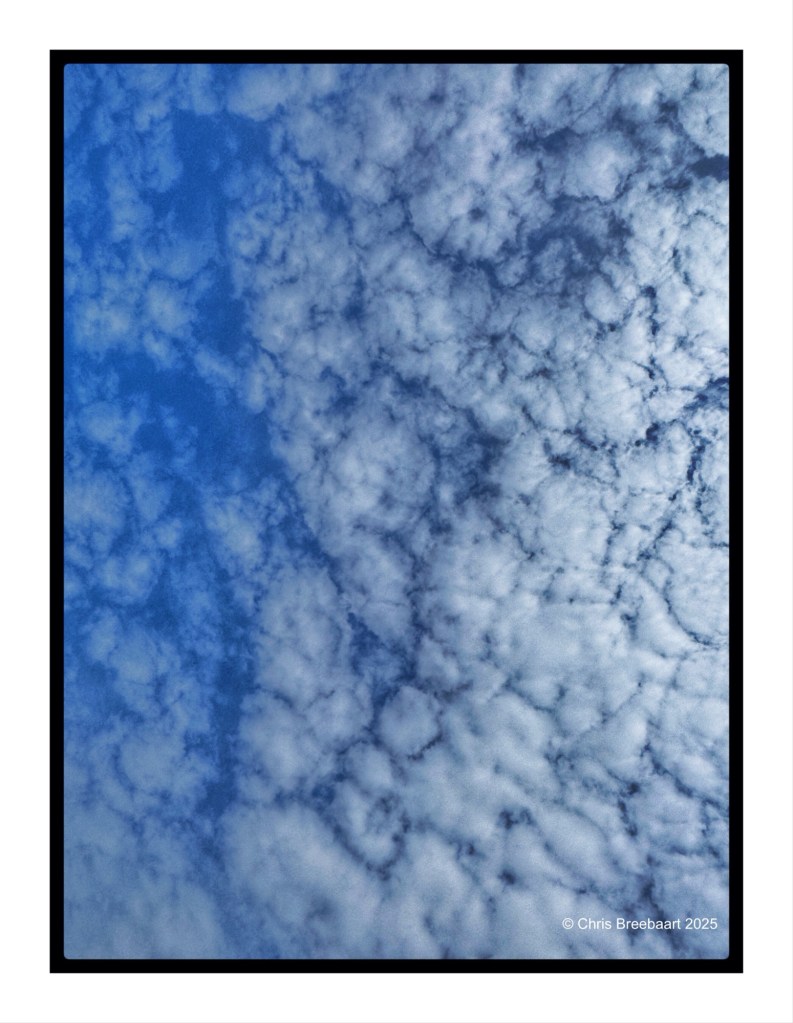
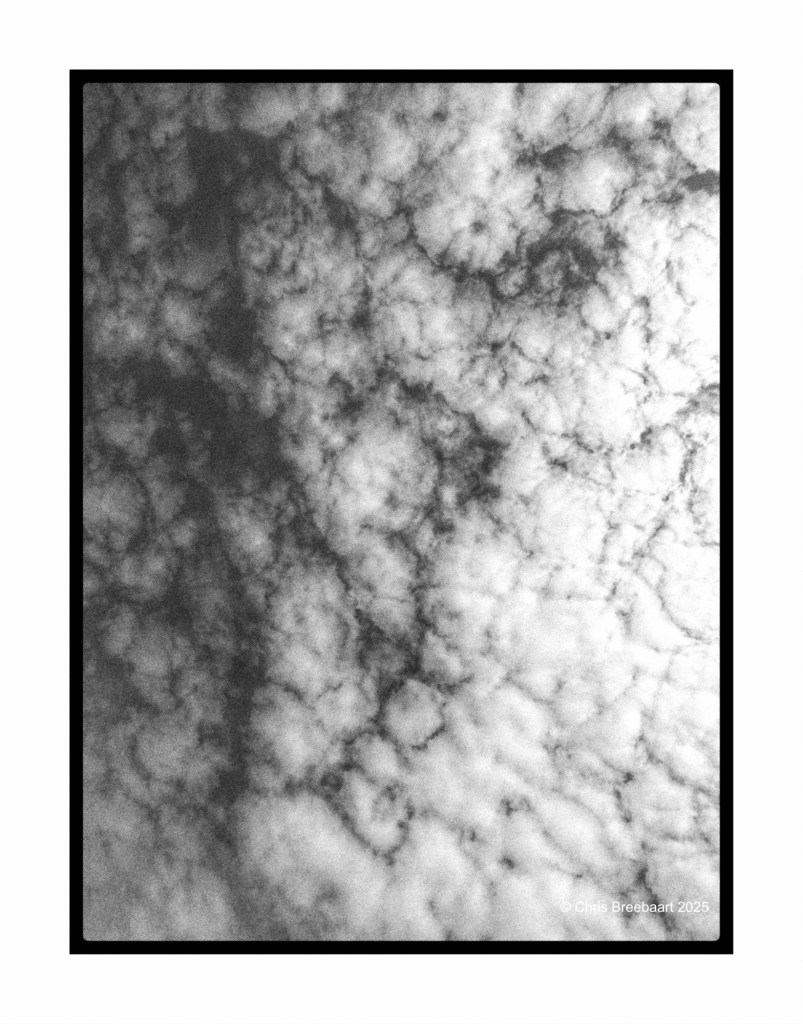
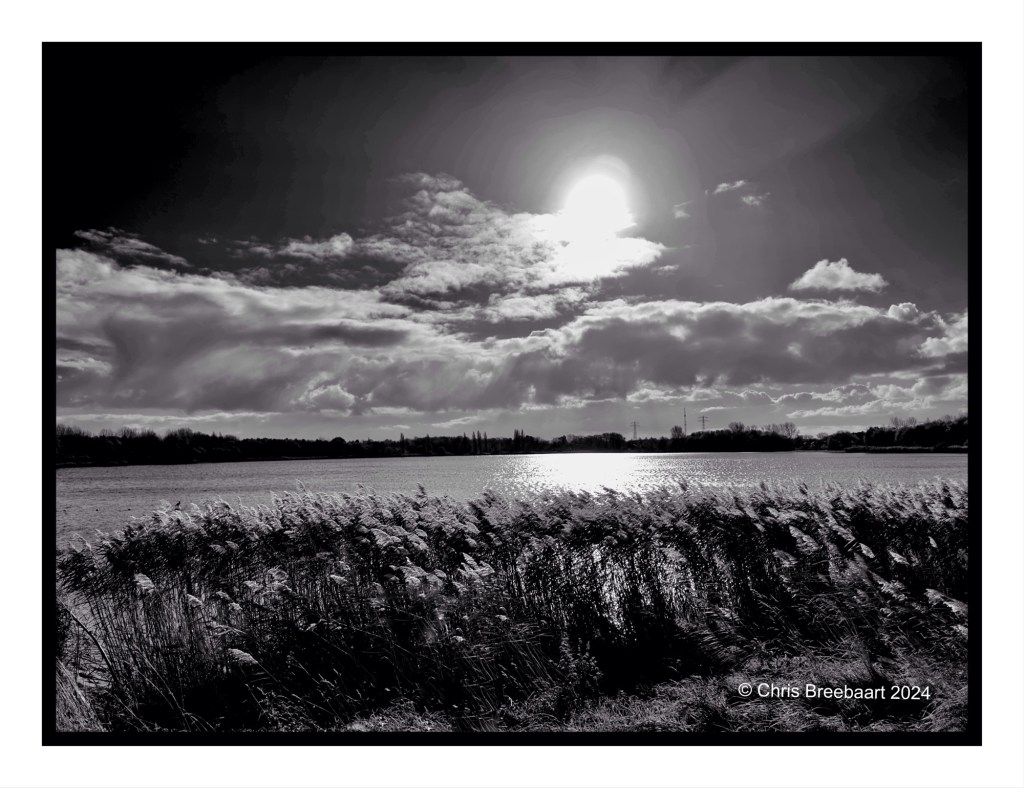
This second one is about sky. Always there, lots of it. In color it can be blue, white, gray, dark. In mono it delivers whites, grays and dark zones. In mono the image changes it seems. An abstract sky can turn into something mysterious. The photo was shot in color.
I have a fondness for black and white aka monochrome. That grew on me. Mono was cheaper 50 years ago and more ‘easy’ to handle in a dark room. Monochrome gives something extra at times. The sphere, the grain. And over all these years I learned to see objects in monochrome, visualizing what something looks like in grays.
When I bought my first Nikon digital camera (the D70), I naively asked ‘where is the monochrome setting?’. It was not there. Shooting was color only. If I wanted mono I had to create it myself afterwards in Lightroom, Photoshop or an app like Snapseed. But lucky for me, on the iPhone and on the recent Nikon Zf, there are monochrome settings. To be honest, that was one of the reasons to buy a Zf. So now I have a choice: mono or color.
I know the taste of my ‘audience’ is different than mine. In three days I like to find out more about your taste. What do you fancy more: a photo in mono or in color?
This is the famous Cley windmill at Cley next the sea. It’s by far the best name for a coastal village. Interestingly, it actually does not have a sea front. The mill was owned by the family of James Blunt. The photo was shot in color.
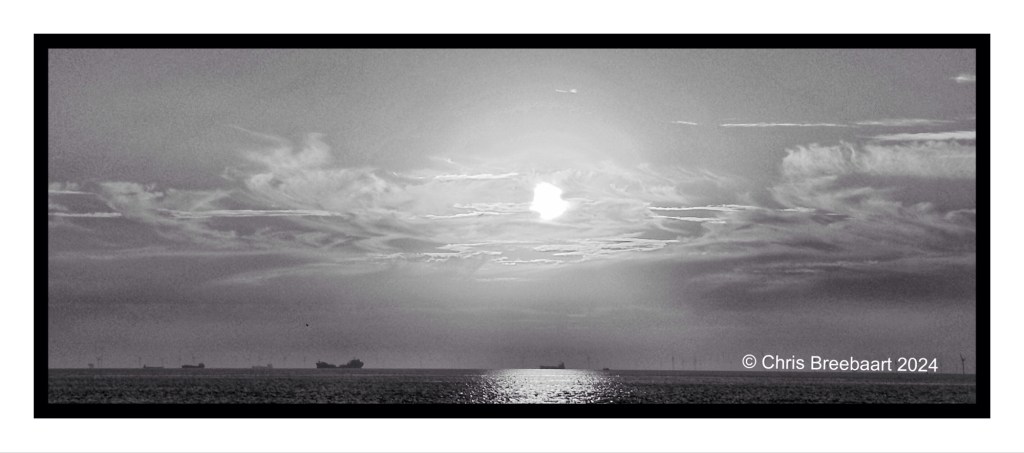
Yesterday I told you about my passion and history in monochrome. And that I do shoot sunsets in black and white. Here is another one of the same sunset, but framed different. I will publish an overview of all those shots of same sunset that evening. Each of them show a bit of it, it’s in my humble opinion nice to see the big picture.
If you did not notice, I am a big fan of monochrome. In fact, monochrome film was way back the medium I started with. It was cheap and you print your own photos in a darkroom. That was adventurous and frustrating at the same time. Not to sound old, but nowadays with wonderful software, editing images is easier, faster and more fun. And you instantly see what you get! But sometimes I do miss the anxiety of the darkroom, seeing a photo come up in the developer. Back to now. I do shoot sunsets in black and white, and here is one. The atmosphere of the shot is different, more dark and eerie.
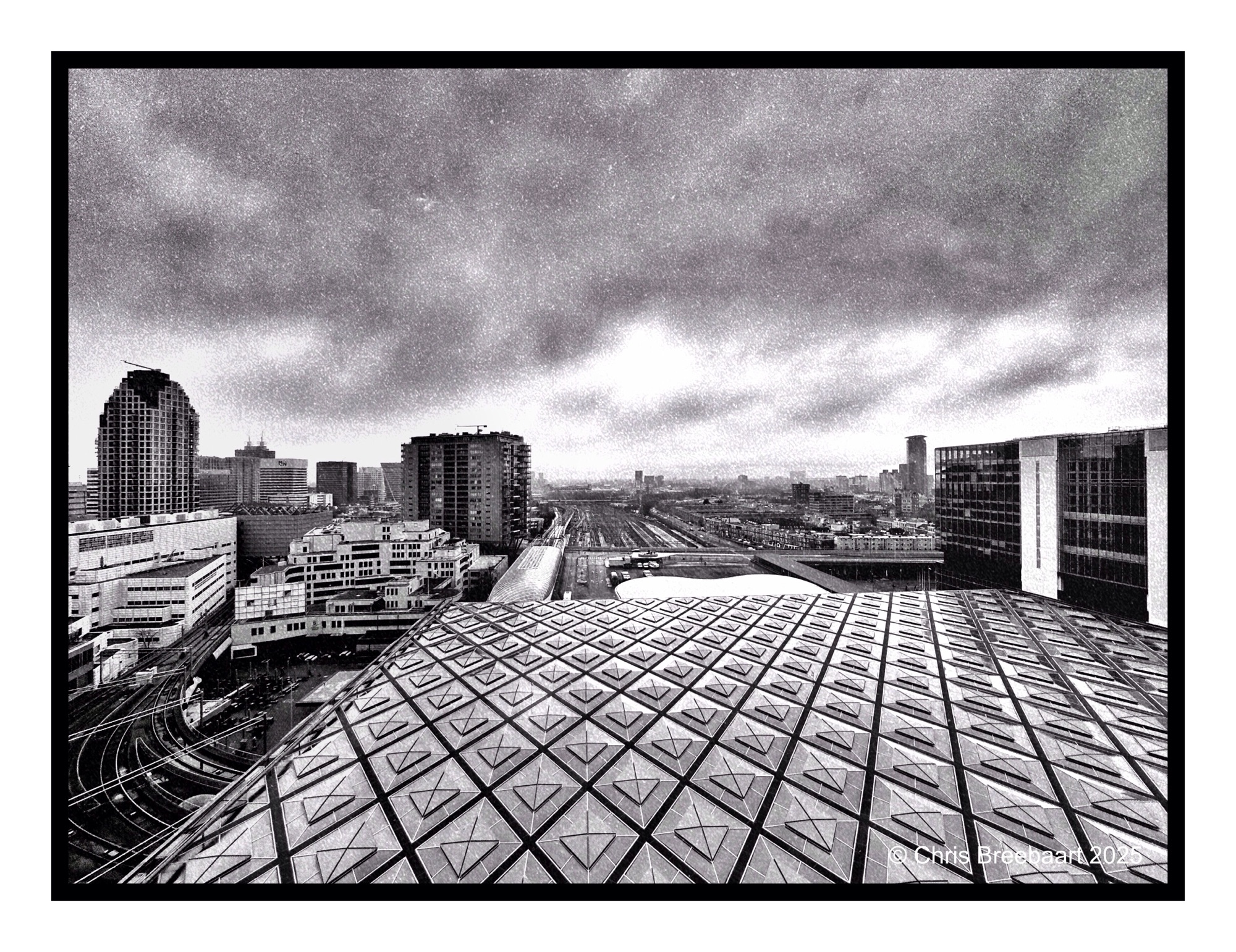
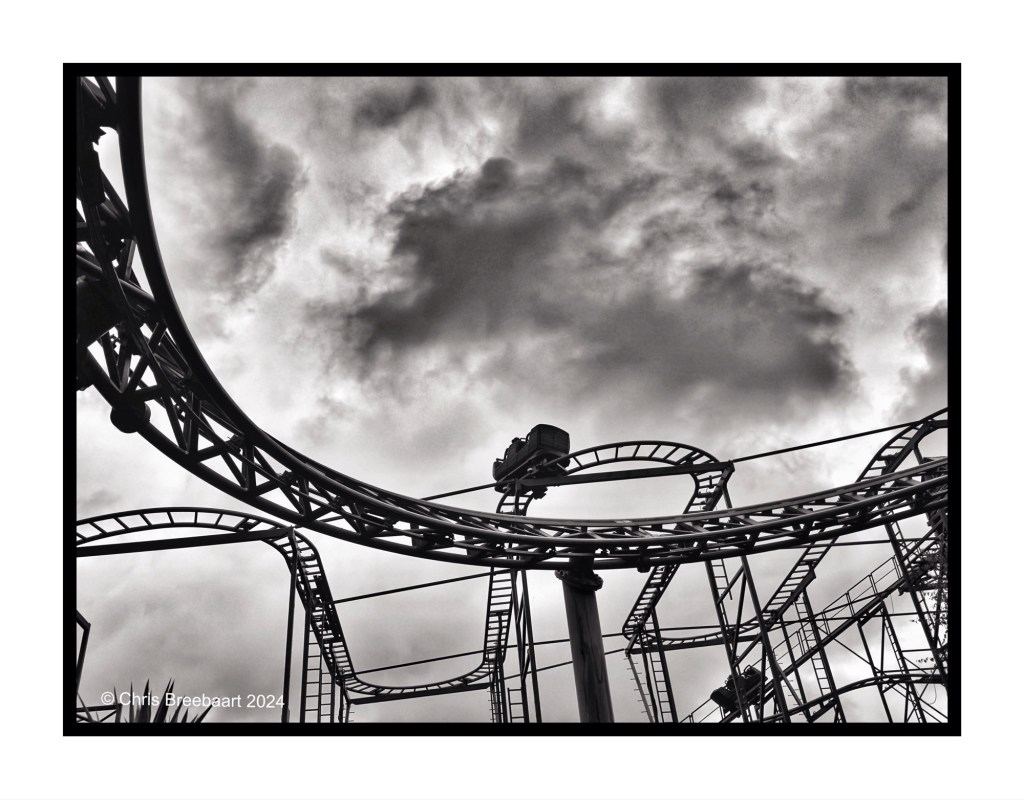
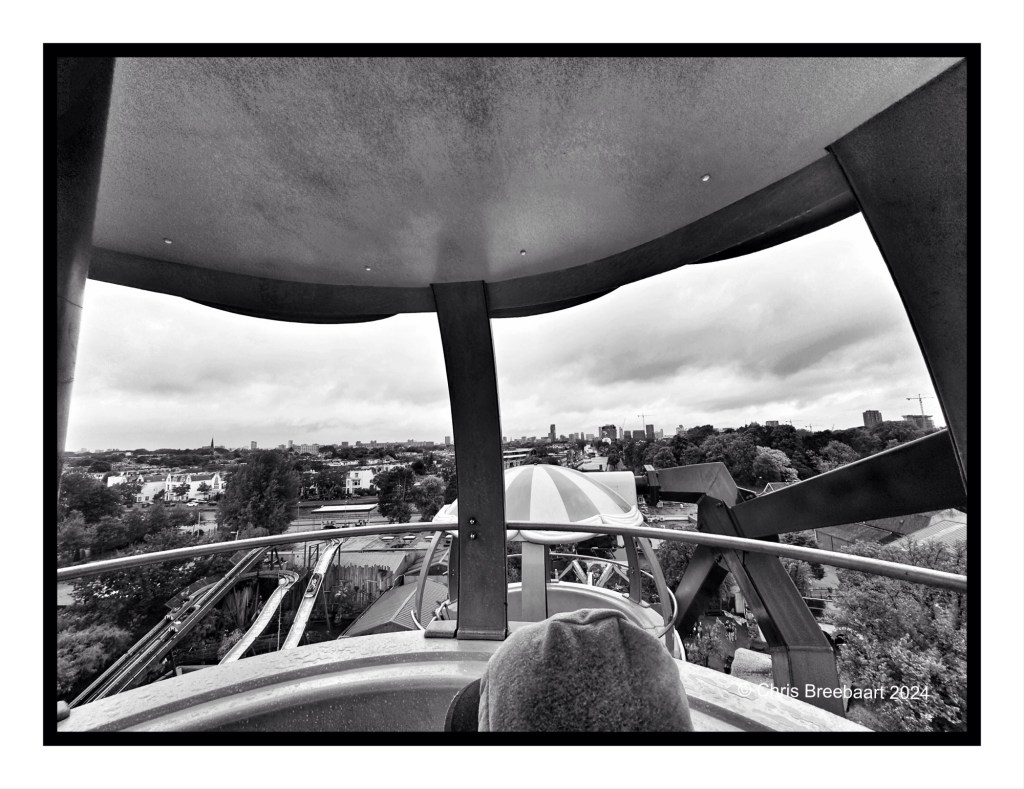
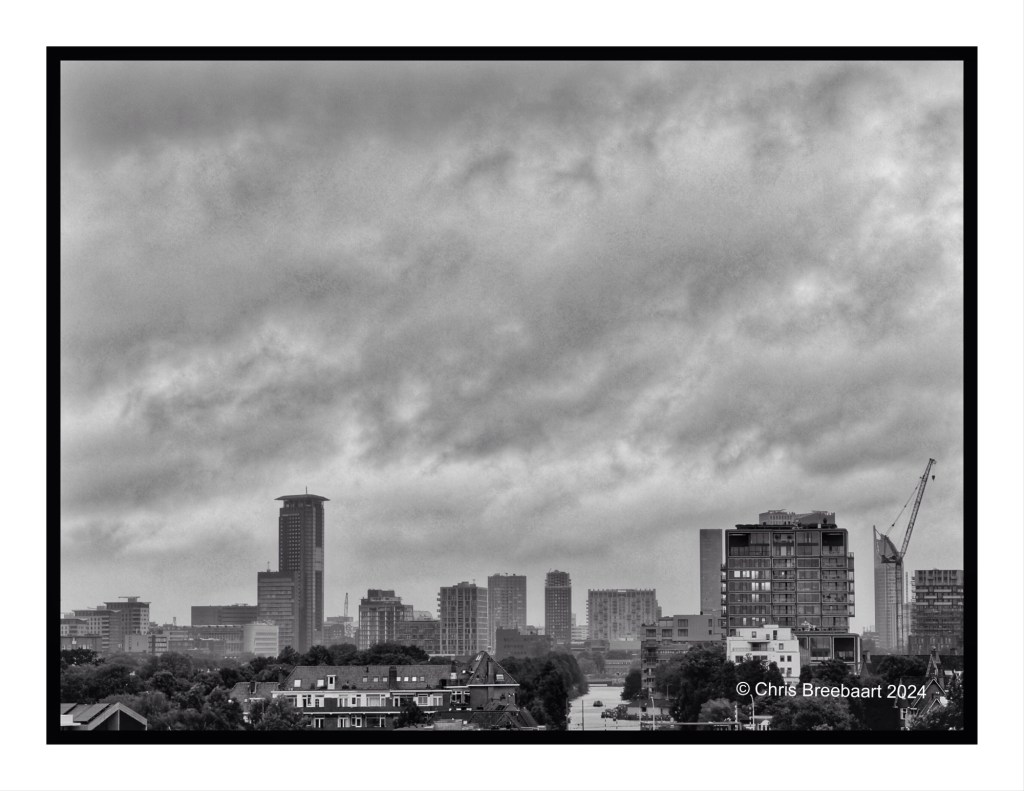
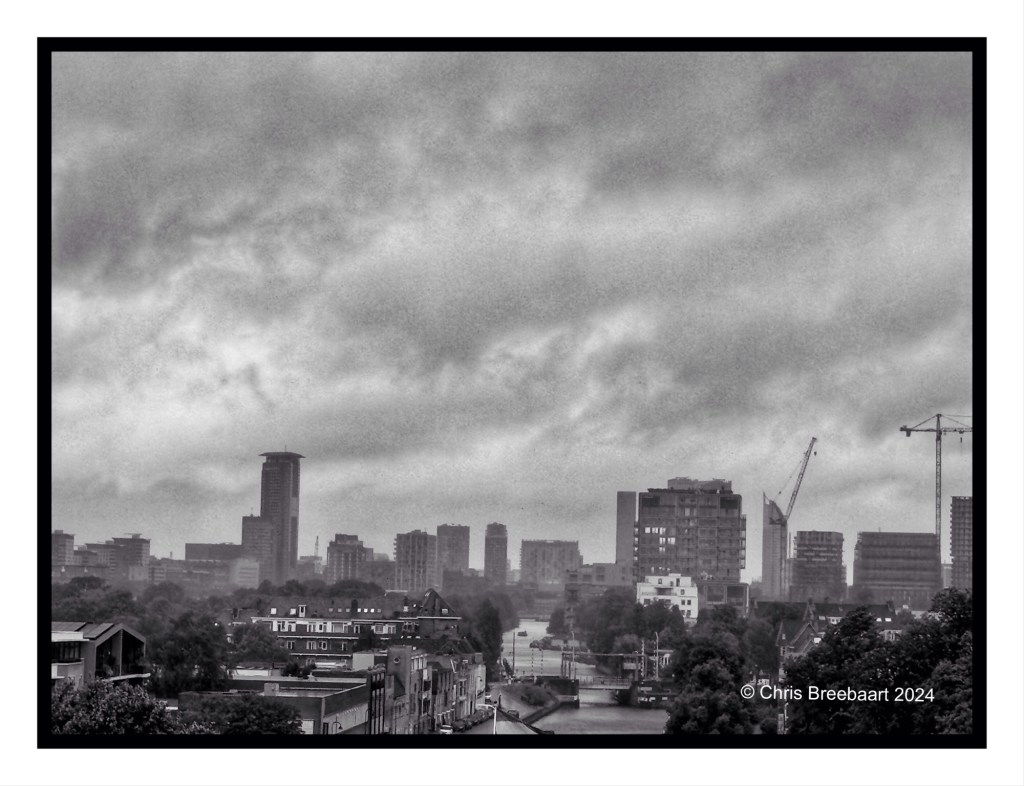
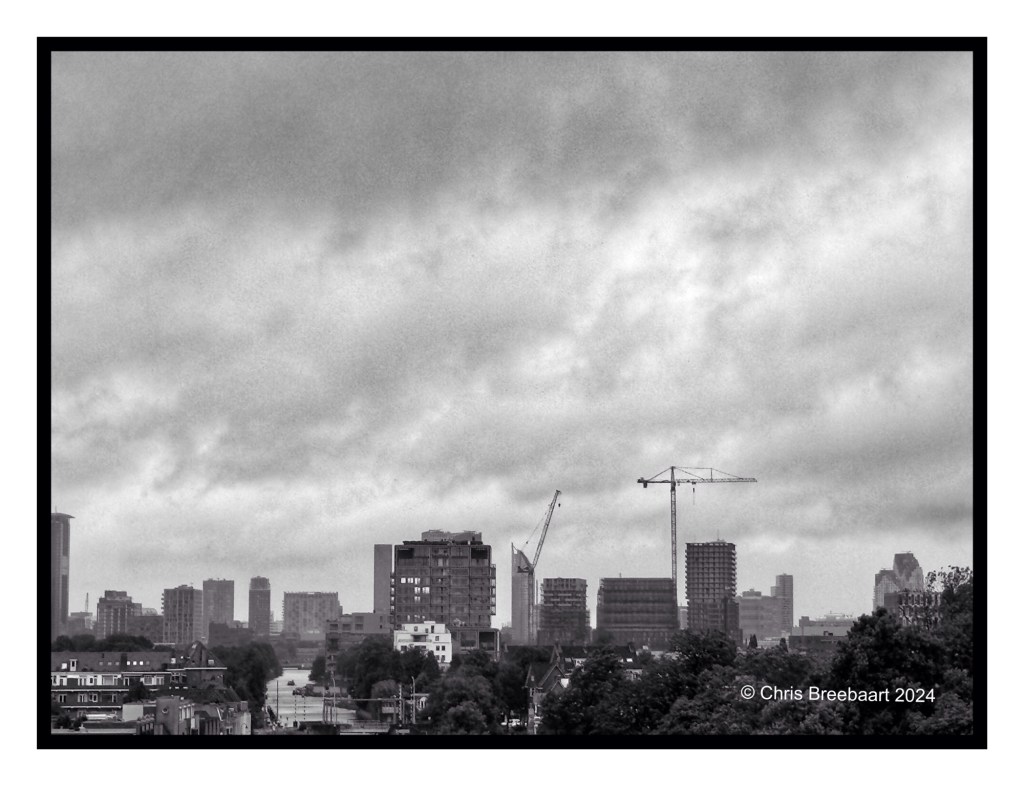
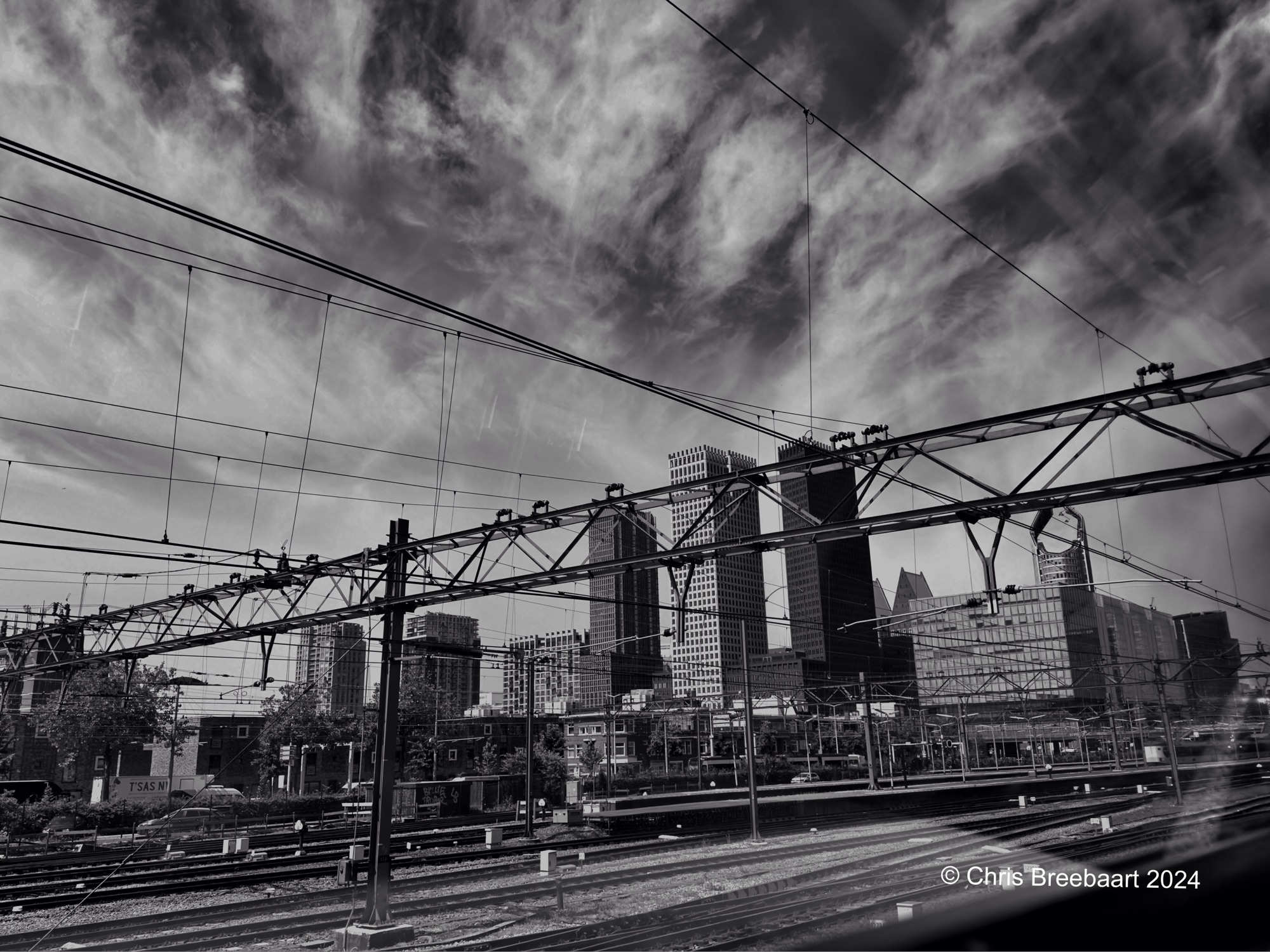
Drievliet is a small and very old amusement park. Over fifty years ago I first went there on a school trip. Then most of the attractions had to be moved by muscle power. Last week I had my second visit to Drievliet with our grand children. The park is dramatically changed but still has the same appeal to kids: lots of fun to be had on rides, slides, rollercoasters, ferris wheels, merrygorounds etc. And of course the fries and icecream in between. The weather was not that good, but the clouds added to the view from the ferris wheel looking at downtown Den Haag.
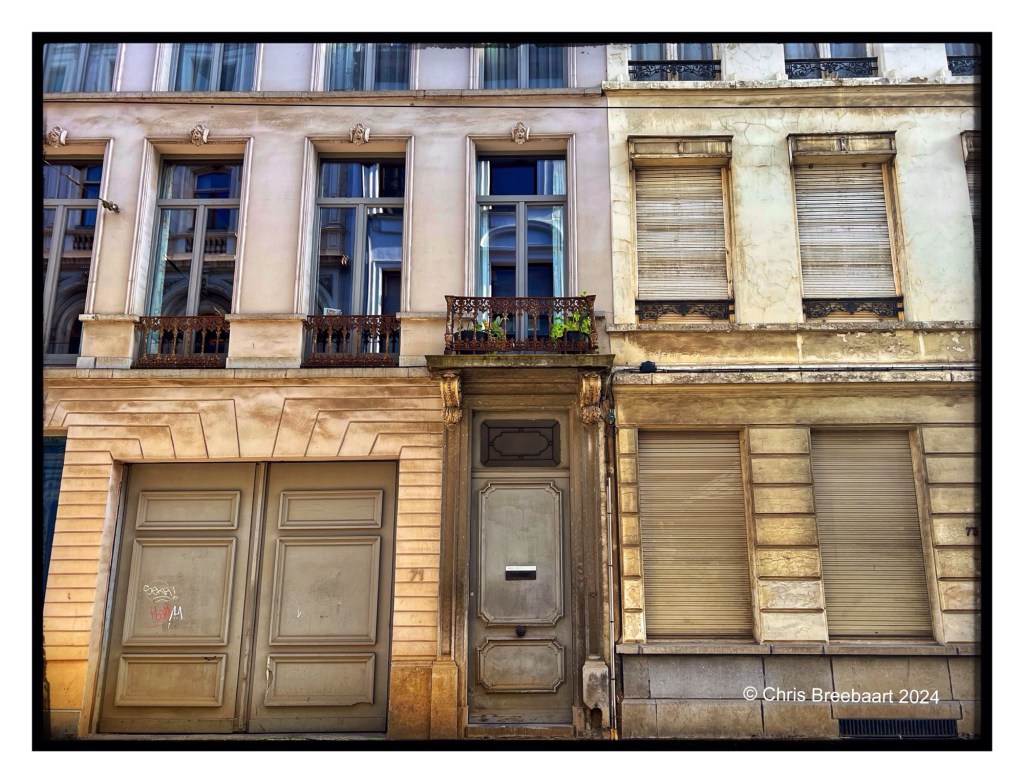
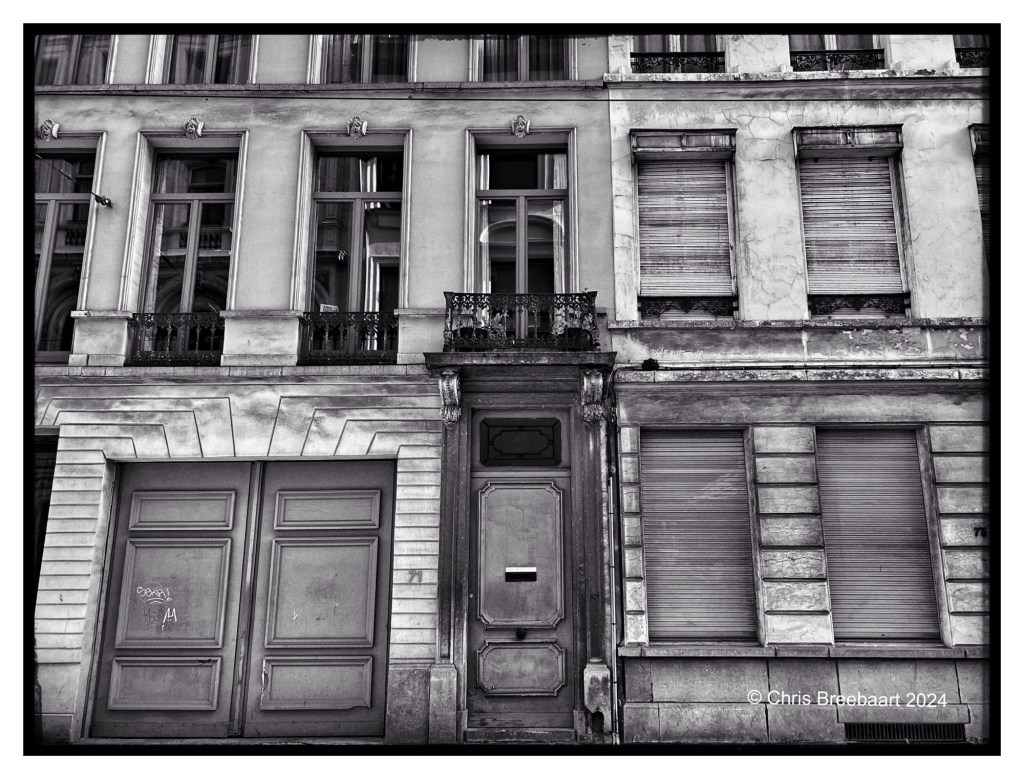
LAPC 309 is about balconies. I have to admit that I do not pay special attention to balconies, unless they trigger me as I look around and they catch my eye. This in Antwerp. My previous entry was an original monochrome on film. With this one I could not decide between the original and the edited monochrome version. Hence you see them both. Beauty is in the eye of the beholder.
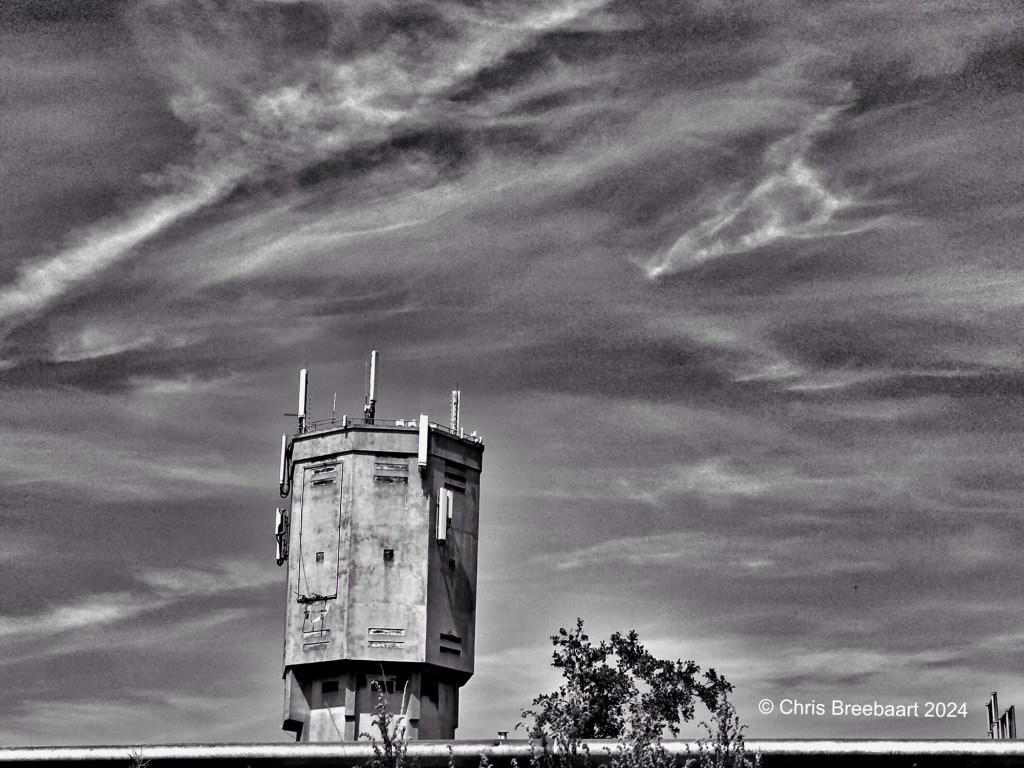
The basin of an old watertower against the sky. It is not the nicest of buildings, but somehow it draws my attention when I see it. Last year I published its head in color, this time I choose for mono.
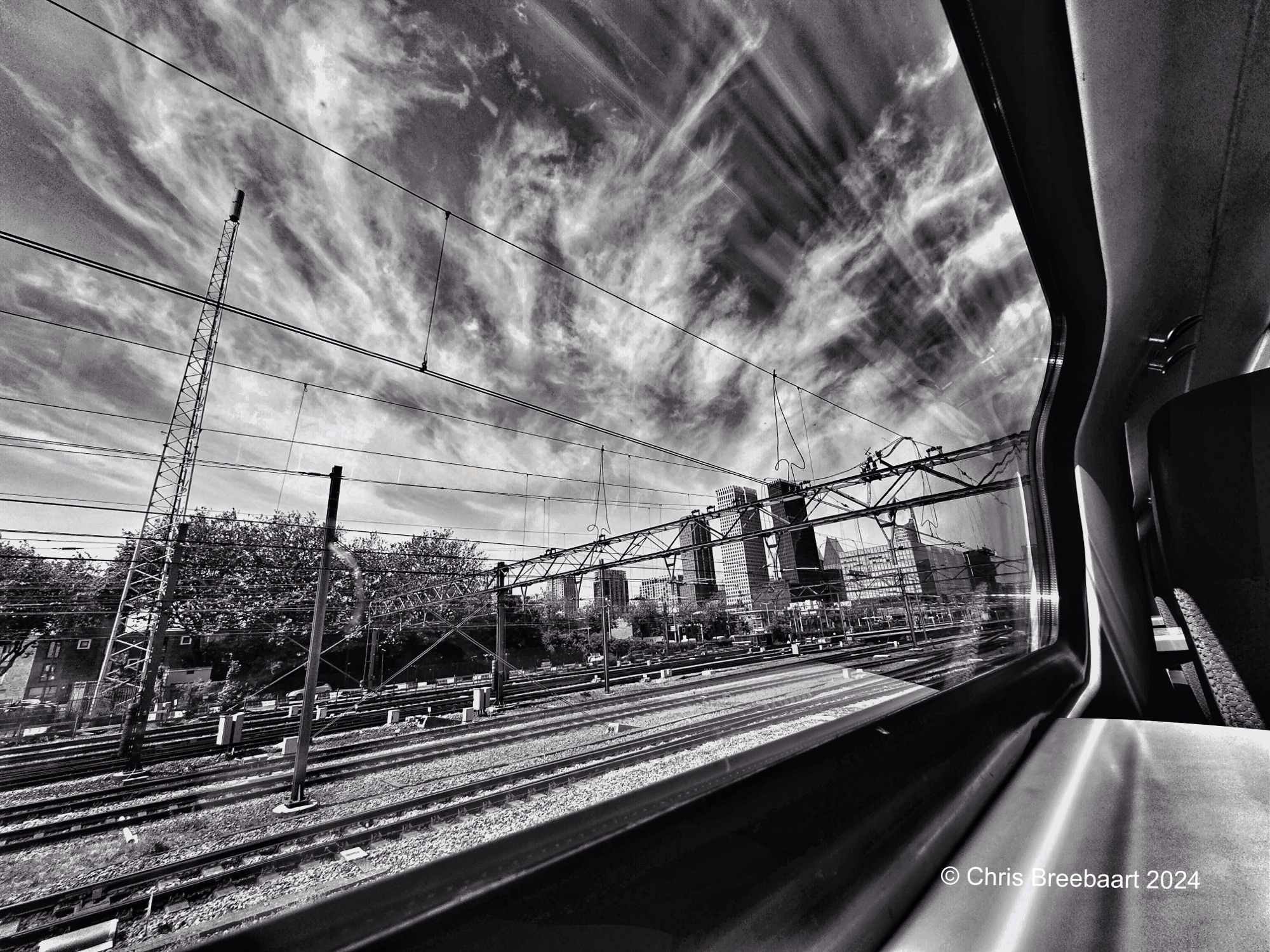
Lines in the sky seen from one of the most beautiful frames for pictures in The Netherlands: a train window offering a beautiful frame with always changing content in it.
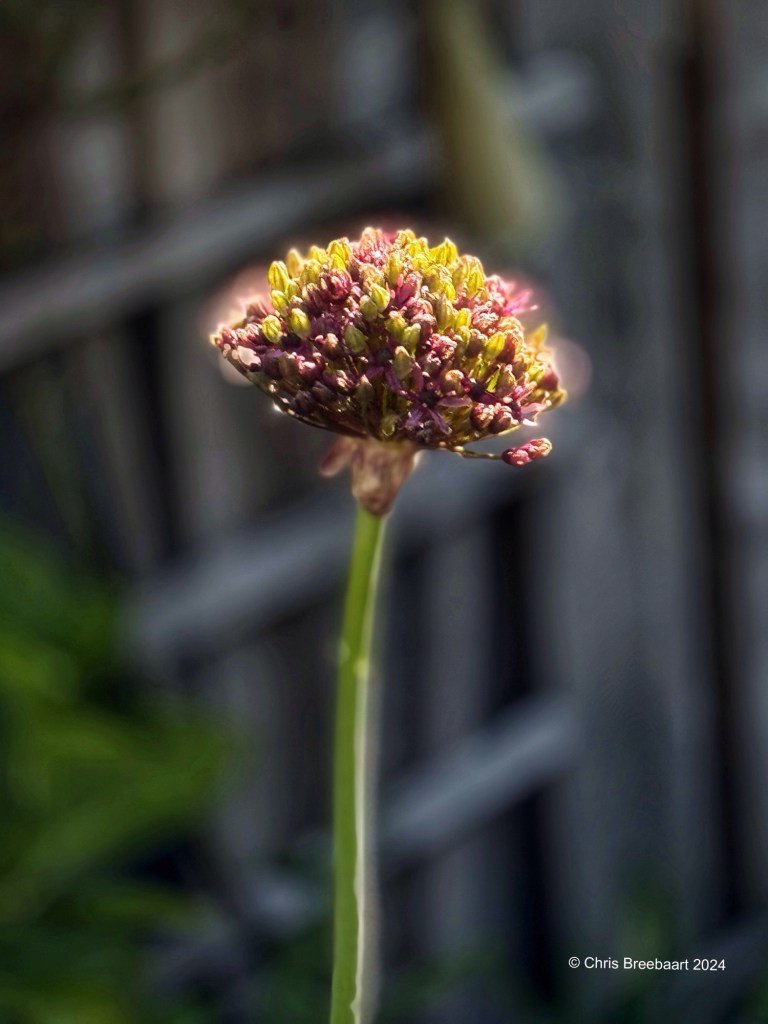
Allium is one of our favorite bulbflowers in the garden. I present it as a twin set of mono next to color. Each version brings out different qualitaties in the flower I think, but that is of course subjective.