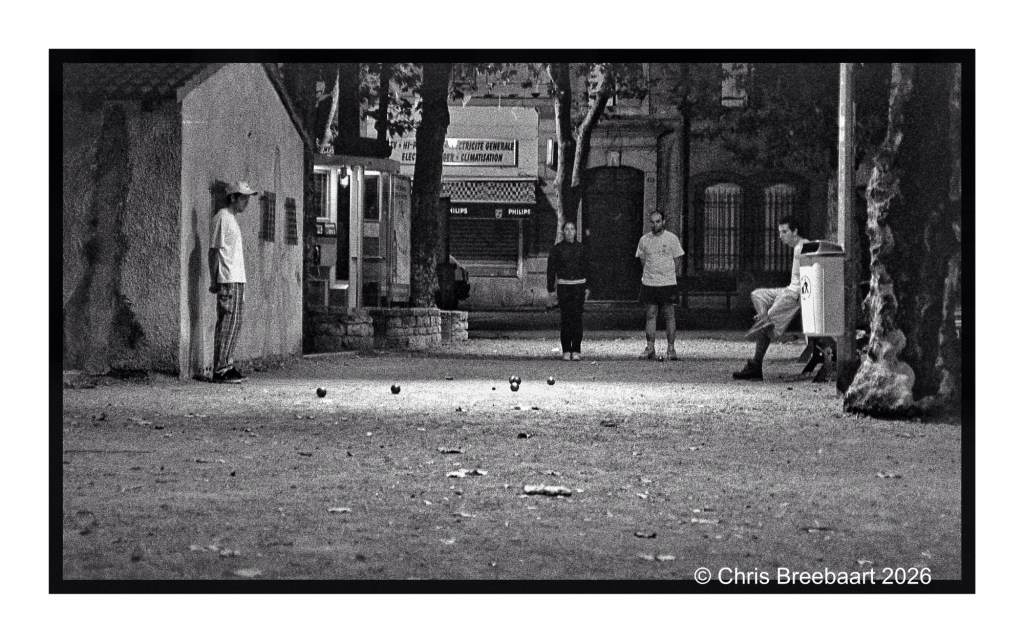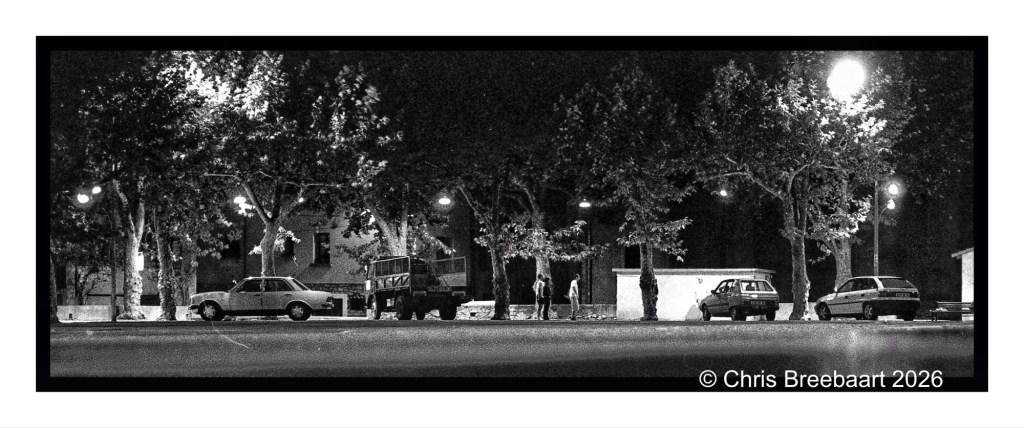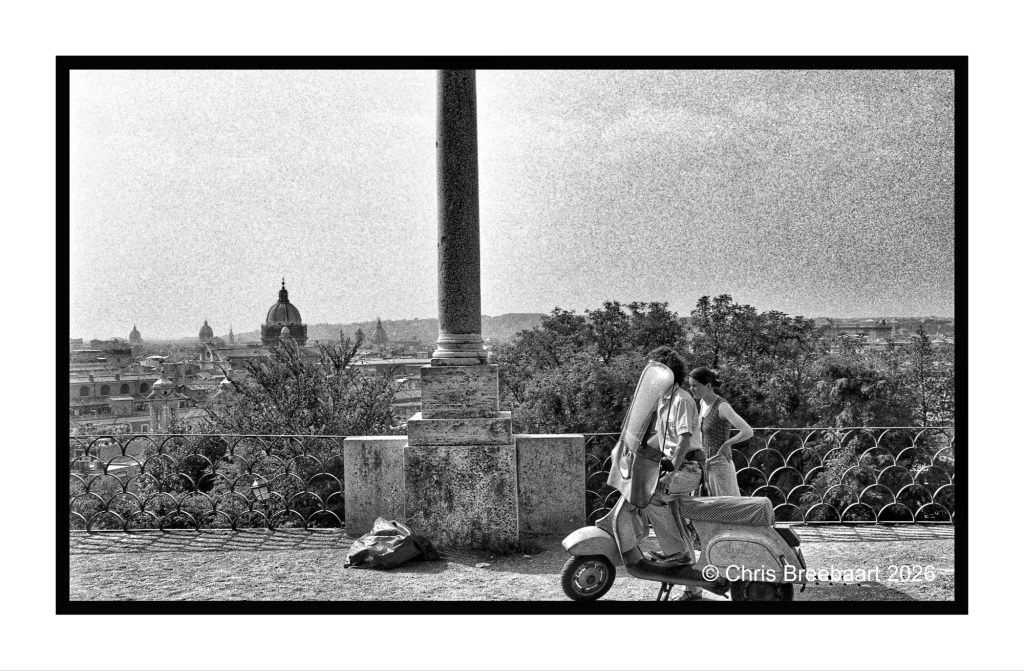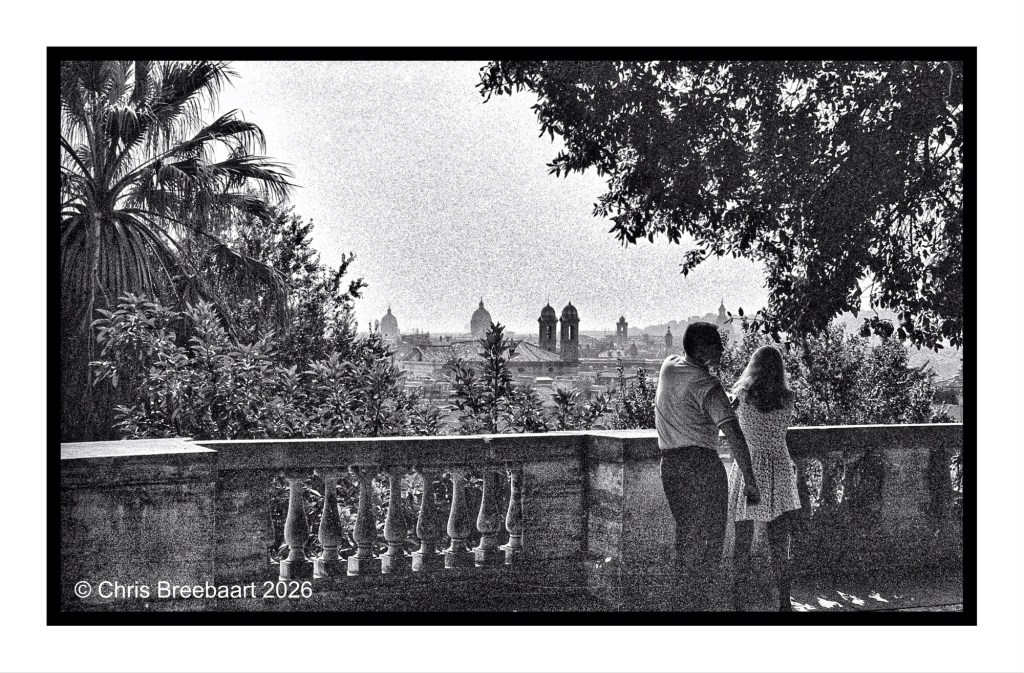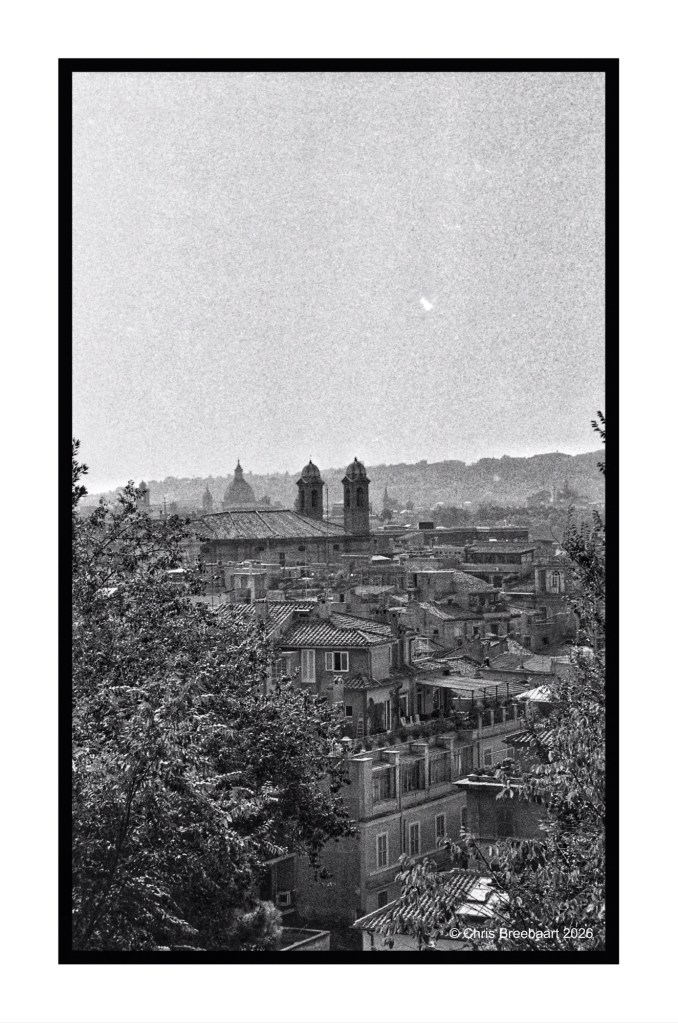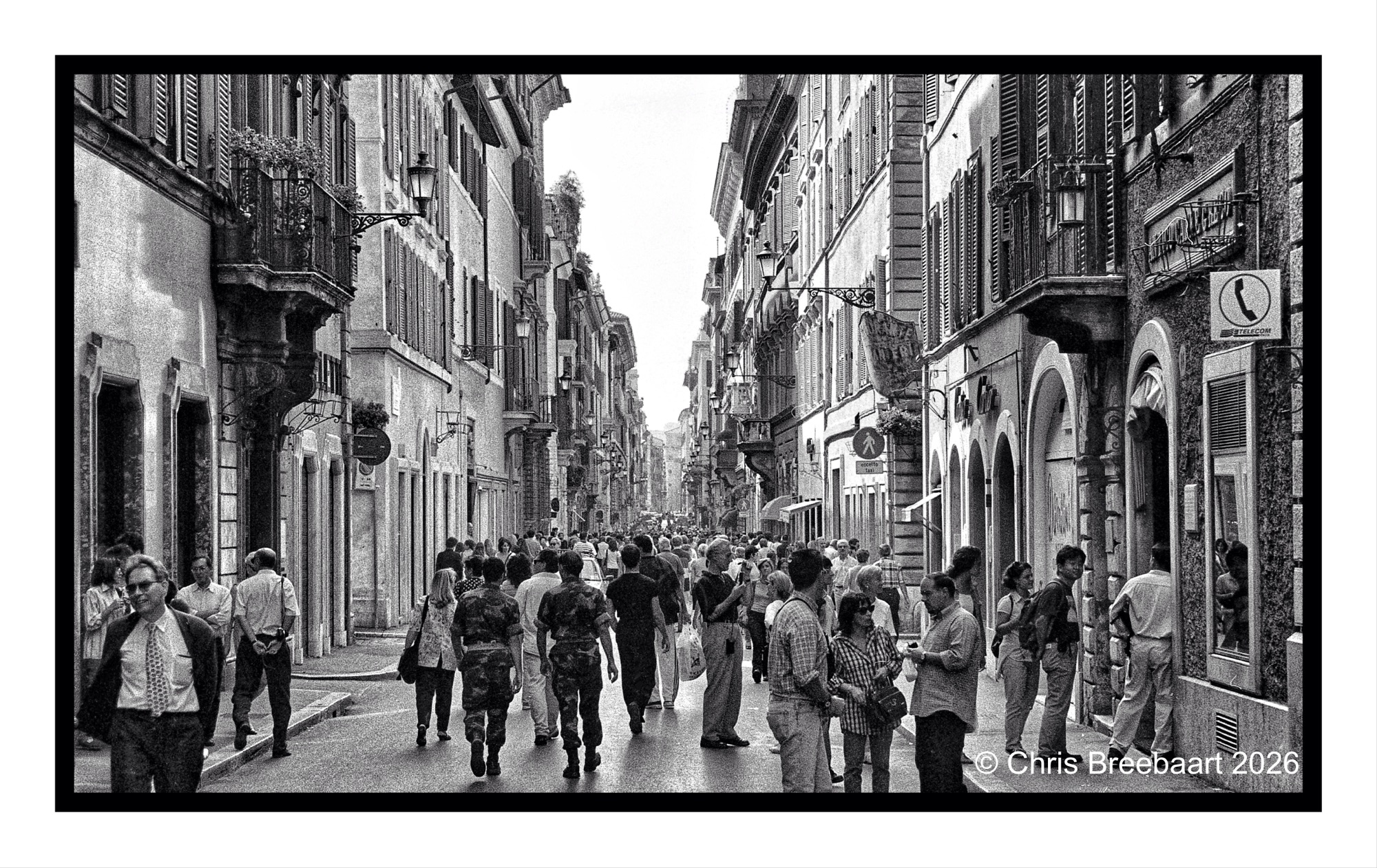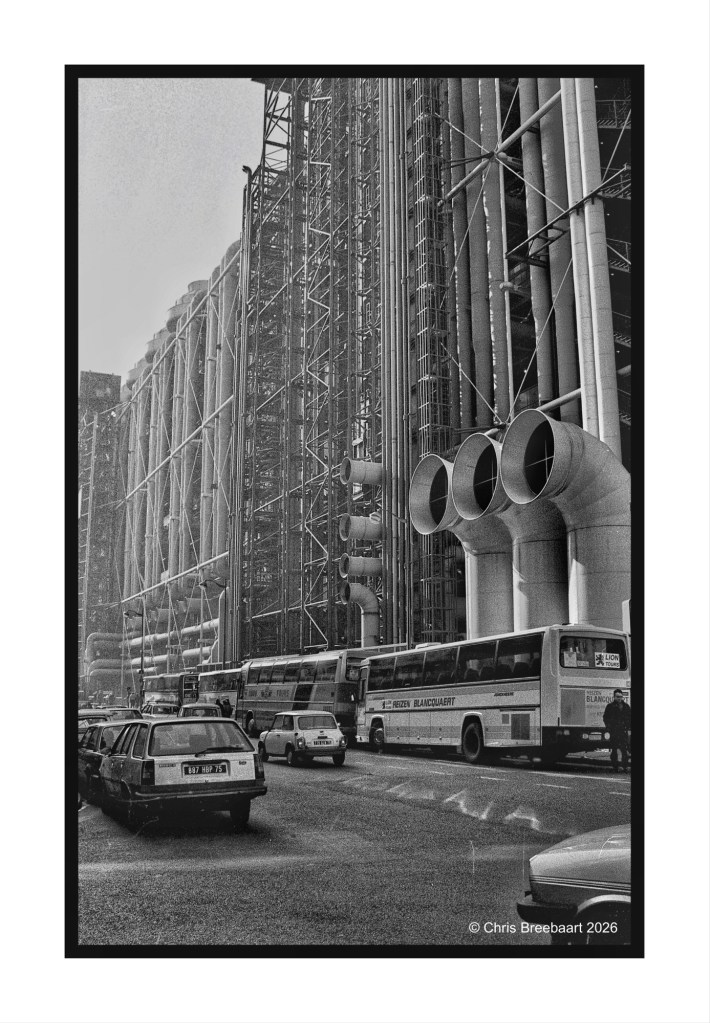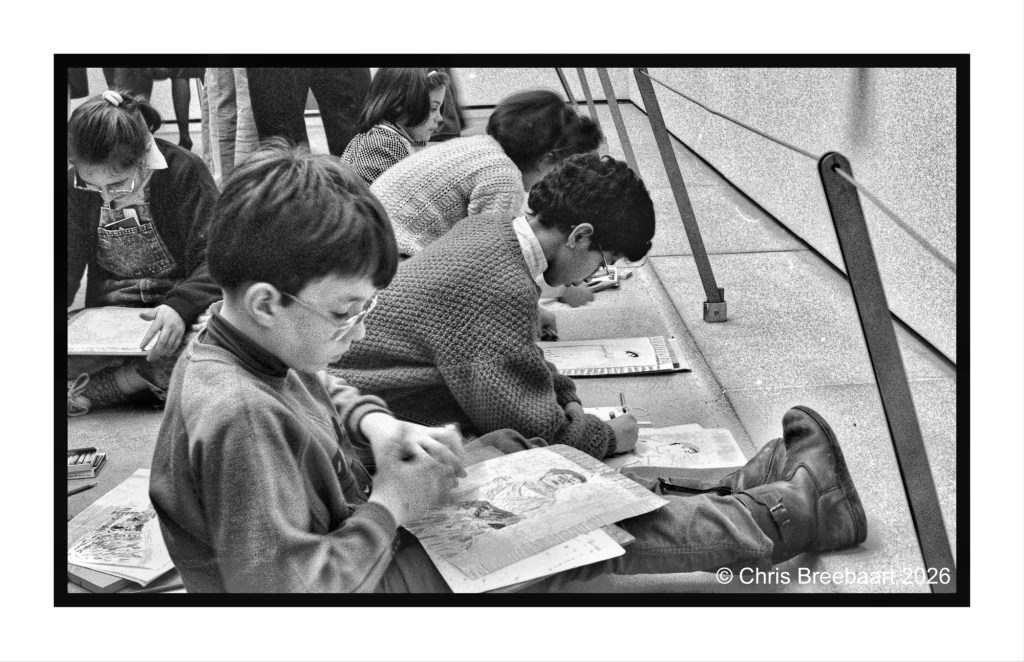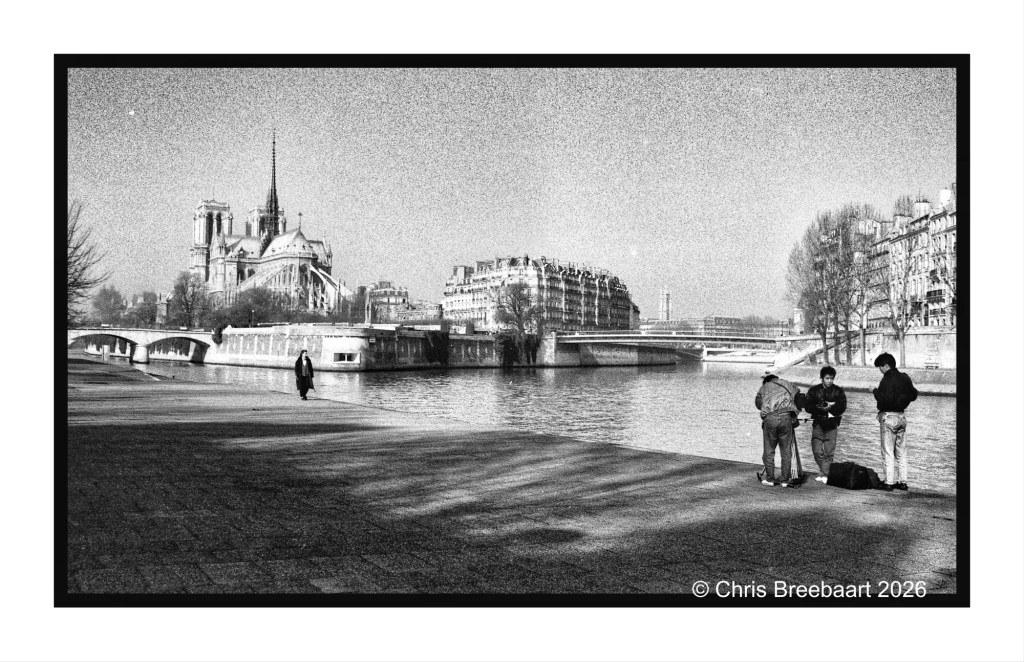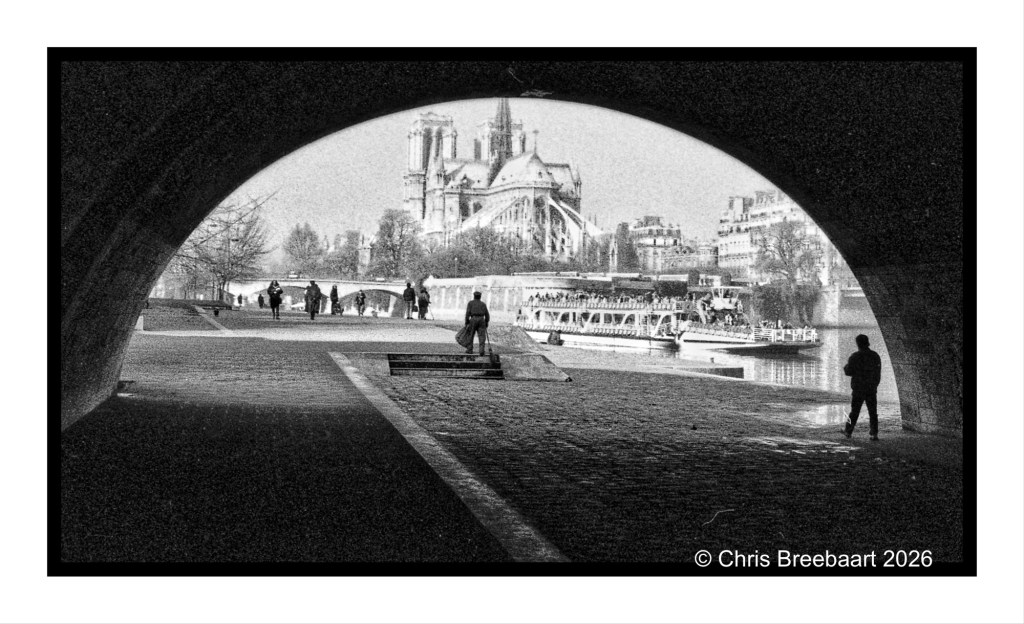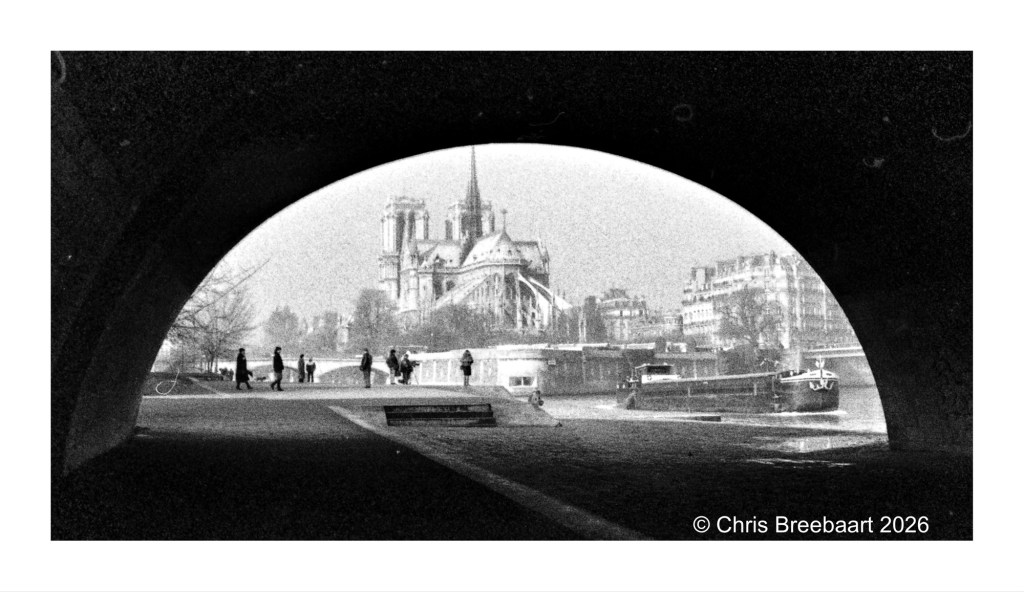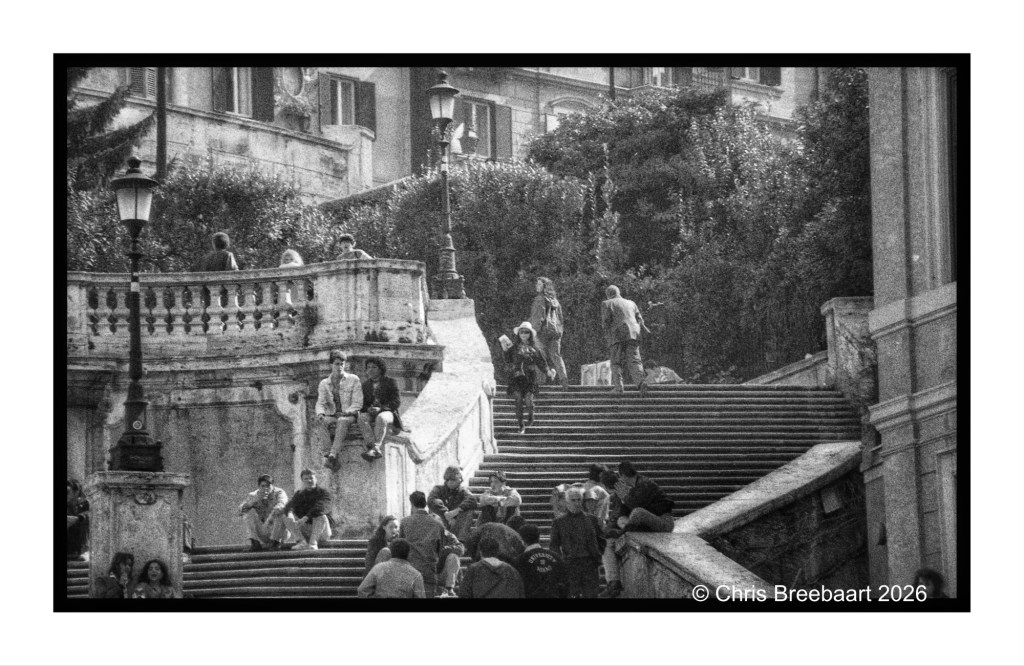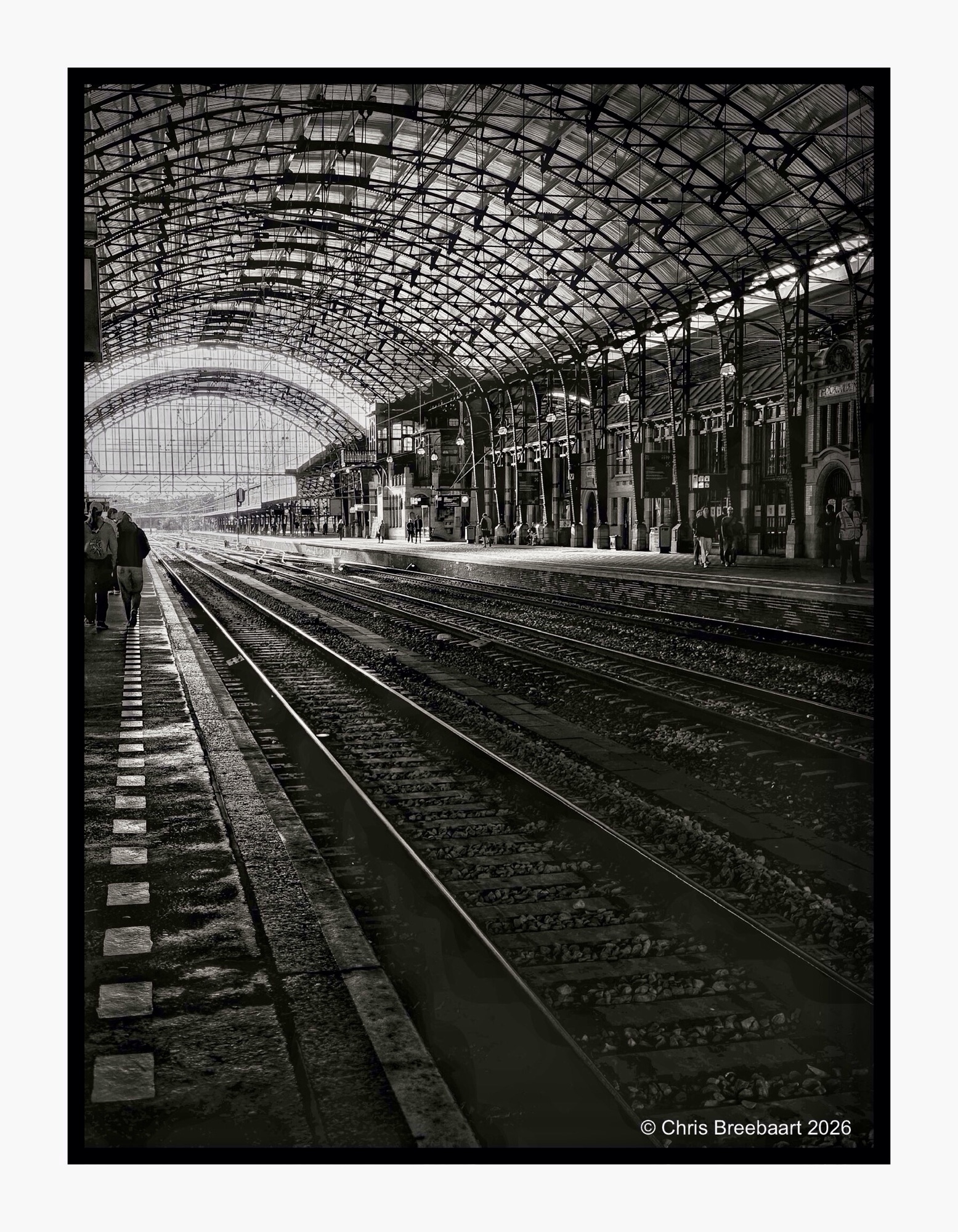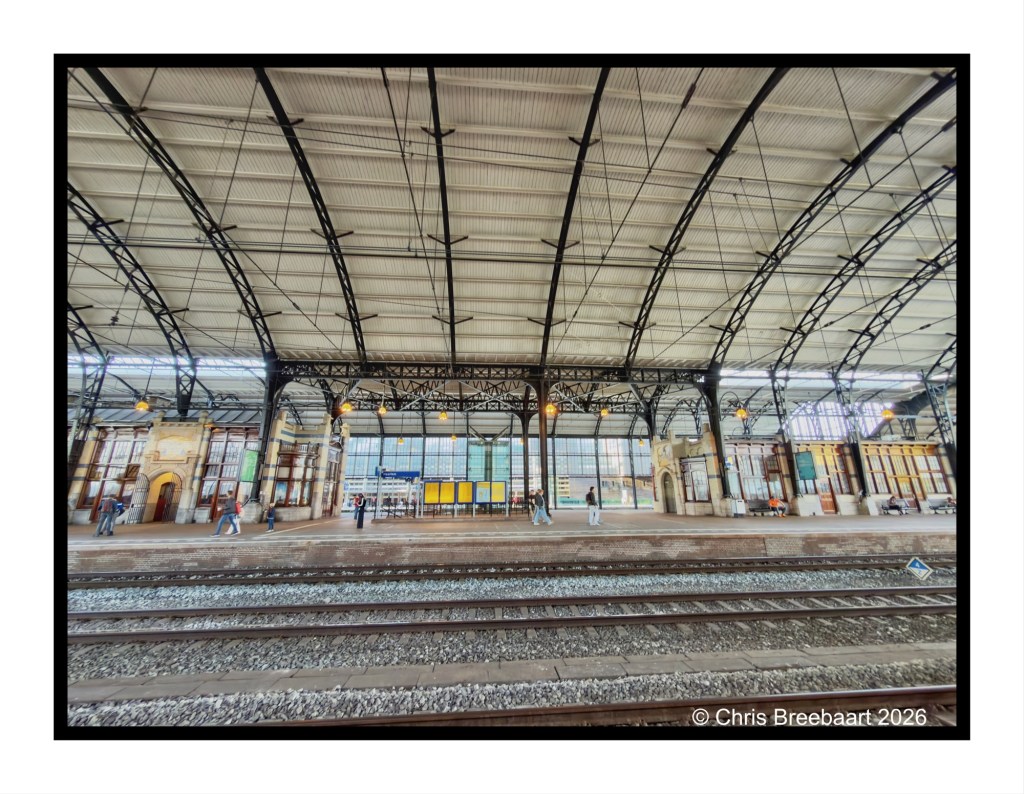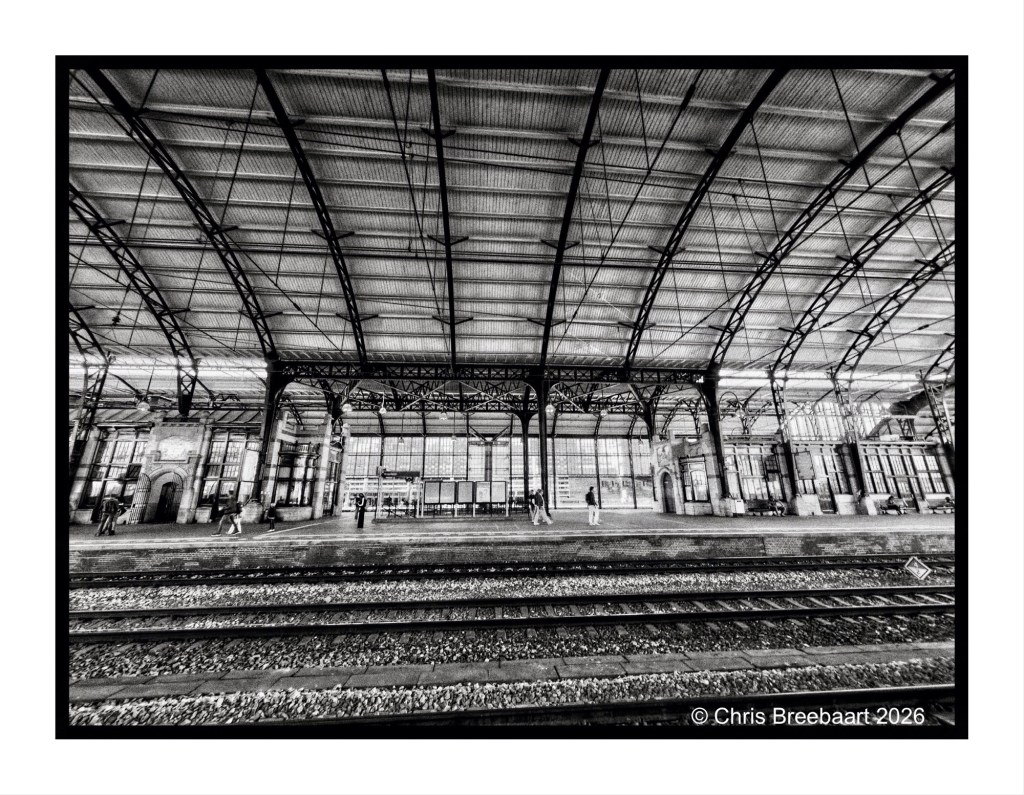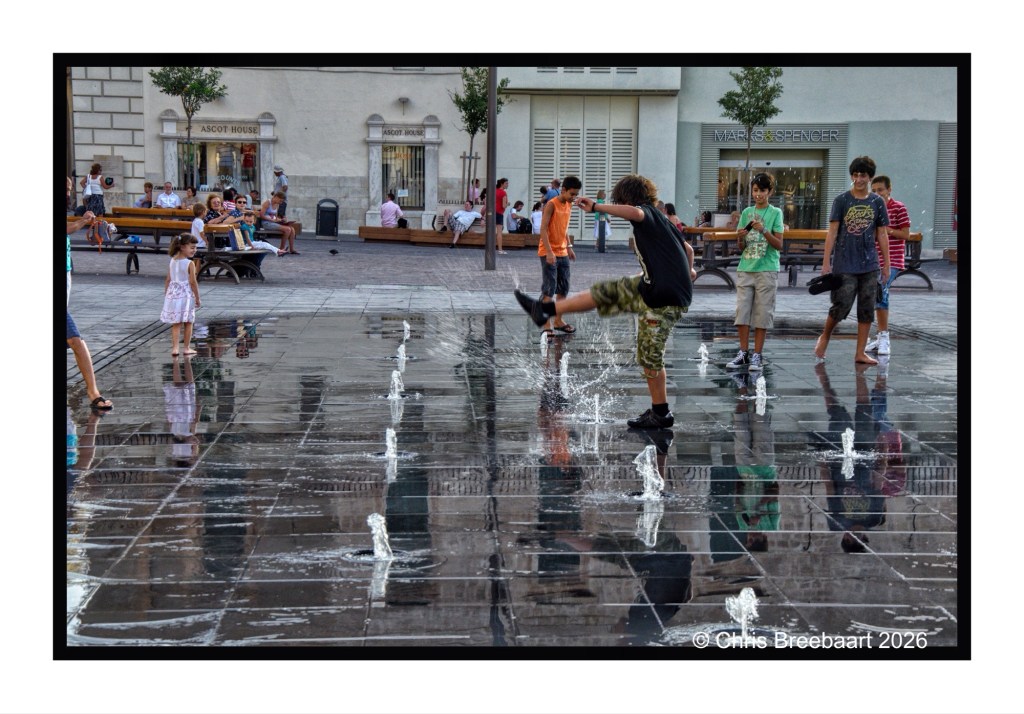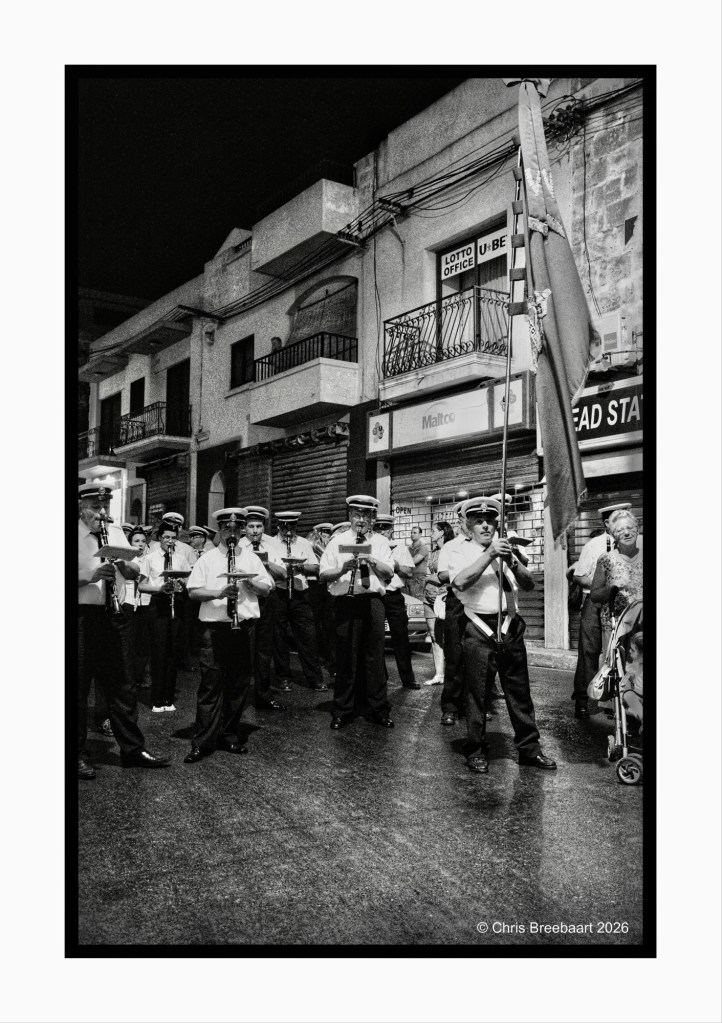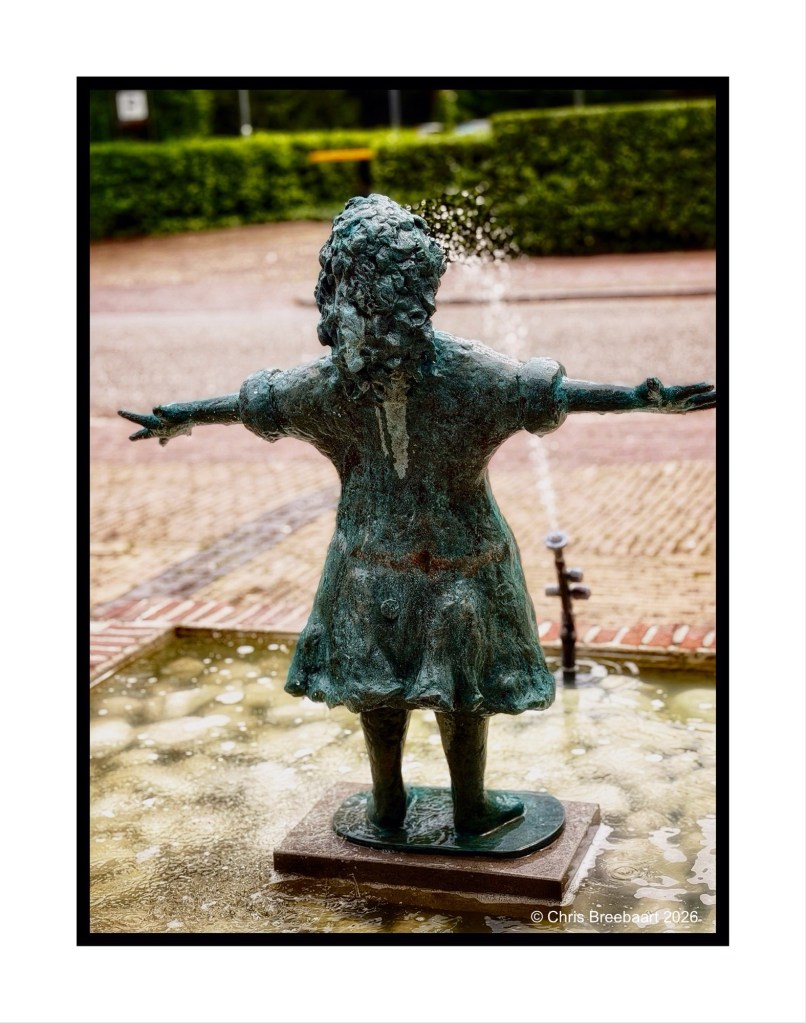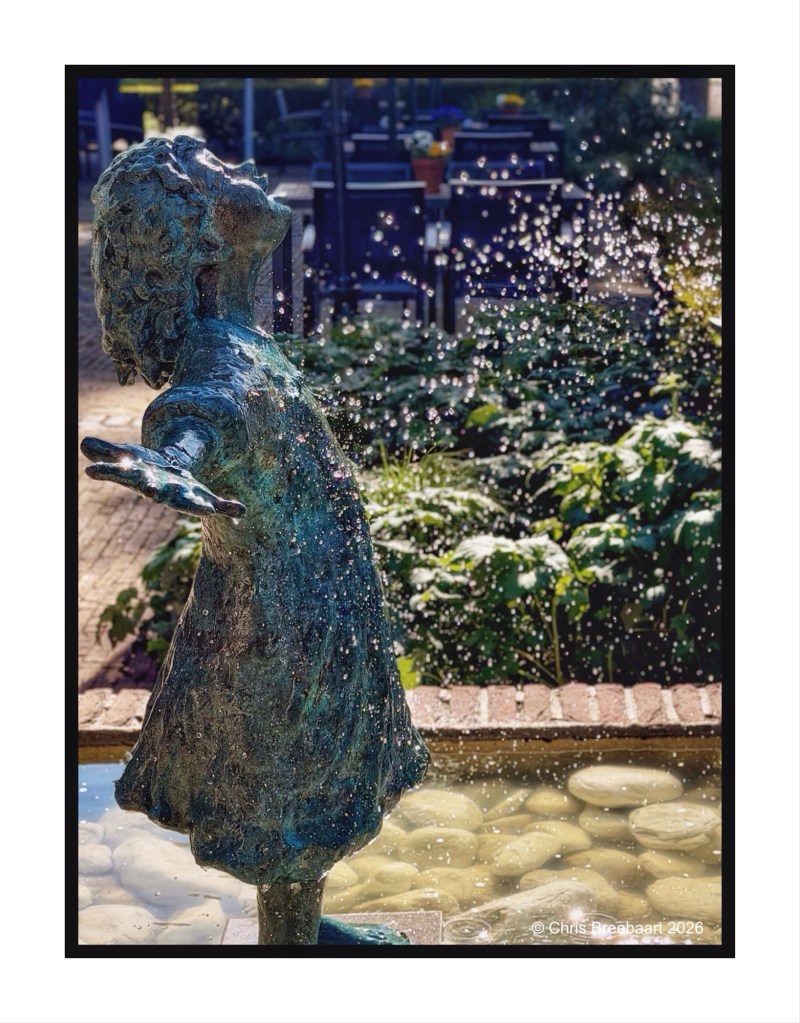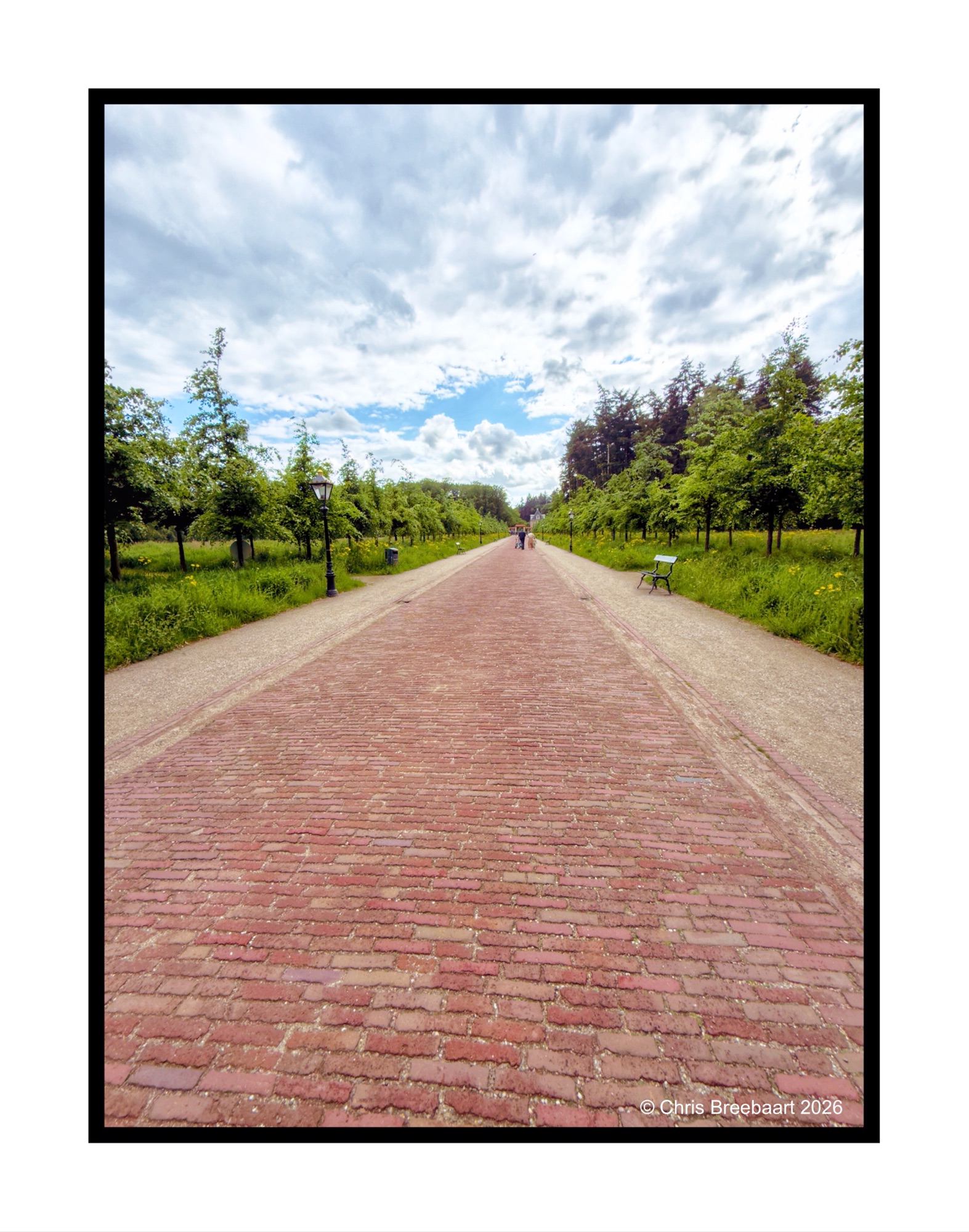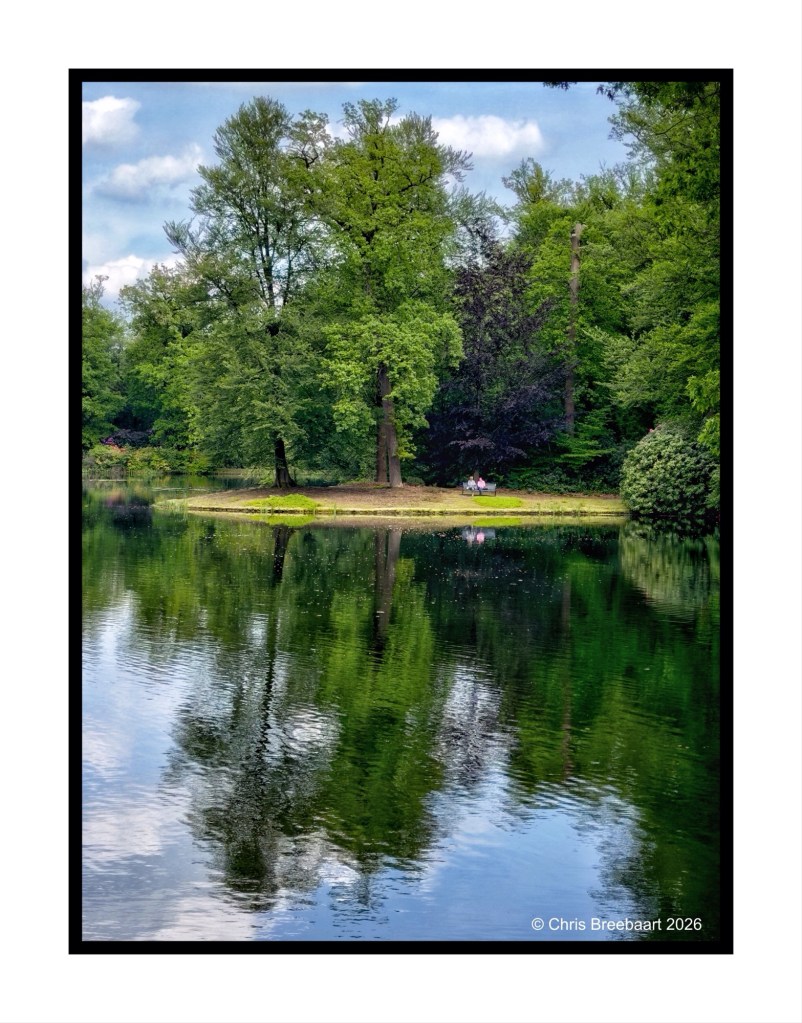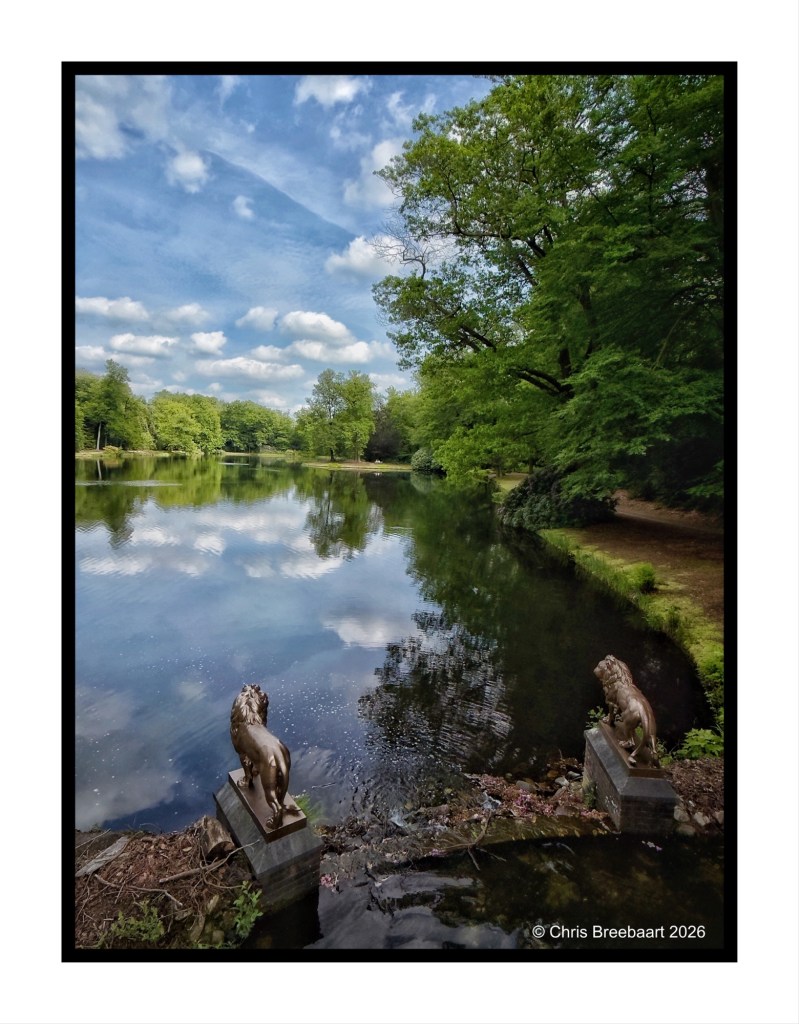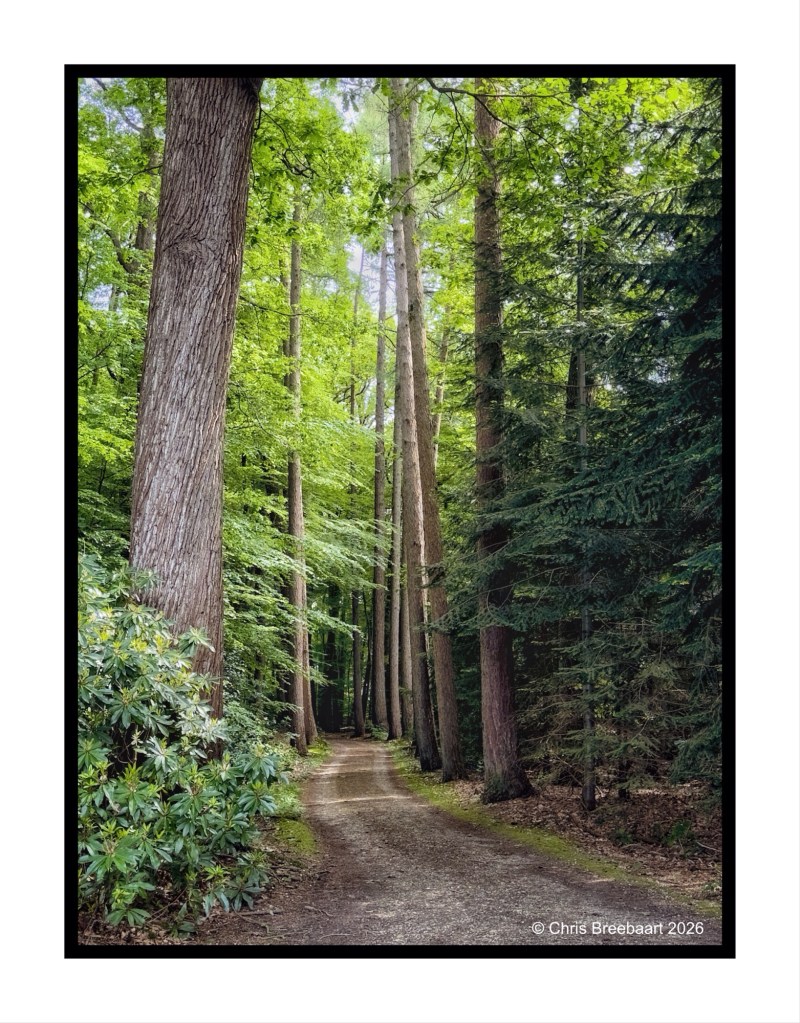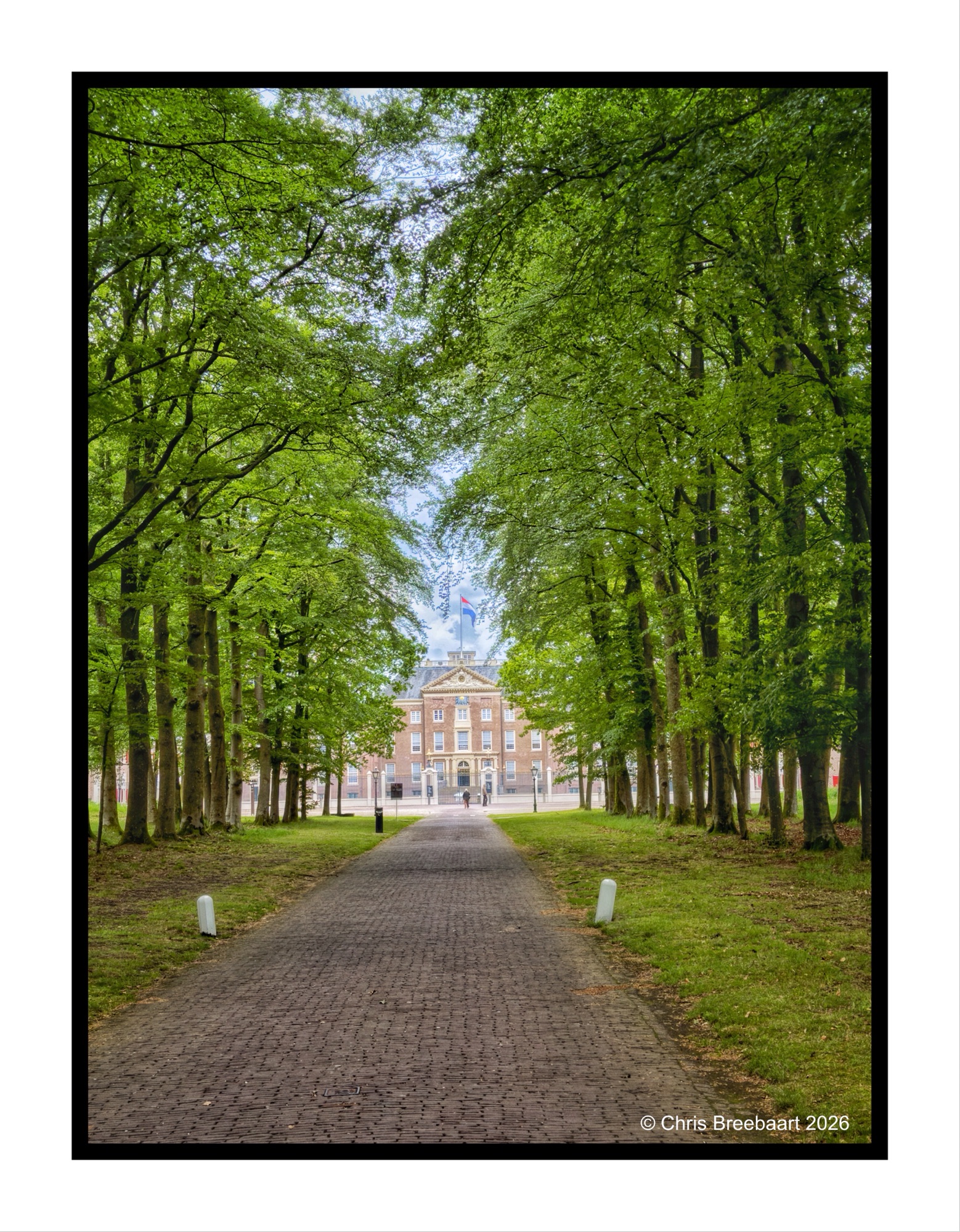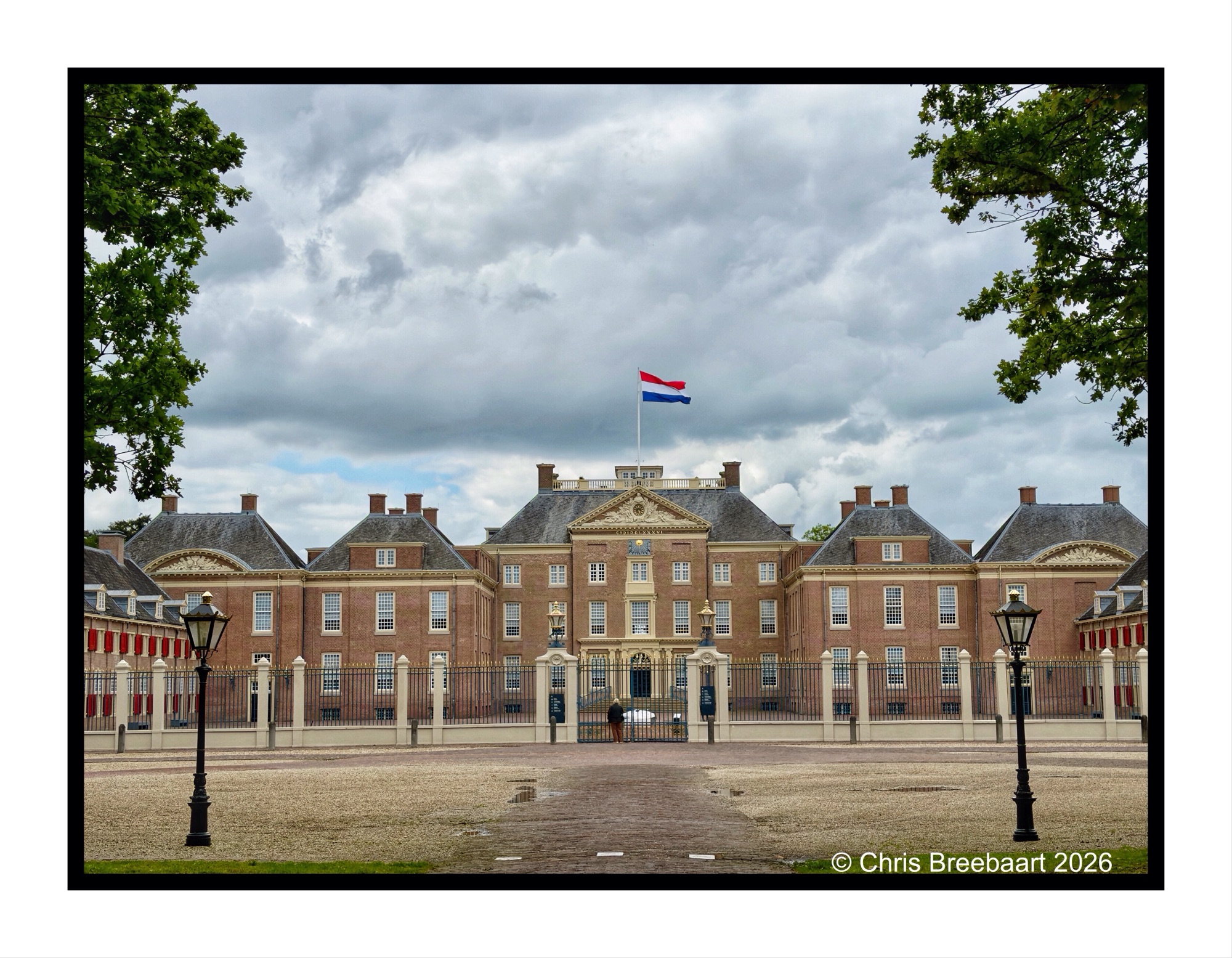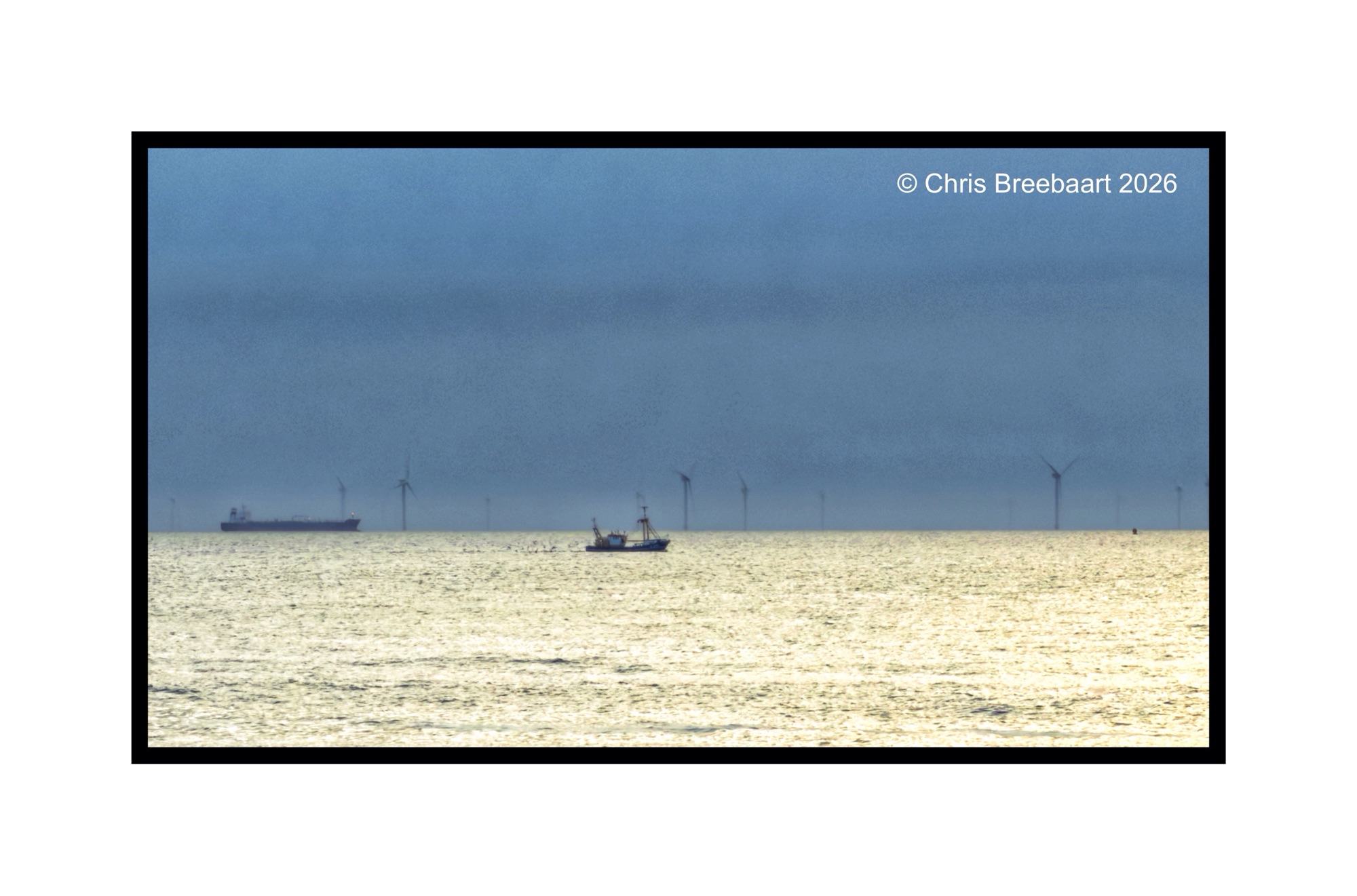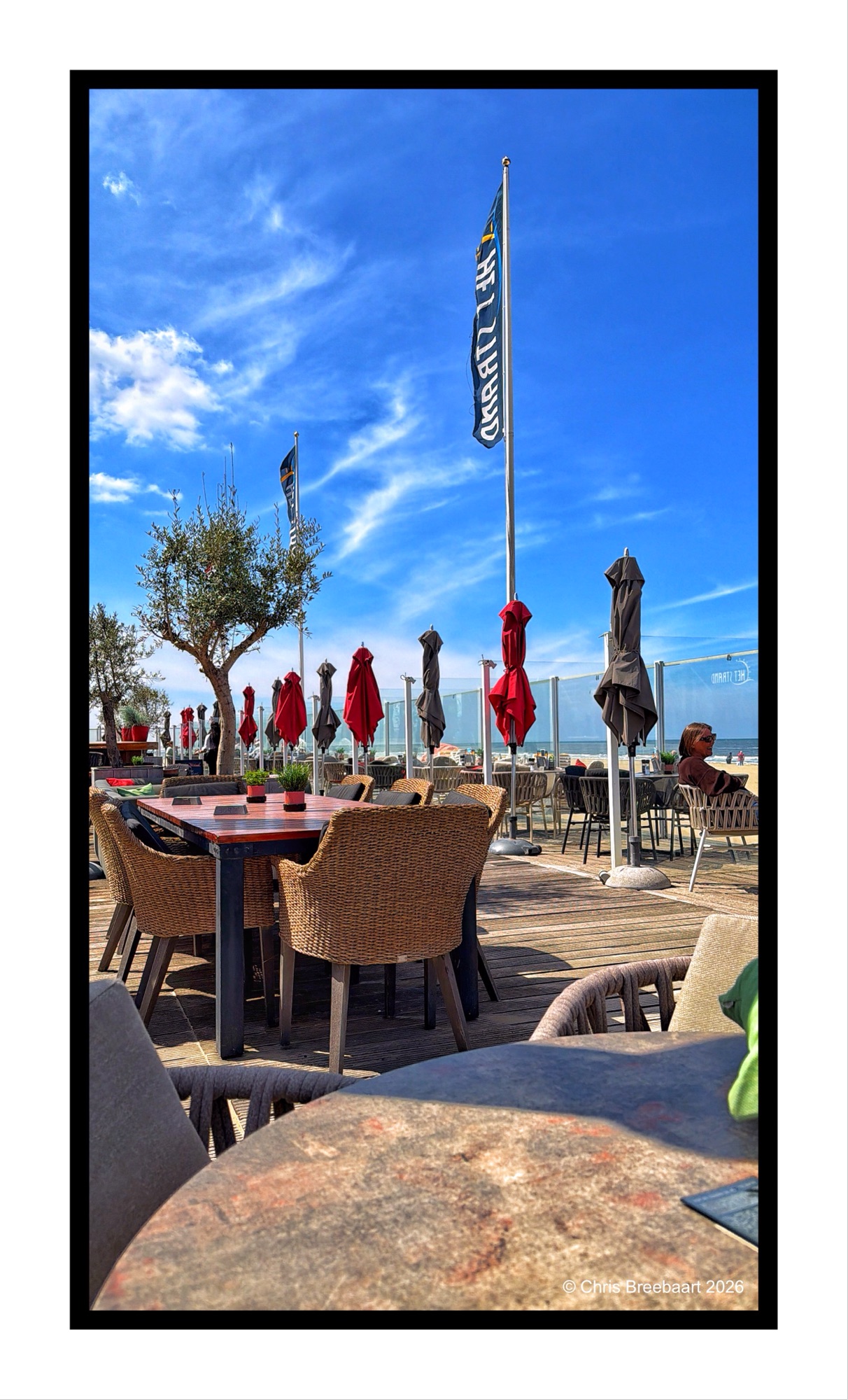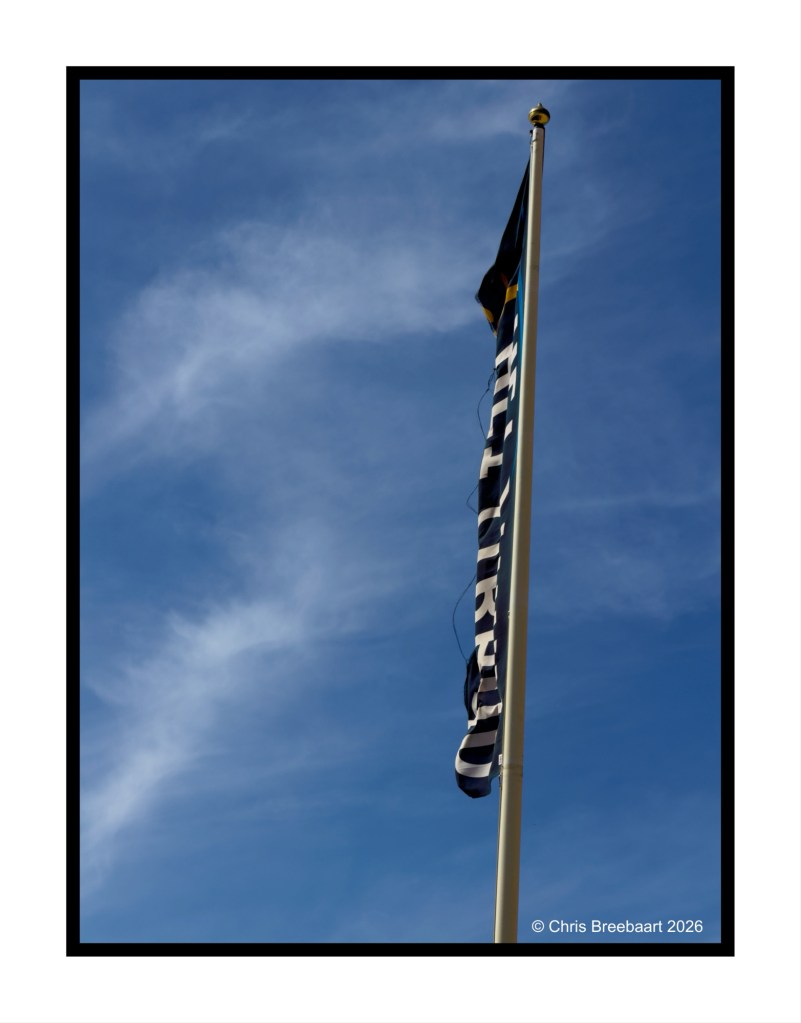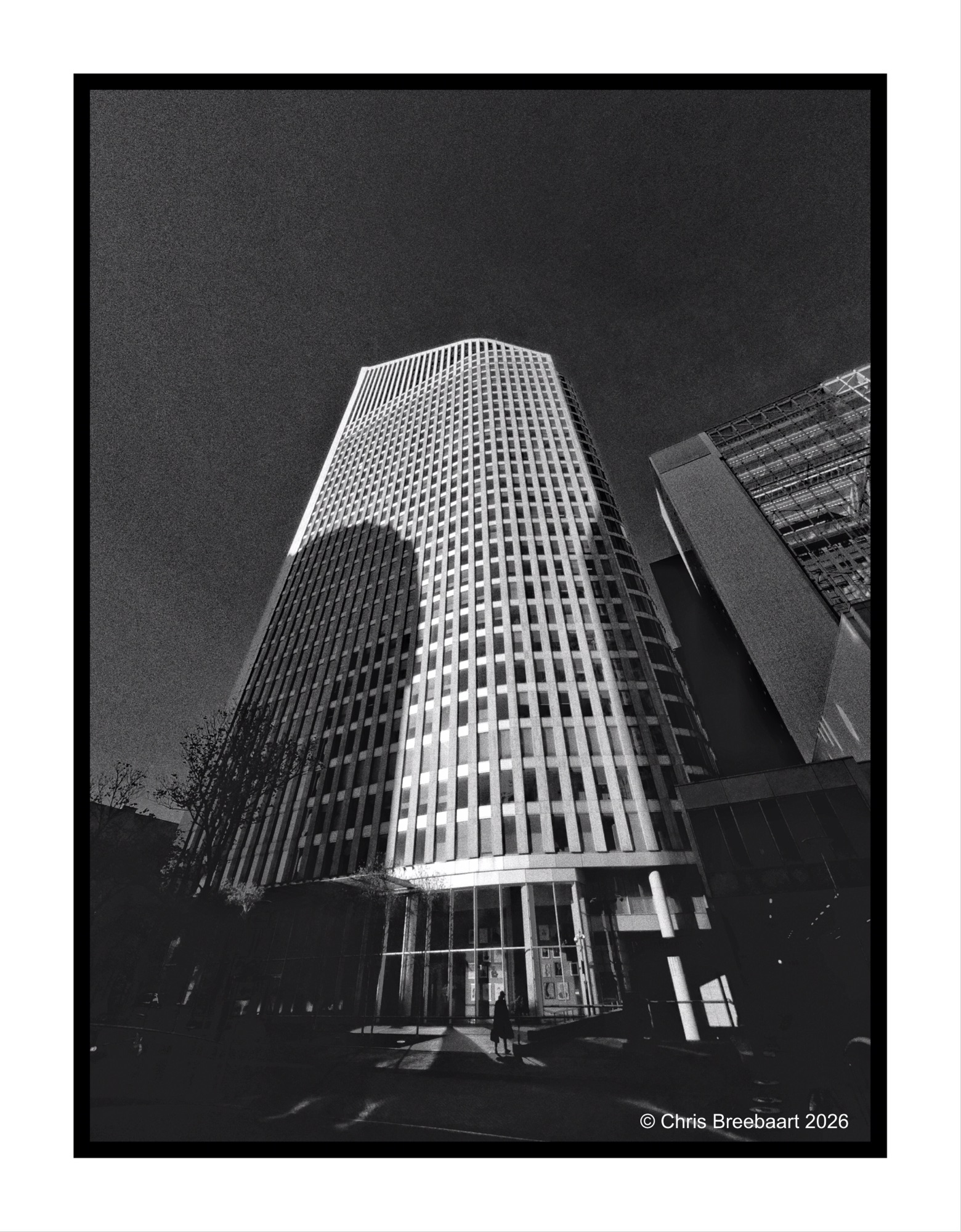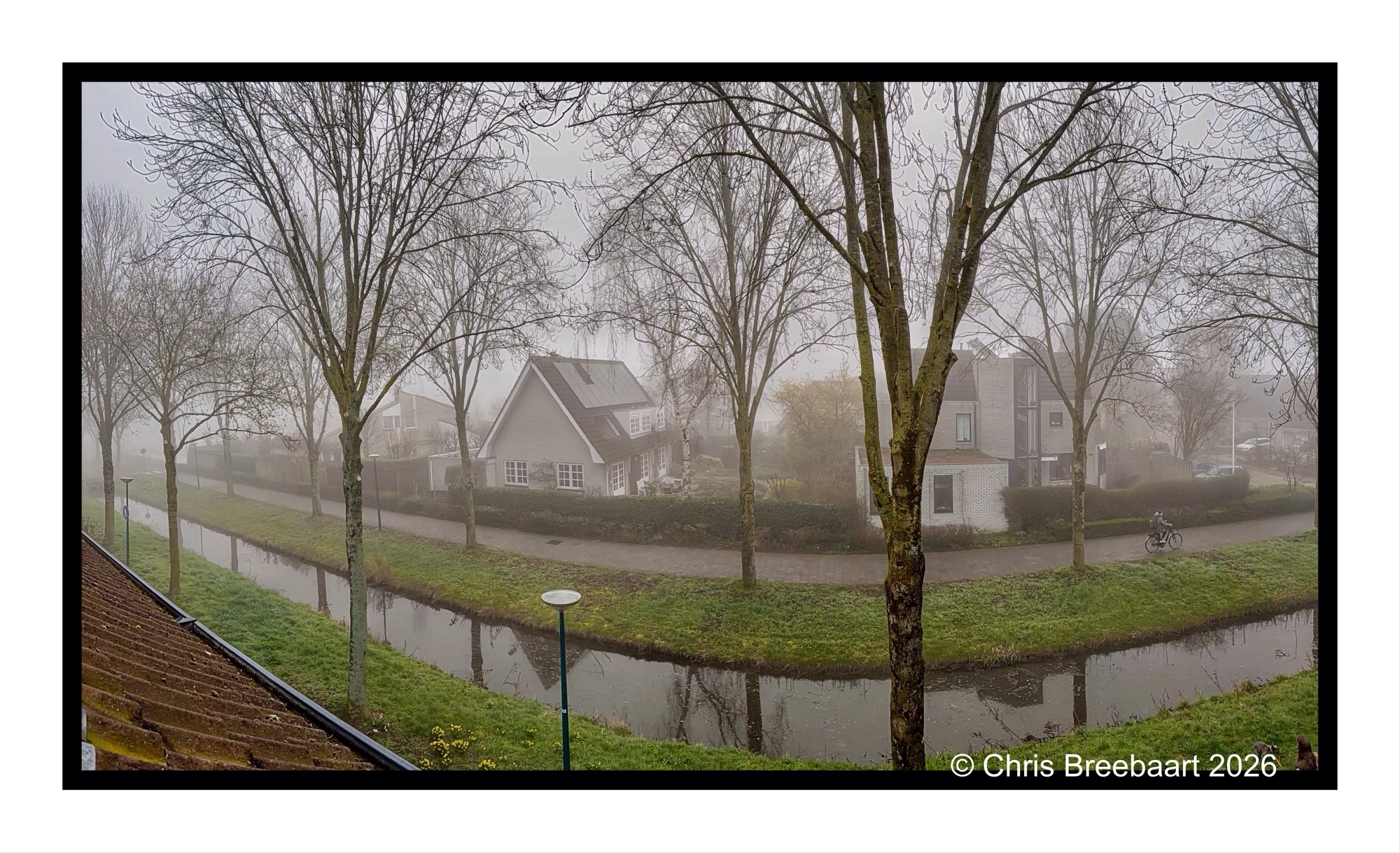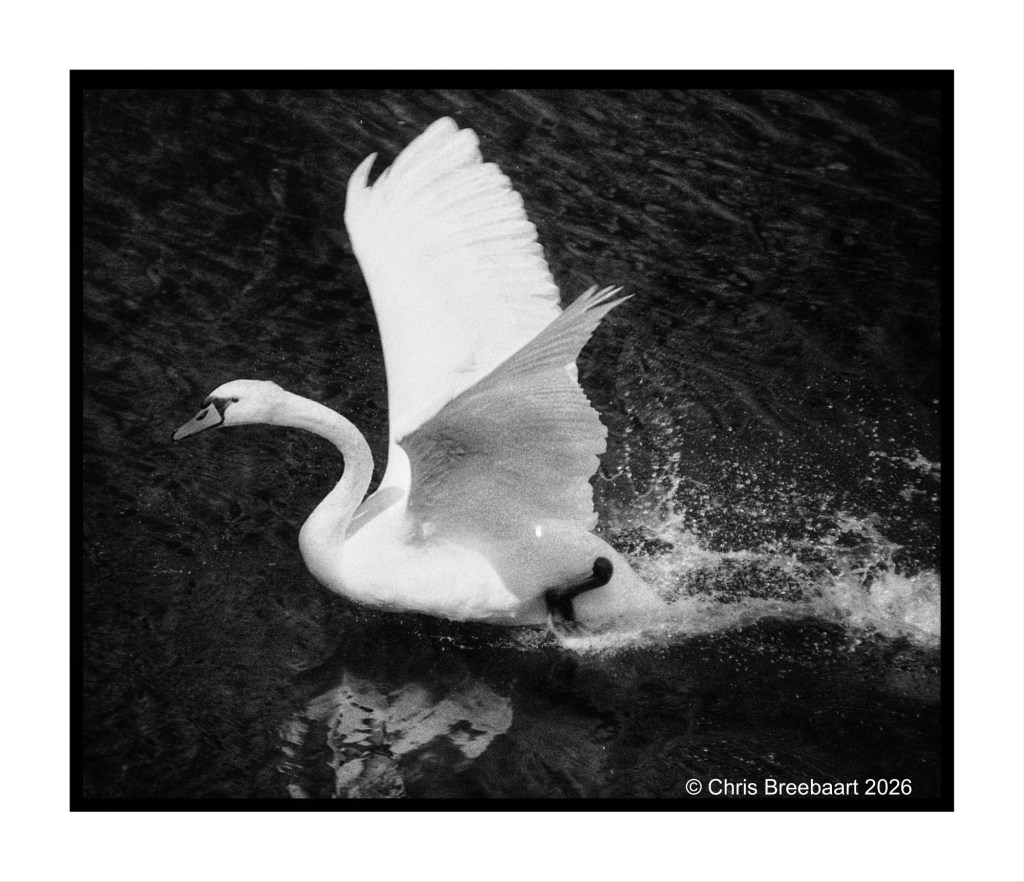
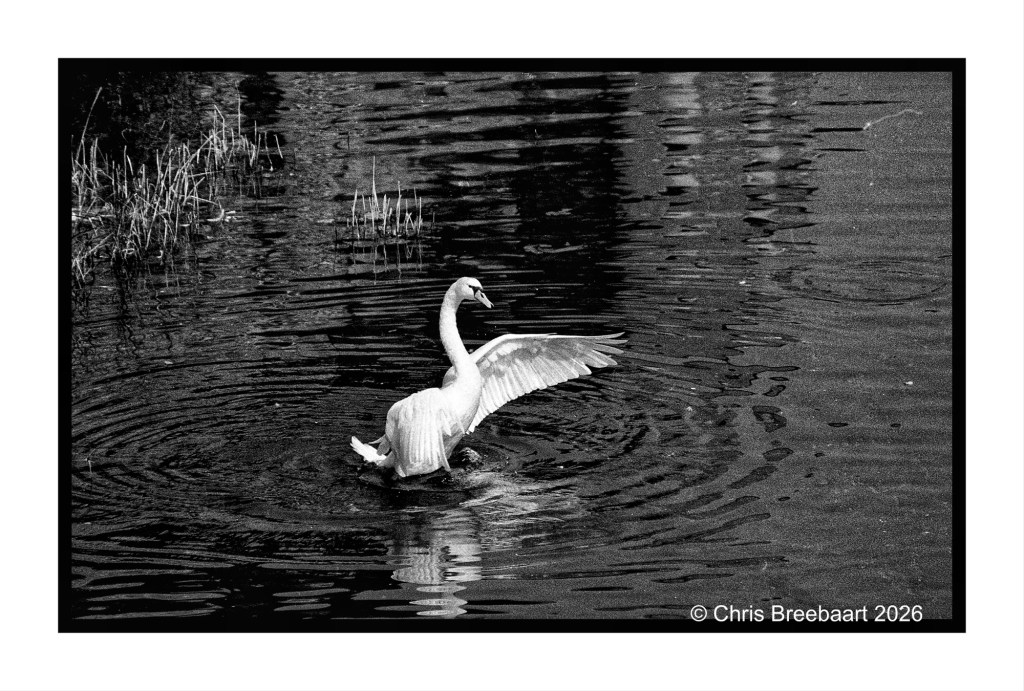
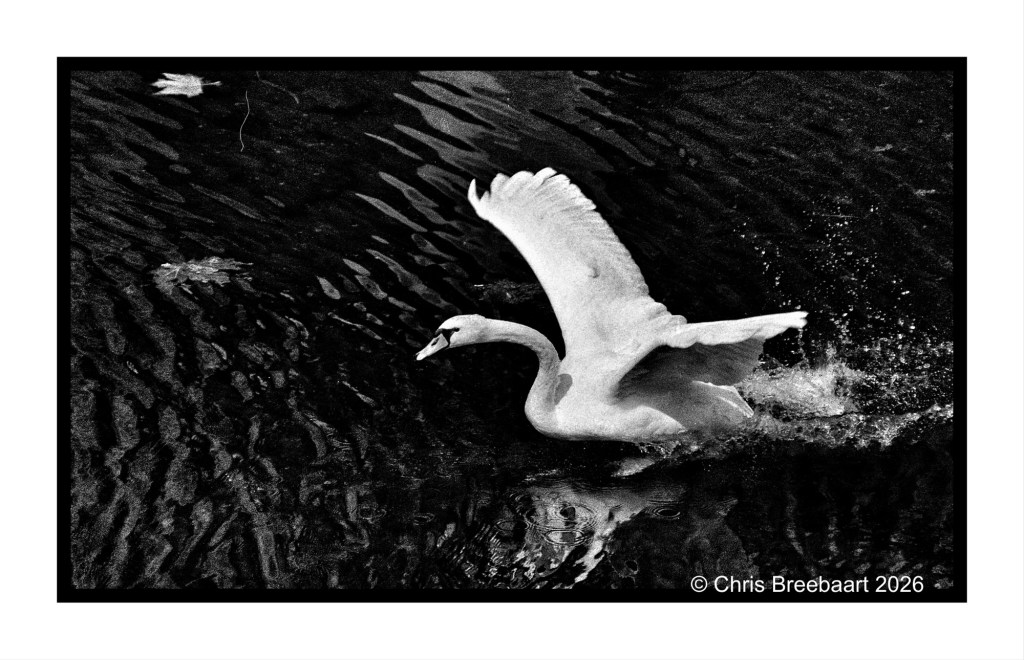
The theme of LAPC #398 is ‘choose your color’. The brief is to present a photo with a dominant color. Despite being a big fan of monochrome, I do love colors. The fun of colors is their subjectivity; any color has fans and haters. The sense making of colors is as diverse as people are unique. And that’s good. We need colors and images in our life to tell our stories.
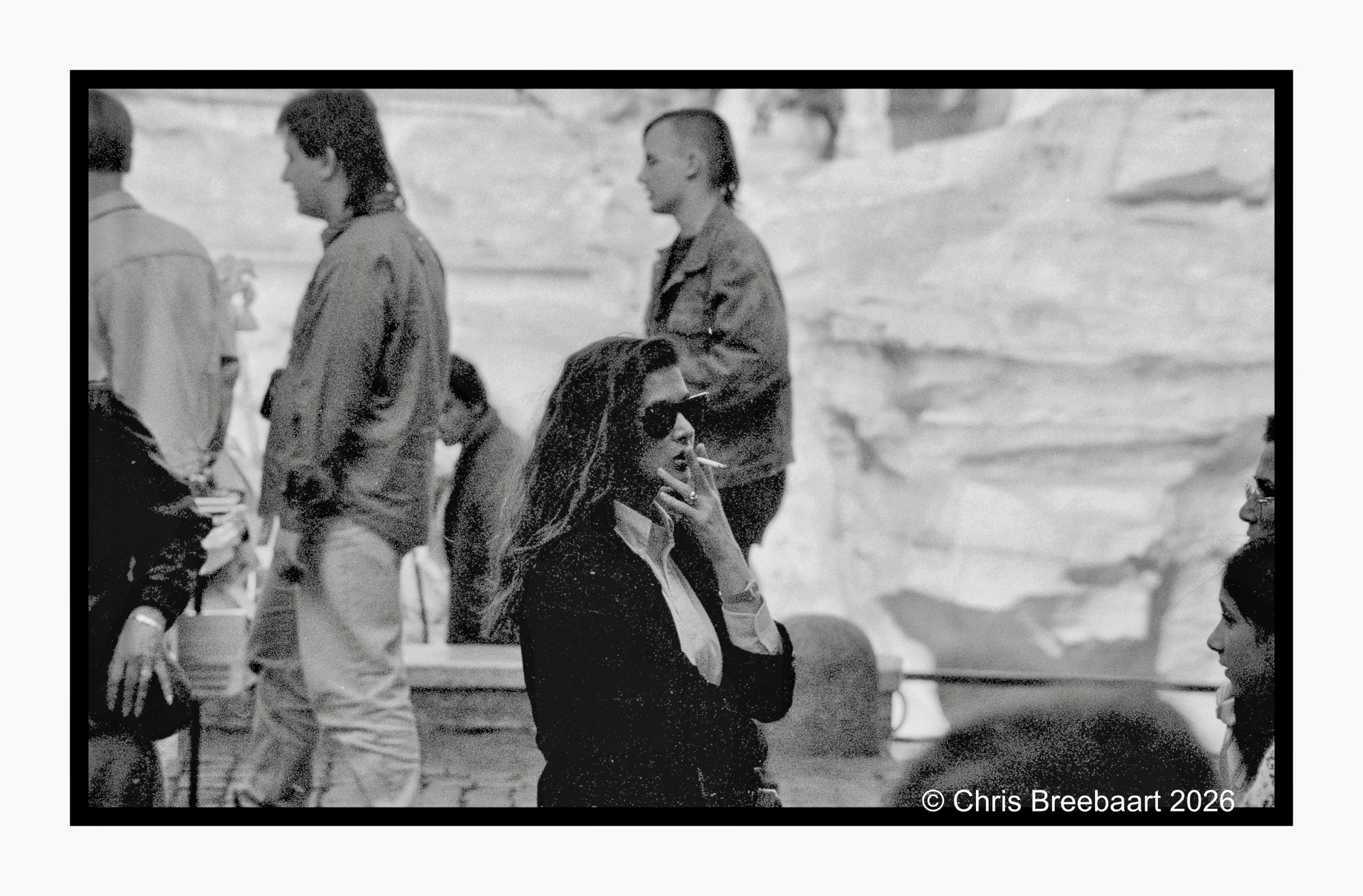
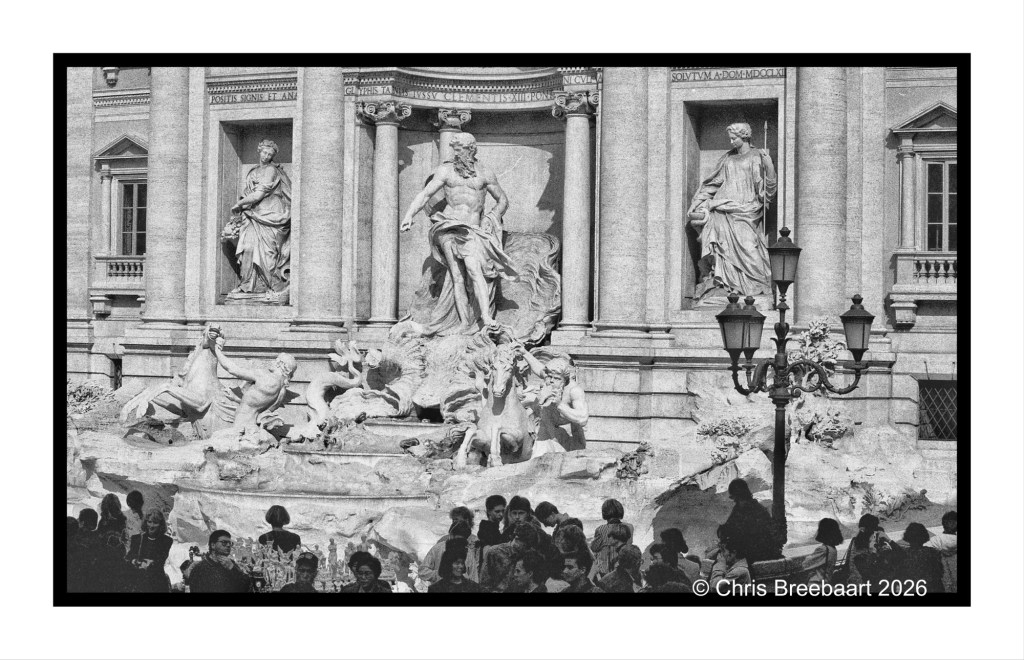
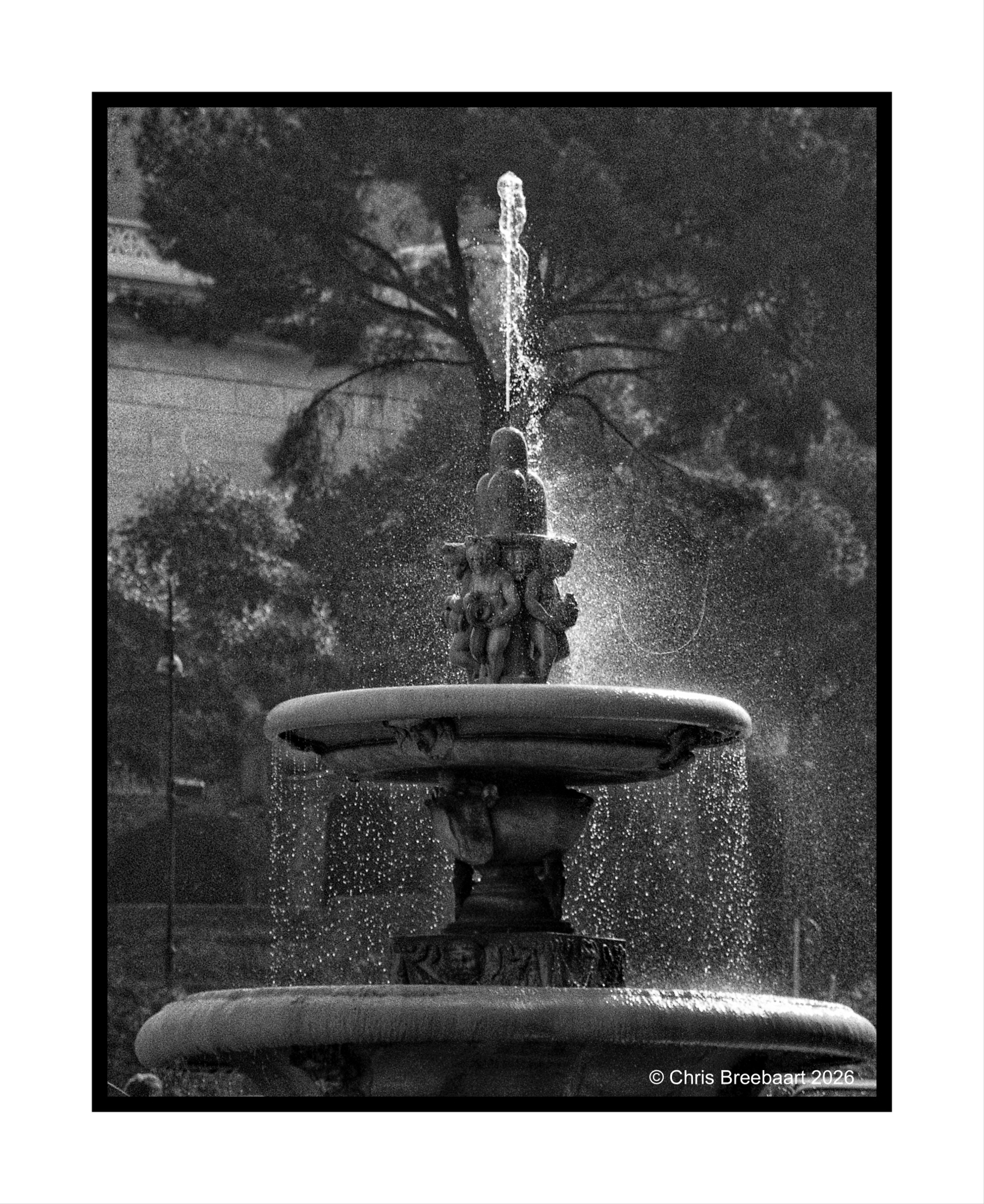
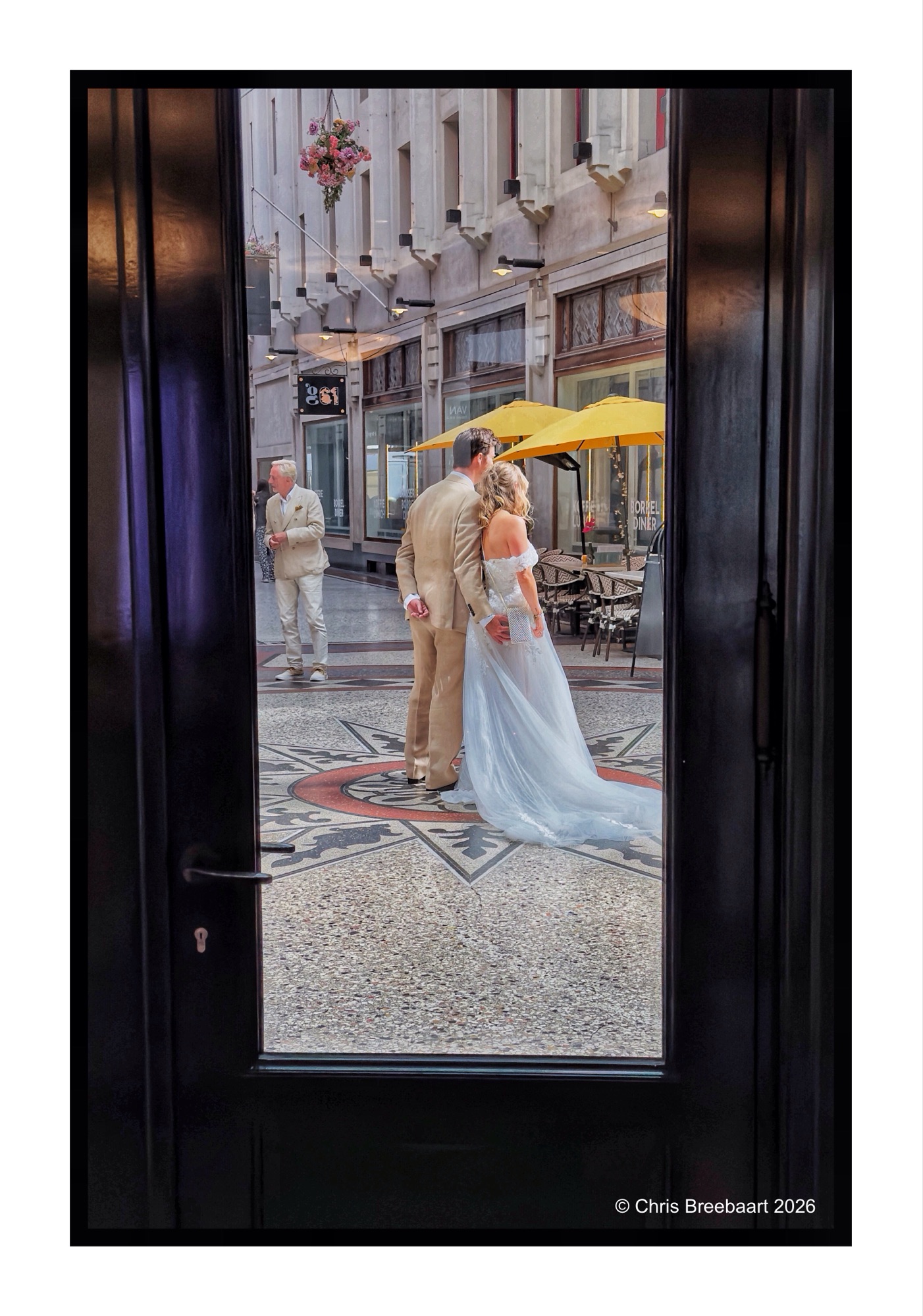
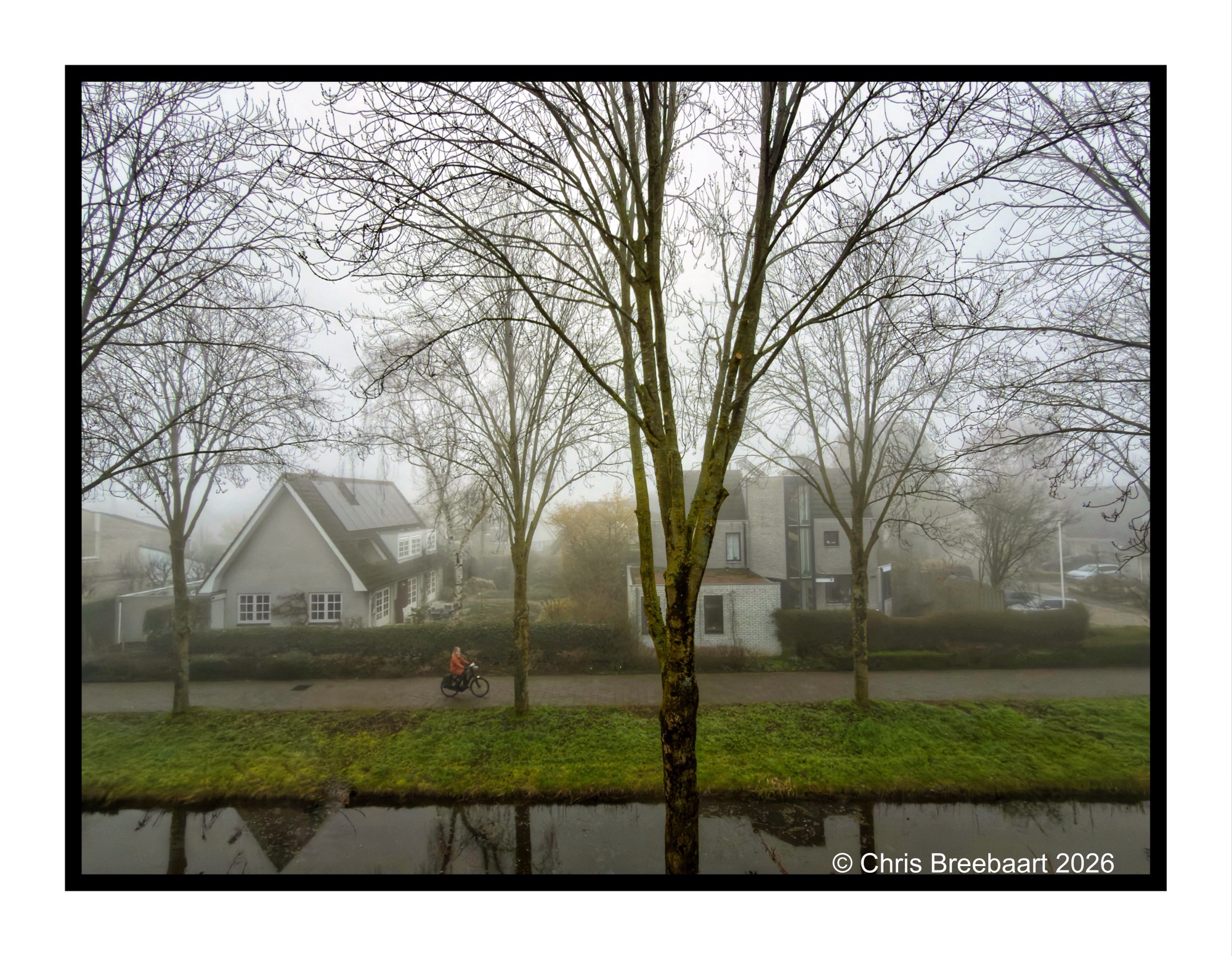
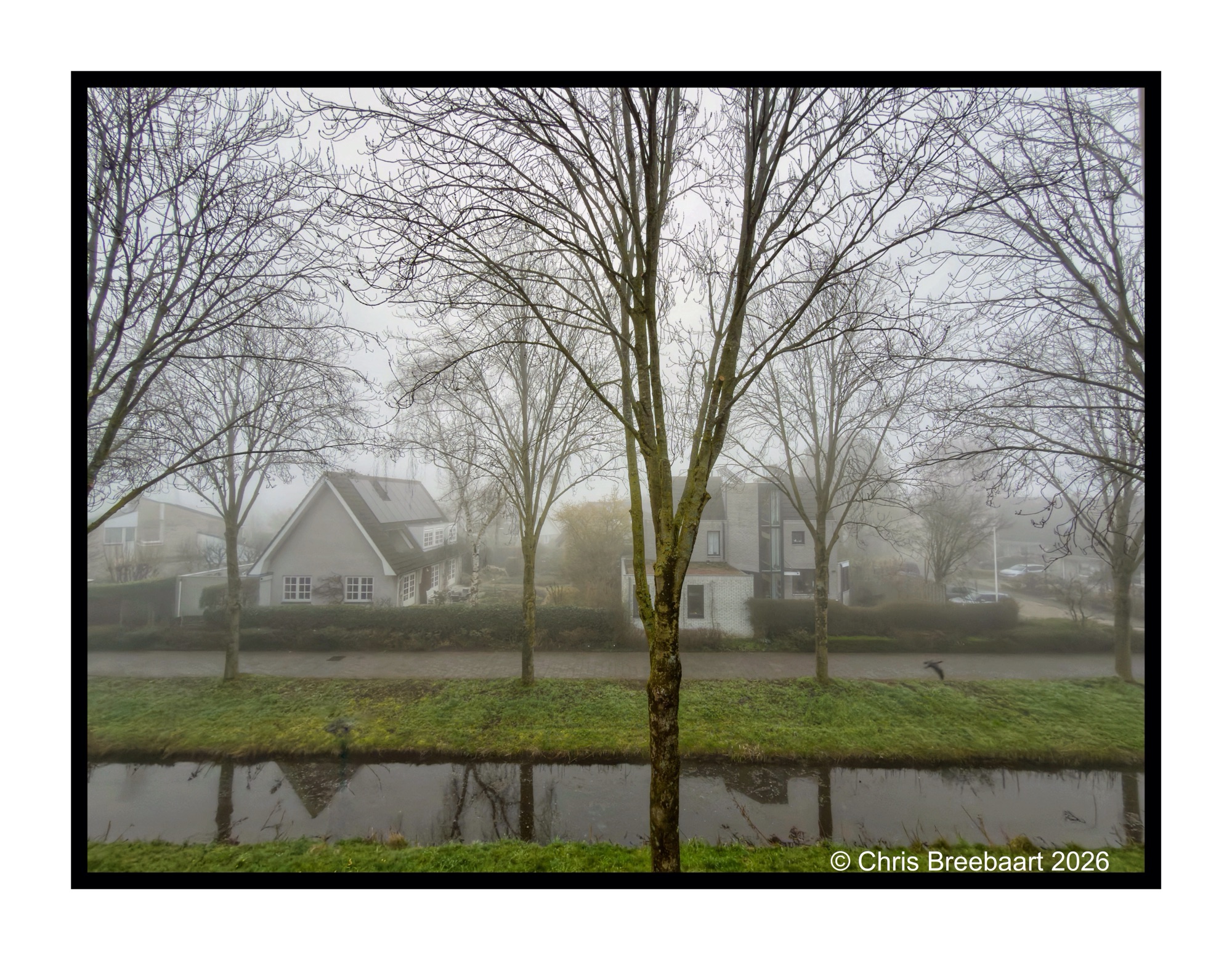
So here you can choose between silver and grey. Or both :-).
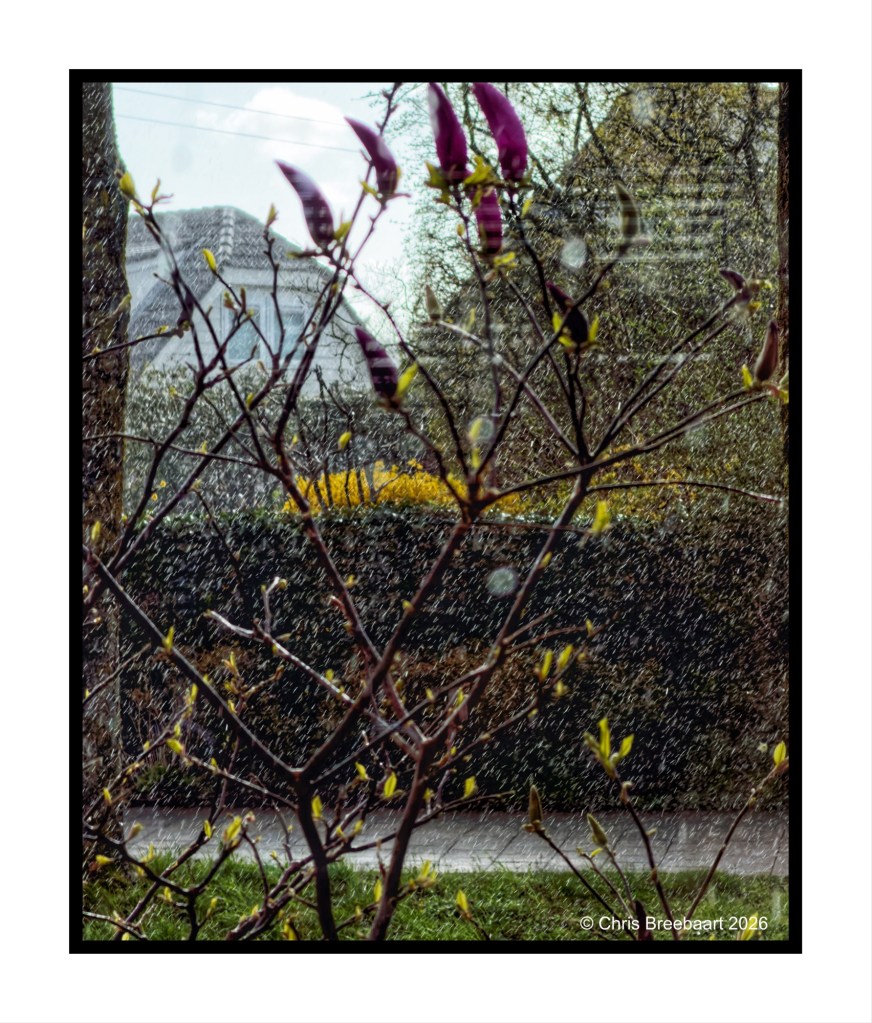
Summer is coming nearer, but the present temperatures are not matching that. But behind the glass, out of the wind, being on the beach is a pleasant stay.
The theme of LAPC #398 is ‘choose your color’. The brief is to present a photo with a dominant color. Despite being a big fan of monochrome, I do love colors. The fun of colors is their subjectivity; any color has fans and haters. And sometimes the use or non use of colors stems from group think.
The sense making of colors is as diverse as people are unique. And that’s good. We need colors and images in our life to tell our stories. Today I stick with blue. Colors are context dependent, hence subjective. Blue is a lot of times associated with sorrow, pain, loss, or life experience. And it creates the most beautiful music.
I’m Mister Blue I’m here to stay with you and no matter what you do when you’re lonely, I’ll be lonely too
René Klijn
While a deep blue sky might express power, focus and the absence of worries. Be any color you want.
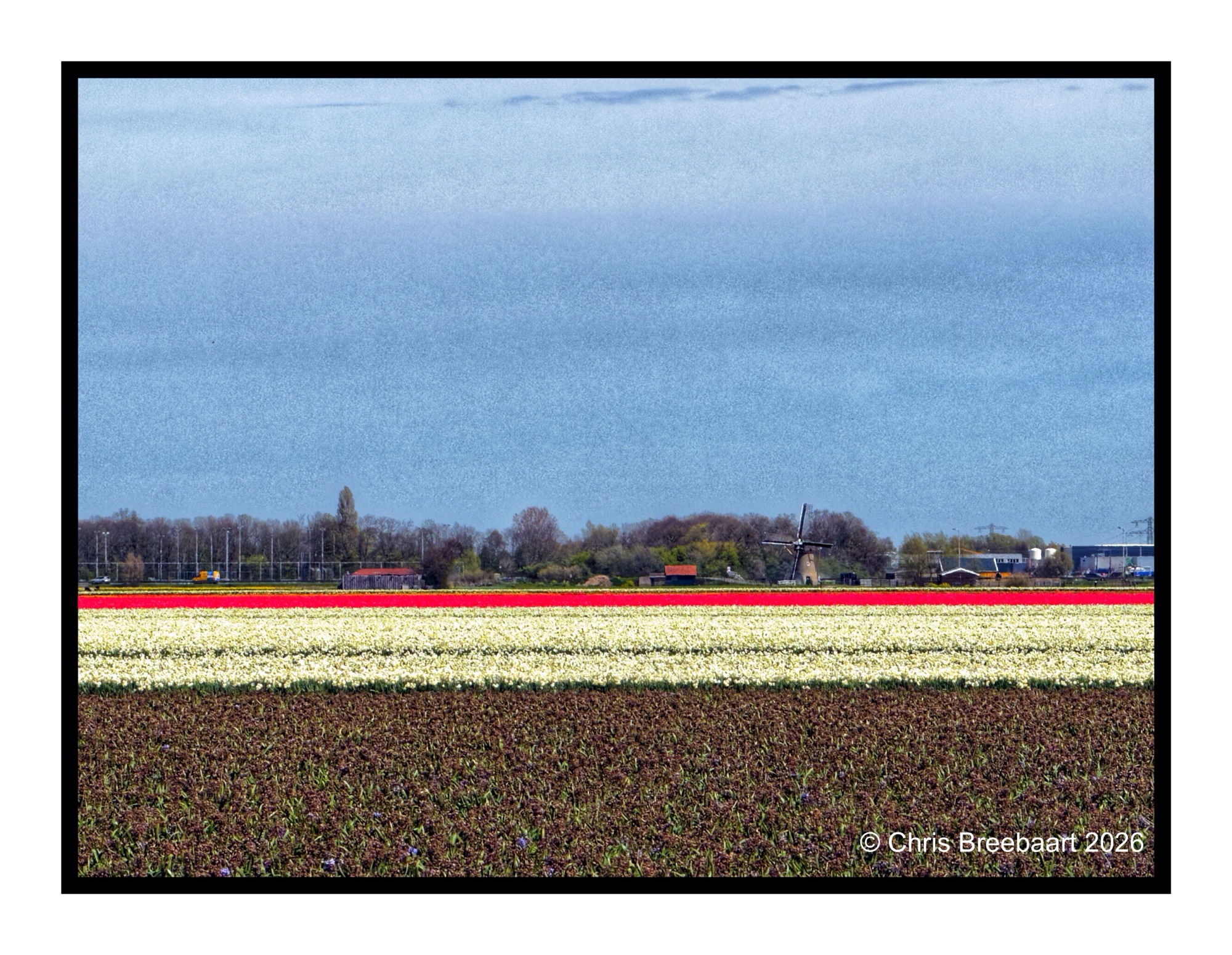
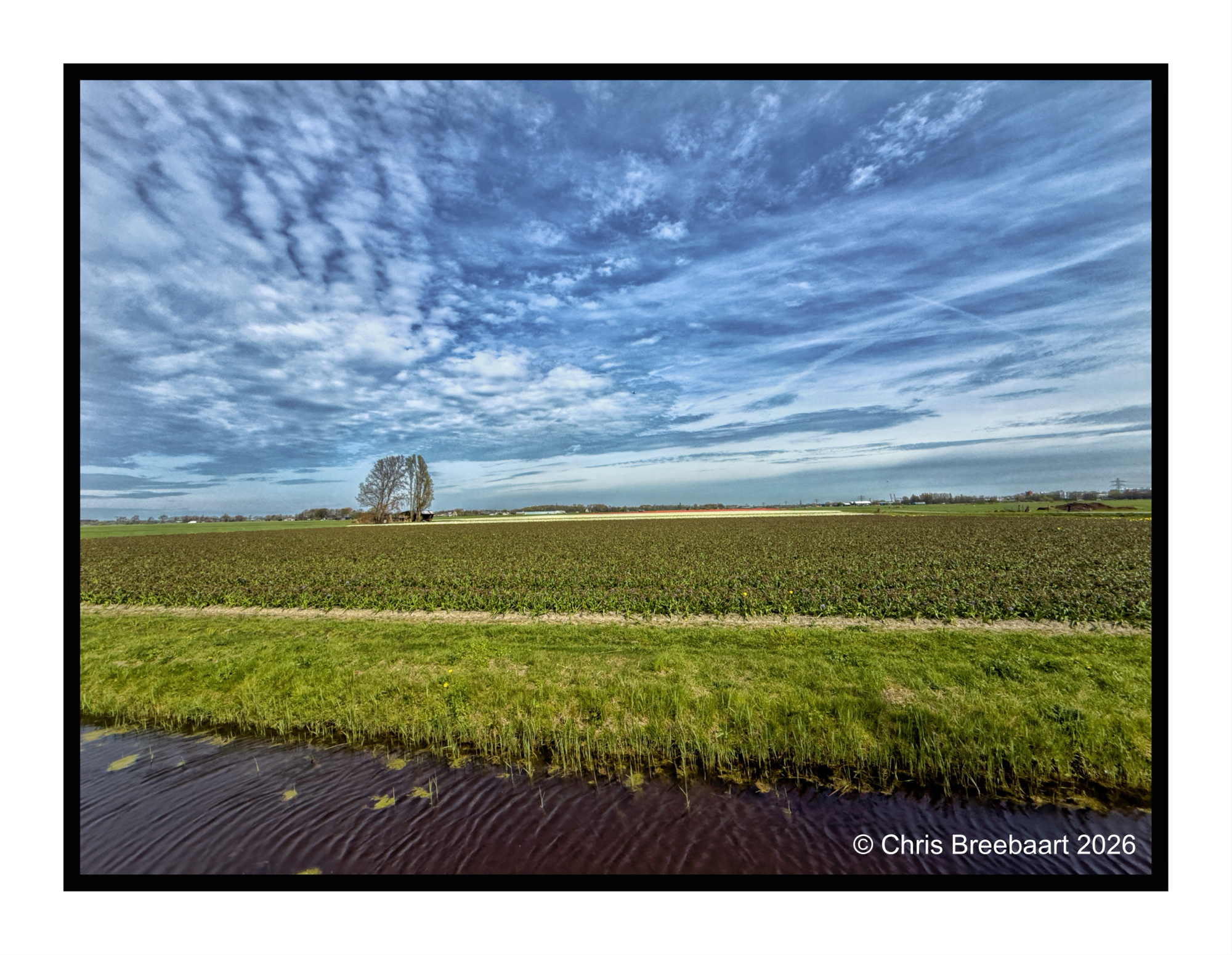
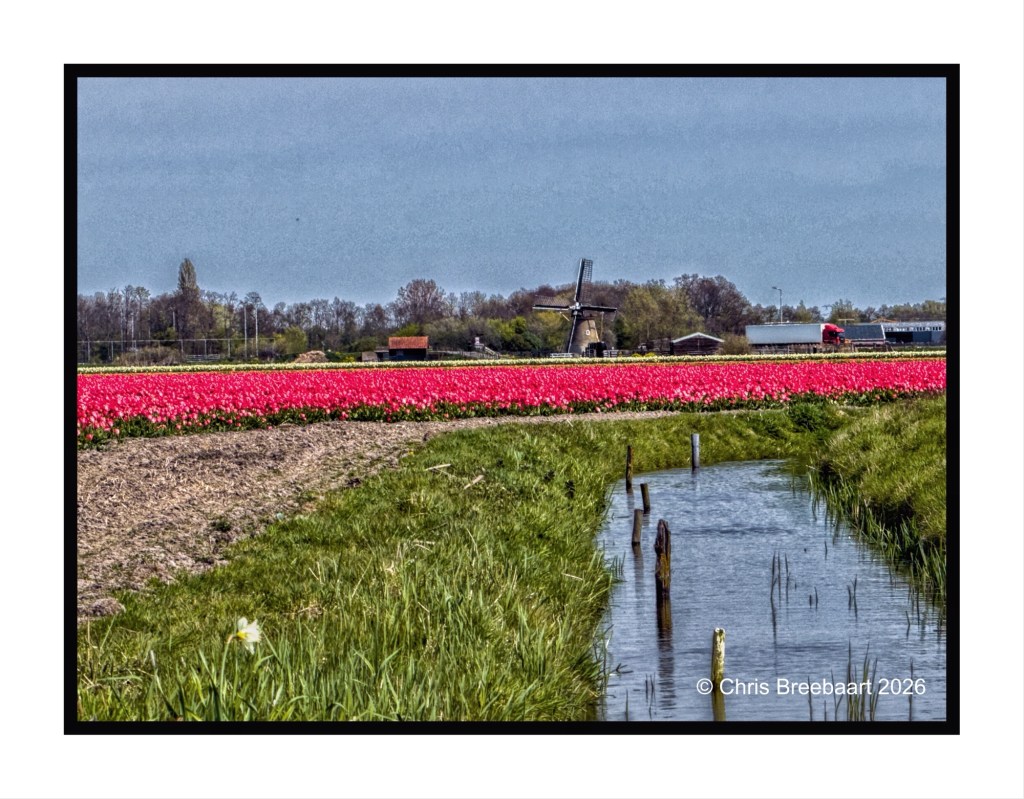
Layers of colors with in the front the brown of out of time hyacinth flowers. Then the light of daffodils and the red of tulips. On top the skyline of the horizon with an iconic windmill.
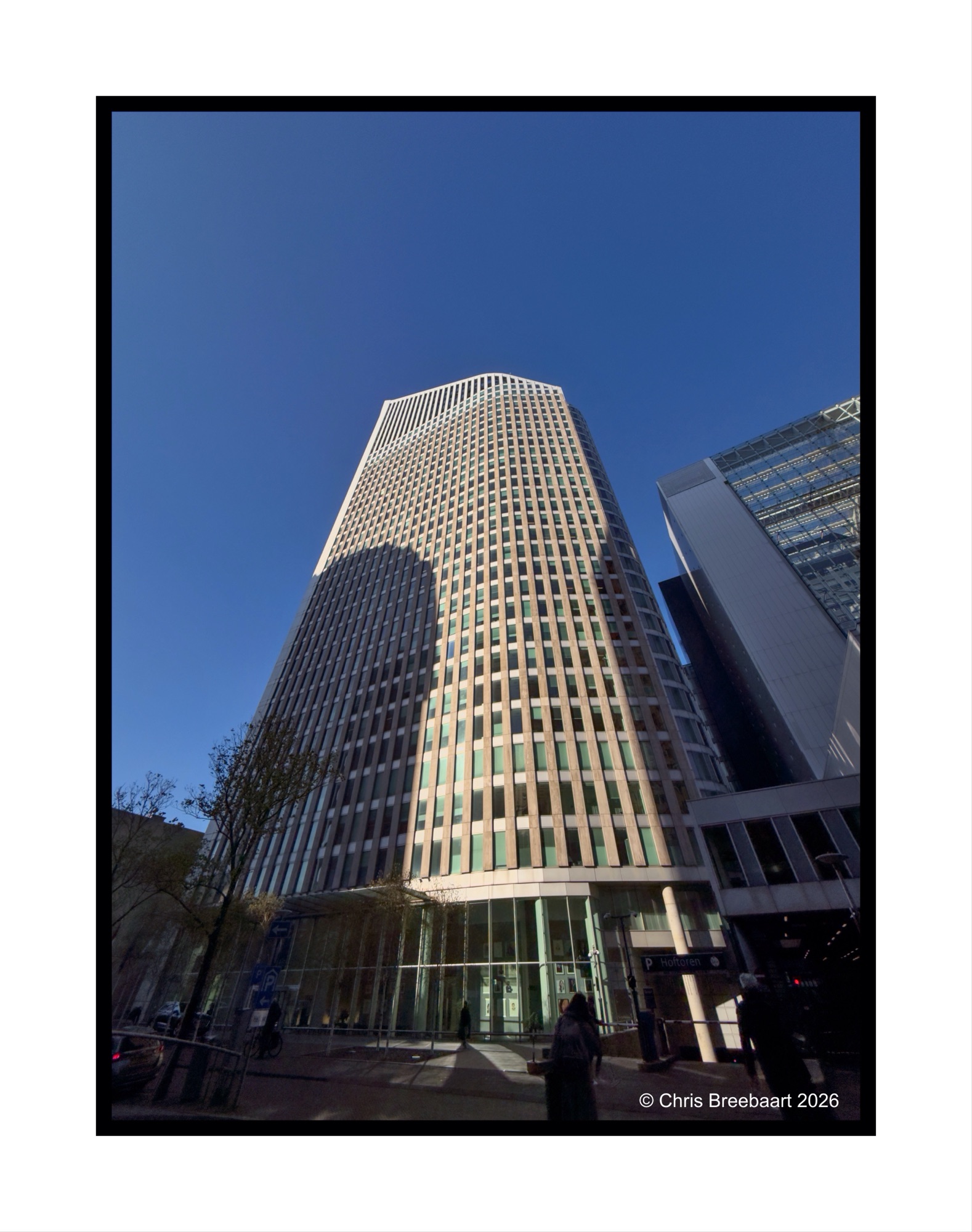
The theme of this week’s LAPC (#398) is illustrate a quote with a picture. There are notorious opinions about the civil service, lots of them framed in jokes. This is the Departement of Eduction, Science and Culture in Den Haag. A bit tongue in cheek (I am one of that civil service), this came up in my mind:
‘Ticking away the moments that make up a dull day Fritter and waste the hours in an offhand way‘
Pink Floyd, Time (The Dark Side of the Moon)
Of course the above is applicable to the private sector as well.
The Netherlands, Voorhout – April 2026 The Netherlands, Voorhout – April 2026
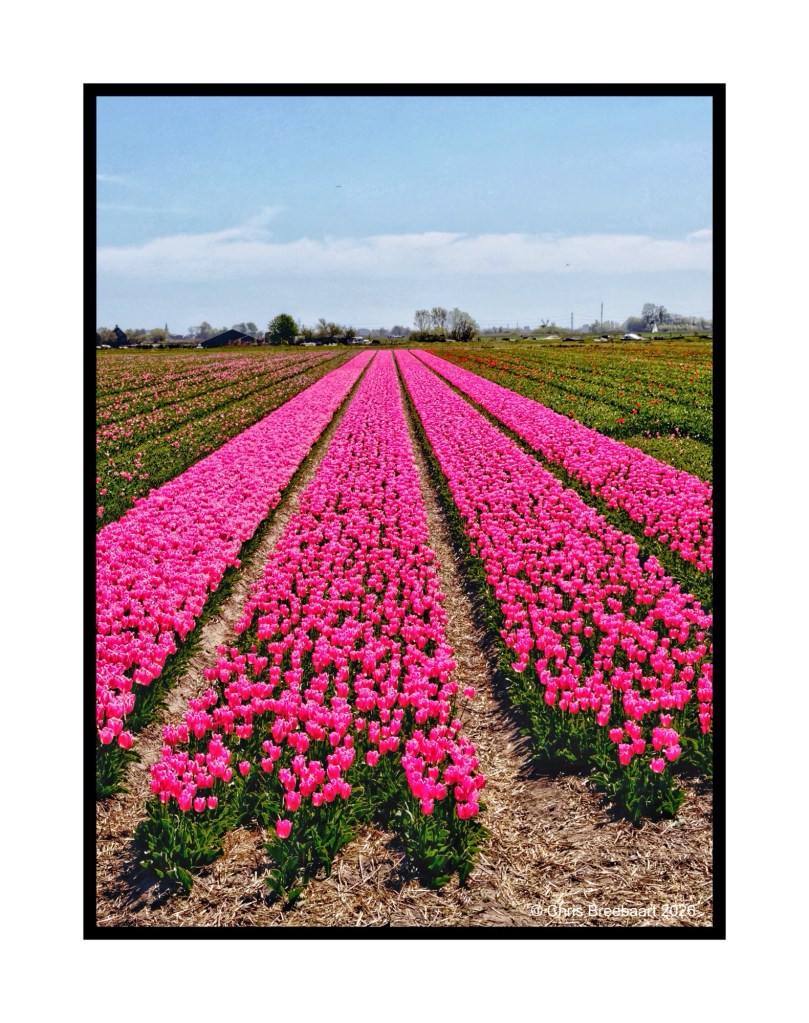
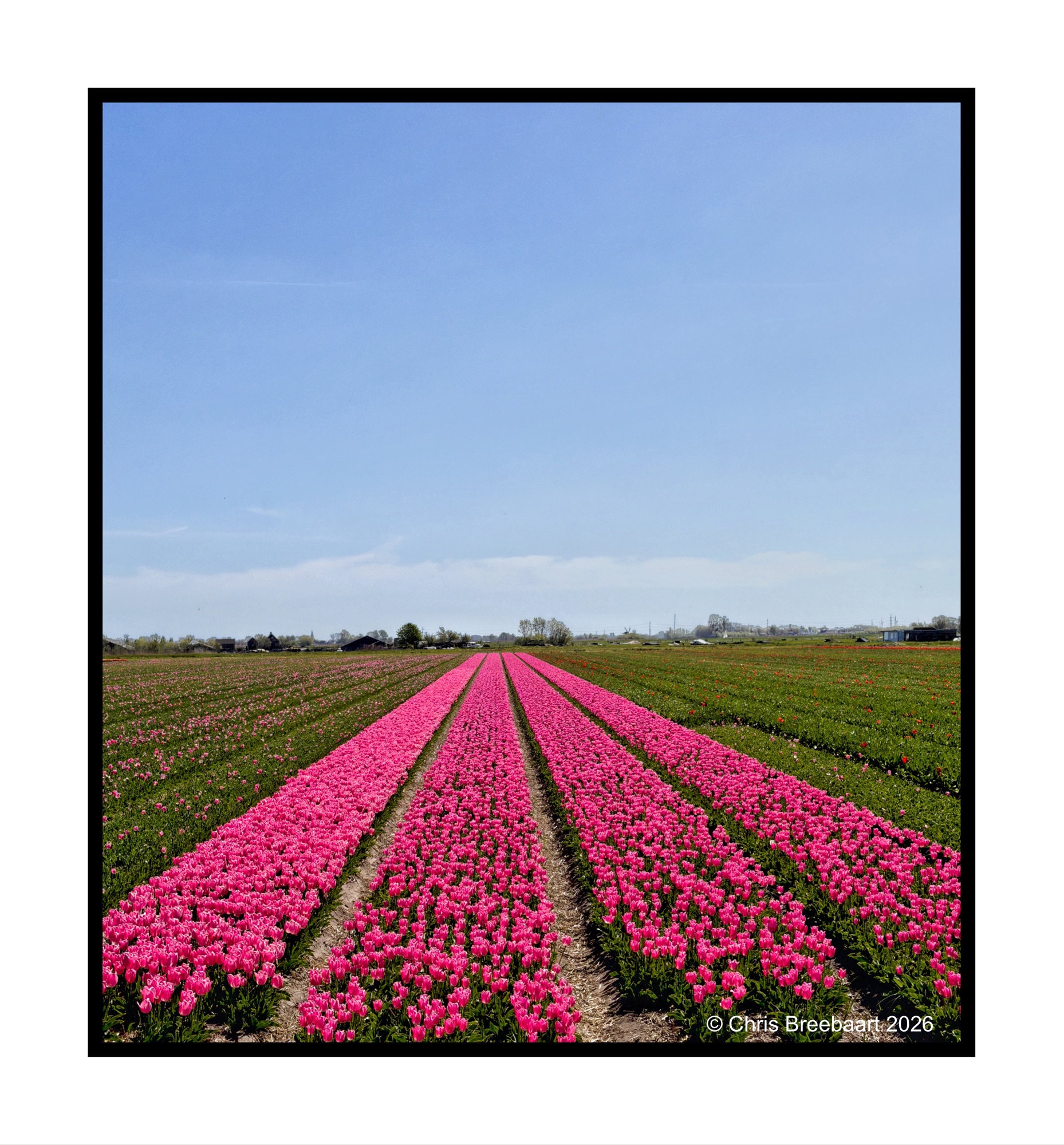
A major part of The Netherlands lies beneath sea level. Water, and the management of it in infrastructure as polders, dams and canals, is normal. We even not think of living under sea level. We feel safe. The flat landscape makes it interesting to look for lines that guide the eyes through the space. In a polder there are always canals that do the trick.
The question here is: which appeals most to your taste buds?
LAPC #395 looks back to LAPC #155 ‘On the water’. Water is not on our minds, but it is mindful to keep defending dry land against rising sea, rivers and soon (thanks to climate change with a bigger financial effort) rain. Meanwhile water is seen in most of the landscapes of The Netherlands.
A major part of The Netherlands lies beneath sea level. Water, and the management of it in infrastructure as polders, dams and canals, is normal. We even not think of living under sea level. We feel safe. Most of The Netherlands is flat, with a low horizon, offering a wonderful quantity of sky over the horizon. Being near the coast there is always wind. Reflected in the sky and the water of the canals, serving to manage the water levels in the polder.
LAPC #395 looks back to LAPC #155 ‘On the water’. Water is not on our minds, but it is mindful to keep defending dry land against rising sea, rivers and soon (thanks to climate change with a bigger financial effort) rain. Meanwhile water is seen in most of the landscapes of The Netherlands.
A major part of The Netherlands lies beneath sea level. Water, and the management of it in infrastructure as polders, dams and canals, is normal. We even not think of living under sea level. We feel safe.
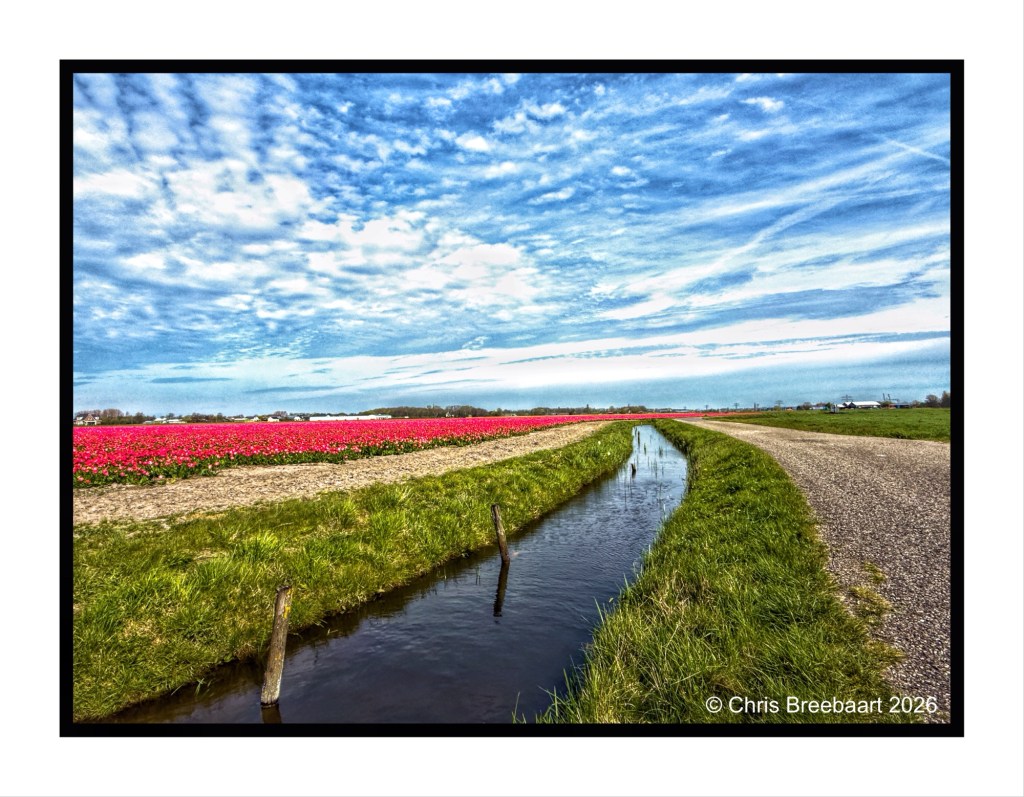
Here a polder with an old windmill (painted by Monet long ago) – originally used to pump water out of a polder- and a small canal in a polder with tulips. Only the clogs are missing!
LAPC #395 looks back to LAPC #155 ‘On the water’. Water is not on our minds, but it is mindful to keep defending dry land against rising sea, rivers and soon (thanks to climate change with a bigger financial effort) rain.
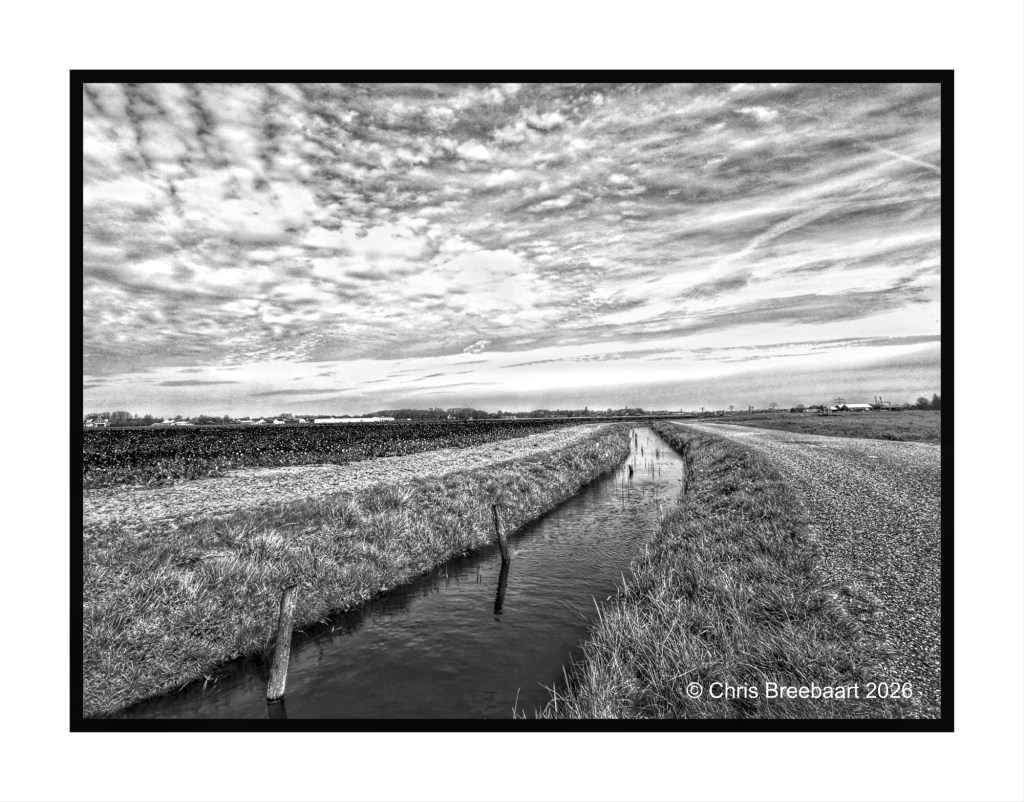
If you visit my blog – like I hope you do or from now start to do – you must have recognized my ‘old’ love for monochrome. When I started this hobby, mono was fashionable and a standard for news photography. And it was cheaper. In this series I offer you two versions of a photo. And you can prefer one over the other, or not.
This week’s theme is ‘Time to relax’. On a bicycle ride through fields where soon bulb flowers will pop up, together with other cyclists. This is a piece of a polder showing the low horizon in the sun.
If you visit my blog – like I hope you do or from now start to do – you must have recognized my ‘old’ love for monochrome. When I started this hobby, mono was fashionable and a standard for news photography. And it was cheaper. In this series I offer you two versions of a photo. And you can prefer one over the other, or not.
This week’s theme is ‘Time to relax’. On a bicycle ride through fields where soon bulb flowers will pop up, together with other cyclists. Thought I am not really sure about this piece of land, it is just been plowed it seems.
If you visit my blog – like I hope you do or from now start to do – you must have recognized my ‘old’ love for monochrome. When I started this hobby, mono was fashionable and a standard for news photography. And it was cheaper. In this series I offer you two versions of a photo. And you can prefer one over the other, or not.
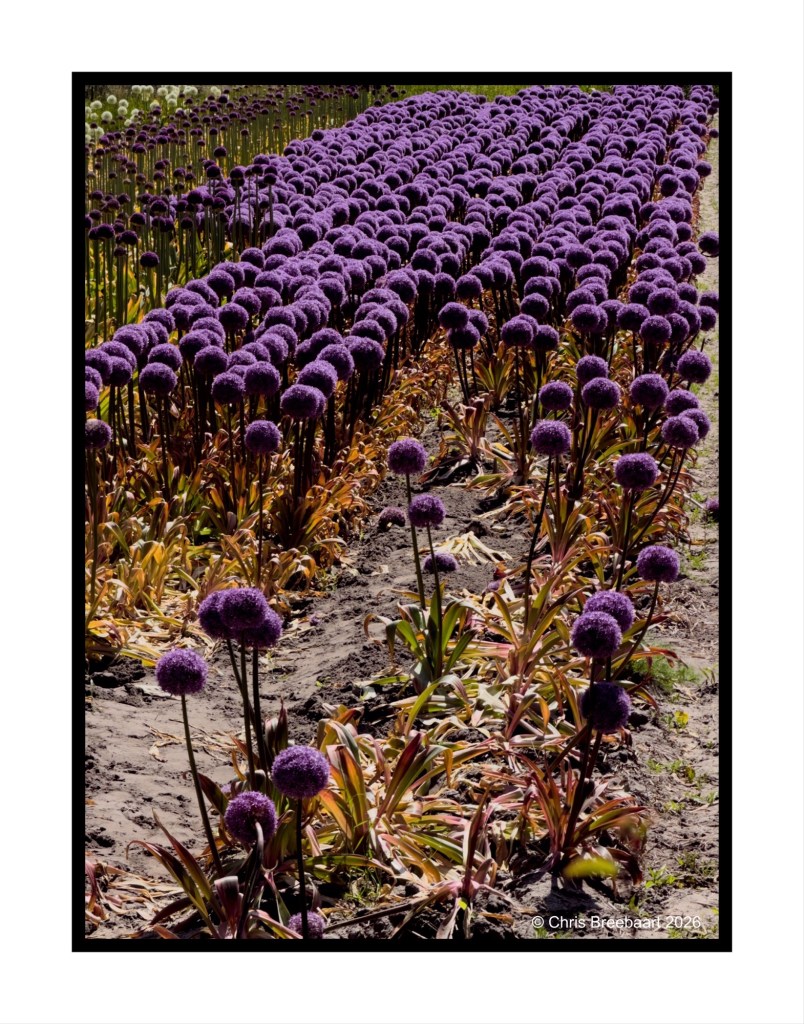
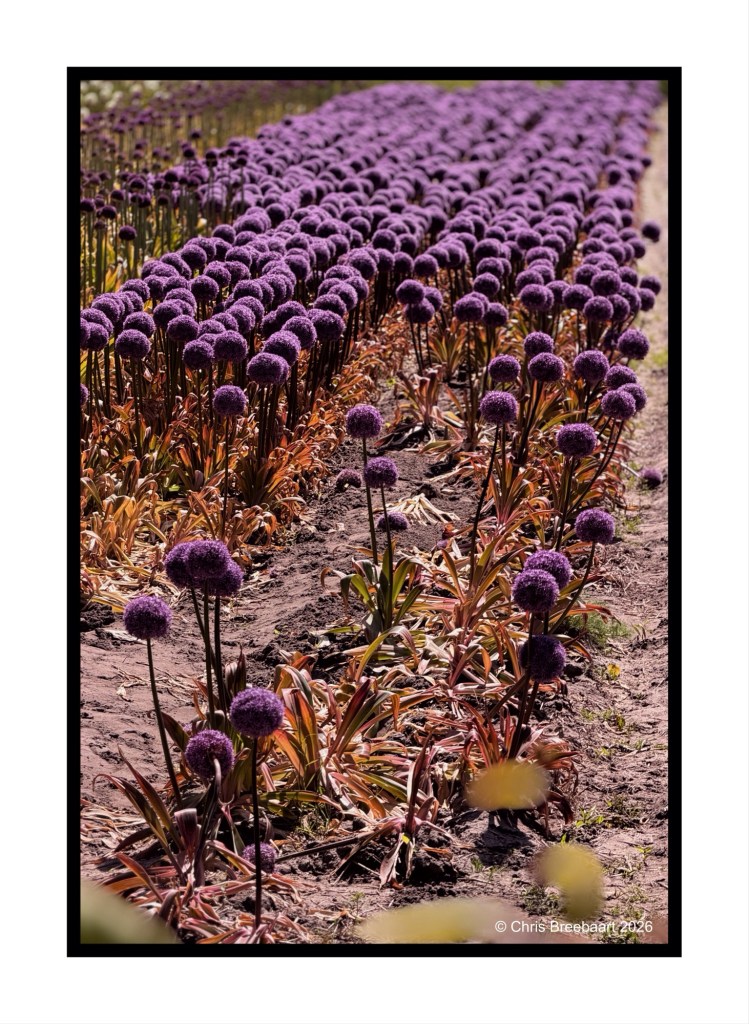
This week’s theme is ‘Time to relax’. On a bicycle ride through fields where soon bulb flowers will pop up, together with other cyclists. On the color version you can see the deep purple of early hyacinths. With Some yellow late Daffodils.
If you visit my blog – like I hope you do or from now start to do – you must have recognized my ‘old’ love for monochrome. When I started this hobby, mono was fashionable and a standard for news photography. And it was cheaper. In this series I offer you two versions of a photo. And you can prefer one over the other, or not.
This week’s theme is ‘Time to relax’. On a bicycle ride through fields where soon bulb flowers will pop up, together with other cyclists. On the color version you can see the deep purple of early hyacinths. With Some yellow late Daffodils.
This week’s theme is ‘Time to relax’. On a bicycle ride through fields where soon bulb flowers will pop up, together with other cyclists and the occasional runner.
Spring is here and last weekend I made a little bicycle ride to check out the bulb flower fields. Daffodils where coming up, and at odd places hyacinths started to show. A nice way to relax and enjoy the lovely day outside. As did others by walking, running or cycling. Fitting this week’s theme ‘Time to relax’.
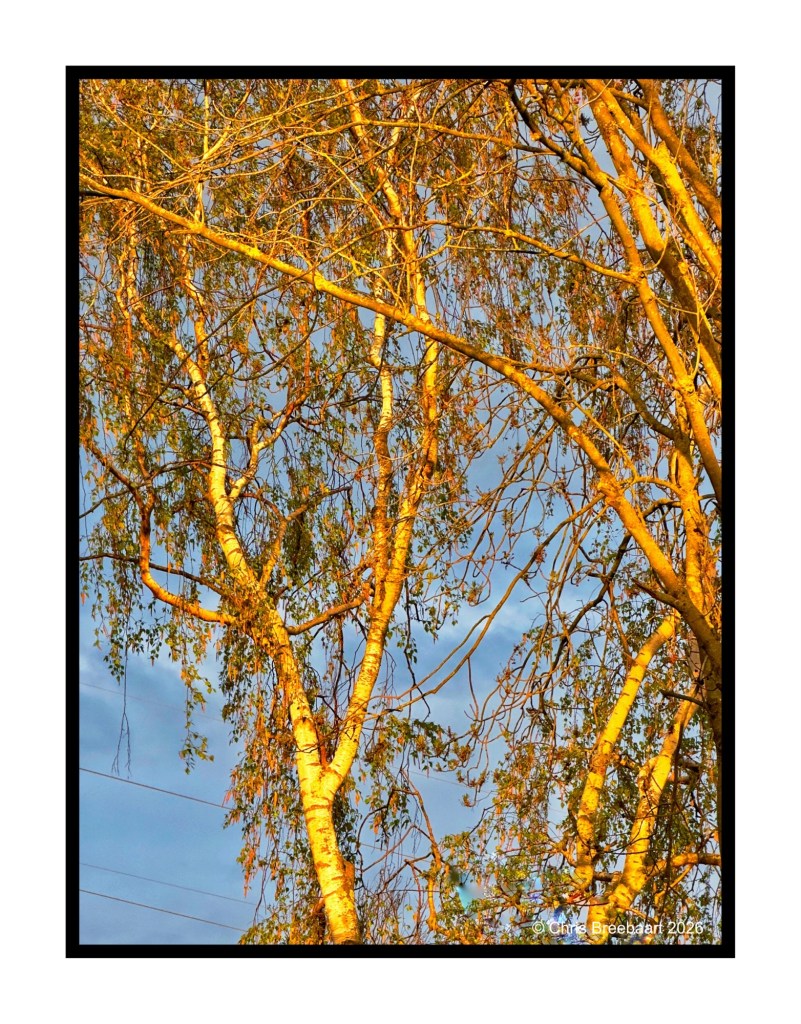
Spring knocks on the door. Sunrises through young leaves, creating golden slumbers in the early sunlight. Vanishing as the sun climbs higher in the sky.
LAPC #386 invites to use the power of juxtaposition. I give the brief a bit more room for experiment, and put two pictures next to another. They both have a narrative of their own. It is basically the same subject (trees) but framed in a different way.
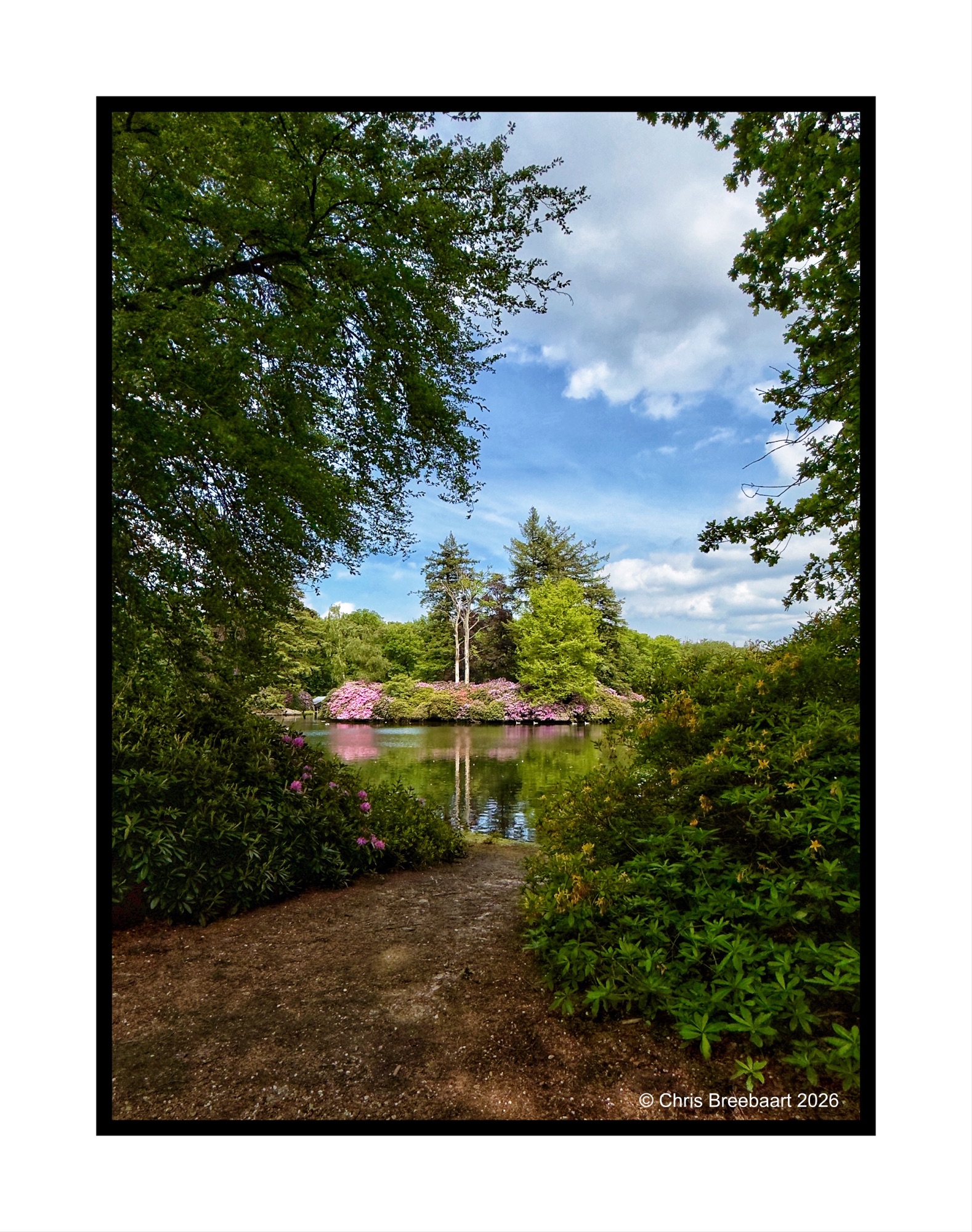
The LAPC theme #385 is ‘unusual crop’. It is about cropping (re-framing an existing image) for effect. I used an old photo from March 2018 to play with for this theme. I cropped it to get rid of some elements that I kept in the original shot. This theme makes me think about how I shoot and the principles I learned in the past.
I am not sure I fully understand the essence of the brief. I only understand it if I take it literally: how it is unusual for me to use cropping while editing. Let me try to explain. Cropping afterwards is to re-frame a shot. My aim is to frame a desired photo at the shoot on the camera. That is a principal I learned long ago. Modern technology helps. You can see the result of a shot right away on the camera. And zoom lenses give you the flexibility to decide about the framing. Long ago, all I shot was on a 50 mm lens on film. Then sometimes I deliberately shot to ‘crop’ the result. E.g. when I was unable to get close enough. In the darkroom, you enlarged the picture (blow up), and then decided the result of the frame. Nevertheless, this often resulted in a loss of quality (grain, sharpness). So I learned to frame from the start, long ago.
But even in those analogue days, blowing up negatives was creative, it added to the texture of a photo. Nowadays it is easier to be playful using better technology. Camera’s, phones, software, monitors, computers all contribute to more agility in the editing process.
I am curious about the perspective of other ‘old school’ photographers. The ones who used film and a darkroom in the past before the digital age. How do they view this challenge?
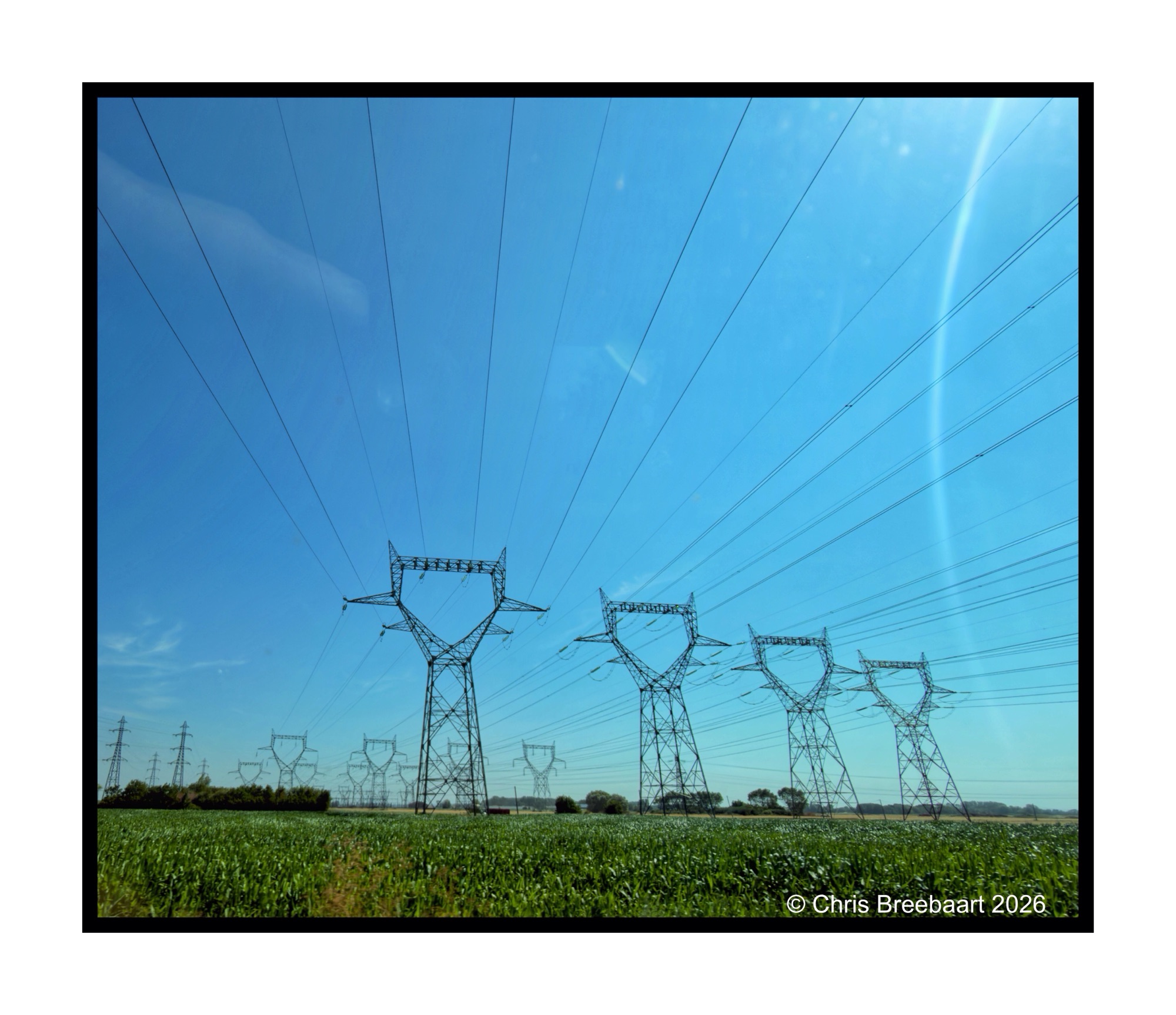
Every time we travel to the UK via the Channel Tunnel, I try to take photos of these steel giants. The same goes for when we return from there. They carry power lines in the area of St. Georges-sur-l’Aa. No worries, I’m in the passenger seat.
They remind me of mythical knights, marching in line over the fields. In the archive you find a set of photos over the years.
Lens-artists Photo Challenge #382 is about rejected photos. What do you do with photos you do not like? You can throw them away, or you can keep them. And if you keep them what can you do with them? First a story of myself, how I work. And in the end an example.
I am a snap shooter for a long time. When looking at this question for myself, I have to distinguish between the analog age and the digital age. But in both ages it is about quality, how you can assess that and what instruments are available after shooting. And above all: how can you be creative, and how much room is there to experiment?
The analog age was expensive: film was expensive, darkroom materials were expensive too. And being a poor student I shot as efficient as possible. You had to be patient while shooting, and selective. You also needed to trust your skills. Experience was essential to figure out what worked and what not. To produce good prints you needed to develop darkroom skills. And some negatives were impossible to print. But you kept them all. I never threw away negatives. That decision was beneficial in the digital age. After scanning my negatives, I properly made them look like what I had in mind when shooting them. What the darkroom did not deliver, software did.
In the digital age the cost of a photo is nearly non existent. The original photo (the former negative) can be copied lots of times. From the start technology offers instruments to oversee the quality of the photos. What you shoot is instantly visible on the camera. You can try different changes in the photo. Adjustments like shutter time, focus, and shutter opening can be tested most of the time. The RAW format offers flexibility for editing the ‘negative’ after the shoot. Software offers lots of creative tools to change the photo, or create new images.
So, do you keep rejected (bad) photos or not? I do reject photos, overseeing the result on my camera. I keep photos that can come to a good result after editing. The rest I remove straight away (e.g. bracketing shots).What I keep is stored on my NAS, where I use Lightroom as my archiving tool. I use editing tools to tweak a photo slightly. My favorite is Snapseed for web and social media publication. And Lightroom and Photoshop for prints.
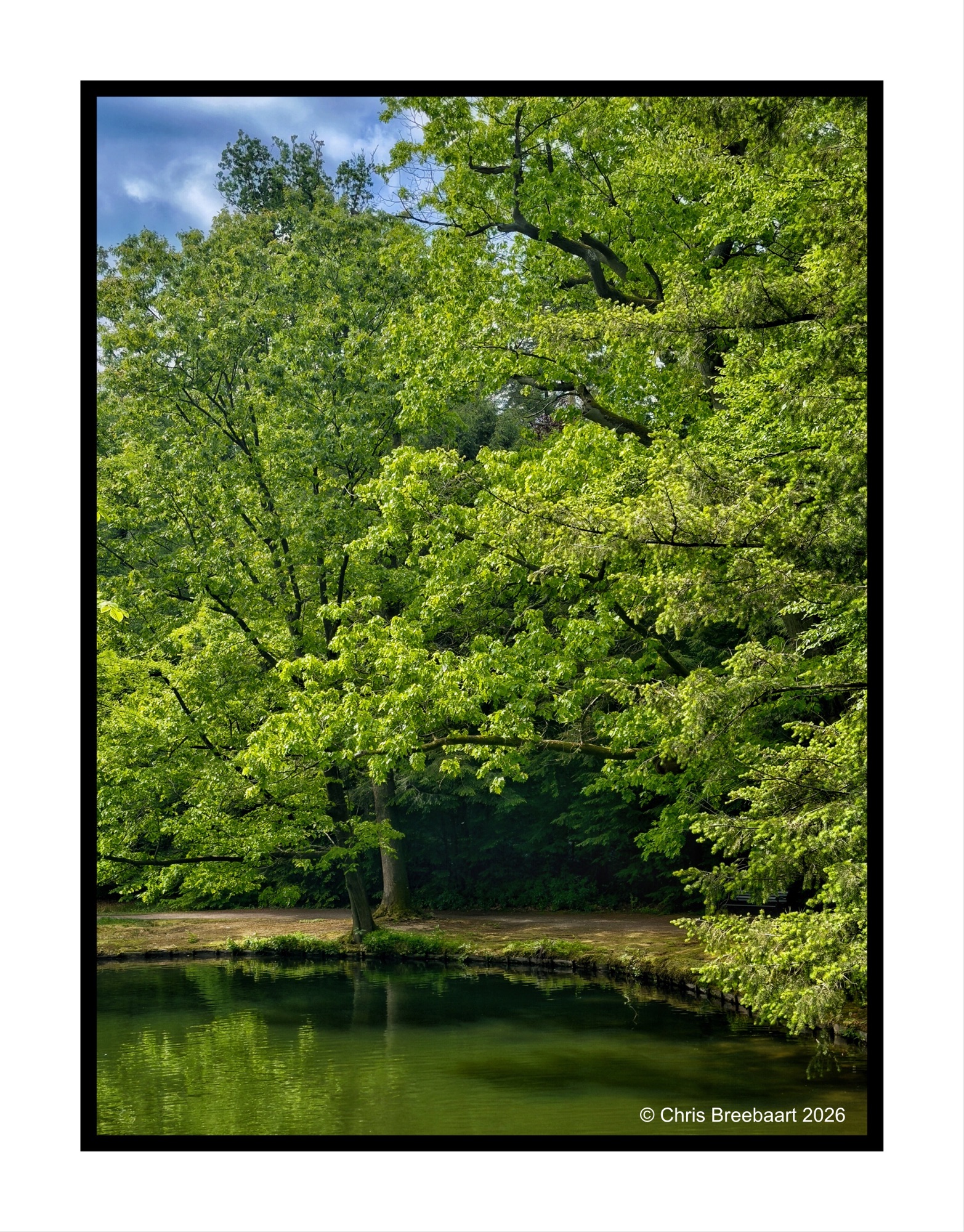
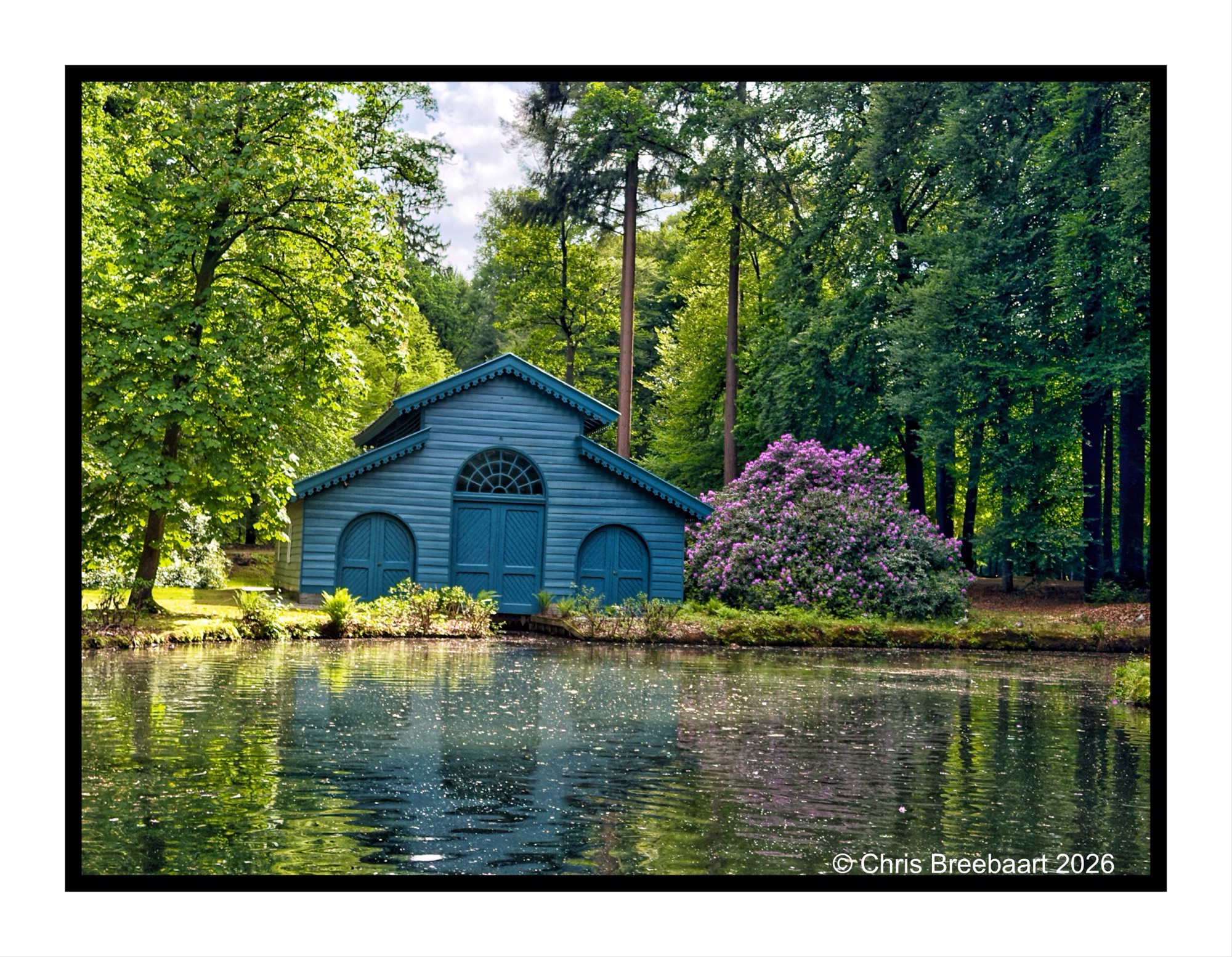
The year 2025 ends and we cross over to 2026. I hope the new year will be a good one. I wish it brings some of the desires I cherish in my heart. I am sure others cherish these desires as well.