Rose Duo
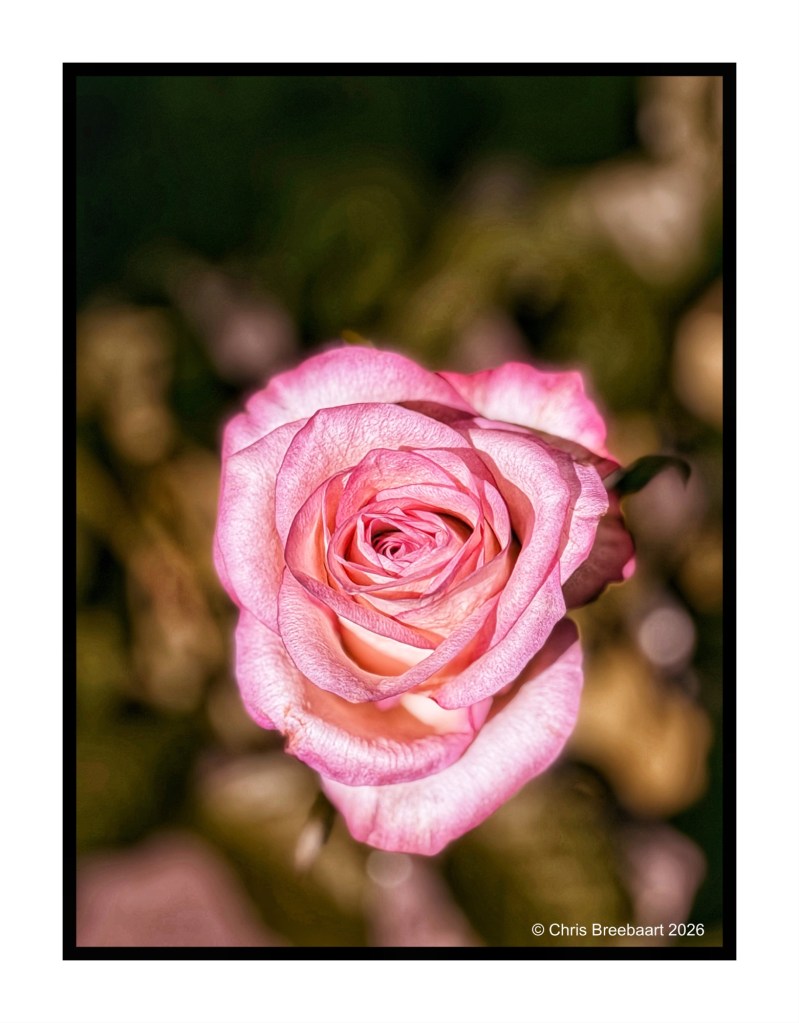
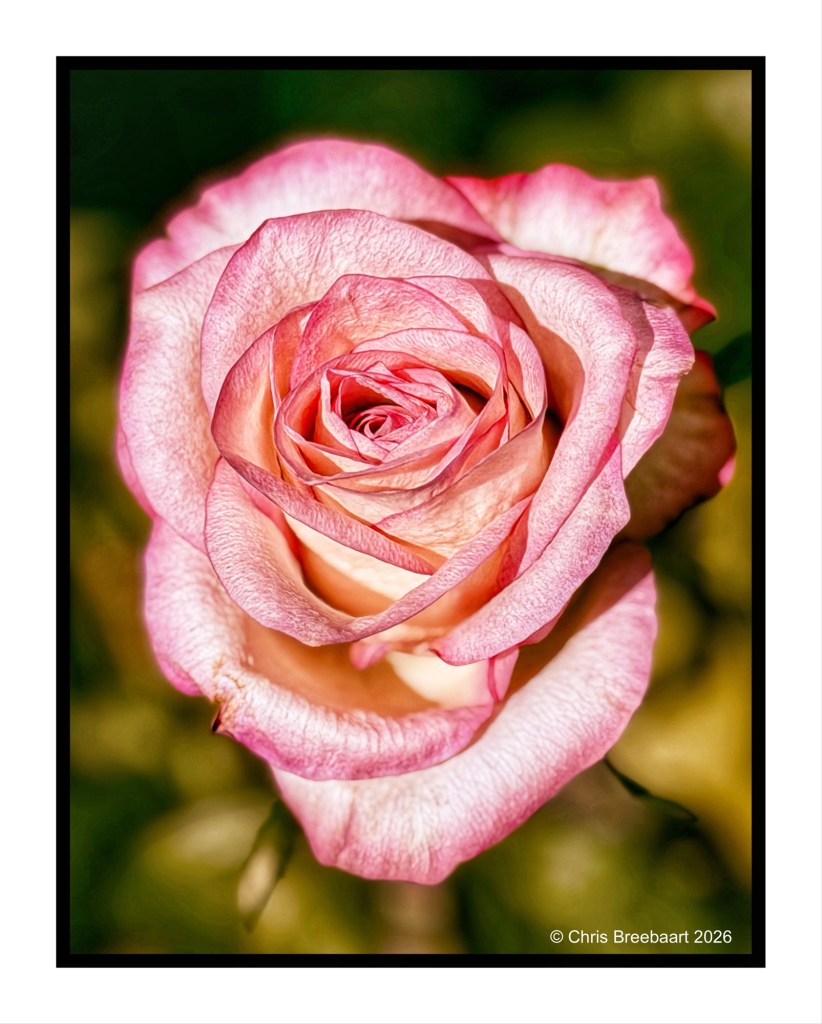
I can’t choose. I like them both. Same rose in two frames.
Shot with iPhone 17 Pro Max edited using Snapseed and Marksta. Click the picture for a larger version.
I can’t choose. I like them both. Same rose in two frames.
Shot with iPhone 17 Pro Max edited using Snapseed and Marksta. Click the picture for a larger version.

We are fortunate to have cut-flowers all year round. Fresh and at reasonable prices.
Shot with iPhone 17 Pro Max edited using Snapseed and Marksta. Click the picture for a larger version.

We are lucky to have cut-flowers all year round. Fresh and at reasonable prices. Here are some roses.
Shot with iPhone 17 Pro Max edited using Snapseed and Marksta. Click the picture for a larger version.
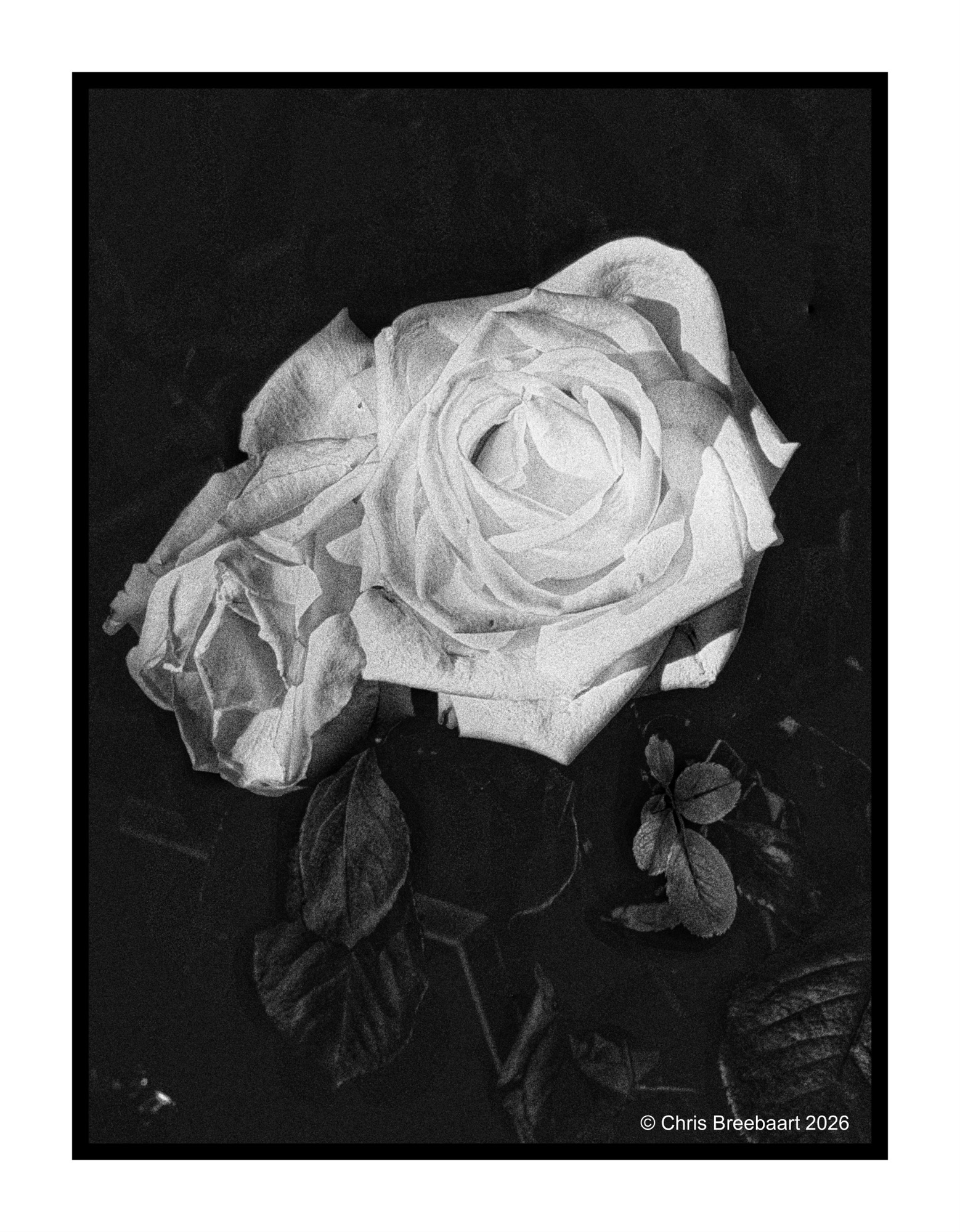
We are lucky to have cut-flowers all year round. Fresh and at reasonable prices. Here are some roses.
Shot with iPhone 17 Pro Max edited using Snapseed and Marksta. Click the picture for a larger version.
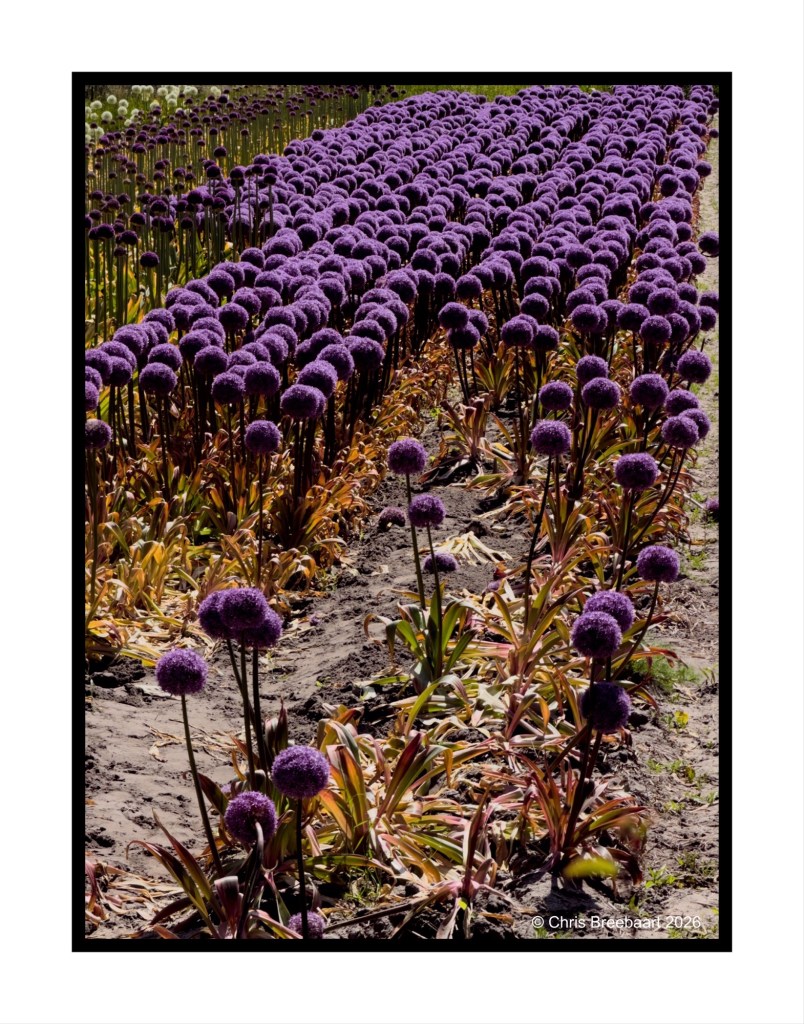
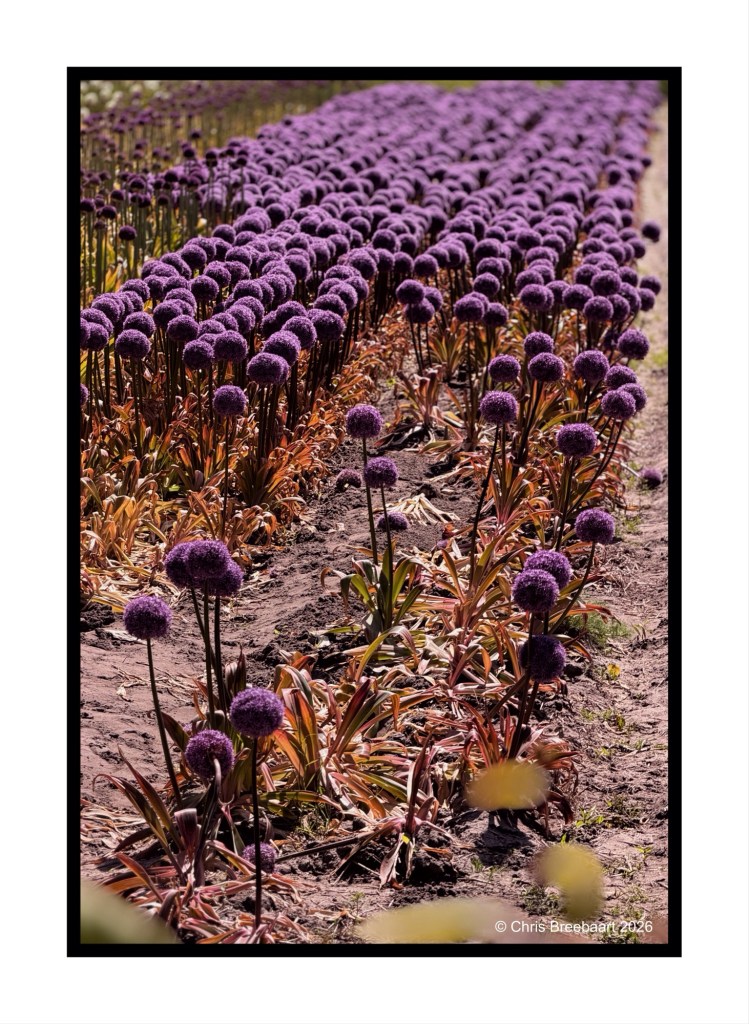
The Netherlands, Lisse – May 2026
LAPC #403 focuses on photography tools: perspective, depth and scale. Here two photos of the same group of Aliums in a field, slightly different use of depth and framing. The main difference is the use of focus and framing. I am not sure which one is better, so you be the judge of it.
Shot with iPhone 17 Pro Max edited using Snapseed and Marksta. Click the picture for a larger version
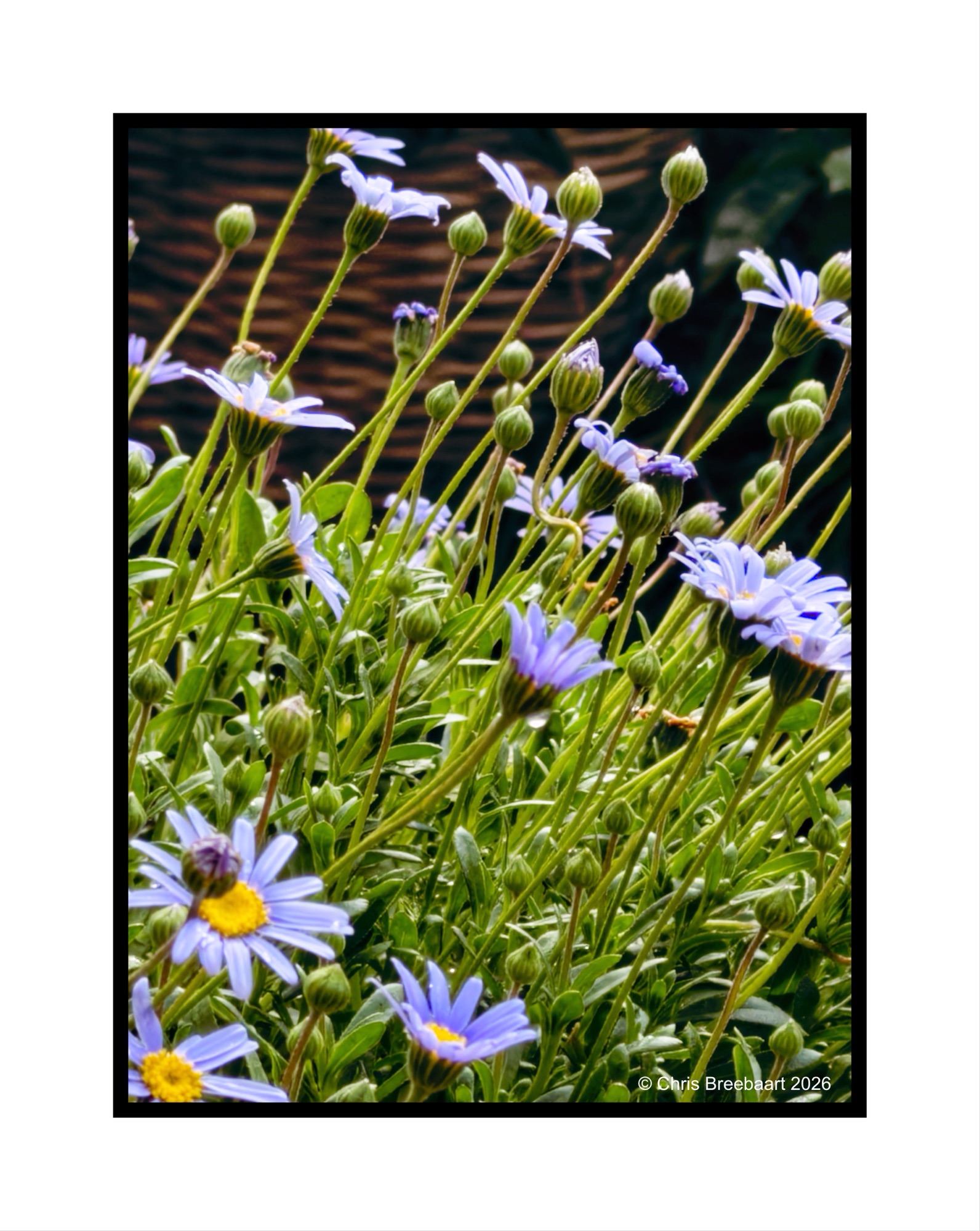
LAPC #399 ís ‘stuck in a place’. Egidio offers a way to create motivation or inspiration to go out and about. This method is in my words ‘open up to what is right under your nose’. For me the garden is always a source of inspiration.
Shot with iPhone 17 Pro Max edited using Snapseed and Marksta. Click the picture for a larger version
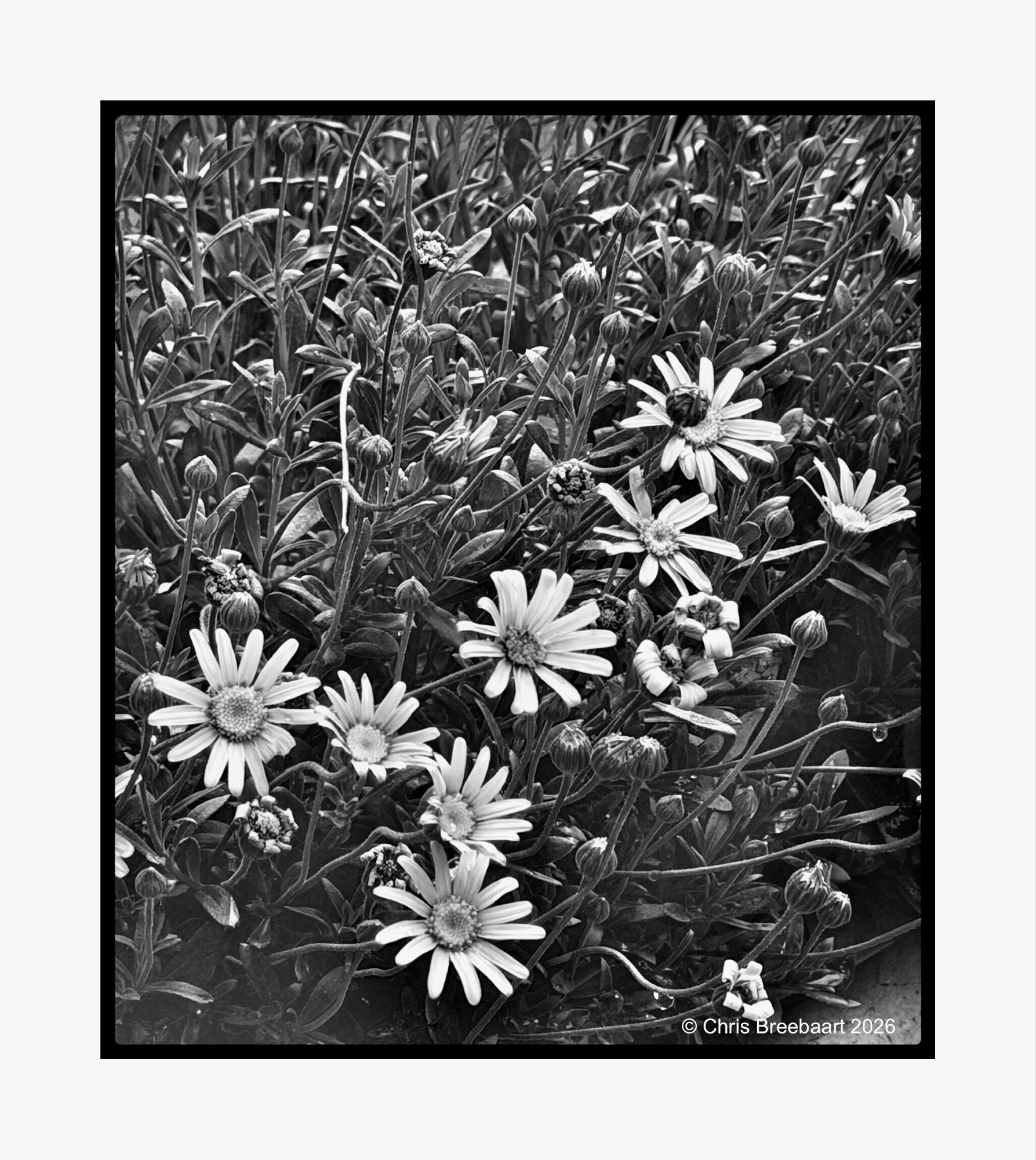
LAPC #399 ís ‘stuck in a place’. Egidio offers a way to create motivation or inspiration to go out and about. This method is in my words ‘open up to what is right under your nose’. For me the garden is always a source of inspiration.
Shot with iPhone 17 Pro Max edited using Snapseed and Marksta. Click the picture for a larger version
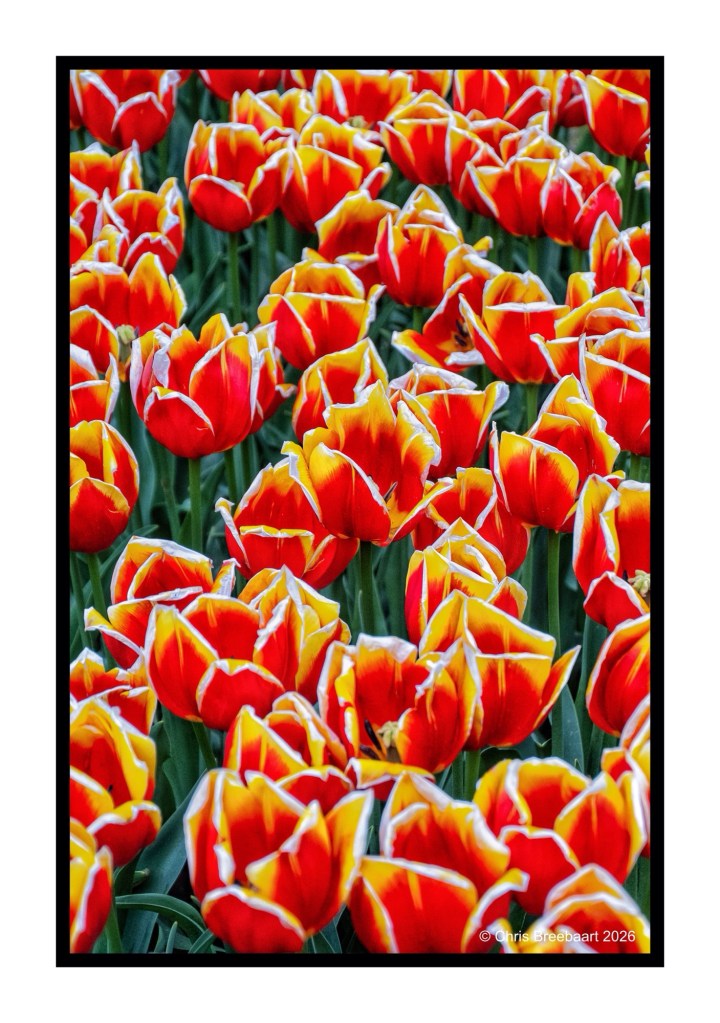
This week’s LAPC (#397) is ‘Texture‘. The Keukenhof is a world famous botanical garden, yearly displaying the impressive beauty of bulb flowers. It is only open for eight weeks to the general public; this year from March 19 till May 10. About one and a half million visitors enjoy it in that short period.
Shot with Nikon Zf, edited using Snapseed and Marksta. Click the picture for a larger version
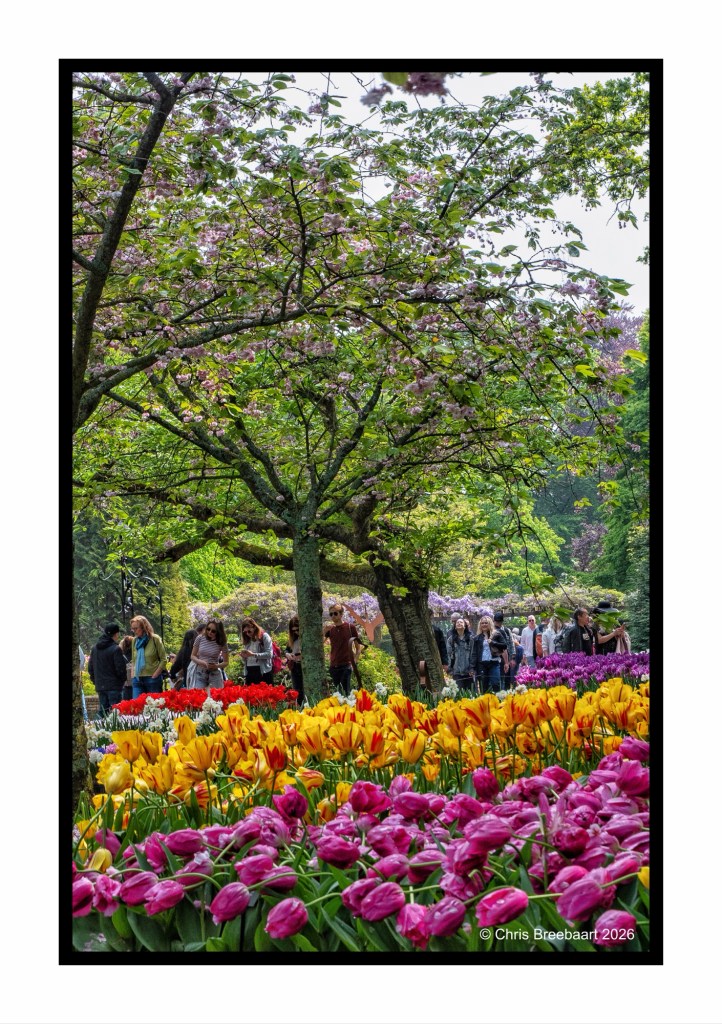
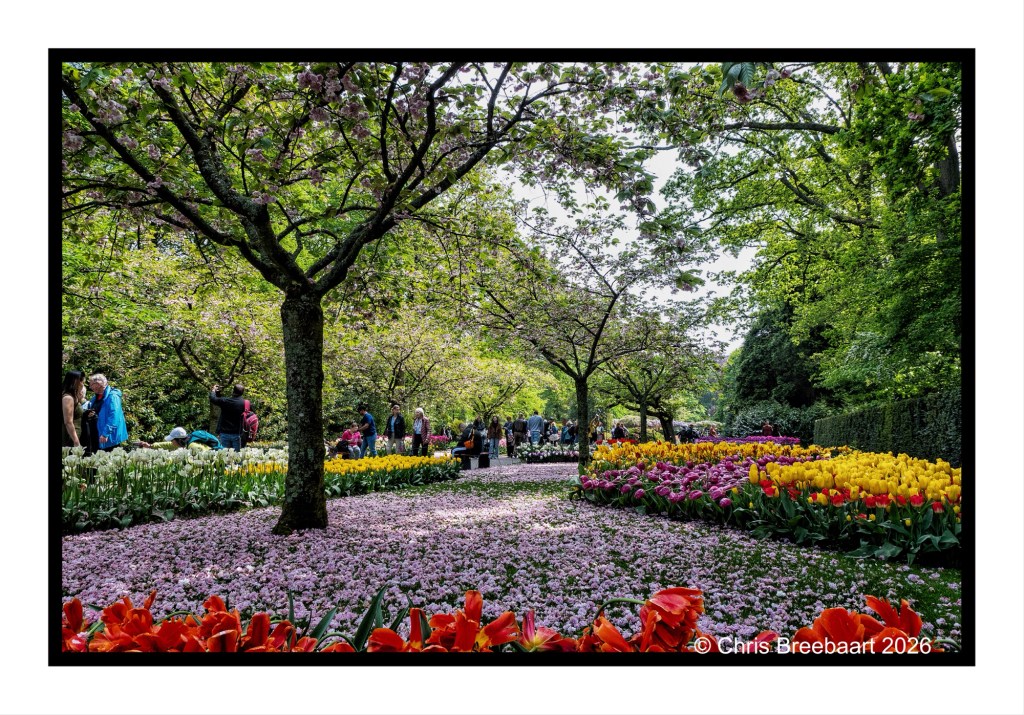
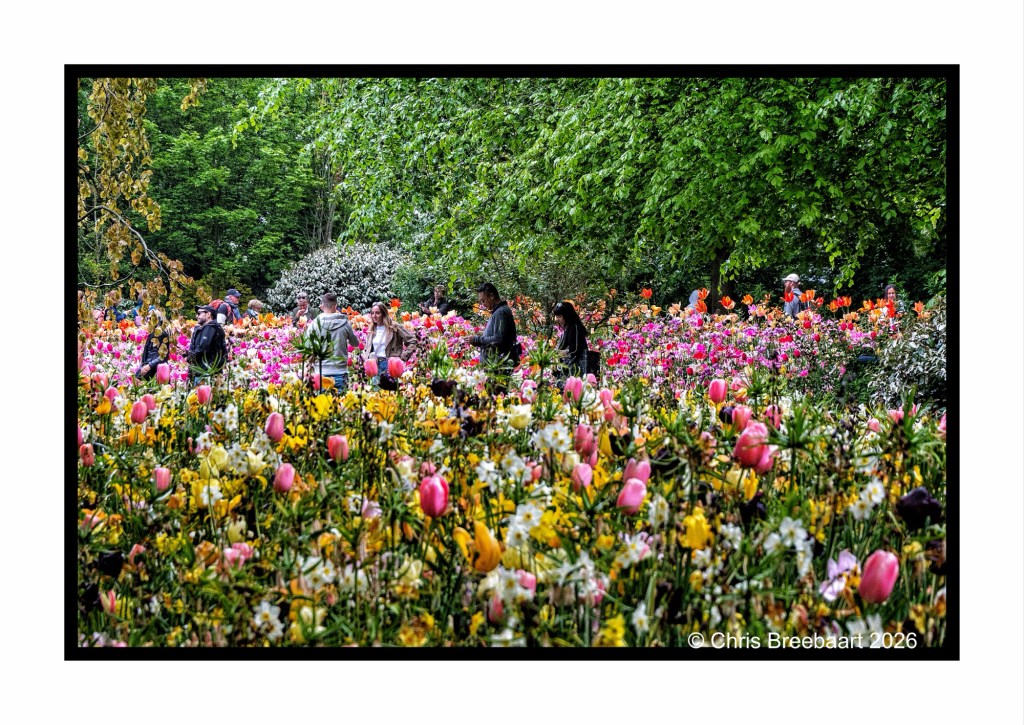
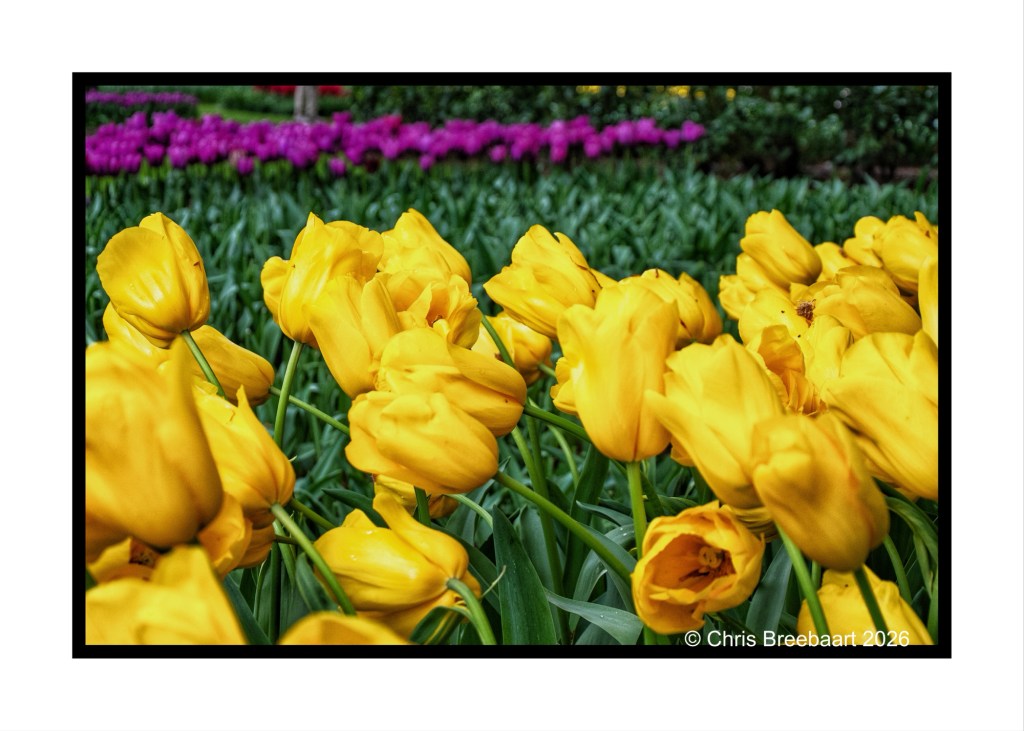
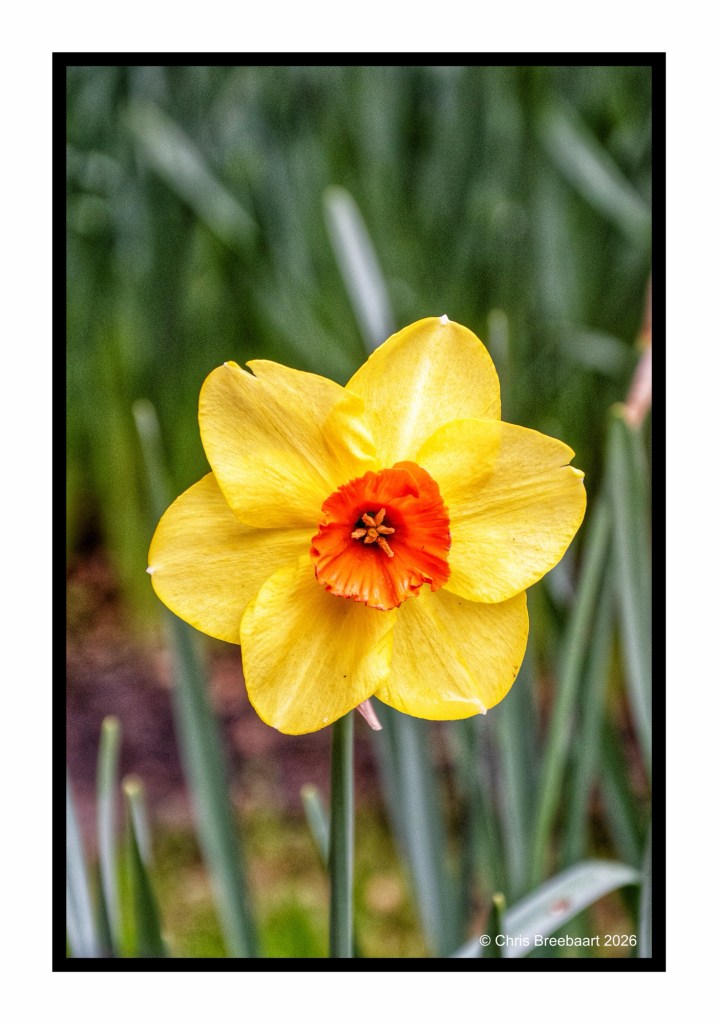
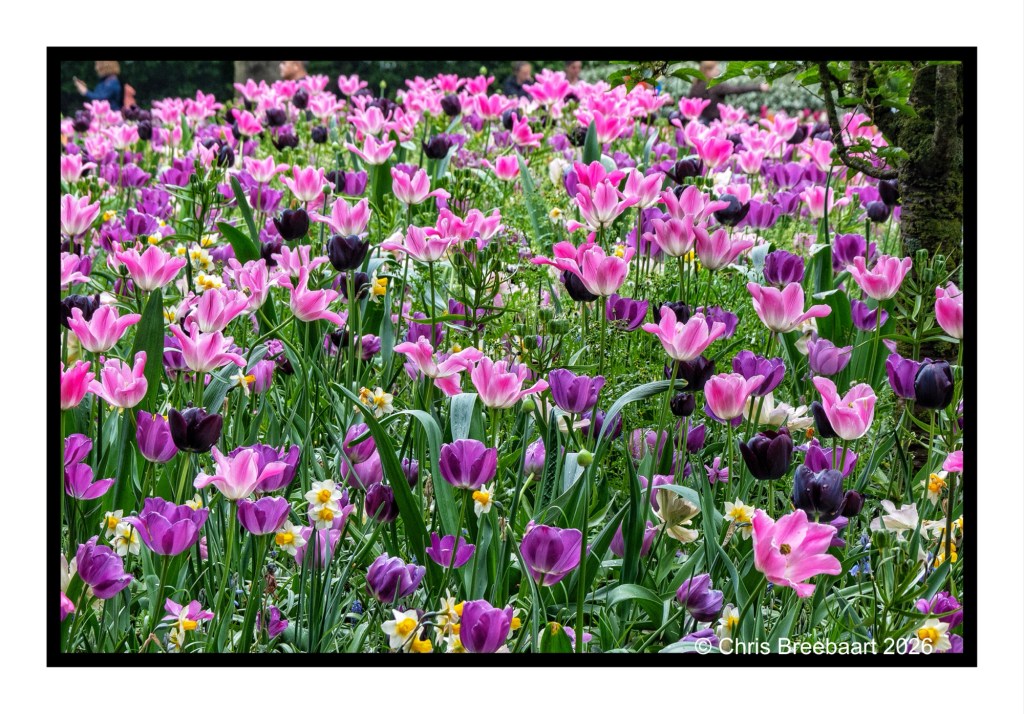
This week’s LAPC (#397) is ‘Texture‘. The Keukenhof is a world famous botanical garden, yearly displaying the impressive beauty of bulb flowers. It is only open for eight weeks to the general public; this year from March 19 till May 10. About one and a half million visitors enjoy it in that short period. Last week was its last week.
Shot with Nikon Zf, edited using Snapseed and Marksta. Click the picture for a larger version
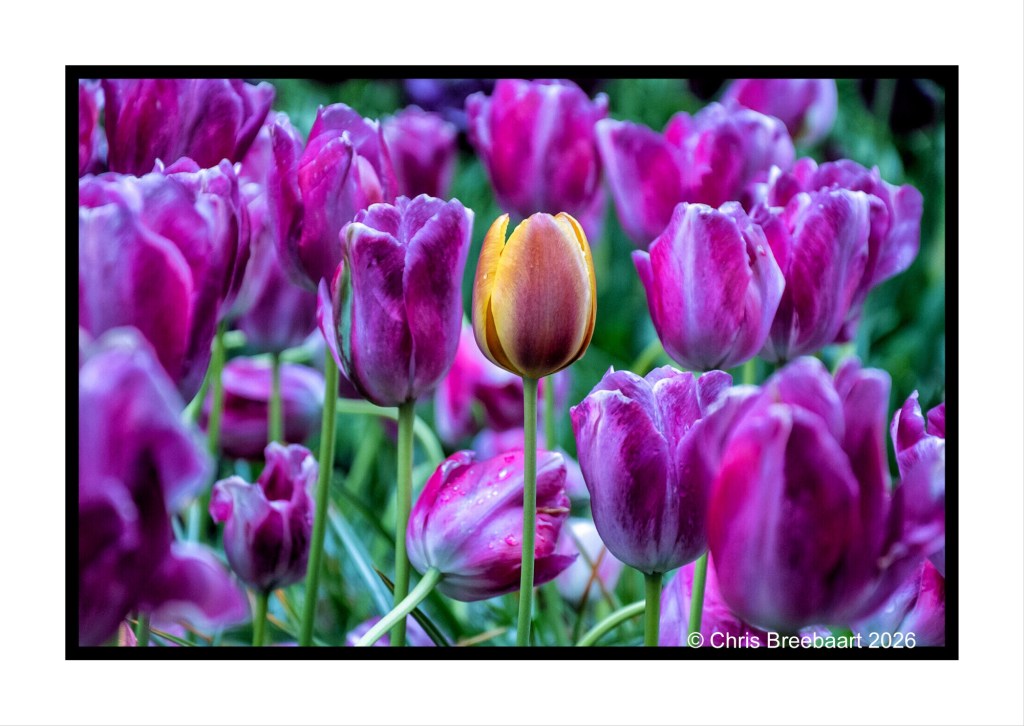
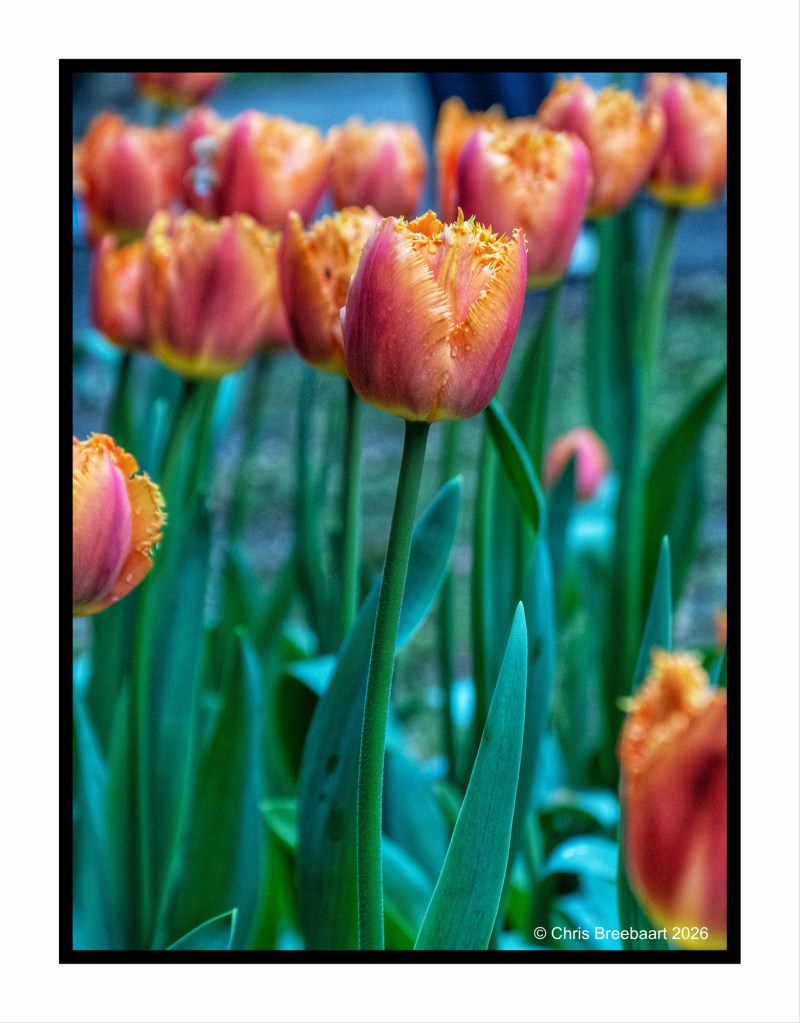
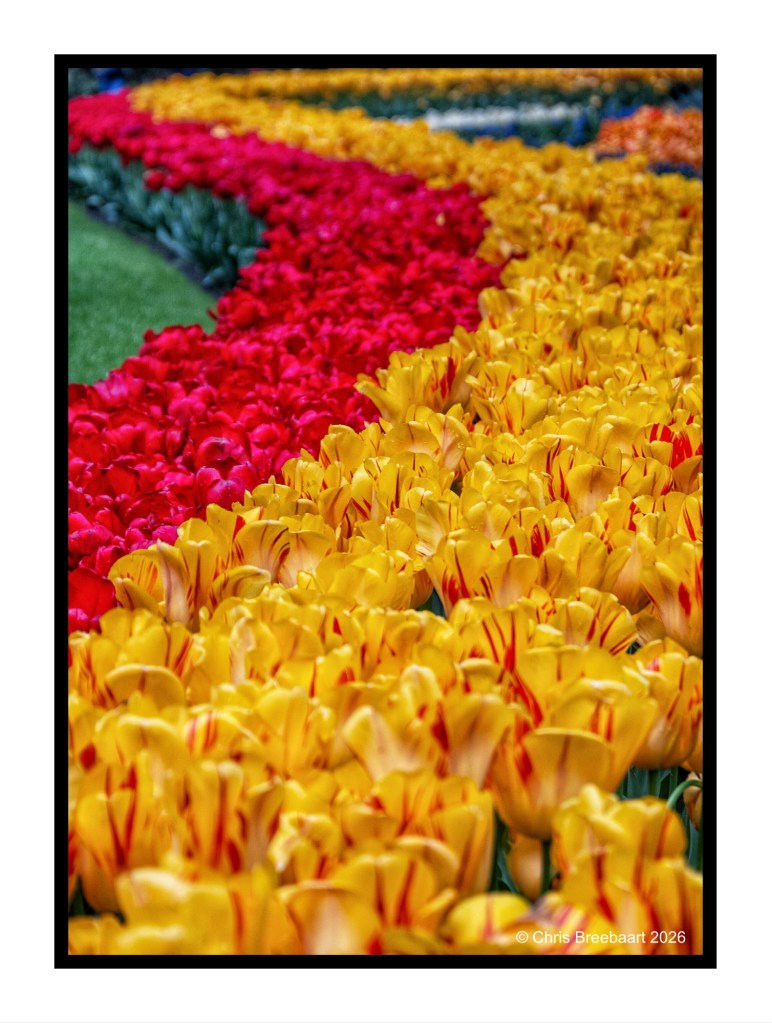
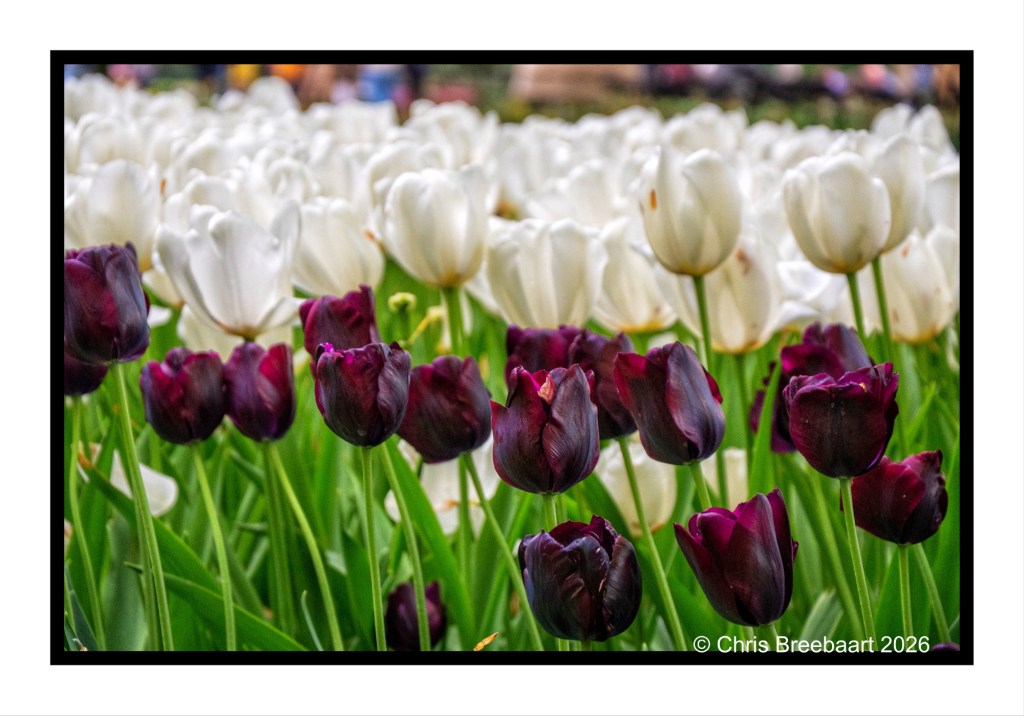
This week’s LAPC (#397) is ‘Texture‘. The Keukenhof is a world famous botanical garden, yearly displaying the impressive beauty of bulb flowers. It is only open for eight weeks to the general public; this year from March 19 till May 10. About one and a half million visitors enjoy it in that short period. Last week was its last week.
Shot with Nikon Zf, edited using Snapseed and Marksta. Click the picture for a larger version
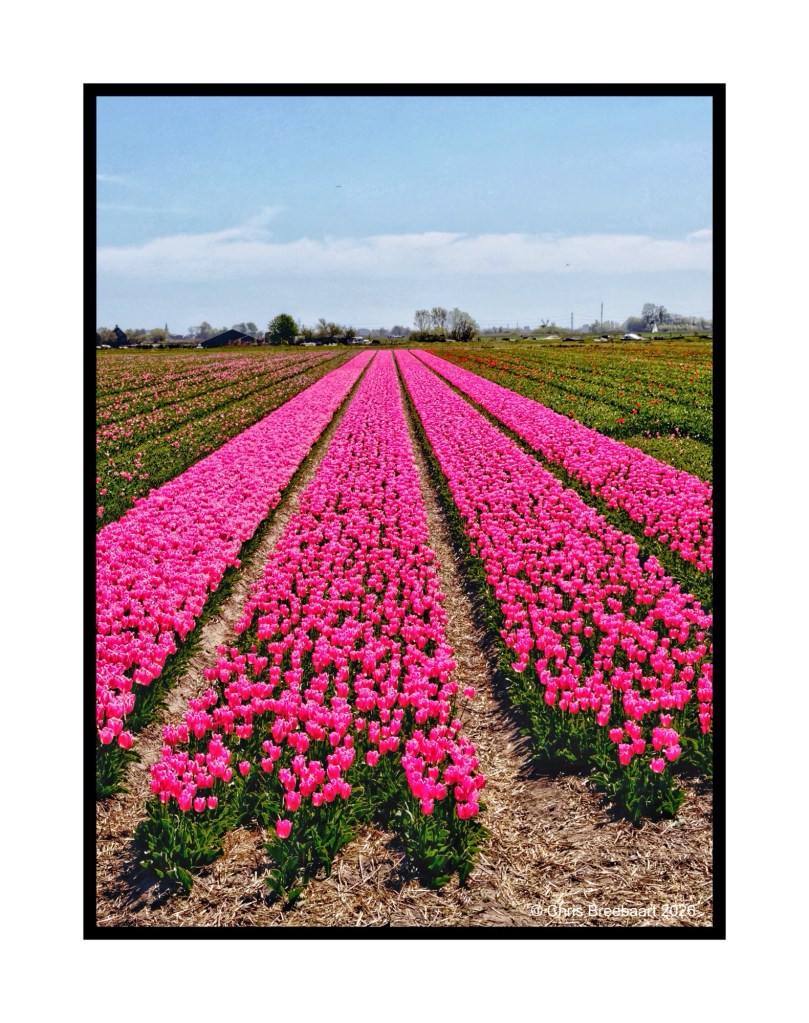
The last tulips on the field, some already beheaded, some still in bloom.
Shot with iPhone 17 Pro Max edited using Snapseed and Marksta. Click the picture for a larger version
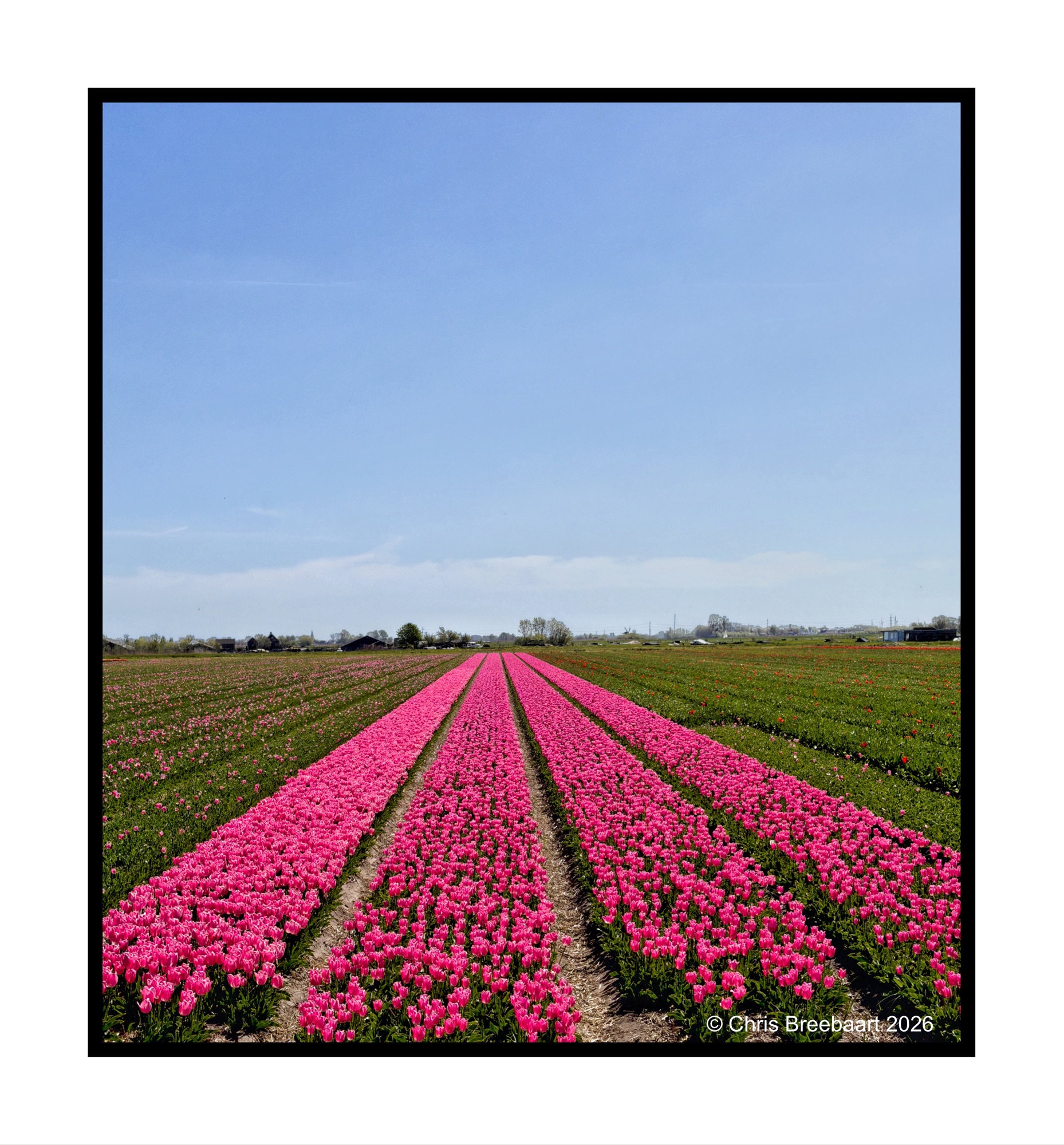
The last tulips on the field, some already beheaded, some still in bloom.
Shot with iPhone 17 Pro Max edited using Snapseed and Marksta. Click the picture for a larger version
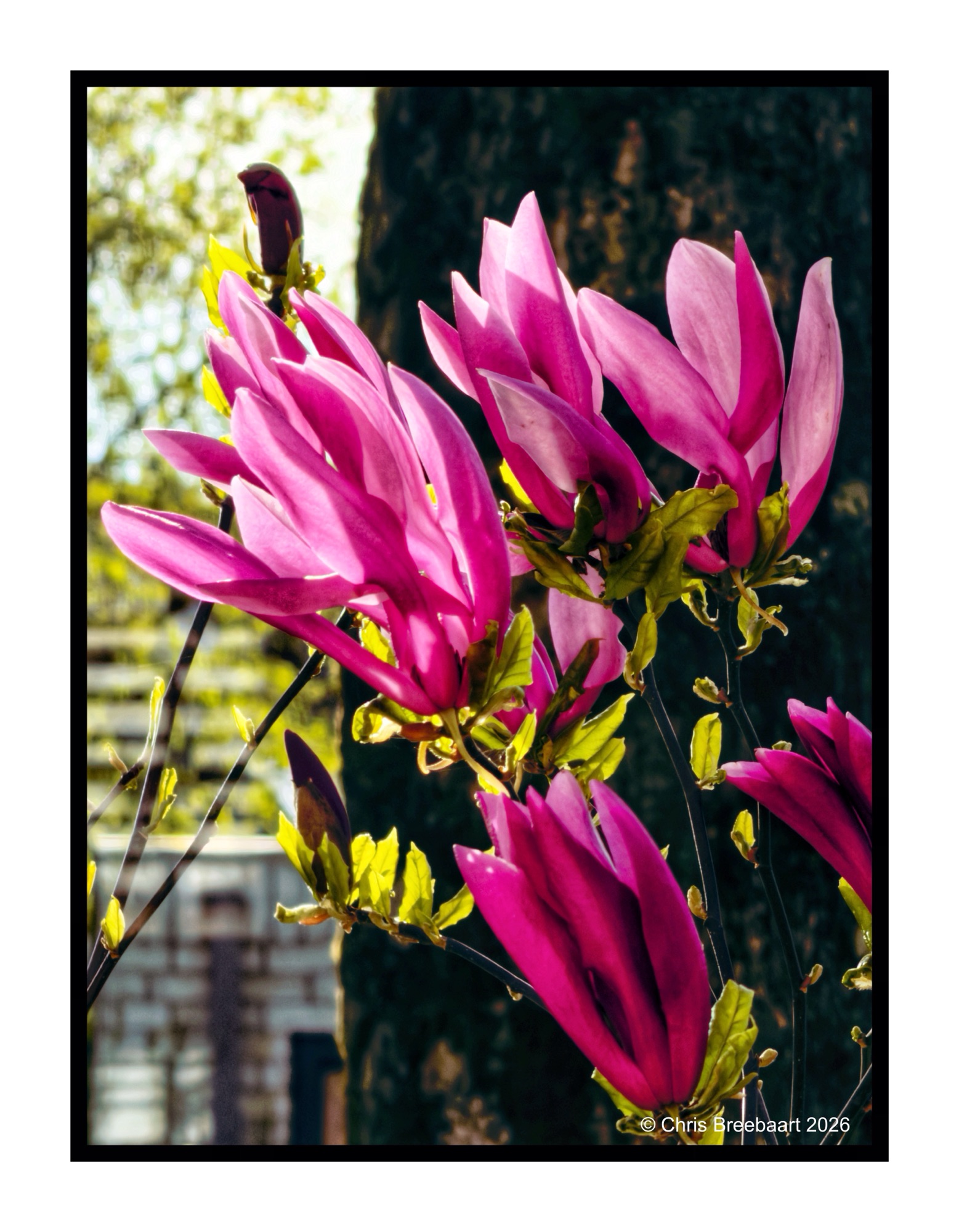
Magnolia, it is not only about bulbflowers this Spring.
Shot with iPhone 17 Pro Max edited using Snapseed and Marksta. Click the picture for a larger version
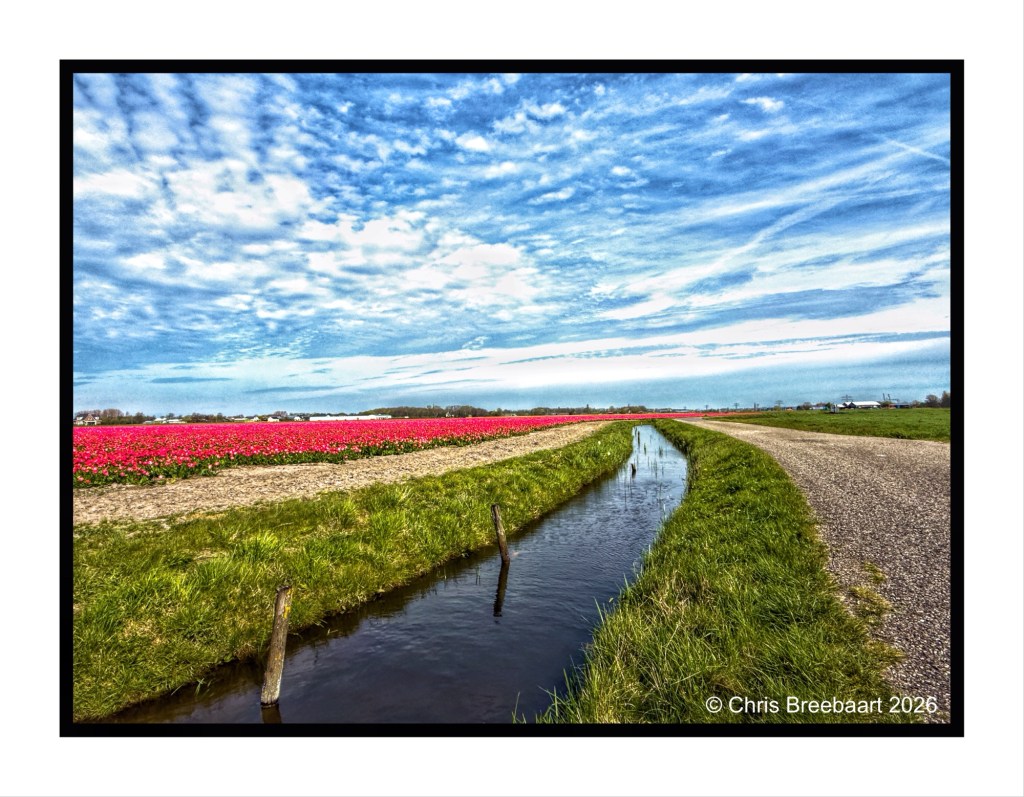
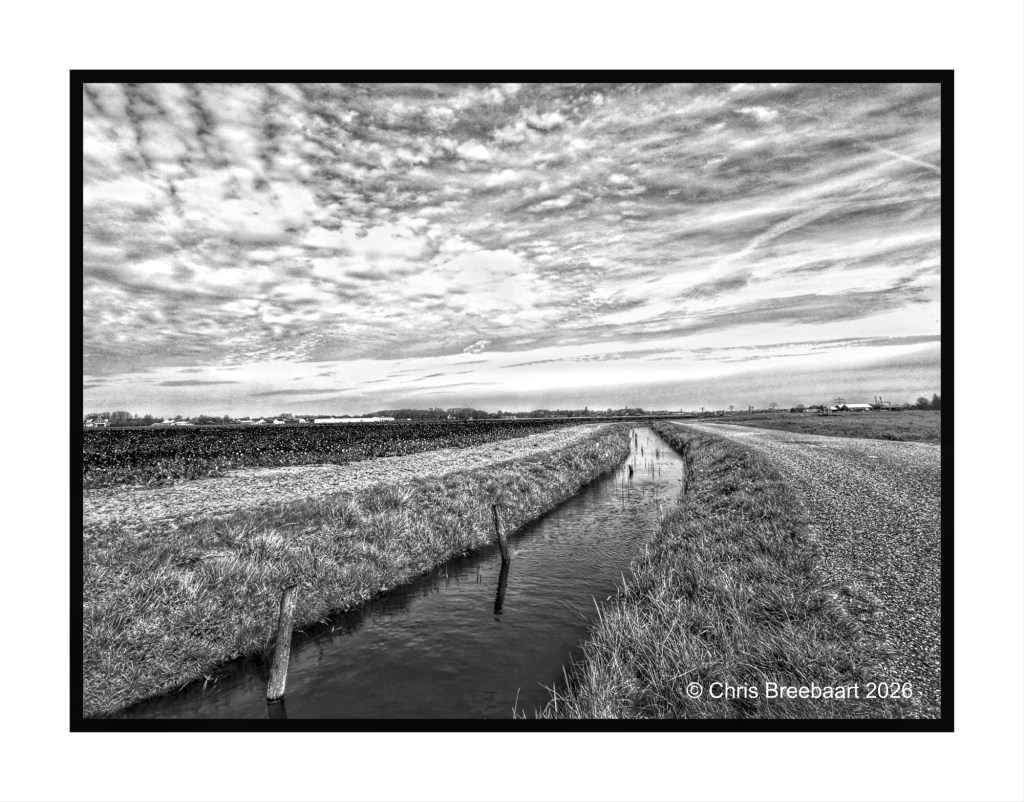
A major part of The Netherlands lies beneath sea level. Water, and the management of it in infrastructure as polders, dams and canals, is normal. We even not think of living under sea level. We feel safe.
The flat landscape makes it interesting to look for lines that guide the eyes through the space. In a polder there are always canals that do the trick.
The question here is: which appeals most to your taste buds?
LAPC #395 looks back to LAPC #155 ‘On the water’. Water is not on our minds, but it is mindful to keep defending dry land against rising sea, rivers and soon (thanks to climate change with a bigger financial effort) rain. Meanwhile water is seen in most of the landscapes of The Netherlands.
Shot with iPhone 17 Pro Max edited using Snapseed and Marksta. Click the picture for a larger version
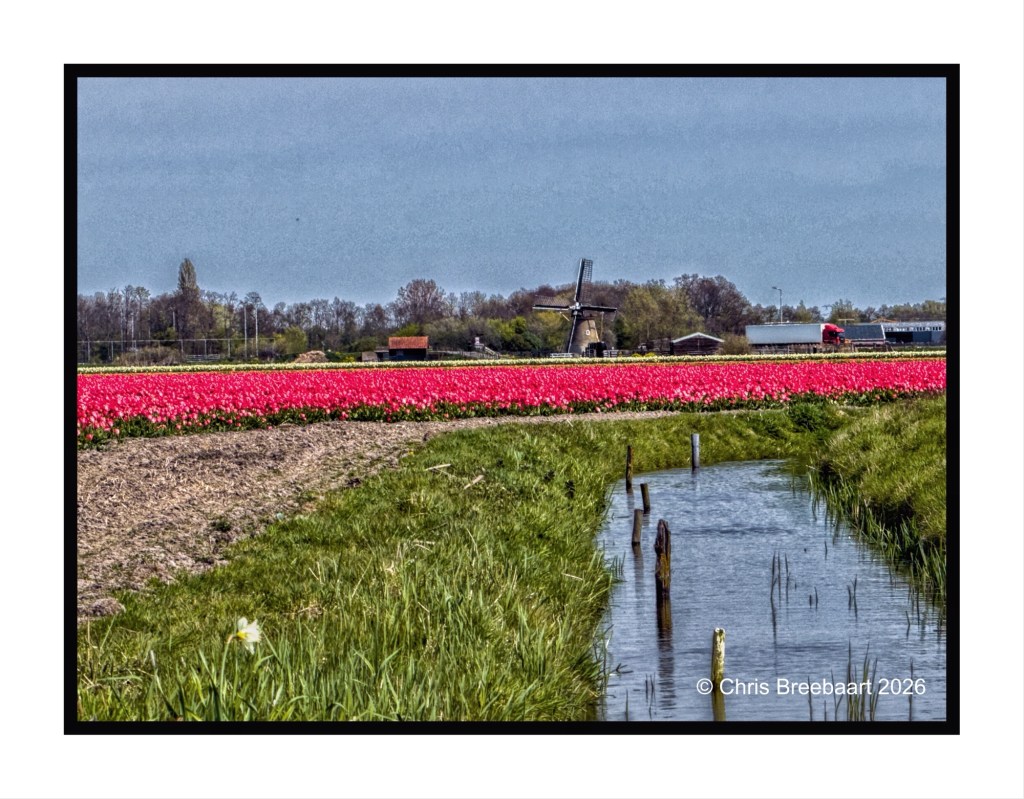
A major part of The Netherlands lies beneath sea level. Water, and the management of it in infrastructure as polders, dams and canals, is normal. We even not think of living under sea level. We feel safe.
Here a polder with an old windmill (painted by Monet long ago) – originally used to pump water out of a polder- and a small canal in a polder with tulips. Only the clogs are missing!
LAPC #395 looks back to LAPC #155 ‘On the water’. Water is not on our minds, but it is mindful to keep defending dry land against rising sea, rivers and soon (thanks to climate change with a bigger financial effort) rain.
Shot with iPhone 17 Pro Max edited using Snapseed and Marksta. Click the picture for a larger version.
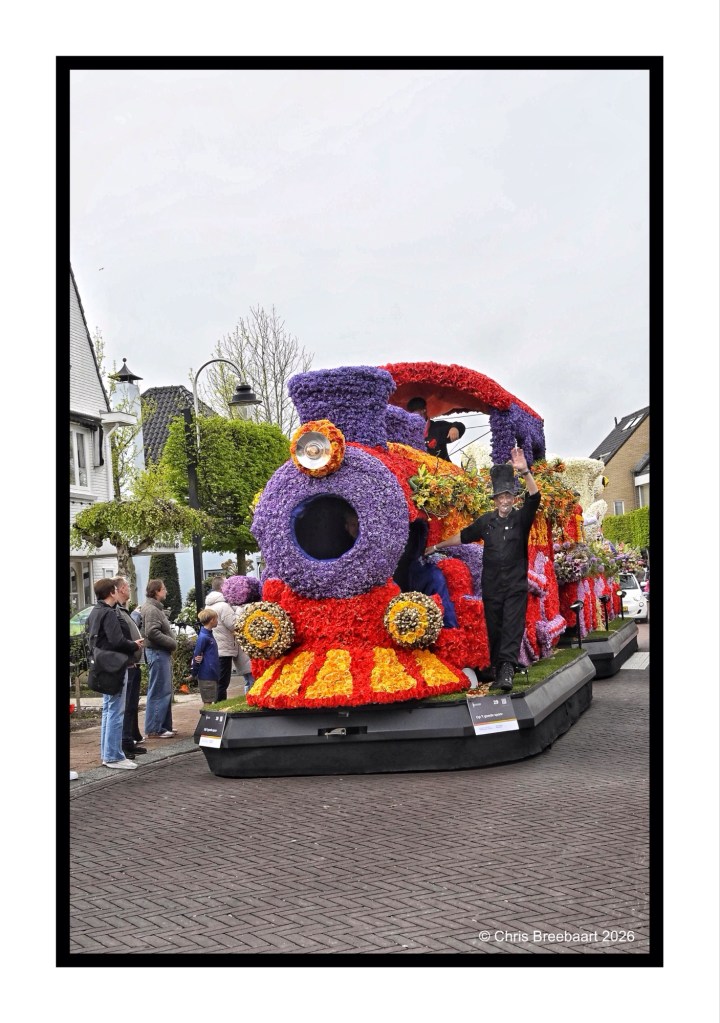
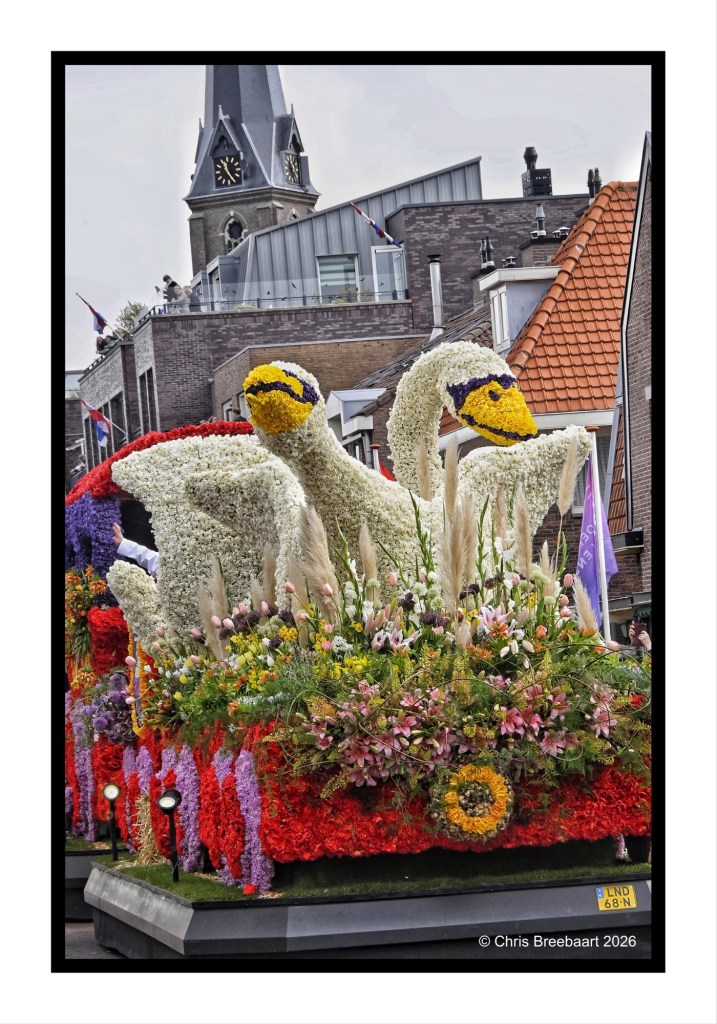
One of the events during Spring is the annual flower parade in the ‘bulbflowerbelt’ the Duin- en Bollenstreek. The parade has a history, it started in 1947, and is one of the biggest in The Netherlands. It is a main event for tourists. And a big presentation of bulbflower producing in this area. The Netherlands is well known for its flower production, all over the world. It is closely knit to the history and culture in this area of The Netherlands.
Shot with Nikon Zf, edited using Snapseed and Marksta. Click the picture for a larger version.
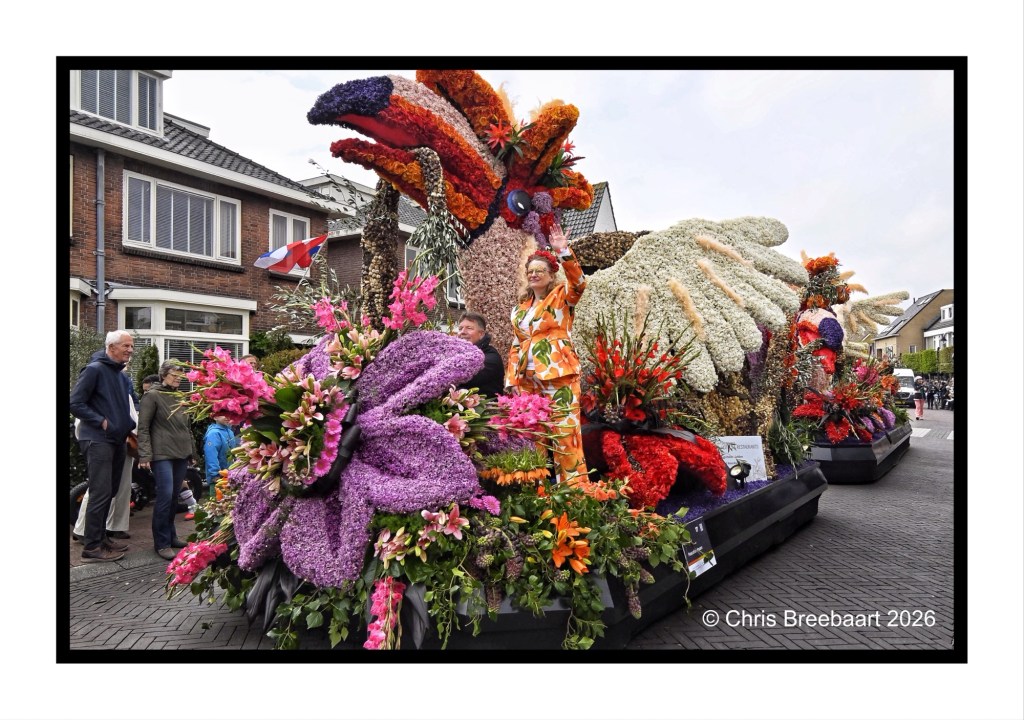
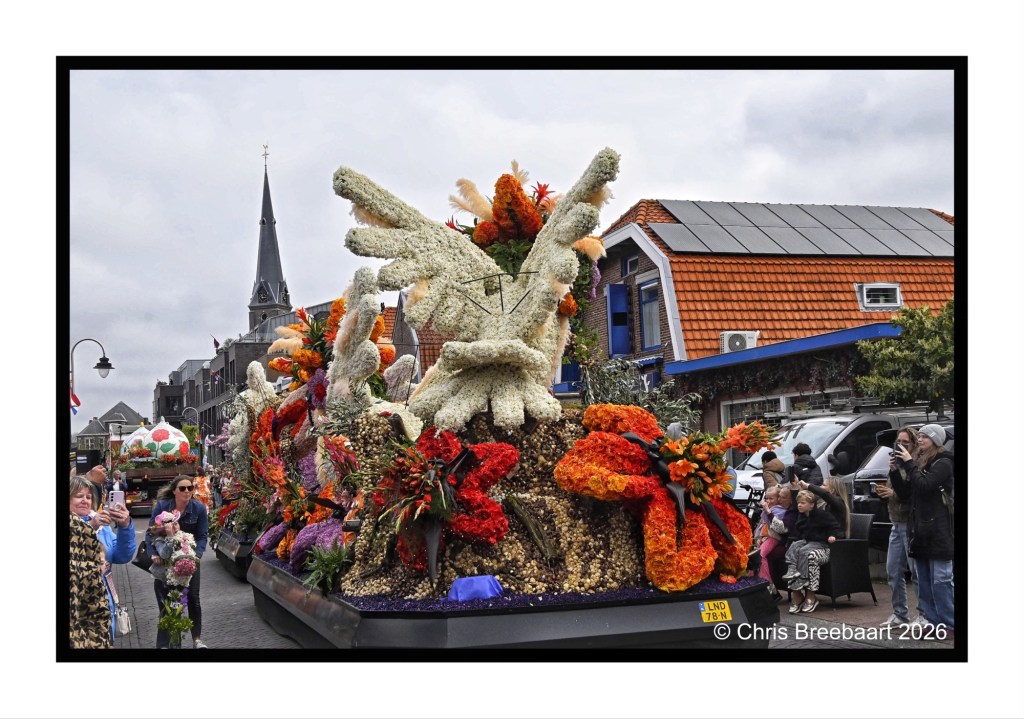
One of the events during Spring is the annual flower parade in the ‘bulbflowerbelt’ the Duin- en Bollenstreek. The parade has a history, it started in 1947, and is one of the biggest in The Netherlands. It is a main event for tourists. And a big presentation of bulbflower producing in this area. The Netherlands is well known for its flower production, all over the world. It is closely knit to the history and culture in this area of The Netherlands.
Shot with Nikon Zf, edited using Snapseed and Marksta. Click the picture for a larger version.
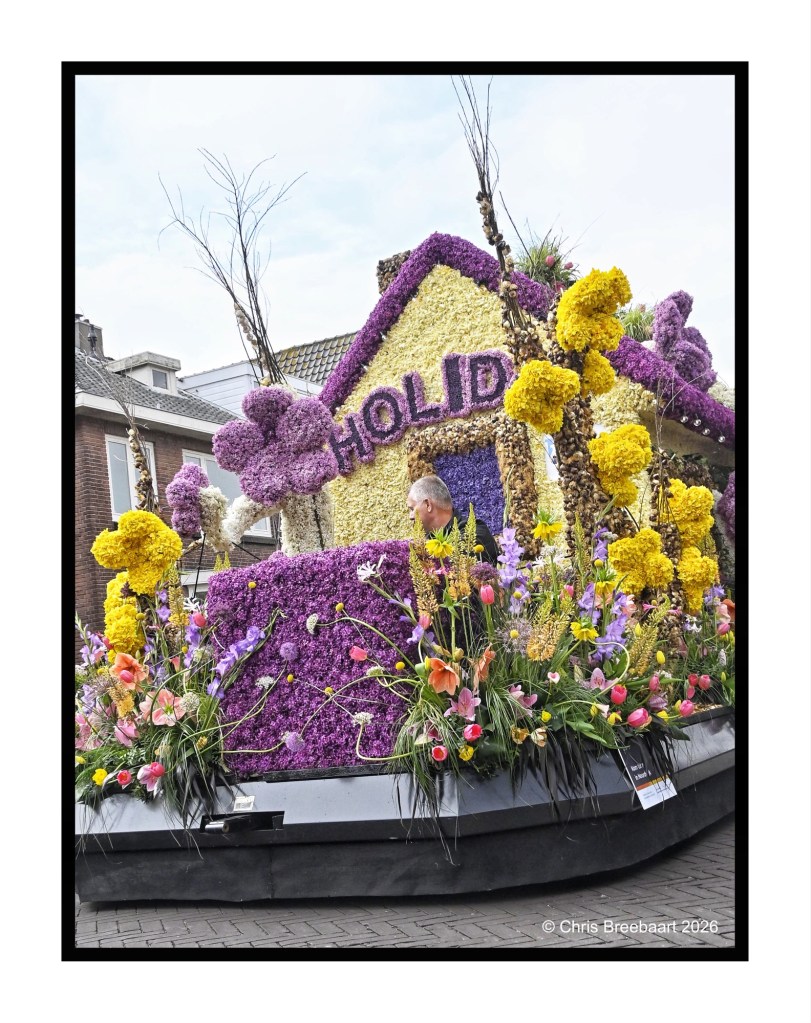
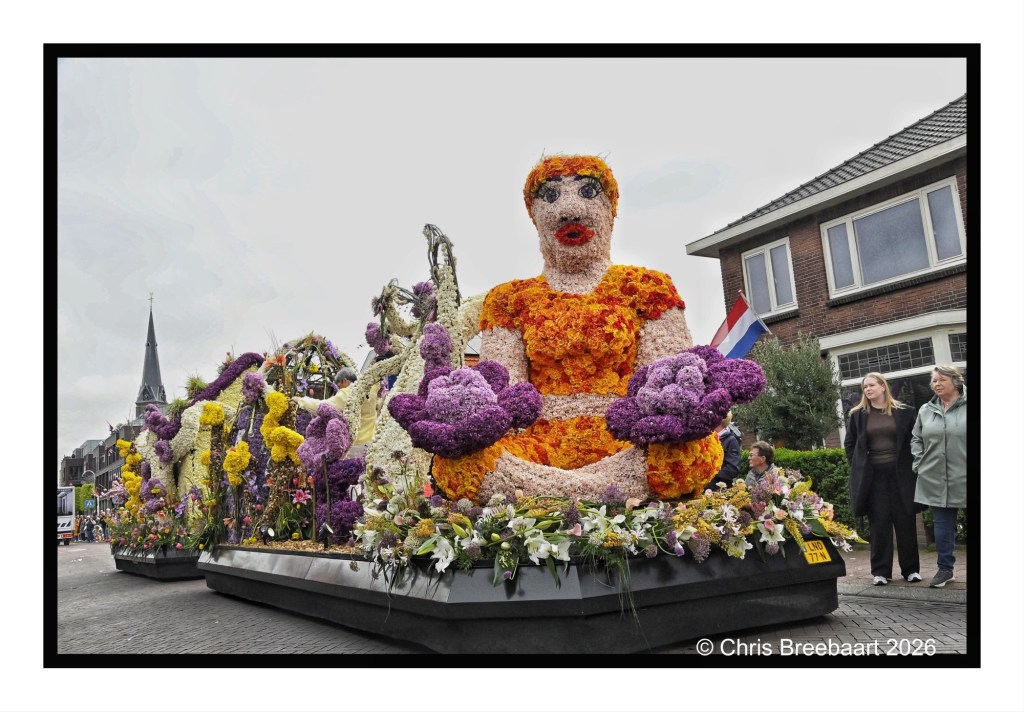
One of the events during Spring is the annual flower parade in the ‘bulbflowerbelt’ the Duin- en Bollenstreek. The parade has a history, it started in 1947, and is one of the biggest in The Netherlands. It is a main event for tourists. And a big presentation of bulbflower producing in this area. The Netherlands is well known for its flower production, all over the world. It is closely knit to the history and culture in this area of The Netherlands.
Shot with Nikon Zf, edited using Snapseed and Marksta. Click the picture for a larger version.
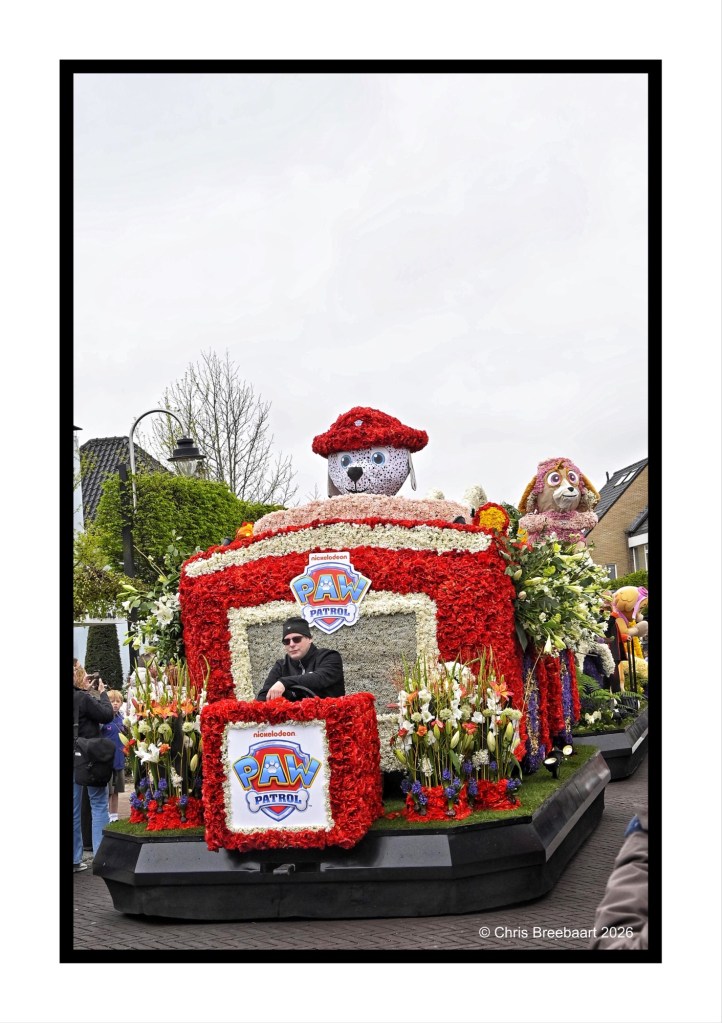
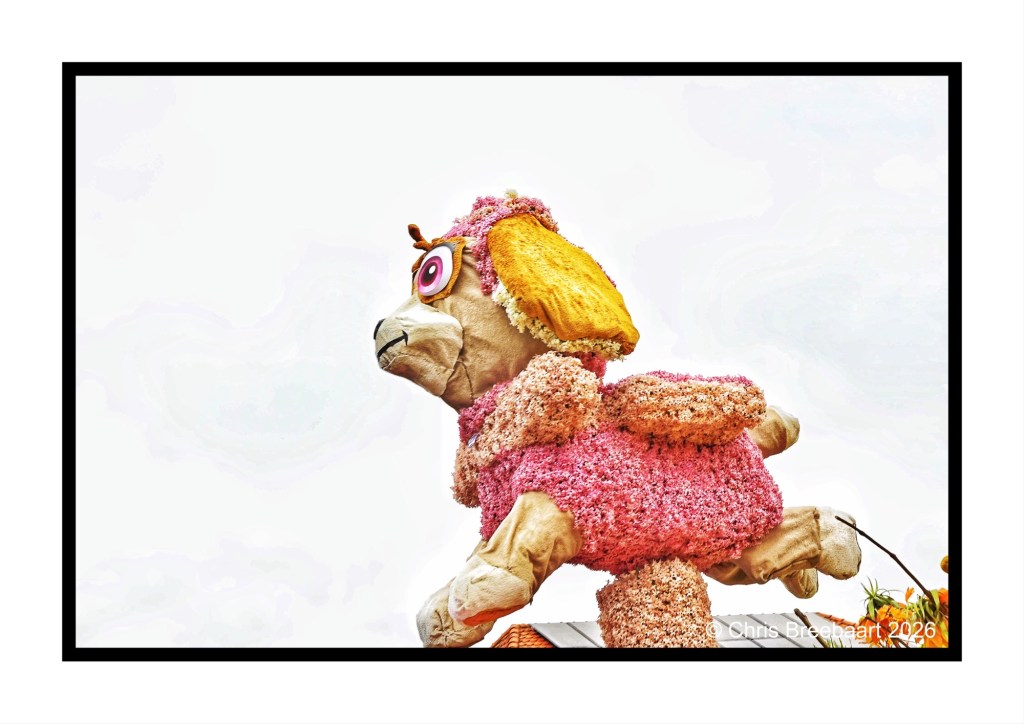
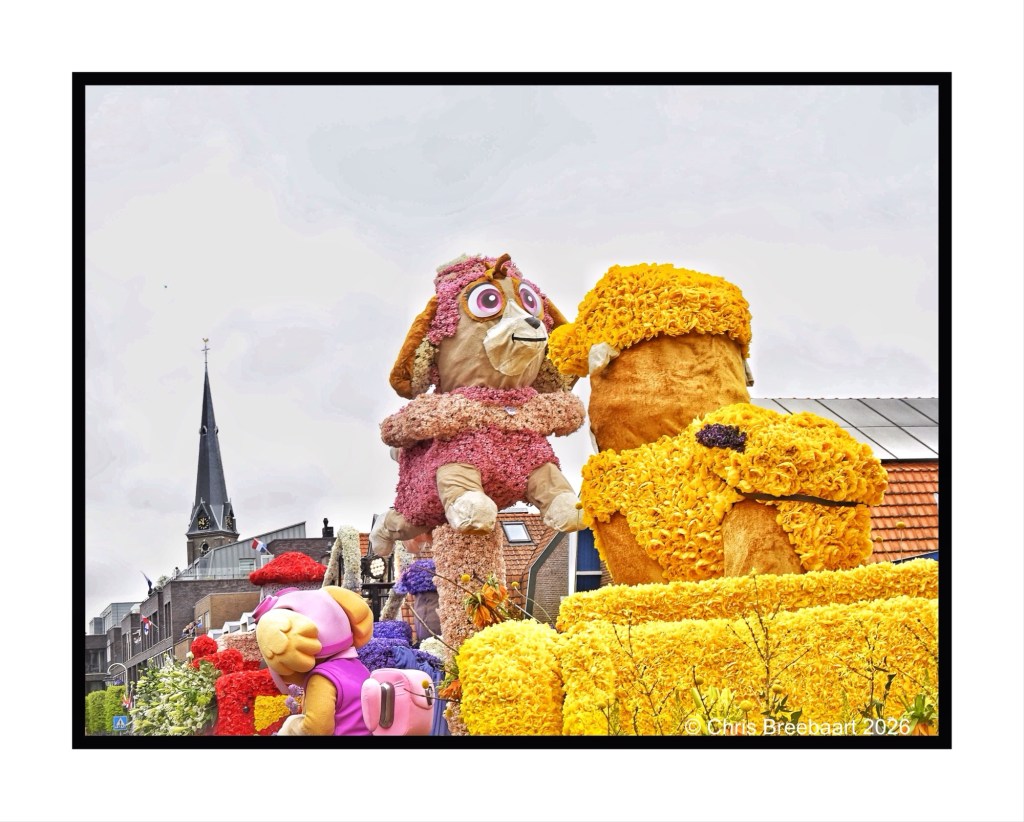
One of the events during Spring is the annual flower parade in the ‘bulbflowerbelt’ the Duin- en Bollenstreek. The parade has a history, it started in 1947, and is one of the biggest in The Netherlands. It is a main event for tourists. And a big presentation of bulbflower producing in this area. The Netherlands is well known for its flower production, all over the world. It is closely knit to the history and culture in this area of The Netherlands.
The LAPC #394 of this week is ‘history through the lens’.
Shot with Nikon Zf, edited using Snapseed and Marksta. Click the picture for a larger version.
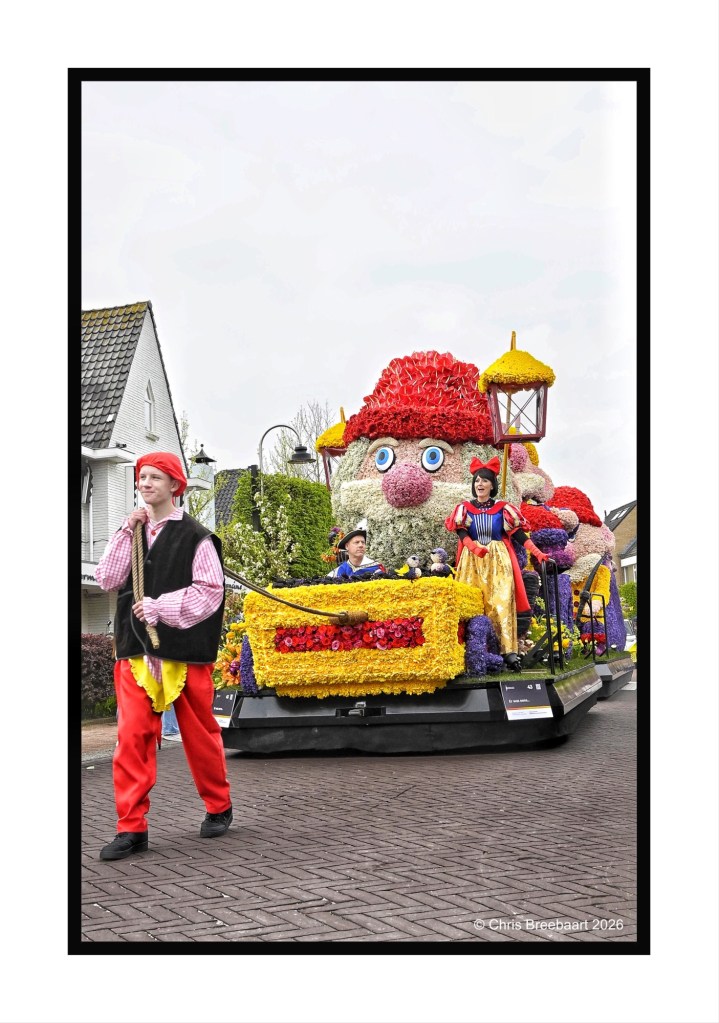
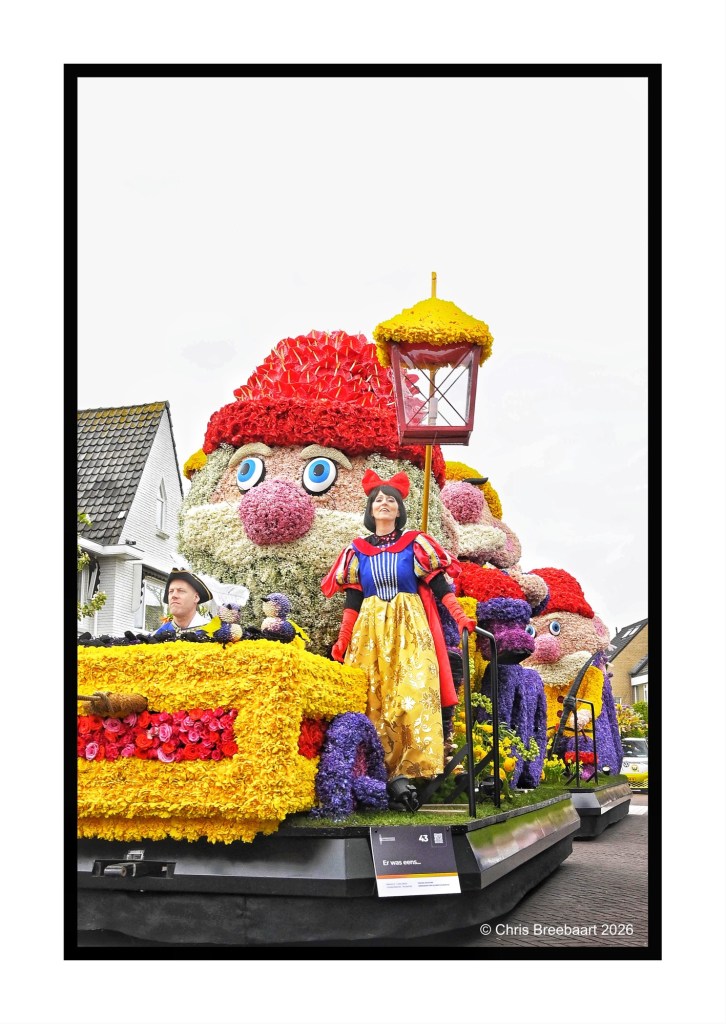
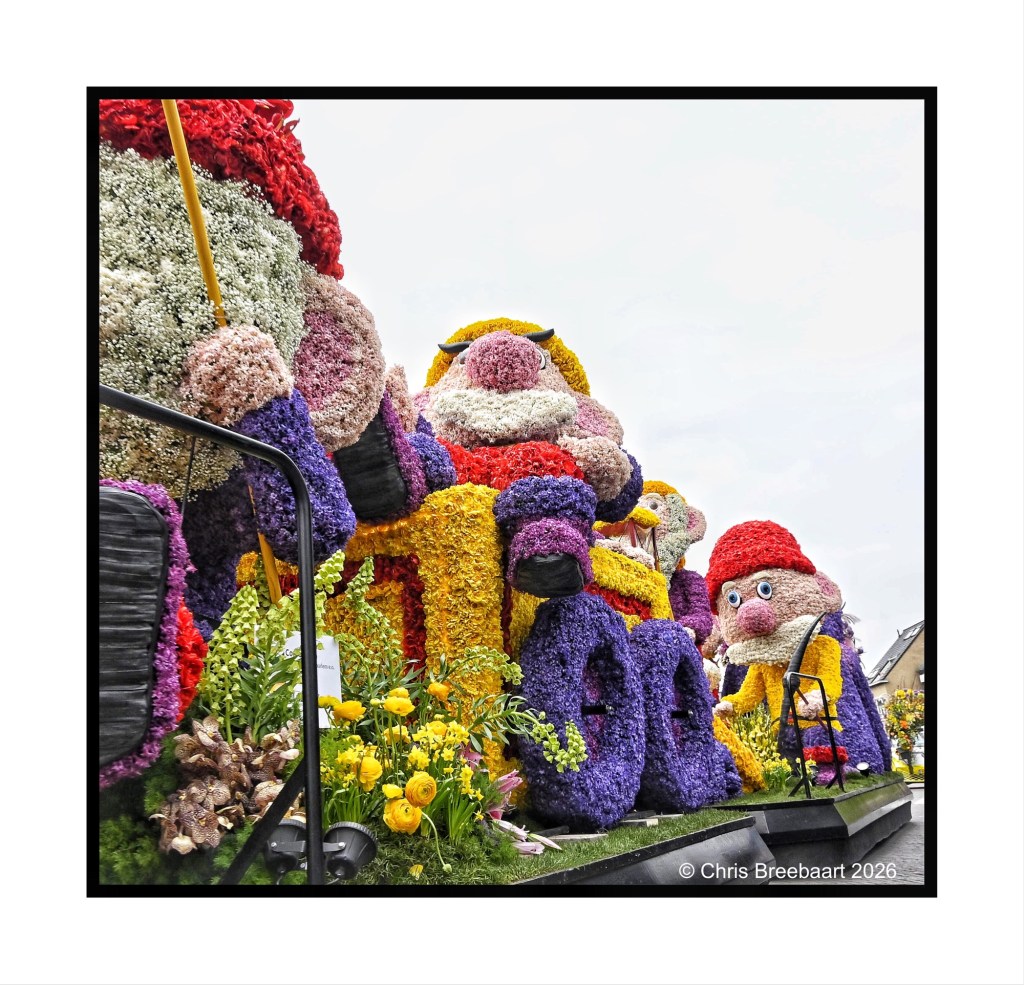
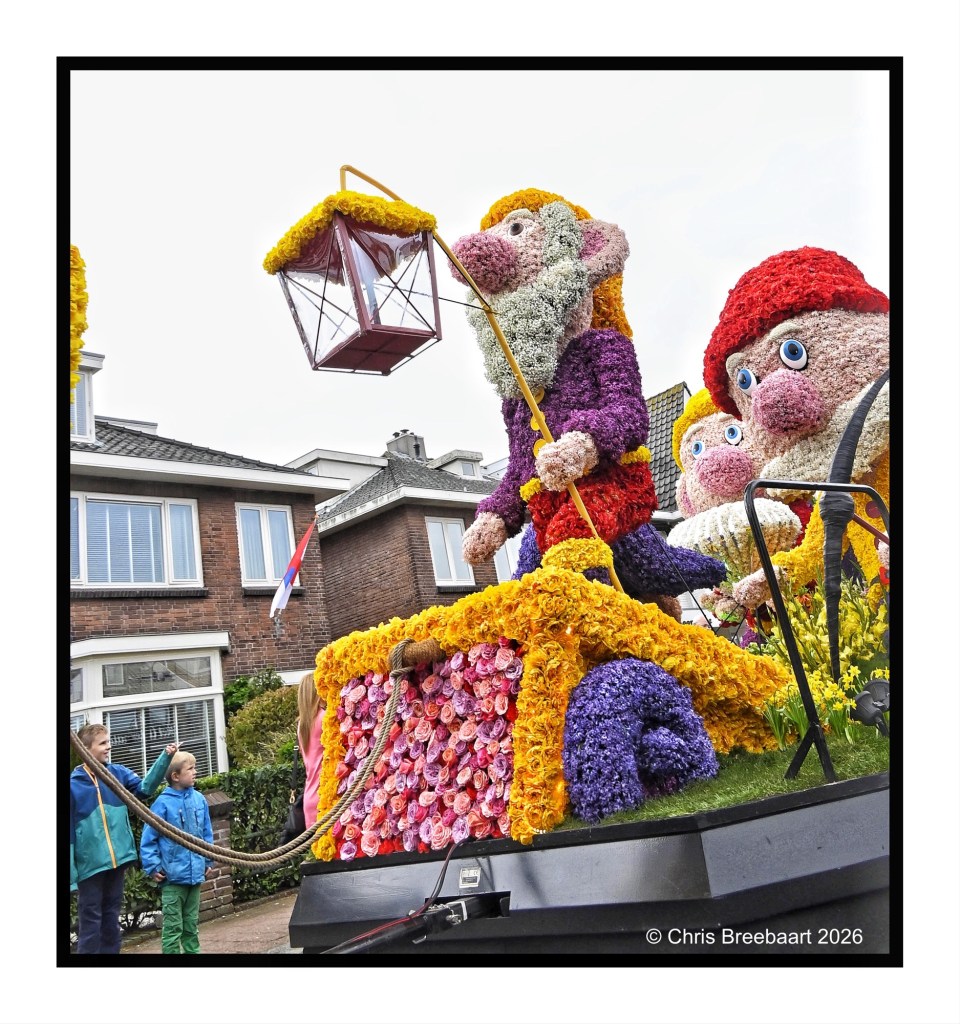
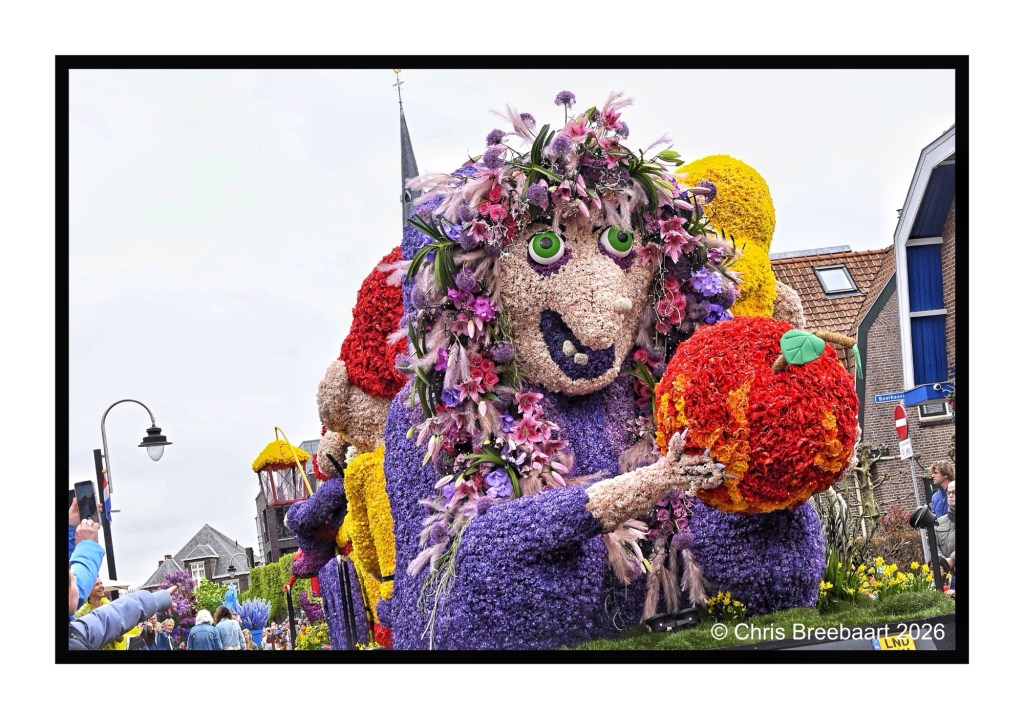
One of the events during Spring is the annual flower parade in the ‘bulbflowerbelt’ the Duin- en Bollenstreek. The parade has a history, it started in 1947, and is one of the biggest in The Netherlands. It is a main event for tourists. And a big presentation of bulbflower producing in this area. The Netherlands is well known for its flower production, all over the world. It is closely knit to the history and culture in this area of The Netherlands.
The LAPC #394 of this week is ‘history through the lens’.
Shot with Nikon Zf, edited using Snapseed and Marksta. Click the picture for a larger version.
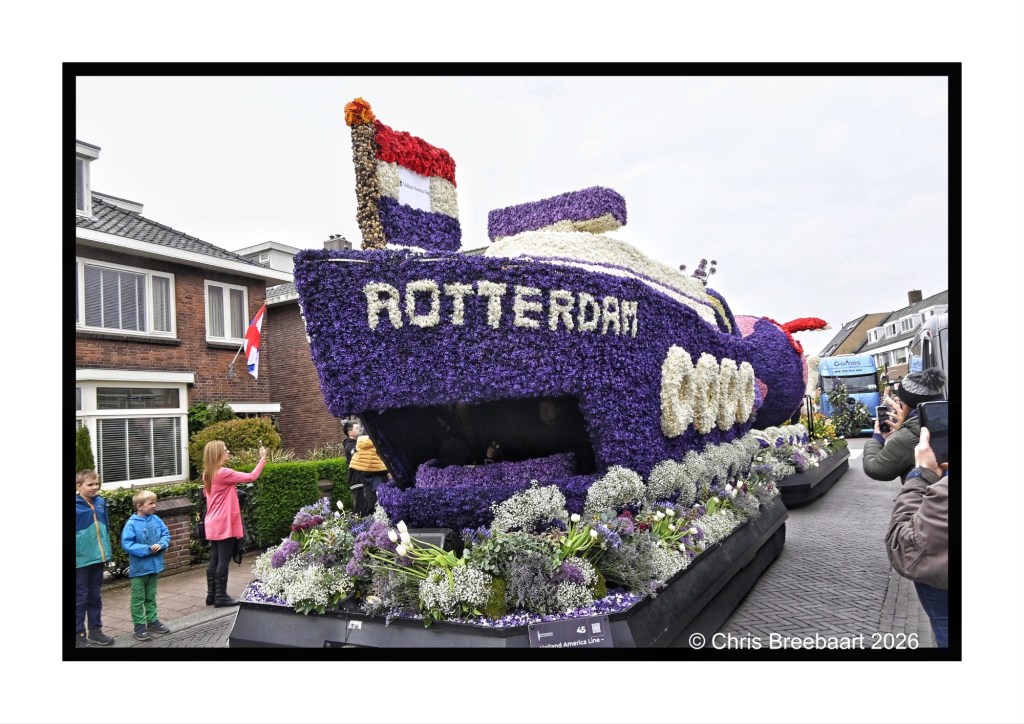
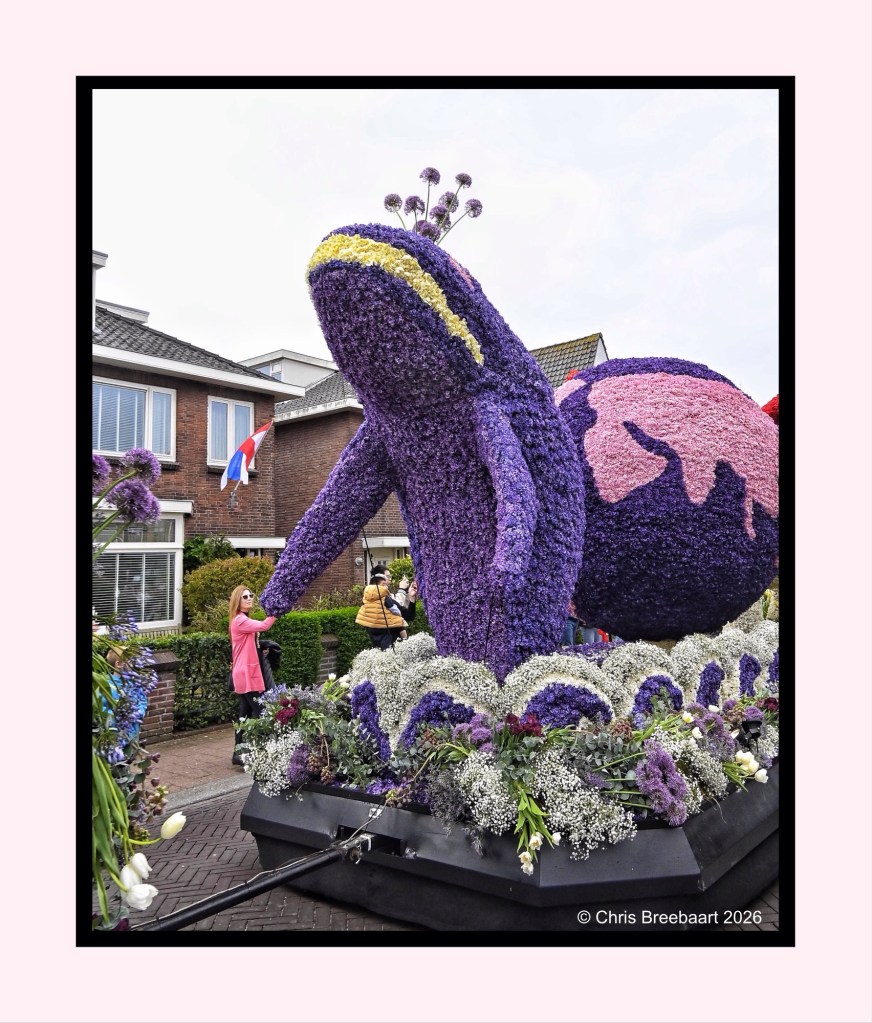
One of the events during Spring is the annual flower parade in the ‘bulbflowerbelt’ the Duin- en Bollenstreek. The parade has a history, it started in 1947, and is one of the biggest in The Netherlands. It is a main event for tourists. And a big presentation of bulbflower producing in this area. The Netherlands is well known for its flower production, all over the world. It is closely knit to the history and culture in this area of The Netherlands.
The LAPC #394 of this week is ‘history through the lens’.
Shot with Nikon Zf, edited using Snapseed and Marksta. Click the picture for a larger version.
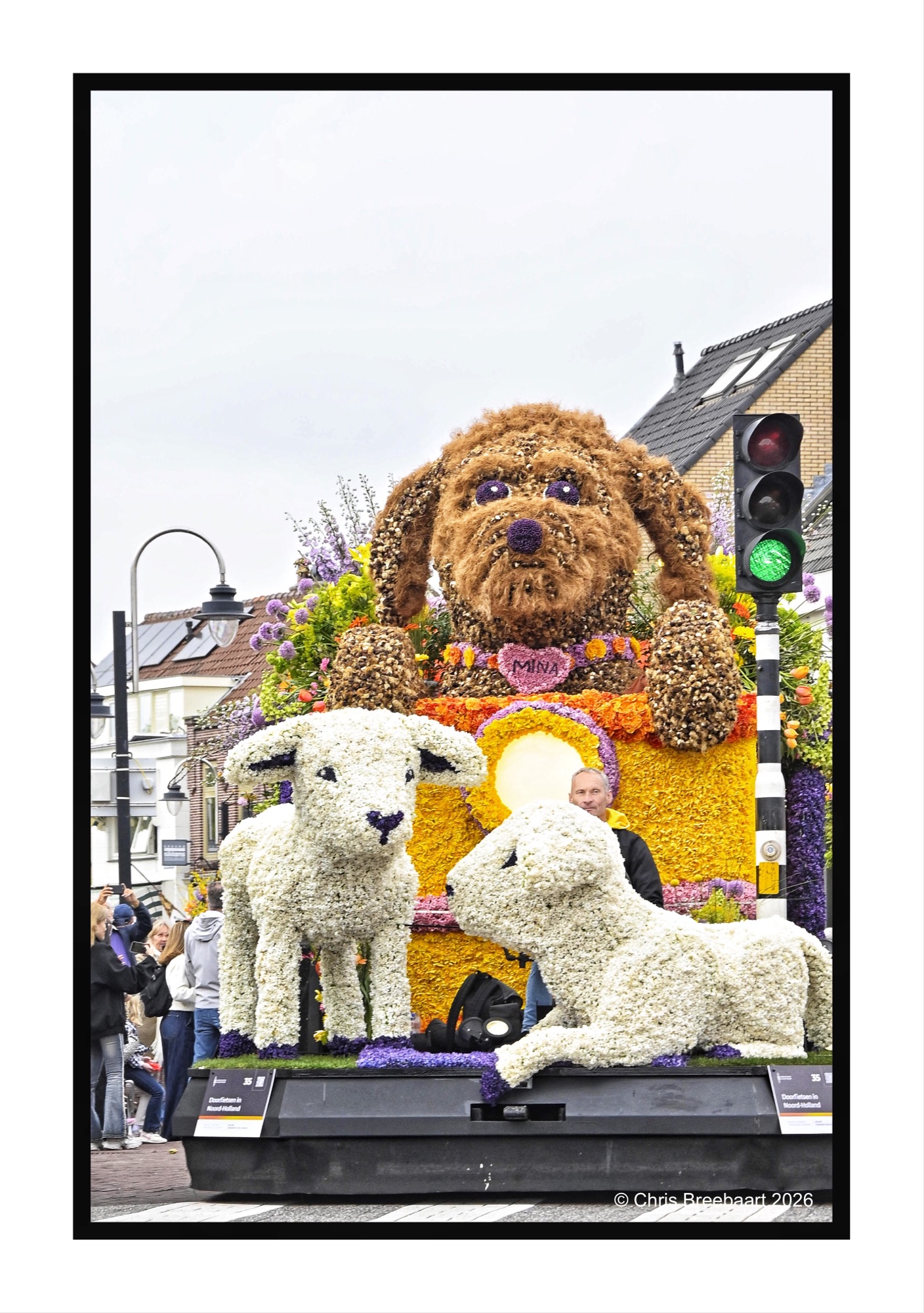
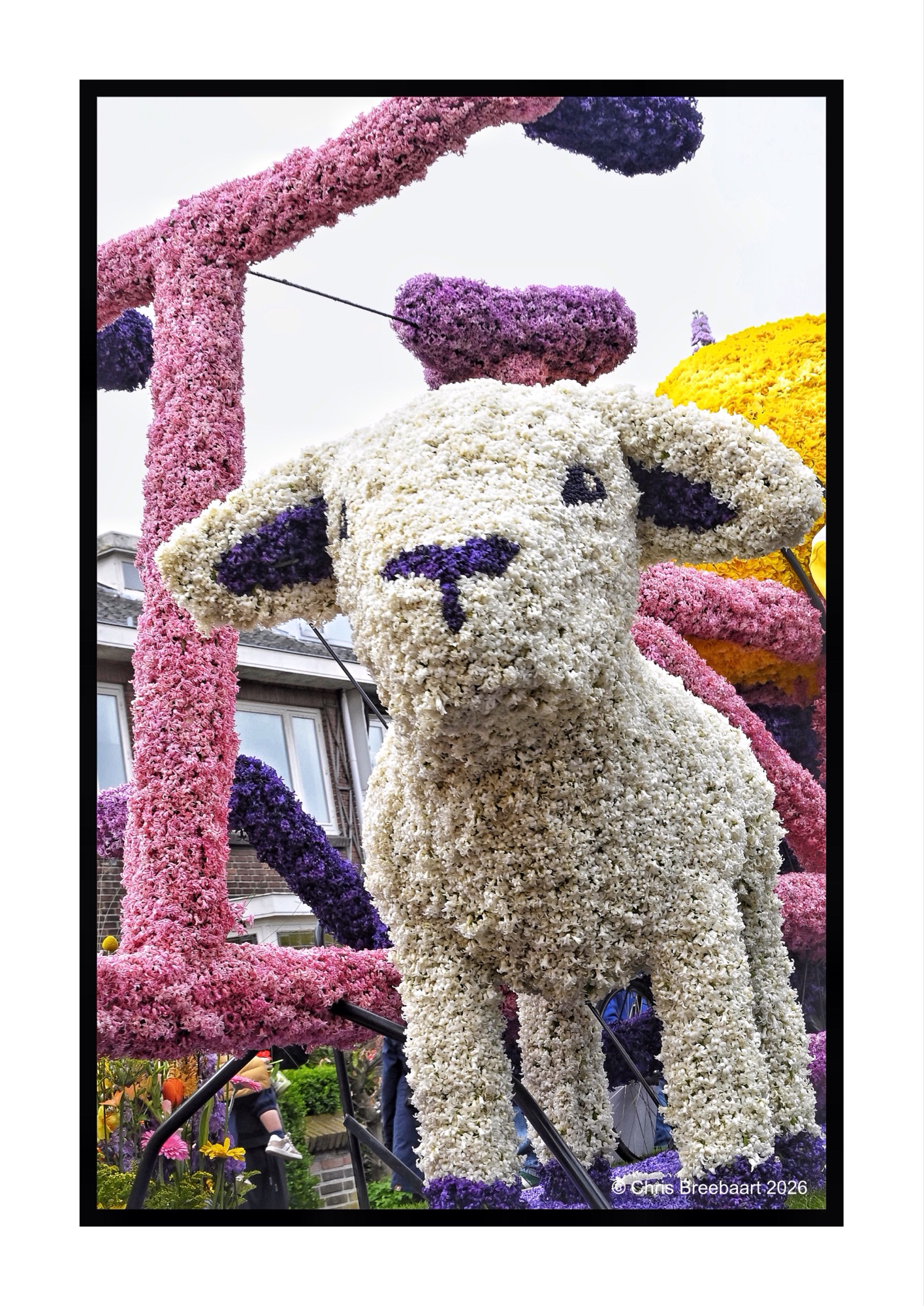
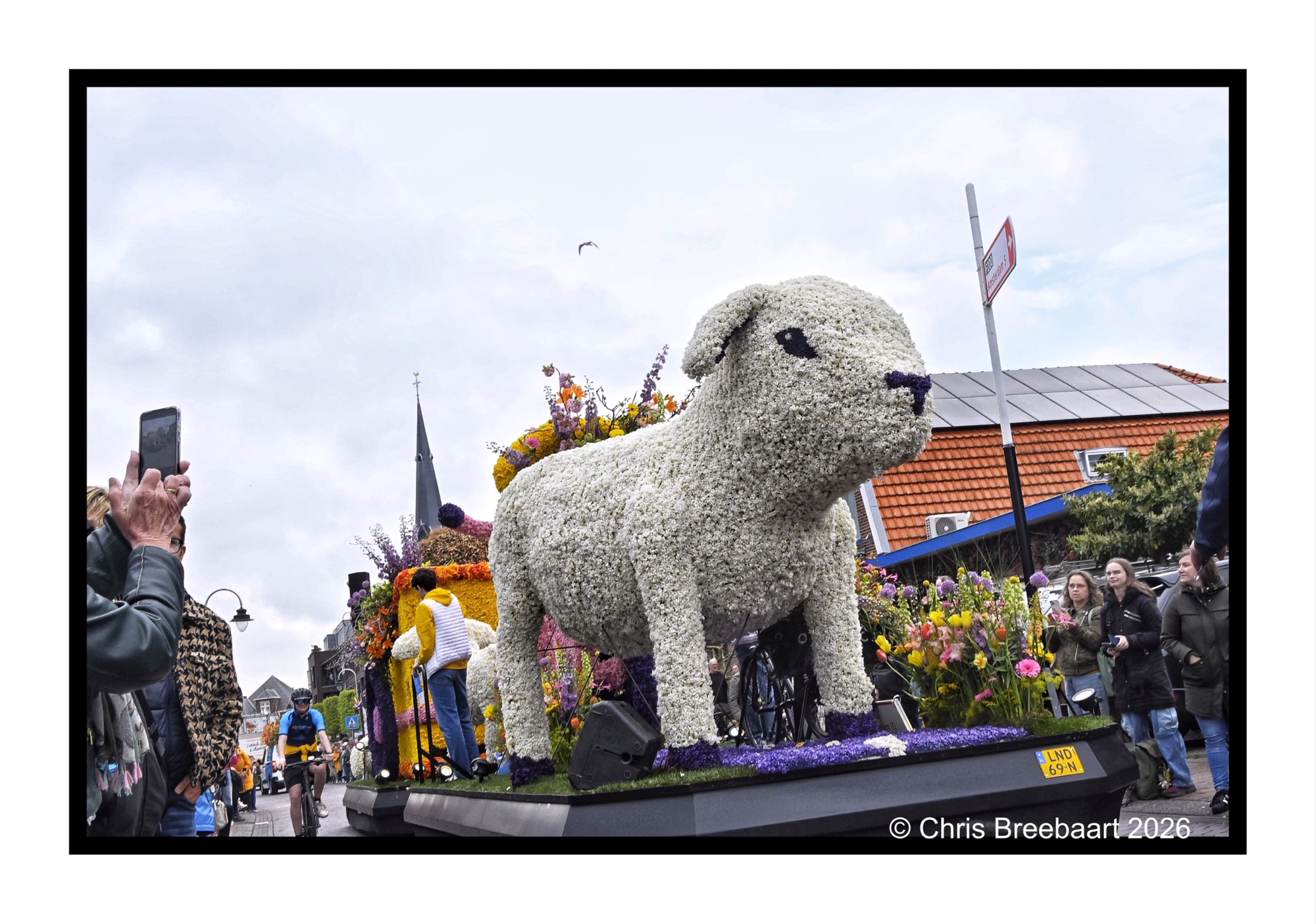
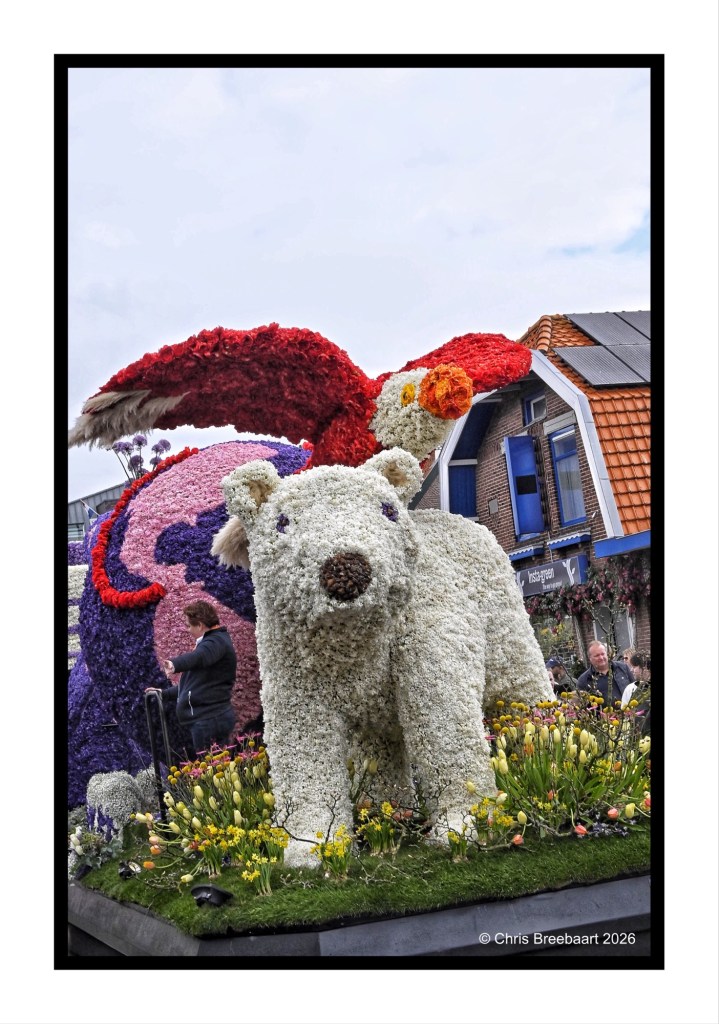
One of the events during Spring is the annual flower parade in the ‘bulbflowerbelt’ the Duin- en Bollenstreek. The parade has a history, it started in 1947, and is one of the biggest in The Netherlands. It is a main event for tourists. And a big presentation of bulbflower producing in this area. The Netherlands is well known for its flower production, all over the world. It is closely knit to the history and culture in this area of The Netherlands.
The LAPC #394 of this week is ‘history through the lens’. I am not sure if this fits the brief of John
Shot with Nikon Zf, edited using Snapseed and Marksta. Click the picture for a larger version.
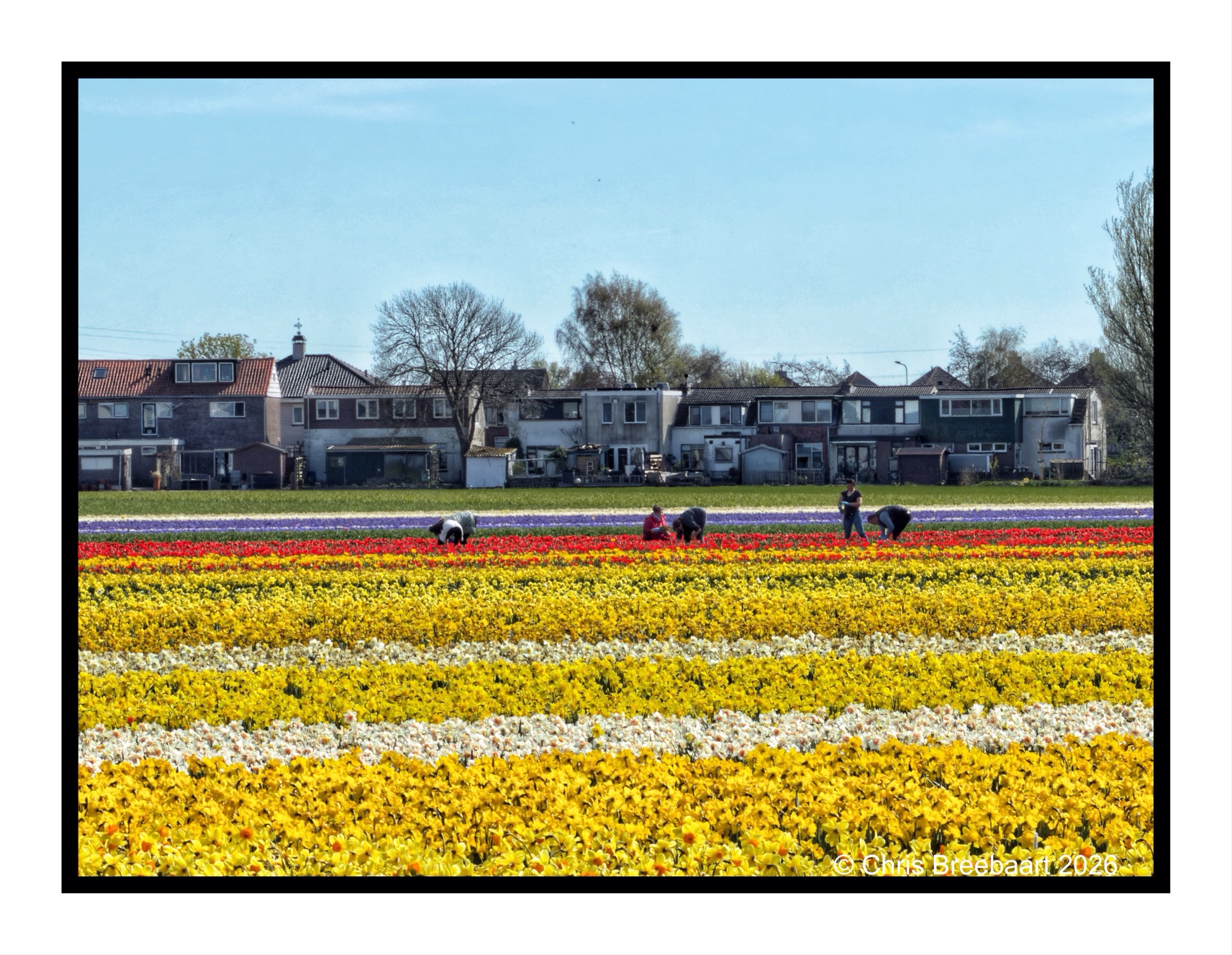
Colored lines in the fields, looking over the flowers into the distance.
Shot with iPhone 17 Pro Max edited using Snapseed and Marksta. Click the picture for a larger version
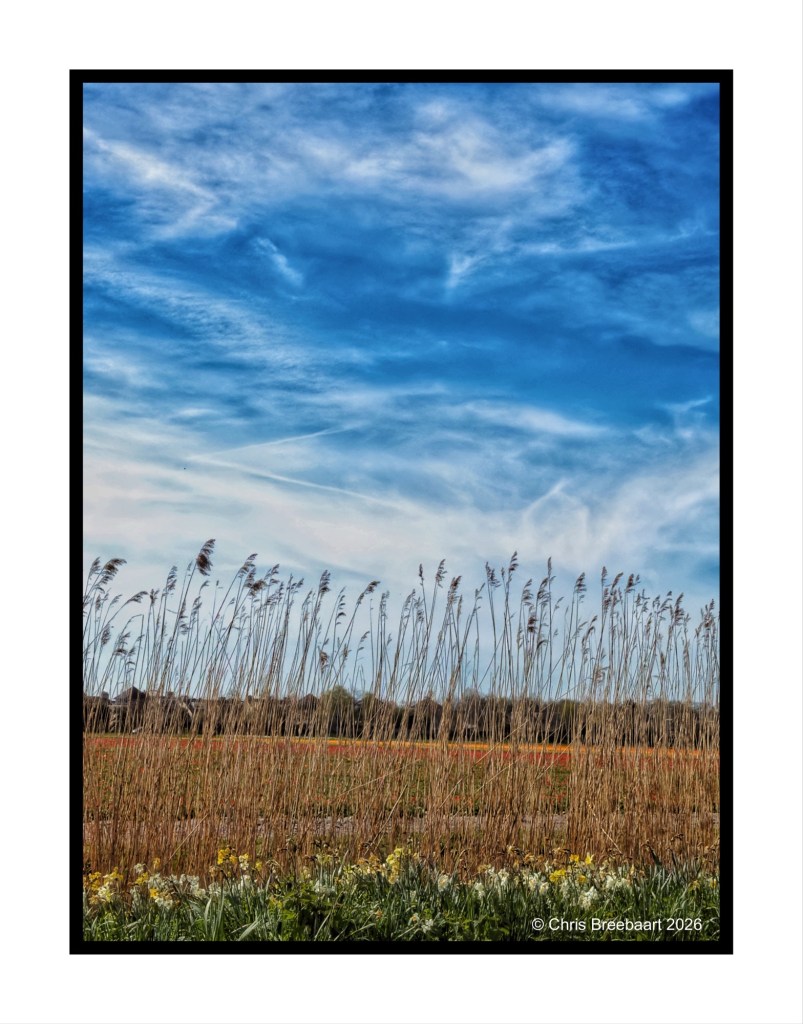
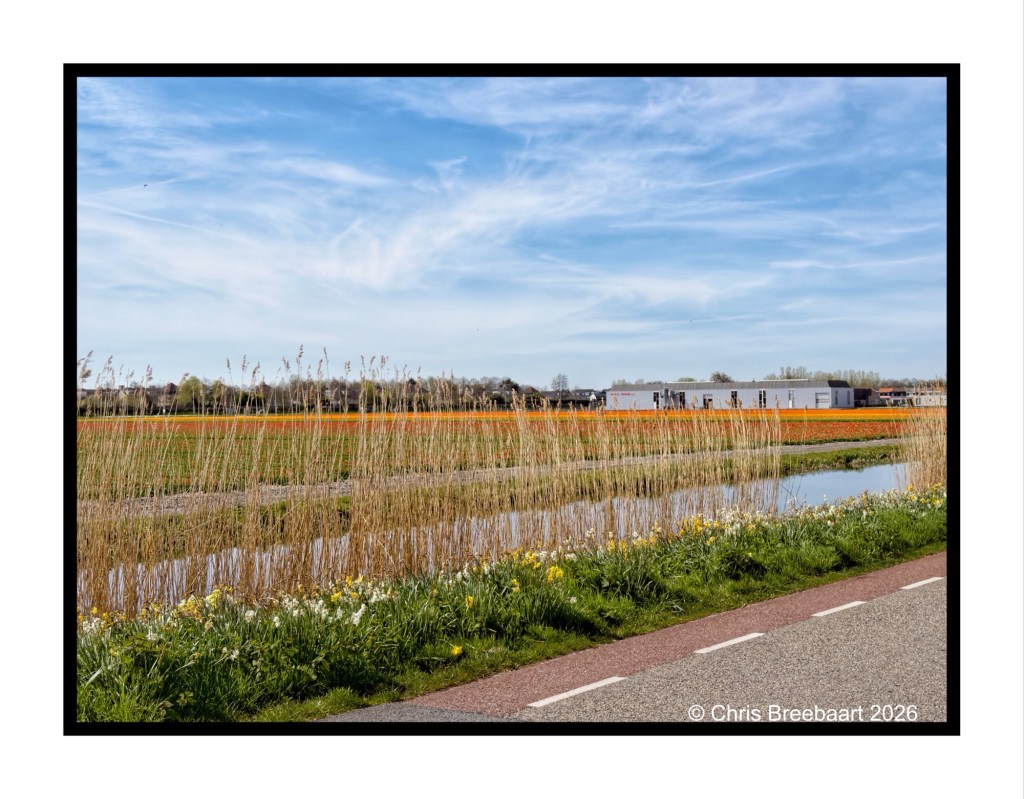
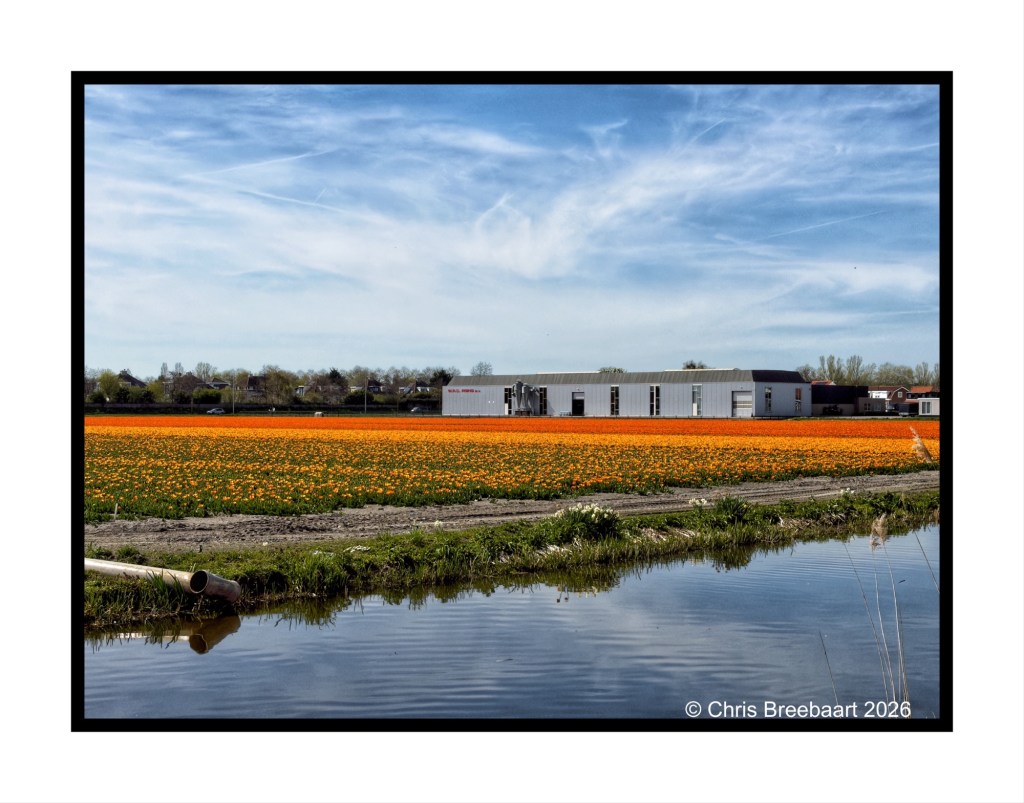
We are heading to King’s Day on April 27. And the colour of the royal house is orange.
Shot with iPhone 17 Pro Max edited using Snapseed and Marksta. Click the picture for a larger version
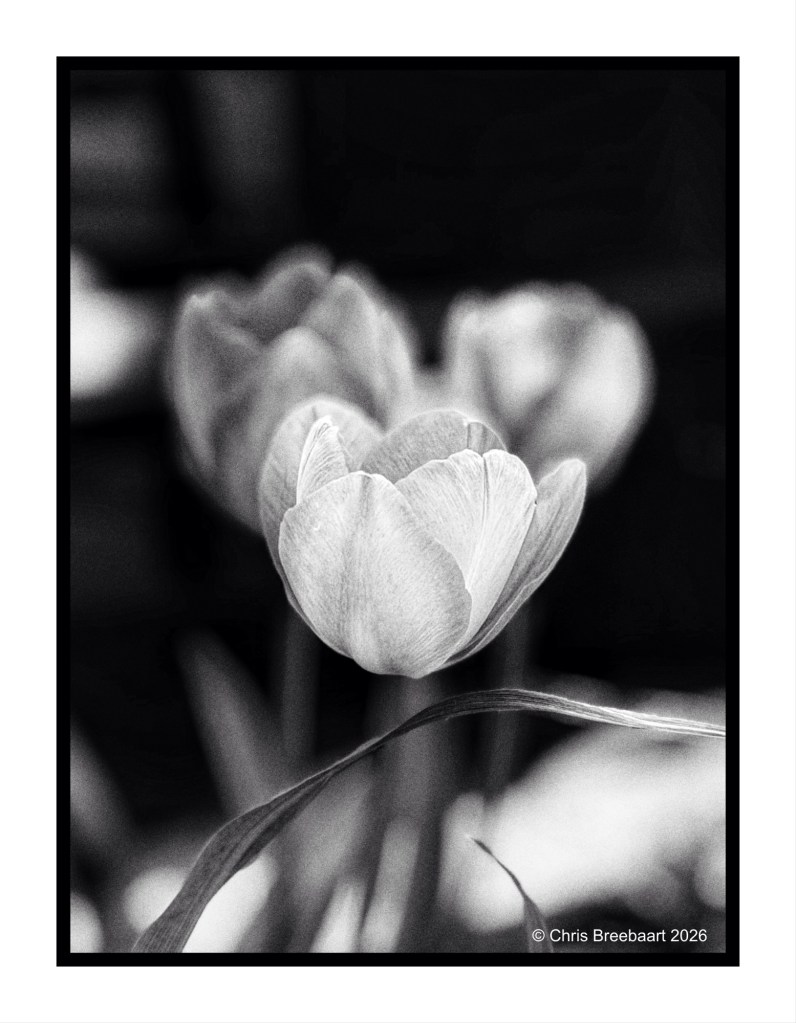
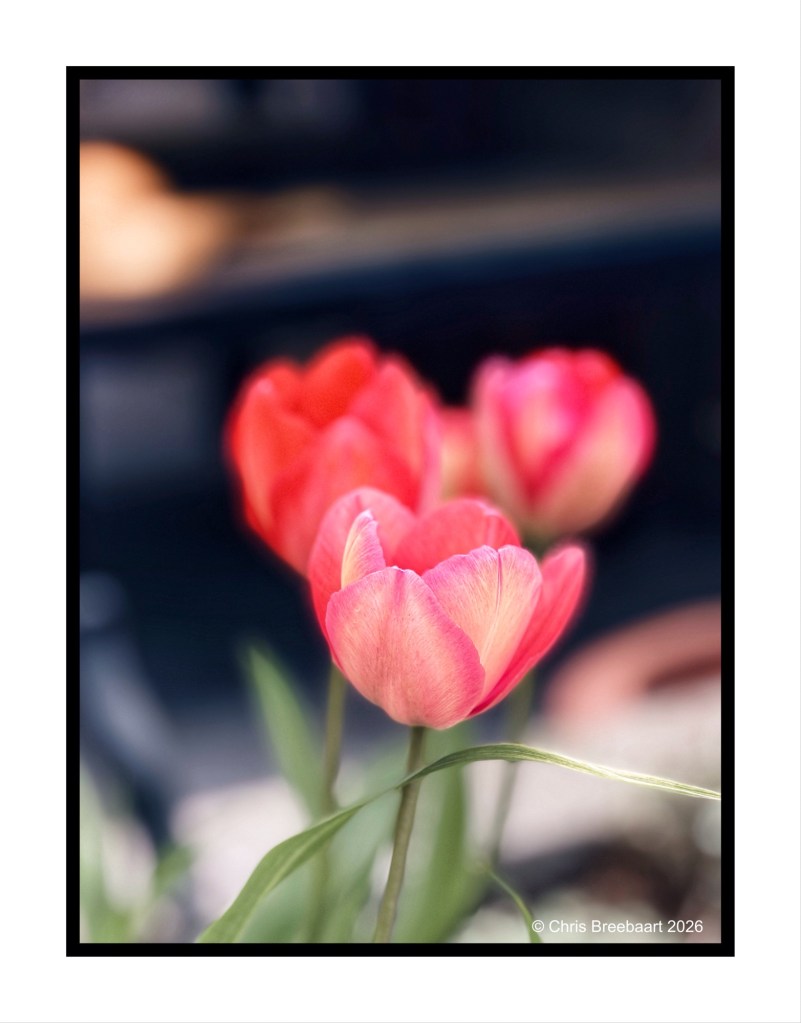
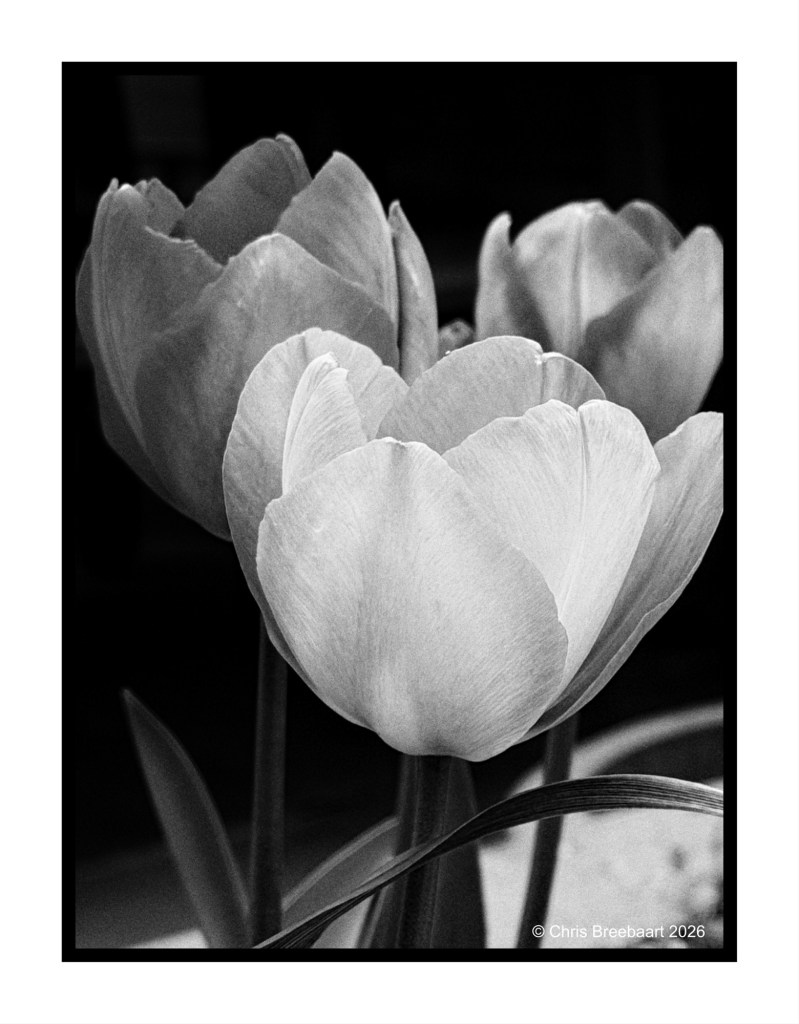
It is not only flowers on fields around the villages, but every garden has its own share of bulbflowers popping out in the Spring.
Shot with iPhone 17 Pro Max edited using Snapseed and Marksta. Click the picture for a larger version.
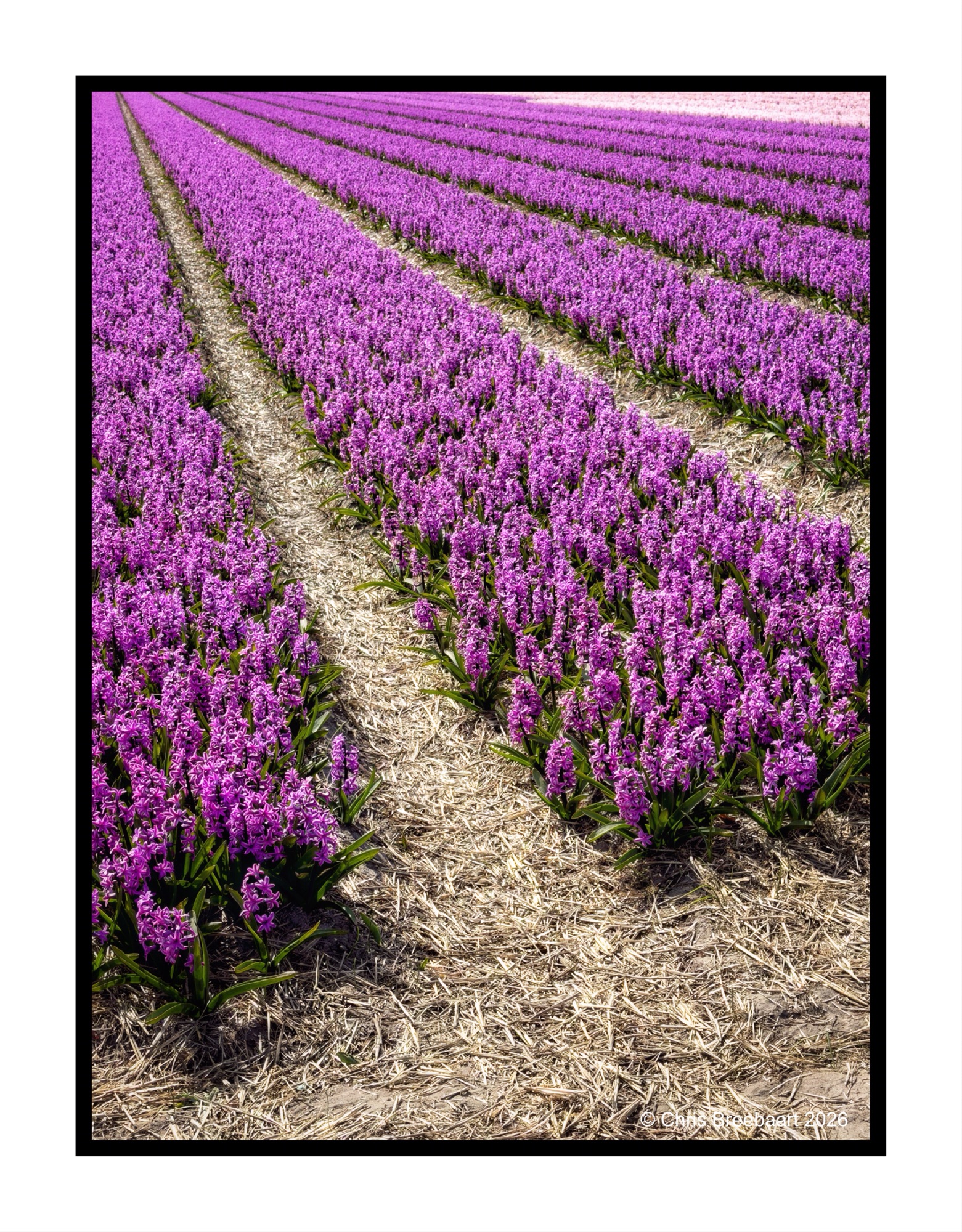
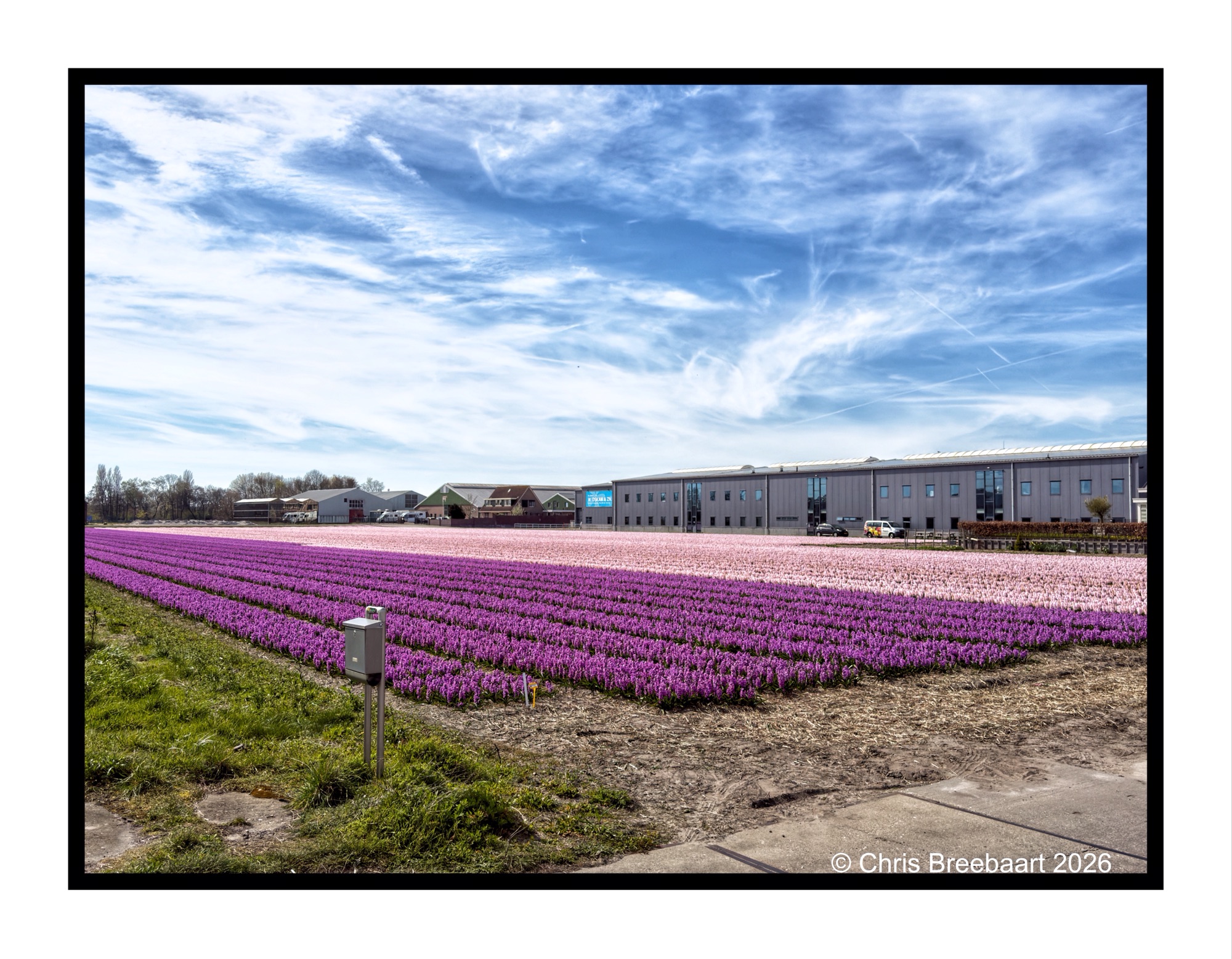
No smoke, but a small field of deep purple Hyacinths.
Shot with iPhone 17 Pro Max edited using Snapseed and Marksta. Click the picture for a larger version
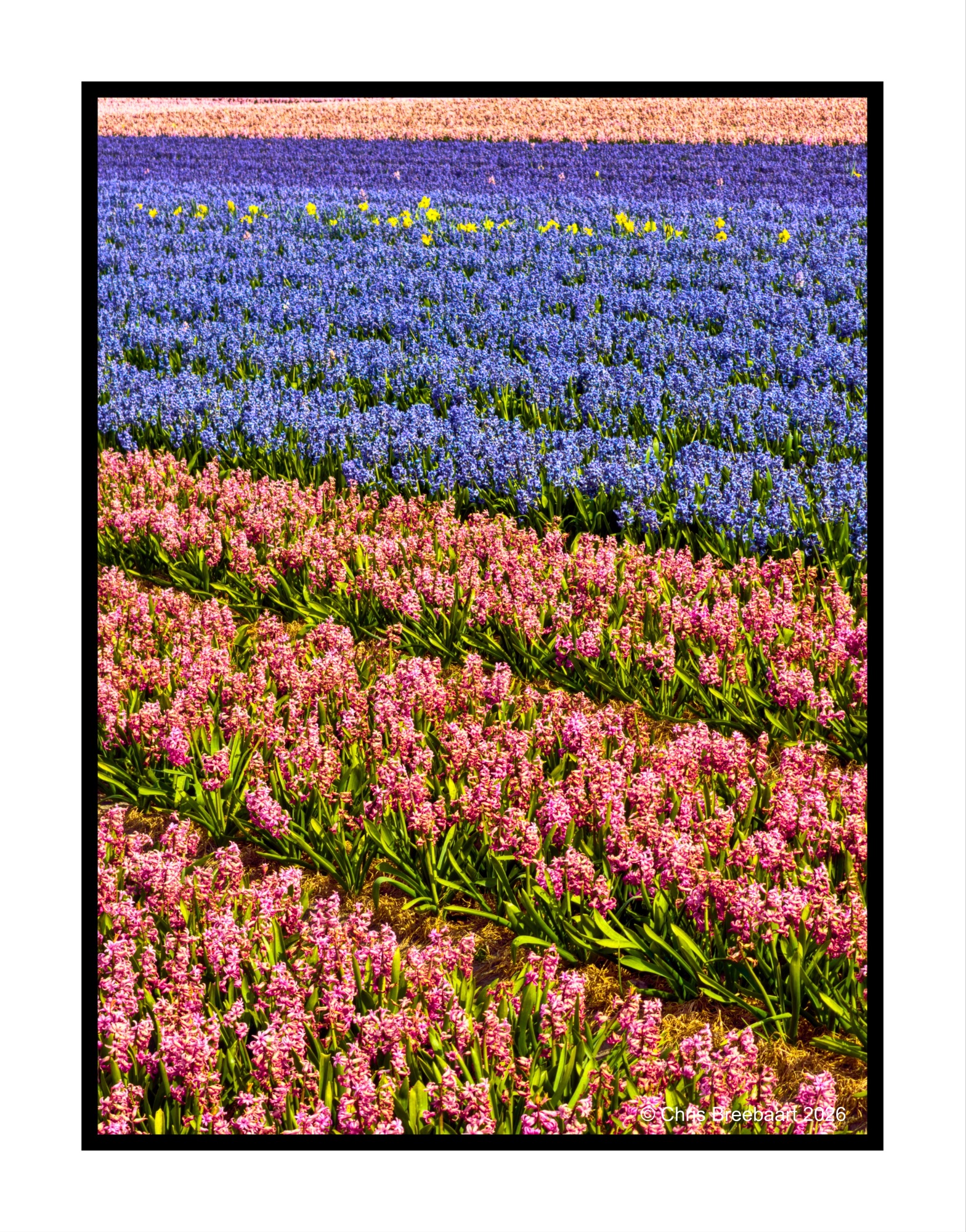
From a distance it seems that the rows of bulbflowers are always perfectly consisting one color and one type of plant. However, there is always the odd one out if you look closer. Here are a few Daffodils mixed up with the Hyacinths.
Shot with iPhone 17 Pro Max edited using Snapseed and Marksta. Click the picture for a larger version
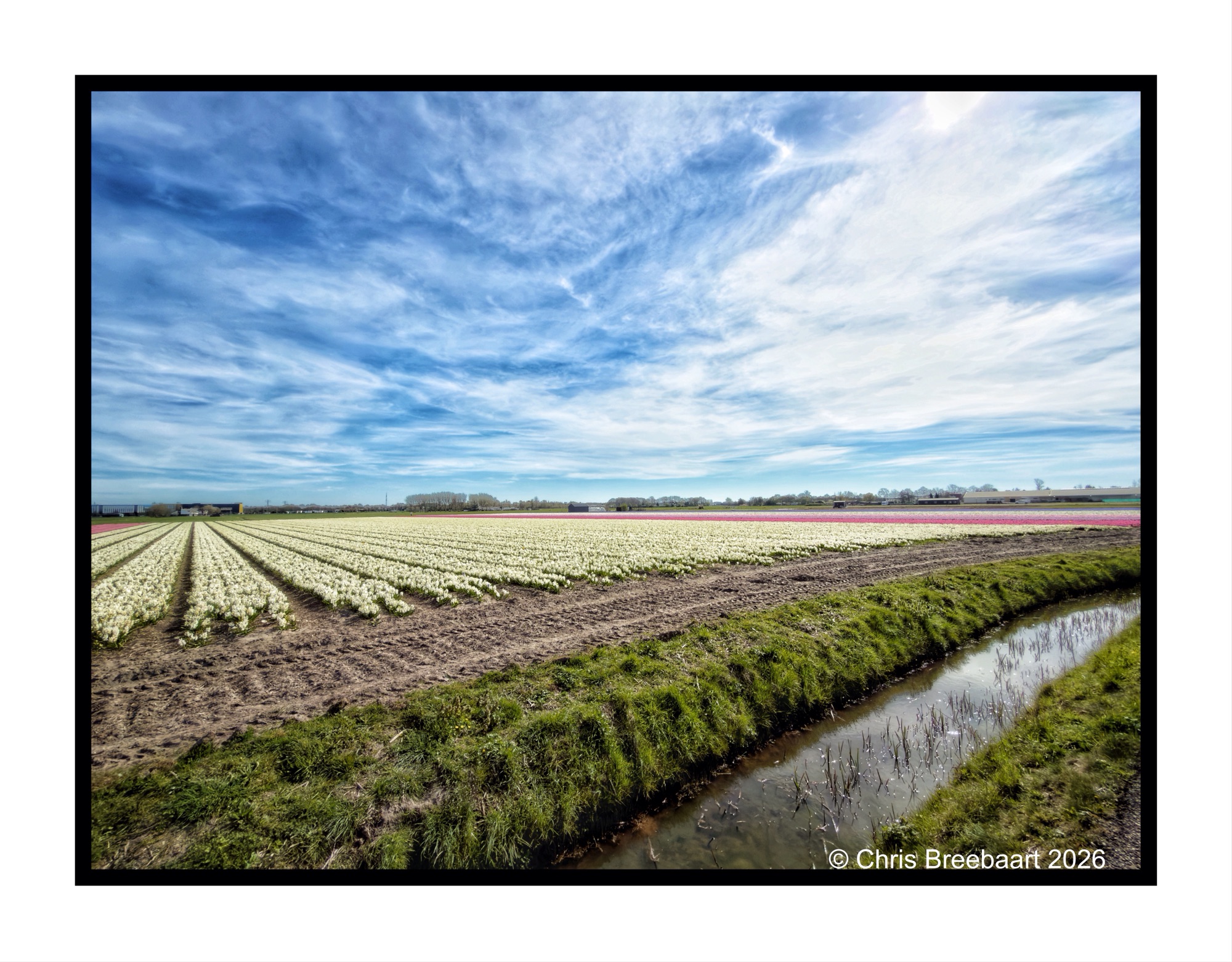
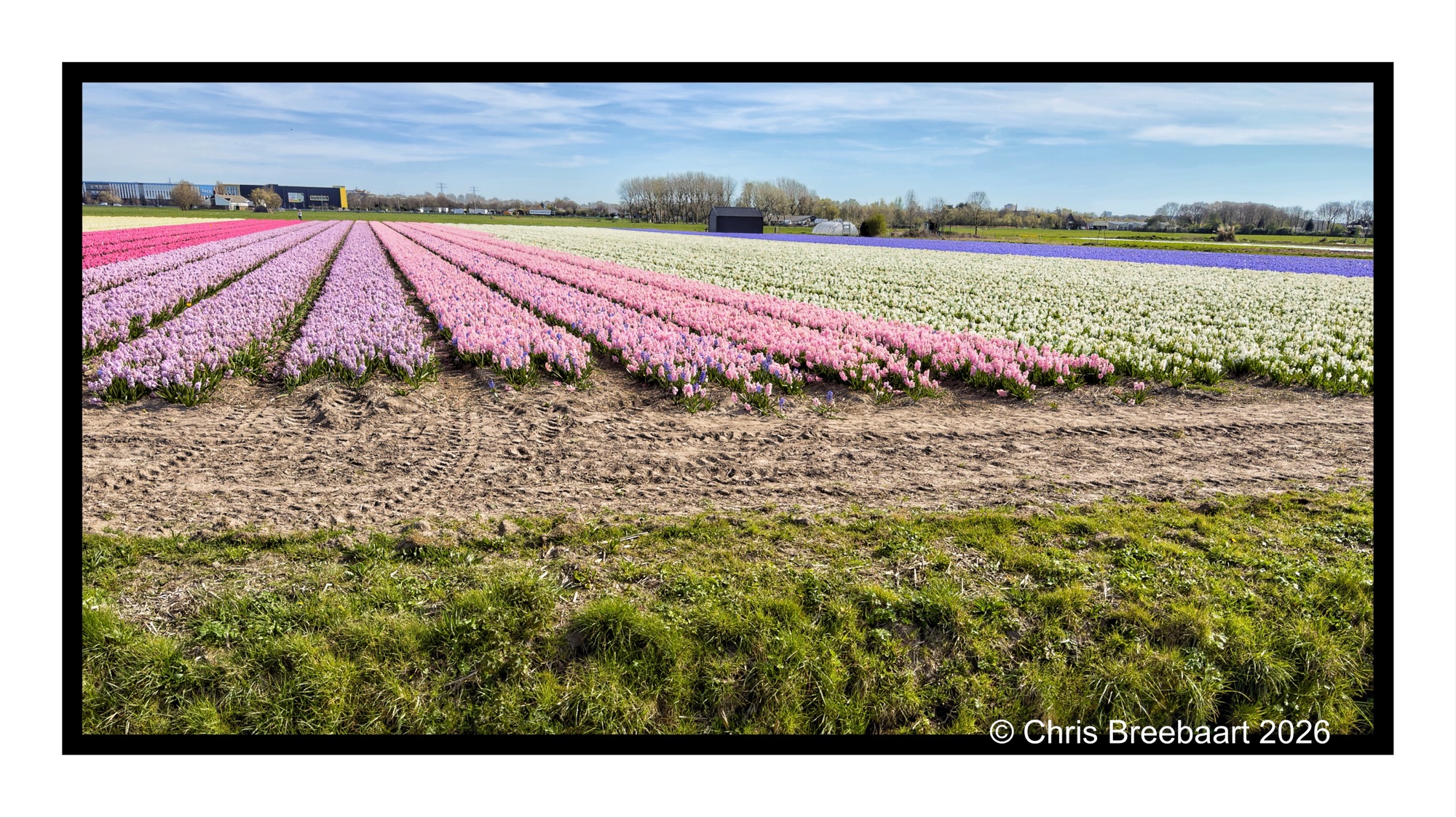
Hyacinths spread color and fragrance on the fields at this time of year. Remember: these flowers are not destined to be sold, but are grown for the bulbs. In June you can order the bulbs in webshops, to have them light up your garden next Spring.
Shot with iPhone 17 Pro Max edited using Snapseed and Marksta. Click the picture for a larger version
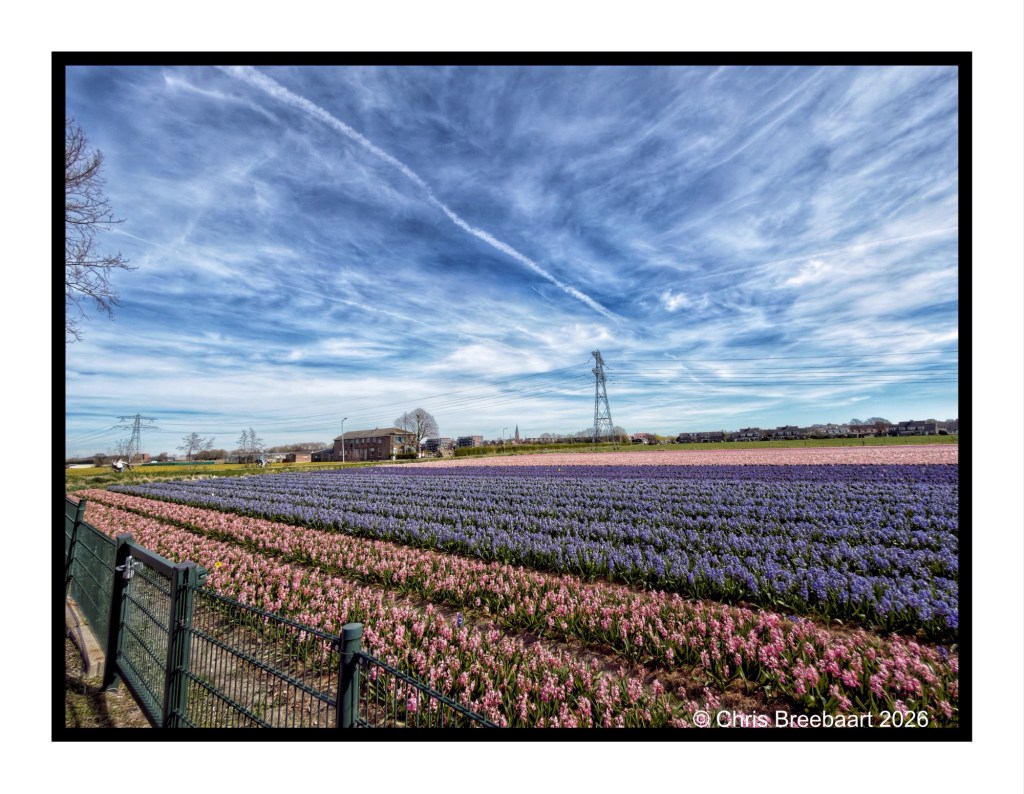
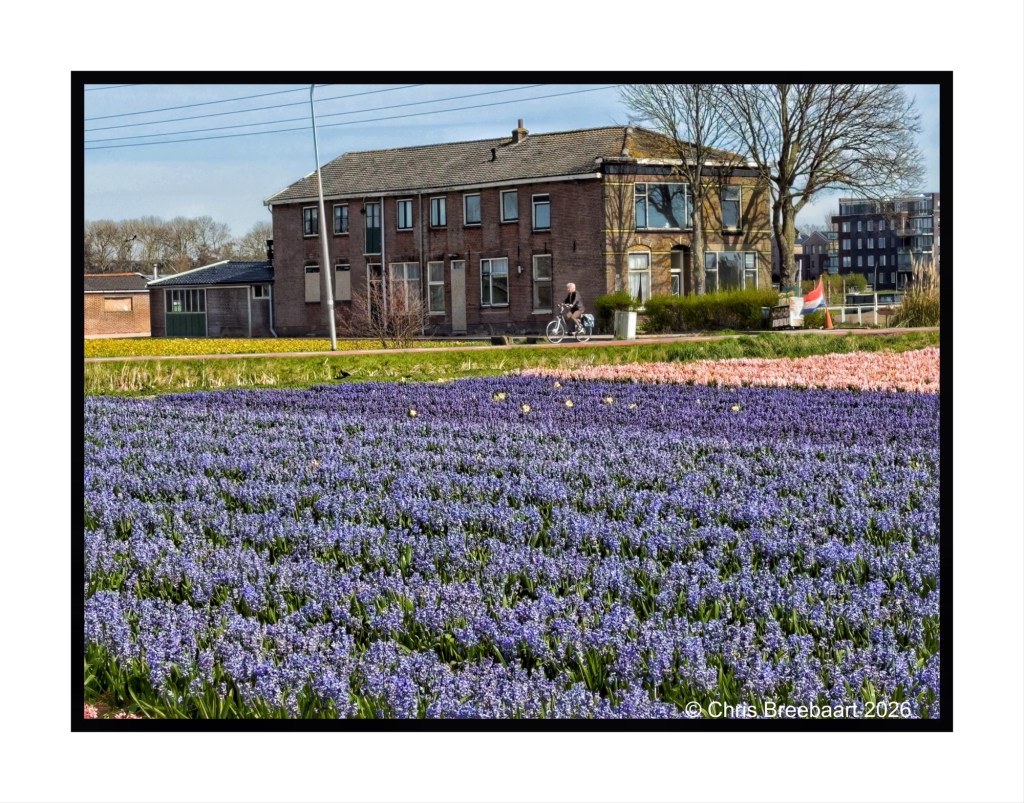
Shot with iPhone 17 Pro Max edited using Snapseed and Marksta. Click the picture for a larger version
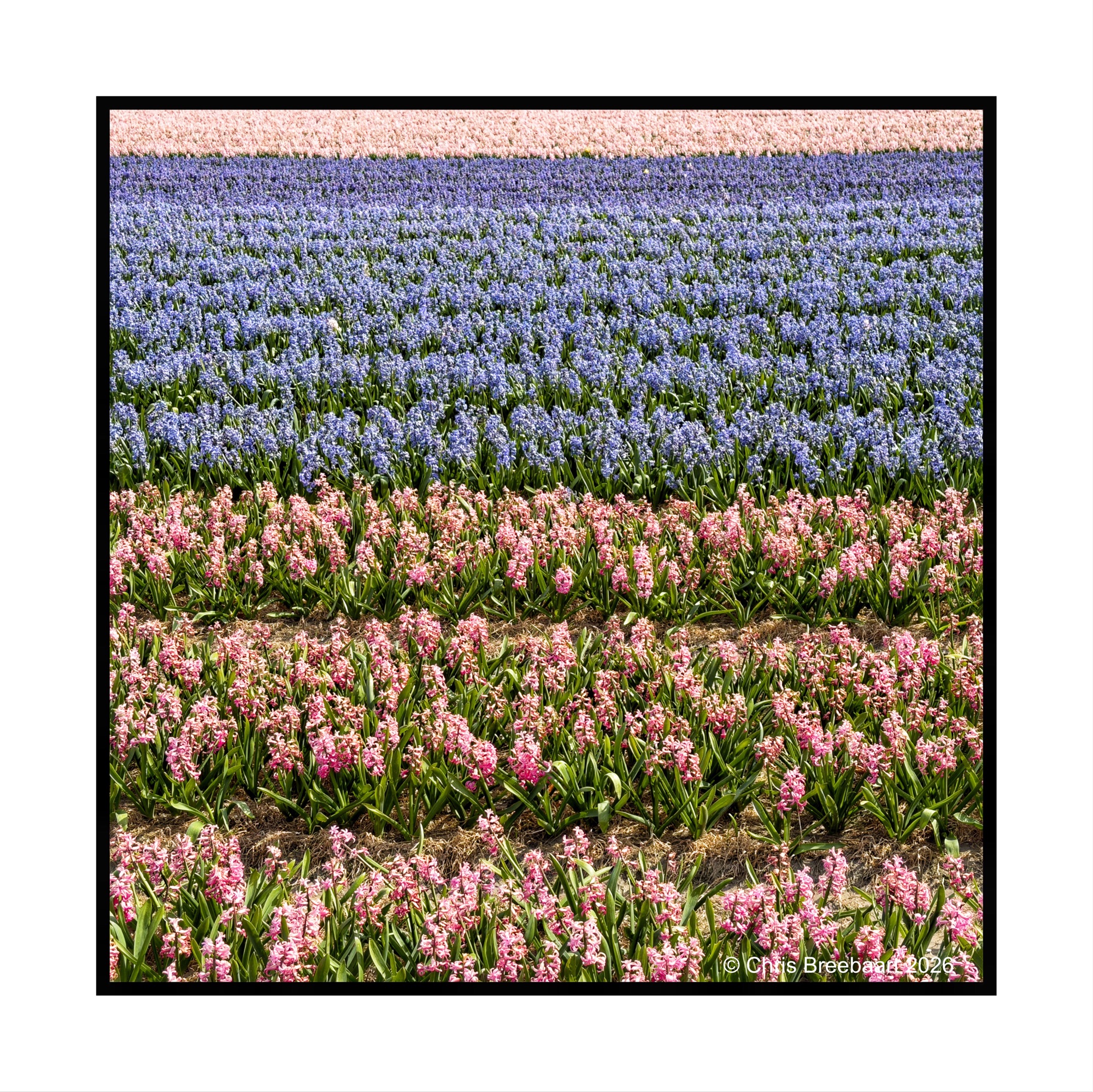
Hyacinths spread color and fragrance on the fields at this time of year. Remember: these flowers are not the reason to grow them. The reason is in the ground: these bulbs will be harvested and then after the Summer exported to all over the world.
Shot with iPhone 17 Pro Max edited using Snapseed and Marksta. Click the picture for a larger version
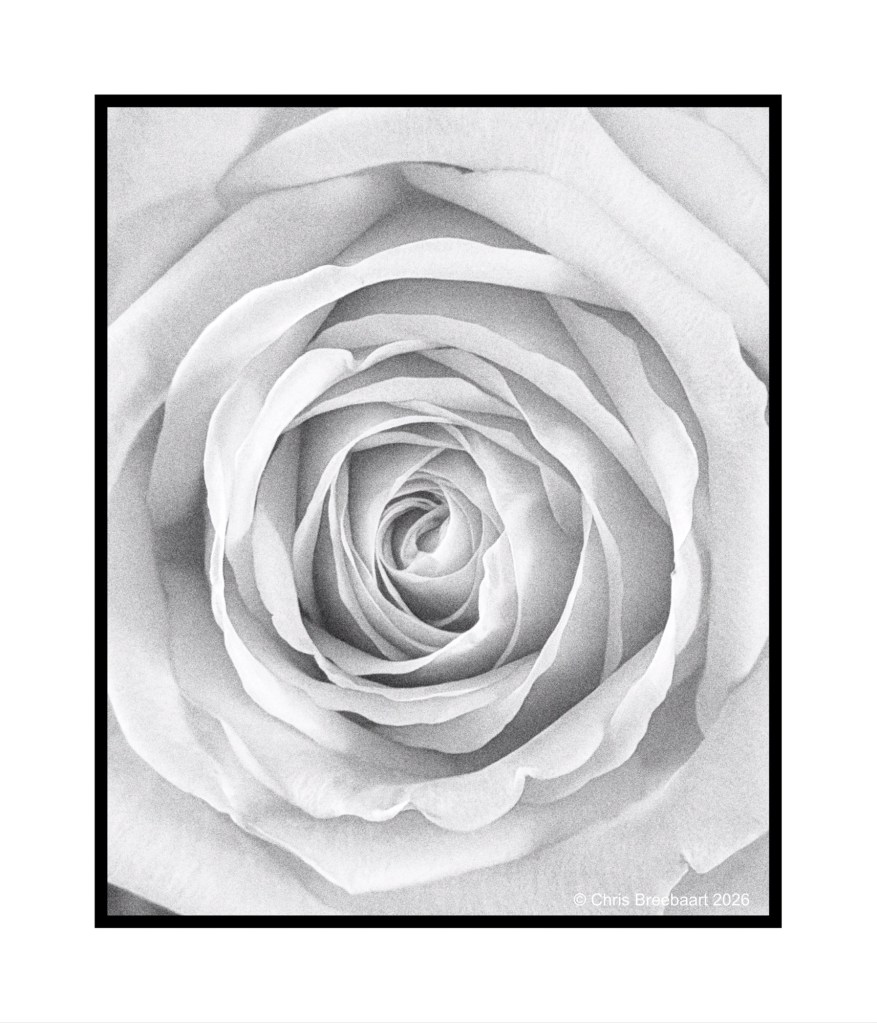
A rose is a rose, and each time different.
Shot with iPhone 17 Pro Max edited using Snapseed and Marksta. Click the picture for a larger version
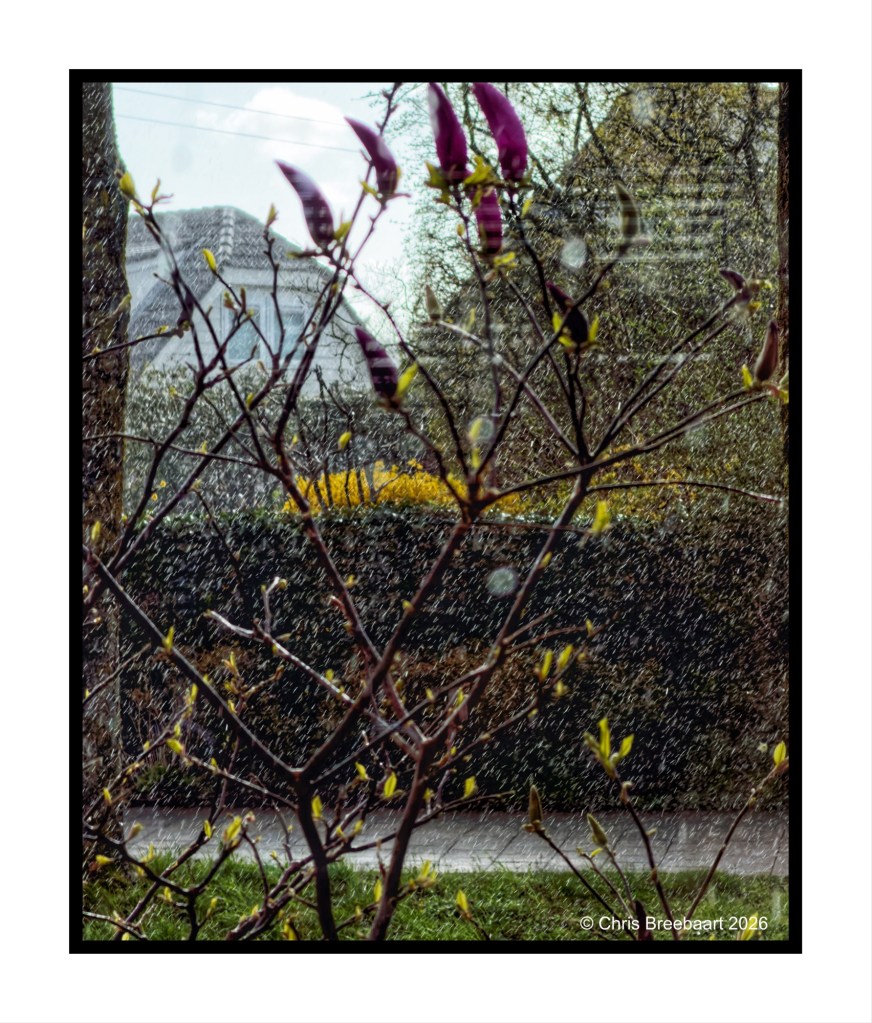
A shower of Spring rain with sun lighting up the drops. Setting the scene in the middle ground as the foreground and background form the stage setting. The theme of this week’s LAPC (#392) is ‘foreground, middle and background’.
Shot with iPhone 17 Pro Max edited using Snapseed and Marksta. Click the picture for a larger version.
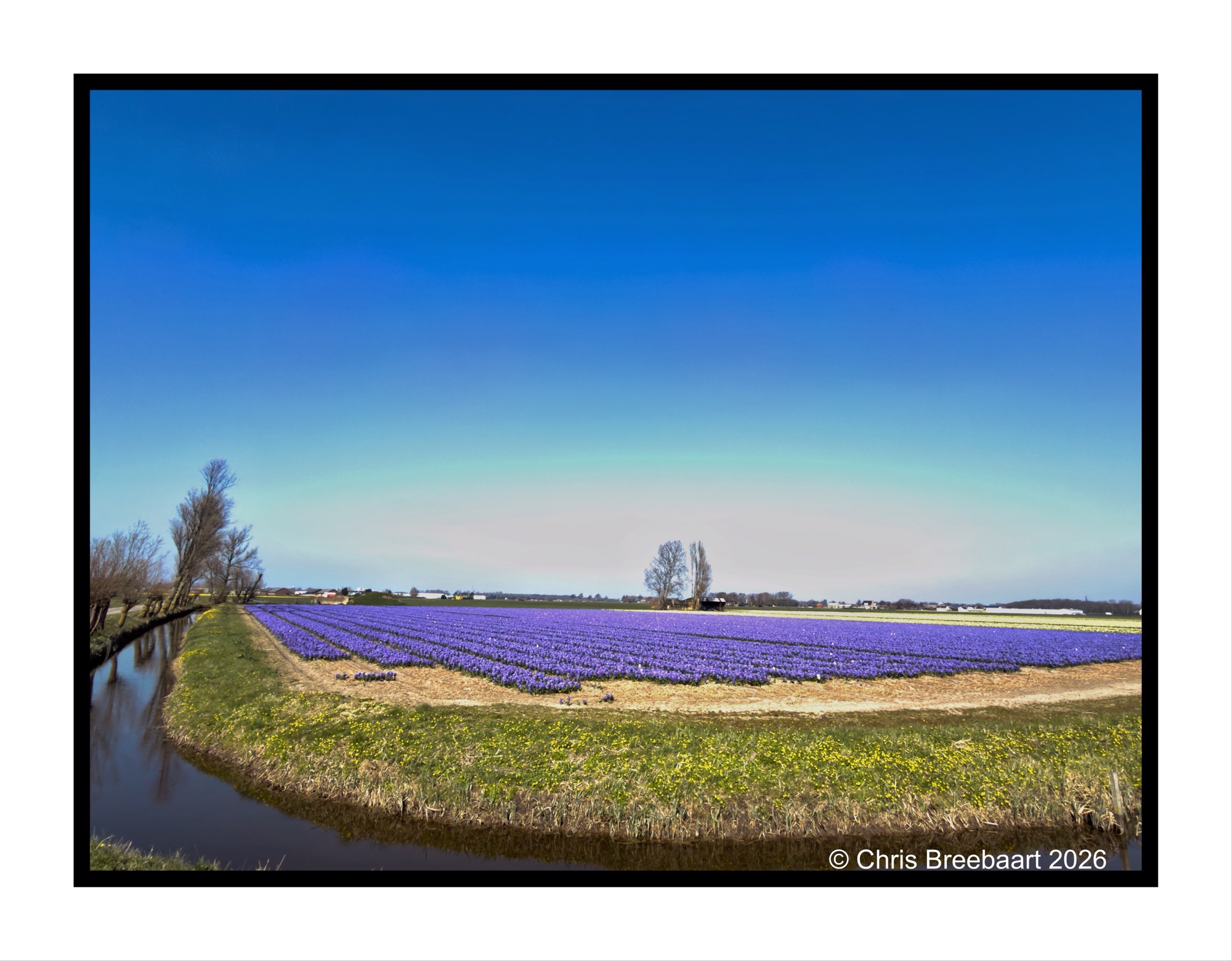
Fortunately, this is really just around the corner. This time of year it is fun to take the bicycle and check out the flowers in the area. Especially when the sun shines. As most of my photos on here are taken on iPhone I do fit the brief of this week’s LAPC theme week (#391) ‘Phone photography’ easy.
Shot with iPhone 17 Pro Max edited using Snapseed and Marksta. Click the picture for a larger version
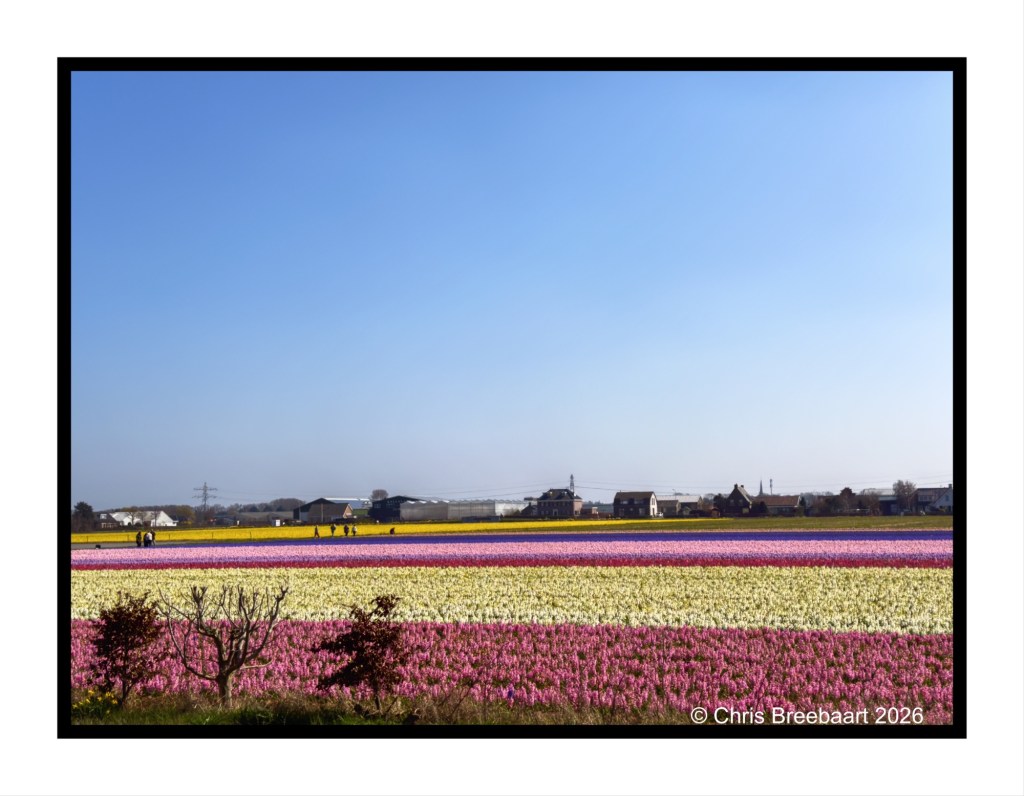
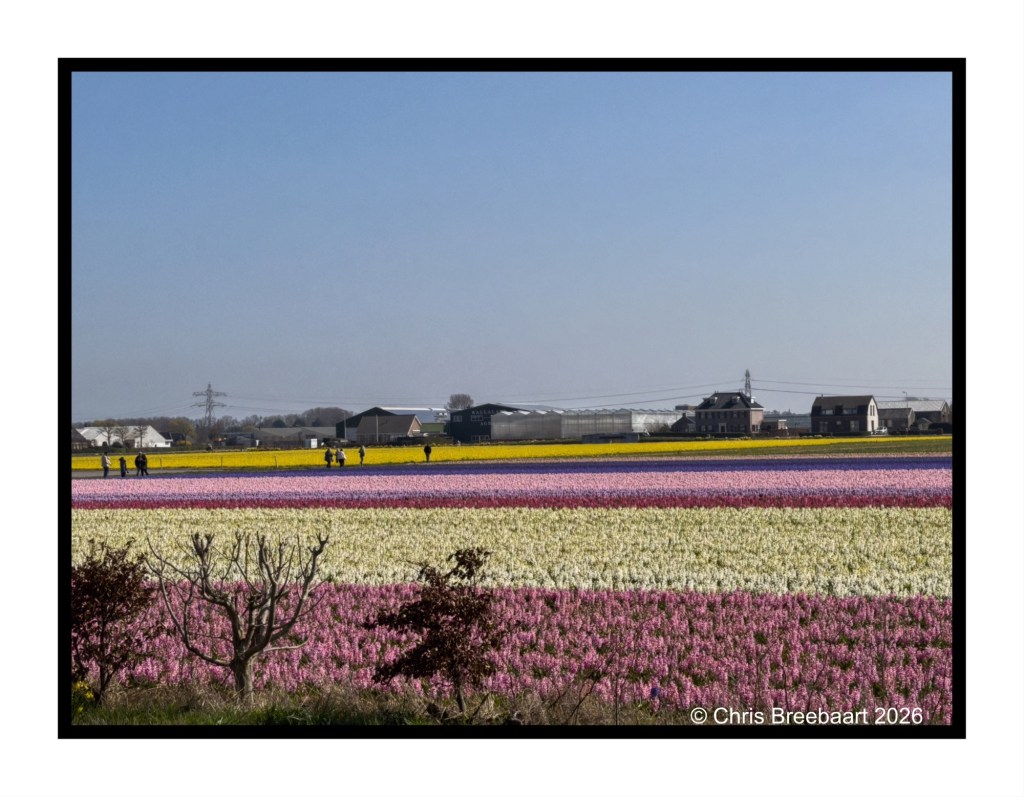
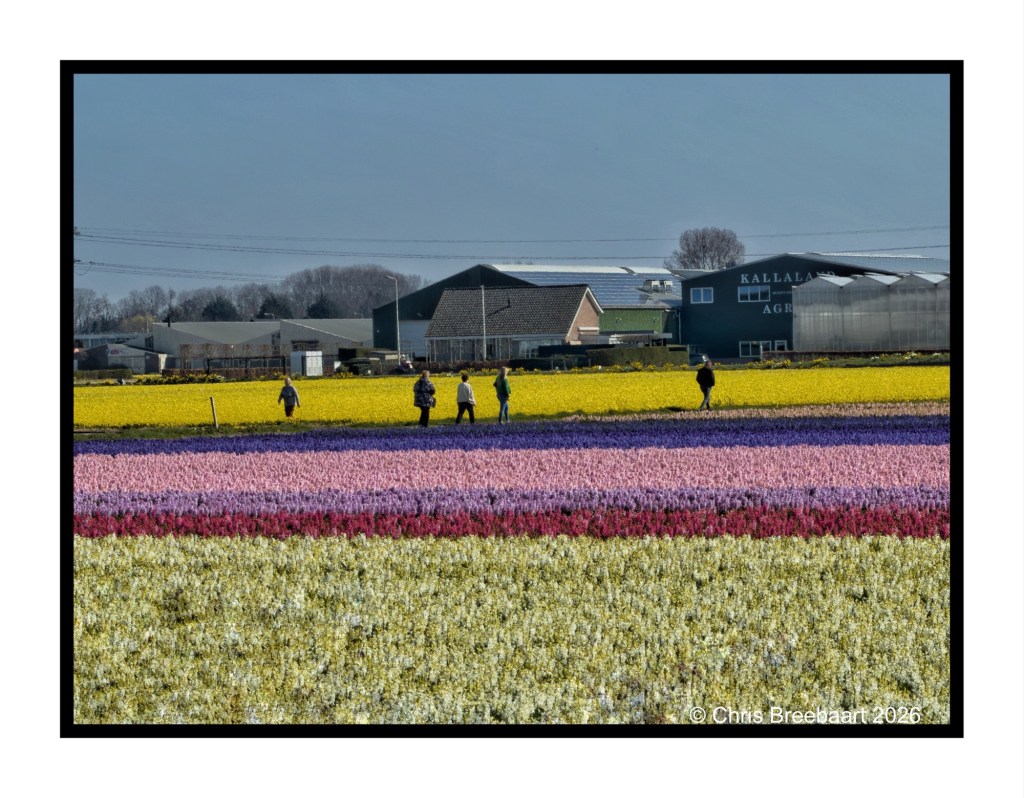
This time of year it is fun to take the bicycle and check out the flowers in the area. Especially when the sun shines. As most of my photos on here are taken on iPhone I do fit the brief of this week’s LAPC theme week (#391) ‘Phone photography’ easy.
Shot with iPhone 17 Pro Max edited using Snapseed and Marksta. Click the picture for a larger version
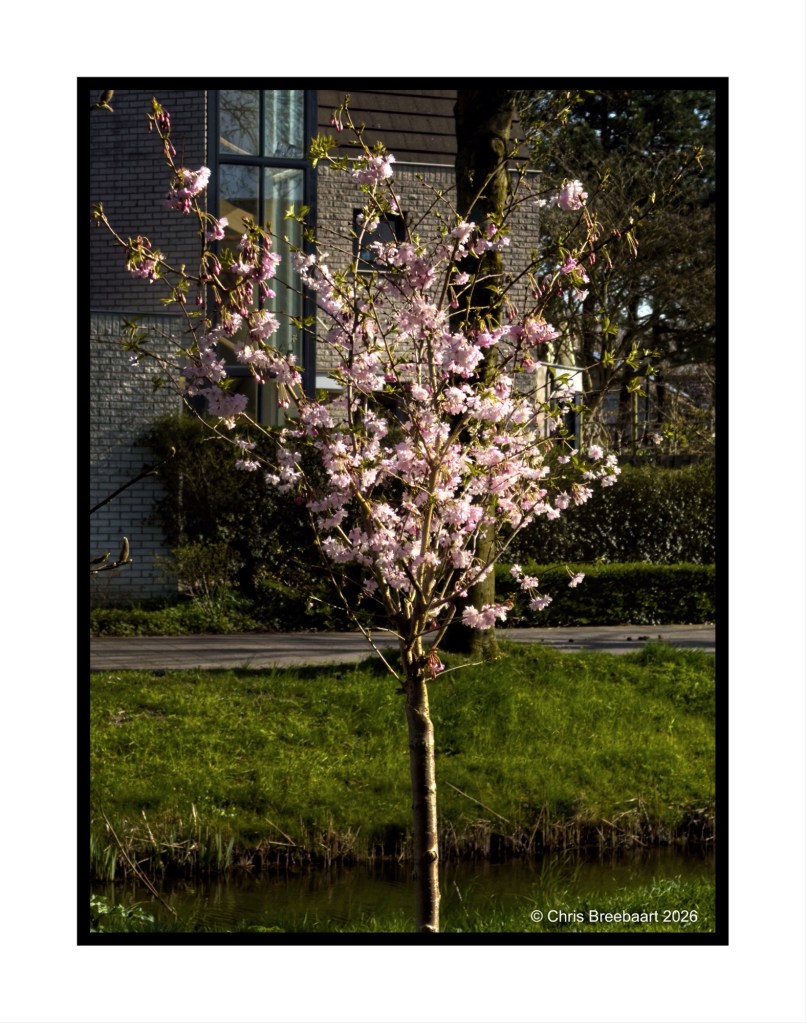
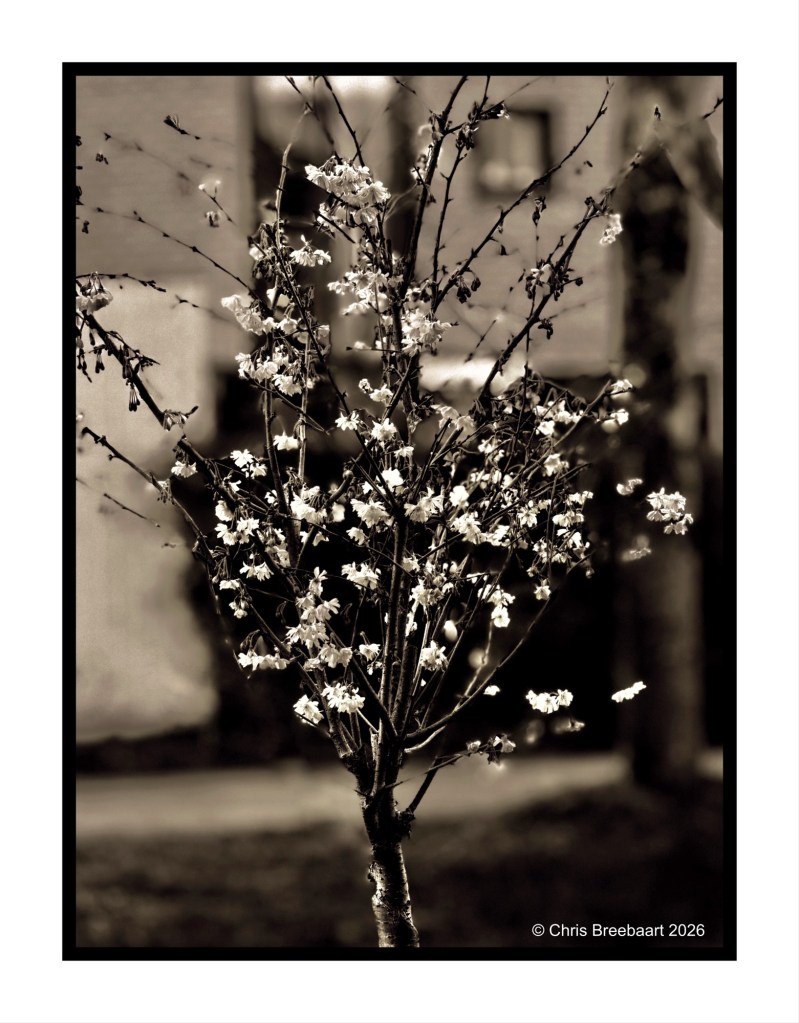
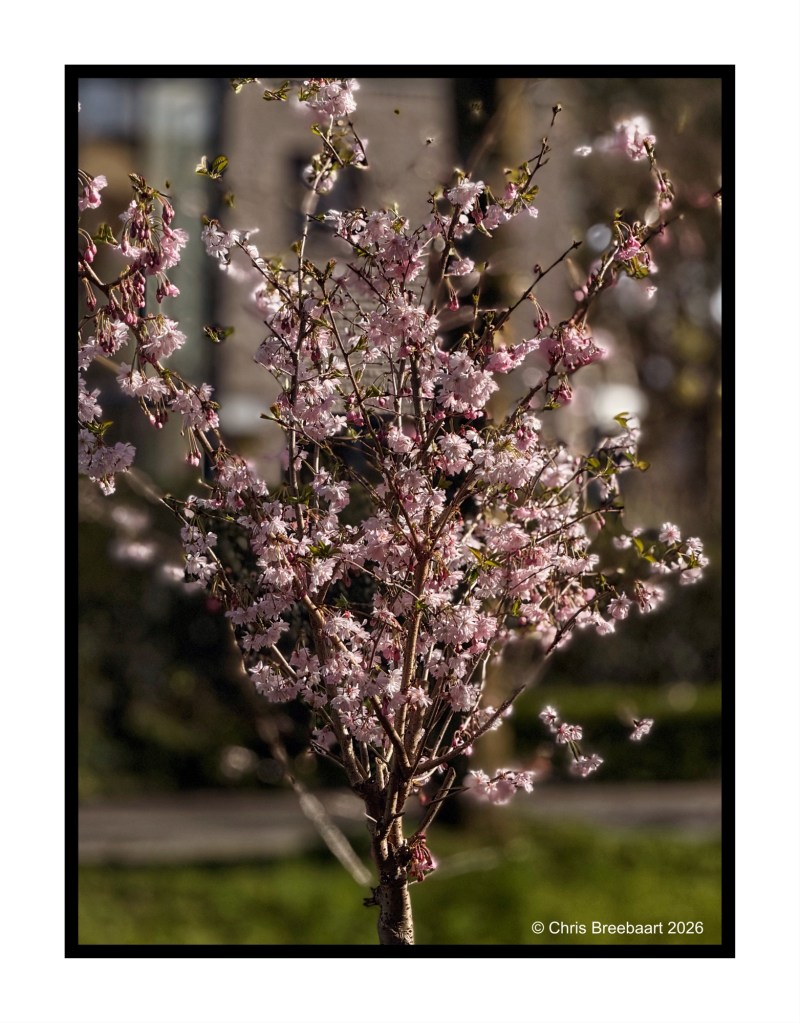
The garden comes back to green and colors. This tree was a new addition and looked quite poorly but is recovering day by day.
The LAPC theme this week (#391) is ‘Phone photography’.
Shot with iPhone 17 Pro Max edited using Snapseed and Marksta. Click the picture for a larger version
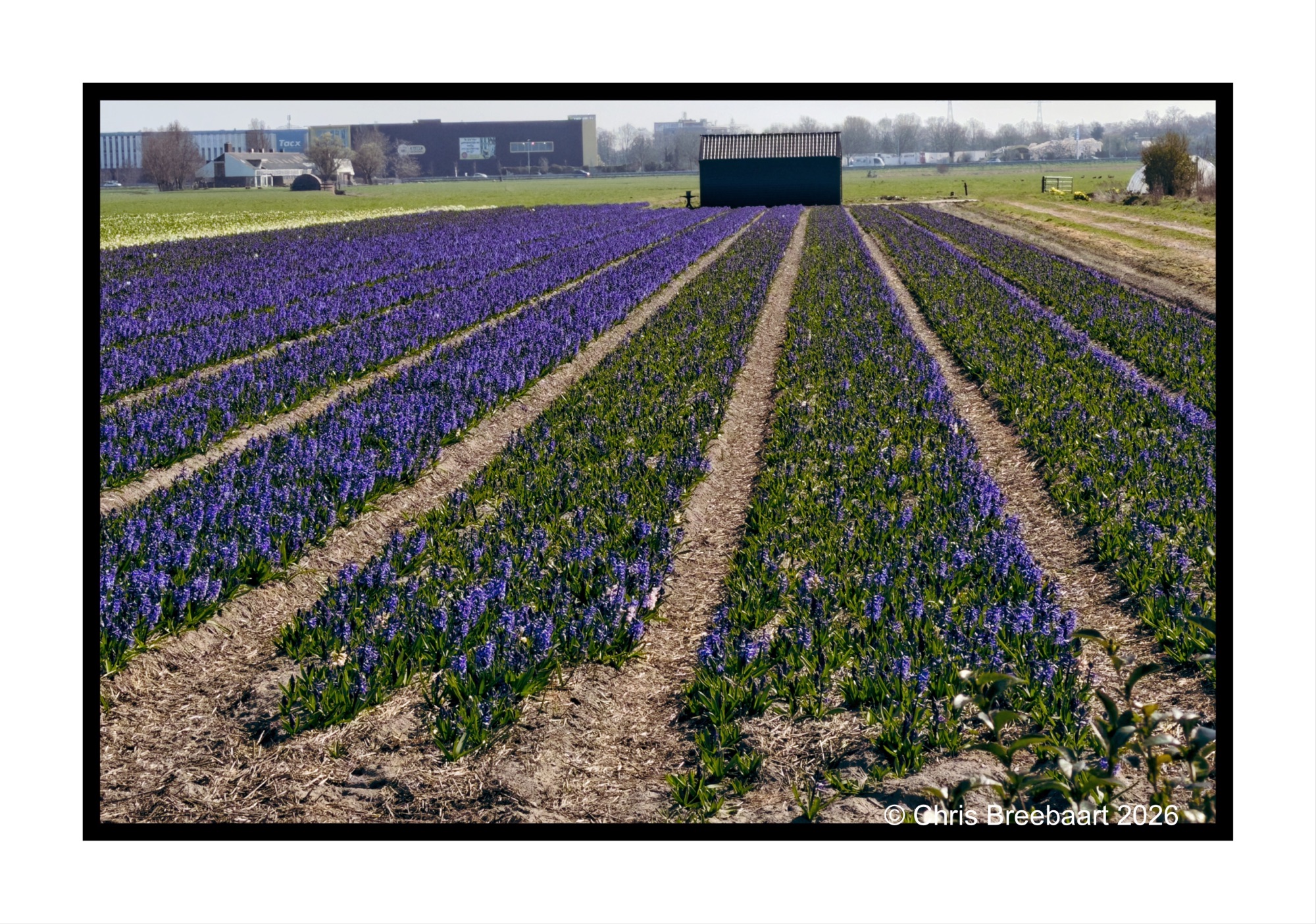
Time is something I sometimes can not grasp. On the one hand it is always the same: a second stays a second, a minute a minute, an hour an hour, a day a day, a week a week, a month a month. On the odd extra day every four years it is a ‘given’ that a year has 365 days. On the other hand time can slip through your hands. It seems to go faster, or slower. It is on your side or not.
This Spring is one of those moments that makes me wonder about time. There is an order in bulbflowers, but daffodils with hyacinths, while tulips pop up in the garden makes me confused. Is it going faster? But in the end the beauty and scent of flowers stays amazing.
The LAPC theme this week (#391) is ‘Phone photography’. Having a smartphone on me all of the time, with a camera that is getting better and better, is quite normal. As Tina says she rarely shoots other than with her phone. The same applies to me. The Iphone is handy, technology for dummies, always near and light. And it offers more an more quality and creativity. On the other hand it still lacks lots of technology you can find on a system camera. So I am in a hybrid state: daily the phone, on occasion the system camera. Getting on a bicycle enjoying the fields is easier with my iPhone. It produces a nice quality. It is convenient. But shooting the flower parade requires a systemcamera.But that is something for next time.
Shot with iPhone 17 Pro Max edited using Snapseed and Marksta. Click the picture for a larger version
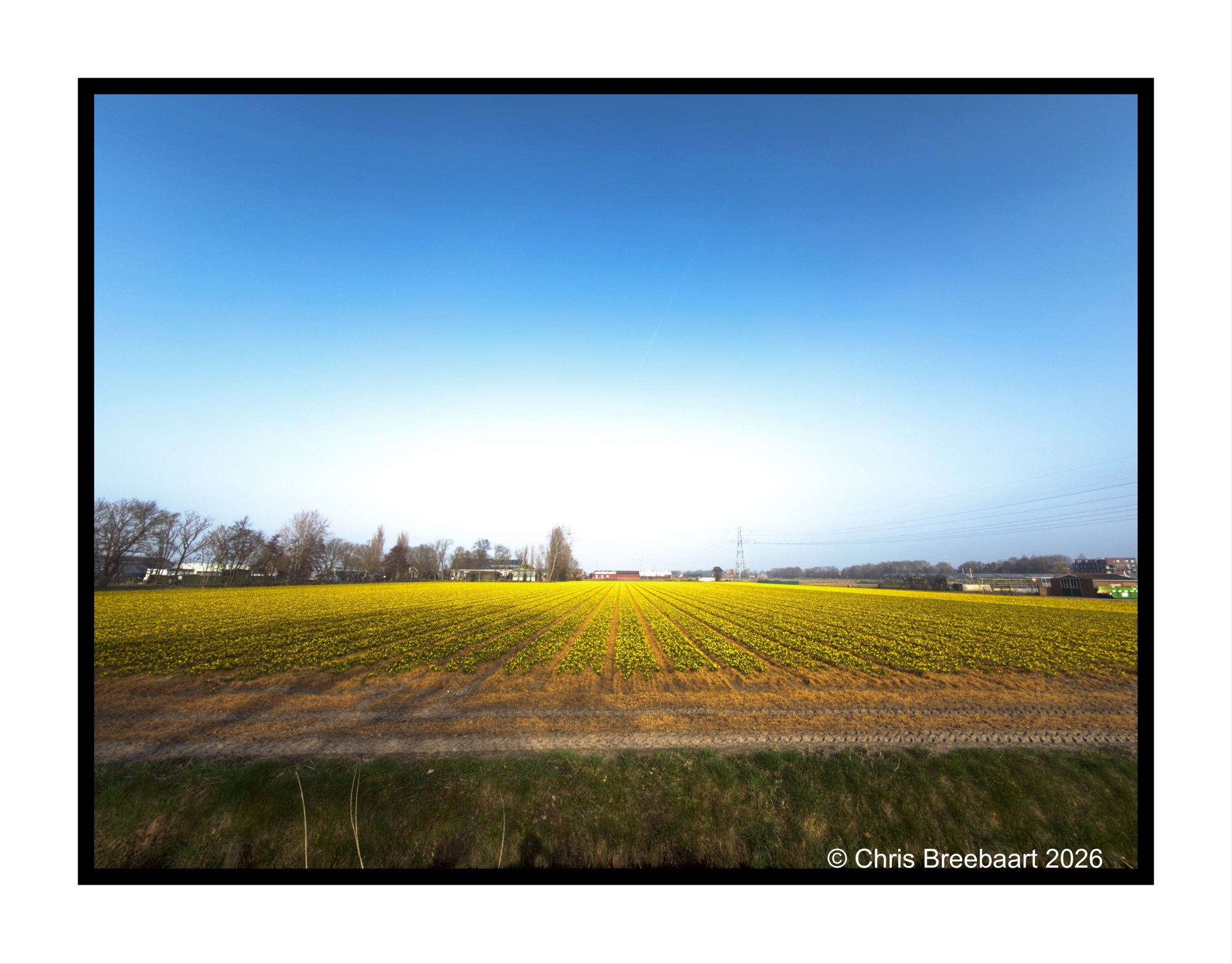
The bulb fields are blooming. And to be honest, it goes quite fast. The daffodils are almost gone, hyacinths start to arrive and there is a lot of fields with tulips, still waiting to pop there heads up. Here a daffodil field.
Shot with iPhone 17 Pro Max edited using Snapseed and Marksta. Click the picture for a larger version
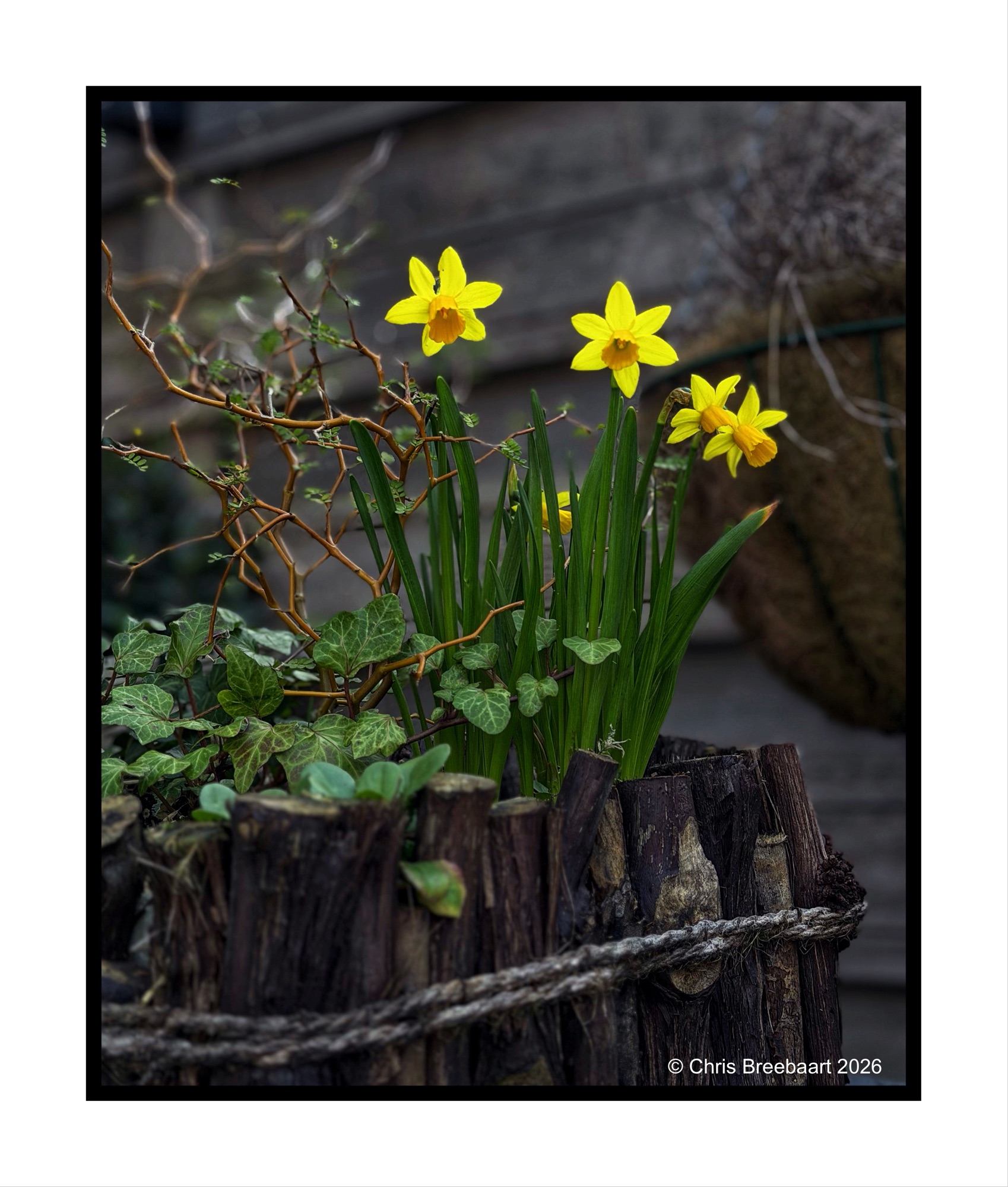
Daffodils are among the first bulbflowers to pop up in Spring.
Shot with iPhone 17 Pro Max edited using Snapseed and Marksta. Click the picture for a larger version.
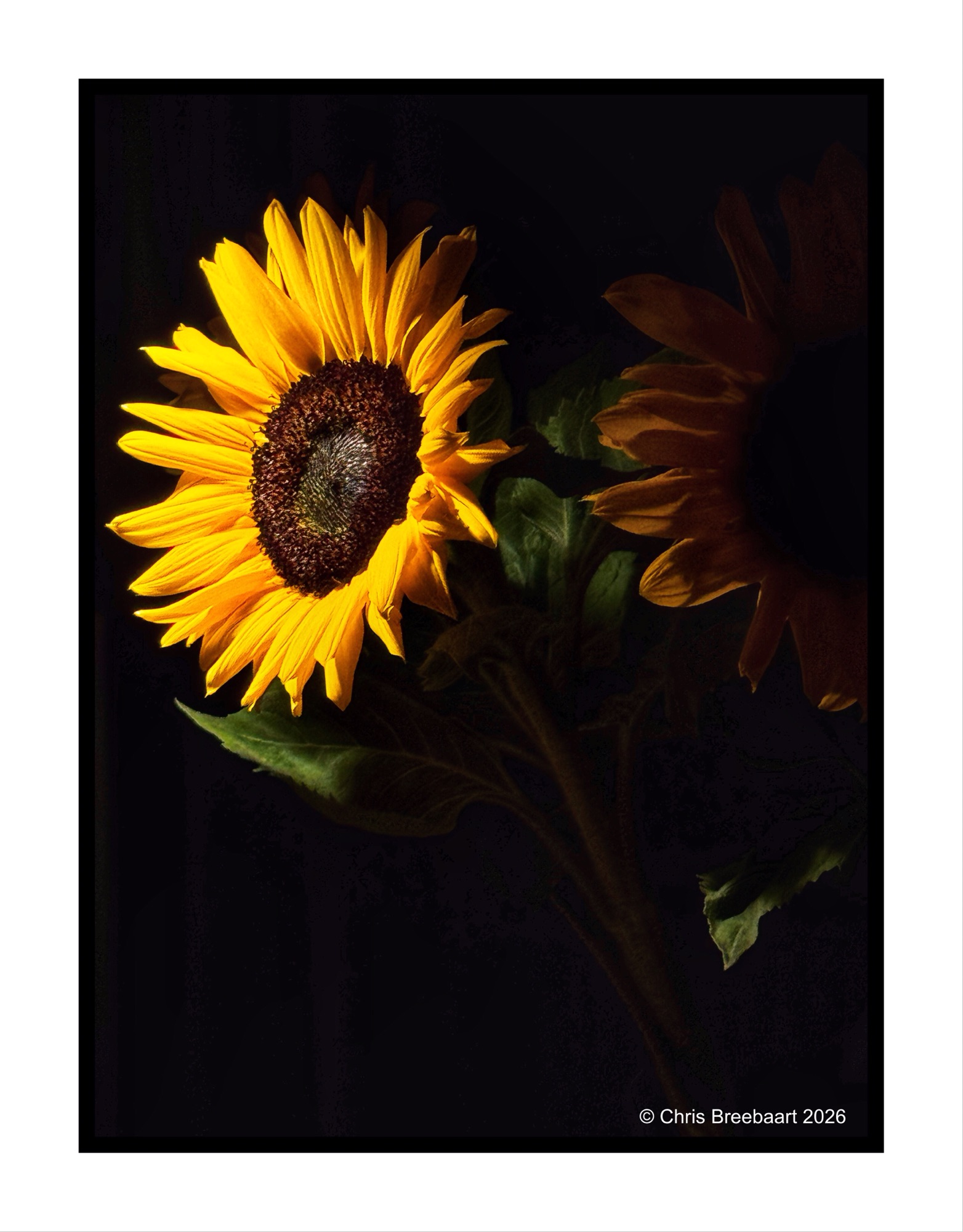
LAPC #386 invites to use the power of juxtaposition. Basically put two objects in a frame to create a narrative or reaction about their relation. Here the story of two sunflowers.
Shot with iPhone 15 Pro Max edited using Snapseed and Marksta. Click the picture for a larger version.
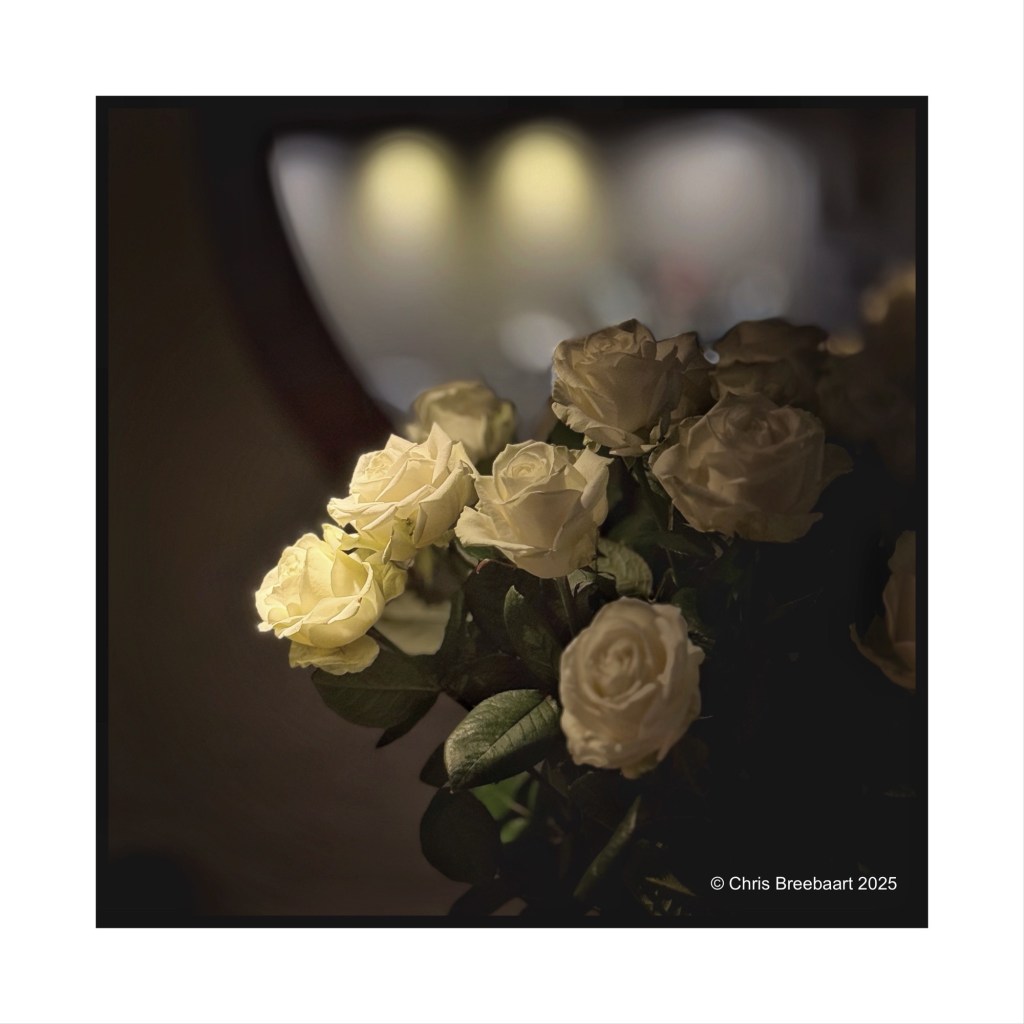
Shot with iPhone 15 Pro Max edited using Snapseed and Marksta. Click the picture for a larger version.
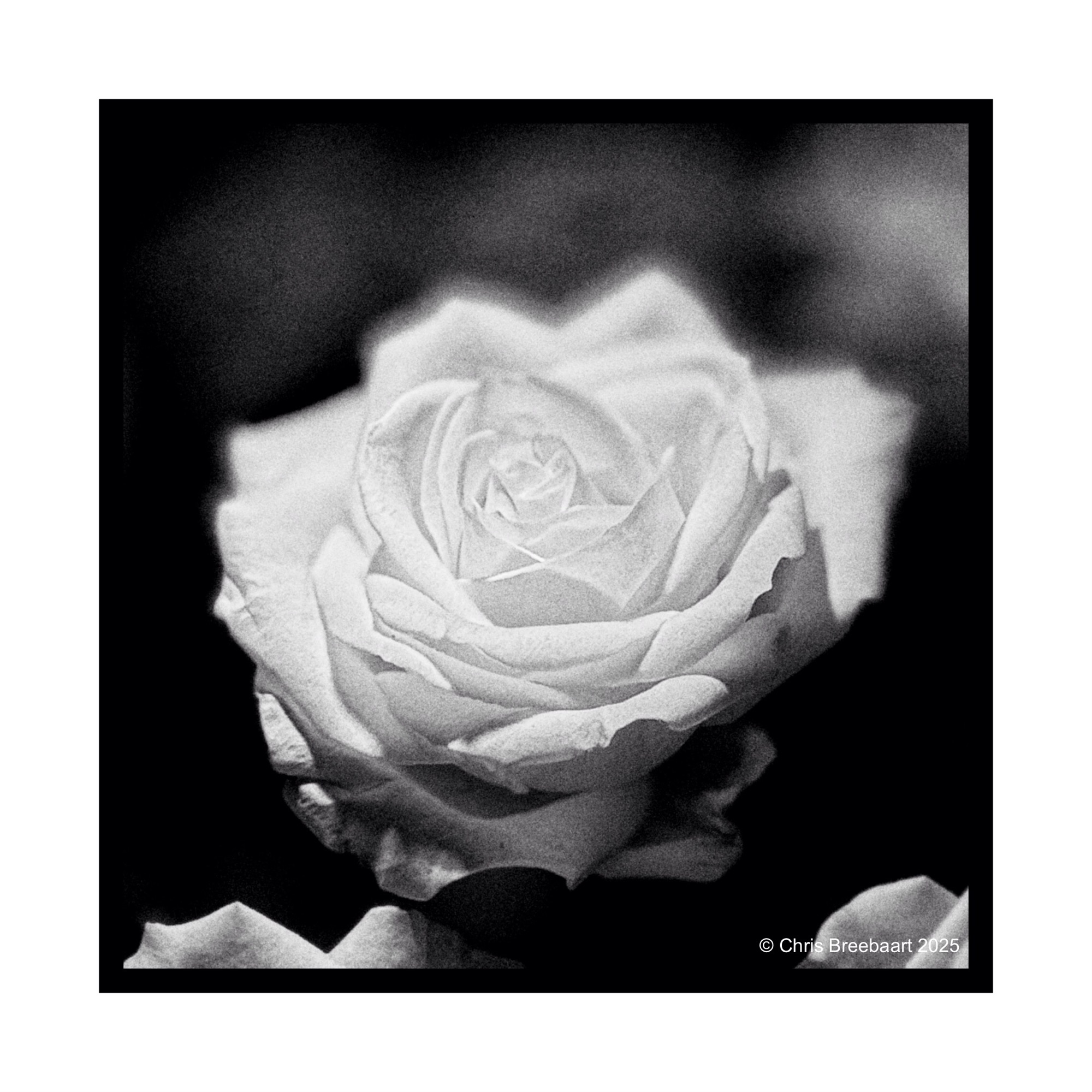
Having fresh flowers in the house is a blessing.
Shot with iPhone 15 Pro Max edited using Snapseed and Marksta. Click the picture for a larger version.
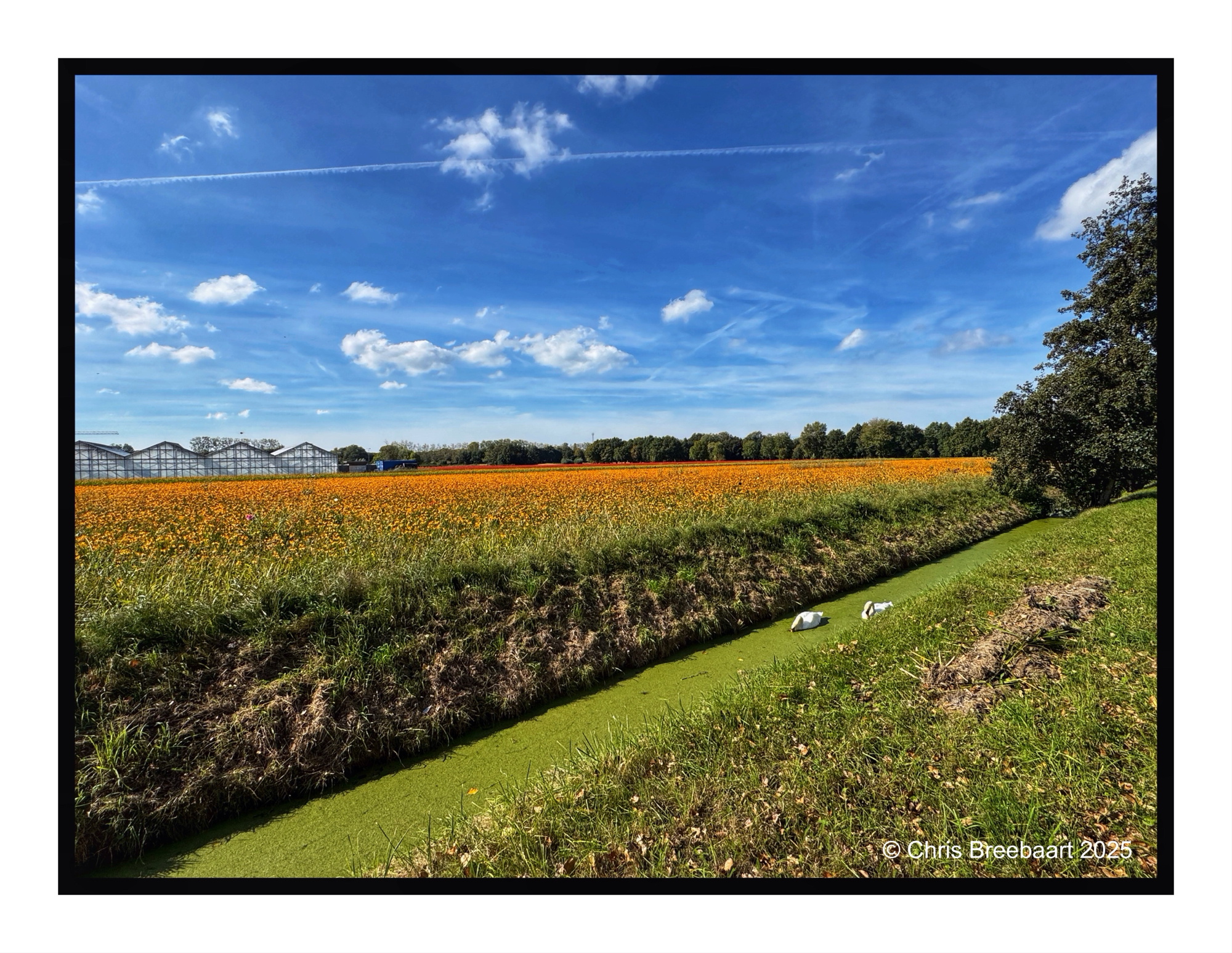
Shot with iPhone 15 Pro Max edited using Snapseed and Marksta Click the picture for a larger version
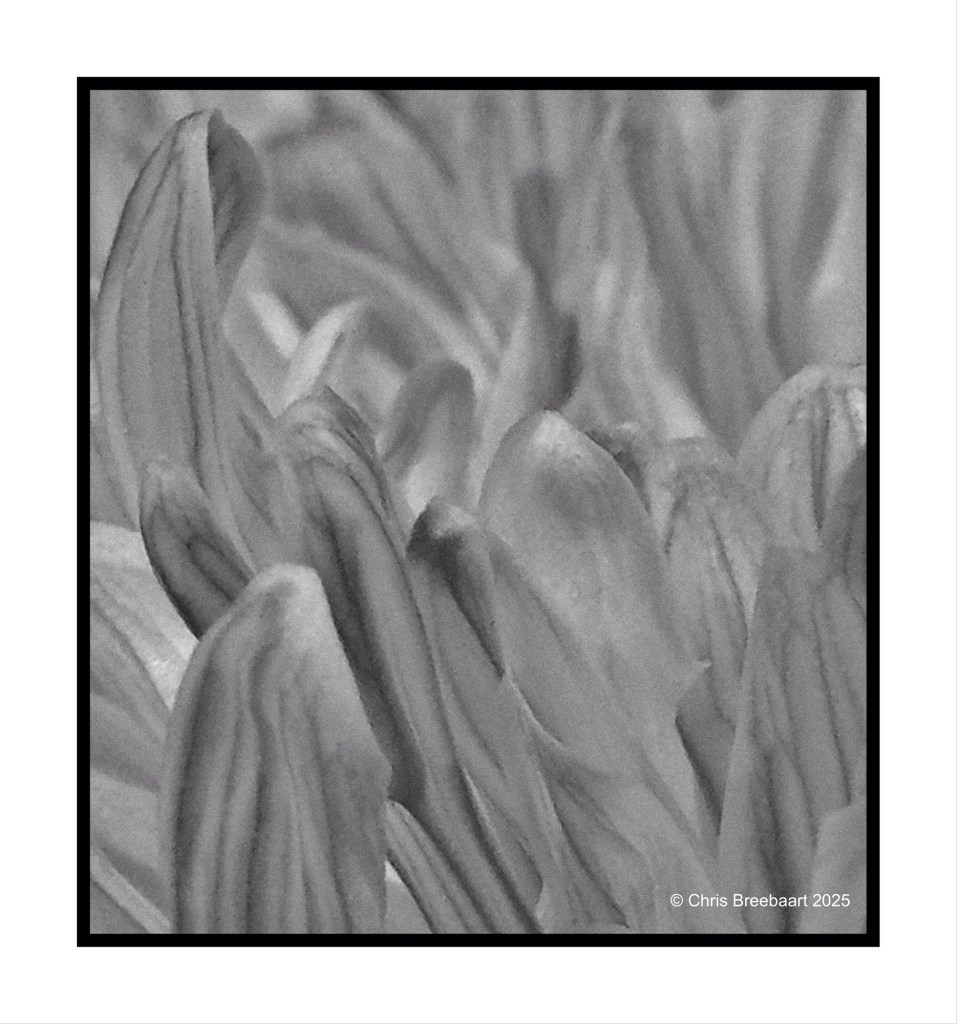
Shot with iPhone 15 Pro Max edited using Snapseed and Marksta. Click the picture for a larger version
Shot with iPhone 15 Pro Max edited using Snapseed and Marksta. Click the picture for a larger version.
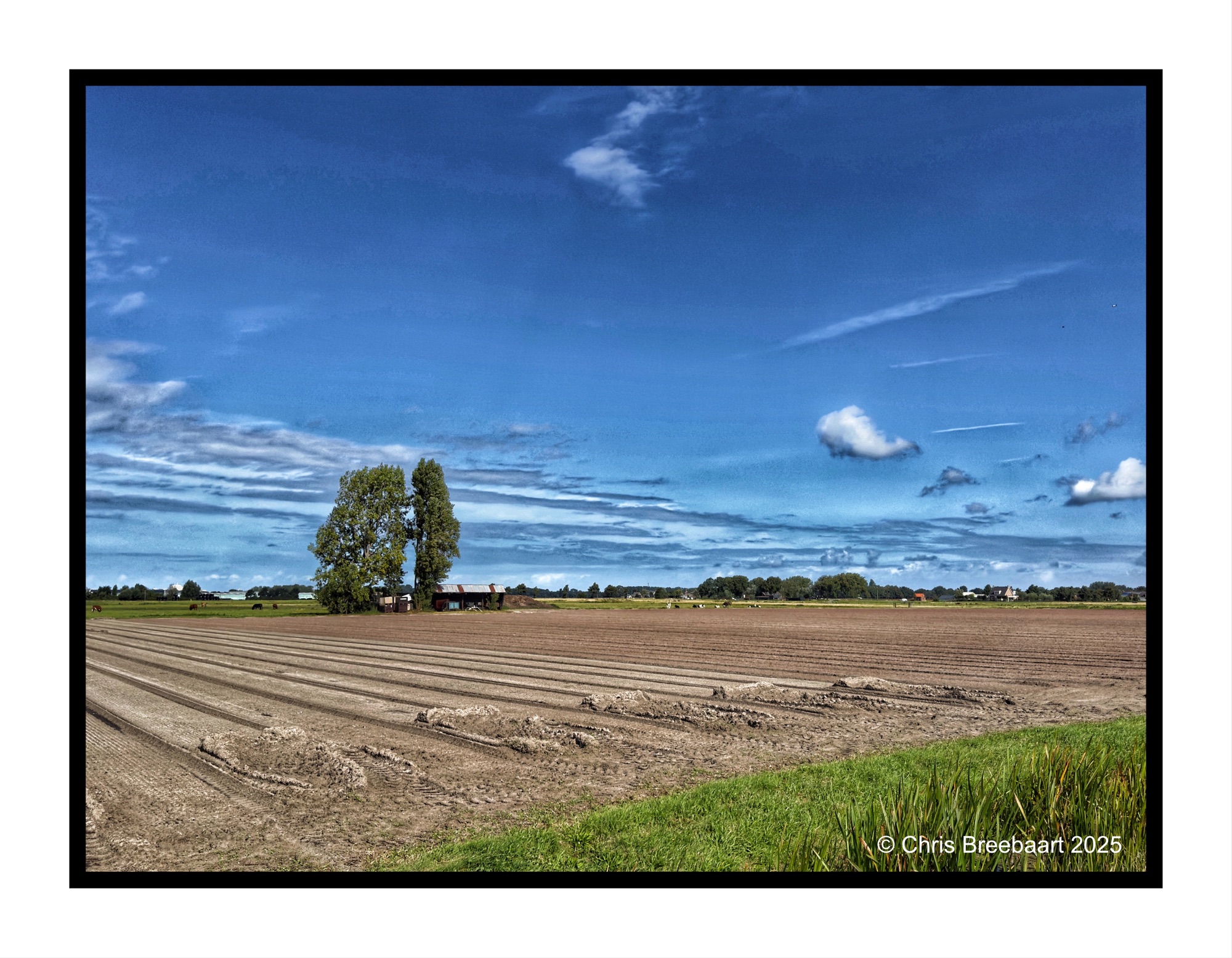
Lens- Artist Challenge #364 is ‘Quiet Moment’. A bicycle ride to clear the head. Seeing the bulbs for Spring being planted.
Shot with iPhone 15 Pro Max edited using Snapseed and Marksta. Click the picture for a larger version.

The Japanese Anemone in the front garden at close look.
Shot with Nikon Zf, edited using Snapseed and Marksta. Click the picture for a larger version.
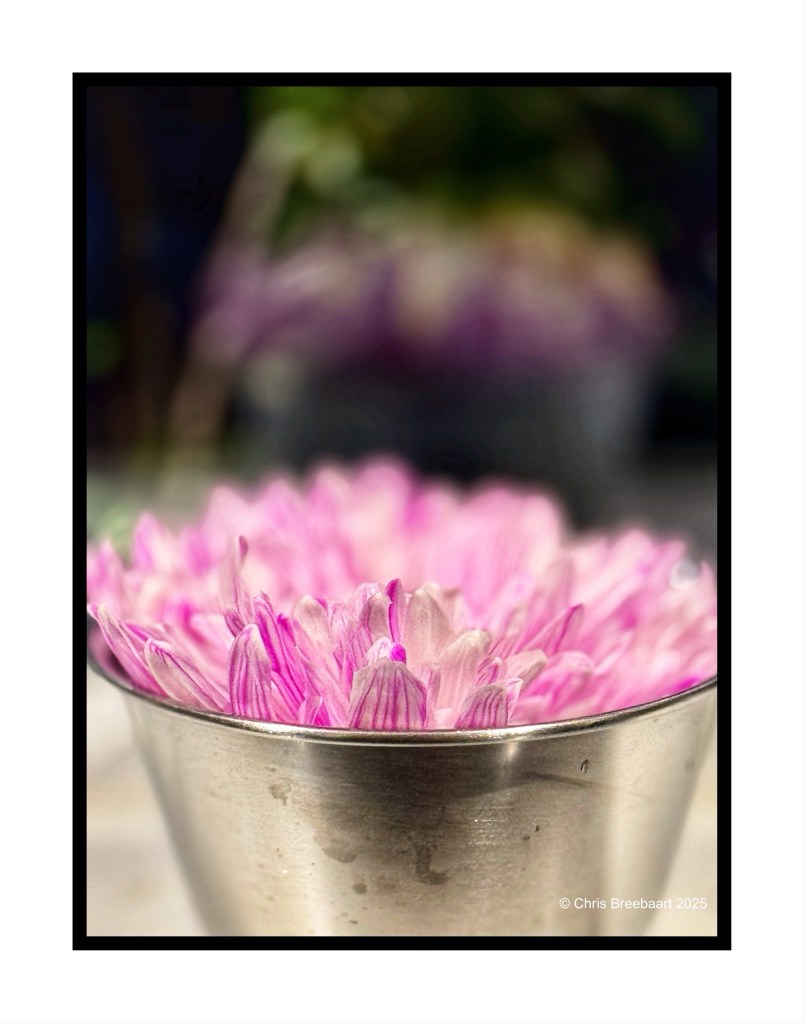
Shot with iPhone 15 Pro Max edited using Snapseed and Marksta. Click the picture for a larger version

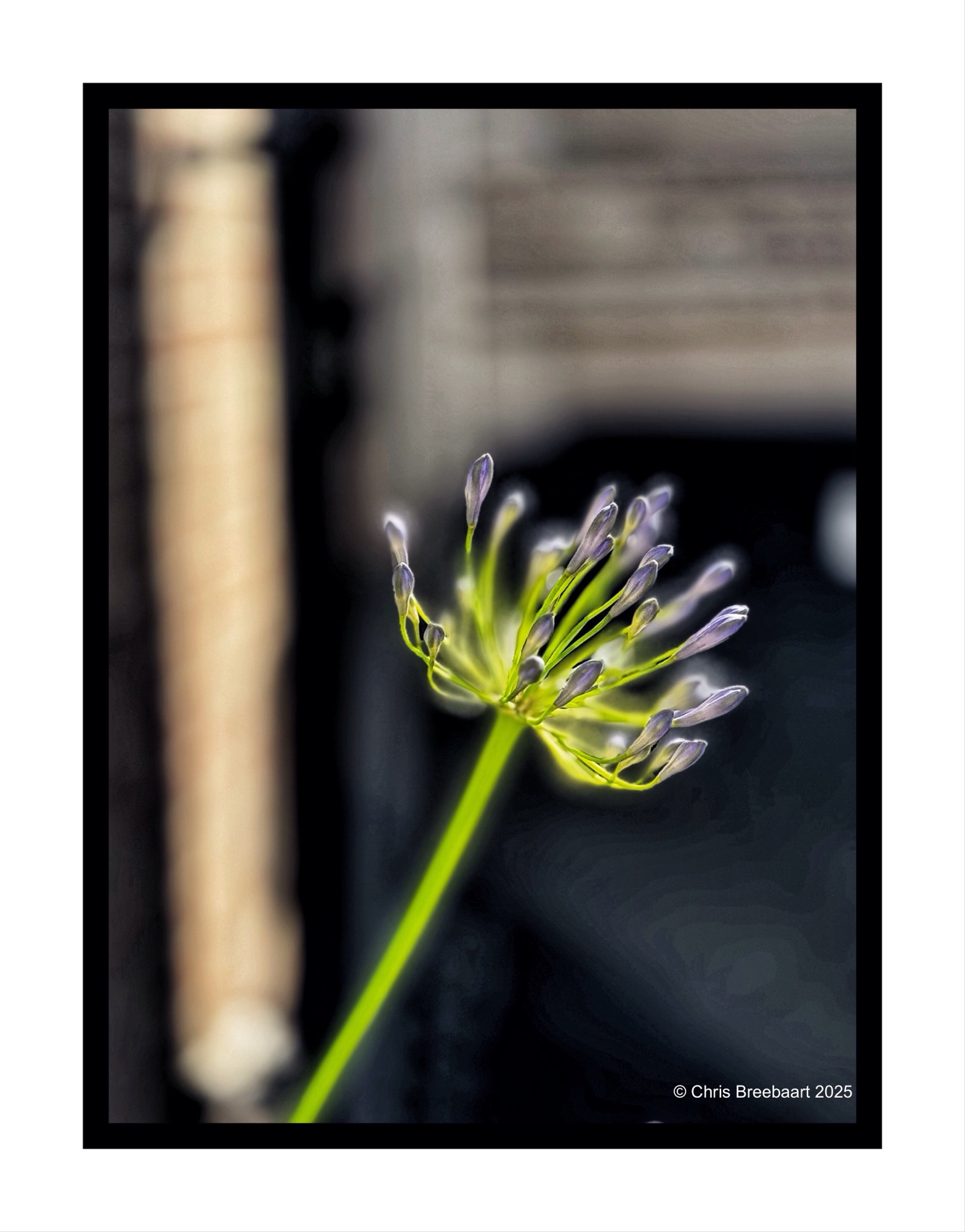
A plant in the front garden offers months of beauty in the sunlight of the morning sun. Using the portrait mode of the iPhone results in ‘hovering’ effects of parts of the plant that seem now unattached.
Shot with iPhone 15 Pro Max edited using Snapseed and Marksta. Click the picture for a larger version
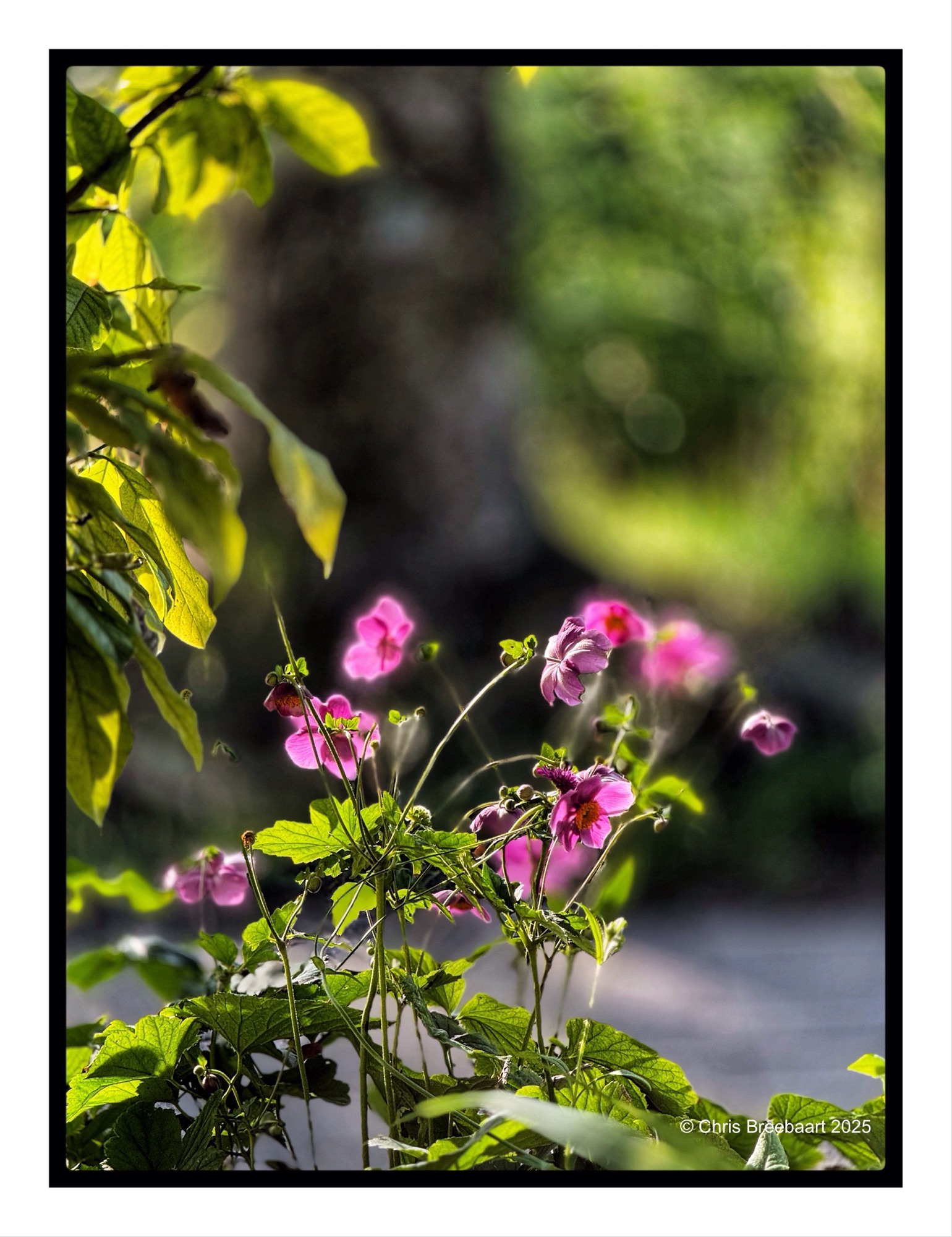
A plant in the front garden offers months of beauty in the sunlight of the morning sun.
Shot with iPhone 15 Pro Max edited using Snapseed and Marksta. Click the picture for a larger version.
The garden of castle De Keukenhof.
Shot with iPhone 15 Pro Max edited using Snapseed and Marksta Click the picture for a larger version

