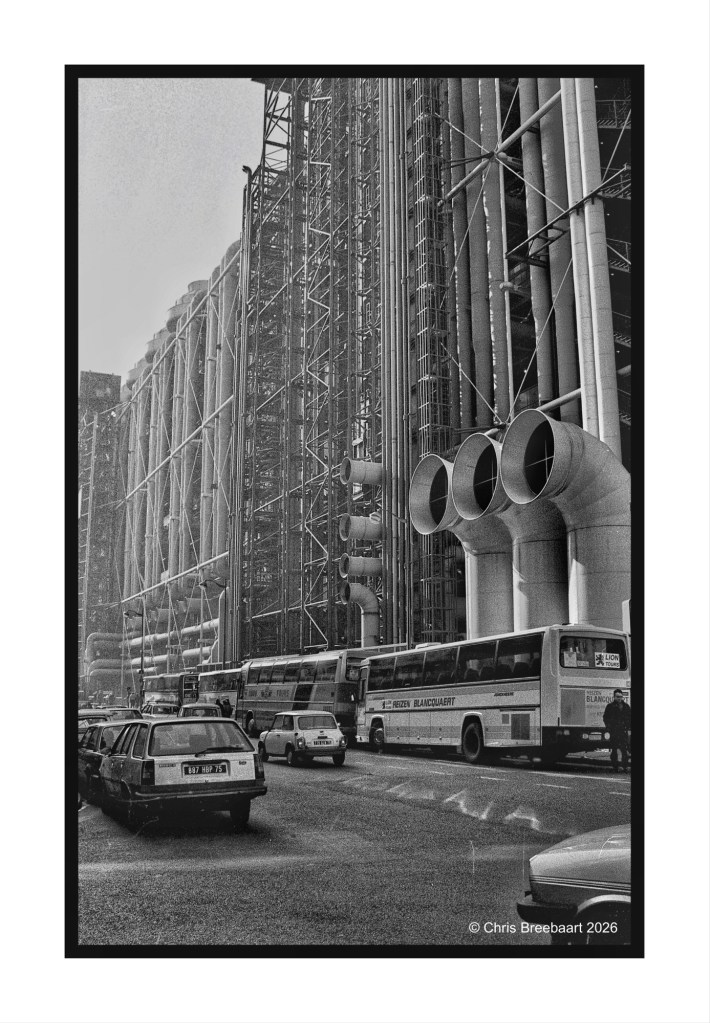
When the Centre Pompidou opened, the Parisians nicknamed it ‘the refinery’. It is a unique construction. But quite hard to maintain given all the angles and open spaces. The art collection inside is nice to walk around when in Paris. Always a place to visit again, when there.
About the B4 retouch series: I browsed my archive for pictures to publish. Some of them are partly retouched but most do have scratches, dust and stains.
Originally shot with Nikon F301 on Kodak TriX, scanned from negative and tweaked using Snapseed and Marksta. Click the picture for a larger version.
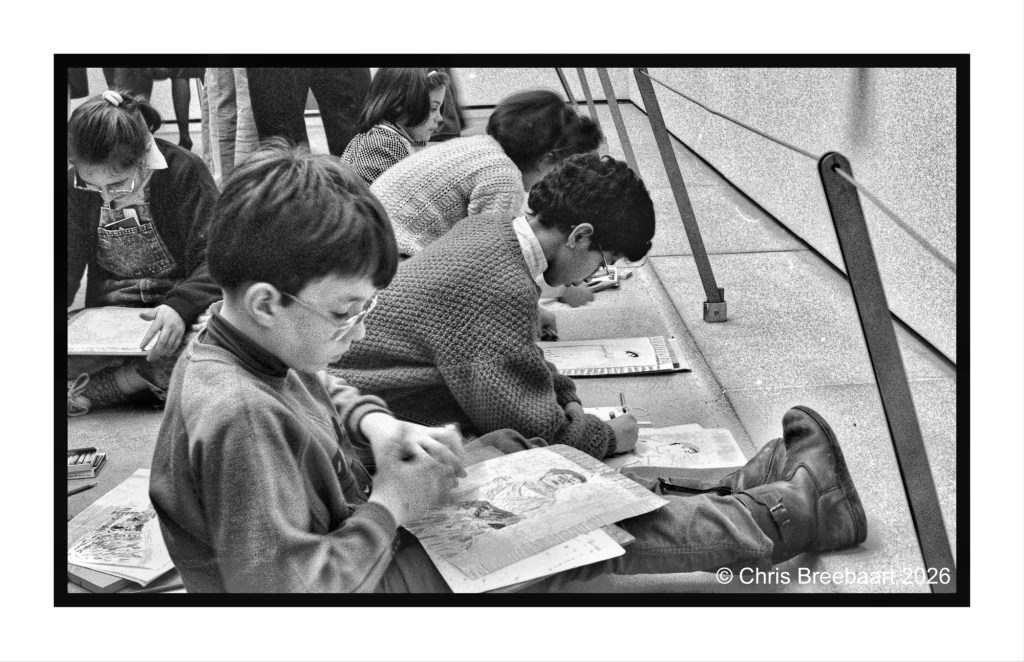
The Musée d’Orsay. One of my favourite museums. Not only for its architecture, but also for their collection of impressionist paintings. Here school kids, drawing in front of them.
About the B4 retouch series: I browsed my archive for pictures to publish. Some of them are partly retouched but most do have scratches, dust and stains.
Originally shot with Nikon F301 on Kodak TriX, scanned from negative and tweaked using Snapseed and Marksta. Click the picture for a larger version.
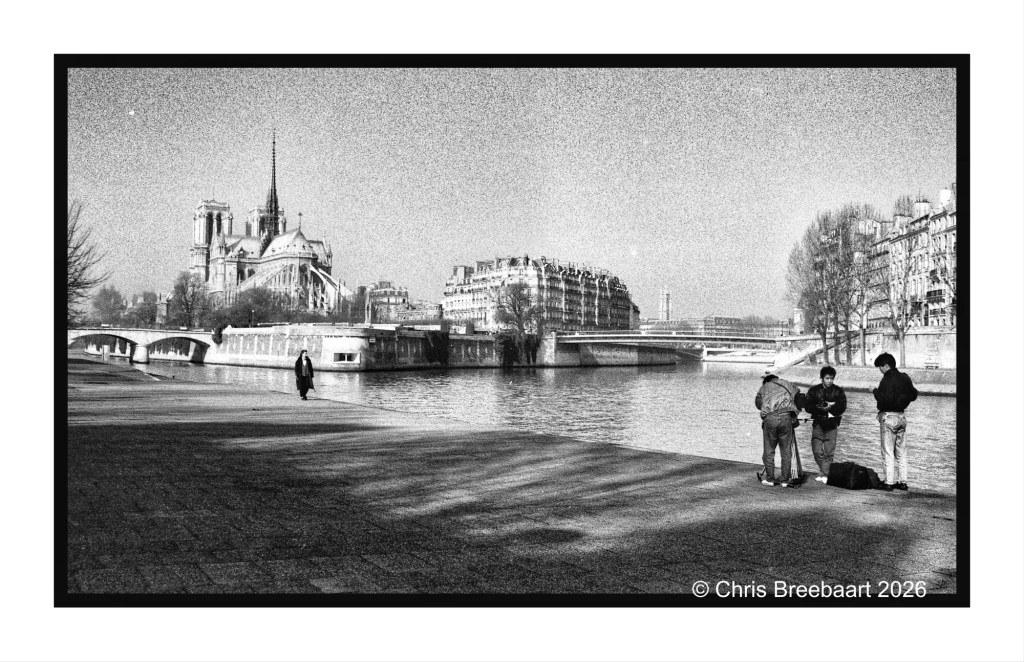
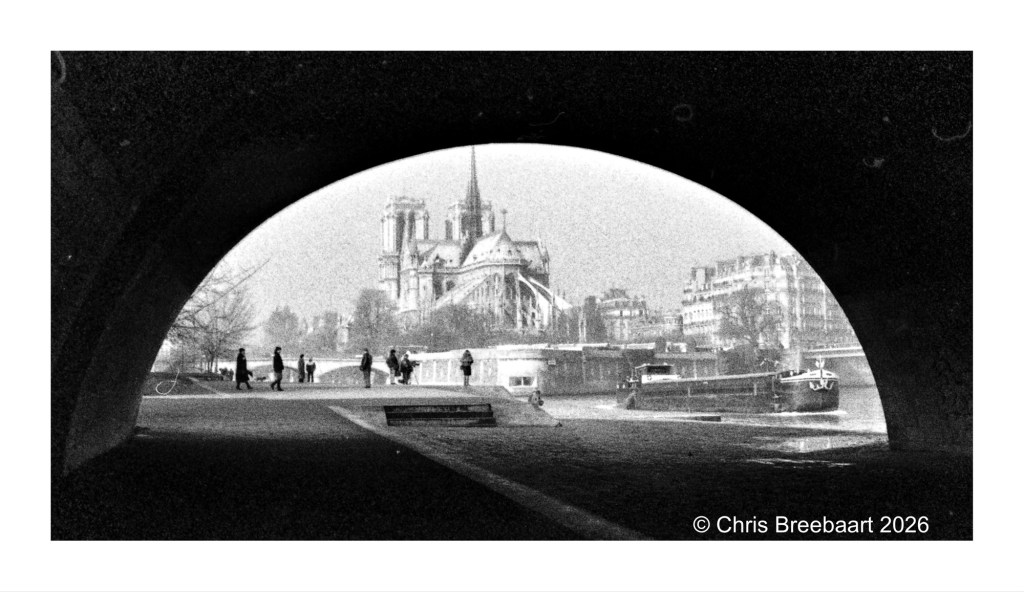
The Notre Dame in Paris before the fire. A view from the quay toward the Île de la Cité. From a walk along the river, the third I took at almoste the same point. The previous ones I published yesterday and the day before yesterday, showing bridge arches.
About the B4 retouch series: I browsed my archive for pictures to publish. Some of them are partly retouched but most do have scratches, dust and stains.
Originally shot with Nikon F301 on Kodak TriX, scanned from negative and tweaked using Snapseed and Marksta. Click the picture for a larger version.
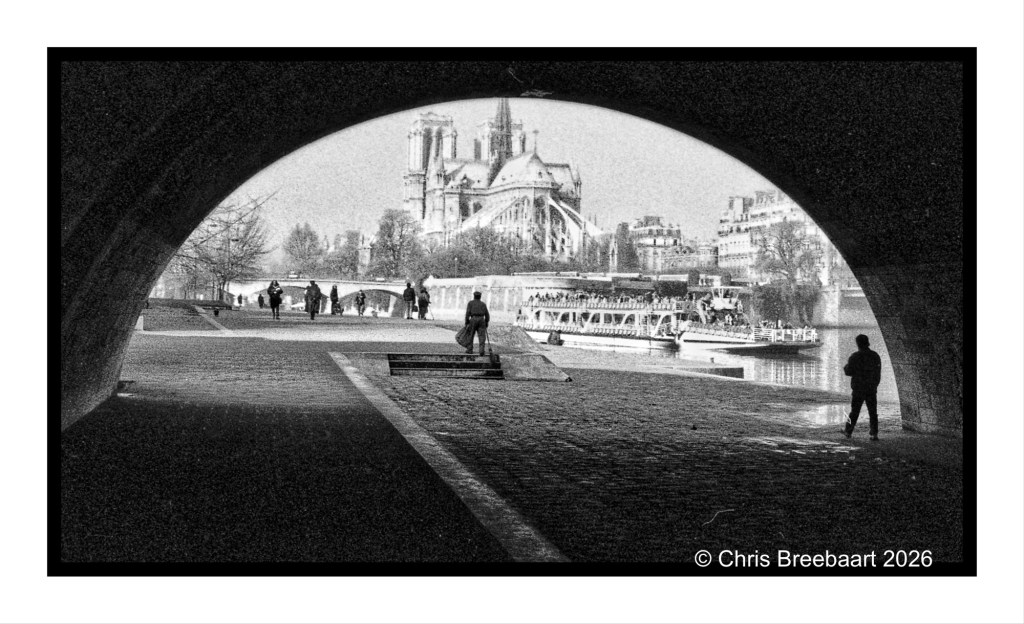
The Notre Dame in Paris before the fire. The bridge arch offers a template on a sunny Winter morning. The first shot in a set of shots of three. The second I published yesterday.
About the B4 retouch series: I browsed my archive for pictures to publish. Some of them are partly retouched but most do have scratches, dust and stains.
Originally shot with Nikon F301 on Kodak TriX, scanned from negative and tweaked using Snapseed and Marksta. Click the picture for a larger version.
The Notre Dame in Paris before the fire. The bridge arch offers a template on a sunny Winter morning. Earlier published but a bit adjusted. This is the second shot in a set of three. The first one will be on tomorrow, the third the day after.
About the B4 retouch series: I browsed my archive for pictures to publish. Some of them are partly retouched but most do have scratches, dust and stains.
Originally shot with Nikon F301 on Kodak TriX, scanned from negative and tweaked using Snapseed and Marksta. Click the picture for a larger version.
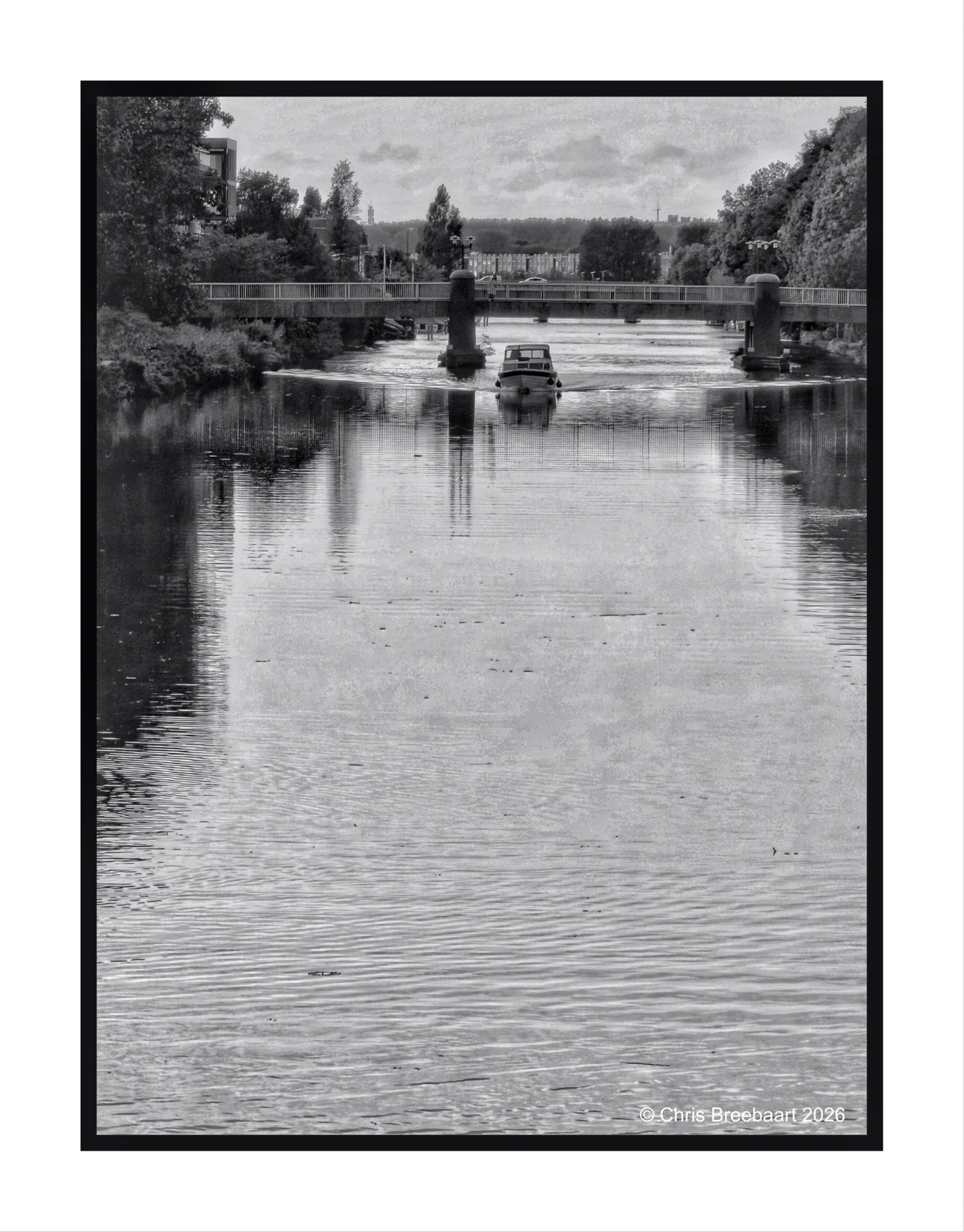
A slightly different shot than yesterday. With a bit more of the atmosphere of the canal itself.
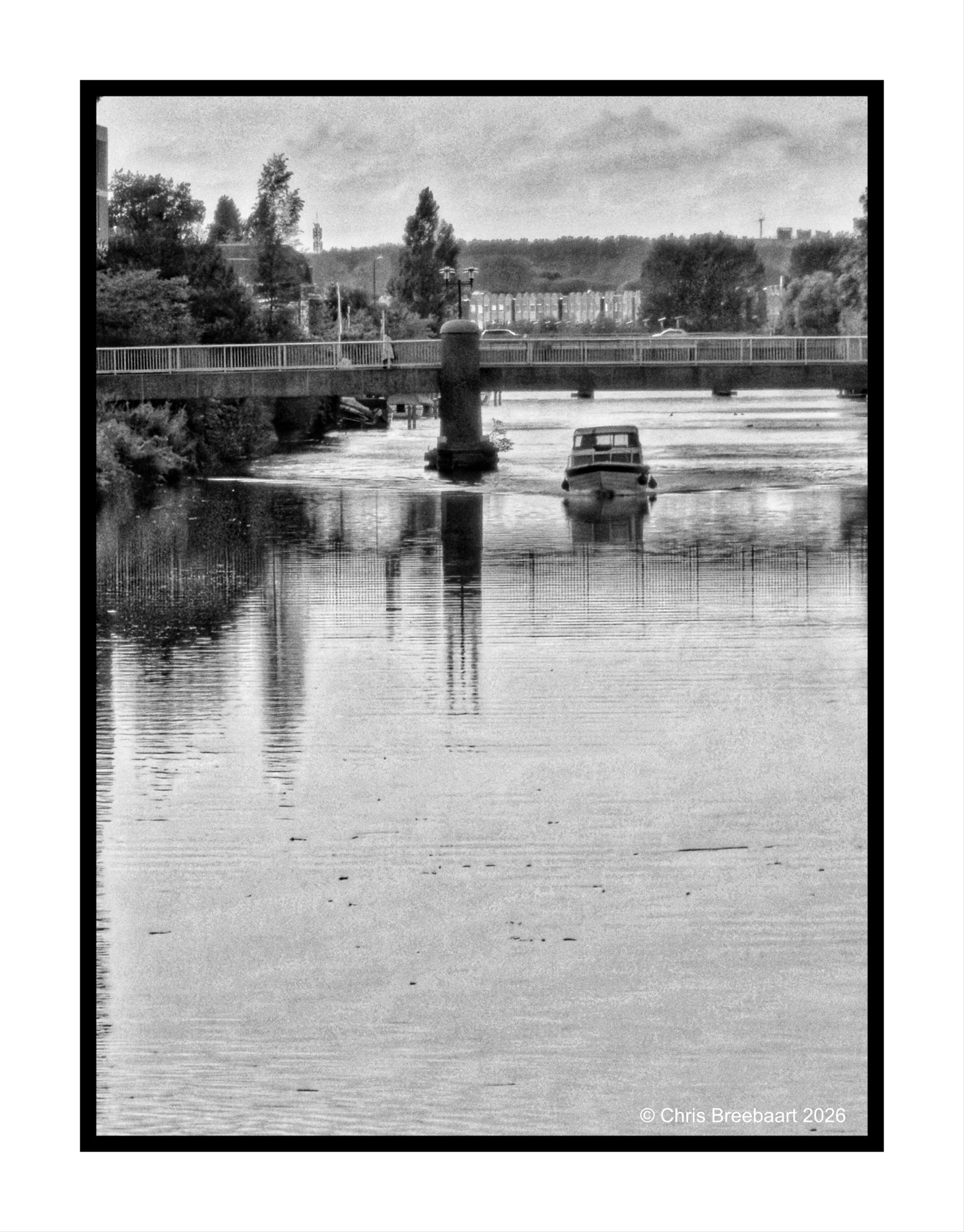
The Netherlands has its fair share of water (canals, lakes, ponds) and a fair share of bridges and even aquaducts. LAPC #413 is ‘bridges’. The two overlapping bridges (behind the front one is a motorway bridge) are not my favourites as the brief of LAPC asks for. They are the most practical in daily life to cross the canal. In the Archive bridges you find more photos of bridges. Most of them are from ordinary daily life close to home. But two of my favourites are the Millennium Bridge in London and the Pont de Normandie in Normandy.
The Netherlands has its fair share of water (canals, lakes, ponds) and a fair share of bridges and even aquaducts. LAPC #413 is ‘bridges’. The two overlapping bridges (behind the front one is a motorway bridge) are not my favourites as the brief of LAPC asks for. They are the most practical in daily life to cross the canal. In the Archive bridges you find more photos of bridges. Most of them are from ordinary daily life close to home. But two of my favourites are the Millennium Bridge in London and the Pont de Normandie in Normandy.
One of the first questions I had buying my first digital DSLR was ‘how do I shoot monochrome photos from now?’. In the past it was just choosing what film I put in a camera. Going digital implied using editing to revert from color to monochrome. More recently black and white modes came back on devices. Not only on iPhone. My choice for Nikon Zf was influenced by it. But it all is a question of taste.
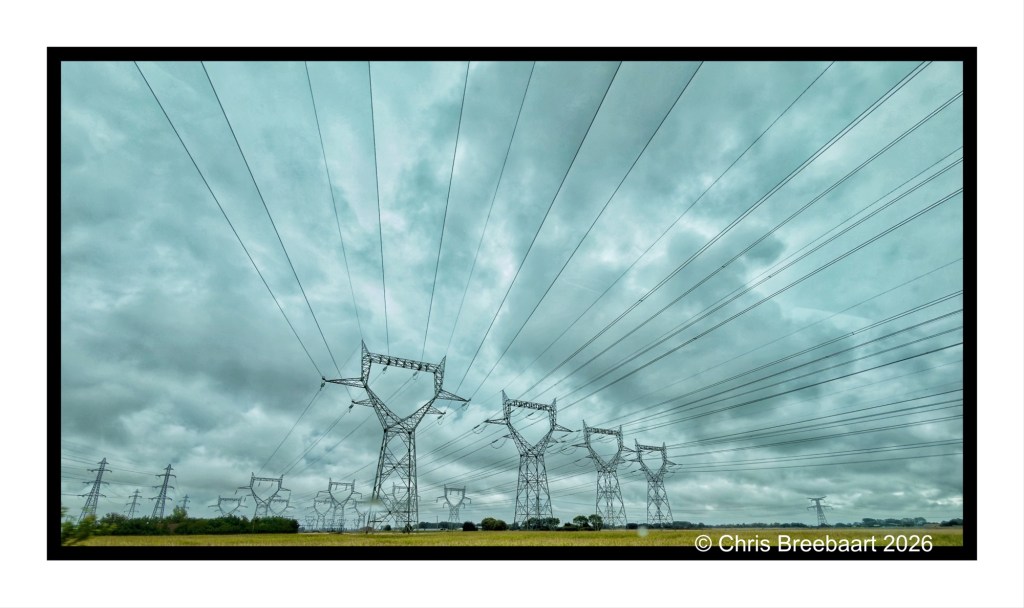
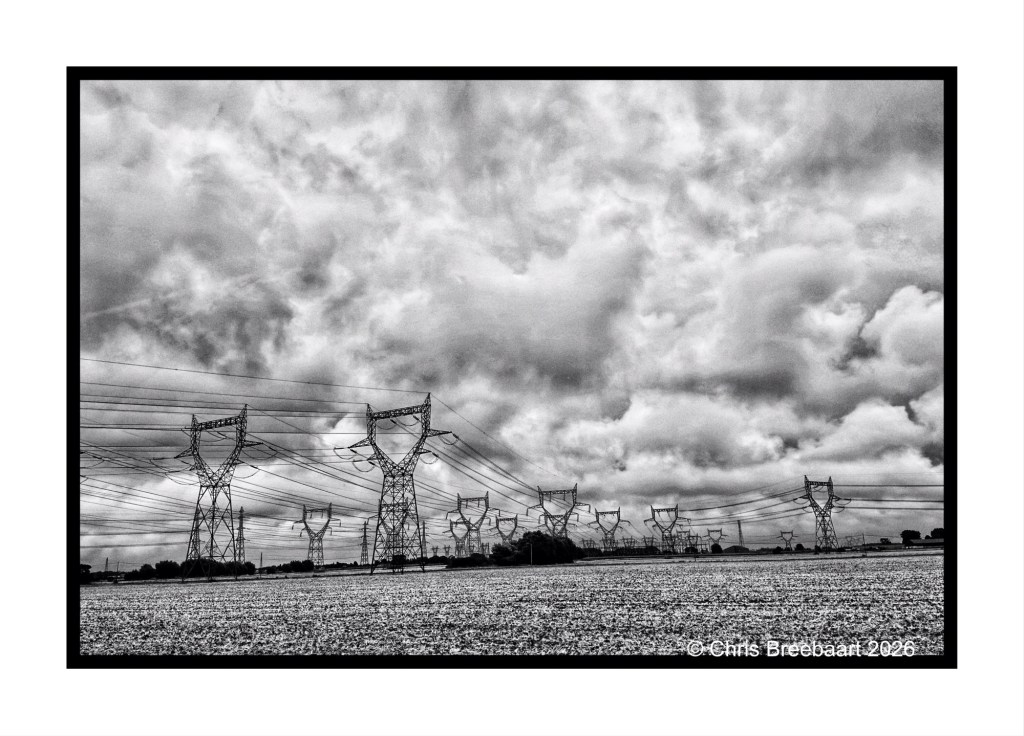
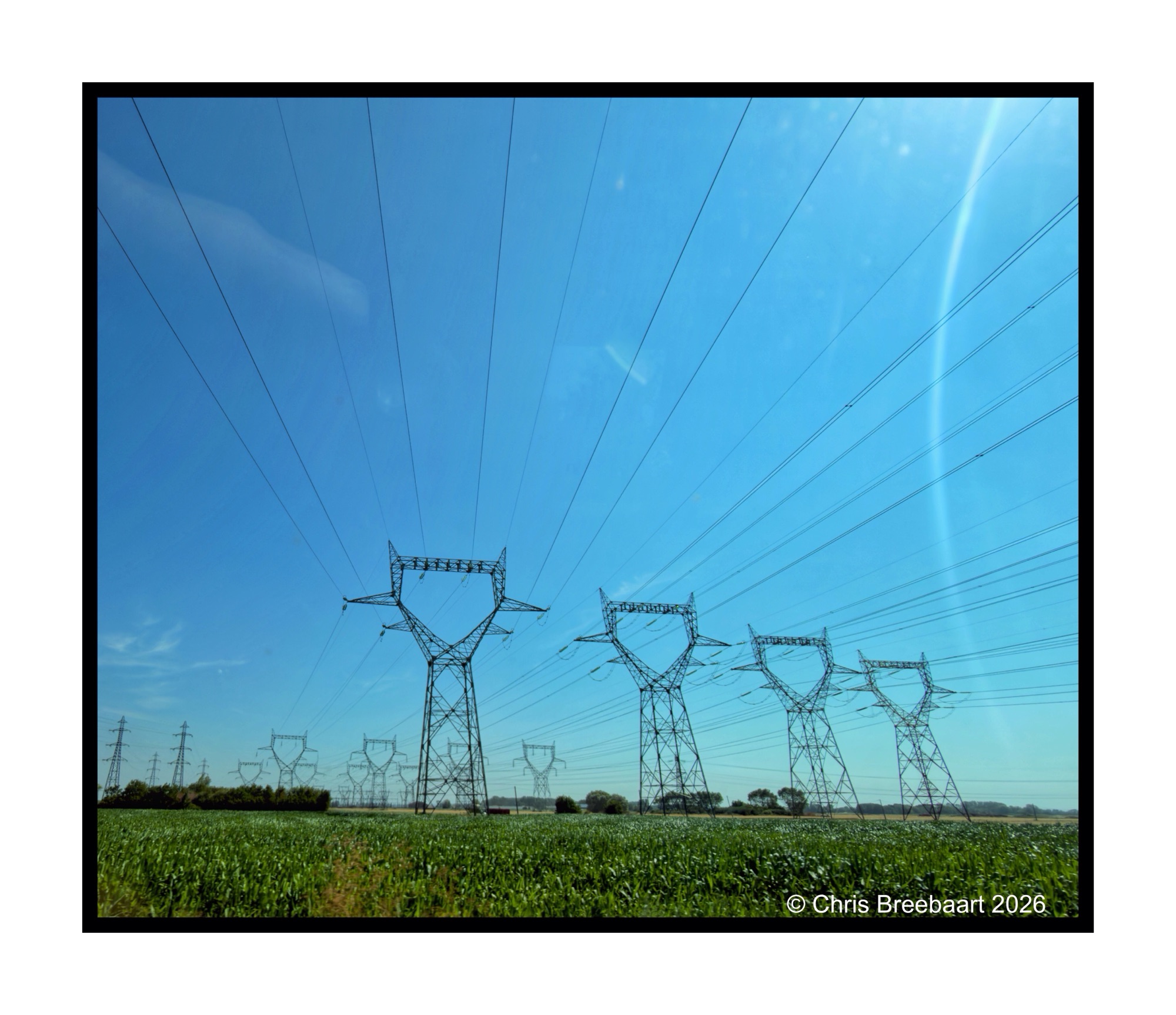
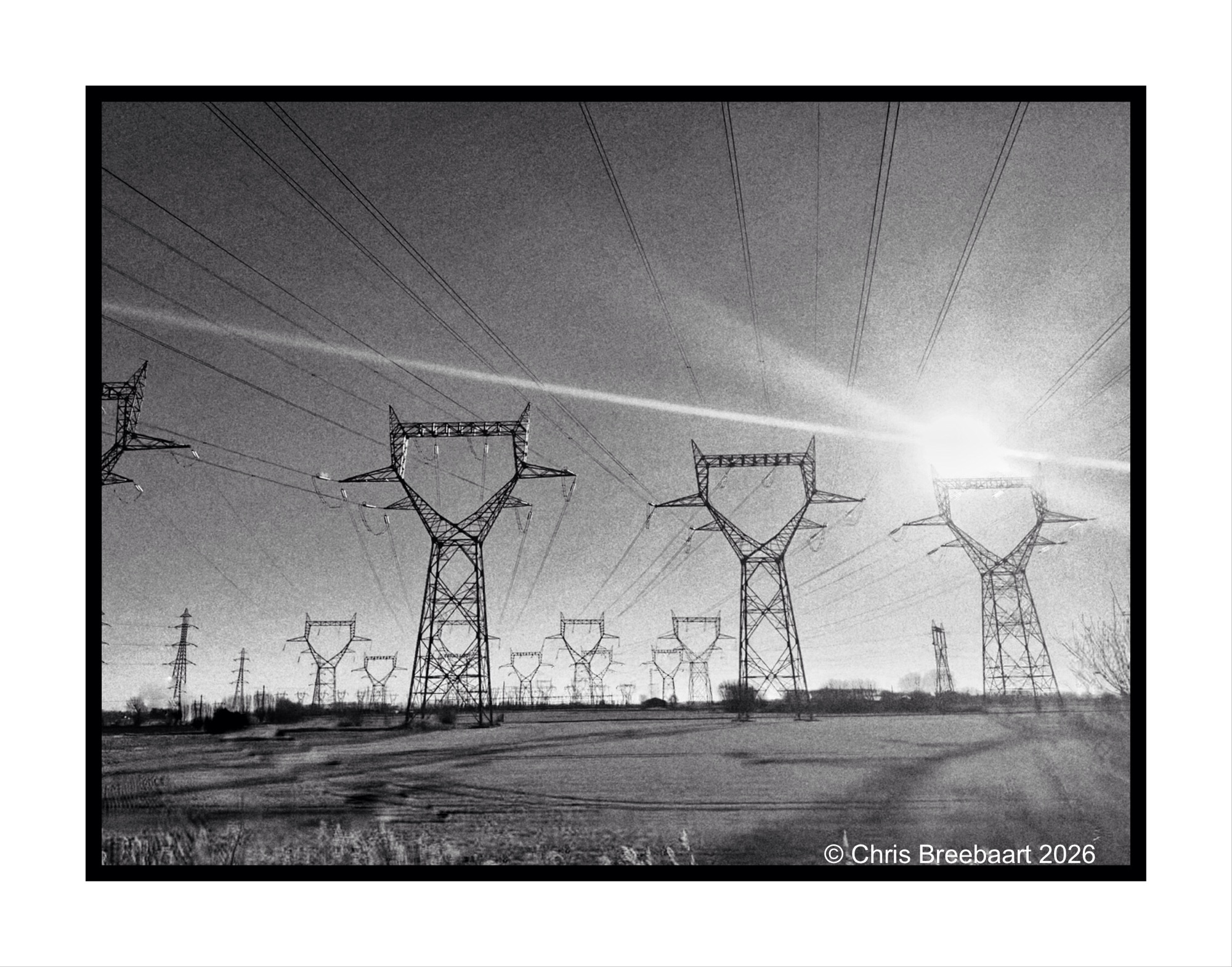
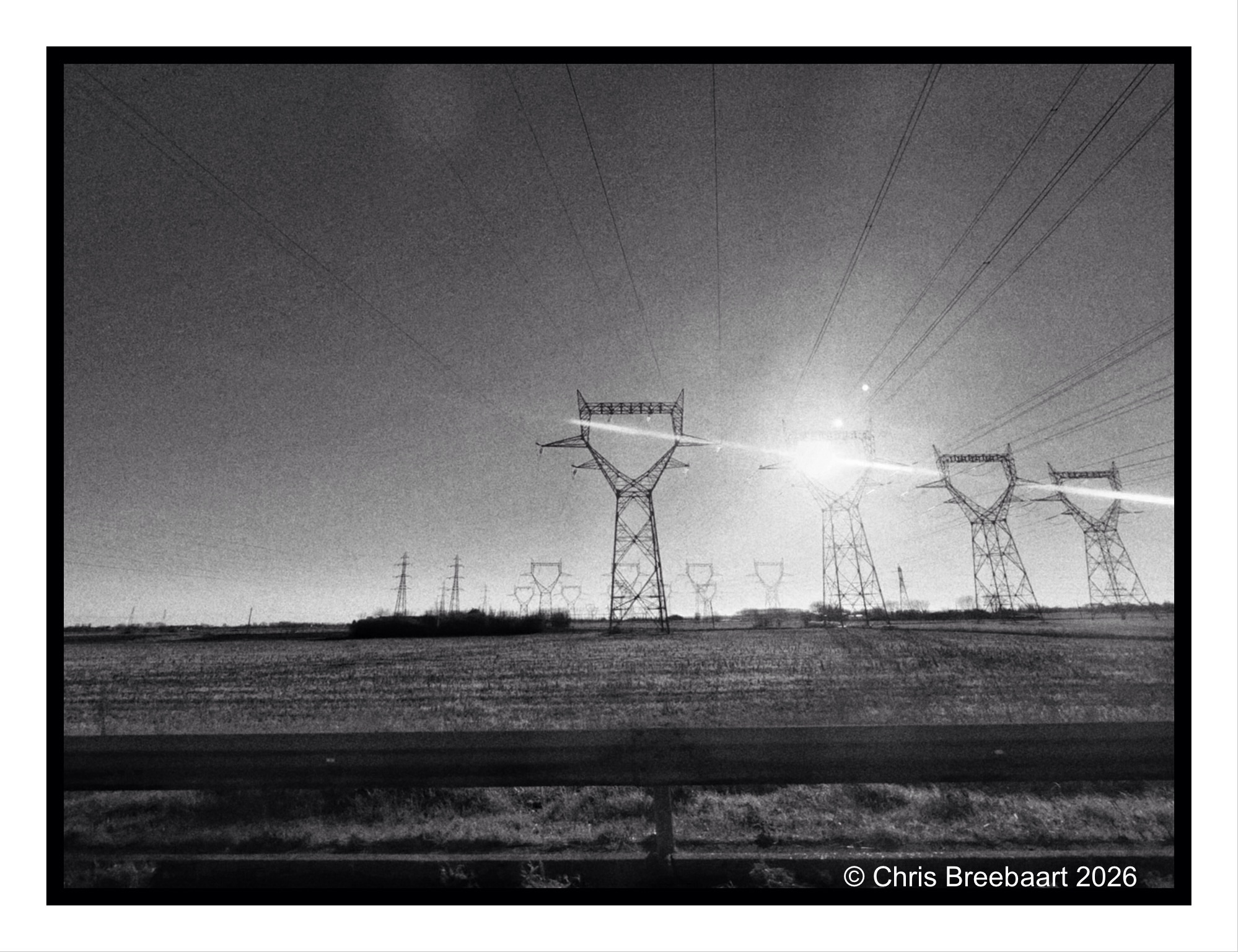
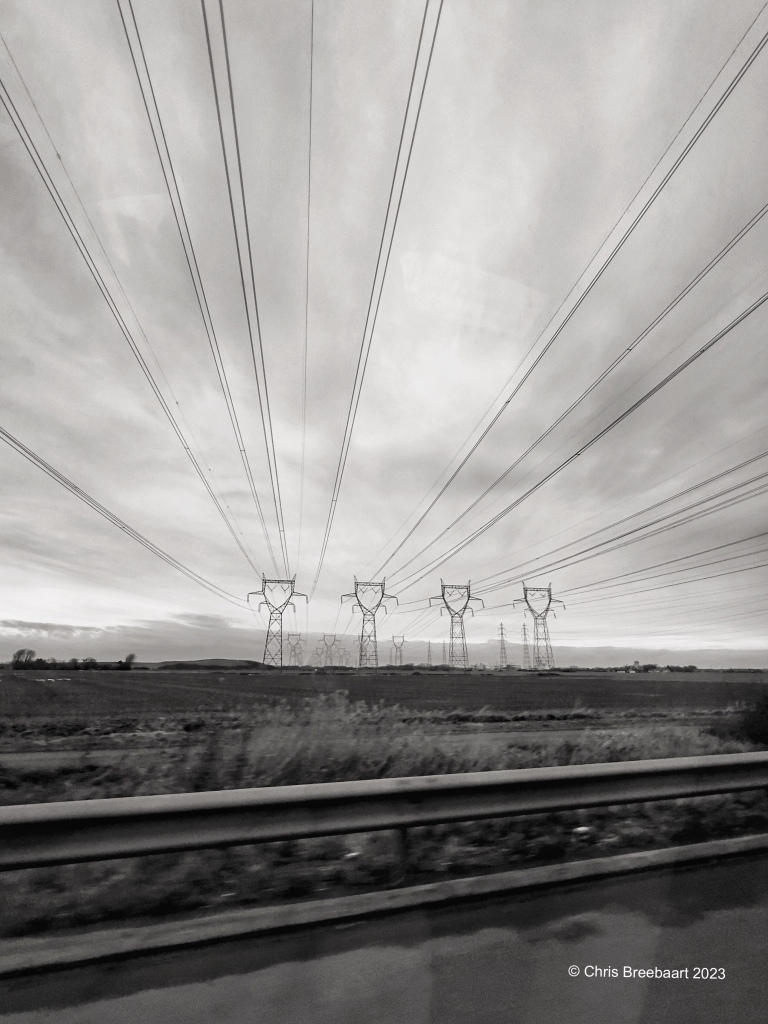
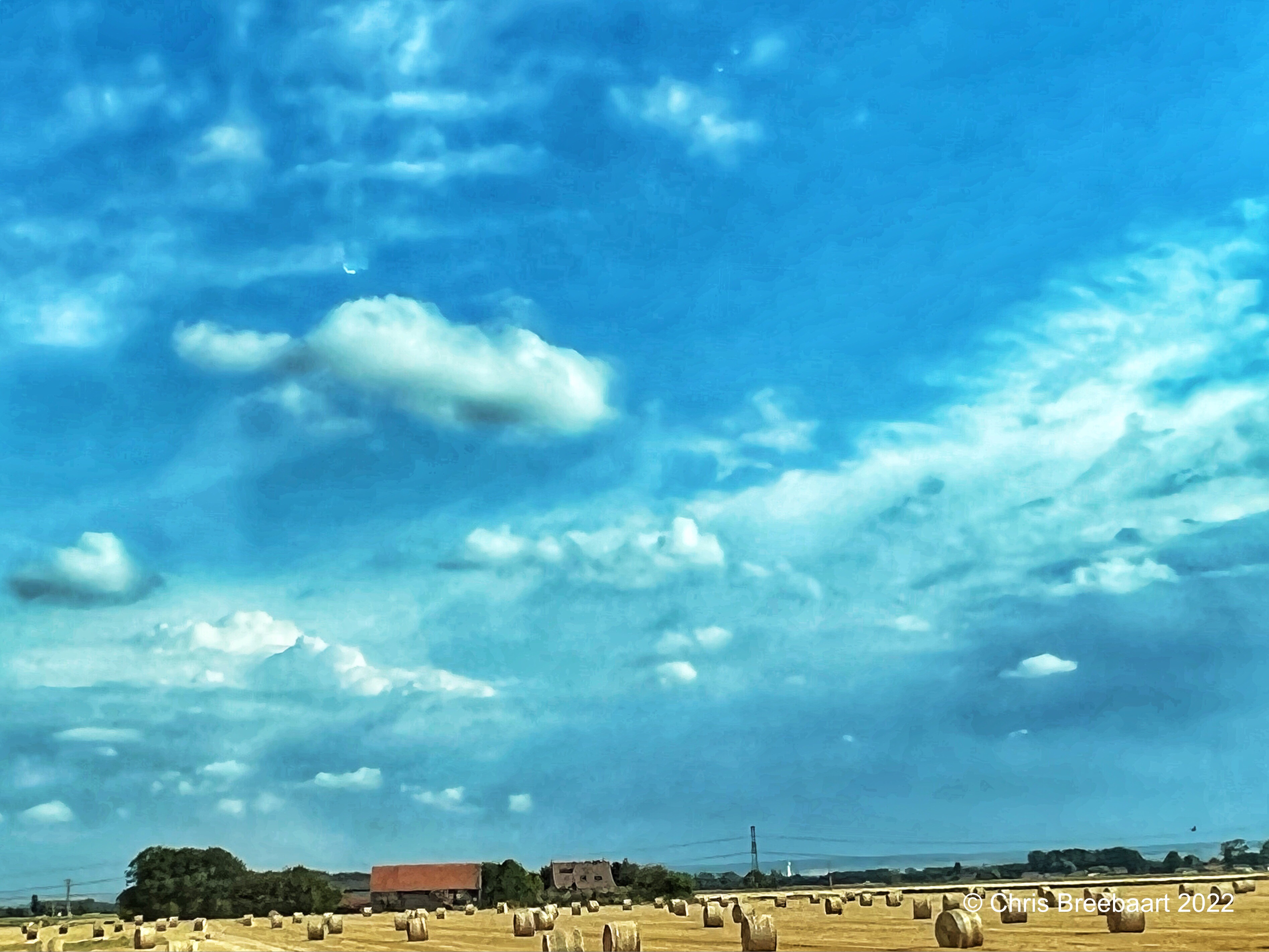
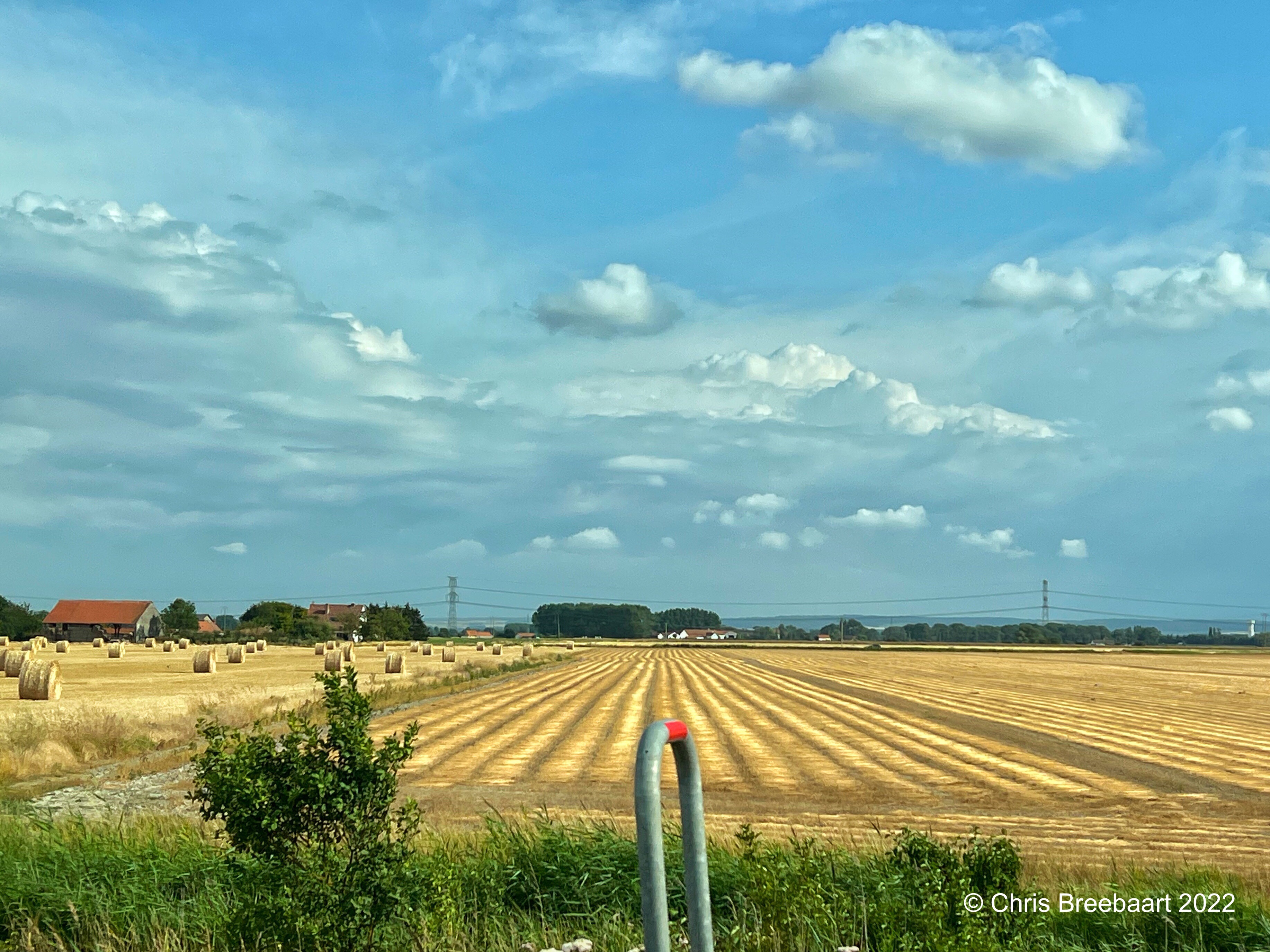
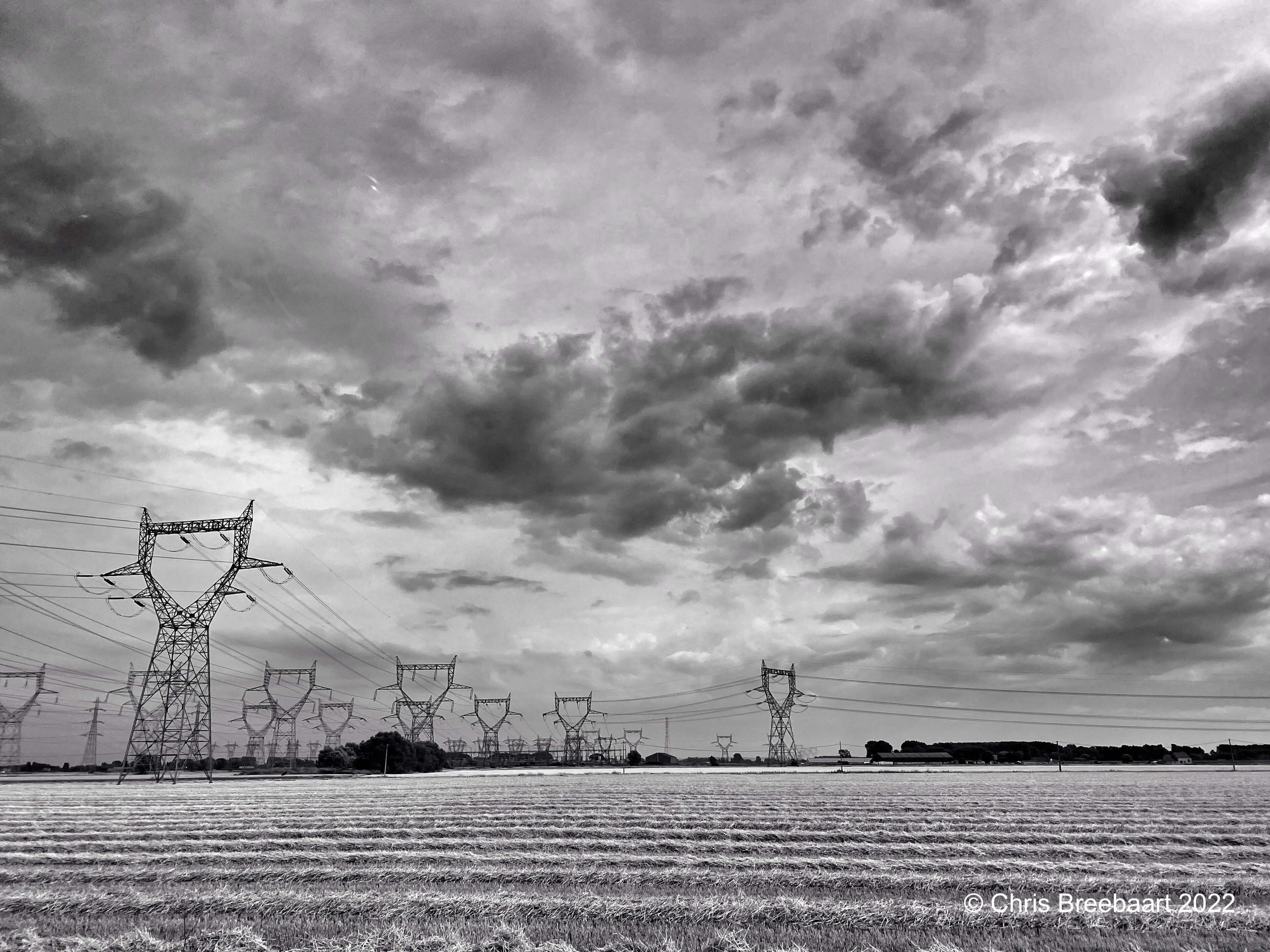
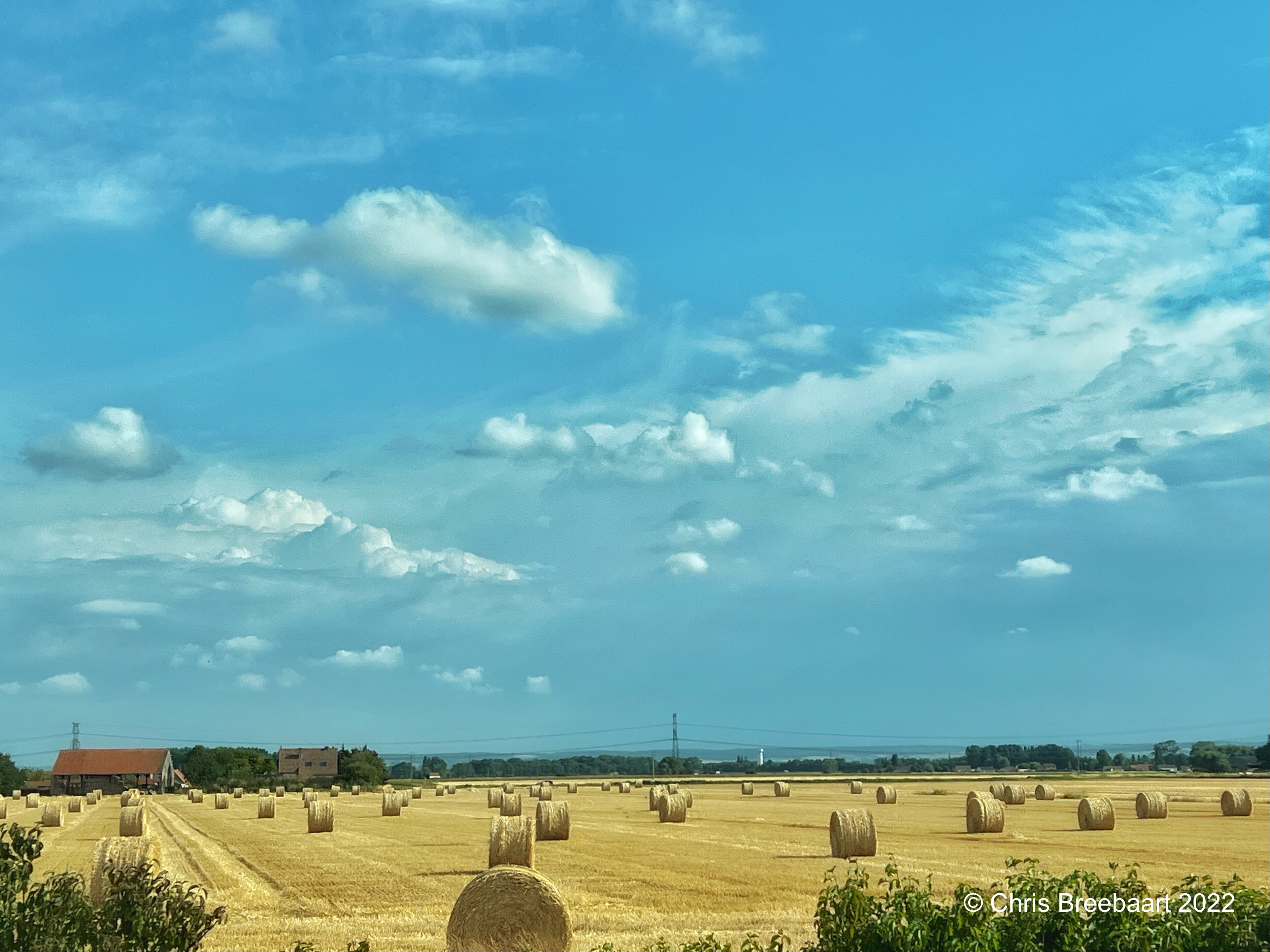
Two photos of the power lines at St. George-sur-L’Aa in France. Pick one or both. Both were shot on iPhone without the mono setting.
France, St. George-sur-L’Aa -August 2026
Every time we travel to or from the UK via the Channel Tunnel, I try to take photos of these steel giants. They carry power lines in the area of St. George-sur-l’Aa. No worries, I’m in the passenger seat.
Every time we travel to of from the UK via the Channel Tunnel, I try to take photos of these steel giants. They carry power lines in the area of St. George-sur-l’Aa. No worries, I’m in the passenger seat.
Every time we travel to the UK via the Channel Tunnel, I try to take photos of these steel giants. The same goes for when we return from there. They carry power lines in the area of St. Georges-sur-l’Aa. No worries, I’m in the passenger seat.
They remind me of mythical knights, marching in line over the fields. In the archive you find a set of photos over the years.
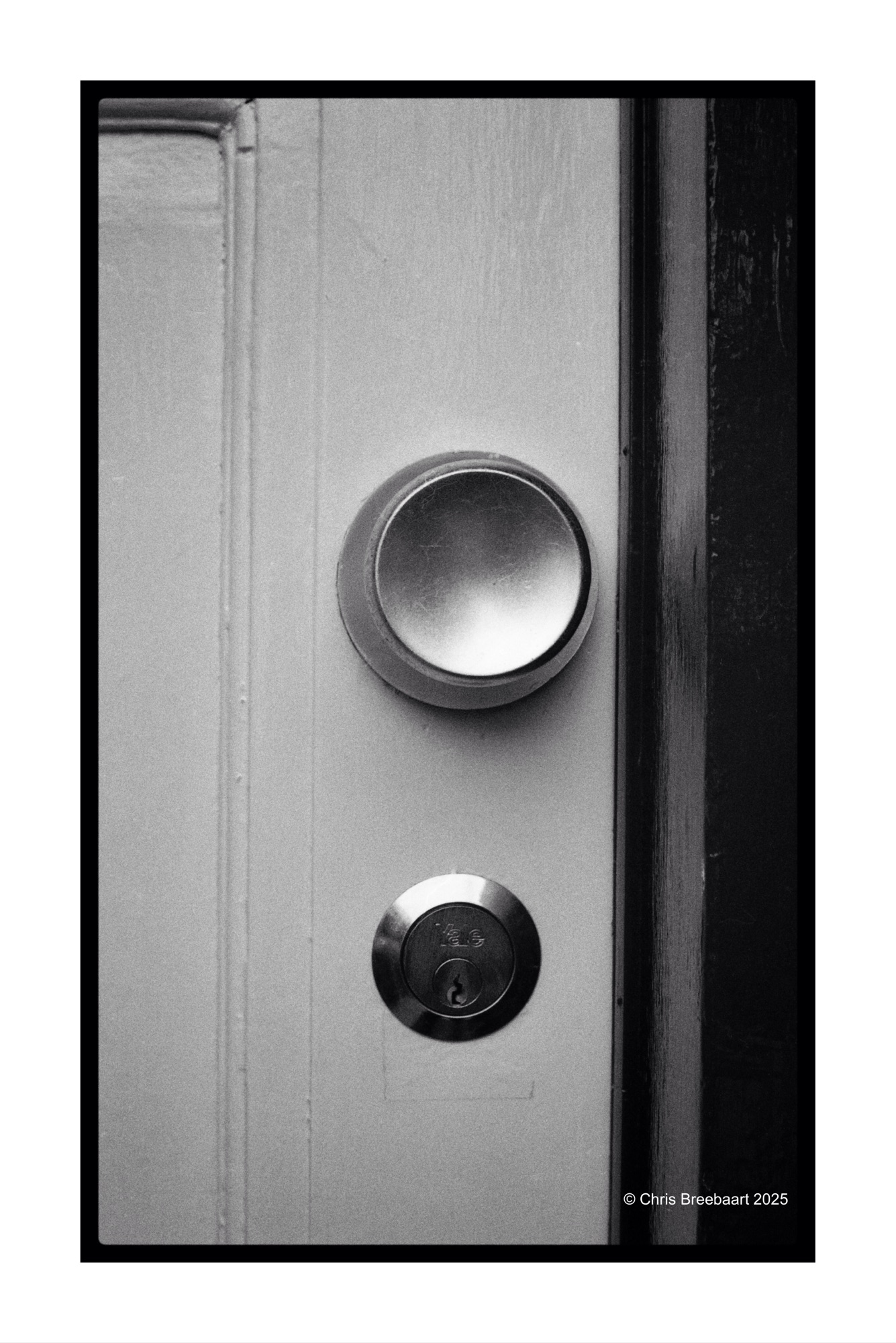
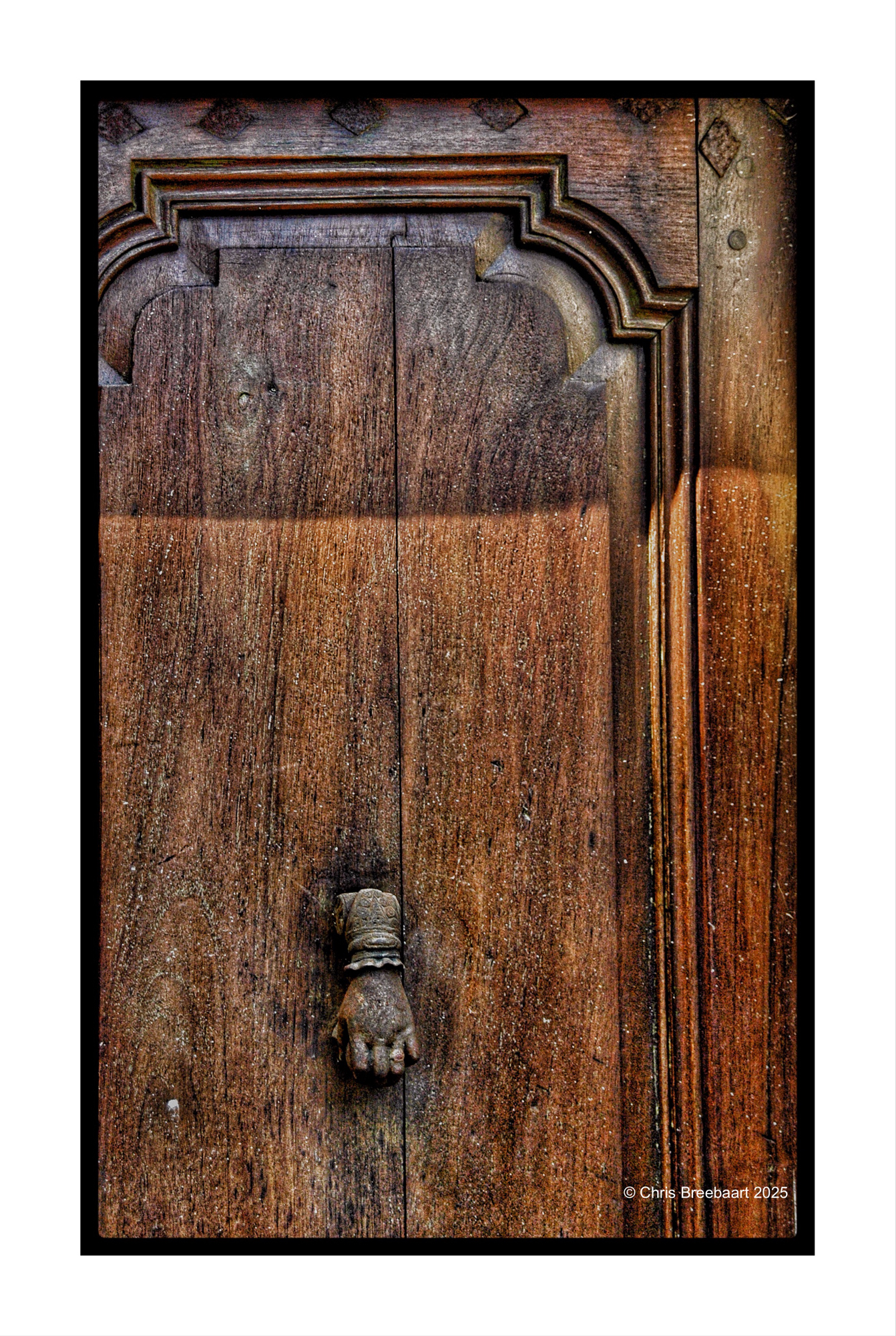
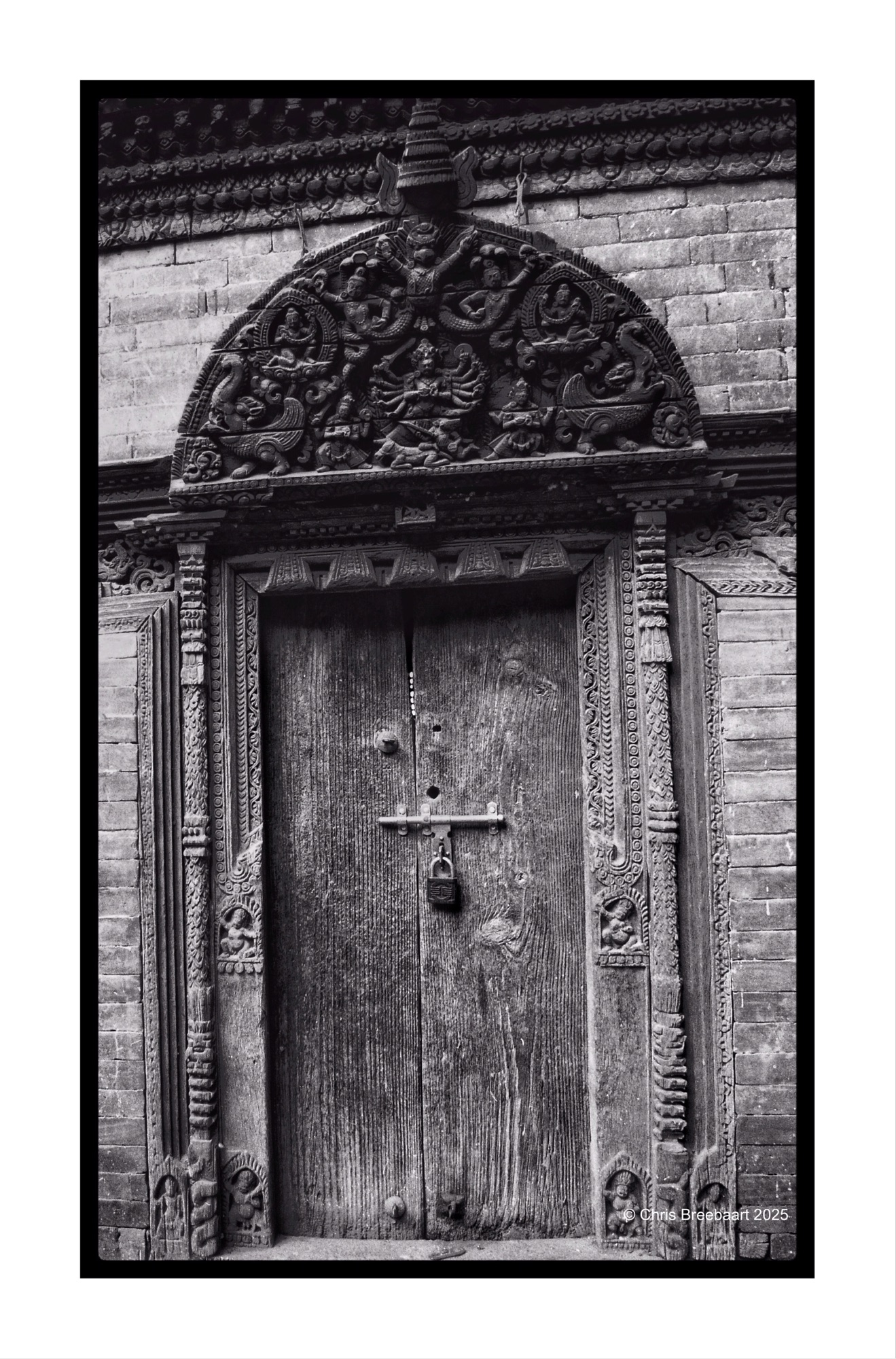
This week’s Lens-Artists Photo Challenge #361 is ‘Doors revisited’. That theme was also the brief for LAPC #20. A door is a pass way to another space behind it. That space can be something we know already. Or something we like to imagine to see there when we go through. And in books you can end up in another world. In this post a few doors I met in my life. One I used for a long time, most I just passed by or passed through on holidays.
The word ‘doors’ for me is also linked to the band The Doors. The name of the band came from a book by Aldous Huxley, The doors of perception. And Huxley took it from William Blake, who used it as a metaphor:
“If the doors of perception were cleansed every thing would appear to man as it is, Infinite. For man has closed himself up, till he sees all things thro’ narrow chinks of his cavern . Doors lead you to another side or space, break on through to the other side.”
So a lot can be said about doors. Luckily, we still have the photos. Here are a few from my conscious memory.
The Netherlands, Oegstgeest – November 1991
This is the front door to the house I was born and lived in for 25 years. The photo is shot on Ilford XP with a Pentax K1000.
France, Caylus – September 2005
This door in Caylus is ready to be knocked. Shot on Nikon D70.
Greece, Karpathos – September 2009
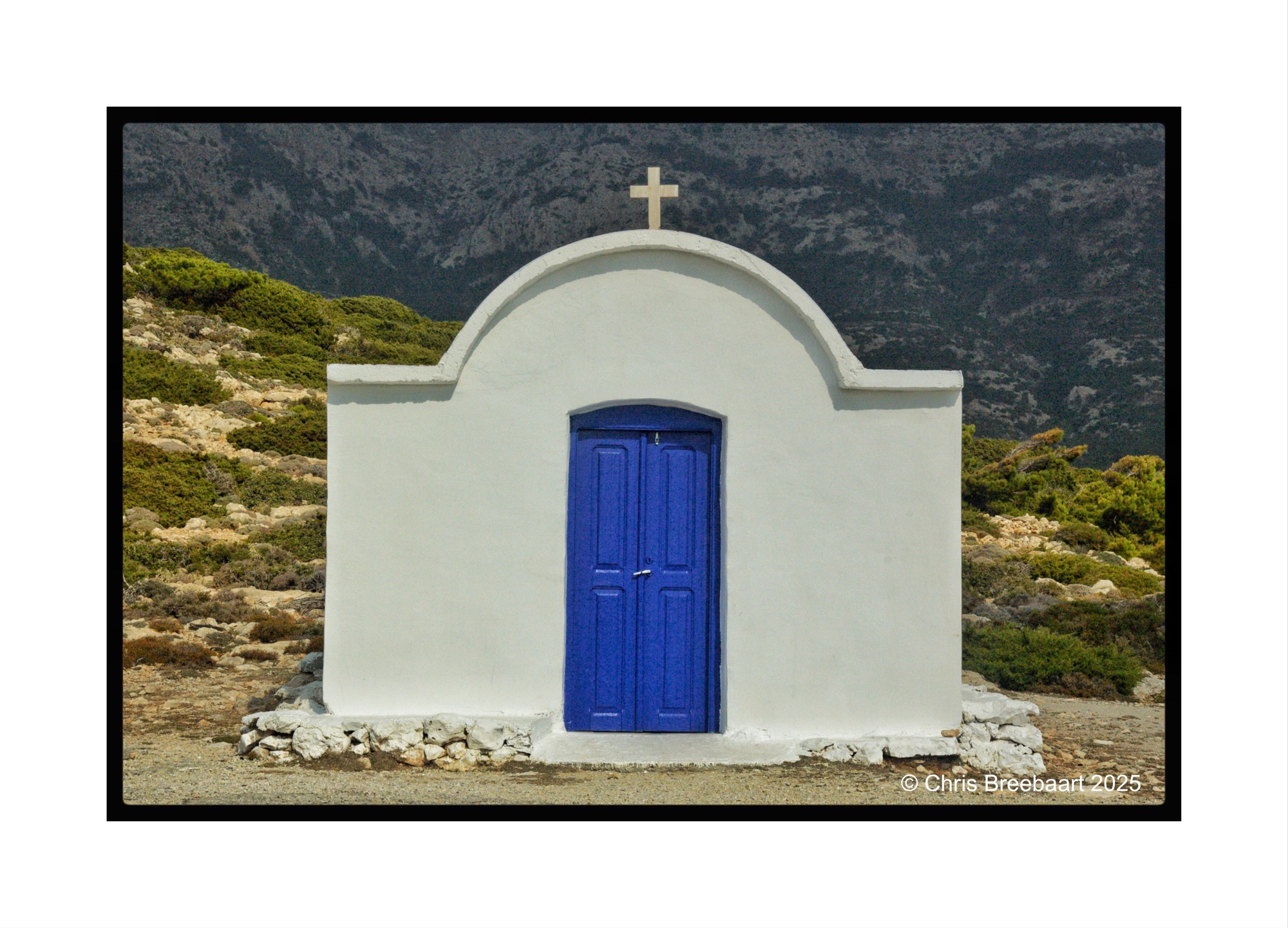
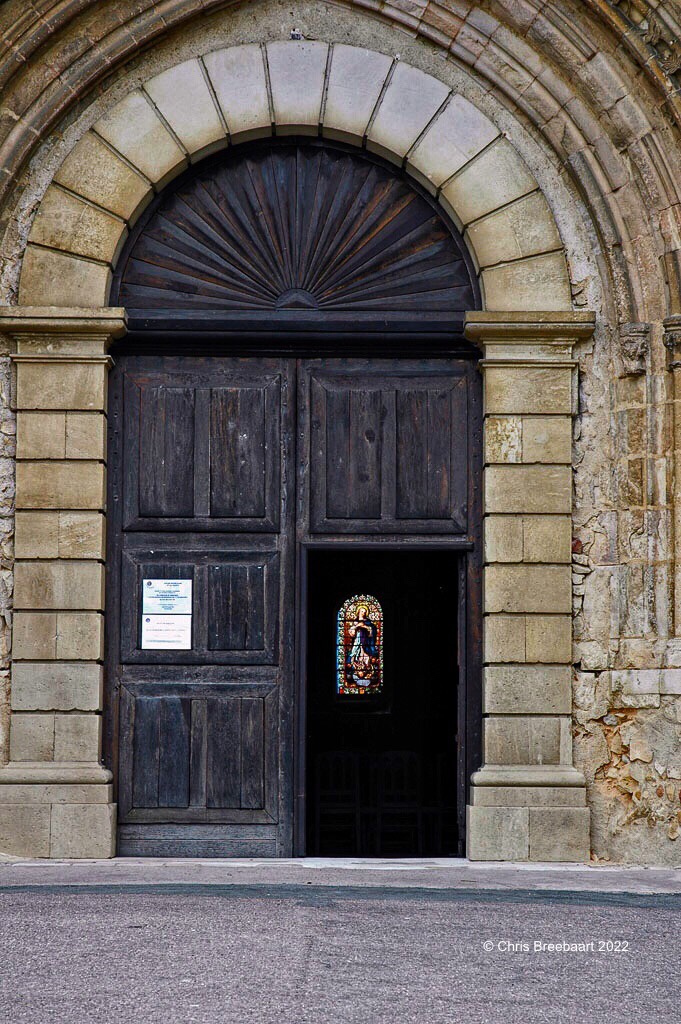
I looked through my archive. It struck me that lots of the doors I saw there are doors of small or bigger churches. This one is on Karpathos. Shot on Nikon D70.
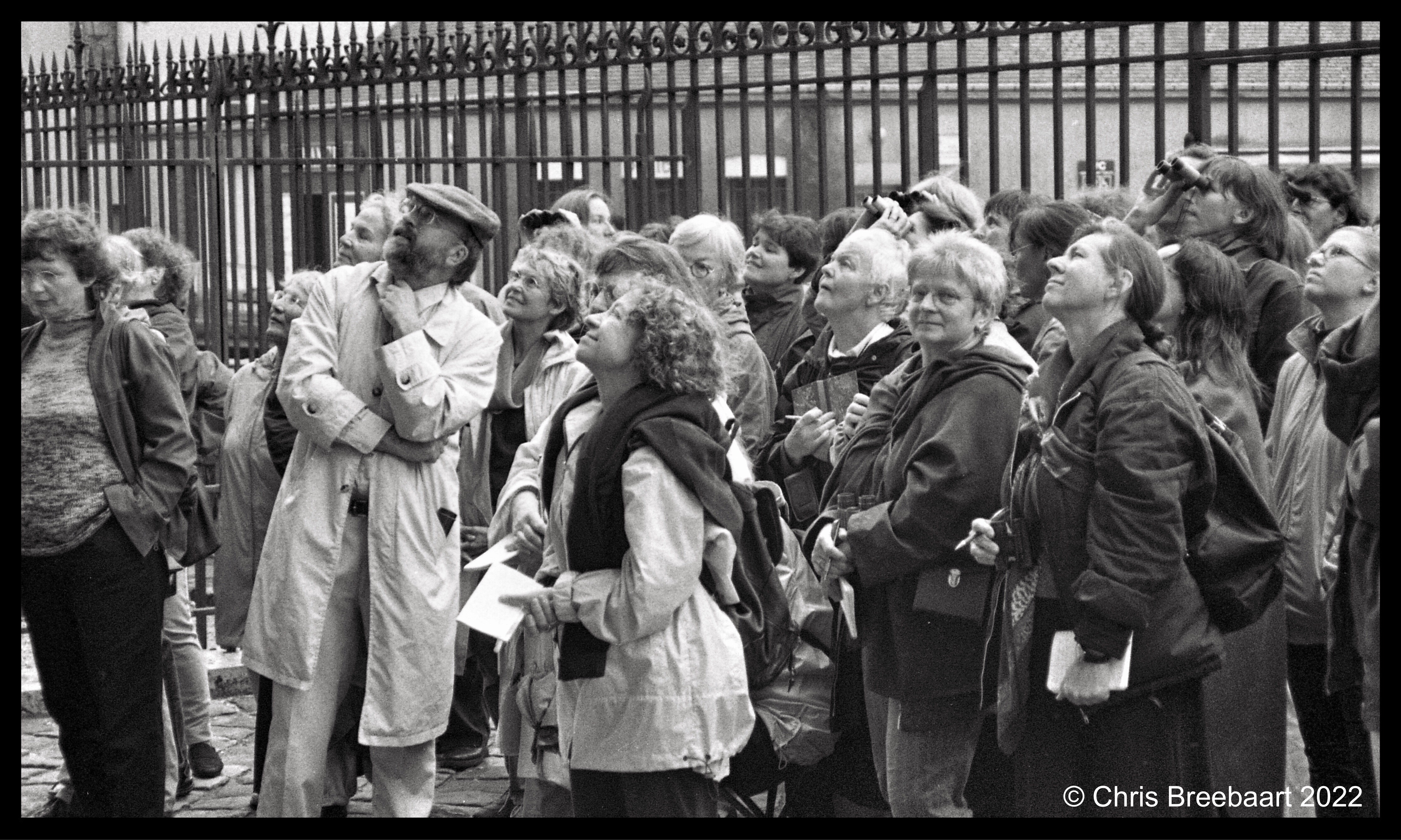
About the B4 retouch series: I browsed my archive for pictures to publish. Some of them are partly retouched but most do have scratches, dust and stains.Shot with Nikon F90 on Kodak TriX, scanned from film and edited using Snapseed and Marksta. Click the picture for a bigger version
About the B4 retouch series: I browsed my archive for pictures to publish. Some of them are partly retouched but most do have scratches, dust and stains.Shot with Nikon F90 on Kodak TriX, scanned from film and edited using Snapseed and Marksta. Click the picture for a bigger version
About the B4 retouch series: I browsed my archive for pictures to publish. Some of them are partly retouched but most do have scratches, dust and stains.Shot with Nikon F90 on Kodak TriX, scanned from film and edited using Snapseed and Marksta. Click the picture for a bigger version
About the B4 retouch series: I browsed my archive for pictures to publish. Some of them are partly retouched but most do have scratches, dust and stains.Shot with Nikon F90 on Kodak TriX, scanned from film and edited using Snapseed and Marksta. Click the picture for a bigger version
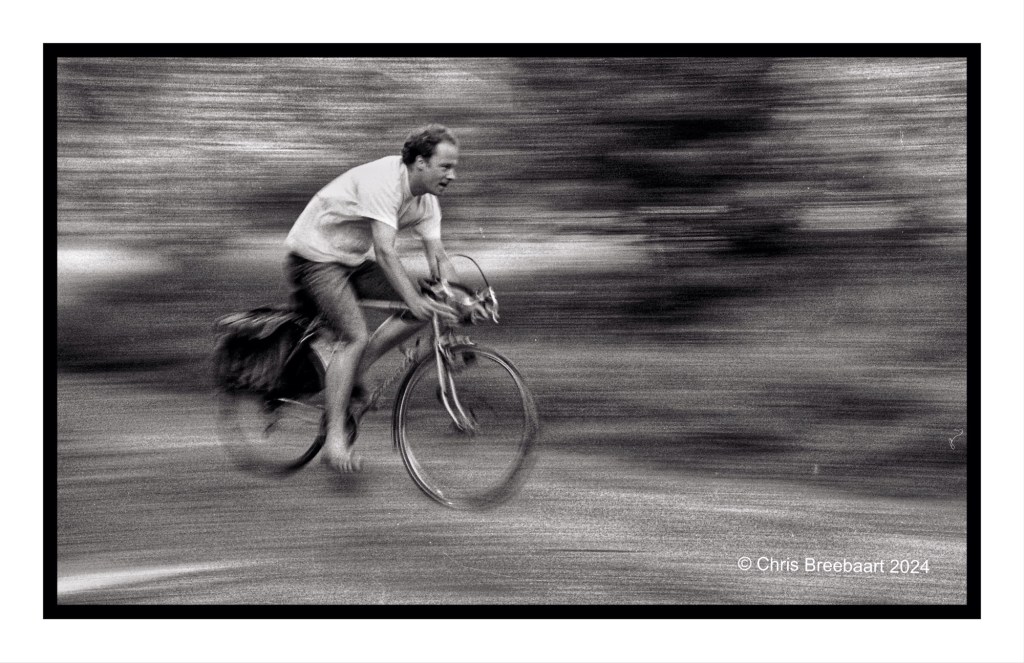
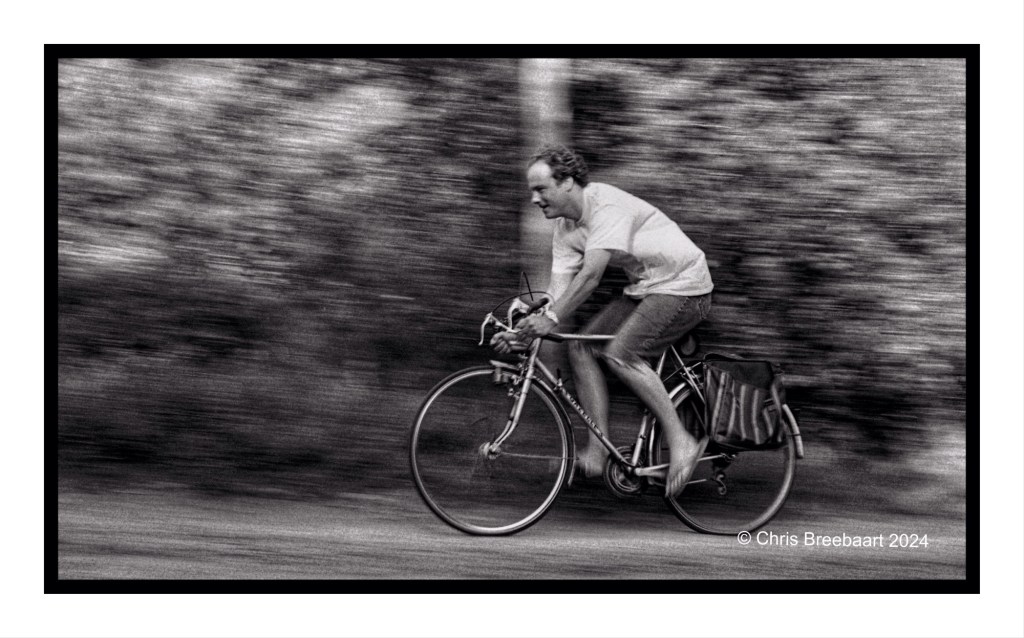
This week’s Lens Artitsts Photo Challenge (#321) is Intentional Camera Movement (ICM). These photos are from a workshop in 1997 in France, where we had to create movement with a low shutter speed while following the subject. Basically a fun excercise but done on film. So the result literally came to light after developing the film. The excitement and anxiety about the possible results were out of scale! Patience.
These film archives are the source of my B4 retouch series.
About the B4 retouch series: I browsed my archive for pictures to publish. Some of them are partly retouched but most do have scratches, dust and stains.
Shot with Nikon F90 on Kodak TriX, scanned from film and edited using Snapseed andMarksta. Click the picture for a bigger version
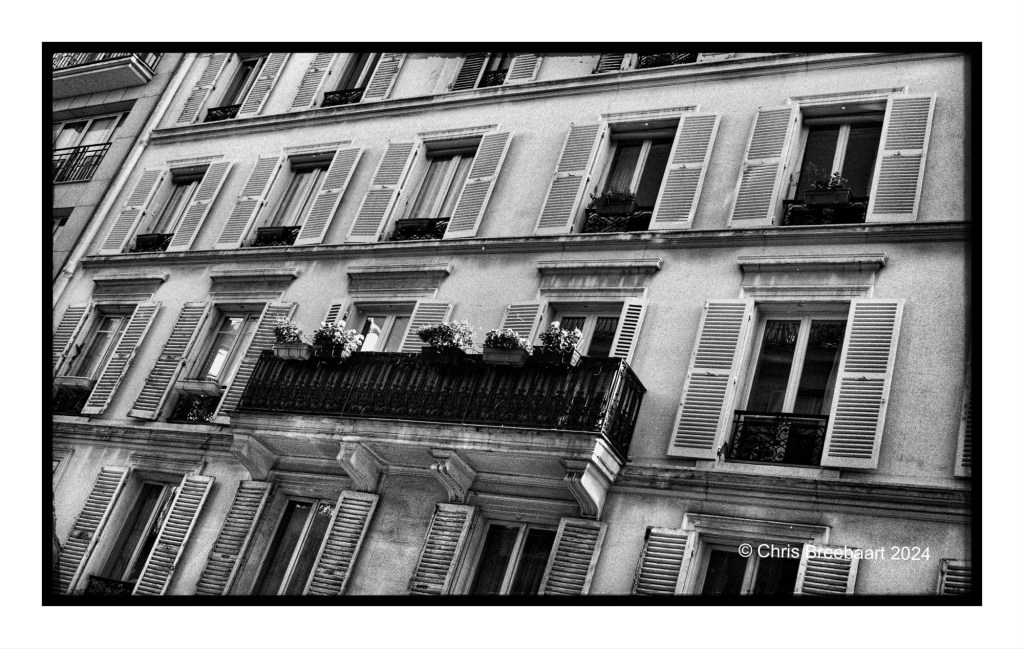
LAPC 309 is about balconies. I have to admit that I do not pay special attention to balconies, unless they trigger me as I look around and they catch my eye. I do however ‘collect’ French windows. So occasionally they pop up in a frame. This is one of those, in one of my favourite cities, Paris. From the analogue archive of December 1993.
About the B4 retouch series: I browsed my archive for pictures to publish. Some of them are partly retouched but most do have scratches, dust and stains.
Shot with Nikon F90 on Kodak TriX, scanned from film and edited using Snapseed and Marksta . Click the picture for a bigger version.
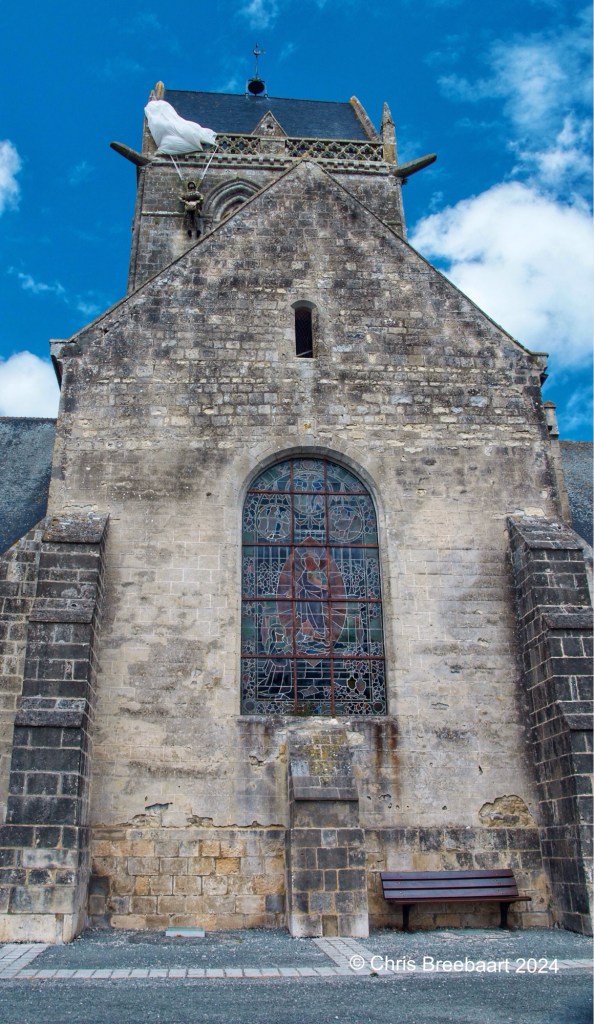
Today we remember that 80 years ago thousands were willing to pay the highest price to give us our freedom. John Steele landed on the pinnacle of this church in the early morning of June 6 1944 in Sainte-Mère-Église.
About the B4 retouch series: I browsed my archive for pictures to publish. Some of them are partly retouched but most do have scratches, dust and stains.
Shot with Nikon F90 on Kodak TriX, scanned from film and edited using Snapseed andMarksta. Click the picture for a bigger version
About the B4 retouch series: I browsed my archive for pictures to publish. Some of them are partly retouched but most do have scratches, dust and stains.
Shot with Nikon F90 on Kodak TriX, scanned from film and edited using Snapseed and Marksta . Click the picture for a bigger version.
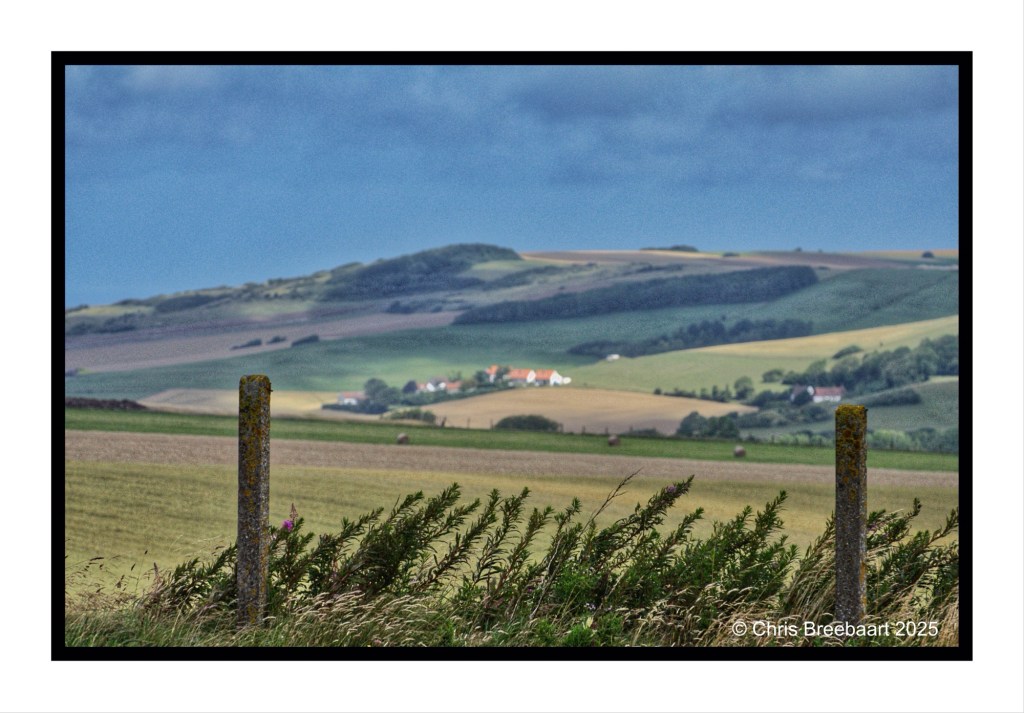
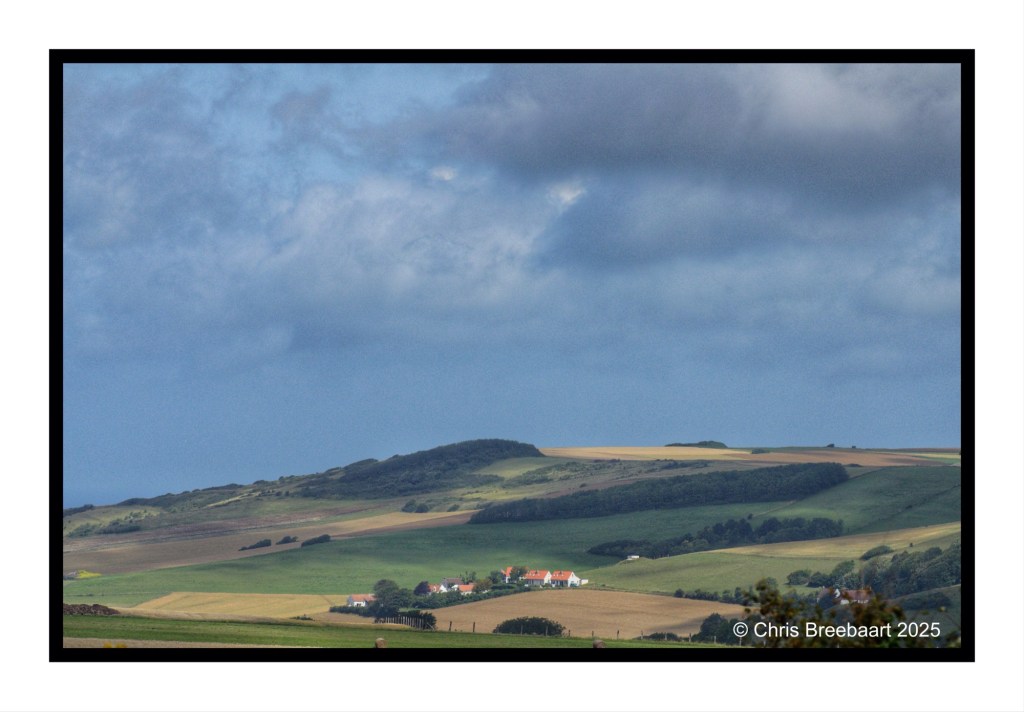
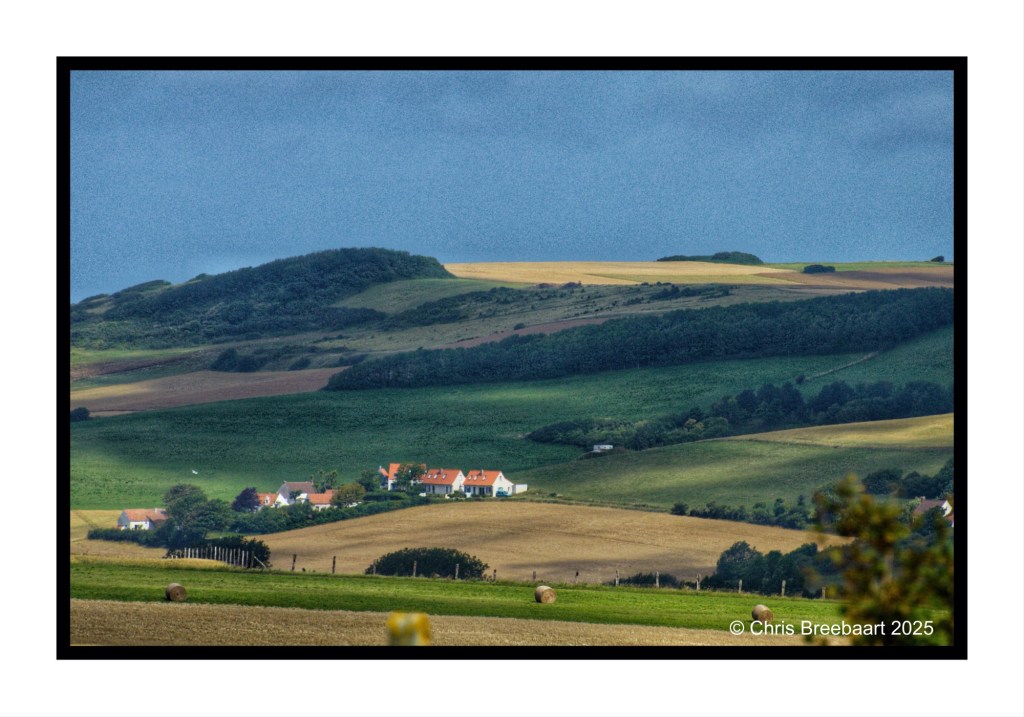
The views of the landscapes are taken from the car in the passenger seat. And sometimes that leads to seeing surprising objects in the front of the picture. LAPC #209 is surreal.
LAPC #209 is surreal. In the north of France on the west coast, just over the border with Belgium, is a wood of pylons with powerlines. Like an army stepping into the world, over a field of ripples, in St. Georges-sur-l’Aa.
LAPC #209 is surreal. In the north of France on the west coast, just over the border with Belgium, is a wood of pylons with powerlines. Like an army stepping into the world, in St. Georges-sur-l’Aa.
The B4 retouch series I browsed my archive for pictures to publish. All of them are not completely retouched yet. Scratches, dust and stains are not removed.
About the B4 retouch series: I browsed my archive for pictures to publish. Some of them are partly retouched but most do have scratches, dust and stains.
Shot with Nikon F90 on Kodak TriX, scanned from film and edited using Snapseed and Marksta. Click the picture for a bigger version
About the B4 retouch series: I browsed my archive for pictures to publish. Some of them are partly retouched but most do have scratches, dust and stains.
Shot with Nikon F90 on Kodak TriX, scanned from film and edited using Snapseed and Marksta. Click the picture for a bigger version
About the B4 retouch series: I browsed my archive for pictures to publish. Some of them are partly retouched but most do have scratches, dust and stains.
Shot with Nikon F90 on Kodak TriX, scanned from film and edited using Snapseed and Marksta. Click the picture for a bigger version
About the B4 retouch series: I browsed my archive for pictures to publish. Some of them are partly retouched but most do have scratches, dust and stains.
Shot with Nikon F90 on Kodak TriX, scanned from film and edited using Snapseed and Marksta Click the picture for a bigger version
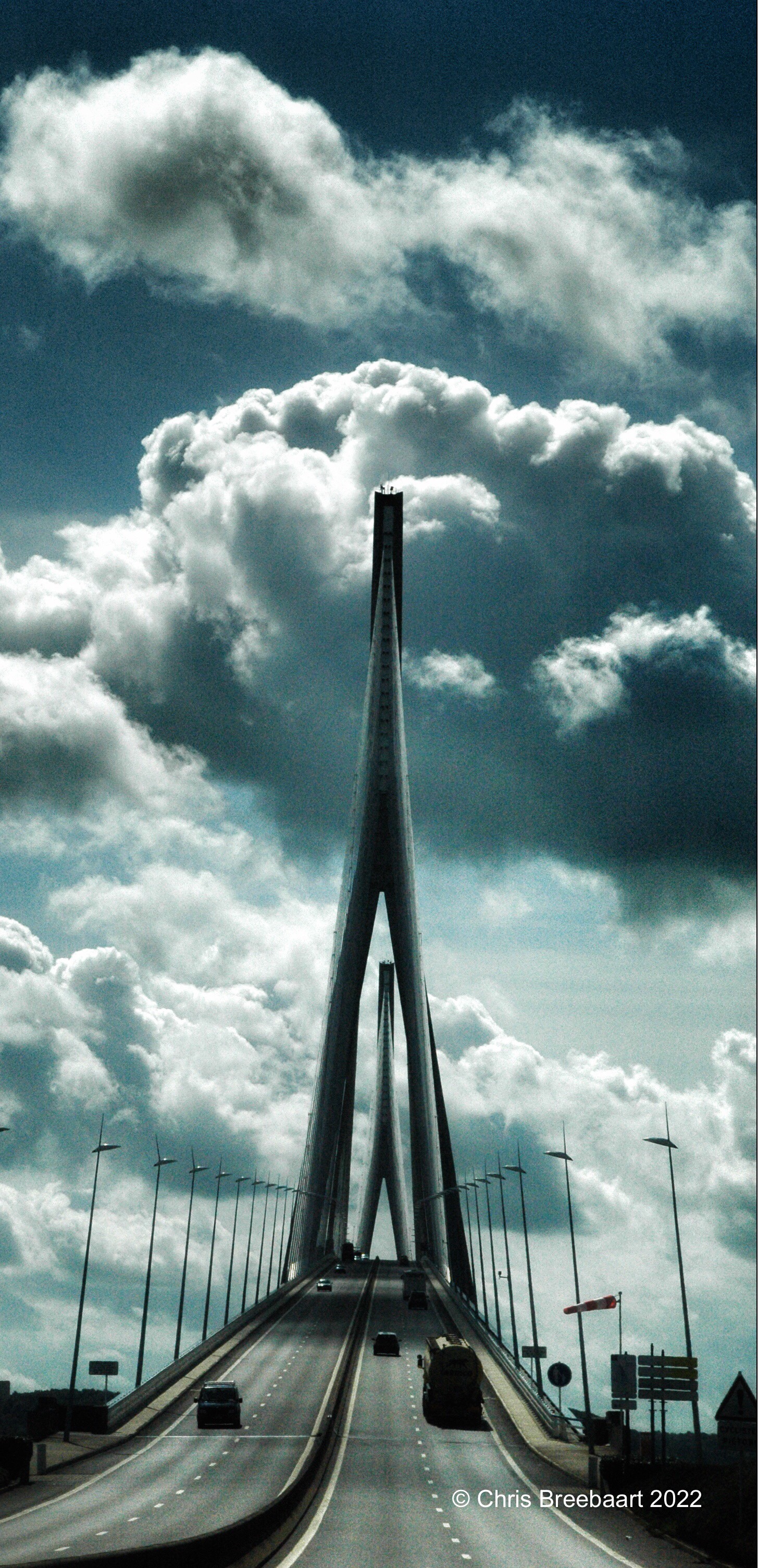
Pont de Normandie is a beautiful bridge over the river Seine between Le Havre and Honfleur. It towers over you as you approach it. The first time I passed it I was in admiration and also in awe. This week’s Lens Artists Photo Challenge #181 is double dipping: send in a photo that is related to another creative challenge on WordPress. This photo is a response to the monthly Thursday special of Lost in Translation. A beautiful blog with great creative photography. Each month one can enter photo’s portraying words: in December 2021 Introspective, Anticipating, Befriending, Choices, Wish. This photo describes anticipation and choices. If you choose to cross a bridge like this, what will it be like?