The End Of King Day
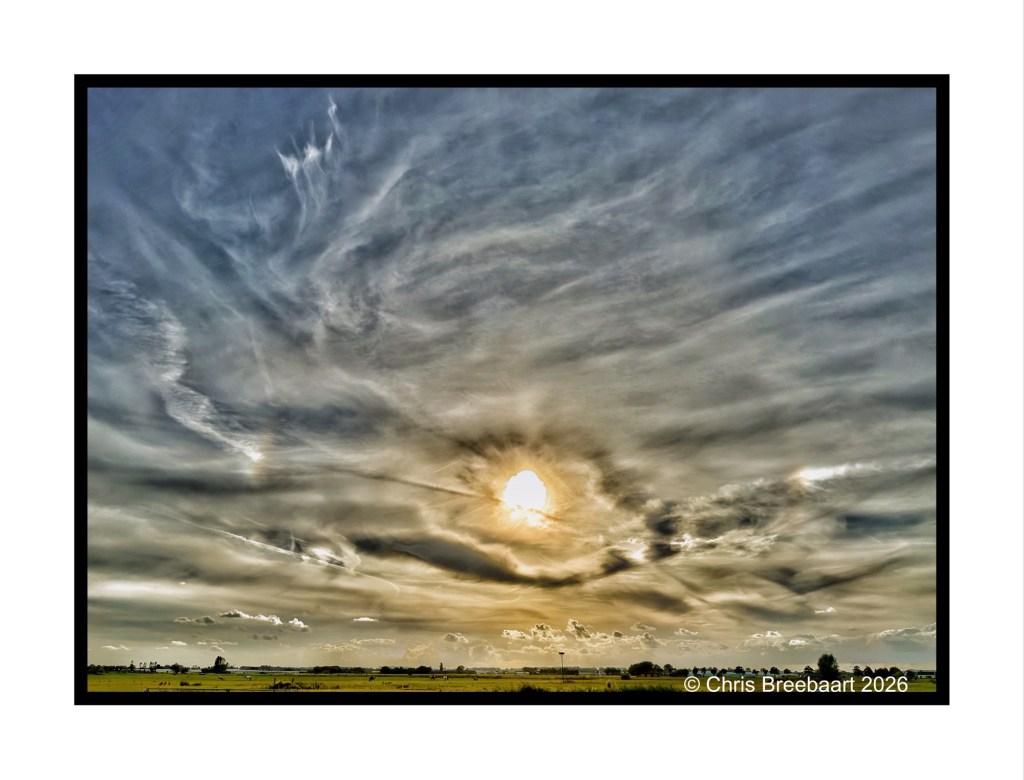
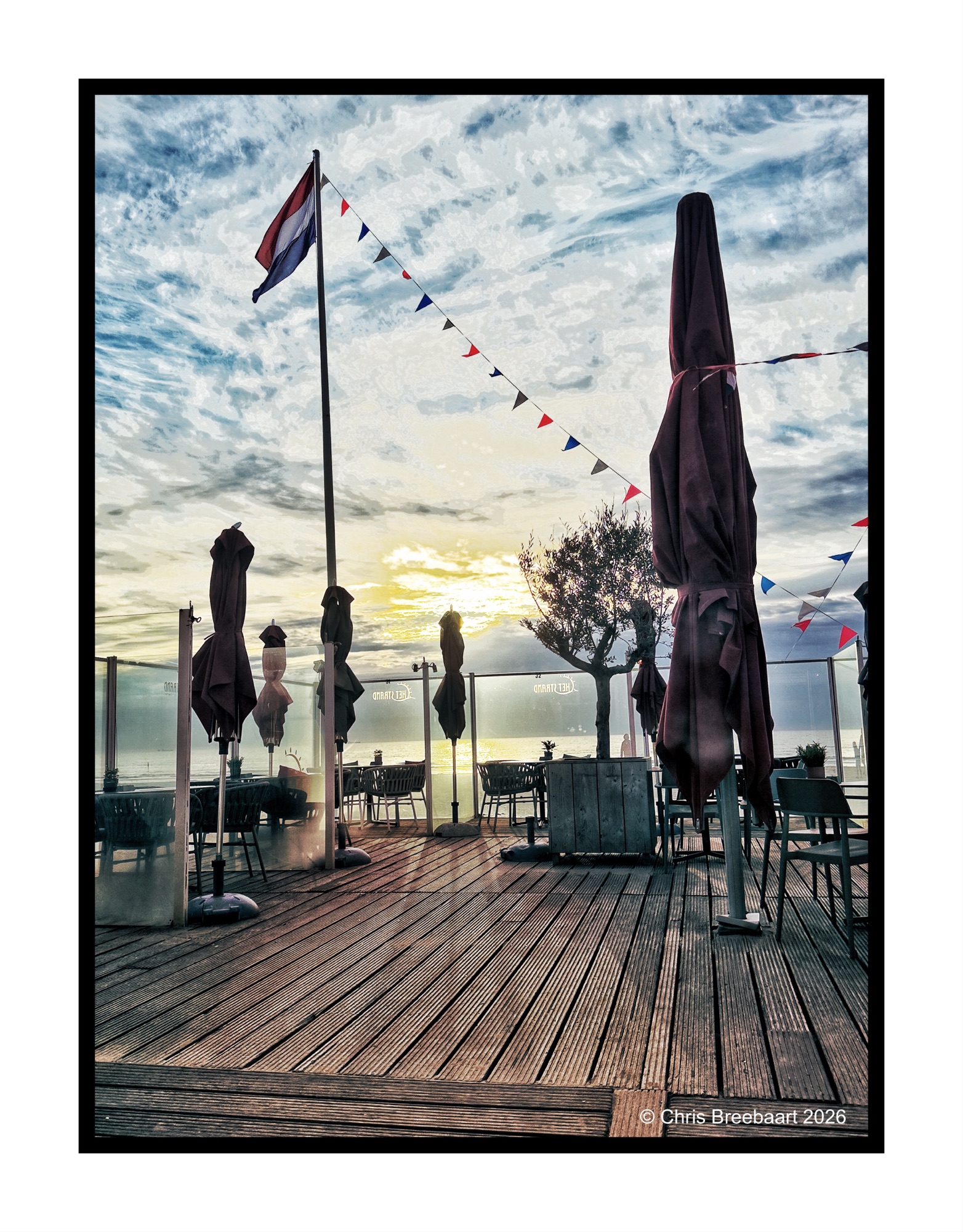
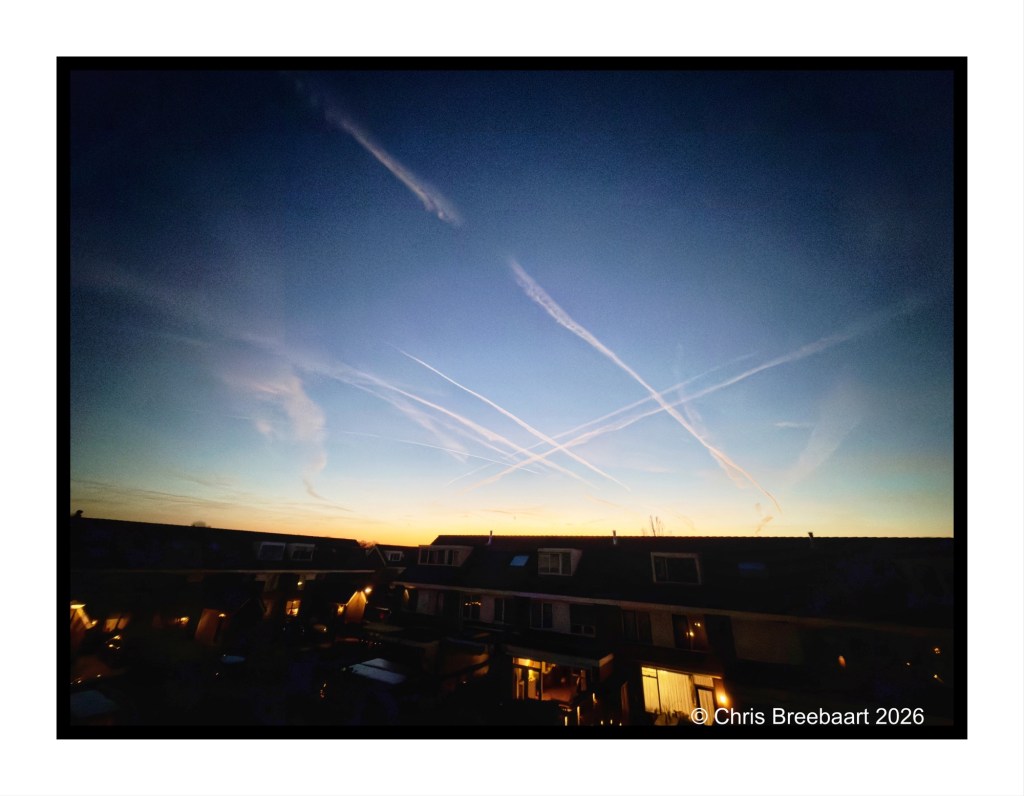
The sunset of King’s Day in The Netherlands.
Shot with iPhone 17 Pro Max edited using Snapseed and Marksta. Click the picture for a larger version
The sunset of King’s Day in The Netherlands.
Shot with iPhone 17 Pro Max edited using Snapseed and Marksta. Click the picture for a larger version
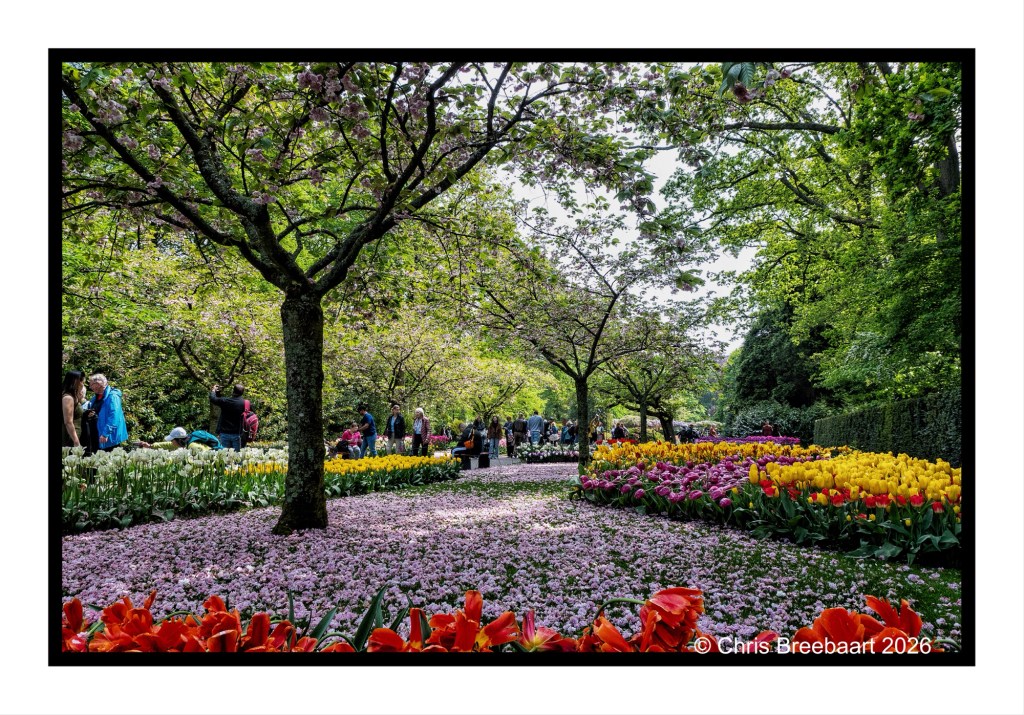
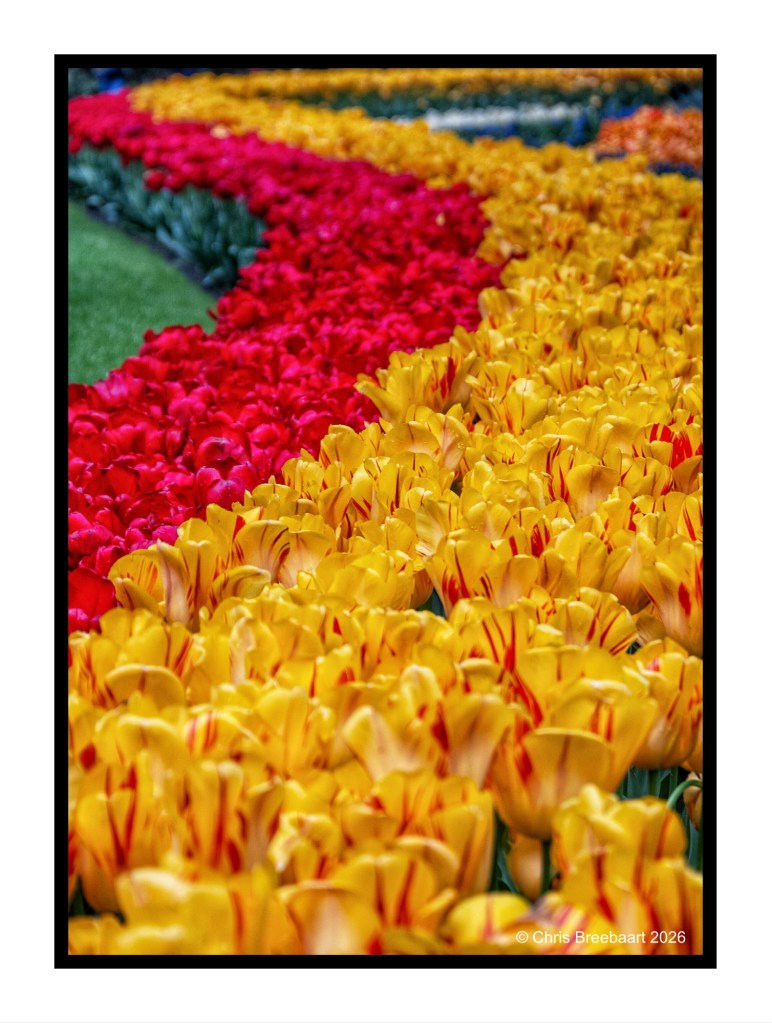
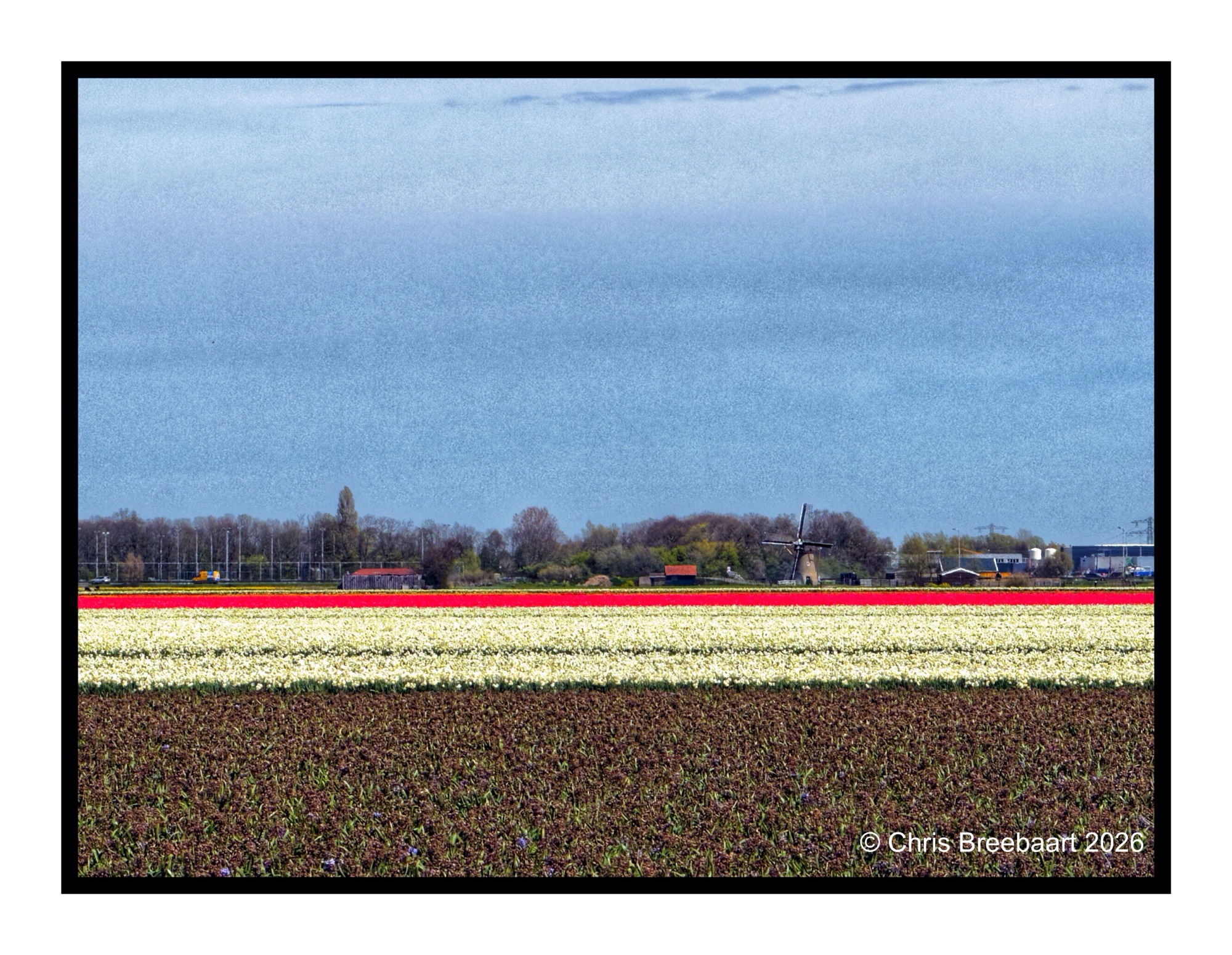
Layers of colors with in the front the brown of out of time hyacinth flowers. Then the light of daffodils and the red of tulips. On top the skyline of the horizon with an iconic windmill.
Shot with iPhone 17 Pro Max edited using Snapseed and Marksta. Click the picture for a larger version
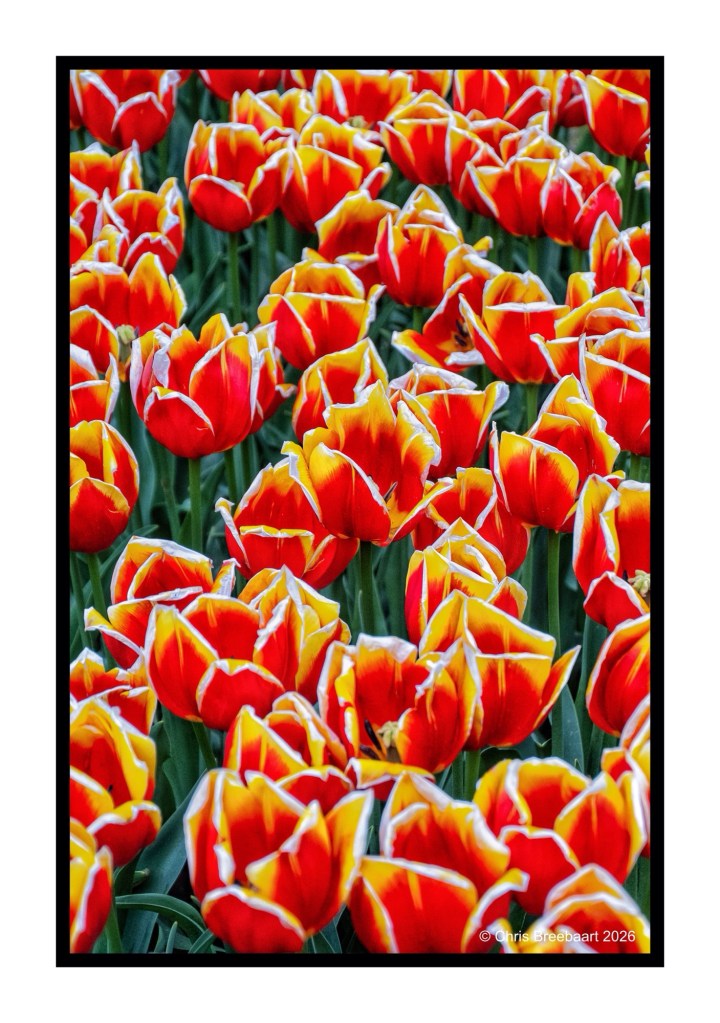
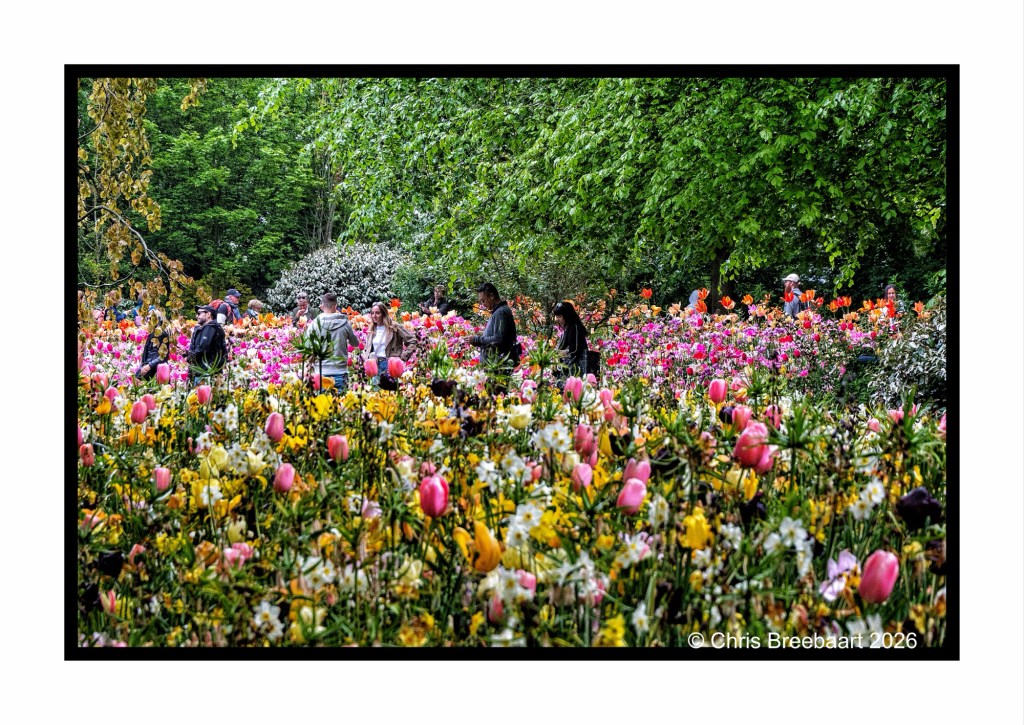
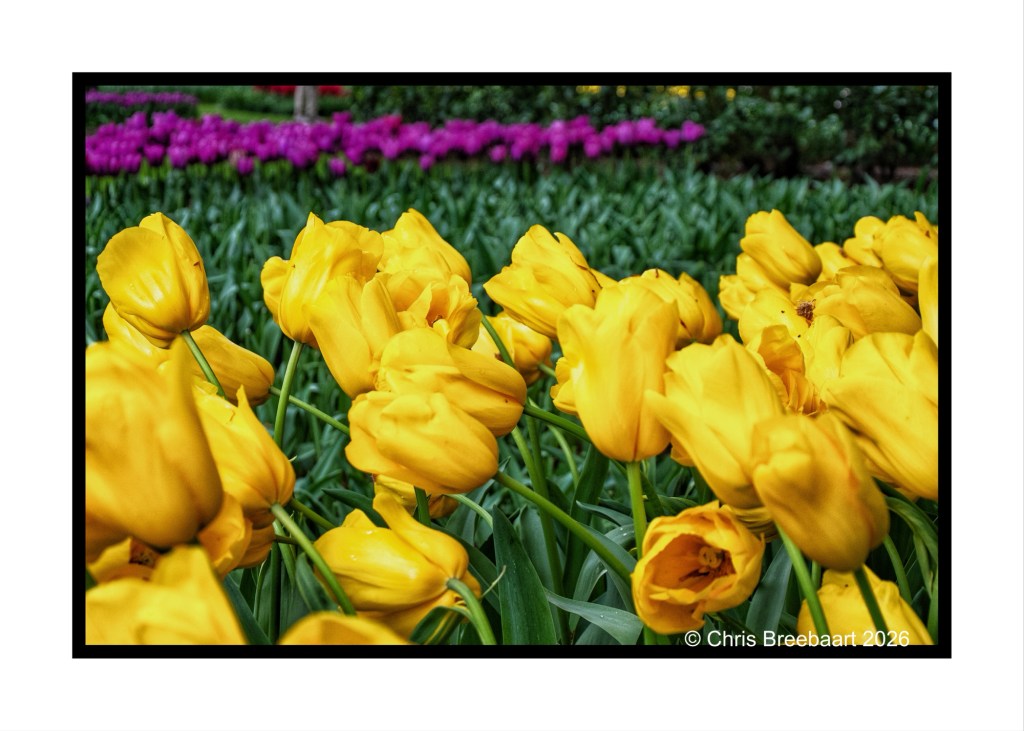
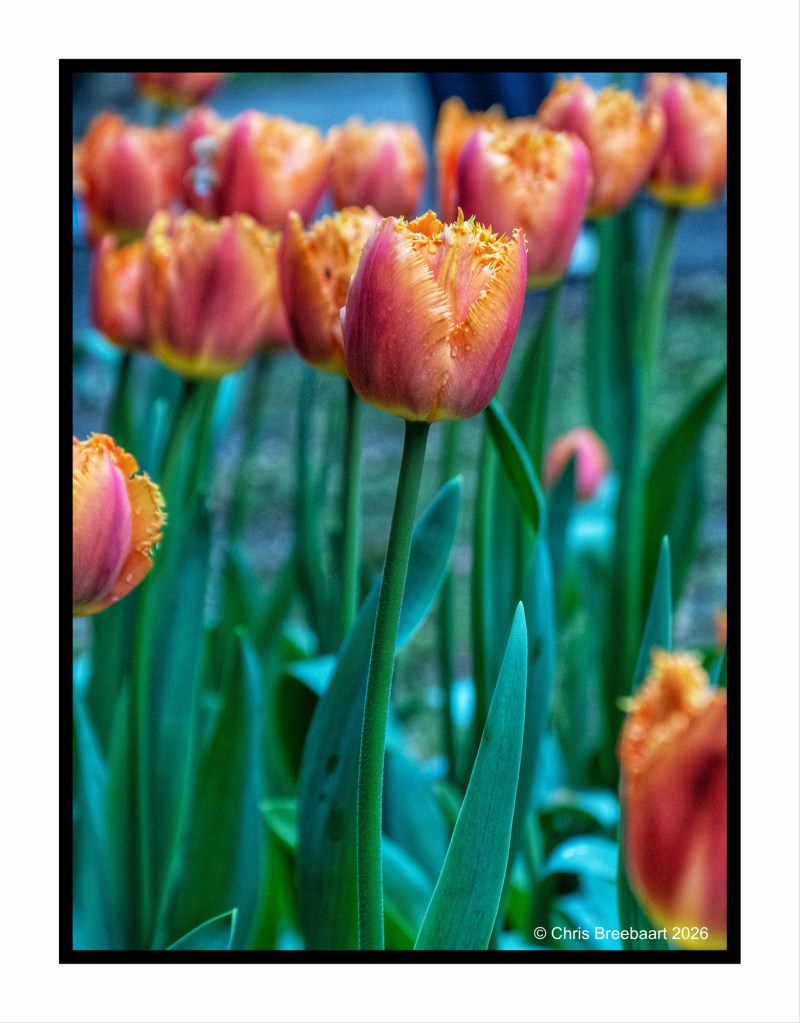
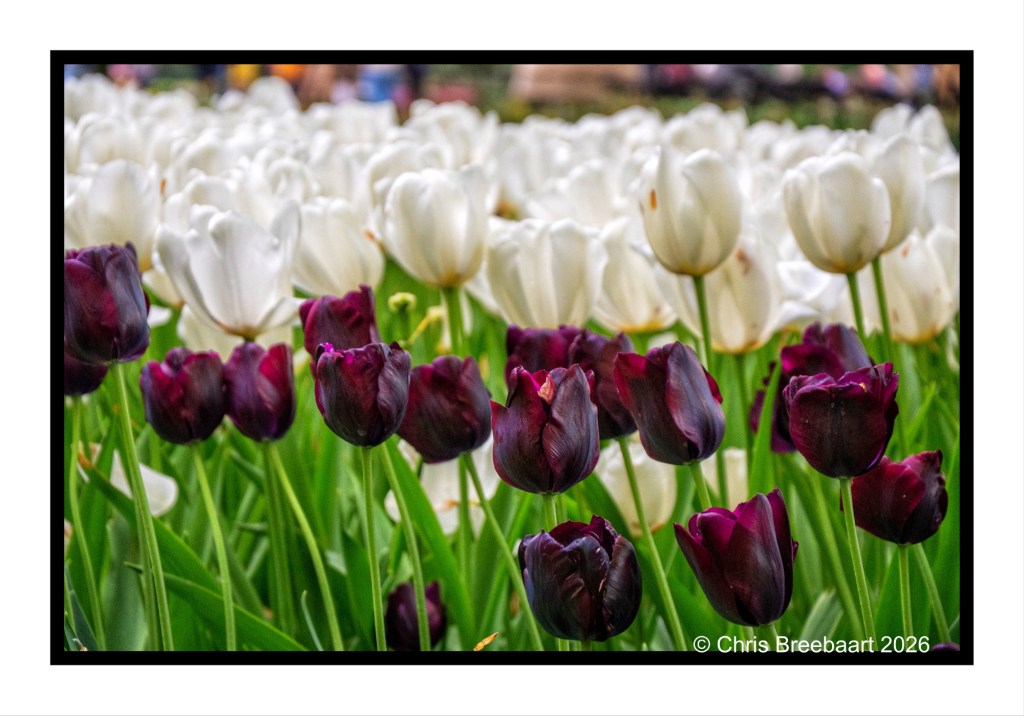
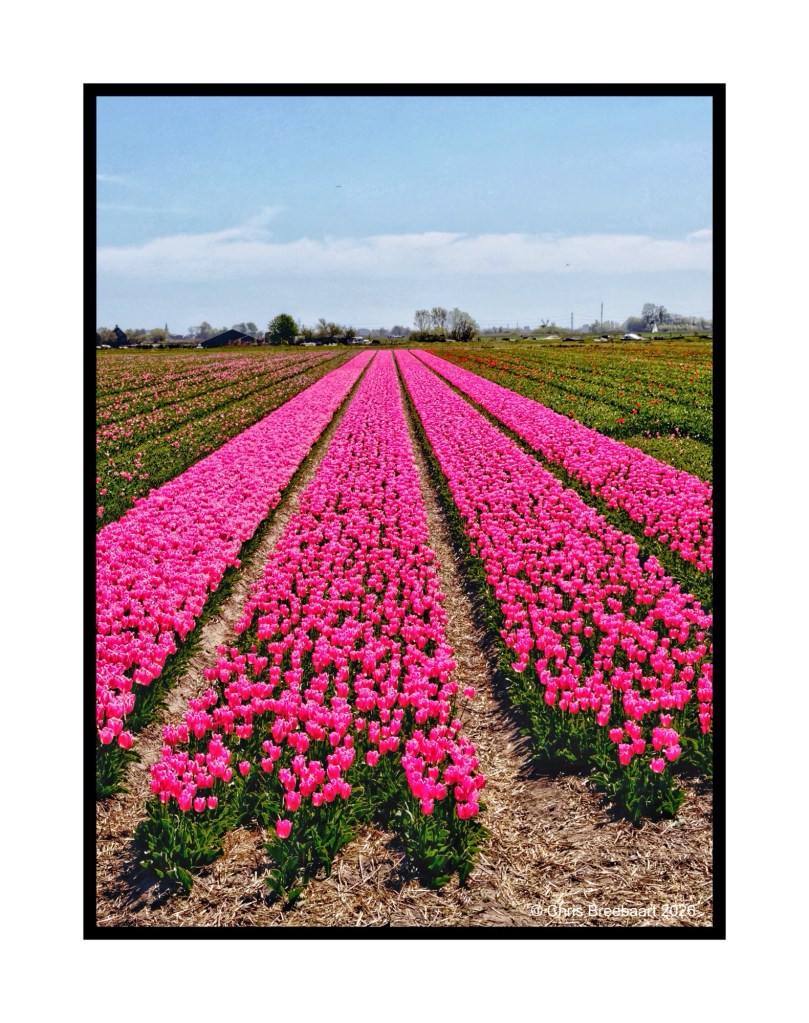
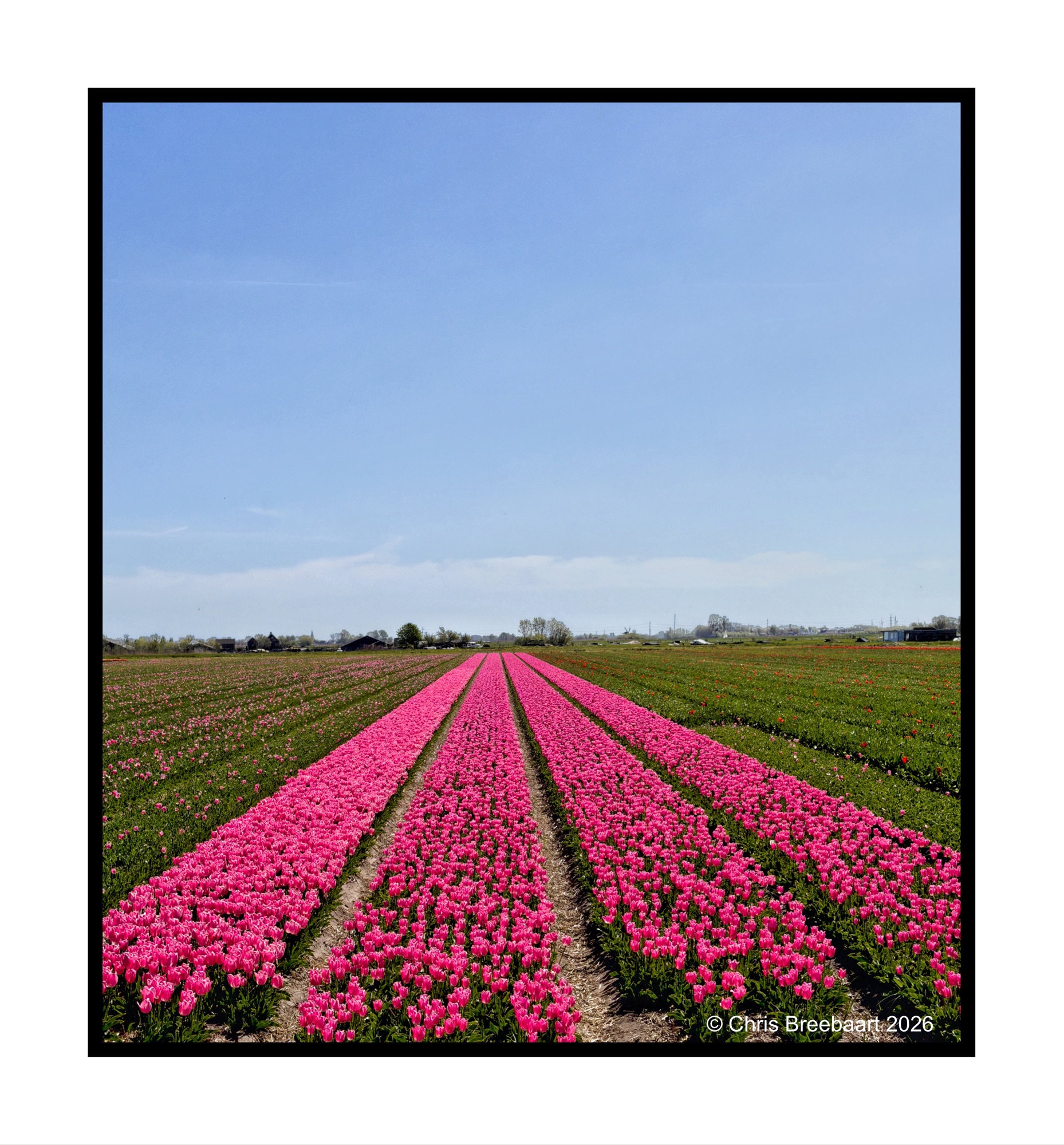
The last tulips on the field, some already beheaded, some still in bloom.
Shot with iPhone 17 Pro Max edited using Snapseed and Marksta. Click the picture for a larger version
The last tulips on the field, some already beheaded, some still in bloom.
Shot with iPhone 17 Pro Max edited using Snapseed and Marksta. Click the picture for a larger version
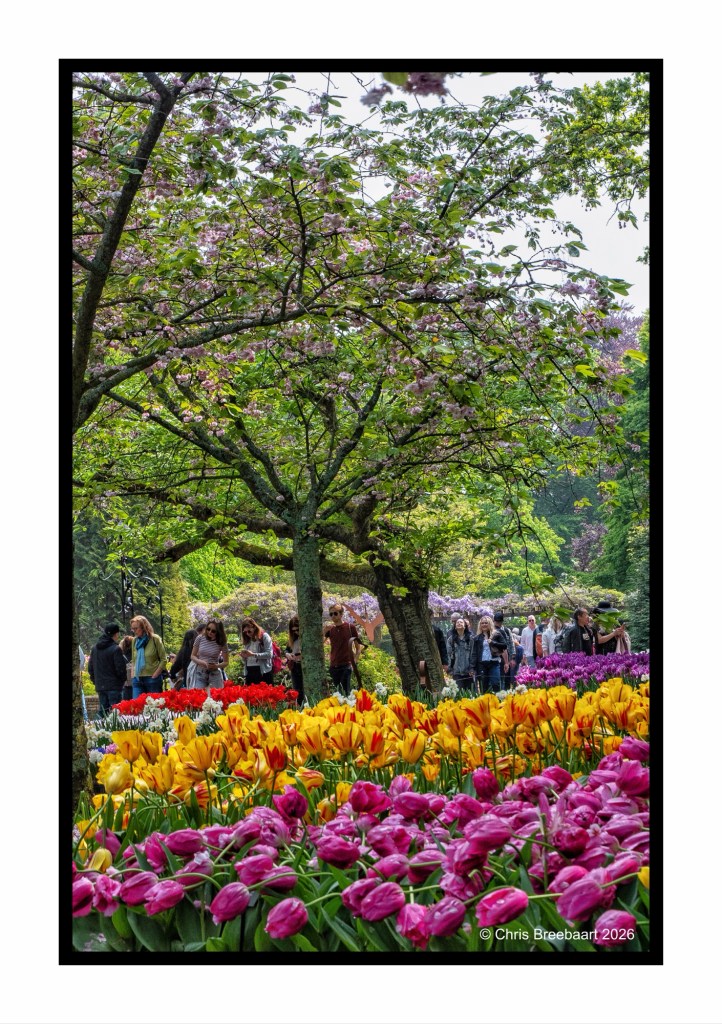
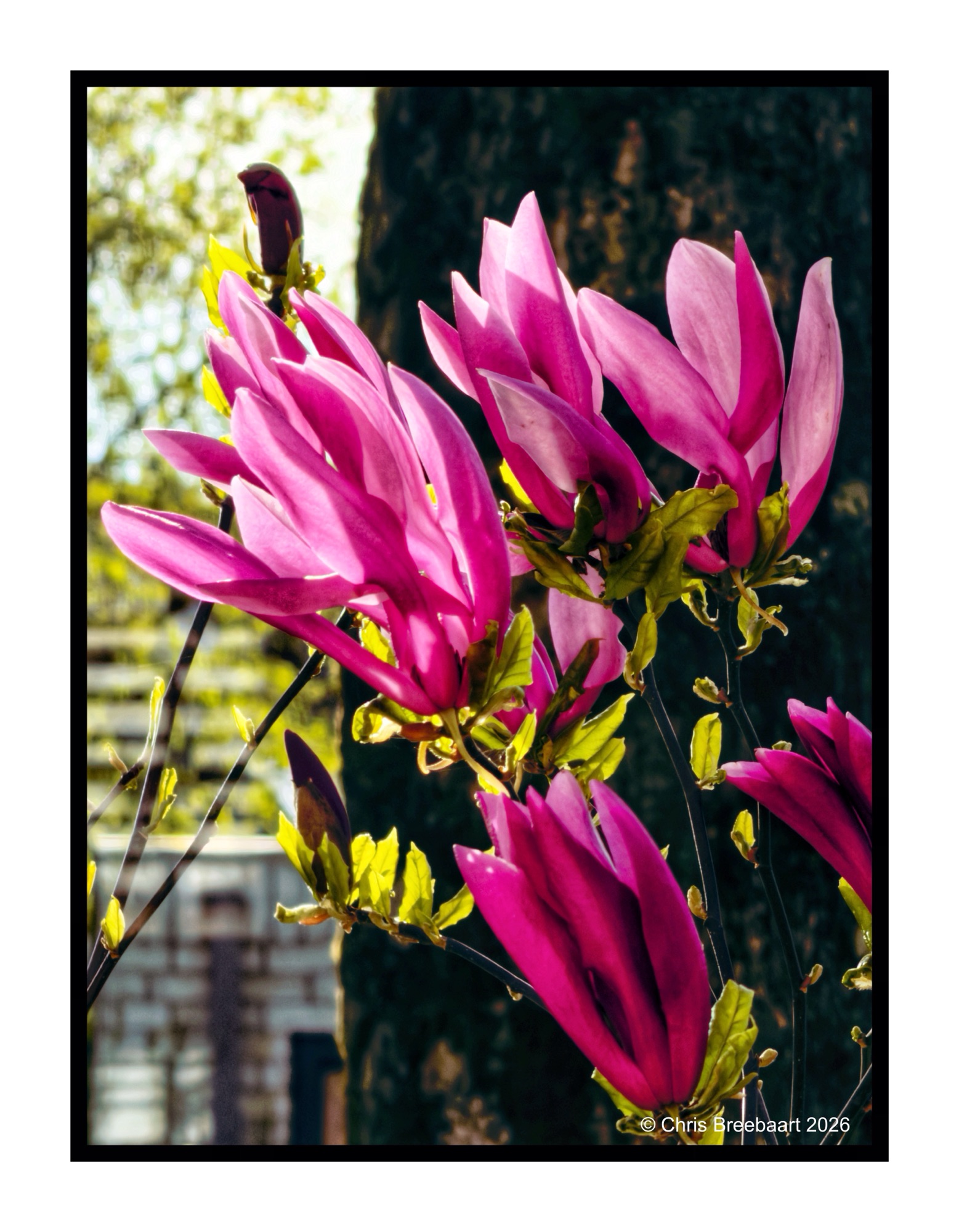
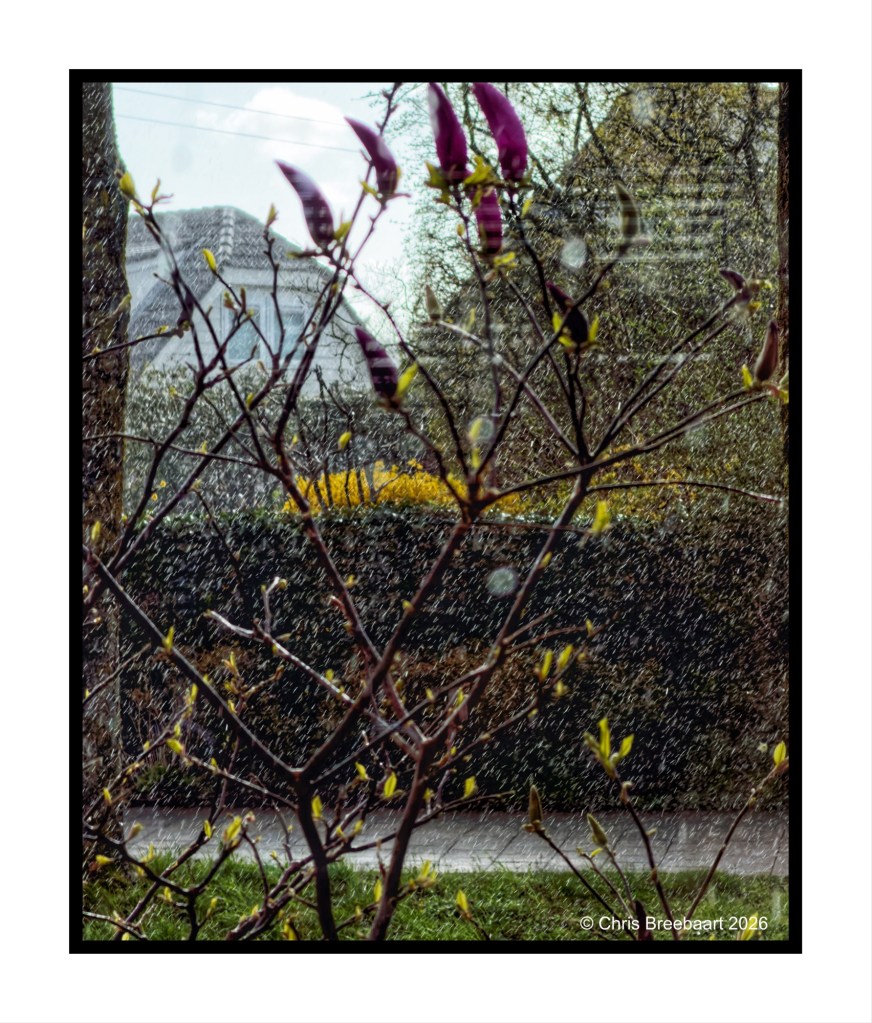
Magnolia, it is not only about bulbflowers this Spring.
Shot with iPhone 17 Pro Max edited using Snapseed and Marksta. Click the picture for a larger version


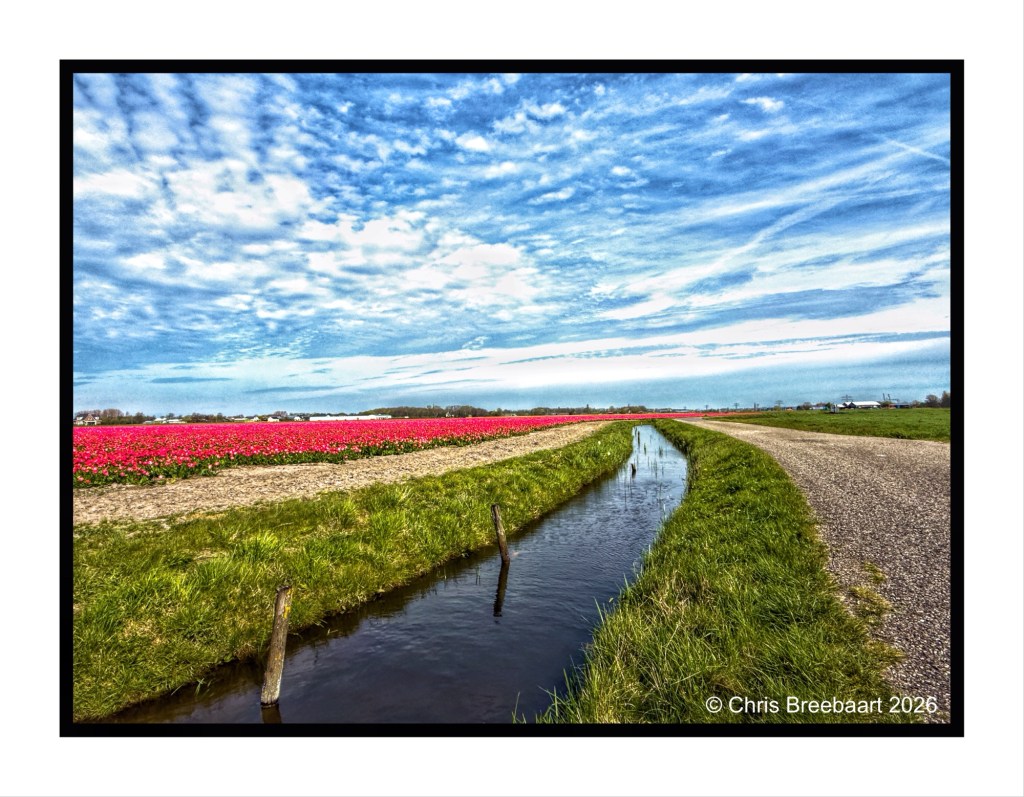
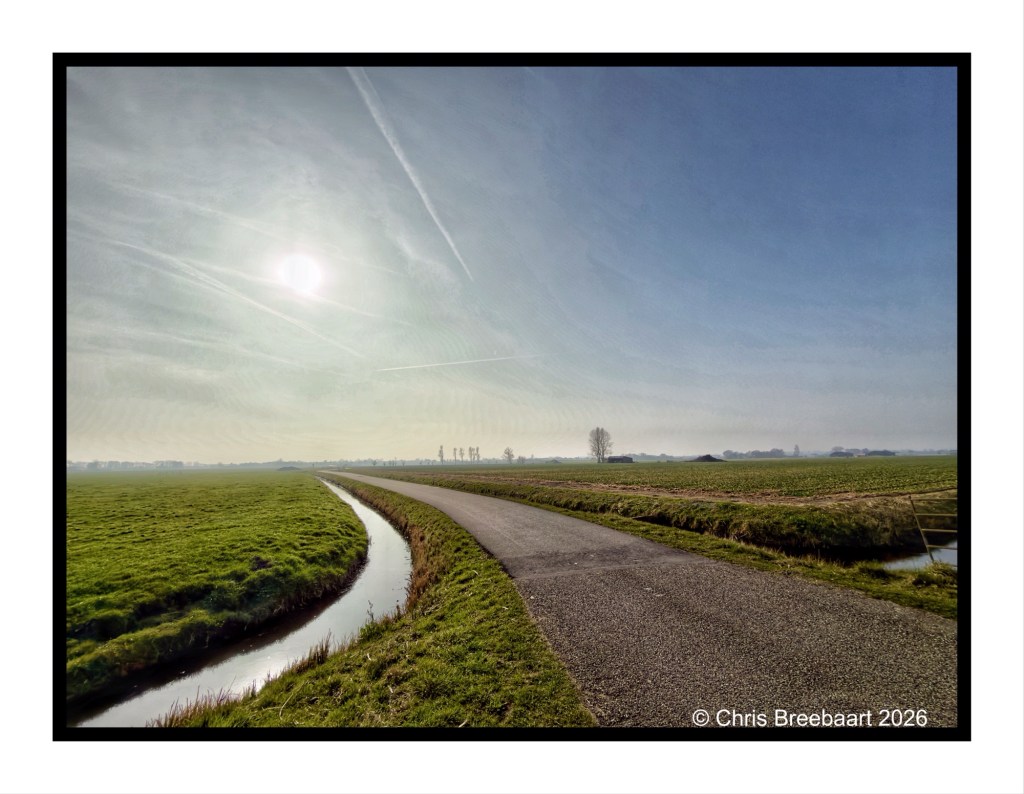
A major part of The Netherlands lies beneath sea level. Water, and the management of it in infrastructure as polders, dams and canals, is normal. We even not think of living under sea level. We feel safe.
The flat landscape makes it interesting to look for lines that guide the eyes through the space. In a polder there are always canals that do the trick.
The question here is: which appeals most to your taste buds?
LAPC #395 looks back to LAPC #155 ‘On the water’. Water is not on our minds, but it is mindful to keep defending dry land against rising sea, rivers and soon (thanks to climate change with a bigger financial effort) rain. Meanwhile water is seen in most of the landscapes of The Netherlands.
Shot with iPhone 17 Pro Max edited using Snapseed and Marksta. Click the picture for a larger version
A major part of The Netherlands lies beneath sea level. Water, and the management of it in infrastructure as polders, dams and canals, is normal. We even not think of living under sea level. We feel safe.
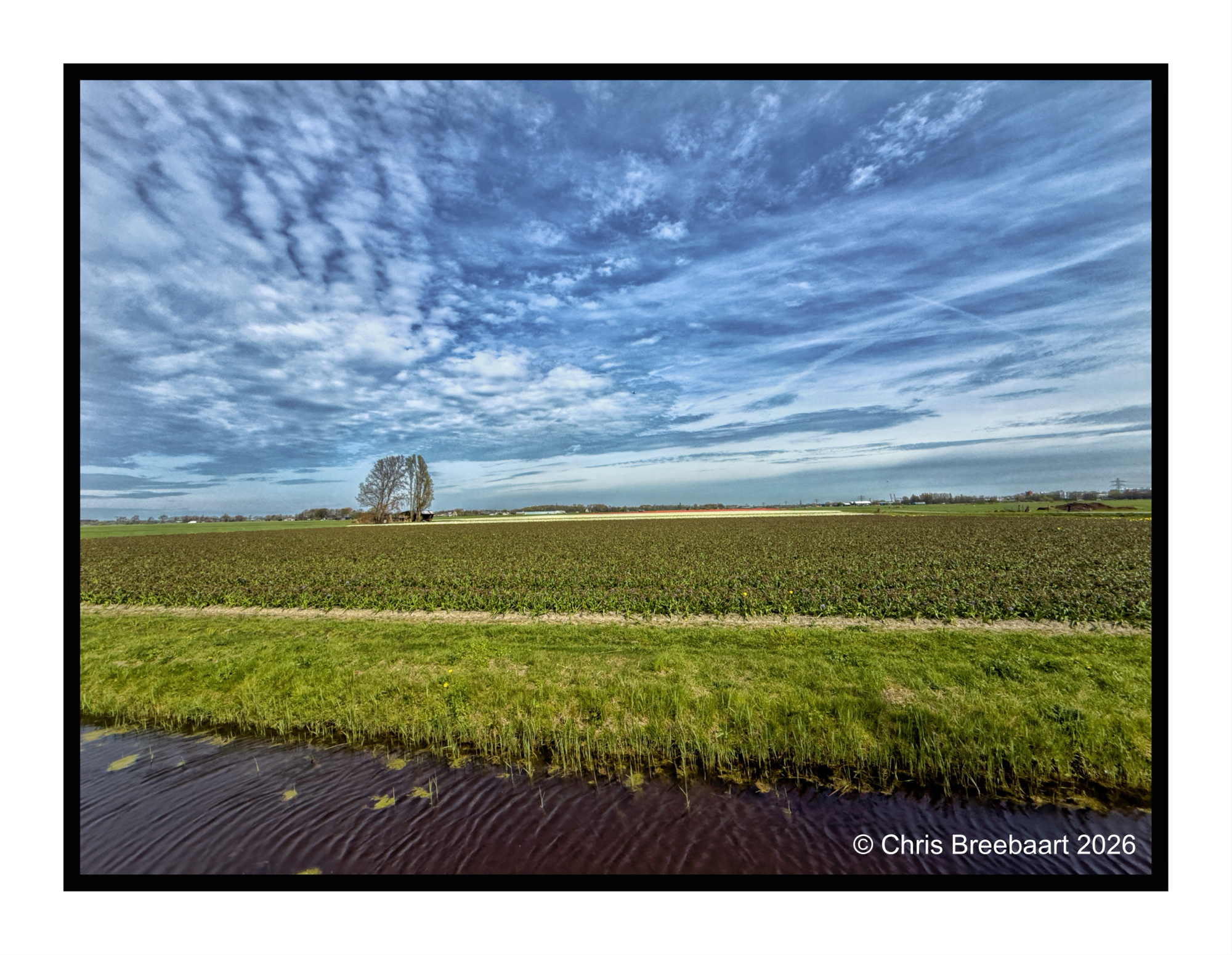
Most of The Netherlands is flat, with a low horizon, offering a wonderful quantity of sky over the horizon. Being near the coast there is always wind. Reflected in the sky and the water of the canals, serving to manage the water levels in the polder.
LAPC #395 looks back to LAPC #155 ‘On the water’. Water is not on our minds, but it is mindful to keep defending dry land against rising sea, rivers and soon (thanks to climate change with a bigger financial effort) rain. Meanwhile water is seen in most of the landscapes of The Netherlands.
Shot with iPhone 17 Pro Max edited using Snapseed and Marksta. Click the picture for a larger version.
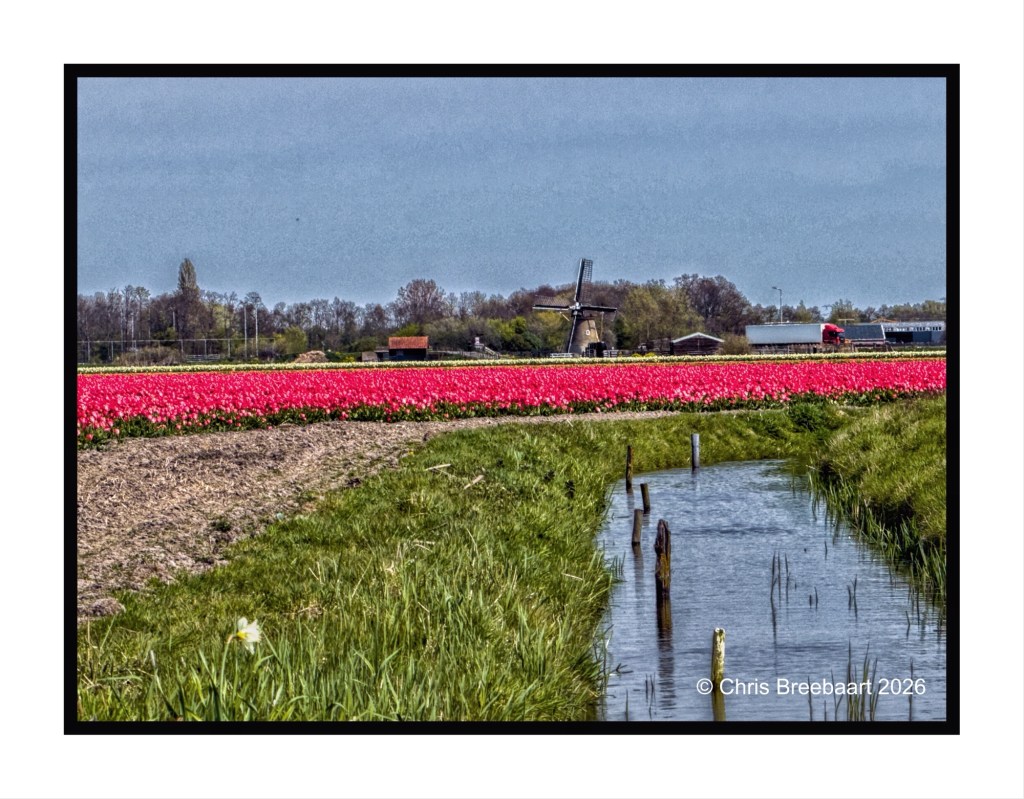
A major part of The Netherlands lies beneath sea level. Water, and the management of it in infrastructure as polders, dams and canals, is normal. We even not think of living under sea level. We feel safe.
Here a polder with an old windmill (painted by Monet long ago) – originally used to pump water out of a polder- and a small canal in a polder with tulips. Only the clogs are missing!
LAPC #395 looks back to LAPC #155 ‘On the water’. Water is not on our minds, but it is mindful to keep defending dry land against rising sea, rivers and soon (thanks to climate change with a bigger financial effort) rain.
Shot with iPhone 17 Pro Max edited using Snapseed and Marksta. Click the picture for a larger version.


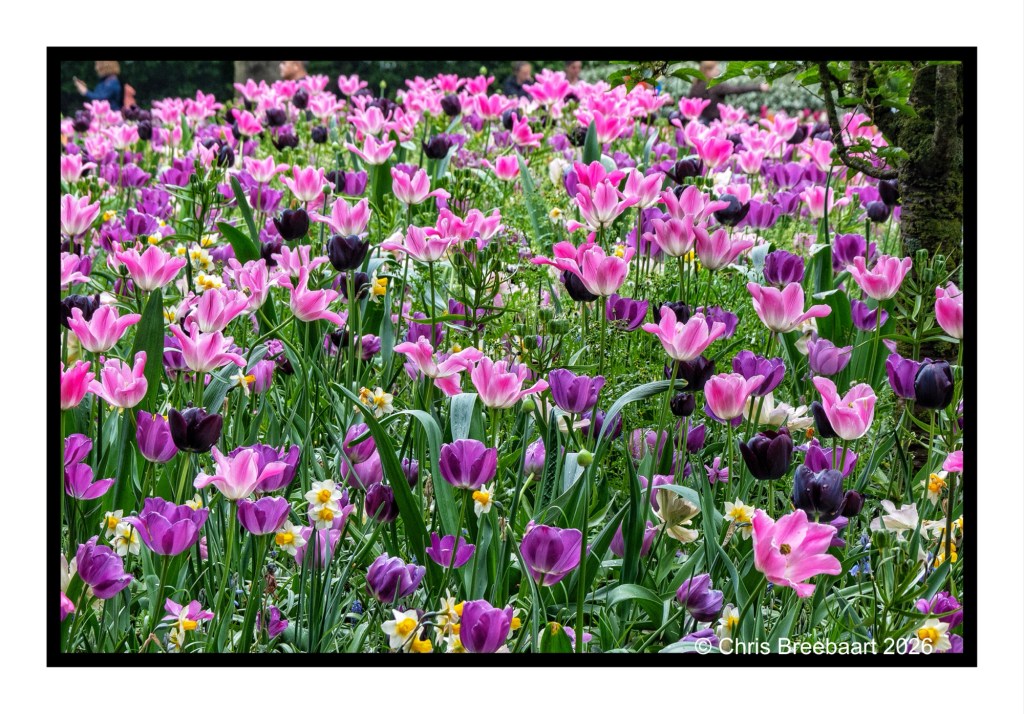
It is not only flowers on fields around the villages, but every garden has its own share of bulbflowers popping out in the Spring.
Shot with iPhone 17 Pro Max edited using Snapseed and Marksta. Click the picture for a larger version.
A shower of Spring rain with sun lighting up the drops. Setting the scene in the middle ground as the foreground and background form the stage setting. The theme of this week’s LAPC (#392) is ‘foreground, middle and background’.
Shot with iPhone 17 Pro Max edited using Snapseed and Marksta. Click the picture for a larger version.
The Magnolia against the upcoming sunlight for this week’s LAPC theme week (#391) ‘Phone photography’.
Shot with iPhone 17 Pro Max edited using Snapseed and Marksta. Click the picture for a larger version


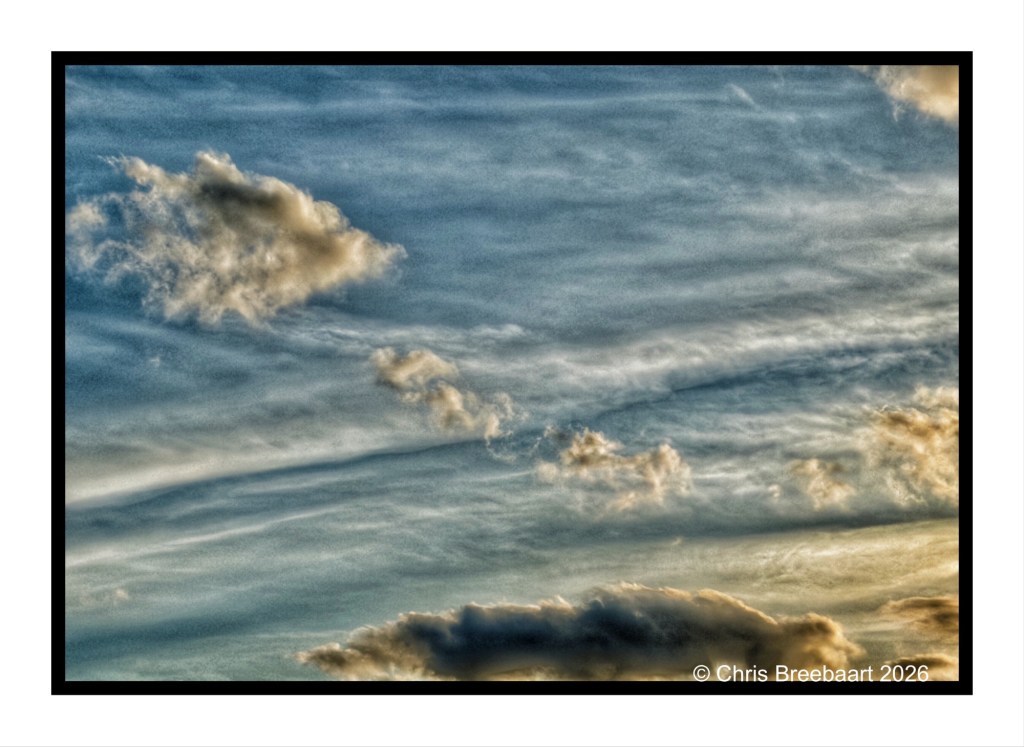
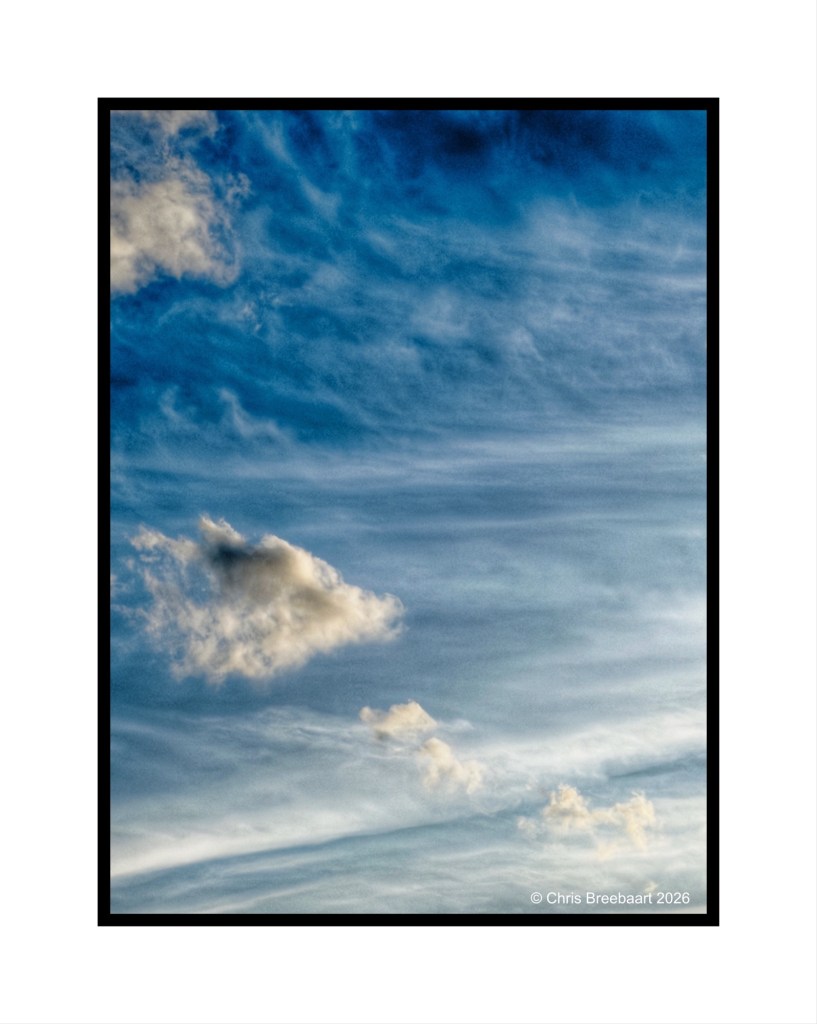
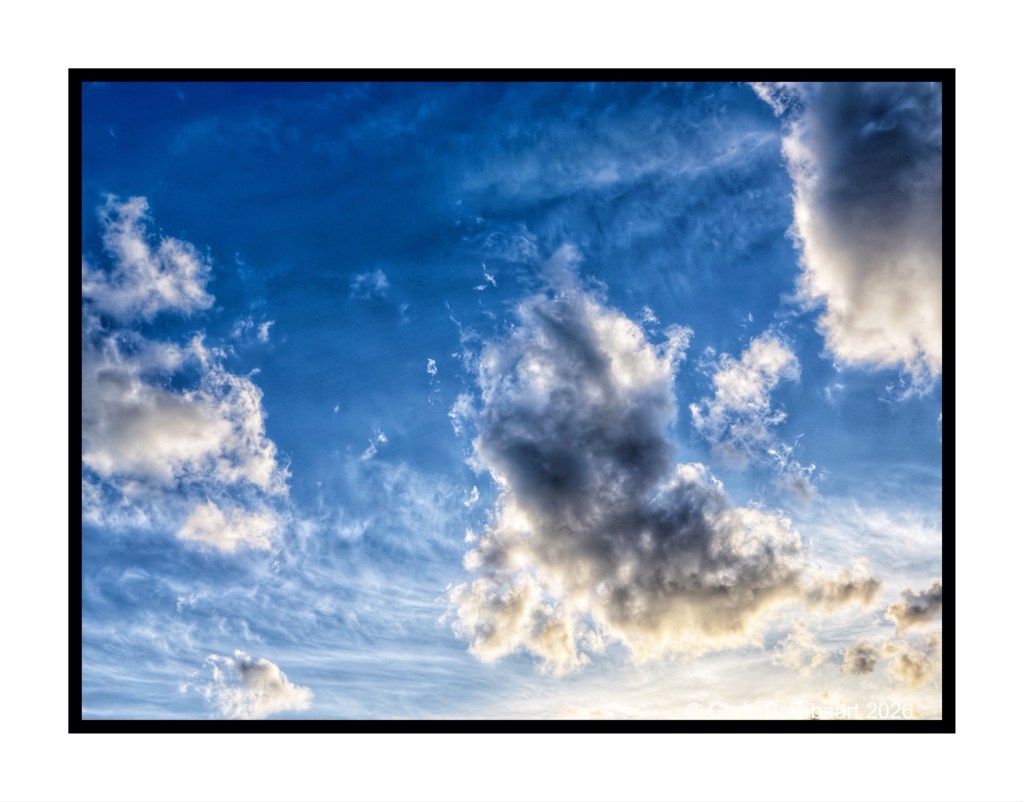
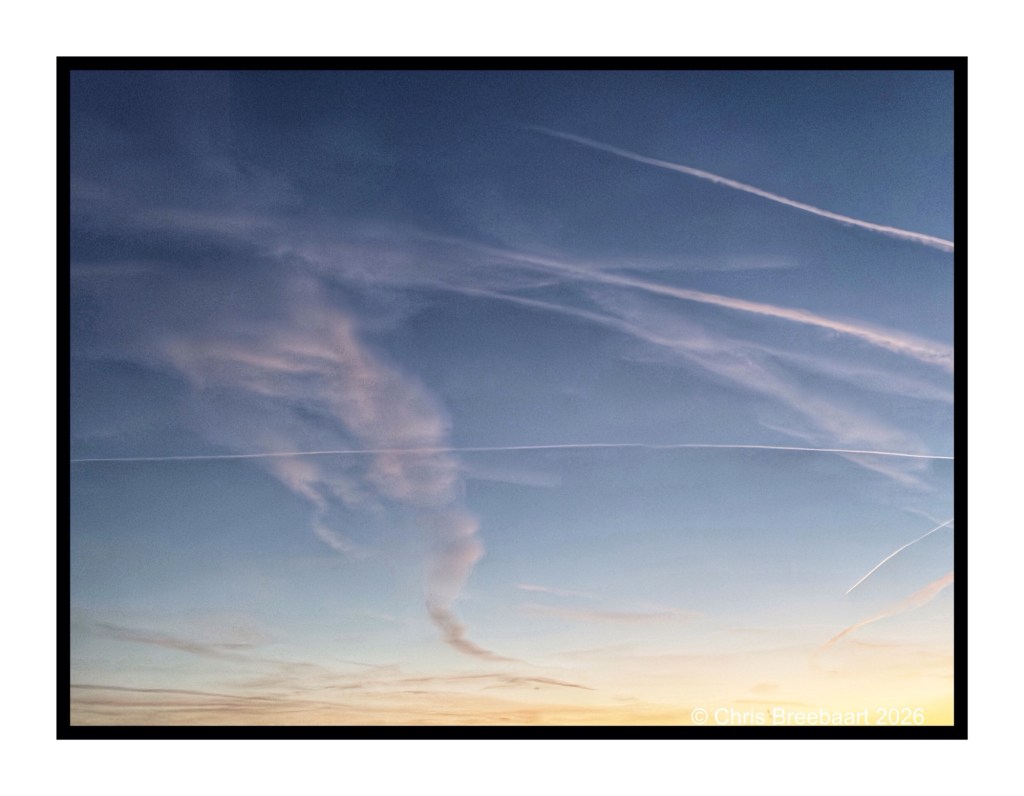
Clouds for this week’s LAPC theme week (#391) ‘Phone photography’.
Shot with iPhone 17 Pro Max edited using Snapseed and Marksta. Click the picture for a larger version


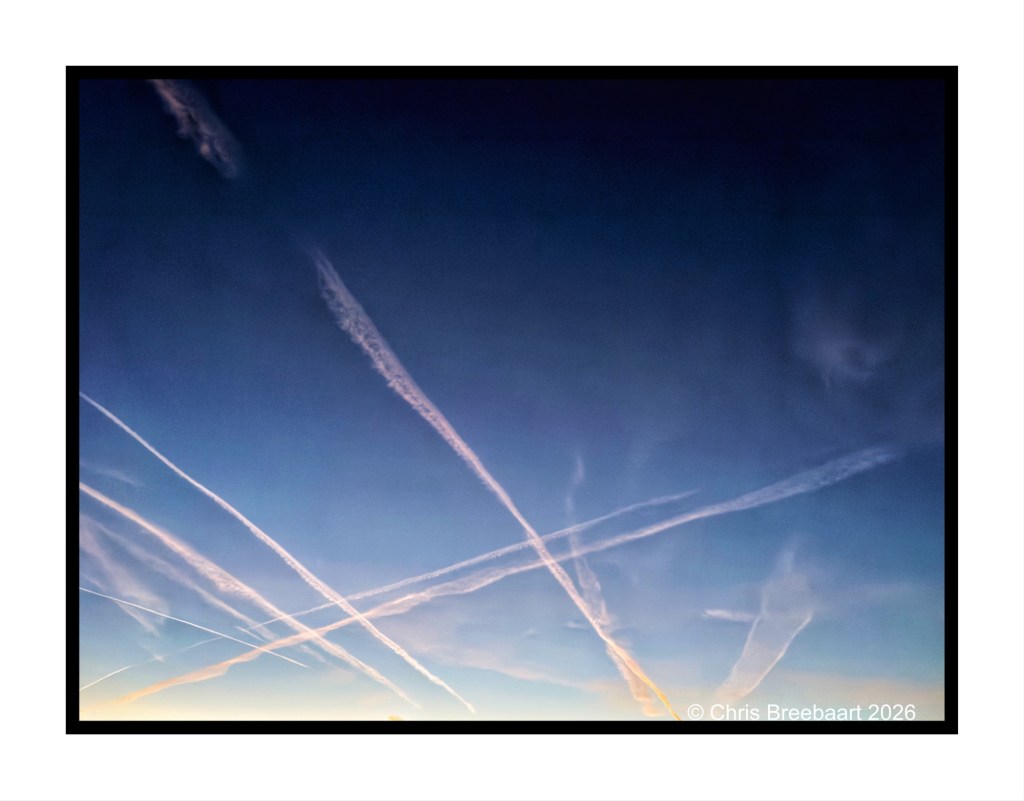
Dusk for this week’s LAPC theme week (#391) ‘Phone photography’.
Shot with iPhone 17 Pro Max edited using Snapseed and Marksta. Click the picture for a larger version


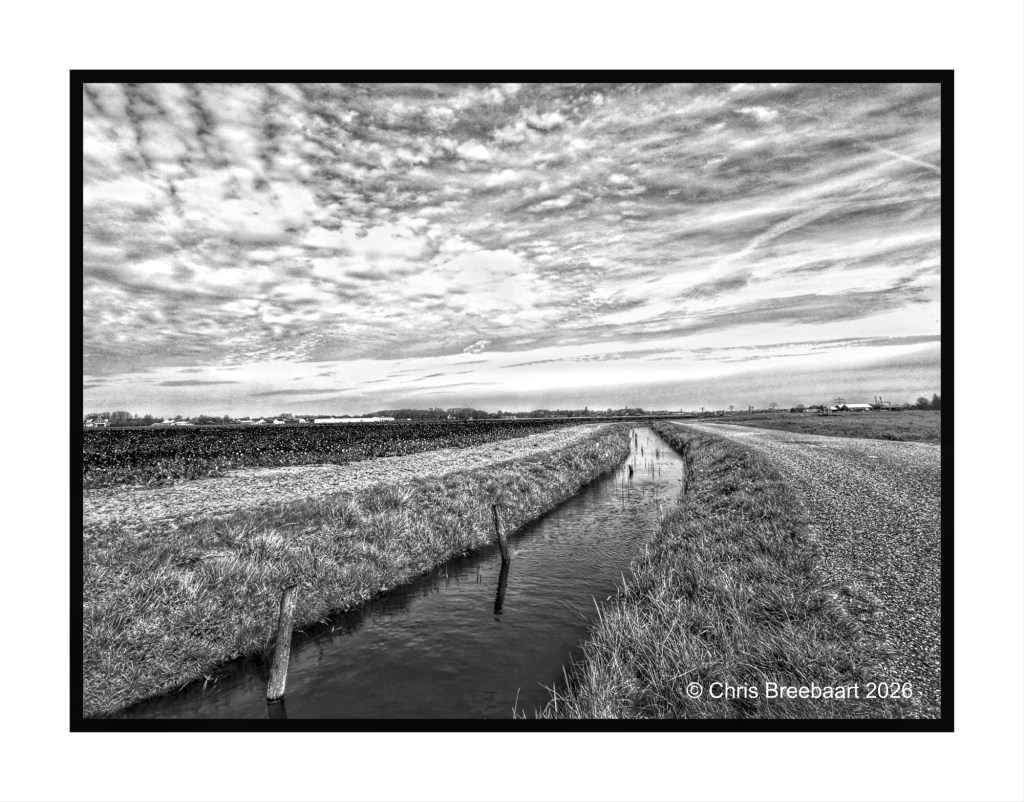
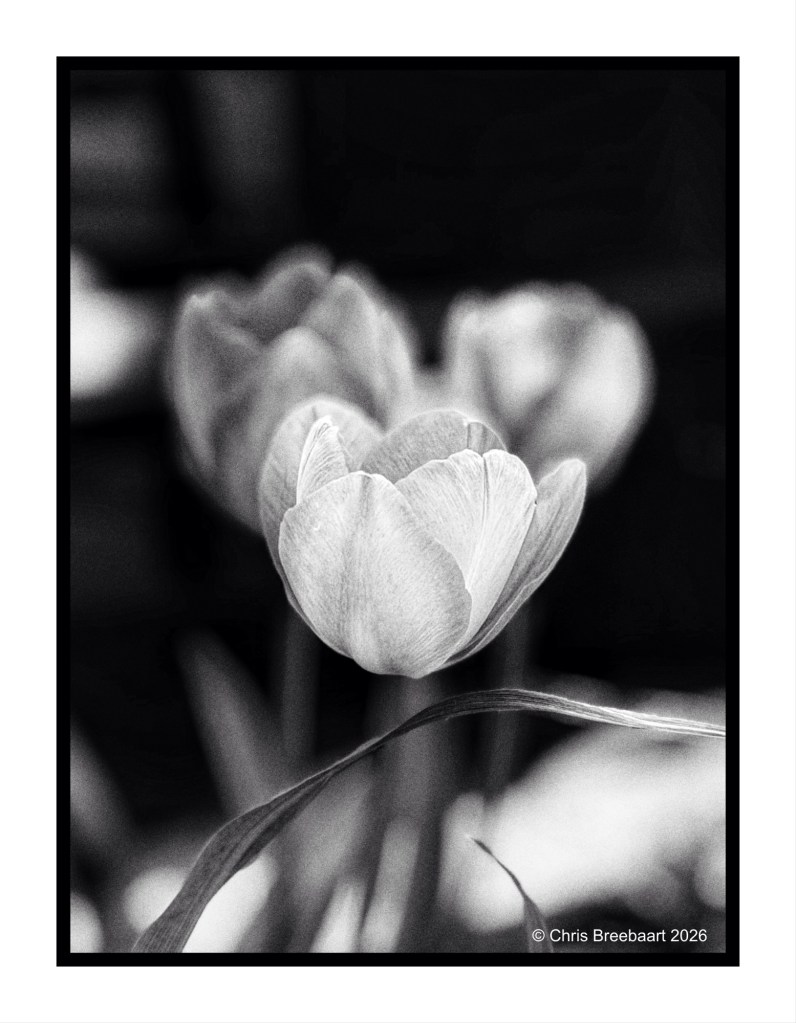
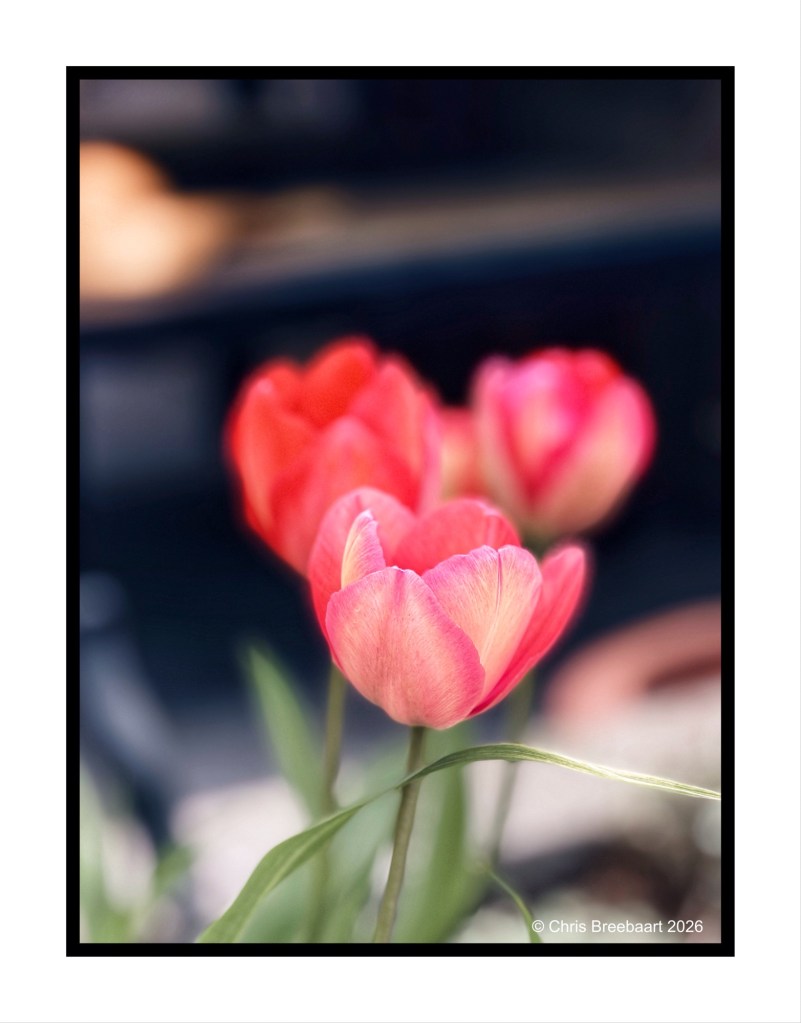
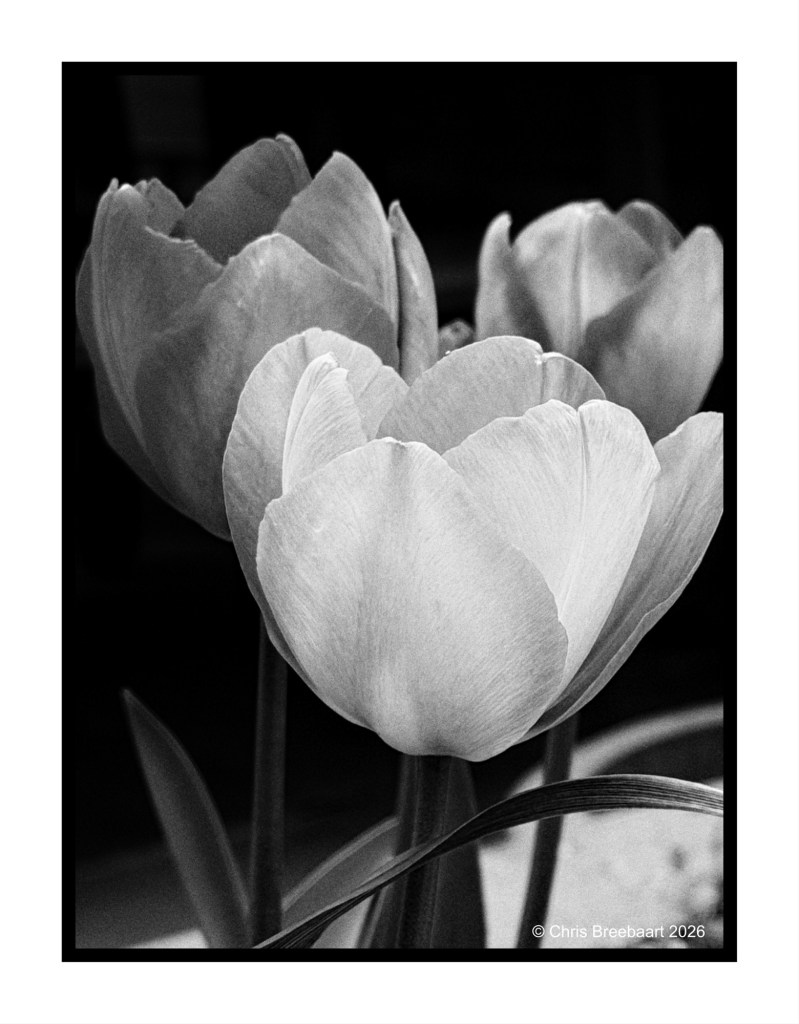
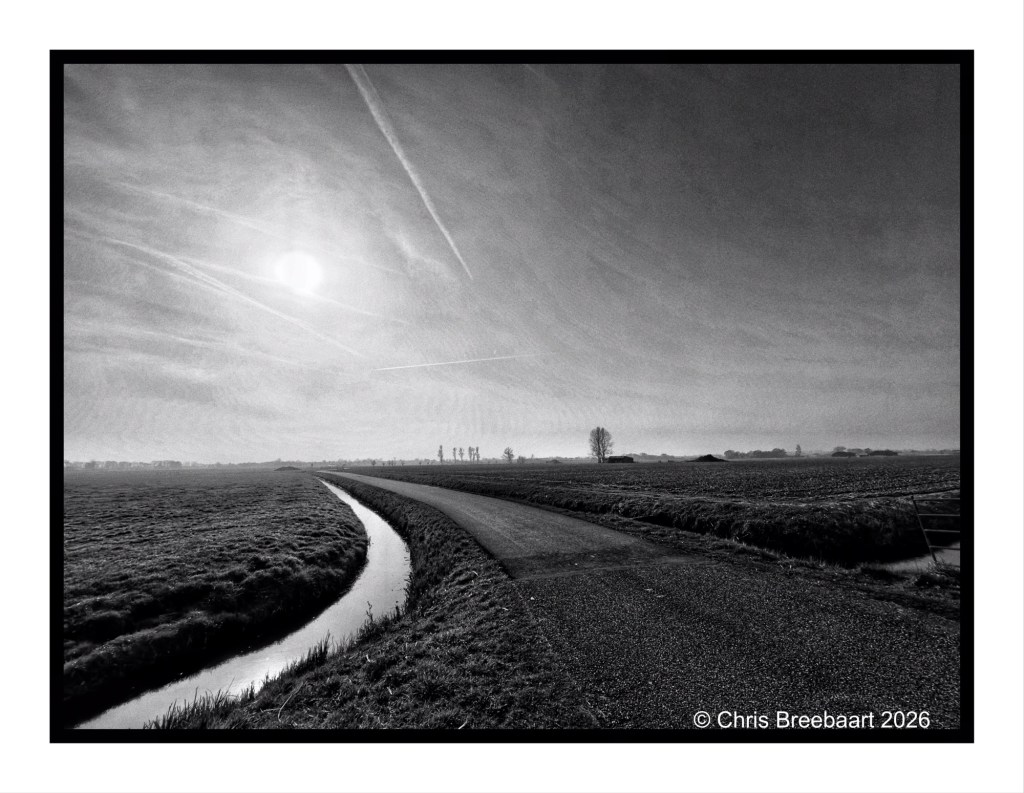
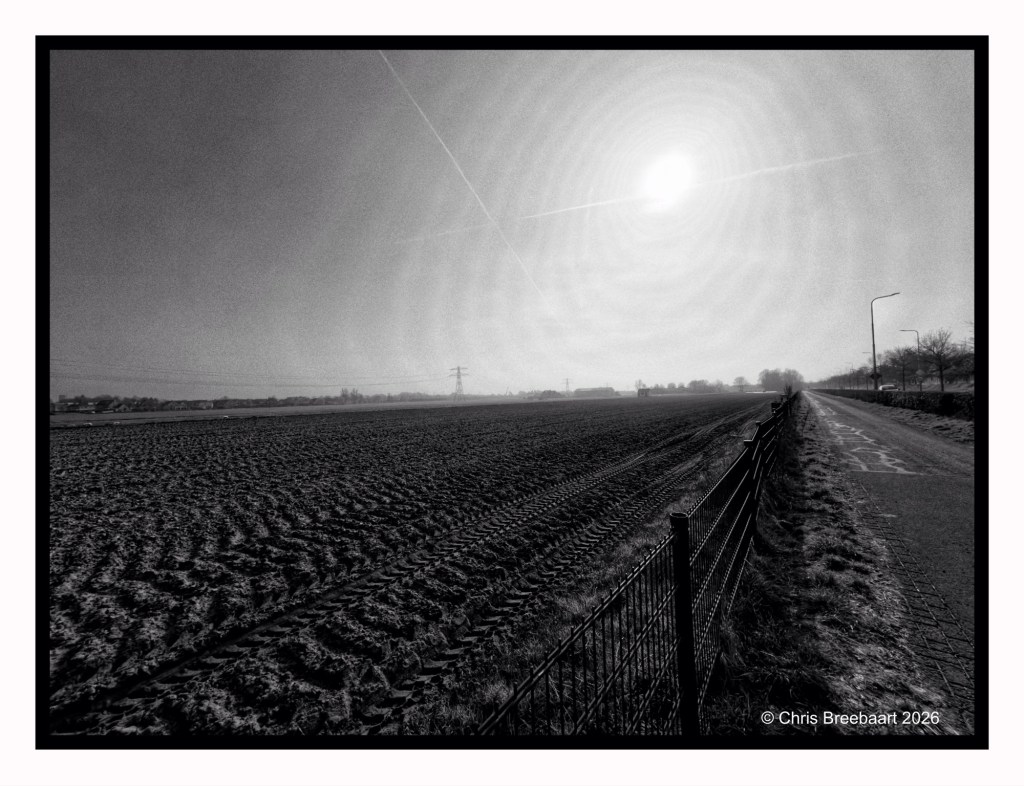
If you visit my blog – like I hope you do or from now start to do – you must have recognized my ‘old’ love for monochrome. When I started this hobby, mono was fashionable and a standard for news photography. And it was cheaper. In this series I offer you two versions of a photo. And you can prefer one over the other, or not.
This week’s theme is ‘Time to relax’. On a bicycle ride through fields where soon bulb flowers will pop up, together with other cyclists. This is a piece of a polder showing the low horizon in the sun.
Shot with iPhone 17 Pro Max edited using Snapseed and Marksta. Click the picture for a larger version


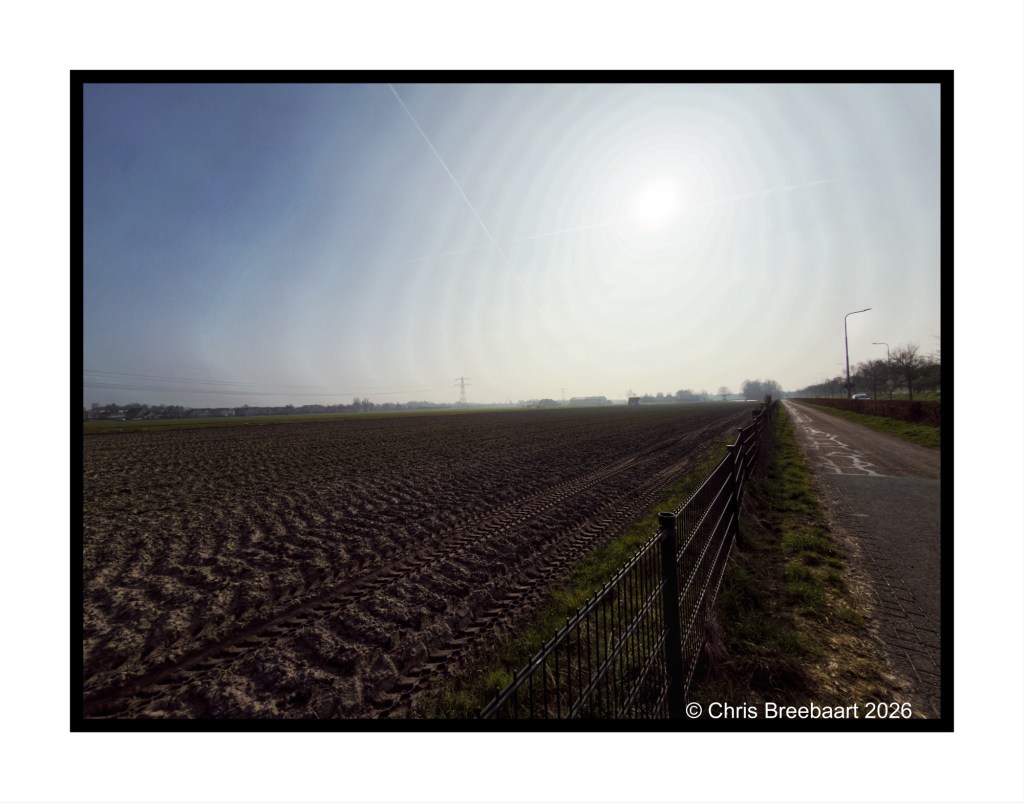
If you visit my blog – like I hope you do or from now start to do – you must have recognized my ‘old’ love for monochrome. When I started this hobby, mono was fashionable and a standard for news photography. And it was cheaper. In this series I offer you two versions of a photo. And you can prefer one over the other, or not.
This week’s theme is ‘Time to relax’. On a bicycle ride through fields where soon bulb flowers will pop up, together with other cyclists. Thought I am not really sure about this piece of land, it is just been plowed it seems.
Shot with iPhone 17 Pro Max edited using Snapseed and Marksta. Click the picture for a larger version


If you visit my blog – like I hope you do or from now start to do – you must have recognized my ‘old’ love for monochrome. When I started this hobby, mono was fashionable and a standard for news photography. And it was cheaper. In this series I offer you two versions of a photo. And you can prefer one over the other, or not.
This week’s theme is ‘Time to relax’. On a bicycle ride through fields where soon bulb flowers will pop up, together with other cyclists. On the color version you can see the deep purple of early hyacinths. With Some yellow late Daffodils.
Shot with iPhone 17 Pro Max edited using Snapseed and Marksta. Click the picture for a larger version


If you visit my blog – like I hope you do or from now start to do – you must have recognized my ‘old’ love for monochrome. When I started this hobby, mono was fashionable and a standard for news photography. And it was cheaper. In this series I offer you two versions of a photo. And you can prefer one over the other, or not.
This week’s theme is ‘Time to relax’. On a bicycle ride through fields where soon bulb flowers will pop up, together with other cyclists. On the color version you can see the deep purple of early hyacinths. With Some yellow late Daffodils.
Shot with iPhone 17 Pro Max edited using Snapseed and Marksta. Click the picture for a larger version
This week’s theme is ‘Time to relax’. On a bicycle ride through fields where soon bulb flowers will pop up, together with other cyclists and the occasional runner.
Shot with iPhone 17 Pro Max edited using Snapseed and Marksta. Click the picture for a larger version
Spring is here and last weekend I made a little bicycle ride to check out the bulb flower fields. Daffodils where coming up, and at odd places hyacinths started to show. A nice way to relax and enjoy the lovely day outside. As did others by walking, running or cycling. Fitting this week’s theme ‘Time to relax’.
Shot with iPhone 17 Pro Max edited using Snapseed and Marksta. Click the picture for a larger version
Long ago each season had its own indicators: vegetables, flowers, products. But nowadays in a world economy you can eat vegetables all year round. And now you can have lavender all year round as well. Not the whole year but starting from Spring.
Lavender for me is a ride through the Provence, with the scent in the air as you oversee fields of purple. In Summer.
Shot with iPhone 17 Pro Max edited using Snapseed and Marksta. Click the picture for a larger version
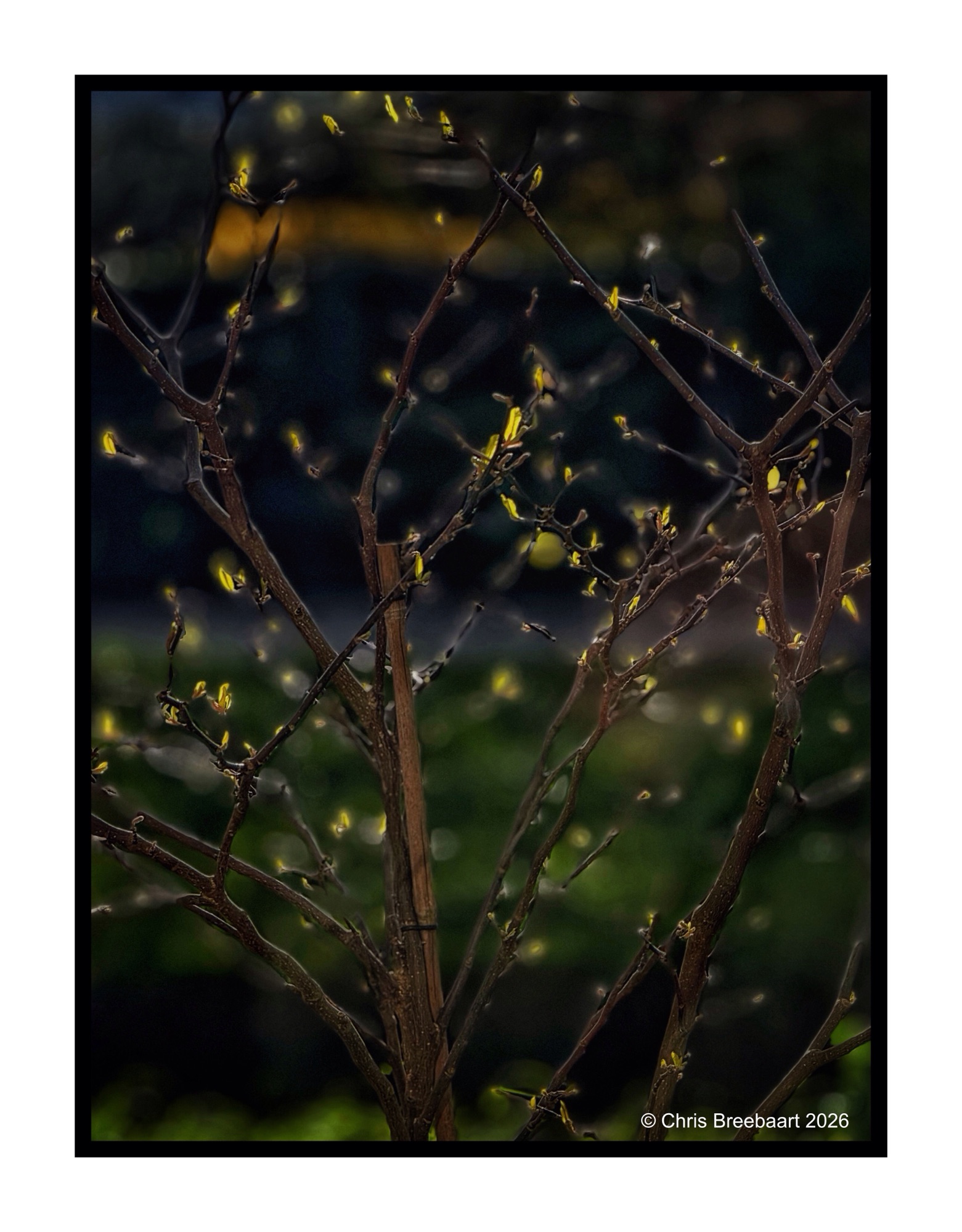
Spring knocks on the door. Sunrises through young leaves, creating a fabric of soft gold in the tree against the sunlight.
Shot with iPhone 15 Pro Max edited using Snapseed and Marksta. Click the picture for a larger version.
Spring knocks on the door. Sunrises through young leaves, creating golden slumbers in the early sunlight. Vanishing as the sun climbs higher in the sky.
Shot with iPhone 15 Pro Max edited using Snapseed and Marksta. Click the picture for a larger version.
Spring is coming. even when we are still in Winter.
Shot with iPhone 15 Pro Max edited using Snapseed and Marksta. Click the picture for a larger version.
The view towards the Koninklijke Bibliotheek (Royal Library). This weeks Lens-Artists Photo Challenge #387 is Shadowed. How do you use shadows in photography.
Shot with iPhone 15 Pro Max edited using Snapseed and Marksta. Click the picture for a larger version.
A Winter sunrise. This weeks Lens-Artists Photo Challenge #387 is Shadowed. How do you use shadows in photography.
Shot with iPhone 15 Pro Max edited using Snapseed and Marksta. Click the picture for a larger version.
A Winter sunrise. This weeks Lens-Artists Photo Challenge #387 is Shadowed. How do you use shadows in photography.
Shot with iPhone 15 Pro Max edited using Snapseed and Marksta. Click the picture for a larger version.
Den Haag Haagse Poort on a day with fog. Just a mono.
Shot with iPhone 15 Pro Max edited using Snapseedand Marksta. Click the picture for a larger version.

It is quite a simple question to ask. Do you prefer the monochrome version or the colored version of a photo?
I grew up with monochrome. Because it was cheaper. That applied to films as well as darkroom costs.
The mono version emphasizes the background and atmosphere. The colored version is high lighting the front of the frame.
But in the end, as the famous nr. 14 Johan Cruyff said: every advantage has its disadvantages. And the choice is as always subjective.
Shot with iPhone 15 Pro Max edited using Snapseedand Marksta. Click the picture for a larger version.
LAPC #386 invites to use the power of juxtaposition. Basically put two objects in a frame to create a narrative or reaction about their relation. Here the story of two sunflowers.
Shot with iPhone 15 Pro Max edited using Snapseed and Marksta. Click the picture for a larger version.
The LAPC theme #385 is ‘unusual crop’. Geese in a pretty big V.
Shot with iPhone 15 Pro Max edited using Snapseed and Marksta. Click the picture for a larger version.


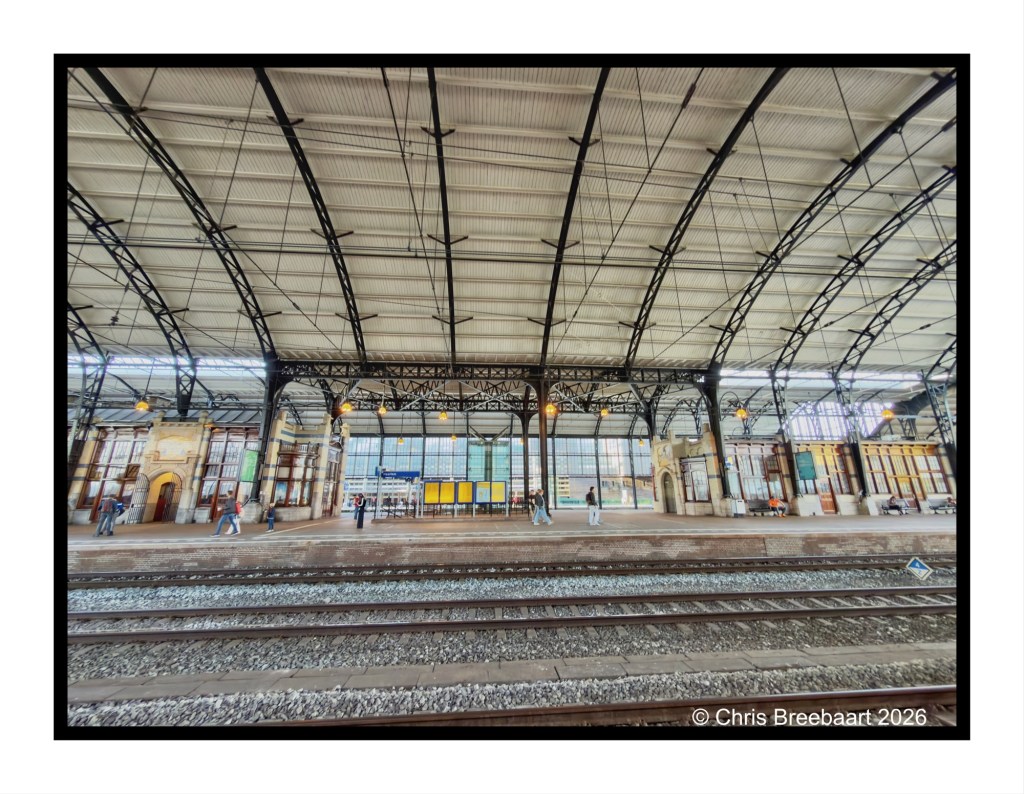
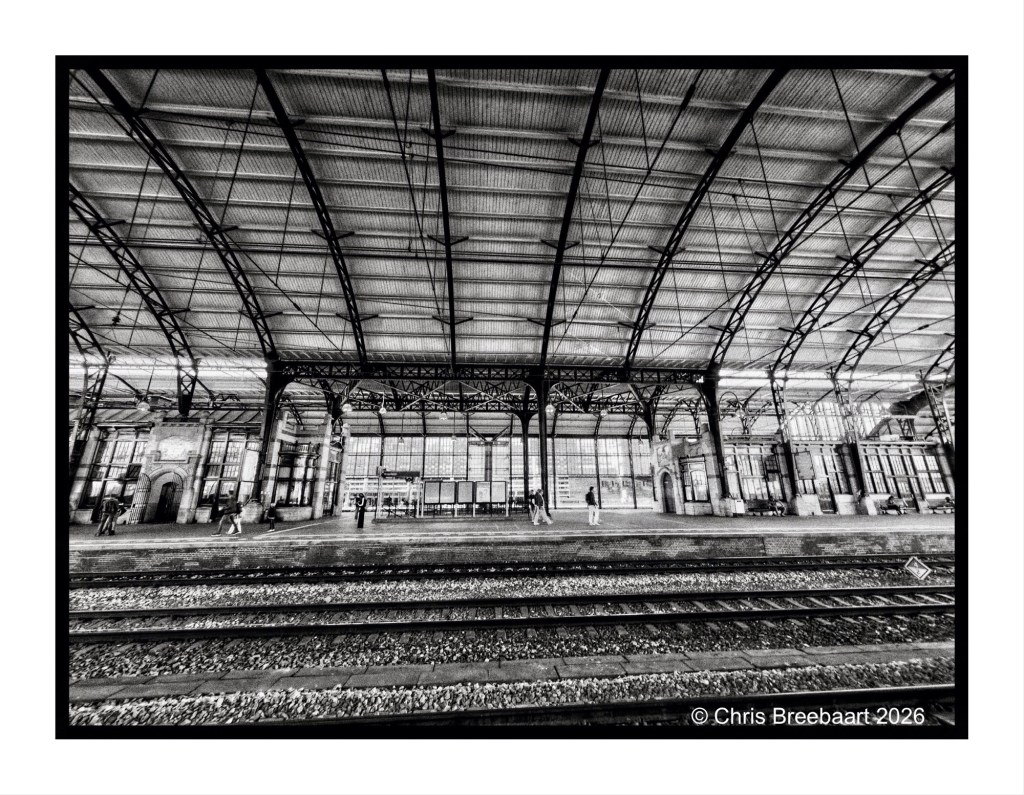
The LAPC theme #385 is ‘unusual crop’. Station Den Haag – Laan van Nieuw Oost-Indië (that is a throat breaker for most of you non-Dutch speakers). Tracking the tracks.
Shot with iPhone 15 Pro Max edited using Snapseed and Marksta. Click the picture for a larger version.
The LAPC theme #385 is ‘unusual crop’. The skyline over Den Haag, building activities and old spires.
Shot with iPhone 15 Pro Max edited using Snapseed and Marksta. Click the picture for a larger version.
The LAPC theme #385 is ‘unusual crop’. This one was cropped/framed by zoom on the iPhone while shooting.
Shot with iPhone 15 Pro Max edited using Snapseed and Marksta. Click the picture for a larger version.

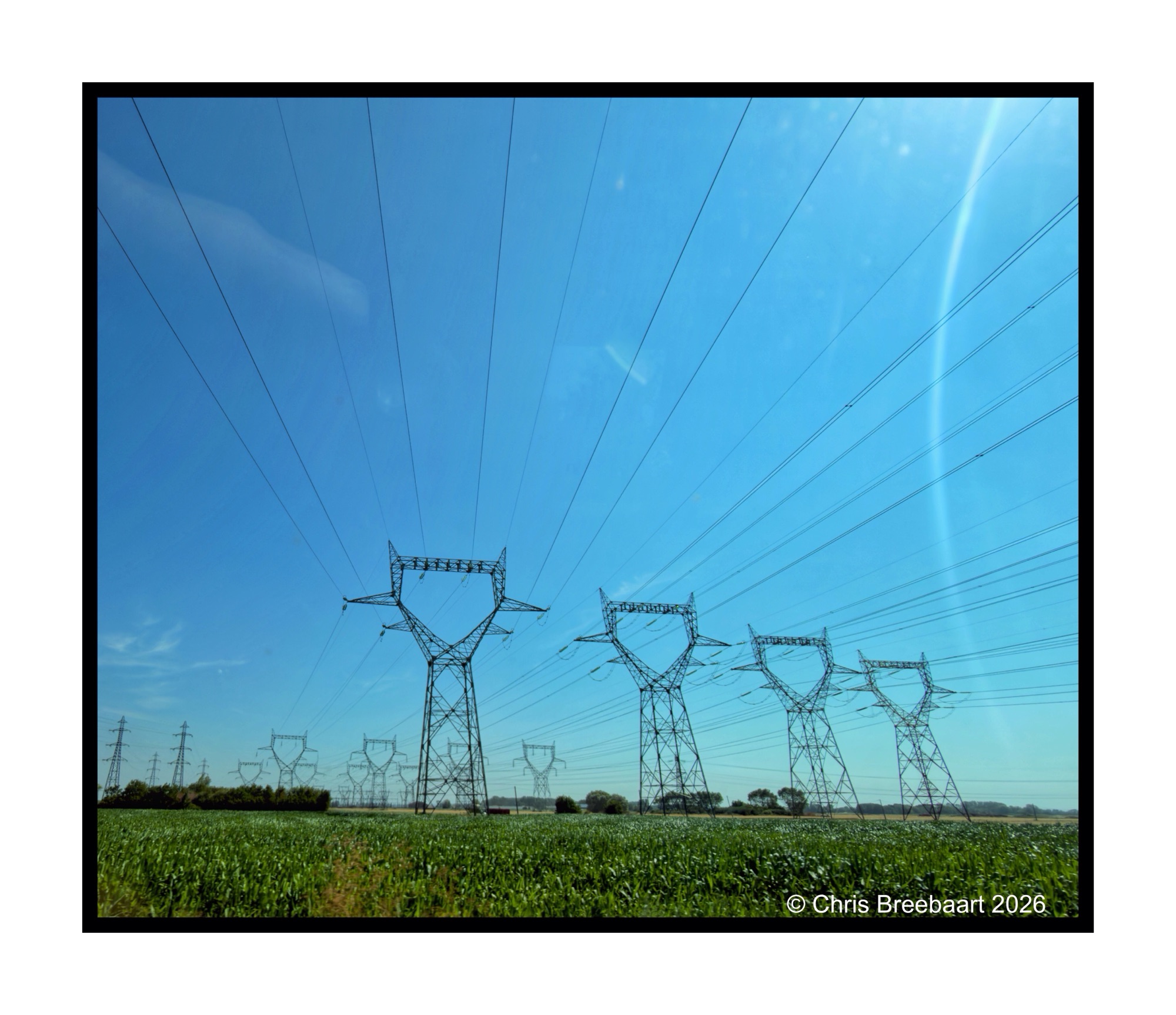
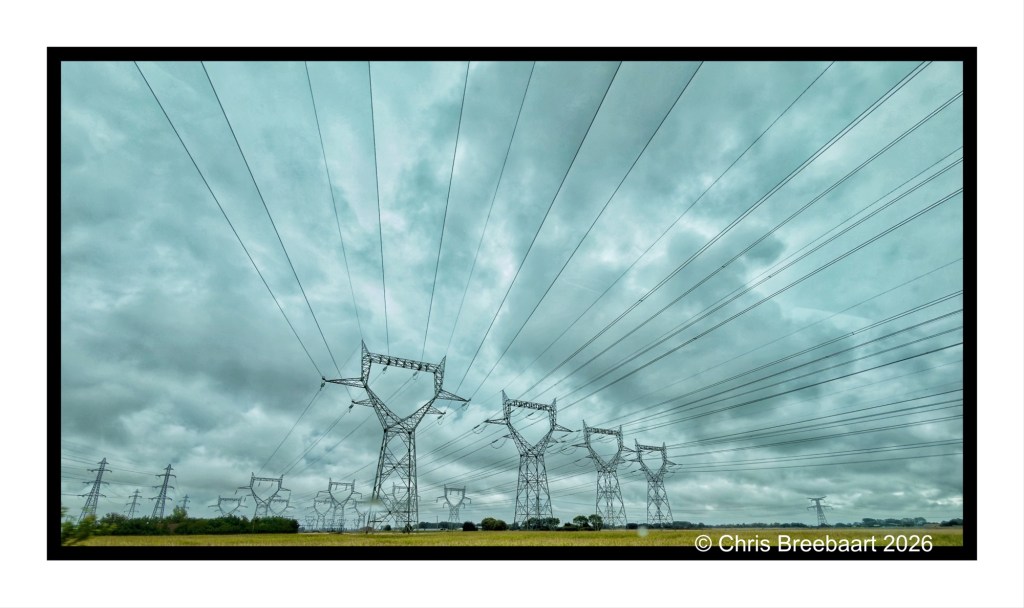
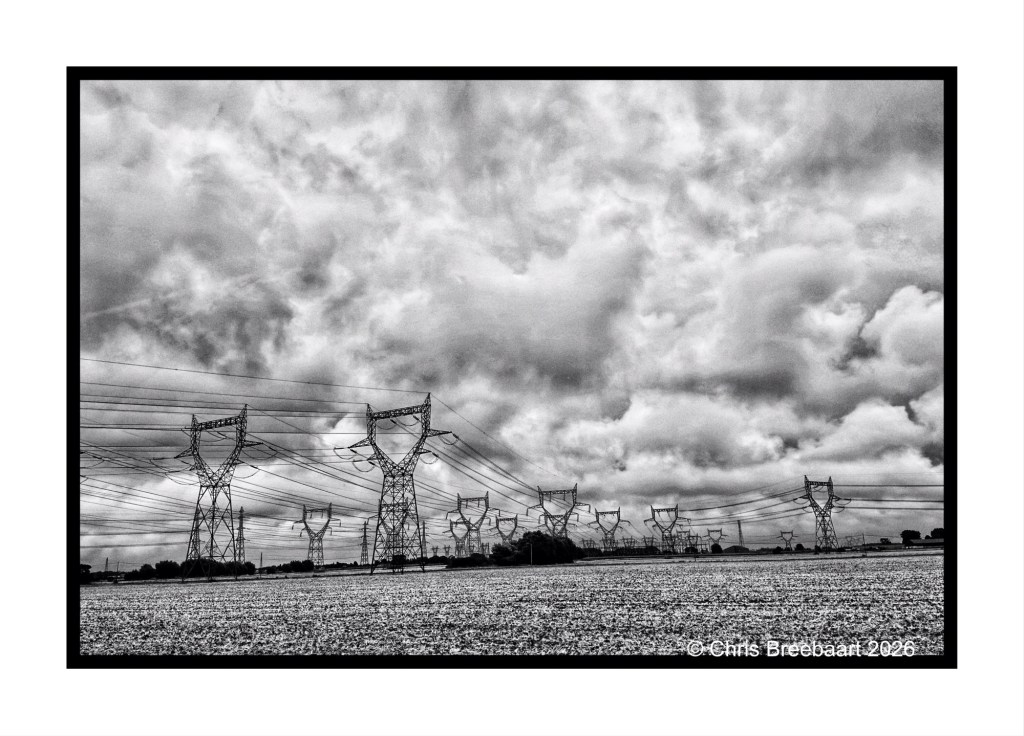
Every time we travel to the UK via the Channel Tunnel, I try to take photos of these steel giants. The same goes for when we return from there. They carry power lines in the area of St. Georges-sur-l’Aa. No worries, I’m in the passenger seat.
They remind me of mythical knights, marching in line over the fields. In the archive you find a set of photos over the years.
Shot with iPhone 15 Pro Max, edited using Snapseed, GrainLab and Marksta. Click the picture for a larger version.
To end a long set of photos of the marshes near Blakeney, a panorama shot.
Shot with iPhone 15 Pro Max edited using Snapseedand Marksta. Click the picture for a larger version.
Lens-Artist’s Photo Challenge #384 is ‘astonishment’. The brief is to show in a photo a feeling of surprise or wonder. These two dogs (Murphy left and Cooper right) keep me wondering for years already. It is about their addiction to water in general. If there is water anywhere (preferably muddy) they dive in. Here they have a bath hunting for the ball in at the quayside of Blakeney.
Shot with Nikon Zf,edited using Snapseed and Marksta. Click the picture for a larger version.
The quayside and harbour of Blakeney just before sunrise.
Shot with Nikon Zf,edited using Snapseed and Marksta. Click the picture for a larger version.
Lens-Artist’s Photo Challenge #383 is ‘patterns and designs’. Sunrises are always amazing, but the marshes being touched by the first rays is amazing to see.
Shot with Nikon Zf, edited using Snapseed and Marksta. Click the picture for a larger version
Lens-Artist’s Photo Challenge #383 is ‘patterns and designs’. The sunrise distorted in the lens.
Shot with Nikon Zf, edited using Snapseed and Marksta. Click the picture for a larger version
Lens-Artist’s Photo Challenge #383 is ‘patterns and designs’. The sunrise over marshes near Blakeney.
Shot with Nikon Zf, edited using Snapseed and Marksta. Click the picture for a larger version
Lens-Artist’s Photo Challenge #383 is ‘patterns and designs’. The sunrise over the famous Cley windmill and Cley next the sea.
Shot with Nikon Zf, edited using Snapseed and Marksta. Click the picture for a larger version
Lens-Artist’s Photo Challenge #383 is ‘patterns and designs’. A Winter rain shower over the quaside of Blakeney.
Shot with Nikon Zf, edited using Snapseed and Marksta. Click the picture for a larger version
Lens-Artist’s Photo Challenge #383 is ‘patterns and designs’. The marshes at Blakeney in first morning light.
Shot with Nikon Zf, edited using Snapseed and Marksta. Click the picture for a larger version


Lens-Artist’s Photo Challenge #383 is ‘patterns and designs’. Being caught in Winter shower in Blakeney, resultated in a gorgeous full and double rainbow. As we can see here, the story of the pot of gold is probably not true.
Shot with Nikon Zf (the two portrait photos),and iPhone 15 Pro Max (the landscape) edited using Snapseed and Marksta. Click the picture for a larger version
The quayside and harbour of Blakeney.
Shot with Nikon Zf,edited using Snapseed and Marksta. Click the picture for a larger version.
The quayside of Blakeney. Here you can go on a small boat to see Blakeney Point, visit the seals.
Shot with Nikon Zf,edited using Snapseed and Marksta. Click the picture for a larger version.
The path along the seafront in Blakeney.
Shot with Nikon Zf,edited using Snapseed and Marksta. Click the picture for a larger version.
Lens-artists Photo Challenge #382 is about rejected photos. What do you do with photos you do not like? You can throw them away, or you can keep them. And if you keep them what can you do with them? First a story of myself, how I work. And in the end an example.
I am a snap shooter for a long time. When looking at this question for myself, I have to distinguish between the analog age and the digital age. But in both ages it is about quality, how you can assess that and what instruments are available after shooting. And above all: how can you be creative, and how much room is there to experiment?
The analog age was expensive: film was expensive, darkroom materials were expensive too. And being a poor student I shot as efficient as possible. You had to be patient while shooting, and selective. You also needed to trust your skills. Experience was essential to figure out what worked and what not. To produce good prints you needed to develop darkroom skills. And some negatives were impossible to print. But you kept them all. I never threw away negatives. That decision was beneficial in the digital age. After scanning my negatives, I properly made them look like what I had in mind when shooting them. What the darkroom did not deliver, software did.
In the digital age the cost of a photo is nearly non existent. The original photo (the former negative) can be copied lots of times. From the start technology offers instruments to oversee the quality of the photos. What you shoot is instantly visible on the camera. You can try different changes in the photo. Adjustments like shutter time, focus, and shutter opening can be tested most of the time. The RAW format offers flexibility for editing the ‘negative’ after the shoot. Software offers lots of creative tools to change the photo, or create new images.
So, do you keep rejected (bad) photos or not? I do reject photos, overseeing the result on my camera. I keep photos that can come to a good result after editing. The rest I remove straight away (e.g. bracketing shots).What I keep is stored on my NAS, where I use Lightroom as my archiving tool. I use editing tools to tweak a photo slightly. My favorite is Snapseed for web and social media publication. And Lightroom and Photoshop for prints.
The digital age is a time for unlimited creativity. The photos of ‘dinner at Wiveton Bell’ are an example of testing out the iPhone in a very dark situation. I shot about 8 frames, I kept them all but had my doubts. At home I worked them in Lightroom and Snapseed. And was surprised by what came out. And the ones that did not work were indeed deleted.
On the left the photo published and on the right the original RAW file.


The last in the series of monochrome, more or less minimal photos for this week’s Lens artists photo challenge #381 (minimalism in black and white photography).
Shot with Nikon Zf,edited using Snapseed and Marksta. Click the picture for a larger version.
Lens artists photo challenge #381 is ‘minimalism in black and white photography’. The marshes at Blakeney are a place for running and hiking.
Shot with Nikon Zf,edited using Snapseed and Marksta. Click the picture for a larger version.