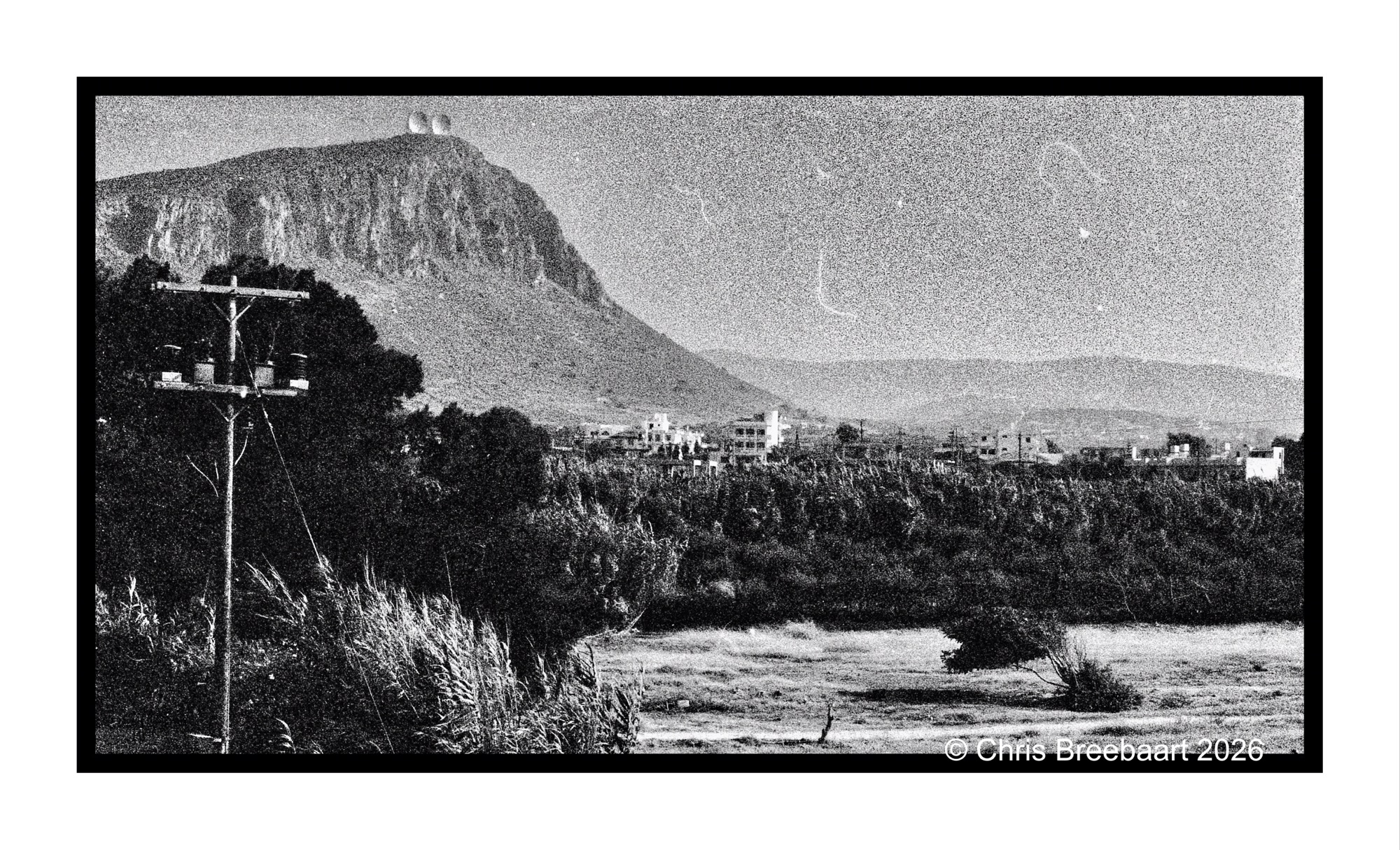
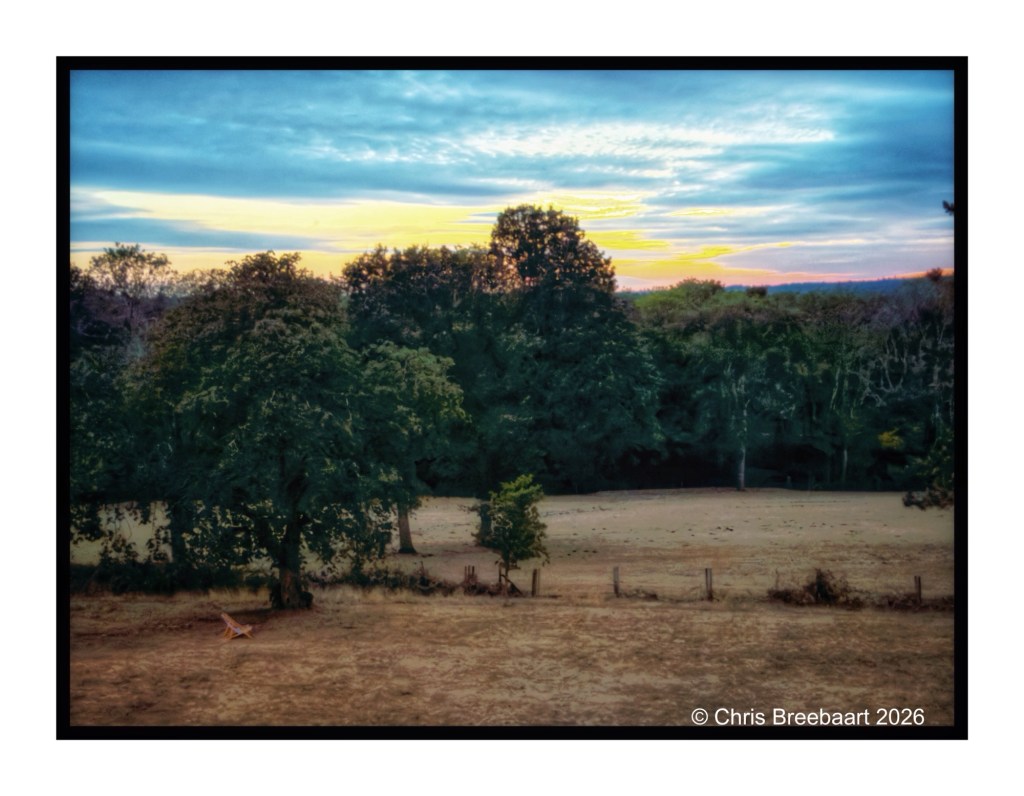
In 1992 the beaches at Gouves were much more open, and the village was rather small. Now it is all modern and built to the brim. A view from a hotel room long ago.
About the B4 retouch series: I browsed my archive for pictures to publish. Some of them are partly retouched but most do have scratches, dust and stains.
Originally shot with Nikon F301 on Kodak TriX, scanned from negative and tweaked using Snapseed and Marksta. Click the picture for a larger version.
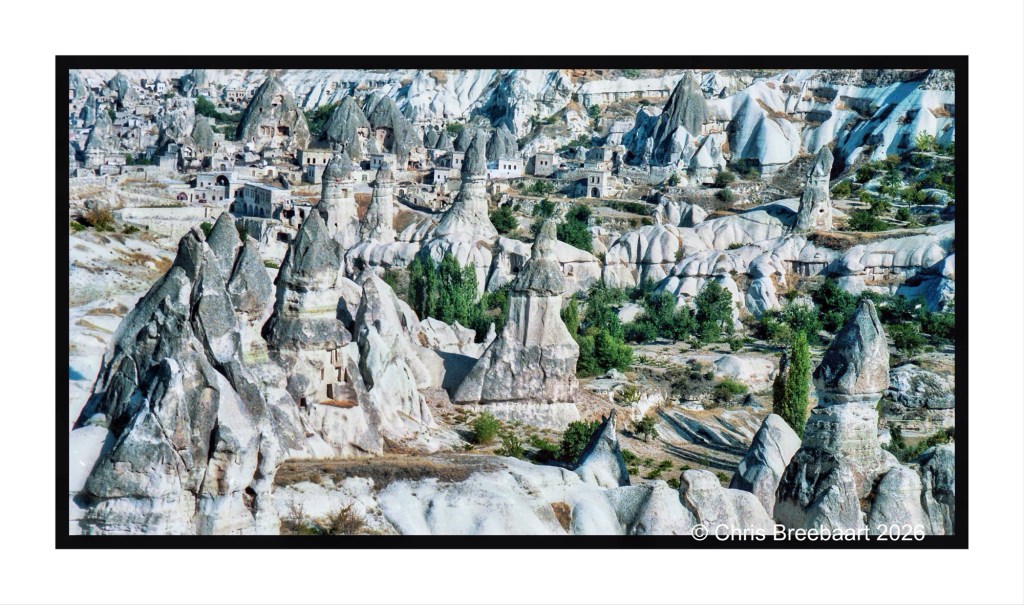
The Göreme Historical National Park in Cappadocia is a mesmerizing part of Turkey. Erosion and geological layers build a tapestry of shapes and colors. That combined with a beautiful history of cultural human existence it is an experience you never forget.
About the B4 retouch series: I browsed my archive for pictures to publish. Some of them are partly retouched but most do have scratches, dust and stains.
Originally shot with Nikon F301 on Fuji 200, scanned from negative and tweaked using Snapseed and Marksta. Click the picture for a larger version.
One of the first questions I had buying my first digital DSLR was ‘how do I shoot monochrome photos from now?’. In the past it was just choosing what film I put in a camera. Going digital implied using editing to revert from color to monochrome. More recently black and white modes came back on devices. Not only on iPhone. My choice for Nikon Zf was influenced by it. But it all is a question of taste.
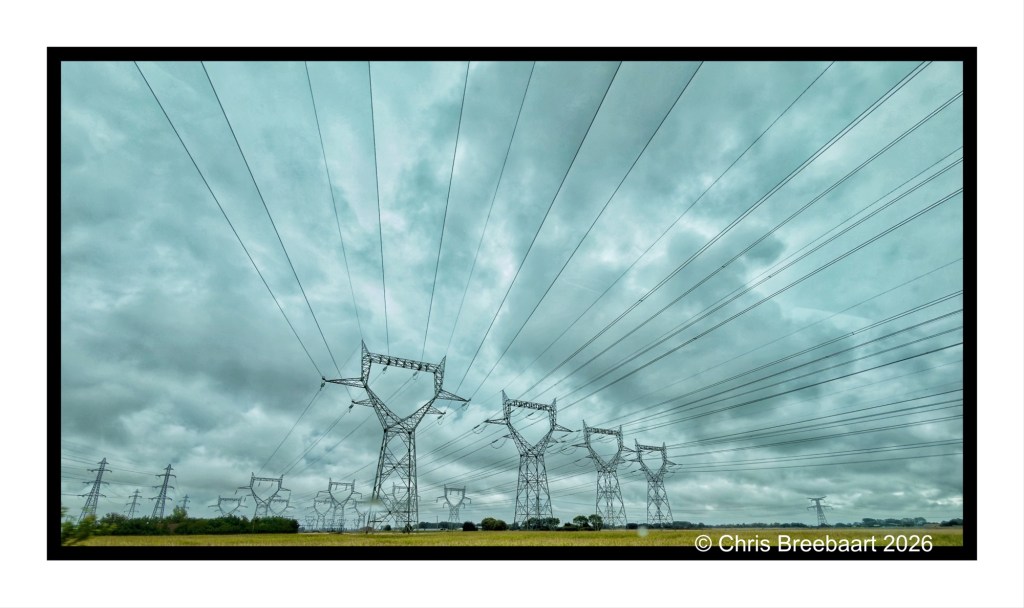
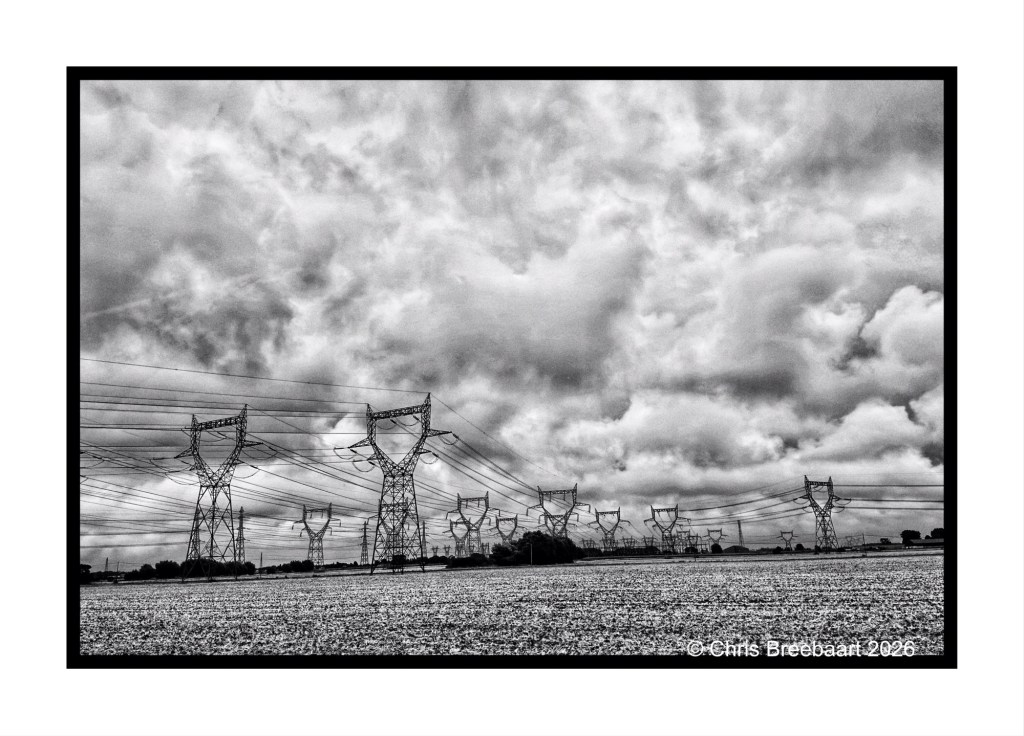
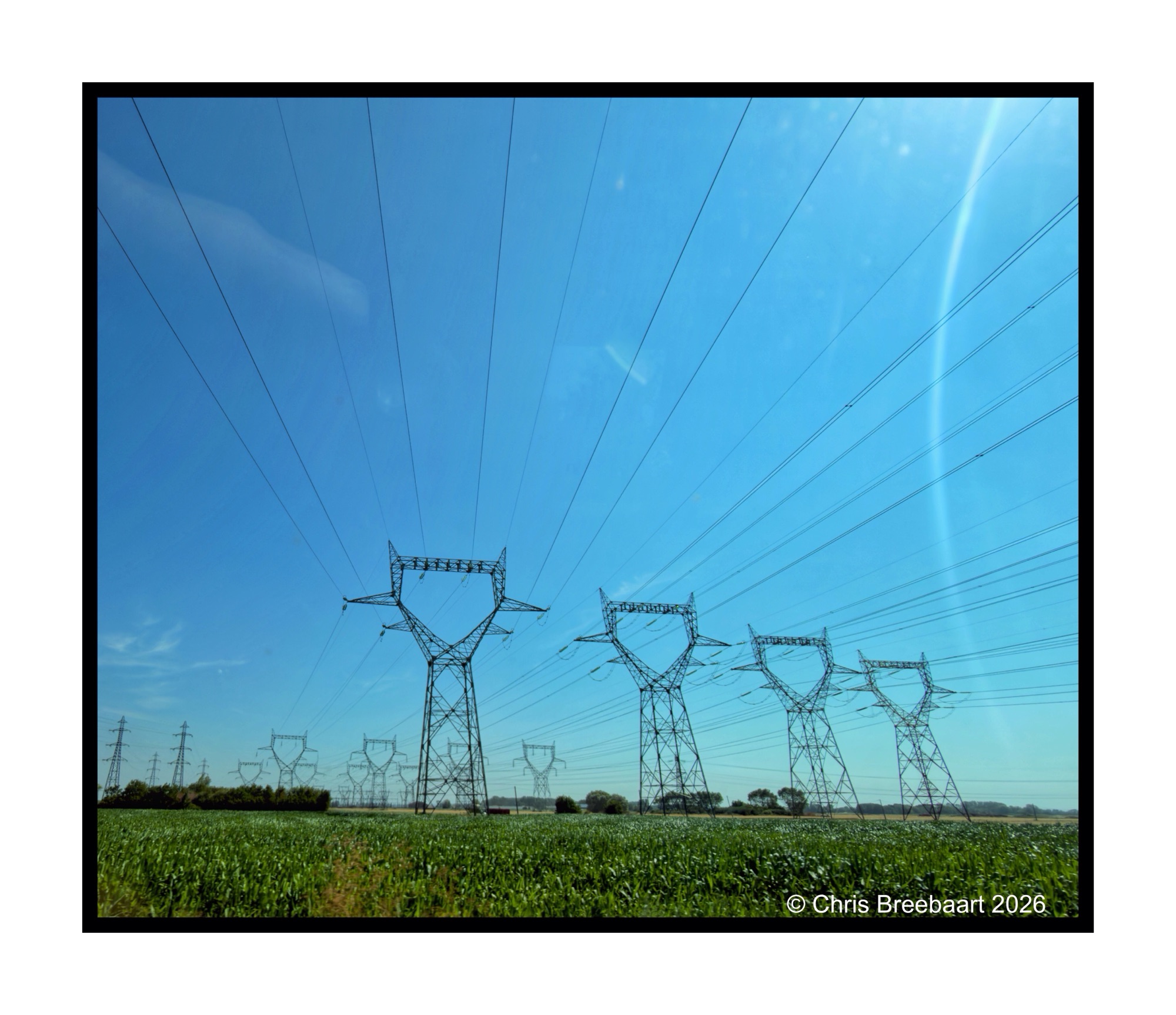
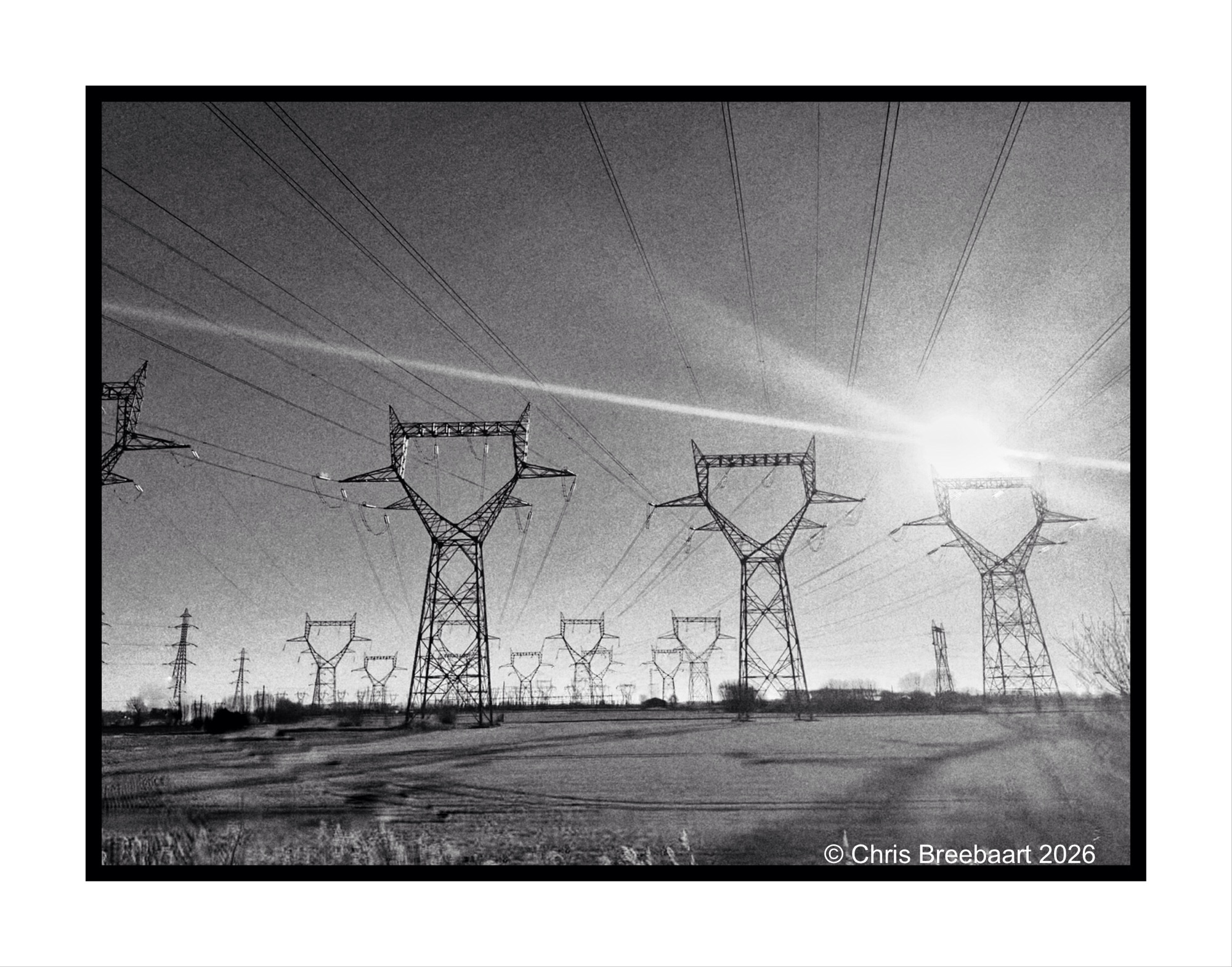
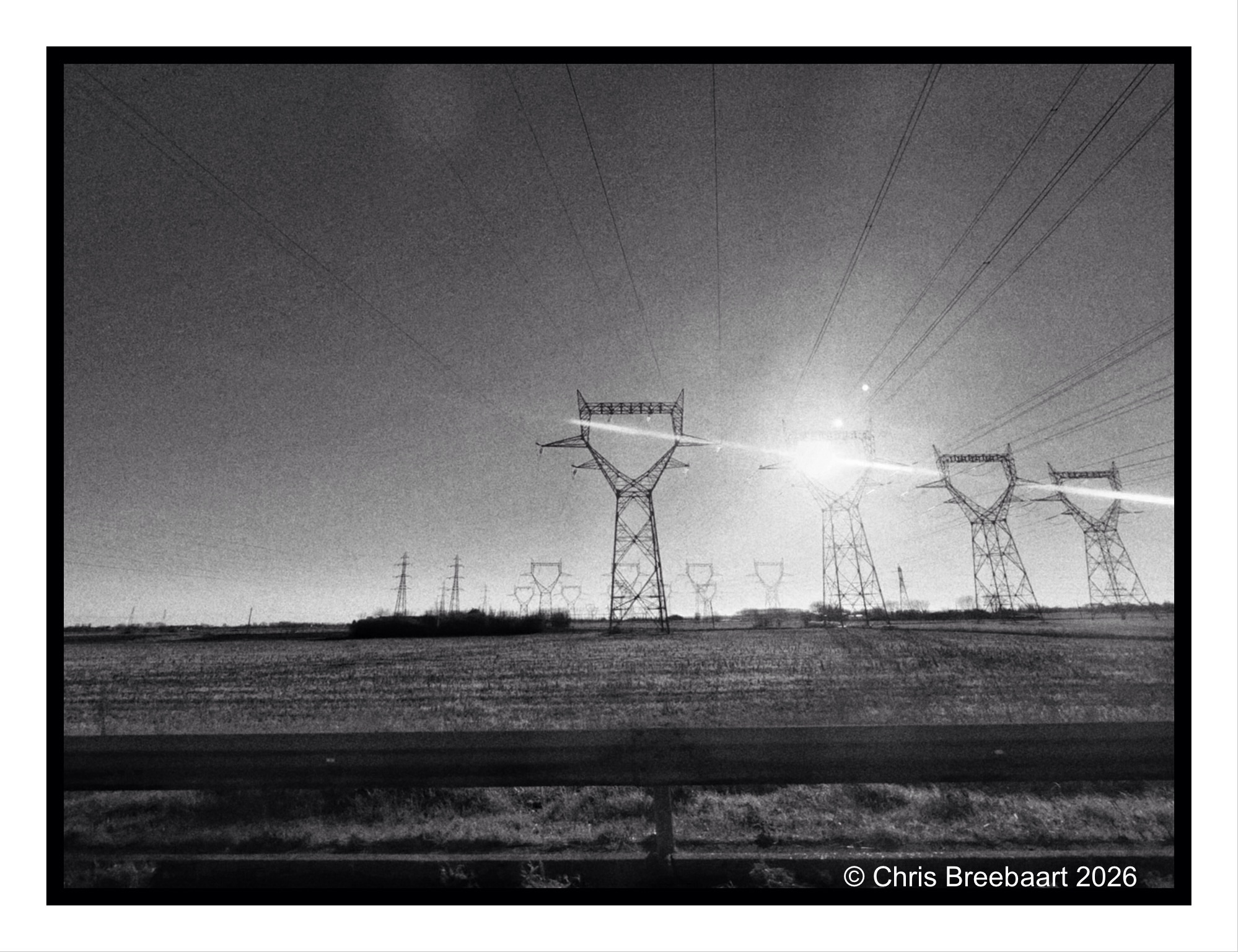
Two photos of the power lines at St. George-sur-L’Aa in France. Pick one or both. Both were shot on iPhone without the mono setting.
France, St. George-sur-L’Aa -August 2026
Every time we travel to or from the UK via the Channel Tunnel, I try to take photos of these steel giants. They carry power lines in the area of St. George-sur-l’Aa. No worries, I’m in the passenger seat.
The Final Lap. The sixth and last episode of F1 racing on Zandvoort. A big event, bigger than motor racing. A major event with an atmosphere that is now a benchmark for F1 races. But unfortunately is commercially no longer interesting enough for the big greed. The last time the Orange Army is out to cheer Max Verstappen a final time on his home circuit. Which unfortunately lasted one lap in the race.
The photos are shot on the Friday. It was my first visit to a F1 event. Quite remarkable to witness. And hear. Just snapped a bit noticing the limitations of an iPhone under these circumstances.
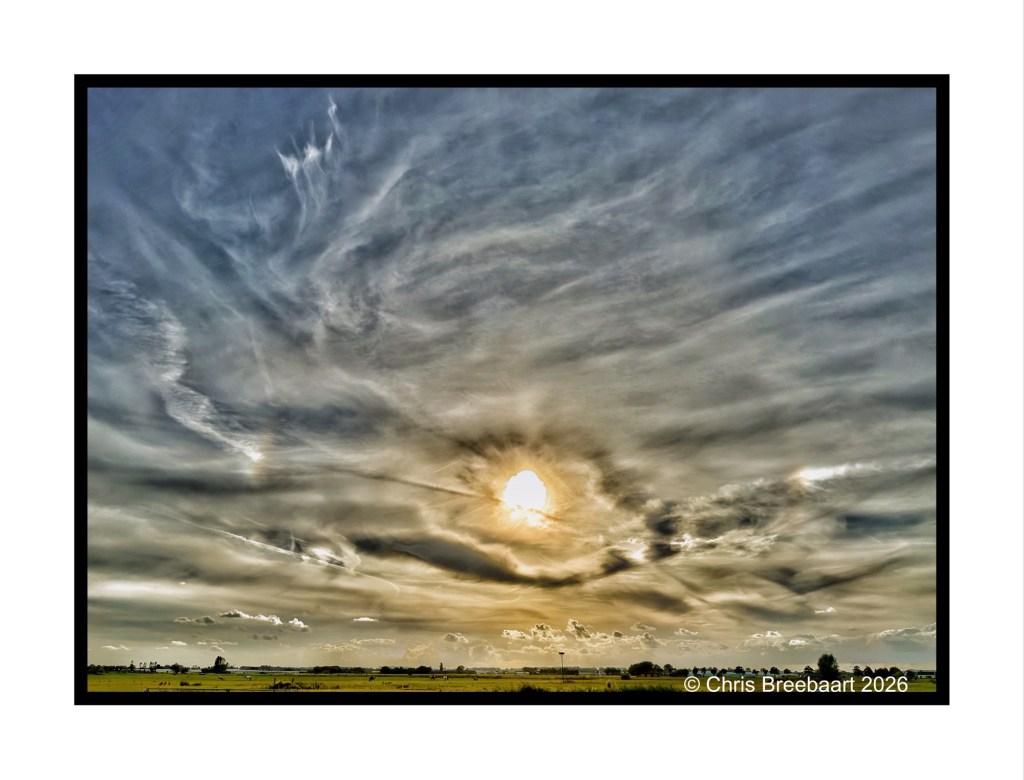
It seems I’m into sky and clouds during the warm days this Summer. This landscape is typical Dutch with some hints towards paintings of Vincent Van Gogh. Sun is setting. Not a starry night yet.
Every time we travel to of from the UK via the Channel Tunnel, I try to take photos of these steel giants. They carry power lines in the area of St. George-sur-l’Aa. No worries, I’m in the passenger seat.
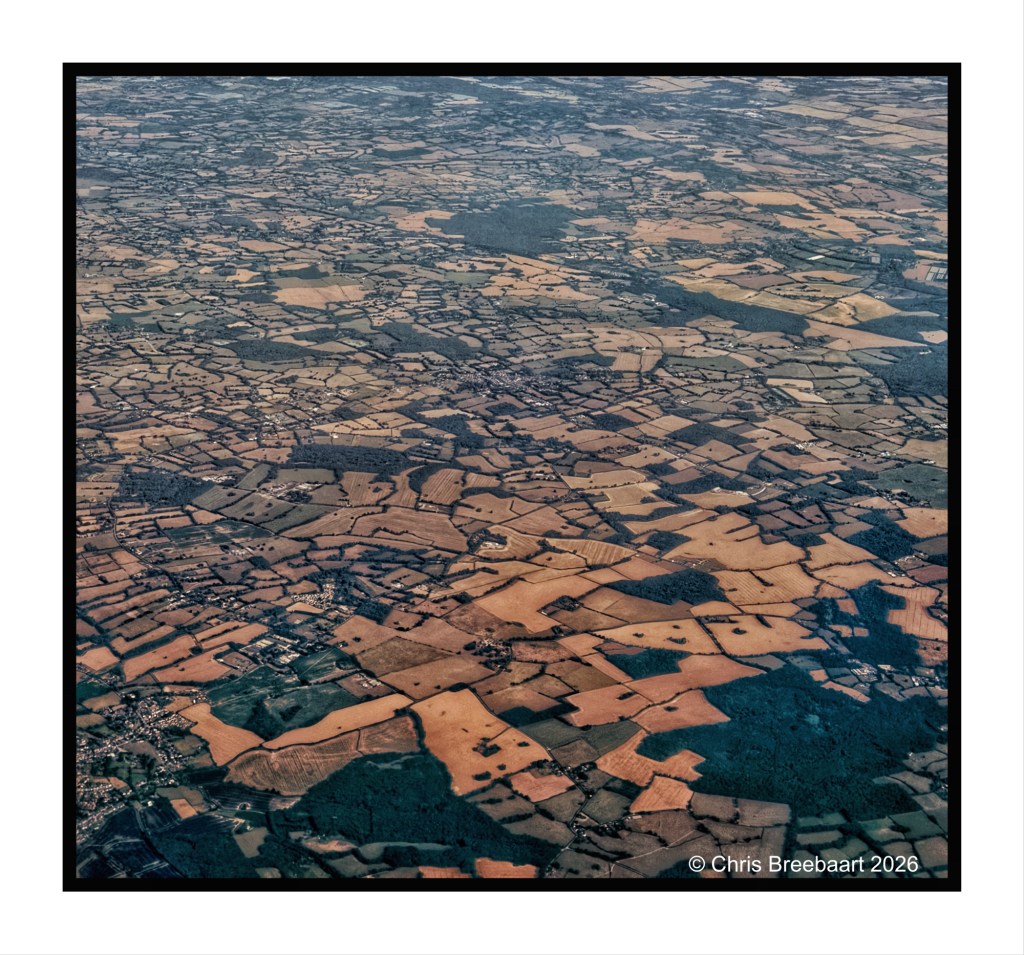
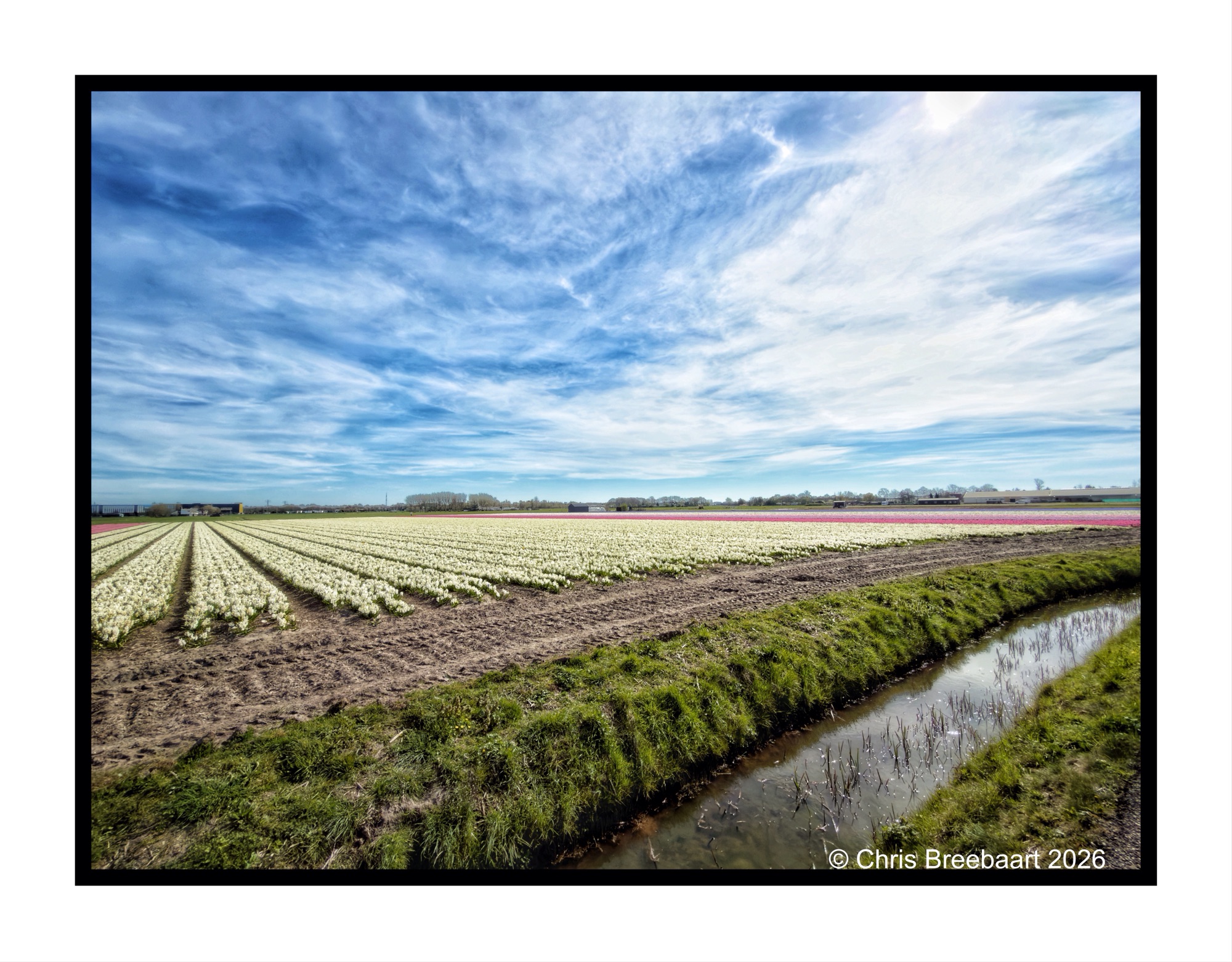
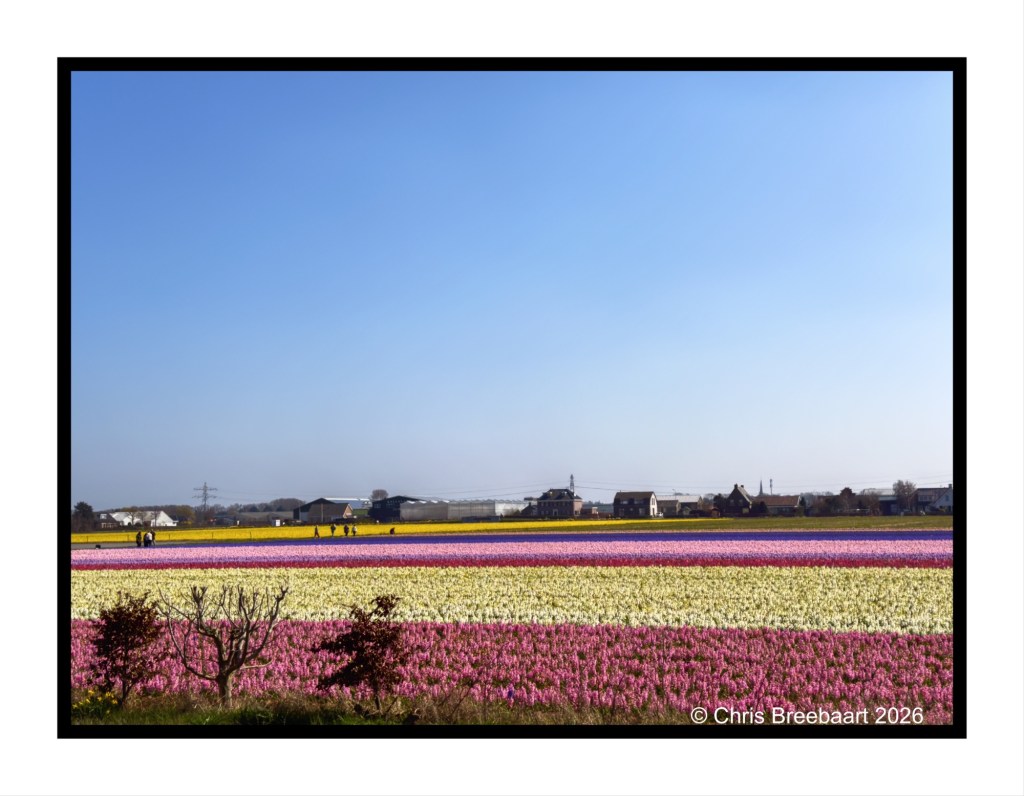
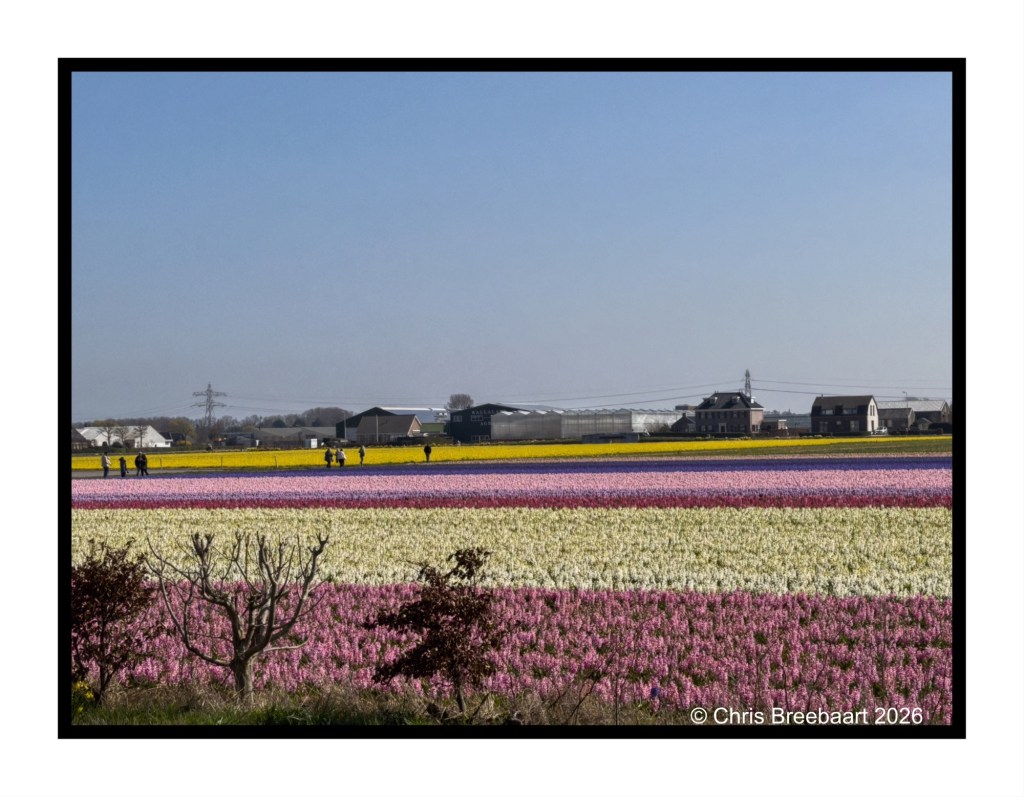
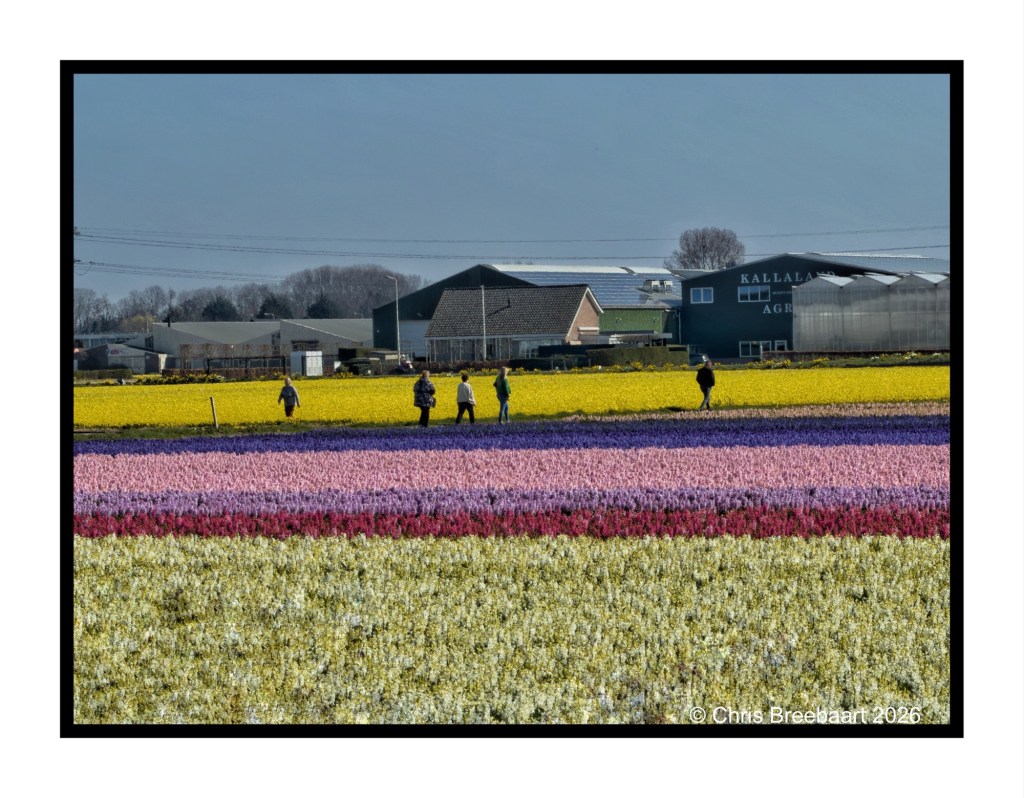
As a Dutchman this palette of fields looks beautiful. In contrast to the look of The Netherlands from the sky: fields efficiently standardized in shape and size.
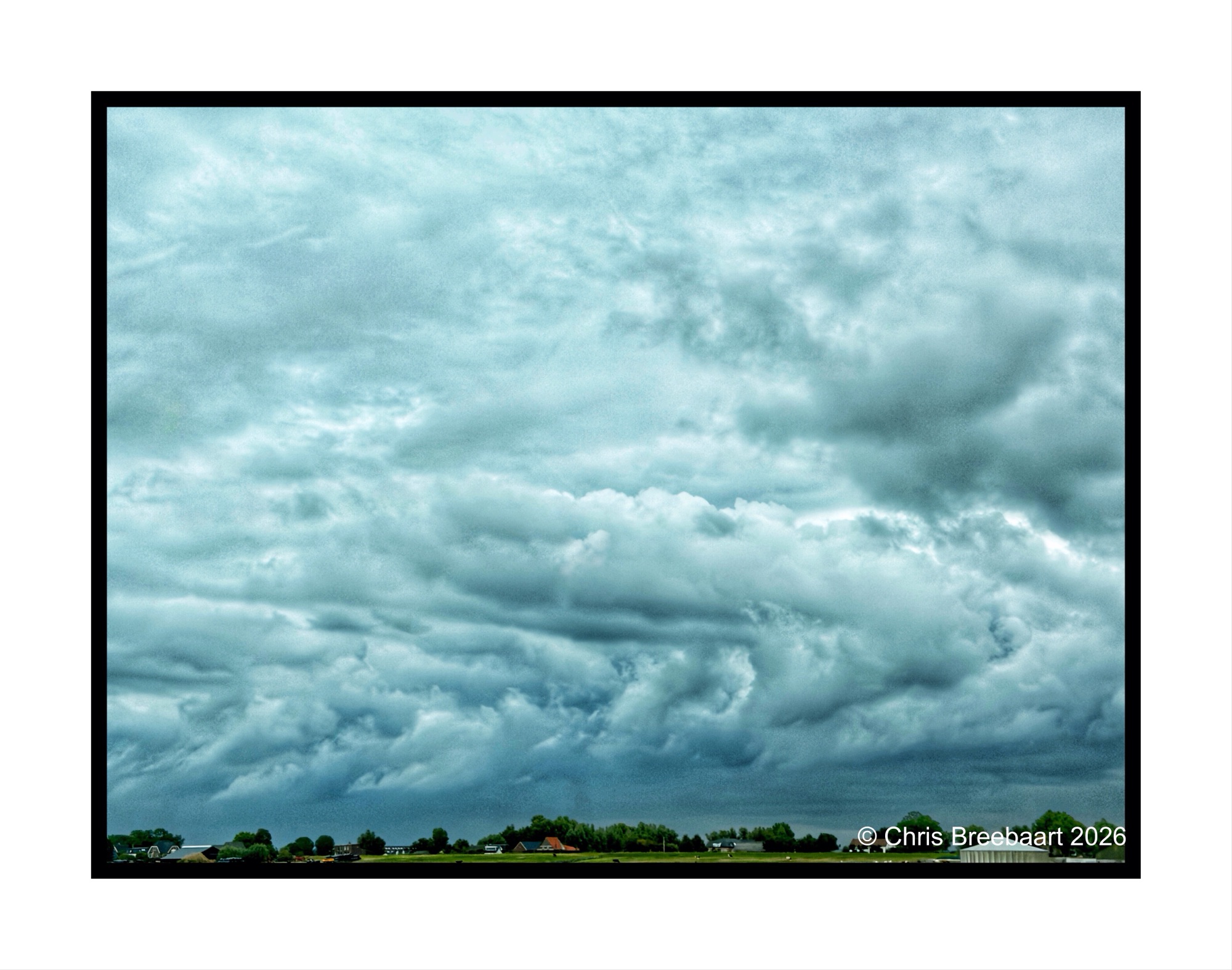
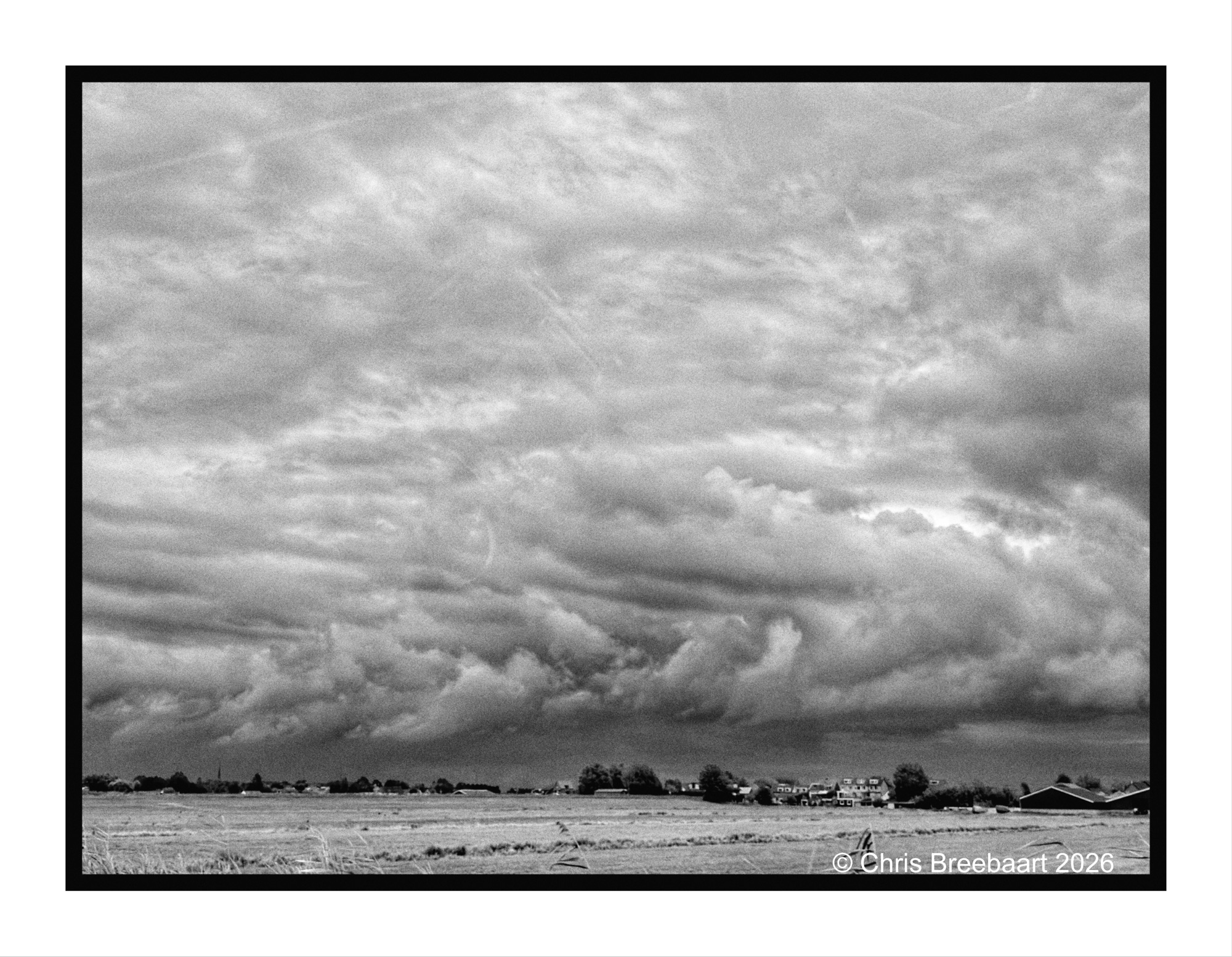
People who follow my photoblog (thank you!) know my love for monochrome. And sometimes it is a matter of taste what to choose: the original colour shot, or the monochrome version? That is if the original shot is not done in monochrome, I do that quite a lot on iPhone and Nikon Zf.
The question to you is: which one do you prefer, and why? Any comments are as always welcome.
People who follow my photoblog (thank you!) know my love for monochrome. And sometimes it is a matter of taste what to choose: the original colour shot, or the monochrome version? That is if the original shot is not done in monochrome, I do that quite a lot on iPhone and Nikon Zf.
The question to you is: which one do you prefer, and why? Any comments are as always welcome.
People who follow my photoblog (thank you!) know my love for monochrome. And sometimes it is a matter of taste what to choose: the original colour shot, or the monochrome version? That is if the original shot is not done in monochrome, I do that quite a lot on iPhone and Nikon Zf.
The question to you is: which one do you prefer, and why? Any comments are as always welcome.
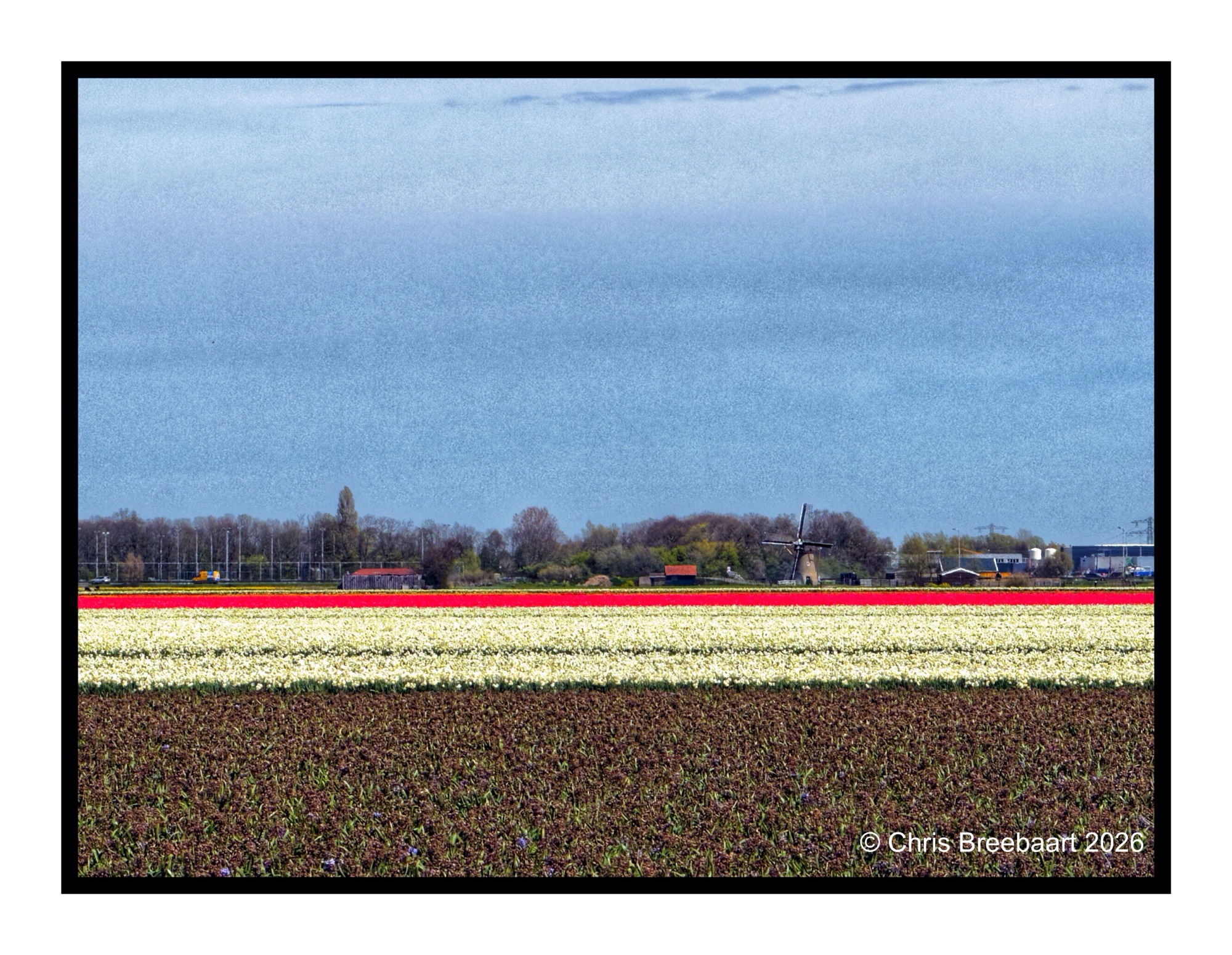
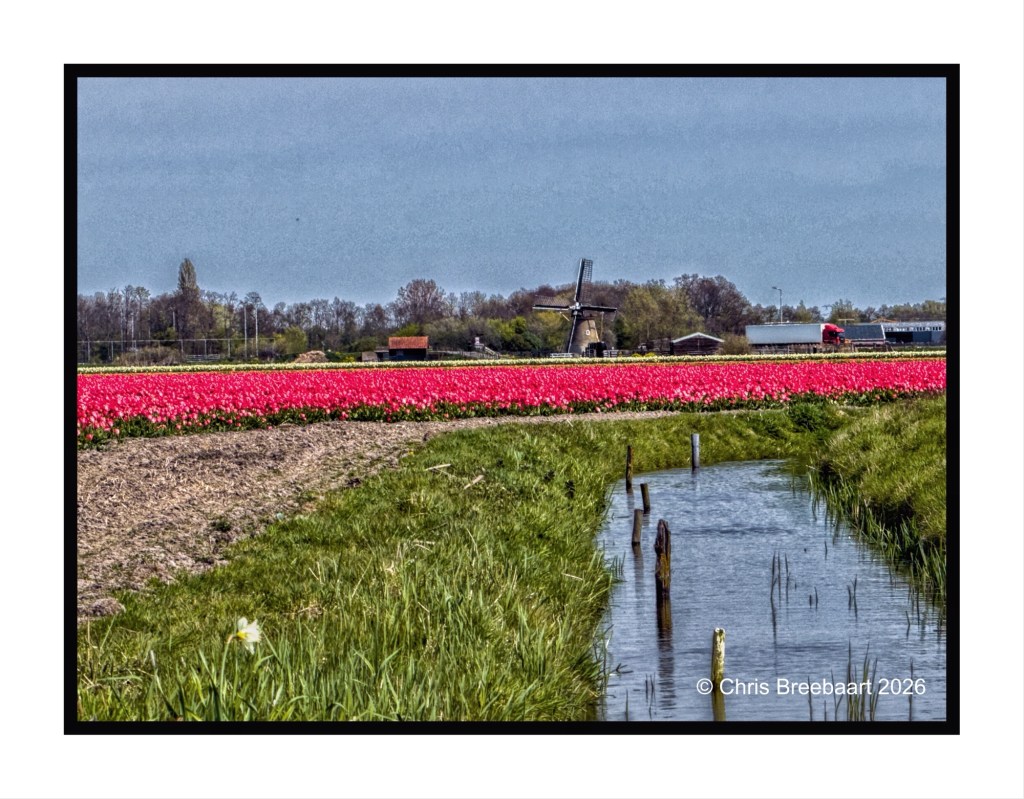
Layers of colors with in the front the brown of out of time hyacinth flowers. Then the light of daffodils and the red of tulips. On top the skyline of the horizon with an iconic windmill.
The Netherlands, Voorhout – April 2026 The Netherlands, Voorhout – April 2026
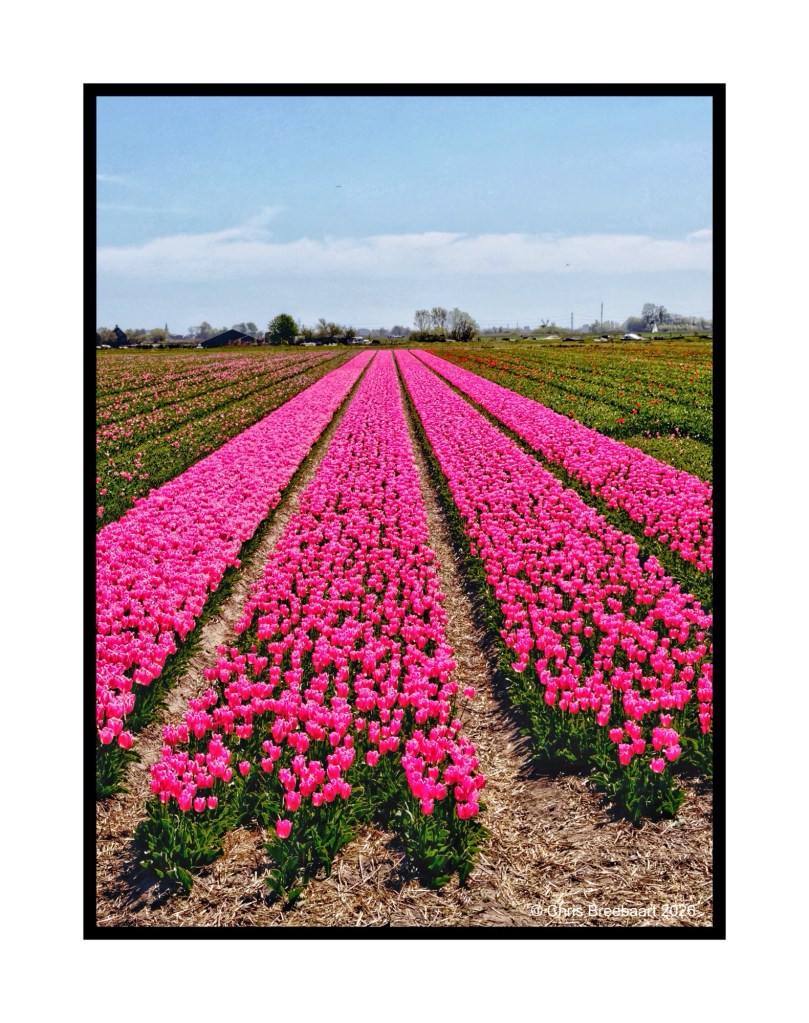
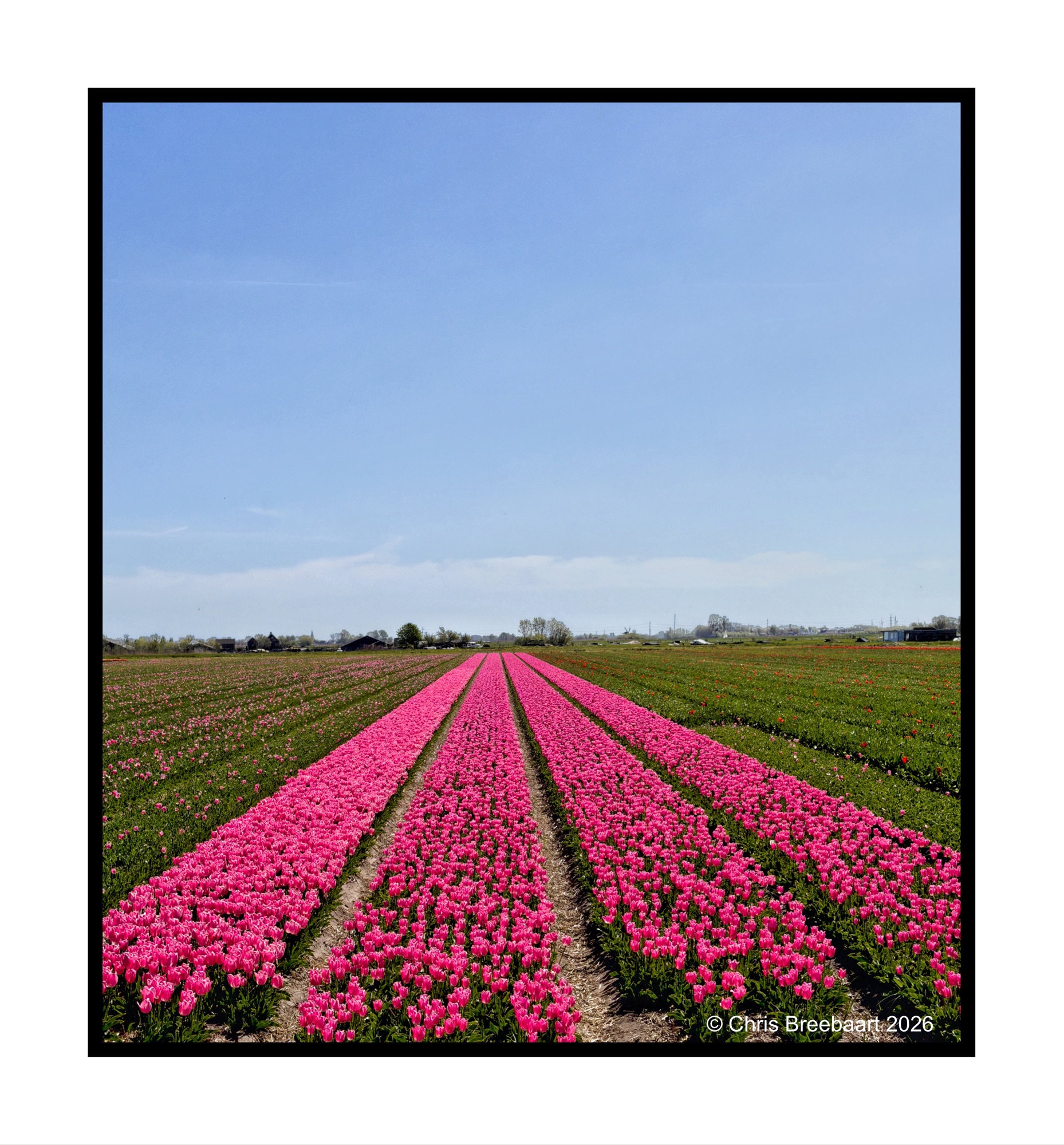
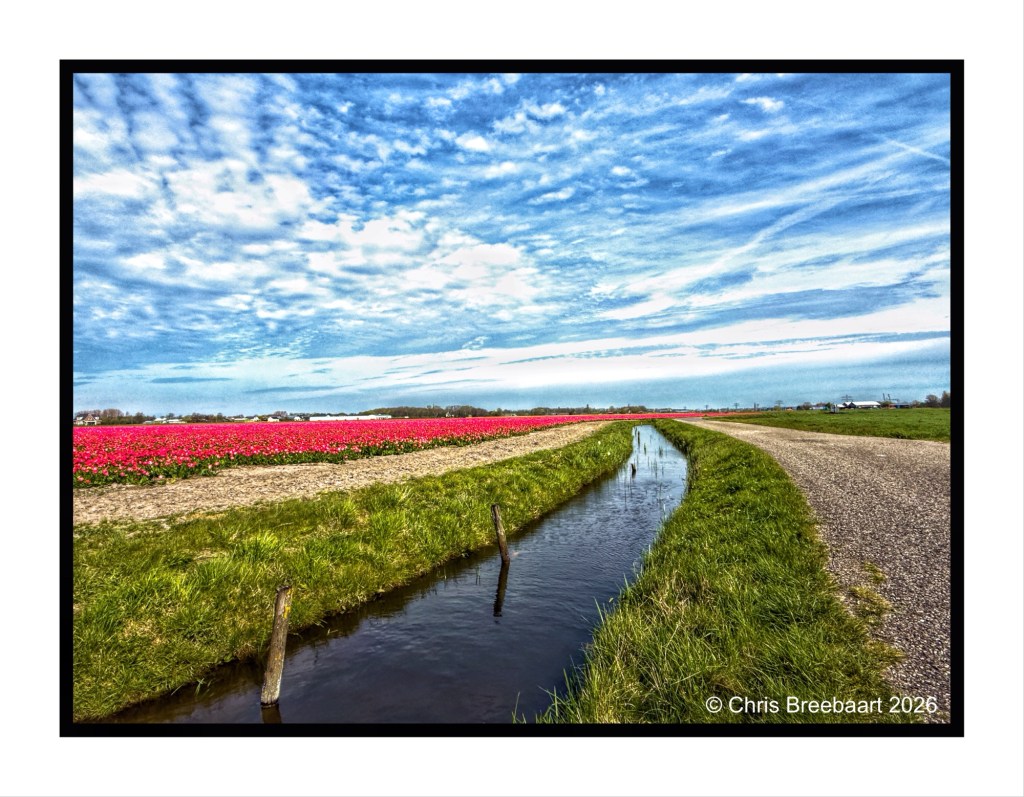
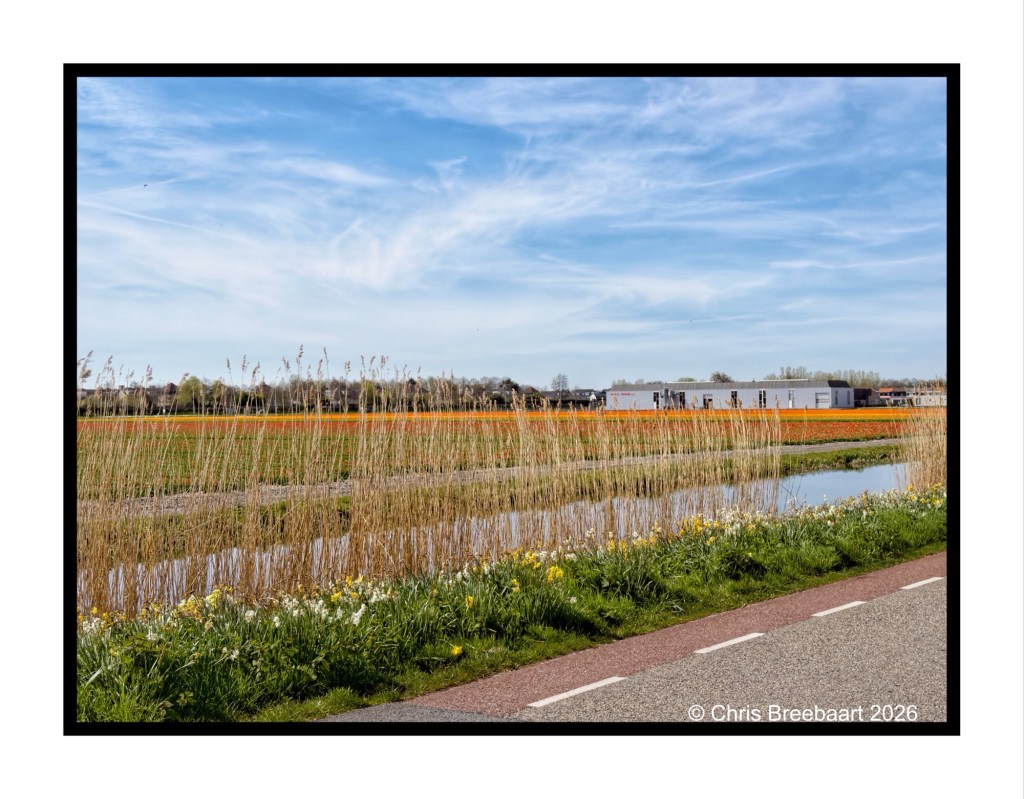
A major part of The Netherlands lies beneath sea level. Water, and the management of it in infrastructure as polders, dams and canals, is normal. We even not think of living under sea level. We feel safe. The flat landscape makes it interesting to look for lines that guide the eyes through the space. In a polder there are always canals that do the trick.
The question here is: which appeals most to your taste buds?
LAPC #395 looks back to LAPC #155 ‘On the water’. Water is not on our minds, but it is mindful to keep defending dry land against rising sea, rivers and soon (thanks to climate change with a bigger financial effort) rain. Meanwhile water is seen in most of the landscapes of The Netherlands.
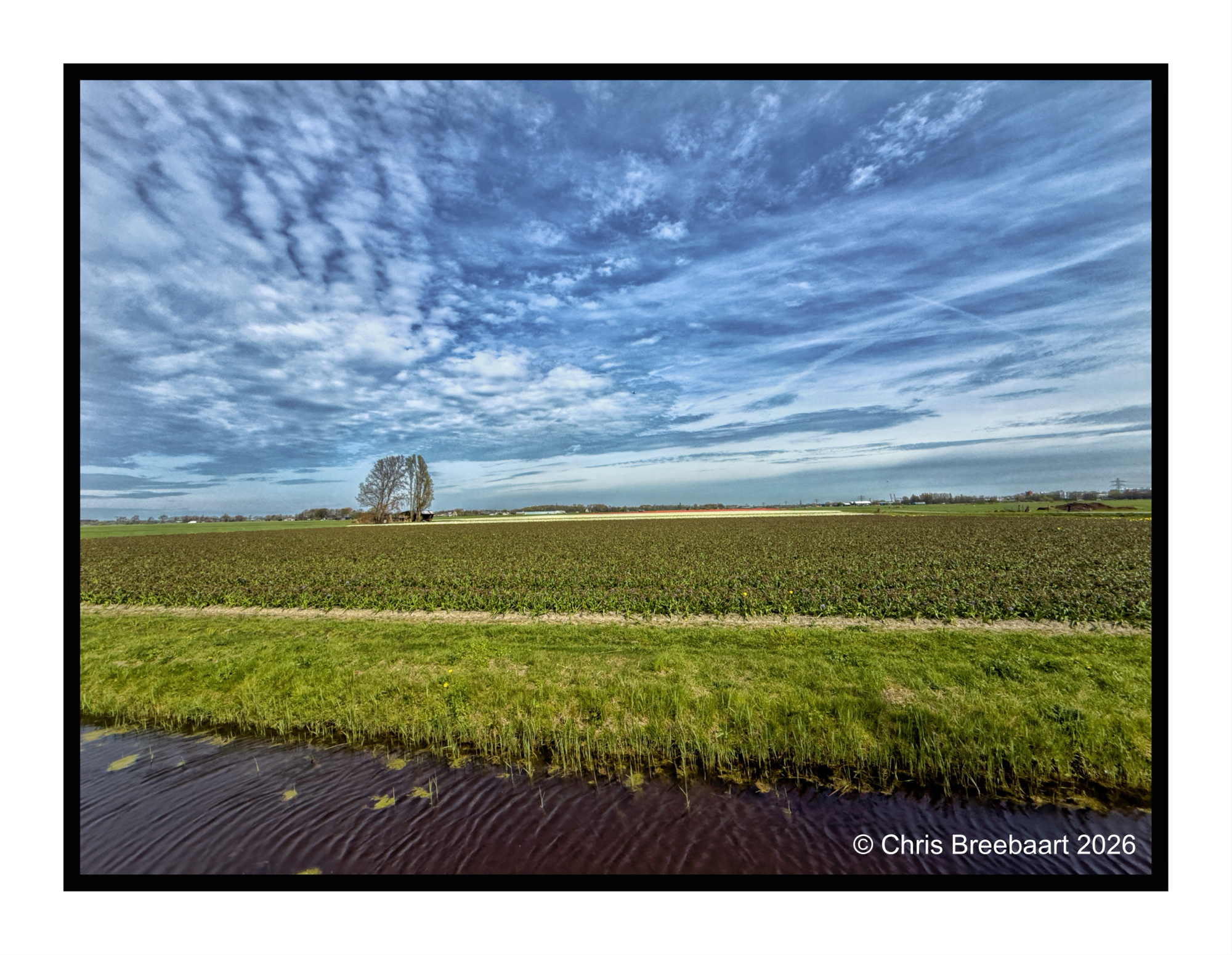
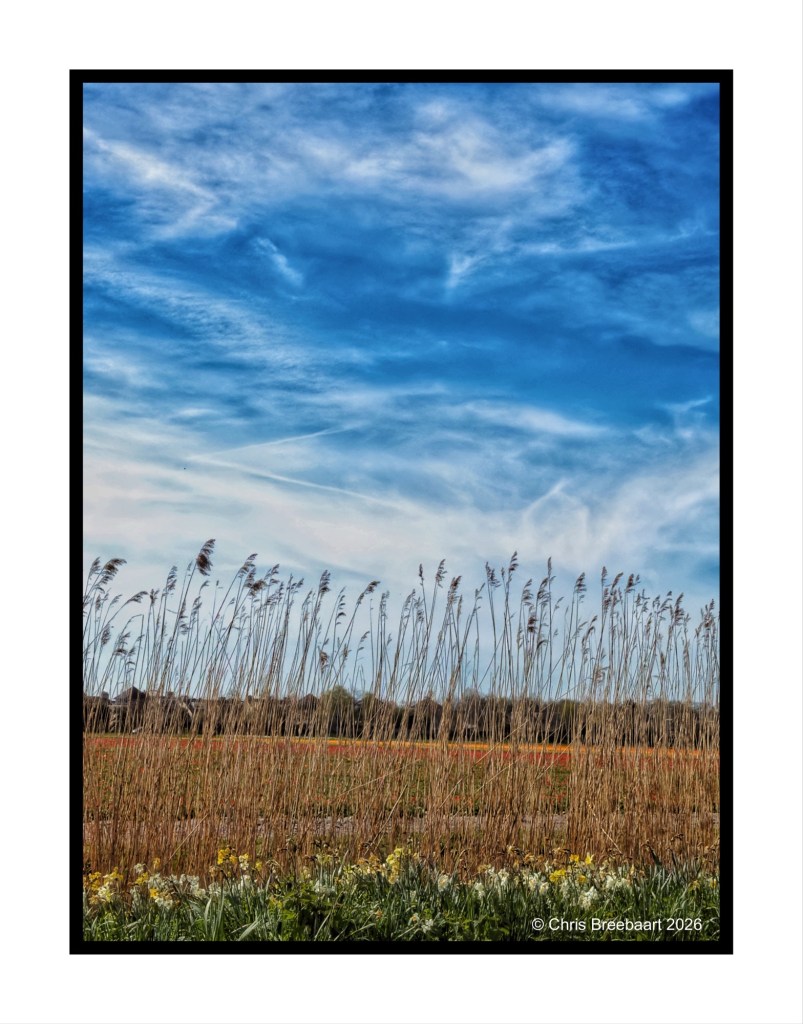
A major part of The Netherlands lies beneath sea level. Water, and the management of it in infrastructure as polders, dams and canals, is normal. We even not think of living under sea level. We feel safe. Most of The Netherlands is flat, with a low horizon, offering a wonderful quantity of sky over the horizon. Being near the coast there is always wind. Reflected in the sky and the water of the canals, serving to manage the water levels in the polder.
LAPC #395 looks back to LAPC #155 ‘On the water’. Water is not on our minds, but it is mindful to keep defending dry land against rising sea, rivers and soon (thanks to climate change with a bigger financial effort) rain. Meanwhile water is seen in most of the landscapes of The Netherlands.
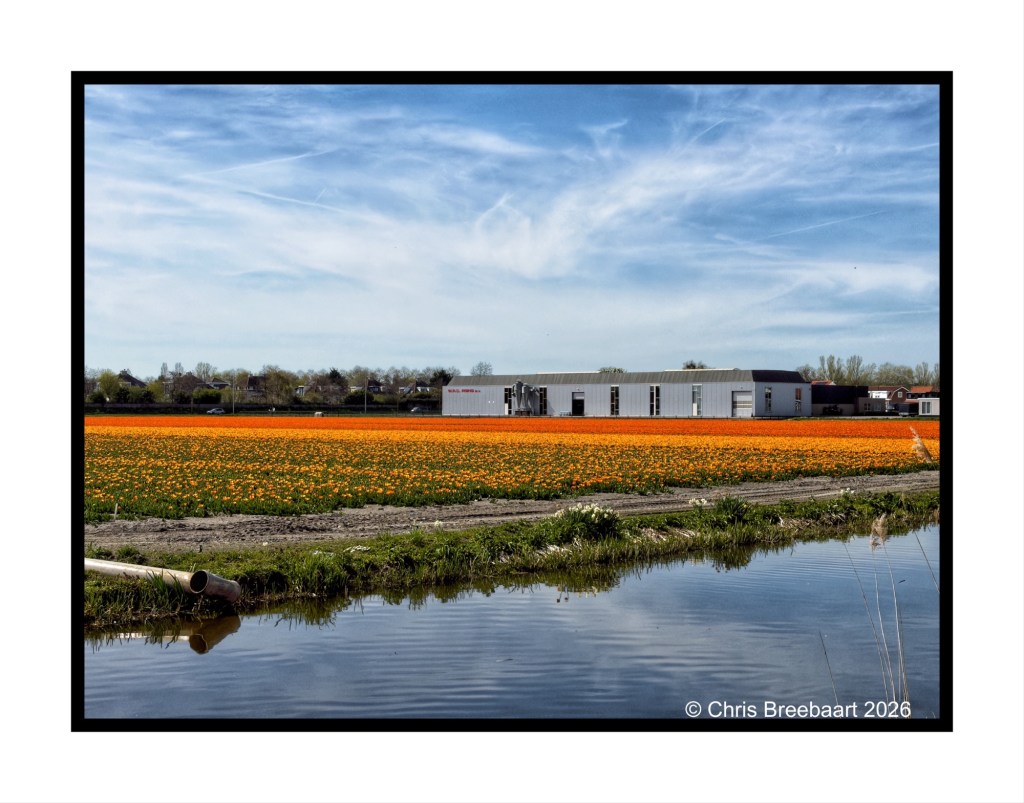
A major part of The Netherlands lies beneath sea level. Water, and the management of it in infrastructure as polders, dams and canals, is normal. We even not think of living under sea level. We feel safe.
Here a polder with an old windmill (painted by Monet long ago) – originally used to pump water out of a polder- and a small canal in a polder with tulips. Only the clogs are missing!
LAPC #395 looks back to LAPC #155 ‘On the water’. Water is not on our minds, but it is mindful to keep defending dry land against rising sea, rivers and soon (thanks to climate change with a bigger financial effort) rain.
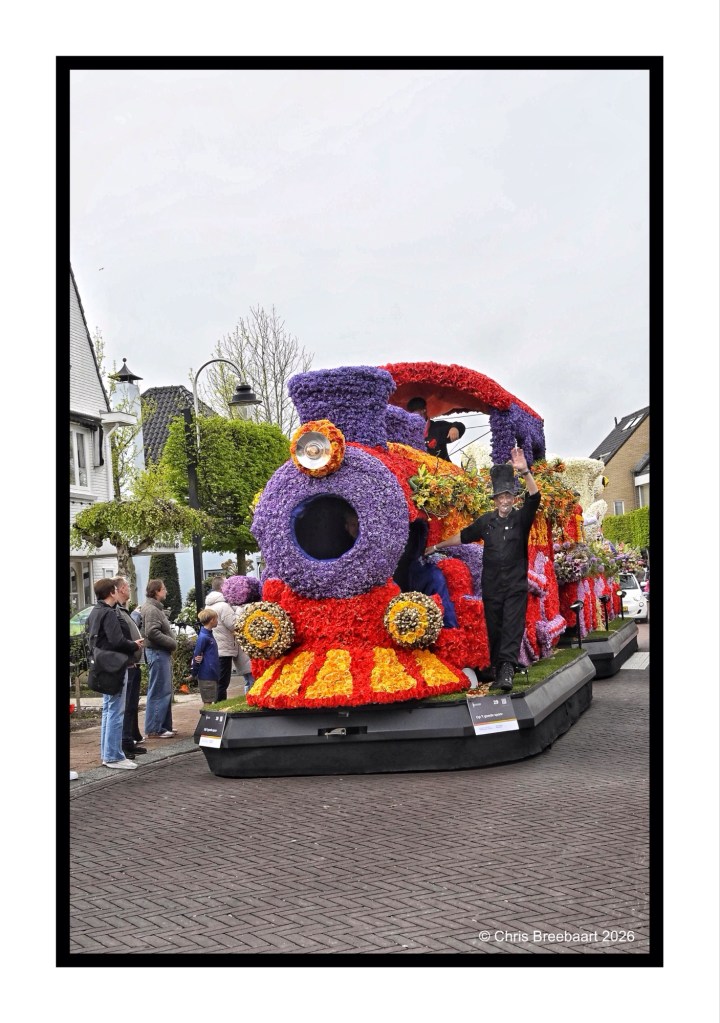
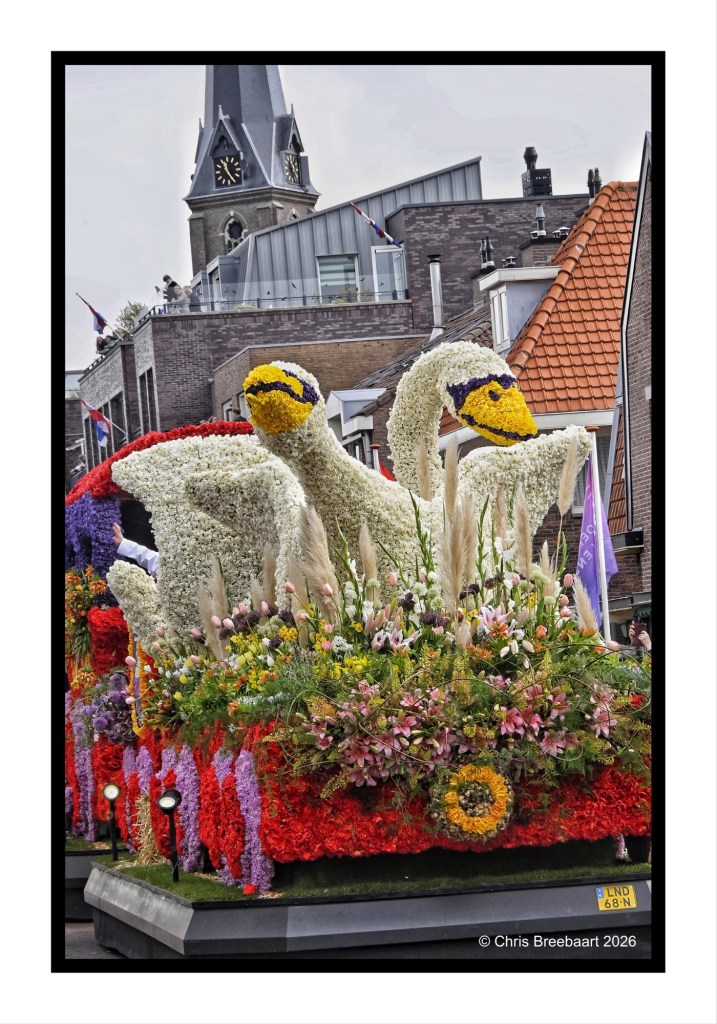
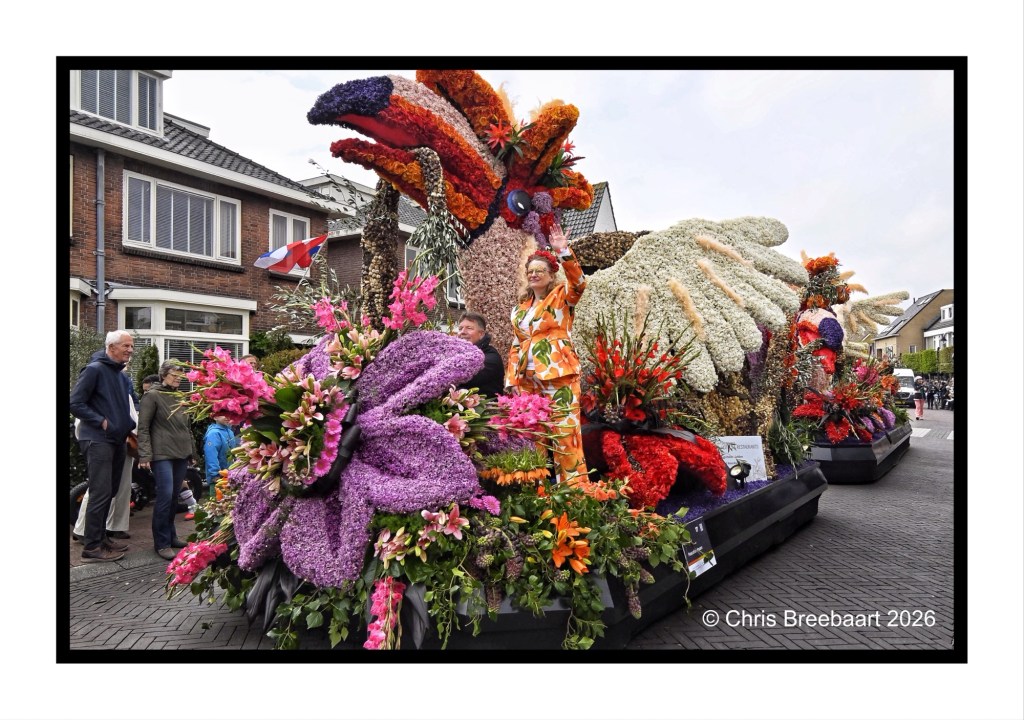
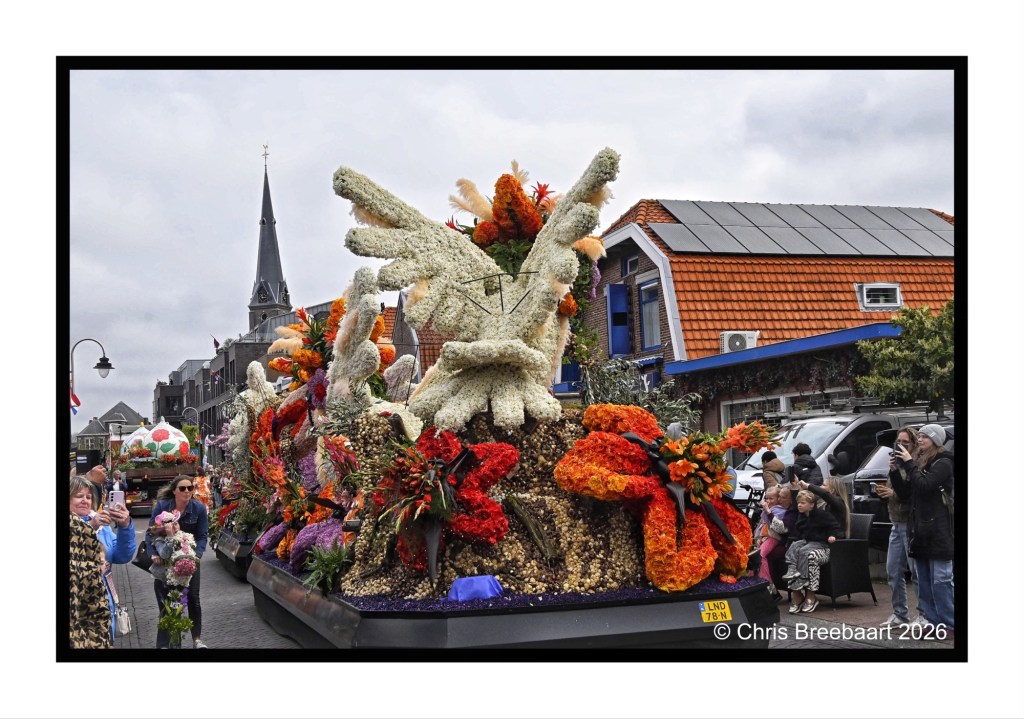
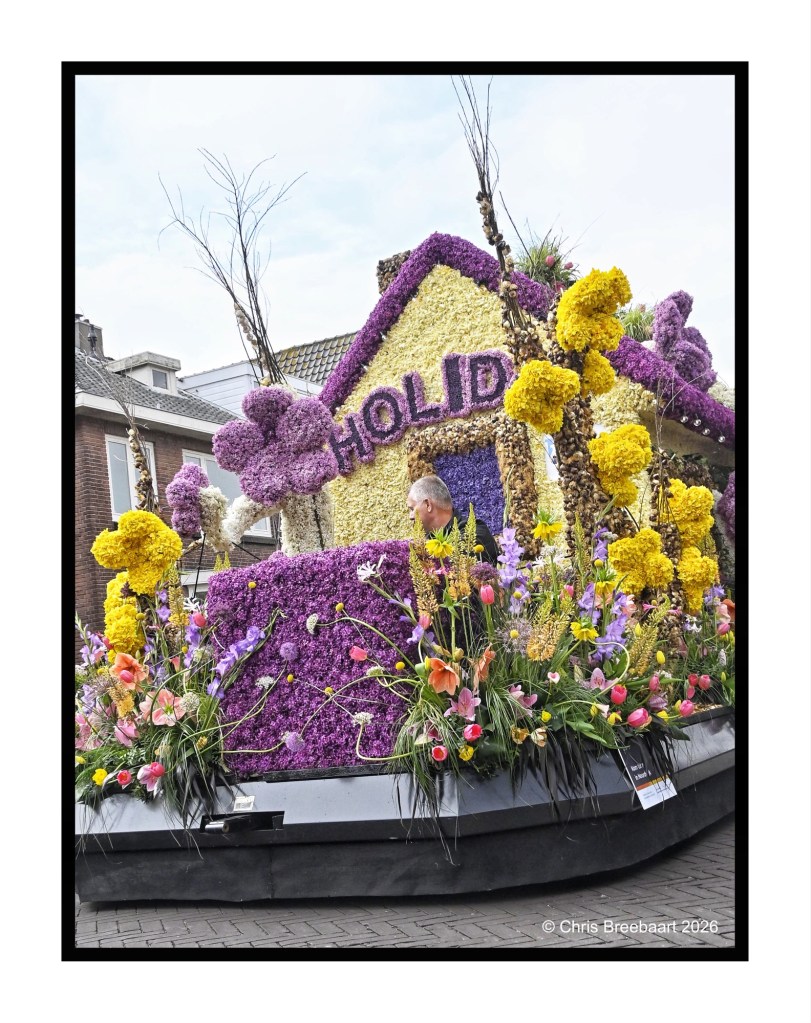
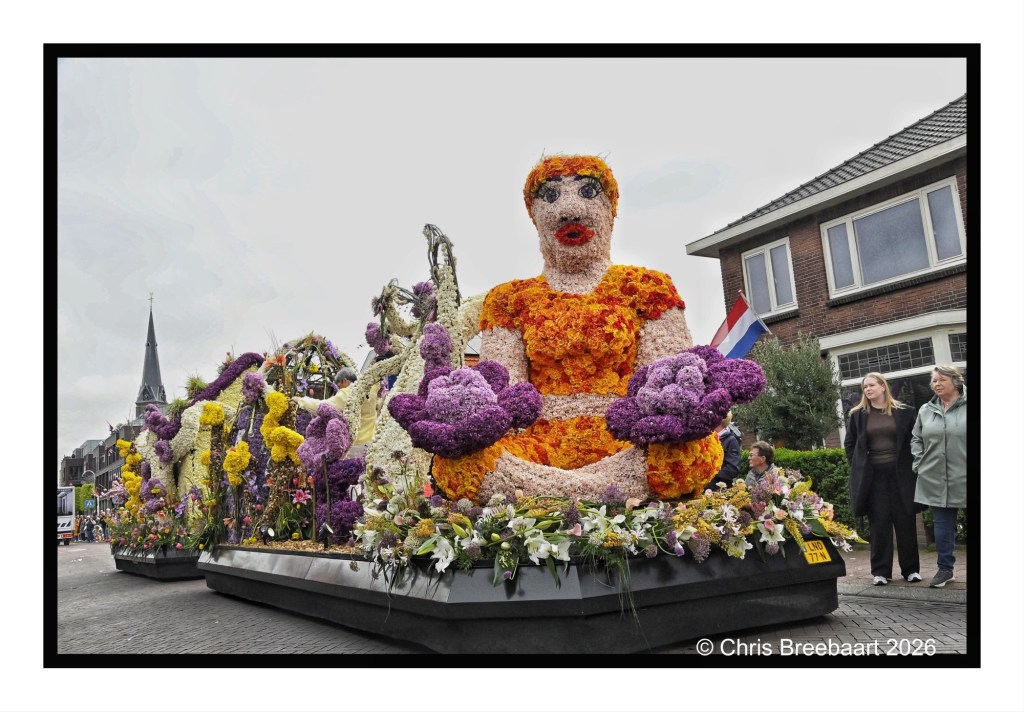
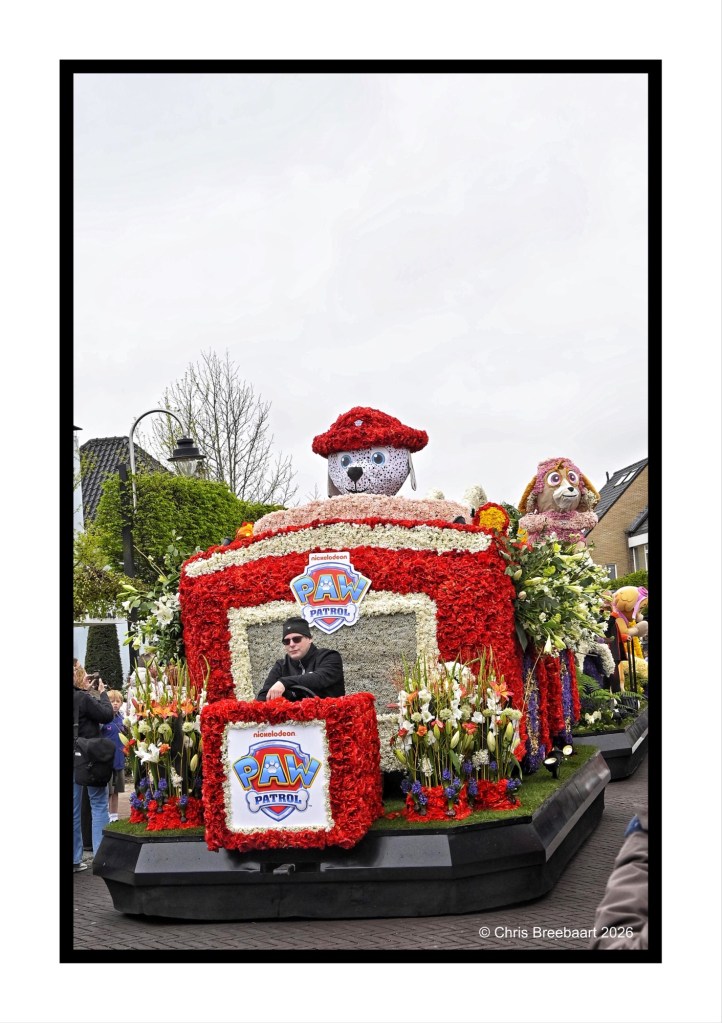
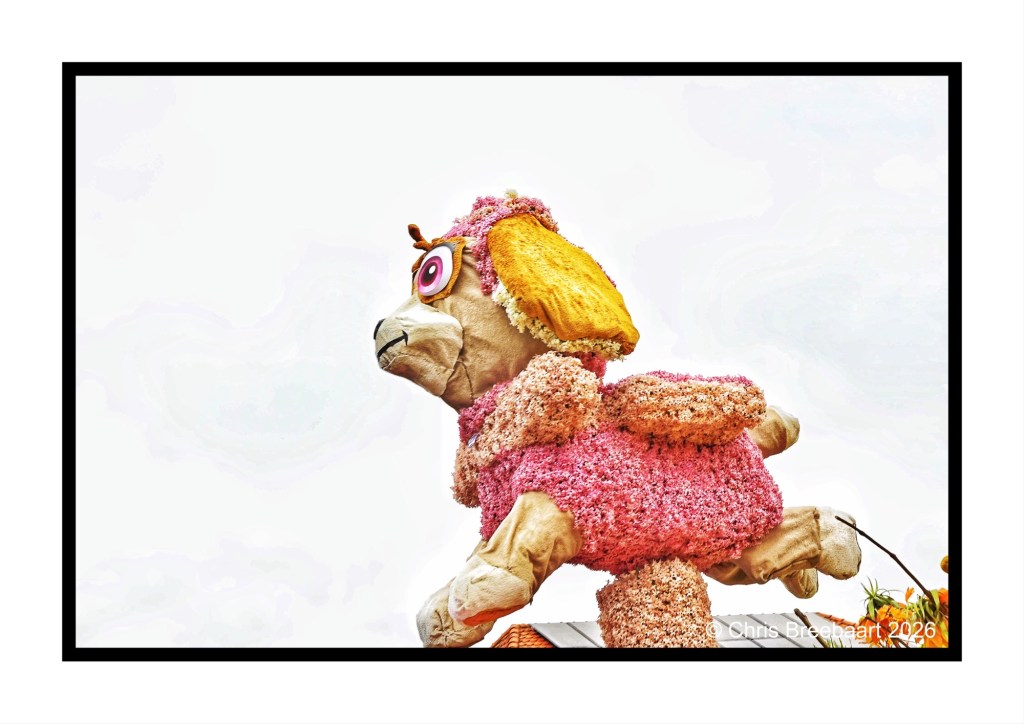
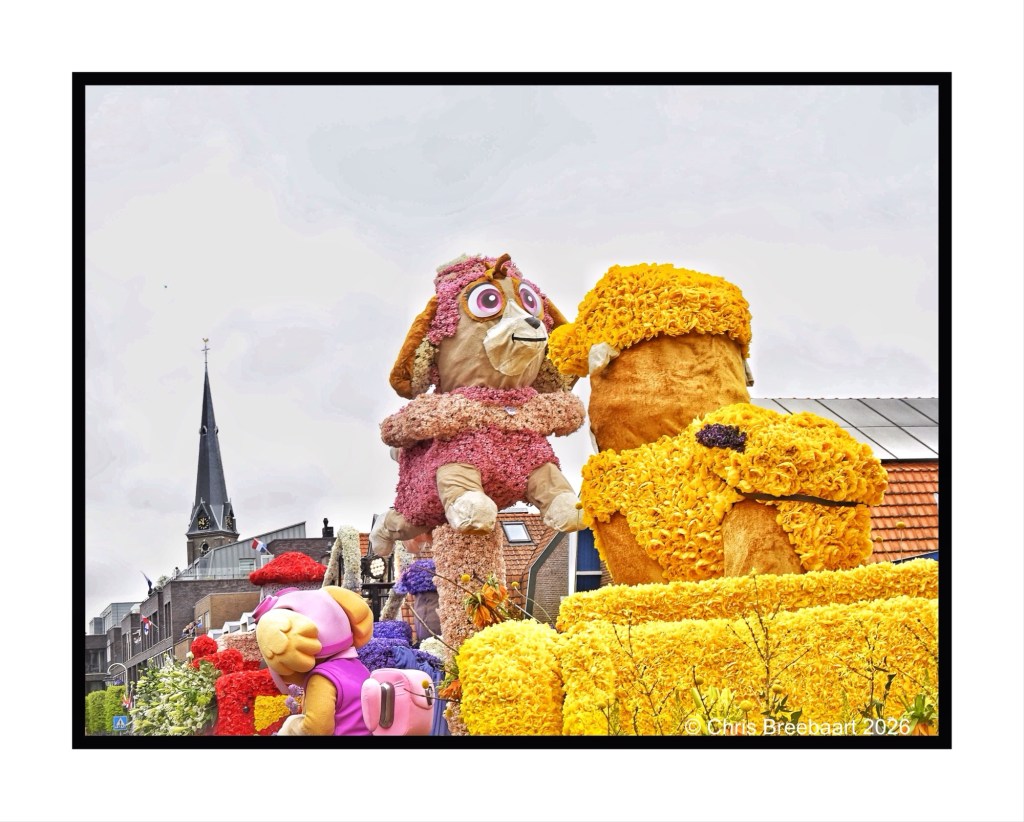
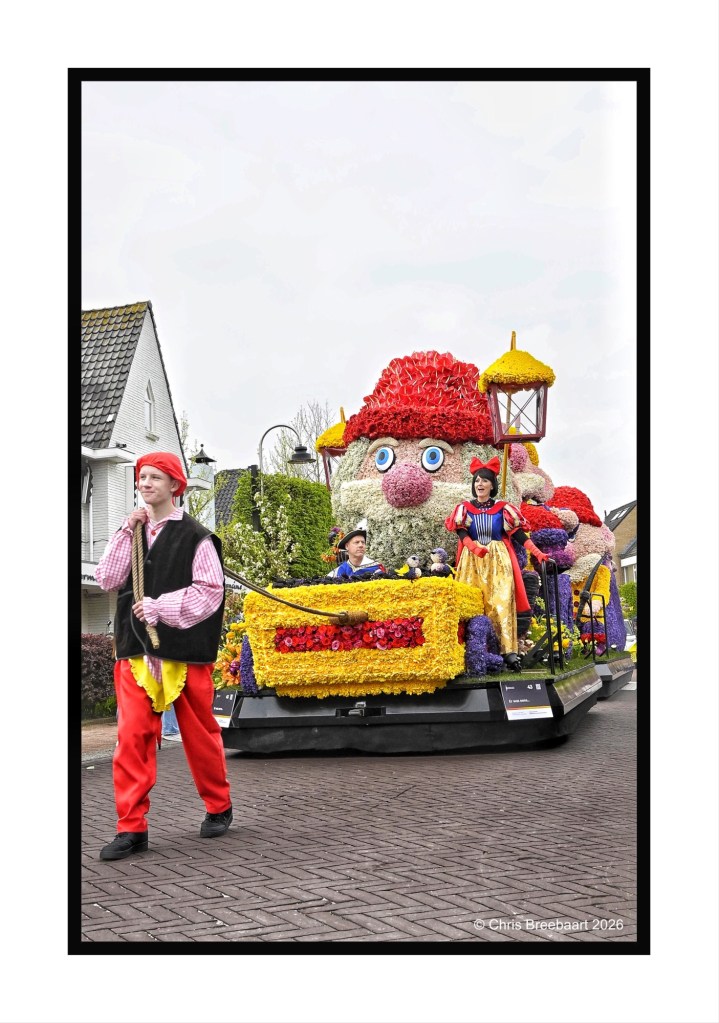
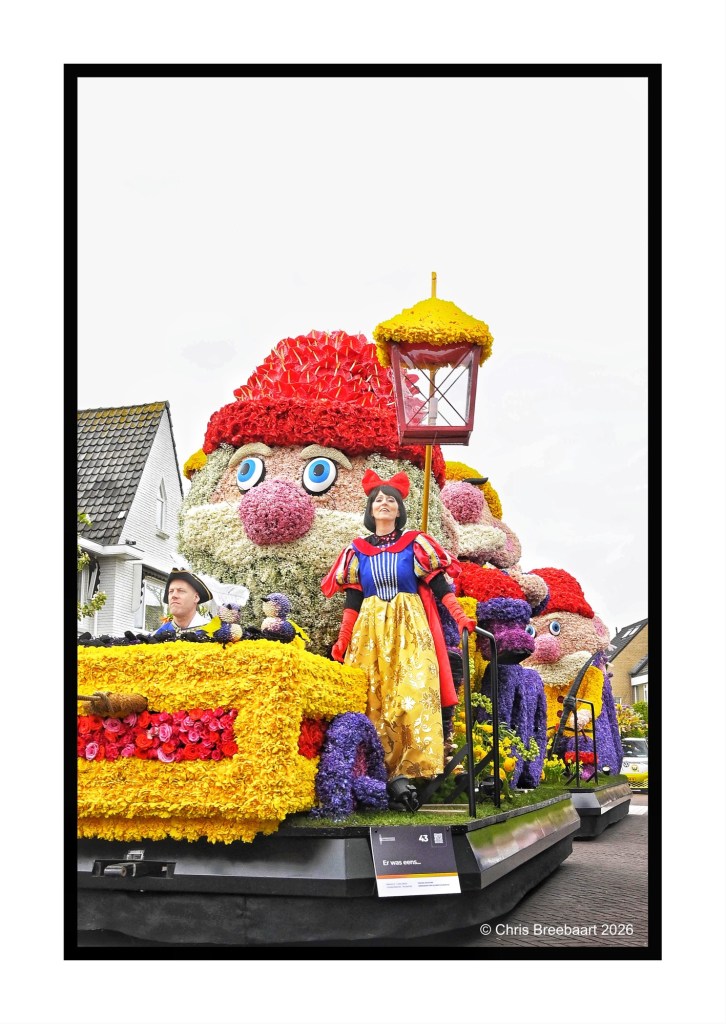
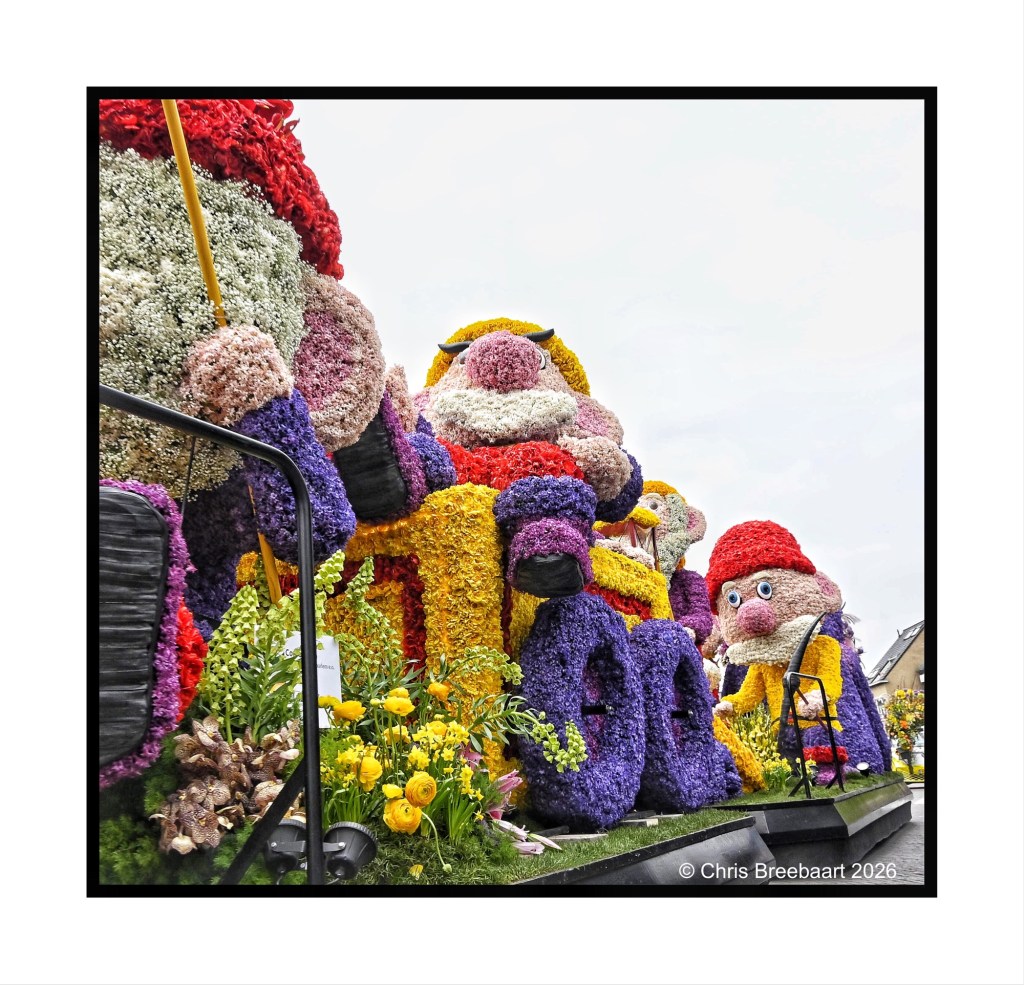
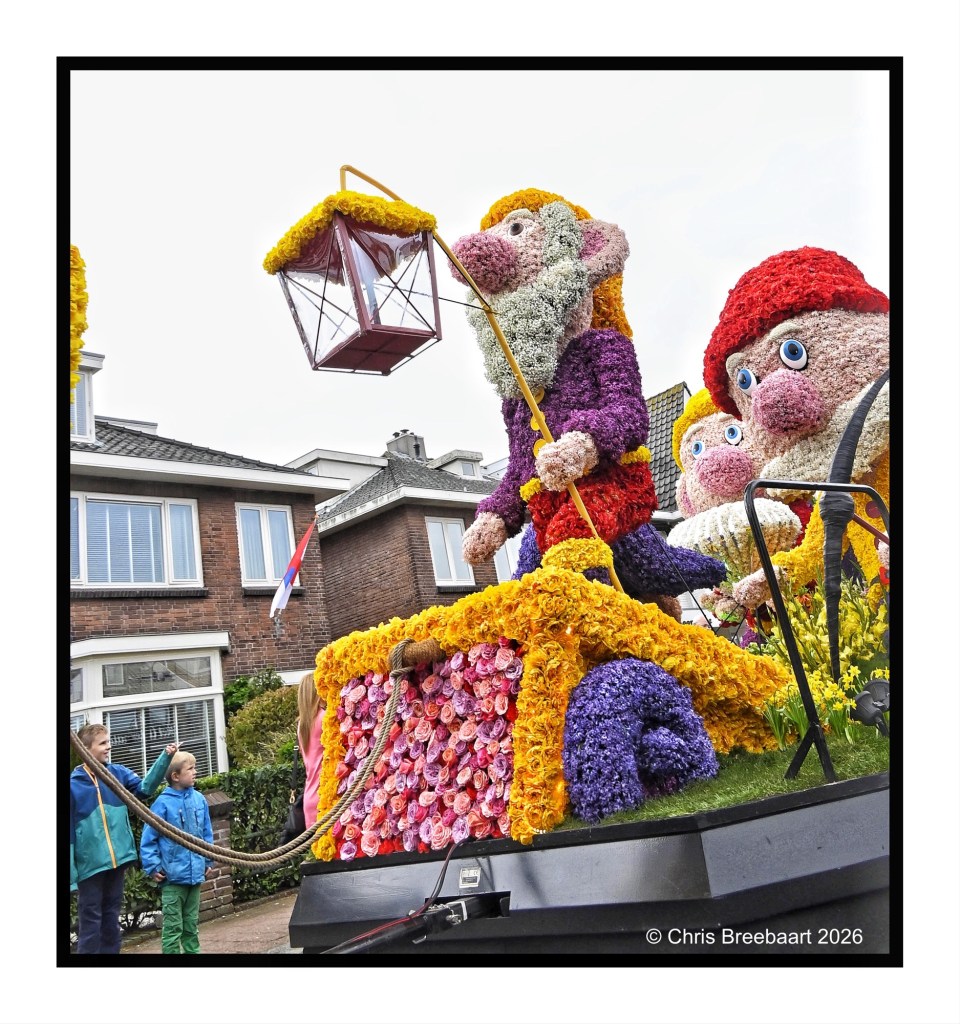
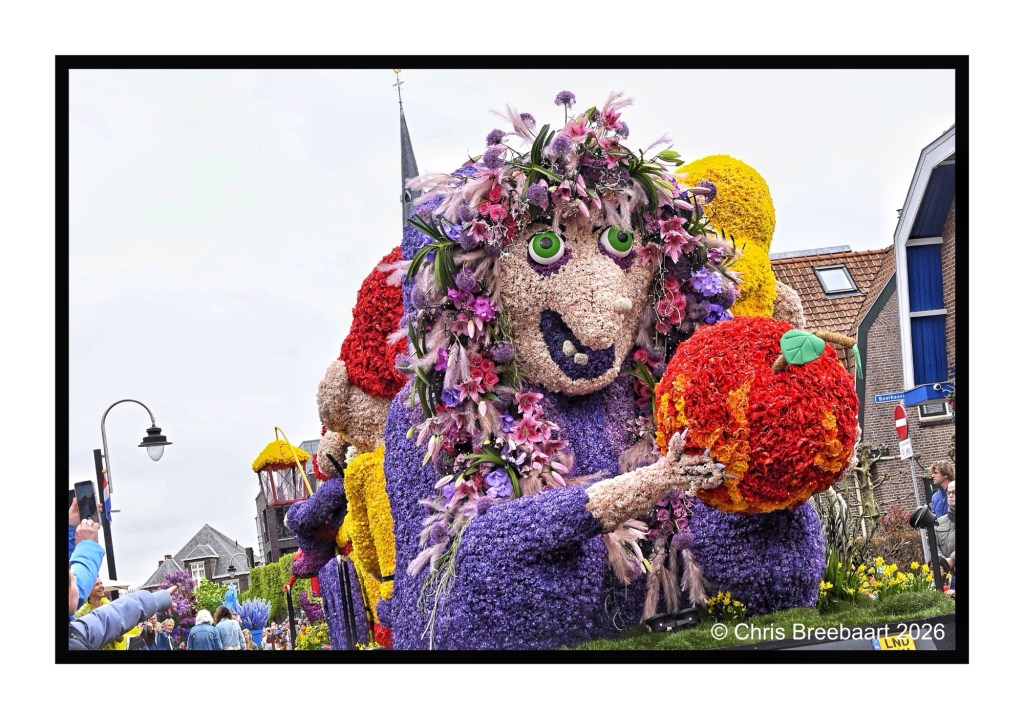
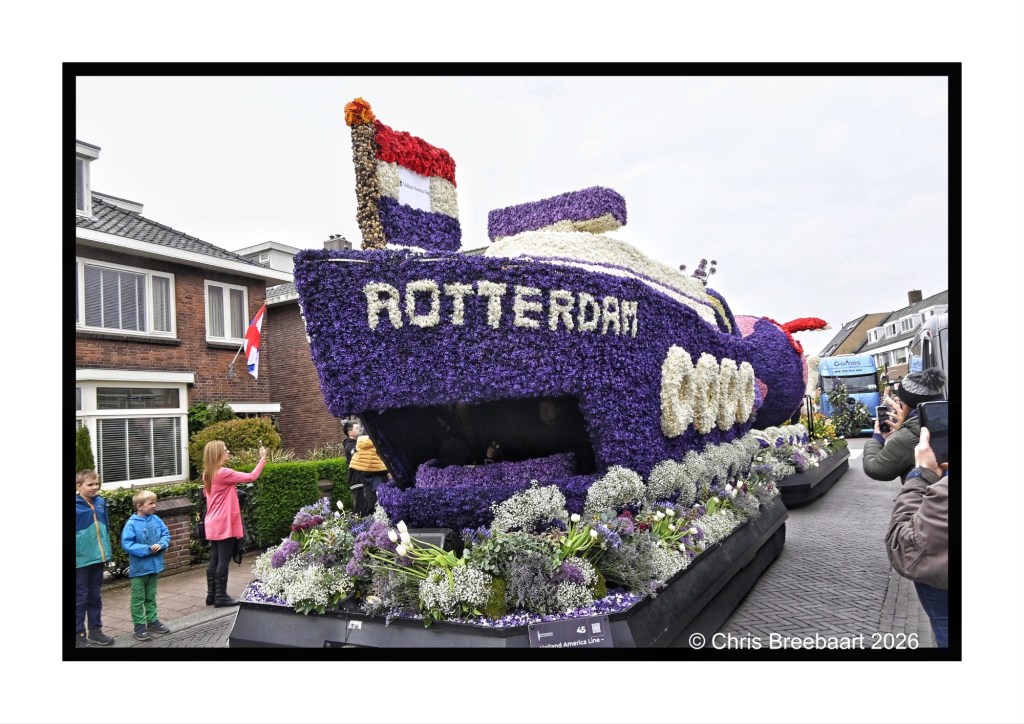
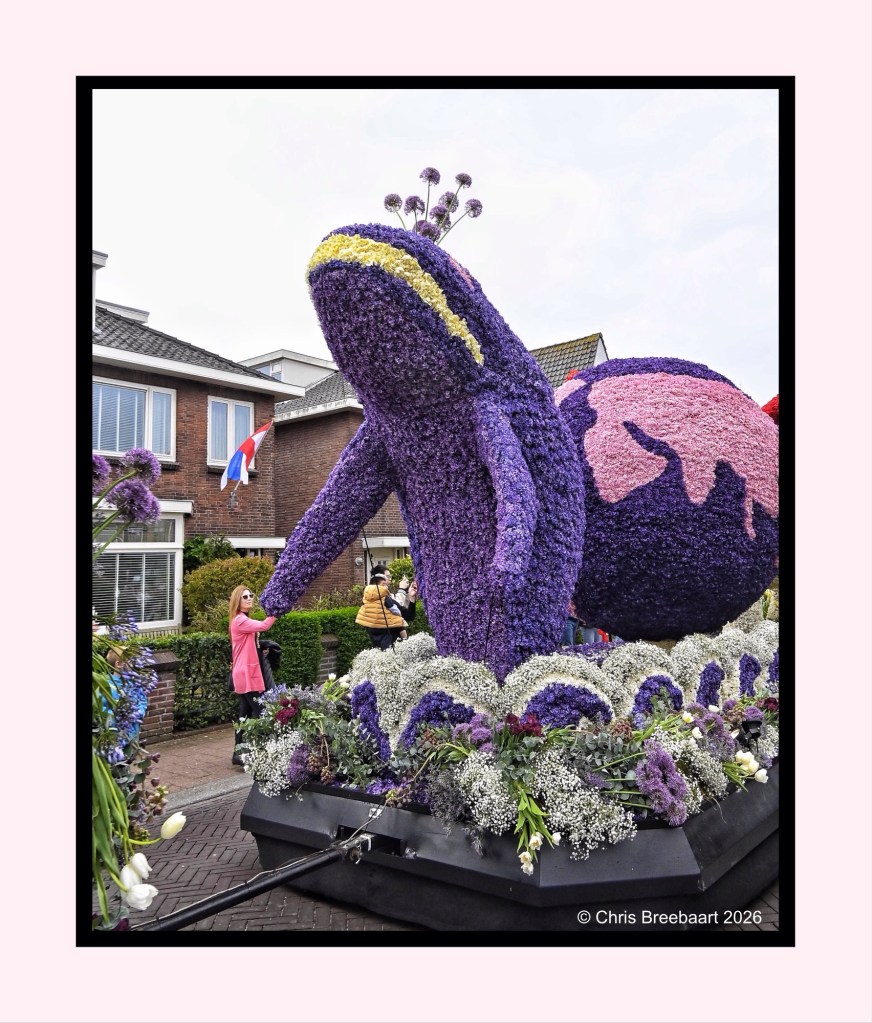
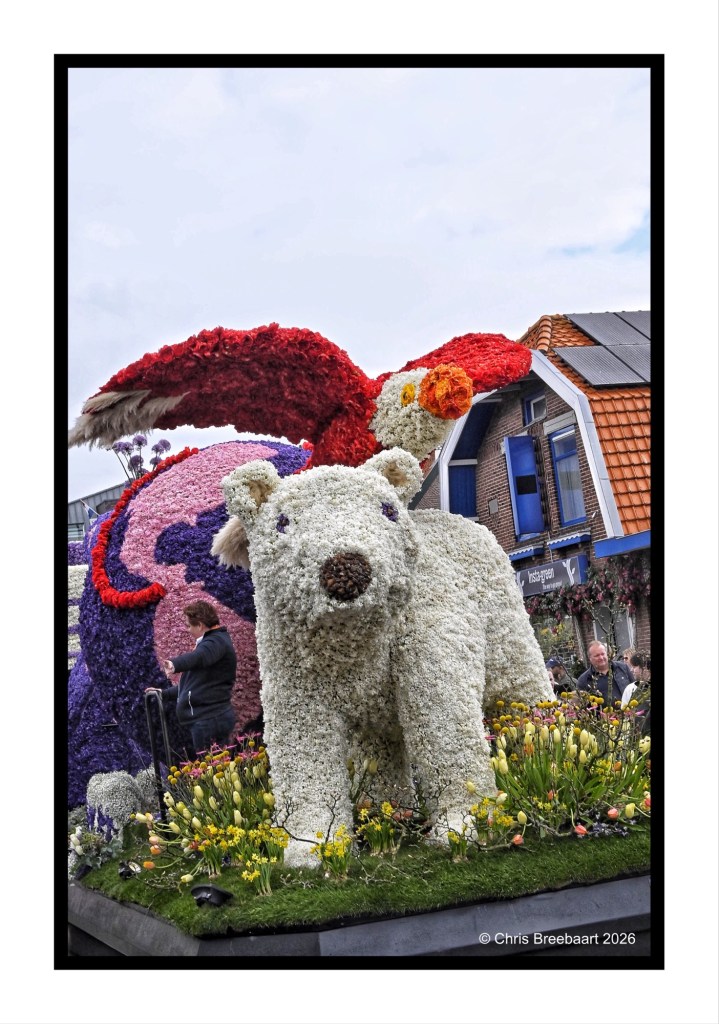
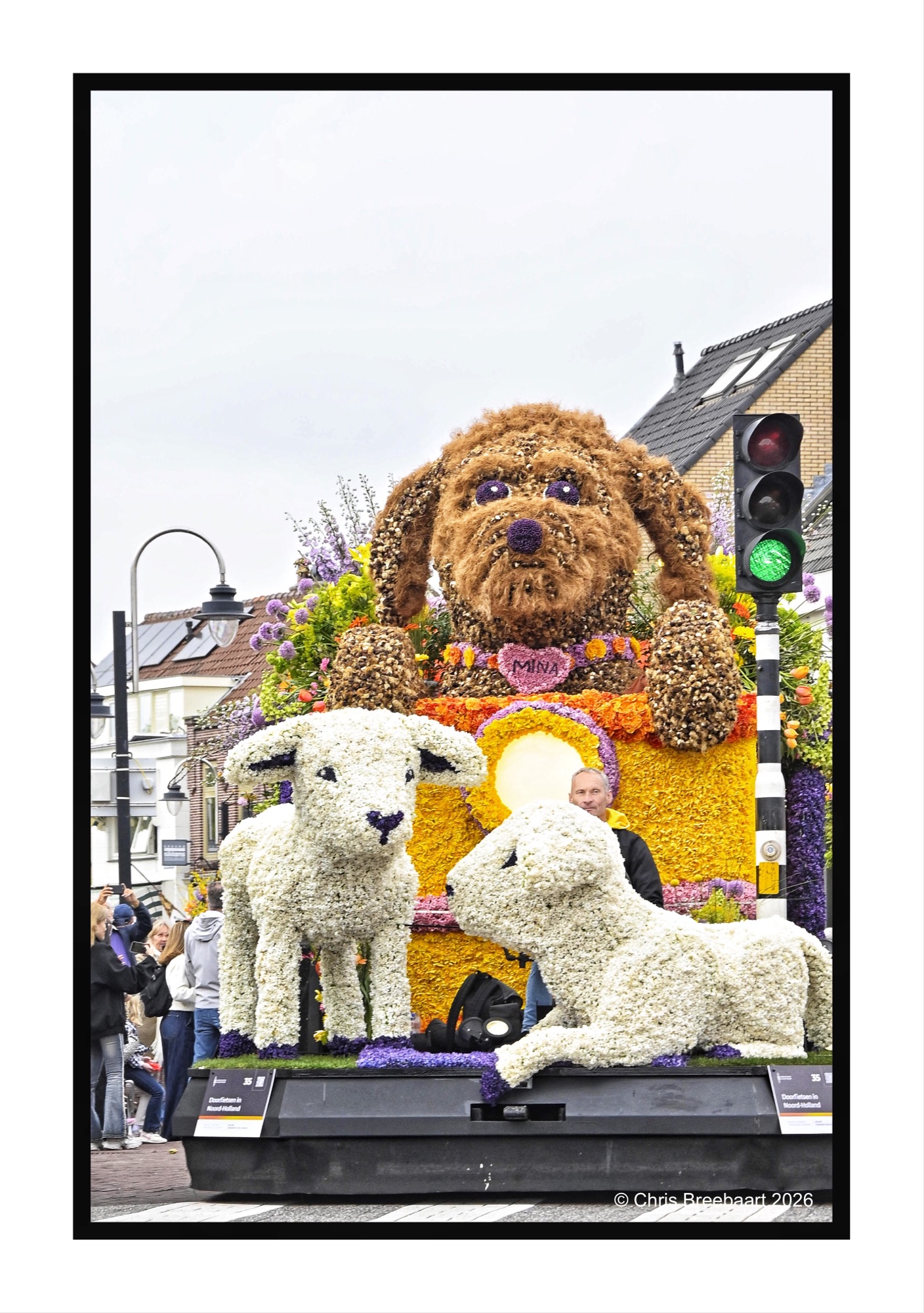
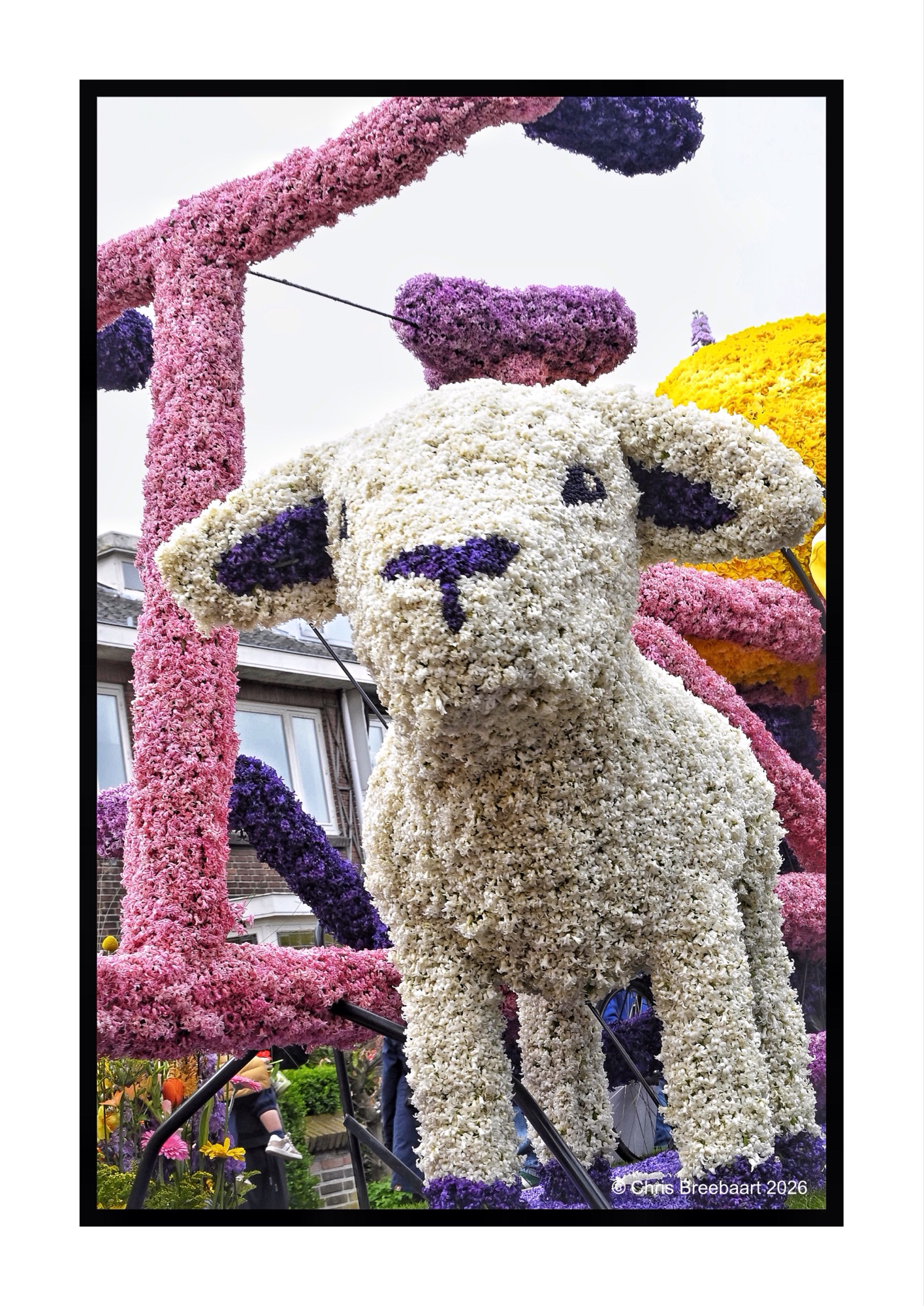
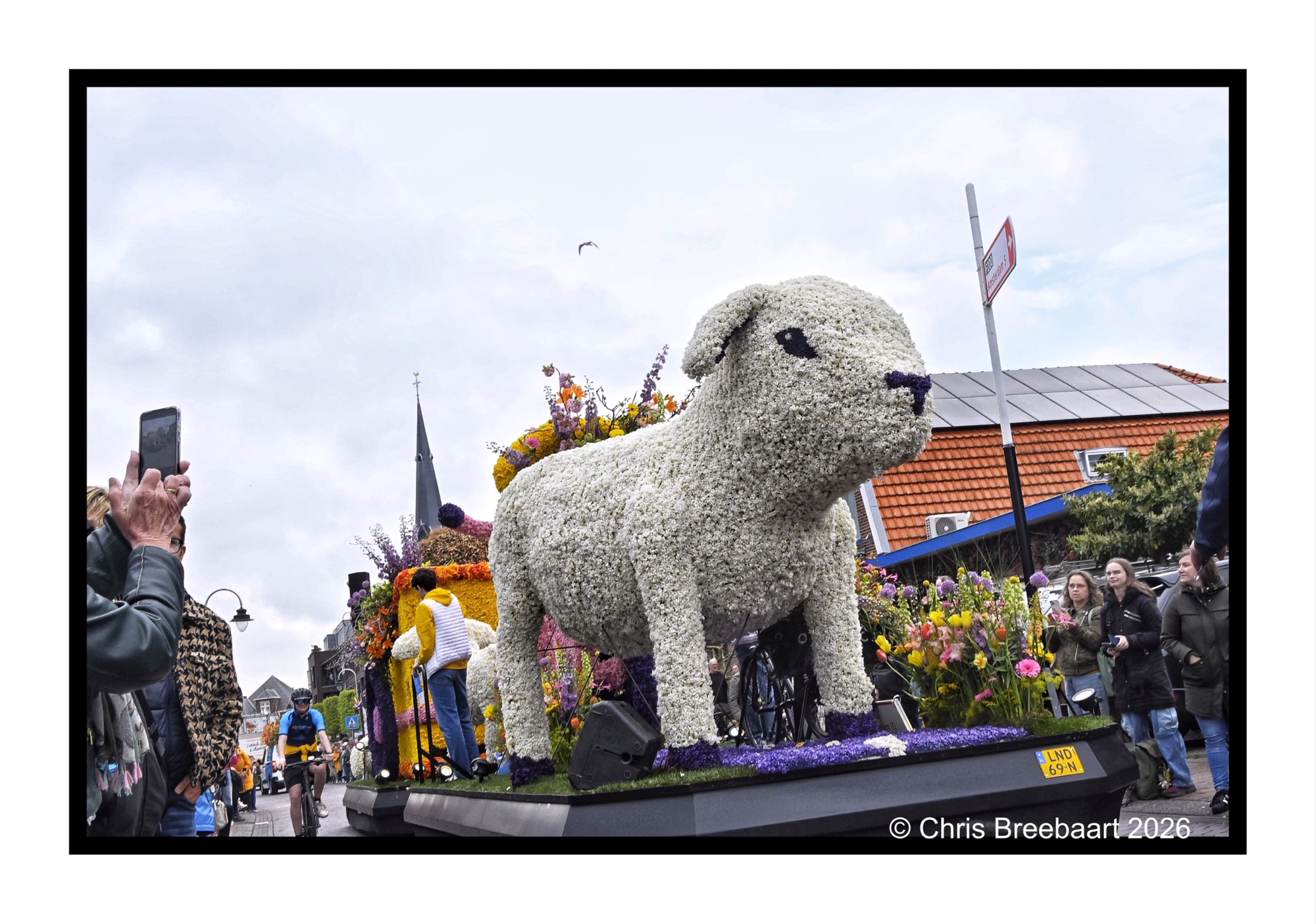
One of the events during Spring is the annual flower parade in the ‘bulbflowerbelt’ the Duin- en Bollenstreek. The parade has a history, it started in 1947, and is one of the biggest in The Netherlands. It is a main event for tourists. And a big presentation of bulbflower producing in this area. The Netherlands is well known for its flower production, all over the world. It is closely knit to the history and culture in this area of The Netherlands.
One of the events during Spring is the annual flower parade in the ‘bulbflowerbelt’ the Duin- en Bollenstreek. The parade has a history, it started in 1947, and is one of the biggest in The Netherlands. It is a main event for tourists. And a big presentation of bulbflower producing in this area. The Netherlands is well known for its flower production, all over the world. It is closely knit to the history and culture in this area of The Netherlands.
One of the events during Spring is the annual flower parade in the ‘bulbflowerbelt’ the Duin- en Bollenstreek. The parade has a history, it started in 1947, and is one of the biggest in The Netherlands. It is a main event for tourists. And a big presentation of bulbflower producing in this area. The Netherlands is well known for its flower production, all over the world. It is closely knit to the history and culture in this area of The Netherlands.
One of the events during Spring is the annual flower parade in the ‘bulbflowerbelt’ the Duin- en Bollenstreek. The parade has a history, it started in 1947, and is one of the biggest in The Netherlands. It is a main event for tourists. And a big presentation of bulbflower producing in this area. The Netherlands is well known for its flower production, all over the world. It is closely knit to the history and culture in this area of The Netherlands.
One of the events during Spring is the annual flower parade in the ‘bulbflowerbelt’ the Duin- en Bollenstreek. The parade has a history, it started in 1947, and is one of the biggest in The Netherlands. It is a main event for tourists. And a big presentation of bulbflower producing in this area. The Netherlands is well known for its flower production, all over the world. It is closely knit to the history and culture in this area of The Netherlands.
One of the events during Spring is the annual flower parade in the ‘bulbflowerbelt’ the Duin- en Bollenstreek. The parade has a history, it started in 1947, and is one of the biggest in The Netherlands. It is a main event for tourists. And a big presentation of bulbflower producing in this area. The Netherlands is well known for its flower production, all over the world. It is closely knit to the history and culture in this area of The Netherlands.
One of the events during Spring is the annual flower parade in the ‘bulbflowerbelt’ the Duin- en Bollenstreek. The parade has a history, it started in 1947, and is one of the biggest in The Netherlands. It is a main event for tourists. And a big presentation of bulbflower producing in this area. The Netherlands is well known for its flower production, all over the world. It is closely knit to the history and culture in this area of The Netherlands.
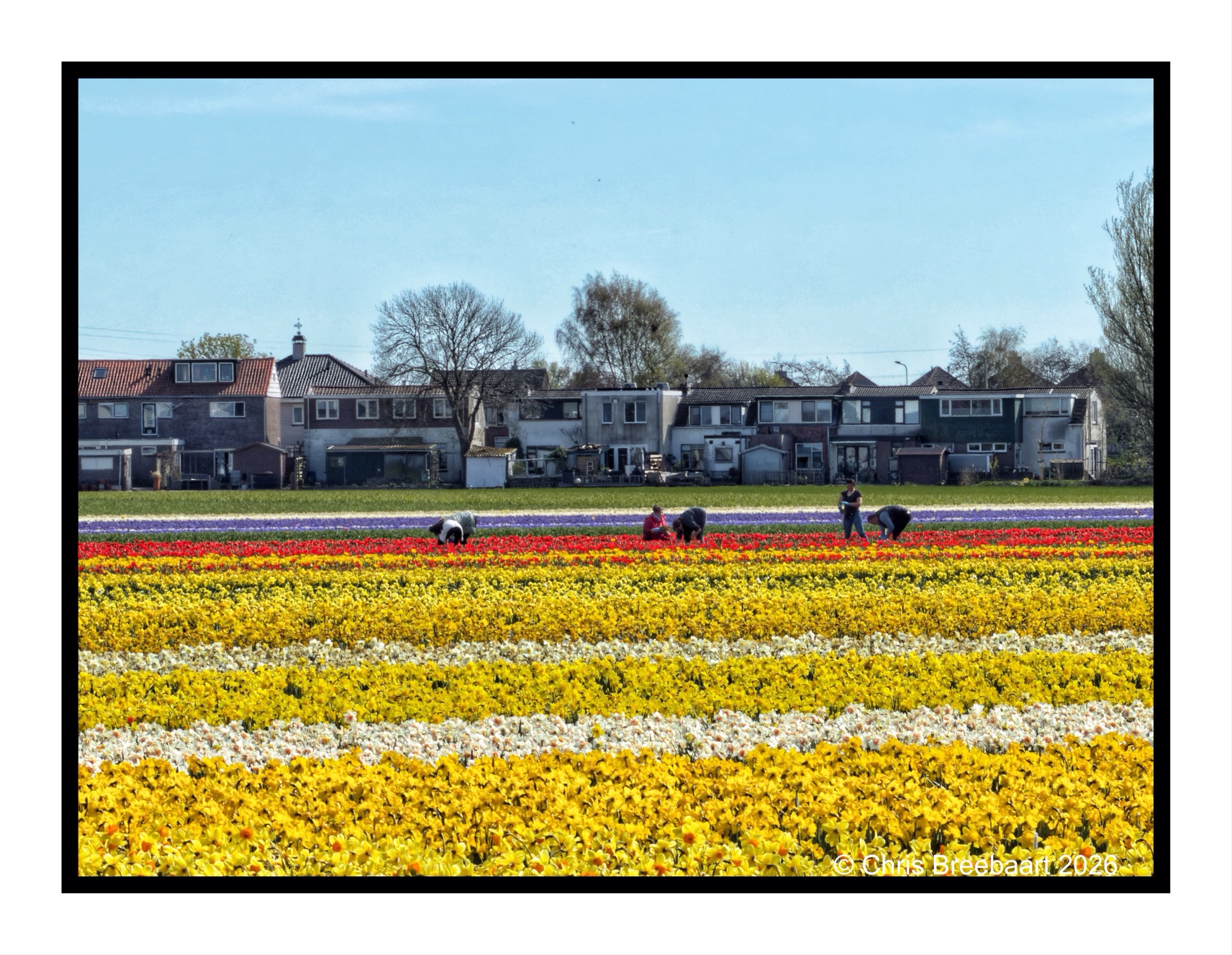
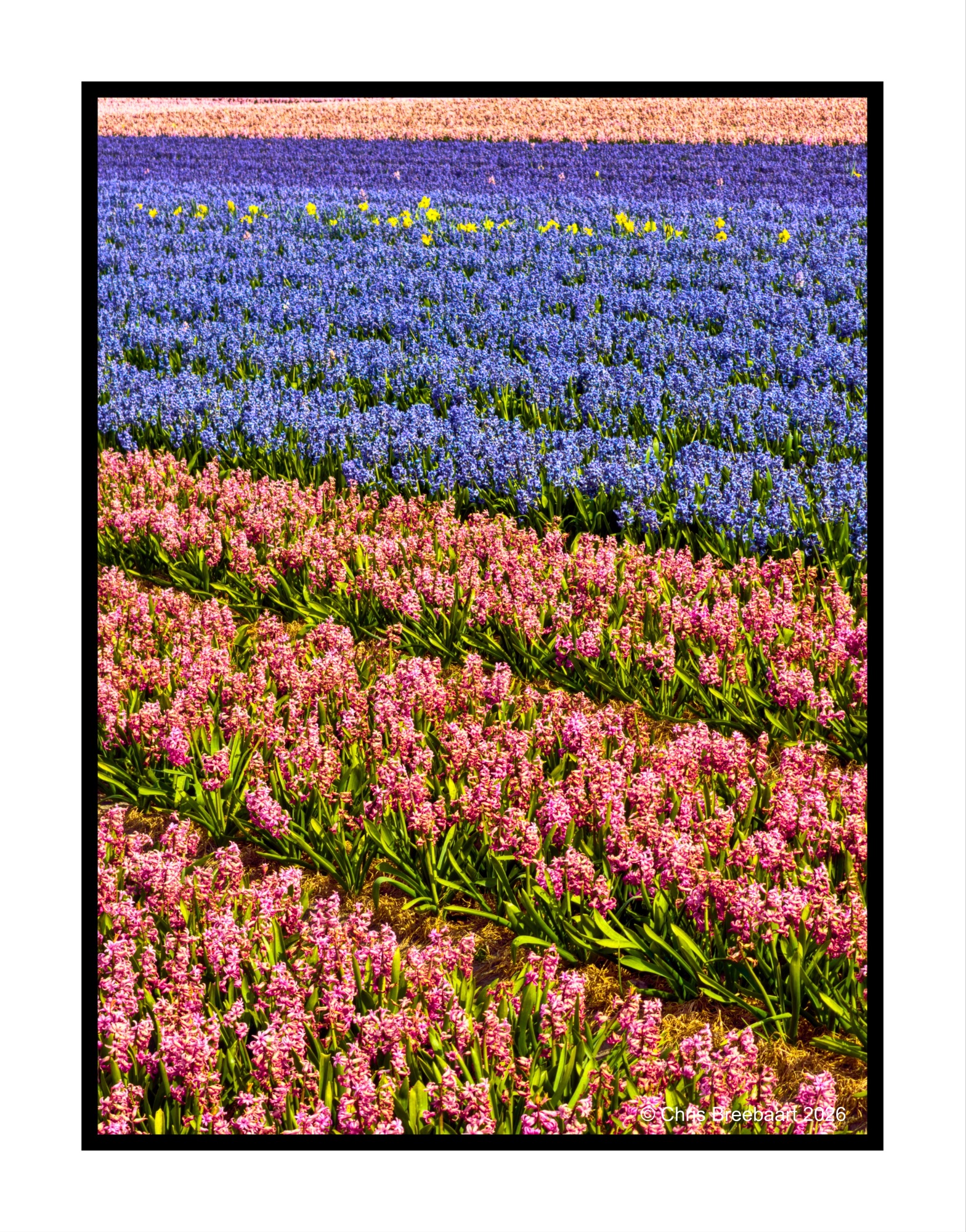
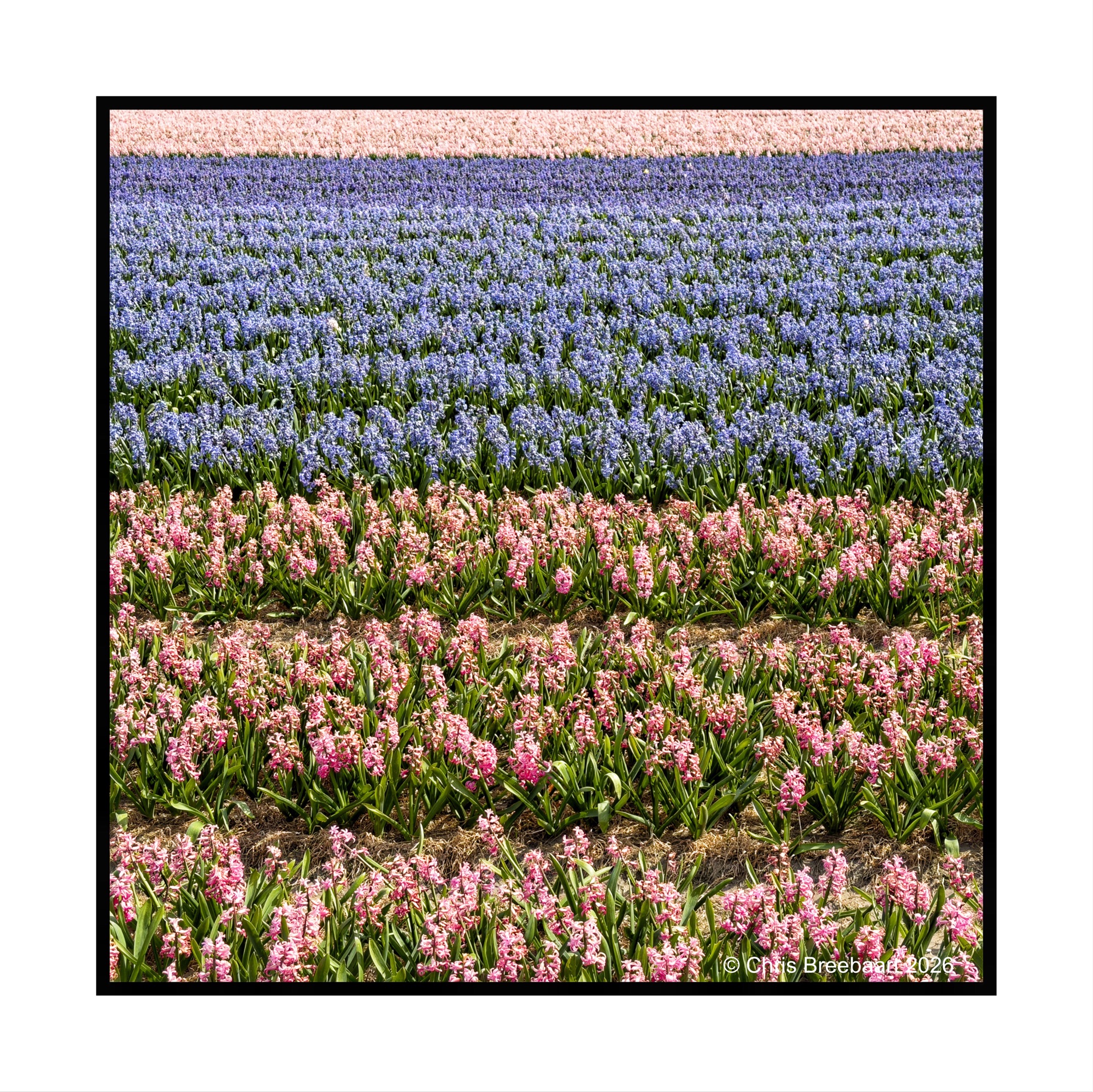
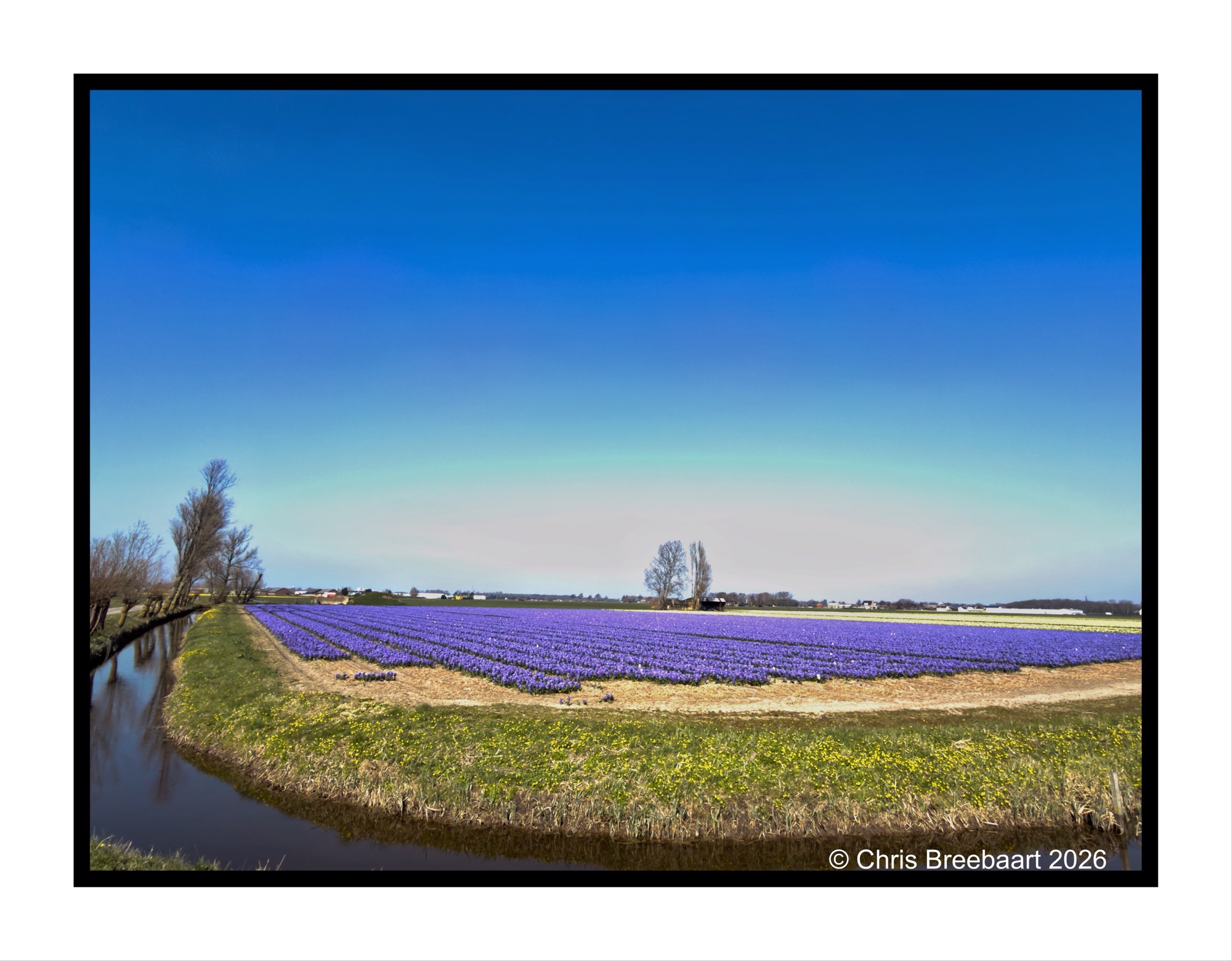
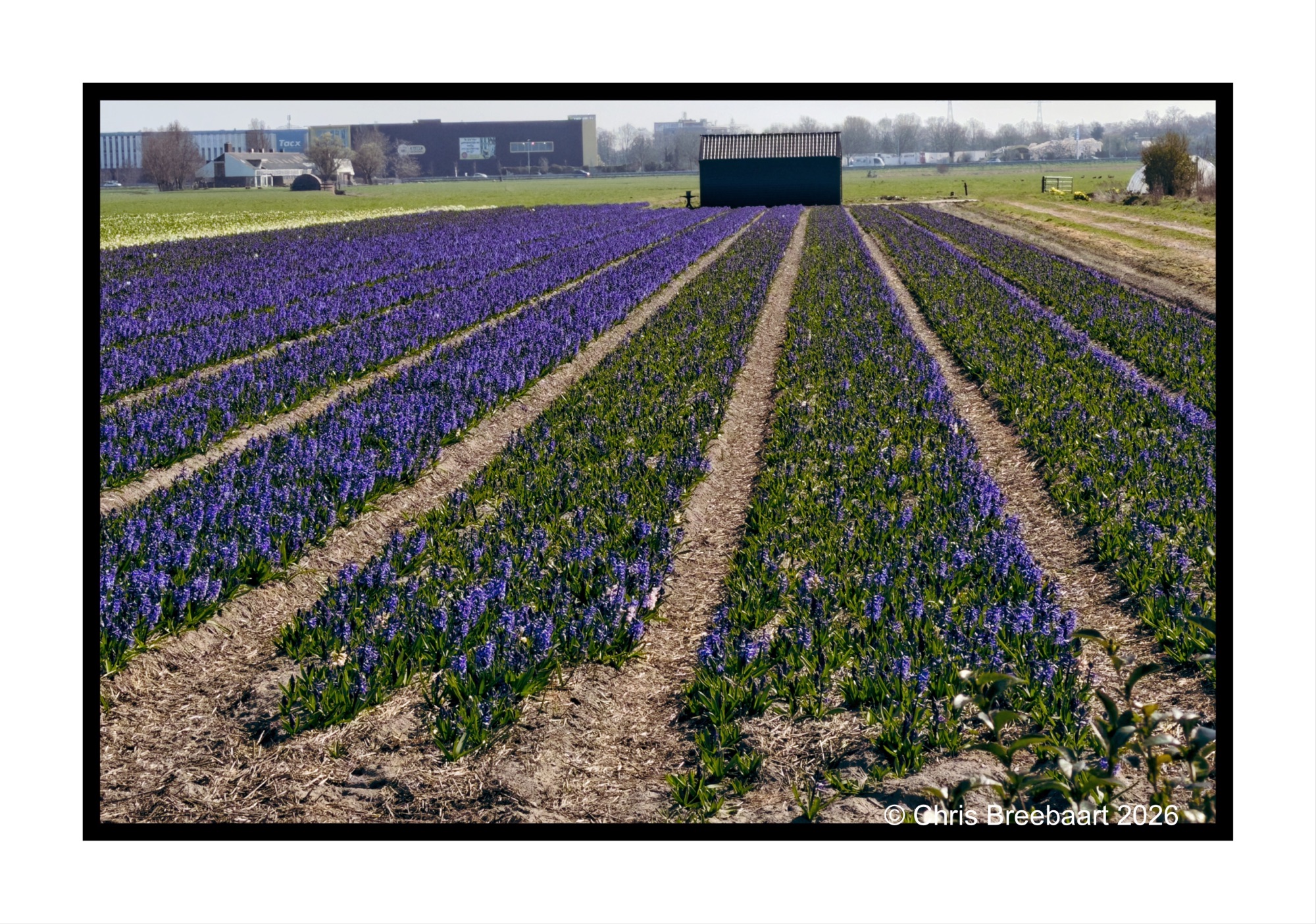
From a distance it seems that the rows of bulbflowers are always perfectly consisting one color and one type of plant. However, there is always the odd one out if you look closer. Here are a few Daffodils mixed up with the Hyacinths.
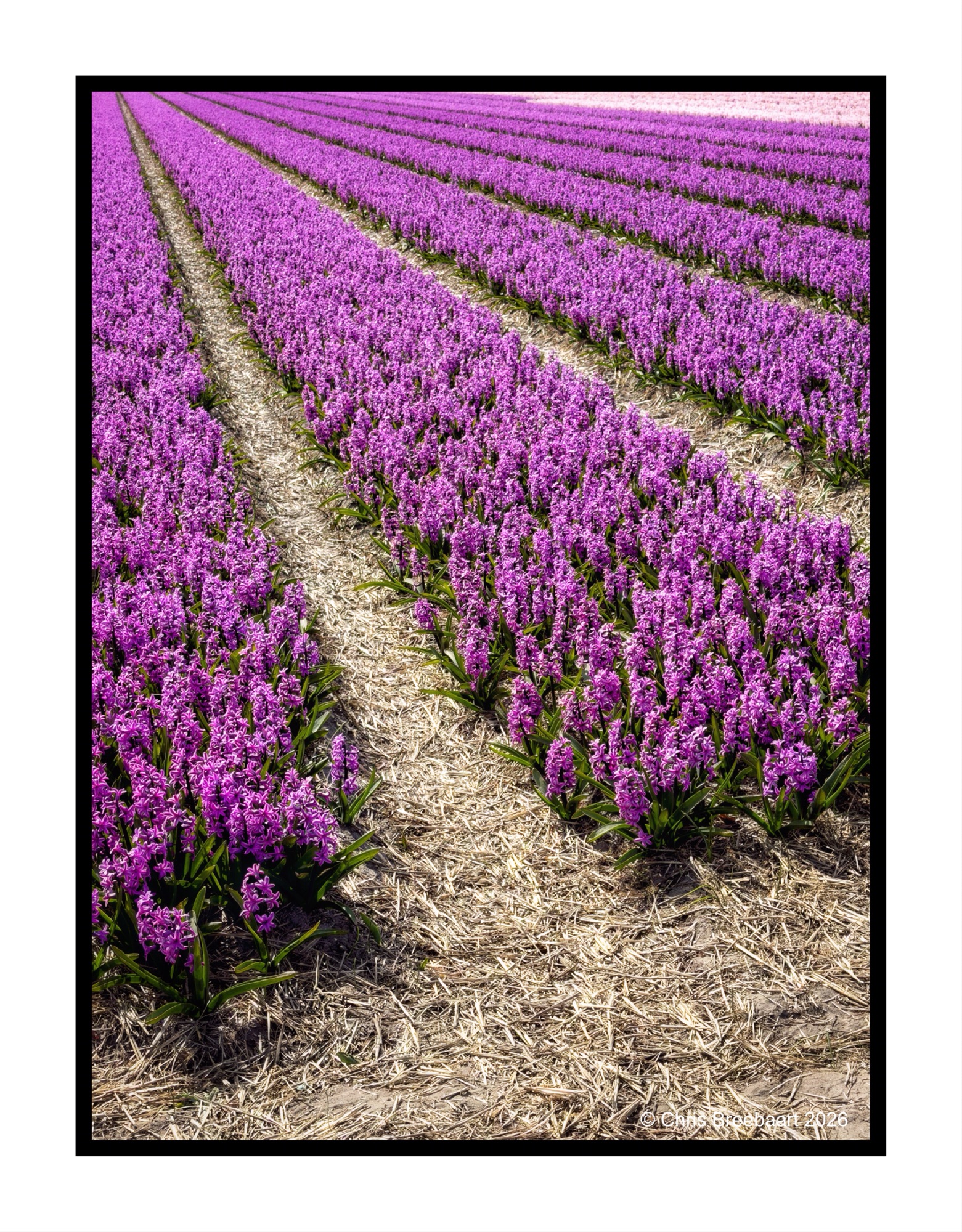
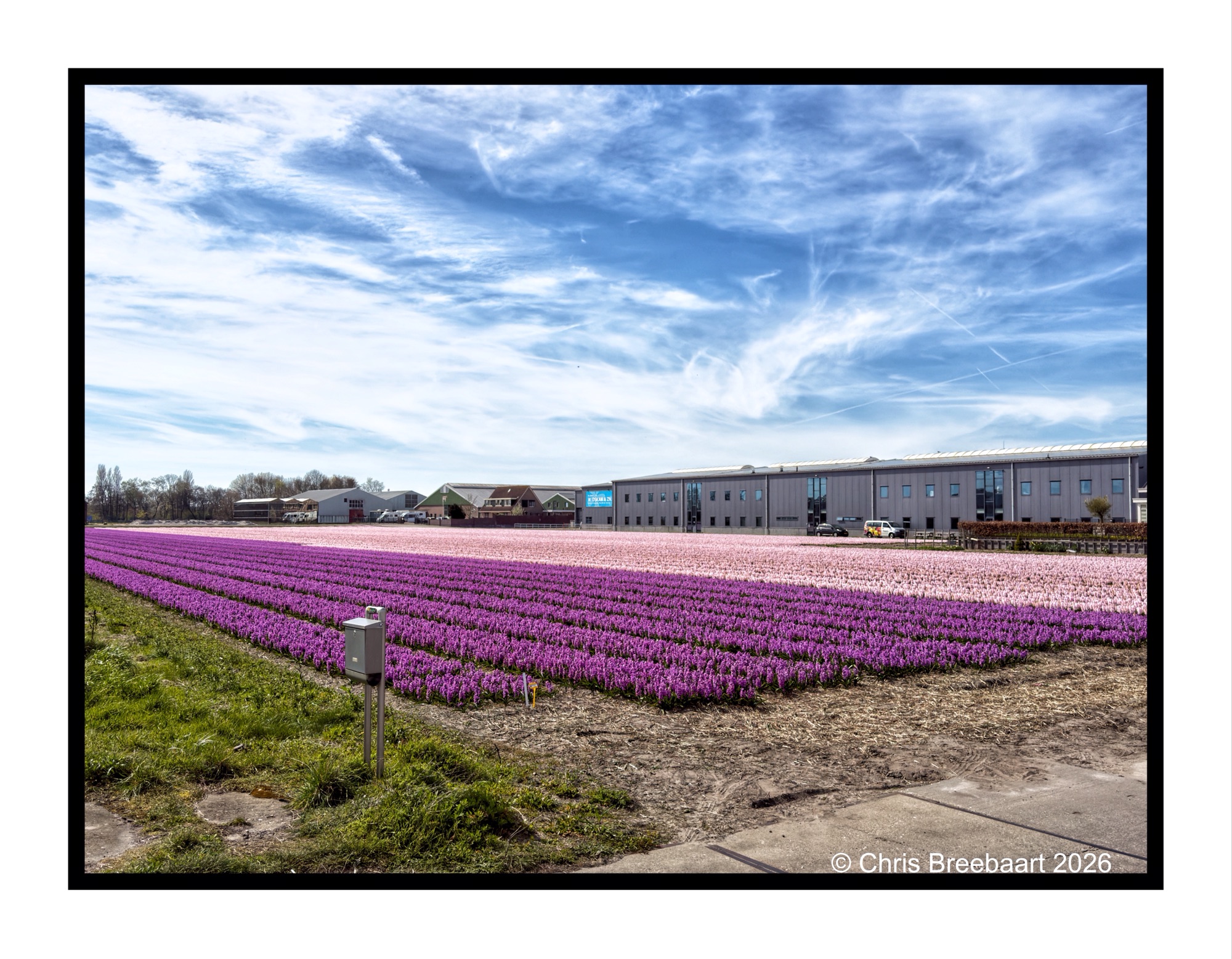
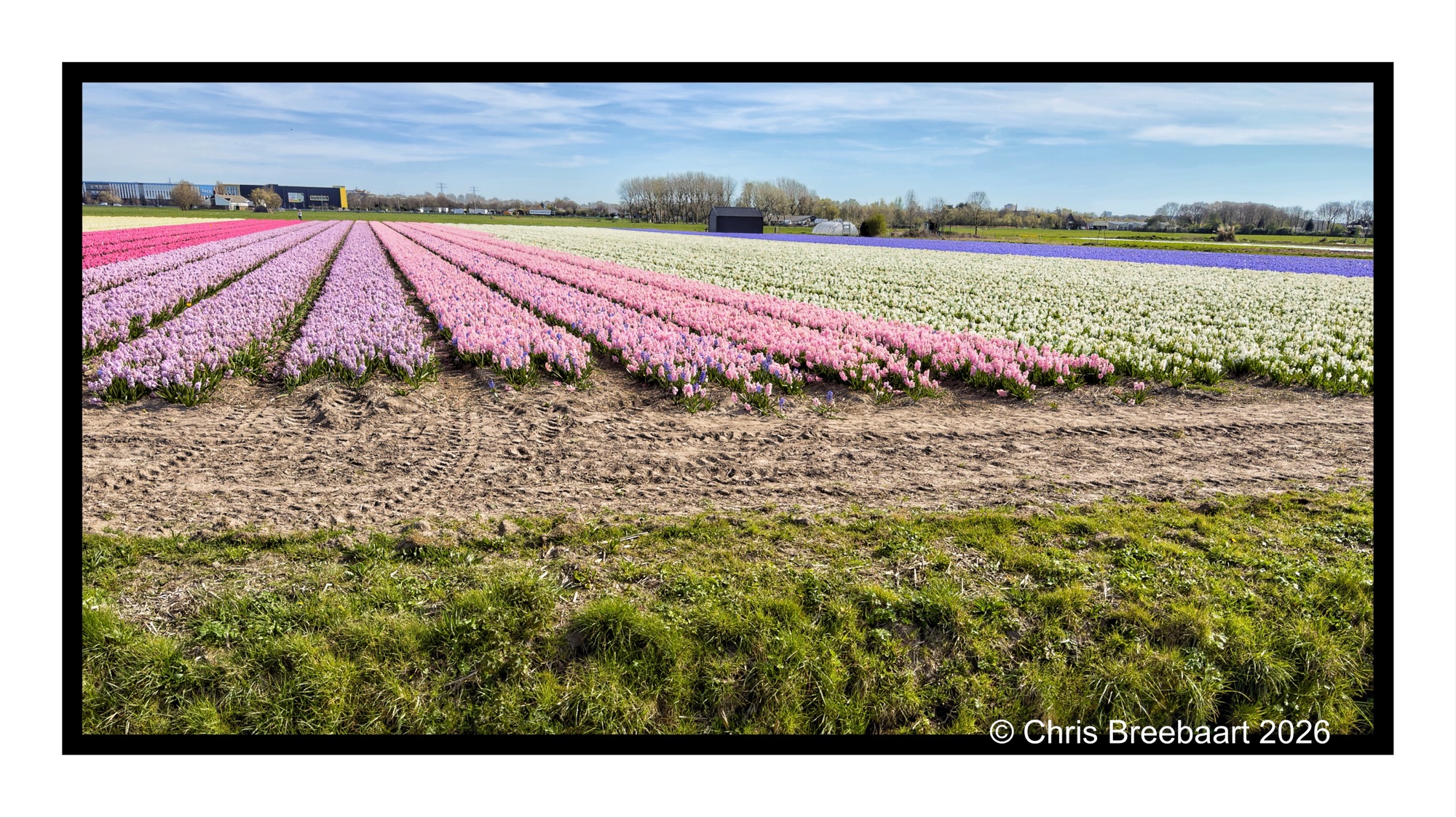
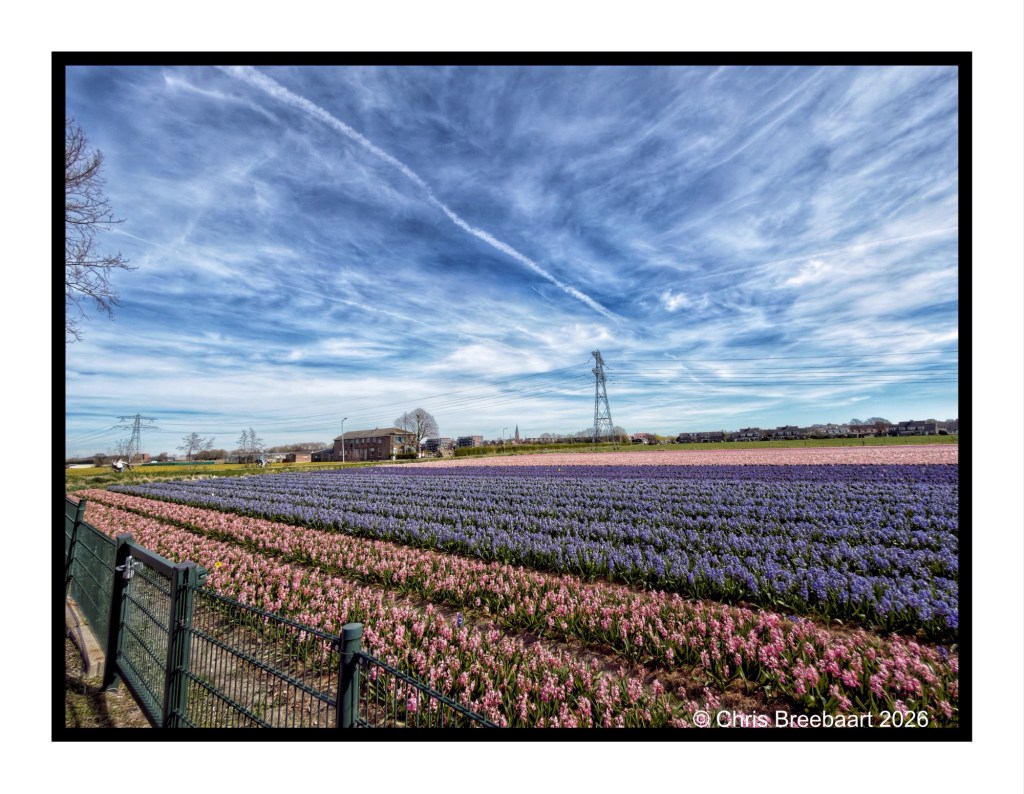
Hyacinths spread color and fragrance on the fields at this time of year. Remember: these flowers are not destined to be sold, but are grown for the bulbs. In June you can order the bulbs in webshops, to have them light up your garden next Spring.
Hyacinths spread color and fragrance on the fields at this time of year. Remember: these flowers are not the reason to grow them. The reason is in the ground: these bulbs will be harvested and then after the Summer exported to all over the world.
Fortunately, this is really just around the corner. This time of year it is fun to take the bicycle and check out the flowers in the area. Especially when the sun shines. As most of my photos on here are taken on iPhone I do fit the brief of this week’s LAPC theme week (#391) ‘Phone photography’ easy.
This time of year it is fun to take the bicycle and check out the flowers in the area. Especially when the sun shines. As most of my photos on here are taken on iPhone I do fit the brief of this week’s LAPC theme week (#391) ‘Phone photography’ easy.
Time is something I sometimes can not grasp. On the one hand it is always the same: a second stays a second, a minute a minute, an hour an hour, a day a day, a week a week, a month a month. On the odd extra day every four years it is a ‘given’ that a year has 365 days. On the other hand time can slip through your hands. It seems to go faster, or slower. It is on your side or not.
This Spring is one of those moments that makes me wonder about time. There is an order in bulbflowers, but daffodils with hyacinths, while tulips pop up in the garden makes me confused. Is it going faster? But in the end the beauty and scent of flowers stays amazing.
The LAPC theme this week (#391) is ‘Phone photography’. Having a smartphone on me all of the time, with a camera that is getting better and better, is quite normal. As Tina says she rarely shoots other than with her phone. The same applies to me. The Iphone is handy, technology for dummies, always near and light. And it offers more an more quality and creativity. On the other hand it still lacks lots of technology you can find on a system camera. So I am in a hybrid state: daily the phone, on occasion the system camera. Getting on a bicycle enjoying the fields is easier with my iPhone. It produces a nice quality. It is convenient. But shooting the flower parade requires a systemcamera.But that is something for next time.
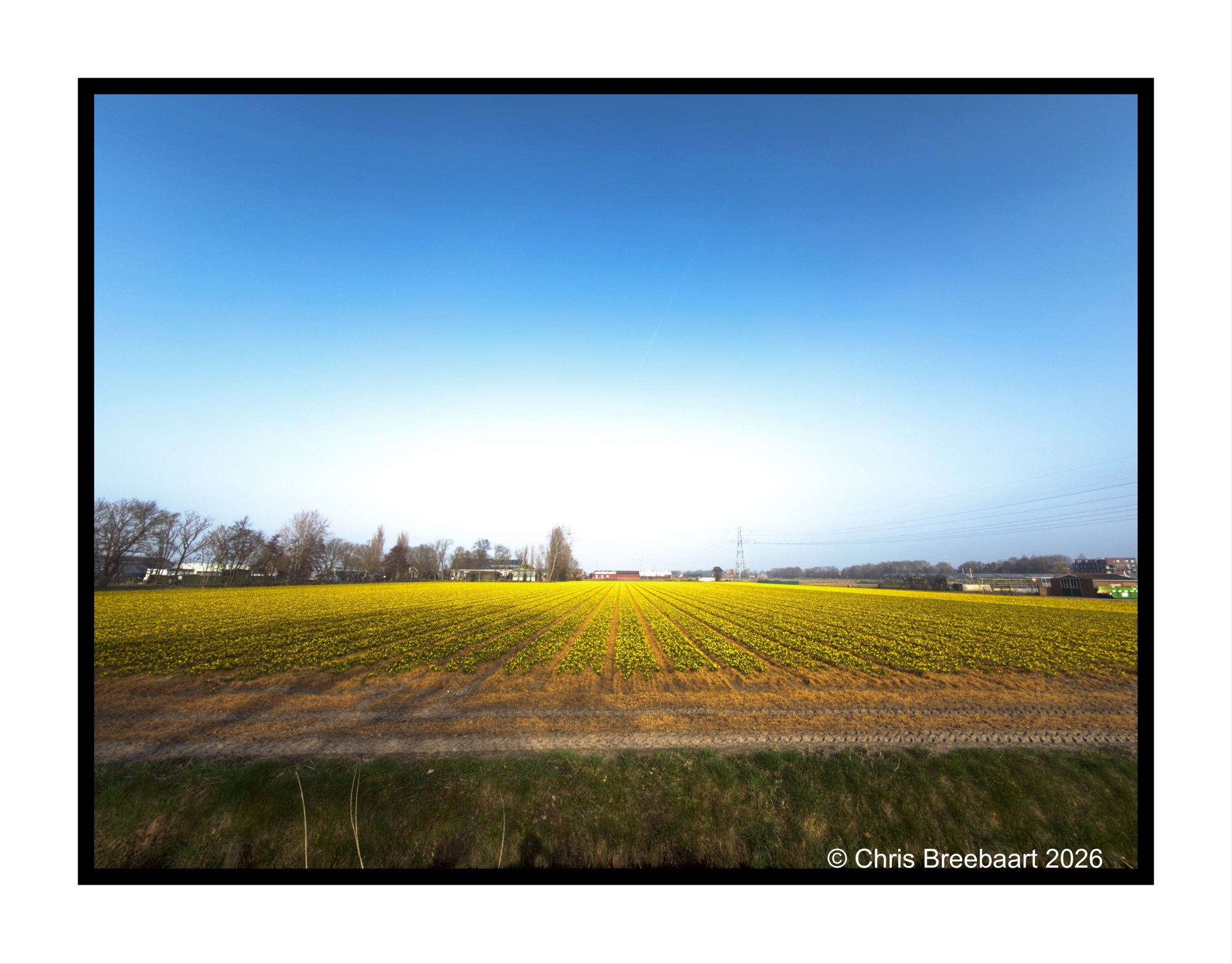
The bulb fields are blooming. And to be honest, it goes quite fast. The daffodils are almost gone, hyacinths start to arrive and there is a lot of fields with tulips, still waiting to pop there heads up. Here a daffodil field.
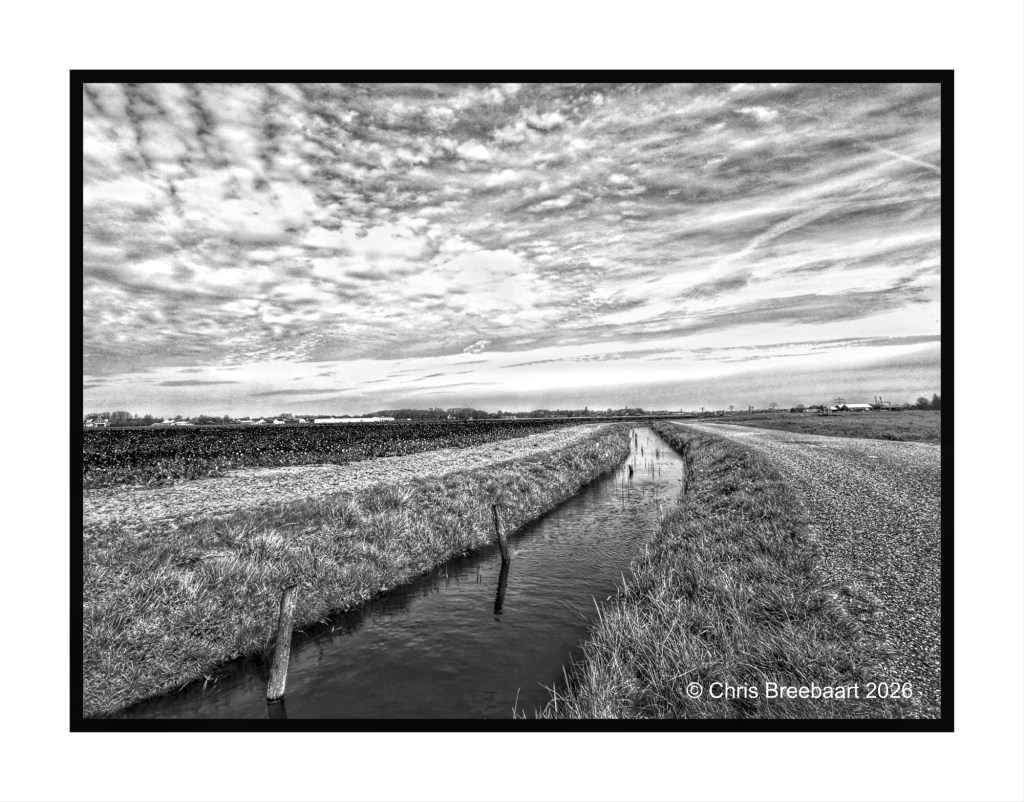
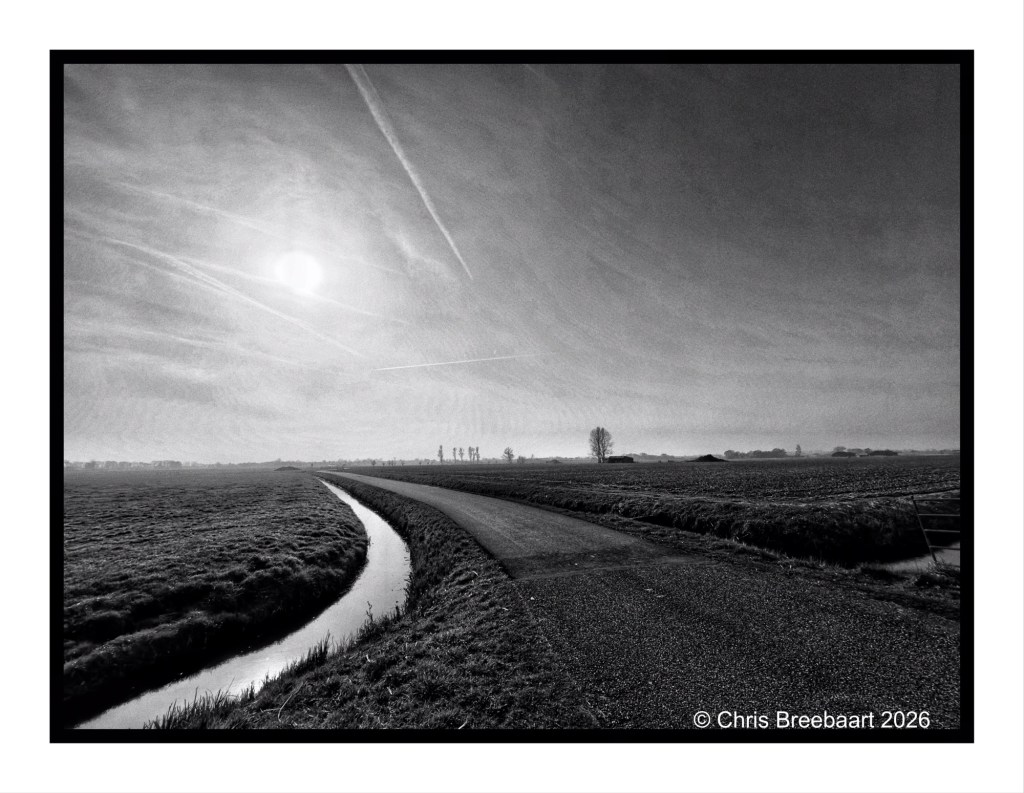
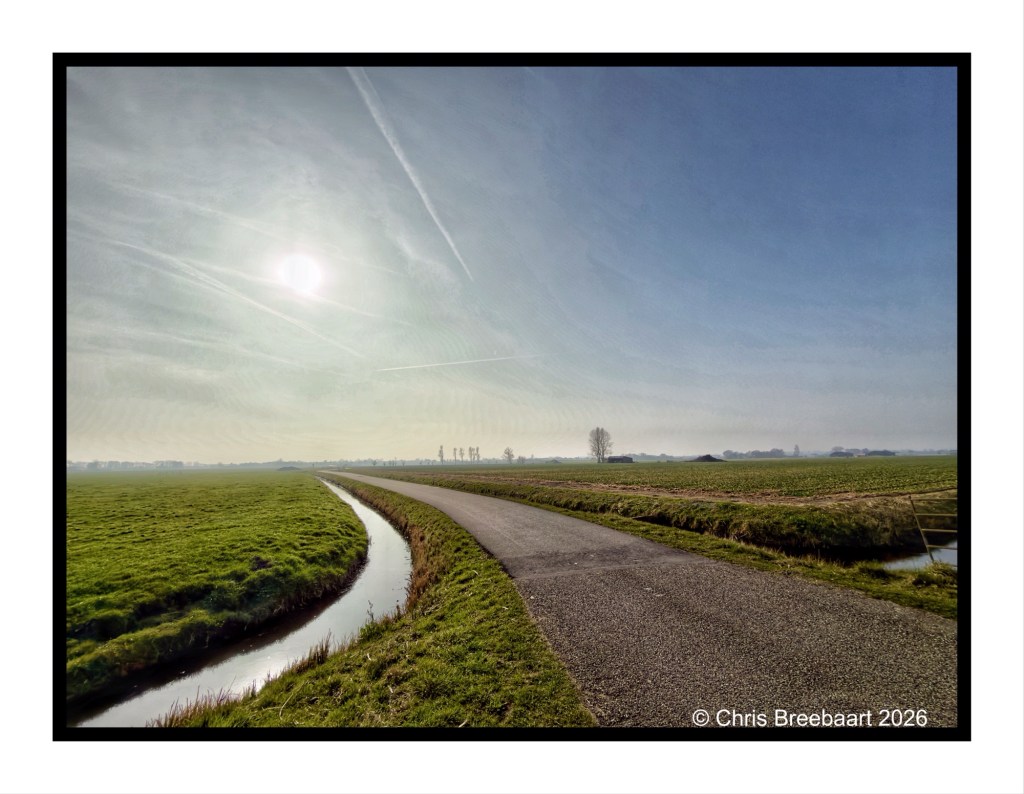
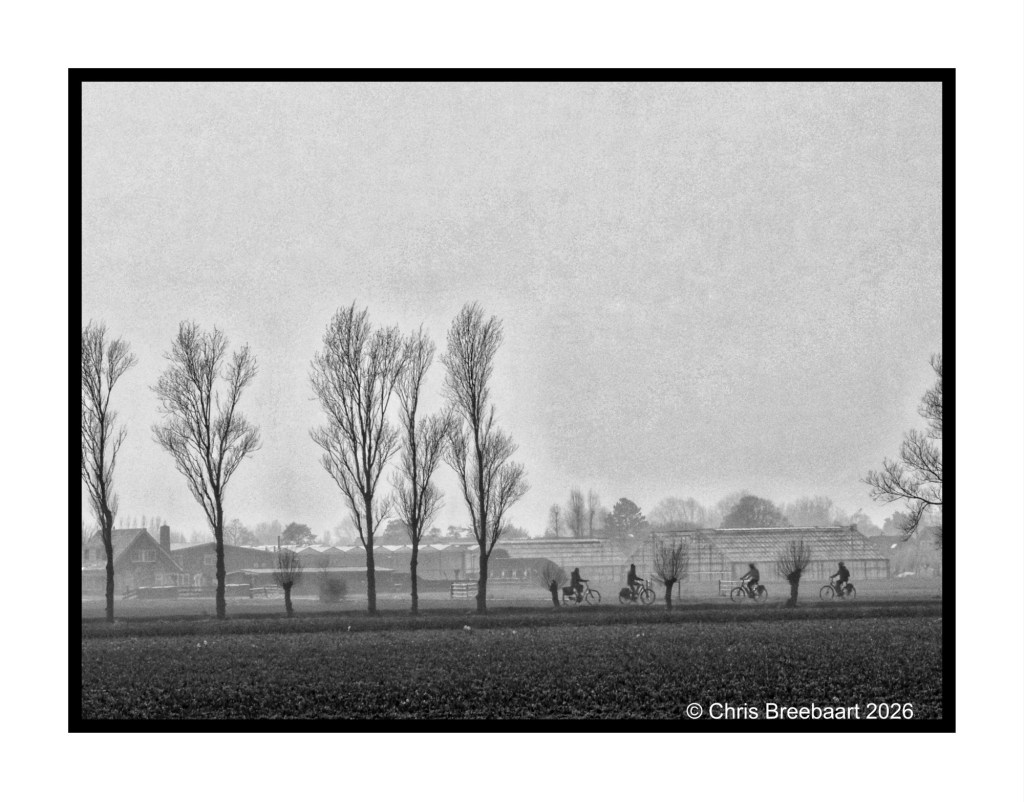
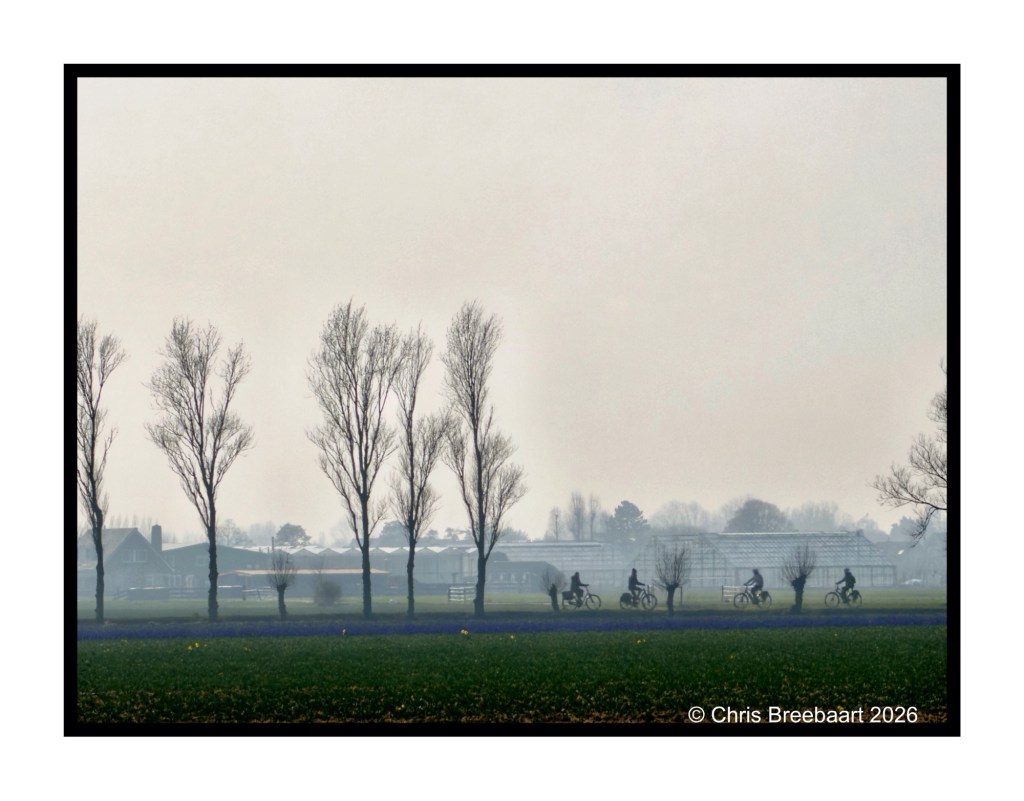
If you visit my blog – like I hope you do or from now start to do – you must have recognized my ‘old’ love for monochrome. When I started this hobby, mono was fashionable and a standard for news photography. And it was cheaper. In this series I offer you two versions of a photo. And you can prefer one over the other, or not.
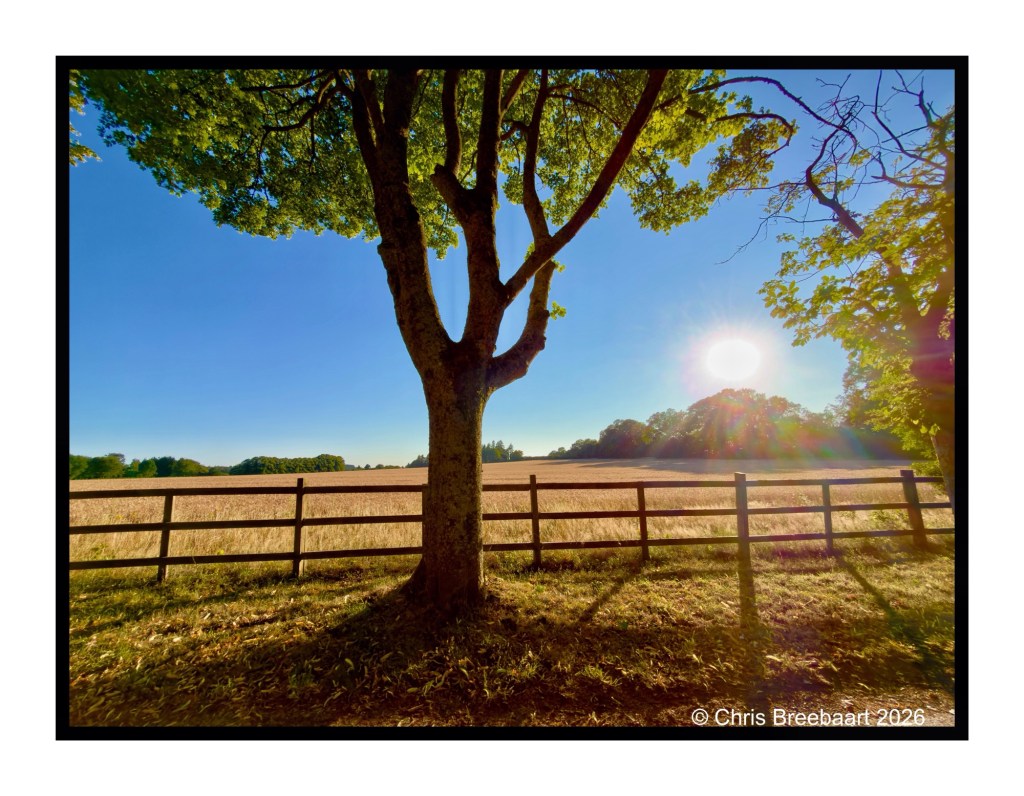
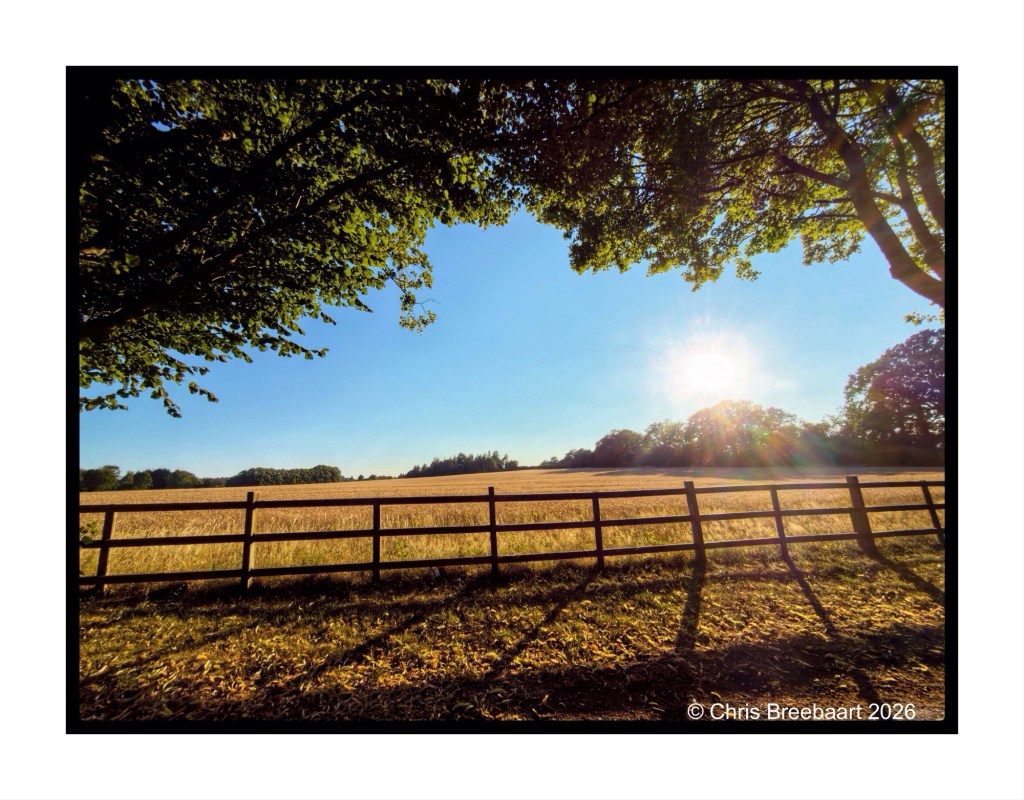
This week’s theme is ‘Time to relax’. On a bicycle ride through fields where soon bulb flowers will pop up, together with other cyclists. This is a piece of a polder showing the low horizon in the sun.
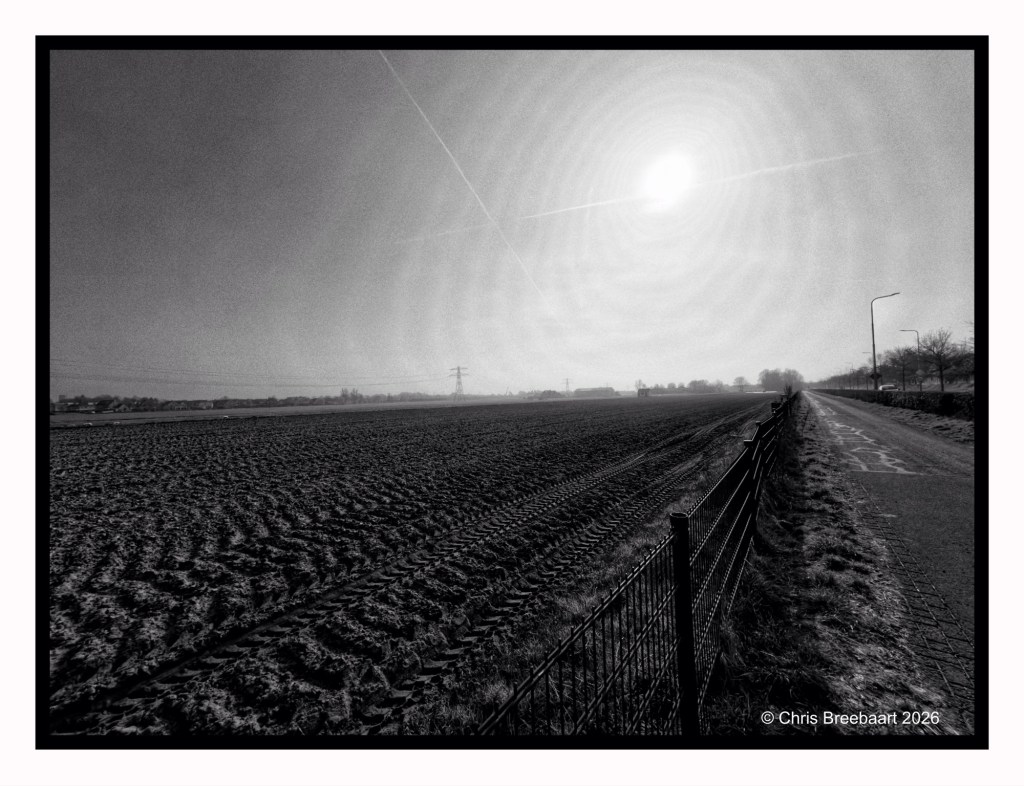
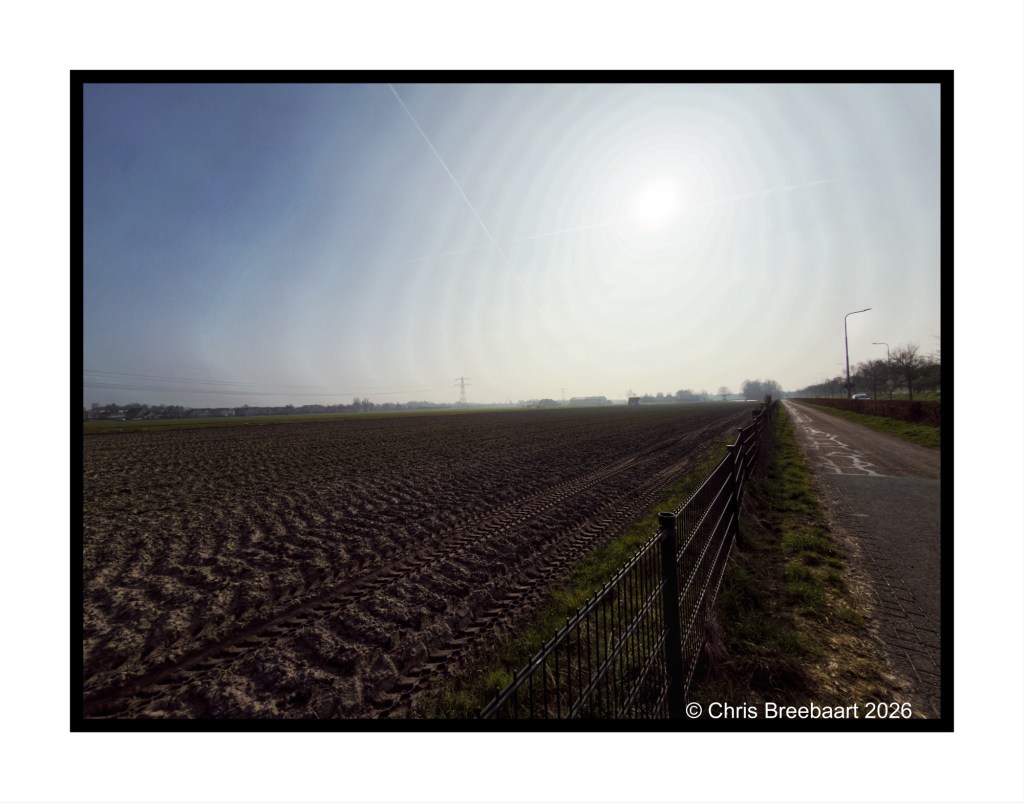
If you visit my blog – like I hope you do or from now start to do – you must have recognized my ‘old’ love for monochrome. When I started this hobby, mono was fashionable and a standard for news photography. And it was cheaper. In this series I offer you two versions of a photo. And you can prefer one over the other, or not.
This week’s theme is ‘Time to relax’. On a bicycle ride through fields where soon bulb flowers will pop up, together with other cyclists. Thought I am not really sure about this piece of land, it is just been plowed it seems.
If you visit my blog – like I hope you do or from now start to do – you must have recognized my ‘old’ love for monochrome. When I started this hobby, mono was fashionable and a standard for news photography. And it was cheaper. In this series I offer you two versions of a photo. And you can prefer one over the other, or not.
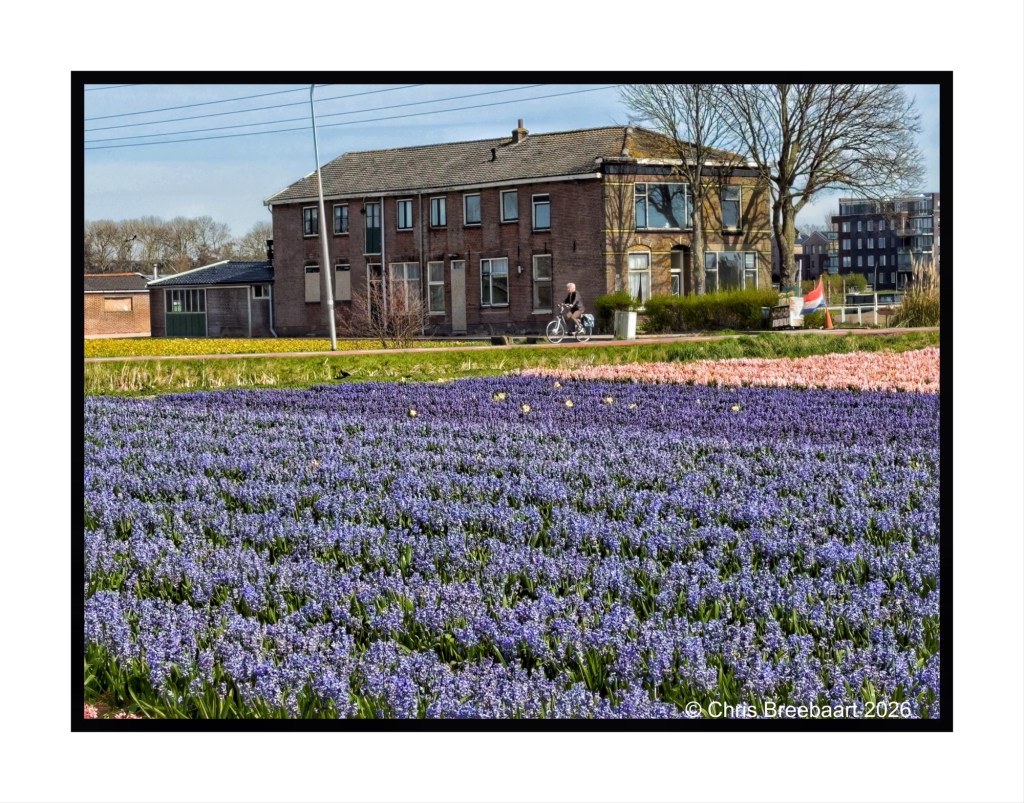
This week’s theme is ‘Time to relax’. On a bicycle ride through fields where soon bulb flowers will pop up, together with other cyclists. On the color version you can see the deep purple of early hyacinths. With Some yellow late Daffodils.
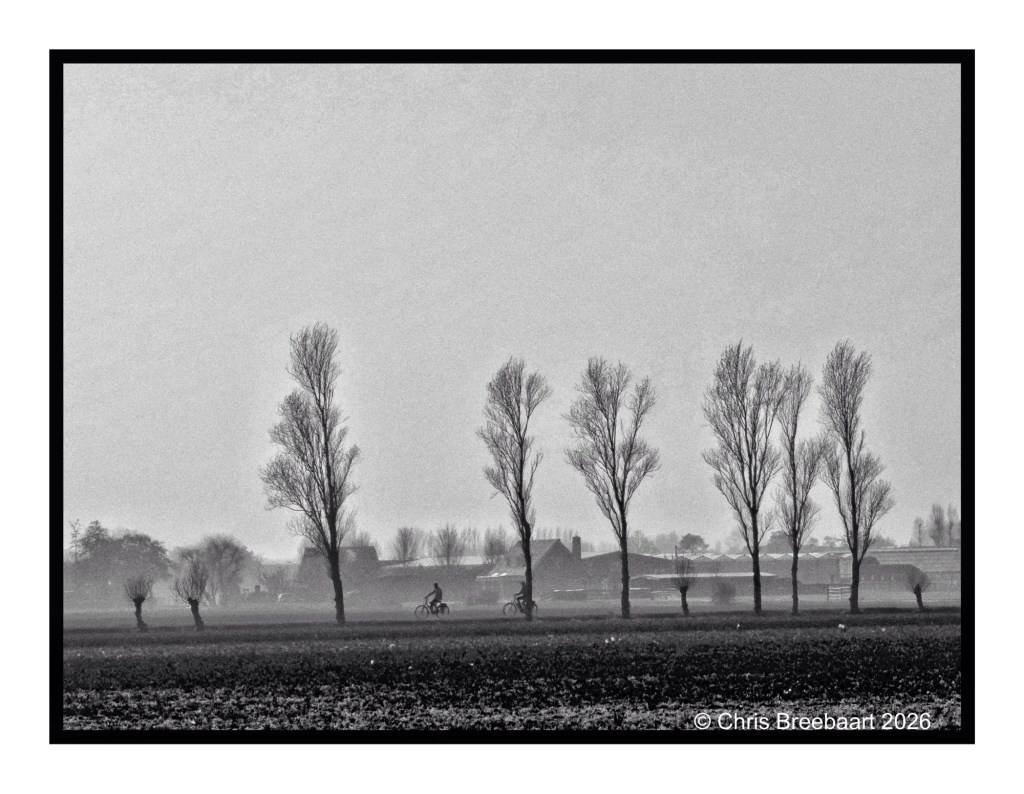
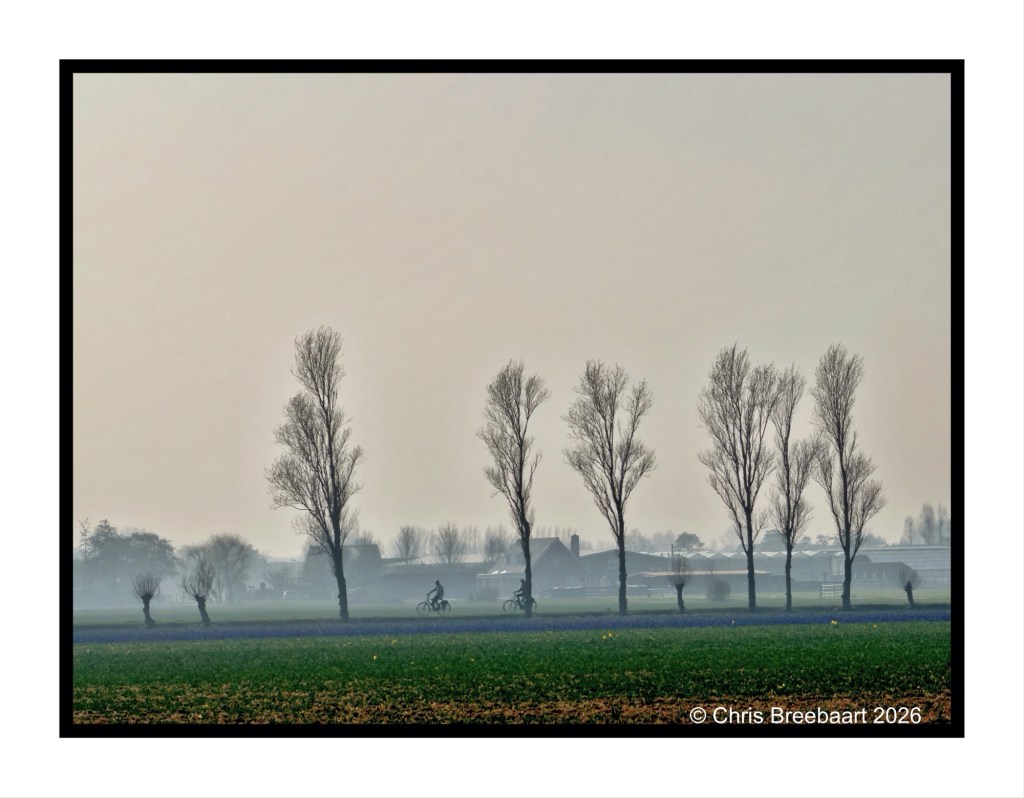
If you visit my blog – like I hope you do or from now start to do – you must have recognized my ‘old’ love for monochrome. When I started this hobby, mono was fashionable and a standard for news photography. And it was cheaper. In this series I offer you two versions of a photo. And you can prefer one over the other, or not.
This week’s theme is ‘Time to relax’. On a bicycle ride through fields where soon bulb flowers will pop up, together with other cyclists. On the color version you can see the deep purple of early hyacinths. With Some yellow late Daffodils.
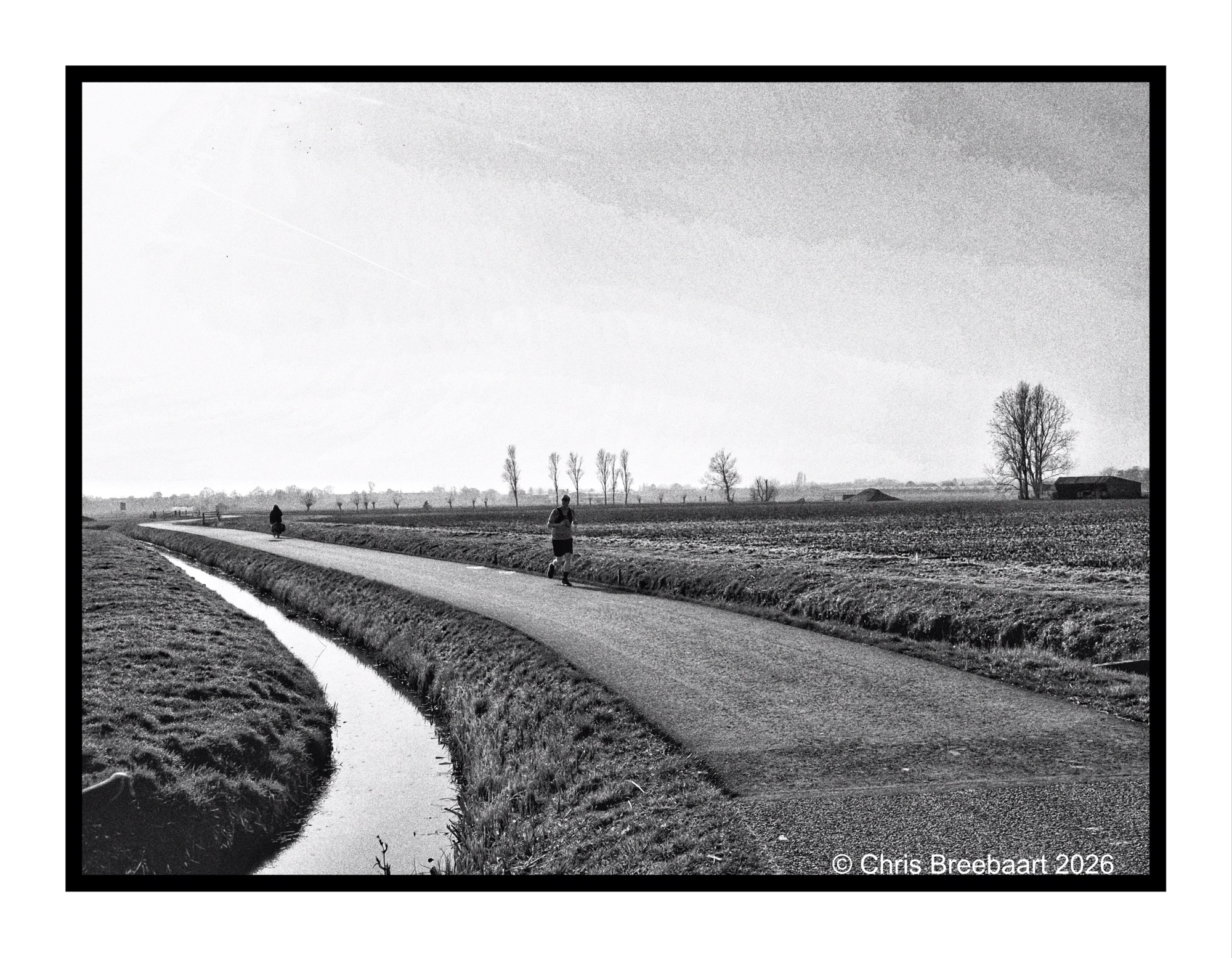
This week’s theme is ‘Time to relax’. On a bicycle ride through fields where soon bulb flowers will pop up, together with other cyclists and the occasional runner.
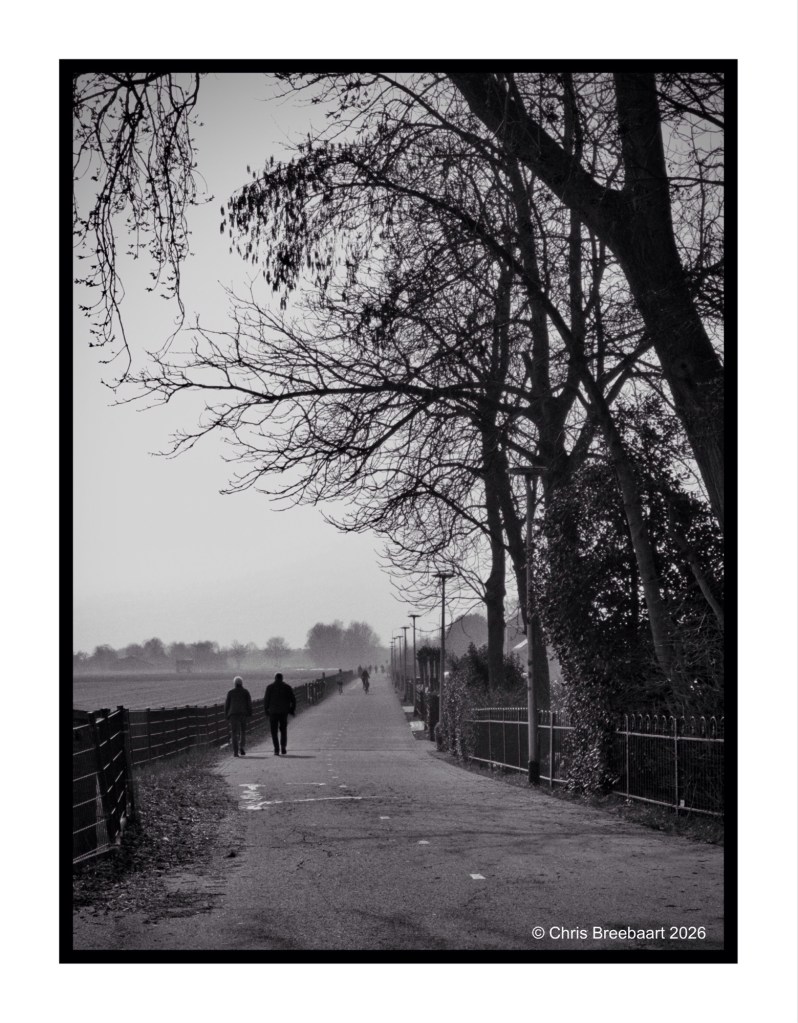
Spring is here and last weekend I made a little bicycle ride to check out the bulb flower fields. Daffodils where coming up, and at odd places hyacinths started to show. A nice way to relax and enjoy the lovely day outside. As did others by walking, running or cycling. Fitting this week’s theme ‘Time to relax’.
Every time we travel to the UK via the Channel Tunnel, I try to take photos of these steel giants. The same goes for when we return from there. They carry power lines in the area of St. Georges-sur-l’Aa. No worries, I’m in the passenger seat.
They remind me of mythical knights, marching in line over the fields. In the archive you find a set of photos over the years.