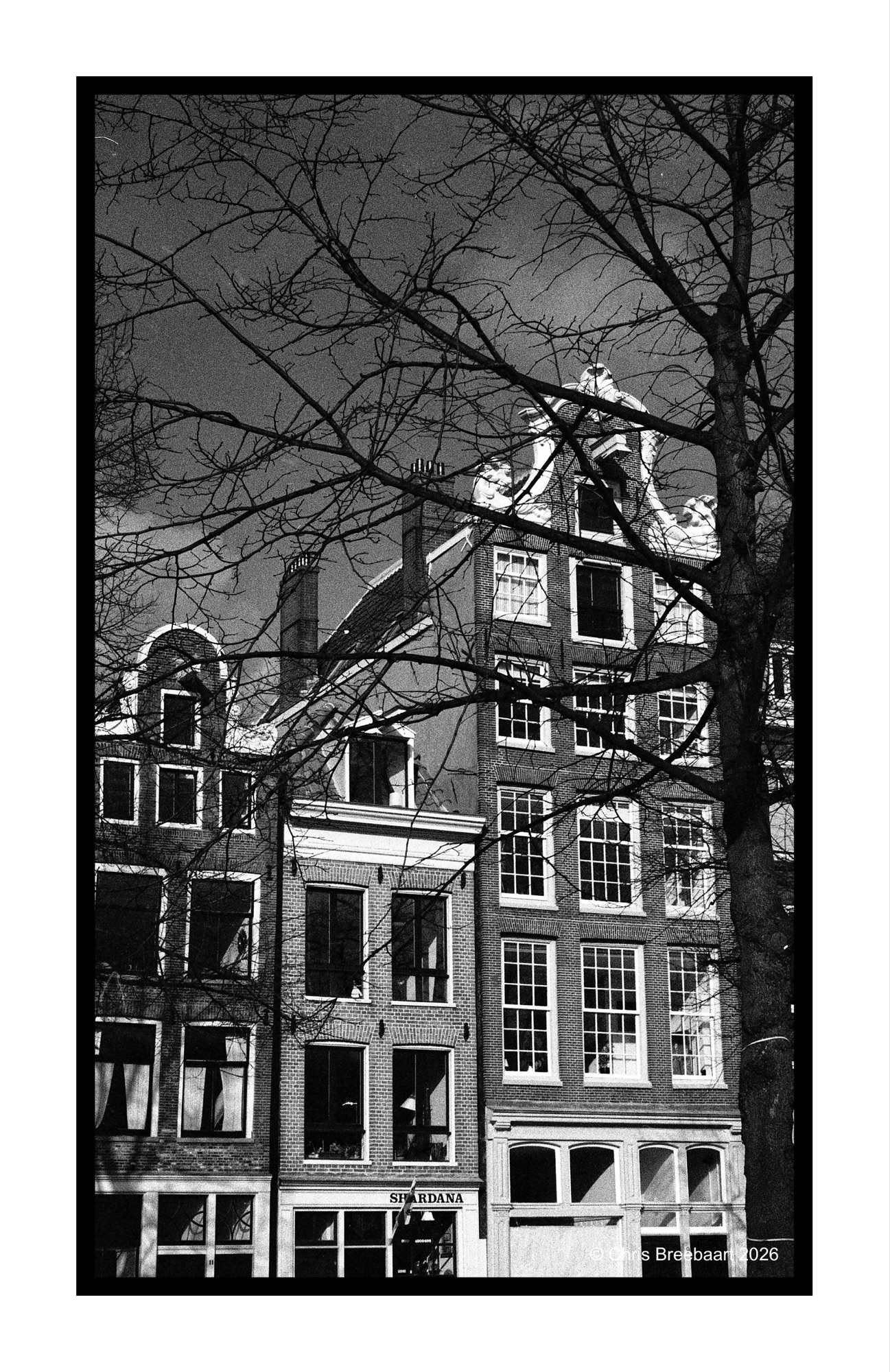
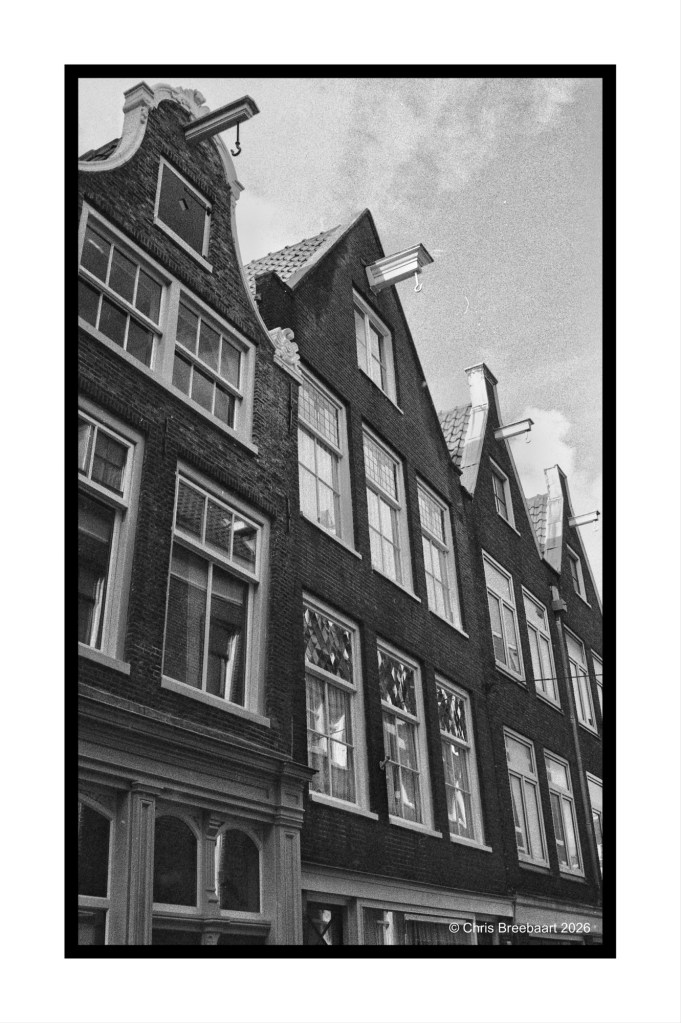
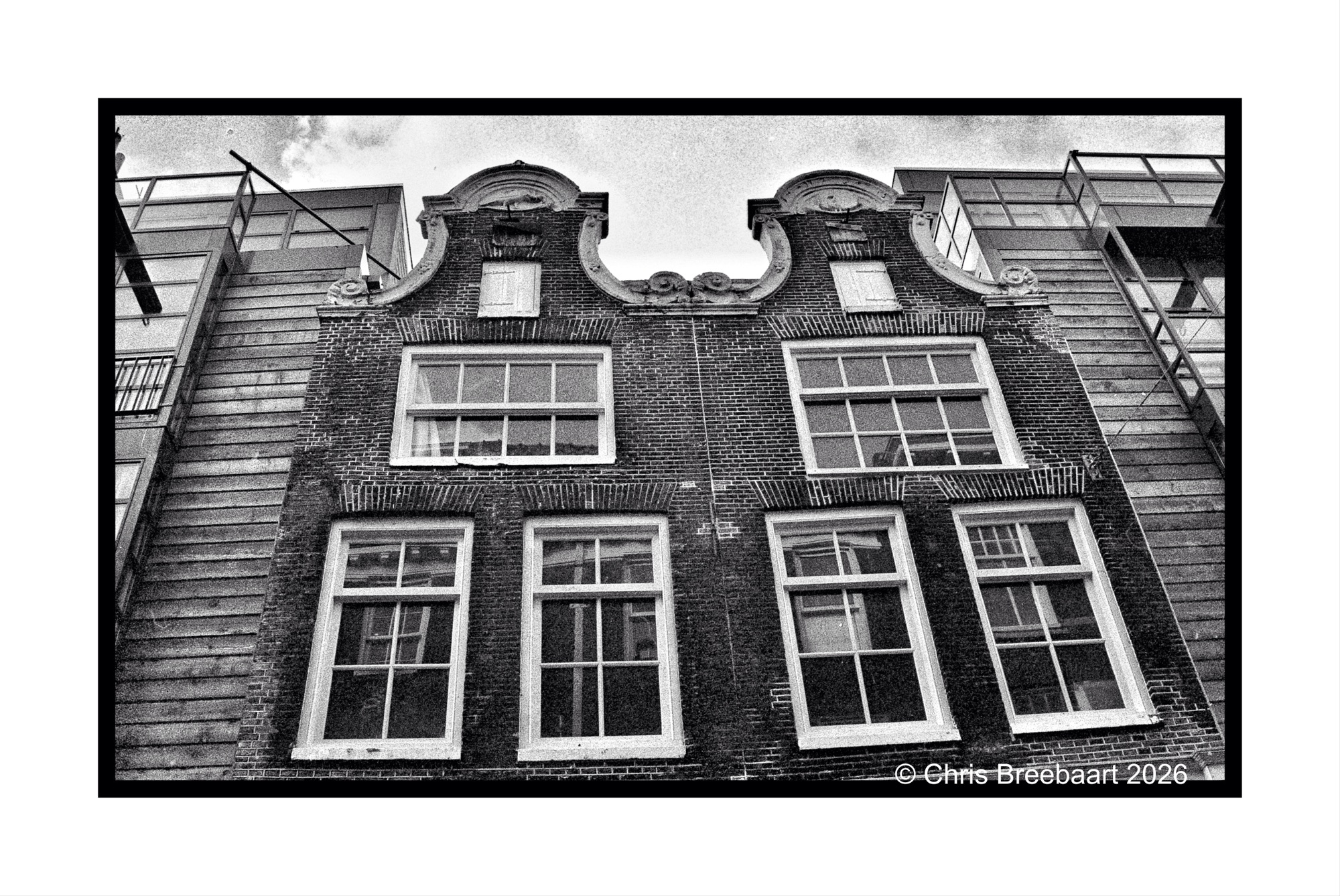
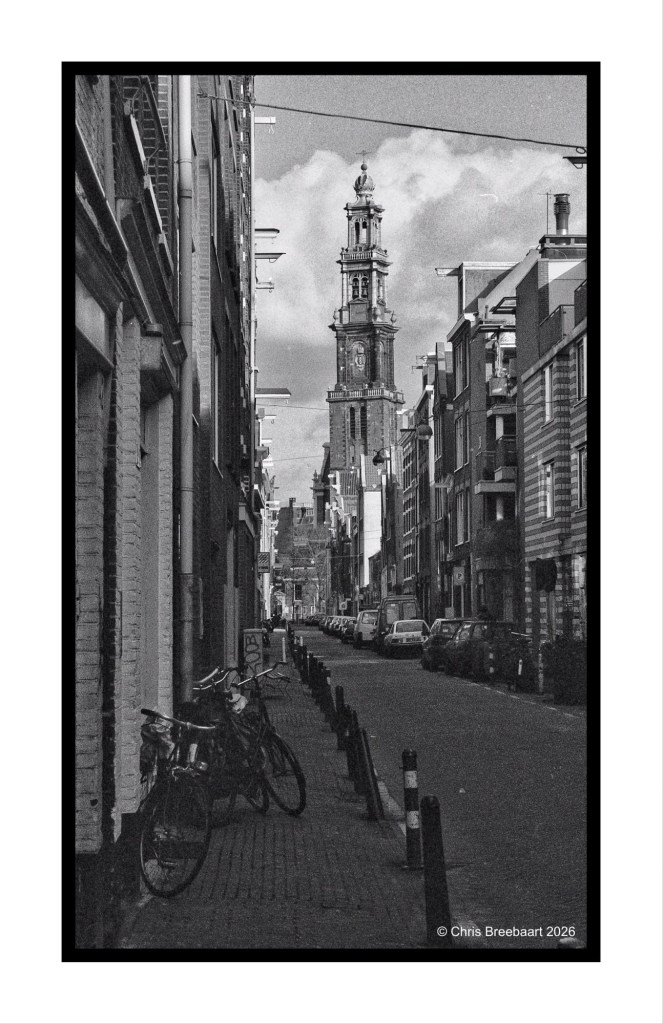
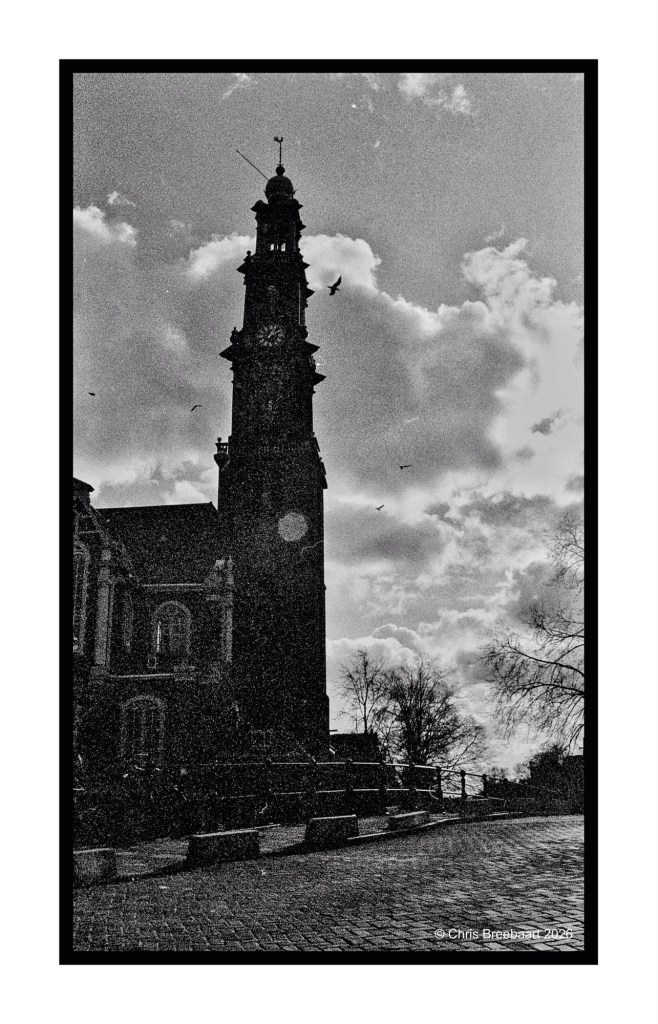
About the B4 retouch series: I browsed my archive for pictures to publish. Some of them are partly retouched but most do have scratches, dust and stains.
Shot with Nikon F90 on Kodak TriX, scanned from film and edited using Snapseed and Marksta. Click the picture for a bigger version.
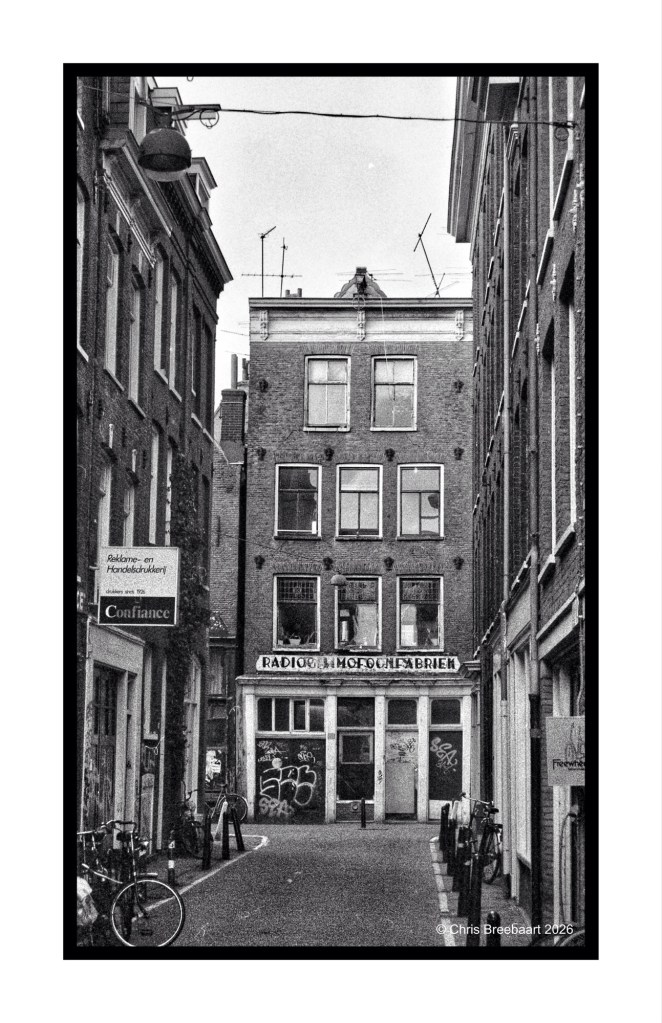
A street in the Jordaan, a neighbourhood of Amsterdam. The stairs and doorways of these houses are too small to move big items, so they have a hook to hoist big items through the windows.
As in more cities around the world, Amsterdam had to decide what architecture should replace demolished old houses. The French have a ‘laissez faire’ approach and are quite bold in it. The Grand Projects of presidents (Centre Pompidou, The Pyramid at the Louvre, Grande Arche) are very modern constructions in an old context. And more cities insert modern architecture in old contexts. Is it a success? Basically it is the eye of the beholder who judges success or failure. Here a photo of old meeting new in the Jordaan, a neighbourhood of Amsterdam.LAPC #419 is ‘landmarks and monuments’.
About the B4 retouch series: I browsed my archive for pictures to publish. Some of them are partly retouched but most do have scratches, dust and stains.
Shot with Nikon F90 on Kodak TriX, scanned from film and edited using Snapseed and Marksta. Click the picture for a bigger version.
About the B4 retouch series: I browsed my archive for pictures to publish. Some of them are partly retouched but most do have scratches, dust and stains.
Shot with Nikon F90 on Kodak TriX, scanned from film and edited using Snapseed and Marksta. Click the picture for a bigger version.
About the B4 retouch series: I browsed my archive for pictures to publish. Some of them are partly retouched but most do have scratches, dust and stains.
Shot with Nikon F90 on Kodak TriX, scanned from film and edited using Snapseed and Marksta. Click the picture for a bigger version.
About the B4 retouch series: I browsed my archive for pictures to publish. Some of them are partly retouched but most do have scratches, dust and stains.
Shot with Nikon F90 on Kodak TriX, scanned from film and edited using Snapseed and Marksta. Click the picture for a bigger version.
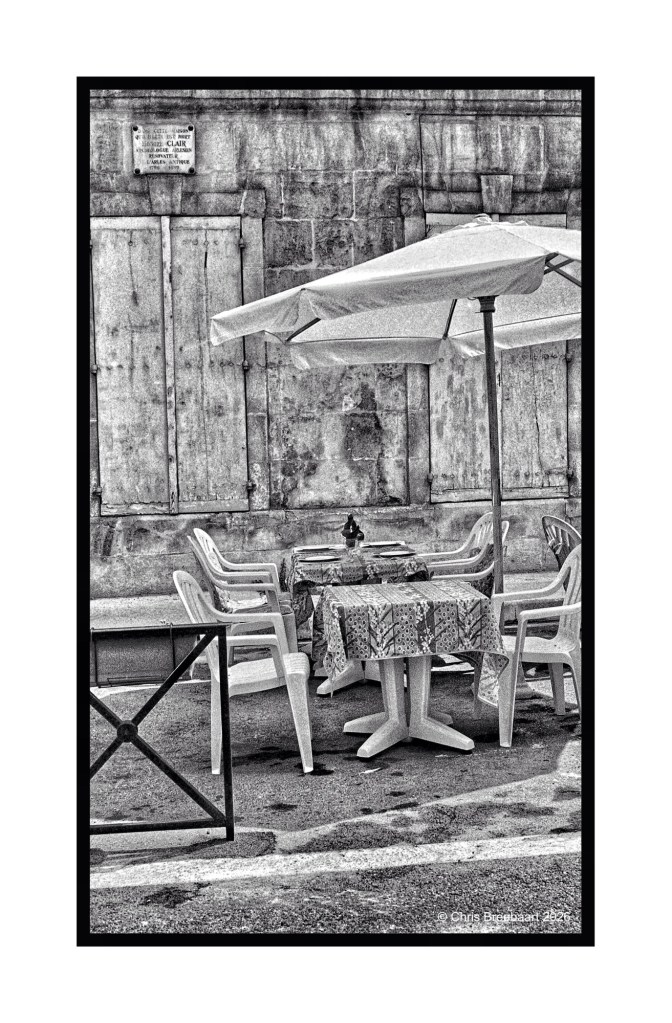
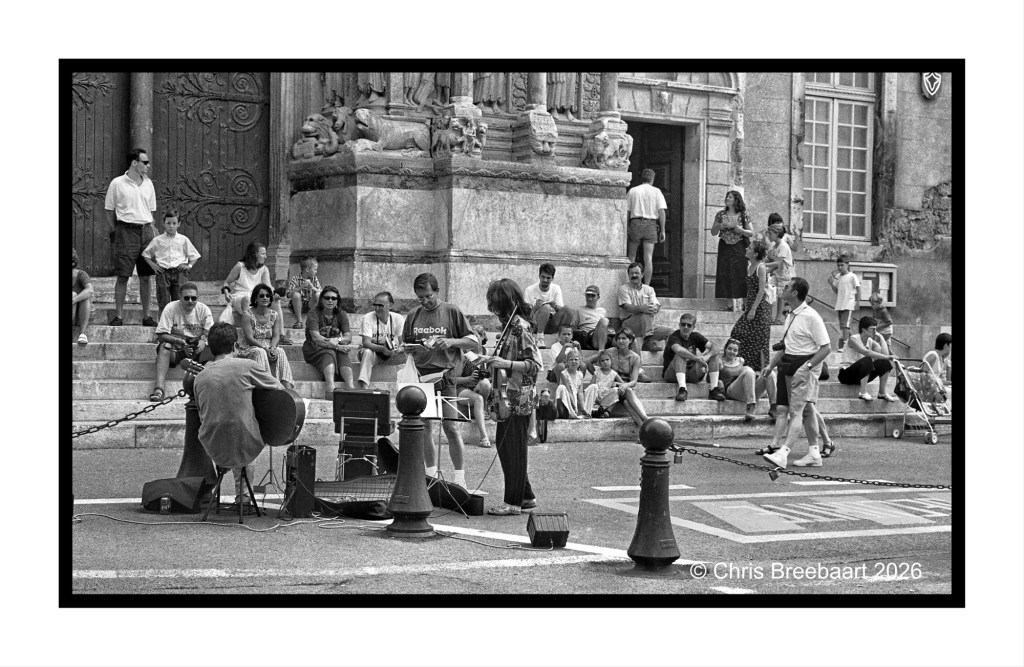
A terrace inArles. Everyone has a memory of a terrace I bet.
LAPC #417 is ‘Memories’. Sometimes the LAPC themes coincide with my ‘planning’ for my blog. The last weeks I am looking back into my archive of photographic memories. And this is one of them.
About the B4 retouch series: I browsed my archive for pictures to publish. Some of them are partly retouched but most do have scratches, dust and stains.
Shot with Nikon F90 on Kodak TriX, scanned from film and edited using Snapseed and Marksta. Click the picture for a bigger version.
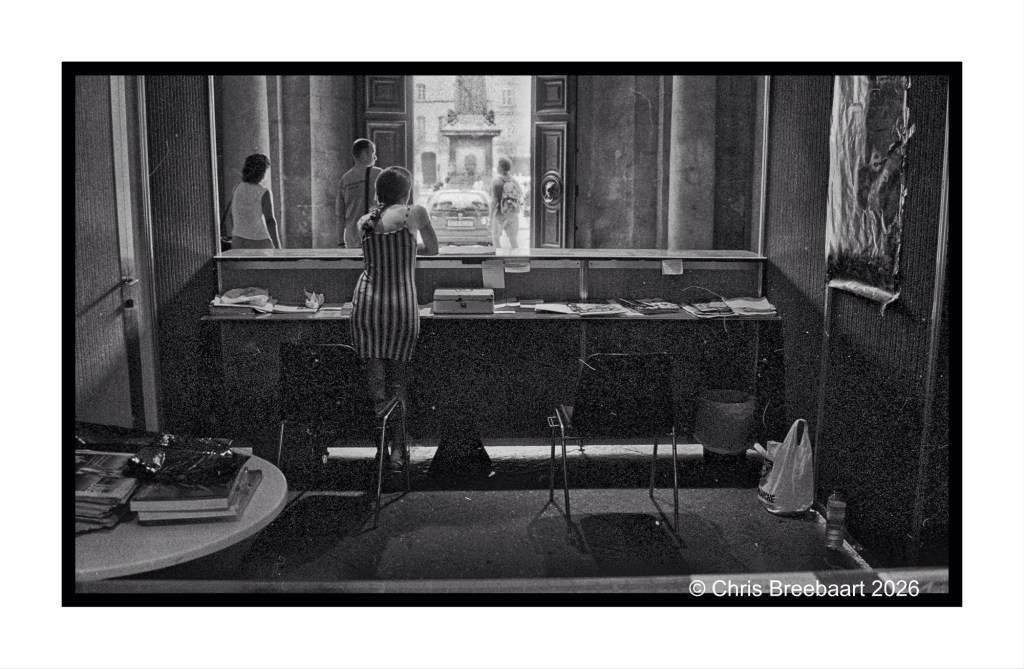
The Bureau de Tourisme in the Hotel de Ville at the Rencontres d’Arles in 1997. Arles is a beautiful town, with a long history dating back to the Romans. Not only with a famous annual photographic exhibition, but with a rich cultural history.
LAPC #417 is ‘Memories’. Sometimes the LAPC themes coincide with my ‘planning’ for my blog. The last weeks I am looking back into my archive of photographic memories. And this is one of them.
About the B4 retouch series: I browsed my archive for pictures to publish. Some of them are partly retouched but most do have scratches, dust and stains.
Shot with Nikon F90 on Kodak TriX, scanned from film and edited using Snapseed and Marksta. Click the picture for a bigger version.
LAPC #417 is ‘Memories’. In a way freezing images of moments in time is creating and storing a memory. In the analogue time of film the notion of shooting a great set of photos was the first step in a process. The next step was printing it in the darkroom. That was manual labor. And some photos are just not easy to bring out. A big step towards the digital time of now. Software now is amazing, and allows me to create what I could not achieve with my not adequate dark room skills.
So this is a memory of a moment I did not feel too well being harshly told off by a French garage owner to piss off and not bother him trying to shoot photos at his workshop. As part of a course assignment in a workshop.
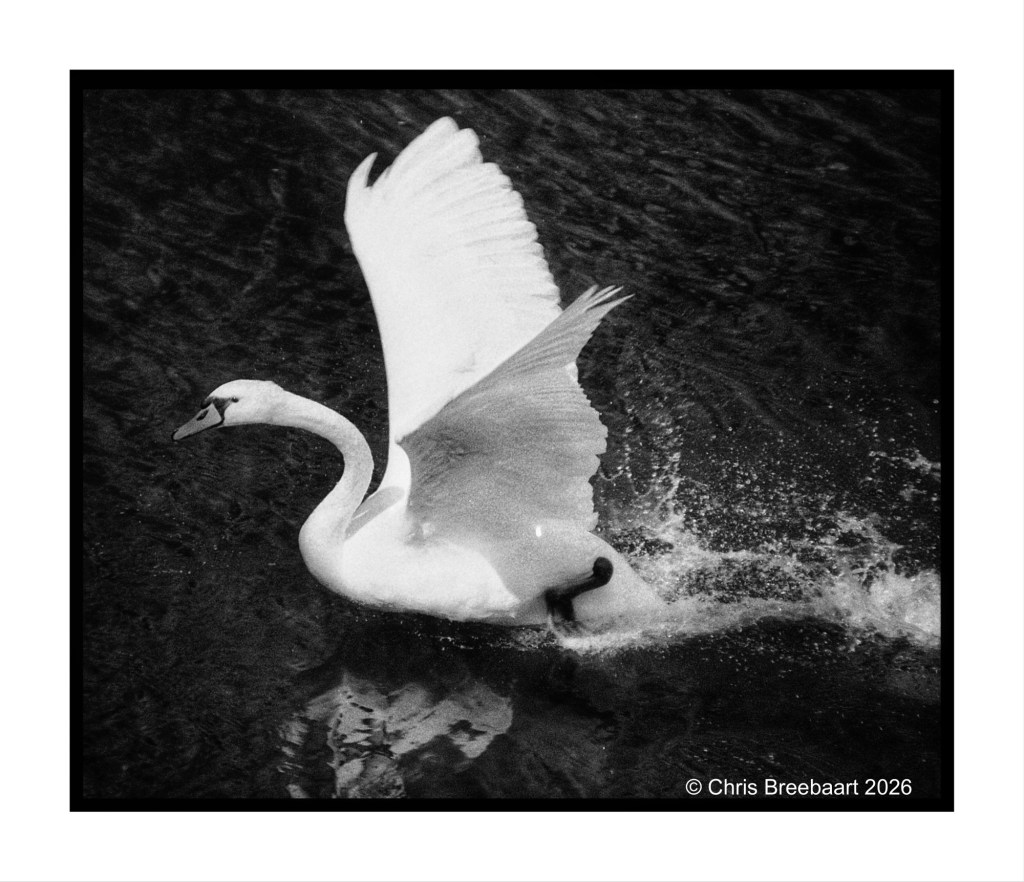
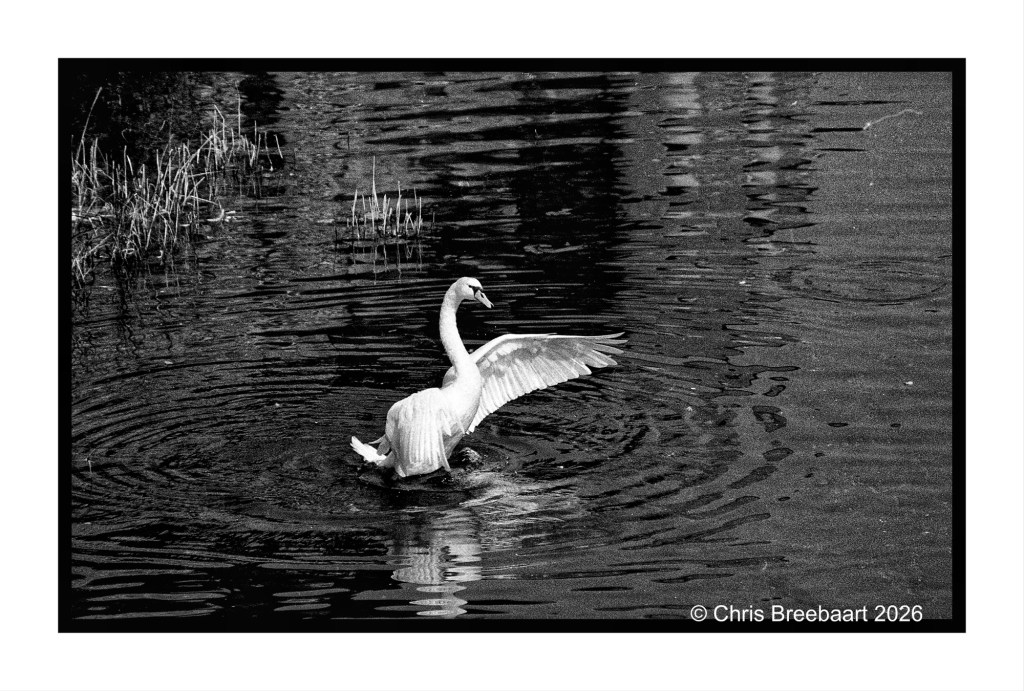
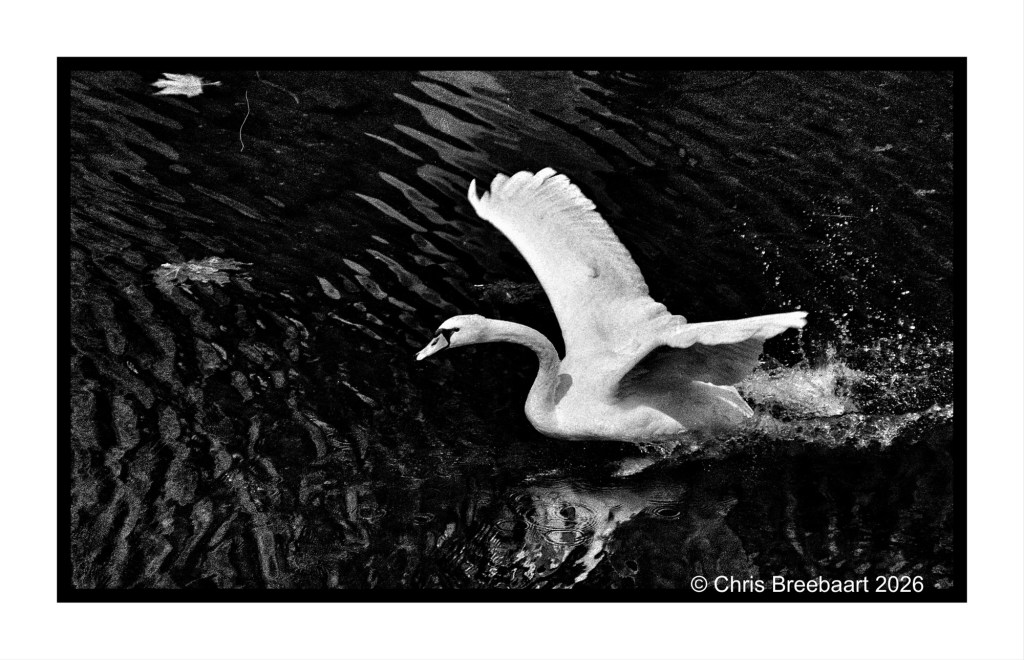
I walked to the bridge and this swan came down, landing in the river. Majestic. A gift.
About the B4 retouch series: I browsed my archive for pictures to publish. Some of them are partly retouched but most do have scratches, dust and stains.
Shot with Nikon F90 on Kodak TriX, scanned from film and edited using Snapseed and Marksta. Click the picture for a bigger version.
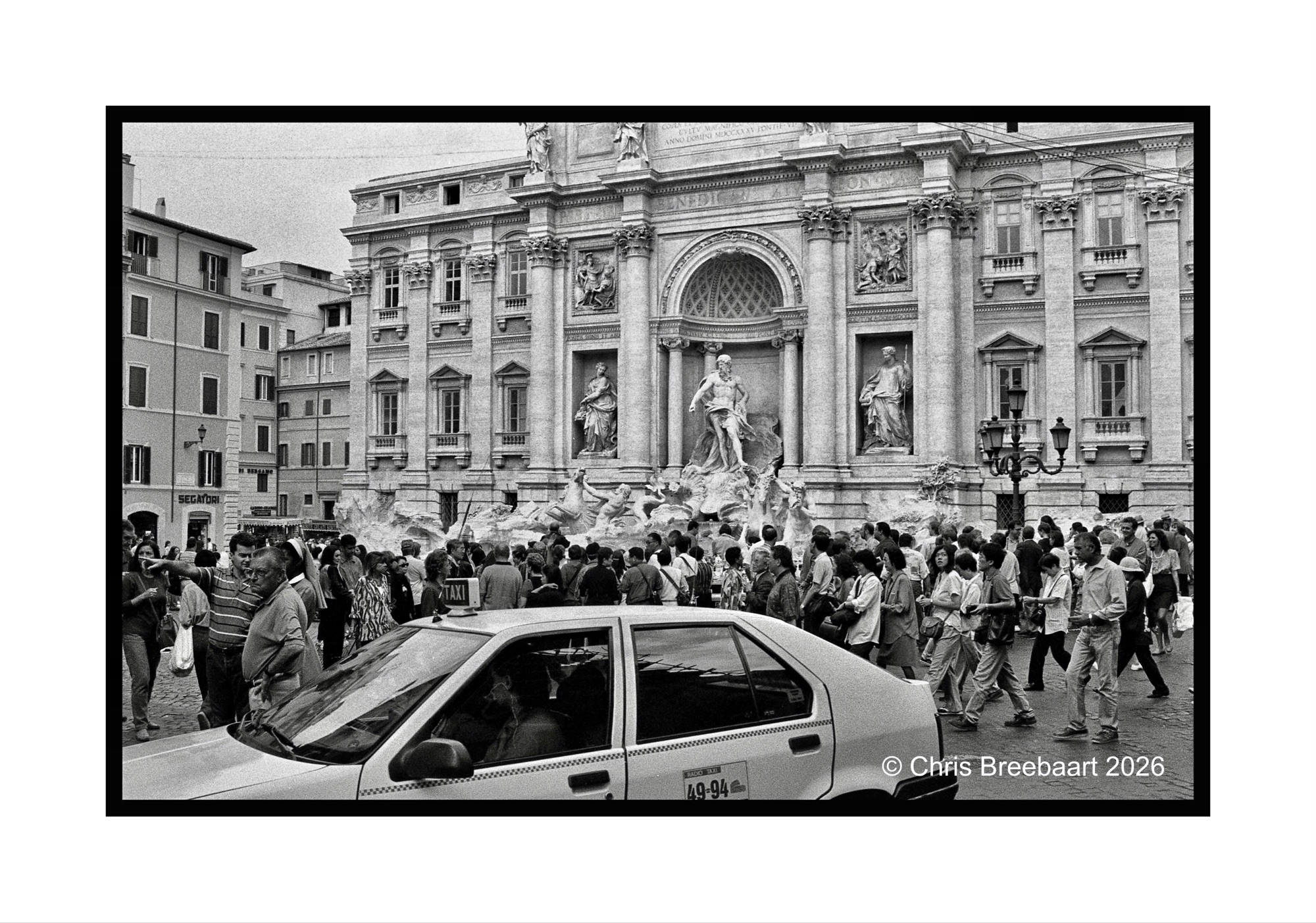
The Trevi Fountain – in Rome. Nowadays one has to pay an entrance fee to see it, trying to mitigate the amount of visitors. The myth is that you throw a coin over your right shoulder in the fountain, and you wish to come back. That worked for me three times already. Albeit long ago. LAPC #416 is ‘where does this lead?’. Mass tourism in big cities is a problem for the locals.
About the B4 retouch series: I browsed my archive for pictures to publish. Some of them are partly retouched but most do have scratches, dust and stains.
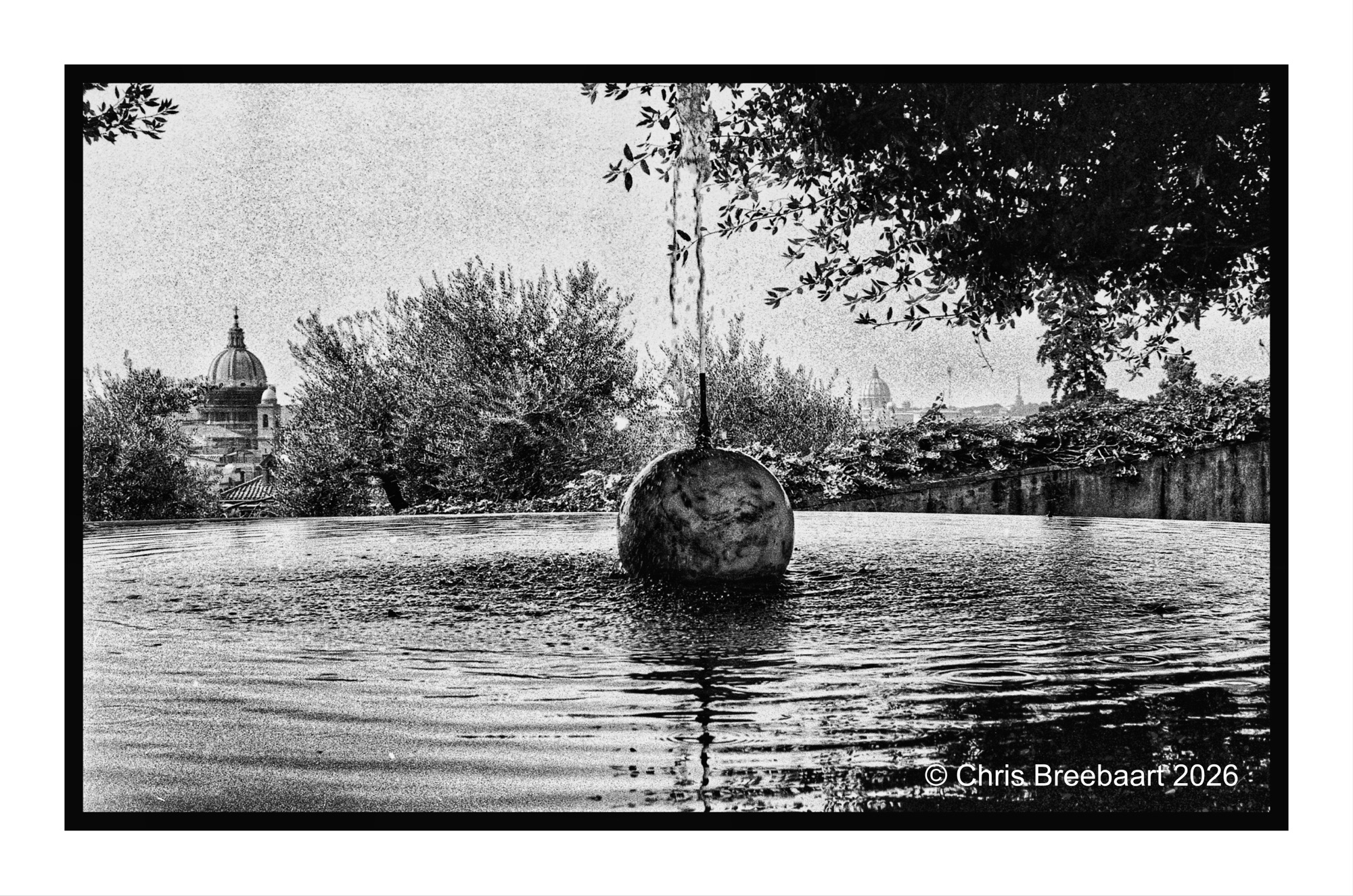
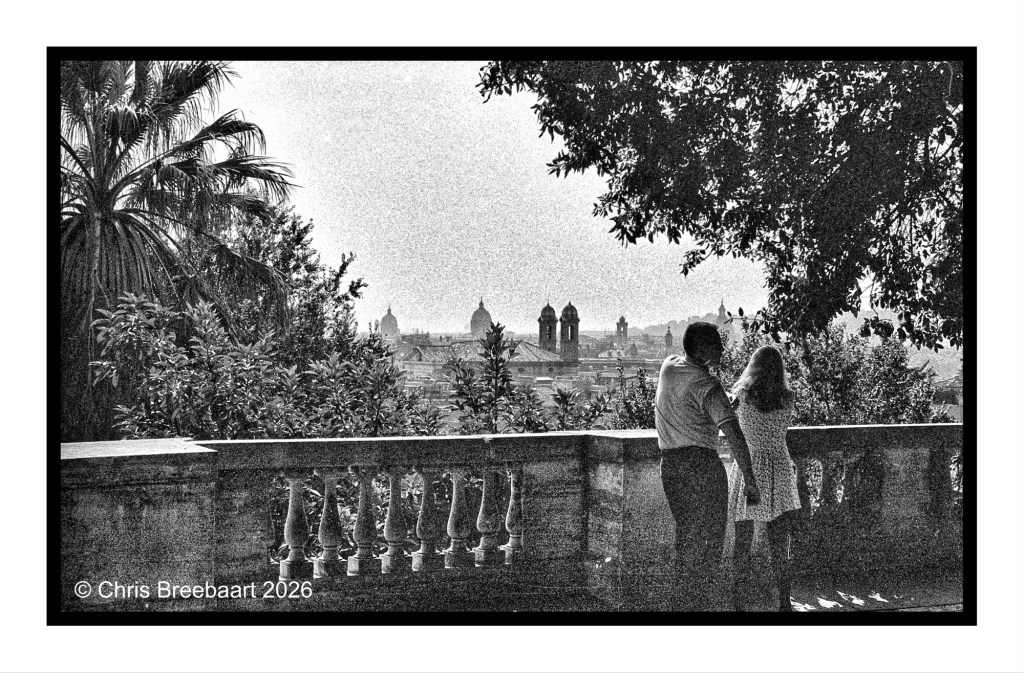
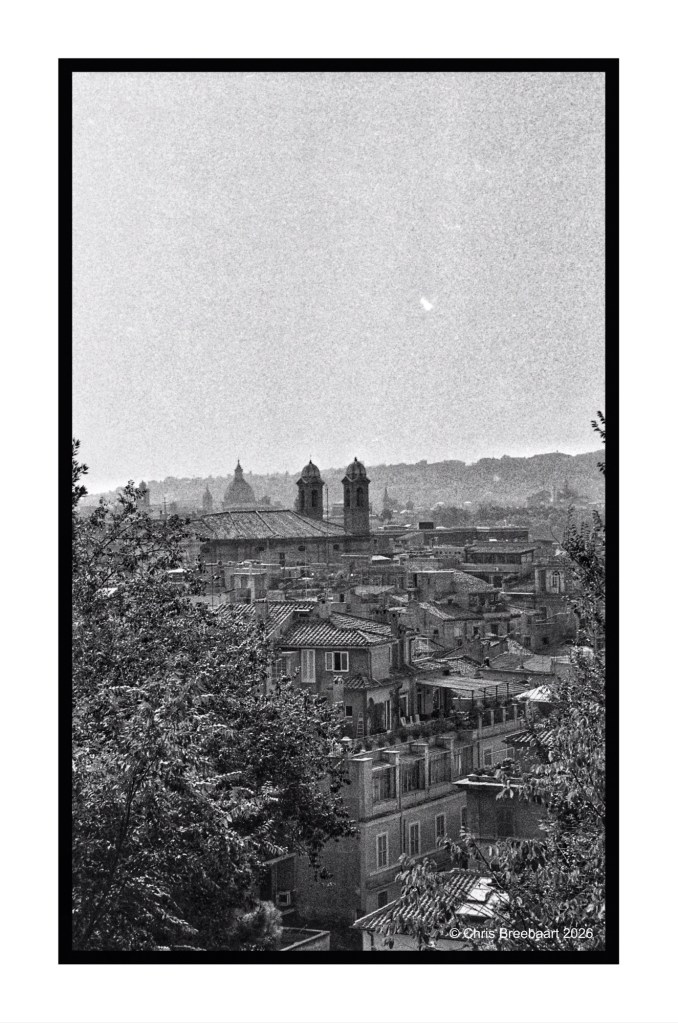
Rome is build on seven hills, but some hills are not counted in that list. One of the non listed hills is the Pincian Hill, that – like all of them – offers beautiful views over the eternal city. On top of the hill is Villa Borghese and a garden of statues.
About the B4 retouch series: I browsed my archive for pictures to publish. Some of them are partly retouched but most do have scratches, dust and stains.
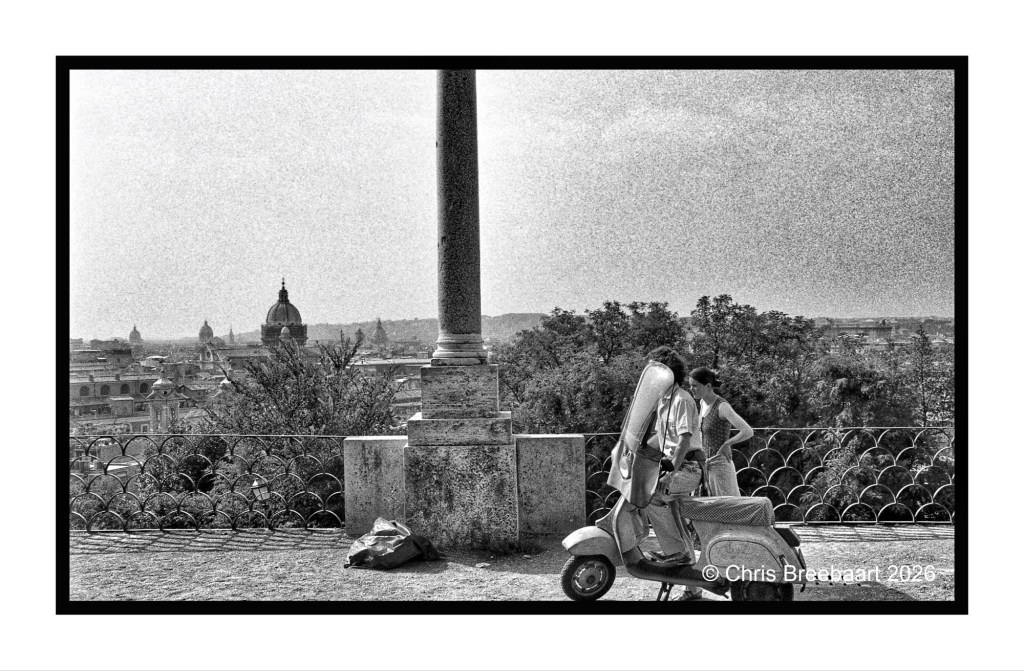
Rome is build on seven hills, but some hills are not counted in that list. One of the non listed hills is the Pincian Hill, that – like all of them – offers beautiful views over the eternal city.
About the B4 retouch series: I browsed my archive for pictures to publish. Some of them are partly retouched but most do have scratches, dust and stains.
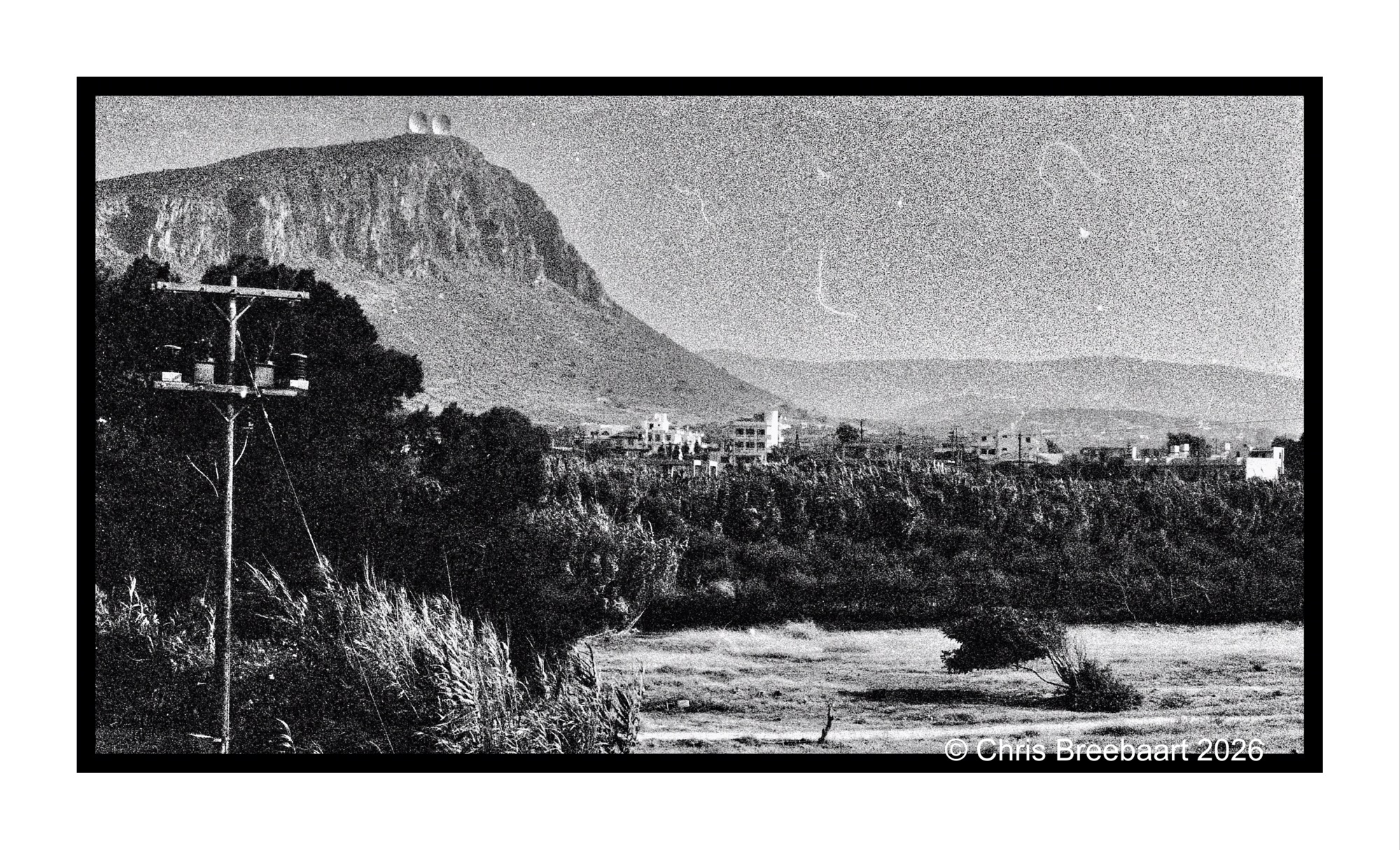
In 1992 the beaches at Gouves were much more open, and the village was rather small. Now it is all modern and built to the brim. A view from a hotel room long ago.
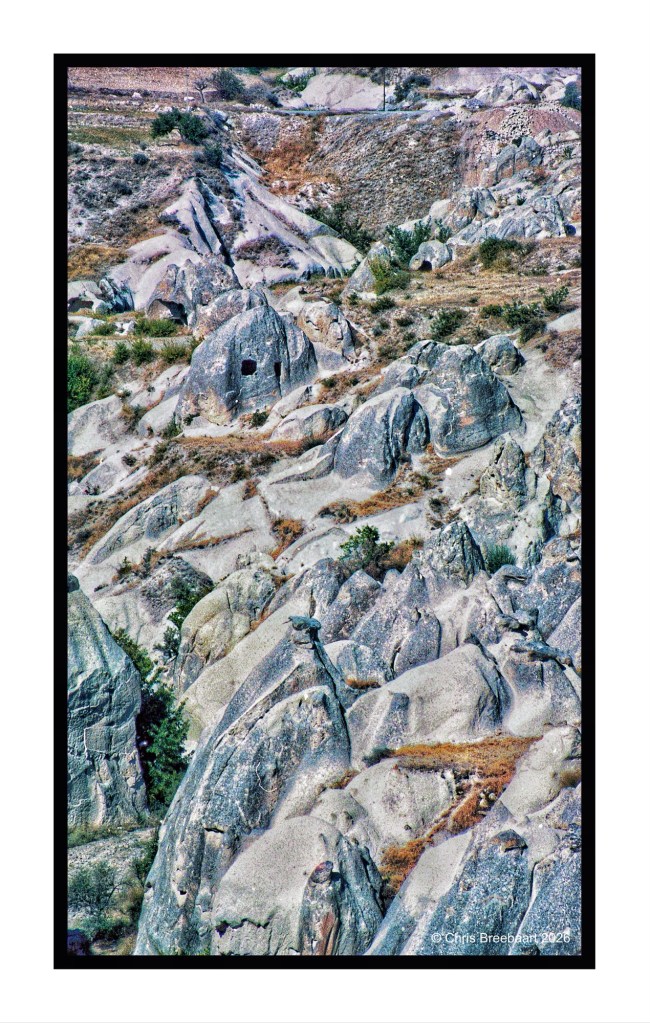
About the B4 retouch series: I browsed my archive for pictures to publish. Some of them are partly retouched but most do have scratches, dust and stains.
Originally shot with Nikon F301 on Kodak TriX, scanned from negative and tweaked using Snapseed and Marksta. Click the picture for a larger version.
The Göreme Historical National Park in Cappadocia is a mesmerizing part of Turkey. Erosion and geological layers build a tapestry of shapes and colors. That combined with a beautiful history of cultural human existence it is an experience you never forget.
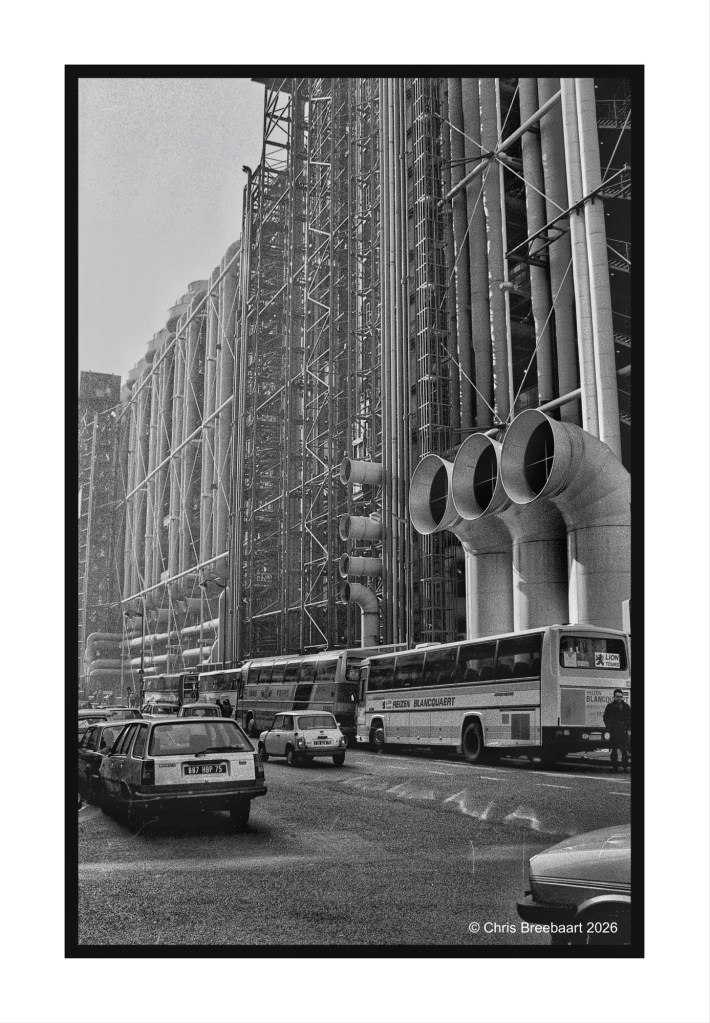
About the B4 retouch series: I browsed my archive for pictures to publish. Some of them are partly retouched but most do have scratches, dust and stains.
Originally shot with Nikon F301 on Fuji 200, scanned from negative and tweaked using Snapseed and Marksta. Click the picture for a larger version.
When the Centre Pompidou opened, the Parisians nicknamed it ‘the refinery’. It is a unique construction. But quite hard to maintain given all the angles and open spaces. The art collection inside is nice to walk around when in Paris. Always a place to visit again, when there.
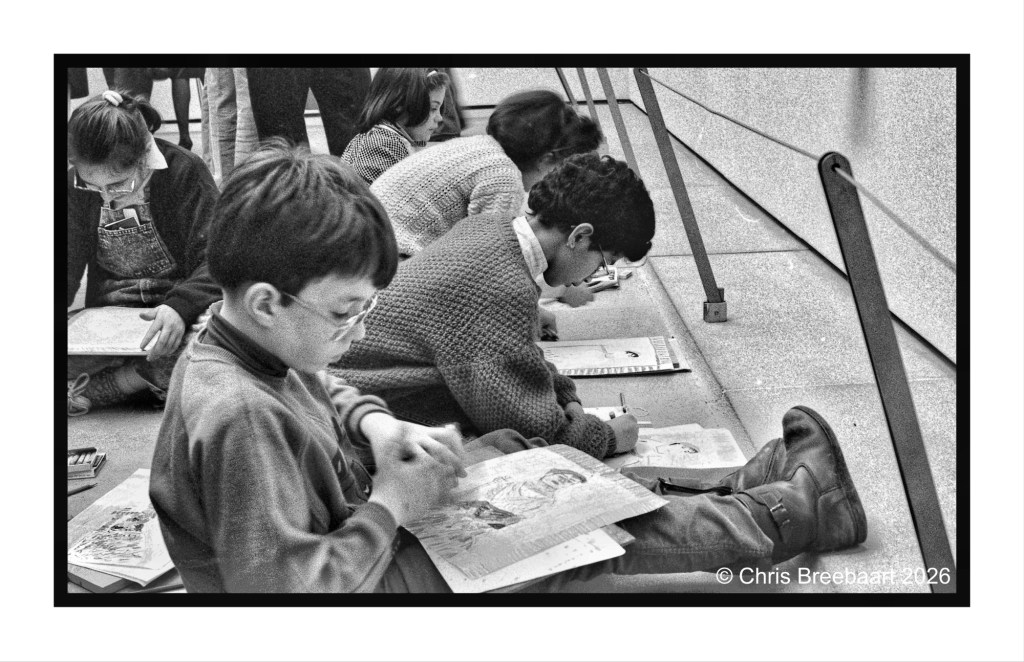
About the B4 retouch series: I browsed my archive for pictures to publish. Some of them are partly retouched but most do have scratches, dust and stains.
Originally shot with Nikon F301 on Kodak TriX, scanned from negative and tweaked using Snapseed and Marksta. Click the picture for a larger version.
The Musée d’Orsay. One of my favourite museums. Not only for its architecture, but also for their collection of impressionist paintings. Here school kids, drawing in front of them.
About the B4 retouch series: I browsed my archive for pictures to publish. Some of them are partly retouched but most do have scratches, dust and stains.
Originally shot with Nikon F301 on Kodak TriX, scanned from negative and tweaked using Snapseed and Marksta. Click the picture for a larger version.
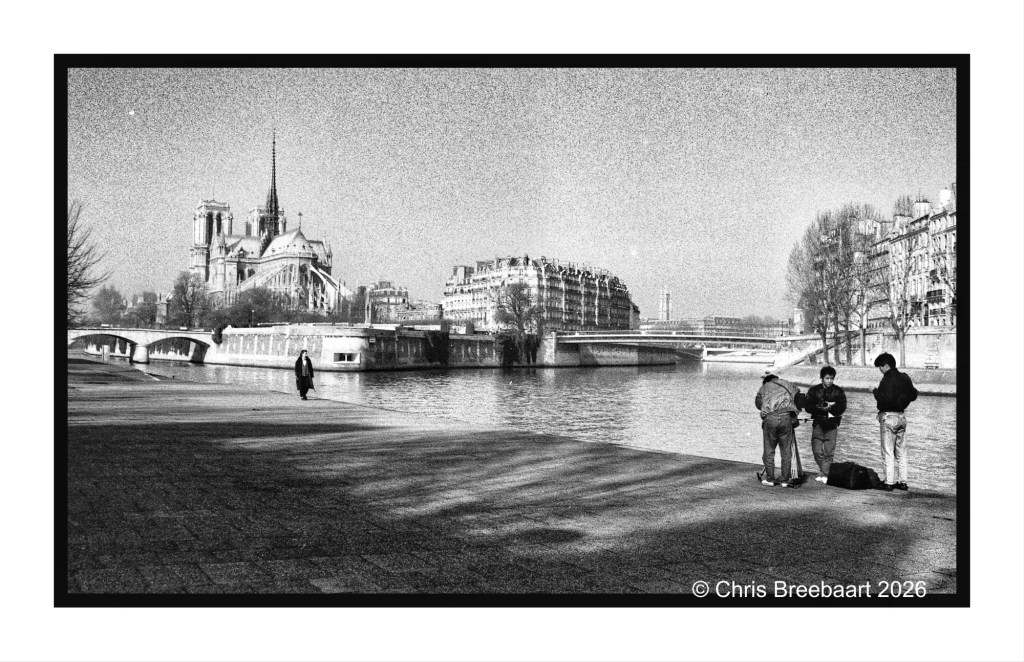
The Notre Dame in Paris before the fire. A view from the quay toward the Île de la Cité. From a walk along the river, the third I took at almoste the same point. The previous ones I published yesterday and the day before yesterday, showing bridge arches.
About the B4 retouch series: I browsed my archive for pictures to publish. Some of them are partly retouched but most do have scratches, dust and stains.
Originally shot with Nikon F301 on Kodak TriX, scanned from negative and tweaked using Snapseed and Marksta. Click the picture for a larger version.
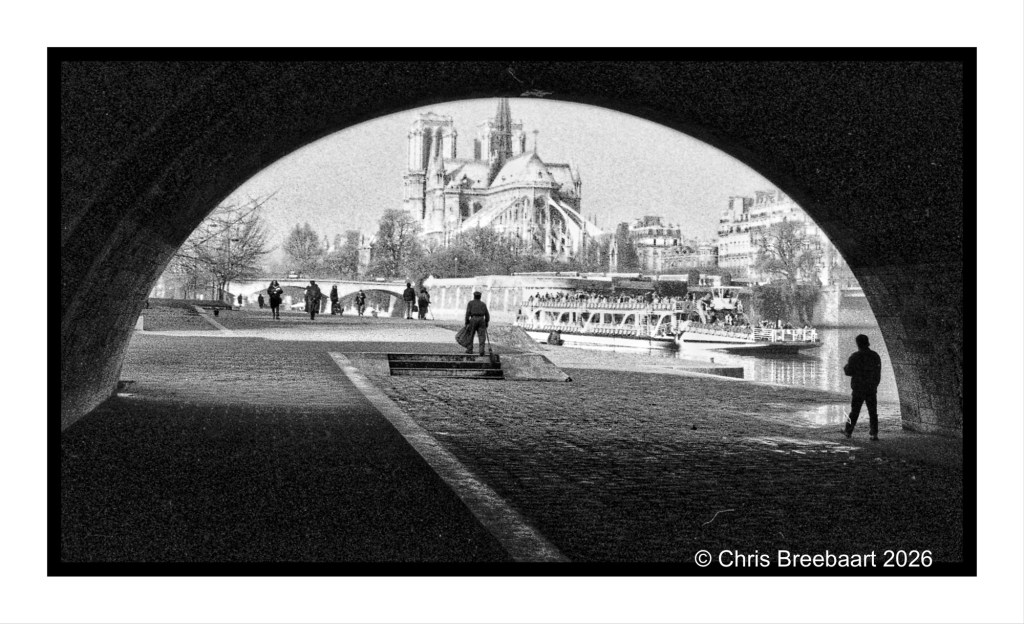
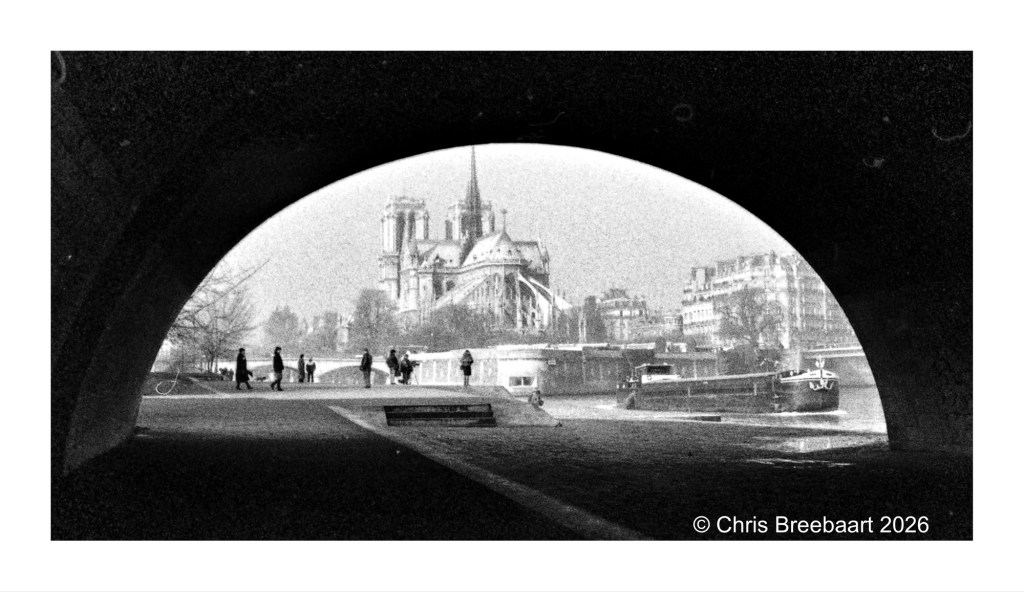
The Notre Dame in Paris before the fire. The bridge arch offers a template on a sunny Winter morning. The first shot in a set of shots of three. The second I published yesterday.
About the B4 retouch series: I browsed my archive for pictures to publish. Some of them are partly retouched but most do have scratches, dust and stains.
Originally shot with Nikon F301 on Kodak TriX, scanned from negative and tweaked using Snapseed and Marksta. Click the picture for a larger version.
The Notre Dame in Paris before the fire. The bridge arch offers a template on a sunny Winter morning. Earlier published but a bit adjusted. This is the second shot in a set of three. The first one will be on tomorrow, the third the day after.
About the B4 retouch series: I browsed my archive for pictures to publish. Some of them are partly retouched but most do have scratches, dust and stains.
Originally shot with Nikon F301 on Kodak TriX, scanned from negative and tweaked using Snapseed and Marksta. Click the picture for a larger version.
About the B4 retouch series: I browsed my archive for pictures to publish. Some of them are partly retouched but most do have scratches, dust and stains.
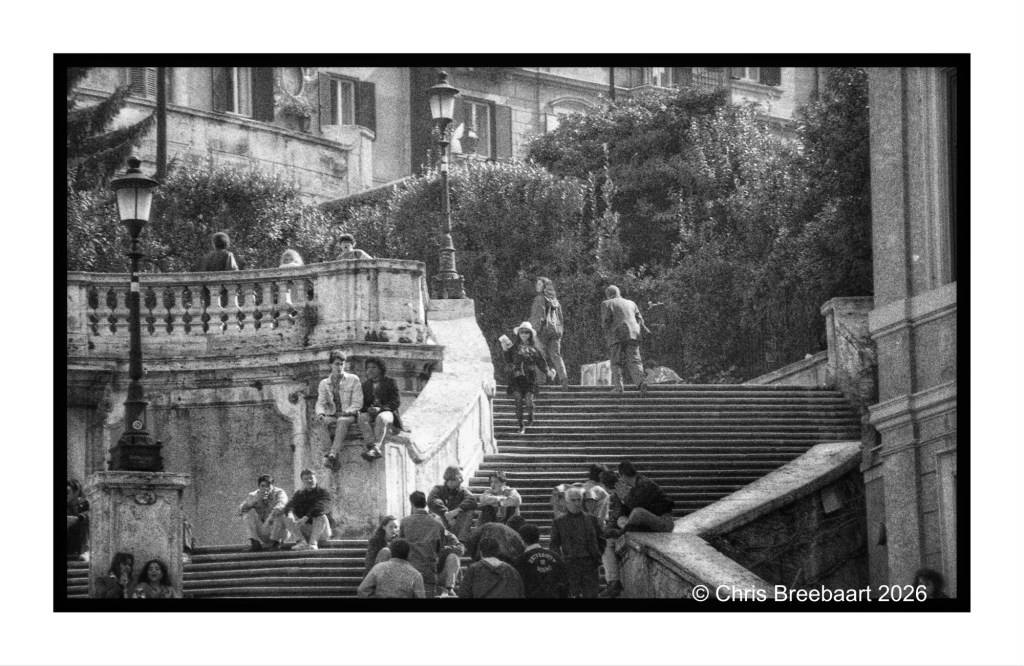
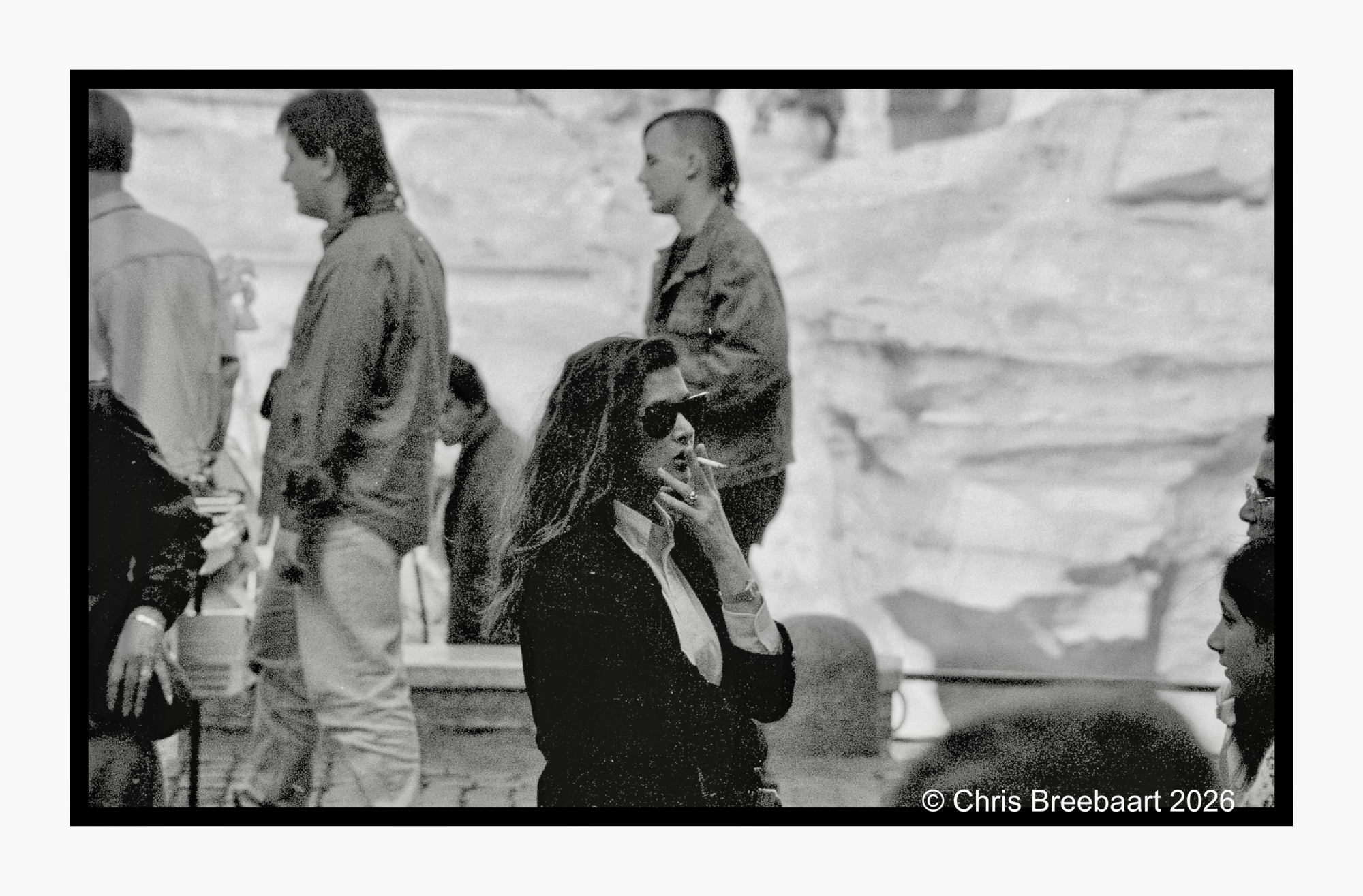
One from the archives, 32 years ago. A street photo of a smoking sunglass wearing young woman in front of the Trevi Fountain in Rome.
About the B4 retouch series: I browsed my archive for pictures to publish. Some of them are partly retouched but most do have scratches, dust and stains.
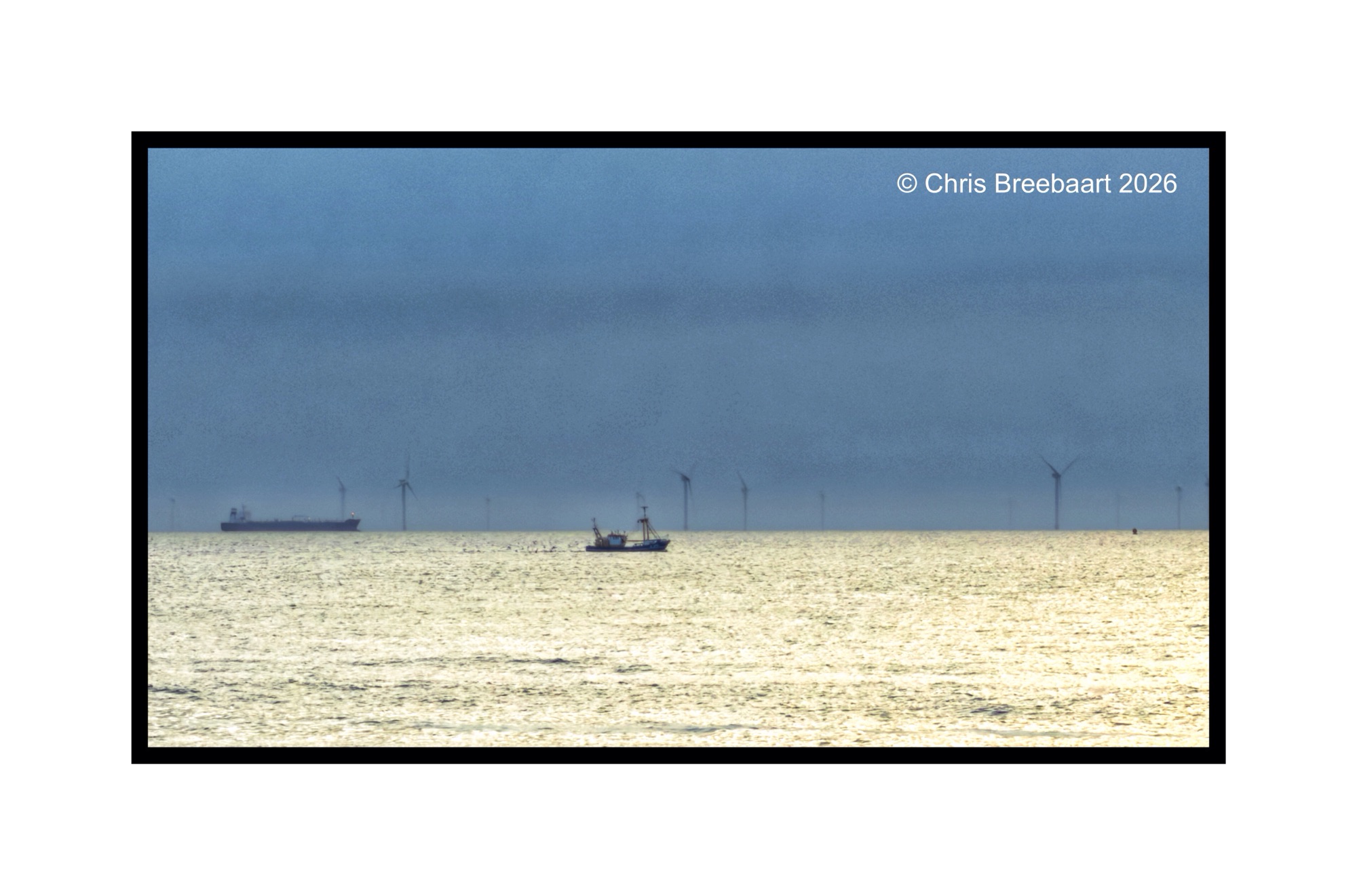
The theme of LAPC #398 is ‘choose your color’. The brief is to present a photo with a dominant color. Despite being a big fan of monochrome, I do love colors. The fun of colors is their subjectivity; any color has fans and haters. The sense making of colors is as diverse as people are unique. And that’s good. We need colors and images in our life to tell our stories.
So here you can choose between silver and grey. Or both :-).
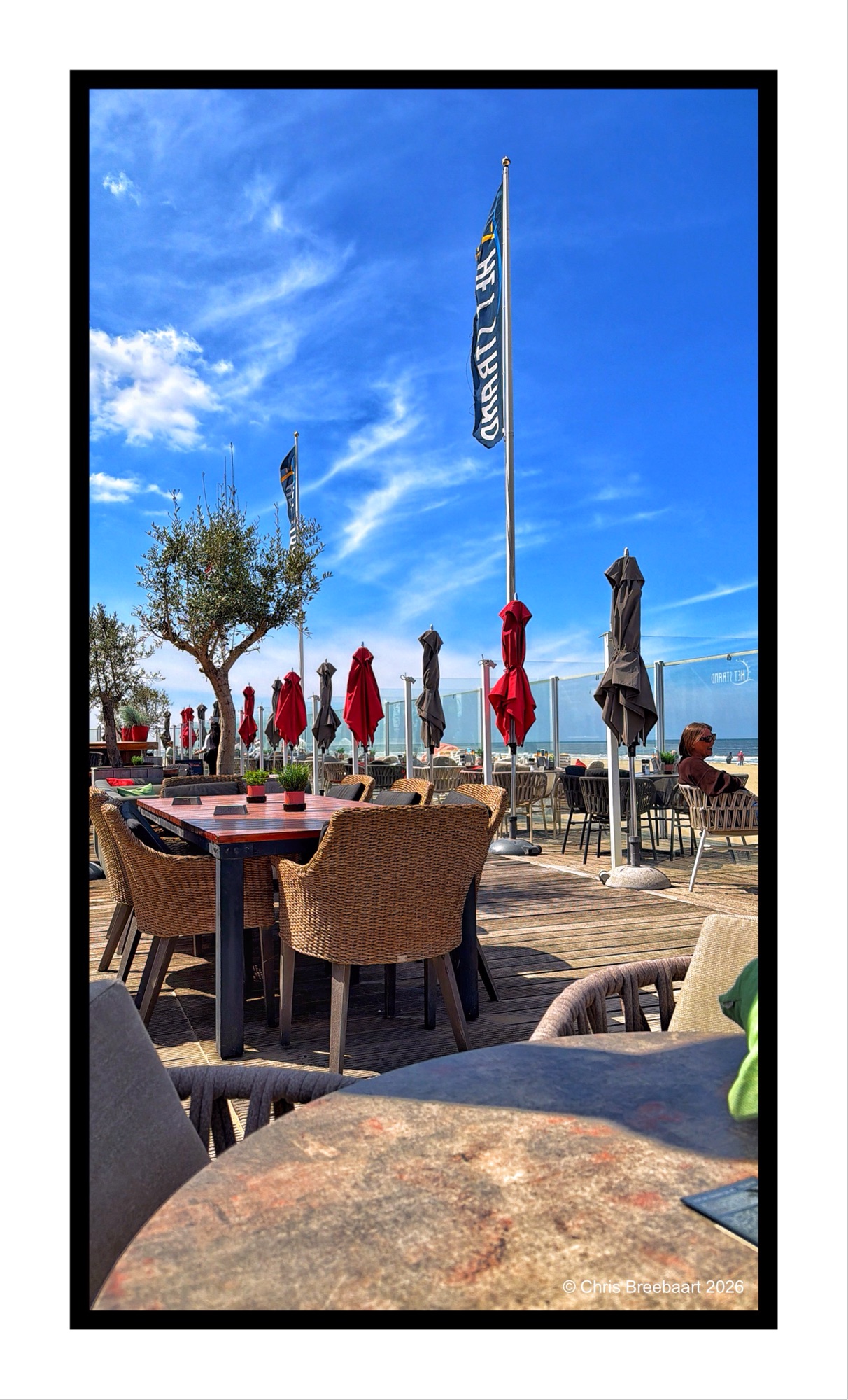
Summer is coming nearer, but the present temperatures are not matching that. But behind the glass, out of the wind, being on the beach is a pleasant stay.
The theme of LAPC #398 is ‘choose your color’. The brief is to present a photo with a dominant color. Despite being a big fan of monochrome, I do love colors. The fun of colors is their subjectivity; any color has fans and haters. And sometimes the use or non use of colors stems from group think.
The sense making of colors is as diverse as people are unique. And that’s good. We need colors and images in our life to tell our stories. Today I stick with blue. Colors are context dependent, hence subjective. Blue is a lot of times associated with sorrow, pain, loss, or life experience. And it creates the most beautiful music.
I’m Mister Blue I’m here to stay with you and no matter what you do when you’re lonely, I’ll be lonely too
René Klijn
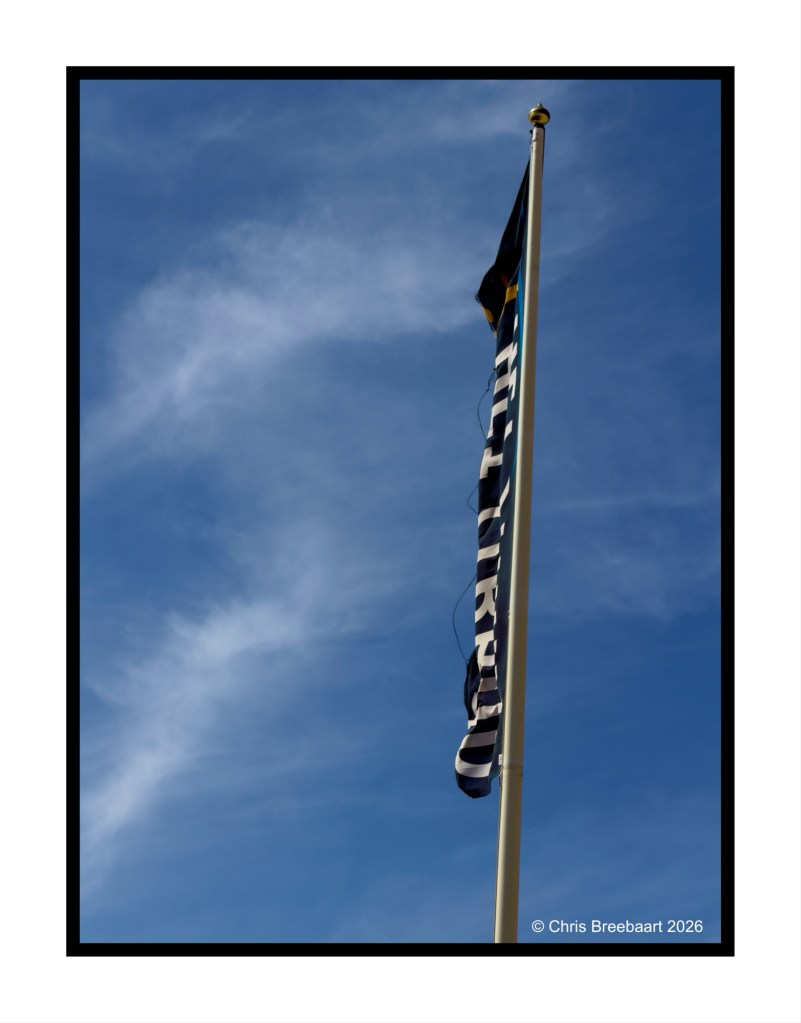
While a deep blue sky might express power, focus and the absence of worries. Be any color you want.
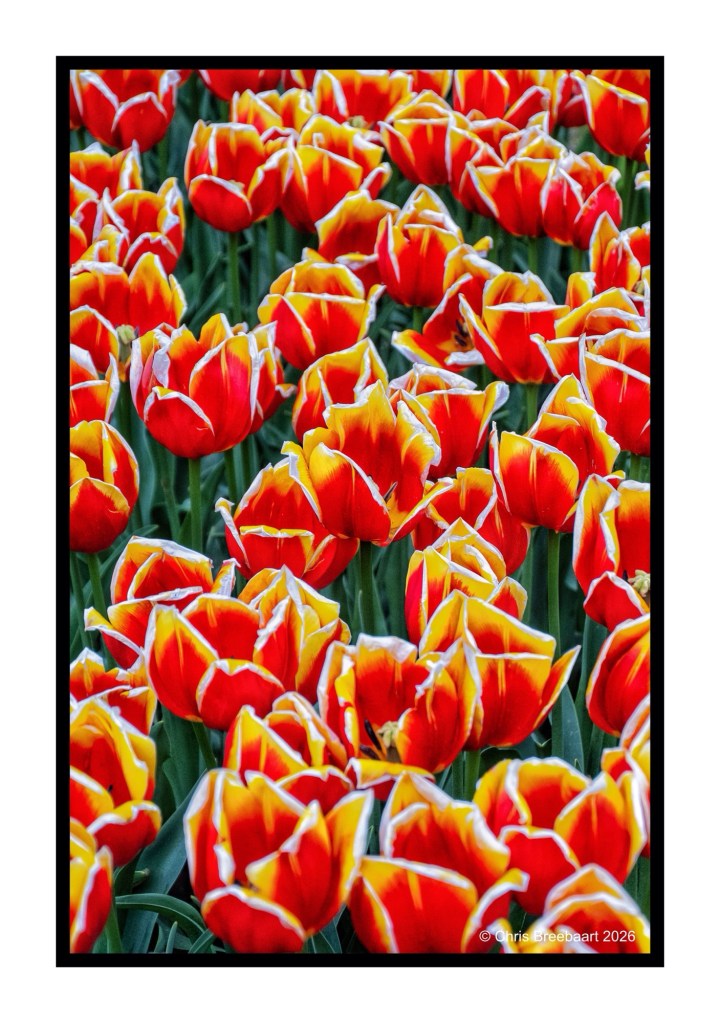
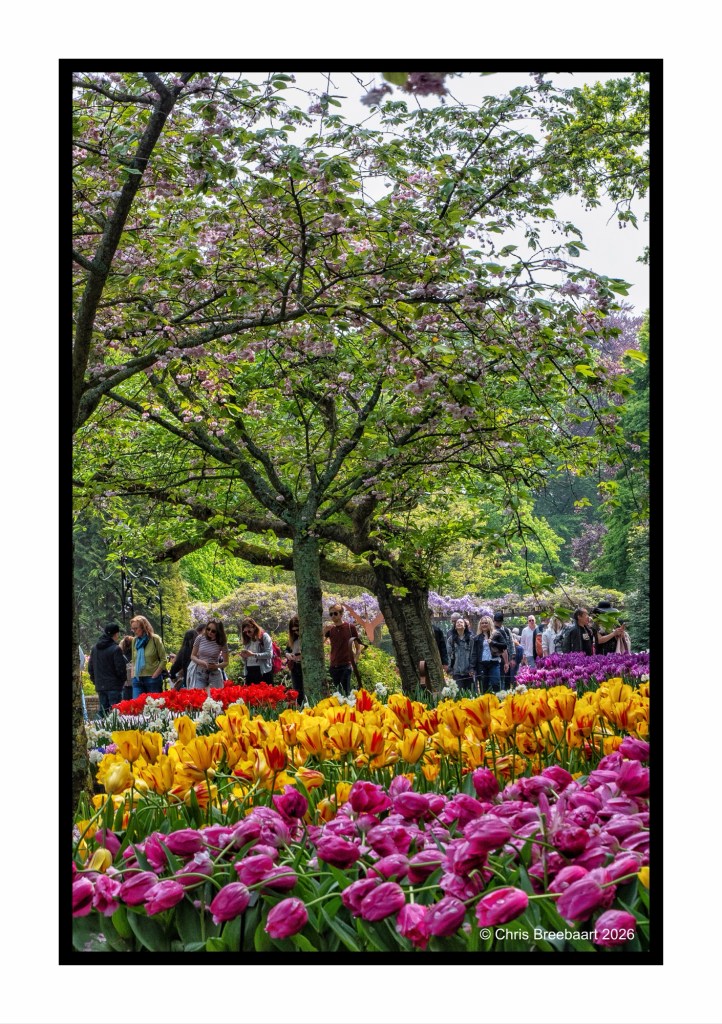
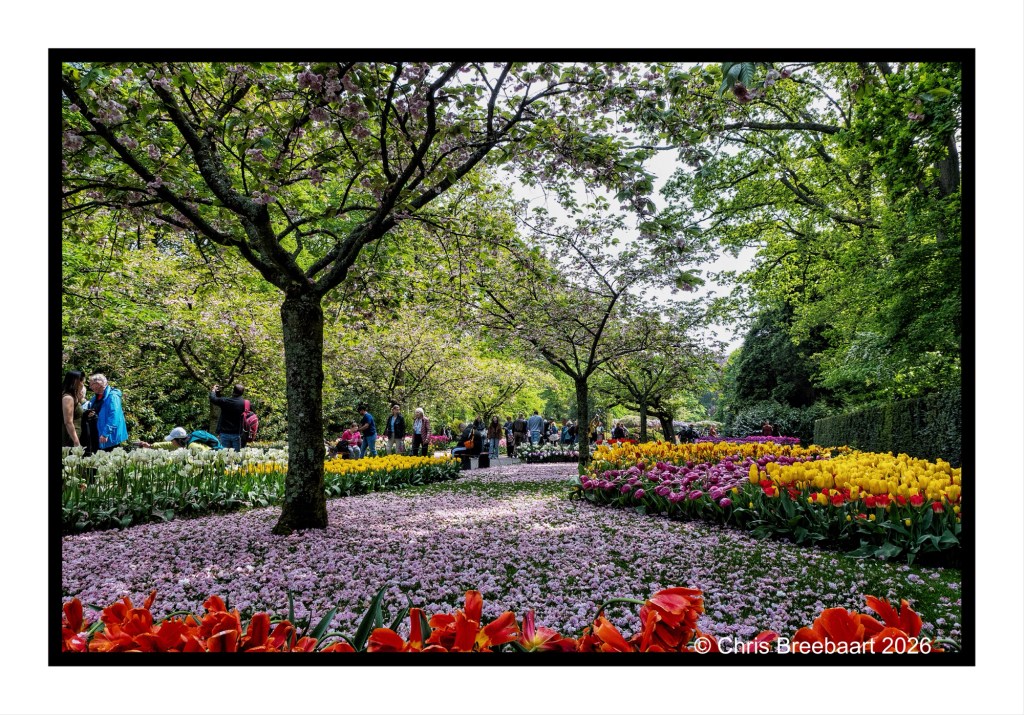
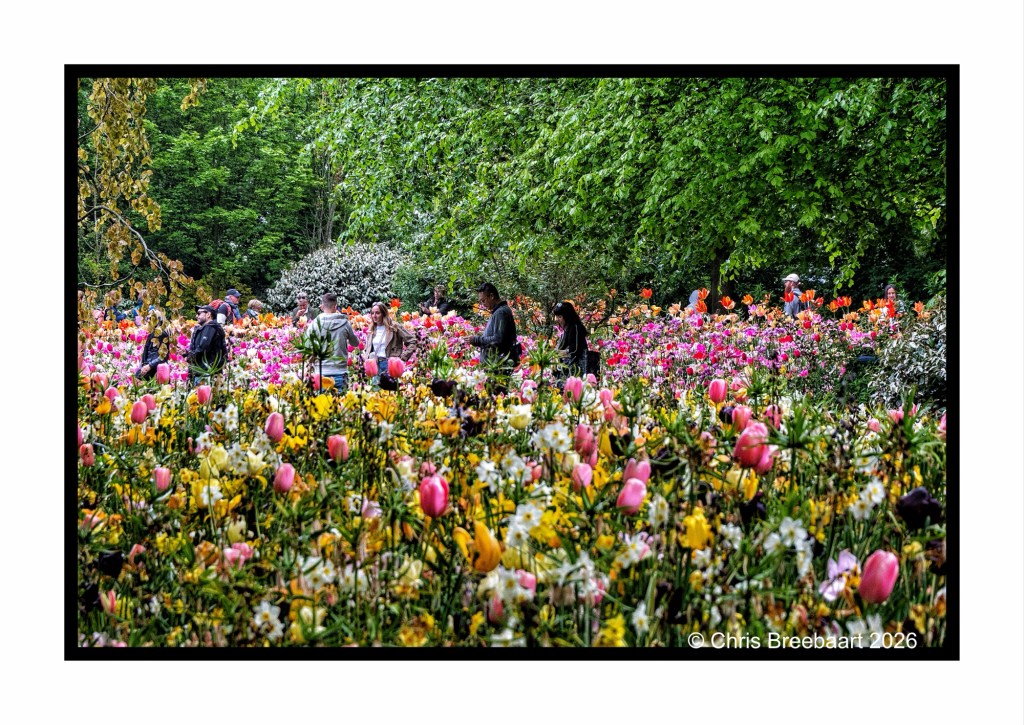
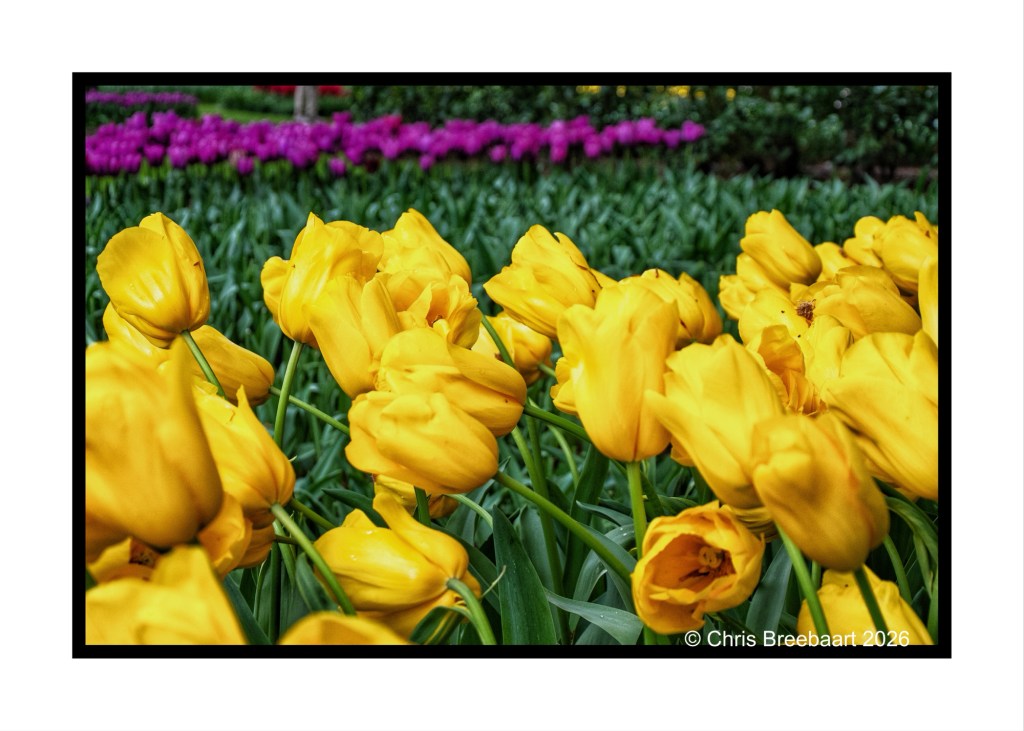
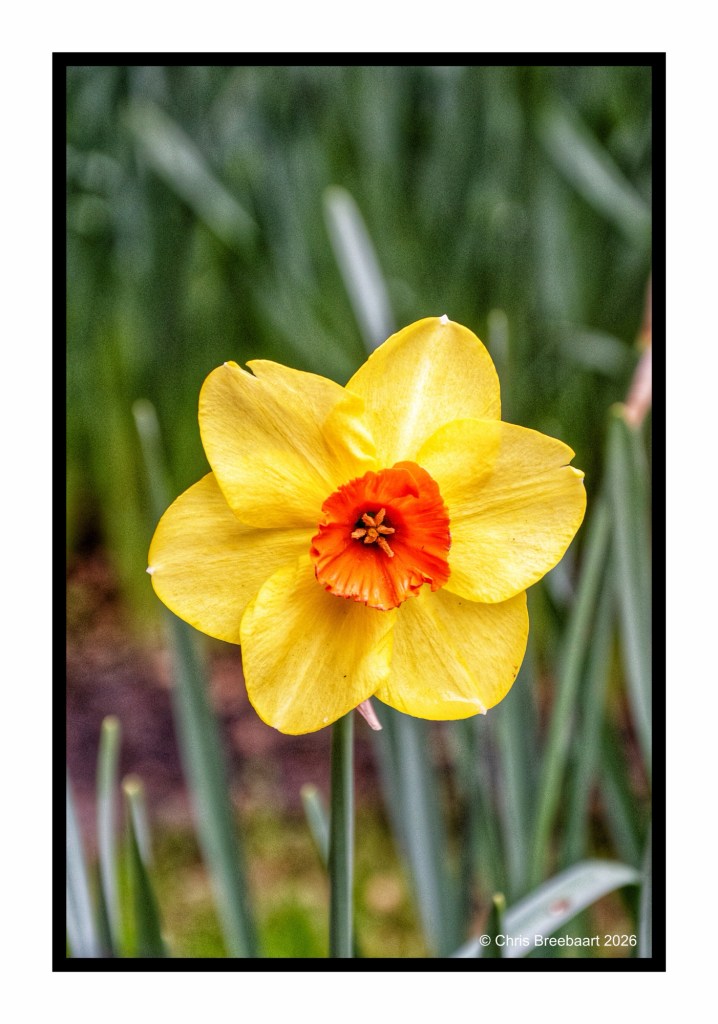
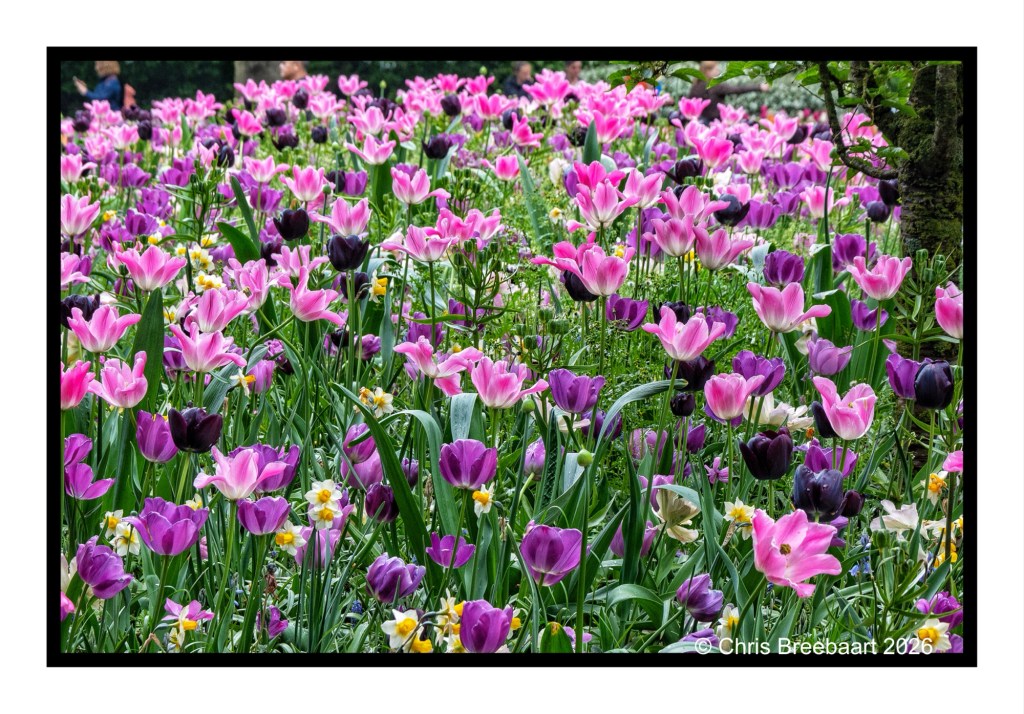
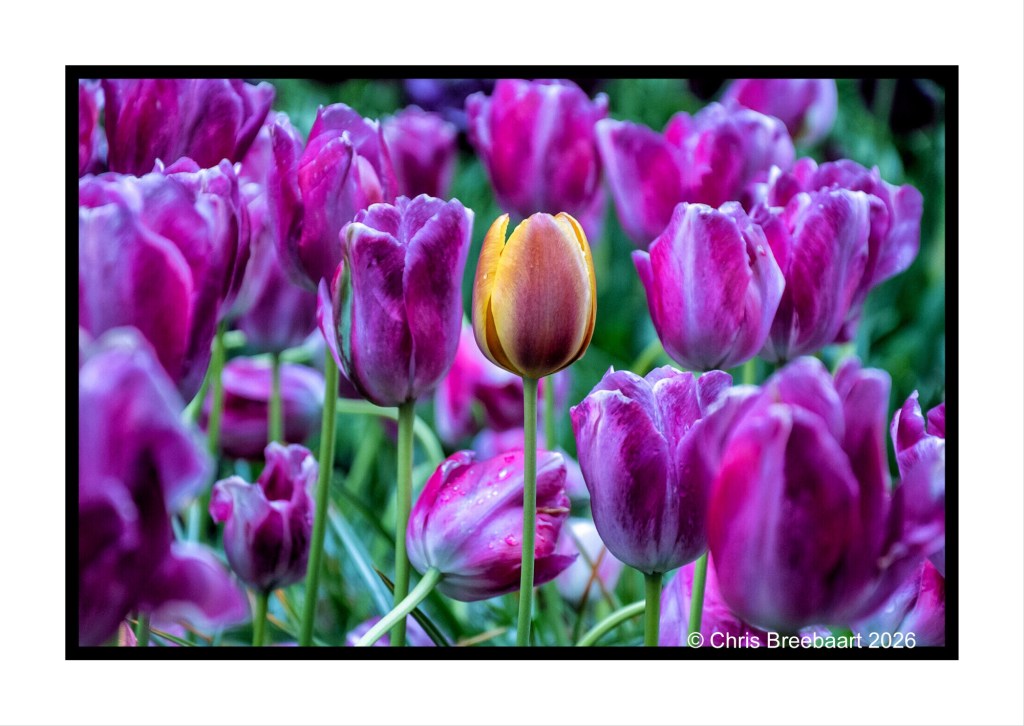
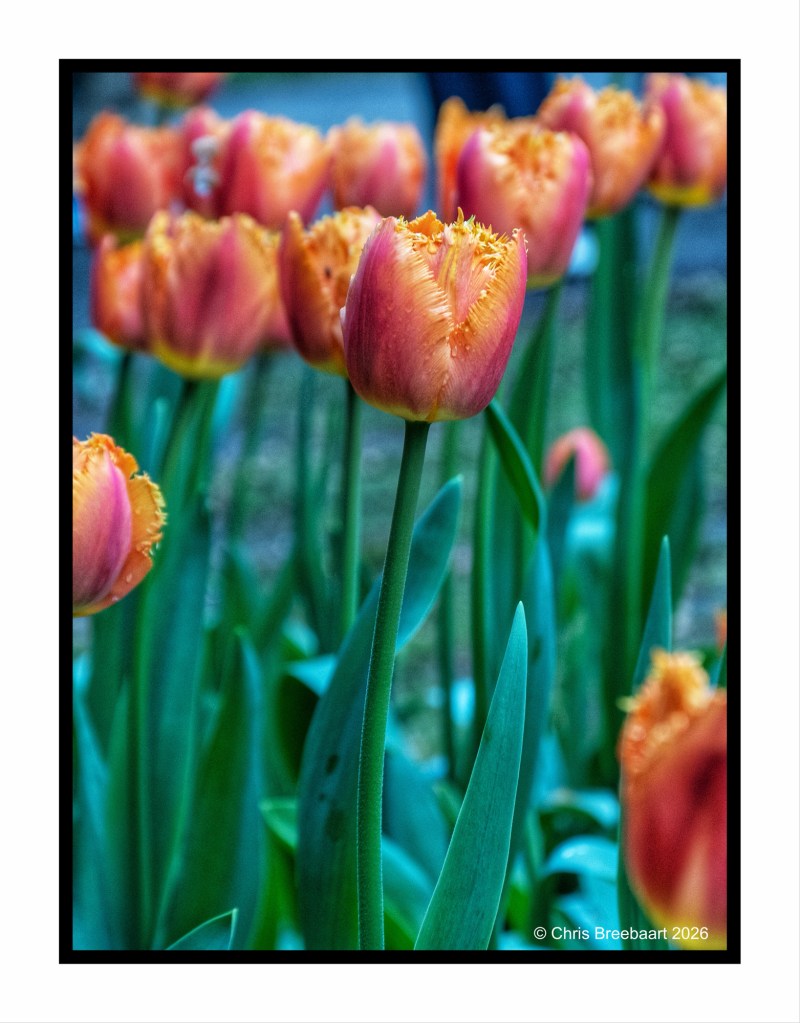
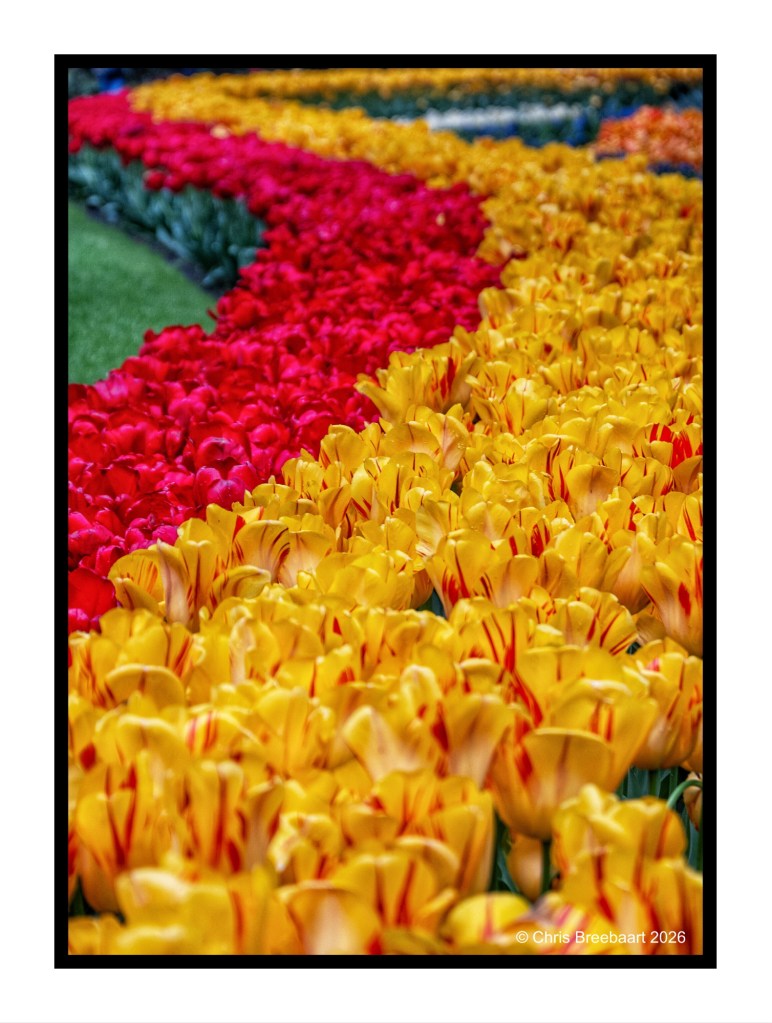
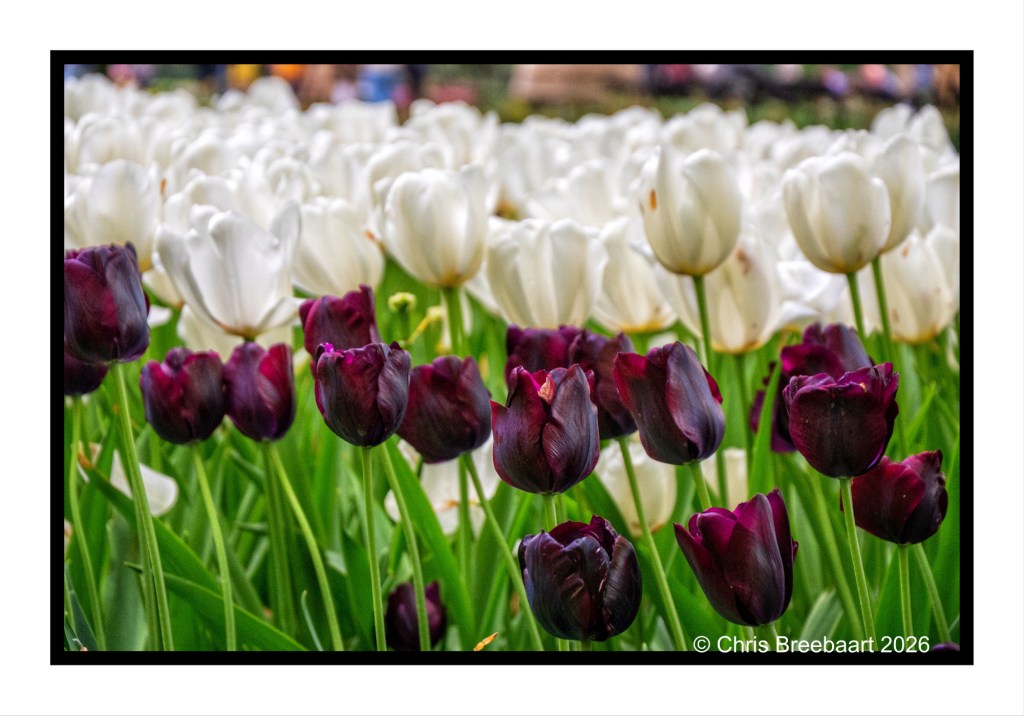
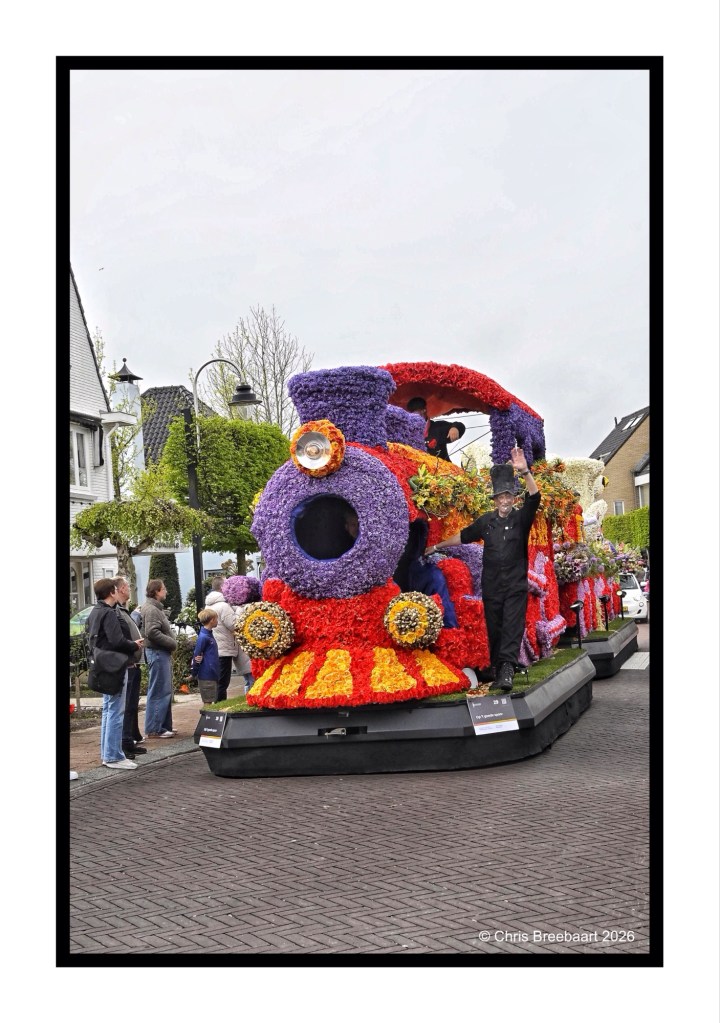
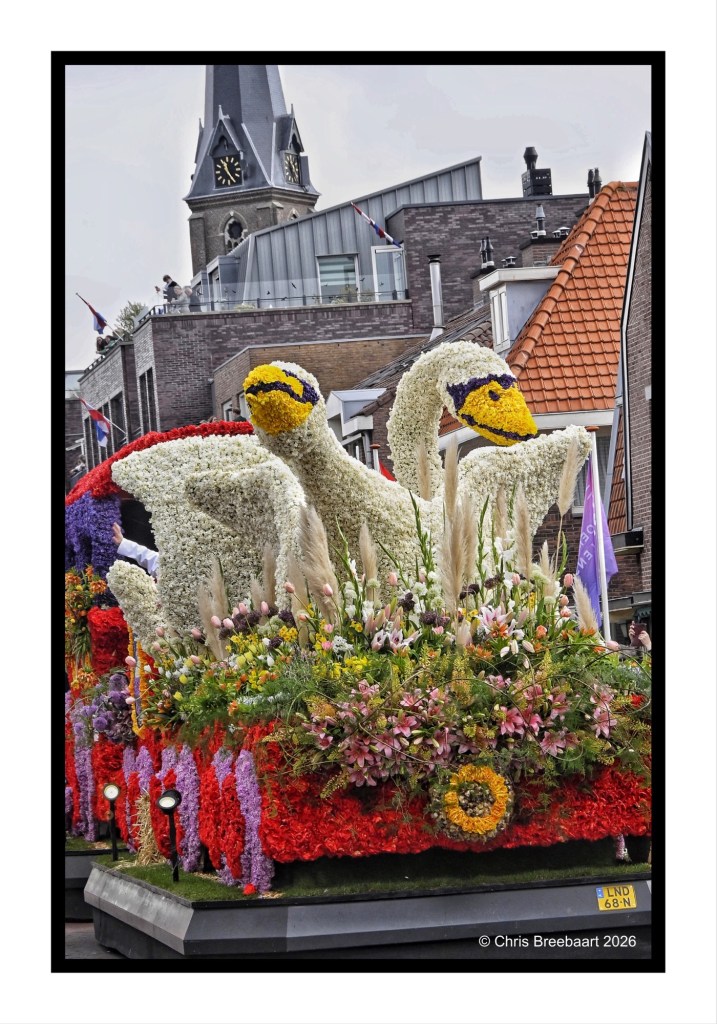
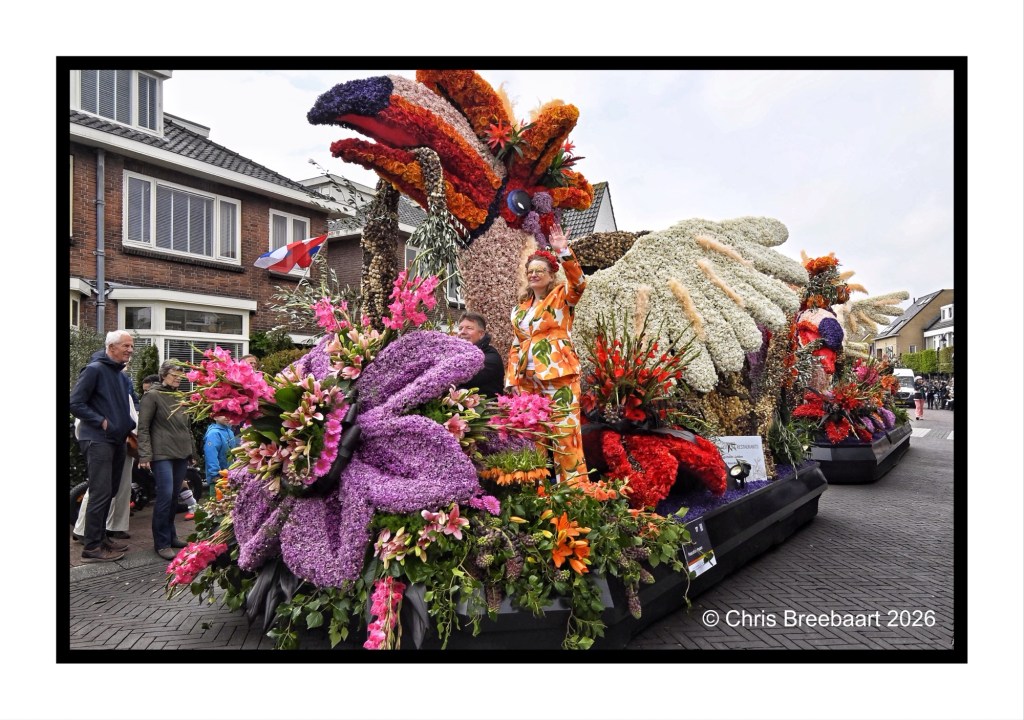
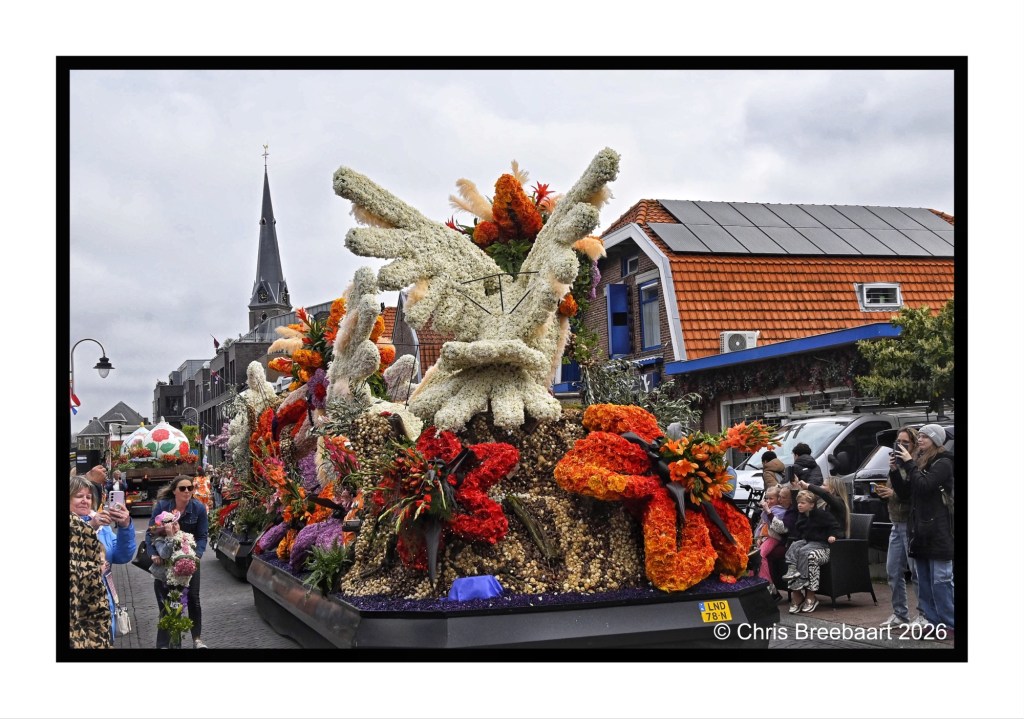
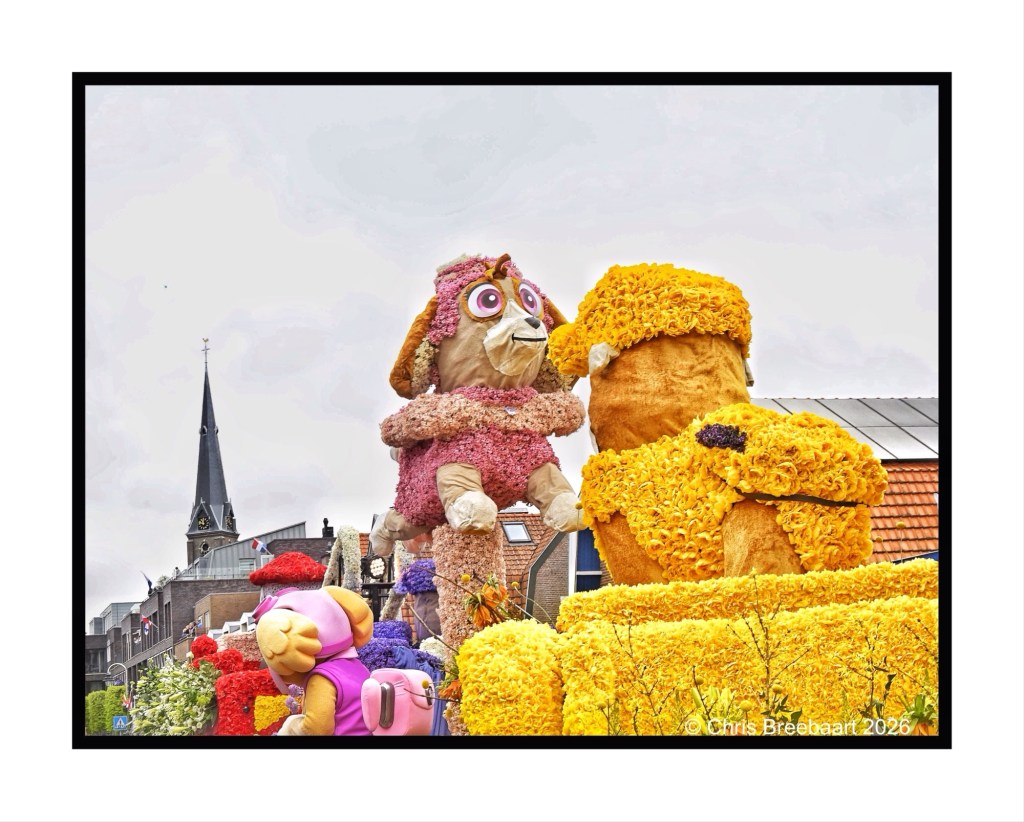
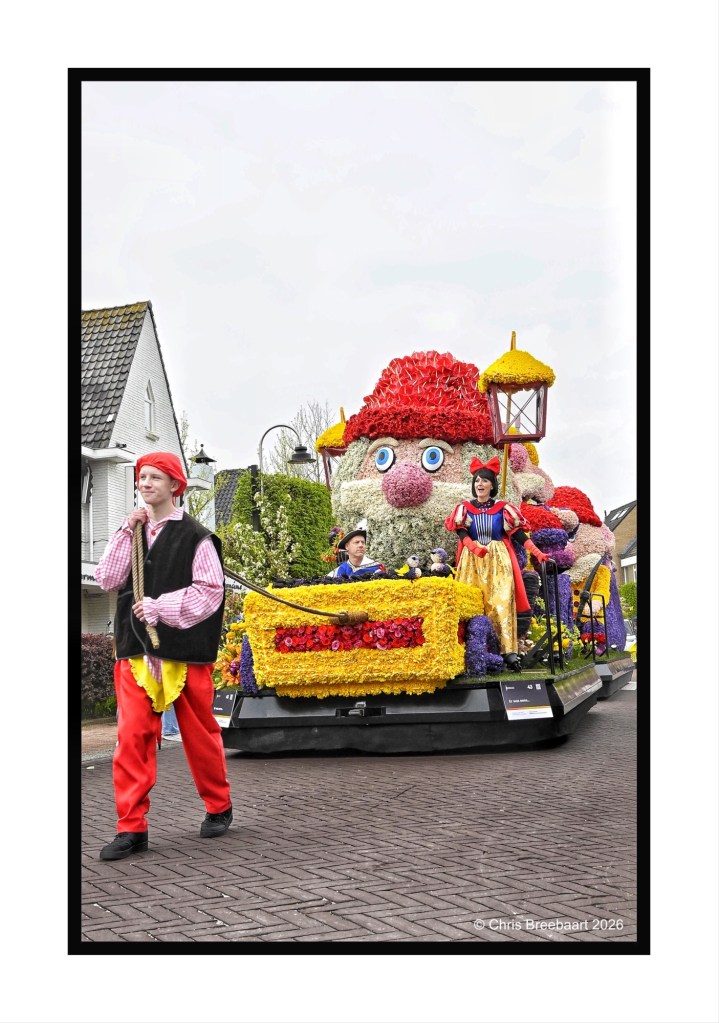
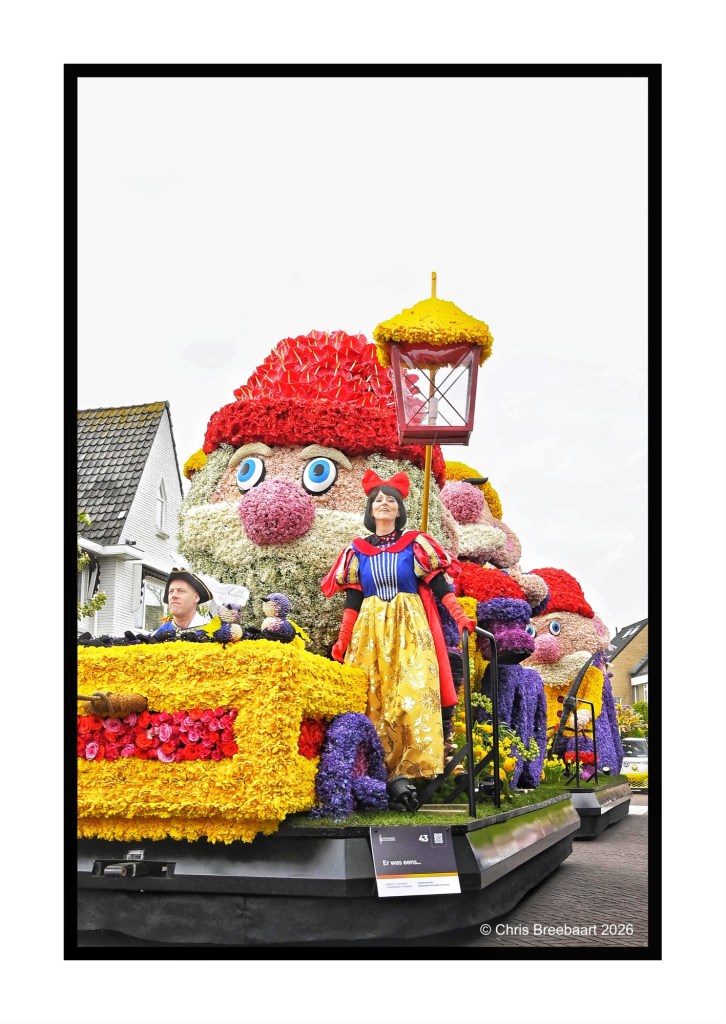
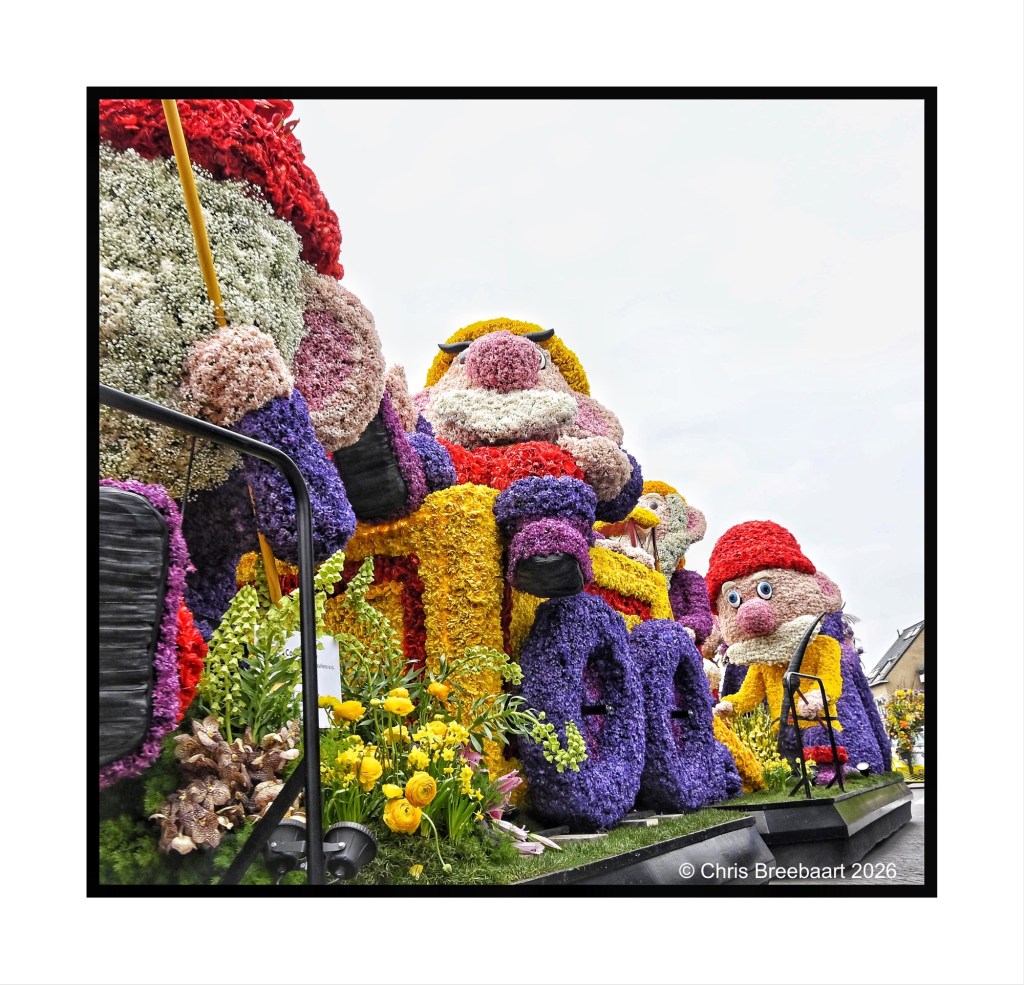
This week’s LAPC (#397) is ‘Texture‘. The Keukenhof is a world famous botanical garden, yearly displaying the impressive beauty of bulb flowers. It is only open for eight weeks to the general public; this year from March 19 till May 10. About one and a half million visitors enjoy it in that short period.
This week’s LAPC (#397) is ‘Texture‘. The Keukenhof is a world famous botanical garden, yearly displaying the impressive beauty of bulb flowers. It is only open for eight weeks to the general public; this year from March 19 till May 10. About one and a half million visitors enjoy it in that short period. Last week was its last week.
This week’s LAPC (#397) is ‘Texture‘. The Keukenhof is a world famous botanical garden, yearly displaying the impressive beauty of bulb flowers. It is only open for eight weeks to the general public; this year from March 19 till May 10. About one and a half million visitors enjoy it in that short period. Last week was its last week.
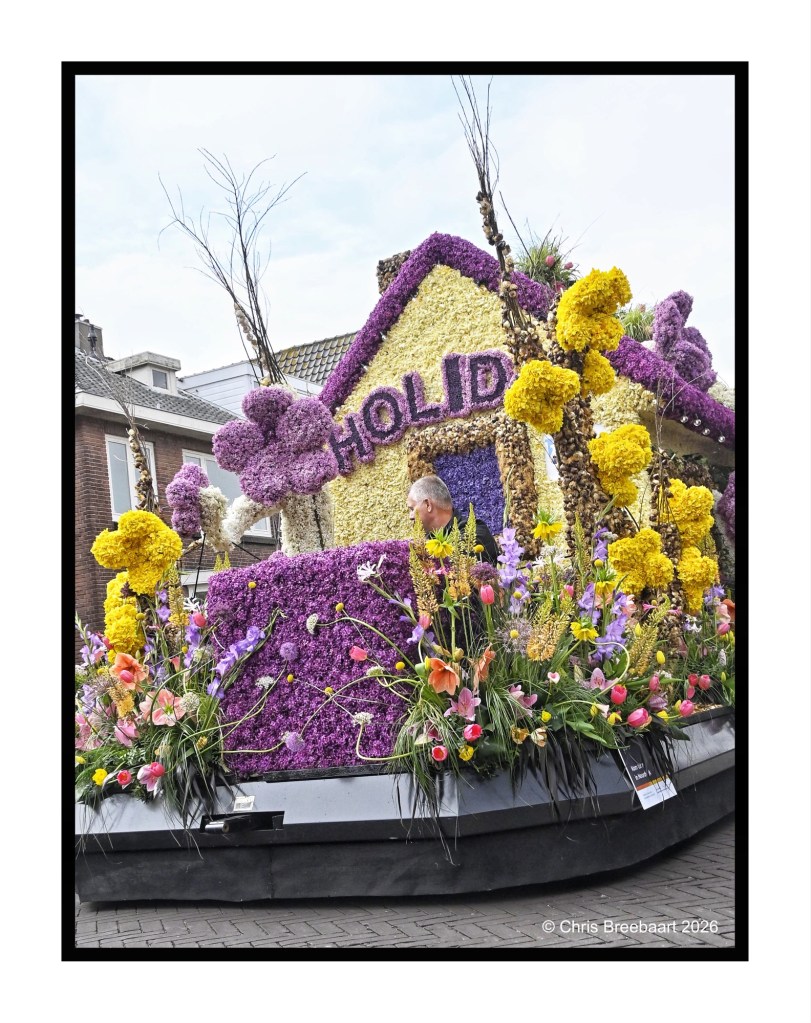
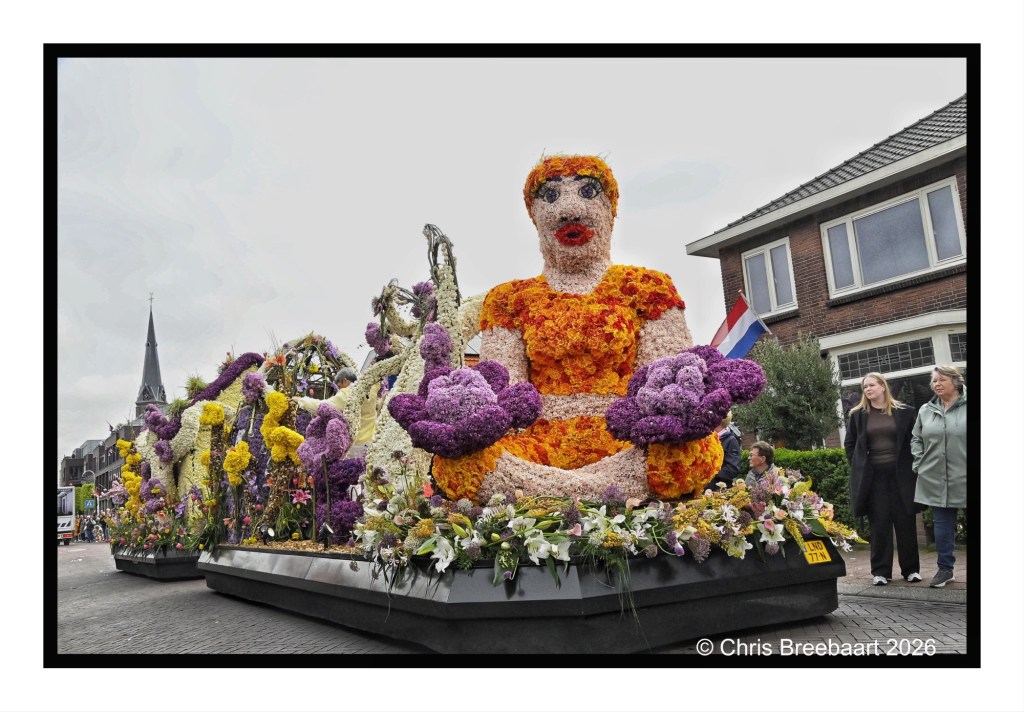
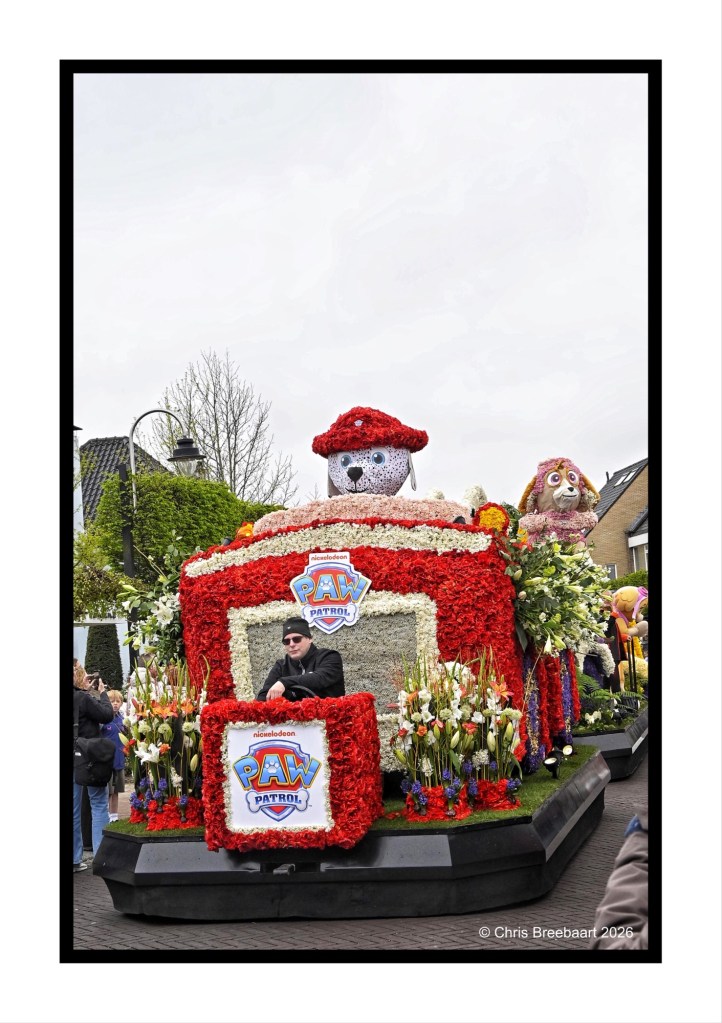
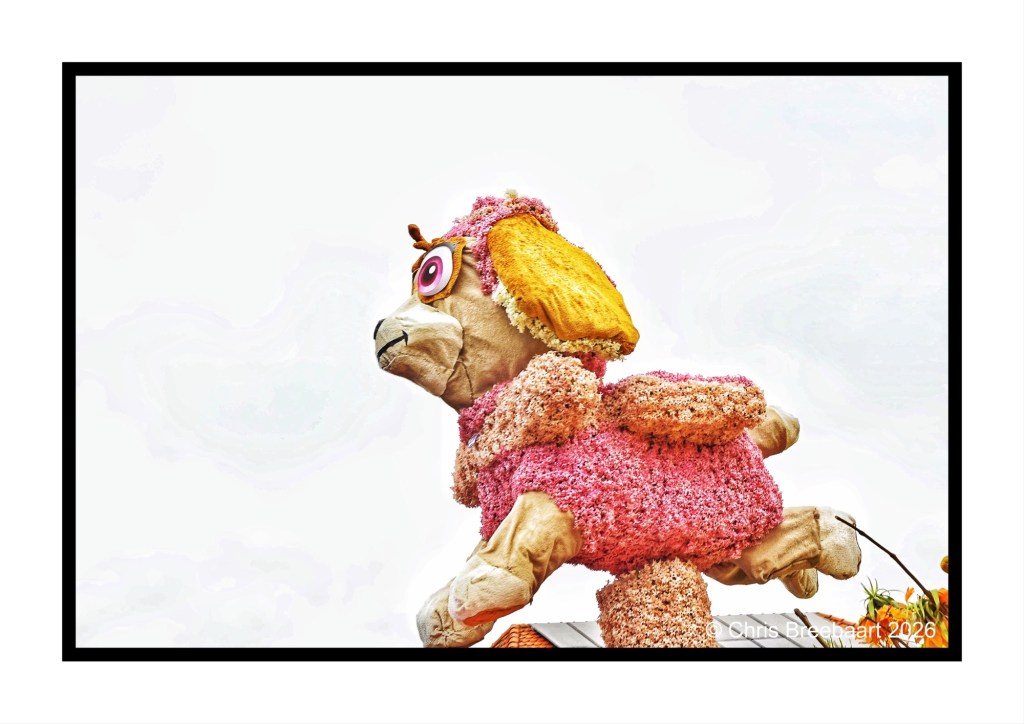
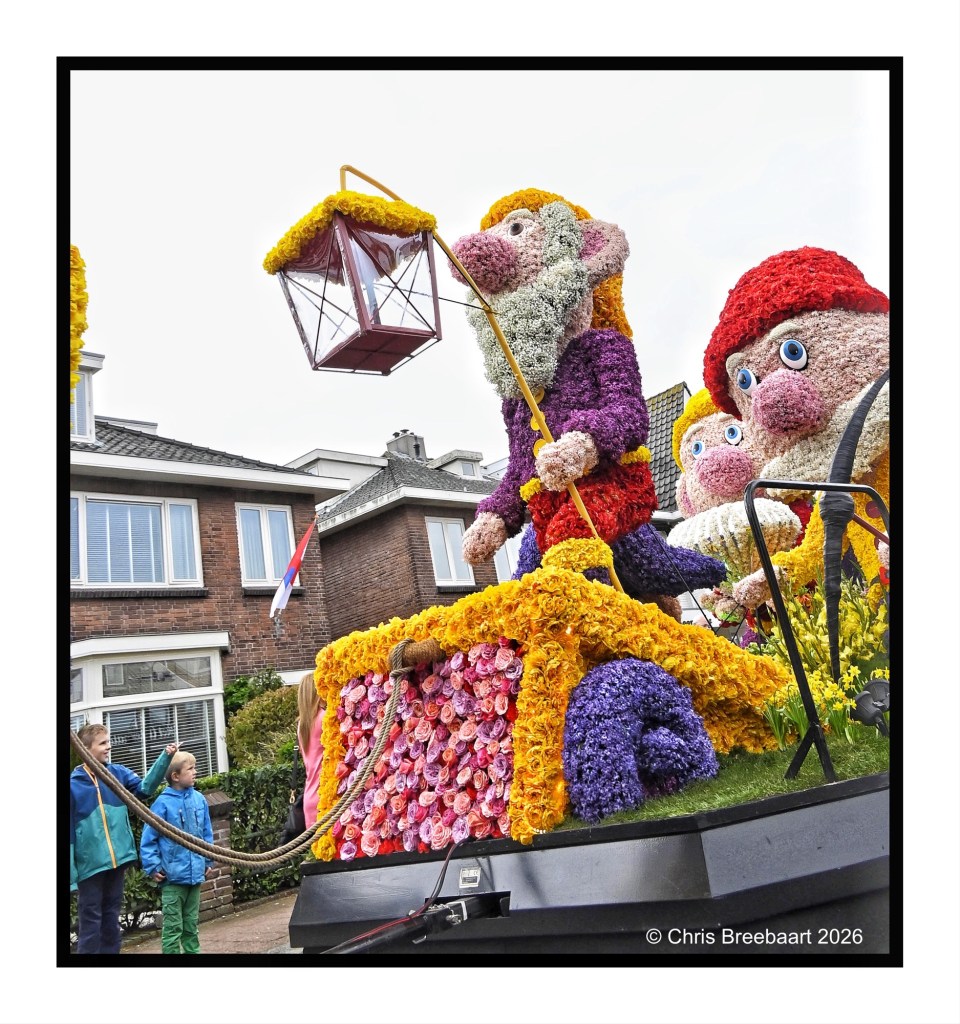
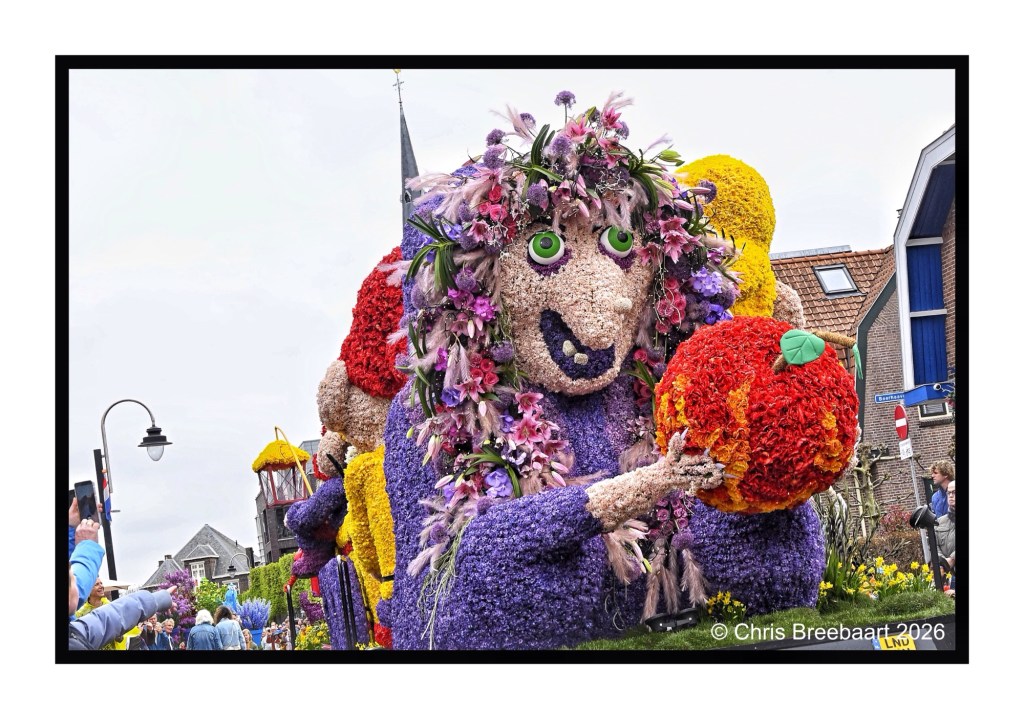
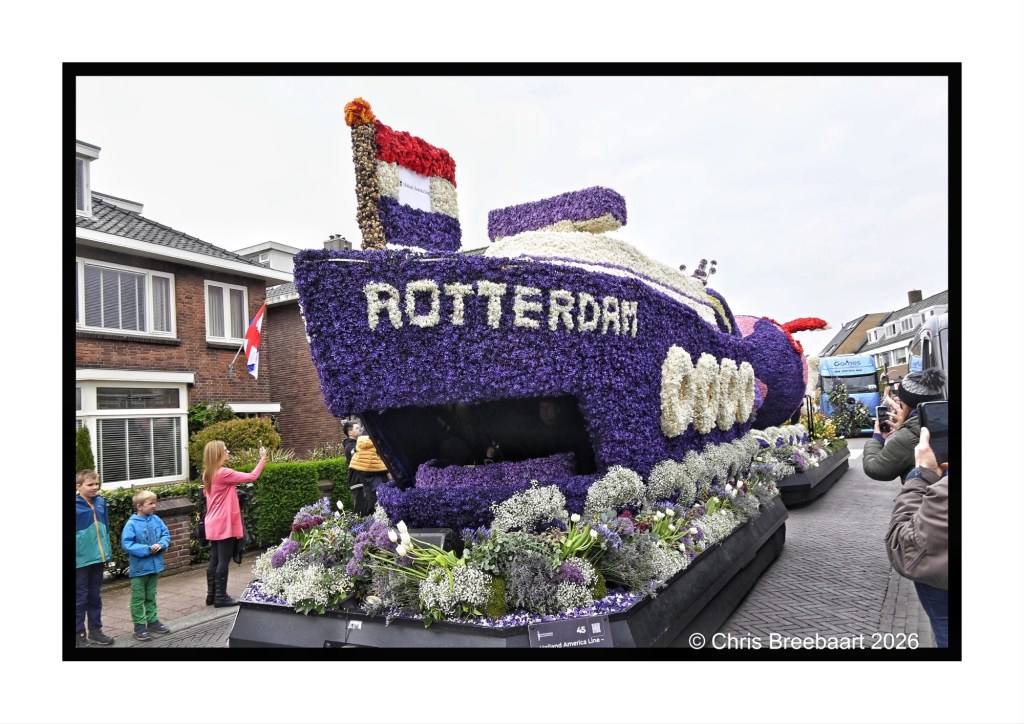
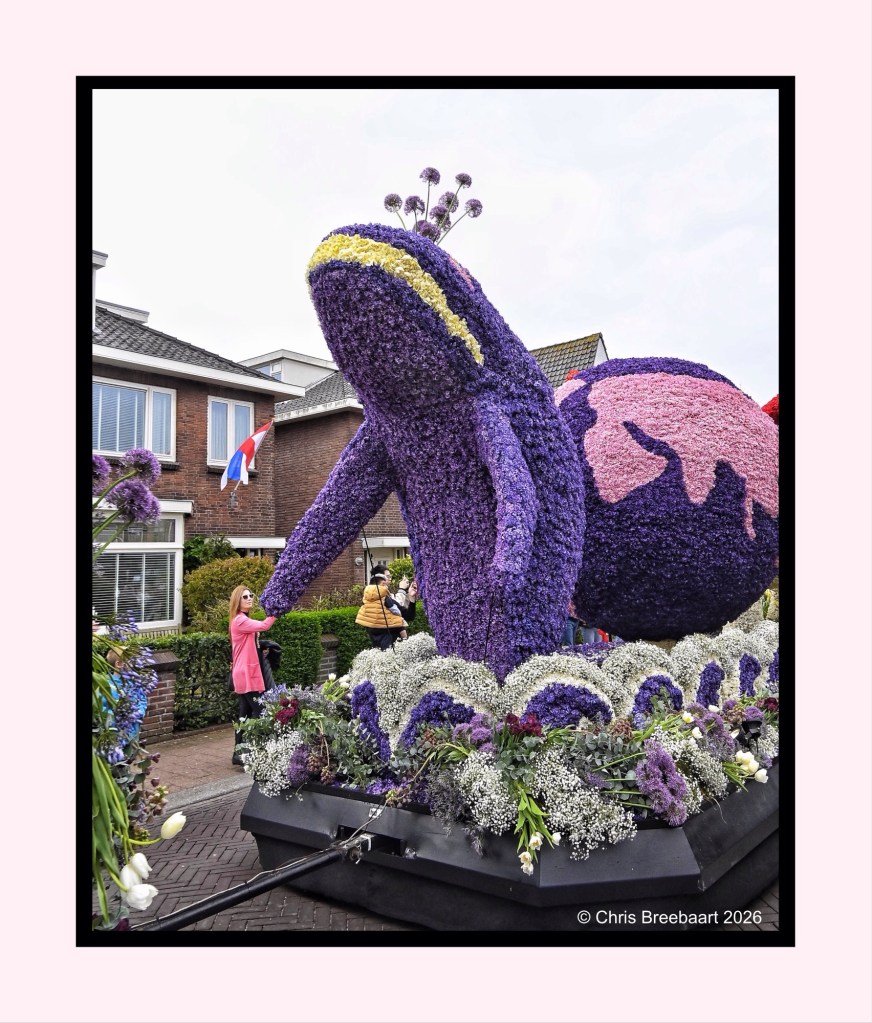
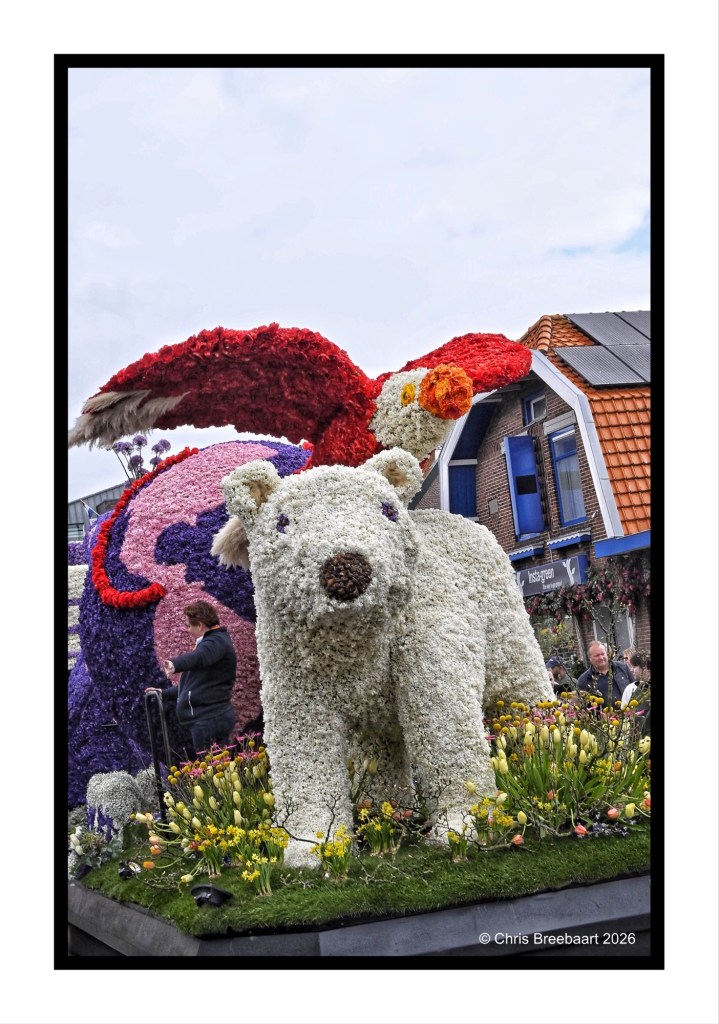
One of the events during Spring is the annual flower parade in the ‘bulbflowerbelt’ the Duin- en Bollenstreek. The parade has a history, it started in 1947, and is one of the biggest in The Netherlands. It is a main event for tourists. And a big presentation of bulbflower producing in this area. The Netherlands is well known for its flower production, all over the world. It is closely knit to the history and culture in this area of The Netherlands.
One of the events during Spring is the annual flower parade in the ‘bulbflowerbelt’ the Duin- en Bollenstreek. The parade has a history, it started in 1947, and is one of the biggest in The Netherlands. It is a main event for tourists. And a big presentation of bulbflower producing in this area. The Netherlands is well known for its flower production, all over the world. It is closely knit to the history and culture in this area of The Netherlands.
One of the events during Spring is the annual flower parade in the ‘bulbflowerbelt’ the Duin- en Bollenstreek. The parade has a history, it started in 1947, and is one of the biggest in The Netherlands. It is a main event for tourists. And a big presentation of bulbflower producing in this area. The Netherlands is well known for its flower production, all over the world. It is closely knit to the history and culture in this area of The Netherlands.
One of the events during Spring is the annual flower parade in the ‘bulbflowerbelt’ the Duin- en Bollenstreek. The parade has a history, it started in 1947, and is one of the biggest in The Netherlands. It is a main event for tourists. And a big presentation of bulbflower producing in this area. The Netherlands is well known for its flower production, all over the world. It is closely knit to the history and culture in this area of The Netherlands.
One of the events during Spring is the annual flower parade in the ‘bulbflowerbelt’ the Duin- en Bollenstreek. The parade has a history, it started in 1947, and is one of the biggest in The Netherlands. It is a main event for tourists. And a big presentation of bulbflower producing in this area. The Netherlands is well known for its flower production, all over the world. It is closely knit to the history and culture in this area of The Netherlands.
One of the events during Spring is the annual flower parade in the ‘bulbflowerbelt’ the Duin- en Bollenstreek. The parade has a history, it started in 1947, and is one of the biggest in The Netherlands. It is a main event for tourists. And a big presentation of bulbflower producing in this area. The Netherlands is well known for its flower production, all over the world. It is closely knit to the history and culture in this area of The Netherlands.