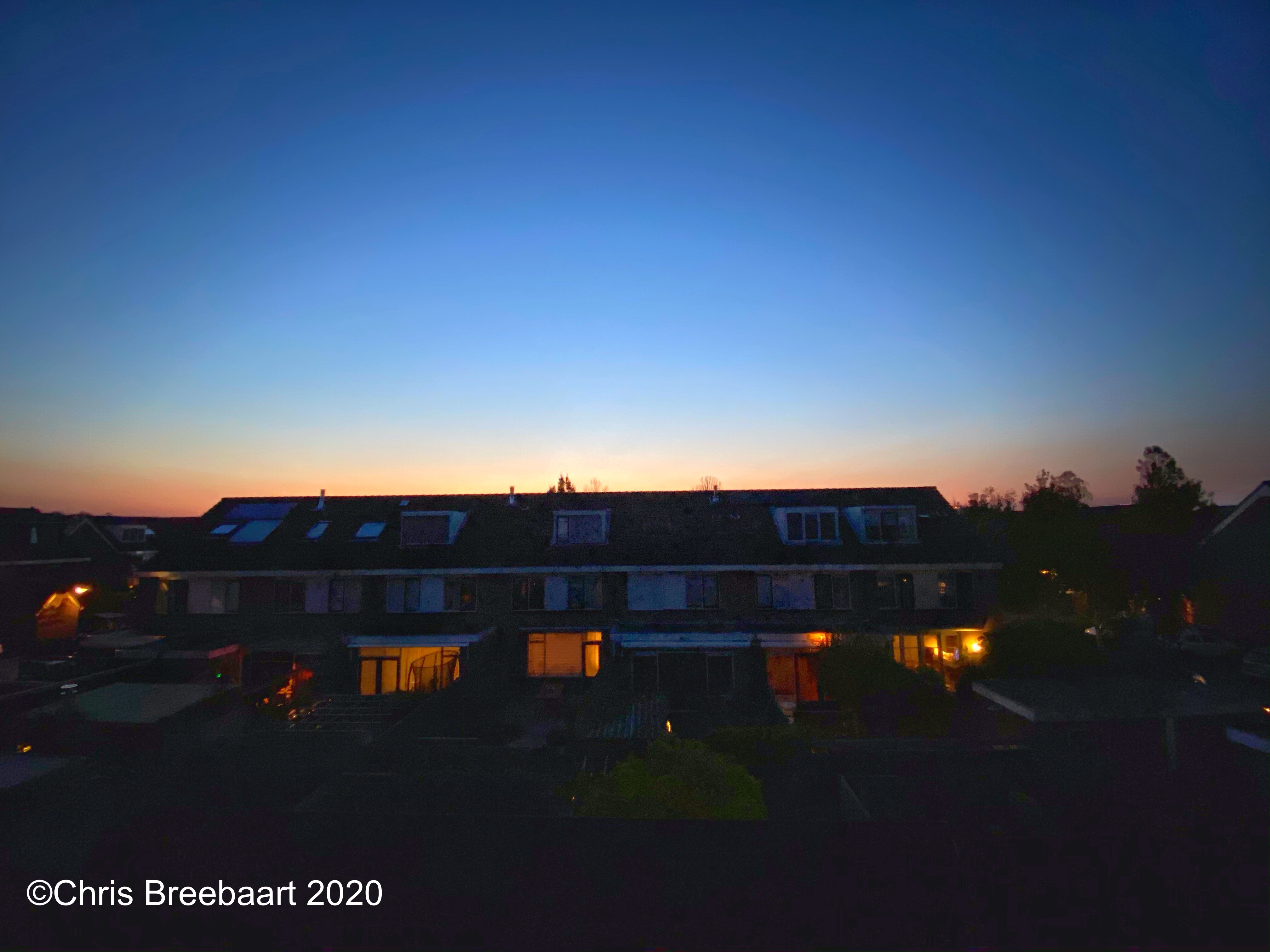
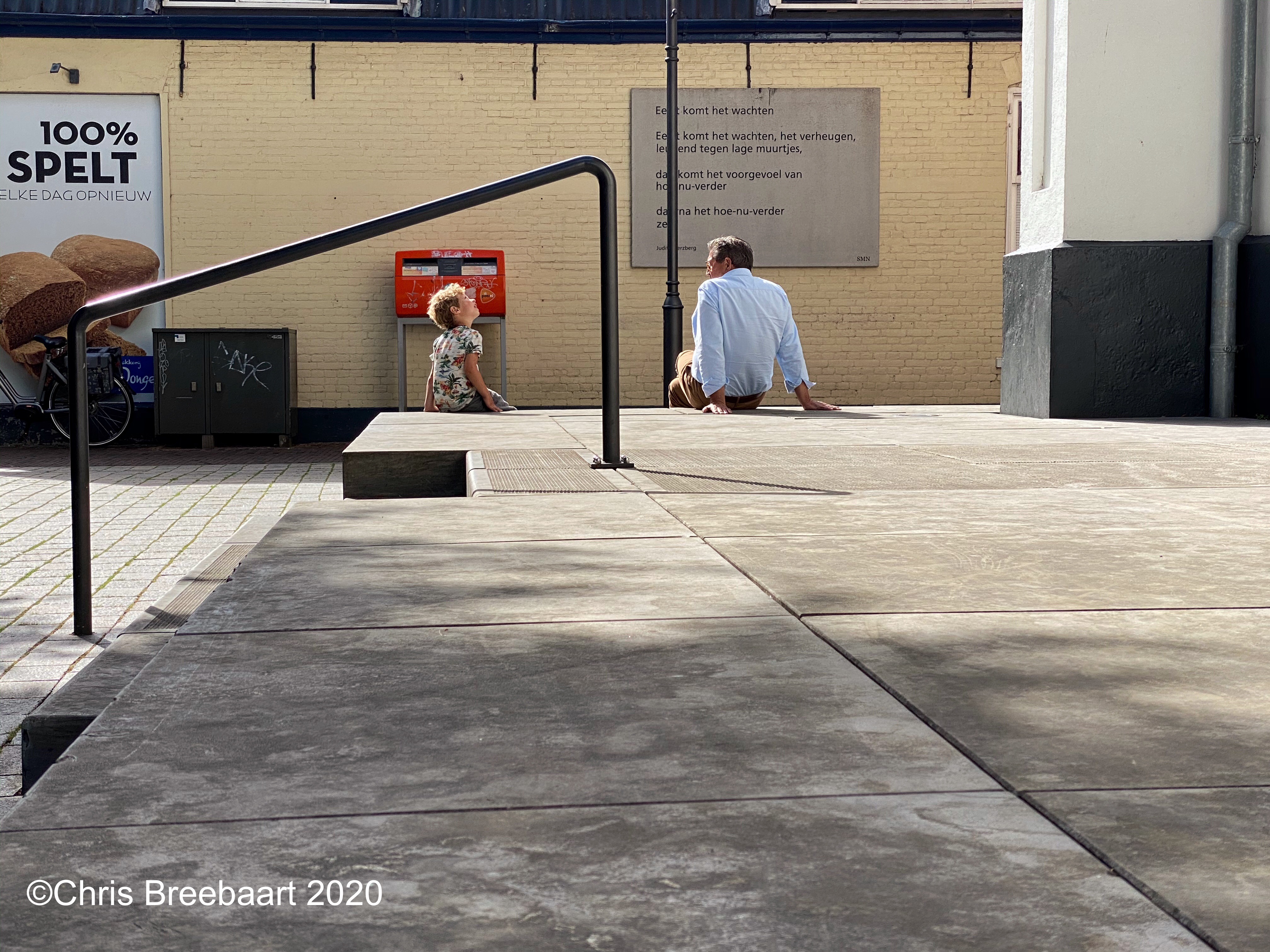
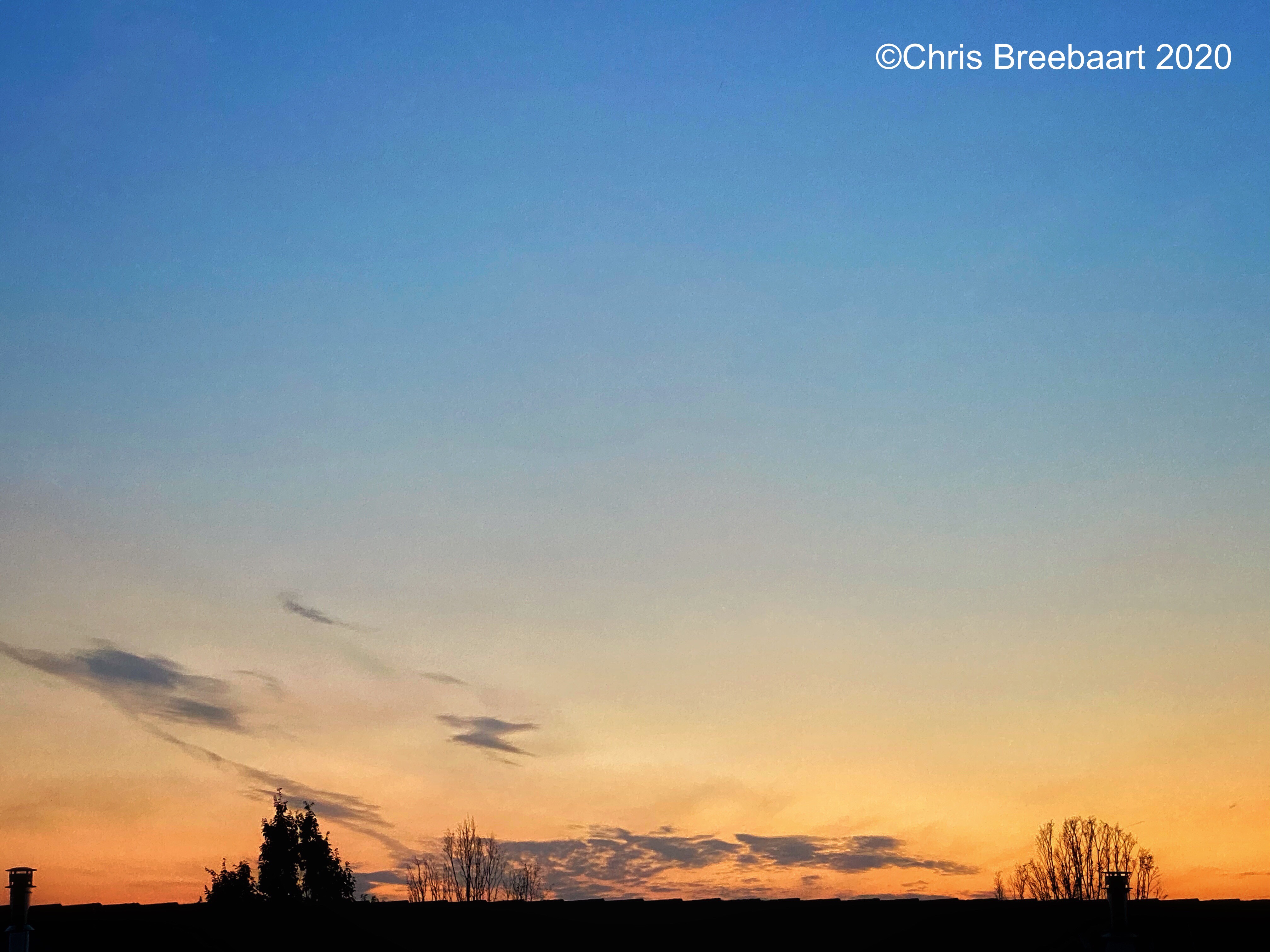
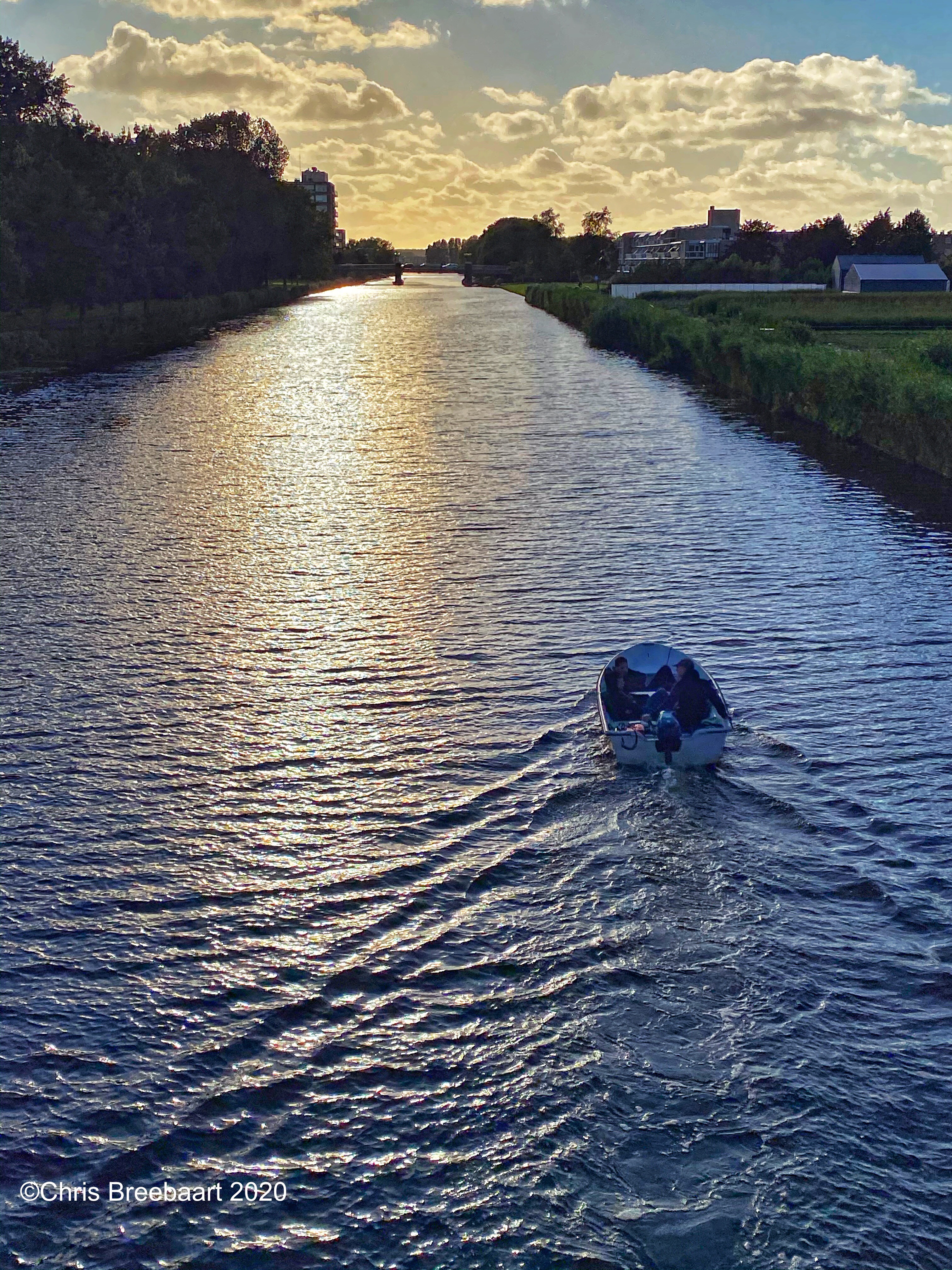
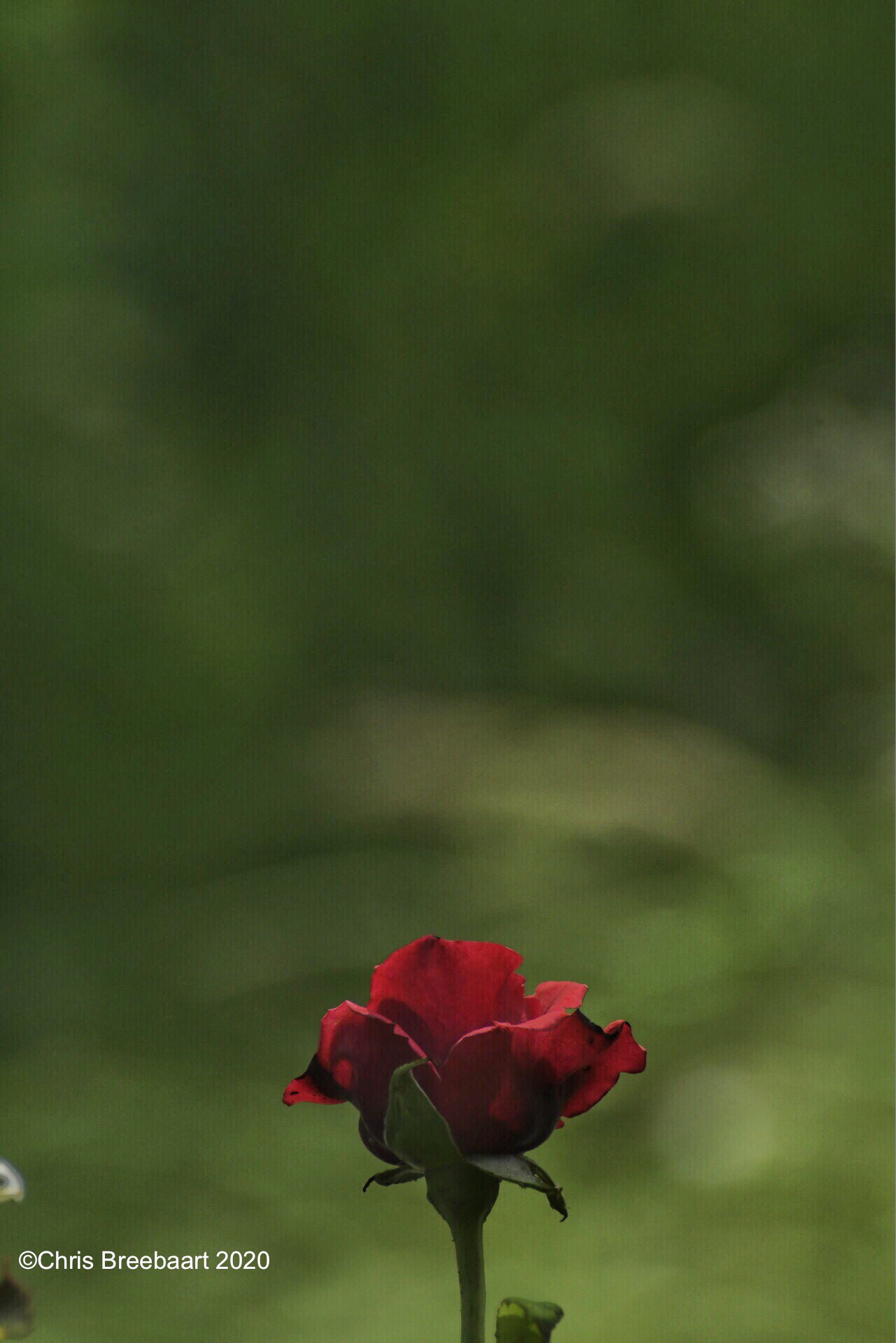
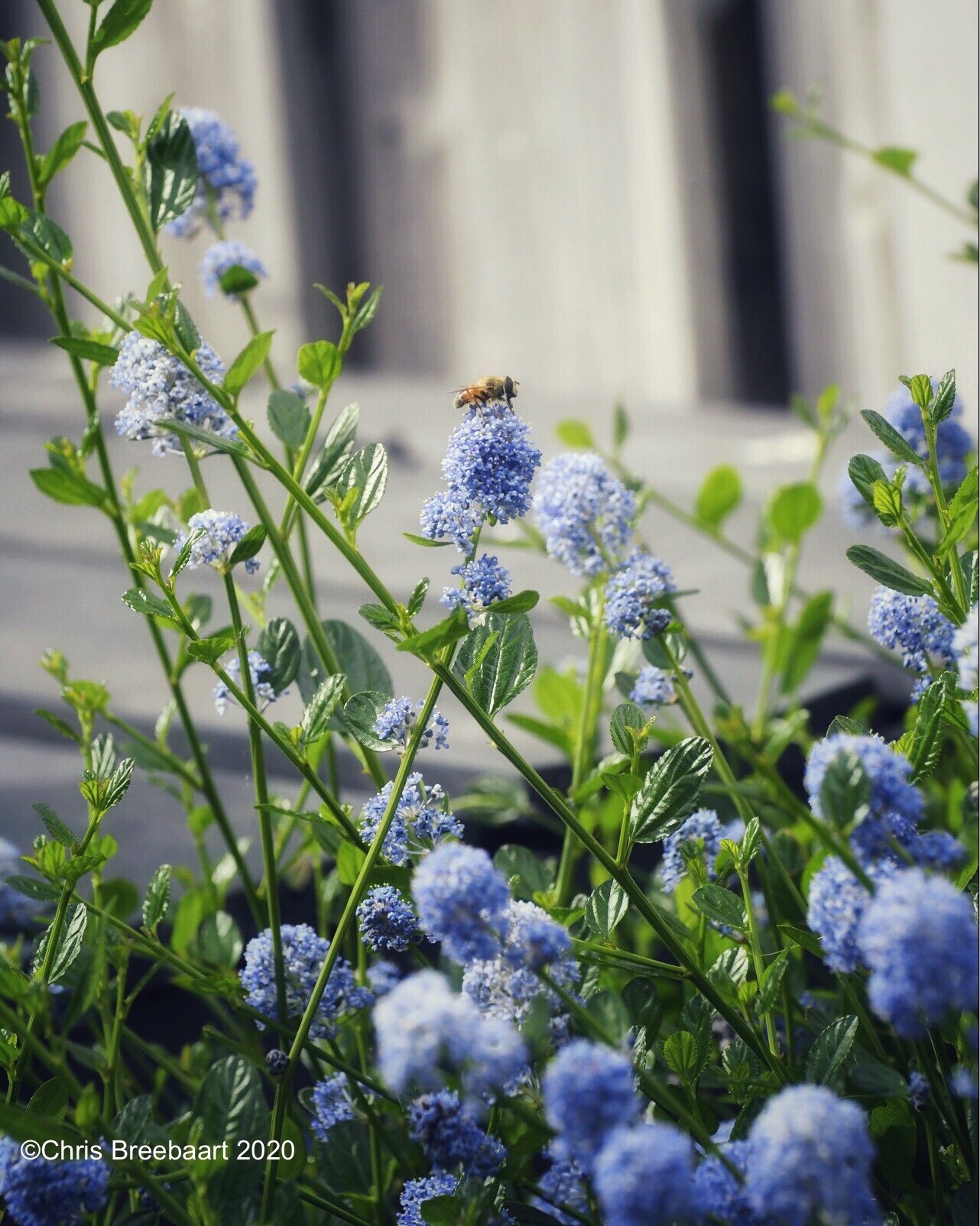
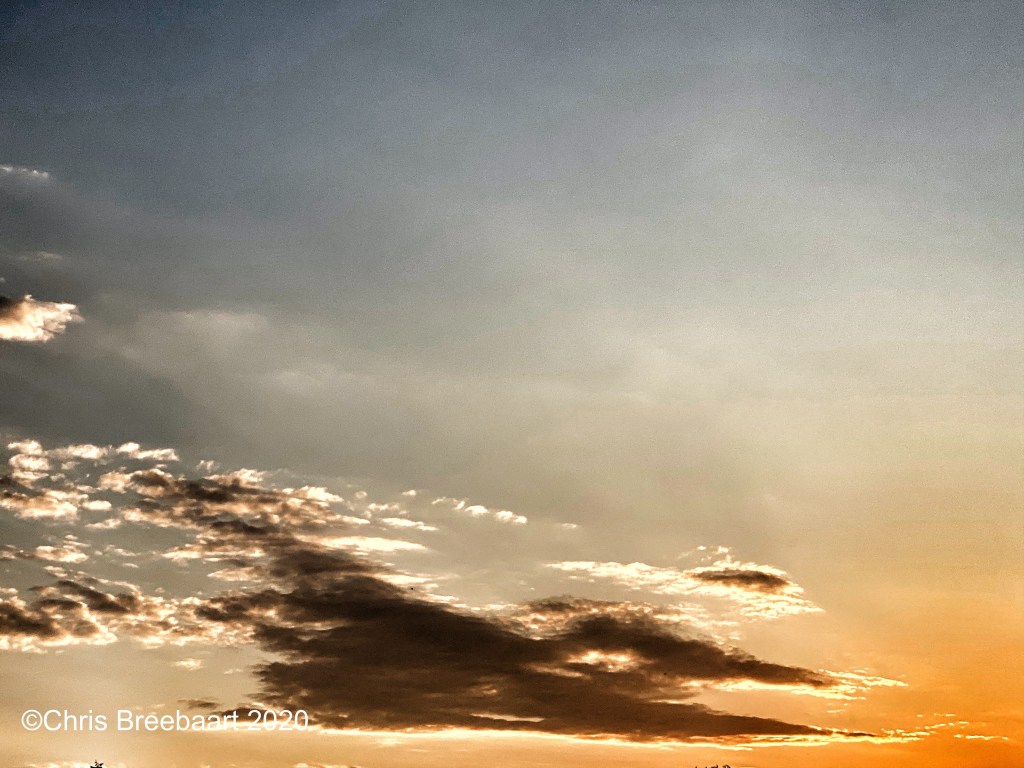
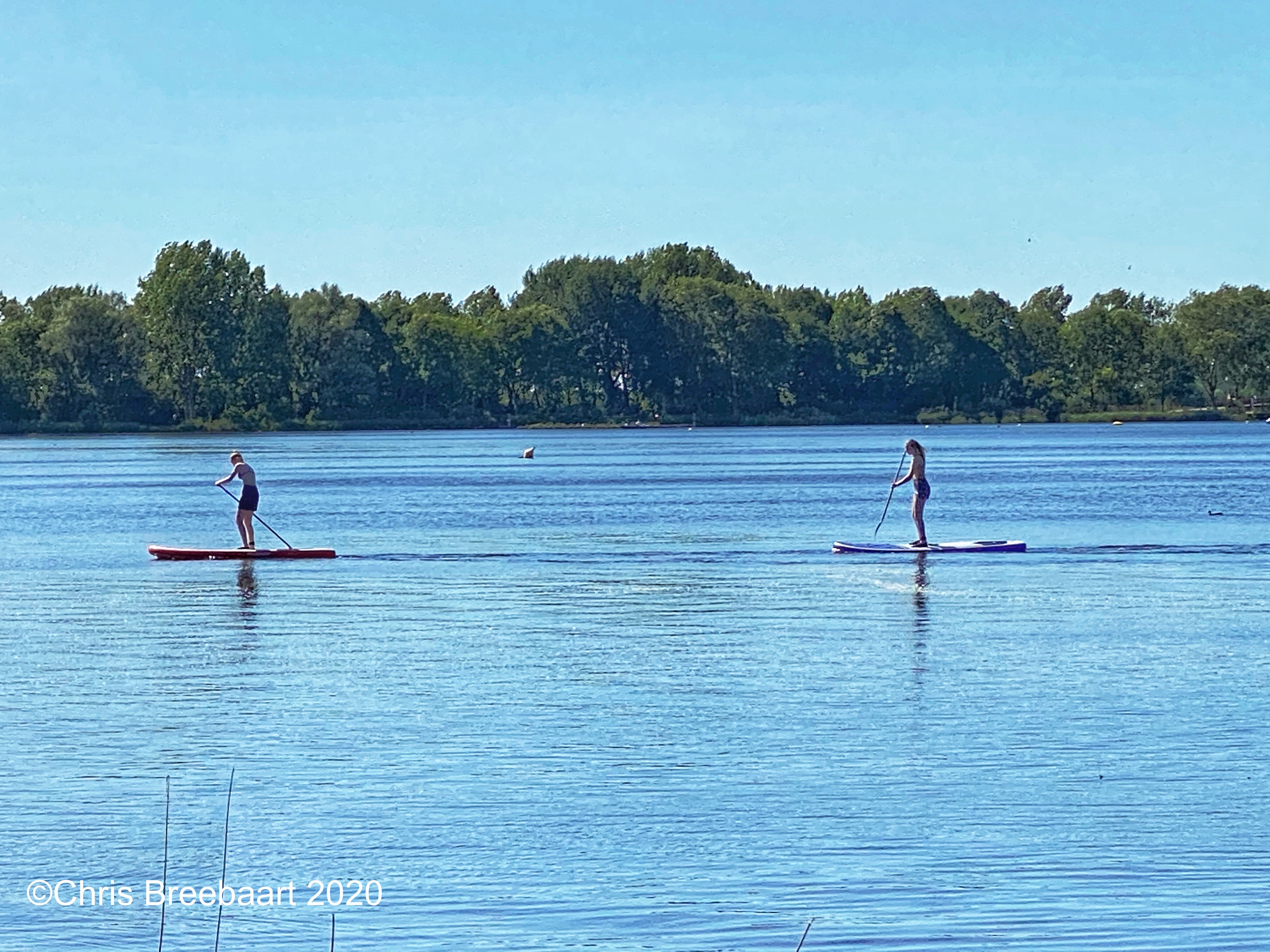
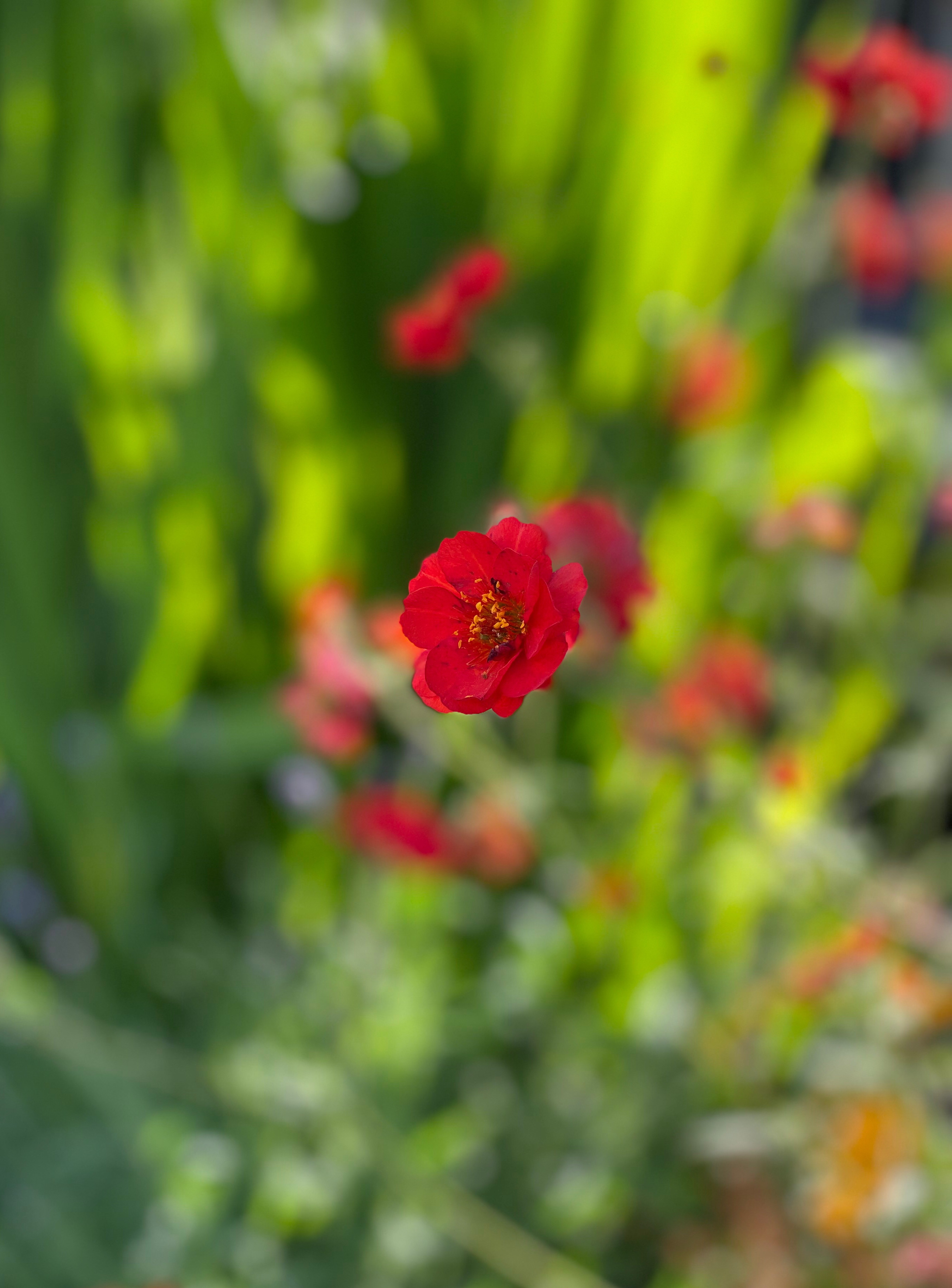
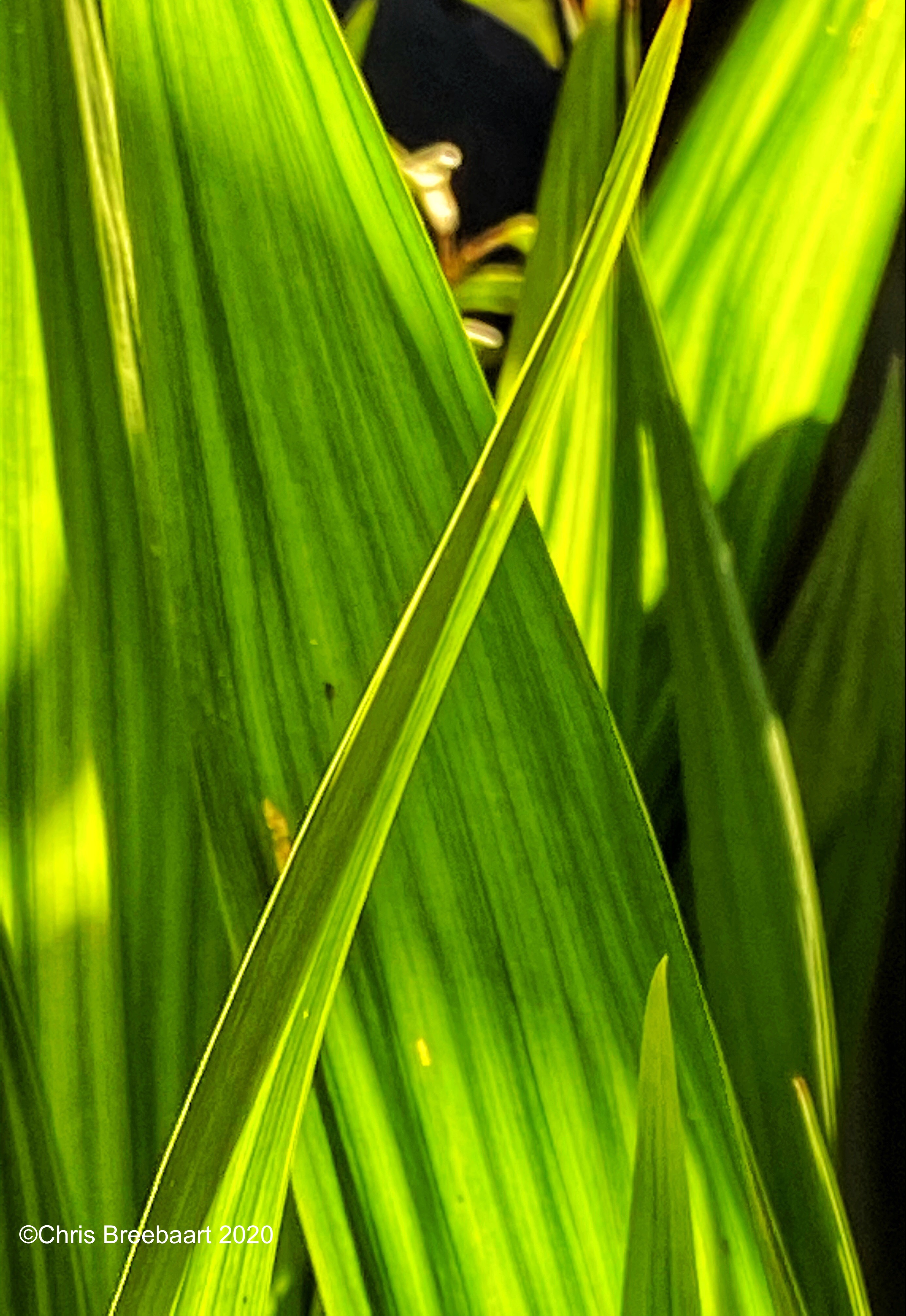
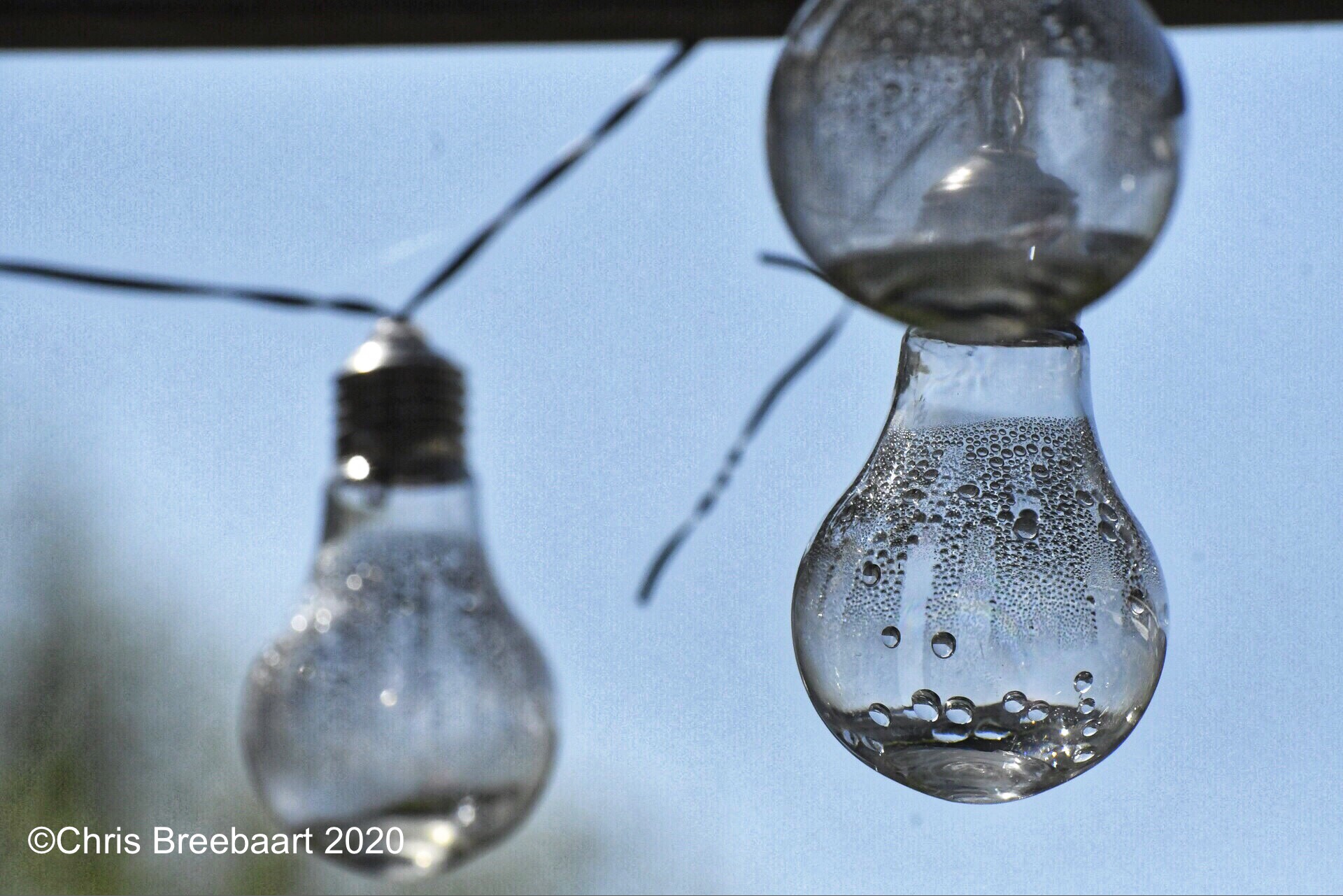
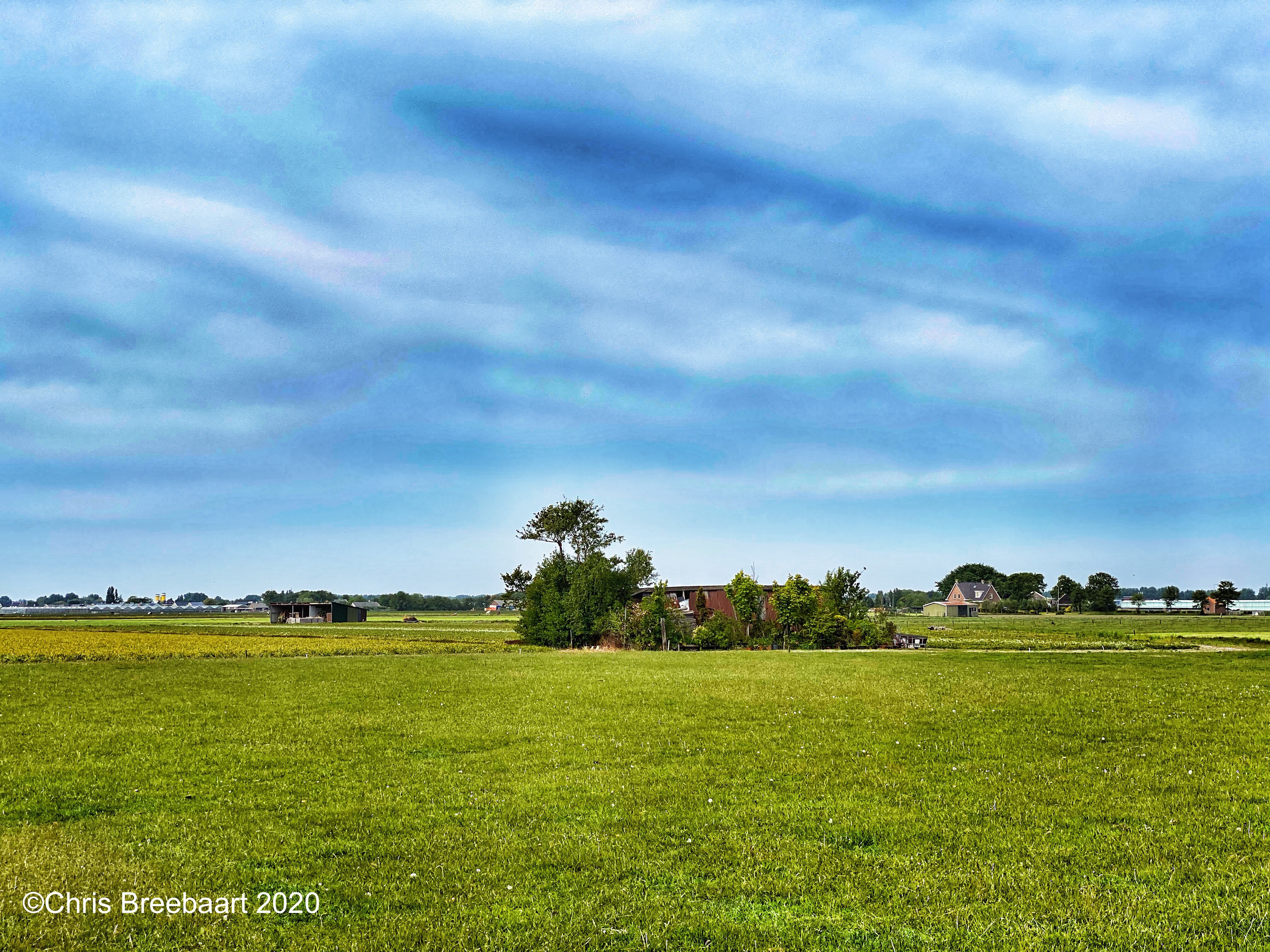
The term ‘negative space’ to me is confusion: technically it is the space around the main subject of a photo. It means ‘negative’ as opposed to ‘positive’ attention for the main subject. The word ‘negative’ as a noun brings back good old memories. Being older I actually worked and work with negatives (for the millennials: it has to do with film, the light sensitive stuff we used to put in a camera to get a photo on (in negative) that later could be printed (in positive).
So ‘negative space’ is about the focus a viewer of a photo is offered in a photo. If there is a lot to see around the subject, than that distracts from that subject. In other words: it is a creative tool a photographer can use.
About the B4 retouch series: I browsed my archive for pictures to publish in – an originally – small series. That series caught on a bit more than I thought. All of them are not retouched yet. Scratches, dust and stains are not removed.
The theme is meant to honor Labor Day in the United States of America. But I decided to give my own twist to the theme, and add parenthood to the label ‘labor’.
About the B4 retouch series: I browsed my archive for pictures to publish. Some of them are partly retouched but most do have scratches, dust and stains.
Shot with Nikon F90 on Kodak TriX, scanned from film and edited using Snapseed and Marksta. Click the picture for a bigger version
In 1989 the Notre Dame de Paris was dominating the view of the Isle de France. Let us hope that after the fire she will come back untangled in its old splendor, resting comfortable between the two arms of the Seine.
About the B4 retouch series: I browsed my archive for pictures to publish. Some of them are partly retouched but most do have scratches, dust and stains.
Shot with Nikon F90 on Kodak TriX, scanned from film and edited using Snapseed and Marksta. Click the picture for a bigger version
Paula of Lost in Translation has been hosting a monthly challenge on her site: pick a word and post a photo that describes or portrays or symbolizes or associates with that word or words. Since Paula was away for a while, AC used this theme to bring it back to life. And what happens? Paula announced she will restart hosting the challenge. It can not be a coincidence.
This photo is a corridor of a beautiful, comfortable and welcoming hotel in Nunspeet in The Netherlands, Dorpsherberg De Roskam. It is a wonderful place to explore De Veluwe by foot or (electric) bicycle. We had a short stay over to pick up old youth memories and enjoy the flowering heather. It is a busy but not too crowded place, not exuberant but functional and practical. With a staff that is friendly, welcoming and always near when needed. If you are able to visit, I recommend you do so. This small business initiative deserves to grow.
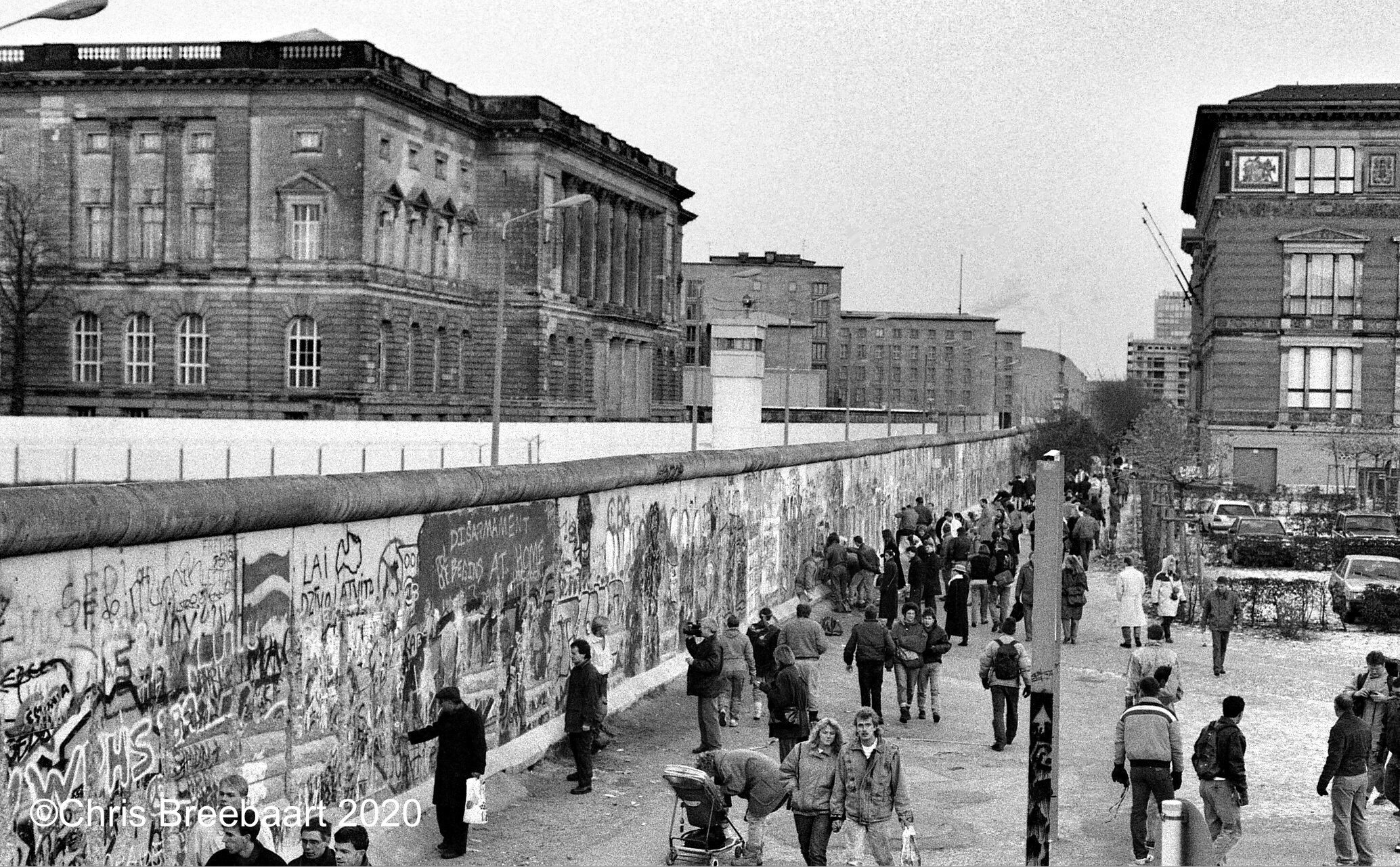
Looking back to our history we have known barriers and borders, preventing us to do what we wanted, or keeping us in. The Berlin Wall in November 1989, just before it ‘fell’.
About the B4 retouch series: I browsed my archive for pictures to publish. Some of them are partly retouched but most do have scratches, dust and stains.
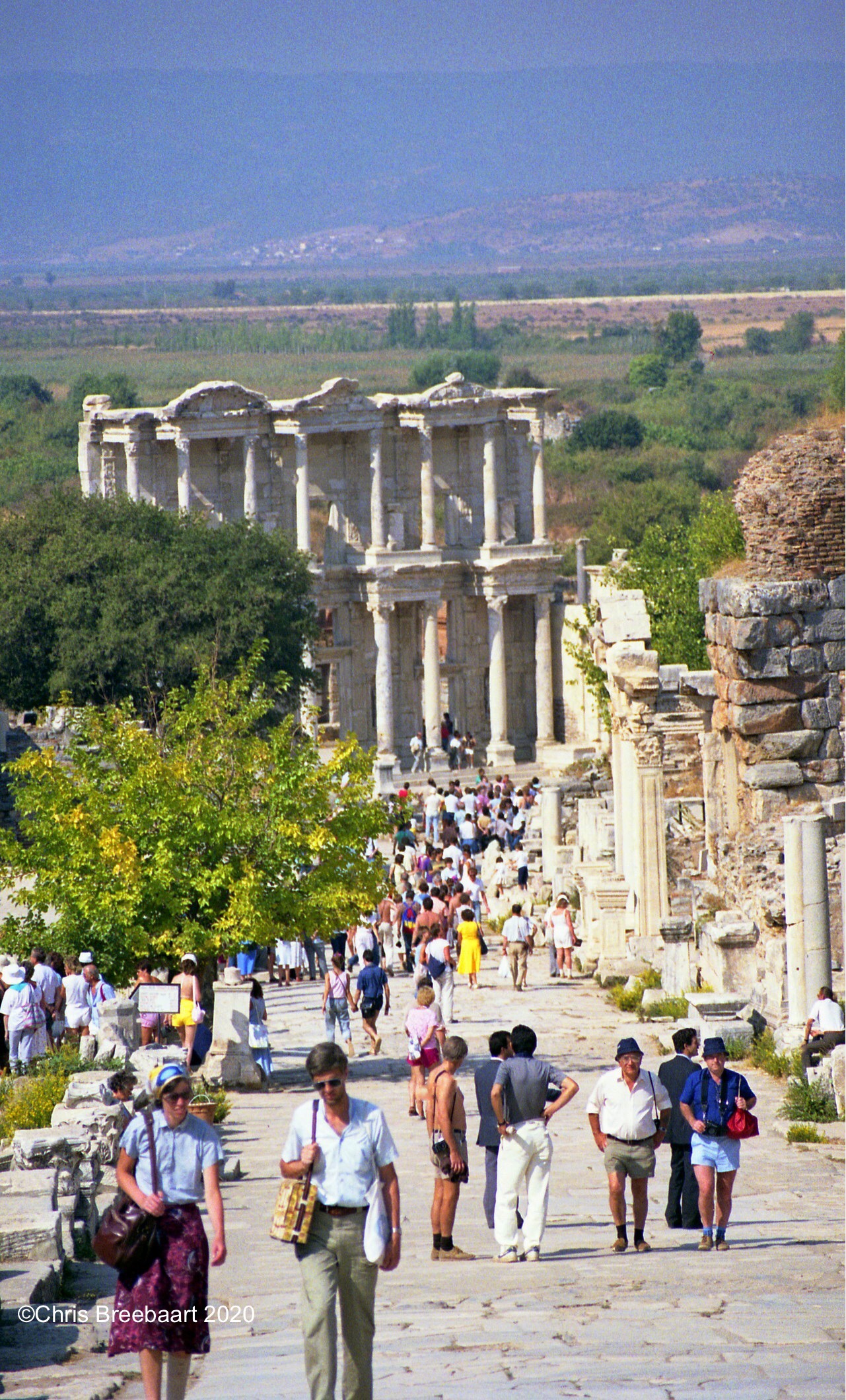
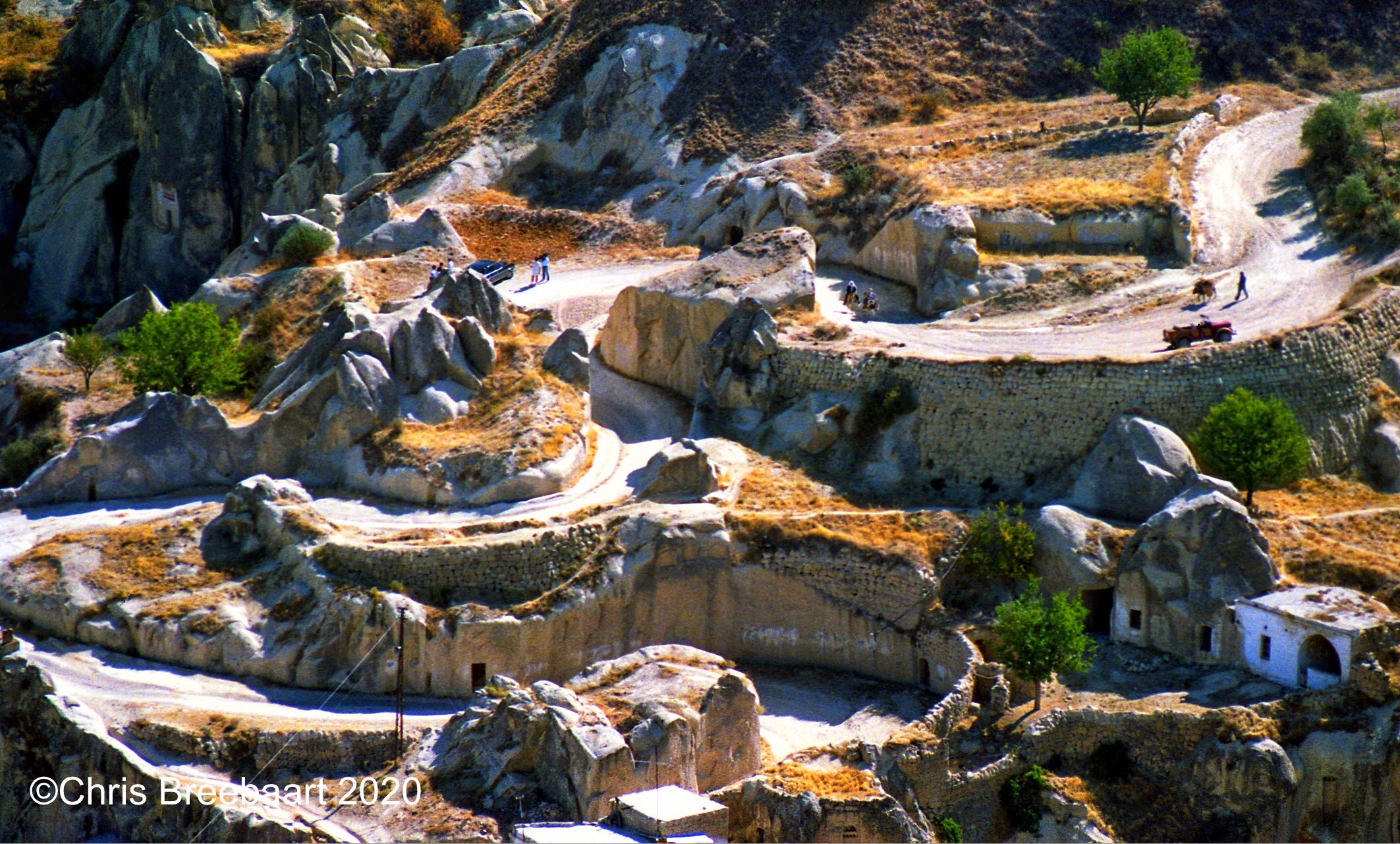
Looking back in the archive for another challenge, I dug up some old images. This is Turkey, 1987. It must be Fuji film, and probably Nikon F301 with a long lens, but I am not sure.
About the B4 retouch series: I browsed my archive for pictures to publish in – an originally – small series. That series caught on a bit more than I thought. All of them are not retouched yet. Scratches, dust and stains are not removed.
In The Netherlands, lock down started in March this year. For me the biggest impact was the obligation to stay in or close around the house. I hate talking about ‘normal’ or the ‘new normal’ but all of a sudden I was not on my bicycle twice a day to the station to take the train to commute to work. And hence my ‘spontaneous inspiration’ diminished for taking photos on my iPhone. Luckily the garden was a real treat in colors, flowers, sun (we just exit the heatwave), and still is. The biggest ‘creativity’ was doing DIY in and around the house. The DIY shops thrived during the lock down, everybody got working on projects.
So, how creative am I during times of Covid? I am still the same person in looking at objects; the world I can physically see however is smaller. Lock down is lifted gradually, so my world is growing again. But this limitation led me to see much more detail and up close, and wonder about the smaller things in life that are important, which I took for granted or did not give attention before. Which helps me to be patient, and support people who keep us going forward (care staff, hospital staff, scientists and even the government and all others who keep the country going). Challenging, but not impossible. Balancing, experiencing the unknown.
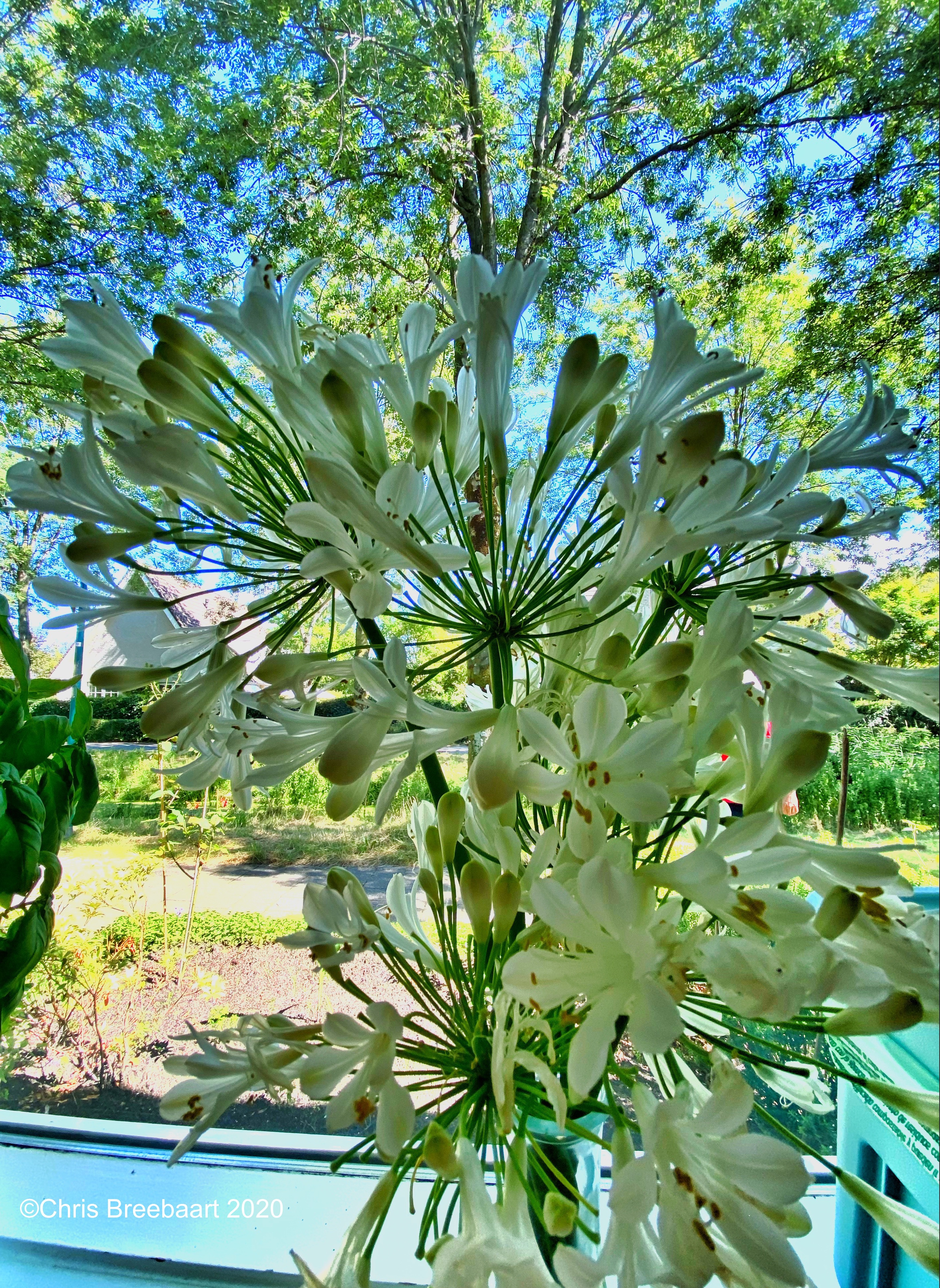
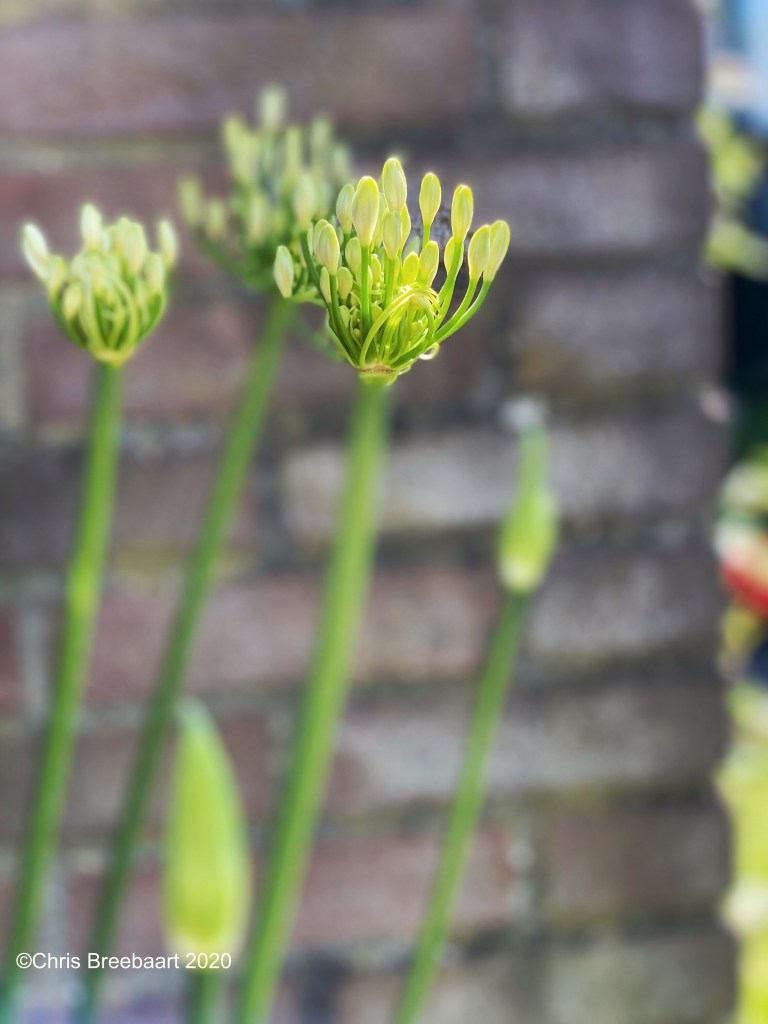
The theme for Lens-artists Weekly Photo Challenge #108 is ‘Sanctuary’. I have not participated in the LAP for a few weeks due to DIY at home. Corona times give another dimension to life, and the need to take regular stay-cations, or do things differently. In this case working with my hand instead of working with my head. The backyard is the sanctuary, being not too big but full with Agapanthus, who particular enjoy this Summer season. The flowers are a sanctuary for bees, buzzing over from the neighbor’s hives.
First congratulations and big thanks to Tina, Ann- Christine, Amy and Patti, for starting this weekly challenge after the WordPress WPC stopped.
The present state of the world and us living on it is far from ideal. By acknowledging this and embrace it, we can start to take steps. Racism, global warming, privilege, hunger, economic greed, poverty all have to do with our behaviour as people. So we can change it. That is a long and winding road. And it will never be perfect or ideal.
When all you can see is dark, the heart sinks. But there is always light, powerful light. One little shimmer can spark change and lighten up our lives. Embrace sparks, encourage them to glow and burn.
This little pond is part of a little park in my village. When I was a toddler I used to feed the ducks and swans here. Sitting there years later I was impressed by the green and shapes of the trees under the Corona blue sky.
A polder is a piece of land below the surrounding water level. It is artificial because it is created by man. Dykes are build to make it dry and keep the water out, and canals are made to pump water out, dumping it in canals that eventually bring it back to sea. In the background you see a dyke: behind the dyke is water of a lake. If the dyke was not there you would look at the lake :-). So this is old and new land.
During the Corona crisis, most air traffic came to a stop. The skies are blue, and occasionally a plan (mostly cargo) comes over.
Normally every minute a plan approaches Schiphol Amsterdam Airport 25 kilometres to the North. The old is no longer, this new is for the time being.
Normally the bulb fields attract tourists in the Spring. The colours are always fantastic to see. Let alone the smell. In The Netherlands we are in an intelligent lockdown since March 12th. To prevent people from flocking into the bulb fields the growers decided to chop the heads sooner than normal. After all the bulbs that are on the field are meant to be sold, you can order them online from August. The flowers are taking too much strength out of the bulbs, that is why they are chopped off after flowering. Last weekend we spotted two fields still in bloom, and decided to have a closer look on a bicycle ride. This is what we found.
If you want to see flowers in bloom just check out the archives of flowers and Voorhout.