Oegstgeest in Autumn
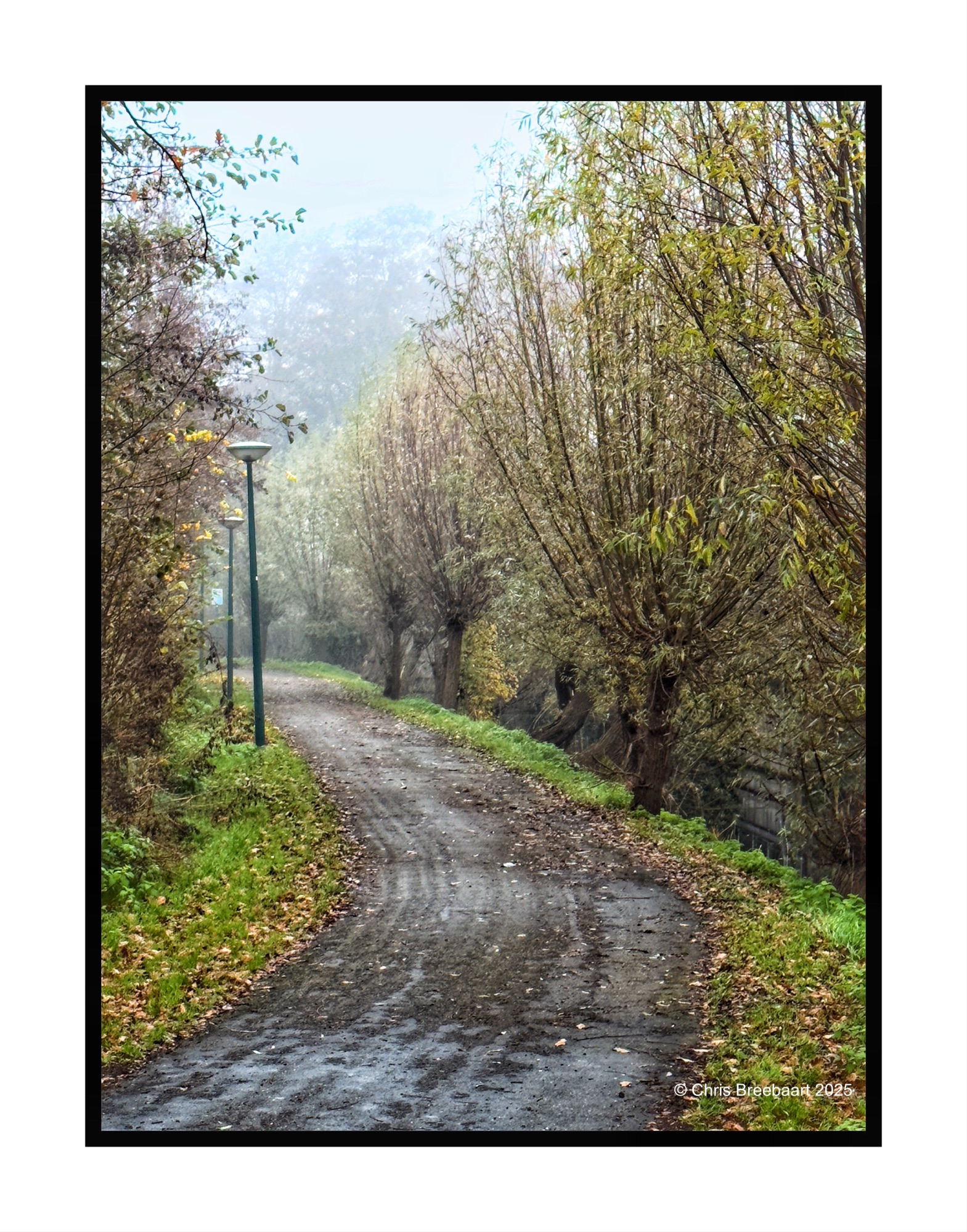
Autumn colors color the village.
Shot with iPhone 15 Pro Max edited using Snapseed and Marksta Click the picture for a larger version.
Autumn colors color the village.
Shot with iPhone 15 Pro Max edited using Snapseed and Marksta Click the picture for a larger version.
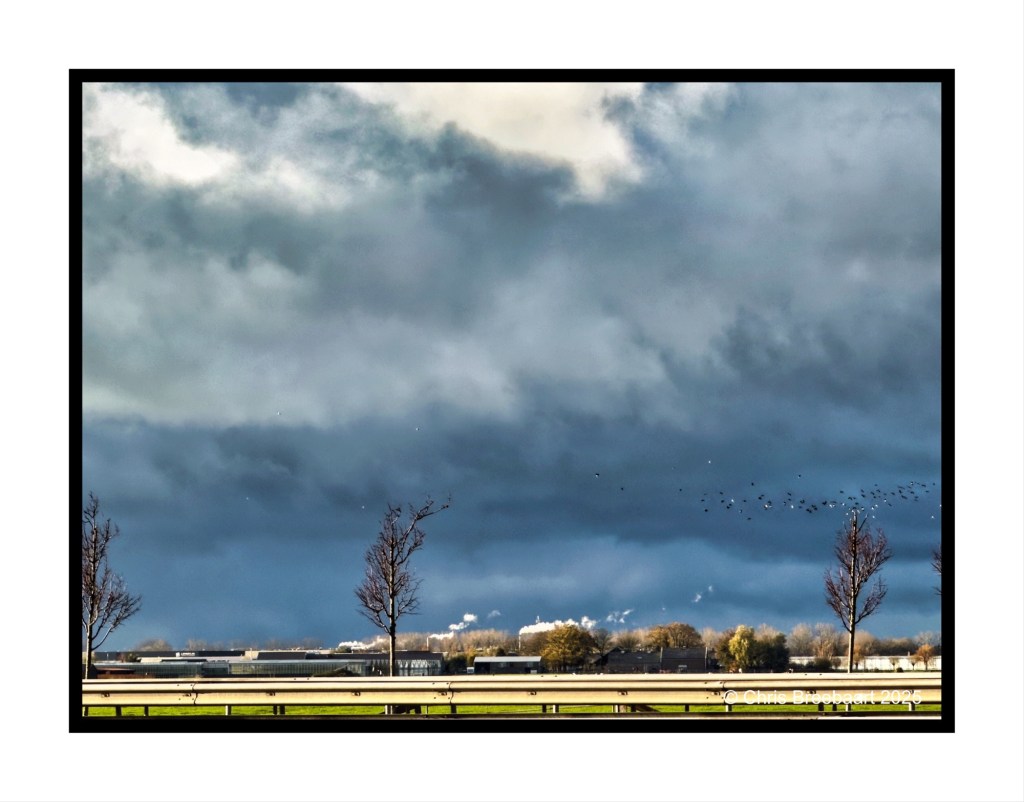
An iPhone long lens shot of a heavy rain sky. This was the first of the three photos I published the last three days.
Shot with iPhone 15 Pro Max edited using Snapseed and Marksta Click the picture for a larger version.
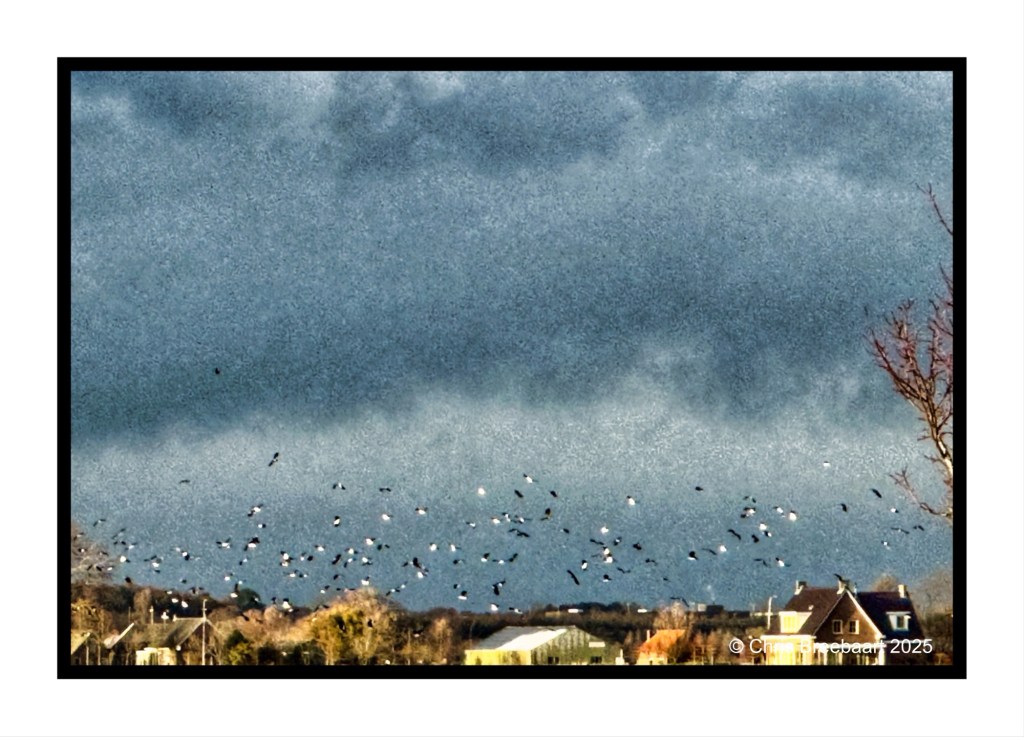
An iPhone long lens shot of the horizon, catching geese by accident, against a heavy rain sky. I cropped the motorway A44 out on this one.
Shot with iPhone 15 Pro Max edited using Snapseed and Marksta Click the picture for a larger version.
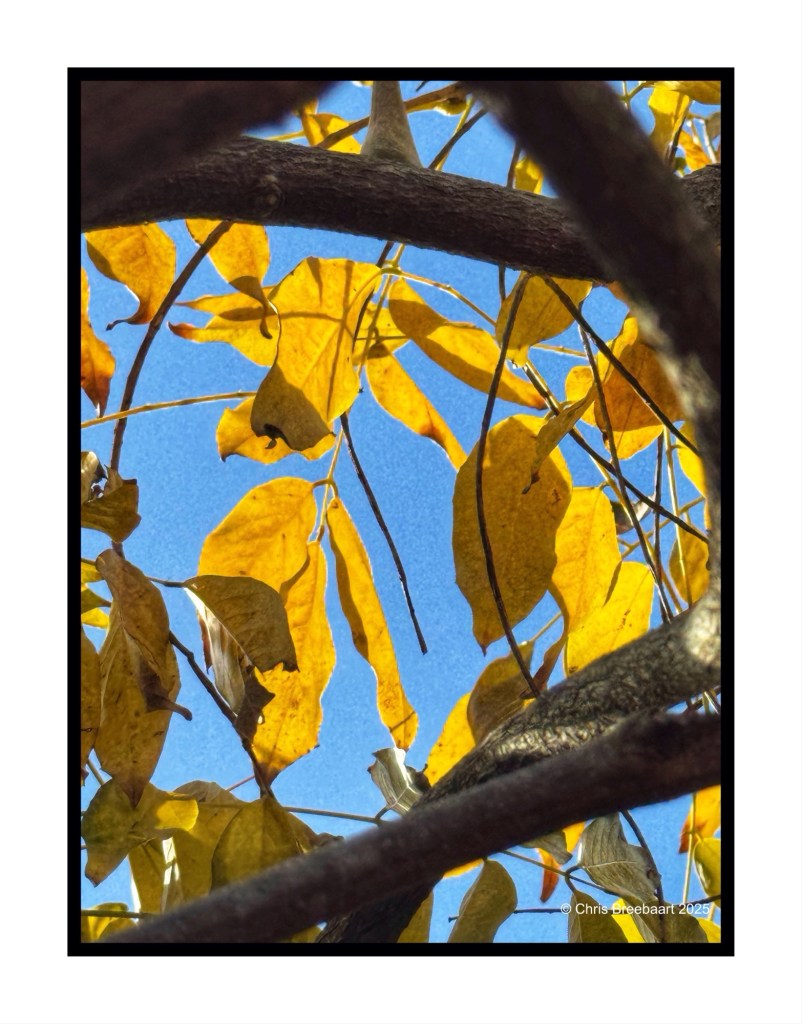
Shot with iPhone 15 Pro Max edited using Snapseed and Marksta Click the picture for a larger version.

Shot with iPhone 15 Pro Max edited using Snapseed and Marksta Click the picture for a larger version.
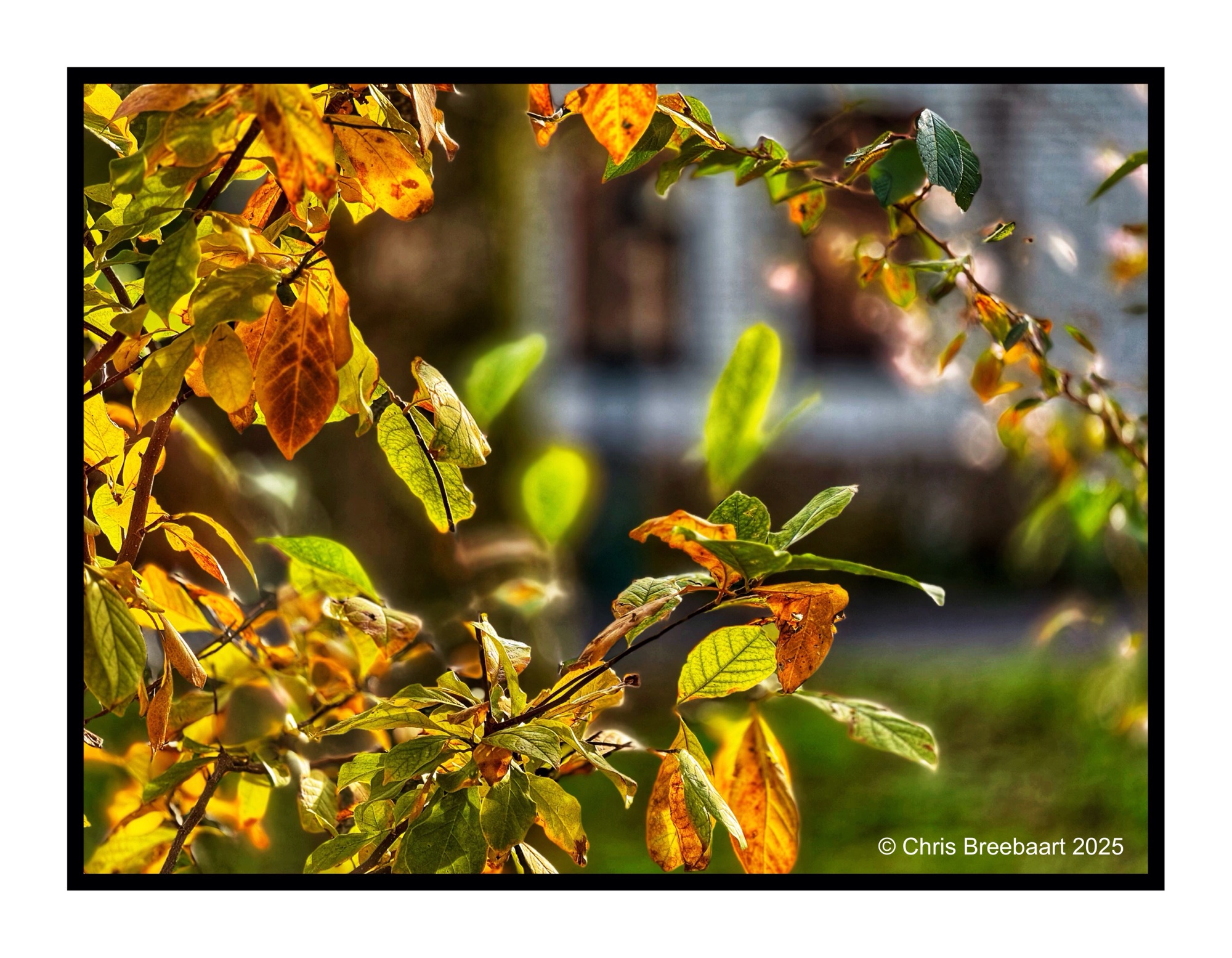
Shot with iPhone 15 Pro Max edited using Snapseed and Marksta Click the picture for a larger version.
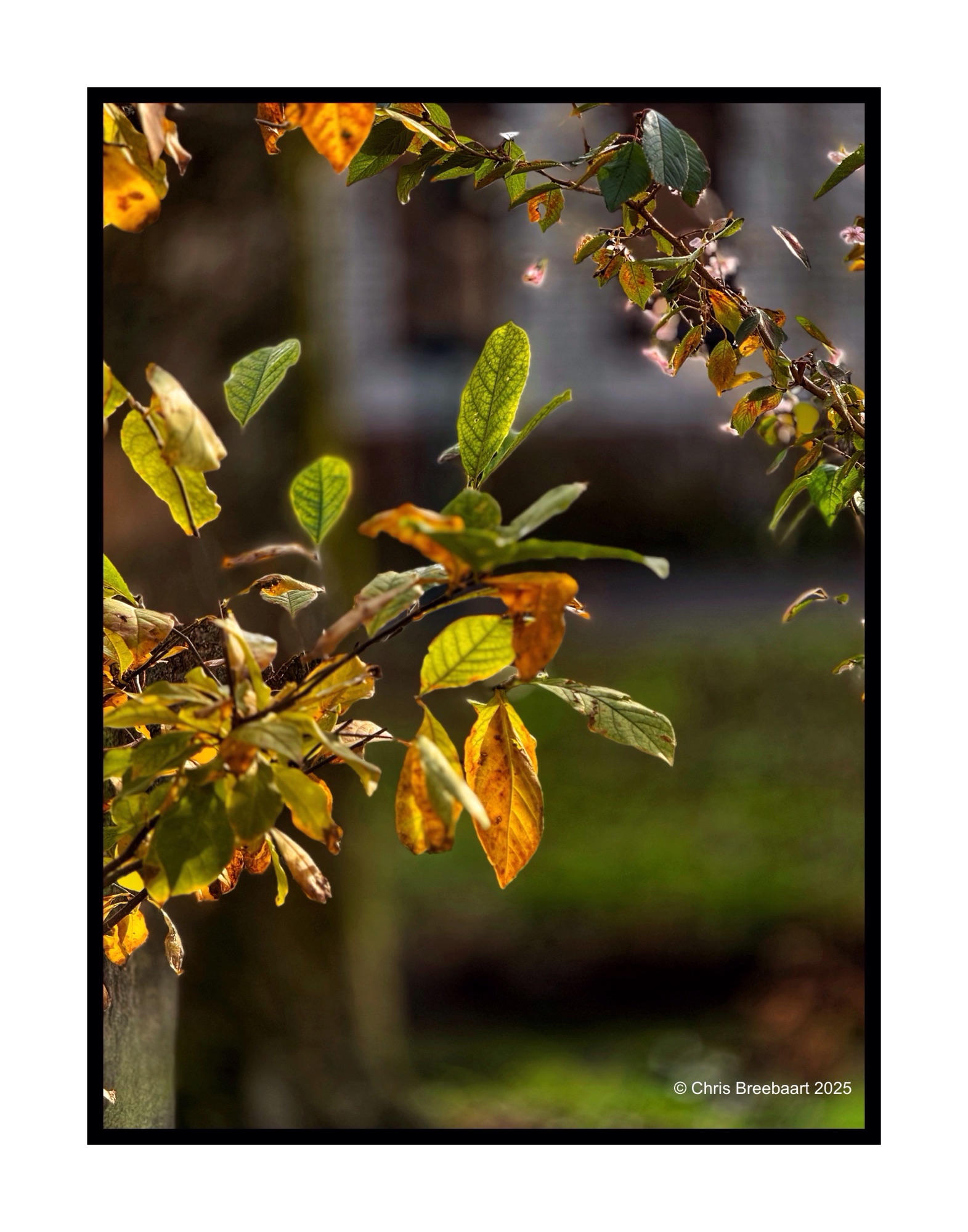
Shot with iPhone 15 Pro Max edited using Snapseed and Marksta Click the picture for a larger version.
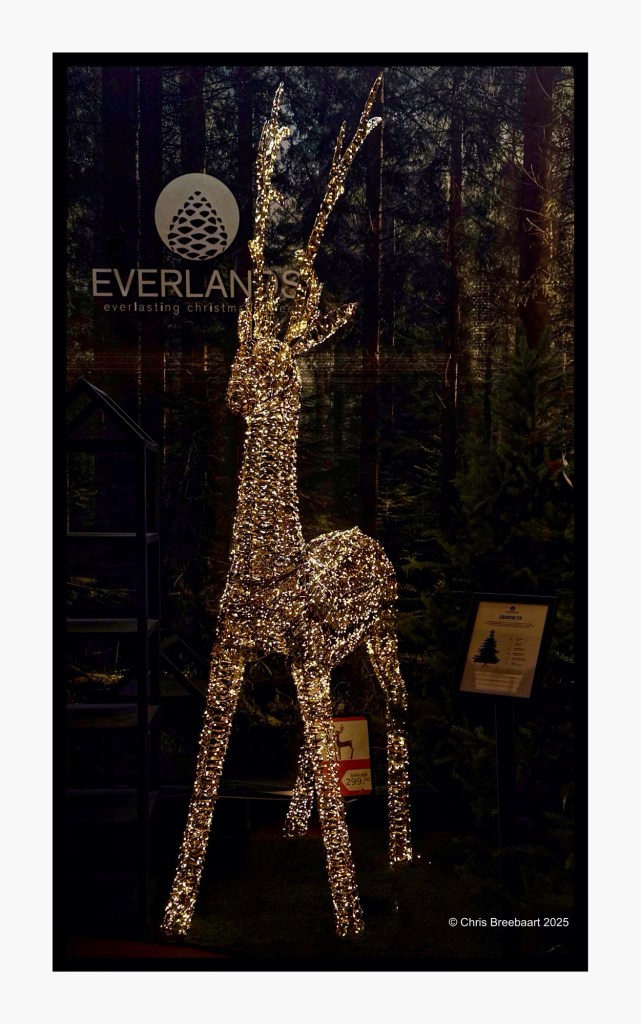
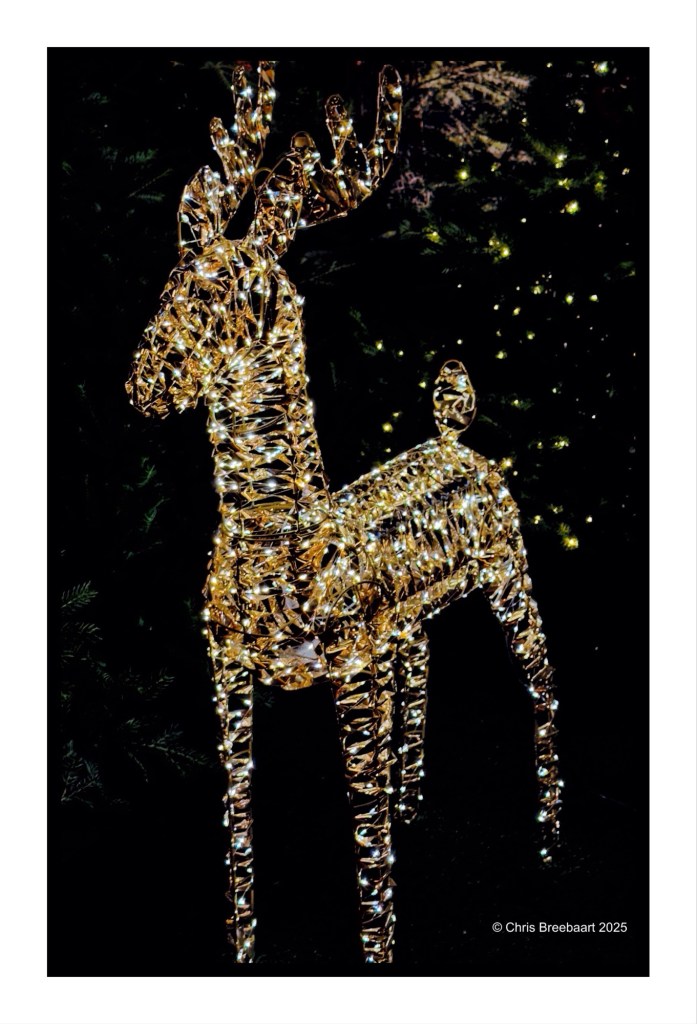
Shot with iPhone 15 Pro Max edited using Snapseed and Marksta. Click the picture for a larger version.
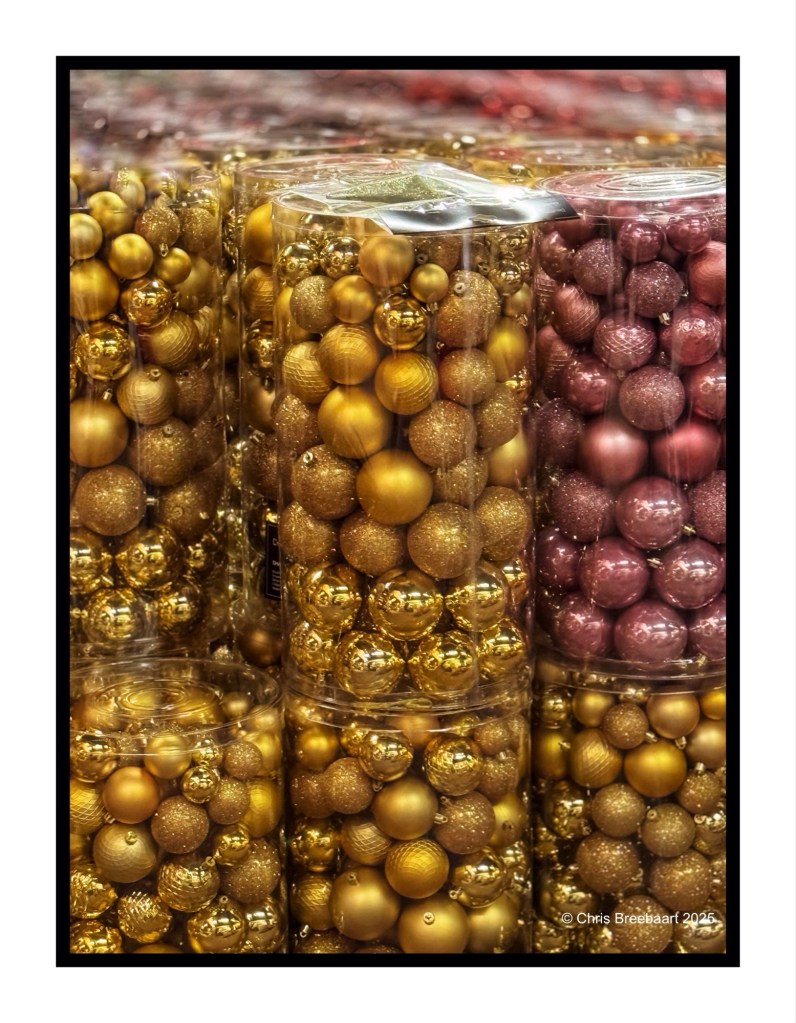
Shot with iPhone 15 Pro Max edited using Snapseed and Marksta. Click the picture for a larger version.
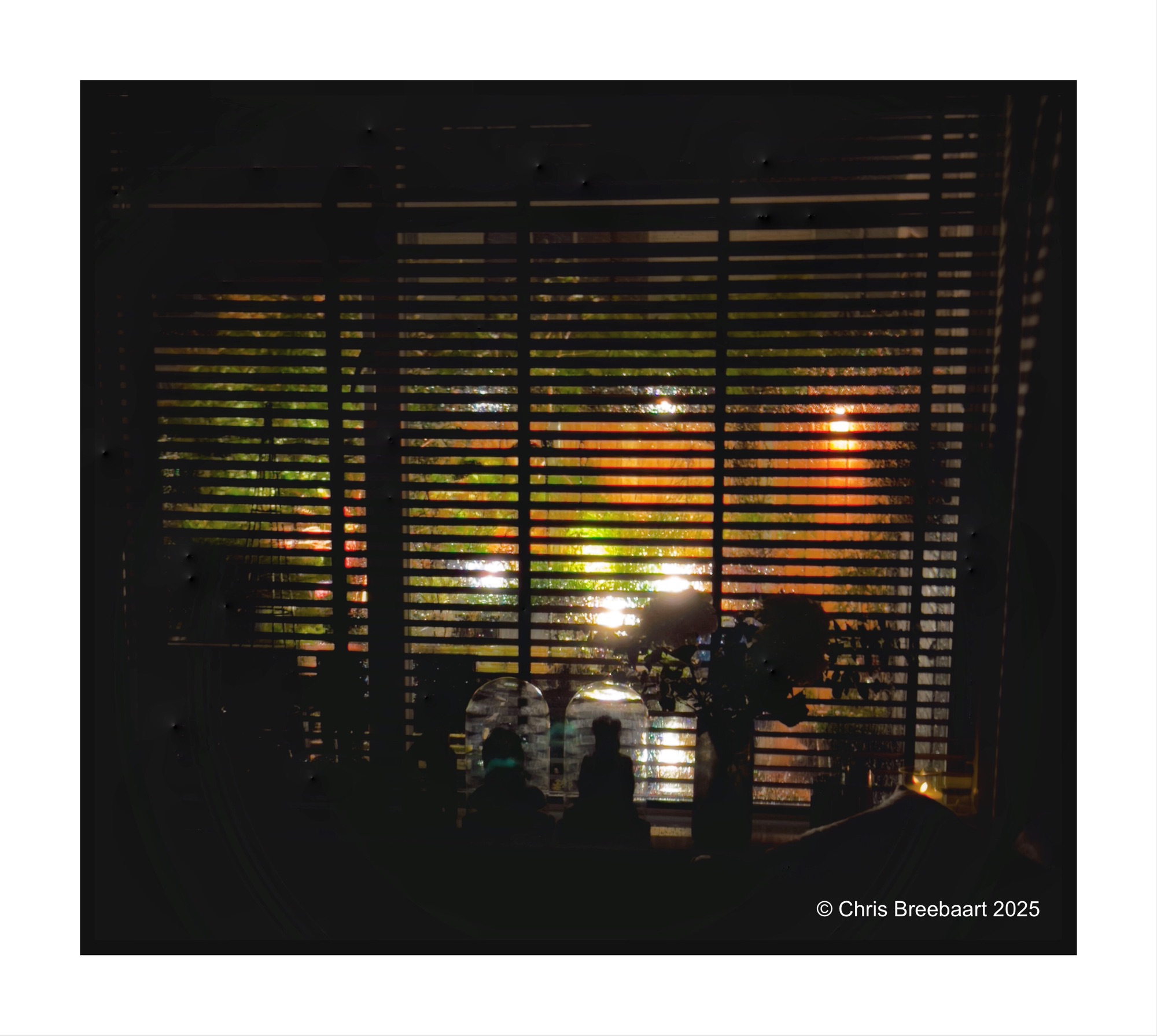
The garden at night. The Lens-Artists Photo Challenge #375 is ‘where to find the mysterious’.
Shot with iPhone 15 Pro Max edited using Snapseed and Marksta Click the picture for a larger version.
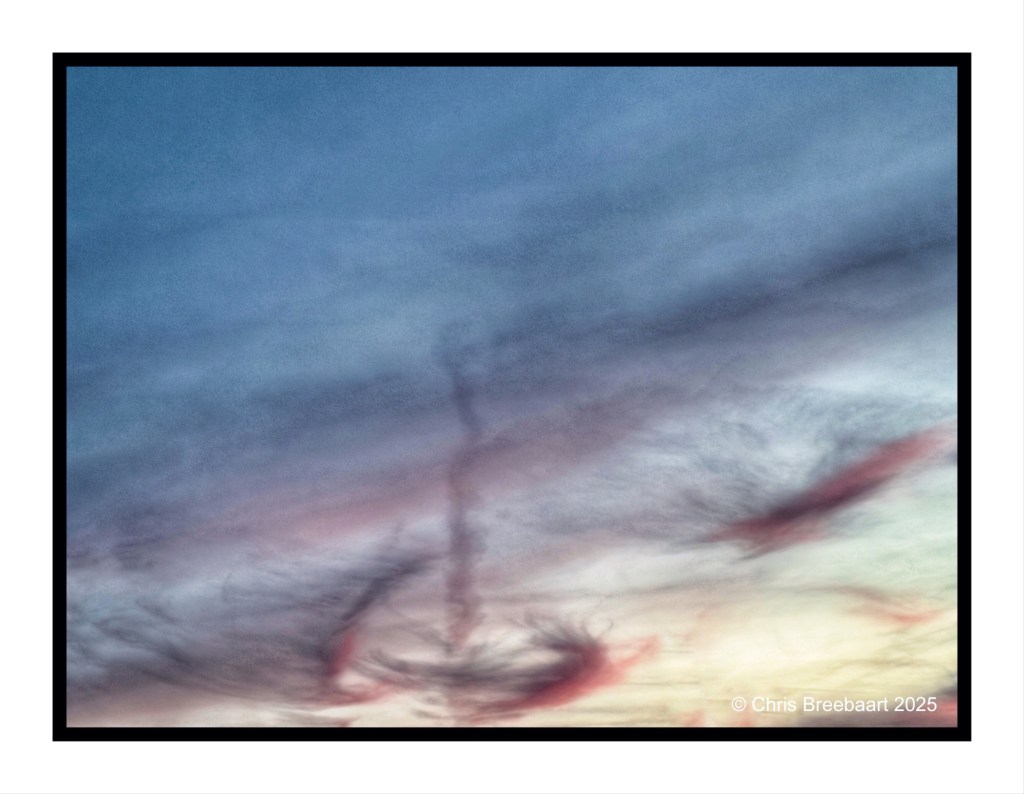
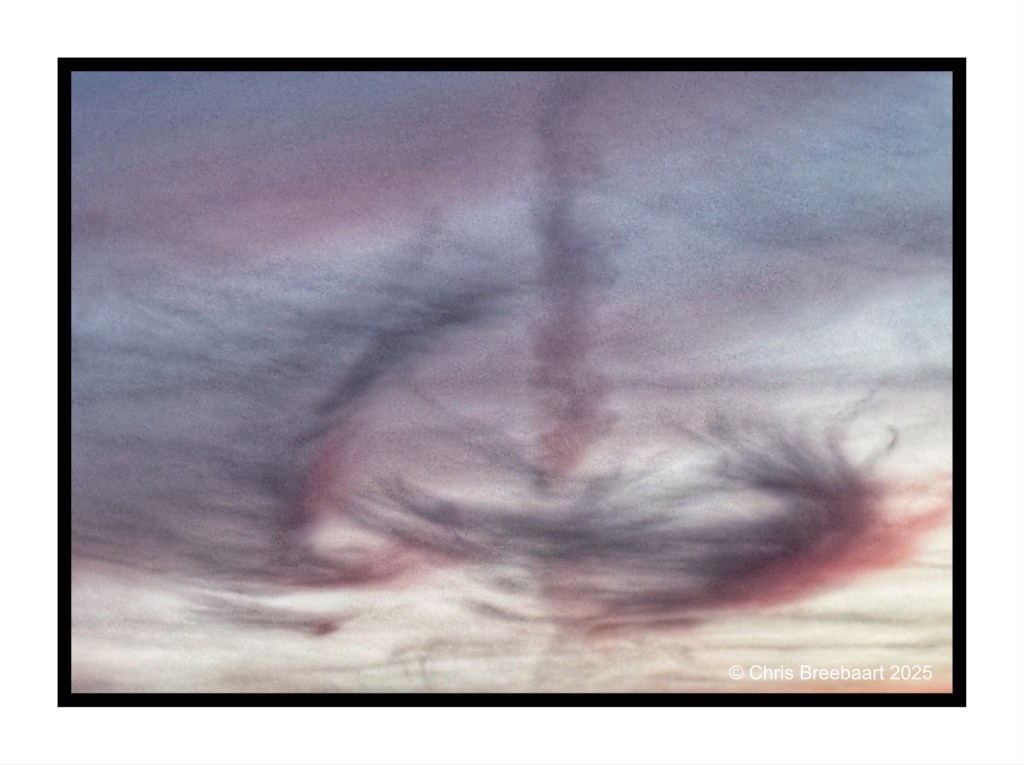
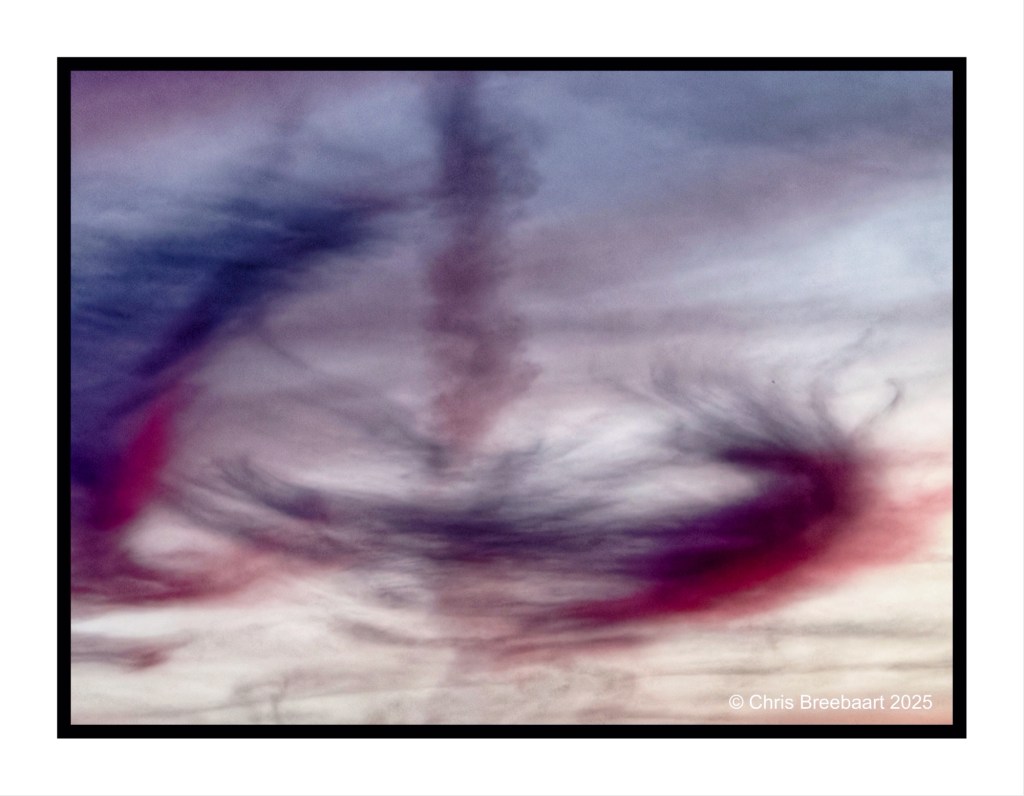
Autumn skies at sunset.
Shot with iPhone 15 Pro Max edited using Snapseed and Marksta. Click the picture for a larger version.
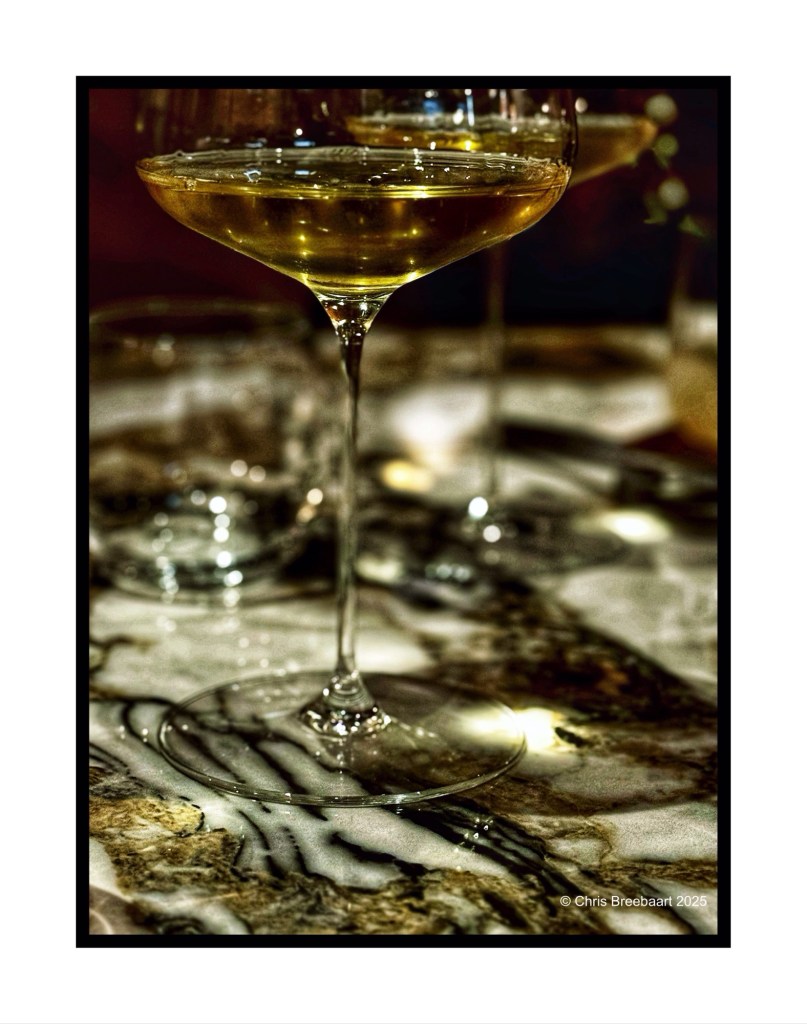
A dinner in our favorite restaurant, exquisite food with an excellent wine arrangement.
Shot with iPhone 15 Pro Max edited using Snapseed and Marksta. Click the picture for a larger version.
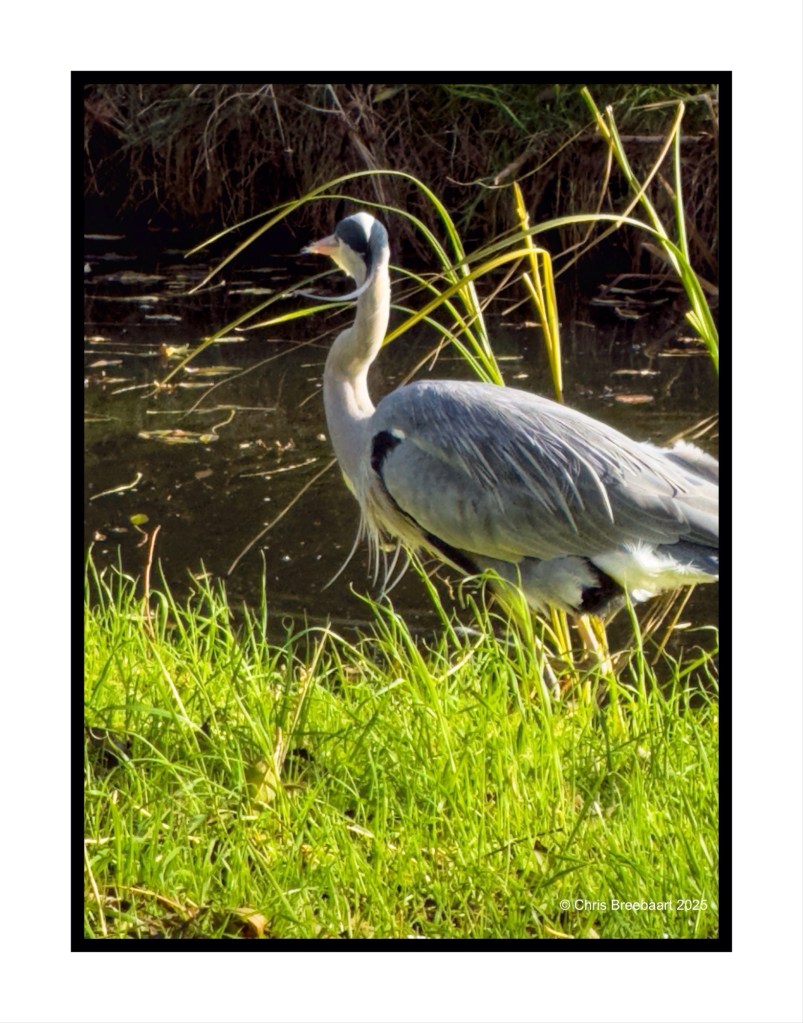
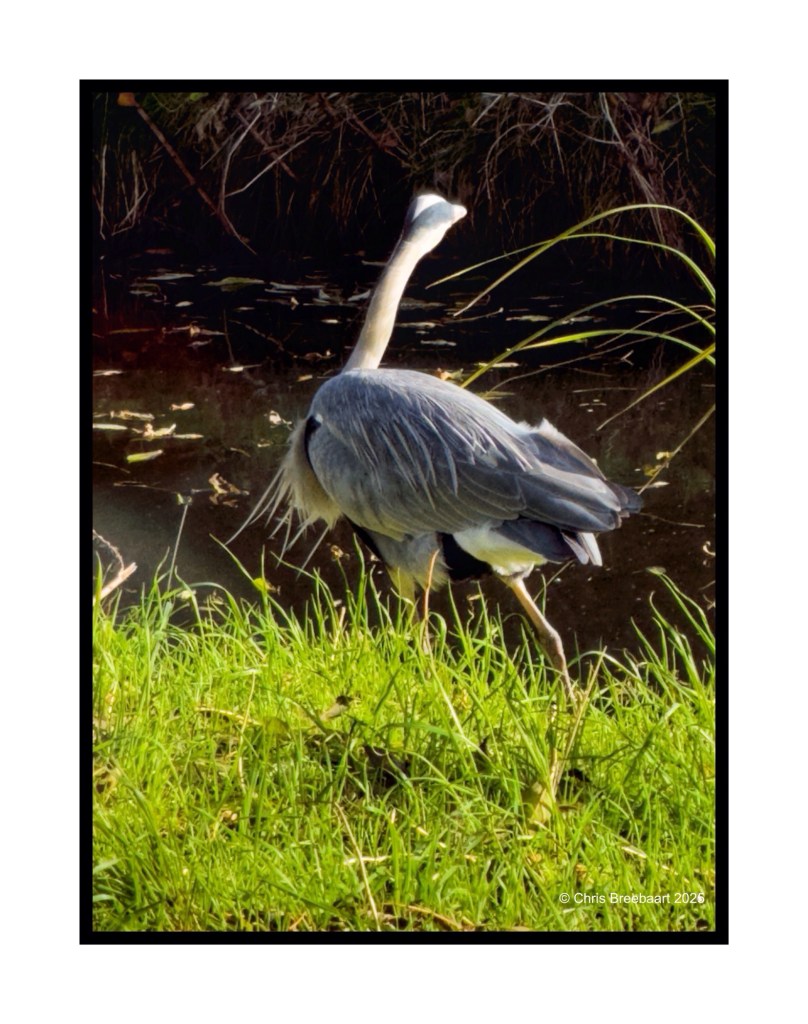
This Heron is a frequent visitor along the little canal in front of the house.
Shot with iPhone 15 Pro Max edited using Snapseed and Marksta. Click the picture for a larger version.
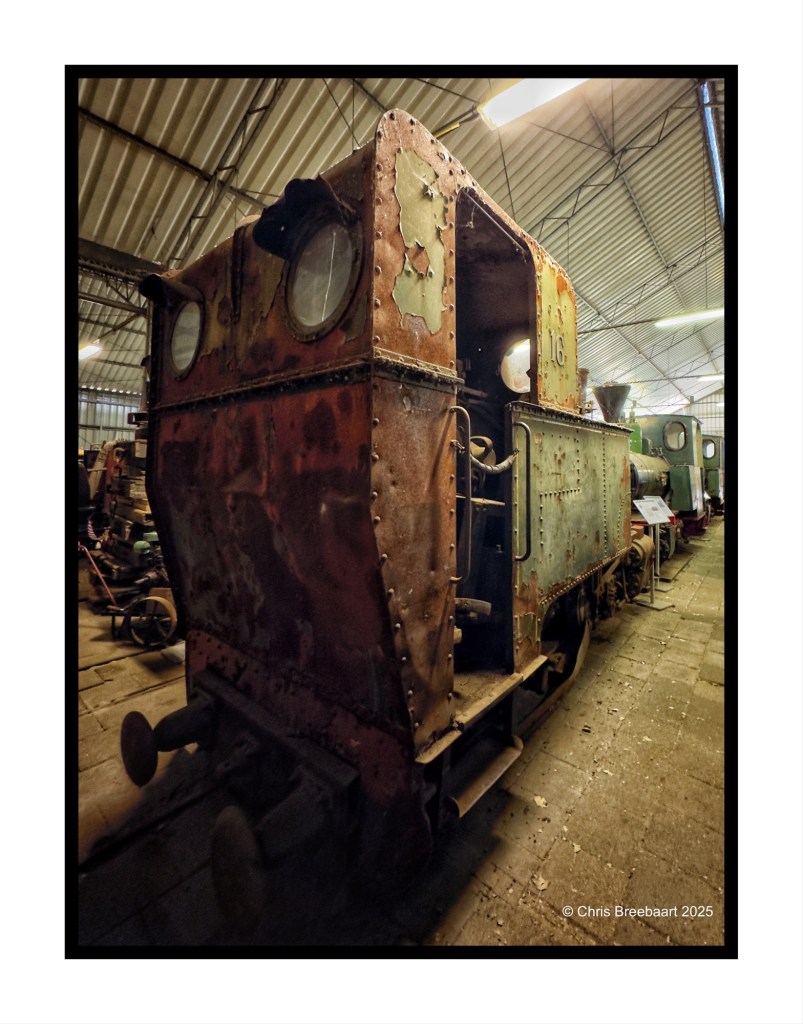
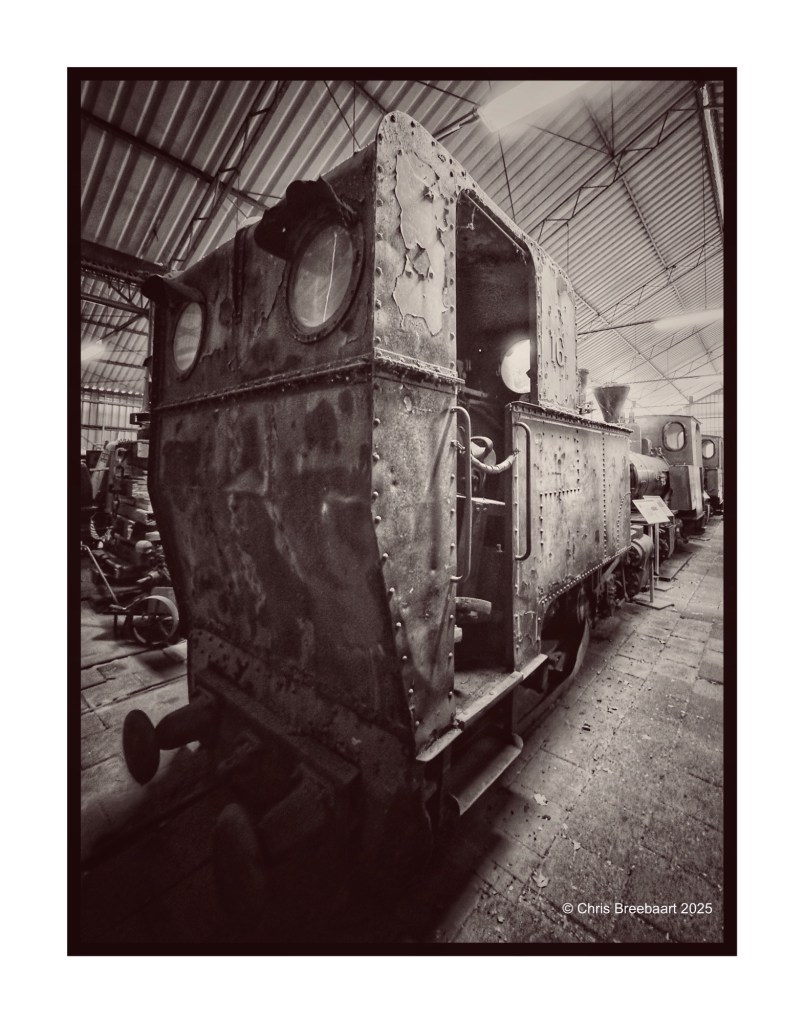
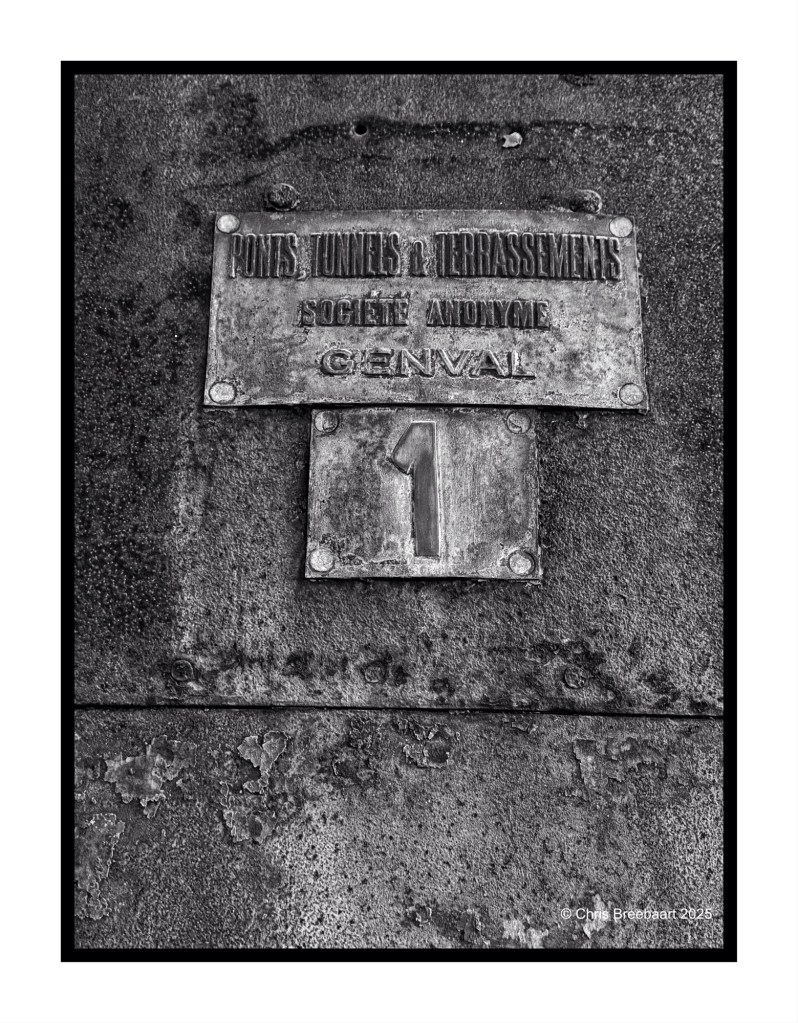

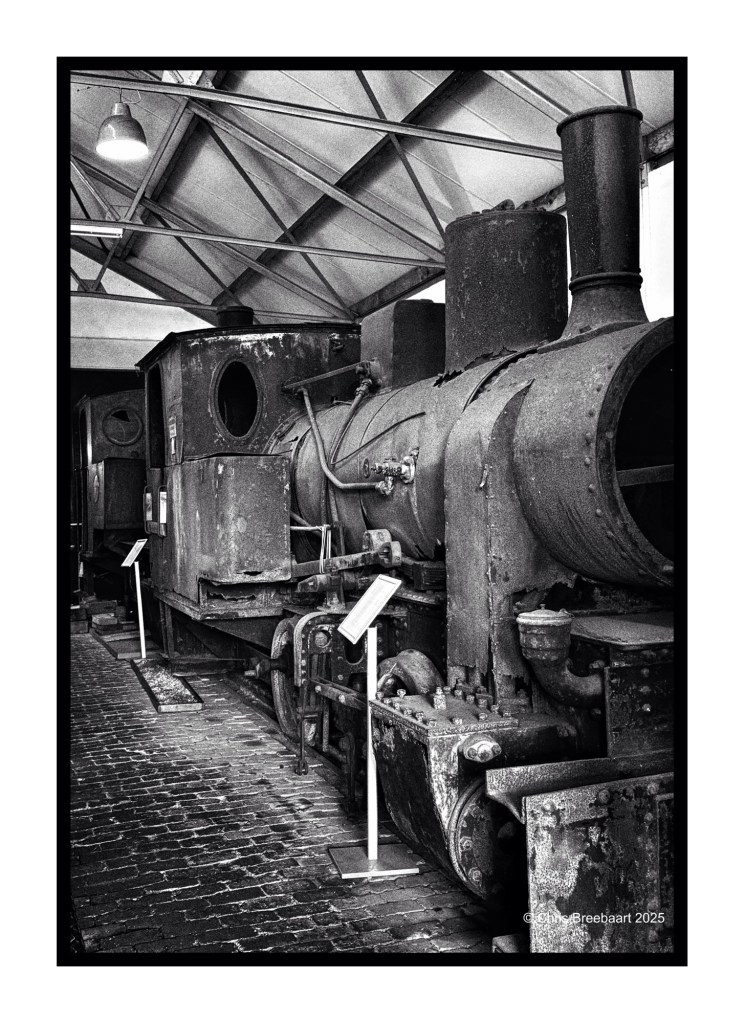
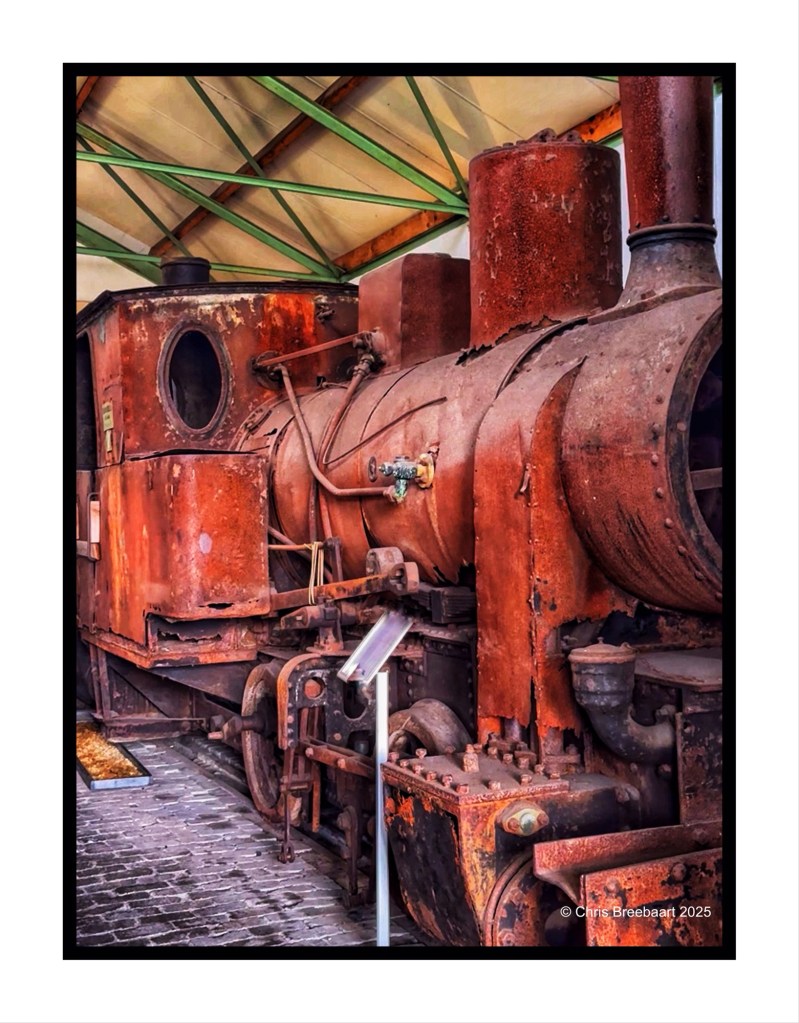
The Lens-Artists Photo Challenge #374 is ‘on the move’. Most of what is on these photos has not moved in a long time. However, the machines they got moving again are brilliant. It is a place where they try to keep history alive and accessible, touchable and usable.
The Steamtrain Museum Katwijk Leiden is run by volunteers. It offers the history of steam trains and their use on narrow gauge tracks. And the volunteers fix up and restore old locomotives, carriages and other cars. They have a big storage full of old parts and rusty machines.
Shot with iPhone 15 Pro Max edited using Snapseed and Marksta. Click the picture for a larger version.
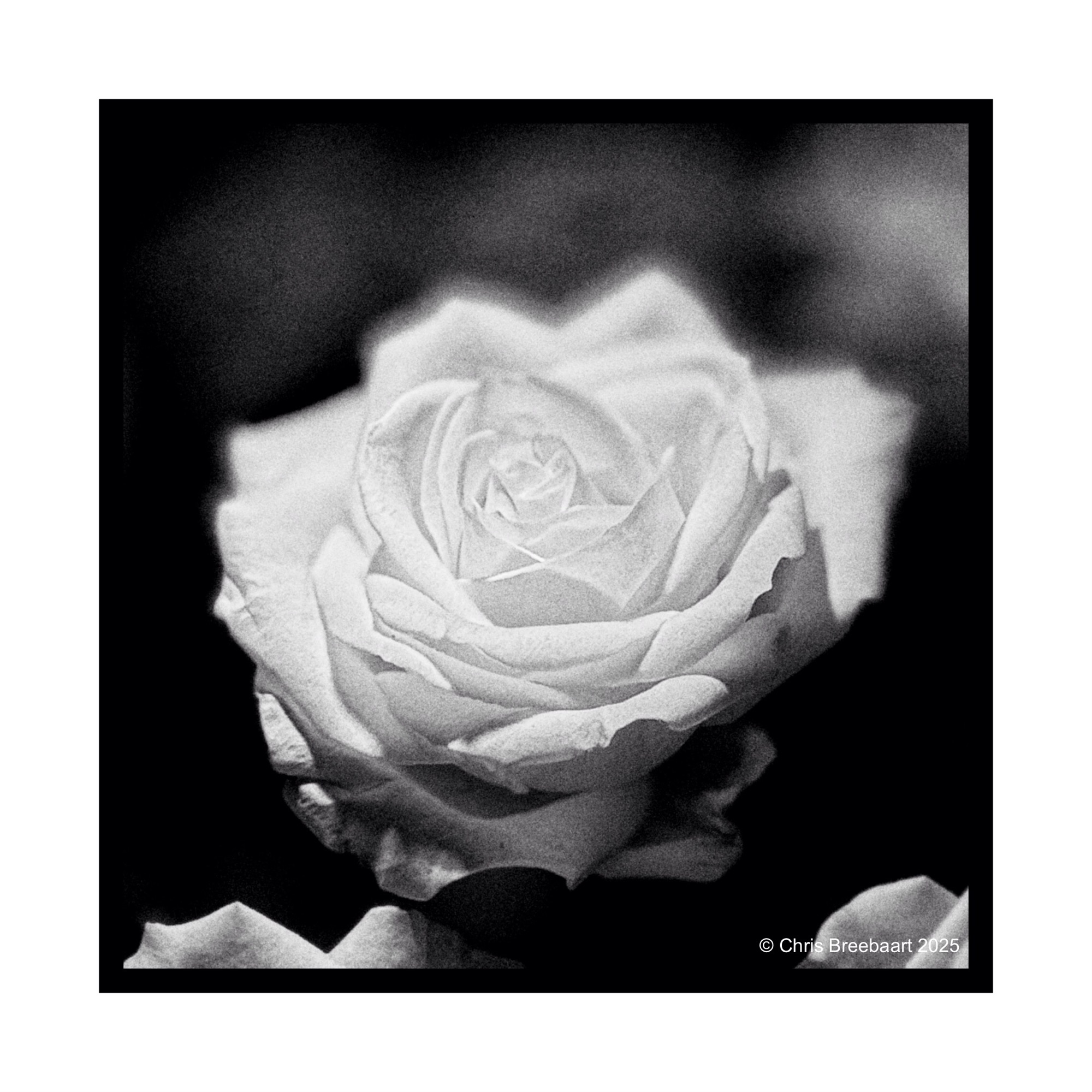
Having fresh flowers in the house is a blessing.
Shot with iPhone 15 Pro Max edited using Snapseed and Marksta. Click the picture for a larger version.
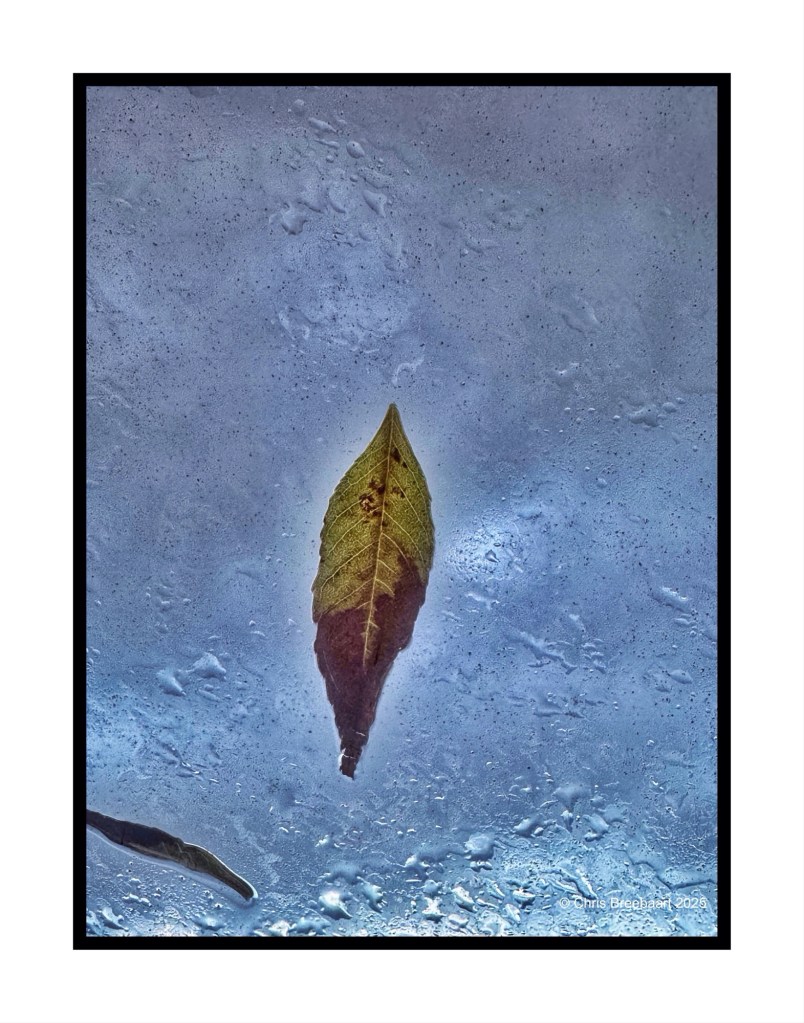
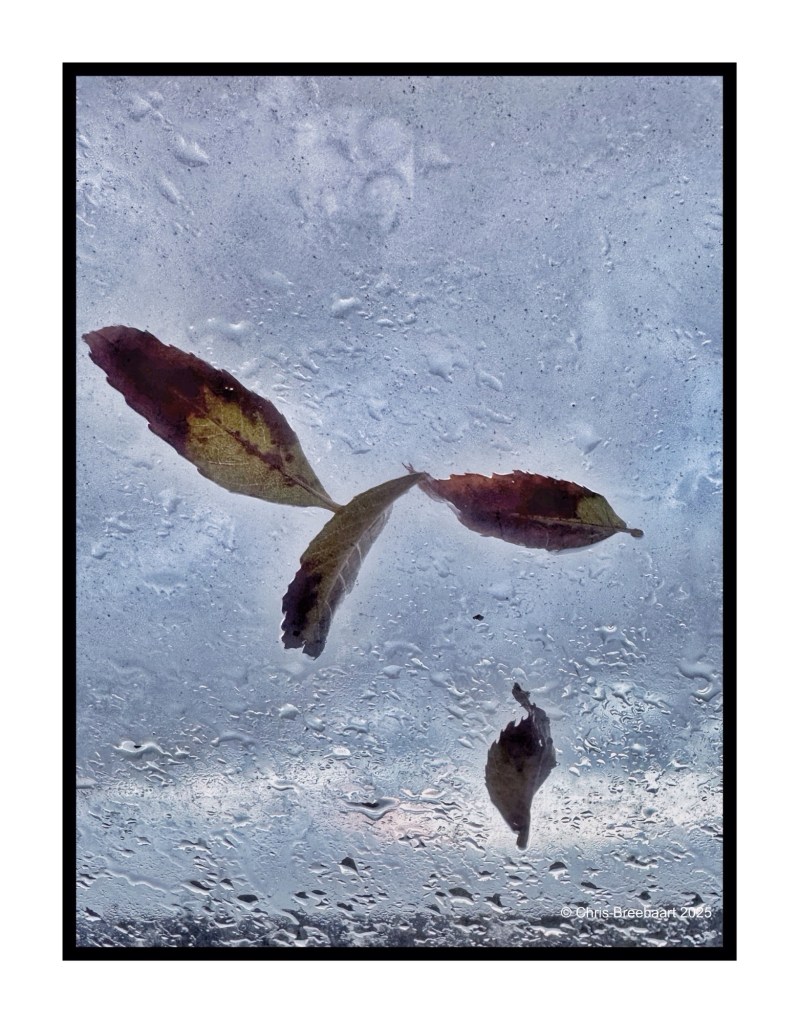
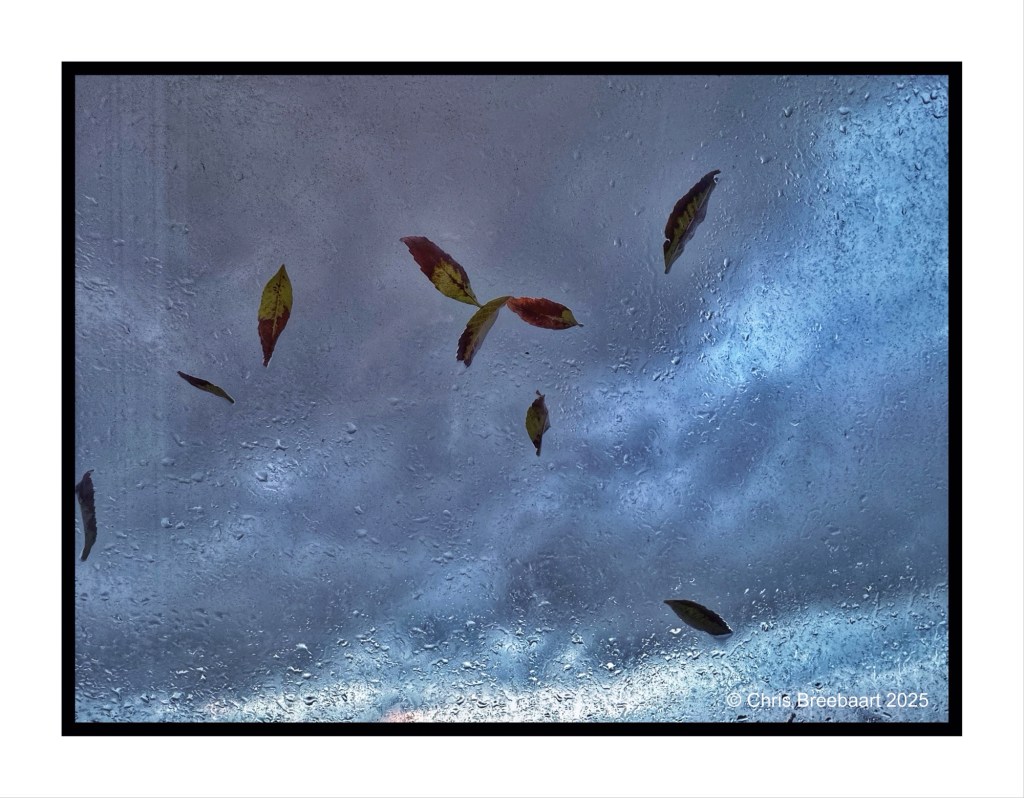

The sky and fallen leaves on windows.
Shot with iPhone 15 Pro Max edited using Snapseed and Marksta. Click the picture for a larger version
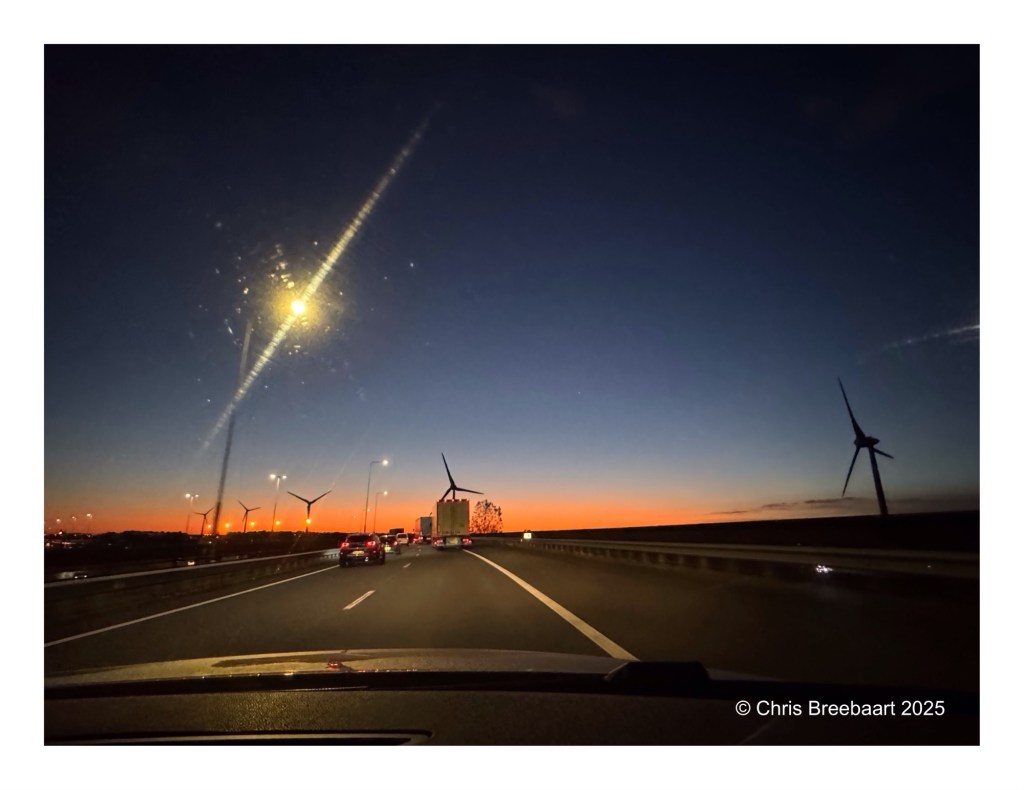
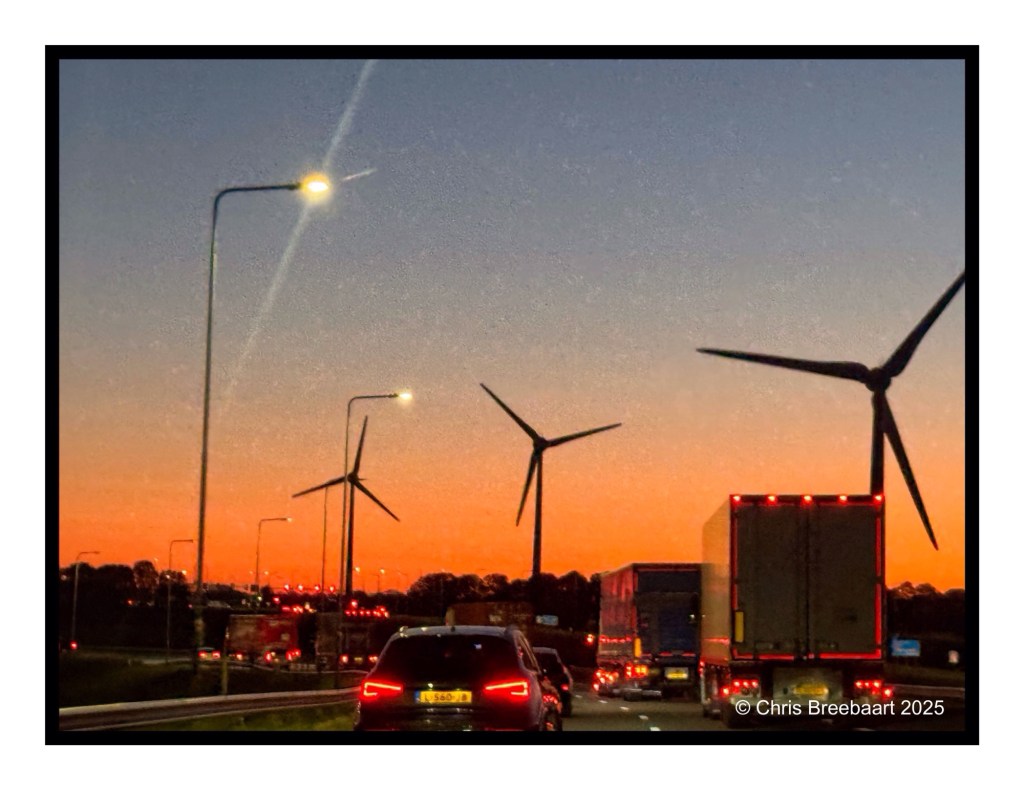
On the road at sunrise, the A44 and A4 to Schiphol Amsterdam.
I am not sure this is filling the brief of LAPC #373 ‘looking back at landscapes’. It’s more looking forward on the road.
Shot with iPhone 15 Pro Max edited using Snapseed and Marksta. Click the picture for a larger version.
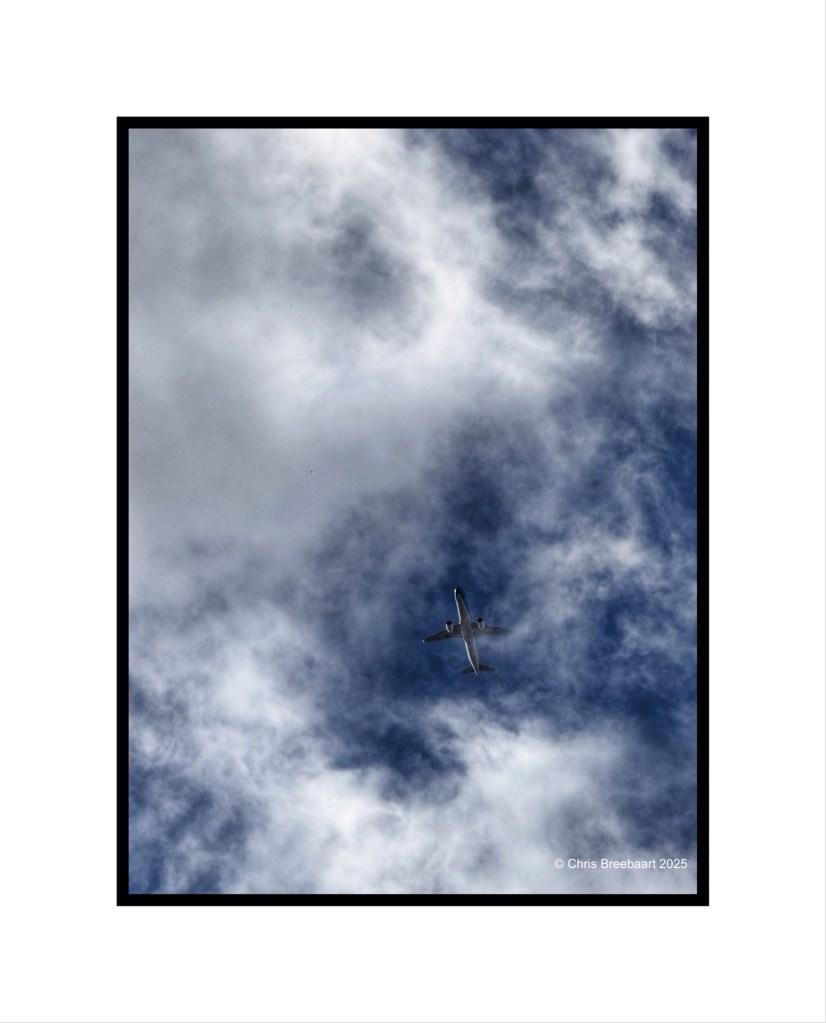
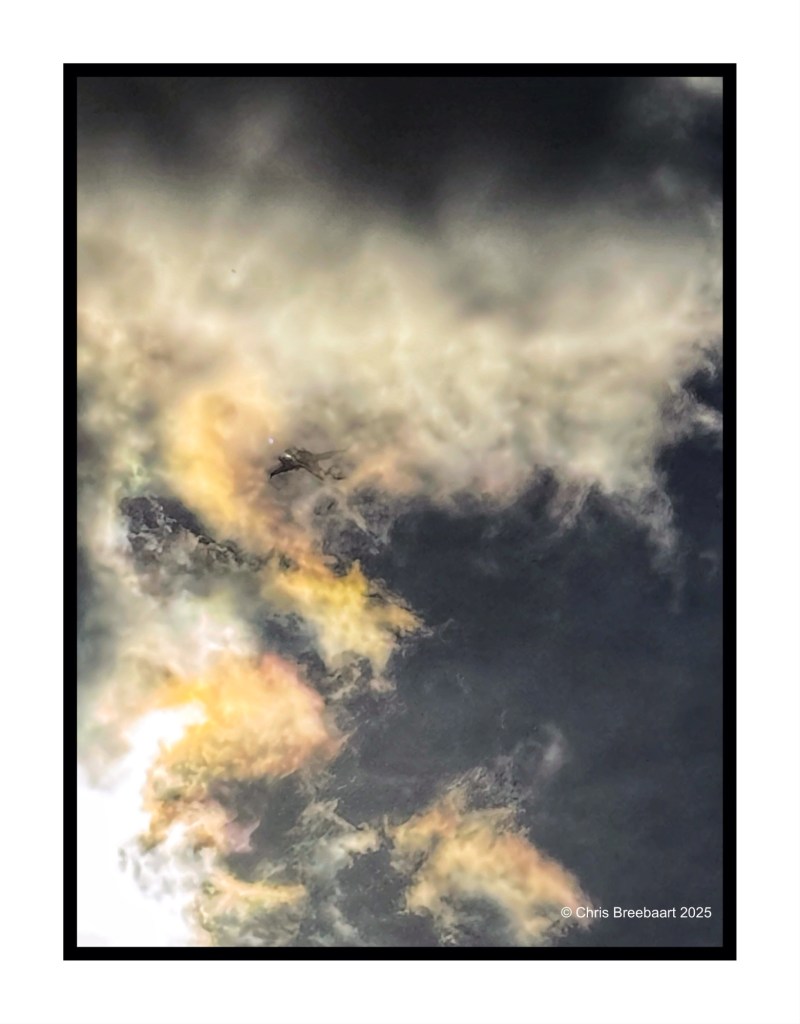
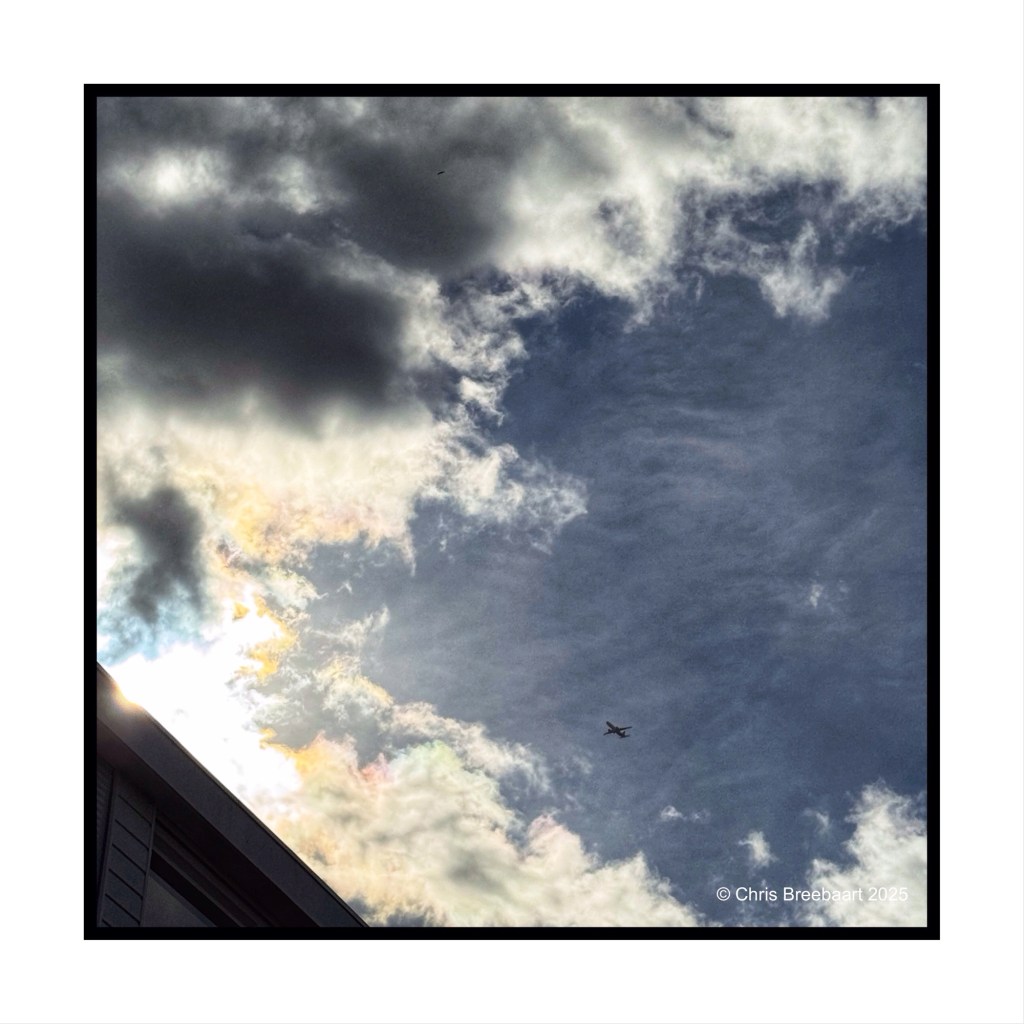
The sky and clouds are a dynamic big display of forms, colors and light. Looking up at times can take your mind off the daily life at moments.
Shot with iPhone 15 Pro Max edited using Snapseed and Marksta. Click the picture for a larger version.
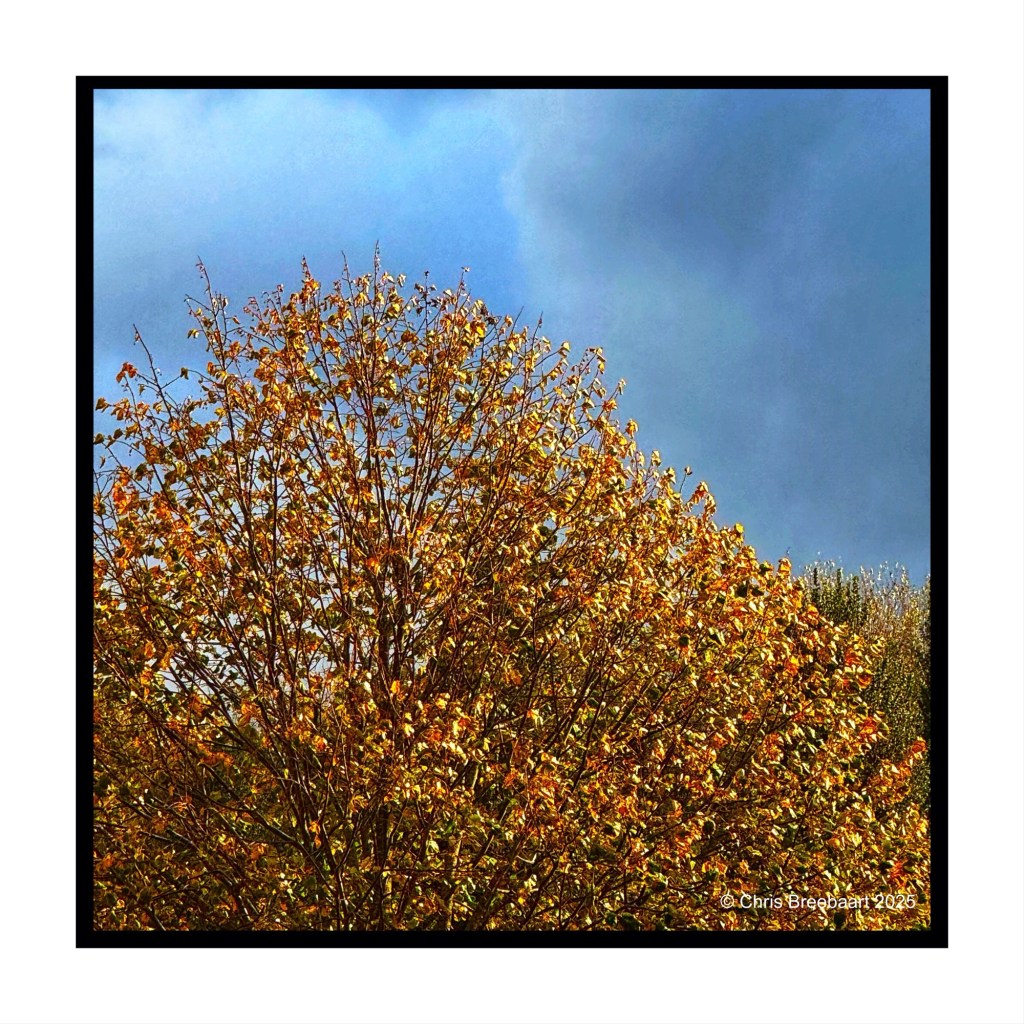
Shot with iPhone 15 Pro Max edited using Snapseed and Marksta. Click the picture for a larger version.
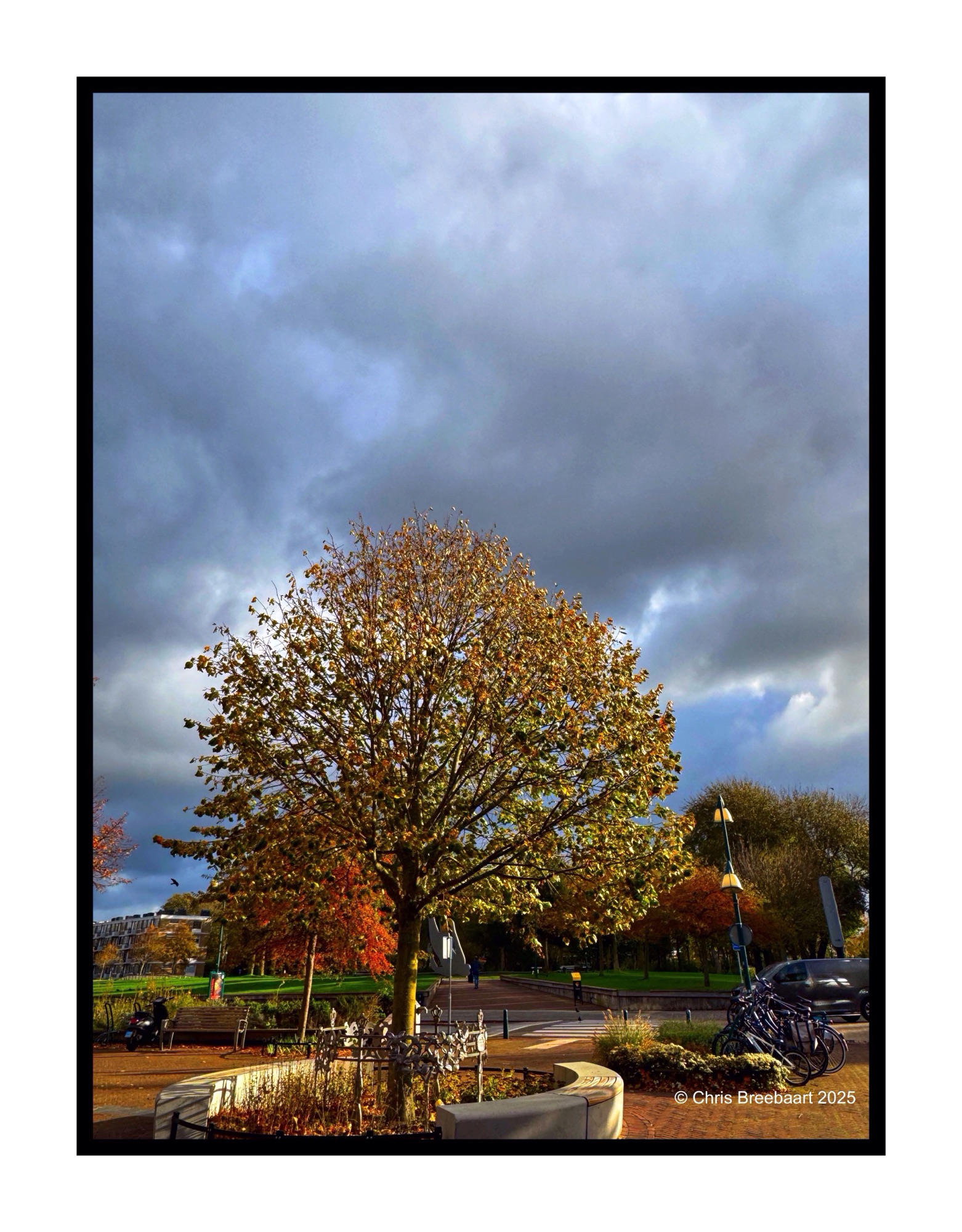
Shot with iPhone 15 Pro Max edited using Snapseed and Marksta. Click the picture for a larger version.

Autumn is the time of year were beauty is short and temporarily. Glimpses of moments that pass quickly and are gone fast. The end is the start of the new cycle of growth for the next year.
Shot with iPhone 15 Pro Max edited using Snapseed and Marksta. Click the picture for a larger version.
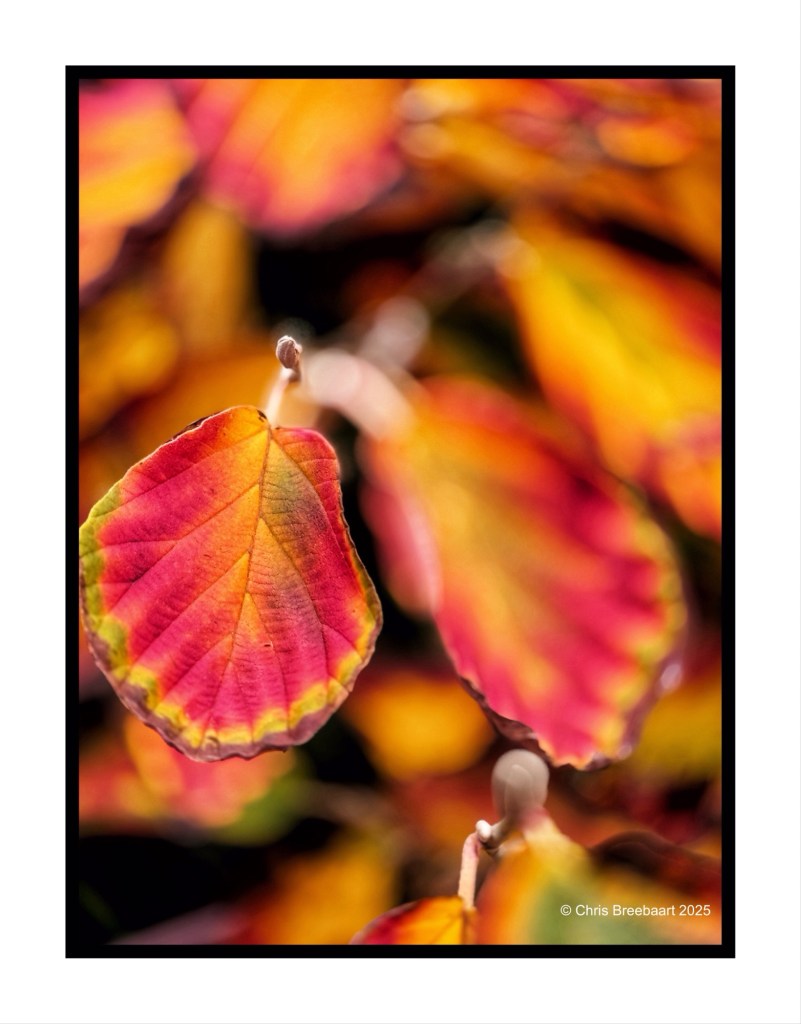
Autumn is there, colors of leaves are beautiful.
Shot with iPhone 15 Pro Max edited using Snapseed and Marksta. Click the picture for a larger version.
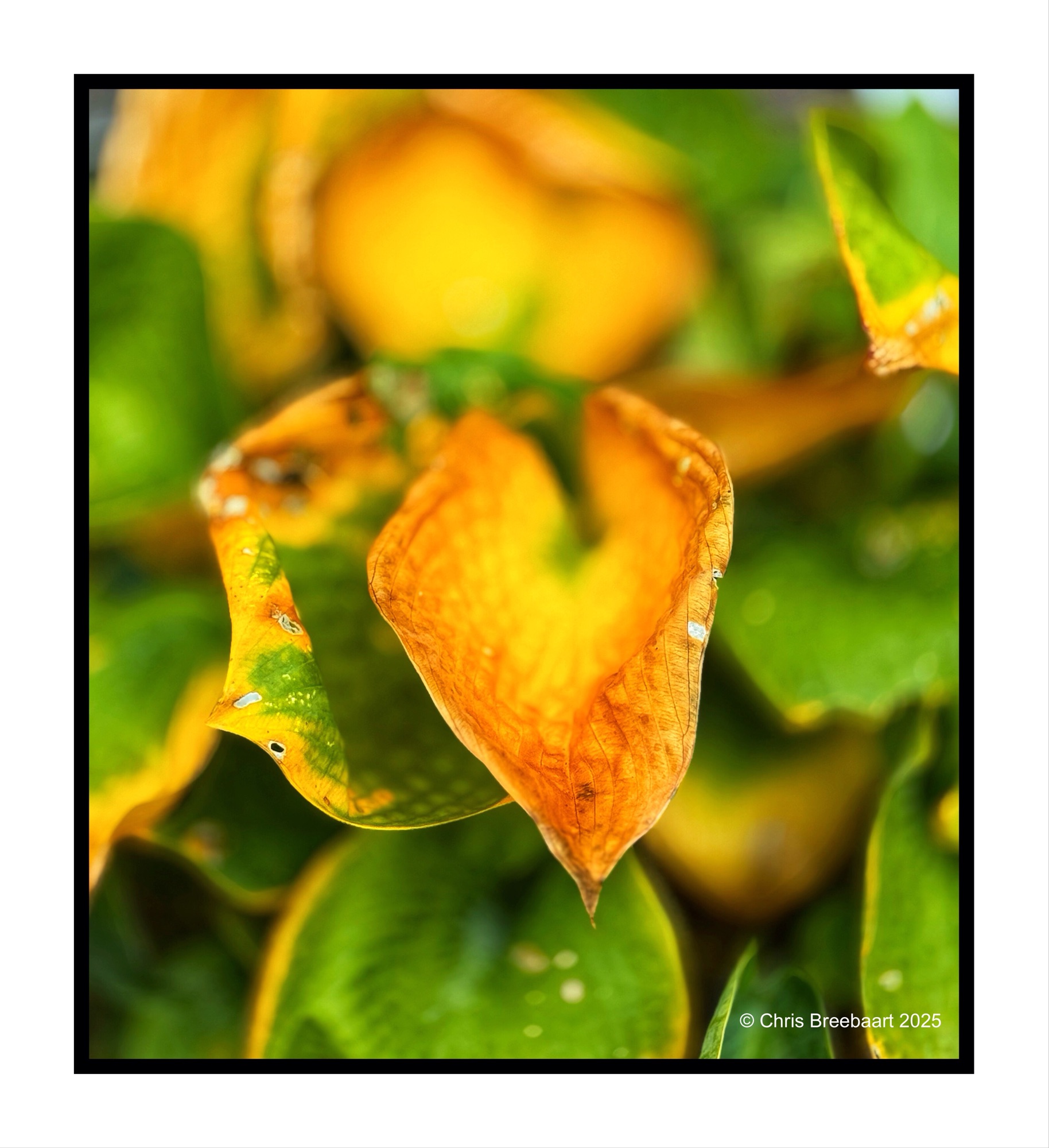
Autumn is approaching, the rain and gray skies are more and more the new normal. Luckily there is the occasional sun to enjoy, and the beautiful coloring of plants and trees.
Shot with iPhone 15 Pro Max edited using Snapseed and Marksta. Click the picture for a larger version.
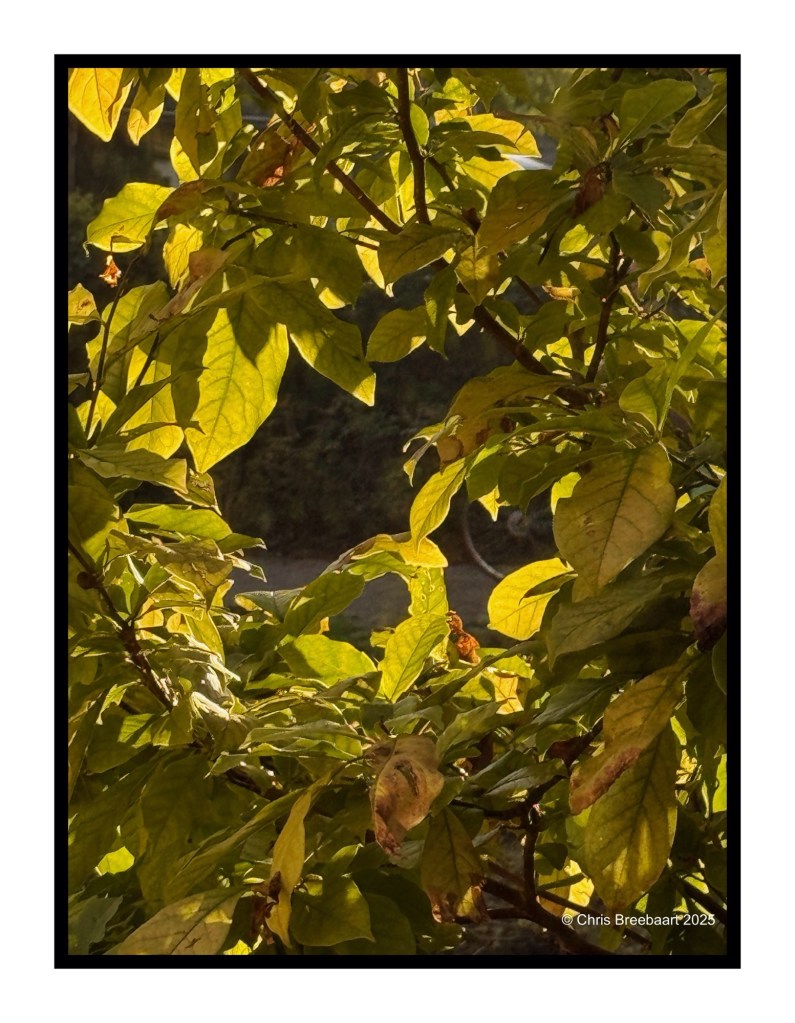
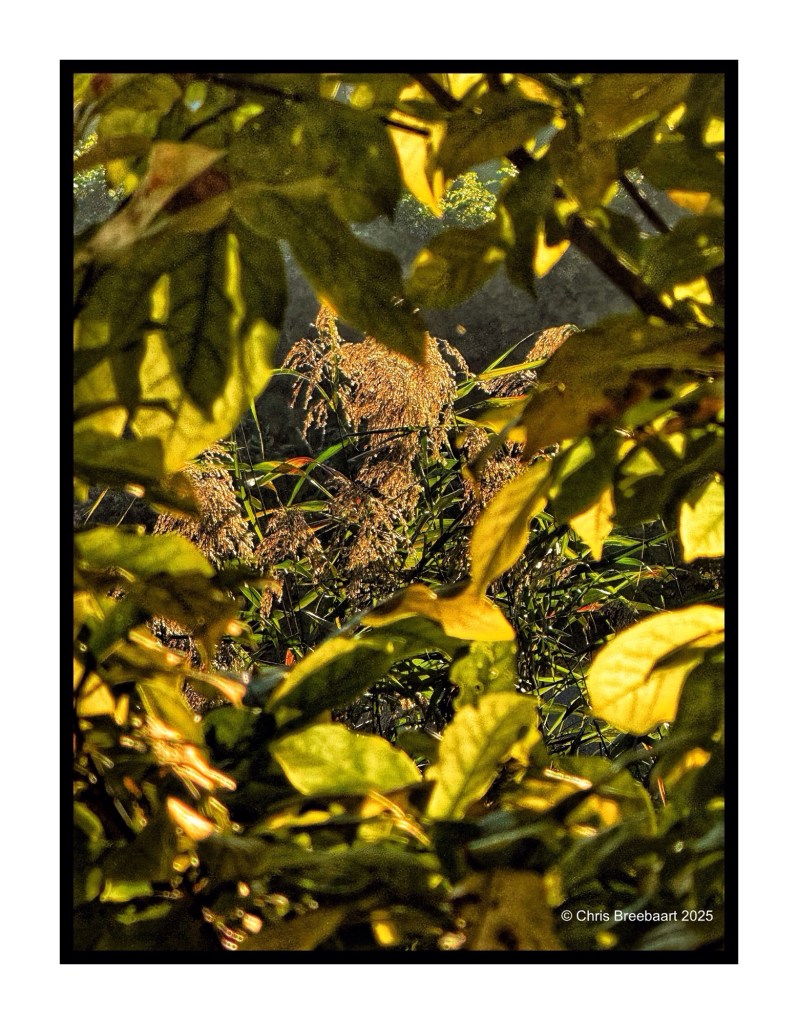
Autumn is approaching, the rain and grey skies are more and more the new normal. Luckily there is the occasional sun to enjoy.
Shot with iPhone 15 Pro Max edited using Snapseed and Marksta. Click the picture for a larger version.
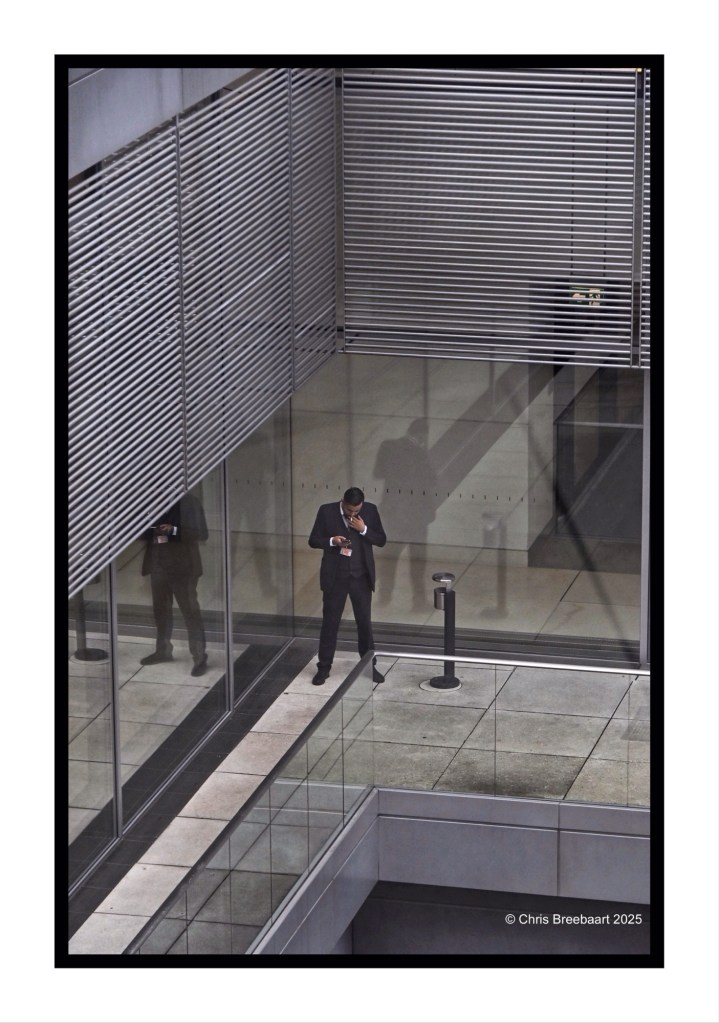
From the roof of the Reichstag. A member of staff has a smoke break. A slightly less common street detail nowadays for LAPC #371.
Shot with Nikon Zf, edited using Snapseed and Marksta. Click the picture for a larger version.
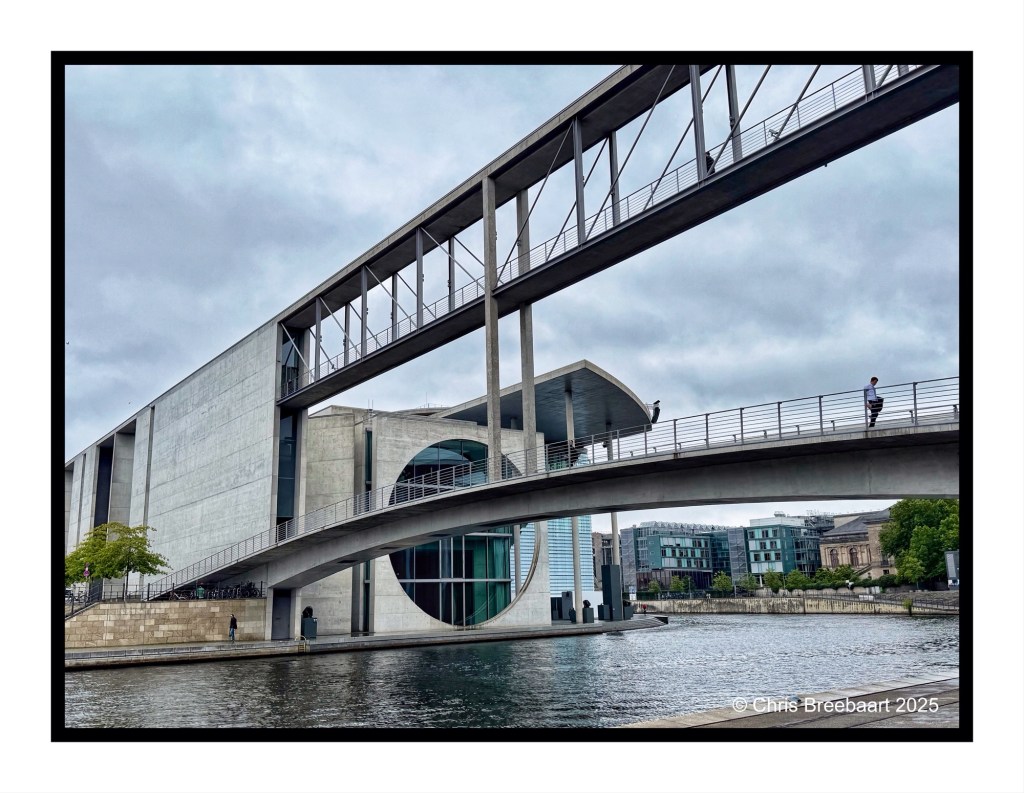
The last time, before this visit in September, I saw this part of Berlin was in November 1989. This side was West Berlin, the Spree and across was East Berlin. The Berlin Wall cut straight to the right. It was just 20 meters from the East wall of the Reichstag.
Now the Bundestag offices connect both sides of the river. The tension of the Berlin Wall is literally out of sight. But not forgotten. Seven crosses are just outside this frame on the right side. They remind us of the people who tried to flee East Germany and were killed.
Shot with iPhone 15 Pro Max edited using Snapseed and Marksta. Click the picture for a larger version. The monochrome photo of 1989 was shot with Nikon F301 on Kodak TriX.
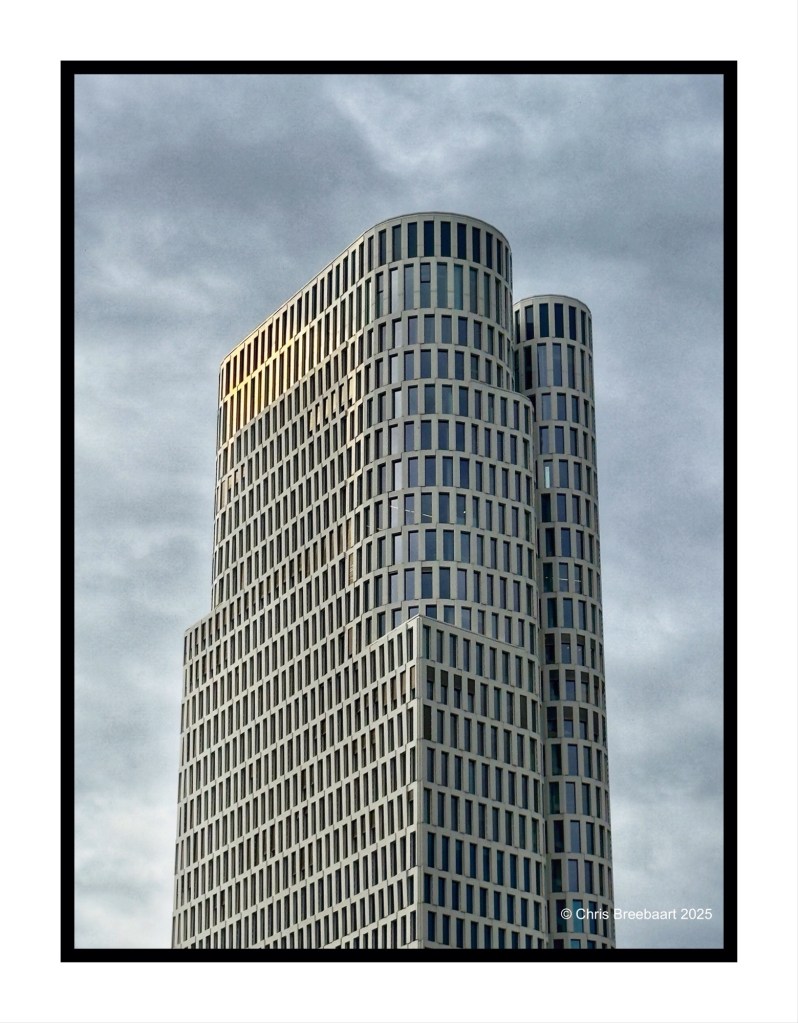
This high rising can be found near the Kaiser Wilhelm Gedächtnis Kirche.
Shot with iPhone 15 Pro Max edited using Snapseed and Marksta. Click the picture for a larger version.
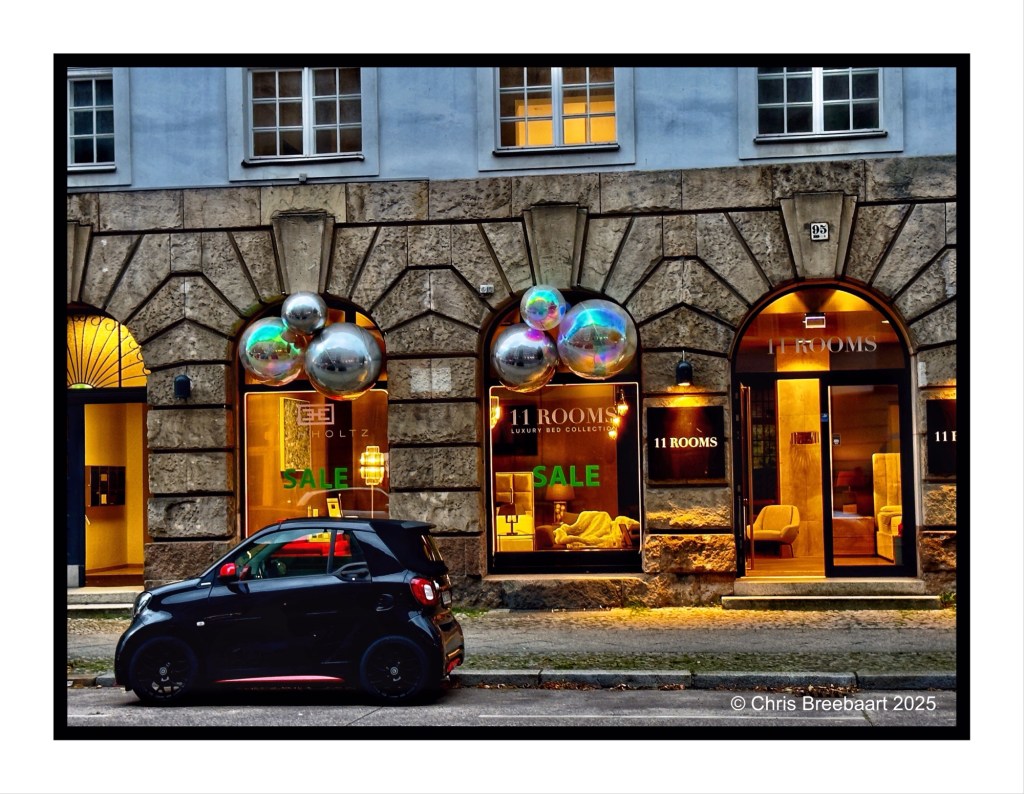
A street in Charlottenburg.
Shot with iPhone 15 Pro Max edited using Snapseed and Marksta. Click the picture for a larger version.
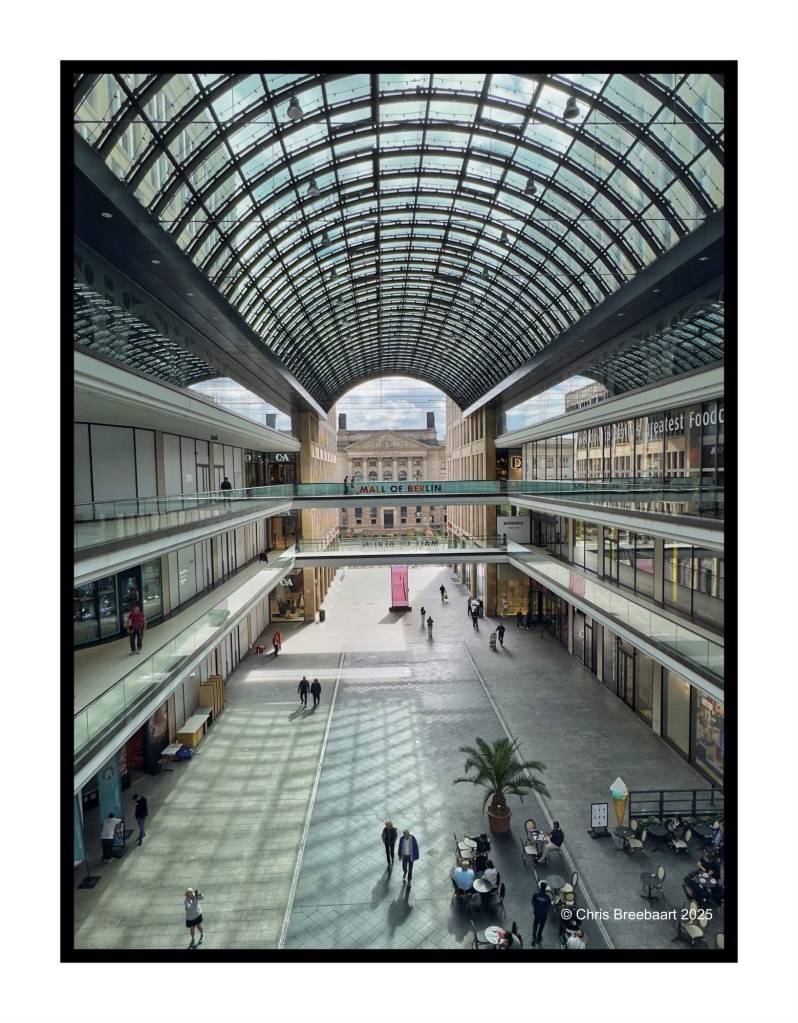
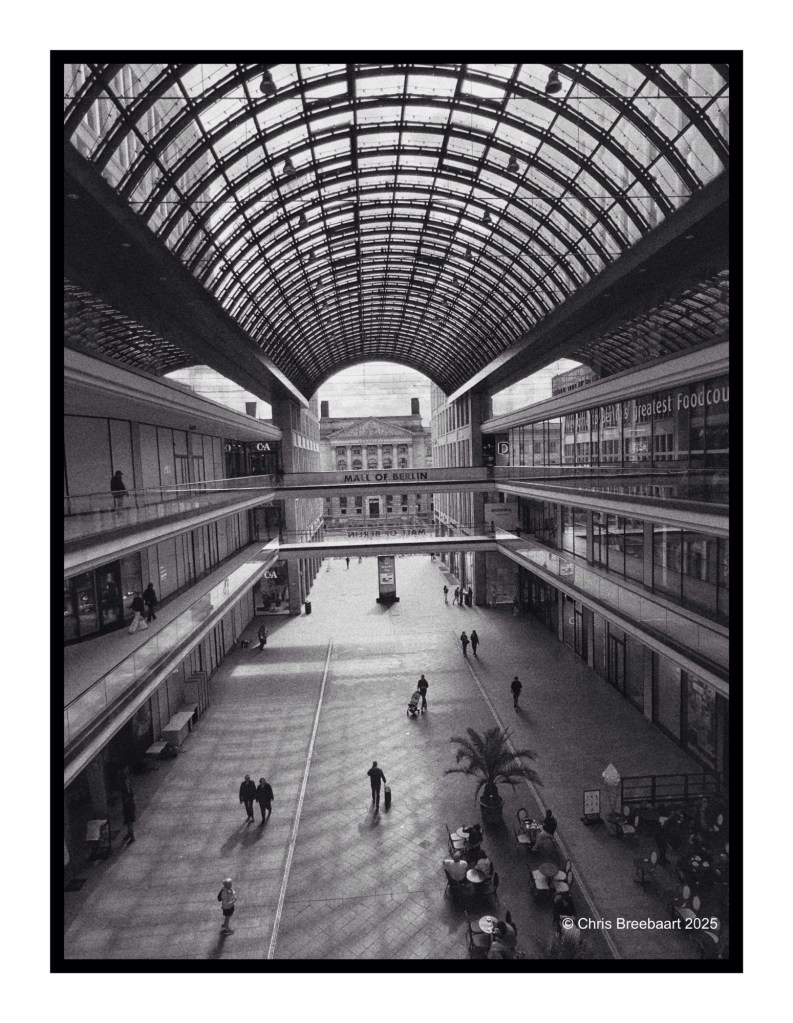
Every big city has its own mall, a big shopping center. Most of the times the shops and brands are the same as in the mall next to where you live. And the food court can be slightly different. The Mall of Berlin is no exception to that rule. The location (Leipziger Platz) makes it interesting, as does the architecture.
As always I can not choose: color, or mono?
Shot with iPhone 15 Pro Max edited using Snapseed and Marksta. Click the picture for a larger version.
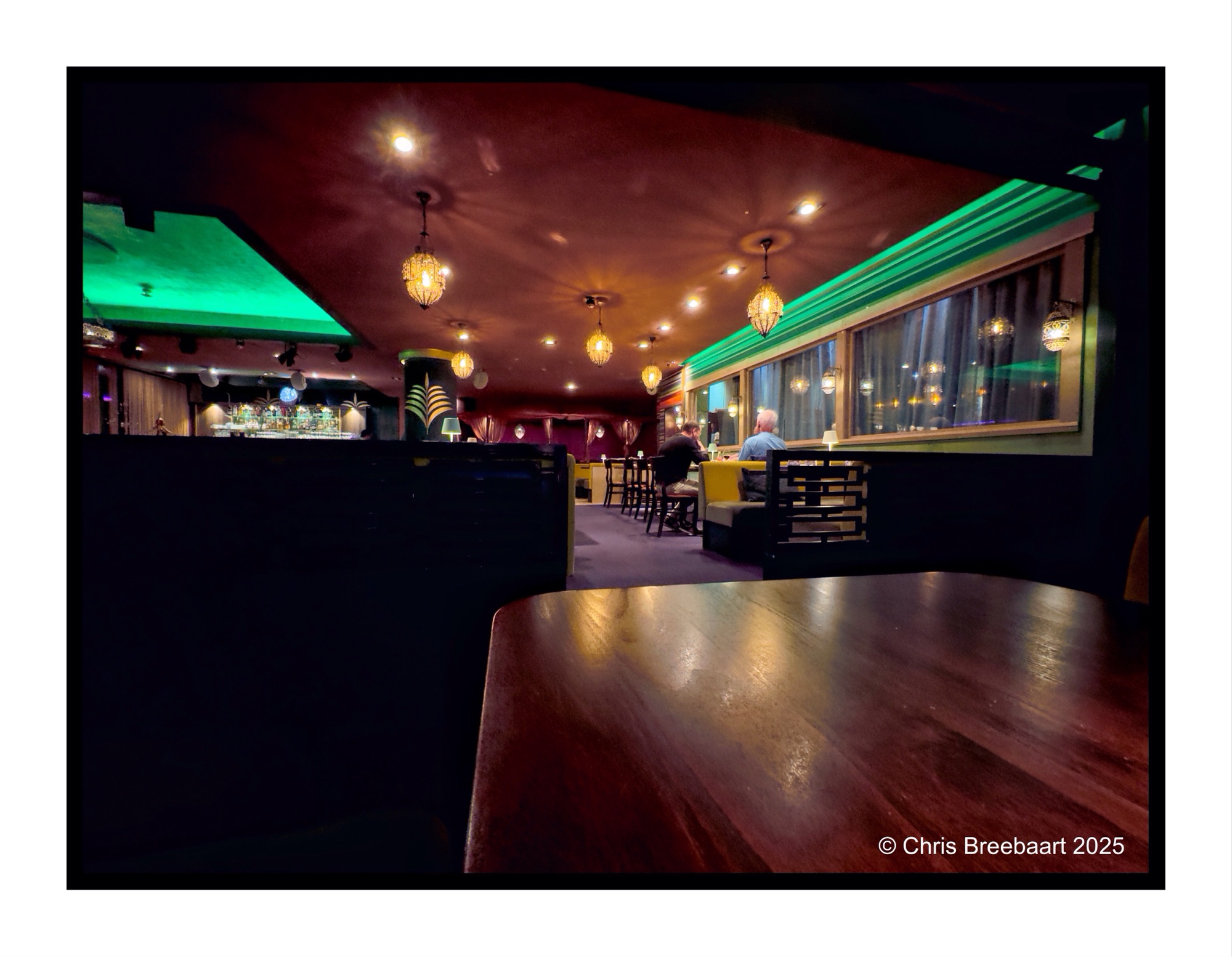
Food in Berlin is cheap (and in the right places) good!
Shot with iPhone 15 Pro Max edited using Snapseed and Marksta. Click the picture for a larger version.
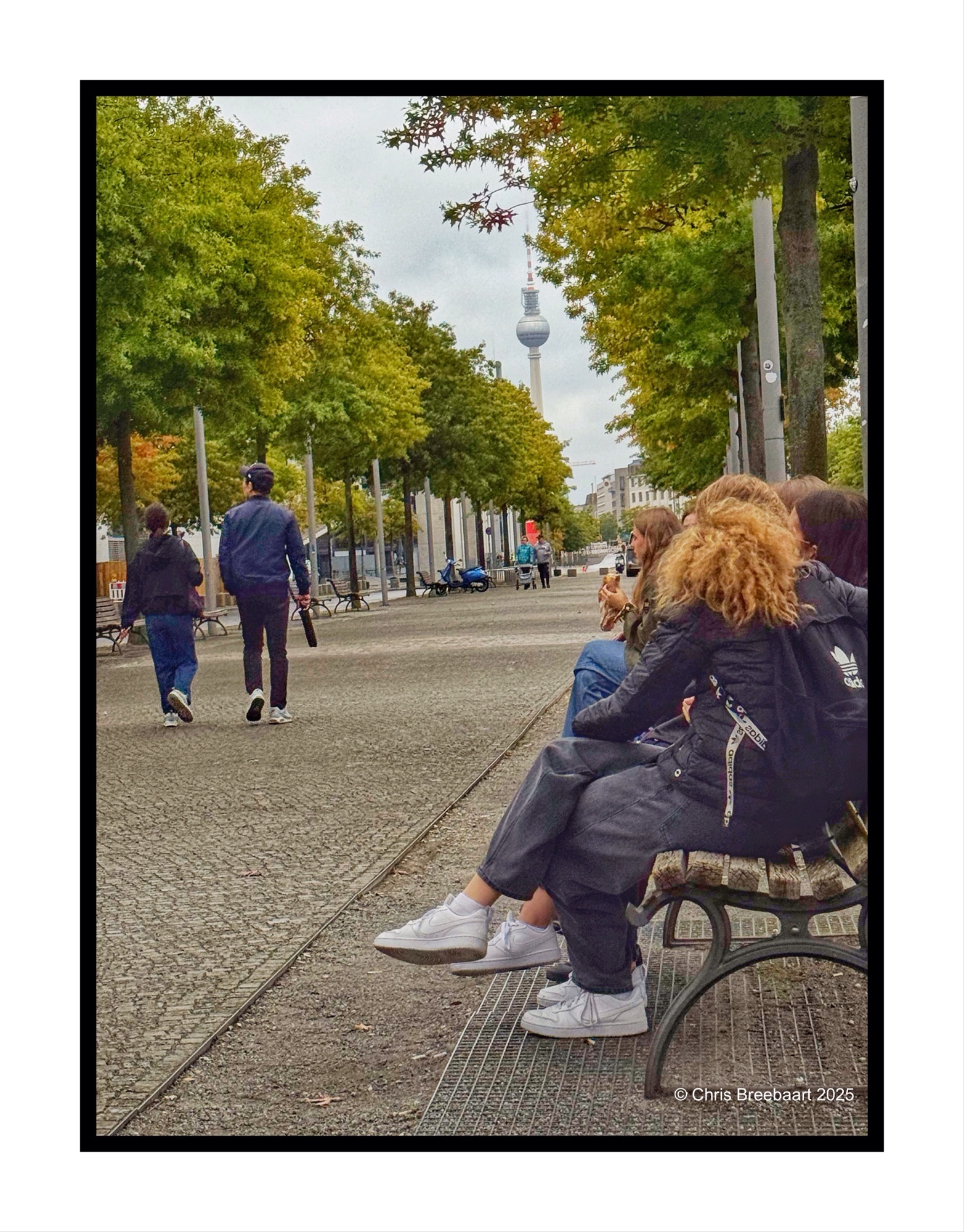
A landmark you can not overlook. The TV Tower (Fernsehturm) at Alexanderplatz. Here seen from the Paul Löbe Allee, next to the offices of the prime minister of Germany.
Shot with iPhone 15 Pro Max edited using Snapseed and Marksta. Click the picture for a larger version.
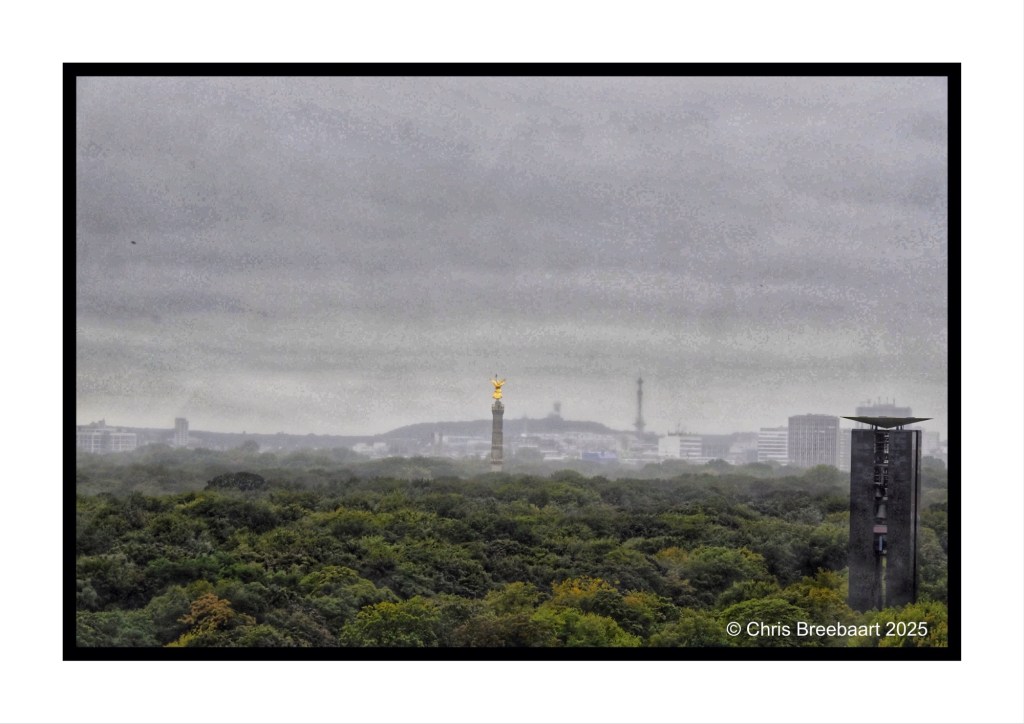
A view from the roof of the Reichstag, overlooking Tiergarten. On the left The Victory Column. On the right side is the Carillion, a 42 meter hight bell tower. And in the background the Teufelsberg.
I am not sure this photo is dreamy enough to enter Lens-Artists Photo Challenge #369 ‘dreamy’.
Shot with Nikon Zf, edited using Snapseed and Marksta. Click the picture for a larger version
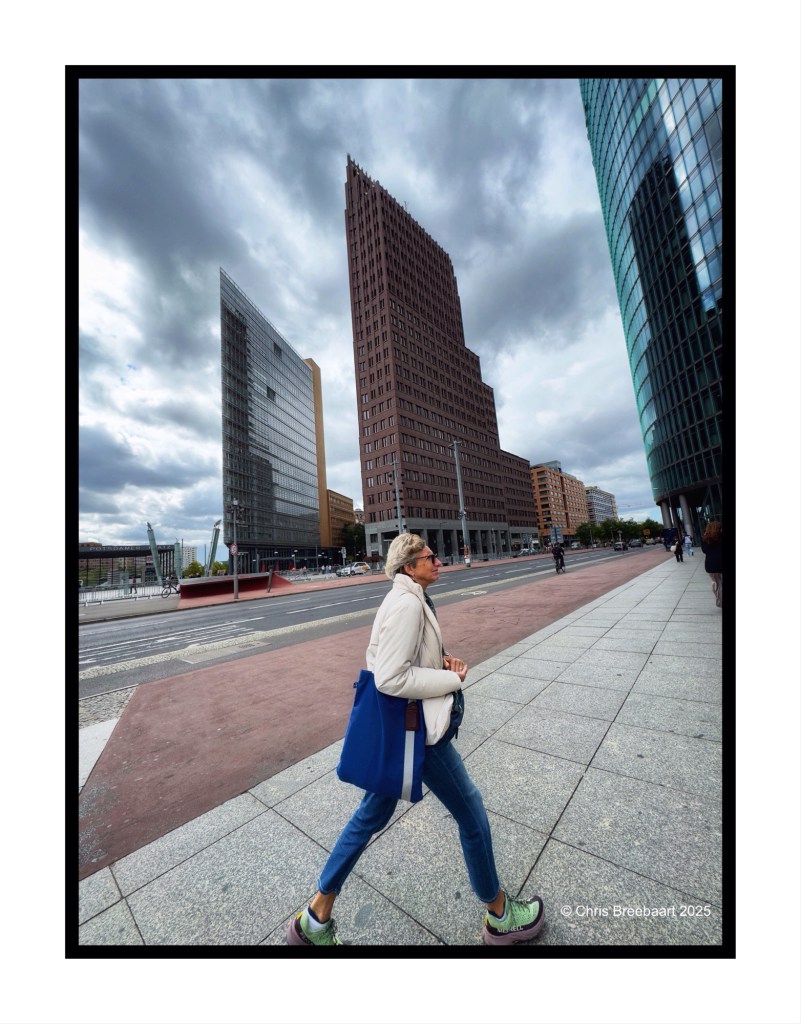
Human measure on Potsdamer Platz. During the time of the Berlin Wall people were a spic in a vast open space. Now they are a spic being over towered by high rising.
Shot with iPhone 15 Pro Max edited using Snapseed and Marksta. Click the picture for a larger version.
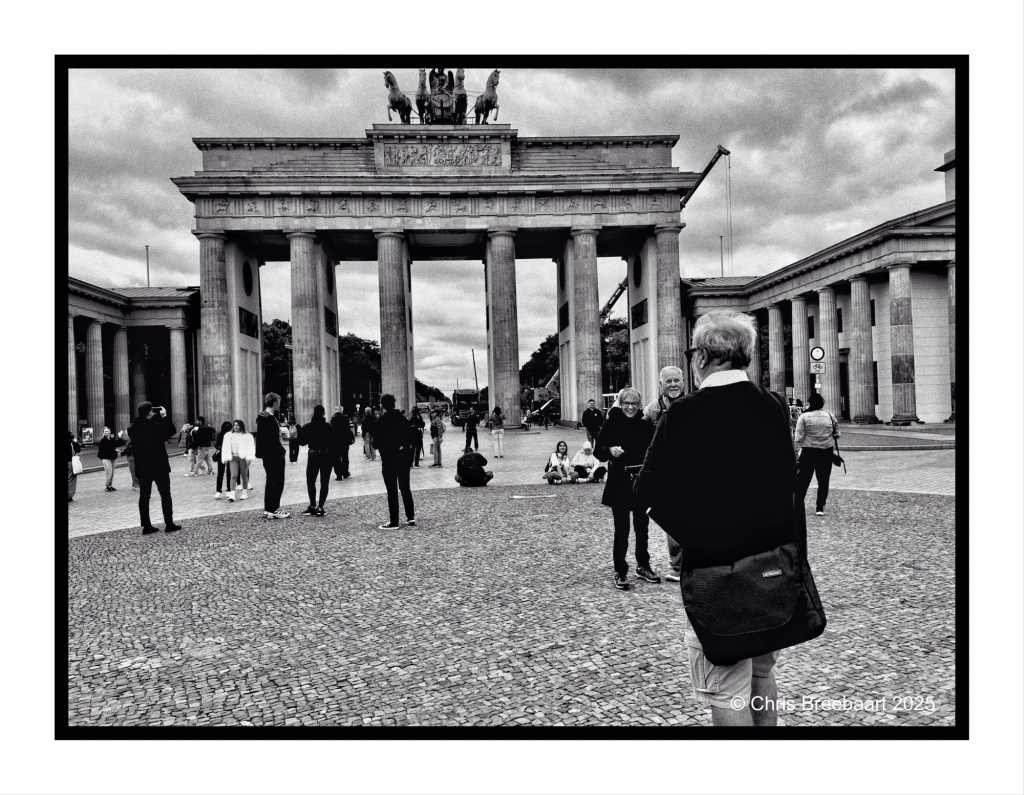
Brandenburger Gate (Brandenburger Tor) is a much used backdrop for photos in Berlin.
Shot with iPhone 15 Pro Max edited using Snapseed and Marksta. Click the picture for a larger version.
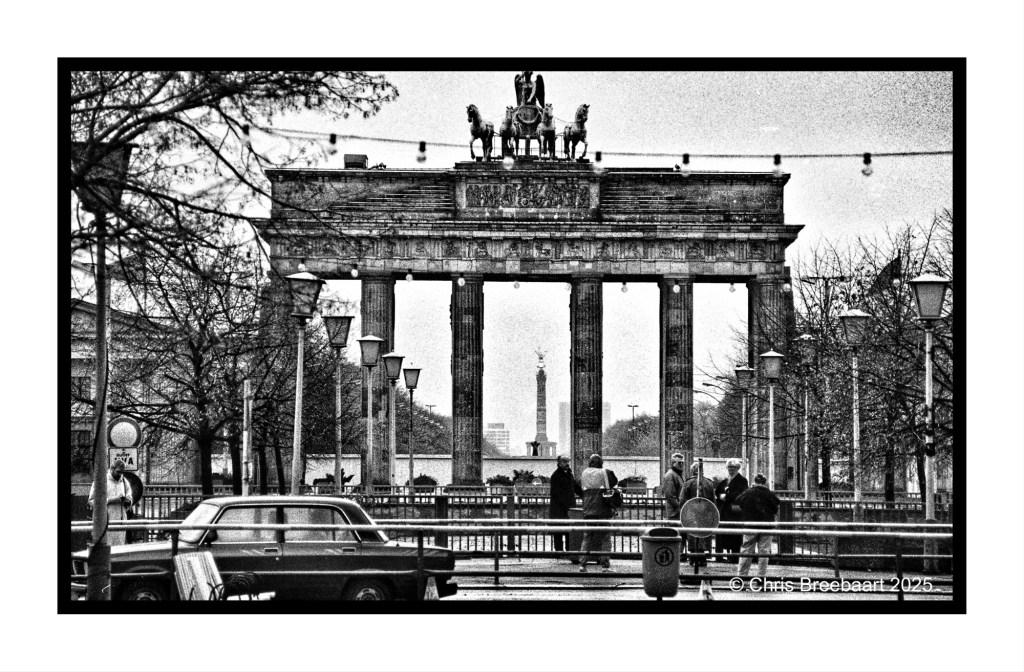
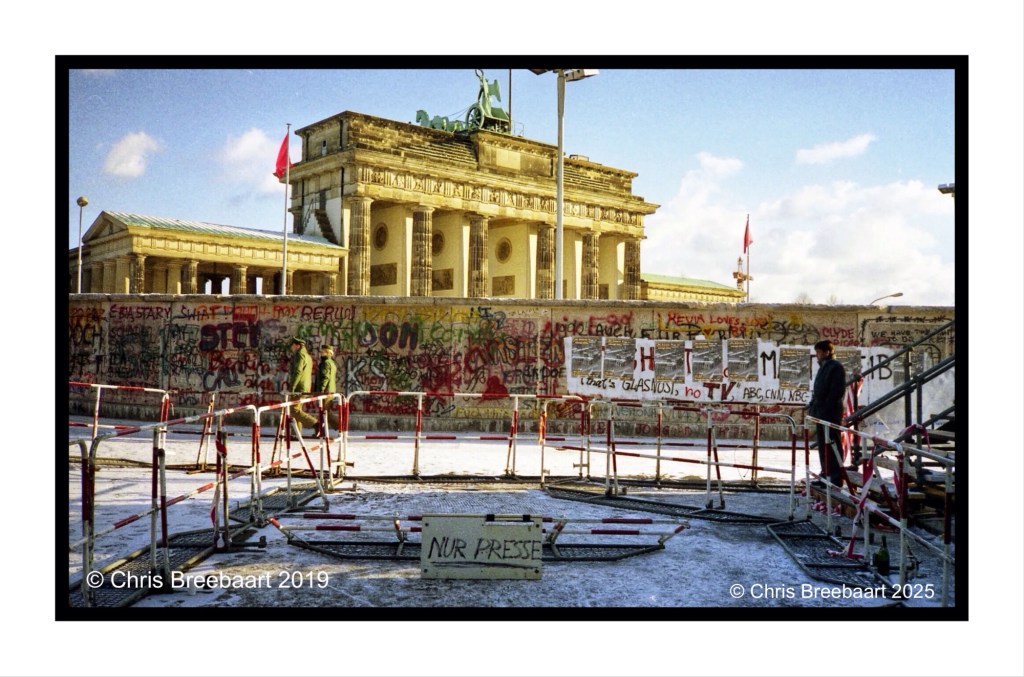
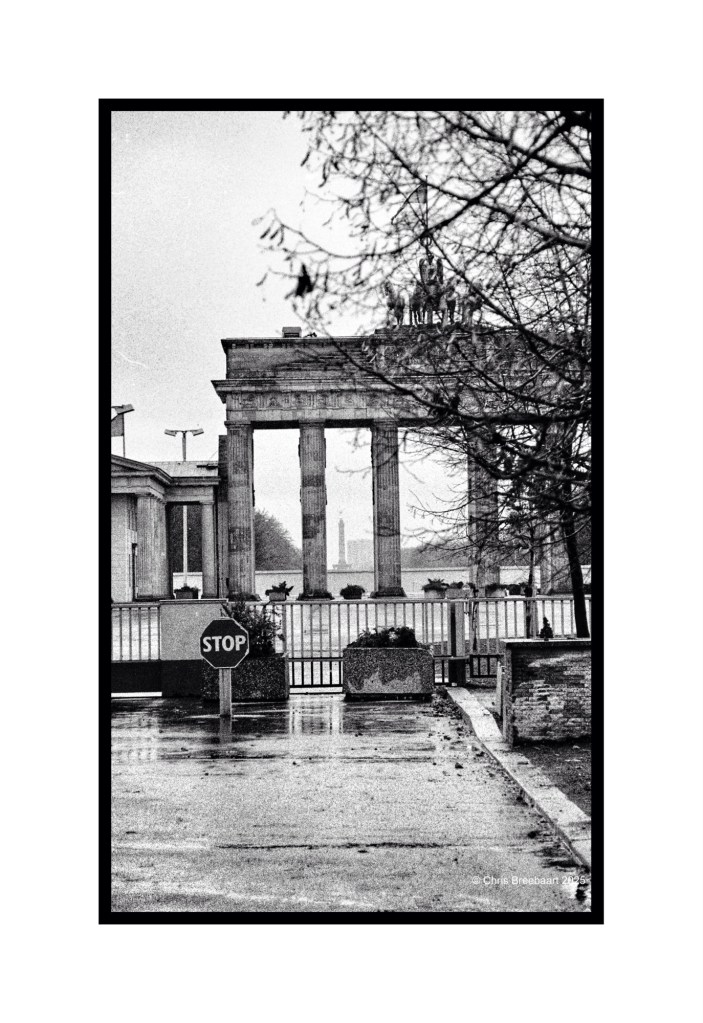
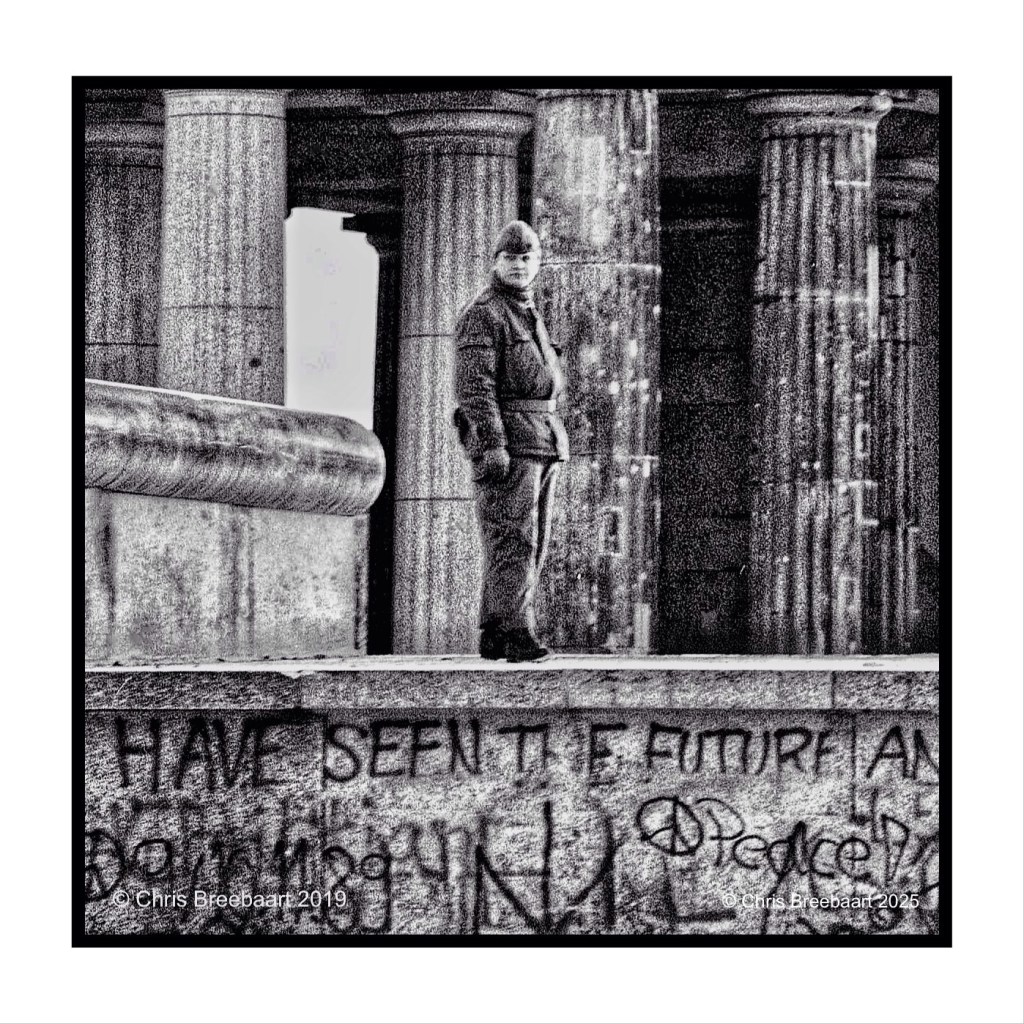
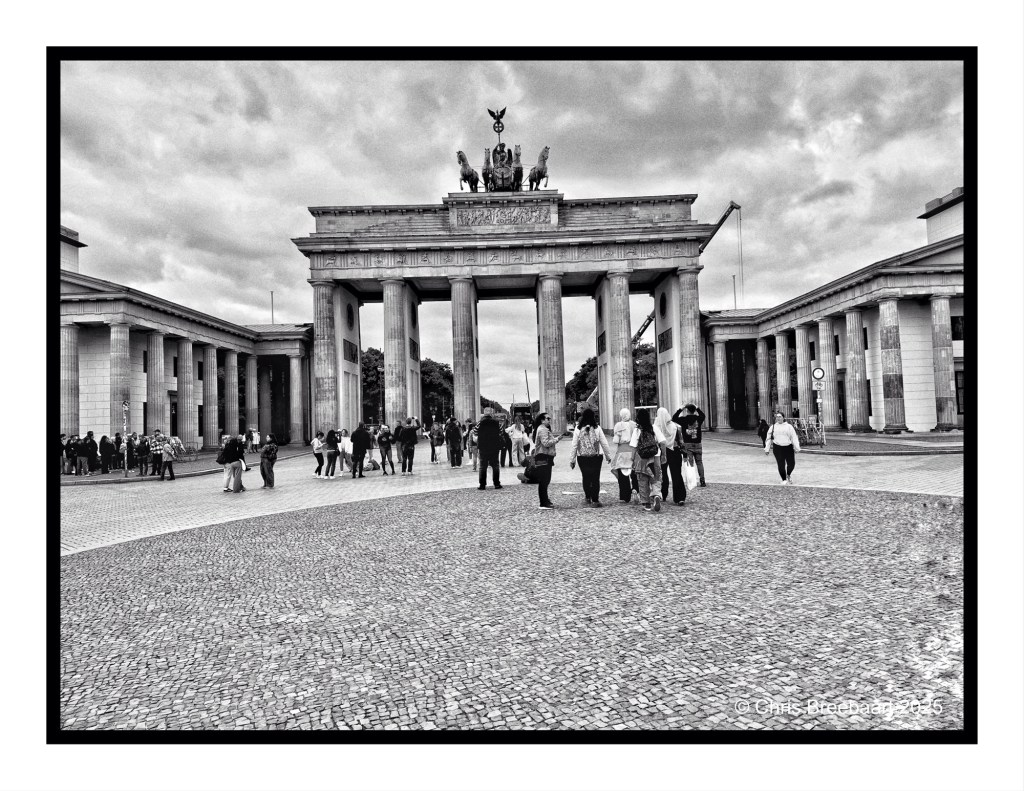
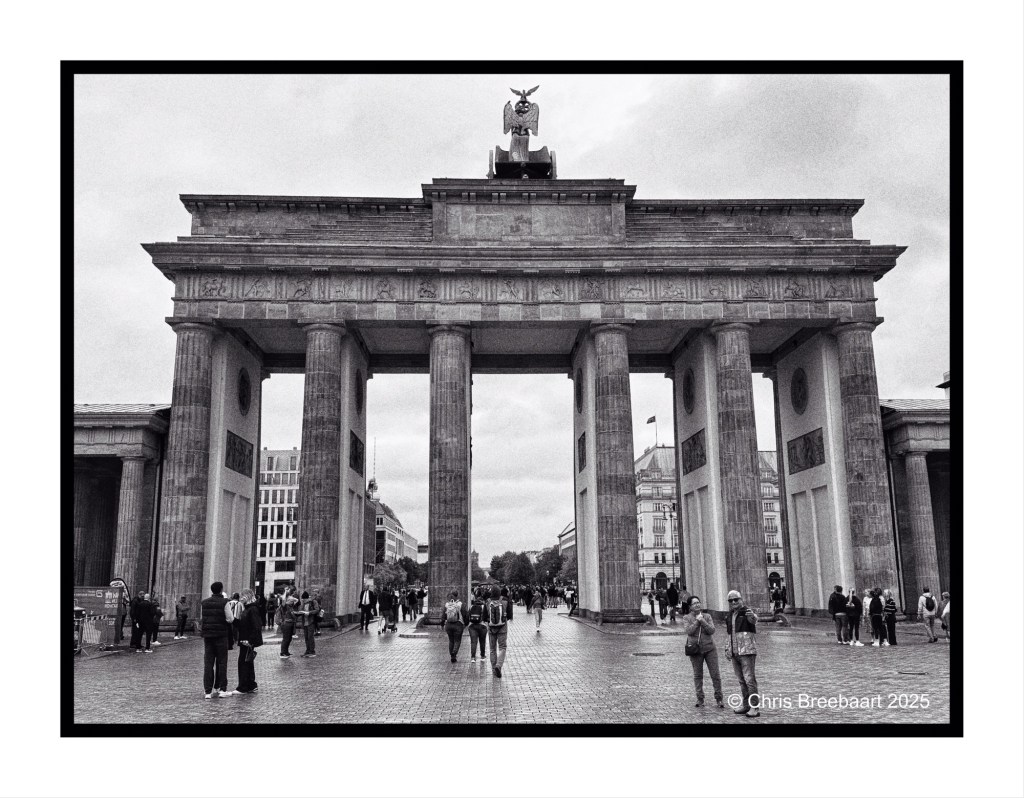
Brandenburger Gate (Brandenburger Tor) in Berlin was an iconic point at the time of the Berlin Wall (Berliner Mauer). The gate then stood in no mans land, and showed the alienating effects of division through the city. Now the Brandenburger Gate is a symbol of unity of Berlin. It was a pleasure to walk through the gates, and enjoy the people and streets around it. And the see the gate back at its splendor.
About the B4 retouch series:
I browsed my archive for pictures to publish. Some of them are partly retouched but most do have scratches, dust and stains.
The monochrome set of 1989 was shot with Nikon F301 on Kodak TriX. The colorfilm was Fuji, and shot on Pentax Espio 115M. 2025 photos shot with iPhone 15 Pro Max edited using Snapseed and Marksta. Click the pictures for a larger version.
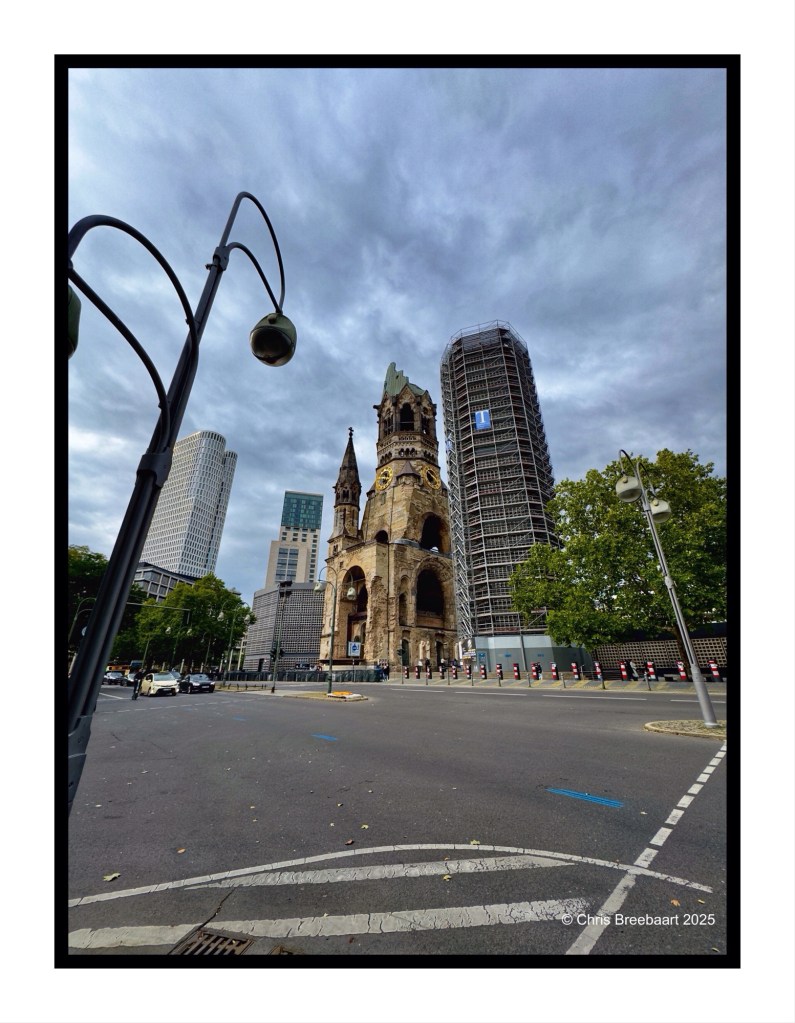
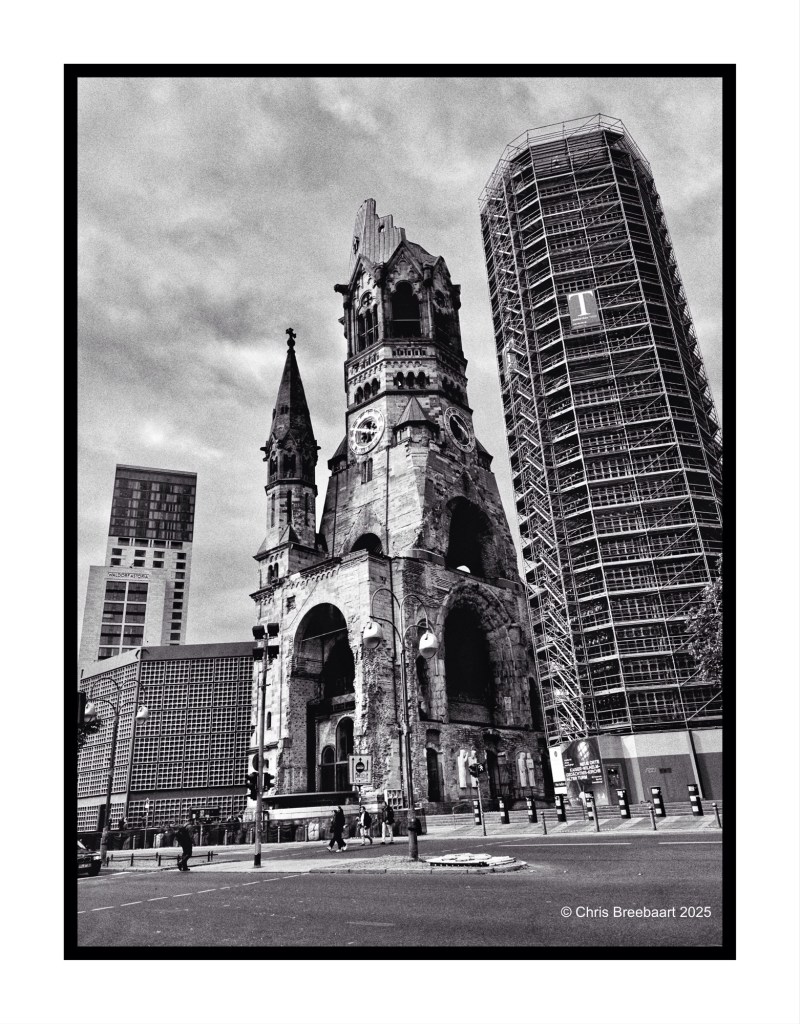
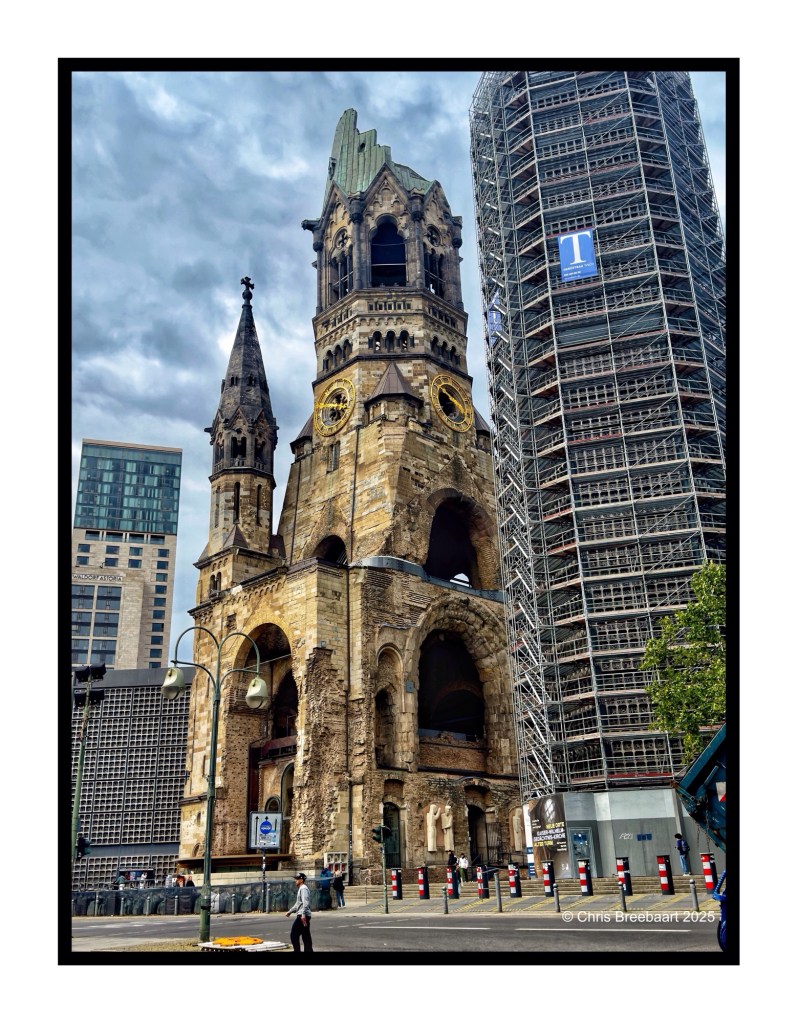
One of the memorial landmarks of Berlin is the Kaiser Wilhelm Gedächtnis Kirche. In its simplicity it is a powerful landmark and memorial.
Shot with iPhone 15 Pro Max edited using Snapseed and Marksta. Click the picture for a larger version.
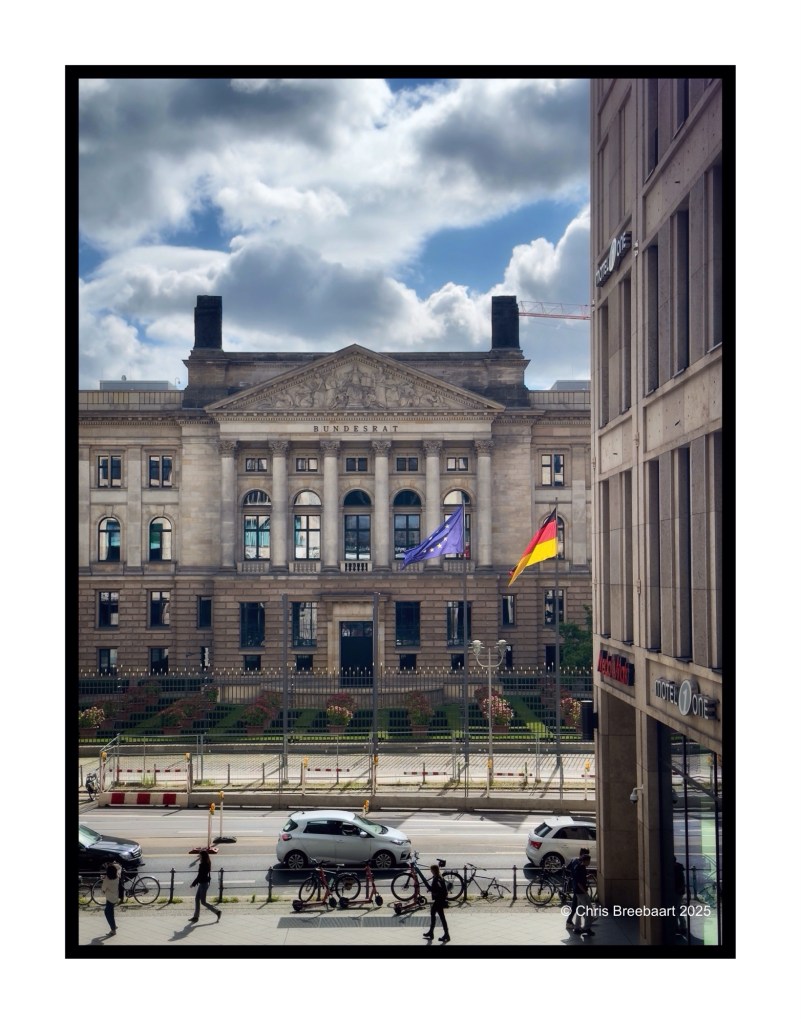
Walking through Berlin was sometimes causing some disorientation. Lots of places that were ‘void and empty’ in November 1989 are now (re)build. In 1989 I just saw a small part of former East Berlin. It was a challenge to figure out what I was looking at. An old building, a refurbished one or a new build? I have a slight preference for old buildings. Lots of them are beautifully restored. This is one of them: the Bundesrat in the former Prussian House of Lords. As seen from the Mall of Berlin.
Shot with iPhone 15 Pro Max edited using Snapseed and Marksta. Click the picture for a larger version.
September 2025 I visited Berlin for the second time. My first visit was in November 1989. That coincided with the fall of the Berlin Wall. After 46 years I wanted to see how Berlin had changed since ‘die Wende’.
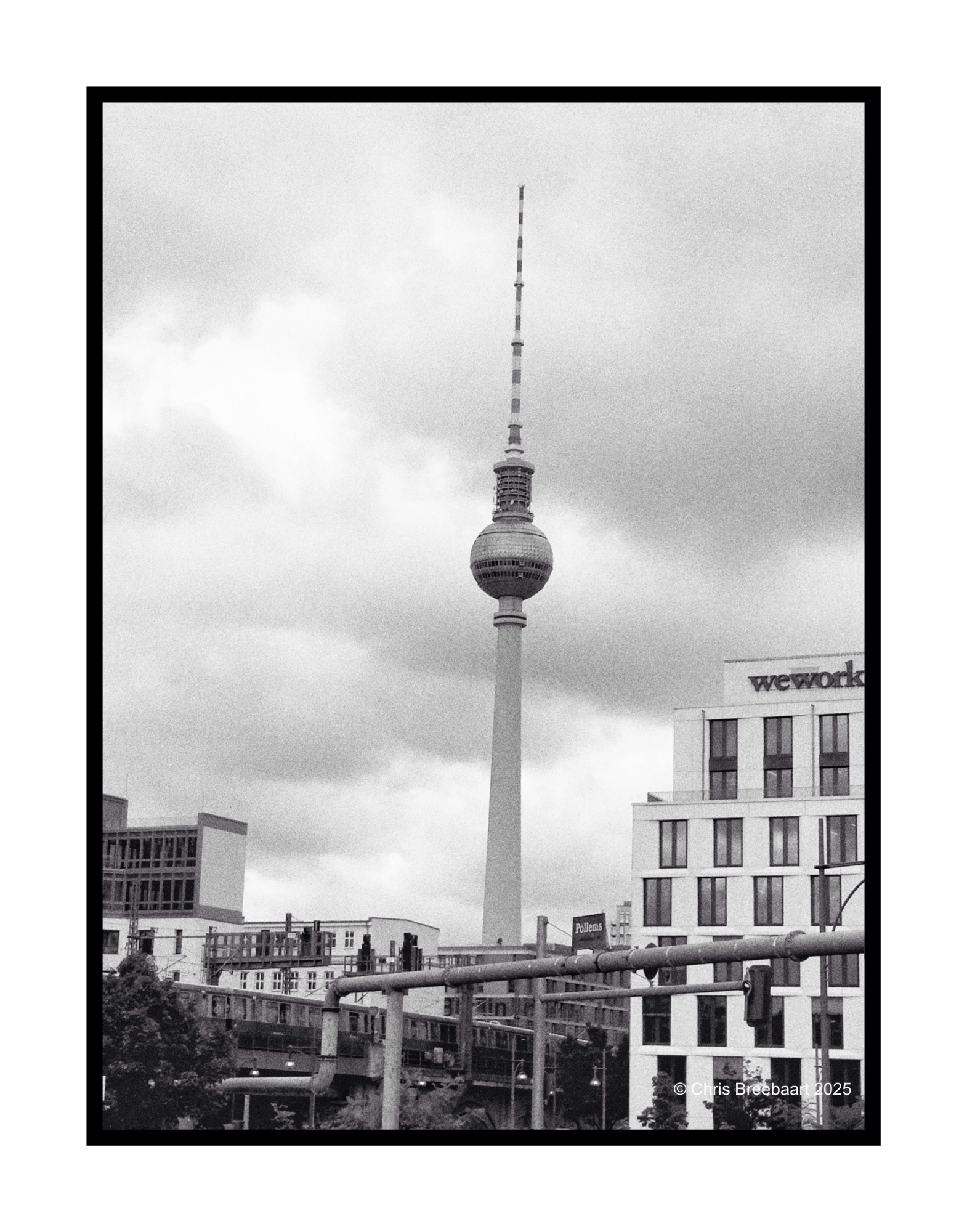
In 1989 we just spent one day in East Berlin. This visit the first day we looked around in the former East Berlin area. The television tower still towers over the city at Alexanderplatz. There is still a lot of construction activity, and along the roads you see pipes in blue and pink. First I thought that it was a smart concrete transport system. In reality it is a way to pump out groundwater from construction sites into the Spree river.
Shot with iPhone 15 Pro Max edited using Snapseed and Marksta. Click the picture for a larger version.
September 2025 I visited Berlin for the second time. My first visit was in November 1989. That coincided with the fall of the Berlin Wall. After 46 years I wanted to see how Berlin had changed since ‘die Wende’. The coming days I will publish some photos of this trip.
Friends had ‘warned’ me about the changes I would see. What in 1989 was a vast open space (e.g. the Potzdamer Platz) is now completely filled with modern architecture. But what struck me the most was the vibrant vitality the city breathes now. It is cosmopolitan and a magnet.
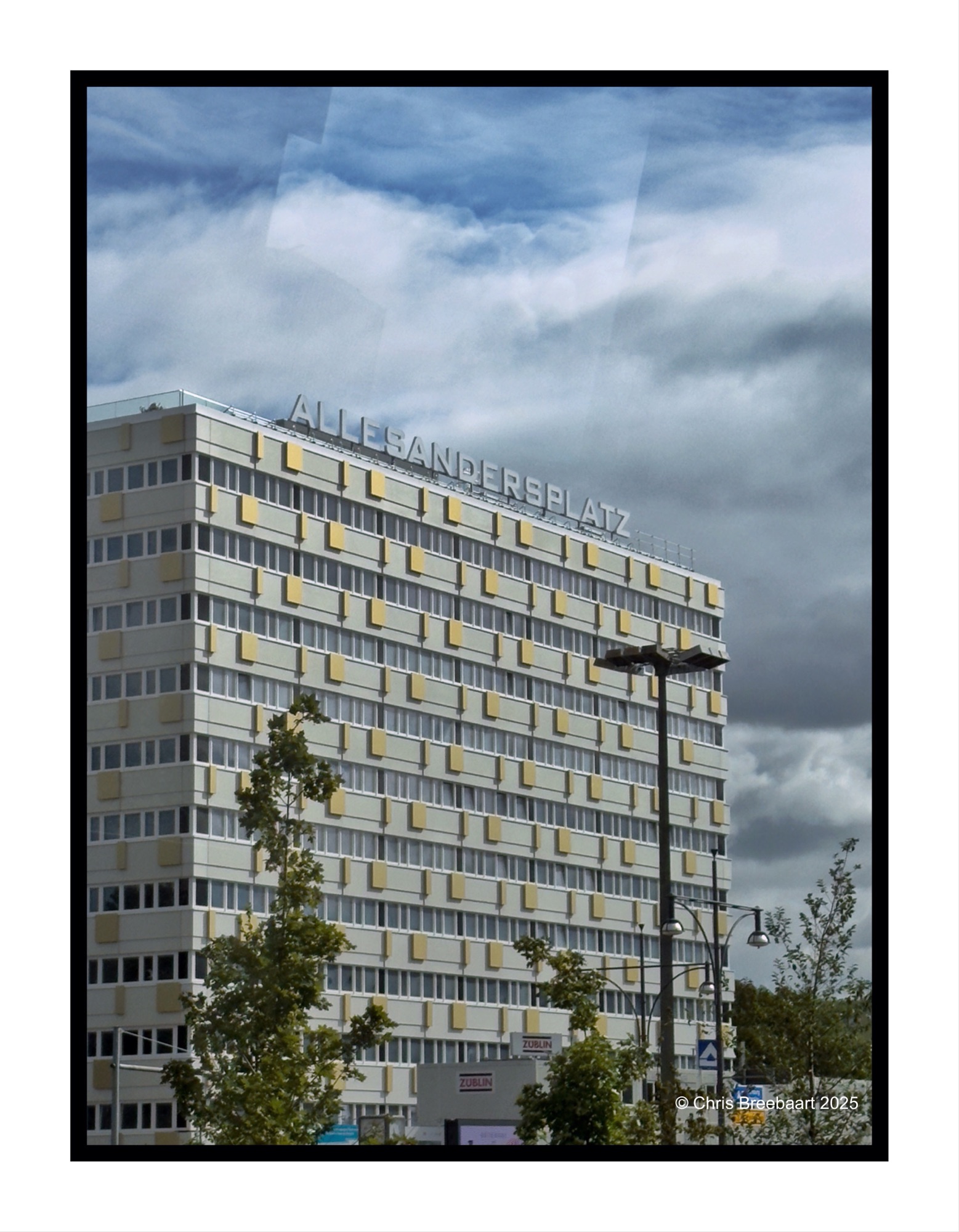
One of the landmark squares of Berlin is Alexanderplatz. On a building just a few hunder meters away I saw this text ‘Allesandersplatz’. Everything is different square? German humor? Or the basic conclusion after the first day. A lot changed. At face value.
Shot with iPhone 15 Pro Max edited using Snapseed and Marksta. Click the picture for a larger version.
Shot with iPhone 15 Pro Max edited using Snapseed and Marksta. Click the picture for a larger version
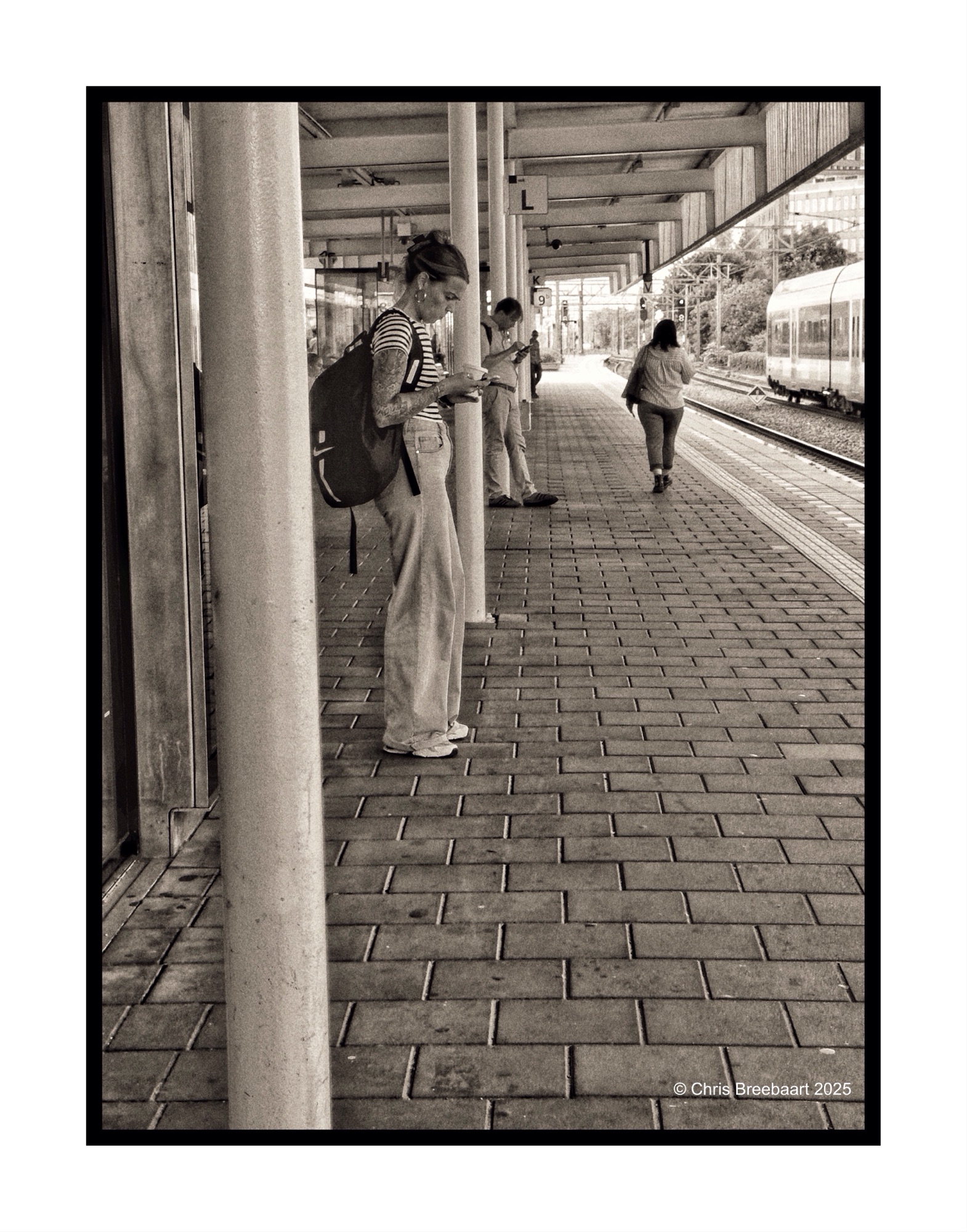
On the platform waiting for a connection being connected by mobile phone.
Shot with iPhone 15 Pro Max edited using Snapseed and Marksta. Click the picture for a larger version.

After rain comes sun at Scheveningen beach.
Shot with iPhone 15 Pro Max edited using Snapseed and Marksta. Click the picture for a larger version.
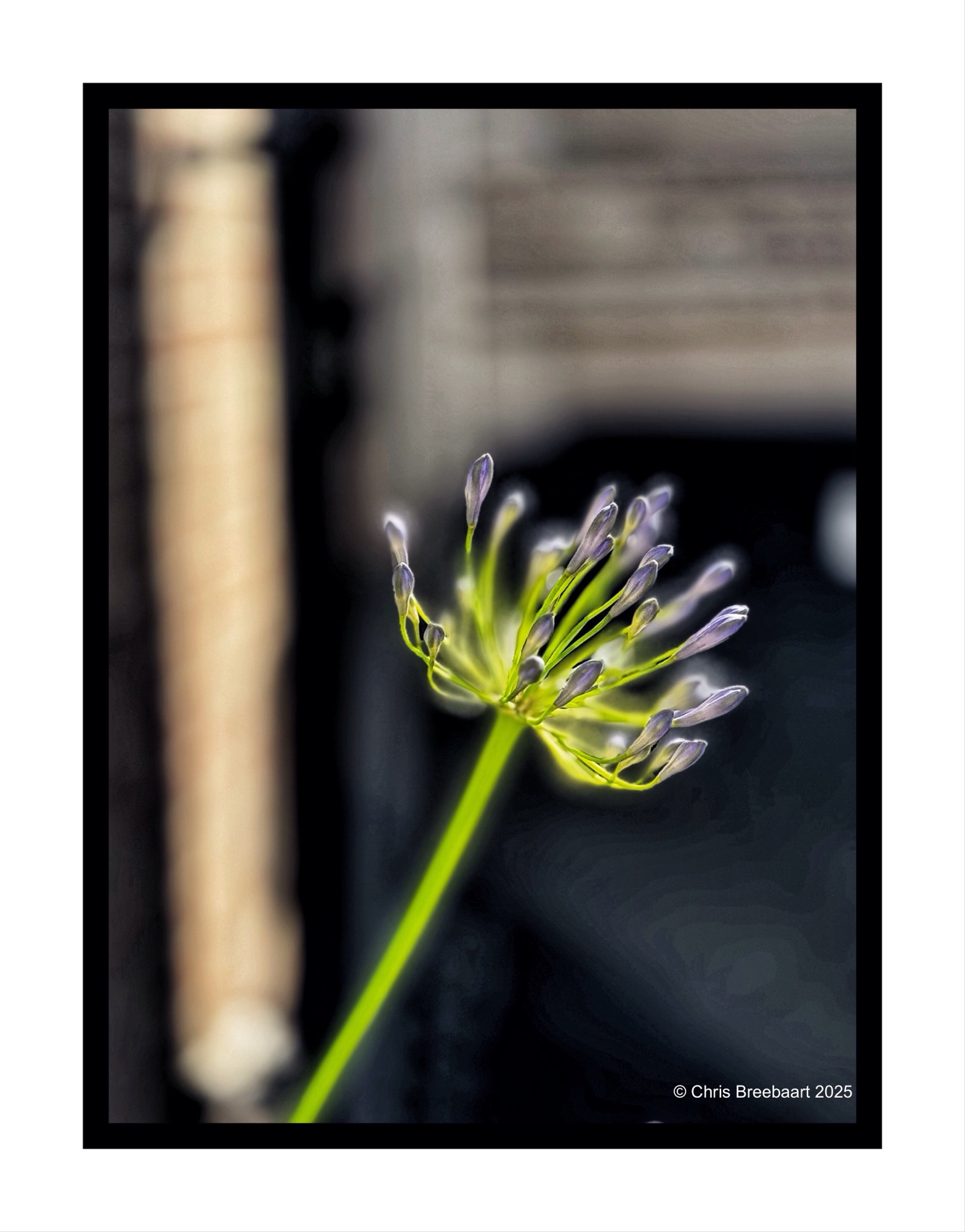
Shot with iPhone 15 Pro Max edited using Snapseed and Marksta. Click the picture for a larger version.
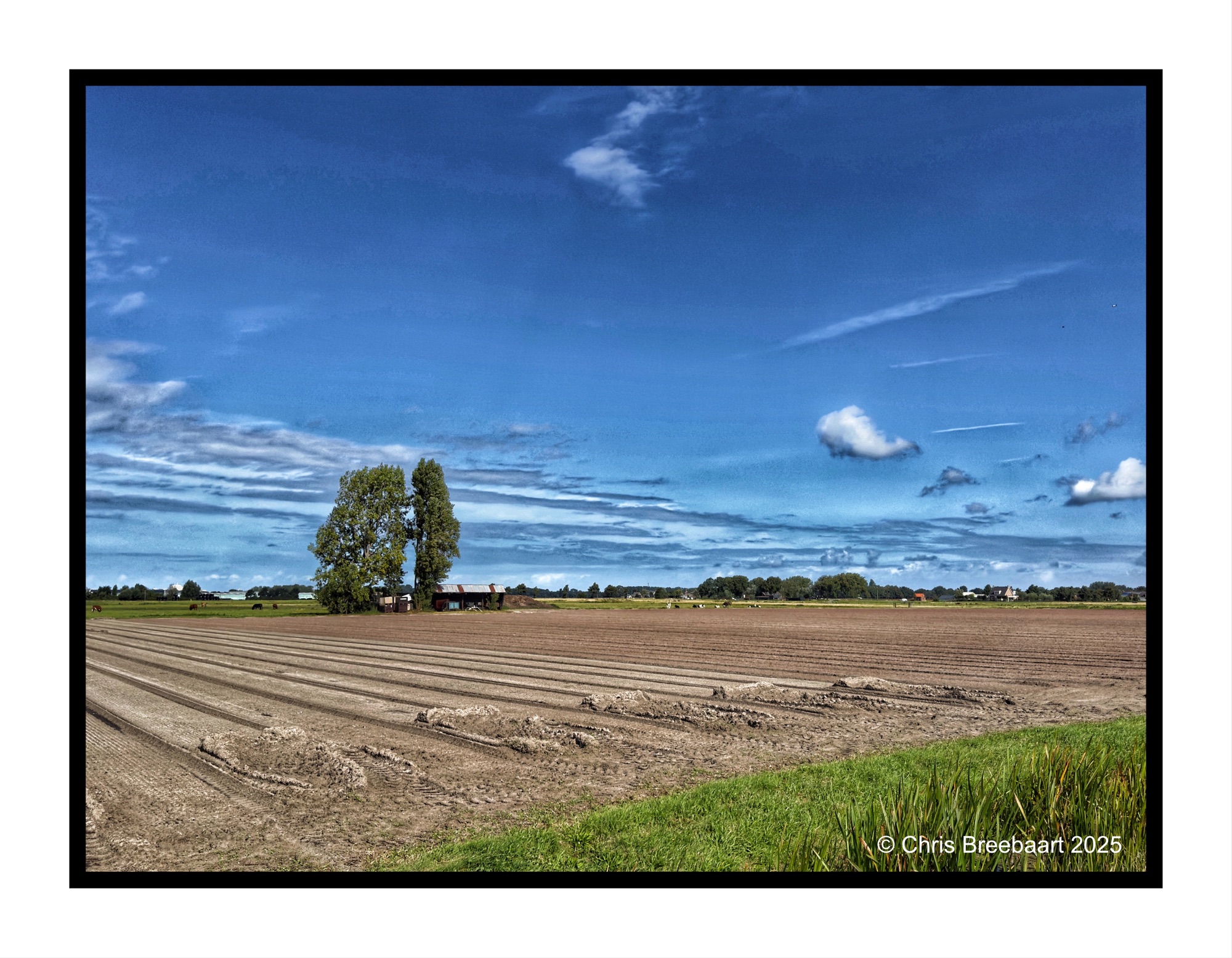
Lens- Artist Challenge #364 is ‘Quiet Moment’. A bicycle ride to clear the head. Seeing the bulbs for Spring being planted.
Shot with iPhone 15 Pro Max edited using Snapseed and Marksta. Click the picture for a larger version.
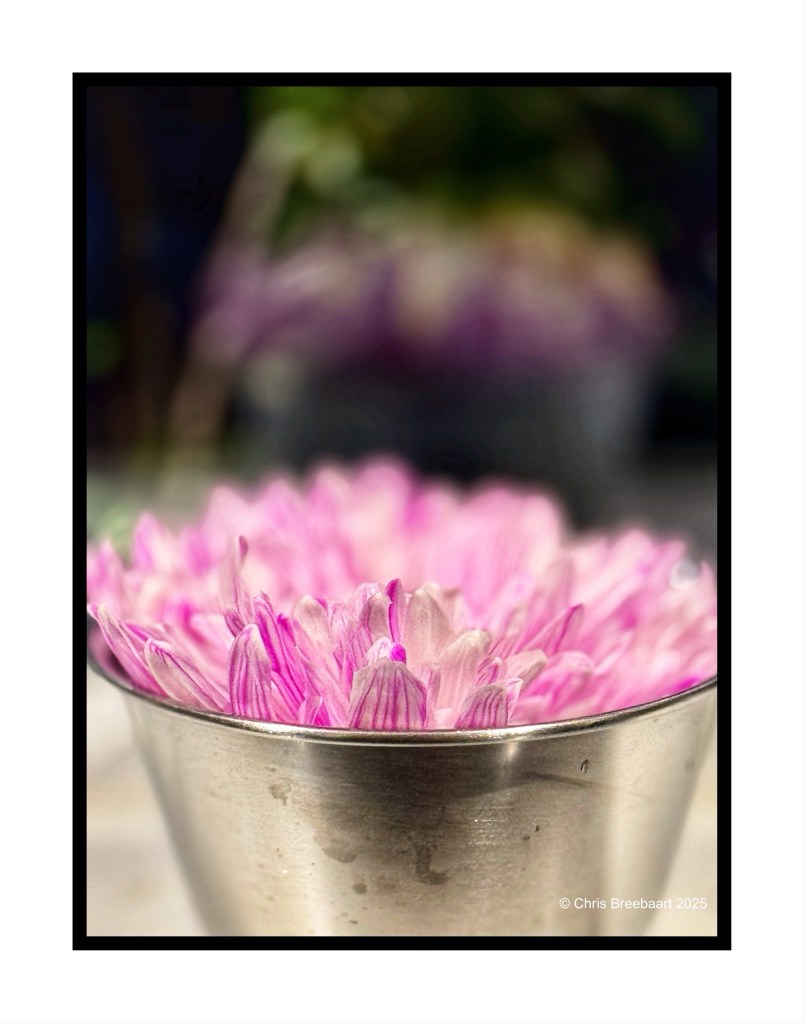
Shot with iPhone 15 Pro Max edited using Snapseed and Marksta. Click the picture for a larger version
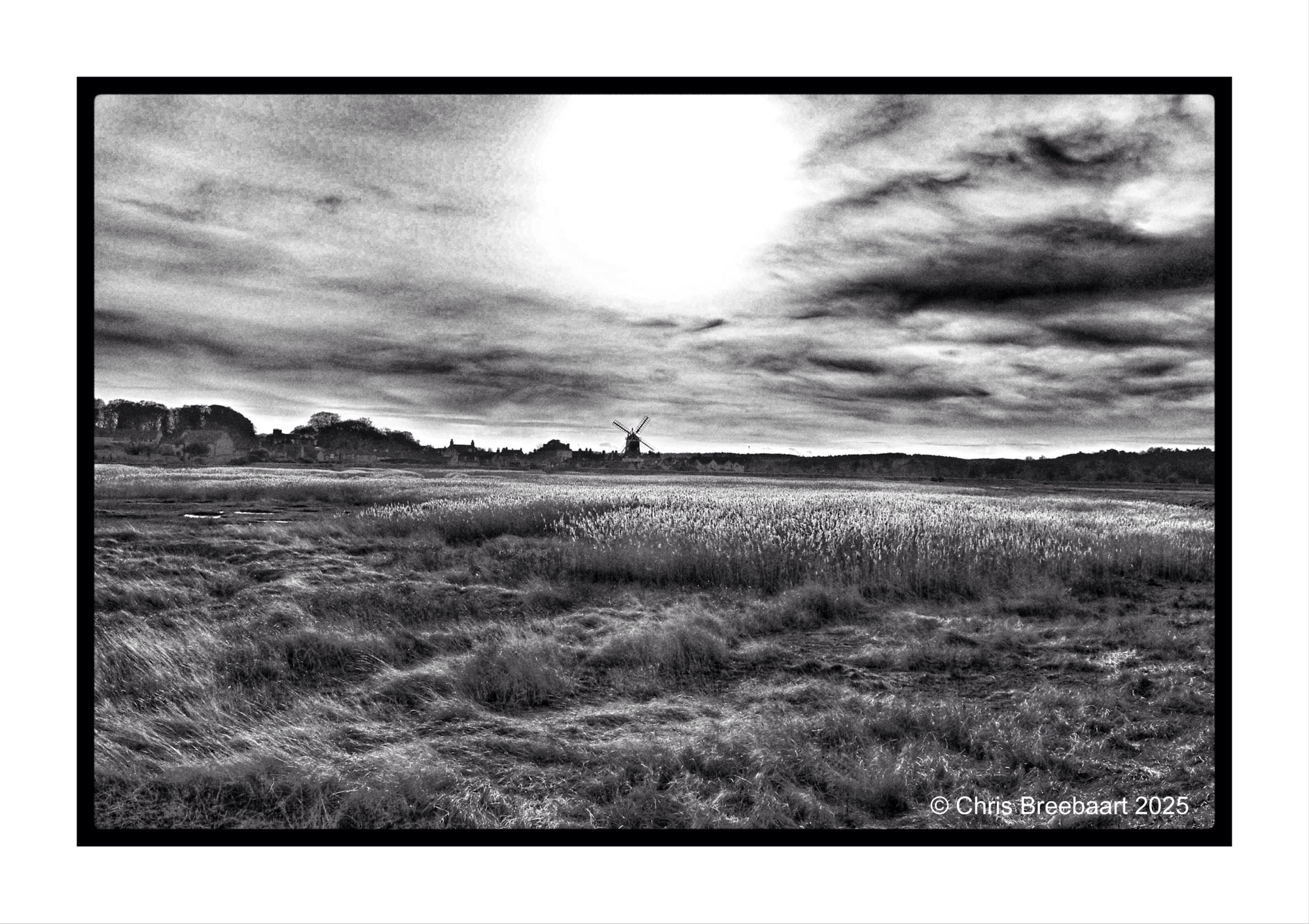
This is the famous Cley windmill at Cley next the sea. It’s by far the best name for a coastal village. Interestingly, it actually does not have a sea front. The mill was owned by the family of James Blunt.
Shot with Nikon Zf, edited using Snapseed and Marksta. Click the picture for a larger version.

A plant in the front garden offers months of beauty in the sunlight of the morning sun. Using the portrait mode of the iPhone results in ‘hovering’ effects of parts of the plant that seem now unattached.
Shot with iPhone 15 Pro Max edited using Snapseed and Marksta. Click the picture for a larger version
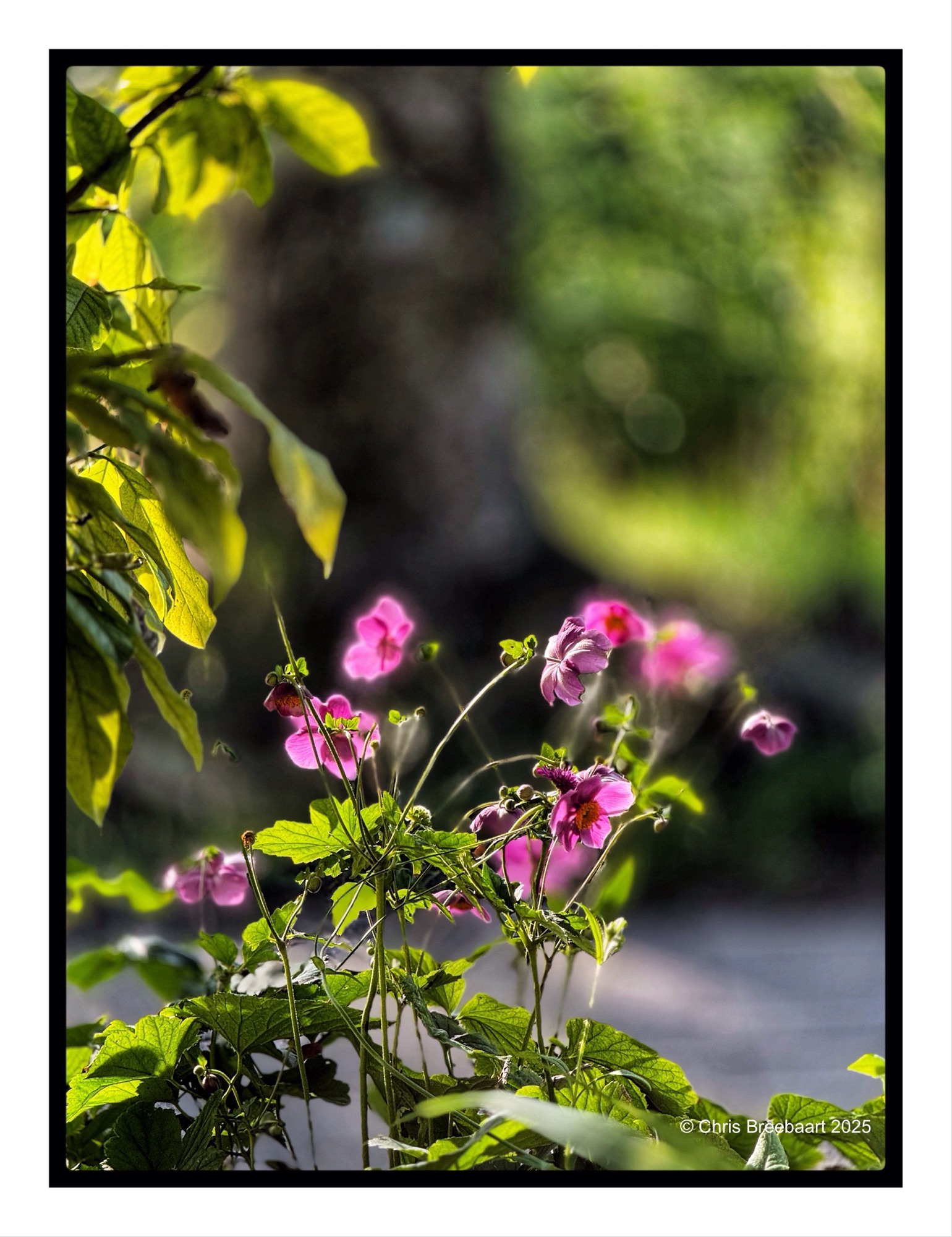
A plant in the front garden offers months of beauty in the sunlight of the morning sun.
Shot with iPhone 15 Pro Max edited using Snapseed and Marksta. Click the picture for a larger version.
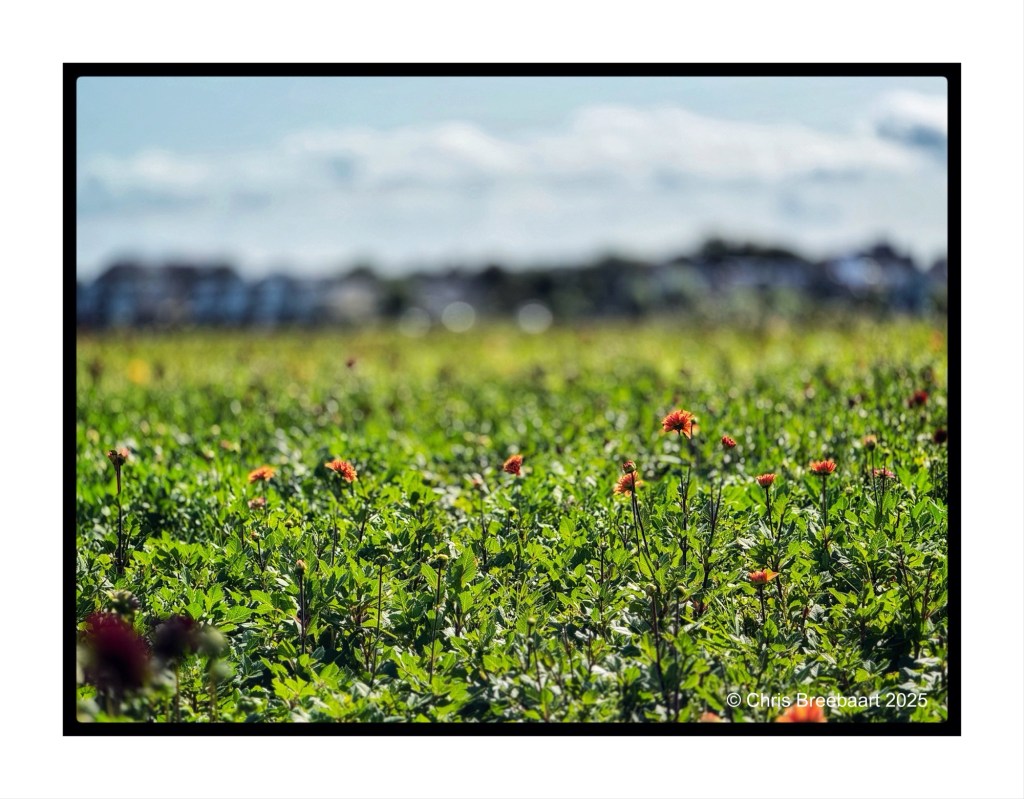
In Spring this field produces either hyacinths, daffodils or tulips. In Summer this year it produces Dahlia.
Shot with iPhone 15 Pro Max edited using Snapseed and Marksta. Click the picture for a larger version.
This week’s Lens-Artists Photo Challenge #361 is ‘Doors revisited’. That theme was also the brief for LAPC #20. A door is a pass way to another space behind it. That space can be something we know already. Or something we like to imagine to see there when we go through. And in books you can end up in another world. In this post a few doors I met in my life. One I used for a long time, most I just passed by or passed through on holidays.
The word ‘doors’ for me is also linked to the band The Doors. The name of the band came from a book by Aldous Huxley, The doors of perception. And Huxley took it from William Blake, who used it as a metaphor:
“If the doors of perception were cleansed every thing would appear to man as it is, Infinite. For man has closed himself up, till he sees all things thro’ narrow chinks of his cavern . Doors lead you to another side or space, break on through to the other side.”
‘Break on through to the other side’ became the title of a Doors’ song.
So a lot can be said about doors. Luckily, we still have the photos. Here are a few from my conscious memory.
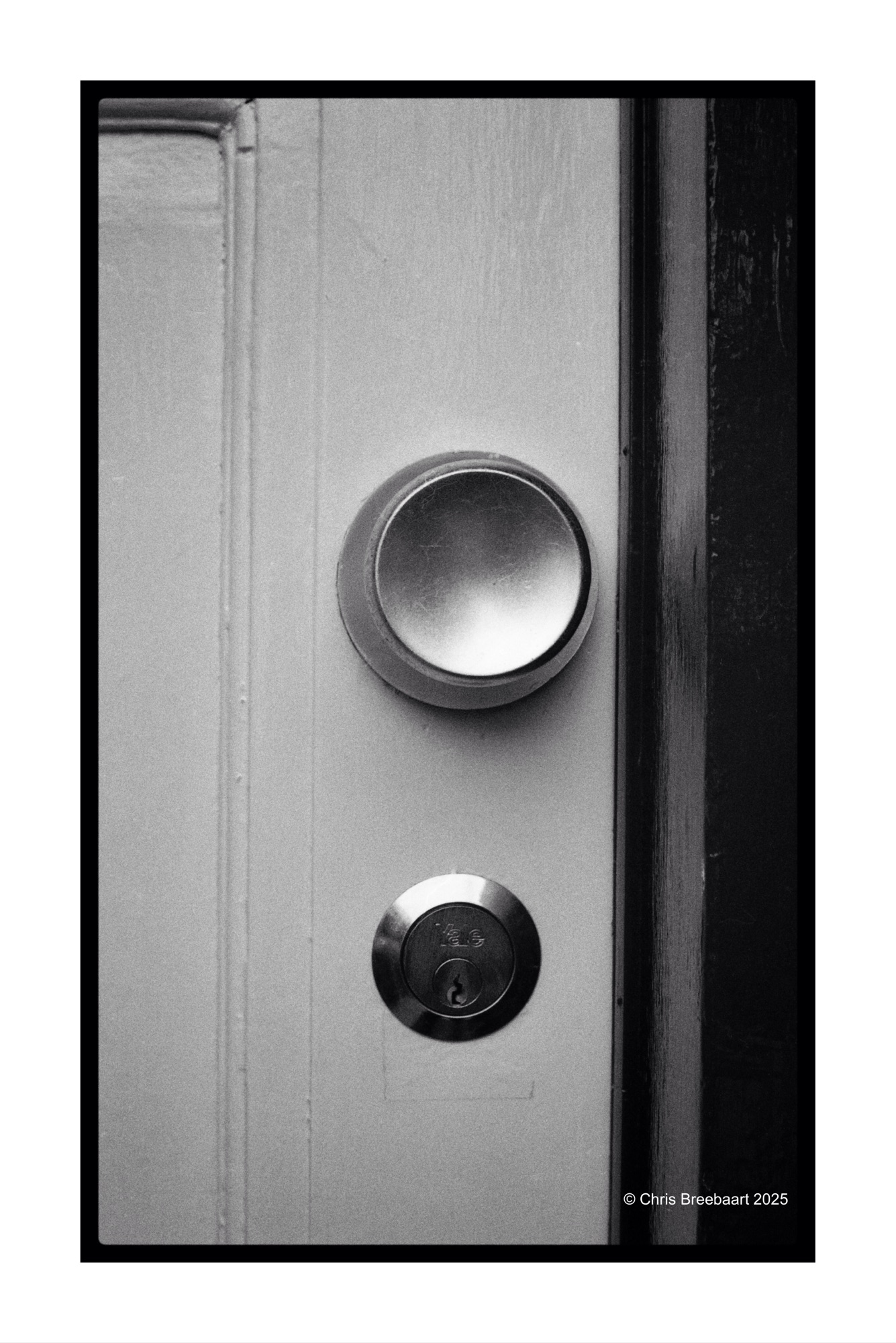
This is the front door to the house I was born and lived in for 25 years. The photo is shot on Ilford XP with a Pentax K1000.
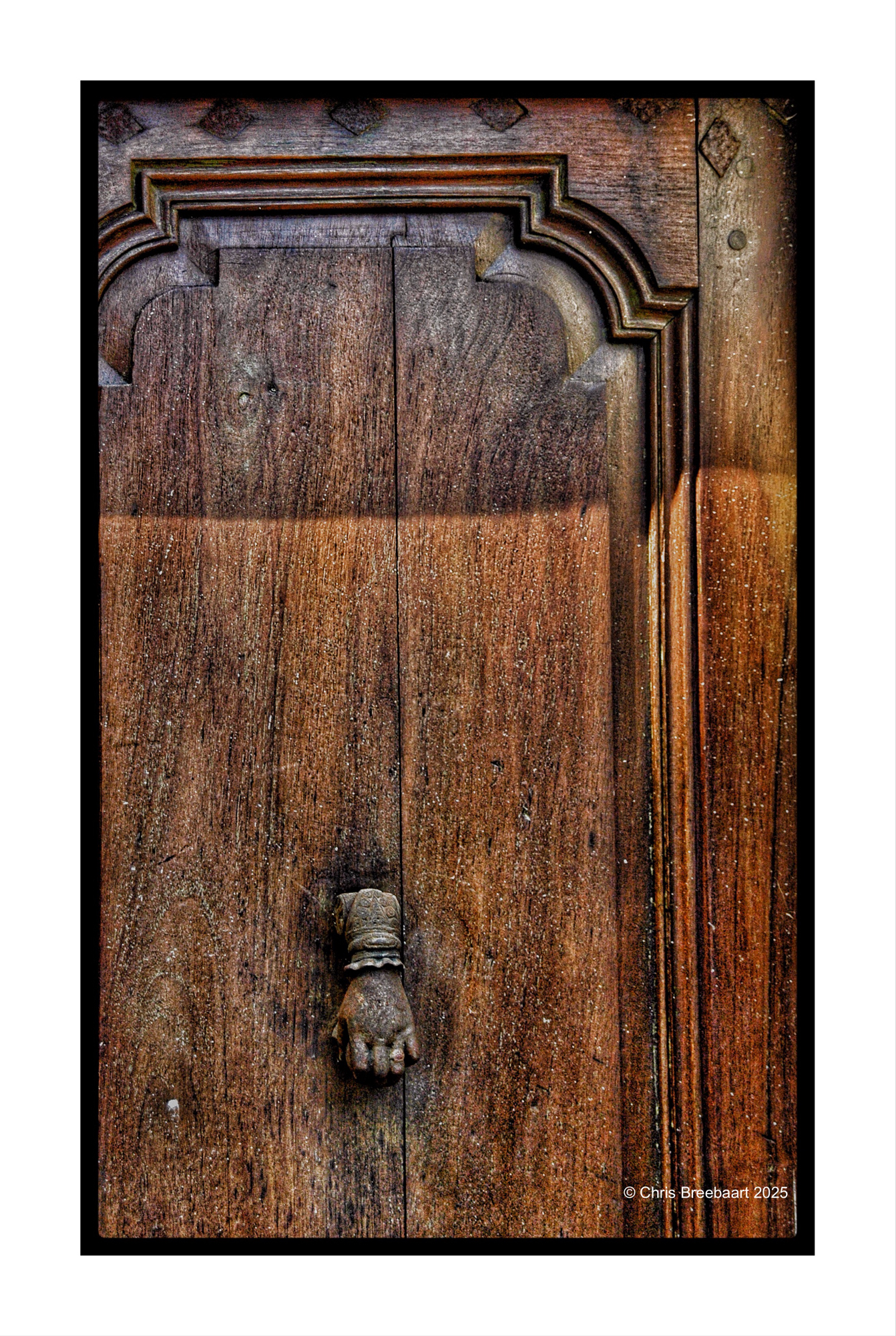
This door in Caylus is ready to be knocked. Shot on Nikon D70.
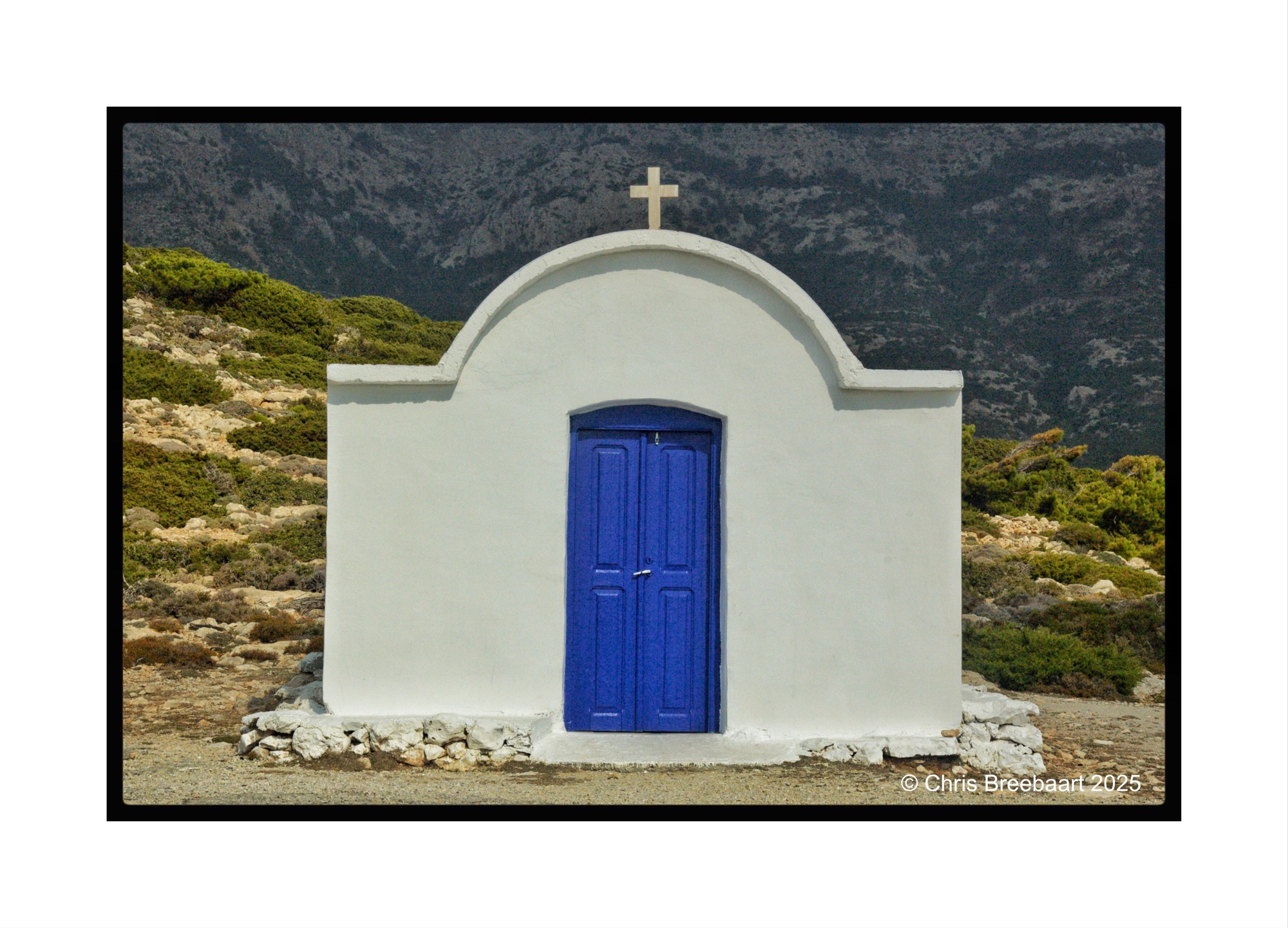
I looked through my archive. It struck me that lots of the doors I saw there are doors of small or bigger churches. This one is on Karpathos. Shot on Nikon D70.

Another church door on Karpathos, shot on Kodak TriX with Nikon F90.

A chapel door in Lesbos, also shot on Nikon D70.
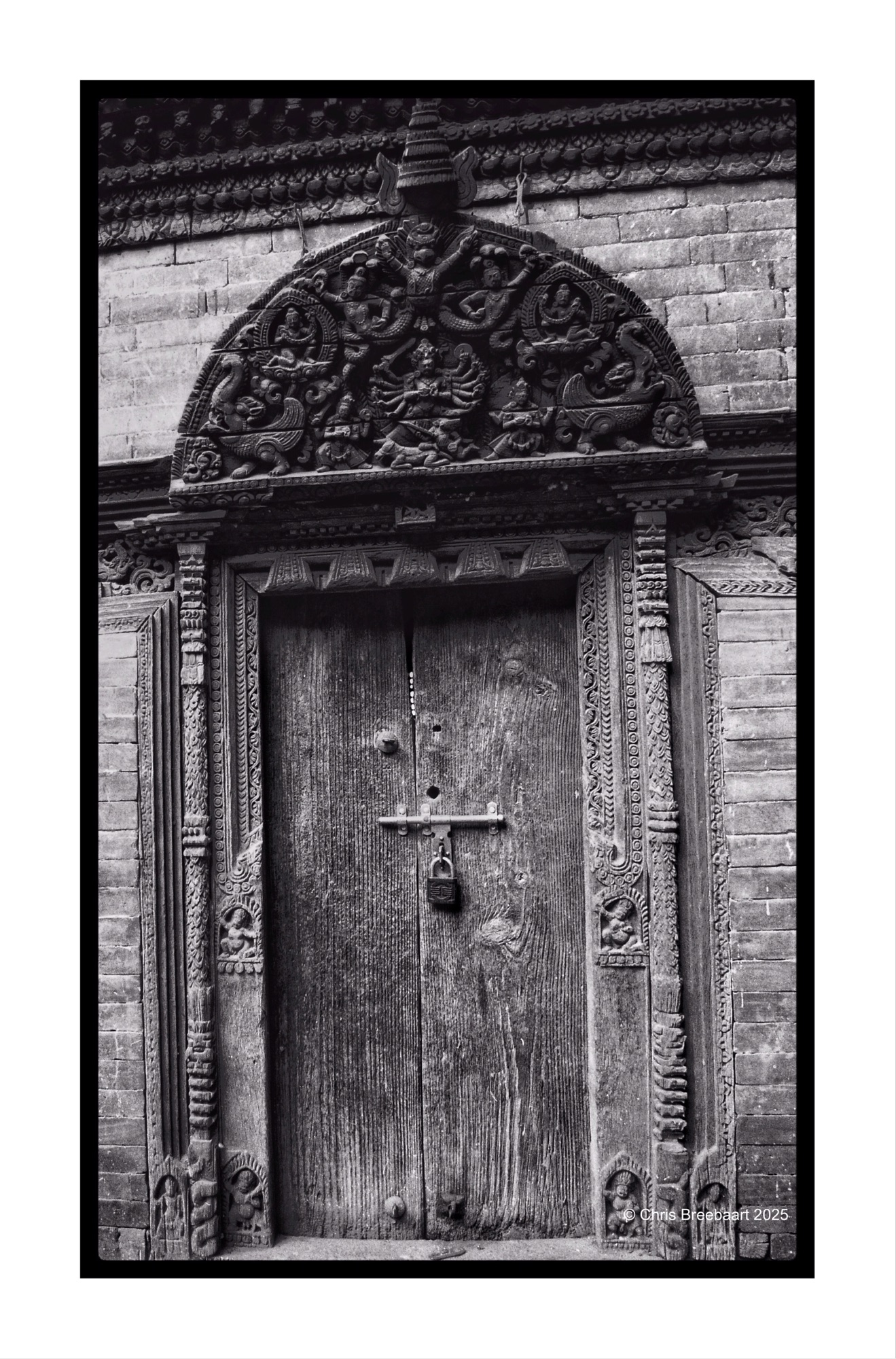
 What's (in) the Picture?