So Close, So Far Away
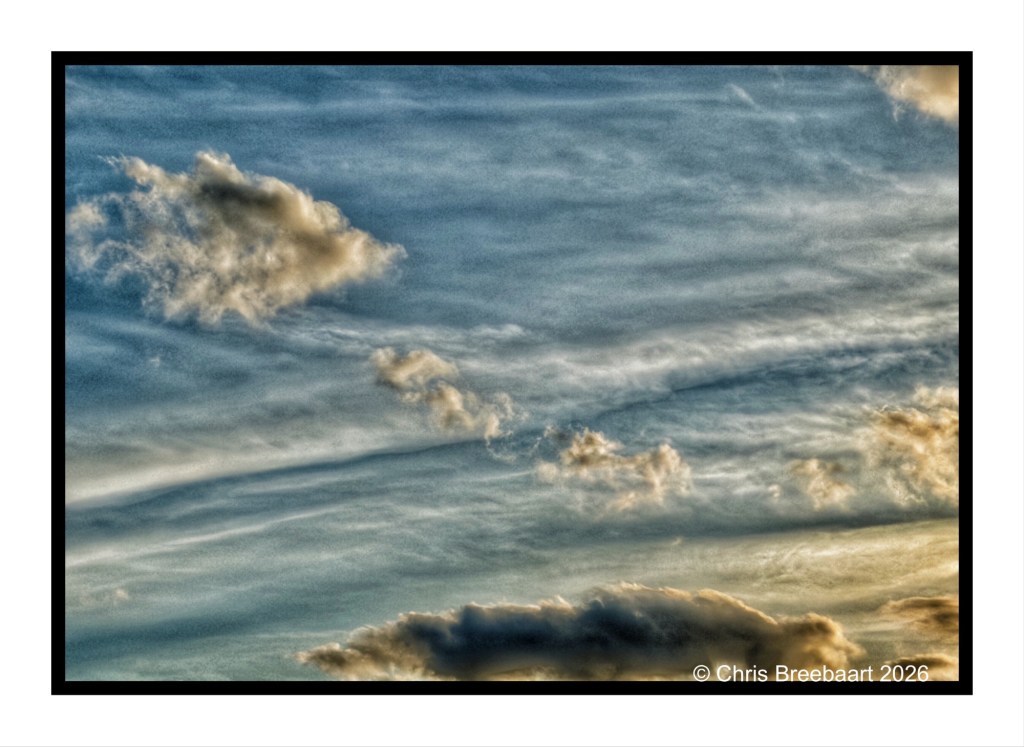
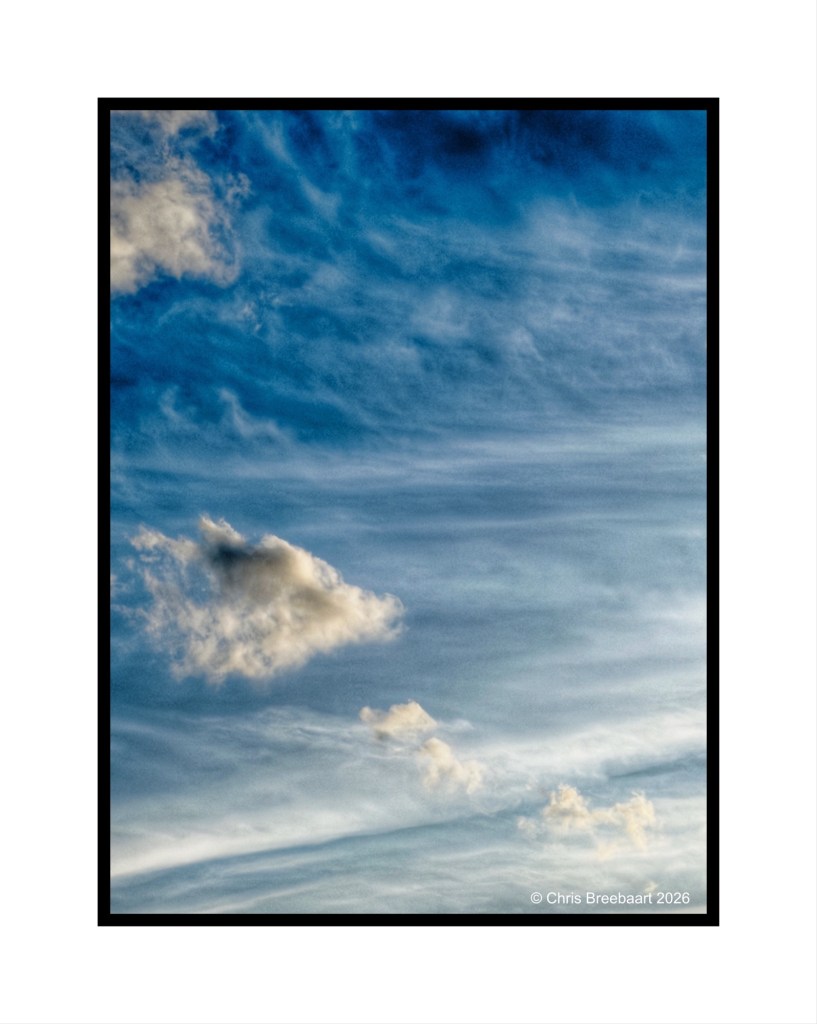
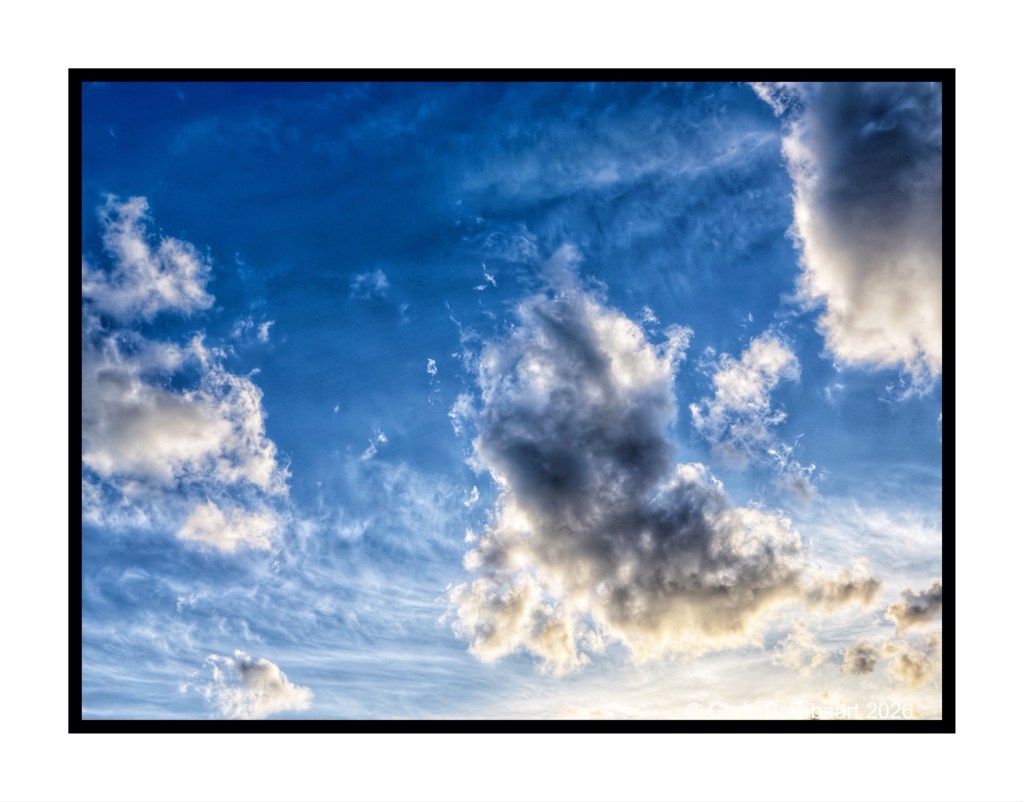
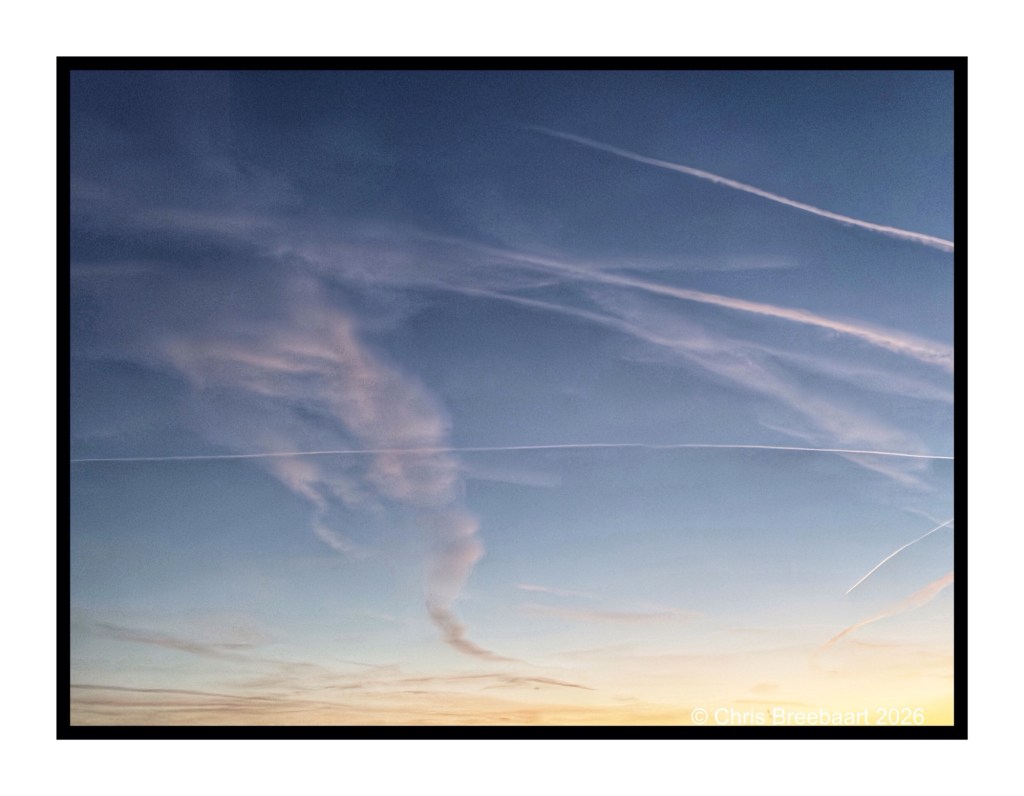
Clouds for this week’s LAPC theme week (#391) ‘Phone photography’.
Shot with iPhone 17 Pro Max edited using Snapseed and Marksta. Click the picture for a larger version
Clouds for this week’s LAPC theme week (#391) ‘Phone photography’.
Shot with iPhone 17 Pro Max edited using Snapseed and Marksta. Click the picture for a larger version
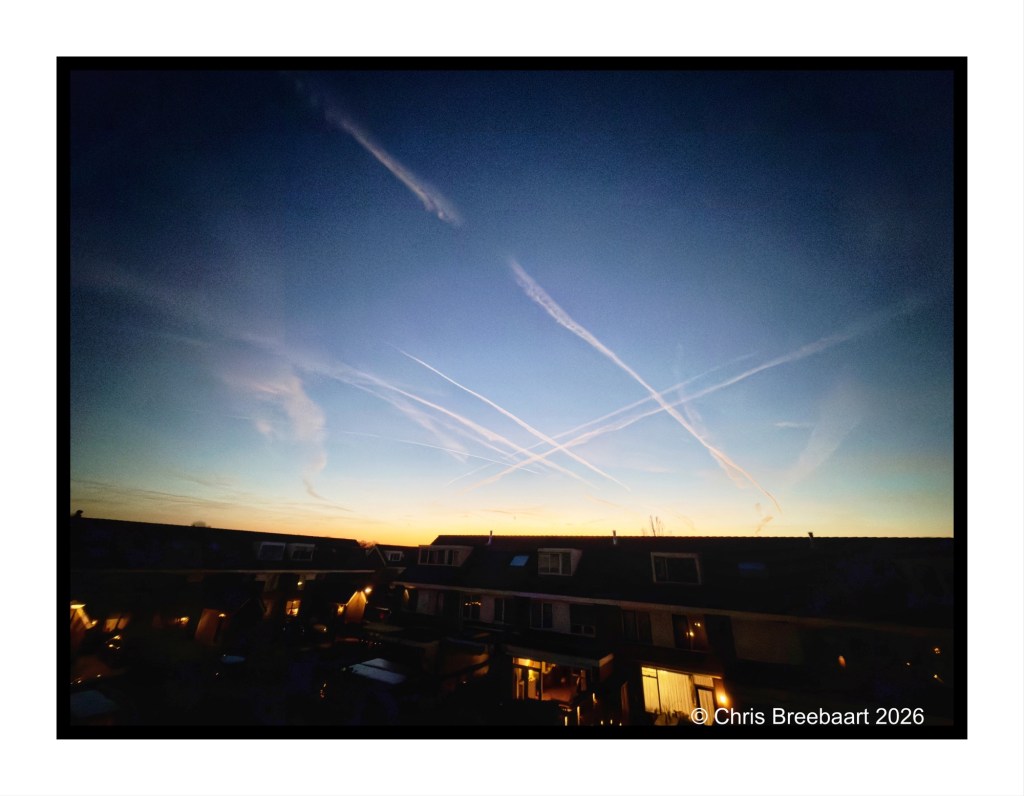
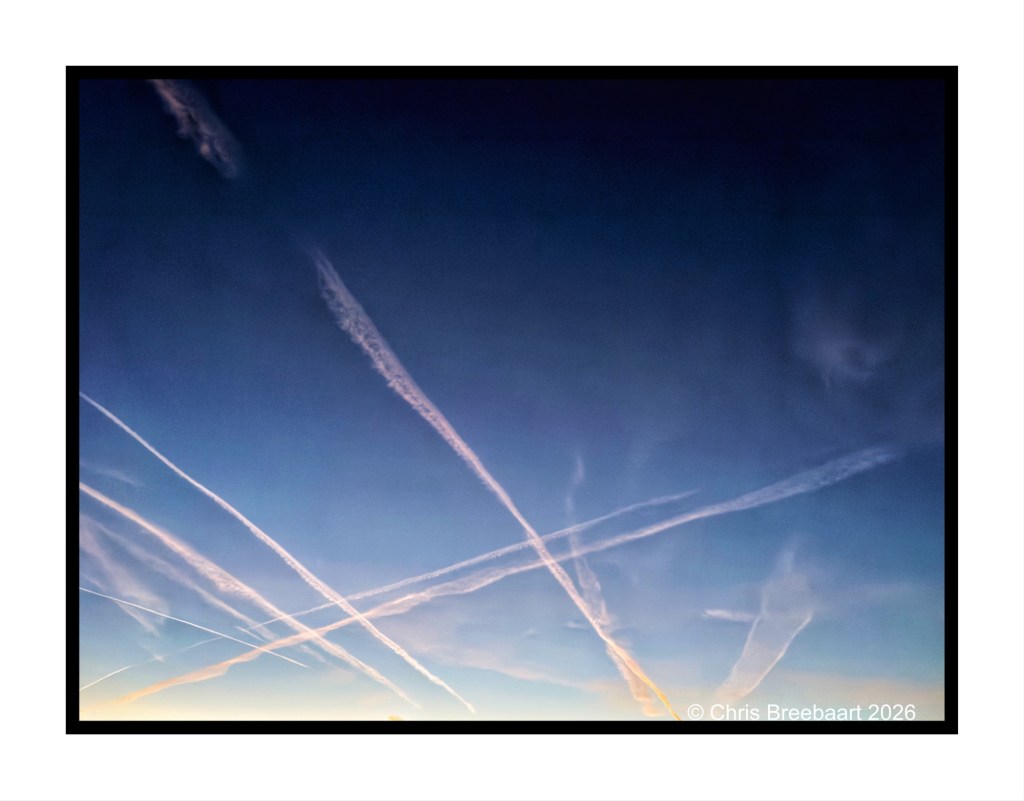
Dusk for this week’s LAPC theme week (#391) ‘Phone photography’.
Shot with iPhone 17 Pro Max edited using Snapseed and Marksta. Click the picture for a larger version
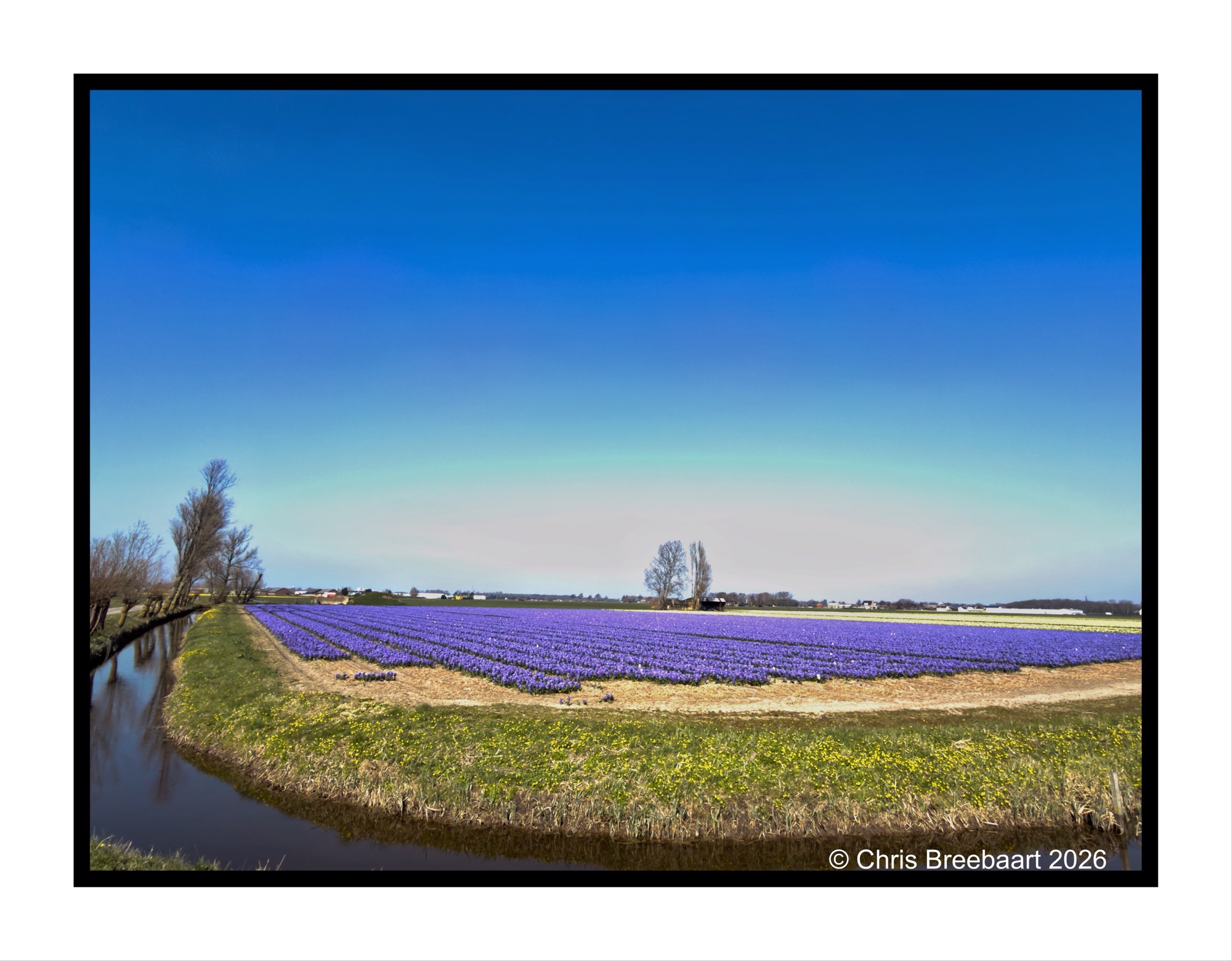
Fortunately, this is really just around the corner. This time of year it is fun to take the bicycle and check out the flowers in the area. Especially when the sun shines. As most of my photos on here are taken on iPhone I do fit the brief of this week’s LAPC theme week (#391) ‘Phone photography’ easy.
Shot with iPhone 17 Pro Max edited using Snapseed and Marksta. Click the picture for a larger version
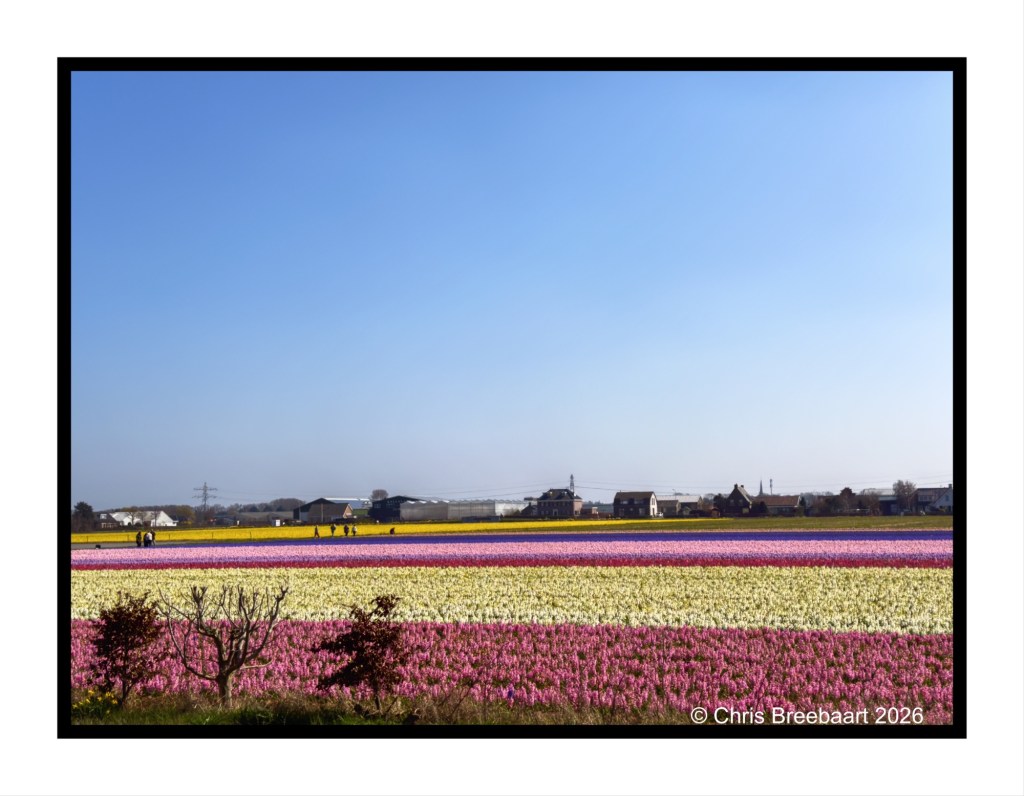
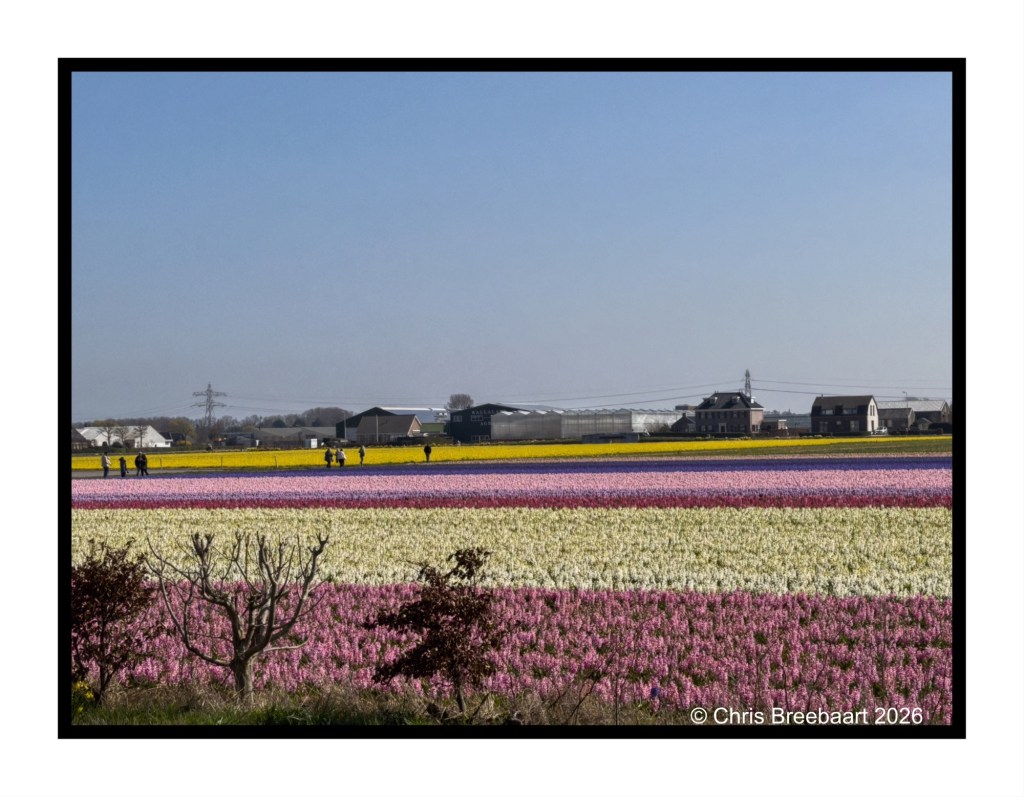
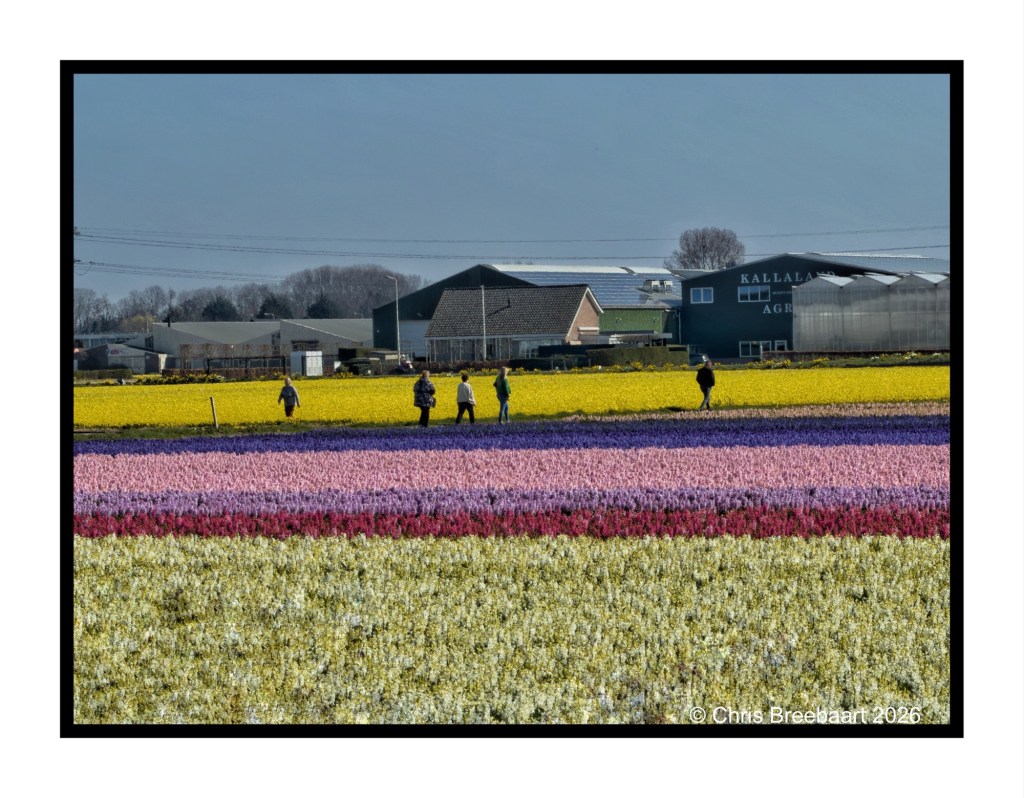
This time of year it is fun to take the bicycle and check out the flowers in the area. Especially when the sun shines. As most of my photos on here are taken on iPhone I do fit the brief of this week’s LAPC theme week (#391) ‘Phone photography’ easy.
Shot with iPhone 17 Pro Max edited using Snapseed and Marksta. Click the picture for a larger version
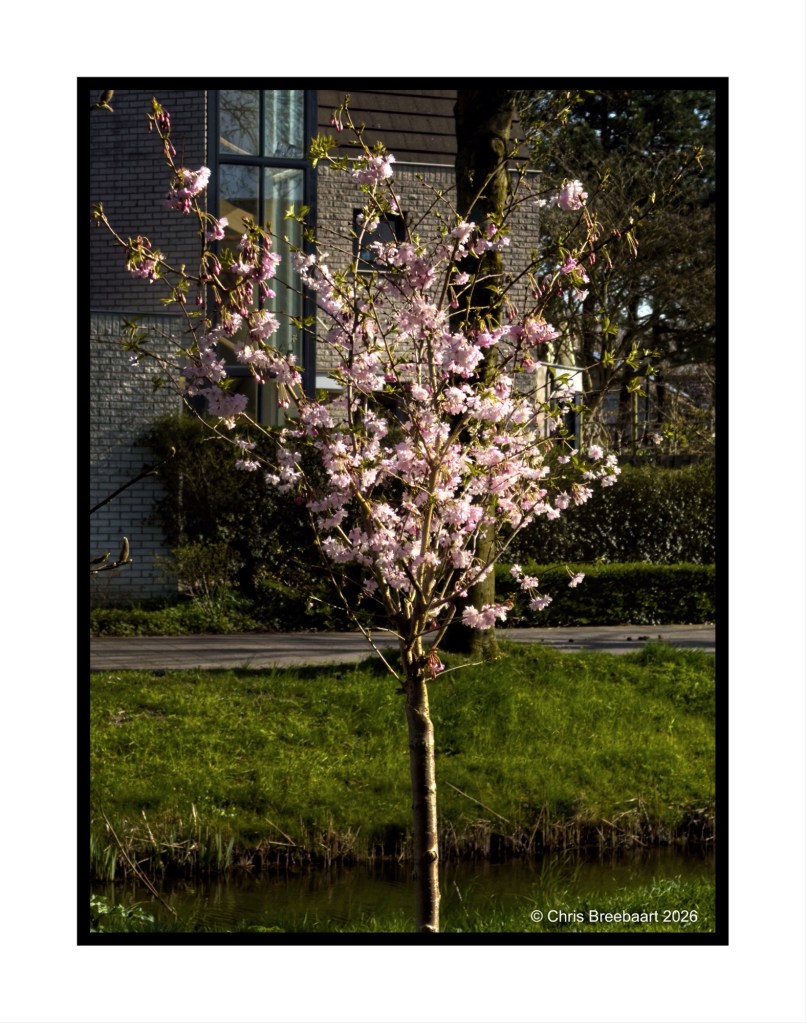
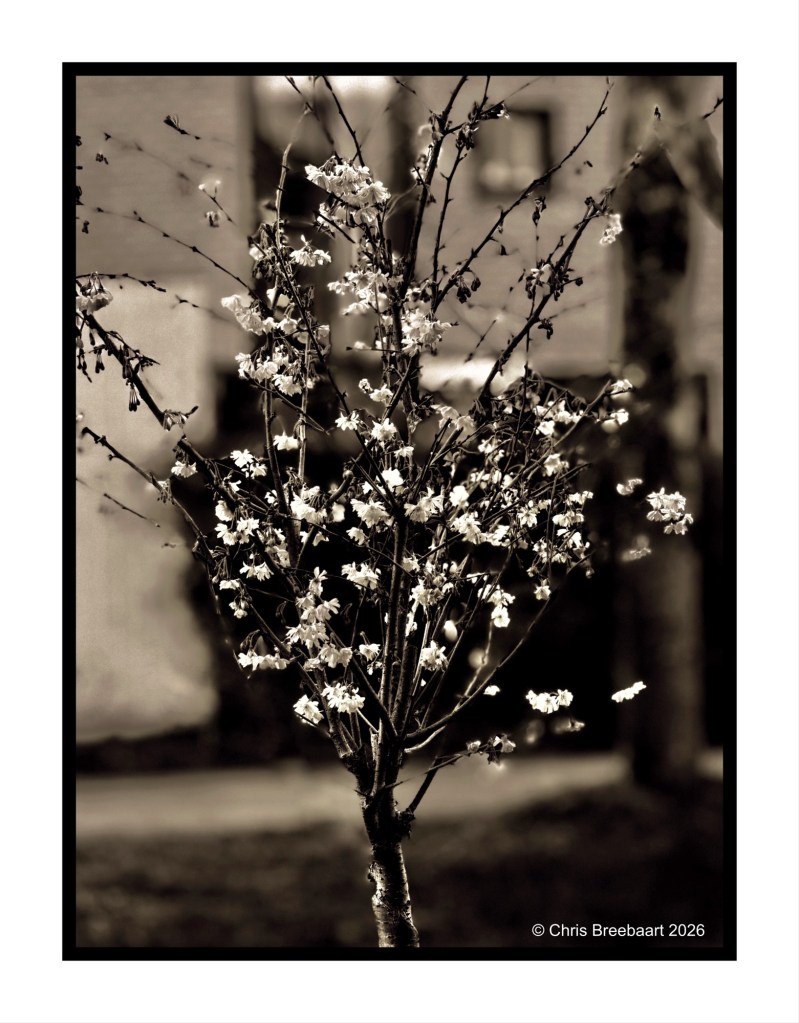
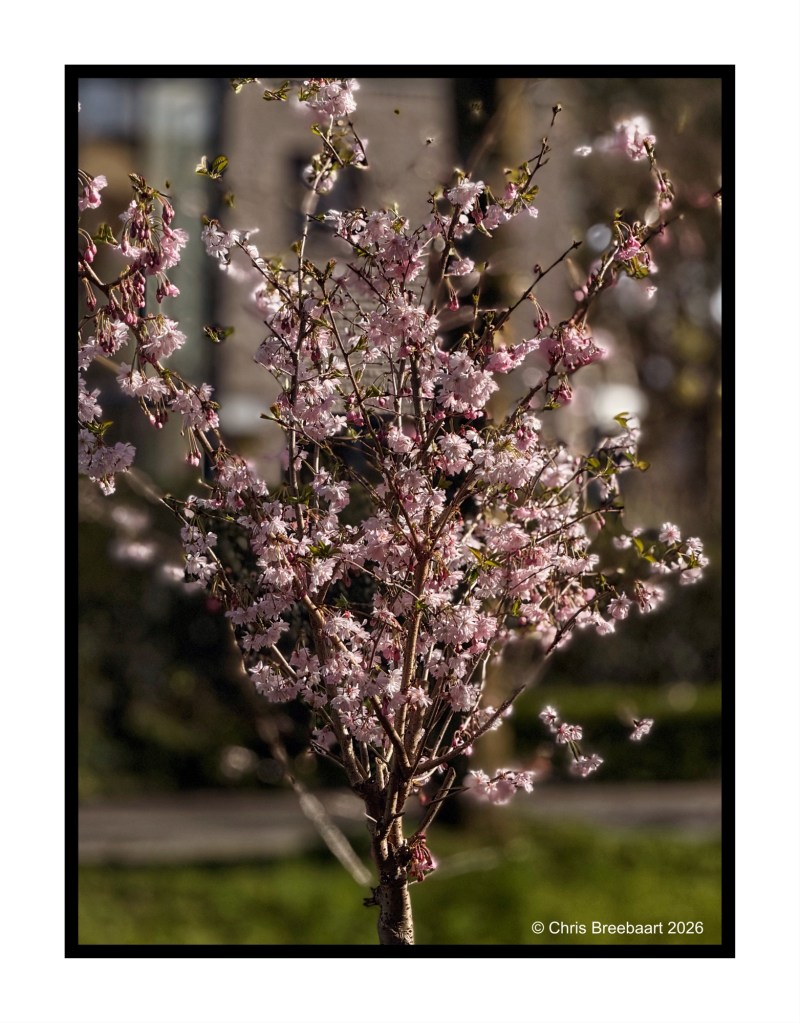
The garden comes back to green and colors. This tree was a new addition and looked quite poorly but is recovering day by day.
The LAPC theme this week (#391) is ‘Phone photography’.
Shot with iPhone 17 Pro Max edited using Snapseed and Marksta. Click the picture for a larger version
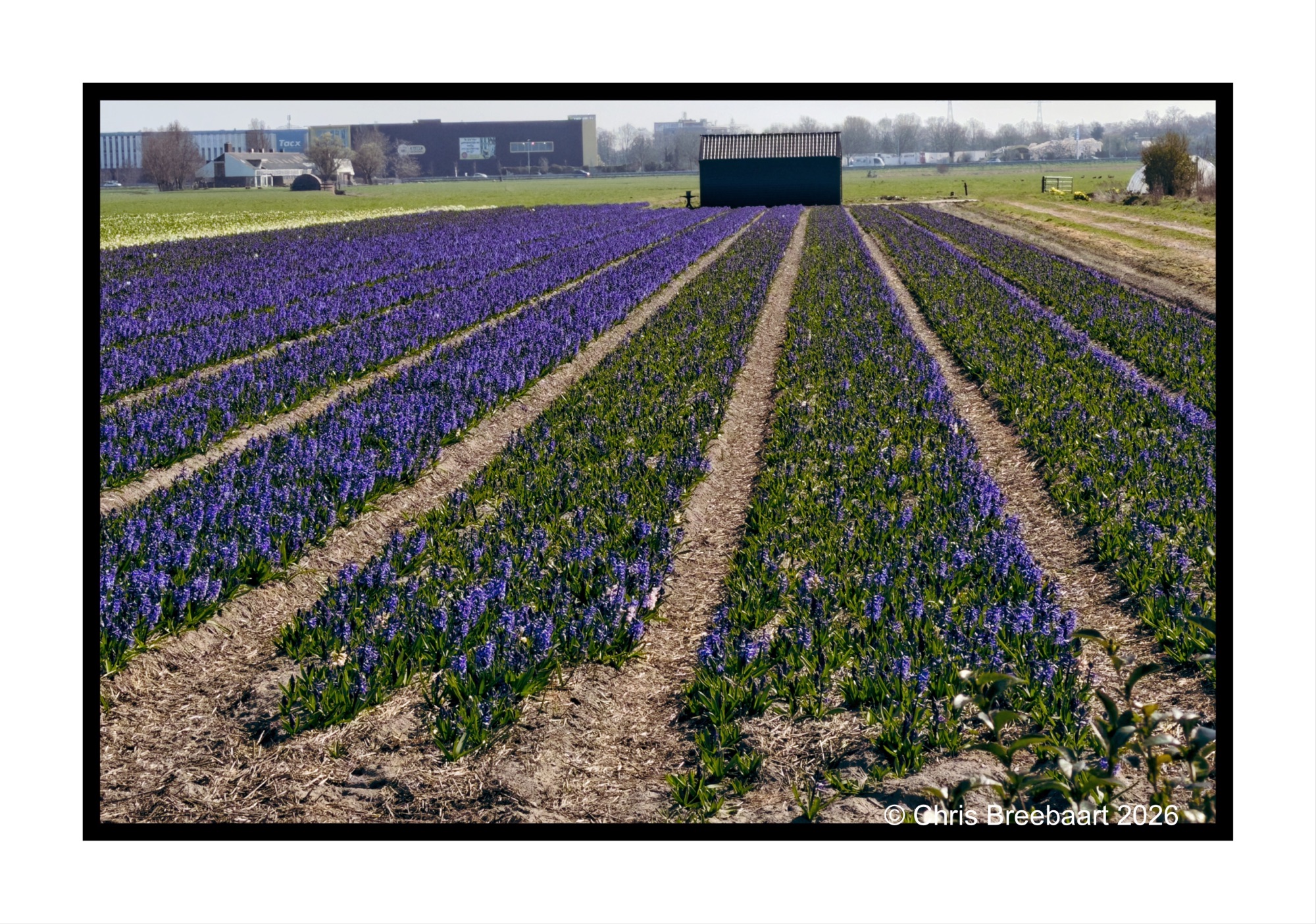
Time is something I sometimes can not grasp. On the one hand it is always the same: a second stays a second, a minute a minute, an hour an hour, a day a day, a week a week, a month a month. On the odd extra day every four years it is a ‘given’ that a year has 365 days. On the other hand time can slip through your hands. It seems to go faster, or slower. It is on your side or not.
This Spring is one of those moments that makes me wonder about time. There is an order in bulbflowers, but daffodils with hyacinths, while tulips pop up in the garden makes me confused. Is it going faster? But in the end the beauty and scent of flowers stays amazing.
The LAPC theme this week (#391) is ‘Phone photography’. Having a smartphone on me all of the time, with a camera that is getting better and better, is quite normal. As Tina says she rarely shoots other than with her phone. The same applies to me. The Iphone is handy, technology for dummies, always near and light. And it offers more an more quality and creativity. On the other hand it still lacks lots of technology you can find on a system camera. So I am in a hybrid state: daily the phone, on occasion the system camera. Getting on a bicycle enjoying the fields is easier with my iPhone. It produces a nice quality. It is convenient. But shooting the flower parade requires a systemcamera.But that is something for next time.
Shot with iPhone 17 Pro Max edited using Snapseed and Marksta. Click the picture for a larger version
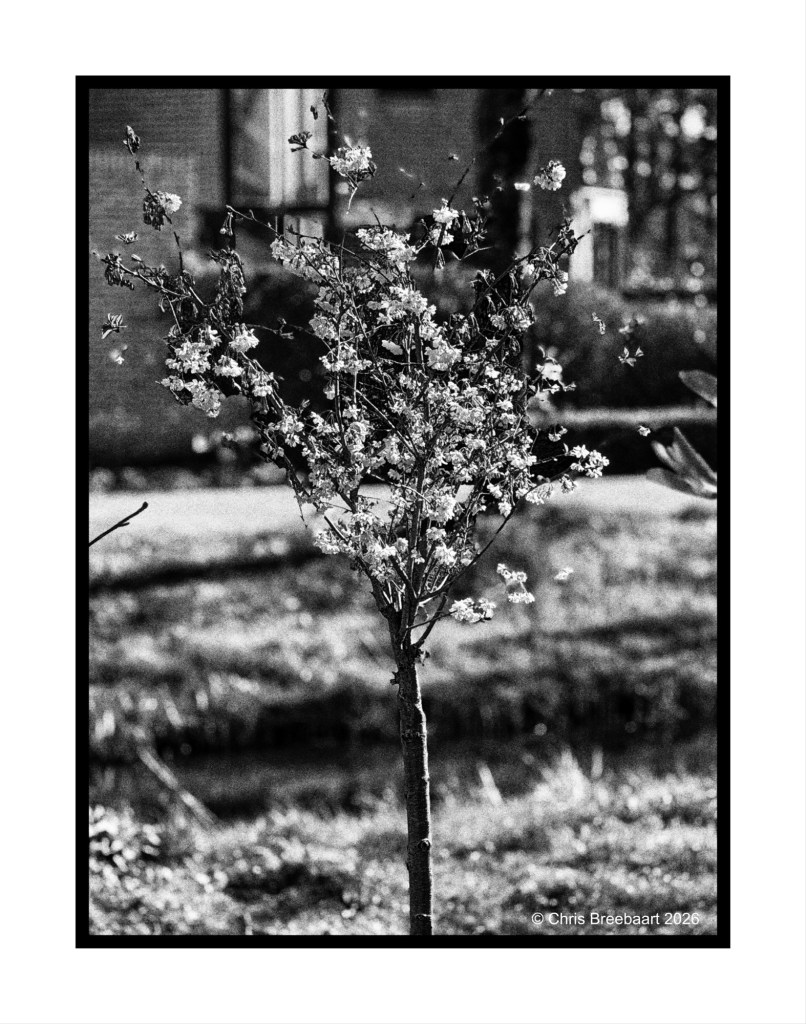
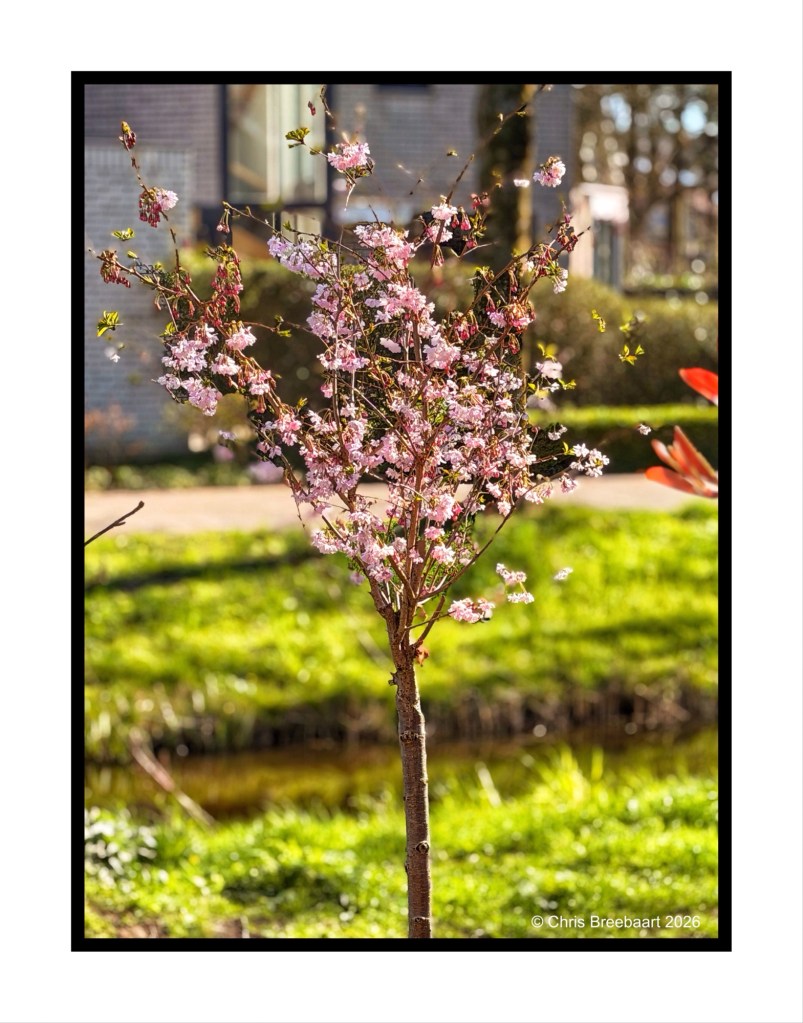
This week’s theme #390 is ‘color in black and white’. The theme focuses on the cognitive fact that our brains still know a color, even if it is in a grey tone. So the sky is blue, the grass green etc. Here you can see what colors do in greys, and if that is appealing or not to your taste pallet. For me this challenge is a bit of fun: most of the time I am looking at the world translating colors straight into grey tones, seeing if a photo is working in monochrome or not. Thanks Egidio for this challenge.
If you visit my blog – like I hope you do or from now start to do – you must have recognized my ‘old’ love for monochrome. When I started this hobby, mono was fashionable and a standard for news photography. And it was cheaper. In this series I offer you two versions of a photo. And you can prefer one over the other, or not.
Shot with iPhone 17 Pro Max edited using Snapseed and Marksta. Click the picture for a larger version
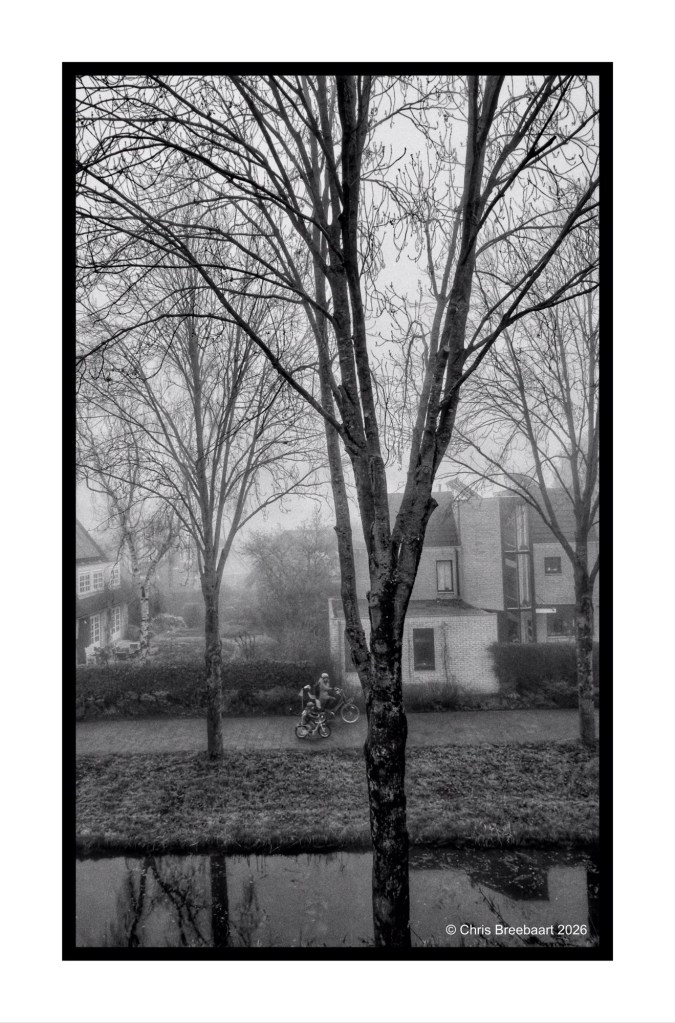
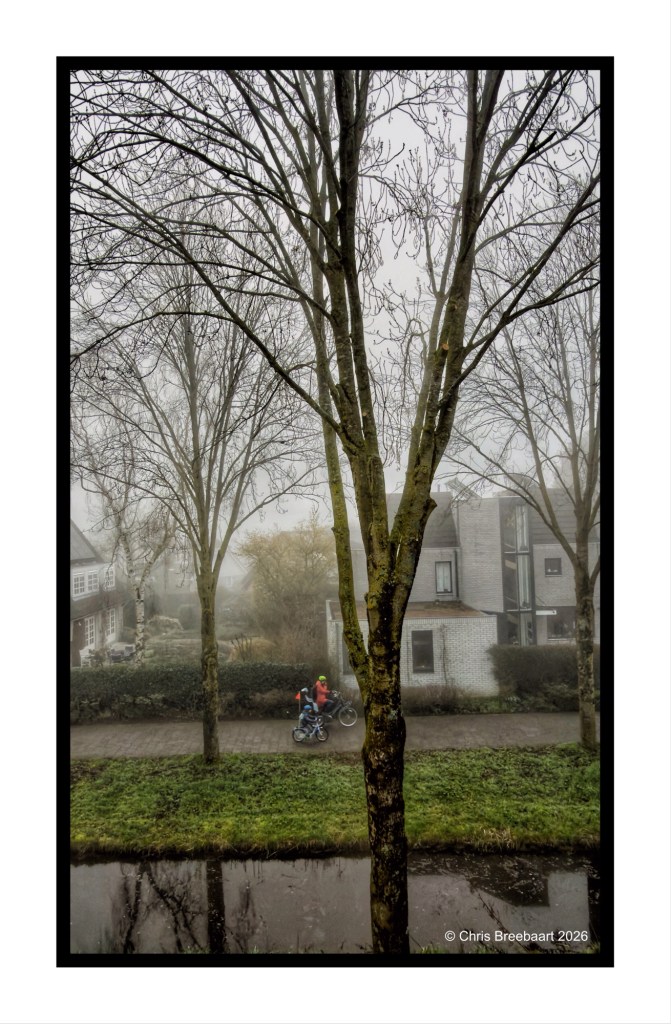
If you visit my blog – like I hope you do or from now start to do – you must have recognized my ‘old’ love for monochrome. When I started this hobby, mono was fashionable and a standard for news photography. And it was cheaper. In this series I offer you two versions of a photo. And you can prefer one over the other, or not.
This week’s theme #390 is ‘color in black and white’. What an appropiate theme, to show the last of the series. A view out of the window. Egidio’s theme focused on the cognitive fact that our brains still know a soccer pitch is green, even in grey tones. Here you can see what colors do in greys, and if that is appealing or not to your taste pallet.
Shot with iPhone 17 Pro Max edited using Snapseed and Marksta. Click the picture for a larger version
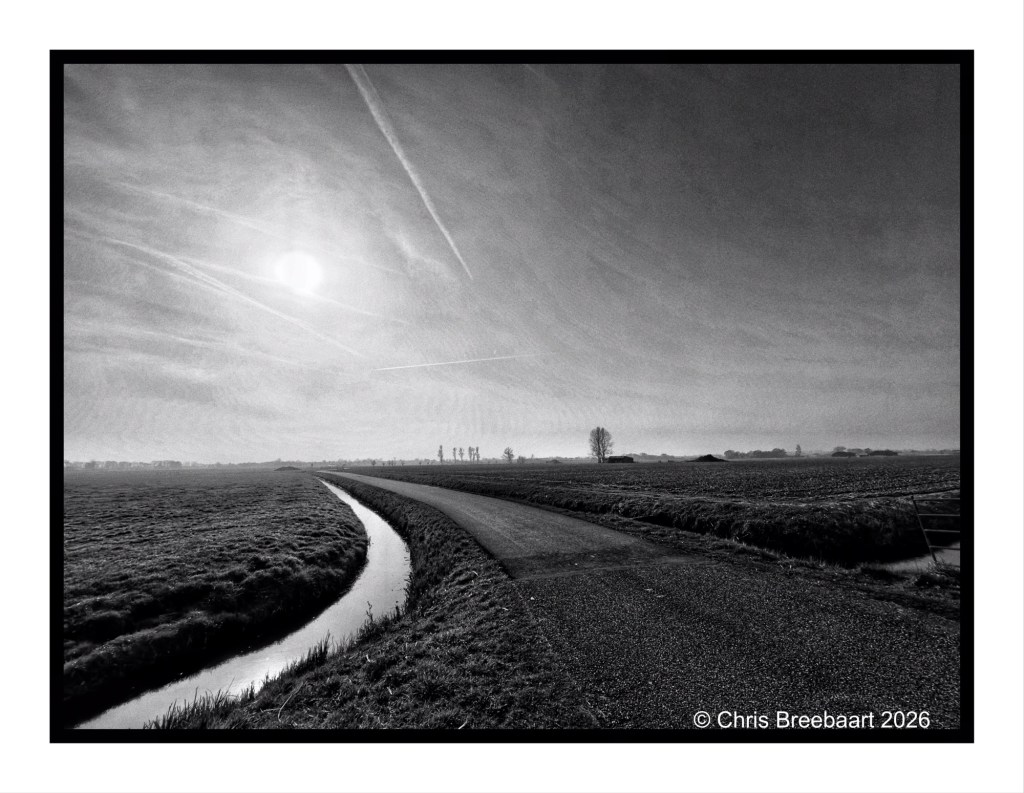
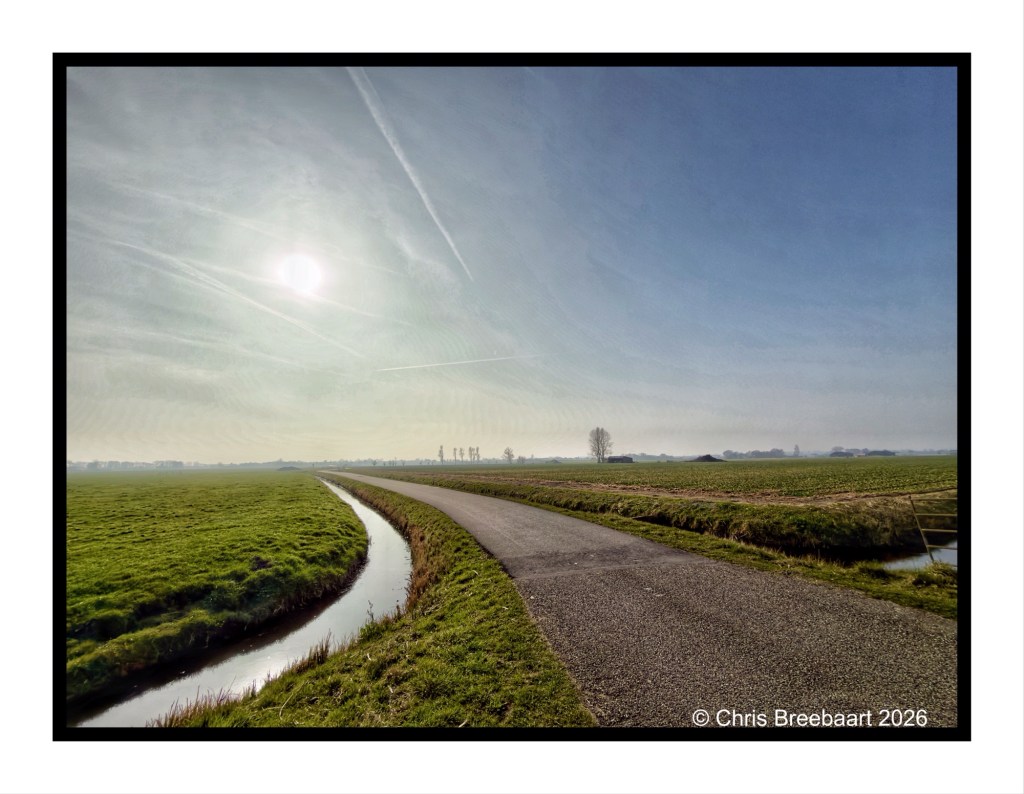
If you visit my blog – like I hope you do or from now start to do – you must have recognized my ‘old’ love for monochrome. When I started this hobby, mono was fashionable and a standard for news photography. And it was cheaper. In this series I offer you two versions of a photo. And you can prefer one over the other, or not.
This week’s theme is ‘Time to relax’. On a bicycle ride through fields where soon bulb flowers will pop up, together with other cyclists. This is a piece of a polder showing the low horizon in the sun.
Shot with iPhone 17 Pro Max edited using Snapseed and Marksta. Click the picture for a larger version
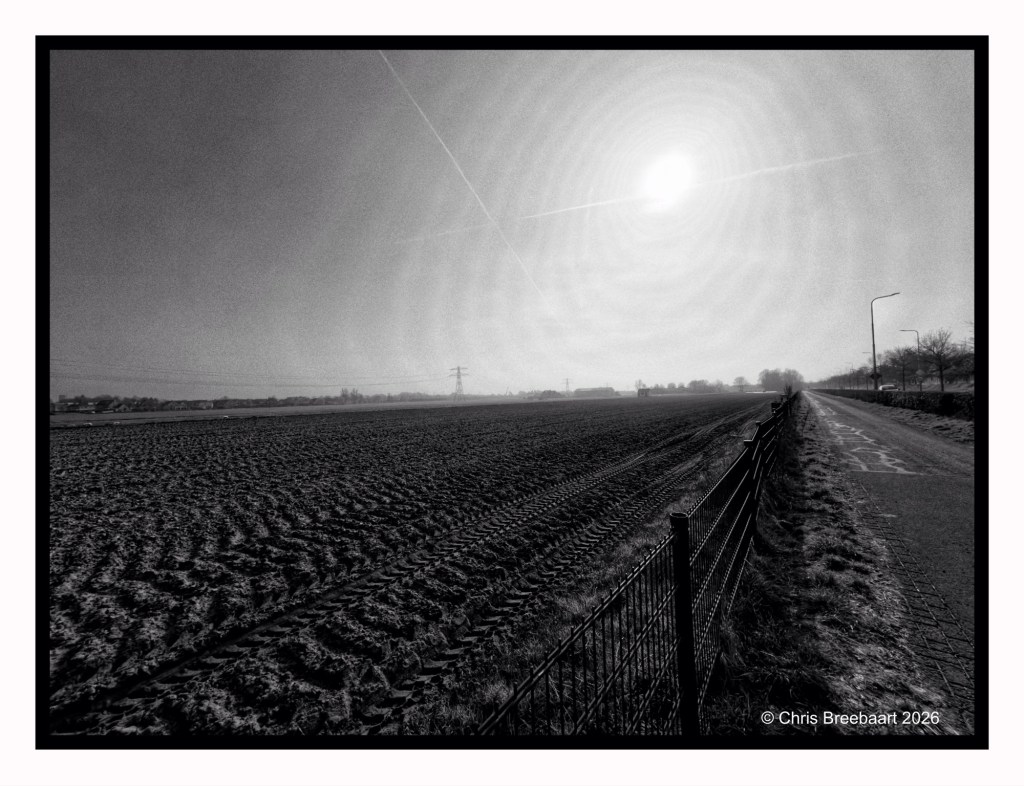
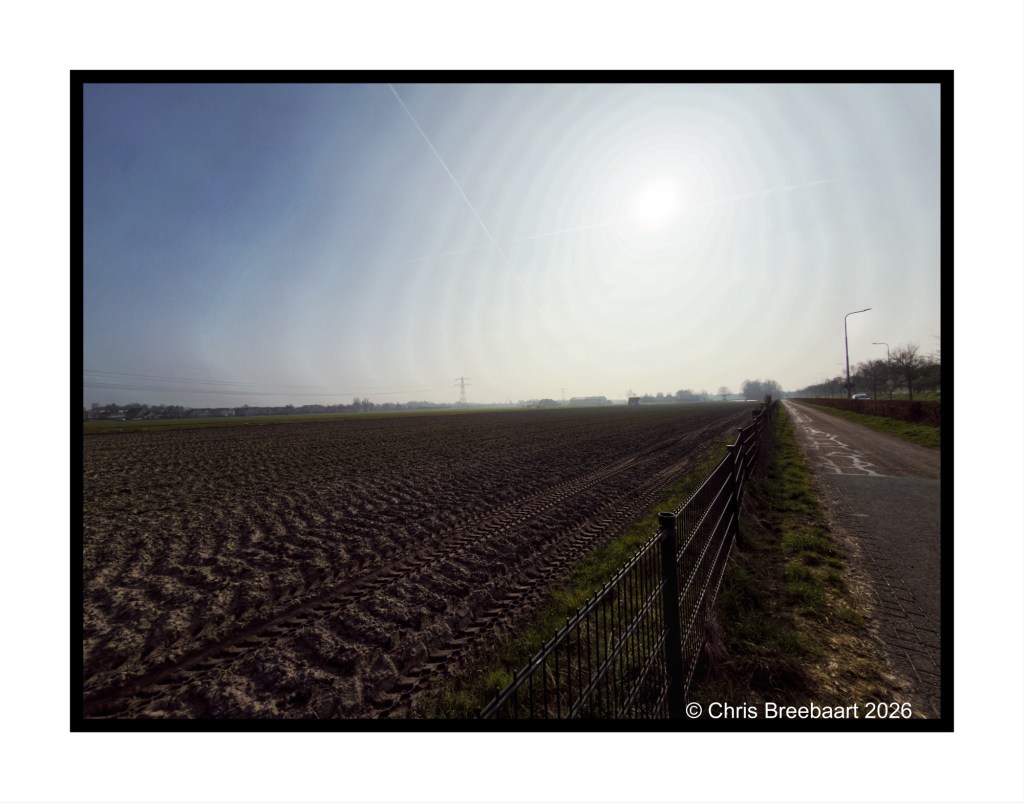
If you visit my blog – like I hope you do or from now start to do – you must have recognized my ‘old’ love for monochrome. When I started this hobby, mono was fashionable and a standard for news photography. And it was cheaper. In this series I offer you two versions of a photo. And you can prefer one over the other, or not.
This week’s theme is ‘Time to relax’. On a bicycle ride through fields where soon bulb flowers will pop up, together with other cyclists. Thought I am not really sure about this piece of land, it is just been plowed it seems.
Shot with iPhone 17 Pro Max edited using Snapseed and Marksta. Click the picture for a larger version
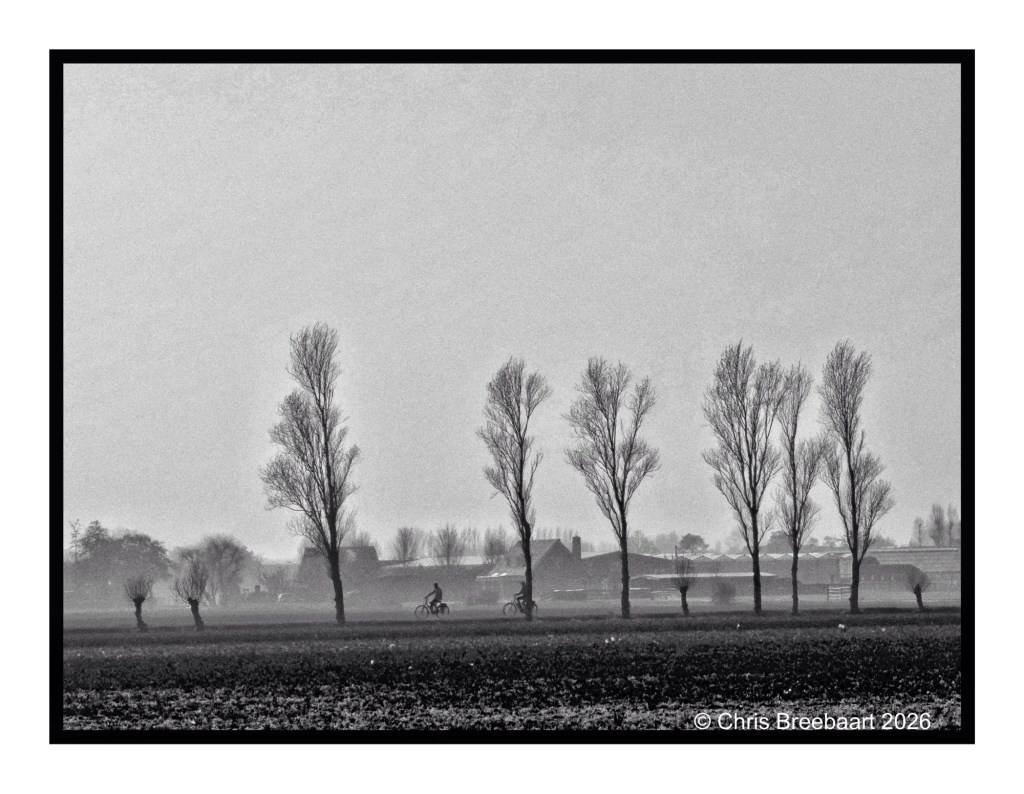
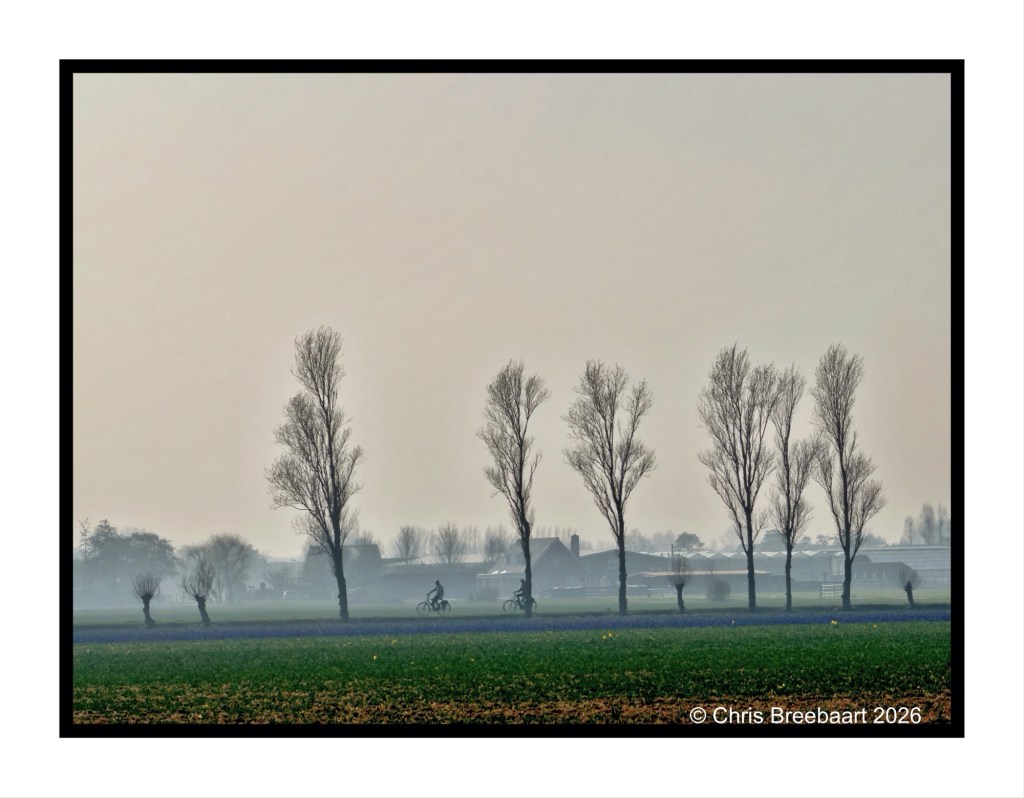
If you visit my blog – like I hope you do or from now start to do – you must have recognized my ‘old’ love for monochrome. When I started this hobby, mono was fashionable and a standard for news photography. And it was cheaper. In this series I offer you two versions of a photo. And you can prefer one over the other, or not.
This week’s theme is ‘Time to relax’. On a bicycle ride through fields where soon bulb flowers will pop up, together with other cyclists. On the color version you can see the deep purple of early hyacinths. With Some yellow late Daffodils.
Shot with iPhone 17 Pro Max edited using Snapseed and Marksta. Click the picture for a larger version
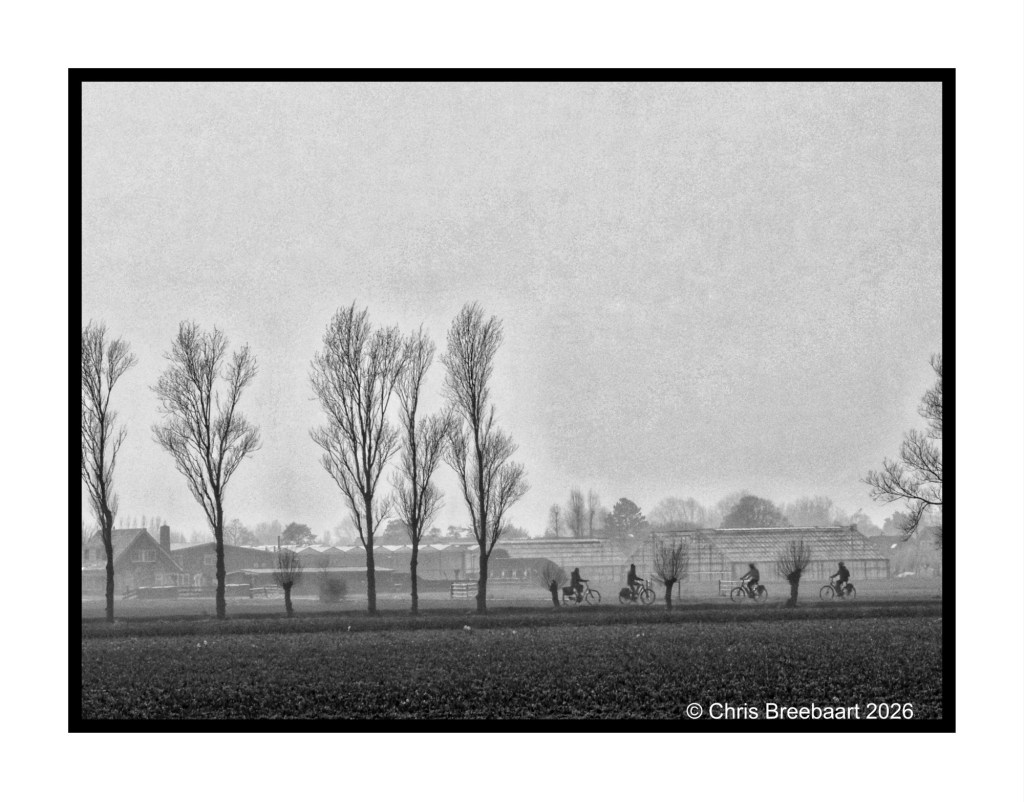
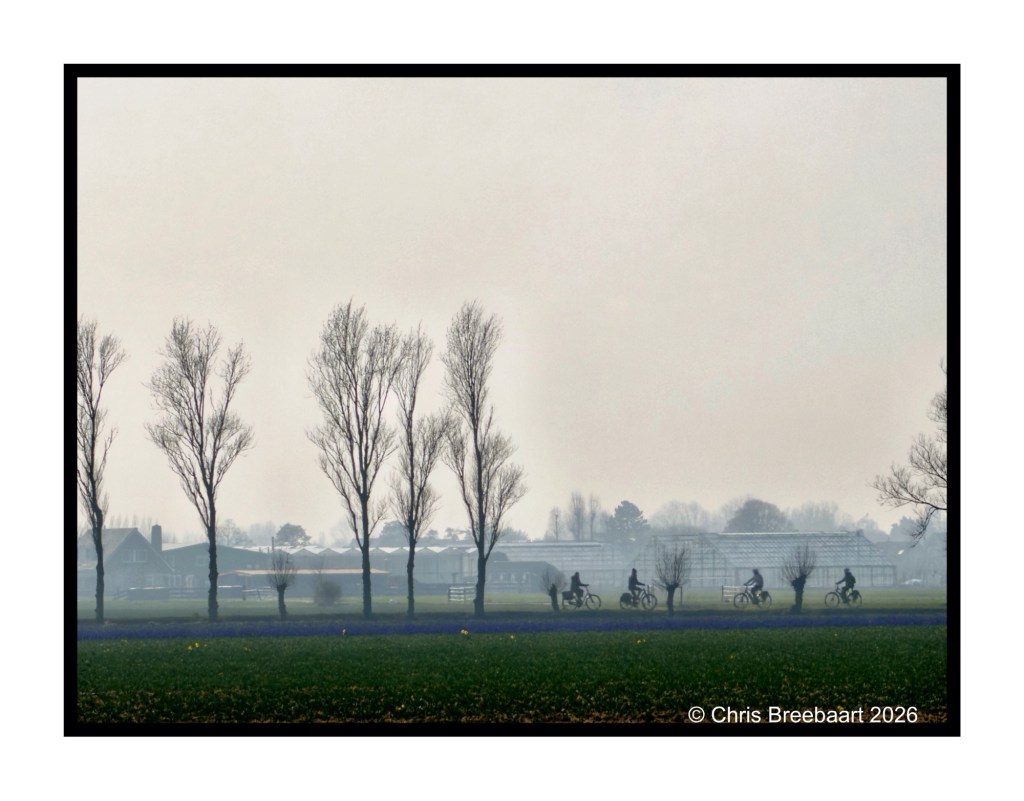
If you visit my blog – like I hope you do or from now start to do – you must have recognized my ‘old’ love for monochrome. When I started this hobby, mono was fashionable and a standard for news photography. And it was cheaper. In this series I offer you two versions of a photo. And you can prefer one over the other, or not.
This week’s theme is ‘Time to relax’. On a bicycle ride through fields where soon bulb flowers will pop up, together with other cyclists. On the color version you can see the deep purple of early hyacinths. With Some yellow late Daffodils.
Shot with iPhone 17 Pro Max edited using Snapseed and Marksta. Click the picture for a larger version
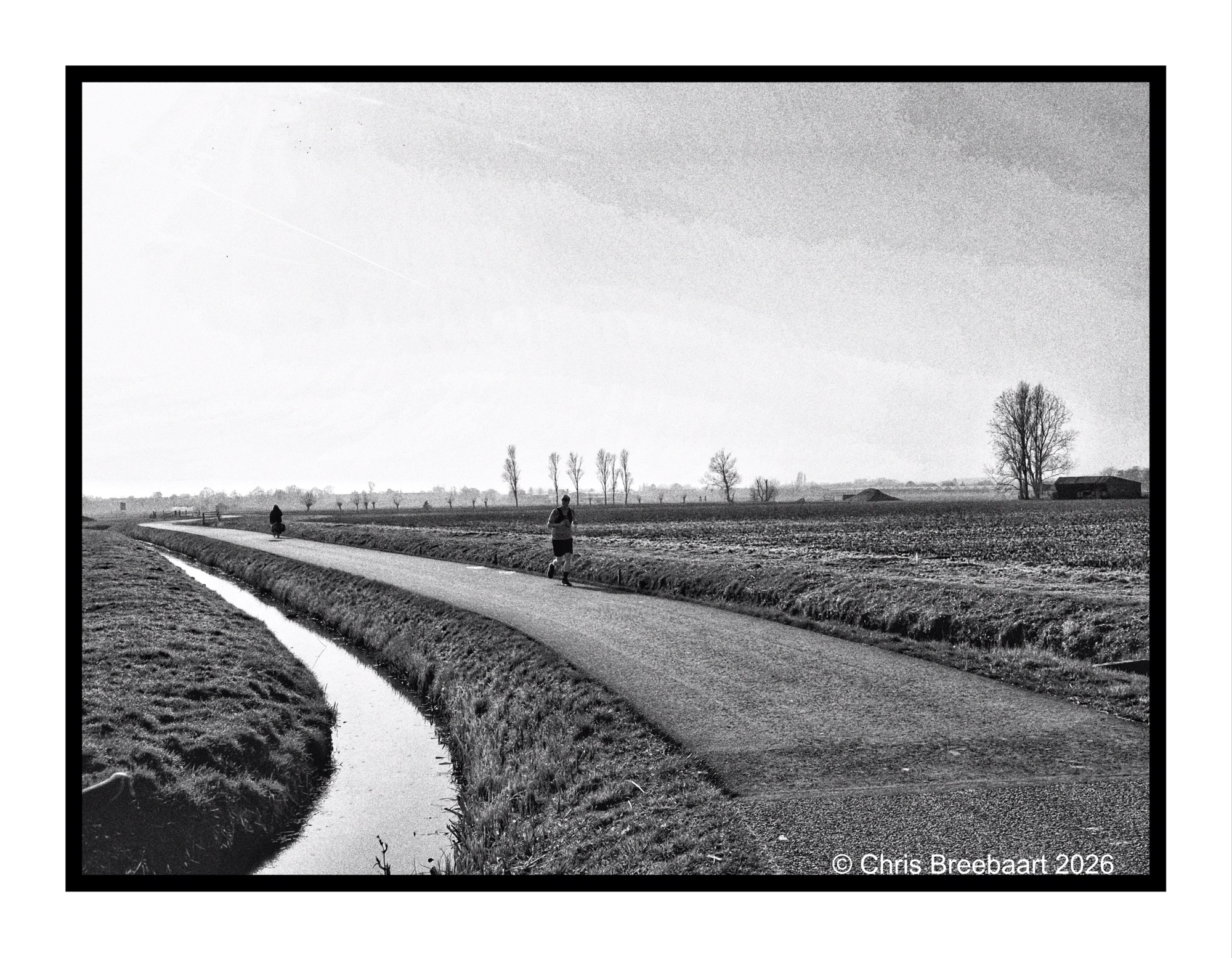
This week’s theme is ‘Time to relax’. On a bicycle ride through fields where soon bulb flowers will pop up, together with other cyclists and the occasional runner.
Shot with iPhone 17 Pro Max edited using Snapseed and Marksta. Click the picture for a larger version
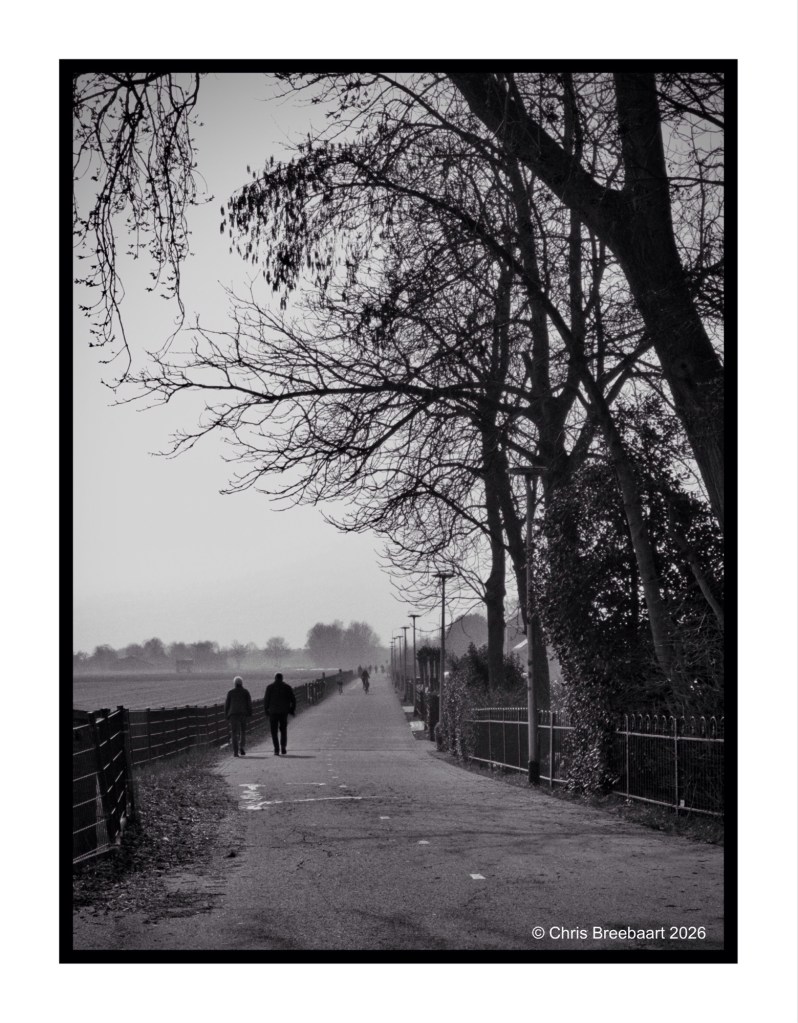
Spring is here and last weekend I made a little bicycle ride to check out the bulb flower fields. Daffodils where coming up, and at odd places hyacinths started to show. A nice way to relax and enjoy the lovely day outside. As did others by walking, running or cycling. Fitting this week’s theme ‘Time to relax’.
Shot with iPhone 17 Pro Max edited using Snapseed and Marksta. Click the picture for a larger version
Some of the last photos with the iPhone15 Pro Max. A close view on a shopping floor. Like it is an endless circle of steps lining the floor. what can you do waiting for someone shopping?
Westfield in Leidschendam, Mall of The Netherlands. This weeks Lens-Artists Photo Challenge #387 is Shadowed. How do you use shadows in photography.
Shot with iPhone 15 Pro Max edited using Snapseedand Marksta. Click the picture for a larger version.
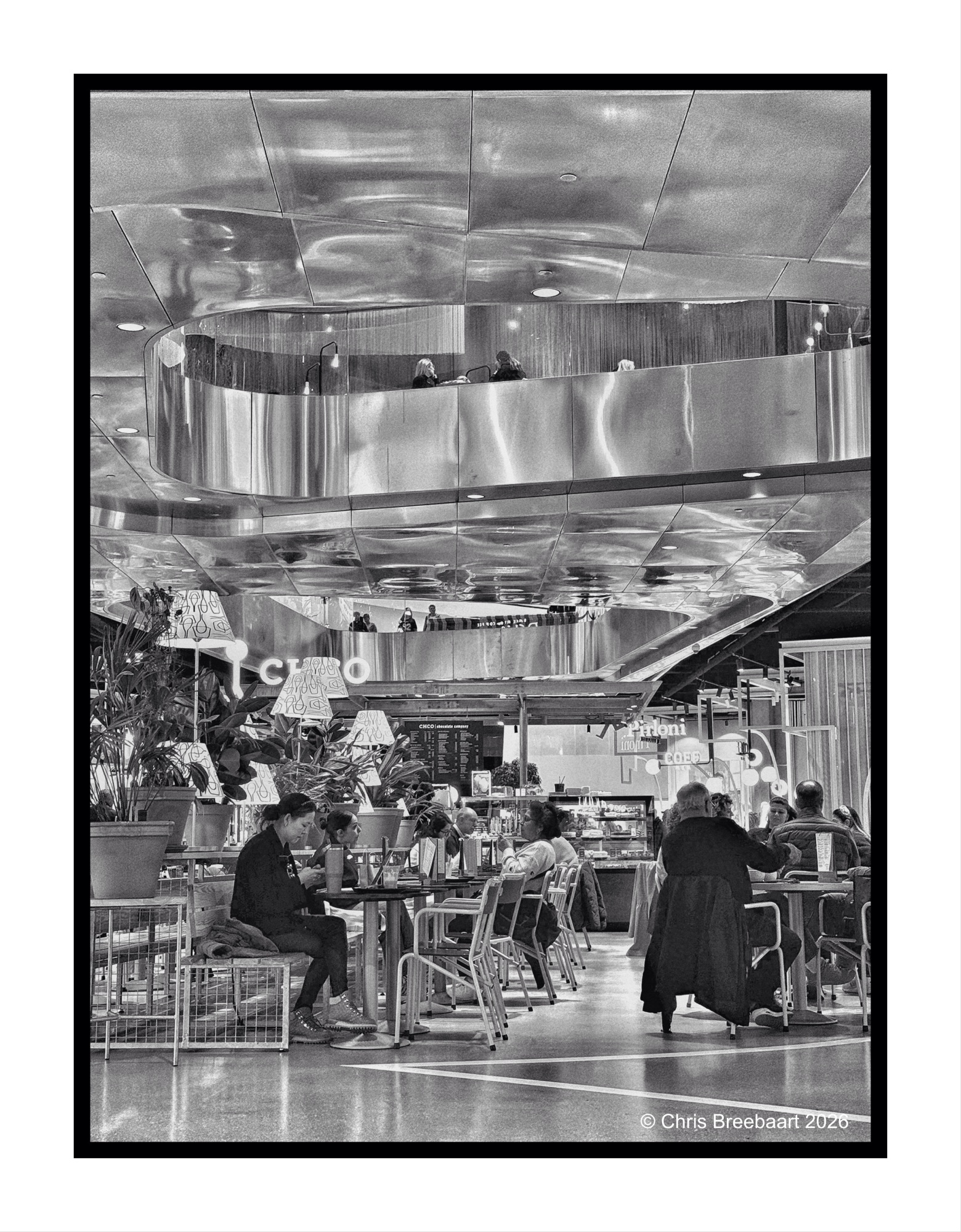
Westfield in Leidschendam, Mall of The Netherlands. This weeks Lens-Artists Photo Challenge #387 is Shadowed. How do you use shadows in photography.
Shot with iPhone 15 Pro Max edited using Snapseed and Marksta. Click the picture for a larger version.
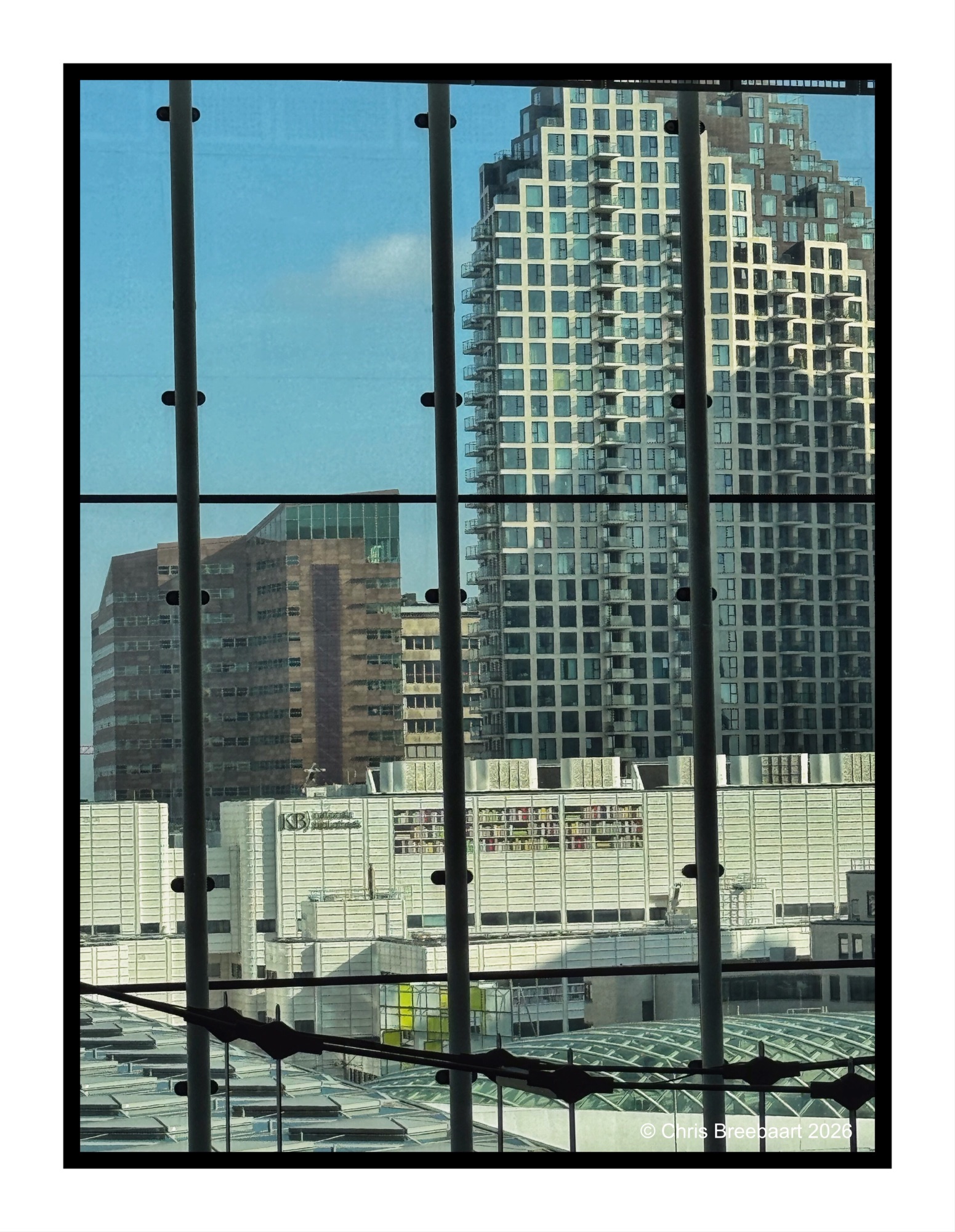
The view towards the Koninklijke Bibliotheek (Royal Library). This weeks Lens-Artists Photo Challenge #387 is Shadowed. How do you use shadows in photography.
Shot with iPhone 15 Pro Max edited using Snapseed and Marksta. Click the picture for a larger version.
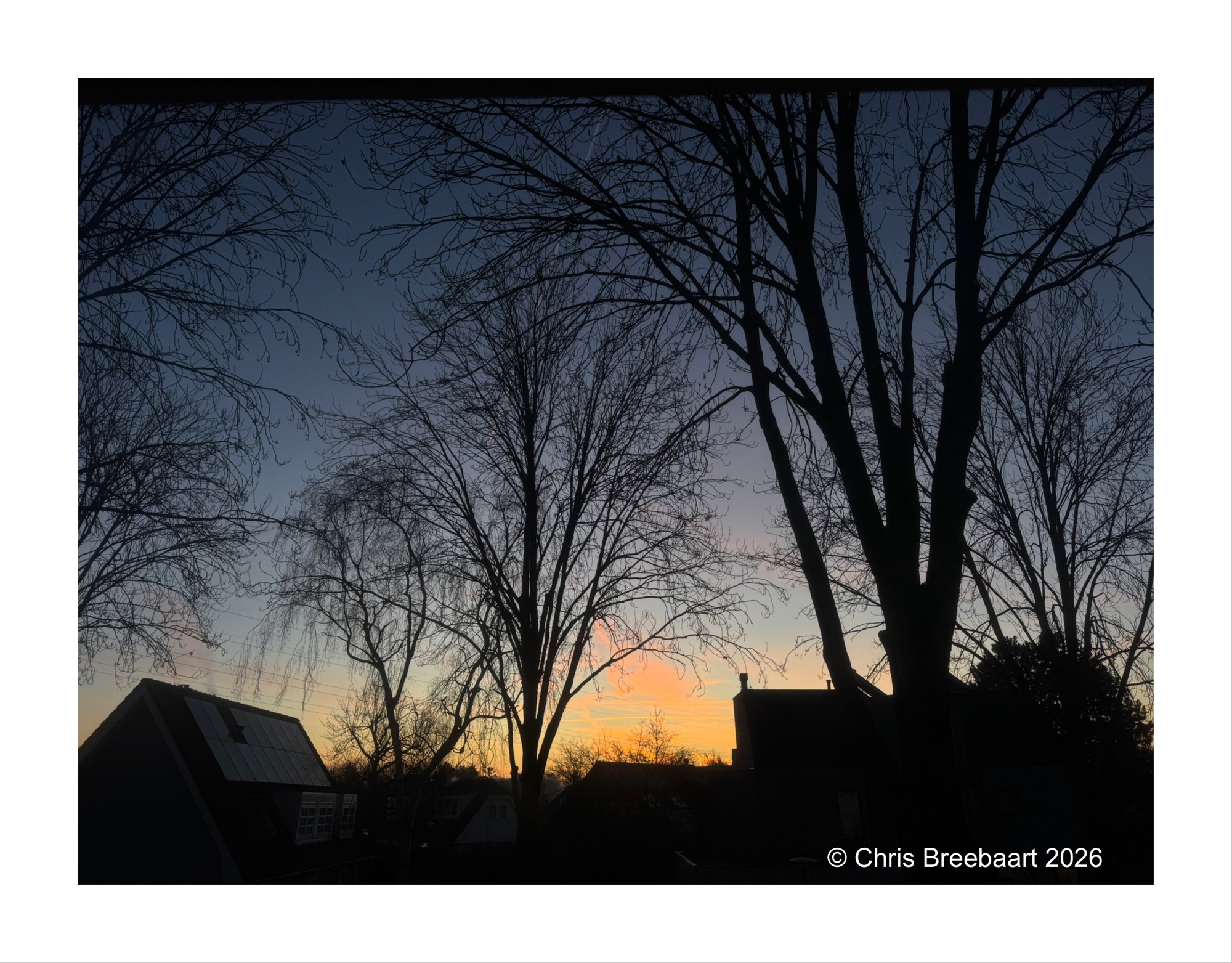
A Winter sunrise. This weeks Lens-Artists Photo Challenge #387 is Shadowed. How do you use shadows in photography.
Shot with iPhone 15 Pro Max edited using Snapseed and Marksta. Click the picture for a larger version.
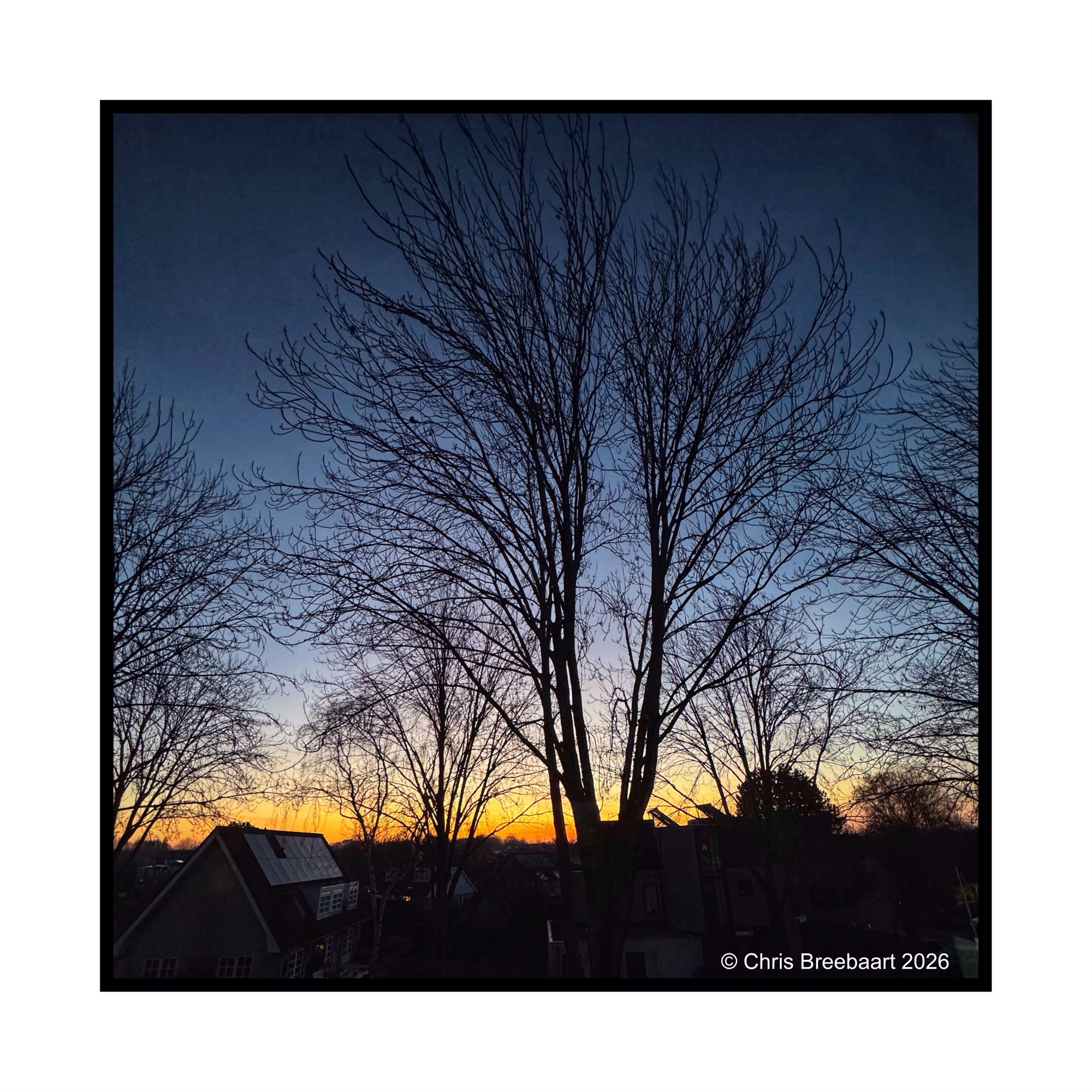
A Winter sunrise. This weeks Lens-Artists Photo Challenge #387 is Shadowed. How do you use shadows in photography.
Shot with iPhone 15 Pro Max edited using Snapseed and Marksta. Click the picture for a larger version.
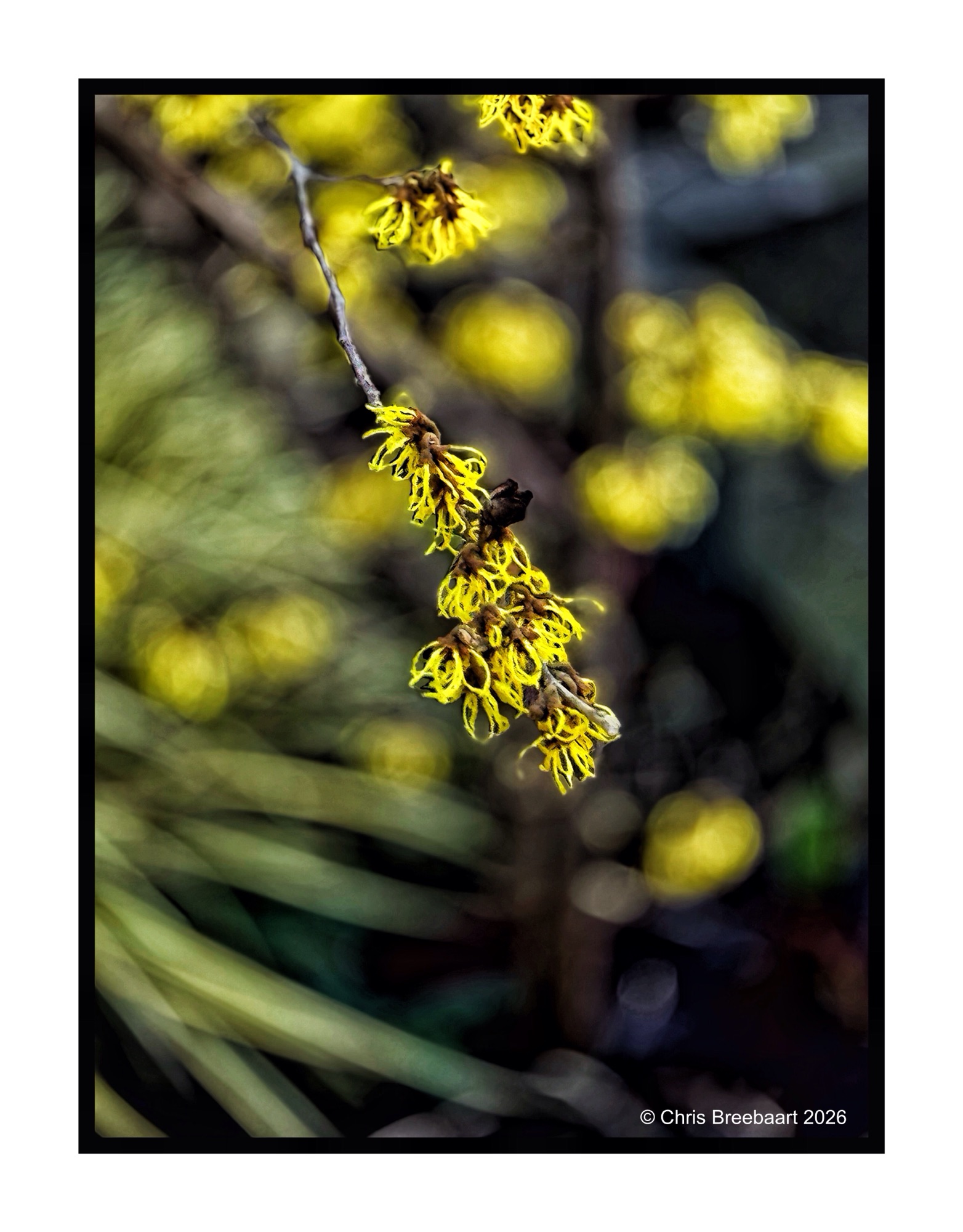
Spring is around the corner. The garden wakes up slowly, with the Forsythia claiming the first flowering spot.The Netherlands, Oegstgeest – February 2026
This weeks Lens-Artists Photo Challenge #387 is Shadowed. How do you use shadows in photography.
Shot with iPhone 15 Pro Max edited using Snapseed and Marksta. Click the picture for a larger version.
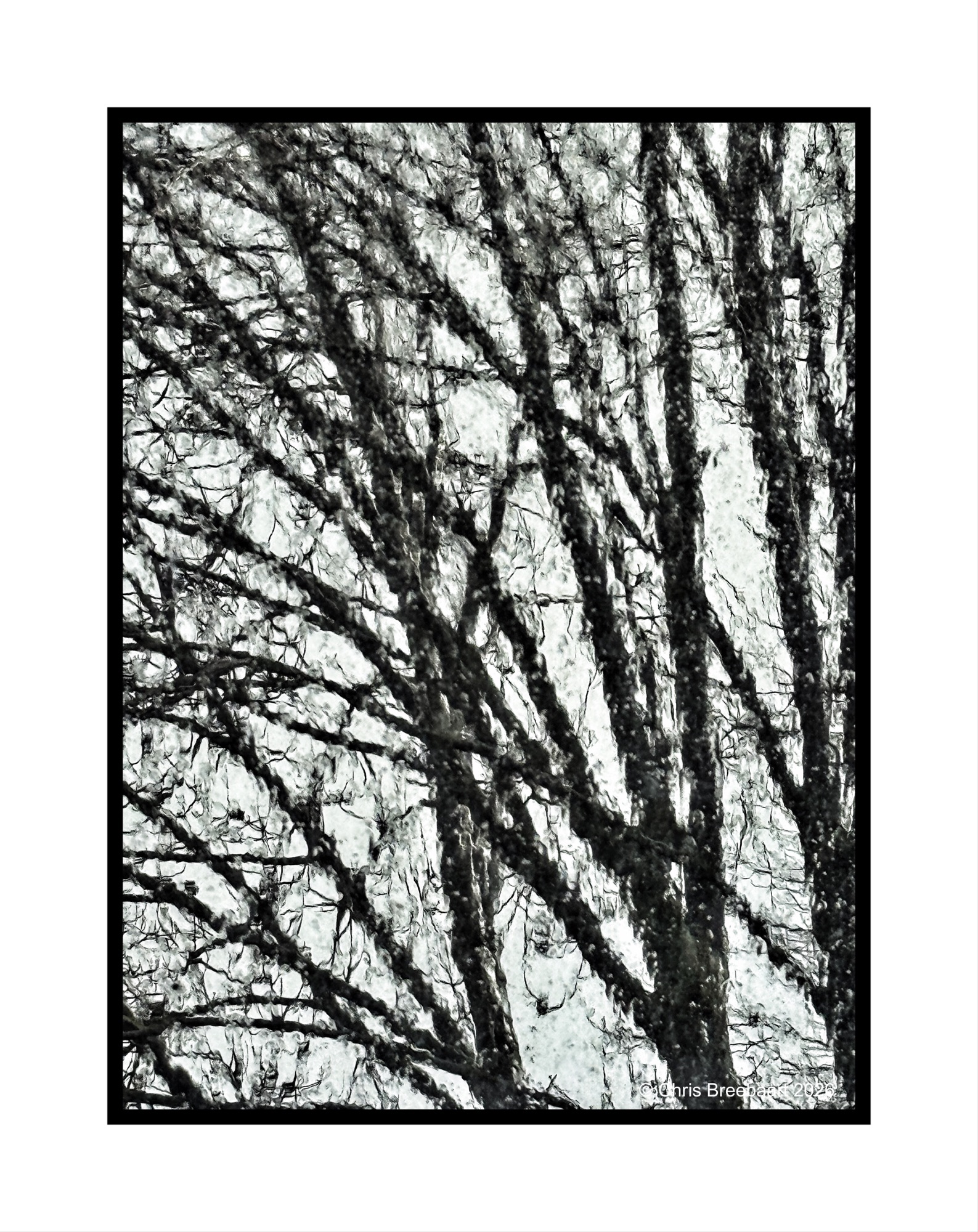
This weeks Lens-Artists Photo Challenge #387 is Shadowed. How do you use shadows in photography. I am not sure if this fits the brief, the silhouettes of a tree through a rain covered window.
Shot with iPhone 15 Pro Max edited using Snapseed and Marksta. Click the picture for a larger version.
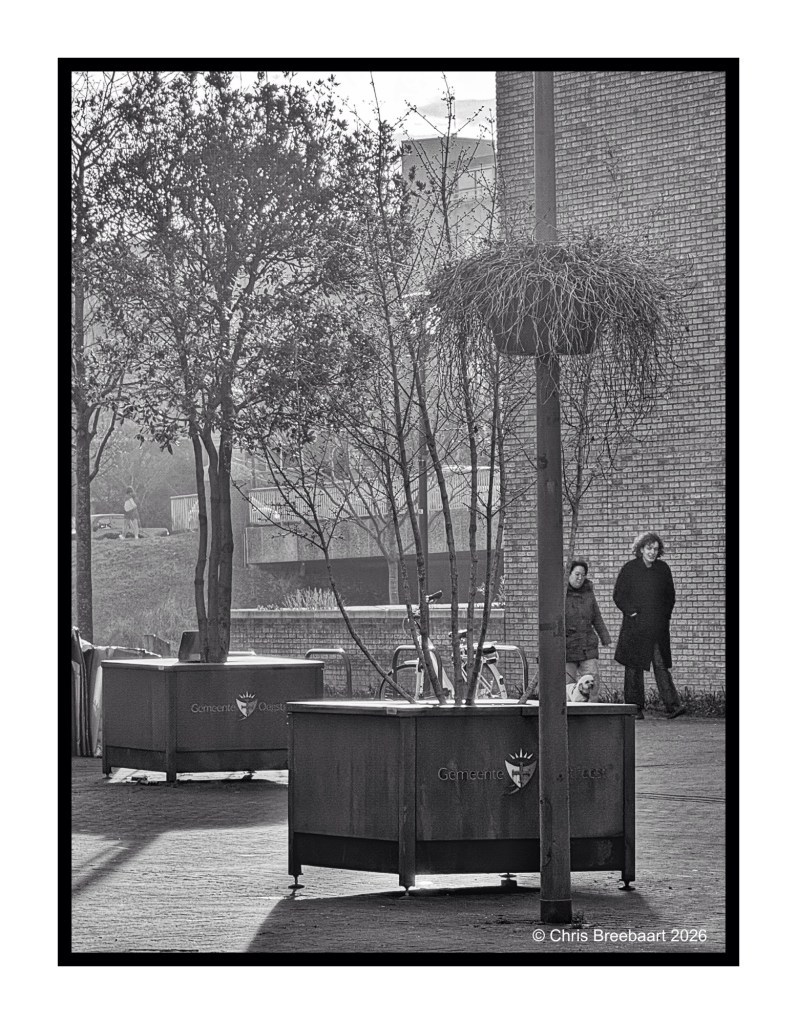
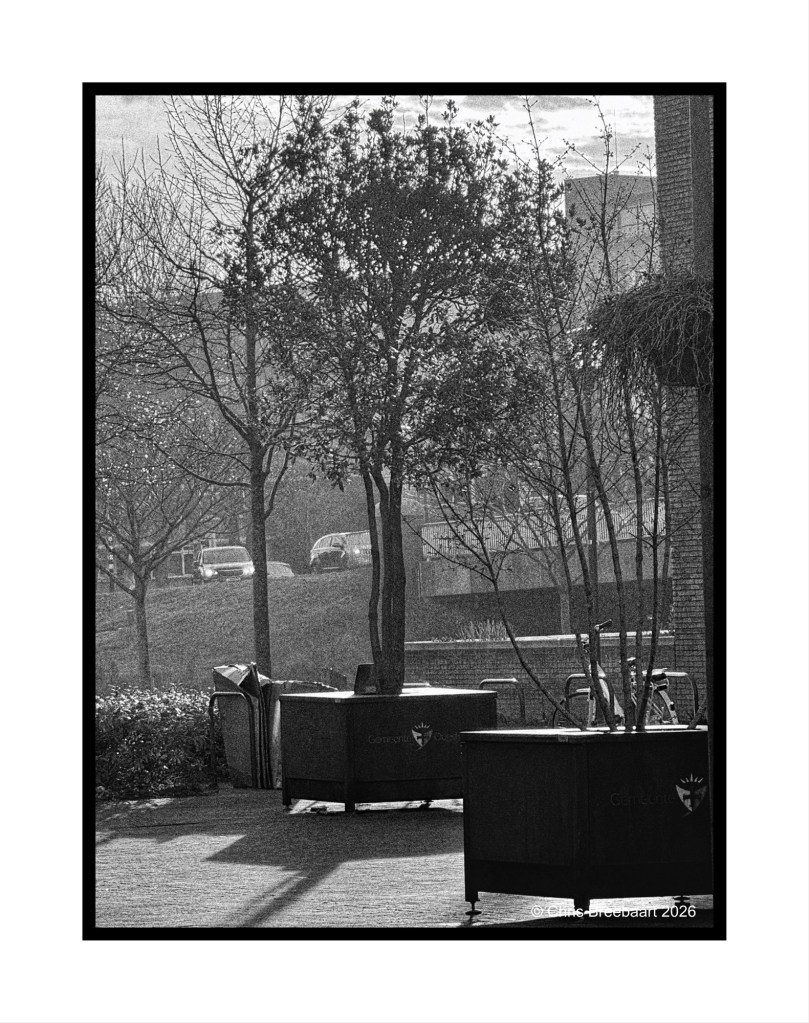
LAPC #386 invites to use the power of juxtaposition. I give the brief a bit more room for experiment, and put two pictures next to another. They both have a narrative of their own. It is basically the same subject (trees) but framed in a different way.
Shot with iPhone 15 Pro Max edited using Snapseed and Marksta. Click the picture for a larger version.
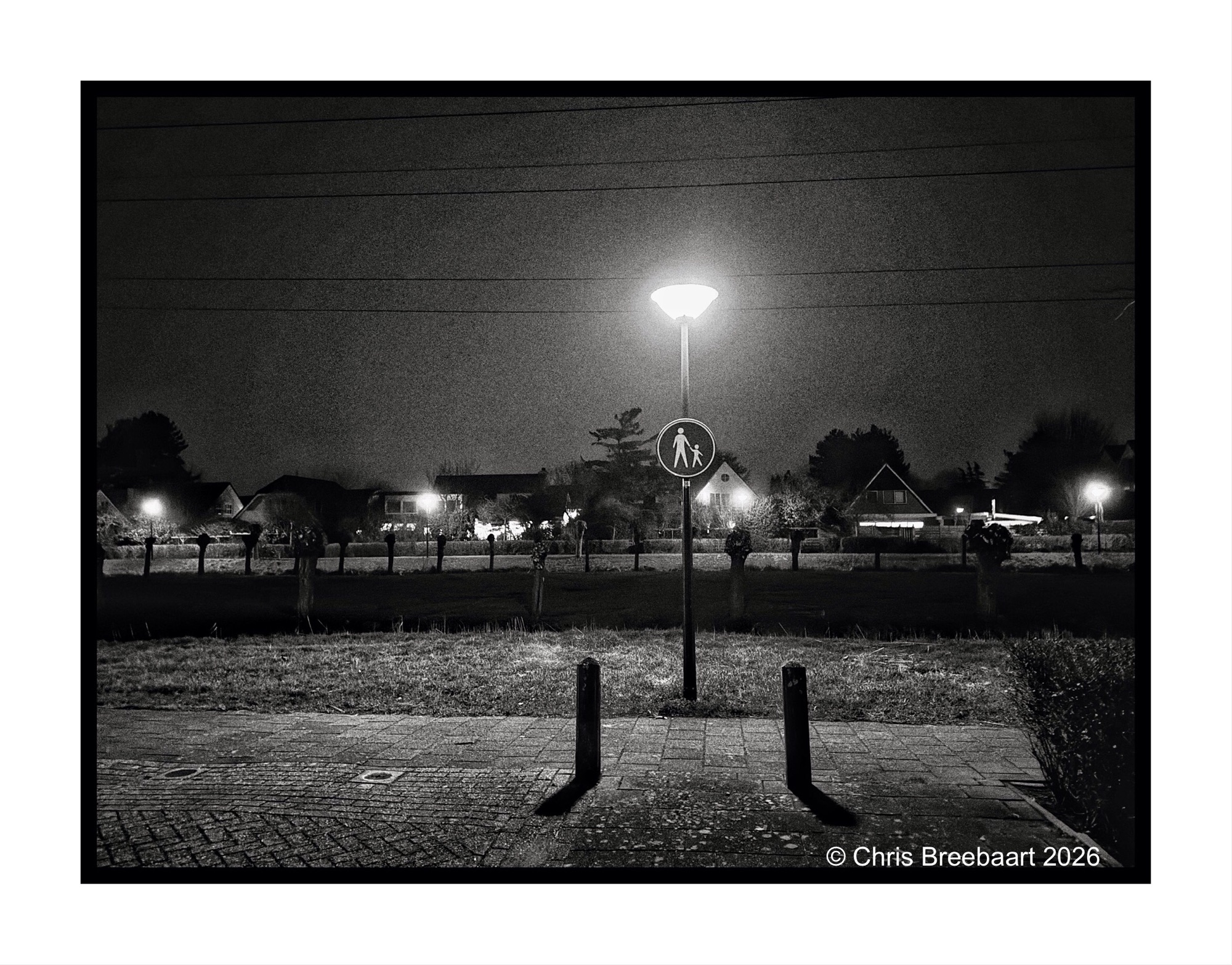
LAPC #386 invites to use the power of juxtaposition. Basically put two objects in a frame to create a narrative or reaction about their relation. A street lamp and two poles.
Shot with iPhone 15 Pro Max edited using Snapseed and Marksta. Click the picture for a larger version.
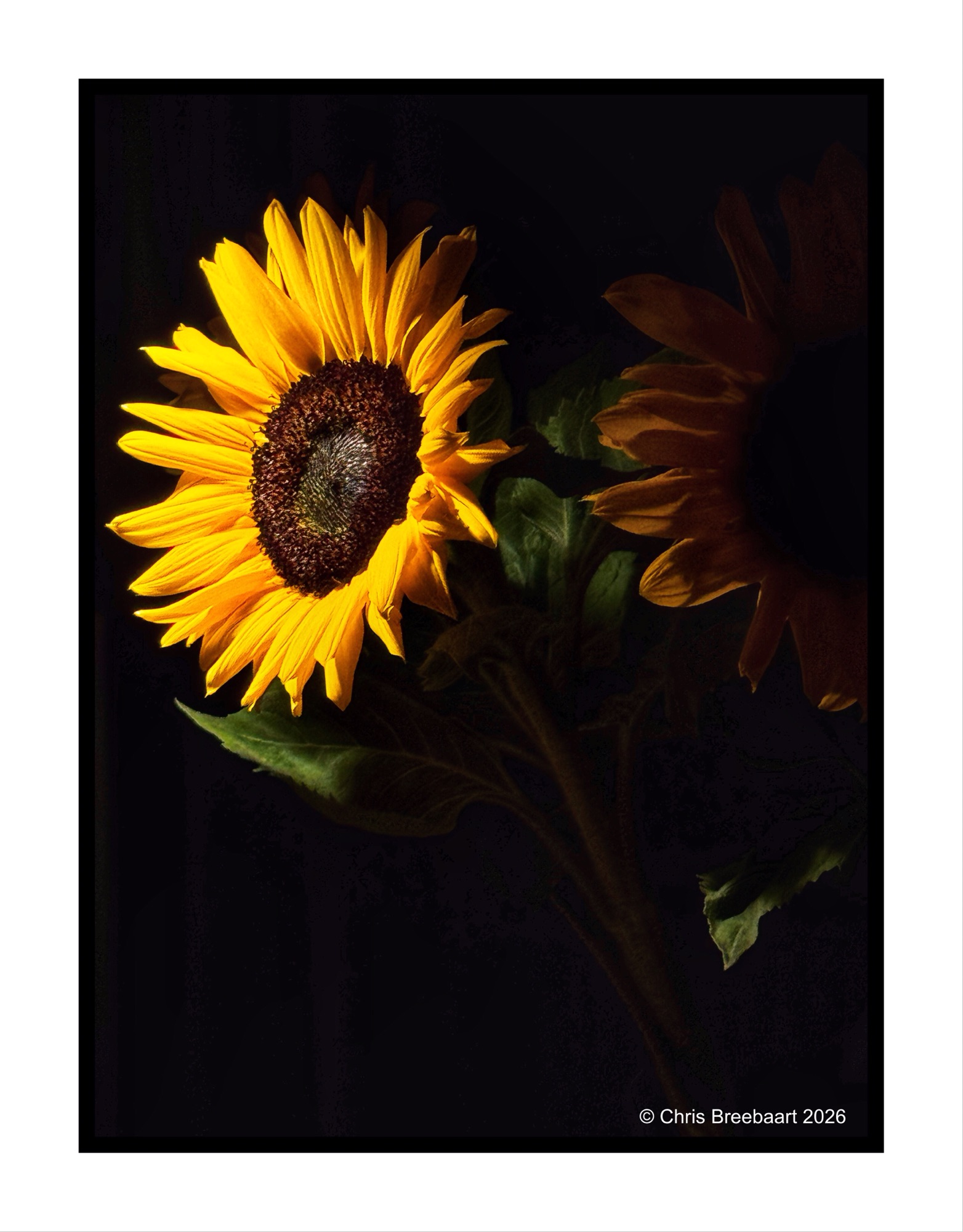
LAPC #386 invites to use the power of juxtaposition. Basically put two objects in a frame to create a narrative or reaction about their relation. Here the story of two sunflowers.
Shot with iPhone 15 Pro Max edited using Snapseed and Marksta. Click the picture for a larger version.
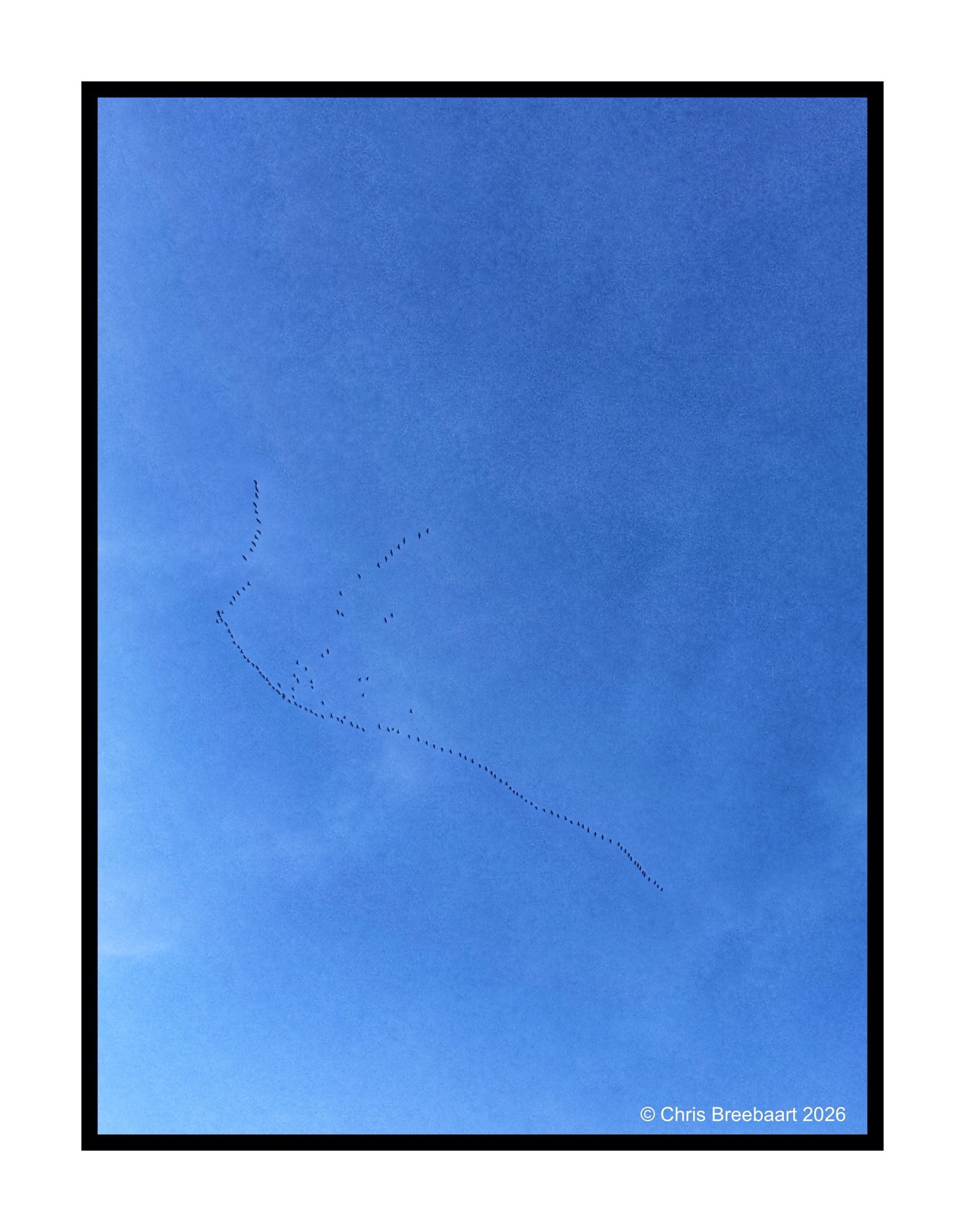
The LAPC theme #385 is ‘unusual crop’. Geese in a pretty big V.
Shot with iPhone 15 Pro Max edited using Snapseed and Marksta. Click the picture for a larger version.
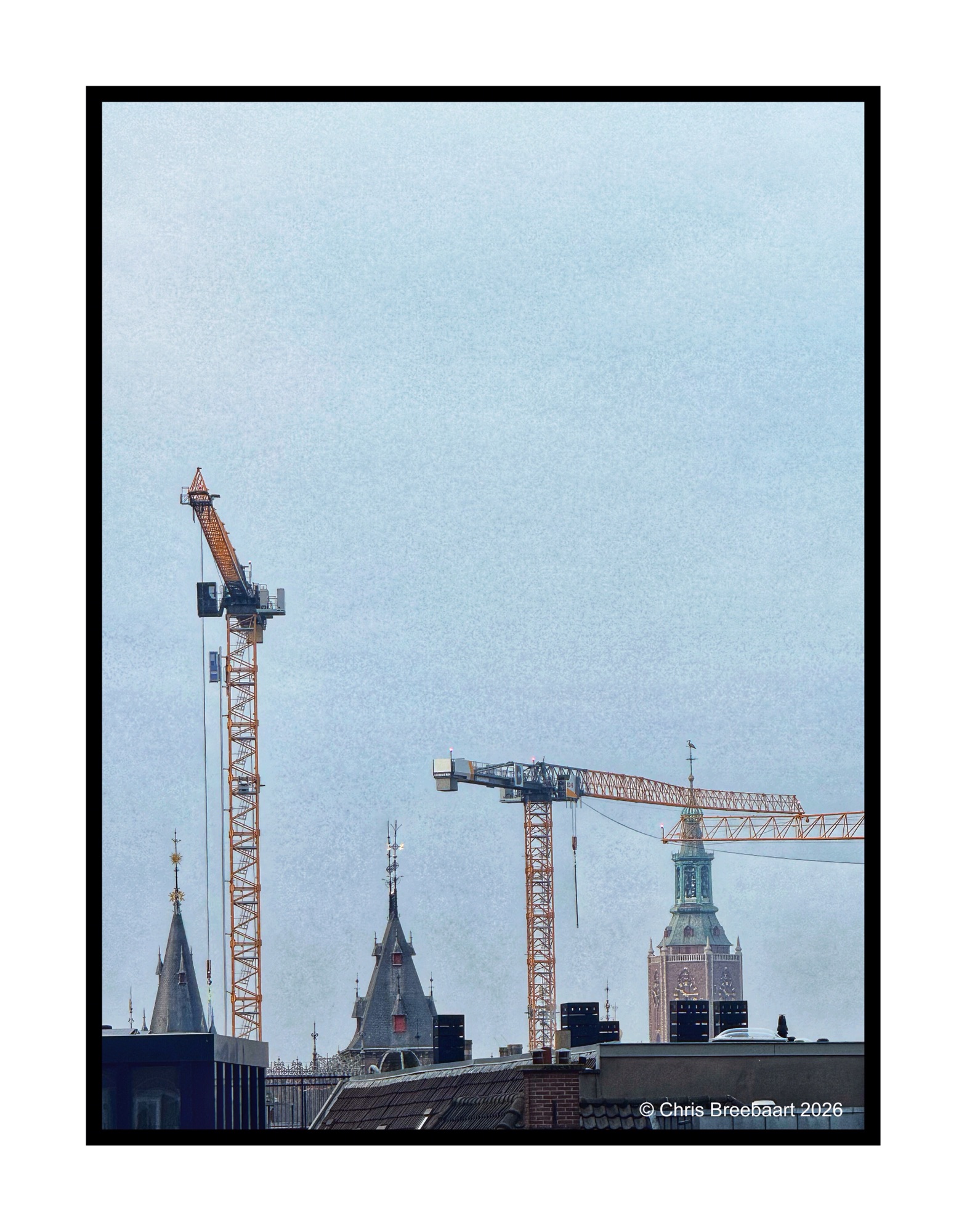
The LAPC theme #385 is ‘unusual crop’. The skyline over Den Haag, building activities and old spires.
Shot with iPhone 15 Pro Max edited using Snapseed and Marksta. Click the picture for a larger version.
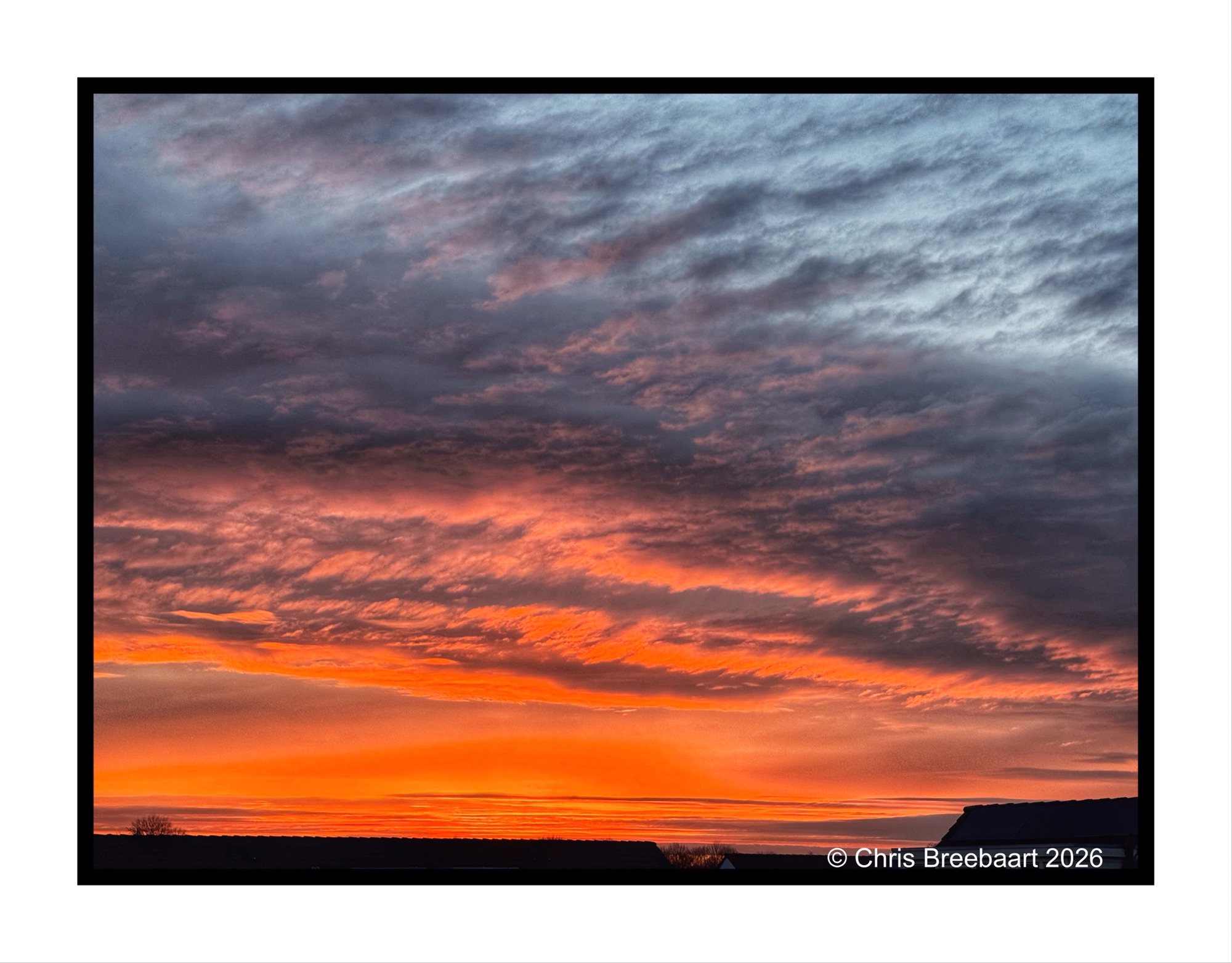
The LAPC theme #385 is ‘unusual crop’. Sky shots of clouds are mostly abstract. Framing them in a way that makes sense is a challenge at times.
Shot with iPhone 15 Pro Max edited using Snapseed and Marksta. Click the picture for a larger version.
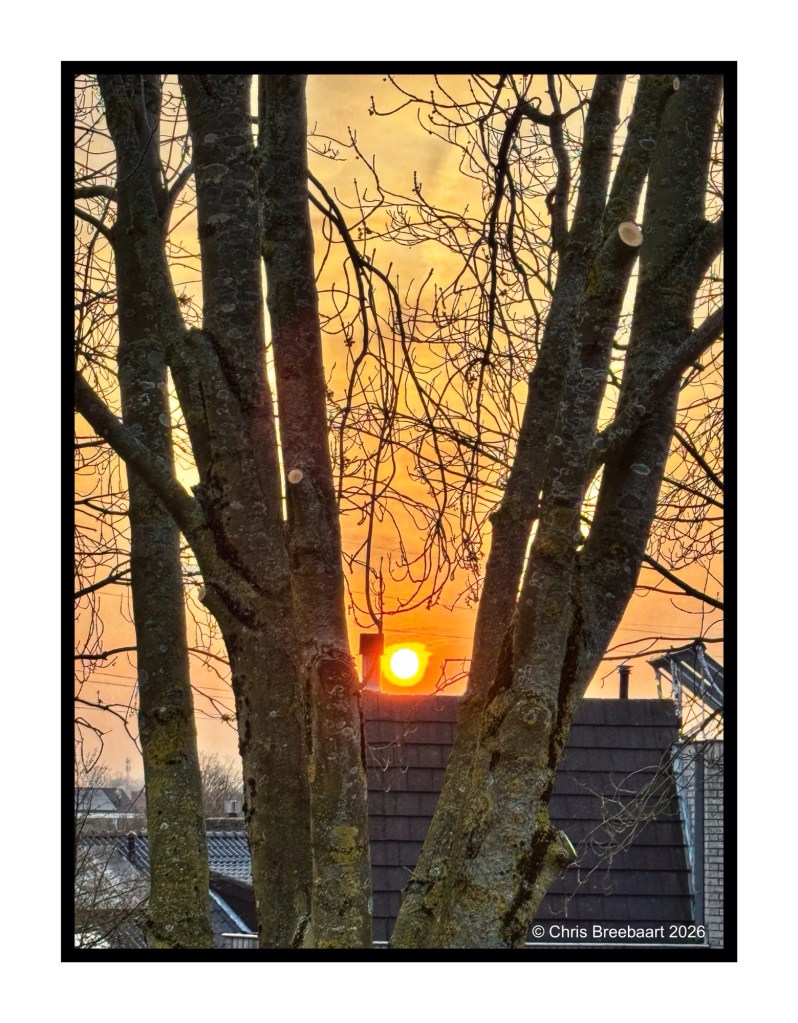
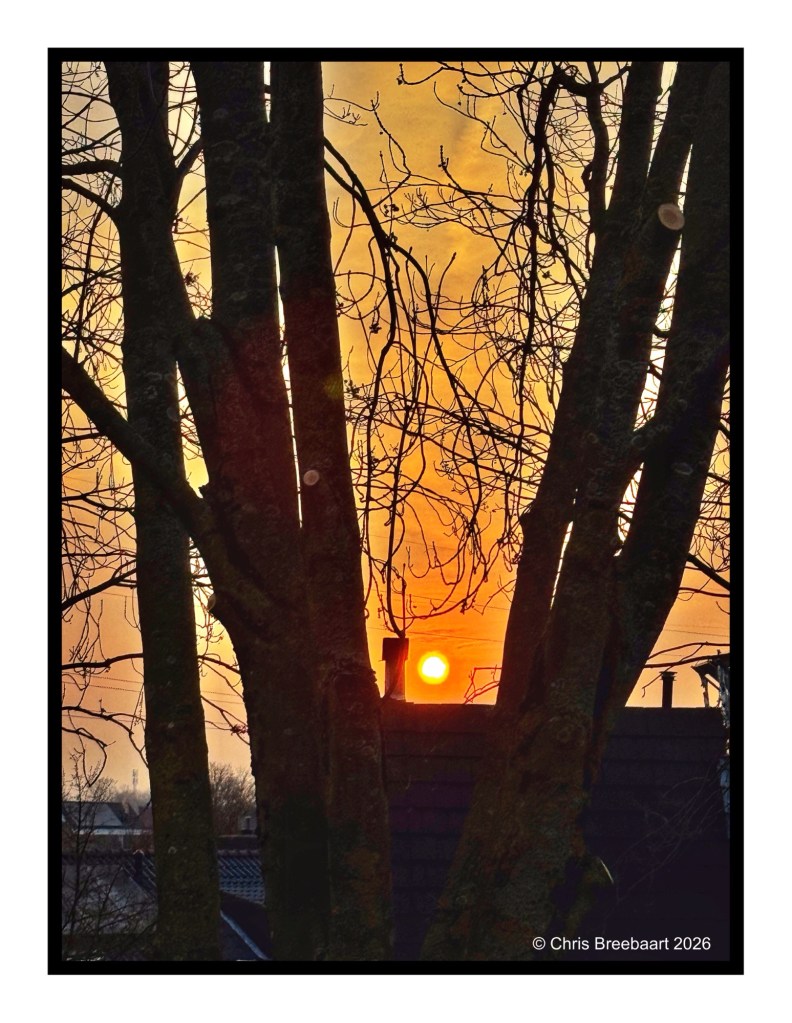
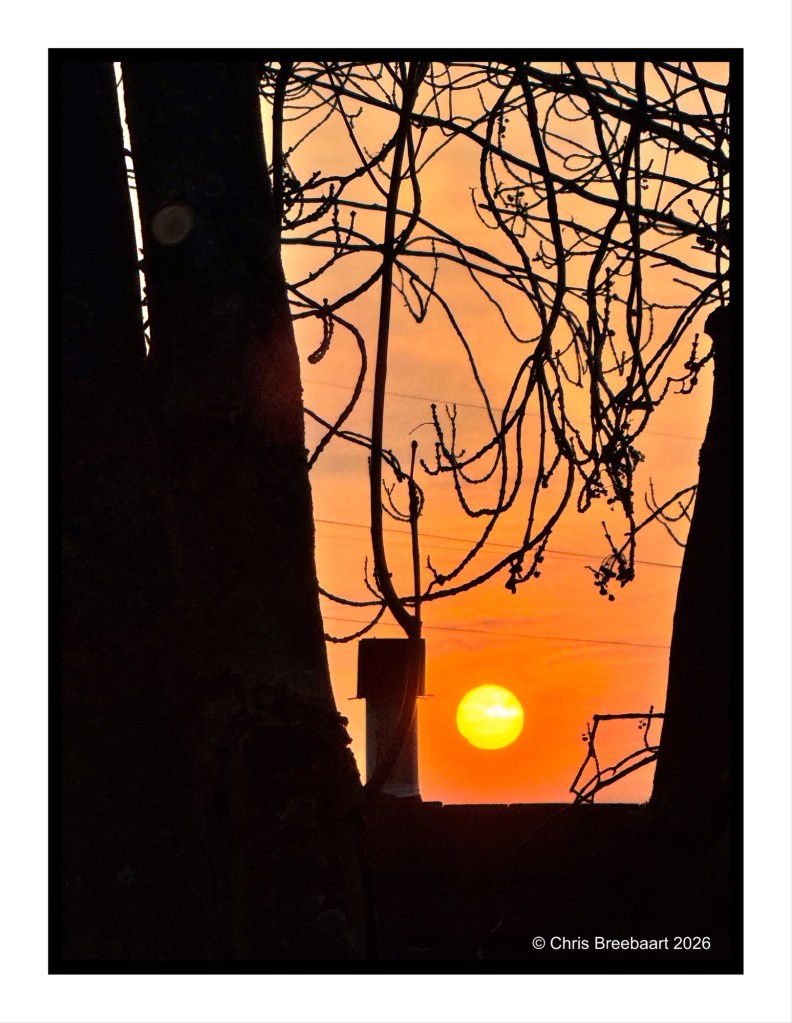
The LAPC theme #385 is ‘unusual crop’. Here the cropping process in-camera using a zoom.
Shot with iPhone 15 Pro Max edited using Snapseed and Marksta. Click the picture for a larger version.
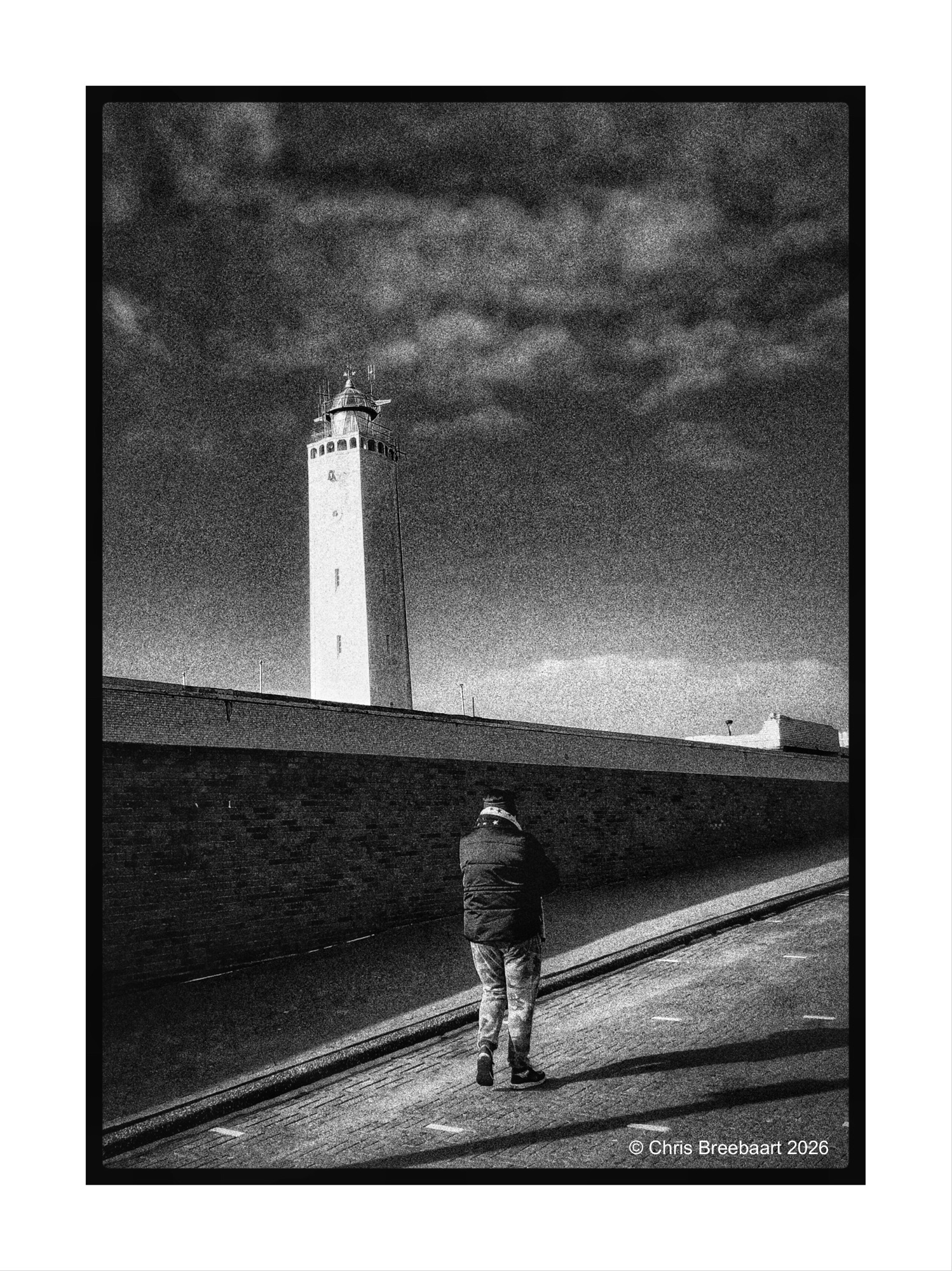
The LAPC theme #385 is ‘unusual crop’. It is about cropping (re-framing an existing image) for effect. I used an old photo from March 2018 to play with for this theme. I cropped it to get rid of some elements that I kept in the original shot. This theme makes me think about how I shoot and the principles I learned in the past.
I am not sure I fully understand the essence of the brief. I only understand it if I take it literally: how it is unusual for me to use cropping while editing. Let me try to explain. Cropping afterwards is to re-frame a shot. My aim is to frame a desired photo at the shoot on the camera. That is a principal I learned long ago. Modern technology helps. You can see the result of a shot right away on the camera. And zoom lenses give you the flexibility to decide about the framing. Long ago, all I shot was on a 50 mm lens on film. Then sometimes I deliberately shot to ‘crop’ the result. E.g. when I was unable to get close enough. In the darkroom, you enlarged the picture (blow up), and then decided the result of the frame. Nevertheless, this often resulted in a loss of quality (grain, sharpness). So I learned to frame from the start, long ago.
But even in those analogue days, blowing up negatives was creative, it added to the texture of a photo. Nowadays it is easier to be playful using better technology. Camera’s, phones, software, monitors, computers all contribute to more agility in the editing process.
I am curious about the perspective of other ‘old school’ photographers. The ones who used film and a darkroom in the past before the digital age. How do they view this challenge?
Shot with iPhone 6s plus edited using Snapseed and Marksta Click the picture for a larger version.
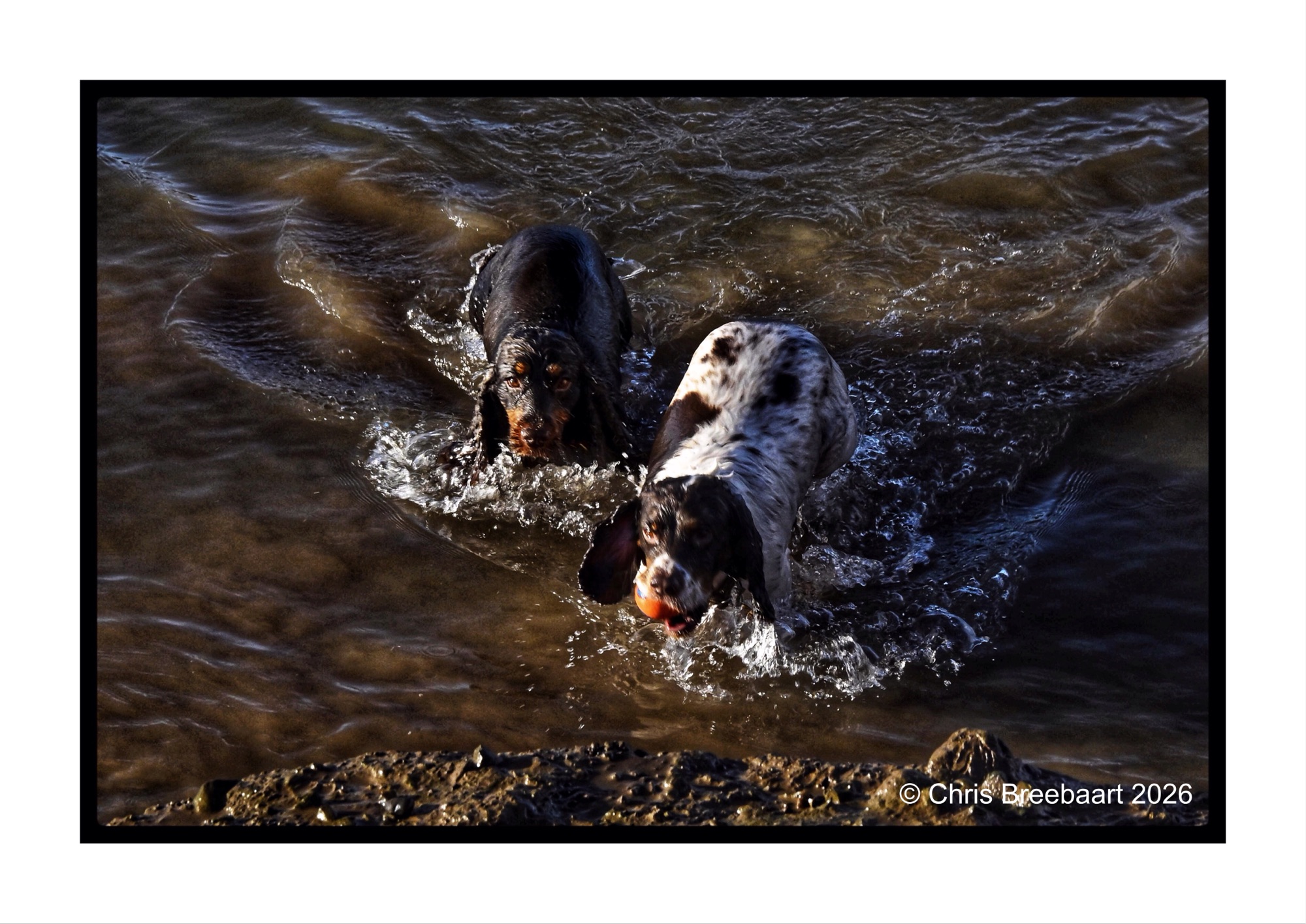
Lens-Artist’s Photo Challenge #384 is ‘astonishment’. The brief is to show in a photo a feeling of surprise or wonder. These two dogs (Murphy left and Cooper right) keep me wondering for years already. It is about their addiction to water in general. If there is water anywhere (preferably muddy) they dive in. Here they have a bath hunting for the ball in at the quayside of Blakeney.
Shot with Nikon Zf,edited using Snapseed and Marksta. Click the picture for a larger version.
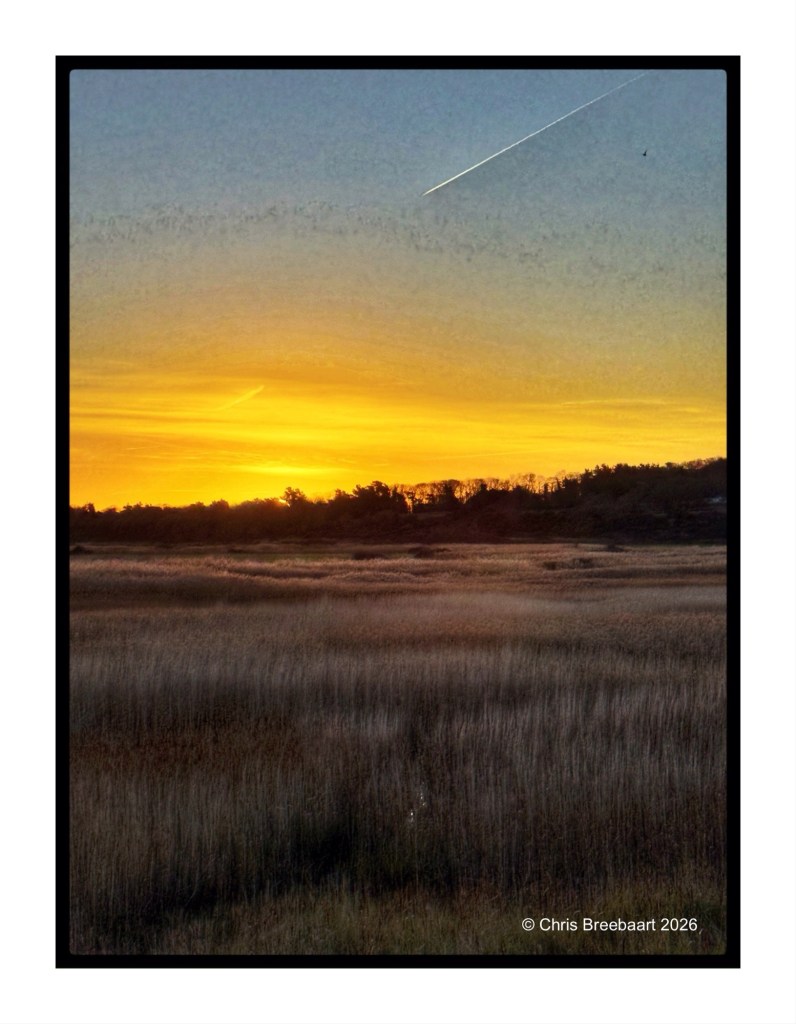
Lens-Artist’s Photo Challenge #383 is ‘patterns and designs’. Sunrises are always amazing, but the marshes being touched by the first rays is amazing to see.
Shot with Nikon Zf, edited using Snapseed and Marksta. Click the picture for a larger version
Lens-Artist’s Photo Challenge #383 is ‘patterns and designs’. The sunrise distorted in the lens.
Shot with Nikon Zf, edited using Snapseed and Marksta. Click the picture for a larger version
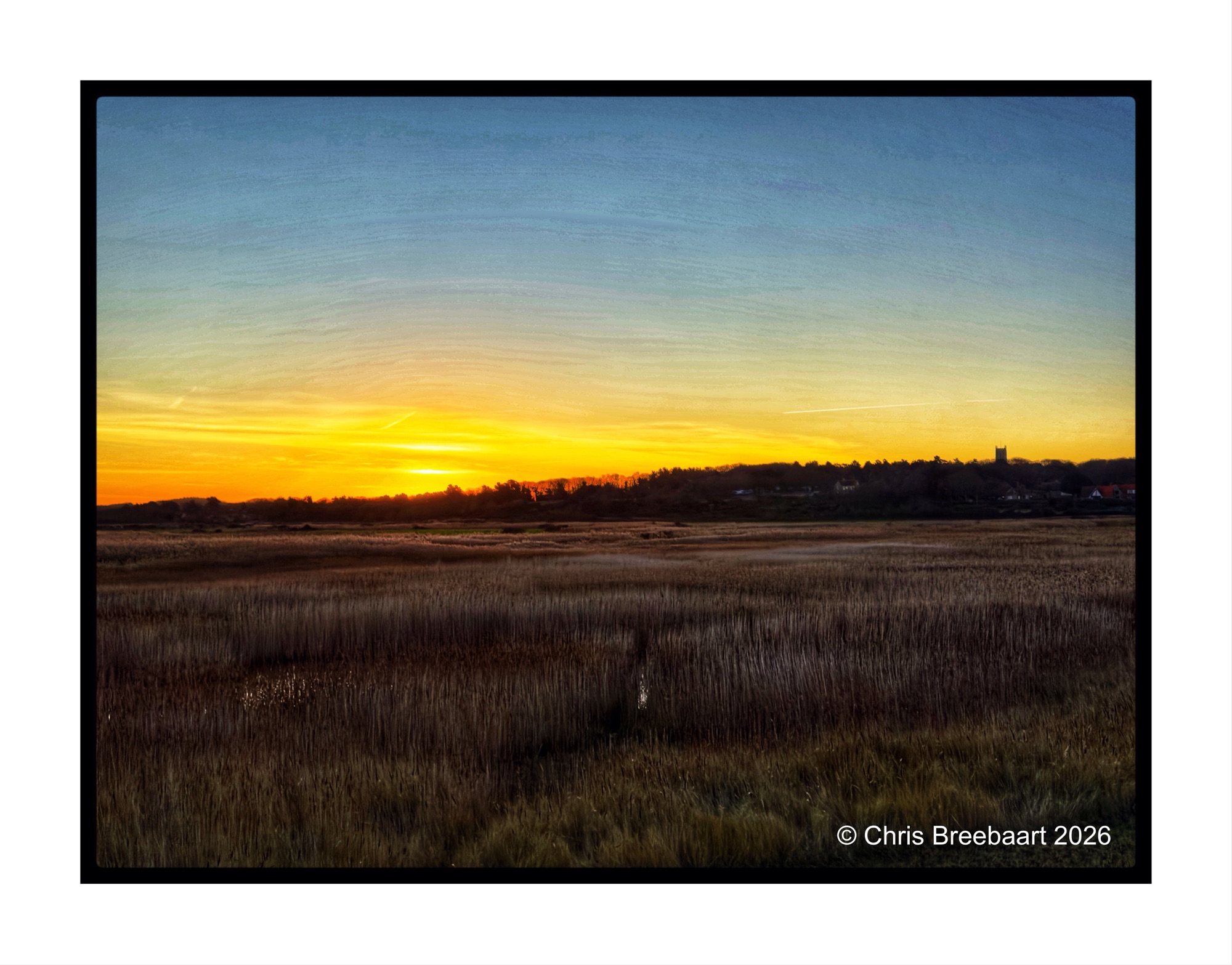
Lens-Artist’s Photo Challenge #383 is ‘patterns and designs’. The sunrise over marshes near Blakeney.
Shot with Nikon Zf, edited using Snapseed and Marksta. Click the picture for a larger version
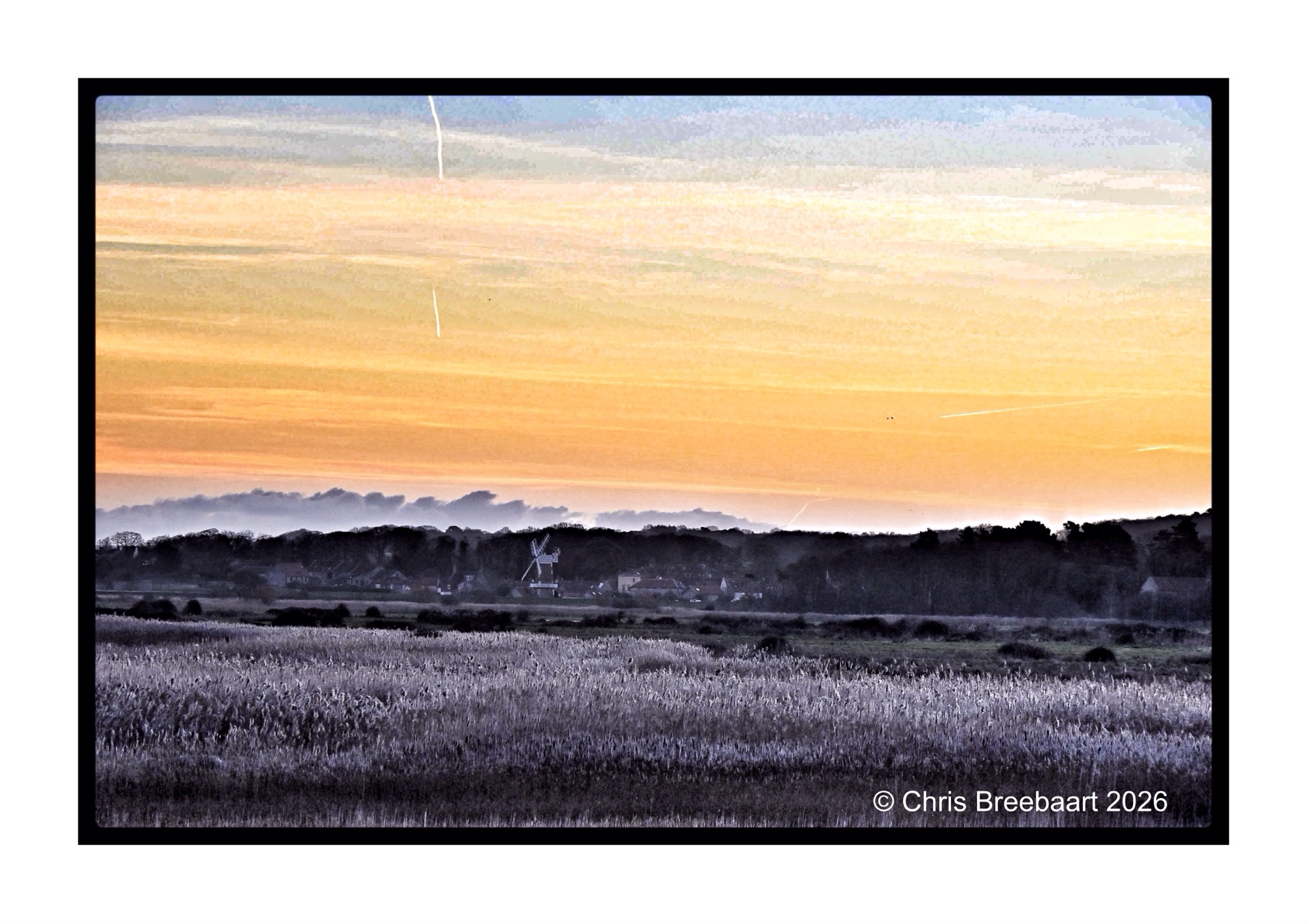
Lens-Artist’s Photo Challenge #383 is ‘patterns and designs’. The sunrise over the famous Cley windmill and Cley next the sea.
Shot with Nikon Zf, edited using Snapseed and Marksta. Click the picture for a larger version
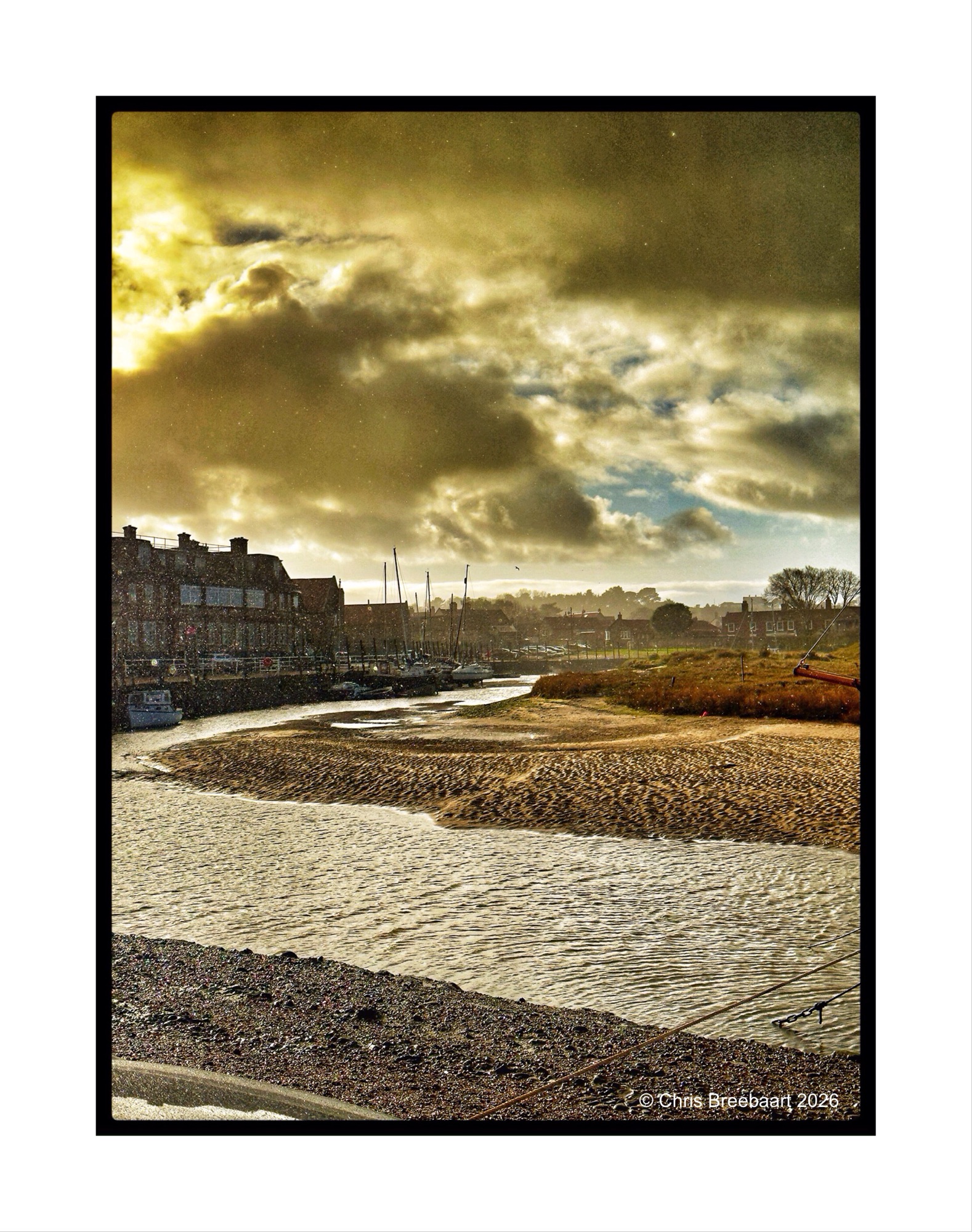
Lens-Artist’s Photo Challenge #383 is ‘patterns and designs’. A Winter rain shower over the quaside of Blakeney.
Shot with Nikon Zf, edited using Snapseed and Marksta. Click the picture for a larger version
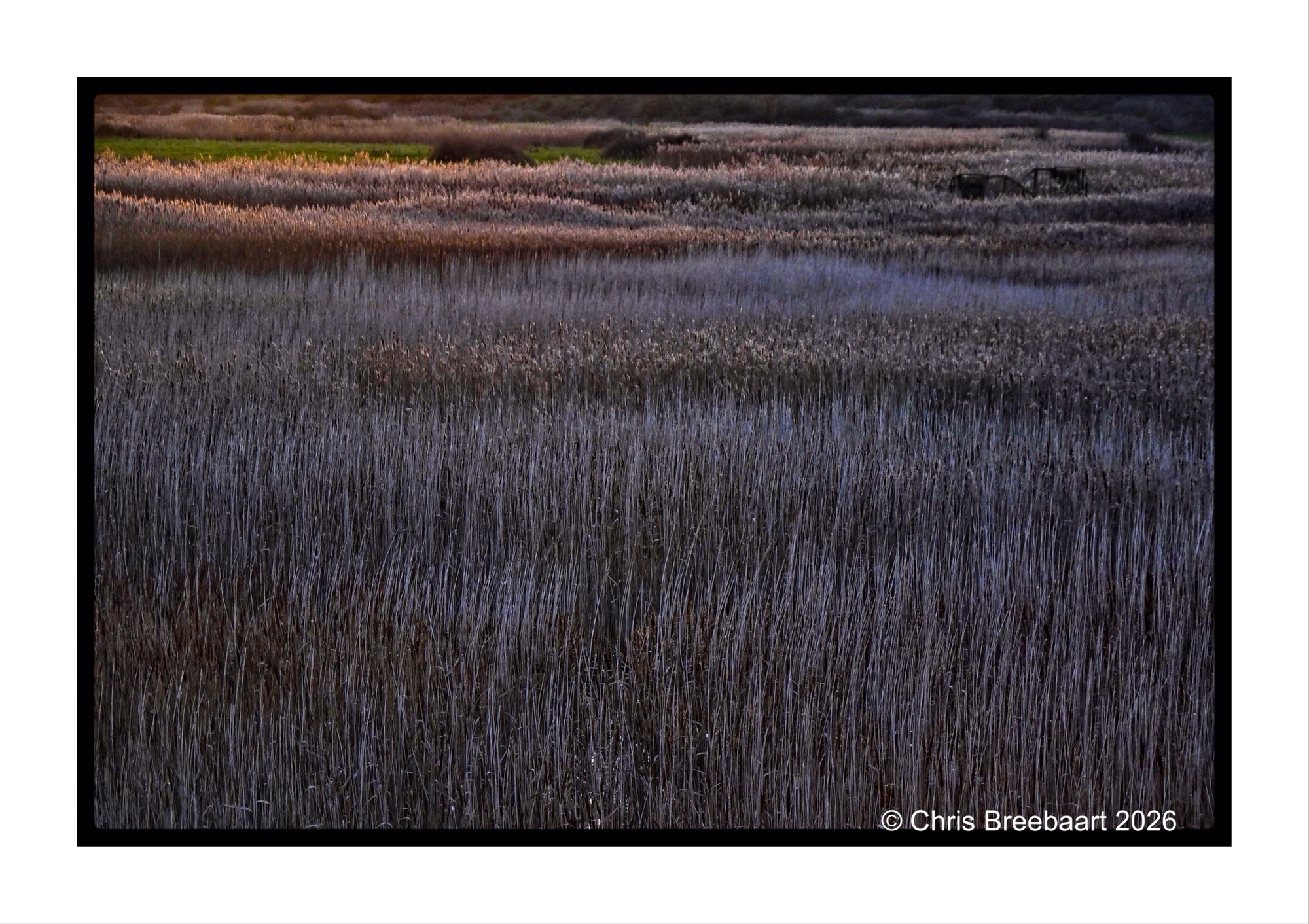
Lens-Artist’s Photo Challenge #383 is ‘patterns and designs’. The marshes at Blakeney in first morning light.
Shot with Nikon Zf, edited using Snapseed and Marksta. Click the picture for a larger version
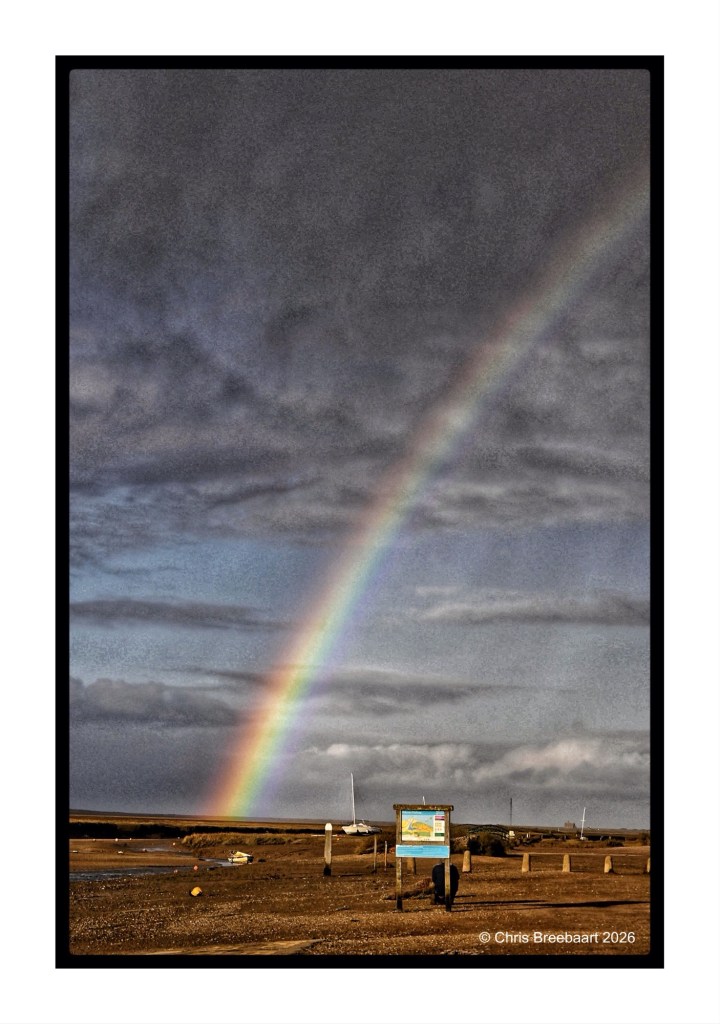
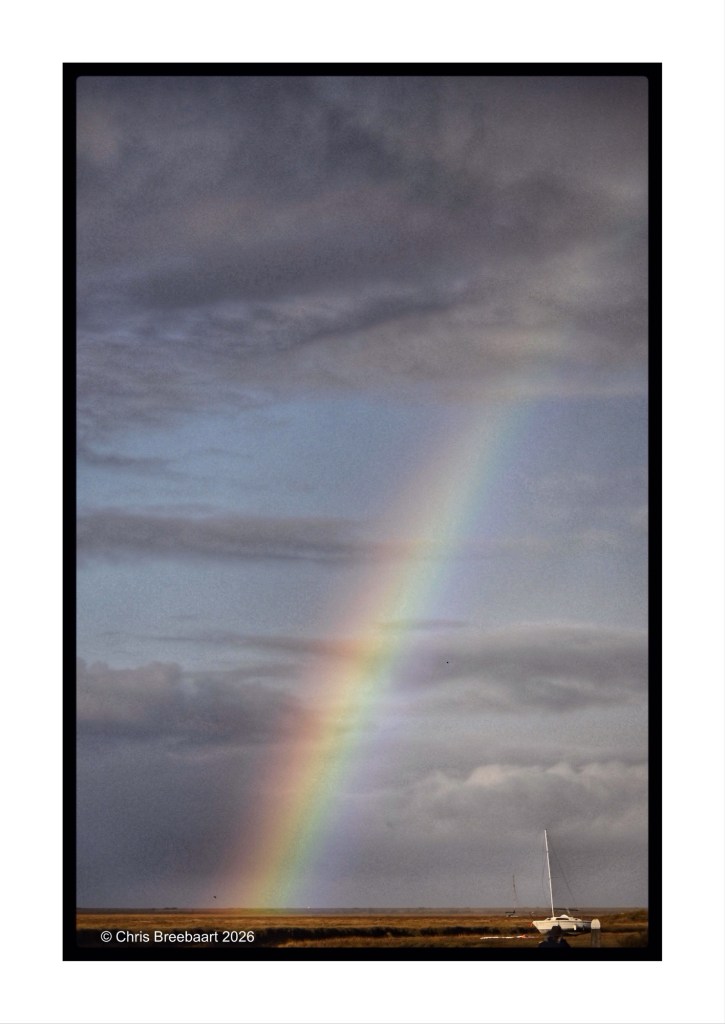
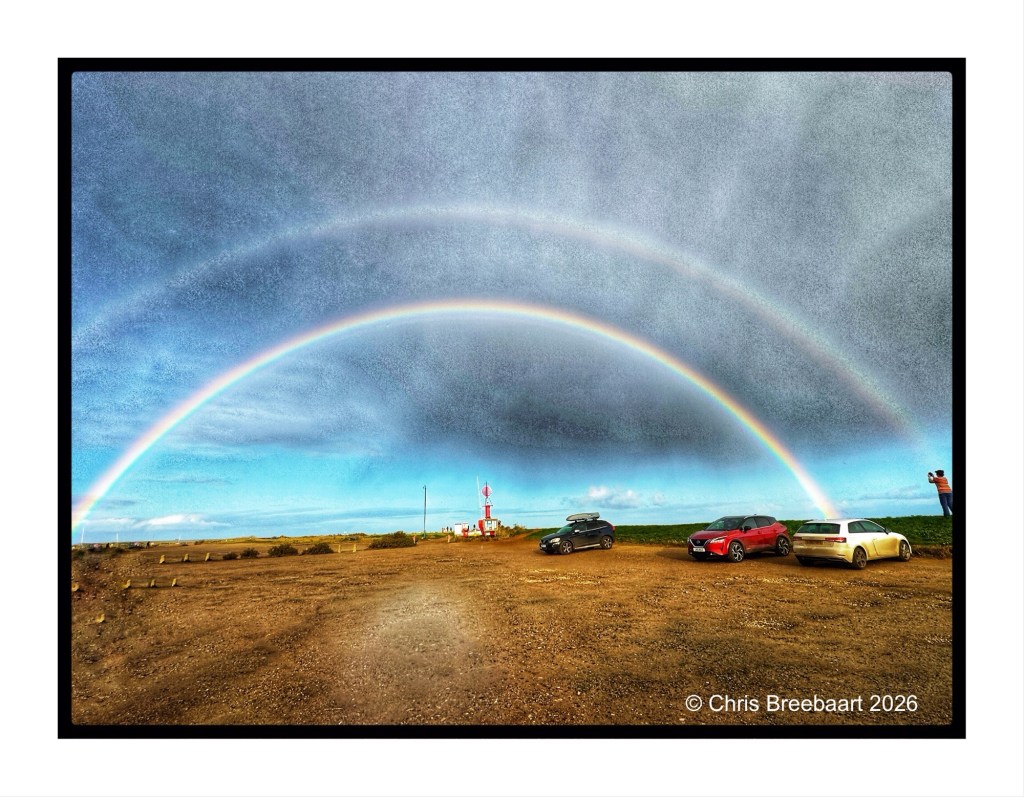
Lens-Artist’s Photo Challenge #383 is ‘patterns and designs’. Being caught in Winter shower in Blakeney, resultated in a gorgeous full and double rainbow. As we can see here, the story of the pot of gold is probably not true.
Shot with Nikon Zf (the two portrait photos),and iPhone 15 Pro Max (the landscape) edited using Snapseed and Marksta. Click the picture for a larger version
Lens-artists Photo Challenge #382 is about rejected photos. What do you do with photos you do not like? You can throw them away, or you can keep them. And if you keep them what can you do with them? First a story of myself, how I work. And in the end an example.
I am a snap shooter for a long time. When looking at this question for myself, I have to distinguish between the analog age and the digital age. But in both ages it is about quality, how you can assess that and what instruments are available after shooting. And above all: how can you be creative, and how much room is there to experiment?
The analog age was expensive: film was expensive, darkroom materials were expensive too. And being a poor student I shot as efficient as possible. You had to be patient while shooting, and selective. You also needed to trust your skills. Experience was essential to figure out what worked and what not. To produce good prints you needed to develop darkroom skills. And some negatives were impossible to print. But you kept them all. I never threw away negatives. That decision was beneficial in the digital age. After scanning my negatives, I properly made them look like what I had in mind when shooting them. What the darkroom did not deliver, software did.
In the digital age the cost of a photo is nearly non existent. The original photo (the former negative) can be copied lots of times. From the start technology offers instruments to oversee the quality of the photos. What you shoot is instantly visible on the camera. You can try different changes in the photo. Adjustments like shutter time, focus, and shutter opening can be tested most of the time. The RAW format offers flexibility for editing the ‘negative’ after the shoot. Software offers lots of creative tools to change the photo, or create new images.
So, do you keep rejected (bad) photos or not? I do reject photos, overseeing the result on my camera. I keep photos that can come to a good result after editing. The rest I remove straight away (e.g. bracketing shots).What I keep is stored on my NAS, where I use Lightroom as my archiving tool. I use editing tools to tweak a photo slightly. My favorite is Snapseed for web and social media publication. And Lightroom and Photoshop for prints.
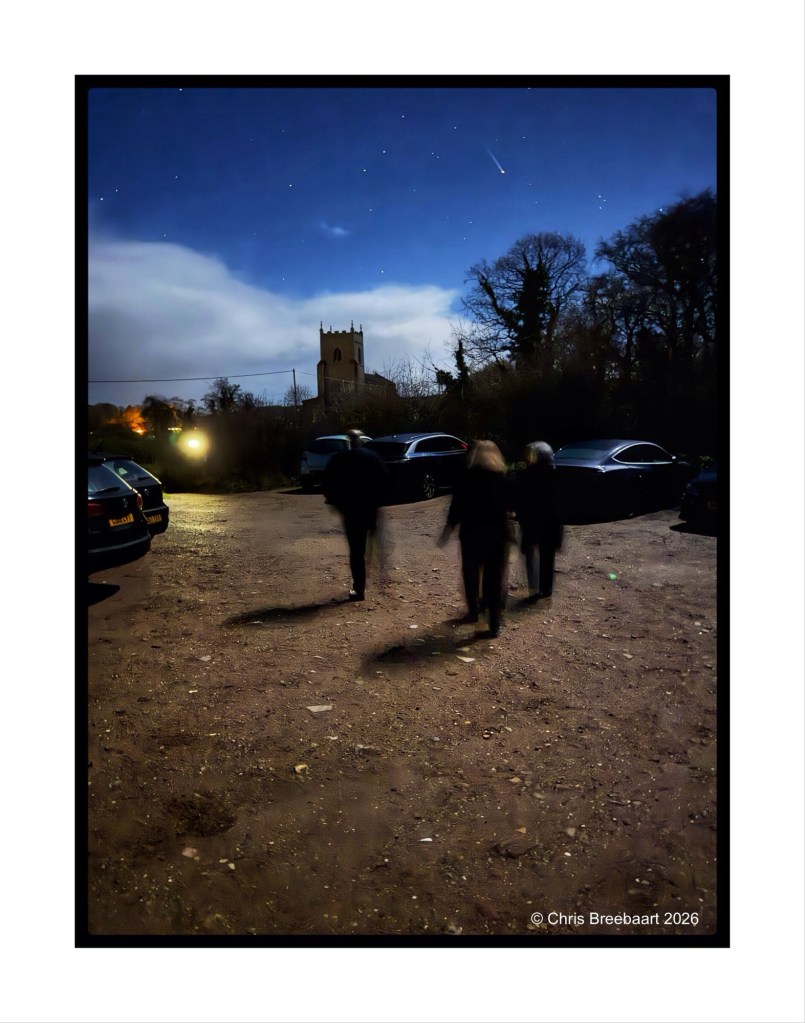
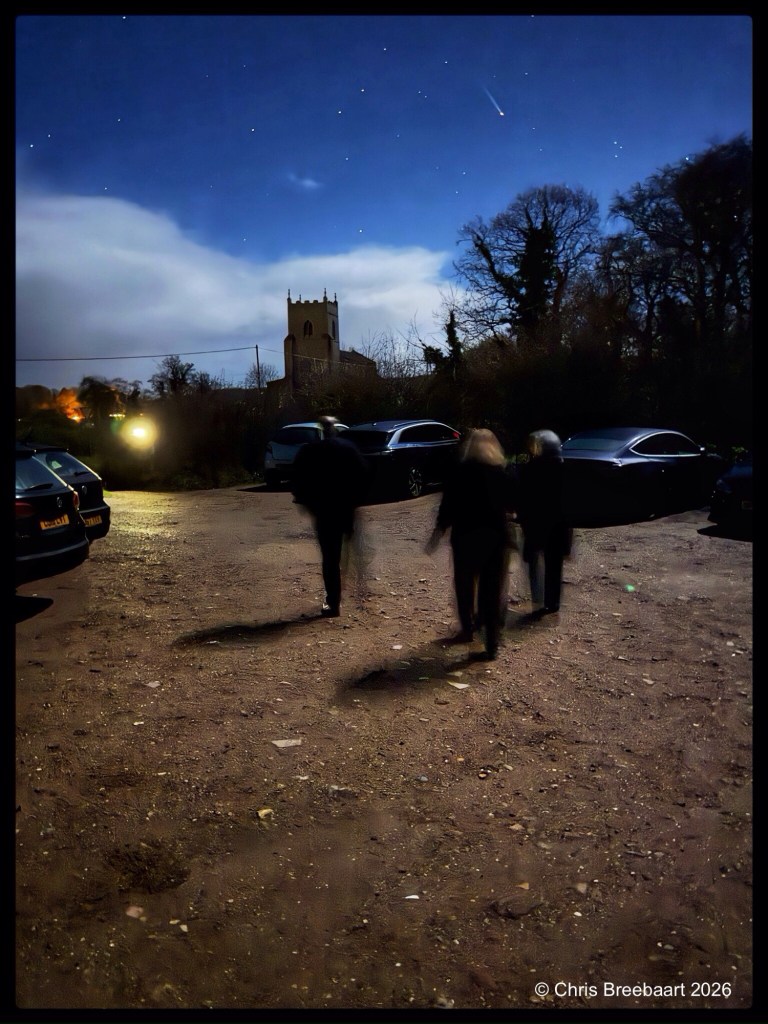
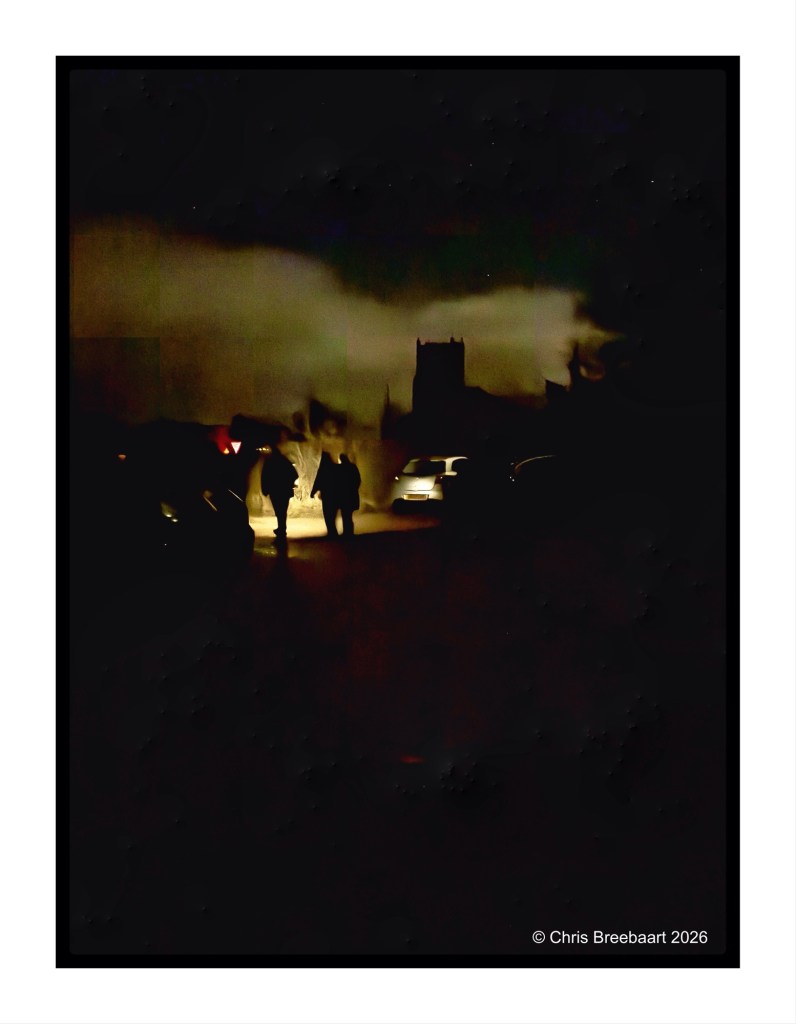
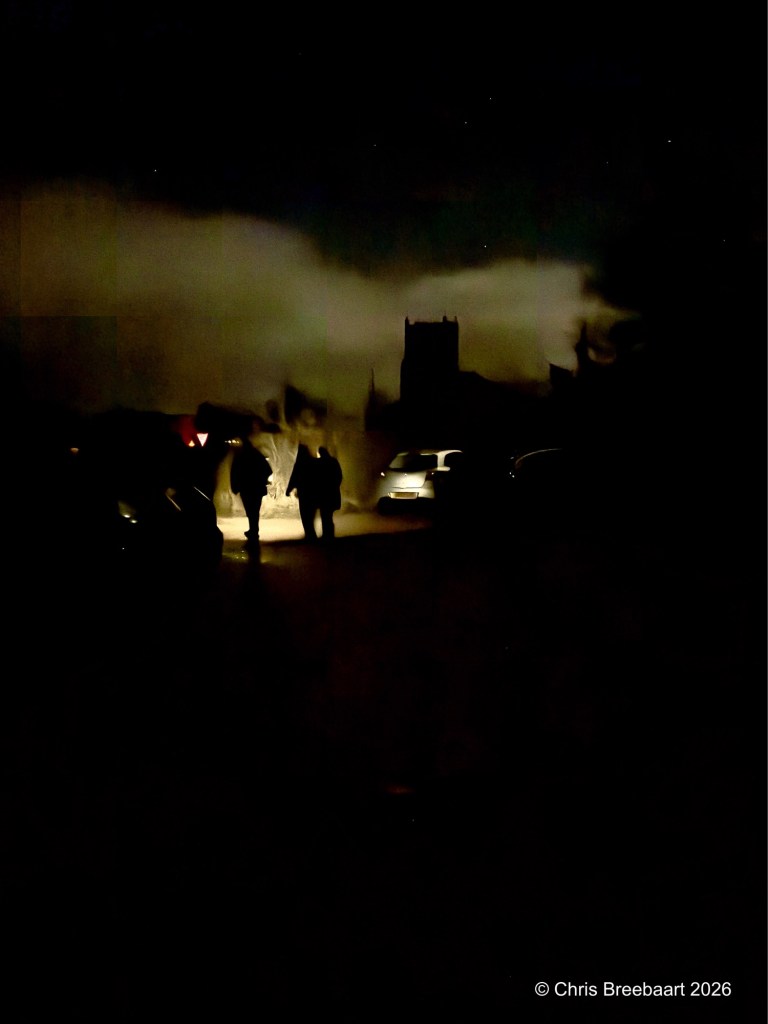
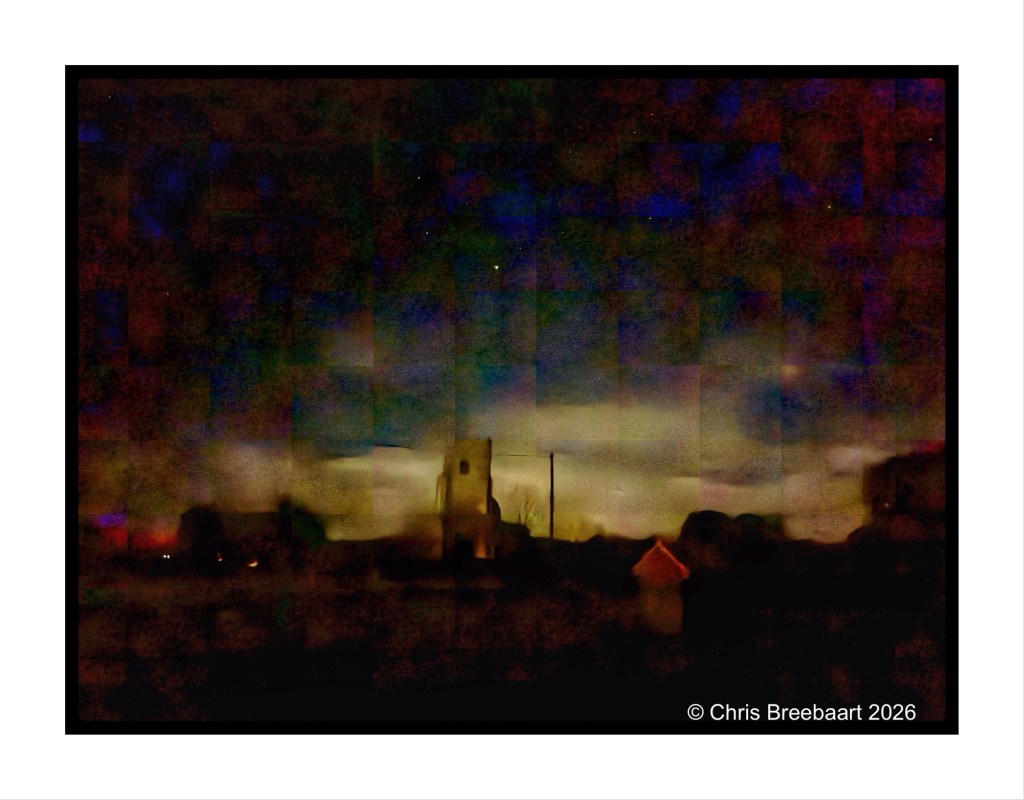
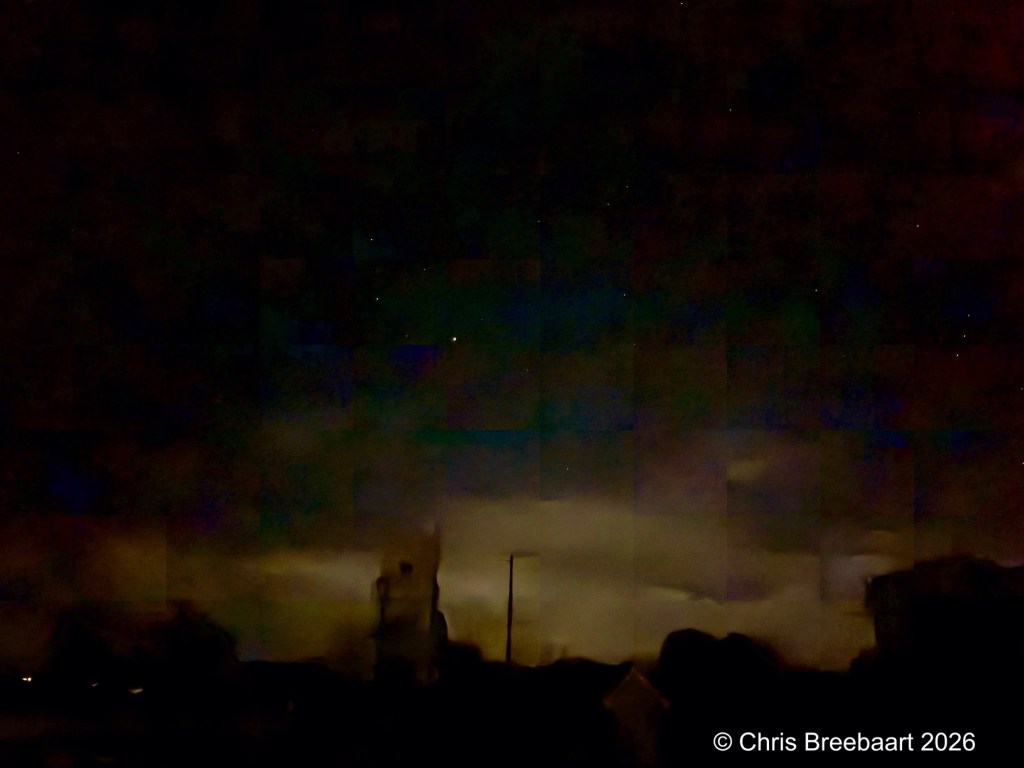
The digital age is a time for unlimited creativity. The photos of ‘dinner at Wiveton Bell’ are an example of testing out the iPhone in a very dark situation. I shot about 8 frames, I kept them all but had my doubts. At home I worked them in Lightroom and Snapseed. And was surprised by what came out. And the ones that did not work were indeed deleted.
On the left the photo published and on the right the original RAW file.
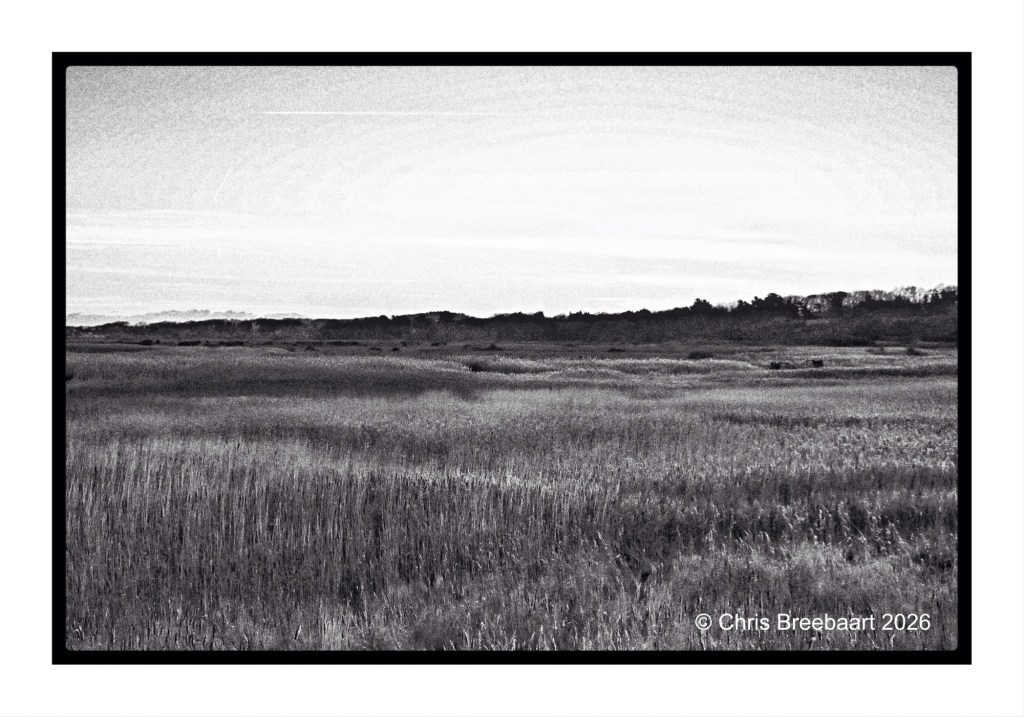
The last in the series of monochrome, more or less minimal photos for this week’s Lens artists photo challenge #381 (minimalism in black and white photography).
Shot with Nikon Zf,edited using Snapseed and Marksta. Click the picture for a larger version.
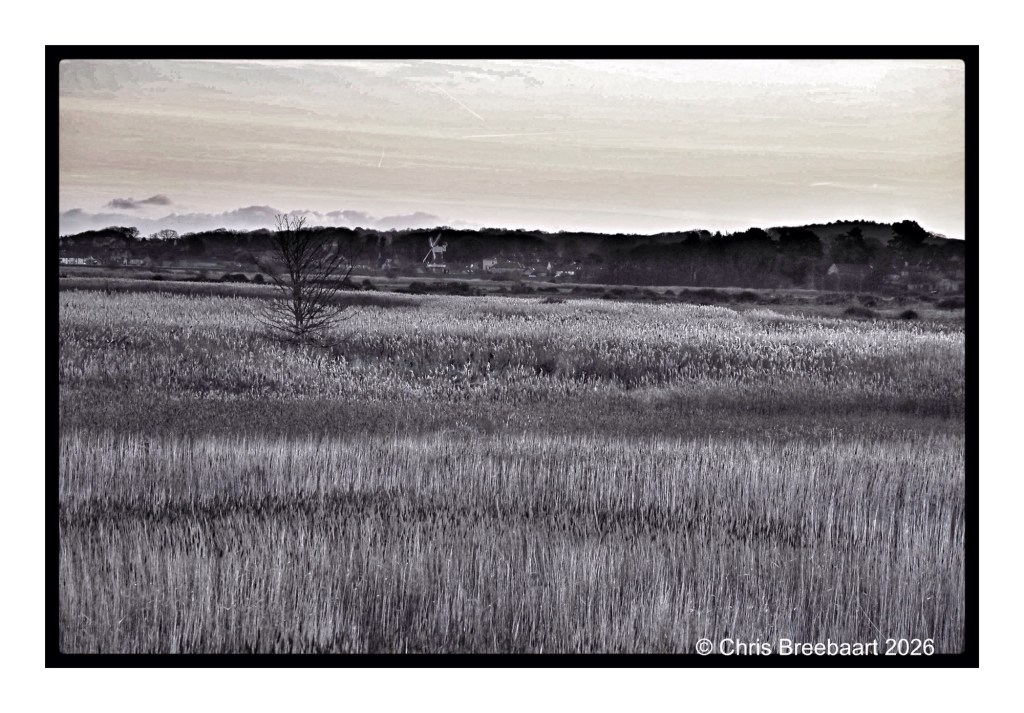
Lens artists photo challenge #381 is ‘minimalism in black and white photography’. Overlooking the marshes at first sunlight in the direction of Cley next the sea.
Shot with Nikon Zf,edited using Snapseed and Marksta. Click the picture for a larger version.
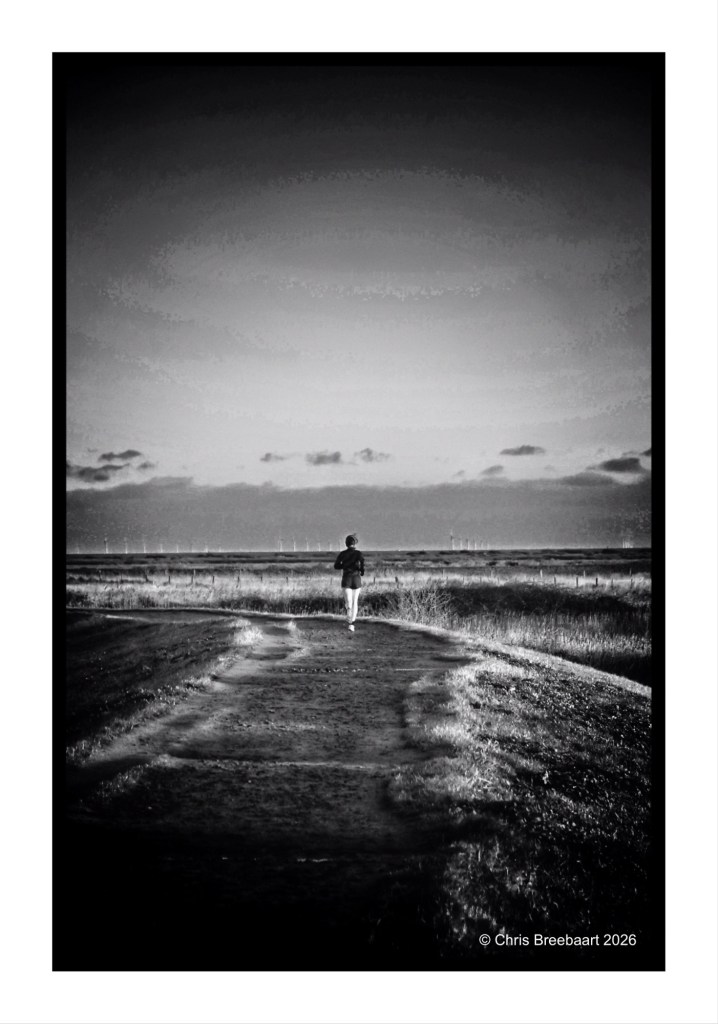
Lens artists photo challenge #381 is ‘minimalism in black and white photography’. The marshes at Blakeney are a place for running and hiking.
Shot with Nikon Zf,edited using Snapseed and Marksta. Click the picture for a larger version.
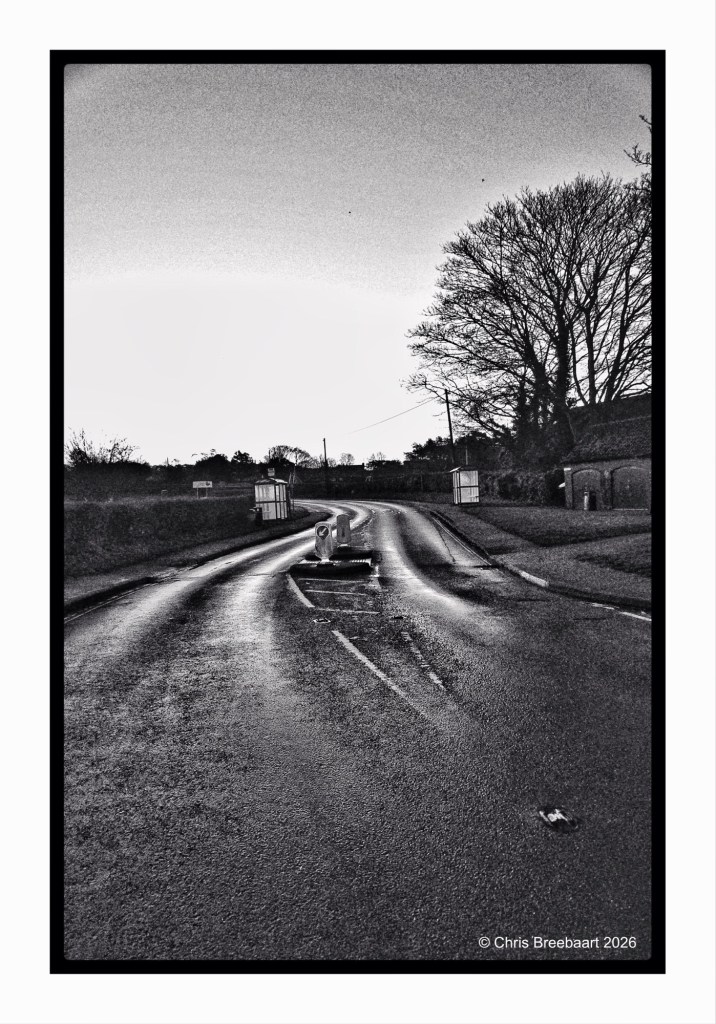
Lens artists photo challenge #381 is ‘minimalism in black and white photography’. A bus stop at sunrise.
If you wonder how it looks in color? Here is an iPhone shot of 2024 at the same spot. In the monochrome the sun is not over the horizon, in the color one it is.
Shot with Nikon Zf,edited using Snapseed and Marksta. Click the picture for a larger version.
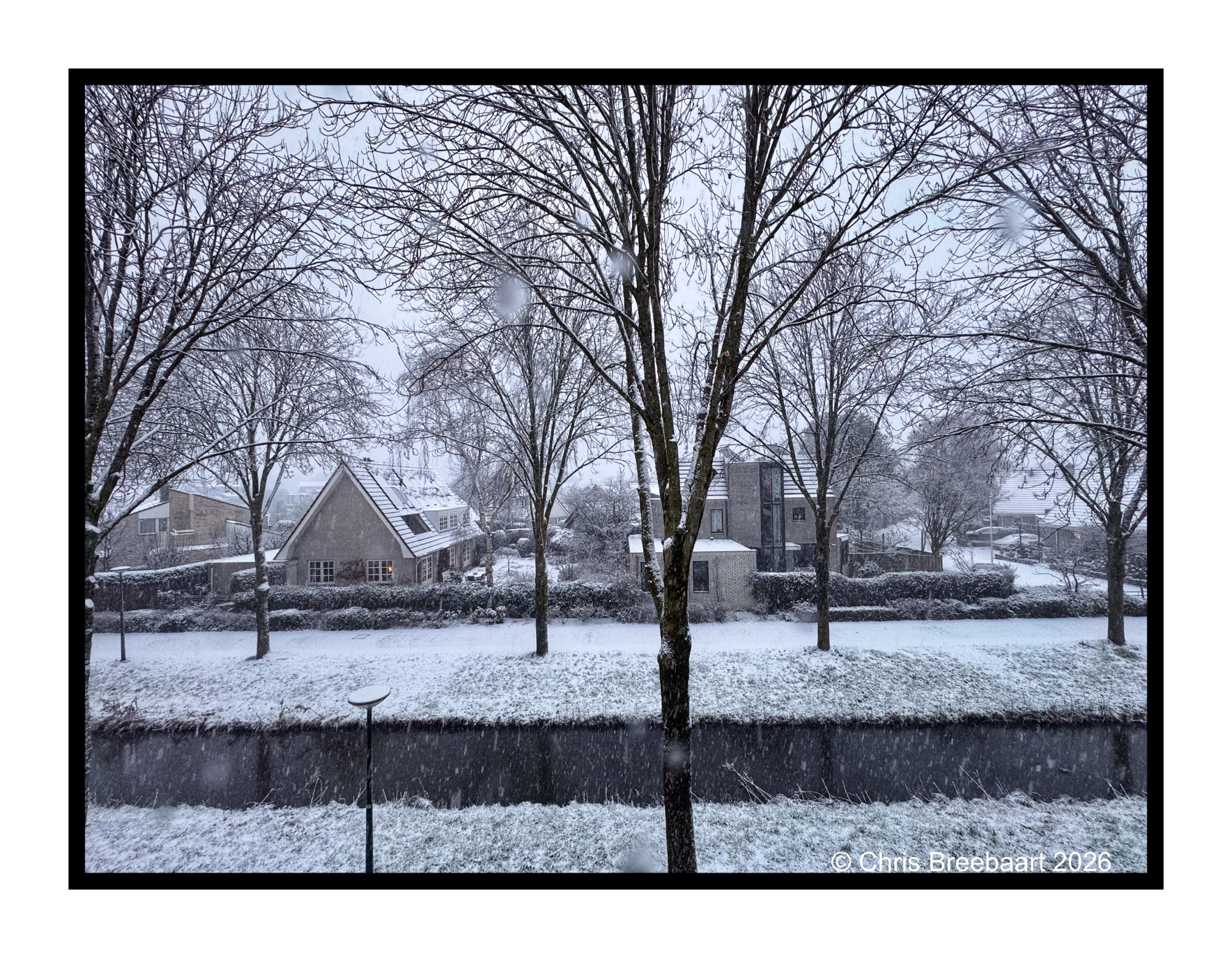
Theme for Lens-Artists Photo Challenge #380 is ‘what’s around the corner’.
Shot with iPhone 15 Pro Max edited using Snapseed and Marksta Click the picture for a larger version.
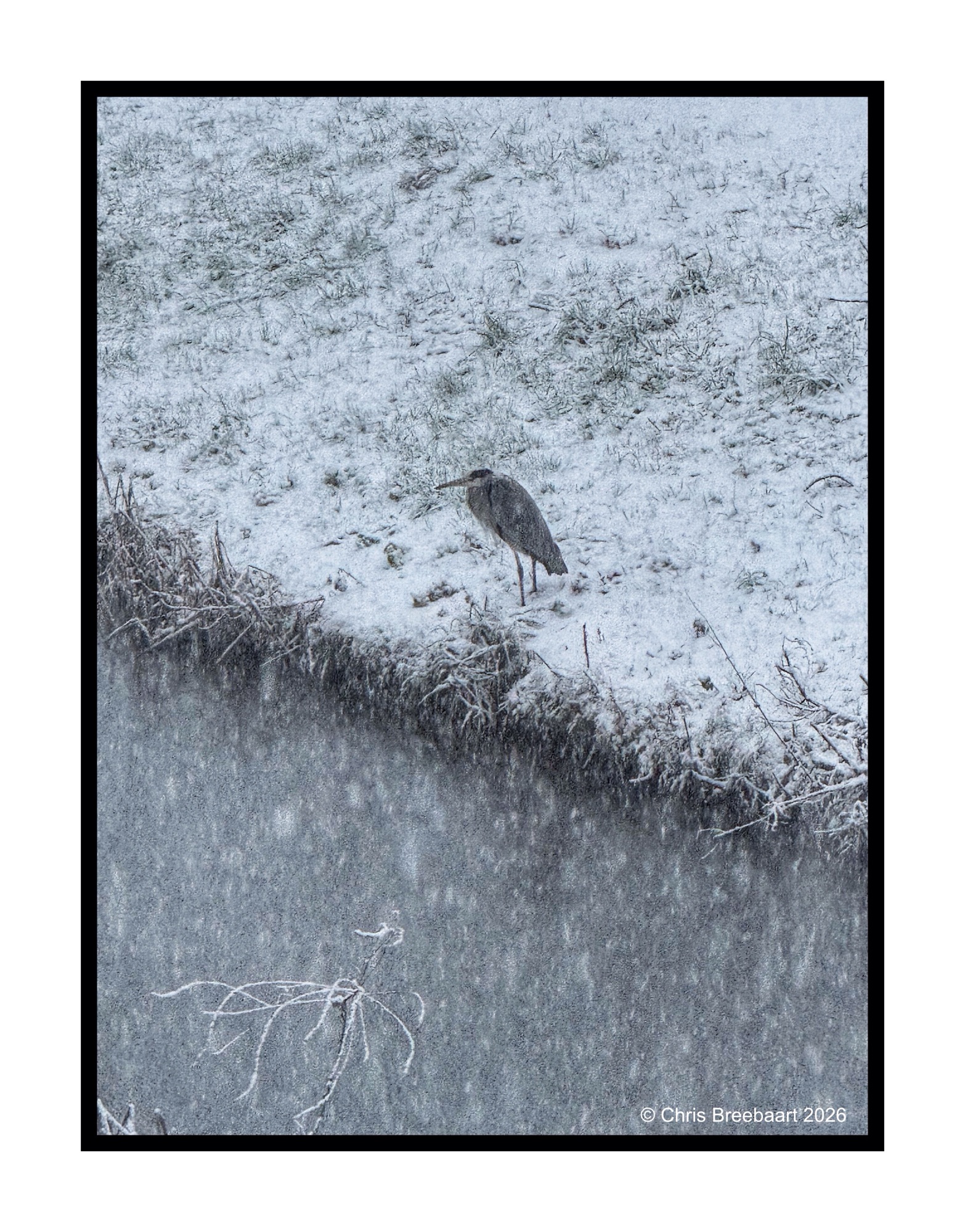
Theme for Lens-Artists Photo Challenge #380 is ‘what’s around the corner’. A grey Heron in falling snow.
Shot with iPhone 15 Pro Max edited using Snapseed and Marksta Click the picture for a larger version.
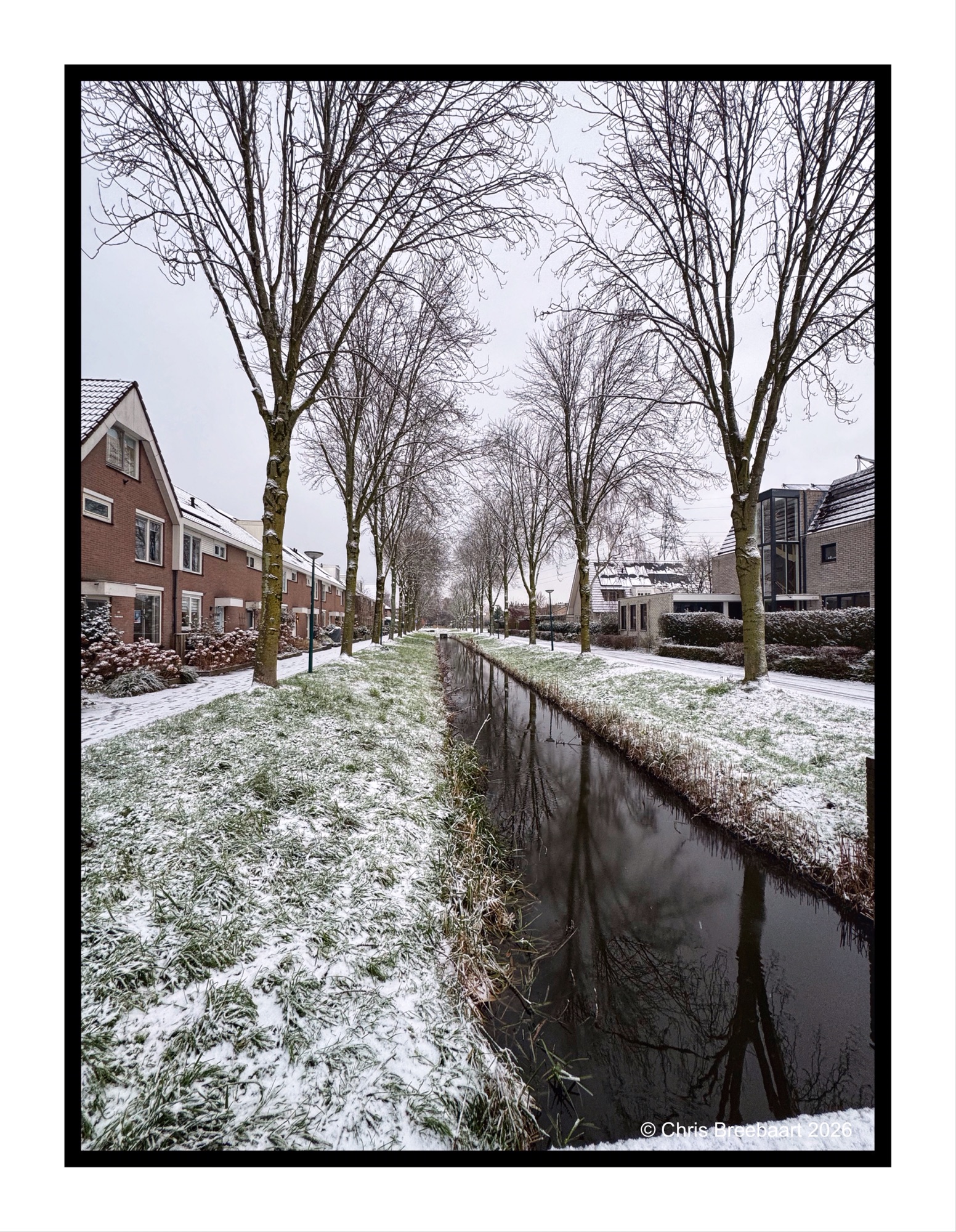
Theme for Lens-Artists Photo Challenge #380 is ‘what’s around the corner’. Snow, no ice.
Shot with iPhone 15 Pro Max edited using Snapseed and Marksta Click the picture for a larger version.
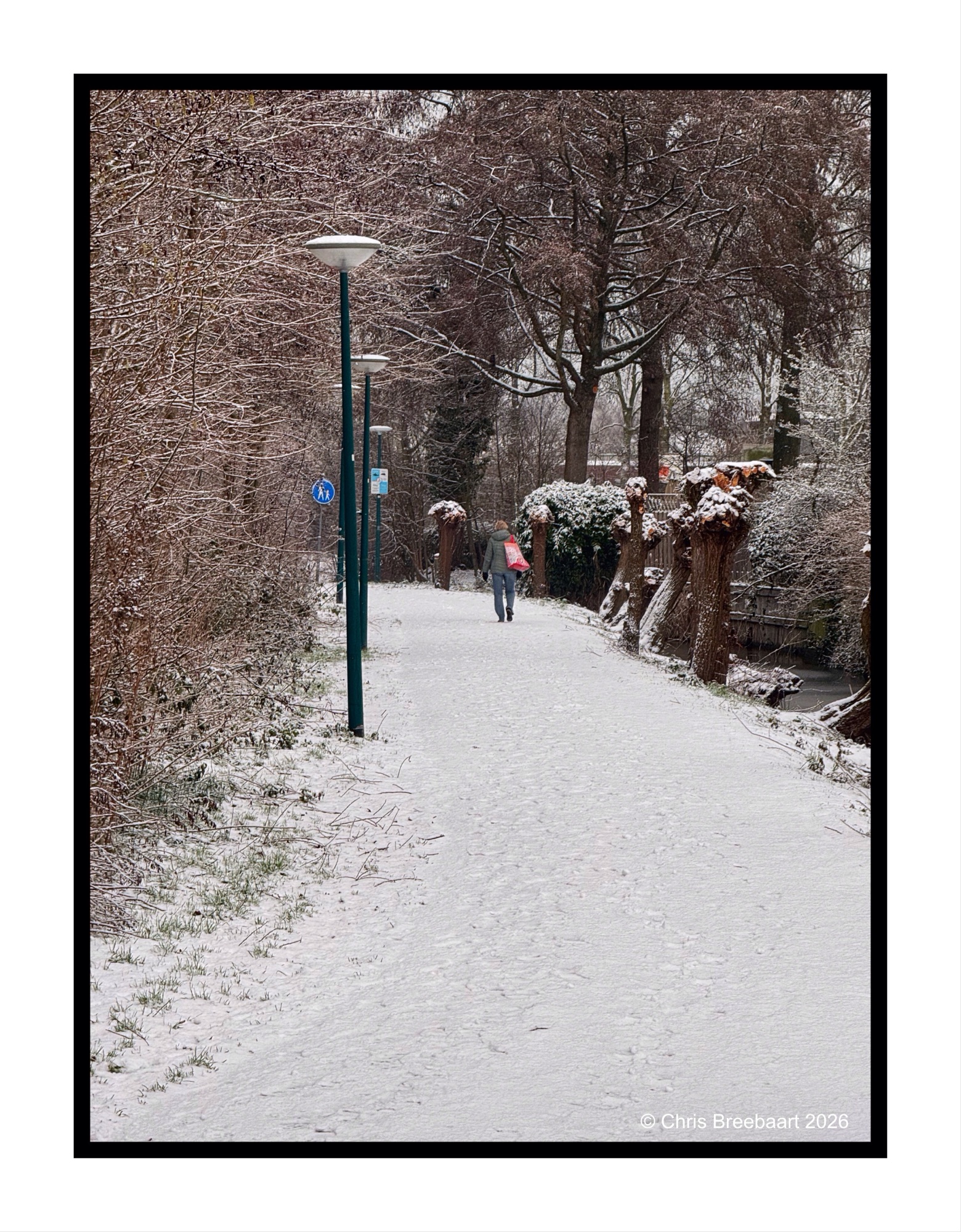
Theme for Lens-Artists Photo Challenge #380 is ‘what’s around the corner’. Last week we had snow in the village.
Shot with iPhone 15 Pro Max edited using Snapseed and Marksta Click the picture for a larger version.
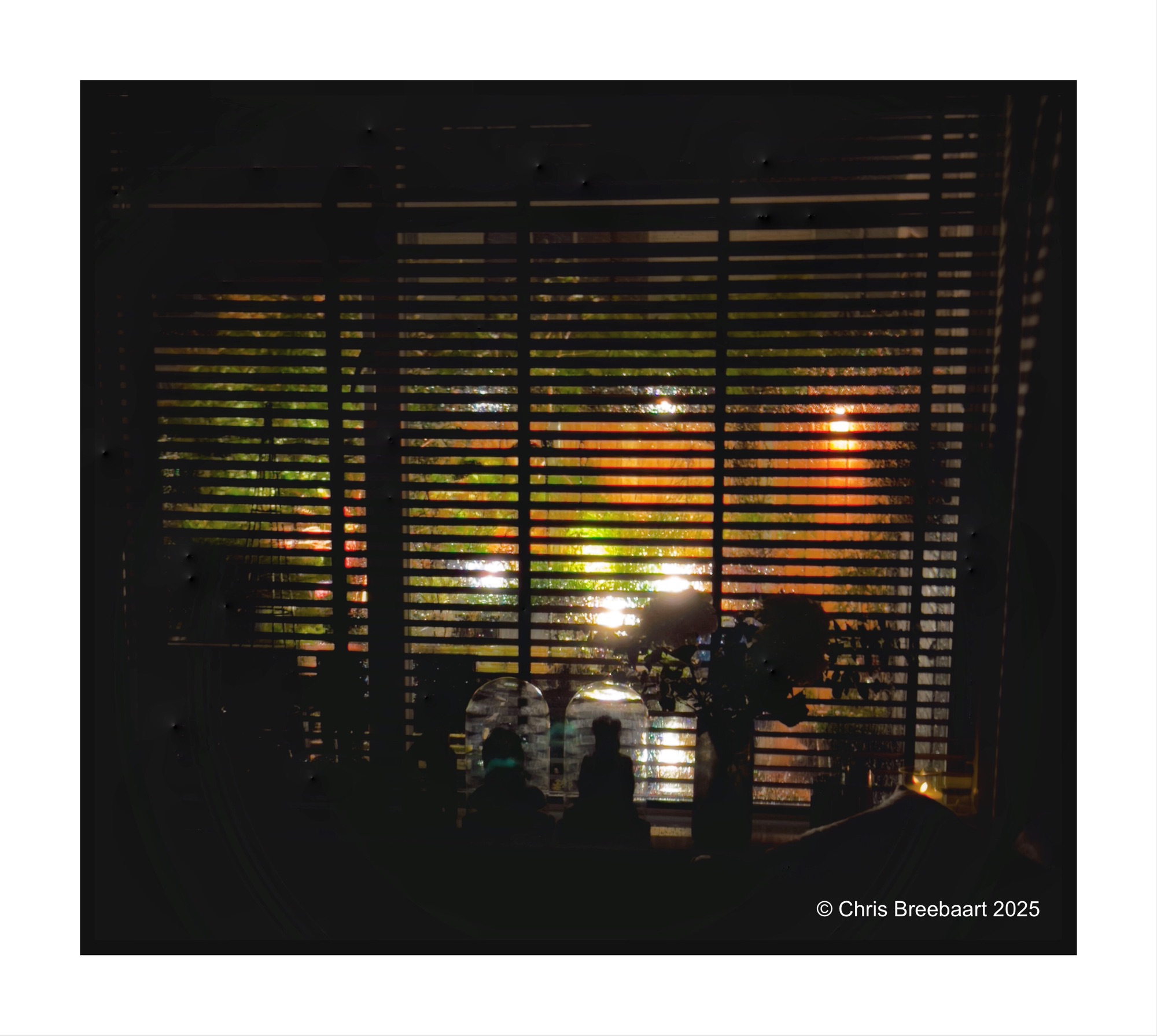
The garden at night. The Lens-Artists Photo Challenge #375 is ‘where to find the mysterious’.
Shot with iPhone 15 Pro Max edited using Snapseed and Marksta Click the picture for a larger version.
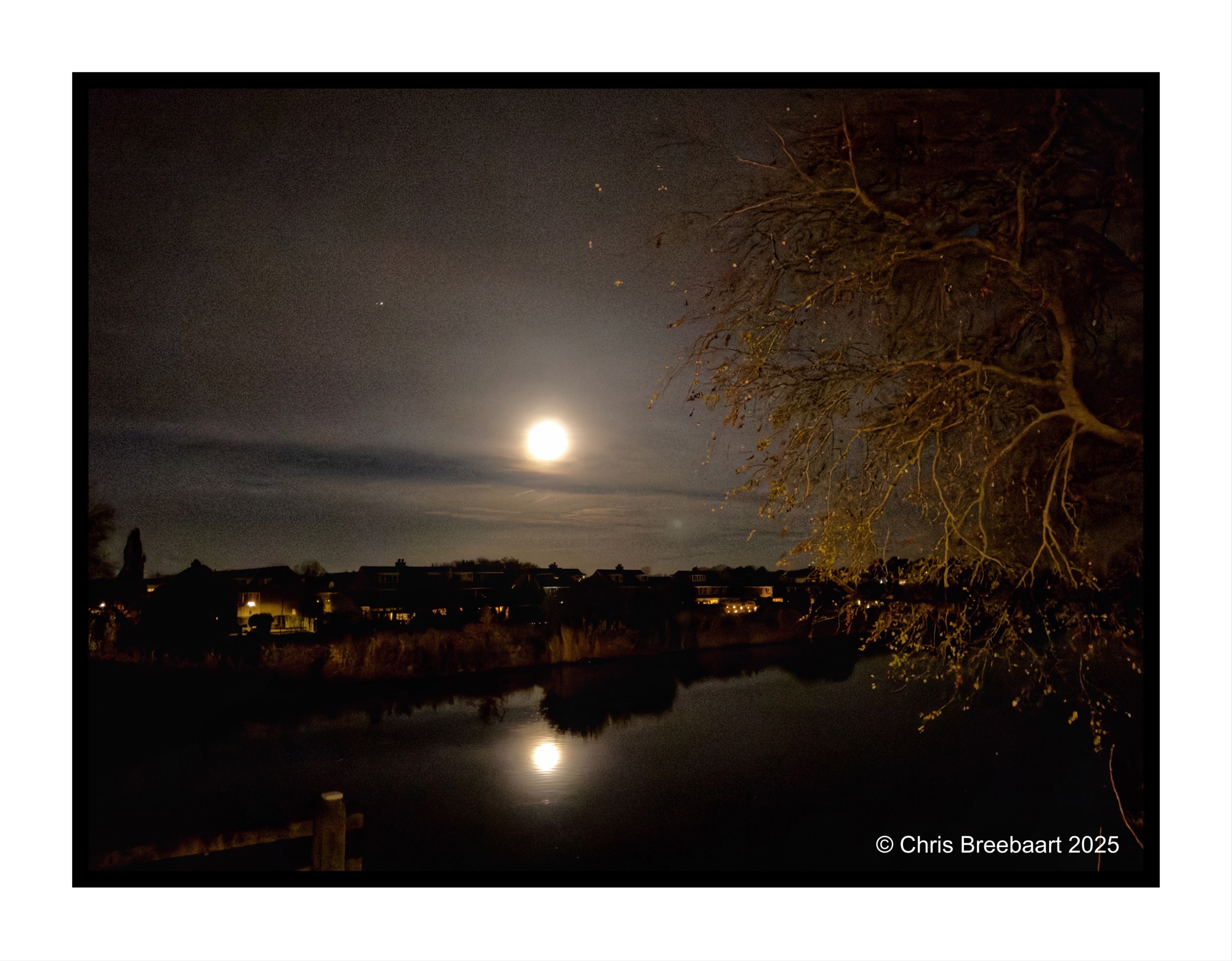
The Lens-Artists Photo Challenge #375 is ‘where to find the mysterious’. The full moon over the canal. A sight not often seen. This is a different photo of the same scene I posted yesterday.
Shot with iPhone 15 Pro Max edited using Snapseed and Marksta Click the picture for a larger version.
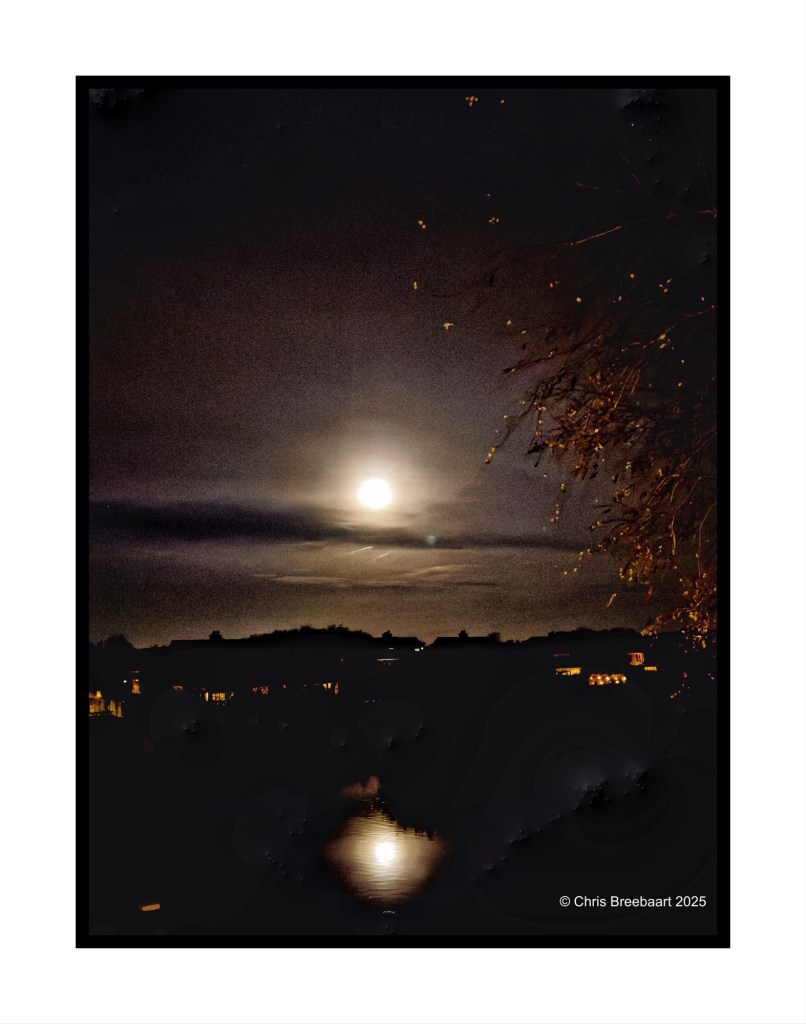
The Lens-Artists Photo Challenge #375 is ‘where to find the mysterious’. The full moon over the canal. A sight not often seen.
Shot with iPhone 15 Pro Max edited using Snapseed and Marksta Click the picture for a larger version.
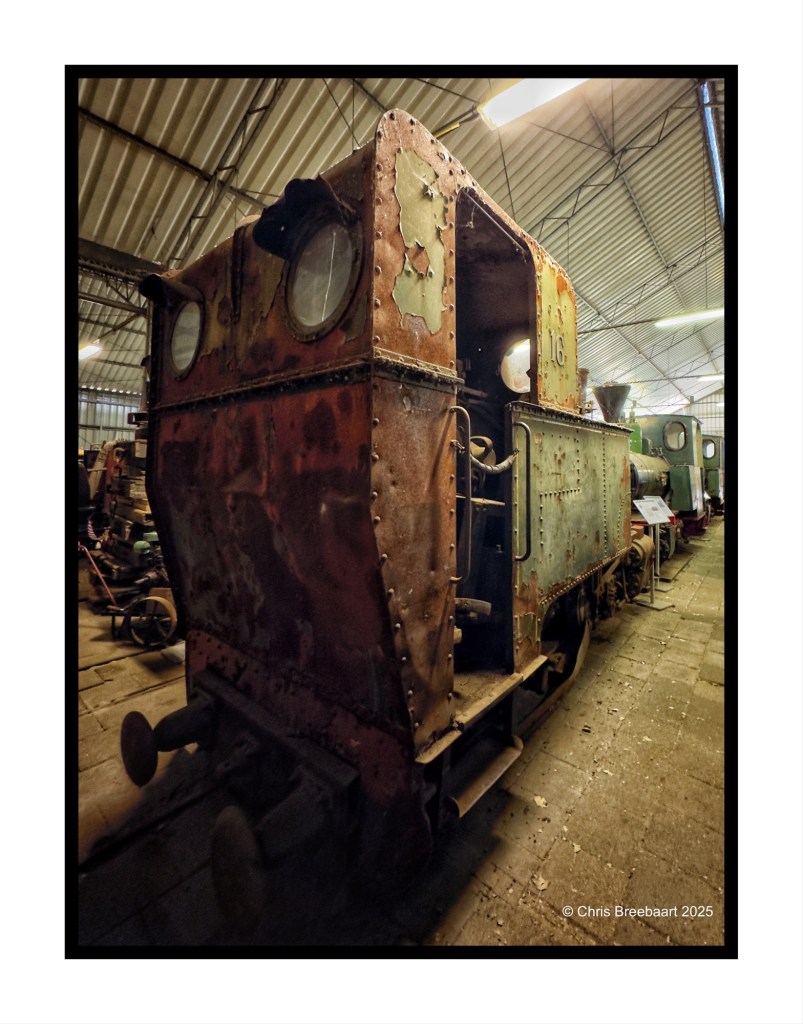
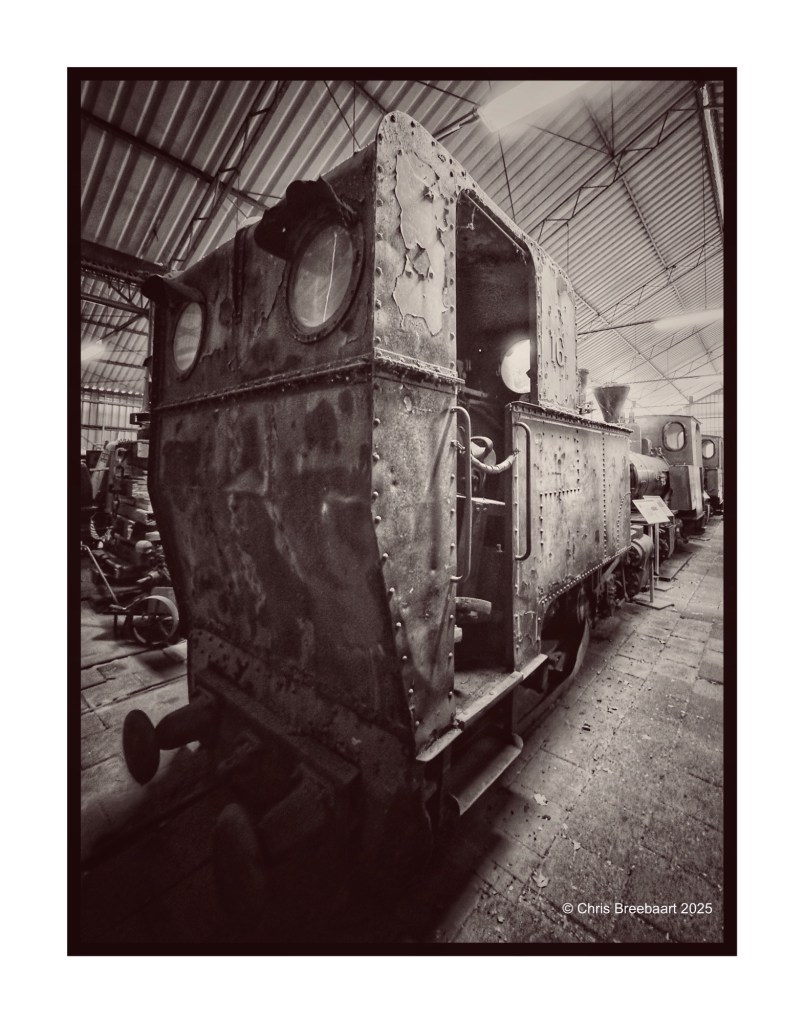
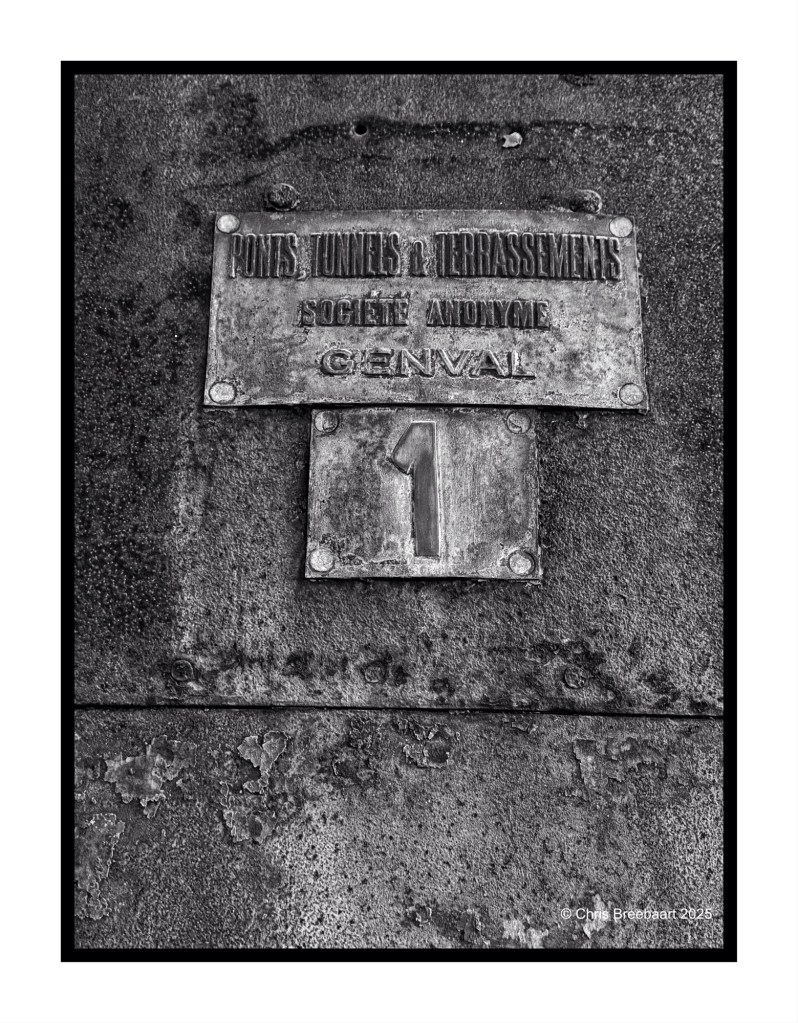

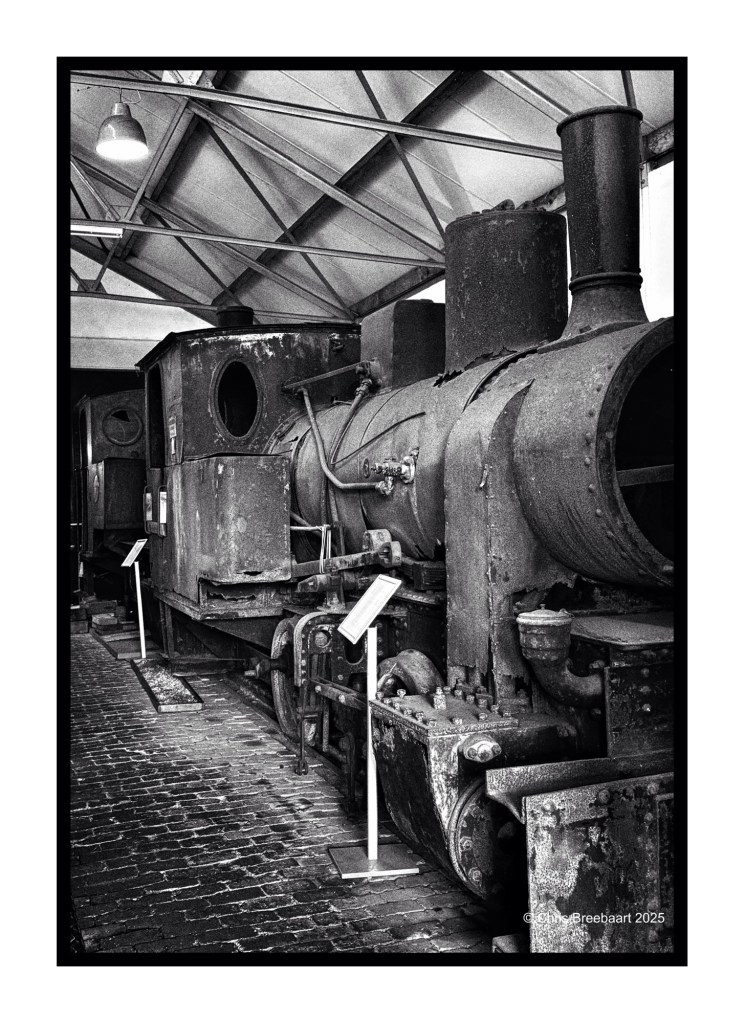
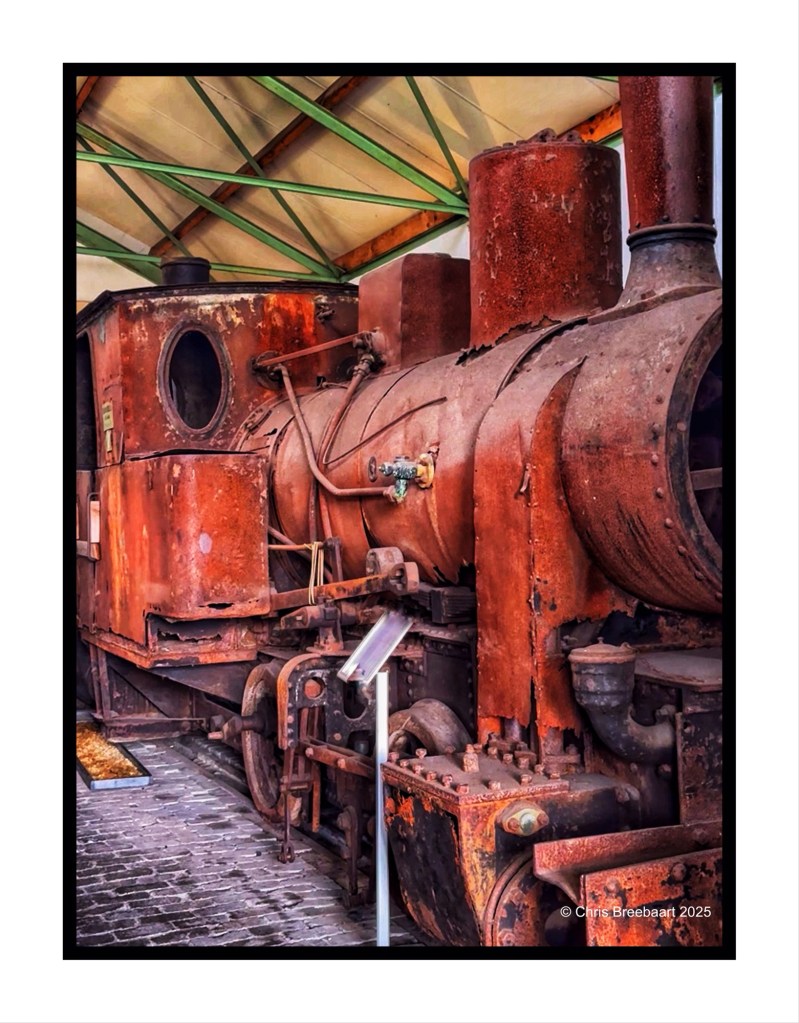
The Lens-Artists Photo Challenge #374 is ‘on the move’. Most of what is on these photos has not moved in a long time. However, the machines they got moving again are brilliant. It is a place where they try to keep history alive and accessible, touchable and usable.
The Steamtrain Museum Katwijk Leiden is run by volunteers. It offers the history of steam trains and their use on narrow gauge tracks. And the volunteers fix up and restore old locomotives, carriages and other cars. They have a big storage full of old parts and rusty machines.
Shot with iPhone 15 Pro Max edited using Snapseed and Marksta. Click the picture for a larger version.
 What's (in) the Picture?