The B4 retouch series I browsed my archive for pictures to publish. All of them are not completely retouched yet. Scratches, dust and stains are not removed.
This challenge sends me back to the days of film. Ample of good objects around, but did they come out on film the way I hoped? In those days you could not check the backside of your camera, and try a few settings and tweaks to find out what worked best. It was shoot and go. Film was expensive so most of the time it was a lucky shot based on intuition and experience. Most of them came out ok, some really were disappointing.
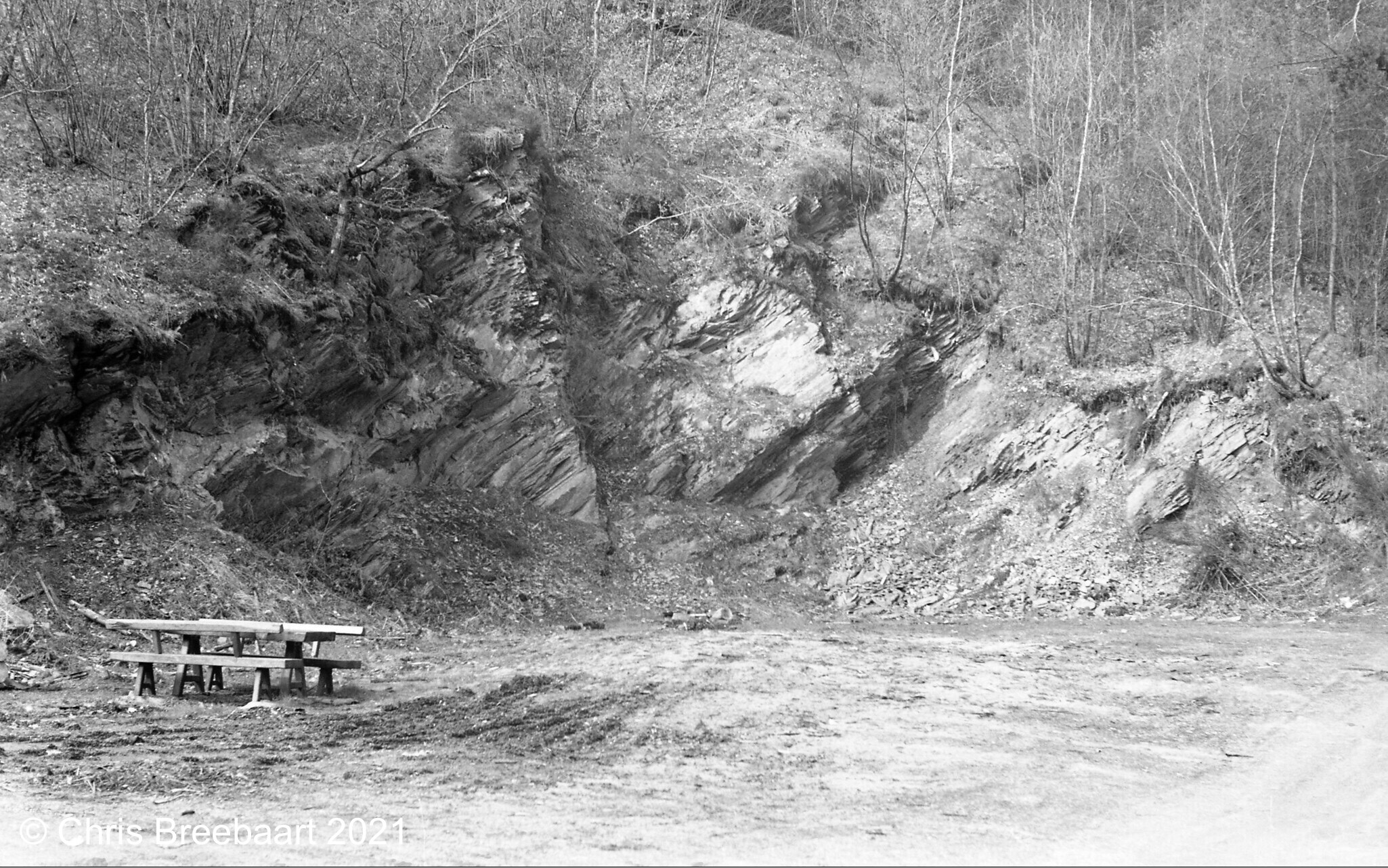
The photo above has a story behind it that comes close to this theme. At the end of the post is the scanned negative of the original photo. I am not sure the edited one above is a keeper, but it shows my line of thought and the original intention of framing this rock wall in a forest in the Ardennes. It did not strike me as a spot I would go for a pick nick. The road next to it, mud, rock, nothing to see but passing cars. But the details of the rock and the trees, with the strange object of the pick nick table triggered my shutter. This photo was kept on archive for a long time. It was in my secondary school notebook (the time we actually wrote with pens on paper). And recently when I was scanning my archive from negative it popped up again.
In a way I do like the object. It is kind of sinister and powerful. I wonder about your thoughts on it.
The B4 retouch series I browsed my archive for pictures to publish. All of them are not completely retouched yet. Scratches, dust and stains are not removed.
The B4 retouch series I browsed my archive for pictures to publish. All of them are not completely retouched yet. Scratches, dust and stains are not removed.
The picture was originally shot with Pentax K1000 on Kodak TriX, scanned from negative and tweaked using Snapseed and Marksta. Click the picture for a larger version.
The B4 retouch series I browsed my archive for pictures to publish. All of them are not completely retouched yet. Scratches, dust and stains are not removed.
The picture was originally shot with Pentax ME super II on Kodak TriX, scanned from negative and tweaked using Snapseed and Marksta. Click the picture for a larger version.
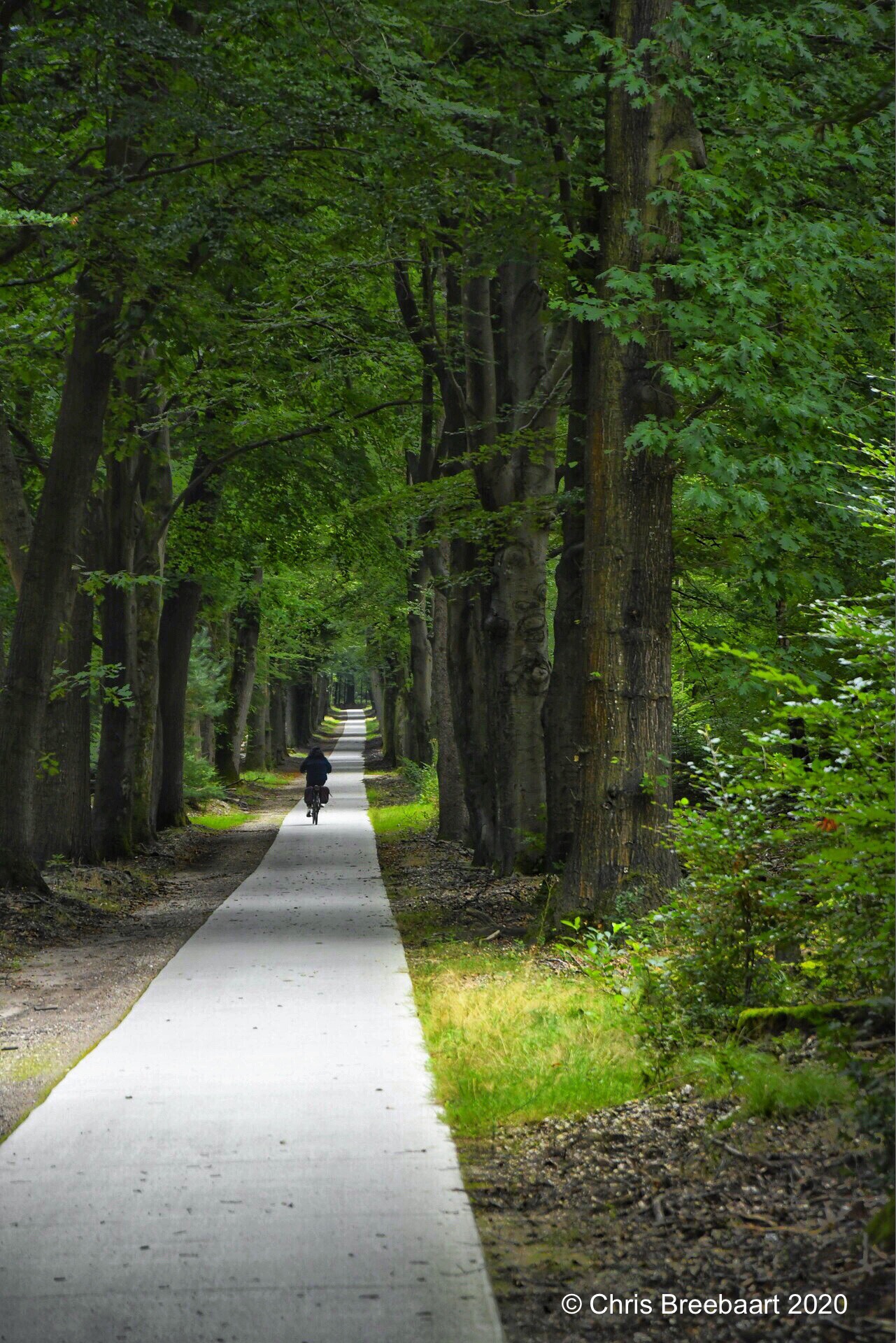
The Pas Opweg leading to the Hidden Village in the forest near Nunspeet. In 1943 – 1944 the Dutch resistance build a village where people, wanted by the Germans, could hide. We are lucky to have thousands of kilometers of free bicycle lanes in The Netherlands. And riding an e-bike for the first time in my life in this forest was a wonderful experience.
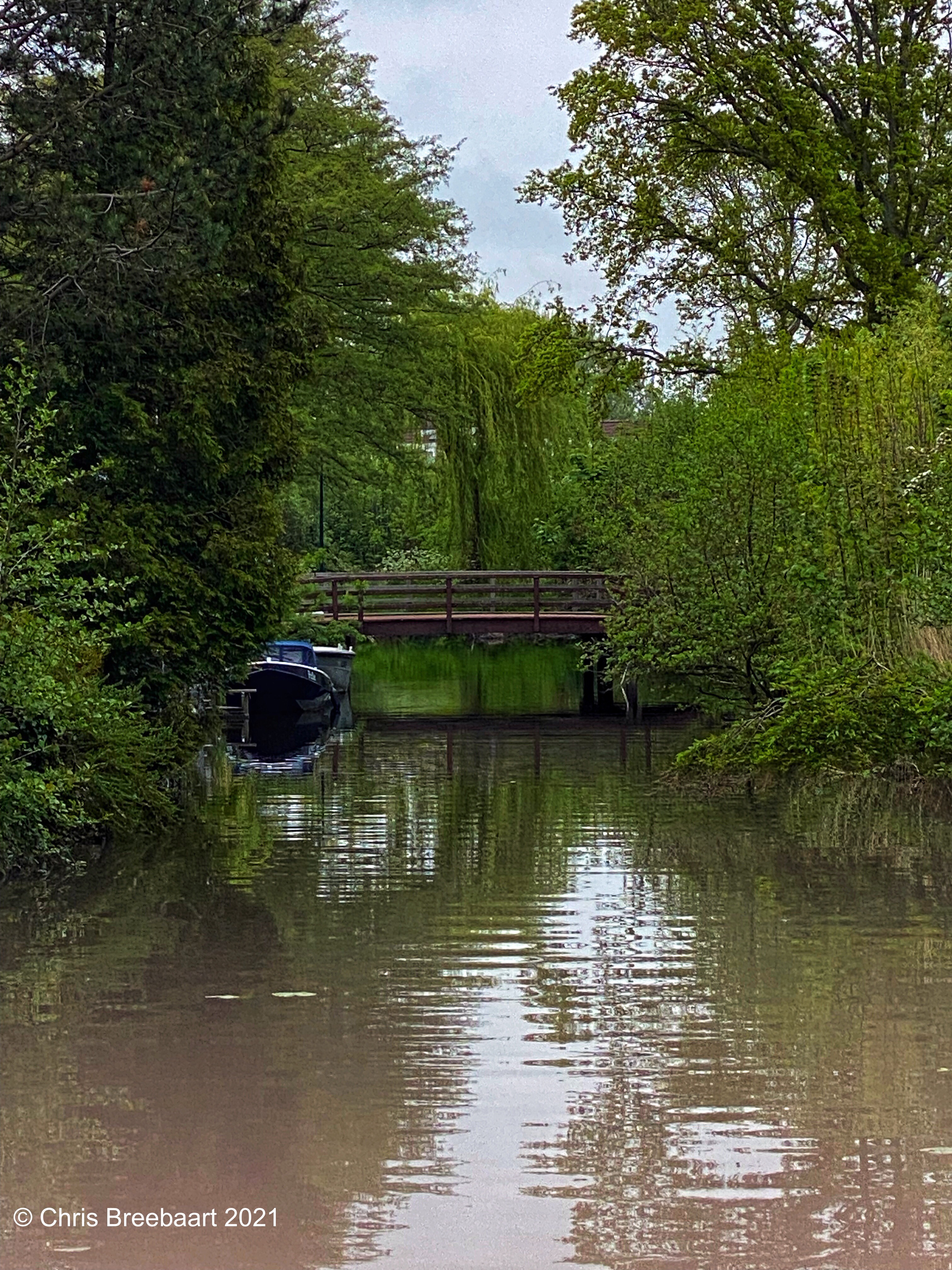
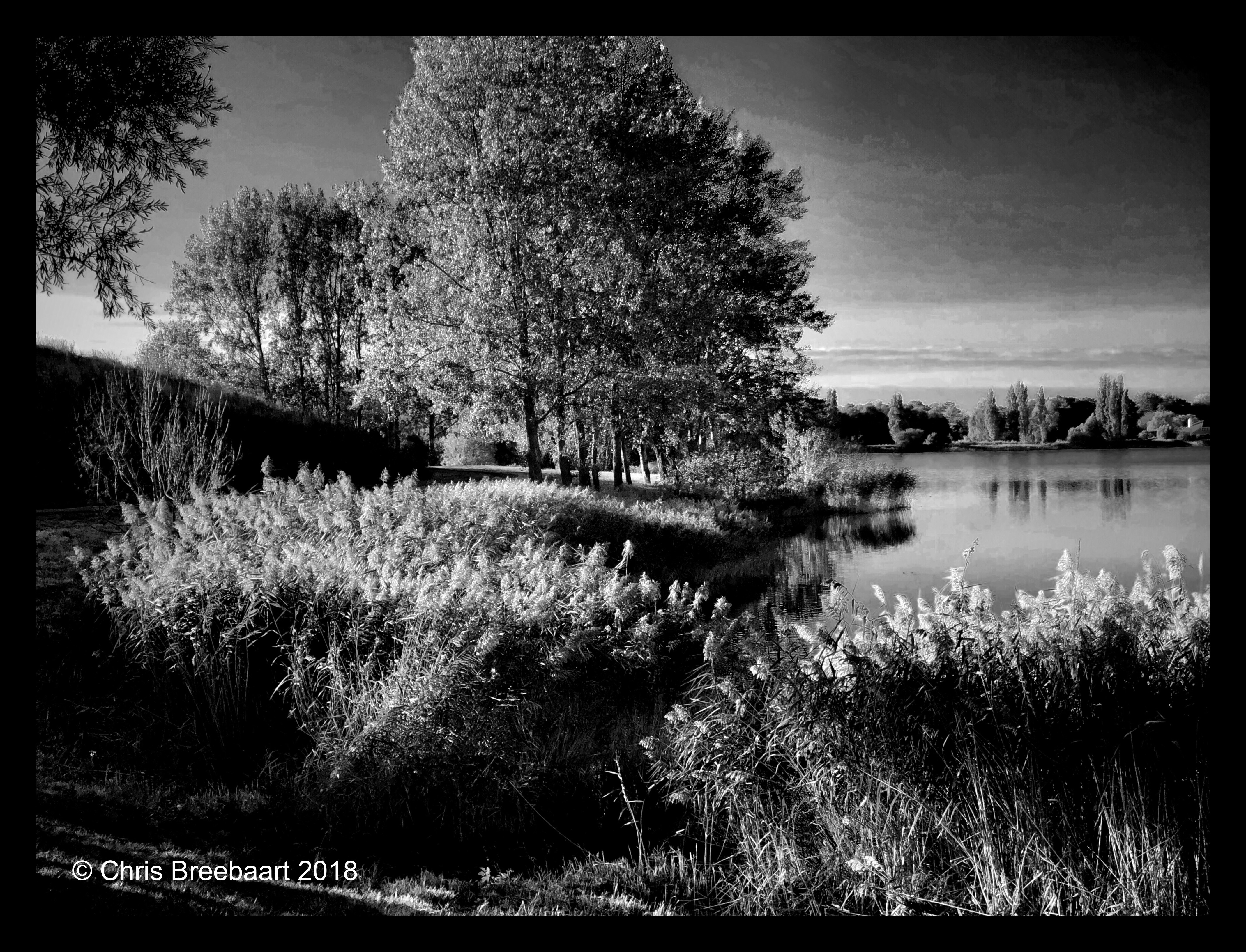
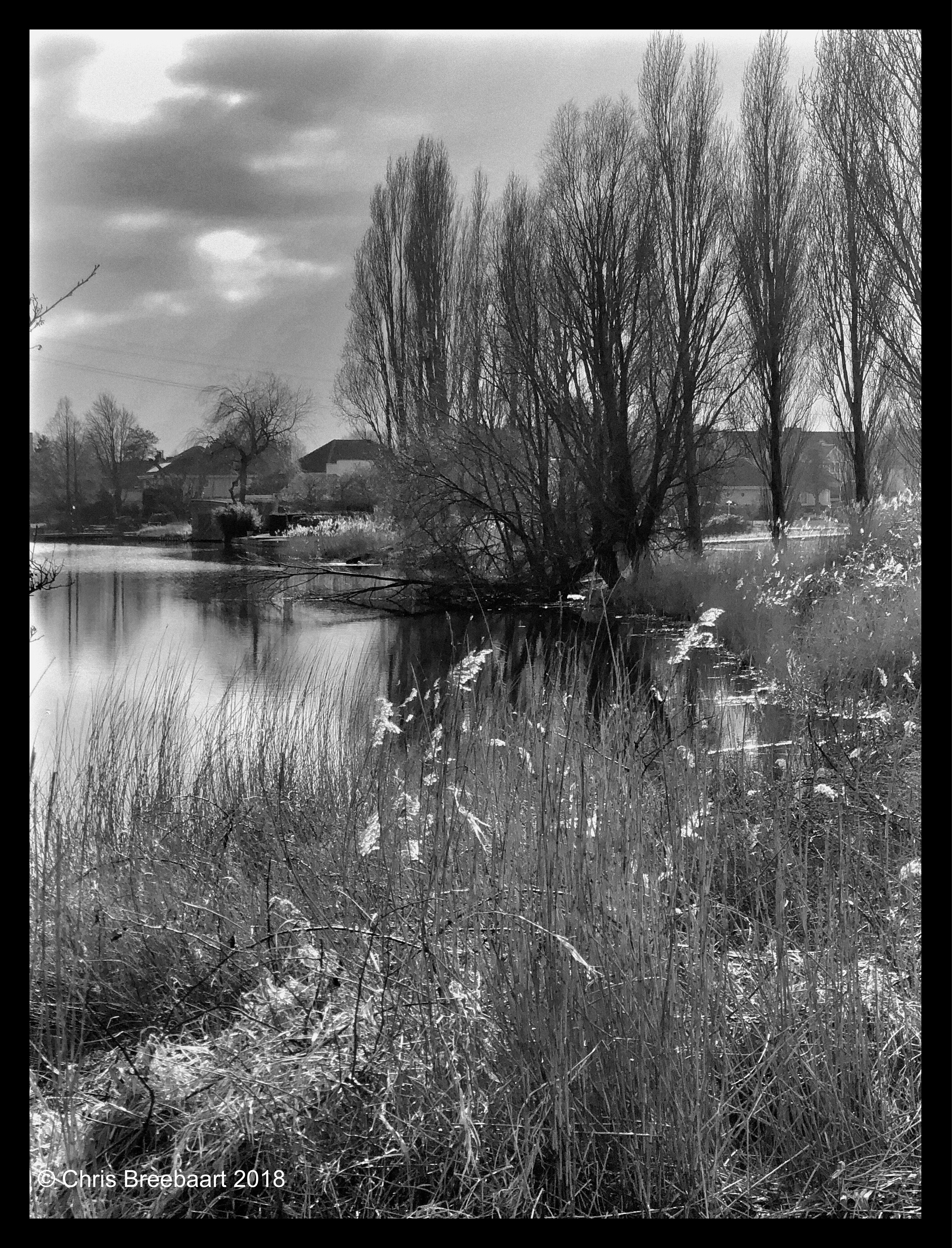
This little pond is part of a little park in my village. When I was a toddler I used to feed the ducks and swans here. Sitting there years later I was impressed by the green and shapes of the trees under the Corona blue sky.
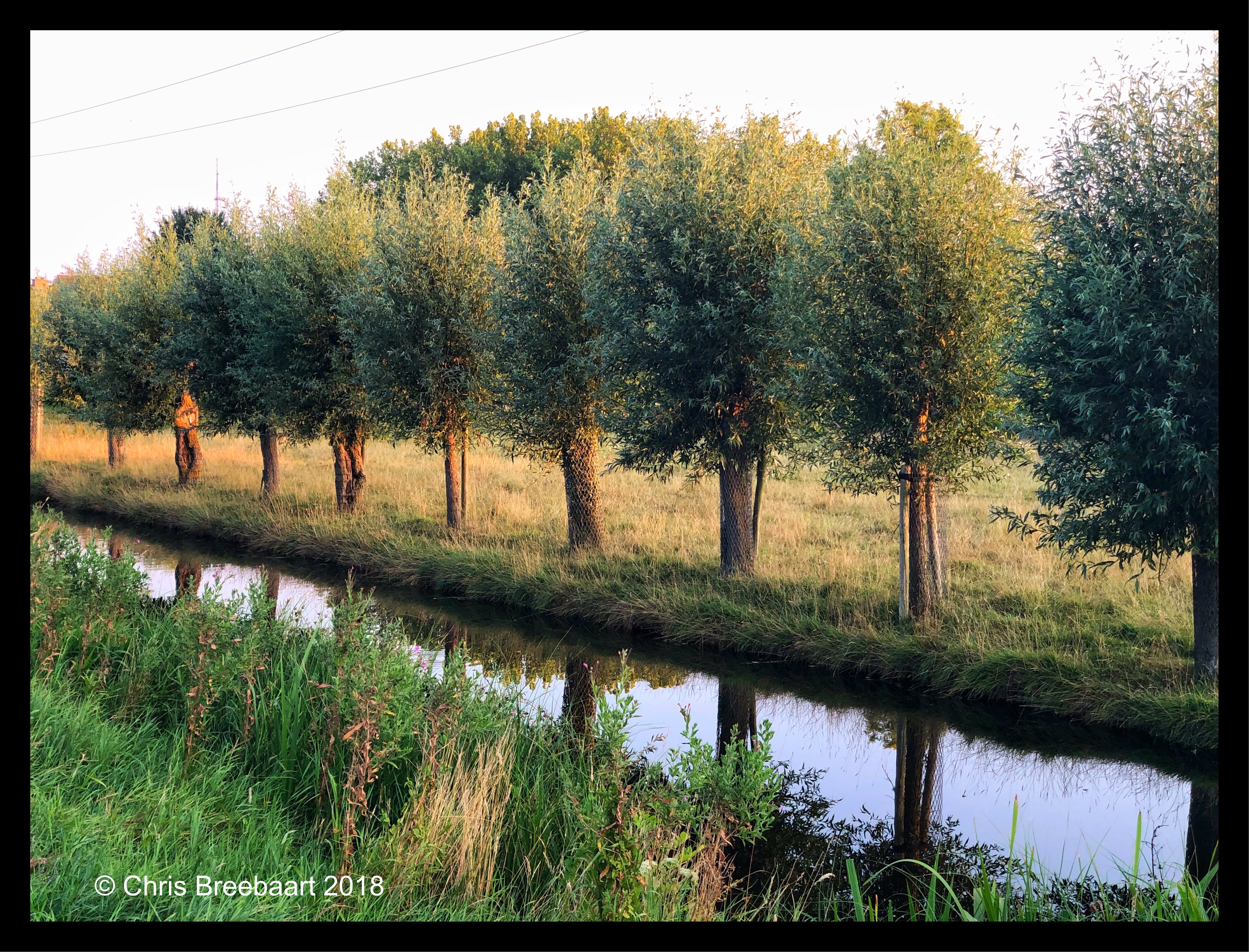
You might think seeing this photo ‘this is not all wet, is it?’ And indeed it is not. Some say God created the world and The Dutch created The Netherlands.The first is a question of belief and the latter is a question of opinion. The fact is that a big part of the low lands (Netherlands) are under sea level. This pond collects water, if there is too much rain the excess water is taking down to the sea. This pond is one of the waterworks that manages to keep Dutch feet dry. If we could not manage water this way you would be looking at the sea. So it is not all wet, it is managed wet and we prefer it that way.
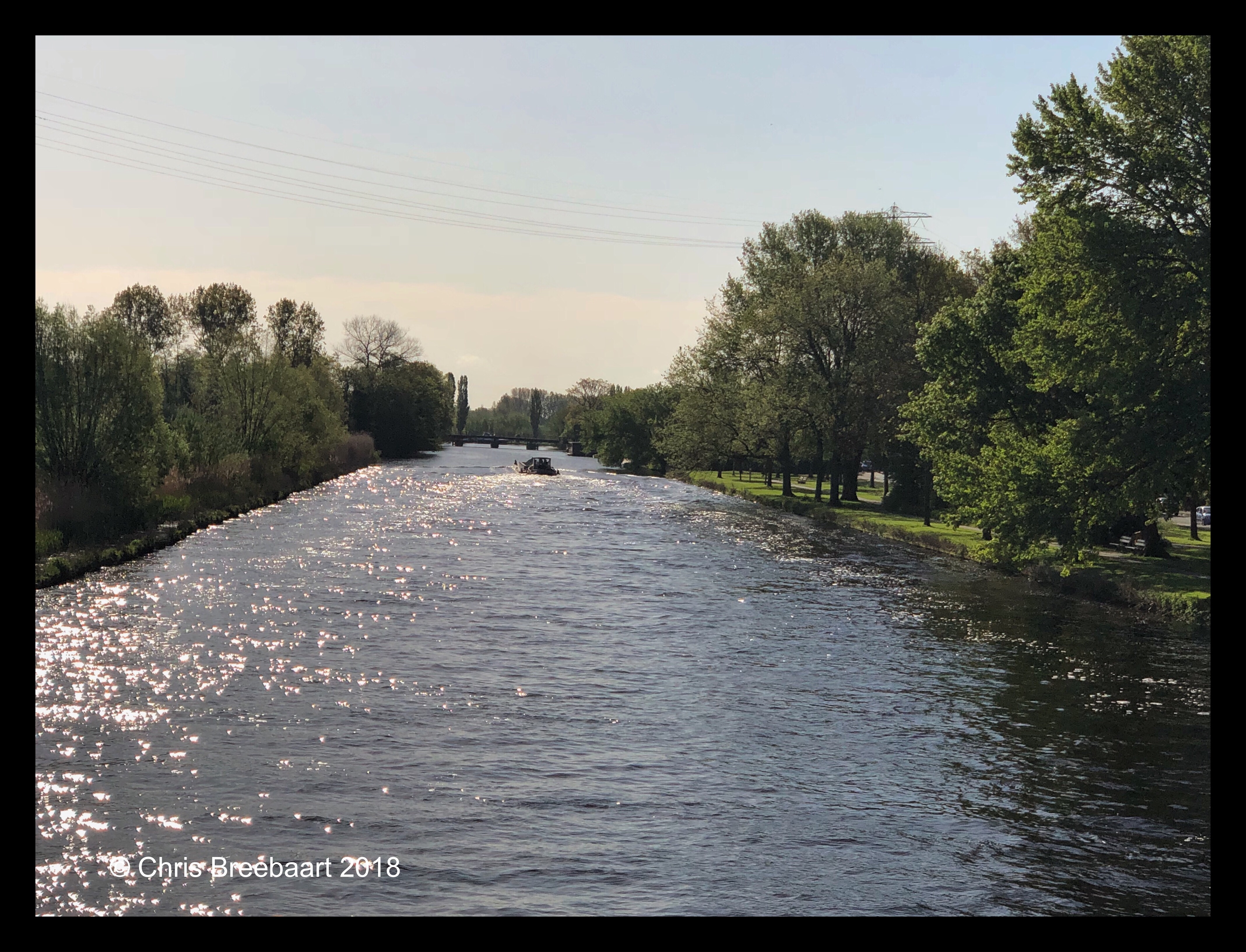
Water is an essential, crucial and critical element of life in The Netherlands. Half of the country is below sea level so we need to manage water. Each day I pass the J.H. Oortbridge over the canal that leads from Warmond to Katwijk. The canal is – apart from being a means of transportation and recreation – used to dump excess sweet water into the sea at low tide. This week’s theme ‘place in the world’ associated with the name giver of this bridge is funny: Jan Hendrik Oort was a famous Dutch astronomer and a pioneer in exploring space outside our world.





















 NY – Gems and navigating the city
  What's (in) the Picture?