Sky Stripes


Sunsets these days are sometimes interesting with cloud shapes light up. Even in monochrome.
Shot with iPhone 17 Pro Max edited using Snapseed and Marksta. Click the picture for a larger version
Sunsets these days are sometimes interesting with cloud shapes light up. Even in monochrome.
Shot with iPhone 17 Pro Max edited using Snapseed and Marksta. Click the picture for a larger version
Sunsets these days are sometimes interesting with cloud shapes light up.
Shot with iPhone 17 Pro Max edited using Snapseed and Marksta. Click the picture for a larger version

Sunsets these days are sometimes interesting with cloud shapes light up.
Shot with iPhone 17 Pro Max edited using Snapseed and Marksta. Click the picture for a larger version
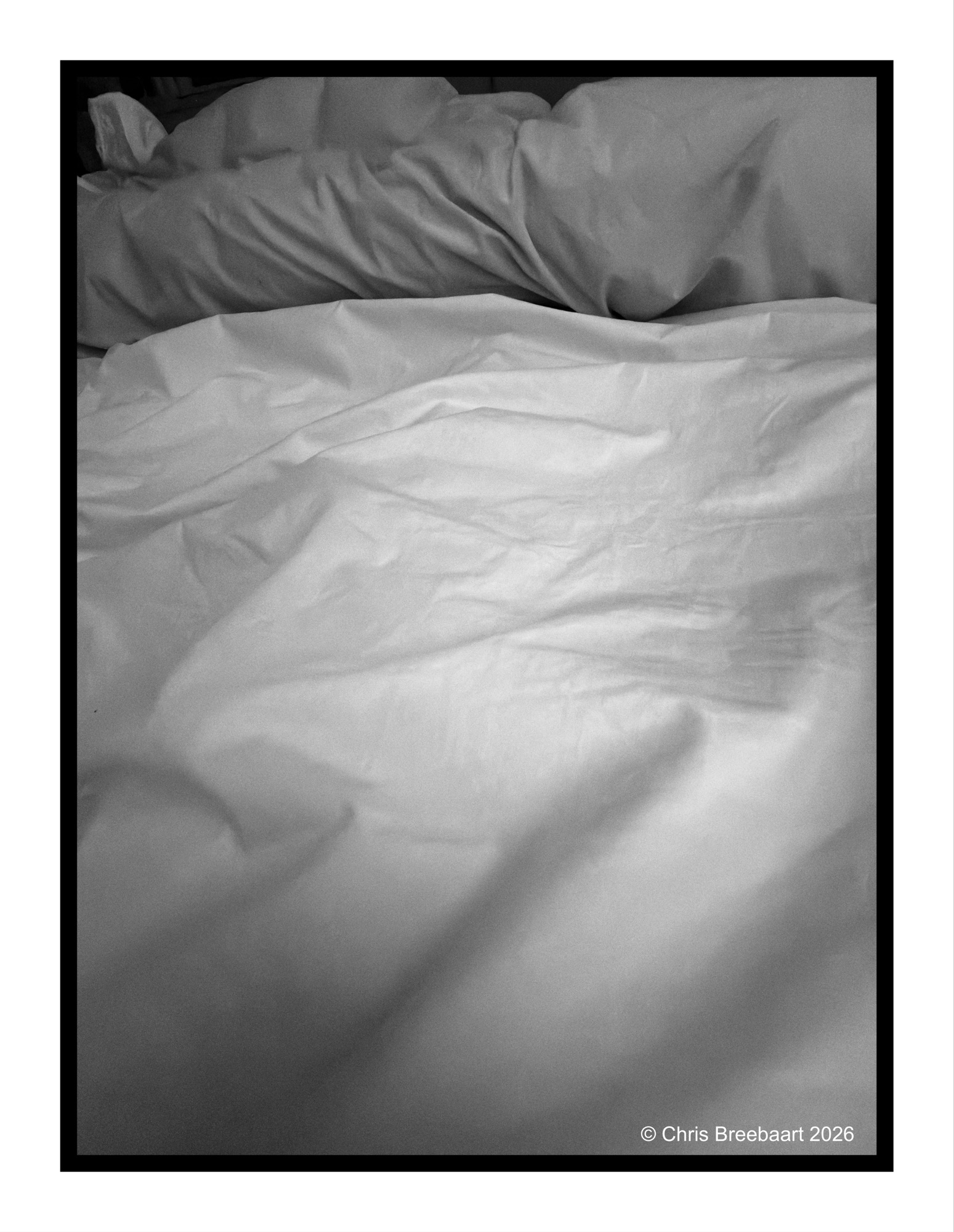
This Sumer a lot of nights were really warm, so a sheet is just what you need for cover LAPC #408 is ‘over the top’.
Shot with iPhone 17 Pro Max edited using Snapseed and Marksta. Click the picture for a larger version
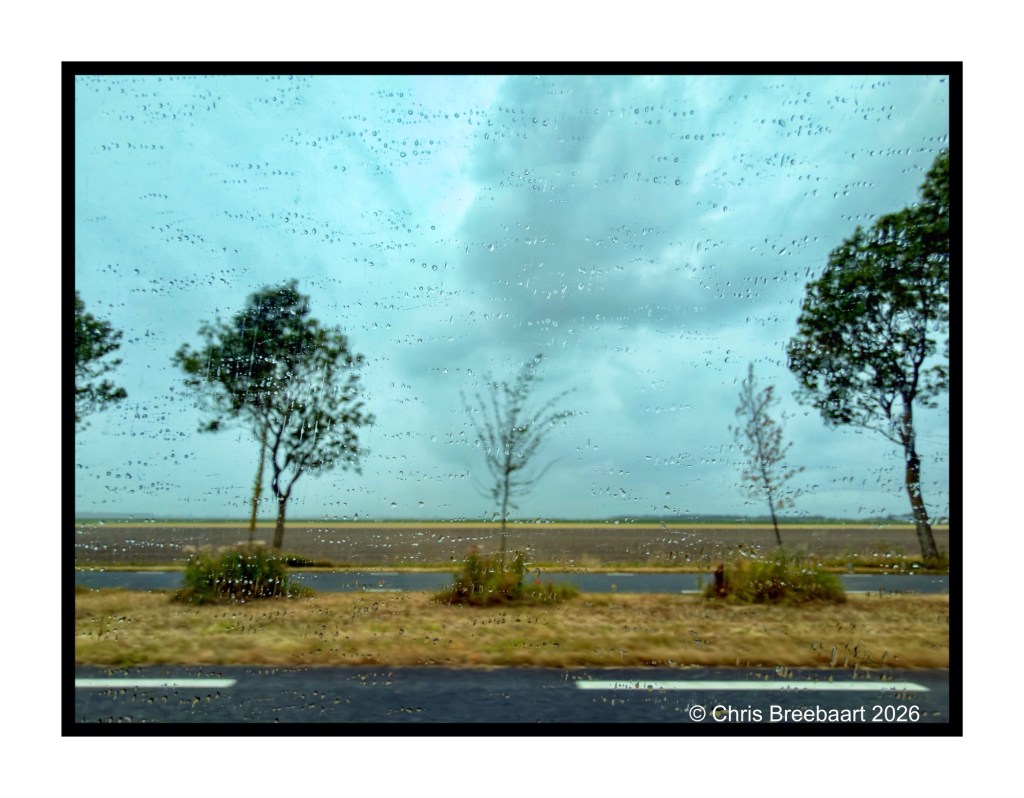
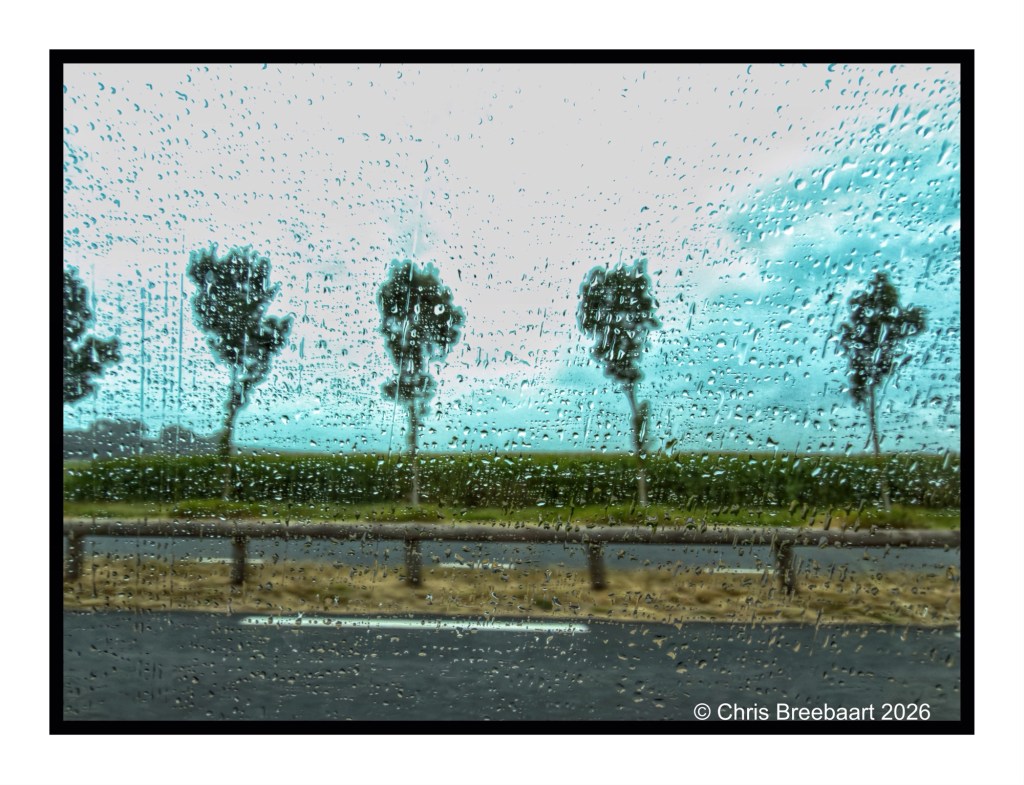
This was the last rain we had, and before that we had more than a month without rain. It is dry, rivers run low.
Shot with iPhone 17 Pro Max edited using Snapseed and Marksta. Click the picture for a larger version

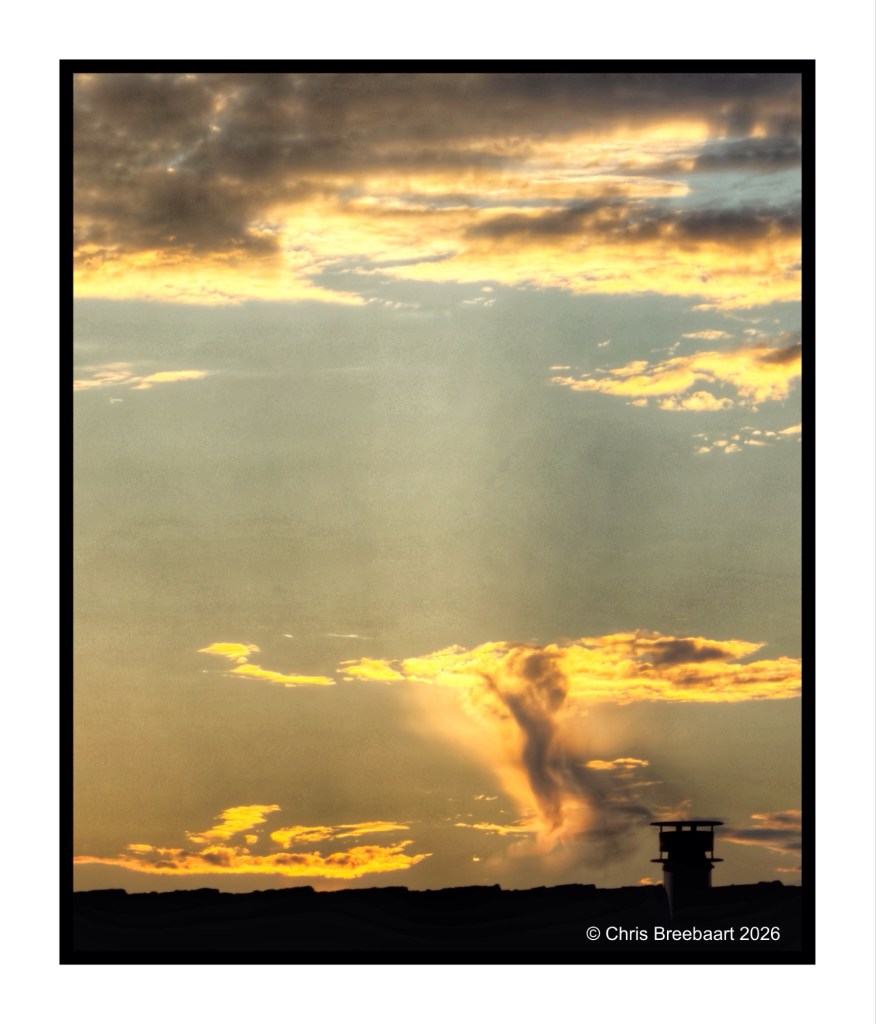
The sky at dusk, showing scenery that takes your imagination far. LAPC #408 is ‘over the top’.
Shot with iPhone 17 Pro Max edited using Snapseed and Marksta. Click the picture for a larger version
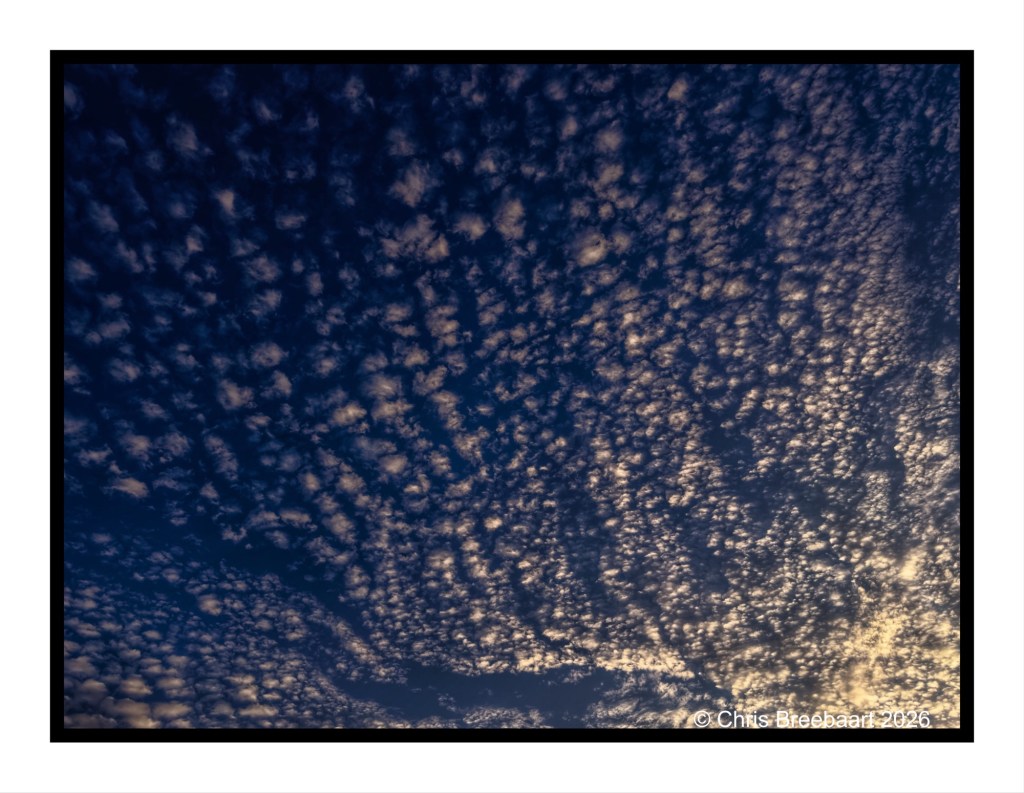
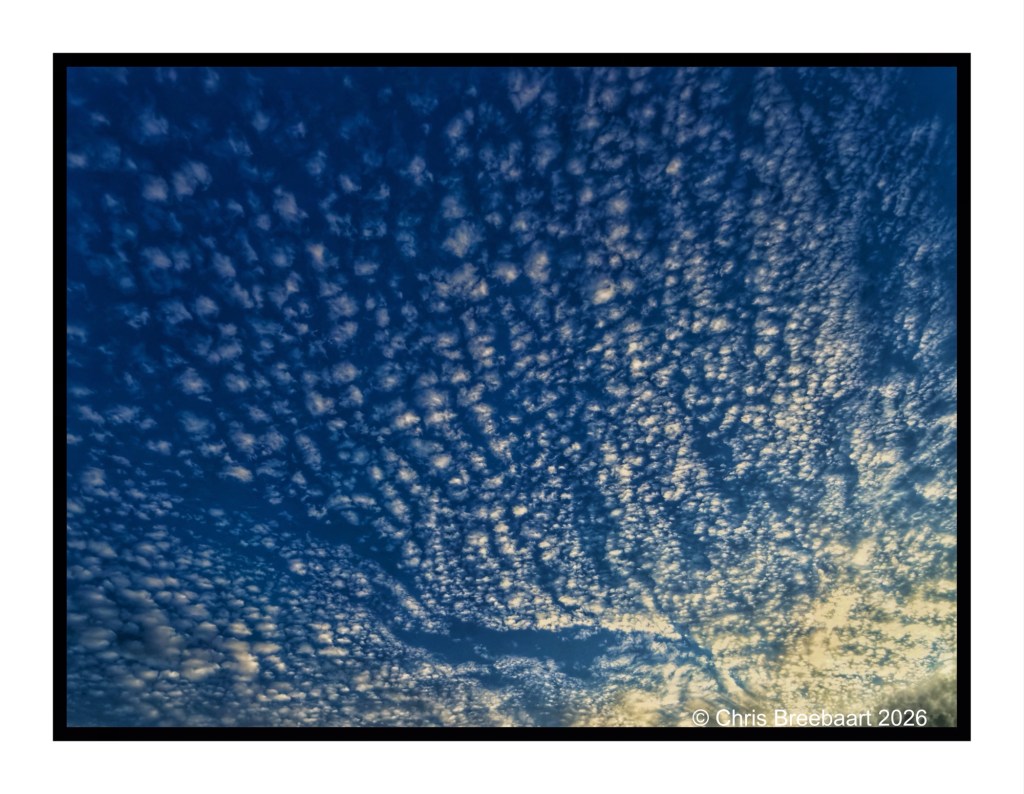
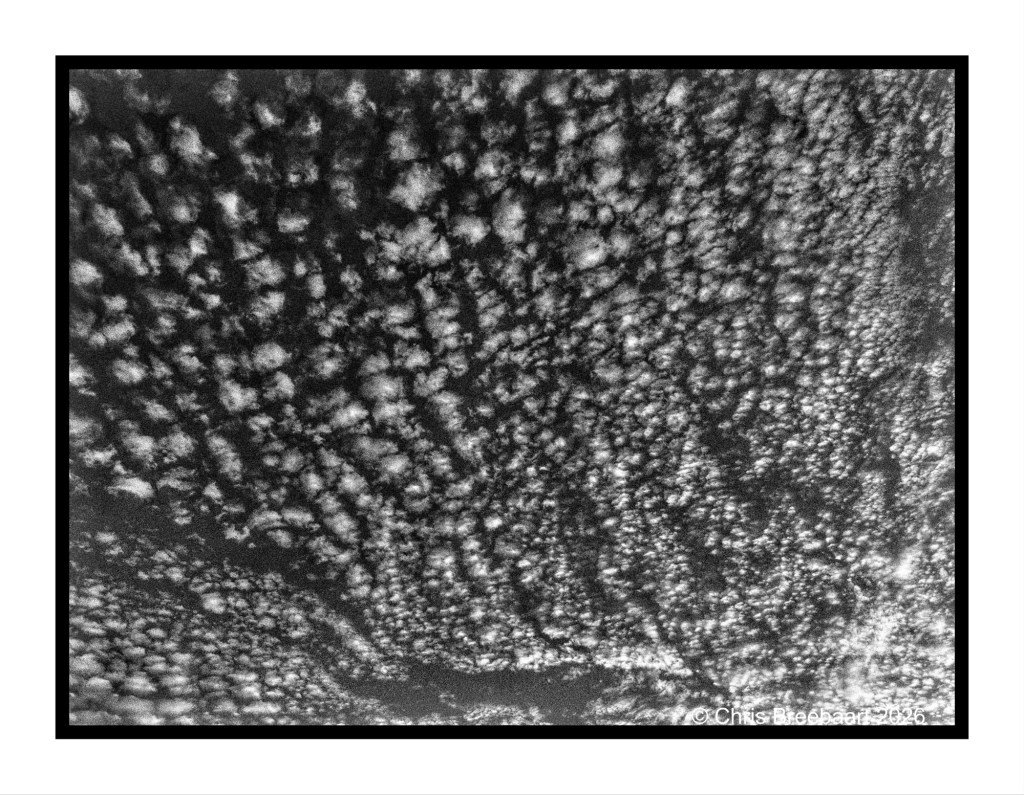
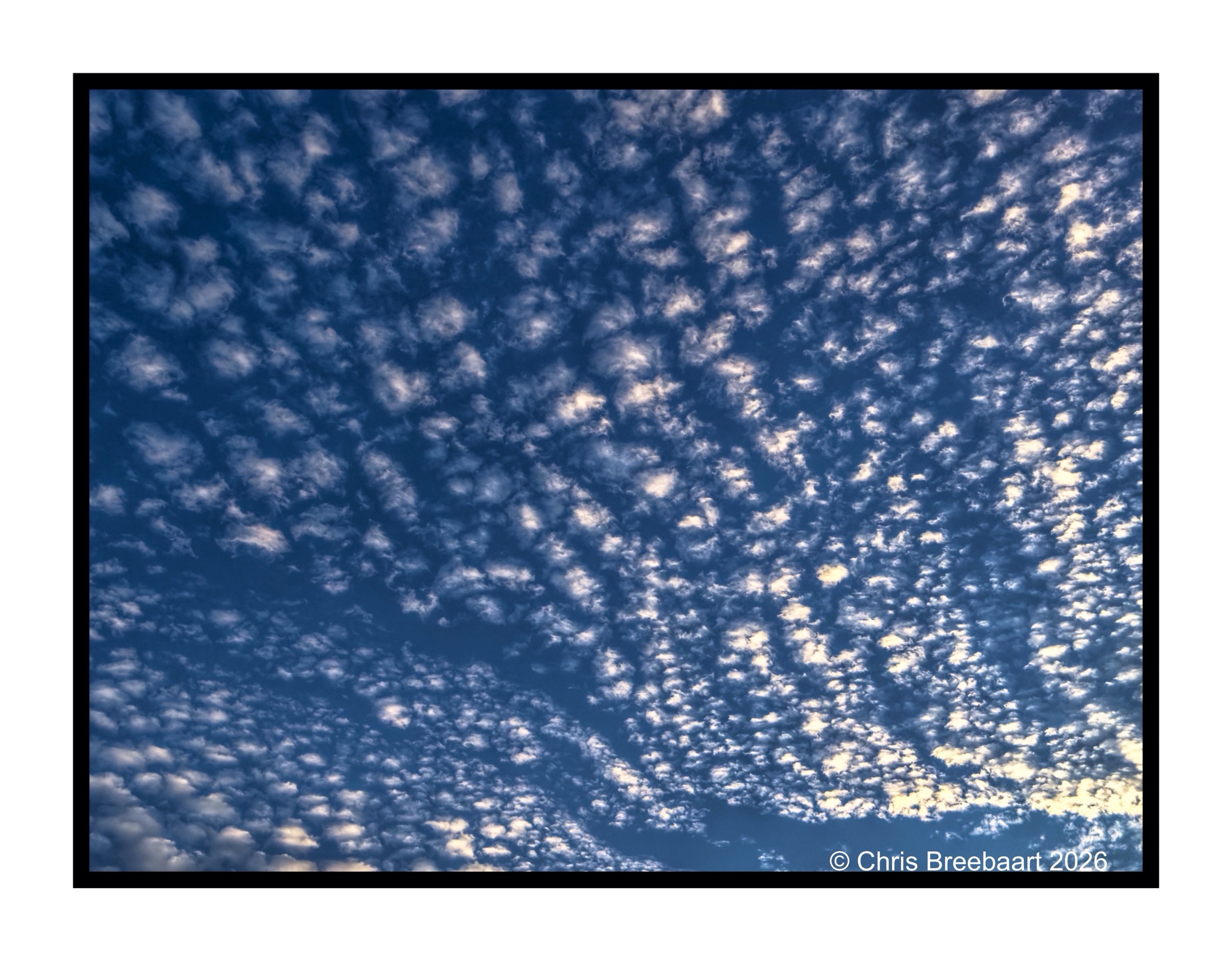
LAPC #408 is ‘over the top’. The sky at dusk, showing what we call ‘schapenwolken’ in Dutch. Literally over the top. In case you can not sleep, counting them would help. But where do they go after you counted them?
Shot with iPhone 17 Pro Max edited using Snapseed and Marksta. Click the picture for a larger version
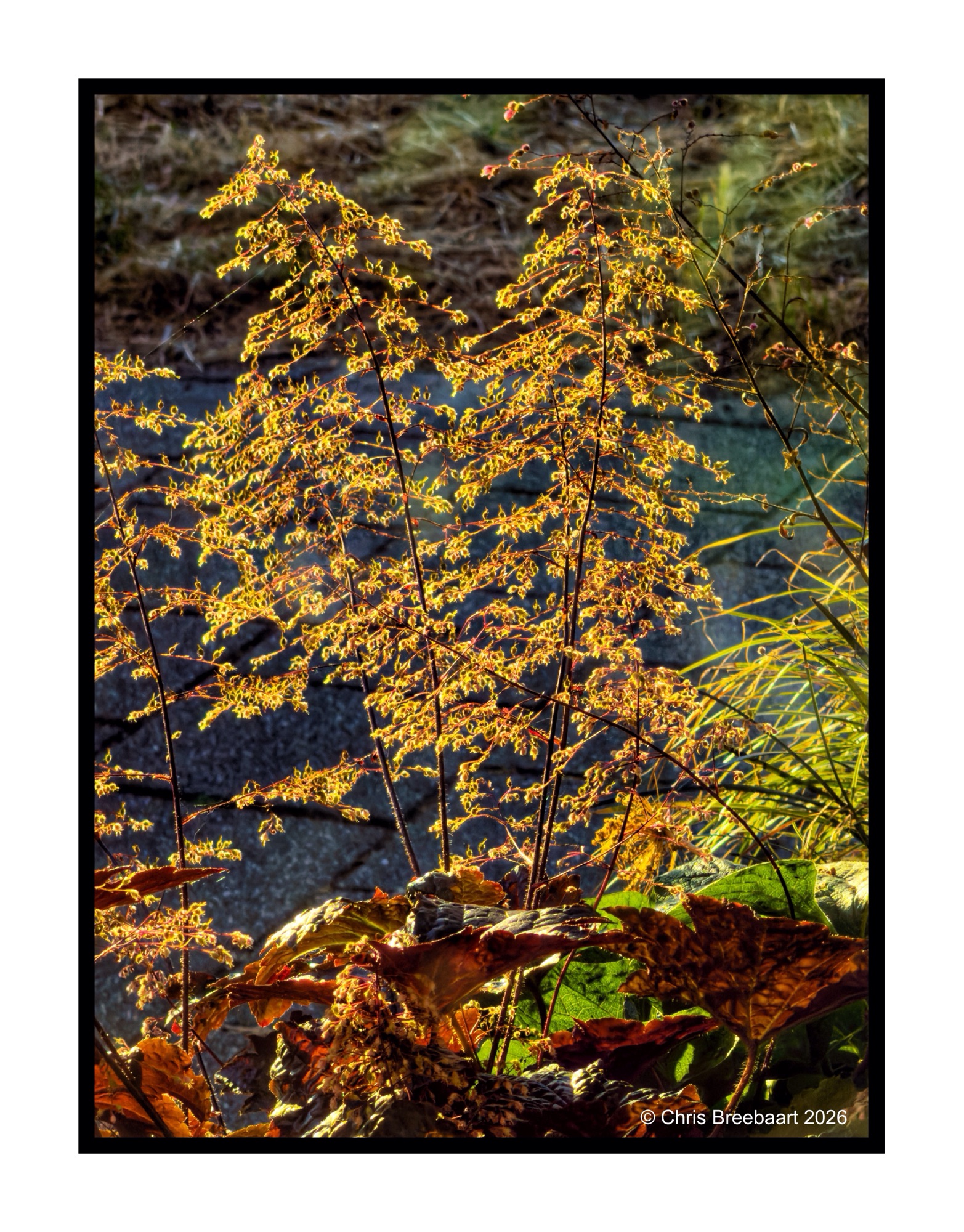
Shot with iPhone 17 Pro Max edited using Snapseed and Marksta. Click the picture for a larger version
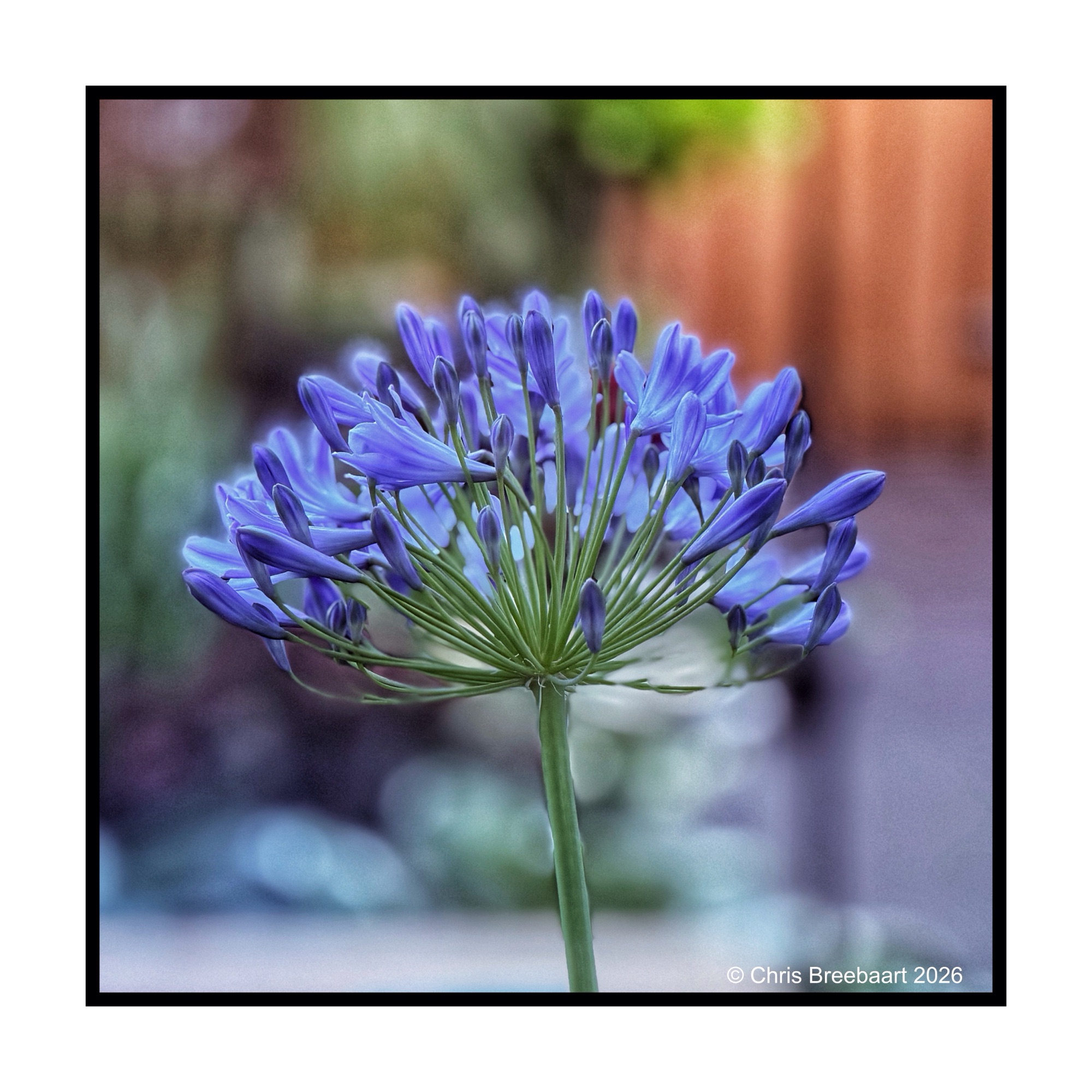
It is the time for Agapanthus again. Coming up showing off their beautiful flowers in the garden.
Shot with iPhone 17 Pro Max edited using Snapseed and Marksta. Click the picture for a larger version
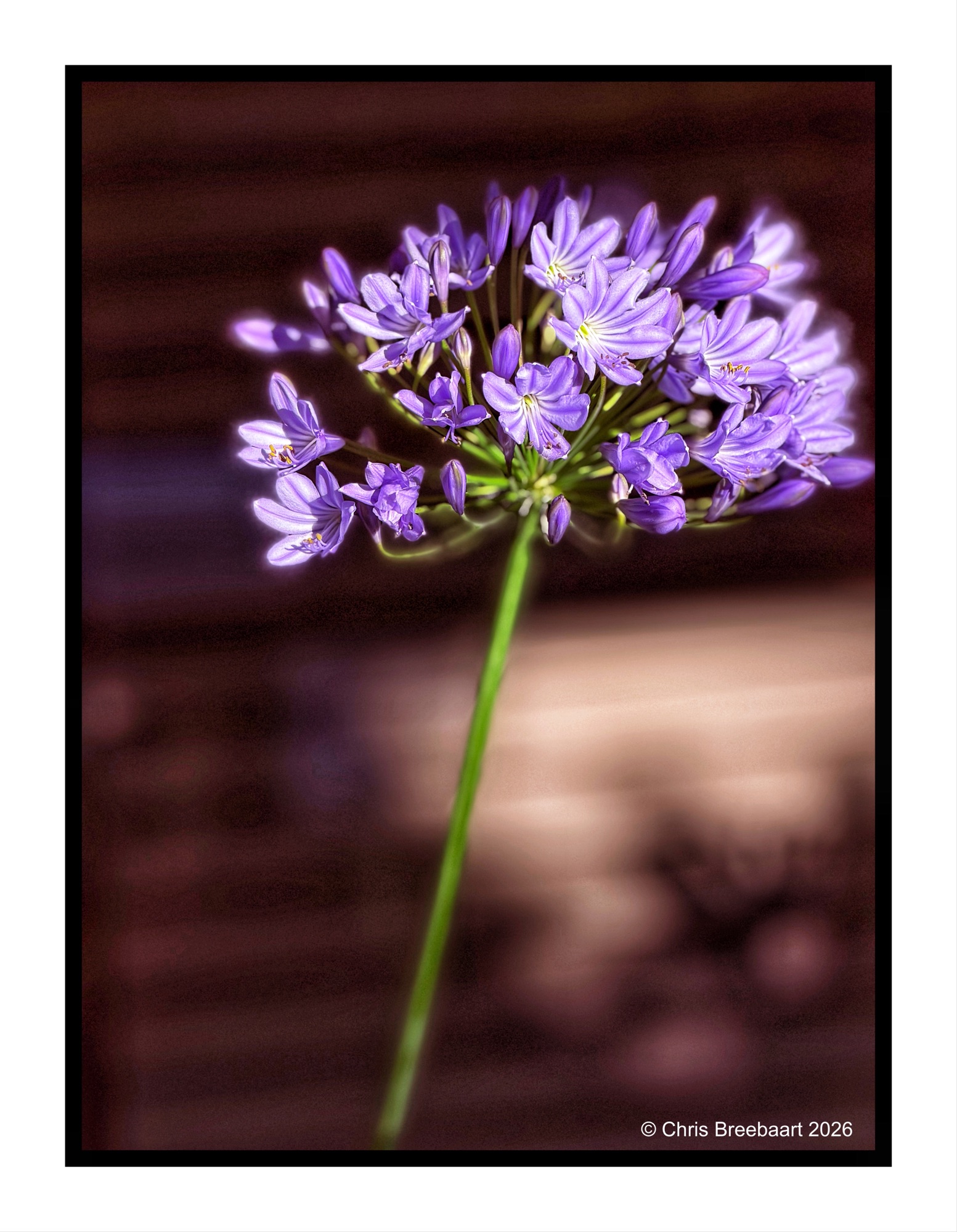
It is the time for Agapanthus again. Coming up showing off their beautiful flowers in the garden.
Shot with iPhone 17 Pro Max edited using Snapseed and Marksta. Click the picture for a larger version
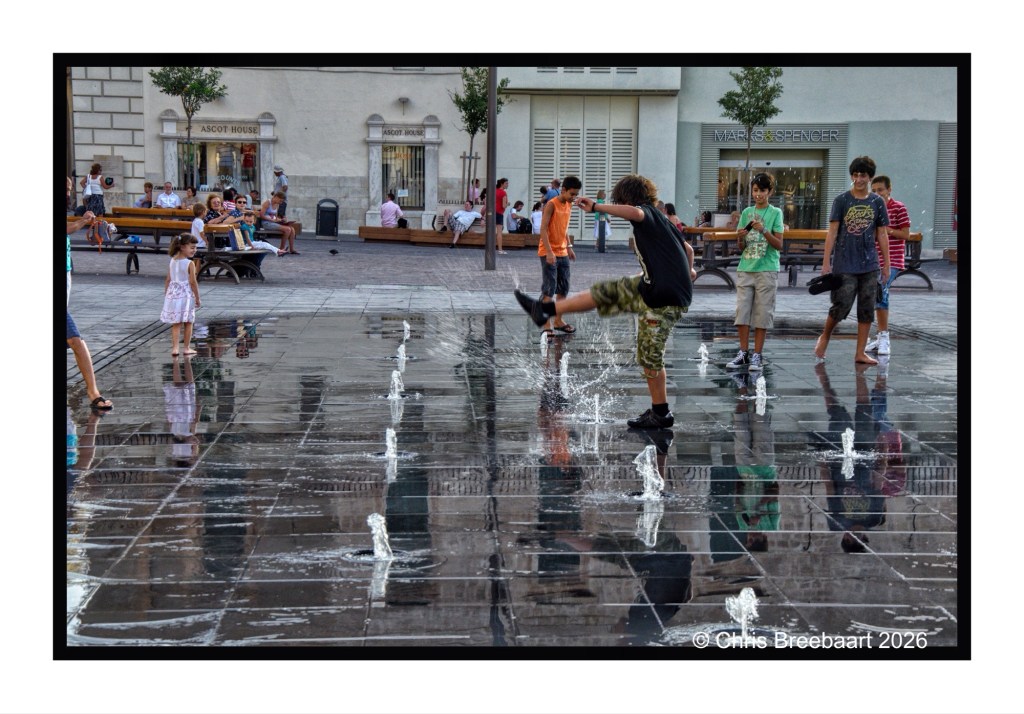
A playful water fountain in a square in Valletta, Malta.
Shot with Nikon D7000, edited using Snapseed and Marksta. Click the picture for a bigger version

The theme for the weekly Lens-Artists Photo Challenge #407 is ‘celebrations around the world‘. A procession in Valetta, Malta.
Shot with Nikon D7000, edited using Snapseed and Marksta. Click the picture for a bigger version

We are fortunate to have cut-flowers all year round. Fresh and at reasonable prices.
Shot with iPhone 17 Pro Max edited using Snapseed and Marksta. Click the picture for a larger version.
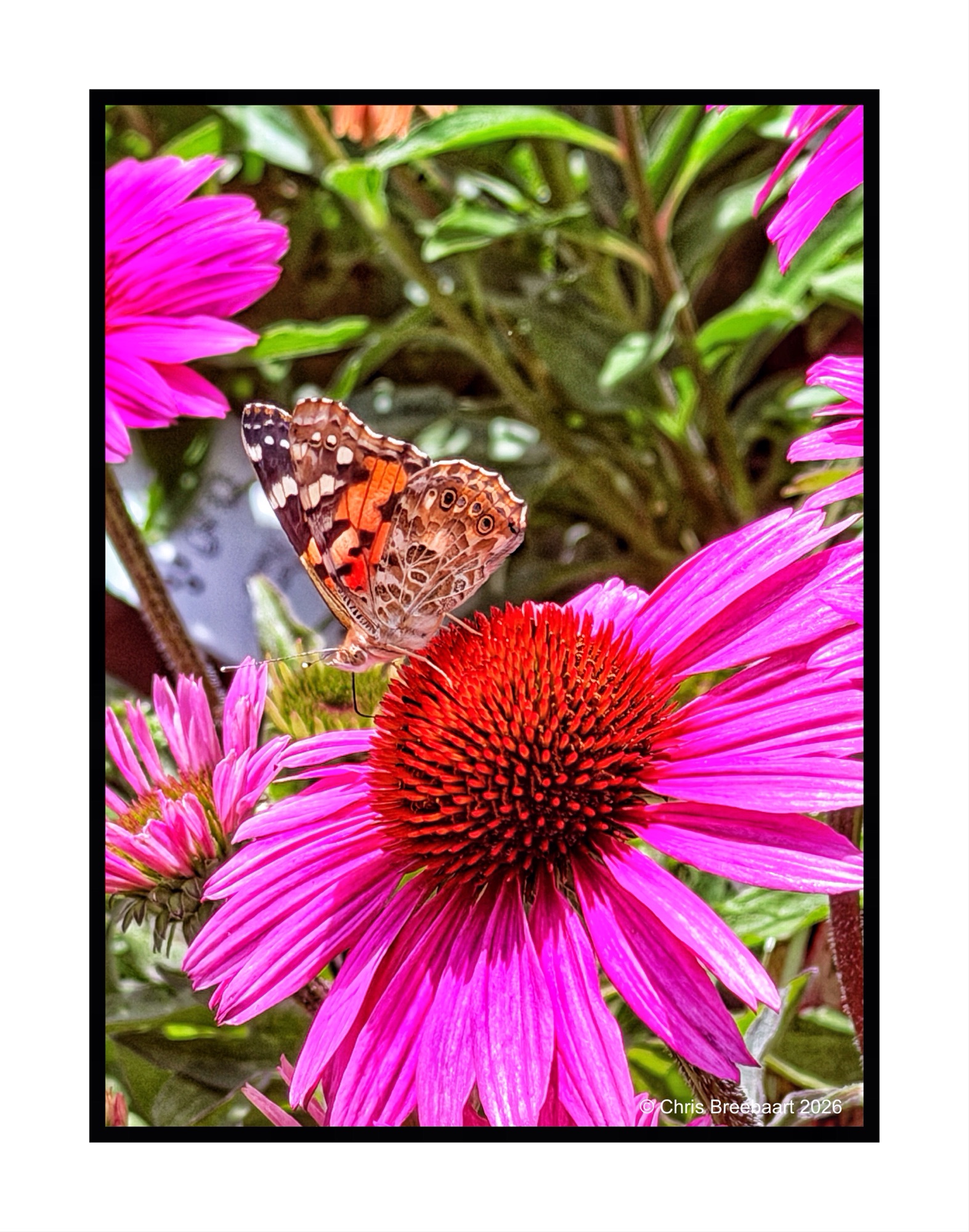
At the garden center.
Shot with iPhone 17 Pro Max edited using Snapseed and Marksta. Click the picture for a larger version
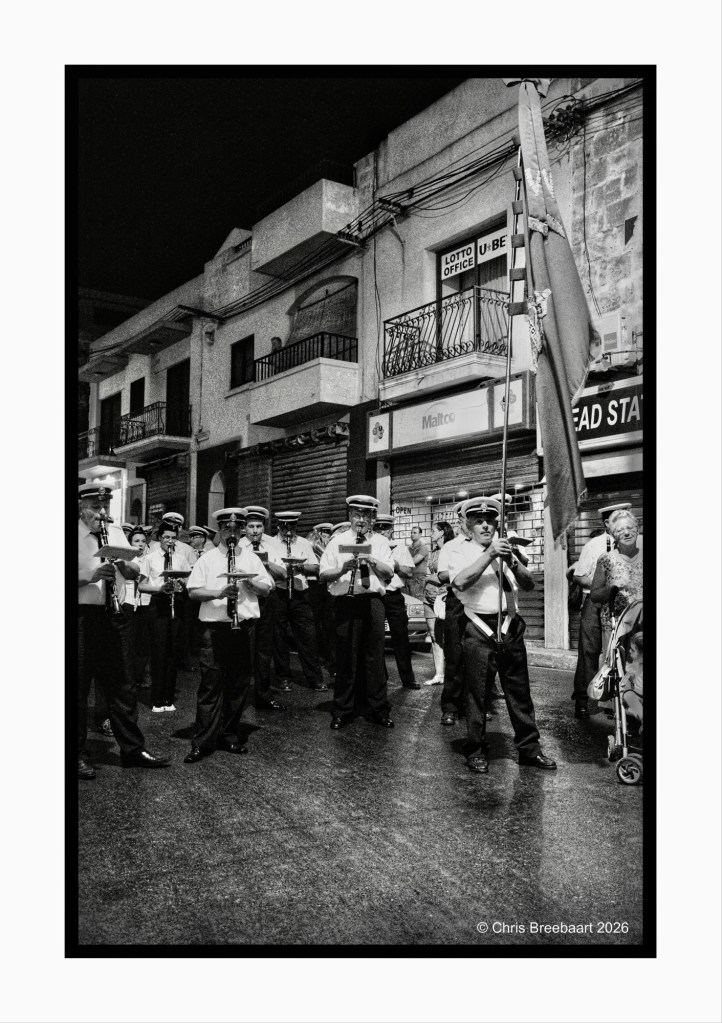
The theme for the weekly Lens-Artists Photo Challenge #407 is ‘celebrations around the world’.
A view from Mellieha on Malta. A band marching the Main Street. I’m still not sure about the occasion.
Shot with Nikon D7000, edited using Snapseed and Marksta. Click the picture for a bigger version

We are lucky to have cut-flowers all year round. Fresh and at reasonable prices. Here are some roses.
Shot with iPhone 17 Pro Max edited using Snapseed and Marksta. Click the picture for a larger version.
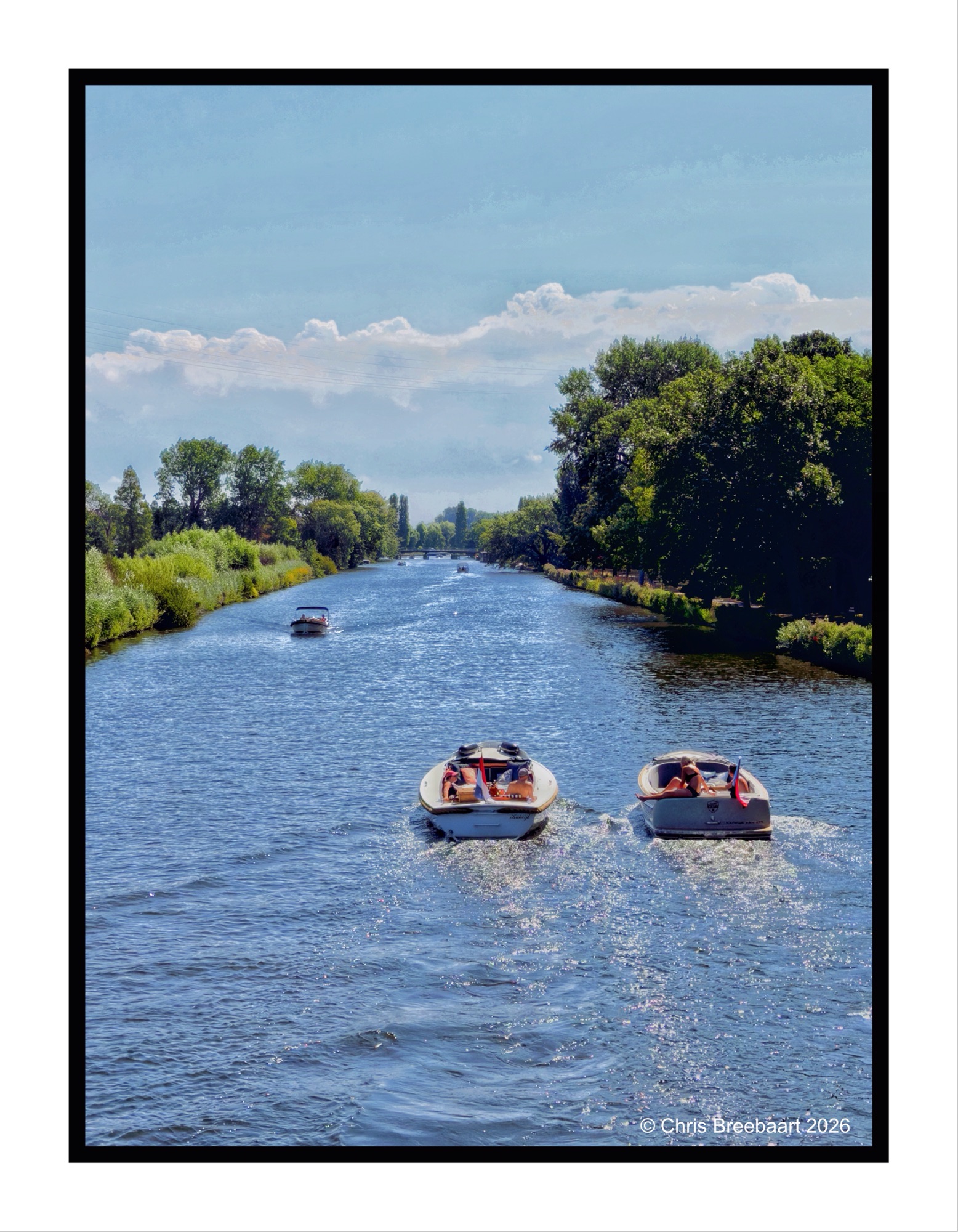
LAPC #406 is ‘summer daze’. Summer traffic from and to the Kagerplassen.
Shot with iPhone 17 Pro Max edited using Snapseed and Marksta. Click the picture for a larger version.
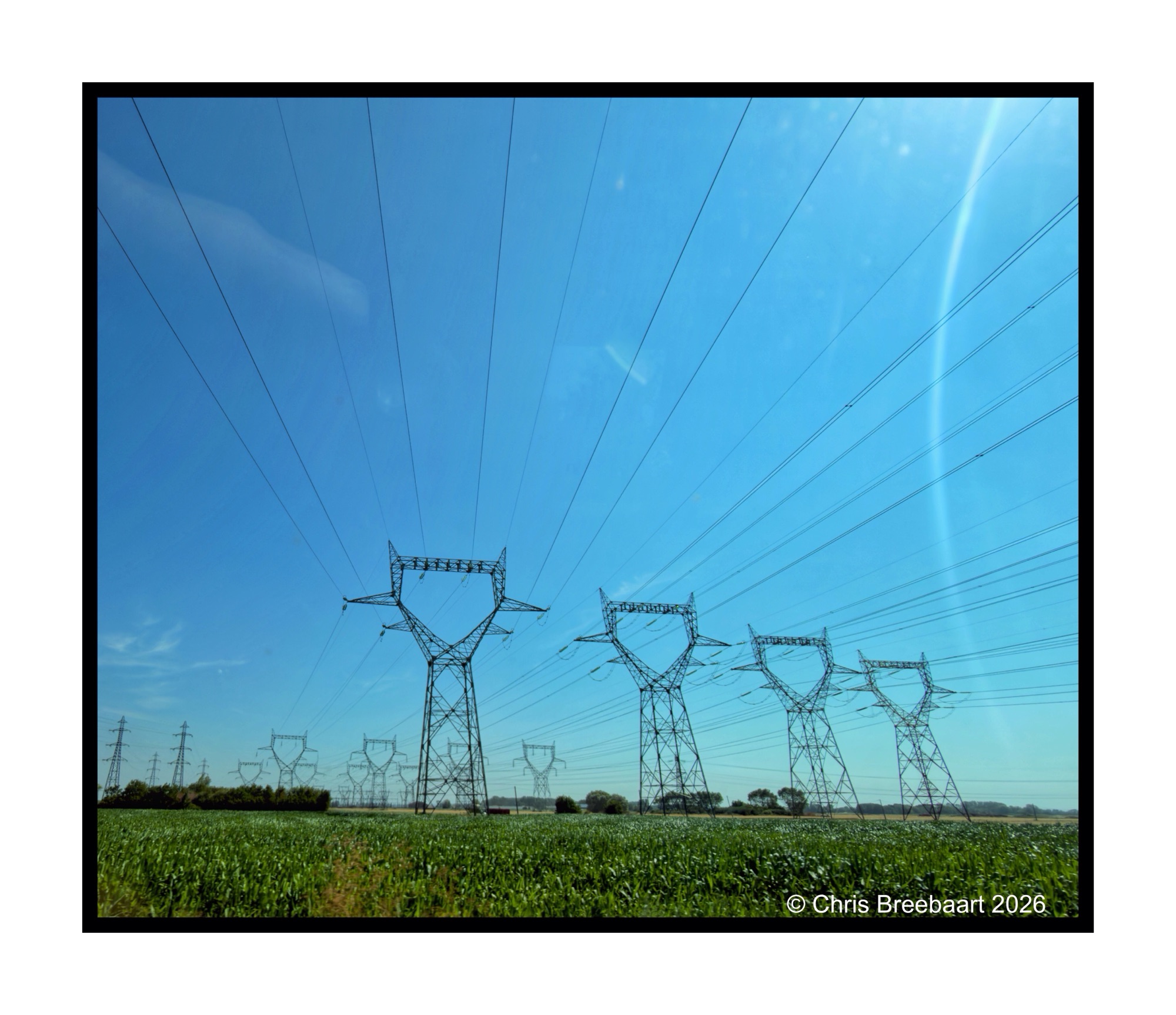
Every time we travel to of from the UK via the Channel Tunnel, I try to take photos of these steel giants. They carry power lines in the area of St. George-sur-l’Aa. No worries, I’m in the passenger seat.
Shot with iPhone 17 Pro Max edited using Snapseed and Marksta. Click the picture for a larger version.
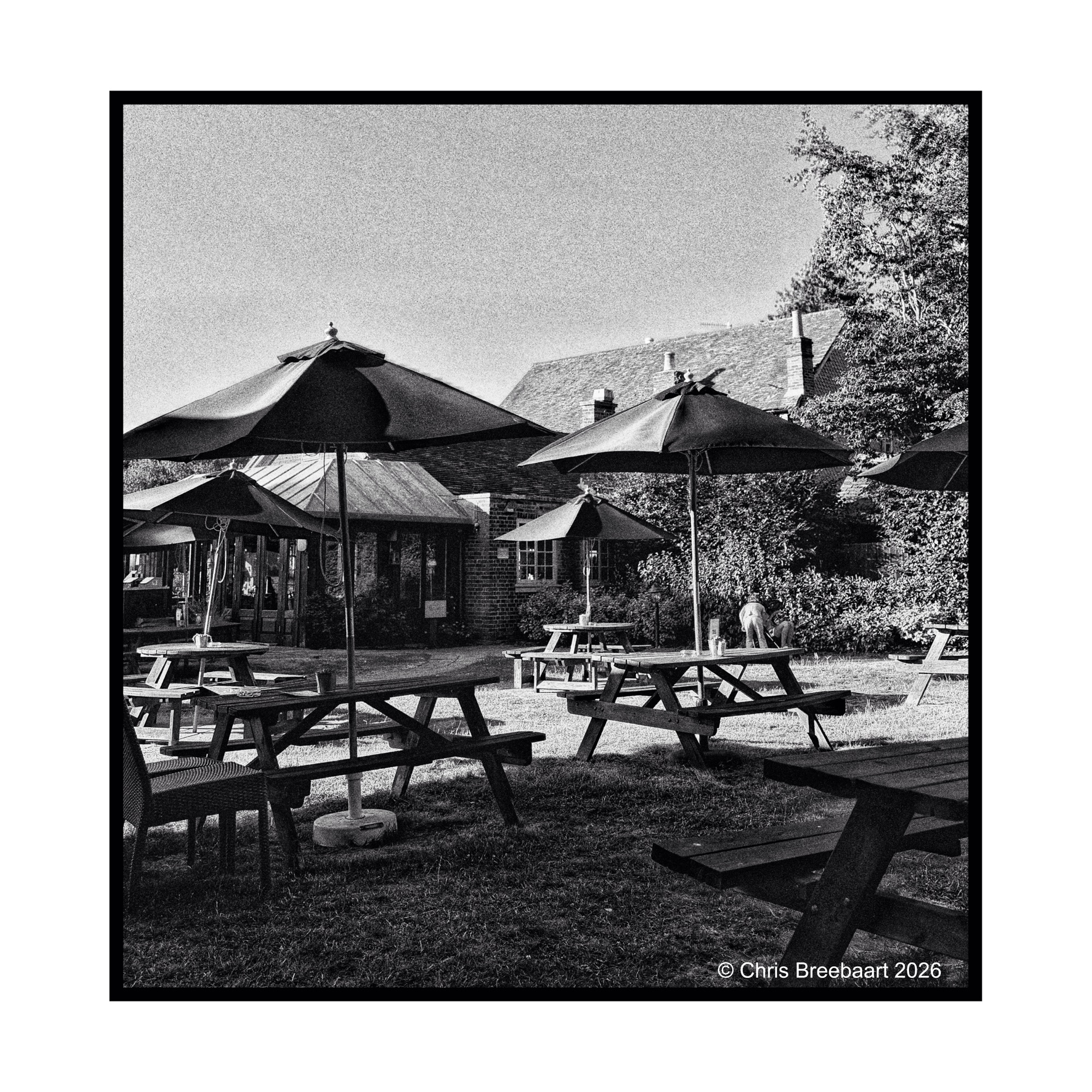
LAPC #406 is ‘summer daze’. On a warm Summer’s evening at the local out in the garden.
Shot with iPhone 17 Pro Max edited using Snapseed and Marksta. Click the picture for a larger version
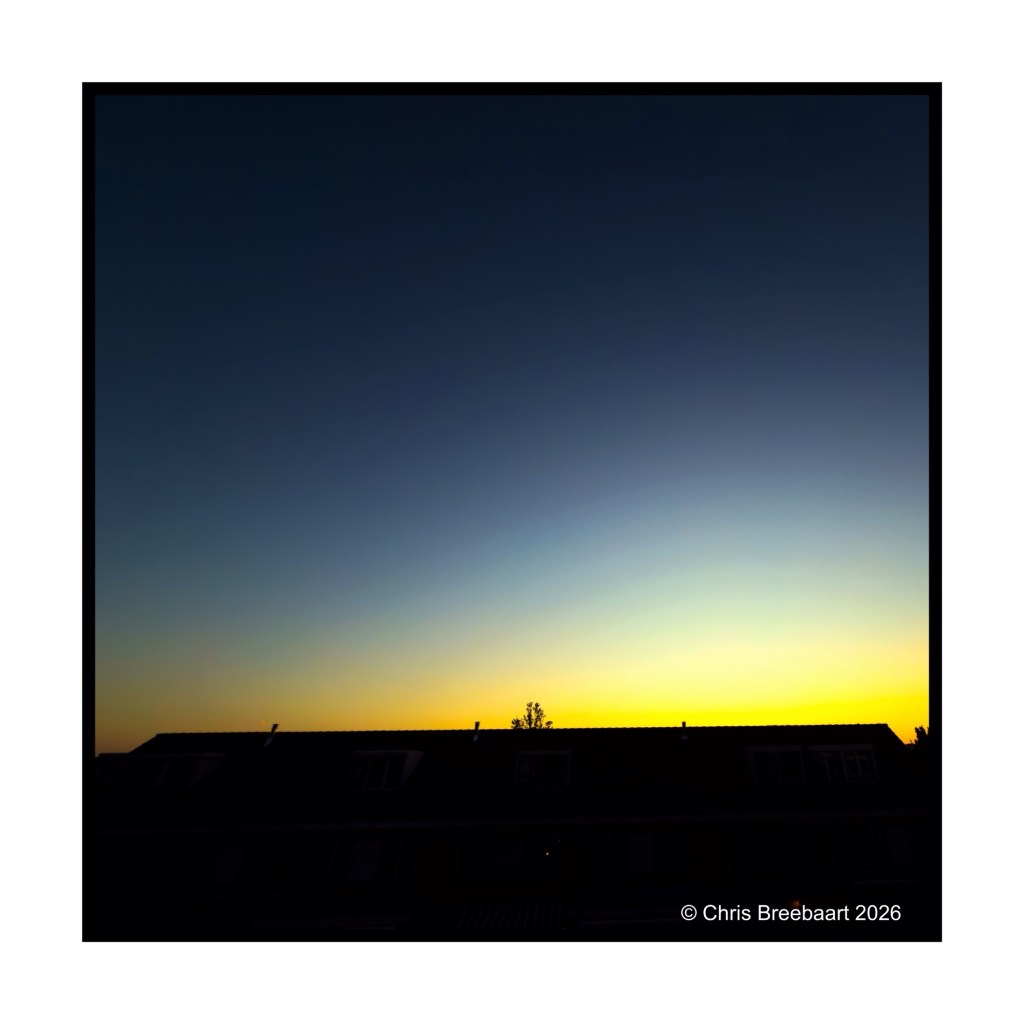
LAPC #406 is ‘summer daze’. The heat presented itself with some abstract sunsets.
Shot with iPhone 17 Pro Max edited using Snapseed and Marksta. Click the picture for a larger version
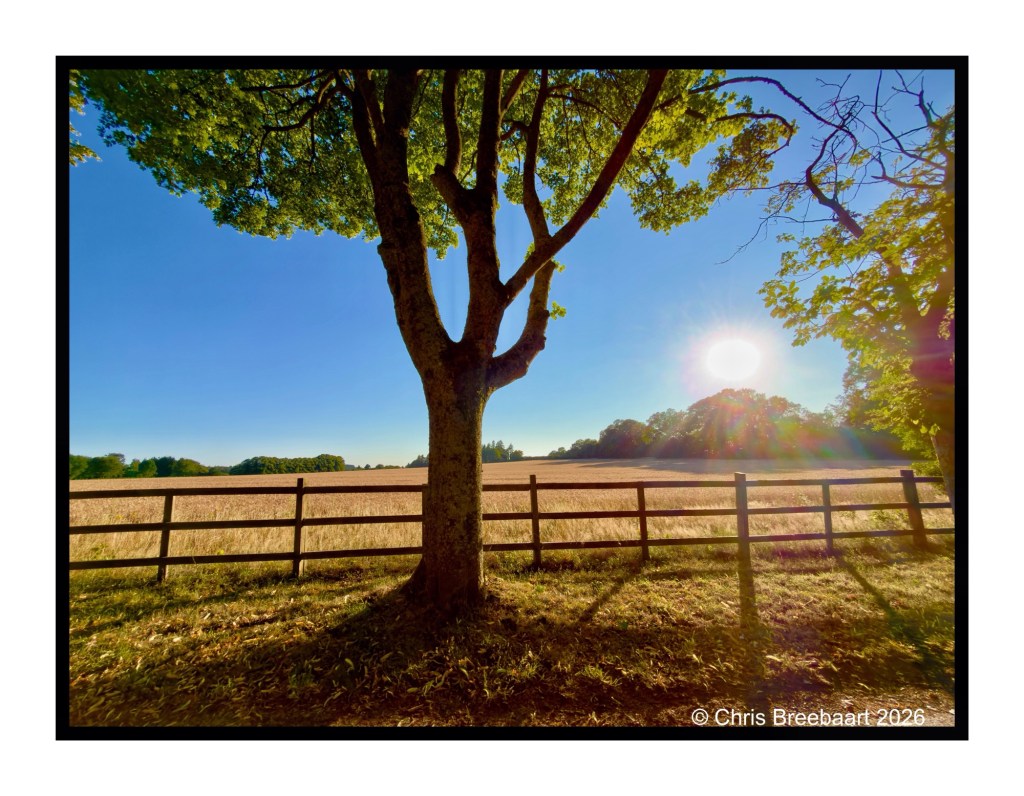
The driveway to Wotton House in Dorking.
Shot with iPhone 17 Pro Max edited using Snapseed and Marksta. Click the picture for a larger version
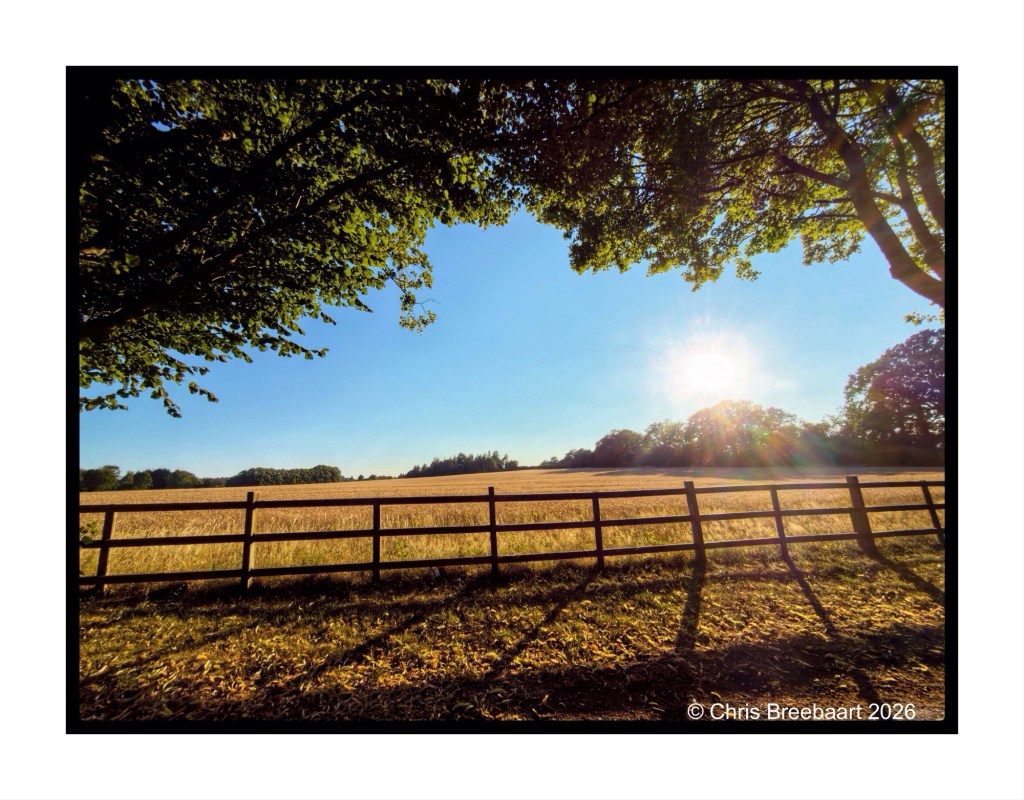
The driveway to Wotton House in Dorking.
Shot with iPhone 17 Pro Max edited using Snapseed and Marksta. Click the picture for a larger version
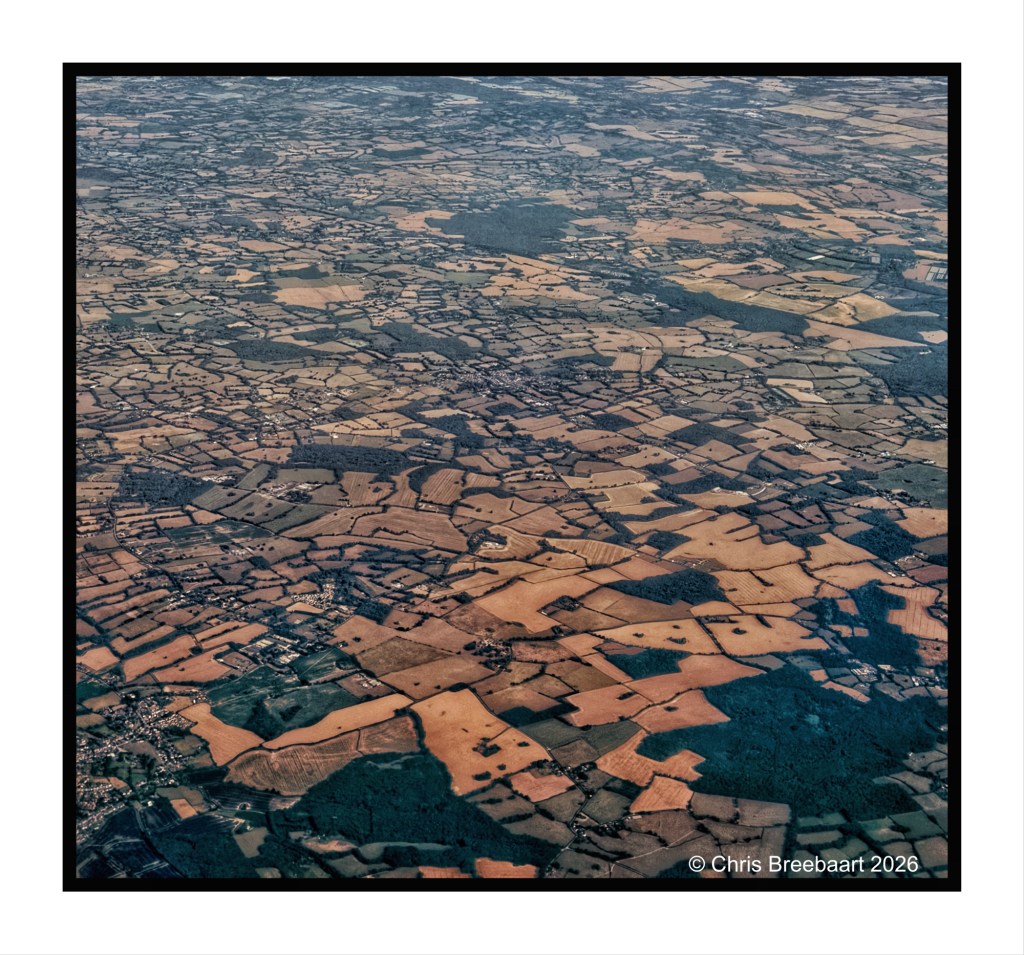
As a Dutchman this palette of fields looks beautiful. In contrast to the look of The Netherlands from the sky: fields efficiently standardized in shape and size.
Shot with iPhone 17 Pro Max edited using Snapseed and Marksta. Click the picture for a larger version
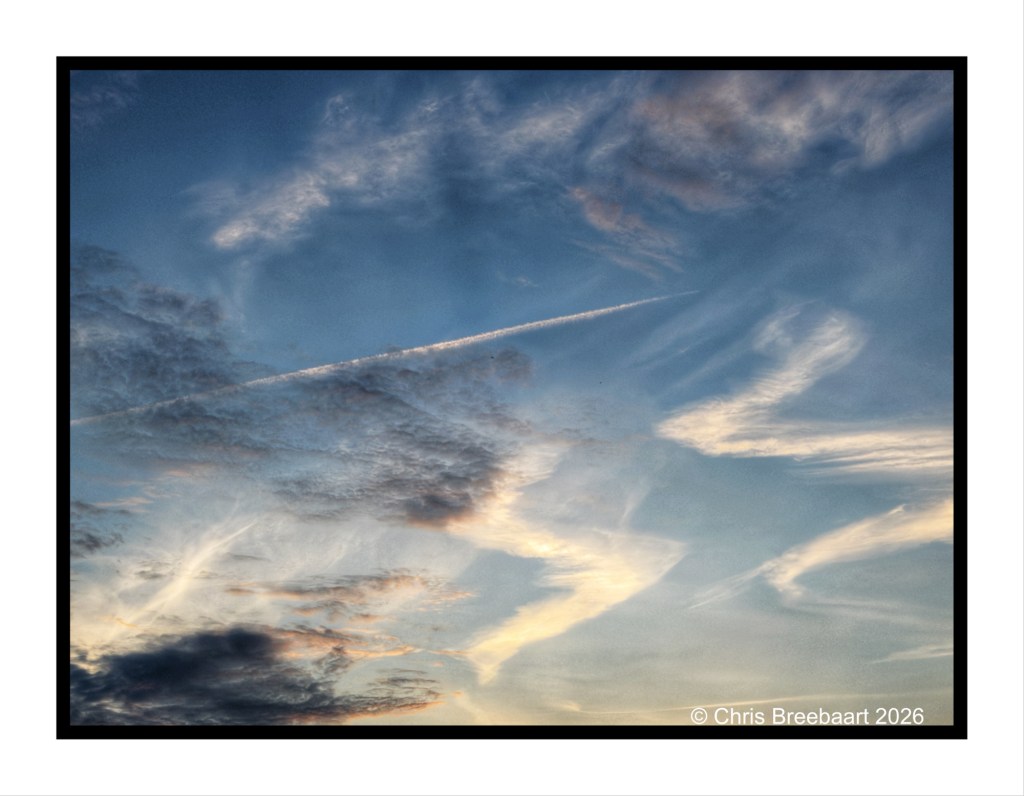
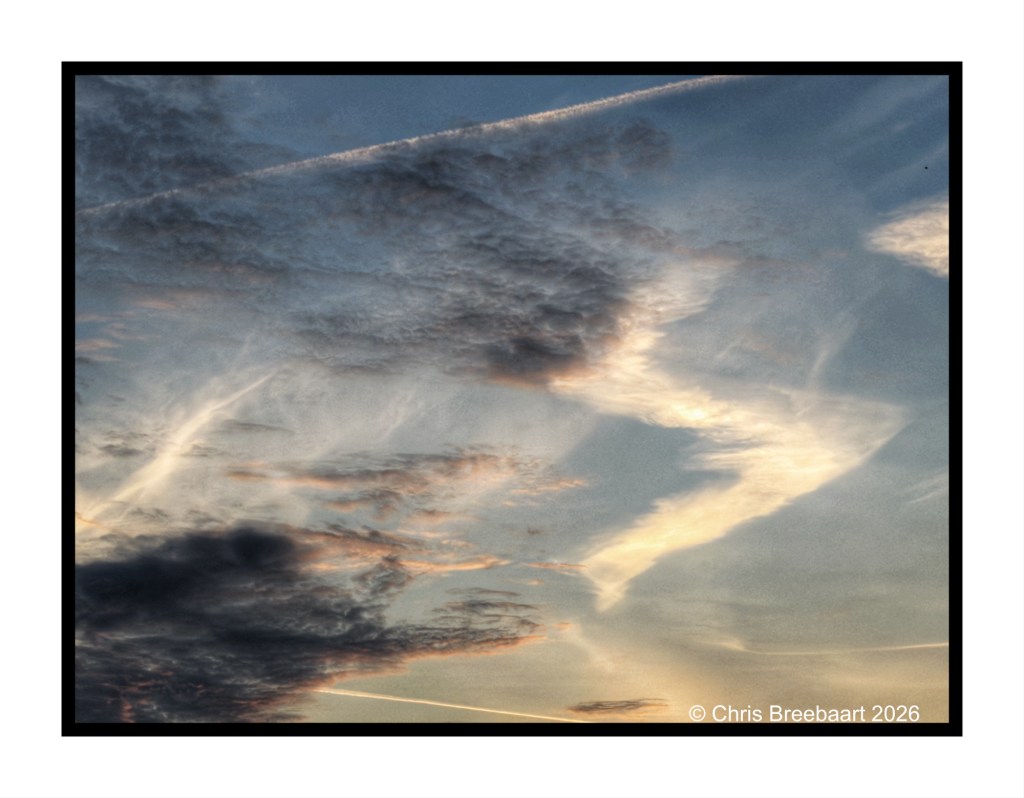
The evening sunset sky, offers a wider range of colours. And cloud shapes.
Shot with iPhone 17 Pro Max edited using Snapseed and Marksta. Click the picture for a larger version
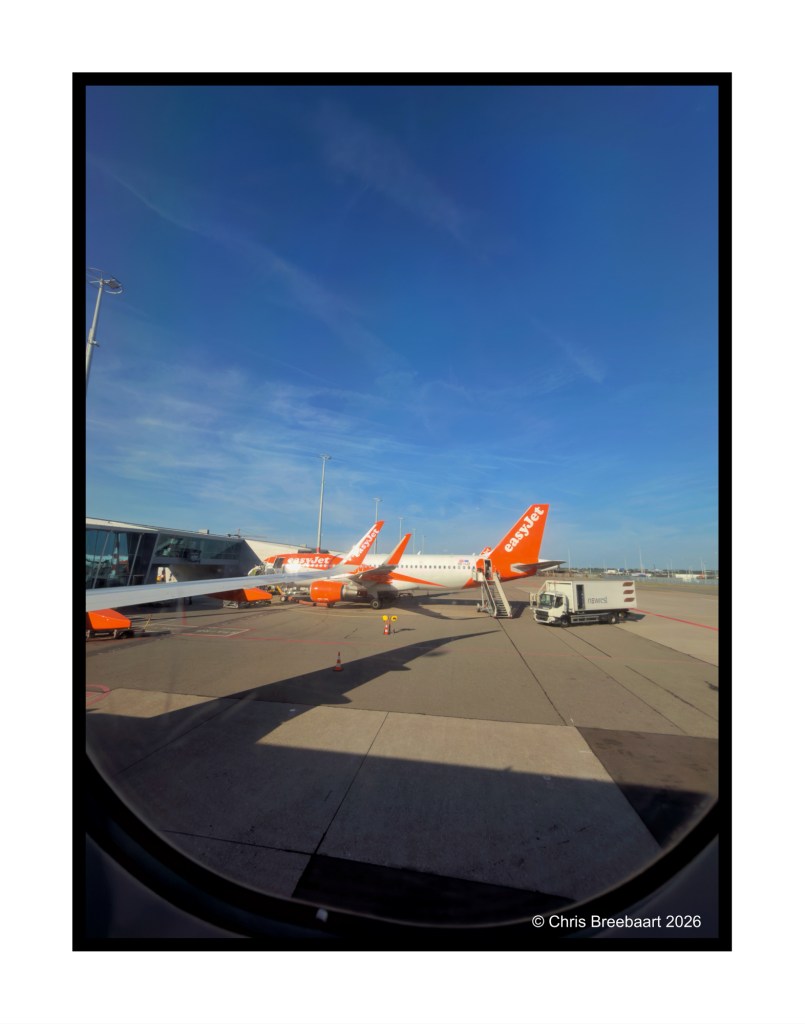
Before take off. Just before the adventure starts (LPAC #405 is ‘adventure’).
Shot with iPhone 17 Pro Max edited using Snapseed and Marksta. Click the picture for a larger version

In the sky over Kent at sunrise.
Shot with iPhone 17 Pro Max edited using Snapseed and Marksta. Click the picture for a larger version

The skies over Kent.
Shot with iPhone 17 Pro Max edited using Snapseed and Marksta. Click the picture for a larger version

Early morning, before take off.
Shot with iPhone 17 Pro Max edited using Snapseed and Marksta. Click the picture for a larger version
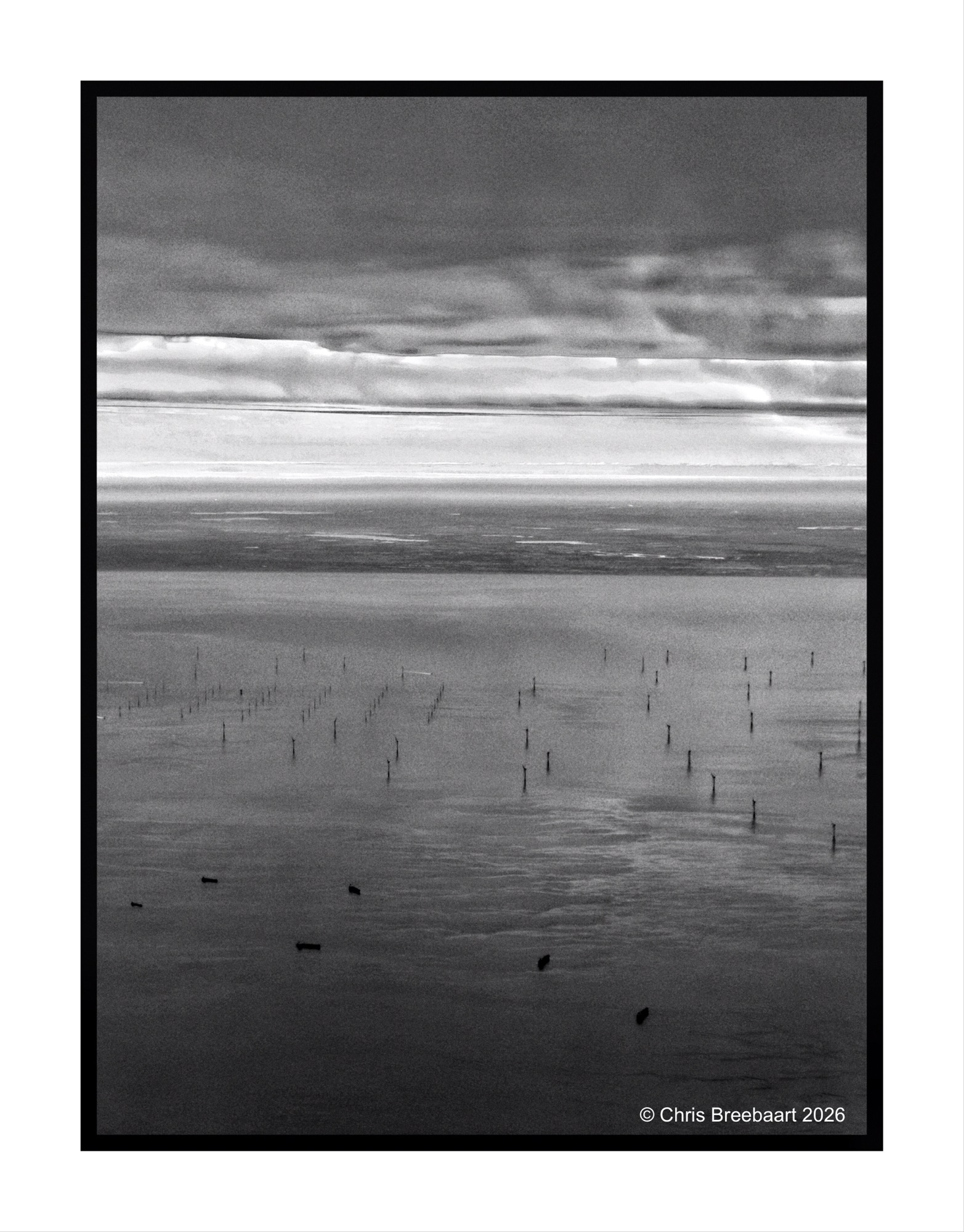
The coast of The Netherlands, showing the Dutch version of Le Plat Pays (my flat country) from an incoming Easyjet flight from London Gatwick to Schiphol Amsterdam. Lots of windmills still.
Shot with iPhone 17 Pro Max edited using Snapseed and Marksta. Click the picture for a larger version
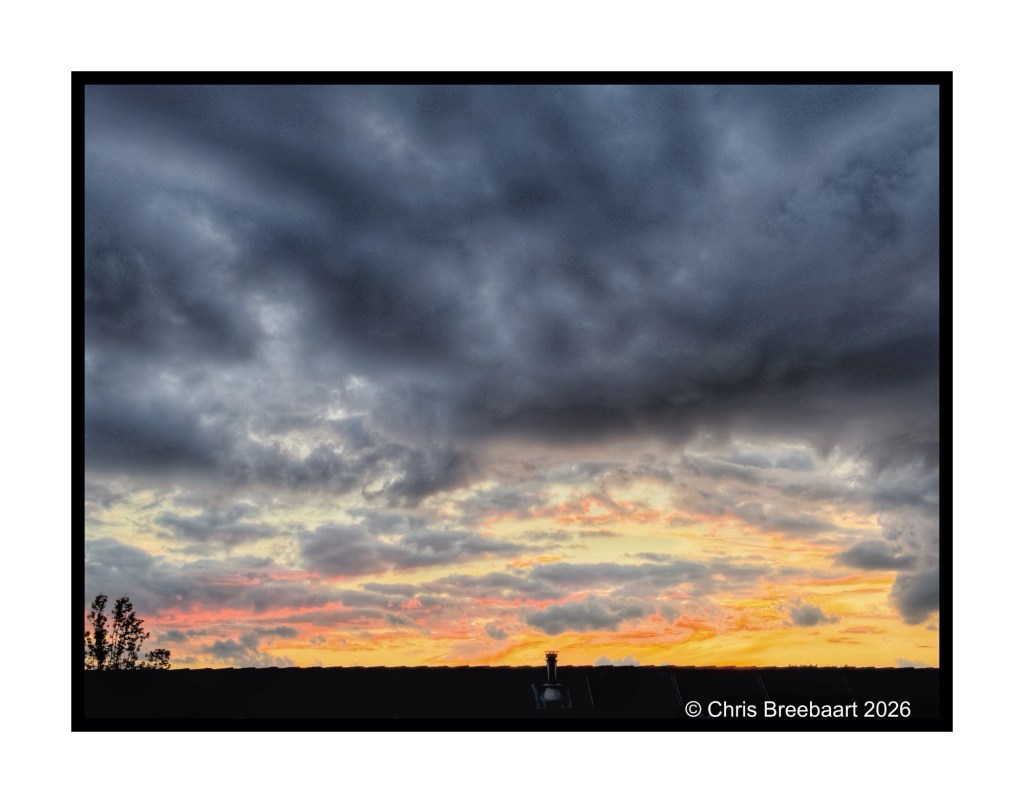

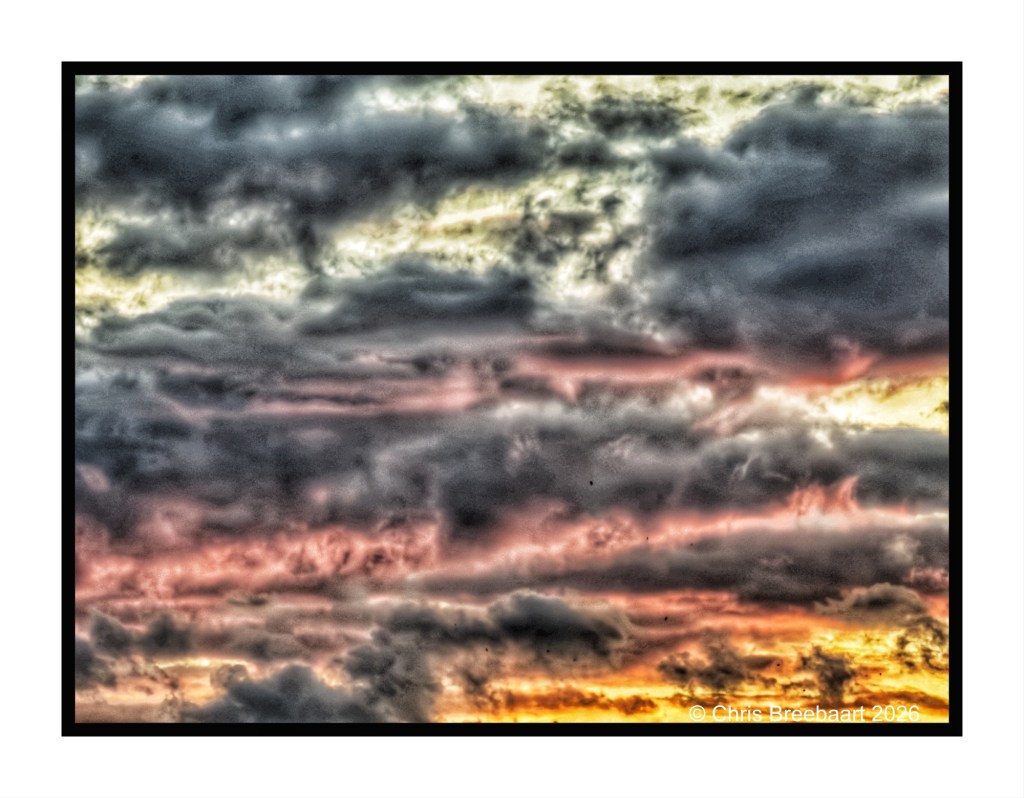

The evening sunset sky, offers a wider range of colours.
Inspired by a Genesis’ song from the Wind and Wuthering album: Unquiet slumbers for the restless sleepers ……. in that quiet earth.
Shot with iPhone 17 Pro Max edited using Snapseed and Marksta. Click the picture for a larger version
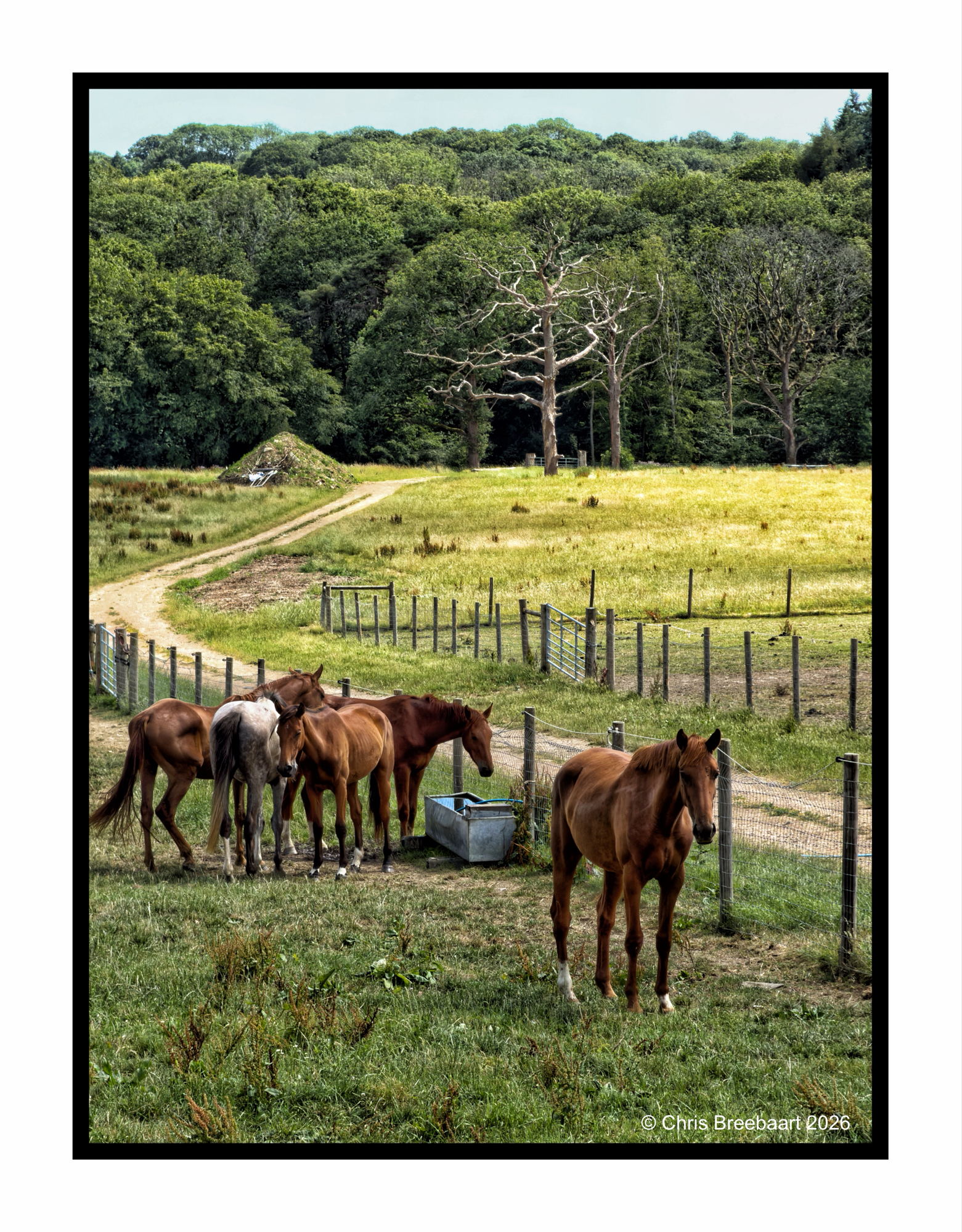
Shot with iPhone 17 Pro Max edited using Snapseed and Marksta. Click the picture for a larger version
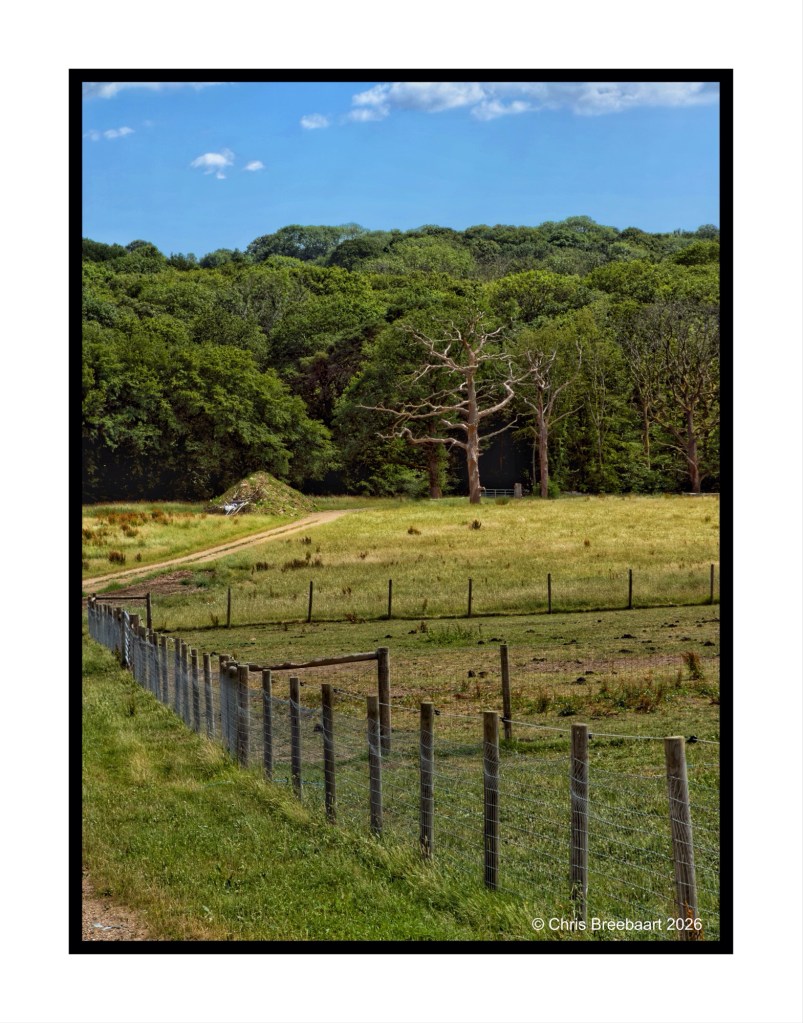
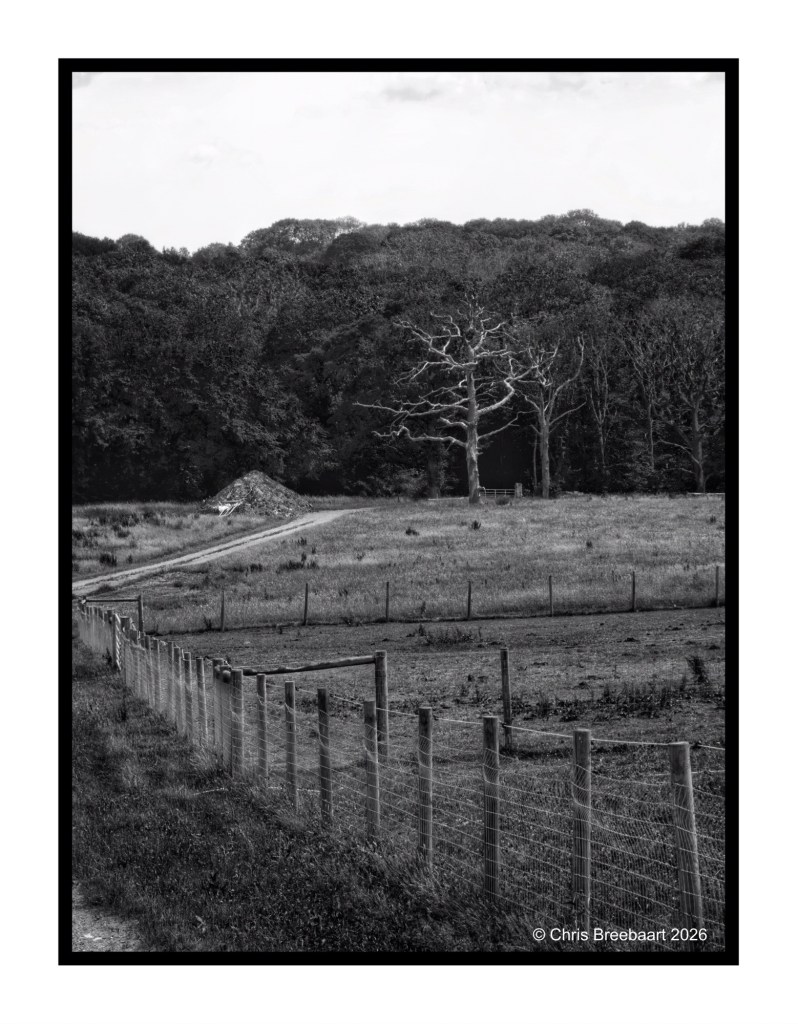
People who follow my photoblog (thank you!) know my love for monochrome. And sometimes it is a matter of taste what to choose: the original colour shot, or the monochrome version? That is if the original shot is not done in monochrome, I do that quite a lot on iPhone and Nikon Zf.
The question to you is: which one do you prefer, and why? Any comments are as always welcome.
Shot with iPhone 17 Pro Max edited using Snapseed and Marksta. Click the picture for a larger version


People who follow my photoblog (thank you!) know my love for monochrome. And sometimes it is a matter of taste what to choose: the original colour shot, or the monochrome version? That is if the original shot is not done in monochrome, I do that quite a lot on iPhone and Nikon Zf.
The question to you is: which one do you prefer, and why? Any comments are as always welcome.
Shot with iPhone 17 Pro Max edited using Snapseed and Marksta. Click the picture for a larger version
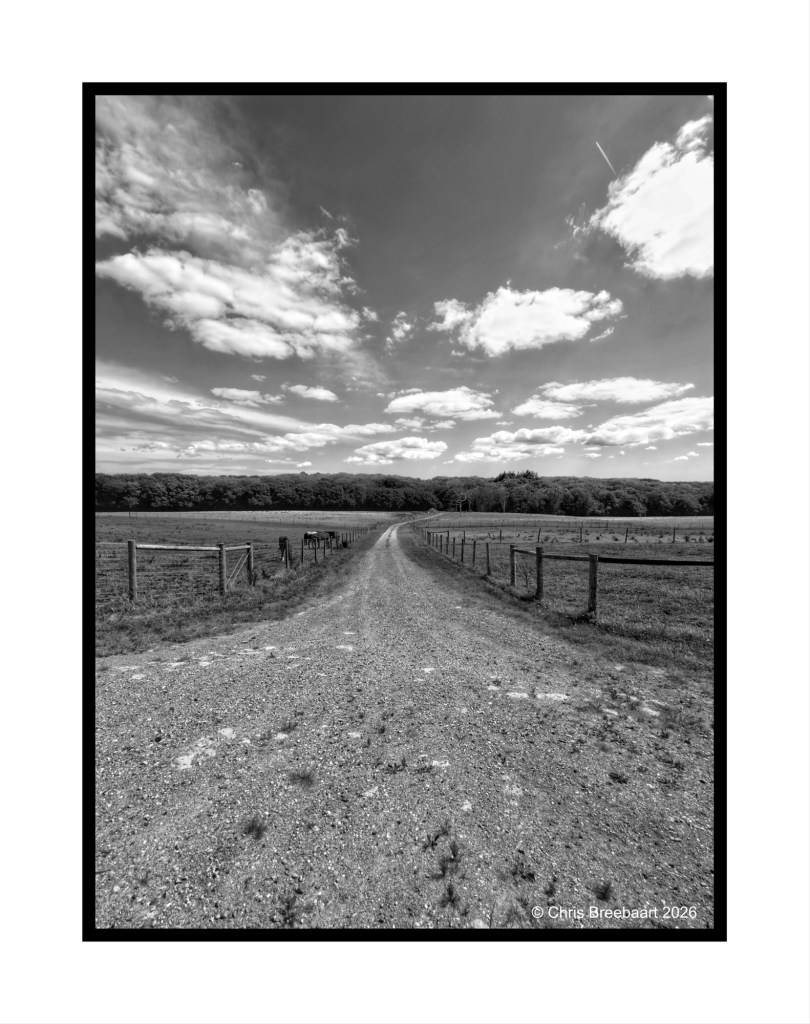
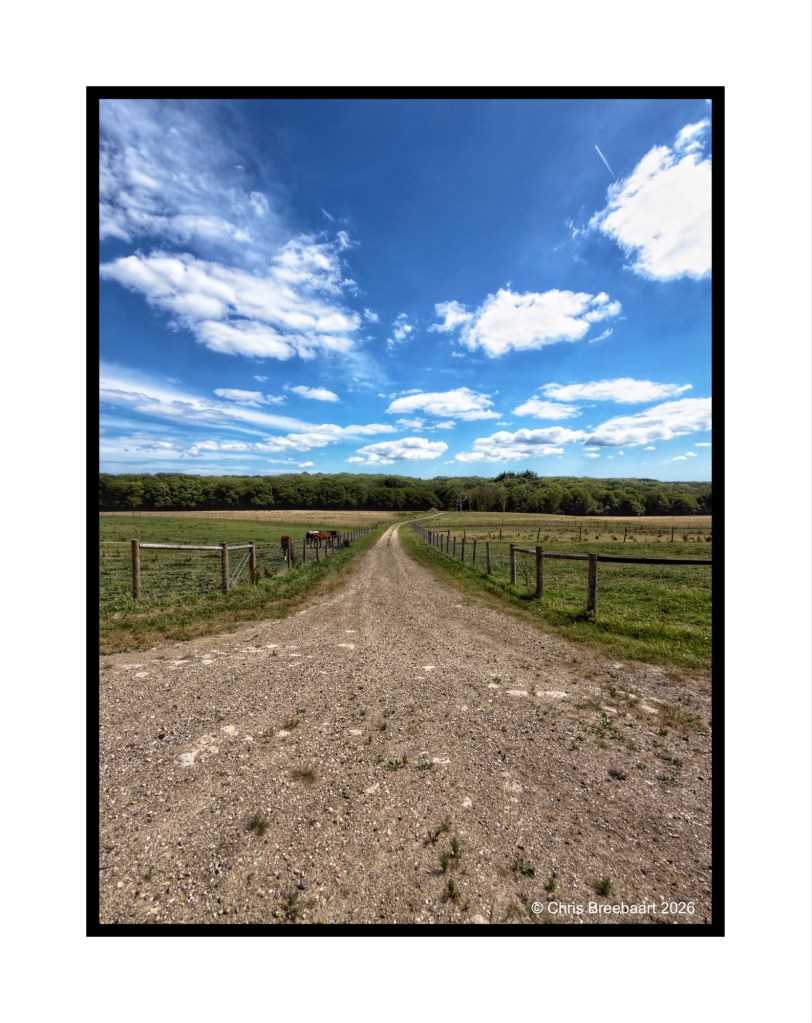
People who follow my photoblog (thank you!) know my love for monochrome. And sometimes it is a matter of taste what to choose: the original colour shot, or the monochrome version? That is if the original shot is not done in monochrome, I do that quite a lot on iPhone and Nikon Zf.
The question to you is: which one do you prefer, and why? Any comments are as always welcome.
Shot with iPhone 17 Pro Max edited using Snapseed and Marksta. Click the picture for a larger version

Almost heaven, West-Sussex………….
Shot with iPhone 17 Pro Max edited using Snapseed and Marksta. Click the picture for a larger version
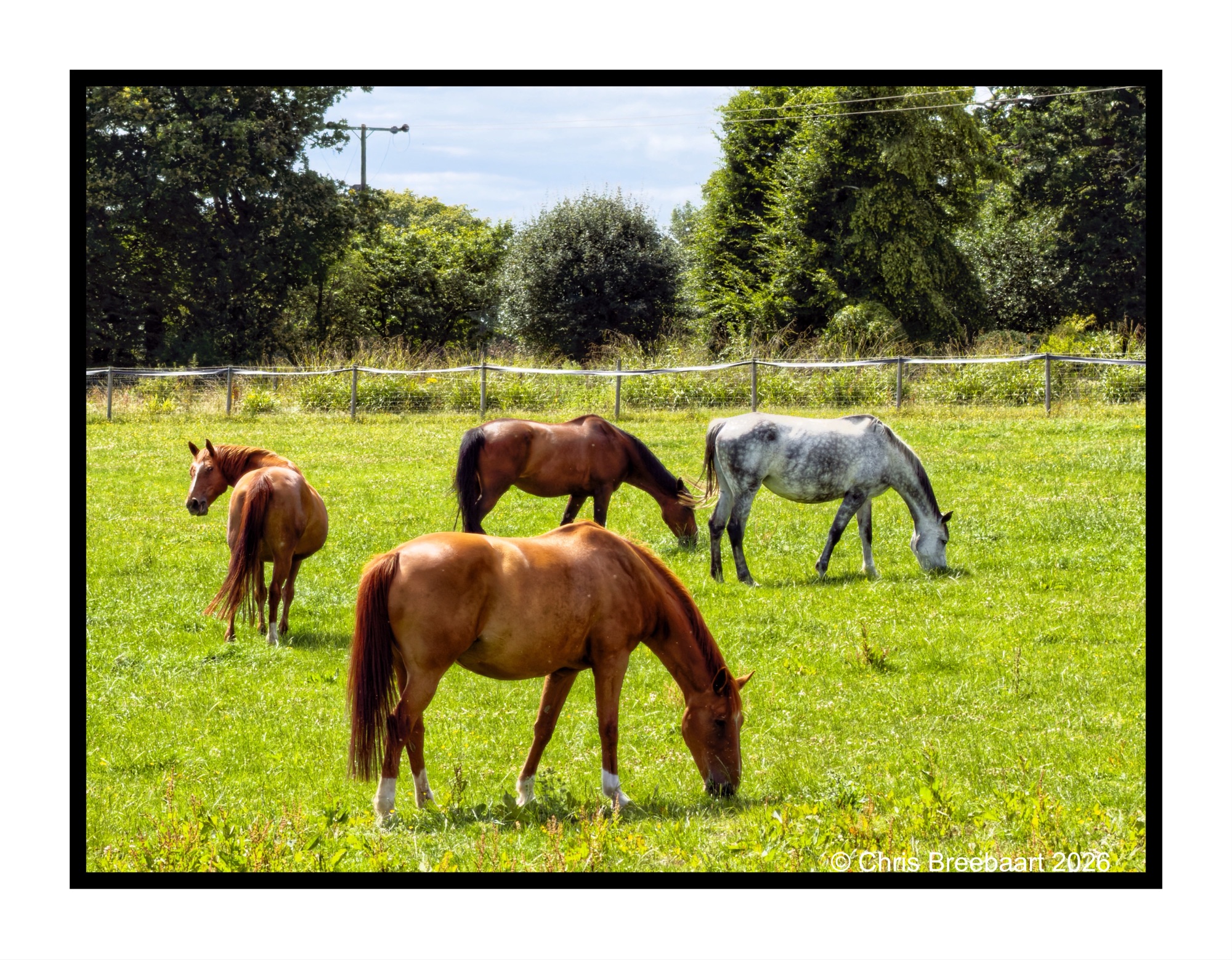
Four mares, hopefully four new foals.
Shot with iPhone 17 Pro Max edited using Snapseed and Marksta. Click the picture for a larger version
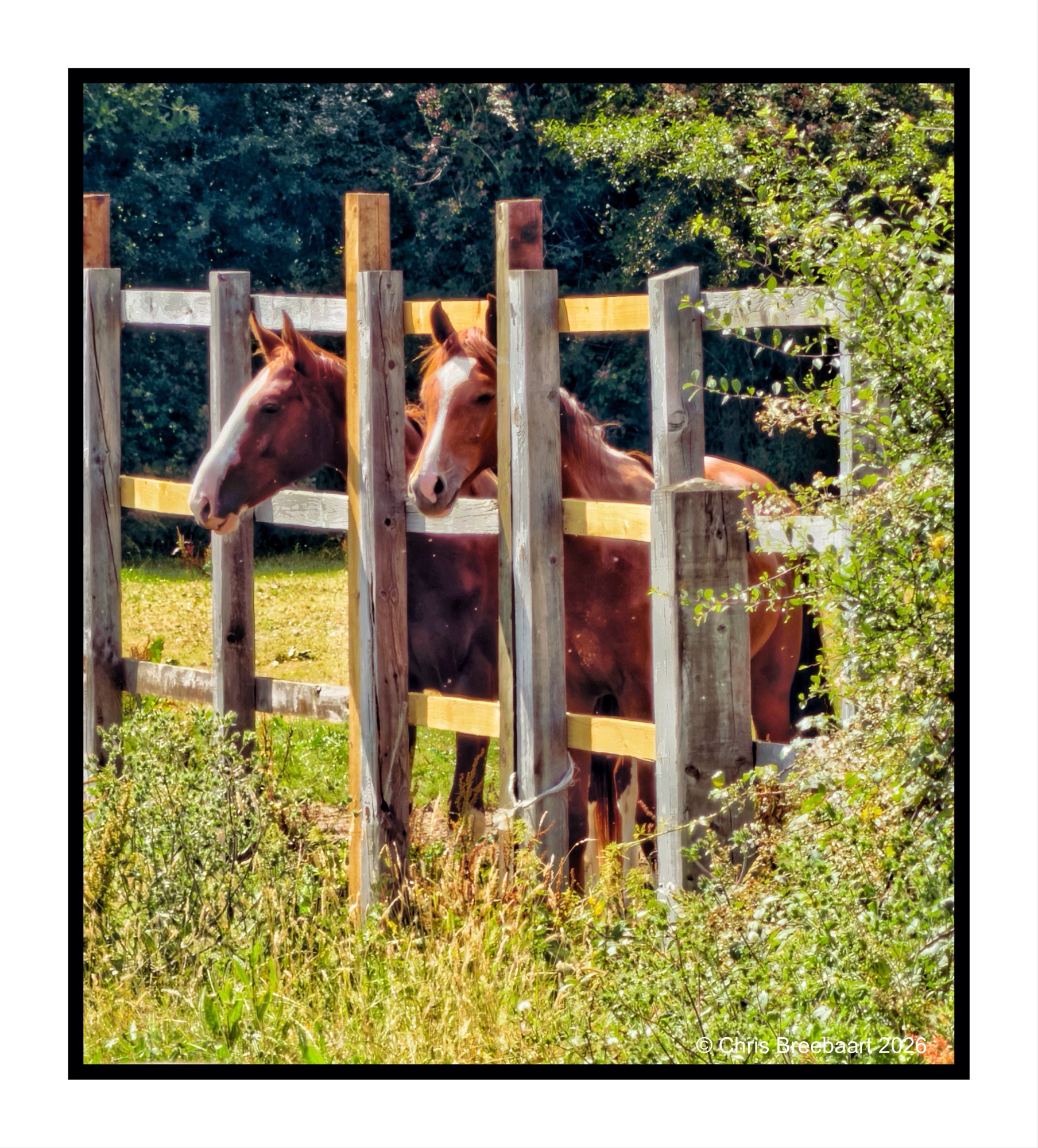
Last year in May Skywalker was born with a hip problem. He recovered from that. Here he is a year and some months later.
Shot with iPhone 17 Pro Max edited using Snapseed and Marksta. Click the picture for a larger version


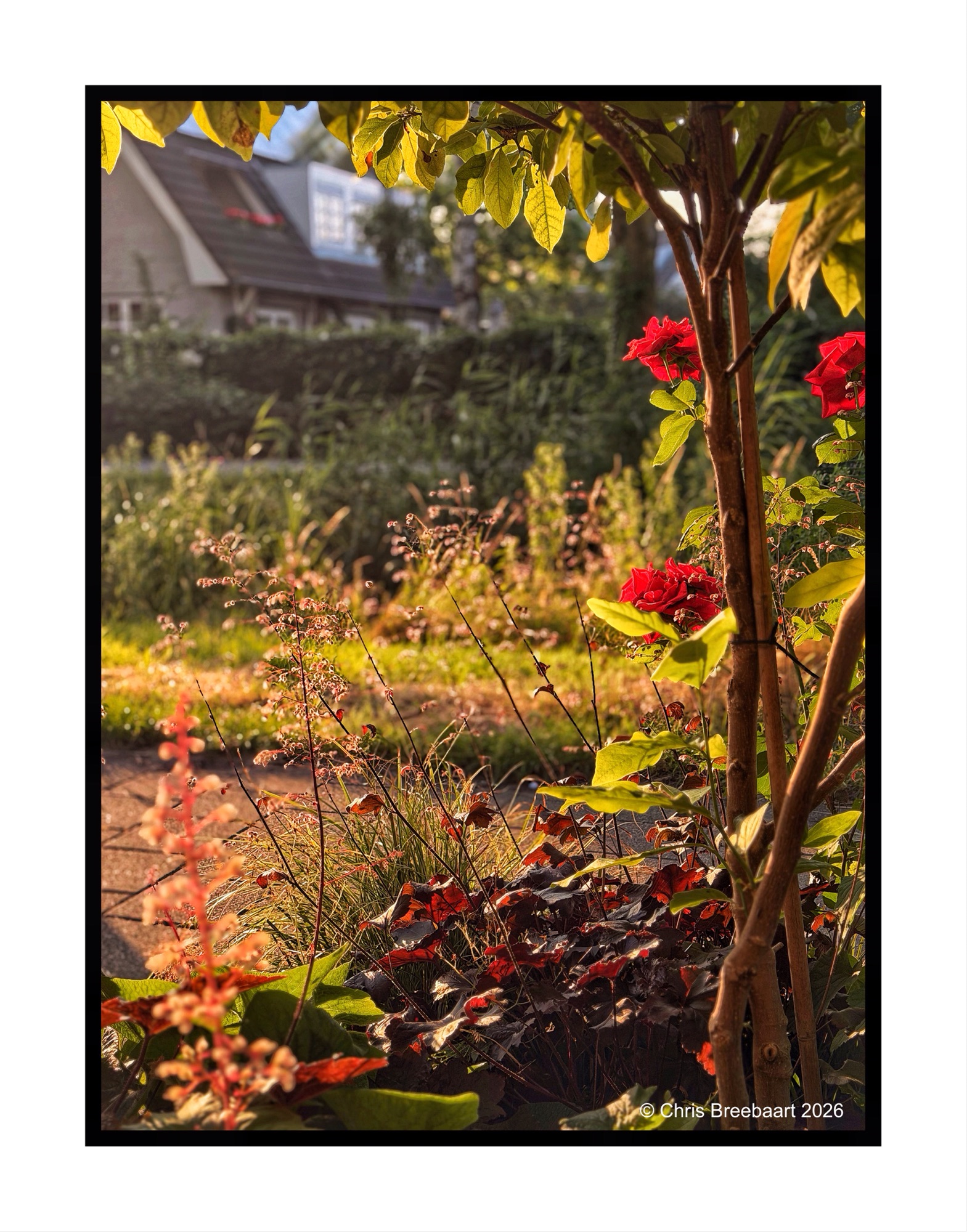
Sometimes a little detail catches the eye. And keeps catching the eye. And then you take some photo’s. The red roses in the mix at early sunlight.
Shot with iPhone 17 Pro Max edited using Snapseed and Marksta. Click the picture for a larger version
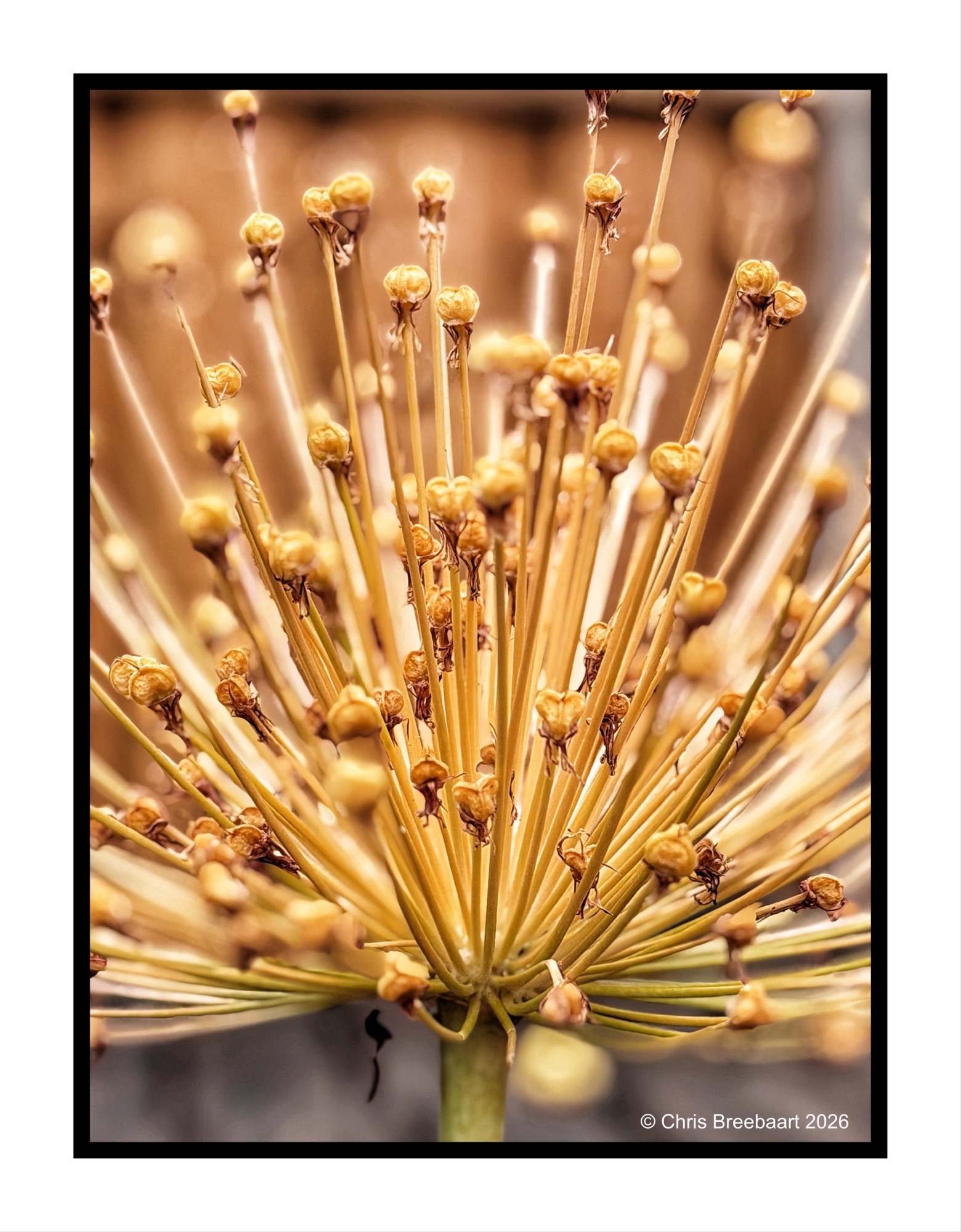
The last stages of the Allium flower.
Shot with iPhone 17 Pro Max edited using Snapseed and Marksta. Click the picture for a larger version
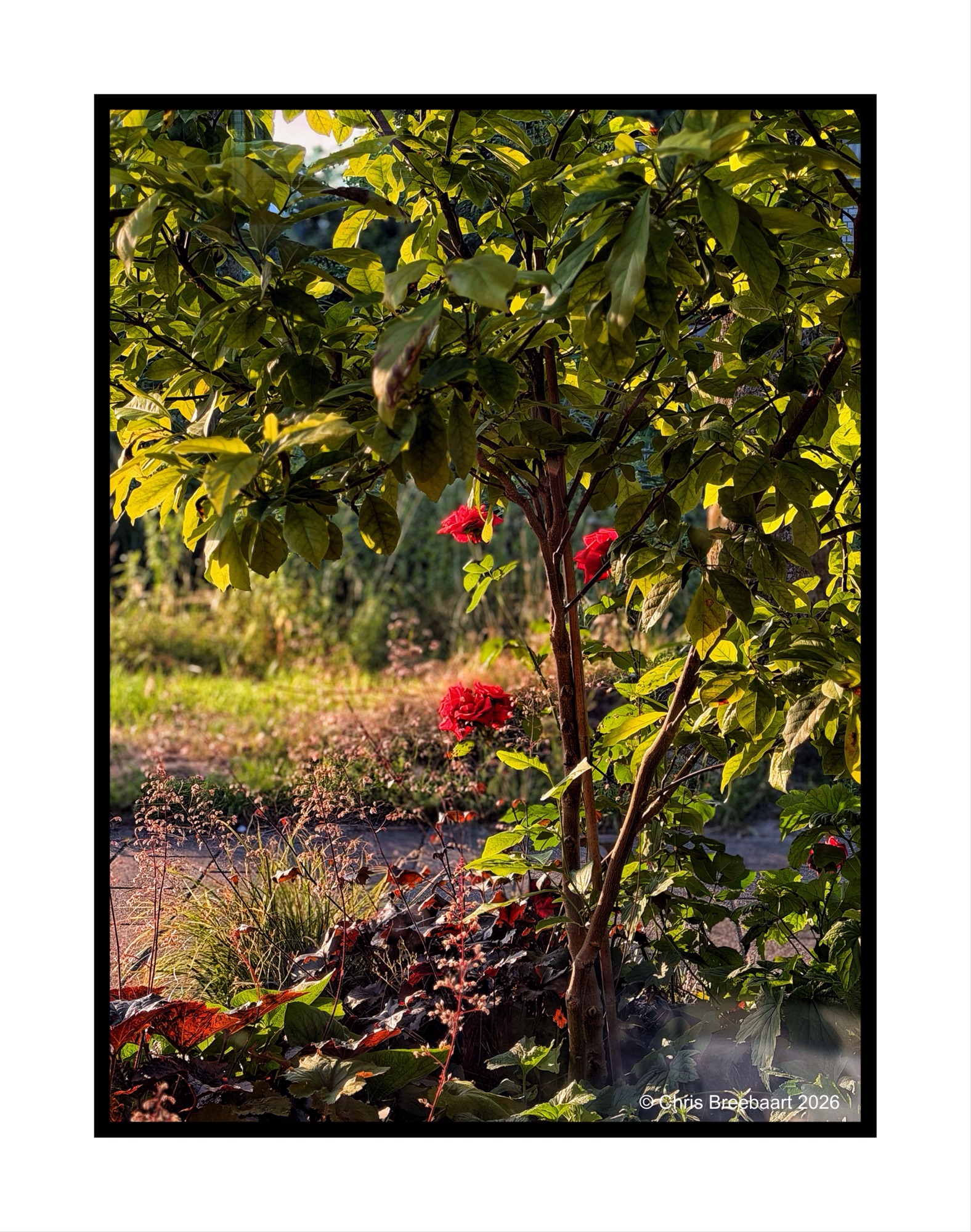
The early sunrise light is almost magical.
Shot with iPhone 17 Pro Max edited using Snapseed and Marksta. Click the picture for a larger version
Shot with iPhone 17 Pro Max edited using Snapseed and Marksta. Click the picture for a larger version
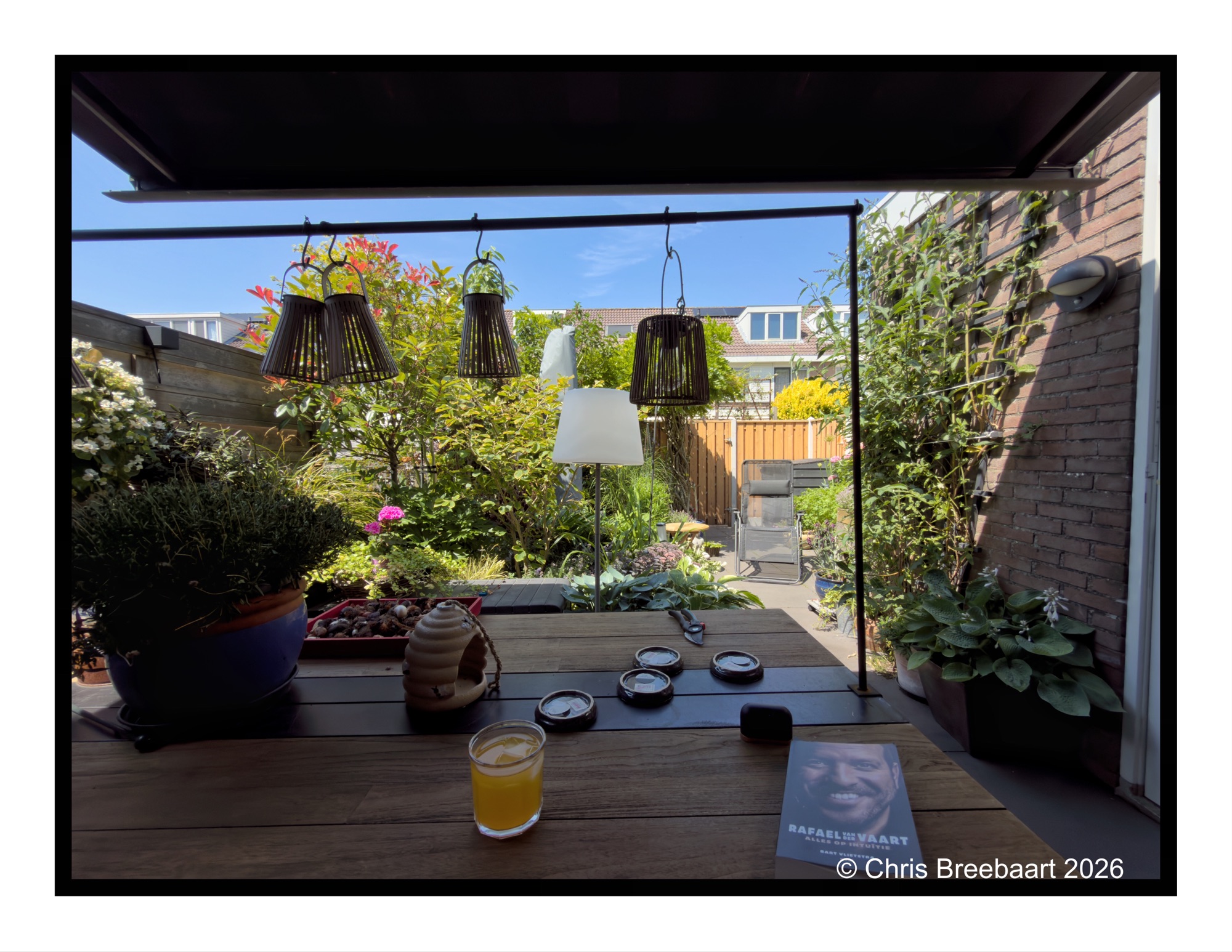
Climate change seems to kick in, with a heatwave stronger than before the last week. Sit in the garden, having a drink, have a read. Chill.
Shot with iPhone 17 Pro Max edited using Snapseed and Marksta. Click the picture for a larger version
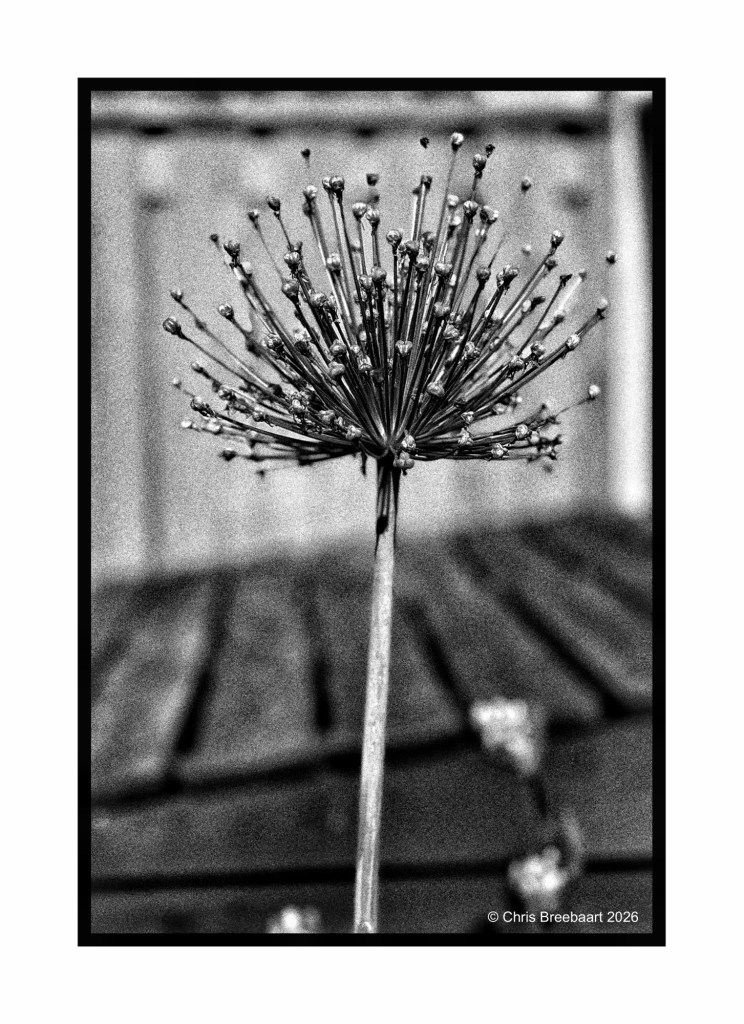
Even after blooming the Allium flower stays remarkable.
Shot with iPhone 17 Pro Max edited using Snapseed and Marksta. Click the picture for a larger version
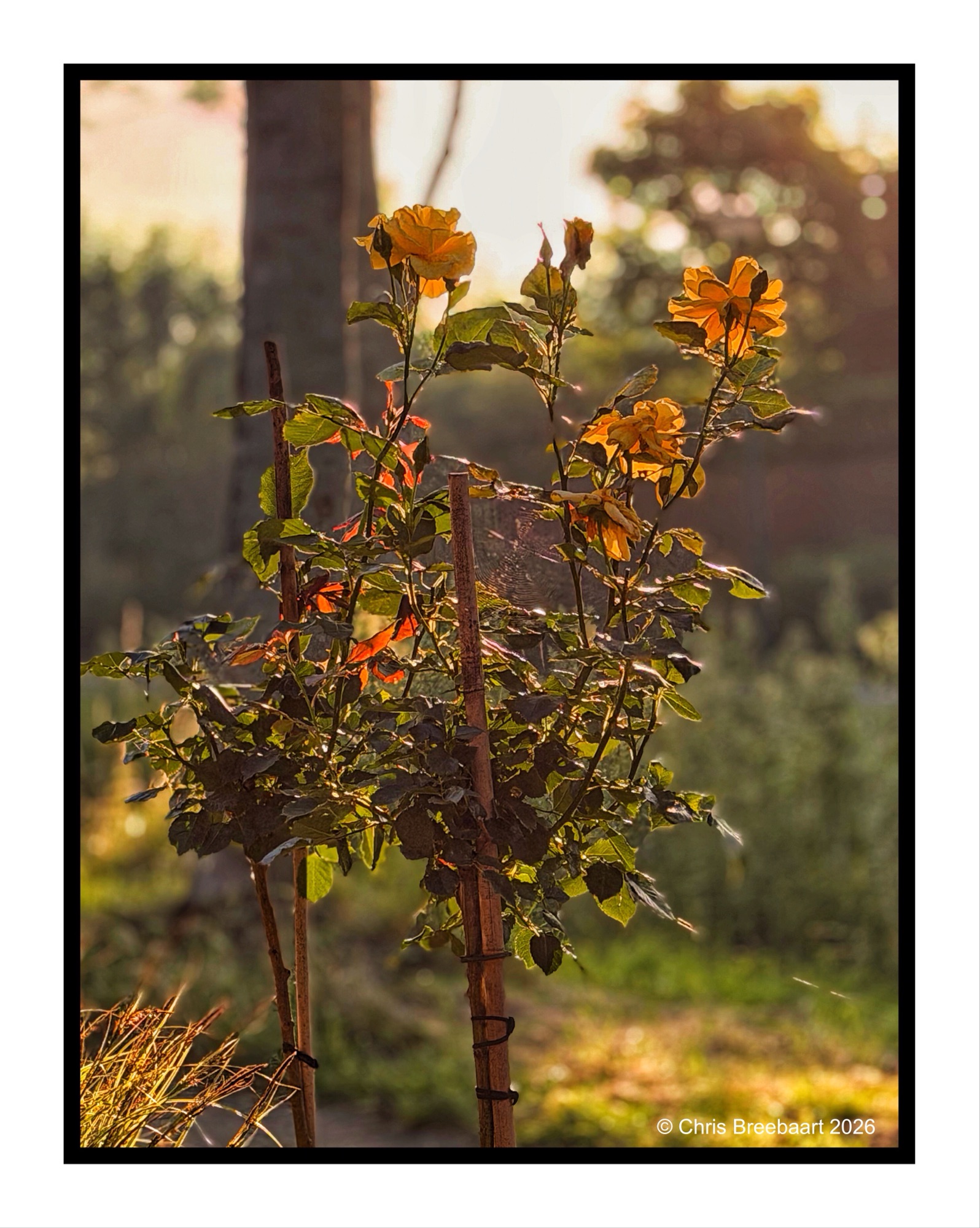
LAPC #403 focuses on photography tools: perspective, depth and scale. Roses in the warm after sunrise light.
Shot with iPhone 17 Pro Max edited using Snapseed and Marksta. Click the picture for a larger version
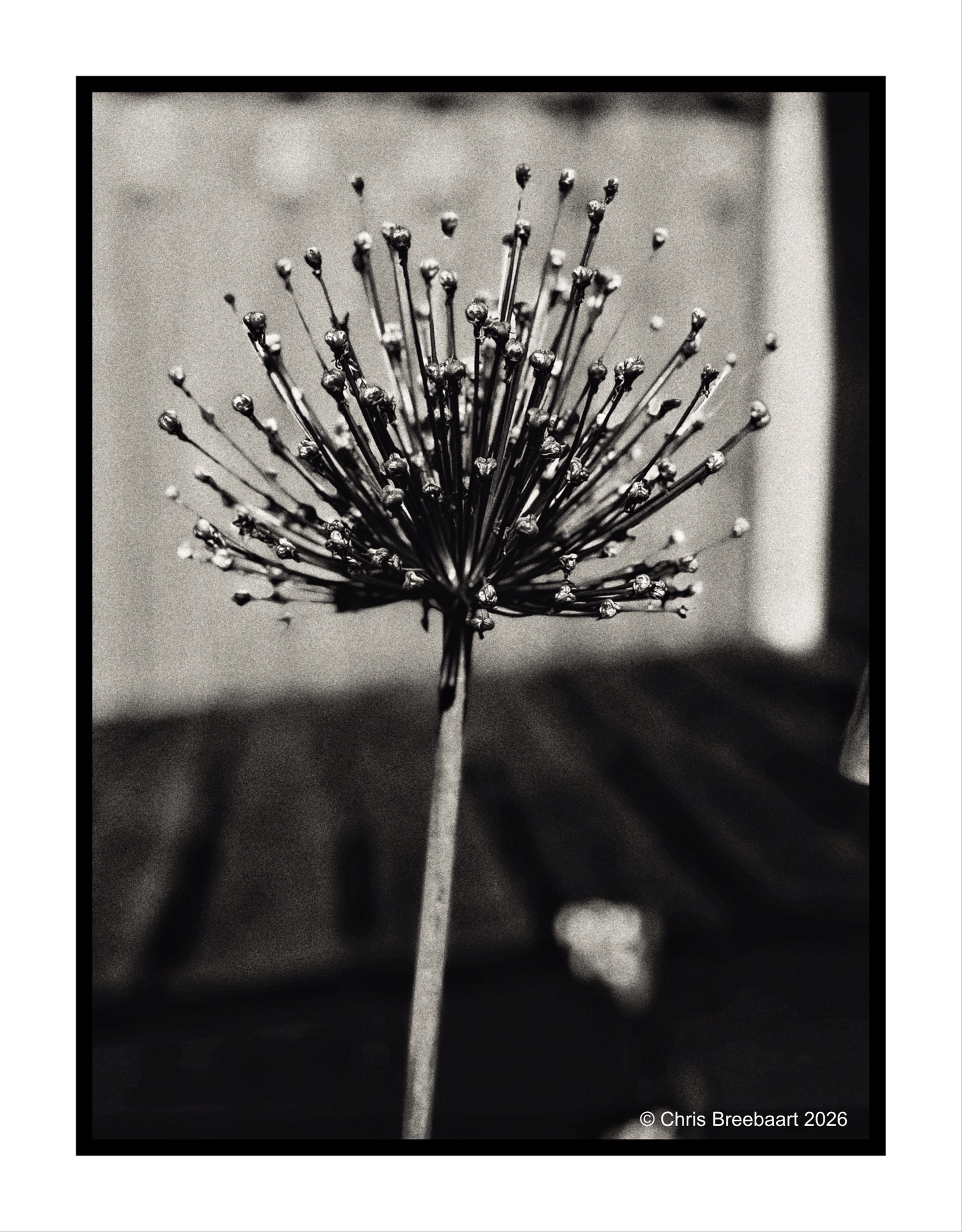
LAPC #403 focuses on photography tools: perspective, depth and scale. Normally it is better to cut the flower off after it has died, to keep the food in the bulb for next year. But an Allium turns into something quite spectacular.
Shot with iPhone 17 Pro Max edited using Snapseed and Marksta. Click the picture for a larger version
To the brave and courageous
Who were willing to pay the ultimate price
And gave me my freedom
As a precious treasure
Never to be taken as a right
But like they did then to be defended
Again and again
Lest not forget

The Normandy American Cemetery and Memorial in Colleville sur Mer.
shot with Nikon D70, edited using Snapseed and Marksta. Click the picture for a larger version.
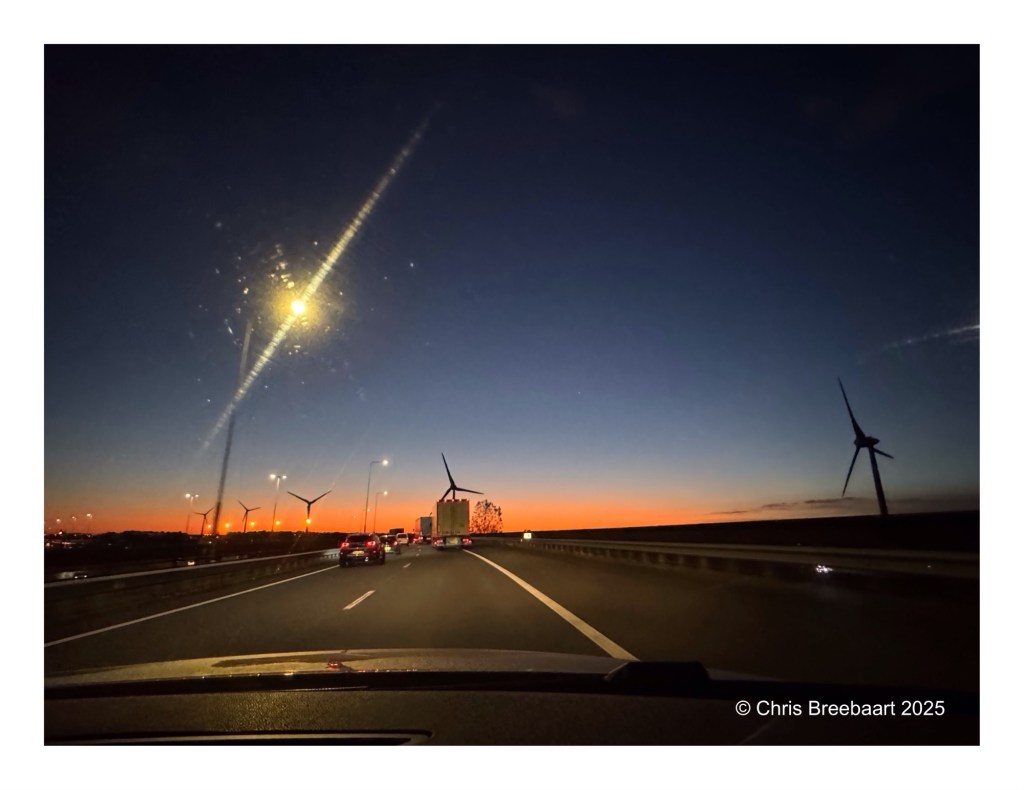
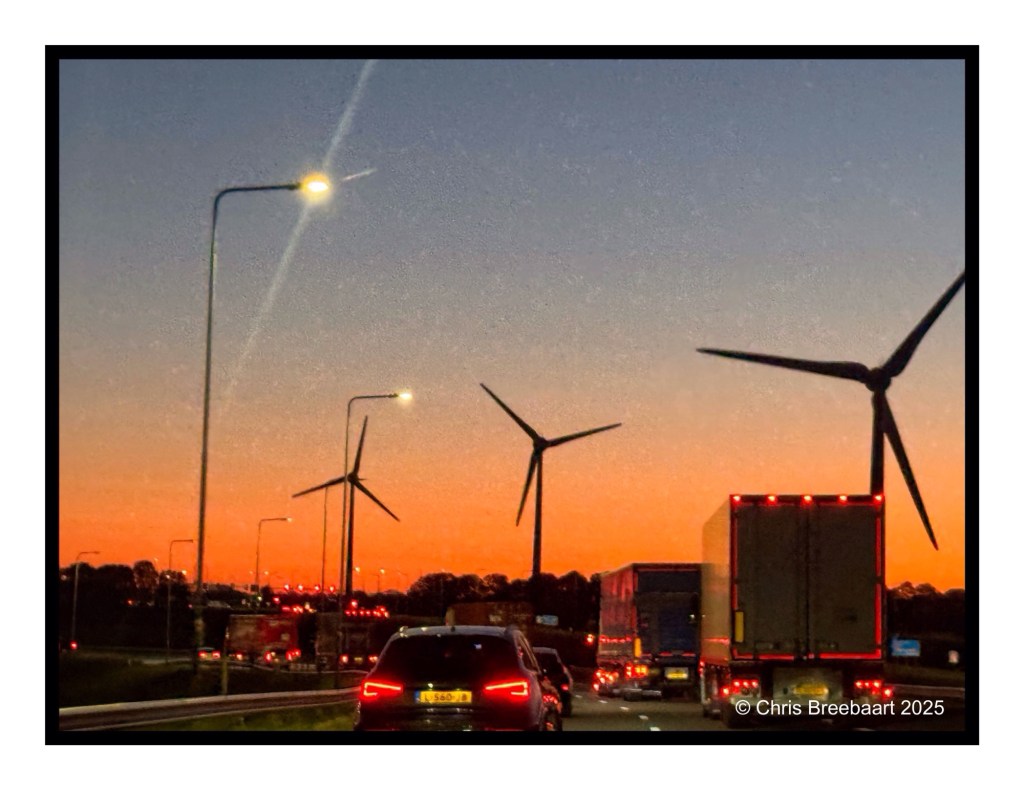
On the road at sunrise, the A44 and A4 to Schiphol Amsterdam.
I am not sure this is filling the brief of LAPC #373 ‘looking back at landscapes’. It’s more looking forward on the road.
Shot with iPhone 15 Pro Max edited using Snapseed and Marksta. Click the picture for a larger version.
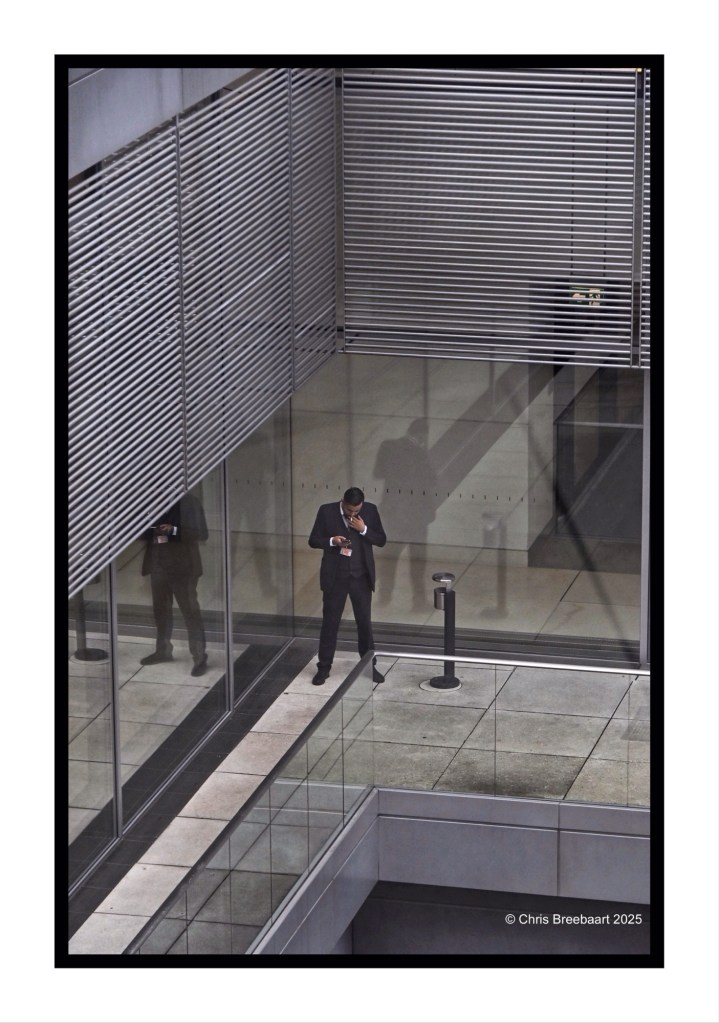
From the roof of the Reichstag. A member of staff has a smoke break. A slightly less common street detail nowadays for LAPC #371.
Shot with Nikon Zf, edited using Snapseed and Marksta. Click the picture for a larger version.
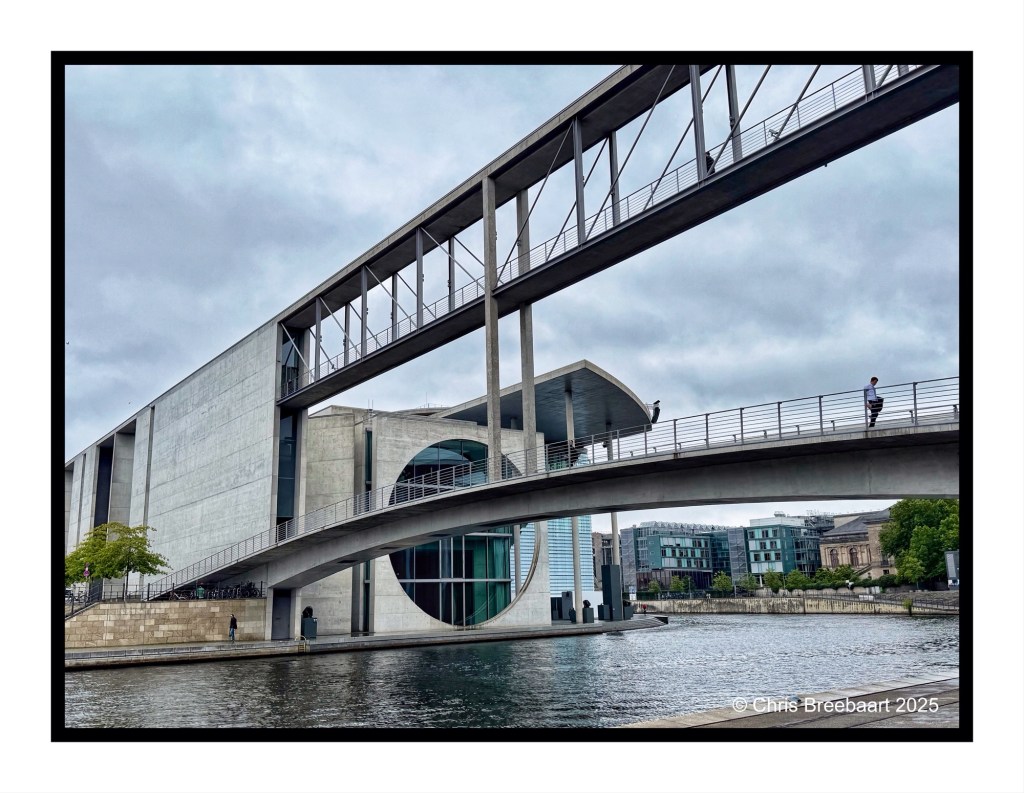
The last time, before this visit in September, I saw this part of Berlin was in November 1989. This side was West Berlin, the Spree and across was East Berlin. The Berlin Wall cut straight to the right. It was just 20 meters from the East wall of the Reichstag.
Now the Bundestag offices connect both sides of the river. The tension of the Berlin Wall is literally out of sight. But not forgotten. Seven crosses are just outside this frame on the right side. They remind us of the people who tried to flee East Germany and were killed.
Shot with iPhone 15 Pro Max edited using Snapseed and Marksta. Click the picture for a larger version. The monochrome photo of 1989 was shot with Nikon F301 on Kodak TriX.
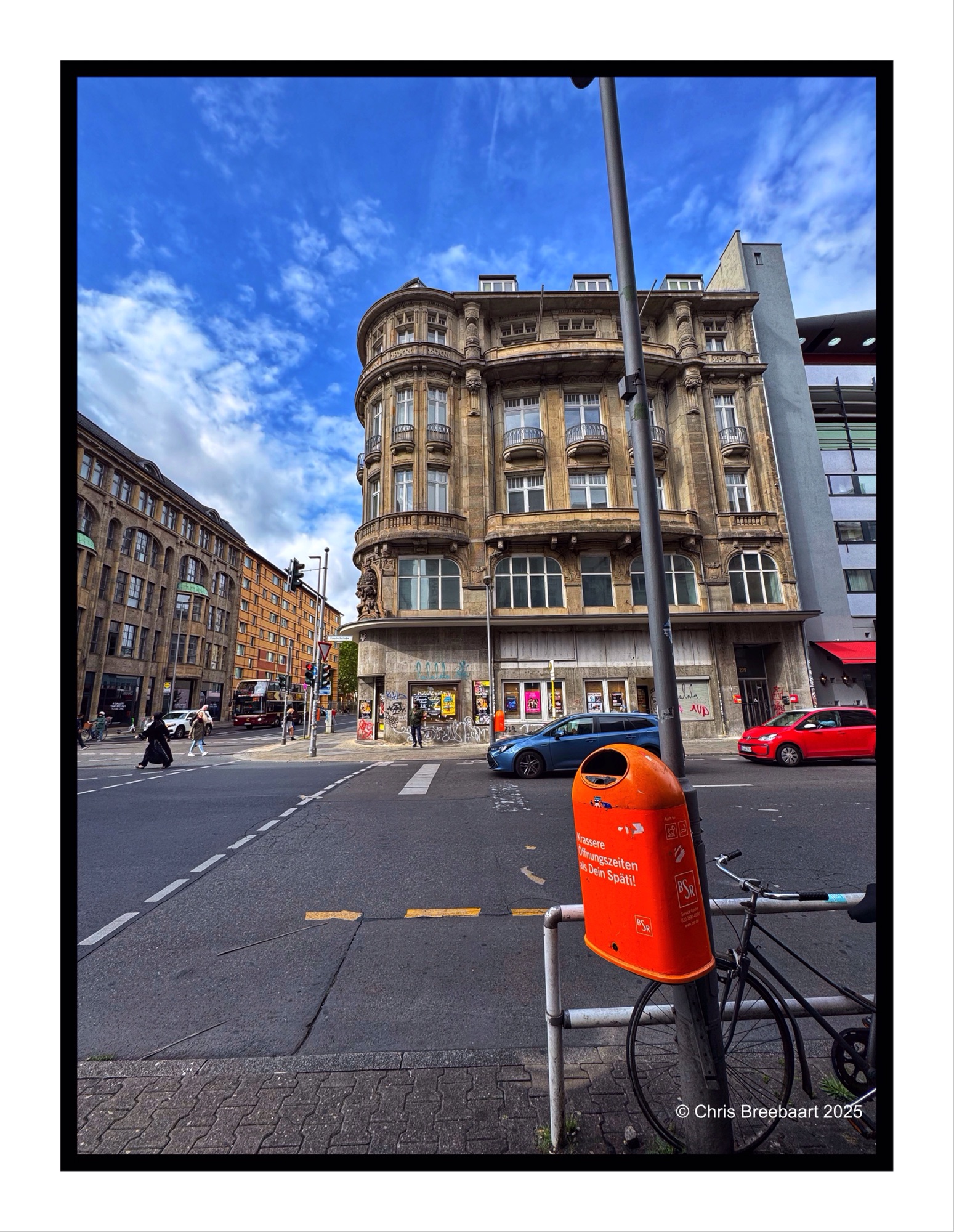
On the corner of the former Checkpoint Charlie (on the West Side).
Shot with iPhone 15 Pro Max edited using Snapseed and Marksta. Click the picture for a larger version.

