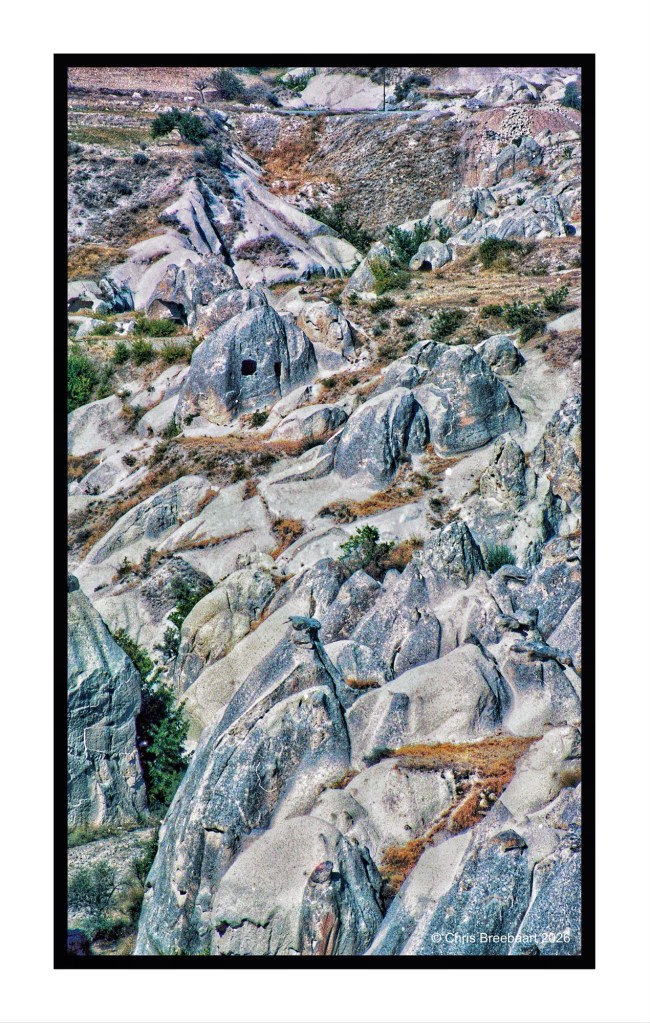
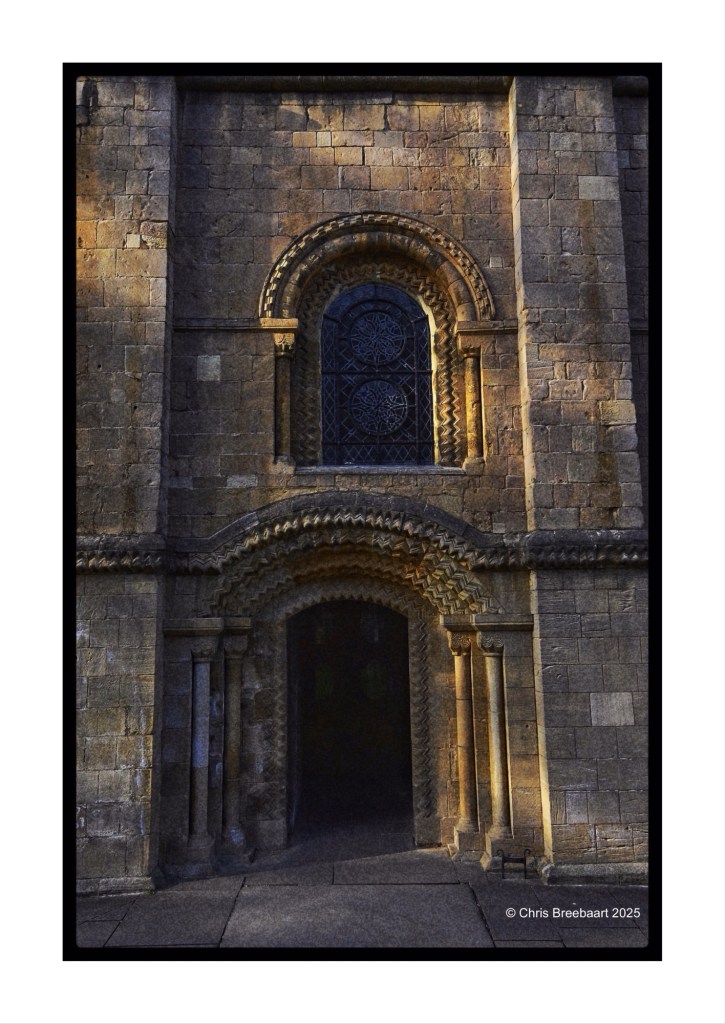
The Göreme Historical National Park in Cappadocia is a mesmerizing part of Turkey. Erosion and geological layers build a tapestry of shapes and colors. That combined with a beautiful history of cultural human existence it is an experience you never forget.
About the B4 retouch series: I browsed my archive for pictures to publish. Some of them are partly retouched but most do have scratches, dust and stains.
Originally shot with Nikon F301 on Fuji 200, scanned from negative and tweaked using Snapseed and Marksta. Click the picture for a larger version.
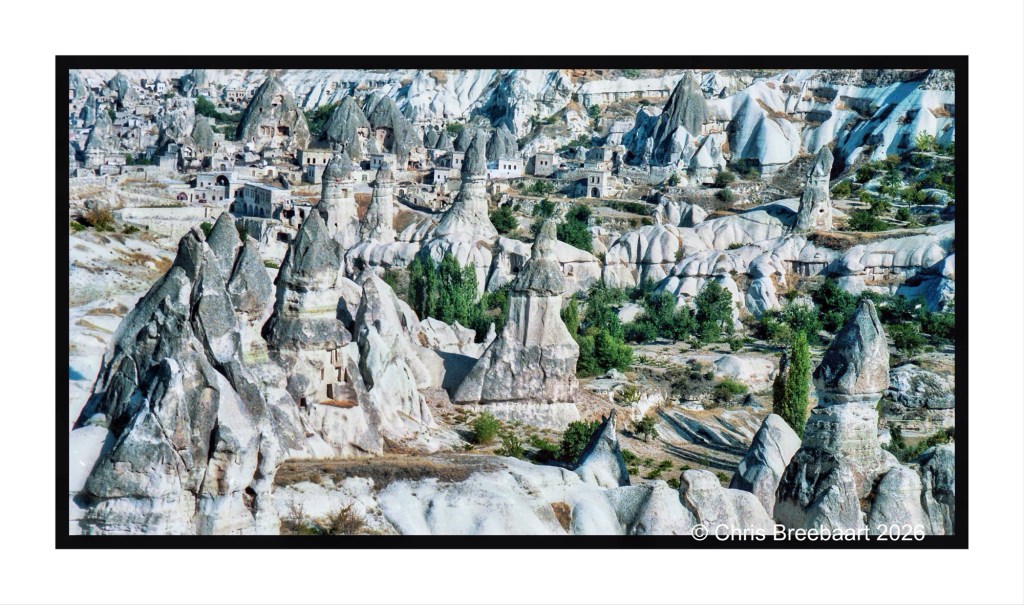
The Göreme Historical National Park in Cappadocia is a mesmerizing part of Turkey. Erosion and geological layers build a tapestry of shapes and colors. That combined with a beautiful history of cultural human existence it is an experience you never forget.
About the B4 retouch series: I browsed my archive for pictures to publish. Some of them are partly retouched but most do have scratches, dust and stains.
Originally shot with Nikon F301 on Fuji 200, scanned from negative and tweaked using Snapseed and Marksta. Click the picture for a larger version.
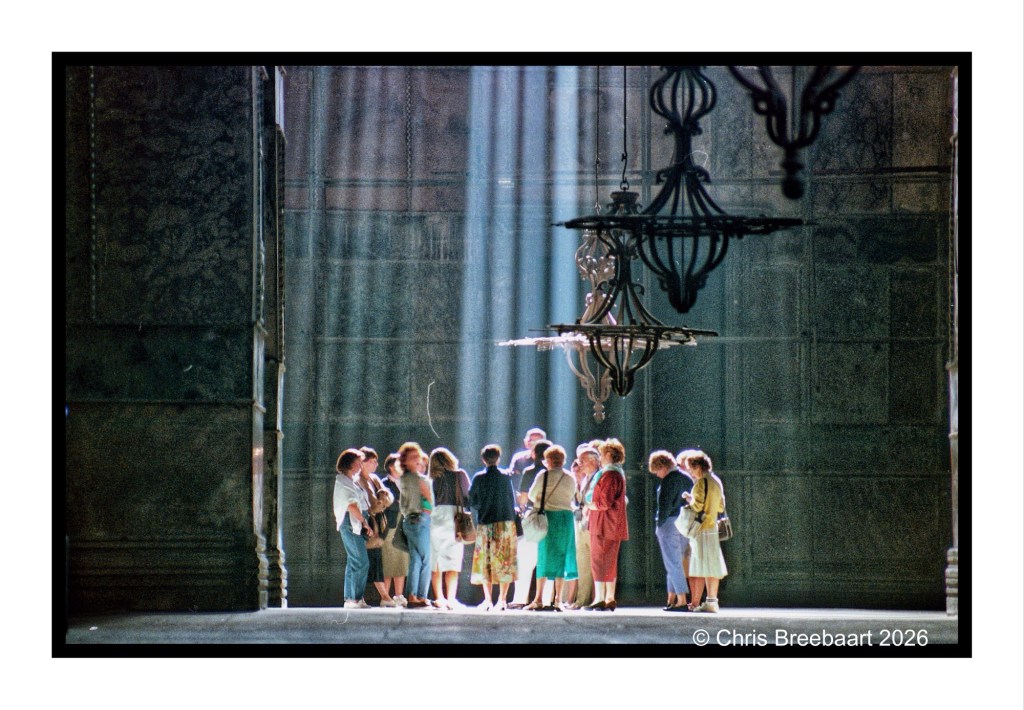
About the B4 retouch series: I browsed my archive for pictures to publish. Some of them are partly retouched but most do have scratches, dust and stains.
Originally shot with Nikon F301 on Fuji 200, scanned from negative and tweaked using Snapseed and Marksta. Click the picture for a larger version.
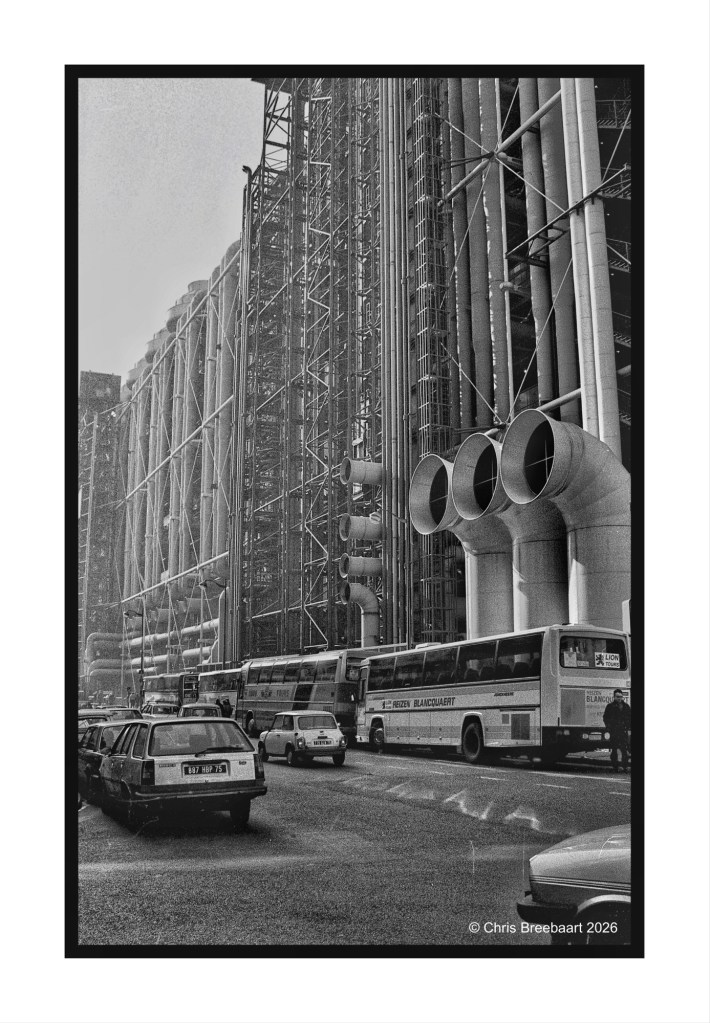
When the Centre Pompidou opened, the Parisians nicknamed it ‘the refinery’. It is a unique construction. But quite hard to maintain given all the angles and open spaces. The art collection inside is nice to walk around when in Paris. Always a place to visit again, when there.
About the B4 retouch series: I browsed my archive for pictures to publish. Some of them are partly retouched but most do have scratches, dust and stains.
Originally shot with Nikon F301 on Kodak TriX, scanned from negative and tweaked using Snapseed and Marksta. Click the picture for a larger version.
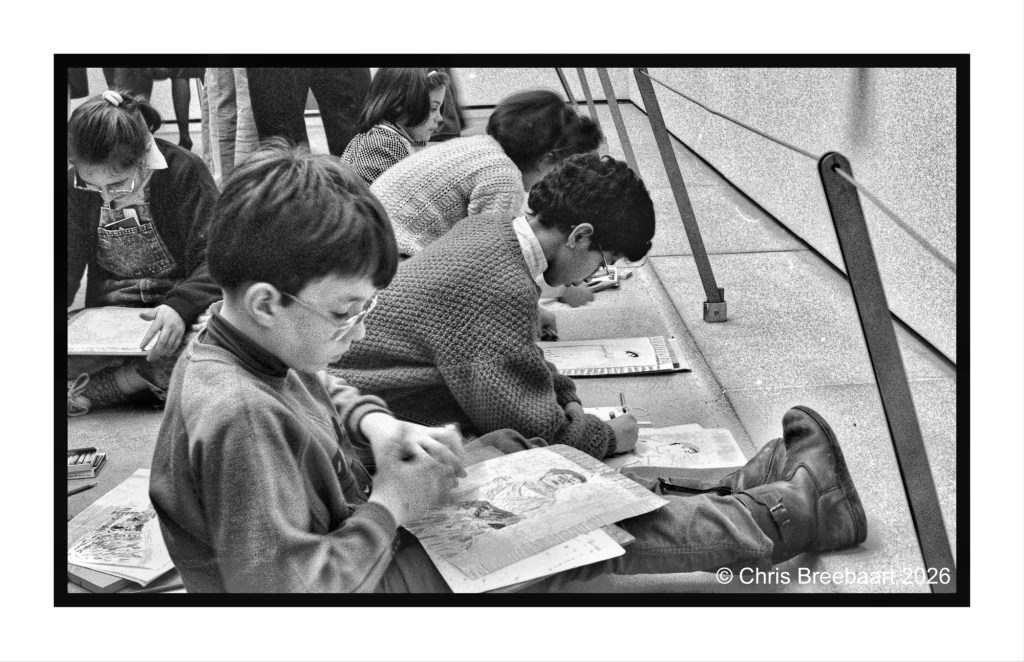
The Musée d’Orsay. One of my favourite museums. Not only for its architecture, but also for their collection of impressionist paintings. Here school kids, drawing in front of them.
About the B4 retouch series: I browsed my archive for pictures to publish. Some of them are partly retouched but most do have scratches, dust and stains.
Originally shot with Nikon F301 on Kodak TriX, scanned from negative and tweaked using Snapseed and Marksta. Click the picture for a larger version.
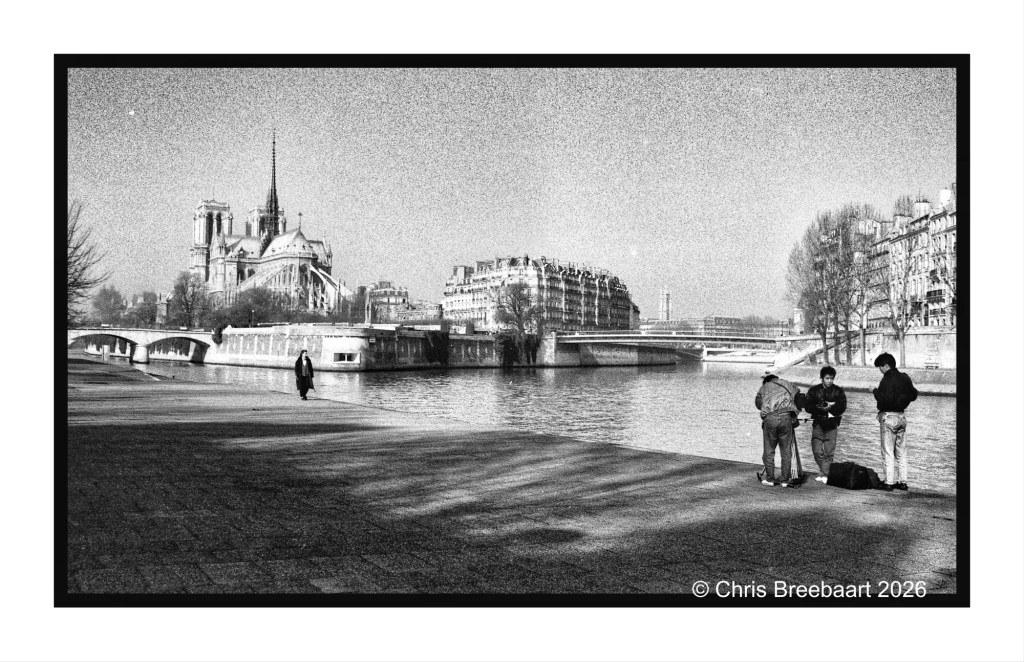
The Notre Dame in Paris before the fire. A view from the quay toward the Île de la Cité. From a walk along the river, the third I took at almoste the same point. The previous ones I published yesterday and the day before yesterday, showing bridge arches.
About the B4 retouch series: I browsed my archive for pictures to publish. Some of them are partly retouched but most do have scratches, dust and stains.
Originally shot with Nikon F301 on Kodak TriX, scanned from negative and tweaked using Snapseed and Marksta. Click the picture for a larger version.
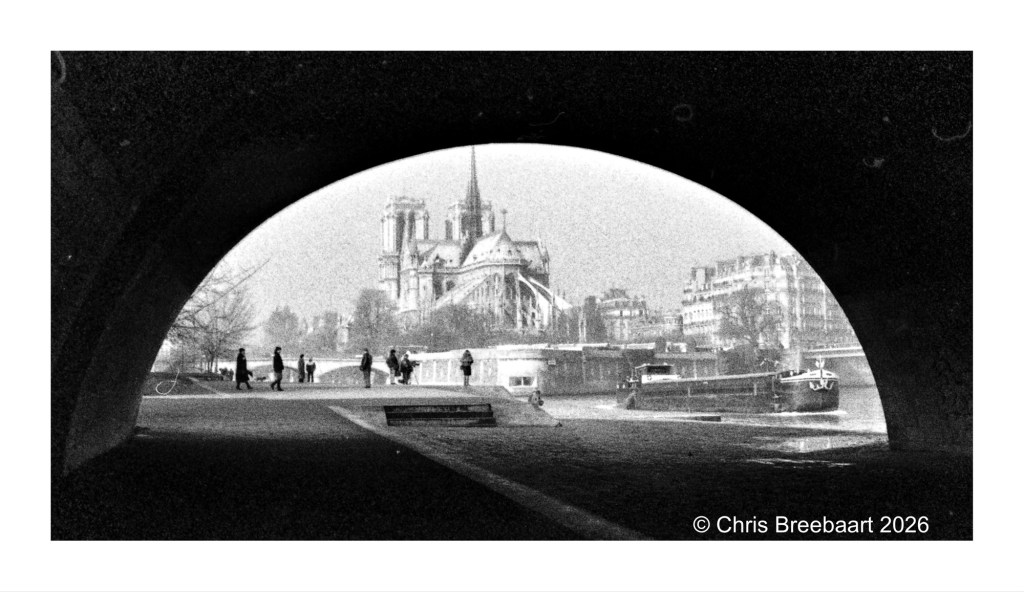
The Notre Dame in Paris before the fire. The bridge arch offers a template on a sunny Winter morning. The first shot in a set of shots of three. The second I published yesterday.
About the B4 retouch series: I browsed my archive for pictures to publish. Some of them are partly retouched but most do have scratches, dust and stains.
Originally shot with Nikon F301 on Kodak TriX, scanned from negative and tweaked using Snapseed and Marksta. Click the picture for a larger version.
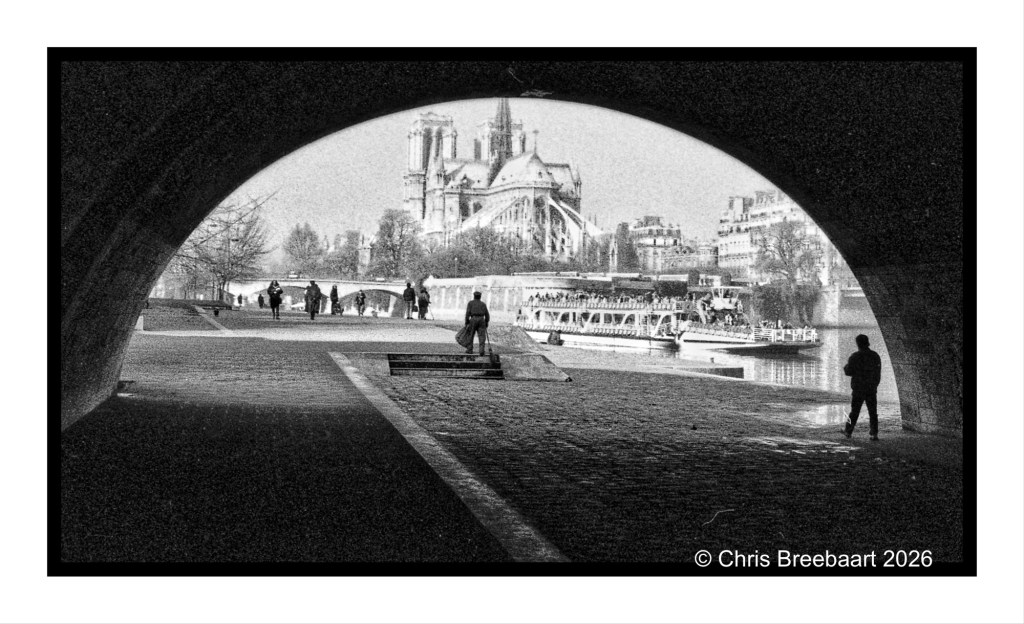
The Notre Dame in Paris before the fire. The bridge arch offers a template on a sunny Winter morning. Earlier published but a bit adjusted. This is the second shot in a set of three. The first one will be on tomorrow, the third the day after.
About the B4 retouch series: I browsed my archive for pictures to publish. Some of them are partly retouched but most do have scratches, dust and stains.
Originally shot with Nikon F301 on Kodak TriX, scanned from negative and tweaked using Snapseed and Marksta. Click the picture for a larger version.
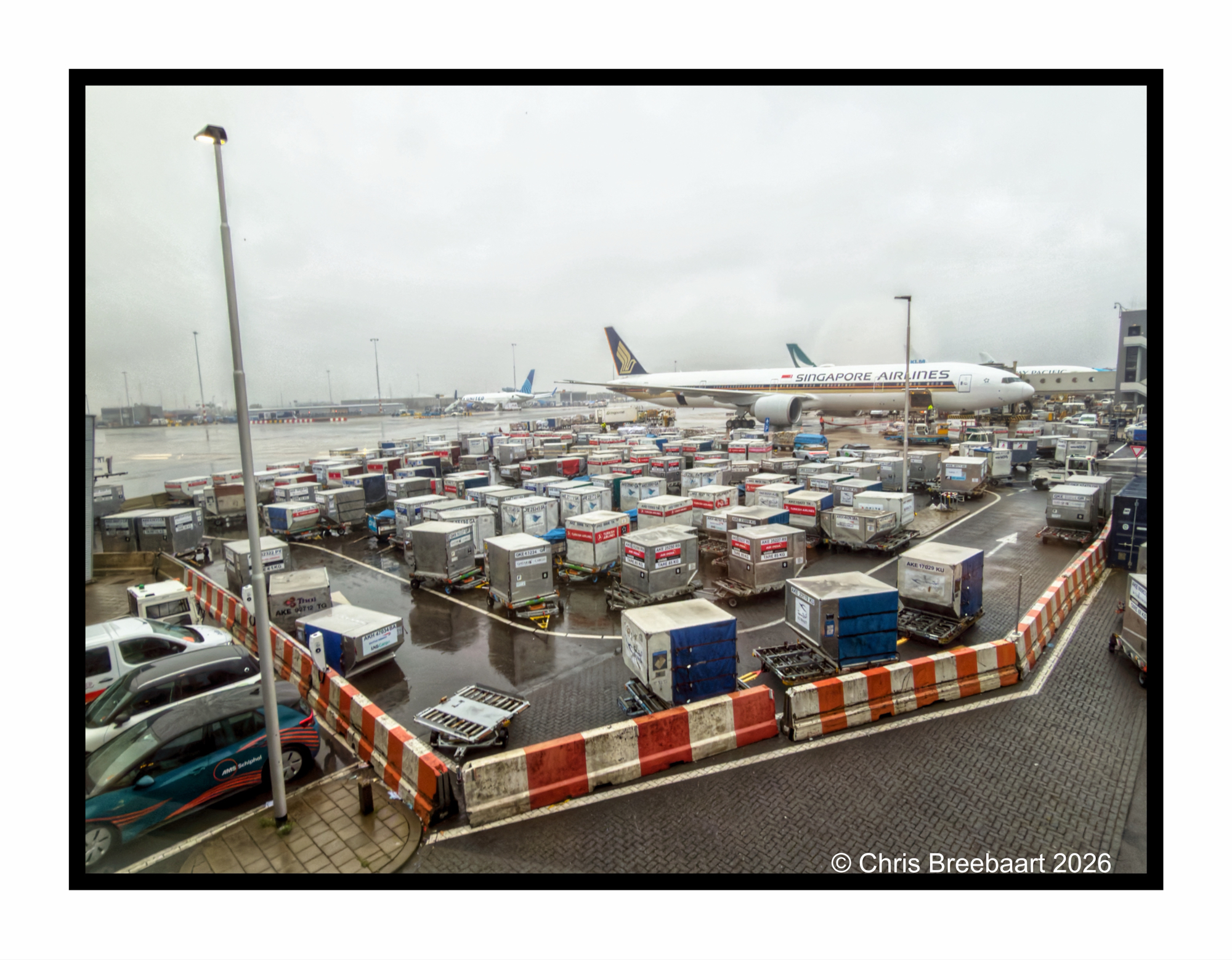
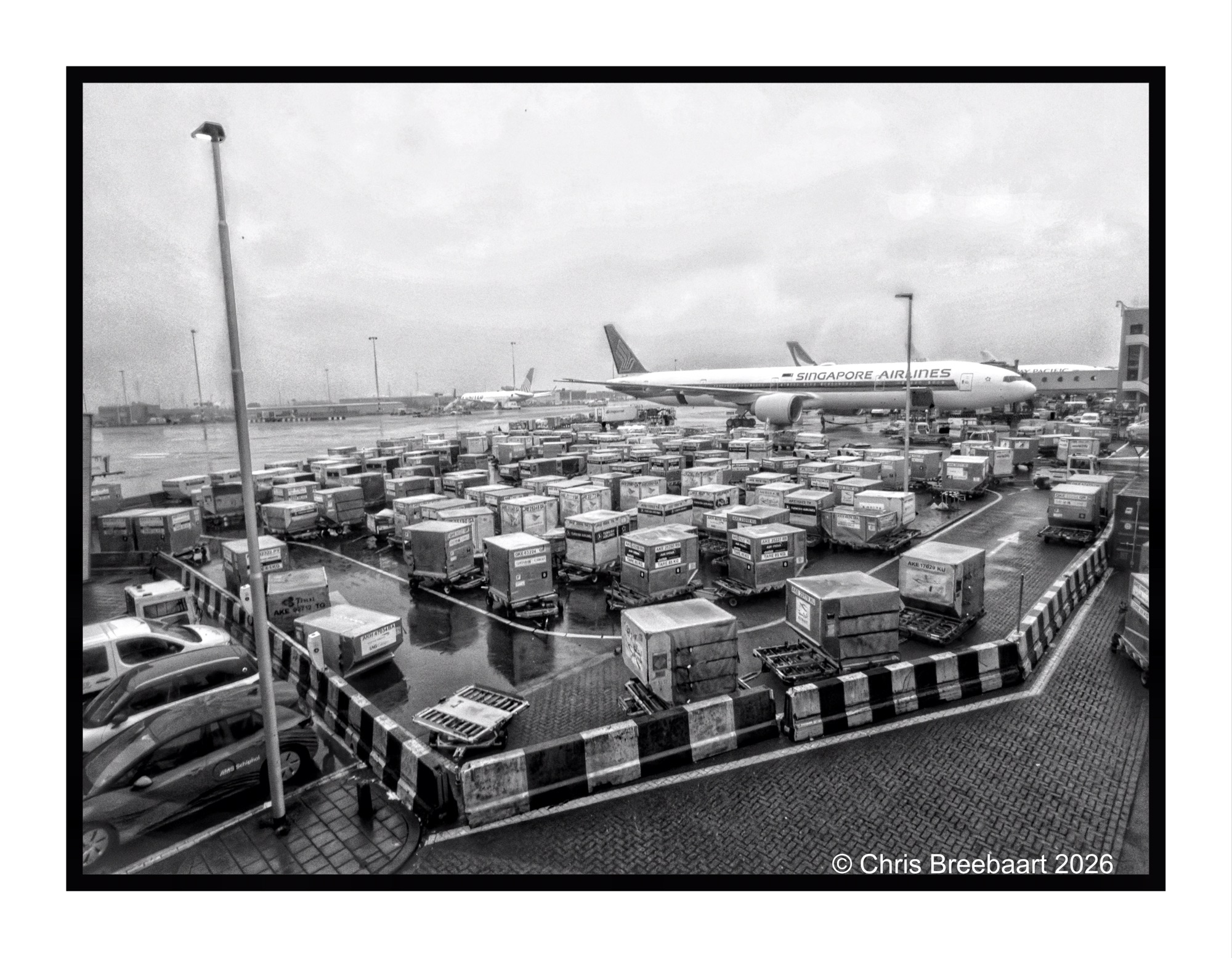
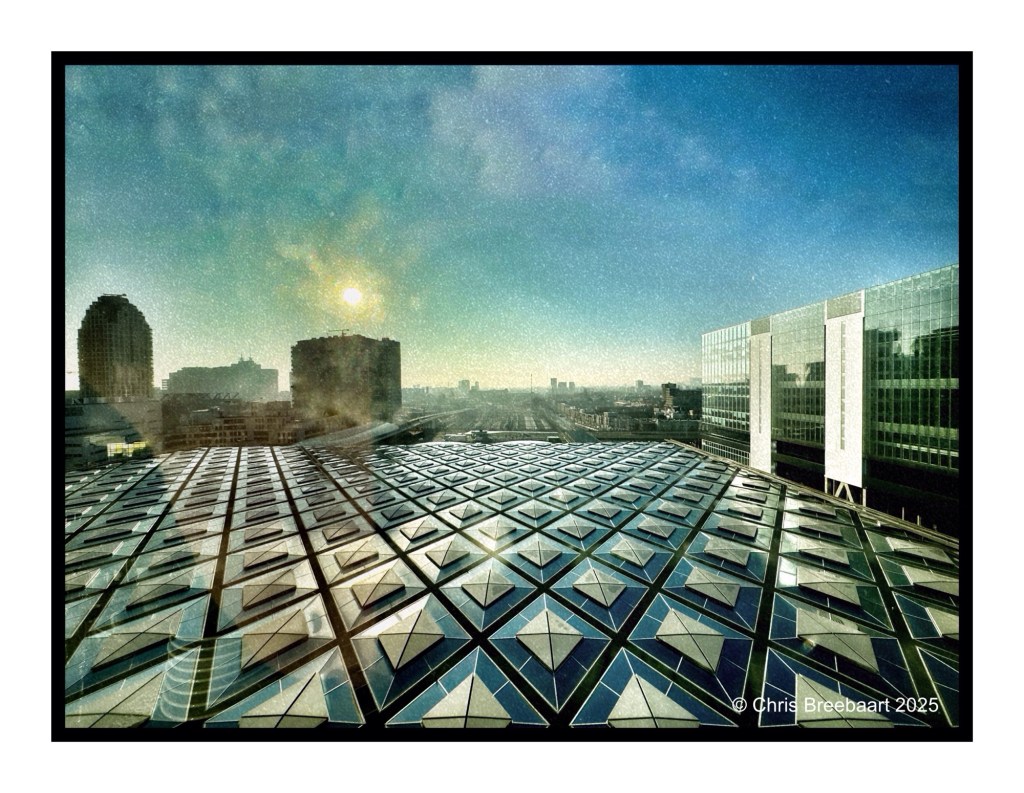
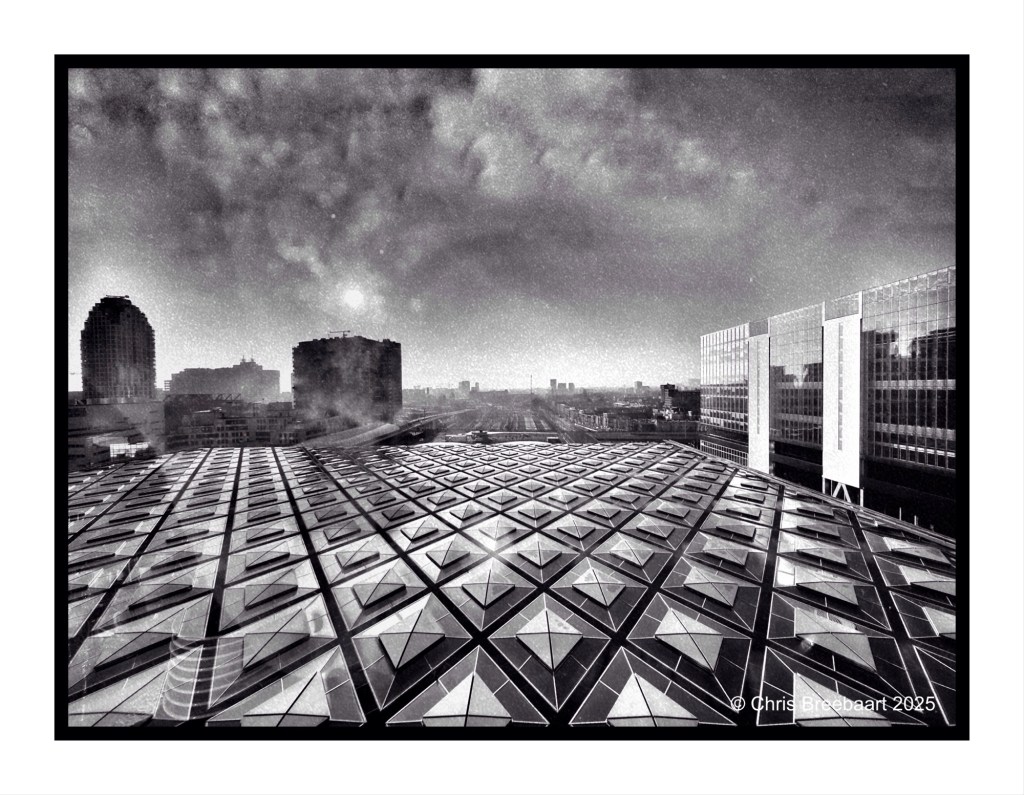
One of the first questions I had buying my first digital DSLR was ‘how do I shoot monochrome photos from now?’. In the past it was just choosing what film I put in a camera. Going digital implied using editing to revert from color to monochrome. More recently black and white modes came back on devices. Not only on iPhone. My choice for Nikon Zf was influenced by it. But it all is a question of taste.
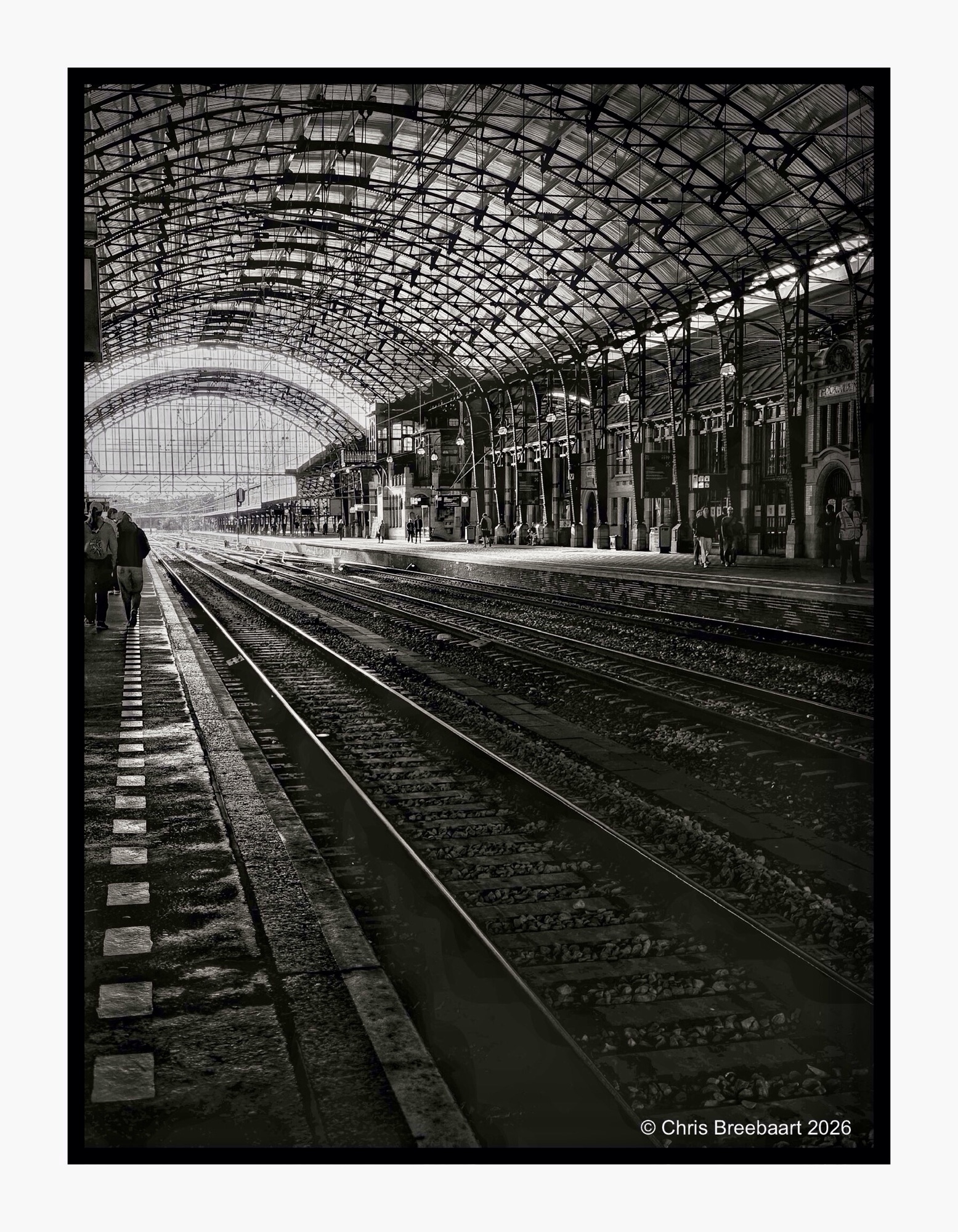
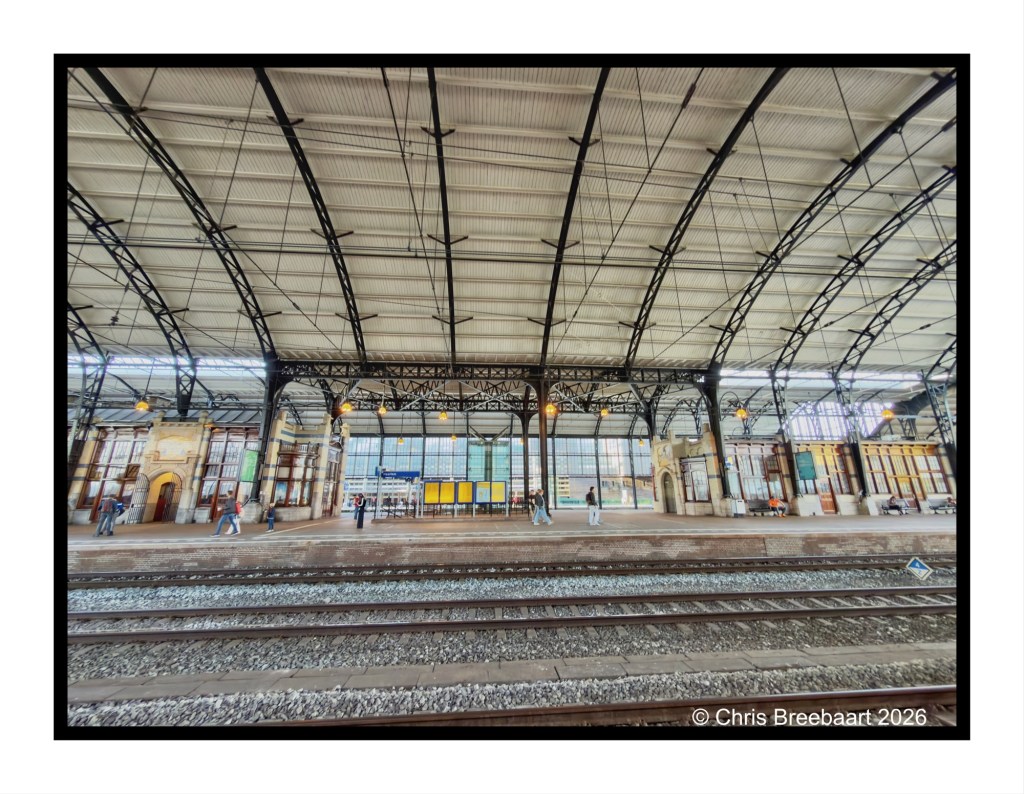
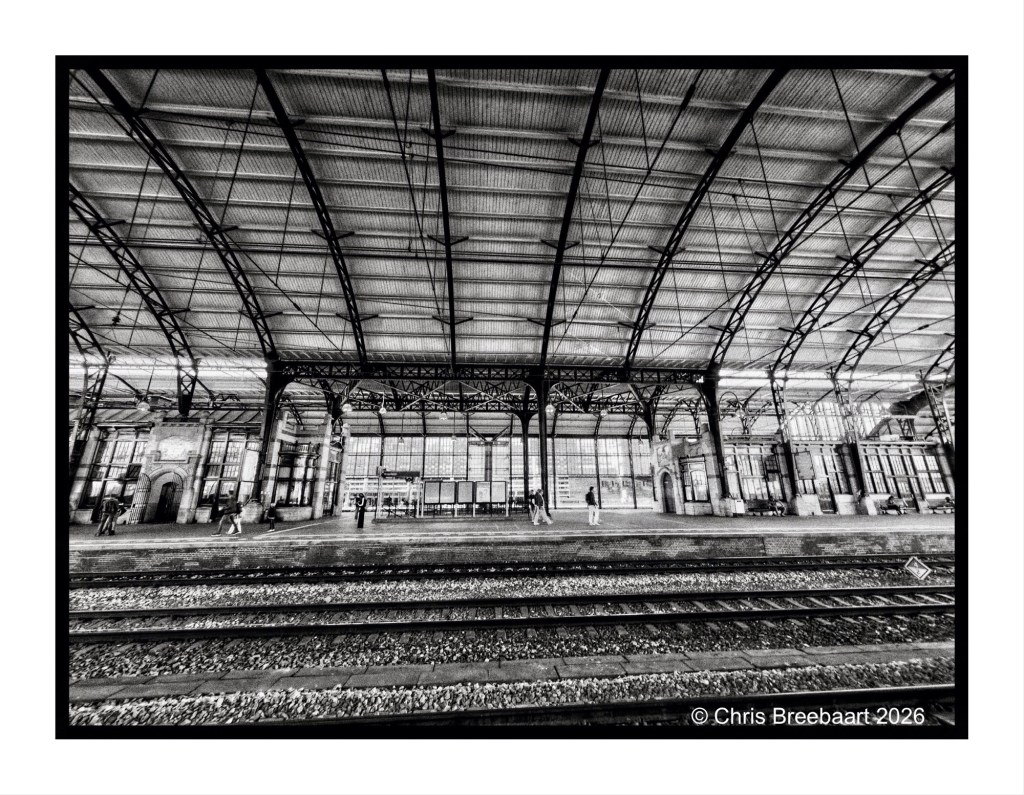
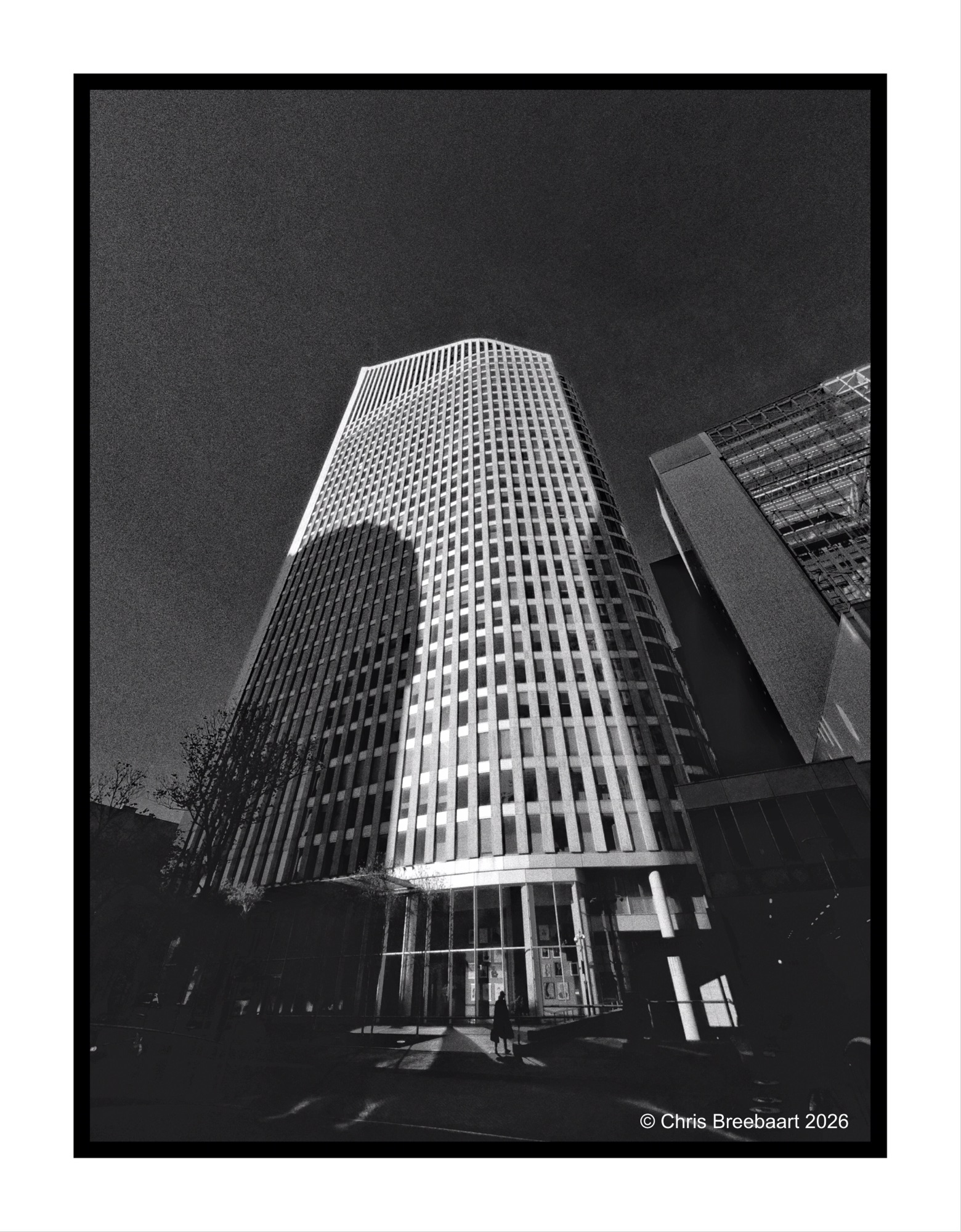
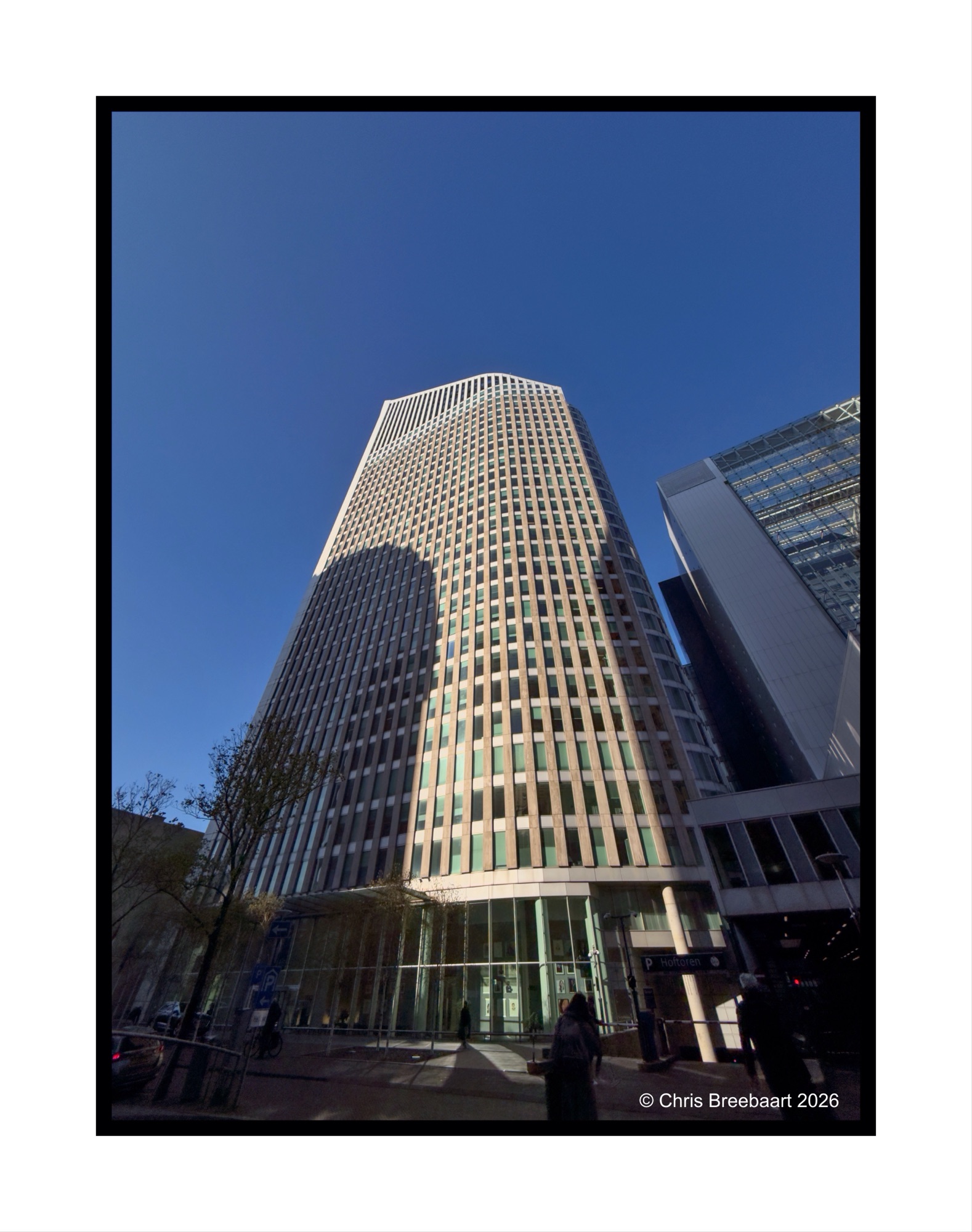
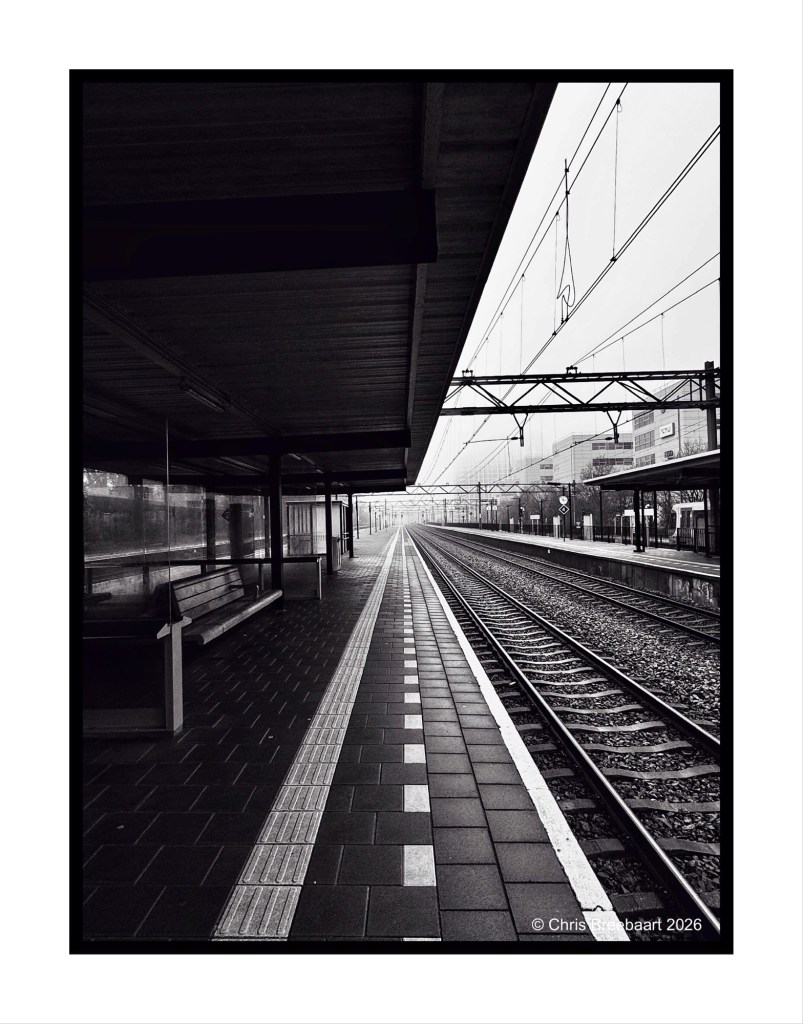
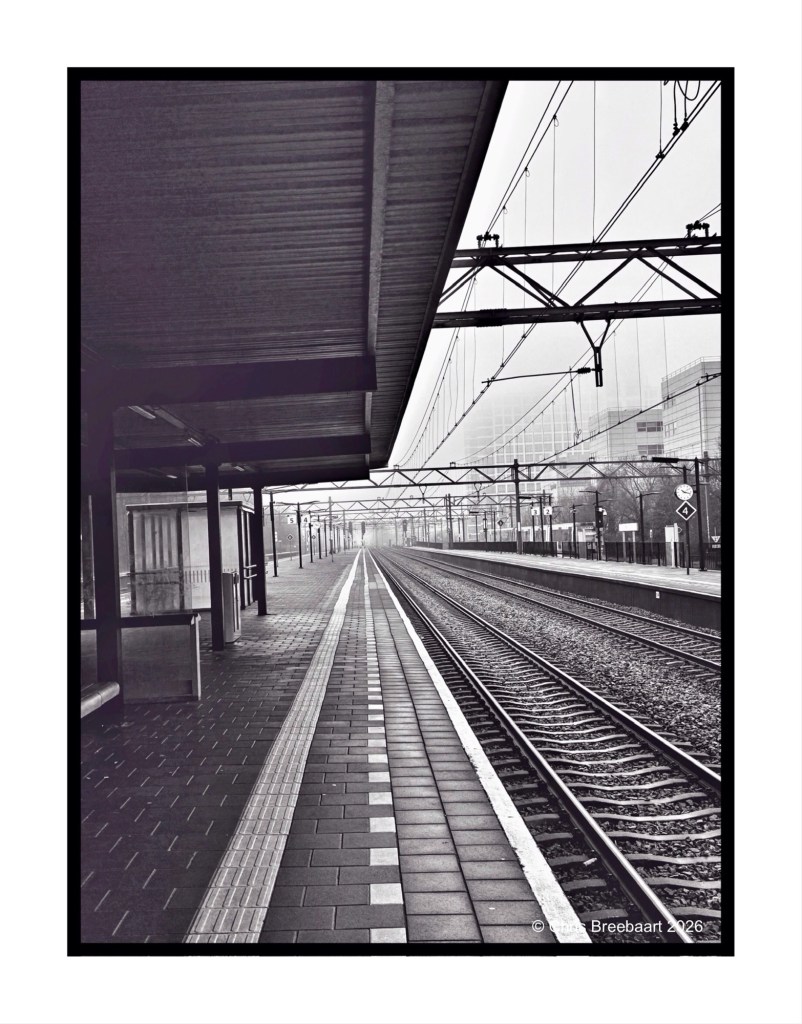
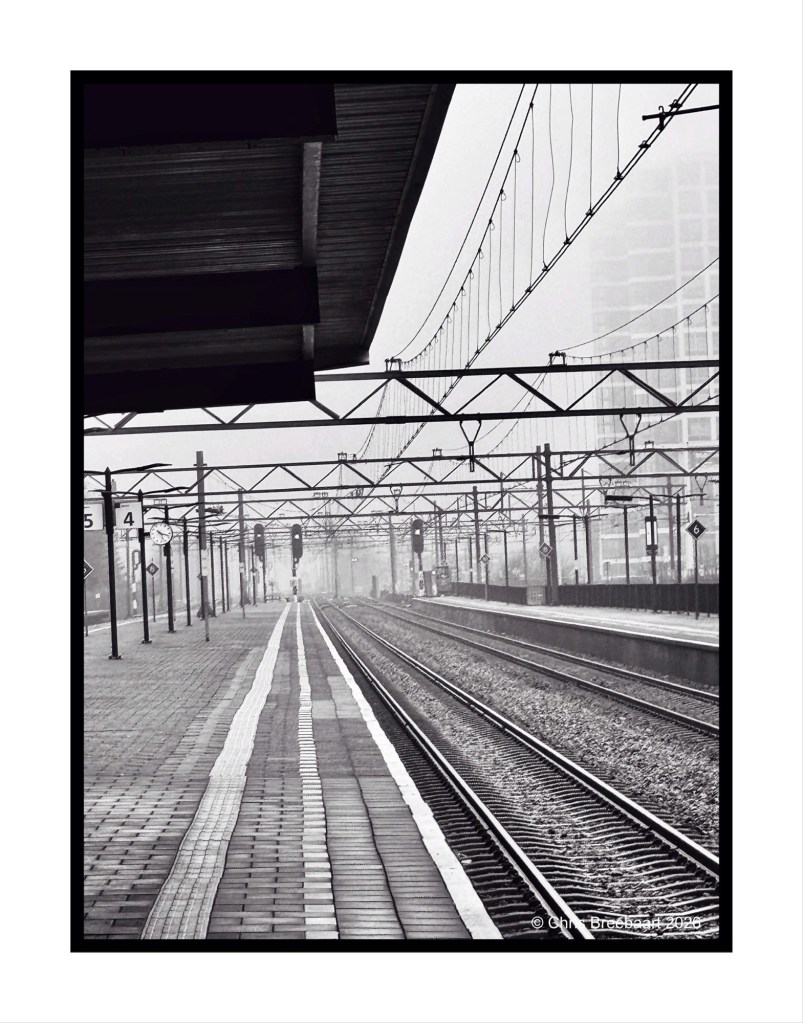
The same photo of the station of Haarlem in color and (edited) monochrome. Pick one or both.
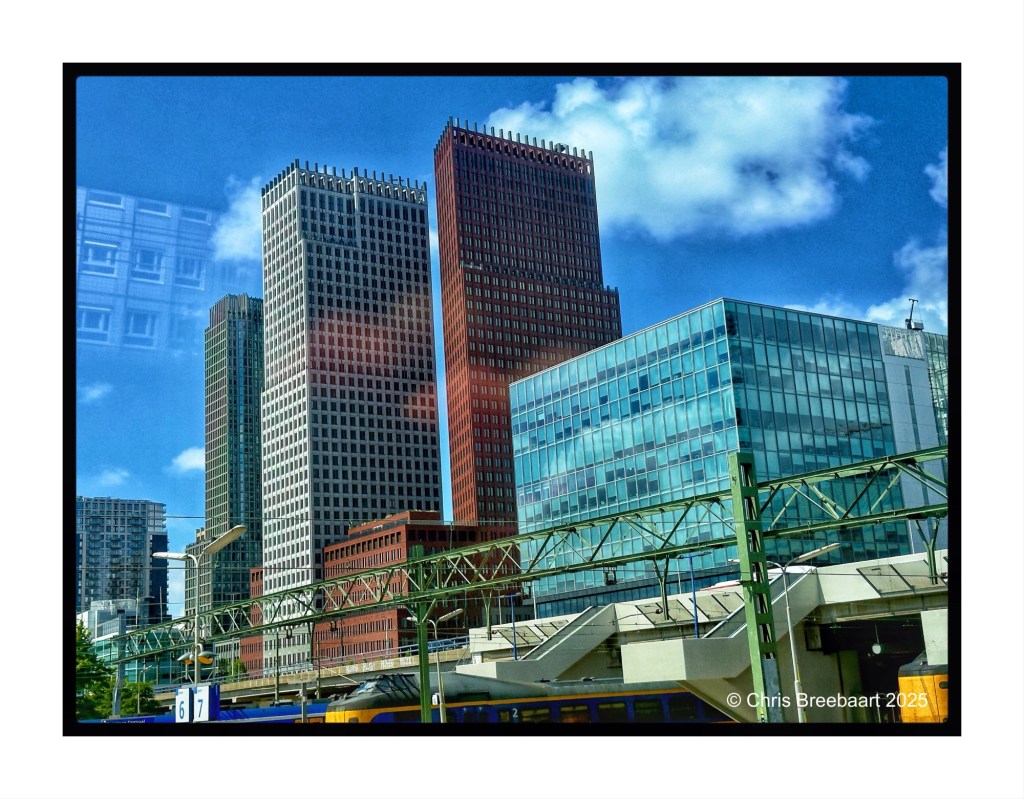
The theme of this week’s LAPC (#398) is illustrate a quote with a picture. There are notorious opinions about the civil service, lots of them framed in jokes. This is the Departement of Eduction, Science and Culture in Den Haag. A bit tongue in cheek (I am one of that civil service), this came up in my mind:
‘Ticking away the moments that make up a dull day Fritter and waste the hours in an offhand way‘
Pink Floyd, Time (The Dark Side of the Moon)
Of course the above is applicable to the private sector as well.
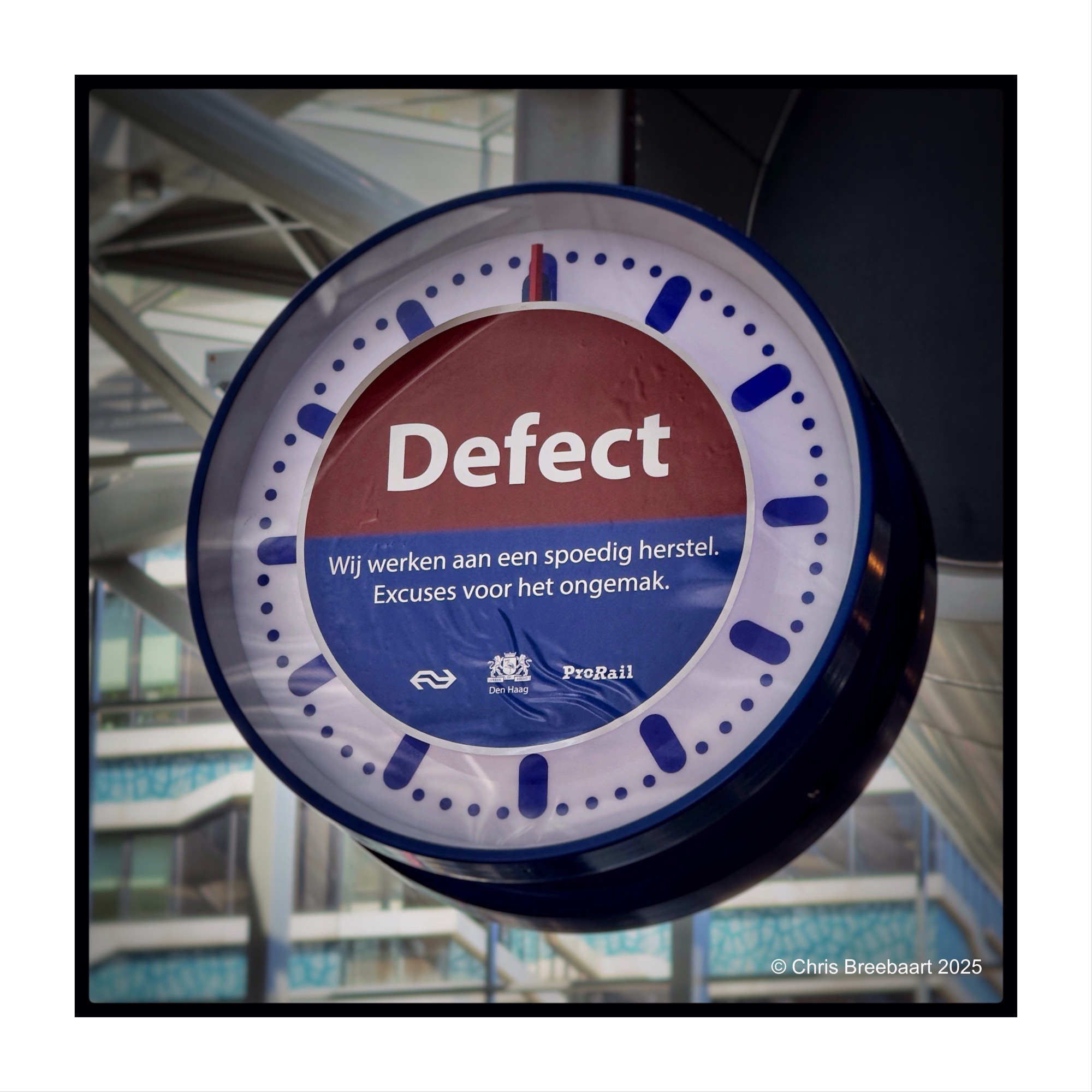
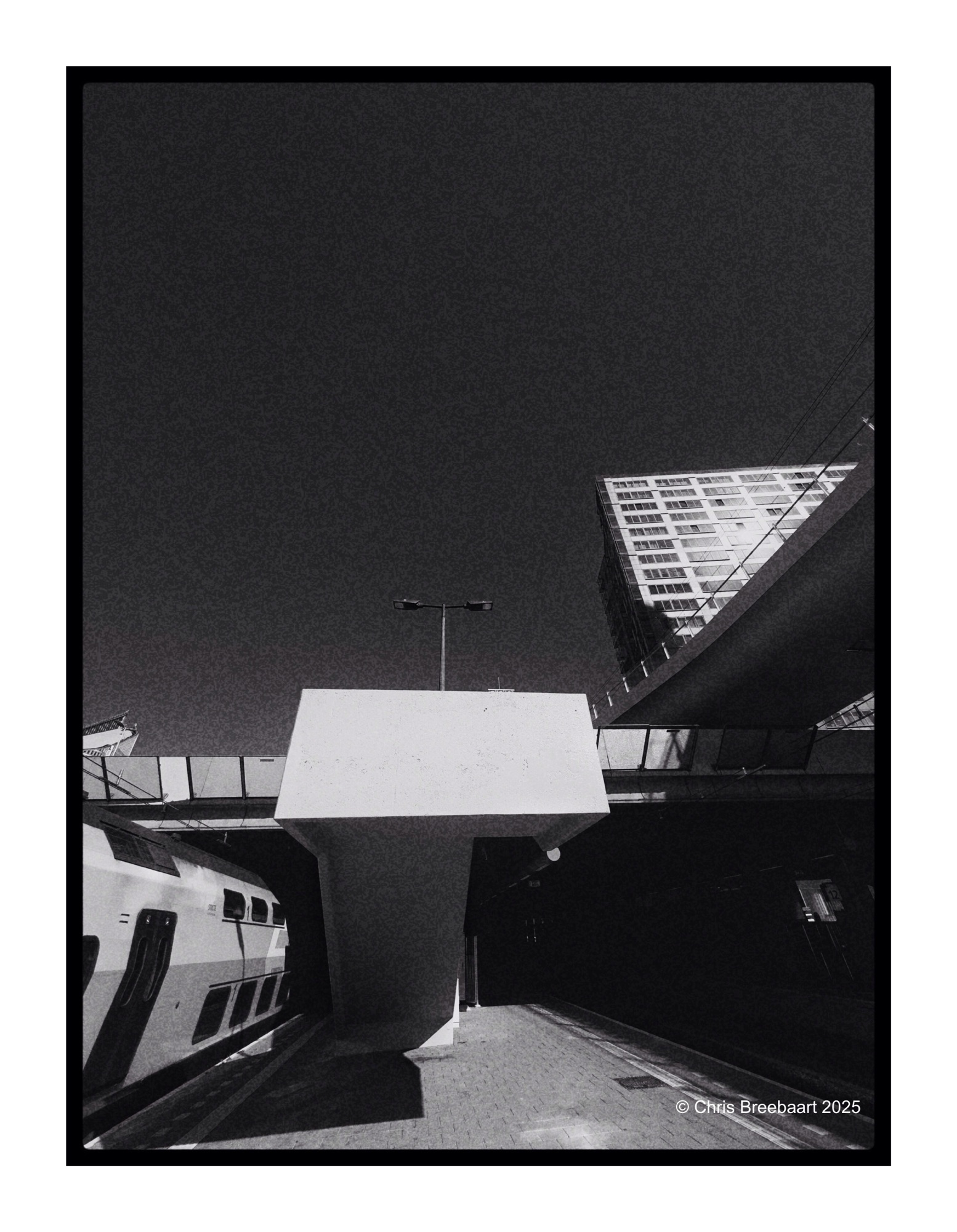
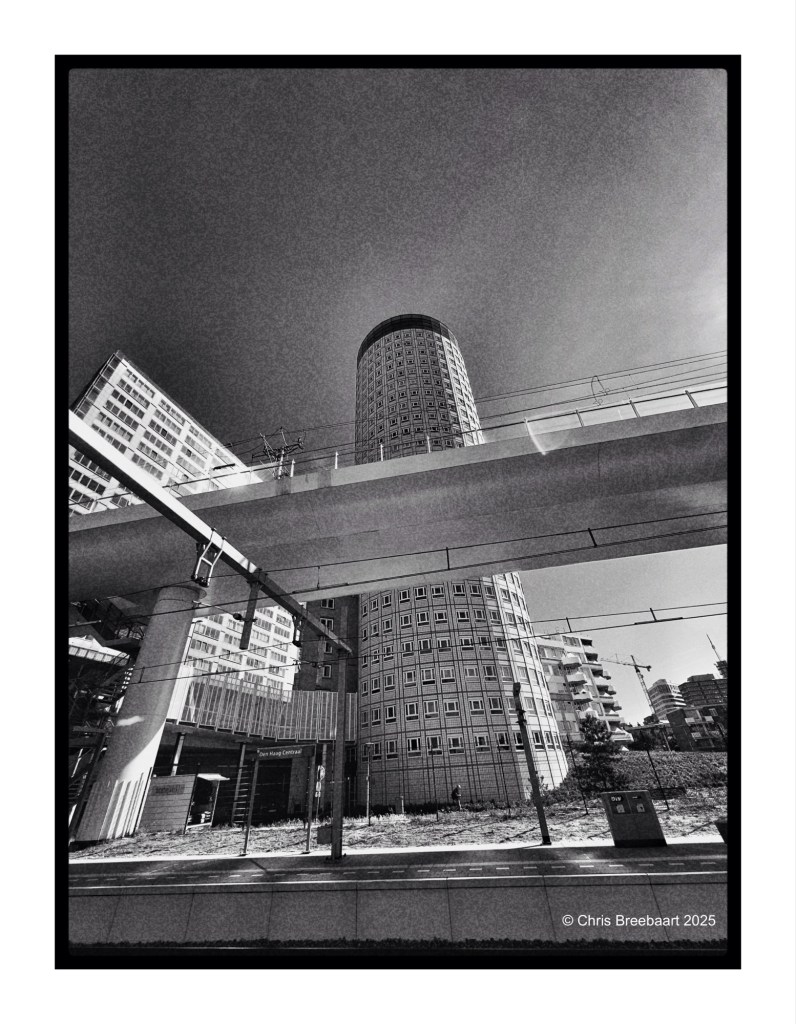
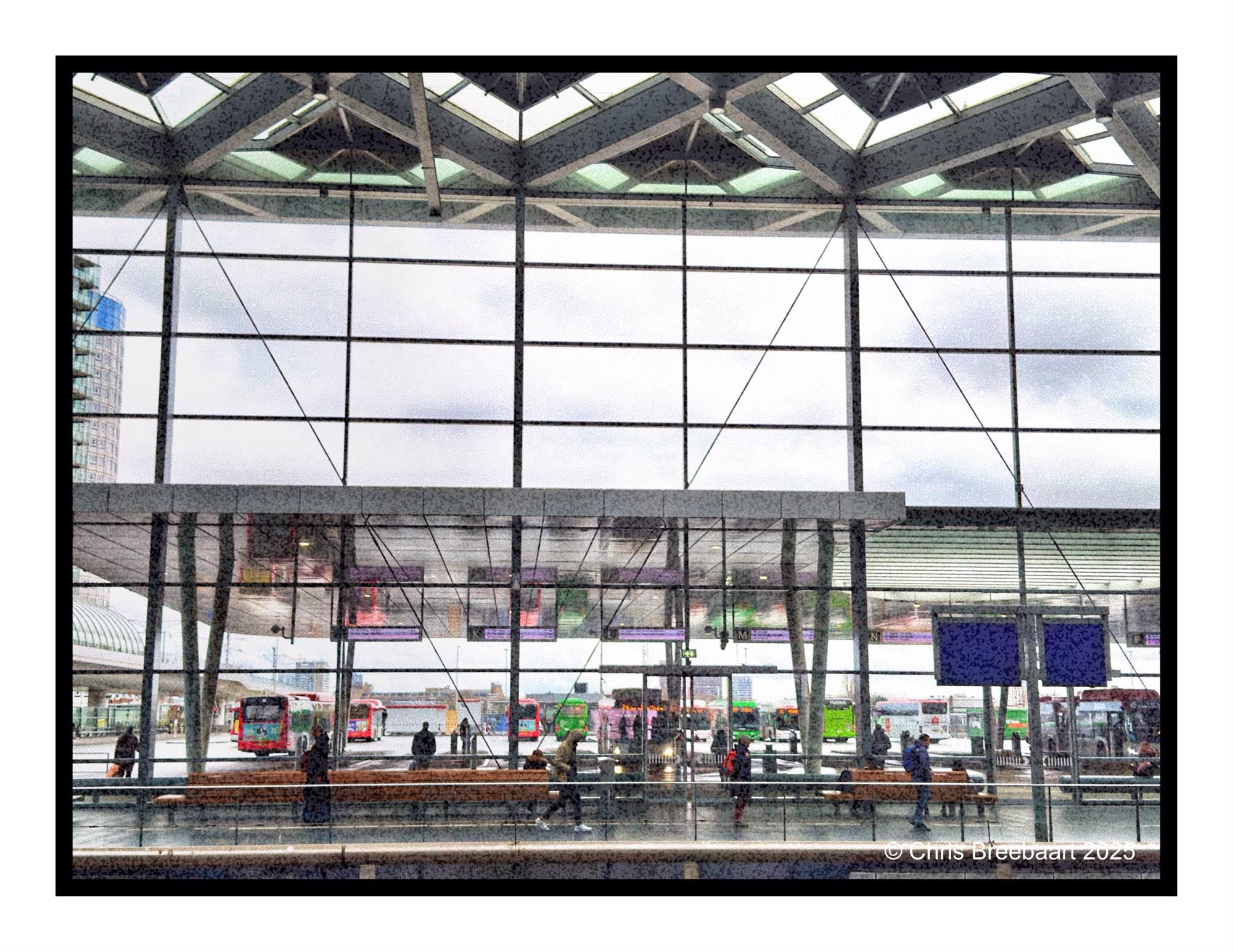
The LAPC theme #385 is ‘unusual crop’. Station Den Haag – Laan van Nieuw Oost-Indië (that is a throat breaker for most of you non-Dutch speakers). Tracking the tracks.
The LAPC theme #385 is ‘unusual crop’. It is about cropping (re-framing an existing image) for effect. I used an old photo from March 2018 to play with for this theme. I cropped it to get rid of some elements that I kept in the original shot. This theme makes me think about how I shoot and the principles I learned in the past.
I am not sure I fully understand the essence of the brief. I only understand it if I take it literally: how it is unusual for me to use cropping while editing. Let me try to explain. Cropping afterwards is to re-frame a shot. My aim is to frame a desired photo at the shoot on the camera. That is a principal I learned long ago. Modern technology helps. You can see the result of a shot right away on the camera. And zoom lenses give you the flexibility to decide about the framing. Long ago, all I shot was on a 50 mm lens on film. Then sometimes I deliberately shot to ‘crop’ the result. E.g. when I was unable to get close enough. In the darkroom, you enlarged the picture (blow up), and then decided the result of the frame. Nevertheless, this often resulted in a loss of quality (grain, sharpness). So I learned to frame from the start, long ago.
But even in those analogue days, blowing up negatives was creative, it added to the texture of a photo. Nowadays it is easier to be playful using better technology. Camera’s, phones, software, monitors, computers all contribute to more agility in the editing process.
I am curious about the perspective of other ‘old school’ photographers. The ones who used film and a darkroom in the past before the digital age. How do they view this challenge?
Lens-artists Photo Challenge #382 is about rejected photos. What do you do with photos you do not like? You can throw them away, or you can keep them. And if you keep them what can you do with them? First a story of myself, how I work. And in the end an example.
I am a snap shooter for a long time. When looking at this question for myself, I have to distinguish between the analog age and the digital age. But in both ages it is about quality, how you can assess that and what instruments are available after shooting. And above all: how can you be creative, and how much room is there to experiment?
The analog age was expensive: film was expensive, darkroom materials were expensive too. And being a poor student I shot as efficient as possible. You had to be patient while shooting, and selective. You also needed to trust your skills. Experience was essential to figure out what worked and what not. To produce good prints you needed to develop darkroom skills. And some negatives were impossible to print. But you kept them all. I never threw away negatives. That decision was beneficial in the digital age. After scanning my negatives, I properly made them look like what I had in mind when shooting them. What the darkroom did not deliver, software did.
In the digital age the cost of a photo is nearly non existent. The original photo (the former negative) can be copied lots of times. From the start technology offers instruments to oversee the quality of the photos. What you shoot is instantly visible on the camera. You can try different changes in the photo. Adjustments like shutter time, focus, and shutter opening can be tested most of the time. The RAW format offers flexibility for editing the ‘negative’ after the shoot. Software offers lots of creative tools to change the photo, or create new images.
So, do you keep rejected (bad) photos or not? I do reject photos, overseeing the result on my camera. I keep photos that can come to a good result after editing. The rest I remove straight away (e.g. bracketing shots).What I keep is stored on my NAS, where I use Lightroom as my archiving tool. I use editing tools to tweak a photo slightly. My favorite is Snapseed for web and social media publication. And Lightroom and Photoshop for prints.
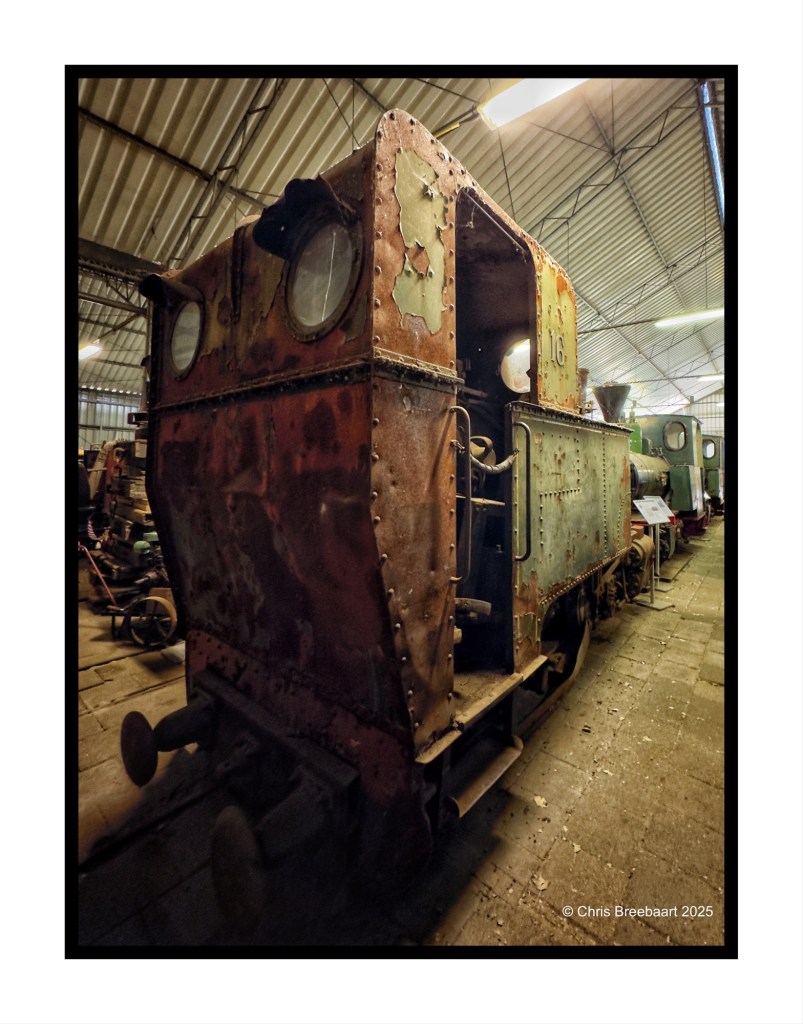
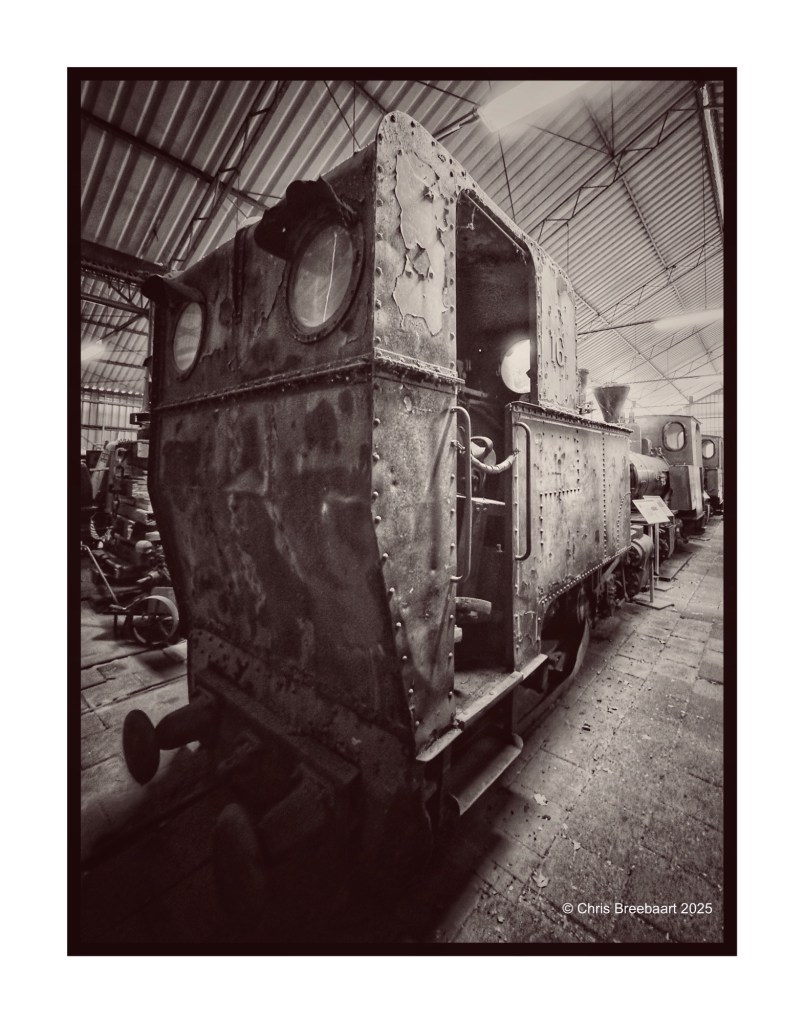
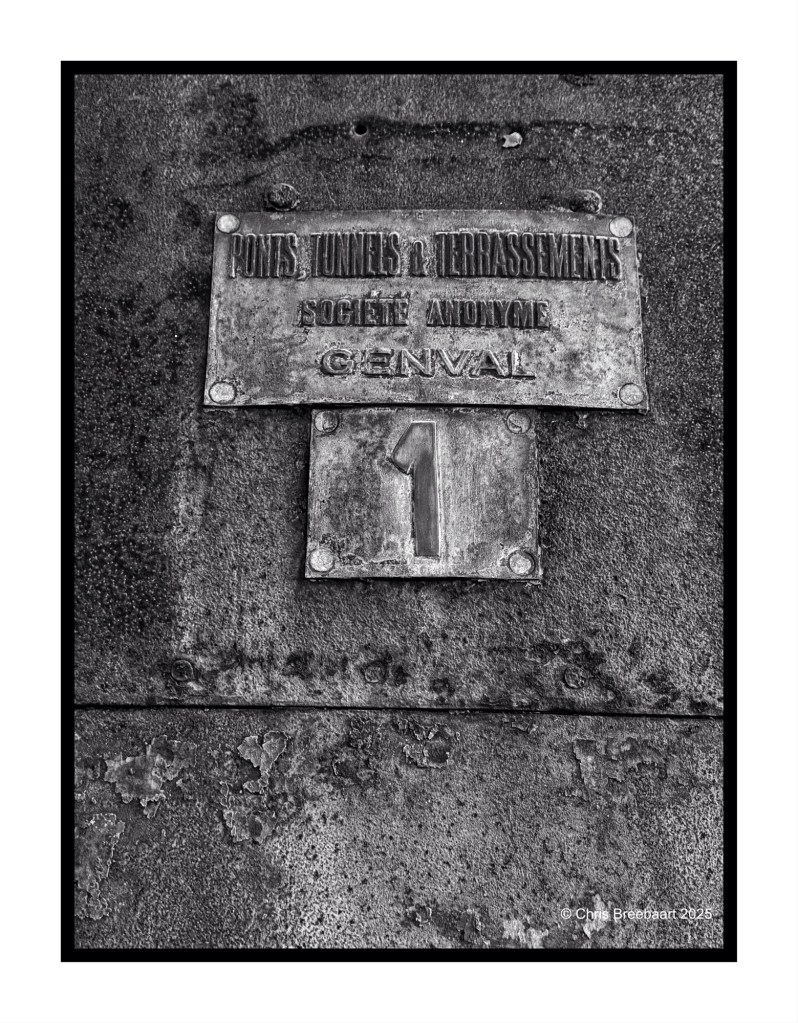
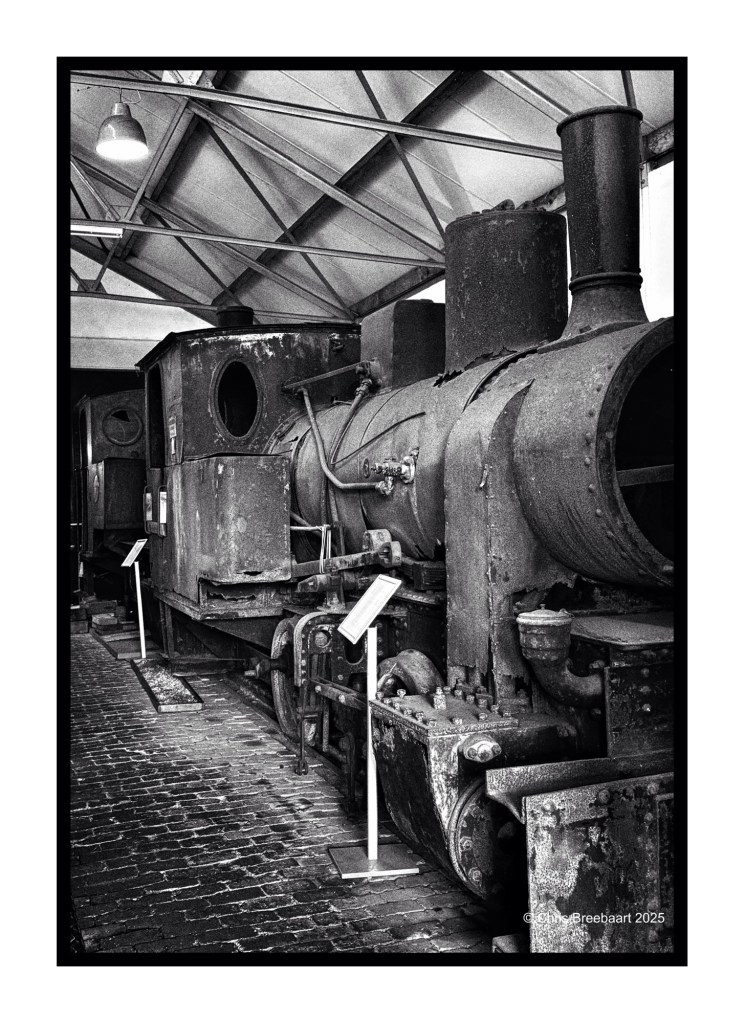
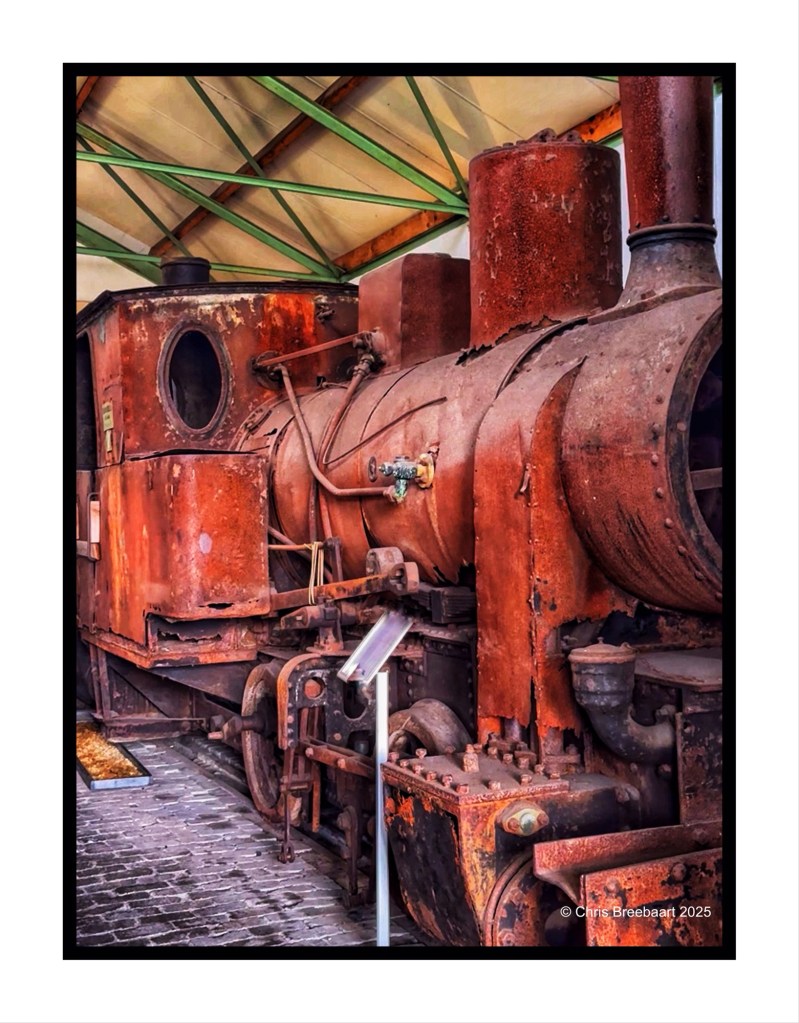
The Lens-Artists Photo Challenge #374 is ‘on the move’. Most of what is on these photos has not moved in a long time. However, the machines they got moving again are brilliant. It is a place where they try to keep history alive and accessible, touchable and usable.
The Steamtrain Museum Katwijk Leiden is run by volunteers. It offers the history of steam trains and their use on narrow gauge tracks. And the volunteers fix up and restore old locomotives, carriages and other cars. They have a big storage full of old parts and rusty machines.
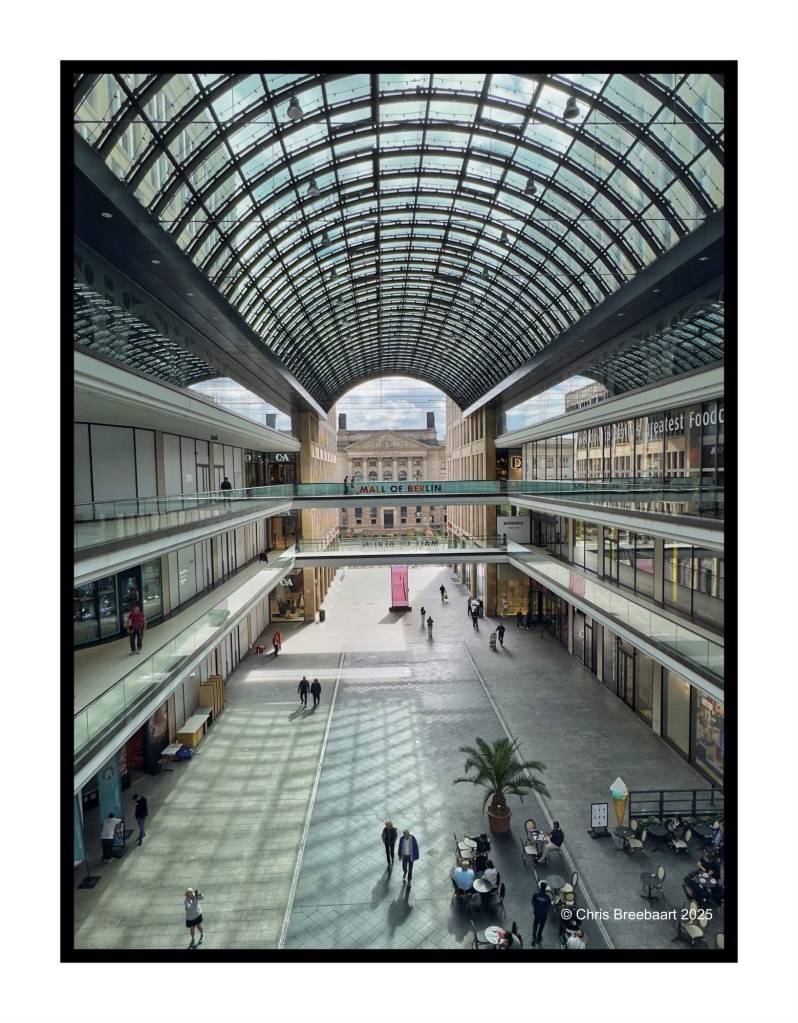
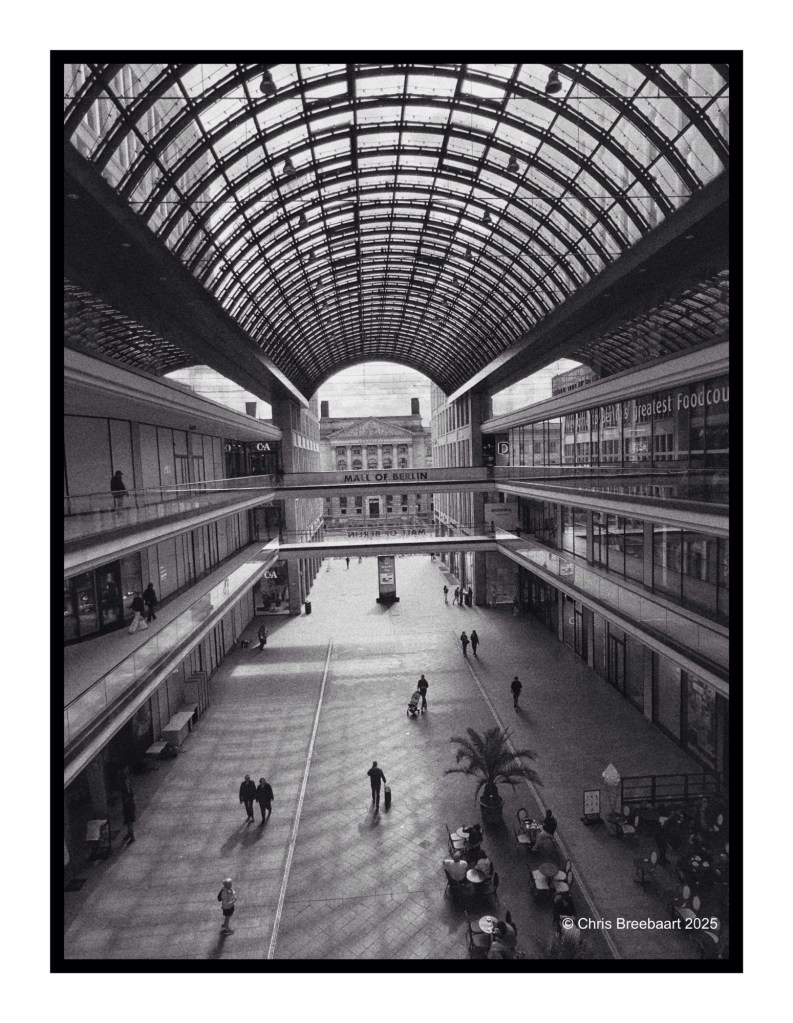
Every big city has its own mall, a big shopping center. Most of the times the shops and brands are the same as in the mall next to where you live. And the food court can be slightly different. The Mall of Berlin is no exception to that rule. The location (Leipziger Platz) makes it interesting, as does the architecture.
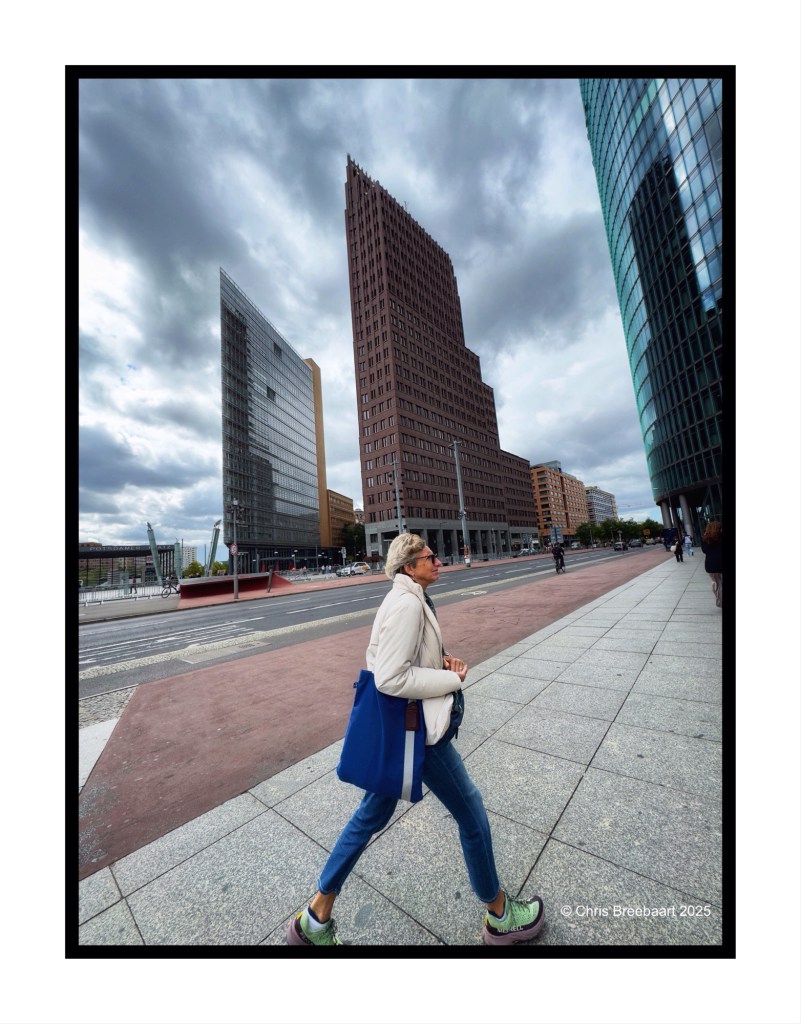
Human measure on Potsdamer Platz. During the time of the Berlin Wall people were a spic in a vast open space. Now they are a spic being over towered by high rising.
A more detailed view of the photo I published yesterday of Leiden. Leiden used to be famous for fabrics, and canals provided the infrastructure for the logistics. Some of the canals were filled up in the second half of the 20th century. However, there are debates about opening a few of them again. These discussions focus on sustainability and environmental quality.
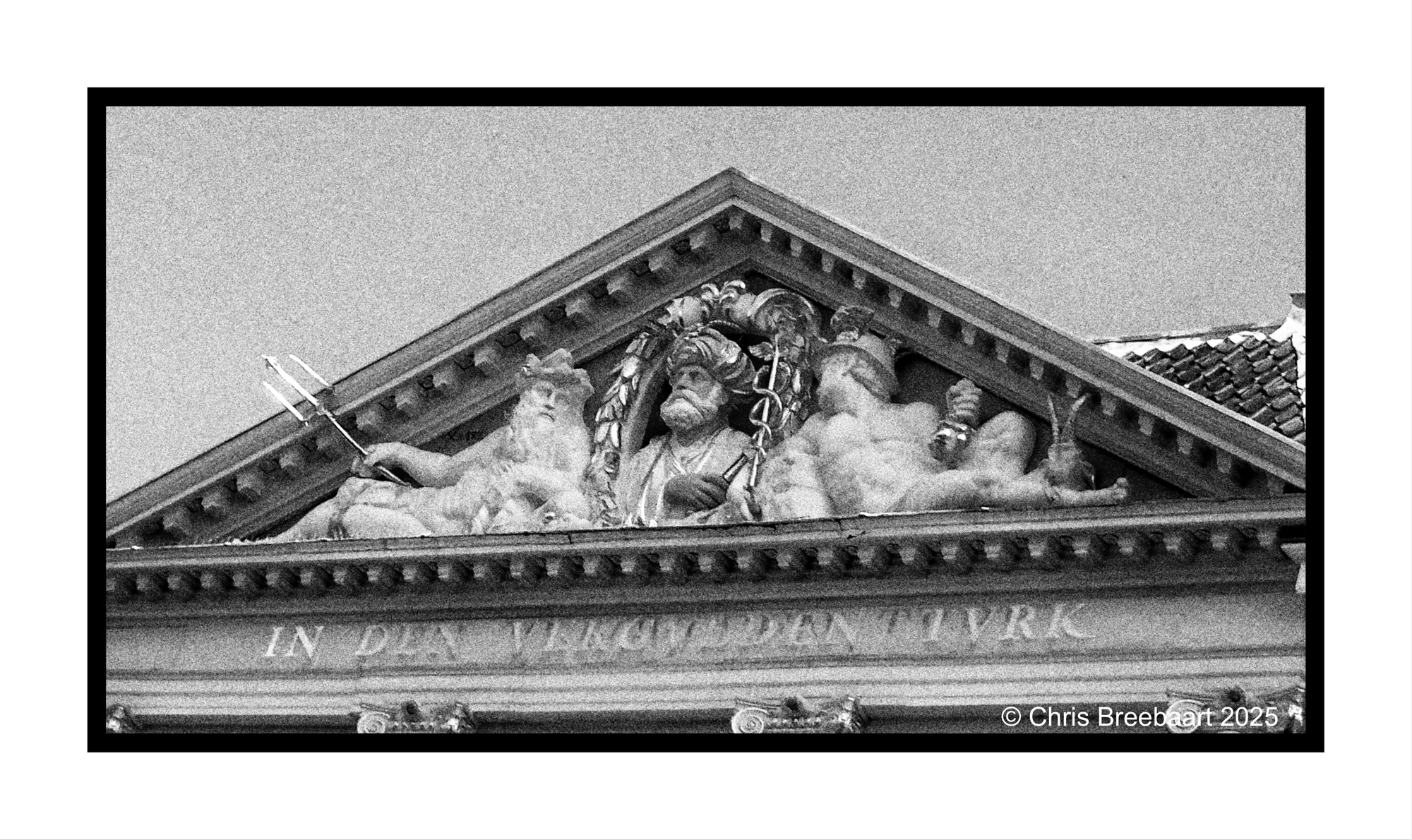
Detail from a front in the Breestraat in Leiden. In den vergulden Turk used to be a restaurant. It moved decades ago to a different spot in town. It then changed its name to Wienerwald. The top of the original front is still there, and recently brought back to its old splendor.
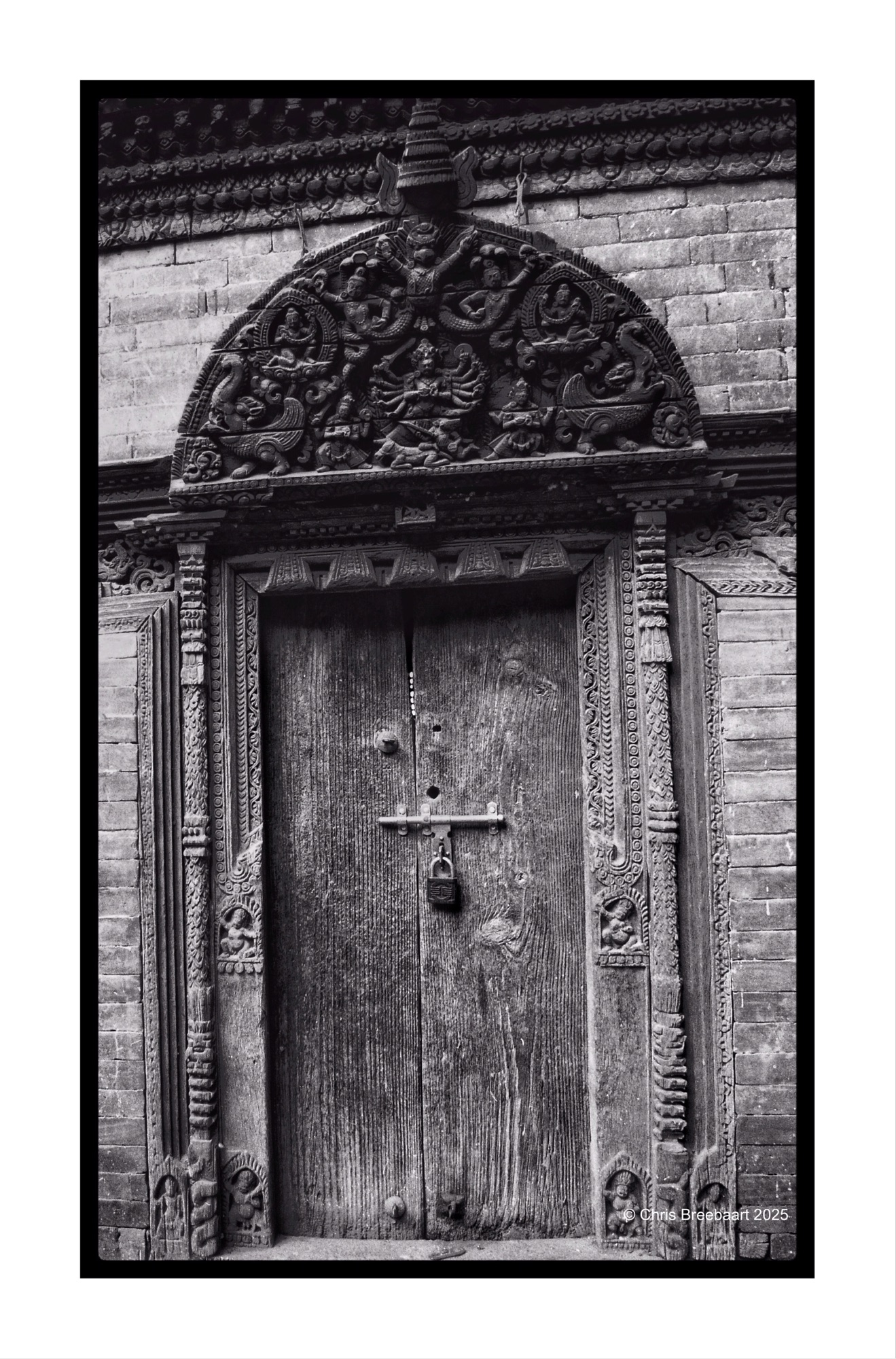
This week’s Lens-Artists Photo Challenge #361 is ‘Doors revisited’. That theme was also the brief for LAPC #20. A door is a pass way to another space behind it. That space can be something we know already. Or something we like to imagine to see there when we go through. And in books you can end up in another world. In this post a few doors I met in my life. One I used for a long time, most I just passed by or passed through on holidays.
The word ‘doors’ for me is also linked to the band The Doors. The name of the band came from a book by Aldous Huxley, The doors of perception. And Huxley took it from William Blake, who used it as a metaphor:
“If the doors of perception were cleansed every thing would appear to man as it is, Infinite. For man has closed himself up, till he sees all things thro’ narrow chinks of his cavern . Doors lead you to another side or space, break on through to the other side.”
So a lot can be said about doors. Luckily, we still have the photos. Here are a few from my conscious memory.
The Netherlands, Oegstgeest – November 1991
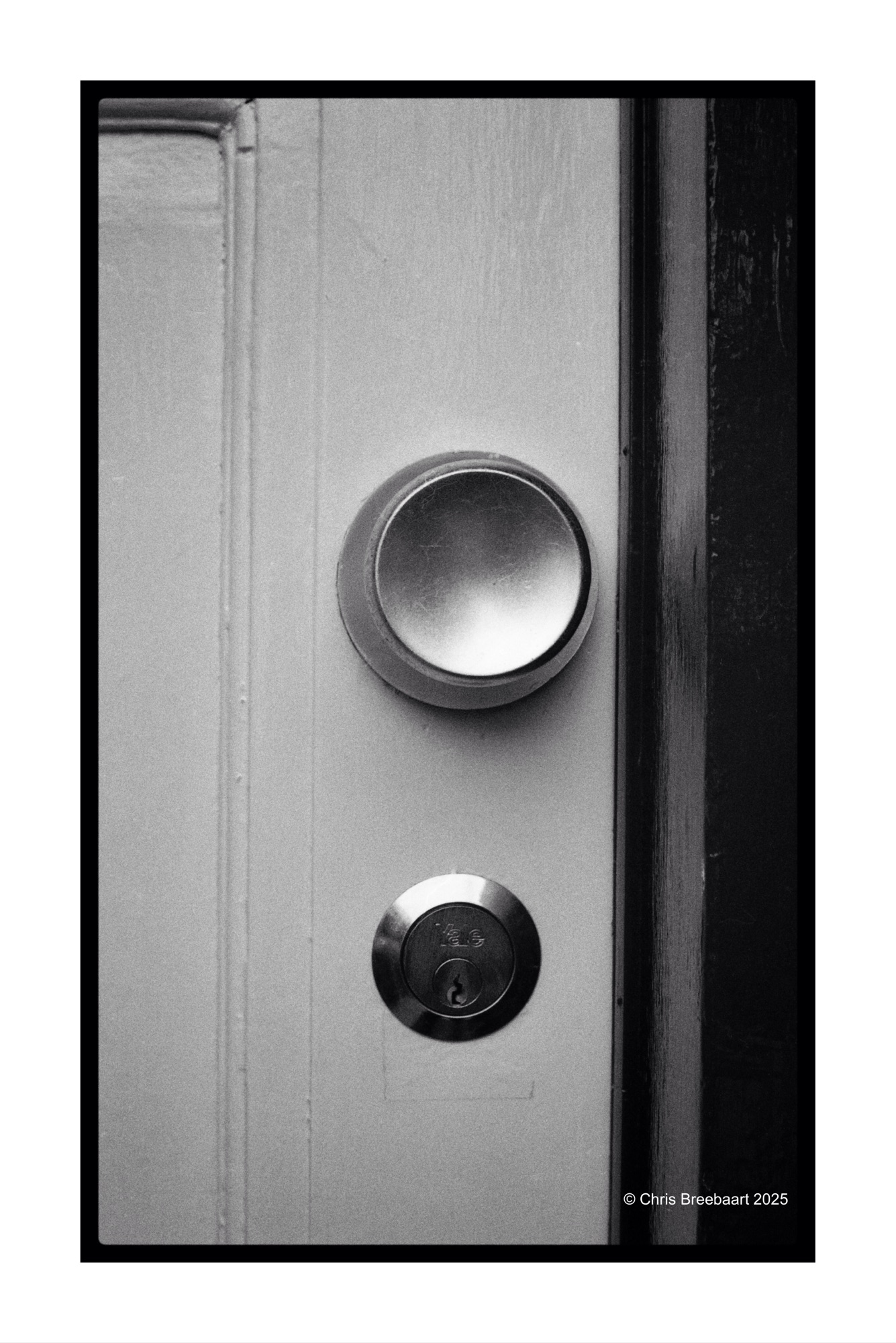
This is the front door to the house I was born and lived in for 25 years. The photo is shot on Ilford XP with a Pentax K1000.
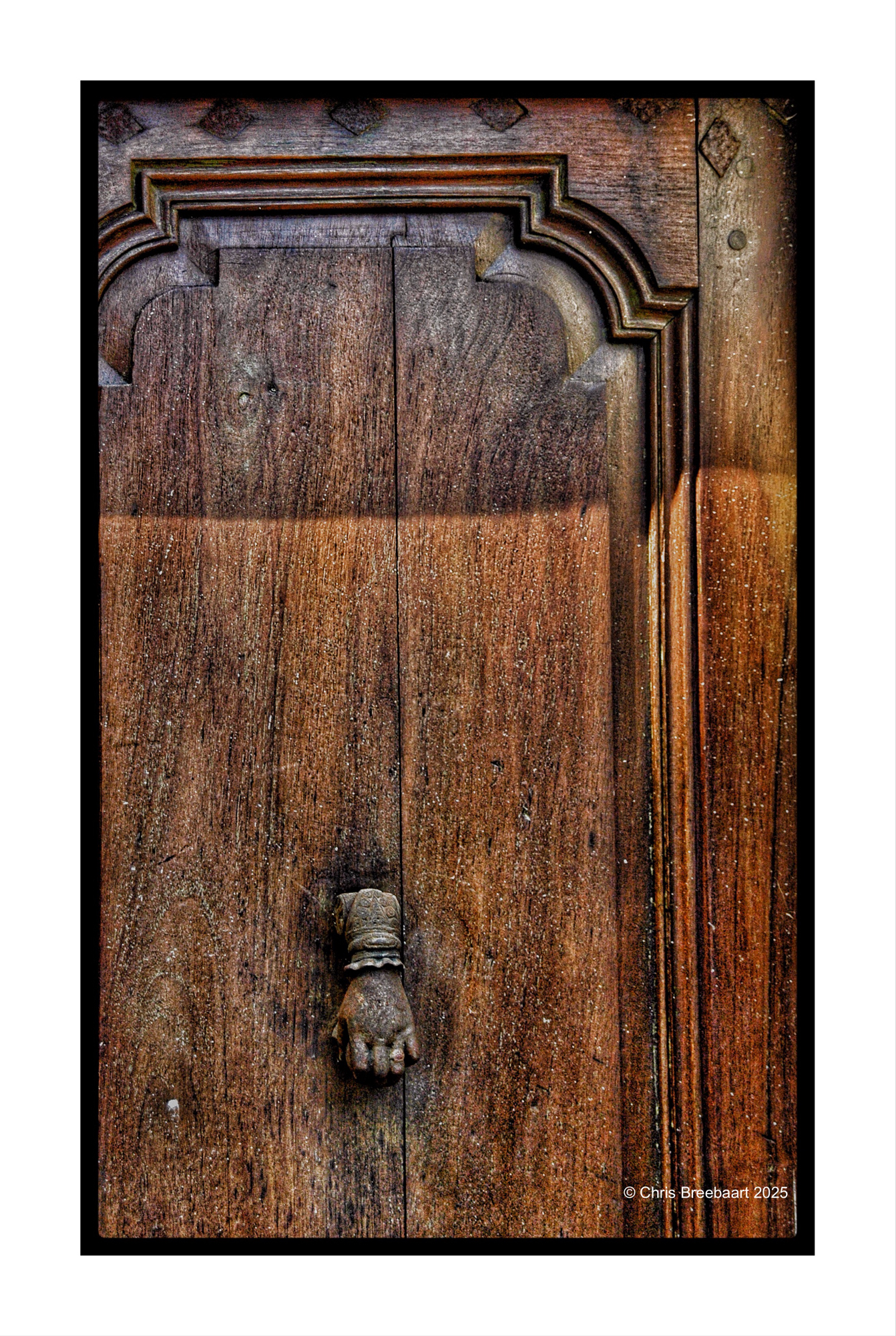
France, Caylus – September 2005
This door in Caylus is ready to be knocked. Shot on Nikon D70.
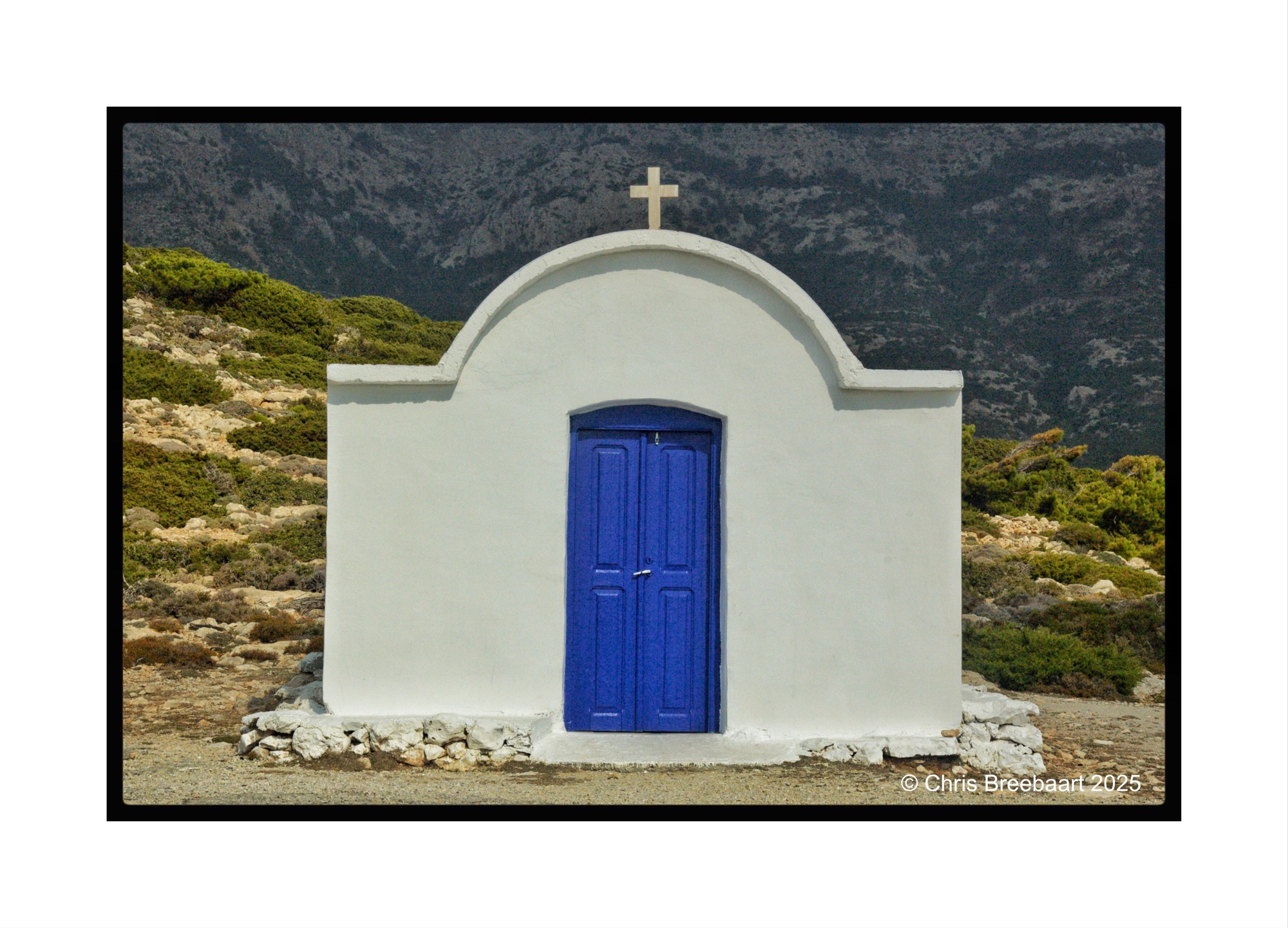
Greece, Karpathos – September 2009
I looked through my archive. It struck me that lots of the doors I saw there are doors of small or bigger churches. This one is on Karpathos. Shot on Nikon D70.