The pros and cons of Tree Risk Management
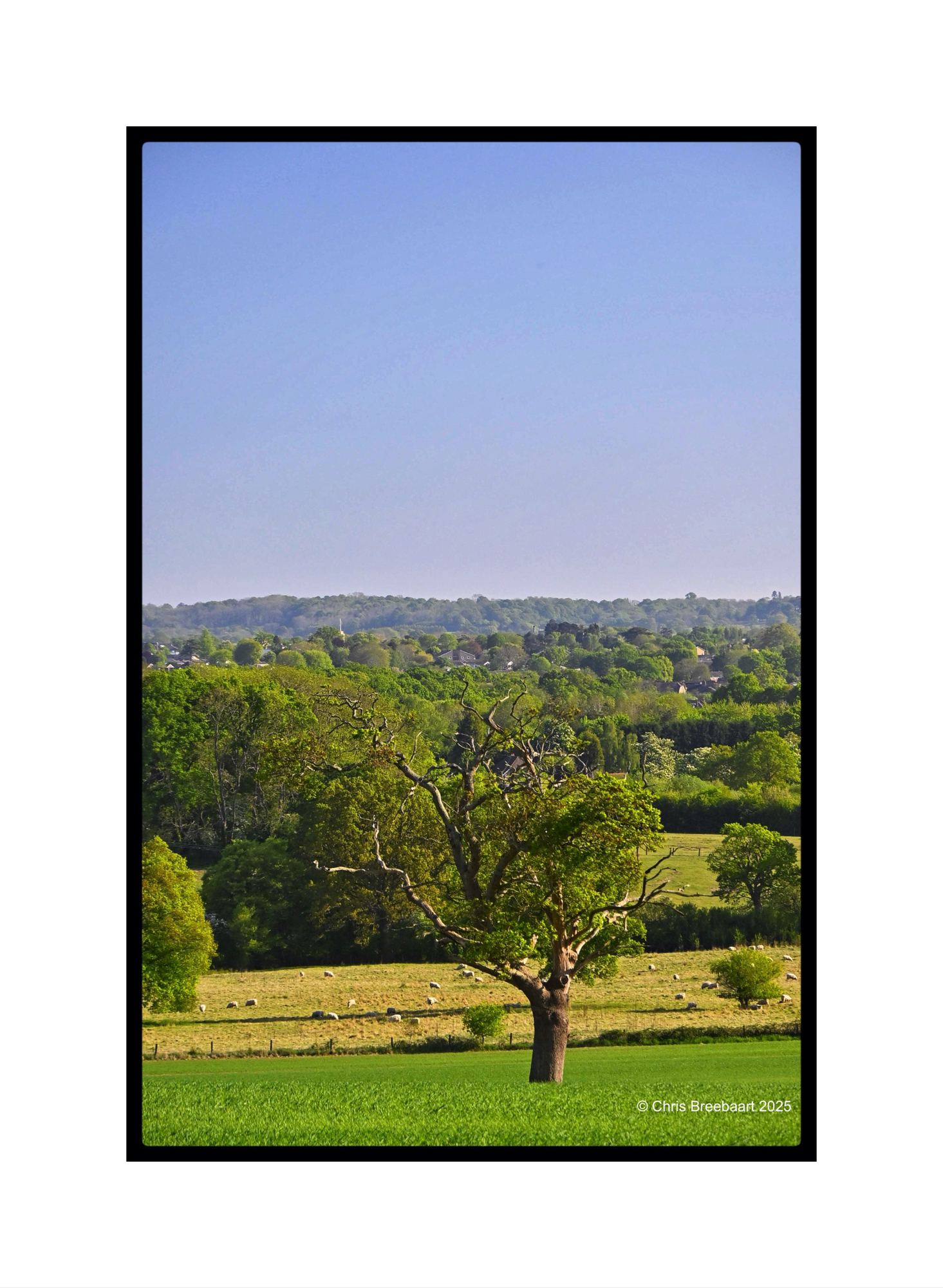
Lately I have not participated in the weekly Lens-Artists Challenge, but here is one that fits the brief of #349 ‘the first thing I thought of (when I saw this)’. For me this is about association, and the thought that pops up seeing a scene can be the reason for taking the photo. Sometimes a thought that brings a smile, sometimes a thought of a type of despair or frustration: why? As it was the latter in this case.
In The Netherlands, all trees are bi-annualy inspected for risks, like falling over during a storm, to prevent calamities and discomfort. Its aim is to prevent and control future situations. In a way this makes sense, if you can prevent accidents, what is not to be liked about that? On the other hand you are never sure when they come down, but you do know that it will happen! At times with severe storms, trees tend to come down on roads and motorways or train tracks. C’est la vie, say the French. Luckily, in England one can enjoy the odd dead, broken, fallen over or not too healthy tree like this one. Let nature be nature, enjoy the ride.
Shot with Nikon Zf, edited using Snapseed and Marksta. Click the picture for a larger version.
 What's (in) the Picture?
4 Responses to “The pros and cons of Tree Risk Management”
thanks for sharing this info about how they check trees for safety – when we used to watch the show “Alone, the contestants make their temp homes out side and they always check for trees and try to avoid the “widow makers”
LikeLiked by 1 person
In woodlands the fallen decaying branches along with decaying trees are great habitats for fungi, insects, and then, of course, support for the life cycle of much else. Sometimes the desire to clean up is counter productive.
LikeLiked by 1 person
indeed, most woods in The NEtherlands are maintained, and in the past people used to remove fallen trees etc. Nowadays they are left to stimulate ecosystems. An improvement
LikeLike
Health and Safety and all that, but nothing beats a tree with character like this one.
LikeLiked by 1 person