Sunset Scheveningen
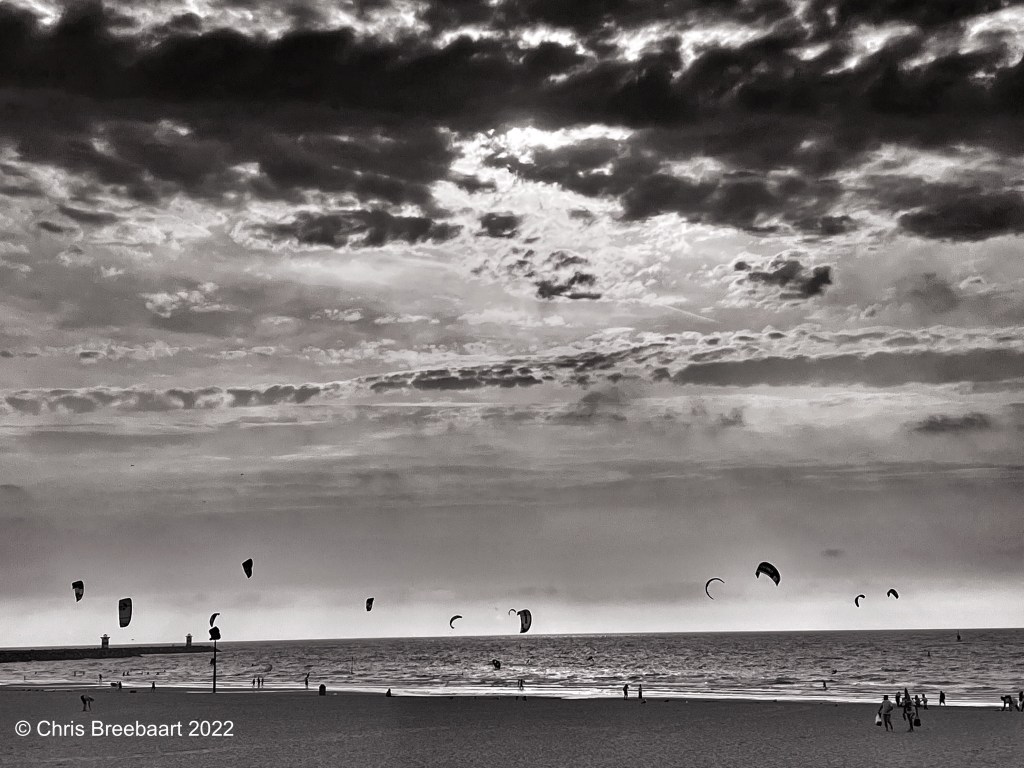
Shot with iPhone 13 Pro Max edited using Snapseed and Marksta Click the picture for a larger version
Shot with iPhone 13 Pro Max edited using Snapseed and Marksta Click the picture for a larger version

Lens-Artists Photo Challenge #215 – Planes, Trains, and Automobiles… and the Places They Take Us.
On the road to Antwerp, a view on Zeeland, passing over the Volkerakdam, that was created by the Delta Works after the floods of 1953.
Shot with iPhone 13 Pro Max edited using Snapseed and Marksta Click the picture for a larger version

This week lens artists challenge #214 is ‘favourite finds’. A typical Dutch landscape on a warm day, with boats coming and going to the lakes. The find was the little ferry we used to cross this water, the river Zijl near Leiden.
Shot with iPhone 13 Pro Max edited using Snapseed and Marksta Click the picture for a larger version
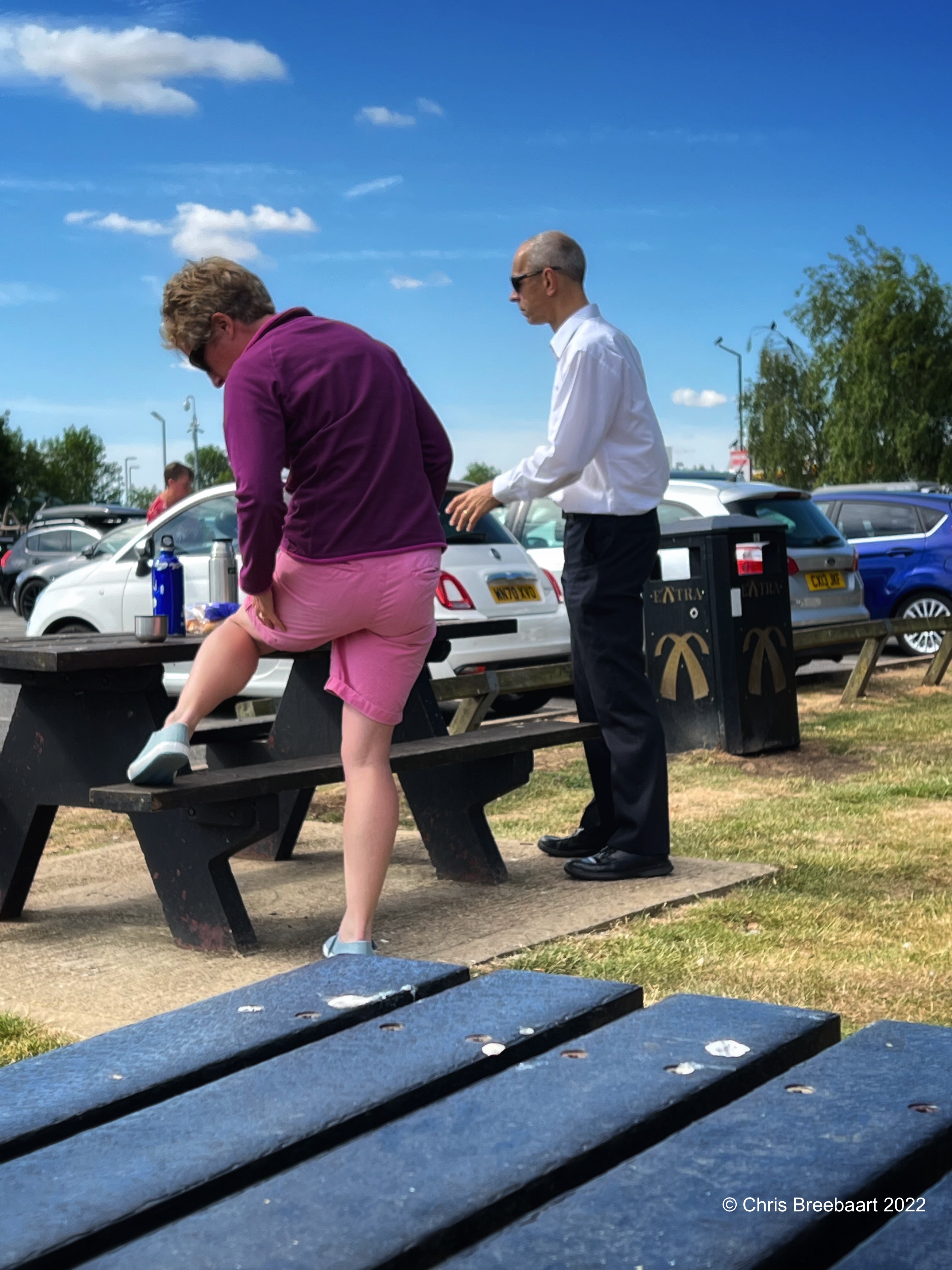
This week lens artists challenge #213 is ‘here comes the sun’.
Shot with Nikon D500, edited using Snapseed and Marksta. Click the picture for a bigger version.
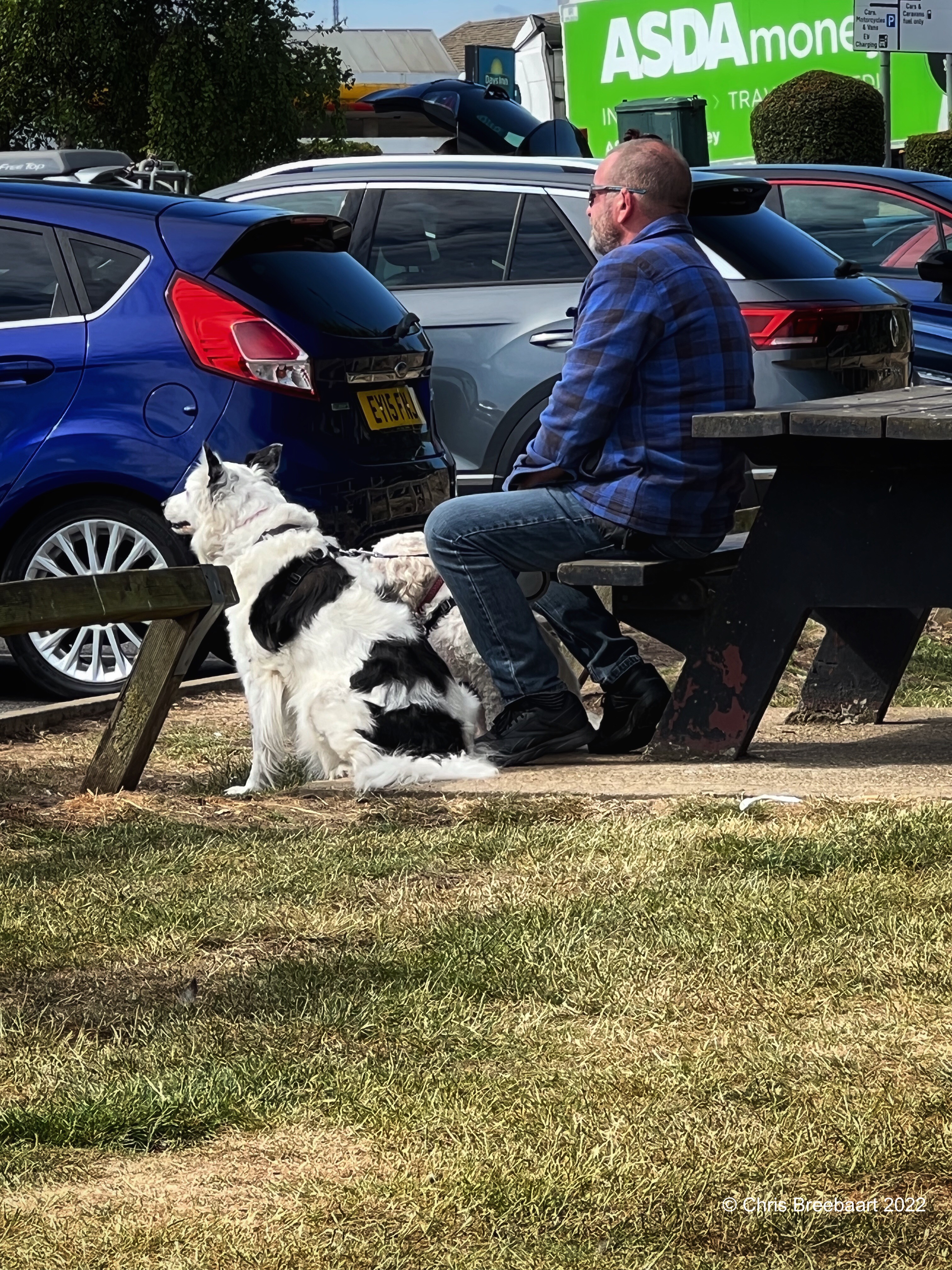
Lens Artists Photo Challenge #211 is ‘what is your groove’. Basically I enjoy looking around, up and down till something strikes me as interesting. And being cheeky at times, like here while having a little pause on the road trip at a service station.
Shot with Nikon D500, edited using Snapseed and Marksta. Click the picture for a bigger version.

Lens Artists Photo Challenge #211 is ‘what is your groove’. Basically I enjoy looking around, up and down till something strikes me as interesting. Being in a lovely small English town, enjoying a lunch, seeing some pigeons on a nice old red bricked house.
Shot with iPhone 13 Pro Max edited using Snapseed and Marksta Click the picture for a larger version

Lens Artists Photo Challenge #211 is ‘what is your groove’. Basically I enjoy looking around, up and down till something strikes me as interesting. Like kids playing with water, a dog who is mad of water and two adults testing a drone at a garden party.
Shot with Nikon D500, edited using Snapseed and Marksta. Click the picture for a bigger version.

This is the railway bridge across the Hollands Diep, in the delta of the South West of The Netherlands. Shot from a riding car, so a bit soft in focus.
Shot with iPhone 13 Pro Max edited using Snapseed and Marksta Click the picture for a larger version

LAPC #209 is surreal. This is the railway bridge across the Hollands Diep, in the delta of the South West of The Netherlands. Shot from a riding car, so a bit soft in focus.
Shot with iPhone 13 Pro Max edited using Snapseed and Marksta Click the picture for a larger version

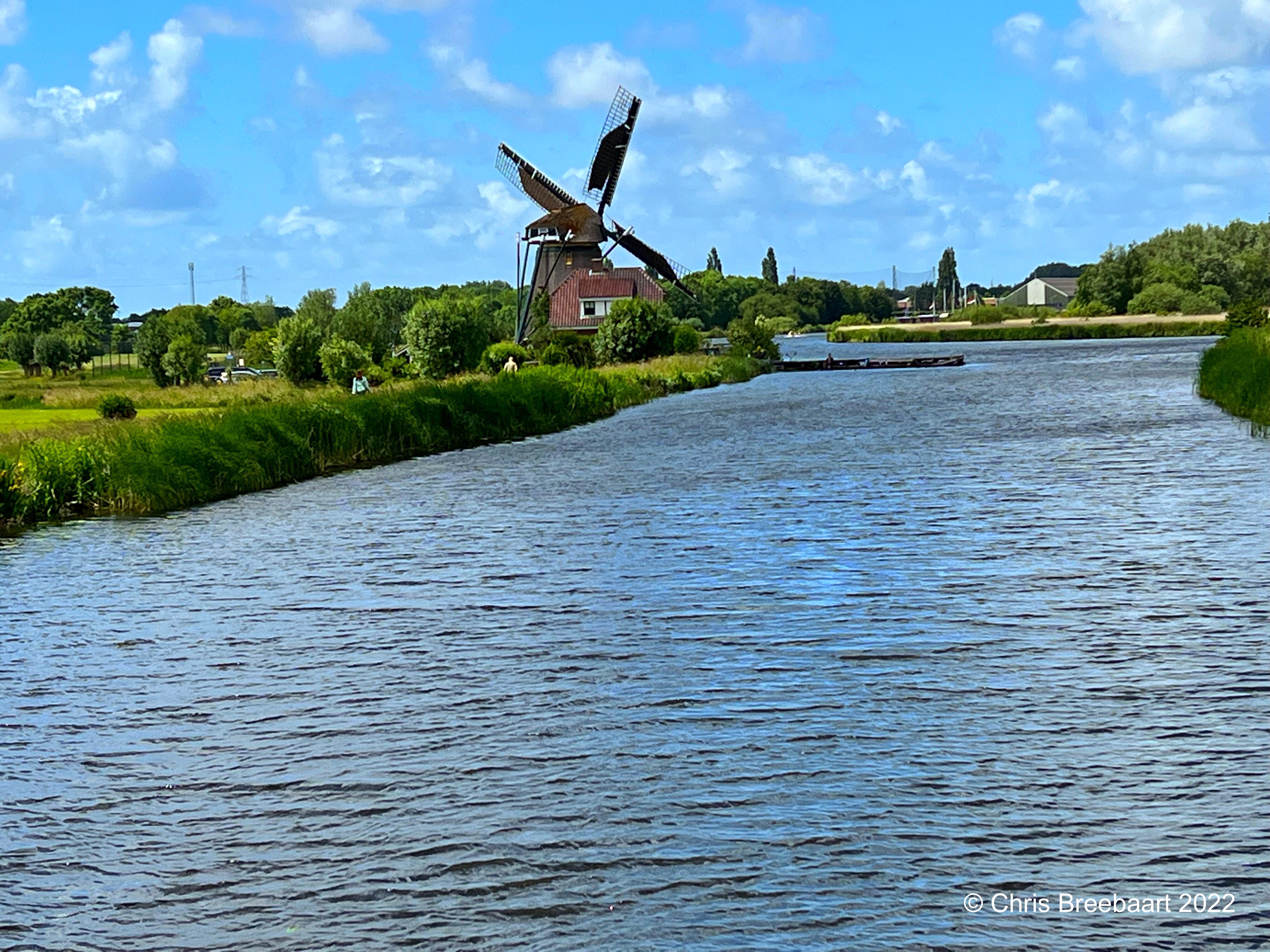
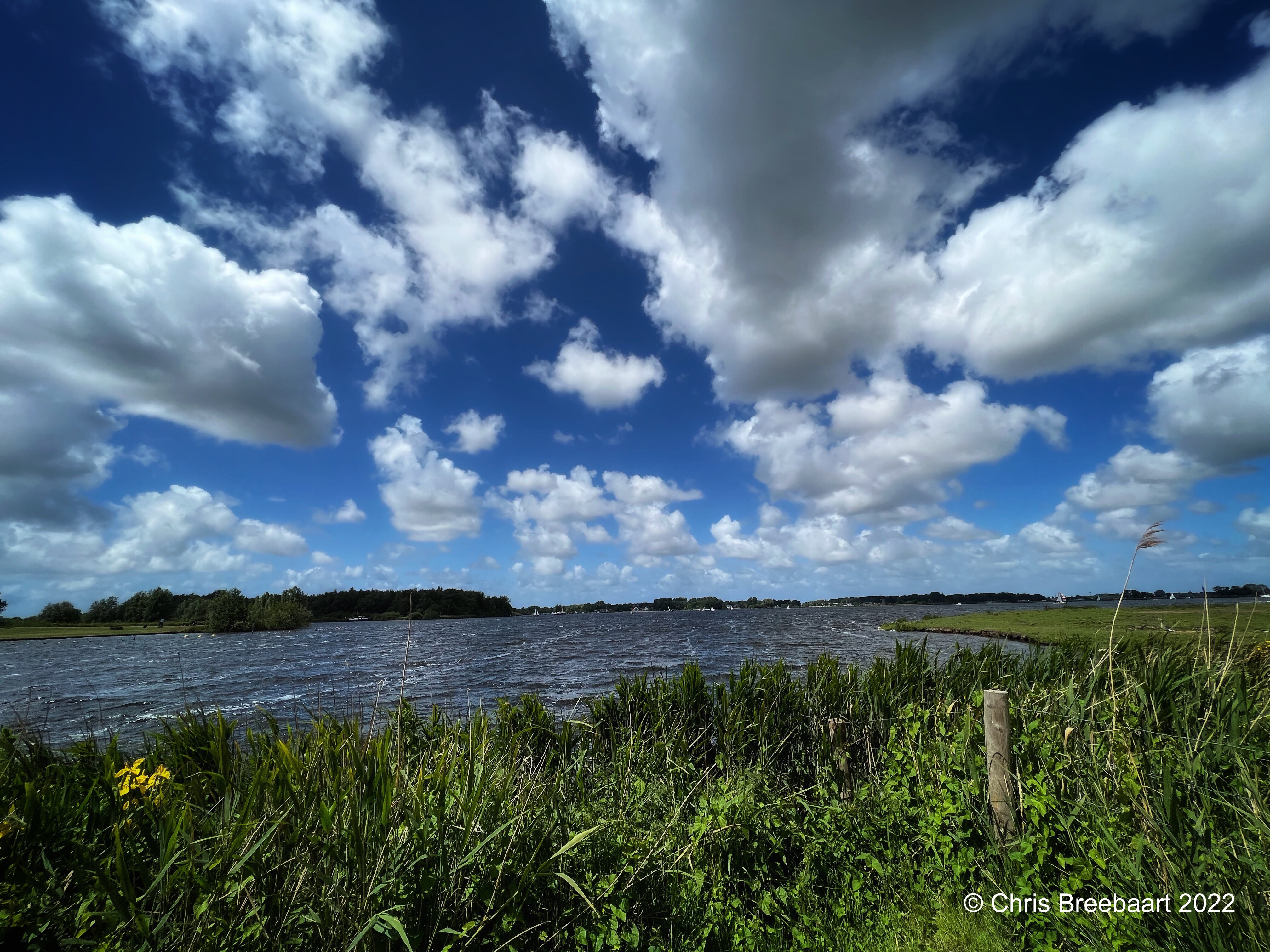
The Netherlands, Warmond – May 2022
Lens Artists Weekly Challenge #200 is ‘Three of a kind’.
Shot with iPhone 13 Pro Max edited using Snapseed and Marksta Click the picture for a larger version

Lens artists photo challenge #199 is ‘mechanical/industrial’. Last Saturday was national windmill day. Here a Dutch landscape on a water front. The mill was used in the past to get water out of the polder into this little lake.
Shot with iPhone 13 Pro Max edited using Snapseed and Marksta Click the picture for a larger version
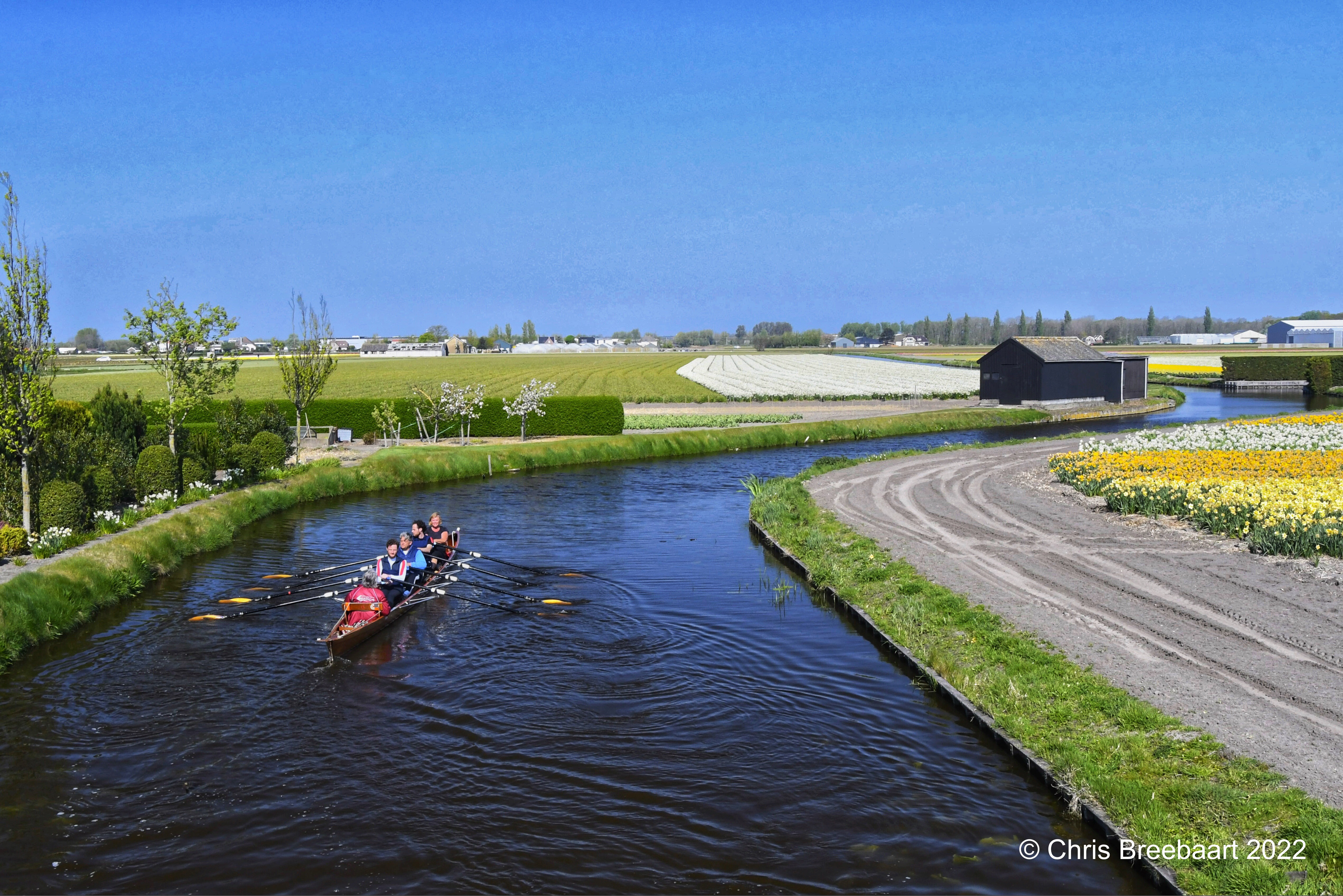
The Lens-artists challenge #197 is ‘rule of thirds’. The rule of thirds is a rule of thumb how to compose images. There are more ‘rules’; another is the ‘s’ like in the photo above. Whatever rule you like to use: break them and tweak them till you are happy with the result of the photo you are putting together. In the end your gut tells a lot about what constitutes a decent picture to your liking.
Shot with Nikon D500, edited using Snapseed and Marksta. Click the picture for a bigger version

Shot with iPhone 13 Pro Max edited using Snapseed and Marksta Click the picture for a larger version
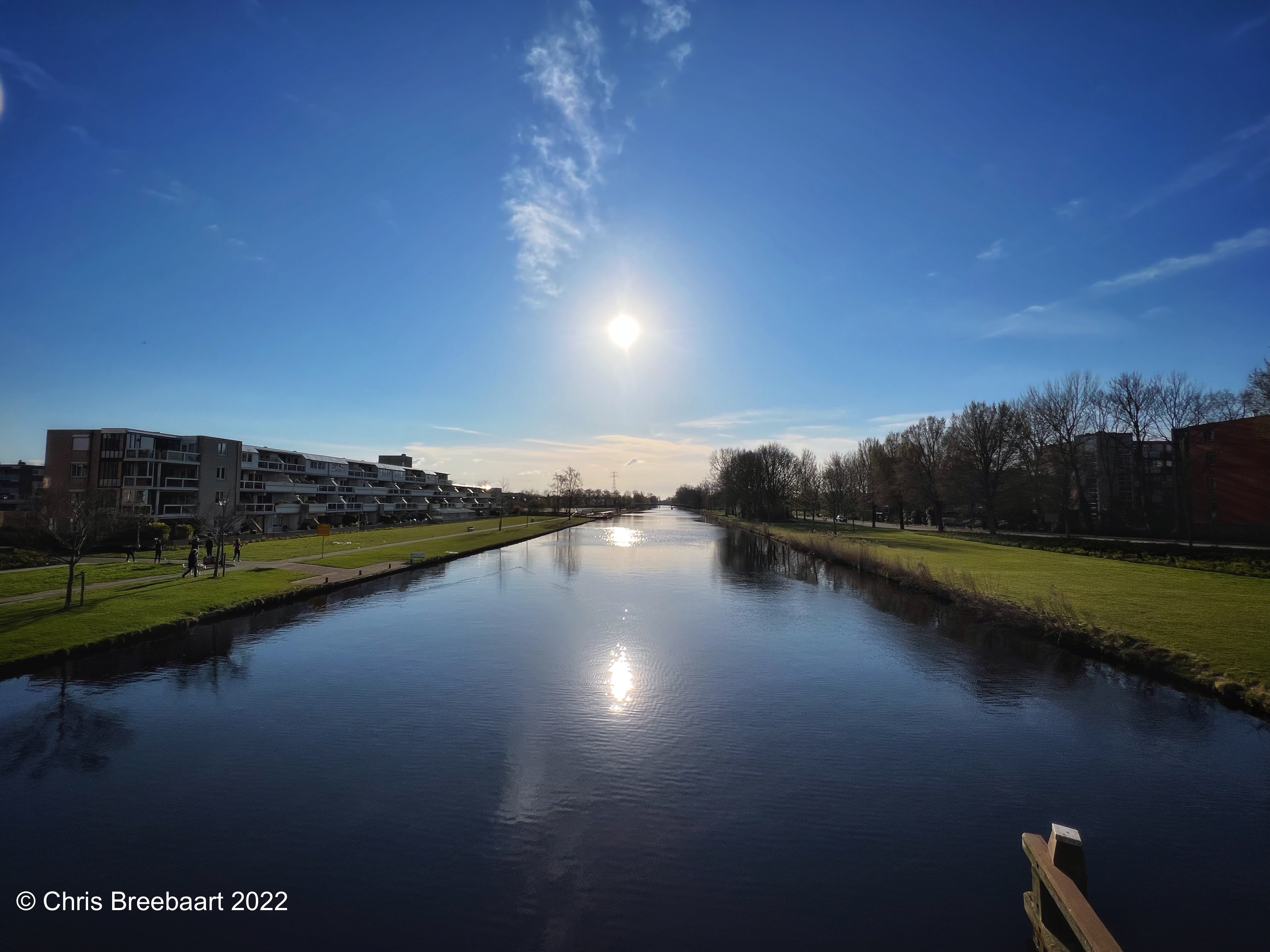
A sunrise like this on a Spring morning over the water. A gift on any day but if it is your birthday? Lens Artists Photo Challlenge #193 is ‘they say it is your birthday’.
Shot with iPhone 13 Pro Max edited using Snapseed and Marksta Click the picture for a larger version

A picture that does not fit in a category has to fit in ‘odds and ends’, lens artists photo challenge #189. Though this one could have been in ‘cleaning’, ‘swans in habitat’, ‘grooming for professionals’ etc.
Shot with iPhone 11 Pro Max edited using Snapseed and Marksta. Click the picture for a larger version

This weeks challenge #187 is ‘water’.
About the B4 retouch series:
I browsed my archive for pictures to publish. Some of them are partly retouched but most do have scratches, dust and stains.
Shot with Nikon F90 on Kodak TriX, scanned from film and edited using Snapseed and Marksta. Click the picture for a bigger version
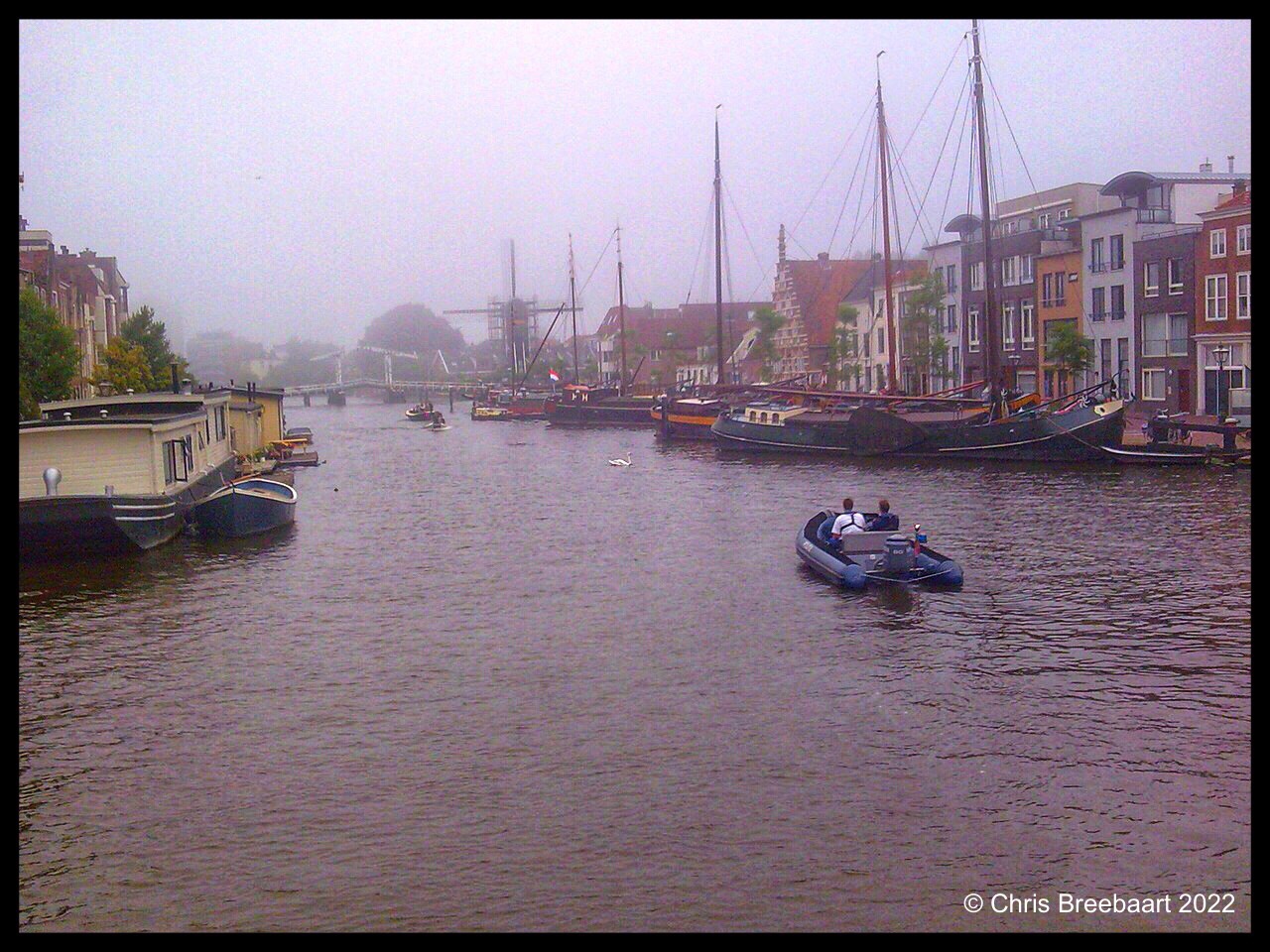
This weeks challenge #187 is ‘water’. The Galgenwater in Leiden. In the background a replica a of the mill that was used by the father of Rembrandt van Rijn, who was born to the left of the bridge in the distance in 1606, 410 years before this photo.
shot with iPhone 6s plus using Hueless, edited using Snapseed and Marksta, click the picture for a larger version
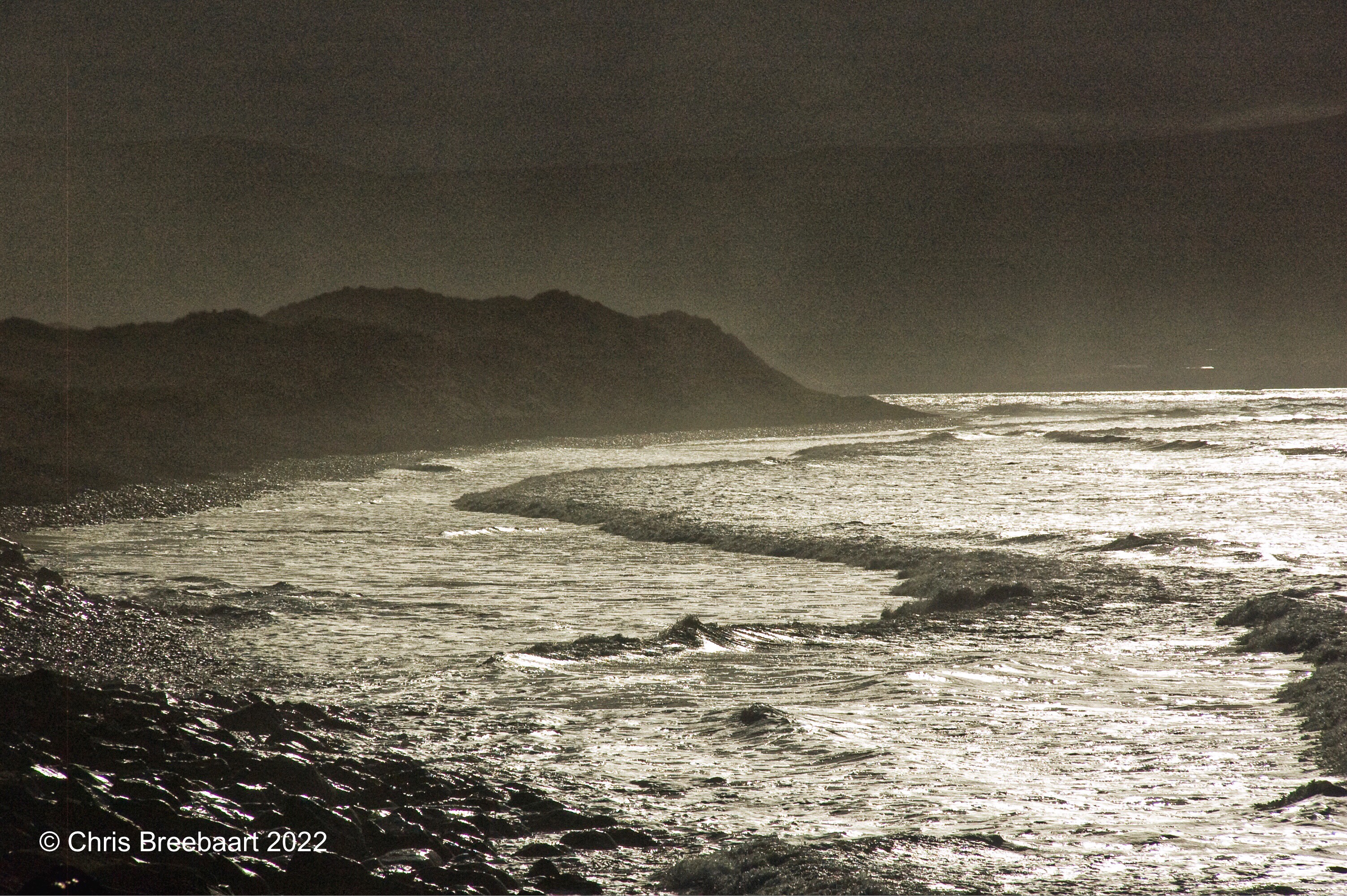
This weeks challenge #186 is ‘Low Light’. Using the available light is primarily a question of creativity and secondarily the available technology. The advice when using a Kodak Instamatic (a very old point and shoot film camera in the 1970’s) was to keep the sun in the back. My advice is not to do that. When using film it was a calculated guess (the result came after developing of the film). Nowadays in digital times the result is immediately available on your camera, hence a source of more playing around and tweaking. Playing with light is playing with the source of light. This photo of Strandhill was taken on a ‘normal’ sunny day. The angle used makes it much more dramatic. This photo ‘See Sea’ gives an idea of the light as it was that day. The fog and dark sky added to the atmosphere (in the Archive Ireland you can find two more photo’s of this perspective taken at the same moment).
Strandhill in Sligo is a small town, looking out over the Atlantic Ocean to the West. Rising over it is Knocknarea with Queen Maeve.
shot with Nikon D70, edited using Snapseed and Marksta. Click the picture for a larger version.
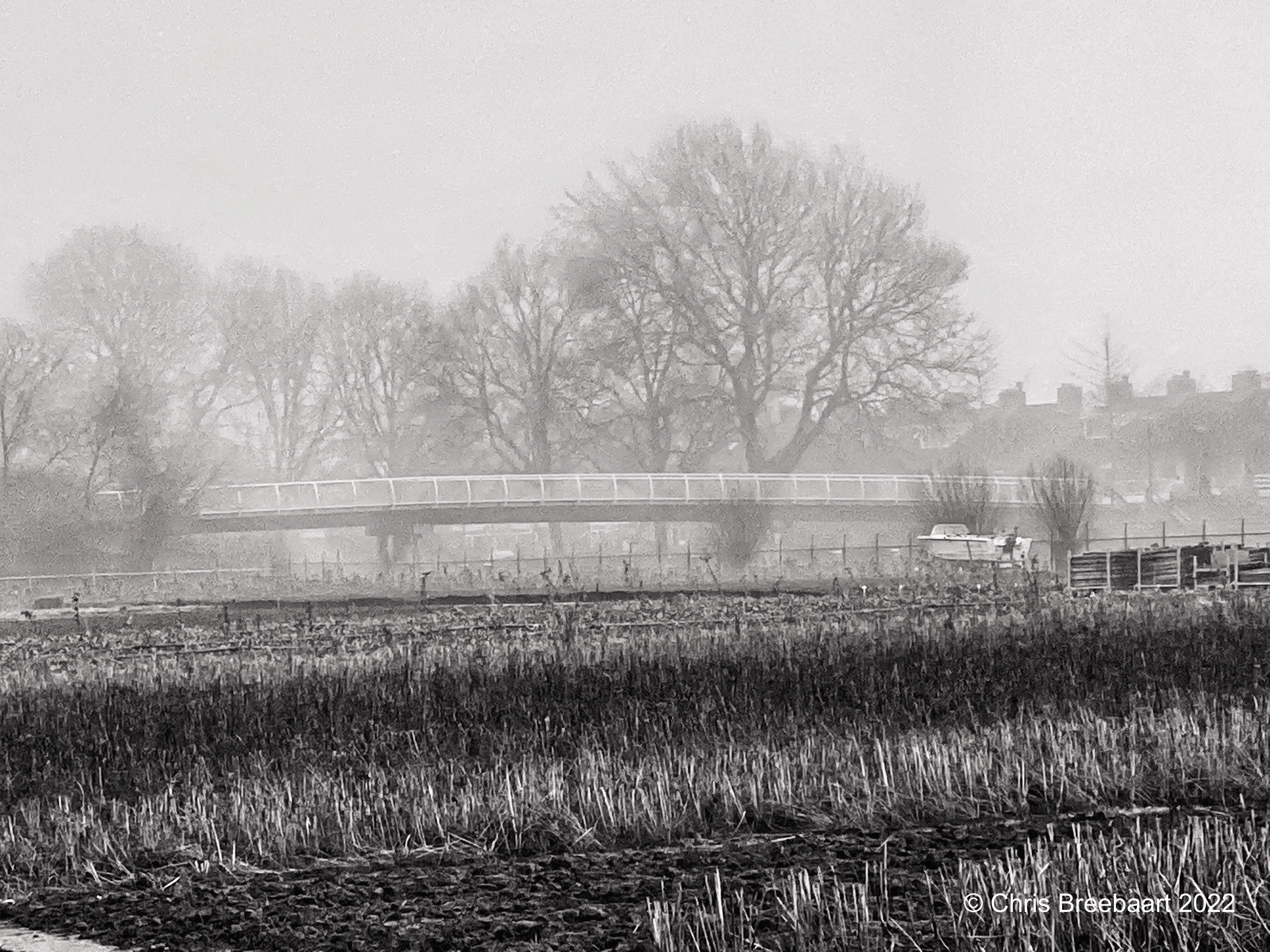
A grey morning with fog in Winter.
Shot with iPhone 11 Pro Max edited using Snapseed and Marksta Click the picture for a larger version

A grey morning with fog in Winter.
Shot with iPhone 11 Pro Max edited using Snapseed and Marksta Click the picture for a larger version
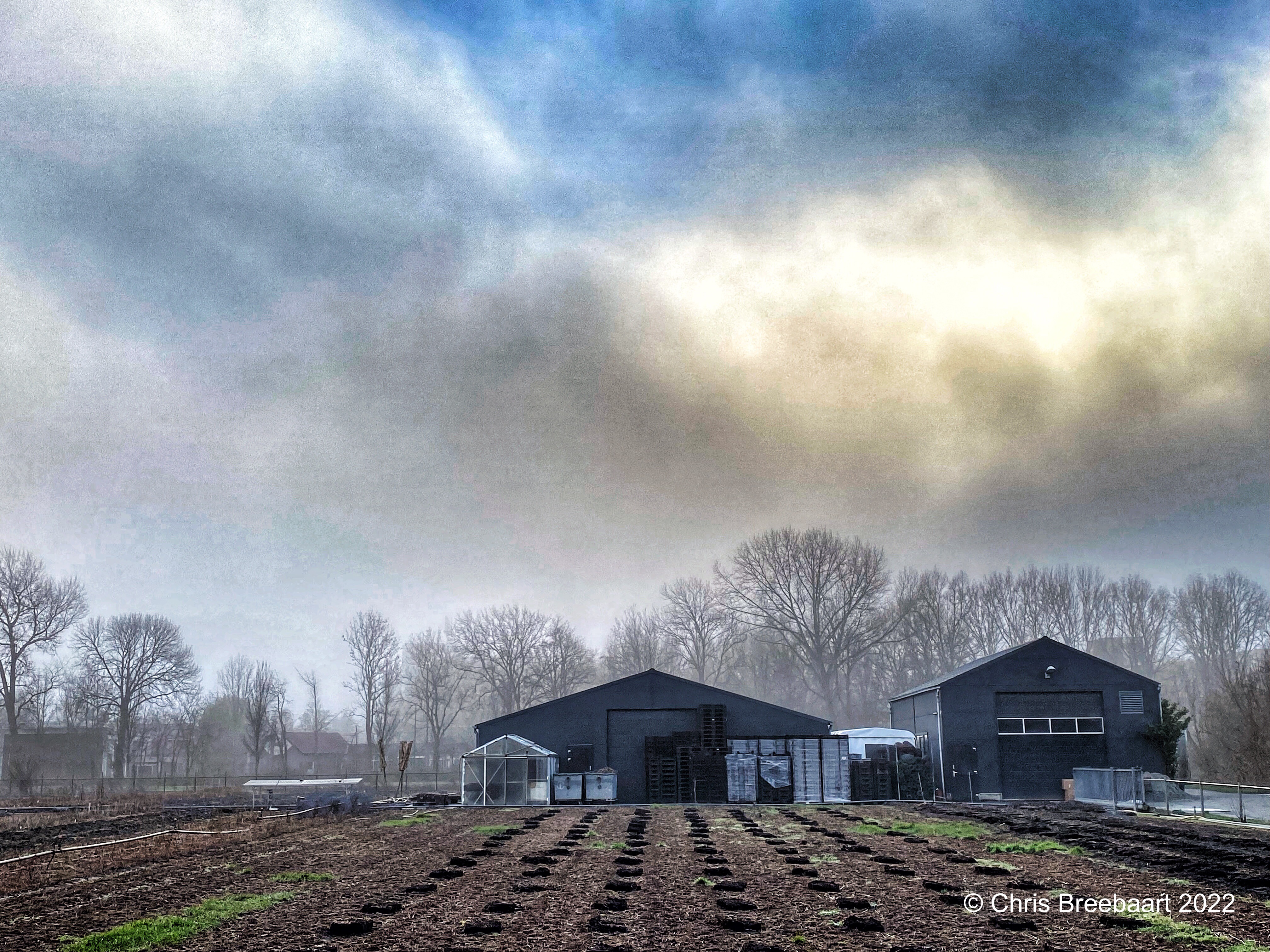
A grey morning with fog in Winter. If the pandemic learned me something, it is that you do not have to go far to find beautiful items for photography. I can not wait to get out in the world again, but this is 500 meters away from where I live, on route to the supermarket. This week’s theme for the Lens Artists Photo Challenge #184 is ‘Travel has taught me’.
Shot with iPhone 11 Pro Max edited using Snapseed and Marksta Click the picture for a larger version

A grey morning with fog in Winter.
Shot with iPhone 11 Pro Max edited using Snapseed and Marksta Click the picture for a larger version

A grey morning with fog in Winter.
Shot with iPhone 11 Pro Max edited using Snapseed and Marksta Click the picture for a larger version

A grey morning with fog in Winter.
Shot with iPhone 11 Pro Max edited using Snapseed and Marksta Click the picture for a larger version
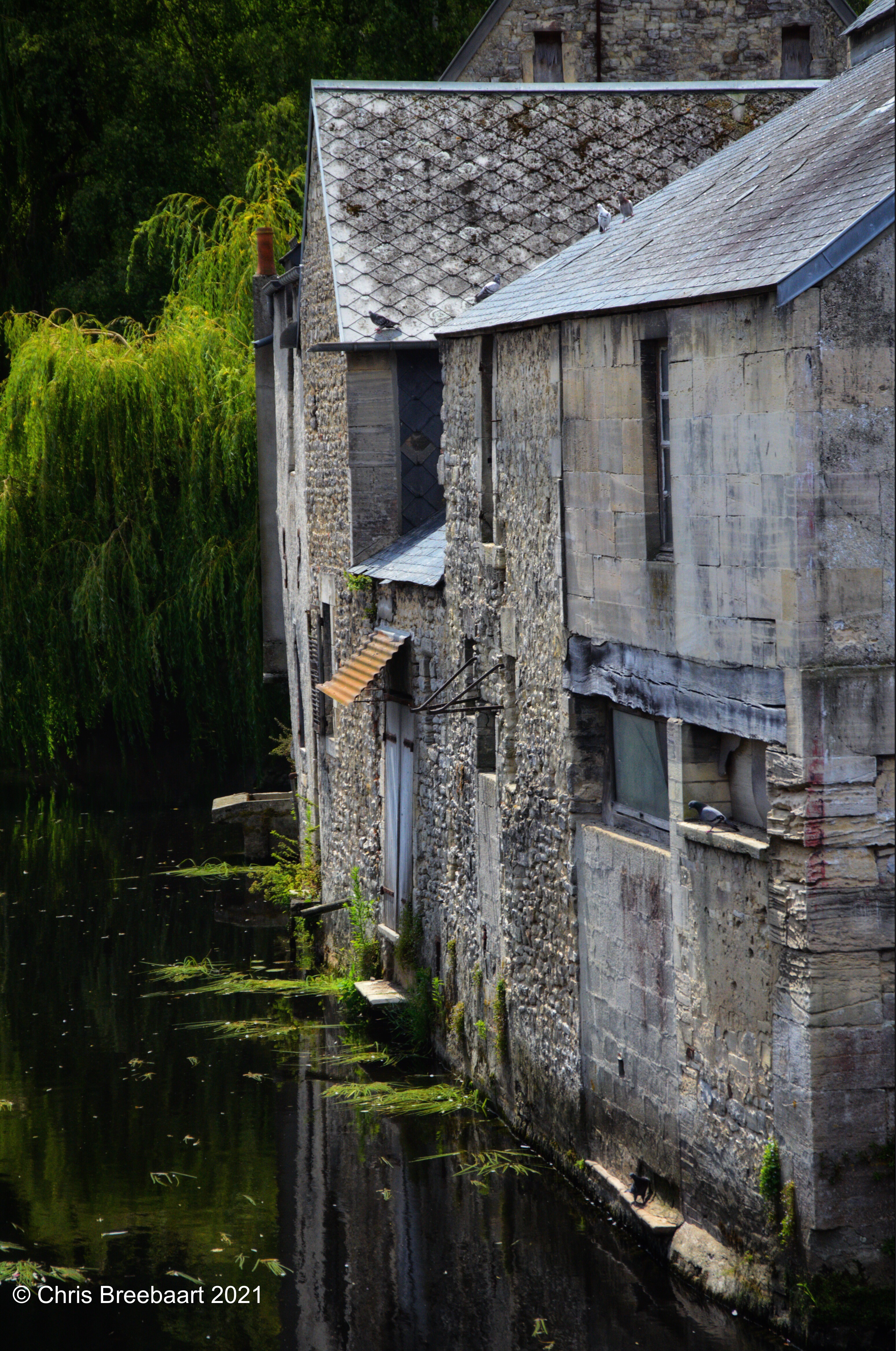
Bayeux is an old village in Normandy France. Home of the Bayeux Tapestry.
shot with Nikon D70, edited using Snapseed and Marksta. Click the picture for a larger version
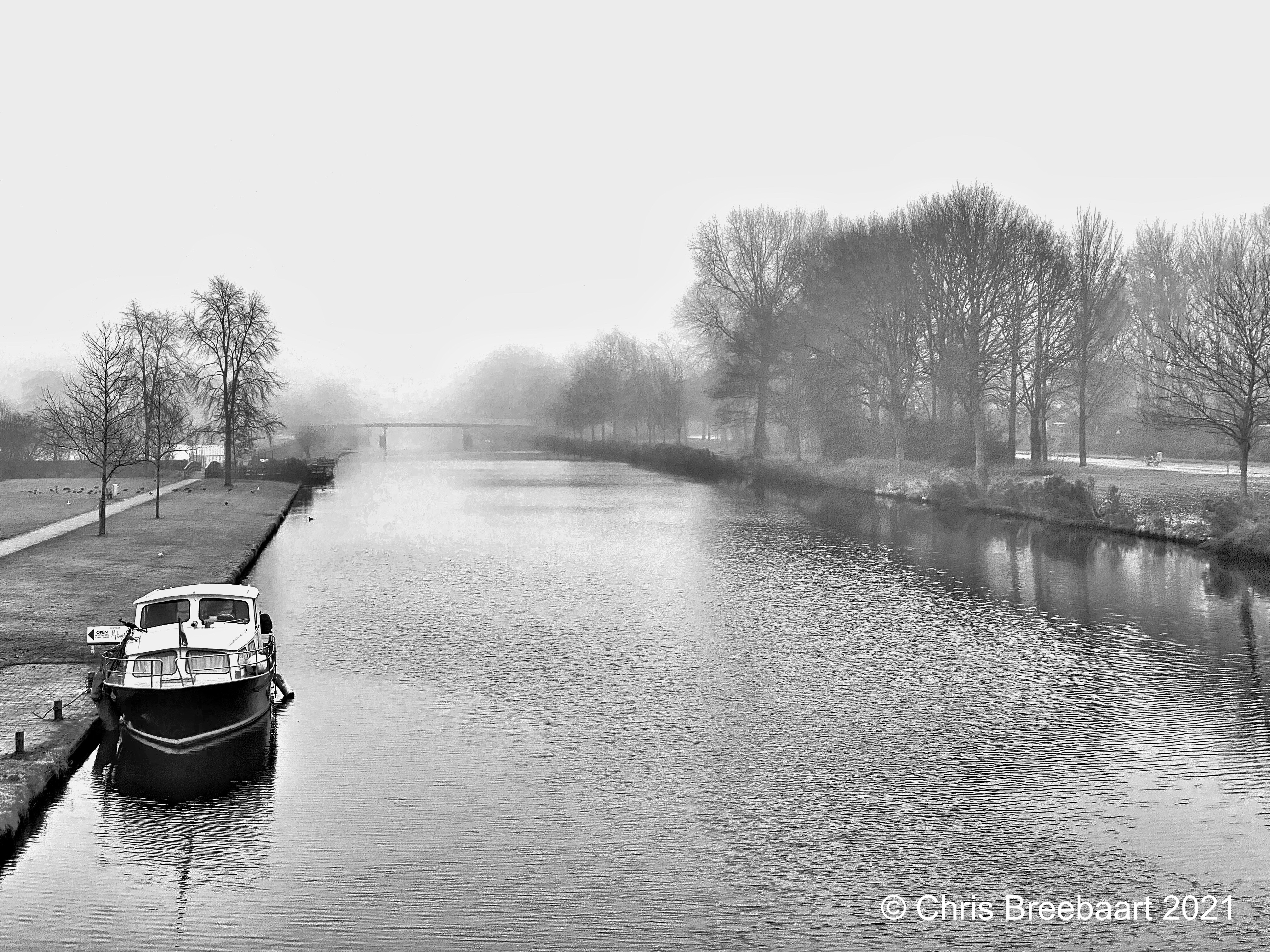
The theme for this week’s Lens-artists Photo Challenge #179 is Serene. A grey morning in Autumn.
Shot with iPhone 11 Pro Max edited using Snapseed and Marksta Click the picture for a larger version
The theme for this week’s Lens-artists Photo Challenge #179 is Serene. A grey morning in Autumn.
Shot with iPhone 11 Pro Max edited using Snapseed and Marksta Click the picture for a larger version
The theme for this week’s Lens-artists Photo Challenge #179 is Serene. A grey morning in Autumn.
Shot with iPhone 11 Pro Max edited using Snapseed and Marksta Click the picture for a larger version

The theme for this week’s Lens-artists Photo Challenge #179 is Serene. A little canal on a grey morning in Autumn.
Shot with iPhone 11 Pro Max edited using Snapseed and Marksta Click the picture for a larger version
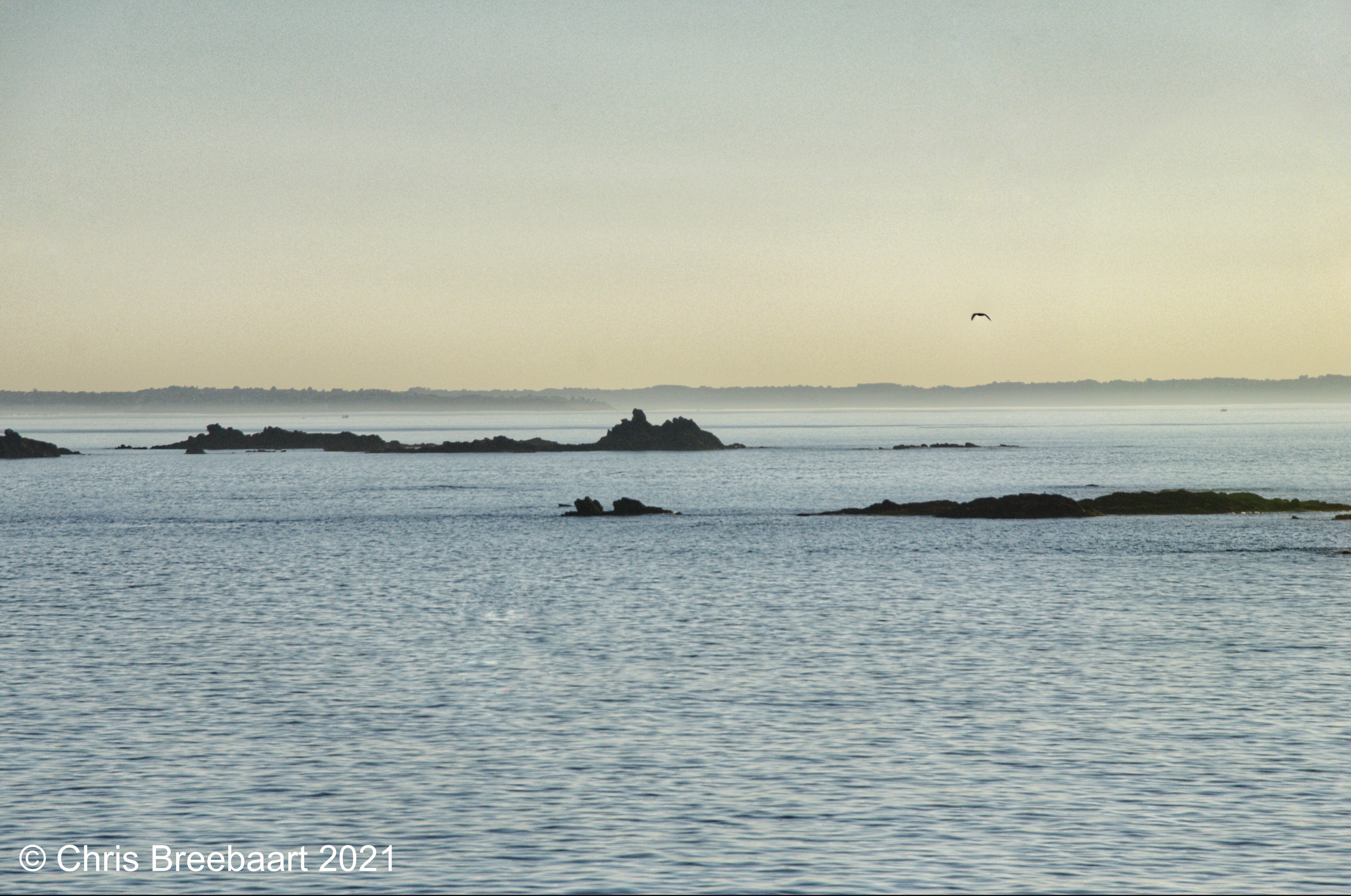
The theme for this week’s Lens-artists Photo Challenge #178 is You Choose.
The shore before Saint Malo, in Brittany.
shot with Nikon D7000, edited using Snapseed and Marksta. Click the picture for a larger version.
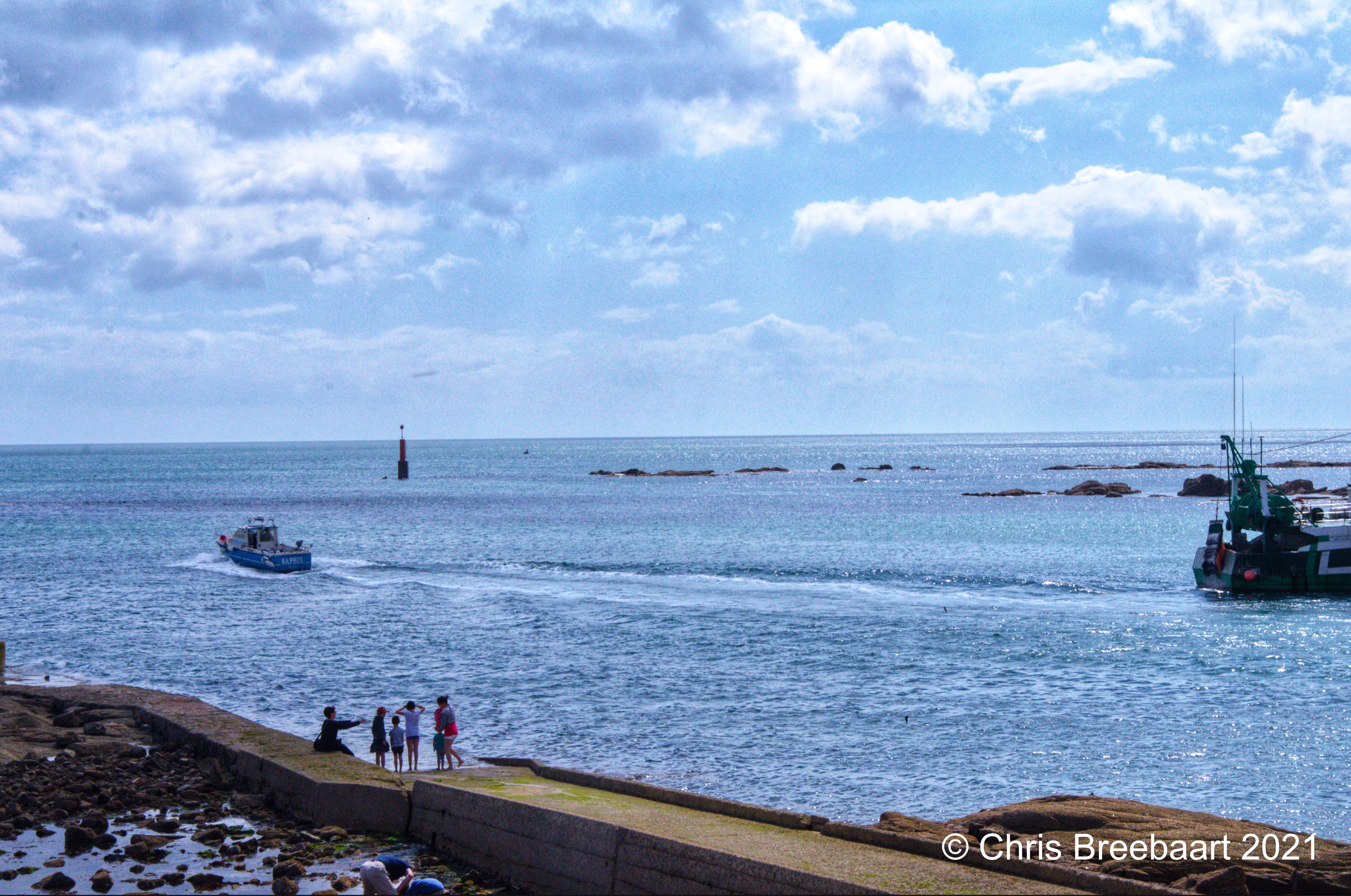
The theme for this week’s Lens-artists Photo Challenge #178 is You Choose.
The harbor of Barfleur, a small village in the West of Normandy.
shot with Nikon D7000, edited using Snapseed and Marksta. Click the picture for a larger version.
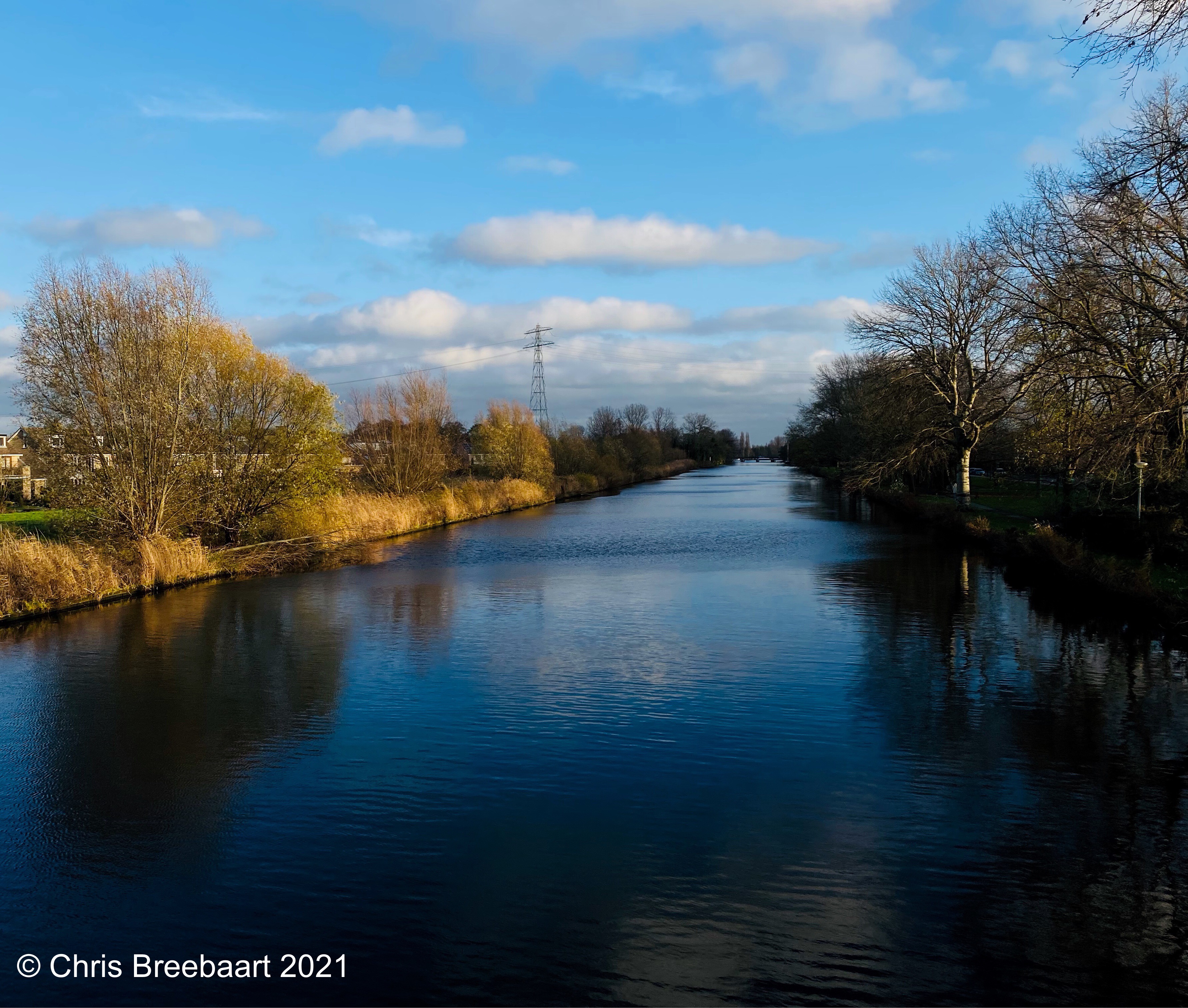
The theme for this week’s Lens-artists Photo Challenge #178 is You Choose. The only thing I chose for this blog was the subject and the photo. The choice to build this canal was made long ago, and one of the spin offs is Amsterdam Airport Schiphol.
Before the pandemic I used to cross this canal twice a day, and I took loads of photos of it, but just recently I found out about its history and historical purpose.
As most of you probably know the Dutch have a long relationship with water, and learned how water could be managed over the ages. About half of The Netherlands is below sea level; the question was and is how to keep it dry? Some say that God created the world but the Dutch created The Netherlands. In reality we manage water. In days of climate change that gets more complex. Not only the amount of water coming in by rivers and rain is growing, the soil of The Netherlands sinks as well.
In 1840 this canal was build. From 1848 the former lake the Haarlemmermeer was turned into the Haarlemmermeerpolder and this canal was used to dump the water of that lake into the North Sea. Schiphol (ship hell) was a spot in that former lake notorious for ship wrecks as the story goes.
Nowadays the canal takes out the water from the West of The Netherlands to the sea at Katwijk.
Shot with iPhone 11 Pro Max edited using Snapseed and Marksta Click the picture for a larger version

Theme #177 of Lens Artists Photo Challenge is celebrating.
Originally shot with Nikon D70, edited using Snapseed and Marksta. Click the picture for a larger version
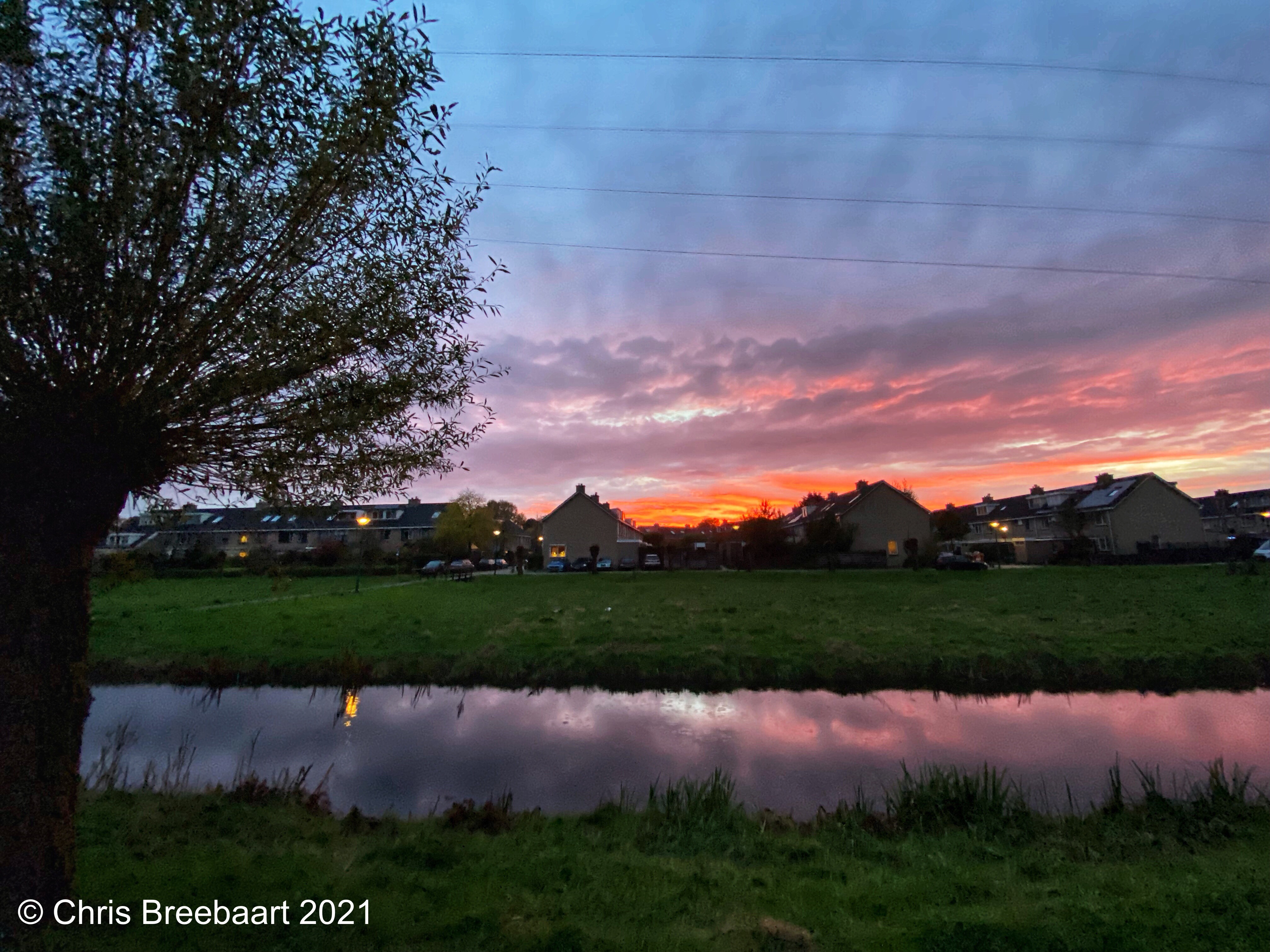
The Autumn was short this year. High temperatures were pleasant, but the amazing colors on leaves that are normal for this time of year, were not present. And when the weather changed the leaves came off the trees very fast. Luckily the sunsets are always there.
Shot with iPhone 11 Pro Max edited using Snapseed and Marksta. Click the picture for a larger version

The concrete factory of Dyckerhoff Basal in Den Haag. The theme for this week’s Lens Artists Photo Challenge #173 is interesting architecture.
shot with iPhone 6s plus using Hueless, edited using Snapseed and Marksta, click the picture for a larger version
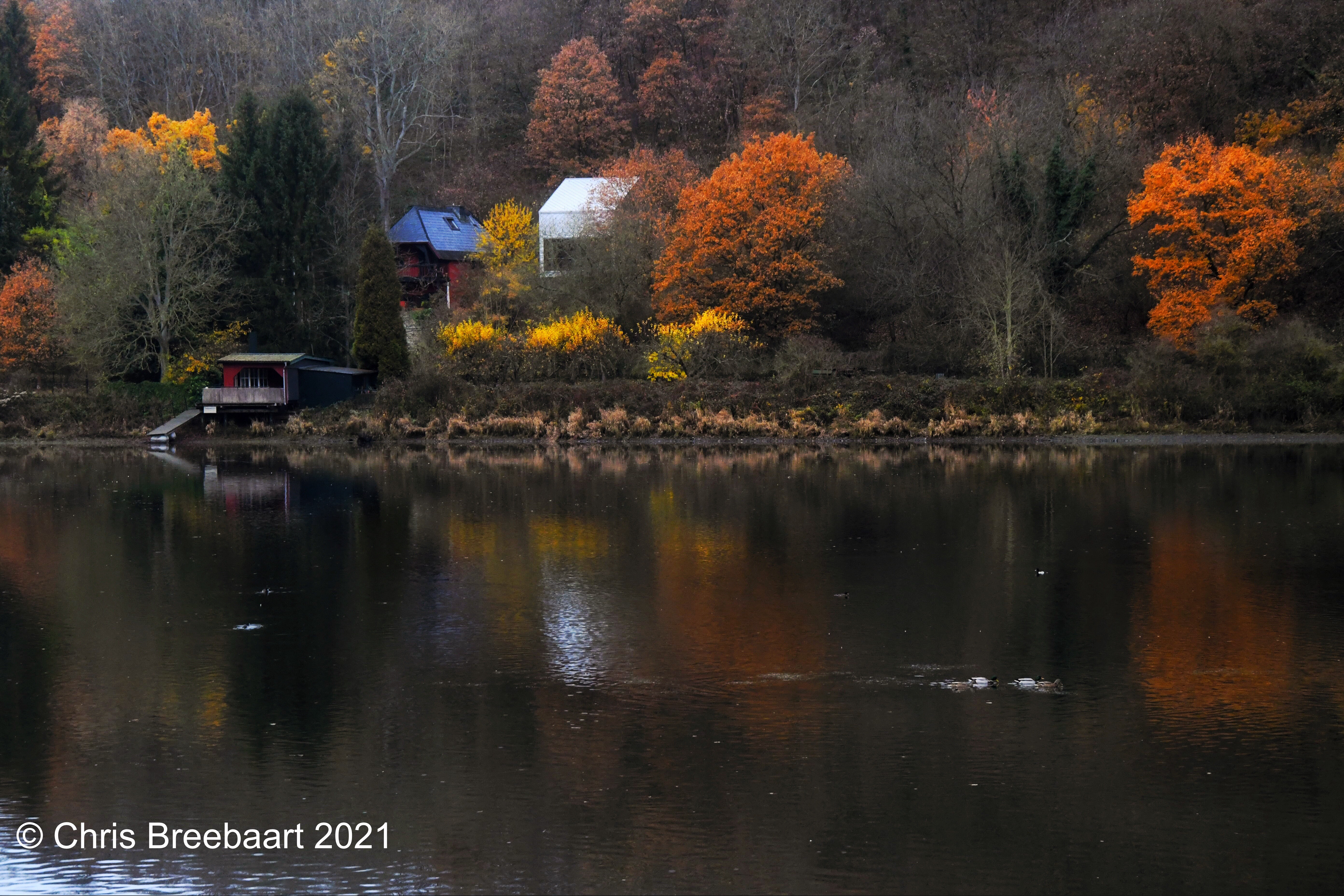
This week’s Lens Artists Photo Challenge (#167) is Colors of Autumn.
At the moment there is not much Autumn colors to be seen in The Netherlands, so one from the archive. The river Rur near Heimbach.
Shot with Nikon D500, edited using Snapseed and Marksta. Click the picture for a bigger version
This week’s Lens Artists Photo Challenge (#163) is ‘keep walking’.
This is the Klinkenberger Plas, a favorite for a short walk.
Shot with iPhone 11 Pro Max edited using Snapseed and Marksta. Click the picture for a larger version

This week’s Lens Artists Photo Challenge (#163) is ‘keep walking’.
This is the Klinkenberger Plas, a favorite for a short walk.
Shot with iPhone 11 Pro Max edited using Snapseed and Marksta. Click the picture for a larger version
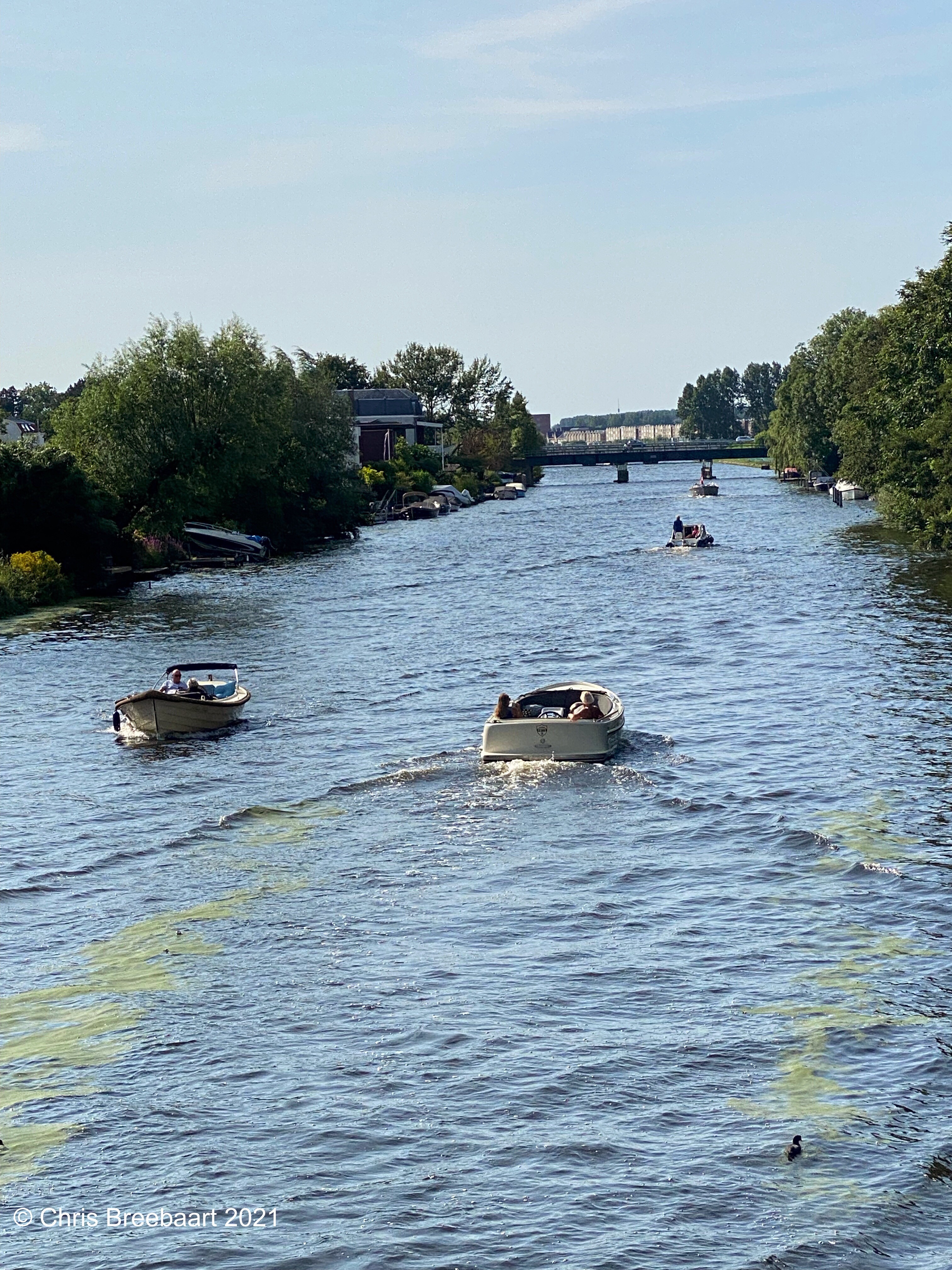
This week’s Lens Artists Photo Challenge (#162) is ‘all about the light’.
Shot with iPhone 11 Pro Max edited using Snapseed and Marksta Click the picture for a larger version
The theme for Lens-artists Weekly Photo Challenge #160 is ‘Your Inspiration’.
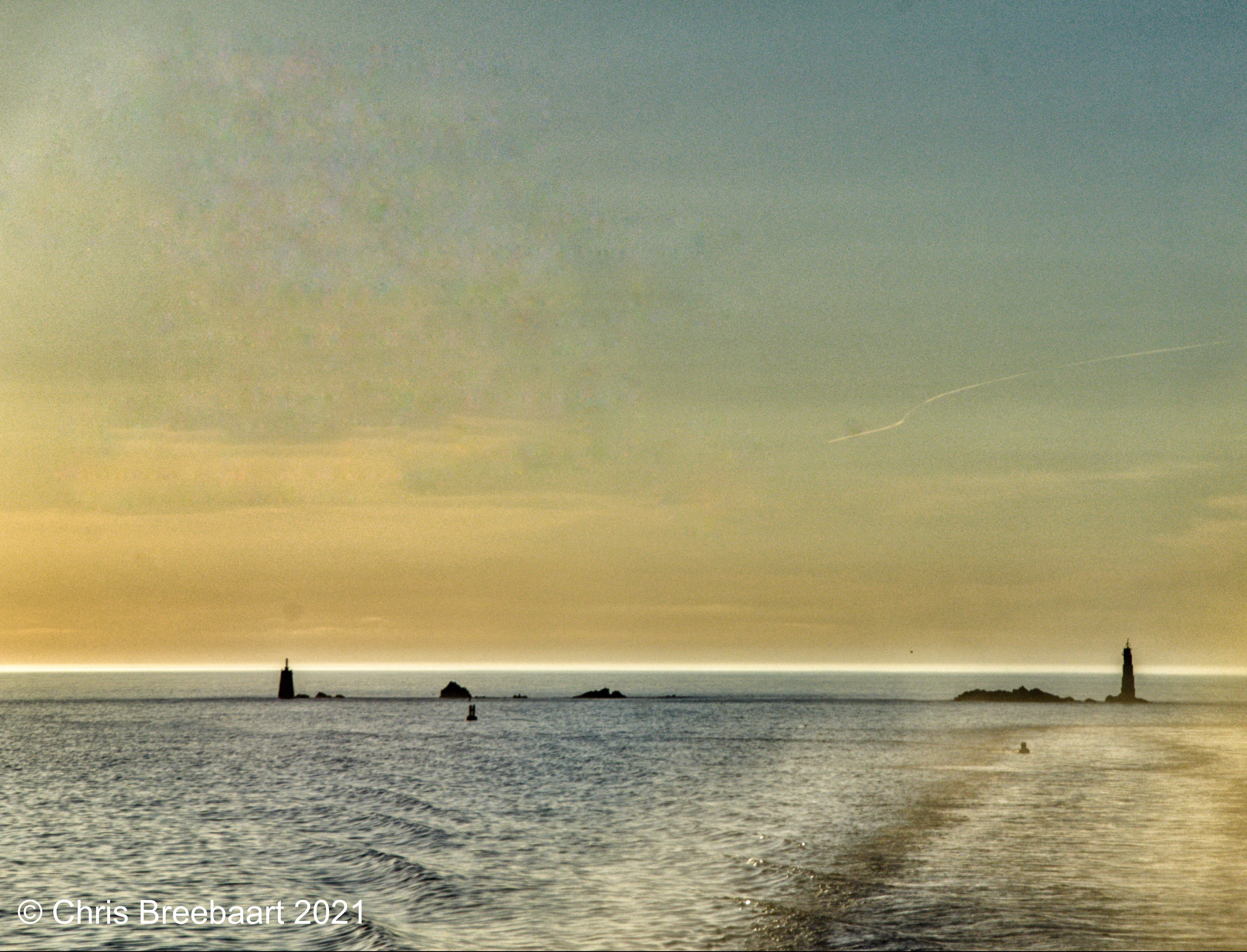
Bretagne has one of the most beautiful coastlines in the world. I love the rocks and the breaking water. A dangerous shore for sure, but a beautiful source of inspiration. Here a part of the marked entrance to the port of Saint-Malo,.
shot with Nikon D7000, edited using Snapseed and Marksta. Click the picture for a larger version.
The theme for Lens-artists Weekly Photo Challenge #160 is ‘Your Inspiration’.
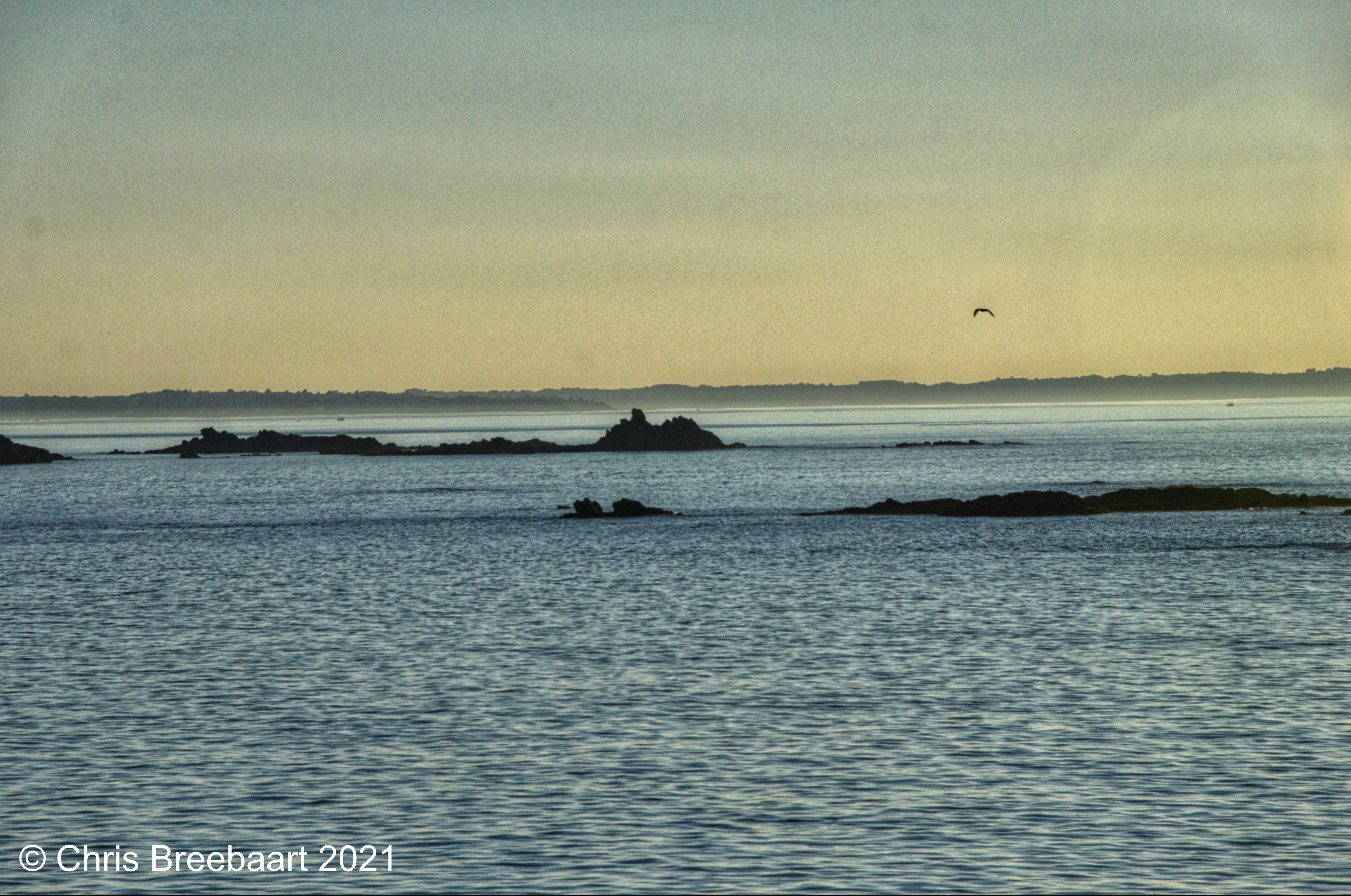
Bretagne has one of the most beautiful coastlines in the world. I love the rocks and the breaking water. A dangerous shore for sure, but a beautiful source of inspiration. Here the rocks near Saint-Malo,.
shot with Nikon D7000, edited using Snapseed and Marksta. Click the picture for a larger version.

The theme for Lens-artists Weekly Photo Challenge #159 is ‘Postcards’.
Early morning at Saint-Malo,.
shot with Nikon D7000, edited using Snapseed and Marksta. Click the picture for a larger version.
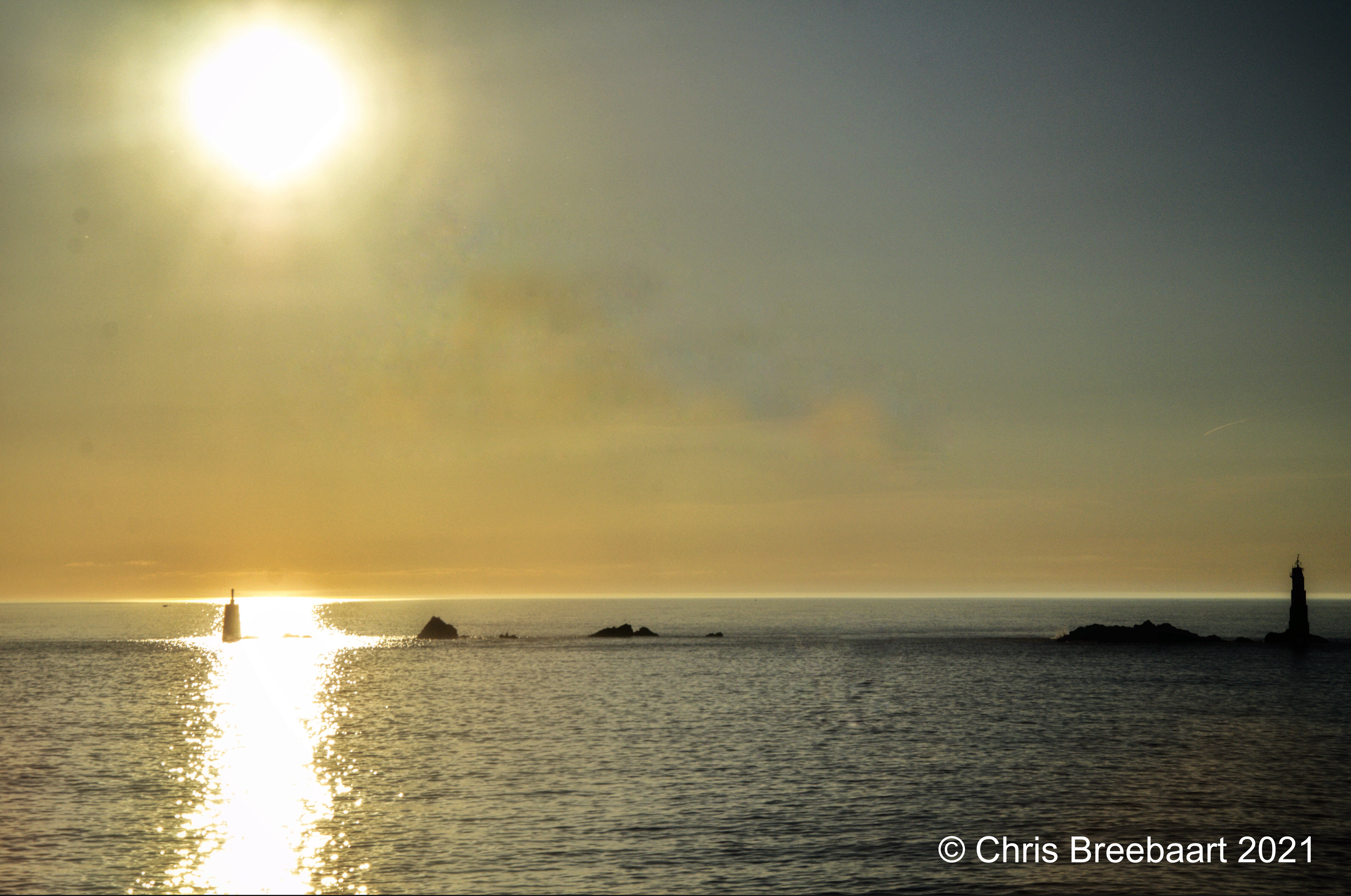
The theme for Lens-artists Weekly Photo Challenge #159 is ‘Postcards’.
The sunset at Saint-Malo,.
shot with Nikon D7000, edited using Snapseed and Marksta. Click the picture for a larger version.
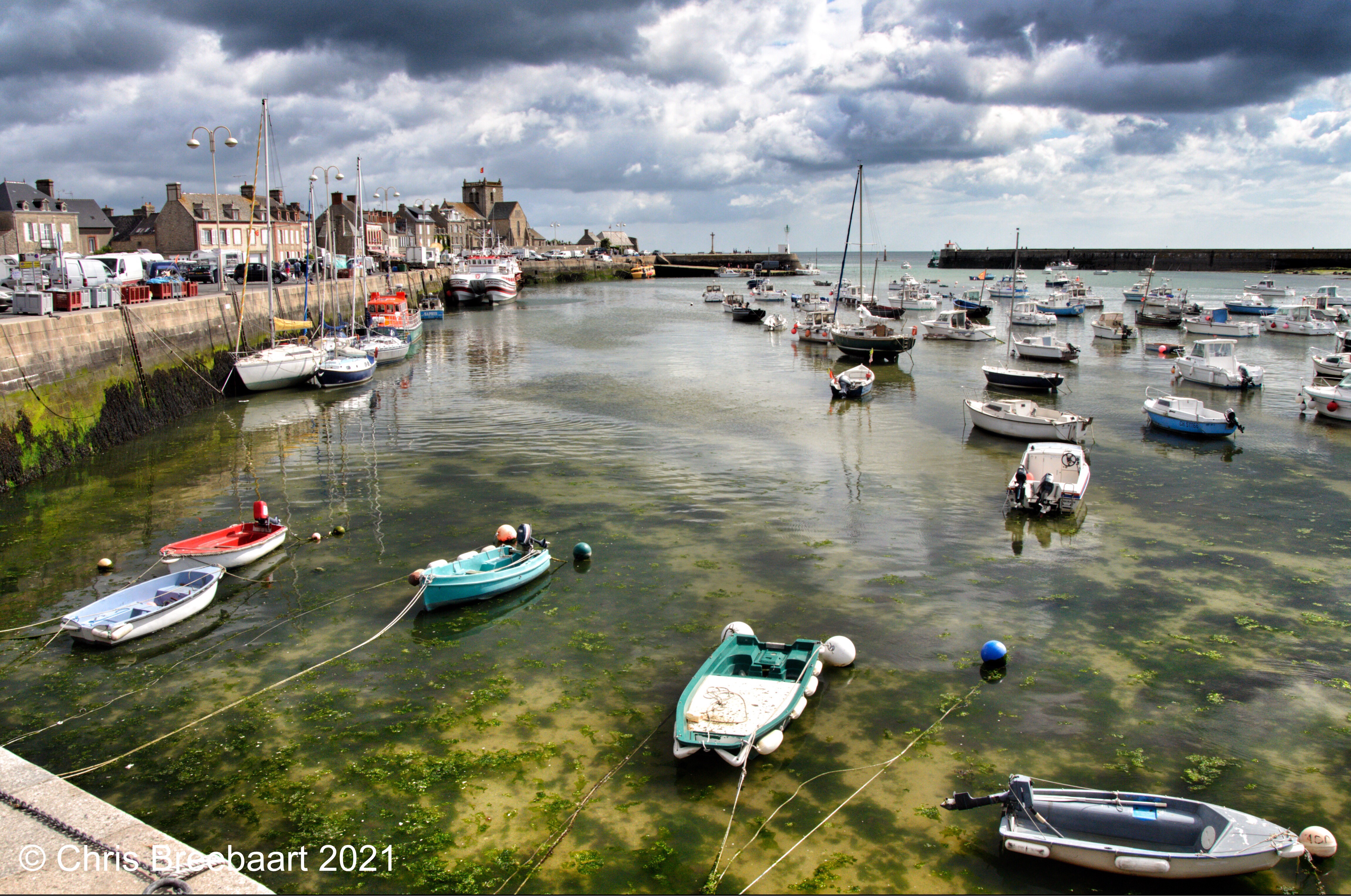
The theme for Lens-artists Weekly Photo Challenge #159 is ‘Postcards’.
The harbor of Barfleur, a small village in the West of Normandy. Years ago I had an idea to sell postcards from photos I was shooting. It never came to reality. This would be a pretty one I think.
shot with Nikon D7000, edited using Snapseed and Marksta. Click the picture for a larger version.

The theme for Lens-artists Weekly Photo Challenge #158 is ‘Along back country roads’.
The airport of Samos is just near a beach. Luckily there were about two flights a day. The backroads of the Greek islands are the ferry services between them.
About the B4 retouch series:
I browsed my archive for pictures to publish. Some of them are partly retouched but most do have scratches, dust and stains.
The picture was originally shot with Pentax K1000 on Kodak Plusx, scanned from negative and tweaked using Snapseed and Marksta. Click the picture for a larger version.

Shot with iPhone 11 Pro Max edited using Snapseed and Marksta. Click the picture for a larger version

Right in front of the door, a young swan family takes a nap sometimes.
Shot with iPhone 11 Pro Max edited using Snapseed and Marksta. Click the picture for a larger version

Right in front of the door, a young swan family takes a nap sometimes.
Shot with iPhone 11 Pro Max edited using Snapseed and Marksta. Click the picture for a larger version
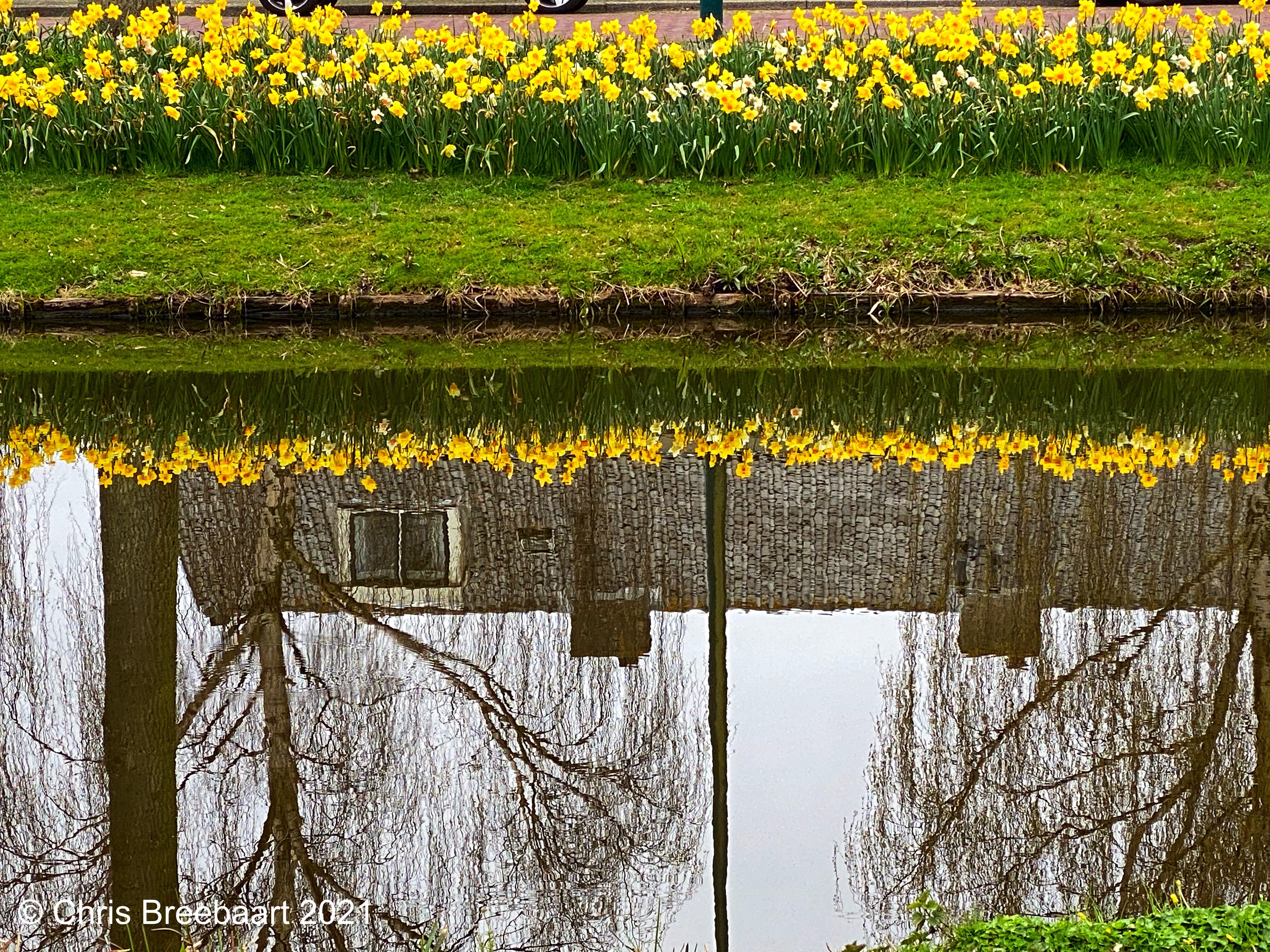
The Lens Artists Photo Challenge#143 for this week is ‘colorful April’.
Shot with iPhone 11 Pro Max edited using Snapseed and Marksta Click the picture for a larger version

The theme for this week Lens-artists challenge #157 is ‘getting away’.
View on a fountain on the square in front of Saint Peter in Rome.
Originally shot with Nikon F301 on Kodak TriX, scanned from negative and tweaked using Snapseed and Marksta. Click the picture for a larger version.
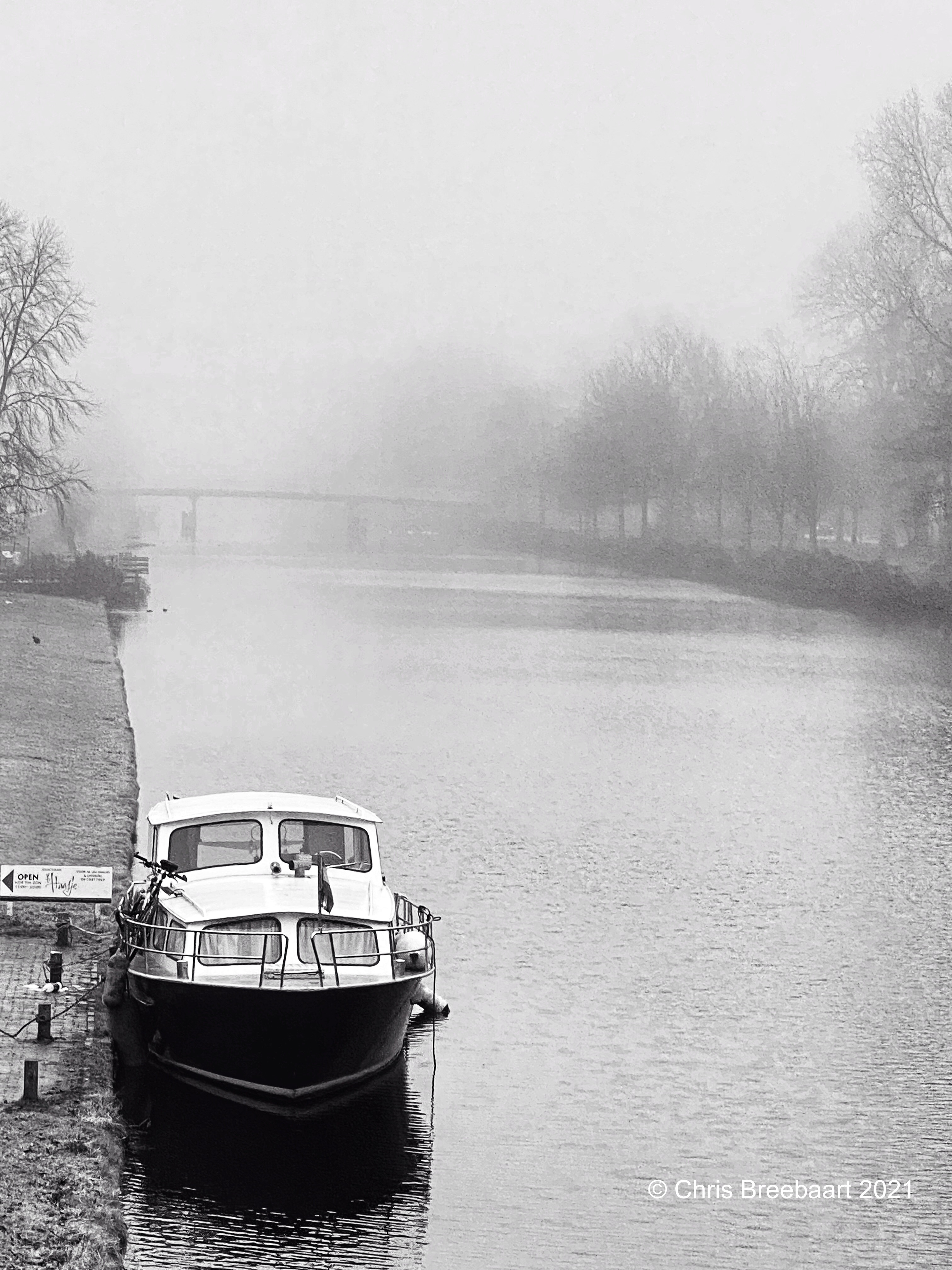
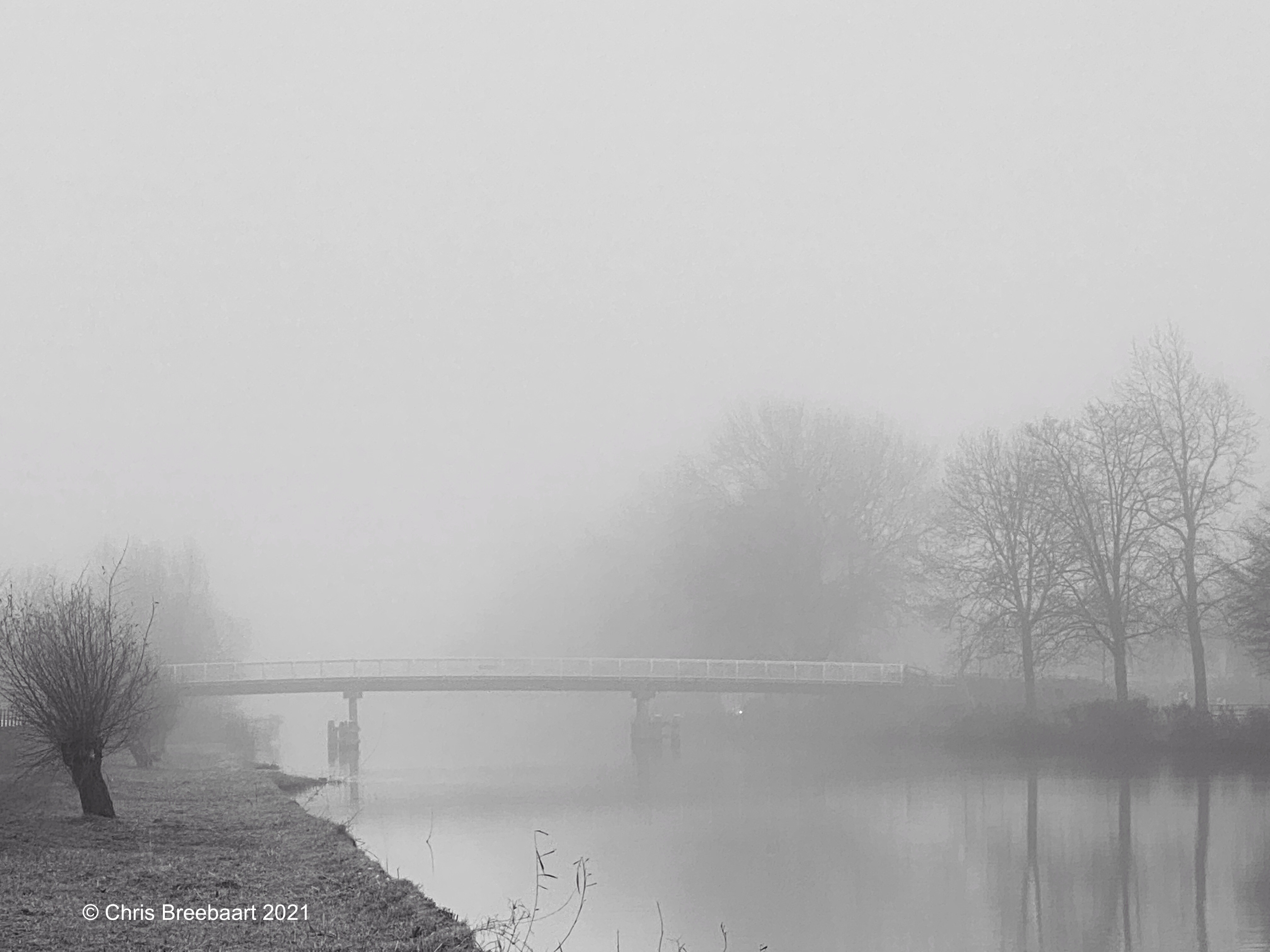
 What's (in) the Picture?