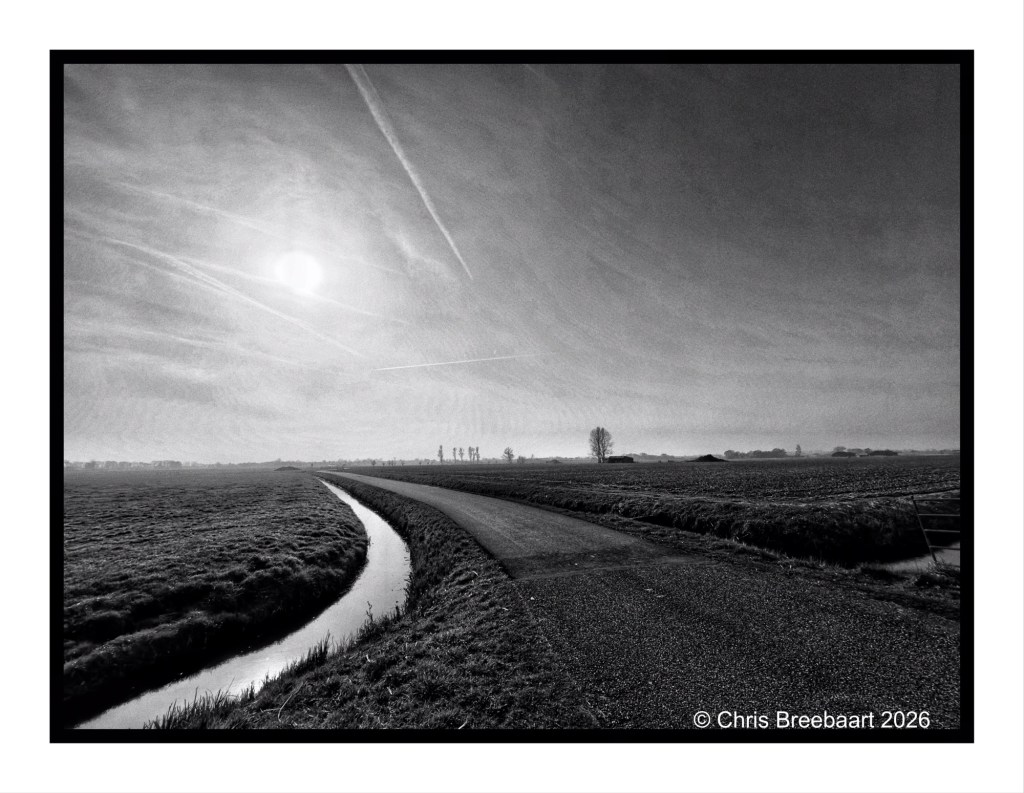
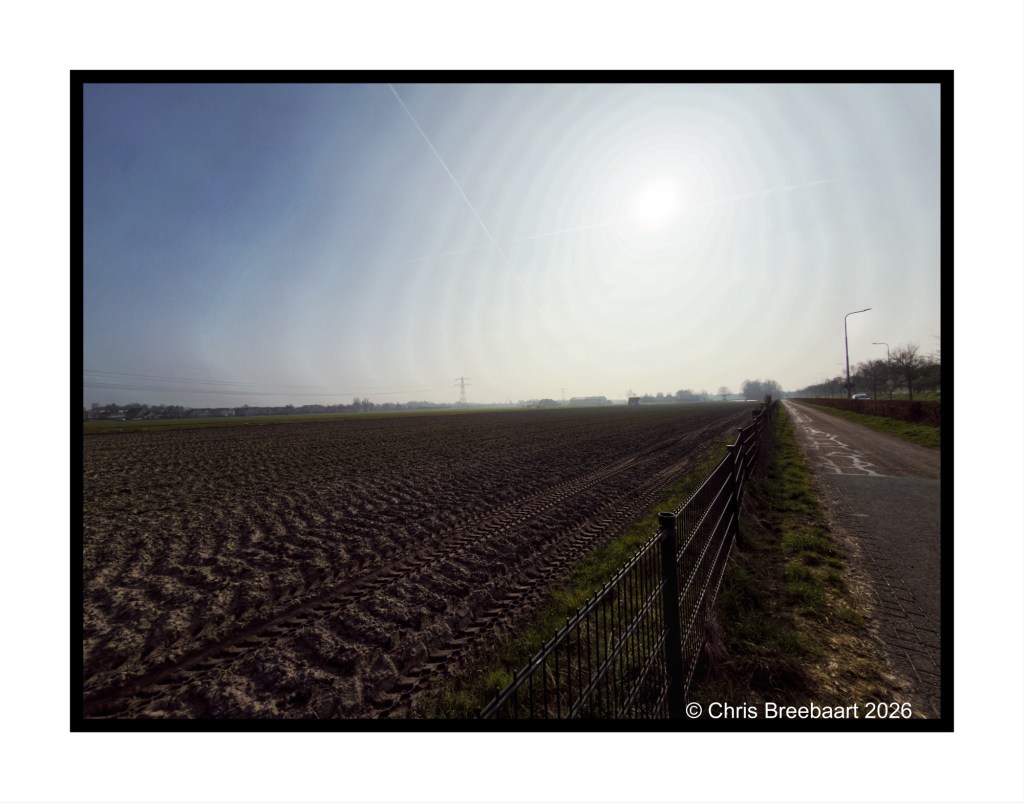
If you visit my blog – like I hope you do or from now start to do – you must have recognized my ‘old’ love for monochrome. When I started this hobby, mono was fashionable and a standard for news photography. And it was cheaper. In this series I offer you two versions of a photo. And you can prefer one over the other, or not.
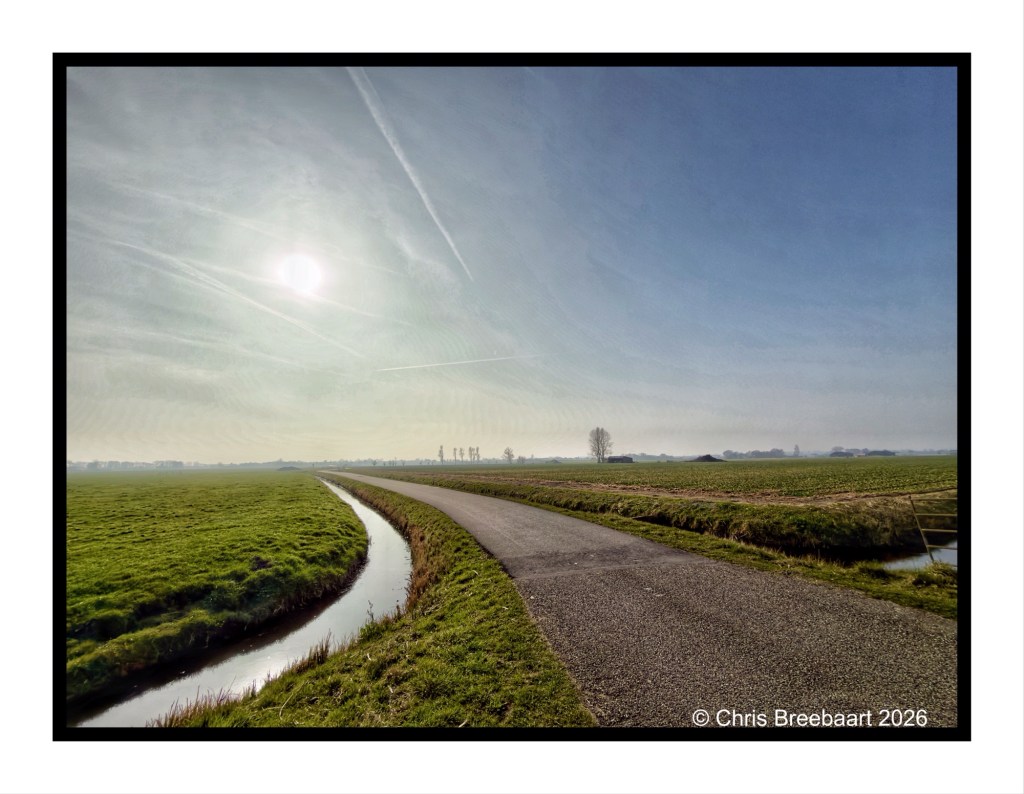
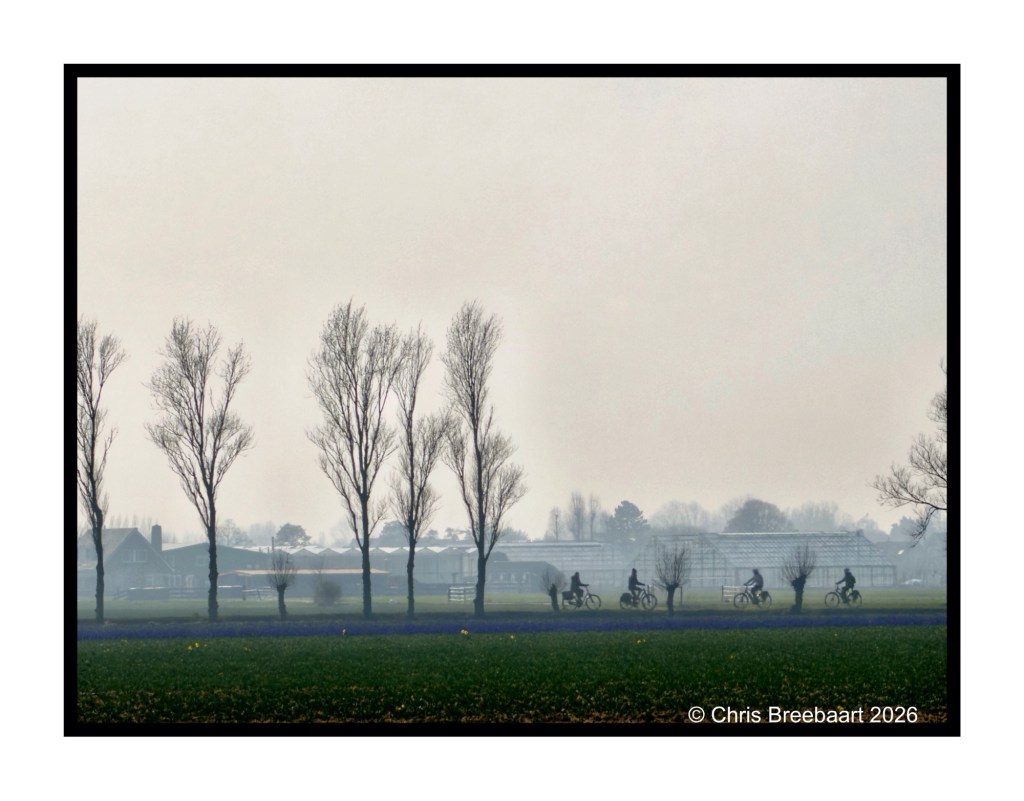
This week’s theme is ‘Time to relax’. On a bicycle ride through fields where soon bulb flowers will pop up, together with other cyclists. This is a piece of a polder showing the low horizon in the sun.
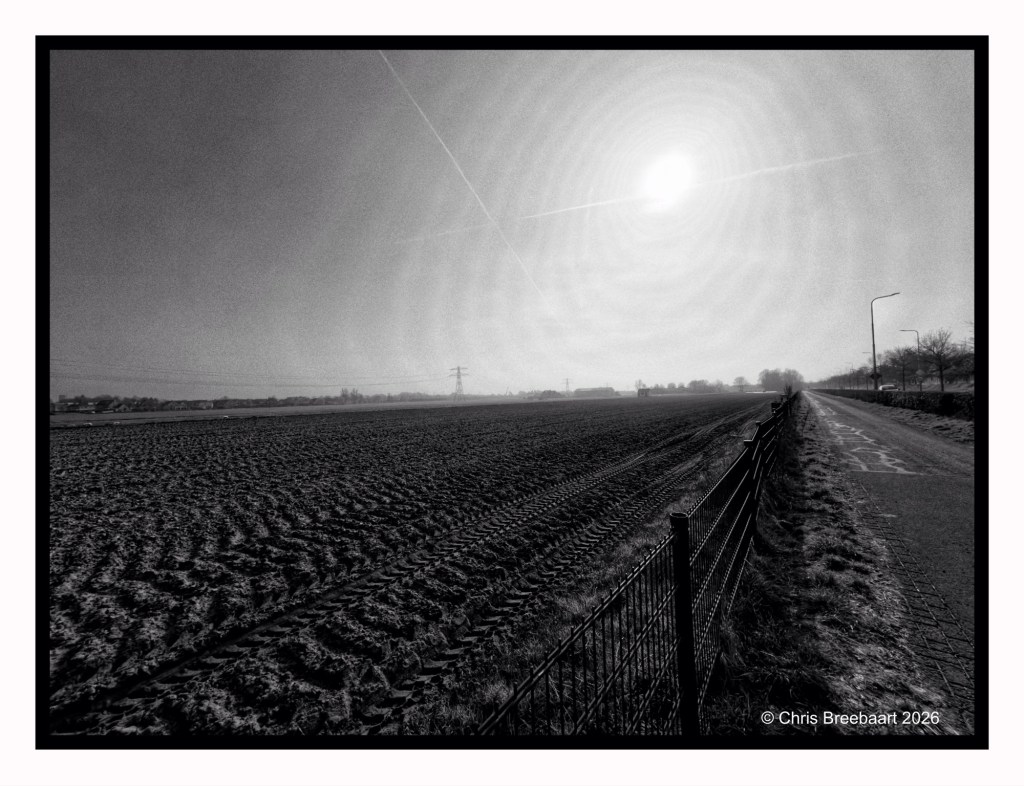
If you visit my blog – like I hope you do or from now start to do – you must have recognized my ‘old’ love for monochrome. When I started this hobby, mono was fashionable and a standard for news photography. And it was cheaper. In this series I offer you two versions of a photo. And you can prefer one over the other, or not.
This week’s theme is ‘Time to relax’. On a bicycle ride through fields where soon bulb flowers will pop up, together with other cyclists. Thought I am not really sure about this piece of land, it is just been plowed it seems.
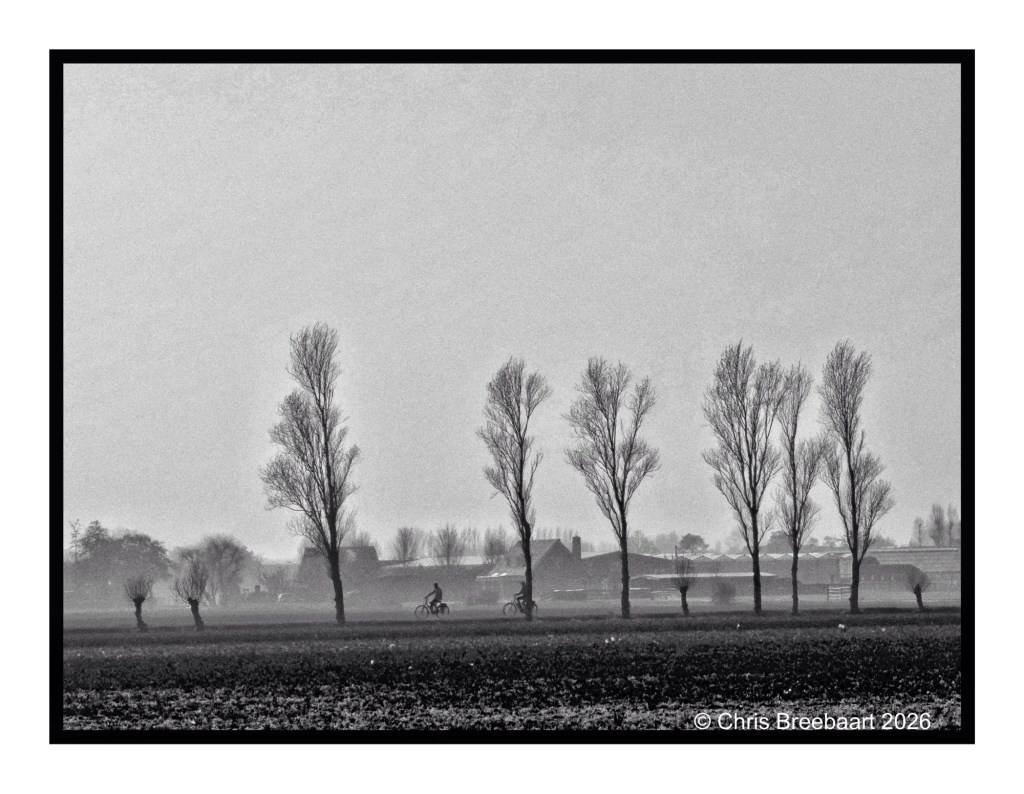
If you visit my blog – like I hope you do or from now start to do – you must have recognized my ‘old’ love for monochrome. When I started this hobby, mono was fashionable and a standard for news photography. And it was cheaper. In this series I offer you two versions of a photo. And you can prefer one over the other, or not.
This week’s theme is ‘Time to relax’. On a bicycle ride through fields where soon bulb flowers will pop up, together with other cyclists. On the color version you can see the deep purple of early hyacinths. With Some yellow late Daffodils.
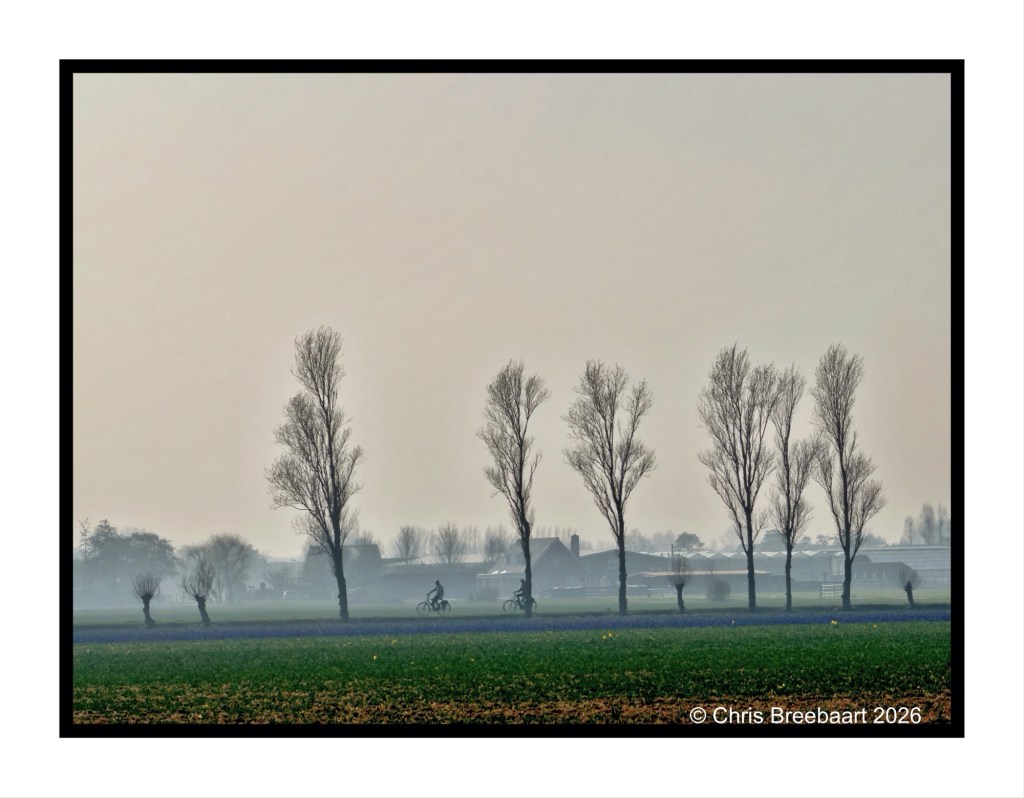
If you visit my blog – like I hope you do or from now start to do – you must have recognized my ‘old’ love for monochrome. When I started this hobby, mono was fashionable and a standard for news photography. And it was cheaper. In this series I offer you two versions of a photo. And you can prefer one over the other, or not.
This week’s theme is ‘Time to relax’. On a bicycle ride through fields where soon bulb flowers will pop up, together with other cyclists. On the color version you can see the deep purple of early hyacinths. With Some yellow late Daffodils.
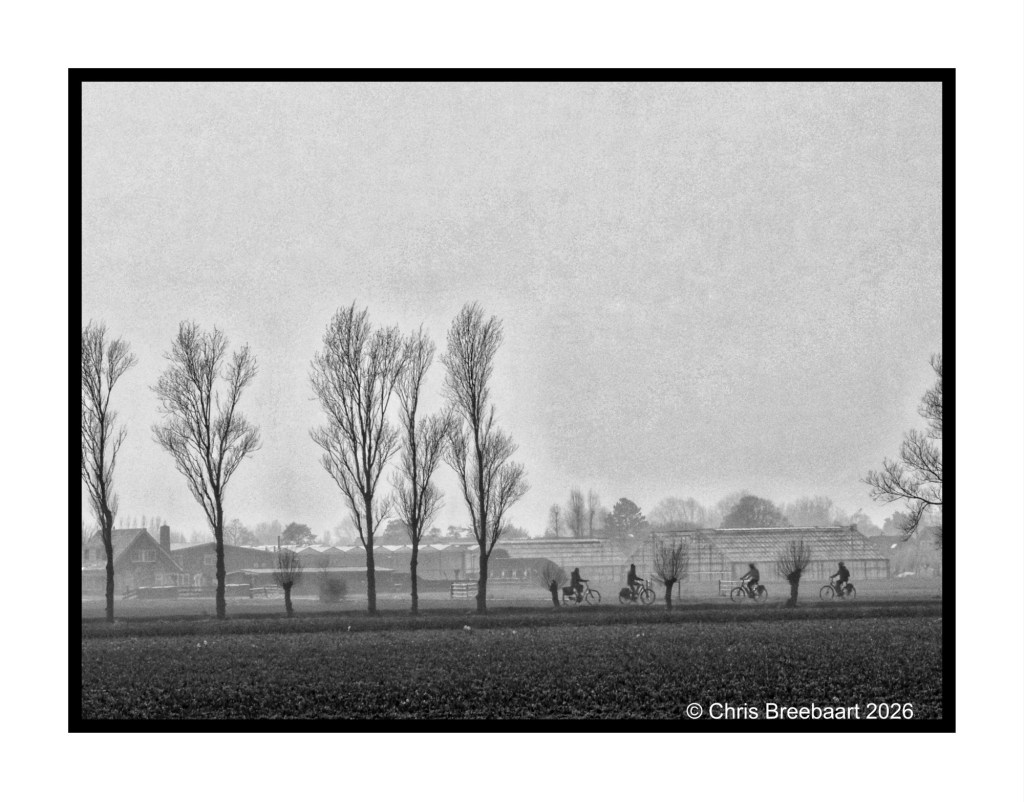
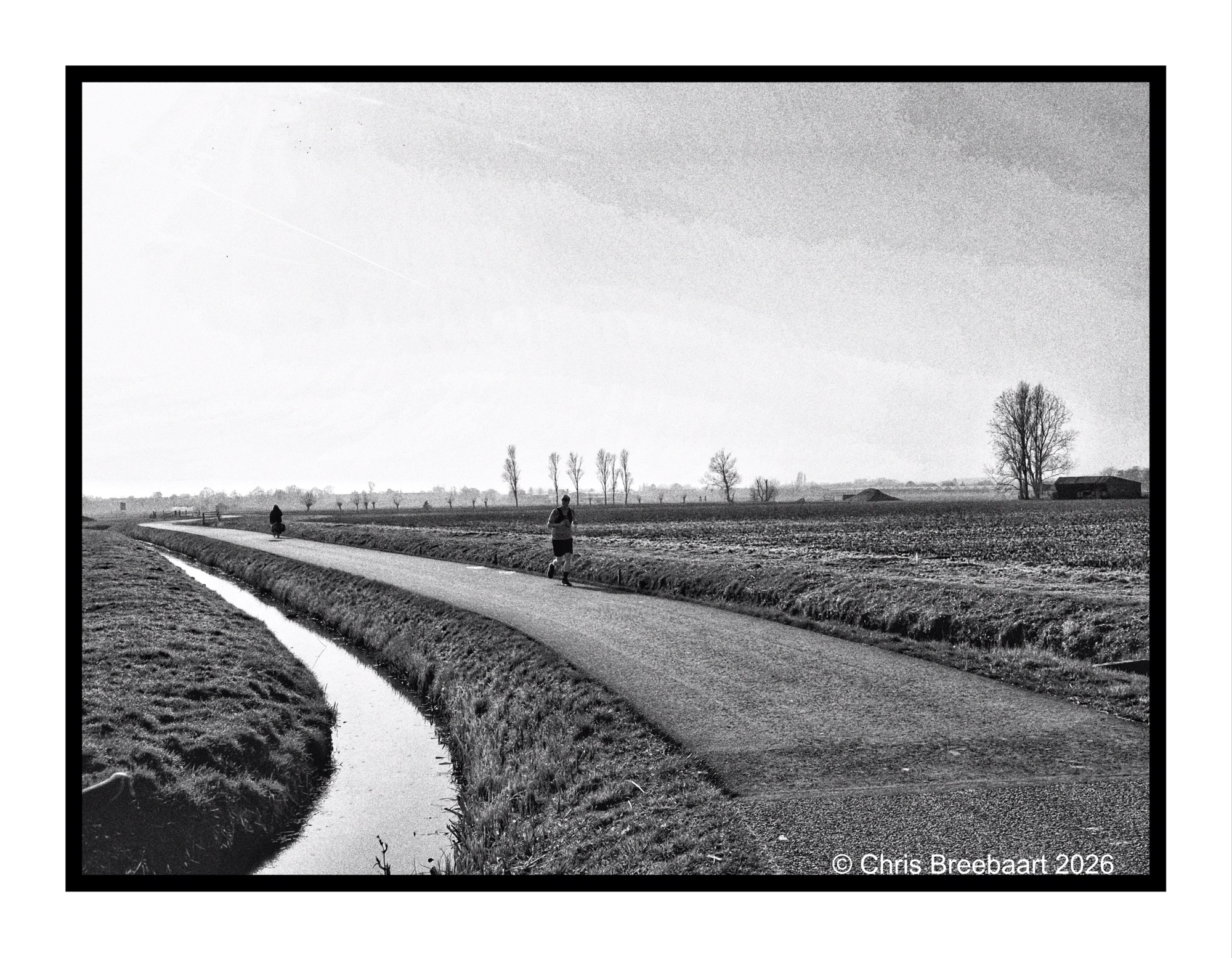
This week’s theme is ‘Time to relax’. On a bicycle ride through fields where soon bulb flowers will pop up, together with other cyclists and the occasional runner.
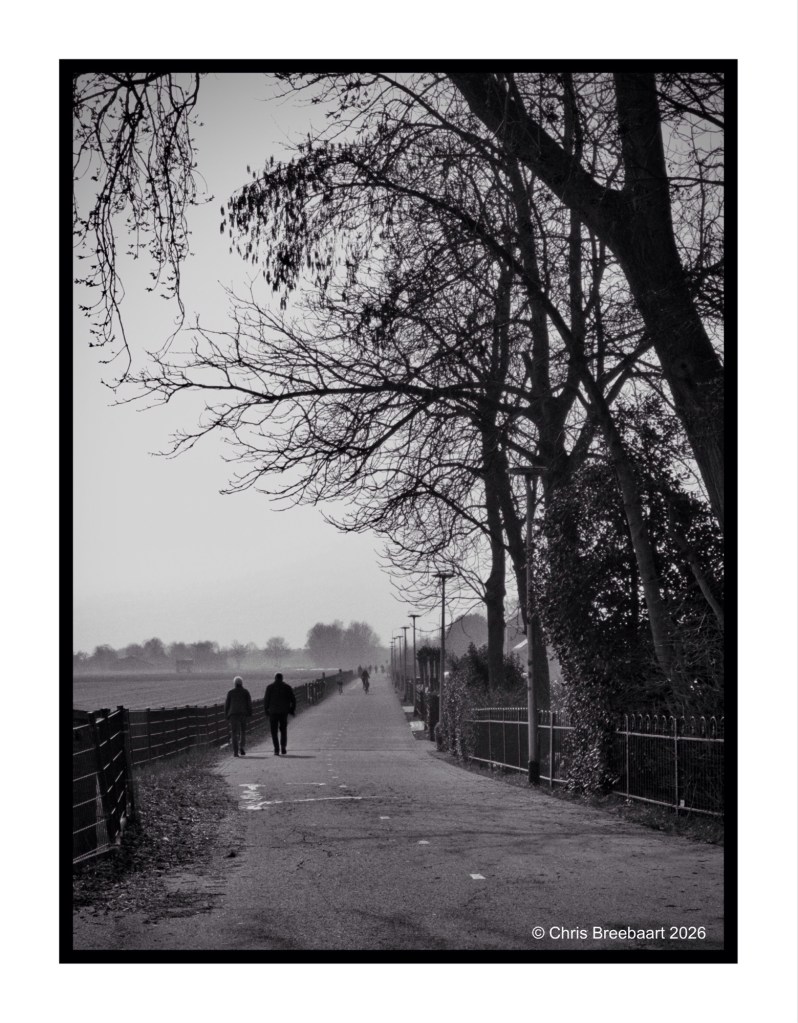
Spring is here and last weekend I made a little bicycle ride to check out the bulb flower fields. Daffodils where coming up, and at odd places hyacinths started to show. A nice way to relax and enjoy the lovely day outside. As did others by walking, running or cycling. Fitting this week’s theme ‘Time to relax’.
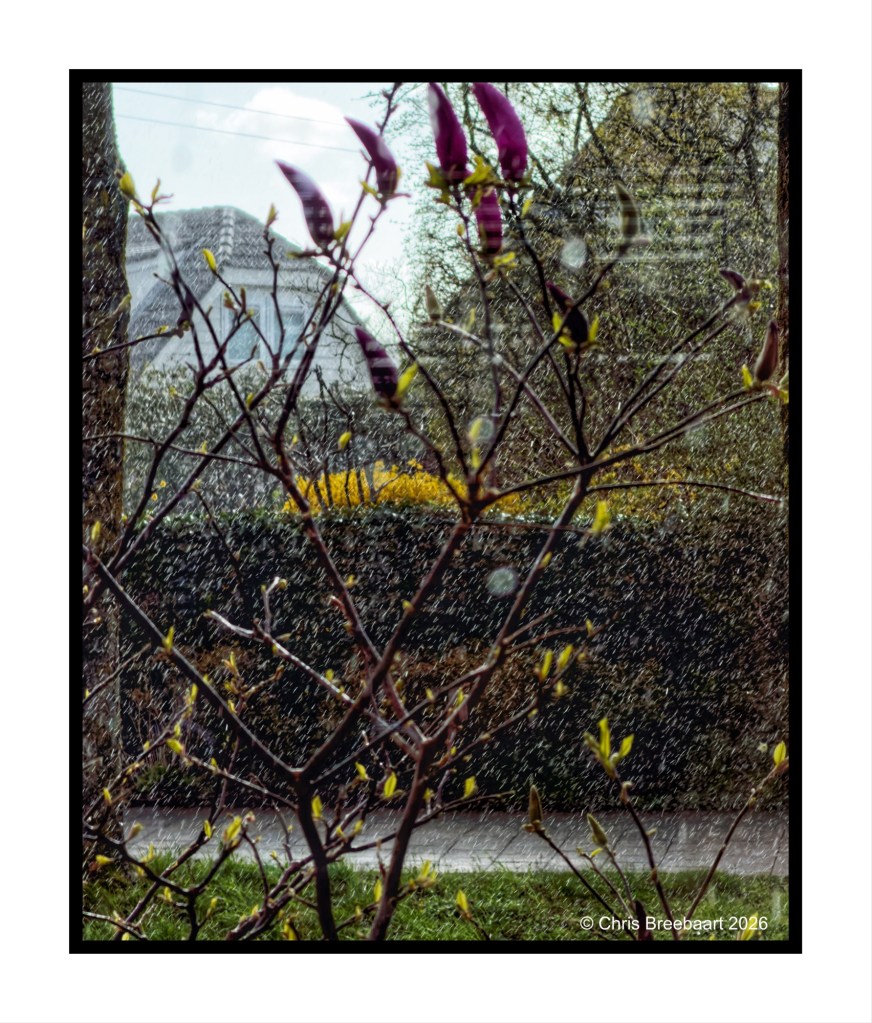
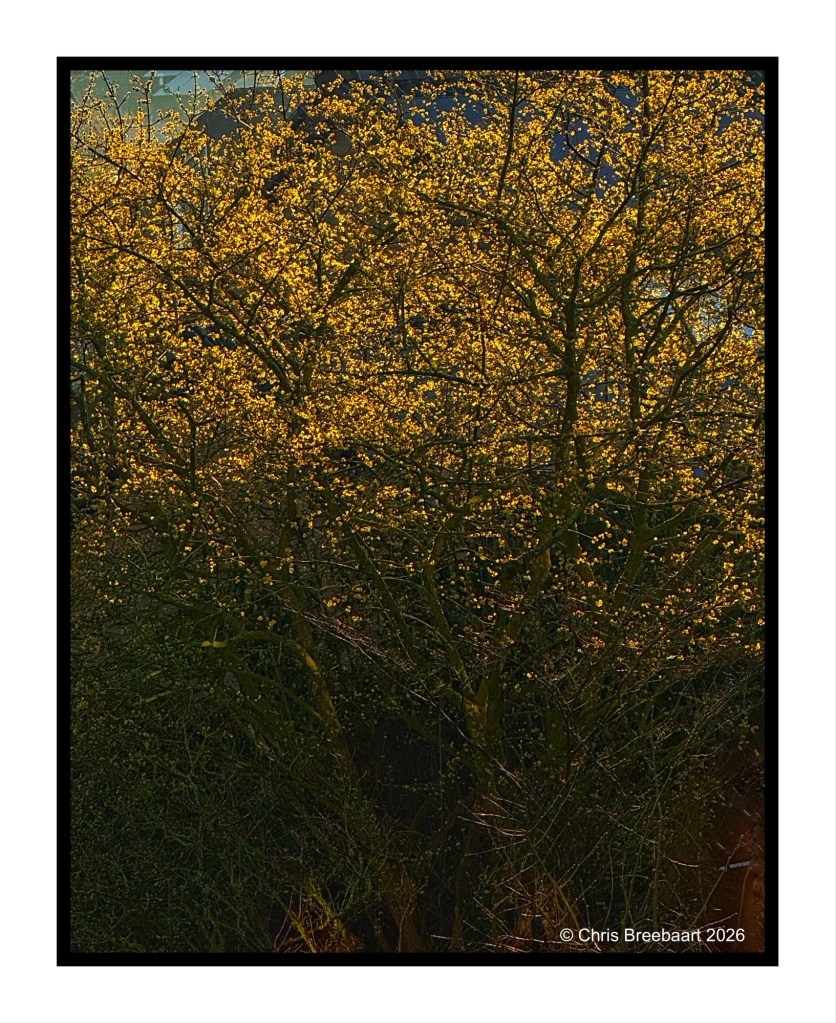
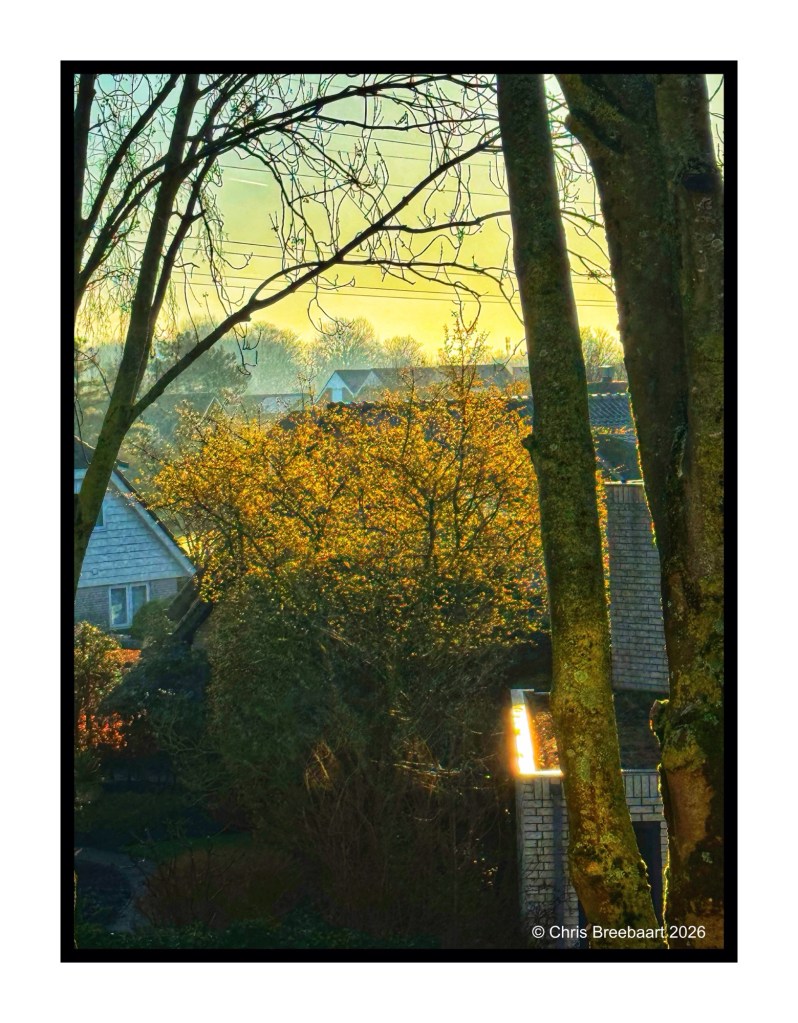
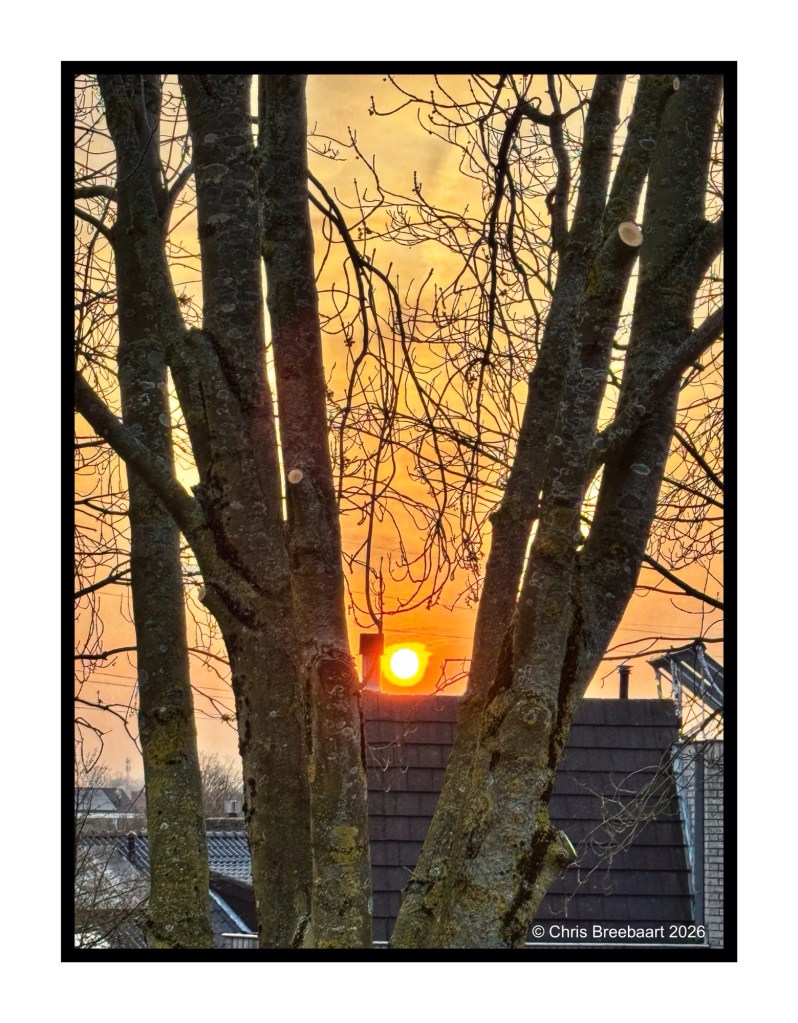
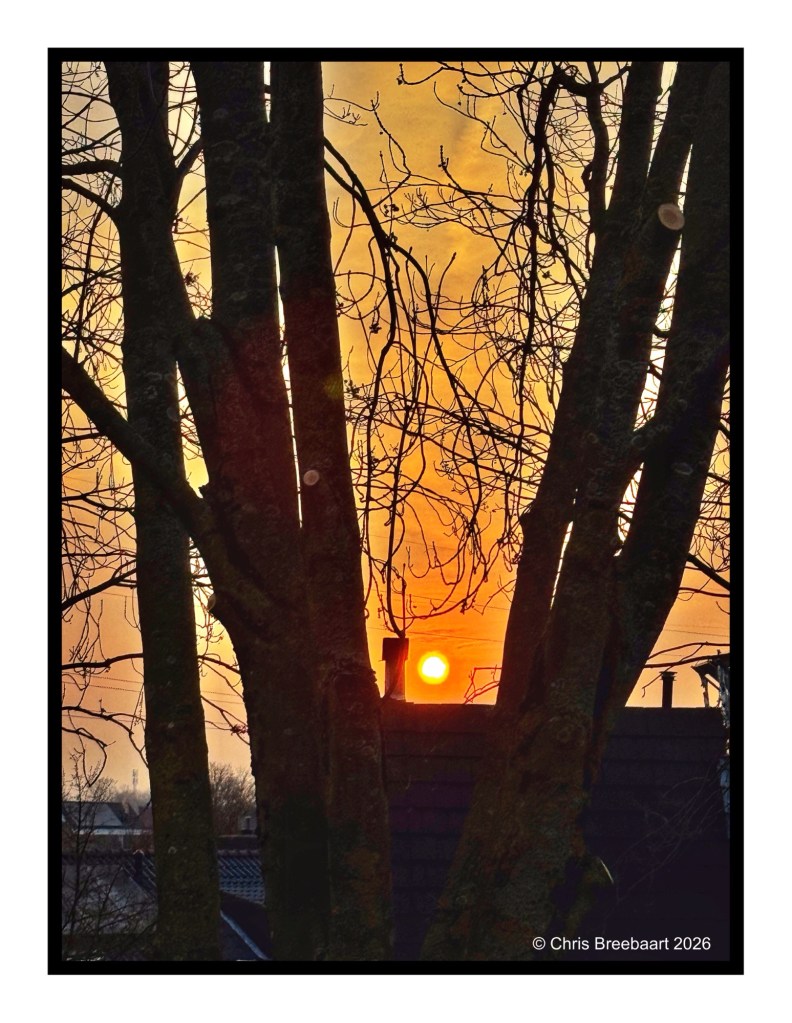
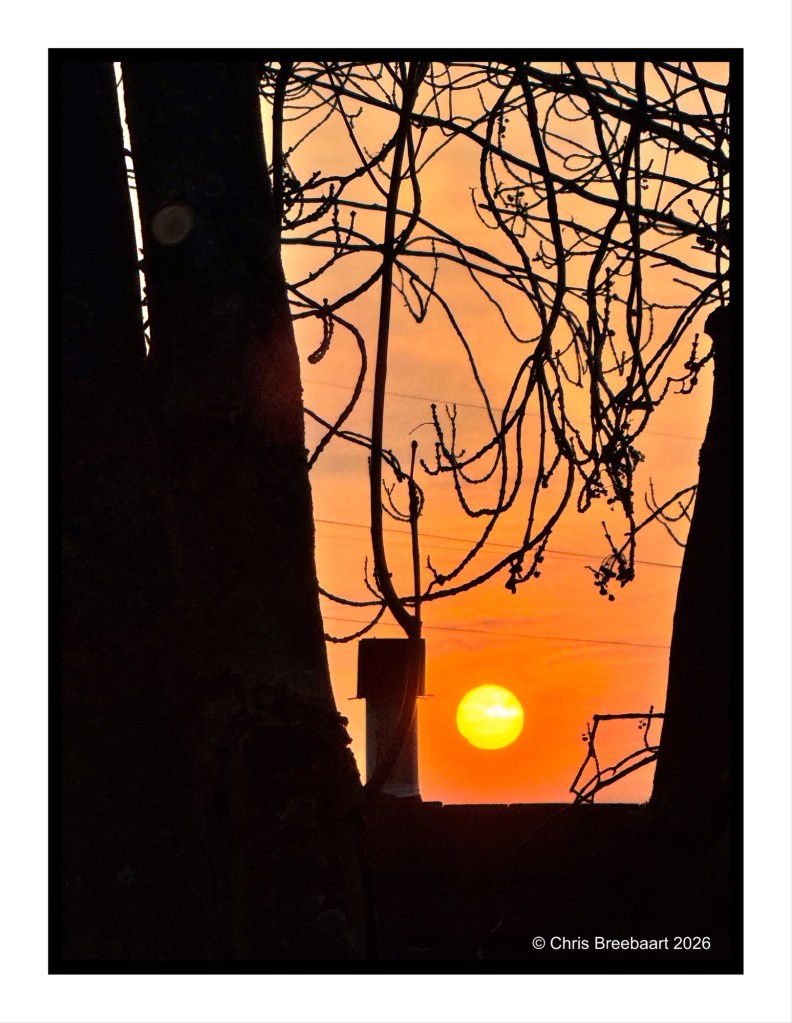
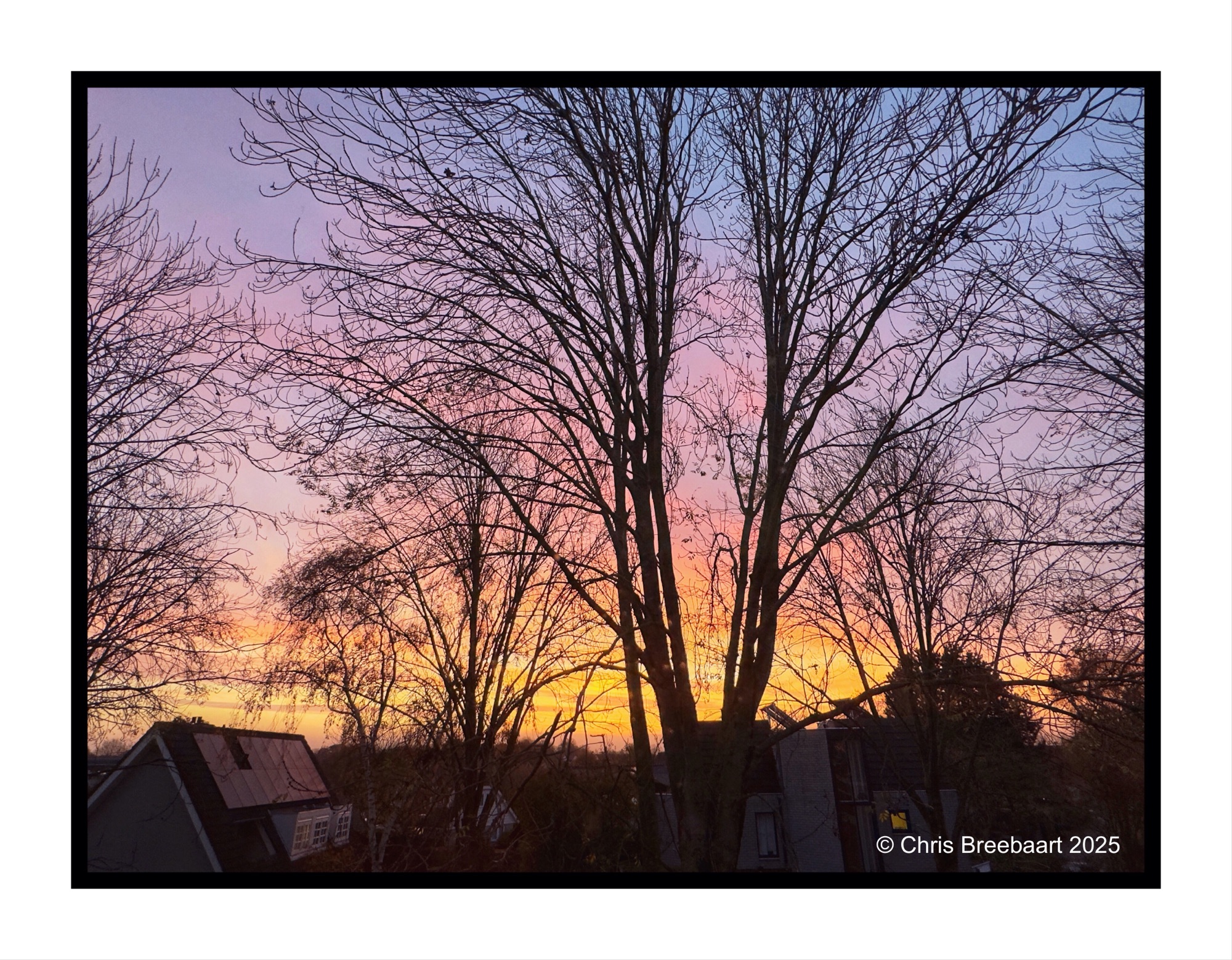
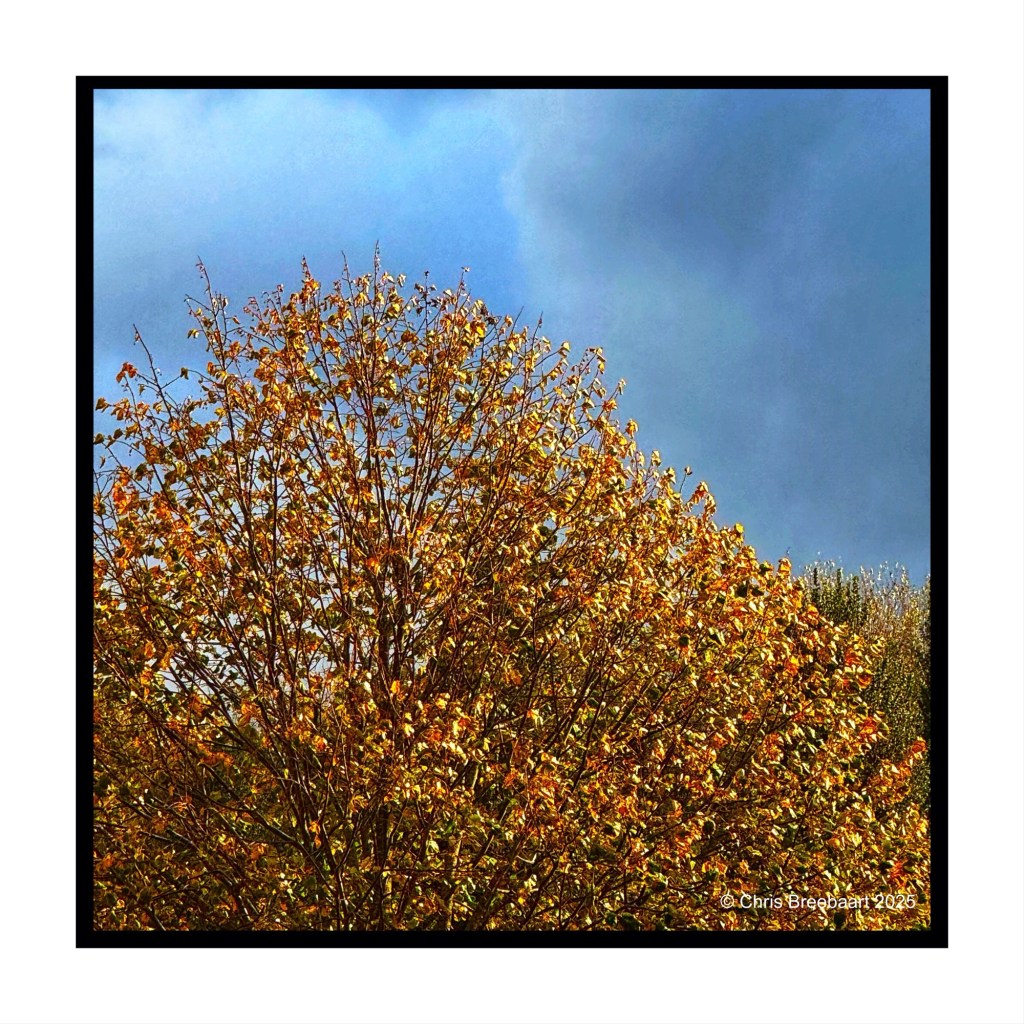
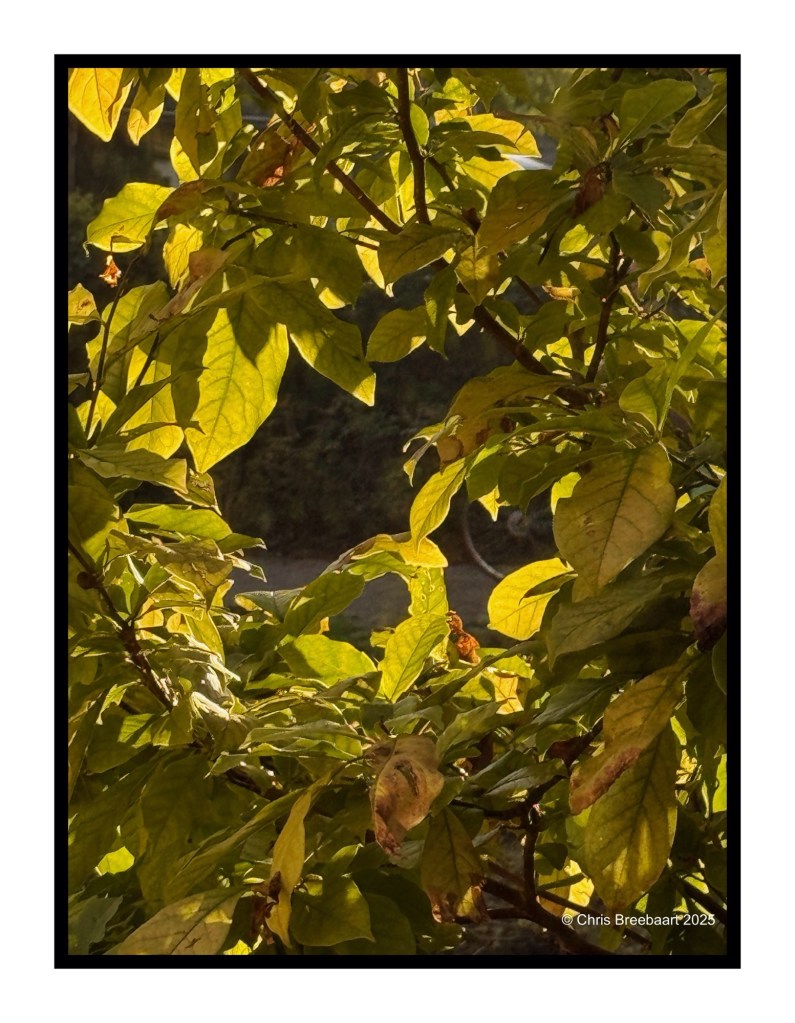
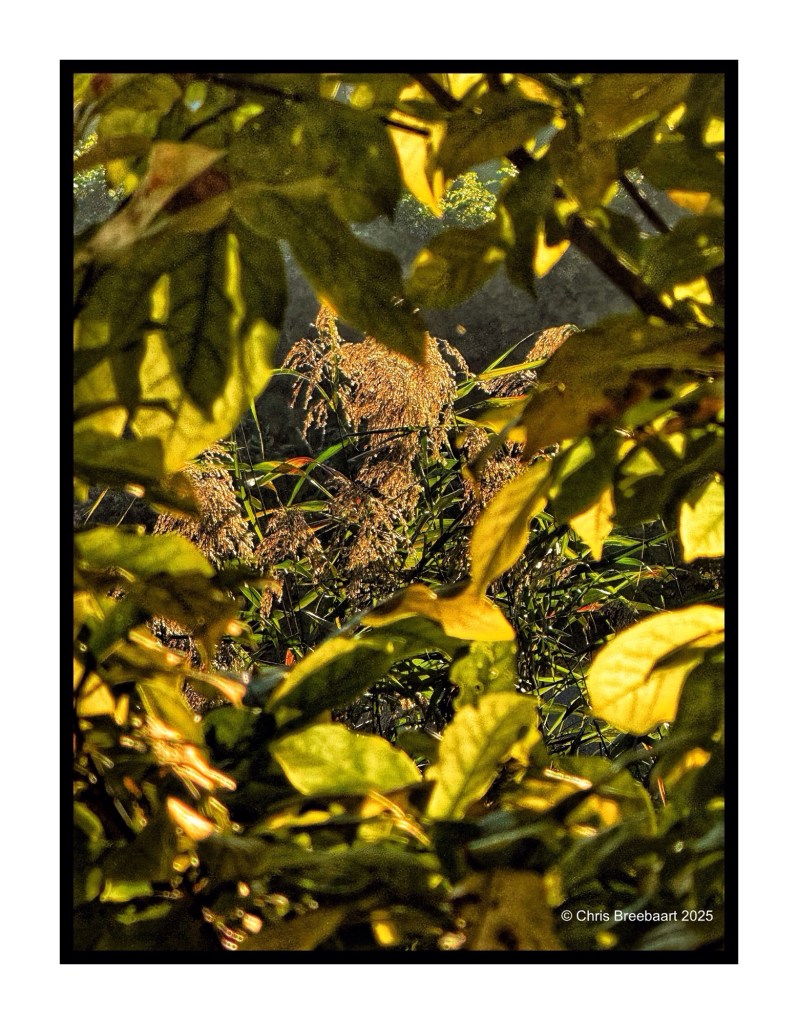
Spring knocks on the door. Sunrises through young leaves, creating golden slumbers in the early sunlight. Vanishing as the sun climbs higher in the sky.
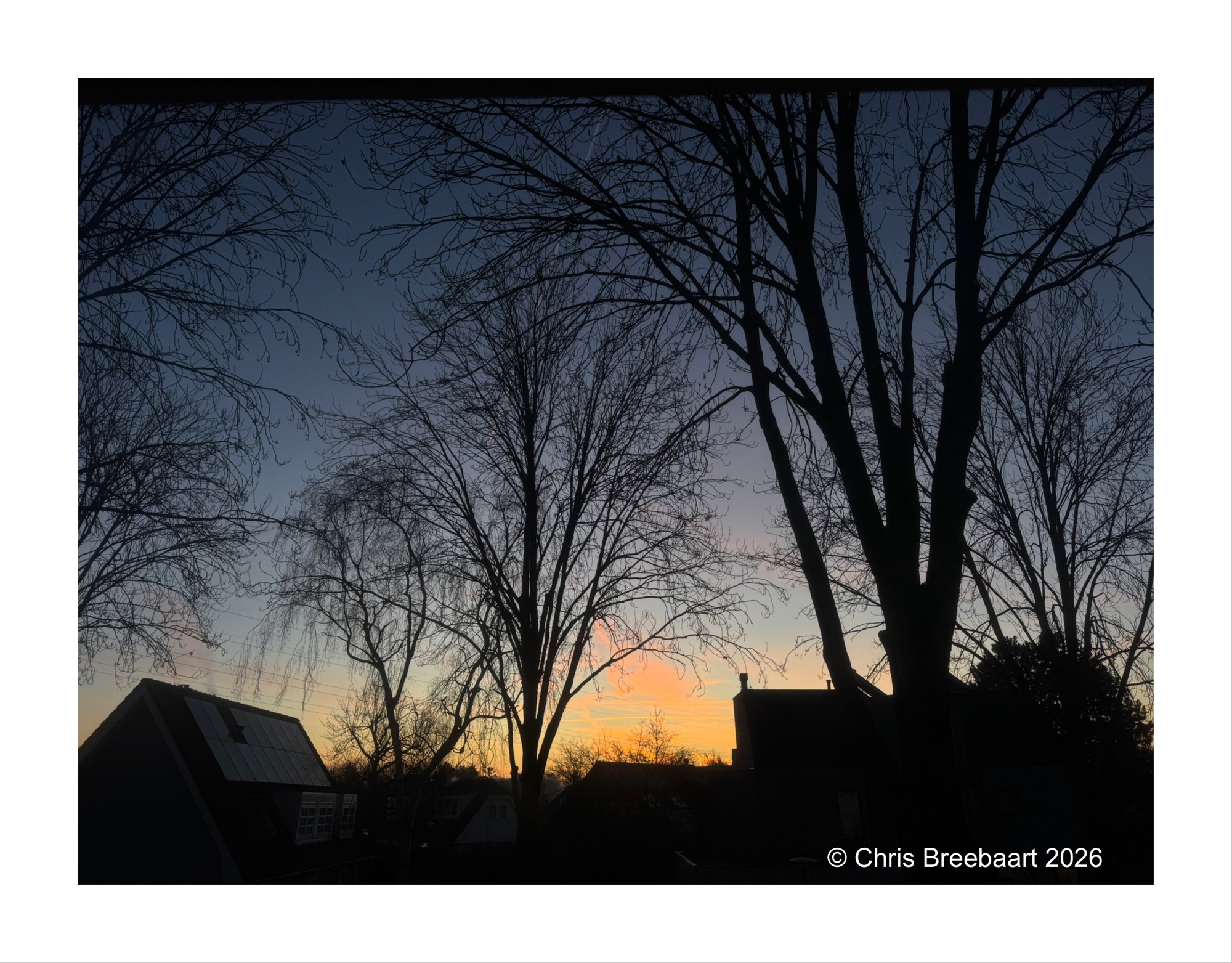
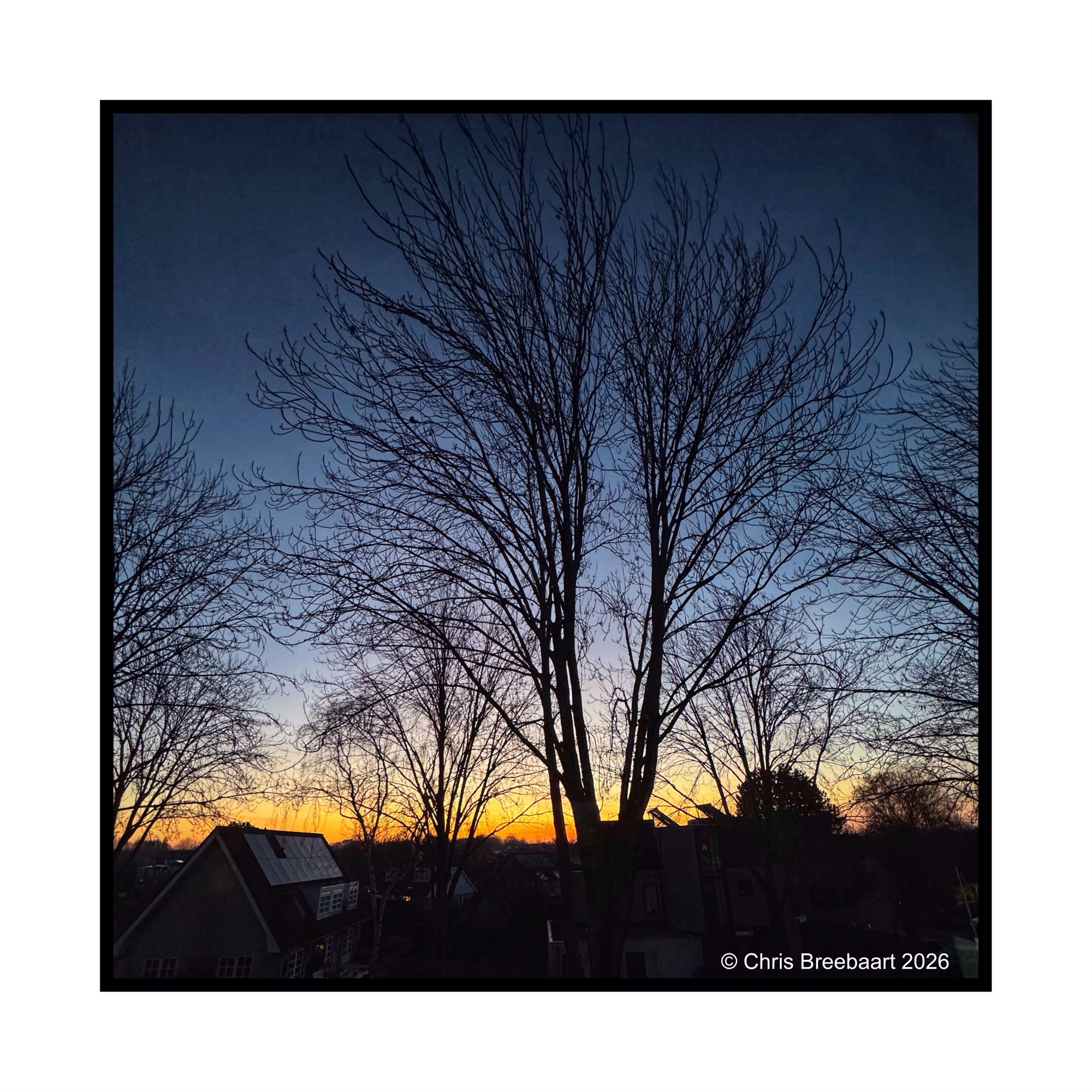
LAPC #386 invites to use the power of juxtaposition. I give the brief a bit more room for experiment, and put two pictures next to another. They both have a narrative of their own. It is basically the same subject (trees) but framed in a different way.
The LAPC theme #385 is ‘unusual crop’. It is about cropping (re-framing an existing image) for effect. I used an old photo from March 2018 to play with for this theme. I cropped it to get rid of some elements that I kept in the original shot. This theme makes me think about how I shoot and the principles I learned in the past.
I am not sure I fully understand the essence of the brief. I only understand it if I take it literally: how it is unusual for me to use cropping while editing. Let me try to explain. Cropping afterwards is to re-frame a shot. My aim is to frame a desired photo at the shoot on the camera. That is a principal I learned long ago. Modern technology helps. You can see the result of a shot right away on the camera. And zoom lenses give you the flexibility to decide about the framing. Long ago, all I shot was on a 50 mm lens on film. Then sometimes I deliberately shot to ‘crop’ the result. E.g. when I was unable to get close enough. In the darkroom, you enlarged the picture (blow up), and then decided the result of the frame. Nevertheless, this often resulted in a loss of quality (grain, sharpness). So I learned to frame from the start, long ago.
But even in those analogue days, blowing up negatives was creative, it added to the texture of a photo. Nowadays it is easier to be playful using better technology. Camera’s, phones, software, monitors, computers all contribute to more agility in the editing process.
I am curious about the perspective of other ‘old school’ photographers. The ones who used film and a darkroom in the past before the digital age. How do they view this challenge?
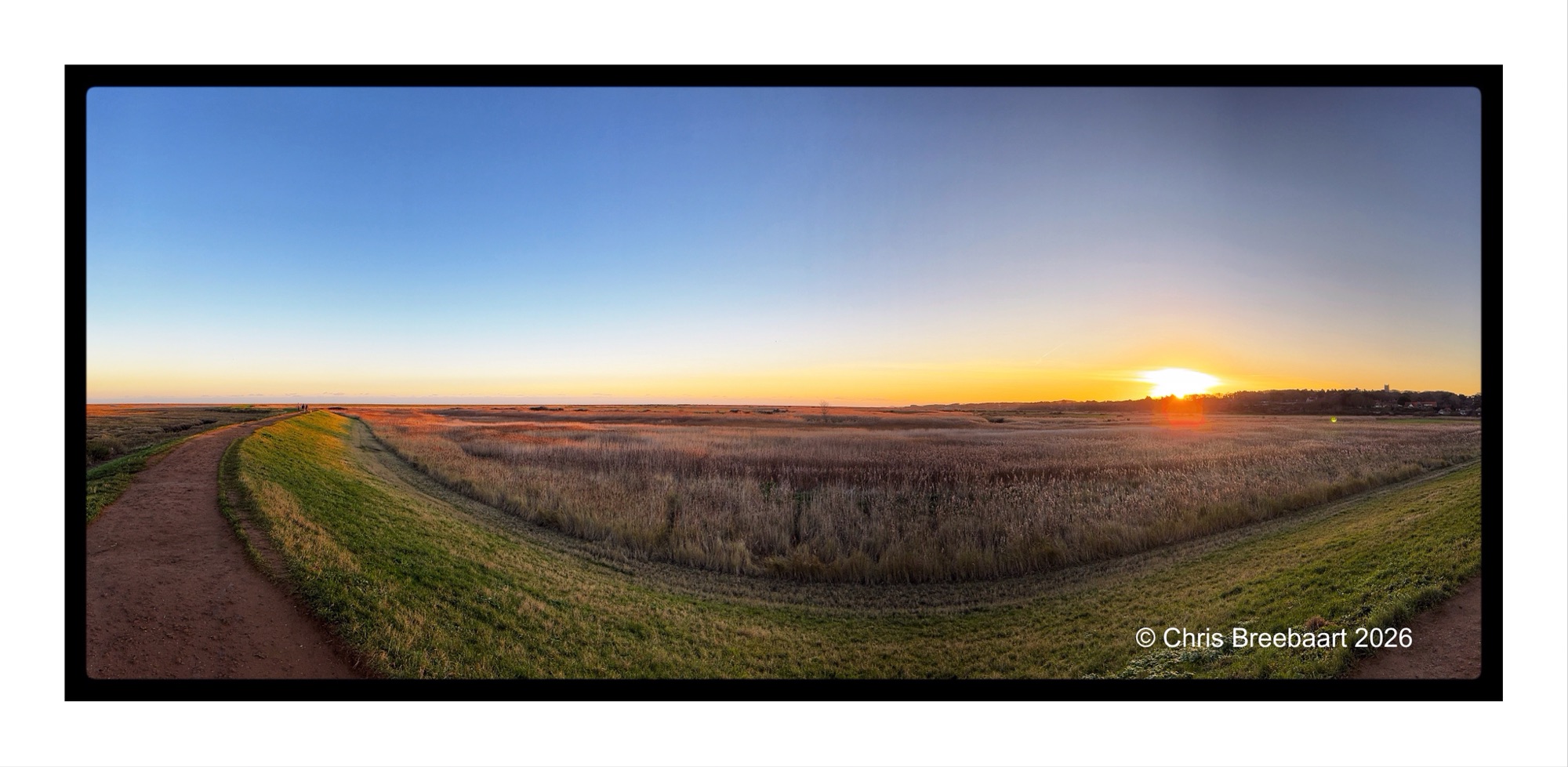
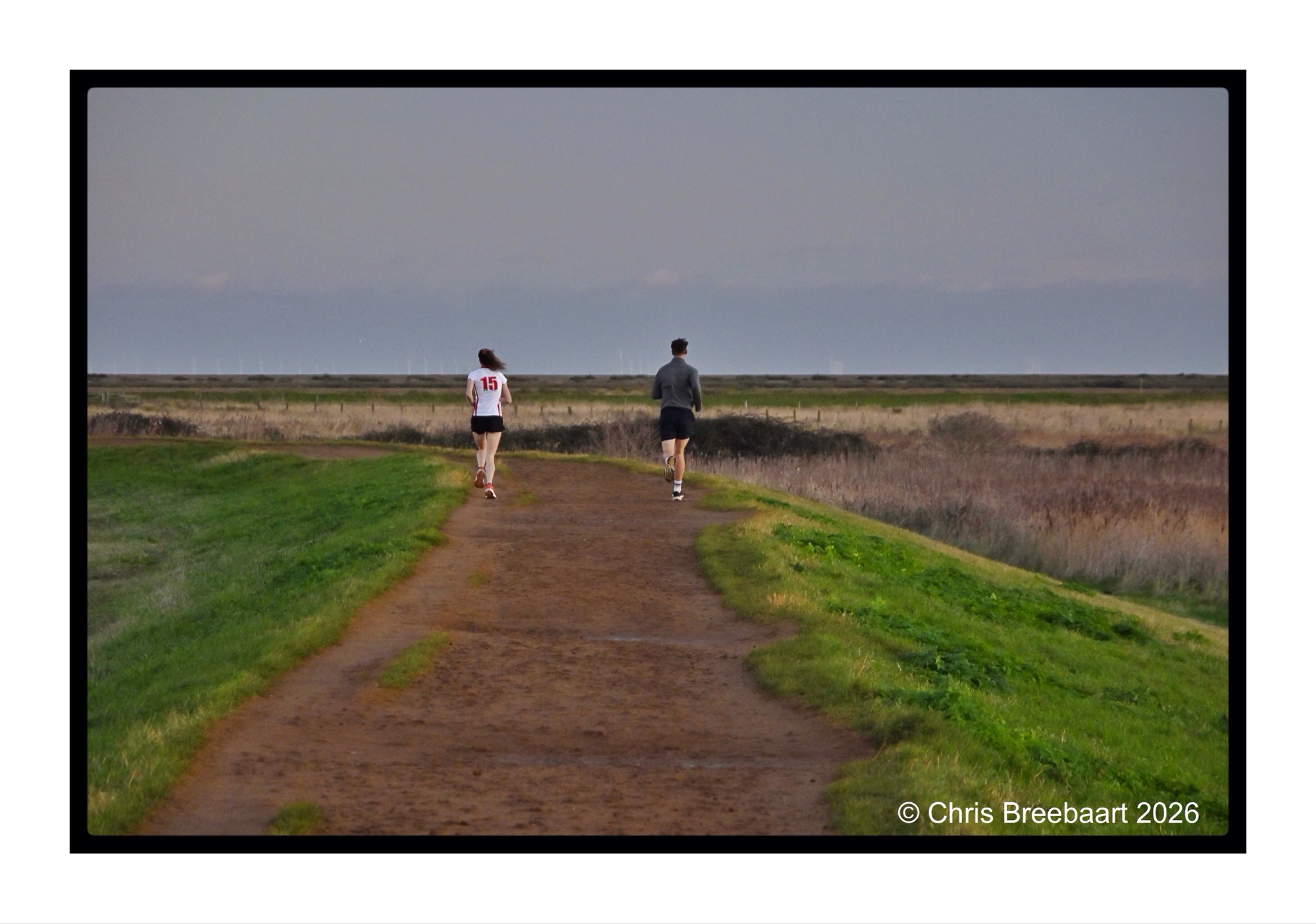
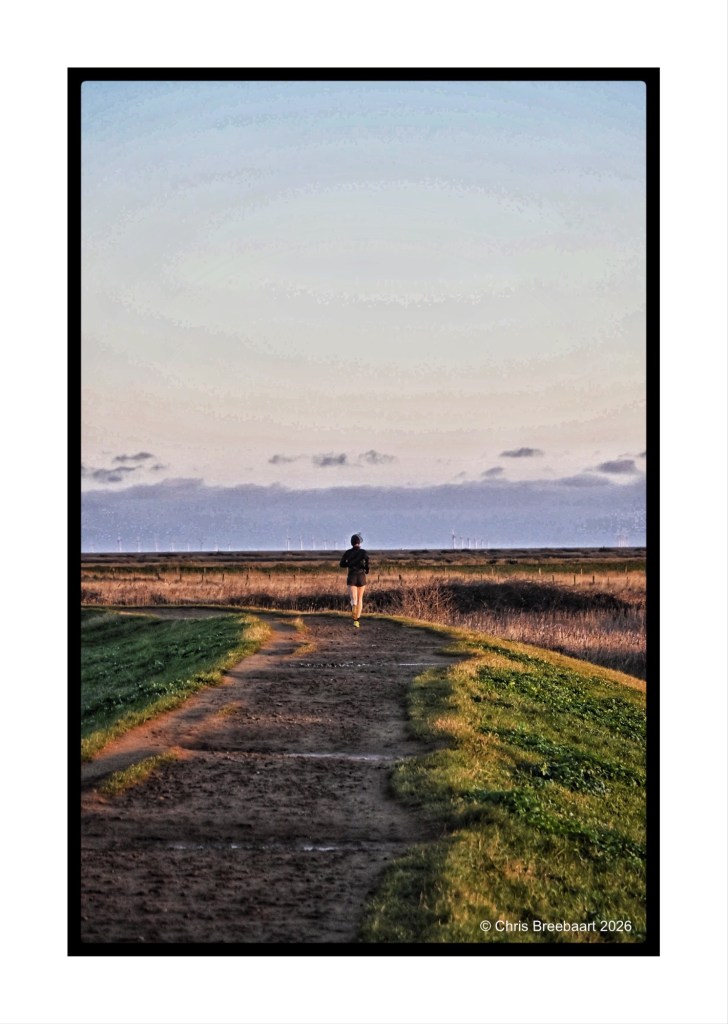
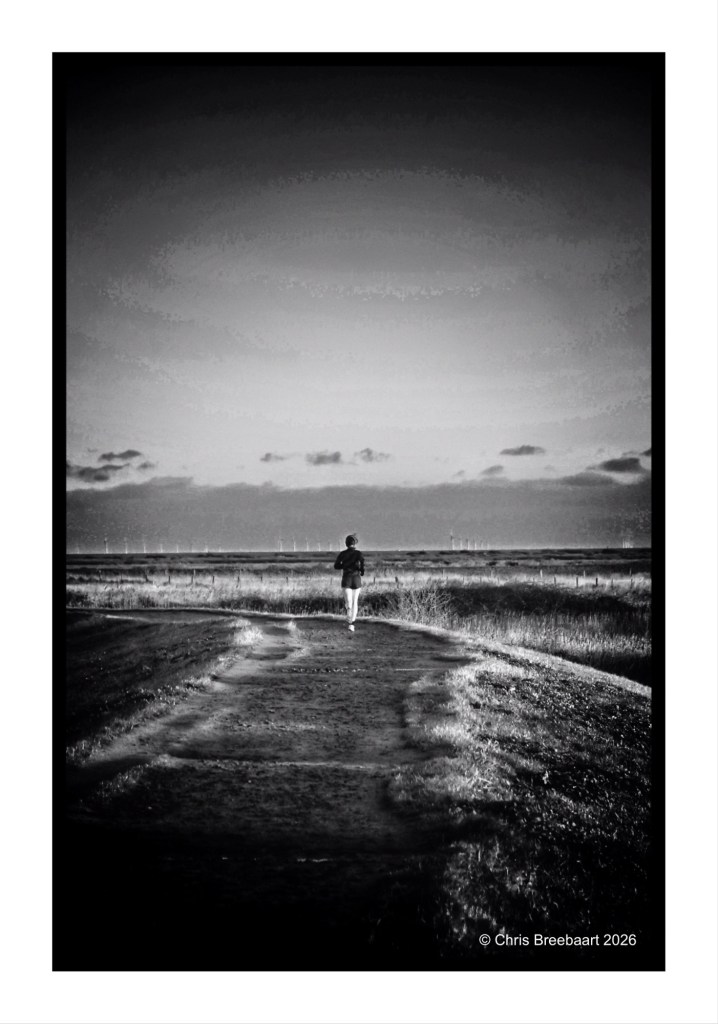
I published this one in a black and white version earlier, but this is the original. The coast path between Blakeney and Cley next the sea is used often by joggers.
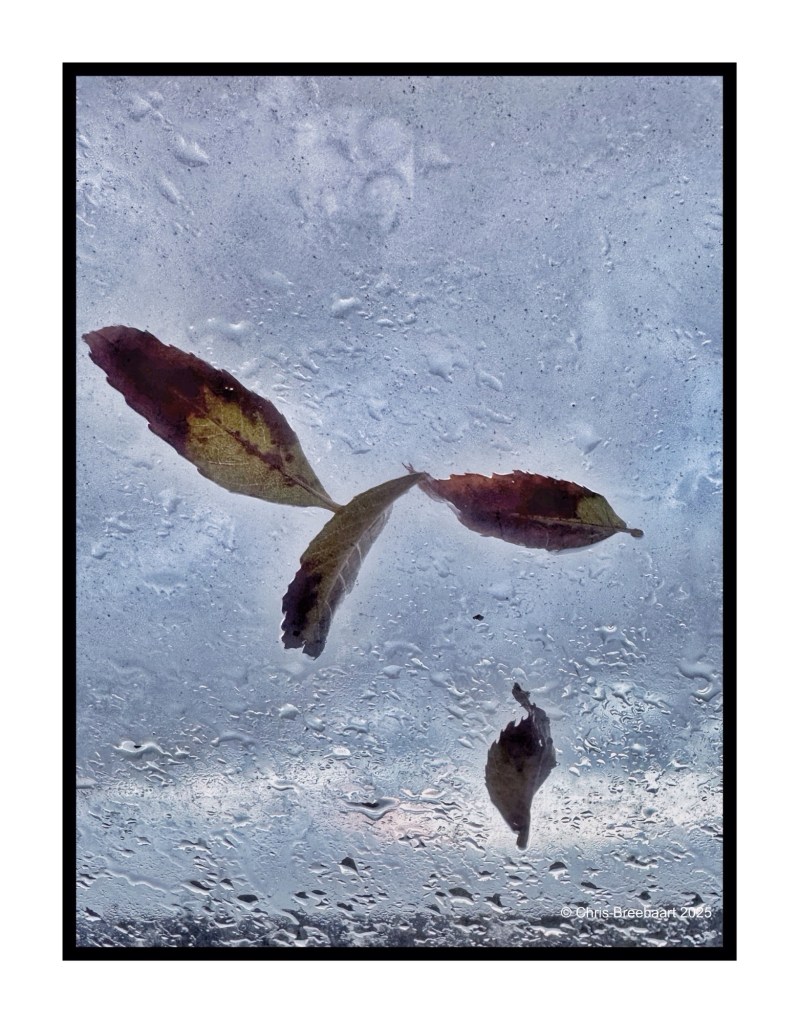
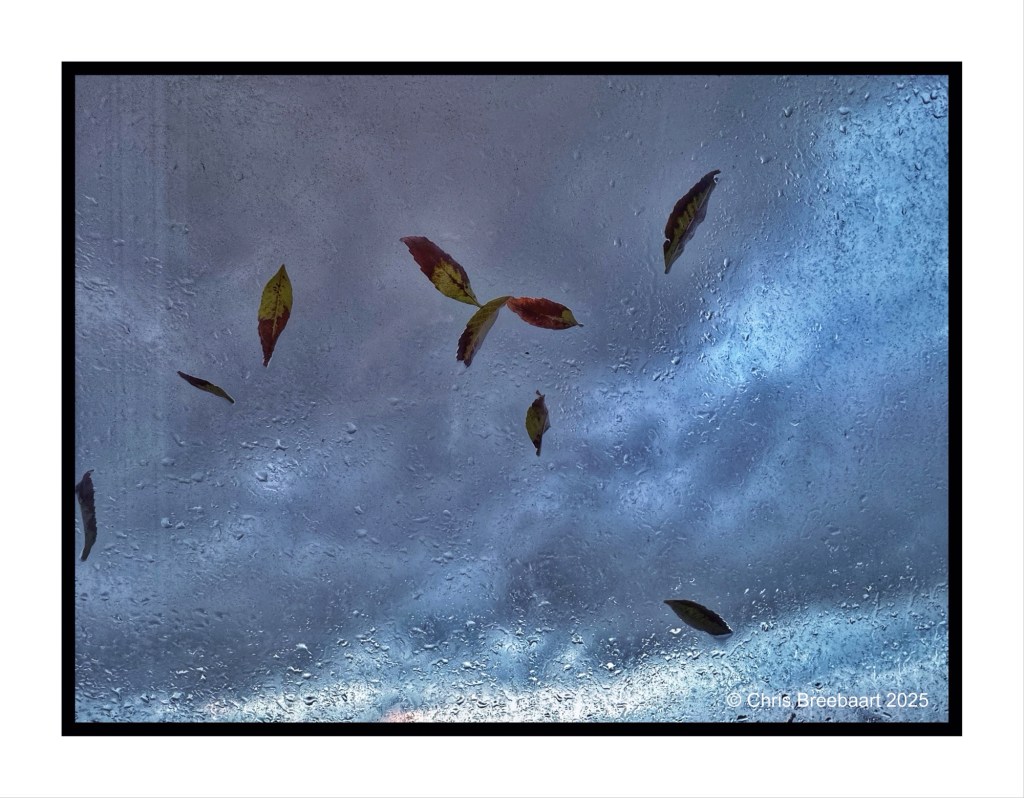
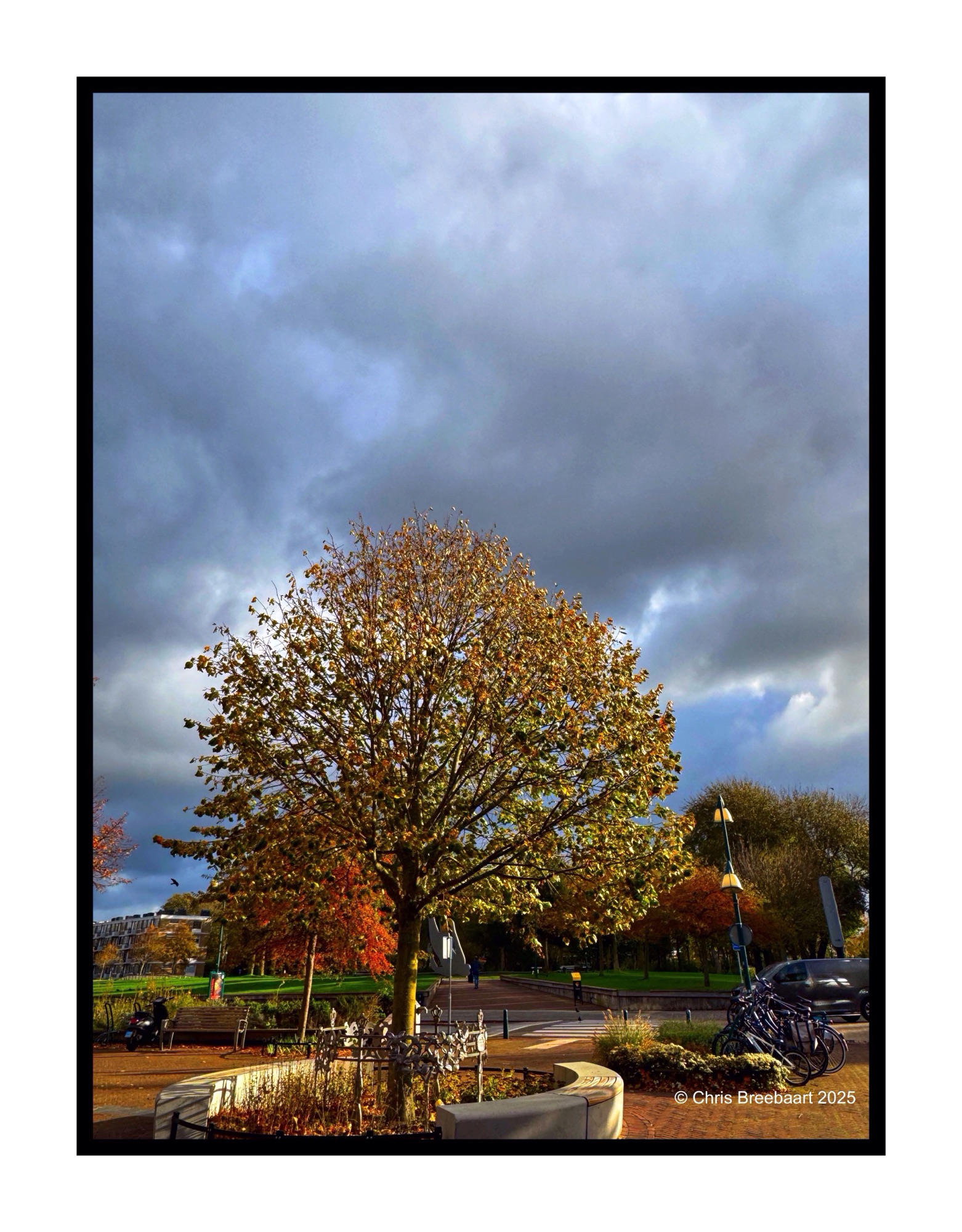
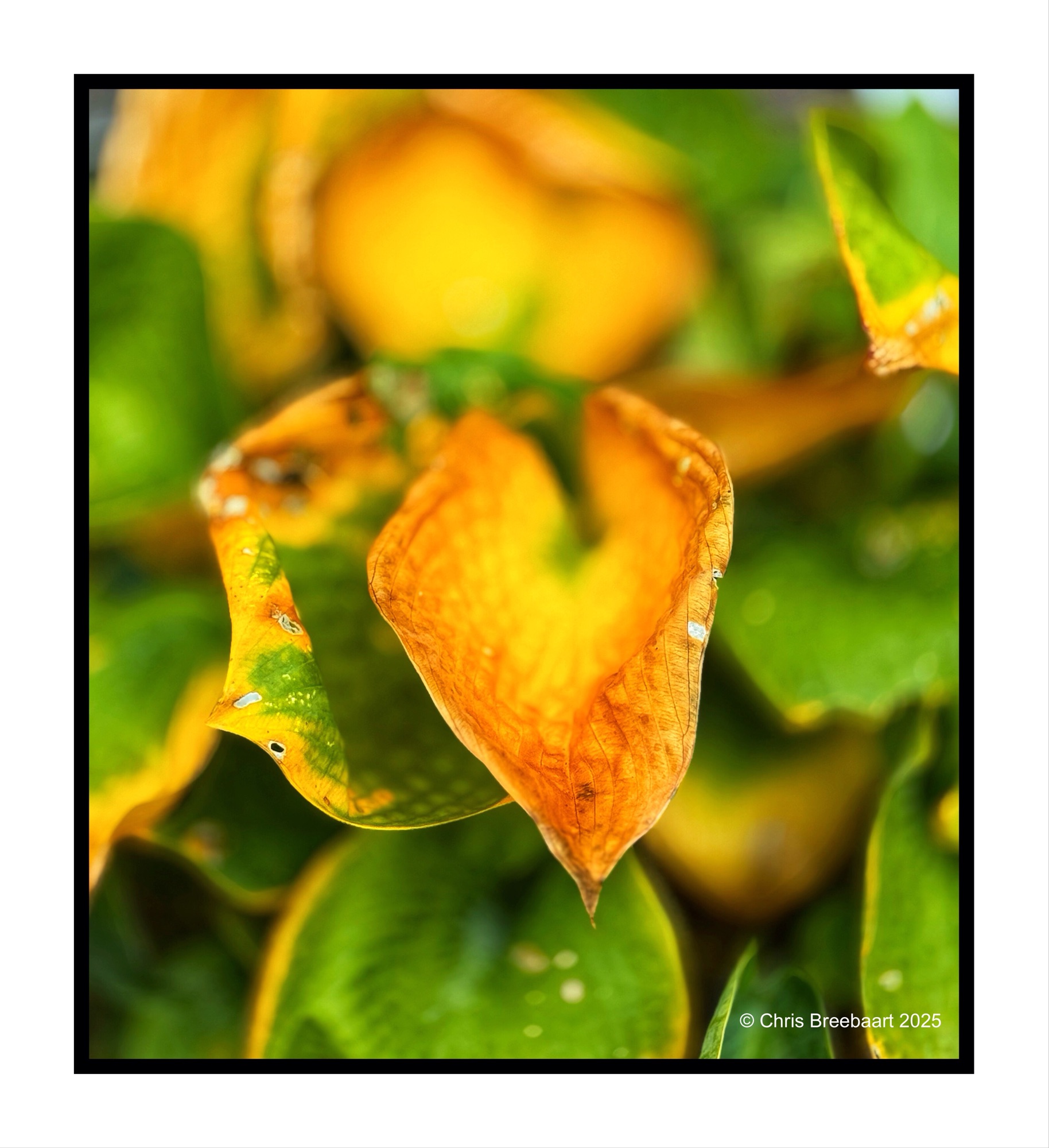
Autumn is approaching, the rain and gray skies are more and more the new normal. Luckily there is the occasional sun to enjoy, and the beautiful coloring of plants and trees.
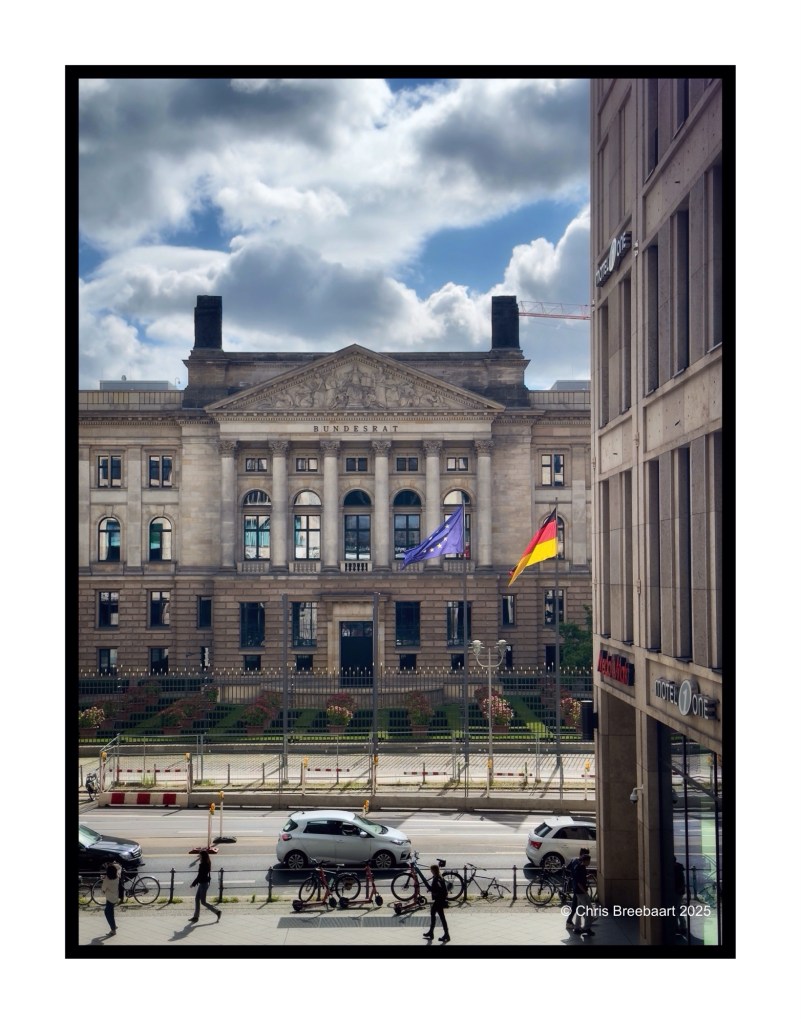
Walking through Berlin was sometimes causing some disorientation. Lots of places that were ‘void and empty’ in November 1989 are now (re)build. In 1989 I just saw a small part of former East Berlin. It was a challenge to figure out what I was looking at. An old building, a refurbished one or a new build? I have a slight preference for old buildings. Lots of them are beautifully restored. This is one of them: the Bundesrat in the former Prussian House of Lords. As seen from the Mall of Berlin.
Friends had ‘warned’ me about the changes I would see. What in 1989 was a vast open space (e.g. the Potzdamer Platz) is now completely filled with modern architecture. But what struck me the most was the vibrant vitality the city breathes now. It is cosmopolitan and a magnet.
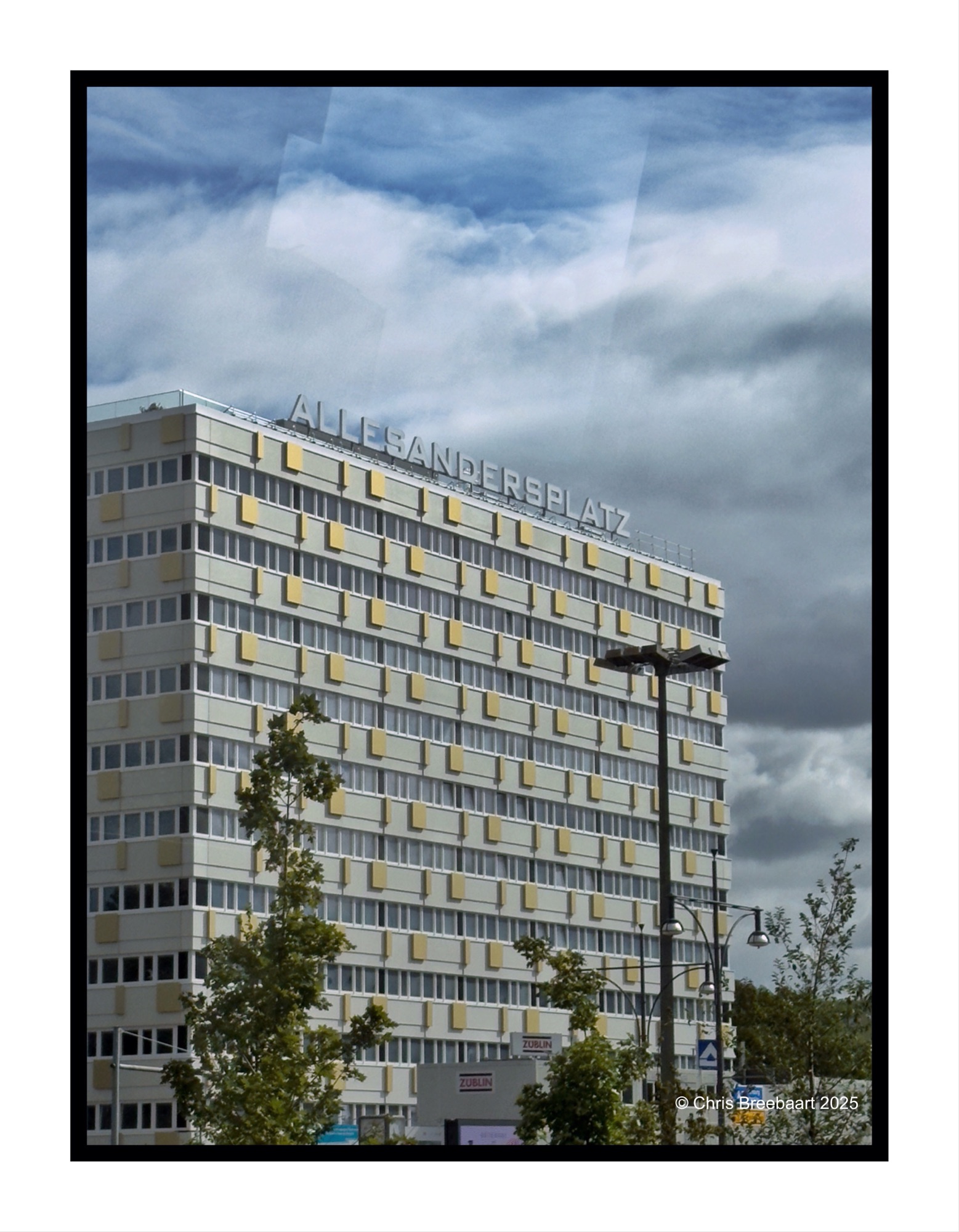
One of the landmark squares of Berlin is Alexanderplatz. On a building just a few hunder meters away I saw this text ‘Allesandersplatz’. Everything is different square? German humor? Or the basic conclusion after the first day. A lot changed. At face value.
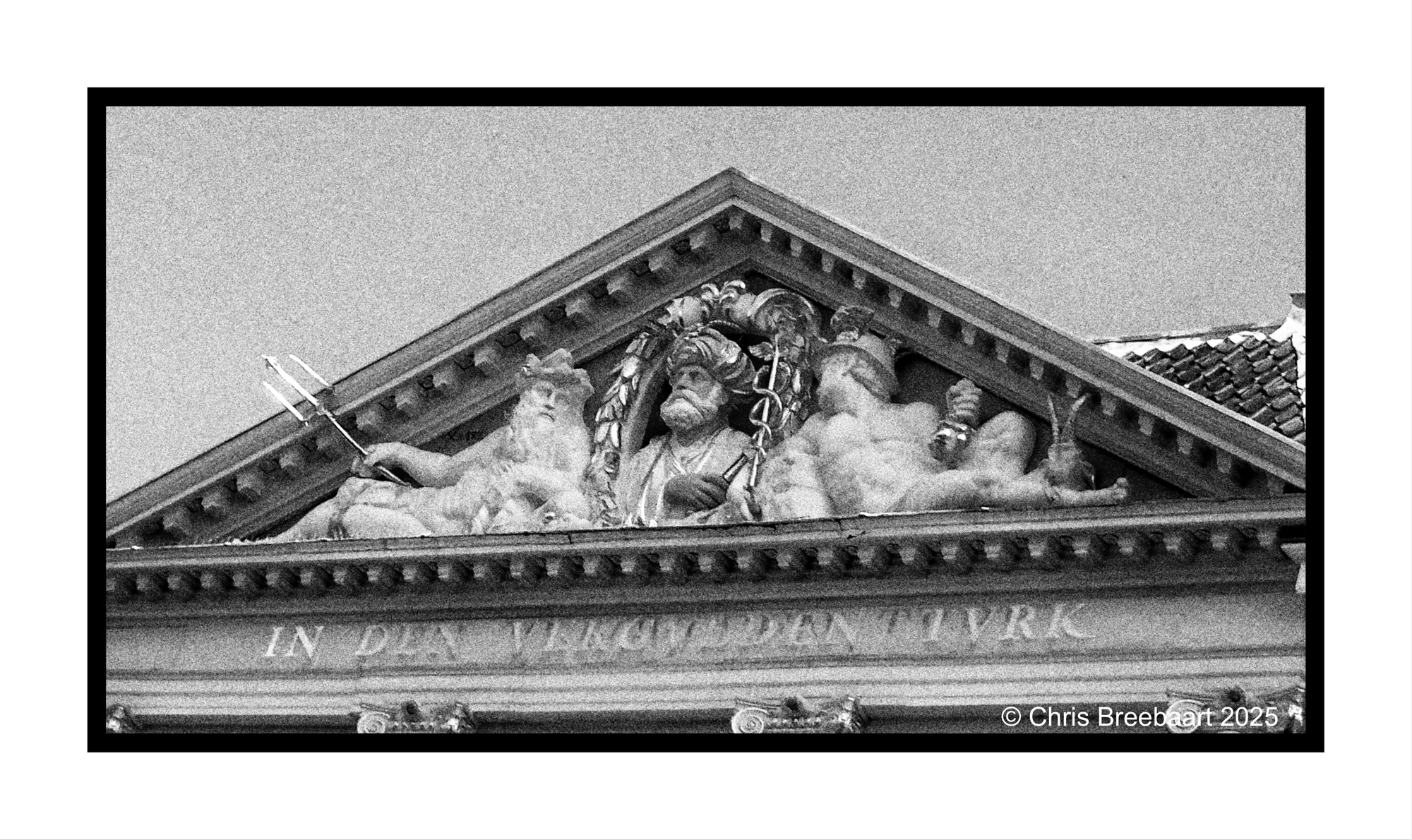
Detail from a front in the Breestraat in Leiden. In den vergulden Turk used to be a restaurant. It moved decades ago to a different spot in town. It then changed its name to Wienerwald. The top of the original front is still there, and recently brought back to its old splendor.



 What's (in) the Picture?