Growing Up
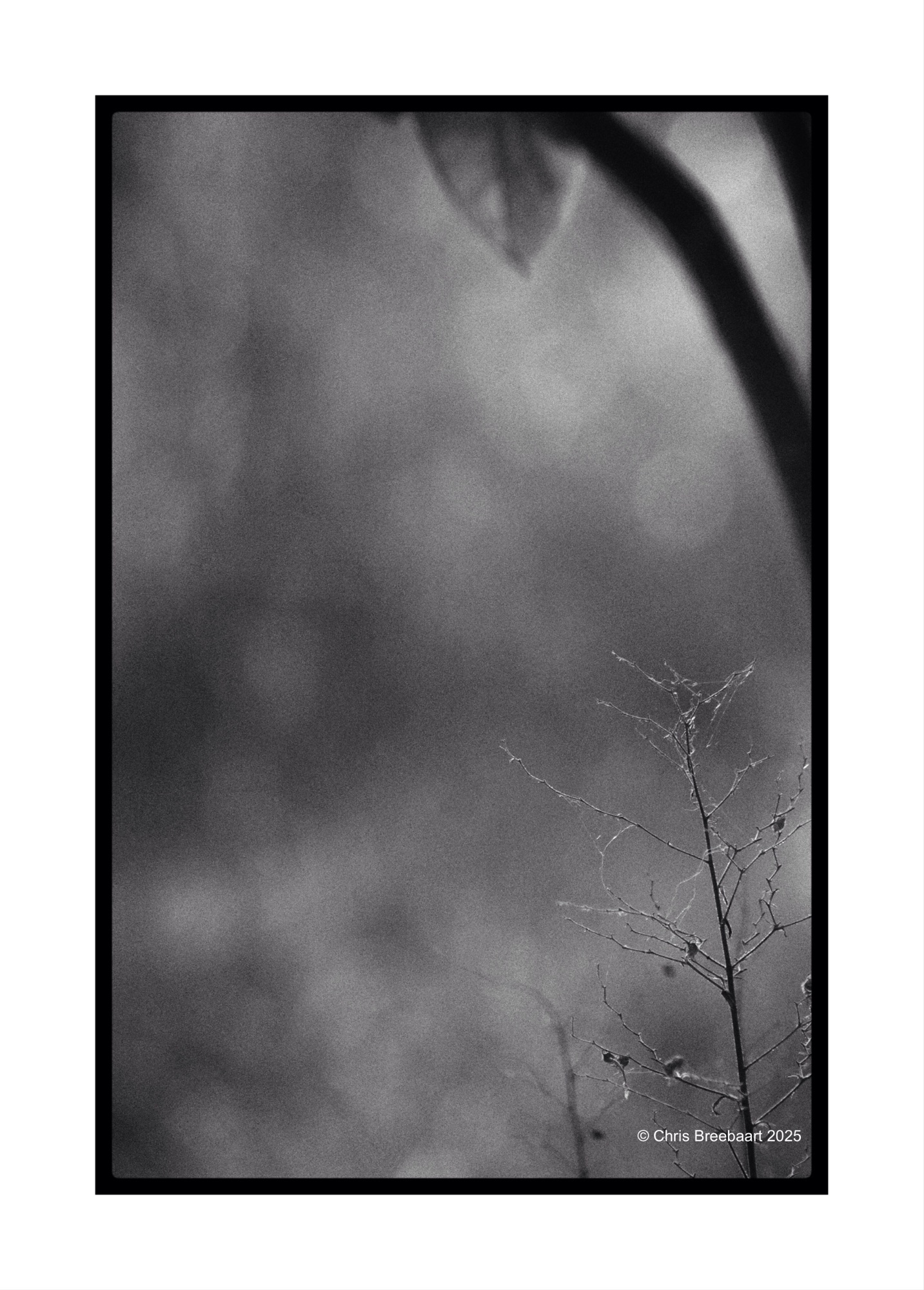
The aim is to get up into the light and find your place among the rest of the garden.
Shot with Nikon Zf, edited using Snapseed and Marksta. Click the picture for a larger version.
The aim is to get up into the light and find your place among the rest of the garden.
Shot with Nikon Zf, edited using Snapseed and Marksta. Click the picture for a larger version.

The Japanese Anemone in the front garden at close look.
Shot with Nikon Zf, edited using Snapseed and Marksta. Click the picture for a larger version.
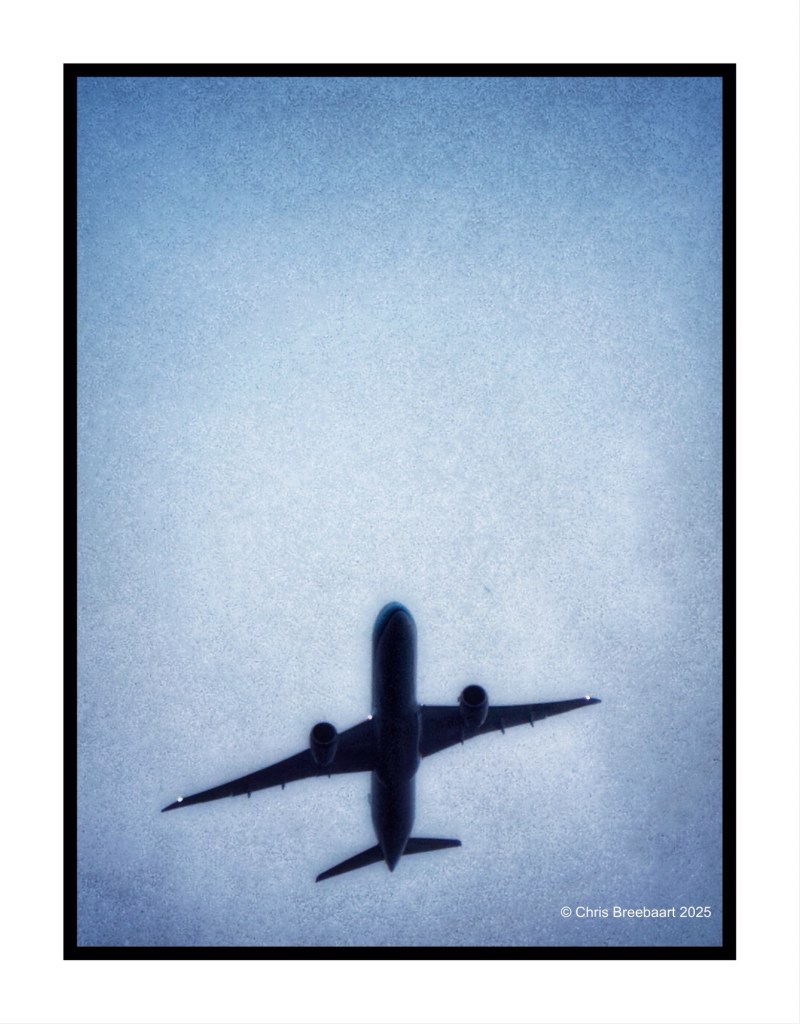
Incoming flights can be annoying, on the other hand they offer a dynamic photo subject!
Shot with iPhone 15 Pro Max edited using Snapseed and Marksta. Click the picture for a larger version
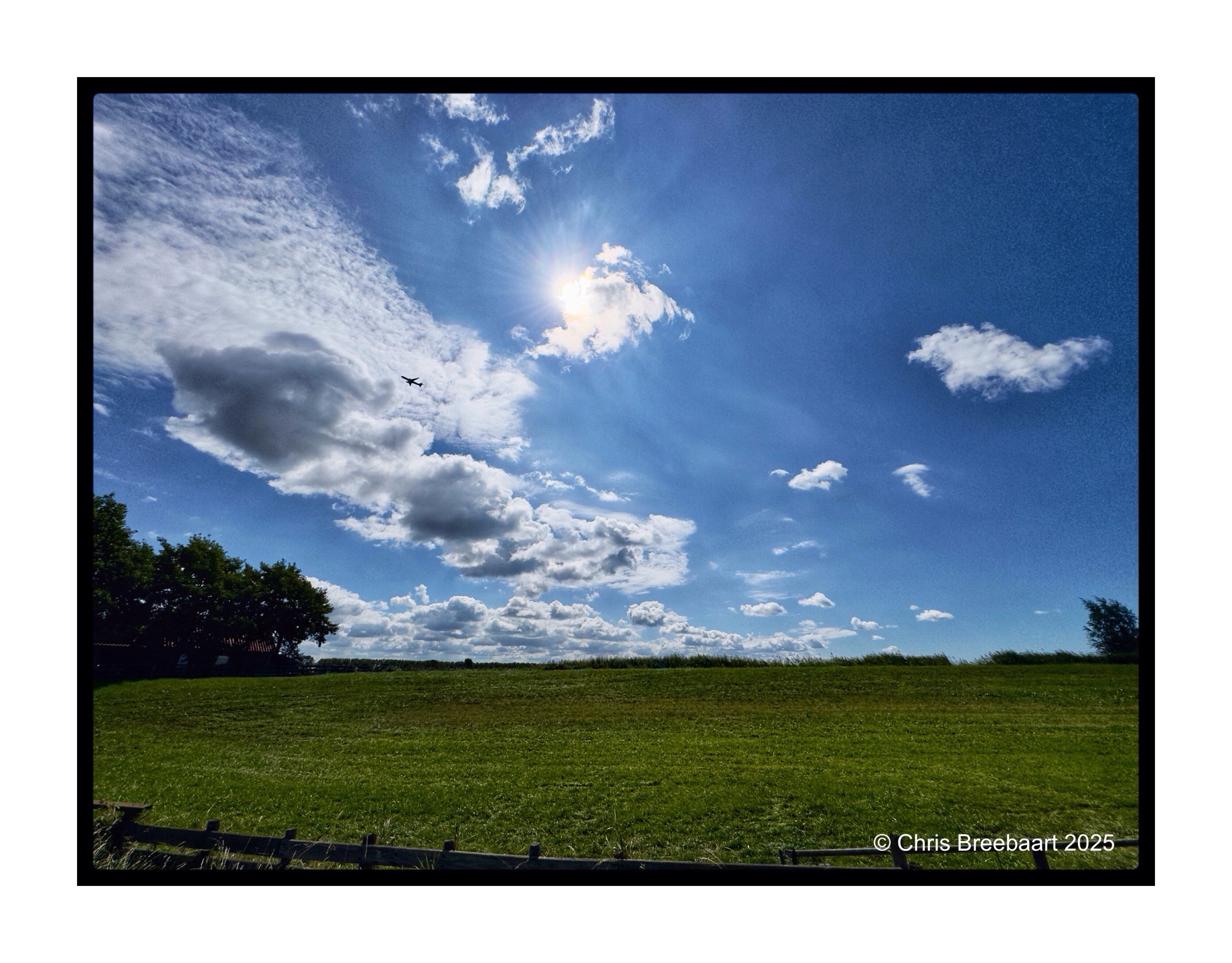
Meet the edge of the polder, the dyke.
Shot with iPhone 15 Pro Max edited using Snapseed and Marksta. Click the picture for a larger version

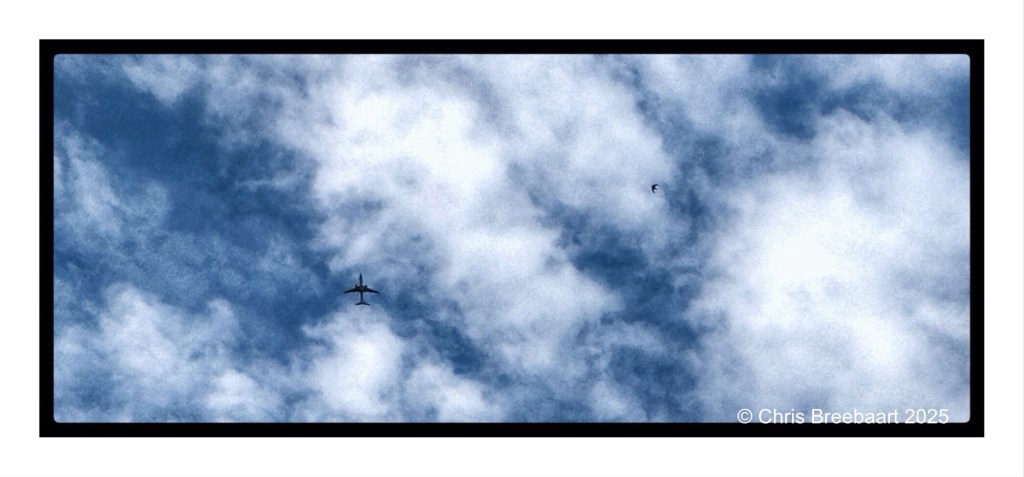
During the Summer we see much more incoming traffic to Schiphol Amsterdam. Quite annoying actually, every minute a plane coming in. During day time they approach just over 600 meters, but in the evening they fly in from 1000 meters. When the wind turns West again in Autumn it will be over. However, who enjoys sitting in his garden in Autumn rain?
Shot with iPhone 15 Pro Max edited using Snapseed and Marksta. Click the picture for a larger version
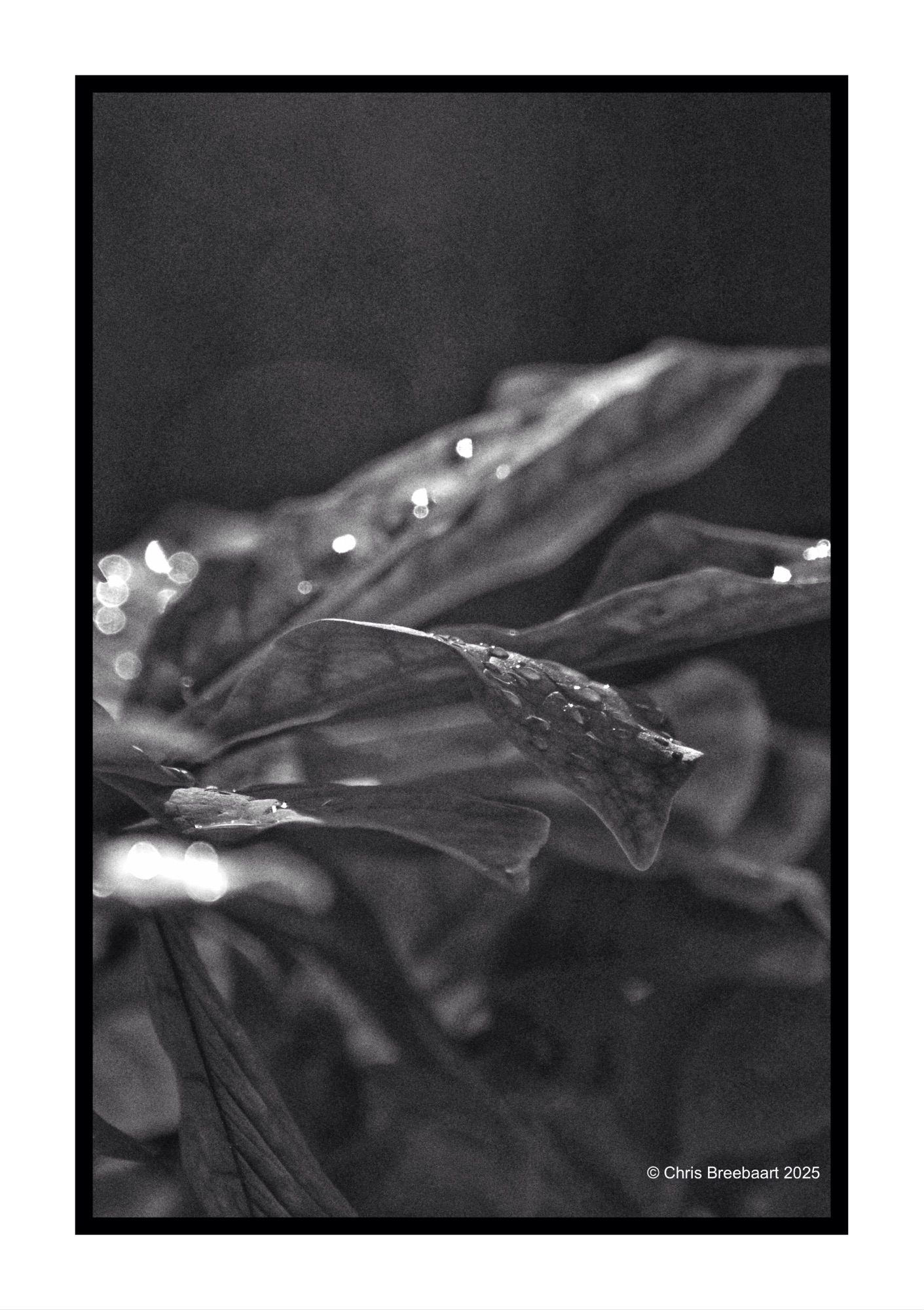
The morning sun reflecting the drops of rain that the night left behind.
Shot with Nikon Zf, edited using Snapseed and Marksta. Click the picture for a larger version.
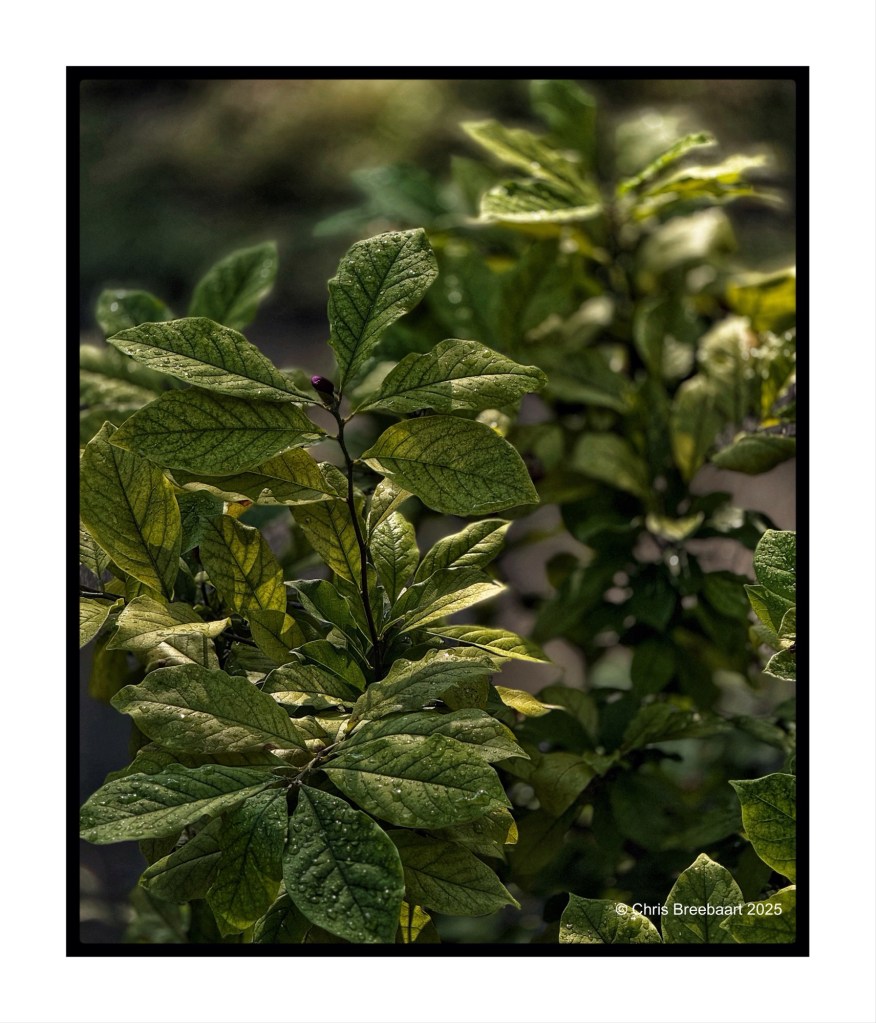
A long dry Summer with a garden begging for rain.
Shot with iPhone 15 Pro Max edited using Snapseed and Marksta. Click the picture for a larger version

On a warm Summer’s day, there are traffic jams on the canal.
Shot with iPhone 15 Pro Max edited using Snapseed and Marksta Click the picture for a larger version.

A plant in the front garden offers months of beauty in the sunlight of the morning sun. Using the portrait mode of the iPhone results in ‘hovering’ effects of parts of the plant that seem now unattached.
Shot with iPhone 15 Pro Max edited using Snapseed and Marksta. Click the picture for a larger version
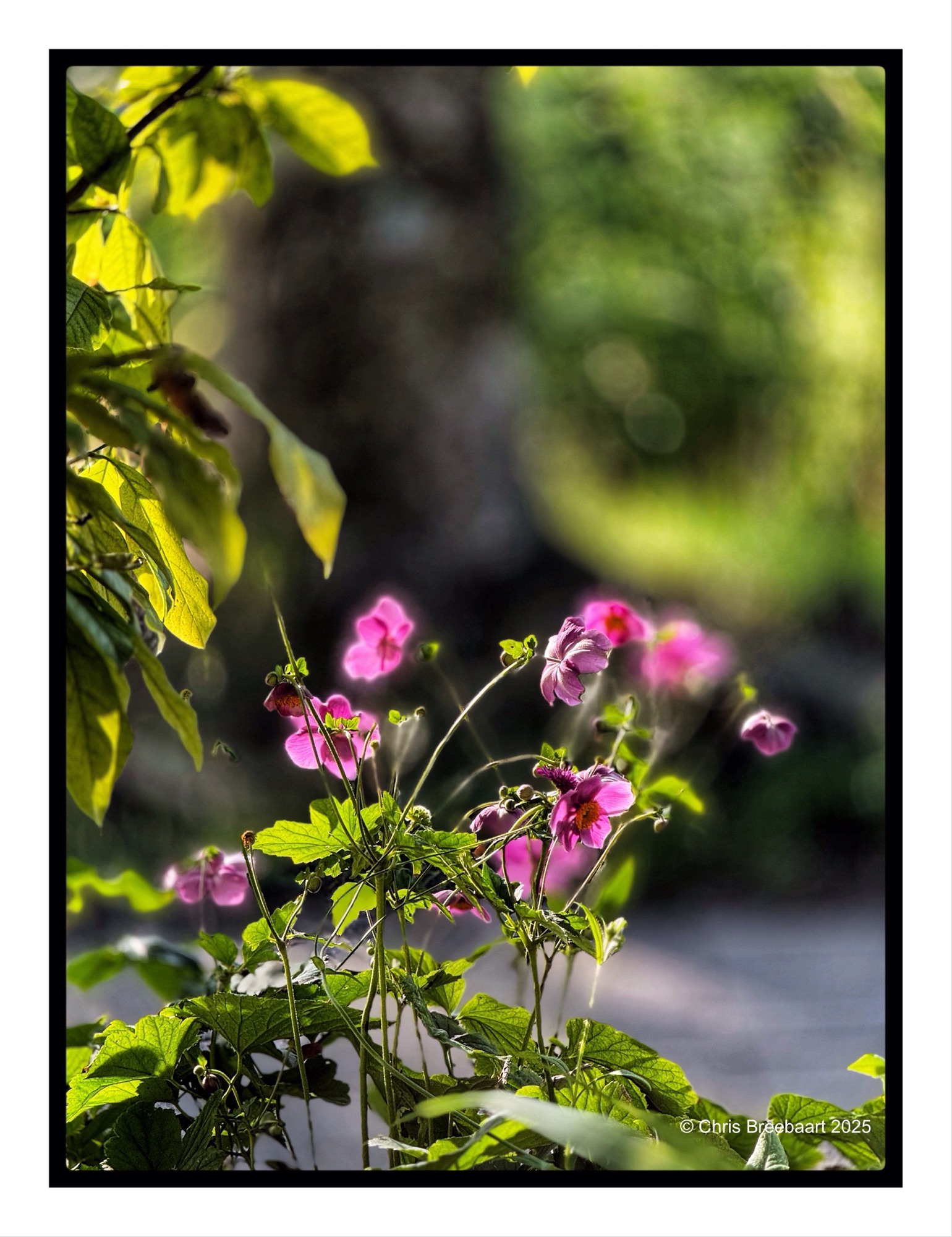
A plant in the front garden offers months of beauty in the sunlight of the morning sun.
Shot with iPhone 15 Pro Max edited using Snapseed and Marksta. Click the picture for a larger version.
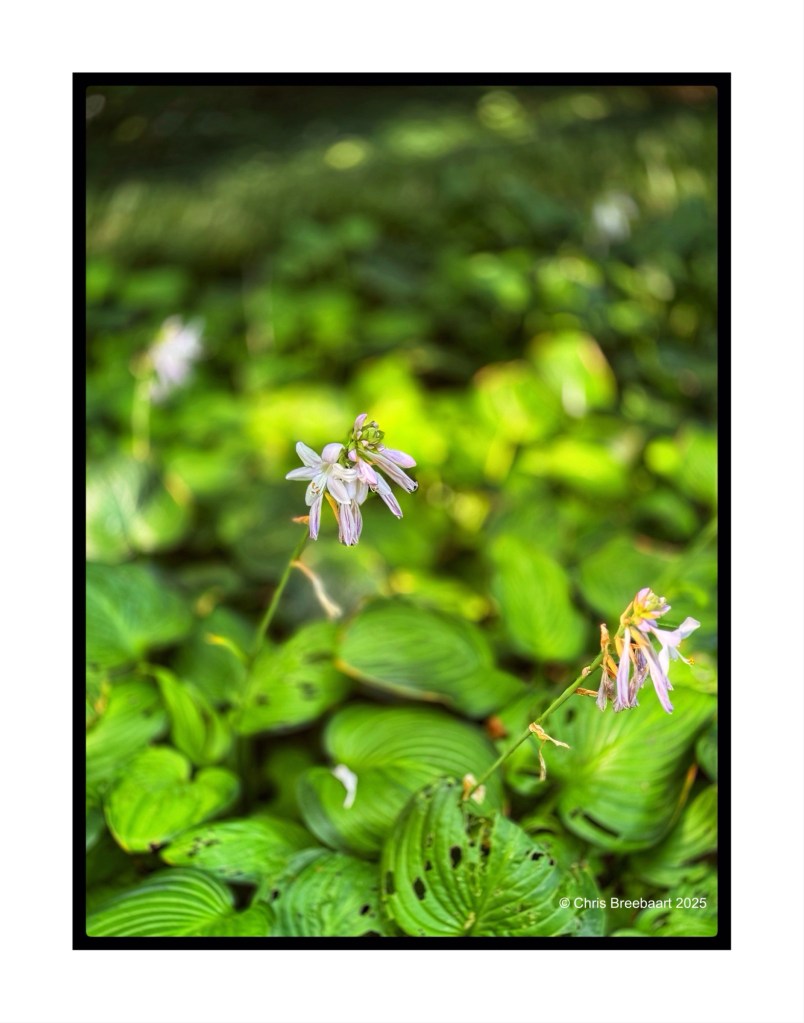
The garden of castle De Keukenhof.
Shot with iPhone 15 Pro Max edited using Snapseed and Marksta Click the picture for a larger version
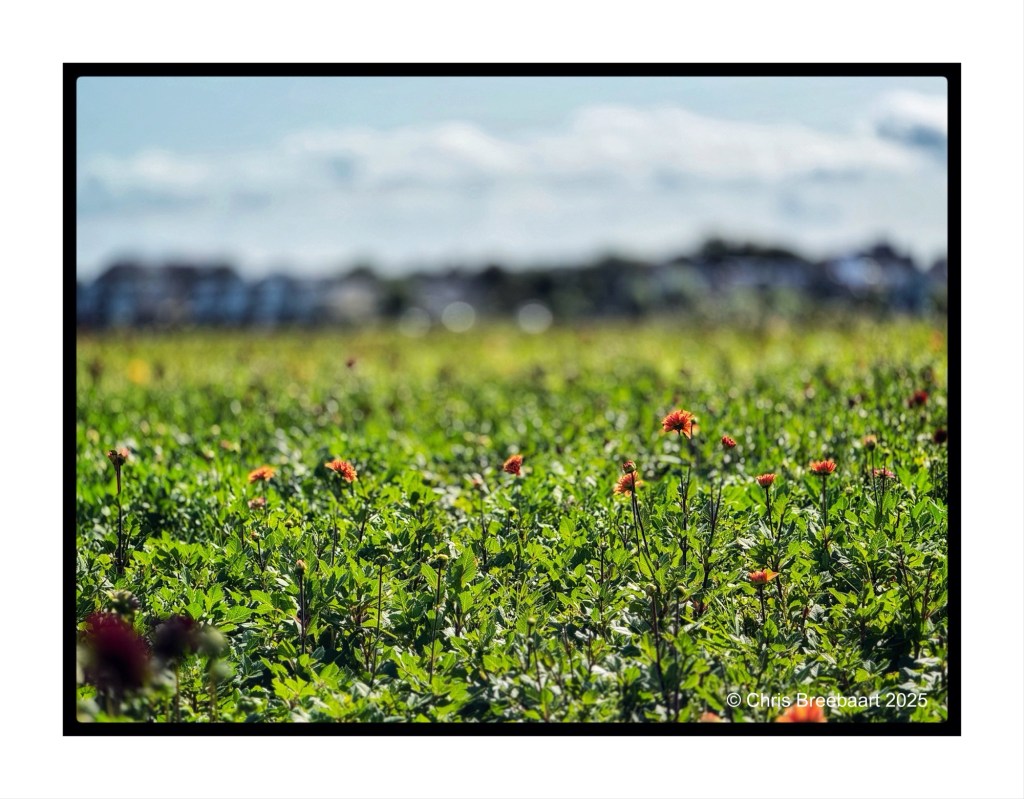
In Spring this field produces either hyacinths, daffodils or tulips. In Summer this year it produces Dahlia.
Shot with iPhone 15 Pro Max edited using Snapseed and Marksta. Click the picture for a larger version.
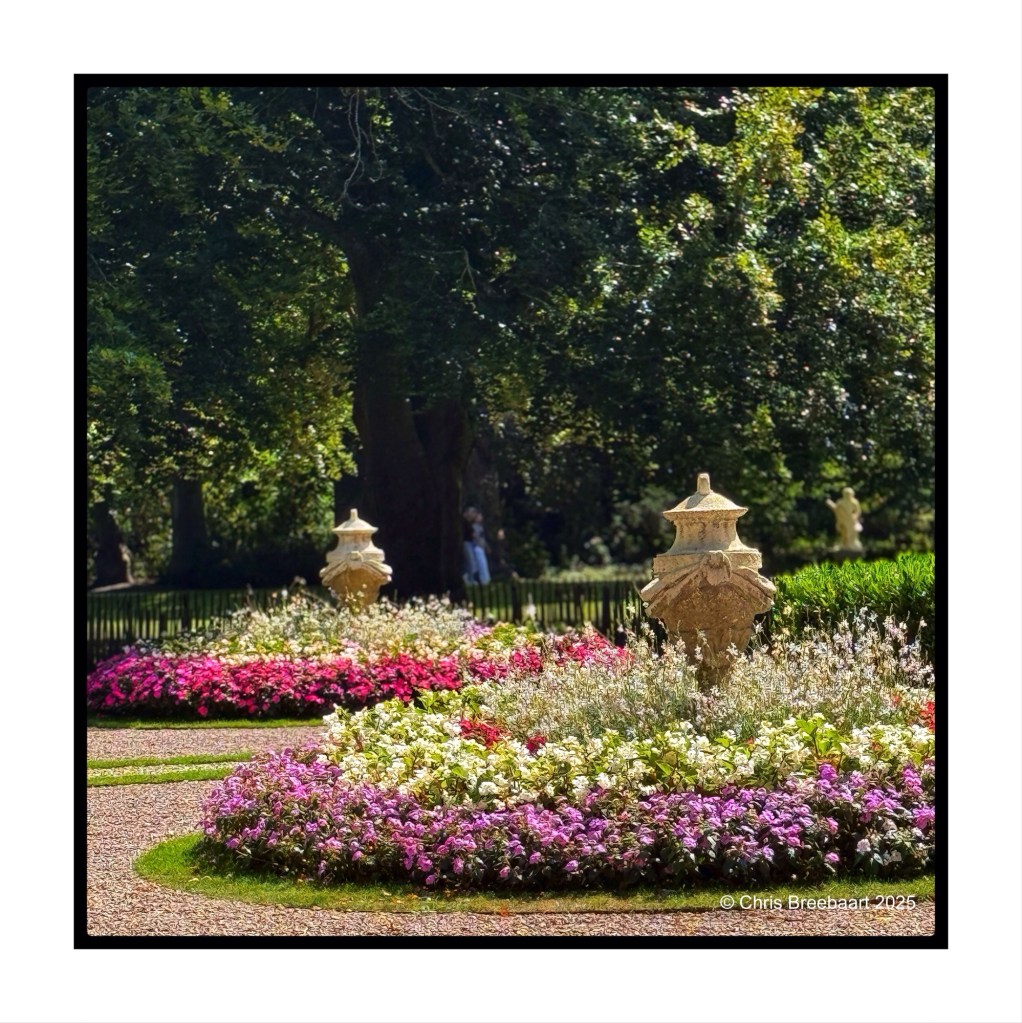
The garden of castle De Keukenhof.
Shot with iPhone 15 Pro Max edited using Snapseed and Marksta Click the picture for a larger version
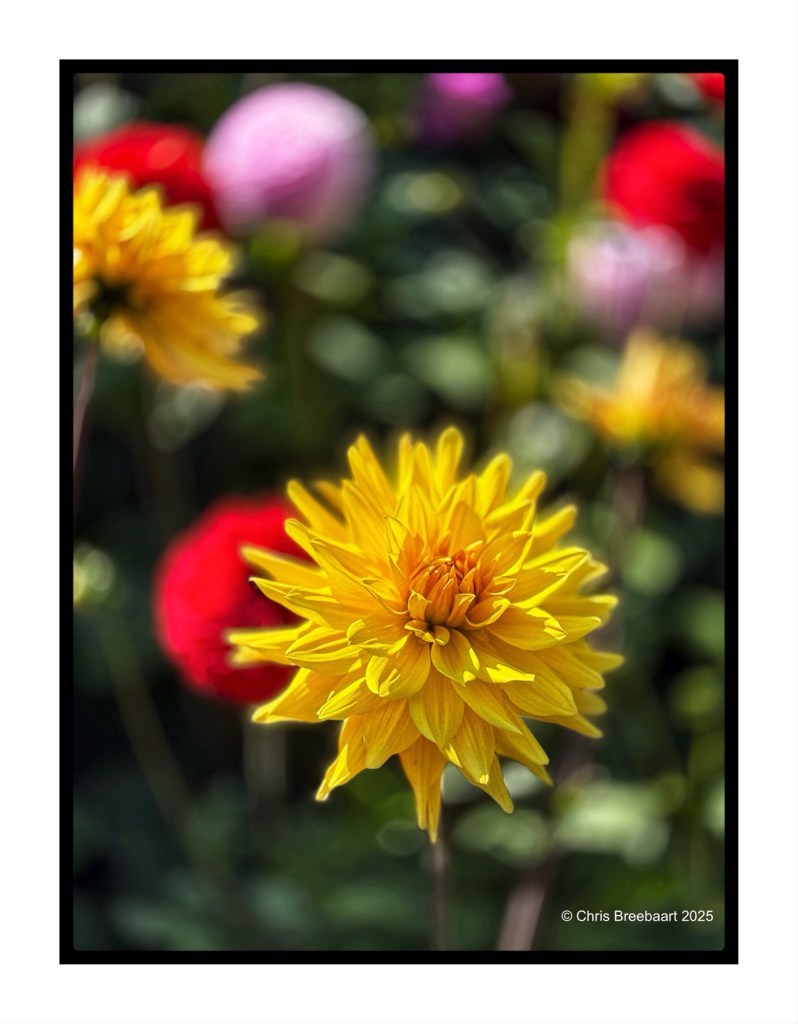

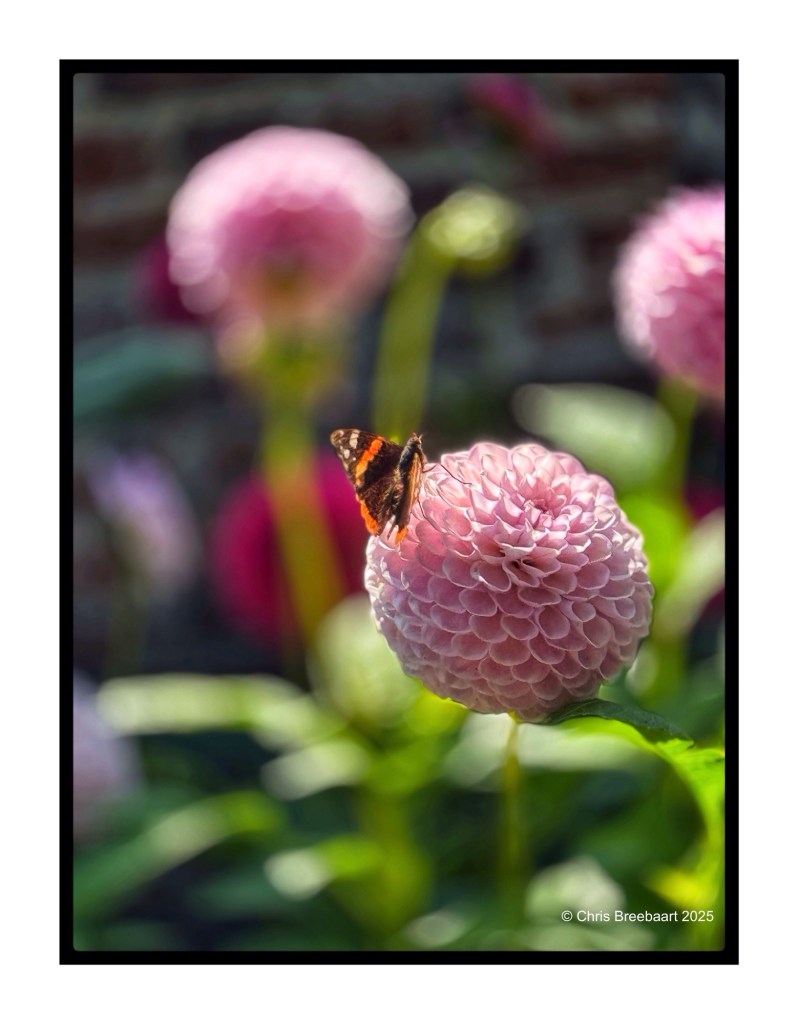
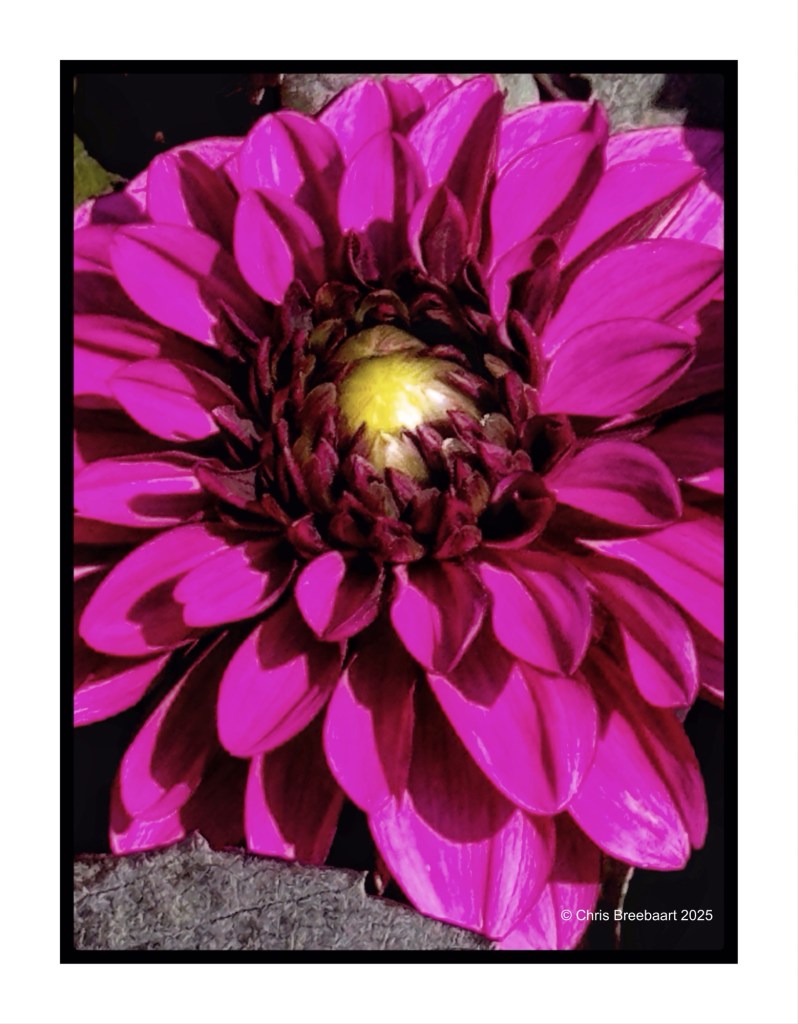

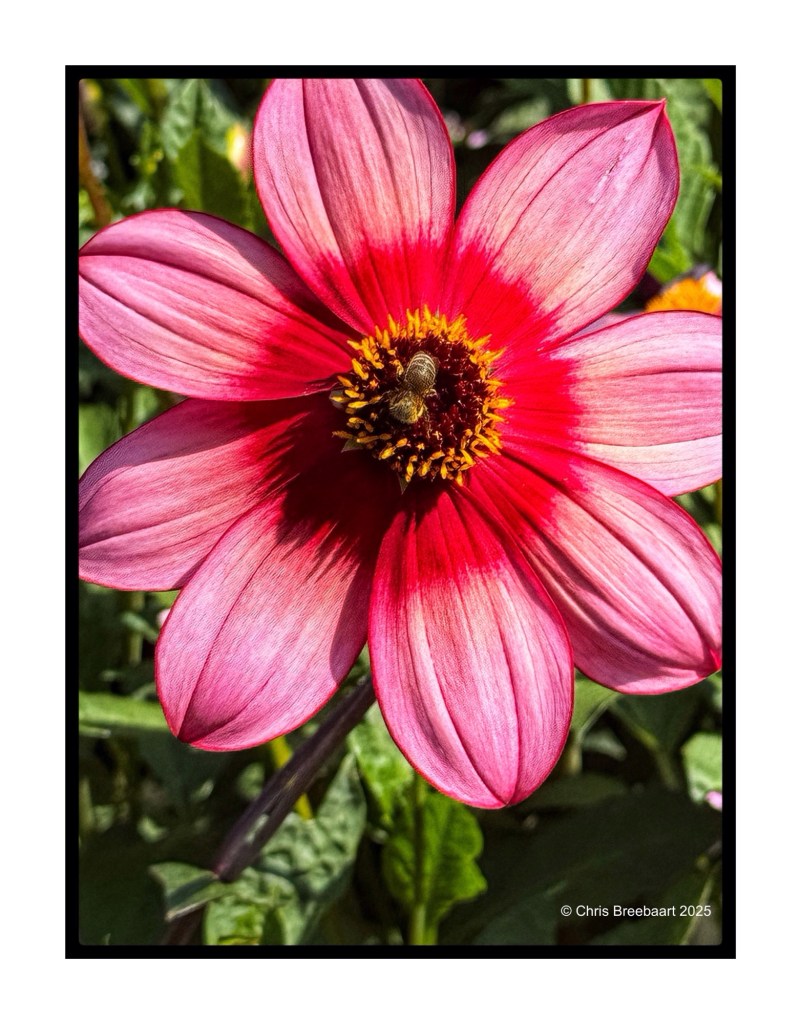
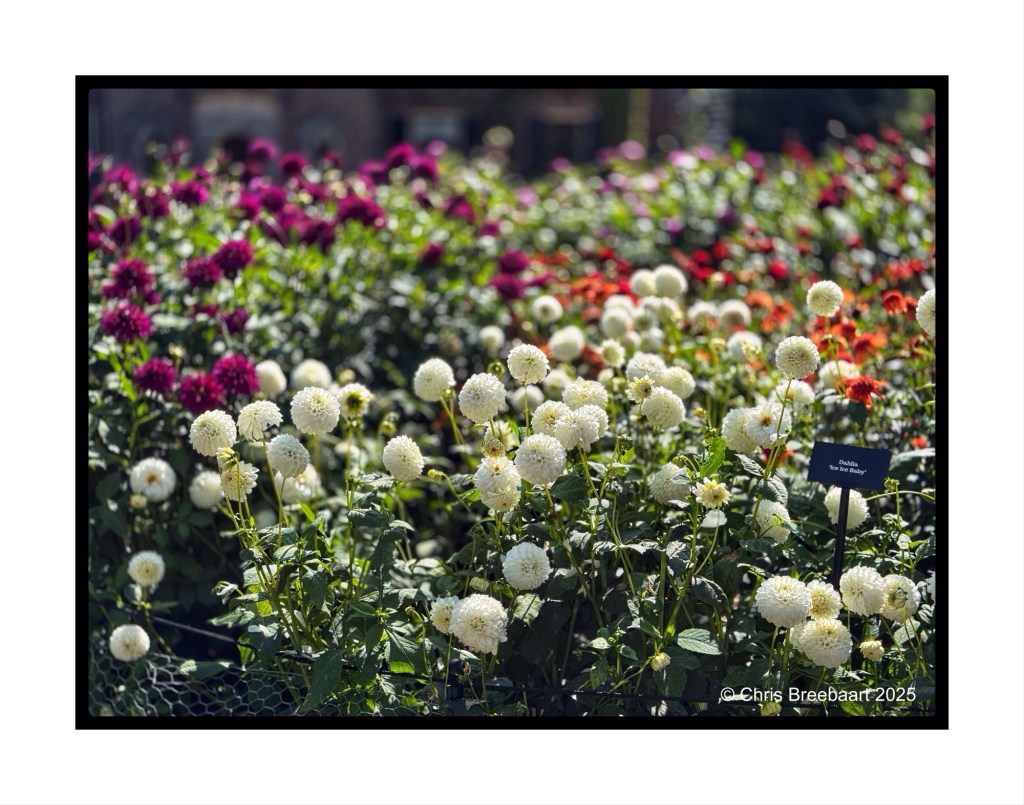
The Netherlands, Lisse – August 2025
In Summer the garden of castle De Keukenhof is filled with beautiful Dahlia’s.
Shot with iPhone 15 Pro Max edited using Snapseed and Marksta Click the picture for a larger version

In Spring this field produces either hyacinths, daffodils or tulips. In Summer this year it produces Dahlia.
Shot with iPhone 15 Pro Max edited using Snapseed and Marksta. Click the picture for a larger version.

Shot with iPhone 15 Pro Max edited using Snapseed and Marksta. Click the picture for a larger version.
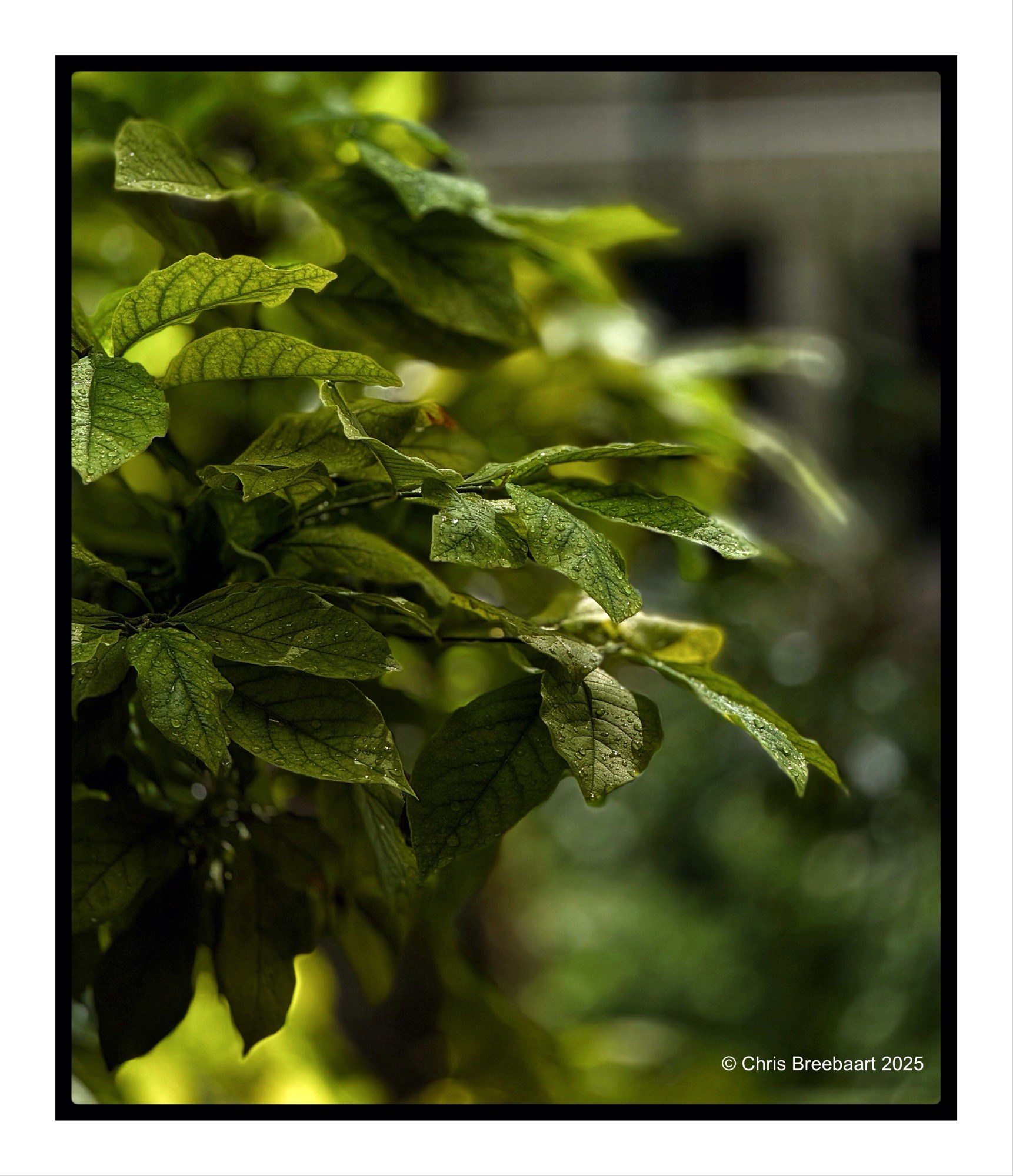
Shot with iPhone 15 Pro Max edited using Snapseed and Marksta. Click the picture for a larger version.
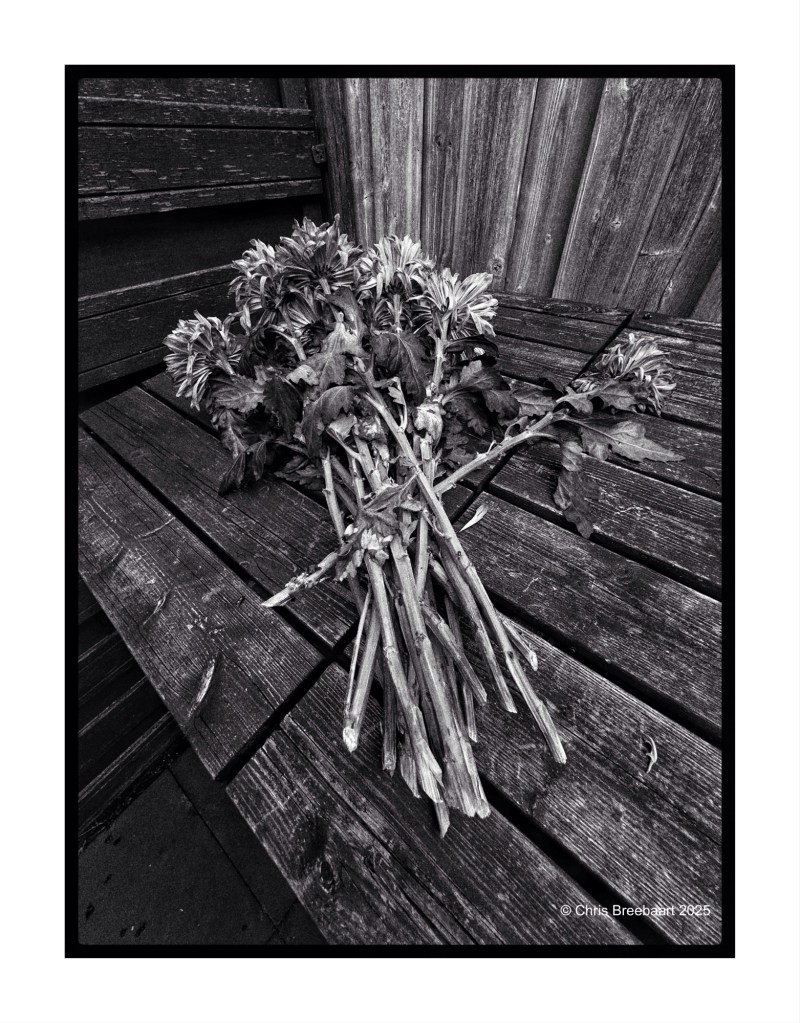

I have a fondness for black and white aka monochrome. That grew on me. Mono was cheaper 50 years ago and more ‘easy’ to handle in a dark room. Monochrome gives something extra at times. The sphere, the grain. And over all these years I learned to see objects in monochrome, visualizing what something looks like in grays.
When I bought my first Nikon digital camera (the D70), I naively asked ‘where is the monochrome setting?’. It was not there. Shooting was color only. If I wanted mono I had to create it myself afterwards in Lightroom, Photoshop or an app like Snapseed. But lucky for me, on the iPhone and on the recent Nikon Zf, there are monochrome settings. To be honest, that was one of the reasons to buy a Zf. So now I have a choice: choose a mono or color setting, or turn color afterward turn it into mono.
I know the taste of my ‘audience’ is different than mine. In three days I like to find out more about your taste. What do you fancy more: a photo in mono or in color?
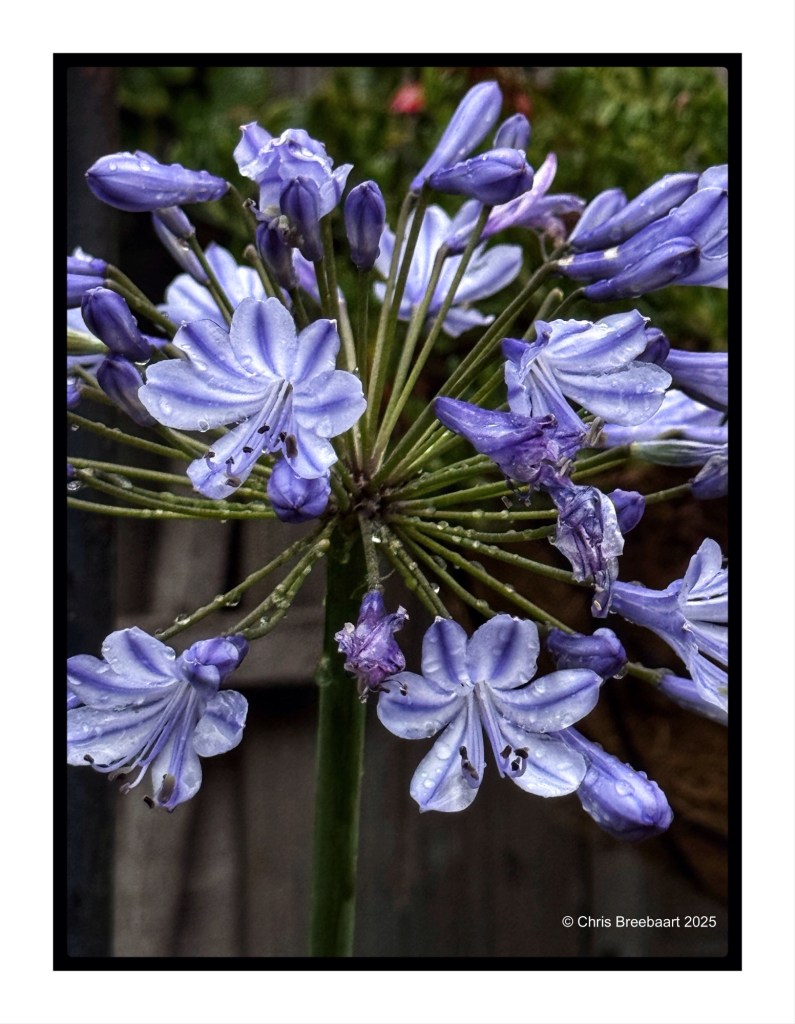
This third and last one is about flowers, waiting for the recycle bin. The photo was shot in color.
Shot with iPhone 15 Pro Max edited using Snapseed and Marksta. Click the picture for a larger version.
I have a fondness for black and white aka monochrome. That grew on me. Mono was cheaper 50 years ago and more ‘easy’ to handle in a dark room. Monochrome gives something extra at times. The sphere, the grain. And over all these years I learned to see objects in monochrome, visualizing what something looks like in grays.
When I bought my first Nikon digital camera (the D70), I naively asked ‘where is the monochrome setting?’. It was not there. Shooting was color only. If I wanted mono I had to create it myself afterwards in Lightroom, Photoshop or an app like Snapseed. But lucky for me, on the iPhone and on the recent Nikon Zf, there are monochrome settings. To be honest, that was one of the reasons to buy a Zf. So now I have a choice: choose a mono or color setting, or turn color afterward turn it into mono.
I know the taste of my ‘audience’ is different than mine. In three days I like to find out more about your taste. What do you fancy more: a photo in mono or in color?
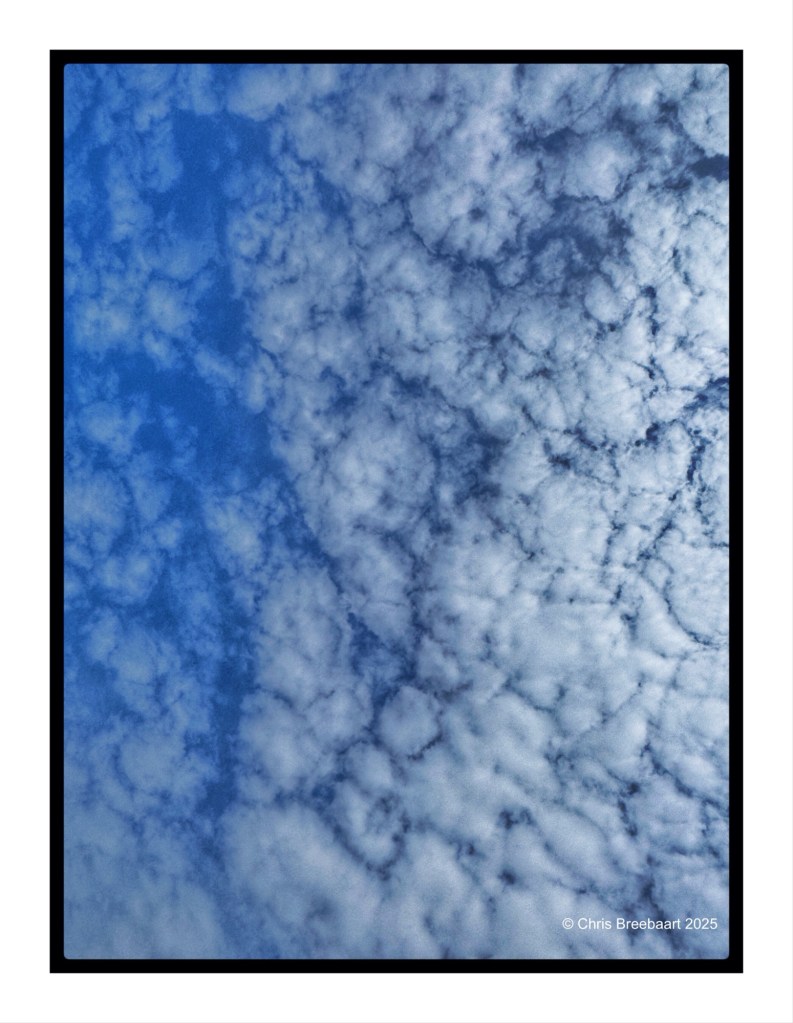
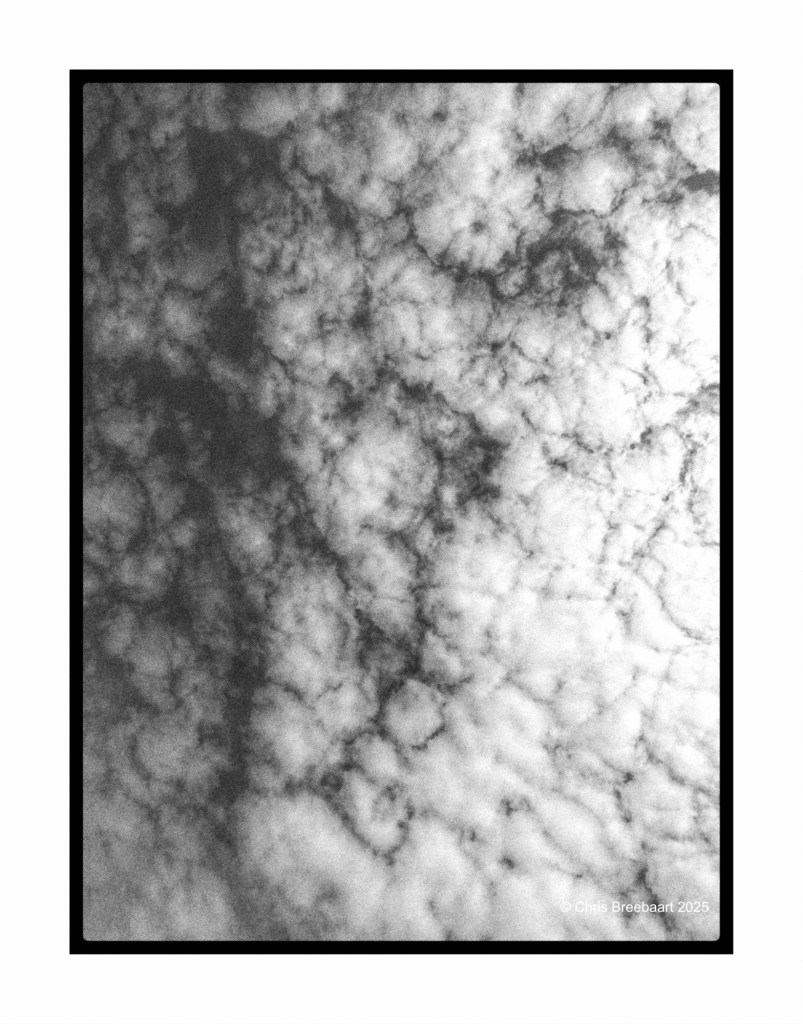
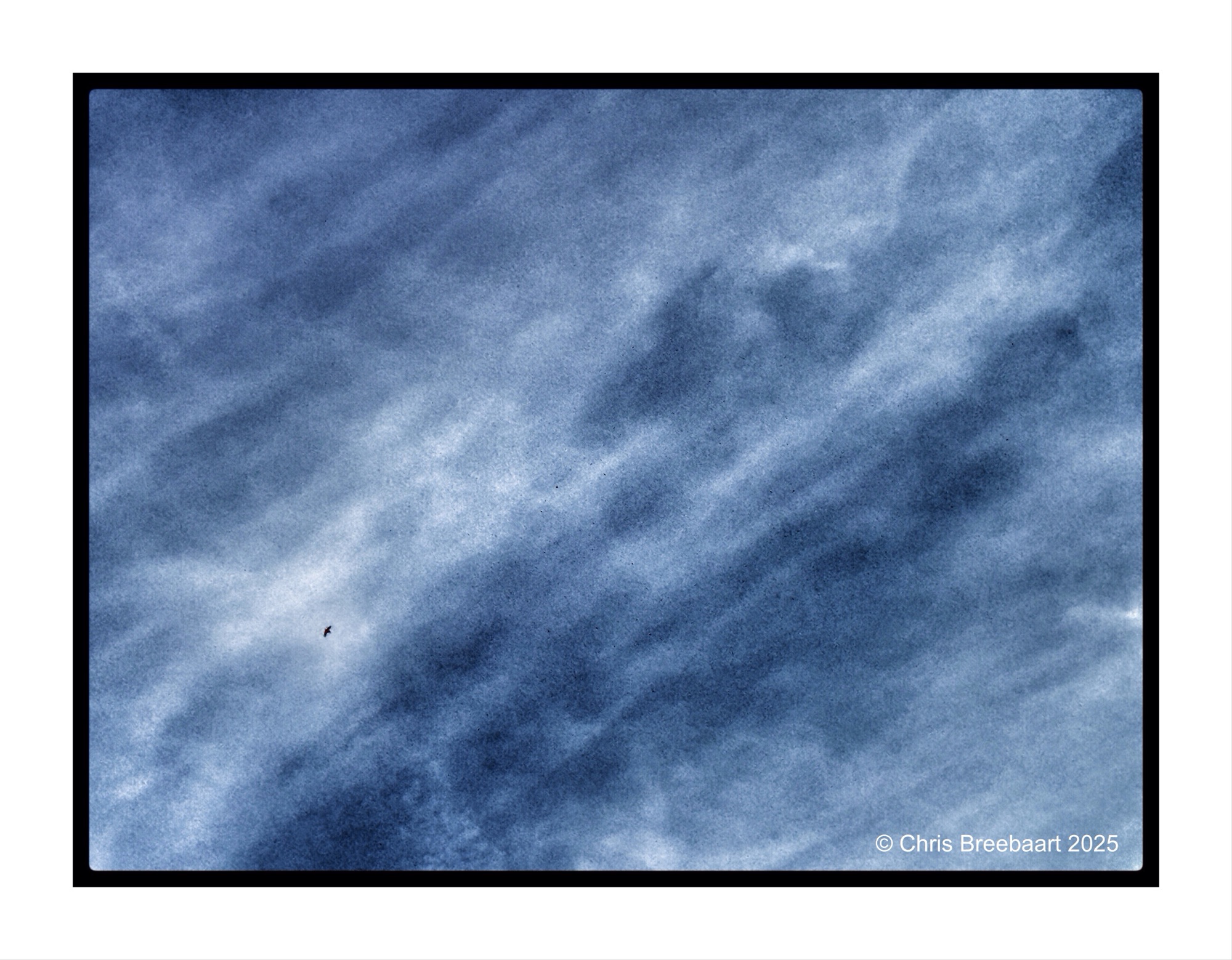
This second one is about sky. Always there, lots of it. In color it can be blue, white, gray, dark. In mono it delivers whites, grays and dark zones. In mono the image changes it seems. An abstract sky can turn into something mysterious. The photo was shot in color.
Shot with iPhone 15 Pro Max edited using Snapseed and Marksta. Click the picture for a larger version.

The delicious ending of a wonderful dinner.
Shot with iPhone 15 Pro Max edited using Snapseed and Marksta. Click the picture for a larger version.
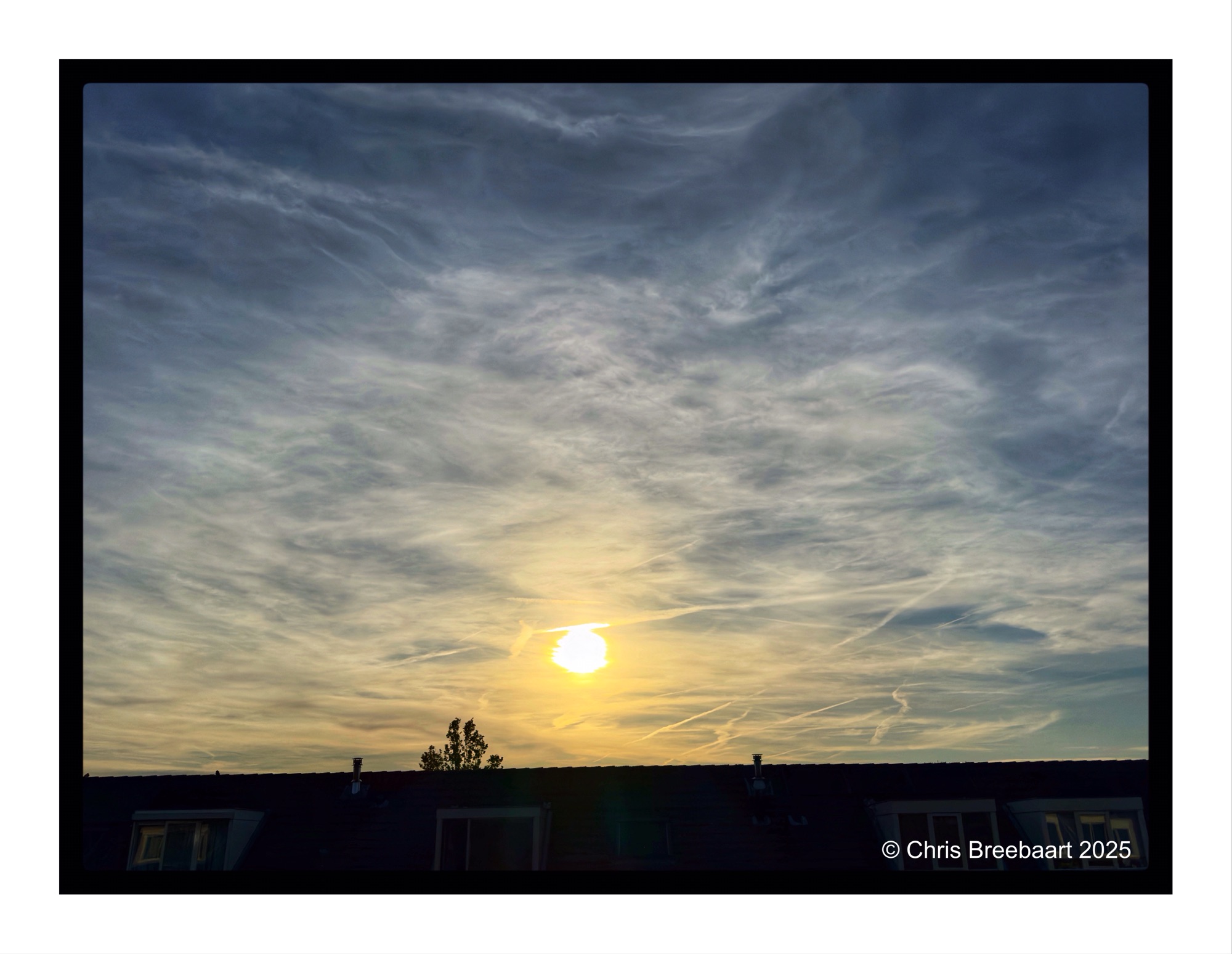
One can not take enough photos of sunsets.
Shot with iPhone 15 Pro Max edited using Snapseed and Marksta. Click the picture for a larger version.
This week’s Lens-Artists Photo Challenge #359 is ‘Tools of Photo Compositions: Lines, Colors and Patterns’. Photography is about seeing. But what do you see? I can only talk for myself. It all starts with an appeal. Something in the real world captures my eyes. Most of the times that is spontaneous. It is about being there in the moment. What I visualize tells me a story, a small whisper, ‘come, shoot me! It’s fun’. And when building the photo lines, patterns, colors (or monochrome tones) are tools to try to bring that story out. And then the shutter clicks. My photo’s are my story of the world. My way of giving ‘voice’ to something that made me press the shutter, that reflects inside me. Yet, my click with the image can be totally different than the click of the observer.
Shot with iPhone 15 Pro Max edited using Snapseed and Marksta. Click the picture for a larger version.
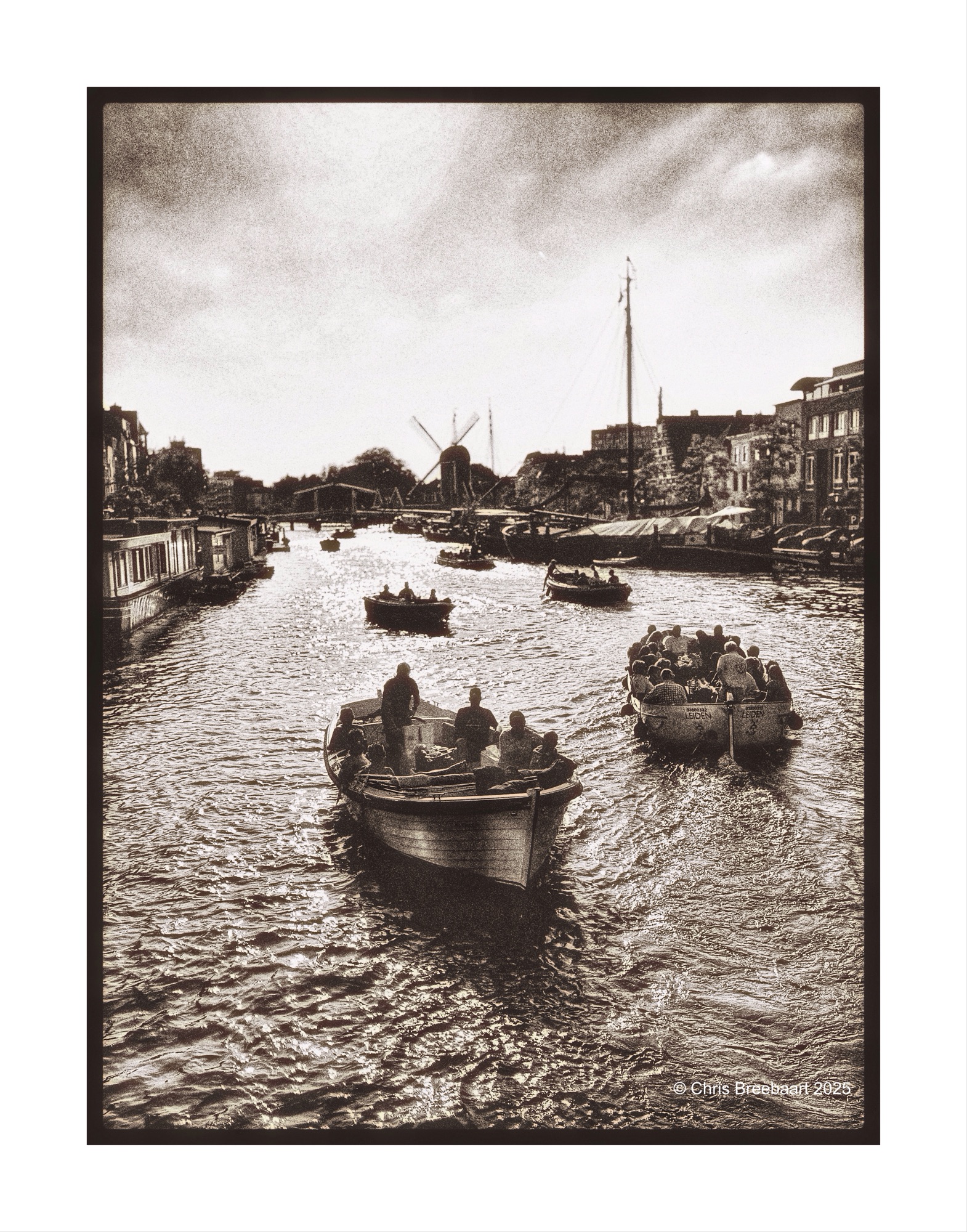
Lens-Artists Photo Challenge #359 is ‘Tools of Photo Compositions: Lines, Colors and Patterns’.
A sunset over the Galgenwater in Leiden. A warm Summer night, with lots of boats cruising the canals. In the background the replica of the windmill of Rembrandt van Rijn’s father.
Shot with iPhone 15 Pro Max edited using Snapseed and Marksta. Click the picture for a larger version.
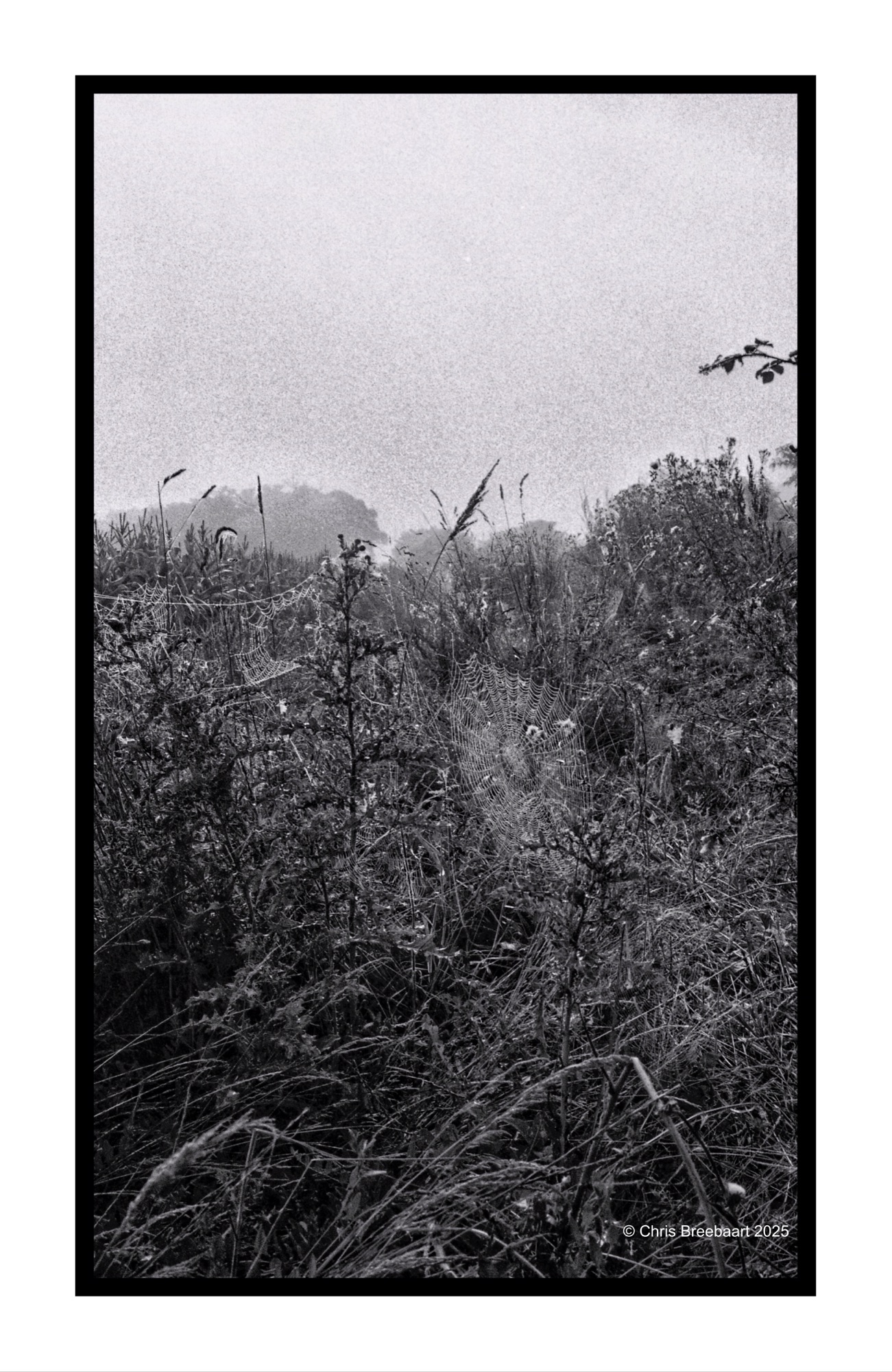
Lens-Artists Photo Challenge #359 is ‘Tools of Photo Compositions: Lines, Colors and Patterns’.
Long leading lines, nice shapes etc are pretty obvious to use when building a nice frame. But what about chaos? Can that be appealing too? A field with spiderwebs, wet by the fog. A photo from almost 30 years ago, taken in Brittany at St. Samsom-sur-Rance, near Dinan. To see it at its best, click the photo please.
About the B4 retouch series:
I browsed my archive for pictures to publish. Some of them are partly retouched but most do have scratches, dust and stains.Shot with Nikon F90 on Kodak TriX, scanned from film and edited using Snapseed and Marksta. Click the picture for a bigger version

Lens-Artists Photo Challenge #359 is ‘Tools of Photo Compositions: Lines, Colors and Patterns’.
The harbor of Le Conquet at low tide during sunset, as equestrians pass by. To say I was surprised when I spotted the horses, is an understatement.
About the B4 retouch series:
I browsed my archive for pictures to publish. Some of them are partly retouched but most do have scratches, dust and stains.Shot with Nikon F90 on Kodak TriX, scanned from film and edited using Snapseed and Marksta. Click the picture for a bigger version
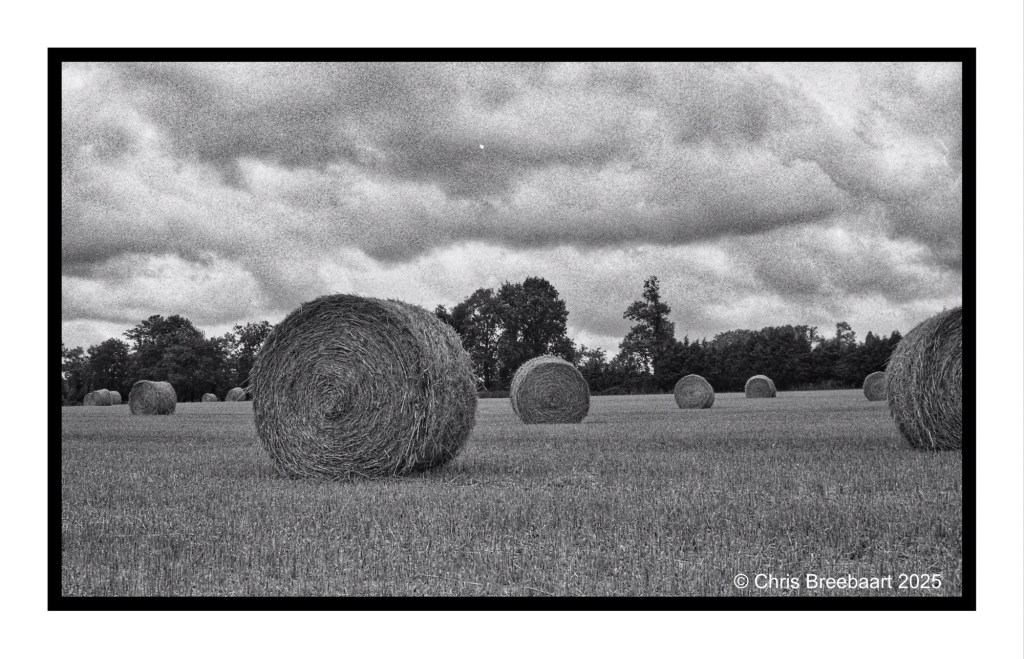
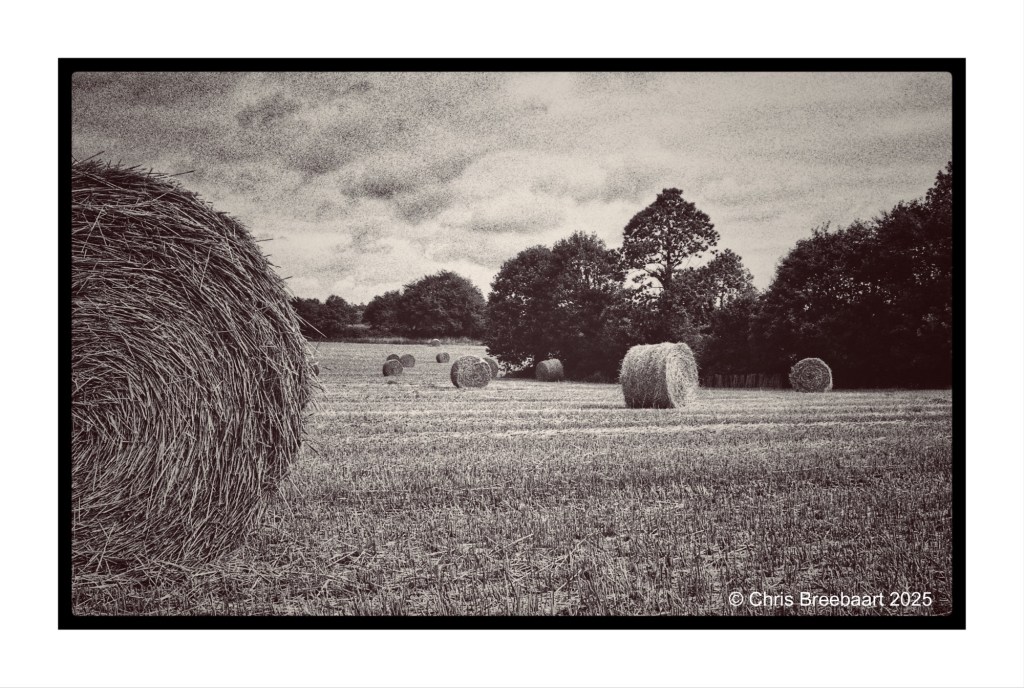
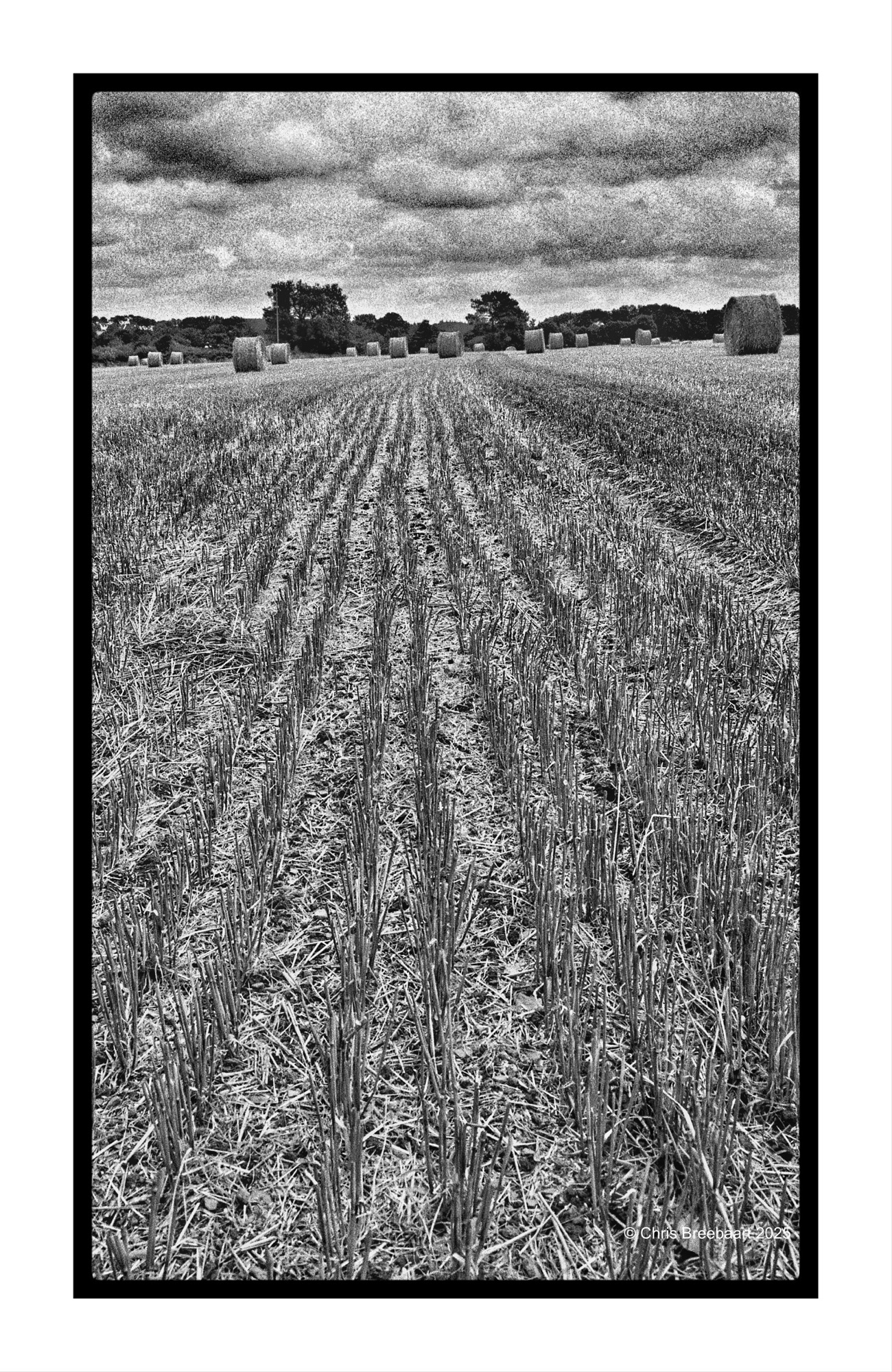
France – Morbihan, Questembert – August 1996
Lens-Artists Photo Challenge #359 is ‘Tools of Photo Compositions: Lines, Colors and Patterns’.
The dreamy field with freshly pressed straw rolls offers a nice challenge. It is an opportunity to create something that makes sense in images. The idea that they actually roll. Near Questembert in the Morbihan region of Brittany.
About the B4 retouch series:
I browsed my archive for pictures to publish. Some of them are partly retouched but most do have scratches, dust and stains.Shot with Nikon F90 on Kodak TriX, scanned from film and edited using Snapseed and Marksta. Click the picture for a bigger version
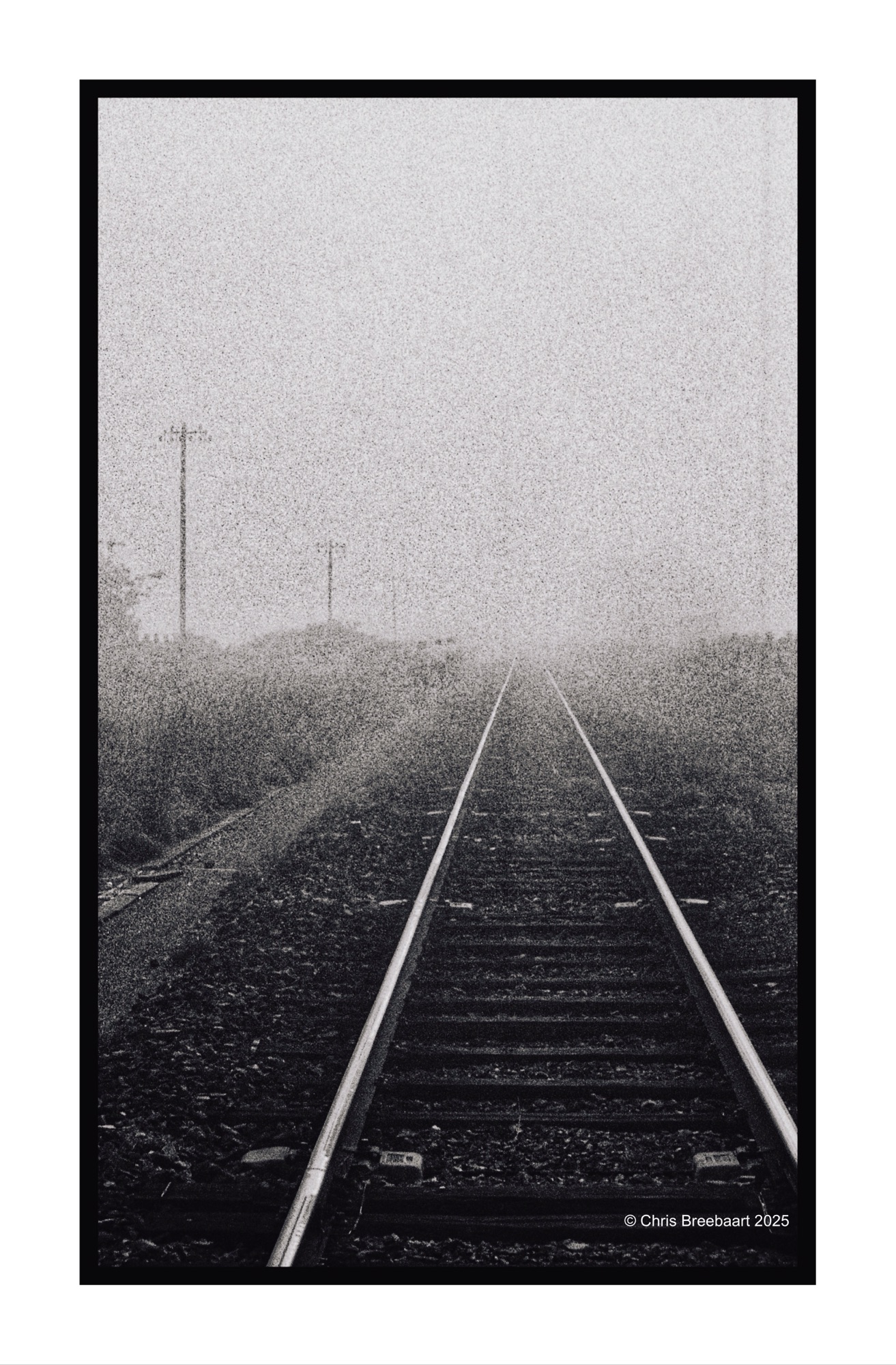
Lens-Artists Photo Challenge #359 is ‘Tools of Photo Compositions: Lines, Colors and Patterns’.
A local railway track, disappearing in the fog. A photo from almost 30 years ago, taken in Brittany at St. Samsom-sur-Rance, near Dinan.
About the B4 retouch series:
I browsed my archive for pictures to publish. Some of them are partly retouched but most do have scratches, dust and stains.Shot with Nikon F90 on Kodak TriX, scanned from film and edited using Snapseed and Marksta. Click the picture for a bigger version
Shot with iPhone 15 Pro Max edited using Snapseed and Marksta. Click the picture for a larger version.
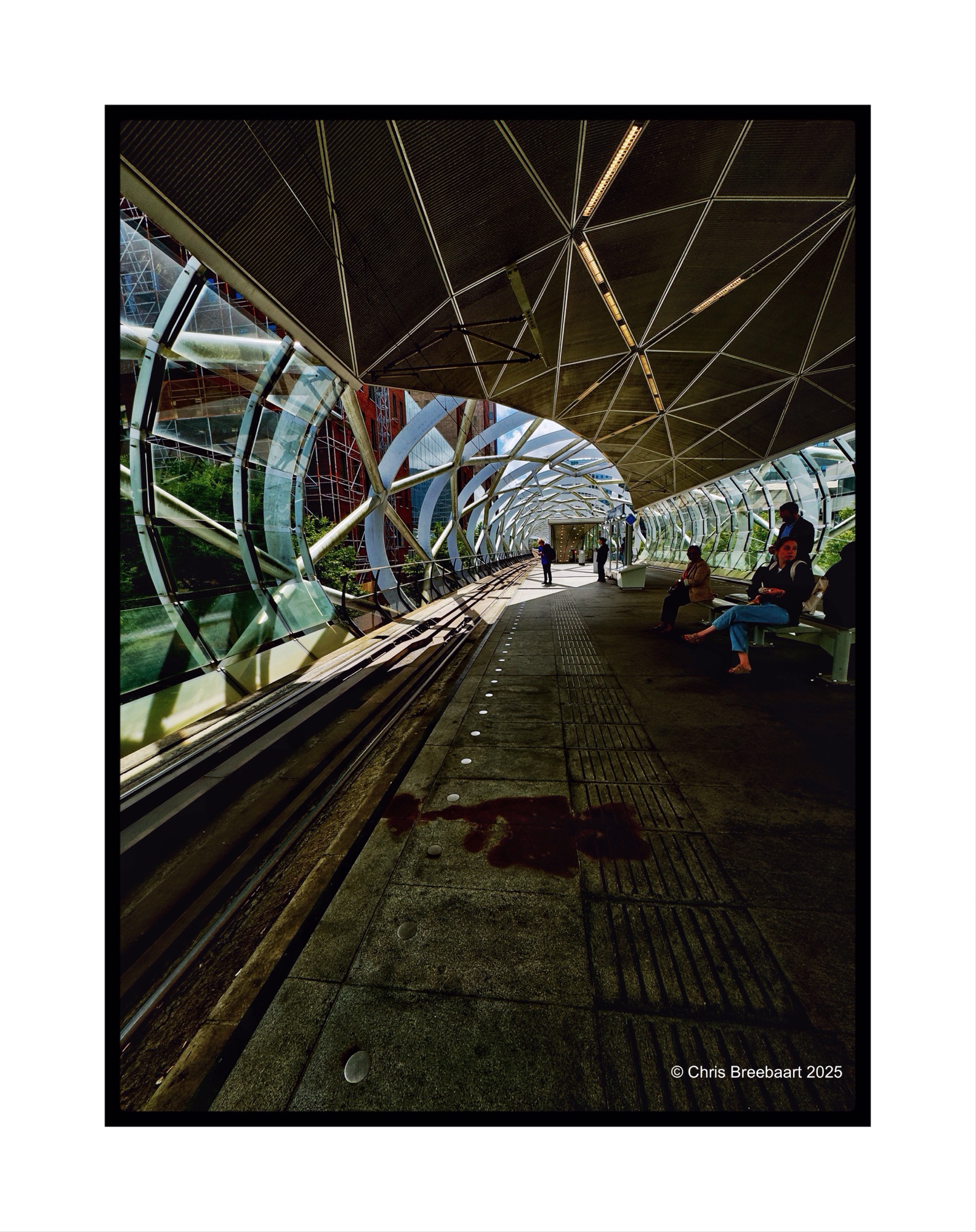
Tram station Prinses Beatrixlaan.
Shot with iPhone 15 Pro Max edited using Snapseed and Marksta. Click the picture for a larger version.
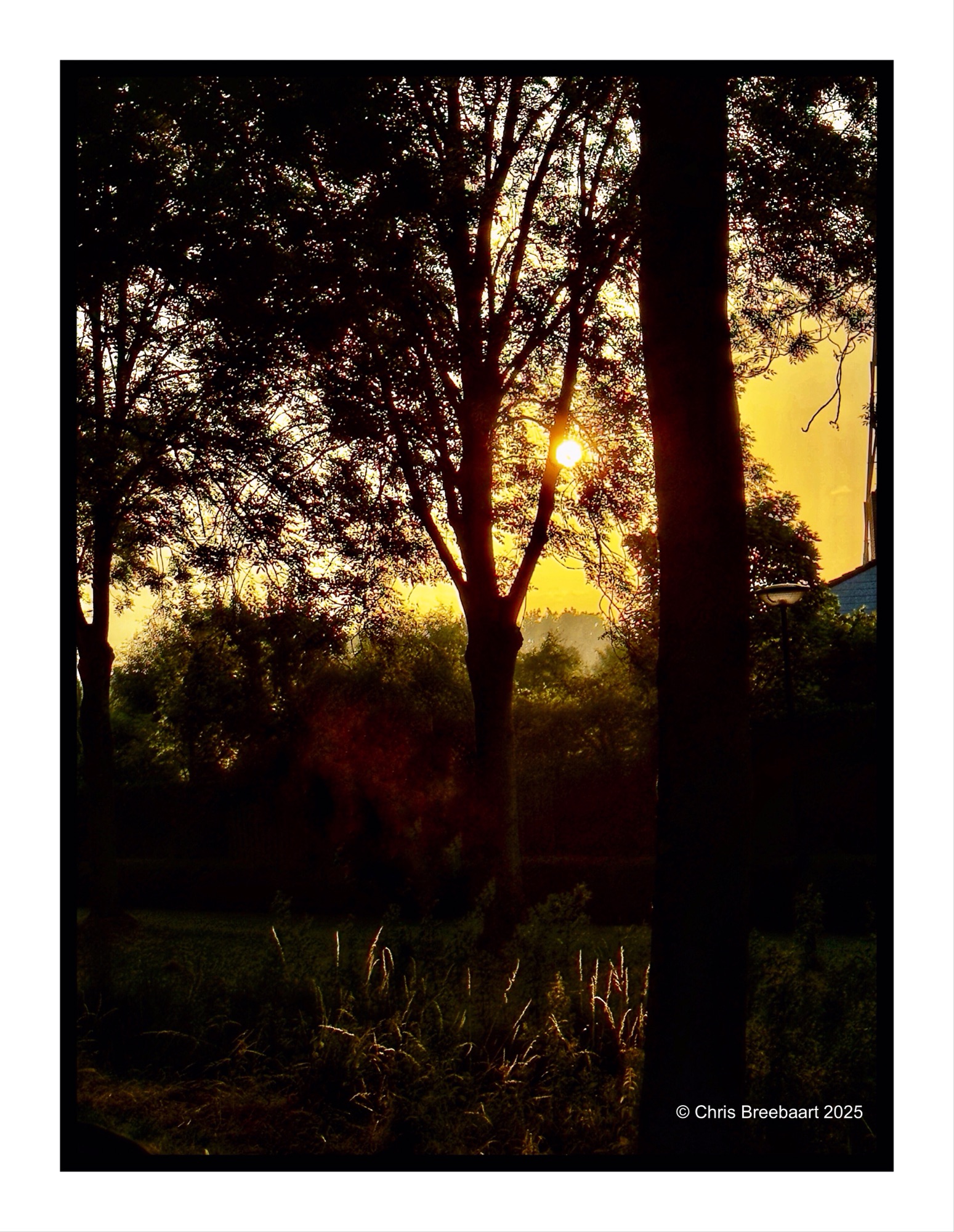
And the sun also rises in gold on a Summer morning. And when you shoot it in color, it is literally photographer’s gold.
Shot with iPhone 15 Pro Max edited using Snapseed and Marksta. Click the picture for a larger version.
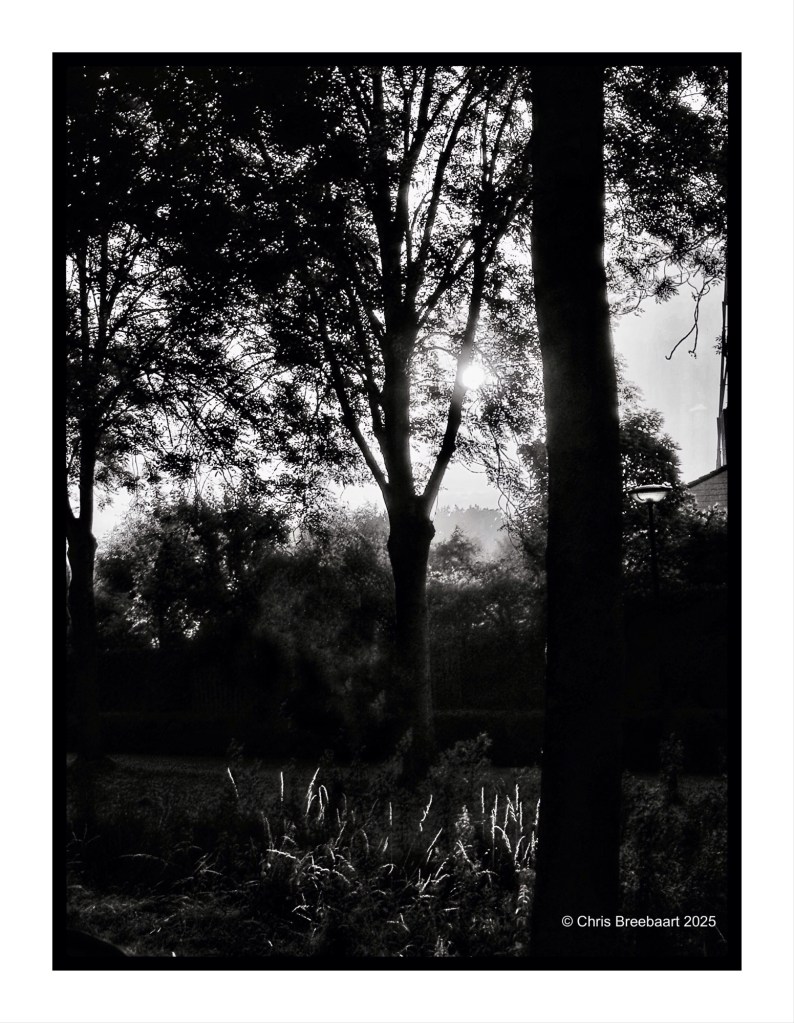
Summer mornings can sometimes welcome you into a warm, joyful and laid back day. This is one of those days filled with ease. The sun also rises, each day, at more or less the same place. And when you catch it early, it is photographer’s gold.
Shot with iPhone 15 Pro Max edited using Snapseed and Marksta. Click the picture for a larger version.
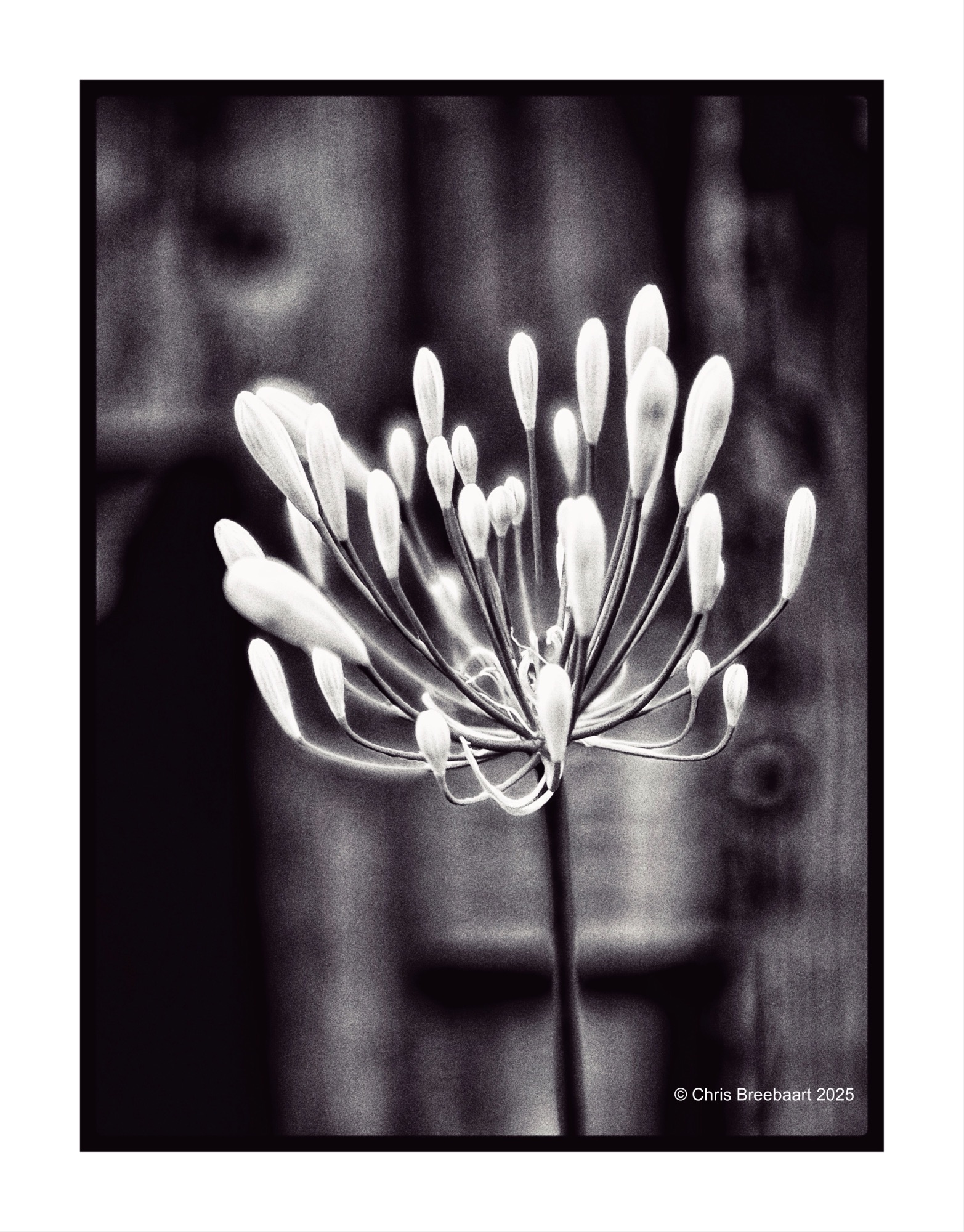
Shot with iPhone 15 Pro Max edited using Snapseed and Marksta. Click the picture for a larger version
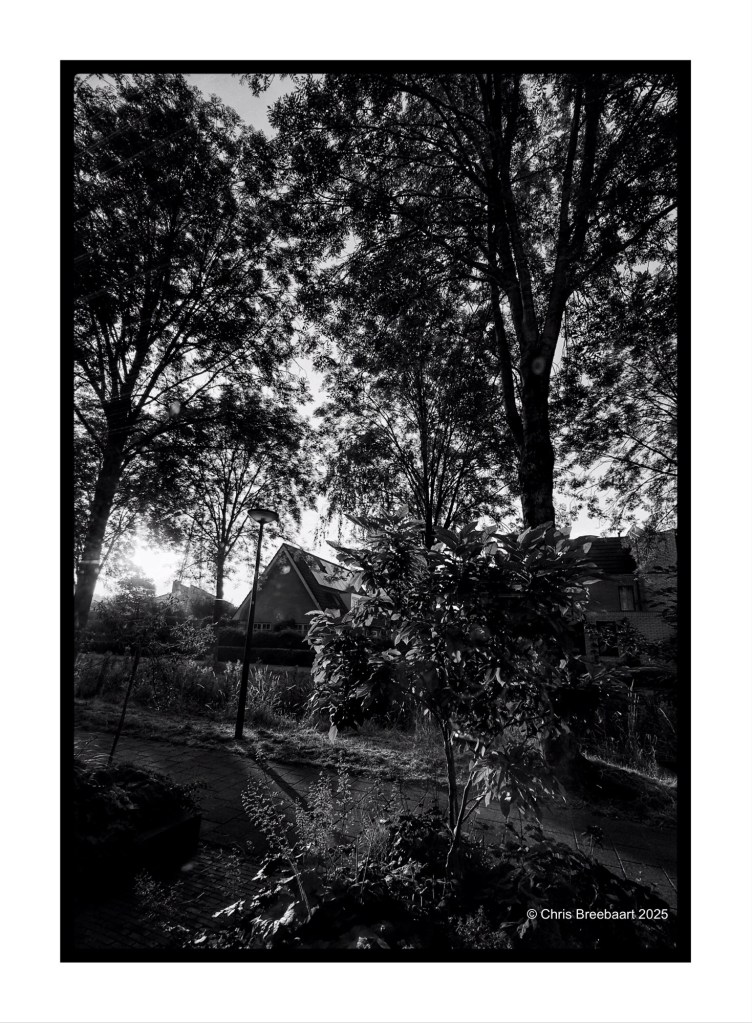
Sun shining through the trees on the start of another warm Summer day.
Shot with iPhone 15 Pro Max edited using Snapseed and Marksta. Click the picture for a larger version,

We Dutch are often described as being on the penny. Of course, we all wear wooden clogs. We eat stroopwafels all the time. We have a fetish for windmills. And do not forget to accuse us of creating our own country by fighting the sea. We drink to gain courage and let you pay your own meal. Add tulips and other bulb flowers to finish the picture of the Dutch. Oh yes, we are considered rude. We call it ‘direct’.
In the end we sure have a laugh about all that is said about us, Dutchies, worldwide. But if you combine being on the penny with buying flowers, you choose flowers that stay good for weeks: Chrysanthemum. As Johan Cruyff used to say: “every disadvantage, has its advantage”.
Shot with iPhone 15 Pro Max edited using Snapseed and Marksta Click the picture for a larger version

The iPhone 15 Pro Max is a wonderful clever piece of photographic technology. It is the ideal snap instrument, that is always in my pocket. The quality of the images is improved immensely over the years. And to be honest, I shoot most of my photos with it nowadays. Just because I always have my phone with me. What I still do not like is the quality of images when you use the zoom. This shot is on full zoom and the details disappear. Unfortunately I was not able to move closer at that moment. At these moments I wish I had my Nikon Zf at hand, with a nice long lens.
Shot with iPhone 15 Pro Max edited using Snapseed and Marksta Click the picture for a larger version.
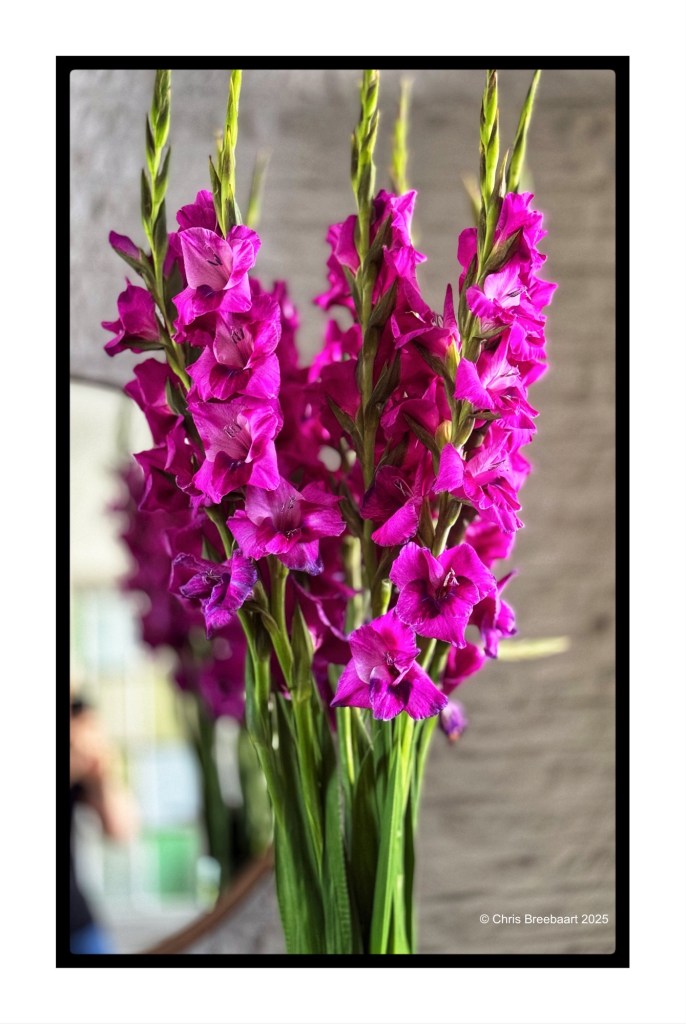
In The Netherlands, we do grow lots of cut flowers. A lot of them are exported but there is plenty of supply for the domestic market. In our household we have fresh cut flowers every week. Last week we had these big fellows. Gladioli are famous for the saying ‘death or the gladioli’. A Dutch proverb that translates to ‘all or nothing’ or ‘do or die’. Success or failure.
Shot with iPhone 15 Pro Max edited using Snapseed and Marksta Click the picture for a larger version
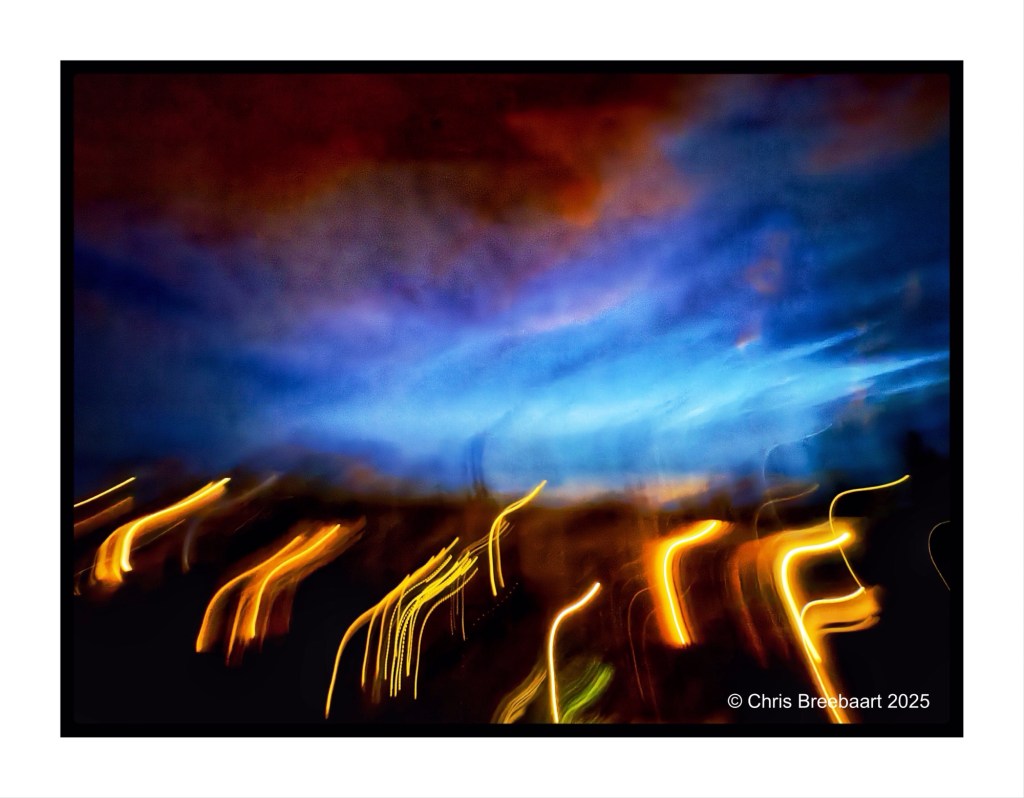
While trying to take an after sunset photo, my iPhone decided it needed a long exposure. The result an unexpected shot. This is the photo I aimed for. It was published two days ago. It shows the sun reflecting in the clouds after sunset.
Shot with iPhone 15 Pro Max edited using Snapseed and Marksta Click the picture for a larger version
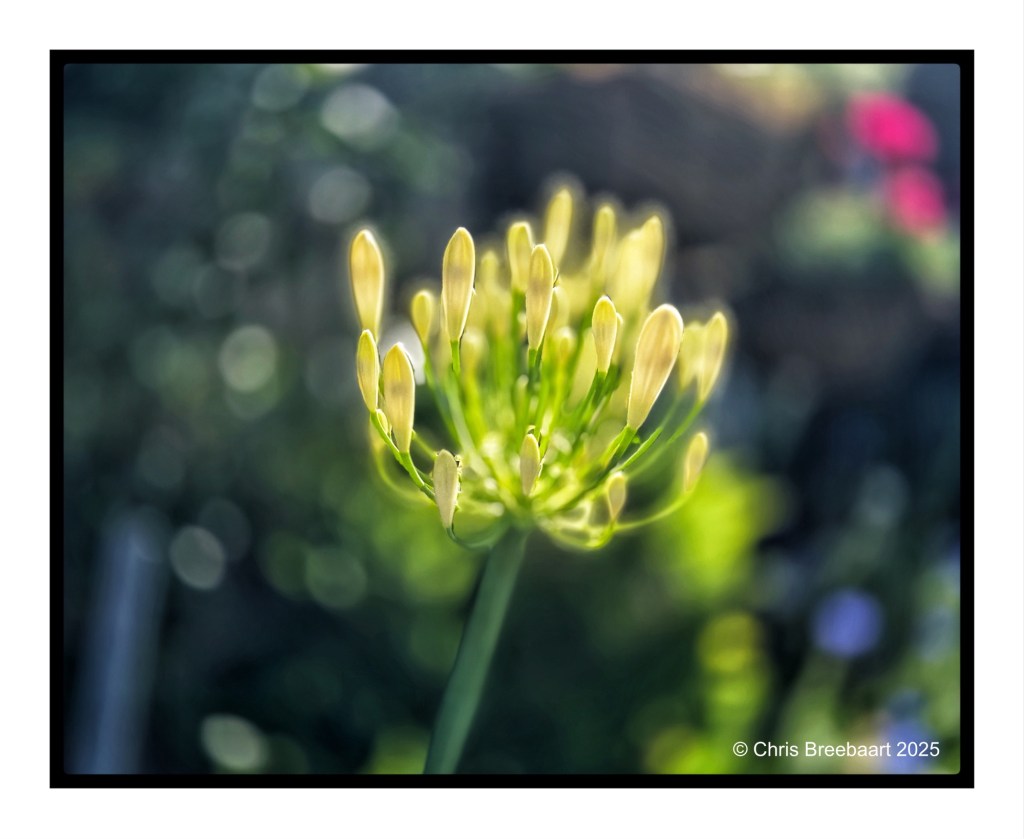
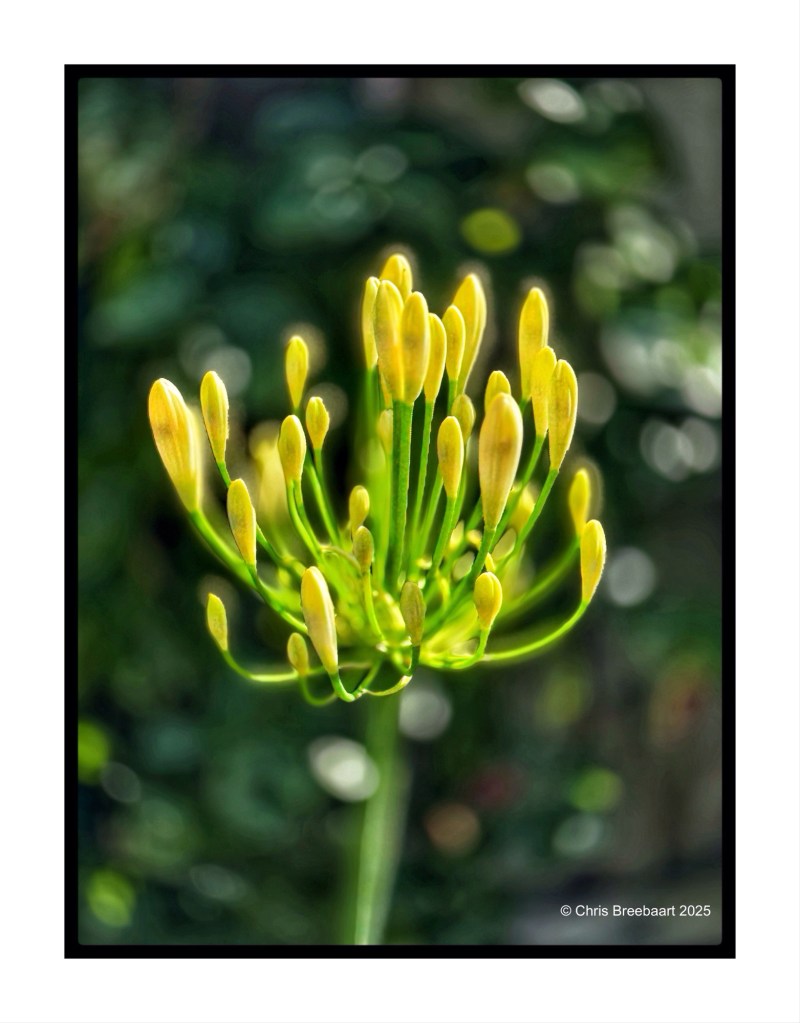

The garden is a joy now, flowers popping up everywhere. The Agapanthus are doing very well this year. They are the diva’s this time of year. This is a white agapanthus, tweaking it a bit with Snapseed turned it into yellow all of a sudden.
Shot with iPhone 15 Pro Max edited using Snapseed and Marksta Click the picture for a larger version
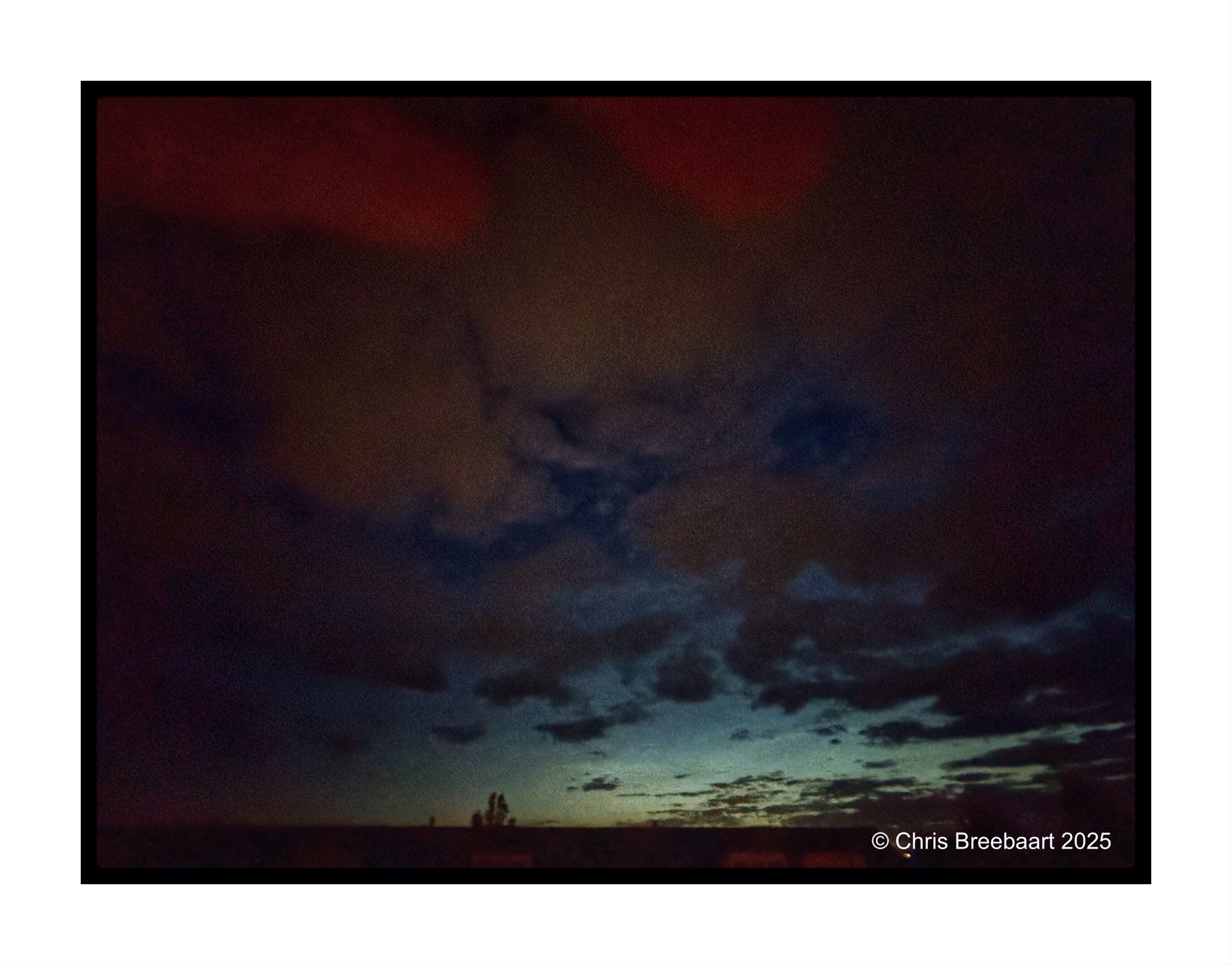
The sun reflects its light in the clouds after sunset.
Shot with iPhone 15 Pro Max edited using Snapseed and Marksta Click the picture for a larger version
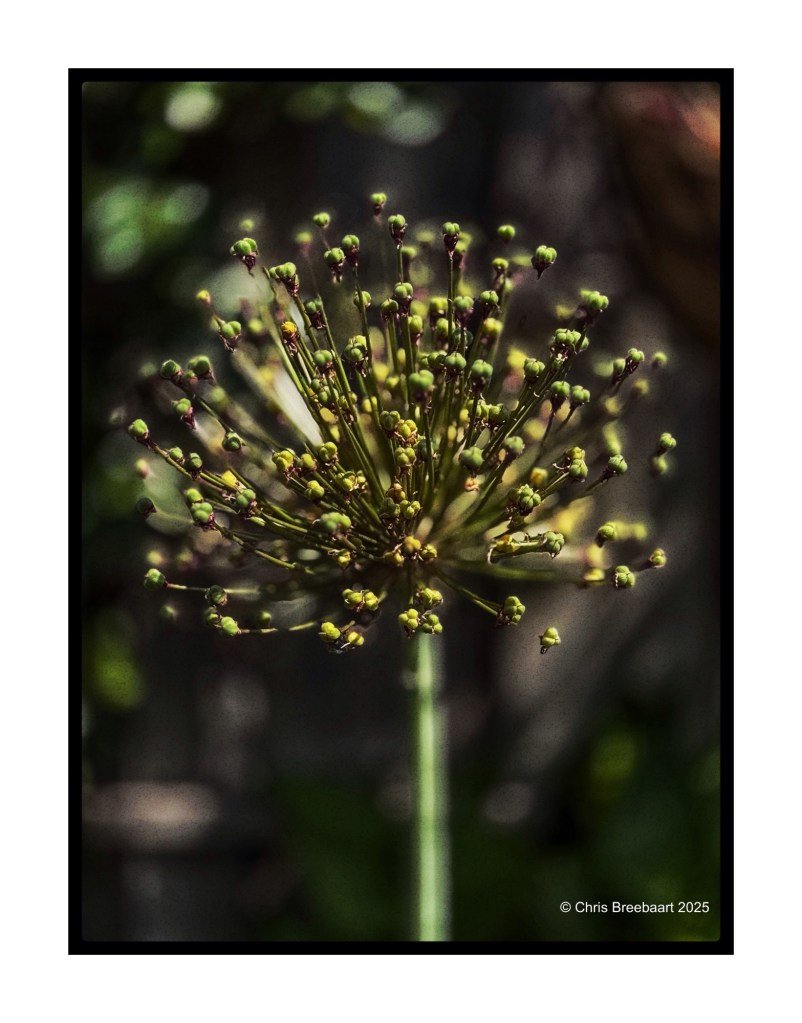
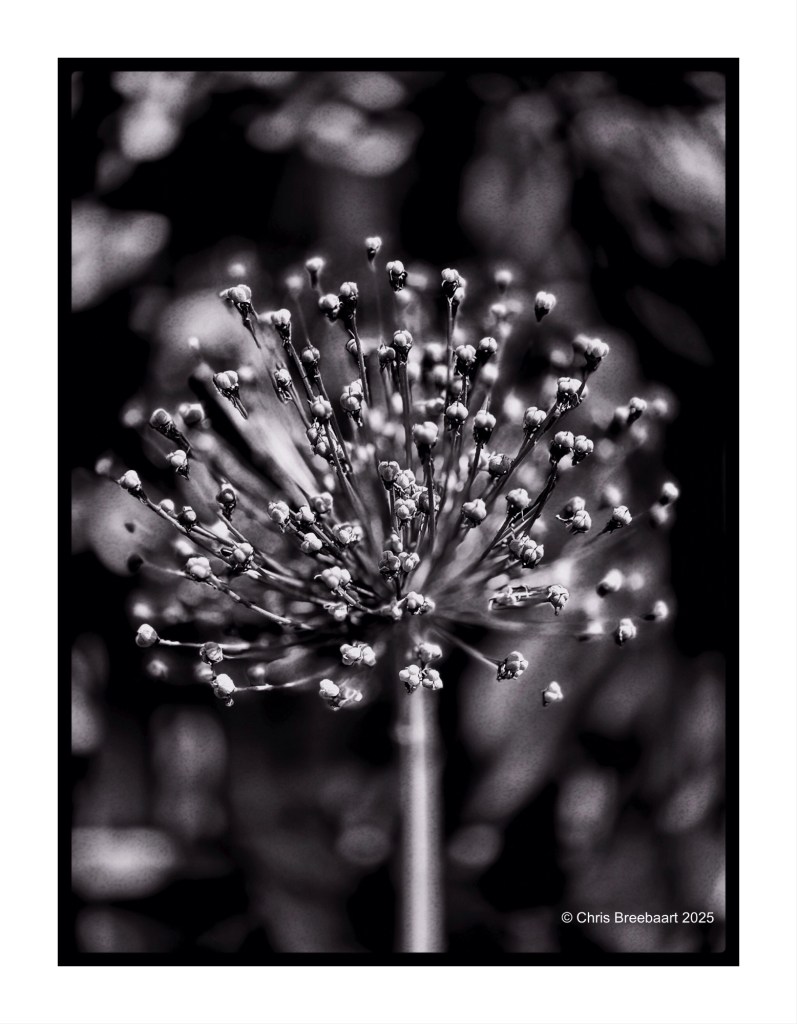
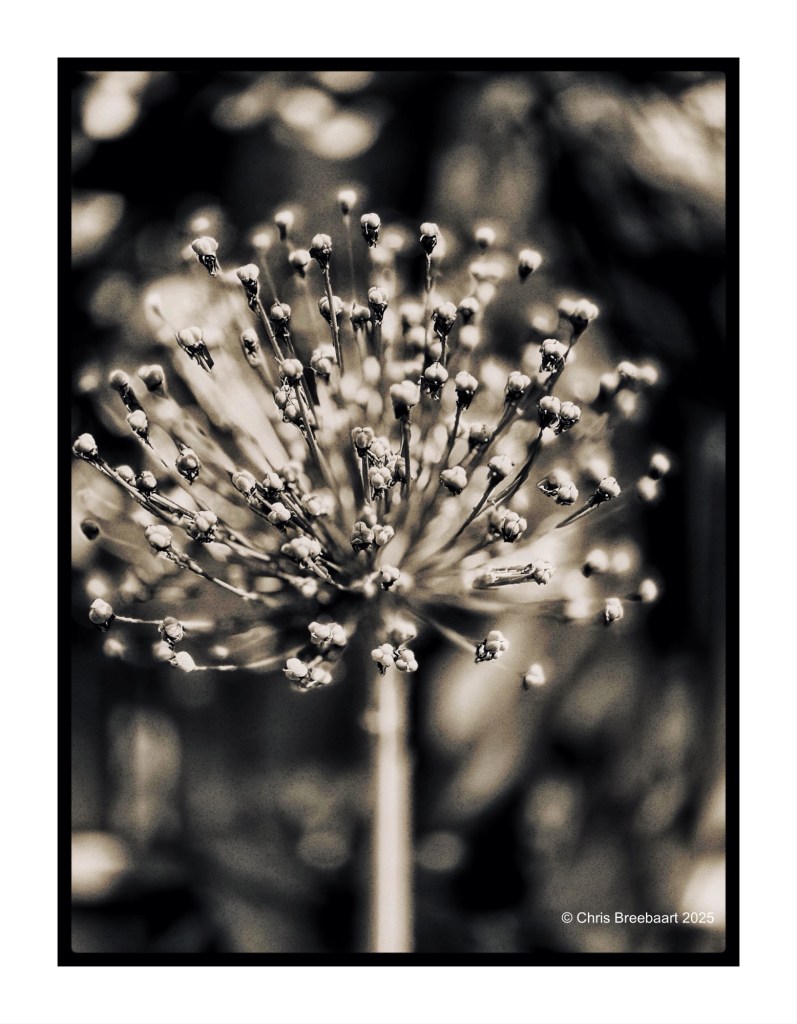
This is the last stage of the yearly cycle of a giant Allium. It comes in three photo versions after showing that amazing flower, that we enjoyed this year.
Shot with iPhone 15 Pro Max edited using Snapseed and Marksta Click the picture for a larger version
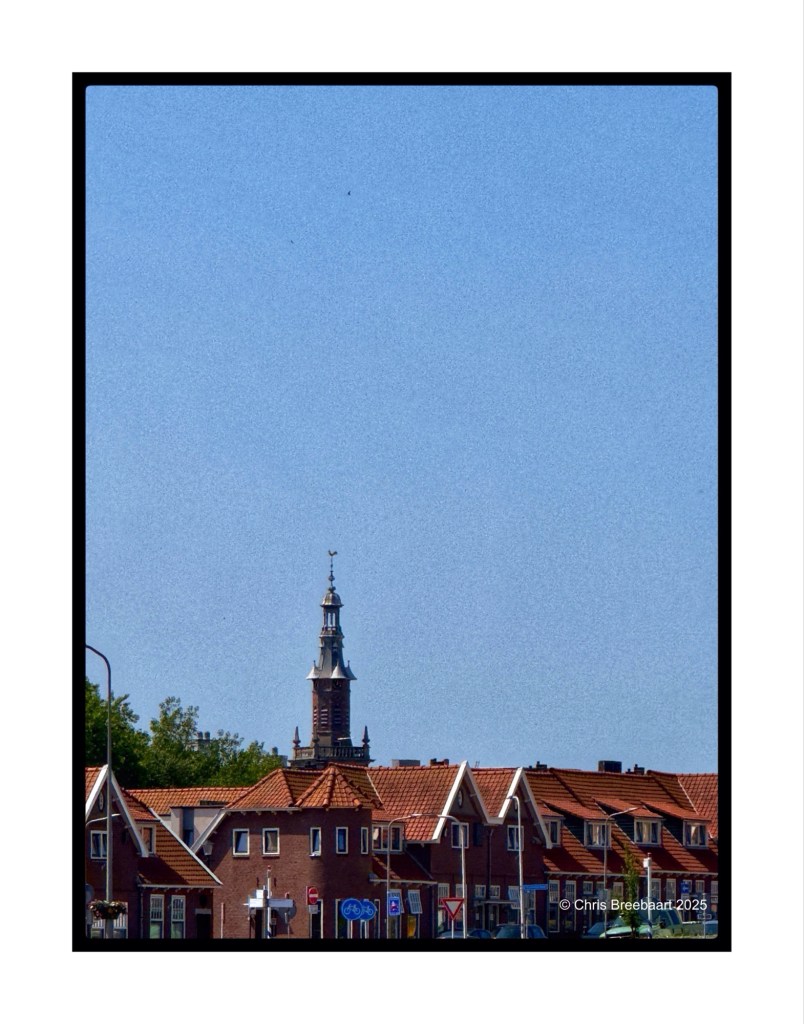
This part of Katwijk is not much photographed, I guess. The roofs and the tower of the church made a nice composition.
Shot with iPhone 15 Pro Max edited using Snapseed and Marksta Click the picture for a larger version
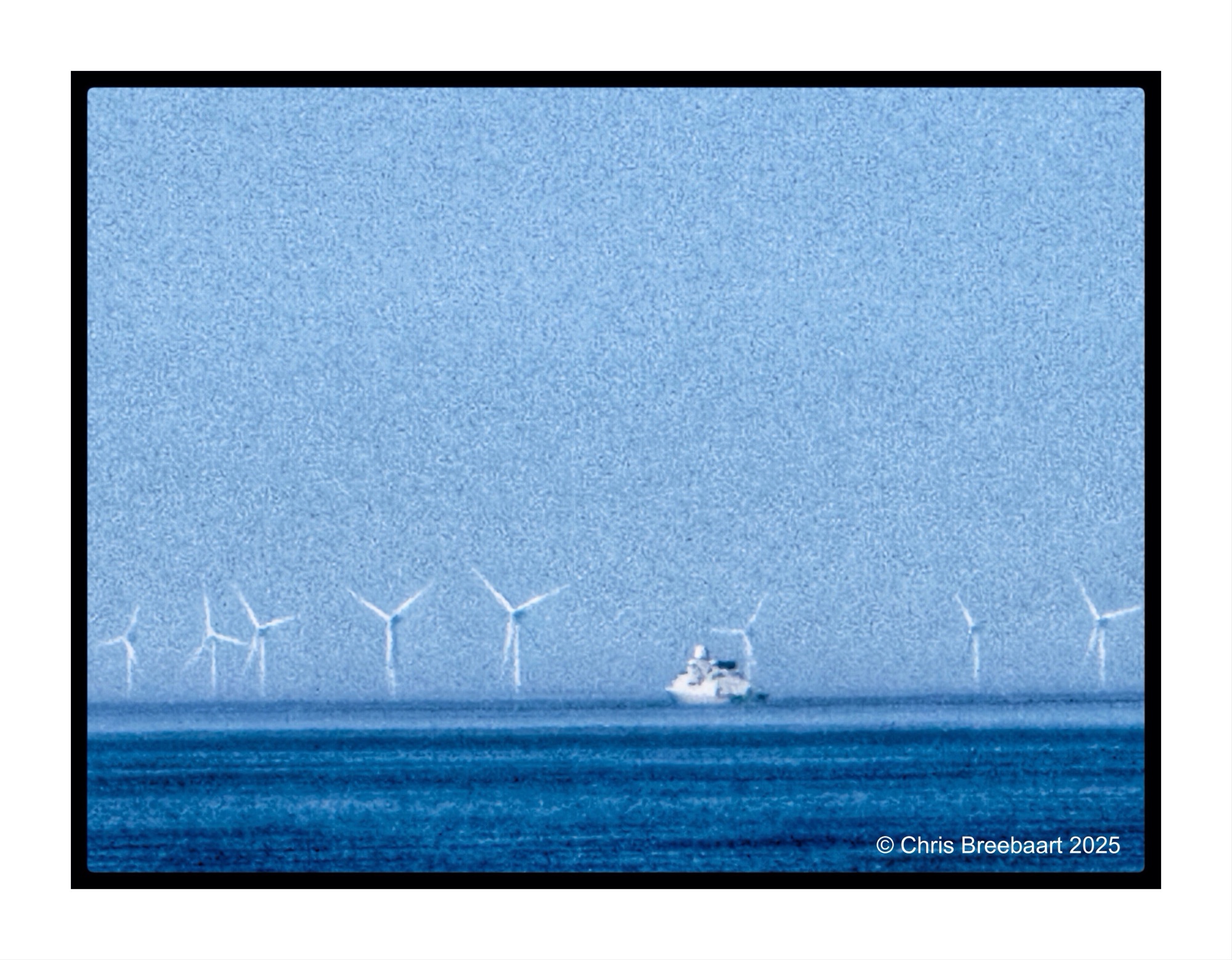
During the NATO summit navy vessels patrolled the coast. This is a impressionistic long shot of a frigate finding its way through the windmills.
Shot with iPhone 15 Pro Max edited using Snapseed and Marksta Click the picture for a larger version

Shot with iPhone 15 Pro Max edited using Snapseed and Marksta Click the picture for a larger version

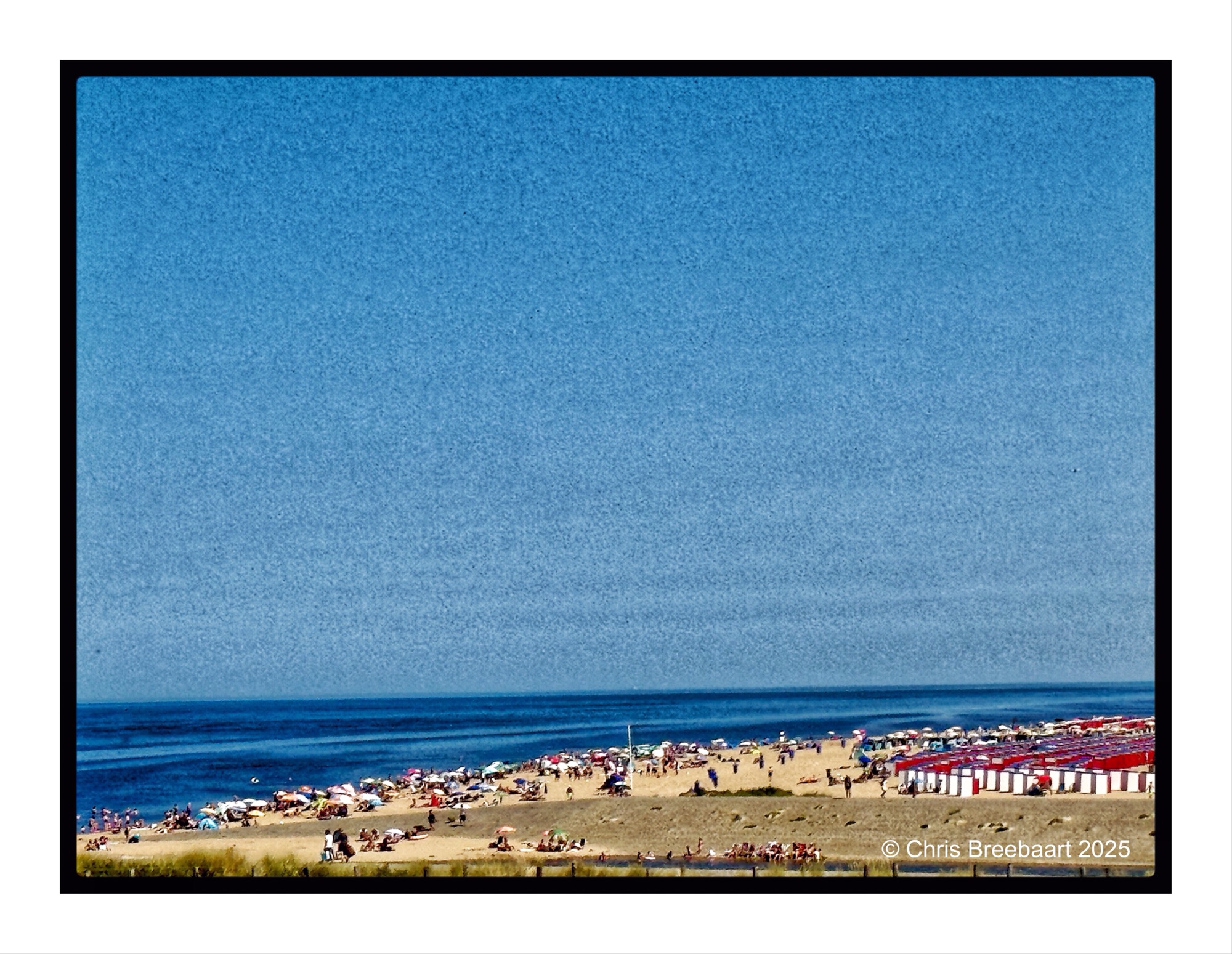
In our times Don Quixote would be busy fighting a plenty of windmills. Most of them you find at sea, would he take swimming lessons?
Shot with iPhone 15 Pro Max edited using Snapseed and Marksta Click the picture for a larger version
Shot with iPhone 15 Pro Max edited using Snapseed and Marksta Click the picture for a larger version
Shot with iPhone 15 Pro Max edited using Snapseed and Marksta Click the picture for a larger version.
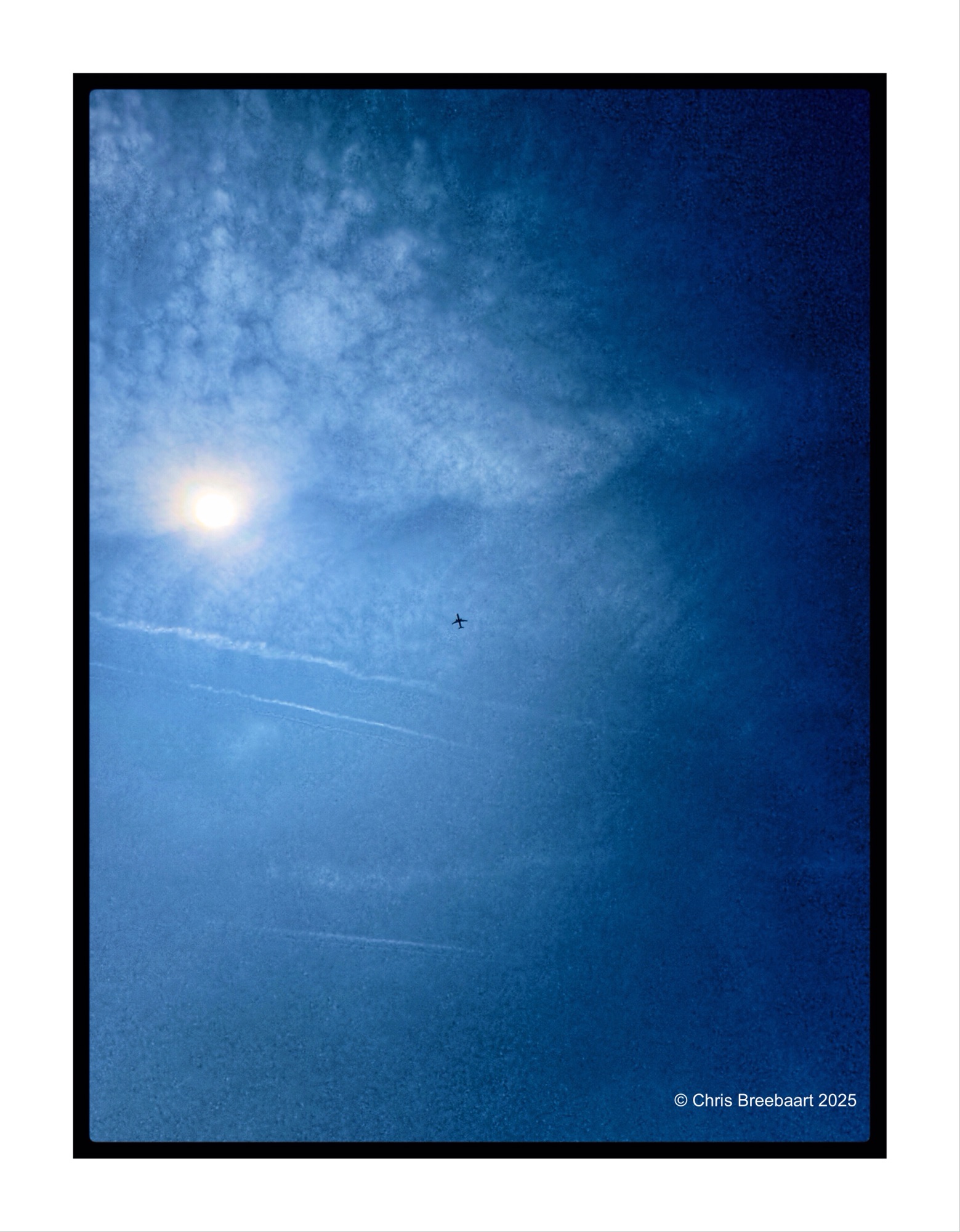
Shot with iPhone 15 Pro Max edited using Snapseed and Marksta Click the picture for a larger version.
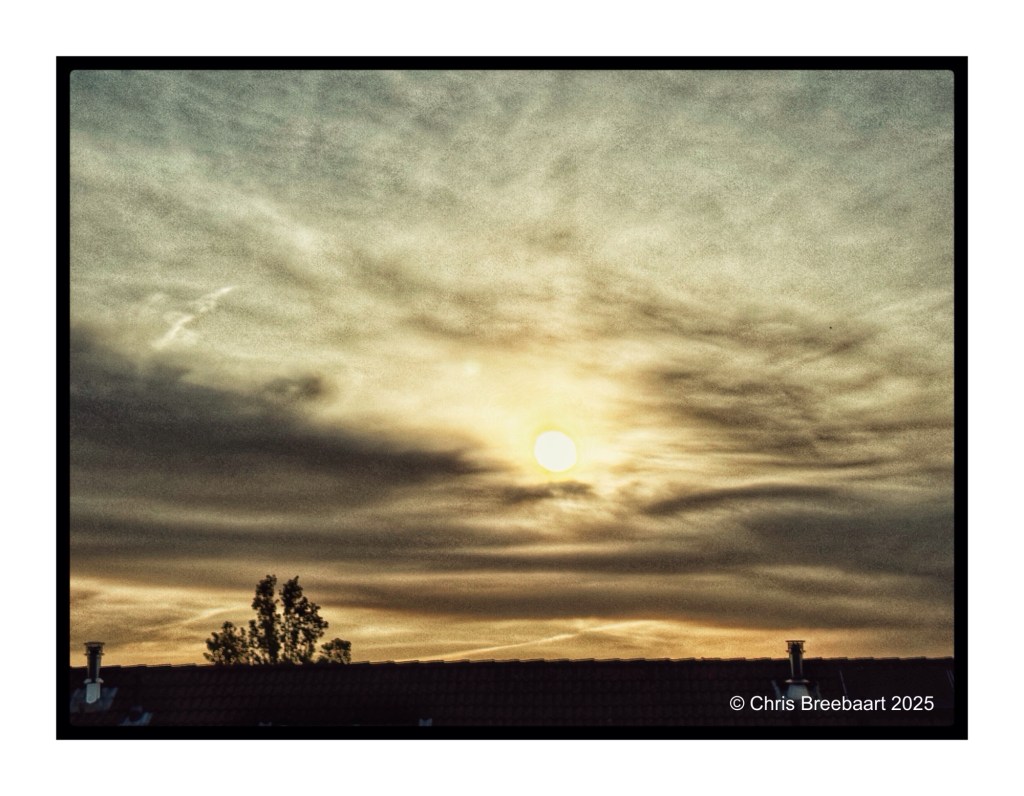
Shot with iPhone 15 Pro Max edited using Snapseed and Marksta Click the picture for a larger version.

Shot with iPhone 15 Pro Max edited using Snapseed and Marksta. Click the picture for a larger version.
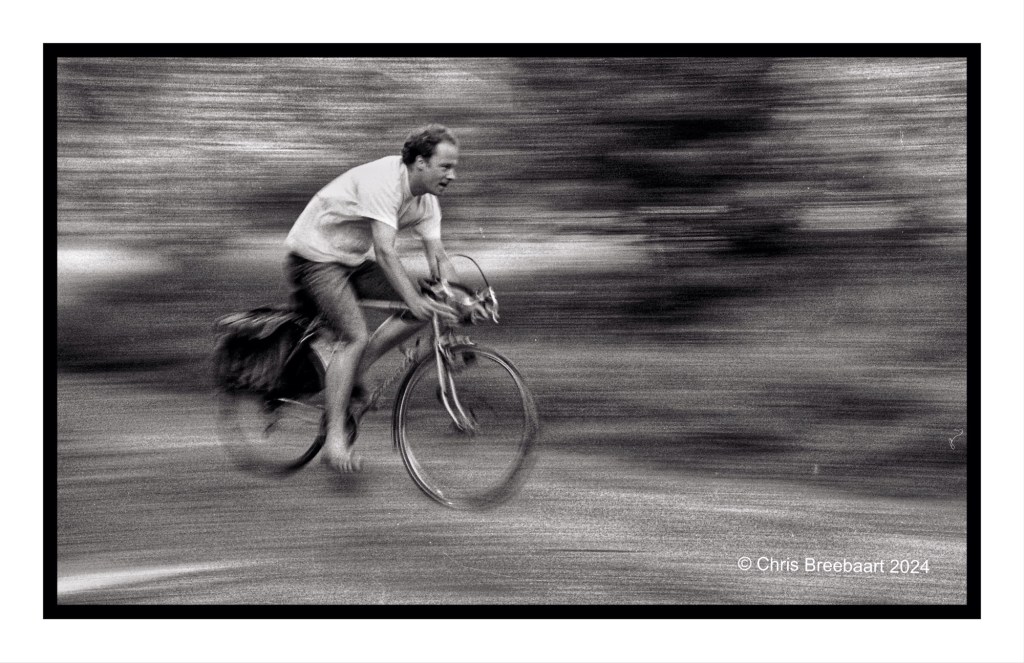
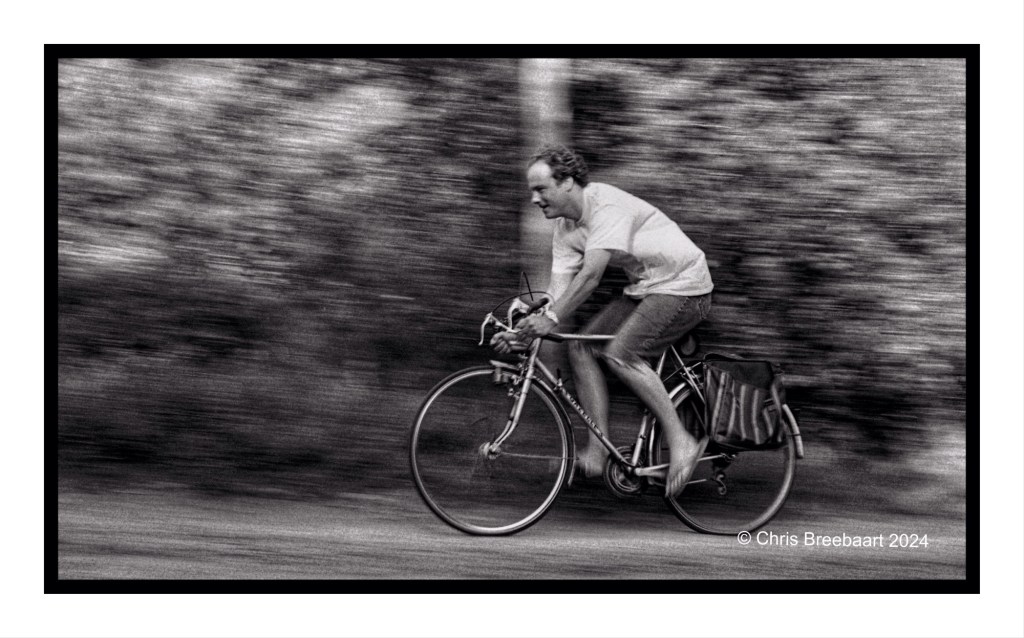
This week’s Lens Artitsts Photo Challenge (#321) is Intentional Camera Movement (ICM). These photos are from a workshop in 1997 in France, where we had to create movement with a low shutter speed while following the subject. Basically a fun excercise but done on film. So the result literally came to light after developing the film. The excitement and anxiety about the possible results were out of scale! Patience.
These film archives are the source of my B4 retouch series.
About the B4 retouch series:
I browsed my archive for pictures to publish. Some of them are partly retouched but most do have scratches, dust and stains.
Shot with Nikon F90 on Kodak TriX, scanned from film and edited using Snapseed andMarksta. Click the picture for a bigger version

