The last time, before this visit in September, I saw this part of Berlin was in November 1989. This side was West Berlin, the Spree and across was East Berlin. The Berlin Wall cut straight to the right. It was just 20 meters from the East wall of the Reichstag.
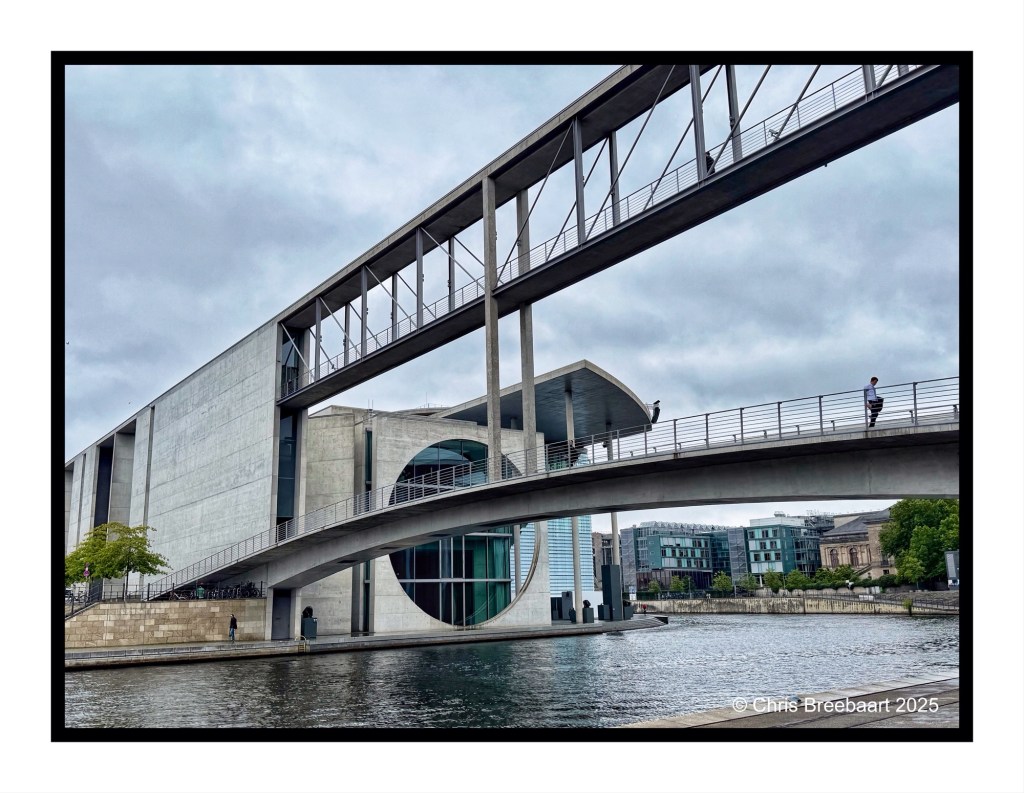
Now the Bundestag offices connect both sides of the river. The tension of the Berlin Wall is literally out of sight. But not forgotten. Seven crosses are just outside this frame on the right side. They remind us of the people who tried to flee East Germany and were killed.
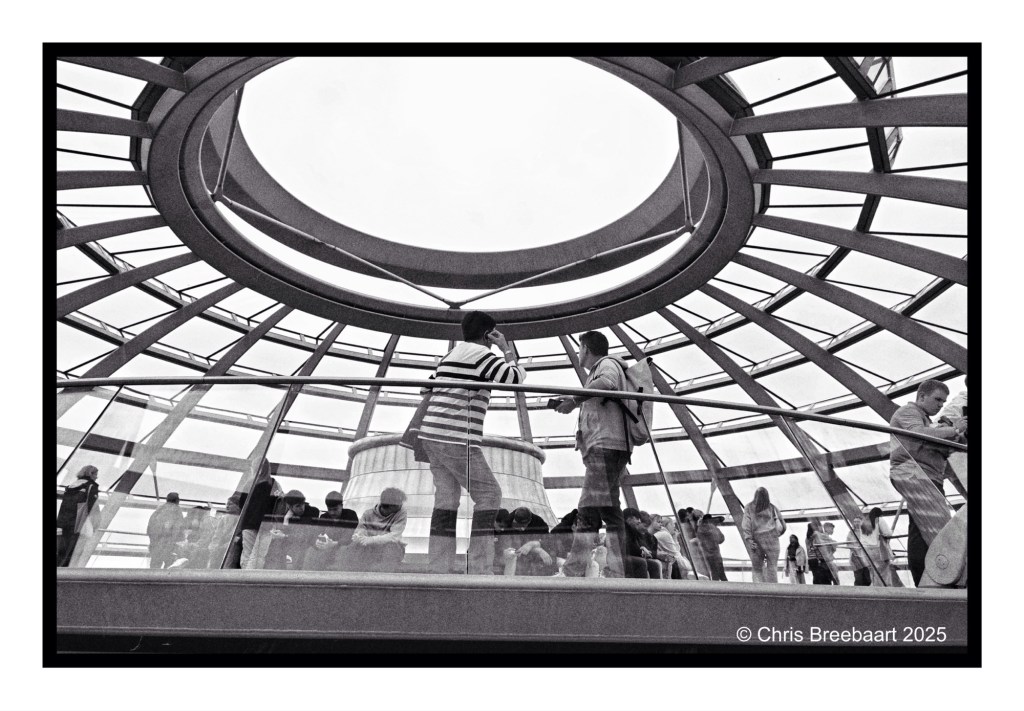
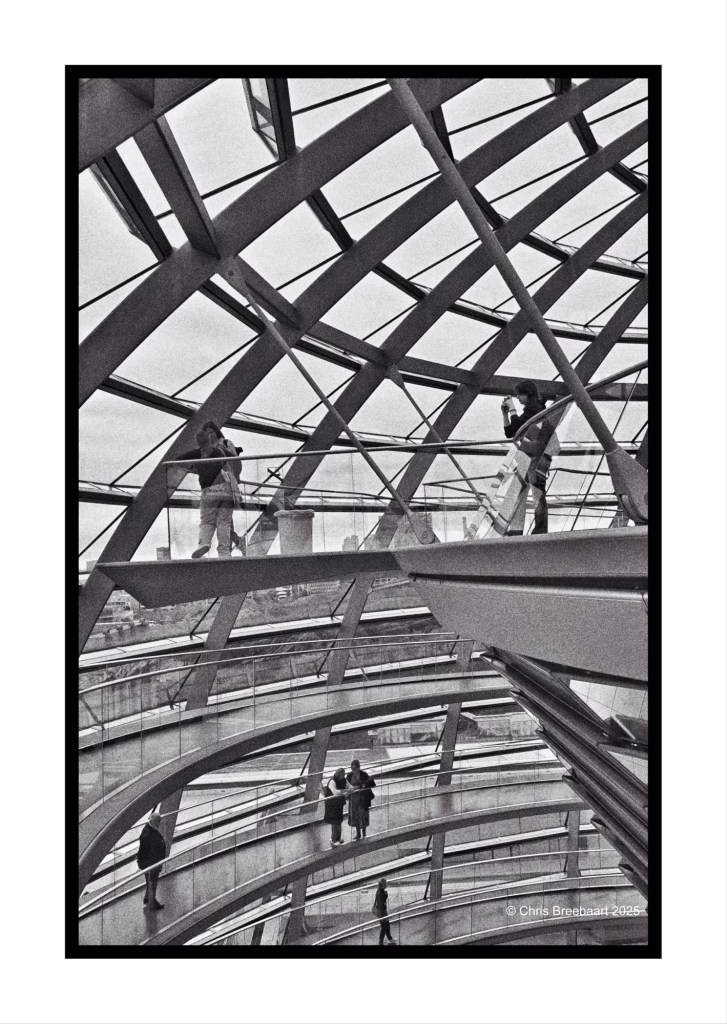
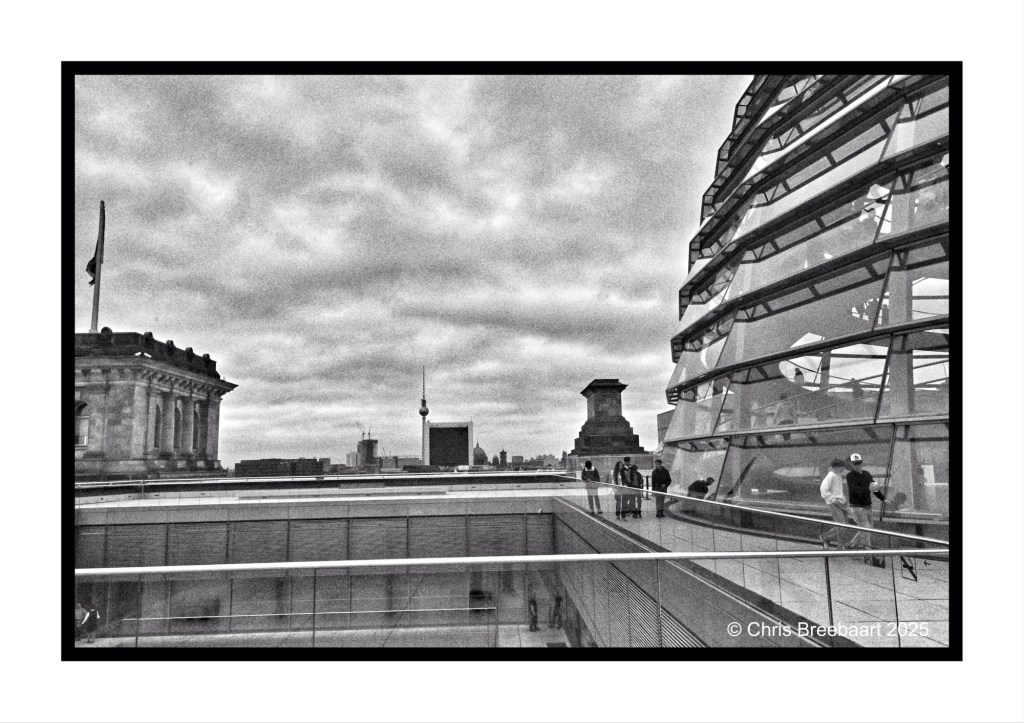
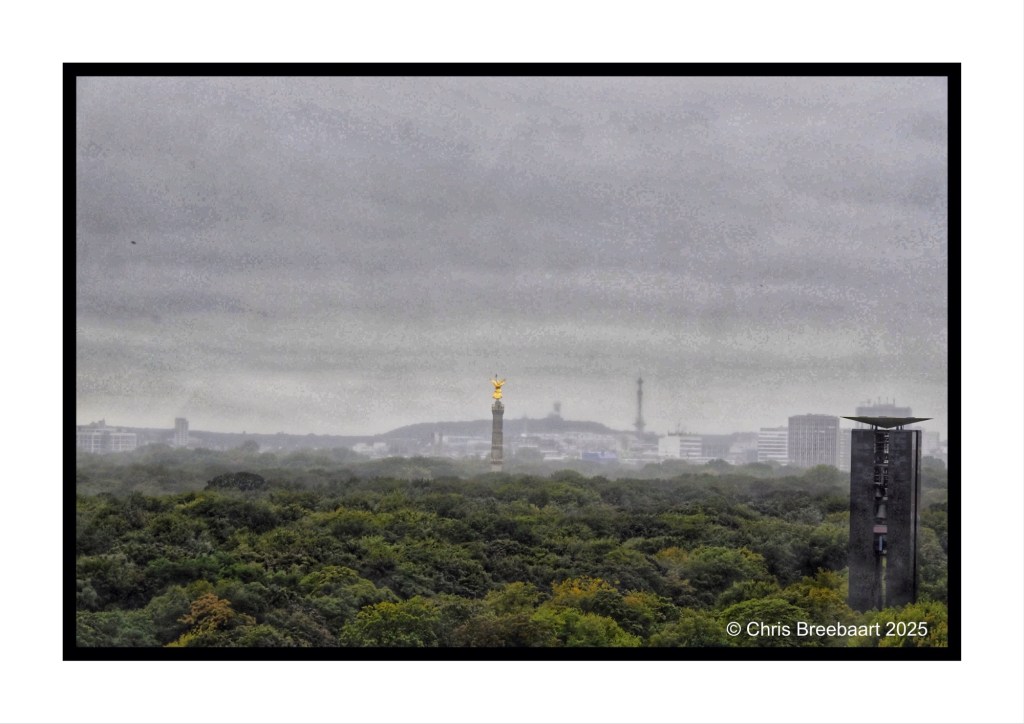
The dome on the Reichstag offers a wonderful panoramic view on Berlin. And you can walk the rest of the roof as well to look over the city. Here an impression in monochrome.
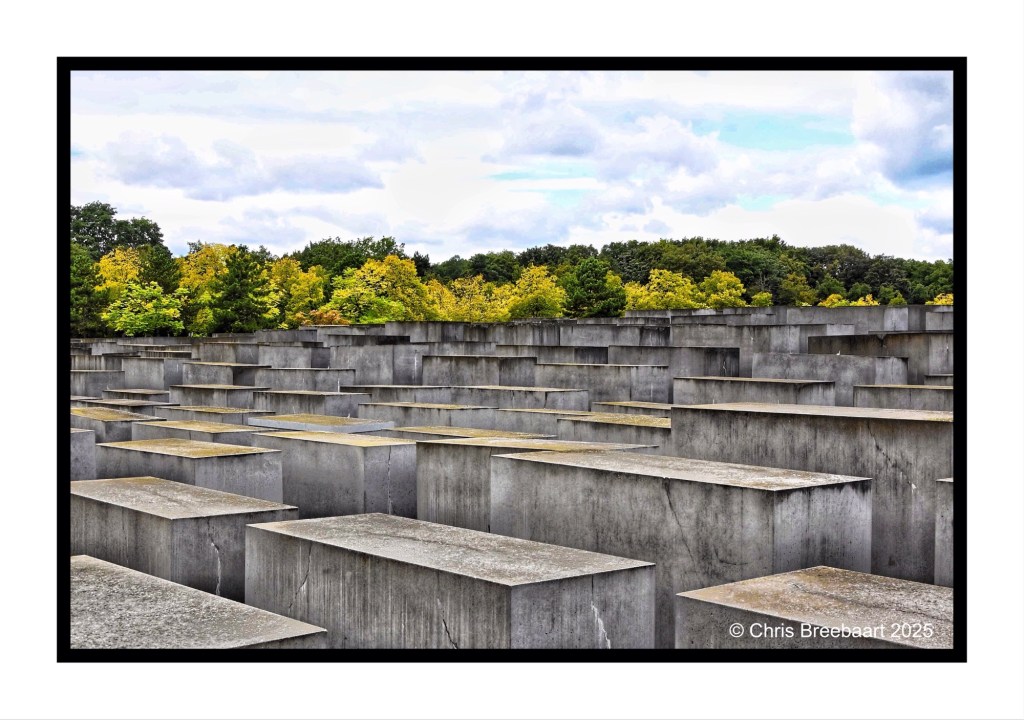
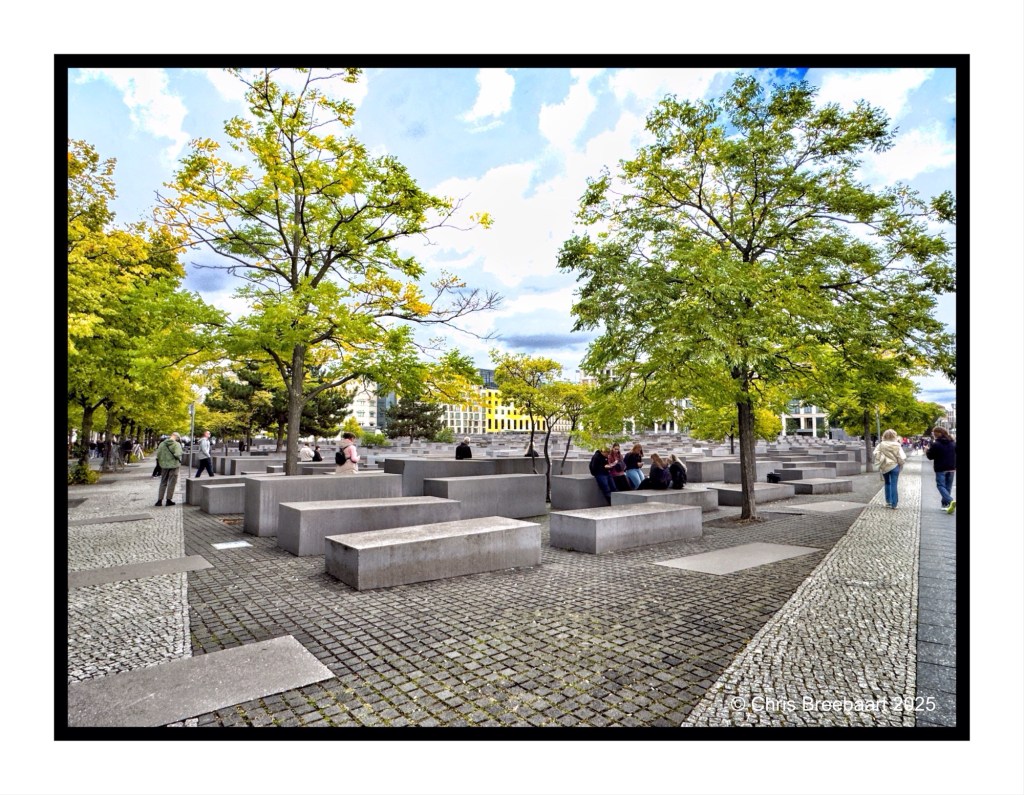
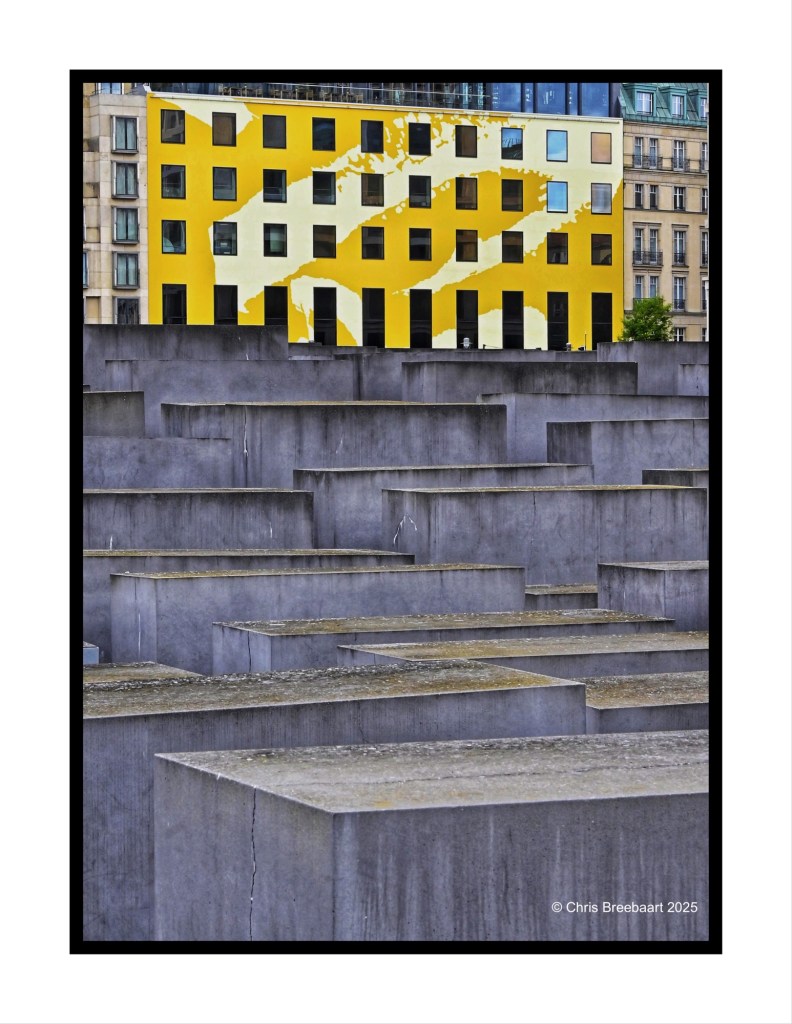
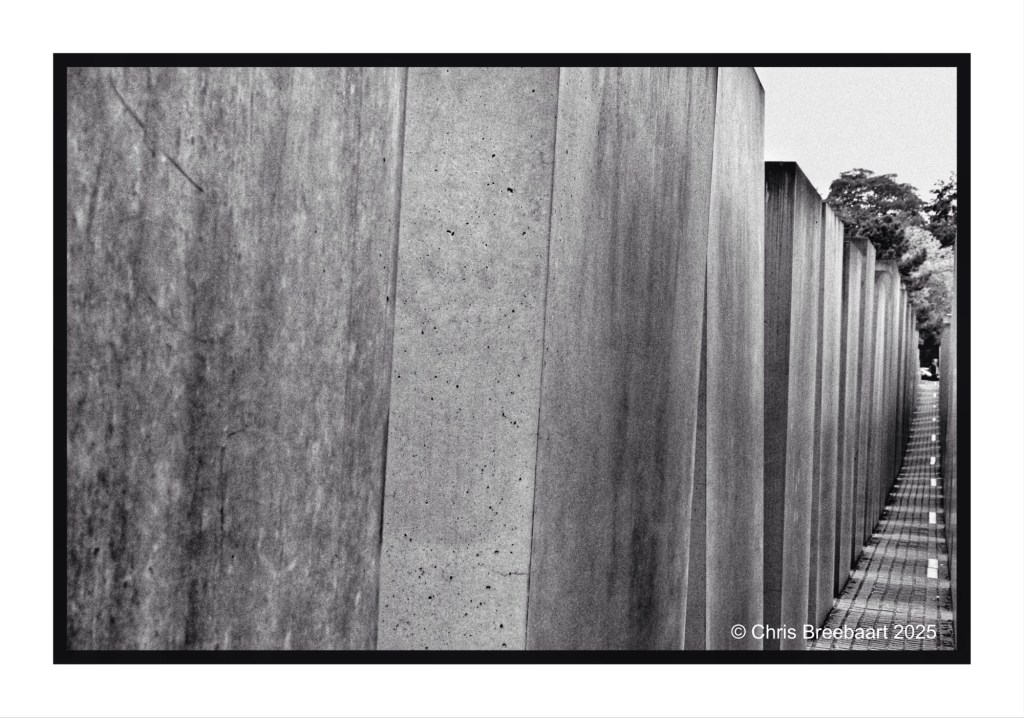
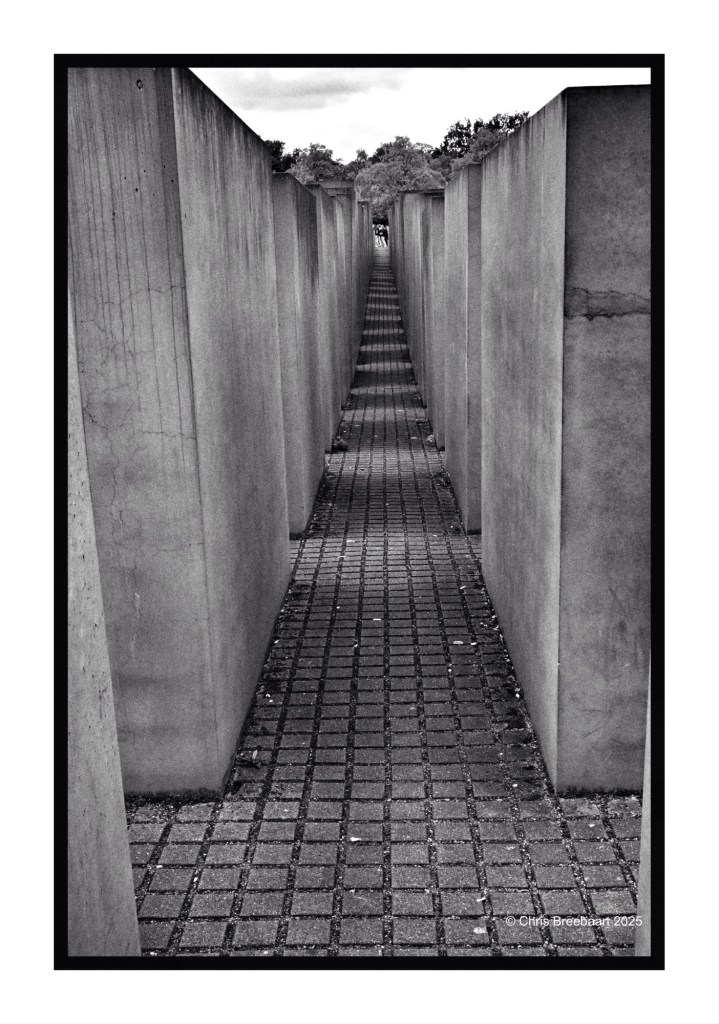
Last September I revisited Berlin after 46 years. One of the reasons to come back was to visit the Memorial to the murdered Jews in Europe. I had read stories and seen photos, and I wondered how I would take photo’s of it. And what it would be like to wonder through it. This visit I had my first experience with the monument. Here is the first impression (and the coming days I will publish some more).
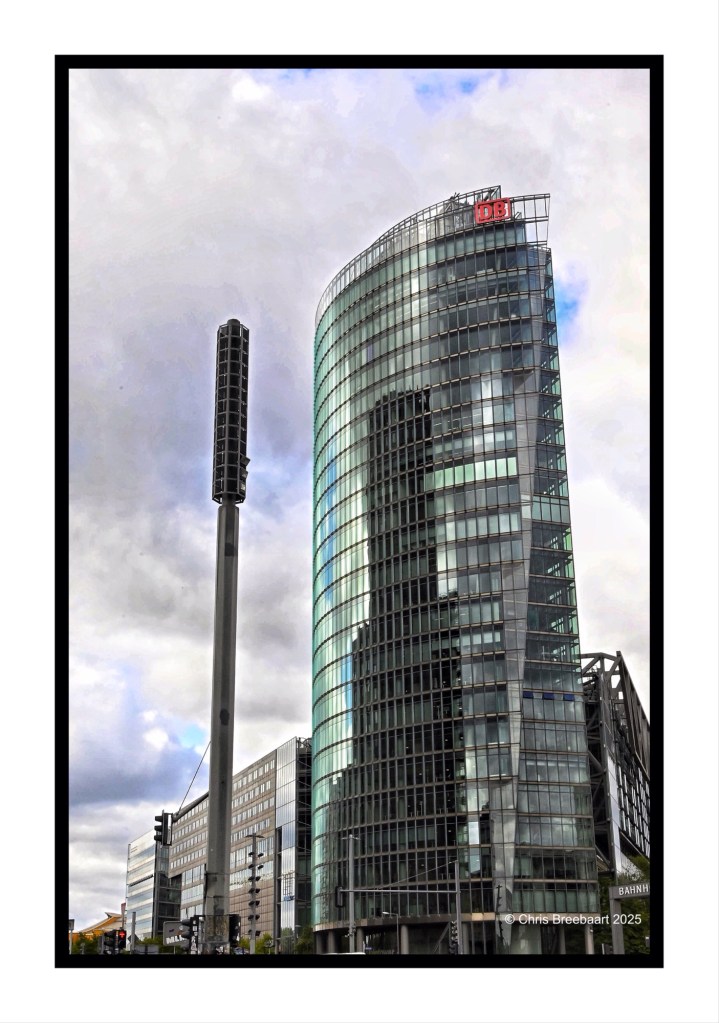
Potsdamer Platz was the vivid heart of Berlin. During World War II, it was almost completely destroyed. Since 1961 Potsdamer Platz was a no man’s land, a death strip as part of the Berlin Wall. After the fall of Berlin Wall this was the biggest property developing area in a major city in Europe.
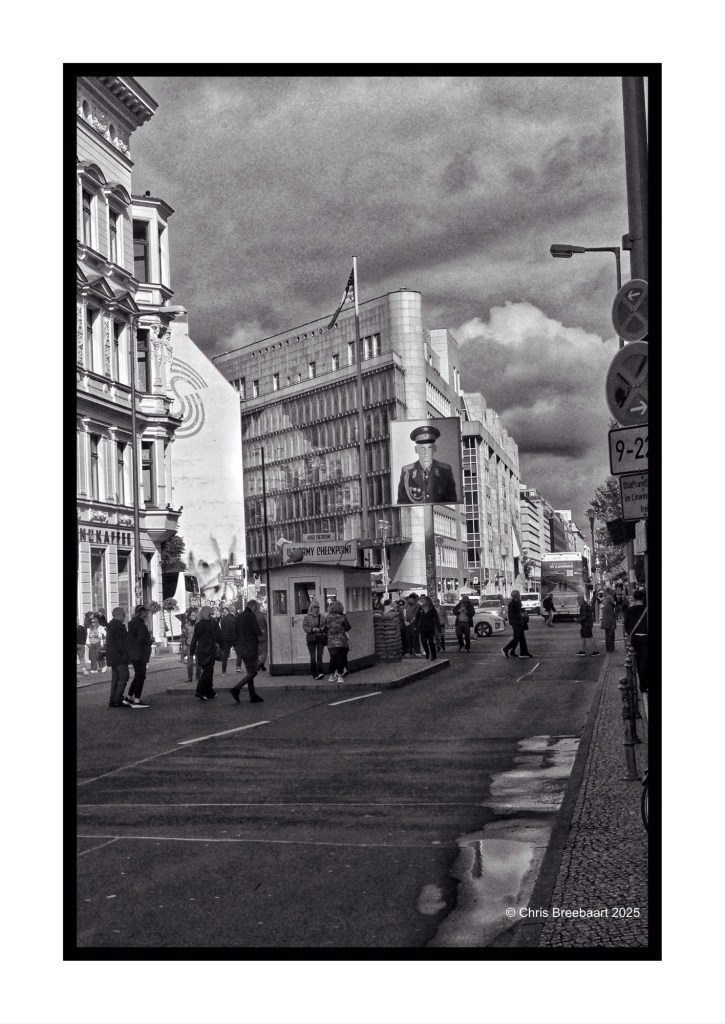
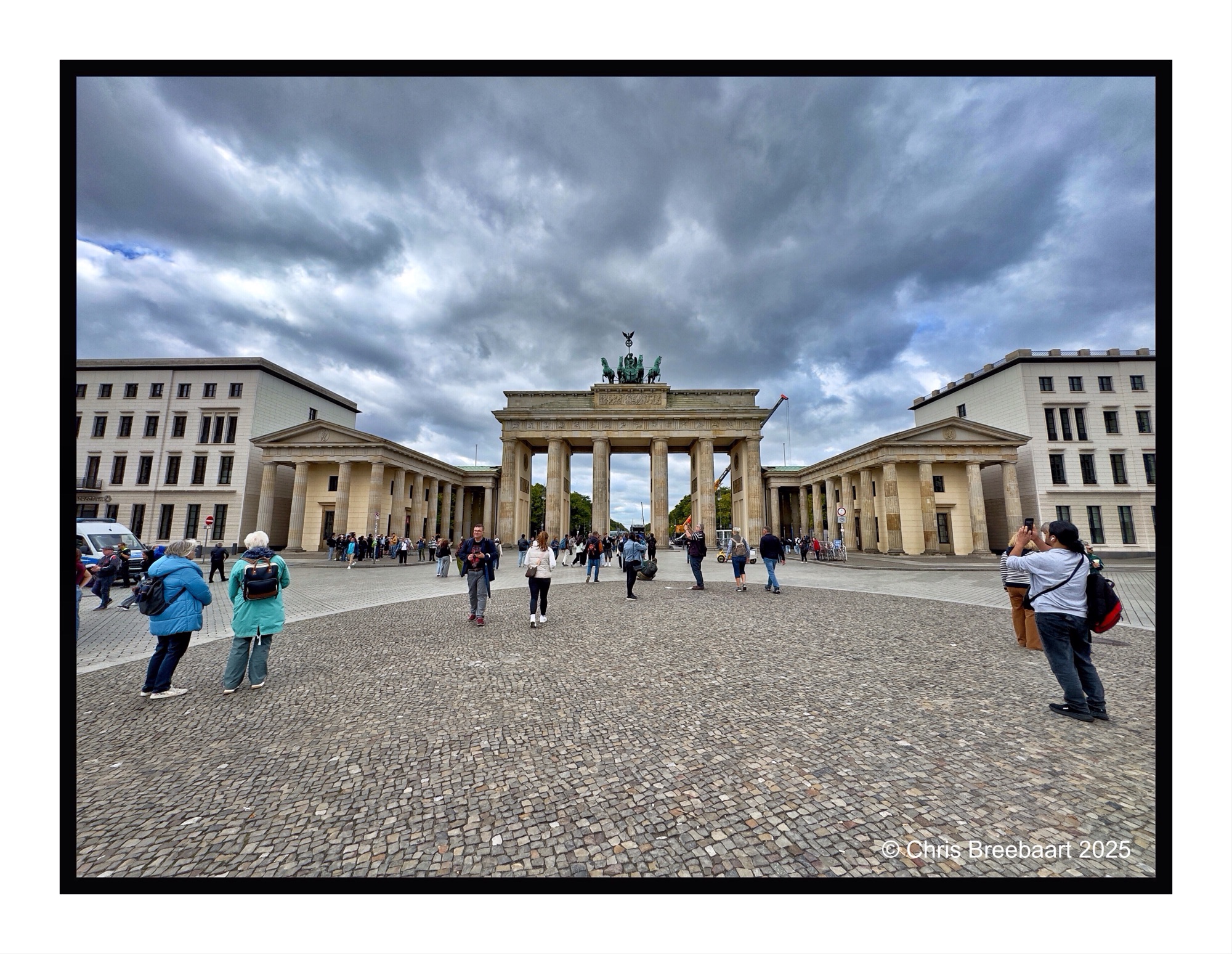
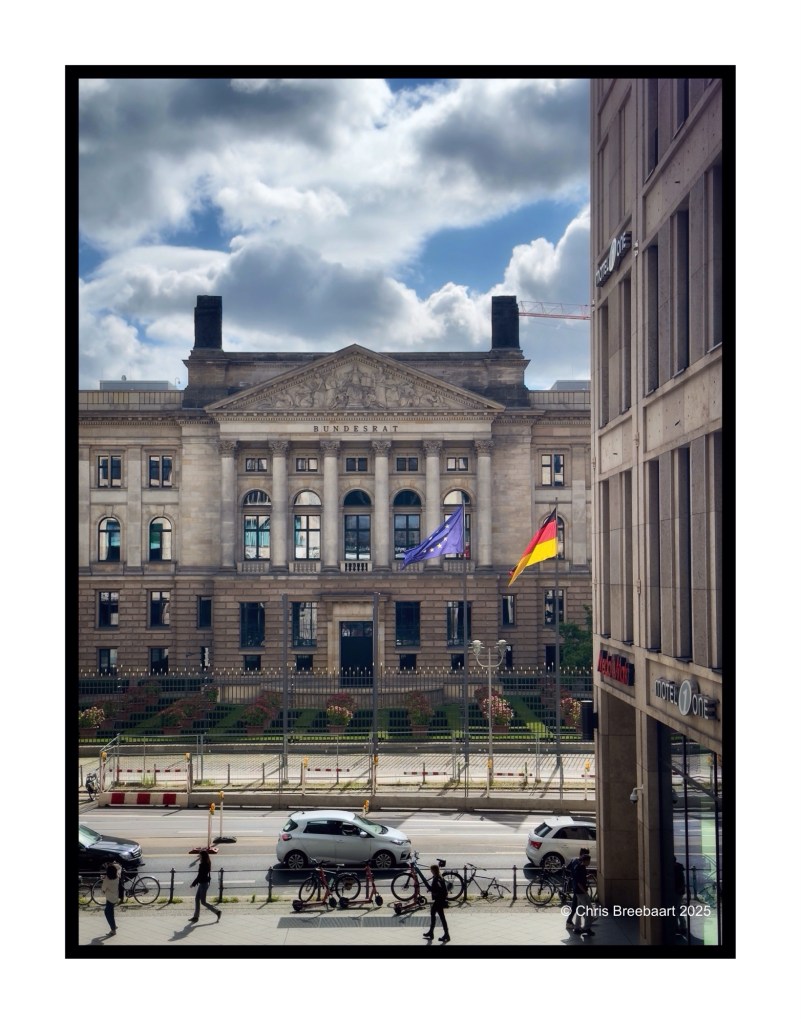
Walking through Berlin was sometimes causing some disorientation. Lots of places that were ‘void and empty’ in November 1989 are now (re)build. In 1989 I just saw a small part of former East Berlin. It was a challenge to figure out what I was looking at. An old building, a refurbished one or a new build? I have a slight preference for old buildings. Lots of them are beautifully restored. This is one of them: the Bundesrat in the former Prussian House of Lords. As seen from the Mall of Berlin.
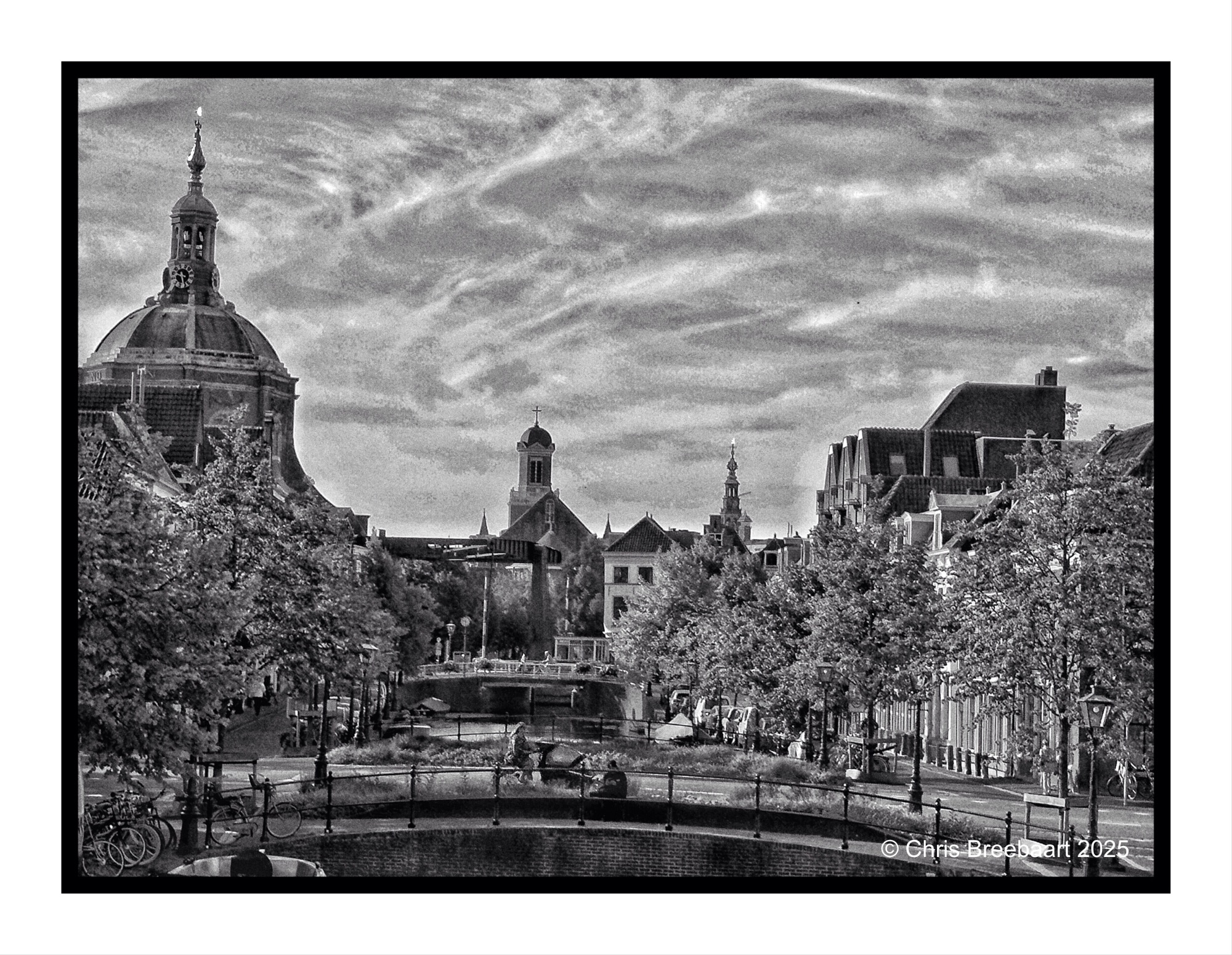
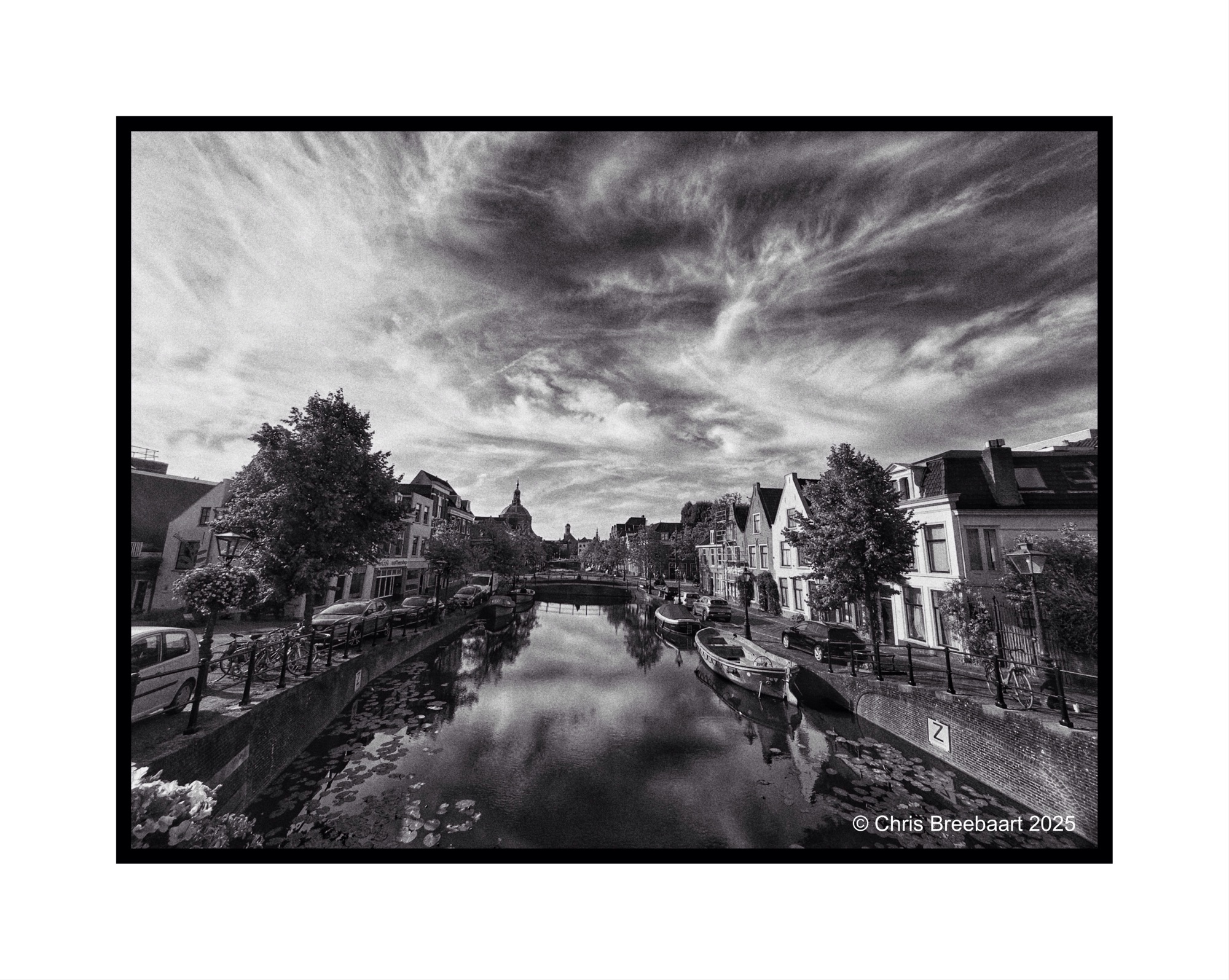
A more detailed view of the photo I published yesterday of Leiden. Leiden used to be famous for fabrics, and canals provided the infrastructure for the logistics. Some of the canals were filled up in the second half of the 20th century. However, there are debates about opening a few of them again. These discussions focus on sustainability and environmental quality.
A view on the city where Rembrandt van Rijn was born, Leiden. It was the home where he grew up. There he started his now famous career as a painter. Later, he moved to Amsterdam.
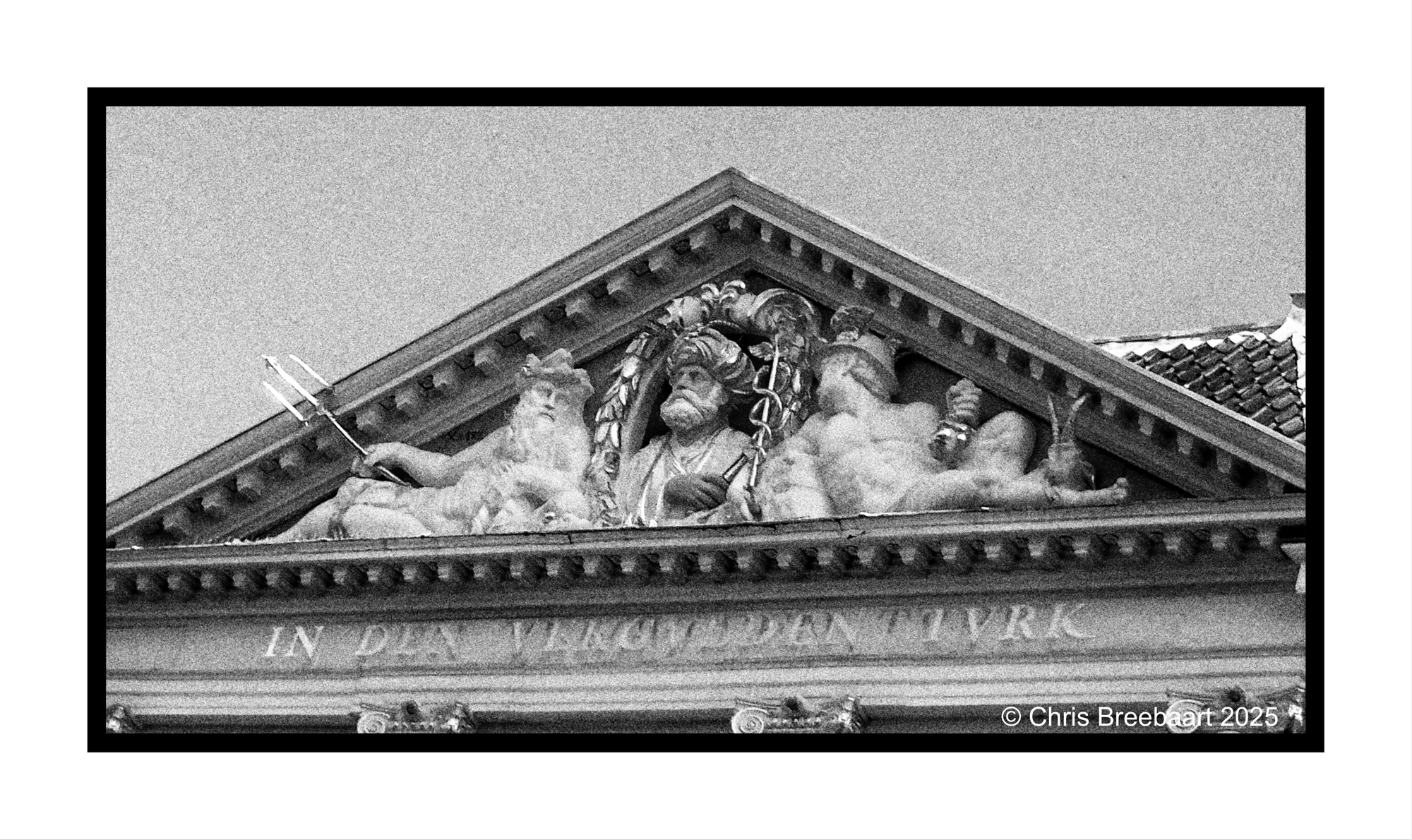
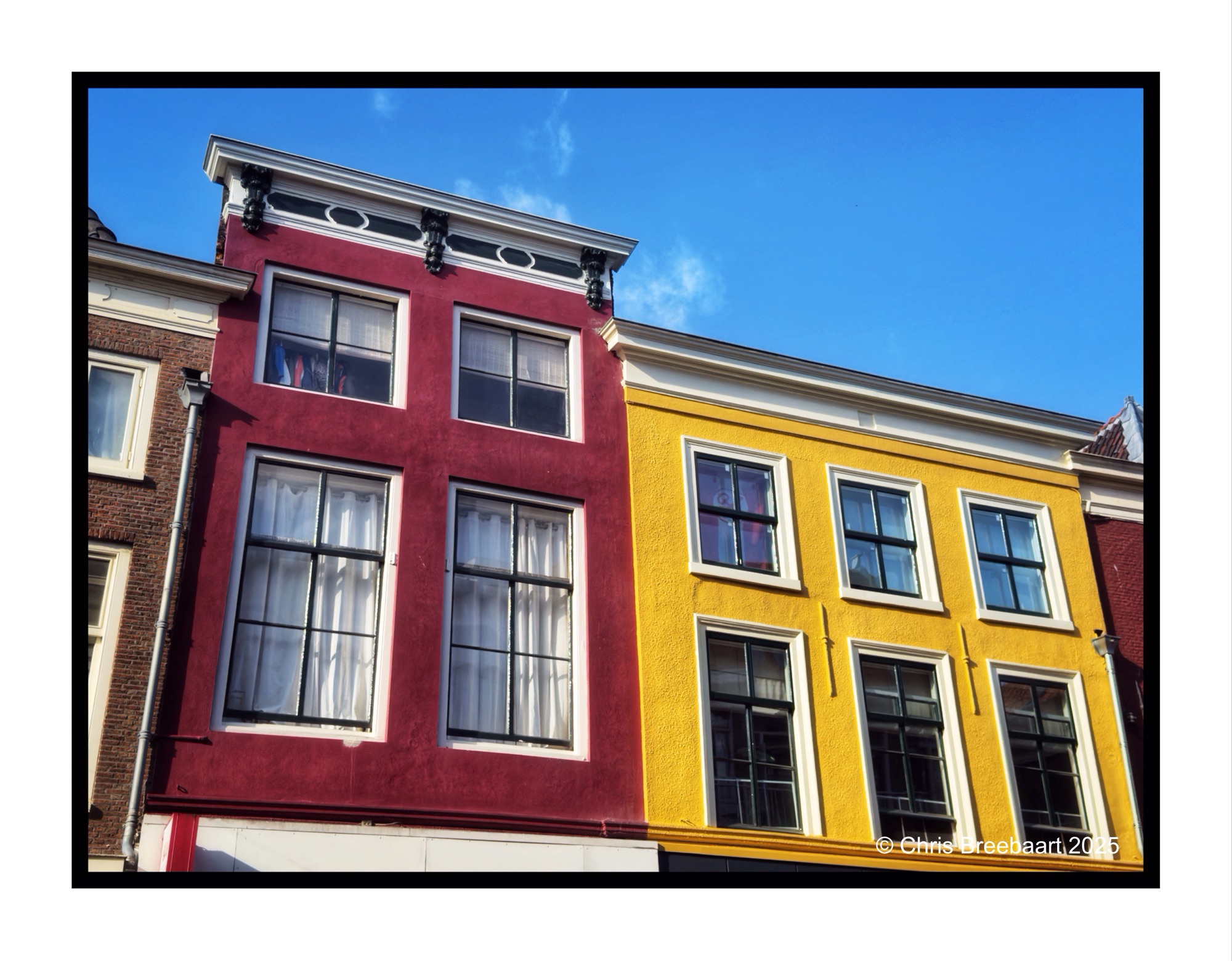
Detail from a front in the Breestraat in Leiden. In den vergulden Turk used to be a restaurant. It moved decades ago to a different spot in town. It then changed its name to Wienerwald. The top of the original front is still there, and recently brought back to its old splendor.
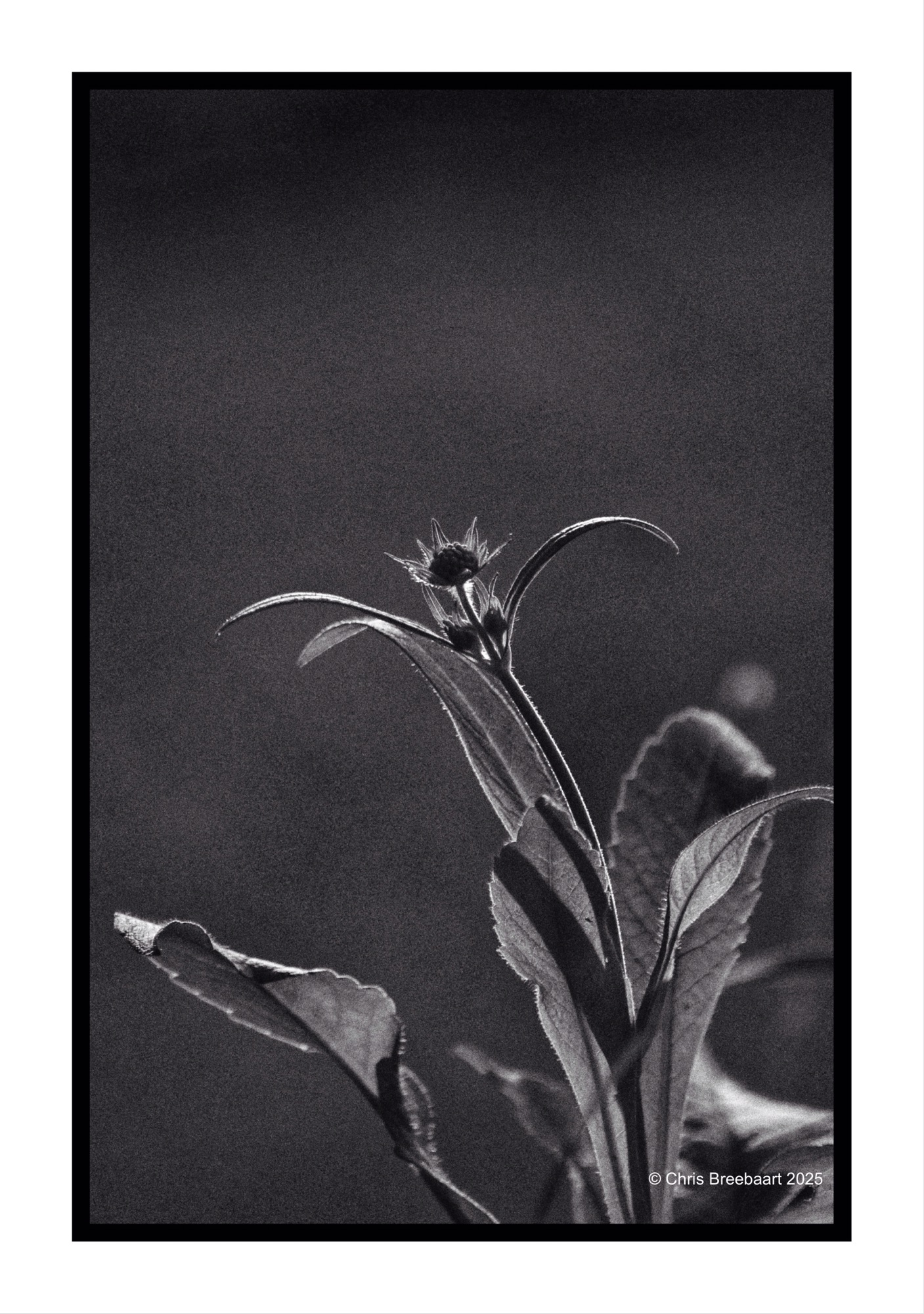
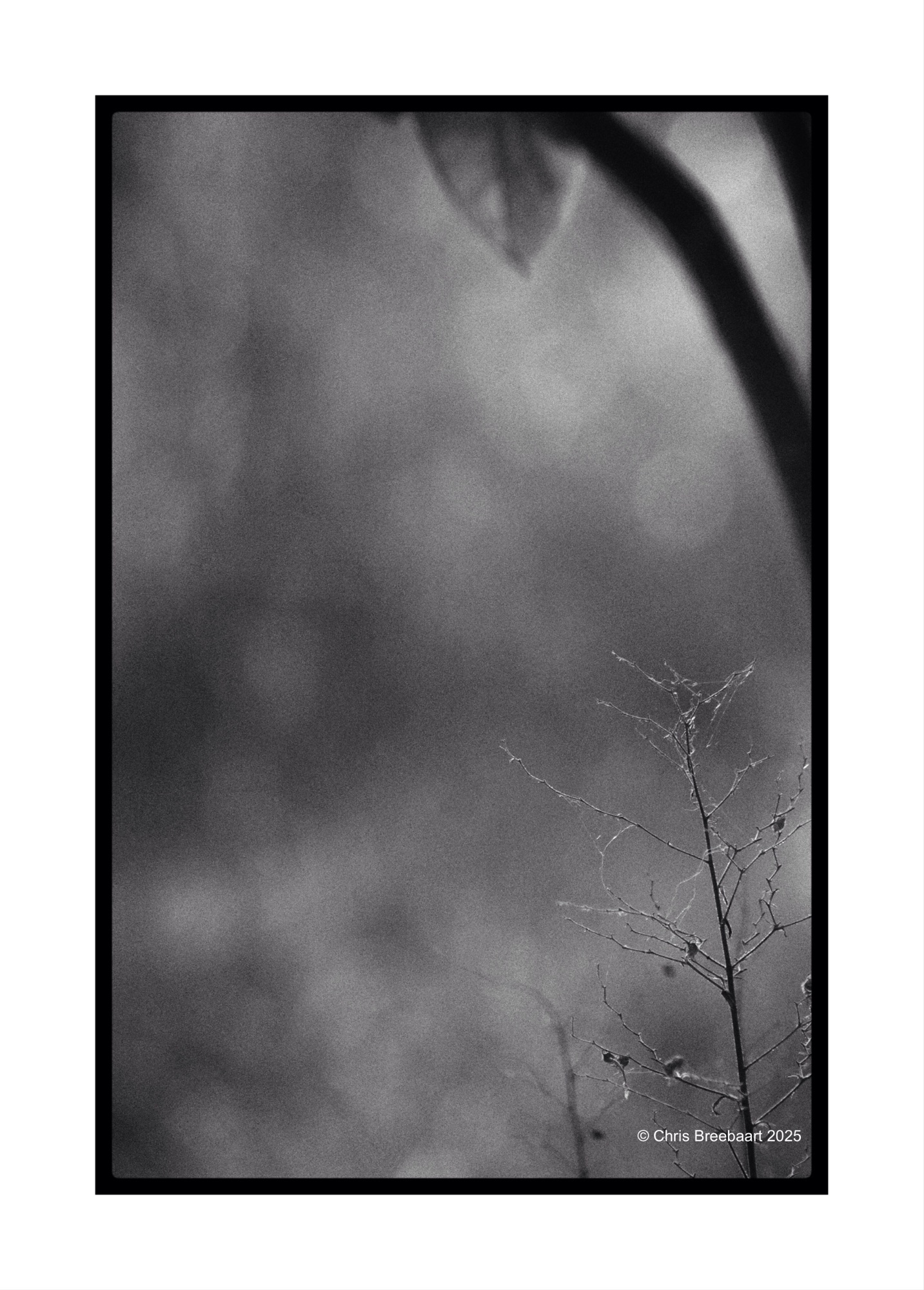
I like monochrome photography for many reasons. One of them is the ability to play with the mood in the photo. Just by adjusting the aperture time or the opening of the lens, the same light delivers a different mood. This one and the photo I published yesterday, were shot on the same day.
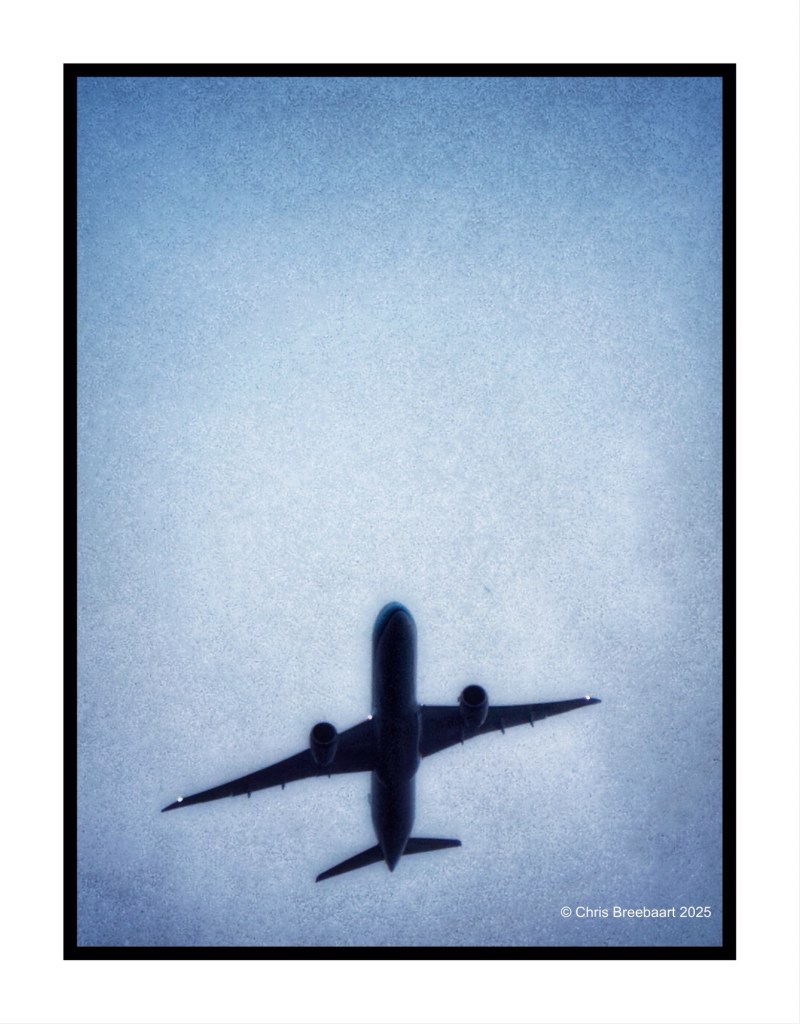
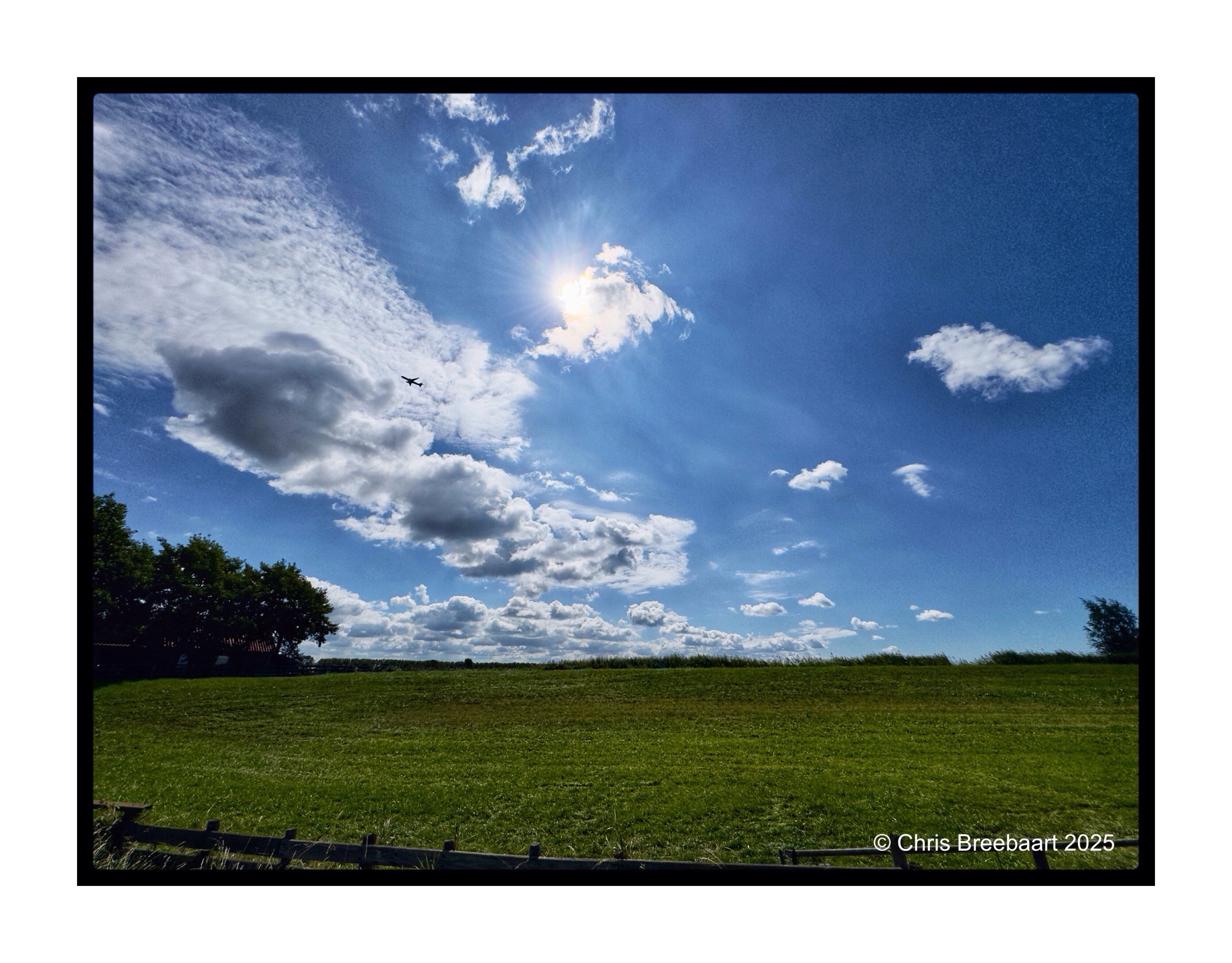
During the Summer we see much more incoming traffic to Schiphol Amsterdam. Quite annoying actually, every minute a plane coming in. During day time they approach just over 600 meters, but in the evening they fly in from 1000 meters. When the wind turns West again in Autumn it will be over. However, who enjoys sitting in his garden in Autumn rain?
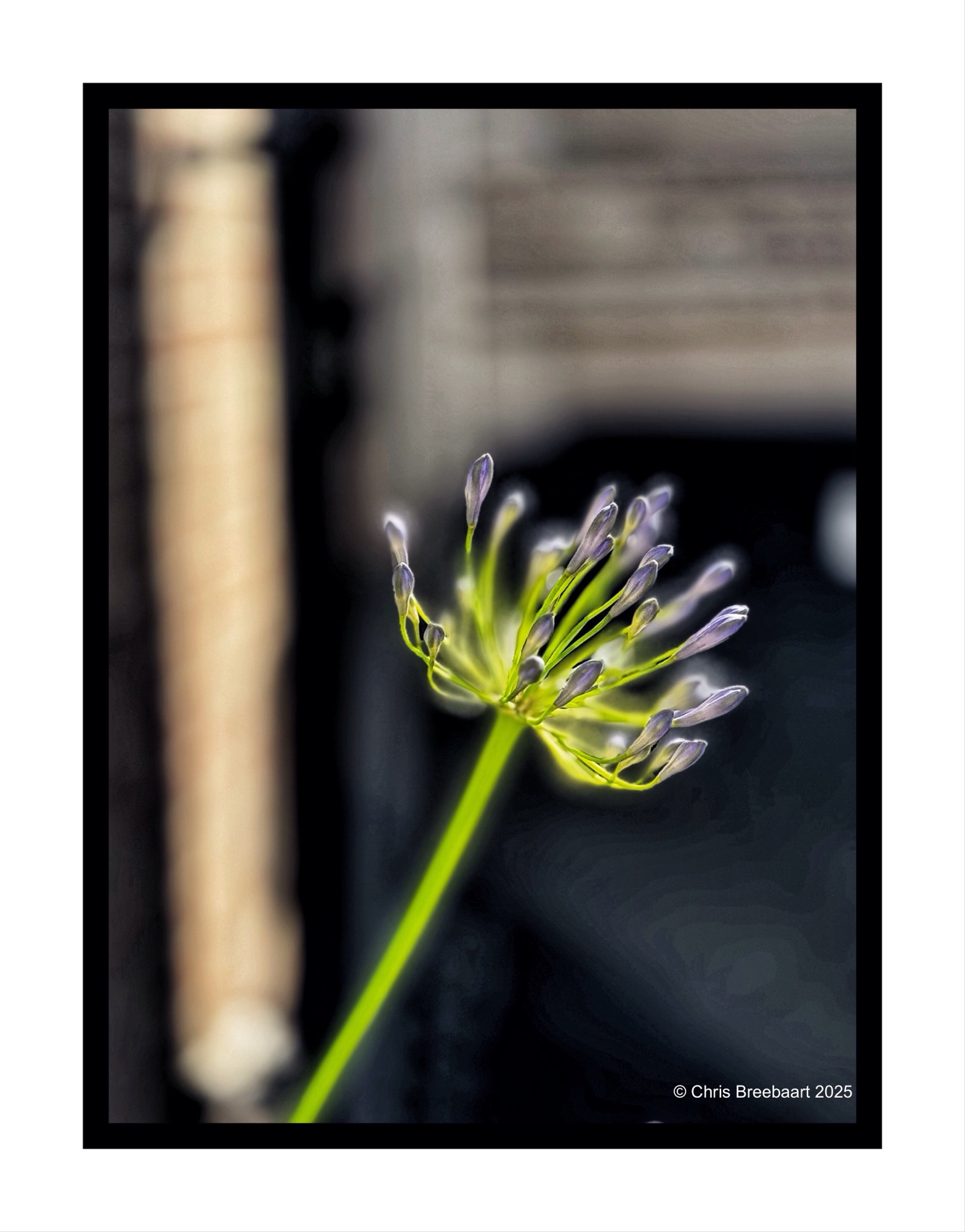
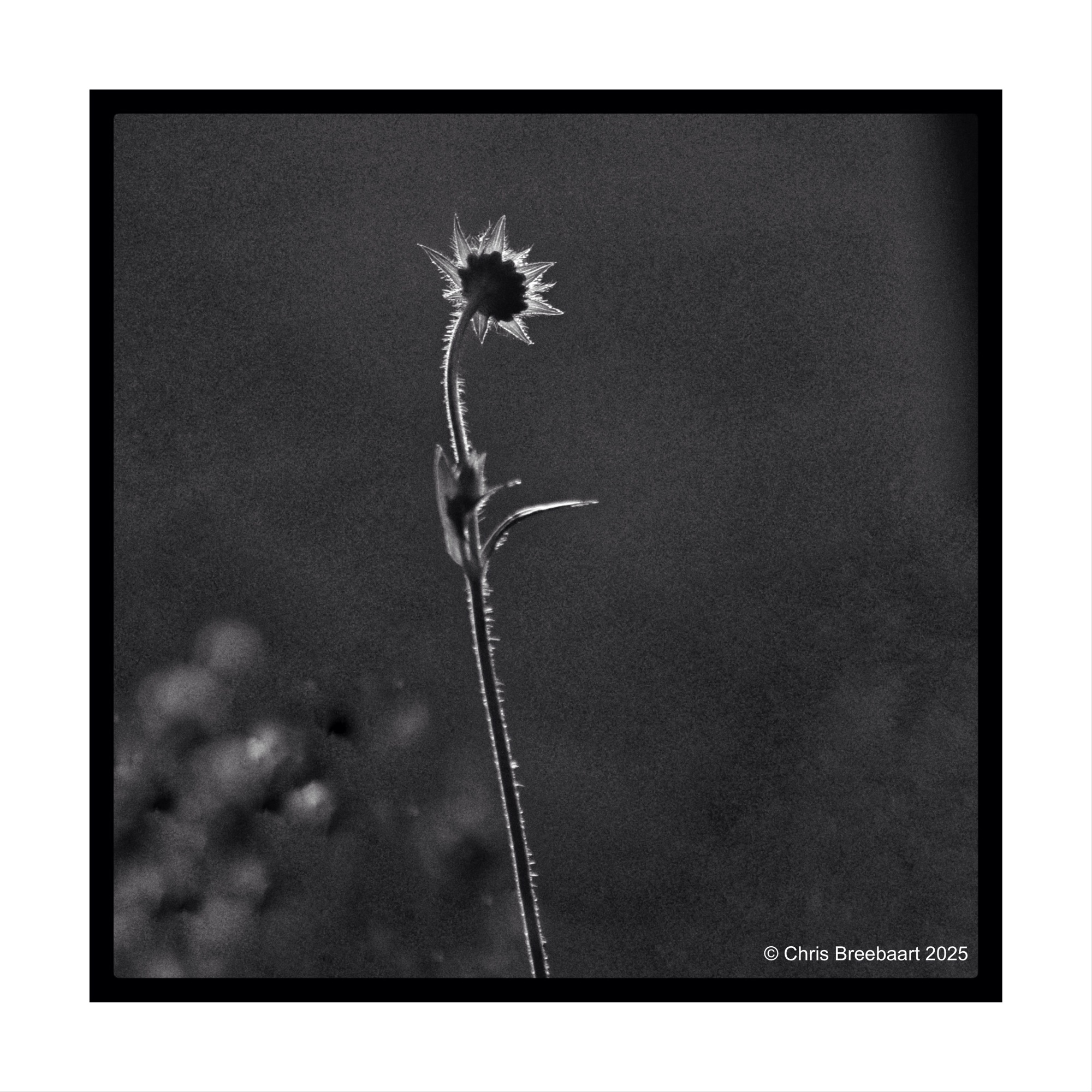
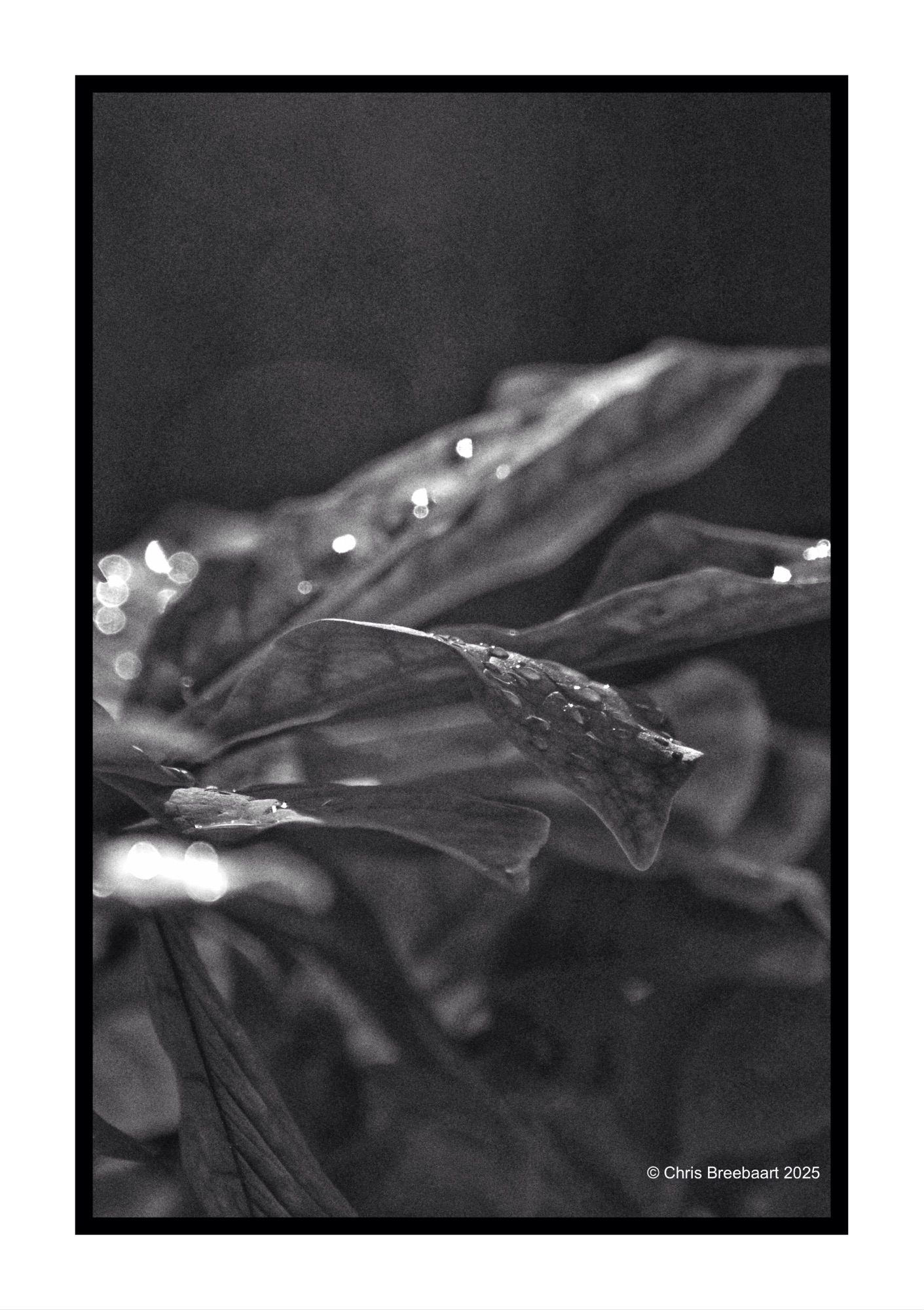
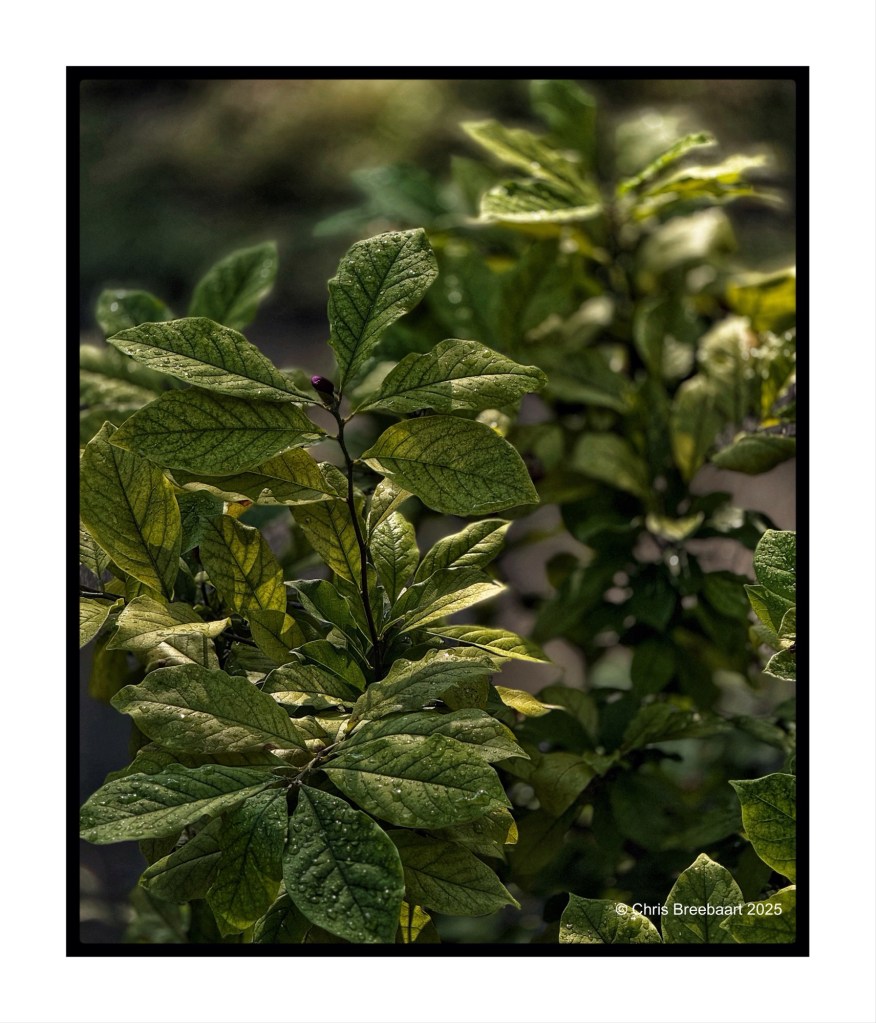
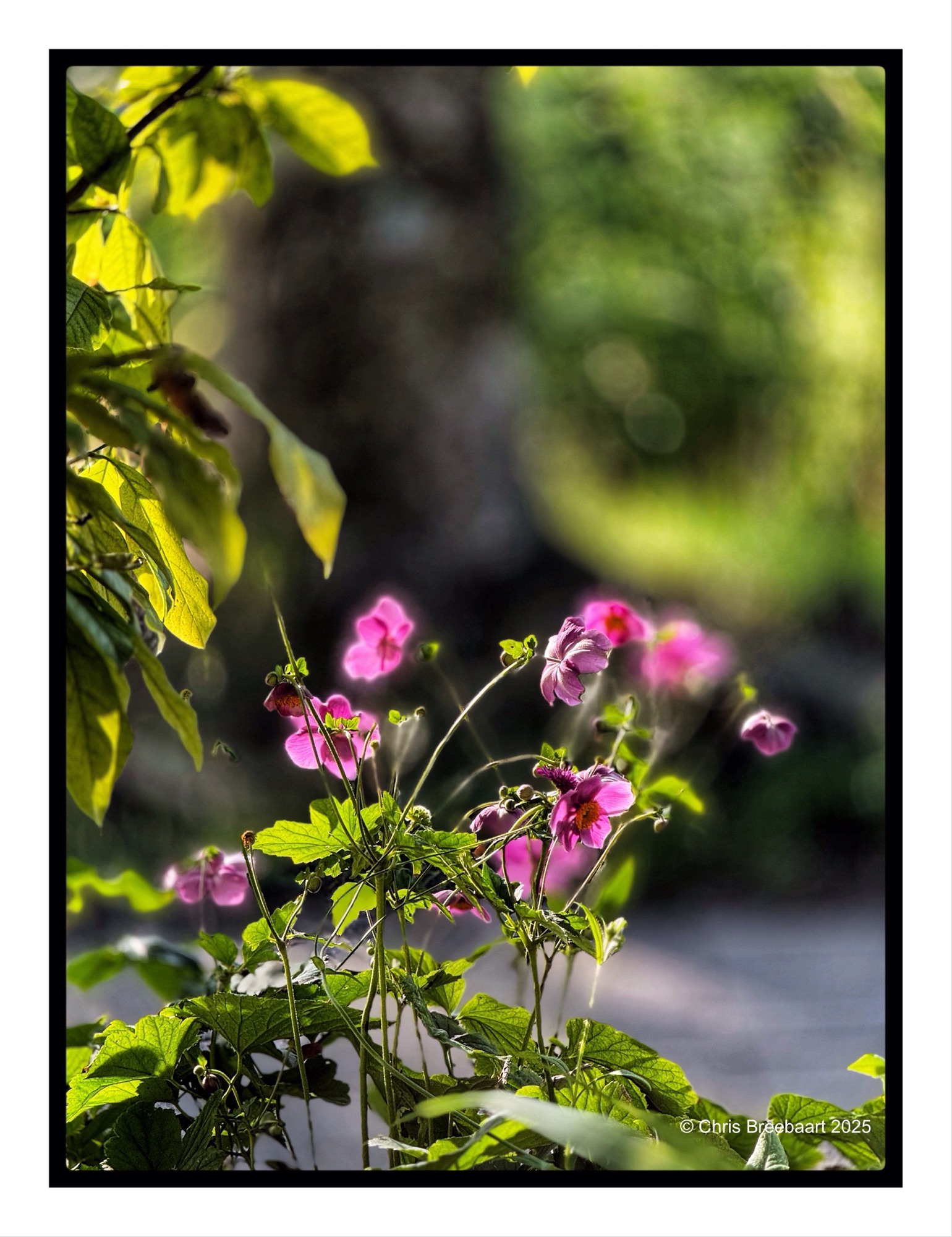
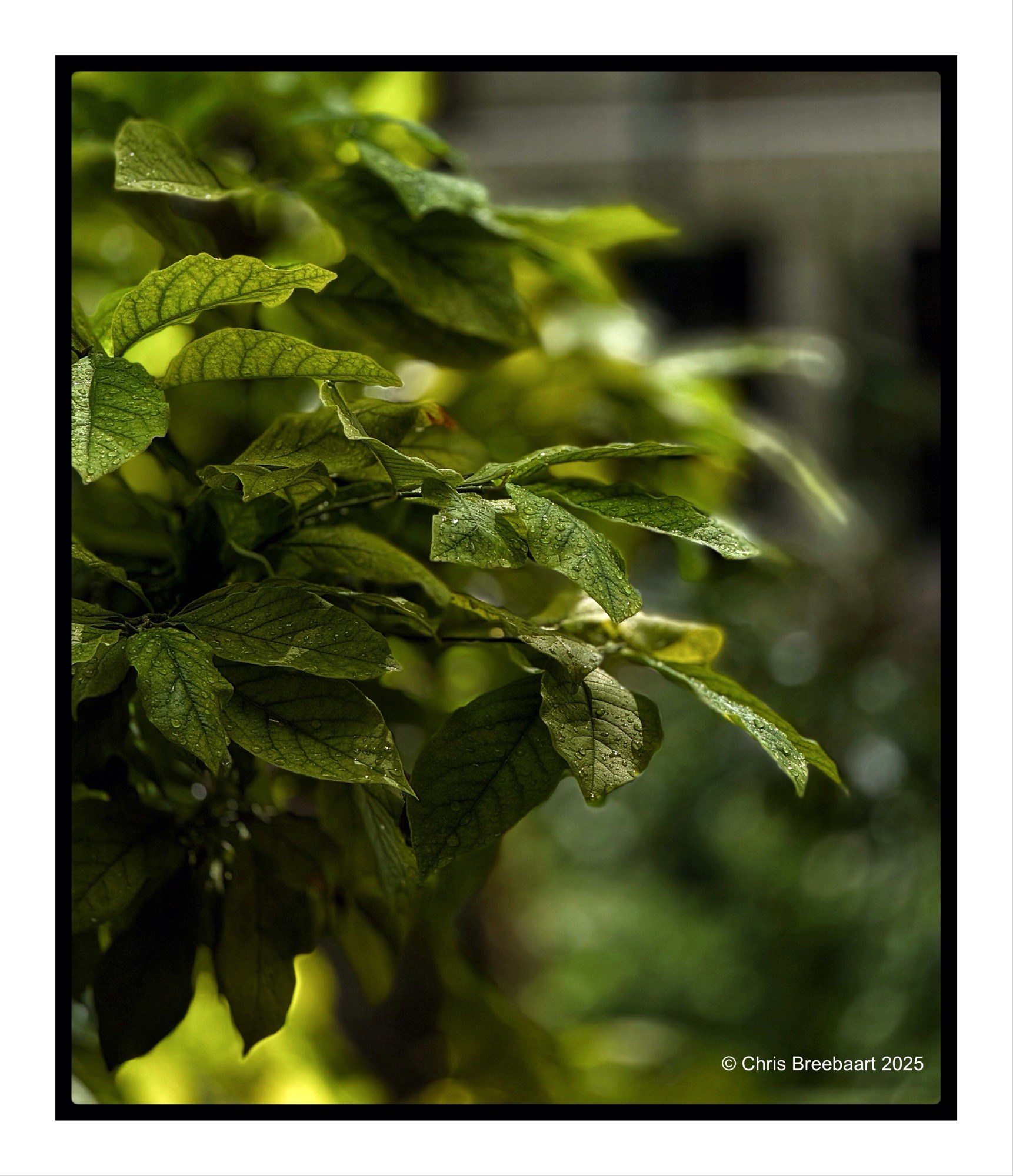
A plant in the front garden offers months of beauty in the sunlight of the morning sun. Using the portrait mode of the iPhone results in ‘hovering’ effects of parts of the plant that seem now unattached.
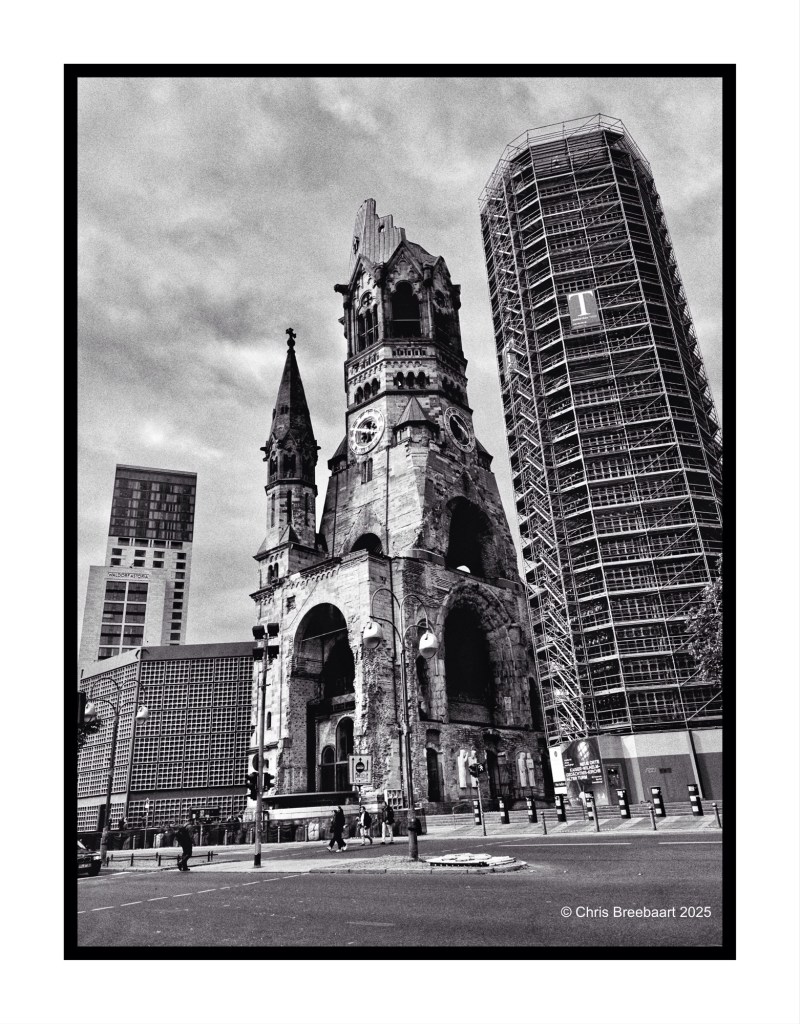
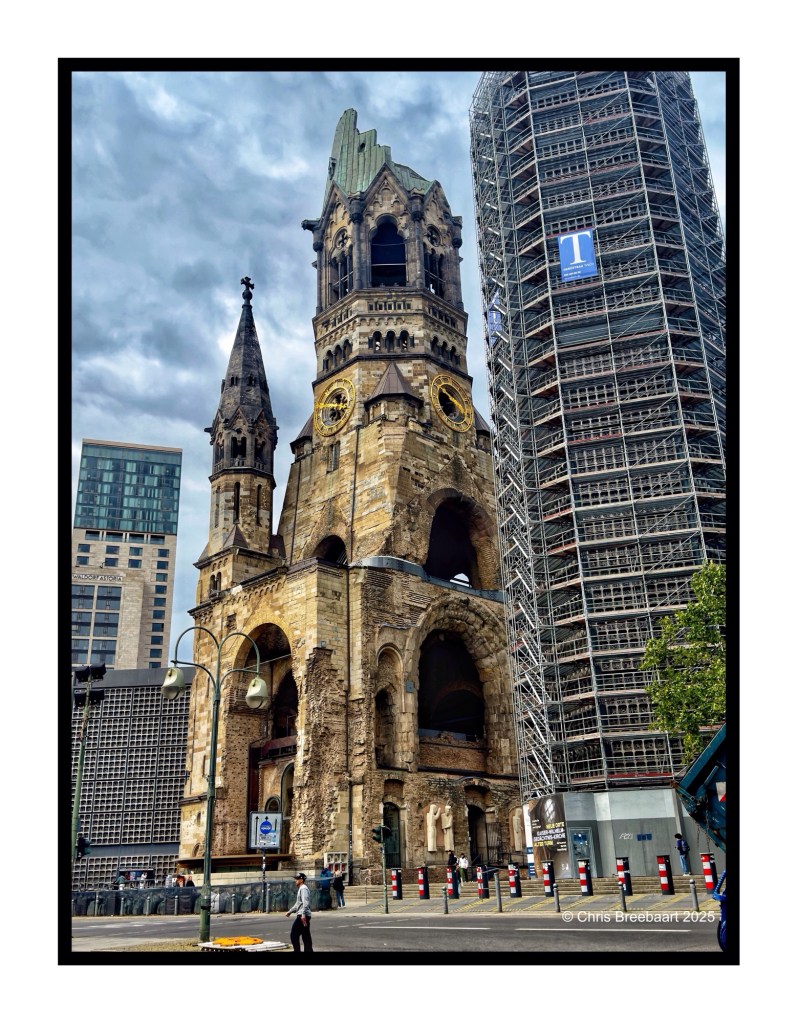
I have a fondness for black and white aka monochrome. That grew on me. Mono was cheaper 50 years ago and more ‘easy’ to handle in a dark room. Monochrome gives something extra at times. The sphere, the grain. And over all these years I learned to see objects in monochrome, visualizing what something looks like in grays.
When I bought my first Nikon digital camera (the D70), I naively asked ‘where is the monochrome setting?’. It was not there. Shooting was color only. If I wanted mono I had to create it myself afterwards in Lightroom, Photoshop or an app like Snapseed. But lucky for me, on the iPhone and on the recent Nikon Zf, there are monochrome settings. To be honest, that was one of the reasons to buy a Zf. So now I have a choice: choose a mono or color setting, or turn color afterward turn it into mono.
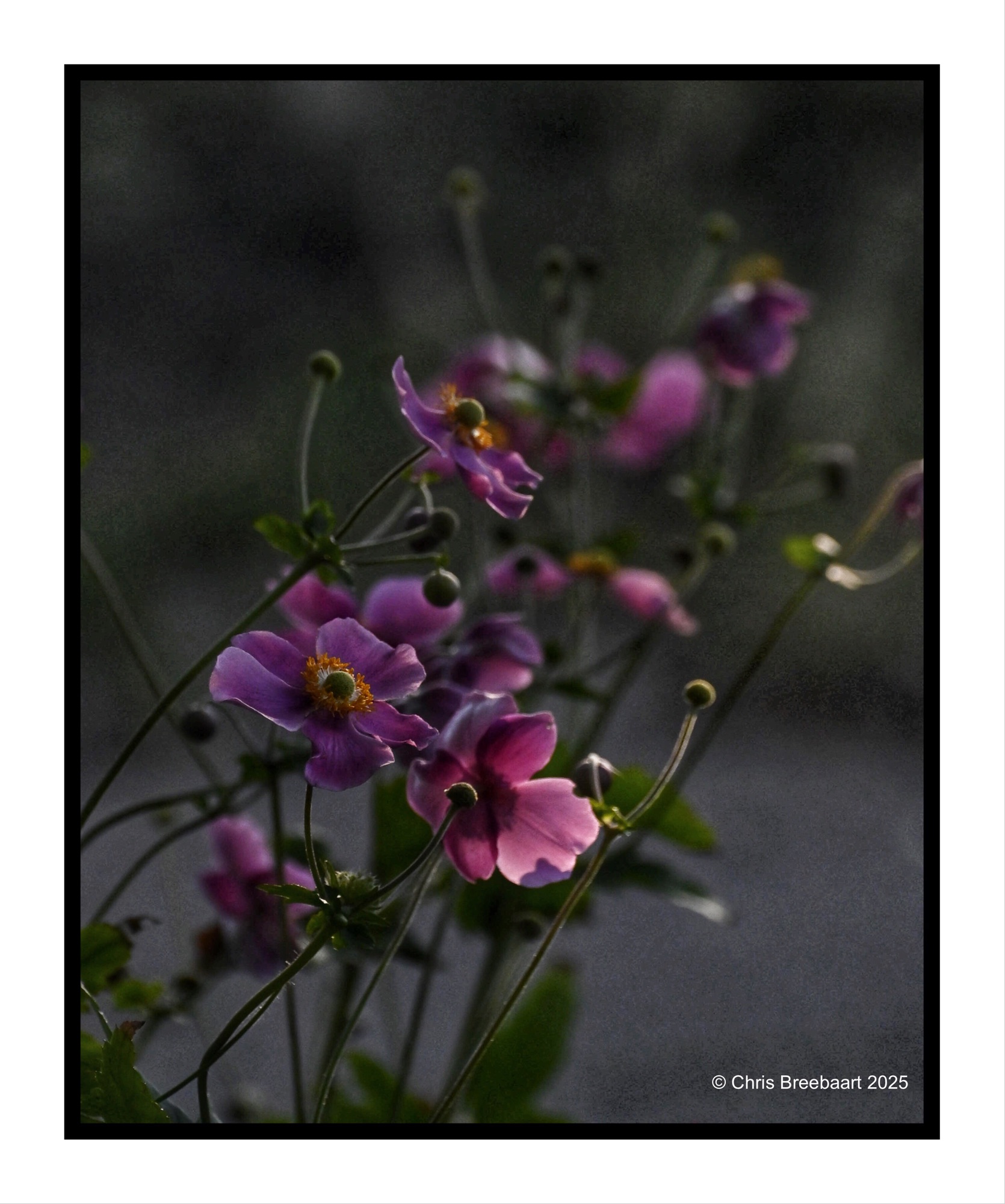
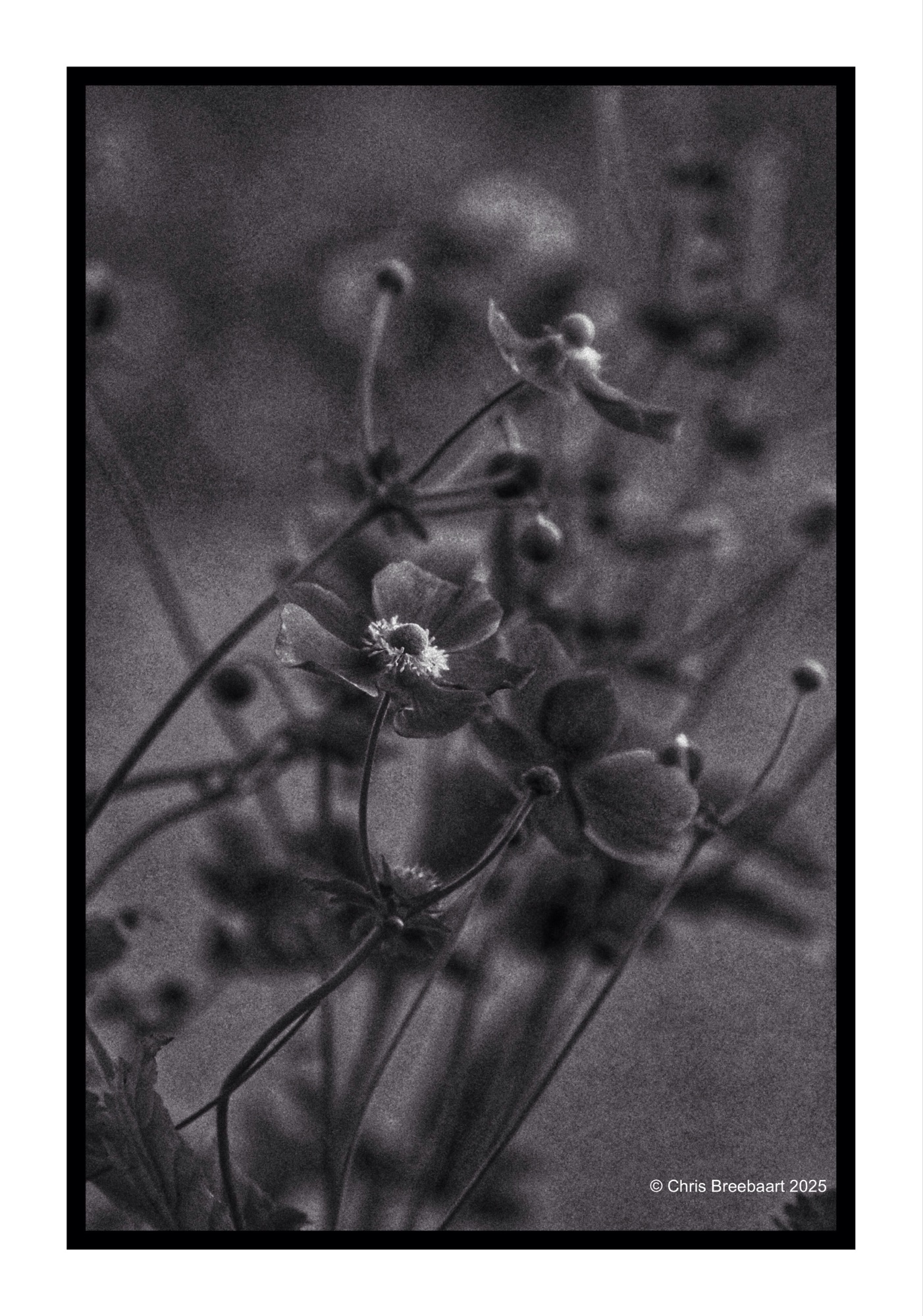
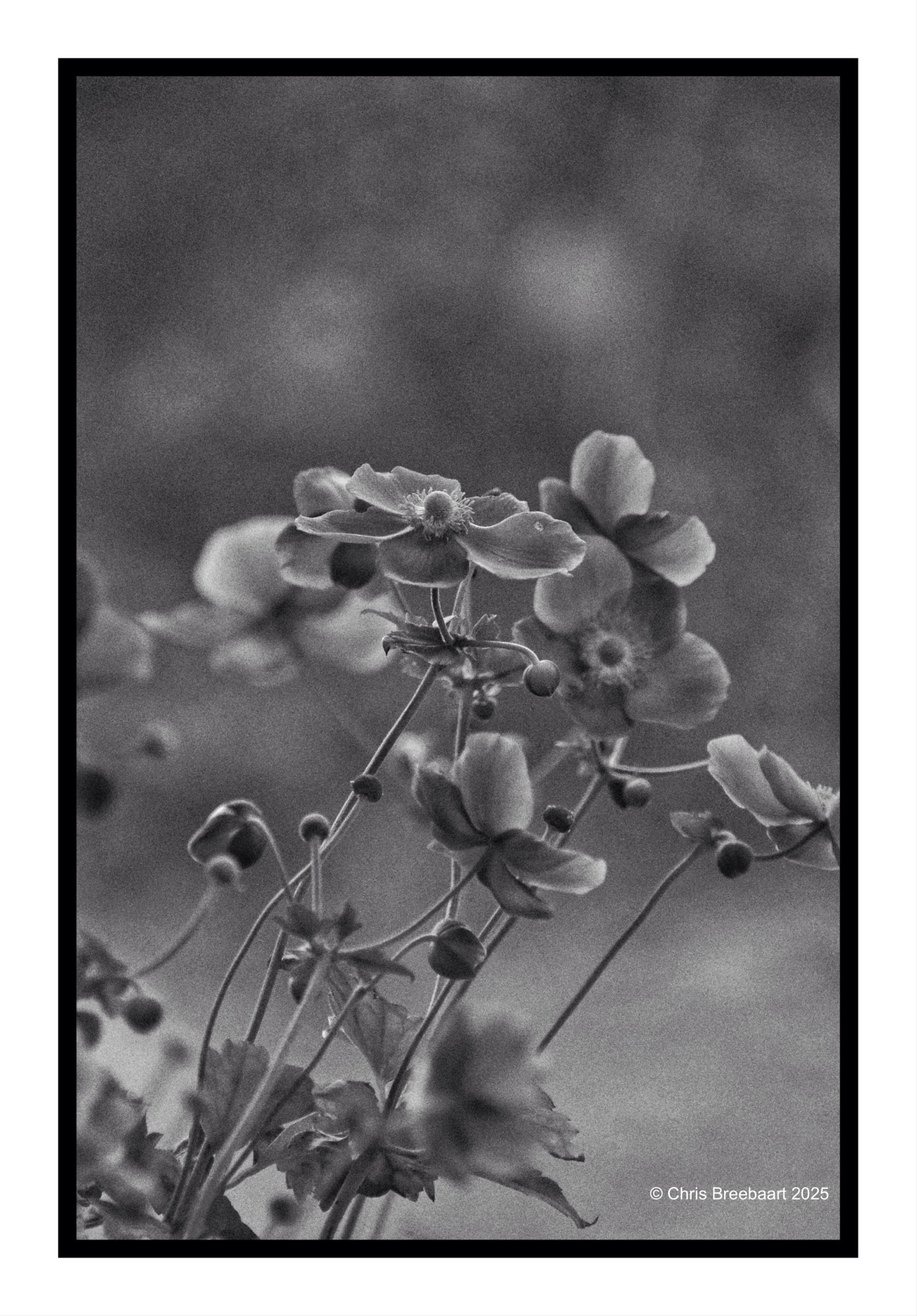
I know the taste of my ‘audience’ is different than mine. In three days I like to find out more about your taste. What do you fancy more: a photo in mono or in color?
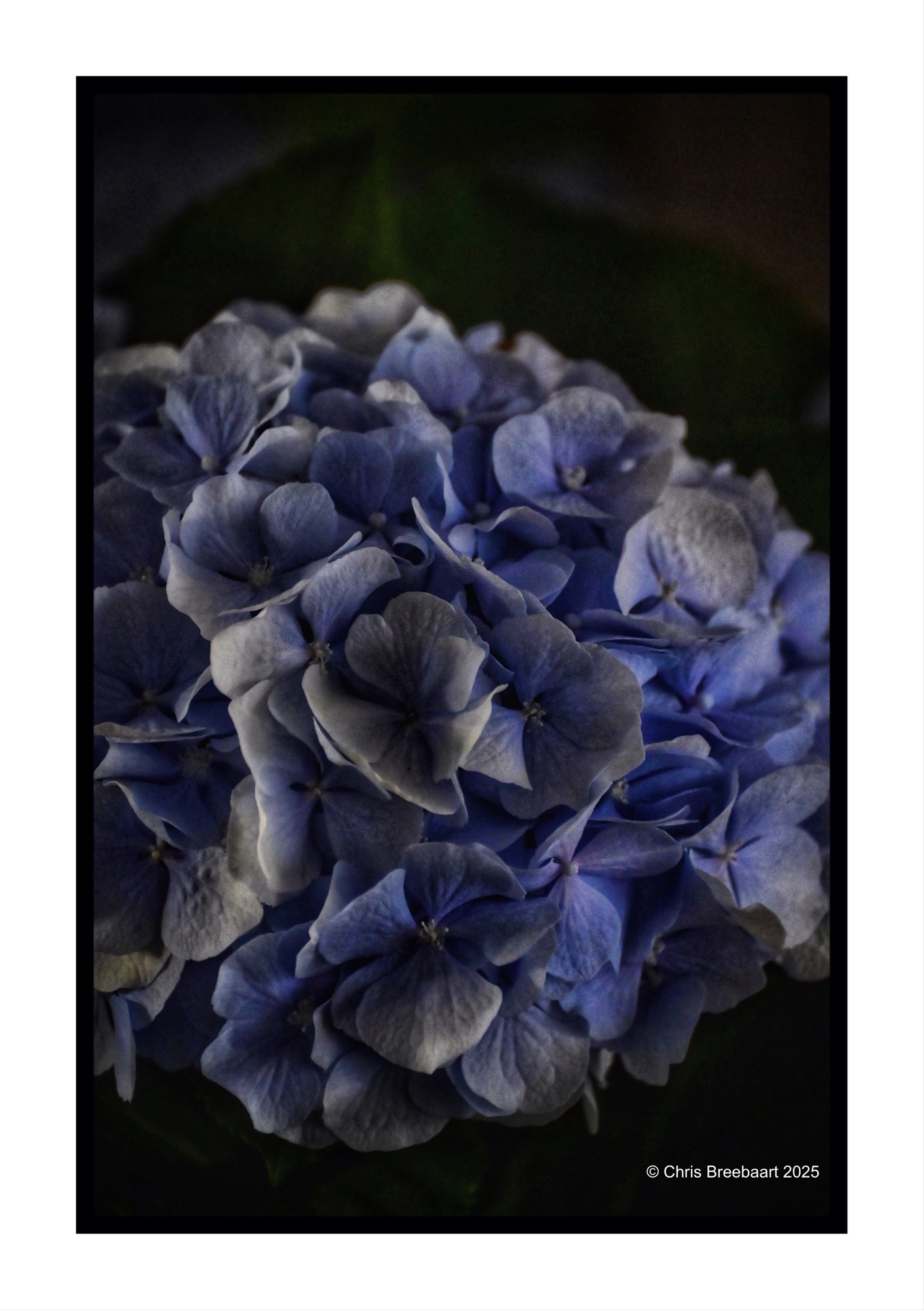
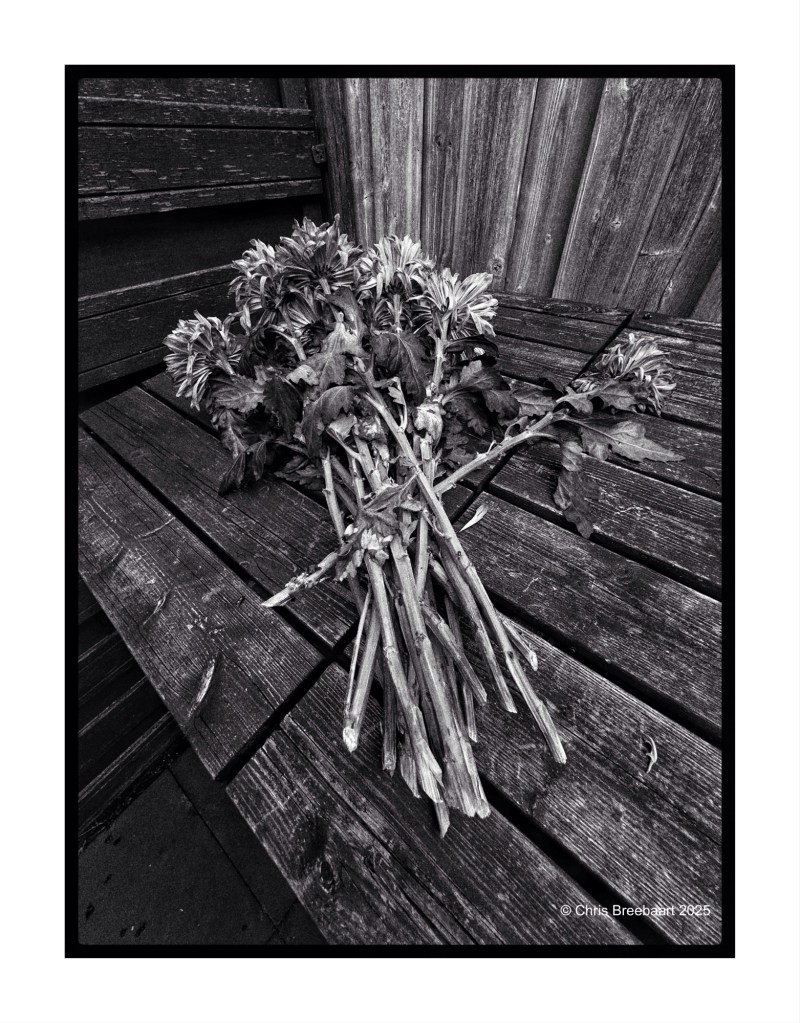
This third and last one is about flowers, waiting for the recycle bin. The photo was shot in color.
I have a fondness for black and white aka monochrome. That grew on me. Mono was cheaper 50 years ago and more ‘easy’ to handle in a dark room. Monochrome gives something extra at times. The sphere, the grain. And over all these years I learned to see objects in monochrome, visualizing what something looks like in grays.
When I bought my first Nikon digital camera (the D70), I naively asked ‘where is the monochrome setting?’. It was not there. Shooting was color only. If I wanted mono I had to create it myself afterwards in Lightroom, Photoshop or an app like Snapseed. But lucky for me, on the iPhone and on the recent Nikon Zf, there are monochrome settings. To be honest, that was one of the reasons to buy a Zf. So now I have a choice: choose a mono or color setting, or turn color afterward turn it into mono.
I know the taste of my ‘audience’ is different than mine. In three days I like to find out more about your taste. What do you fancy more: a photo in mono or in color?
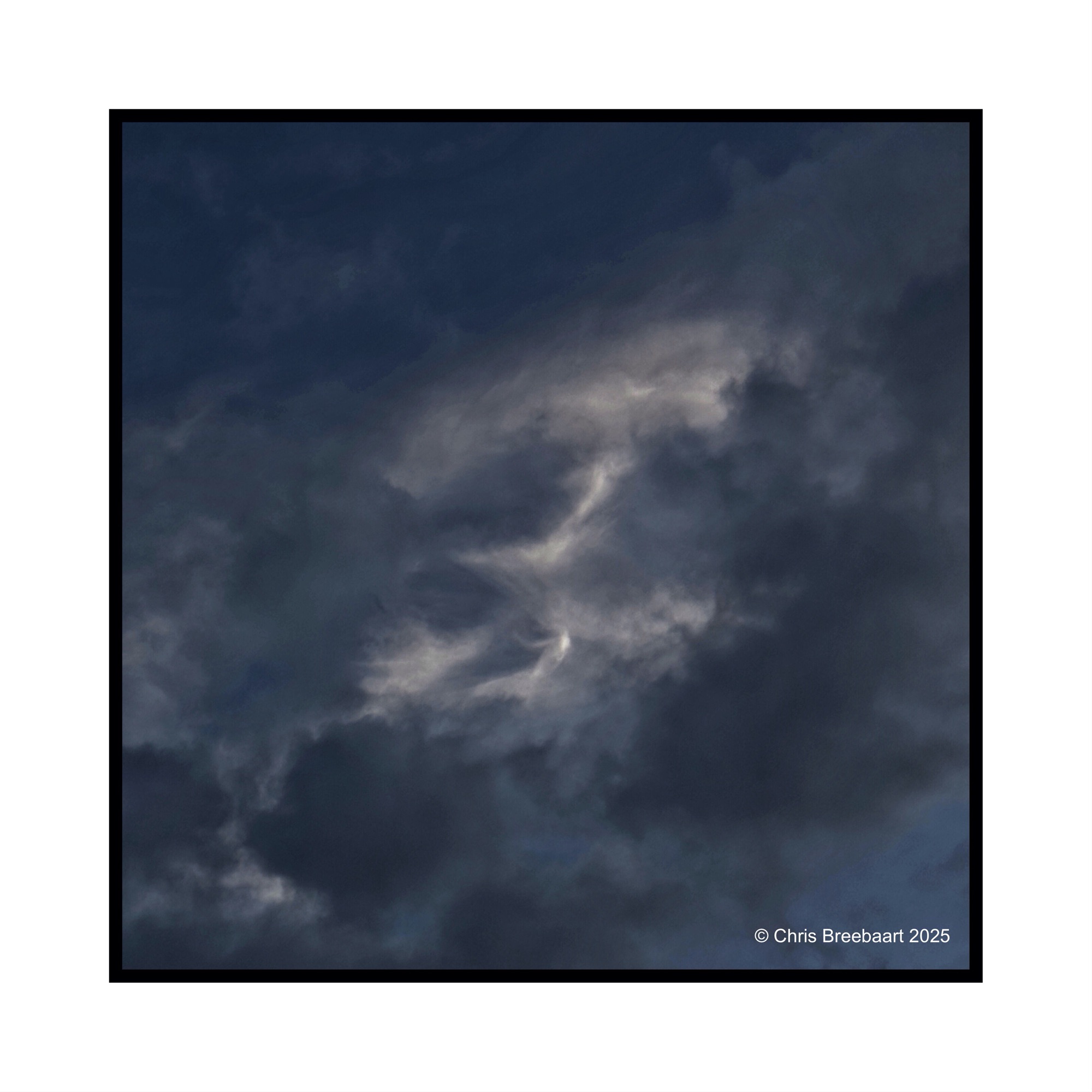
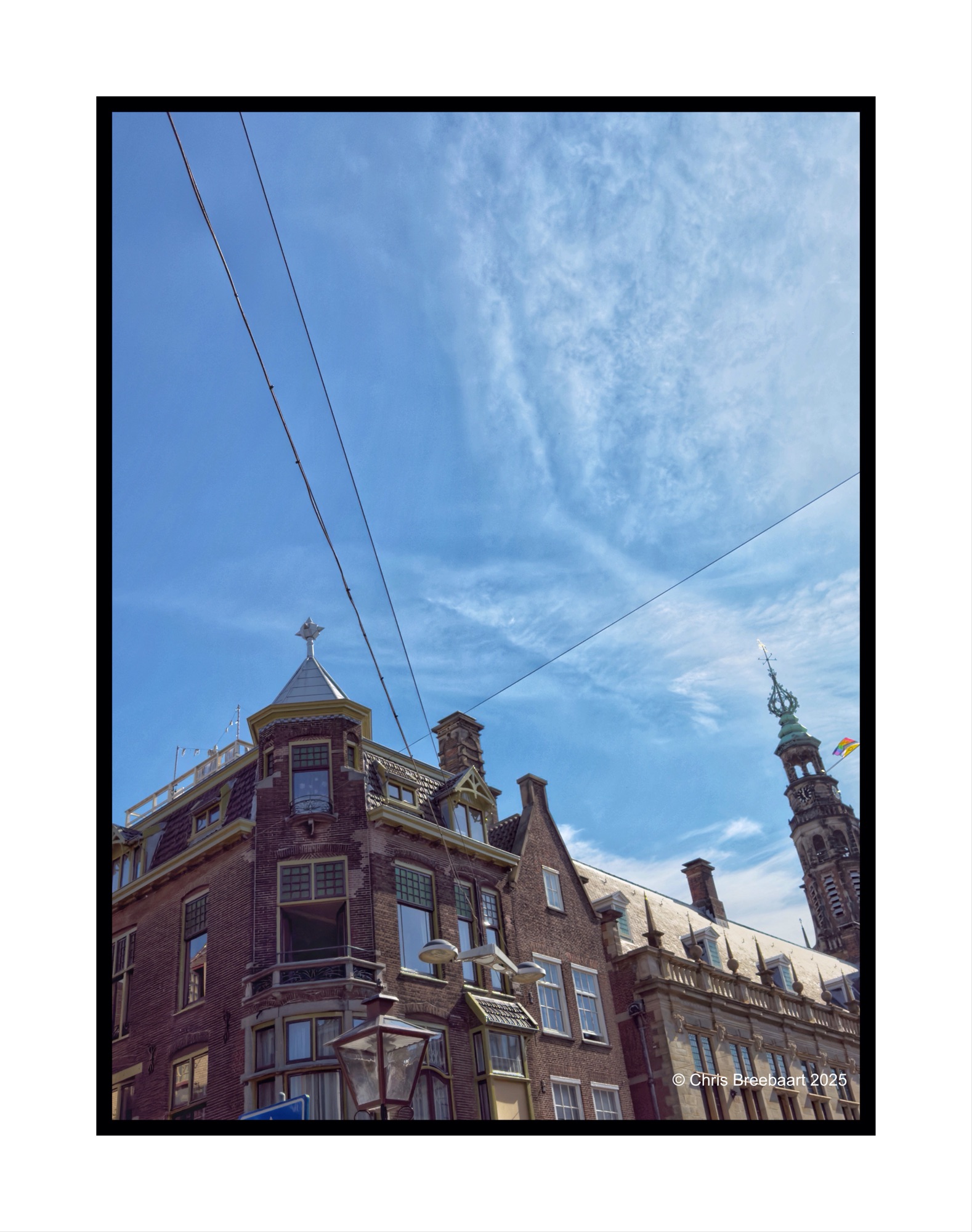
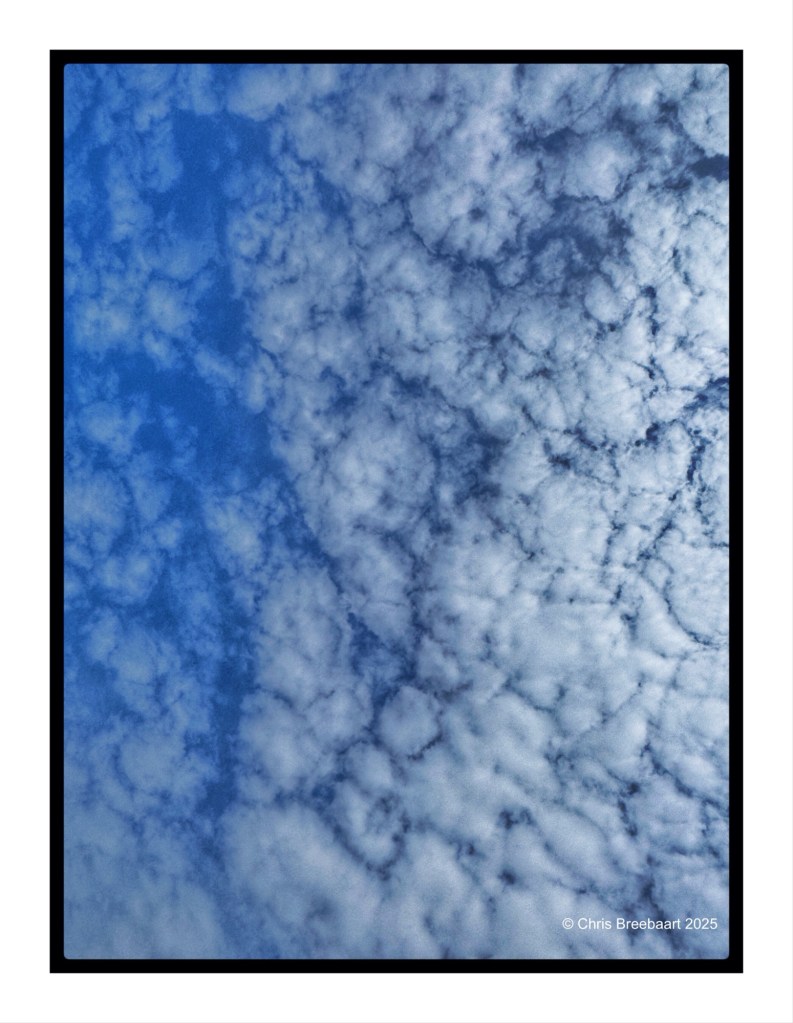
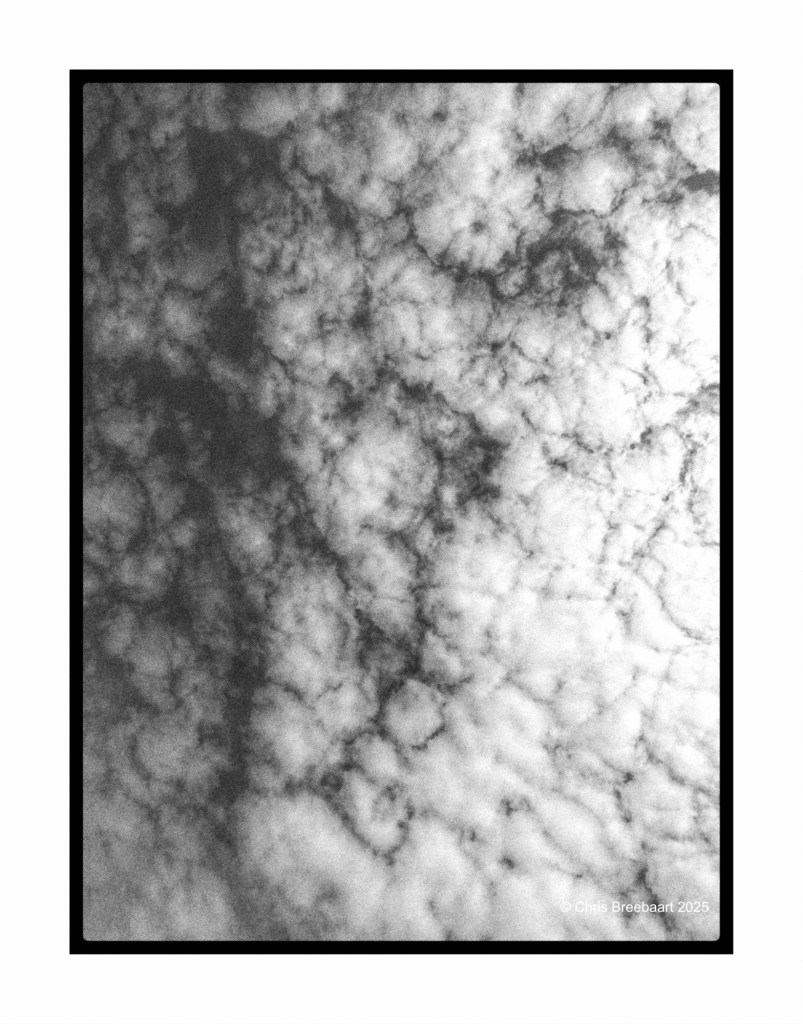
This second one is about sky. Always there, lots of it. In color it can be blue, white, gray, dark. In mono it delivers whites, grays and dark zones. In mono the image changes it seems. An abstract sky can turn into something mysterious. The photo was shot in color.













 What's (in) the Picture?