Gravensteen Leiden

The Gravensteen in Leiden, Netherlands.
Shot with iPhone 11 Pro Max edited using Snapseed and Marksta Click the picture for a larger version
The Gravensteen in Leiden, Netherlands.
Shot with iPhone 11 Pro Max edited using Snapseed and Marksta Click the picture for a larger version
The theme for his week Lens-artists challenge #149 is ‘cool colors, blue and green.
Shot with iPhone 11 Pro Max edited using Snapseed and Marksta Click the picture for a larger version

The theme for his week Lens-artists challenge #149 is ‘cool colors, blue and green. Here the green side of it.
In Dutch we call this fluitenkruid, in english it is called Cow Parsley. I had to look that up 🙂
Shot with iPhone 11 Pro Max edited using Snapseed and Marksta Click the picture for a larger version
The theme for his week Lens-artists challenge #149 is ‘cool colors, blue and green. Here the blue side of it.
Shot with iPhone 11 Pro Max edited using Snapseed and Marksta Click the picture for a larger version

The theme for his week Lens-artists challenge #149 is ‘cool colors, blue and green.
Shot with iPhone 11 Pro Max edited using Snapseed and Marksta Click the picture for a larger version
Shot with iPhone 11 Pro Max edited using Snapseed and Marksta Click the picture for a larger version
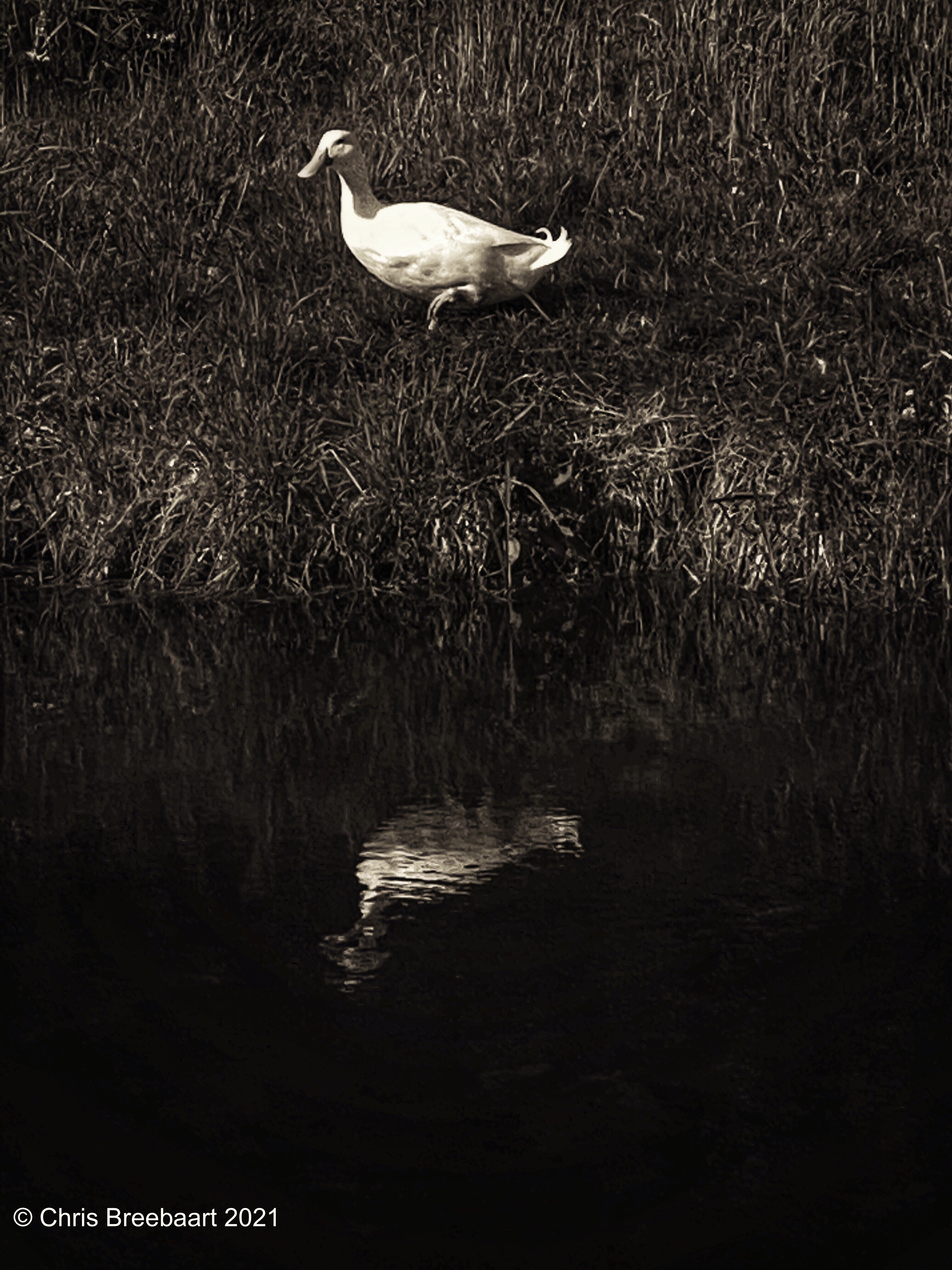
Shot with iPhone 11 Pro Max edited using Snapseed and Marksta Click the picture for a larger version

The theme for his week Lens-artists challenge #145 is ‘getting to know you’. Nice to see more sunsets now the days are longer.
Shot with iPhone 11 Pro Max edited using Snapseed and Marksta Click the picture for a larger version
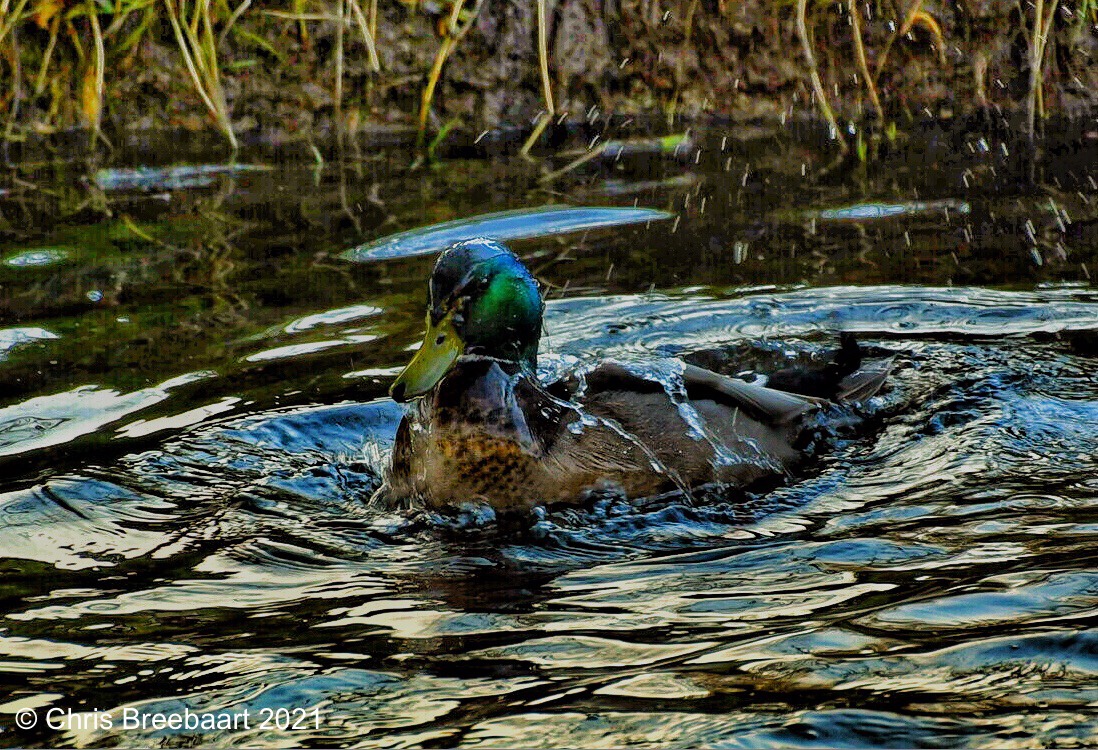
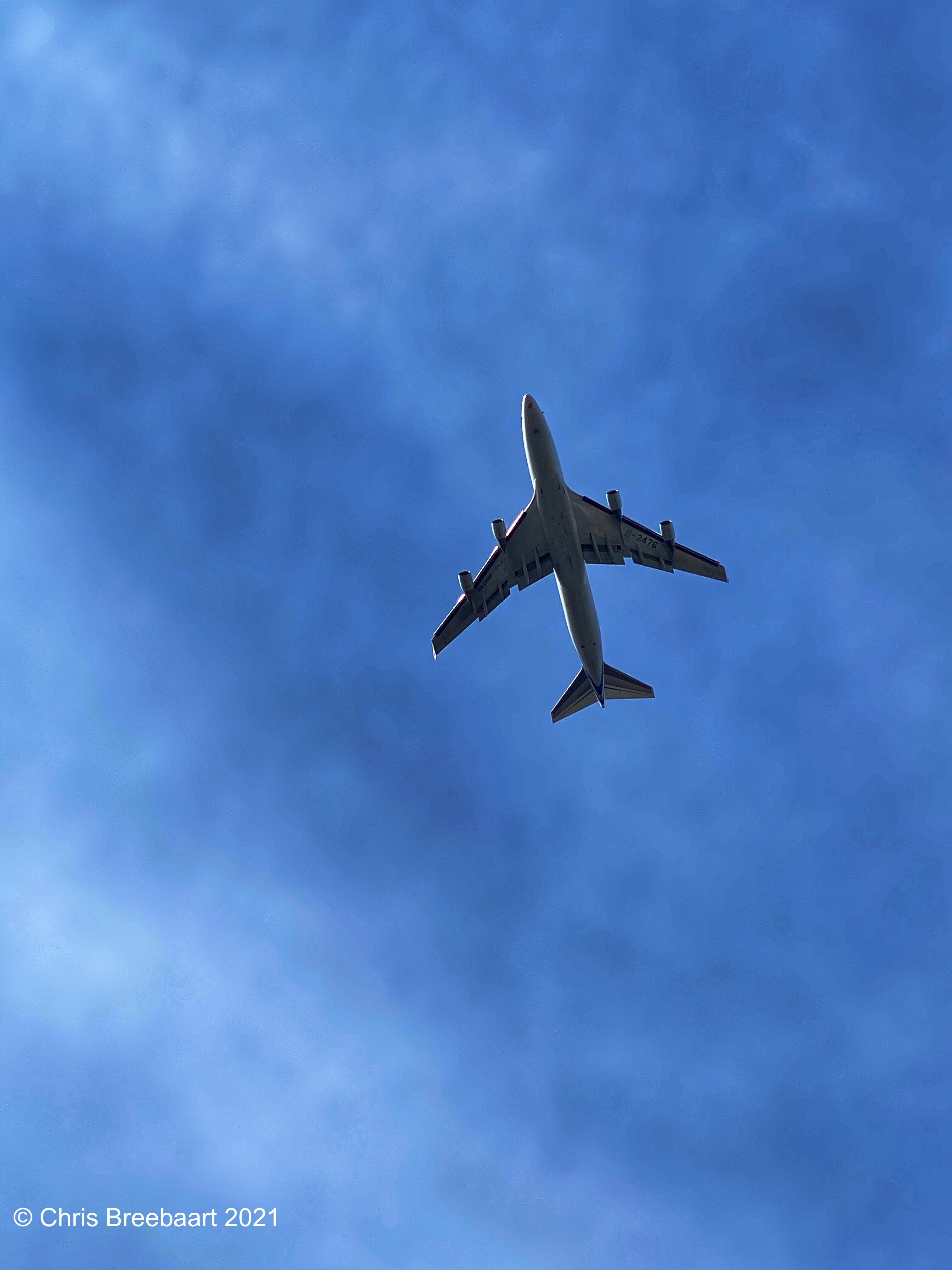
The Lens Artists Photo Challenge#144 for this week is ‘taking flight’.
Shot with Nikon D500, edited using Snapseed and Marksta. Click the picture for a bigger version
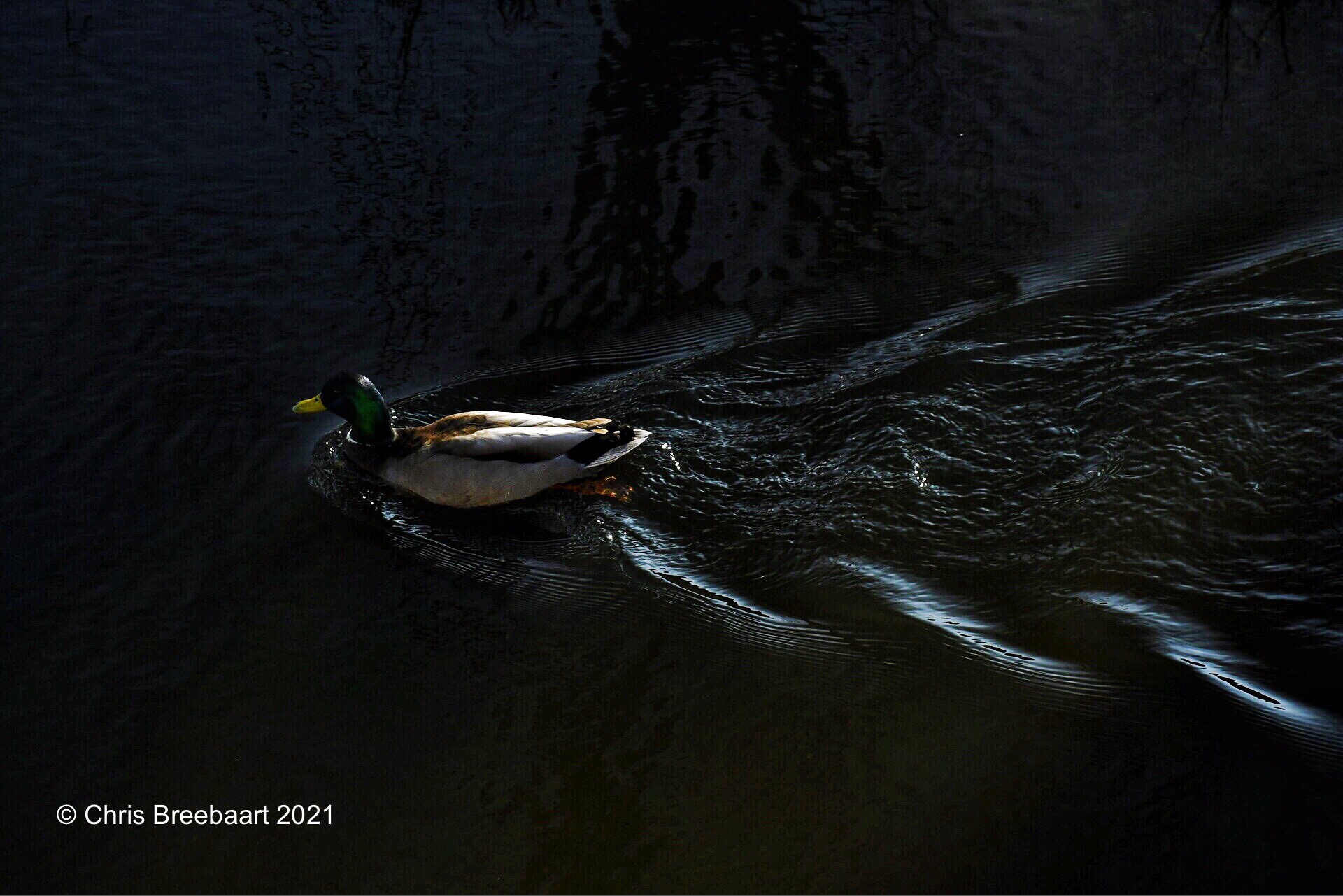
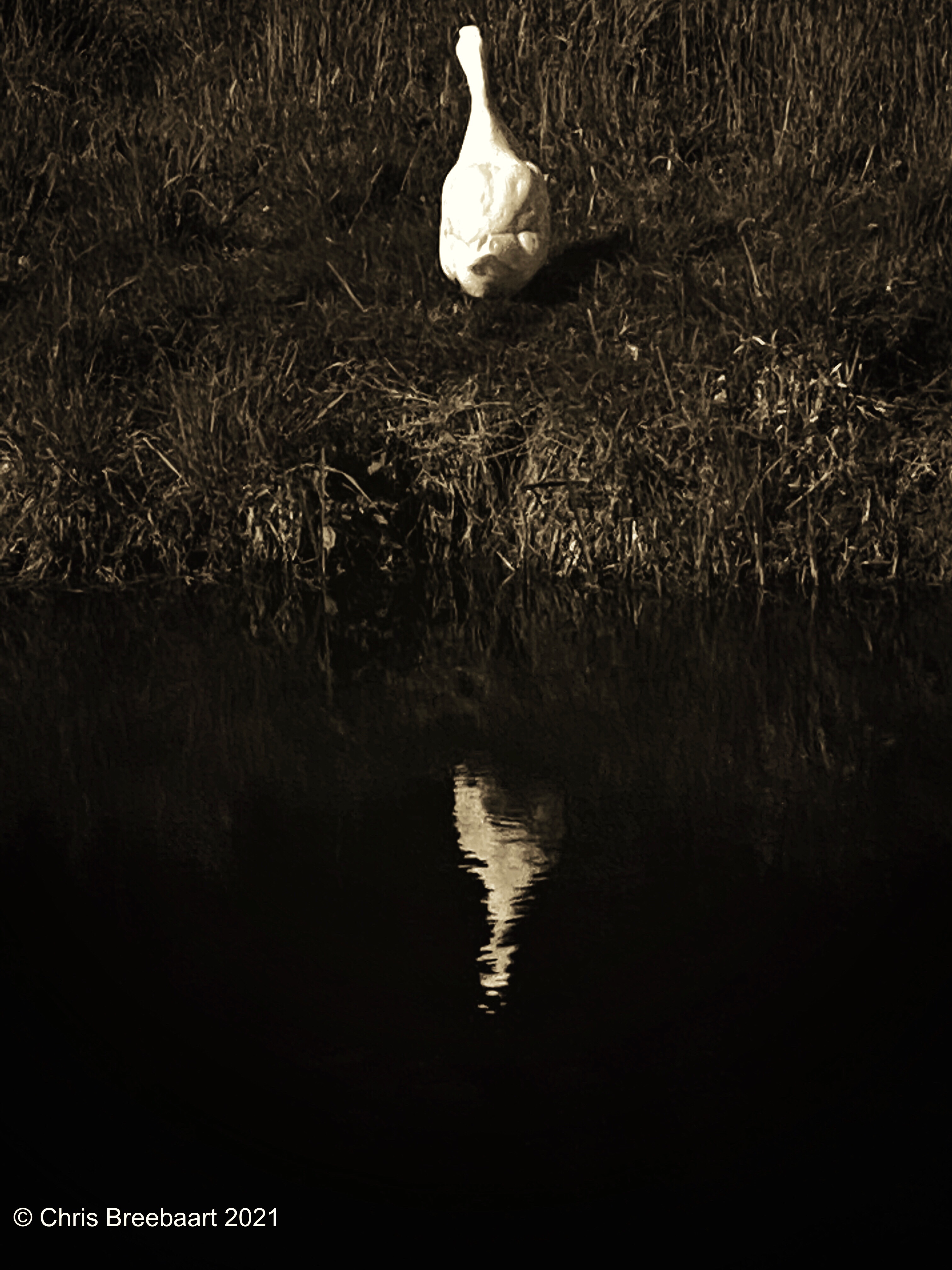
The Lens Artists Photo Challenge#144 for this week is ‘taking flight’. This duck can fly but choose to swim by.
Shot with Nikon D500, edited using Snapseed and Marksta. Click the picture for a bigger version
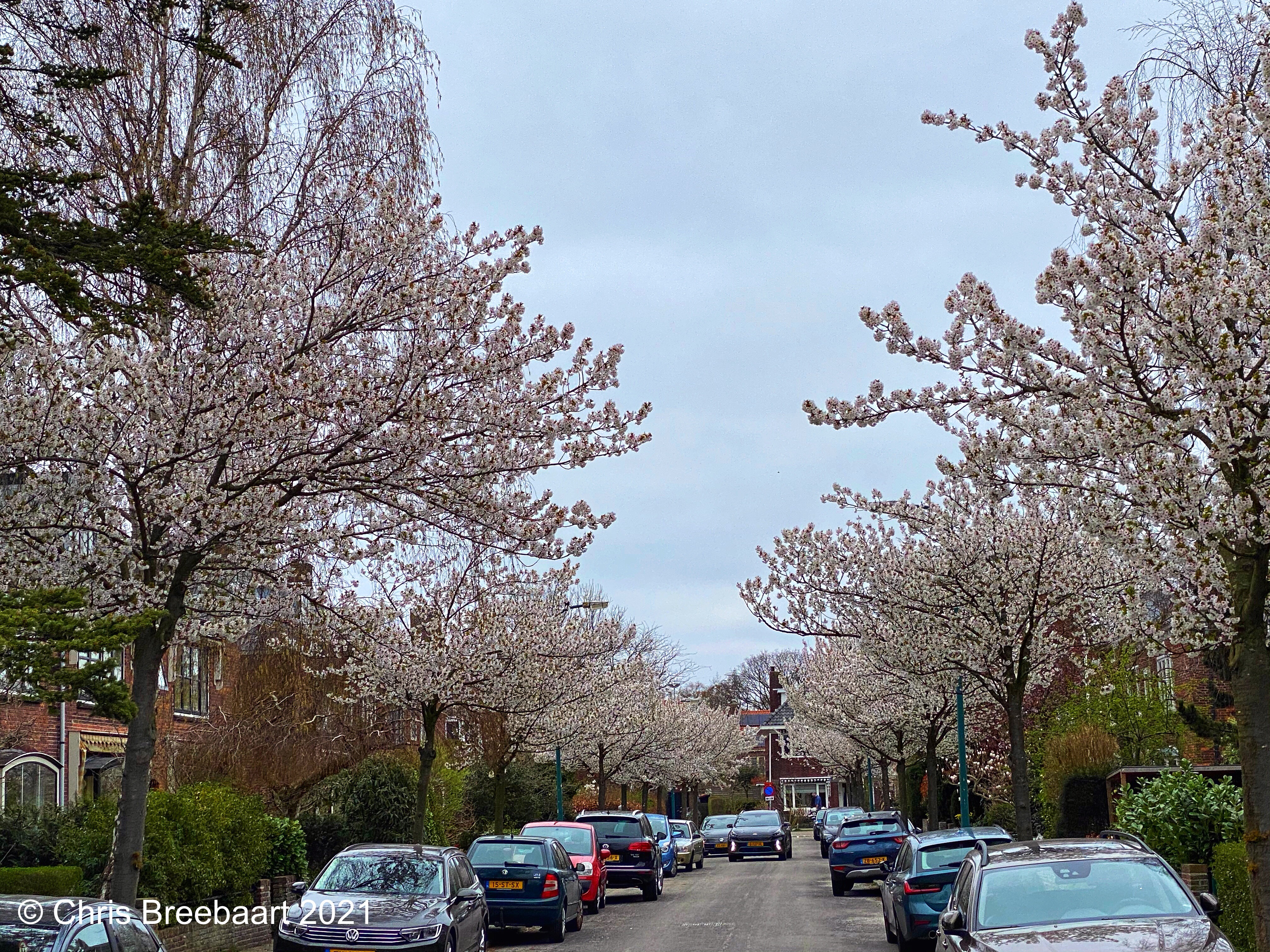
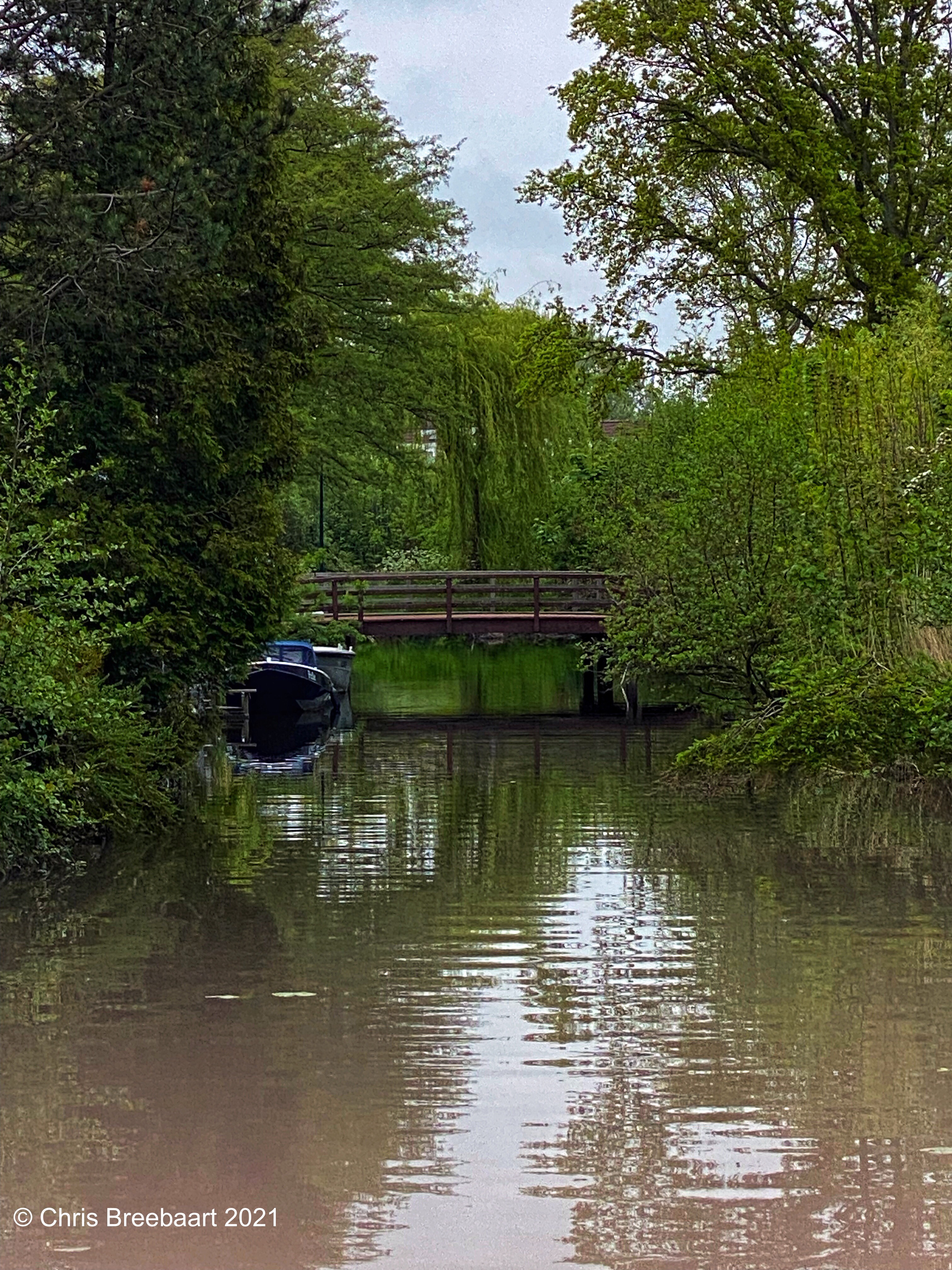
The Lens Artists Photo Challenge#142 for this week is ‘you pick it’. This is the Willinklaan. In Spring it looks like this, in Autumn the trees are dark red.
Shot with iPhone 11 Pro Max edited using Snapseed and Marksta Click the picture for a larger version

The 140th Weekly Lens Artists Challenge is ‘change of scenery’. During the pandemic my window to the world shrunk. But this year I do what I always do in Spring: shooting the flowers growing right outside the kitchen window. The good old Nikon D500 with long lens being in use again, waiting on the kitchen table each morning when I open the shutters. A micro or macro change of scenery, but nature nurtures not only its plants. Indeed you do not have to go far for a change of scenery.
Shot with Nikon D500, edited using Snapseed and Marksta. Click the picture for a bigger version

The 140th Weekly Lens Artists Challenge is ‘change of scenery’. During the pandemic my window to the world shrunk. But this year I do what I always do in Spring: shooting the flowers growing right outside the kitchen window. The good old Nikon D500 with long lens being in use again, waiting on the kitchen table each morning when I open the shutters. A micro or macro change of scenery, but nature nurtures not only its plants. Indeed you do not have to go far for a change of scenery.
Shot with Nikon D500, edited using Snapseed and Marksta. Click the picture for a bigger version

The 139th Weekly Lens Artists Challenge is ‘special moments’. Pilgrims at the Jokhang Temple in Lhasa.
In March 2004 I visited Tibet. It would be an understatement if I said it was just overwhelming. The backdrop of the Himalayas. The fact that we were ‘high’: most of the time 3500 meters over sea level, my normal level of living.
The people and their close contact with religion, Buddhism. All parts of a puzzle that hopefully will bring me back there one day.
About the B4 retouch series:
I browsed my archive for pictures to publish. Some of them are partly retouched but most do have scratches, dust and stains.
Shot with Nikon F90 on Kodak TriX, scanned from film and edited using Snapseed and Marksta. Click the picture for a bigger version
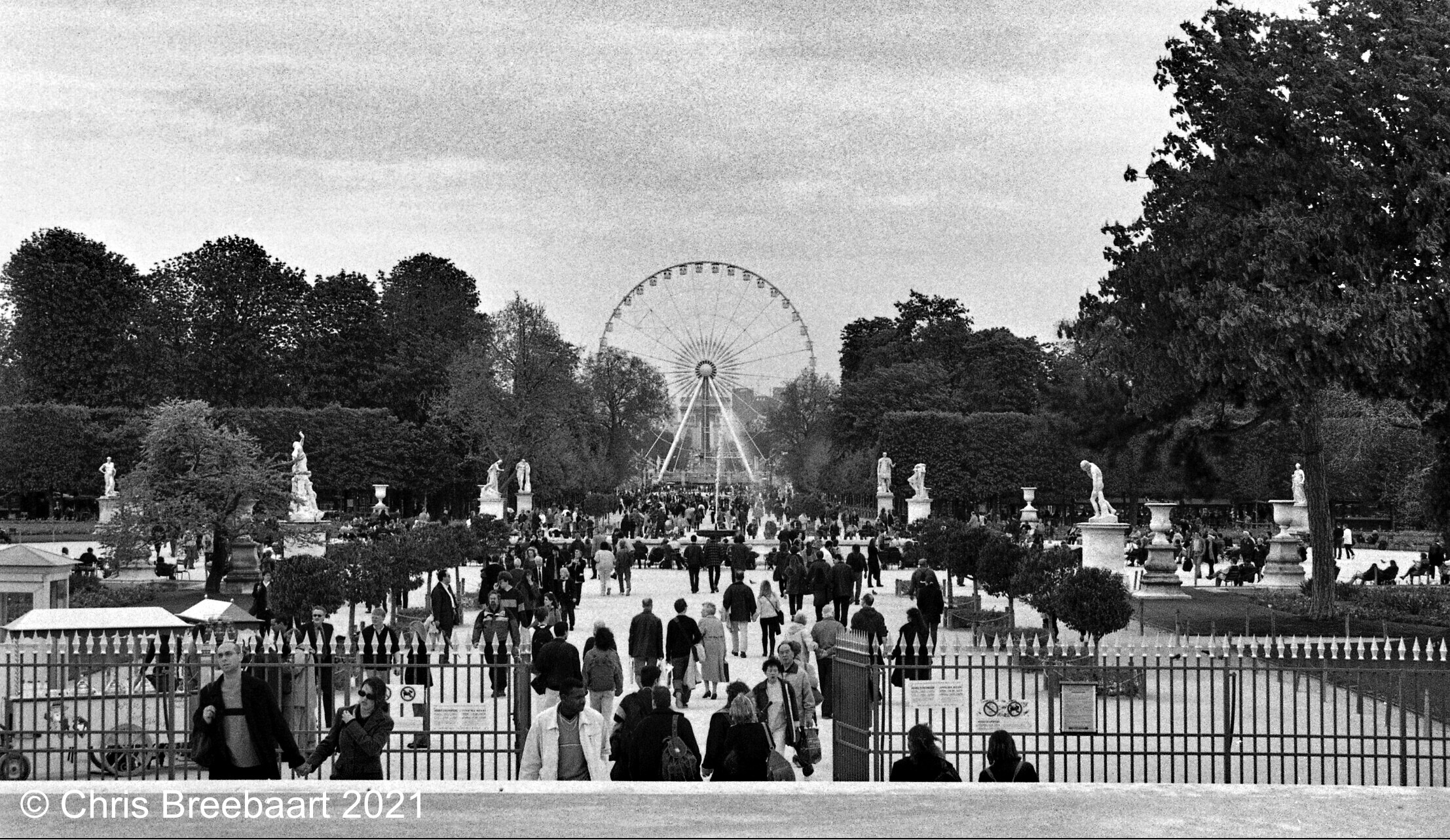
The 139th Weekly Lens Artists Challenge is about ‘natural light’. Jardin des Tuileries seen from Jardin du Carrousel.
The B4 retouch series
I browsed my archive for pictures to publish. All of them are not completely retouched yet. Scratches, dust and stains are not removed. Shot with Nikon F90 on Kodak TriX, scanned from film and edited using Snapseed and Marksta. Click the picture for a bigger version
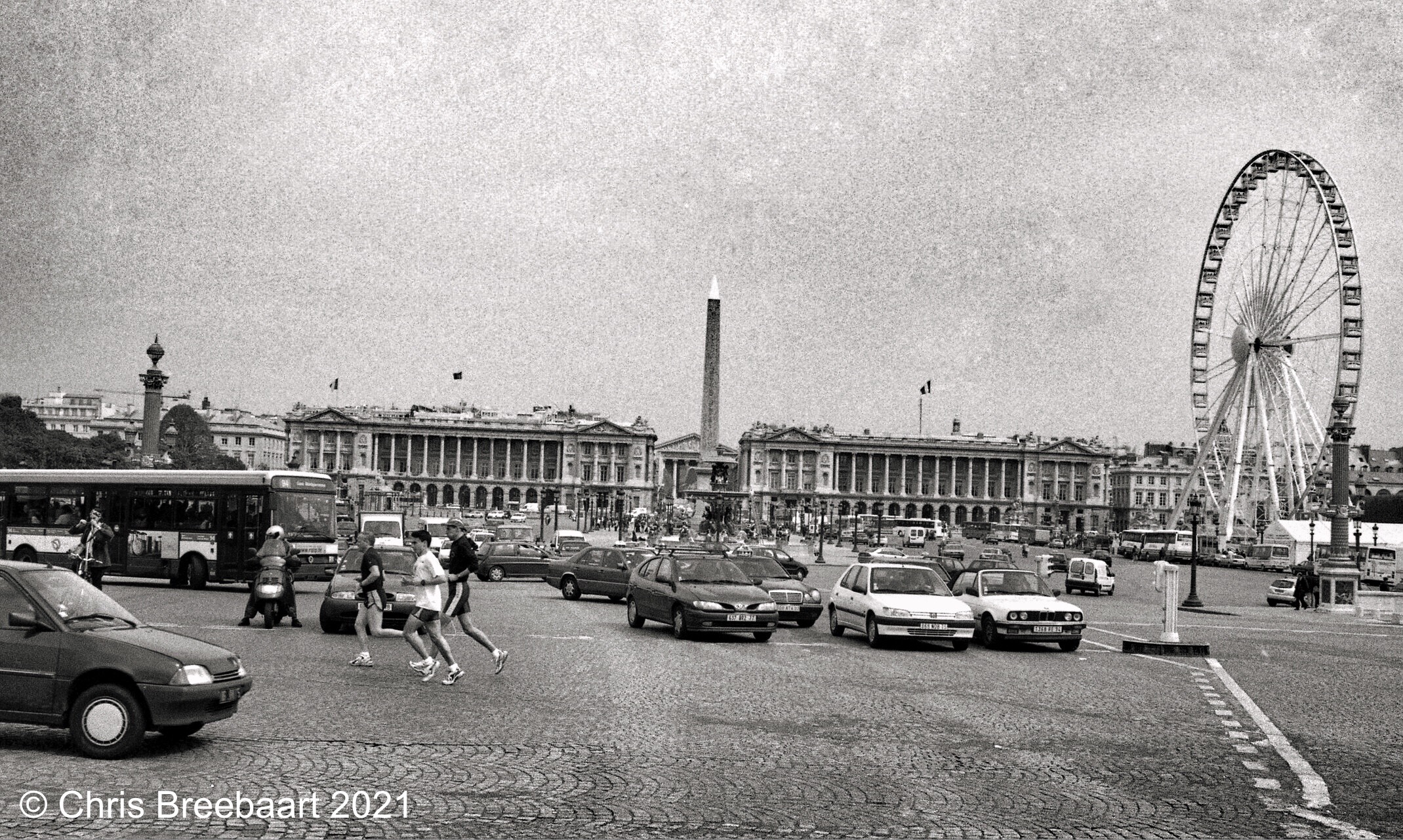
The 139th Weekly Lens Artists Challenge is about ‘natural light’.
The B4 retouch series
I browsed my archive for pictures to publish. All of them are not completely retouched yet. Scratches, dust and stains are not removed. Shot with Nikon F90 on Kodak TriX, scanned from film and edited using Snapseed and Marksta. Click the picture for a bigger version

The 139th Weekly Lens Artists Challenge is about ‘natural light’. Rue Rivoli with its arches and light and darker spaces.
The B4 retouch series
I browsed my archive for pictures to publish. All of them are not completely retouched yet. Scratches, dust and stains are not removed. Shot with Nikon F90 on Kodak TriX, scanned from film and edited using Snapseed and Marksta. Click the picture for a bigger version
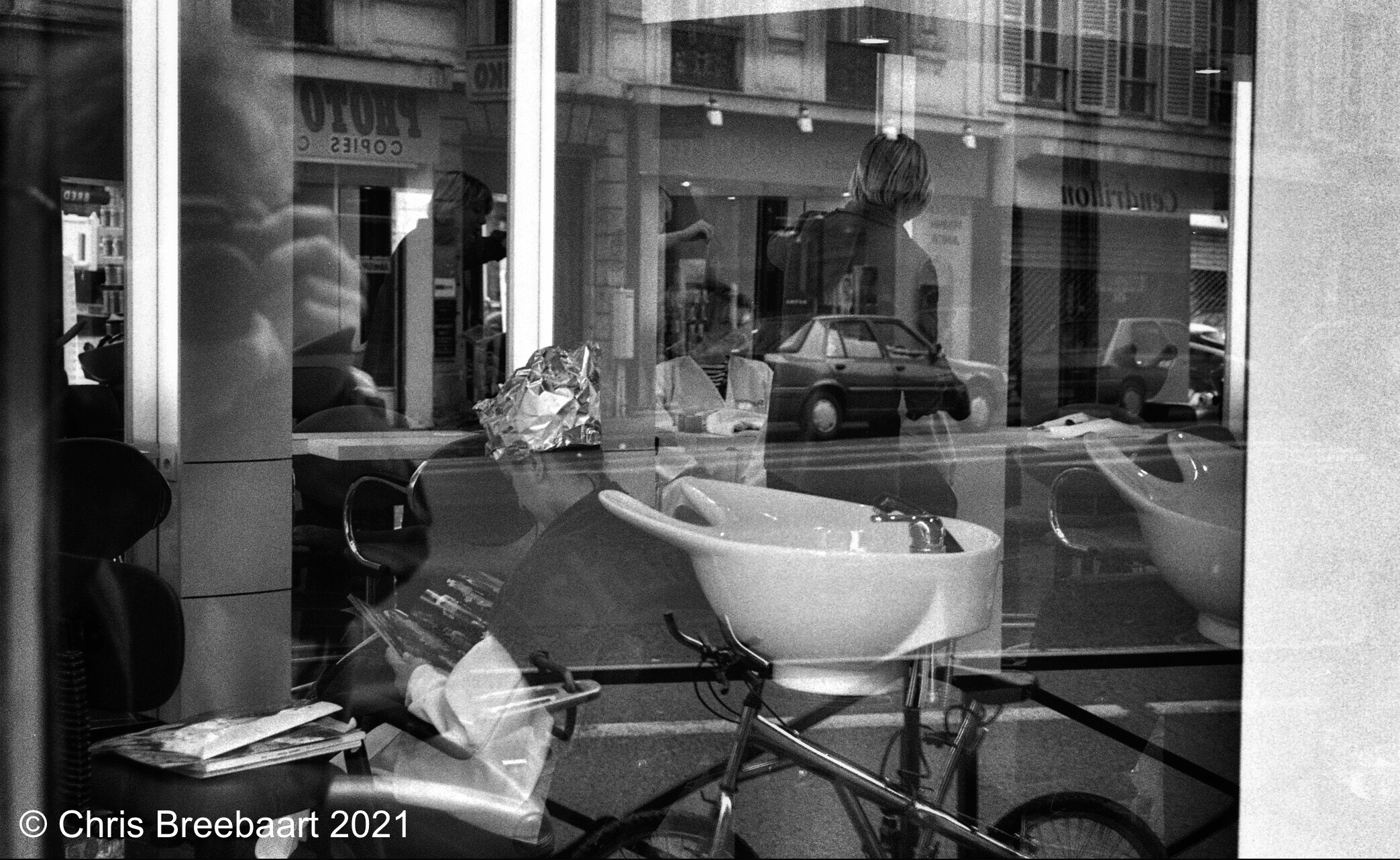
The 139th Weekly Lens Artists Challenge is about ‘natural light’.
A peek in a hair dresser shop in Paris April 2000. Image in images.
The B4 retouch series
I browsed my archive for pictures to publish. All of them are not completely retouched yet. Scratches, dust and stains are not removed. Shot with Nikon F90 on Kodak TriX, scanned from film and edited using Snapseed and Marksta. Click the picture for a bigger version
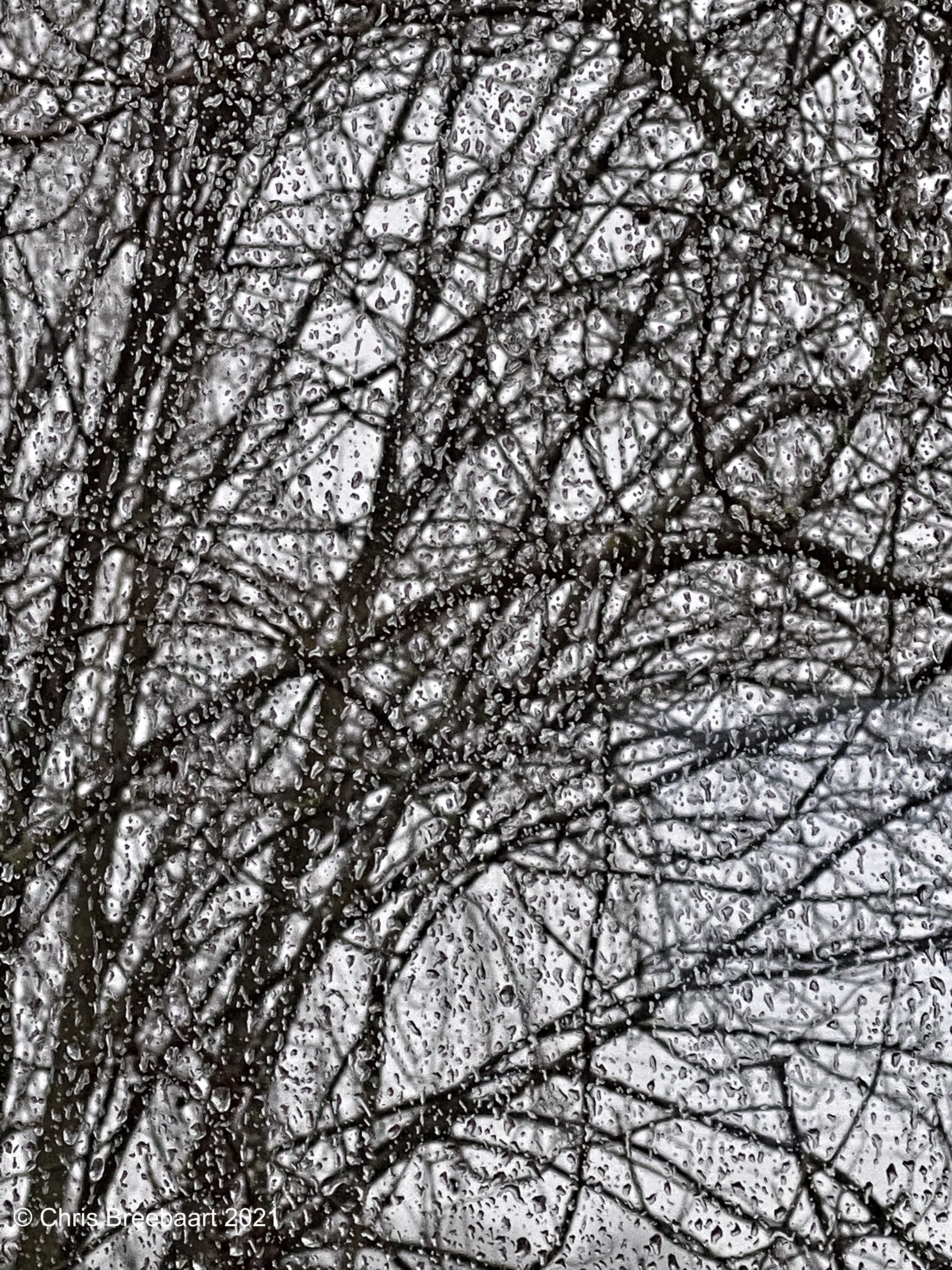
The 137th Weekly Lens Artists Challenge is about ‘soft’.
Soft rain aka drizzle.
Shot with iPhone 11 Pro Max edited using Snapseed and Marksta Click the picture for a larger version

Shot with iPhone 11 Pro Max edited using Snapseed and Marksta Click the picture for a larger version
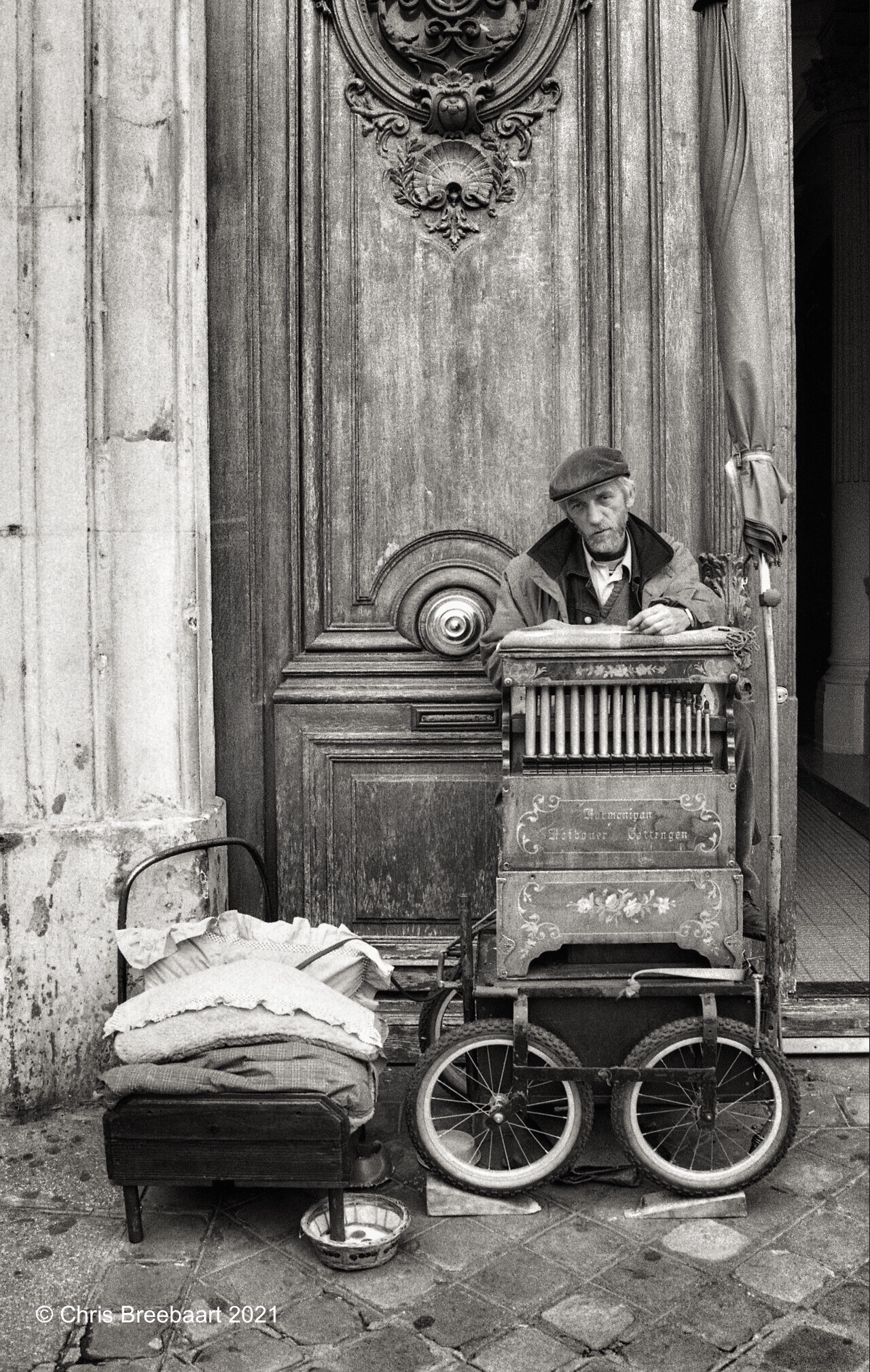
The 136th Weekly Lens Artists Challenge is about ‘things that start with the letter S’.
A street scene in Paris April 2000.
The B4 retouch series
I browsed my archive for pictures to publish. All of them are not completely retouched yet. Scratches, dust and stains are not removed. Shot with Nikon F90 on Kodak TriX, scanned from film and edited using Snapseed and Marksta. Click the picture for a bigger version

Shot with iPhone 11 Pro Max edited using Snapseed and Marksta Click the picture for a larger version

Shot with iPhone 11 Pro Max edited using Snapseed and Marksta Click the picture for a larger version
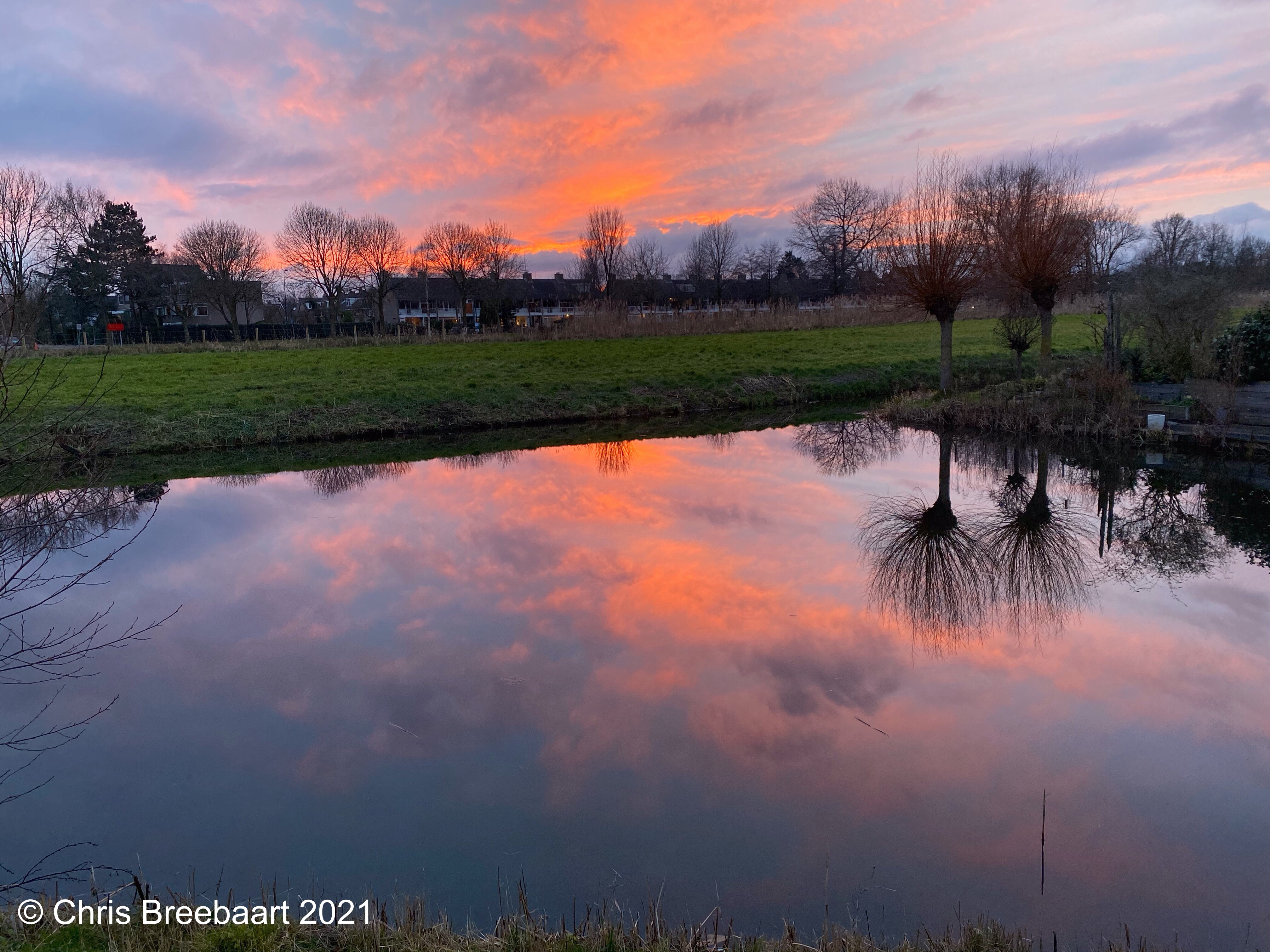

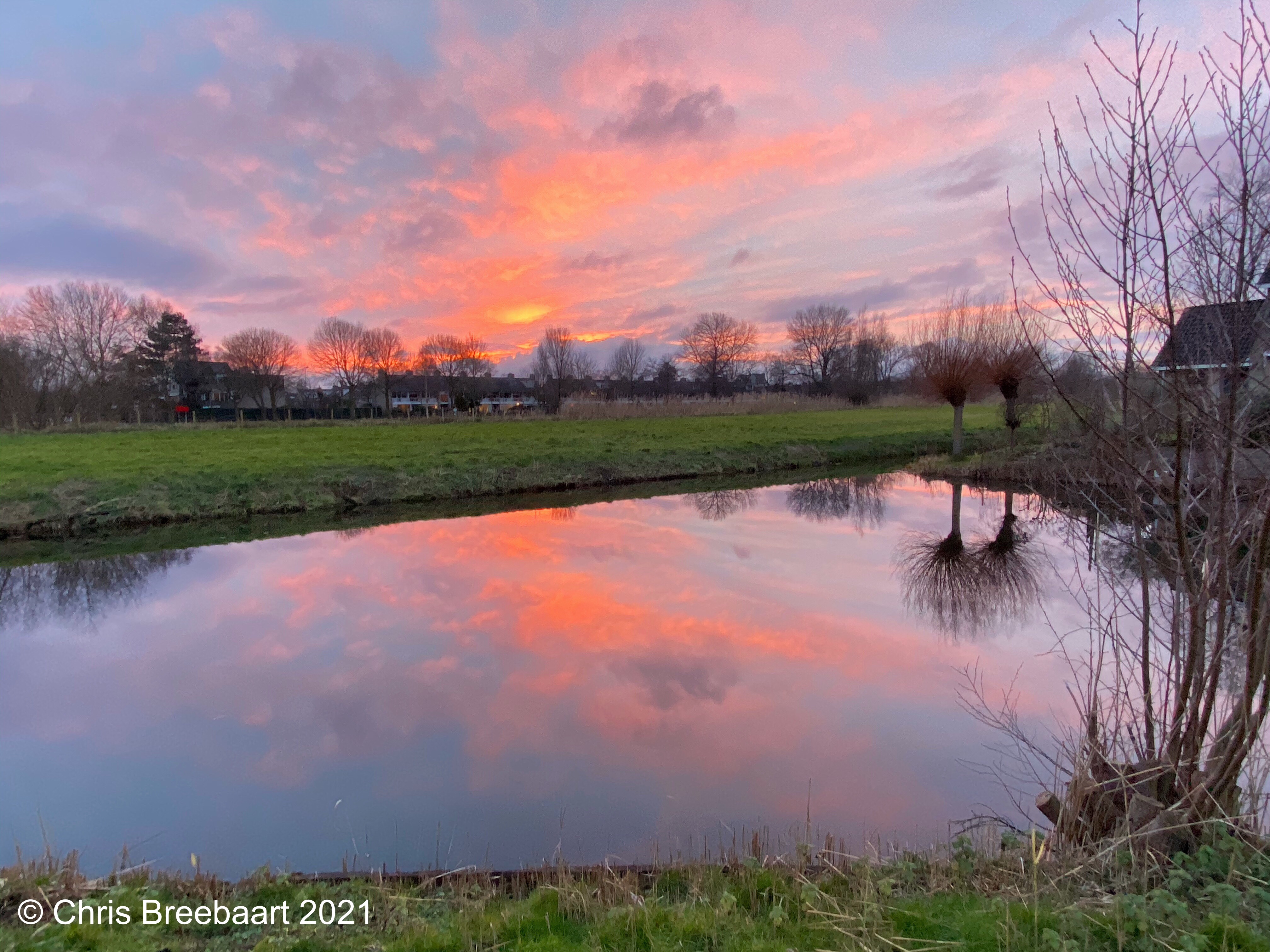
Shot with iPhone 11 Pro Max edited using Snapseed and Marksta Click the picture for a larger version
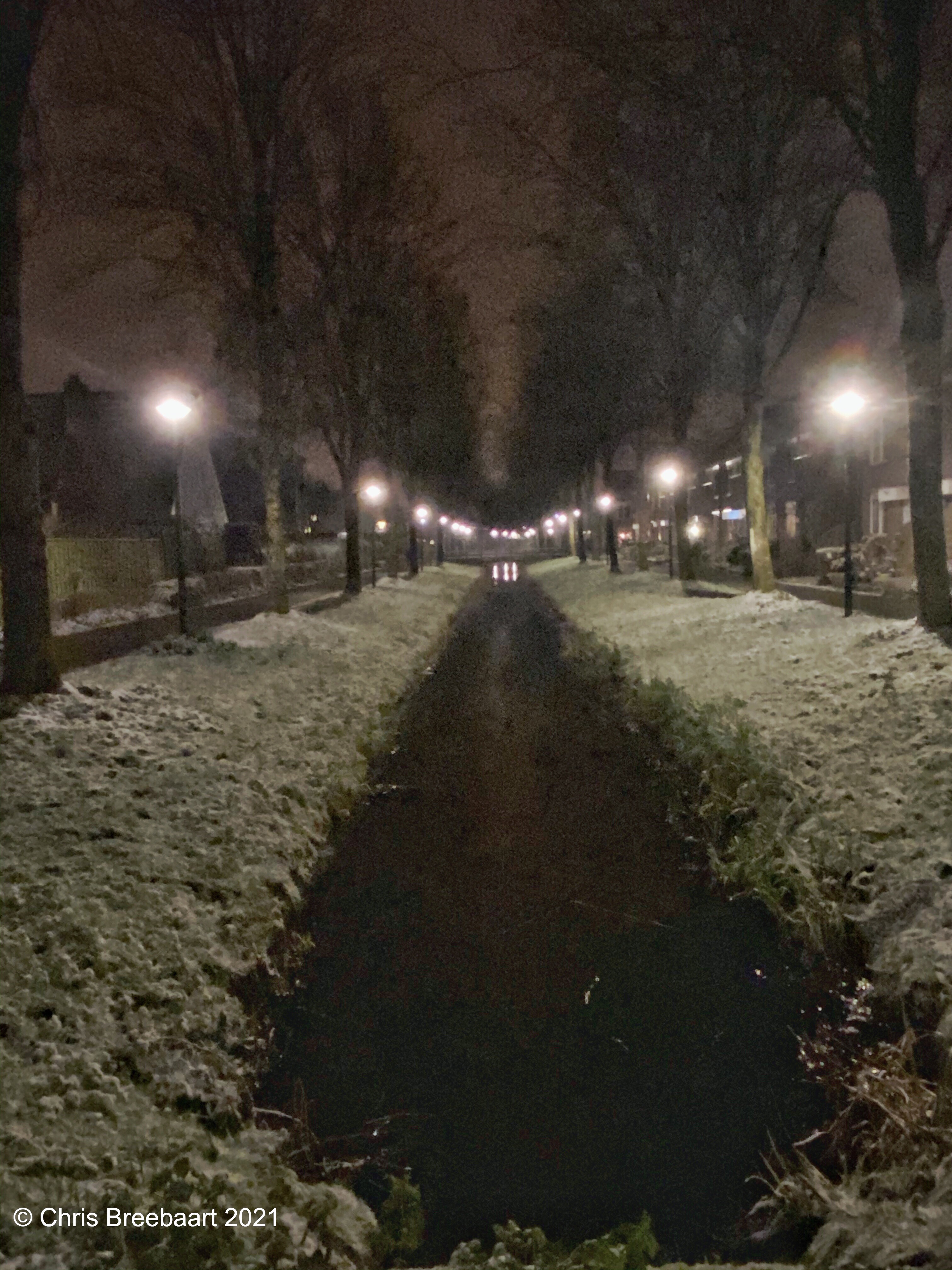
Shot with iPhone 11 Pro Max edited using Snapseed and Marksta Click the picture for a larger version
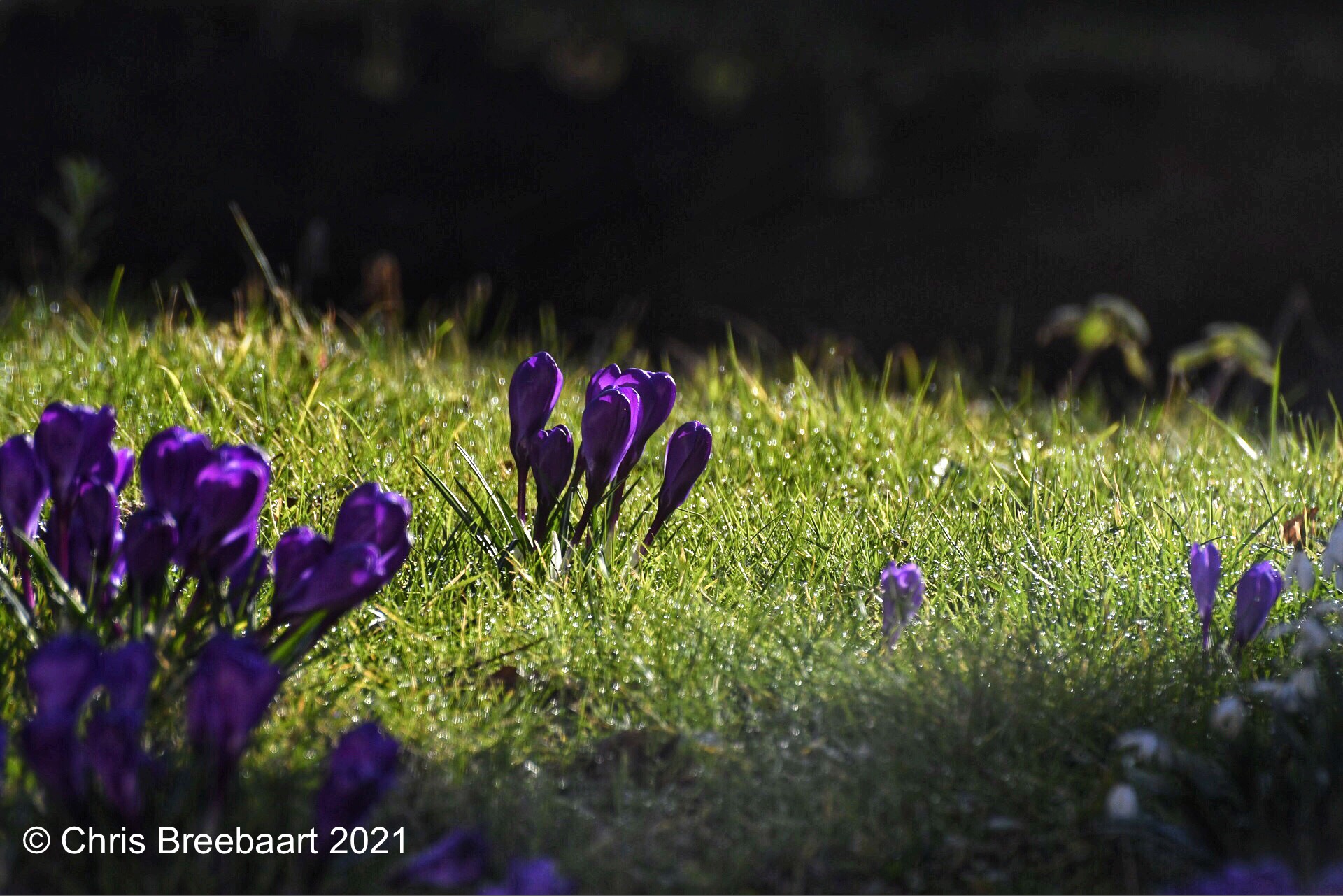
This week the Lens Artists Challenge is about ‘the personal photographic journey’.
You can find a short overview of my photographic journey on ‘my about/Chris Breebaart’ page .
I hope you do not mind me referring to that information briefly.
This week an uplifting photo of Spring. I am looking
Shot with Nikon D500, edited using Snapseed and Marksta. Click the picture for a bigger version

The theme for the lens-artists #132 is ‘striped and checked’.
Shot with iPhone 11 Pro Max edited using Snapseed and Marksta Click the picture for a larger version

The theme for the lens-artists #132 is ‘striped and checked’.
Part of the cathedral at Chartres.
The B4 retouch series
I browsed my archive for pictures to publish. All of them are not completely retouched yet. Scratches, dust and stains are not removed.

A test shot for a new long zoom lens.
The B4 retouch series
I browsed my archive for pictures to publish. All of them are not completely retouched yet. Scratches, dust and stains are not removed.
The picture was originally shot with Pentax ME super II on Kodak TriX, scanned from negative and tweaked using Snapseed and Marksta. Click the picture for a larger version.
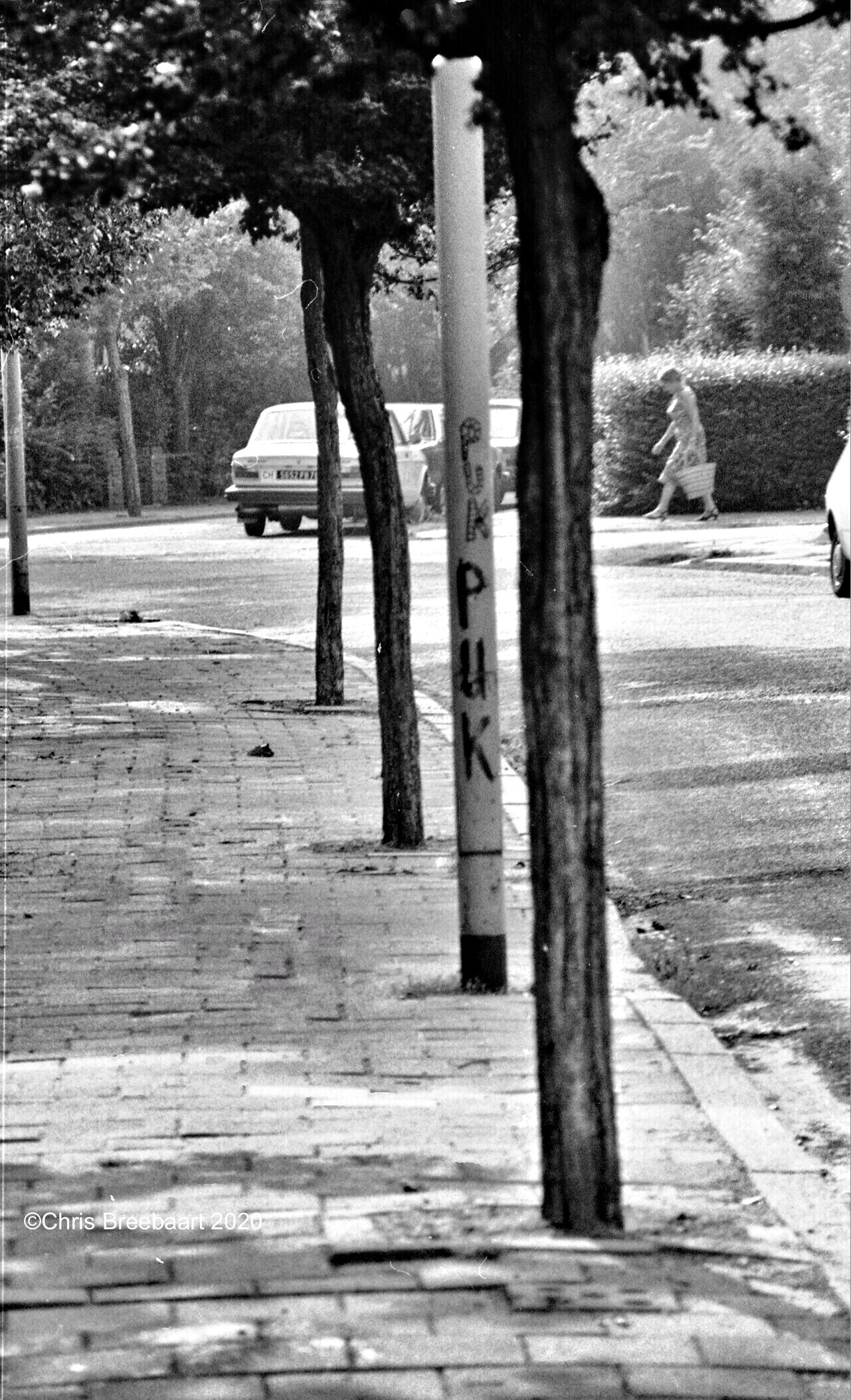
A test shot for a new long zoom lens.
The B4 retouch series
I browsed my archive for pictures to publish. All of them are not completely retouched yet. Scratches, dust and stains are not removed.
The picture was originally shot with Pentax ME super II on Kodak TriX, scanned from negative and tweaked using Snapseed and Marksta. Click the picture for a larger version.
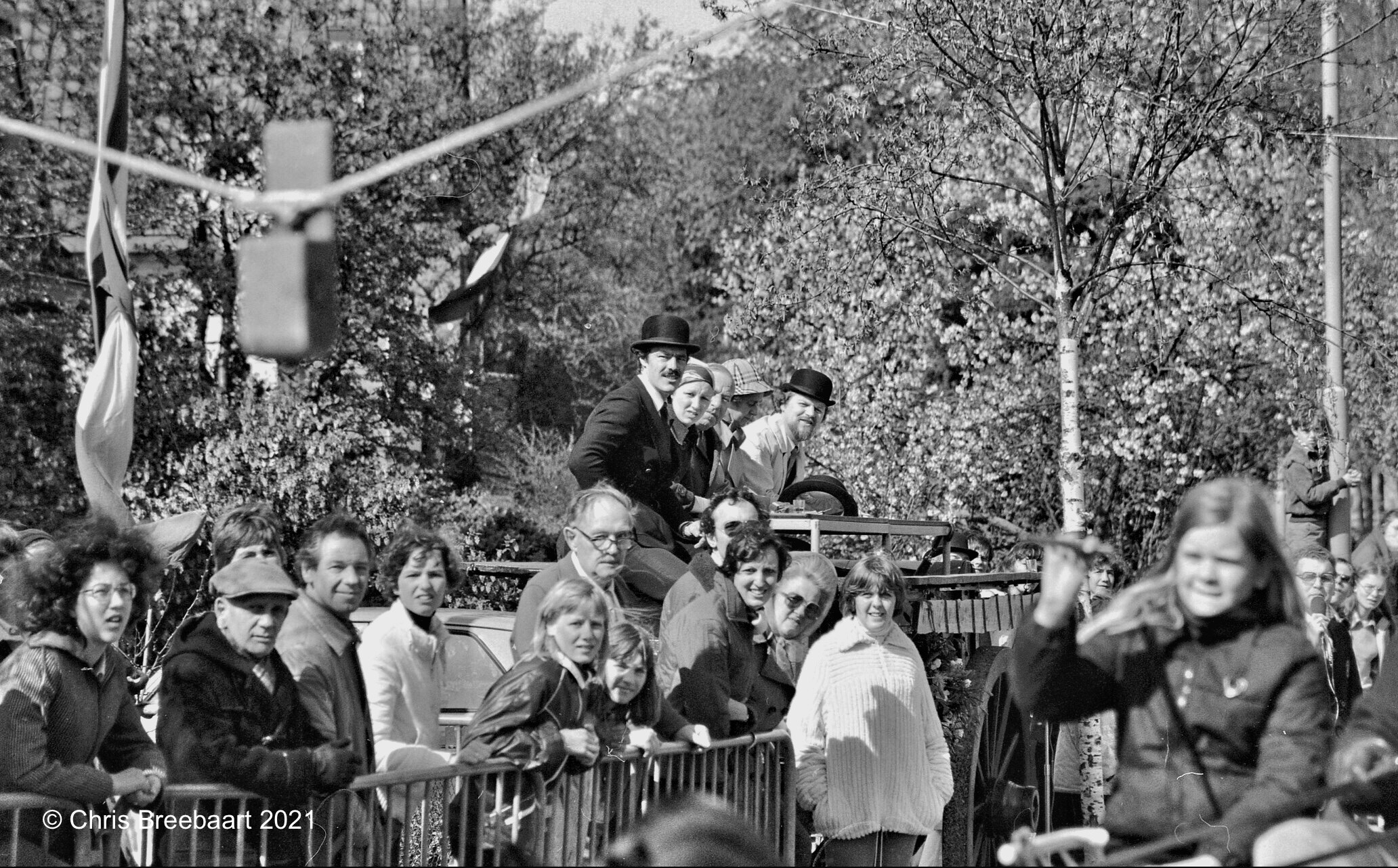
The theme for the lens-artists#131 is ‘emotions’.
An old tradition is ‘ringsteken’. Literally stitching a ring from a wood block, hanging from a rope over the road, sitting in a carriage, pulled by one or more horses. The jury is watching.
The B4 retouch series
I browsed my archive for pictures to publish. All of them are not completely retouched yet. Scratches, dust and stains are not removed.
The picture was originally shot with Pentax K1000 on Kodak TriX, scanned from negative and tweaked using Snapseed and Marksta. Click the picture for a larger version.

The theme for the lens-artists#131 is ‘emotions’.
An old tradition is ‘ringsteken’. Literally stitching a ring from a wood block, hanging from a rope over the road, sitting in a carriage, pulled by one or more horses.
The B4 retouch series
I browsed my archive for pictures to publish. All of them are not completely retouched yet. Scratches, dust and stains are not removed.
The picture was originally shot with Pentax K1000 on Kodak TriX, scanned from negative and tweaked using Snapseed and Marksta. Click the picture for a larger version.

The theme for the lens-artists#131 is ‘emotions’.
An old tradition is ‘ringsteken’. Literally stitching a ring from a wood block, hanging from a rope over the road, sitting in a carriage, pulled by one or more horses.
The B4 retouch series
I browsed my archive for pictures to publish. All of them are not completely retouched yet. Scratches, dust and stains are not removed.
The picture was originally shot with Pentax K1000 on Kodak TriX, scanned from negative and tweaked using Snapseed and Marksta. Click the picture for a larger version.
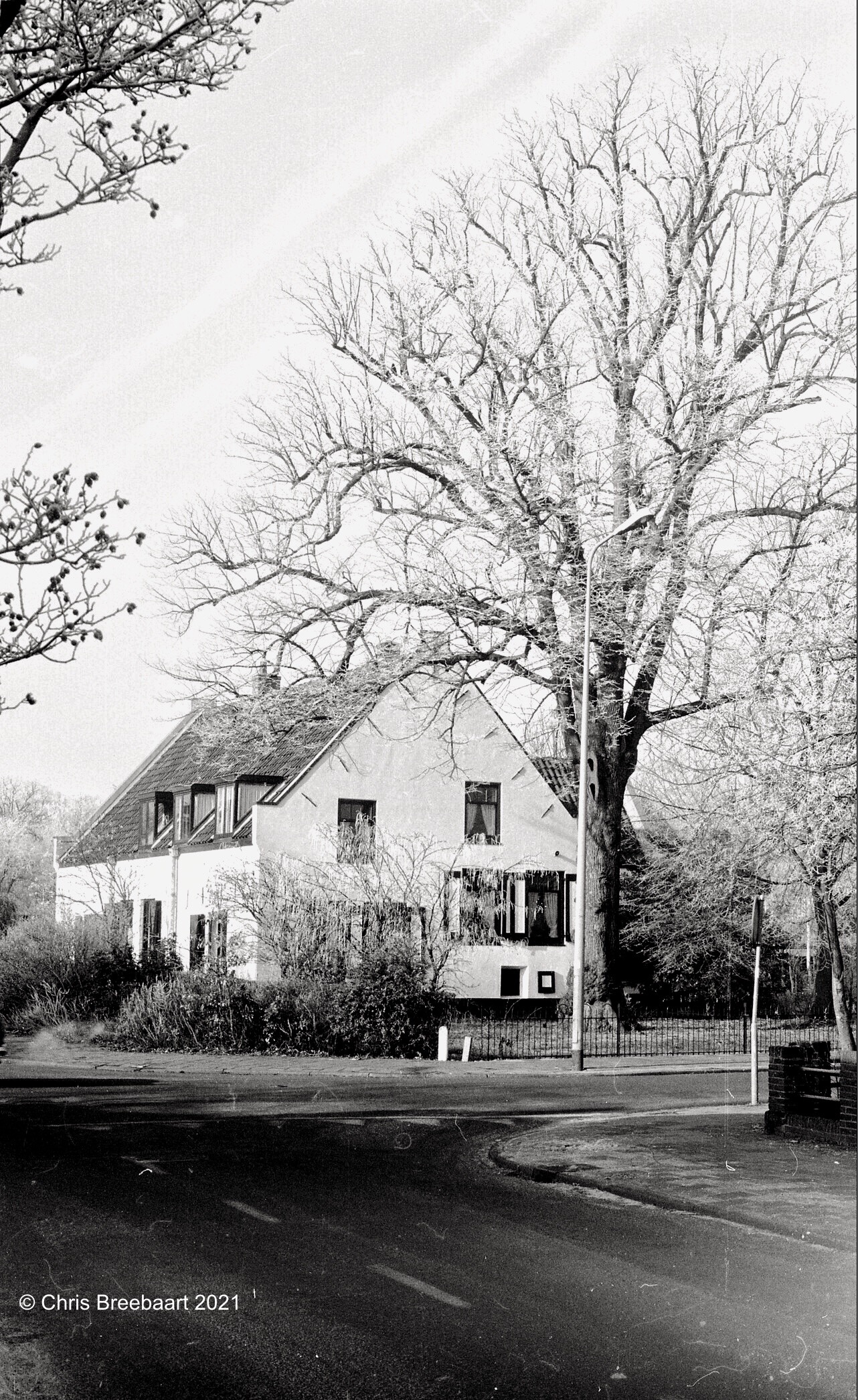
Winter 1979, an old former farmhouse ‘Ora et Labora’.
The B4 retouch series
I browsed my archive for pictures to publish. All of them are not completely retouched yet. Scratches, dust and stains are not removed.
The picture was originally shot with Pentax K1000 on Kodak TriX, scanned from negative and tweaked using Snapseed and Marksta. Click the picture for a larger version.
The B4 retouch series
I browsed my archive for pictures to publish. All of them are not completely retouched yet. Scratches, dust and stains are not removed.
The picture was originally shot with Pentax K1000 on Kodak TriX, scanned from negative and tweaked using Snapseed and Marksta. Click the picture for a larger version.
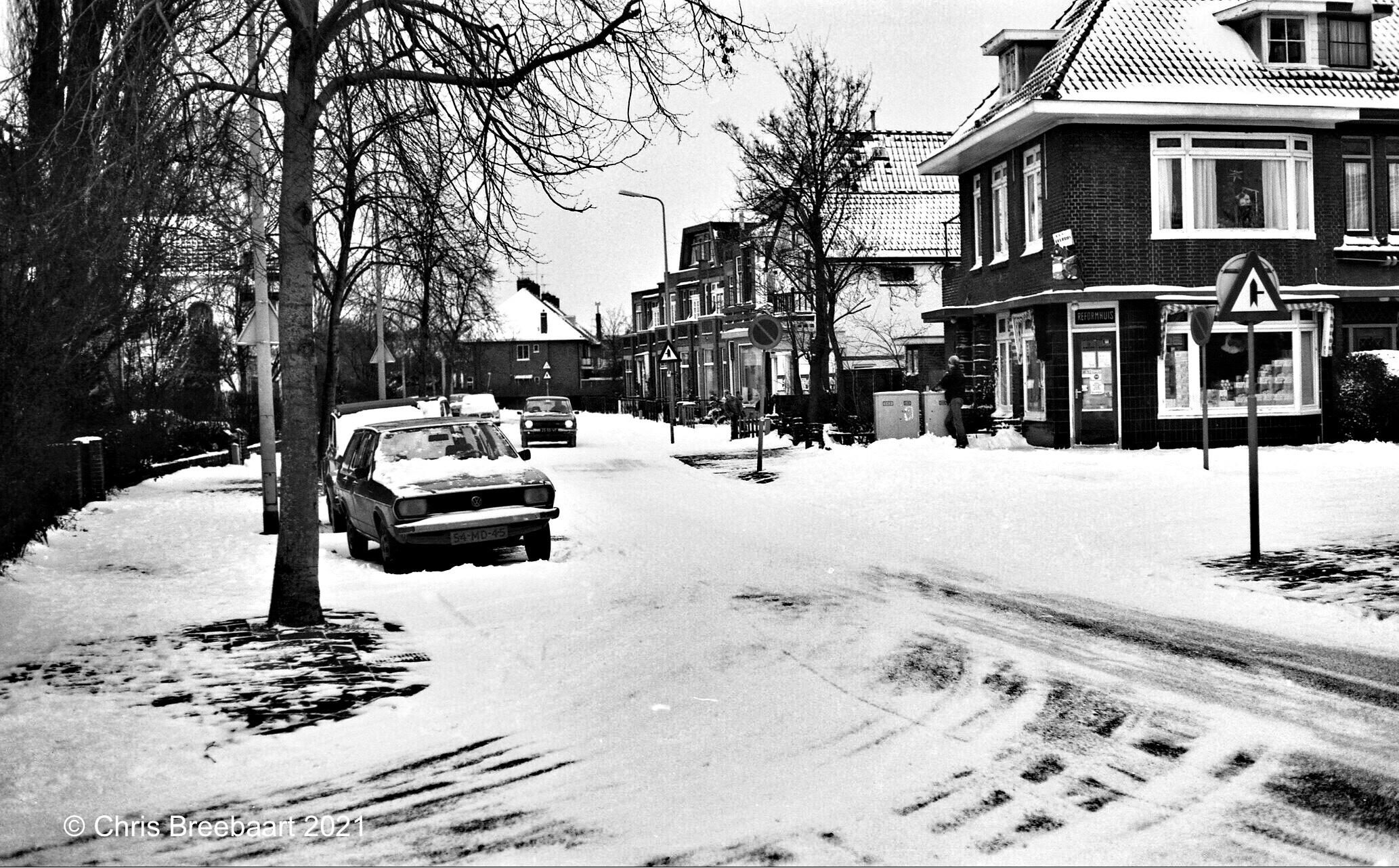
The B4 retouch series
I browsed my archive for pictures to publish. All of them are not completely retouched yet. Scratches, dust and stains are not removed.
The picture was originally shot with Pentax K1000 on Kodak TriX, scanned from negative and tweaked using Snapseed and Marksta. Click the picture for a larger version.
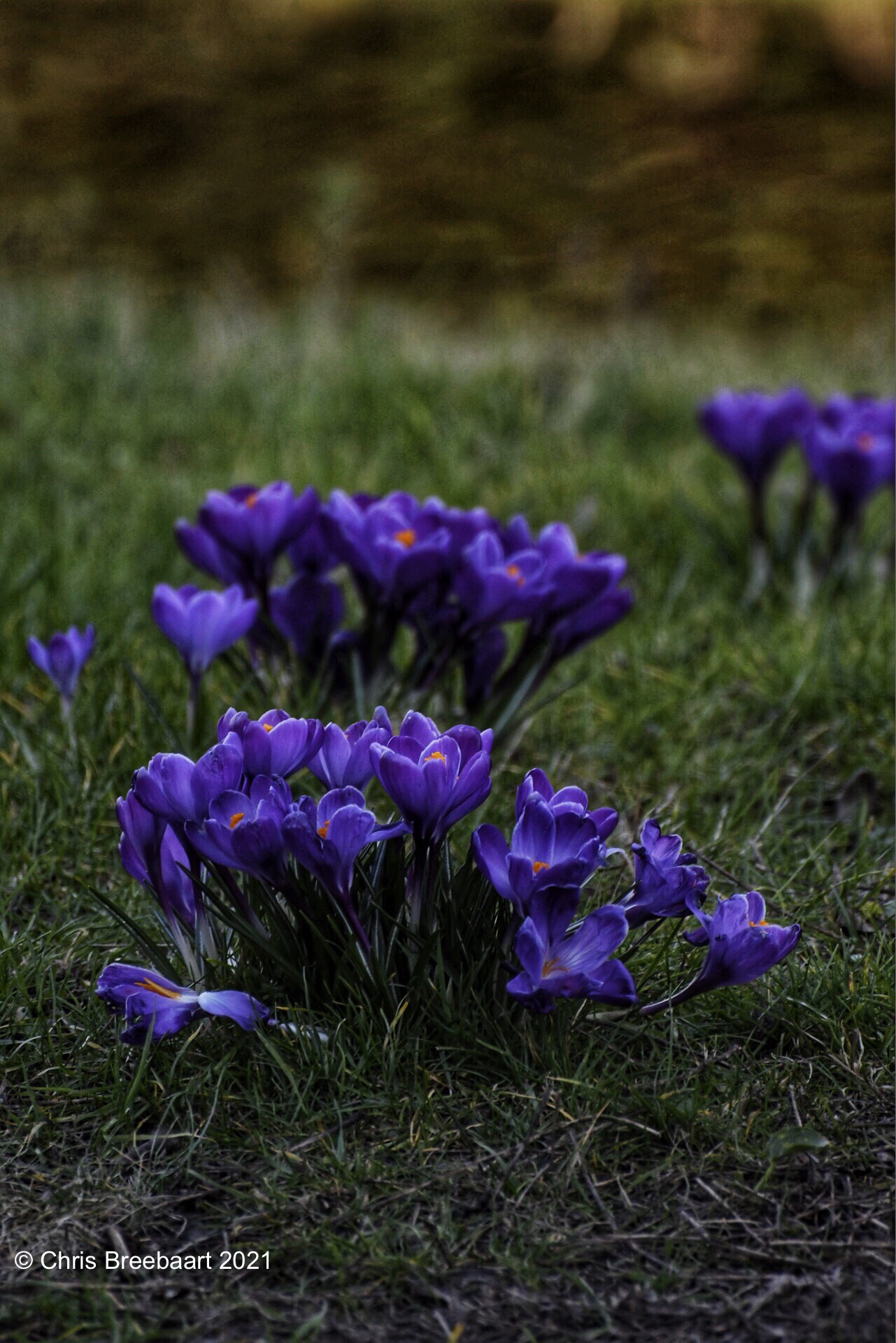
The theme for the lens-artists#130 is ‘It’s a small world’.
Looking forward to flowers coming out end at the end of Winter.
Shot with Nikon D500, edited using Snapseed and Marksta. Click the picture for a bigger version
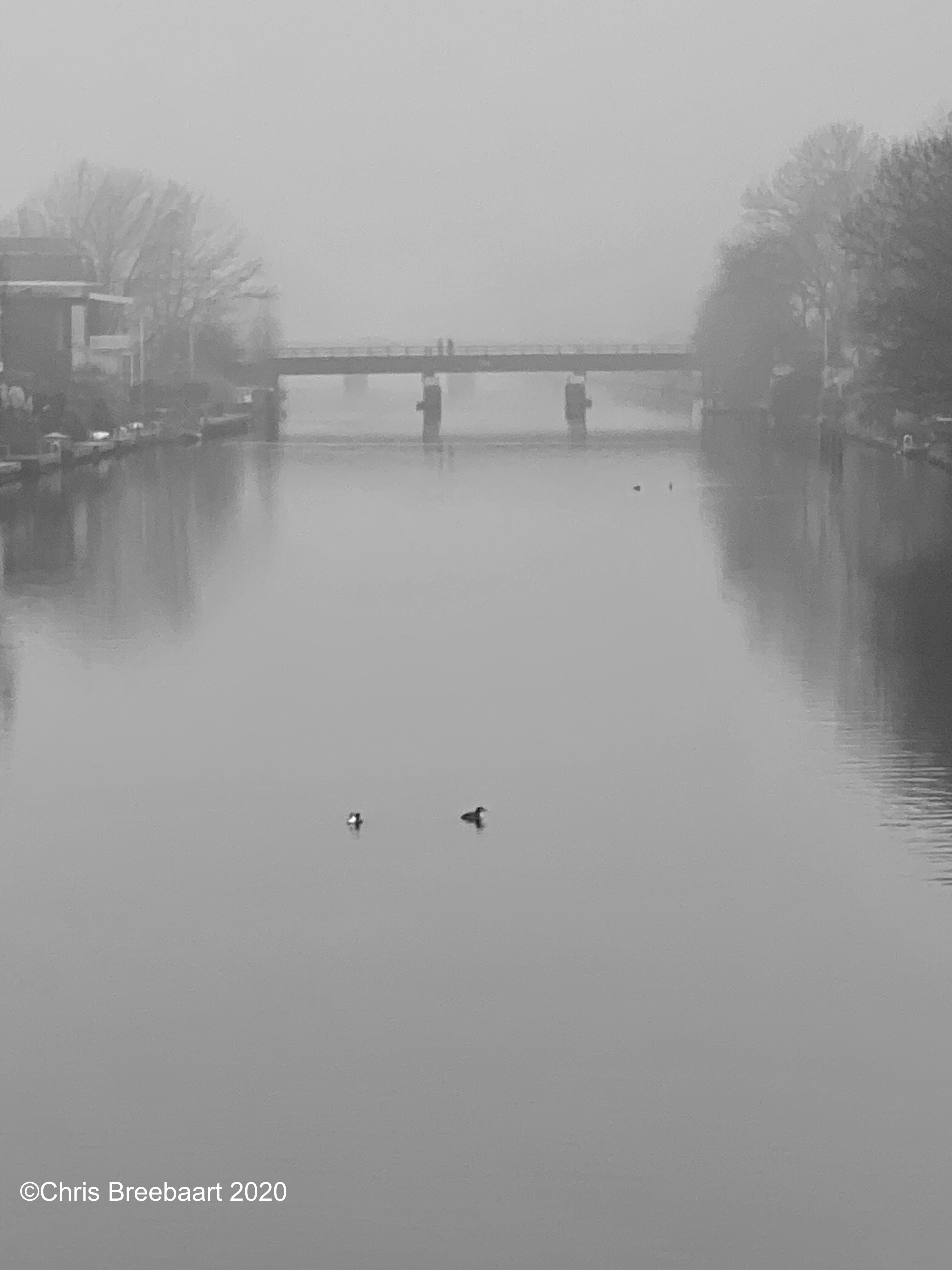
Shot with iPhone 11 Pro Max edited using Snapseed and Marksta Click the picture for a larger version
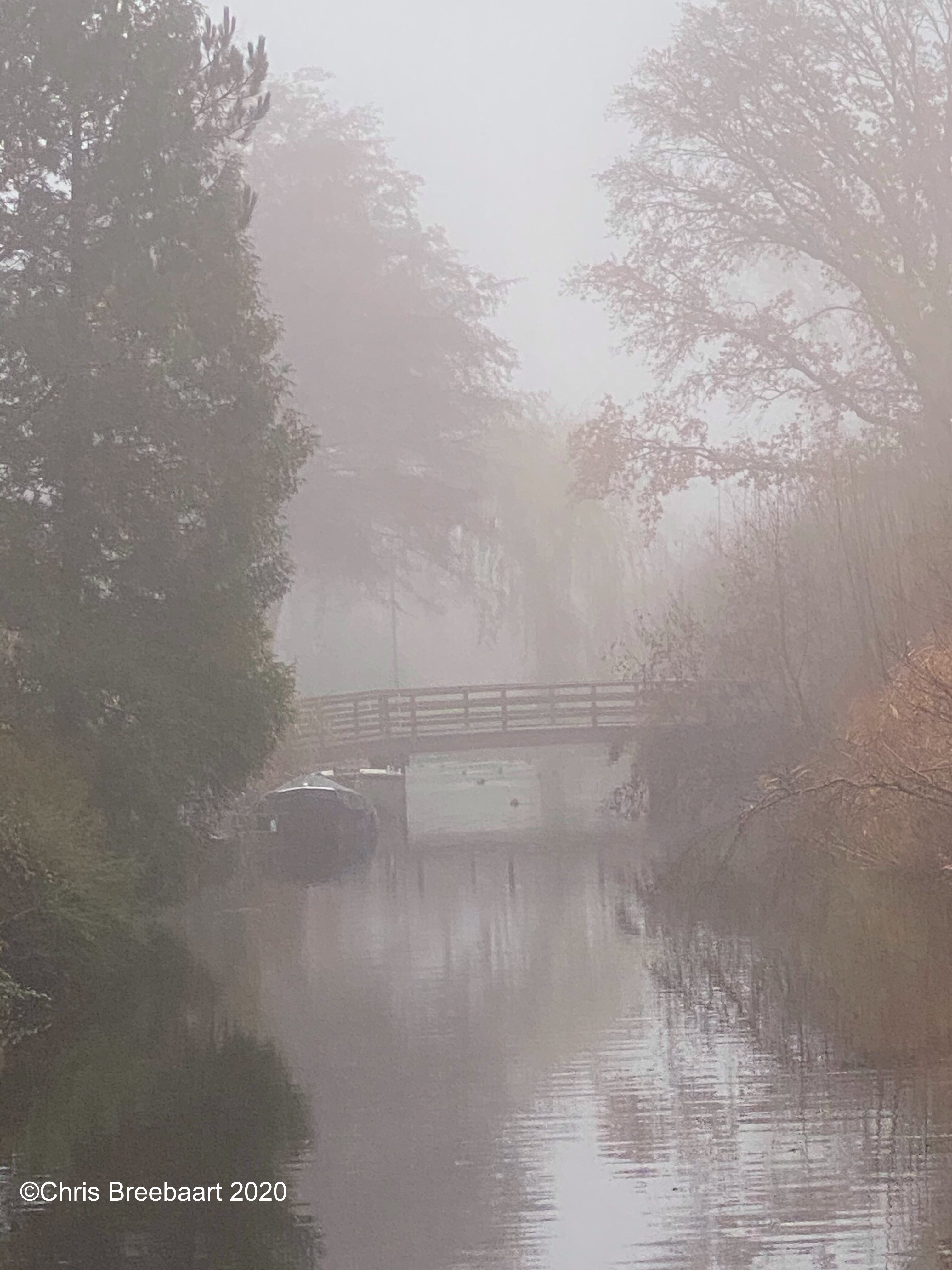
Shot with iPhone 11 Pro Max edited using Snapseed and Marksta Click the picture for a larger version

Shot with Nikon D500, edited using Snapseed and Marksta. Click the picture for a bigger version
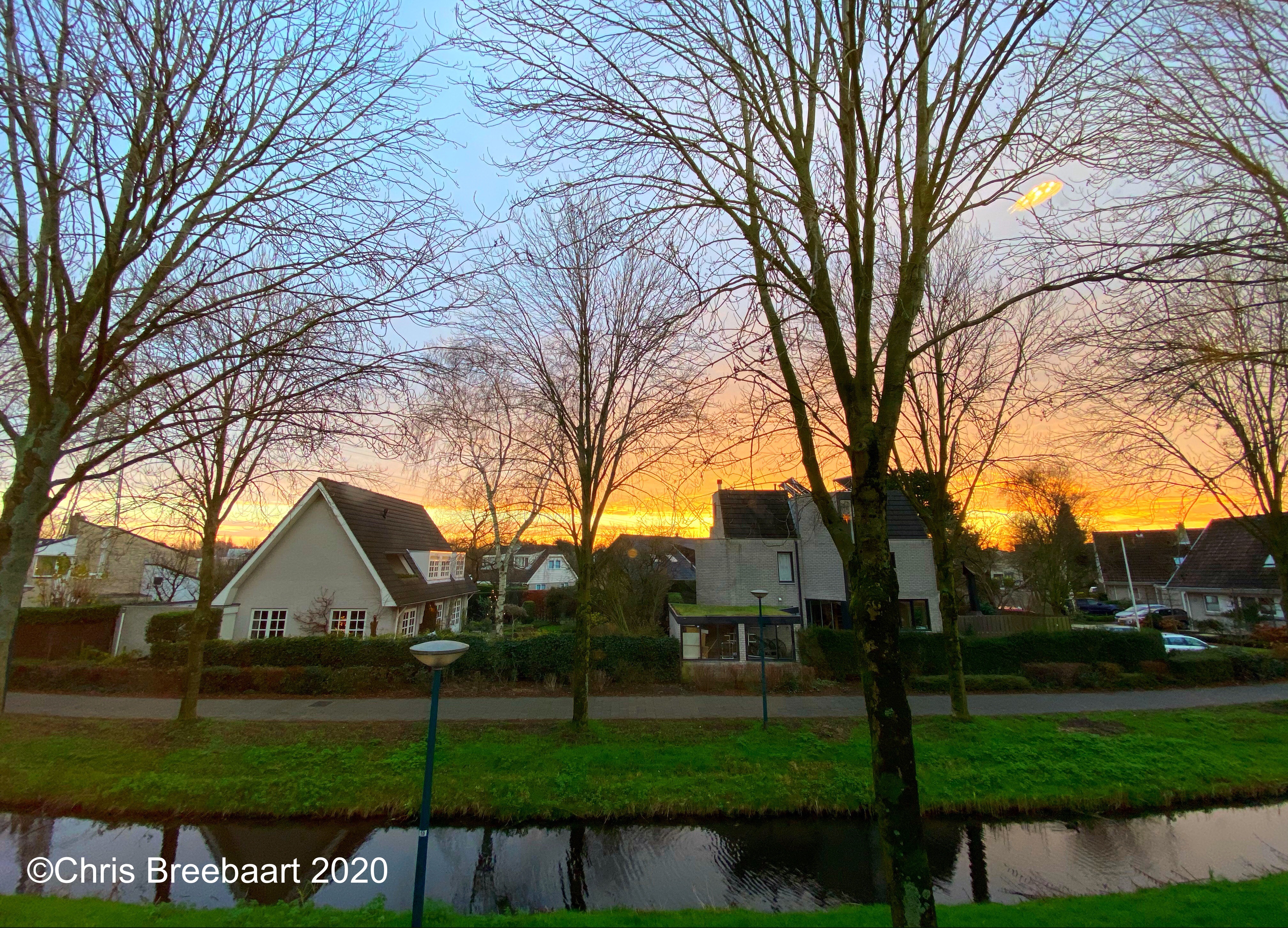
Shot with iPhone 11 Pro Max edited using Snapseed and Marksta Click the picture for a larger version
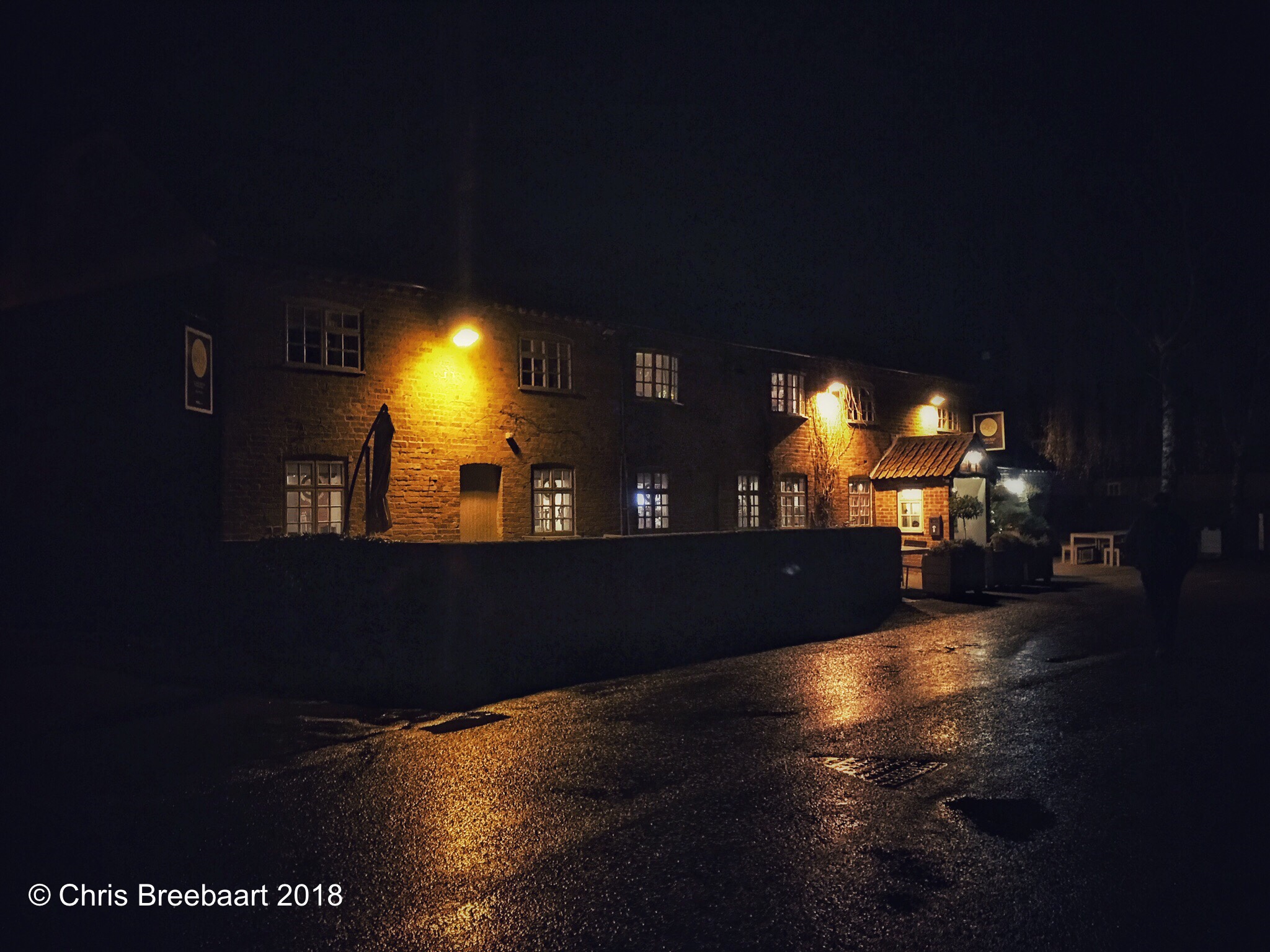
This year’s last Lens-Artists Challenge (#128) is ‘And here comes the holiday season………..’
The Full Moon Inn in Morton near Southwell. In normal times the pub to celebrate Christmas with friends. See you next year.
Shot with iPhone 6s plus using Huemore edited using Snapseed and Marksta Click the picture for a larger version
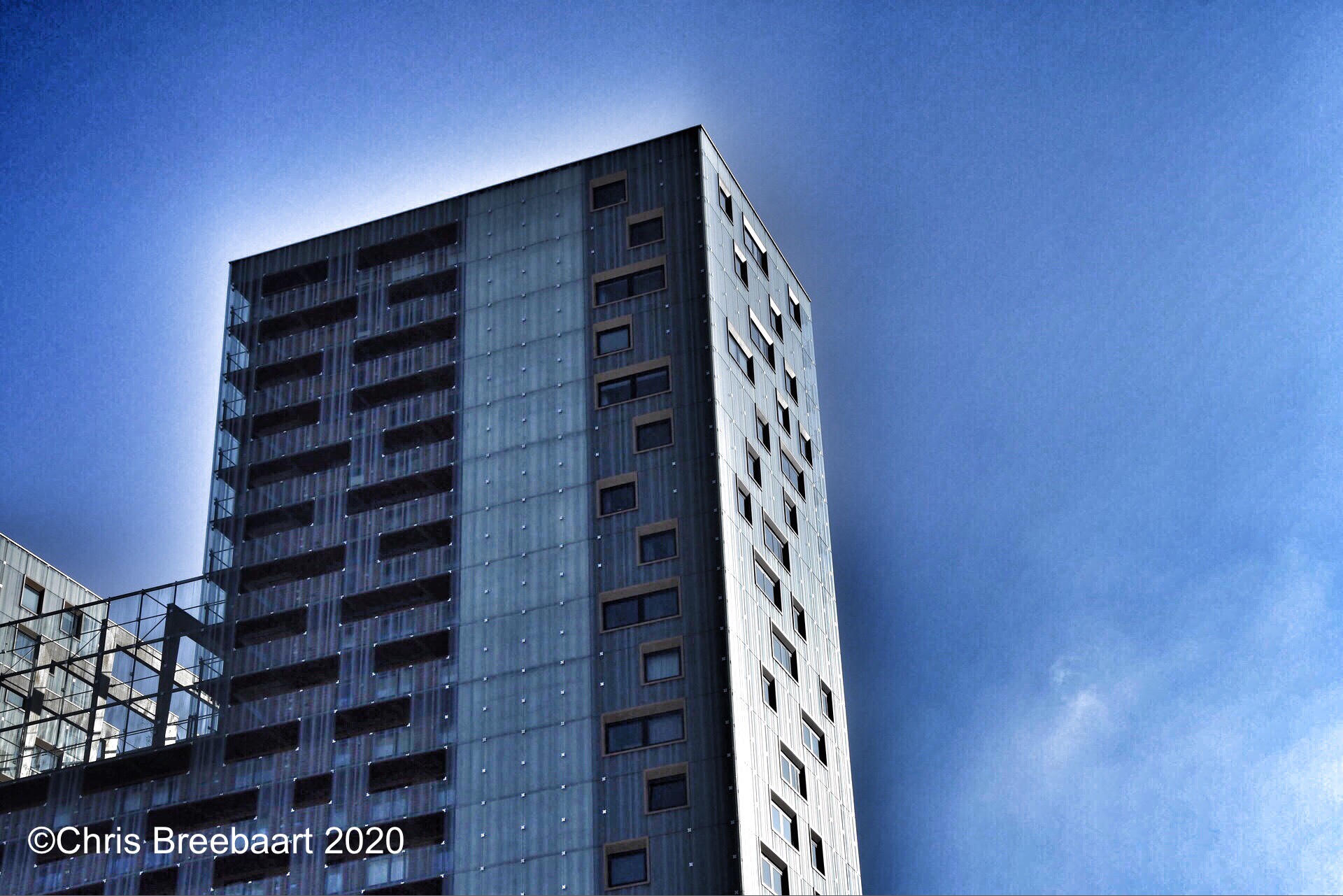
shot with iPhone 6s plus using Hueless, edited using Snapseed and Marksta, click the picture for a larger version
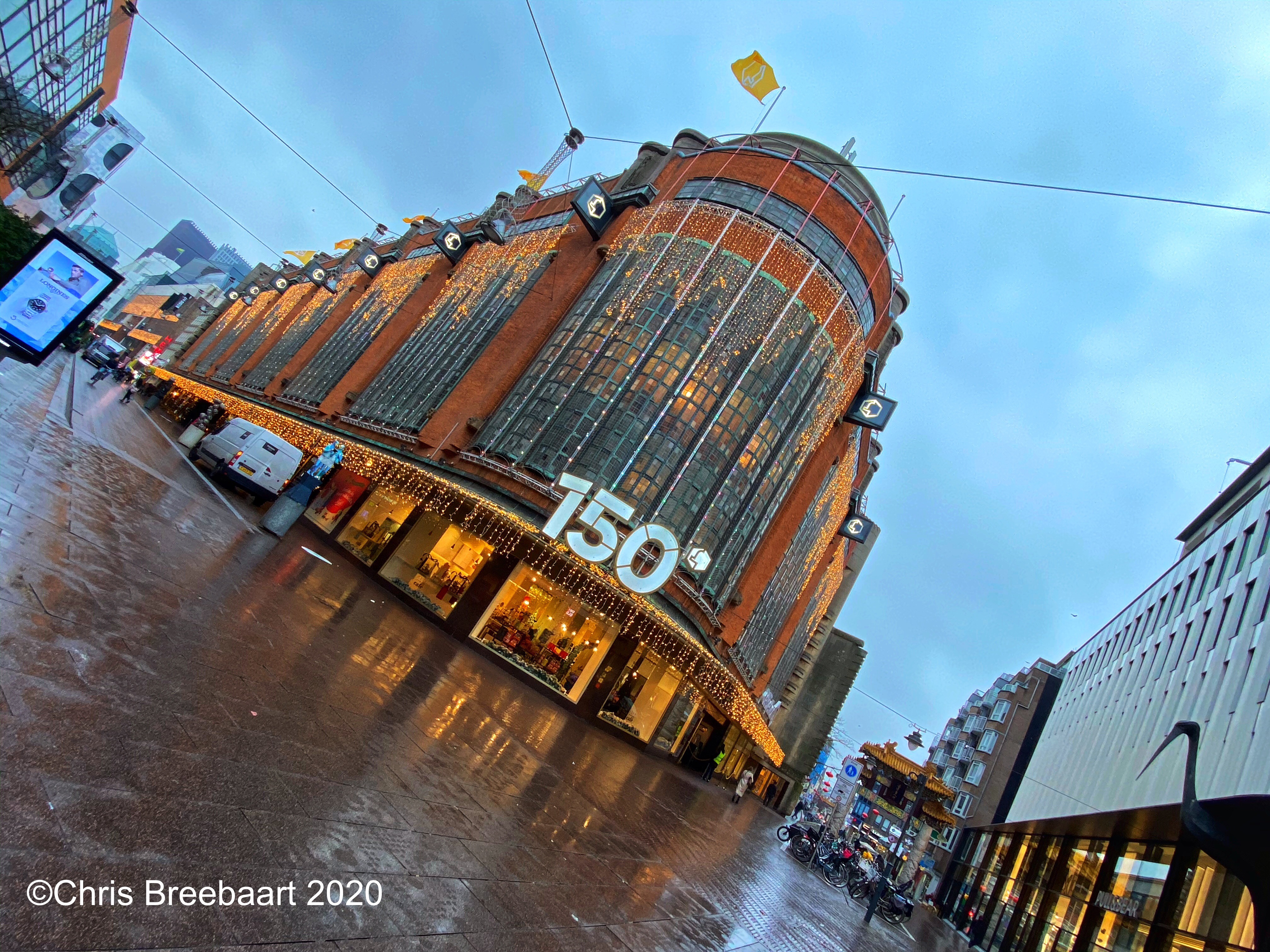
The weekly theme for lens artists weekly photo challenge (in short LAPC) #127 is ‘precious moments’.
A memory can be triggered by here and now. Last weekend I visited Den Haag physically for the first time after the lock down started in March. It was exciting and at the same time sad to see the city and the familiar landmarks. ‘Normally’ at this time of year, the center is crowded with people doing Christmas shopping, but now it is (depending on the hour of the day) more or less quiet. At times it is however too busy. The apparent human need to cluster closely together (in shops, or at home) is probably a reason why we see a rise in cases again. Tonight a more strict lock down will be announced. To curb the second wave. Department stores like the 150 year old Bijenkorf and other ‘unnecessary’ shops will close again. That hurts them enormously. But luckily there is light at the end of this tunnel. I hope the light of Christmas will soon turn into a bright sun that opens up our now small worlds and gives us the space and opportunities to be more human again. Till then: courage.
Shot with iPhone 11 Pro Max edited using Snapseed and Marksta Click the picture for a larger version

shot with iPhone 6s plus using Hueless, edited using Snapseed and Marksta, click the picture for a larger version
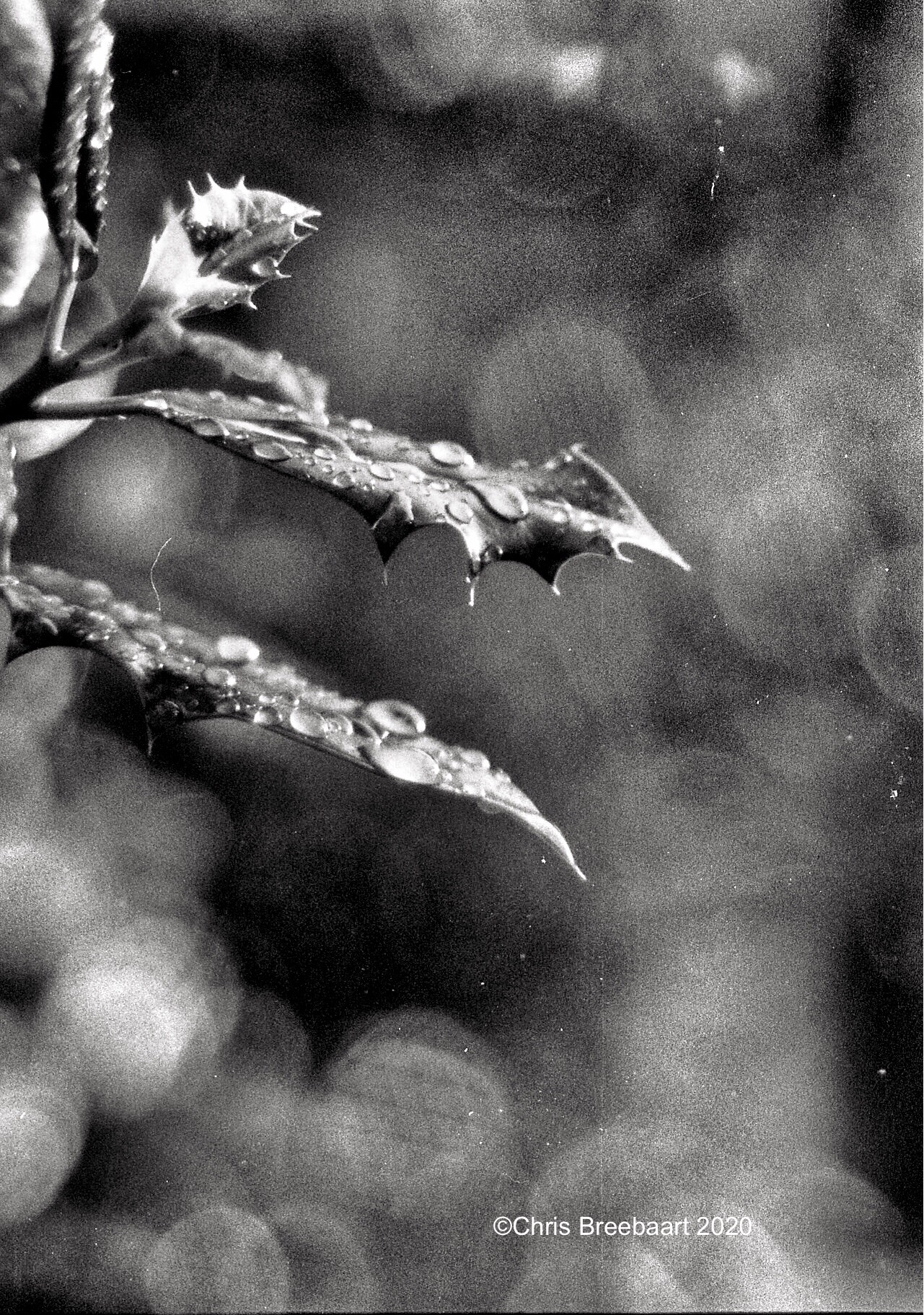
The theme for Weekly Lens Artists 126 is ‘A stands for … ’.
A is of course Aqua, water.
I just found out that I republished this photo. First time was March 2020.
The B4 retouch series
I browsed my archive for pictures to publish. All of them are not completely retouched yet. Scratches, dust and stains are not removed.
The picture was scanned from negative and tweaked using Snapseed and Marksta. Click the picture for a larger version
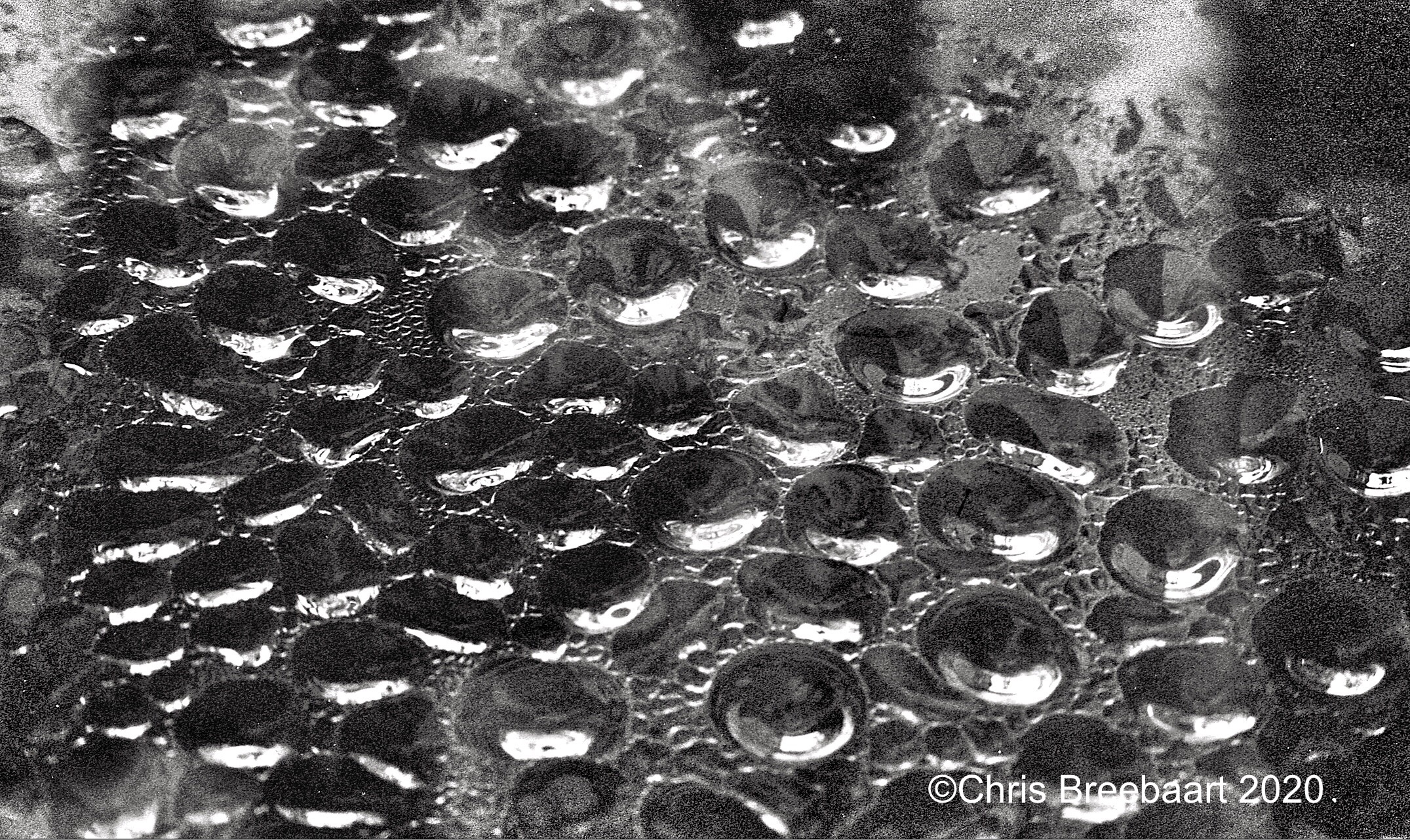
The theme for Weekly Lens Artists 126 is ‘A stands for … ’.
A is of course Aqua, water.
The B4 retouch series
I browsed my archive for pictures to publish. All of them are not completely retouched yet. Scratches, dust and stains are not removed.
The picture was scanned from negative and tweaked using Snapseed and Marksta. Click the picture for a larger version.
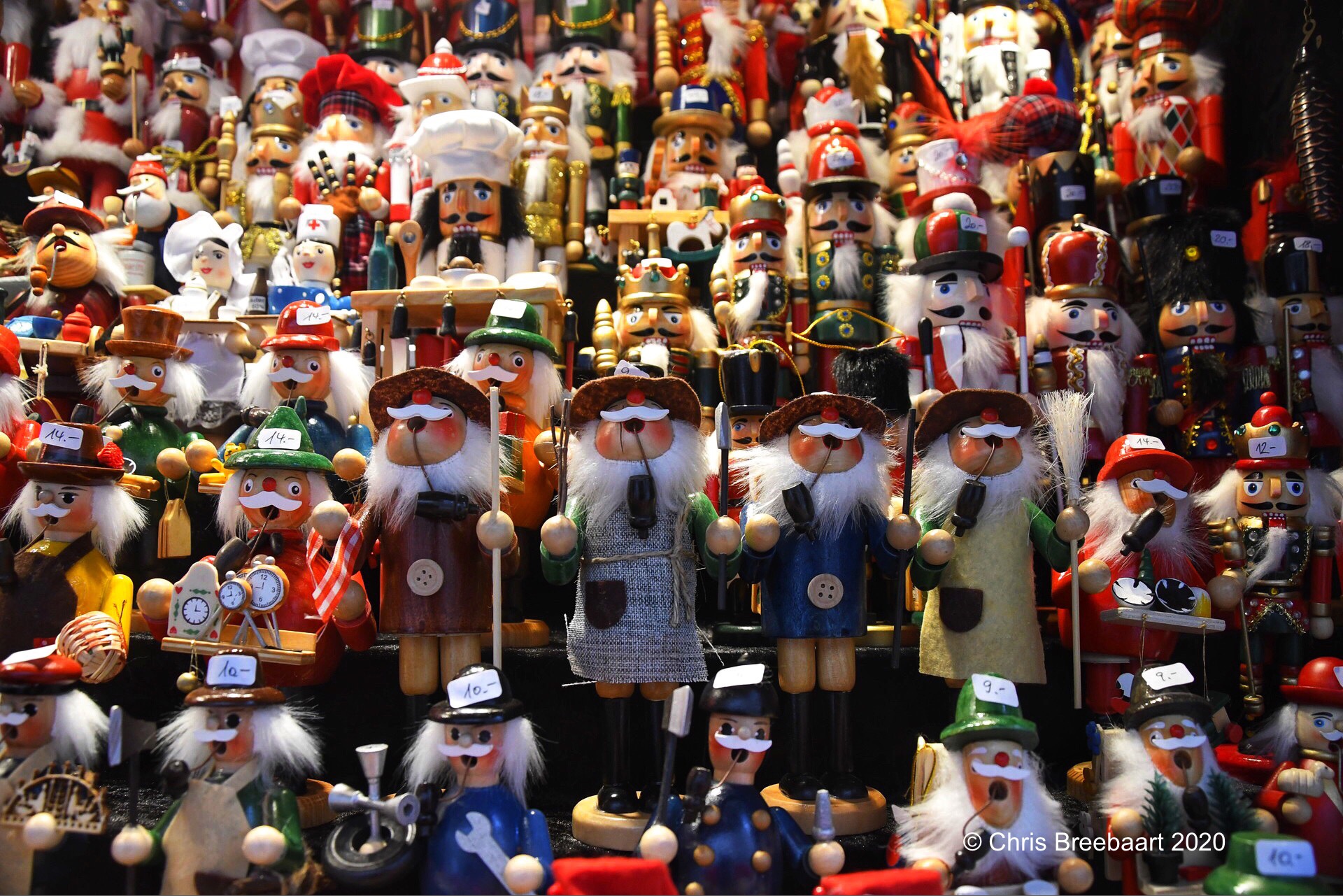
The theme for Weekly Lens Artists 126 is ‘A stands for … ’. Aachen, the Christmas market.
Shot with Nikon D500, edited using Snapseed and Marksta. Click the picture for a bigger version
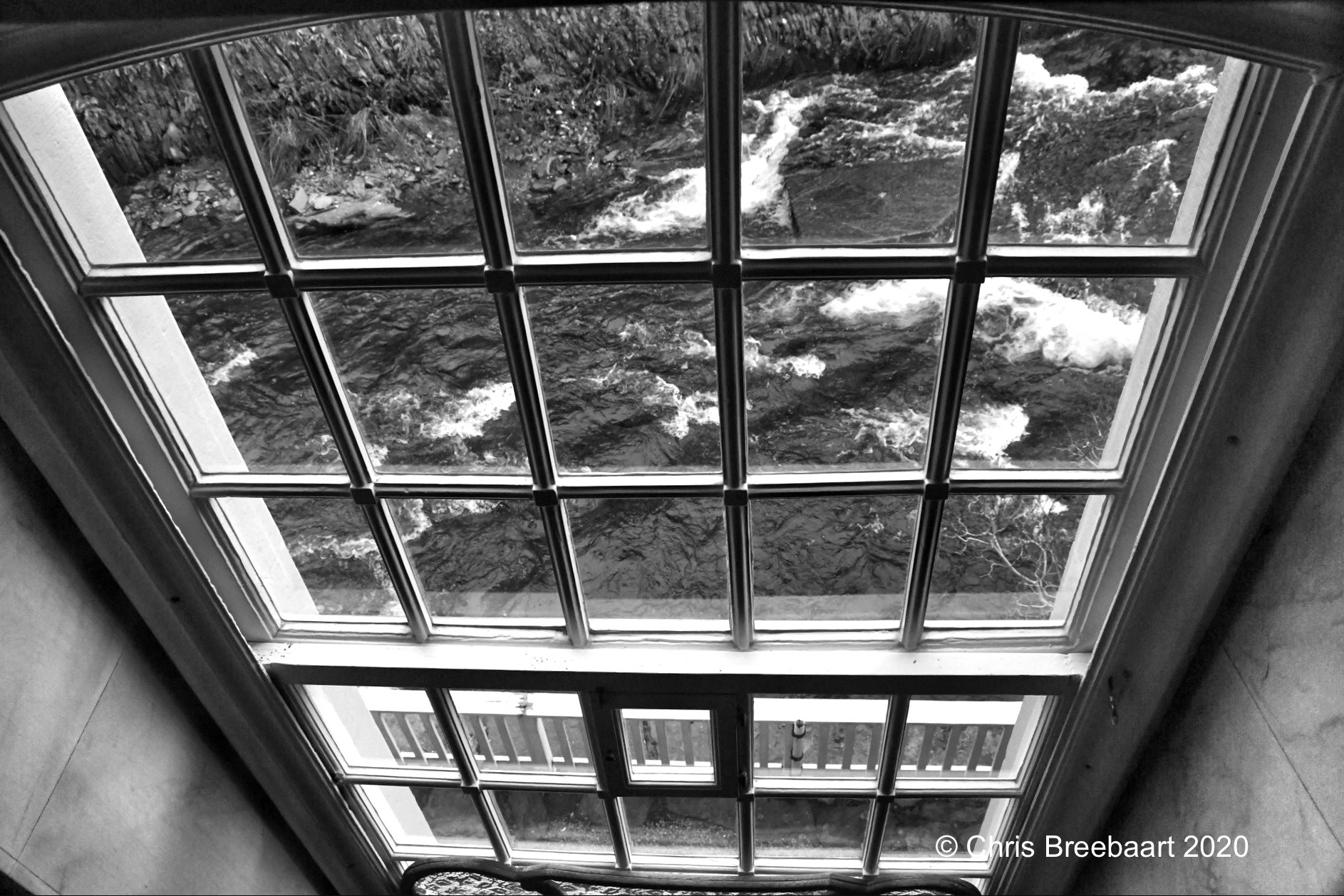
The theme for Weekly Lens Artists 125 is ‘you can pick it’.
A view from the ‘red house’ in Monschau. Yesterday I posted the colored version of this photo. Like earlier this week I like to know if you prefer the color or the mono version. Leave your comments with your choice! After all: this week it is your pick.
Shot with Nikon D500, edited using Snapseed and Marksta. Click the picture for a bigger version
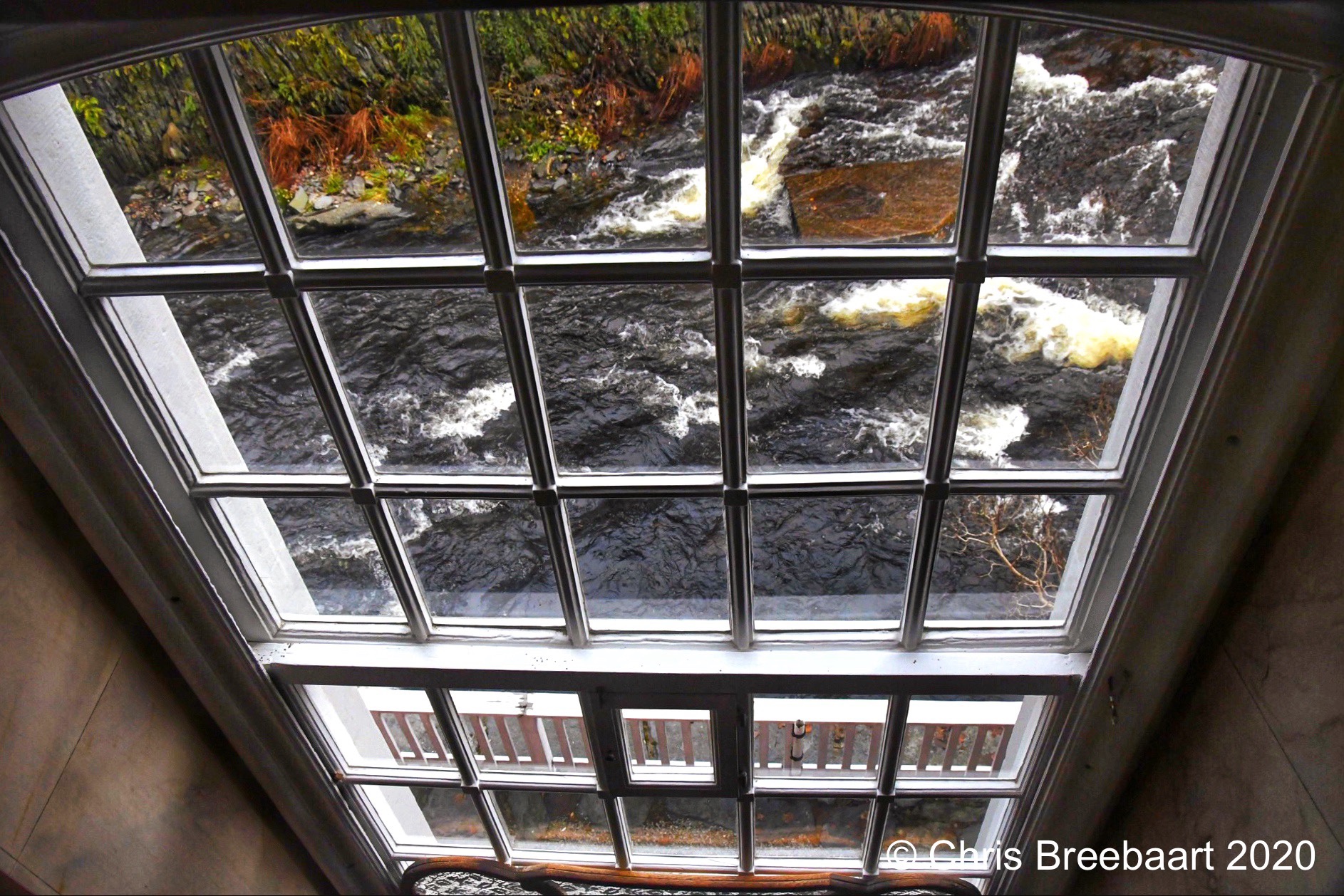
The theme for Weekly Lens Artists 125 is ‘you can pick it’.
A view from the ‘red house’ in Monschau.
Shot with Nikon D500, edited using Snapseed and Marksta. Click the picture for a bigger version