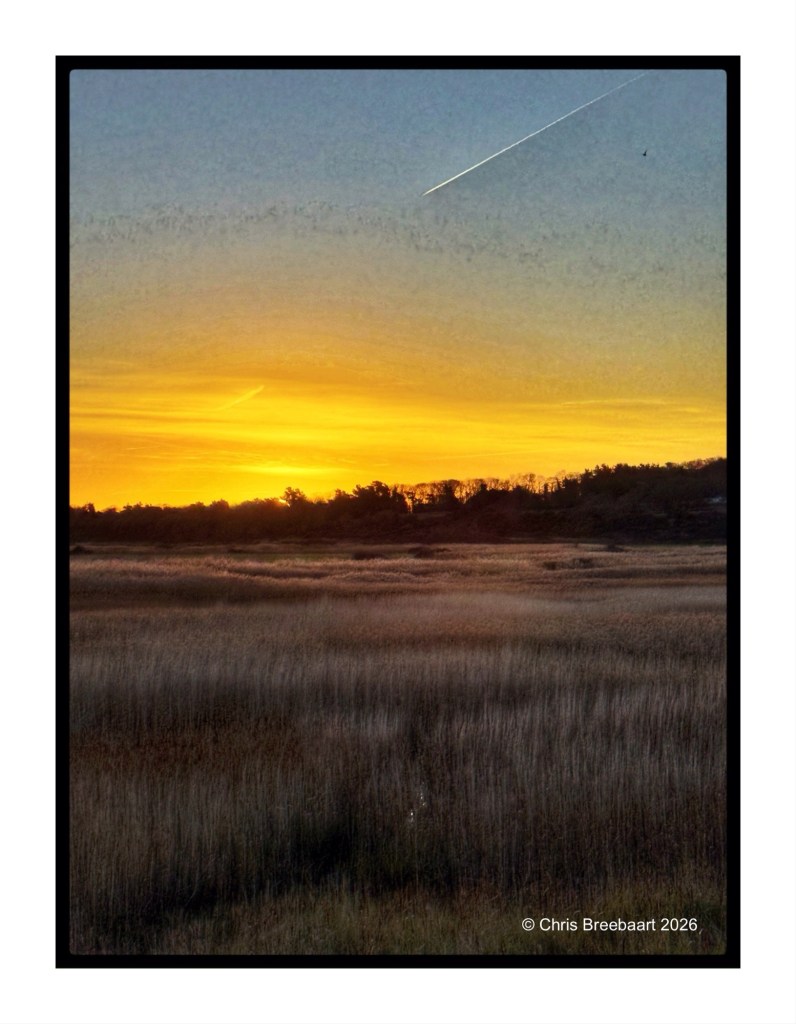
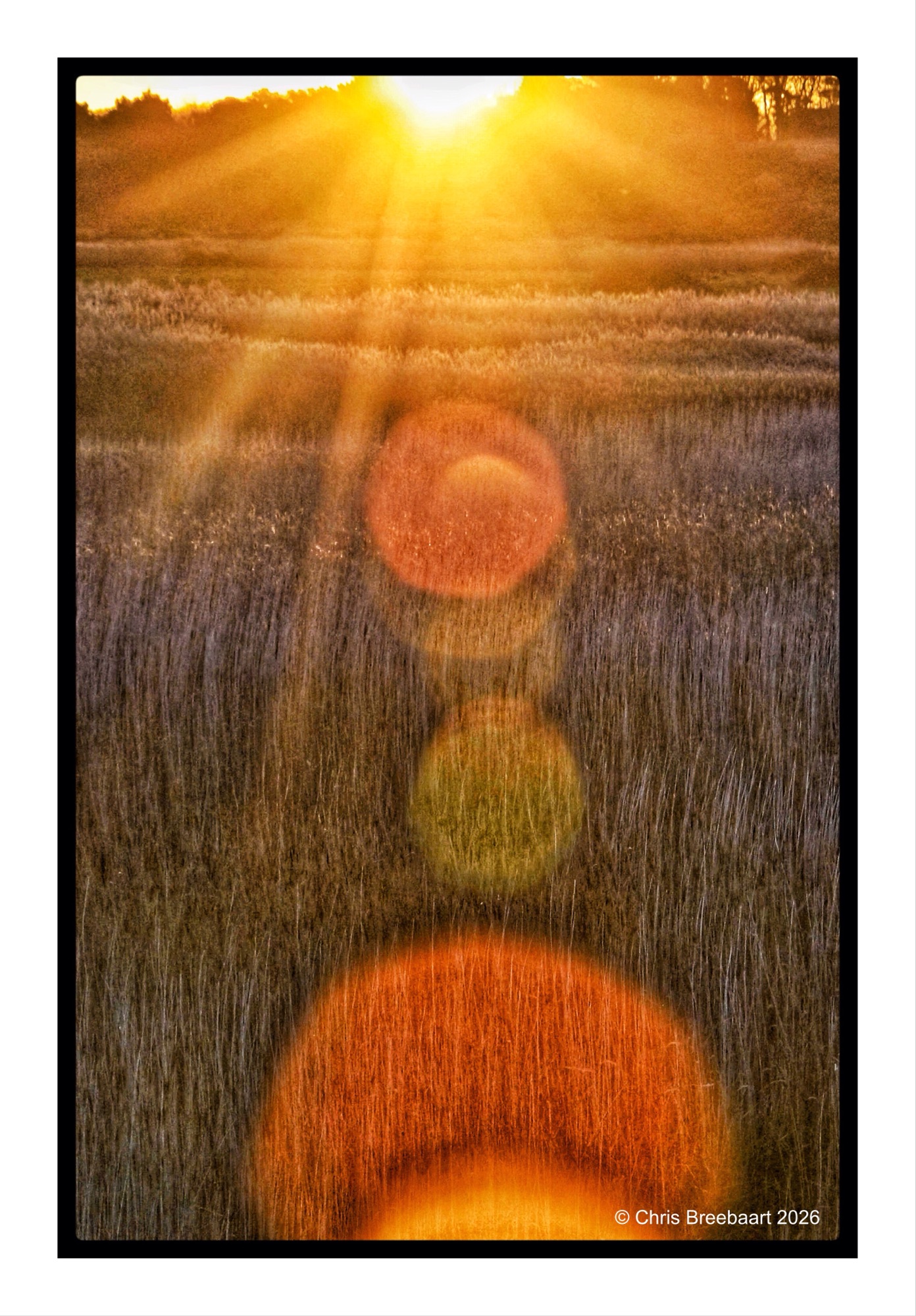
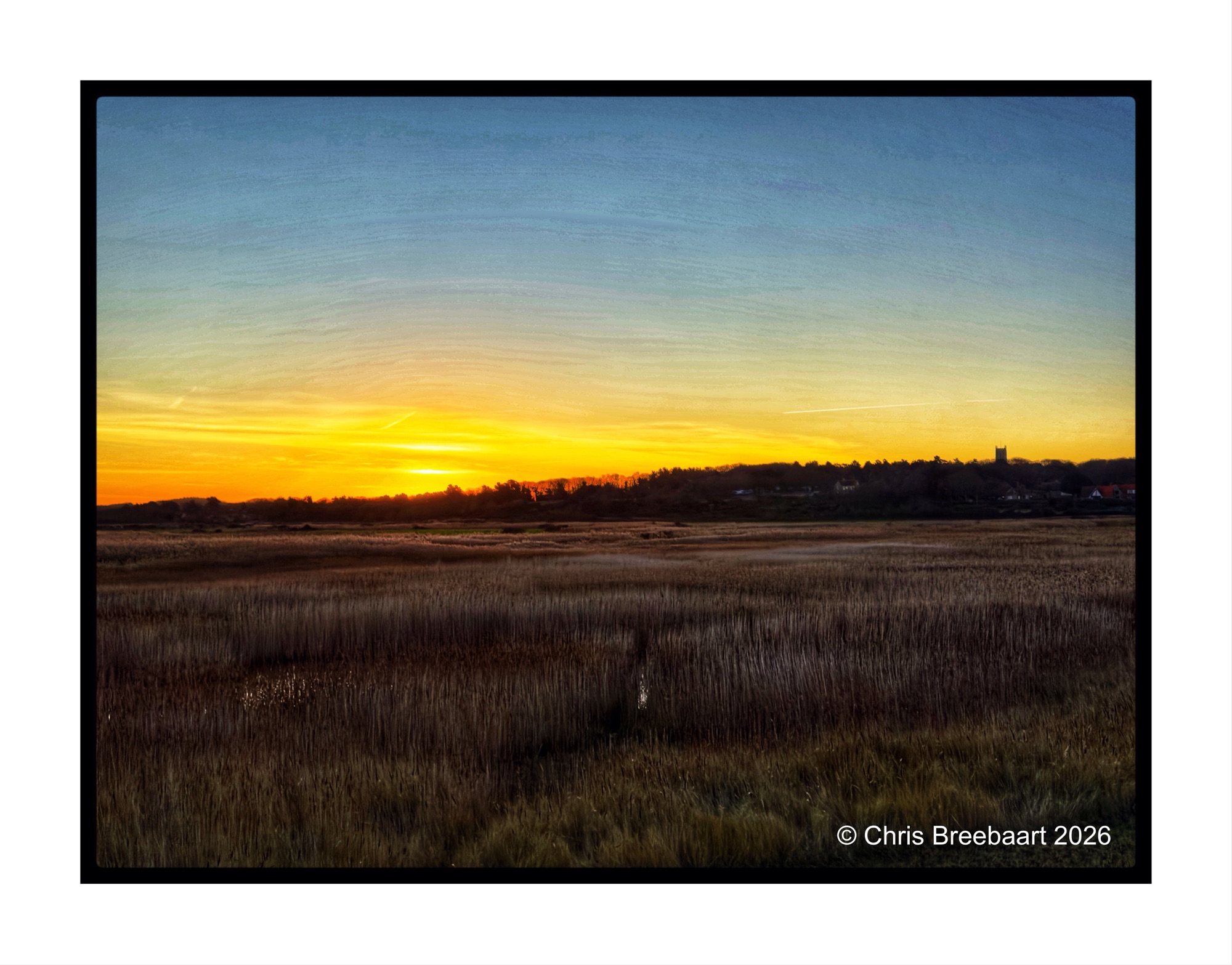
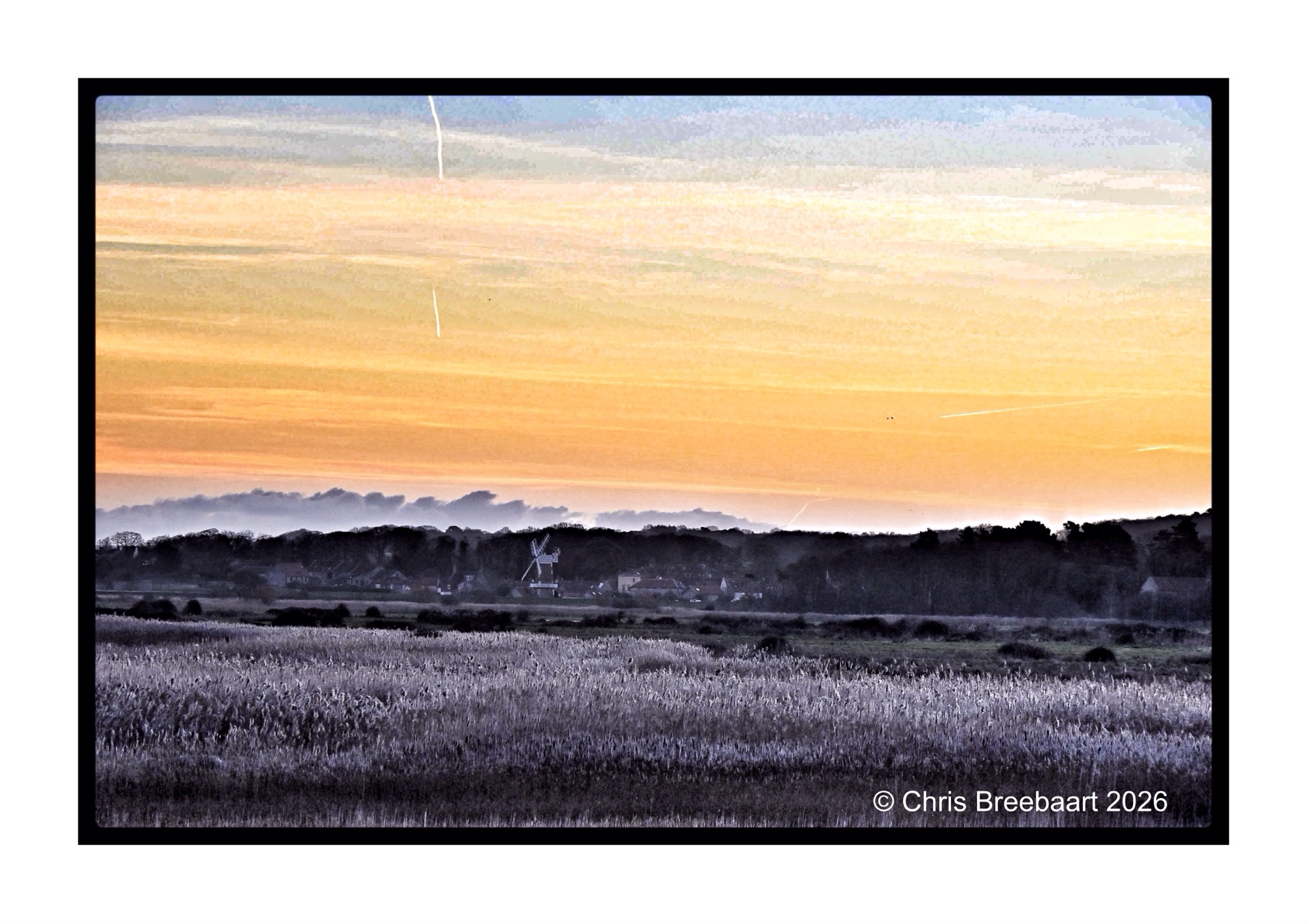
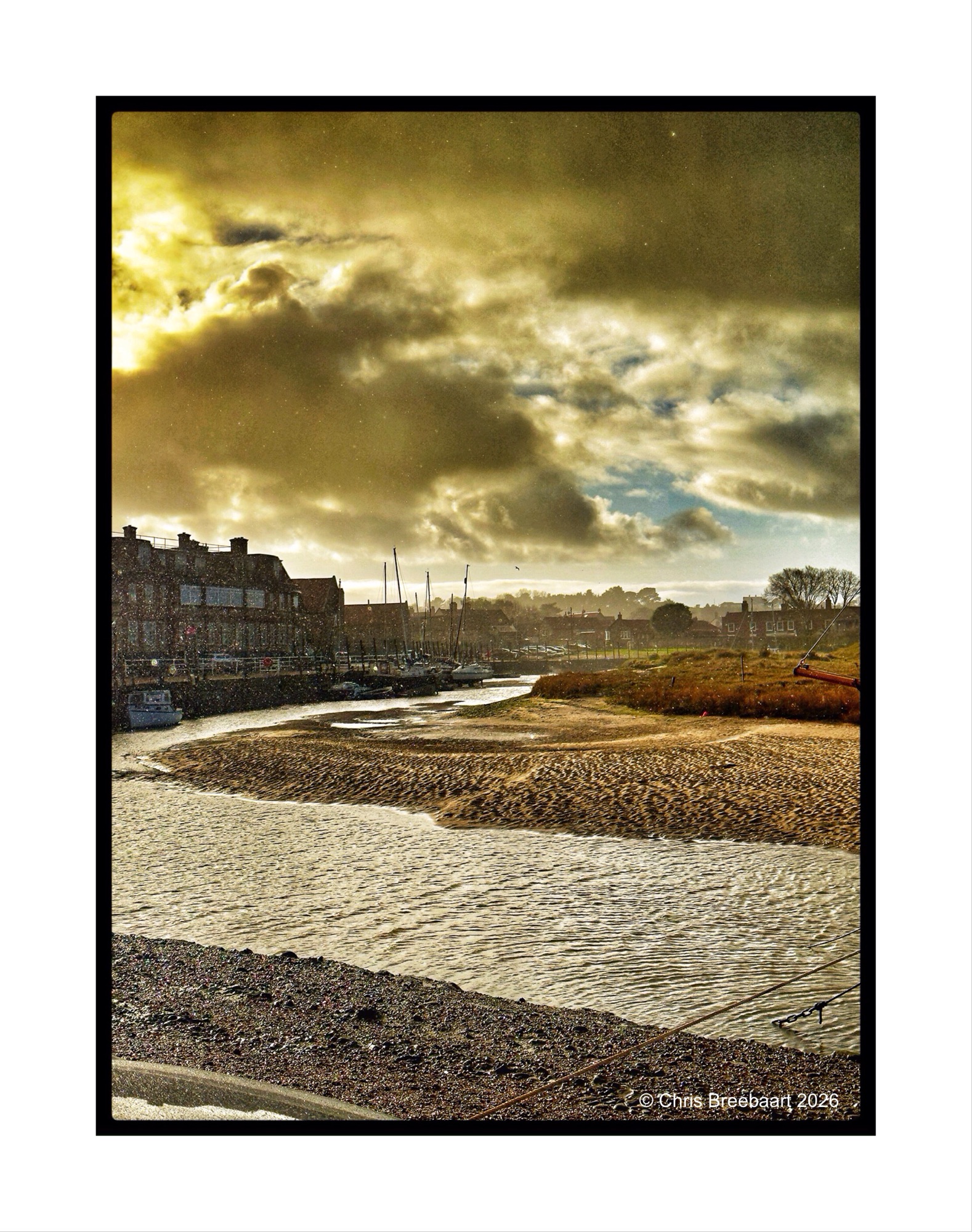
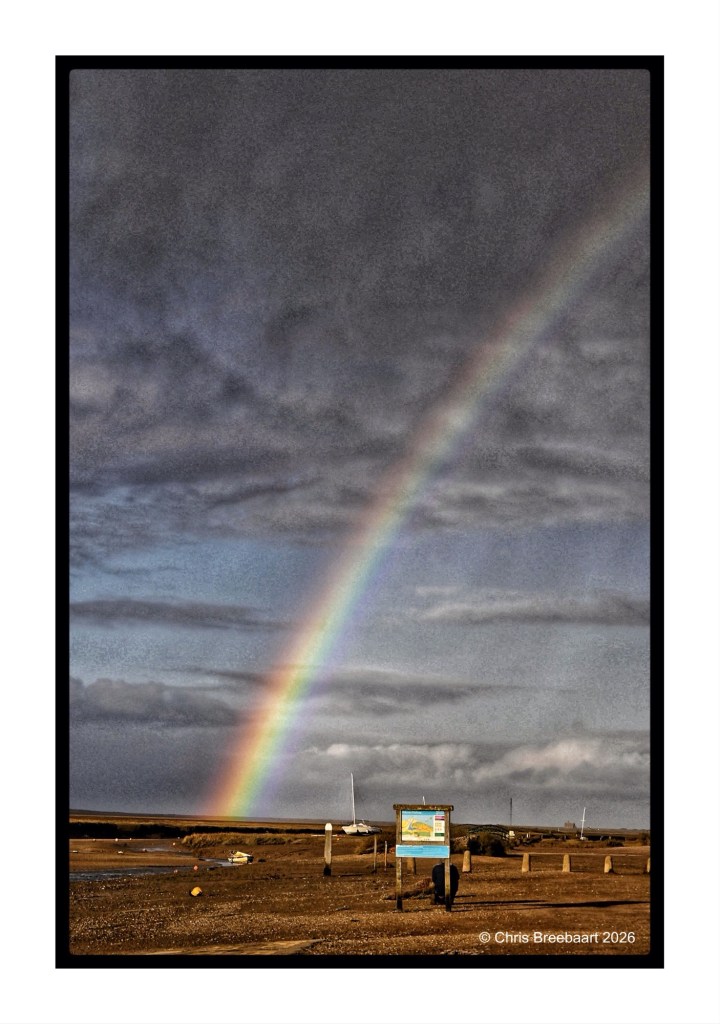
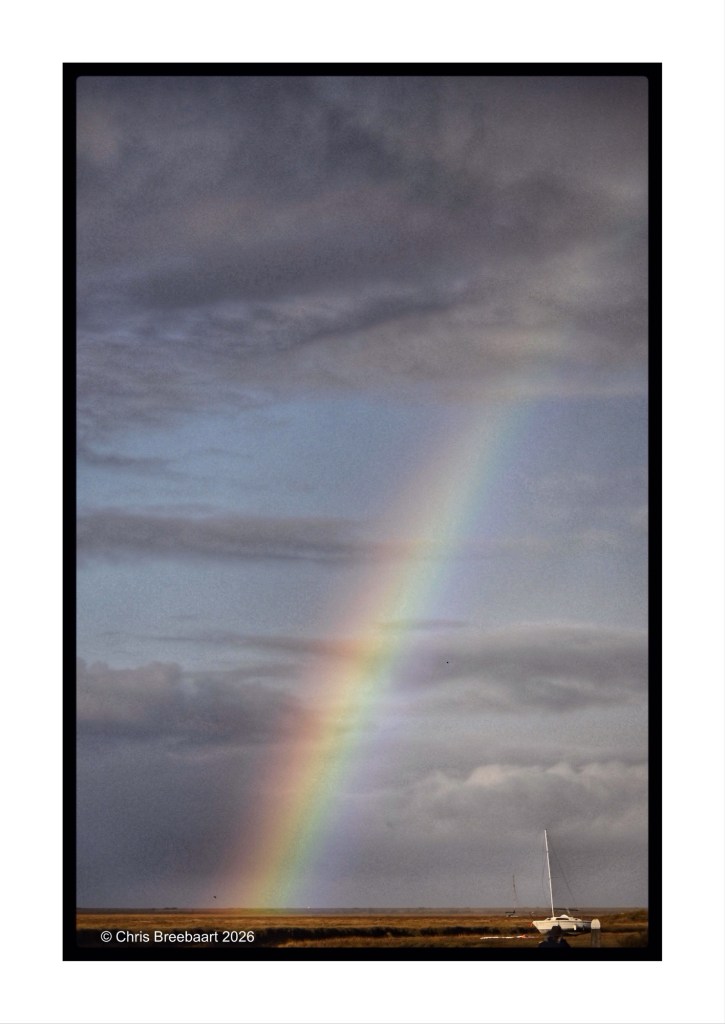
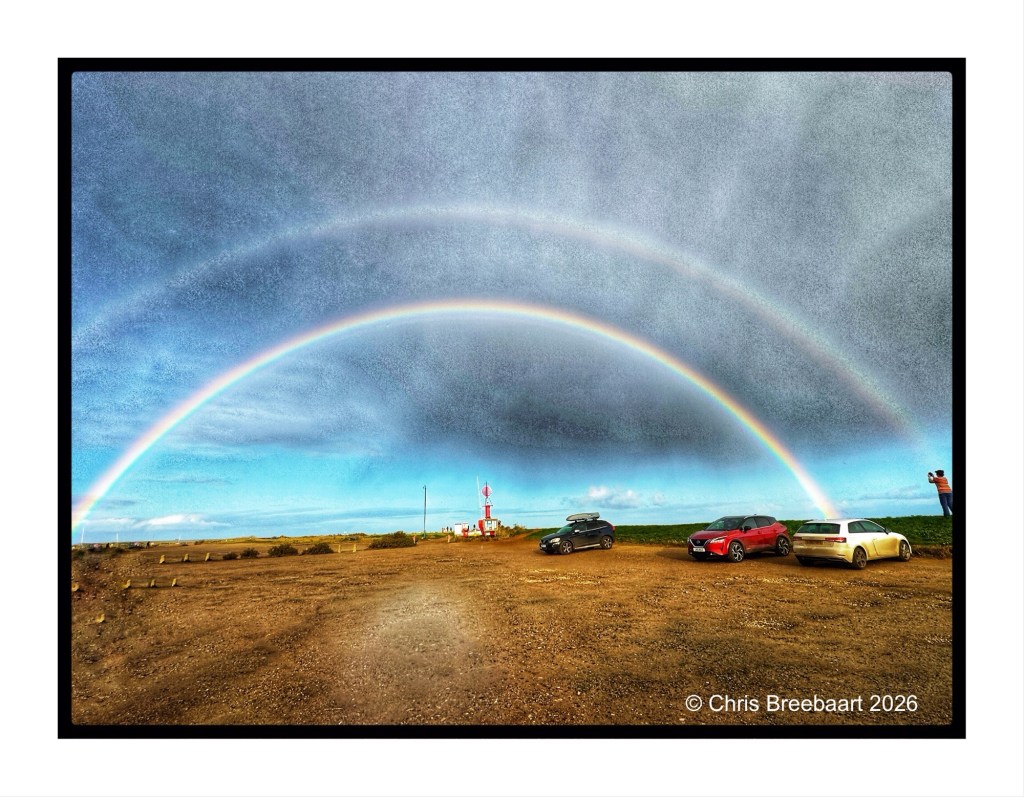
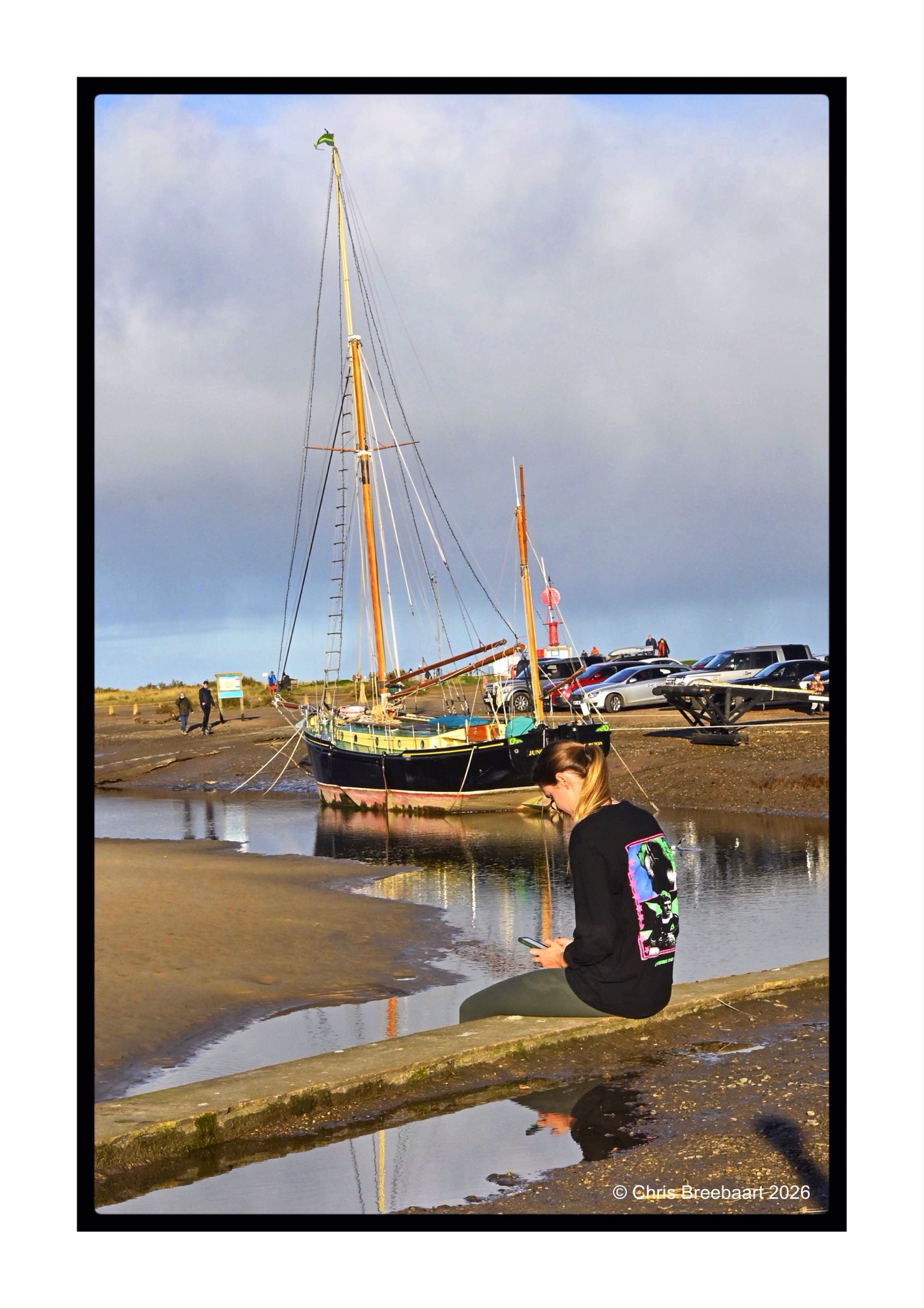
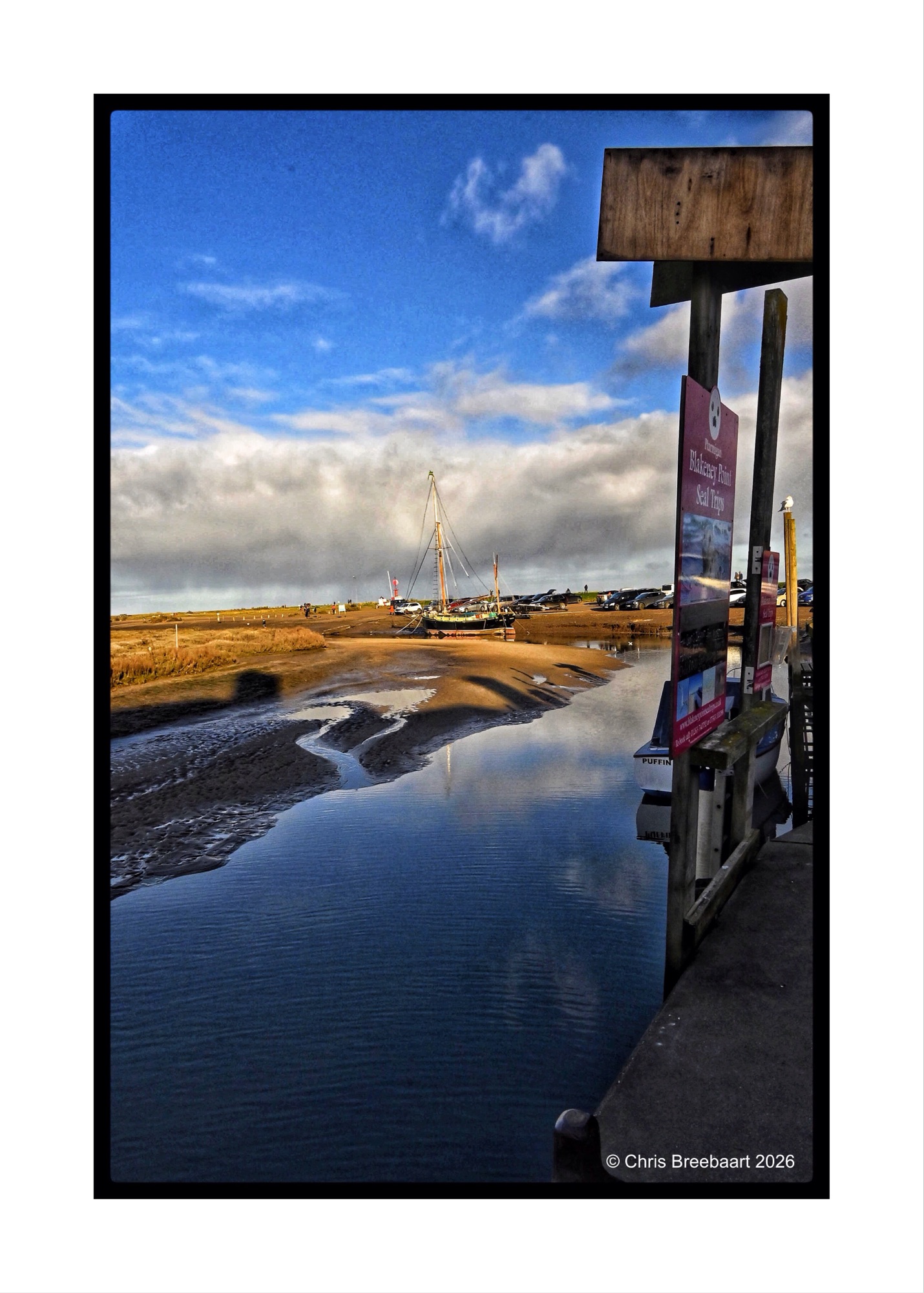
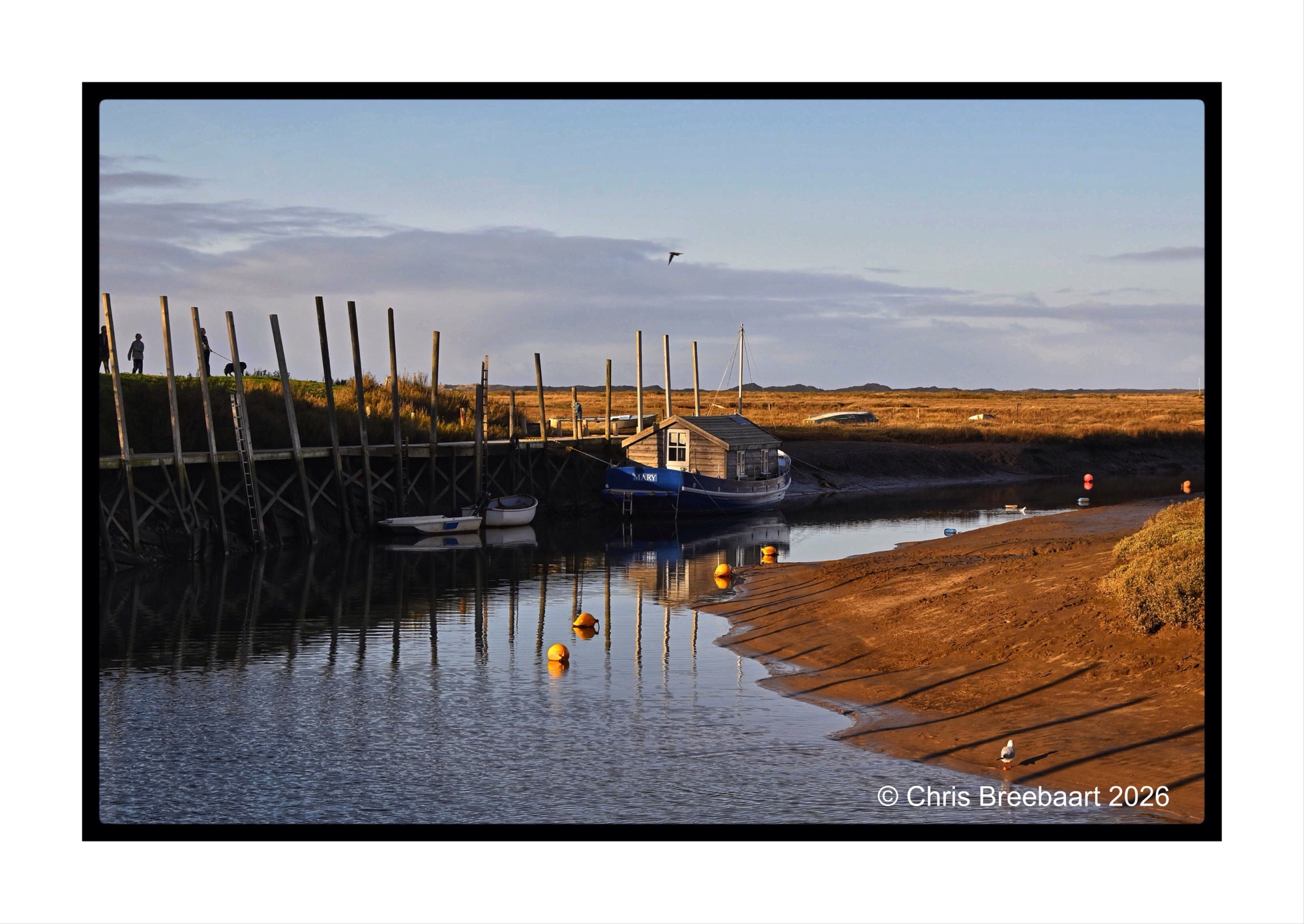
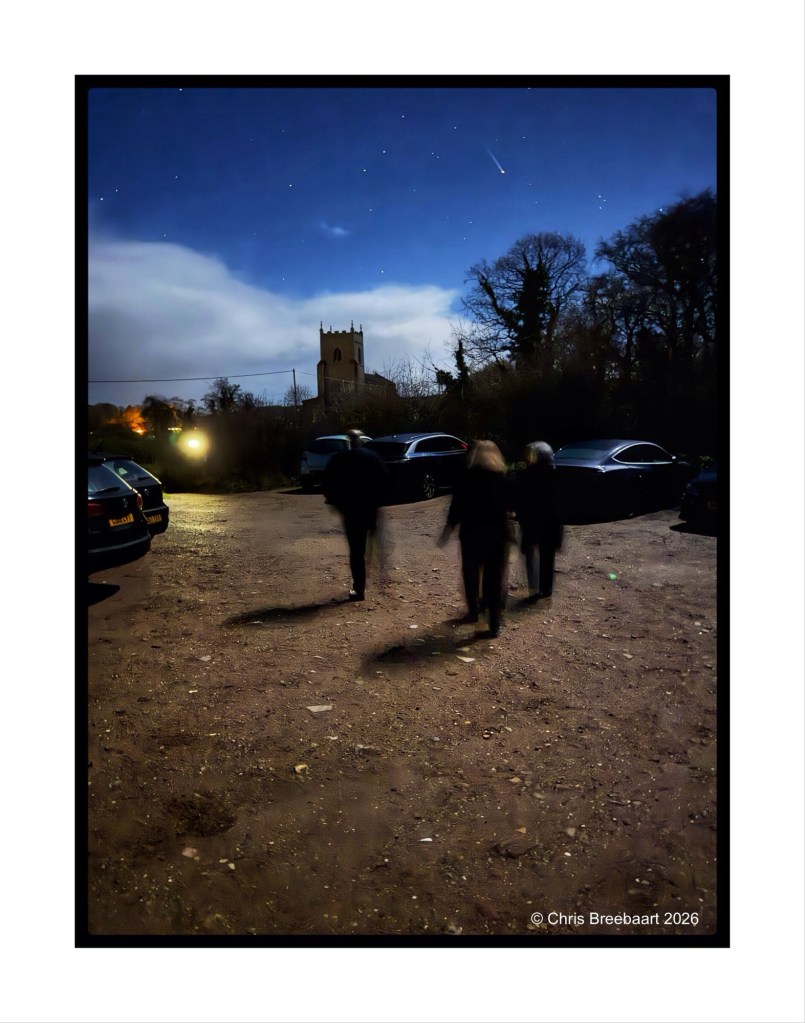
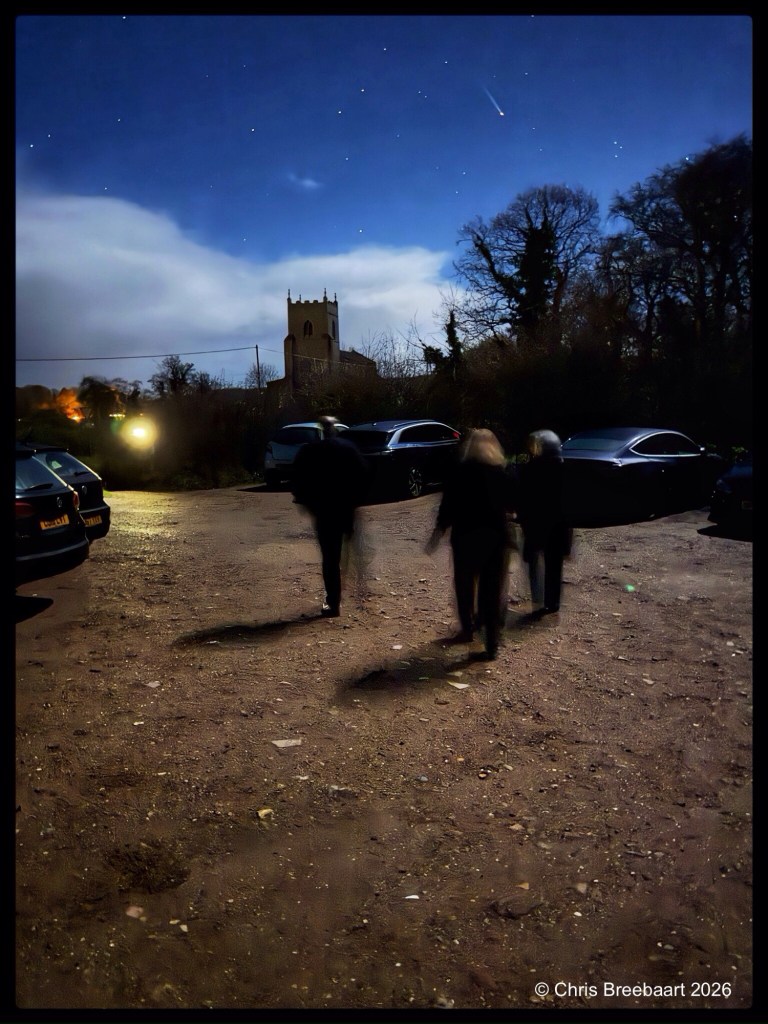
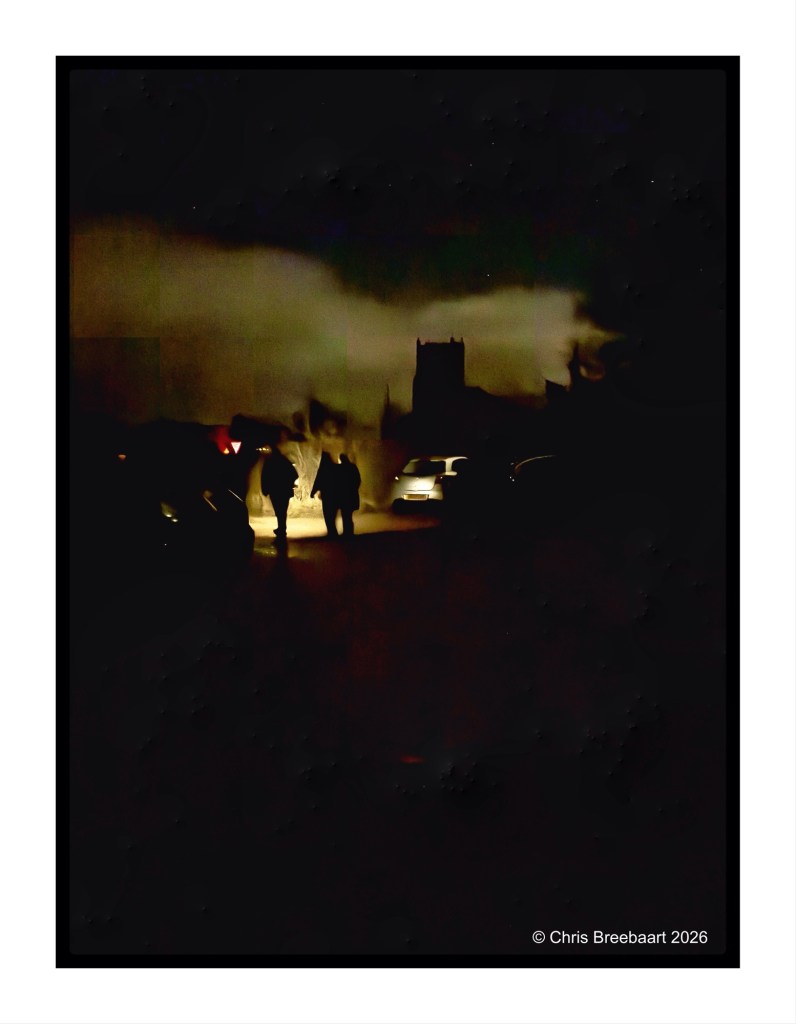
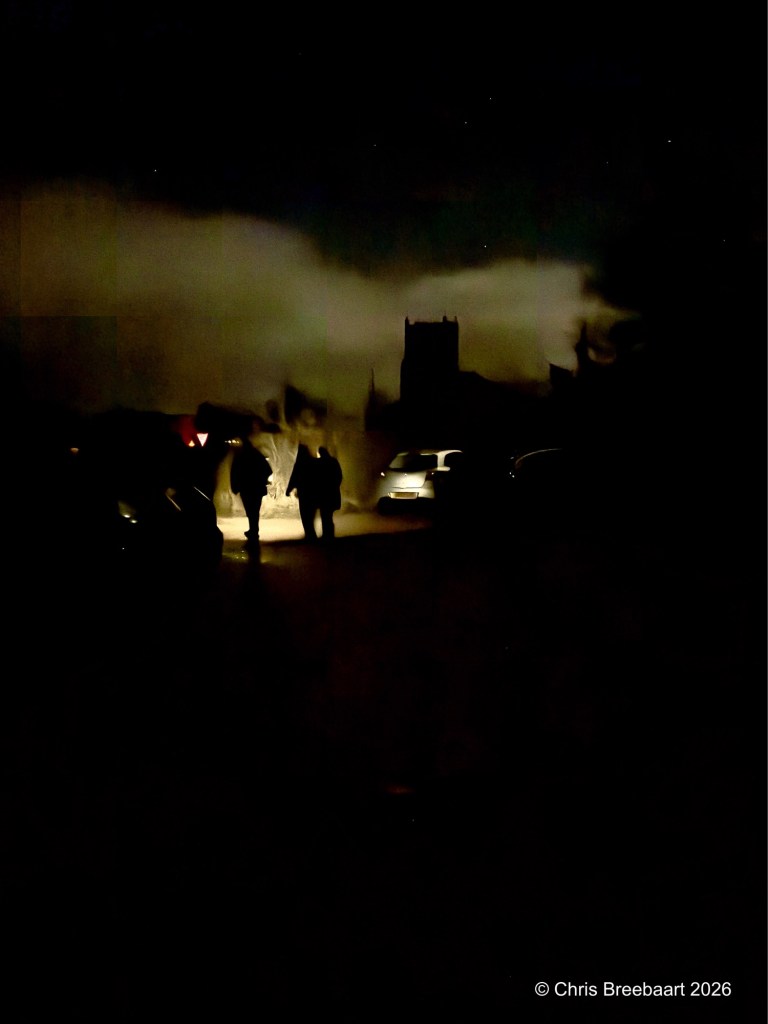
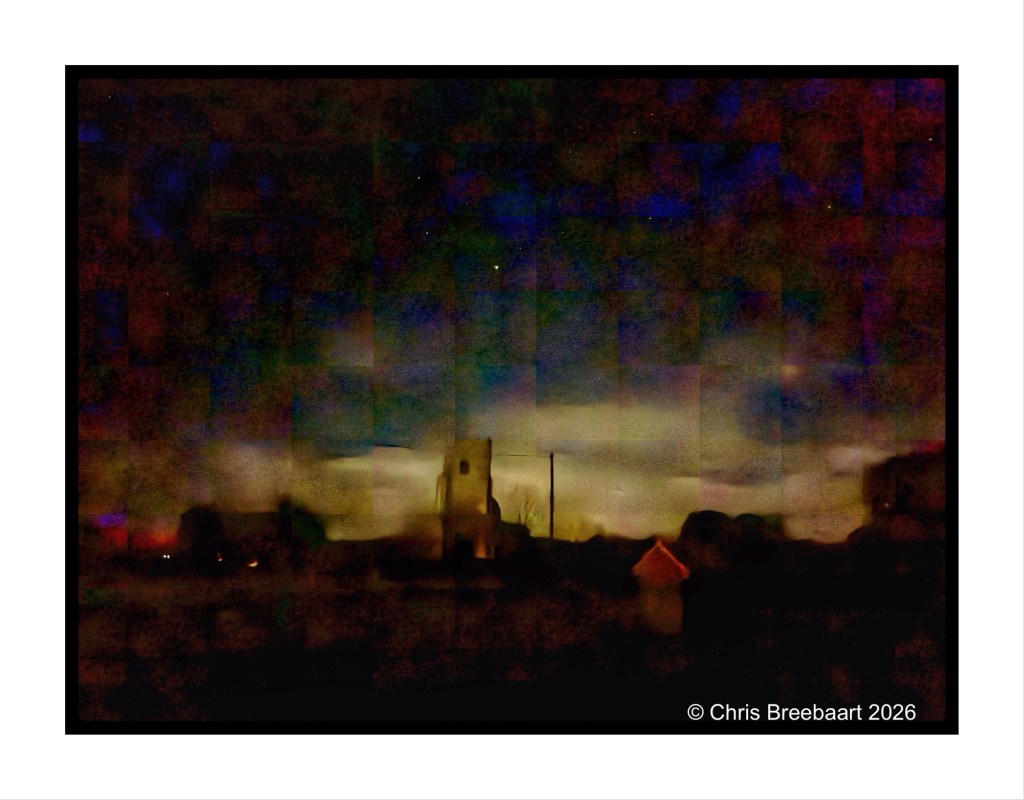
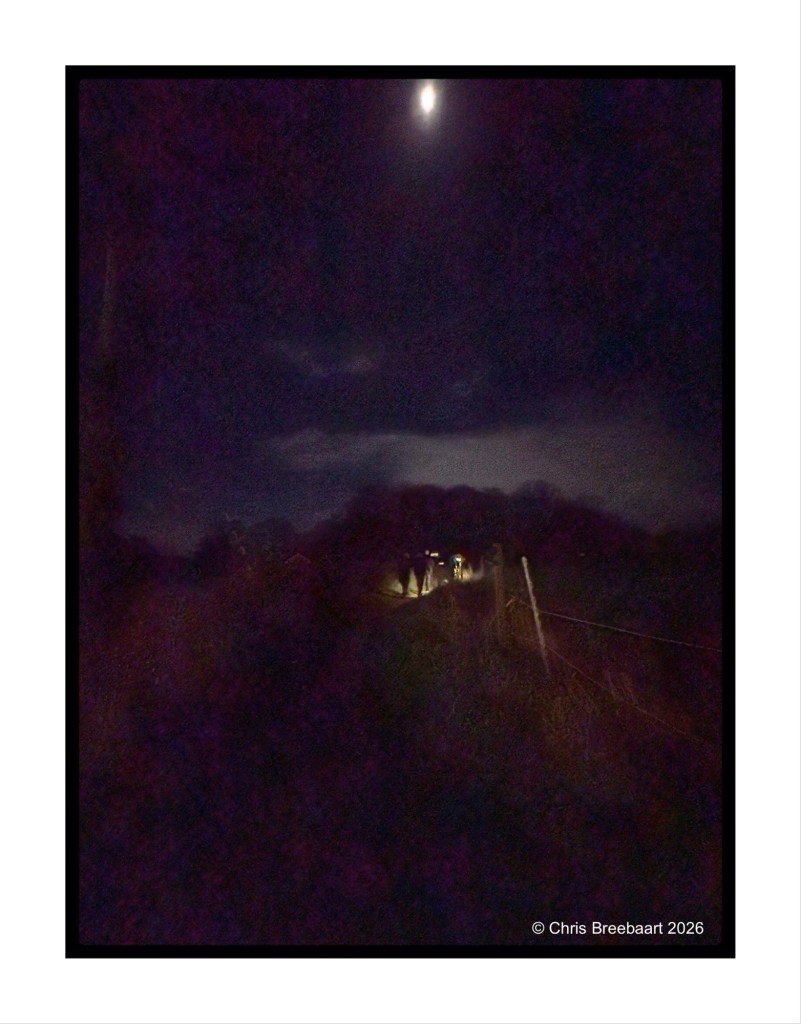
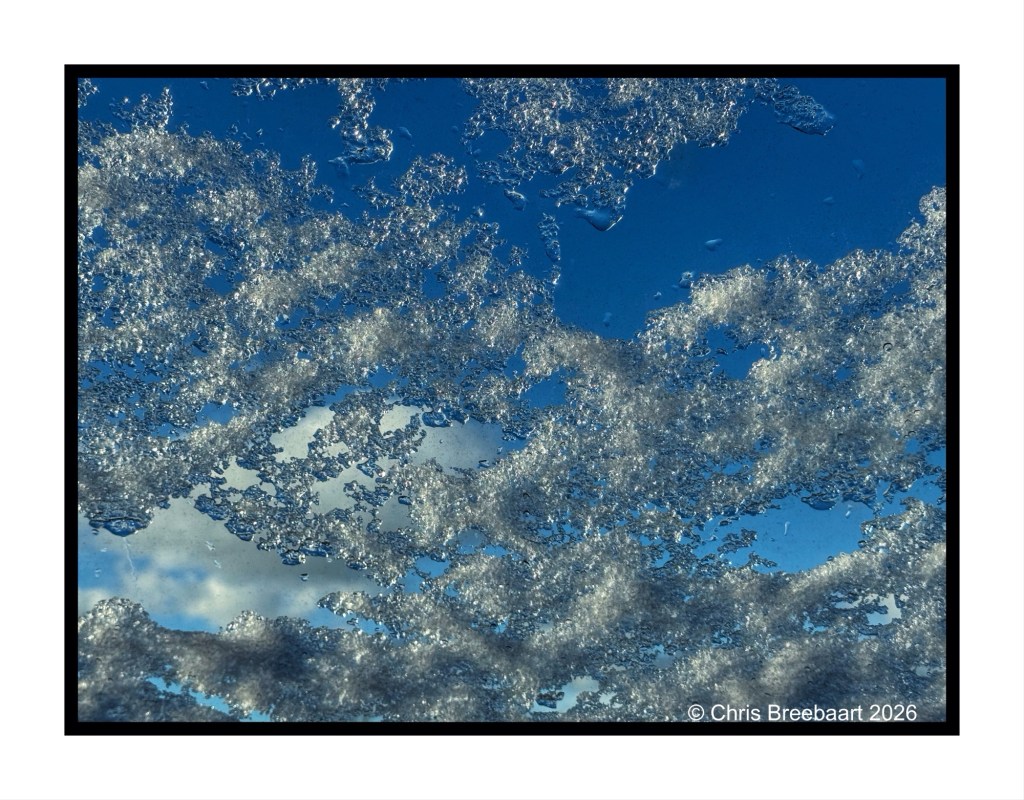
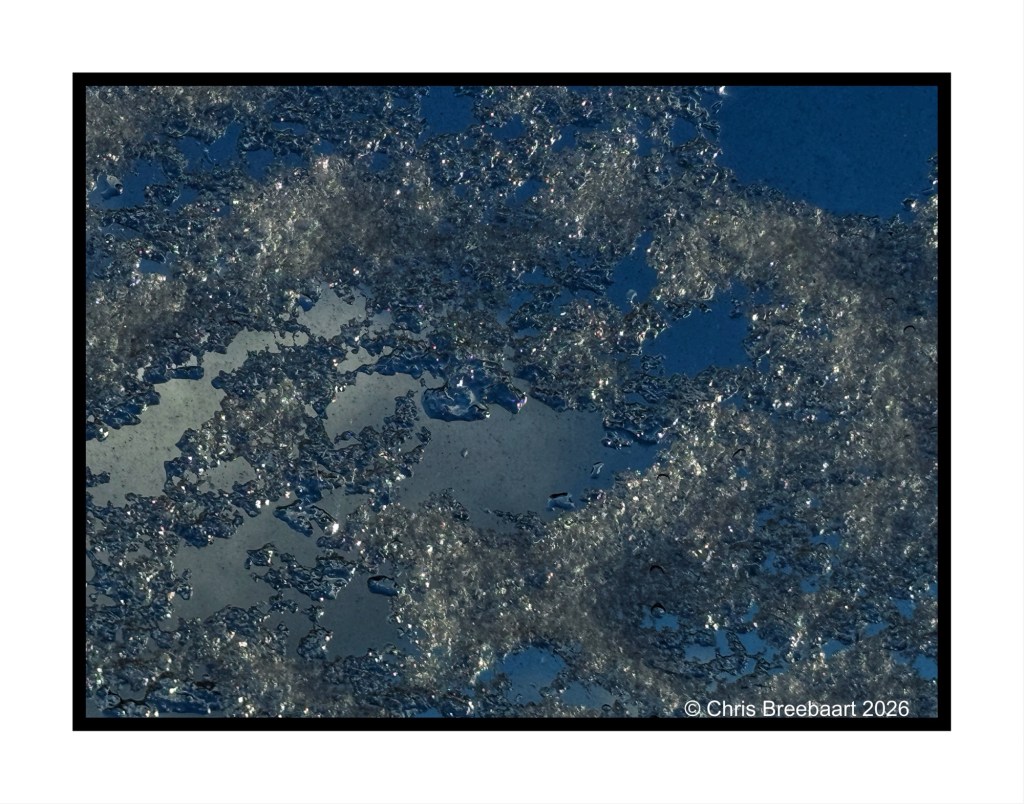
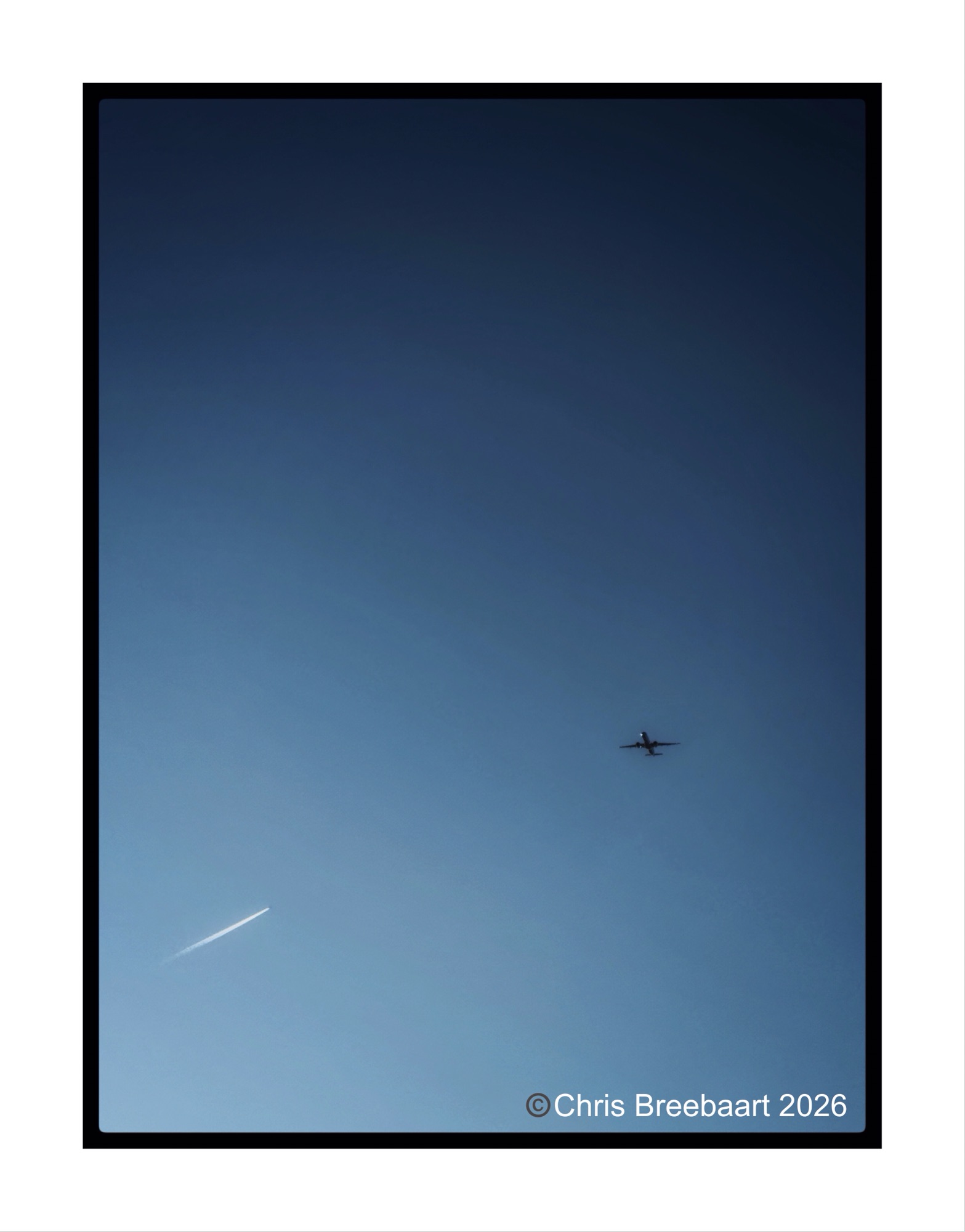
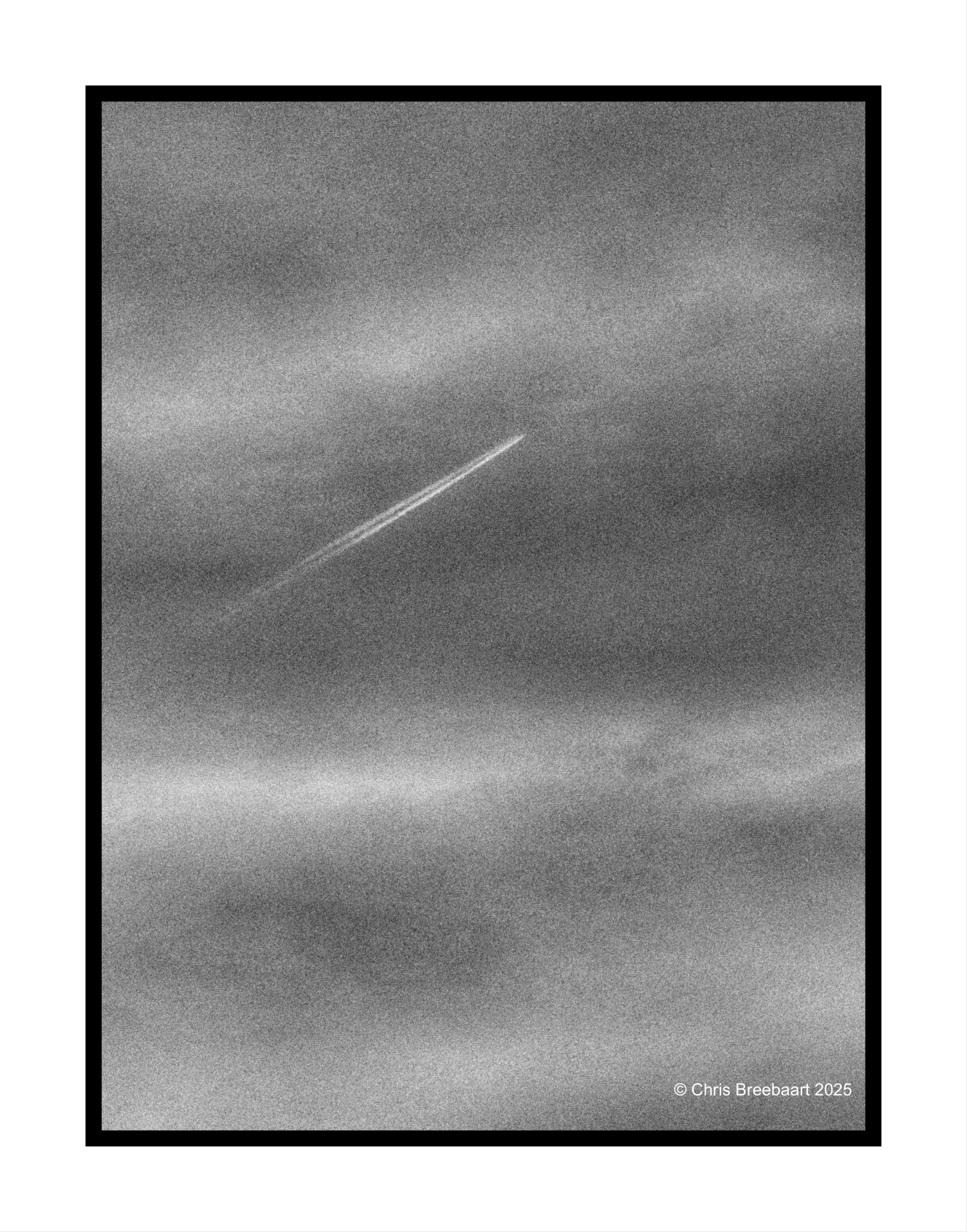
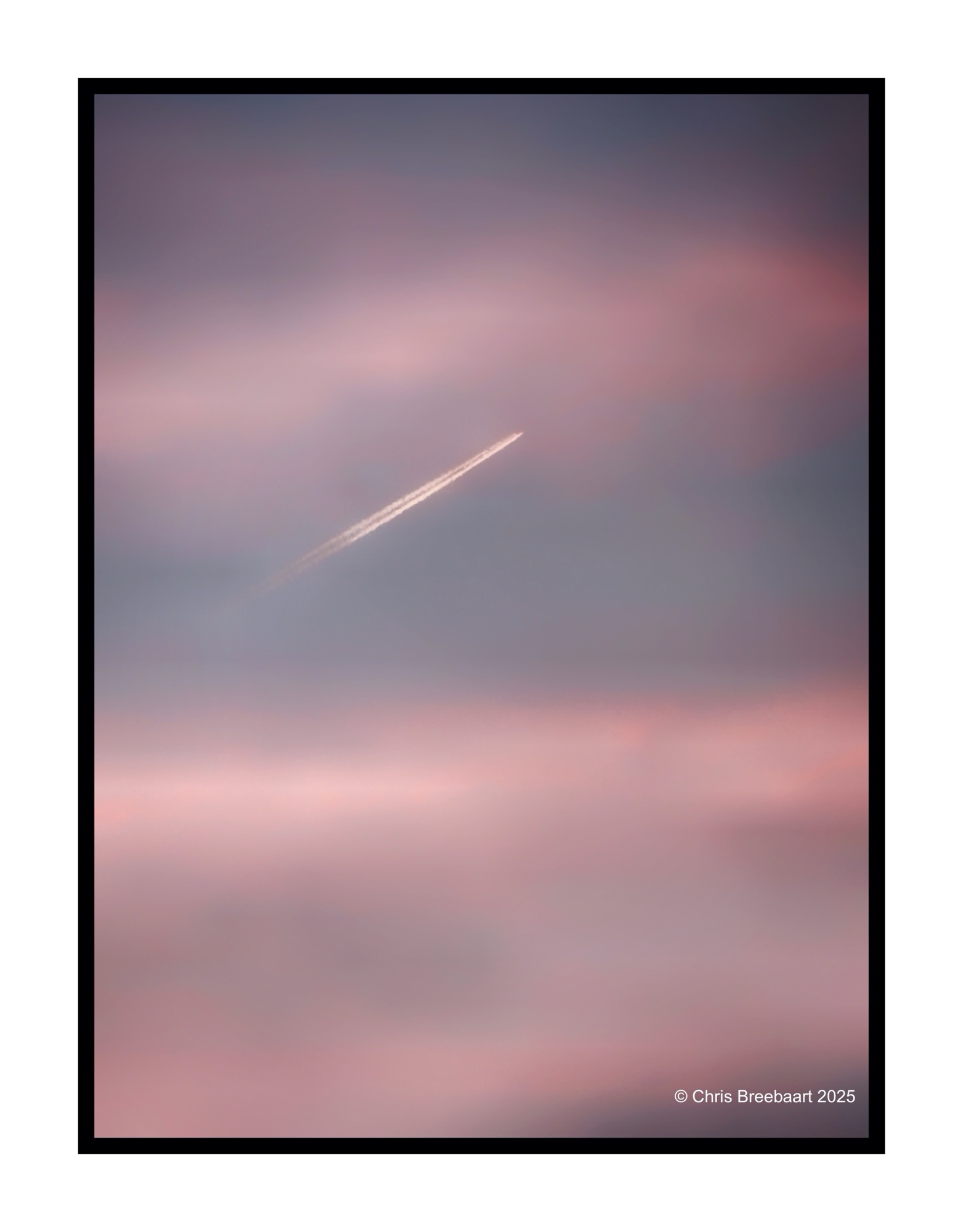
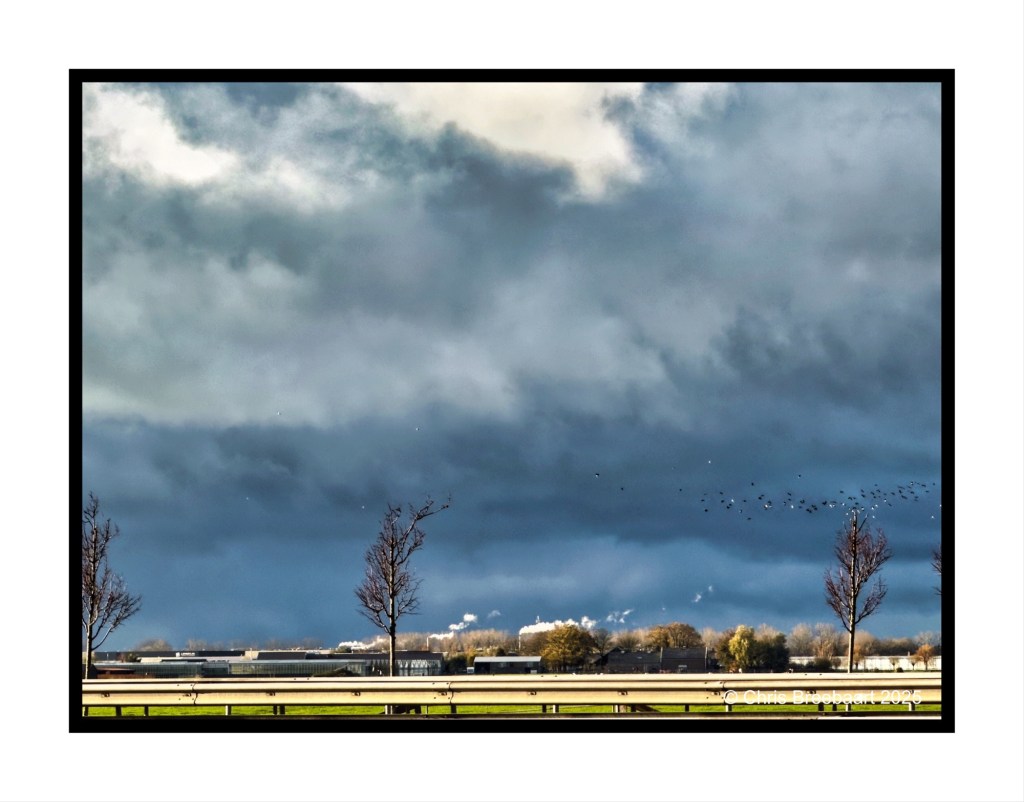
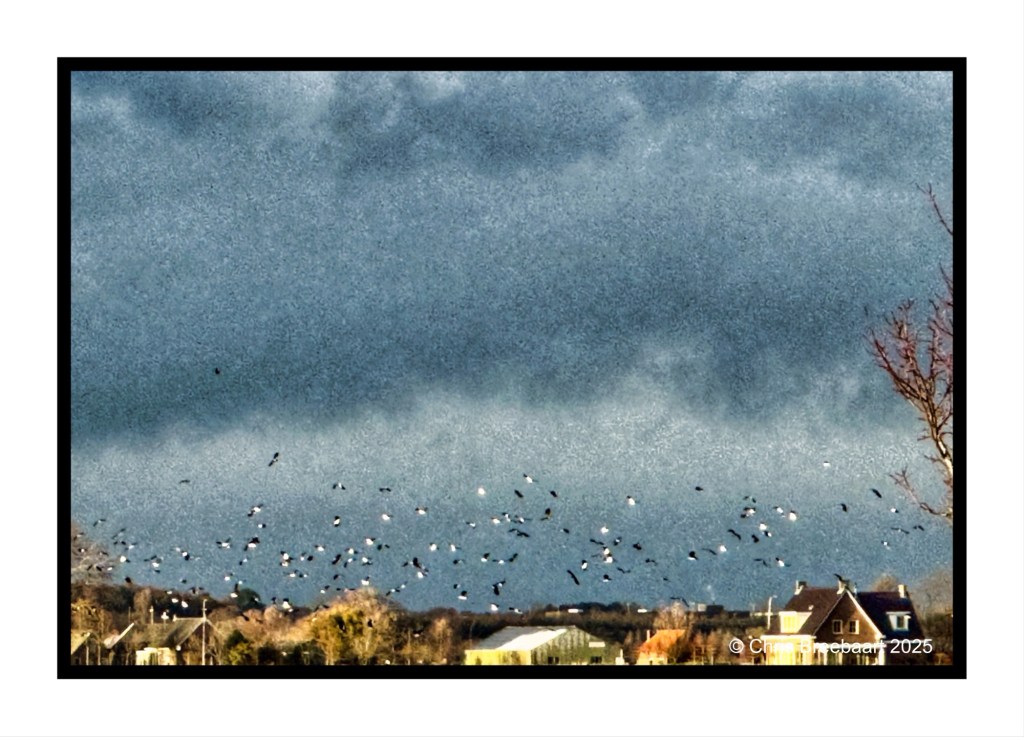
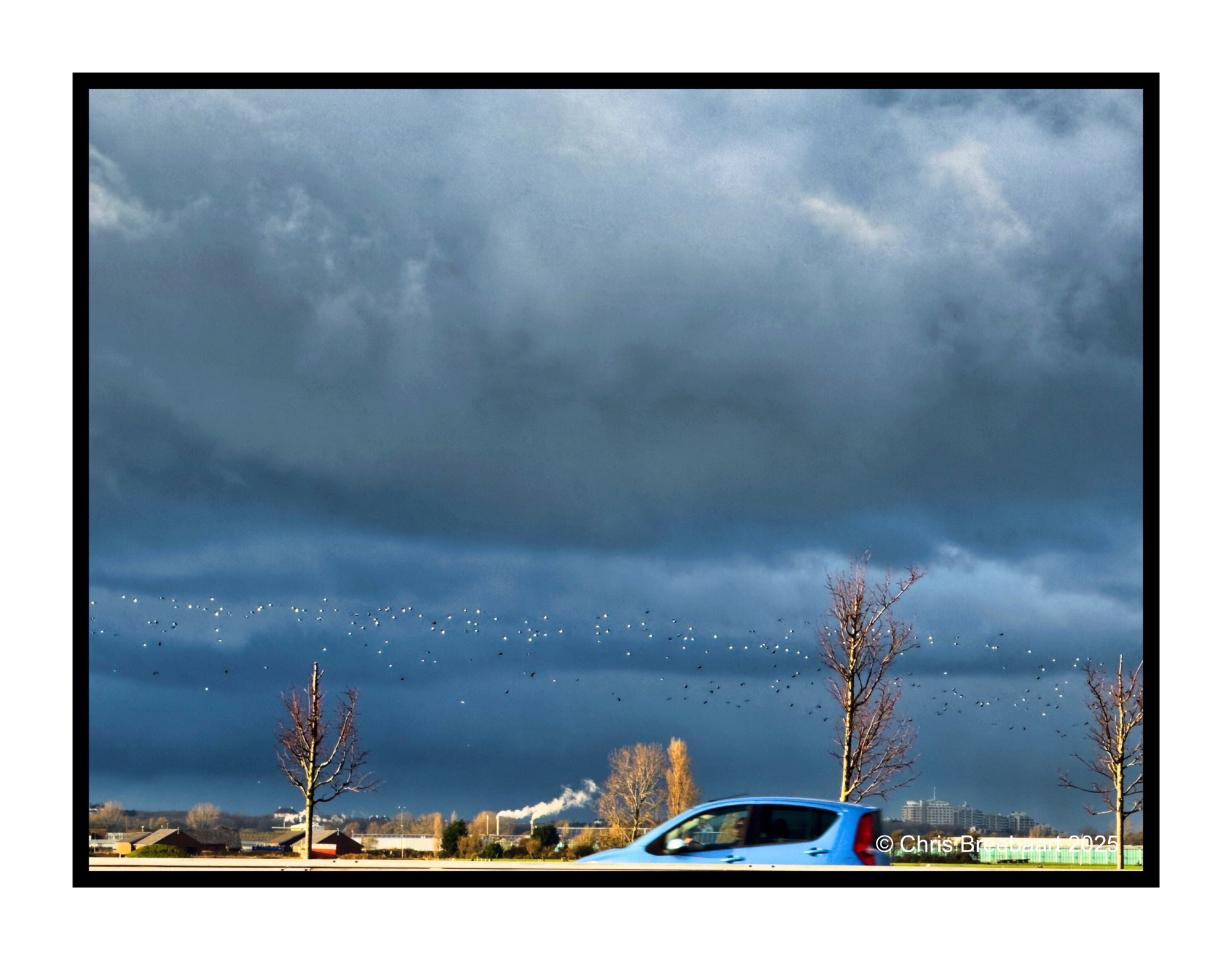
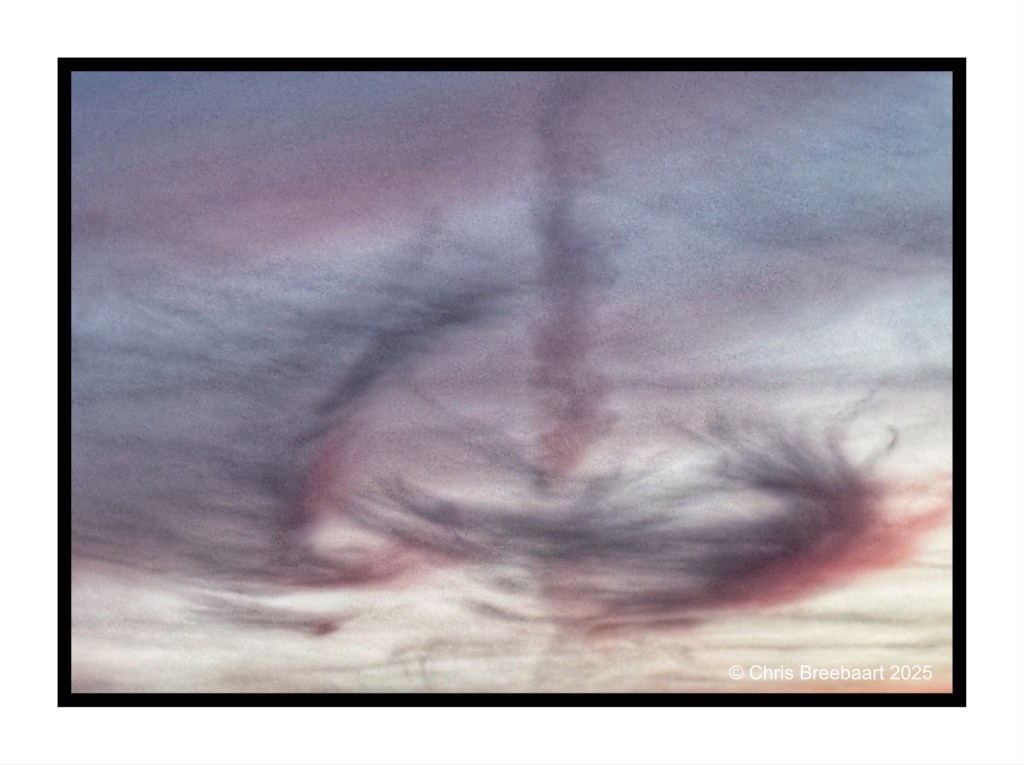
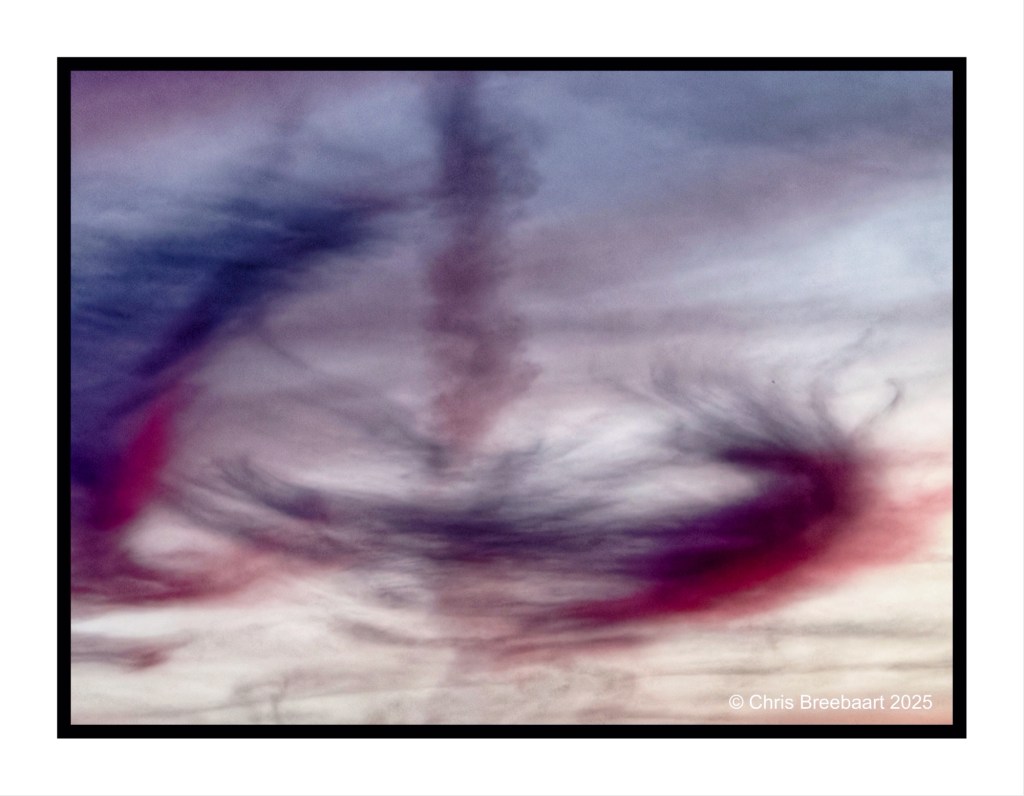
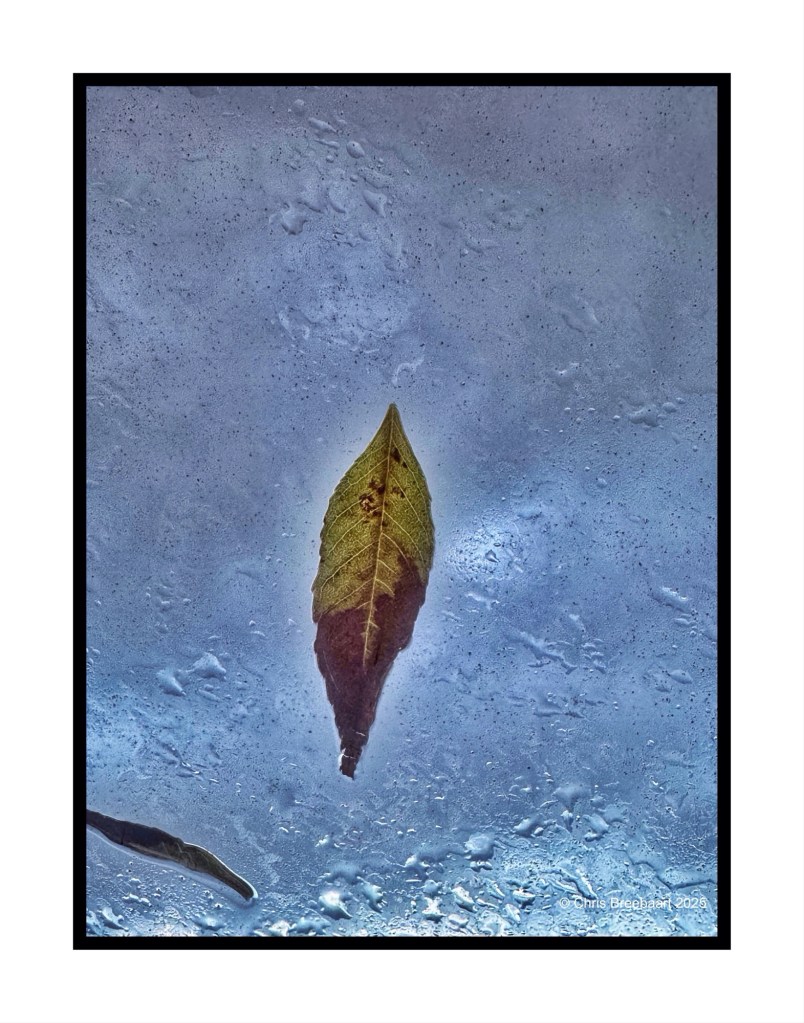
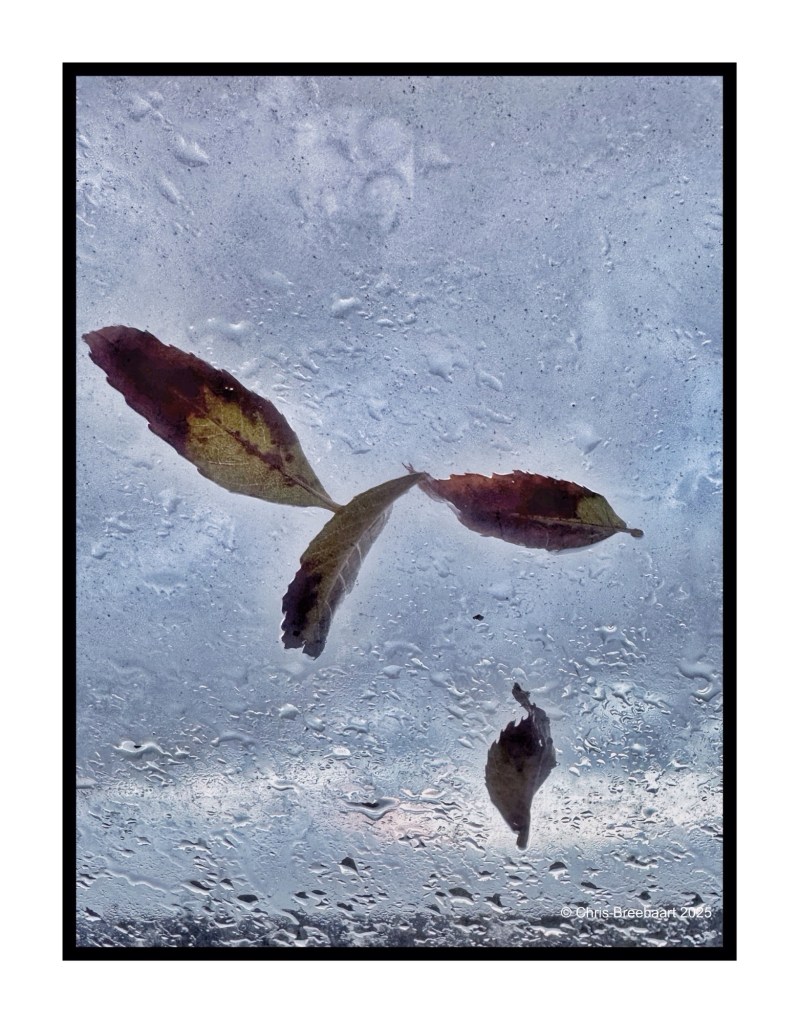
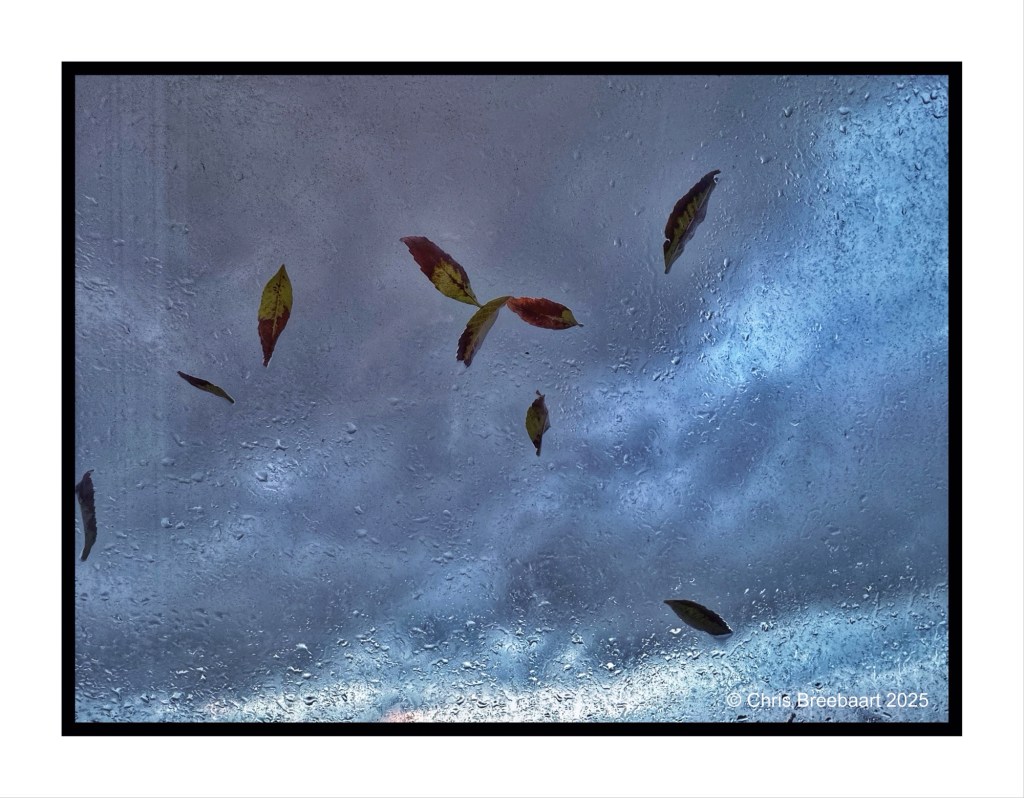
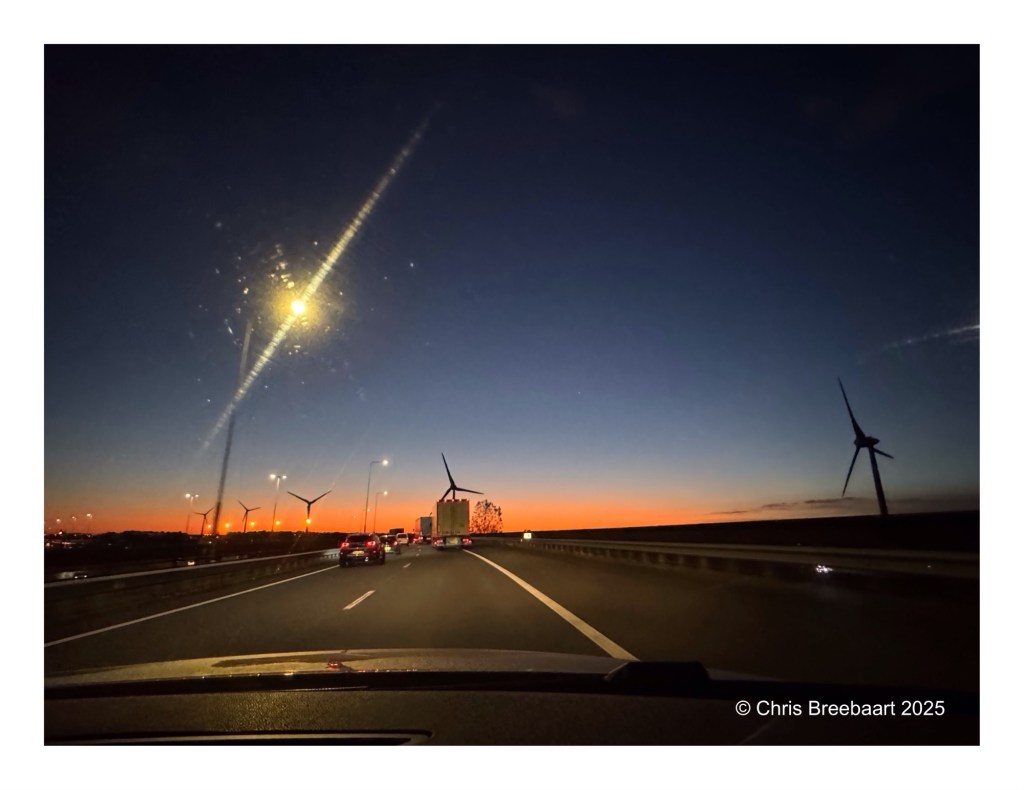
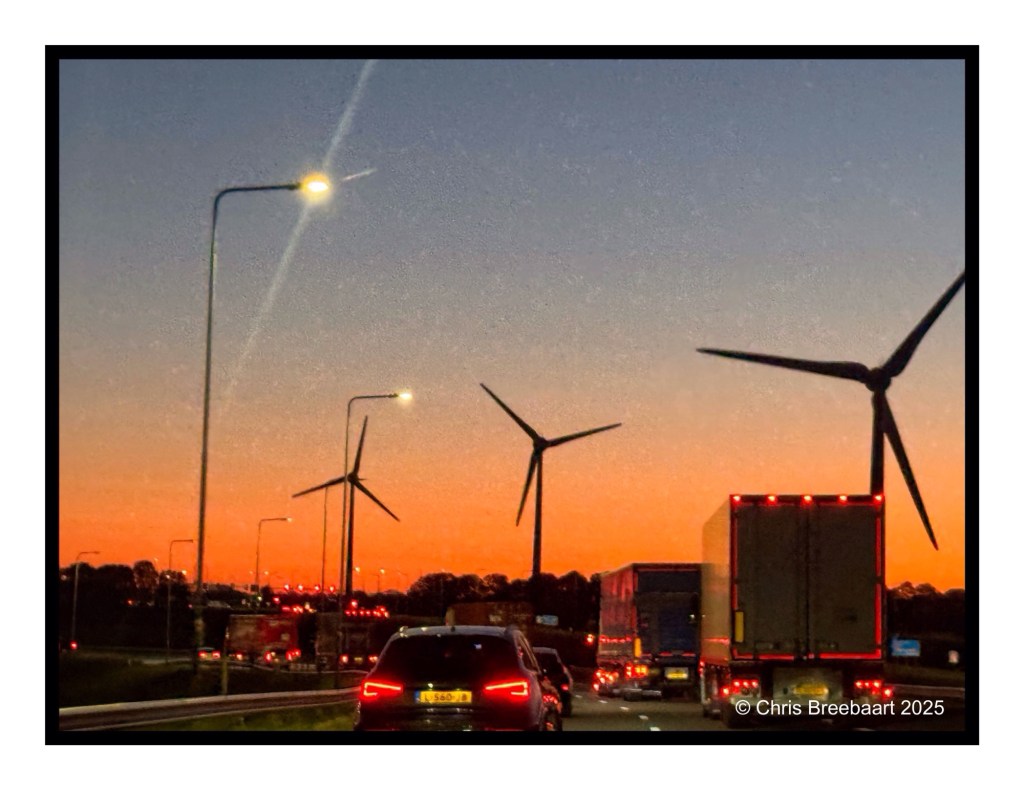
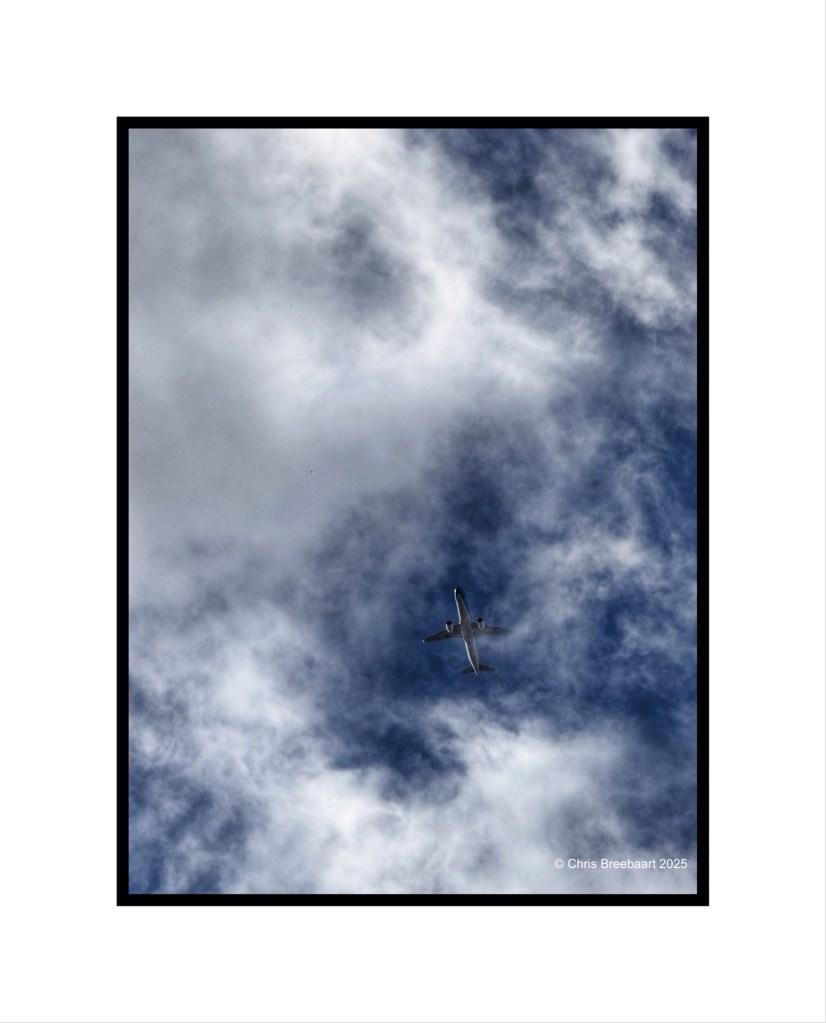
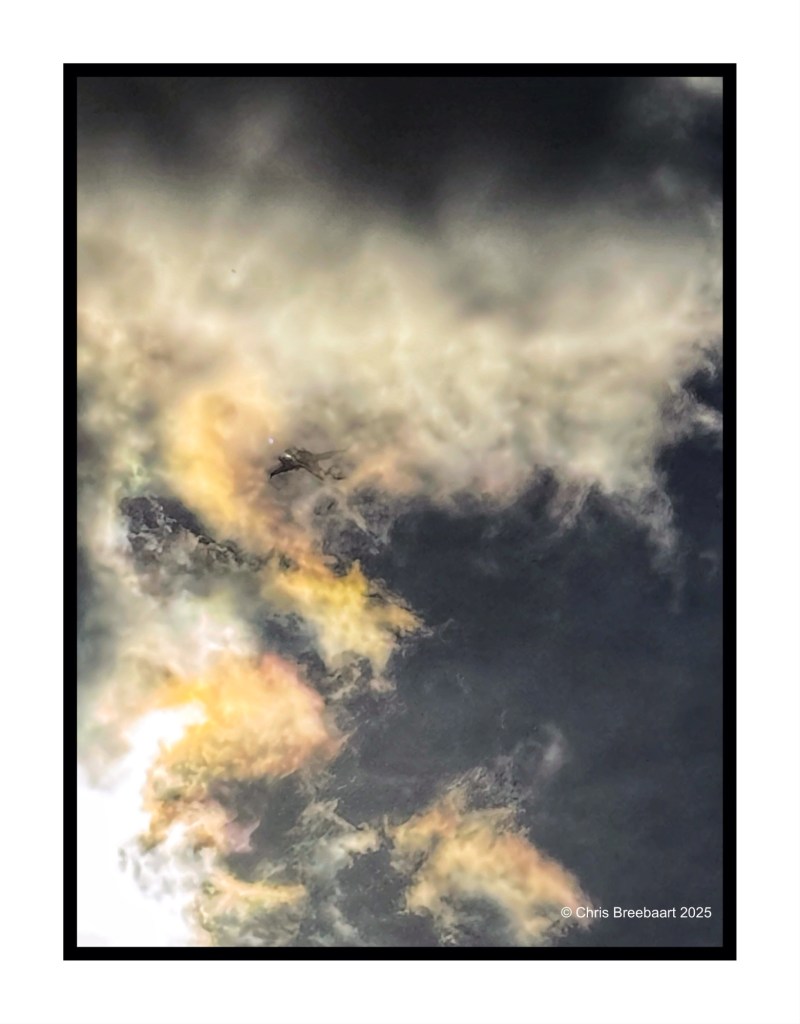
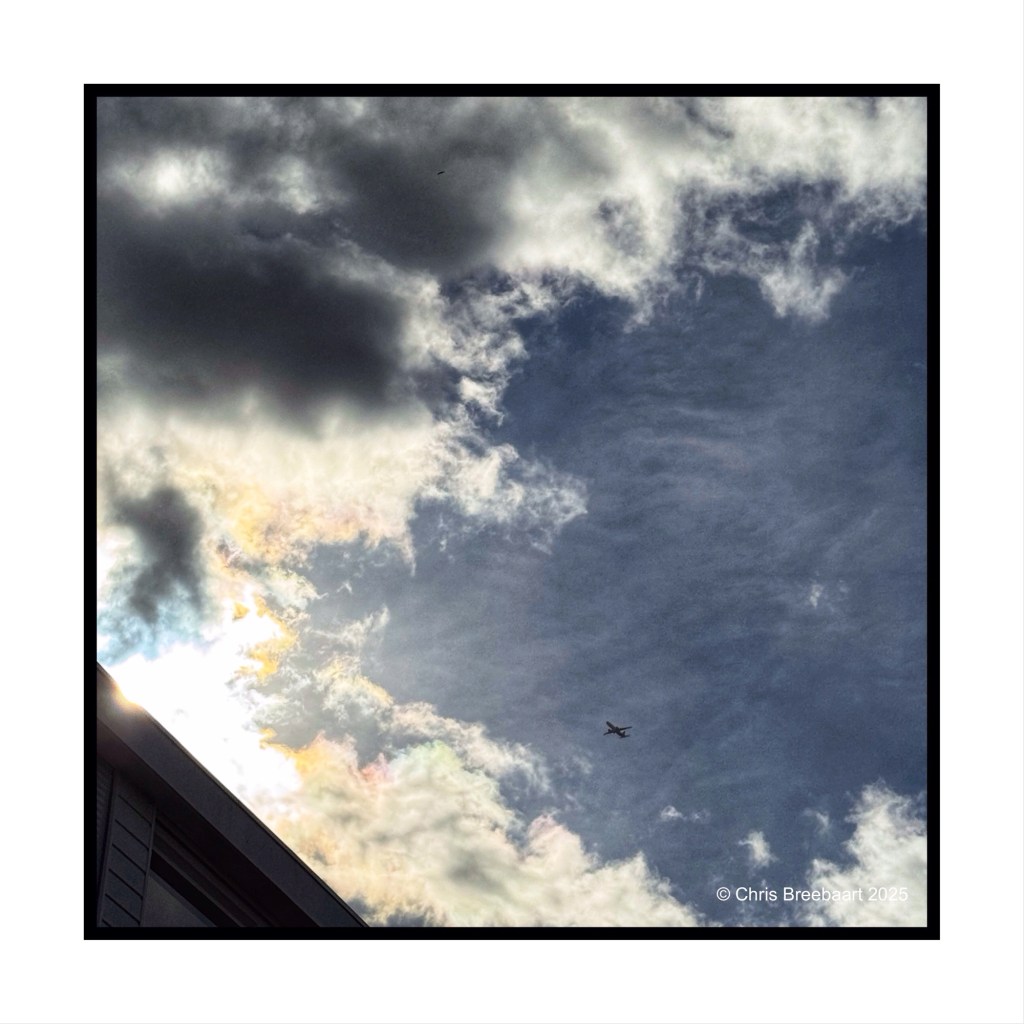
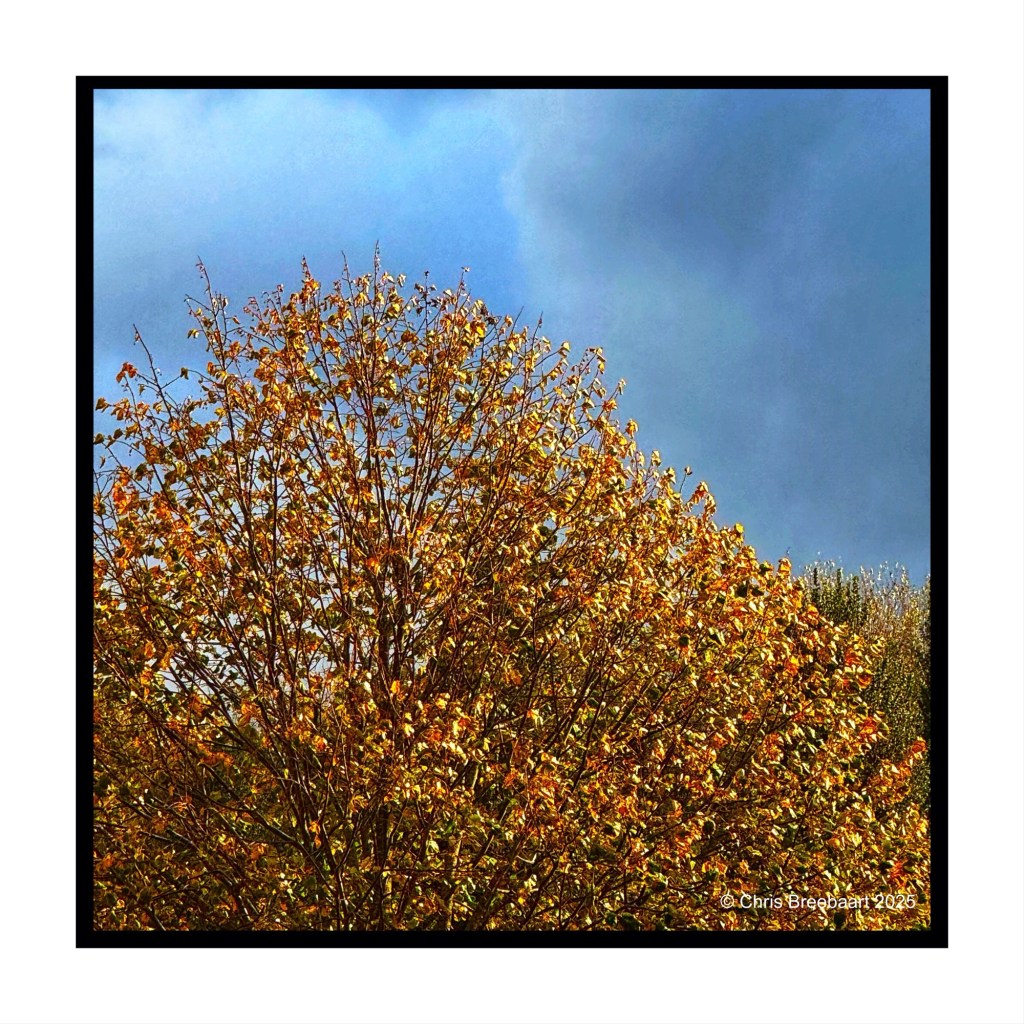
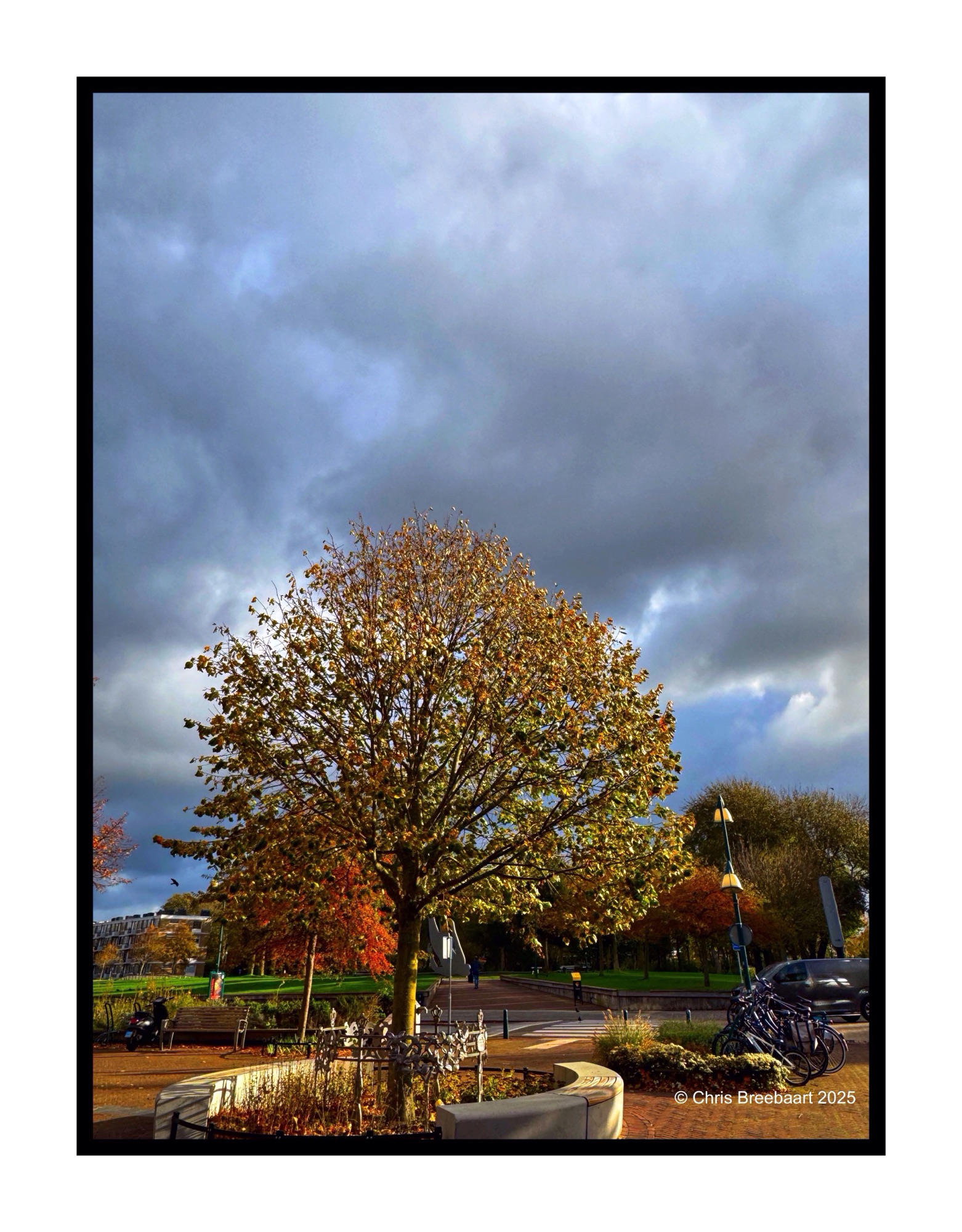
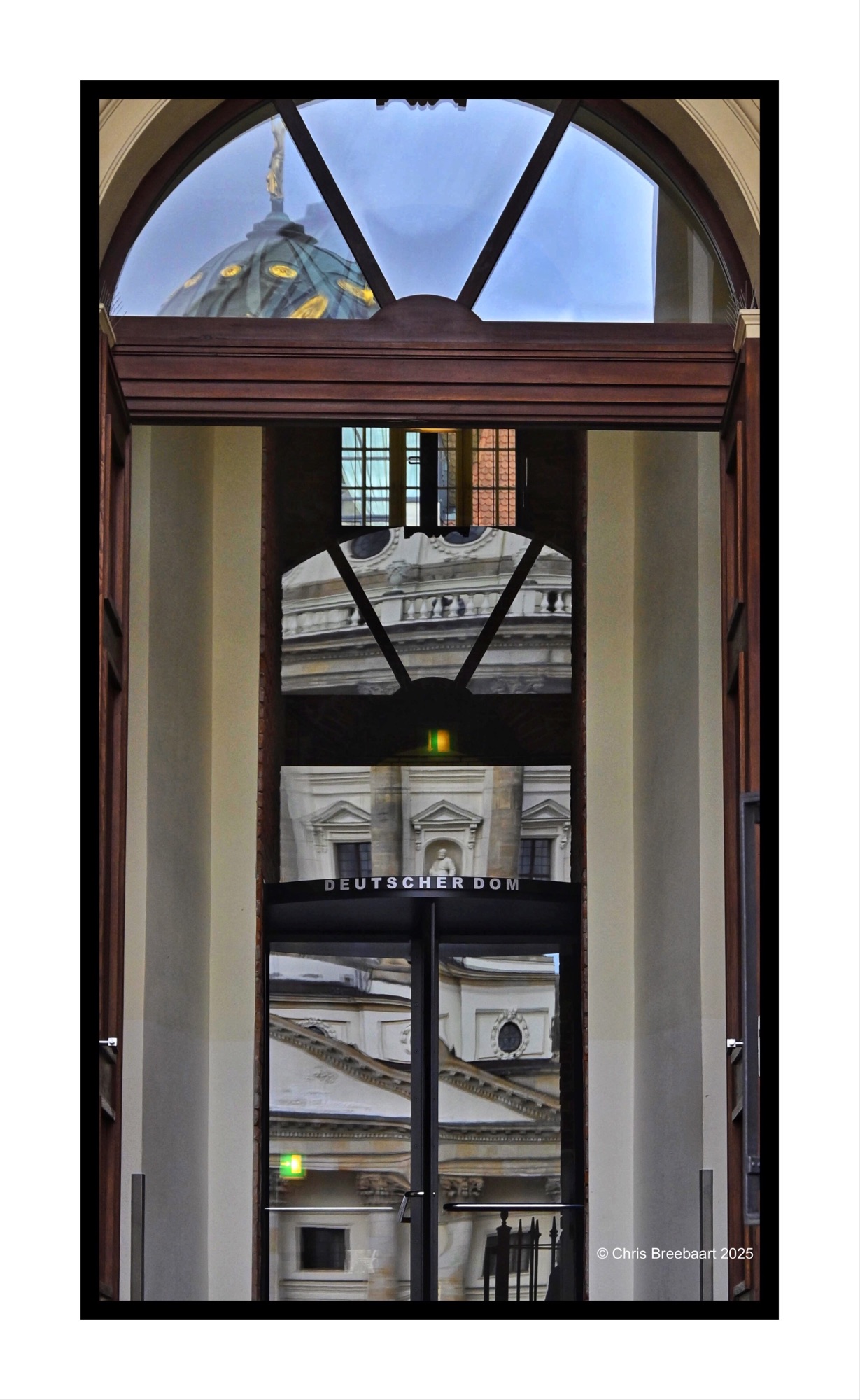
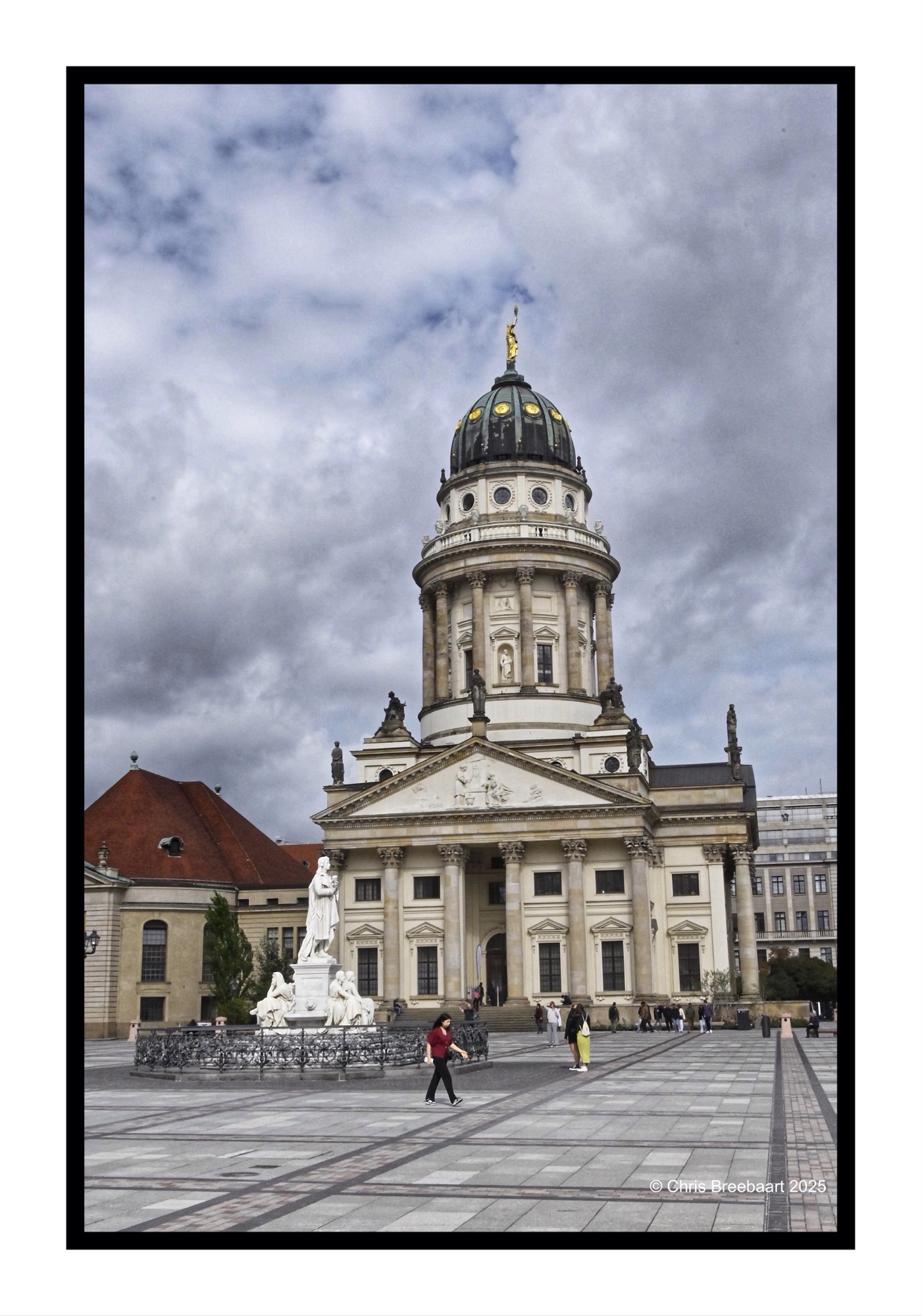
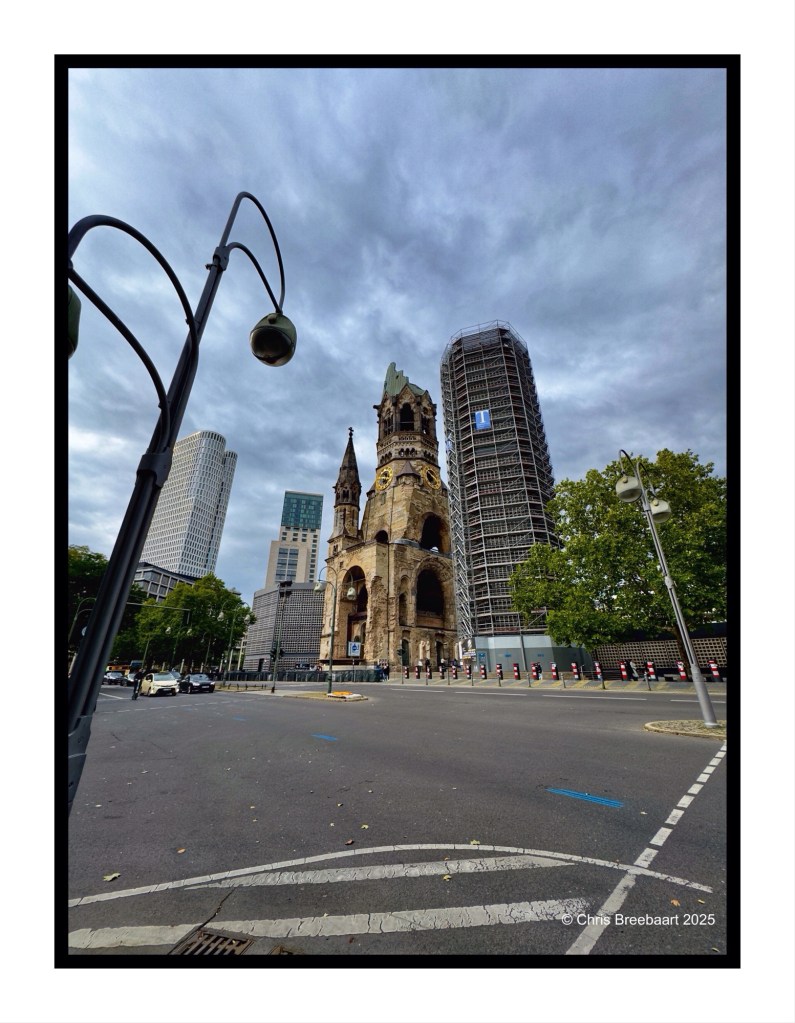
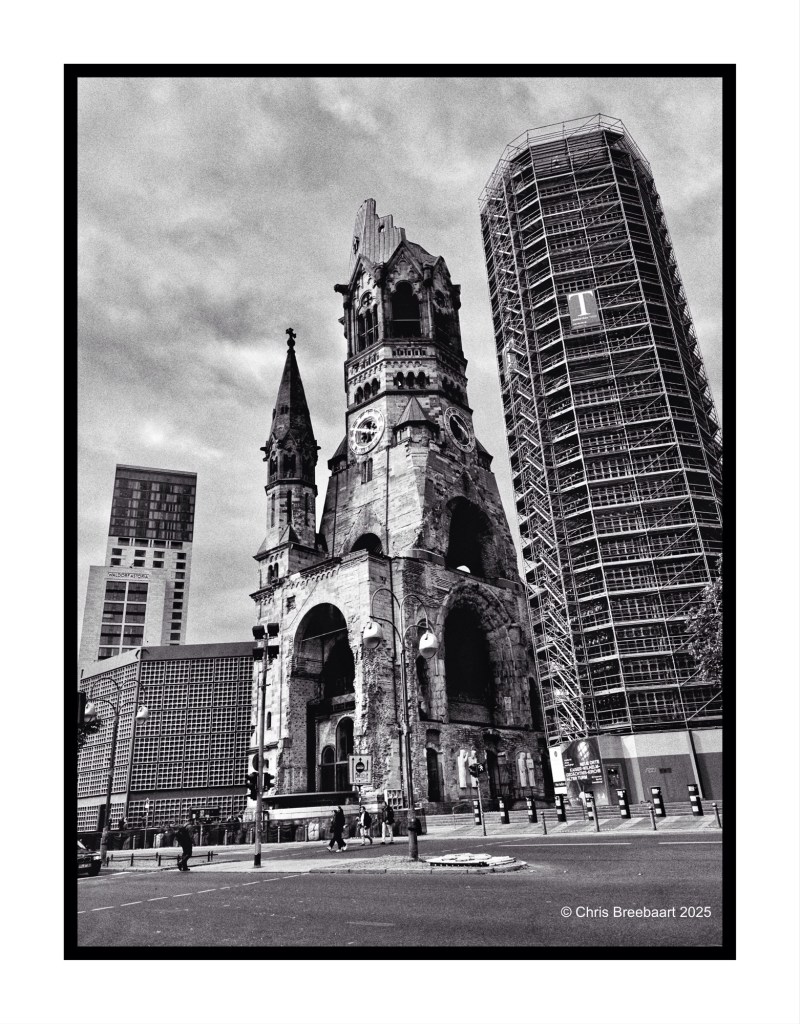
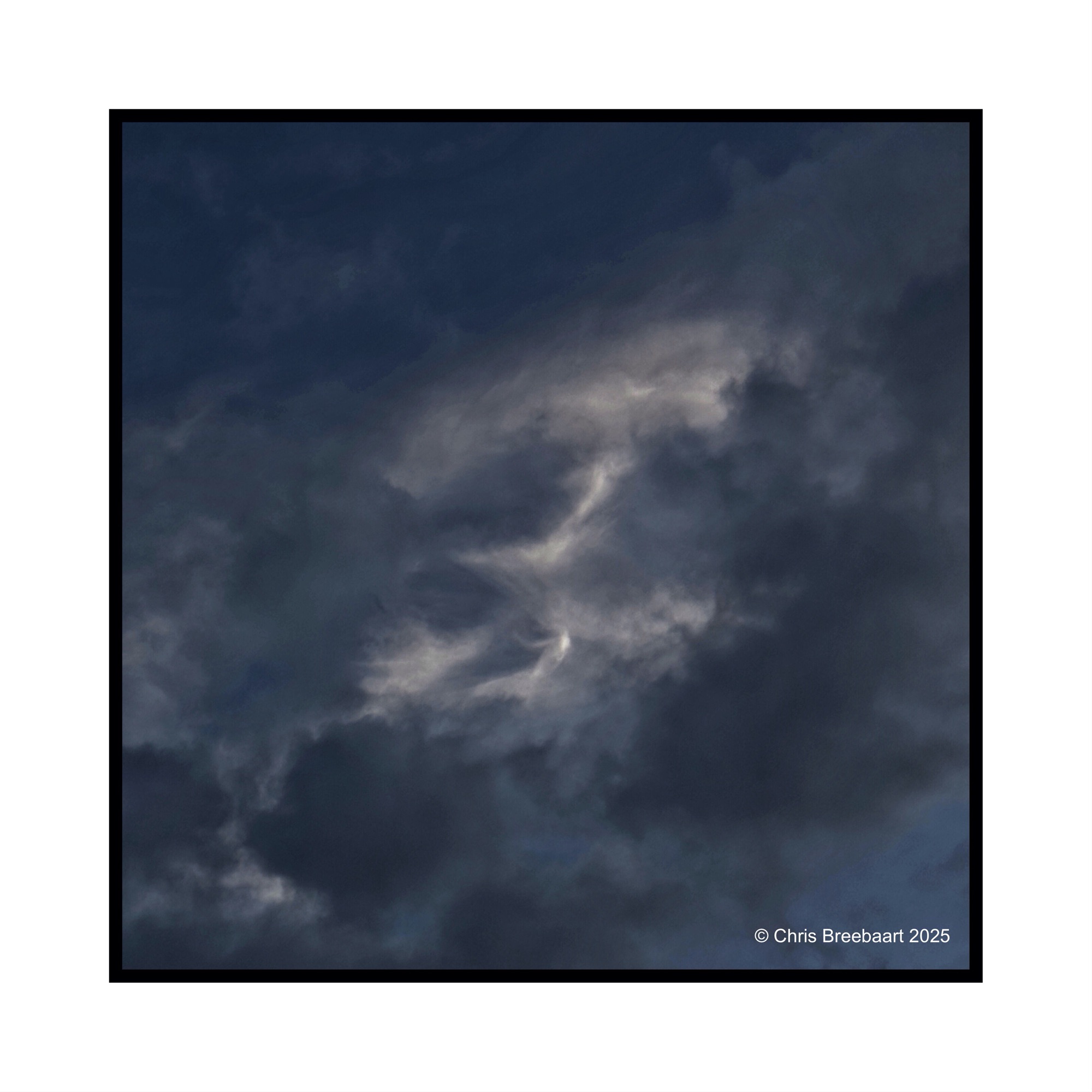
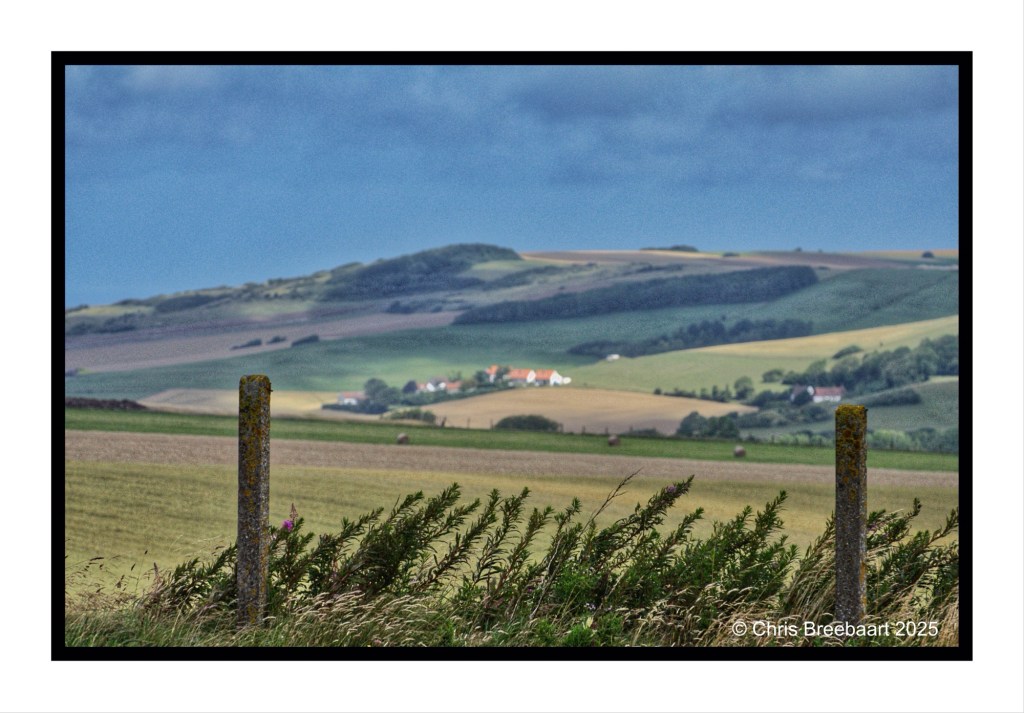
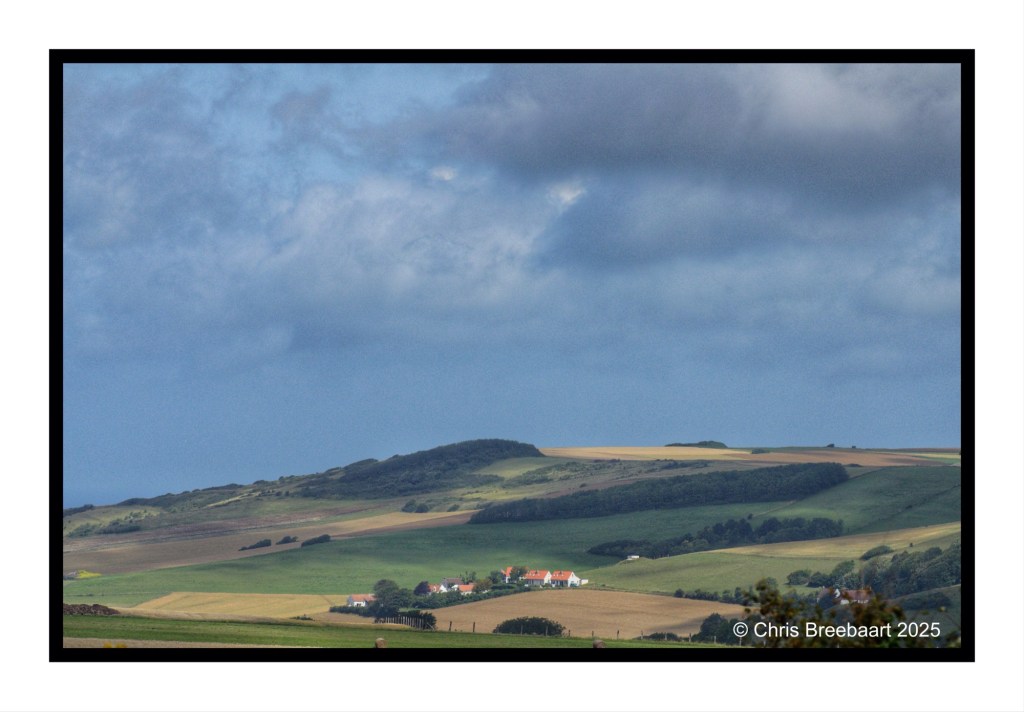
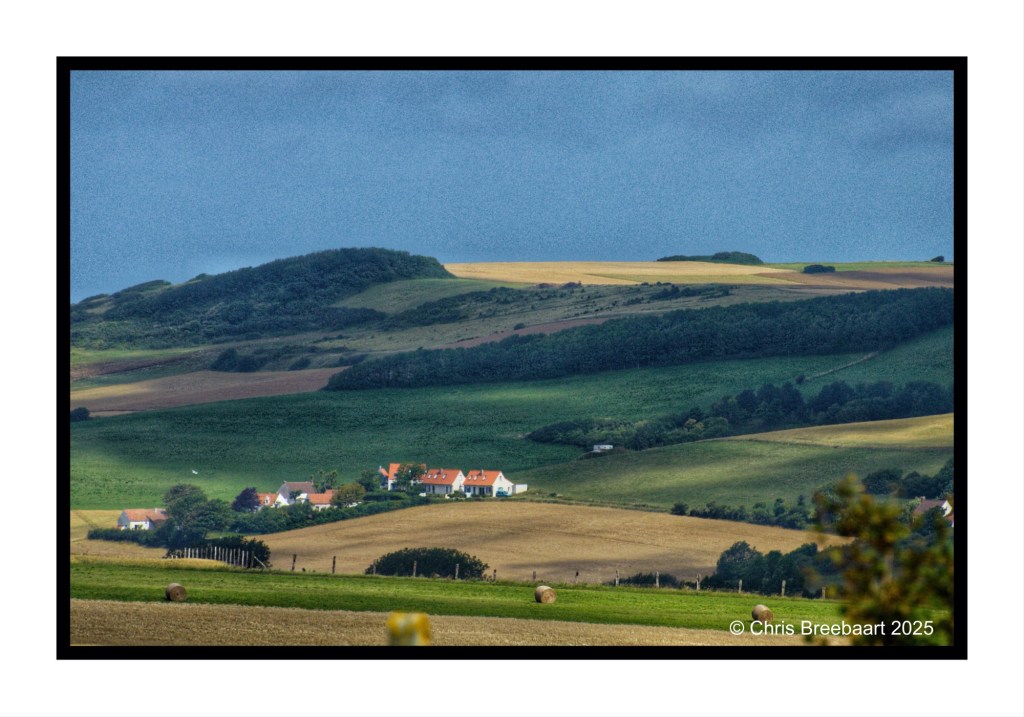
Lens-artists Photo Challenge #382 is about rejected photos. What do you do with photos you do not like? You can throw them away, or you can keep them. And if you keep them what can you do with them? First a story of myself, how I work. And in the end an example.
I am a snap shooter for a long time. When looking at this question for myself, I have to distinguish between the analog age and the digital age. But in both ages it is about quality, how you can assess that and what instruments are available after shooting. And above all: how can you be creative, and how much room is there to experiment?
The analog age was expensive: film was expensive, darkroom materials were expensive too. And being a poor student I shot as efficient as possible. You had to be patient while shooting, and selective. You also needed to trust your skills. Experience was essential to figure out what worked and what not. To produce good prints you needed to develop darkroom skills. And some negatives were impossible to print. But you kept them all. I never threw away negatives. That decision was beneficial in the digital age. After scanning my negatives, I properly made them look like what I had in mind when shooting them. What the darkroom did not deliver, software did.
In the digital age the cost of a photo is nearly non existent. The original photo (the former negative) can be copied lots of times. From the start technology offers instruments to oversee the quality of the photos. What you shoot is instantly visible on the camera. You can try different changes in the photo. Adjustments like shutter time, focus, and shutter opening can be tested most of the time. The RAW format offers flexibility for editing the ‘negative’ after the shoot. Software offers lots of creative tools to change the photo, or create new images.
So, do you keep rejected (bad) photos or not? I do reject photos, overseeing the result on my camera. I keep photos that can come to a good result after editing. The rest I remove straight away (e.g. bracketing shots).What I keep is stored on my NAS, where I use Lightroom as my archiving tool. I use editing tools to tweak a photo slightly. My favorite is Snapseed for web and social media publication. And Lightroom and Photoshop for prints.
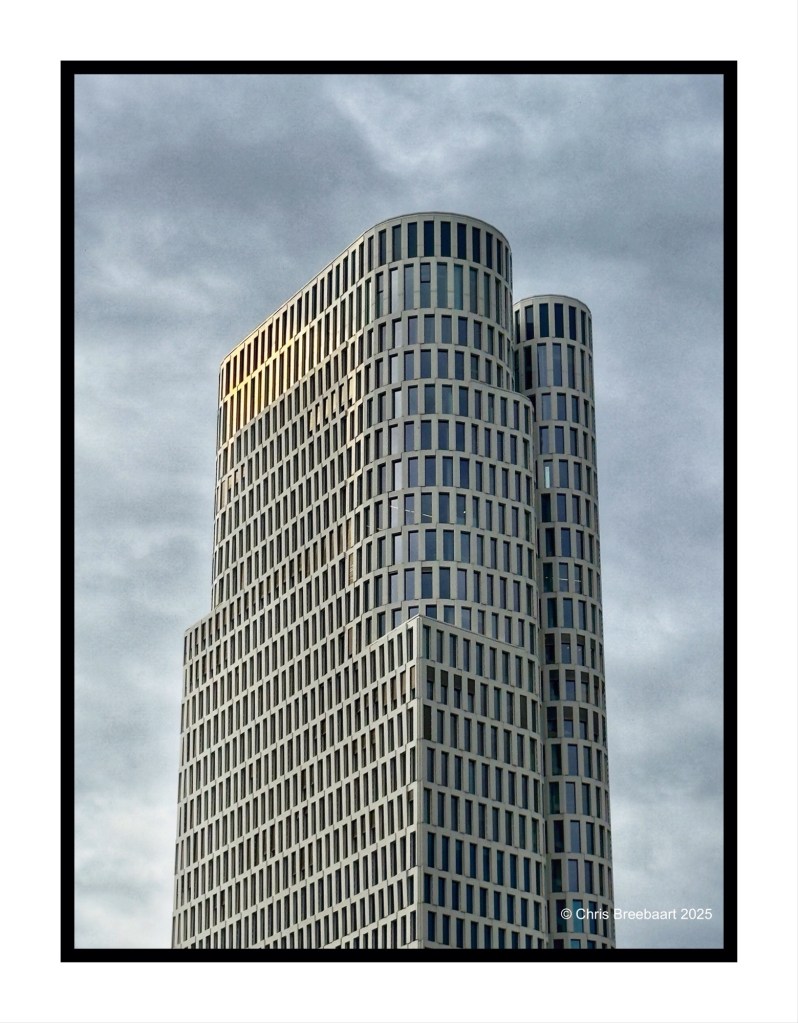
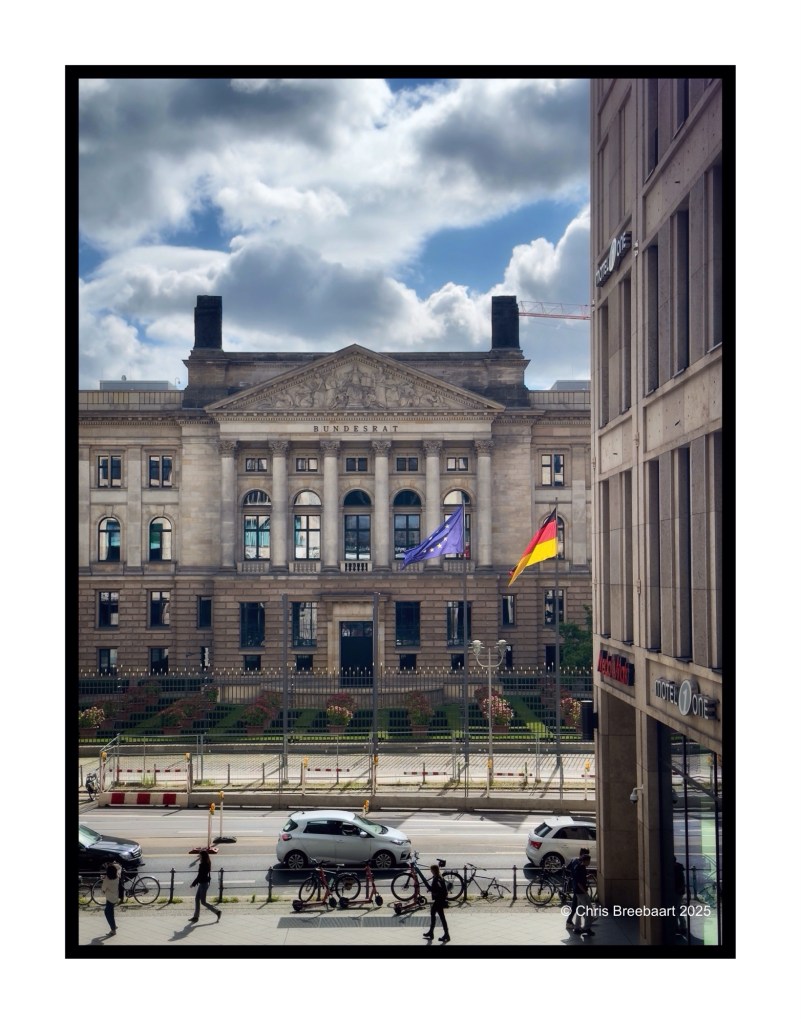
Walking through Berlin was sometimes causing some disorientation. Lots of places that were ‘void and empty’ in November 1989 are now (re)build. In 1989 I just saw a small part of former East Berlin. It was a challenge to figure out what I was looking at. An old building, a refurbished one or a new build? I have a slight preference for old buildings. Lots of them are beautifully restored. This is one of them: the Bundesrat in the former Prussian House of Lords. As seen from the Mall of Berlin.
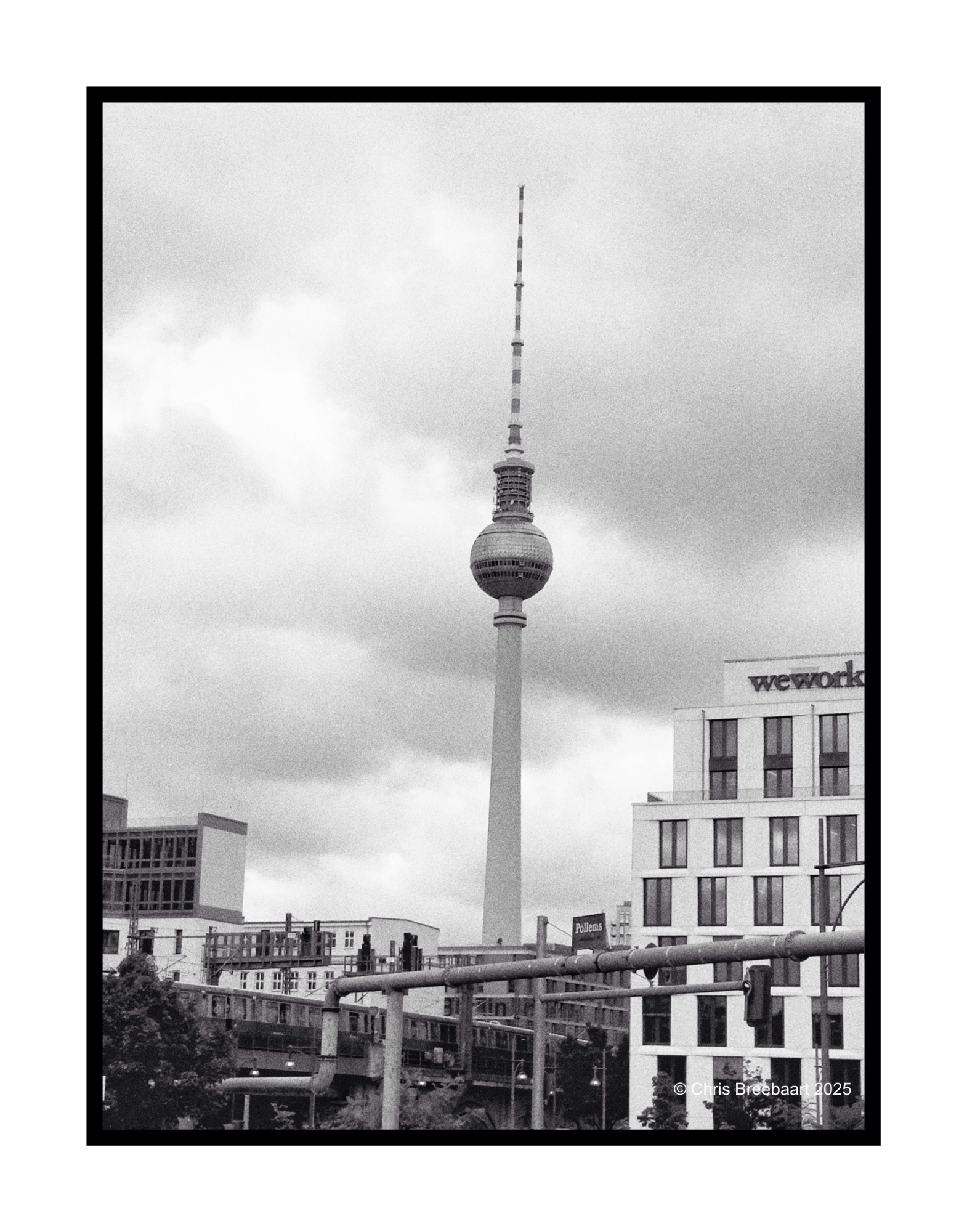
In 1989 we just spent one day in East Berlin. This visit the first day we looked around in the former East Berlin area. The television tower still towers over the city at Alexanderplatz. There is still a lot of construction activity, and along the roads you see pipes in blue and pink. First I thought that it was a smart concrete transport system. In reality it is a way to pump out groundwater from construction sites into the Spree river.
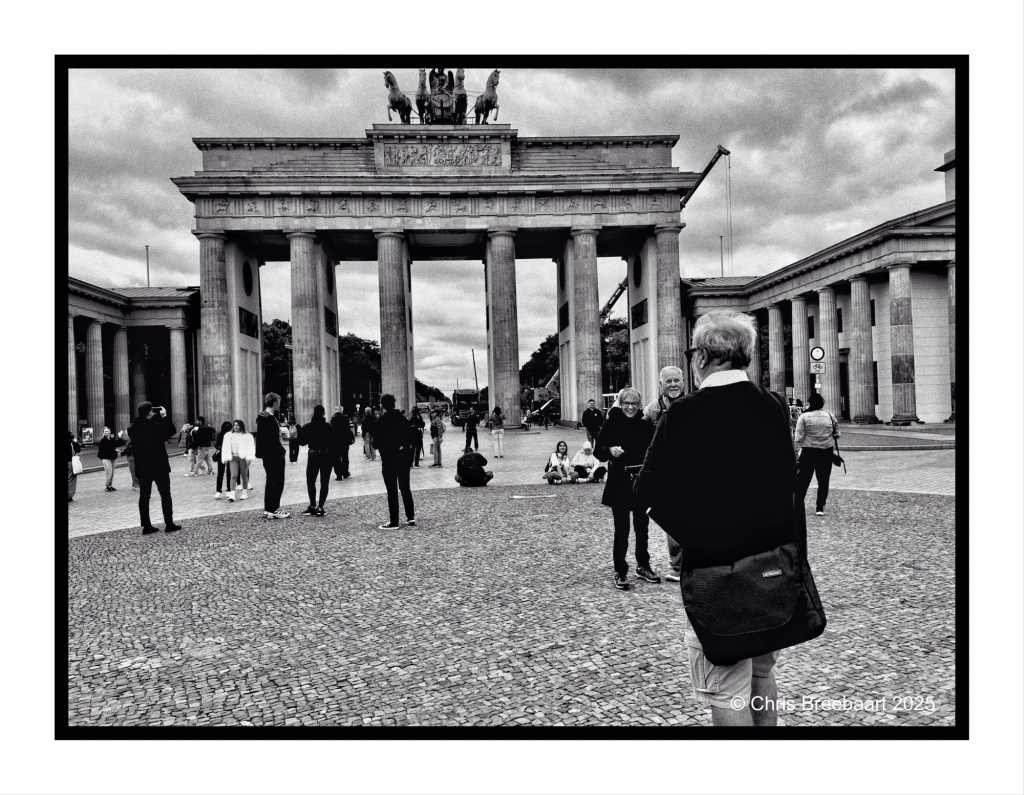
Friends had ‘warned’ me about the changes I would see. What in 1989 was a vast open space (e.g. the Potzdamer Platz) is now completely filled with modern architecture. But what struck me the most was the vibrant vitality the city breathes now. It is cosmopolitan and a magnet.
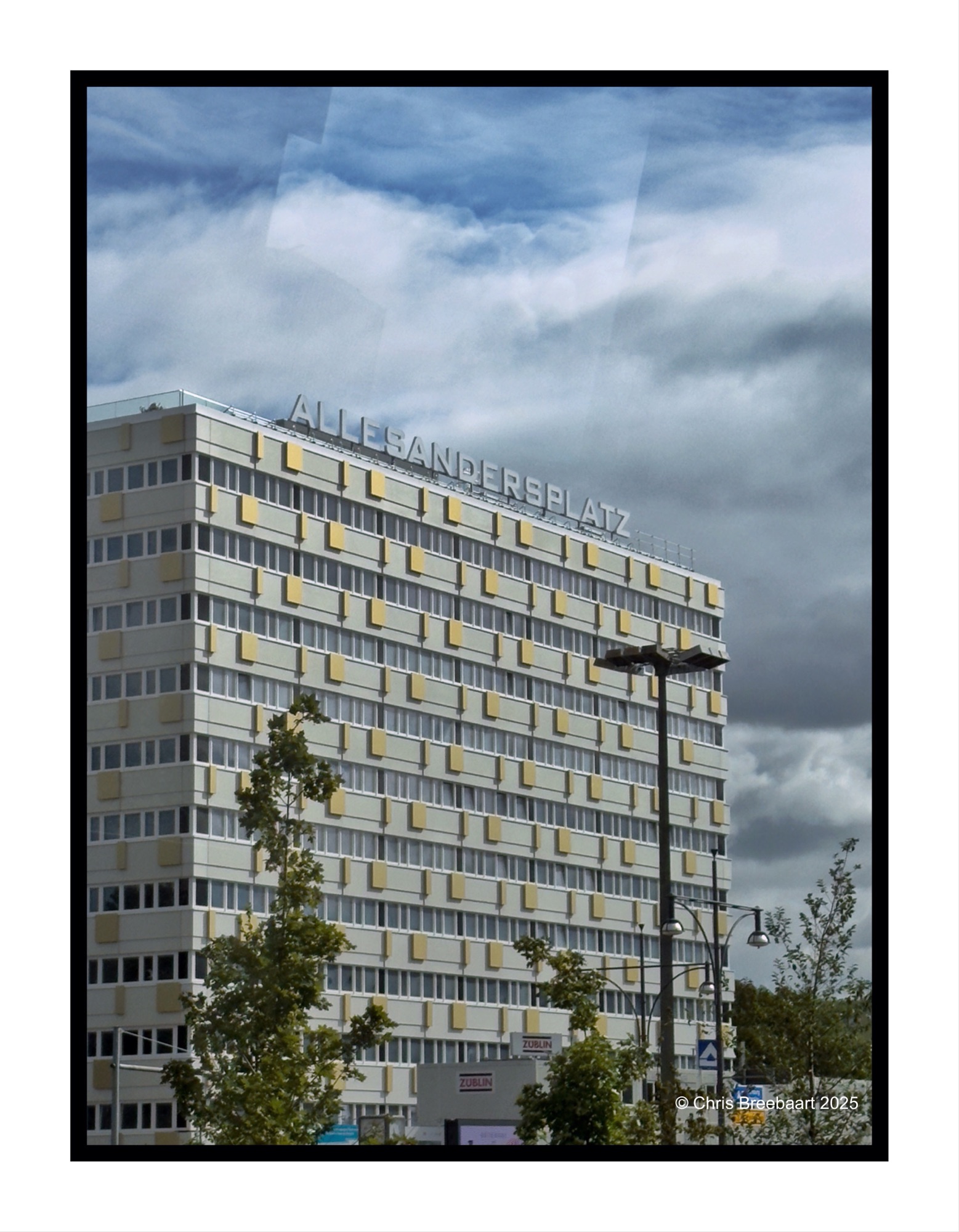
One of the landmark squares of Berlin is Alexanderplatz. On a building just a few hunder meters away I saw this text ‘Allesandersplatz’. Everything is different square? German humor? Or the basic conclusion after the first day. A lot changed. At face value.