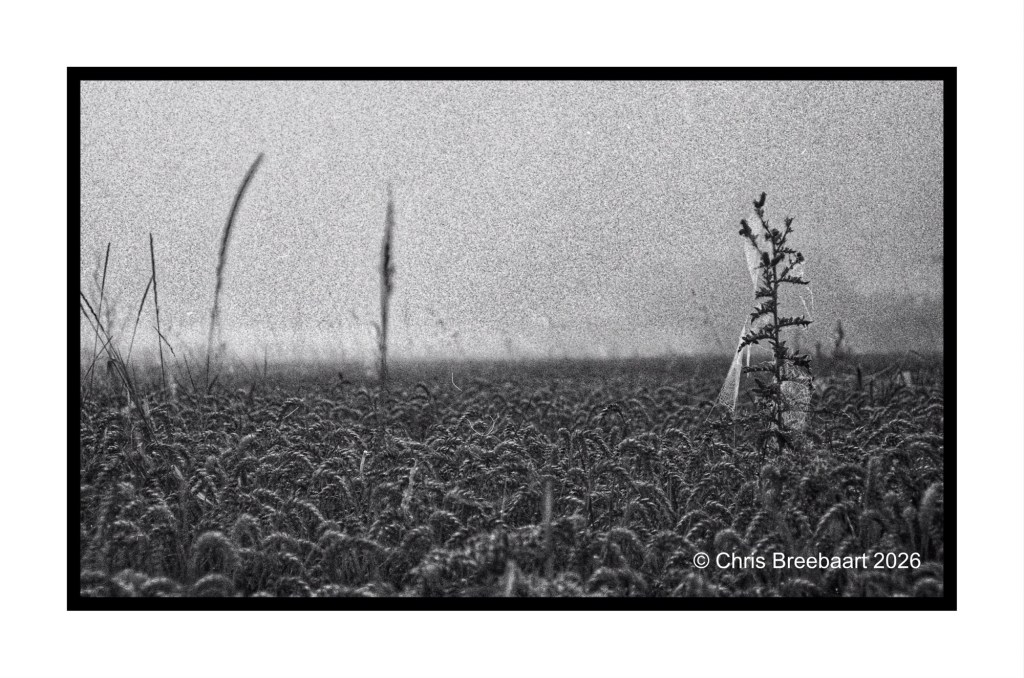
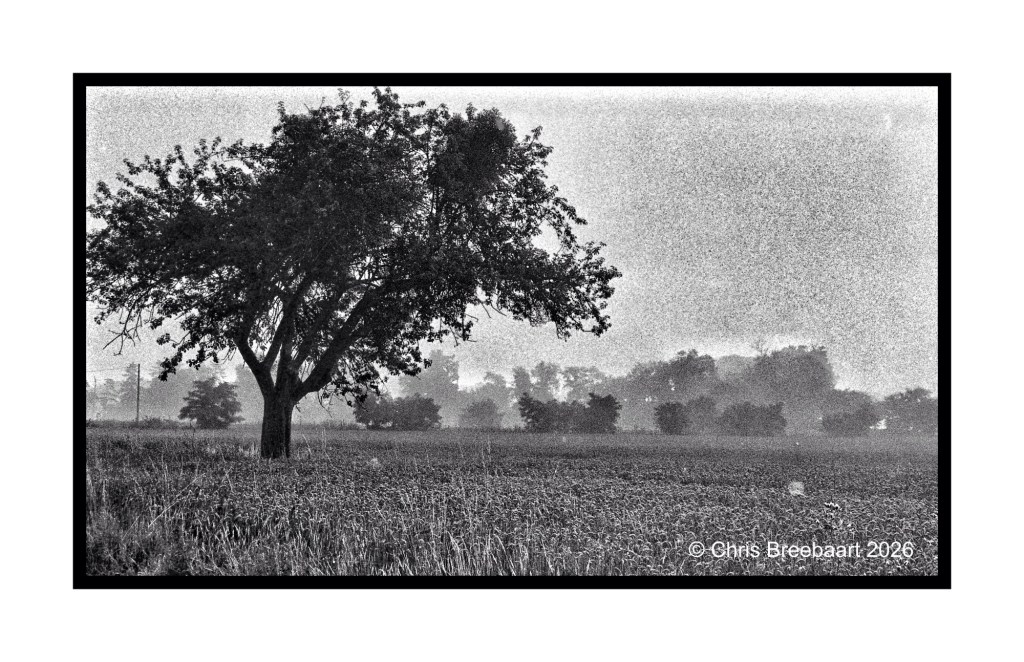
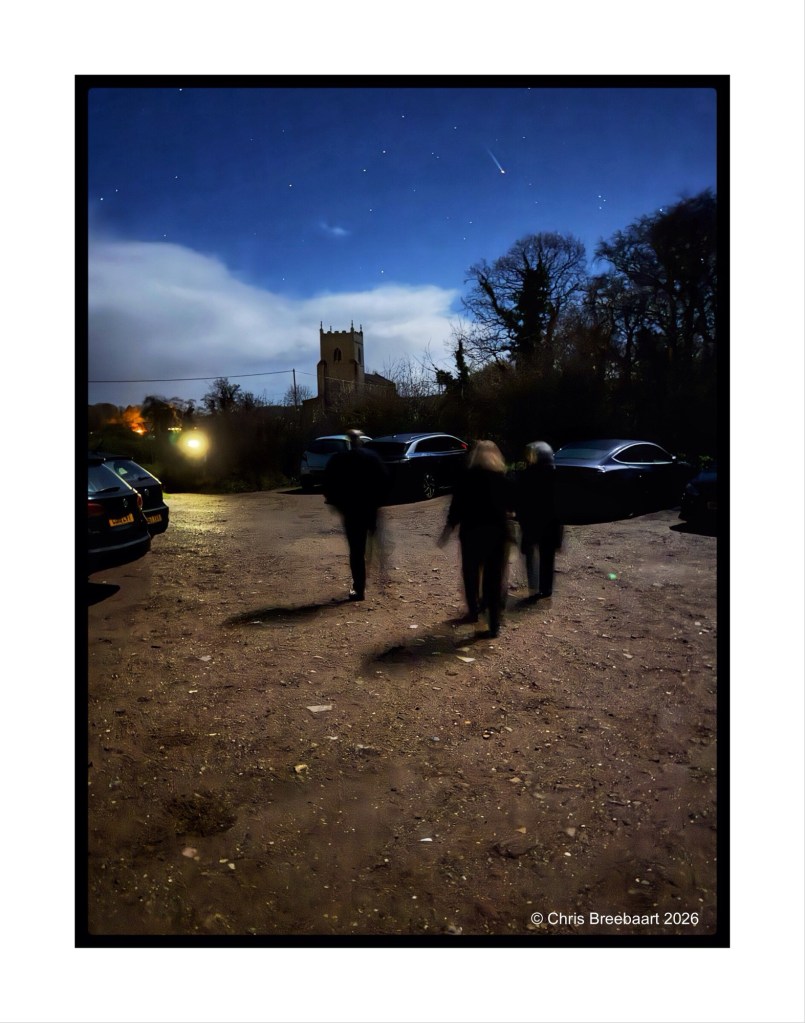
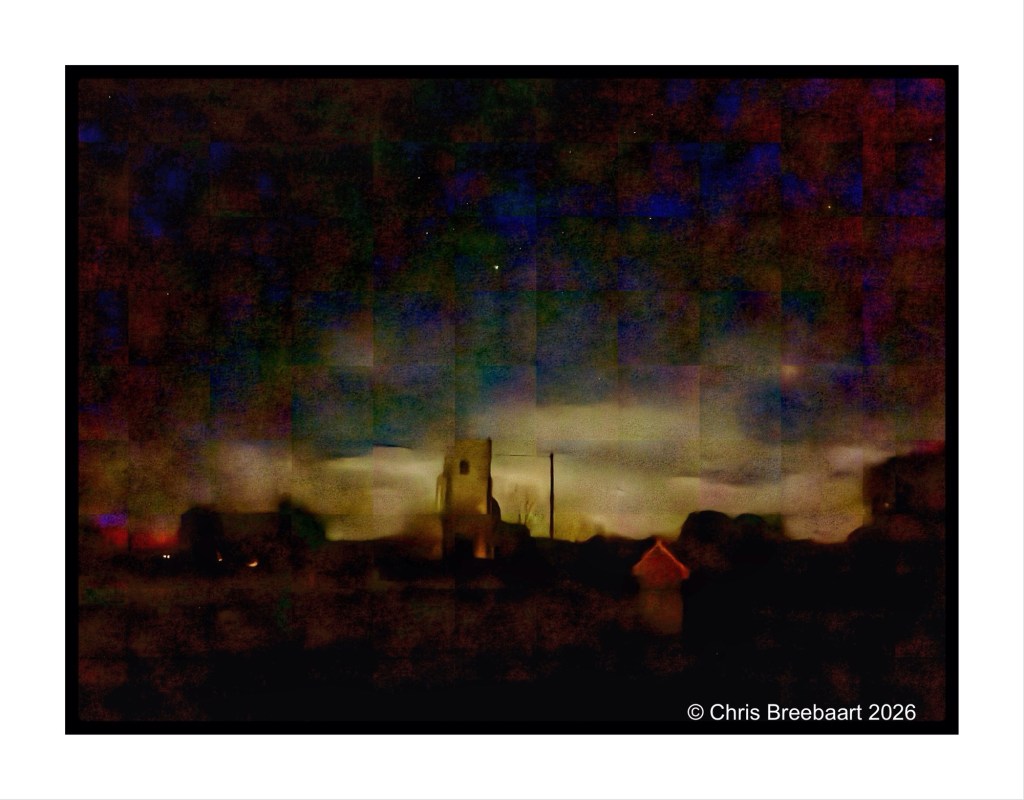
About the B4 retouch series: I browsed my archive for pictures to publish. Some of them are partly retouched but most do have scratches, dust and stains.
Shot with Nikon F90 on Kodak TriX, scanned from film and edited using Snapseed and Marksta. Click the picture for a bigger version
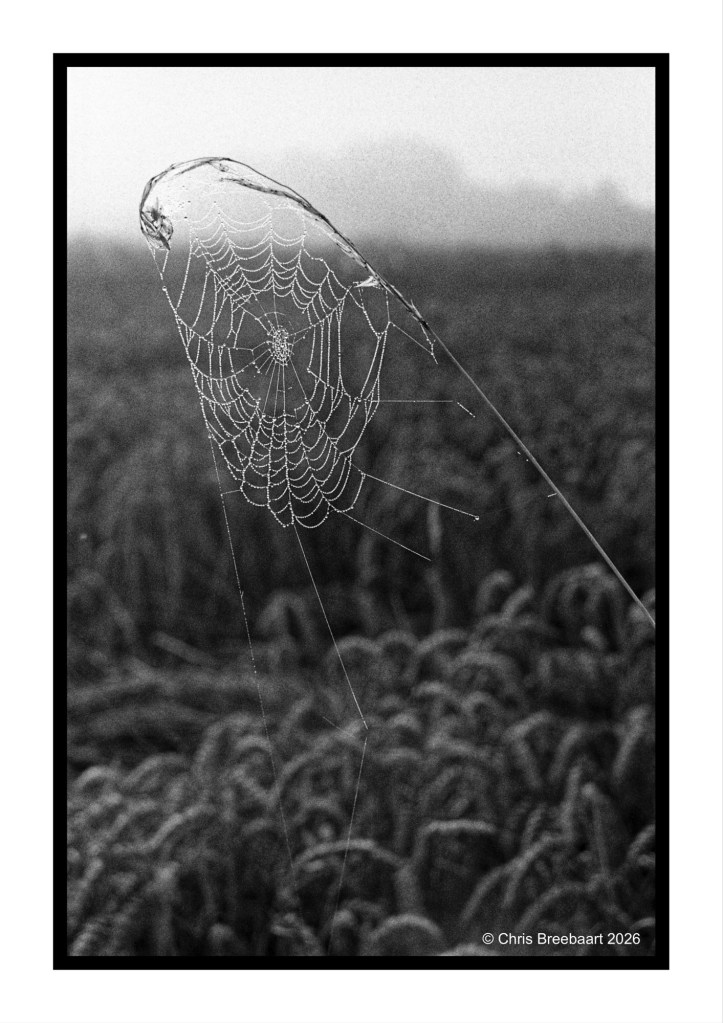
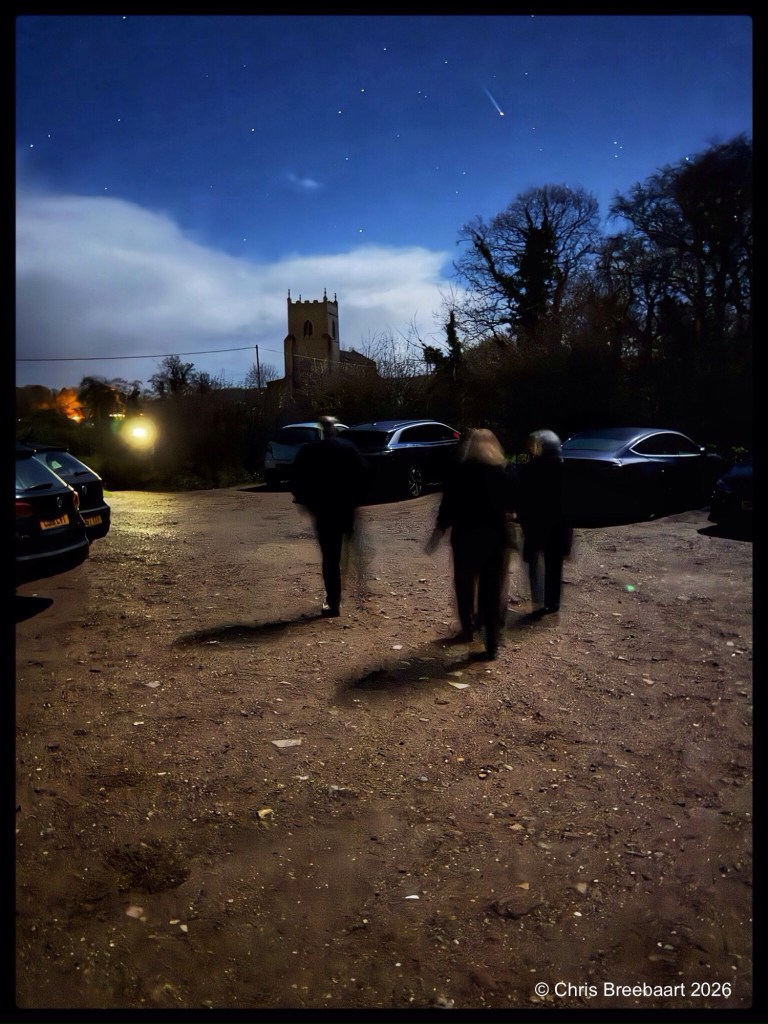
About the B4 retouch series: I browsed my archive for pictures to publish. Some of them are partly retouched but most do have scratches, dust and stains.
Shot with Nikon F90 on Kodak TriX, scanned from film and edited using Snapseed and Marksta. Click the picture for a bigger version
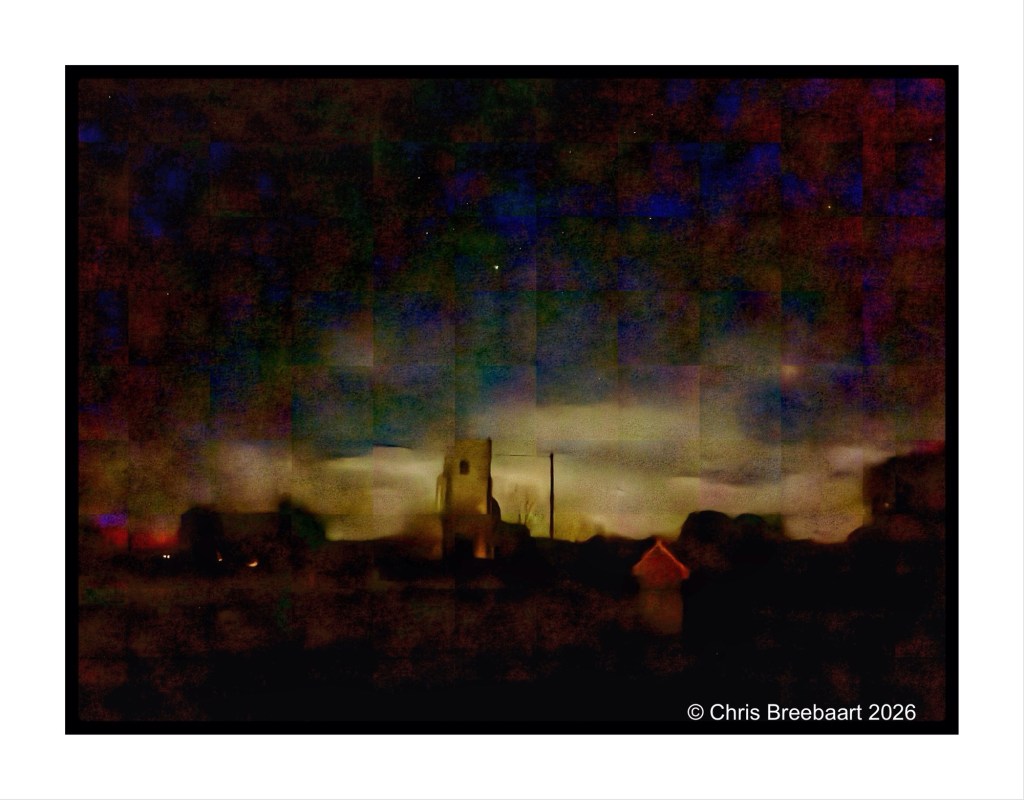
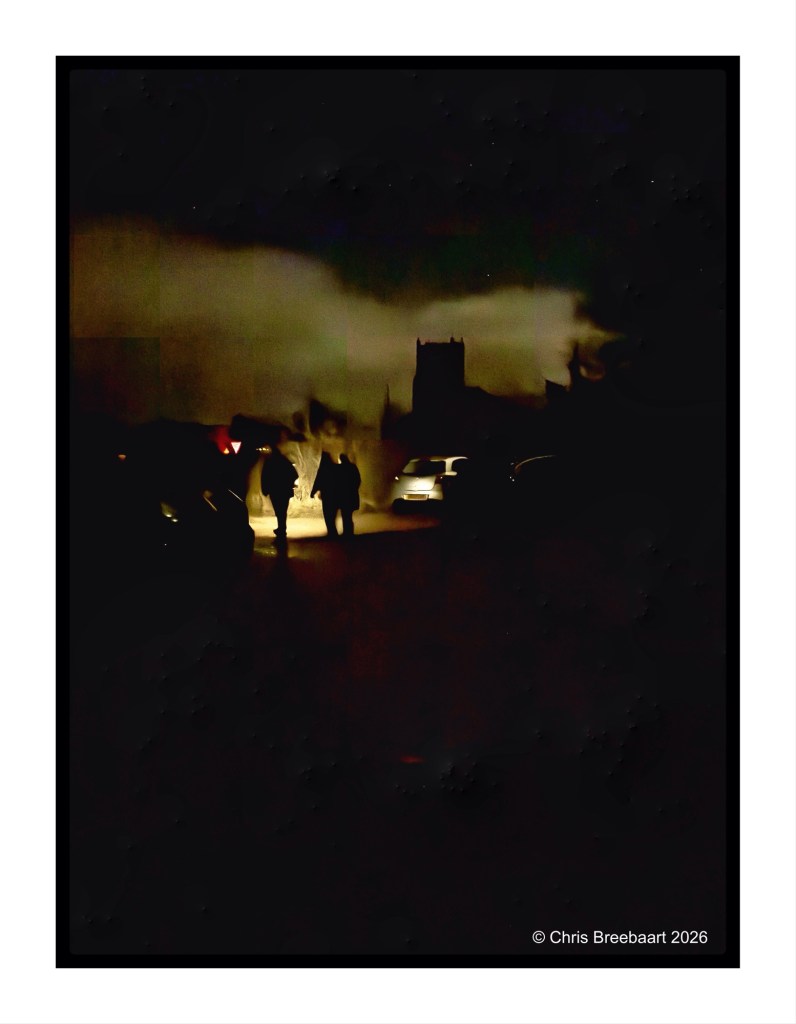
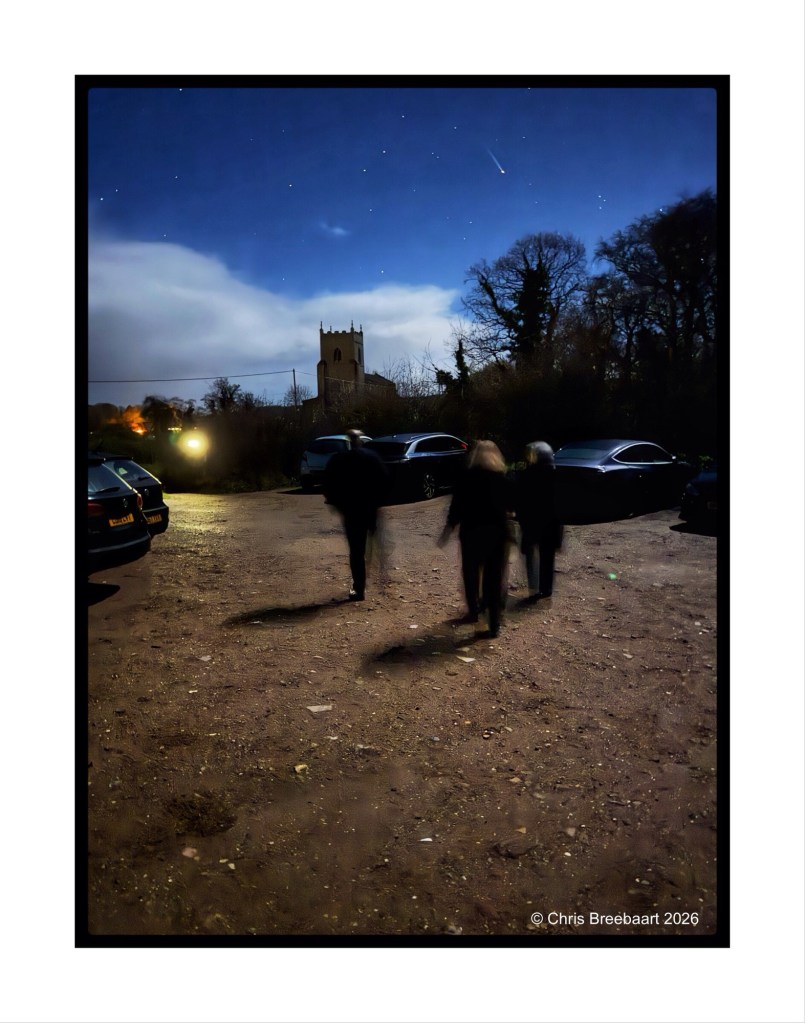
Lens-artists Photo Challenge #382 is about rejected photos. What do you do with photos you do not like? You can throw them away, or you can keep them. And if you keep them what can you do with them? First a story of myself, how I work. And in the end an example.
I am a snap shooter for a long time. When looking at this question for myself, I have to distinguish between the analog age and the digital age. But in both ages it is about quality, how you can assess that and what instruments are available after shooting. And above all: how can you be creative, and how much room is there to experiment?
The analog age was expensive: film was expensive, darkroom materials were expensive too. And being a poor student I shot as efficient as possible. You had to be patient while shooting, and selective. You also needed to trust your skills. Experience was essential to figure out what worked and what not. To produce good prints you needed to develop darkroom skills. And some negatives were impossible to print. But you kept them all. I never threw away negatives. That decision was beneficial in the digital age. After scanning my negatives, I properly made them look like what I had in mind when shooting them. What the darkroom did not deliver, software did.
In the digital age the cost of a photo is nearly non existent. The original photo (the former negative) can be copied lots of times. From the start technology offers instruments to oversee the quality of the photos. What you shoot is instantly visible on the camera. You can try different changes in the photo. Adjustments like shutter time, focus, and shutter opening can be tested most of the time. The RAW format offers flexibility for editing the ‘negative’ after the shoot. Software offers lots of creative tools to change the photo, or create new images.
So, do you keep rejected (bad) photos or not? I do reject photos, overseeing the result on my camera. I keep photos that can come to a good result after editing. The rest I remove straight away (e.g. bracketing shots).What I keep is stored on my NAS, where I use Lightroom as my archiving tool. I use editing tools to tweak a photo slightly. My favorite is Snapseed for web and social media publication. And Lightroom and Photoshop for prints.
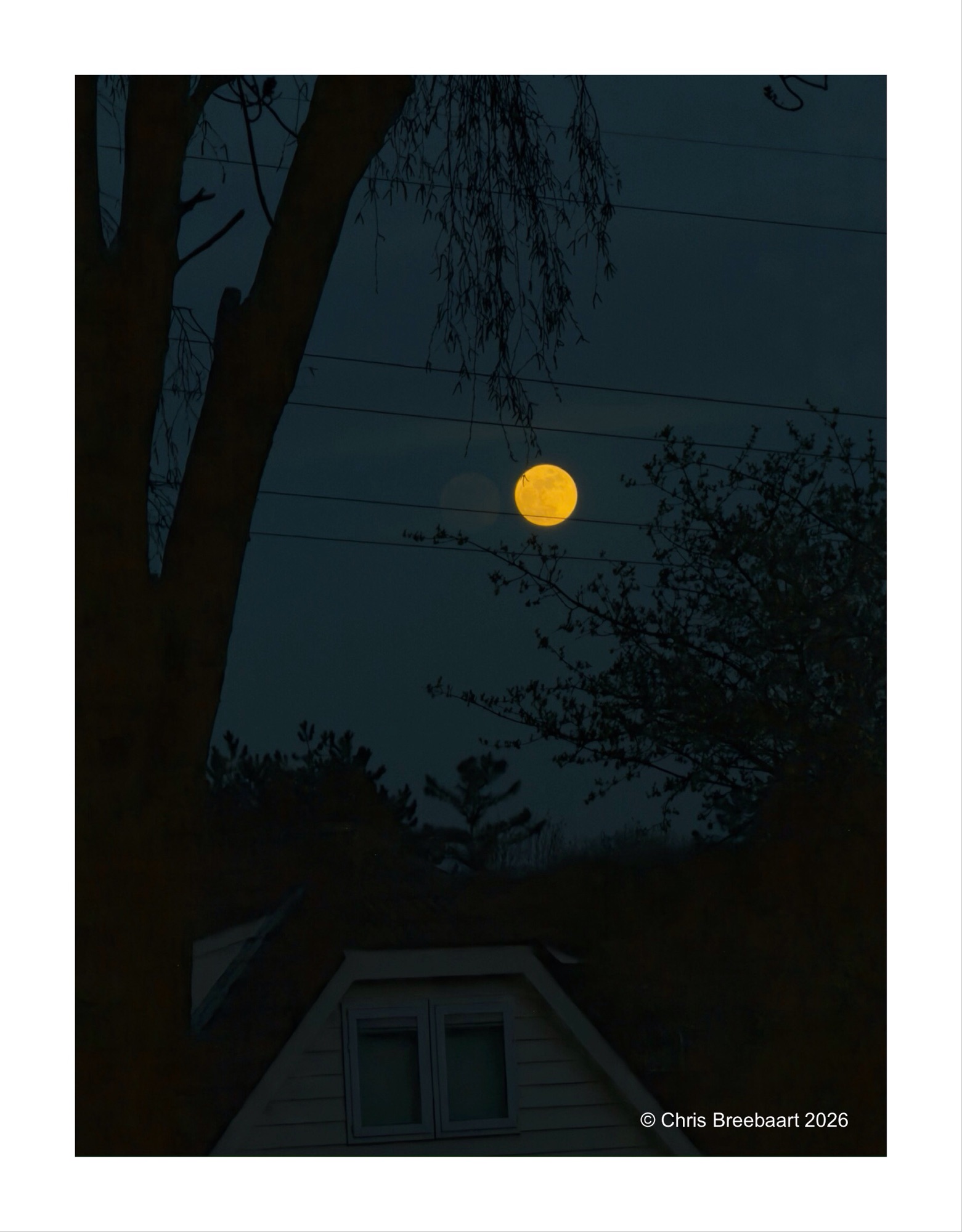
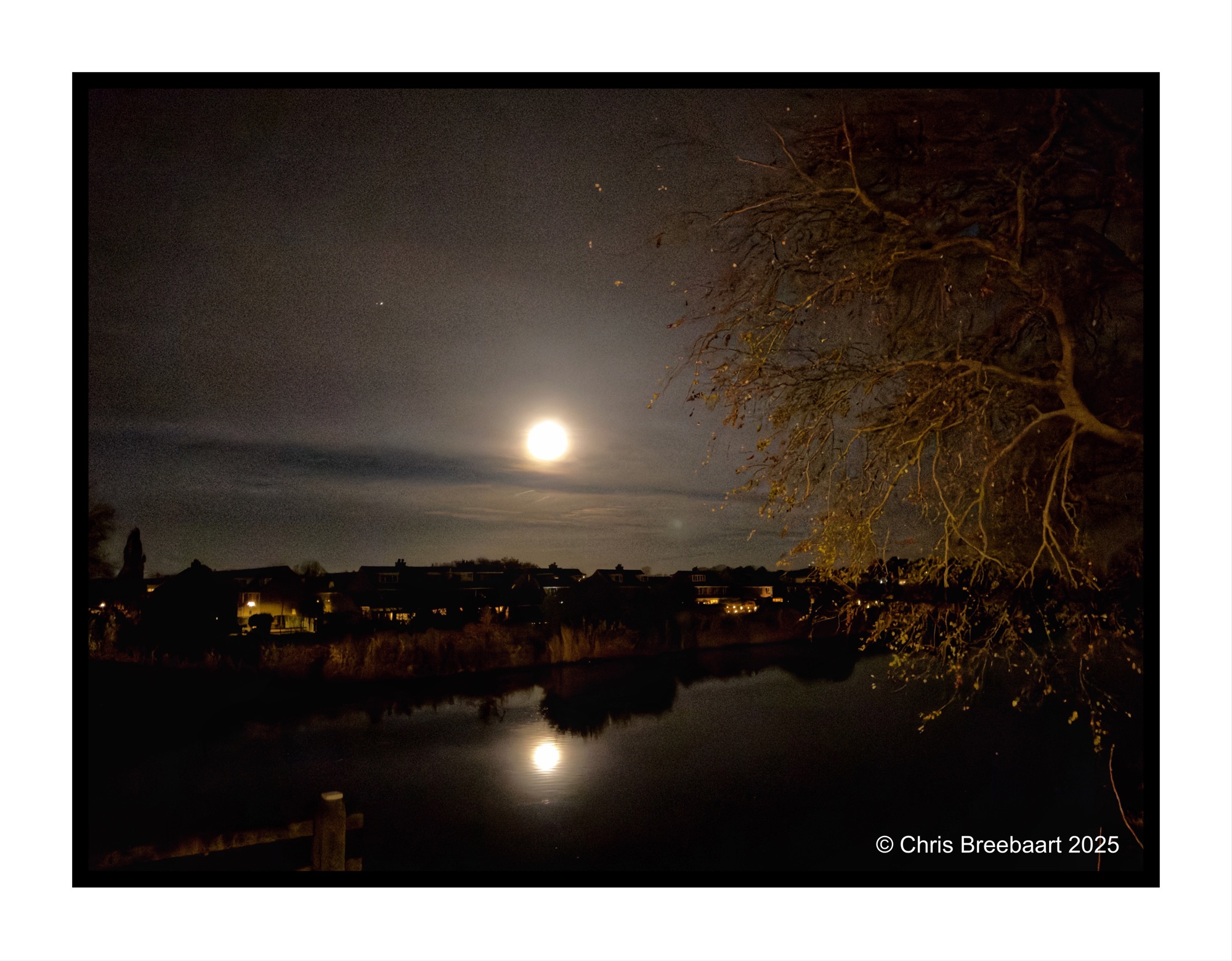
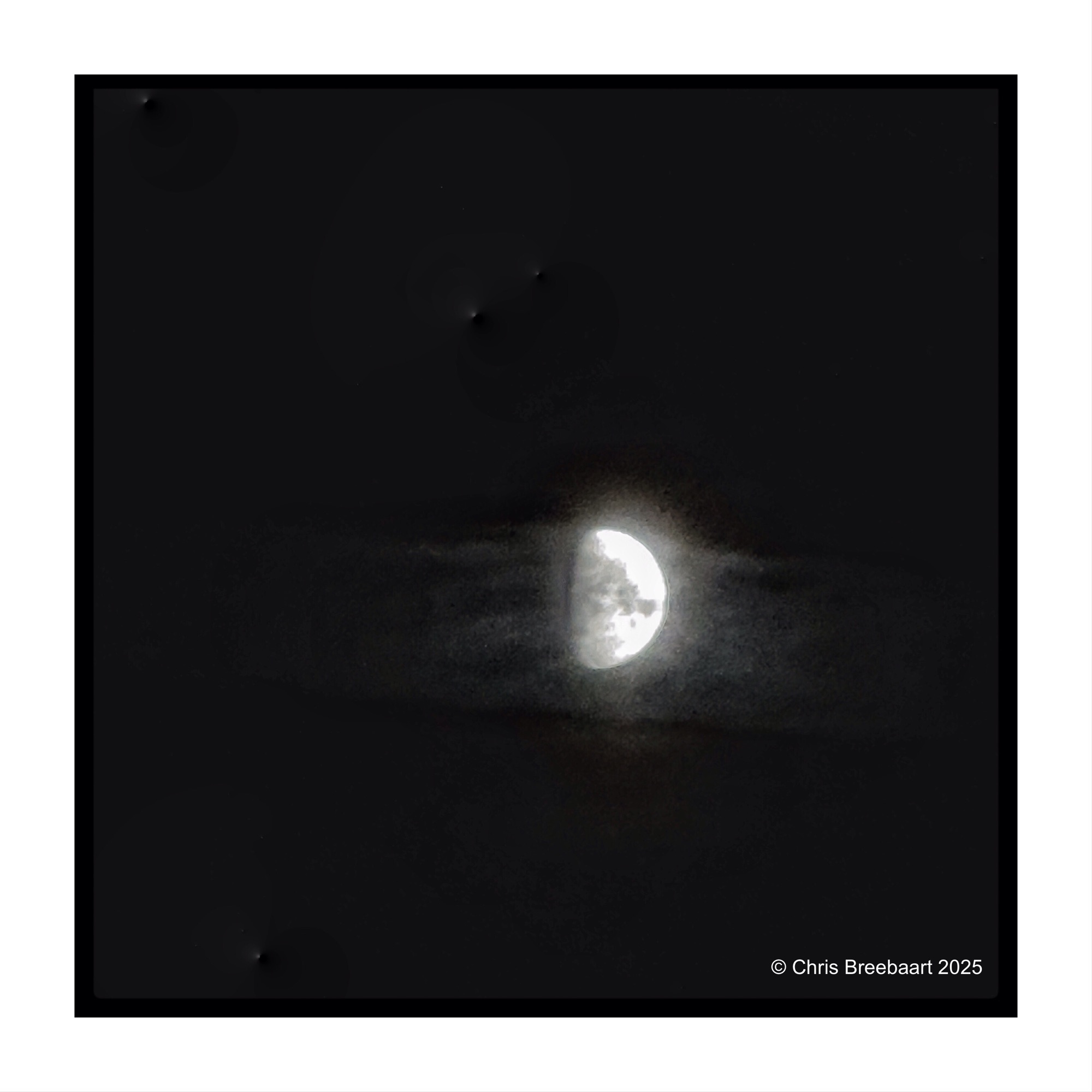
One of my favorite bands is Genesis. In 1976 A Trick of the Tail came out with a beautiful song ‘Mad Man Moon’. Last month I tried to take a shot of the moon using my iPhone. And this is the result.
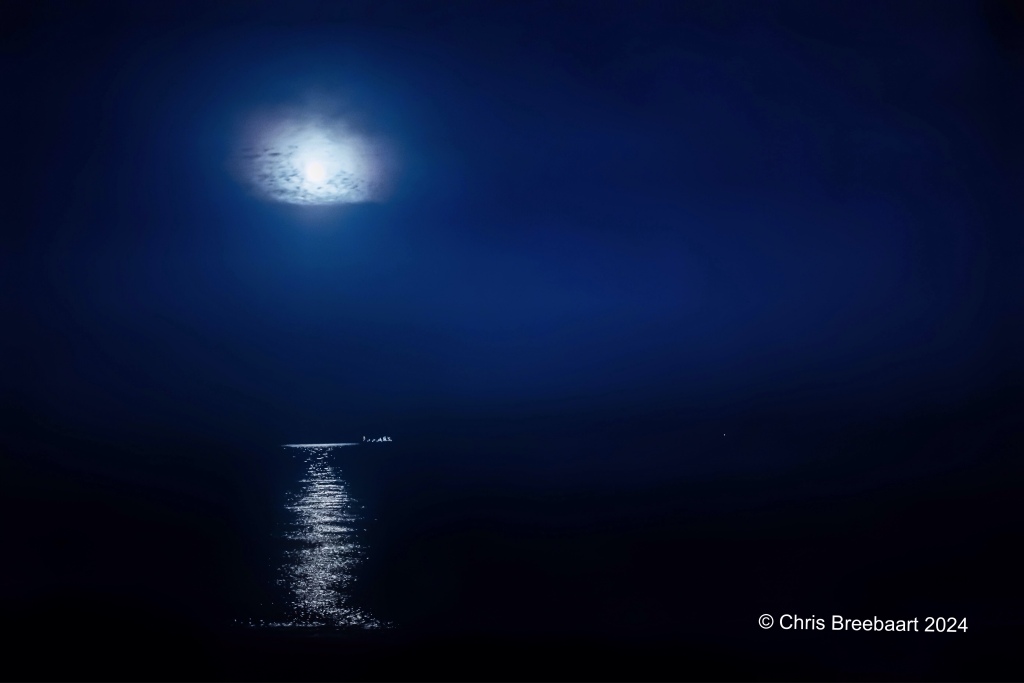
The Moon just stands there it seems, and mostly I do not pay too much attention to it. The power of the moon is enormous though, as it influences the level of the seas on Earth. At odd moments in the evening or morning I grab my camera when I spot the moon, I just can’t resist. This is one of those times, the haziness reminds me of the sand in the Sahara, the setting of Le Petit Prince, a beautiful book by Antoine de Saint-Exupéry. Could this moon be asteroid B 612? The power of imagination, see what your eyes can not see.
I pictured a rainbow You held it in your hands I had flashes But you saw the plan I wandered out in the world for years While you just stayed in your room I saw the crescent You saw the whole of the moon The whole of the moon
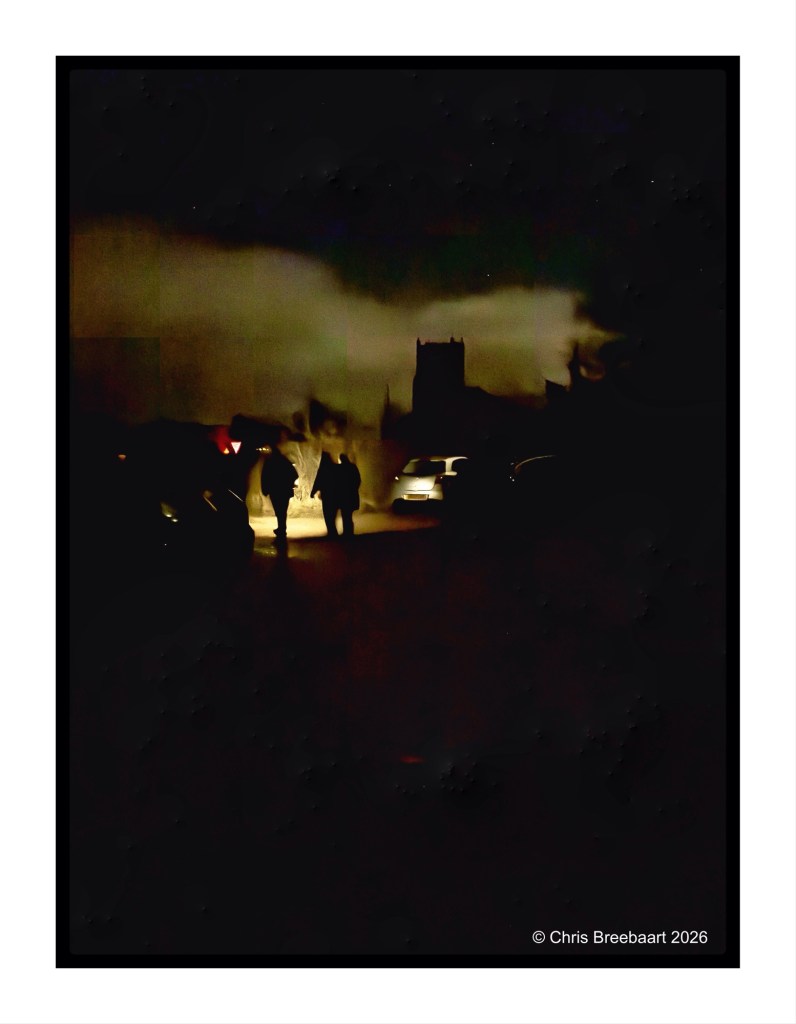
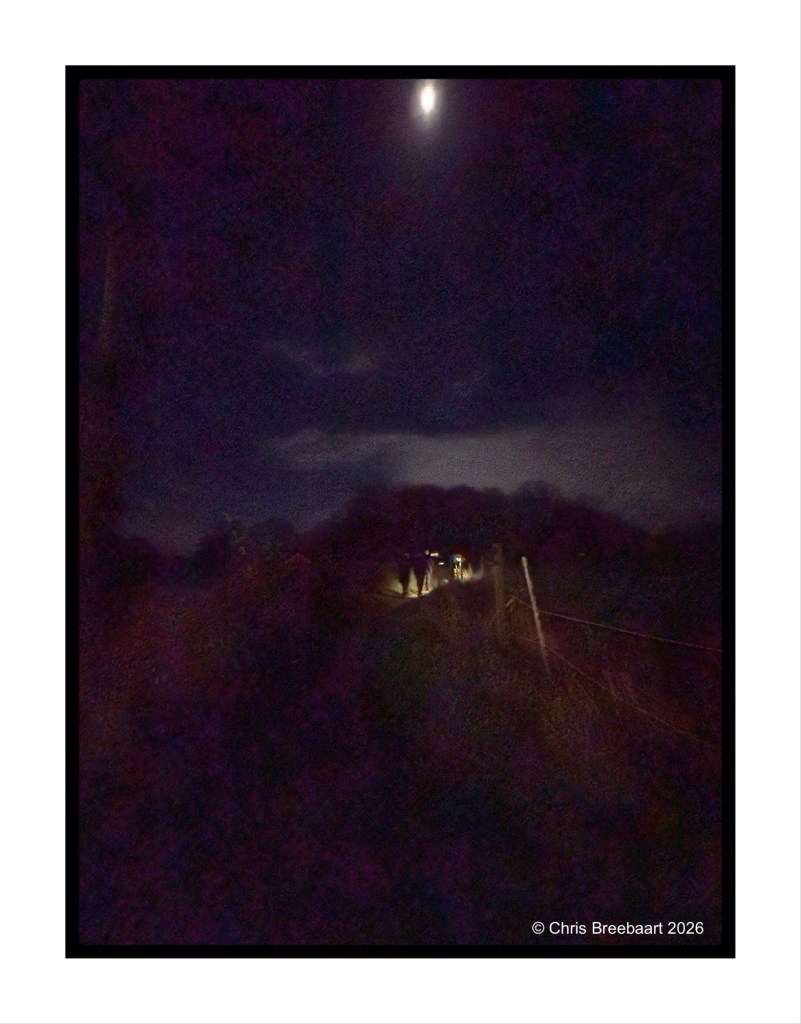
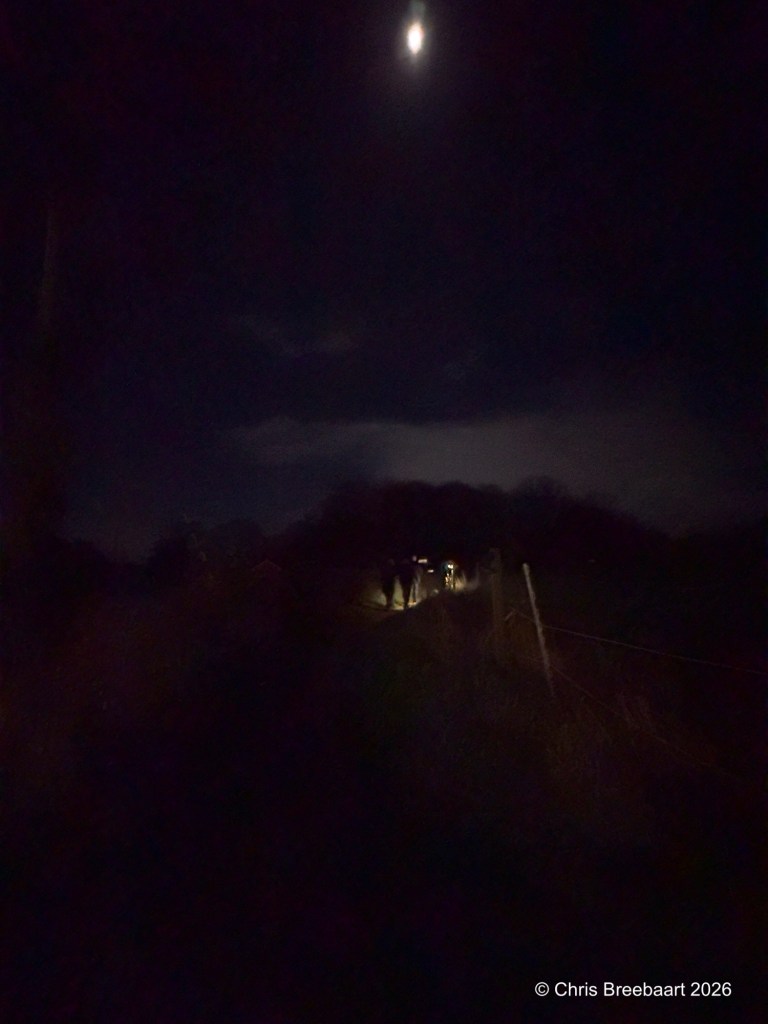
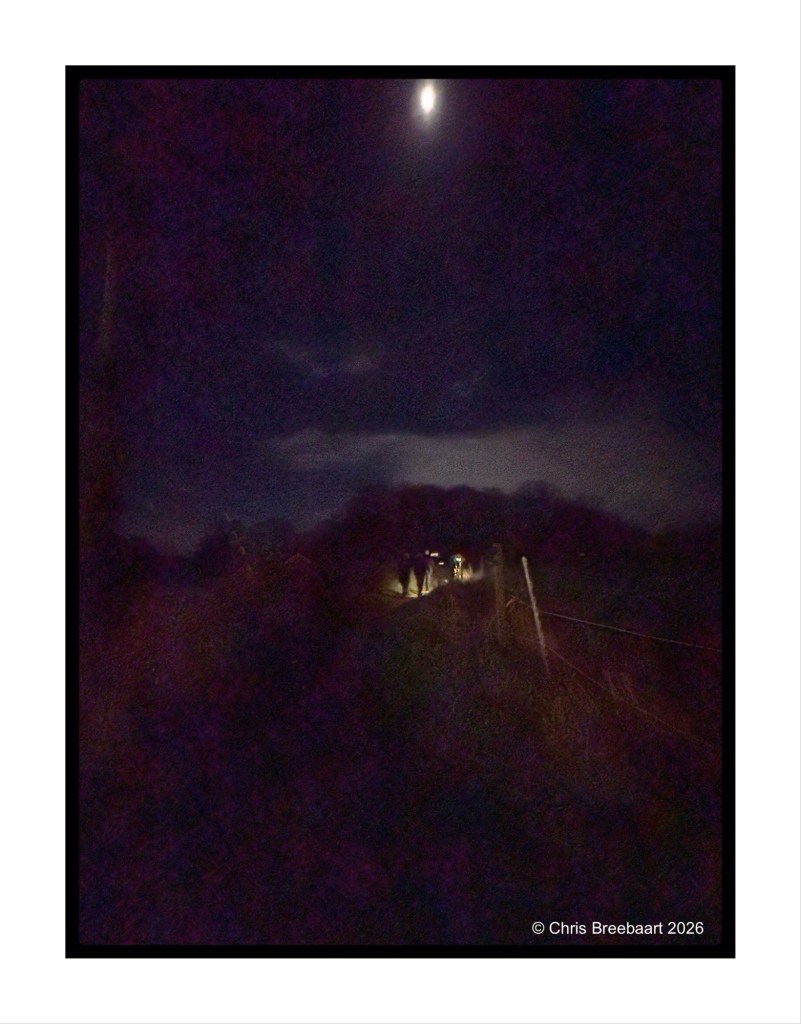
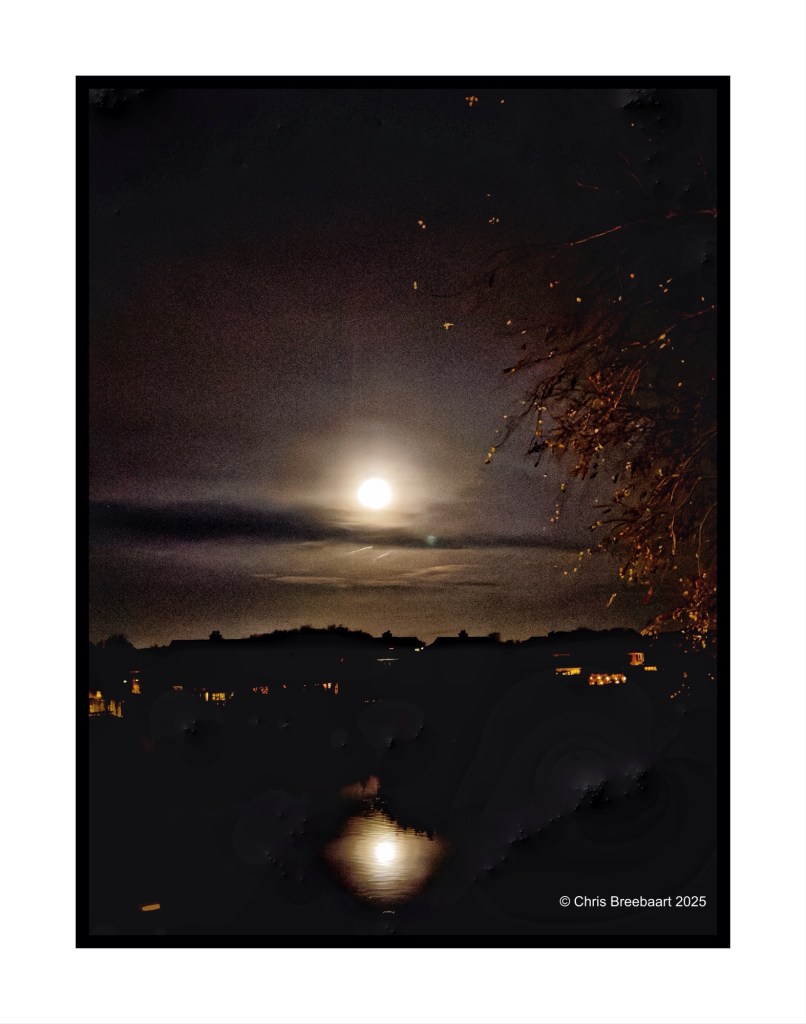
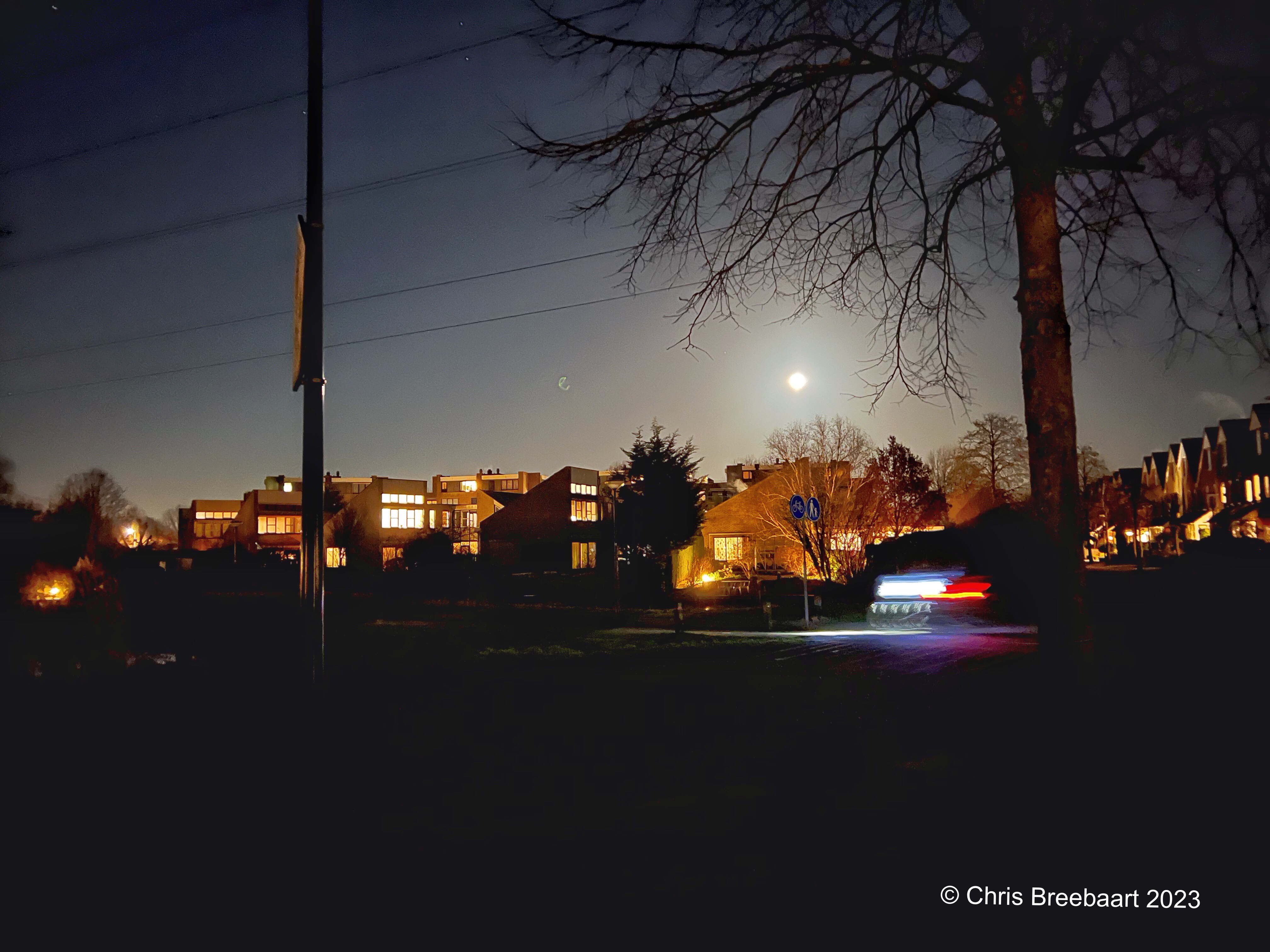
The weekly lens artists challenge #242 is ‘new experiences’. A month ago we had a partial public space power cut, the streetlights of a part of the neigbourhood were off for an hour and the moon showed its grace beautifully. Power inside the houses was still there. Power cuts are fortunately rare, and this one was quite a nice experience! This is a bicycle coming by.
The weekly lens artists challenge #242 is ‘new experiences’. A month ago we had a partial public space power cut, the streetlights of a part of the neigbourhood were off for an hour and the moon showed its grace beautifully. Power inside the houses was still there. Power cuts are fortunately rare, and this one was quite a nice experience!
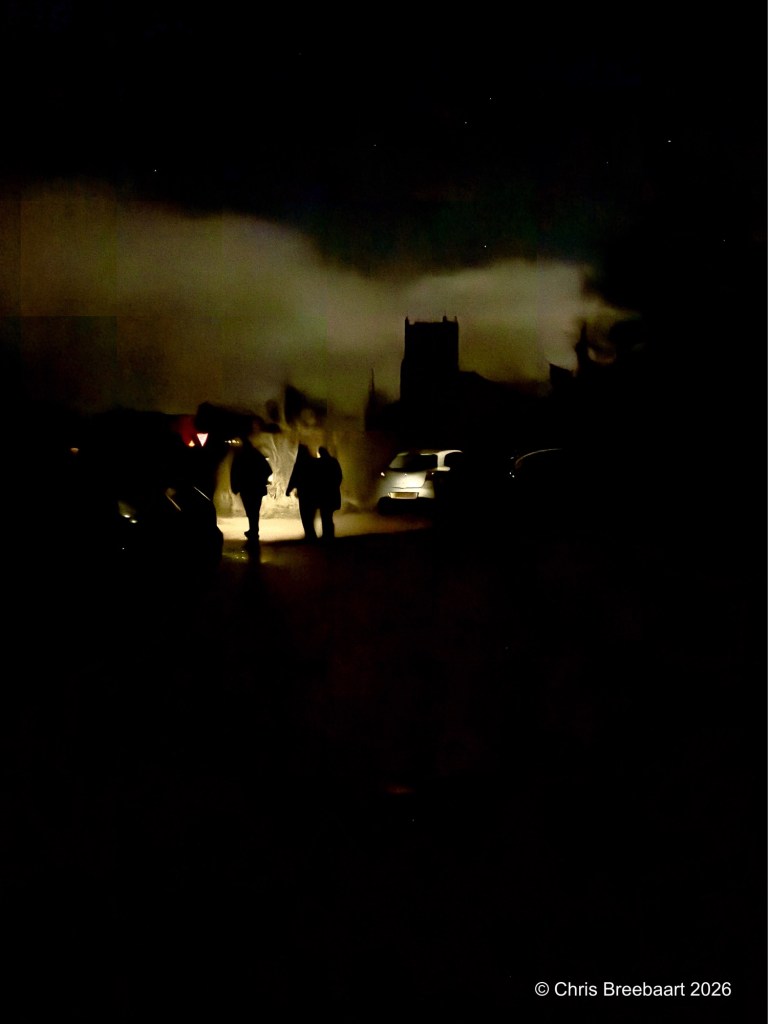
The weekly lens artists challenge #242 is ‘new experiences’. A month ago we had a partial public space power cut, the streetlights of a part of the neigbourhood were off for an hour and the moon showed its grace beautifully. Power inside the houses was still there. Power cuts are fortunately rare , and this one was quite a nice experience!
The Lens Artists Photo Challenge #233 is ‘a one lense walk‘. The first week of 2023 we had a short stay at Norfolk; the beauty of its coast and its wildlife gave ample opportunities for photos. The Nikon D500 has the 18-105 mm lens on it. The marshes on the quay of Blakeney around sunrise.
The last weekly photo challenge is ‘2017 Favourite’. Share the most meaningful photo that I have taken in 2017. Well, that is tough: which one of the odd 365 photo’s to choose? A lot of them are special to me, meaningful, but it might be that I did not publish my most meaningful photo of 2017 on my blog. So I am taking my own direction in this theme: I am not going to choose. My personal theme this week will be about photo’s that are leftovers of 2017. And they all are meaningful to me as well. I hope you do not mind. Wishing all of you a fabulous 2018.
The weekly theme is ‘details’. And the brief is to show ‘intimate’ details. You do not have to zoom in to highlight a detail, or build up a photo with detailed and non detailed parts.