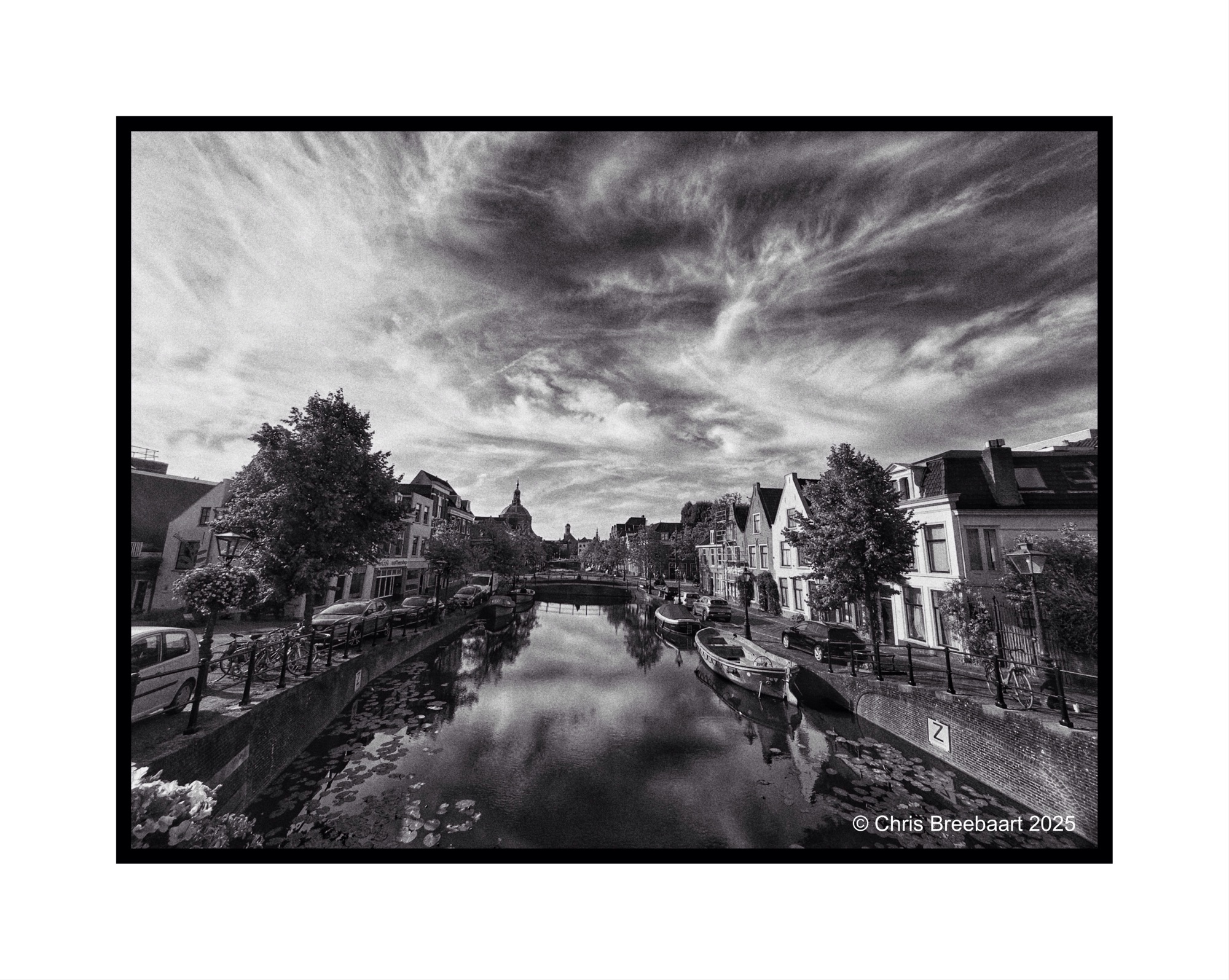
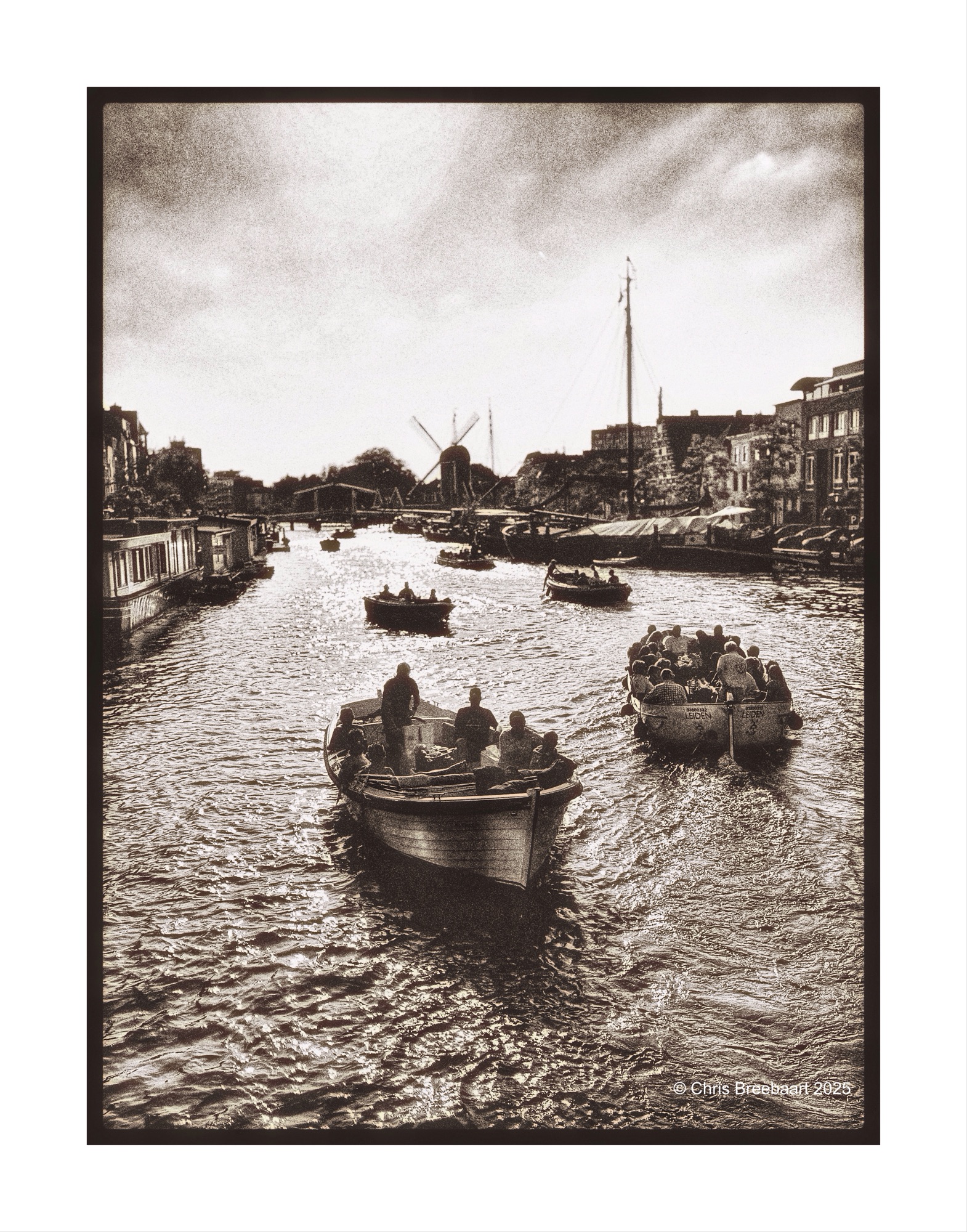
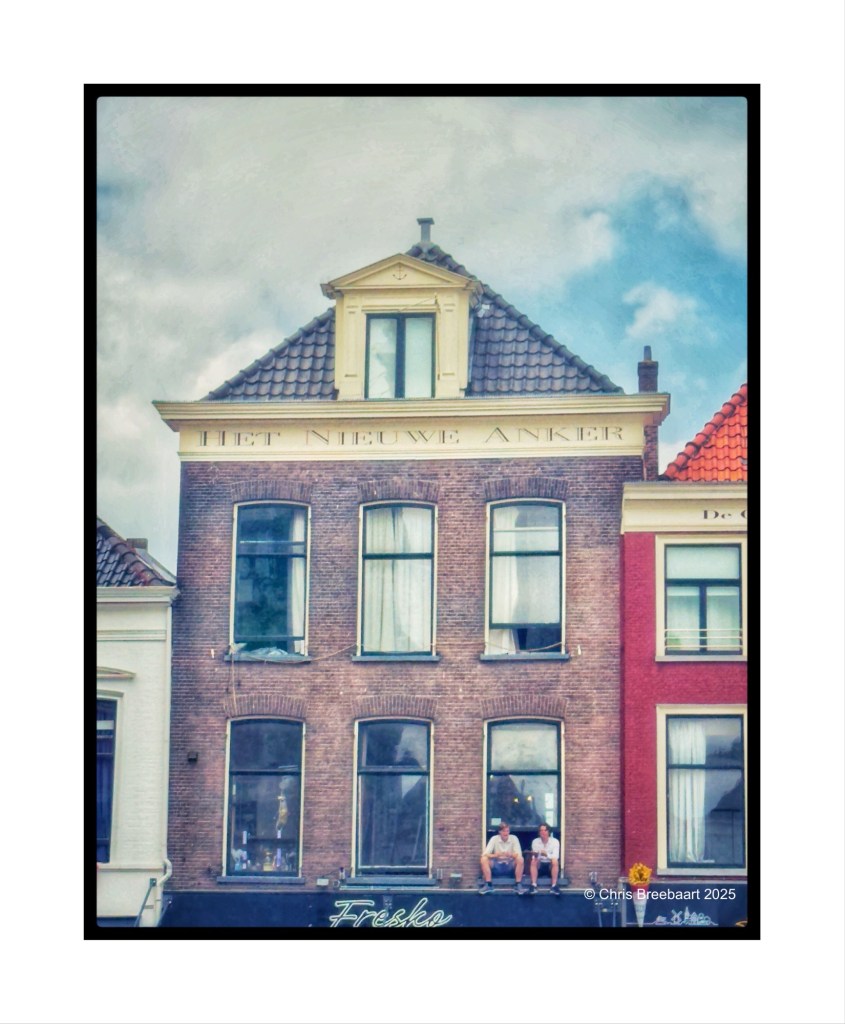
A view on the city where Rembrandt van Rijn was born, Leiden. It was the home where he grew up. There he started his now famous career as a painter. Later, he moved to Amsterdam.
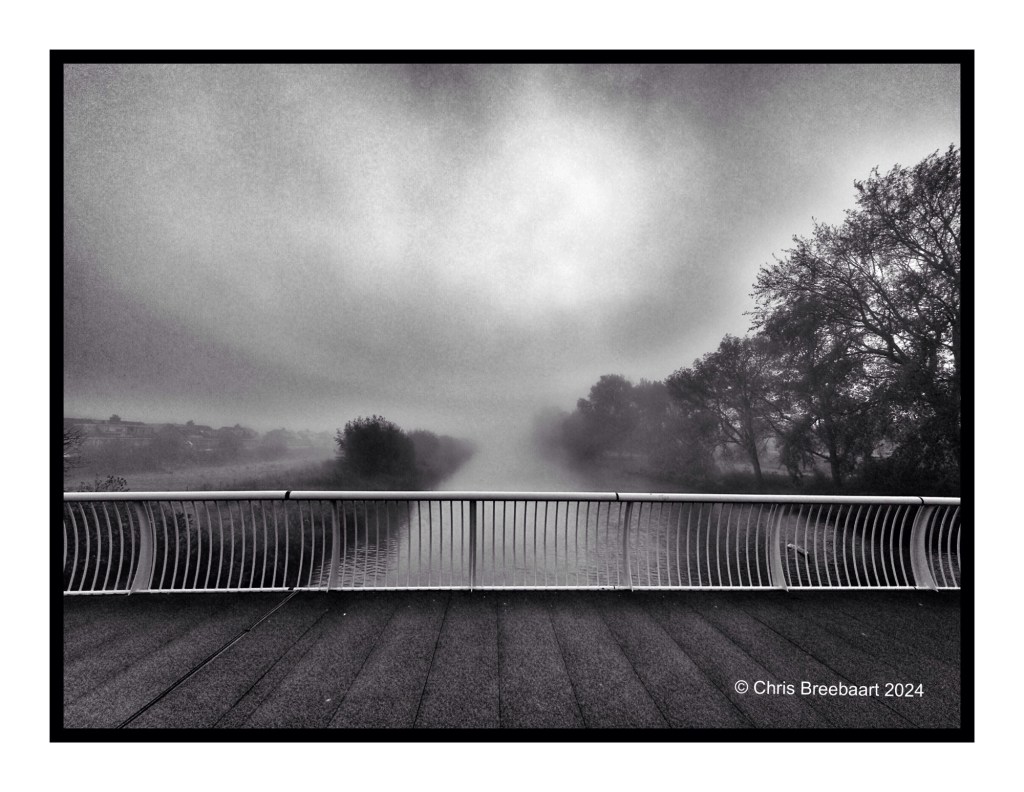
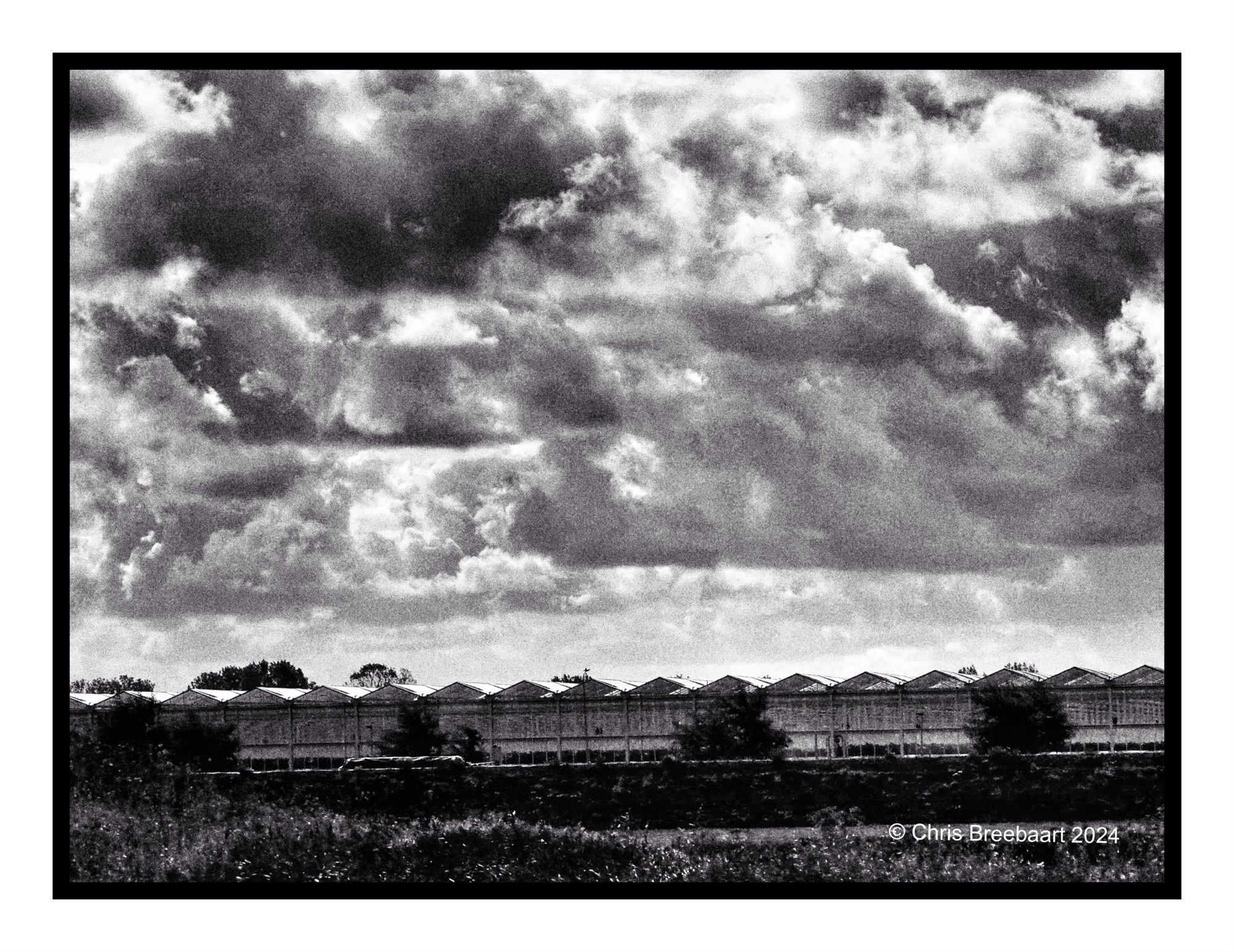
I like monochrome photography for many reasons. One of them is the ability to play with the mood in the photo. Just by adjusting the aperture time or the opening of the lens, the same light delivers a different mood. This one and the photo I published yesterday, were shot on the same day.
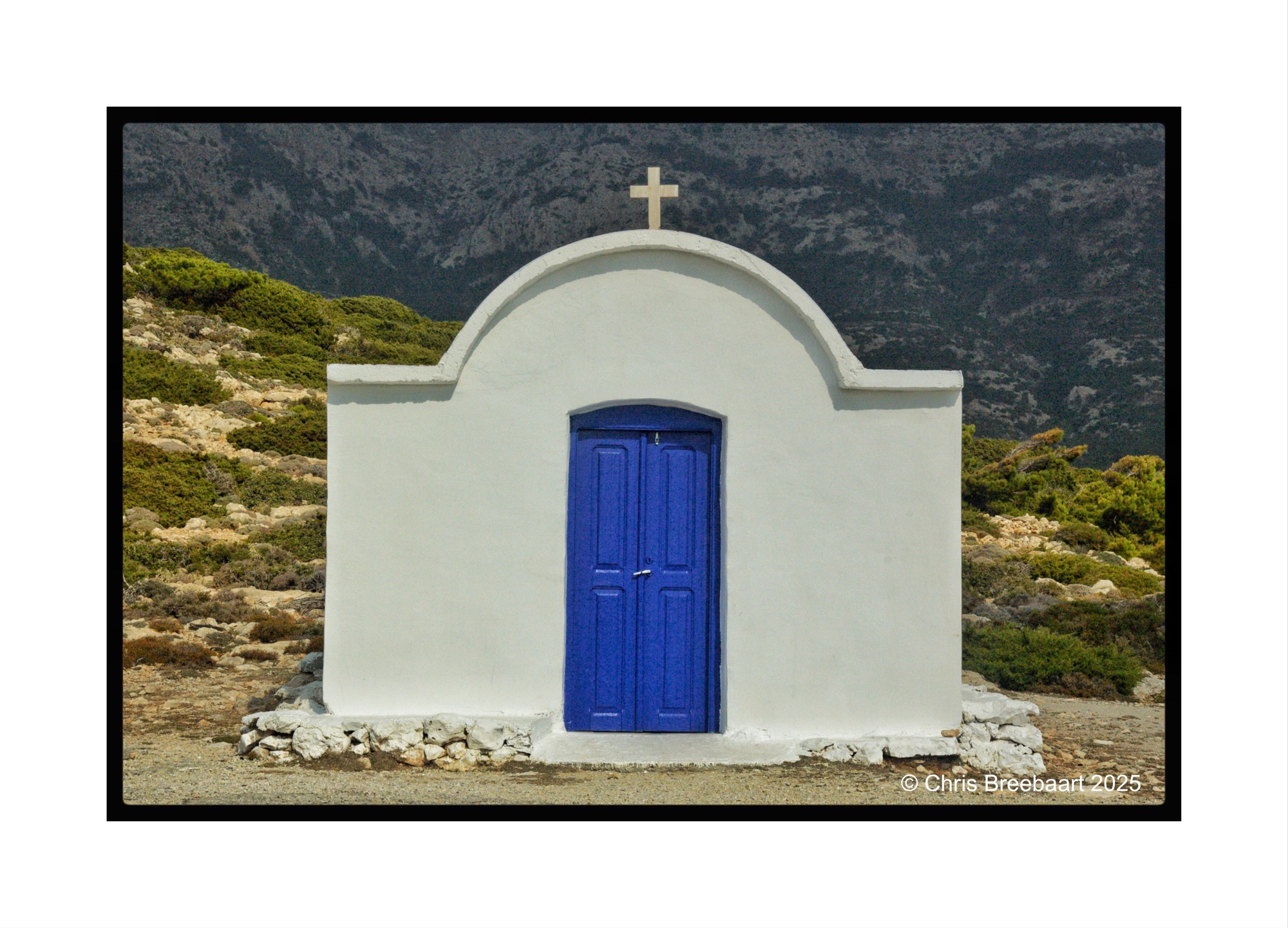
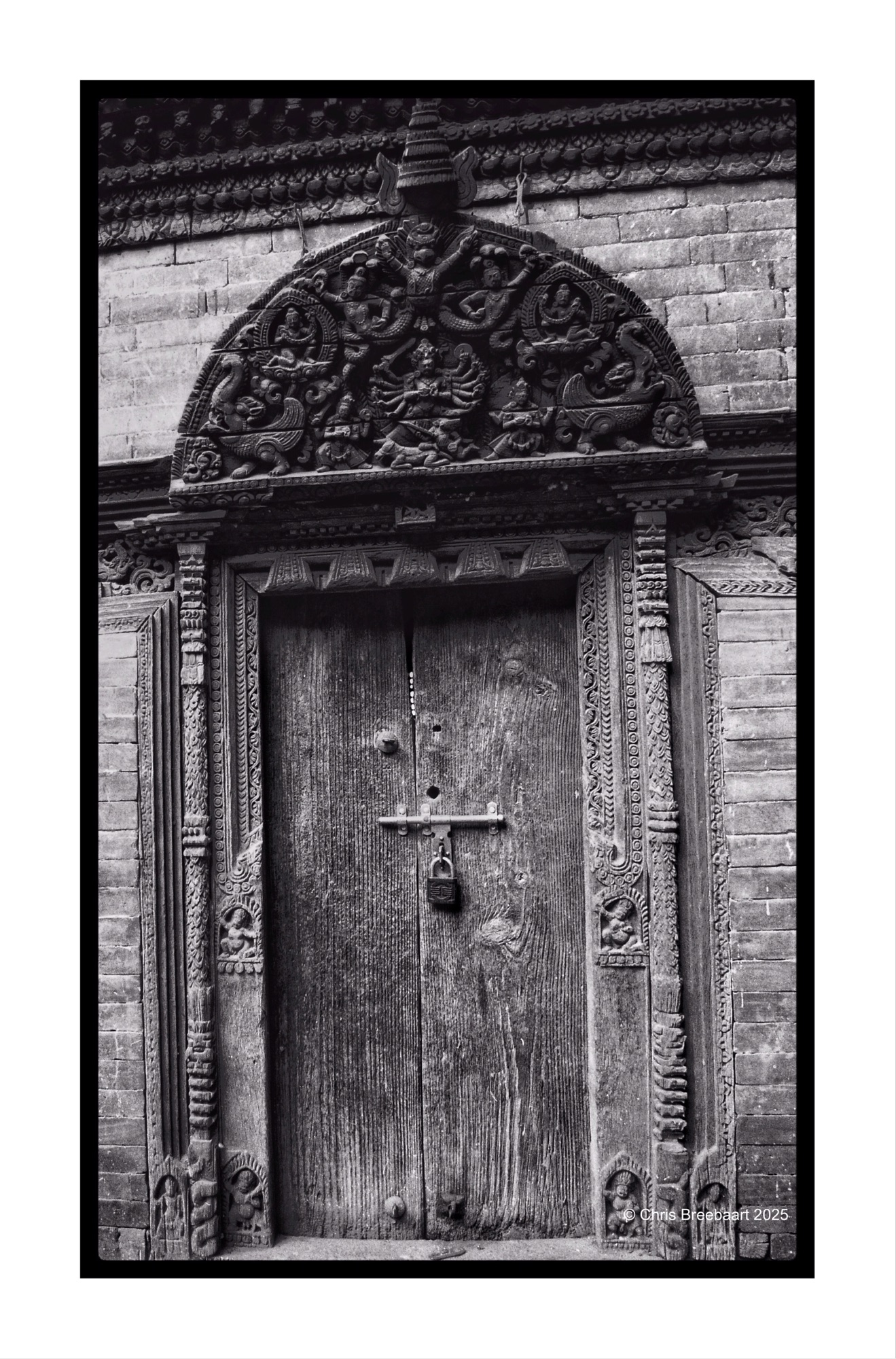
This week’s Lens-Artists Photo Challenge #361 is ‘Doors revisited’. That theme was also the brief for LAPC #20. A door is a pass way to another space behind it. That space can be something we know already. Or something we like to imagine to see there when we go through. And in books you can end up in another world. In this post a few doors I met in my life. One I used for a long time, most I just passed by or passed through on holidays.
The word ‘doors’ for me is also linked to the band The Doors. The name of the band came from a book by Aldous Huxley, The doors of perception. And Huxley took it from William Blake, who used it as a metaphor:
“If the doors of perception were cleansed every thing would appear to man as it is, Infinite. For man has closed himself up, till he sees all things thro’ narrow chinks of his cavern . Doors lead you to another side or space, break on through to the other side.”
So a lot can be said about doors. Luckily, we still have the photos. Here are a few from my conscious memory.
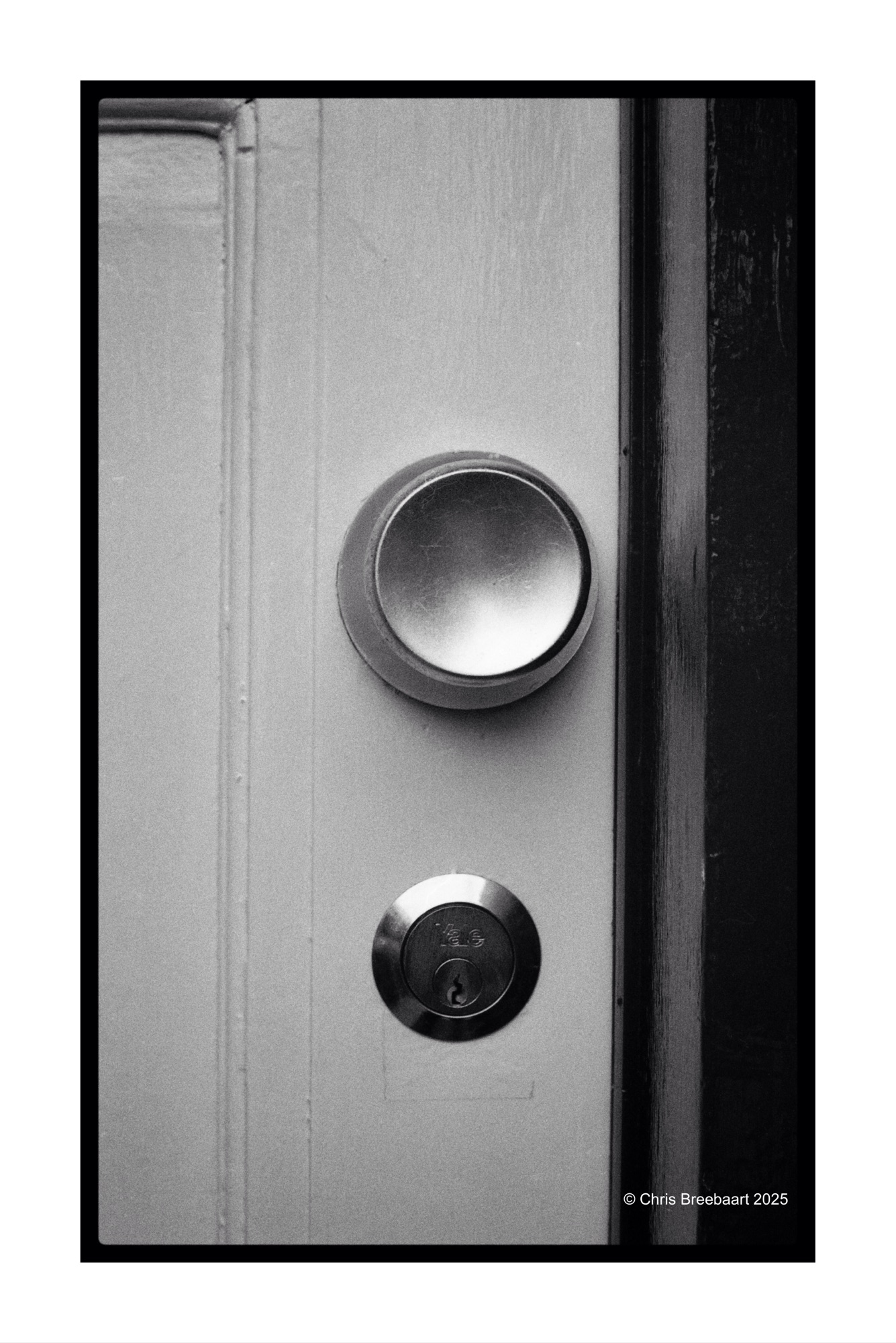
The Netherlands, Oegstgeest – November 1991
This is the front door to the house I was born and lived in for 25 years. The photo is shot on Ilford XP with a Pentax K1000.
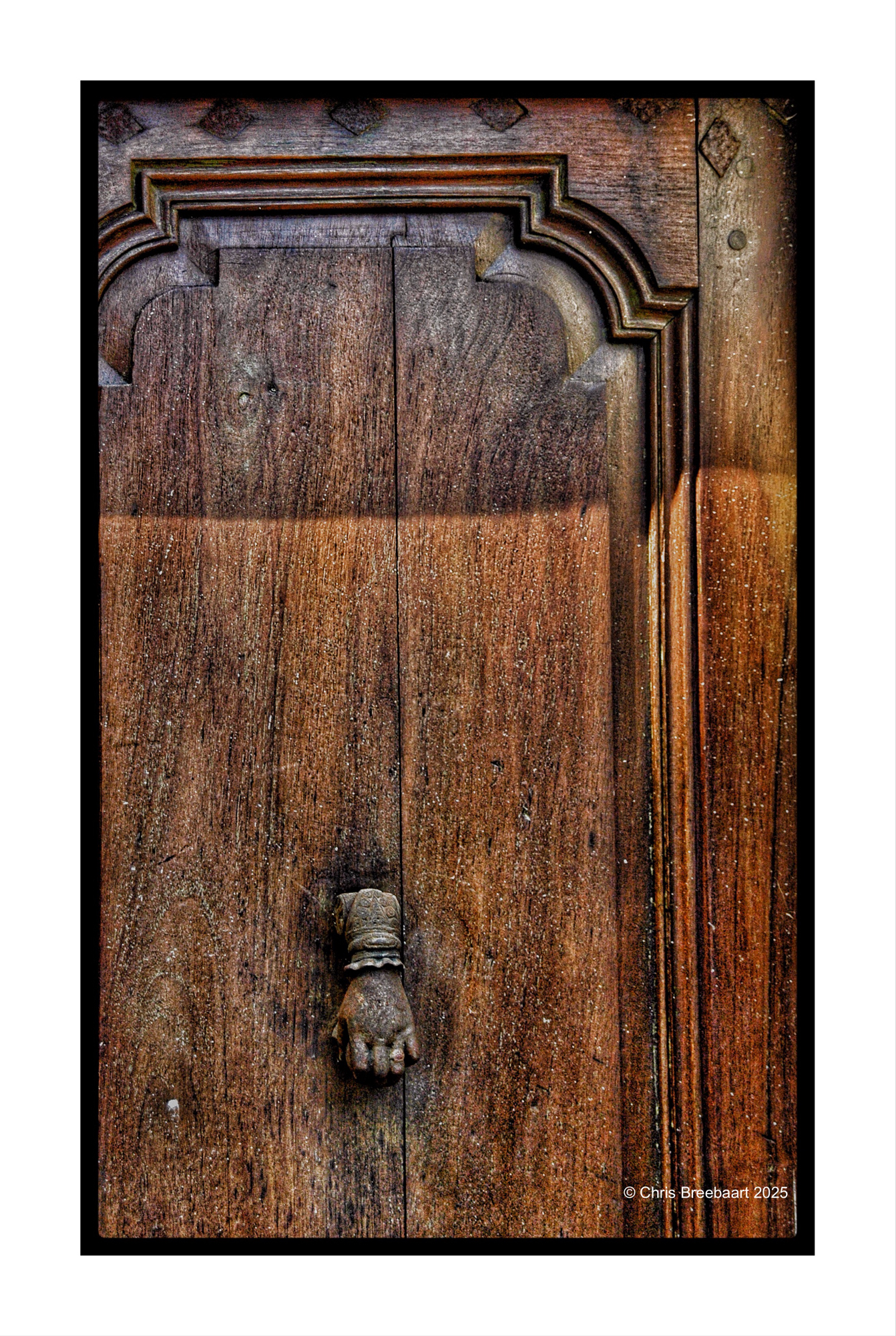
France, Caylus – September 2005
This door in Caylus is ready to be knocked. Shot on Nikon D70.
Greece, Karpathos – September 2009
I looked through my archive. It struck me that lots of the doors I saw there are doors of small or bigger churches. This one is on Karpathos. Shot on Nikon D70.
This week’s Lens-Artists Photo Challenge #359 is ‘Tools of Photo Compositions: Lines, Colors and Patterns’. Photography is about seeing. But what do you see? I can only talk for myself. It all starts with an appeal. Something in the real world captures my eyes. Most of the times that is spontaneous. It is about being there in the moment. What I visualize tells me a story, a small whisper, ‘come, shoot me! It’s fun’. And when building the photo lines, patterns, colors (or monochrome tones) are tools to try to bring that story out. And then the shutter clicks. My photo’s are my story of the world. My way of giving ‘voice’ to something that made me press the shutter, that reflects inside me. Yet, my click with the image can be totally different than the click of the observer.
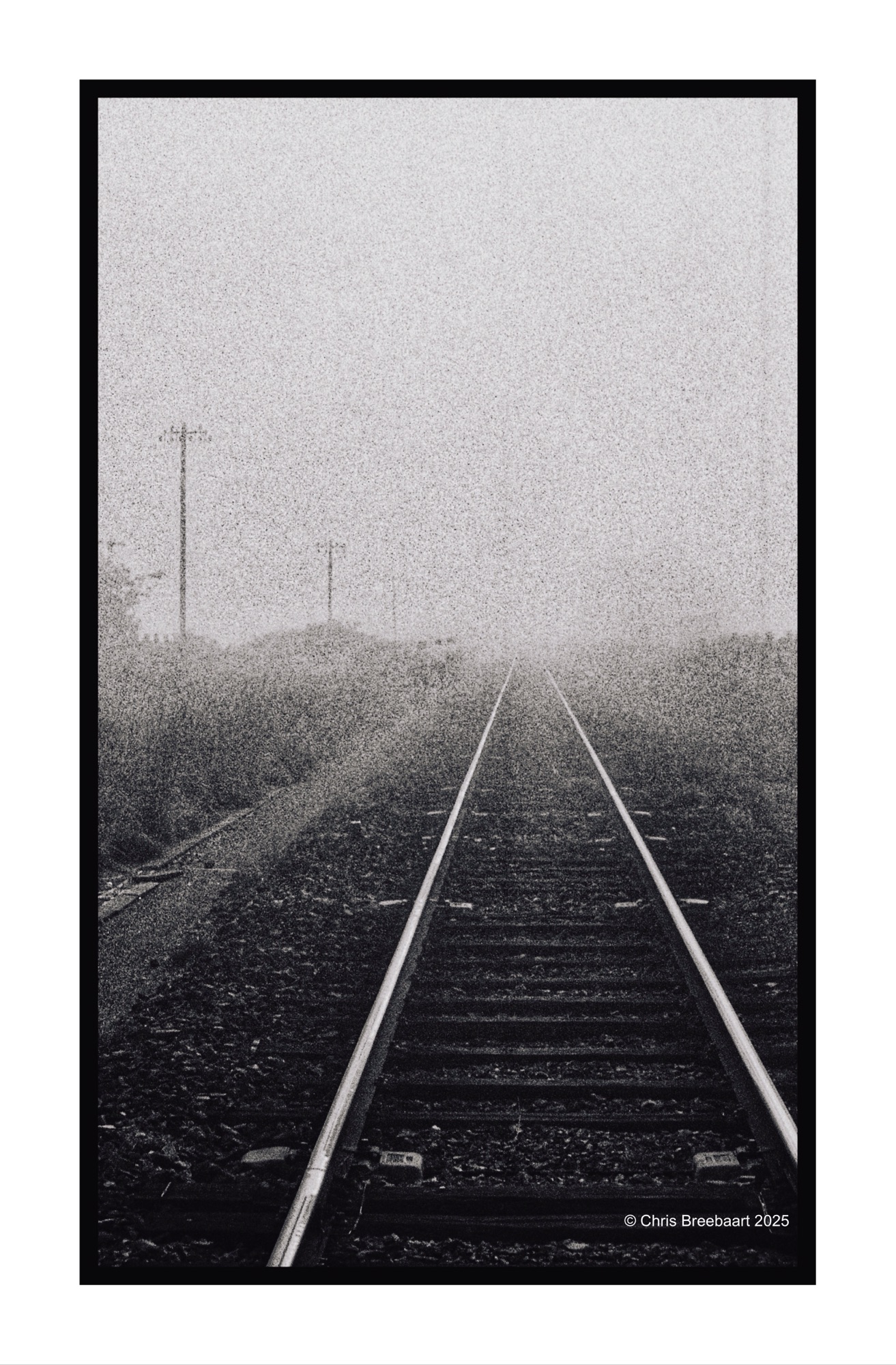
About the B4 retouch series: I browsed my archive for pictures to publish. Some of them are partly retouched but most do have scratches, dust and stains.Shot with Nikon F90 on Kodak TriX, scanned from film and edited using Snapseed and Marksta. Click the picture for a bigger version
About the B4 retouch series: I browsed my archive for pictures to publish. Some of them are partly retouched but most do have scratches, dust and stains.Shot with Nikon F90 on Kodak TriX, scanned from film and edited using Snapseed and Marksta. Click the picture for a bigger version
About the B4 retouch series: I browsed my archive for pictures to publish. Some of them are partly retouched but most do have scratches, dust and stains.Shot with Nikon F90 on Kodak TriX, scanned from film and edited using Snapseed and Marksta. Click the picture for a bigger version
About the B4 retouch series: I browsed my archive for pictures to publish. Some of them are partly retouched but most do have scratches, dust and stains.Shot with Nikon F90 on Kodak TriX, scanned from film and edited using Snapseed and Marksta. Click the picture for a bigger version
Delft has a technical university with a long history in engineering and water management. The plan for Dutch coast defense implemented in the Delta Works originated here. Deltares is a major technological institute for research focusing on water management.
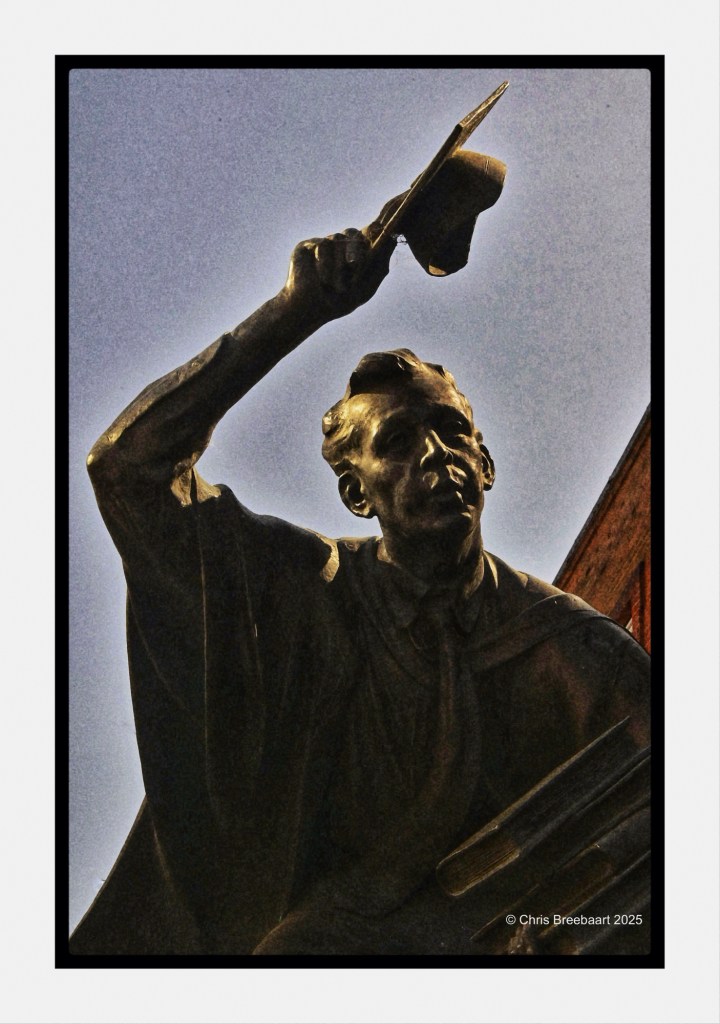
Lens-Artists Photo Challenge #350 (congratulations!) is ‘zooming’. A zoomlens gets you nearer to the subject, and can be used for lots of creative effects. The brief for this LAPC is to be creative, but in this photo I used the zoom just to get closer to a section of the ‘full picture’ of the Surrey Scholar on High Street in Guildford. The zoom puts the statue in a different light, taking the context away.
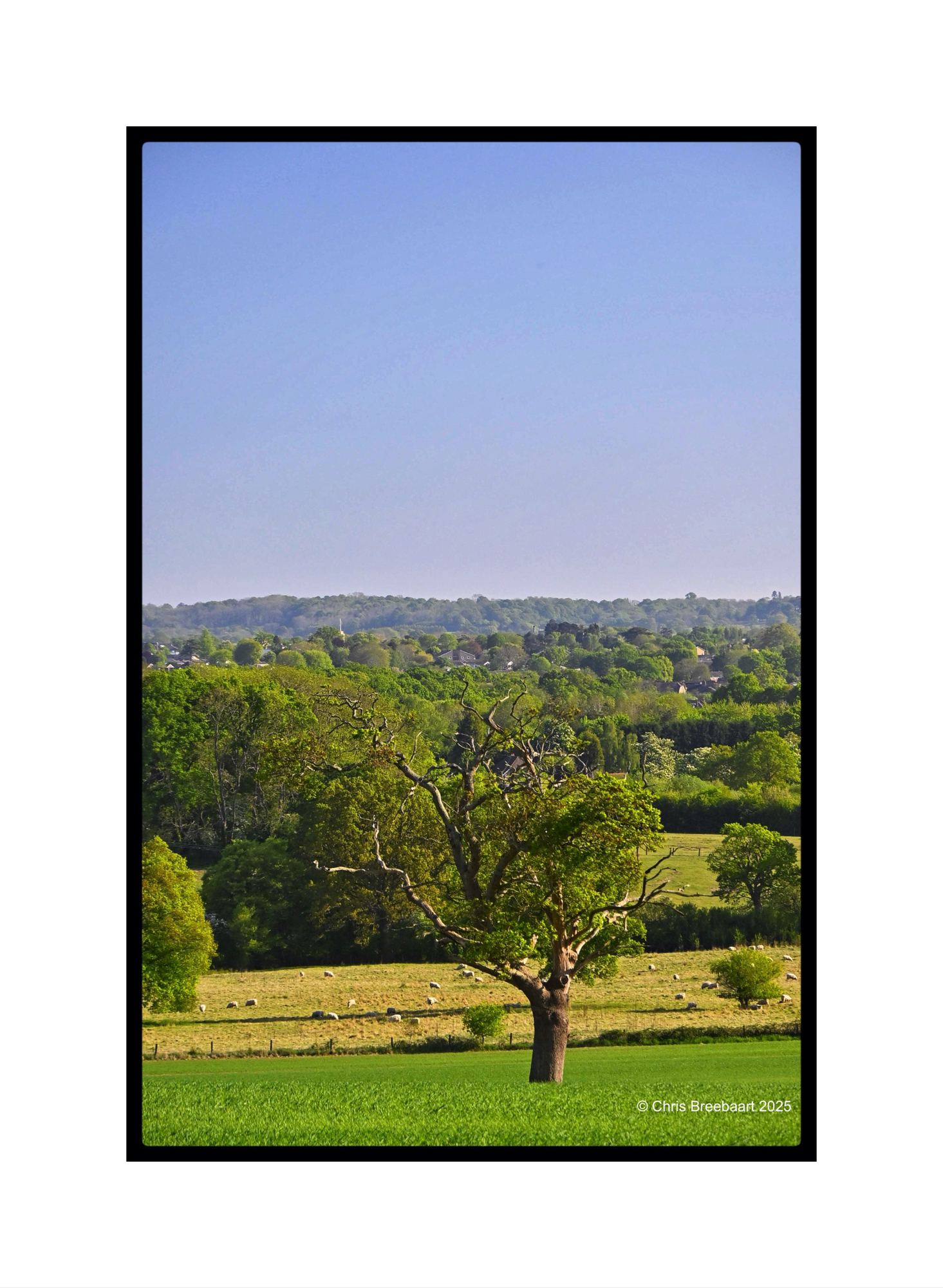
In The Netherlands, all trees are bi-annualy inspected for risks, like falling over during a storm, to prevent calamities and discomfort. Its aim is to prevent and control future situations. In a way this makes sense, if you can prevent accidents, what is not to be liked about that? On the other hand you are never sure when they come down, but you do know that it will happen! At times with severe storms, trees tend to come down on roads and motorways or train tracks. C’est la vie, say the French. Luckily, in England one can enjoy the odd dead, broken, fallen over or not too healthy tree like this one. Let nature be nature, enjoy the ride.
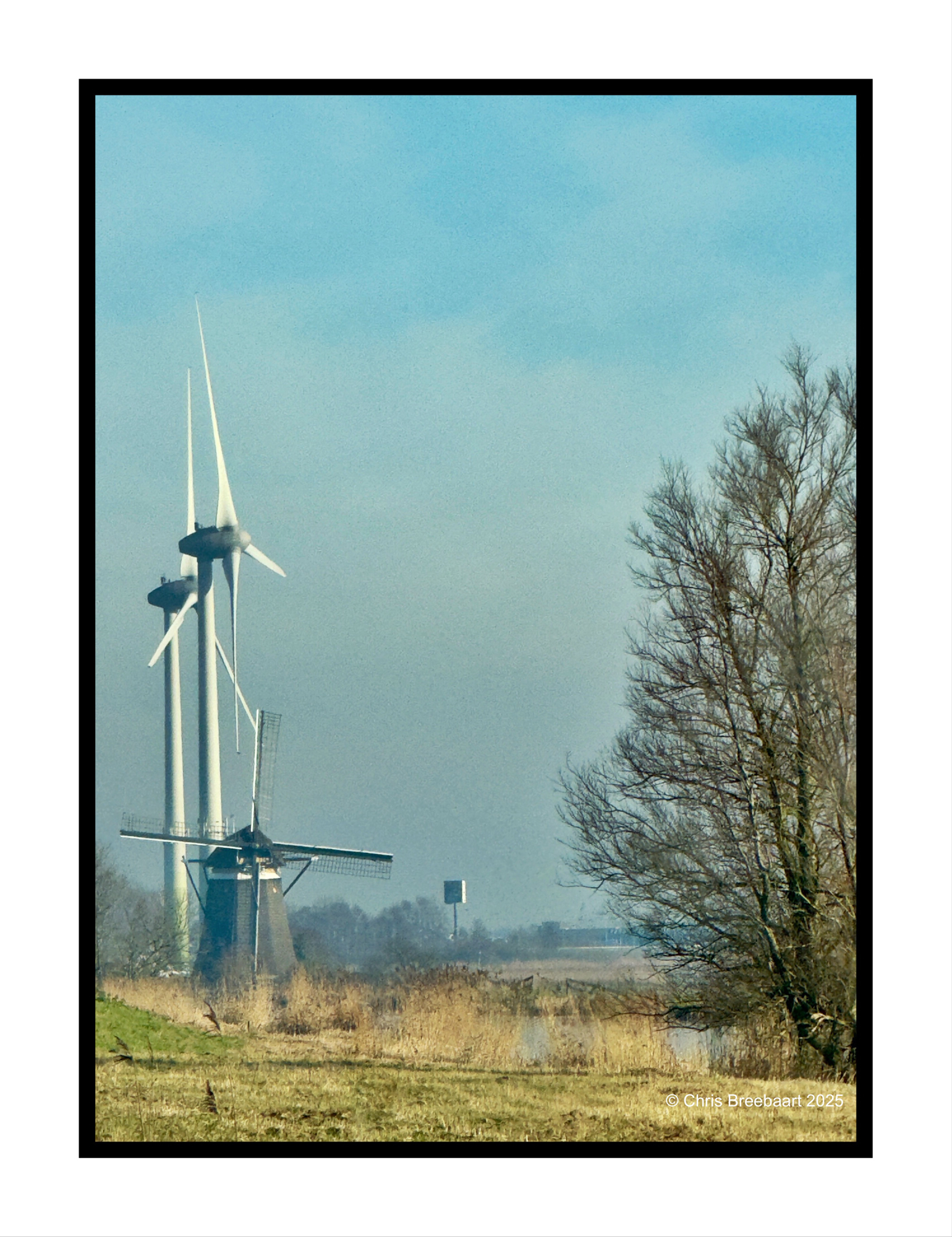
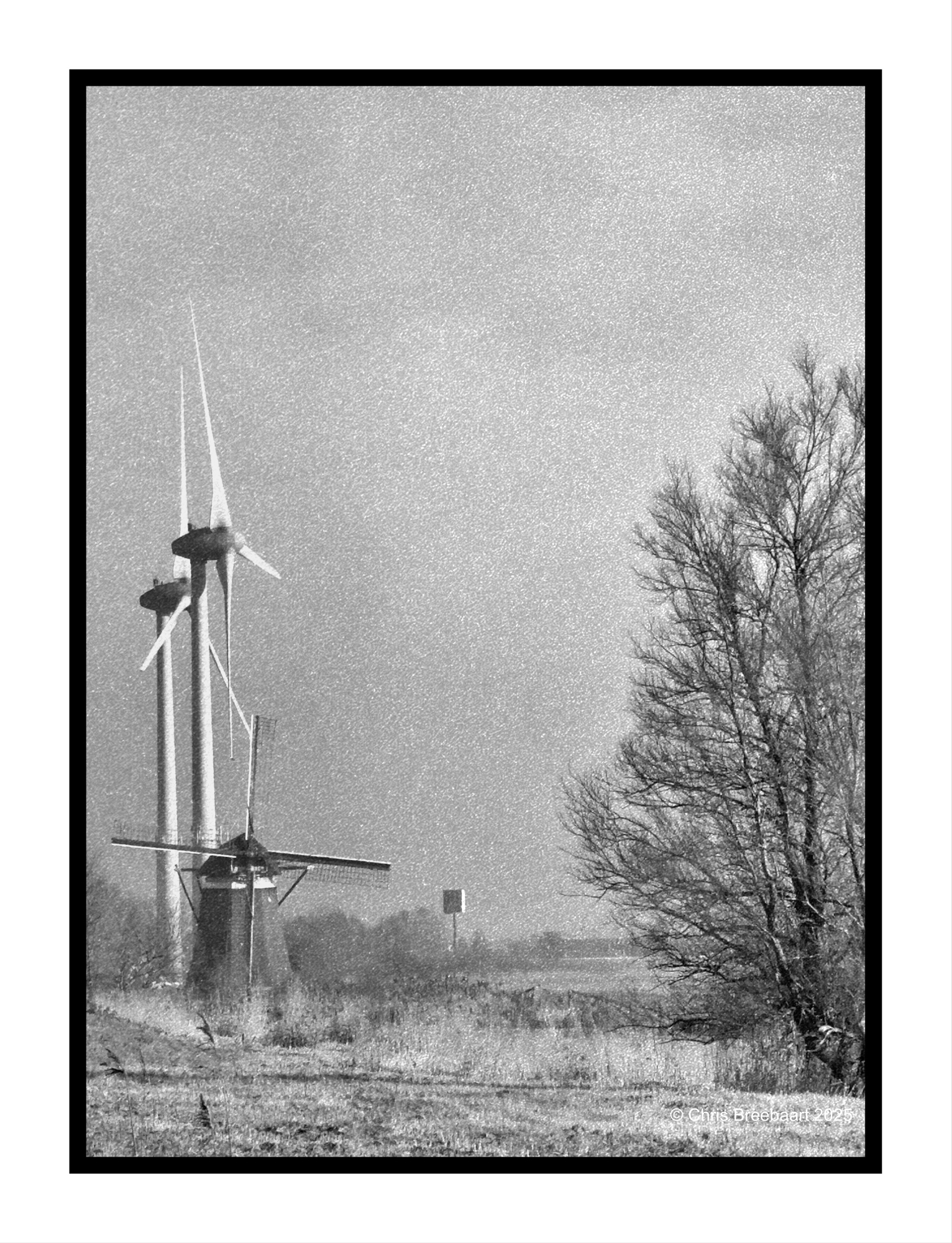
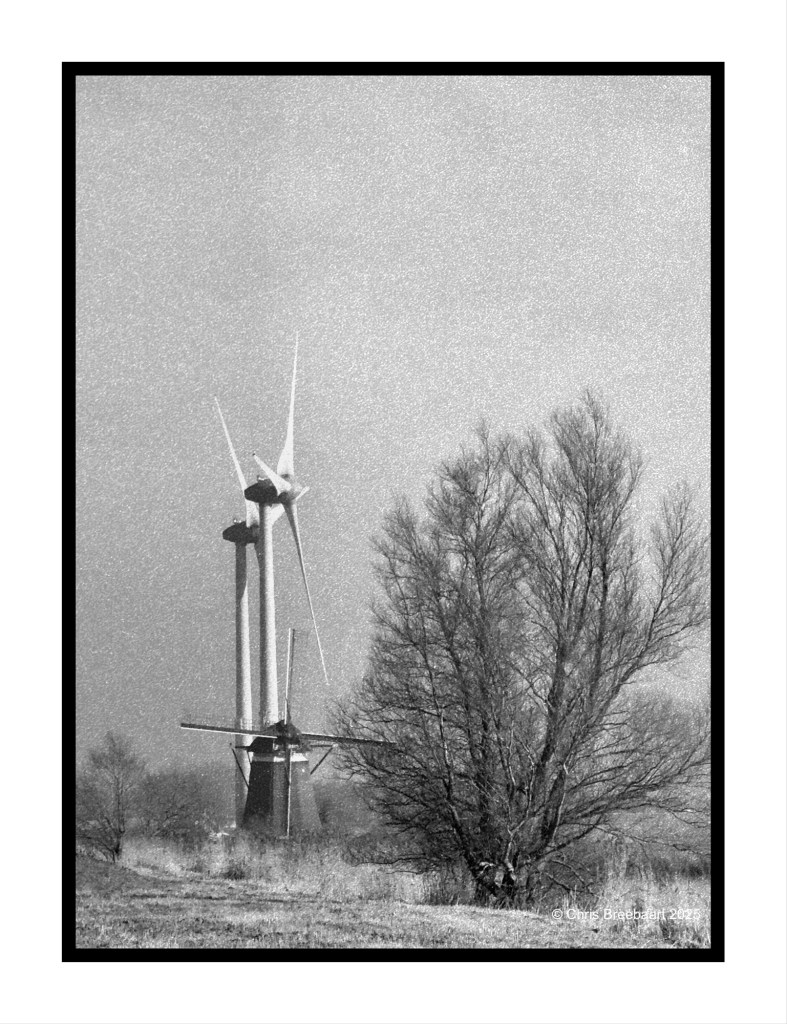
A few days ago I published a resembling shot in color and mono. This post differs from the earlier ones. The tree on the right went out of the frame. And a very modern advertising pole pops up in the background.
My love for the bleak colors of Winter’s light are the same. But I prefer this mono version, even if it was originally shot in color. GrainLab is a great tool, and the atmosphere of the photo is ‘old’ but the view is modern.
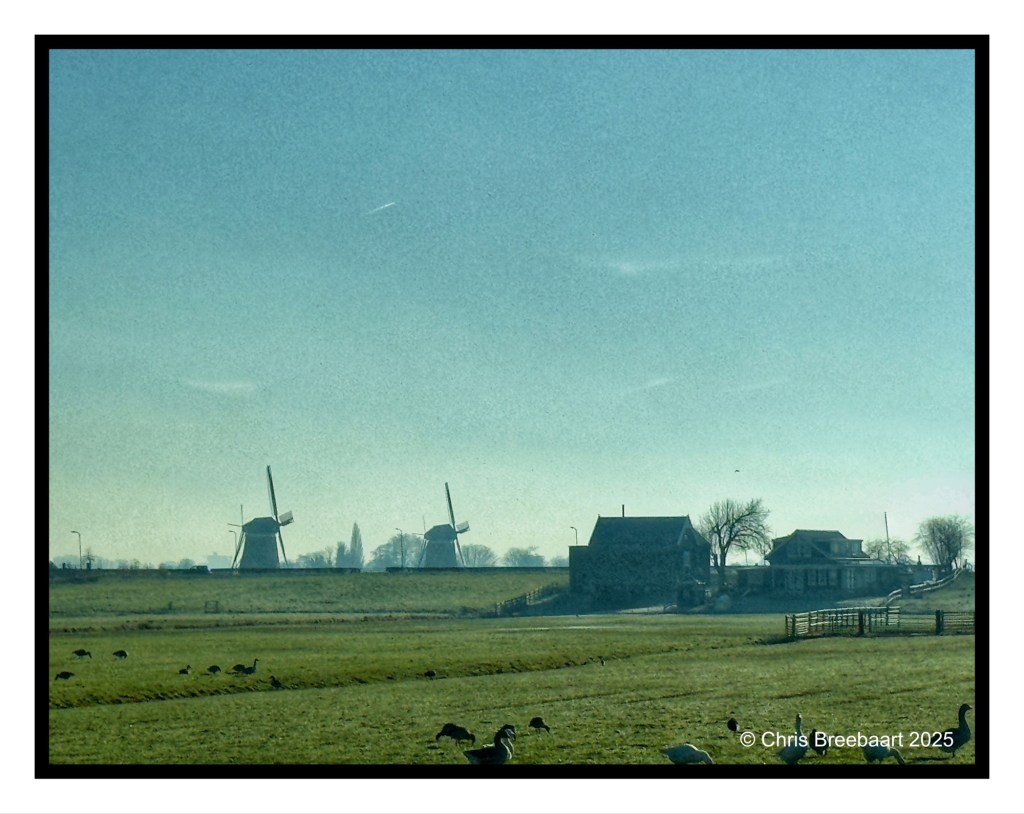
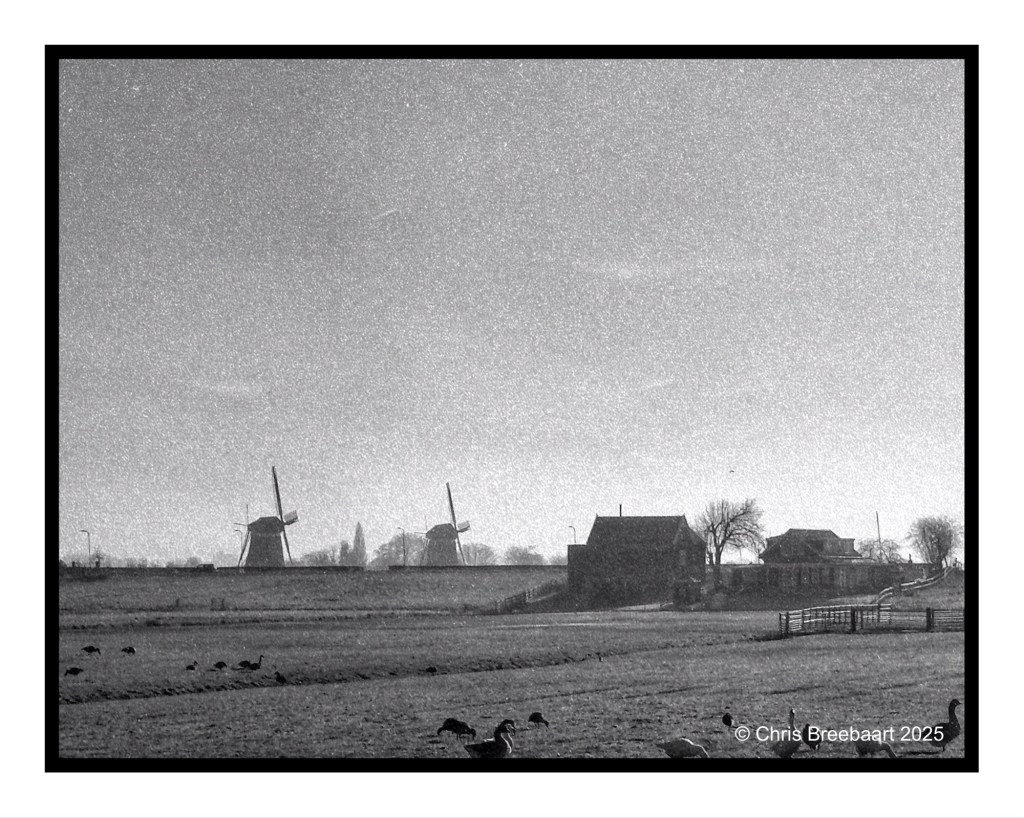
Two landscapes, originally shot in color. I do prefer the monochrome version. That was tweaked with GrainLab.
Yesterday I publiced this one in color. I do like it, the bleak colors of Winter light are nice. But I prefer this mono version, even if it was originally shot in color. The dark spots are much more toned and I do like the grain feel of Kodak Tri X.
I tend to think in black and white at most moments. Just my preference. And if I can I shoot just in a mono mode on my iPhone or my recent purchased Nikon Zf.
Yesterday I publiced this one in color. I do like it, the bleak colors of Winter light are nice. But I prefer this mono version, even if it was originally shot in color,
The weekly LAPC #327 is ‘five elements’. Four of the Greek (fire, water, earth, sky) and metal from a Chinese philosophical edge. The only fire in this photo is invisible and contained in the wind sweeping the water onto the beach. And as far for metal, it keeps the wooden fence together. Water, sky and earth in abundance. Funny we do not look in ‘elements’ to a photo.
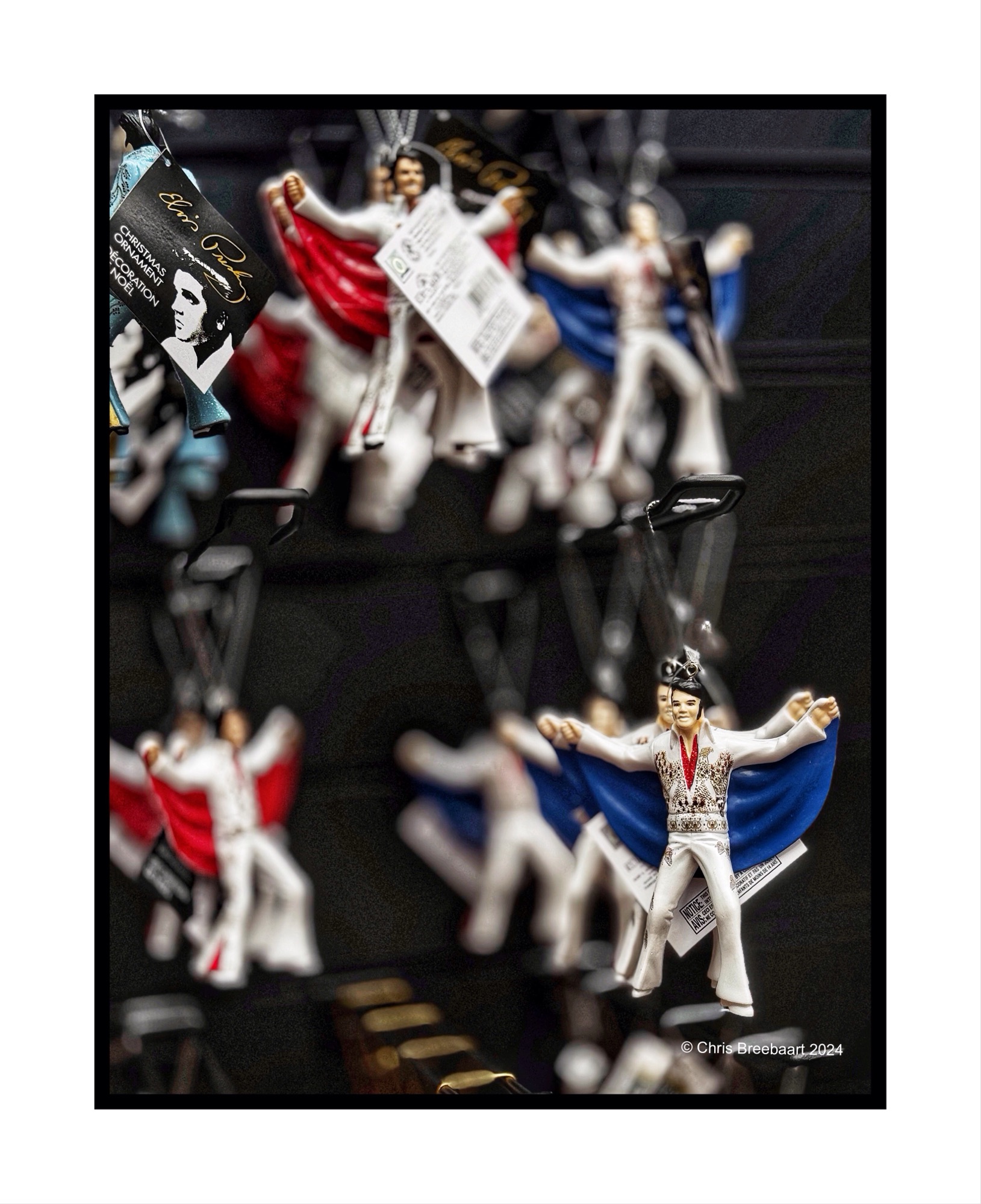
Rest assured people of The Netherlands, Elvis is available for your trees at Christmas! It brings a smile to my face (LAPC #326 is ‘this made me smile’)
This week lens artists challenge #323 is ‘silence’. Autumn is a time where we move towards the end of the cycle, preparing for Winter. A time of letting go with the awareness that nature is preparing for Spring. The cycle of life at work, complexity in simplicity.
This week’s Lens Artists Photo Challenge #322 is ‘there is a crack in everything, that’s how the light gets in’. The quote is from a verse by Leonard Cohen about imperfection and beauty, redemption, healing and growth to overcome pain and hurt. The origin is more ‘cosmic’ and is much older (e.g. Rumi): the only perfect ‘being’ (the light) is the source of all. As humans we are not perfect but we can let the light in to heal our wounds and pain. And essentially learn from it.
Yesterday I showed a photo from the bright side, this one is from the sunrise, and I must say I love the light and the atmosphere.
This week’s Lens Artists Photo Challenge #322 is ‘there is a crack in everything, that’s how the light gets in’. It is from a verse by Leonard Cohen about imperfection and beauty. This photo is just a blunt statement: the light comes from the right. But considering my more frequent photo moments in the early morning on this spot, it is after noon. A total different view on the same view. The way the light hits a scene gives it meaning. And shows different details. It softens, warms an strikes with a tender touch, showing the deeper beauty. Not perfect, but priceless.
This week’s Lens Artitsts Photo Challenge (#321) is Intentional Camera Movement (ICM). Yesterday I published photos shot analogue on film: the result is only visible after developing the film. This one is from 2004 with my first digital Nikon D70. The fun of digital is that you can actually see on the back what the result is, and use this feedback to try again. Digital gives freedom and is cheap and gives instant feedback. 20 years of digital playing.
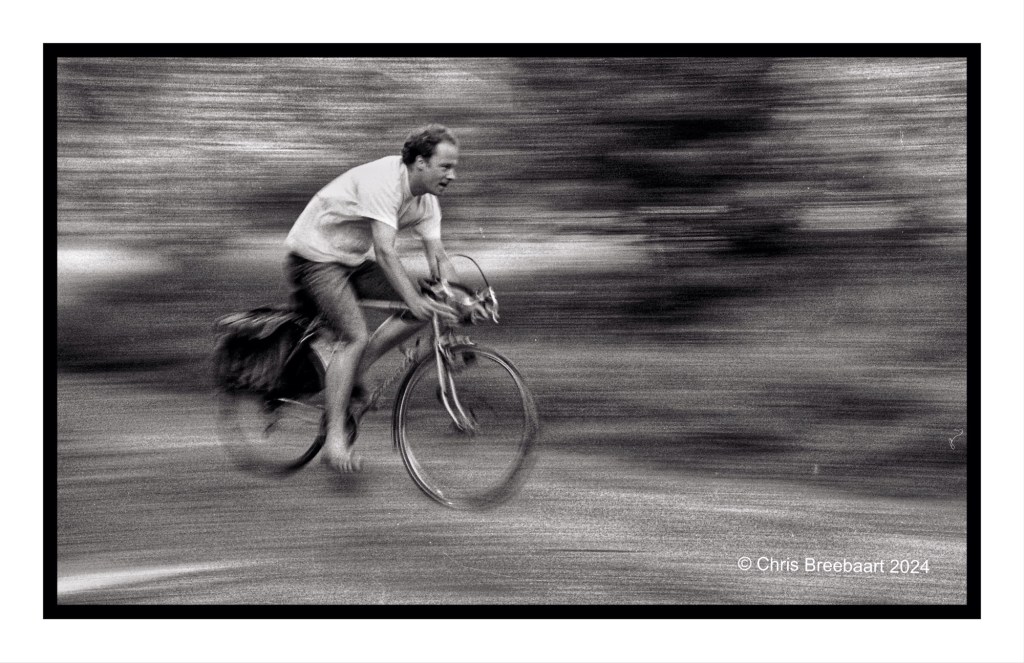
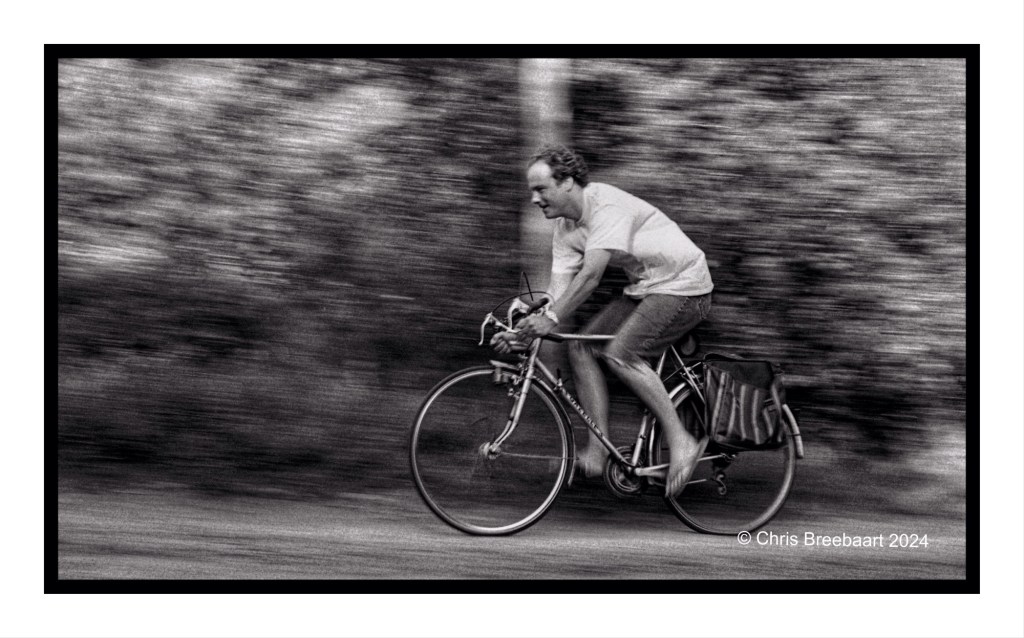
This week’s Lens Artitsts Photo Challenge (#321) is Intentional Camera Movement (ICM). These photos are from a workshop in 1997 in France, where we had to create movement with a low shutter speed while following the subject. Basically a fun excercise but done on film. So the result literally came to light after developing the film. The excitement and anxiety about the possible results were out of scale! Patience.
These film archives are the source of my B4 retouch series.
About the B4 retouch series: I browsed my archive for pictures to publish. Some of them are partly retouched but most do have scratches, dust and stains.
Shot with Nikon F90 on Kodak TriX, scanned from film and edited using Snapseed andMarksta. Click the picture for a bigger version
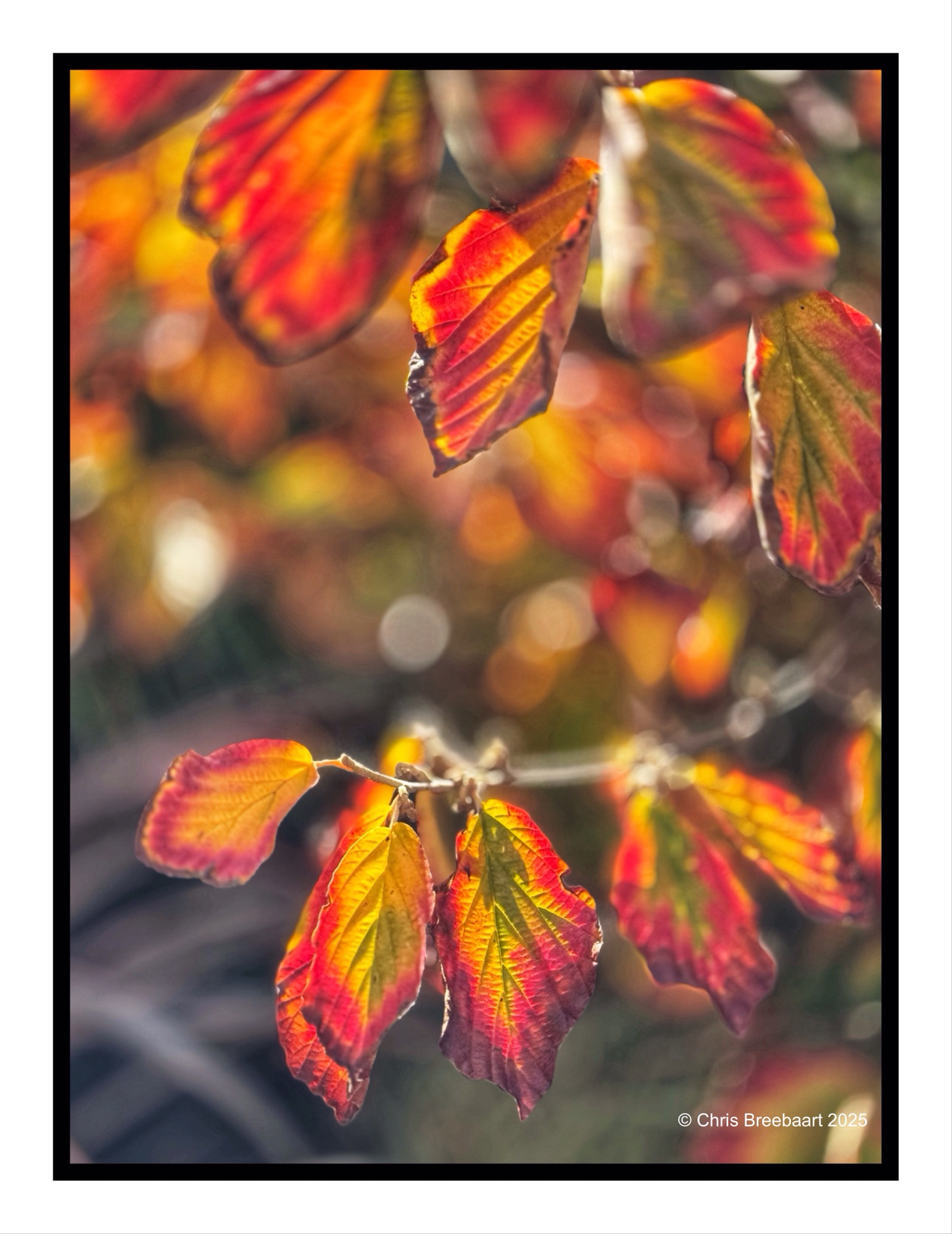
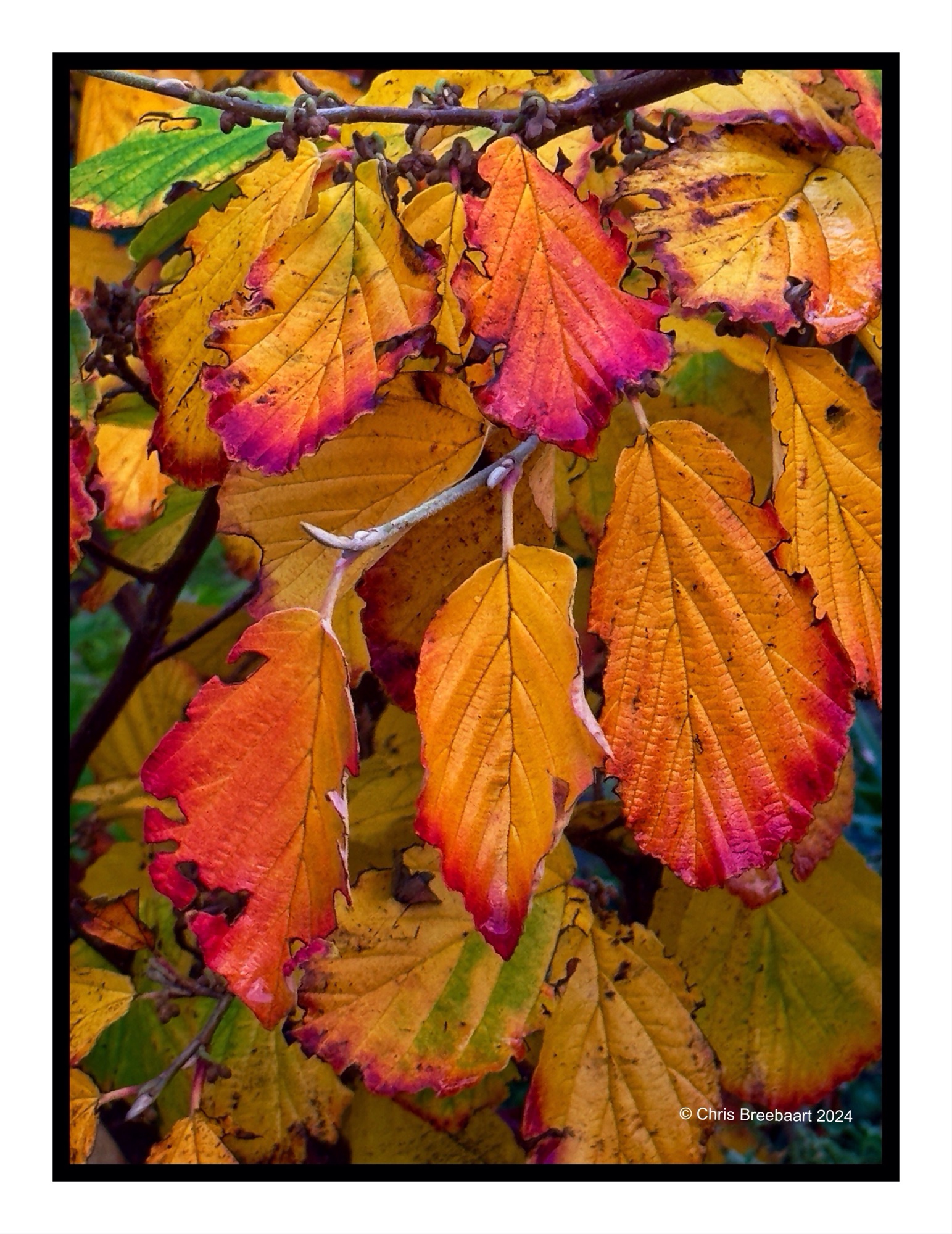
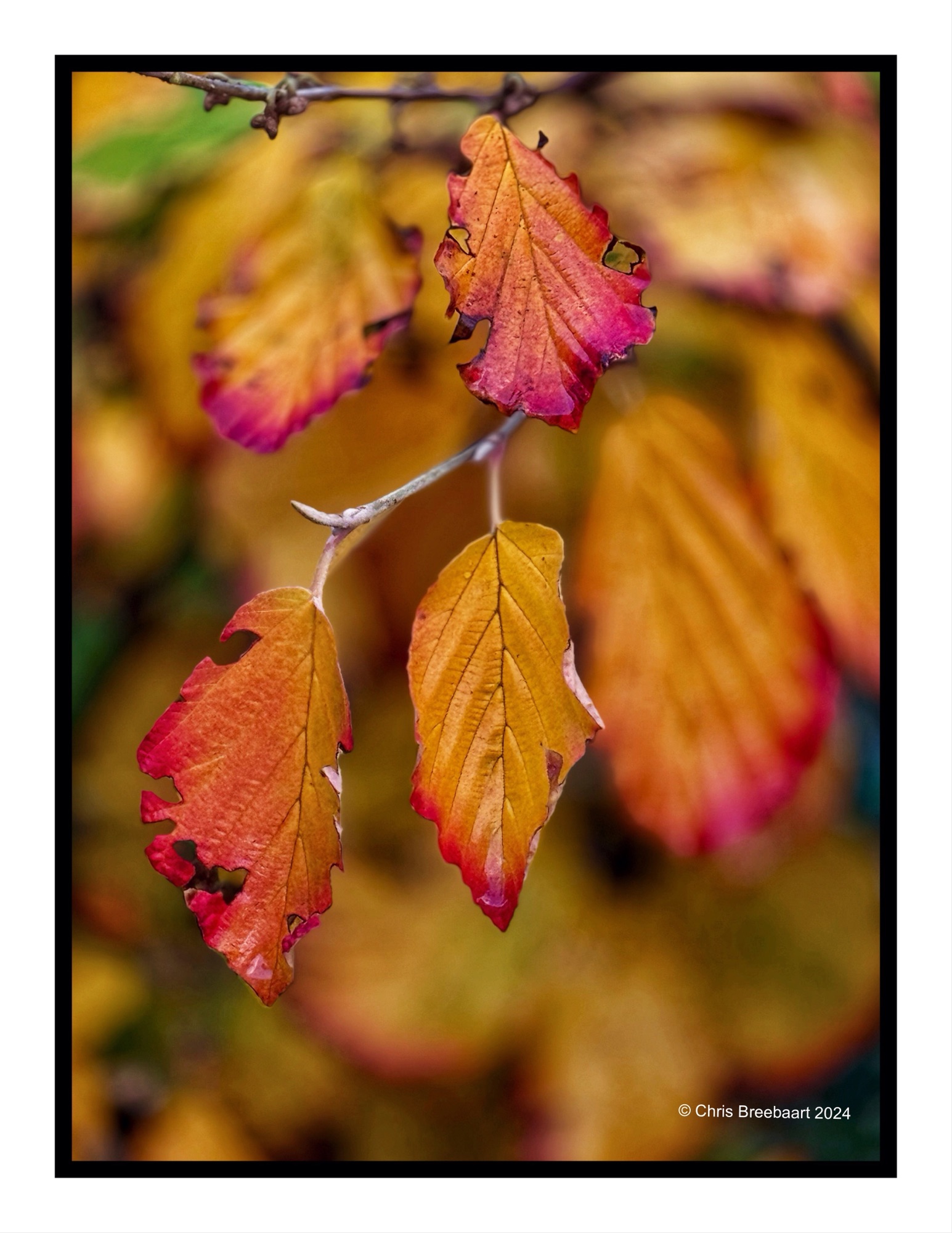
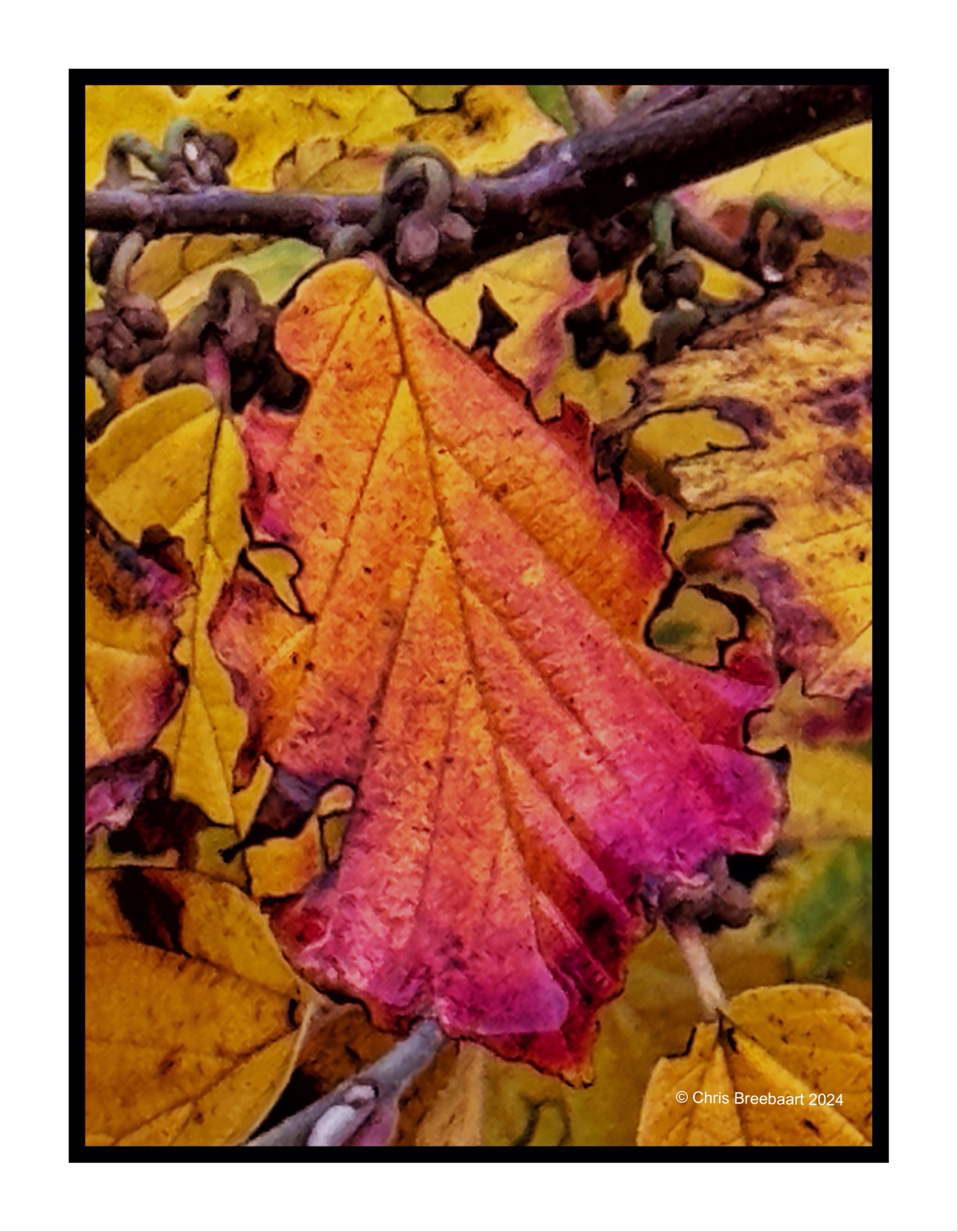
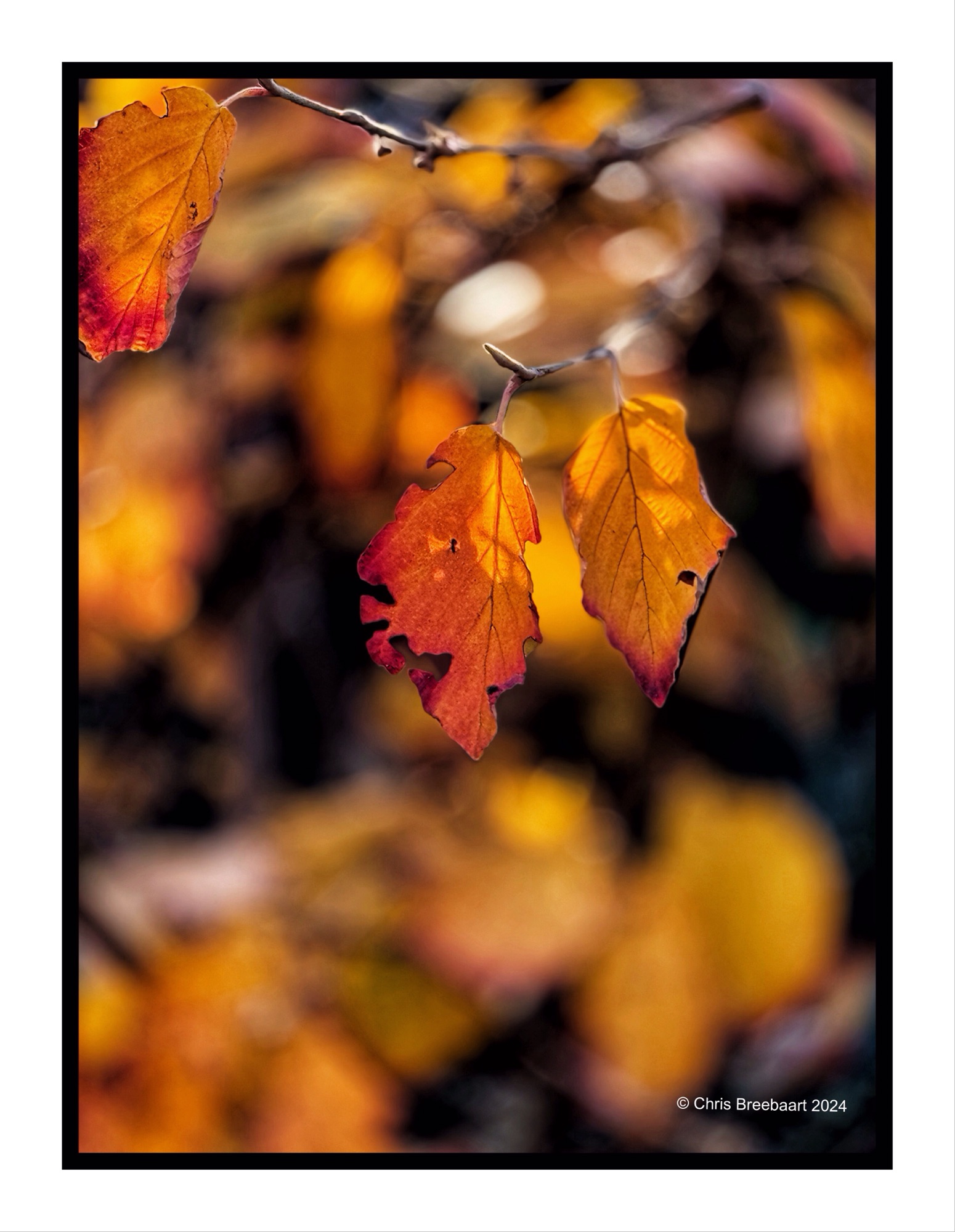
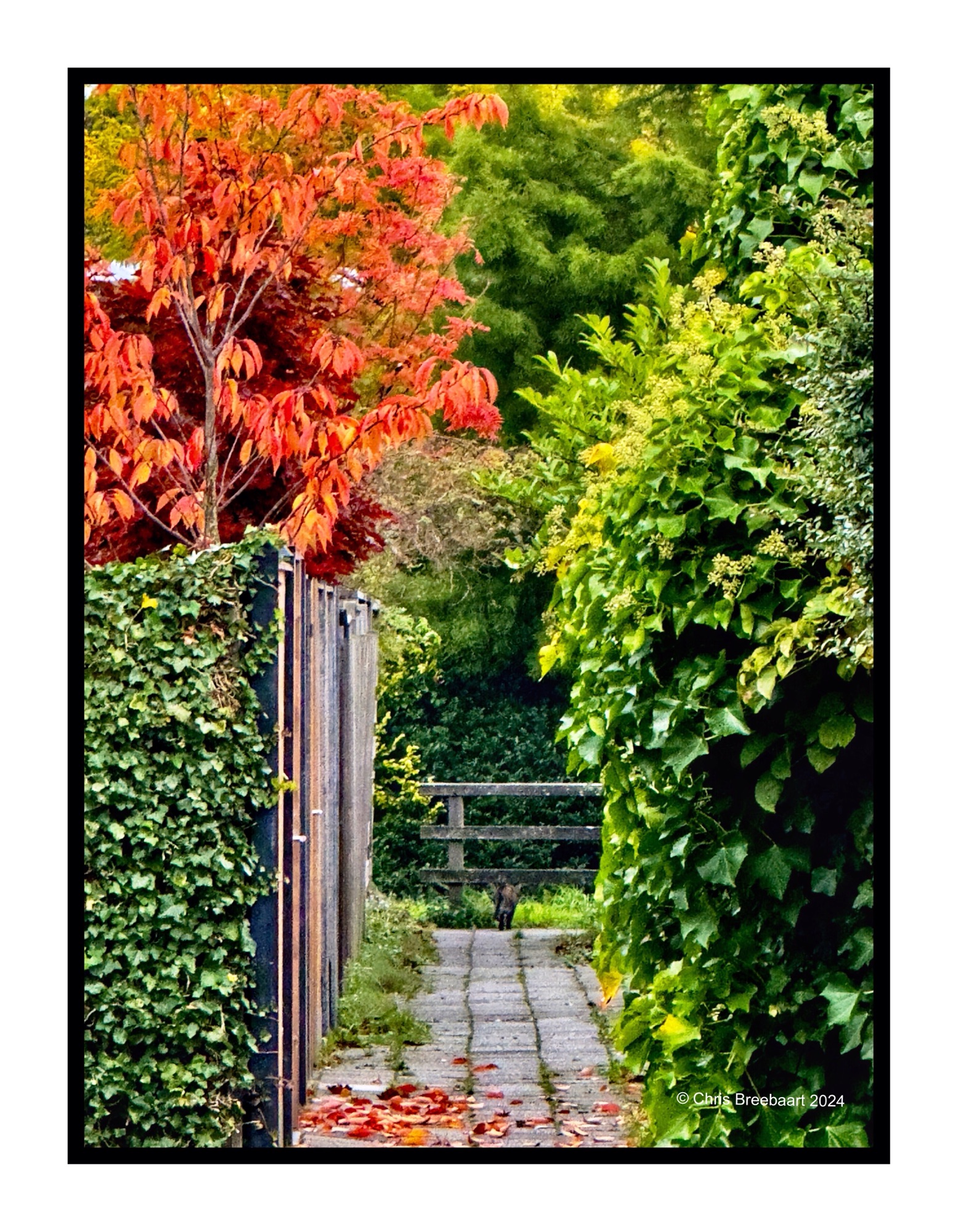
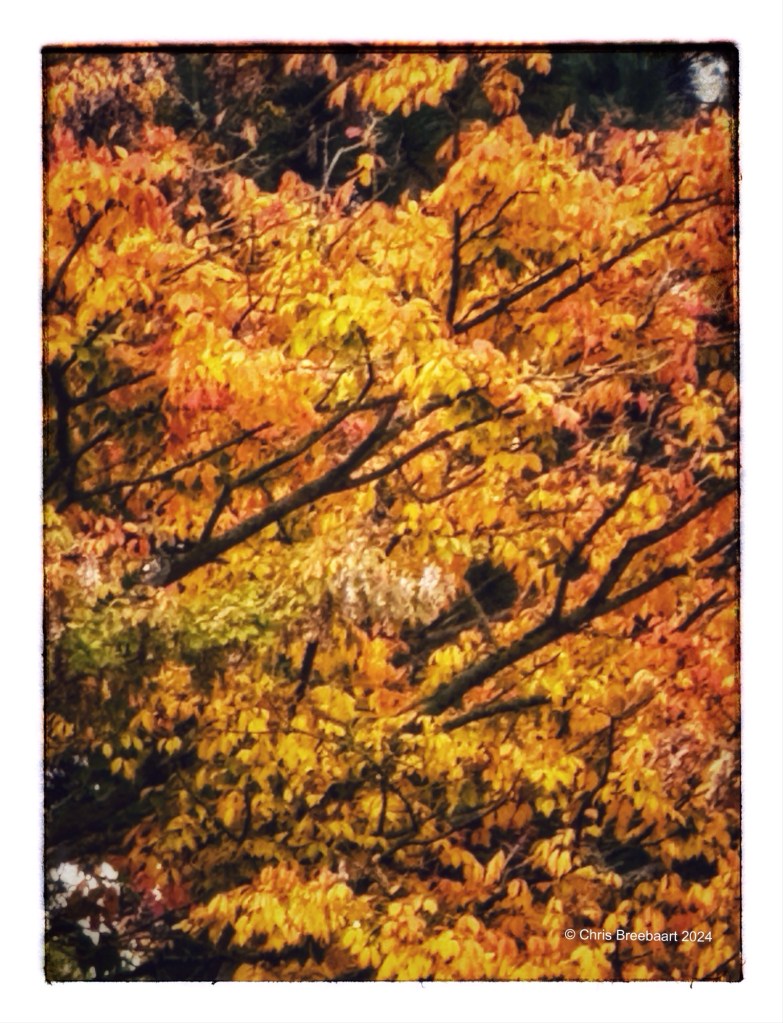
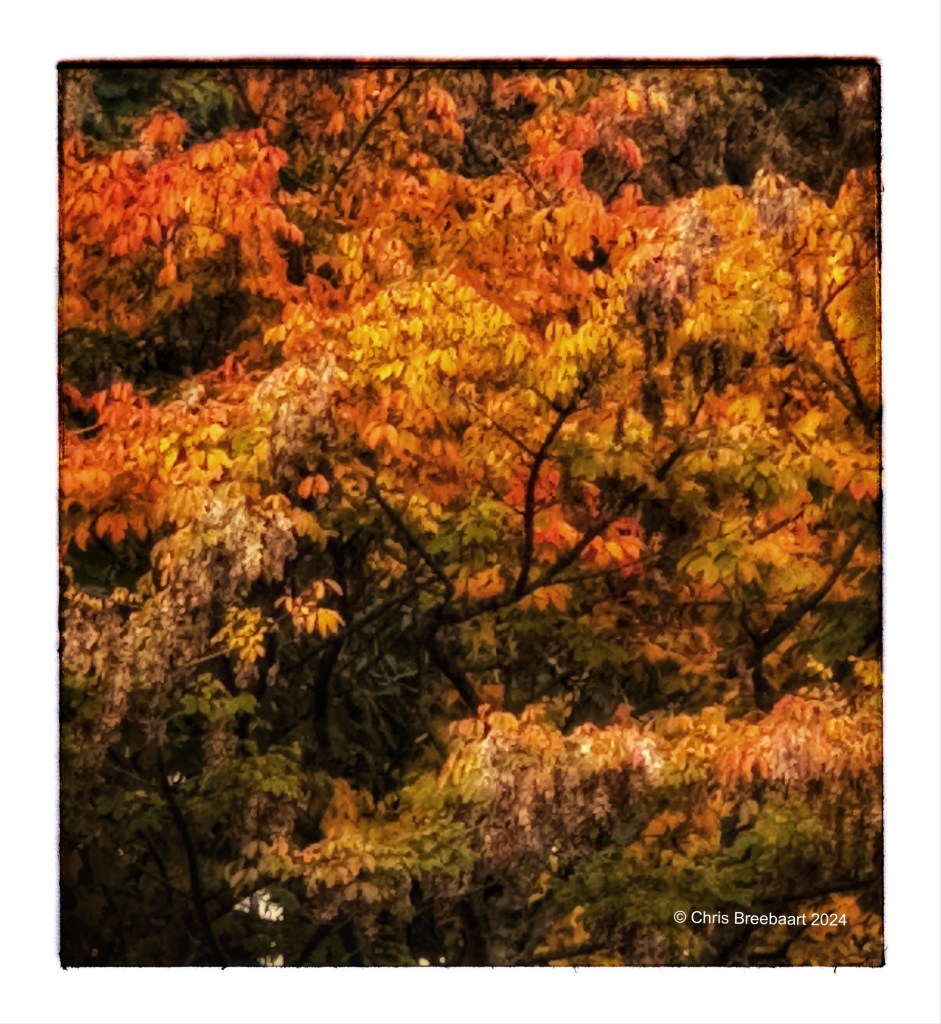
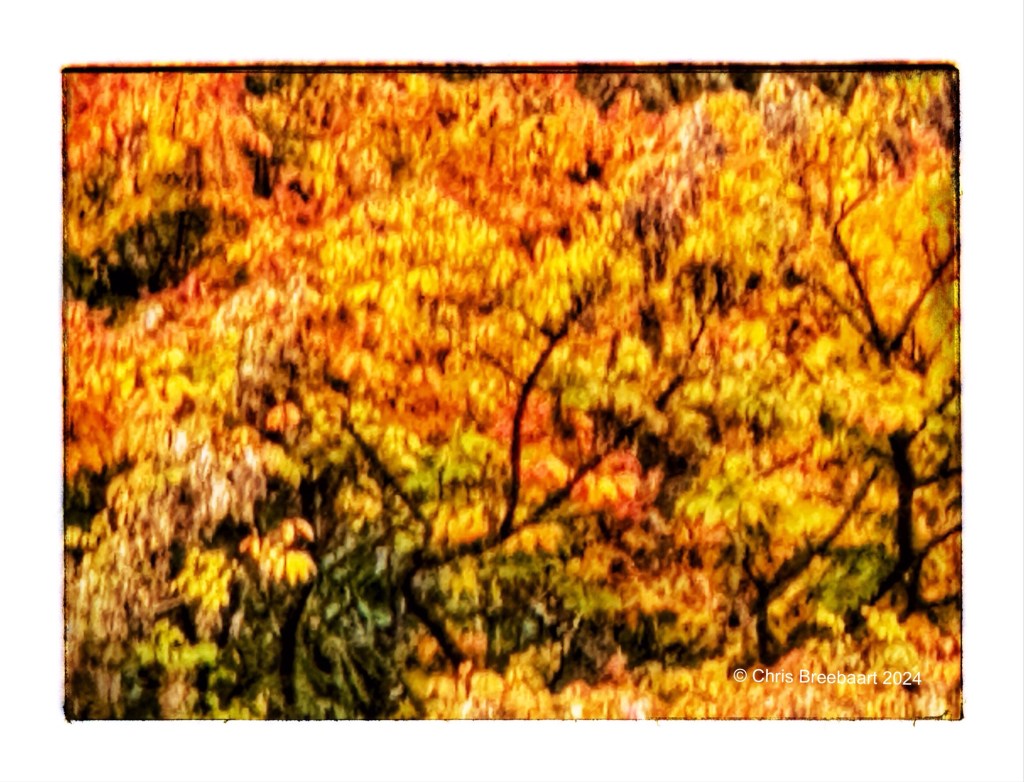
Autumn has arrived. Some trees take a fast lane to color and shed, some take more time. Each year this tree is delight of gold.
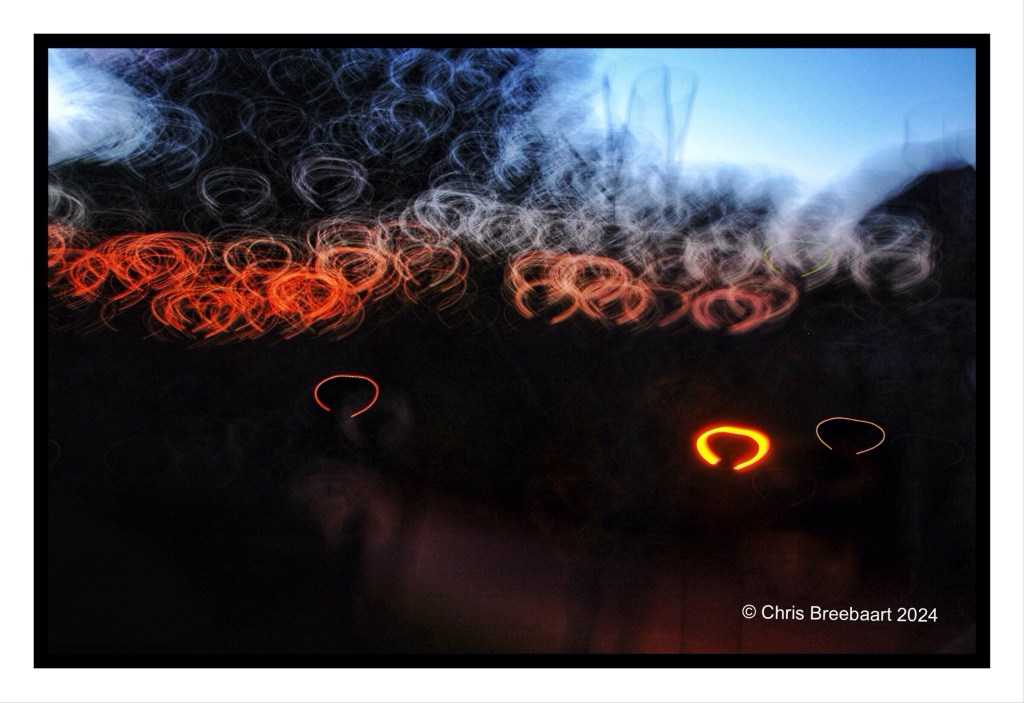
This week’s Lens Artitsts Photo Challenga (#321) is Intentional Camera Movement (ICM). That is a creative technique, but in this case the movement was non-intentional, caused by the extreme zoom of the iPhone, my unsteady hand and the amount of light available. However, it gave an overall glow to the photos that I do like. I hope the hose of this week Anne is not offended by this entry.
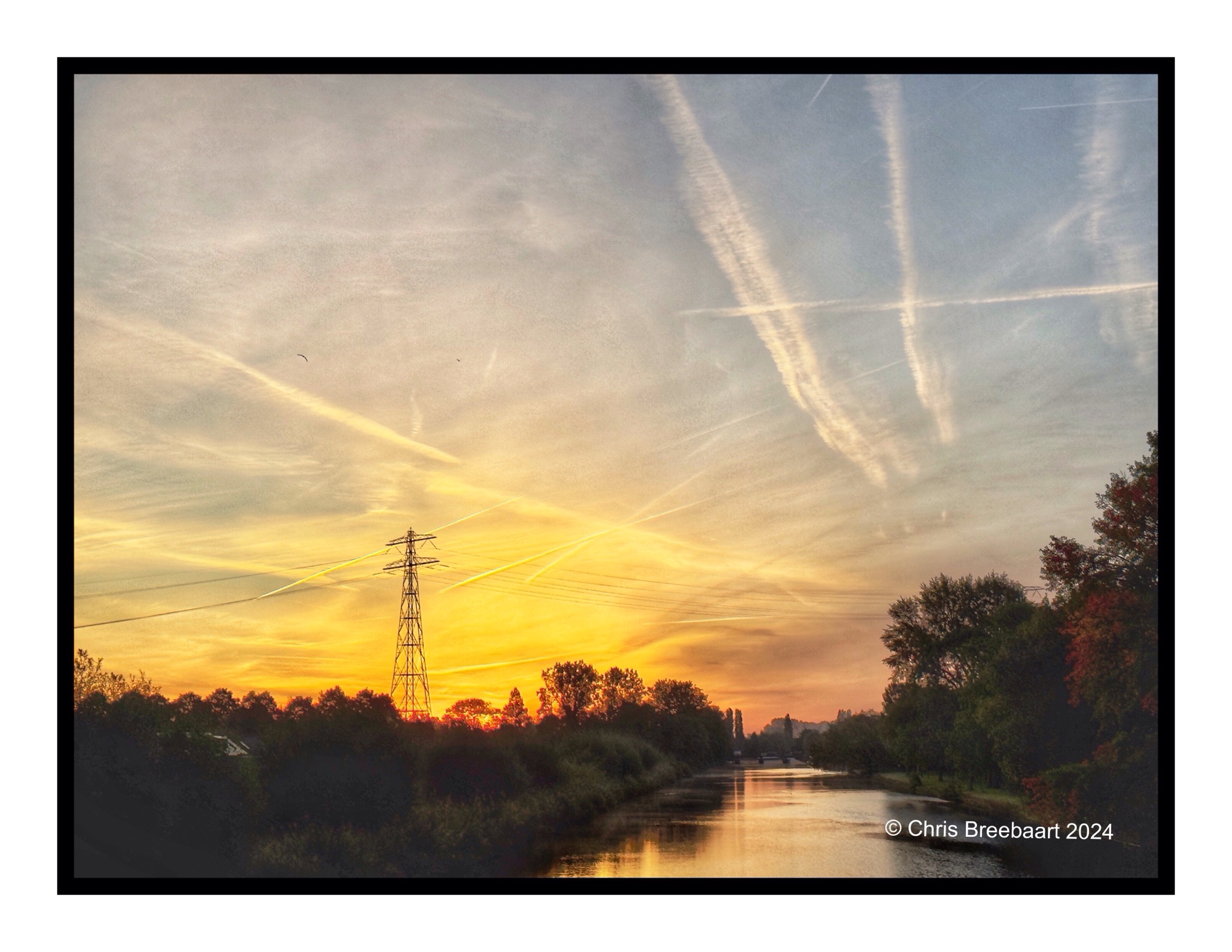
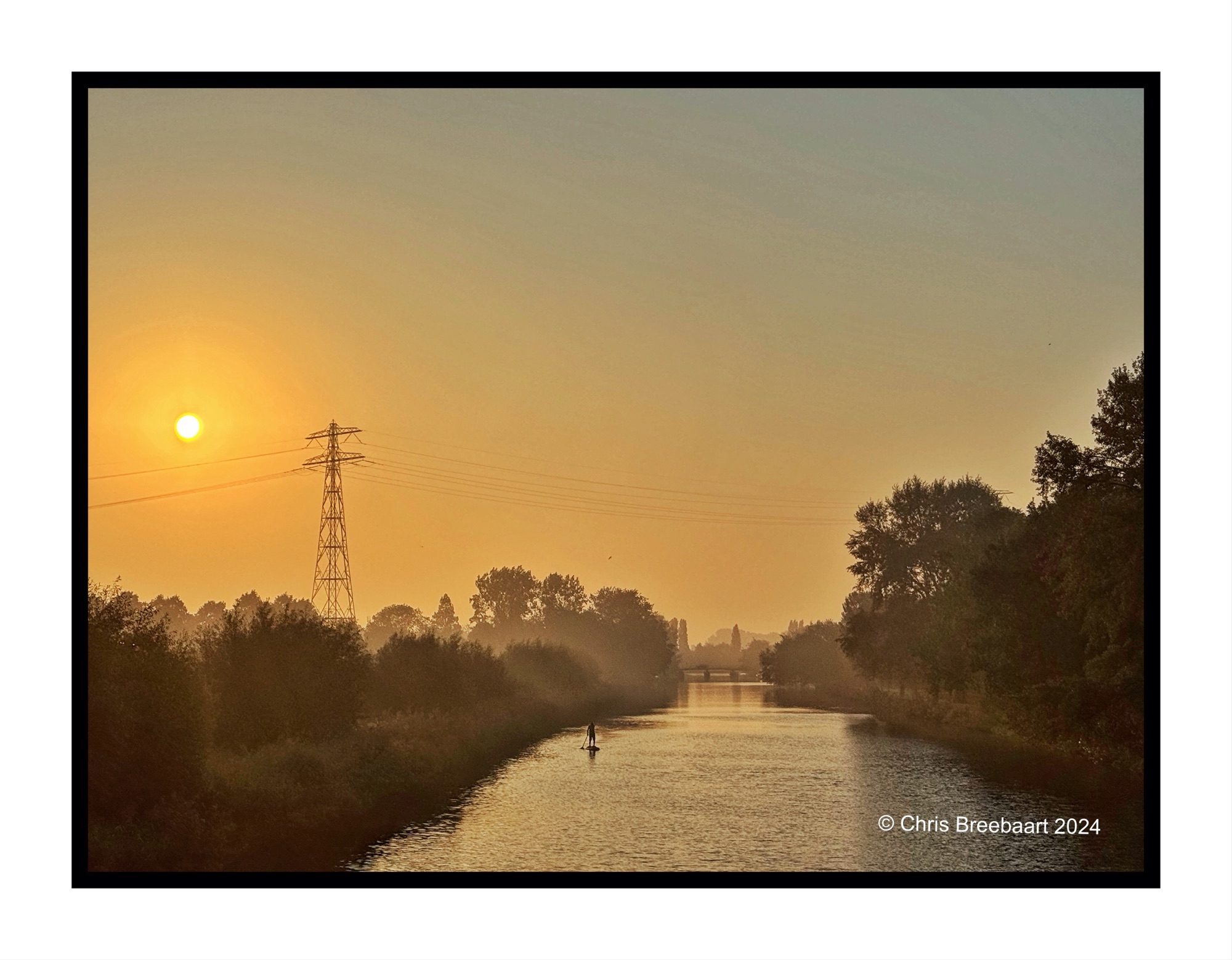
The canal is one of my long period objects for photos. I always look if there is something worth a photo when I cross it. Most of the time it is empty, sometimes there is a boat. But this time there was a first: a SUP paddler in a beautiful moody Autumnal sunrise. As if he knew this week’s theme for LAPC #319 is ‘setting a mood’.
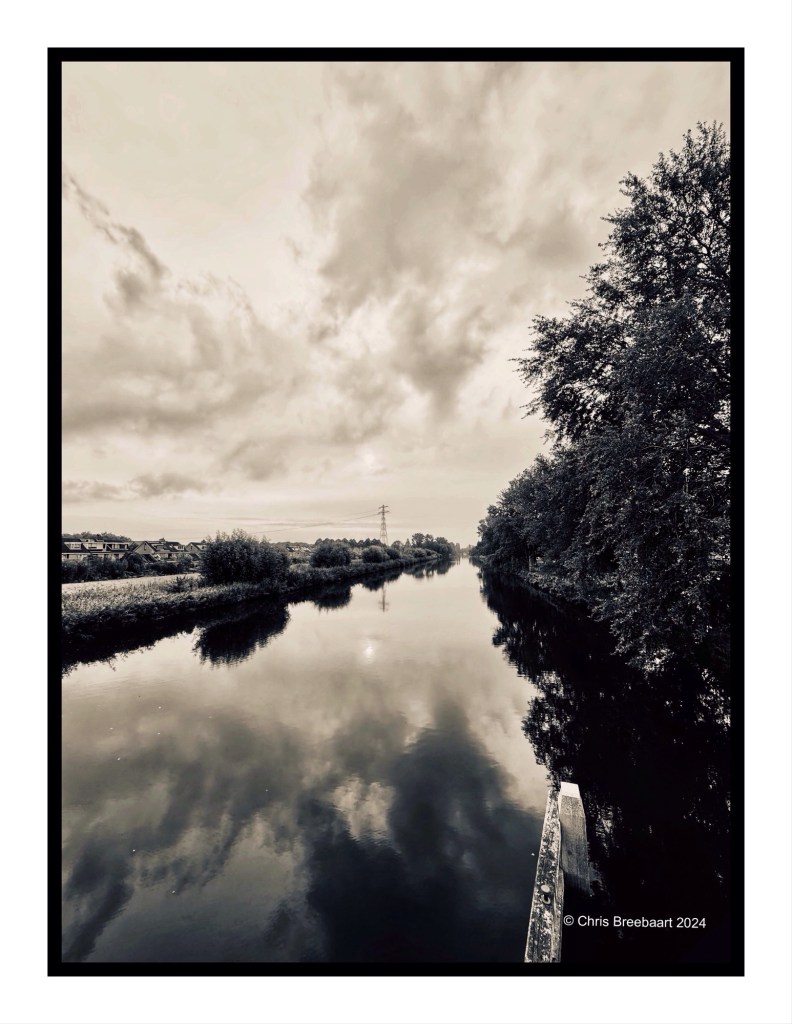
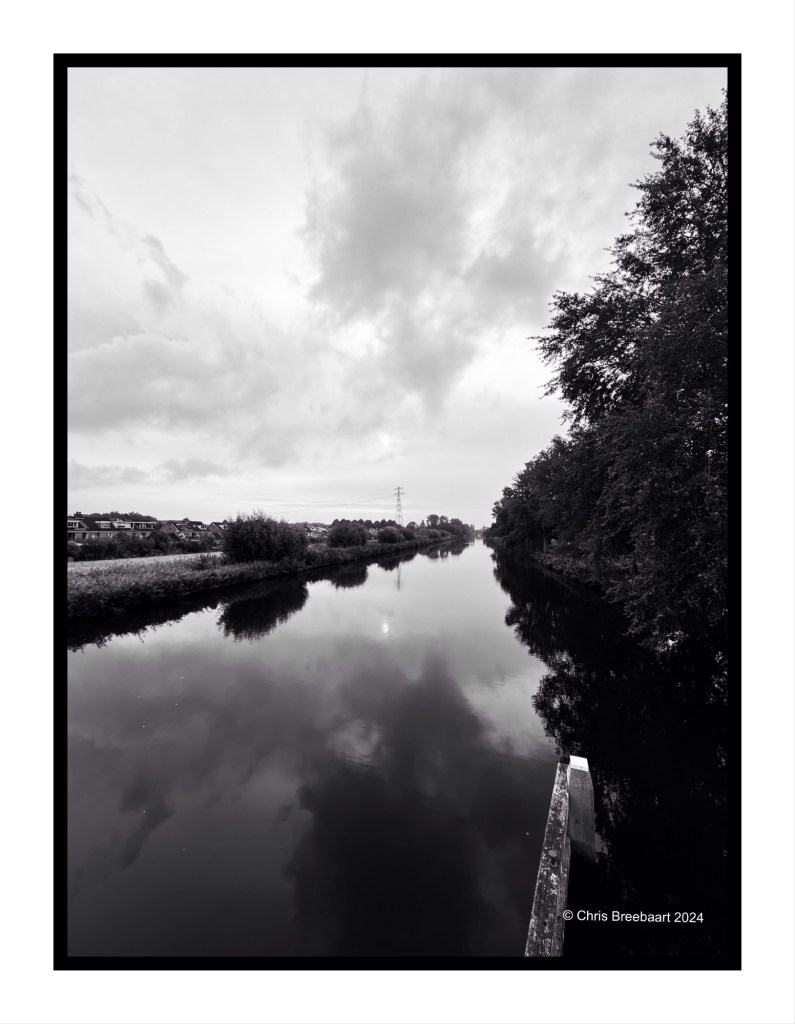
LAPC #316 is ‘Finding beauty in unexpected places’. One of the objects for photographs is the canal that runs through my village. It is quite ordinary, there is a vast amount of small and little canals to dispose of water in The Netherlands. To manage water in a country that is partly under sea level, one has to build infrastructure to keep dry feet. Two pictures taken at the same moment of the day, slightly different in monochrome style. The first is with the silvertone setting, the last with the dark setting on the iPhone. It changes the atmosphere completely. And one may be more beautiful than the other, it is all in the eye of the beholder.
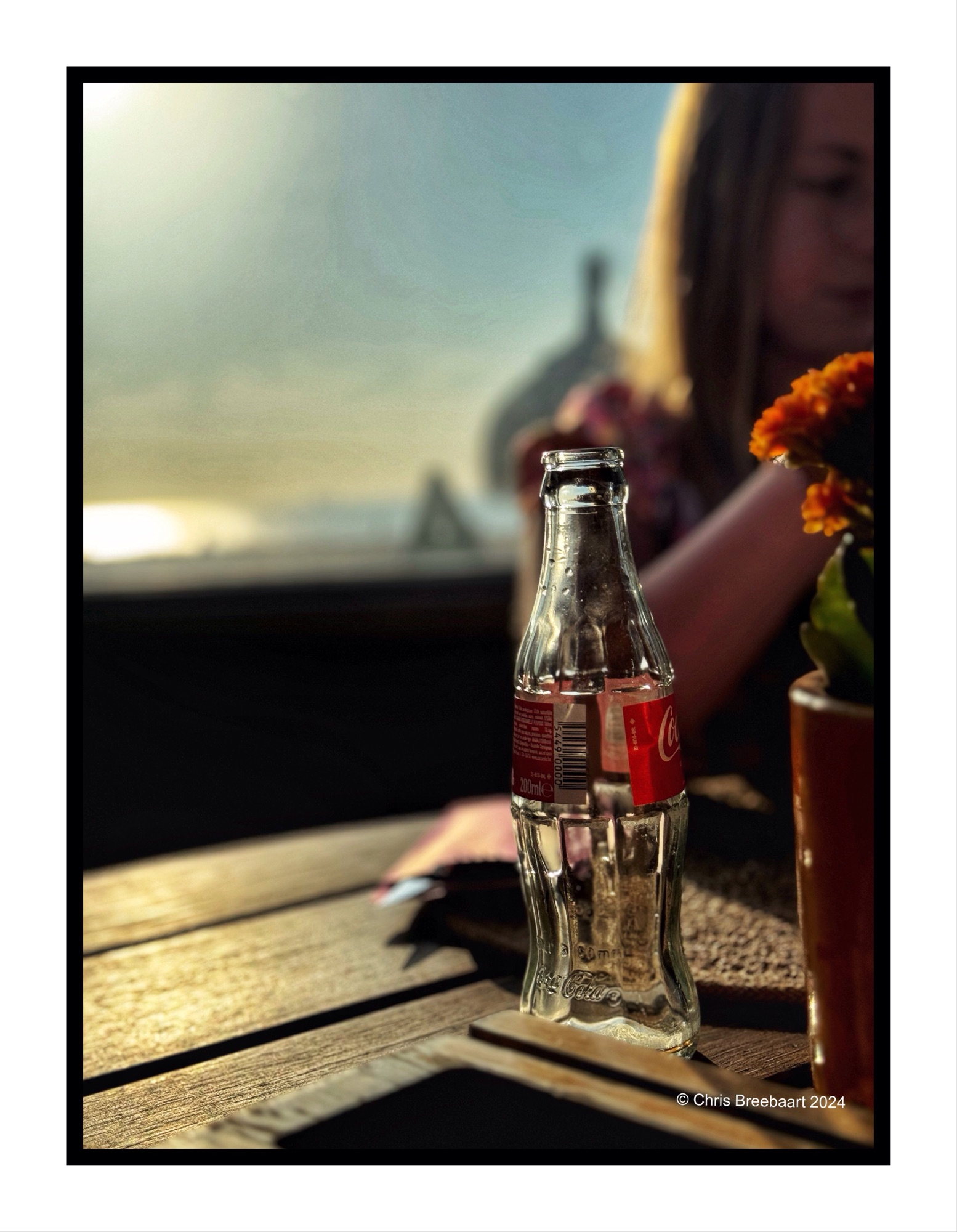
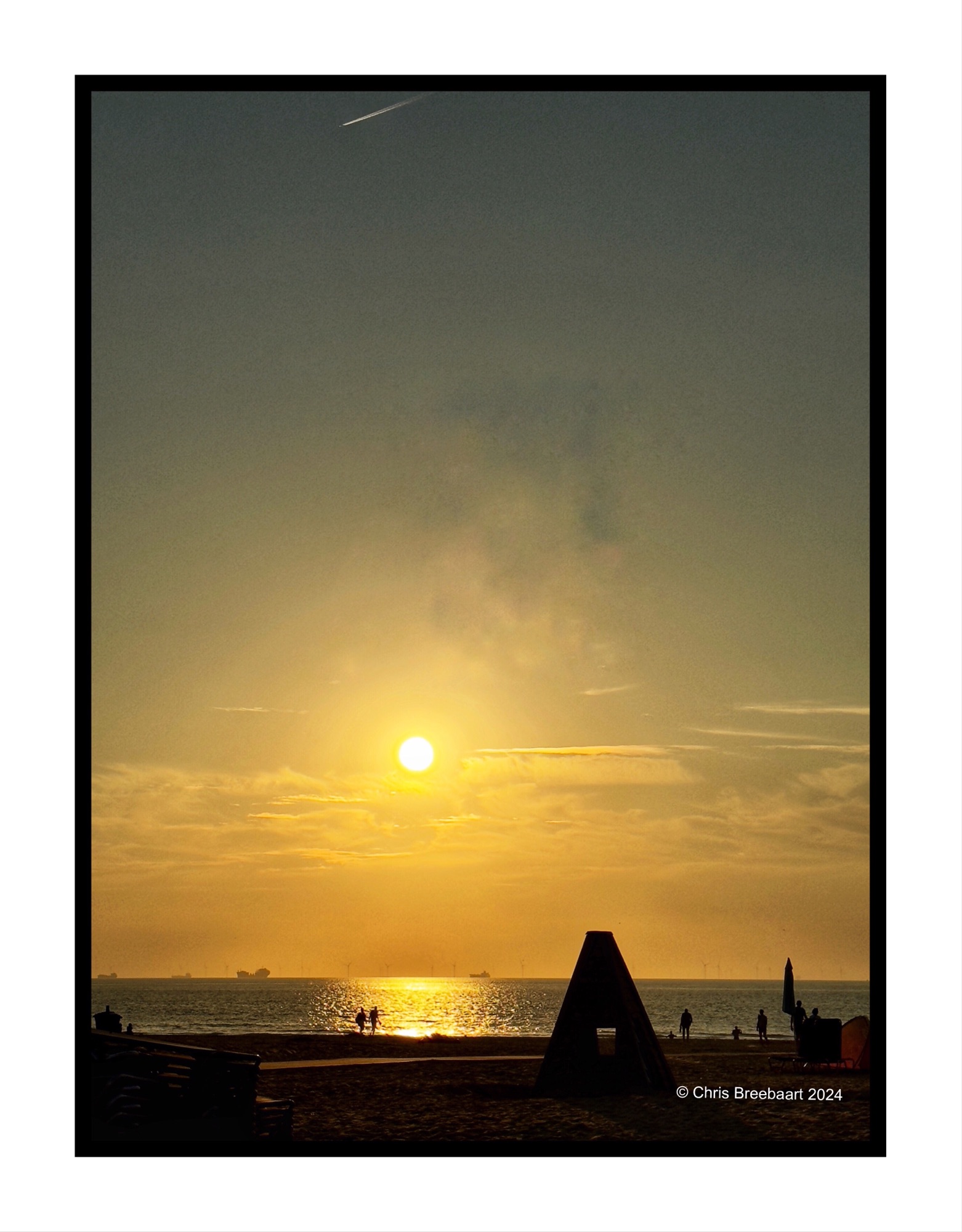
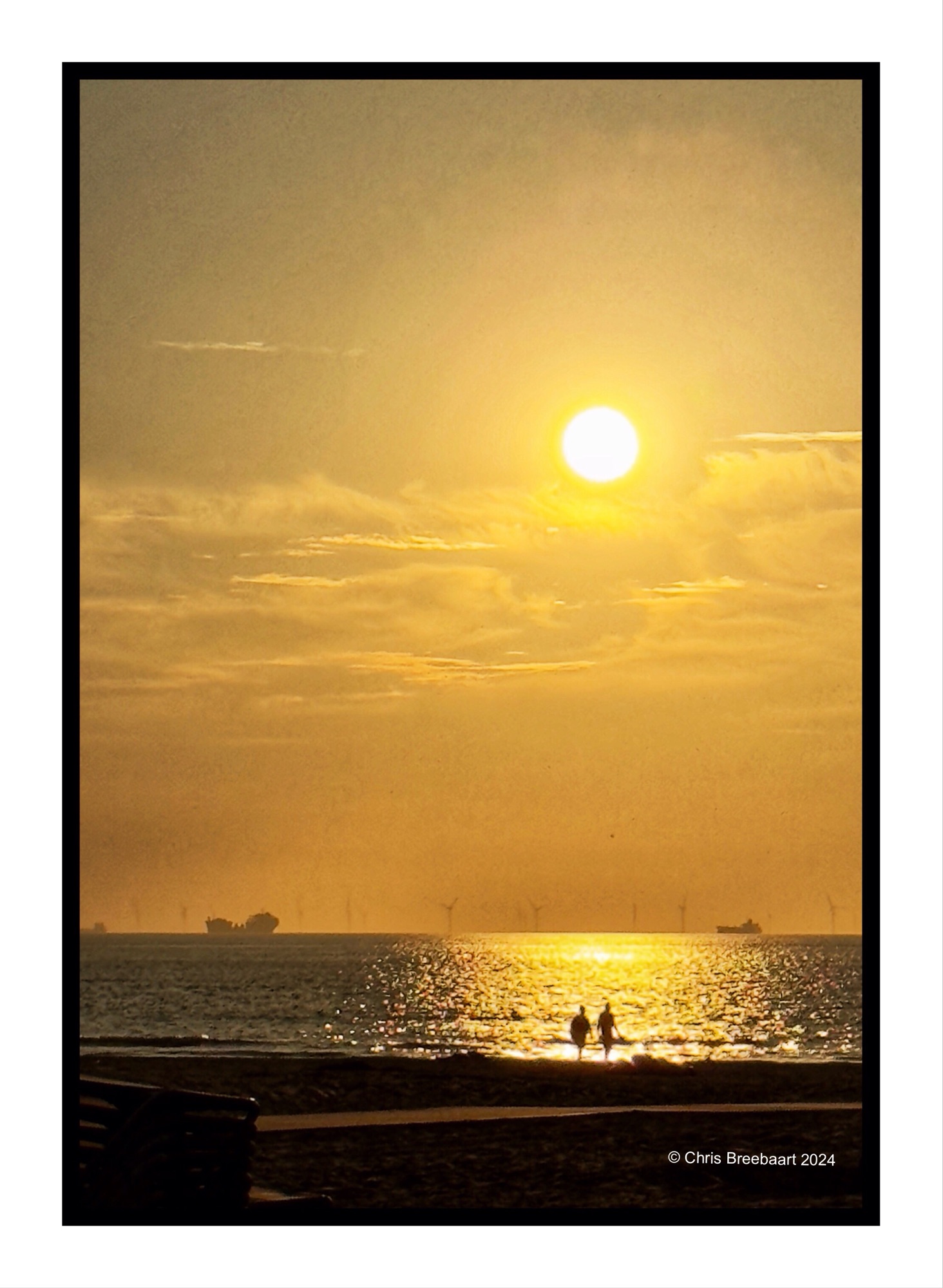
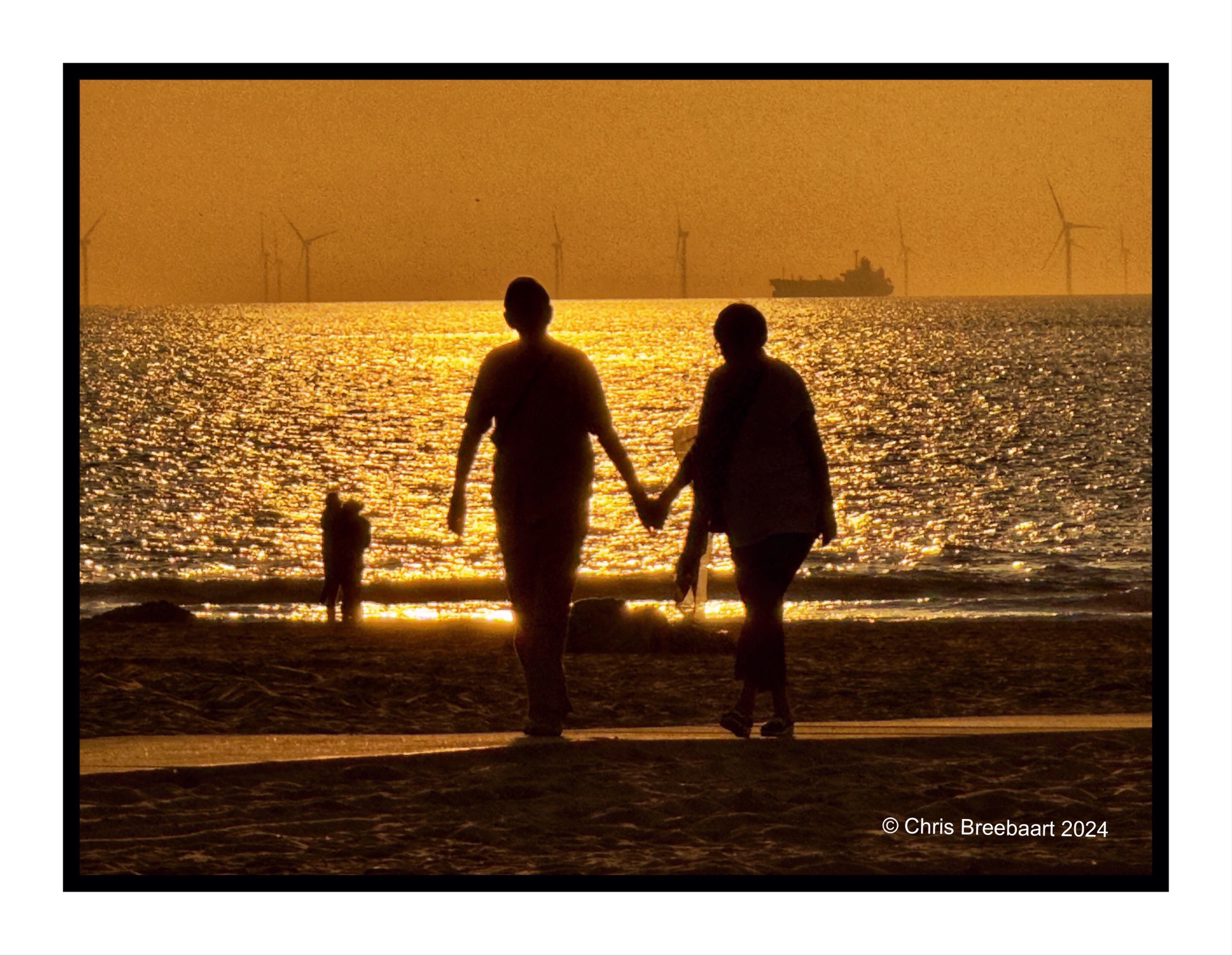
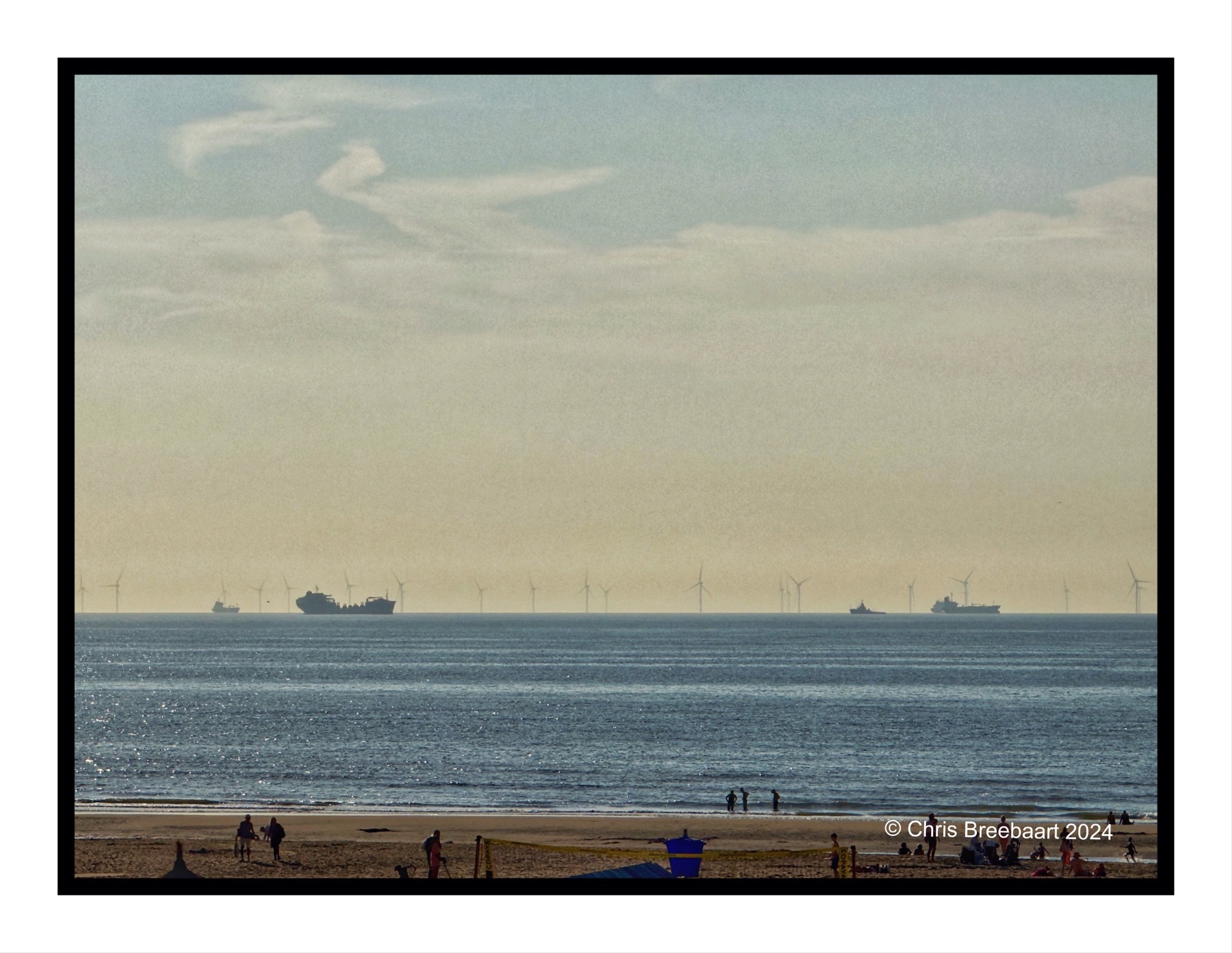
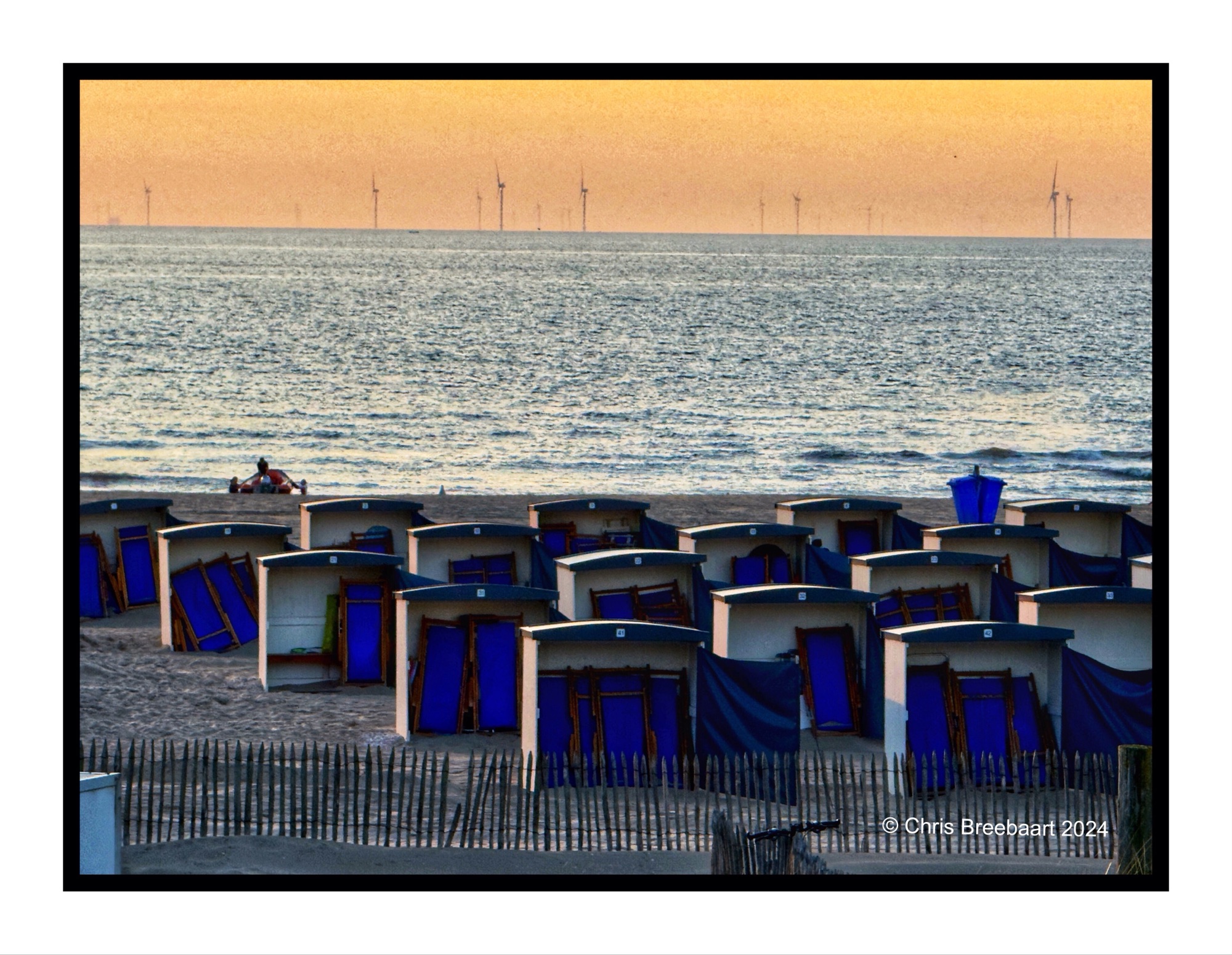
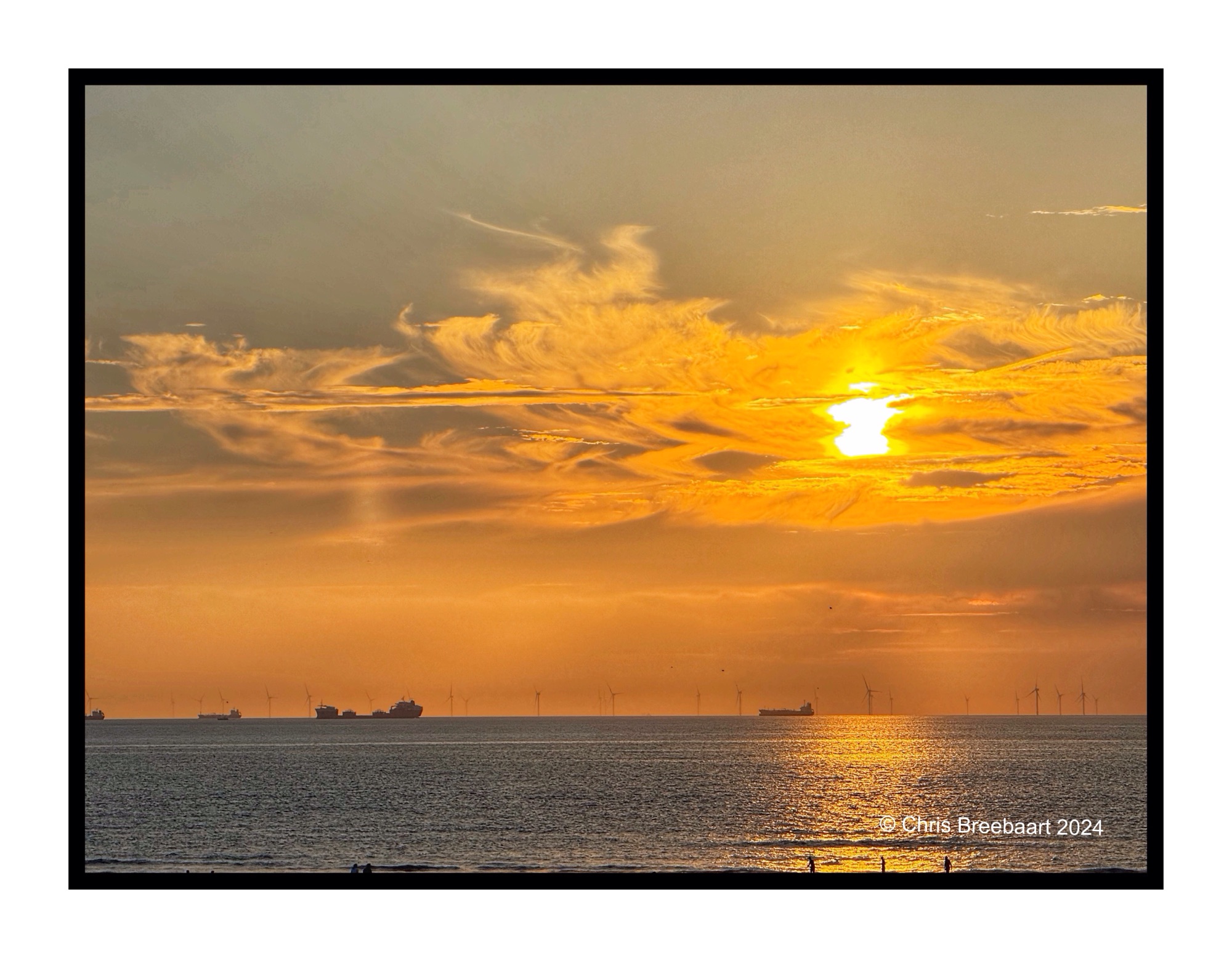
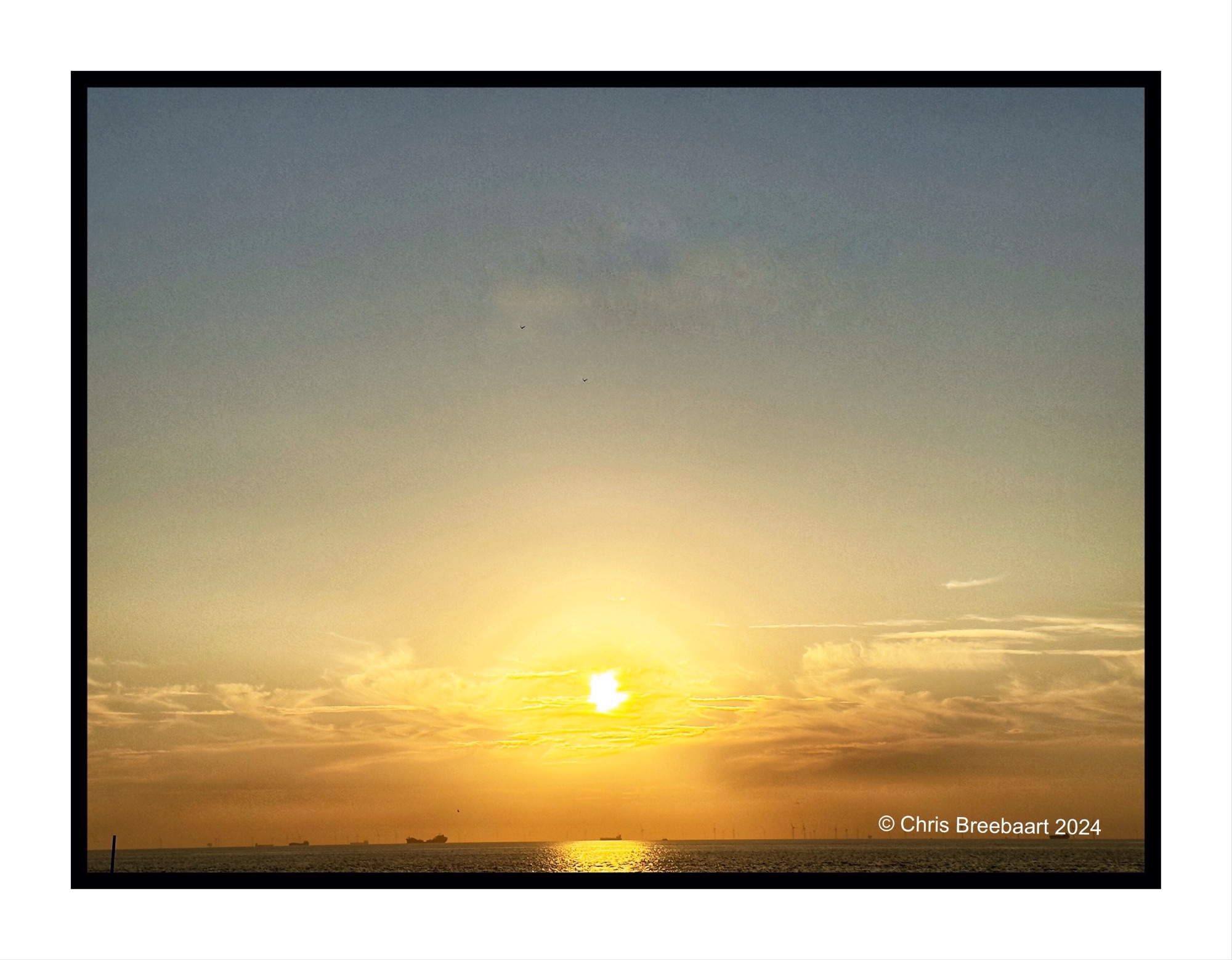
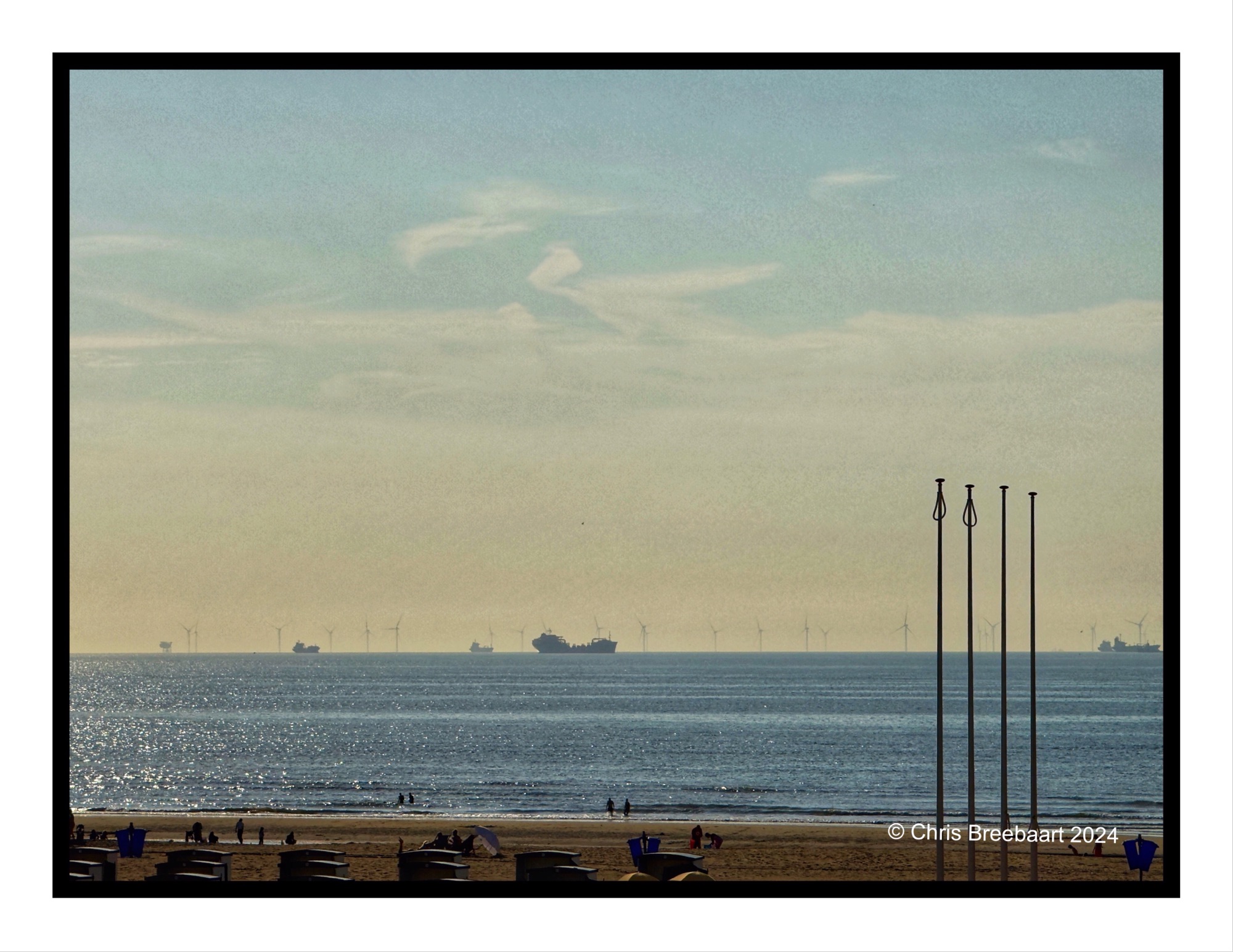
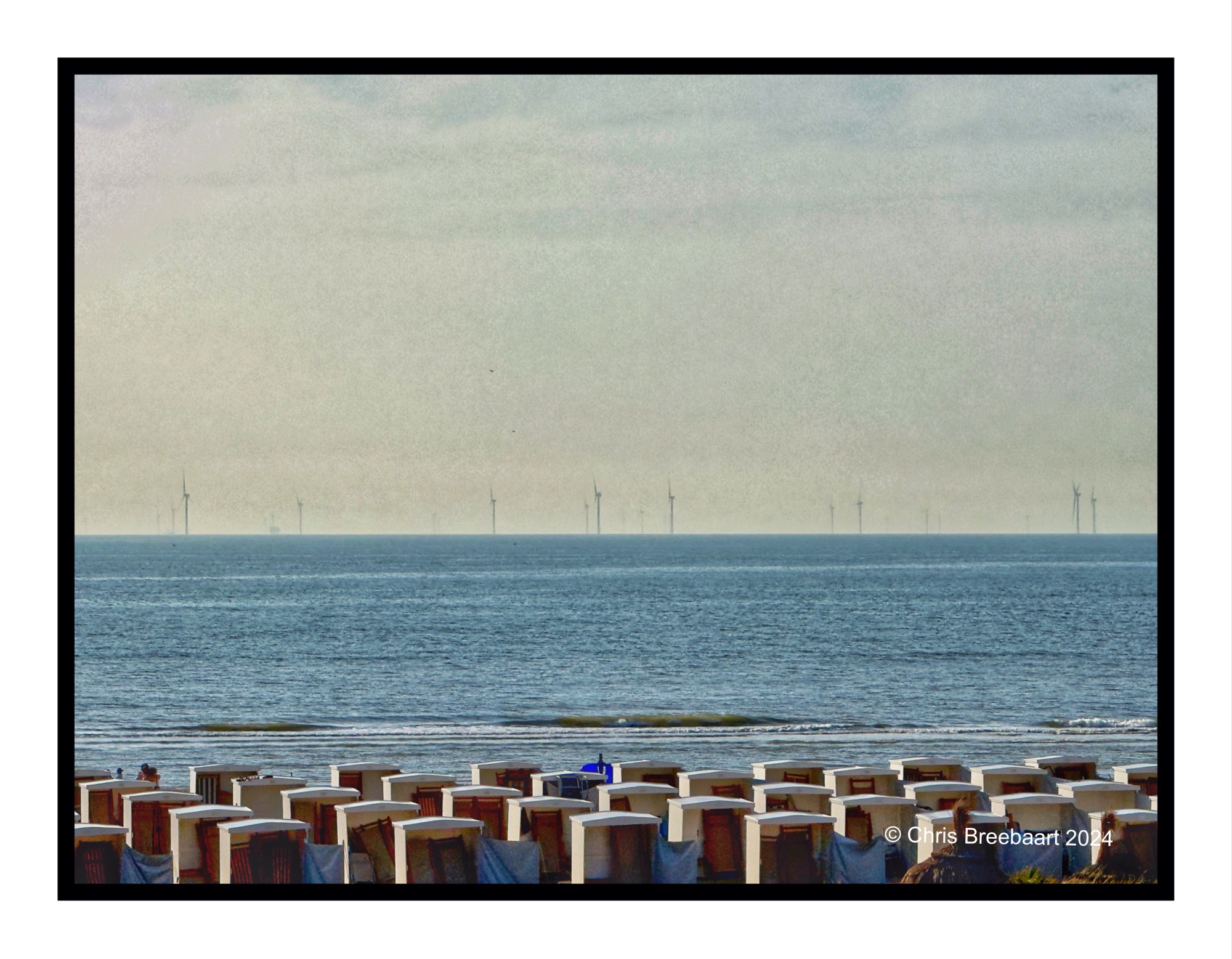
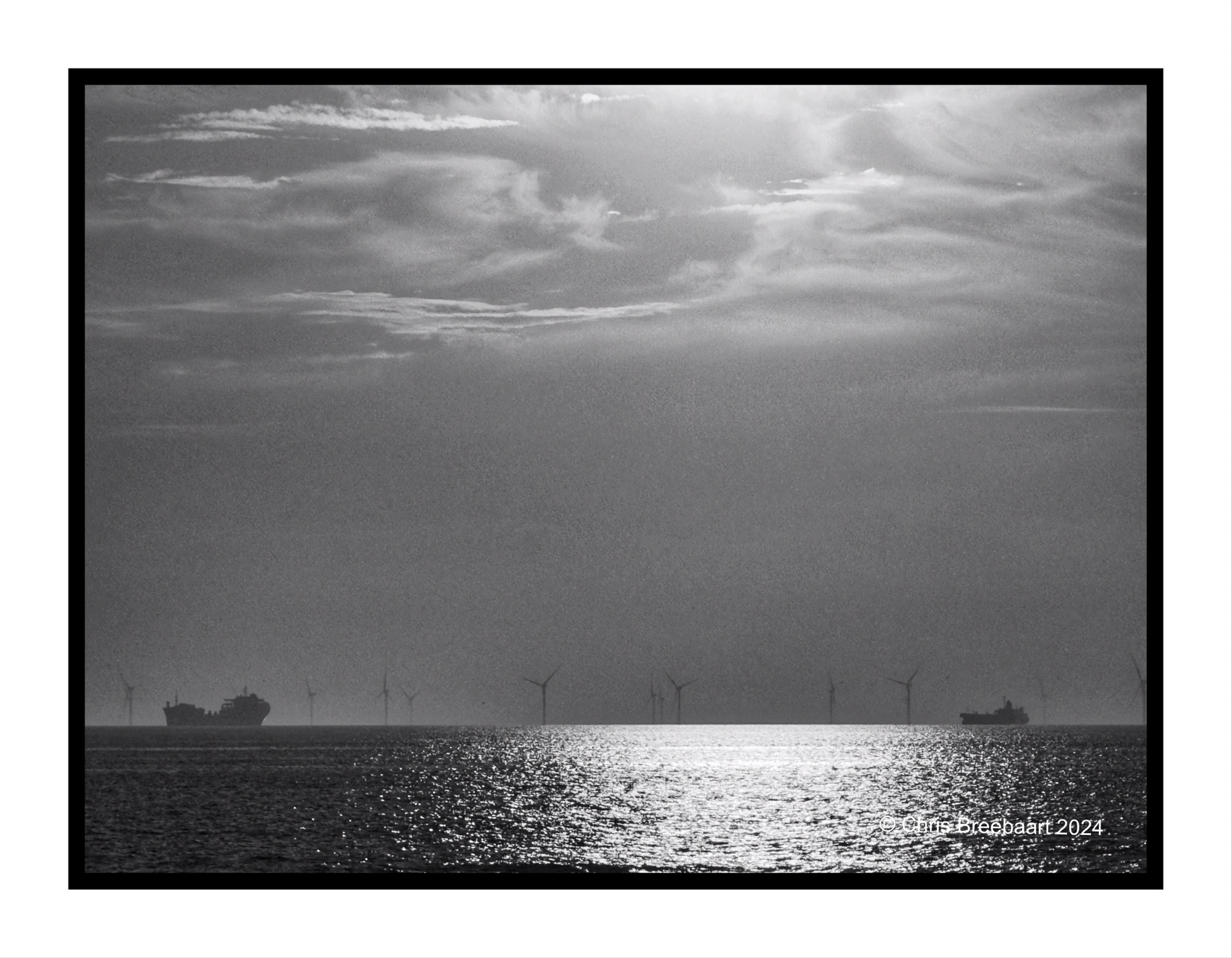
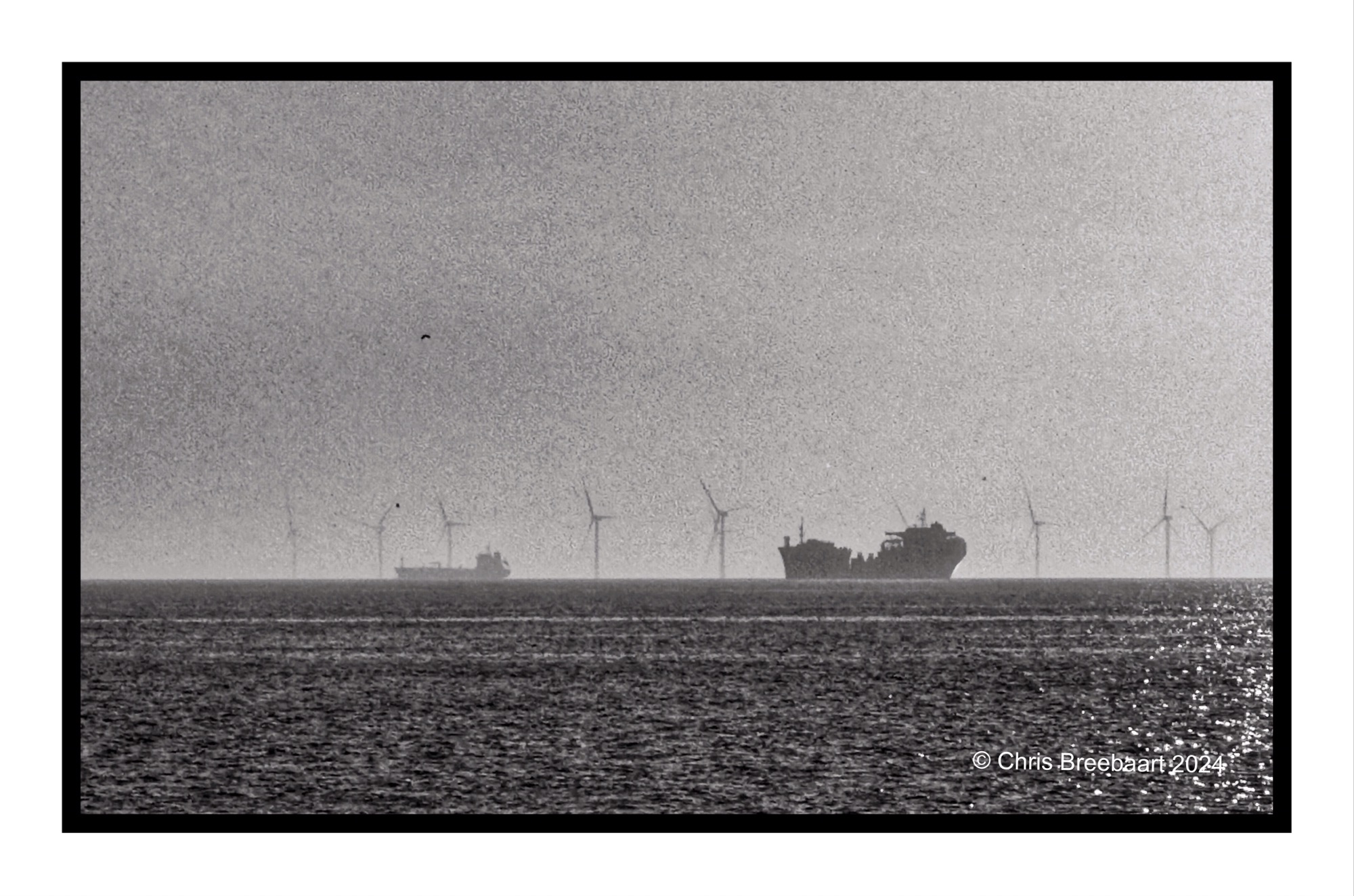
Sometimes it just happens. You are in a place and the light is fantastic, and there is so much to frame in a photo. The sunset is spectacular and for some odd 30 minutes you are in a photography candy shop. This is a selection of what ended up on my phone on that hot August evening.
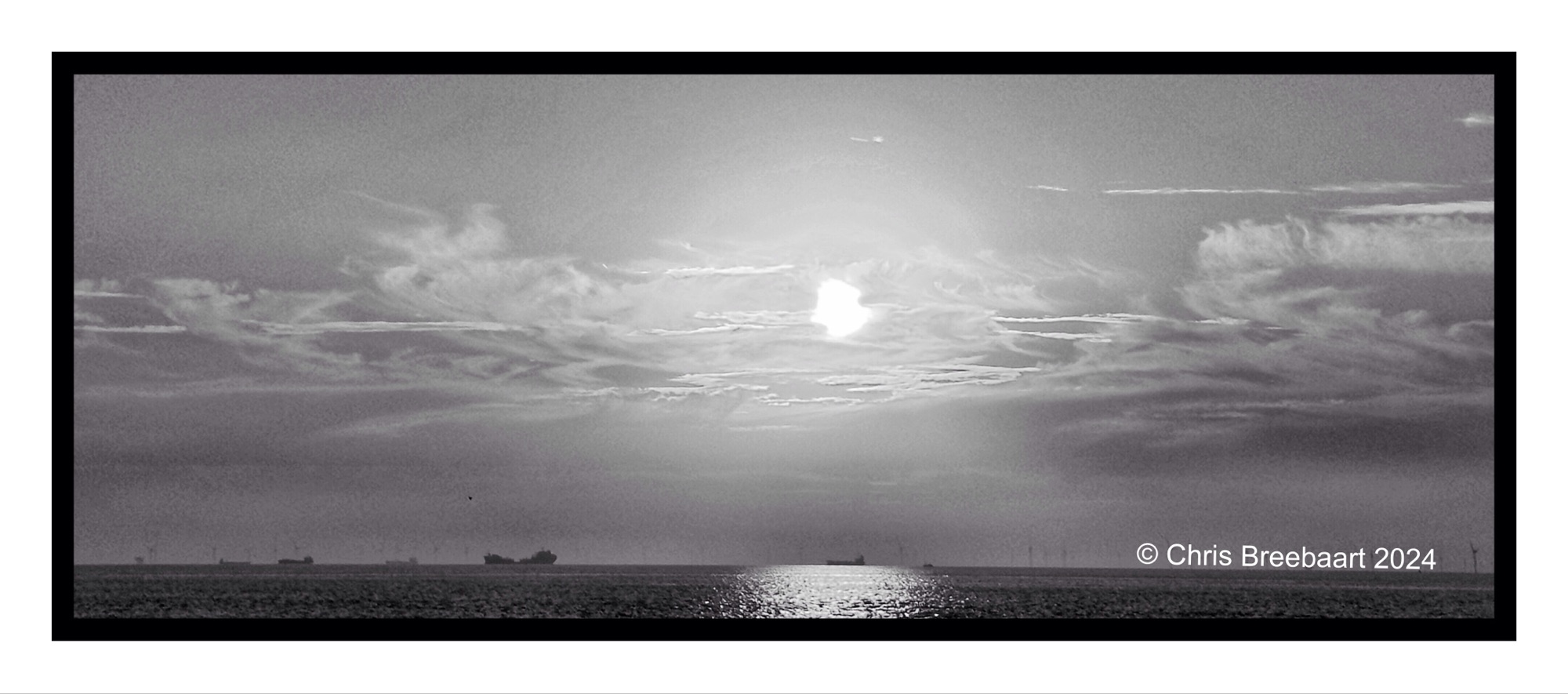
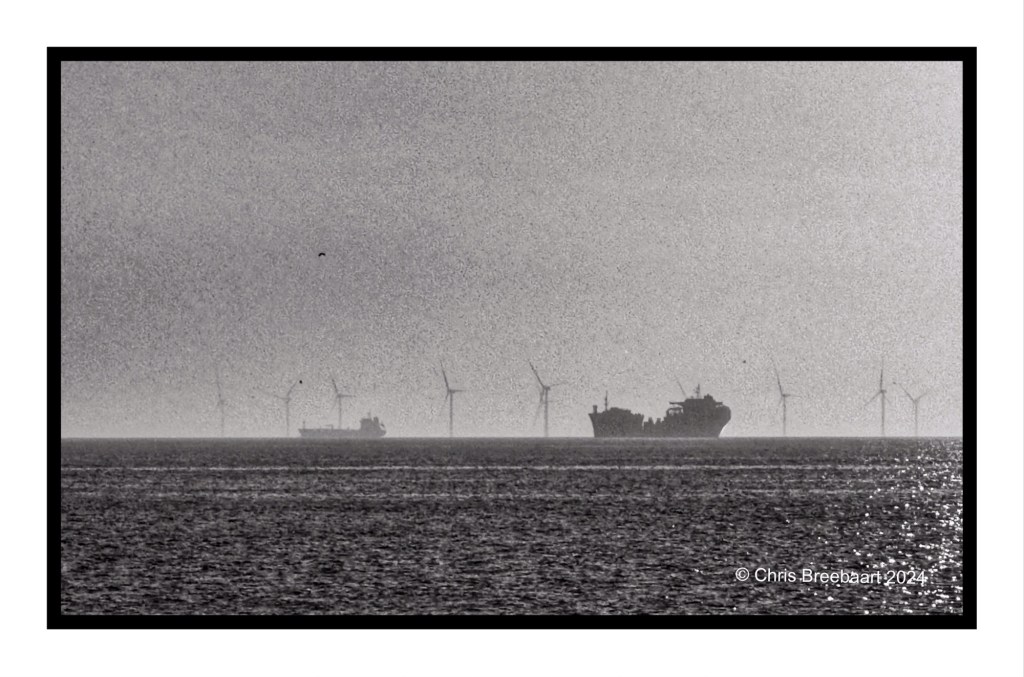
The theme for this week LAPC 316 is ‘Destanation: Fun‘. Going to the beach is fun, but witnessing a brilliant sunset on a warm Summer evening, while a display of boats and windmills complete the scene, is true fun. Here is the full view of the scenery of the sunset, I just picked out parts of it in other photos published earlier (and after).
The theme for this week LAPC 316 is ‘Destanation: Fun‘. Going to the beach is fun, but witnessing a brilliant sunset on a warm Summer evening, while a dispaly of boats and windmills complete the scene, is true fun. I published a few of them already two weeks ago (see the archive Katwijk). I hope you still have fun watching them.
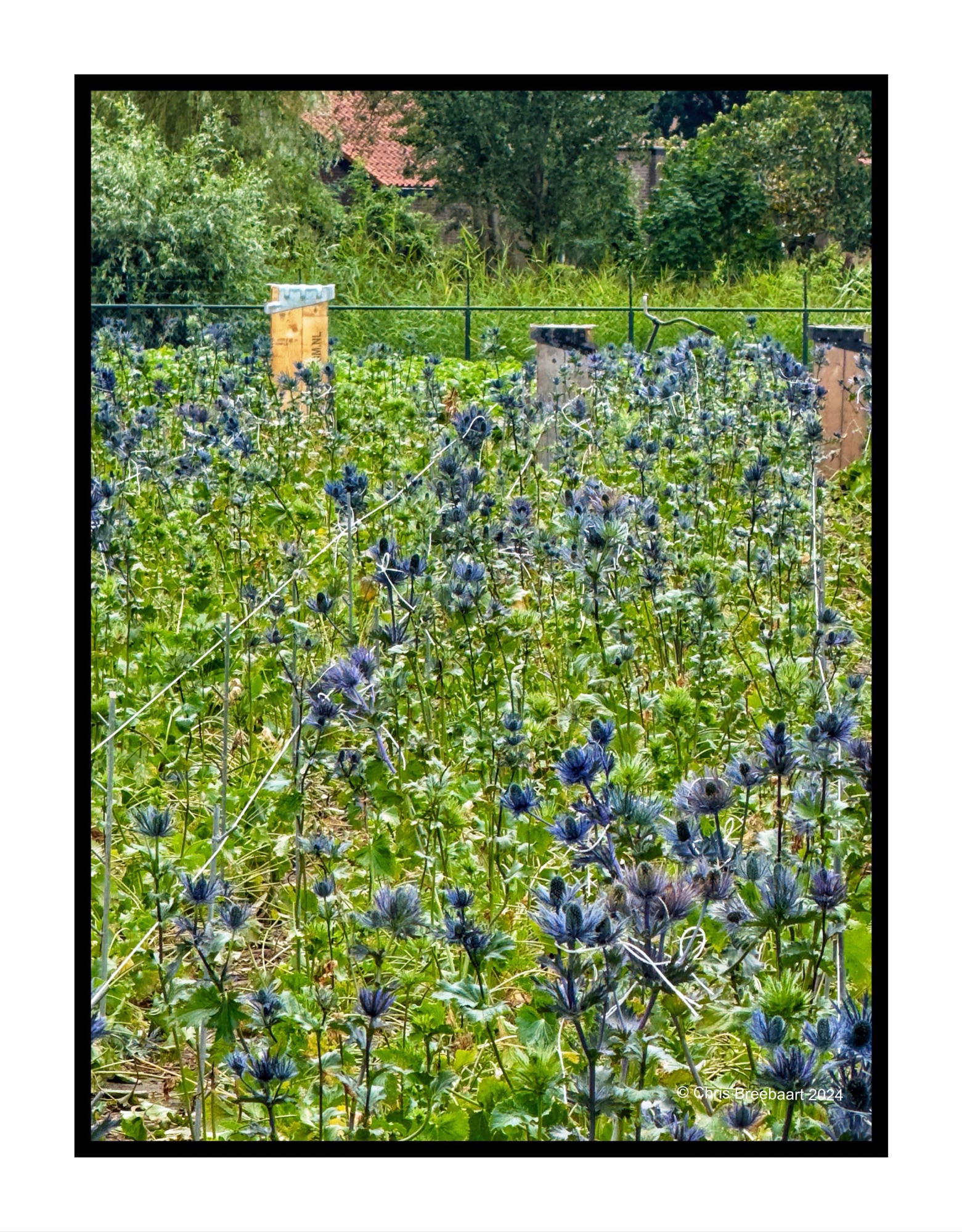
Cut flowers are a common good in The Netherlands. This is the field of a grower, just around the corner. He harvested the thistles and moved them to the flower auction for sale. This is the ones left over on the field. For Lens Artists Weekly Photo Challenge #316 ‘Common Object’.
Last week we had dinner on the beach and were treated to a beautiful sunset. And, as always when a subject grips me, I took loads of pictures. The iPhone makes it really easy just to snap, zoom, frame and play with light. So the last days I published some of them for the theme of this week for LAPC 314: ‘shorelines‘. It is probably serendipity, but it matched nicely on this set of photos. So to close the week a final one of this sunset. I hope you enjoyed them. And the left over of this shoot will probably appear in the near future.
The theme for this week LAPC 314 is ‘shorelines‘. My main shoreline is the beach of the Noordzee. And the views it offers, particularly at special moments of the day like a sunset. The sky looks like it offers an extra layer of reflection for the sun, a second horizon.











 What's (in) the Picture?