Marshes Panorama Blakeney
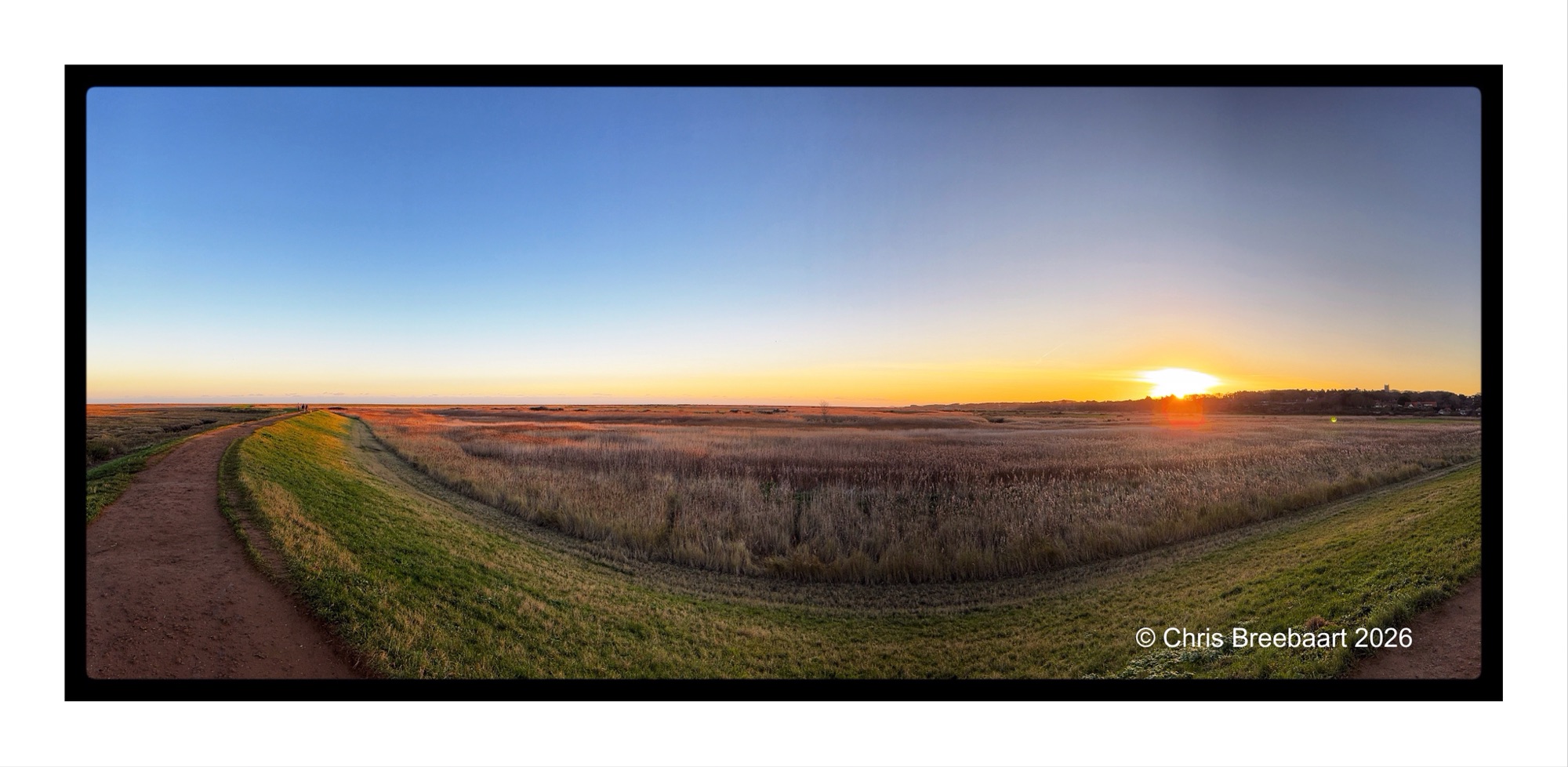
To end a long set of photos of the marshes near Blakeney, a panorama shot.
Shot with iPhone 15 Pro Max edited using Snapseedand Marksta. Click the picture for a larger version.
To end a long set of photos of the marshes near Blakeney, a panorama shot.
Shot with iPhone 15 Pro Max edited using Snapseedand Marksta. Click the picture for a larger version.
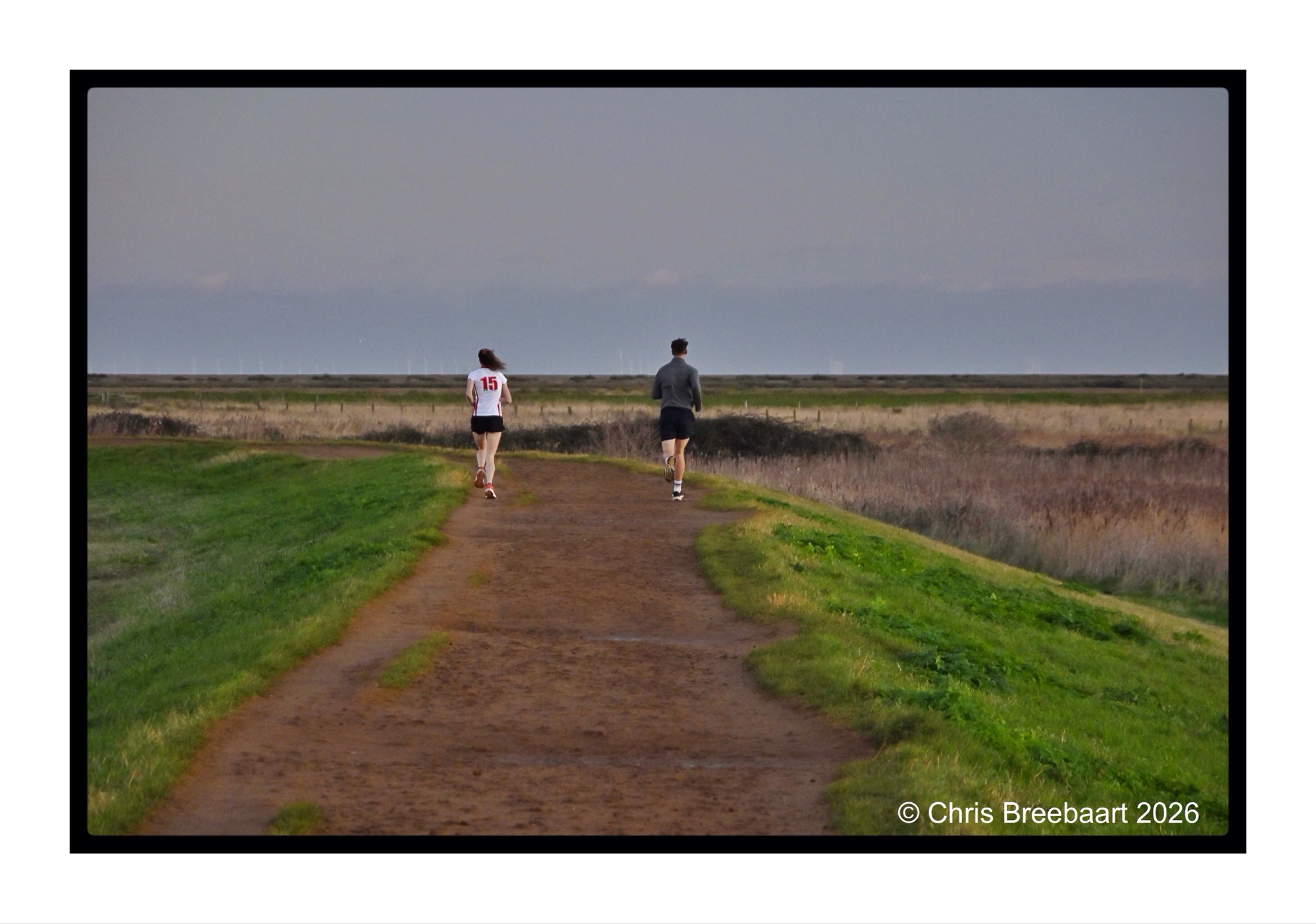
The coast path between Blakeney and Cley next the sea is used often by joggers.
Shot with Nikon Zf,edited using Snapseed and Marksta. Click the picture for a larger version
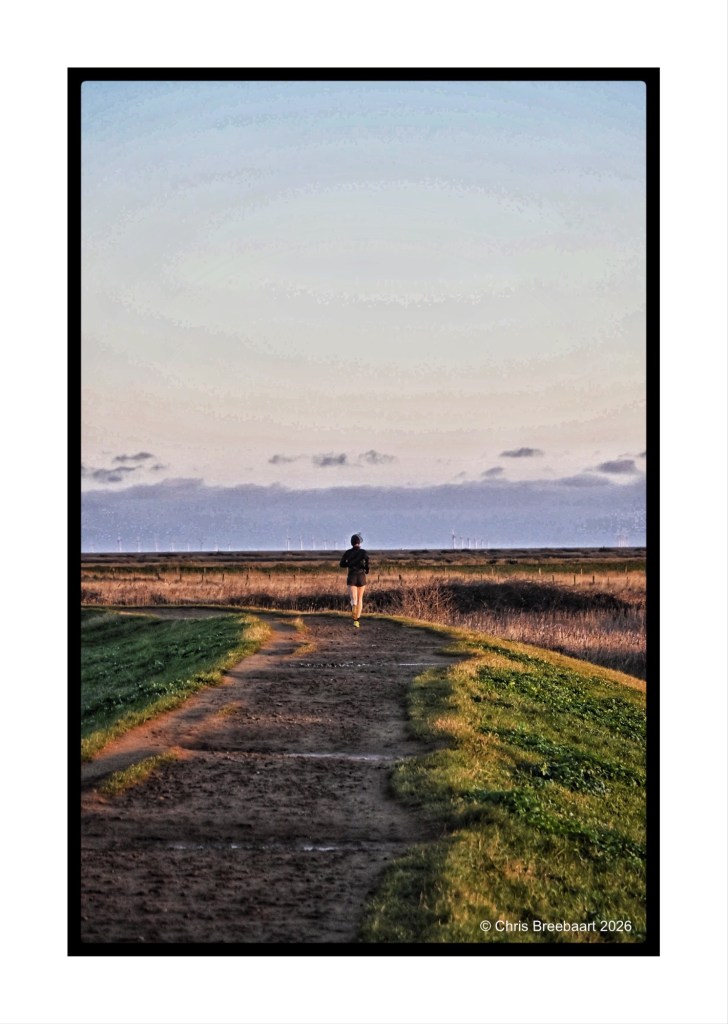
I published this one in a black and white version earlier, but this is the original. The coast path between Blakeney and Cley next the sea is used often by joggers.
Shot with Nikon Zf,edited using Snapseed and Marksta. Click the picture for a larger version.
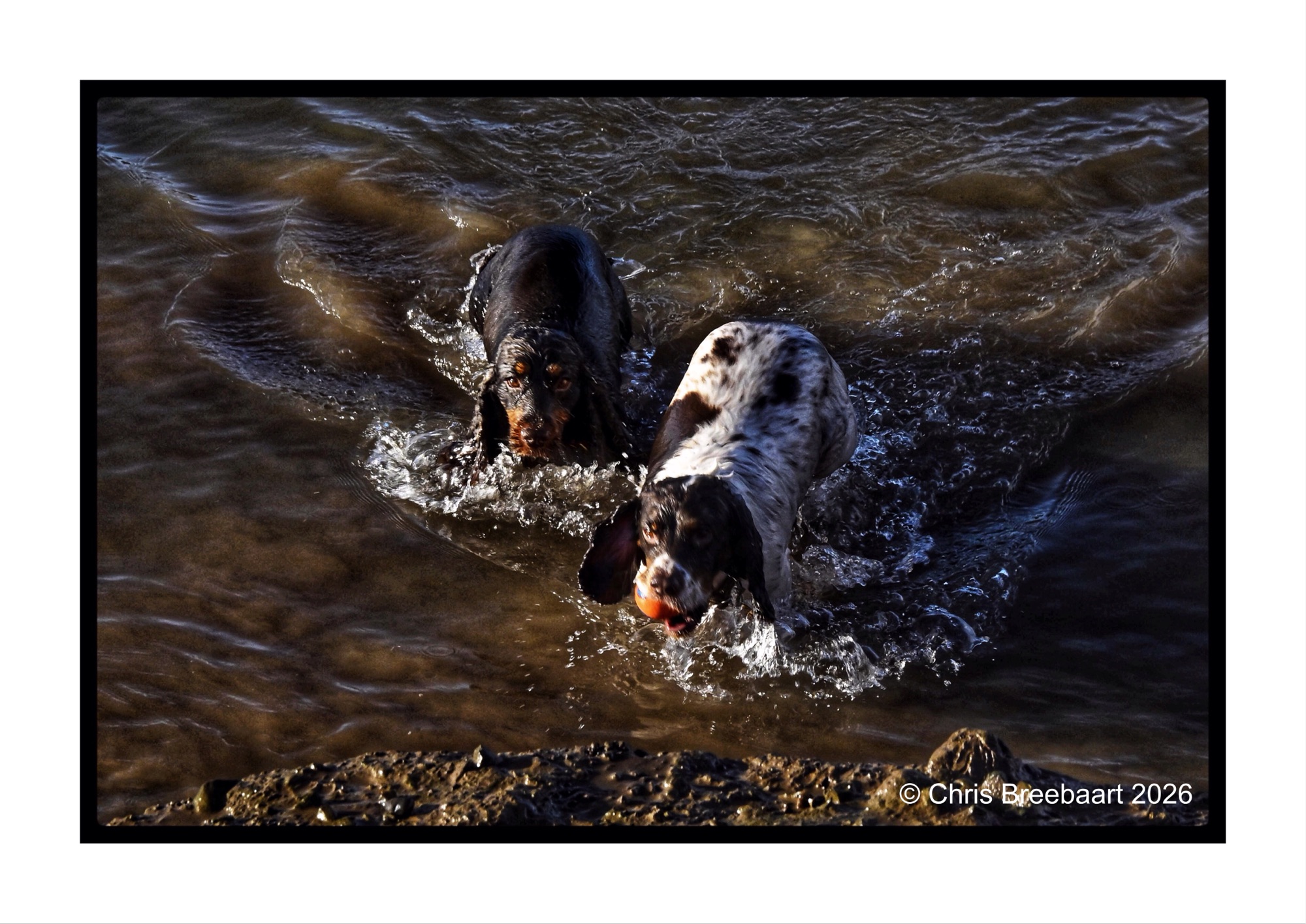
Lens-Artist’s Photo Challenge #384 is ‘astonishment’. The brief is to show in a photo a feeling of surprise or wonder. These two dogs (Murphy left and Cooper right) keep me wondering for years already. It is about their addiction to water in general. If there is water anywhere (preferably muddy) they dive in. Here they have a bath hunting for the ball in at the quayside of Blakeney.
Shot with Nikon Zf,edited using Snapseed and Marksta. Click the picture for a larger version.
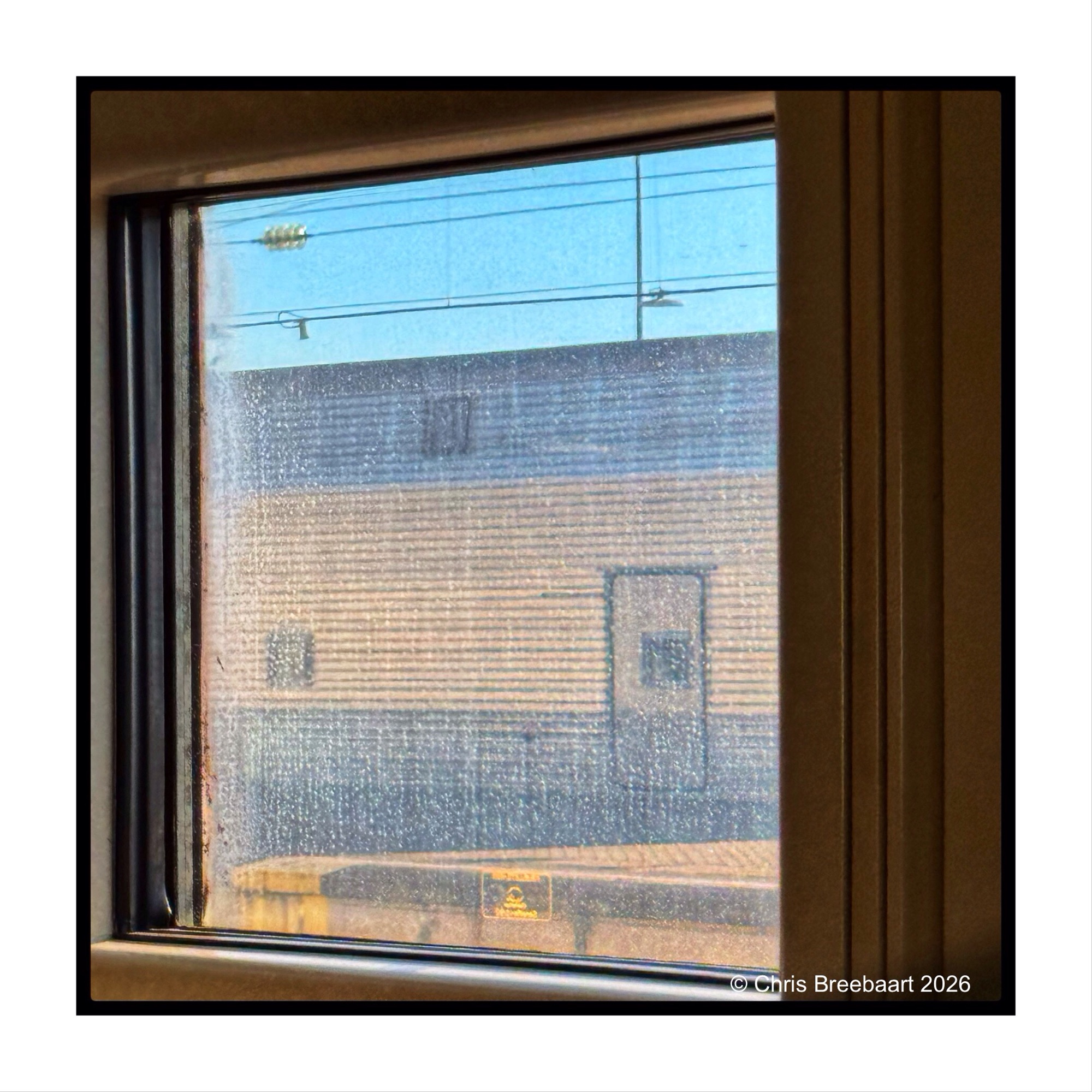
Lens-Artist’s Photo Challenge #384 is ‘astonishment’. The brief is to show in a photo a feeling of surprise or wonder. The marvel of surprise or wonder is not a big one. For me, it is more in appreciating the day to day events. And sometimes apart of the practical, there is wonder. Like when the Channel Tunnel opened, and a one way trip takes 35 minutes. You can not see much, but it is quite convenient.
Shot with iPhone 15 Pro Max edited using Snapseed and Marksta. Click the picture for a larger version
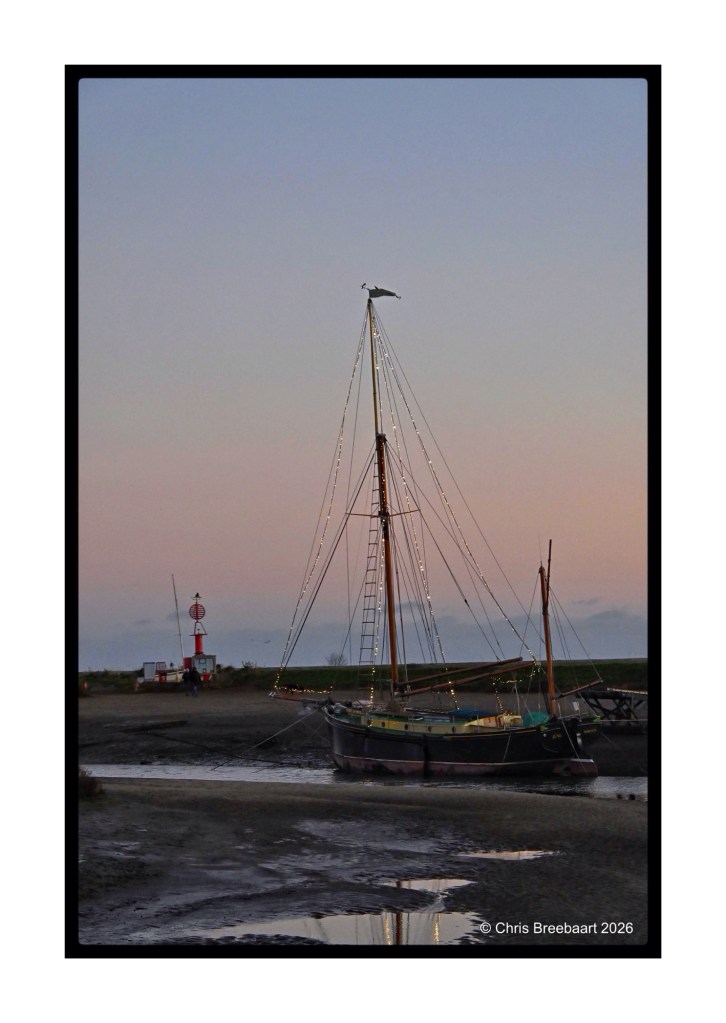
The quayside and harbour of Blakeney just before sunrise.
Shot with Nikon Zf,edited using Snapseed and Marksta. Click the picture for a larger version.
Lens-Artist’s Photo Challenge #383 is ‘patterns and designs’. The sunrise distorted in the lens.
Shot with Nikon Zf, edited using Snapseed and Marksta. Click the picture for a larger version
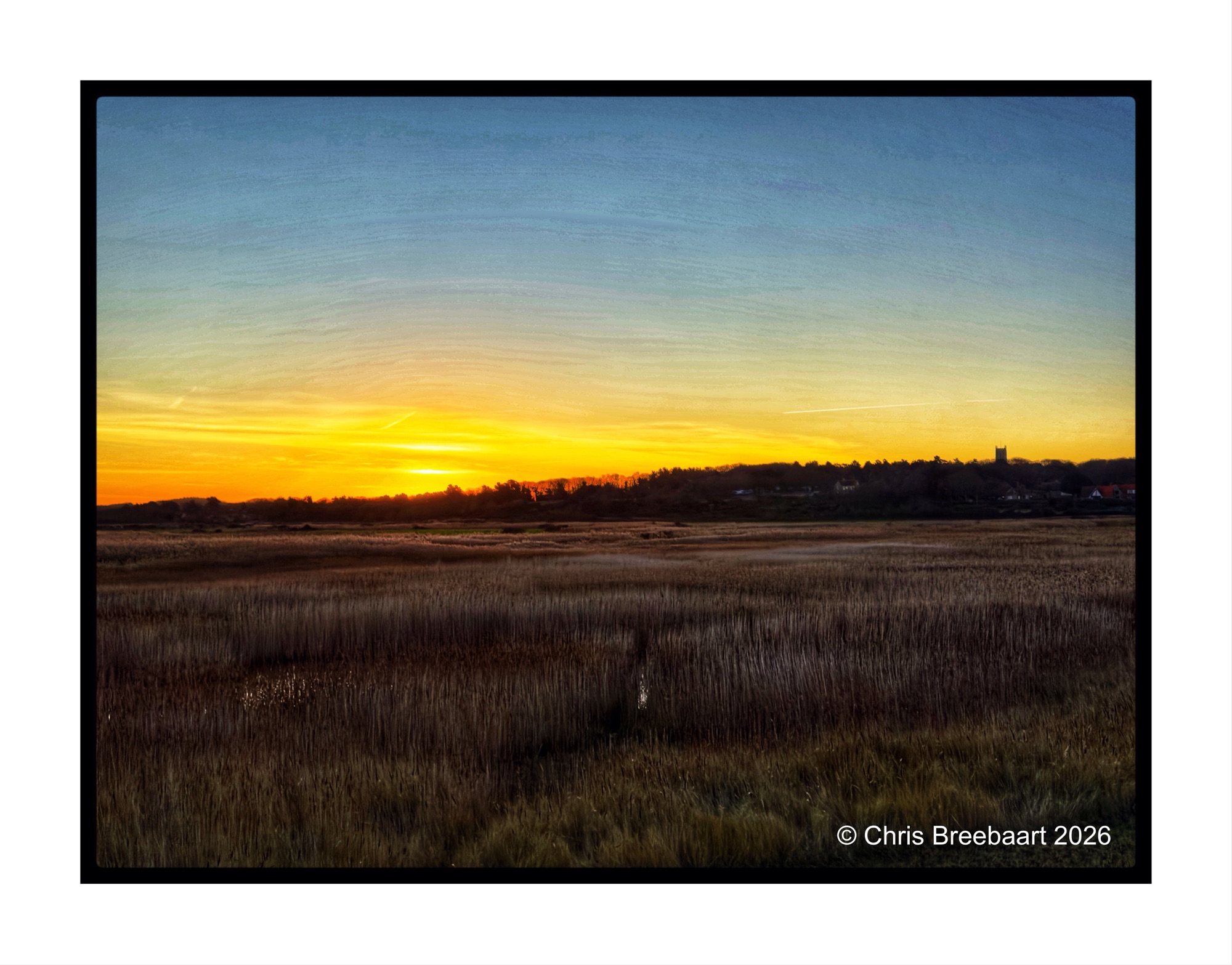
Lens-Artist’s Photo Challenge #383 is ‘patterns and designs’. The sunrise over marshes near Blakeney.
Shot with Nikon Zf, edited using Snapseed and Marksta. Click the picture for a larger version
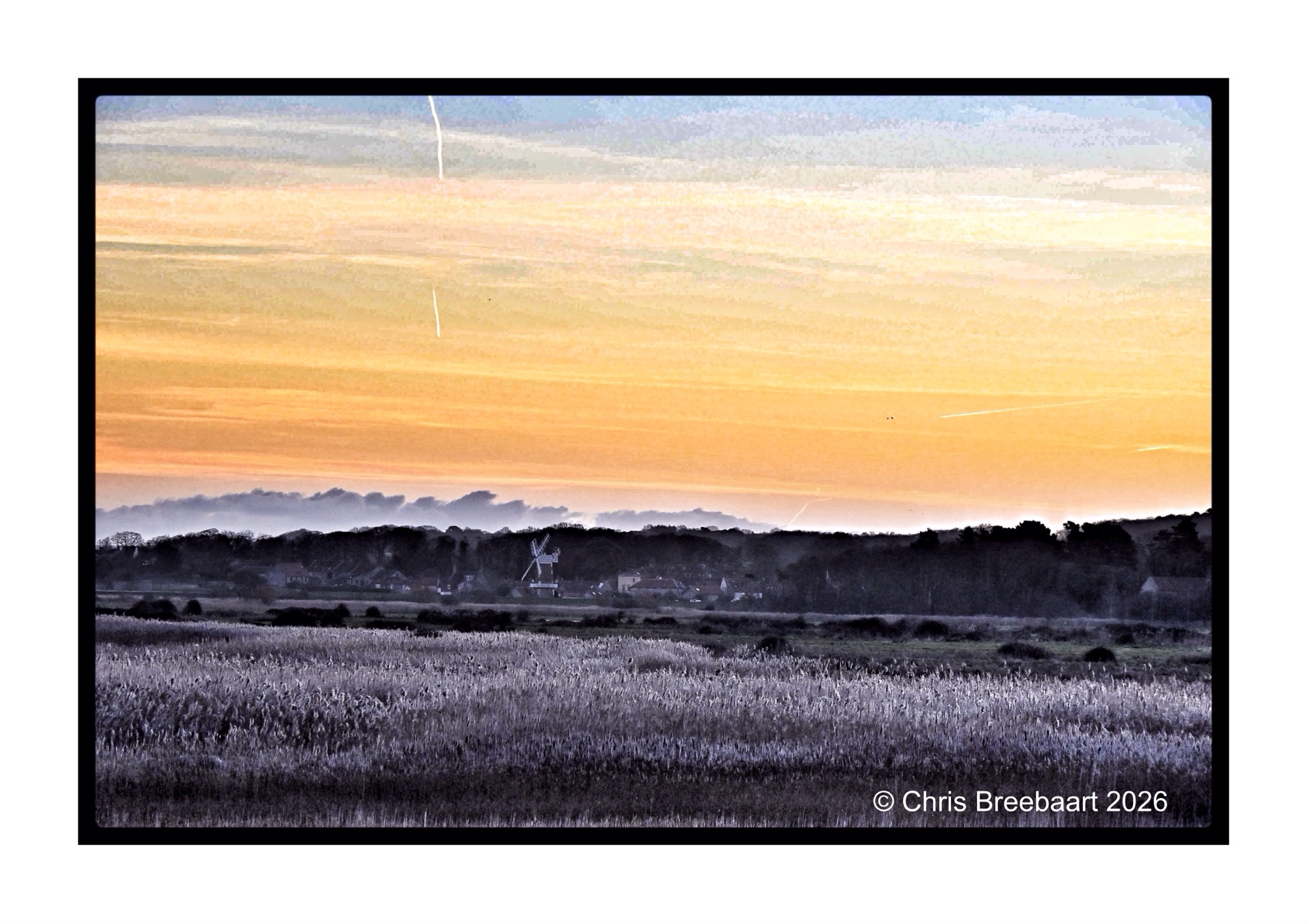
Lens-Artist’s Photo Challenge #383 is ‘patterns and designs’. The sunrise over the famous Cley windmill and Cley next the sea.
Shot with Nikon Zf, edited using Snapseed and Marksta. Click the picture for a larger version
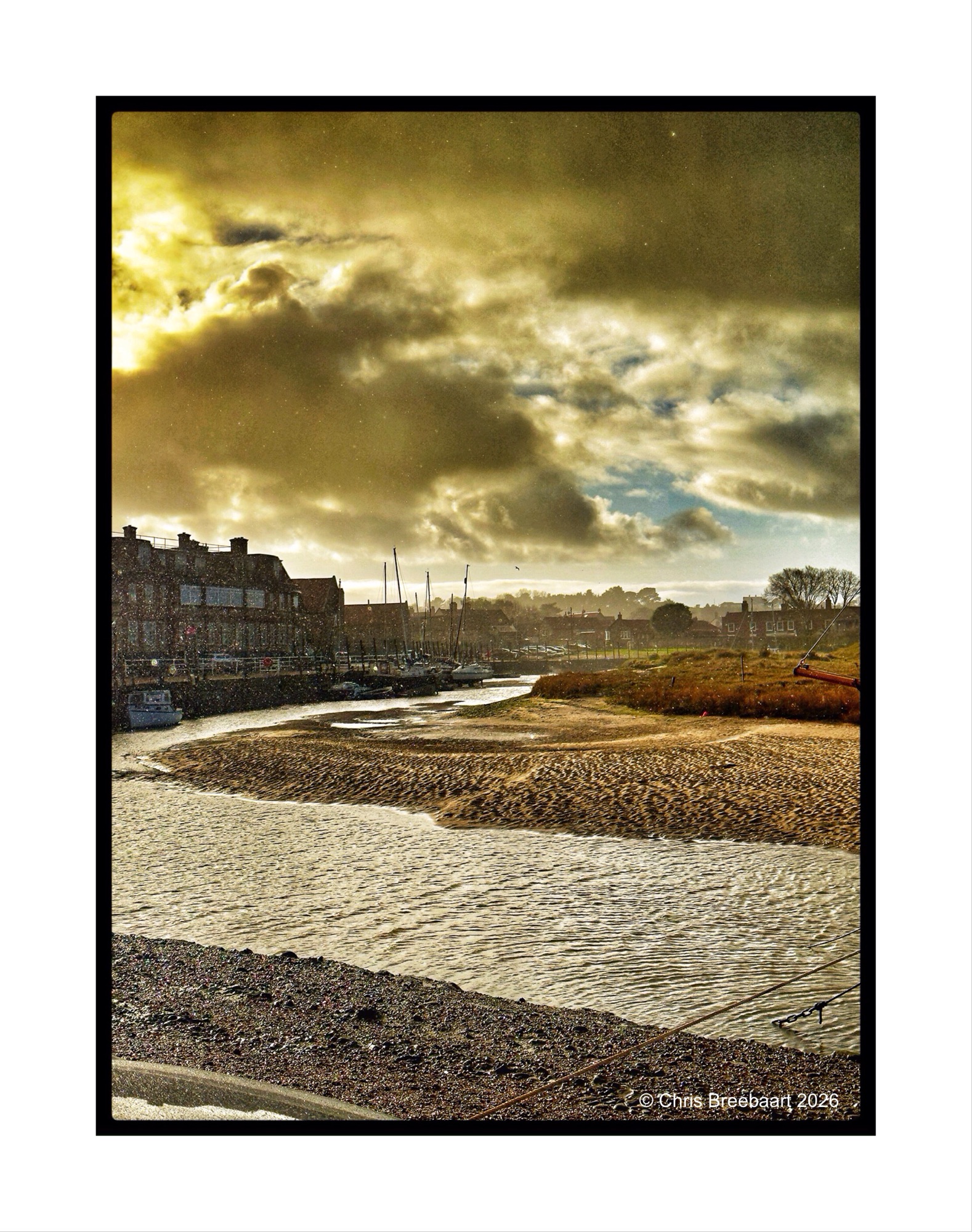
Lens-Artist’s Photo Challenge #383 is ‘patterns and designs’. A Winter rain shower over the quaside of Blakeney.
Shot with Nikon Zf, edited using Snapseed and Marksta. Click the picture for a larger version
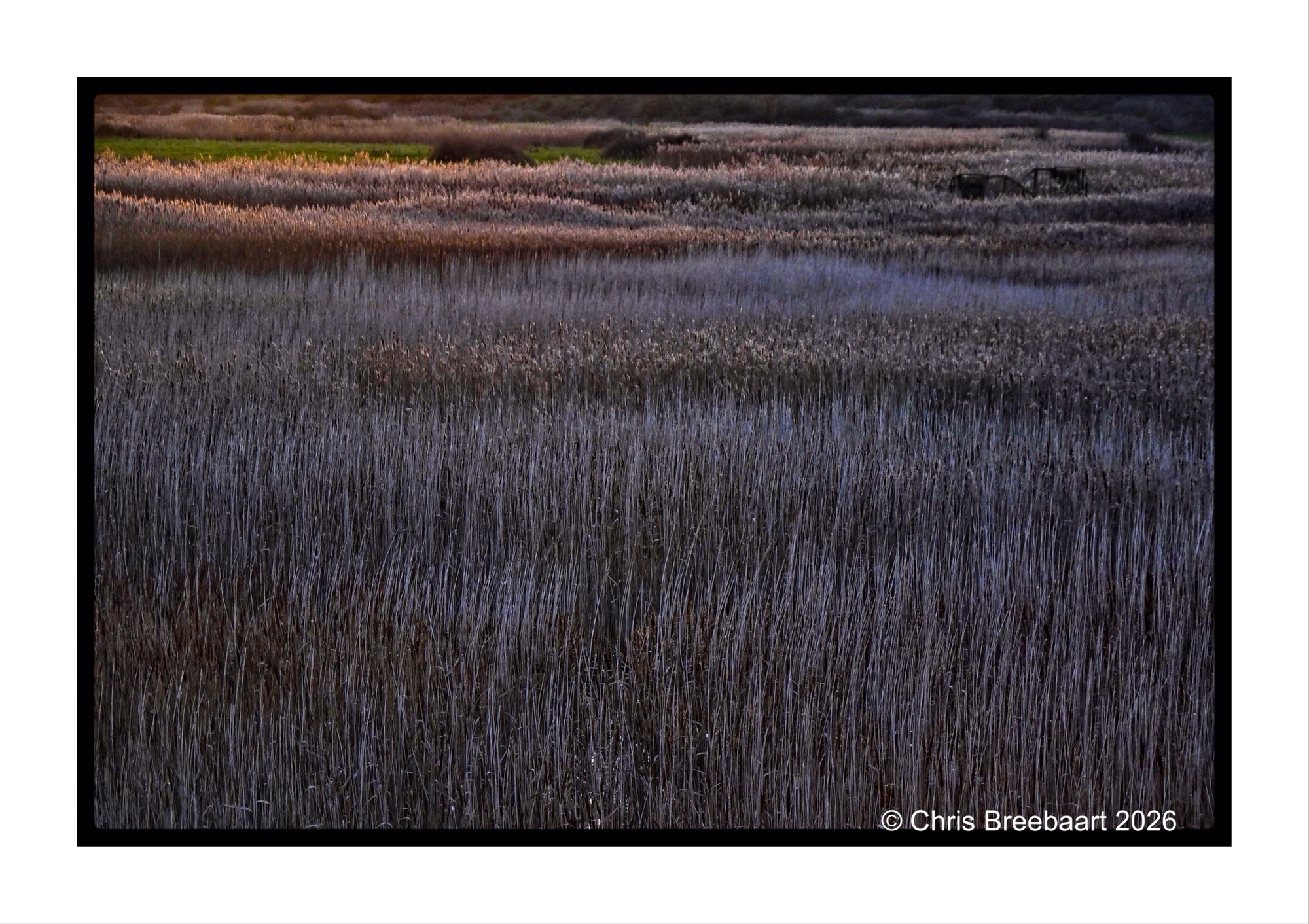
Lens-Artist’s Photo Challenge #383 is ‘patterns and designs’. The marshes at Blakeney in first morning light.
Shot with Nikon Zf, edited using Snapseed and Marksta. Click the picture for a larger version
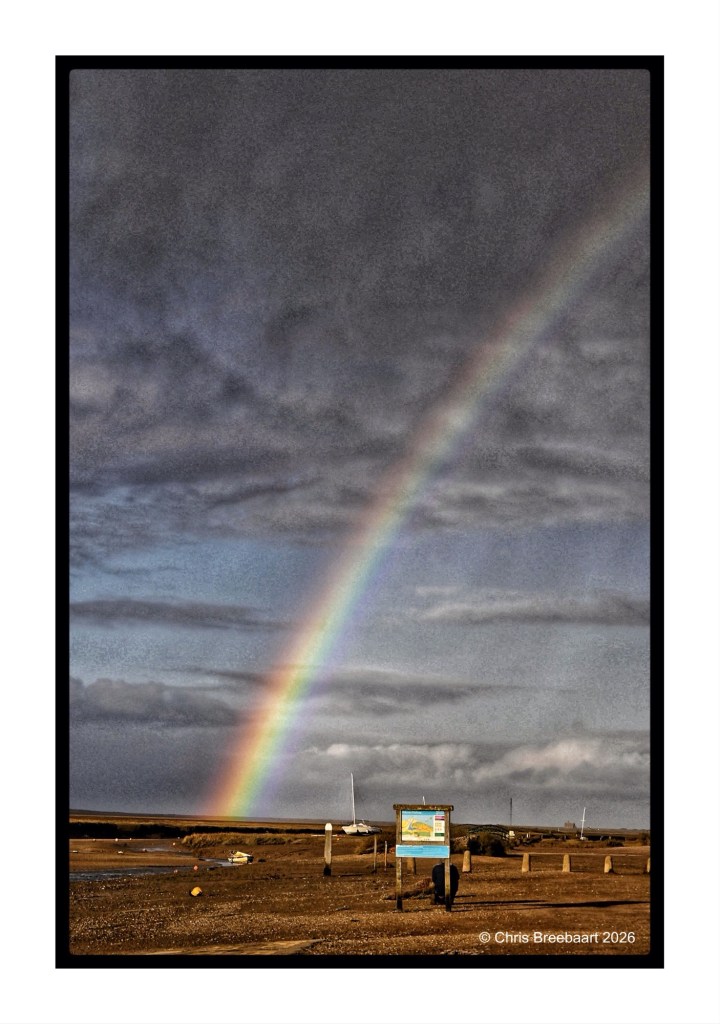
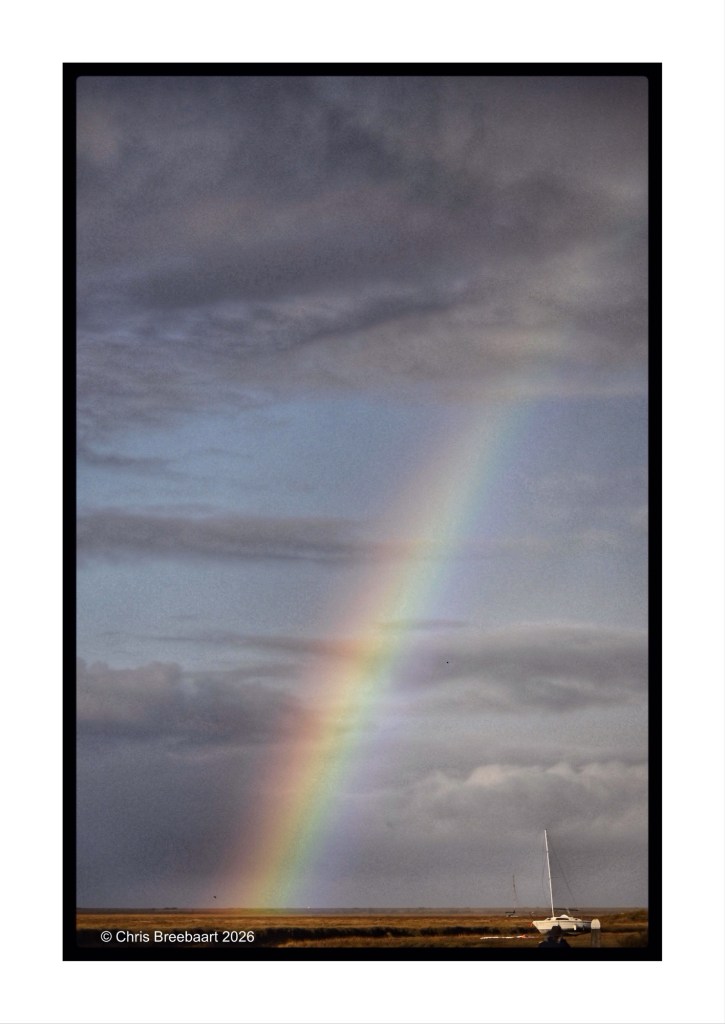
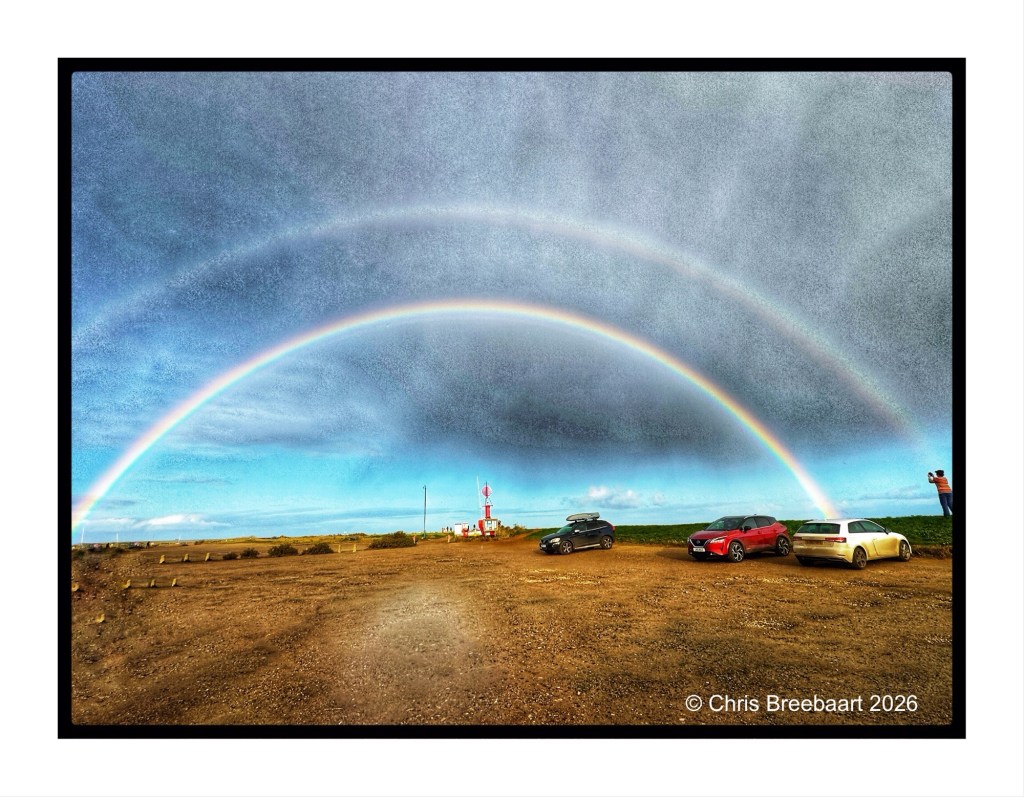
Lens-Artist’s Photo Challenge #383 is ‘patterns and designs’. Being caught in Winter shower in Blakeney, resultated in a gorgeous full and double rainbow. As we can see here, the story of the pot of gold is probably not true.
Shot with Nikon Zf (the two portrait photos),and iPhone 15 Pro Max (the landscape) edited using Snapseed and Marksta. Click the picture for a larger version
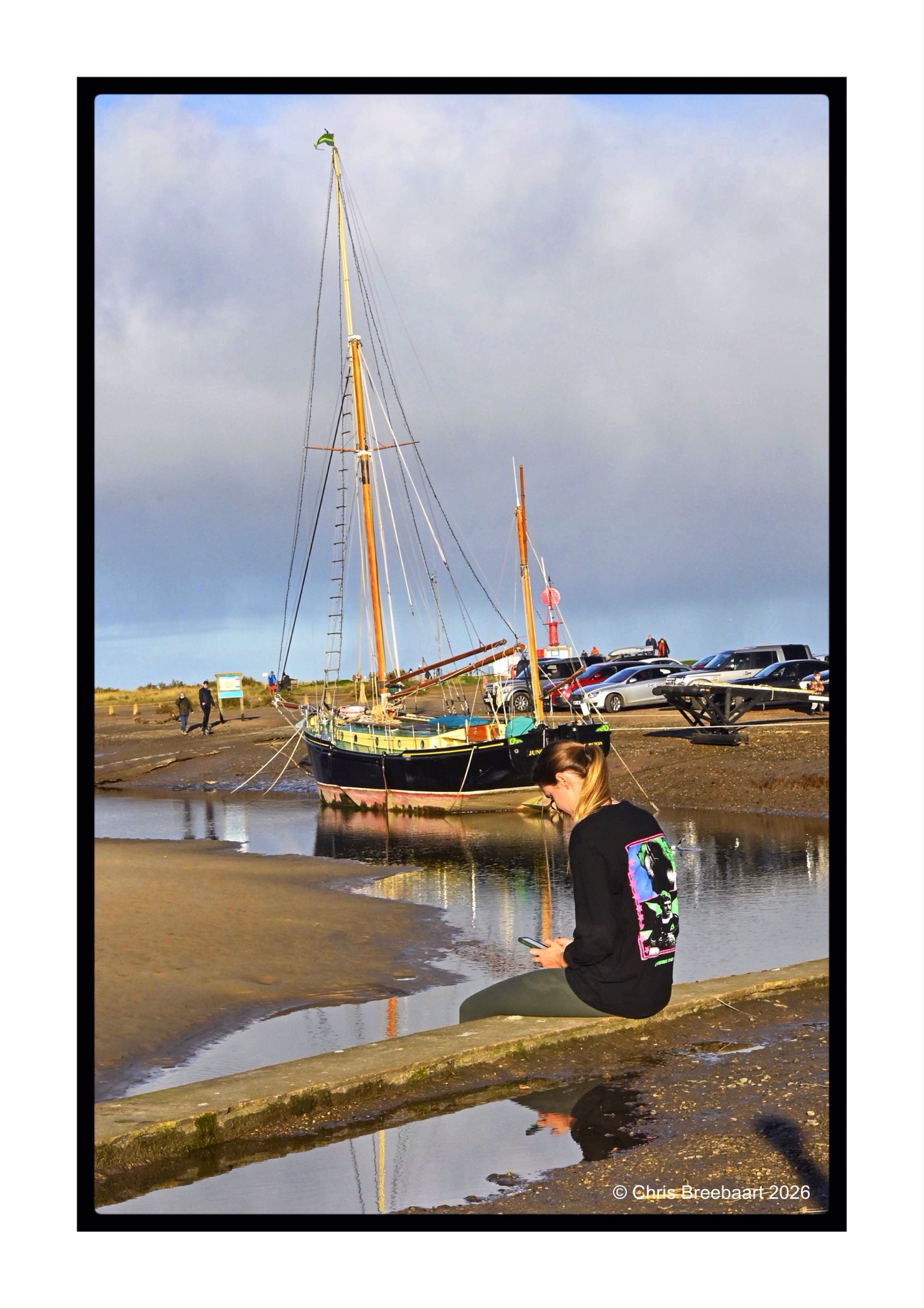
The quayside and harbour of Blakeney.
Shot with Nikon Zf,edited using Snapseed and Marksta. Click the picture for a larger version.
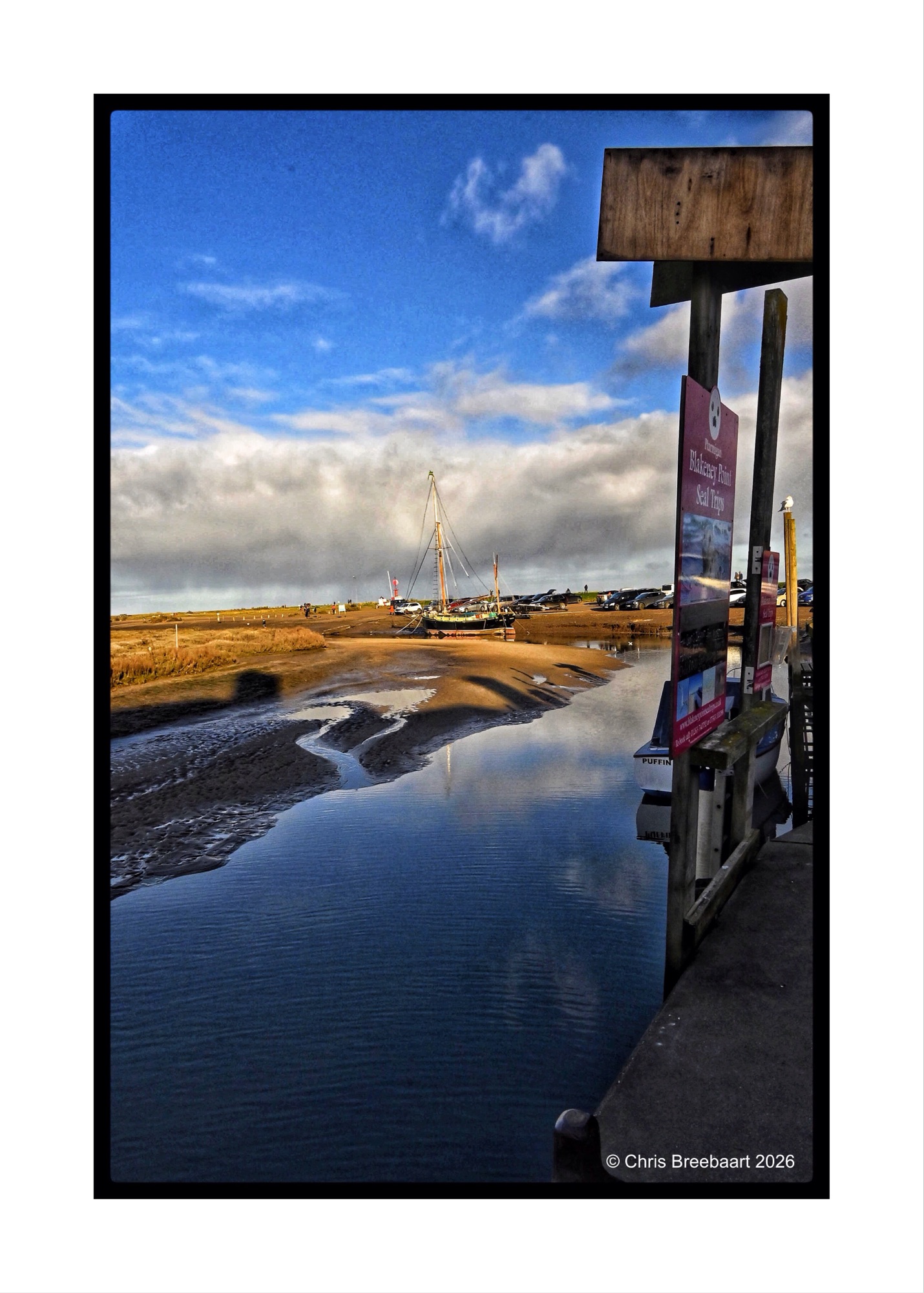
The quayside of Blakeney. Here you can go on a small boat to see Blakeney Point, visit the seals.
Shot with Nikon Zf,edited using Snapseed and Marksta. Click the picture for a larger version.
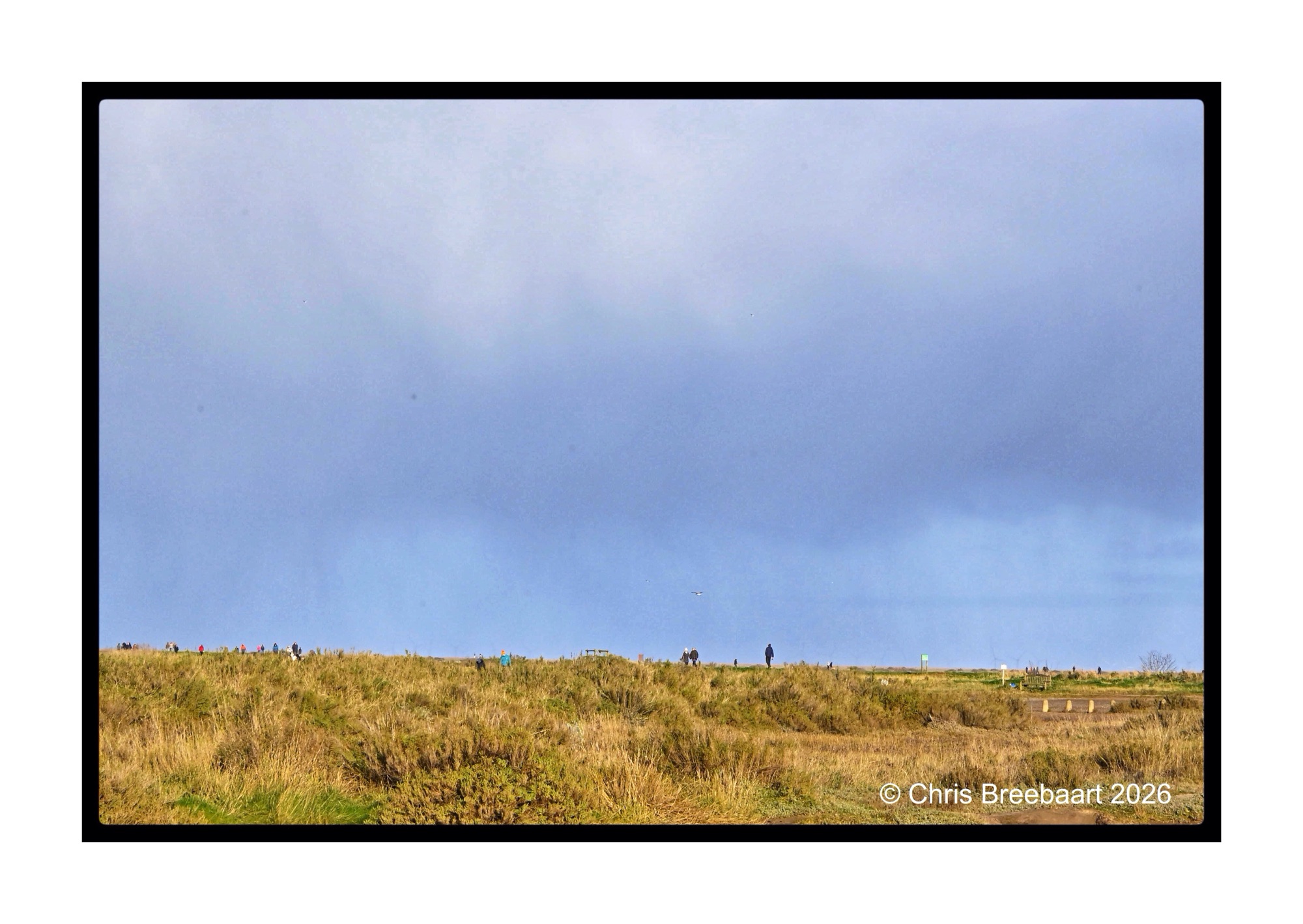
The path along the seafront in Blakeney.
Shot with Nikon Zf,edited using Snapseed and Marksta. Click the picture for a larger version.
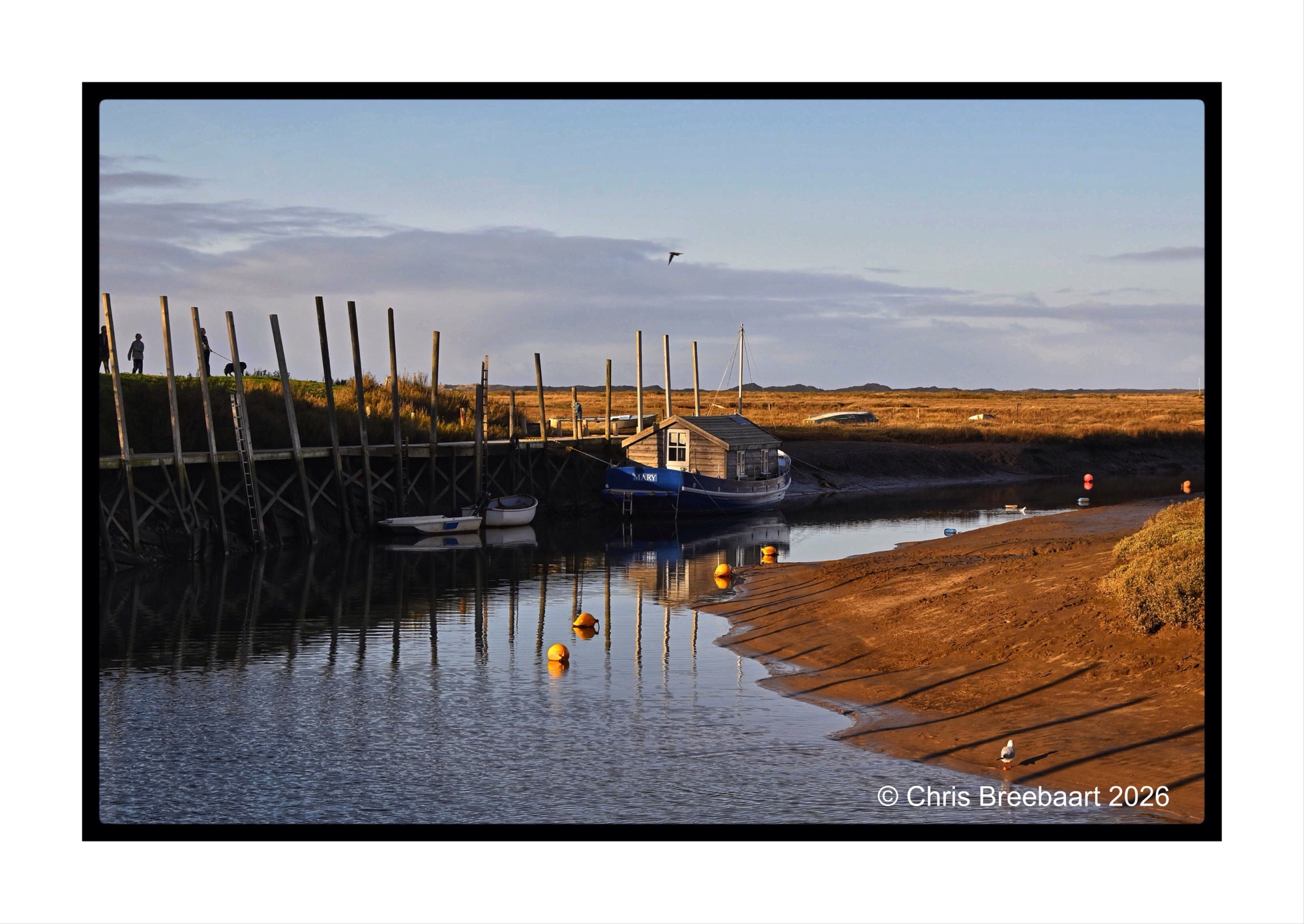
The seafront in Blakeney.
Shot with Nikon Zf,edited using Snapseed and Marksta. Click the picture for a larger version.
Lens-artists Photo Challenge #382 is about rejected photos. What do you do with photos you do not like? You can throw them away, or you can keep them. And if you keep them what can you do with them? First a story of myself, how I work. And in the end an example.
I am a snap shooter for a long time. When looking at this question for myself, I have to distinguish between the analog age and the digital age. But in both ages it is about quality, how you can assess that and what instruments are available after shooting. And above all: how can you be creative, and how much room is there to experiment?
The analog age was expensive: film was expensive, darkroom materials were expensive too. And being a poor student I shot as efficient as possible. You had to be patient while shooting, and selective. You also needed to trust your skills. Experience was essential to figure out what worked and what not. To produce good prints you needed to develop darkroom skills. And some negatives were impossible to print. But you kept them all. I never threw away negatives. That decision was beneficial in the digital age. After scanning my negatives, I properly made them look like what I had in mind when shooting them. What the darkroom did not deliver, software did.
In the digital age the cost of a photo is nearly non existent. The original photo (the former negative) can be copied lots of times. From the start technology offers instruments to oversee the quality of the photos. What you shoot is instantly visible on the camera. You can try different changes in the photo. Adjustments like shutter time, focus, and shutter opening can be tested most of the time. The RAW format offers flexibility for editing the ‘negative’ after the shoot. Software offers lots of creative tools to change the photo, or create new images.
So, do you keep rejected (bad) photos or not? I do reject photos, overseeing the result on my camera. I keep photos that can come to a good result after editing. The rest I remove straight away (e.g. bracketing shots).What I keep is stored on my NAS, where I use Lightroom as my archiving tool. I use editing tools to tweak a photo slightly. My favorite is Snapseed for web and social media publication. And Lightroom and Photoshop for prints.
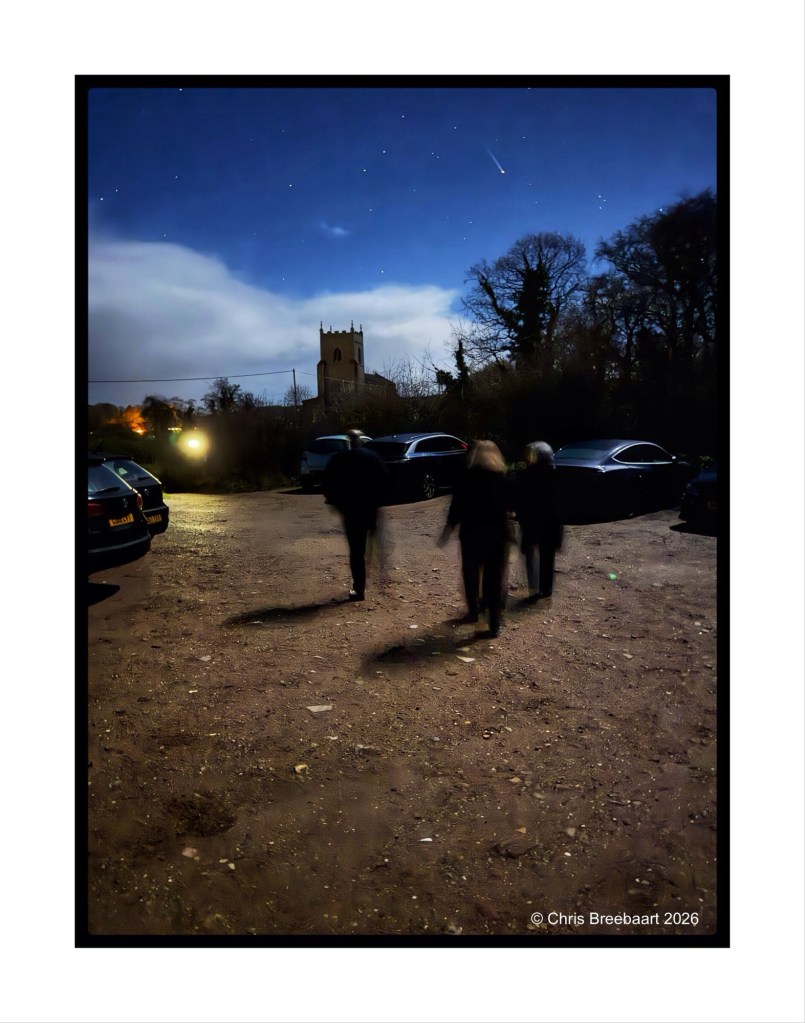
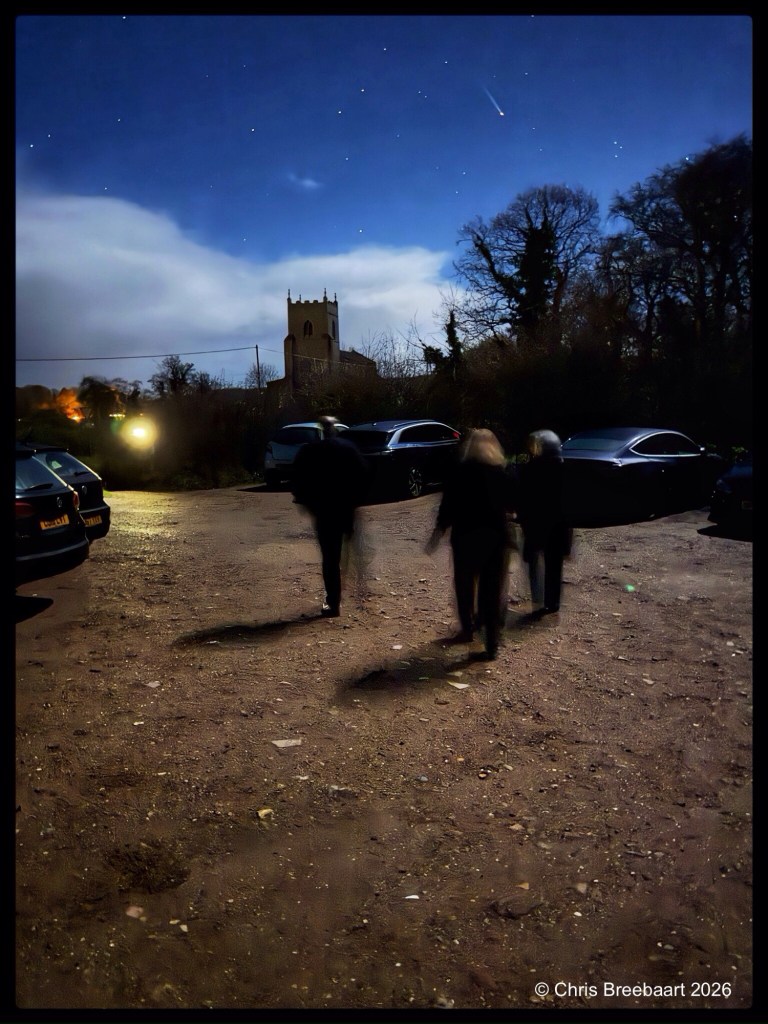
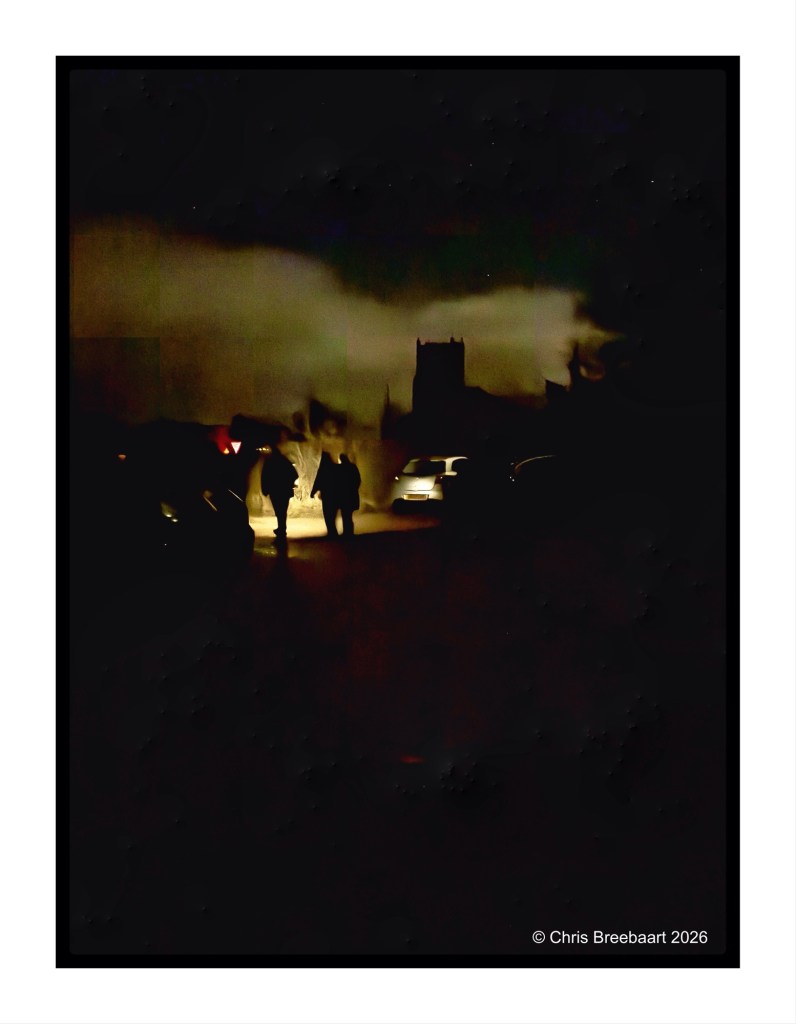
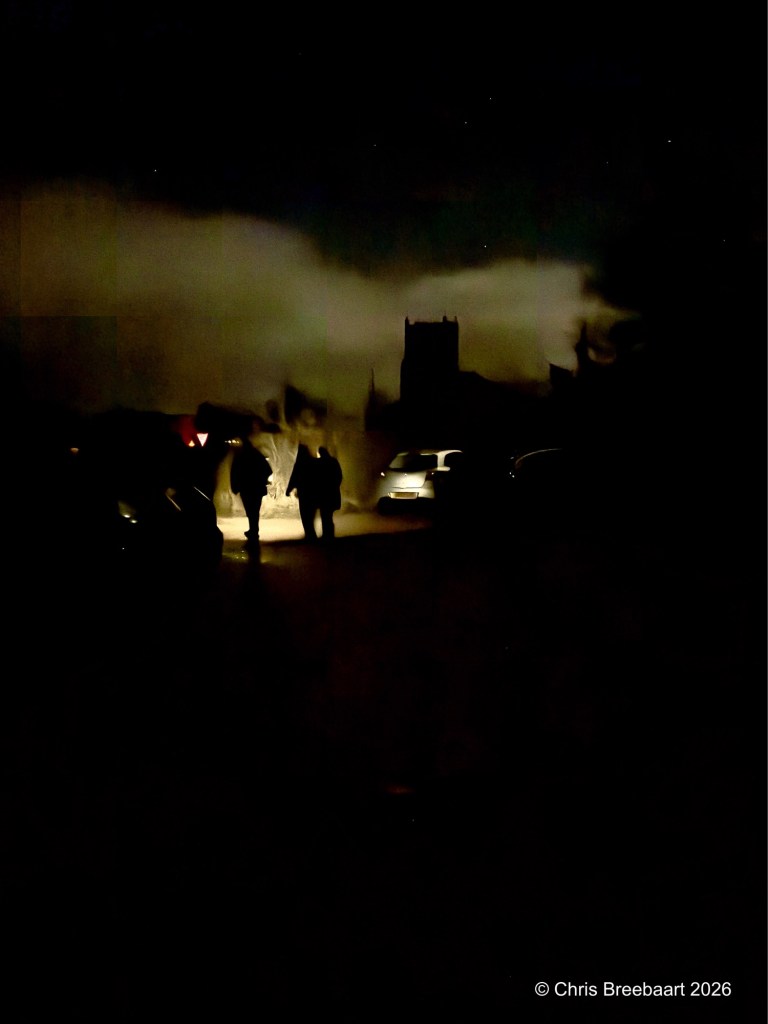
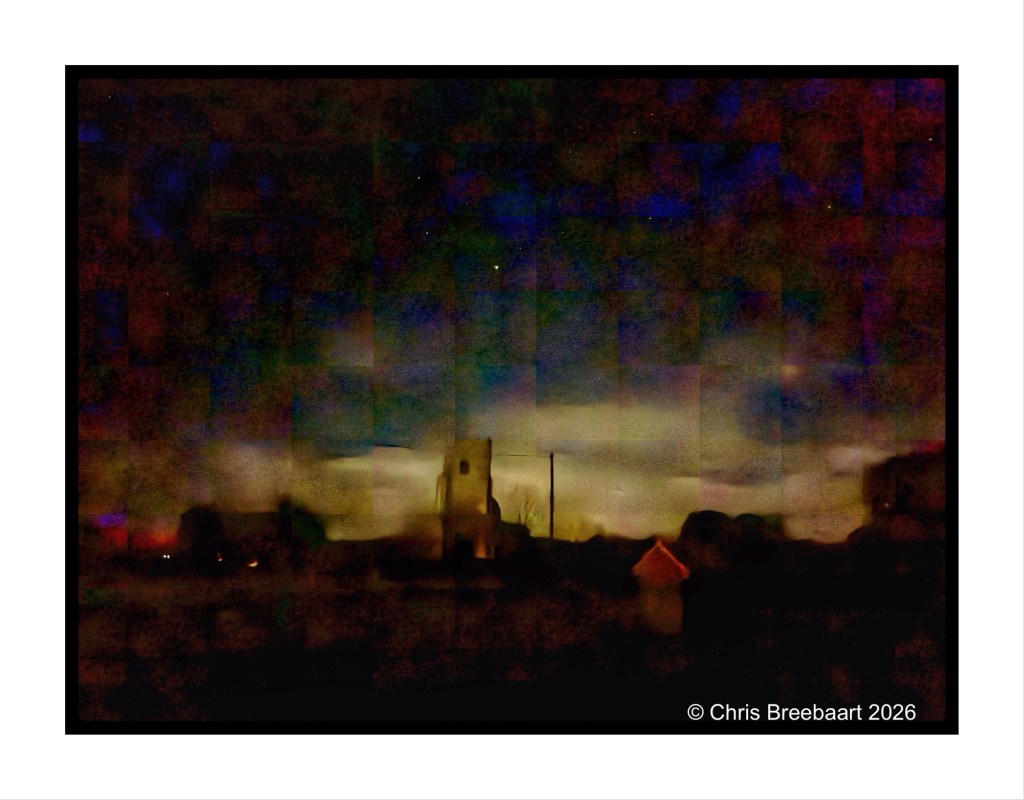
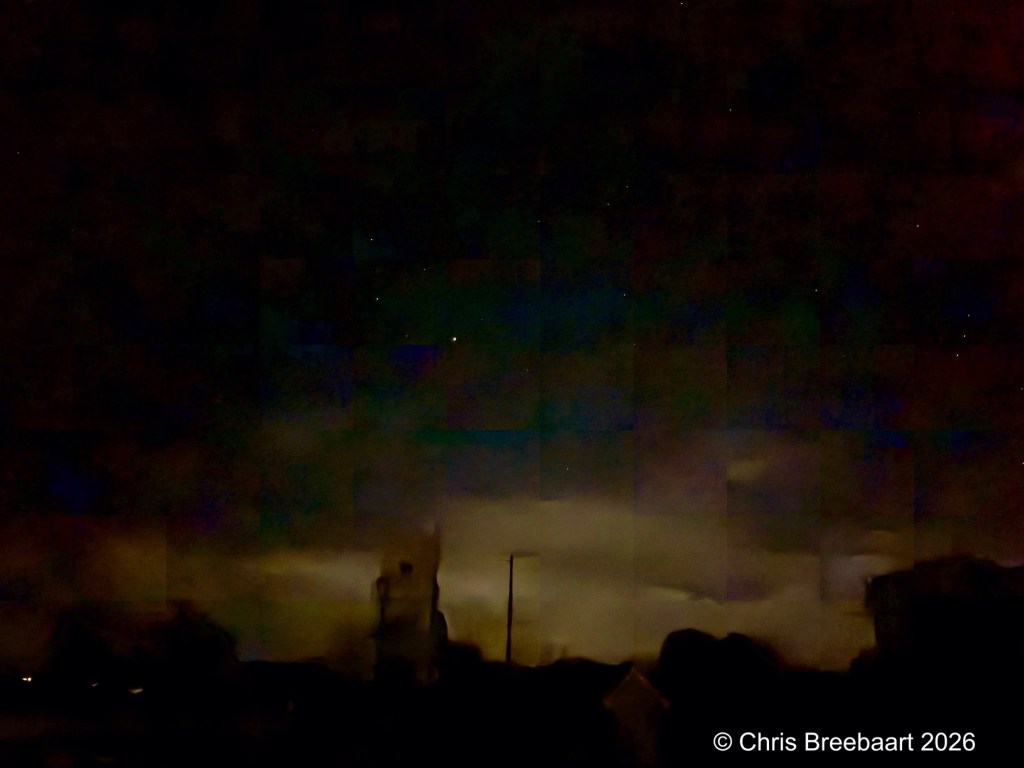
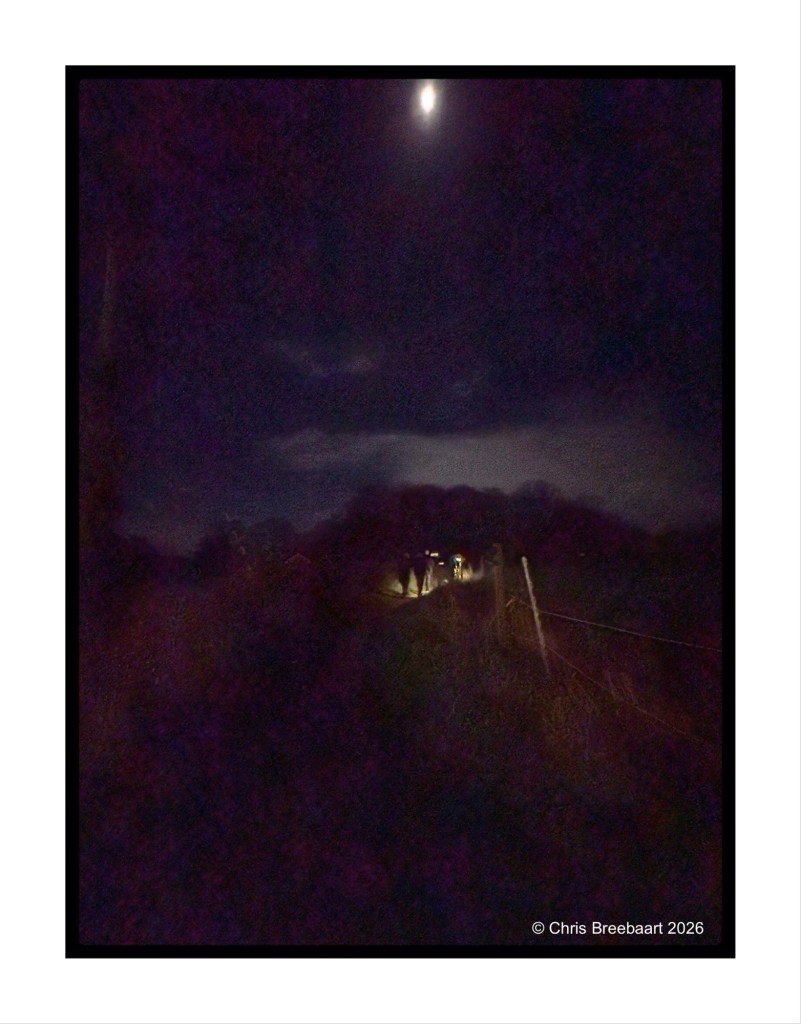
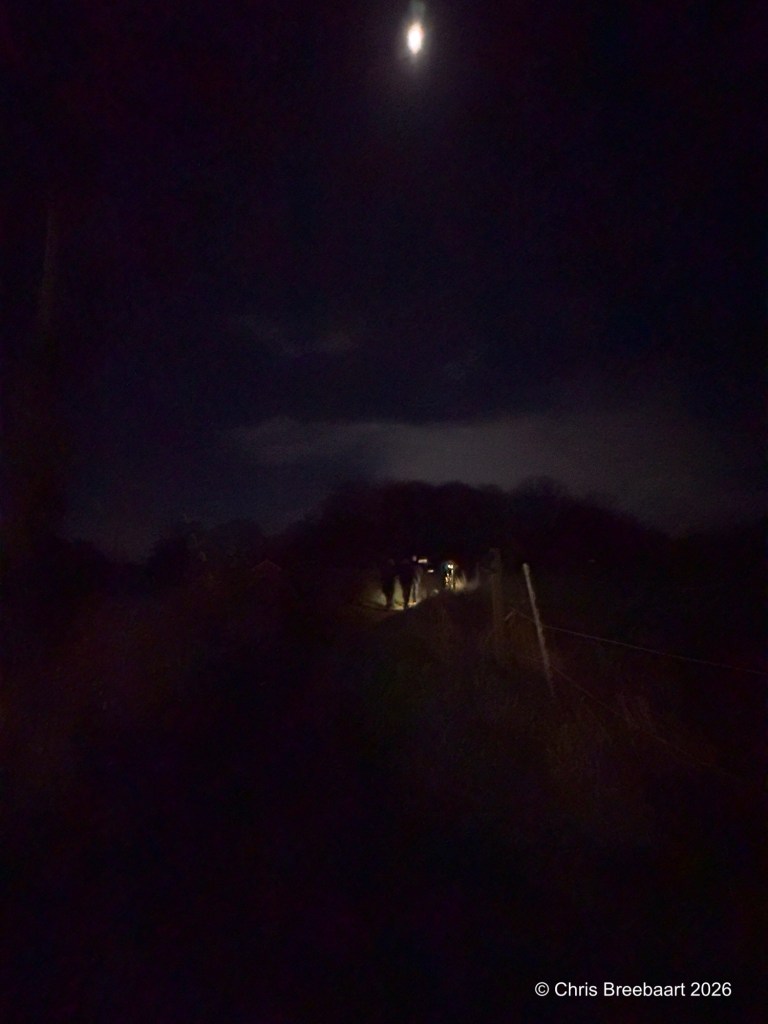
The digital age is a time for unlimited creativity. The photos of ‘dinner at Wiveton Bell’ are an example of testing out the iPhone in a very dark situation. I shot about 8 frames, I kept them all but had my doubts. At home I worked them in Lightroom and Snapseed. And was surprised by what came out. And the ones that did not work were indeed deleted.
On the left the photo published and on the right the original RAW file.
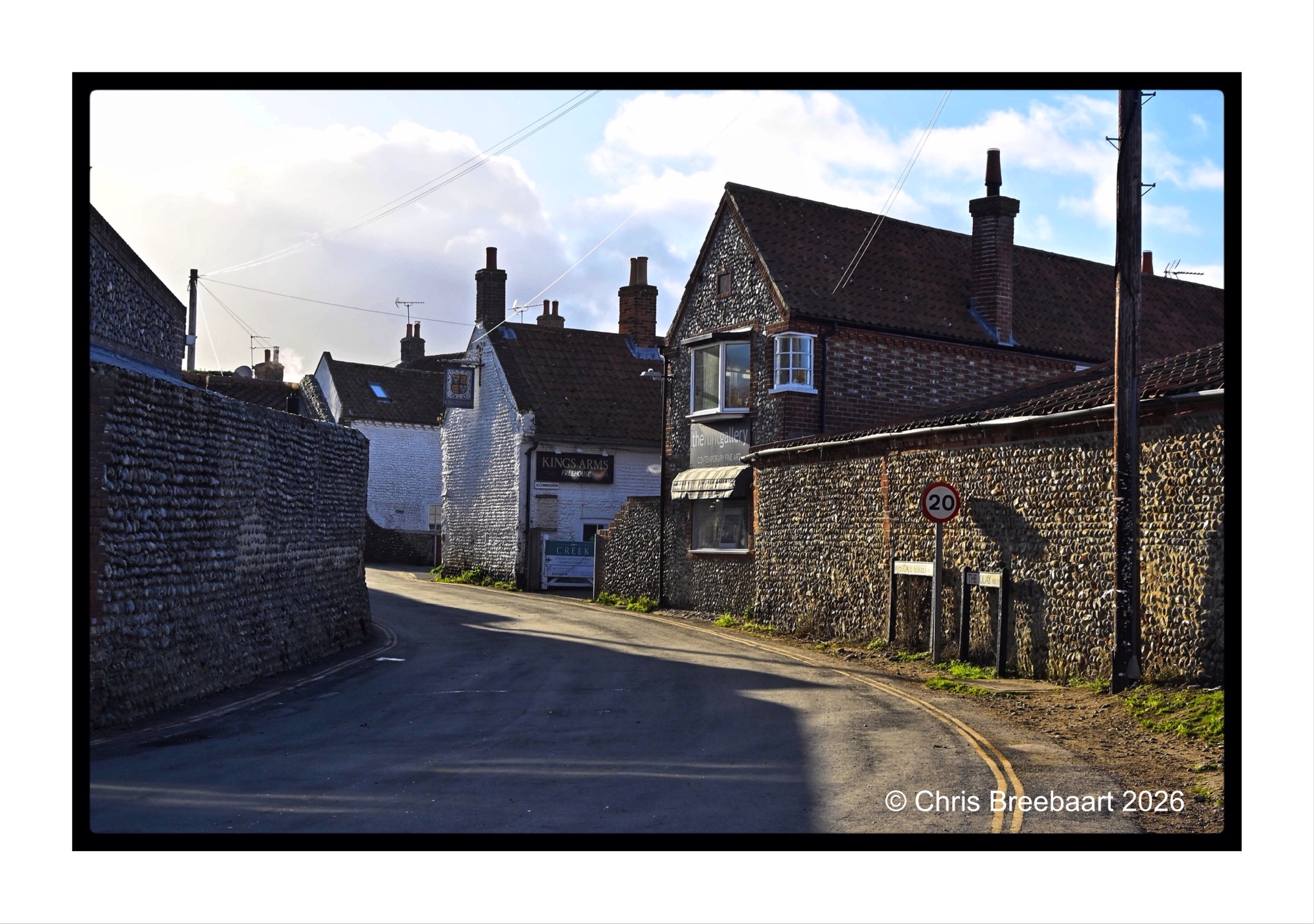
Westgate Street in Blakeney, the access to the Quay at the seafront.
Shot with Nikon Zf,edited using Snapseed and Marksta. Click the picture for a larger version.
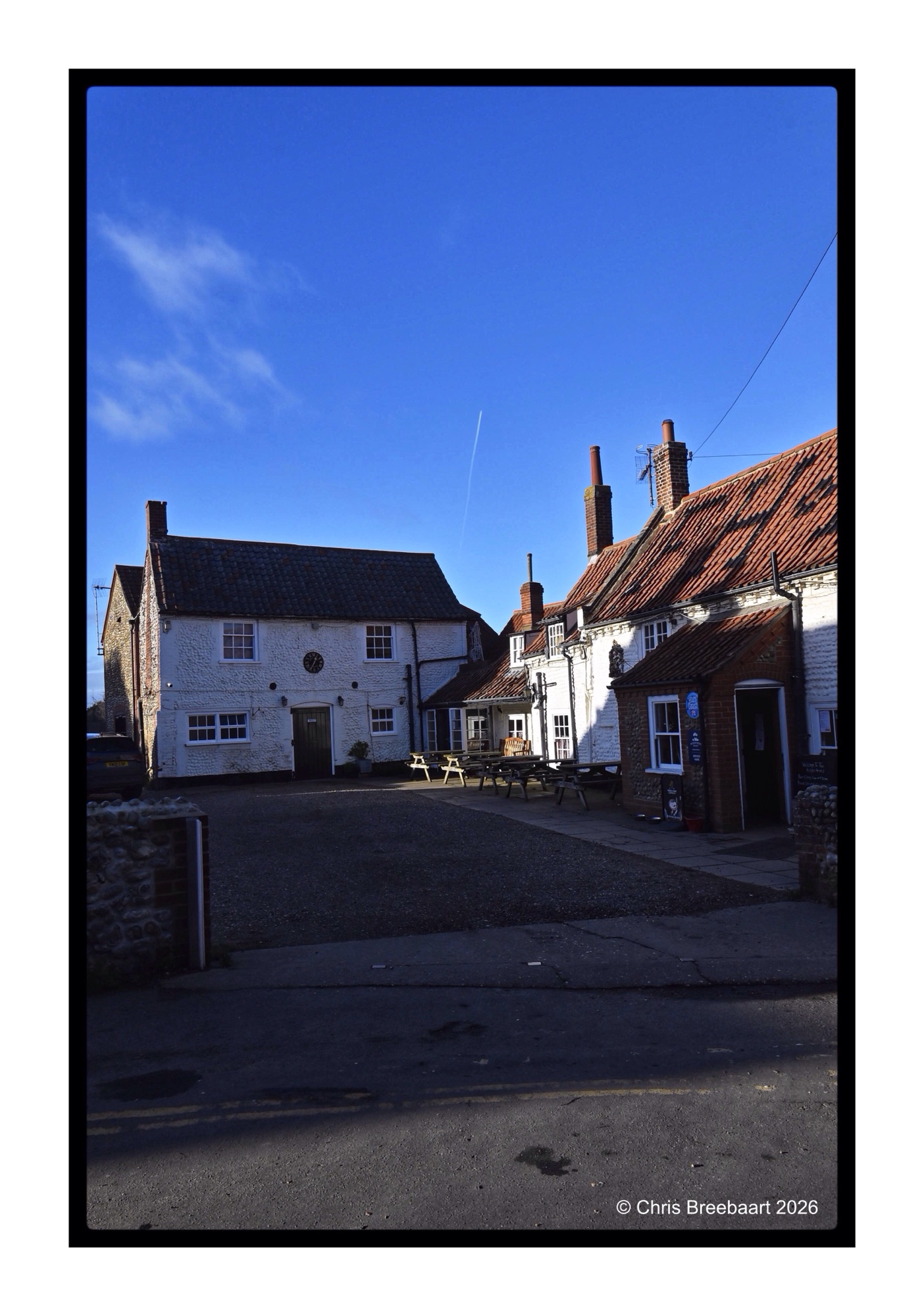
The King’s Arms in in Blakeney. Founded in 1763. And still sells fresh beer.
Shot with Nikon Zf,edited using Snapseed and Marksta. Click the picture for a larger version.
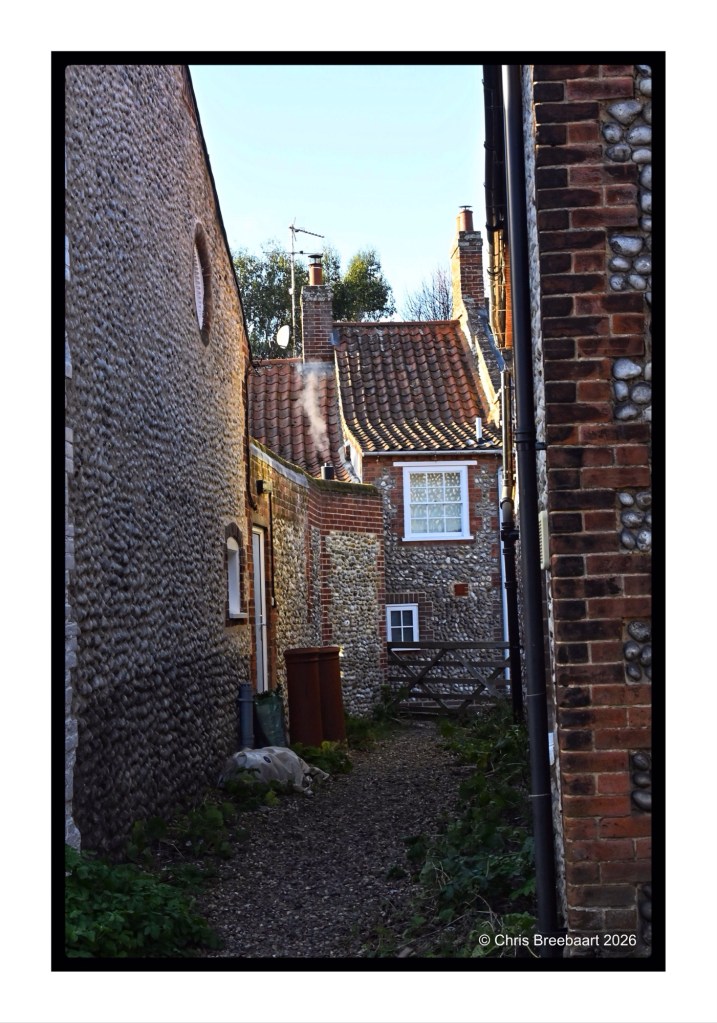
An alley in Blakeney.
Shot with Nikon Zf,edited using Snapseed and Marksta. Click the picture for a larger version.
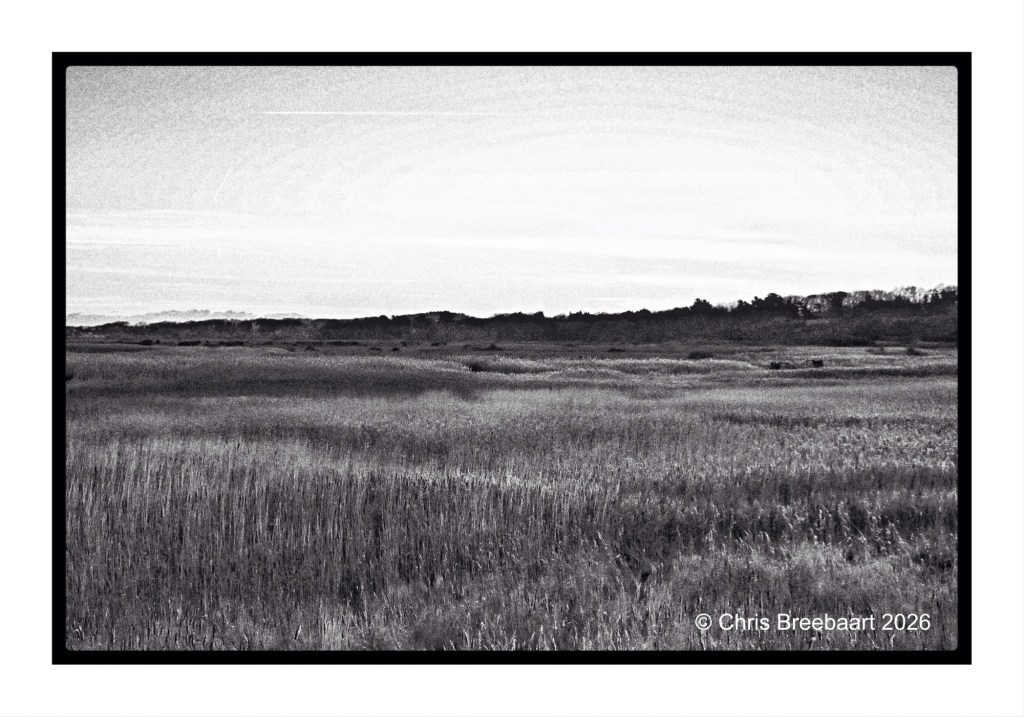
The last in the series of monochrome, more or less minimal photos for this week’s Lens artists photo challenge #381 (minimalism in black and white photography).
Shot with Nikon Zf,edited using Snapseed and Marksta. Click the picture for a larger version.
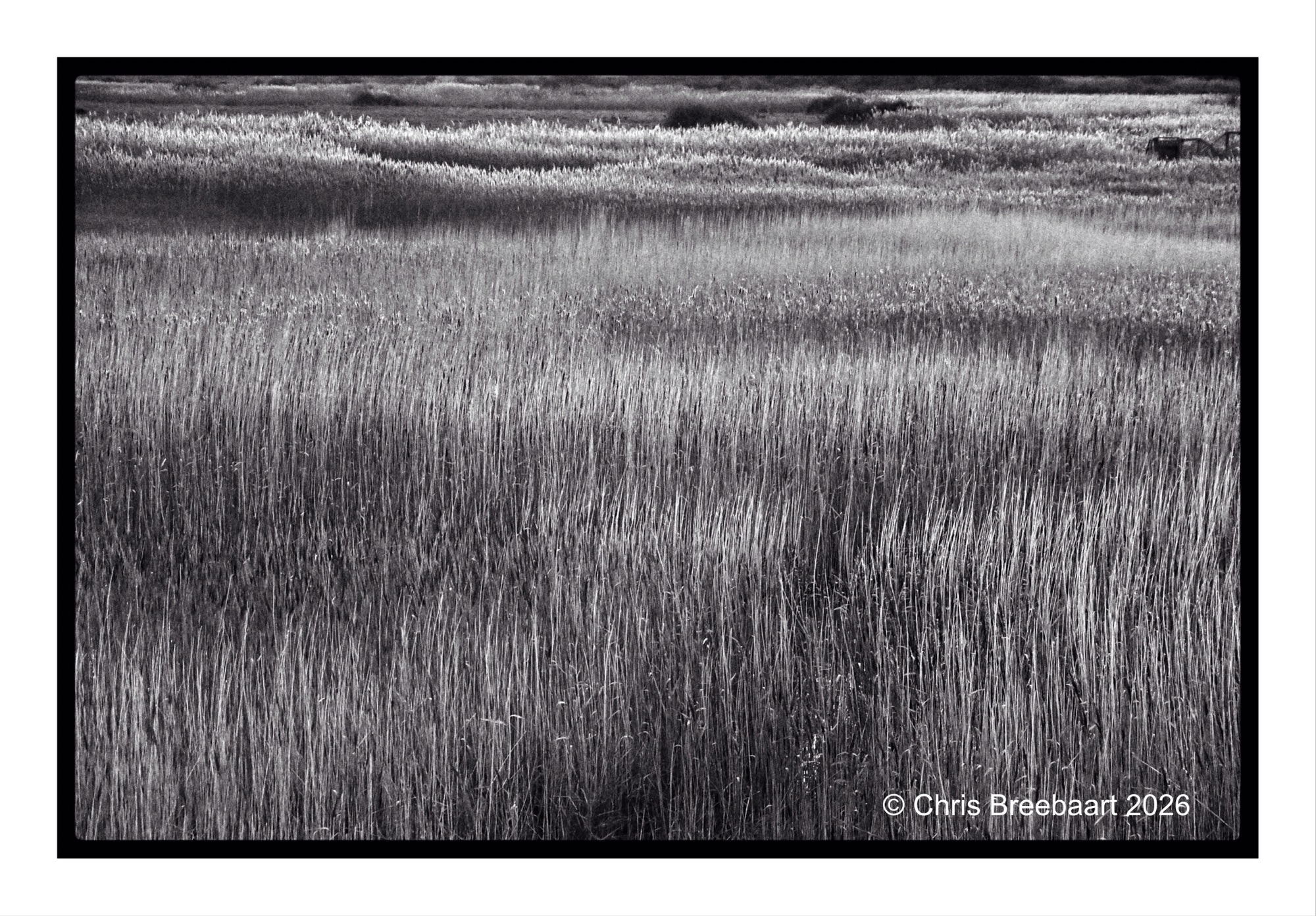
Lens artists photo challenge #381 is ‘minimalism in black and white photography’. The marshes at first sunlight, as the light details the waving reeds.
Shot with Nikon Zf,edited using Snapseed and Marksta. Click the picture for a larger version.
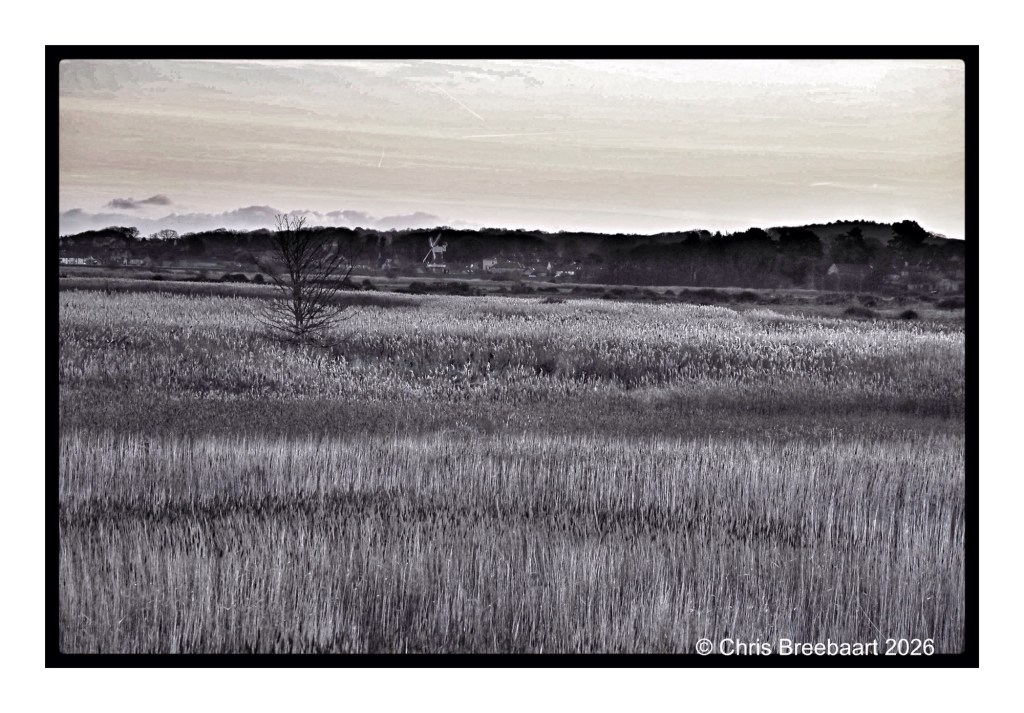
Lens artists photo challenge #381 is ‘minimalism in black and white photography’. Overlooking the marshes at first sunlight in the direction of Cley next the sea.
Shot with Nikon Zf,edited using Snapseed and Marksta. Click the picture for a larger version.
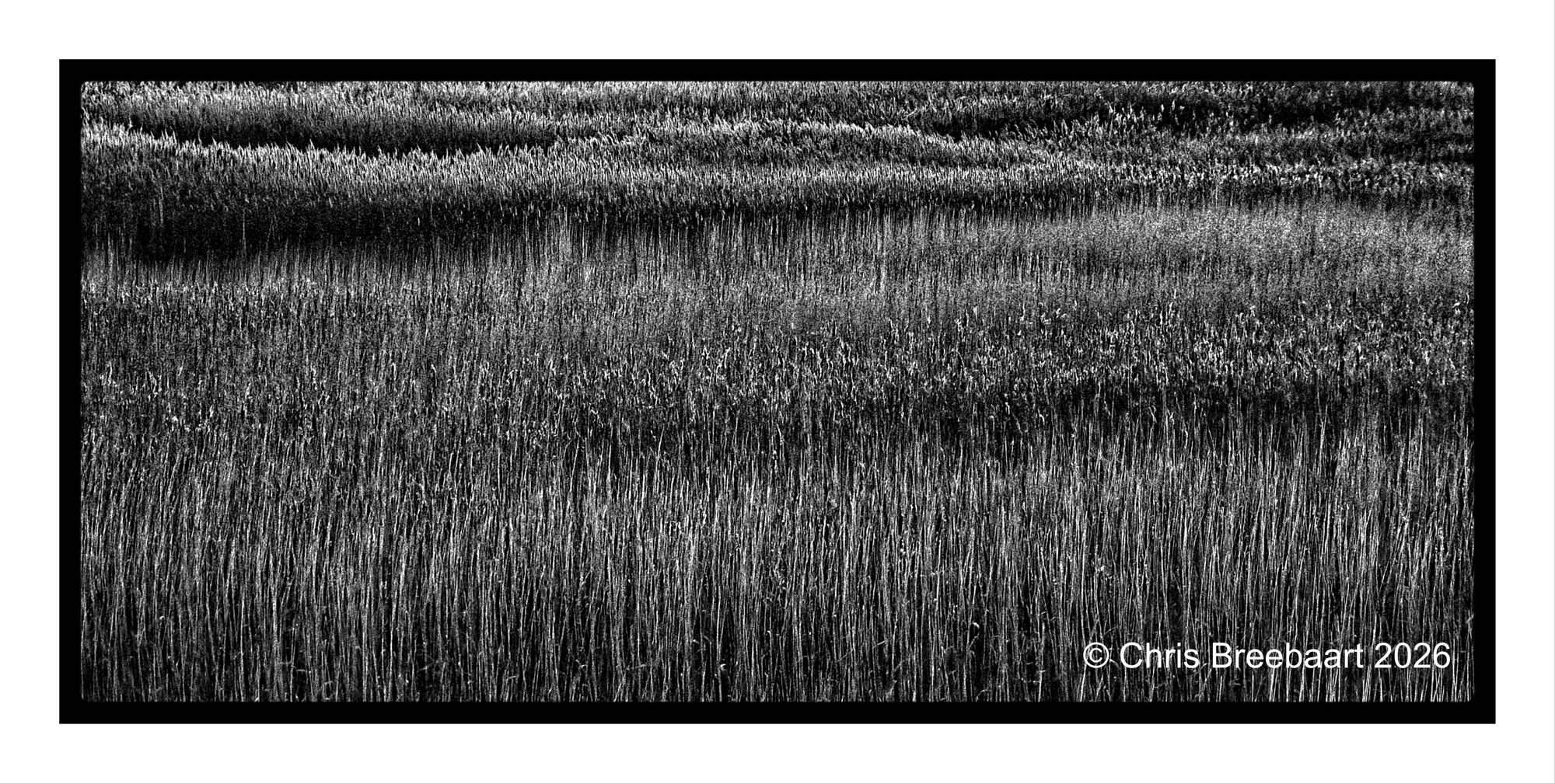
Lens artists photo challenge #381 is ‘minimalism in black and white photography’. The marshes at first sunlight.
Shot with Nikon Zf,edited using Snapseed and Marksta. Click the picture for a larger version.
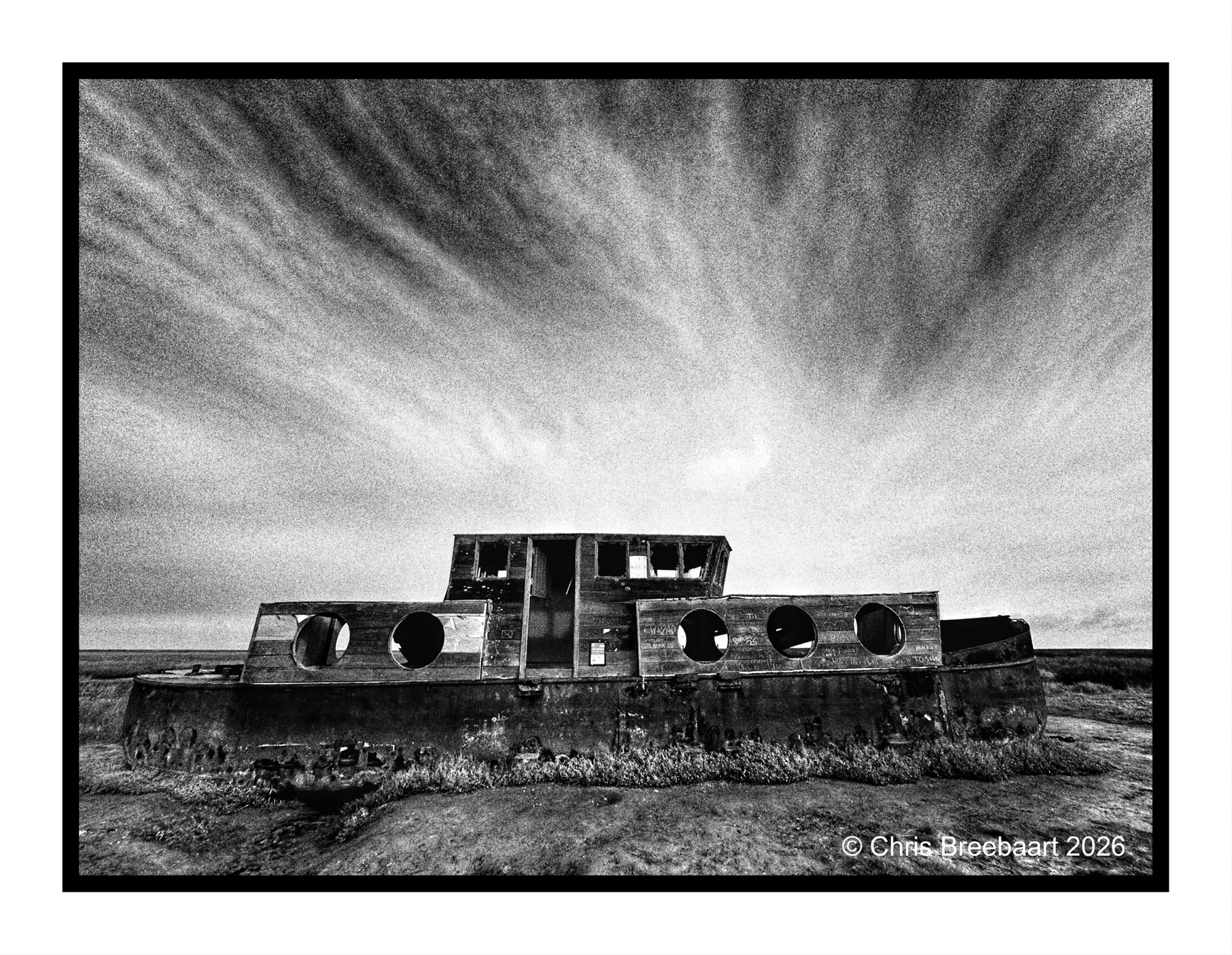
An old boat, slowly decaying on the marshes near Blakeney. Lens artists photo challenge #381 is ‘minimalism in black and white photography’.
Shot with iPhone 15 Pro Max edited using Snapseed and Marksta. Click the picture for a larger version.
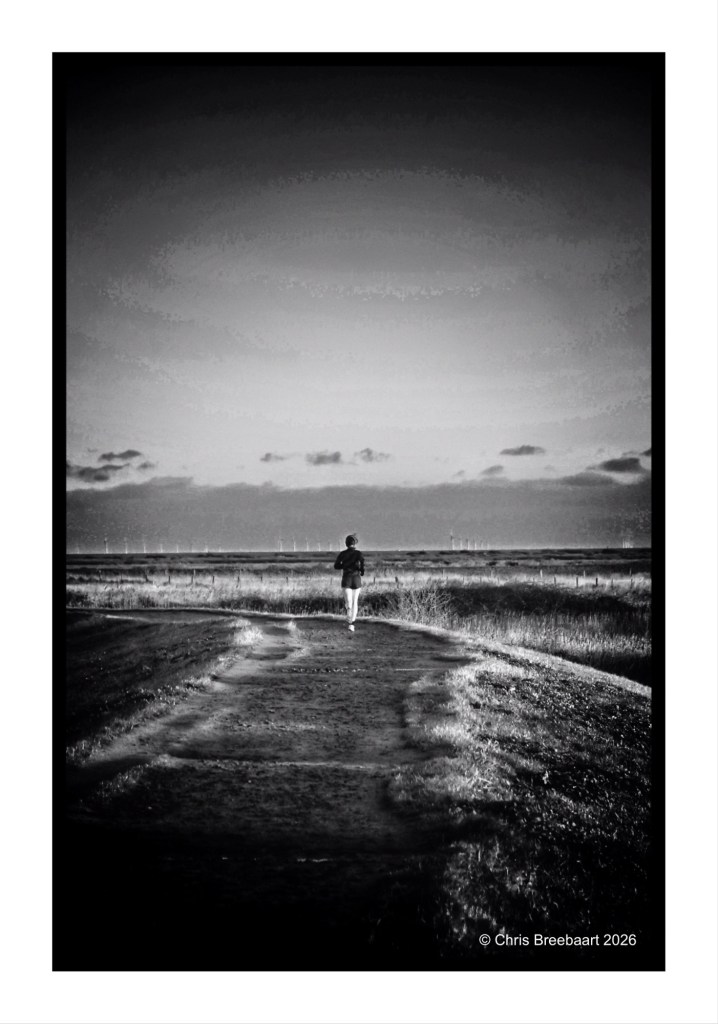
Lens artists photo challenge #381 is ‘minimalism in black and white photography’. The marshes at Blakeney are a place for running and hiking.
Shot with Nikon Zf,edited using Snapseed and Marksta. Click the picture for a larger version.
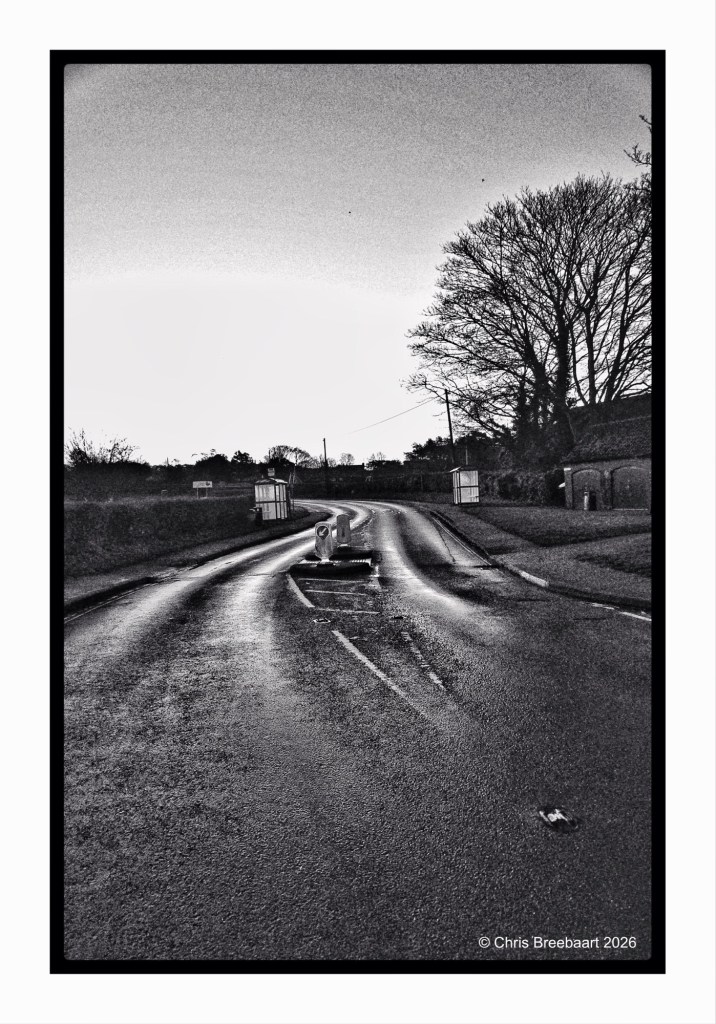
Lens artists photo challenge #381 is ‘minimalism in black and white photography’. A bus stop at sunrise.
If you wonder how it looks in color? Here is an iPhone shot of 2024 at the same spot. In the monochrome the sun is not over the horizon, in the color one it is.
Shot with Nikon Zf,edited using Snapseed and Marksta. Click the picture for a larger version.
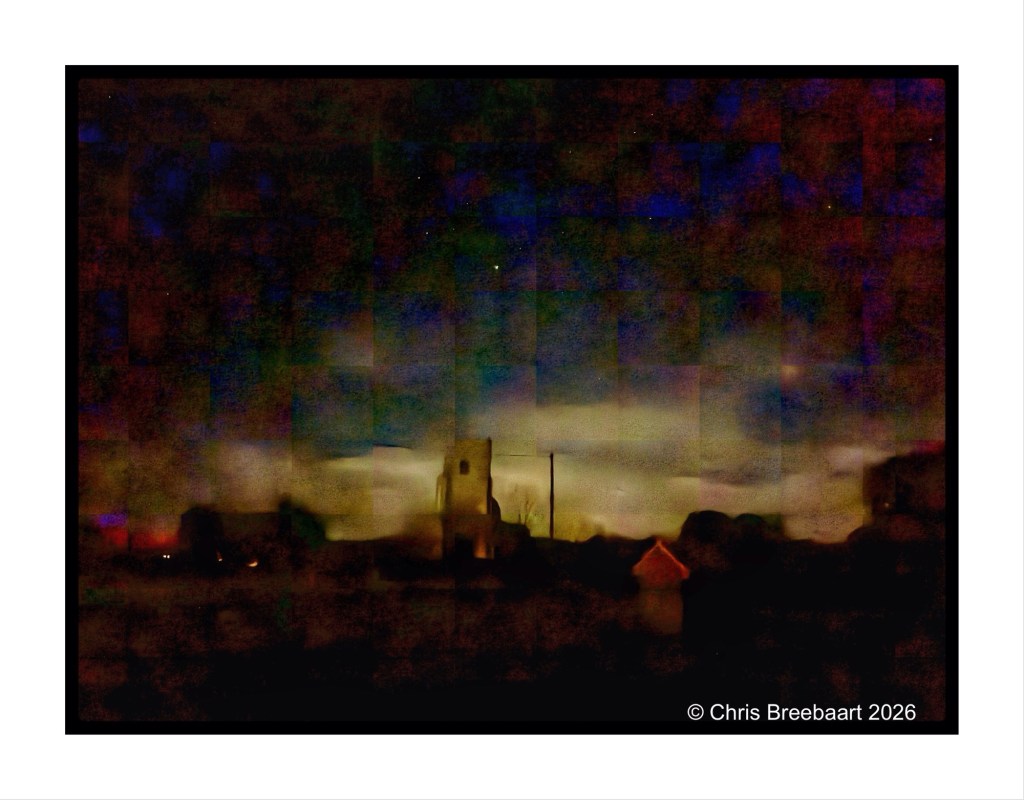
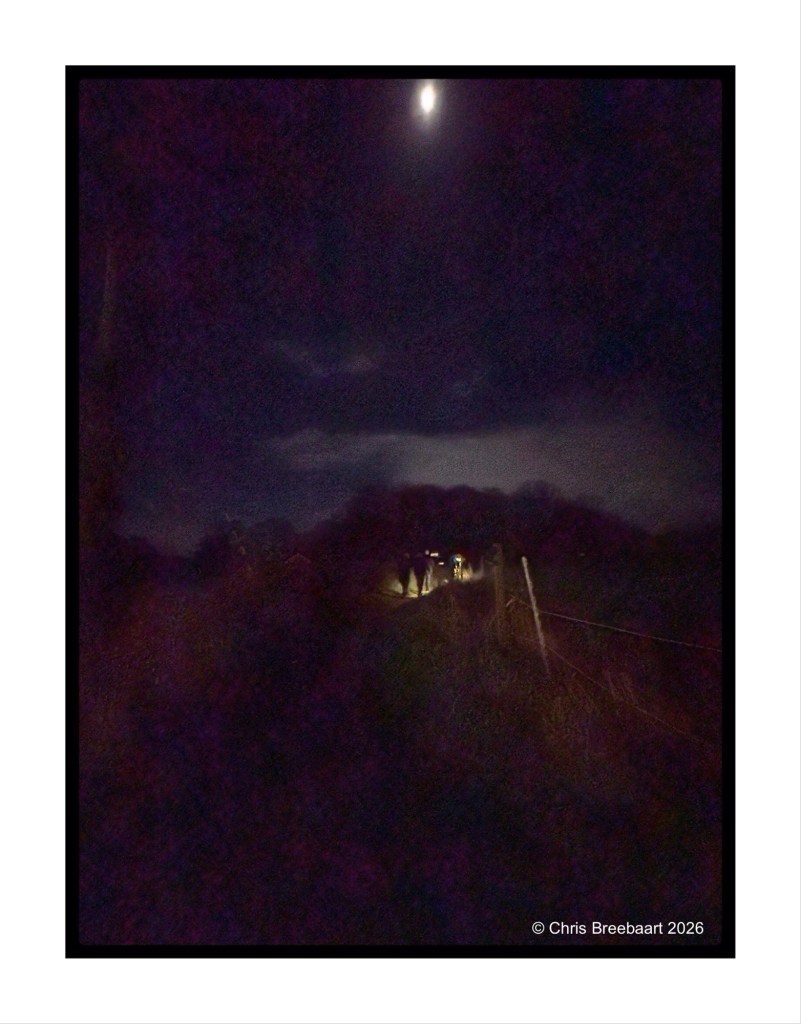
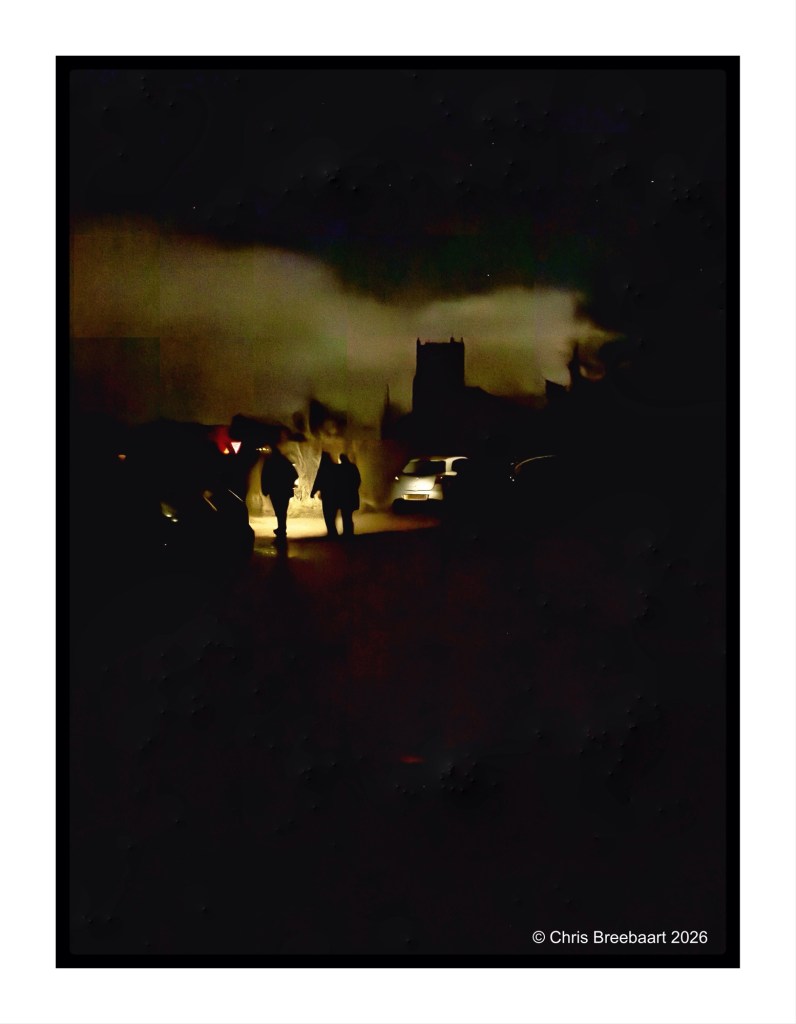
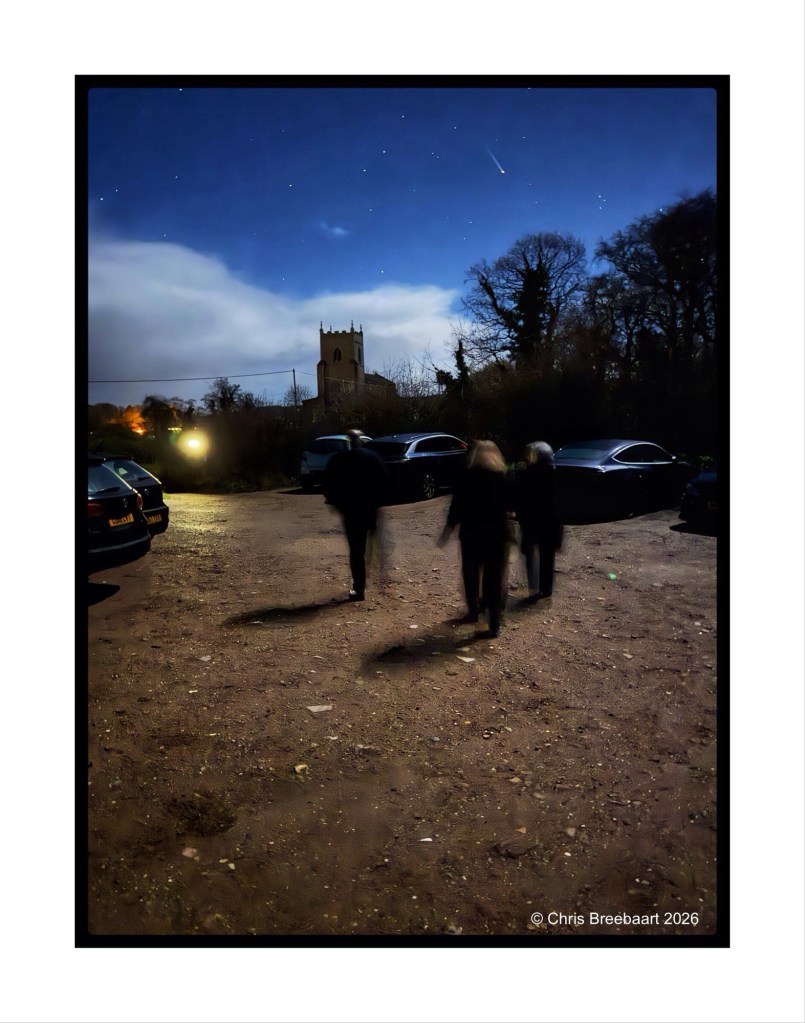
Having dinner at the Wiveton Bell. A beautiful moonlight night, an open invitation to play with the iPhone. The results did surprise me.
The bottom right photo is taken with the night modus. The rest with the manual mode of ‘real light’.
The one of the church reminds me of a medieval painting.
Shot with iPhone 15 Pro Max edited using Snapseed and Marksta. Click the picture for a larger version.
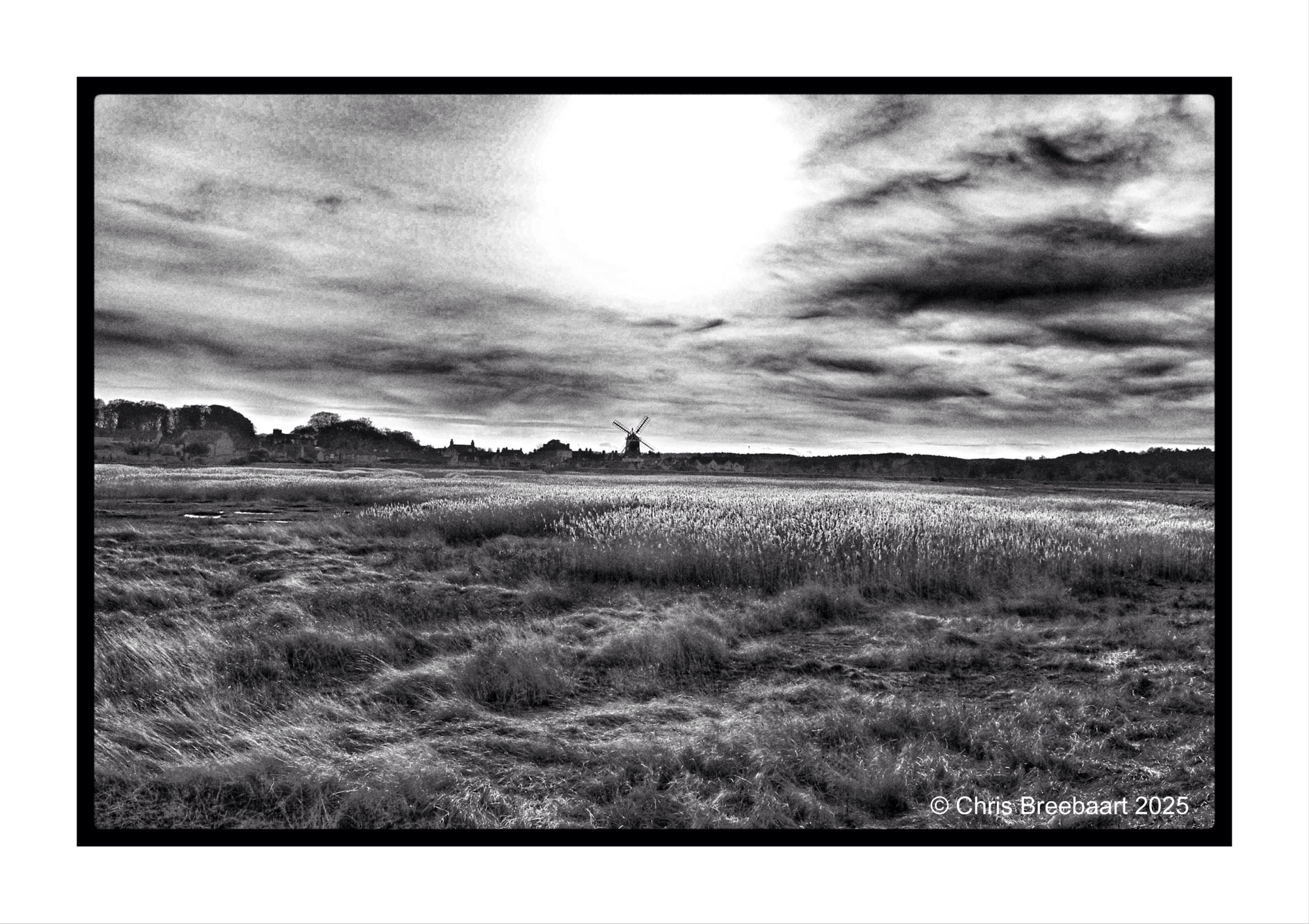
This is the famous Cley windmill at Cley next the sea. It’s by far the best name for a coastal village. Interestingly, it actually does not have a sea front. The mill was owned by the family of James Blunt.
Shot with Nikon Zf, edited using Snapseed and Marksta. Click the picture for a larger version.

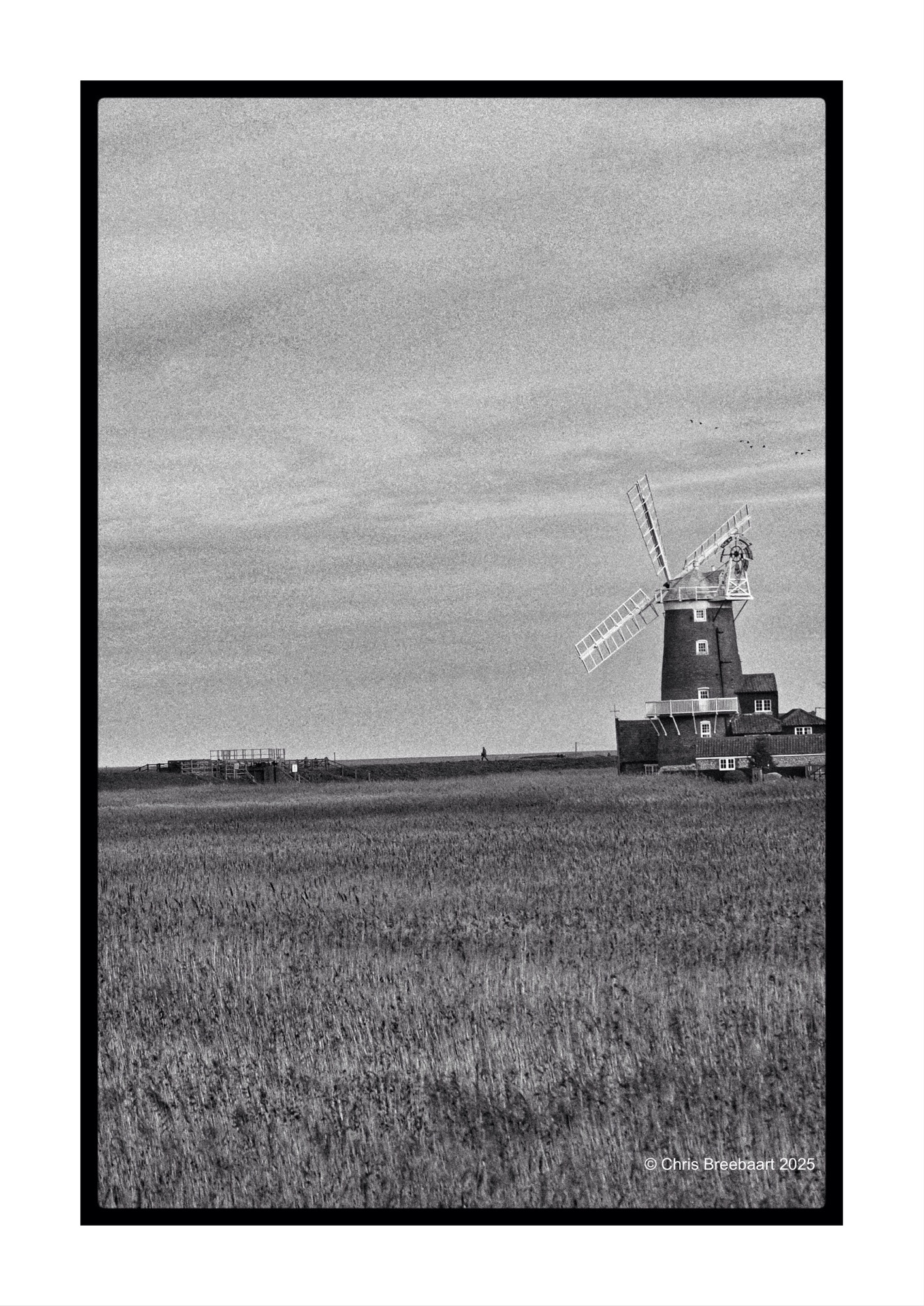
I have a fondness for black and white aka monochrome. That grew on me. Mono was cheaper 50 years ago and more ‘easy’ to handle in a dark room. Monochrome gives something extra at times. The sphere, the grain. And over all these years I learned to see objects in monochrome, visualizing what something looks like in grays.
When I bought my first Nikon digital camera (the D70), I naively asked ‘where is the monochrome setting?’. It was not there. Shooting was color only. If I wanted mono I had to create it myself afterwards in Lightroom, Photoshop or an app like Snapseed. But lucky for me, on the iPhone and on the recent Nikon Zf, there are monochrome settings. To be honest, that was one of the reasons to buy a Zf. So now I have a choice: mono or color.
I know the taste of my ‘audience’ is different than mine. In three days I like to find out more about your taste. What do you fancy more: a photo in mono or in color?
This is the famous Cley windmill at Cley next the sea. It’s by far the best name for a coastal village. Interestingly, it actually does not have a sea front. The mill was owned by the family of James Blunt. The photo was shot in color.
Shot with Nikon Zf, edited using Snapseed and Marksta. Click the picture for a larger version.
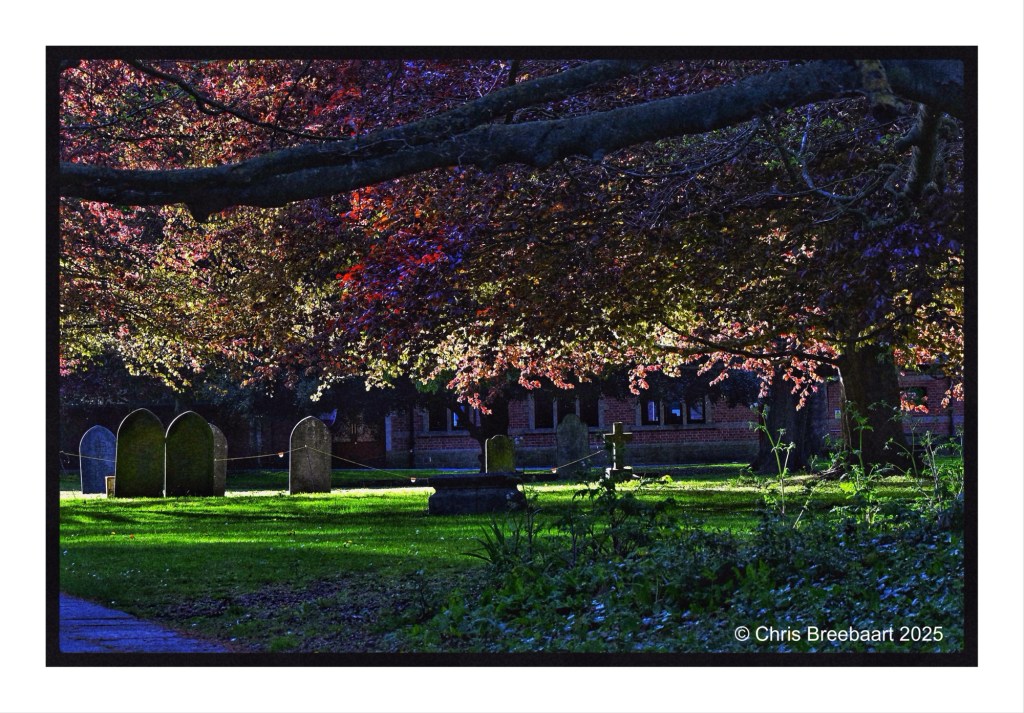
The cemetery of Southwell’s Minster.
Shot with Nikon Zf, edited using Snapseed and Marksta. Click the picture for a larger version.
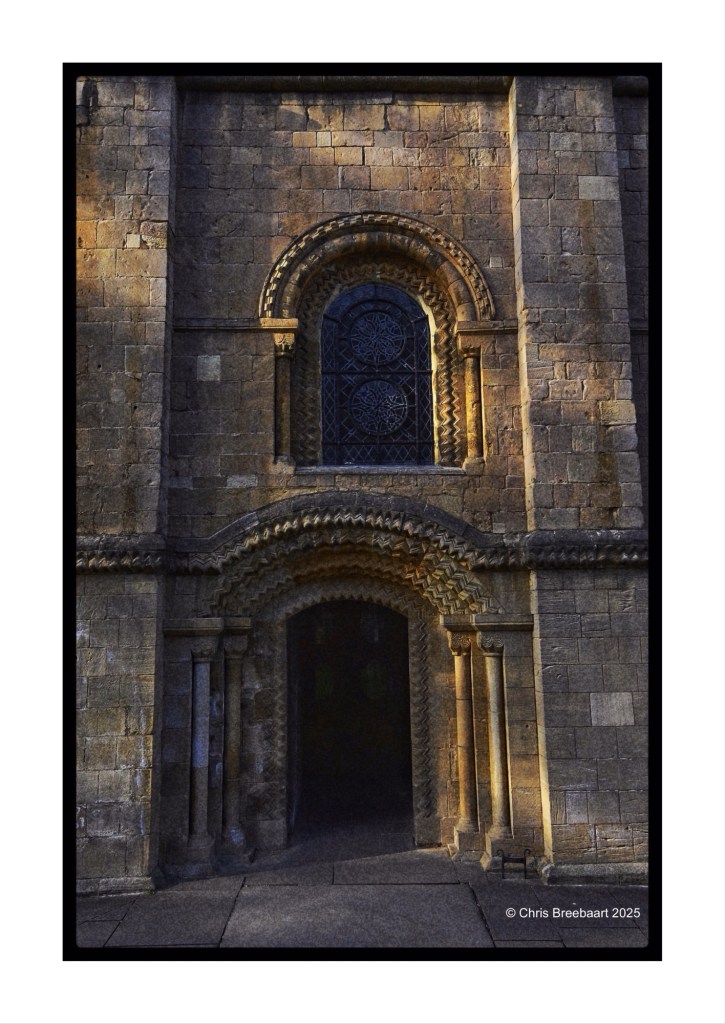
Choir Gate of Southwell’s Minster.
Shot with Nikon Zf, edited using Snapseed and Marksta. Click the picture for a larger version.
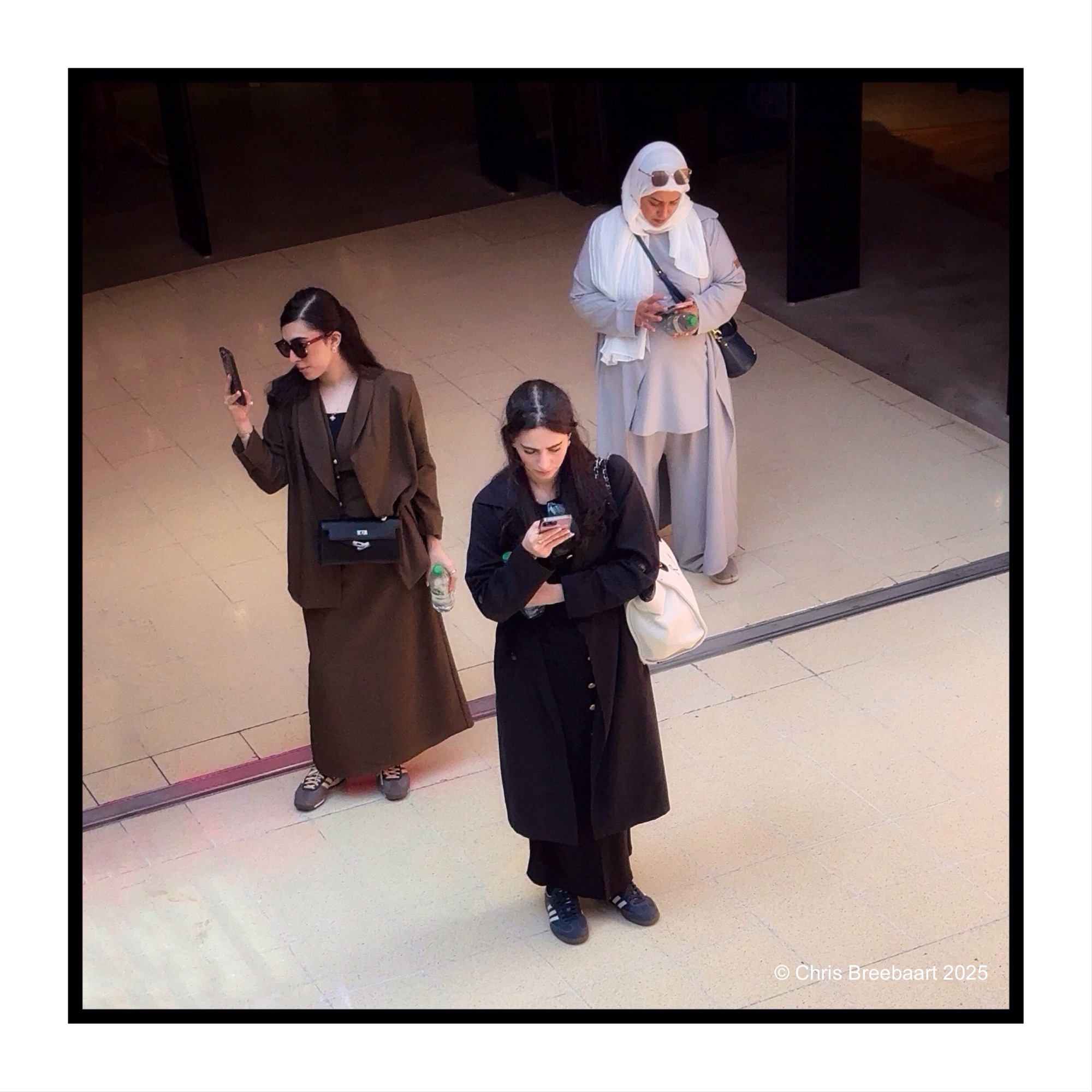
Shot with iPhone 15 Pro Max, edited using Snapseed and Marksta. Click the picture for a larger version.
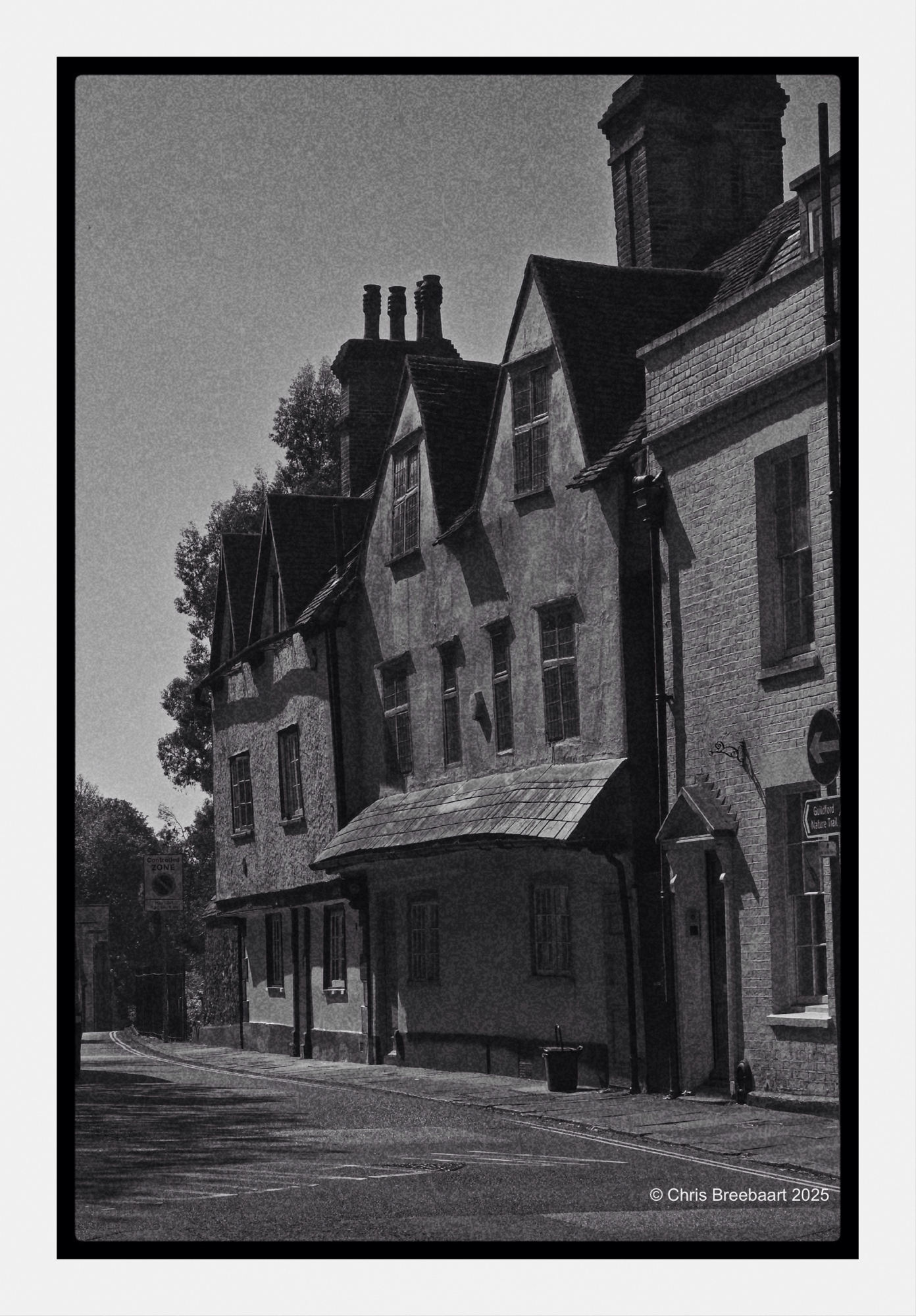
Shot with Nikon Zf, edited using Snapseed, GrainLab and Marksta. Click the picture for a larger version.
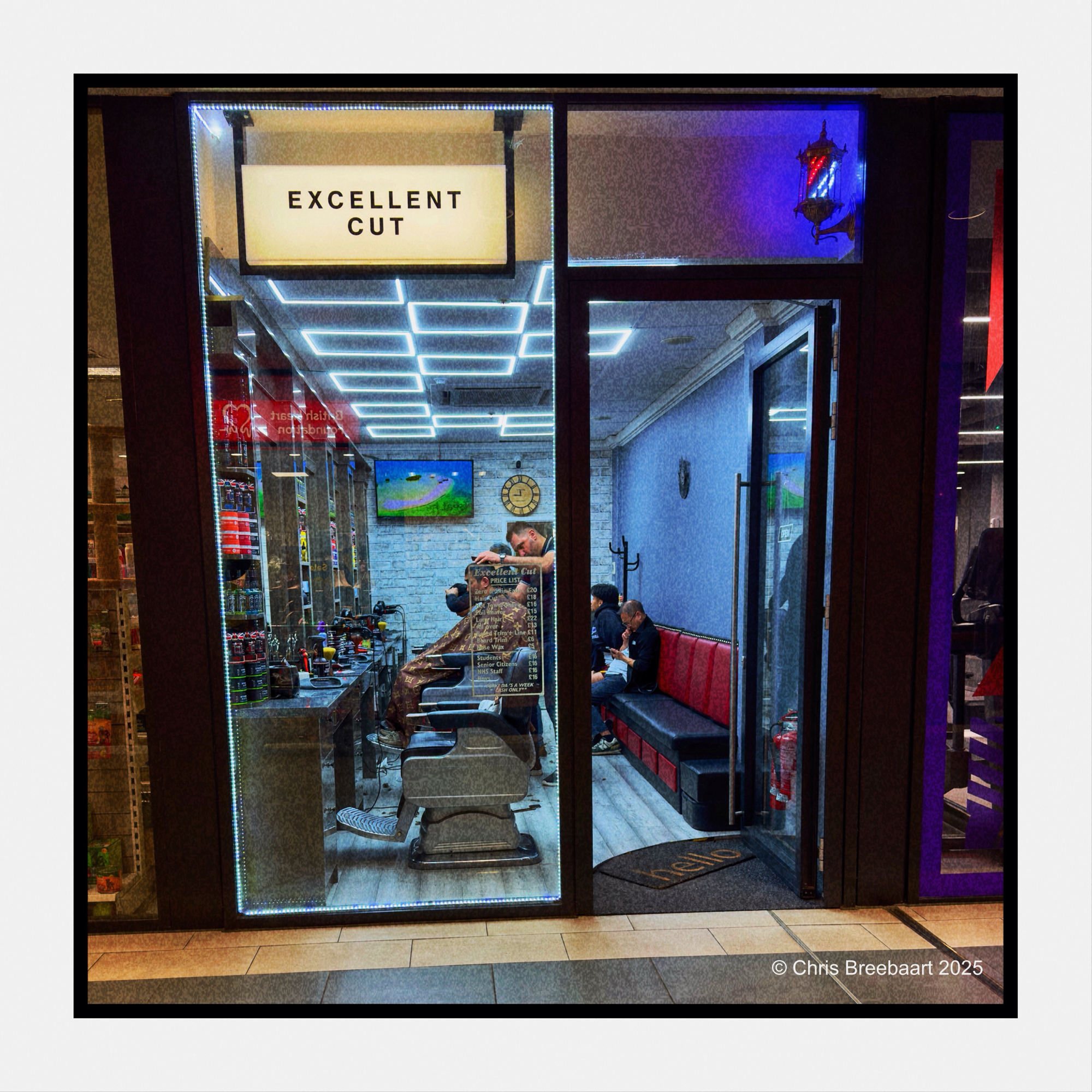
Shot with iPhone 15 Pro Max, edited using Snapseed, GrainLab and Marksta. Click the picture for a larger version.
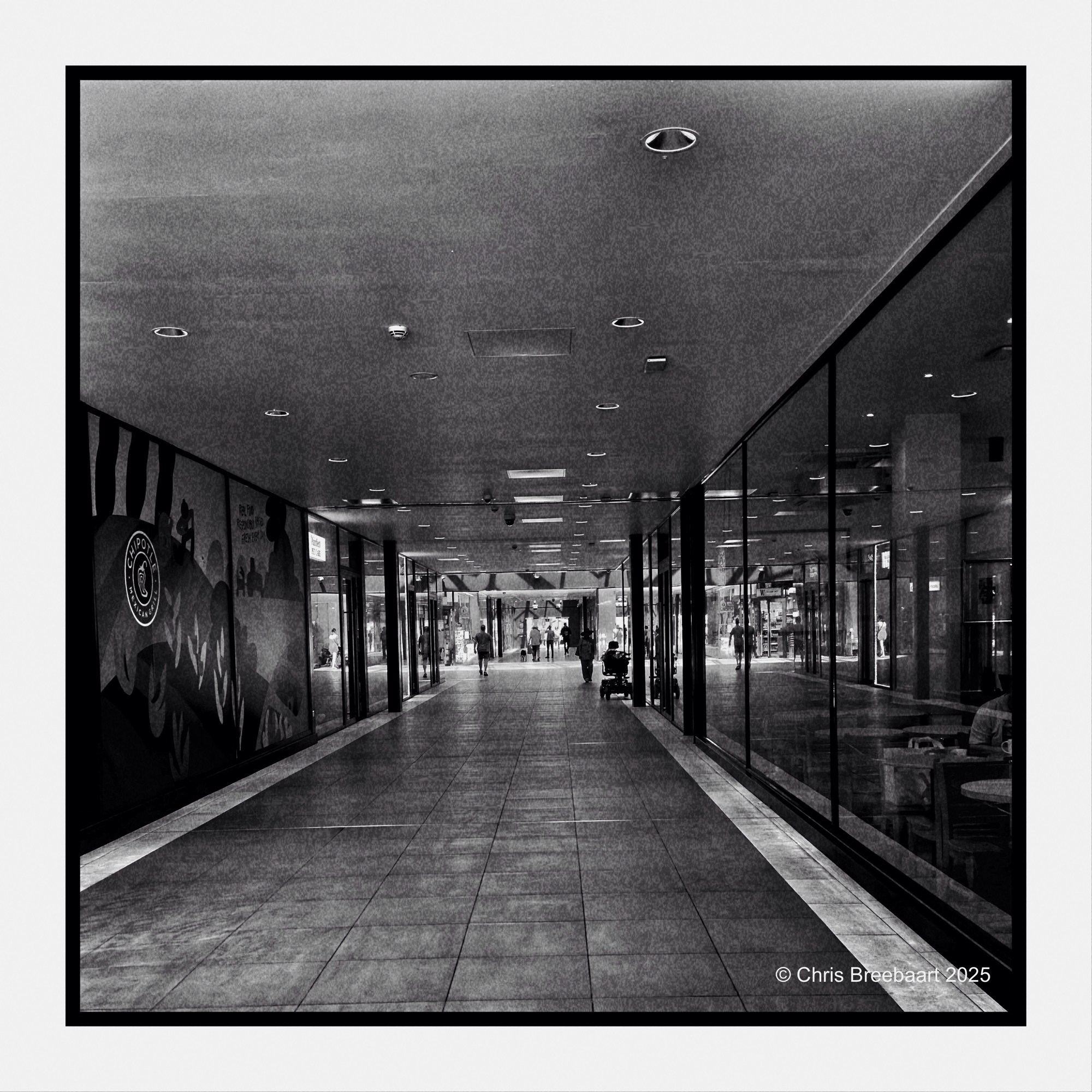
Shot with iPhone 15 Pro Max, edited using Snapseed, GrainLab and Marksta. Click the picture for a larger version.
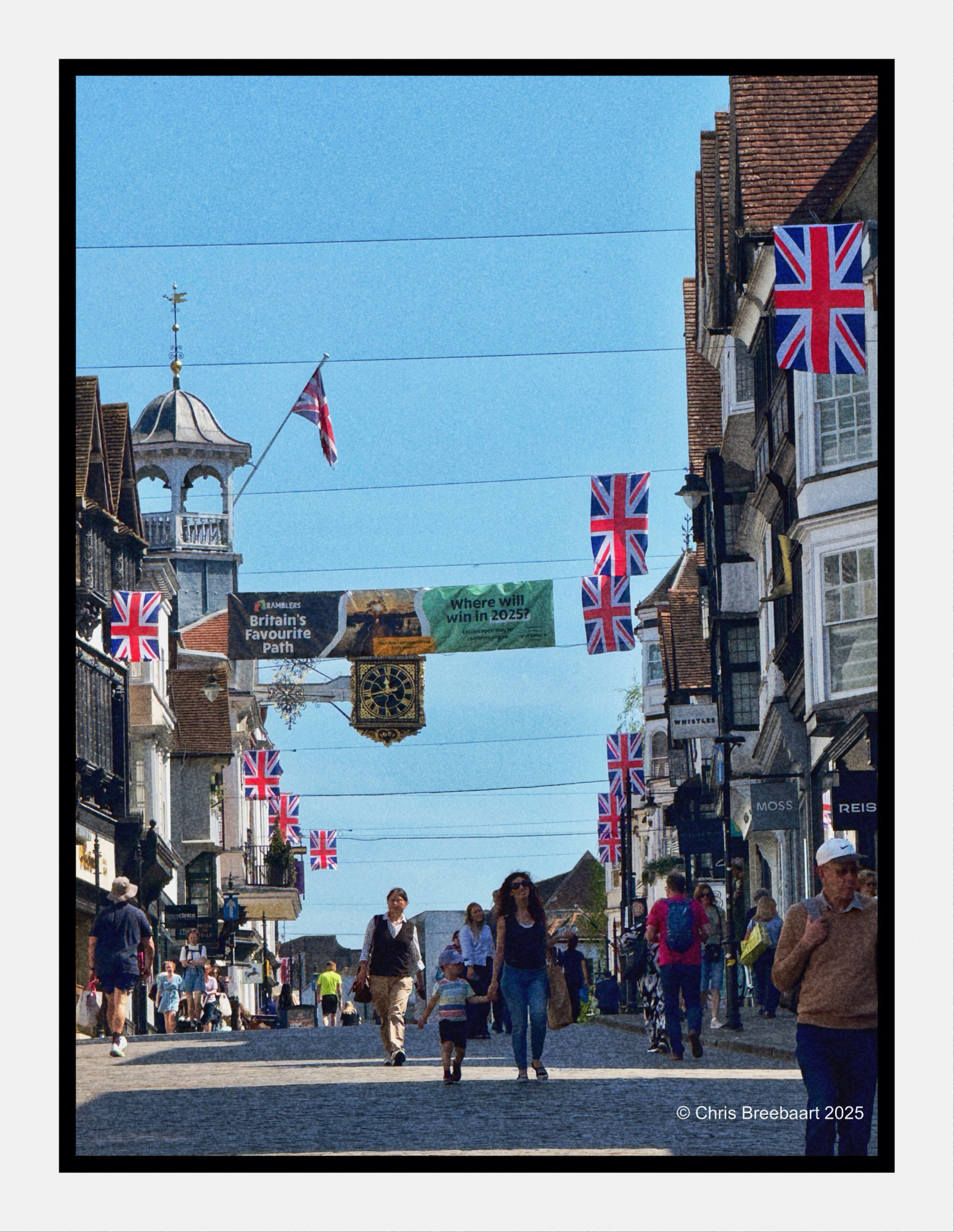
Guildford High Street.
Shot with iPhone 15 Pro Max, edited using Snapseed, GrainLab and Marksta. Click the picture for a larger version.

Some shops had better days in Guildford High Street.
Shot with iPhone 15 Pro Max, edited using Snapseed and Marksta. Click the picture for a larger version.
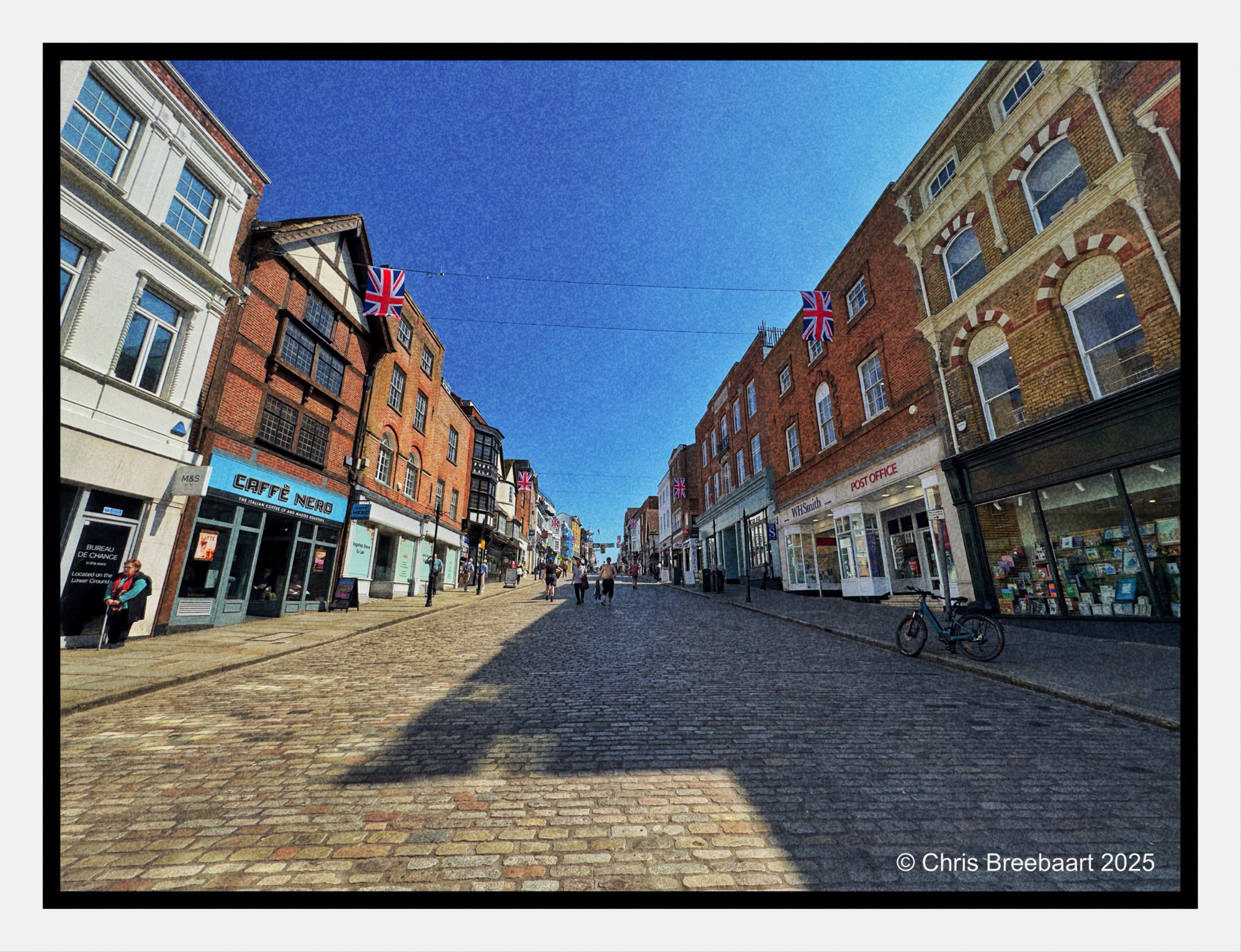
Uphill Guildford High Street.
Shot with iPhone 15 Pro Max, edited using Snapseed, GrainLab and Marksta. Click the picture for a larger version.

The old Posting House in Guildford now the Angel Hotel.
Shot with Nikon Zf, edited using Snapseed, GrainLab and Marksta. Click the picture for a larger version.
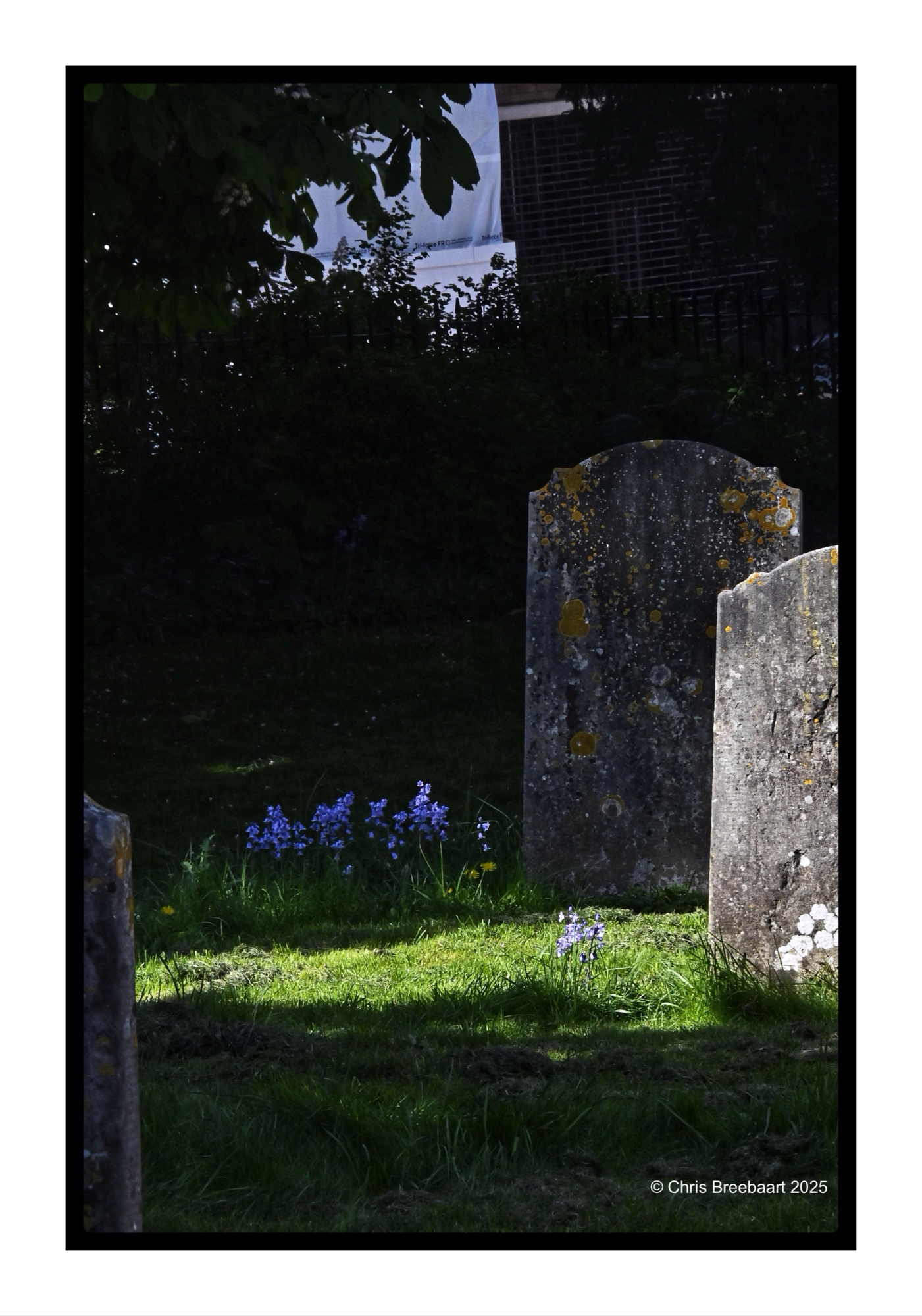
Near the High Street of Guildford is a St. Mary’s Church with an old graveyard. The Church where Lewis Caroll used to preach under his real name.
Shot with Nikon Zf, edited using Snapseed, GrainLab and Marksta. Click the picture for a larger version.
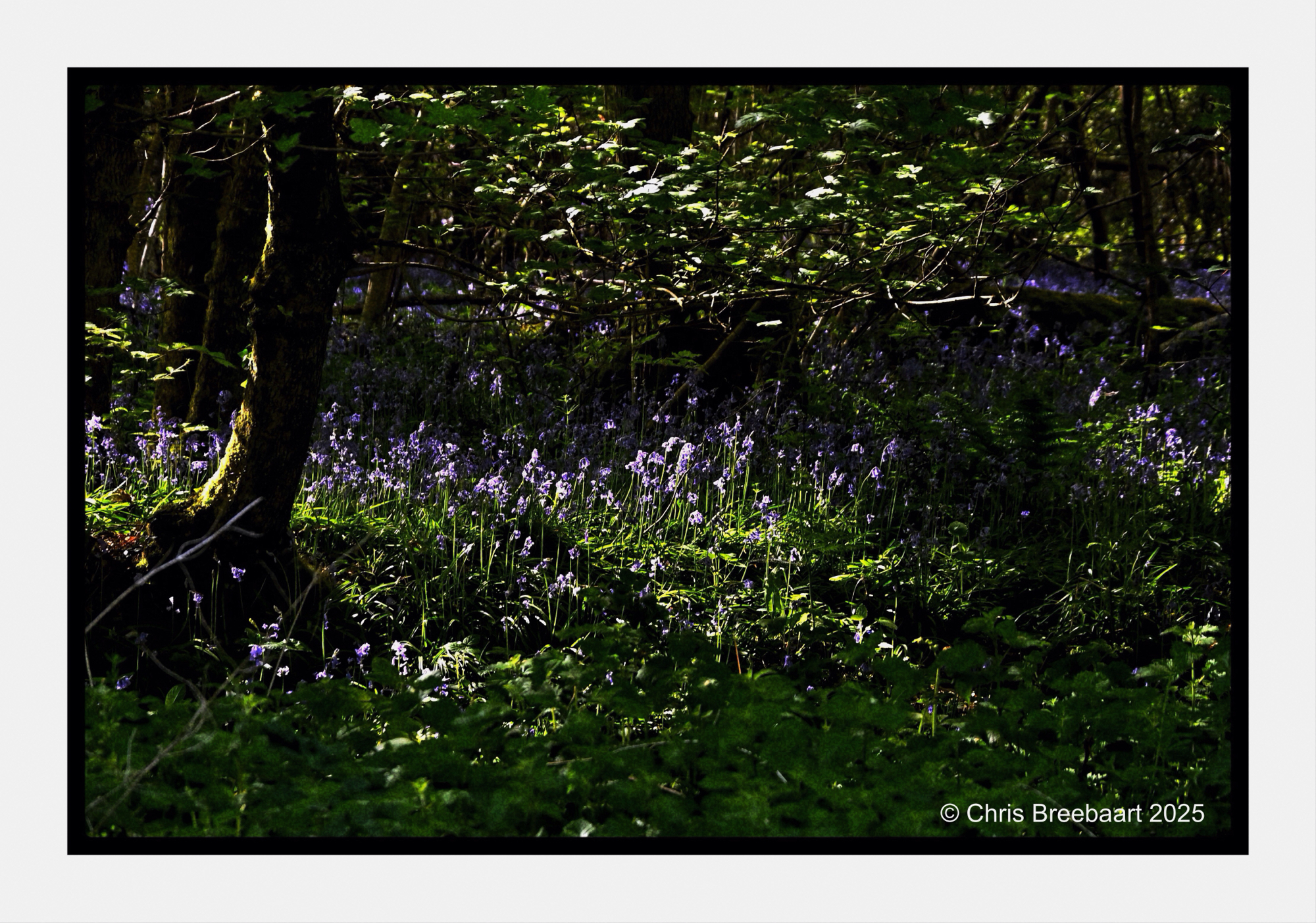
Shot with Nikon Zf, edited using Snapseed and Marksta. Click the picture for a larger version.
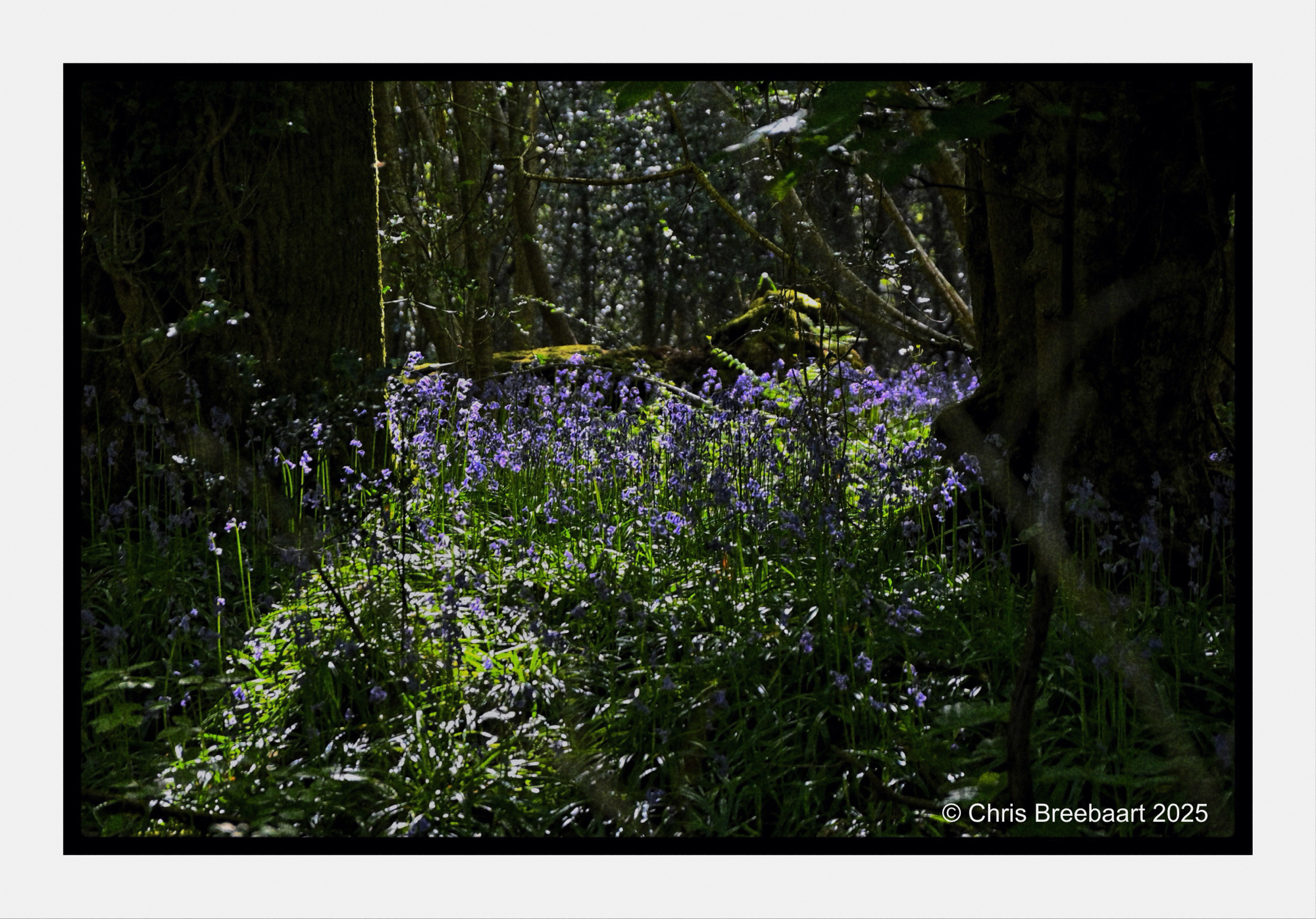
Shot with Nikon Zf, edited using Snapseed and Marksta. Click the picture for a larger version.

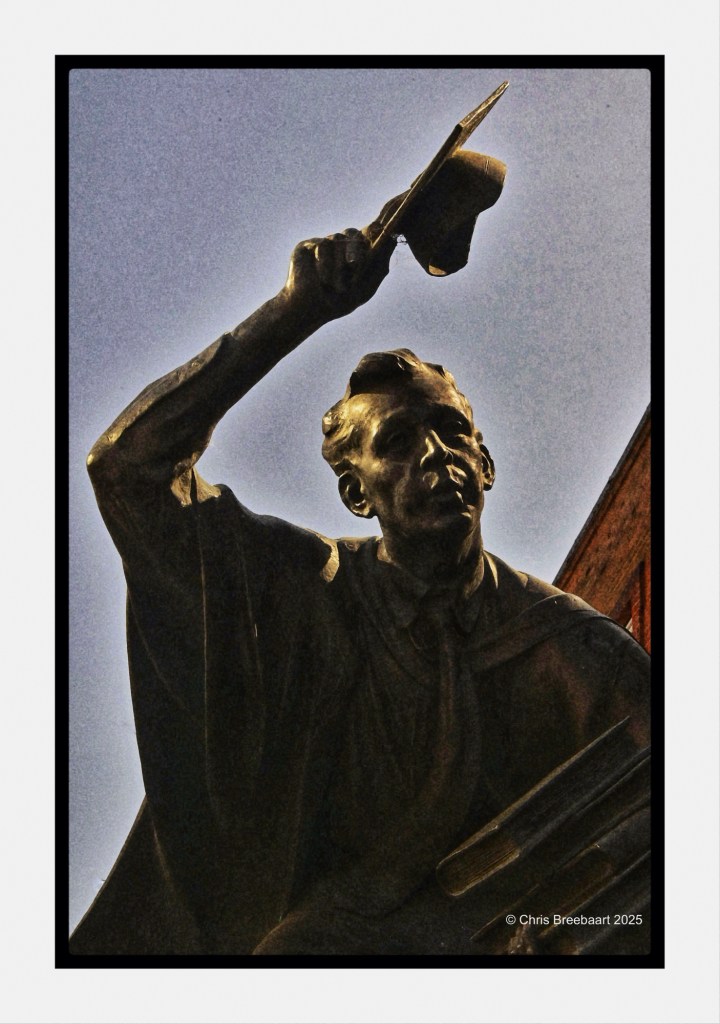
England, Guildford – April 2025
Lens-Artists Photo Challenge #350 (congratulations!) is ‘zooming’. A zoomlens gets you nearer to the subject, and can be used for lots of creative effects. The brief for this LAPC is to be creative, but in this photo I used the zoom just to get closer to a section of the ‘full picture’ of the Surrey Scholar on High Street in Guildford. The zoom puts the statue in a different light, taking the context away.
Shot with Nikon Zf, edited using Snapseed, GrainLab and Marksta. Click the picture for a larger version.
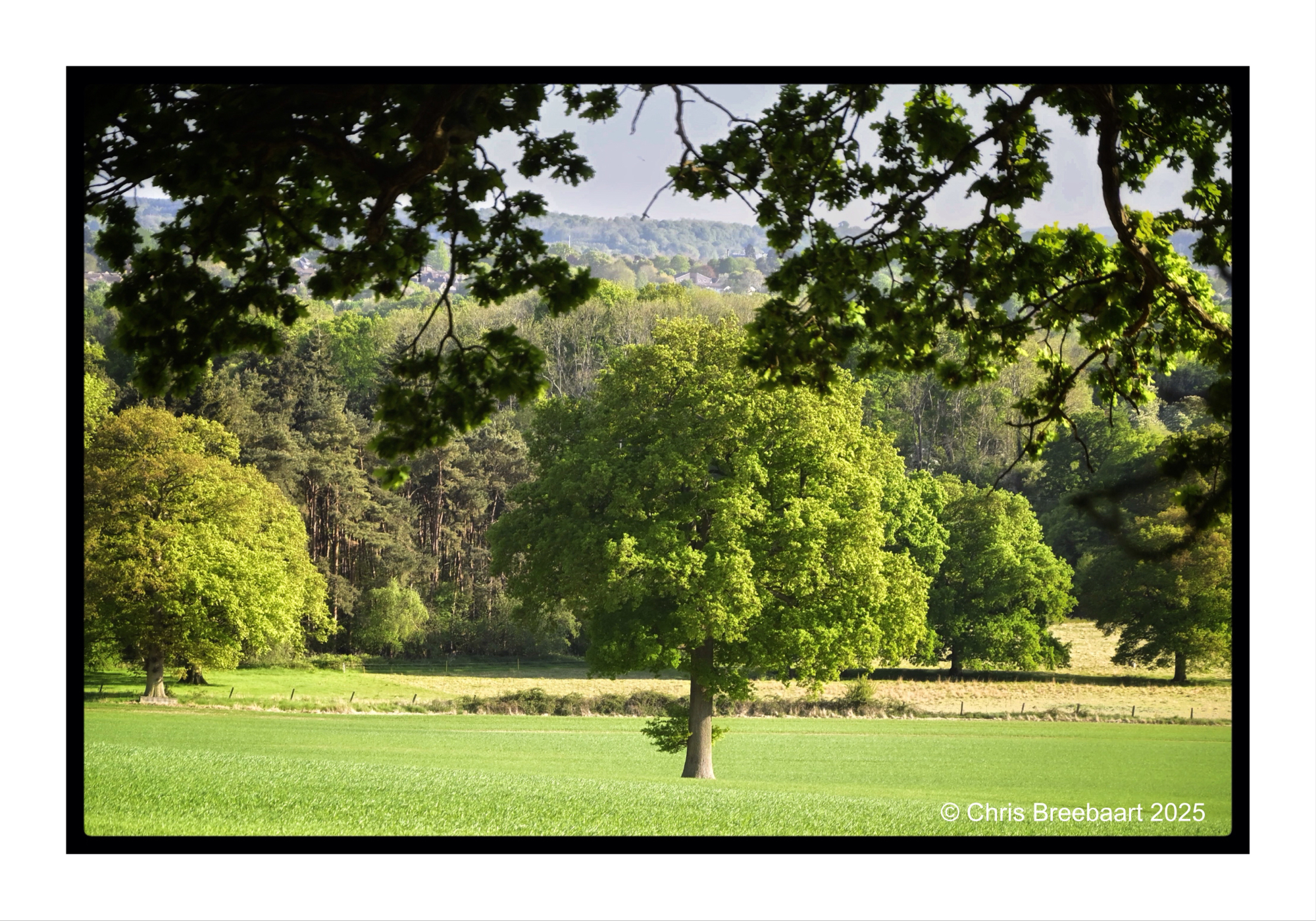
Shot with Nikon Zf, edited using Snapseed and Marksta. Click the picture for a larger version.
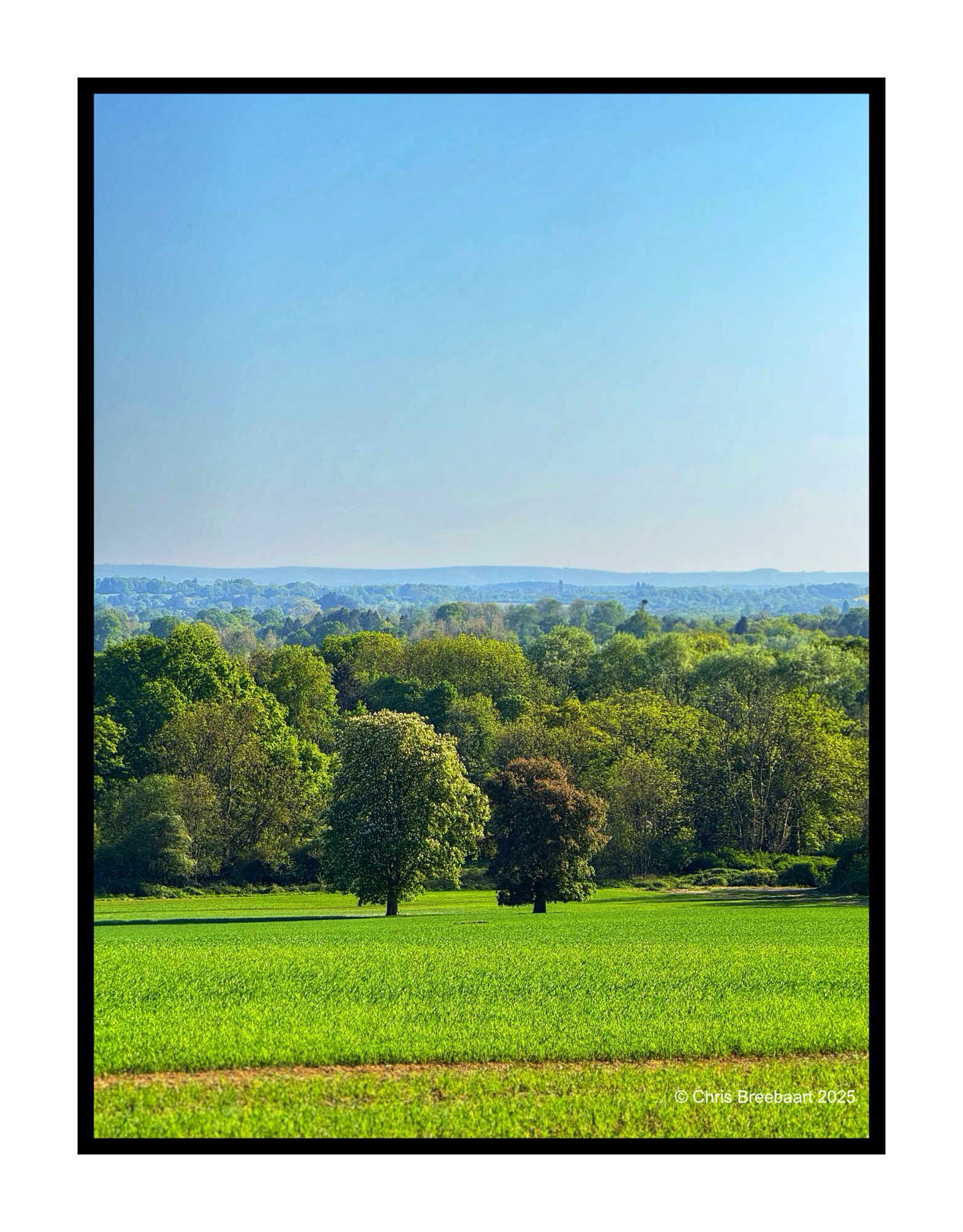
The weekly Lens-Artists Challenge #349 is ‘the first thing I thought of (when I saw this)’. For me this is about association, and the thought that pops up seeing a scene. Frankly this feedback of an image is why I shoot photos.
Two trees, a short and slightly taller one, an image that reminded me of Mini & Maxi, a small-art comical duo that consisted of Karel de Rooij (Mini) and Peter de Jong (Maxi). The duo performed under this name from 1969 to 2017. (there is no Wikipedia in English, but you can translate the Dutch one if you are interested to know more).
Shot with iPhone 15 Pro Max edited using Snapseed and Marksta. Click the picture for a larger version.

The brief for this weekly Lens-Artists Challenge #349 is ‘the first thing I thought of (when I saw this)’.
Bluebells are famous. But I never saw one with my own eyes in the wild until this Spring.
This Spring I saw them flowering in the woods of Surrey. Beautiful.
Shot with Nikon Zf, edited using Snapseed and Marksta. Click the picture for a larger version.
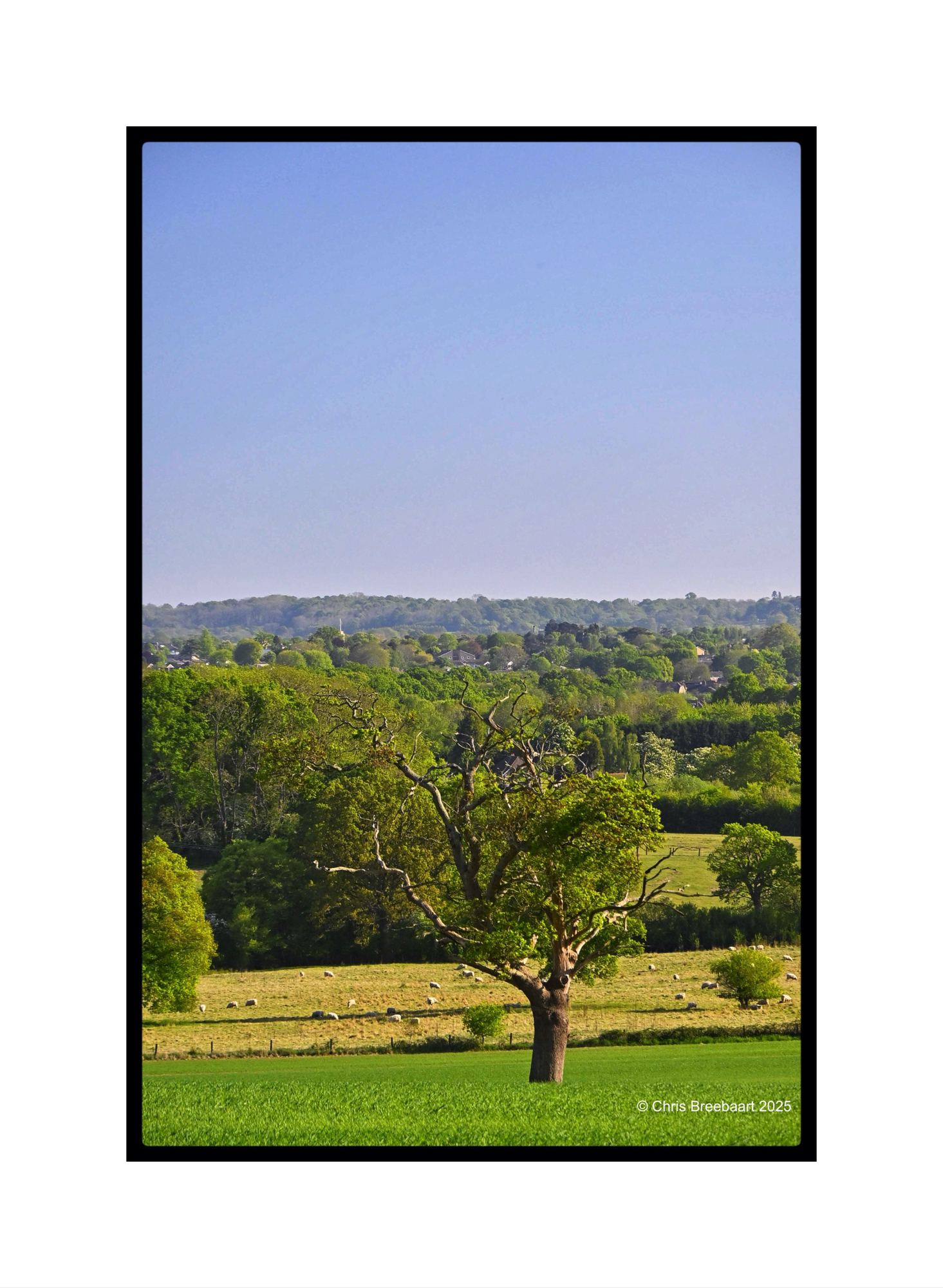
Lately I have not participated in the weekly Lens-Artists Challenge, but here is one that fits the brief of #349 ‘the first thing I thought of (when I saw this)’. For me this is about association, and the thought that pops up seeing a scene can be the reason for taking the photo. Sometimes a thought that brings a smile, sometimes a thought of a type of despair or frustration: why? As it was the latter in this case.
In The Netherlands, all trees are bi-annualy inspected for risks, like falling over during a storm, to prevent calamities and discomfort. Its aim is to prevent and control future situations. In a way this makes sense, if you can prevent accidents, what is not to be liked about that? On the other hand you are never sure when they come down, but you do know that it will happen! At times with severe storms, trees tend to come down on roads and motorways or train tracks. C’est la vie, say the French. Luckily, in England one can enjoy the odd dead, broken, fallen over or not too healthy tree like this one. Let nature be nature, enjoy the ride.
Shot with Nikon Zf, edited using Snapseed and Marksta. Click the picture for a larger version.
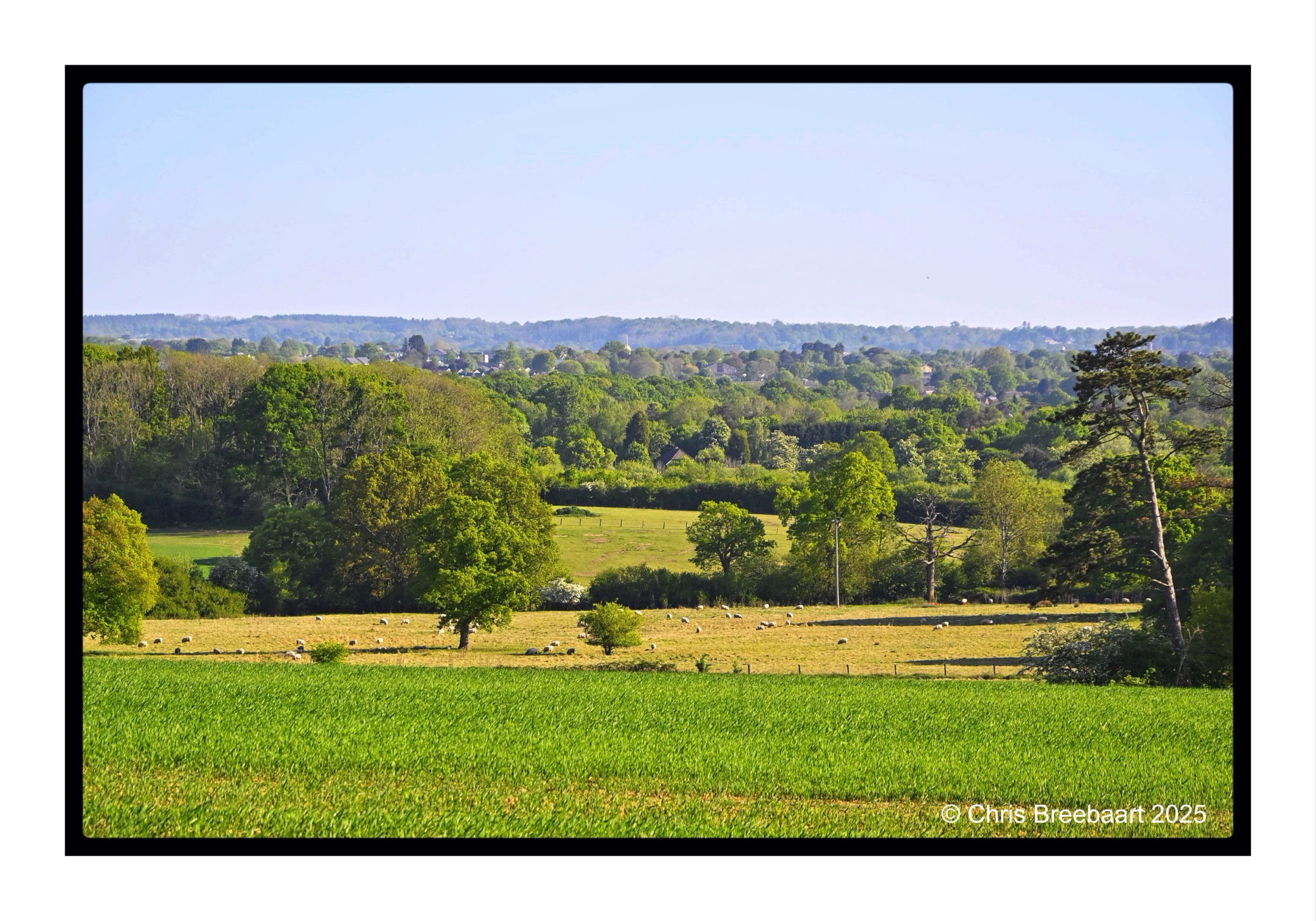
Lately I have not participated in the weekly Lens-Artists Challenge, but here is one that fits the brief of #349 ‘the first thing I thought of (when I saw this)’. For me this is about association, and the thought that pops up seeing a scene can be the reason for taking the photo. As it was in this case. A peaceful arcadic scene of a green, lush valley with grazing sheep in the distance, made me think of a sketch.
One of my first introductions to Monty Python’s Flying Circus was the sketch ‘Flying Sheep’. In which dim sheep are trying to be like birds, led by the most dangerous of all animals, a clever sheep (Harald). After that introduction I was a fan forever, of Python, and sometimes lamb.
Shot with Nikon Zf, edited using Snapseed and Marksta. Click the picture for a larger version.
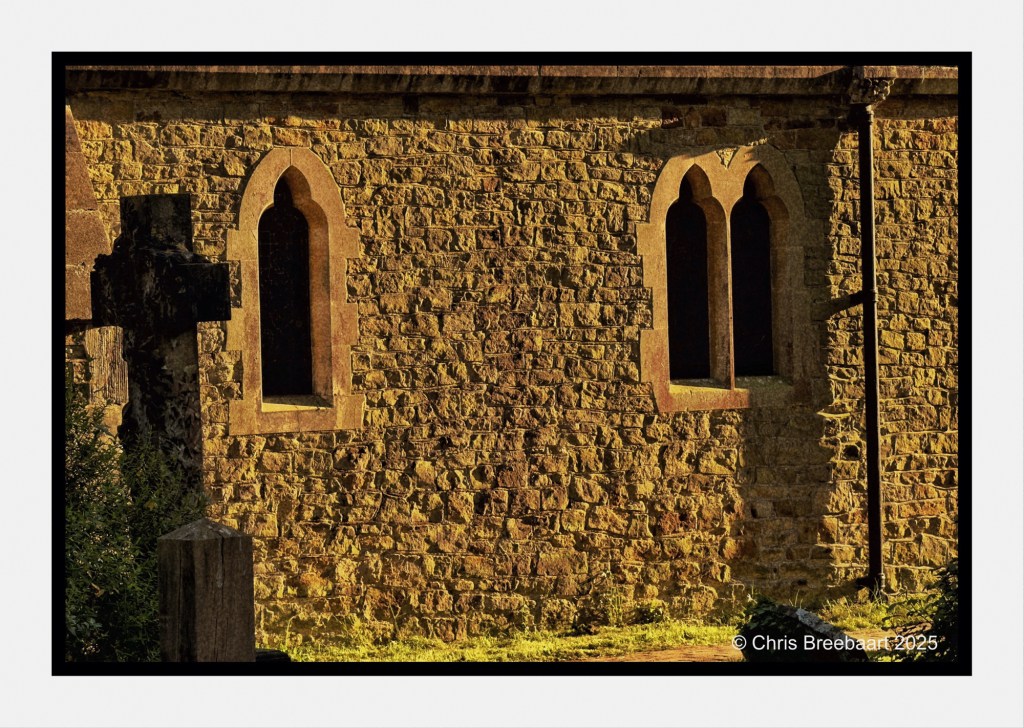
Shot with iPhone 15 Pro Max edited using Snapseed, GrainLab and Marksta. Click the picture for a larger version.
 What's (in) the Picture?