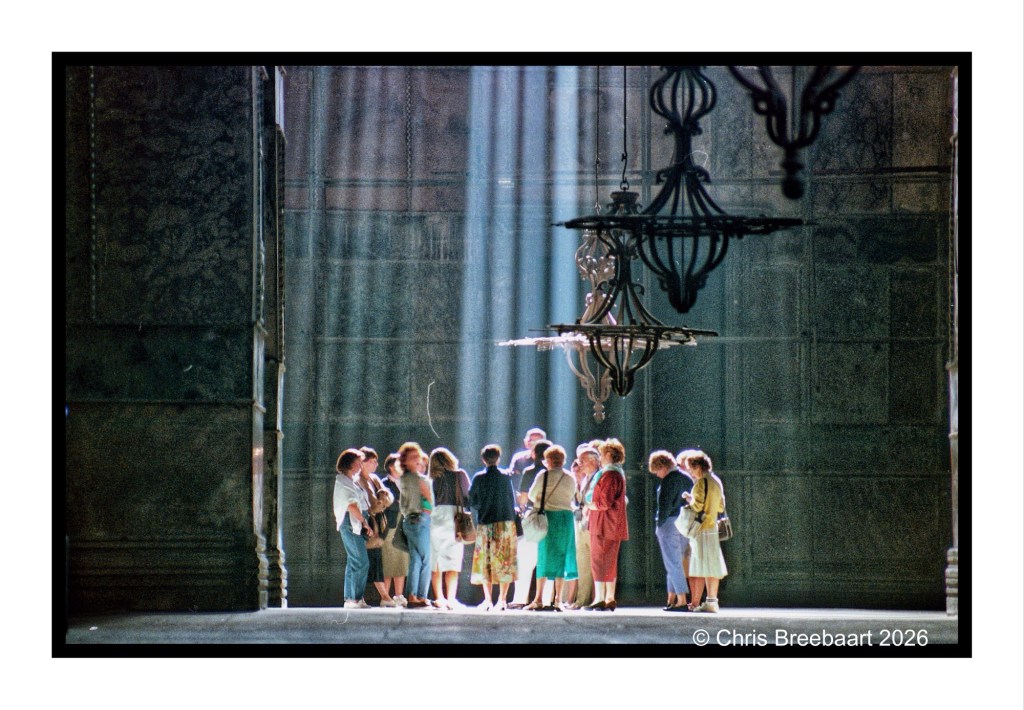
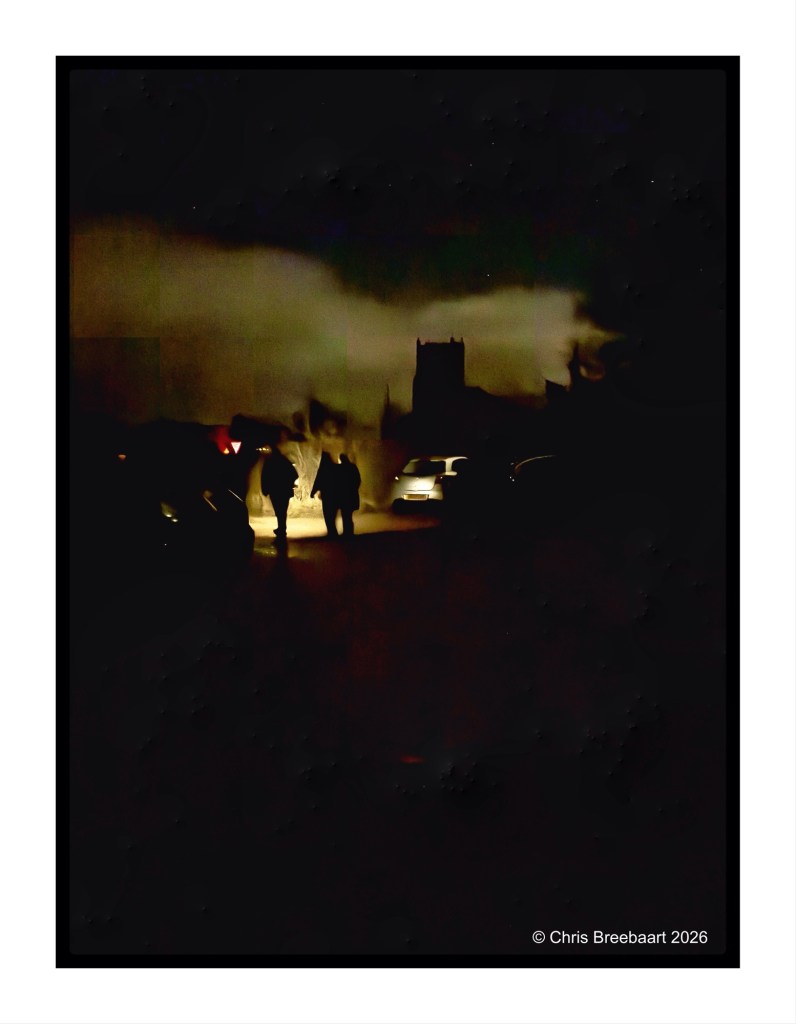
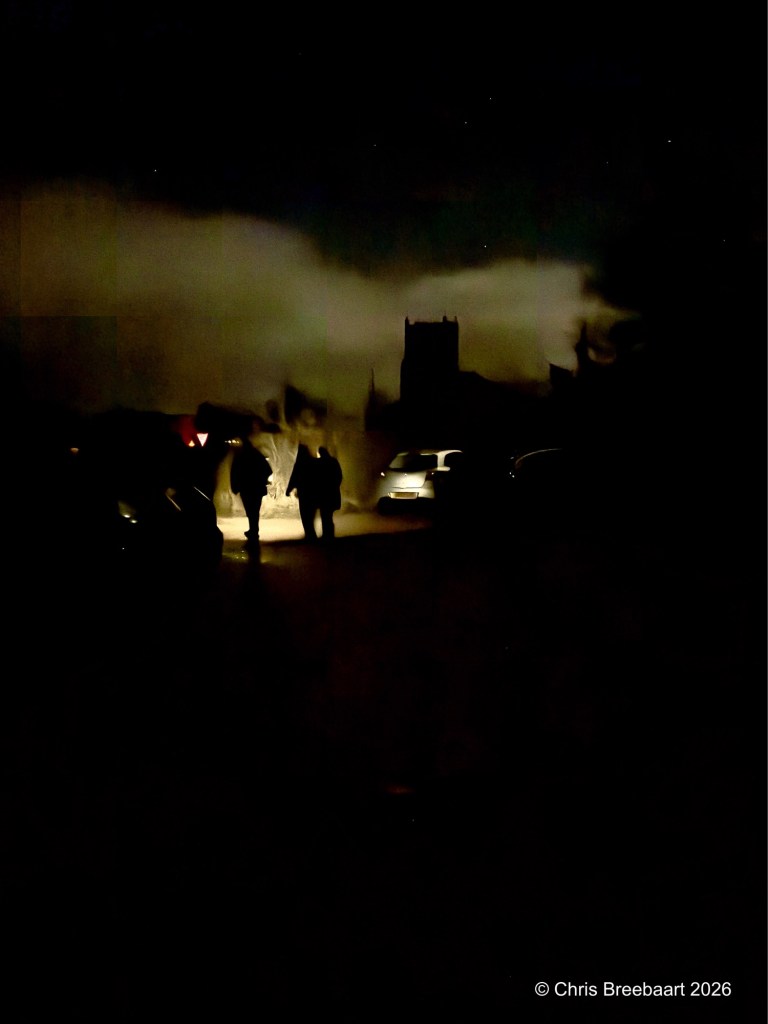
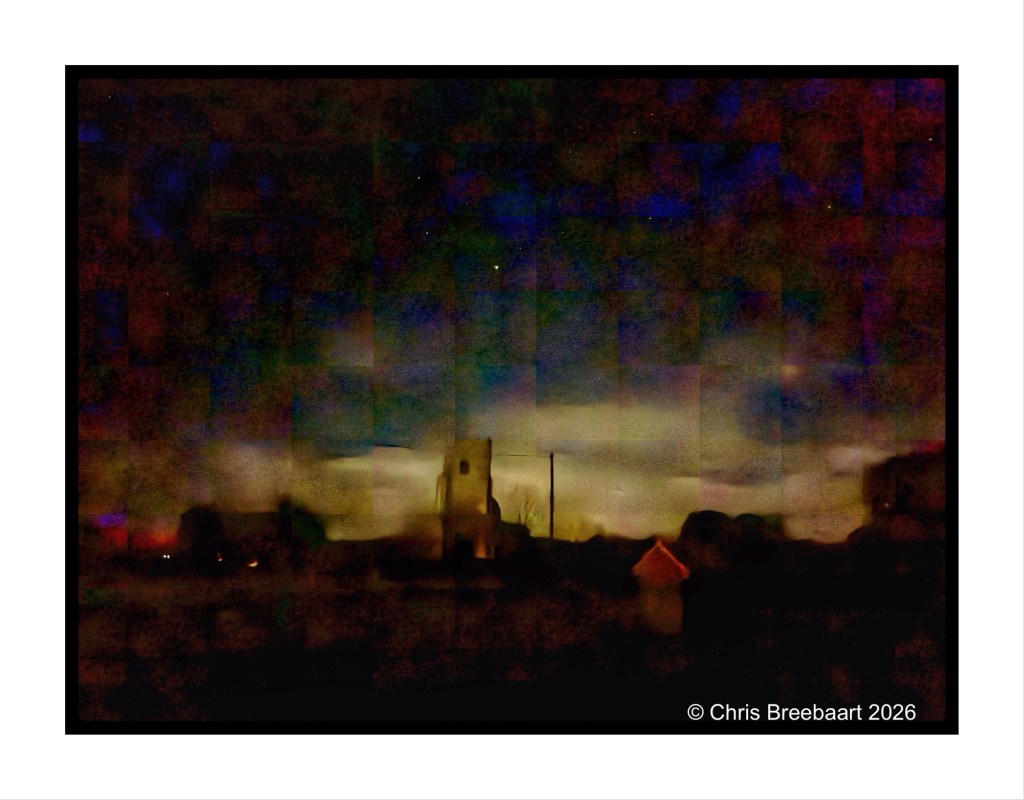
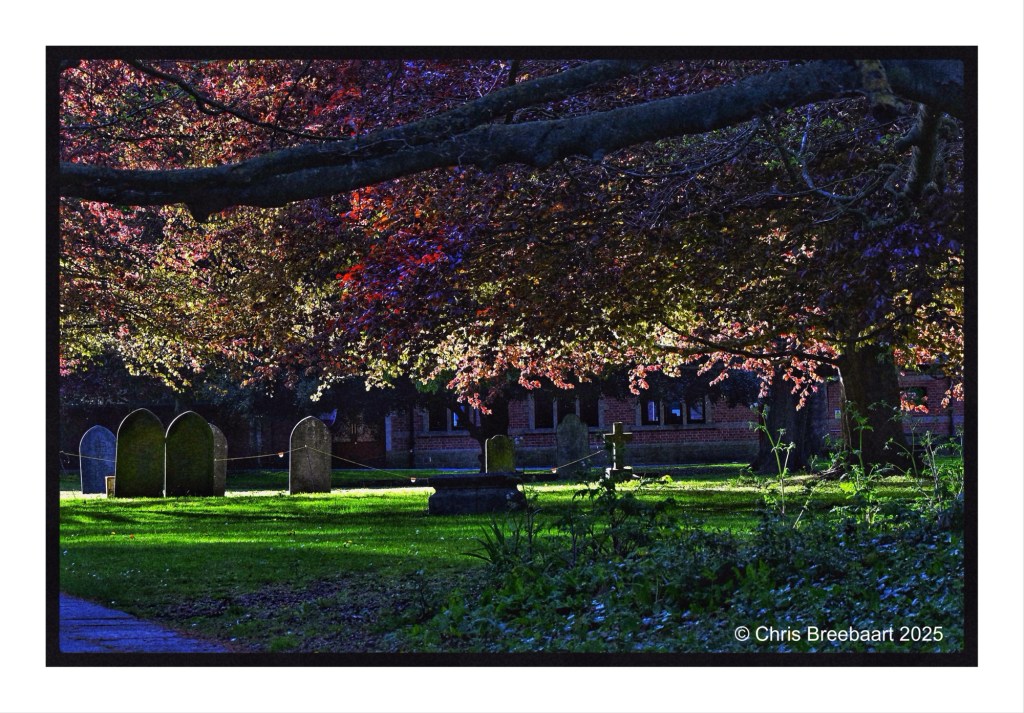
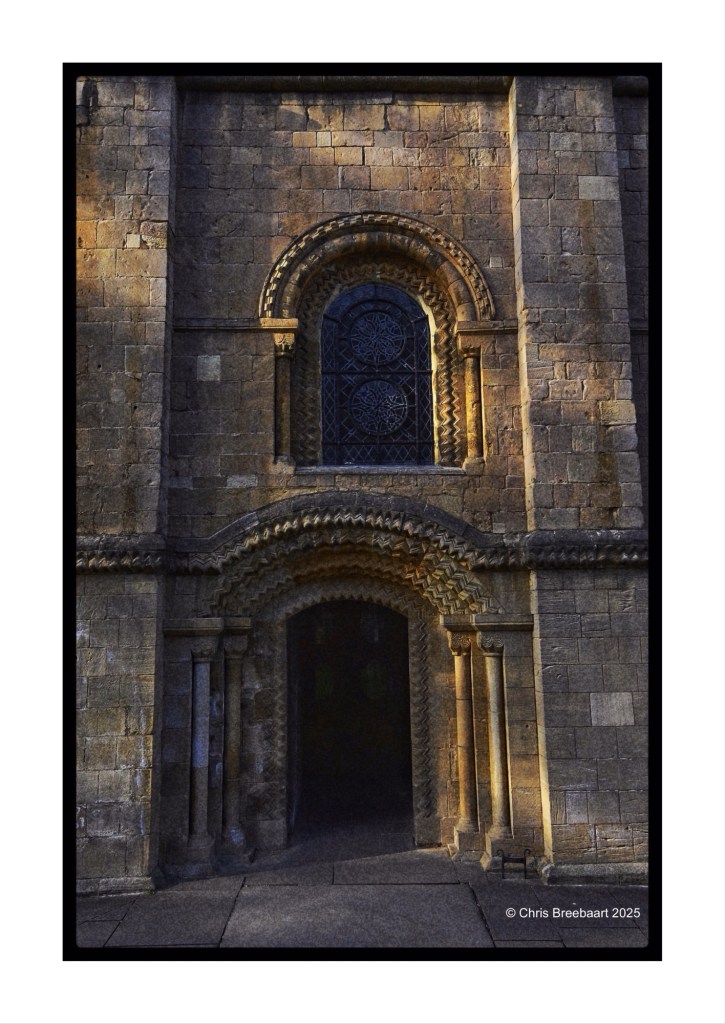
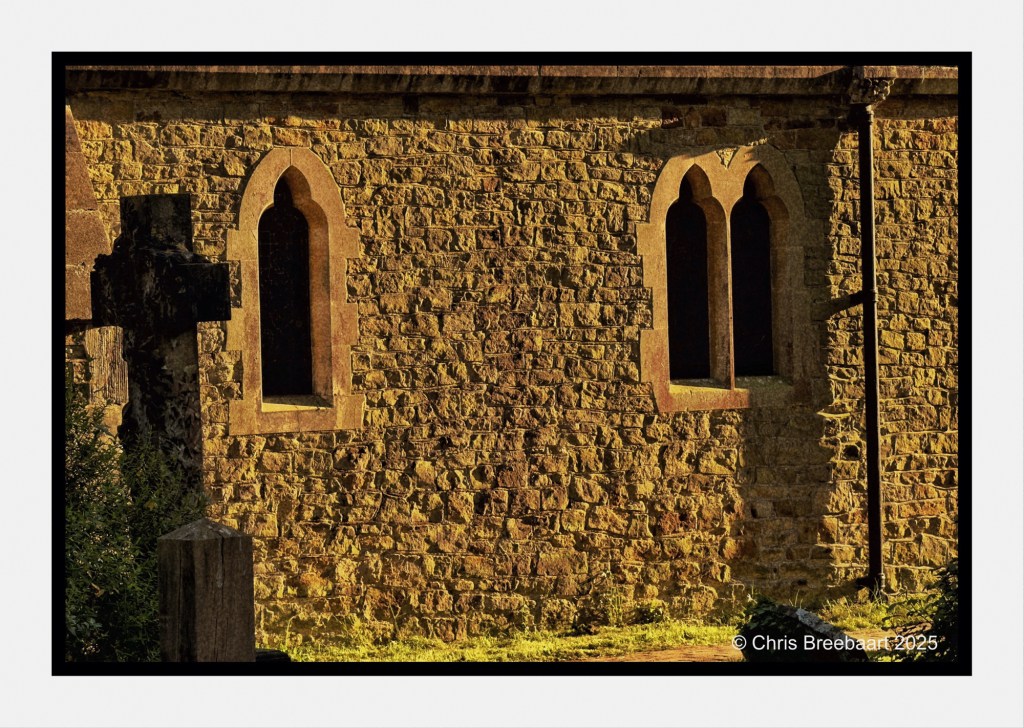
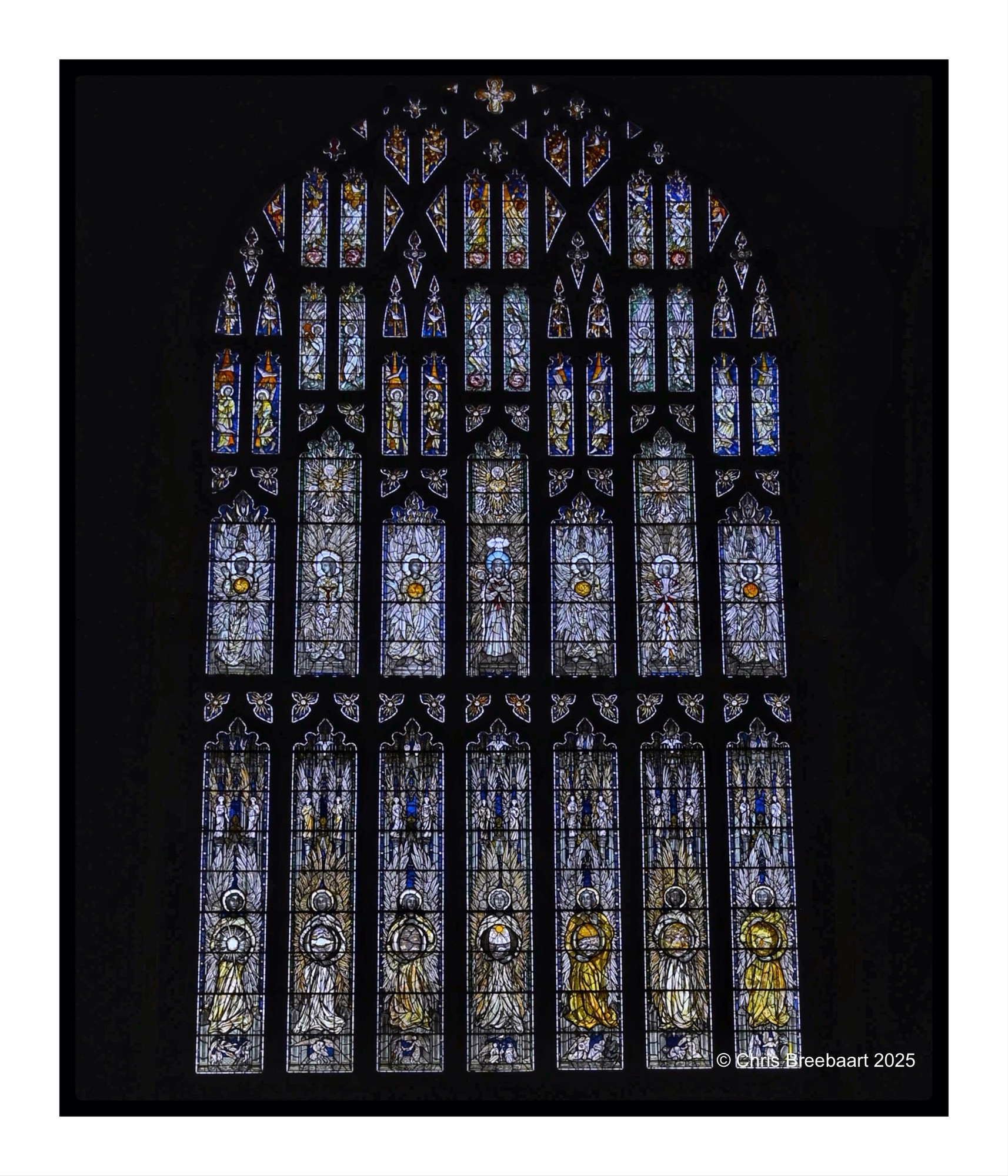
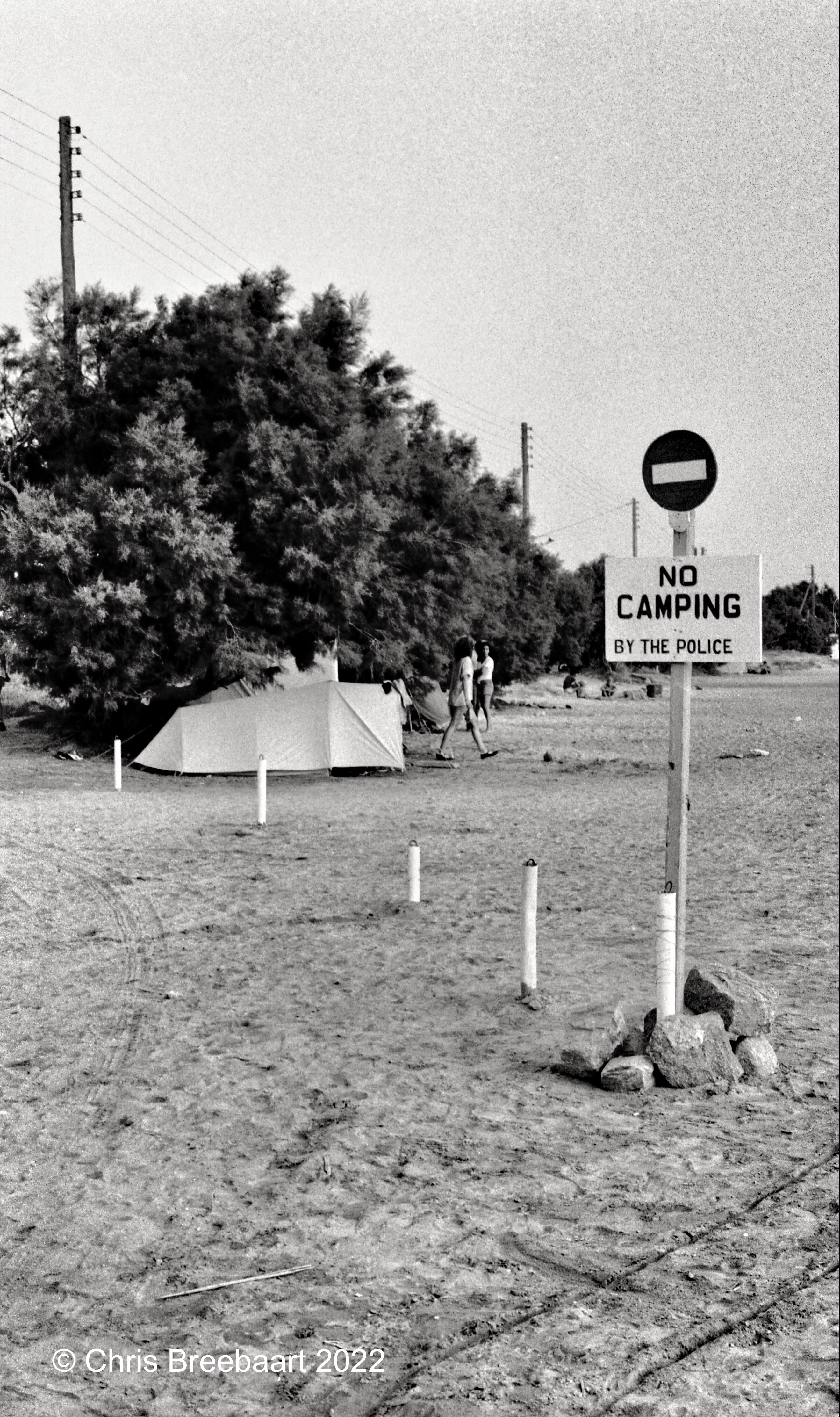
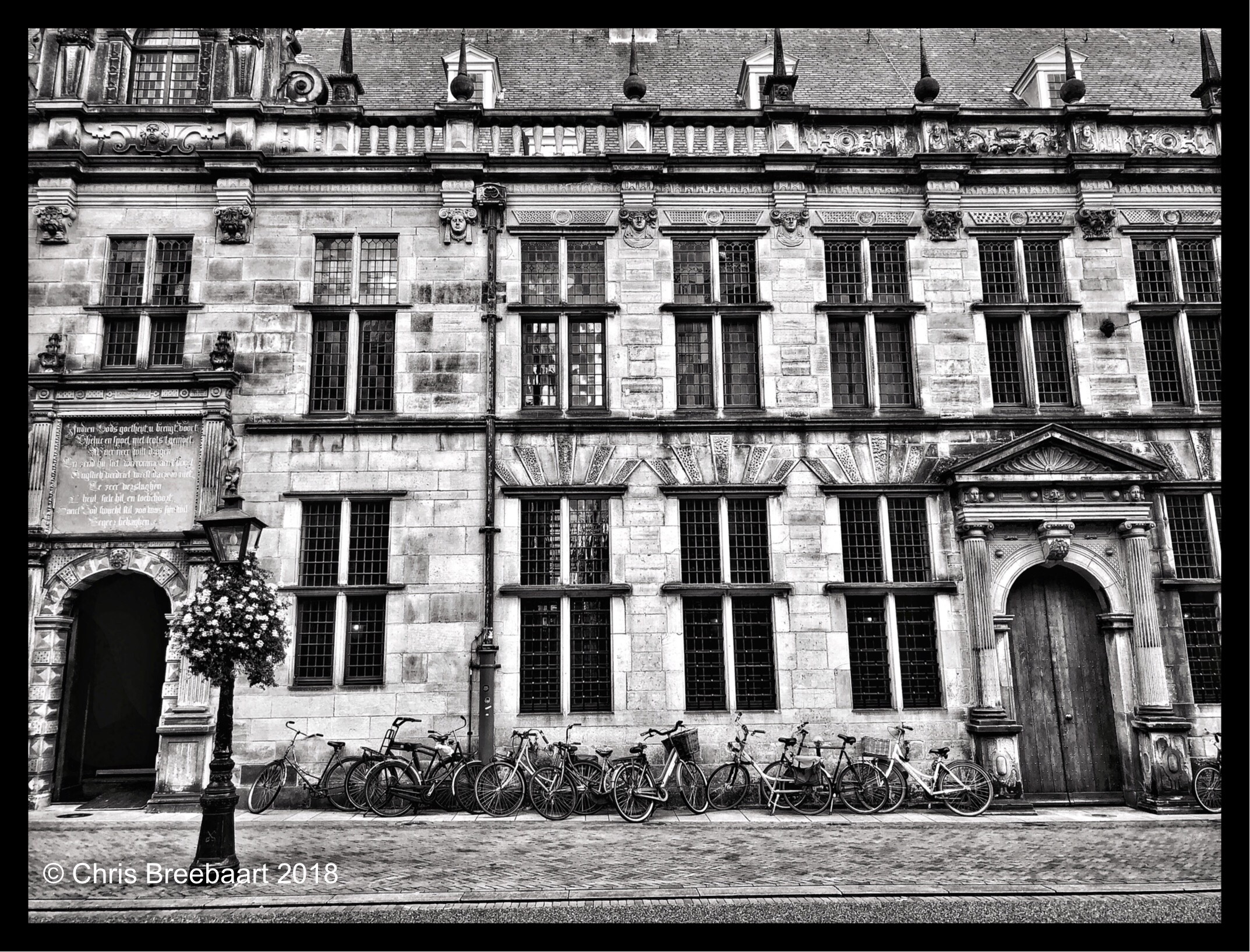
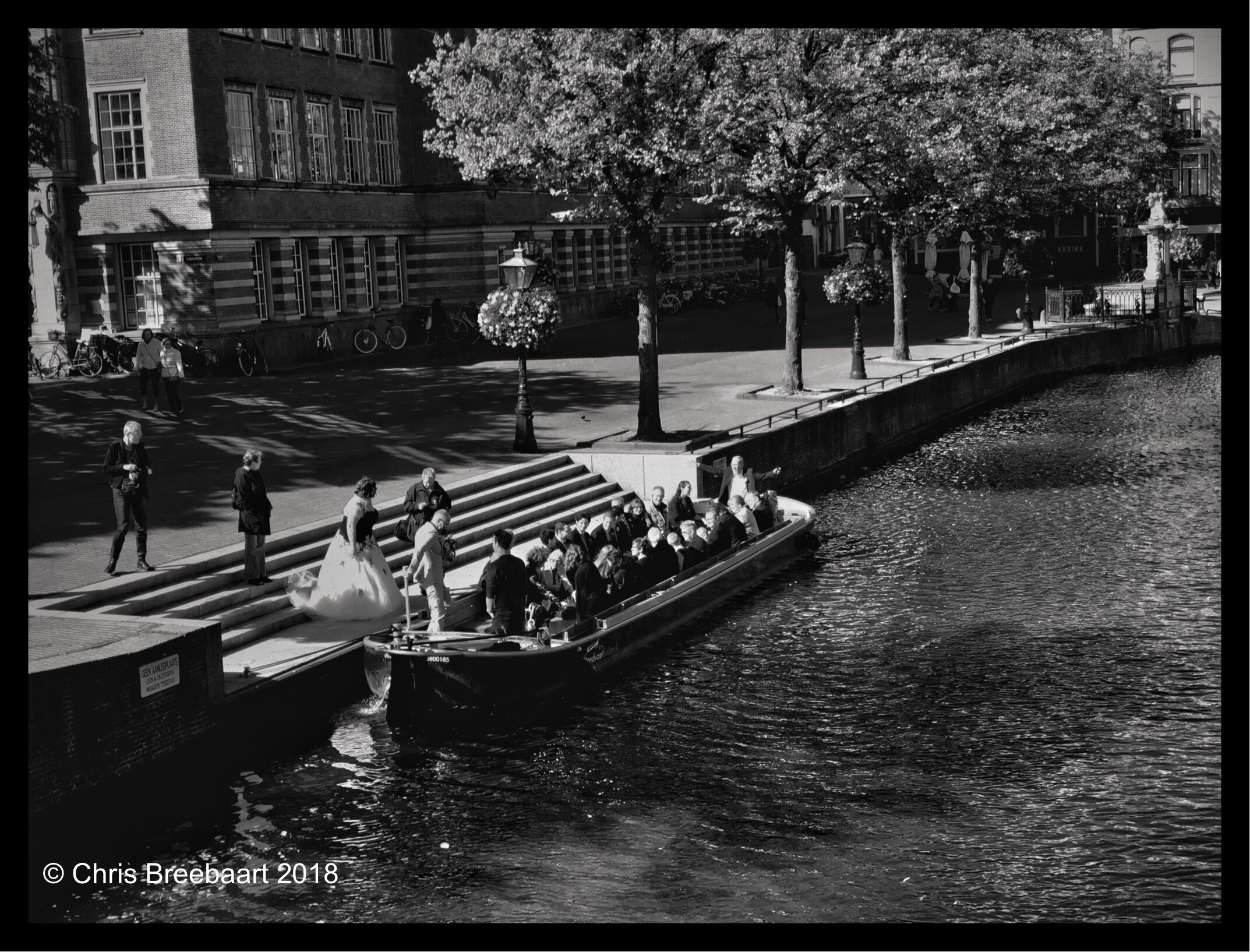
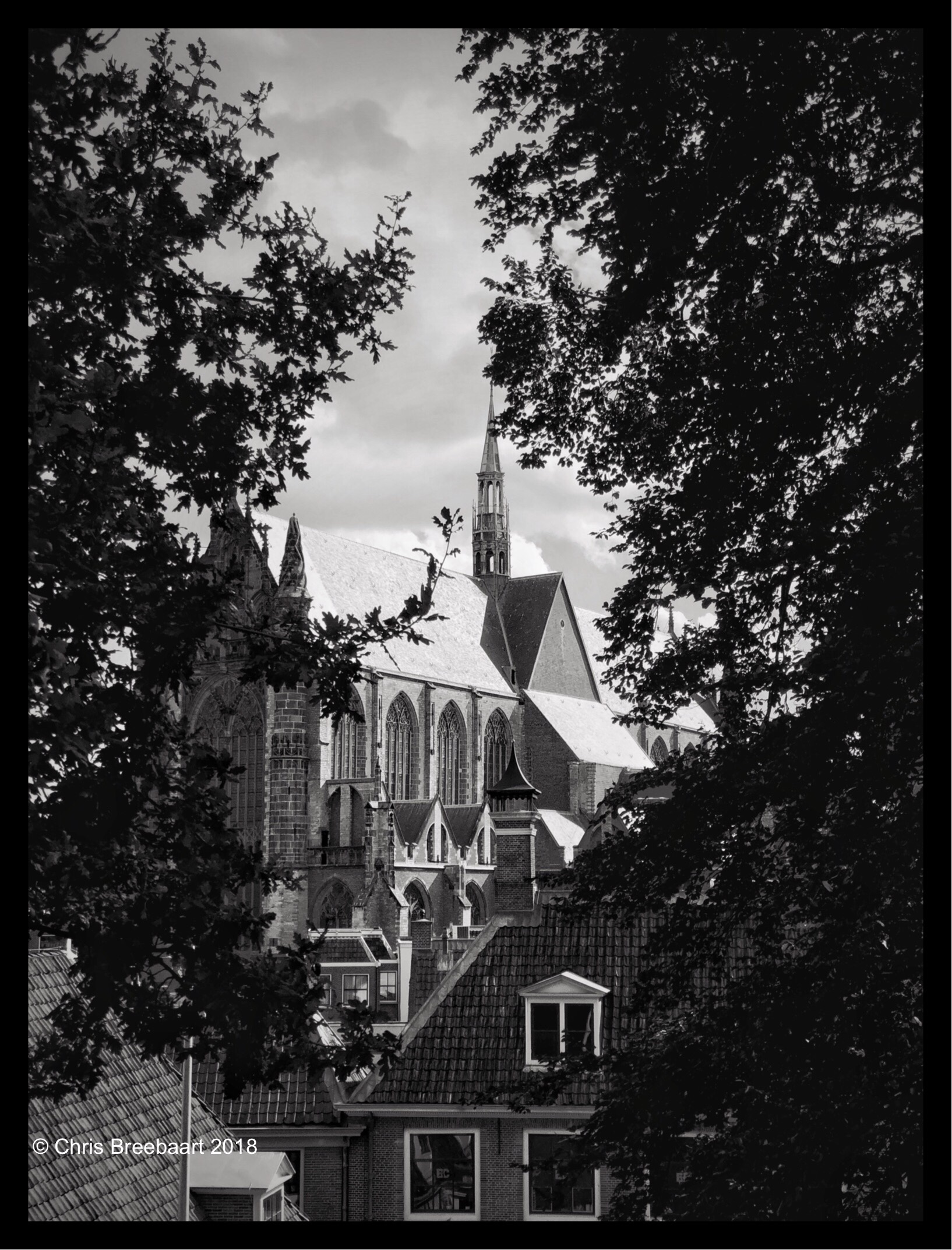
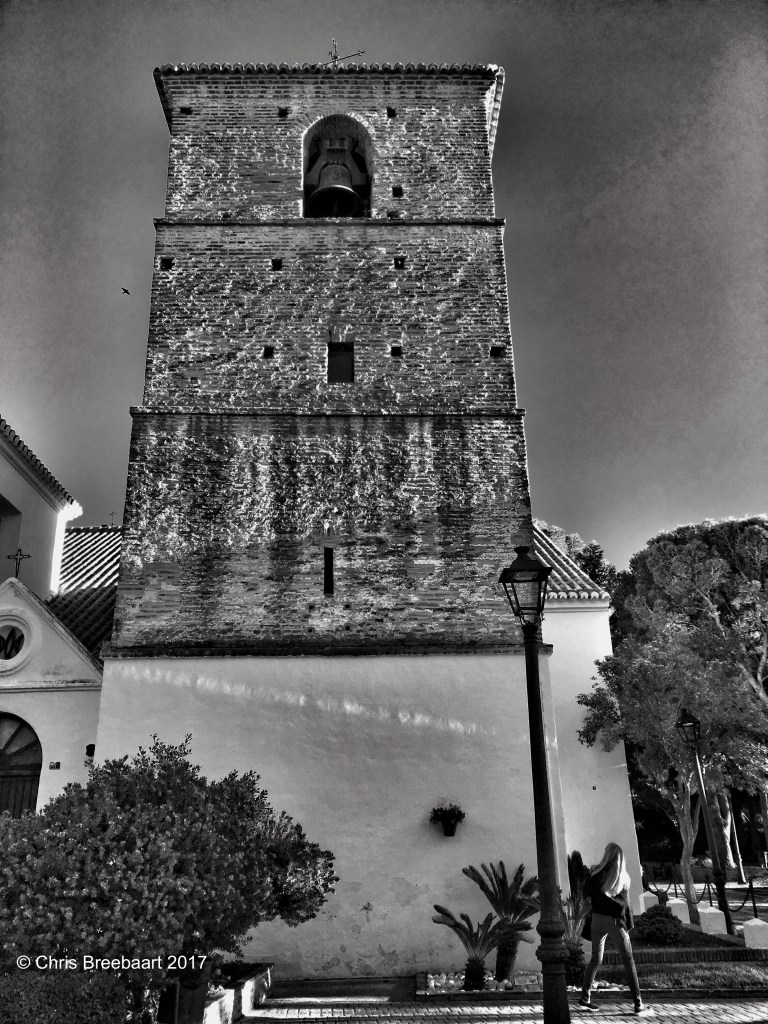
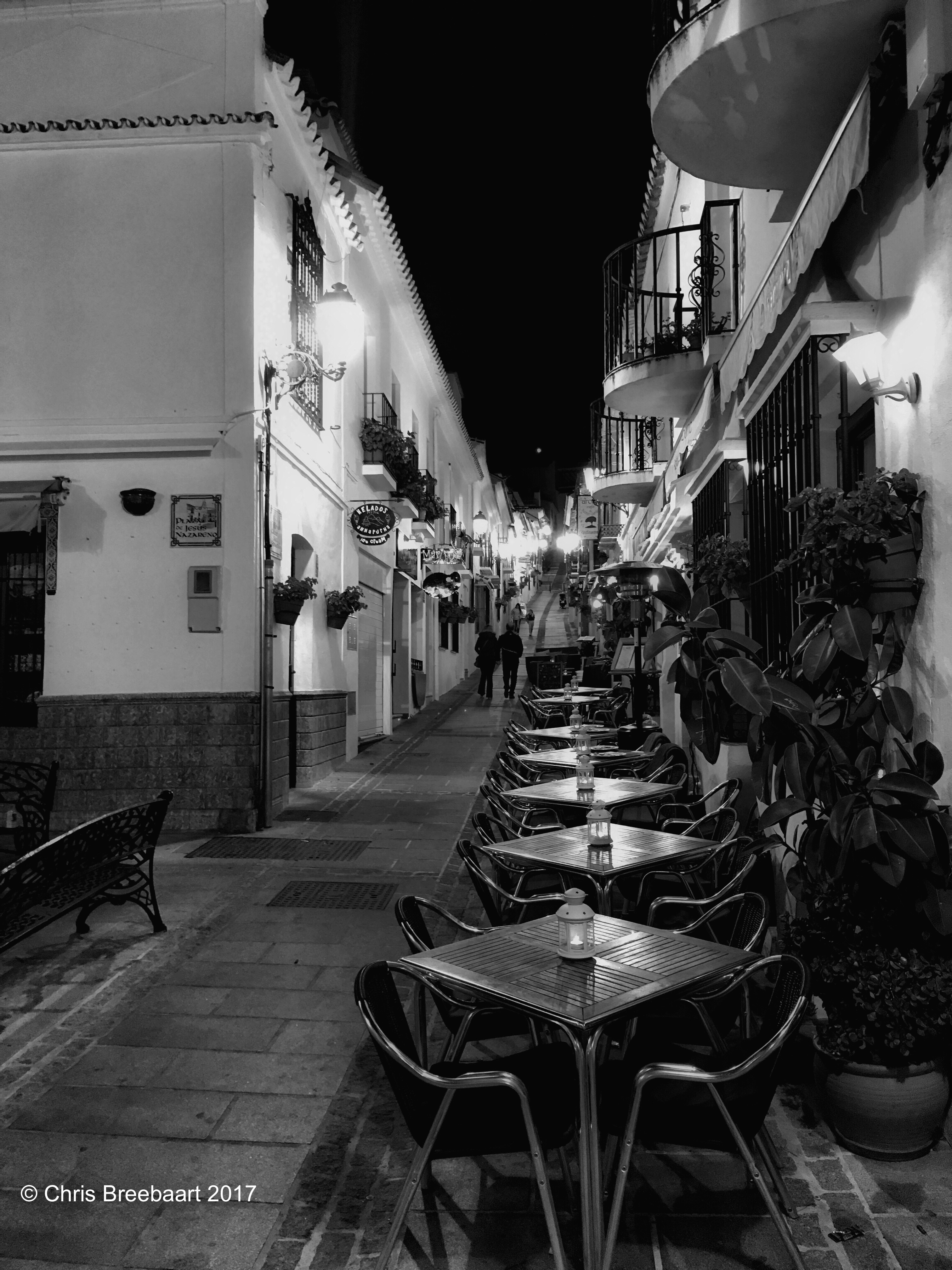
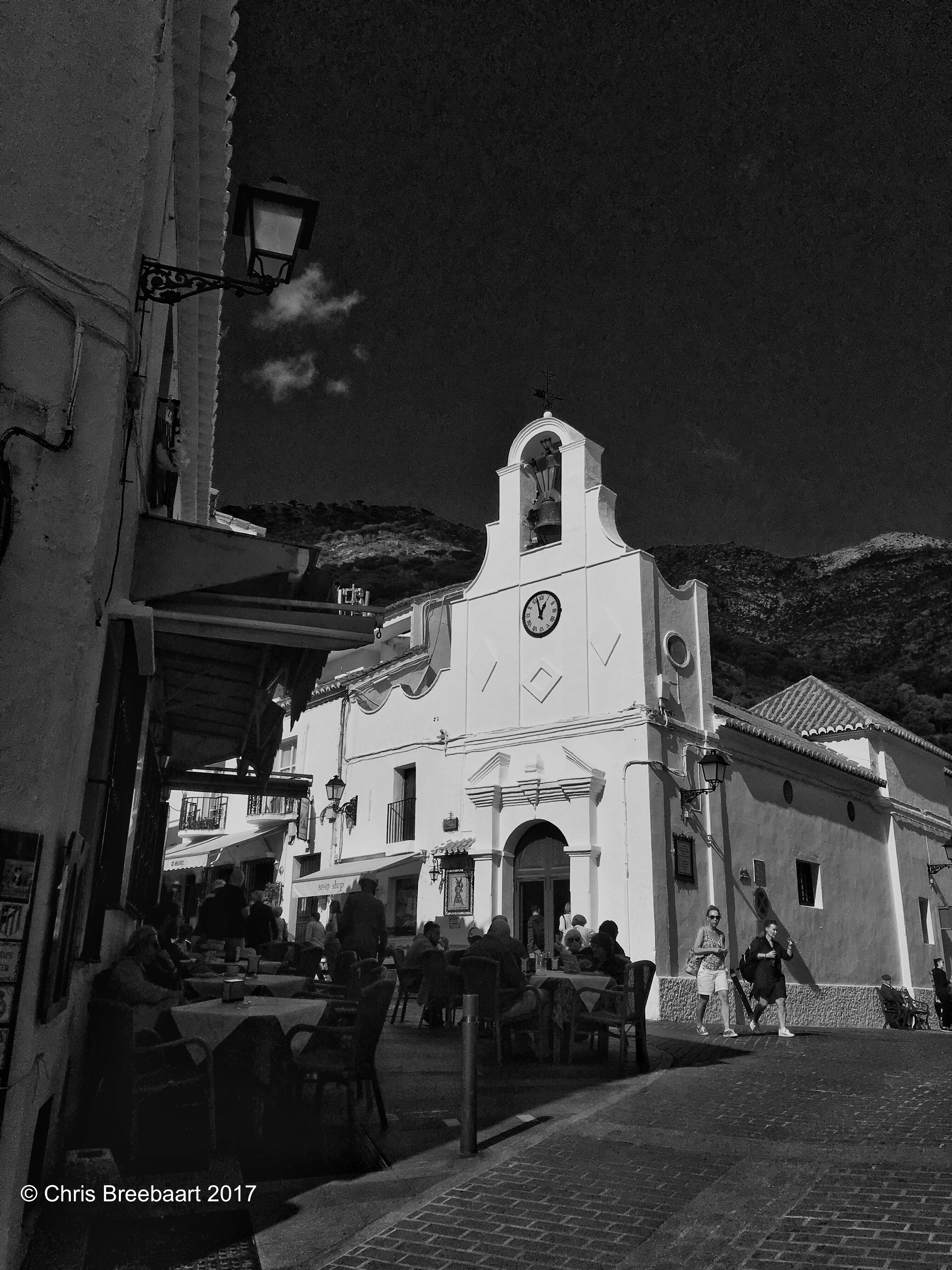
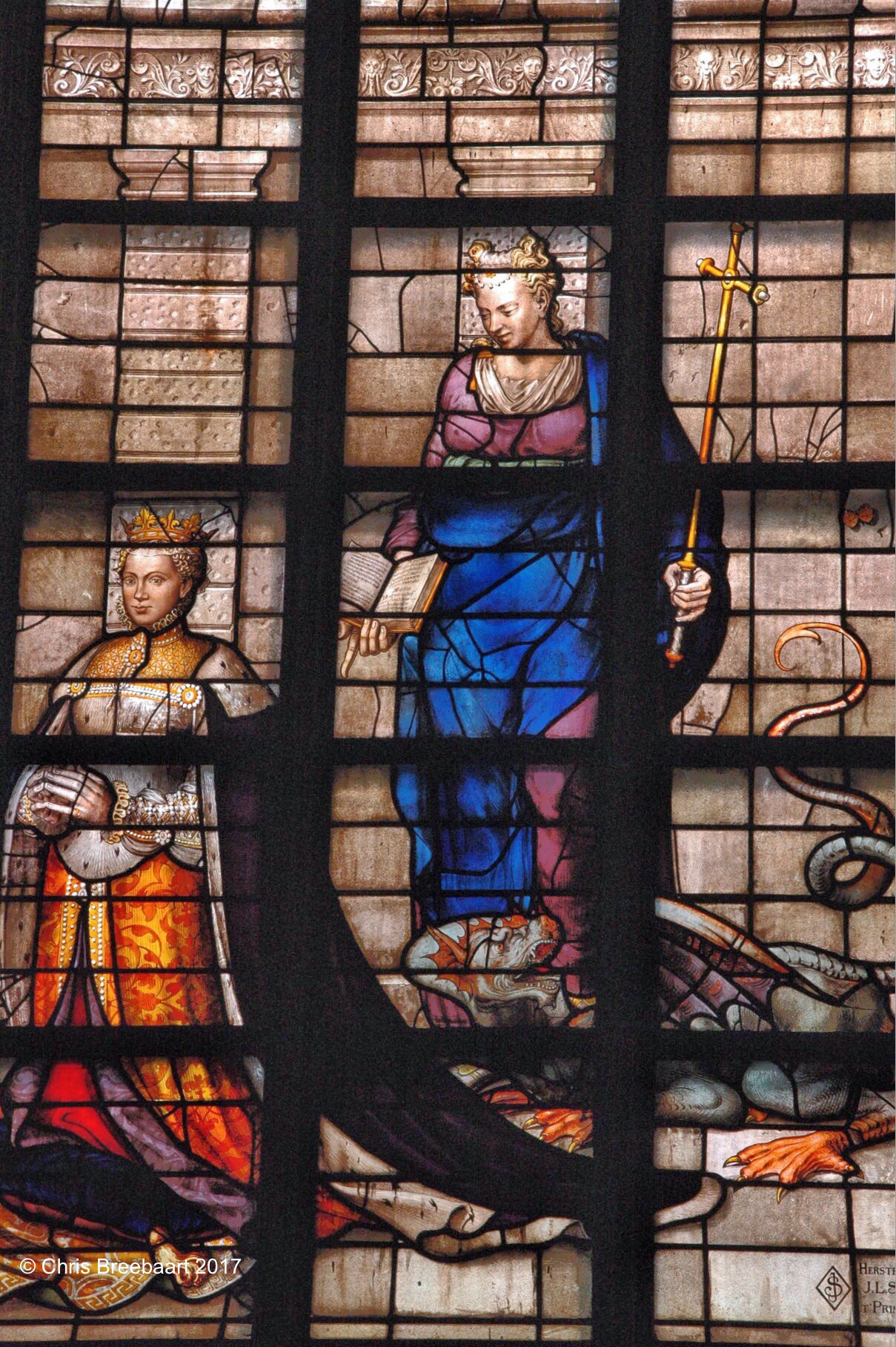
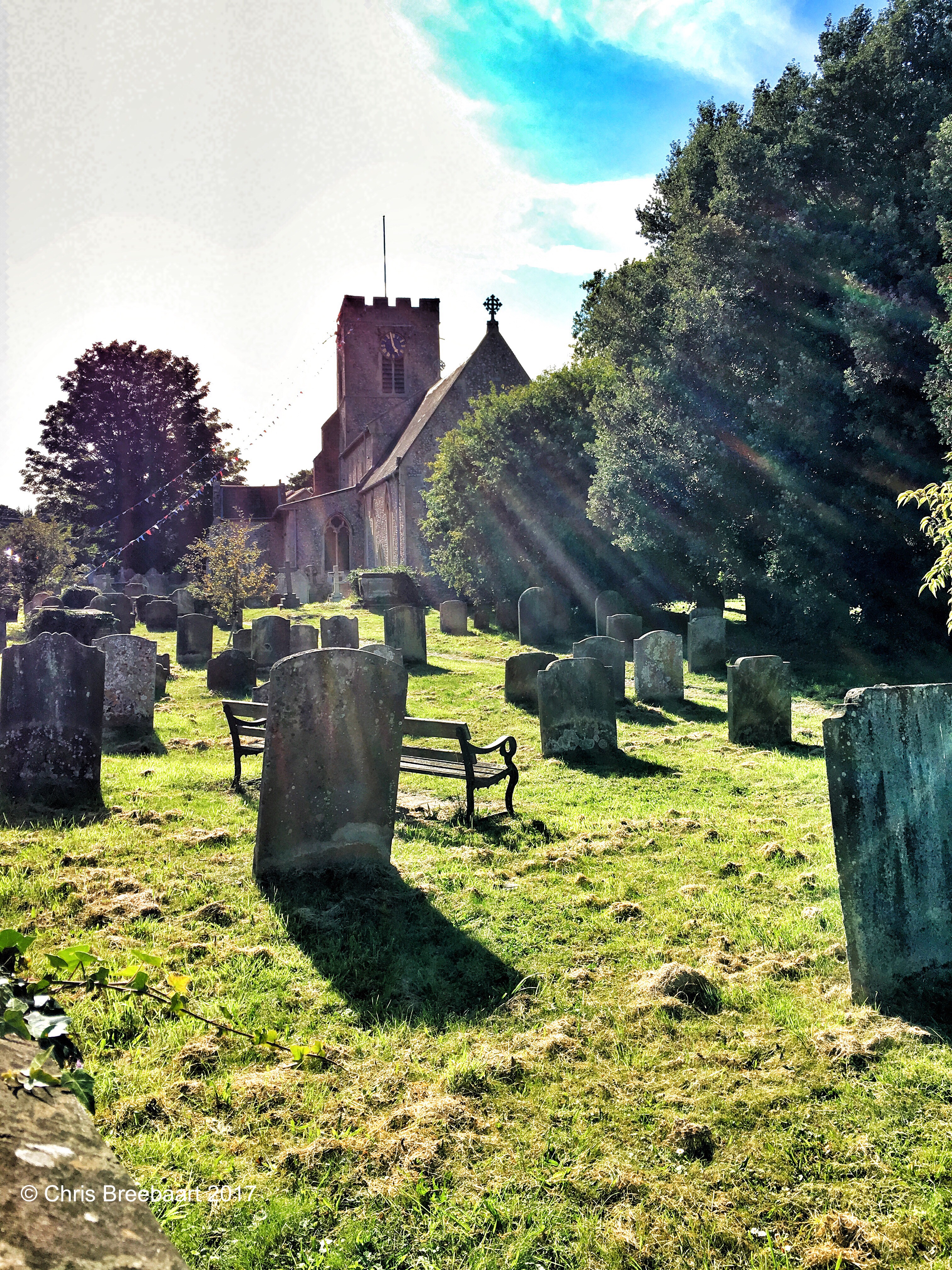
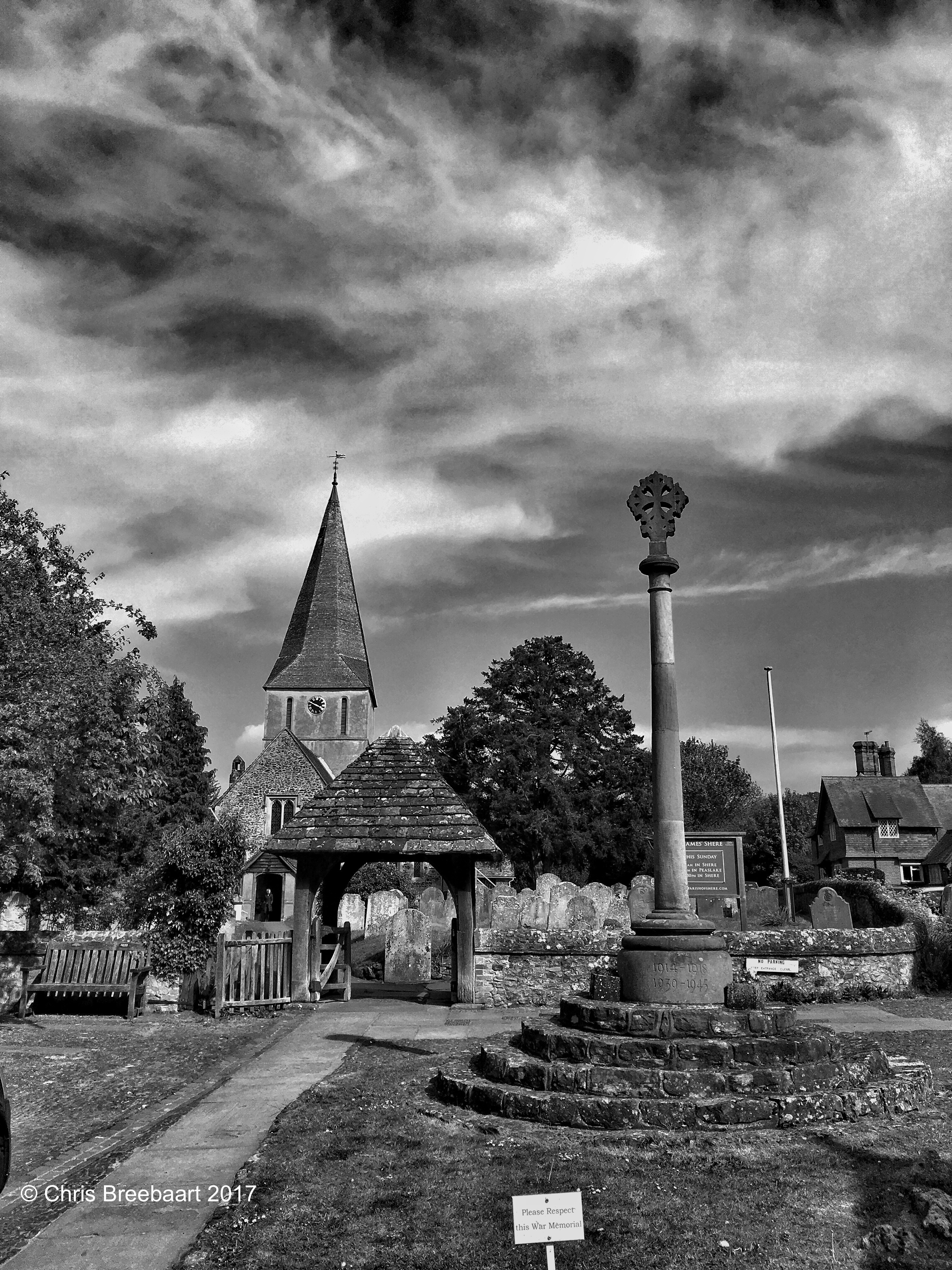
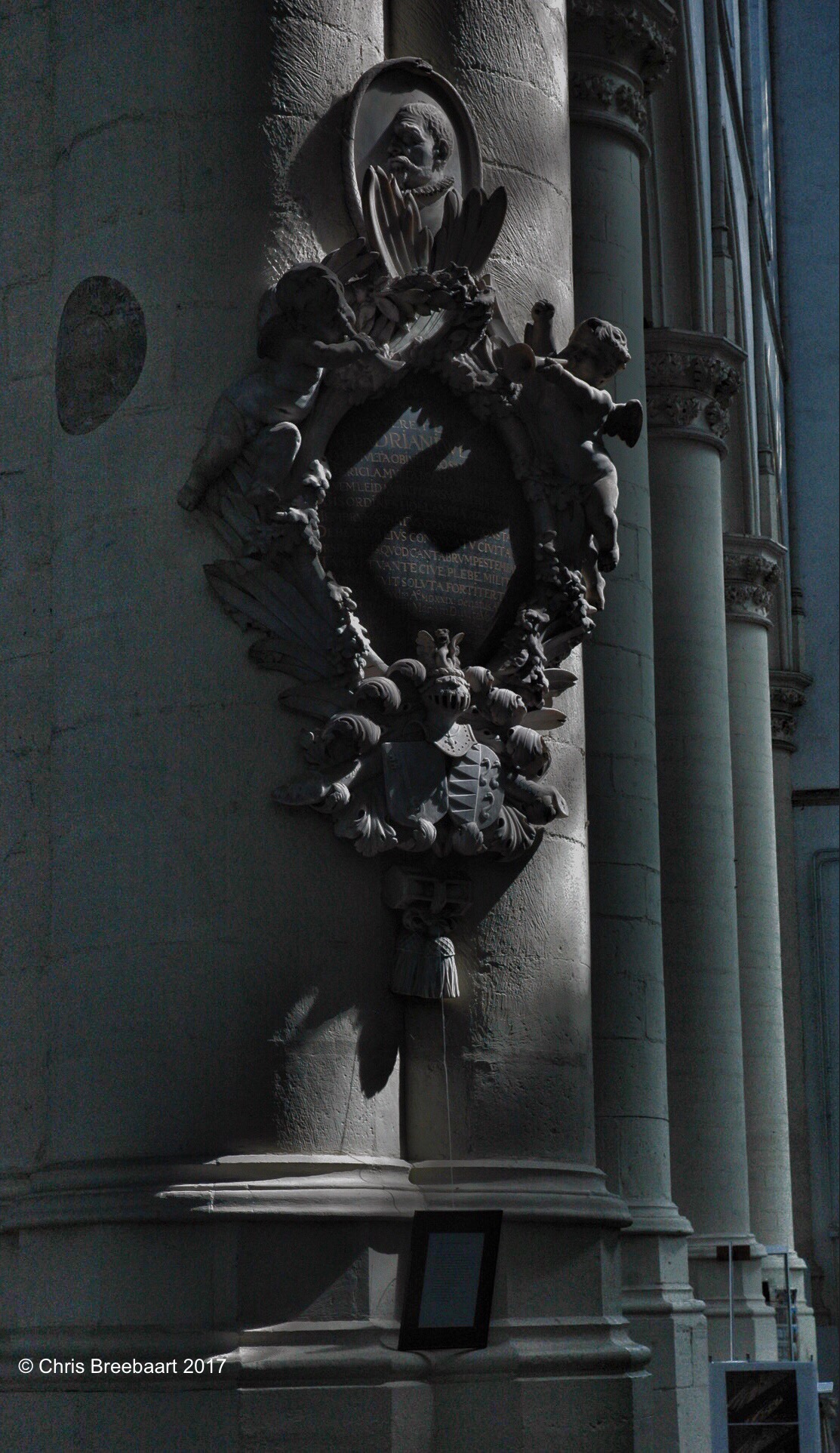
About the B4 retouch series: I browsed my archive for pictures to publish. Some of them are partly retouched but most do have scratches, dust and stains.
Originally shot with Nikon F301 on Fuji 200, scanned from negative and tweaked using Snapseed and Marksta. Click the picture for a larger version.
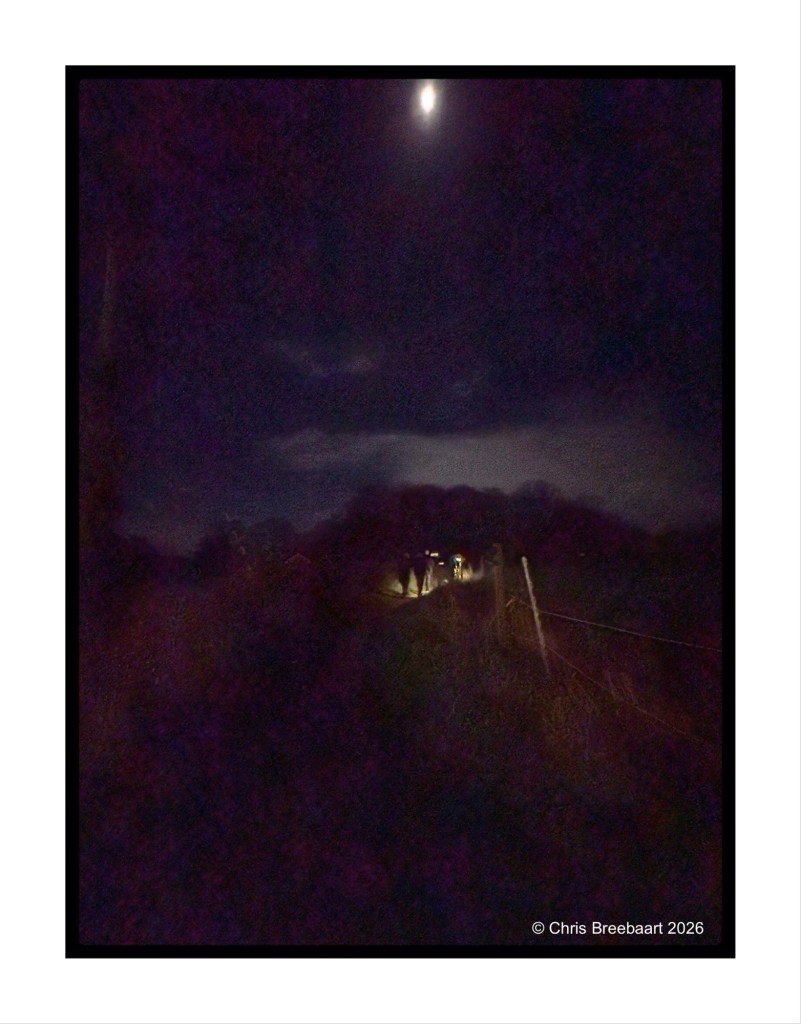
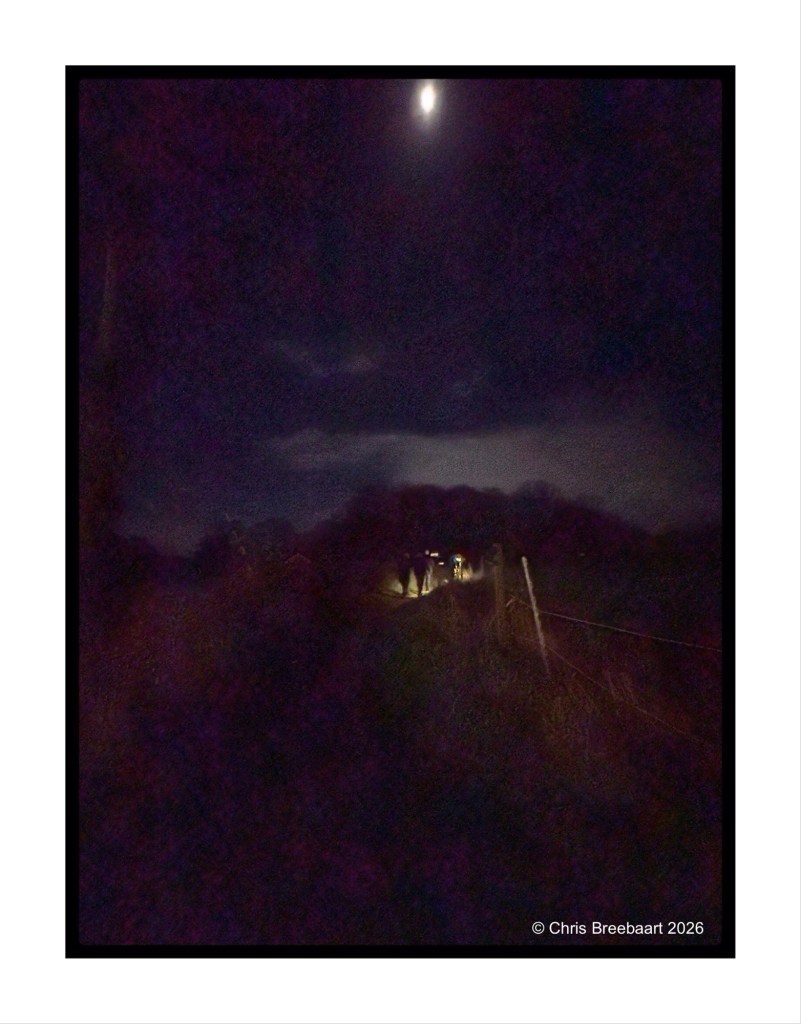
Lens-artists Photo Challenge #382 is about rejected photos. What do you do with photos you do not like? You can throw them away, or you can keep them. And if you keep them what can you do with them? First a story of myself, how I work. And in the end an example.
I am a snap shooter for a long time. When looking at this question for myself, I have to distinguish between the analog age and the digital age. But in both ages it is about quality, how you can assess that and what instruments are available after shooting. And above all: how can you be creative, and how much room is there to experiment?
The analog age was expensive: film was expensive, darkroom materials were expensive too. And being a poor student I shot as efficient as possible. You had to be patient while shooting, and selective. You also needed to trust your skills. Experience was essential to figure out what worked and what not. To produce good prints you needed to develop darkroom skills. And some negatives were impossible to print. But you kept them all. I never threw away negatives. That decision was beneficial in the digital age. After scanning my negatives, I properly made them look like what I had in mind when shooting them. What the darkroom did not deliver, software did.
In the digital age the cost of a photo is nearly non existent. The original photo (the former negative) can be copied lots of times. From the start technology offers instruments to oversee the quality of the photos. What you shoot is instantly visible on the camera. You can try different changes in the photo. Adjustments like shutter time, focus, and shutter opening can be tested most of the time. The RAW format offers flexibility for editing the ‘negative’ after the shoot. Software offers lots of creative tools to change the photo, or create new images.
So, do you keep rejected (bad) photos or not? I do reject photos, overseeing the result on my camera. I keep photos that can come to a good result after editing. The rest I remove straight away (e.g. bracketing shots).What I keep is stored on my NAS, where I use Lightroom as my archiving tool. I use editing tools to tweak a photo slightly. My favorite is Snapseed for web and social media publication. And Lightroom and Photoshop for prints.
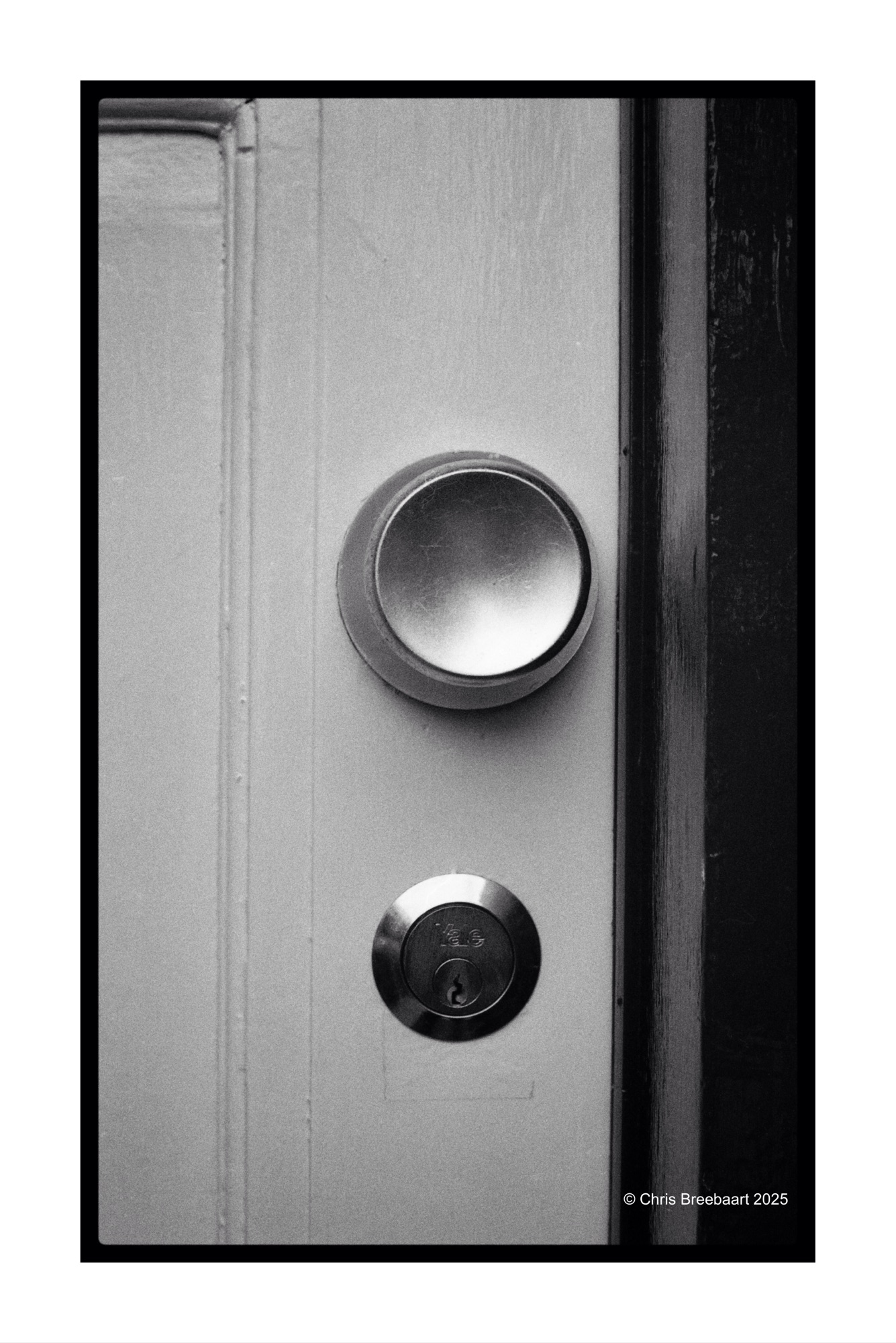
This week’s Lens-Artists Photo Challenge #361 is ‘Doors revisited’. That theme was also the brief for LAPC #20. A door is a pass way to another space behind it. That space can be something we know already. Or something we like to imagine to see there when we go through. And in books you can end up in another world. In this post a few doors I met in my life. One I used for a long time, most I just passed by or passed through on holidays.
The word ‘doors’ for me is also linked to the band The Doors. The name of the band came from a book by Aldous Huxley, The doors of perception. And Huxley took it from William Blake, who used it as a metaphor:
“If the doors of perception were cleansed every thing would appear to man as it is, Infinite. For man has closed himself up, till he sees all things thro’ narrow chinks of his cavern . Doors lead you to another side or space, break on through to the other side.”
So a lot can be said about doors. Luckily, we still have the photos. Here are a few from my conscious memory.
The Netherlands, Oegstgeest – November 1991
This is the front door to the house I was born and lived in for 25 years. The photo is shot on Ilford XP with a Pentax K1000.
France, Caylus – September 2005
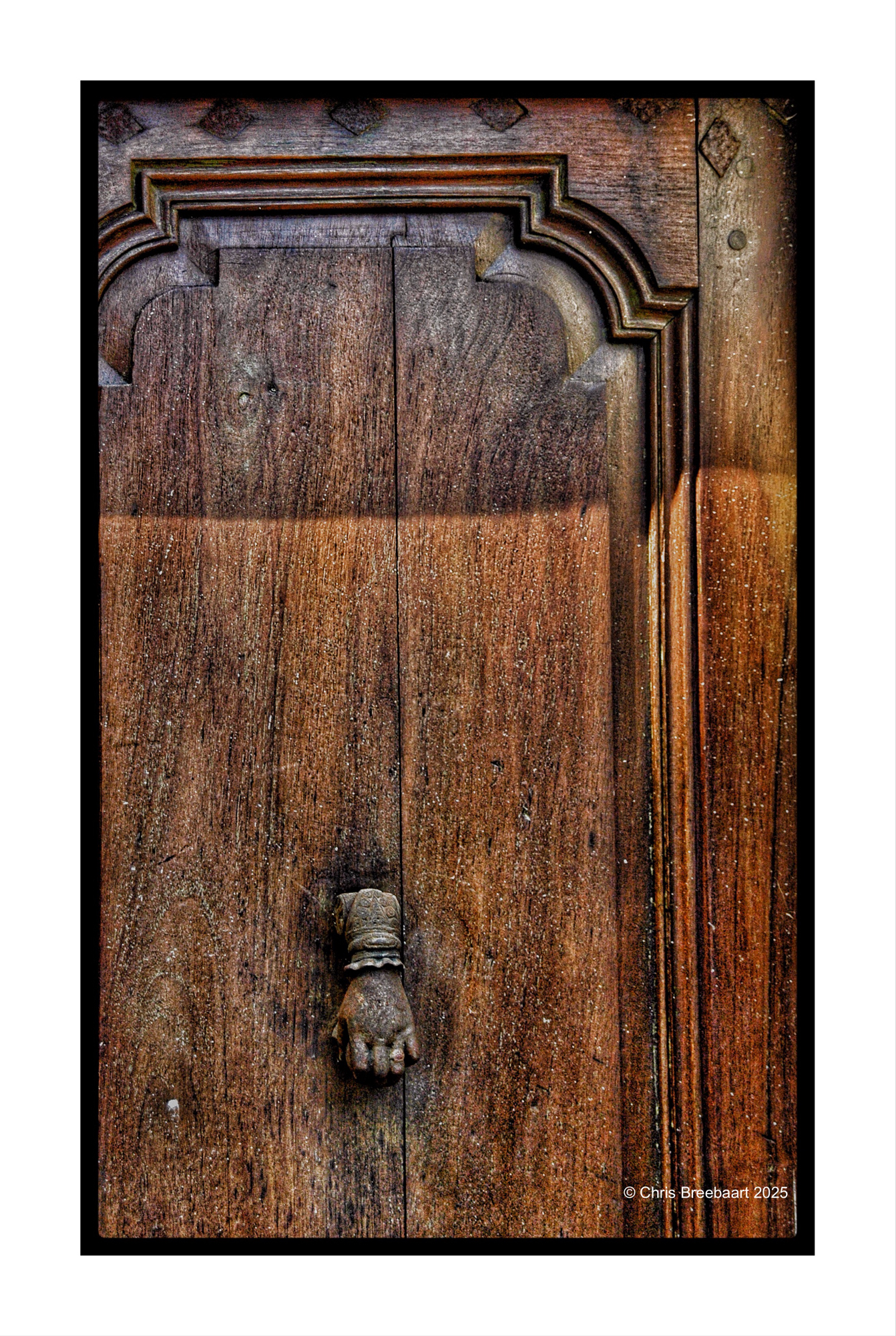
This door in Caylus is ready to be knocked. Shot on Nikon D70.
Greece, Karpathos – September 2009
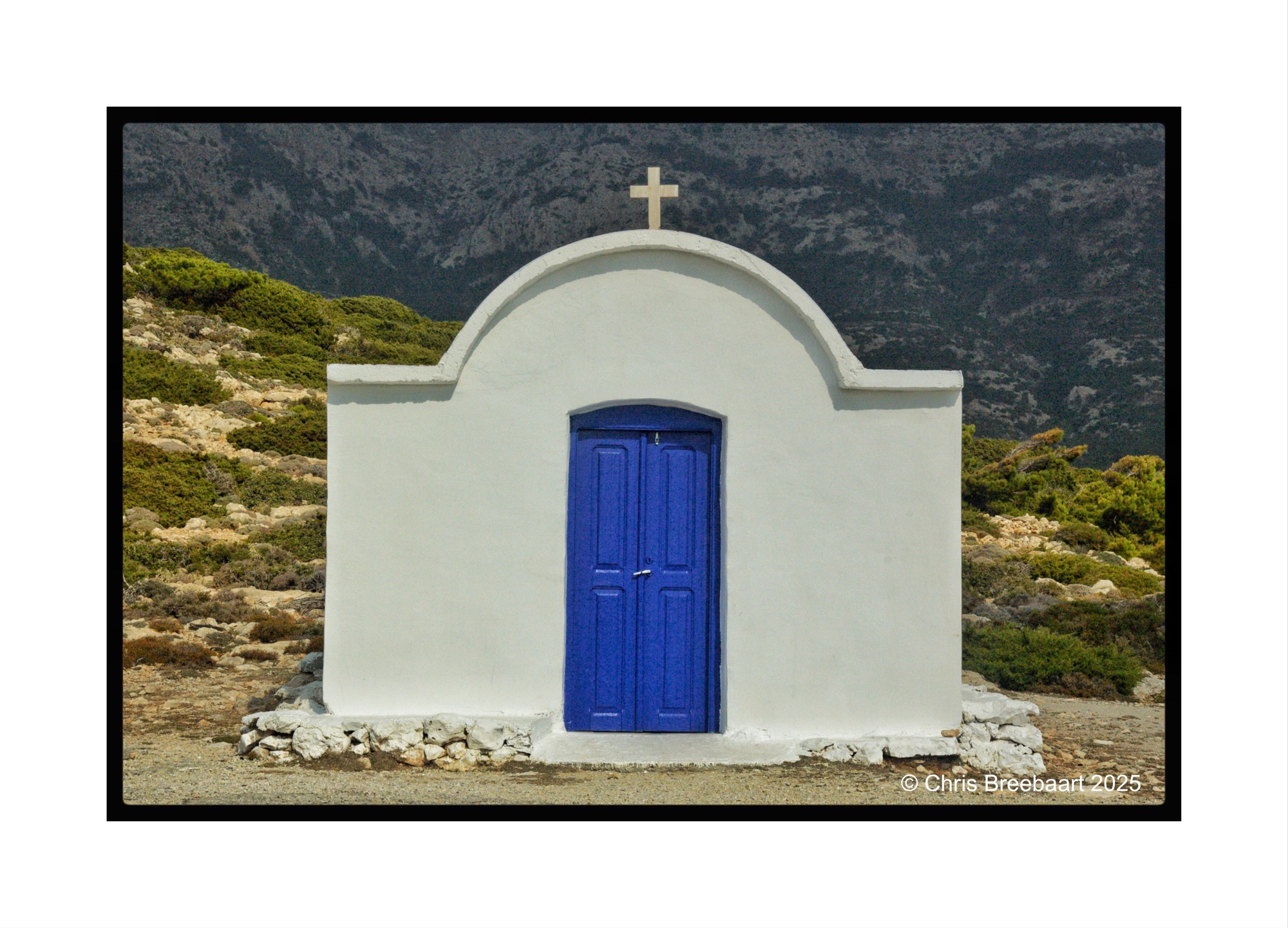
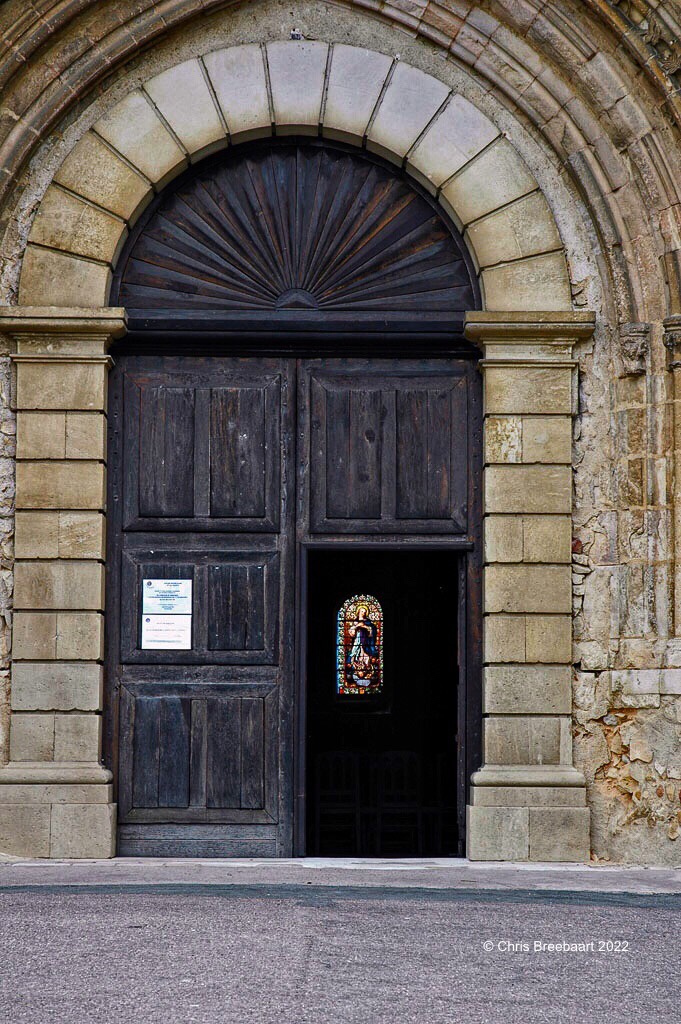
I looked through my archive. It struck me that lots of the doors I saw there are doors of small or bigger churches. This one is on Karpathos. Shot on Nikon D70.
Some photos do not fit the LAPC’s themes, so there is a rest category ‘last chance’ being #280. I never am guided by the themes in the photos I shoot. Some fit in, some don’t. But I never know the theme while shooting. Here is one from the archive I recently stumbled upon, never published.
Slane Hill in Ireland. Close to Slane Castle castle that is famous among other historical facts, for being the recording site for U2’s The unforgettable fire’ in 1984. And famous open air concerts.
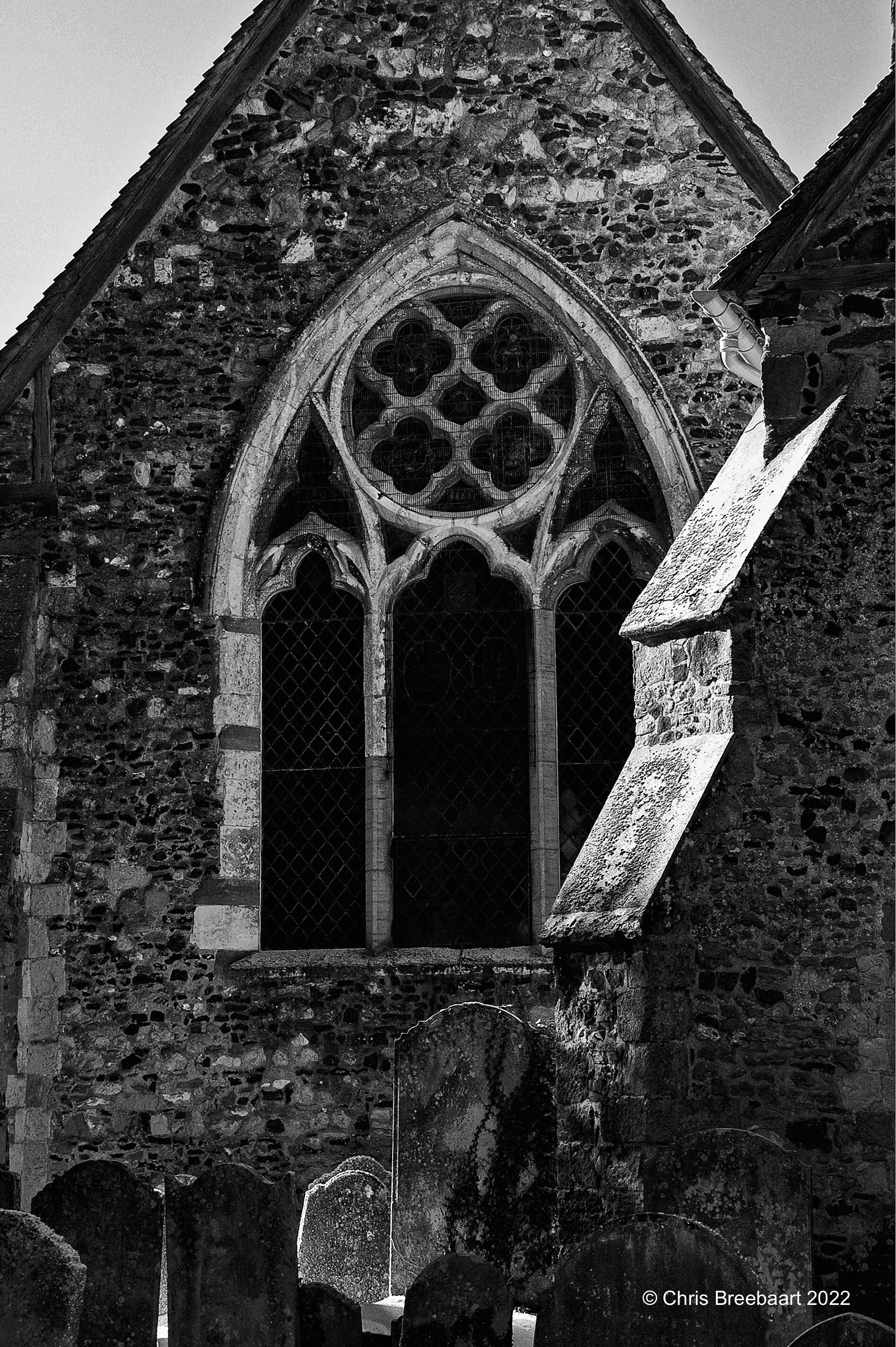
Outside the village is The Hill of Slane with a small old ruined chapel, a ruined monastery and a graveyard, overlooking the landscape and the river Boyne.
The most interesting place is a small hill with undergrowth right behind the site, from which this photo was taken.
About the B4 retouch series: I browsed my archive for pictures to publish. Some of them are partly retouched but still, like most of the archive, do have scratches, dust and stains.
The picture was originally shot with Pentax K1000 on Kodak Plusx, scanned from negative and tweaked using Snapseed and Marksta. Click the picture for a larger version.
About the B4 retouch series: I browsed my archive for pictures to publish. Some of them are partly retouched but most do have scratches, dust and stains.
The picture was originally shot with Pentax K1000 on Kodak Plusx, scanned from negative and tweaked using Snapseed and Marksta. Click the picture for a larger version.
Le Mont Saint Michel is an old village on a rock in a bay on the west of France in Brittany. It is positioned in between Normandy and Brittany, and is famous for its abbey.
About the B4 retouch series: I browsed my archive for pictures to publish. Some of them are partly retouched but most do have scratches, dust and stains.
The picture was originally shot with Pentax K1000 on Kodak Plusx, scanned from negative and tweaked using Snapseed and Marksta. Click the picture for a larger version.
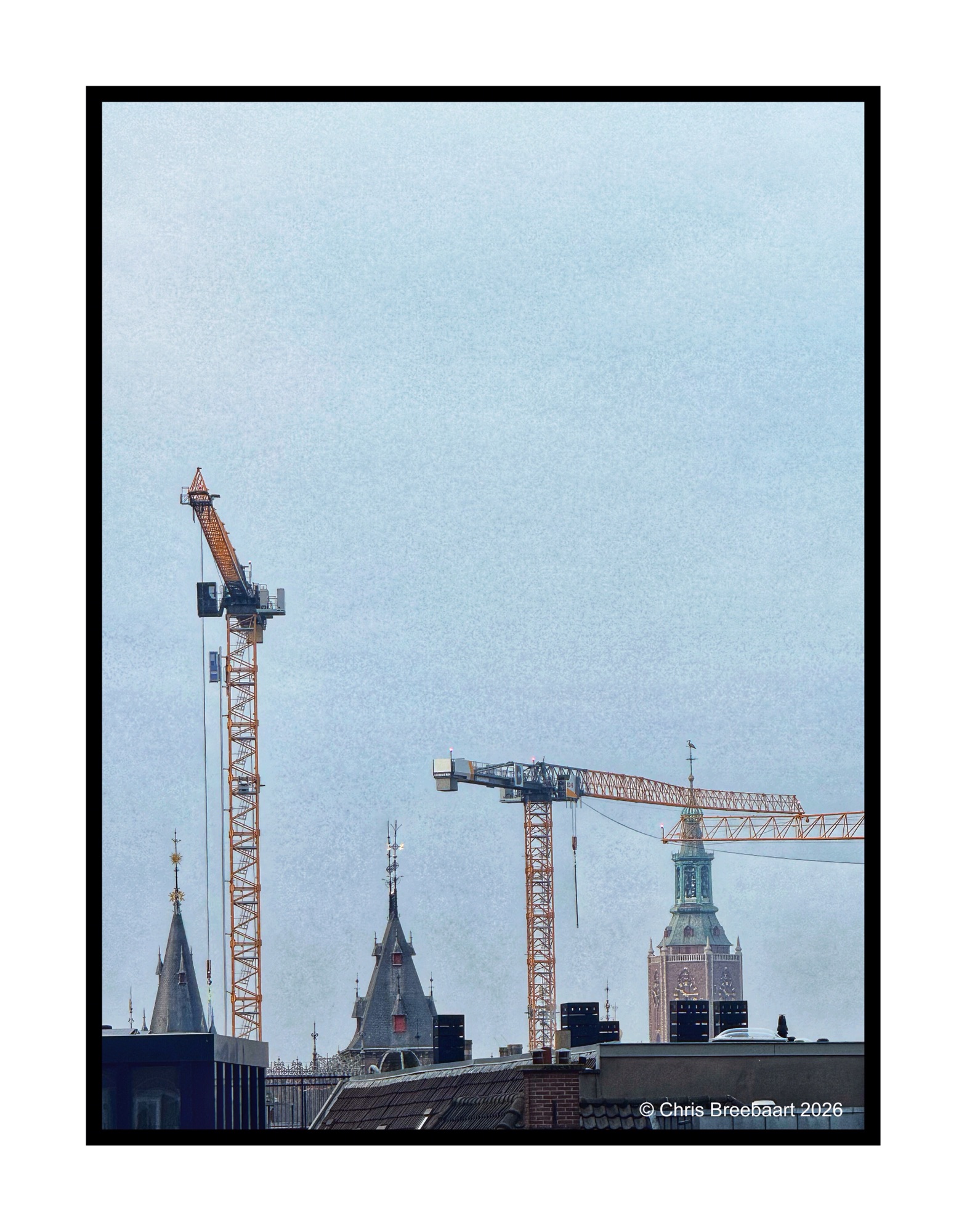
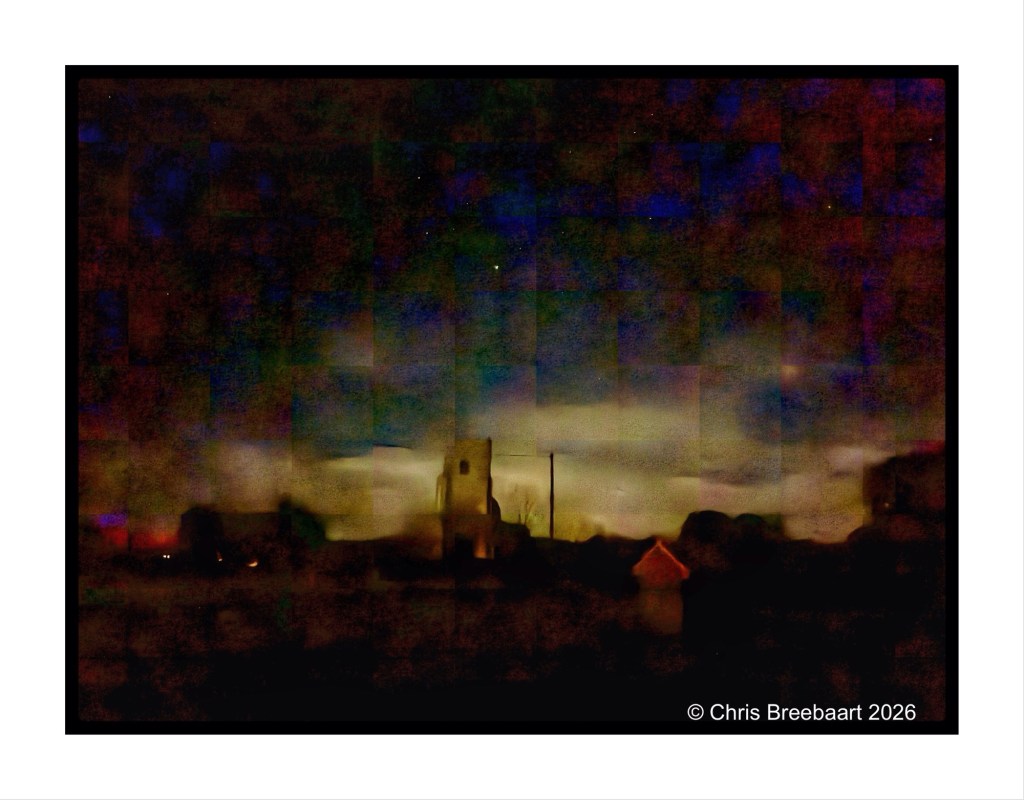
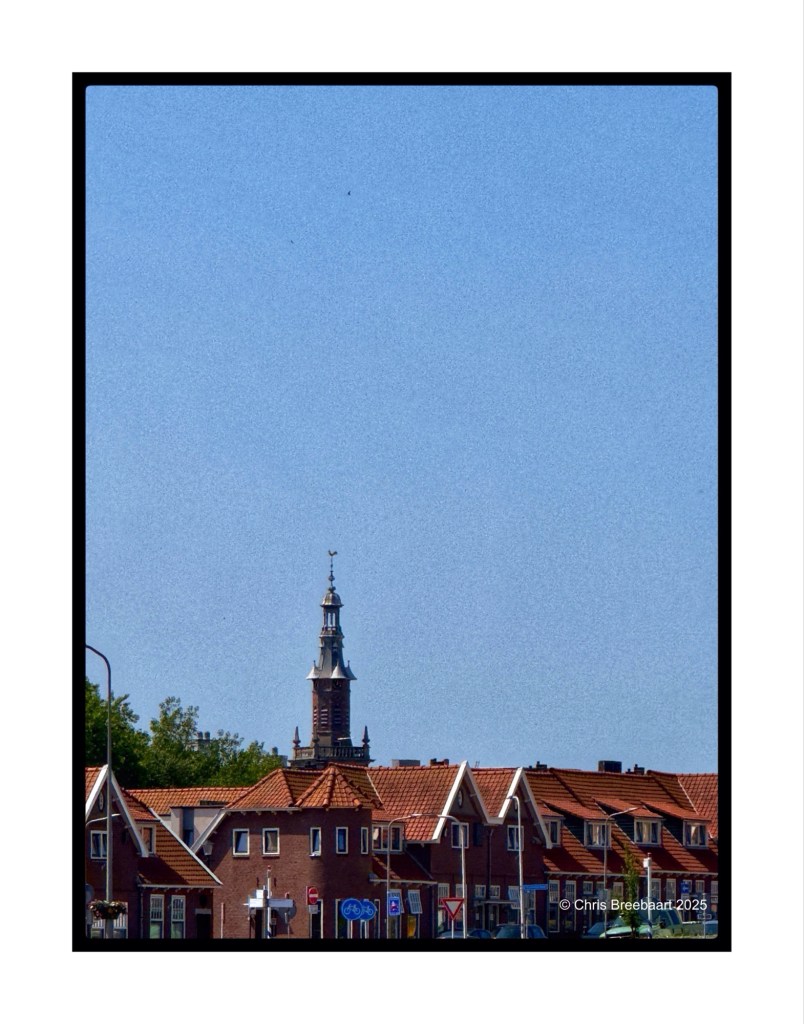
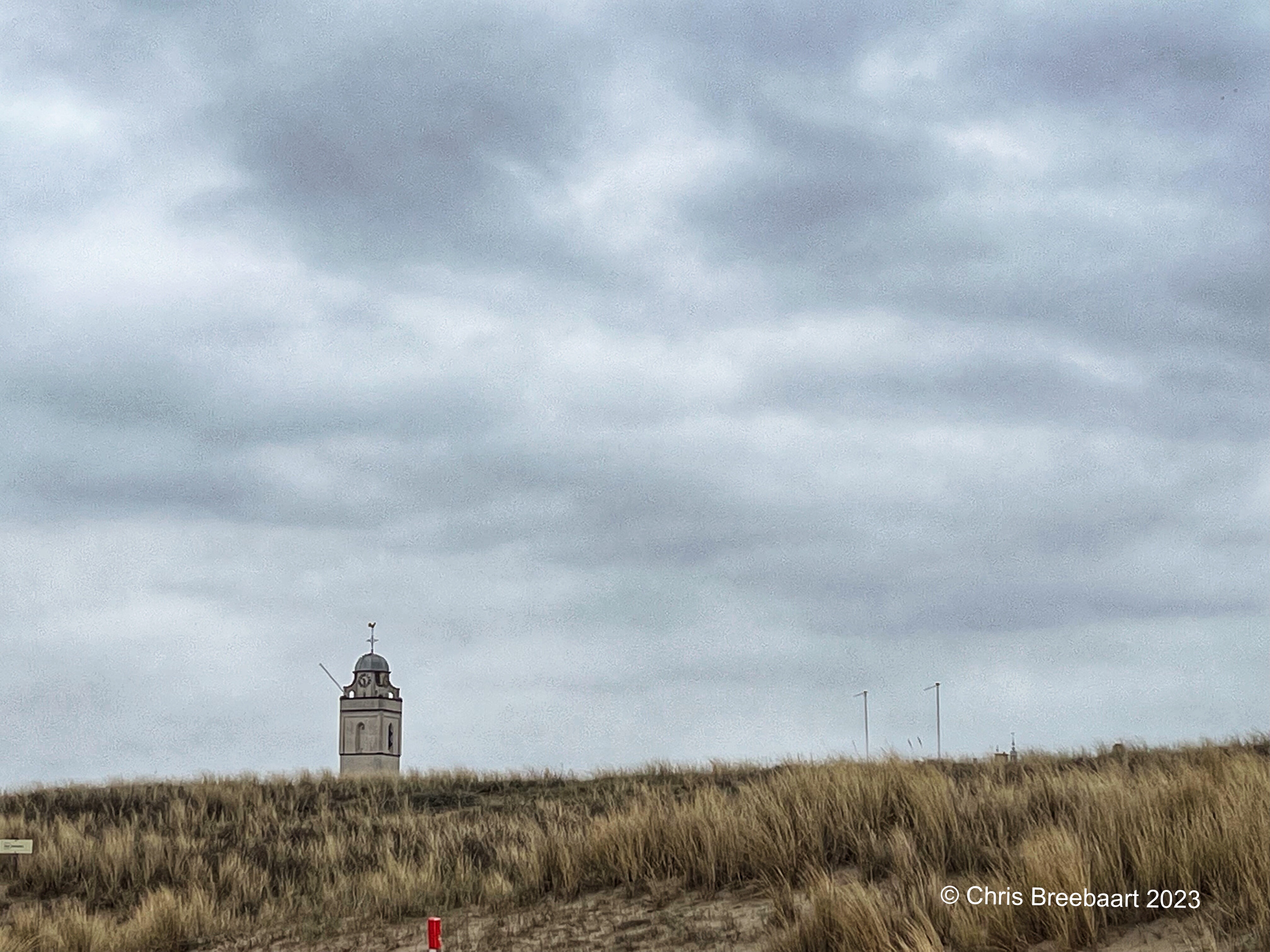
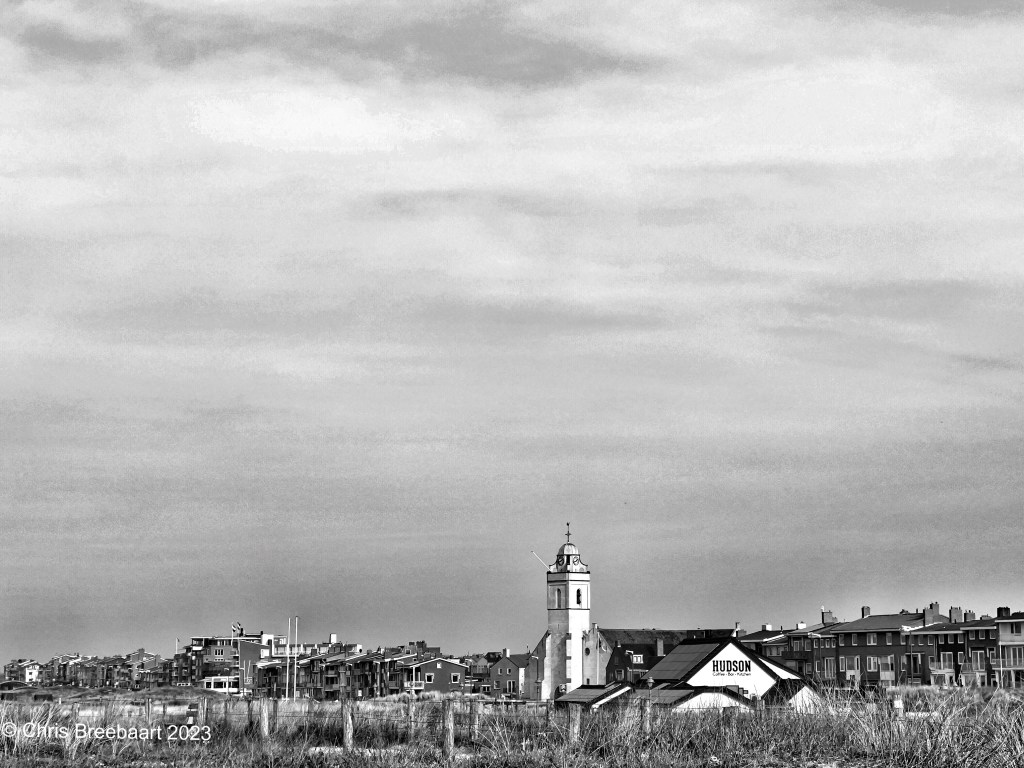
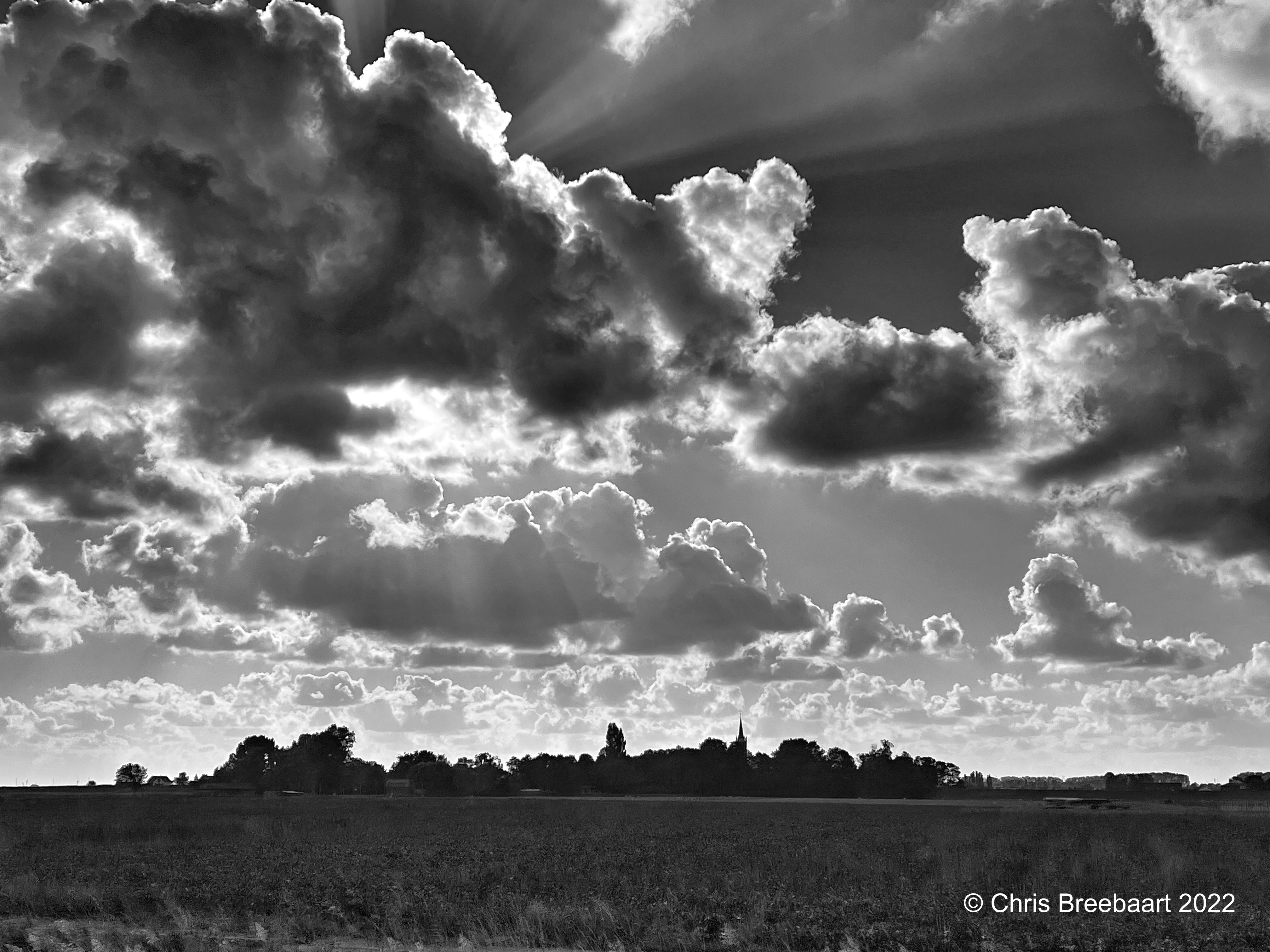
The Dutch landscape is a continuous source of inspiration. Sometimes in a wide view, sometimes in a close up to pick up some details. A church on a dyke, cows in the polder.
The term ‘negative space’ to me is confusion: technically it is the space around the main subject of a photo. It means ‘negative’ as opposed to ‘positive’ attention for the main subject. The word ‘negative’ as a noun brings back good old memories. Being older I actually worked and work with negatives (for the millennials: it has to do with film, the light sensitive stuff we used to put in a camera to get a photo on (in negative) that later could be printed (in positive).
So ‘negative space’ is about the focus a viewer of a photo is offered in a photo. If there is a lot to see around the subject, than that distracts from that subject. In other words: it is a creative tool a photographer can use.
About the B4 retouch series: I browsed my archive for pictures to publish. Some of them are partly retouched but most do have scratches, dust and stains.
About the B4 retouch series: I browsed my archive for pictures to publish. Some of them are partly retouched but most do have scratches, dust and stains.