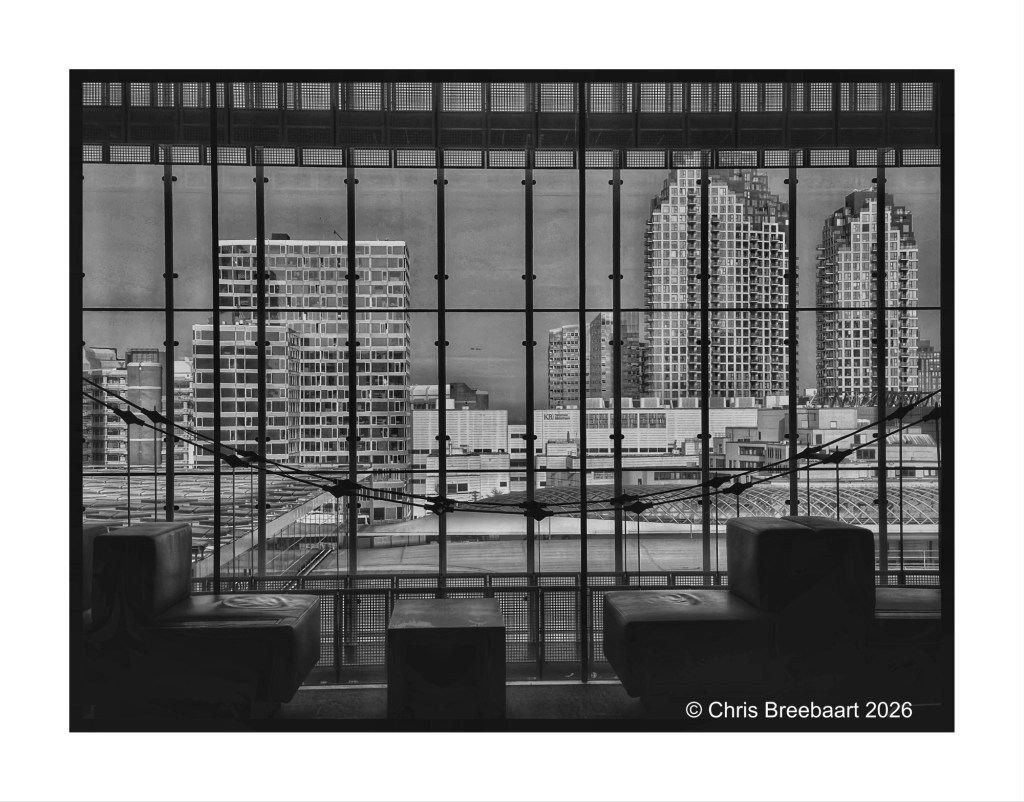
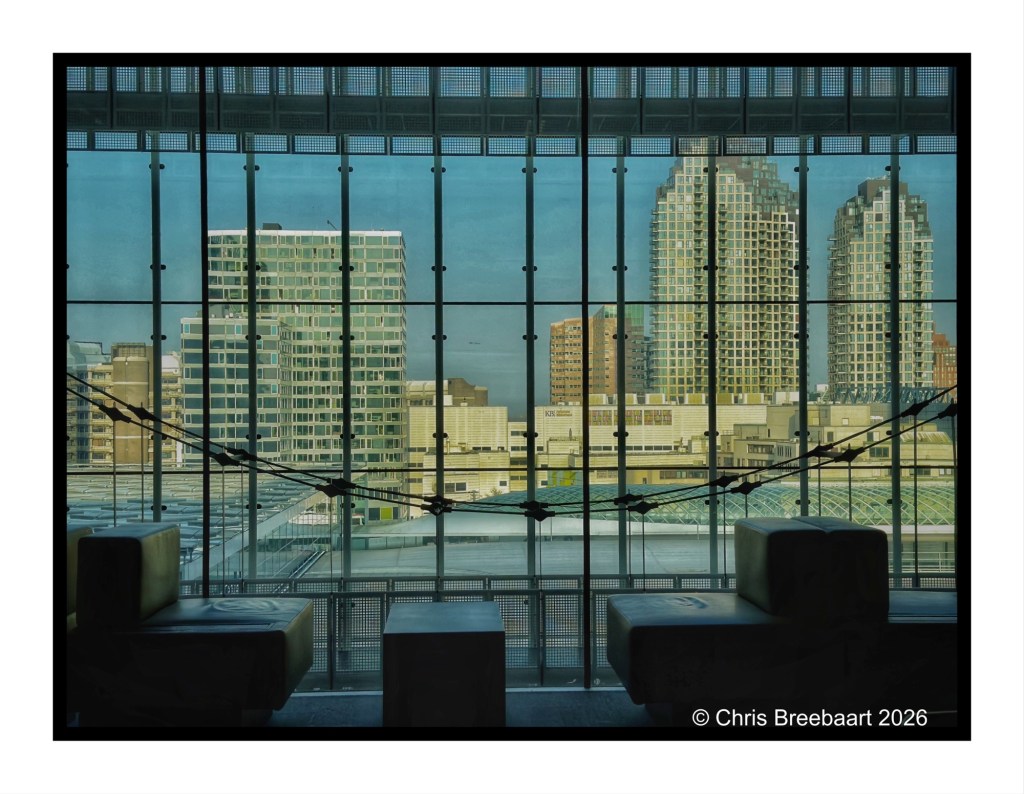
If you visit my blog – like I hope you do or from now start to do – you must have recognized my ‘old’ love for monochrome. When I started this hobby, mono was fashionable and a standard for news photography. And it was cheaper. In this series I offer you two versions of a photo. And you can prefer one over the other, or not.
This week’s theme #390 is ‘color in black and white’. The theme focuses on the cognitive fact that our brains still know a color, even if it is in a grey tone. So the sky is blue, the grass green etc. Here you can see what colors do in greys, and if that is appealing or not to your taste pallet.
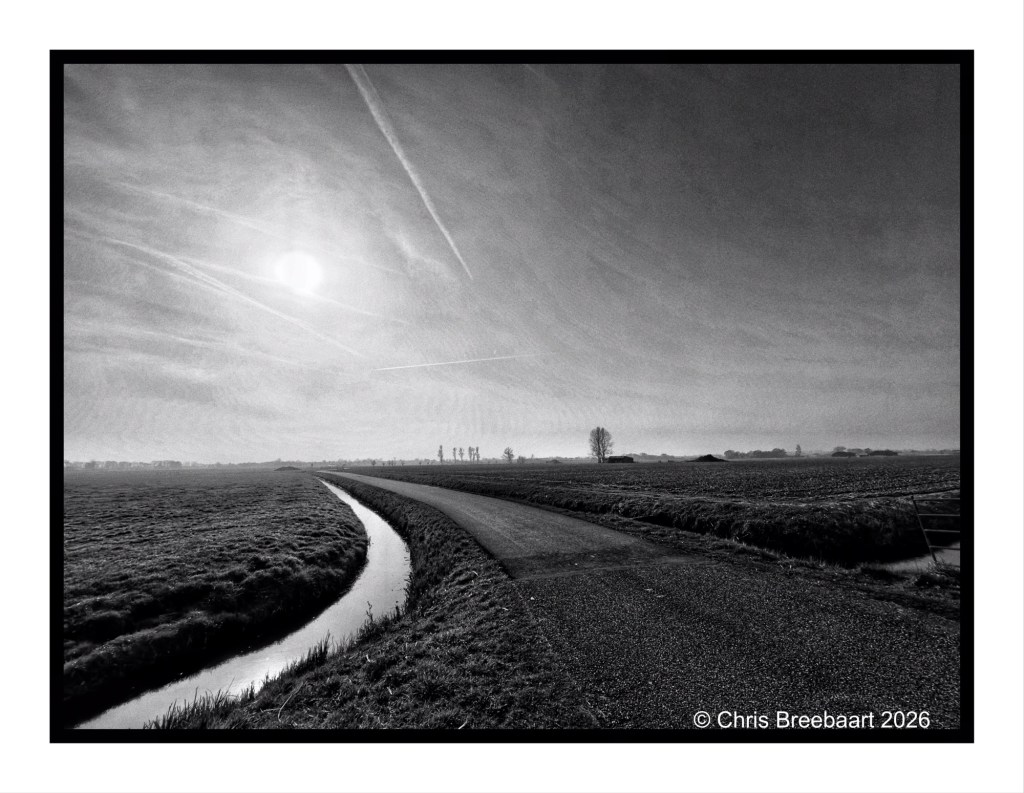
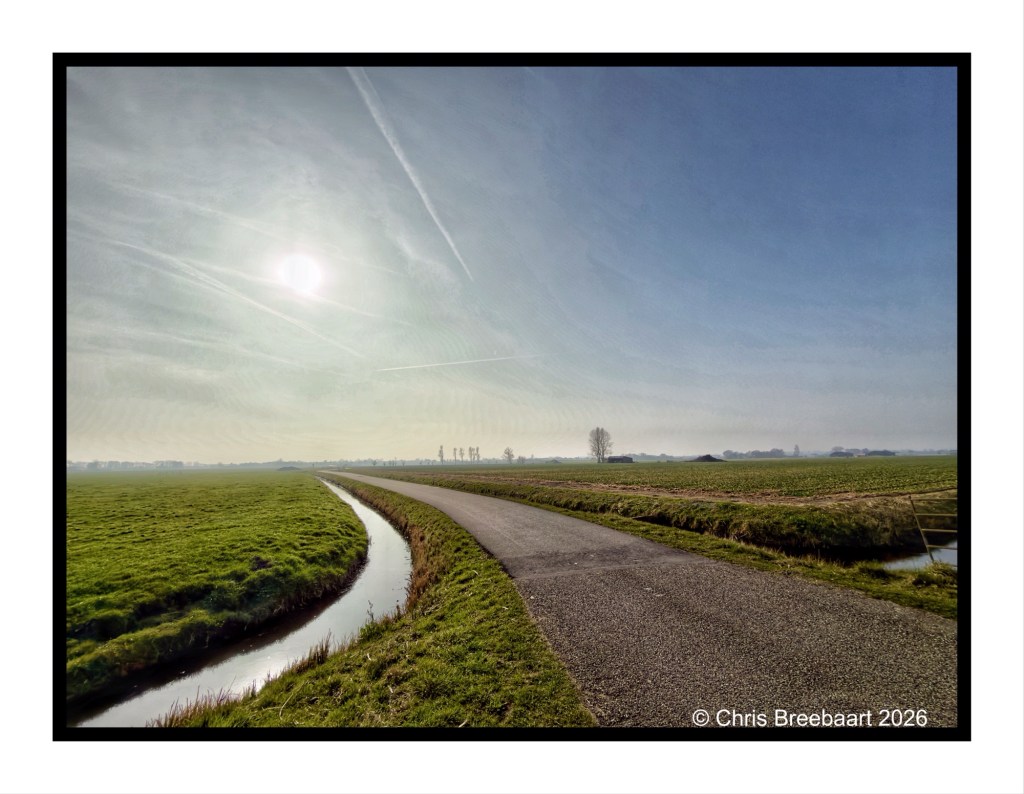
If you visit my blog – like I hope you do or from now start to do – you must have recognized my ‘old’ love for monochrome. When I started this hobby, mono was fashionable and a standard for news photography. And it was cheaper. In this series I offer you two versions of a photo. And you can prefer one over the other, or not.
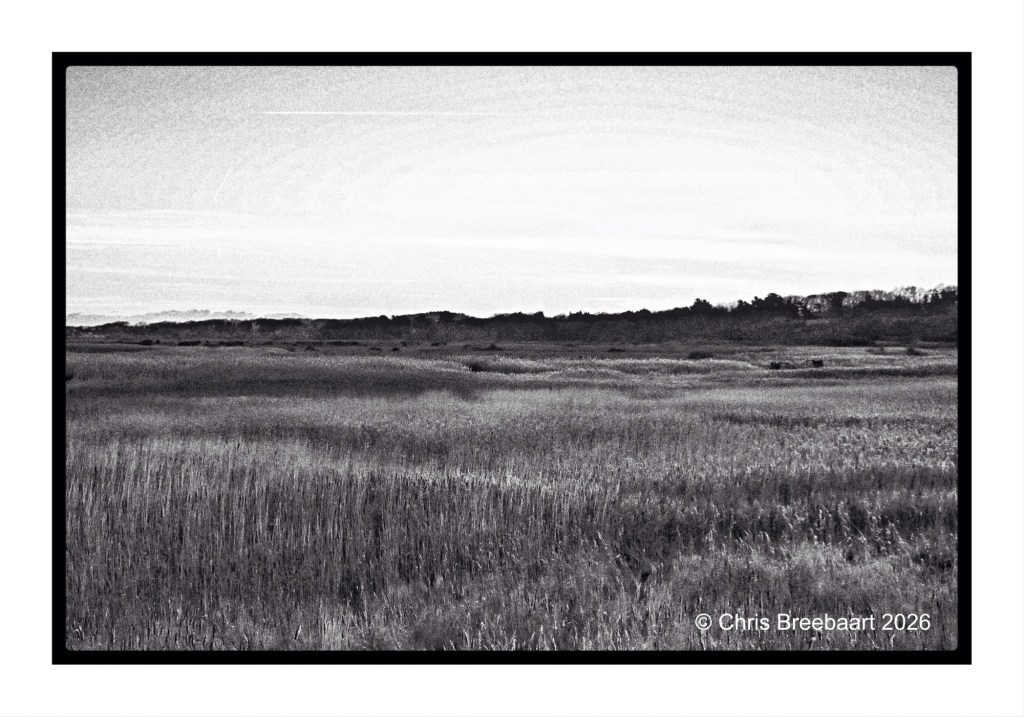
This week’s theme is ‘Time to relax’. On a bicycle ride through fields where soon bulb flowers will pop up, together with other cyclists. This is a piece of a polder showing the low horizon in the sun.
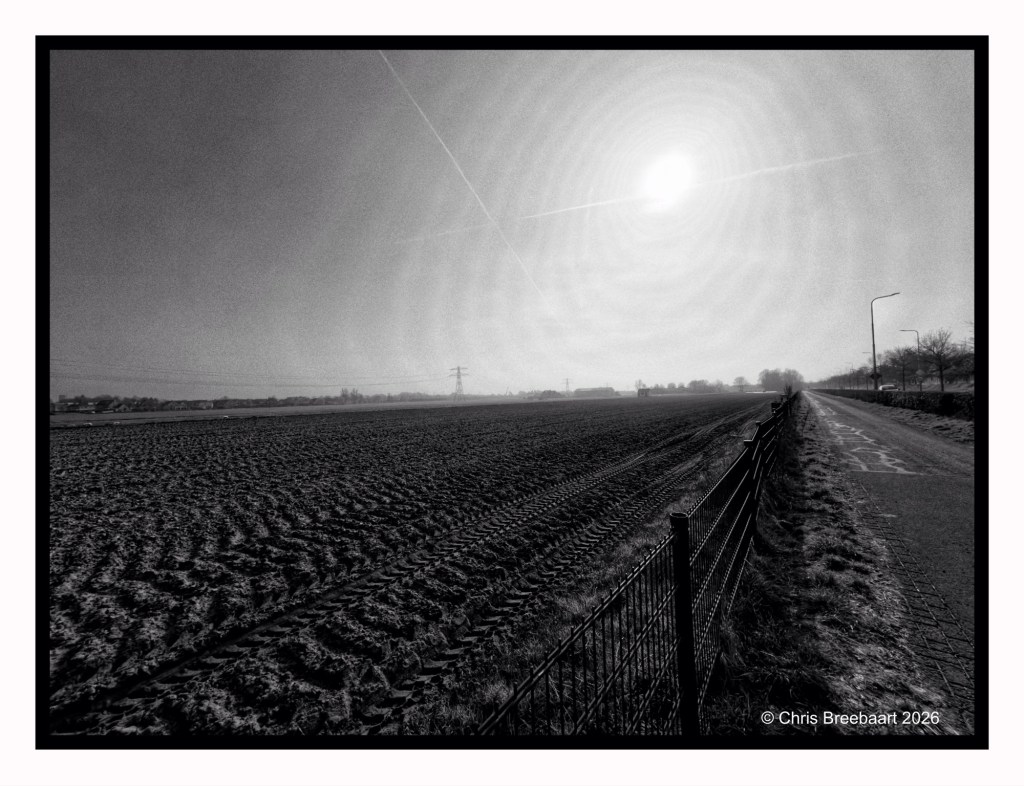
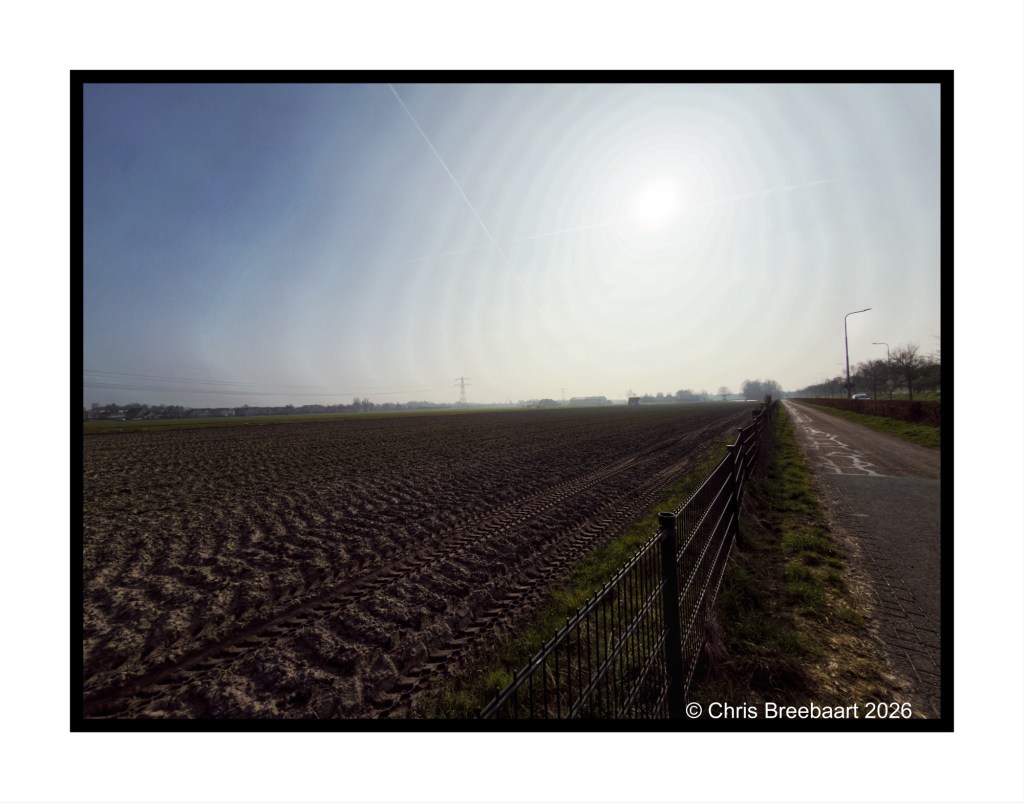
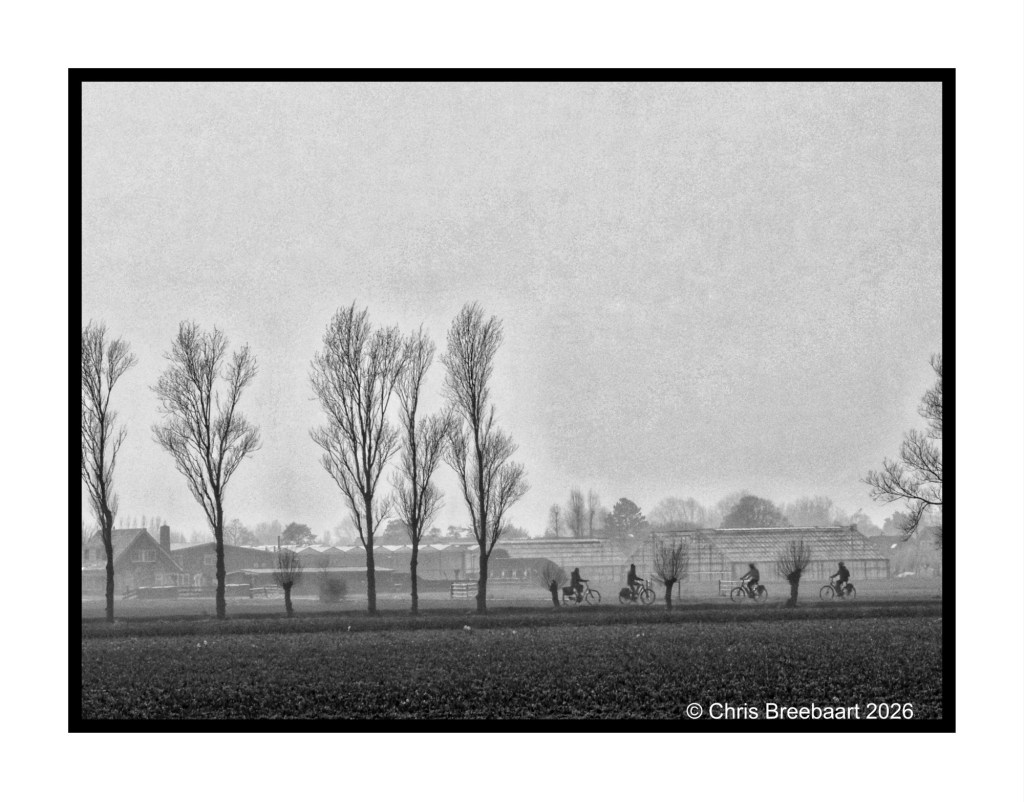
If you visit my blog – like I hope you do or from now start to do – you must have recognized my ‘old’ love for monochrome. When I started this hobby, mono was fashionable and a standard for news photography. And it was cheaper. In this series I offer you two versions of a photo. And you can prefer one over the other, or not.
This week’s theme is ‘Time to relax’. On a bicycle ride through fields where soon bulb flowers will pop up, together with other cyclists. Thought I am not really sure about this piece of land, it is just been plowed it seems.
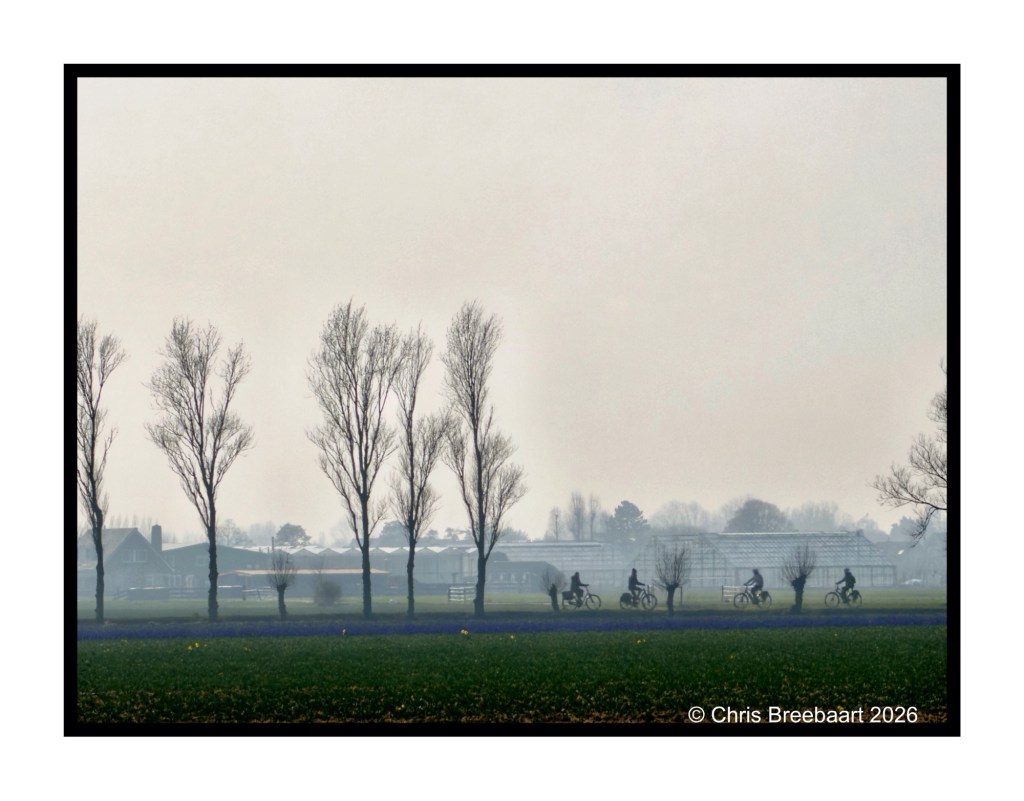
If you visit my blog – like I hope you do or from now start to do – you must have recognized my ‘old’ love for monochrome. When I started this hobby, mono was fashionable and a standard for news photography. And it was cheaper. In this series I offer you two versions of a photo. And you can prefer one over the other, or not.
This week’s theme is ‘Time to relax’. On a bicycle ride through fields where soon bulb flowers will pop up, together with other cyclists. On the color version you can see the deep purple of early hyacinths. With Some yellow late Daffodils.
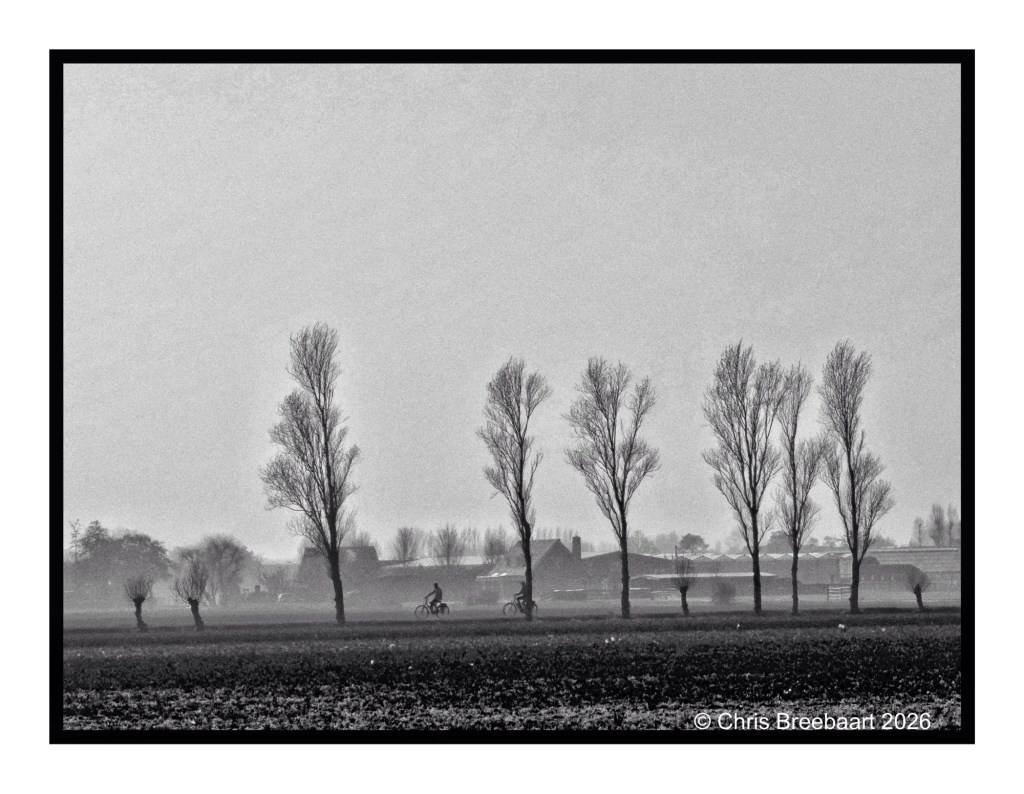
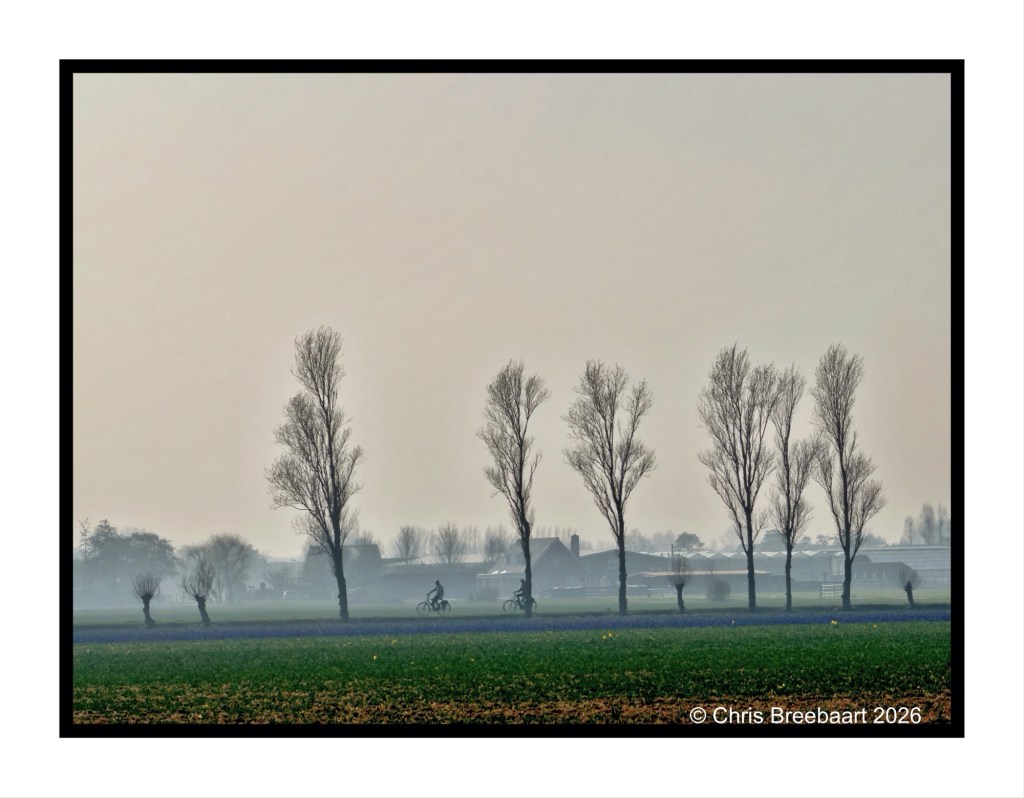
If you visit my blog – like I hope you do or from now start to do – you must have recognized my ‘old’ love for monochrome. When I started this hobby, mono was fashionable and a standard for news photography. And it was cheaper. In this series I offer you two versions of a photo. And you can prefer one over the other, or not.
This week’s theme is ‘Time to relax’. On a bicycle ride through fields where soon bulb flowers will pop up, together with other cyclists. On the color version you can see the deep purple of early hyacinths. With Some yellow late Daffodils.
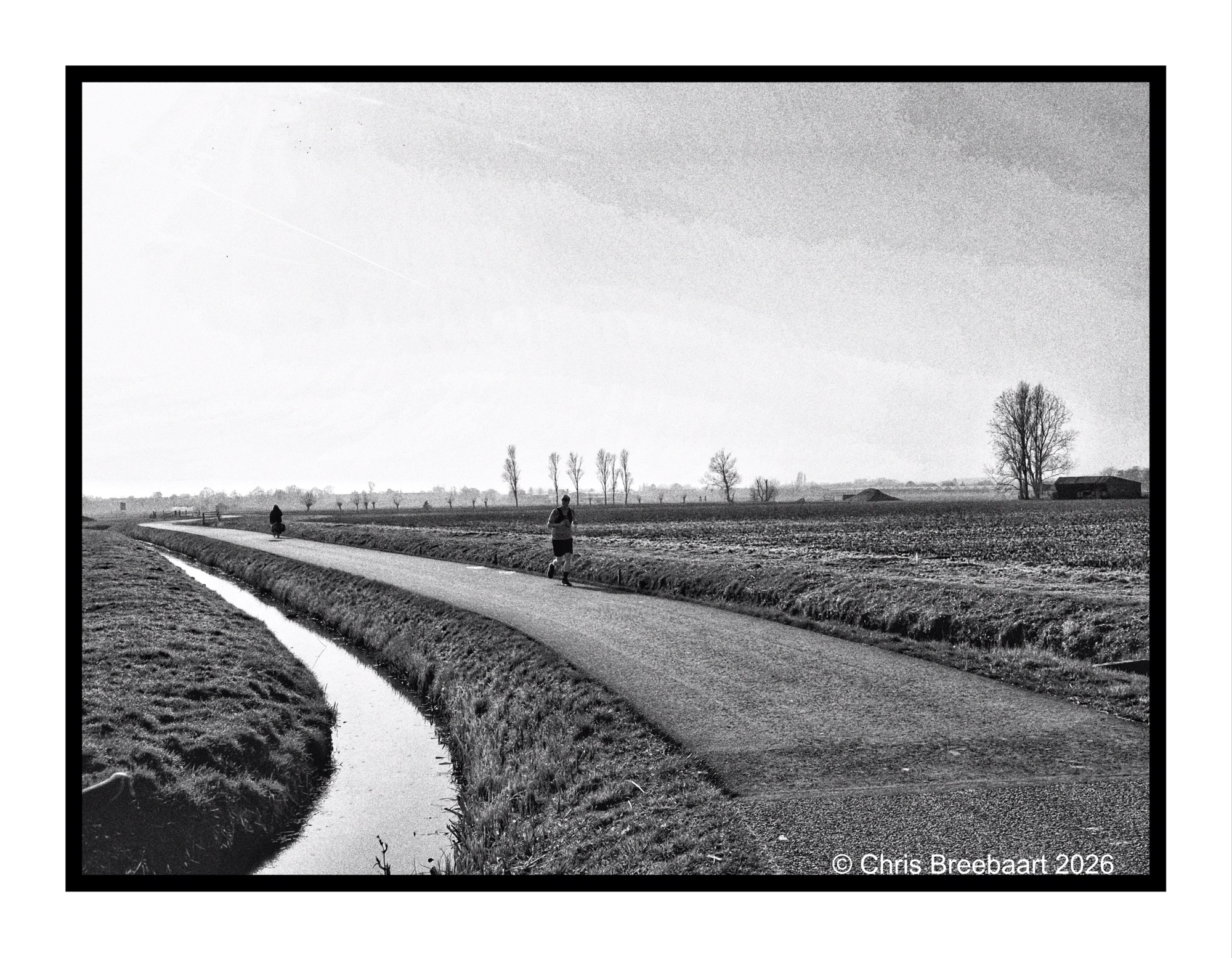
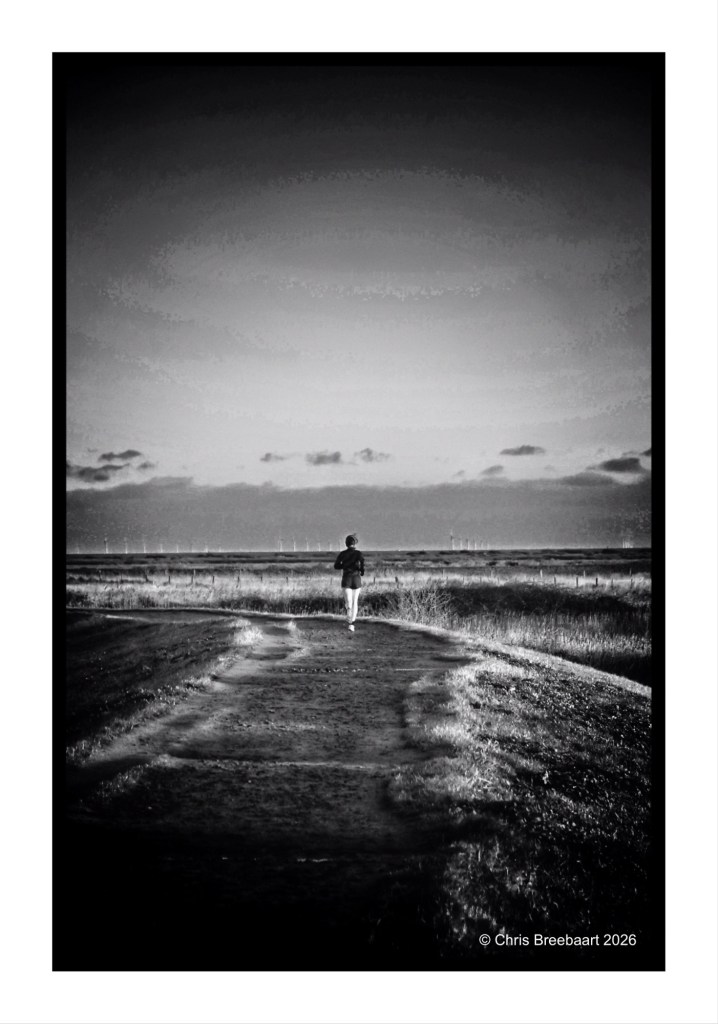
This week’s theme is ‘Time to relax’. On a bicycle ride through fields where soon bulb flowers will pop up, together with other cyclists and the occasional runner.
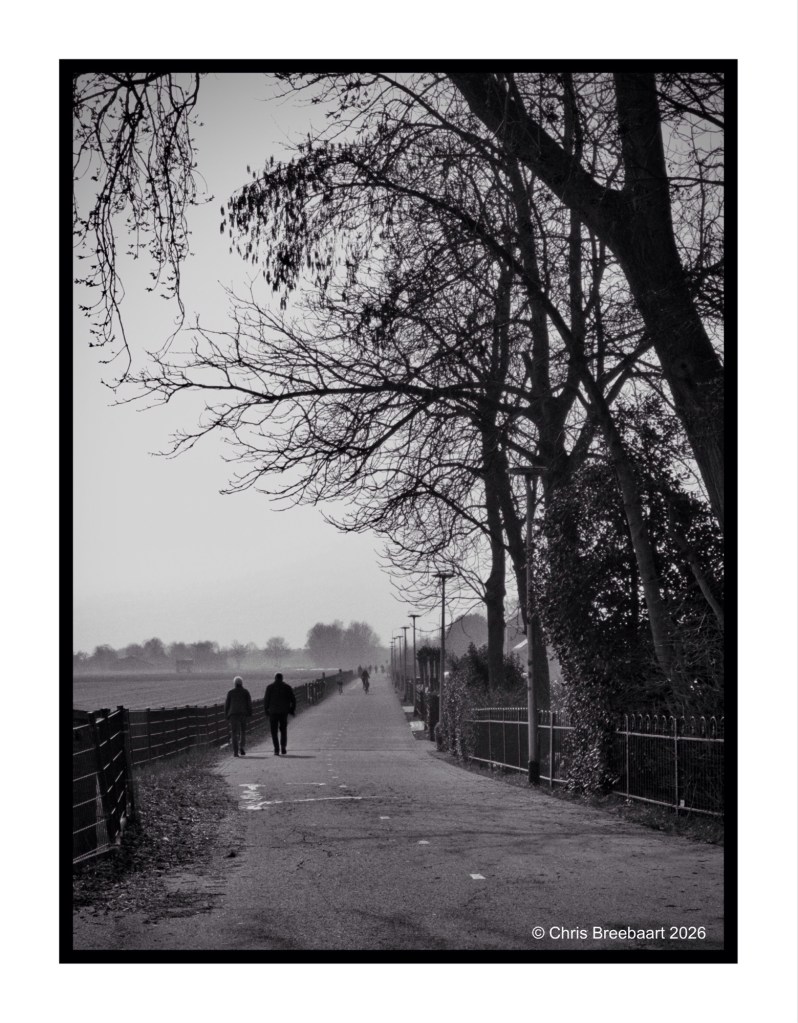
Spring is here and last weekend I made a little bicycle ride to check out the bulb flower fields. Daffodils where coming up, and at odd places hyacinths started to show. A nice way to relax and enjoy the lovely day outside. As did others by walking, running or cycling. Fitting this week’s theme ‘Time to relax’.
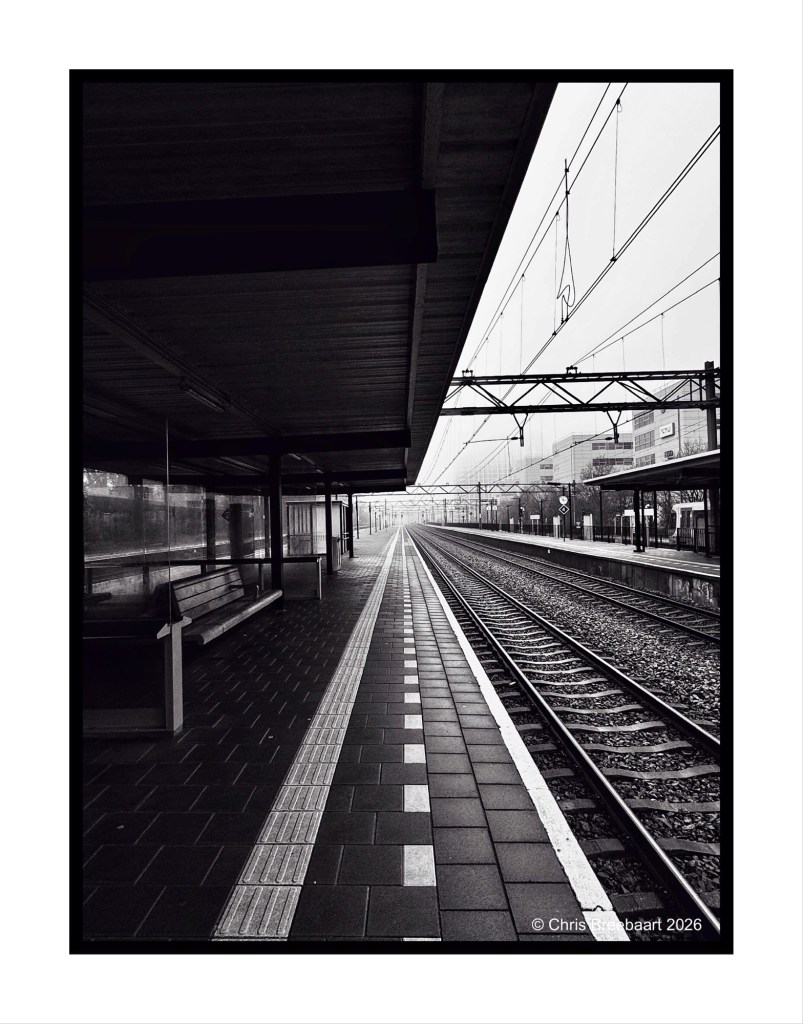
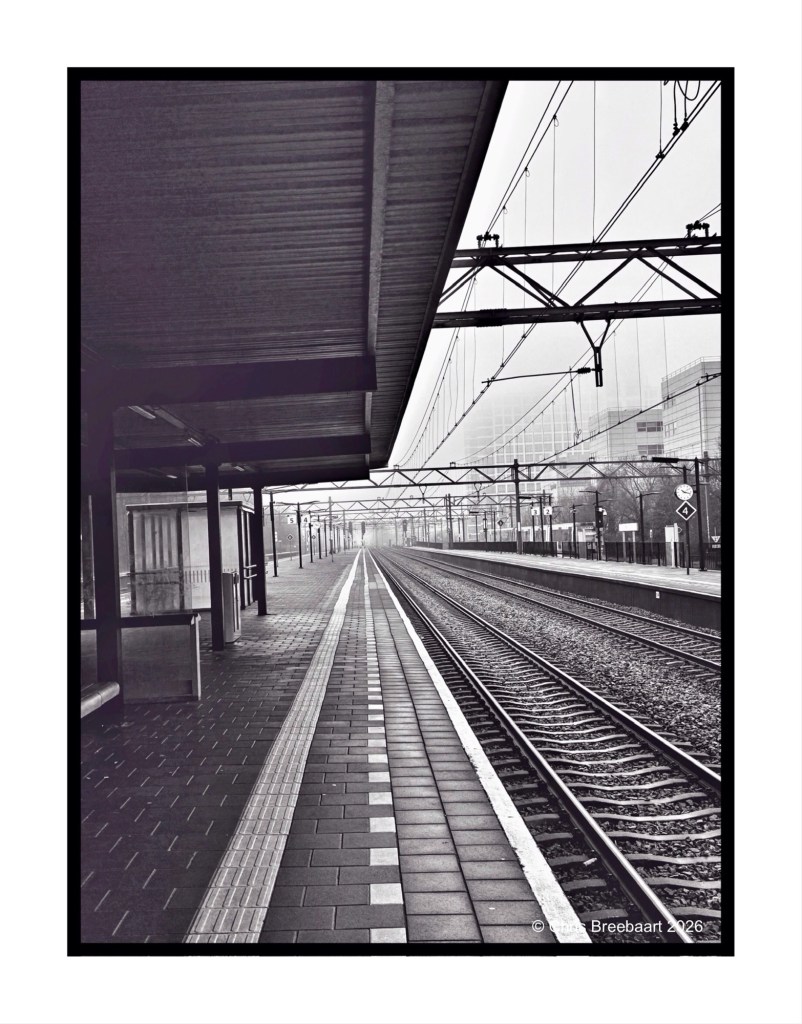
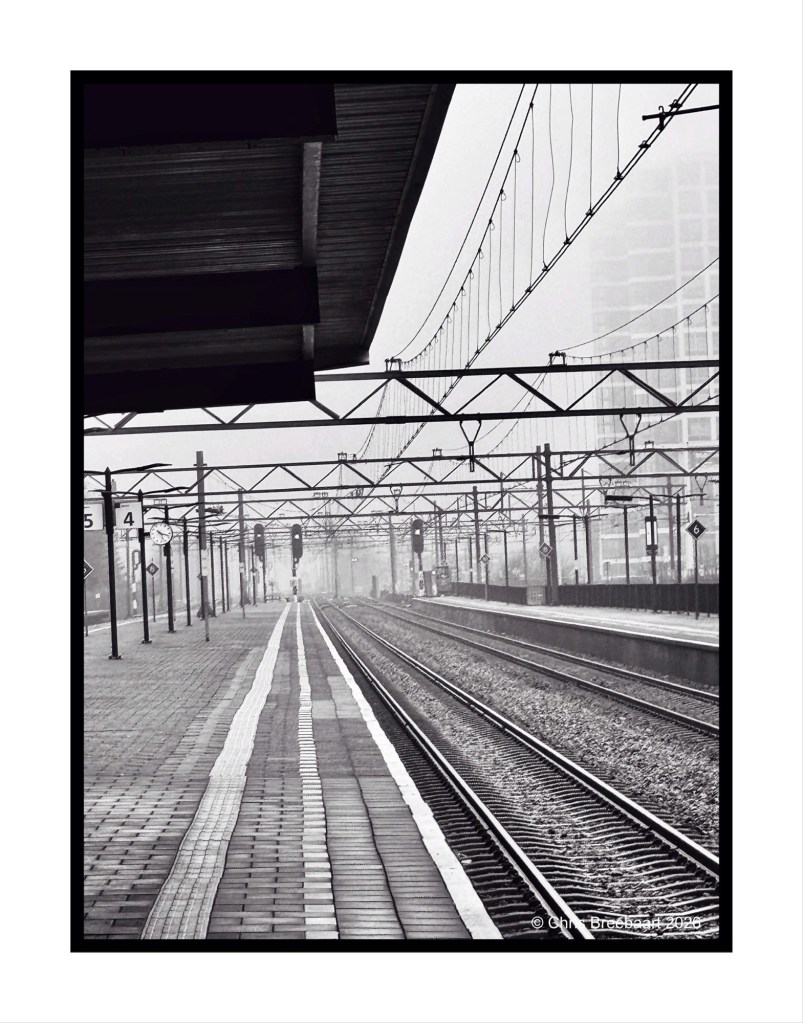
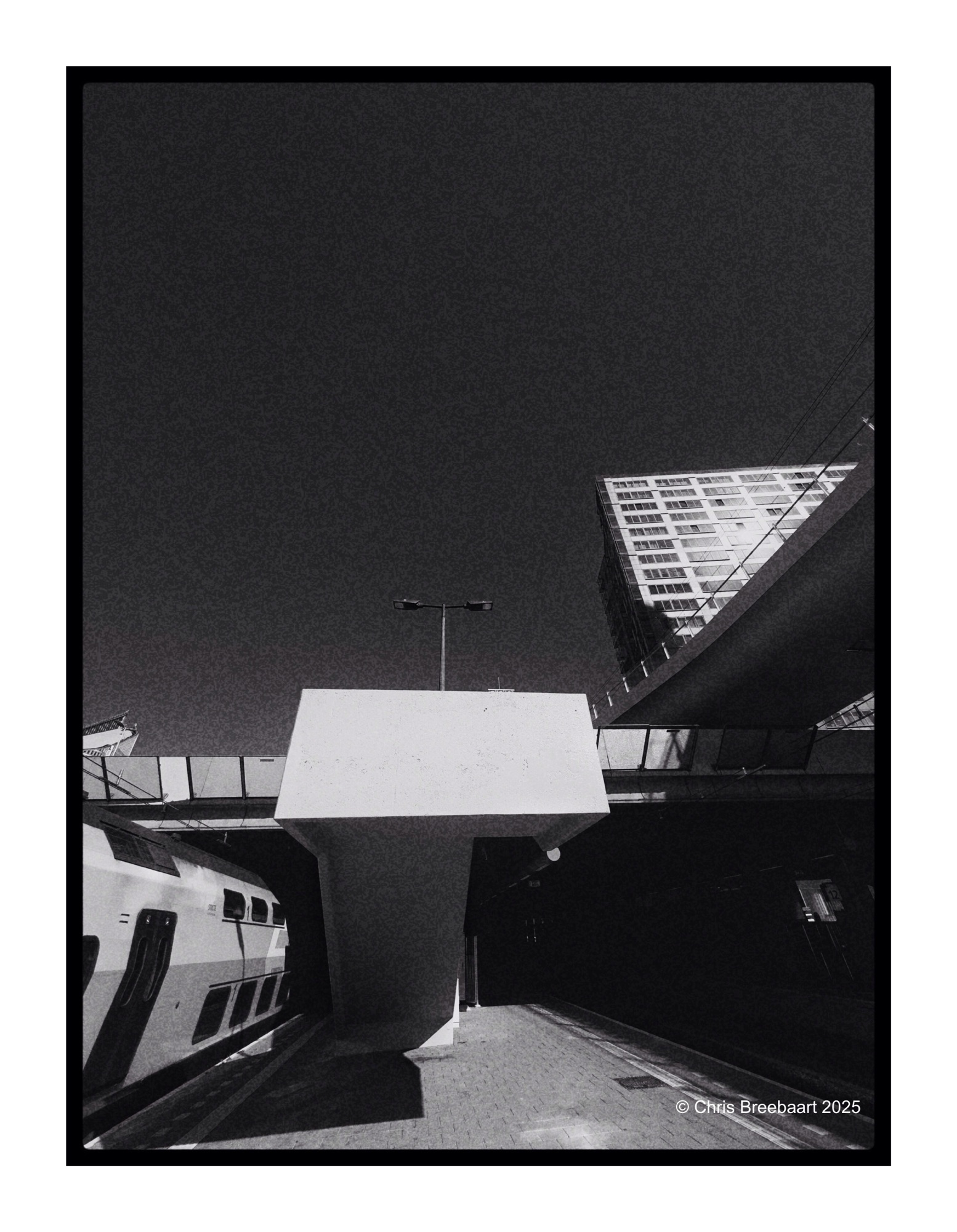
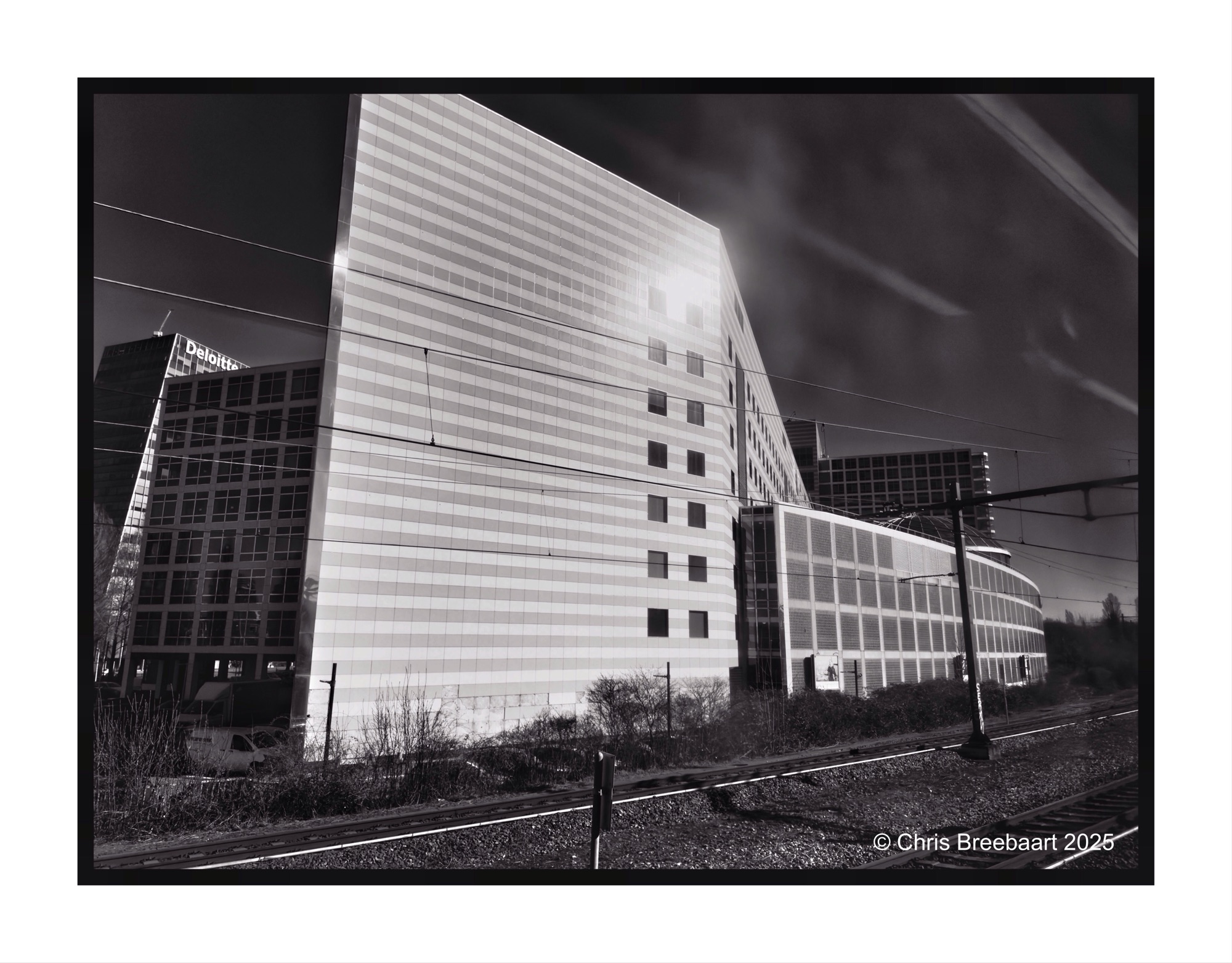
The LAPC theme #385 is ‘unusual crop’. Station Den Haag – Laan van Nieuw Oost-Indië (that is a throat breaker for most of you non-Dutch speakers). Tracking the tracks.
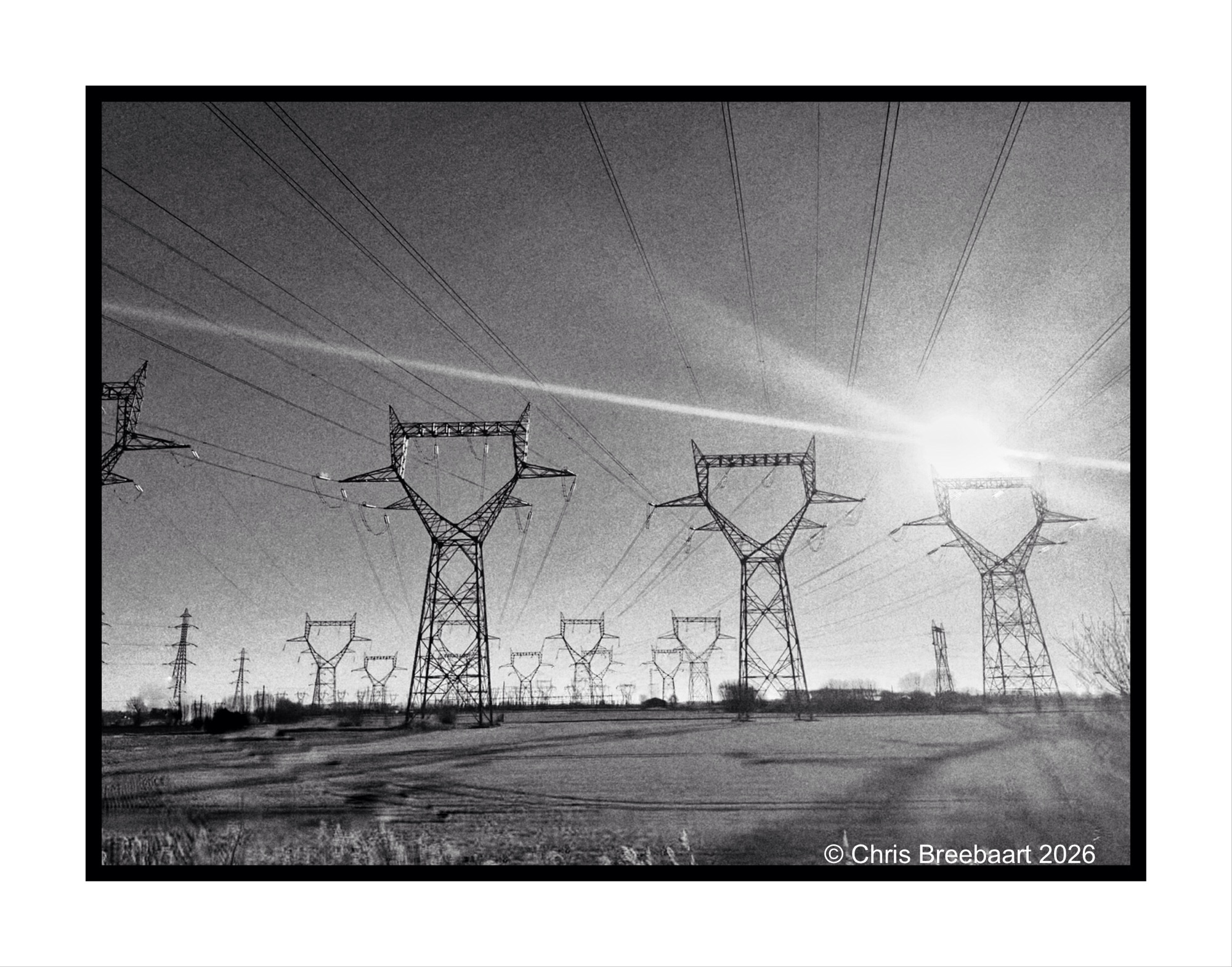
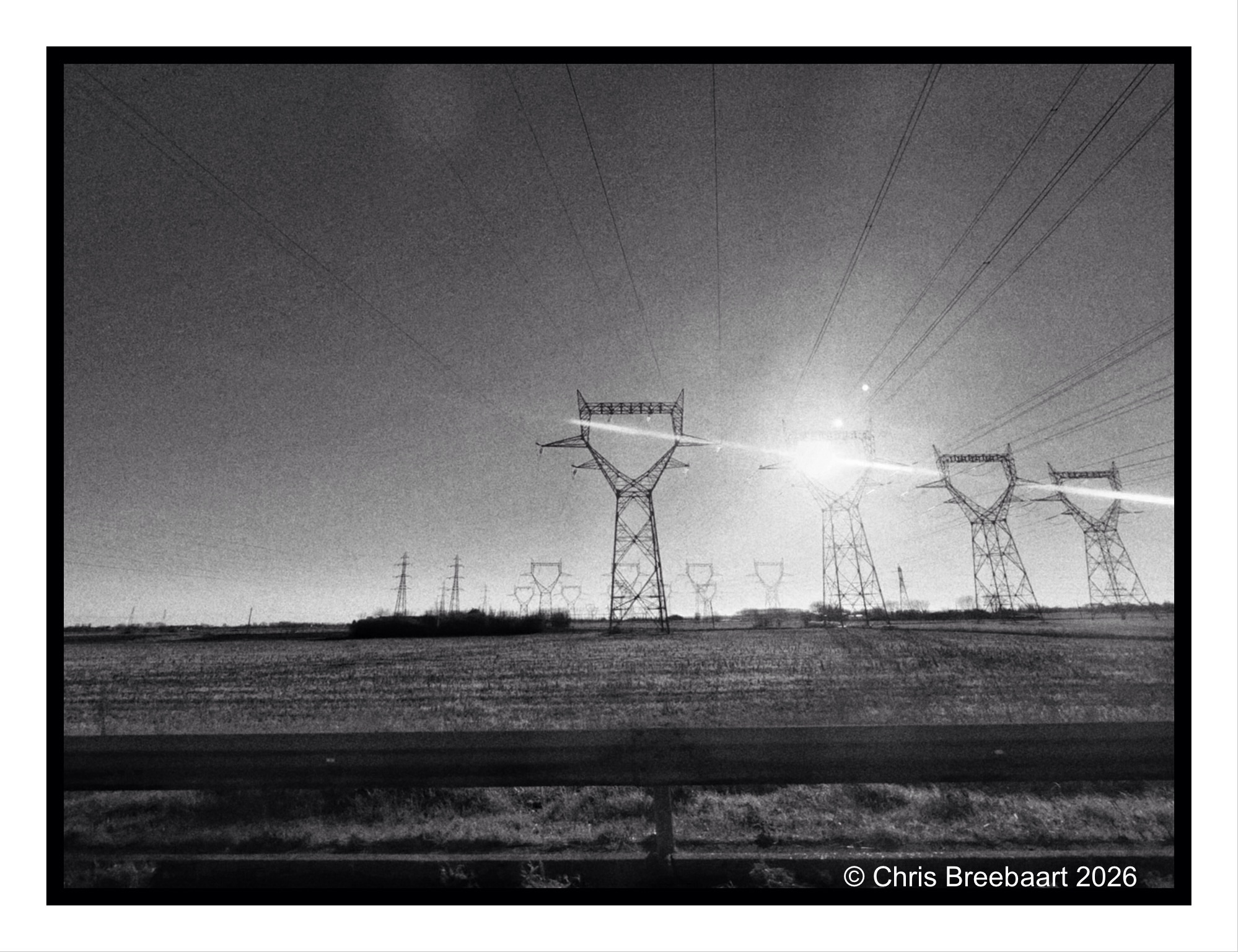
Every time we travel to the UK via the Channel Tunnel, I try to take photos of these steel giants. The same goes for when we return from there. They carry power lines in the area of St. Georges-sur-l’Aa. No worries, I’m in the passenger seat.
They remind me of mythical knights, marching in line over the fields. In the archive you find a set of photos over the years.
The year 2025 ends and we cross over to 2026. I hope the new year will be a good one. I wish it brings some of the desires I cherish in my heart. I am sure others cherish these desires as well.
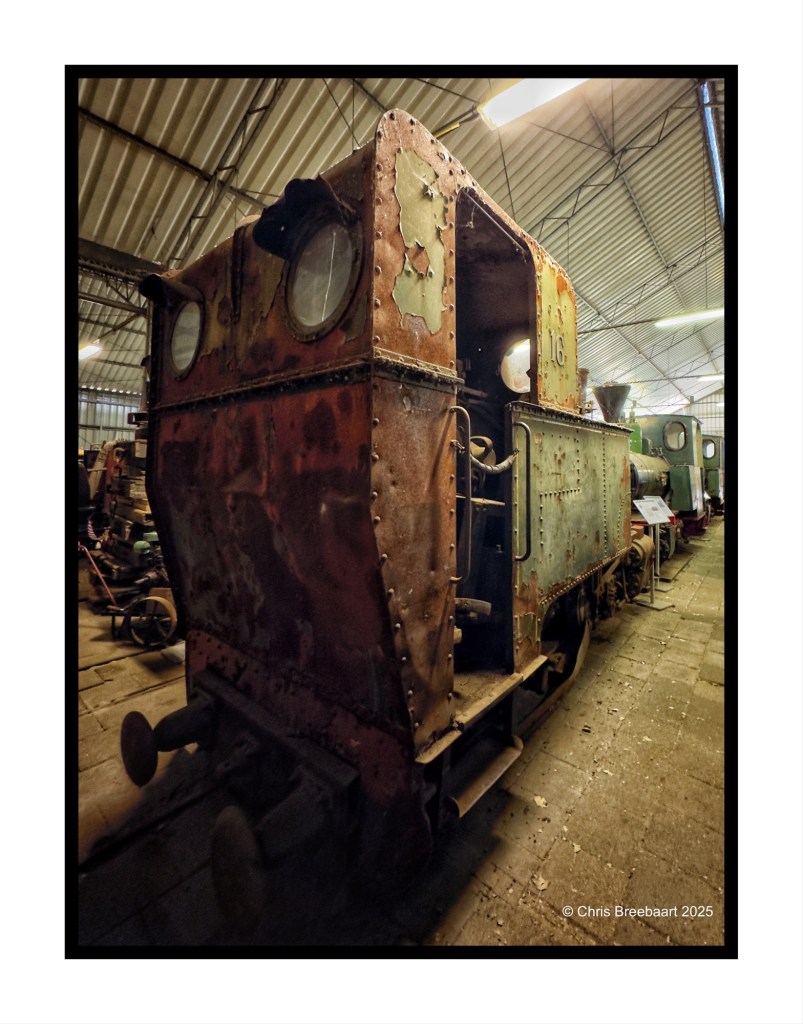
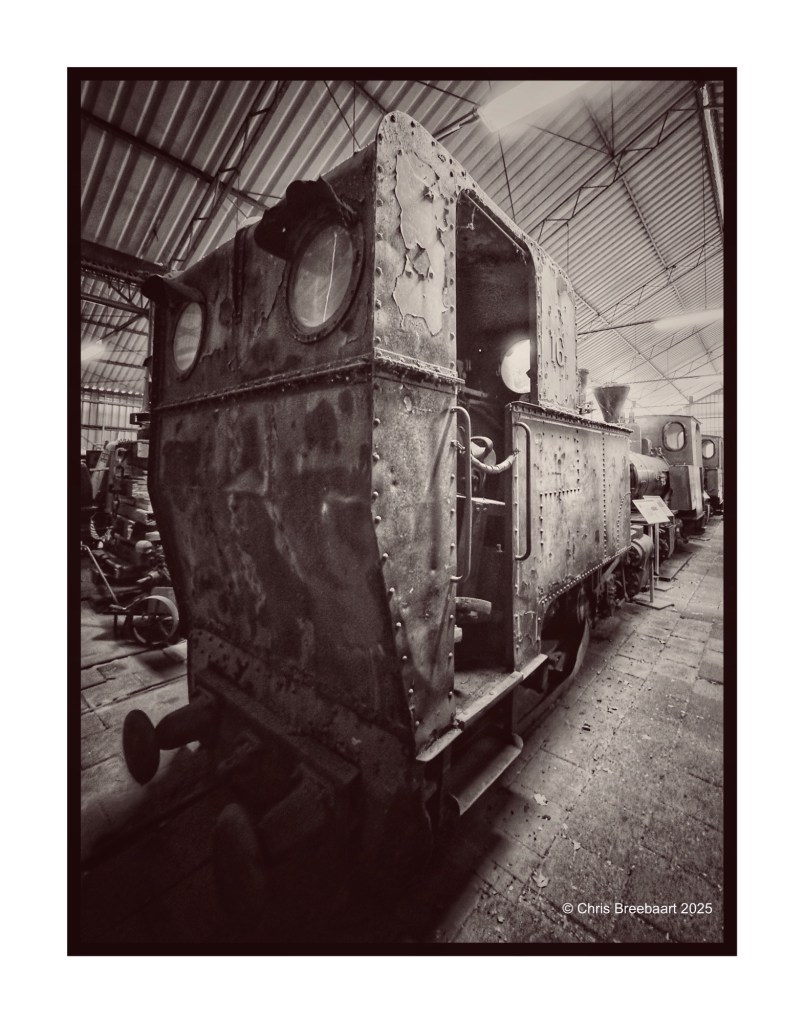
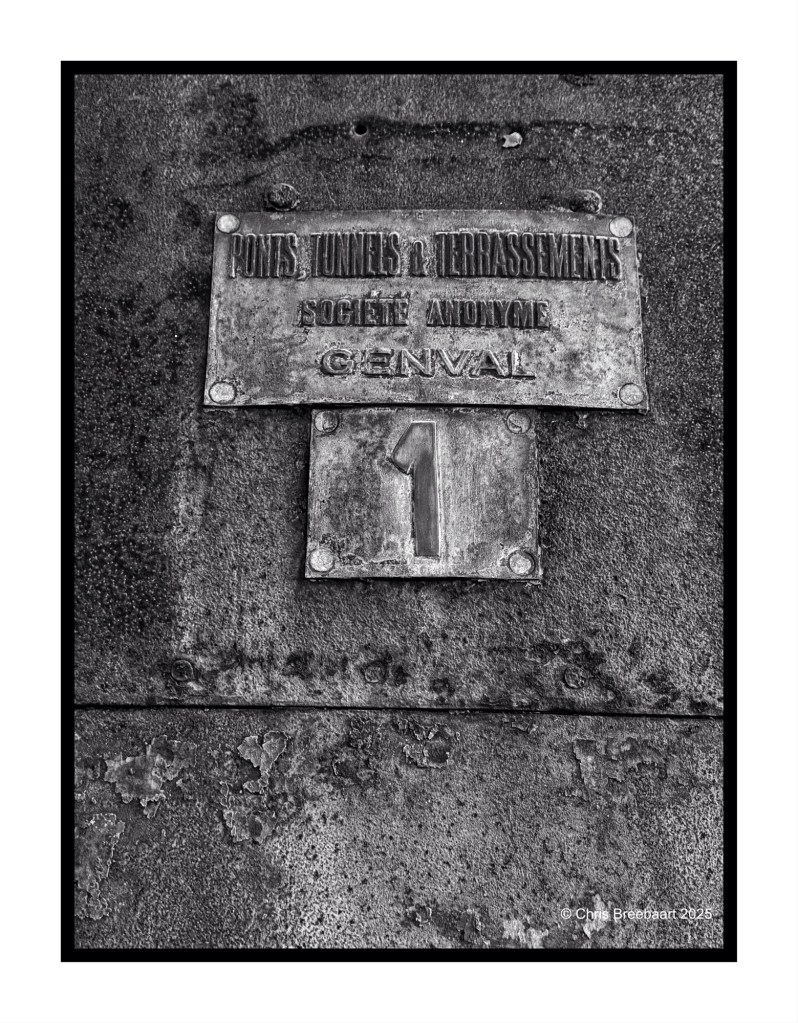
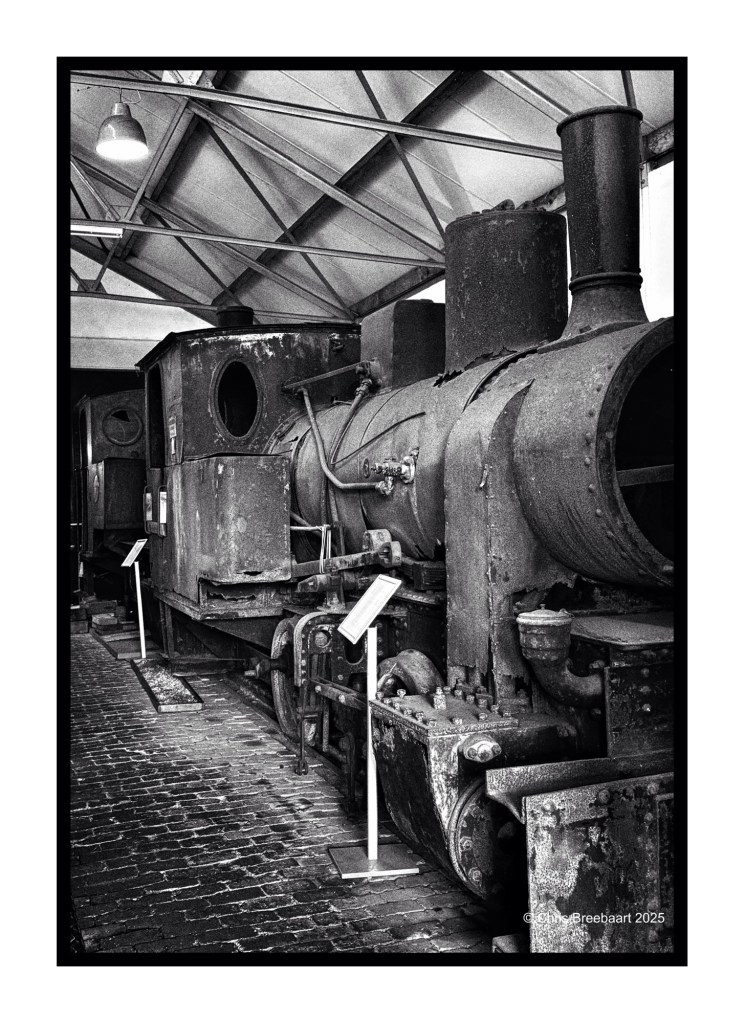
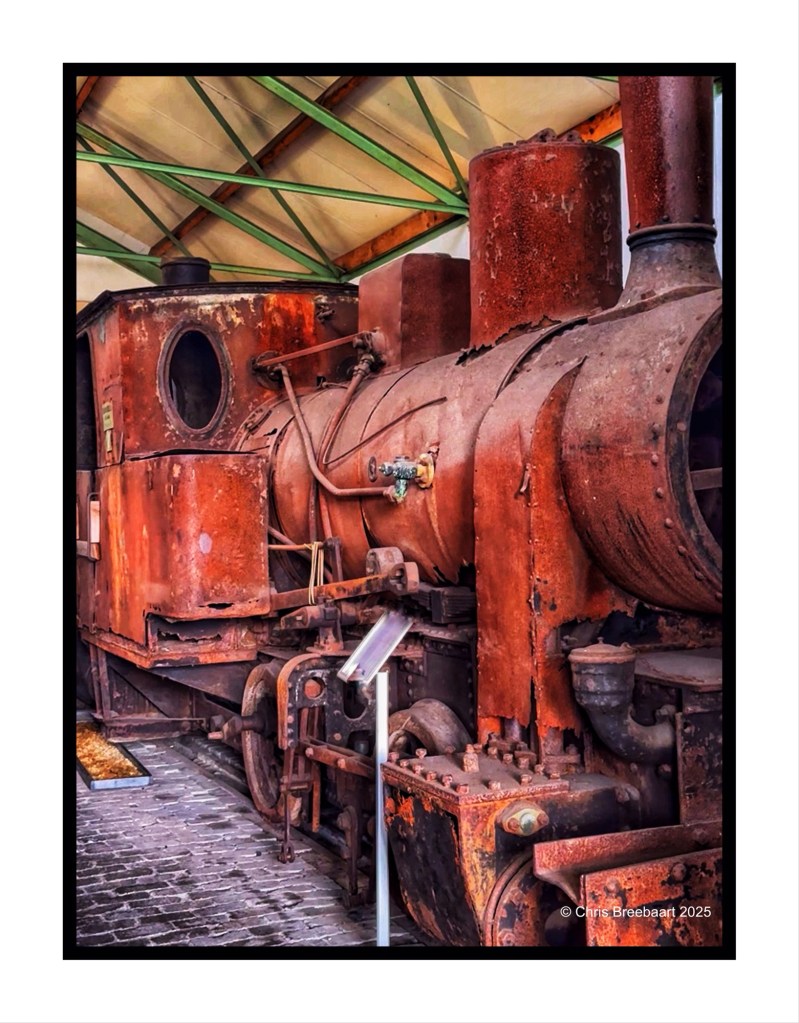
The Lens-Artists Photo Challenge #374 is ‘on the move’. Most of what is on these photos has not moved in a long time. However, the machines they got moving again are brilliant. It is a place where they try to keep history alive and accessible, touchable and usable.
The Steamtrain Museum Katwijk Leiden is run by volunteers. It offers the history of steam trains and their use on narrow gauge tracks. And the volunteers fix up and restore old locomotives, carriages and other cars. They have a big storage full of old parts and rusty machines.
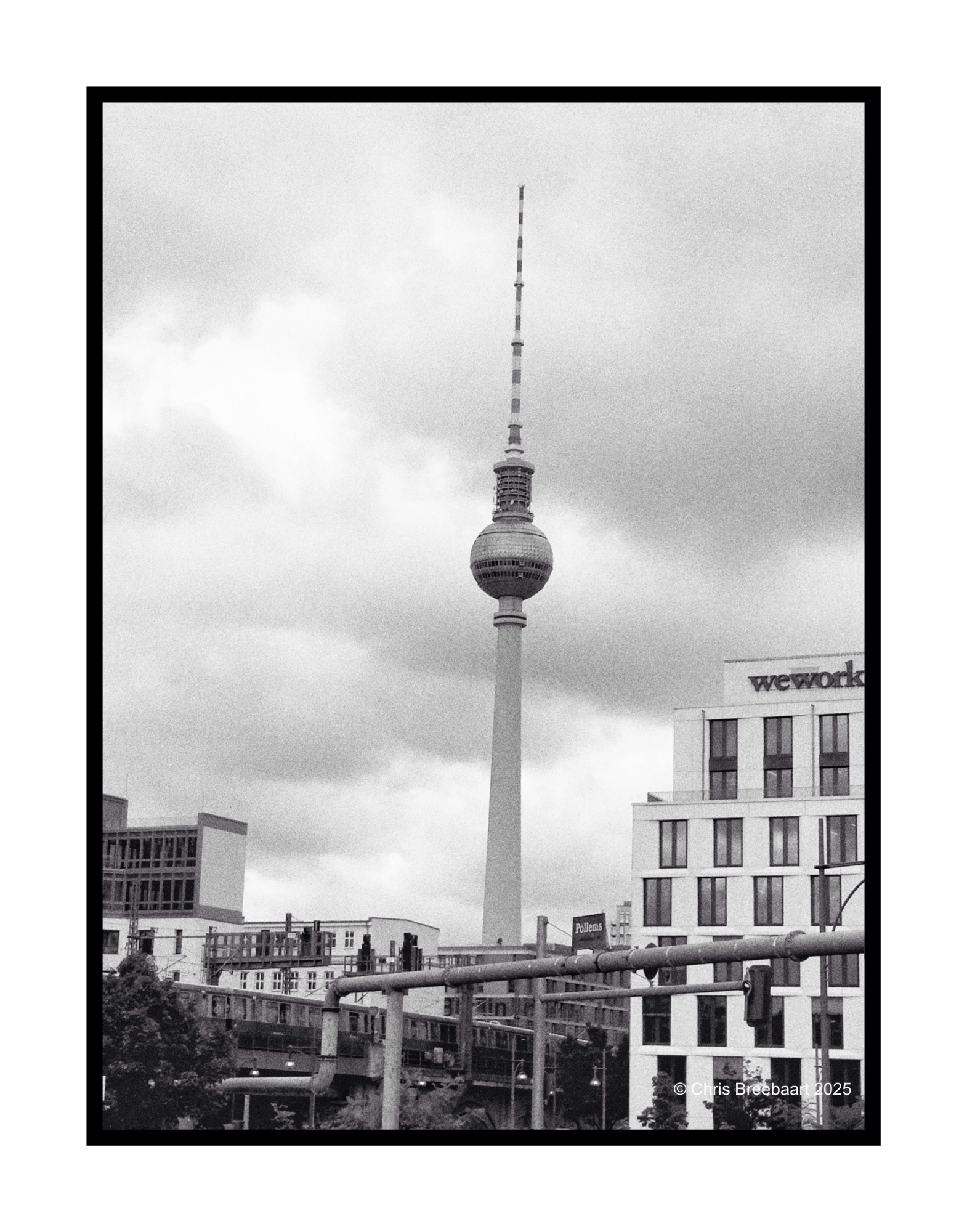
In 1989 we just spent one day in East Berlin. This visit the first day we looked around in the former East Berlin area. The television tower still towers over the city at Alexanderplatz. There is still a lot of construction activity, and along the roads you see pipes in blue and pink. First I thought that it was a smart concrete transport system. In reality it is a way to pump out groundwater from construction sites into the Spree river.
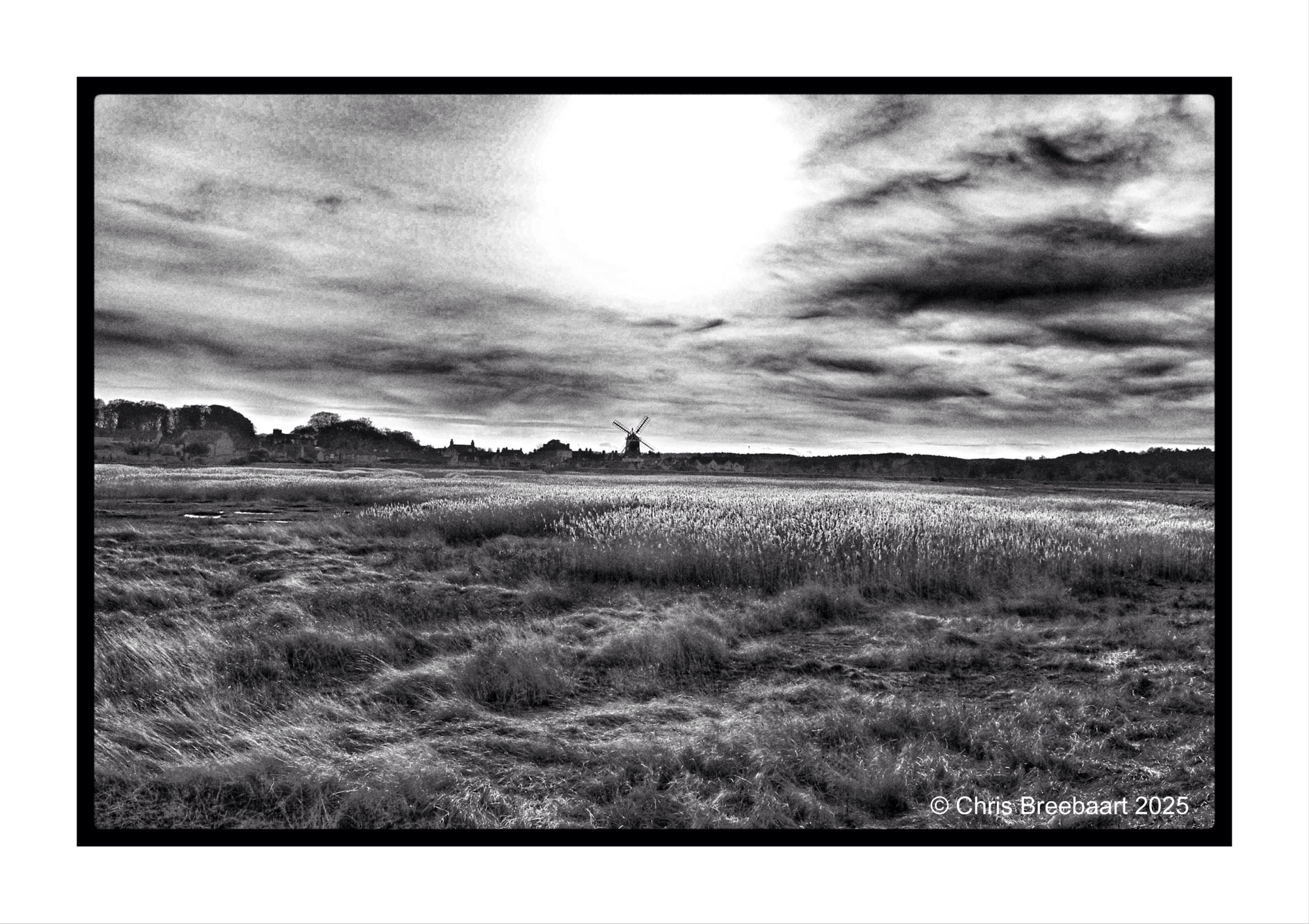
This is the famous Cley windmill at Cley next the sea. It’s by far the best name for a coastal village. Interestingly, it actually does not have a sea front. The mill was owned by the family of James Blunt.
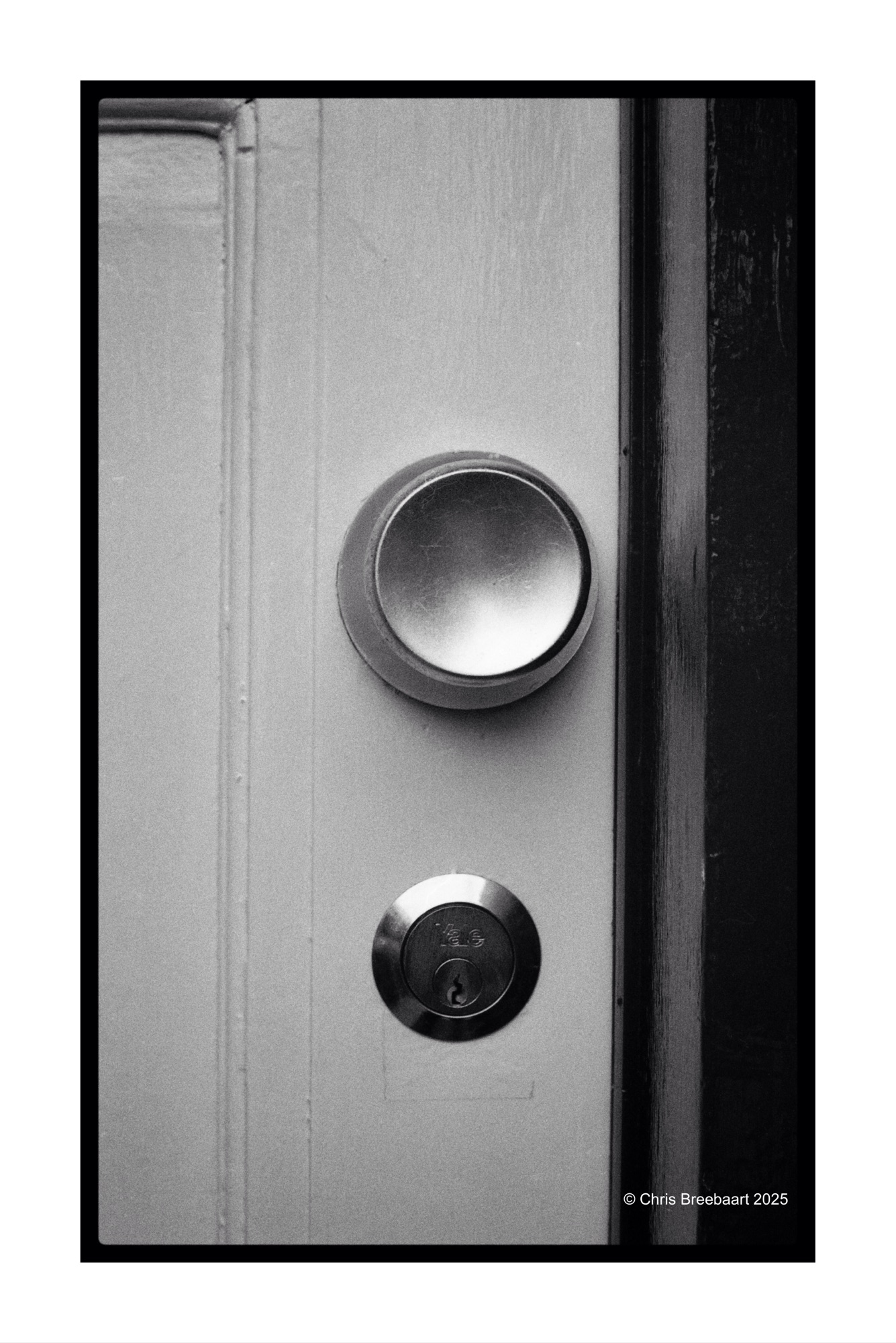
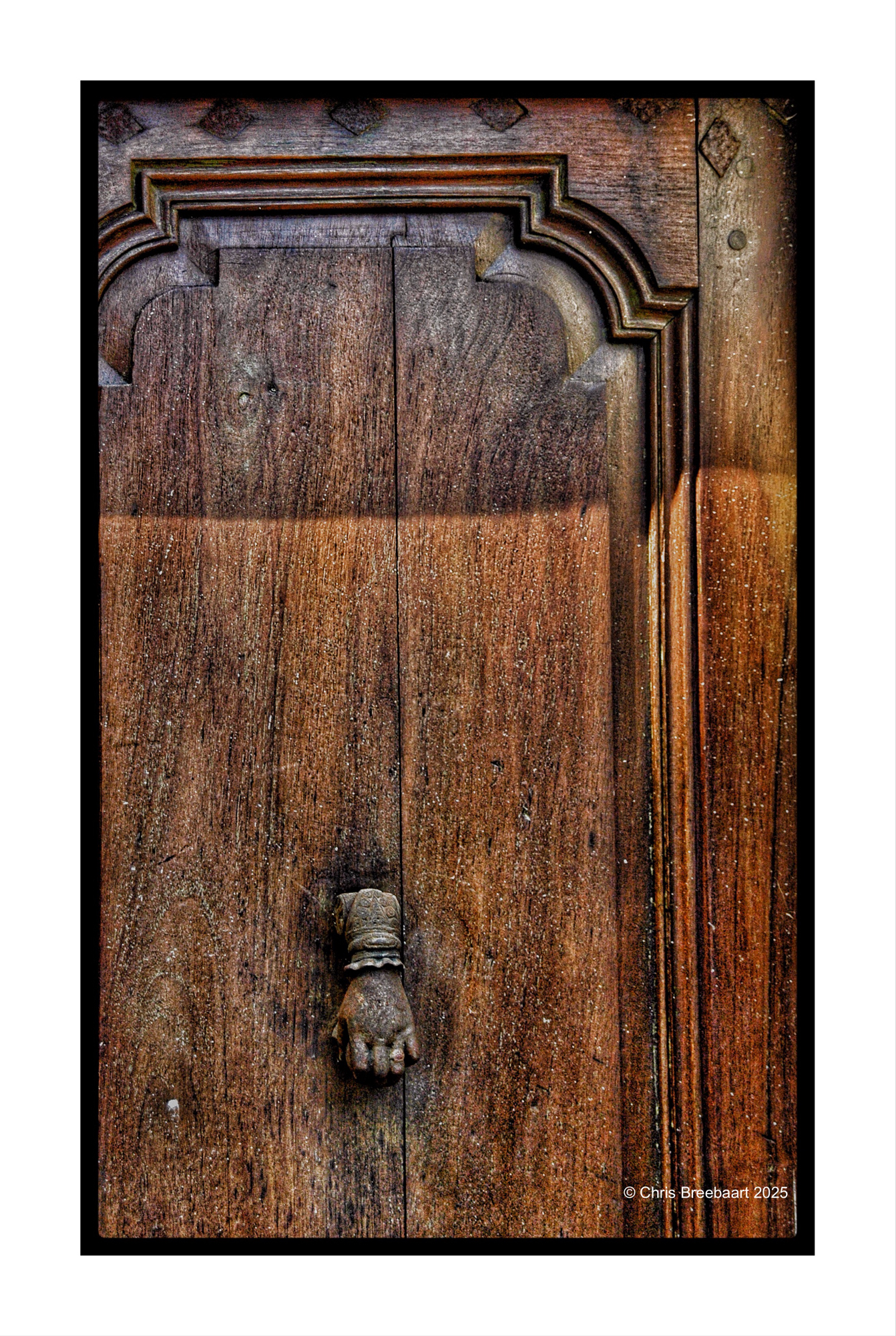
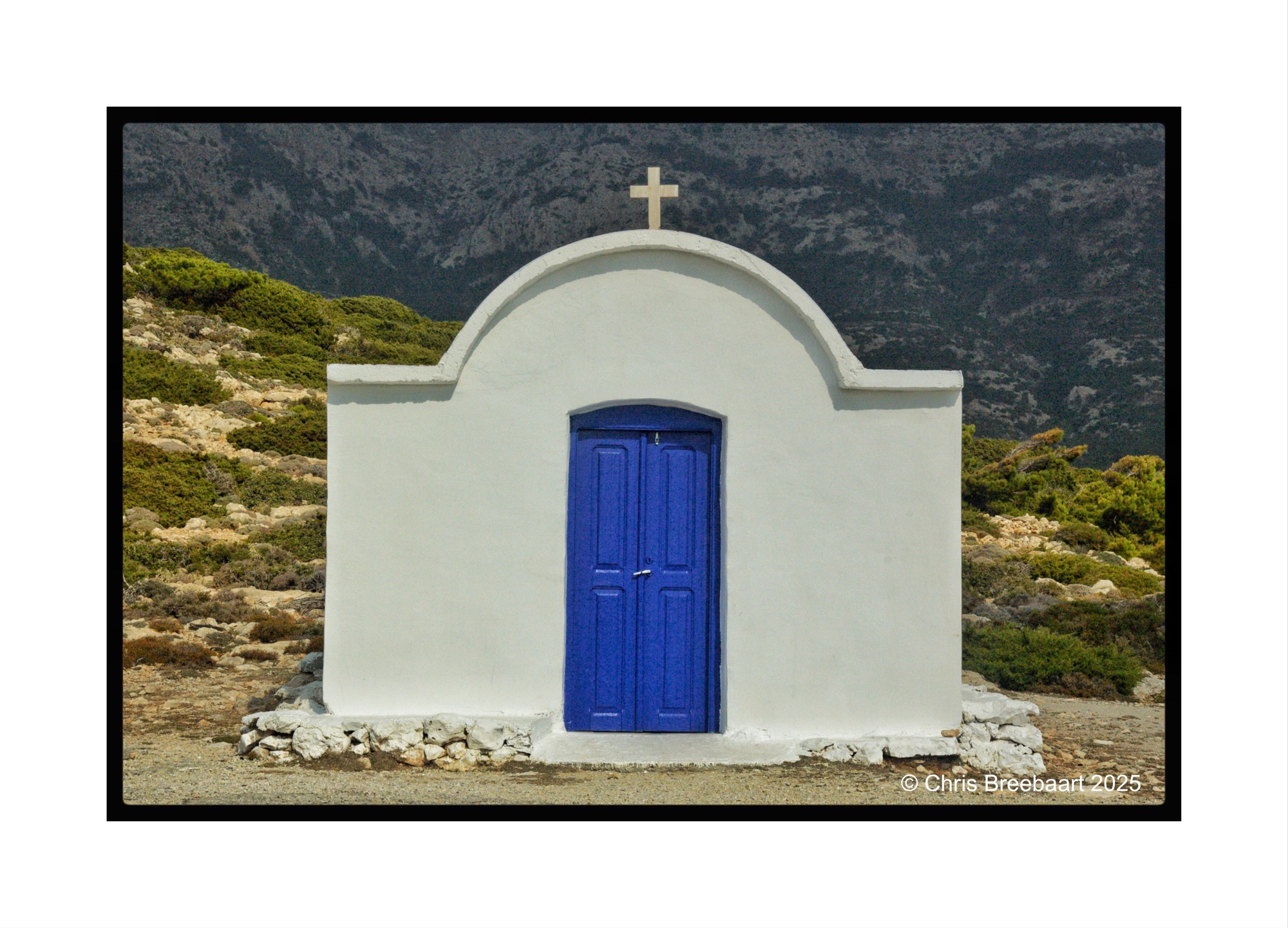
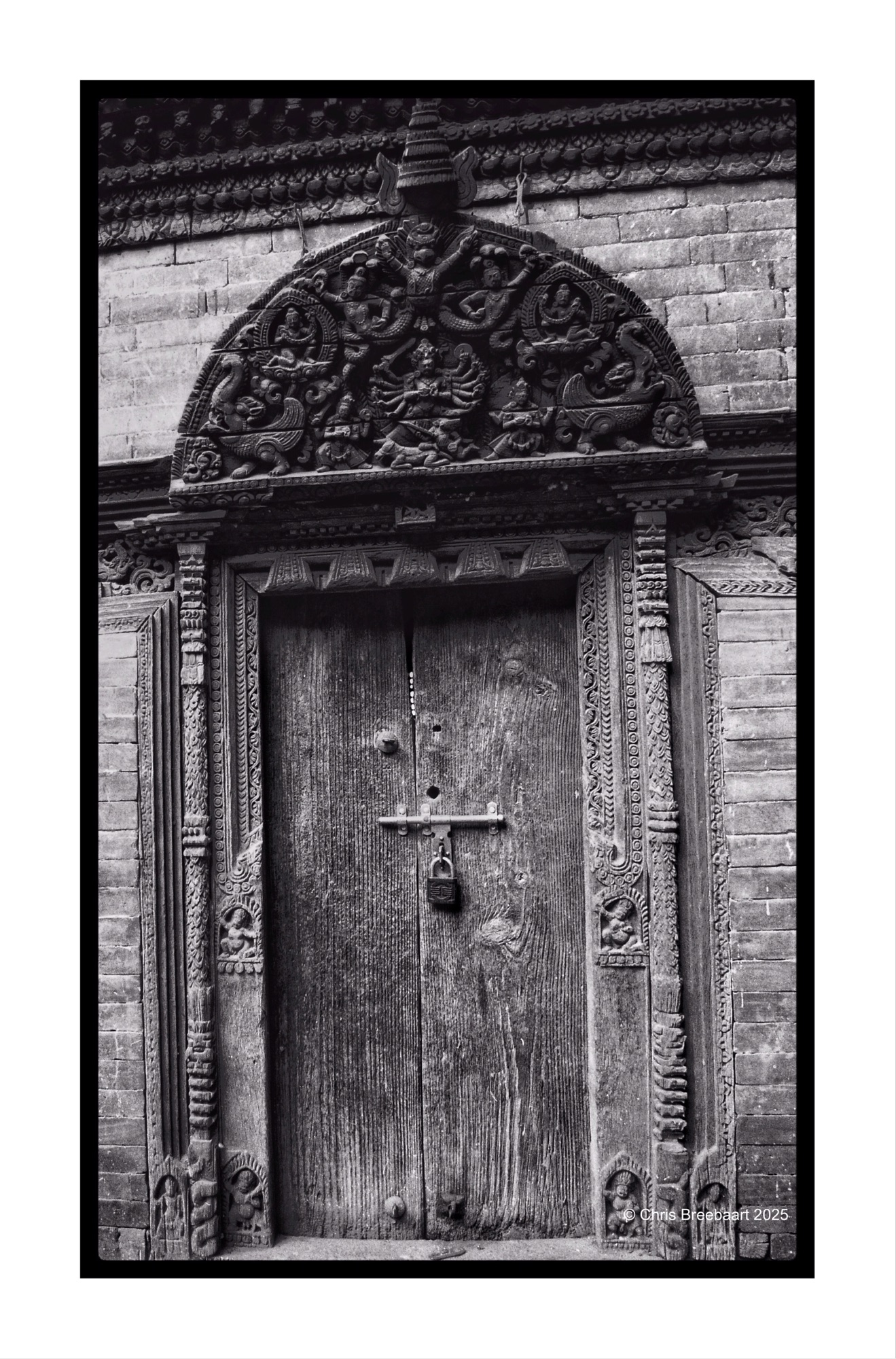
This week’s Lens-Artists Photo Challenge #361 is ‘Doors revisited’. That theme was also the brief for LAPC #20. A door is a pass way to another space behind it. That space can be something we know already. Or something we like to imagine to see there when we go through. And in books you can end up in another world. In this post a few doors I met in my life. One I used for a long time, most I just passed by or passed through on holidays.
The word ‘doors’ for me is also linked to the band The Doors. The name of the band came from a book by Aldous Huxley, The doors of perception. And Huxley took it from William Blake, who used it as a metaphor:
“If the doors of perception were cleansed every thing would appear to man as it is, Infinite. For man has closed himself up, till he sees all things thro’ narrow chinks of his cavern . Doors lead you to another side or space, break on through to the other side.”
So a lot can be said about doors. Luckily, we still have the photos. Here are a few from my conscious memory.
The Netherlands, Oegstgeest – November 1991
This is the front door to the house I was born and lived in for 25 years. The photo is shot on Ilford XP with a Pentax K1000.
France, Caylus – September 2005
This door in Caylus is ready to be knocked. Shot on Nikon D70.
Greece, Karpathos – September 2009
I looked through my archive. It struck me that lots of the doors I saw there are doors of small or bigger churches. This one is on Karpathos. Shot on Nikon D70.
I have a fondness for black and white aka monochrome. That grew on me. Mono was cheaper 50 years ago and more ‘easy’ to handle in a dark room. Monochrome gives something extra at times. The sphere, the grain. And over all these years I learned to see objects in monochrome, visualizing what something looks like in grays.
When I bought my first Nikon digital camera (the D70), I naively asked ‘where is the monochrome setting?’. It was not there. Shooting was color only. If I wanted mono I had to create it myself afterwards in Lightroom, Photoshop or an app like Snapseed. But lucky for me, on the iPhone and on the recent Nikon Zf, there are monochrome settings. To be honest, that was one of the reasons to buy a Zf. So now I have a choice: choose a mono or color setting, or turn color afterward turn it into mono.
I know the taste of my ‘audience’ is different than mine. In three days I like to find out more about your taste. What do you fancy more: a photo in mono or in color?
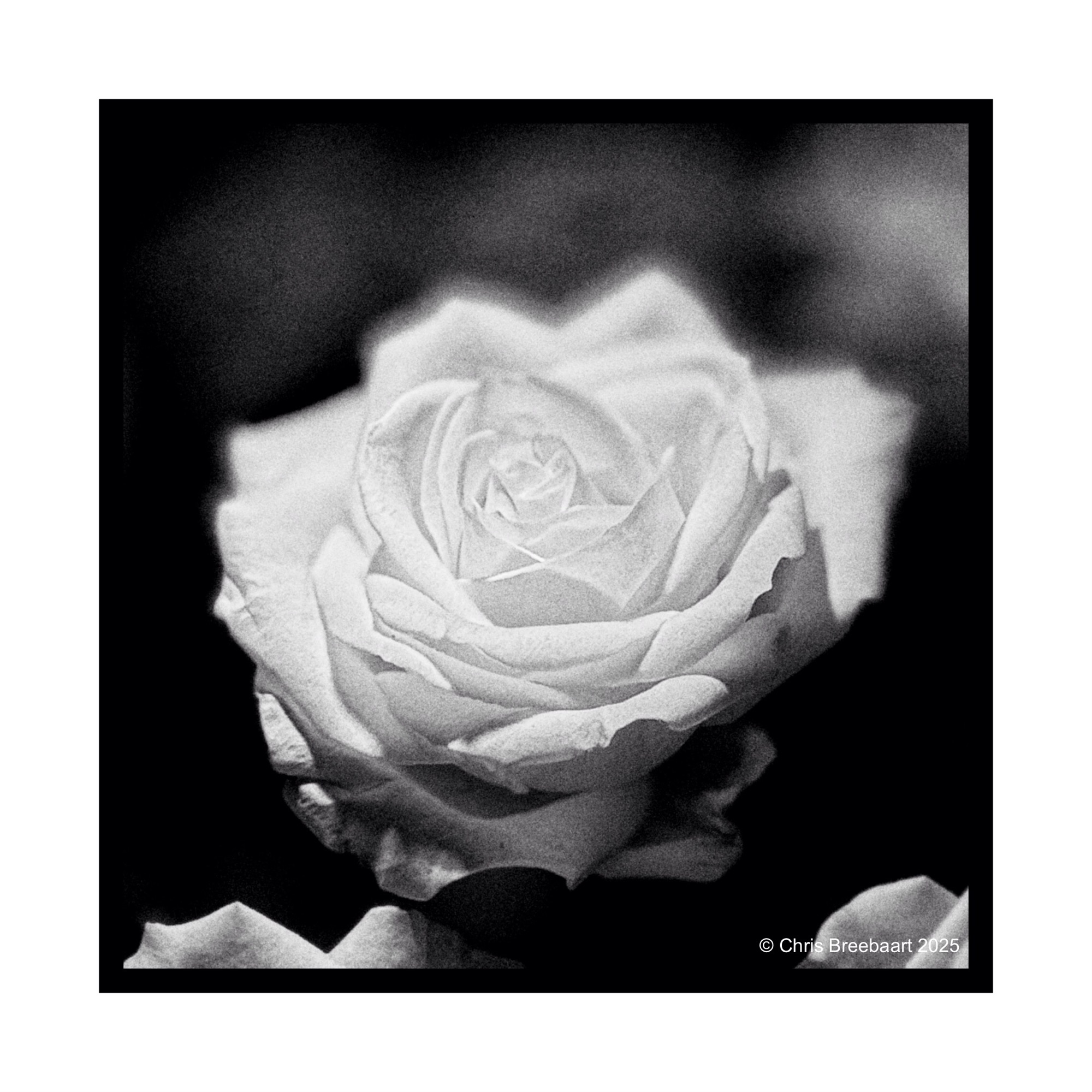
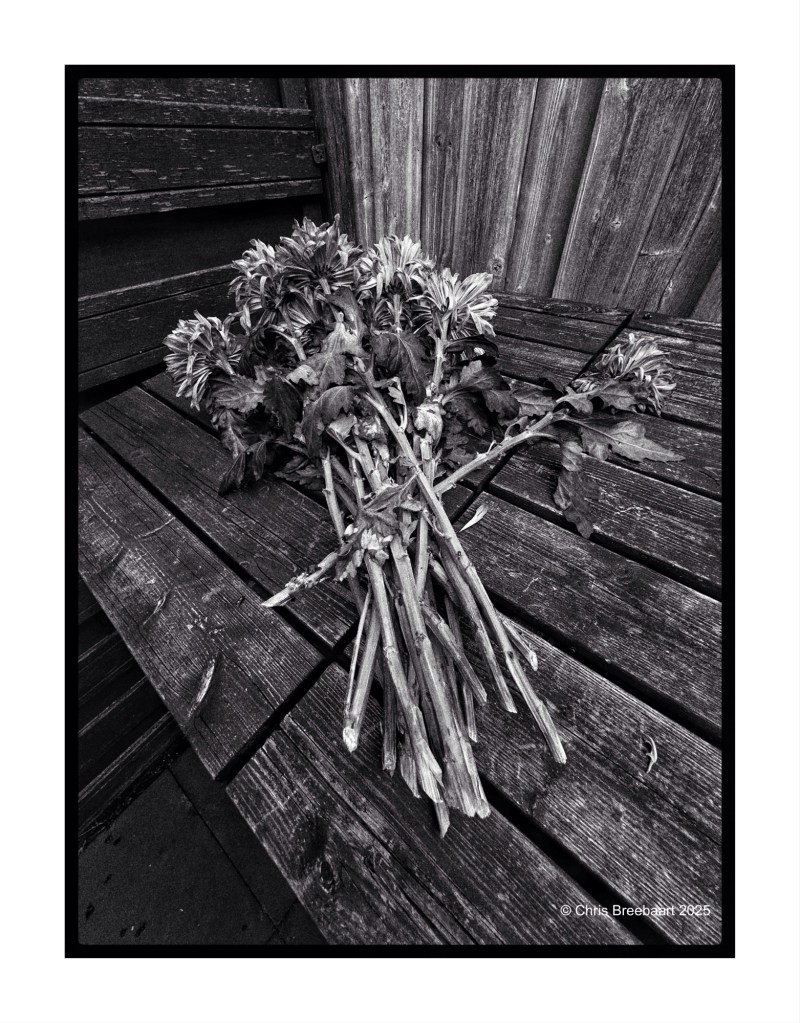
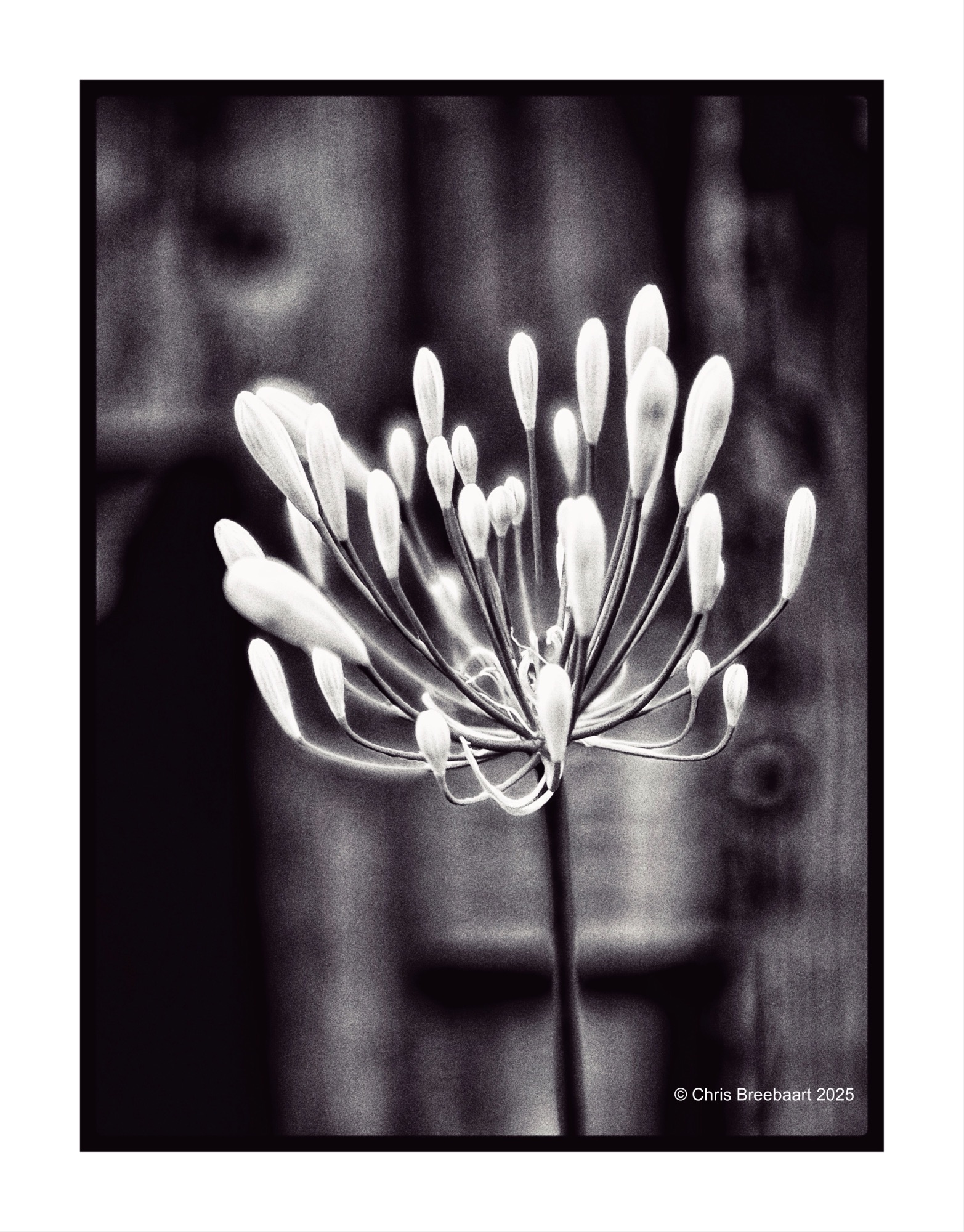
This third and last one is about flowers, waiting for the recycle bin. The photo was shot in color.
I have a fondness for black and white aka monochrome. That grew on me. Mono was cheaper 50 years ago and more ‘easy’ to handle in a dark room. Monochrome gives something extra at times. The sphere, the grain. And over all these years I learned to see objects in monochrome, visualizing what something looks like in grays.
When I bought my first Nikon digital camera (the D70), I naively asked ‘where is the monochrome setting?’. It was not there. Shooting was color only. If I wanted mono I had to create it myself afterwards in Lightroom, Photoshop or an app like Snapseed. But lucky for me, on the iPhone and on the recent Nikon Zf, there are monochrome settings. To be honest, that was one of the reasons to buy a Zf. So now I have a choice: choose a mono or color setting, or turn color afterward turn it into mono.
I know the taste of my ‘audience’ is different than mine. In three days I like to find out more about your taste. What do you fancy more: a photo in mono or in color?
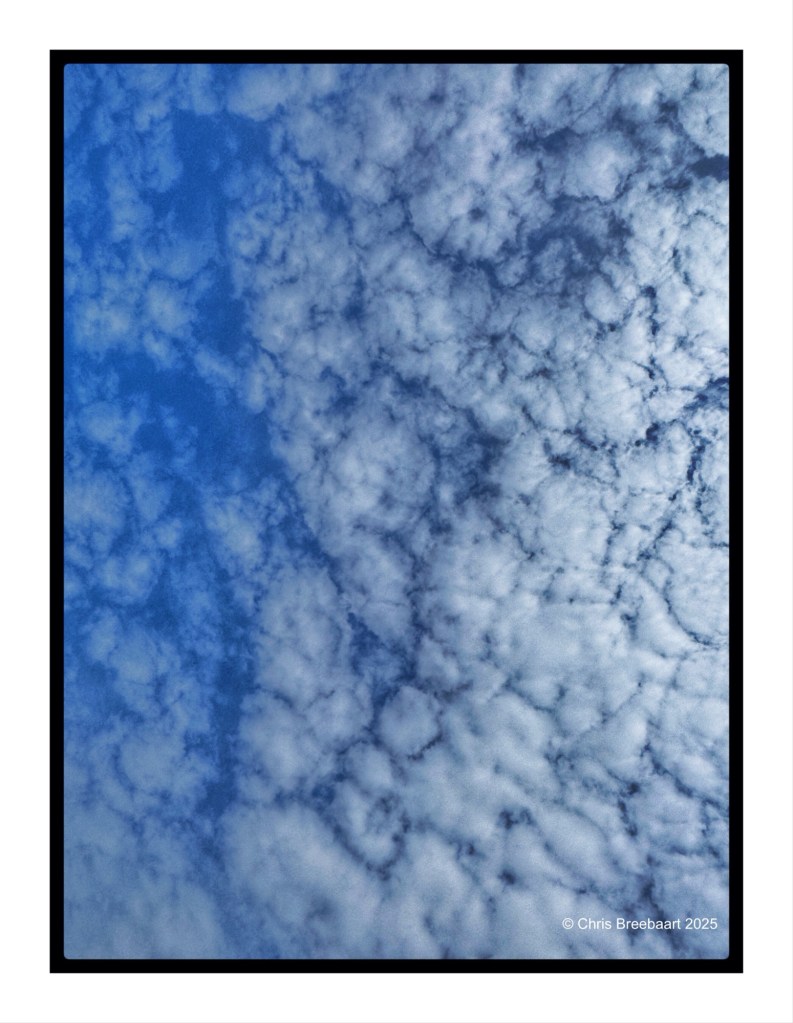
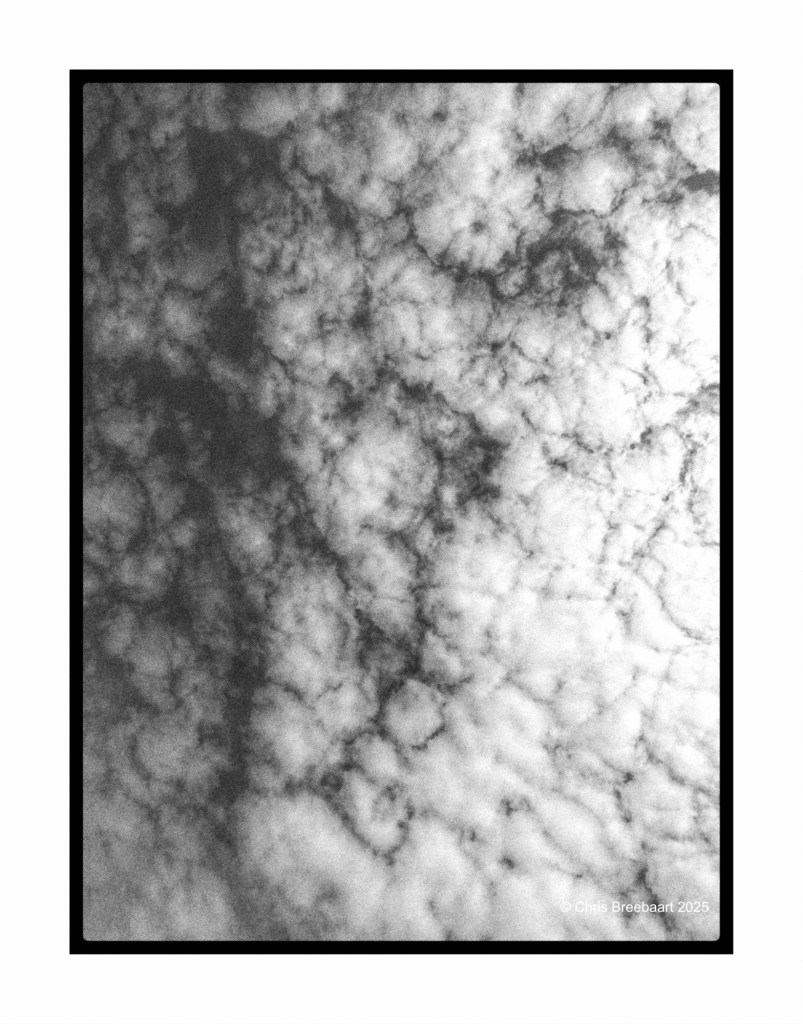
This second one is about sky. Always there, lots of it. In color it can be blue, white, gray, dark. In mono it delivers whites, grays and dark zones. In mono the image changes it seems. An abstract sky can turn into something mysterious. The photo was shot in color.
I have a fondness for black and white aka monochrome. That grew on me. Mono was cheaper 50 years ago and more ‘easy’ to handle in a dark room. Monochrome gives something extra at times. The sphere, the grain. And over all these years I learned to see objects in monochrome, visualizing what something looks like in grays.
When I bought my first Nikon digital camera (the D70), I naively asked ‘where is the monochrome setting?’. It was not there. Shooting was color only. If I wanted mono I had to create it myself afterwards in Lightroom, Photoshop or an app like Snapseed. But lucky for me, on the iPhone and on the recent Nikon Zf, there are monochrome settings. To be honest, that was one of the reasons to buy a Zf. So now I have a choice: mono or color.
I know the taste of my ‘audience’ is different than mine. In three days I like to find out more about your taste. What do you fancy more: a photo in mono or in color?
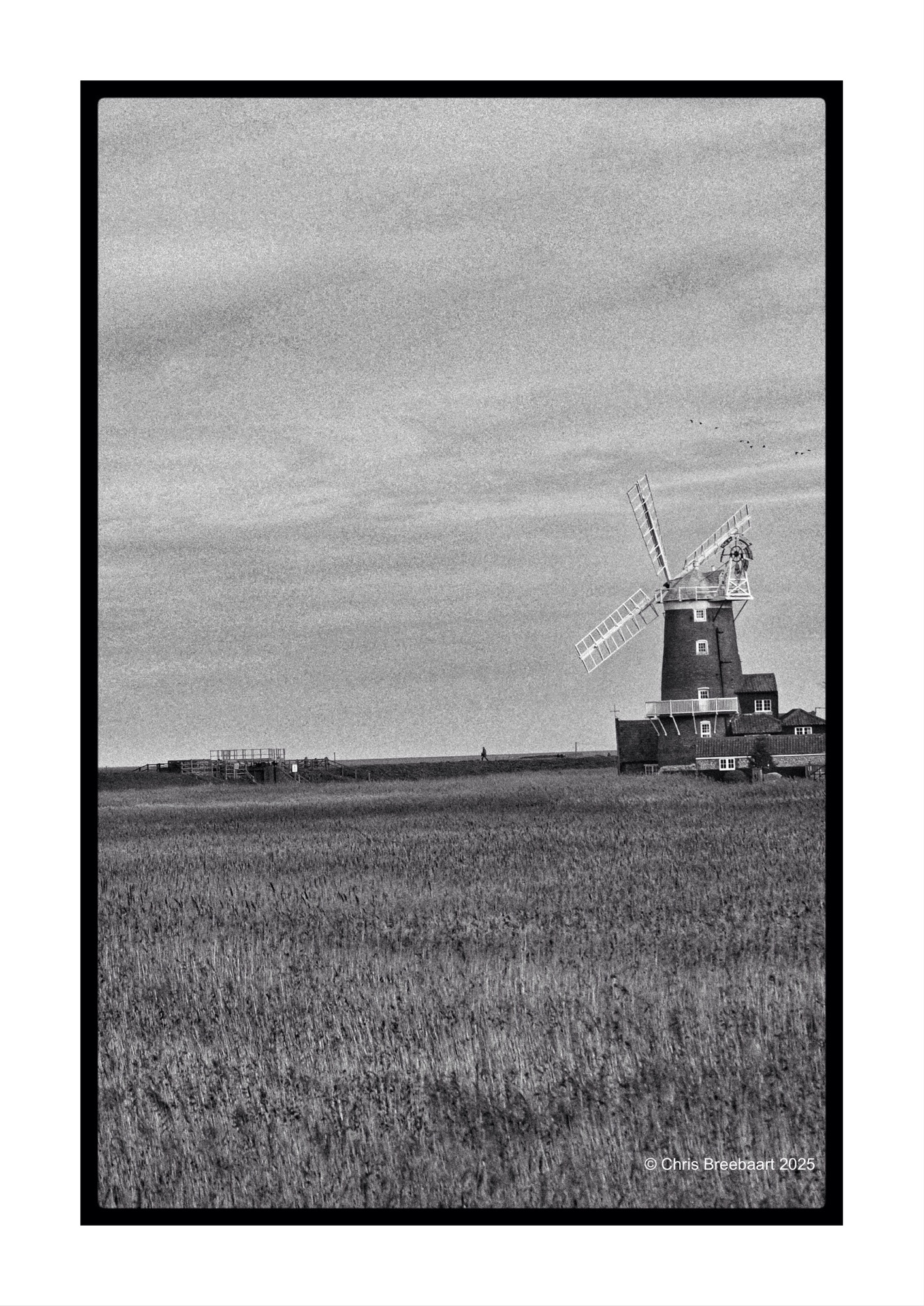
This is the famous Cley windmill at Cley next the sea. It’s by far the best name for a coastal village. Interestingly, it actually does not have a sea front. The mill was owned by the family of James Blunt. The photo was shot in color.
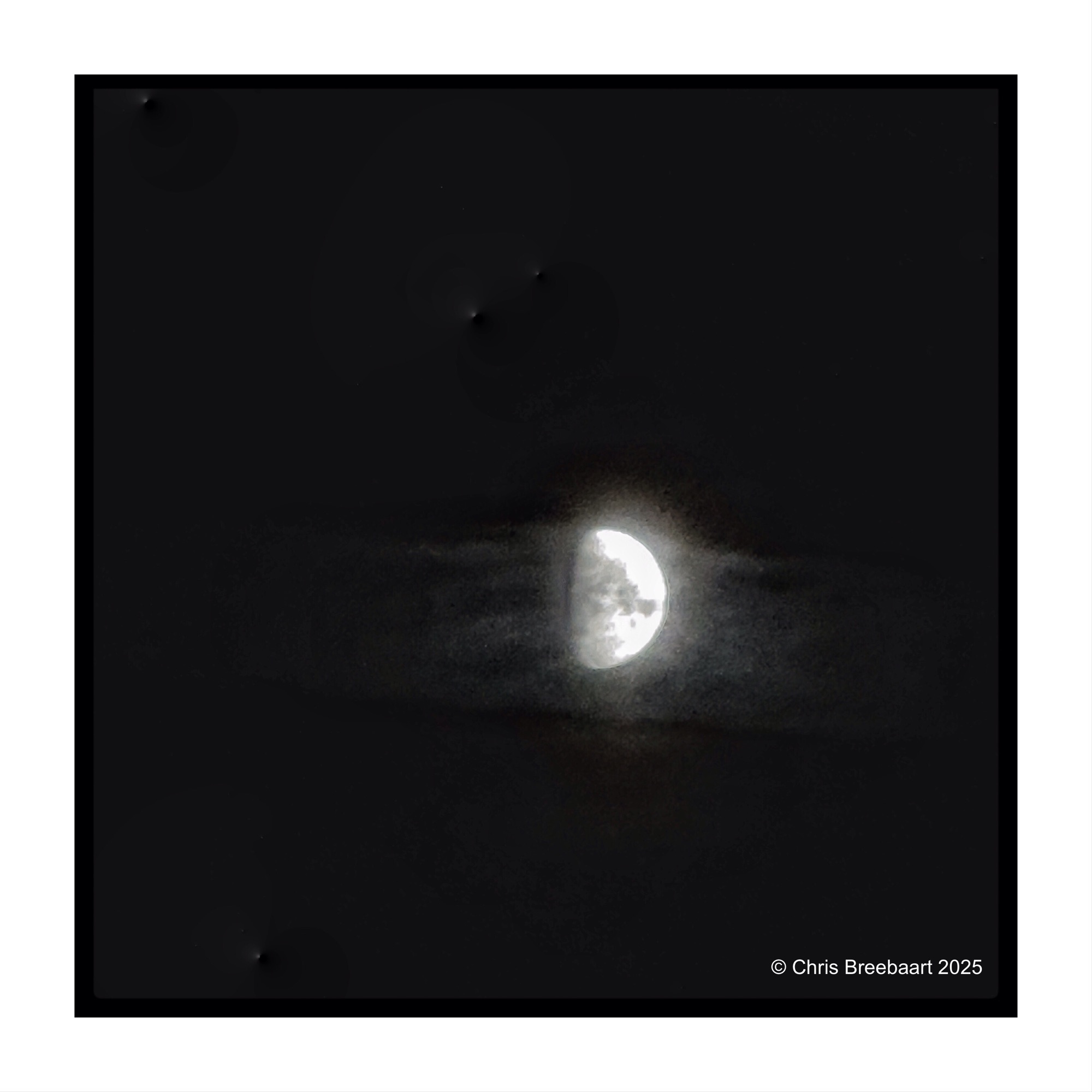
One of my favorite bands is Genesis. In 1976 A Trick of the Tail came out with a beautiful song ‘Mad Man Moon’. Last month I tried to take a shot of the moon using my iPhone. And this is the result.
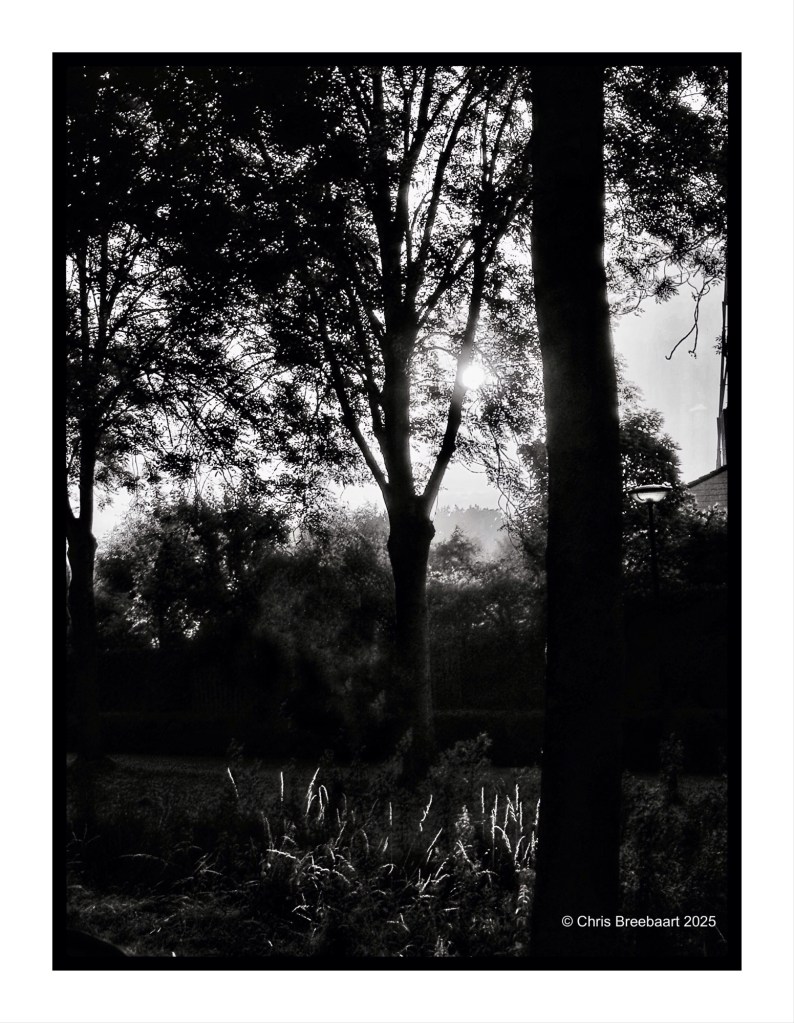
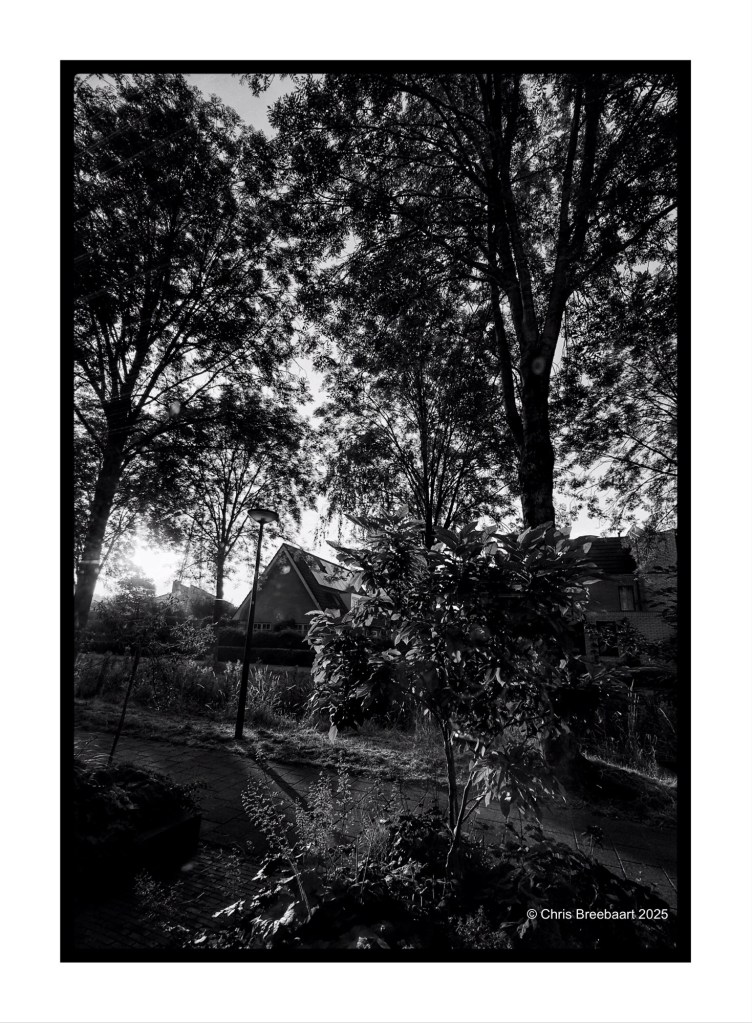
Summer mornings can sometimes welcome you into a warm, joyful and laid back day. This is one of those days filled with ease. The sun also rises, each day, at more or less the same place. And when you catch it early, it is photographer’s gold.
The iPhone 15 Pro Max is a wonderful clever piece of photographic technology. It is the ideal snap instrument, that is always in my pocket. The quality of the images is improved immensely over the years. And to be honest, I shoot most of my photos with it nowadays. Just because I always have my phone with me. What I still do not like is the quality of images when you use the zoom. This shot is on full zoom and the details disappear. Unfortunately I was not able to move closer at that moment. At these moments I wish I had my Nikon Zf at hand, with a nice long lens.












 What's (in) the Picture?