Heavy Horizon
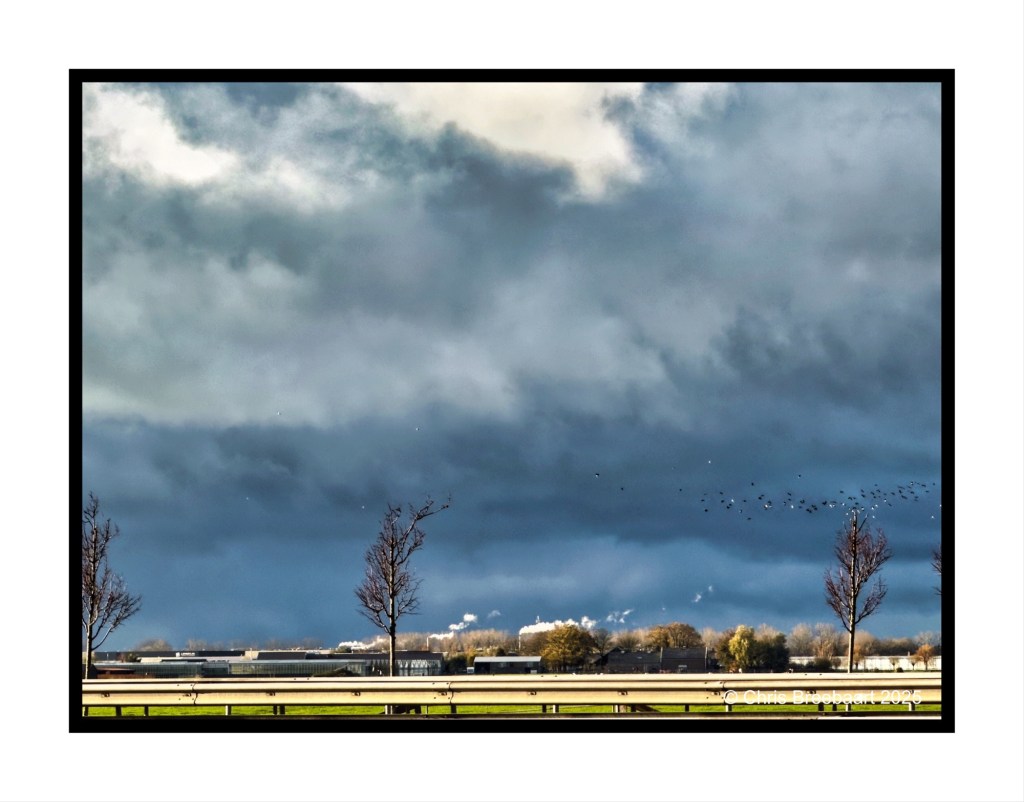
An iPhone long lens shot of a heavy rain sky. This was the first of the three photos I published the last three days.
Shot with iPhone 15 Pro Max edited using Snapseed and Marksta Click the picture for a larger version.
An iPhone long lens shot of a heavy rain sky. This was the first of the three photos I published the last three days.
Shot with iPhone 15 Pro Max edited using Snapseed and Marksta Click the picture for a larger version.
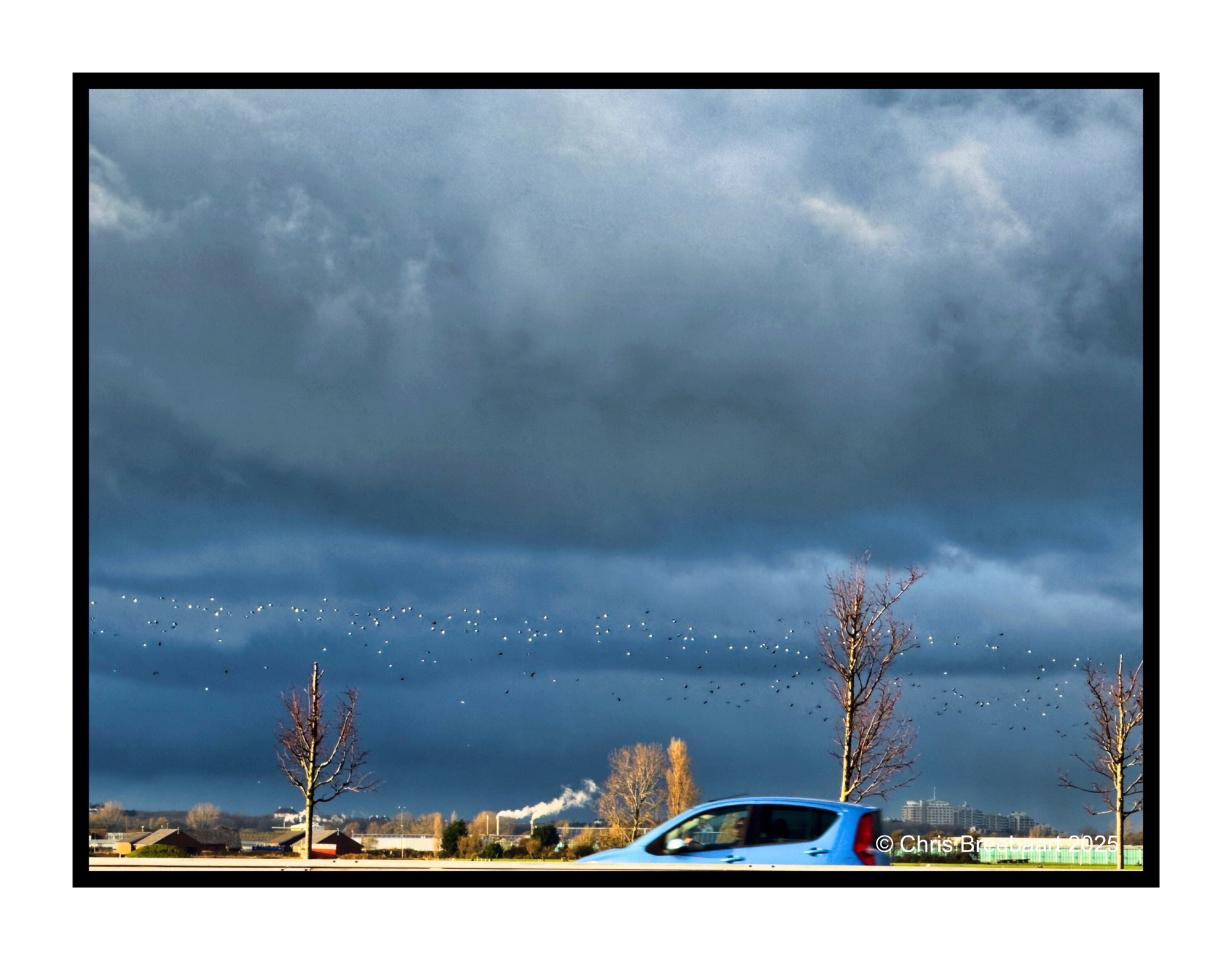
A long shot with an iPhone; a heavy rain sky with birds over motorway A44.
Shot with iPhone 15 Pro Max edited using Snapseed and Marksta Click the picture for a larger version.
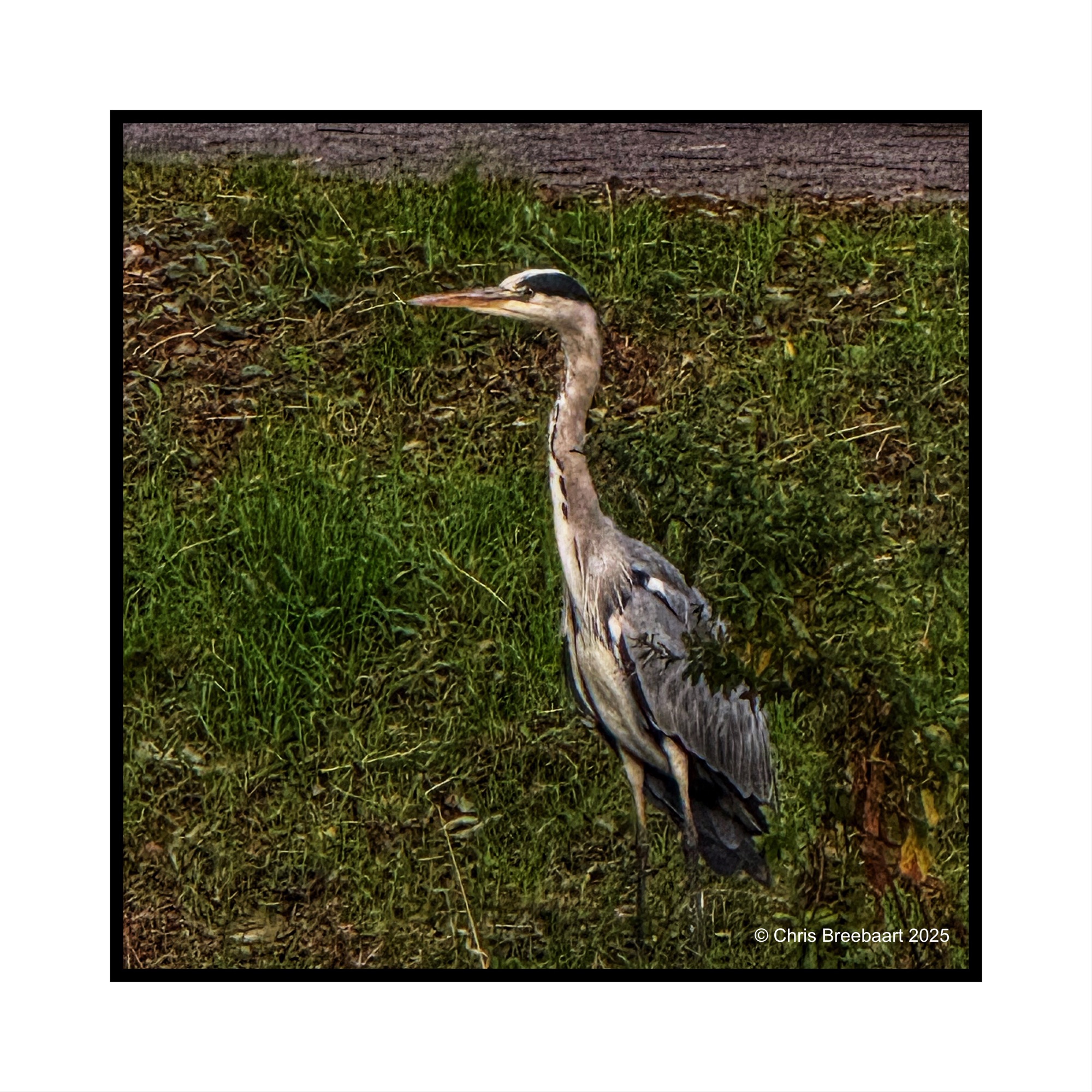
This Heron is a frequent visitor along the little canal in front of the house.
Shot with iPhone 15 Pro Max edited using Snapseed and Marksta. Click the picture for a larger version.
Shot with iPhone 15 Pro Max edited using Snapseed and Marksta Click the picture for a larger version
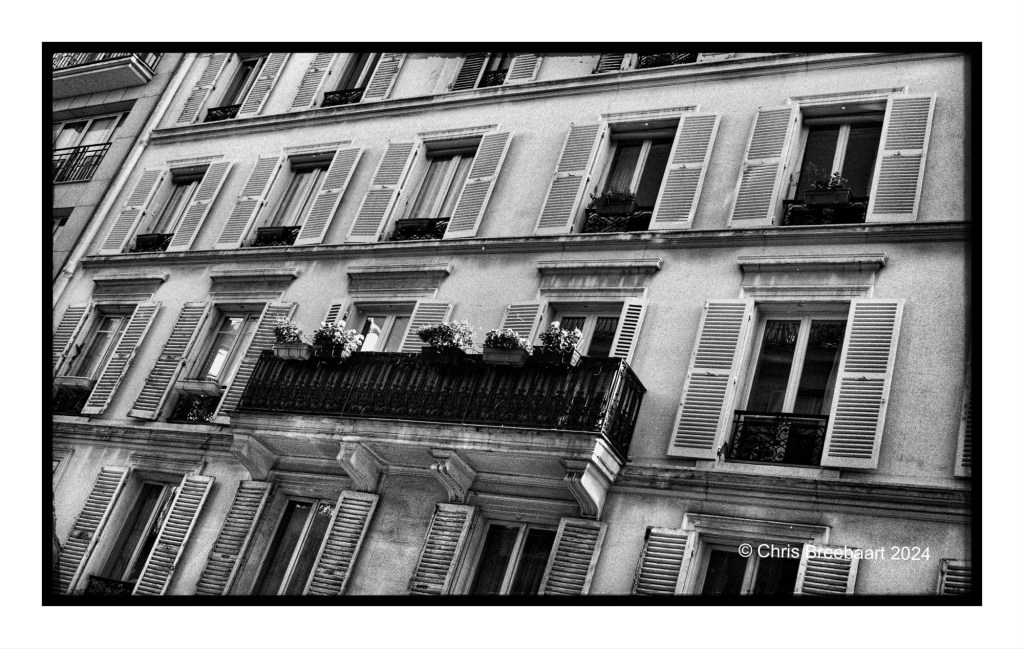
LAPC 309 is about balconies. I have to admit that I do not pay special attention to balconies, unless they trigger me as I look around and they catch my eye. I do however ‘collect’ French windows. So occasionally they pop up in a frame. This is one of those, in one of my favourite cities, Paris. From the analogue archive of December 1993.
About the B4 retouch series:
I browsed my archive for pictures to publish. Some of them are partly retouched but most do have scratches, dust and stains.
Shot with Nikon F90 on Kodak TriX, scanned from film and edited using Snapseed and Marksta . Click the picture for a bigger version.

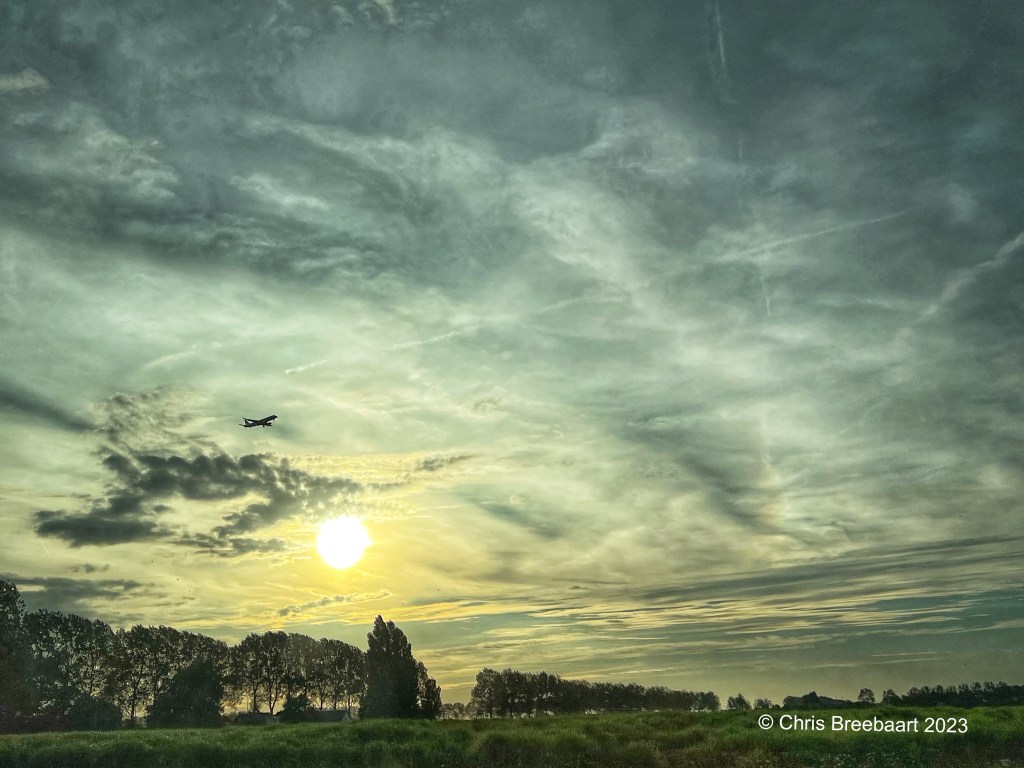
Lens Artists Photo Challenge #266 is ‘Time’. It takes a lot of time to tell everything about the concept of time. One aspect of time is how fast or how slow it is.
One common misunderstanding about time is that it can fly. It does not. It is us being mesmerized how a certain amount of time goes faster in specific situations. Eg when you are on holiday, or having a great 😊 time. Each second, minute, hour, day is exactly the same as it ever was. Sometimes time seems to go slower too! Again, a misconception. But what is the figurative opposite of flying? In most of those moments I do wish time could fly.
Shot with iPhone 13 Pro Max edited using Snapseed and Marksta Click the picture for a larger version

This week LAPC #260 is ‘overlooked’. Taking the word literally, one from the film archives. One of the ponds in Les Tuileries in Paris, looking at the small arch and the Louvre.
About the B4 retouch series:
I browsed my archive for pictures to publish. Some of them are partly retouched but most do have scratches, dust and stains.
Shot with Nikon F90 on Kodak TriX, scanned from film and edited using Snapseed and Marksta . Click the picture for a bigger version.
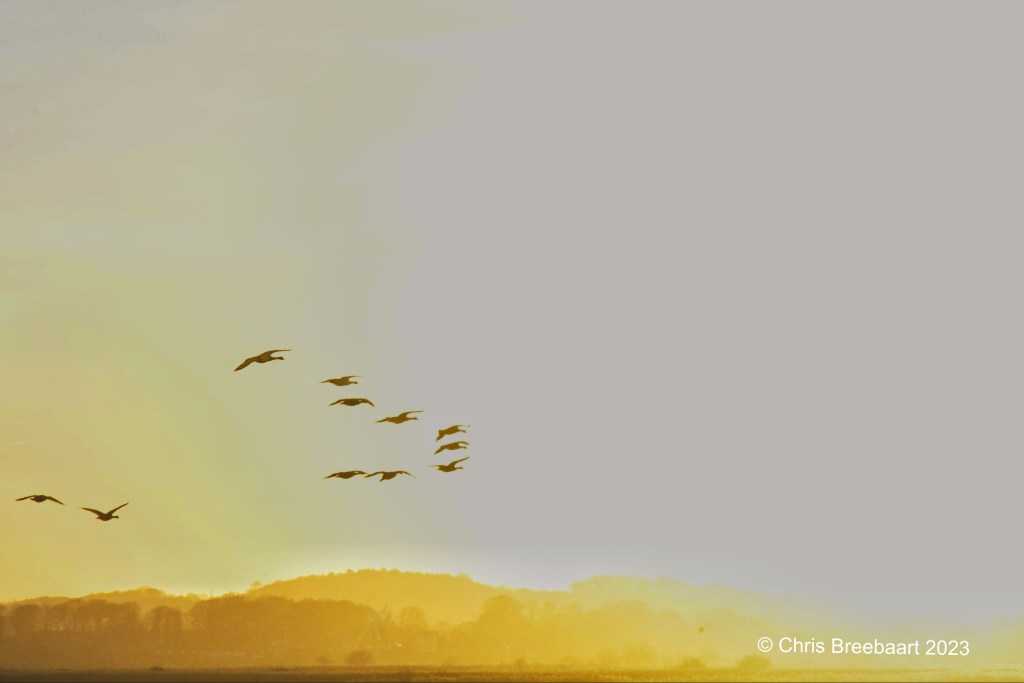
At sunrise on the marshes at Blakeney. The weekly theme for LAPC #237 is ‘bringing softness’. I pulled the camera following a flight, coming in towards the rising sun, and here coming into the light.
Here is morning flight 1, here is morning flight 2. And if you follow my blog you have seen the photo of the same flock after they passed the sun ‘winter sunrise over the marshes’.
Shot with Nikon D500, edited using Snapseed and Marksta. Click the picture for a bigger version.
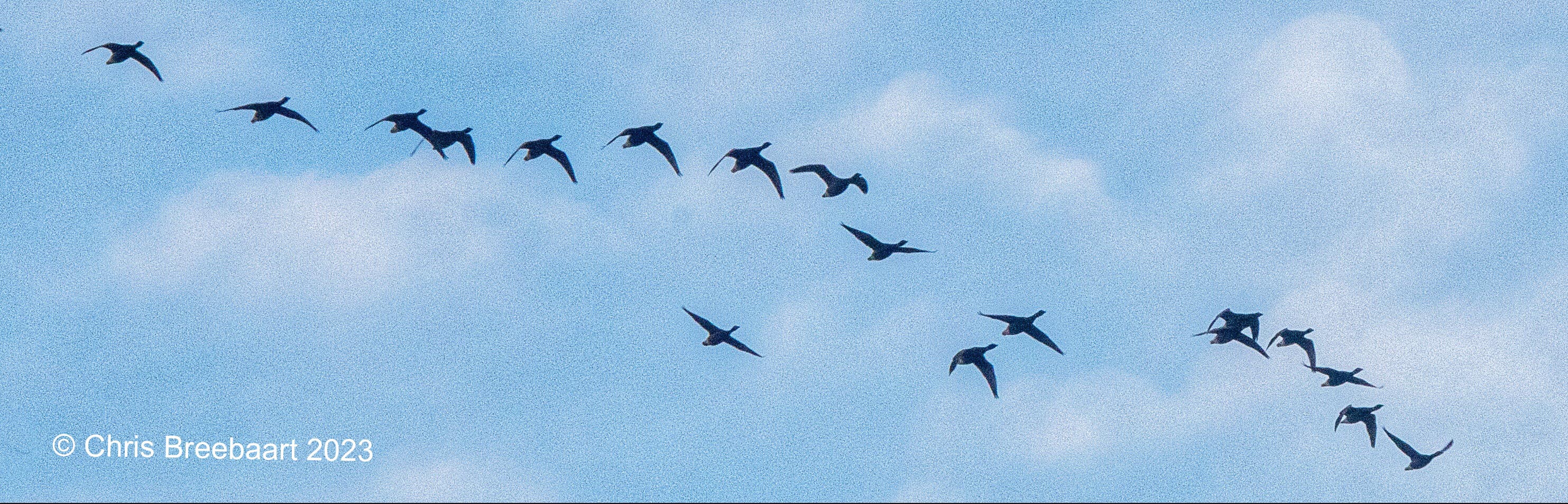
New Year’s Day, geese on the wing over the marshes near Blakeney.
Shot with Nikon D500, edited using Snapseed and Marksta. Click the picture for a bigger version.
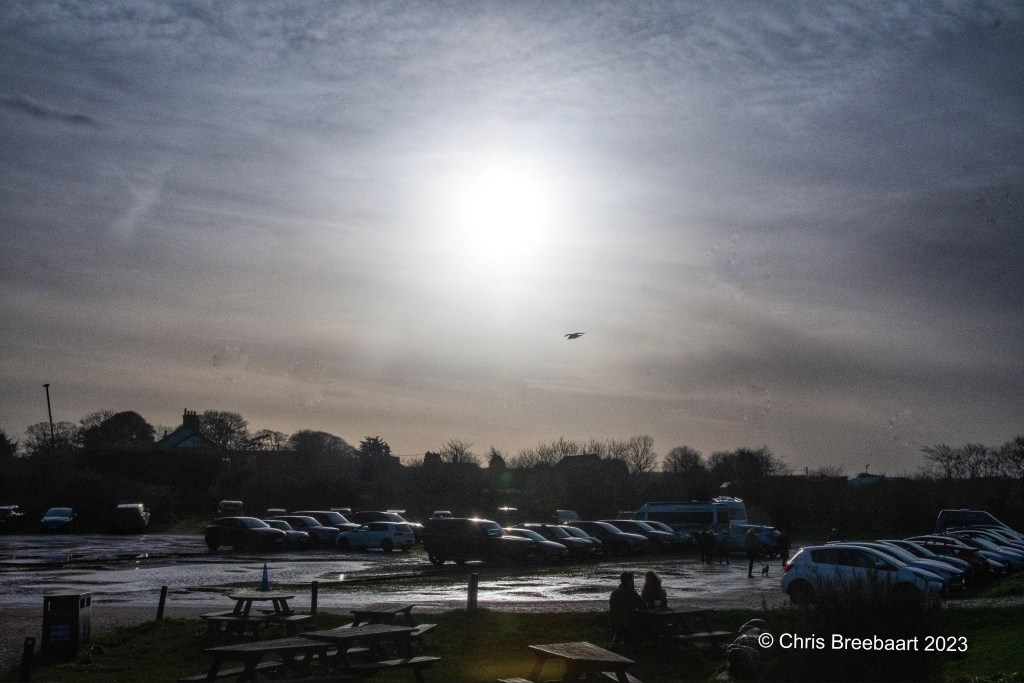
New Year’s Day, the sun through fog over a parking at Morston Quay near Blakeney.
Shot with Nikon D500, edited using Snapseed and Marksta. Click the picture for a bigger version.
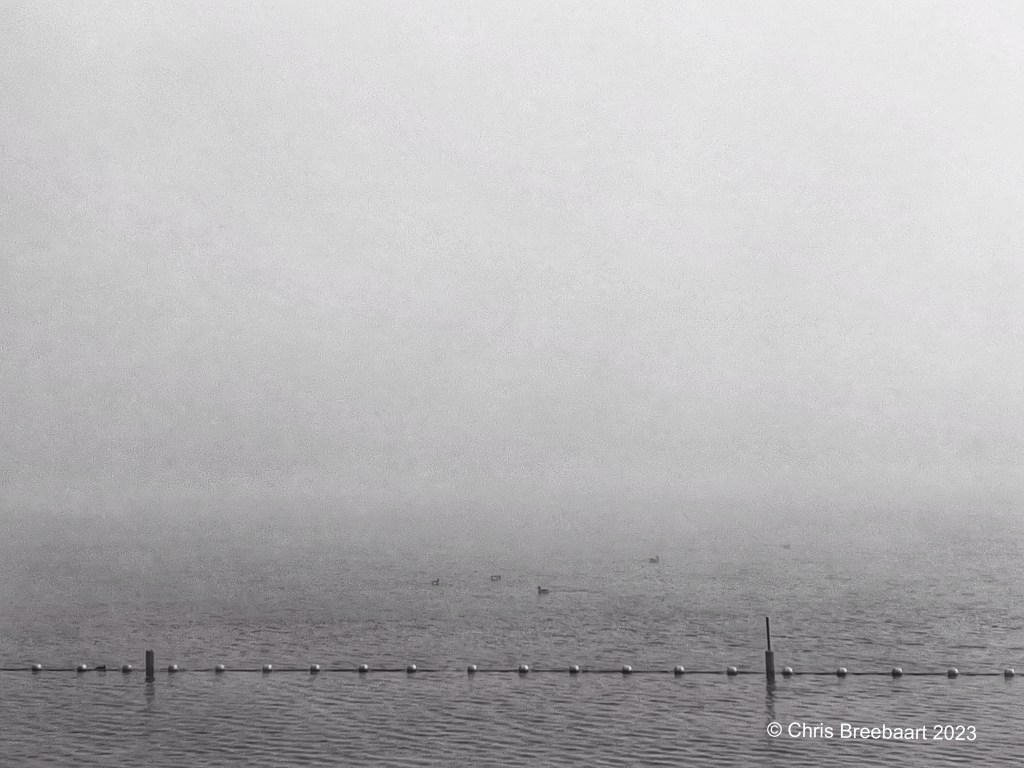
The weekly theme for LAPC #235 is shadows and reflections in monochrome.
Shot with iPhone 13 Pro Max edited using Snapseed and Marksta Click the picture for a larger version

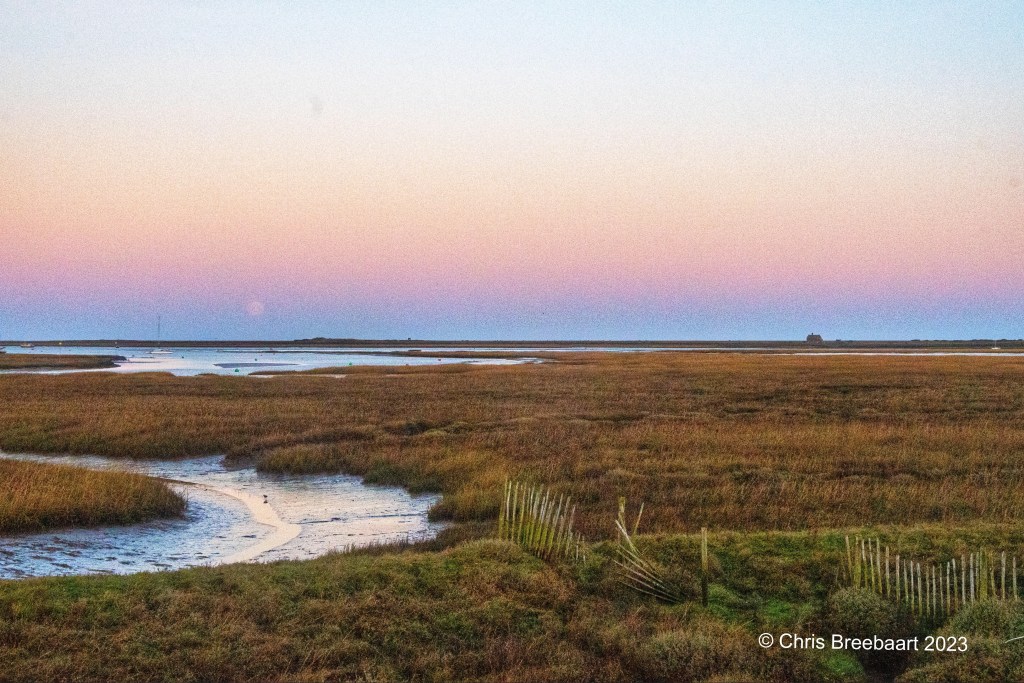
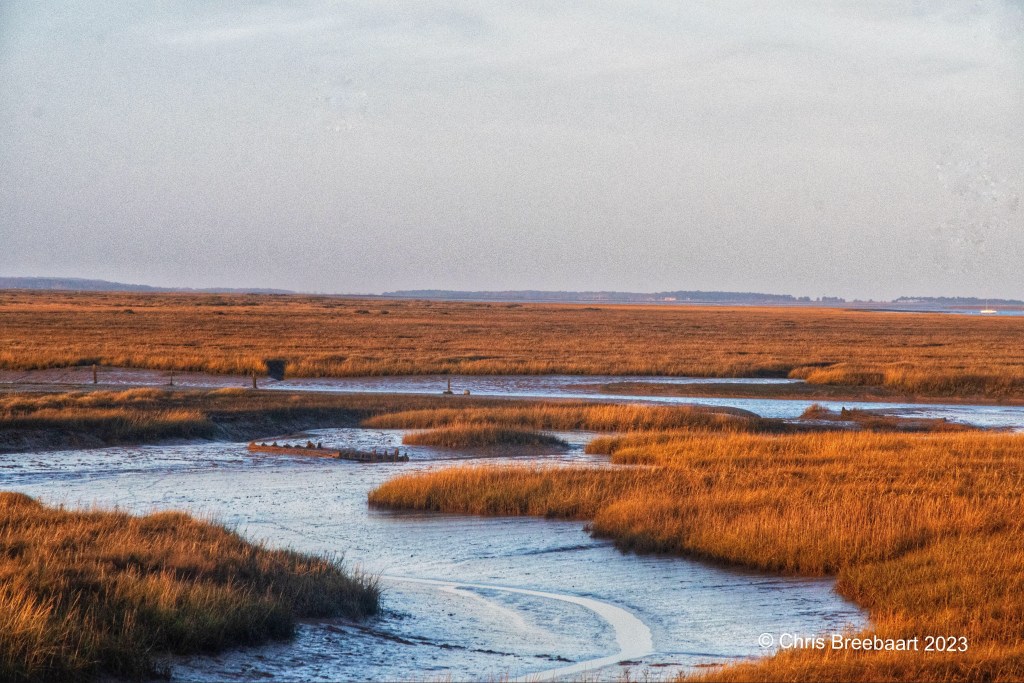

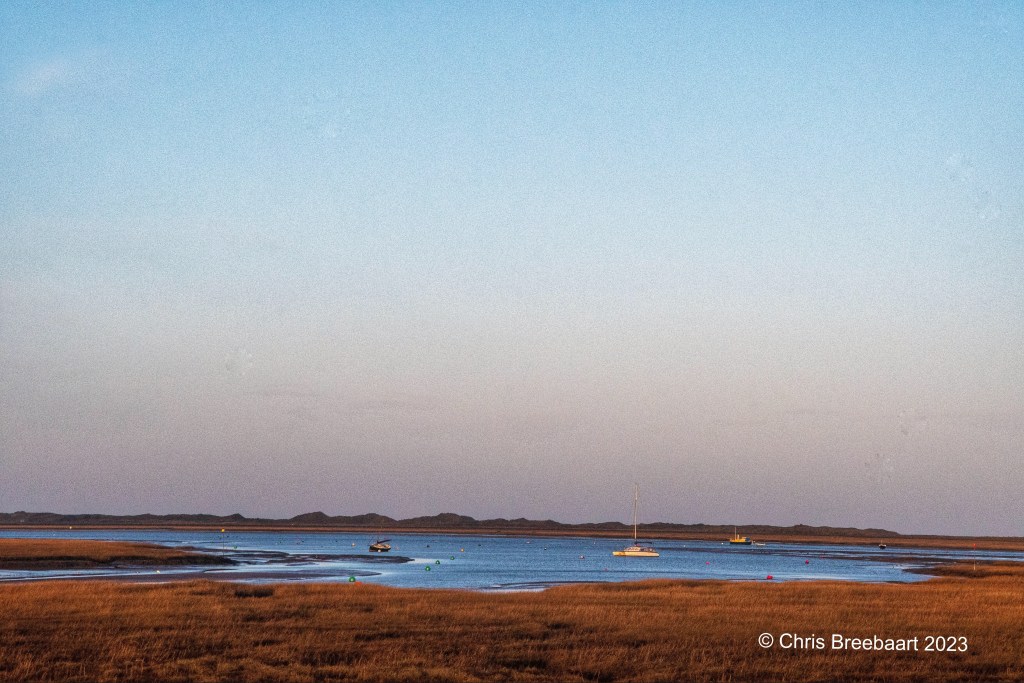
England, Blakeney – January 2023
The theme for LAPC 234 is ‘messages’. The coast of north Norfolk is one big nature resort with salt marshes and wildlife. The continuous change of the sea water coming in and out, the light changes during the day time and the vastness and beauty are stunning.
Shot with Nikon D500, edited using Snapseed and Marksta. Click the picture for a bigger version.
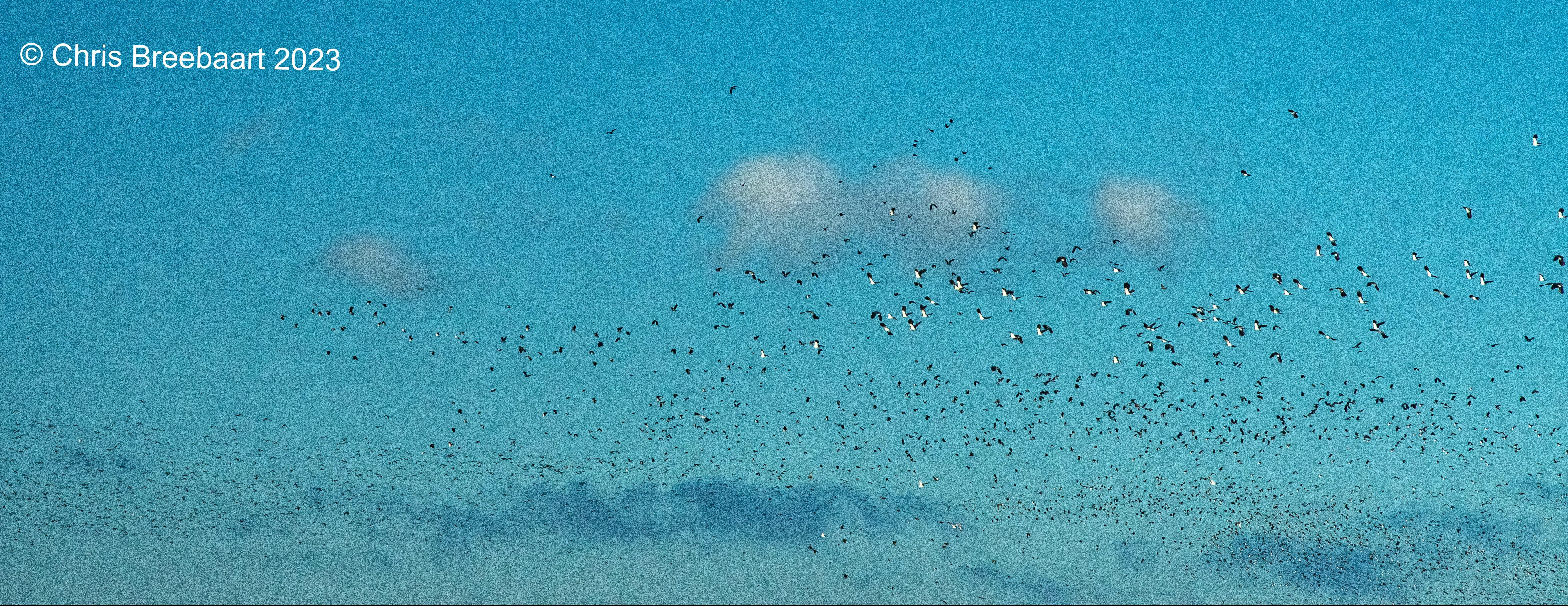
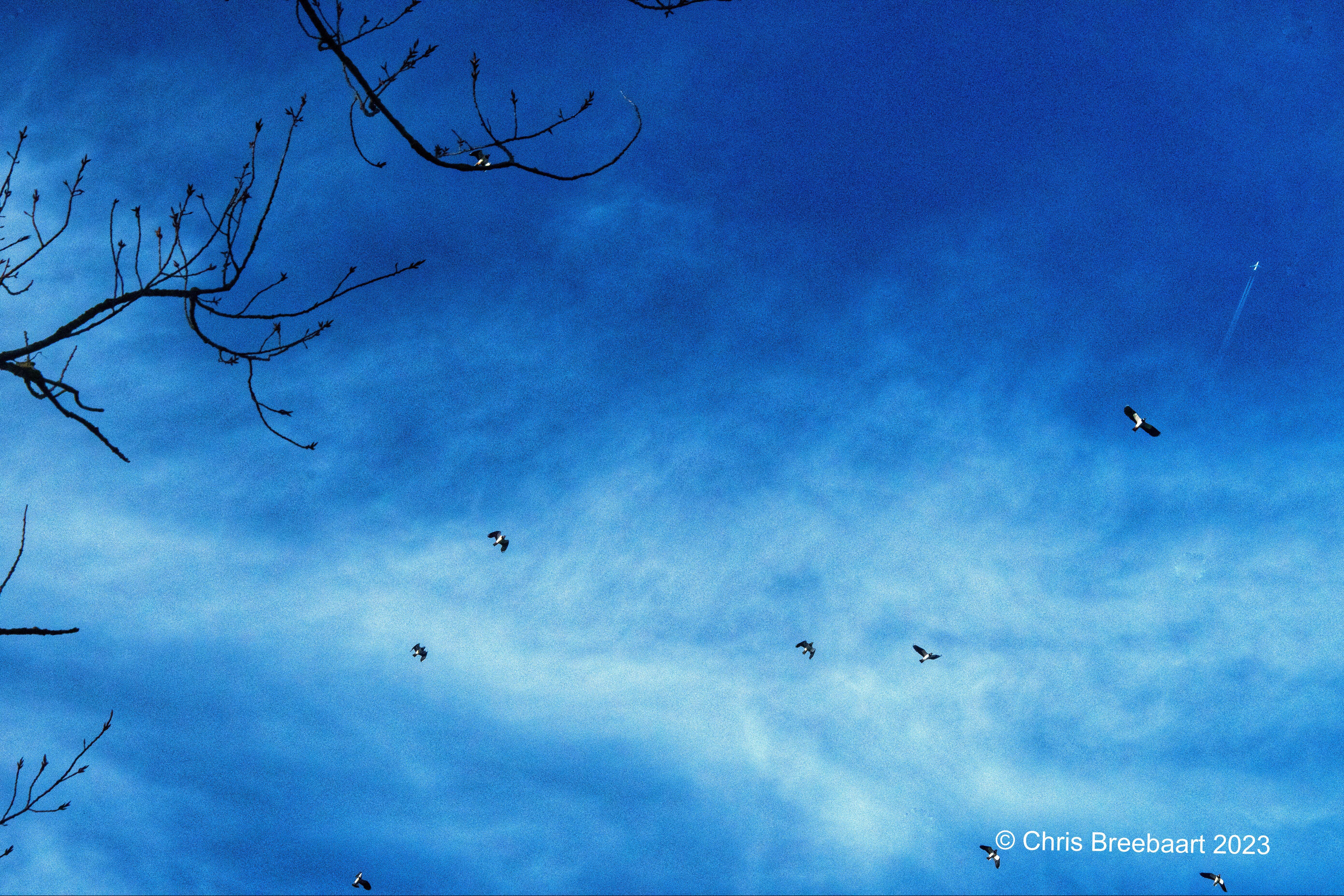
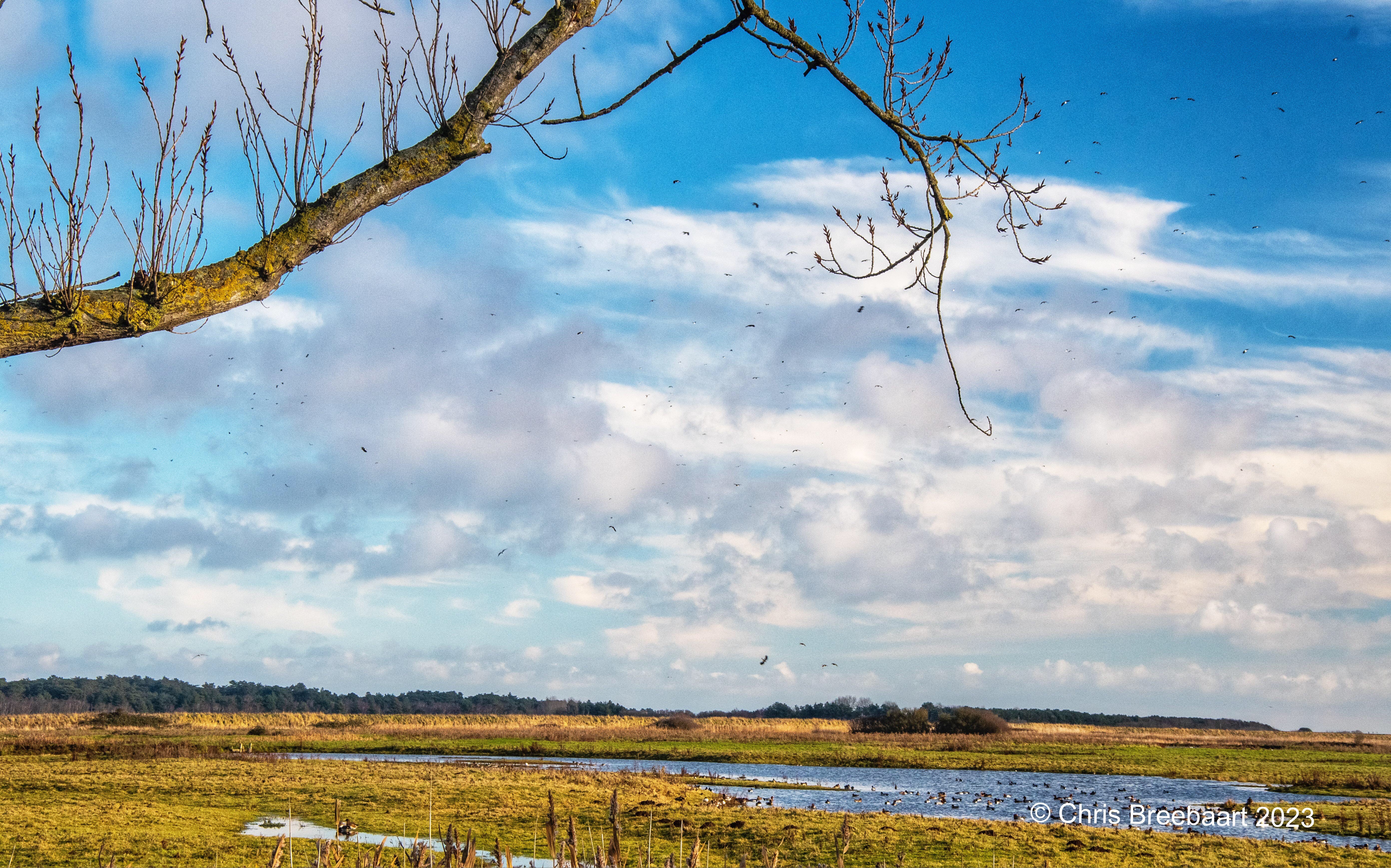
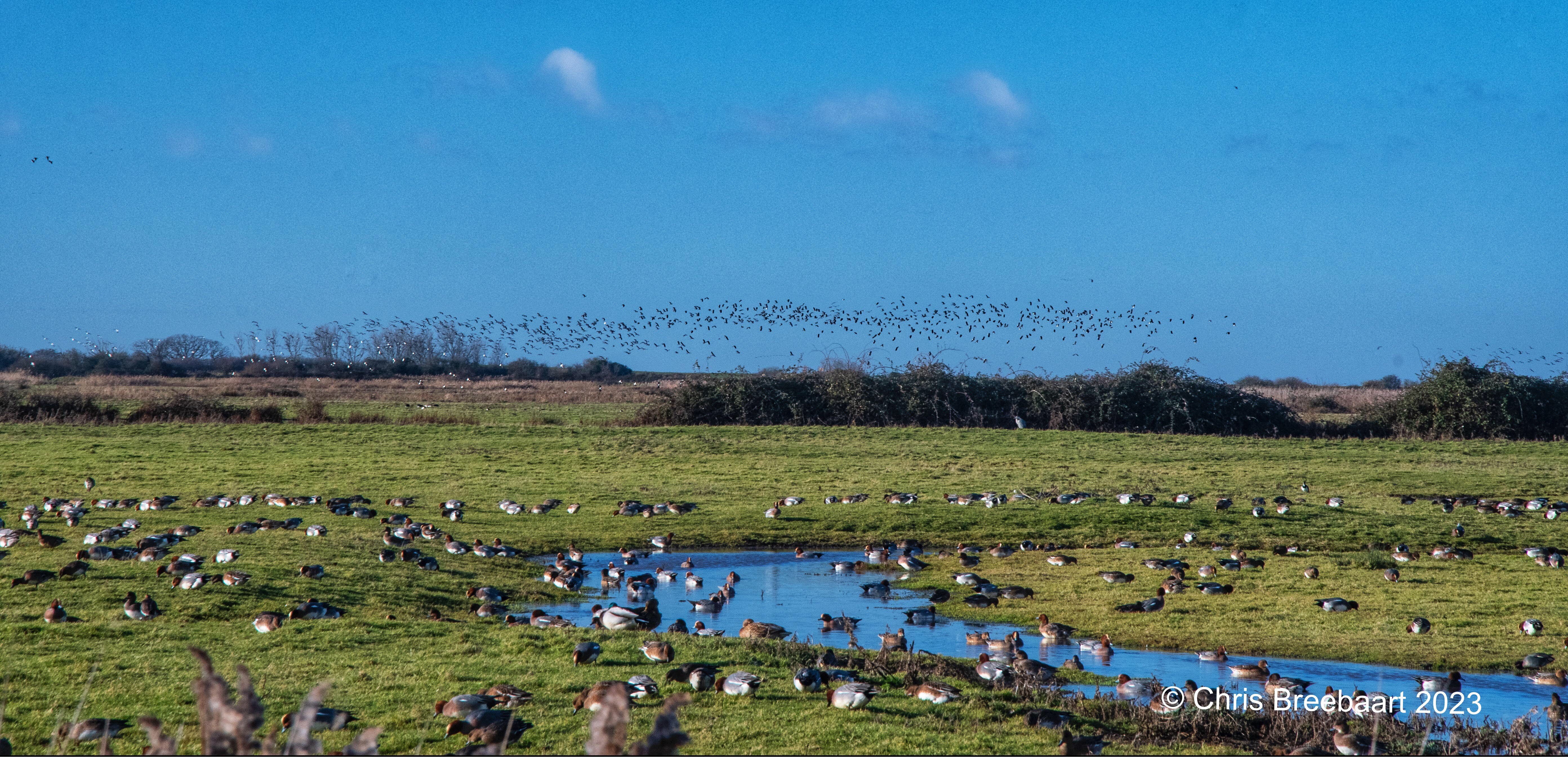
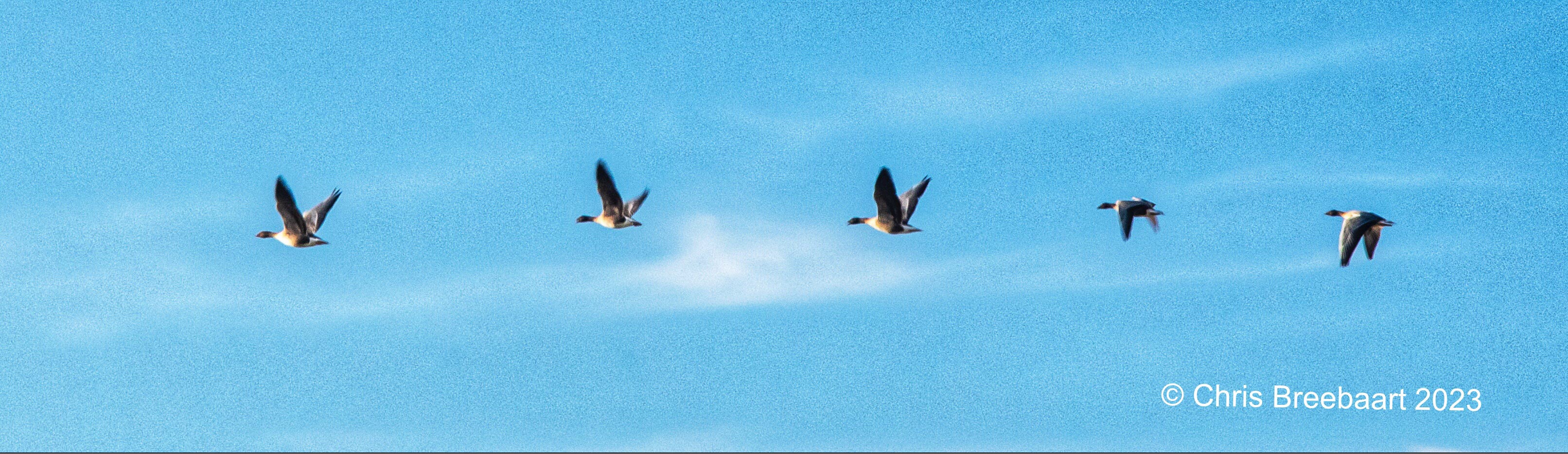
England, Holkham – January 2023
The Lens Artists Photo Challenge #233 is ‘a one lense walk‘. The first week of 2023 we had a short stay at Norfolk; the beauty of its coast and its wildlife gave ample opportunities for photos. The Nikon D500 has the 18-105 mm lens on it.
Shot with Nikon D500, edited using Snapseed and Marksta. Click the picture for a bigger version.
Shot with iPhone 13 Pro Max edited using Snapseed and Marksta Click the picture for a larger version

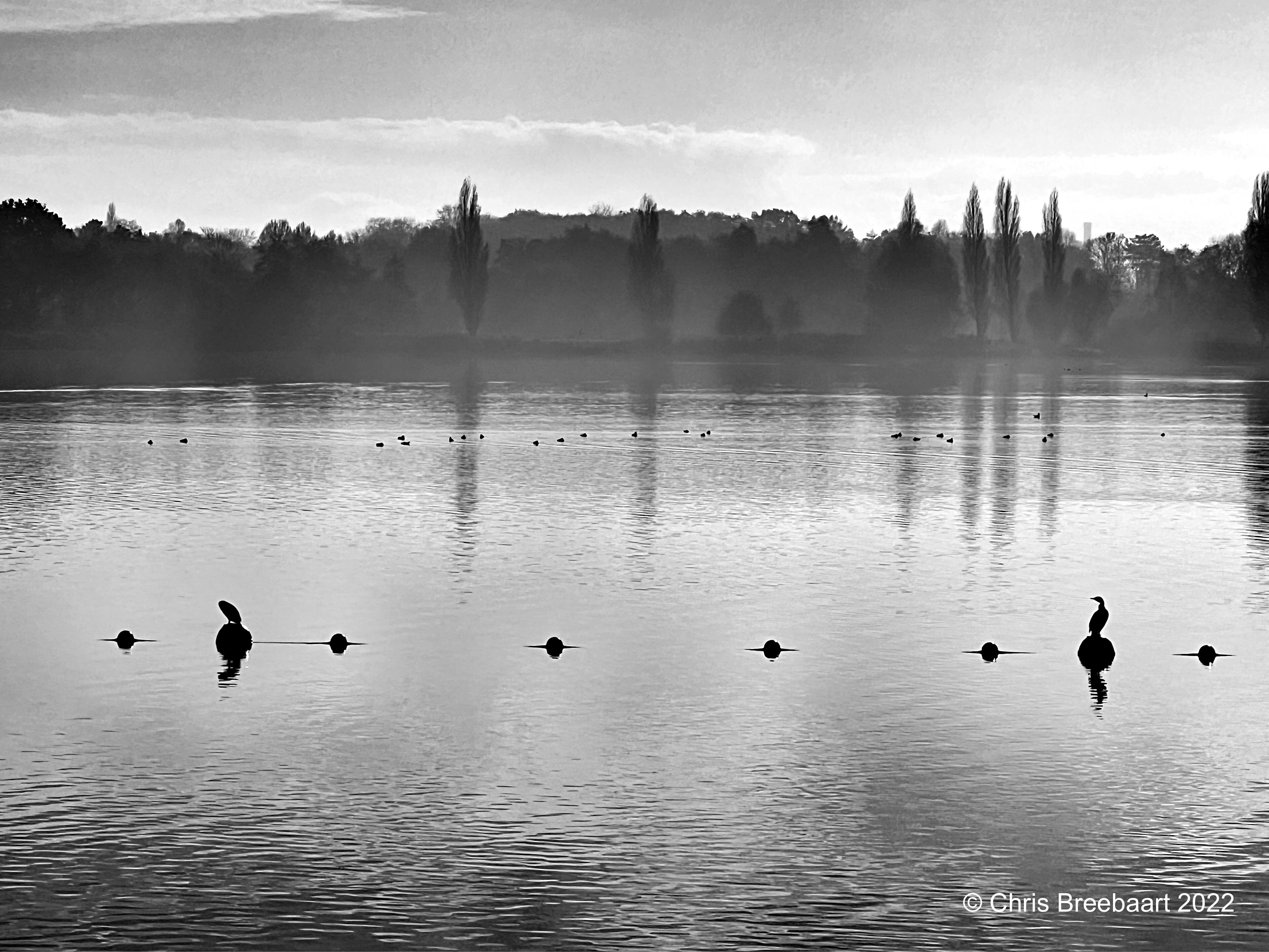
It is the end of the year and the Weekly Photo Challenge is ‘Last Chance’.
Shot with iPhone 13 Pro Max edited using Snapseed and Marksta Click the picture for a larger version

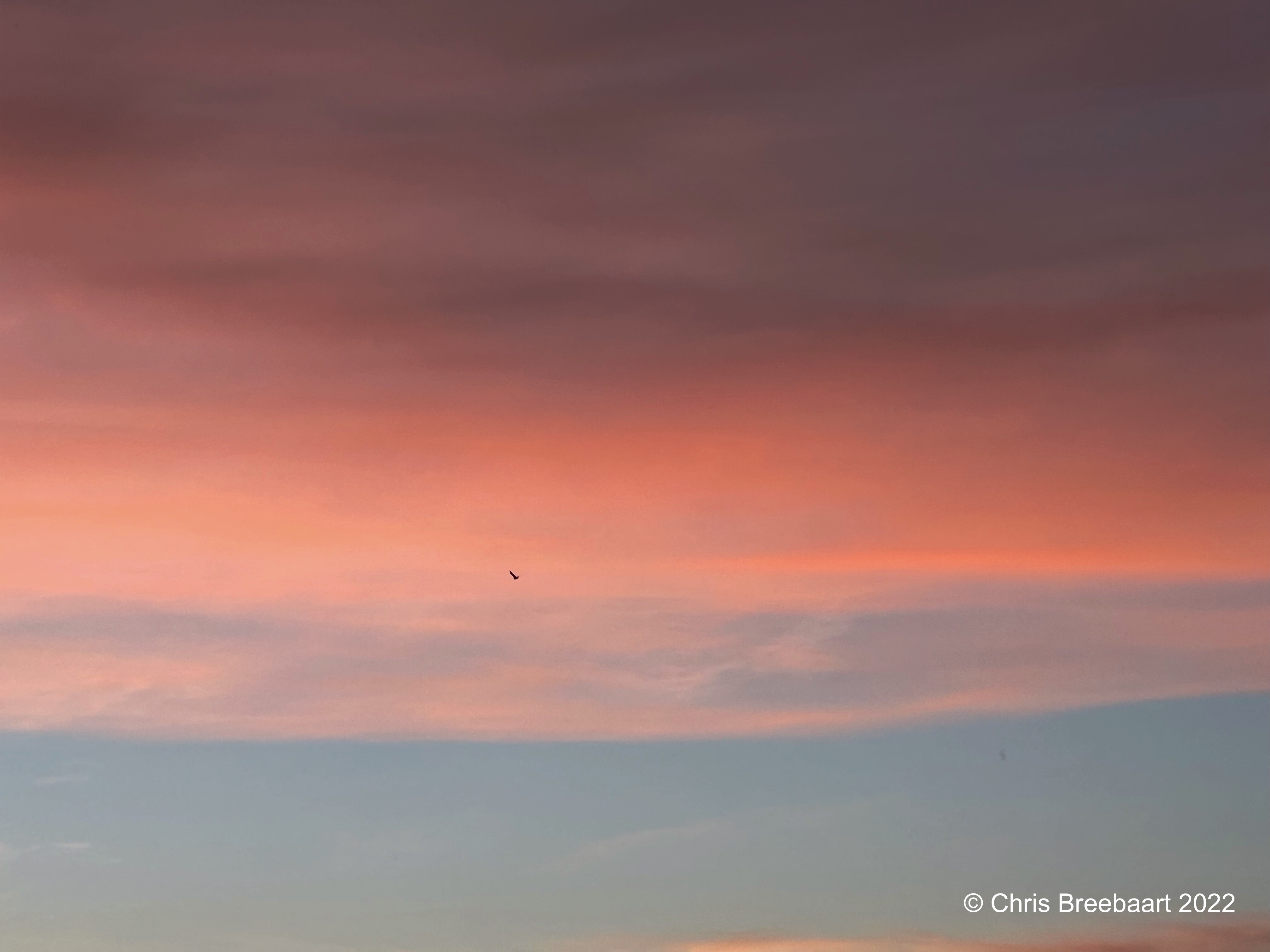
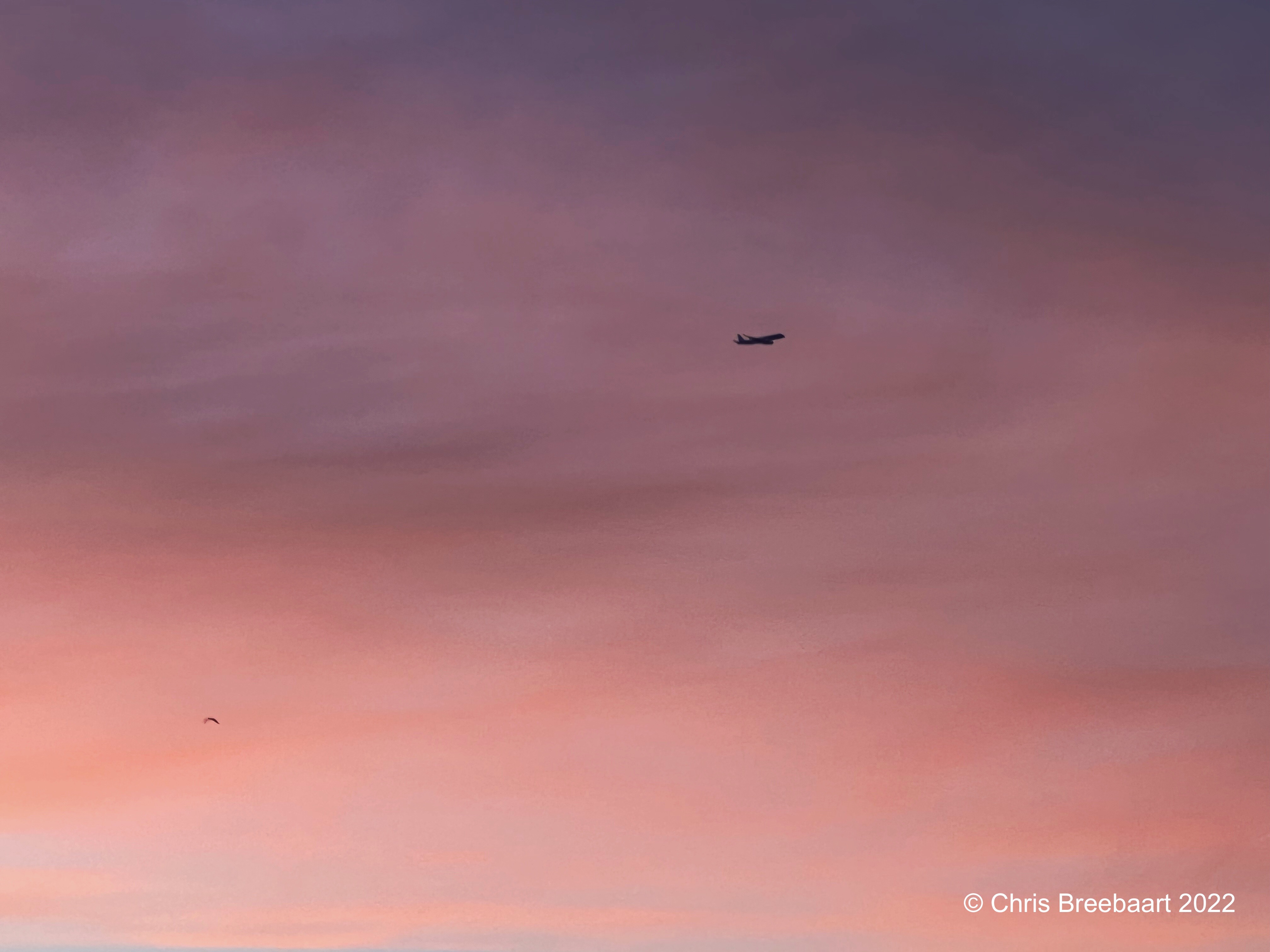

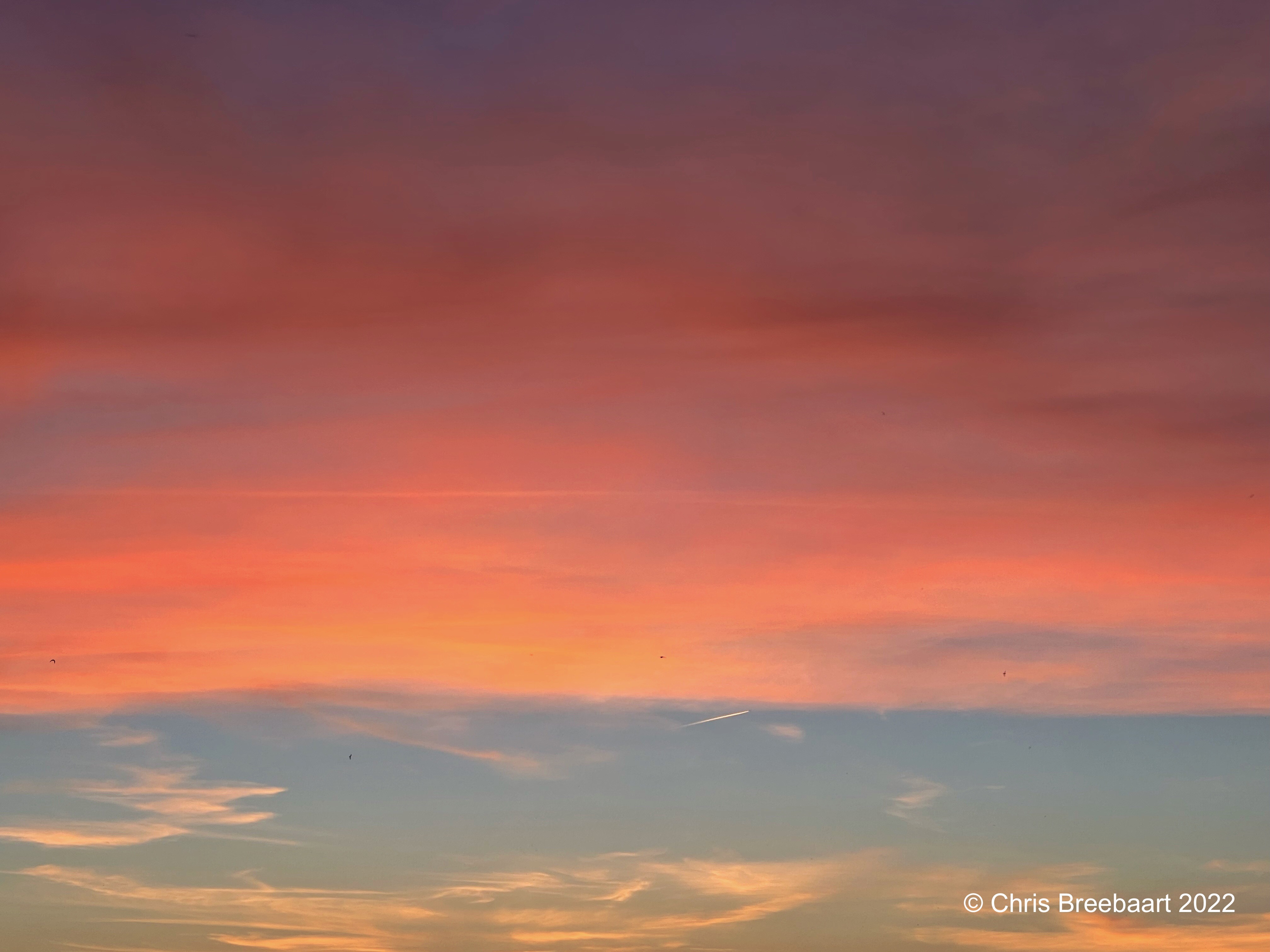

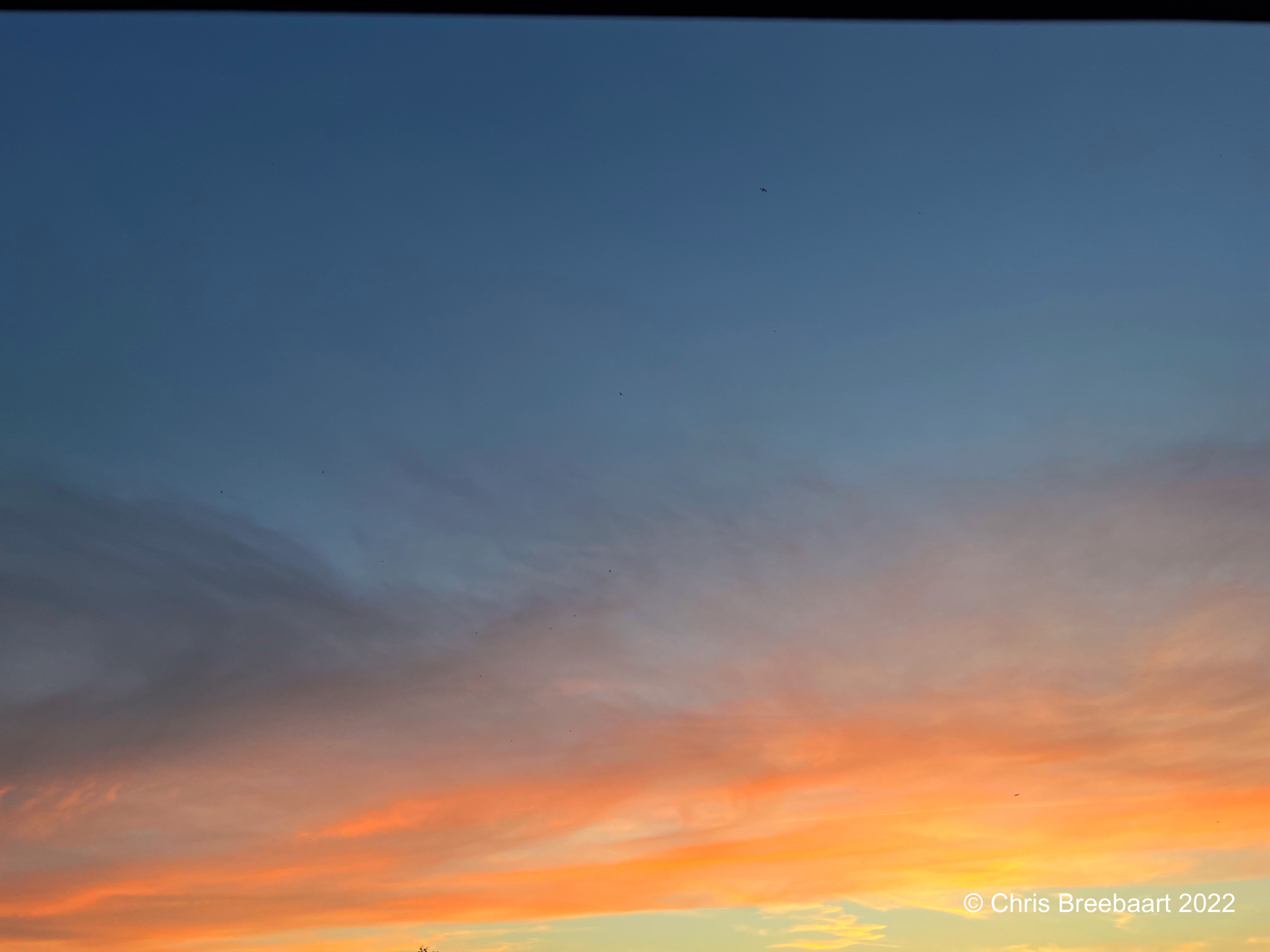
The Netherlands, Oegstgeest – June 2022
A sunset sky with airplane’s and birds flying, silhouetting the sky.
Shot with iPhone 13 Pro Max edited using Snapseed and Marksta Click the picture for a larger version
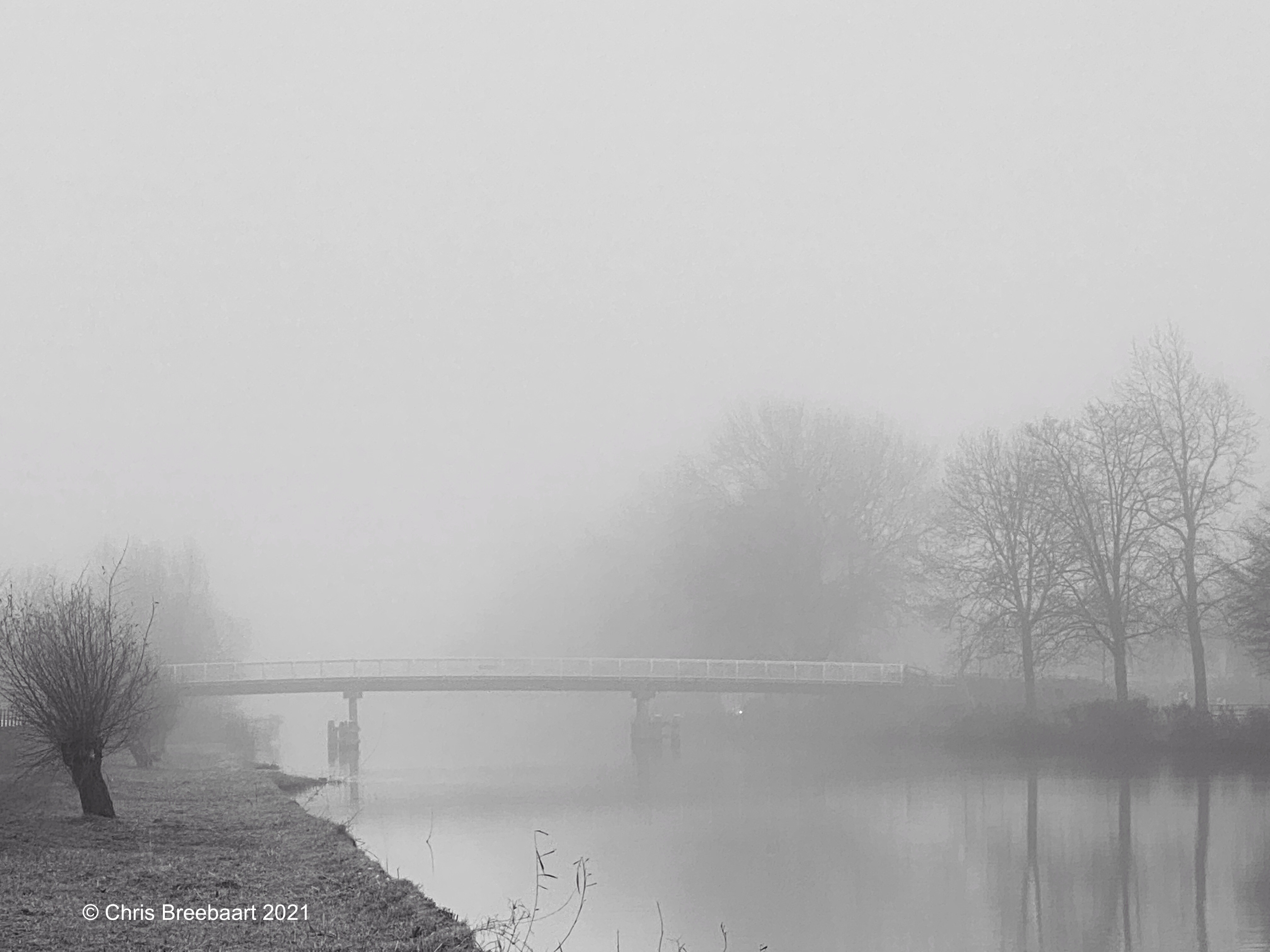
The theme for this week’s Lens-artists Photo Challenge #179 is Serene. A grey morning in Autumn.
Shot with iPhone 11 Pro Max edited using Snapseed and Marksta Click the picture for a larger version

The theme for this week’s Lens-artists Photo Challenge #179 is Serene. A little canal on a grey morning in Autumn.
Shot with iPhone 11 Pro Max edited using Snapseed and Marksta Click the picture for a larger version
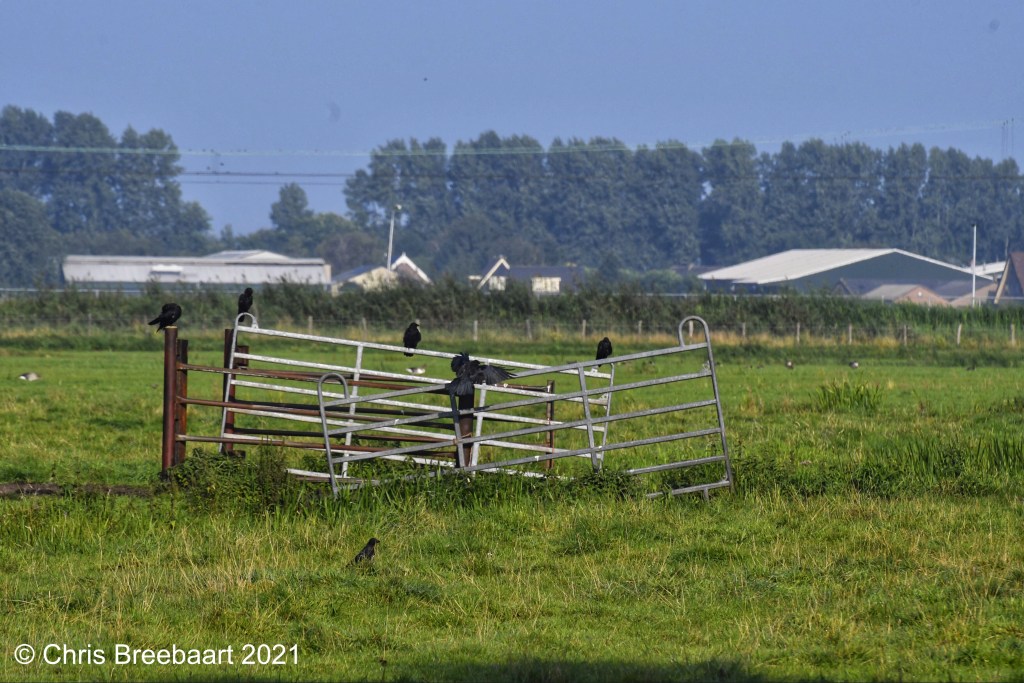
Shot with Nikon D500, edited using Snapseed and Marksta. Click the picture for a bigger version.

Shot with iPhone 11 Pro Max edited using Snapseed and Marksta. Click the picture for a larger version

Right in front of the door, a young swan family takes a nap sometimes.
Shot with iPhone 11 Pro Max edited using Snapseed and Marksta. Click the picture for a larger version

Right in front of the door, a young swan family takes a nap sometimes.
Shot with iPhone 11 Pro Max edited using Snapseed and Marksta. Click the picture for a larger version
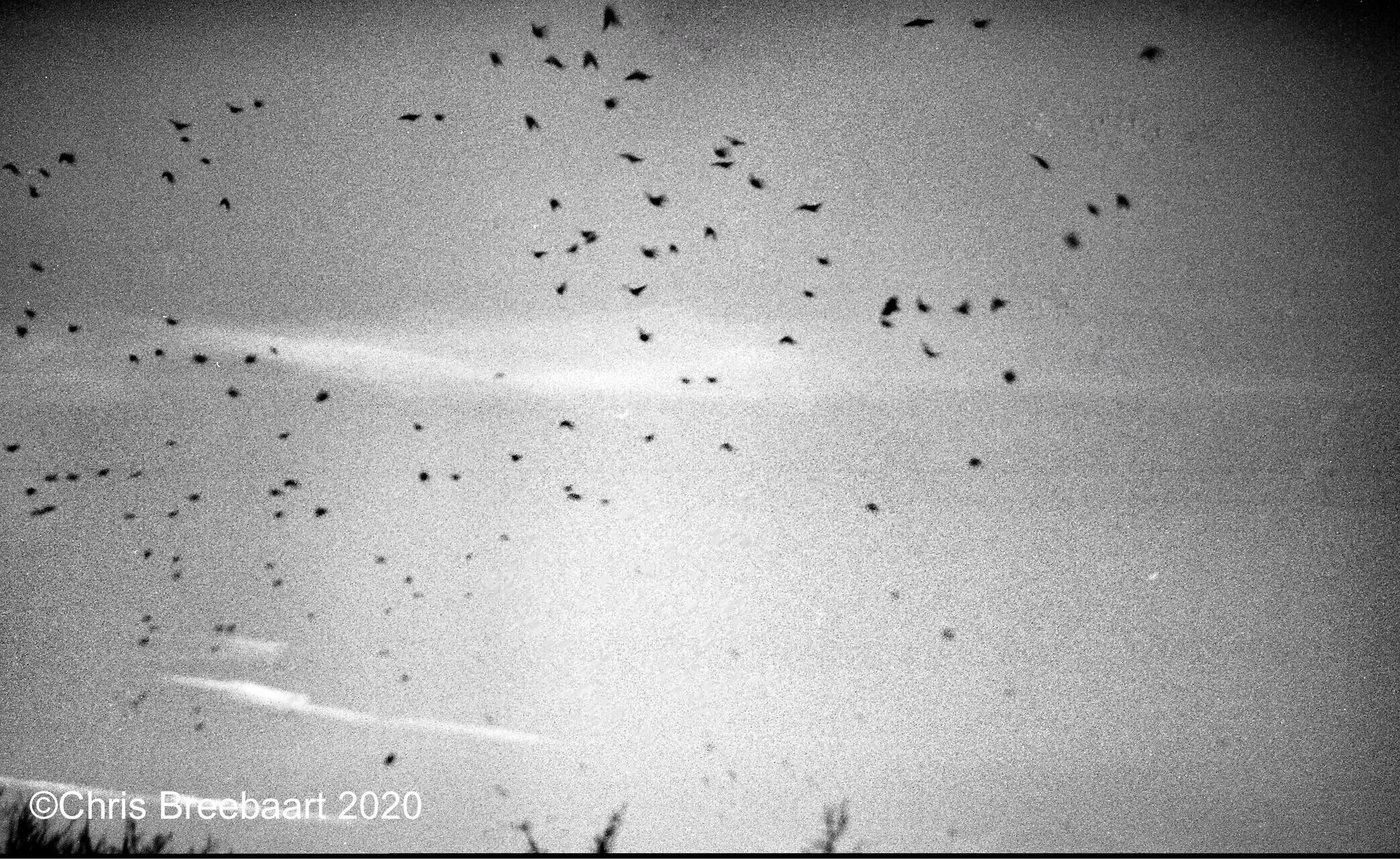
The theme of Lens-Artists #124 is ‘Now and then’.
In times of covid things change, some in small ways, some in quite ‘big’ ways. The world is not getting smaller but seems smaller. Going away for a long weekend is more like a logistical planned event than a spontaneous ‘let’s get away’. And even the way I take photo’s is changed. I see less that catches my eye, all is so familiar close by. So I went way back till way then, October 1990, a long weekend with old school mates. The mates are still there, on Whatsapp. But the feeling of this image is different. A swarm of birds against a sunset. Being free, to wander, to roam. Patience my dear heart.
About the B4 retouch series:
I browsed my archive for pictures to publish. Some of them are partly retouched but most do have scratches, dust and stains.
Originally shot with Nikon F301 on Kodak TriX, scanned from negative and tweaked using Snapseed and Marksta. Click the picture for a larger version.
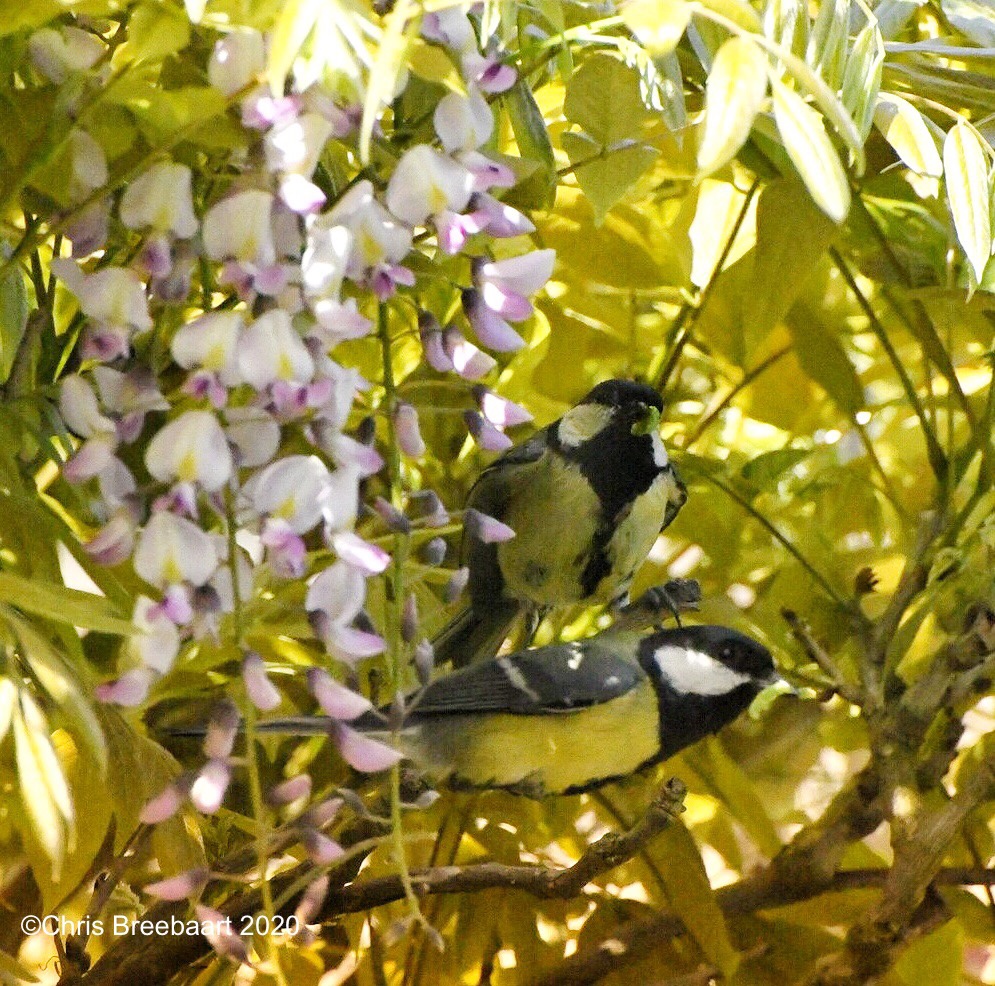
The Netherlands, Oegstgeest – May 2020
We have a family of great tits as guests in our backyard. The parents fly in and out to feed the unseen – but quite vocally present – brethren. The theme for the weekly Lens-Artists Photo Challenge #96 is ‘cropping the shot’. Show how and why you crop shots, that is the basic question.
Basically I am not an avid cropper. Certainly in the days of film, cropping let always to the loss of quality. In digital times that is somehow different, especially using RAW format and a much better image capture technology. But in general: when taking the photo I try to frame it the way I want the final result to look like. Sometimes (digital is cheap) I take different frames of the same subject. But sometimes that is not possible.
In this photo – to close the series – a lucky shot of the two proud and very busy parents. I was focussing on one of them in the Wisteria, when the other came into the shot as well. The quality is not that great but it closes this series nicely.
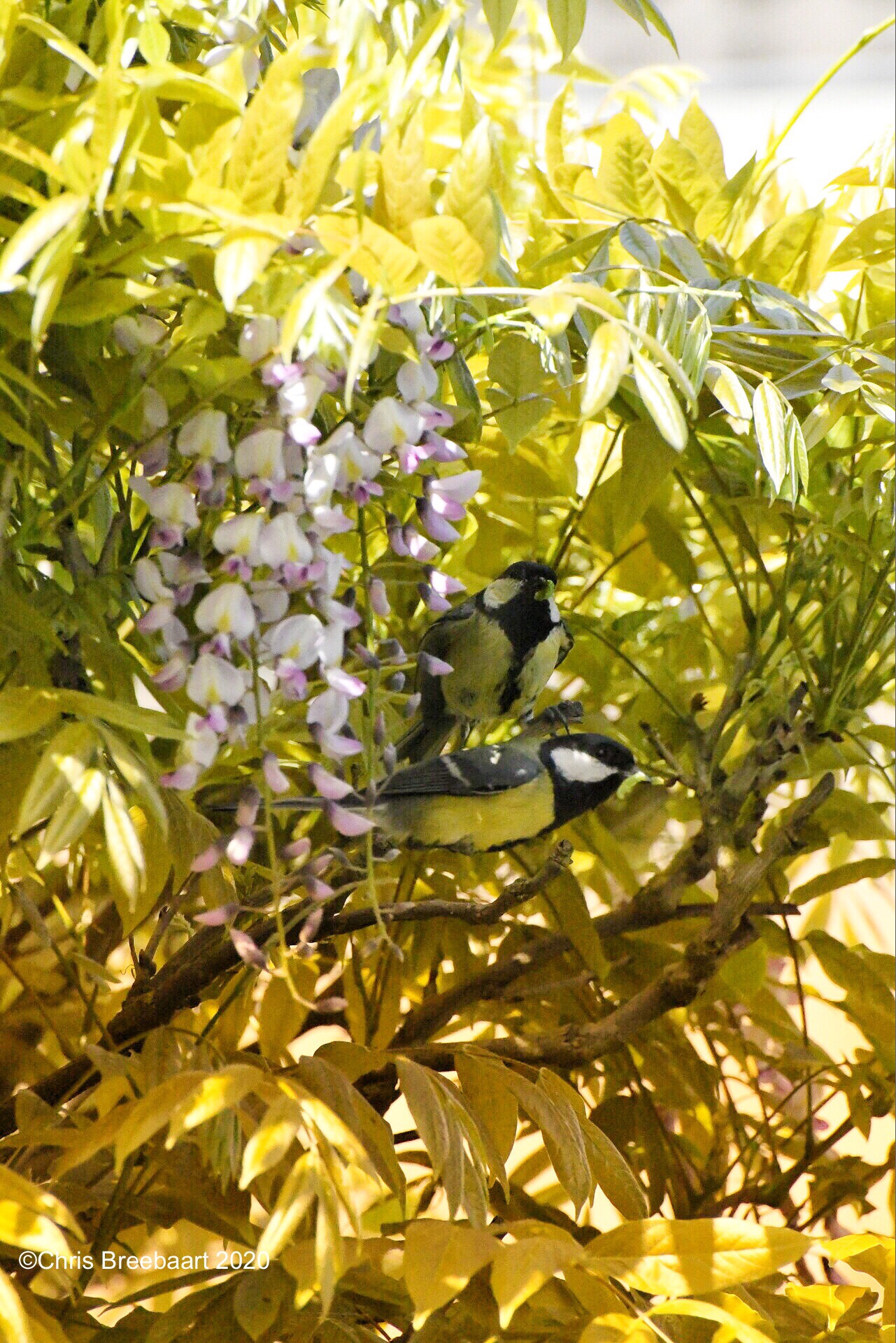
Shot with Nikon D500, edited using Snapseed and Marksta. Click the picture for a bigger version
The Netherlands, Oegstgeest – May 2020
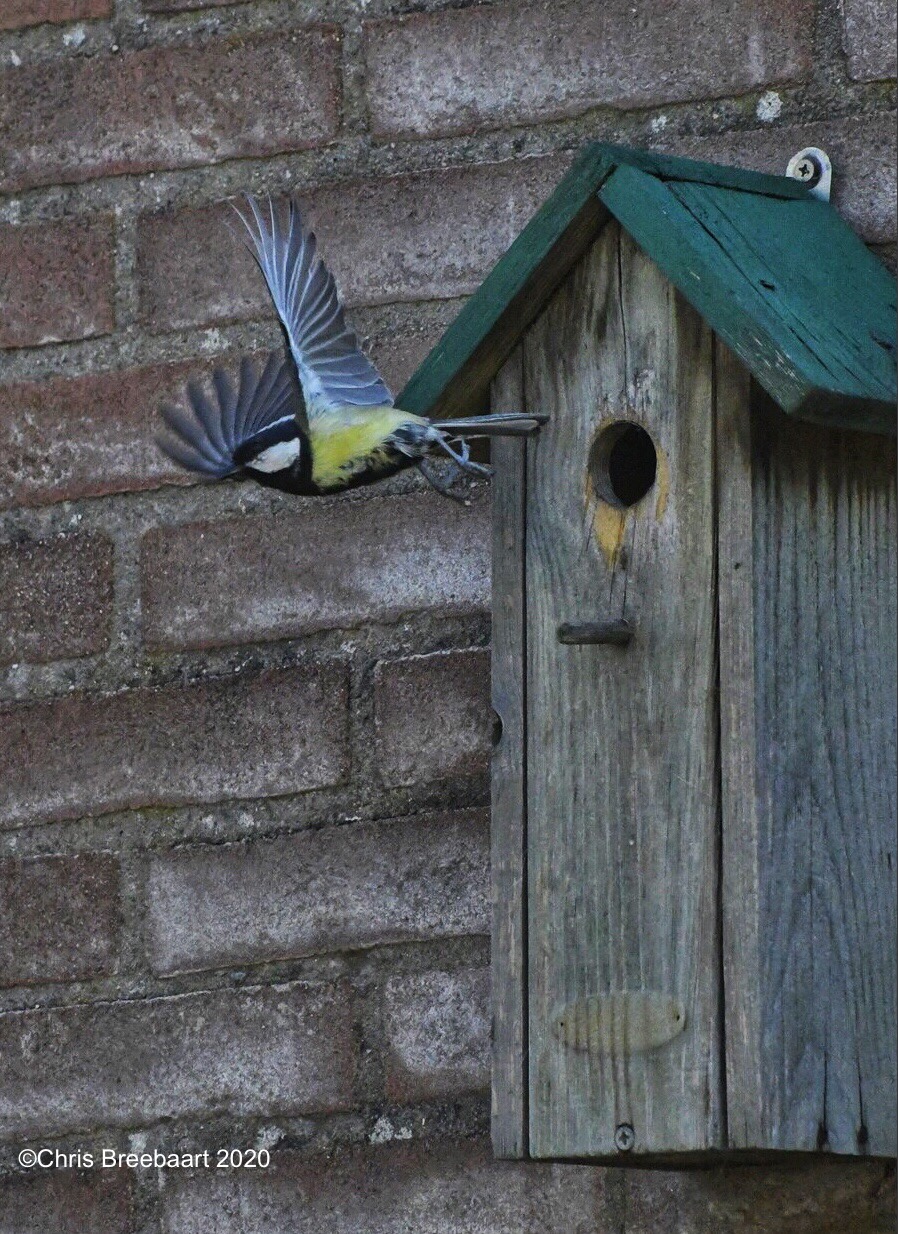
We have a family of great tits as guests in our backyard. The parents fly in and out to feed the unseen – but quite vocally present – brethren. The theme for the weekly Lens-Artists Photo Challenge #96 is ‘cropping the shot’. Show how and why you crop shots, that is the basic question.
Basically I am not an avid cropper. Certainly in the days of film, cropping let always to the loss of quality. In digital times that is somehow different, especially using RAW format and a much better image capture technology. But in general: when taking the photo I try to frame it the way I want the final result to look like. Sometimes (digital is cheap) I take different frames of the same subject. But sometimes that is not possible.
In this photo the nest is on the back of our shed, and I can sit about 10 meters away, more or less hidden. Even using a long lens (300 mm on a not full frame sensor so approximately 450 mm) I can not get ‘close enough’. Because they are quite tiny, a distant shot is not that interesting to look at. Then cropping is a logical step to come up with a presentable result.
Yesterday I published ‘In Coming‘ that shows how one of the parents approaches the nest. Today a take off from the nest. It is relatively easy to record the departure from the nest: when you see the head, start using the burst and all chances are that you have one nice shot in flight. To show you the amount of crop I added the original frame below.

Shot with Nikon D500, edited using Snapseed and Marksta. Click the picture for a bigger version

The Netherlands, Oegstgeest – May 2020
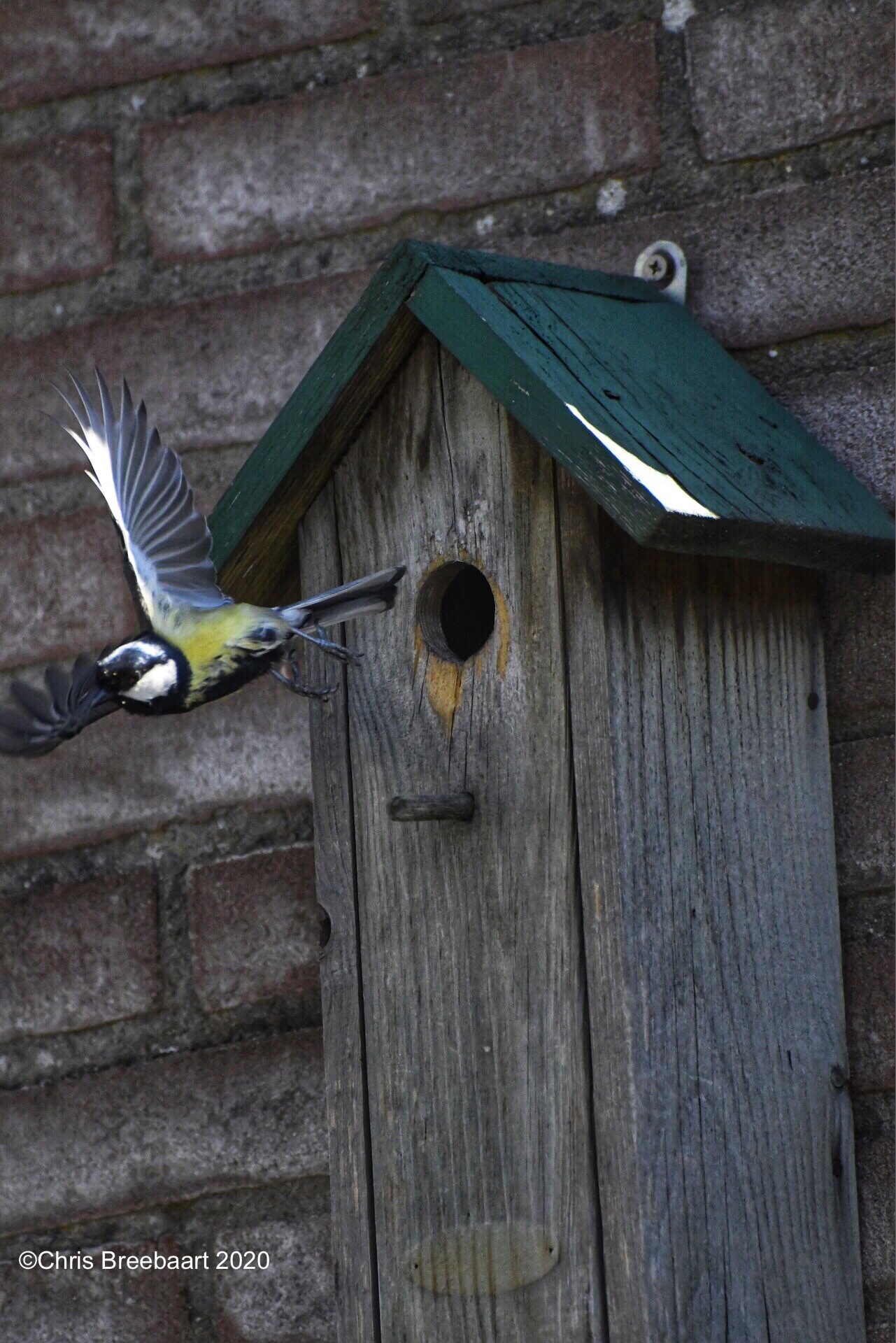
We have a family of great tits as guests in our backyard. The parents fly in and out to feed the unseen – but quite vocally present – brethren. The theme for the weekly Lens-Artists Photo Challenge #96 is ‘cropping the shot’. Show how and why you crop shots, that is the basic question.
Basically I am not an avid cropper. Certainly in the days of film, cropping let always to the loss of quality. In digital times that is somehow different, especially using RAW format and a much better image capture technology. But in general: when taking the photo I try to frame it the way I want the final result to look like. Sometimes (digital is cheap) I take different frames of the same subject. But sometimes that is not possible.
In this photo the nest is on the back of our shed, and I can sit about 10 meters away, more or less hidden. Even using a long lens (300 mm on a not full frame sensor so approximately 450 mm) I can not get ‘close enough’. Because they are quite tiny, a distant shot is not that interesting to look at. Then cropping is a logical step to come up with a presentable result.
It is relatively easy to record the departure from the nest: when you see the head, start using the burst and all chances are that you have one nice shot in flight (see for an example here). In a shot like that you can zoom in quite close. Taking photos of the arrival to the nest is a bit more tricky. I found out that they come back using a certain pattern. They pause and sit 2 meters out on the wisteria, checking if returning is safe. But to catch them in flight I had to open up the frame a bit more. They are extremely quick and I can not see them take off for the final jump, so when I hear them I start using the burst, hoping it works out well. To show you the amount of crop I added the original frame below. A great tit in full brake.

Shot with Nikon D500, edited using Snapseed and Marksta. Click the picture for a bigger version
The Netherlands, Oegstgeest – May 2020
We have a family of blue tits as guests in our backyard.
Shot with Nikon D500, edited using Snapseed and Marksta. Click the picture for a bigger version

The Netherlands, Alphen a/d Rijn – June 2009
The theme for the weekly Lens-Artists Photo Challenge #66 is ‘filling the frame’.
If you want to join or participate the weekly Lens-Artists Photo Challenges, just follow the link.
Originally shot with Nikon D70, edited using Snapseed and Marksta. Click the picture for a larger version.
For the second year in a row we host a tomtit (koolmees) family in our garden.
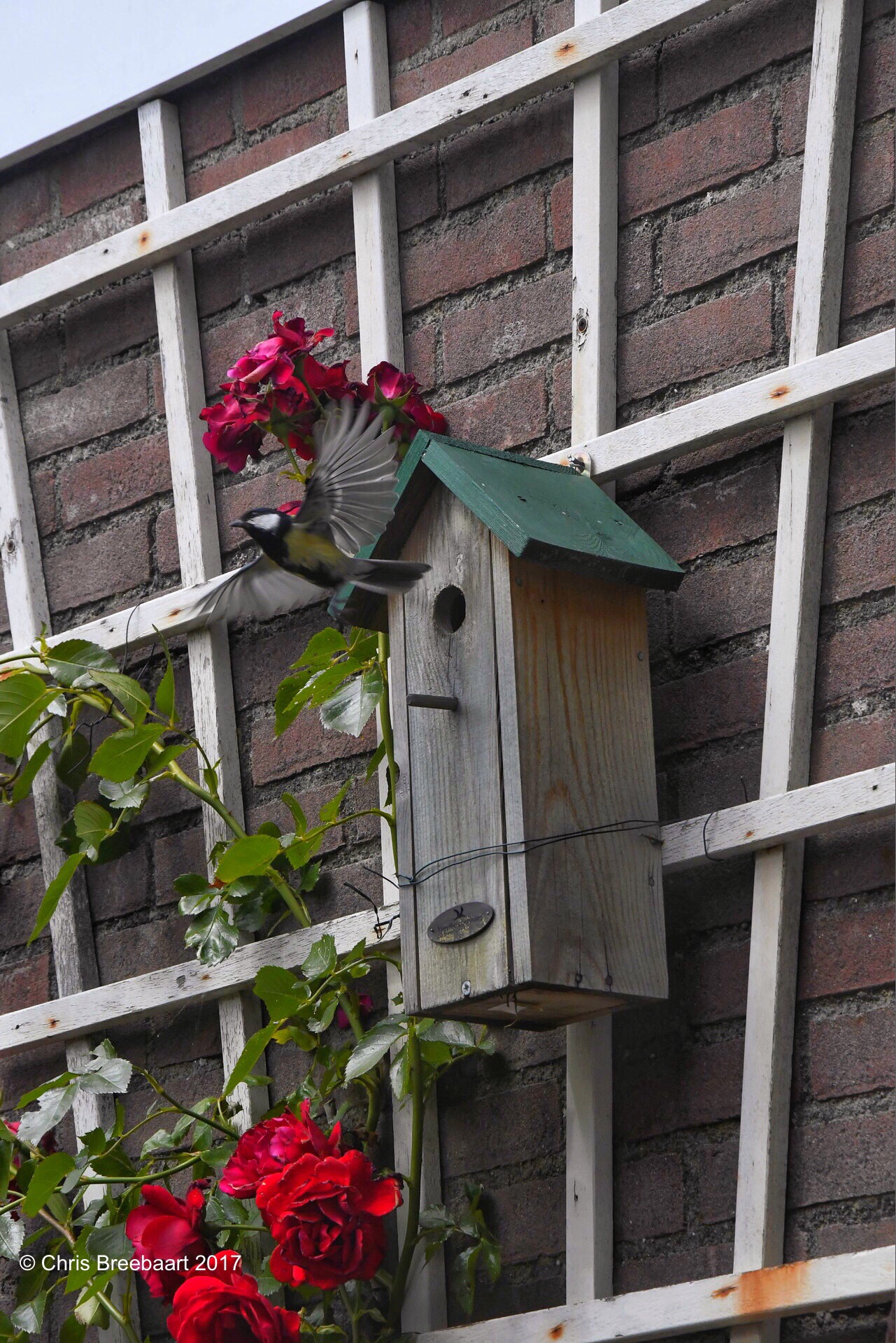
The Netherlands, Oegstgeest – June 2017
Shot with Nikon D500, edited using Snapseed and Marksta. Click the picture for a bigger version
A list of other entries to this theme; if you do not want to be on this list let me know and I remove the link
 What's (in) the Picture?