A Quiet Morning
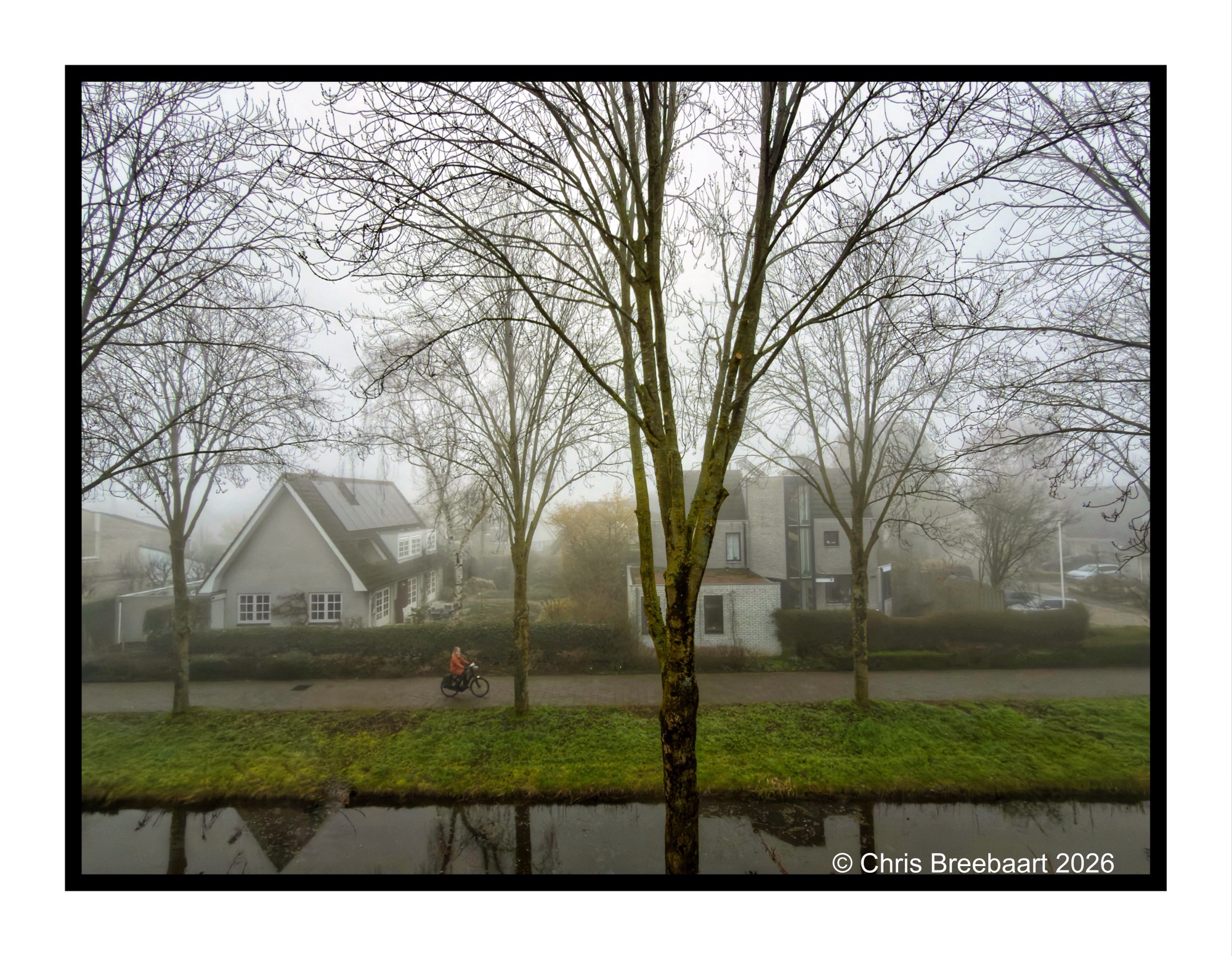
A quiet morning.
Shot with iPhone 17 Pro Max edited using Snapseed and Marksta. Click the picture for a larger version
A quiet morning.
Shot with iPhone 17 Pro Max edited using Snapseed and Marksta. Click the picture for a larger version
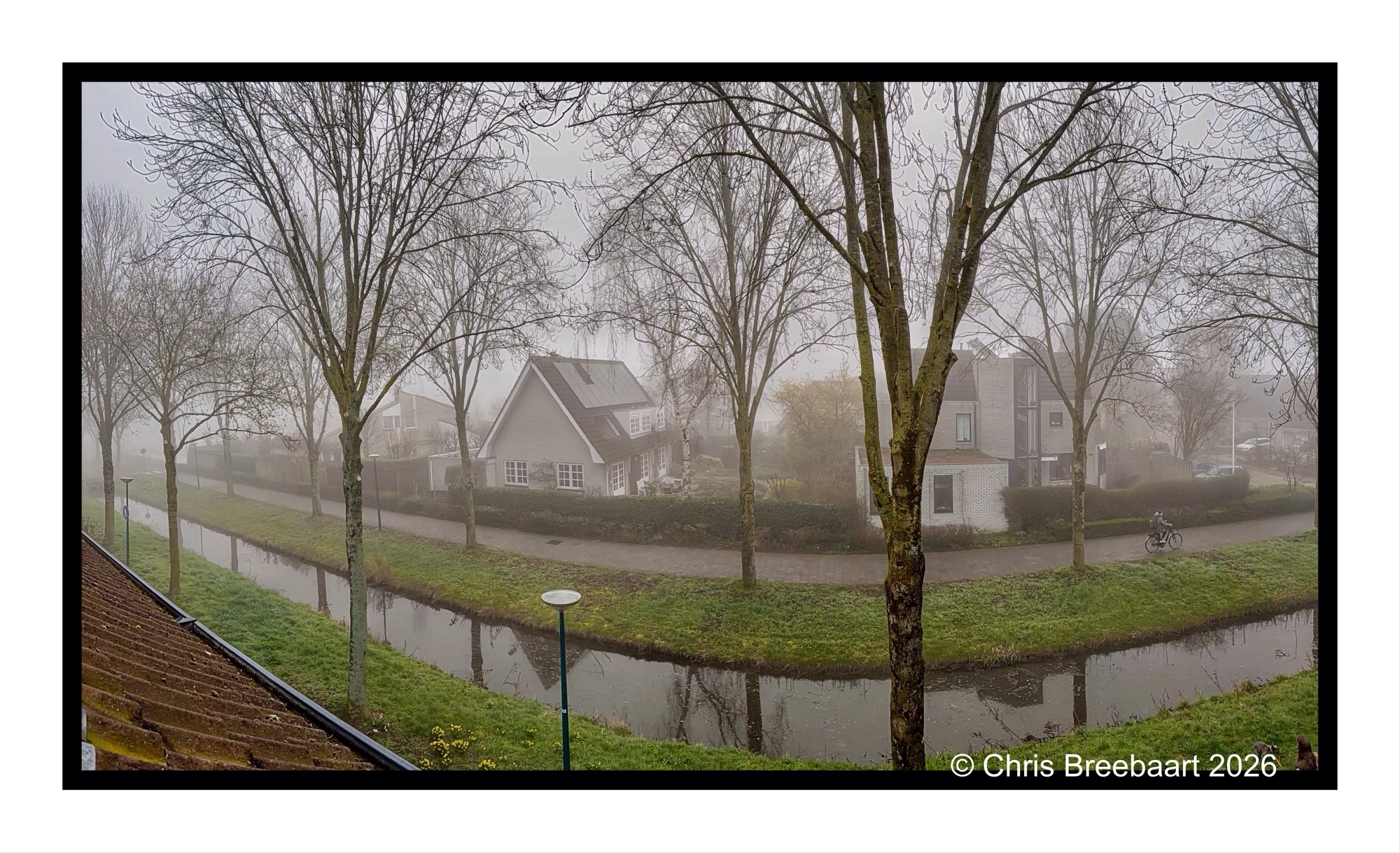
A view created by the panorama setting of the iPhone. It is what you can see, but not as you see it in real.
Shot with iPhone 17 Pro Max edited using Snapseed and Marksta. Click the picture for a larger version
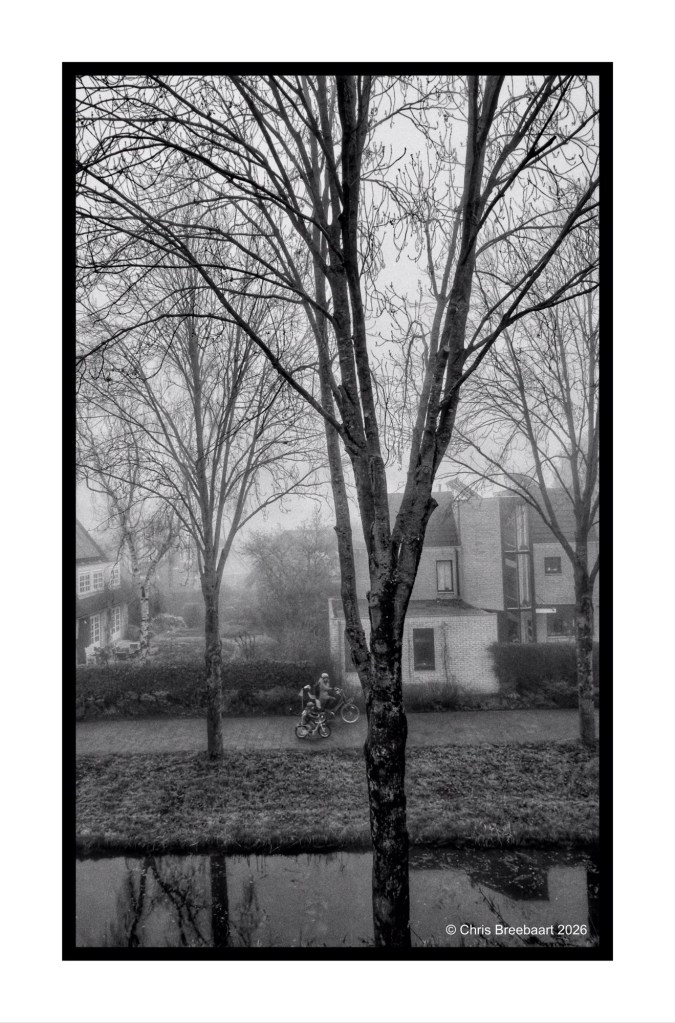
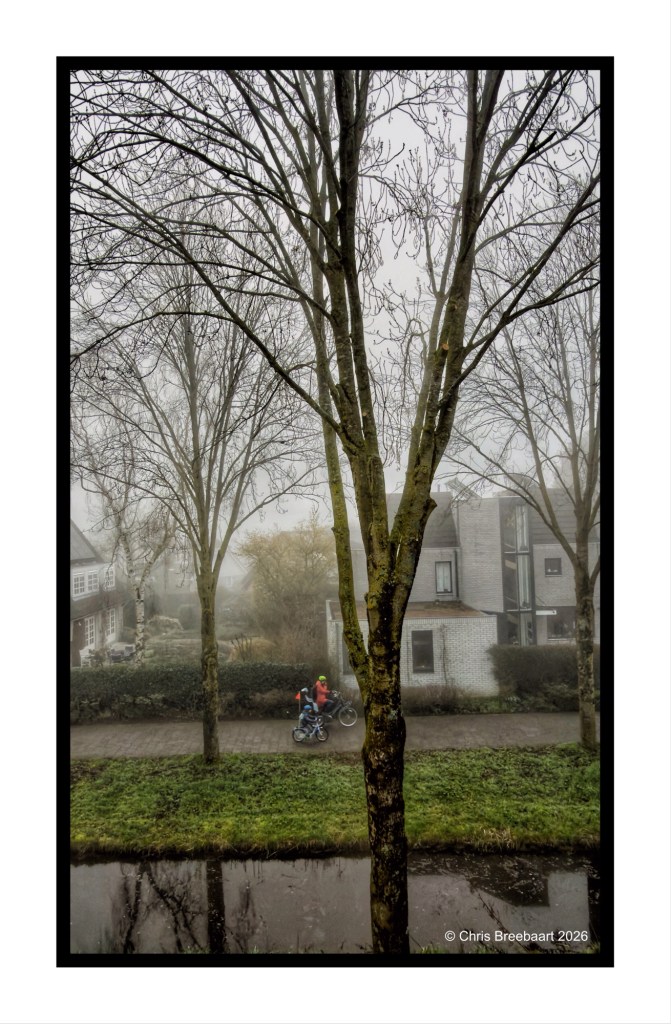
If you visit my blog – like I hope you do or from now start to do – you must have recognized my ‘old’ love for monochrome. When I started this hobby, mono was fashionable and a standard for news photography. And it was cheaper. In this series I offer you two versions of a photo. And you can prefer one over the other, or not.
This week’s theme #390 is ‘color in black and white’. What an appropiate theme, to show the last of the series. A view out of the window. Egidio’s theme focused on the cognitive fact that our brains still know a soccer pitch is green, even in grey tones. Here you can see what colors do in greys, and if that is appealing or not to your taste pallet.
Shot with iPhone 17 Pro Max edited using Snapseed and Marksta. Click the picture for a larger version
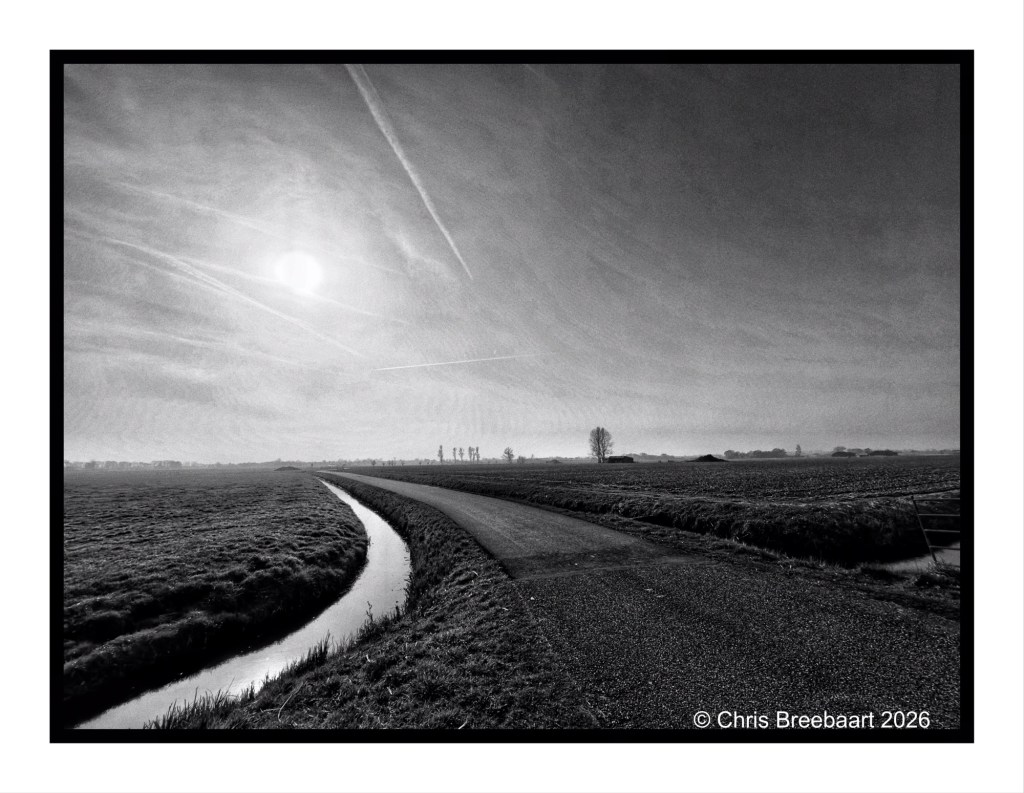
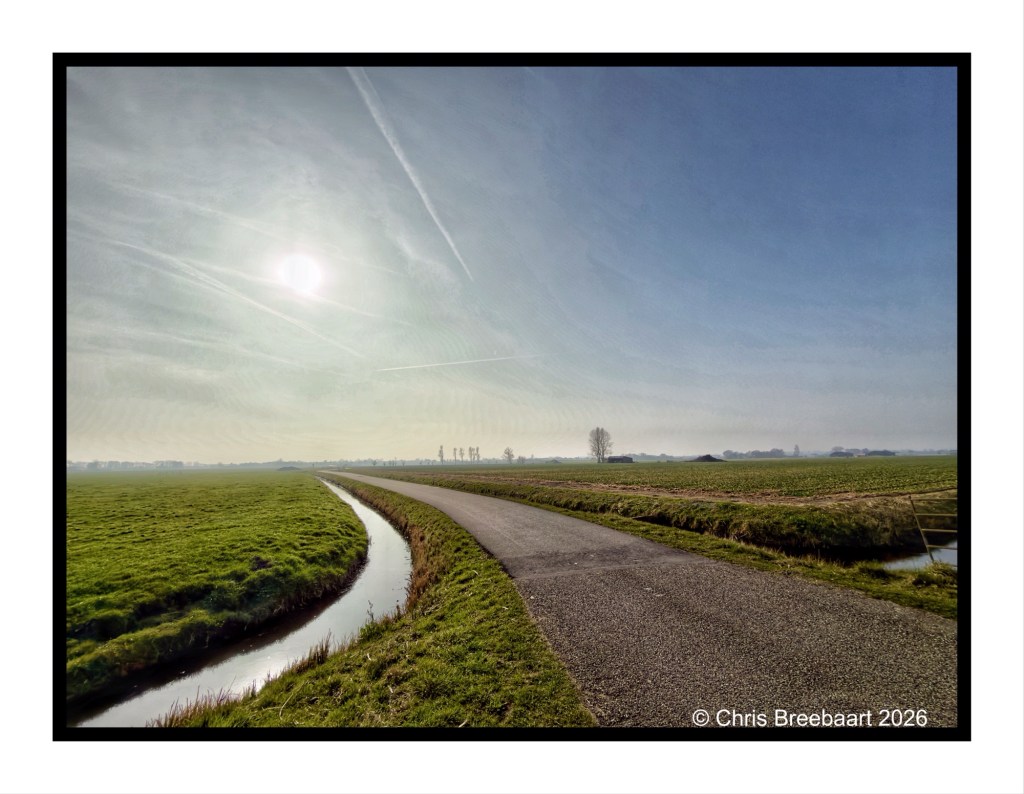
If you visit my blog – like I hope you do or from now start to do – you must have recognized my ‘old’ love for monochrome. When I started this hobby, mono was fashionable and a standard for news photography. And it was cheaper. In this series I offer you two versions of a photo. And you can prefer one over the other, or not.
This week’s theme is ‘Time to relax’. On a bicycle ride through fields where soon bulb flowers will pop up, together with other cyclists. This is a piece of a polder showing the low horizon in the sun.
Shot with iPhone 17 Pro Max edited using Snapseed and Marksta. Click the picture for a larger version
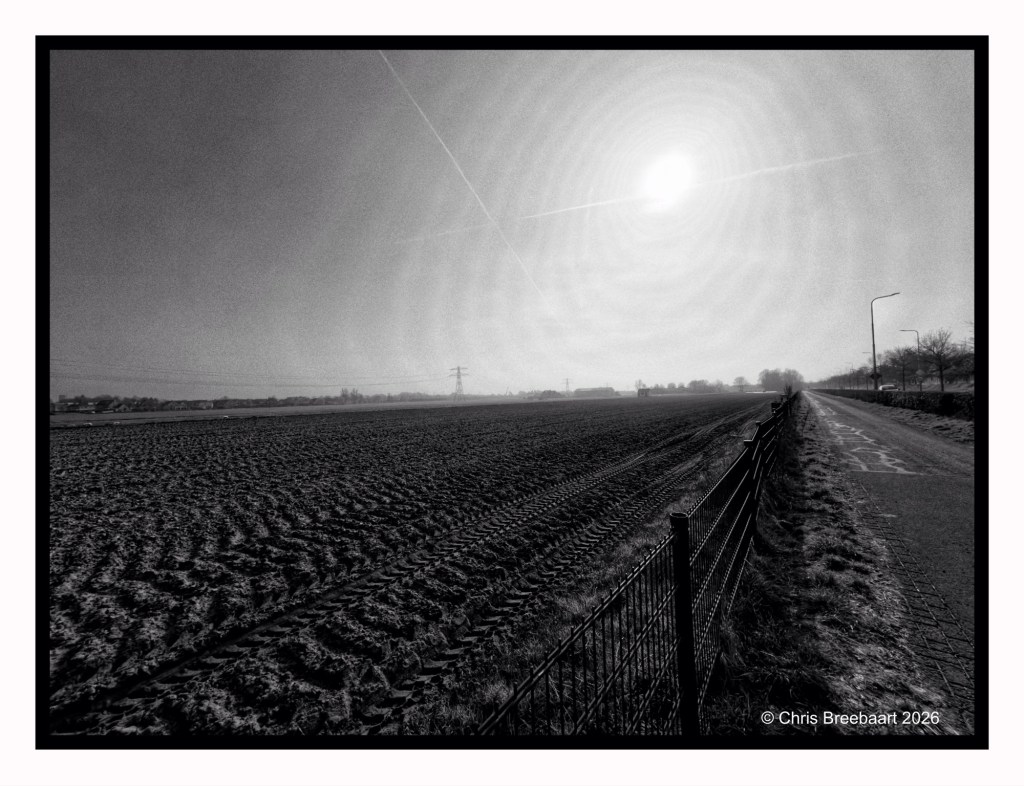
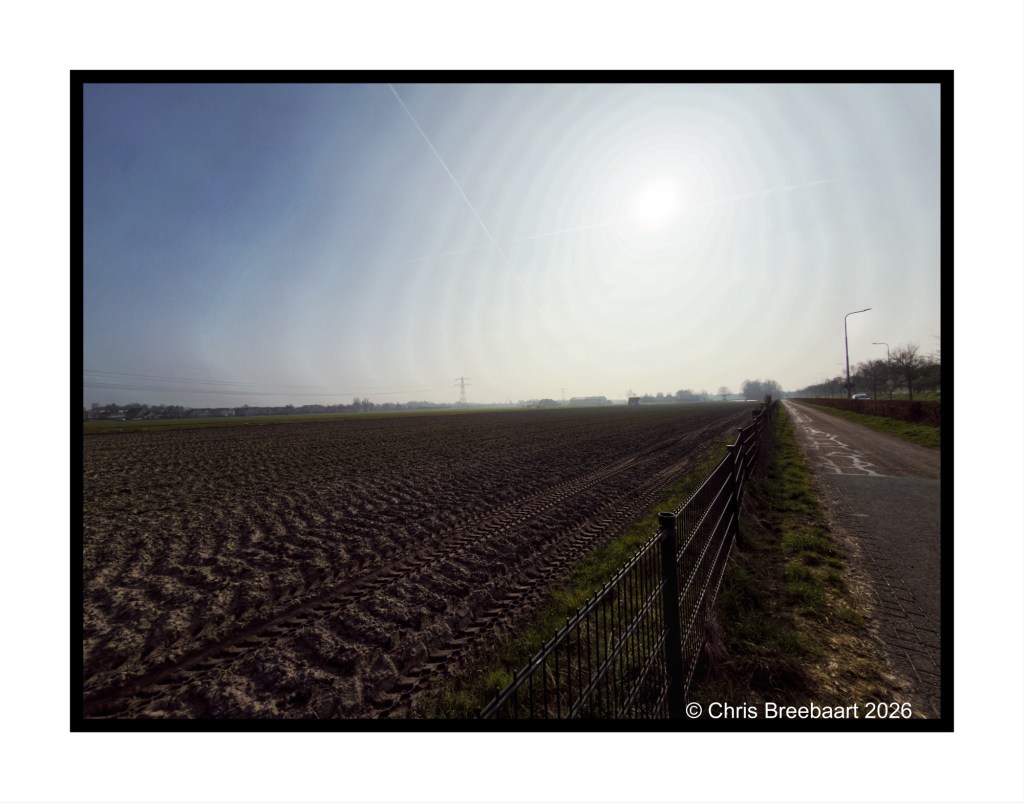
If you visit my blog – like I hope you do or from now start to do – you must have recognized my ‘old’ love for monochrome. When I started this hobby, mono was fashionable and a standard for news photography. And it was cheaper. In this series I offer you two versions of a photo. And you can prefer one over the other, or not.
This week’s theme is ‘Time to relax’. On a bicycle ride through fields where soon bulb flowers will pop up, together with other cyclists. Thought I am not really sure about this piece of land, it is just been plowed it seems.
Shot with iPhone 17 Pro Max edited using Snapseed and Marksta. Click the picture for a larger version
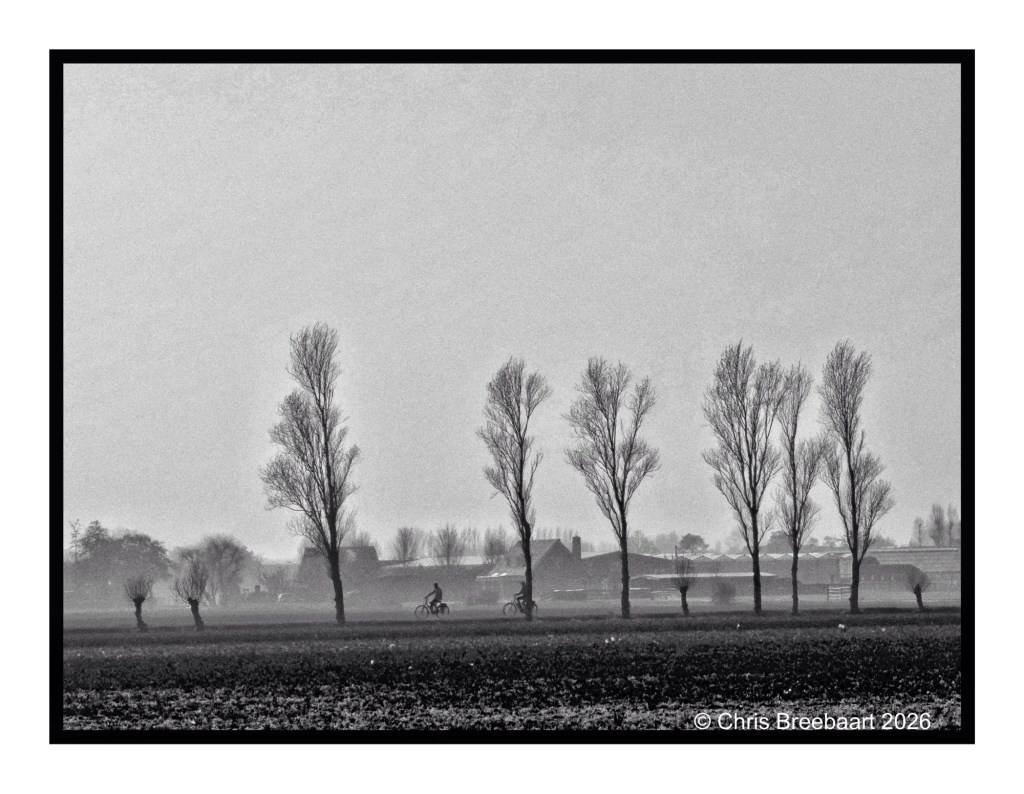
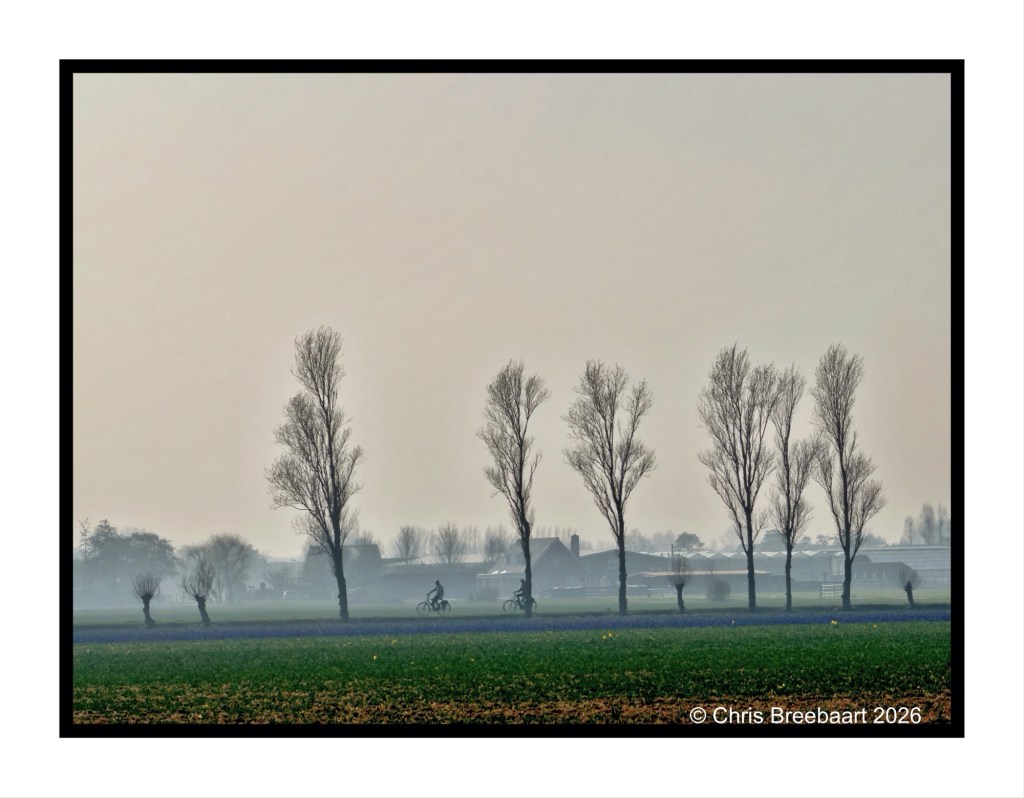
If you visit my blog – like I hope you do or from now start to do – you must have recognized my ‘old’ love for monochrome. When I started this hobby, mono was fashionable and a standard for news photography. And it was cheaper. In this series I offer you two versions of a photo. And you can prefer one over the other, or not.
This week’s theme is ‘Time to relax’. On a bicycle ride through fields where soon bulb flowers will pop up, together with other cyclists. On the color version you can see the deep purple of early hyacinths. With Some yellow late Daffodils.
Shot with iPhone 17 Pro Max edited using Snapseed and Marksta. Click the picture for a larger version
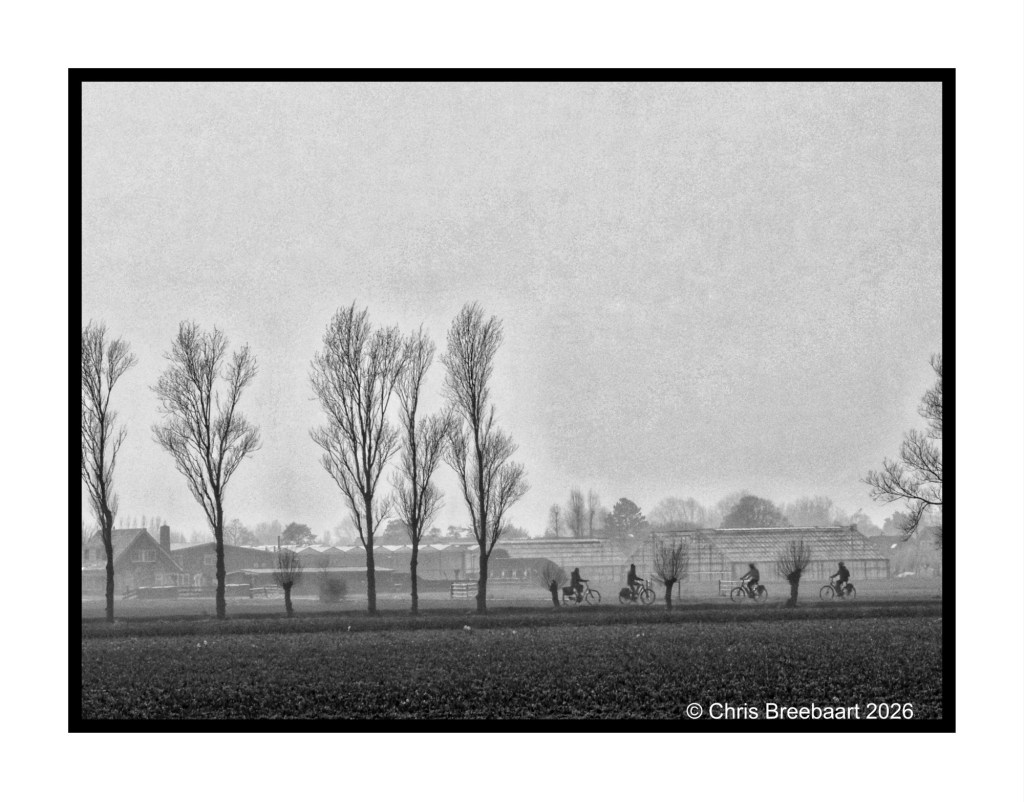
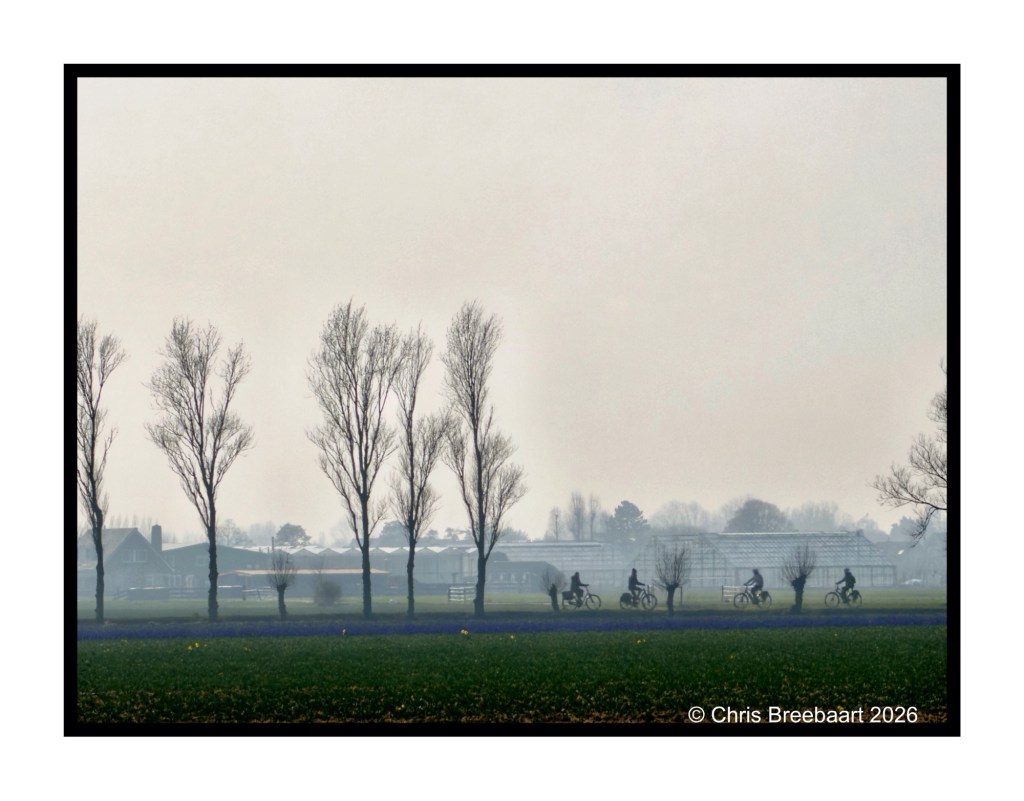
If you visit my blog – like I hope you do or from now start to do – you must have recognized my ‘old’ love for monochrome. When I started this hobby, mono was fashionable and a standard for news photography. And it was cheaper. In this series I offer you two versions of a photo. And you can prefer one over the other, or not.
This week’s theme is ‘Time to relax’. On a bicycle ride through fields where soon bulb flowers will pop up, together with other cyclists. On the color version you can see the deep purple of early hyacinths. With Some yellow late Daffodils.
Shot with iPhone 17 Pro Max edited using Snapseed and Marksta. Click the picture for a larger version
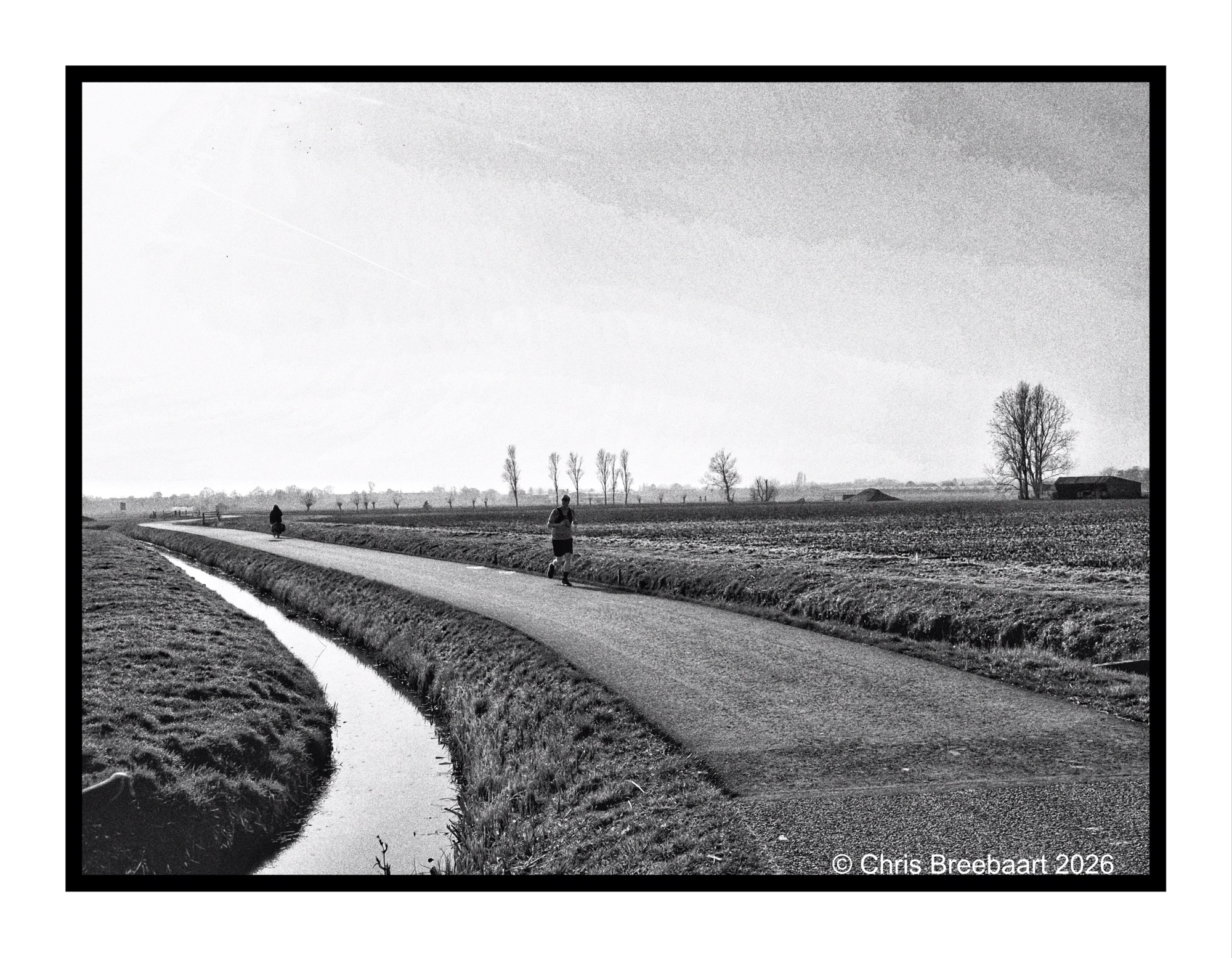
This week’s theme is ‘Time to relax’. On a bicycle ride through fields where soon bulb flowers will pop up, together with other cyclists and the occasional runner.
Shot with iPhone 17 Pro Max edited using Snapseed and Marksta. Click the picture for a larger version
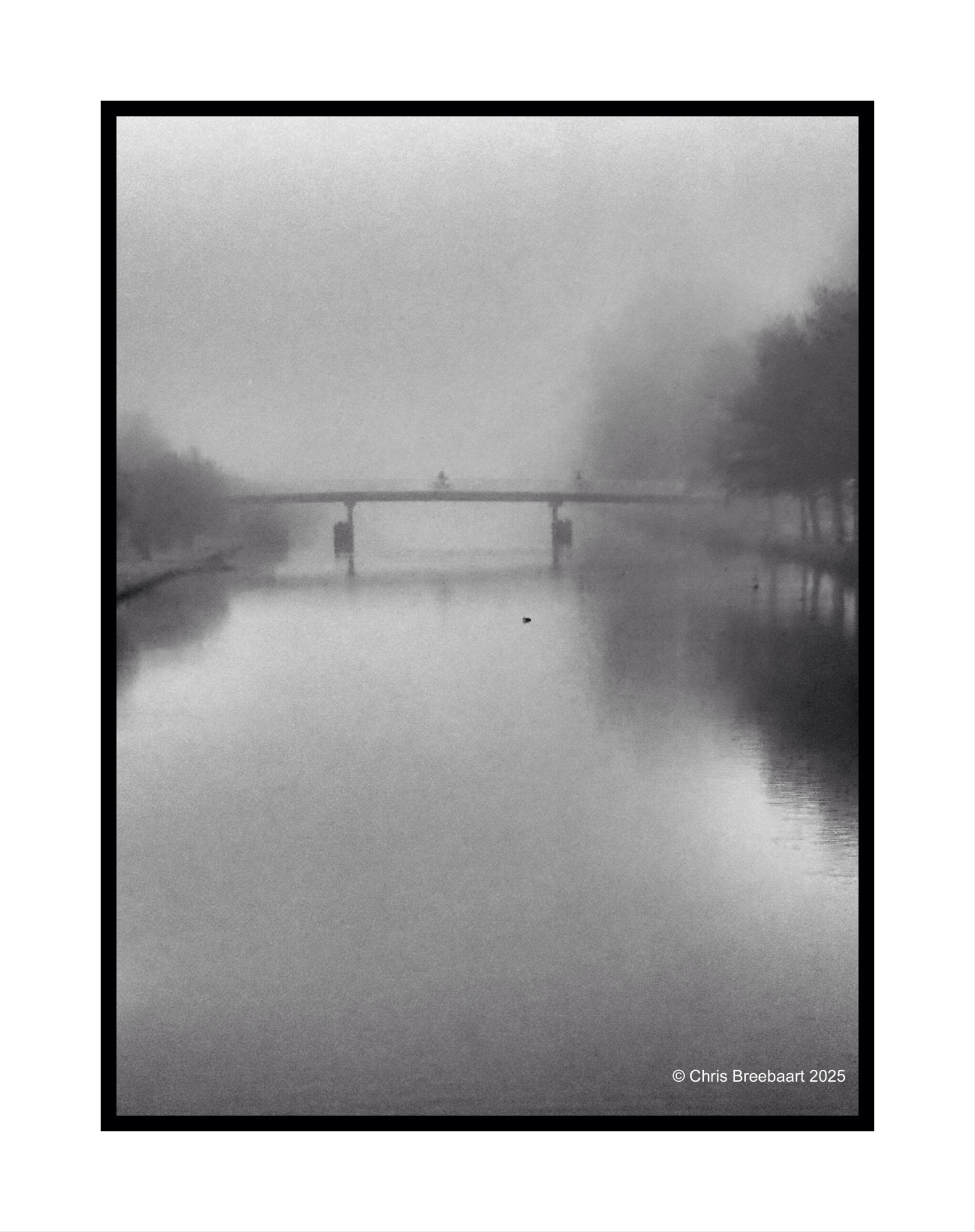
The year 2025 ends and we cross over to 2026. I hope the new year will be a good one. I wish it brings some of the desires I cherish in my heart. I am sure others cherish these desires as well.
Shot with iPhone 15 Pro Max edited using Snapseed and Marksta Click the picture for a larger version.

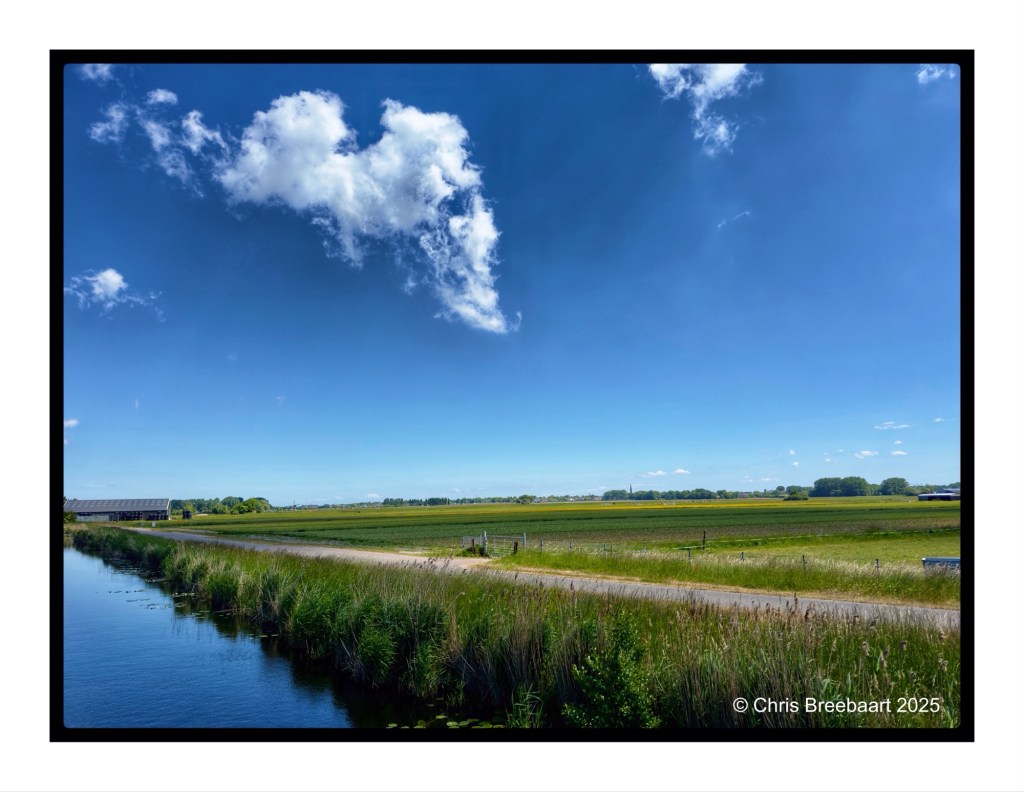


The Dutch landscape has low horizons and is flat (but not as a pancake). Canals cut through it. Bicycle paths offer easy access for exploring. These photos are just behind the dunes at Noordwijk. They are at the edge of the Maandagse Wetering. On the horizon is Voorhout.
Shot with iPhone 15 Pro Max edited using Snapseed and Marksta. Click the picture for a larger version.
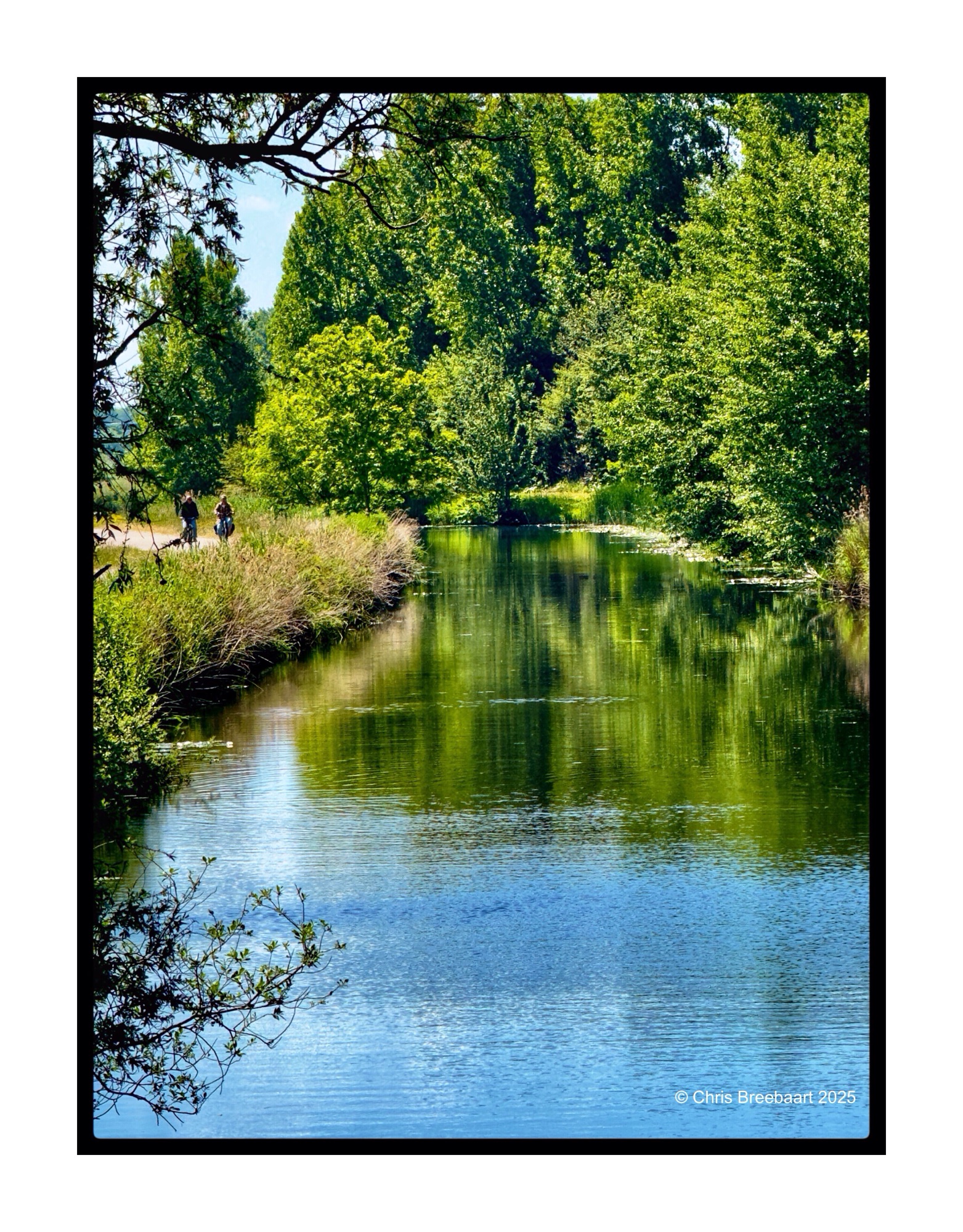
Shot with iPhone 15 Pro Max edited using Snapseed and Marksta. Click the picture for a larger version.
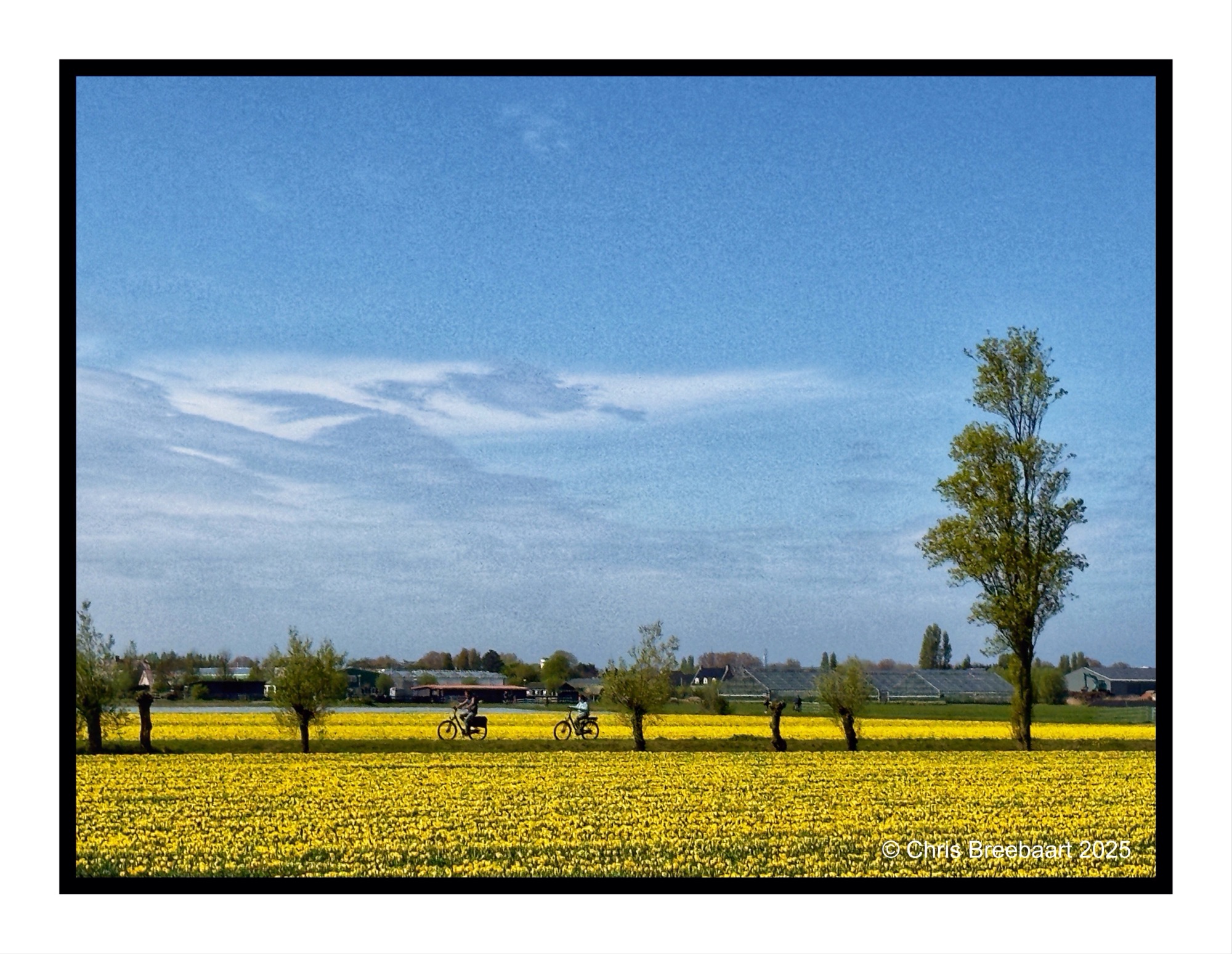
Shot with iPhone 15 Pro Max edited using Snapseed and Marksta. Click the picture for a larger version.
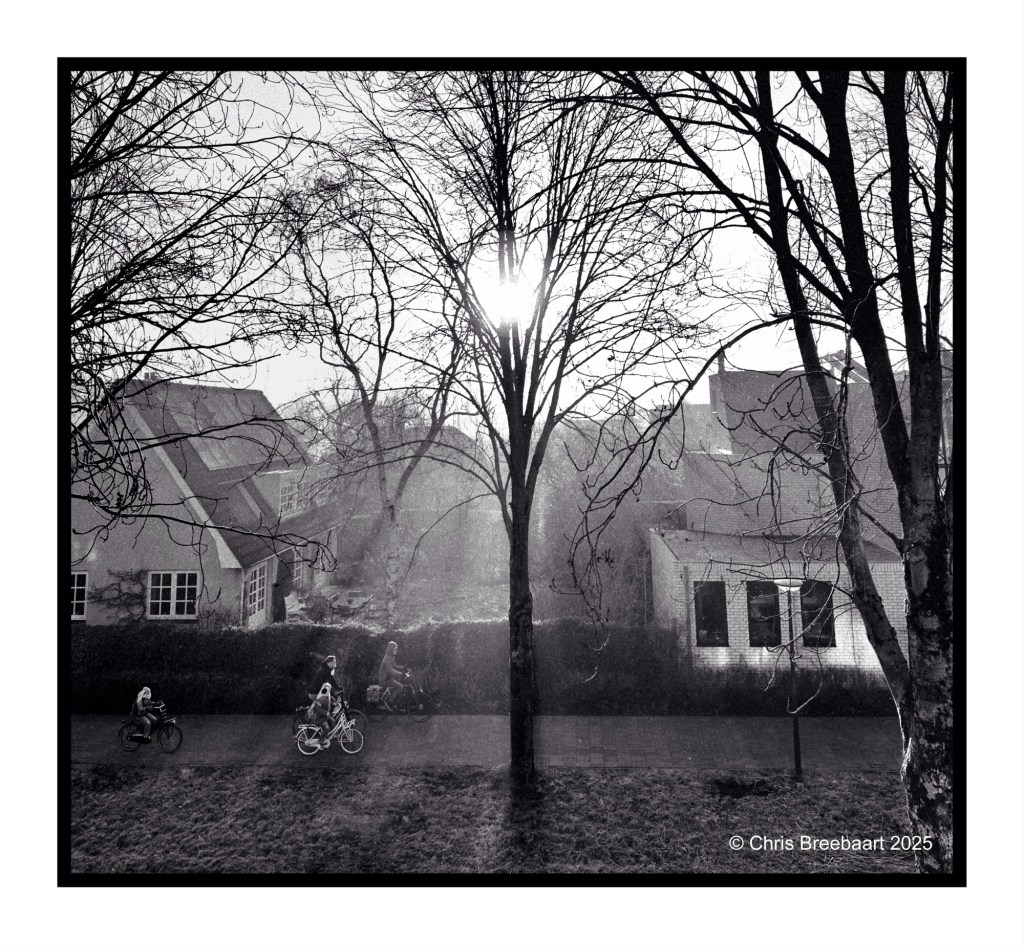
Shot with iPhone 15 Pro Max, edited using Snapseed, GrainLab and Marksta. Click the picture for a larger version.
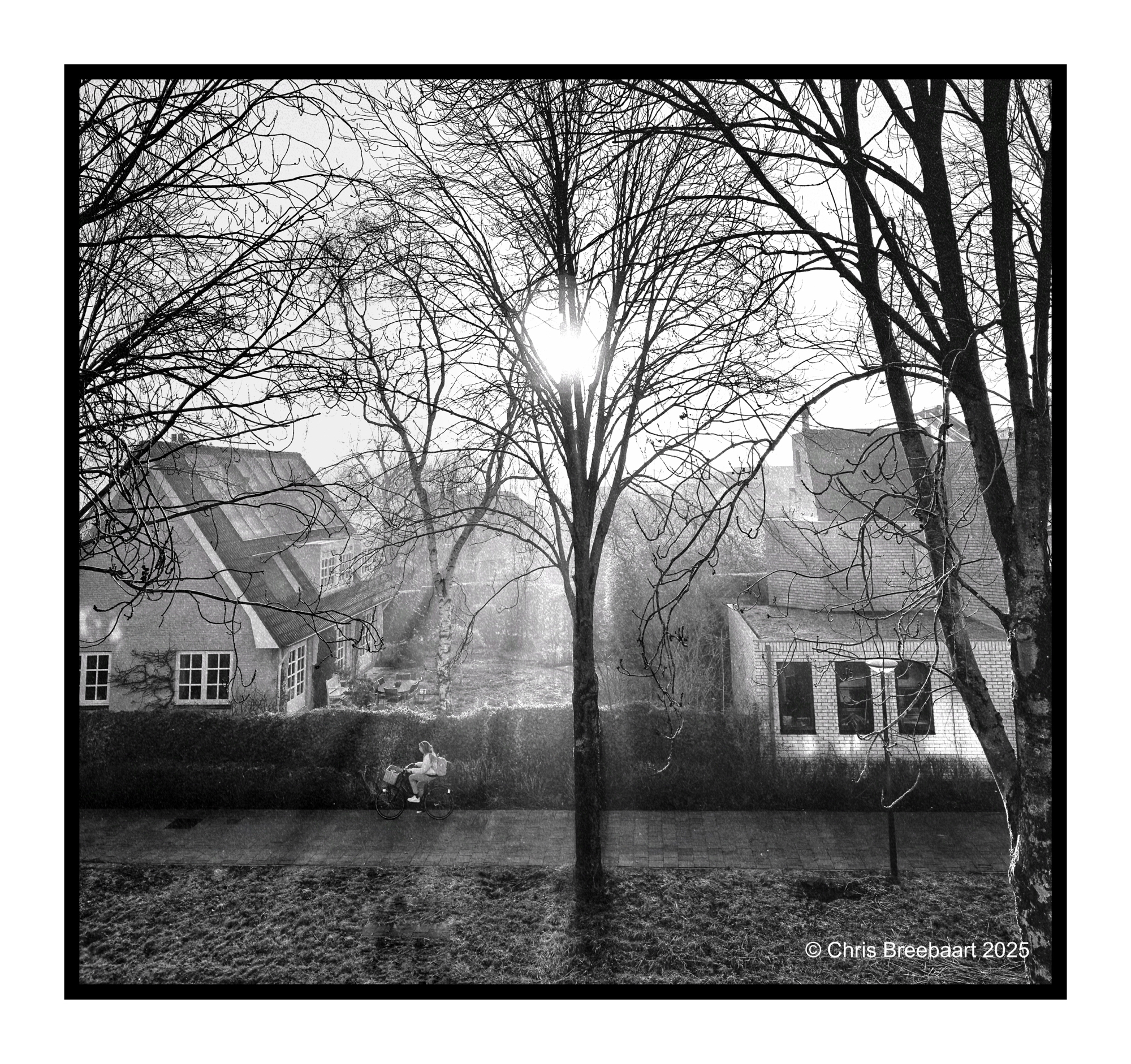
Shot with iPhone 15 Pro Max, edited using Snapseed, GrainLab and Marksta. Click the picture for a larger version.
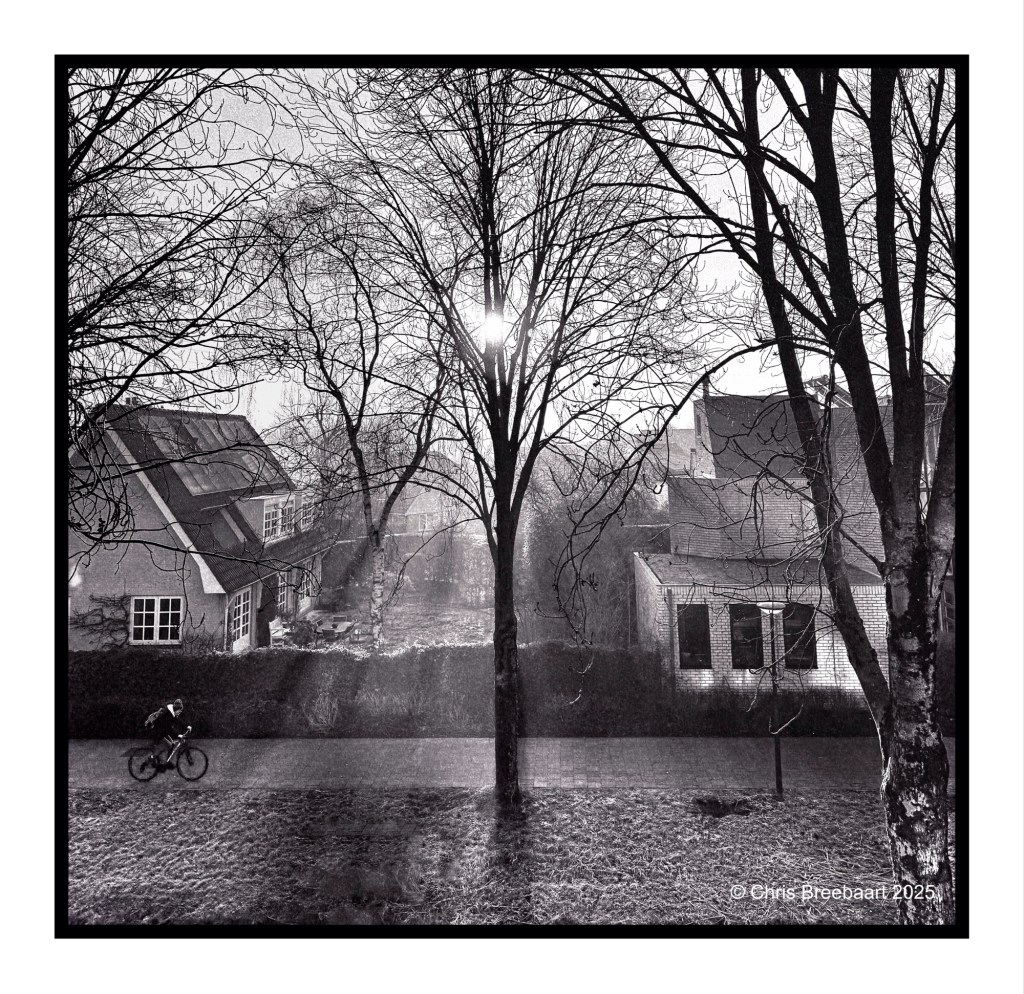
Shot with iPhone 15 Pro Max, edited using Snapseed, GrainLab and Marksta. Click the picture for a larger version.
Shot with iPhone 15 Pro Max edited using Snapseed and Marksta Click the picture for a larger version
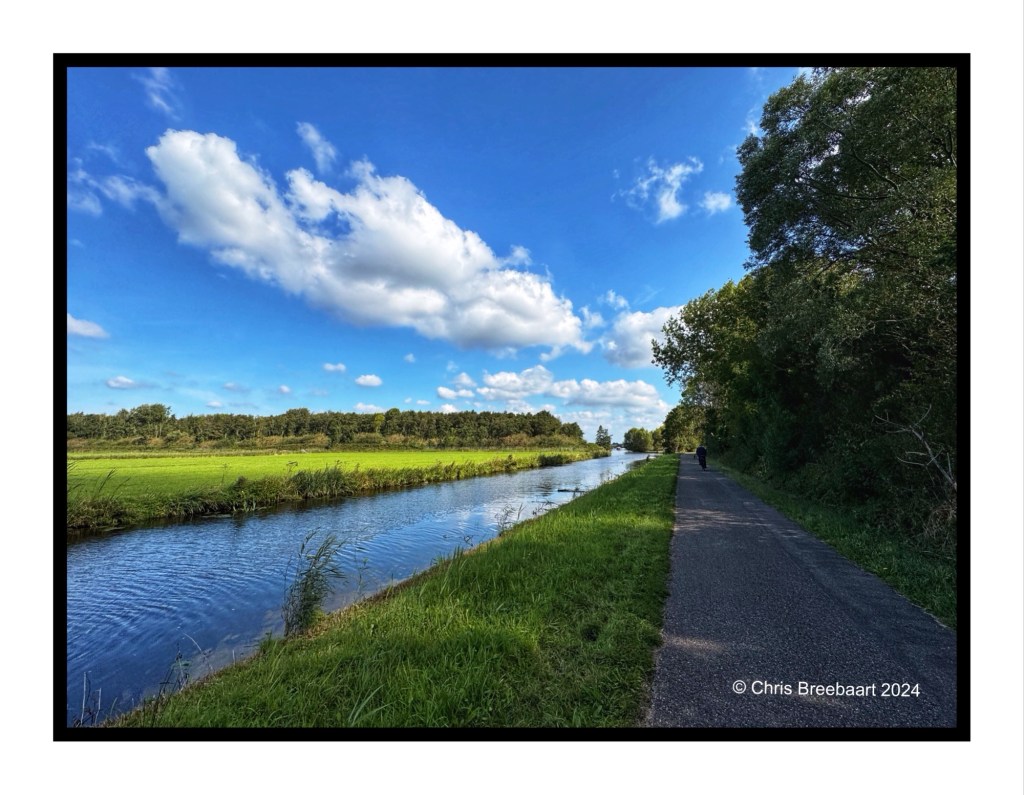
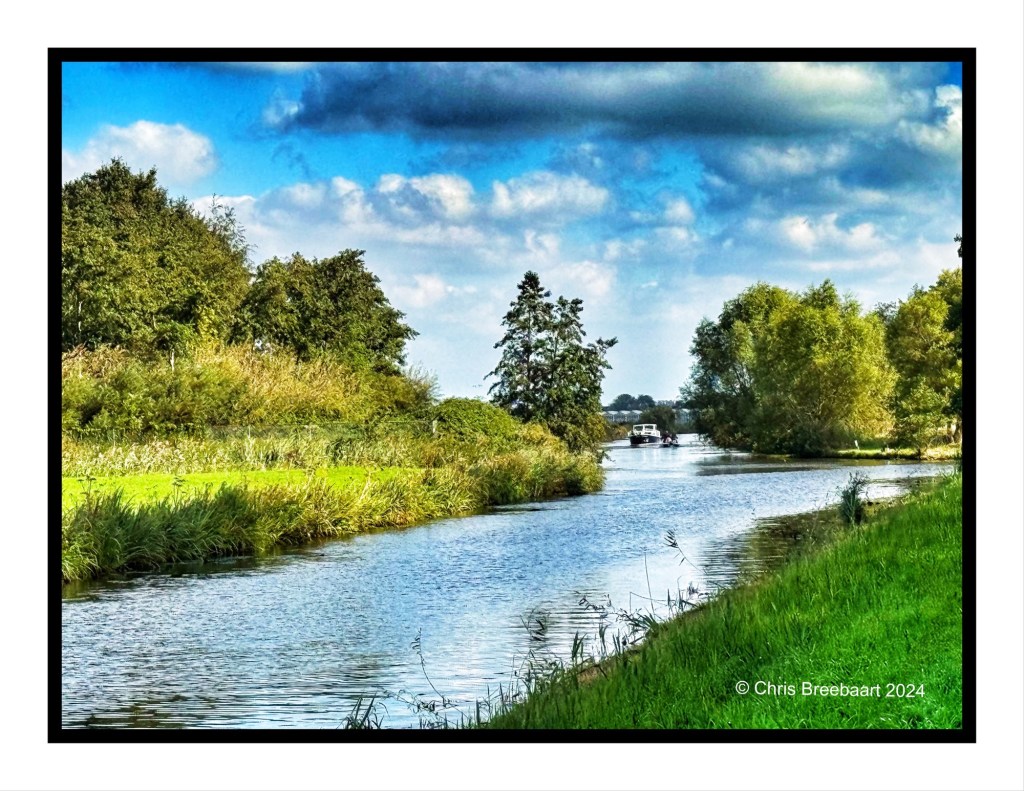
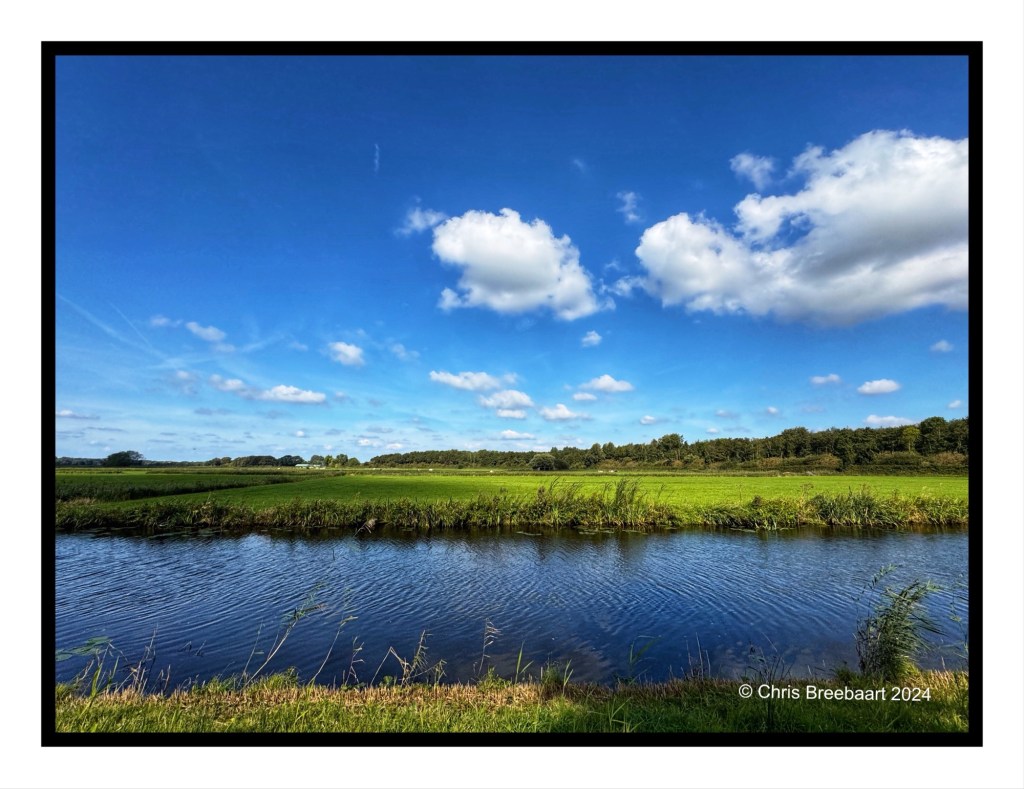
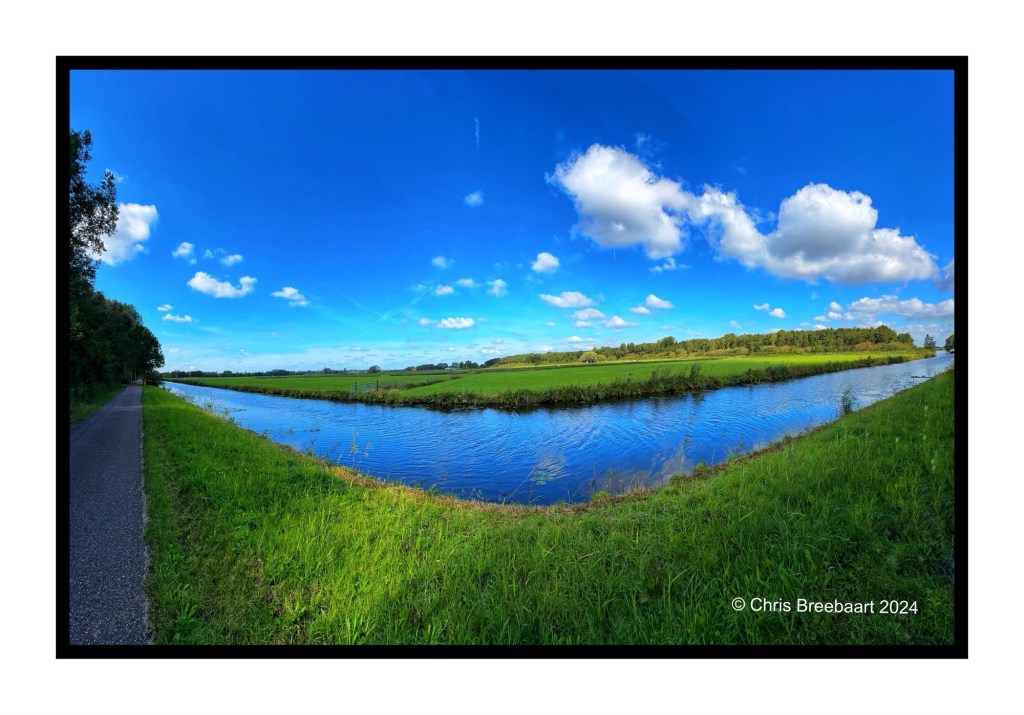
A bicycle tour brought us to the Zijwatering, a canal from Wassenaar to the Oude Rijn (in the time of the Roman Empire the present Old Rhine was part of the Rhine estuary and came into the Northsea at Katwijk). It was a surprise and also a delight to see the beauty of the landscape under a beatiful early Autumn sun. The bottom photo is a panorama, using this feature on the iPhone makes straight lines bend.
Shot with iPhone 15 Pro Max edited using Snapseed and Marksta Click the picture for a larger version
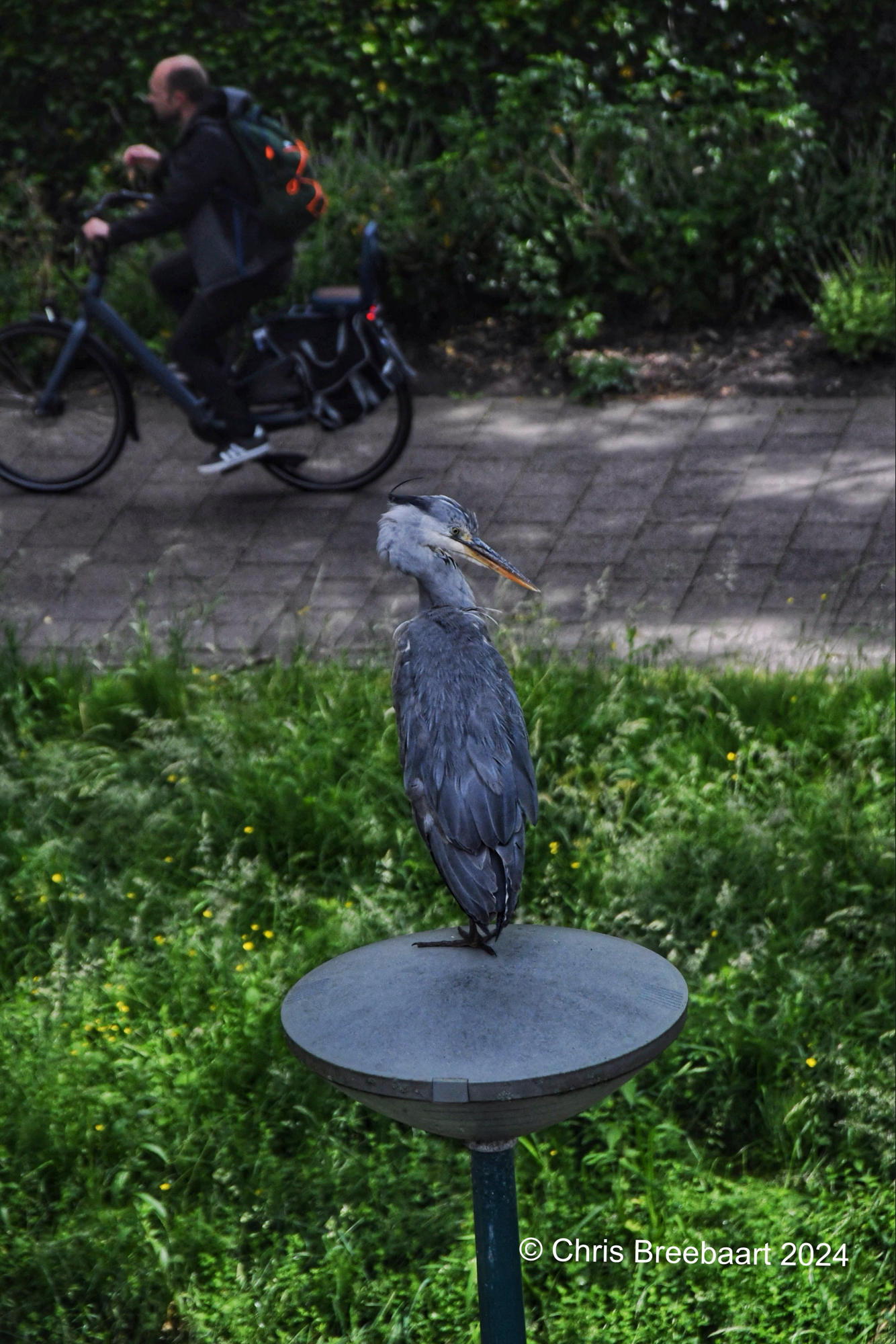
LAPC #306 is ‘habitat’. As humans we share the earth with lots of natural life, we share habitats (the human home, the natural ecosystem), we co-exist. Our relation with earth is not balanced. It tilts favorably towards the human interest, disrupting the natural habitats of many. If we as humans do not change our relationship with earth, then humanity kills itself, leaving a planet to recover from being abused. Not survival of the fittest, but termination of the dumbest.
A Heron, sitting on a lamppost, overlooking the articificial canal, as a cyclist uses a cycling path in the background.
Shot with Nikon D500, edited using Snapseed and Marksta. Click the picture for a bigger version.
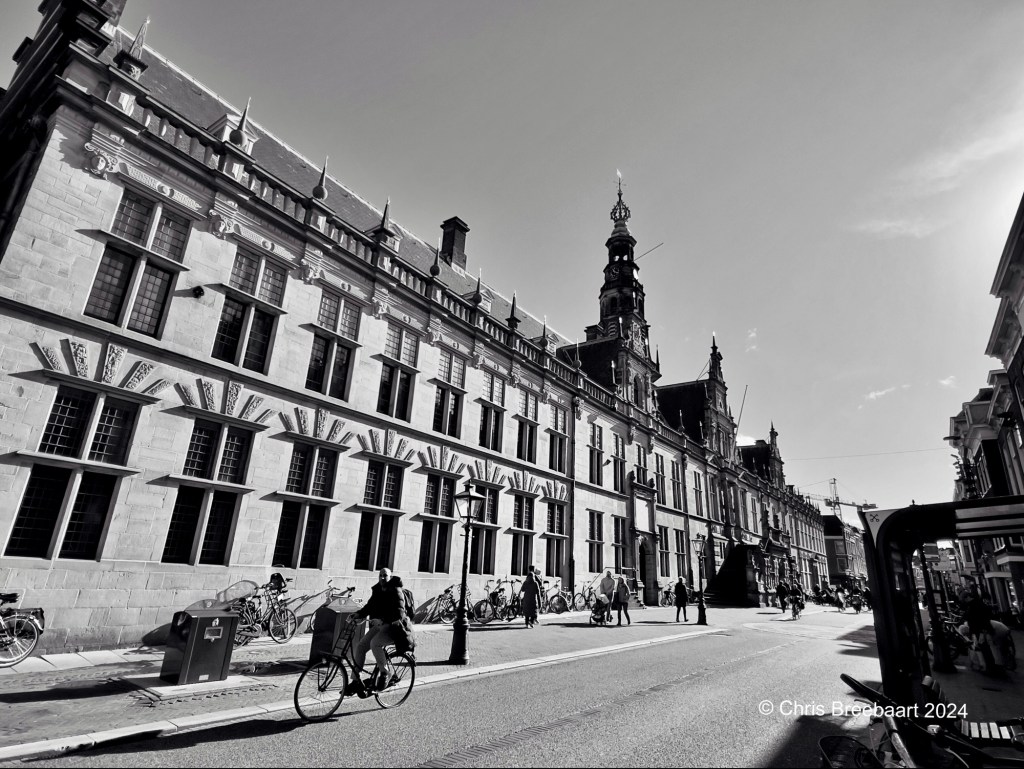

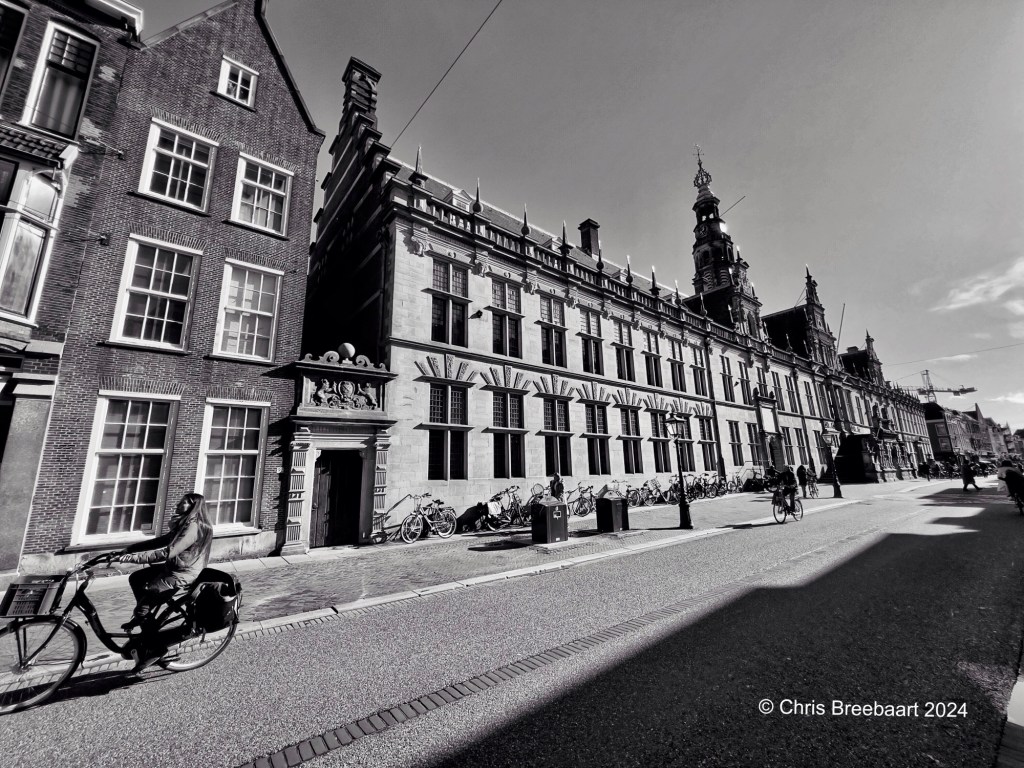
Bycycles passing the townhall of Leiden at the Breestraat, for Lens Artists Photo Challenge #292 ‘People here, there and everywhere’.
Shot with iPhone 13 Pro Max edited using Snapseed and Marksta Click the picture for a larger version
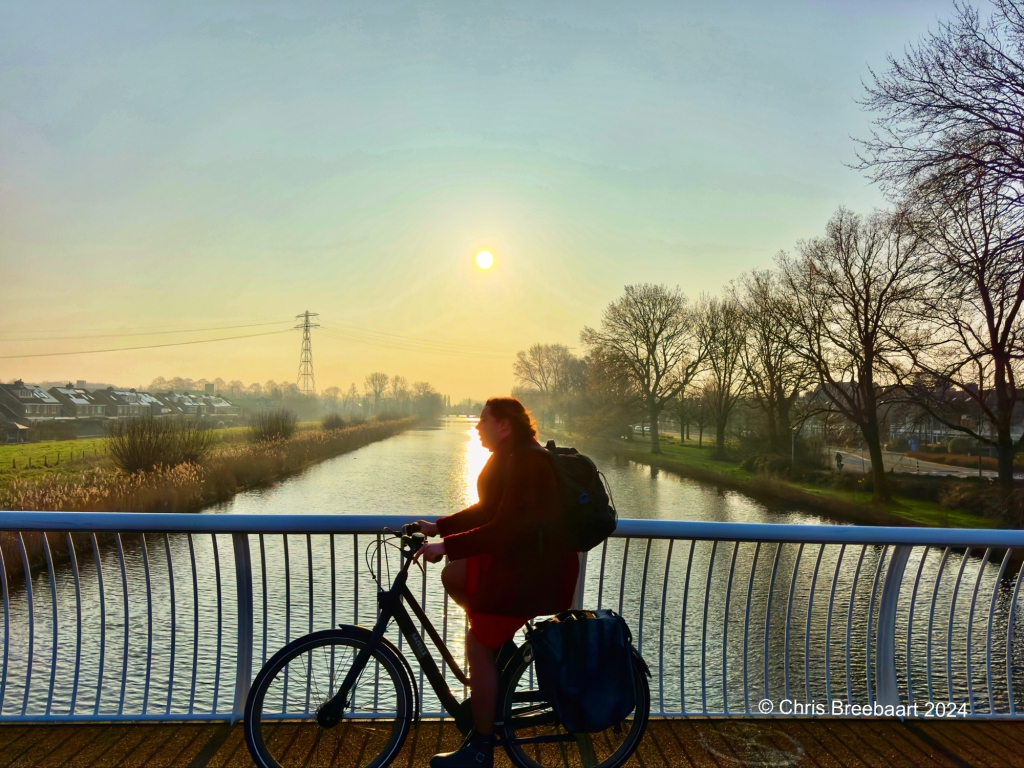
Sunrise on the J.H. Oortbrug for lens artists challenge #290 Circular Wonders. What is most the biggest wonder? The wheels or the sun? It is the first photo of the iPhone 15 Pro Max.
Shot with iPhone 15 Pro Max edited using Snapseed and Marksta Click the picture for a larger version
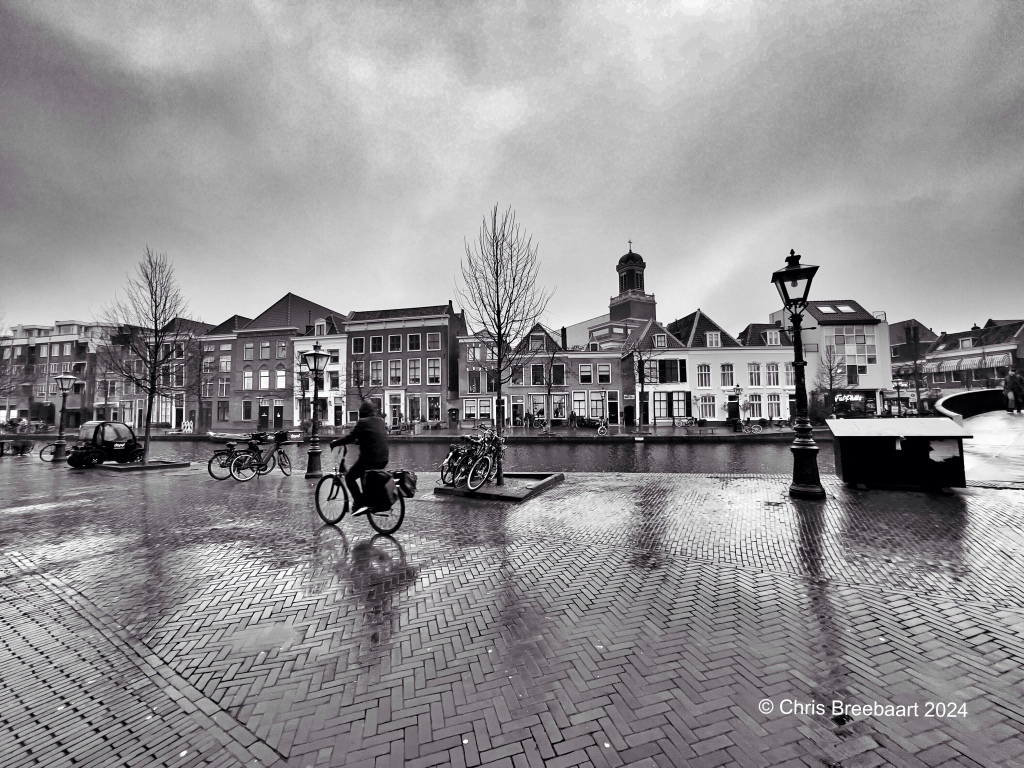
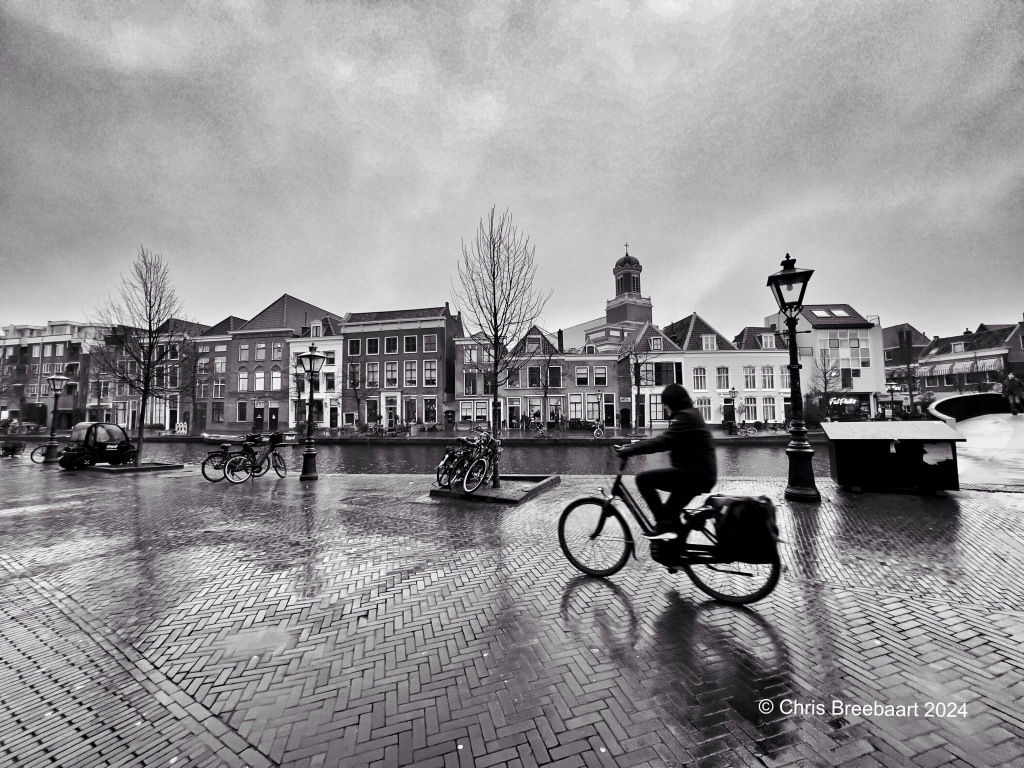
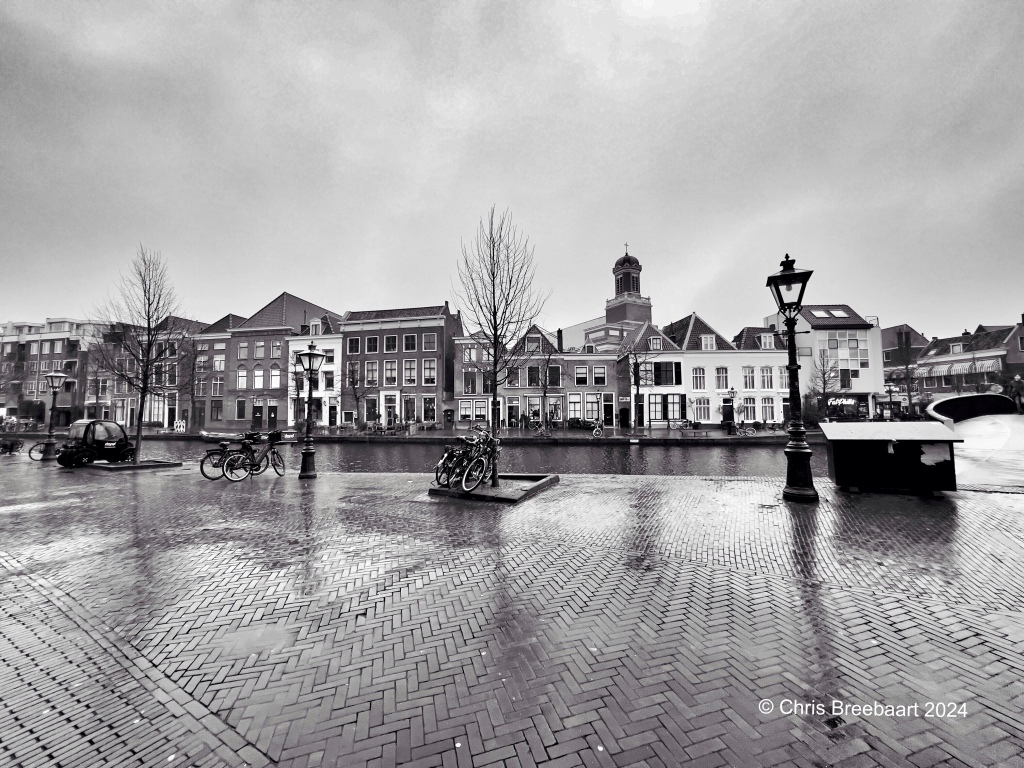
Leiden on a rainy Winter day for this week’s Lens Artists Challenge #286 ‘Weather’.
Shot with iPhone 13 Pro Max edited using Snapseed and Marksta Click the picture for a larger version
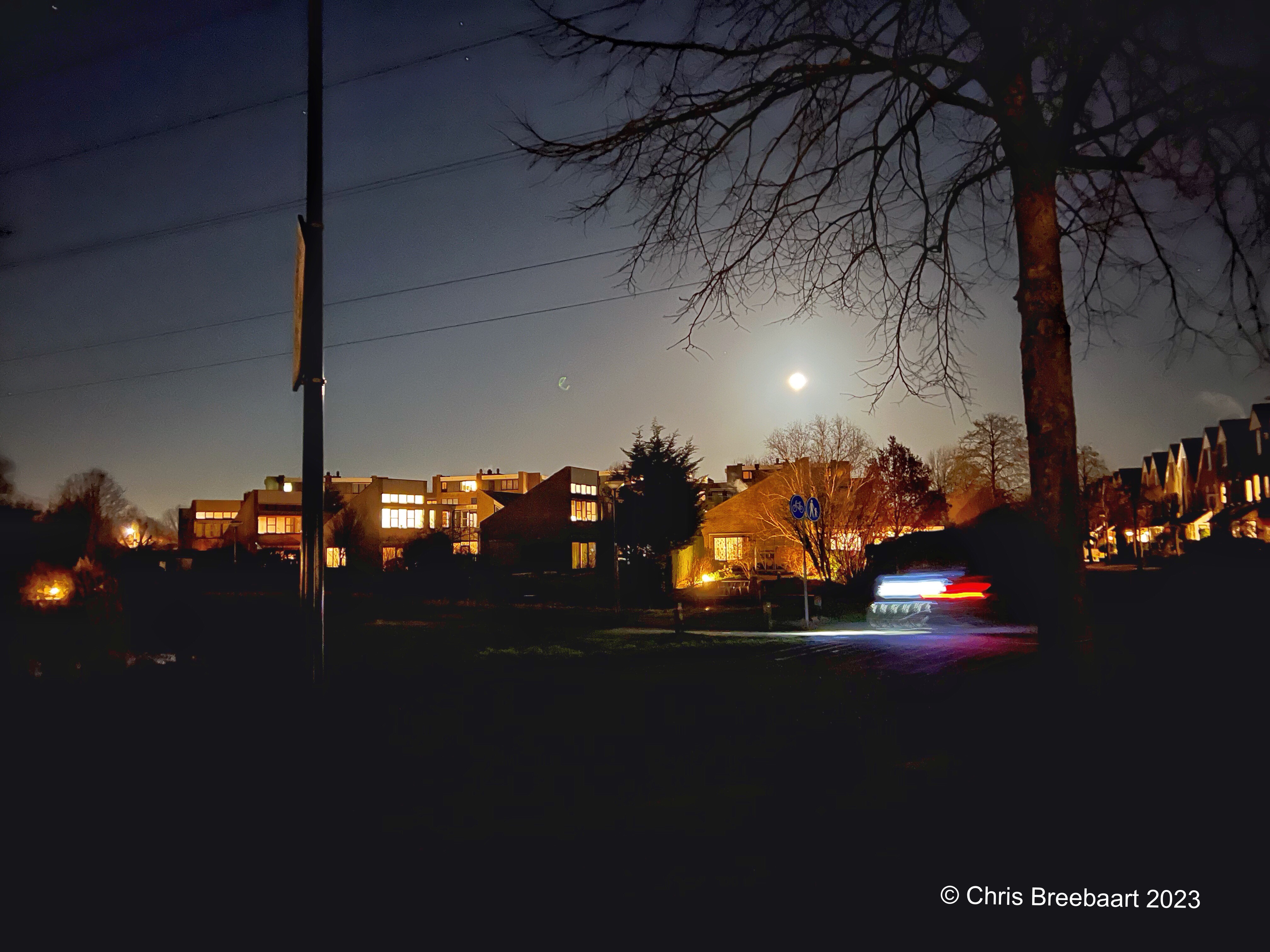
The weekly lens artists challenge #242 is ‘new experiences’. A month ago we had a partial public space power cut, the streetlights of a part of the neigbourhood were off for an hour and the moon showed its grace beautifully. Power inside the houses was still there. Power cuts are fortunately rare, and this one was quite a nice experience! This is a bicycle coming by.
Shot with iPhone 13 Pro Max edited using Snapseed and Marksta Click the picture for a larger ver
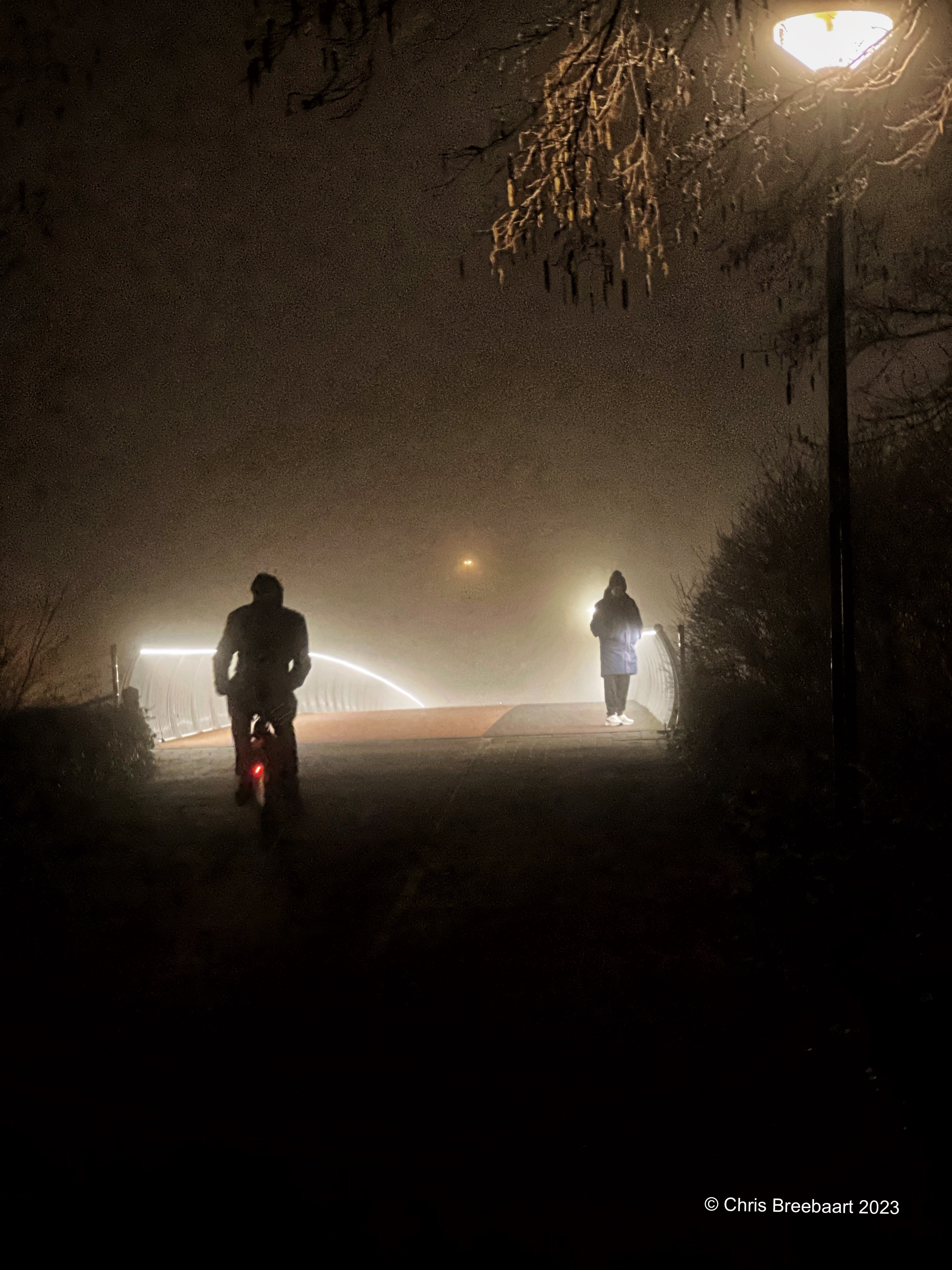
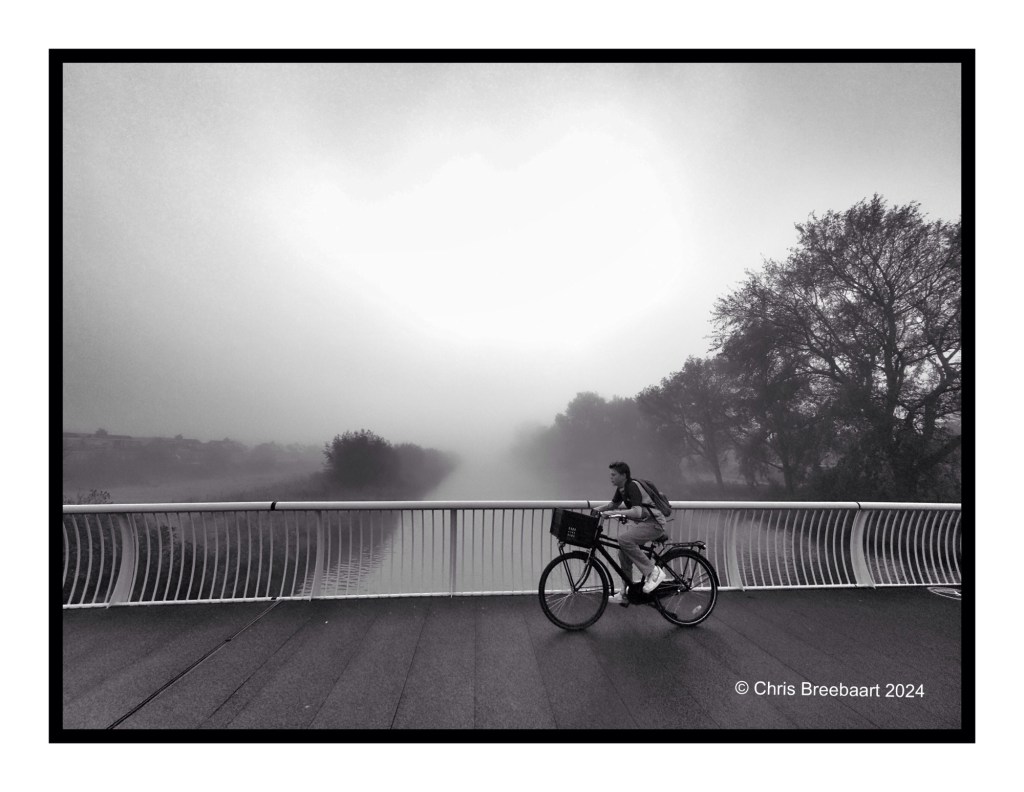
The J.H. Oortbrug in the fog.
Shot with iPhone 13 Pro Max edited using Snapseed and Marksta Click the picture for a larger version
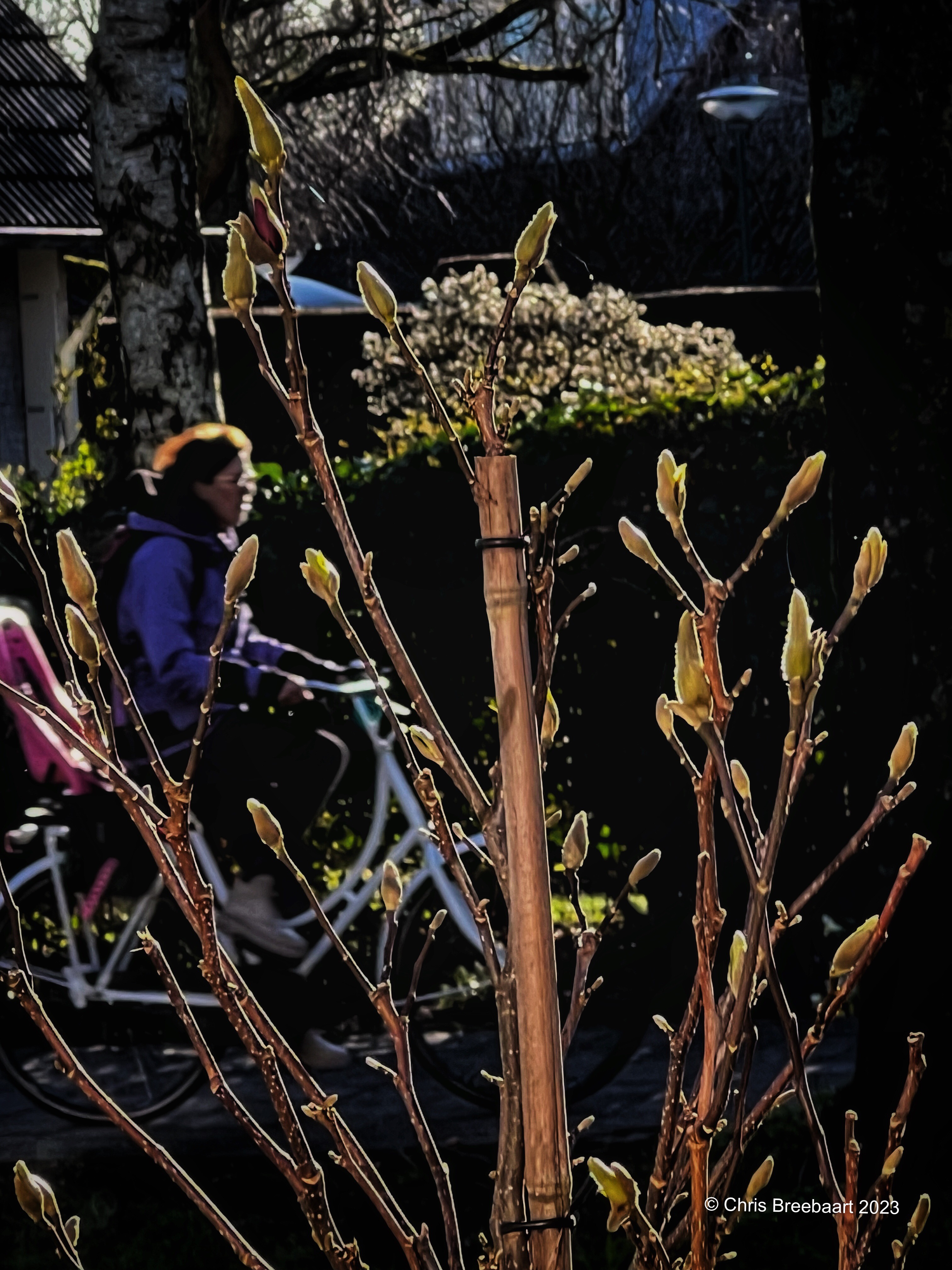
The Lens Artists Photo Challenge #241 is Spring. The Magnolia slowly opens up, with in the background a passing bicycle to add some Dutch flavour to the photo :-).
Shot with iPhone 13 Pro Max edited using Snapseed and Marksta Click the picture for a larger verrsion.

Shot with iPhone 13 Pro Max edited using Snapseed and Marksta Click the picture for a larger version

This weeks challenge #186 is ‘Low Light’. Modern camera’s and even smartphones offer possibilities to take photo’s in poor light conditions. That can be at night or dusk, dawn, but also in poorly lit situations like a museum, church etc. In the old days of film the limits where much tighter. When light was not plenty available there were two options: making the film more sensitive (a few stops) and develop longer. Or flash. I hate flashing, so I always tried to work with existing light. Nowadays that is much more easy with digital technology. Here a photo mady by iPhone on an evening just after dusk.
Shot with iPhone 11 Pro Max edited using Snapseed and Marksta Click the picture for a larger version

The theme for his week Lens-artists challenge #149 is ‘cool colors, blue and green.
Shot with iPhone 11 Pro Max edited using Snapseed and Marksta Click the picture for a larger version

The theme for Lens-artists Weekly Photo Challenge #116 is ‘symmetry’.
Shot with iPhone 11 Pro Max edited using Snapseed and Marksta. Click the picture for a larger version

The Netherlands, Katwijk – October 2019
The theme for the weekly Lens-Artists Photo Challenge #66 is ‘filling the frame’.
If you want to join or participate the weekly Lens-Artists Photo Challenges, just follow the link above.
Shot with iPhoneX edited using Snapseed and Marksta Click the picture for a larger version

The Netherlands, Den Haag – July 2019
Shot with Nikon D500, edited using Snapseed and Marksta. Click the picture for a bigger version

The Netherlands, Katwijk – August 2018
Shot with iPhoneX edited using Snapseed and Marksta Click the picture for a larger version

The Netherlands, Oegstgeest – June 2017
shot with iPhone 6s plus using Hueless, edited using Snapseed and Marksta, click the picture for a larger version
A list of other entries to this theme; if you do not want to be on this list let me know and I remove the link
 What's (in) the Picture?