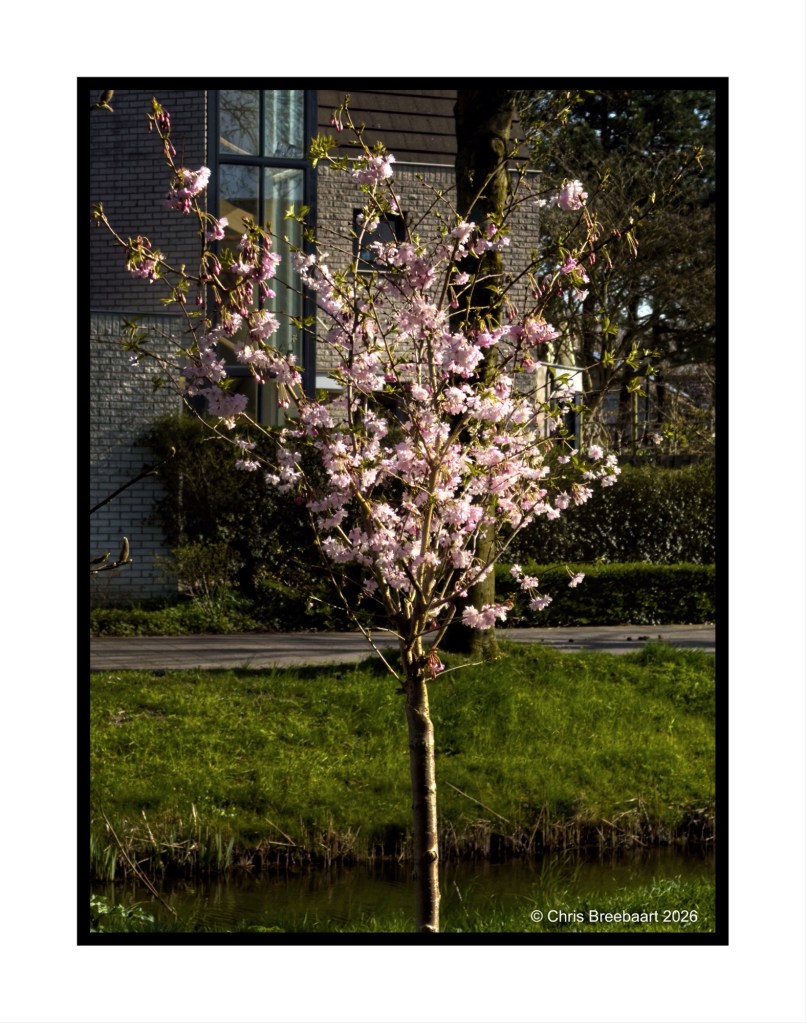
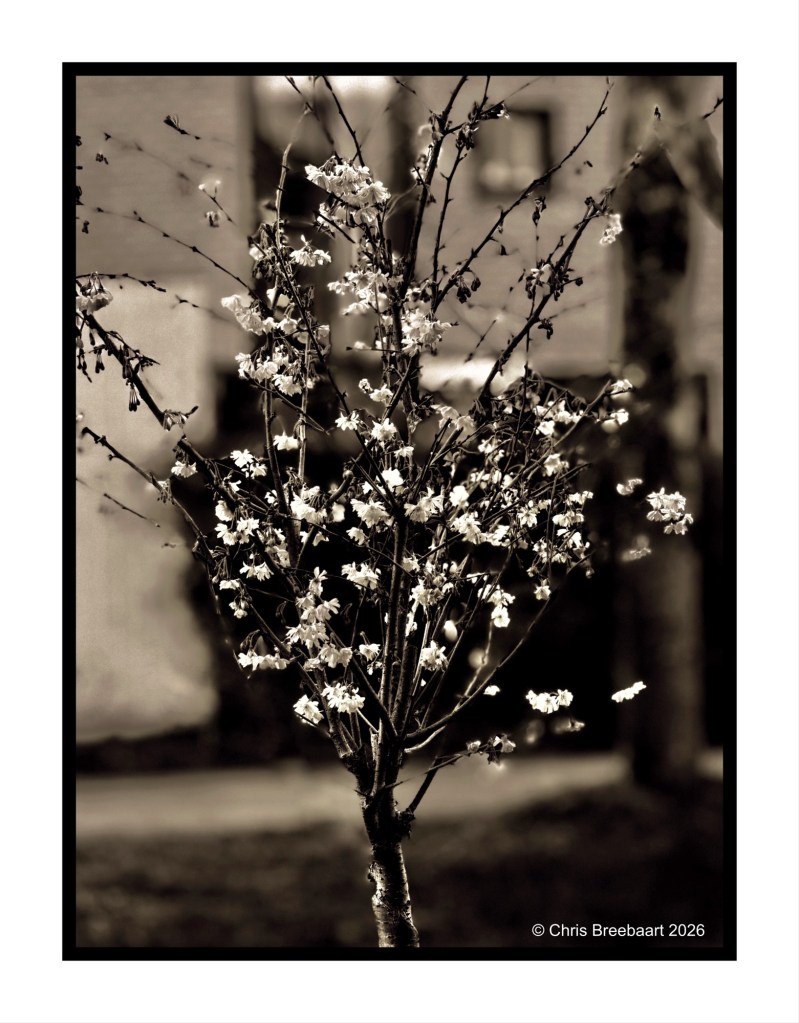
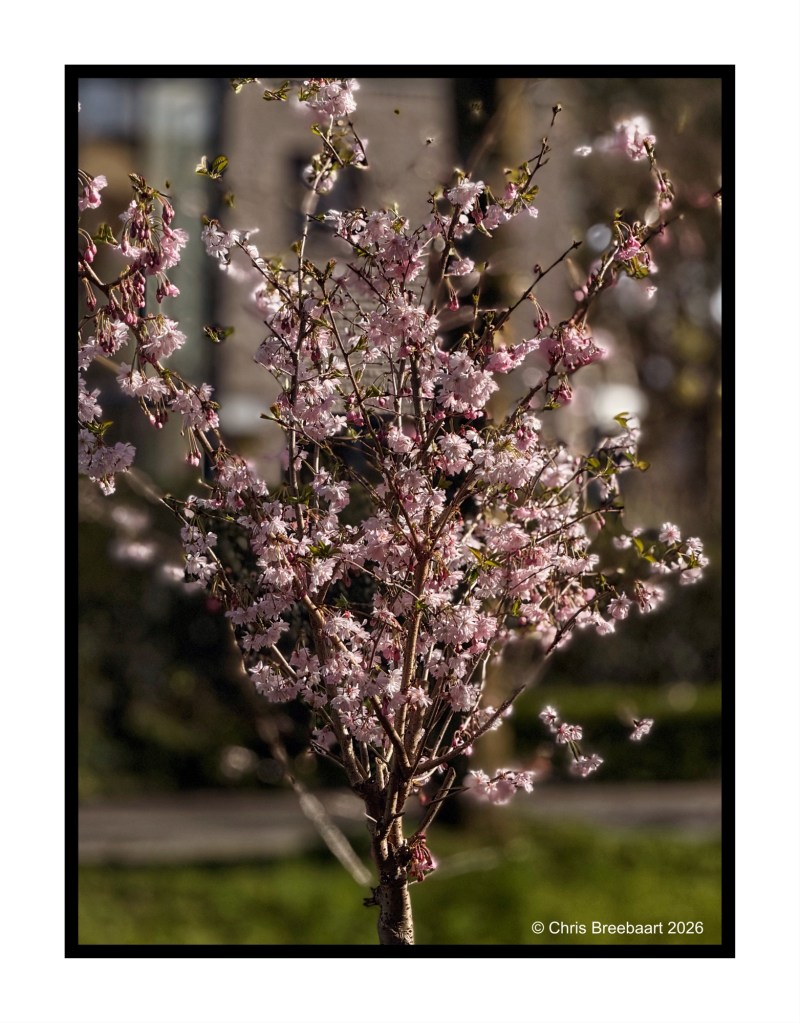
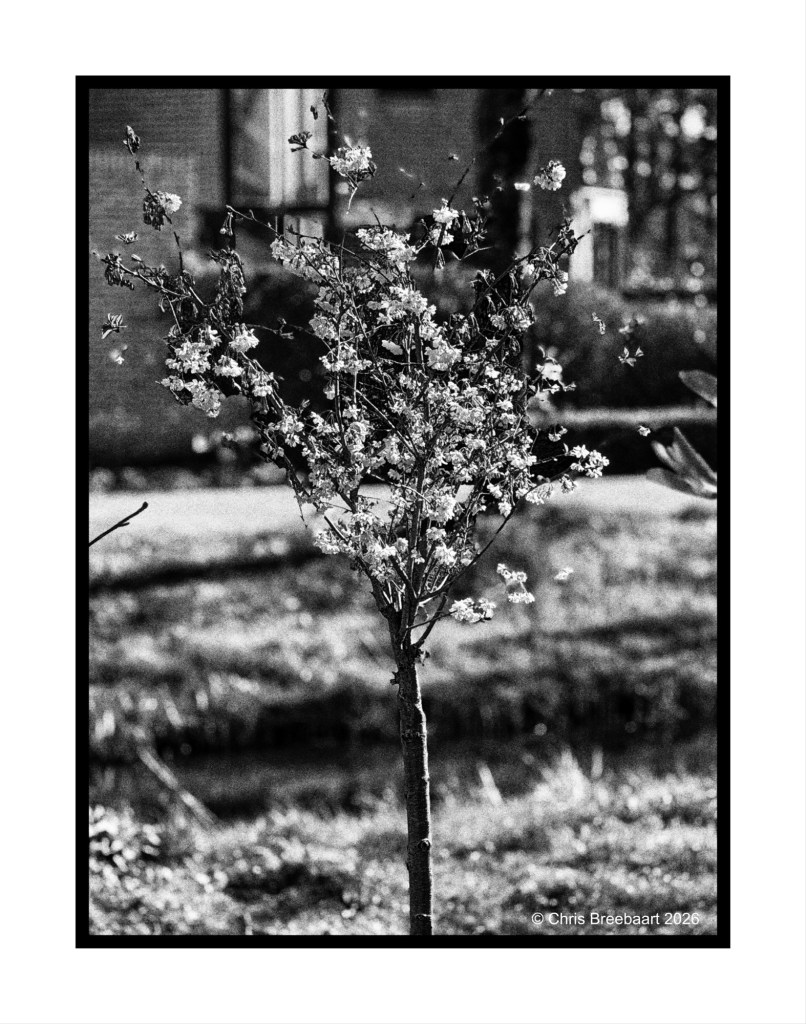
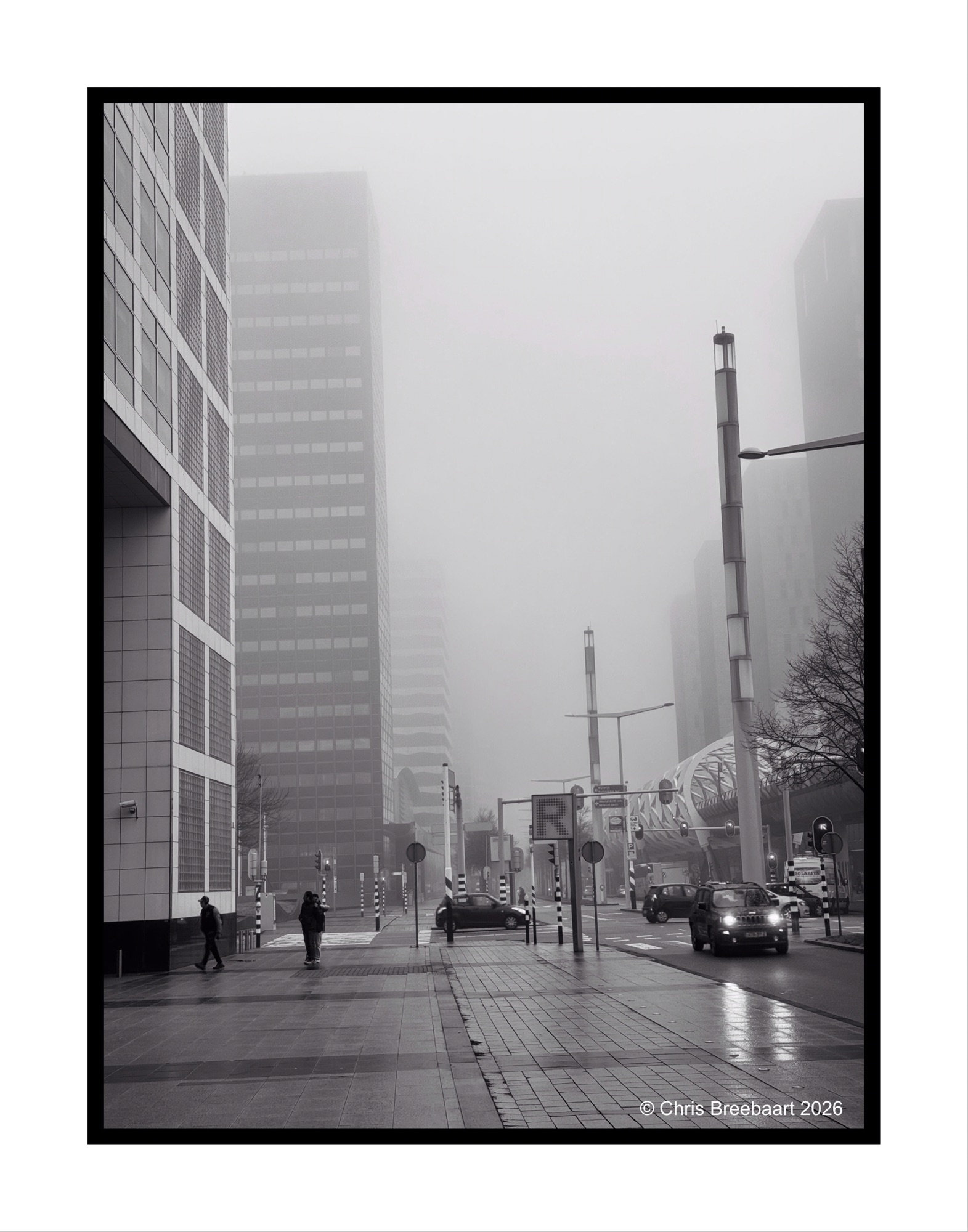
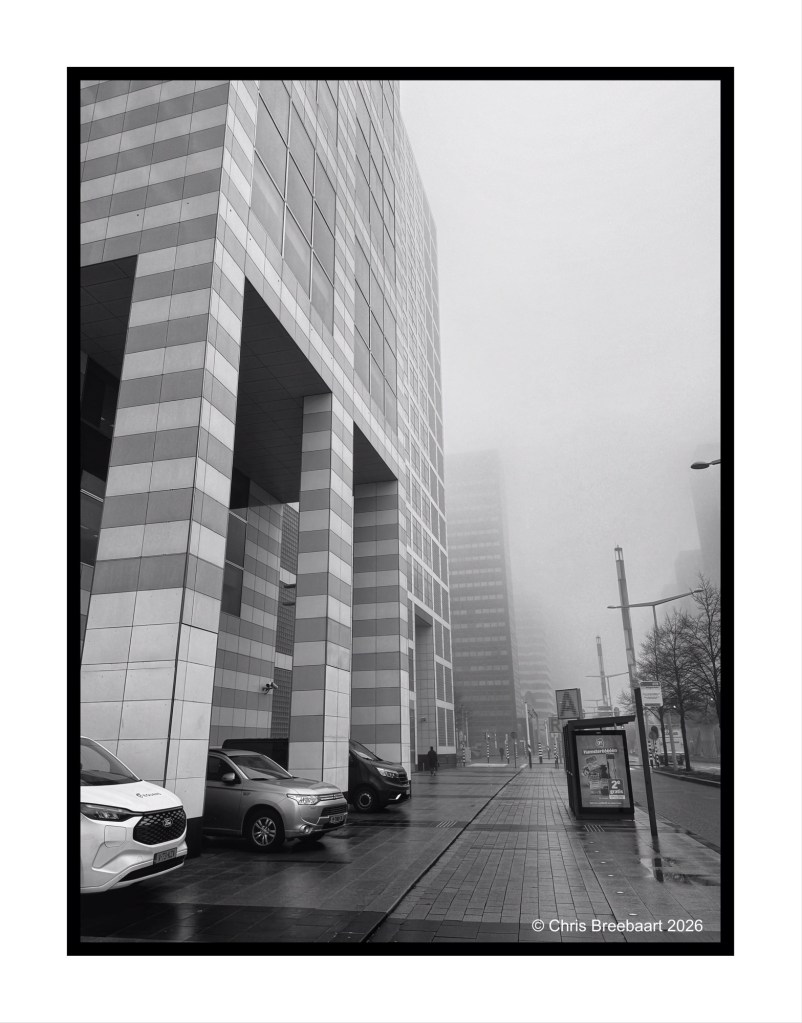
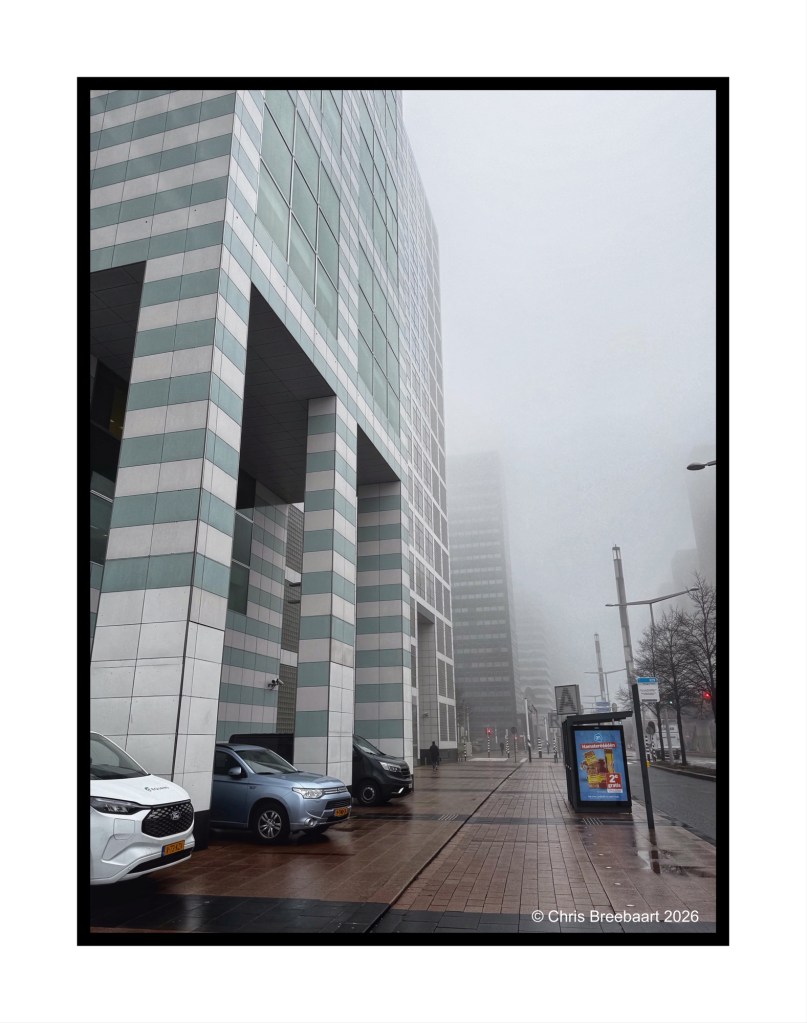
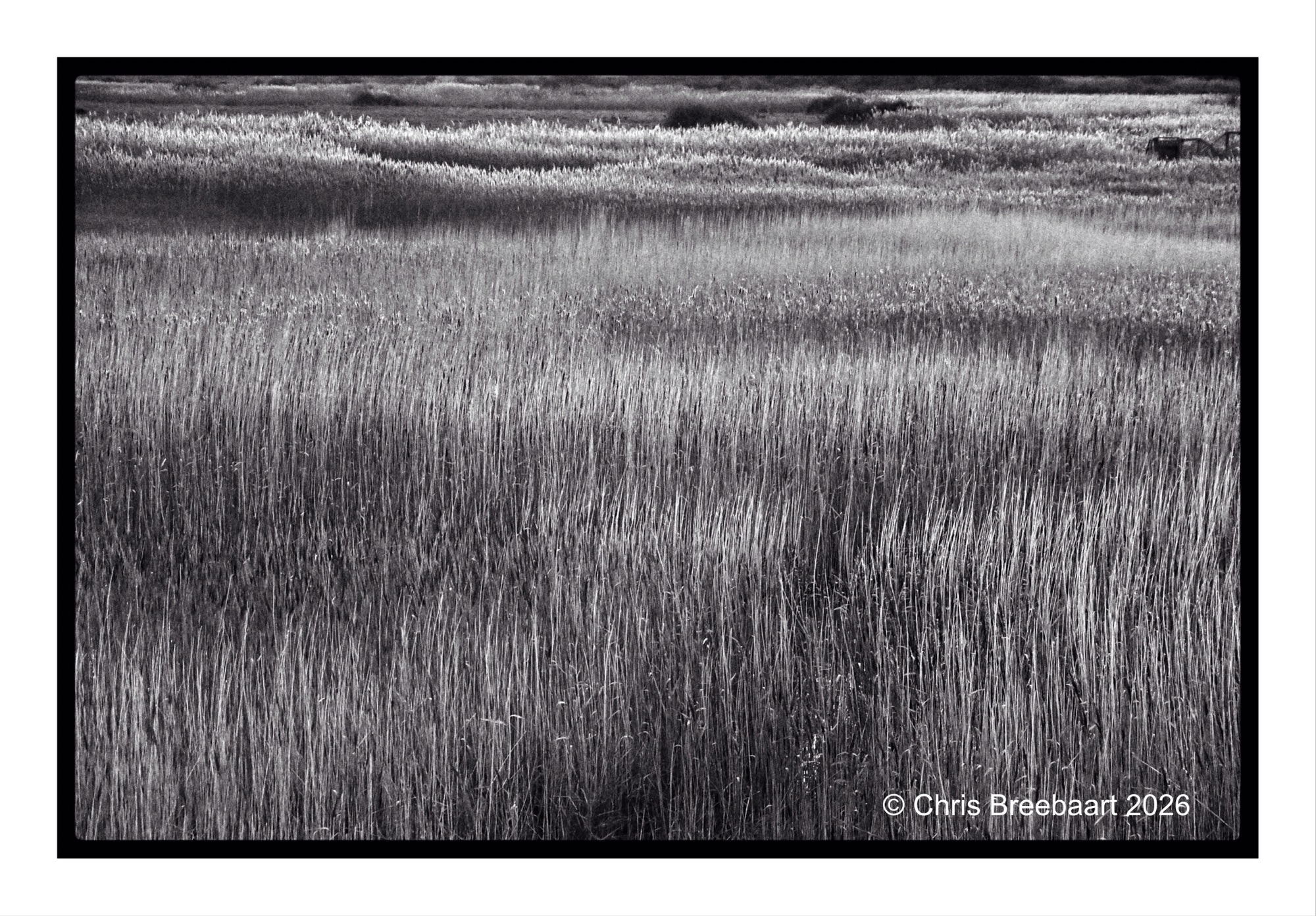
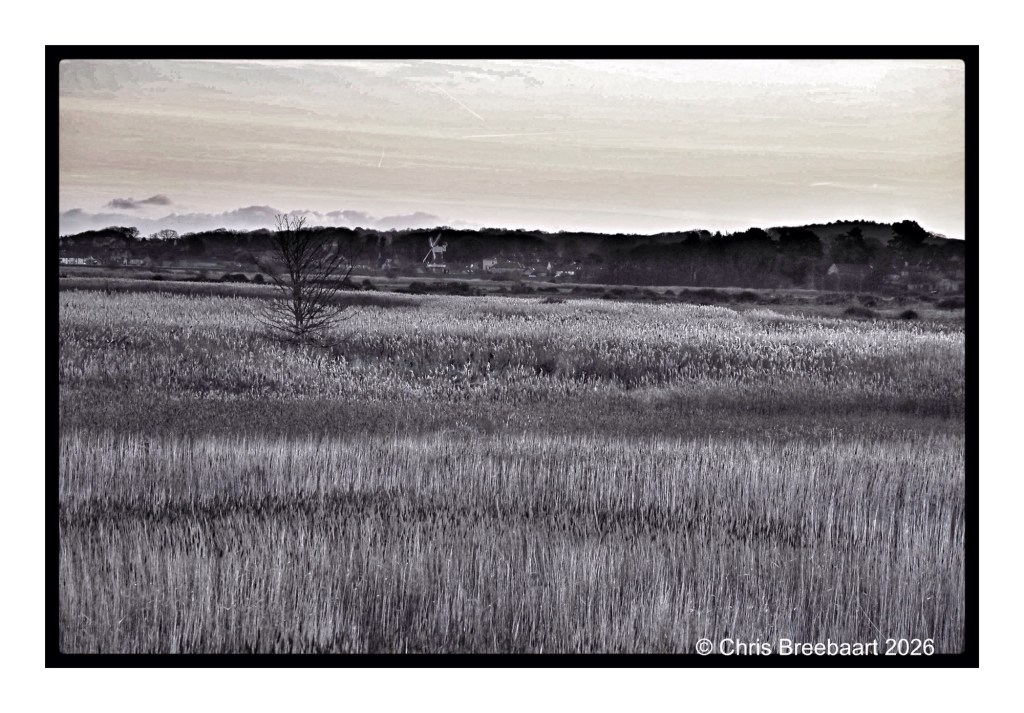
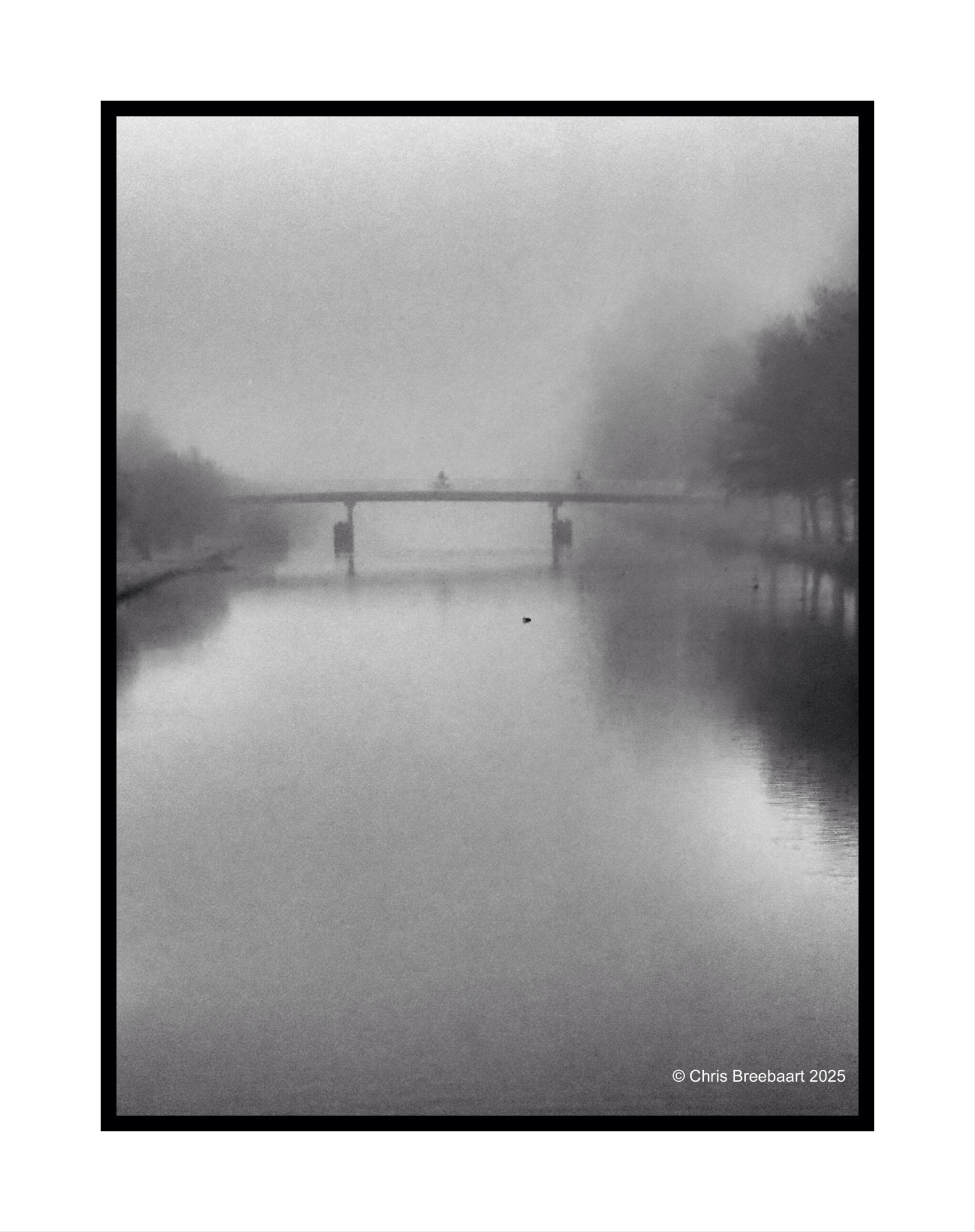
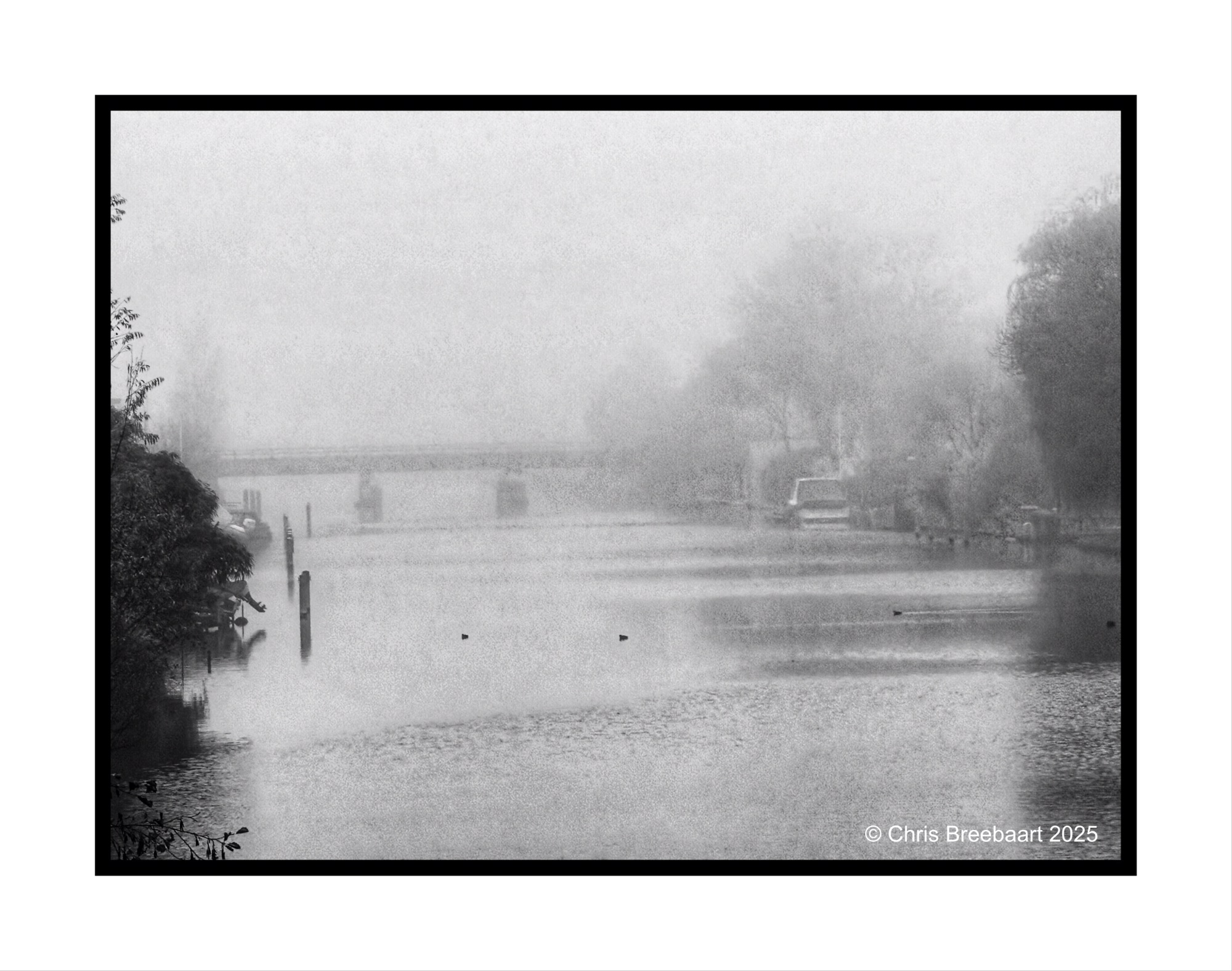
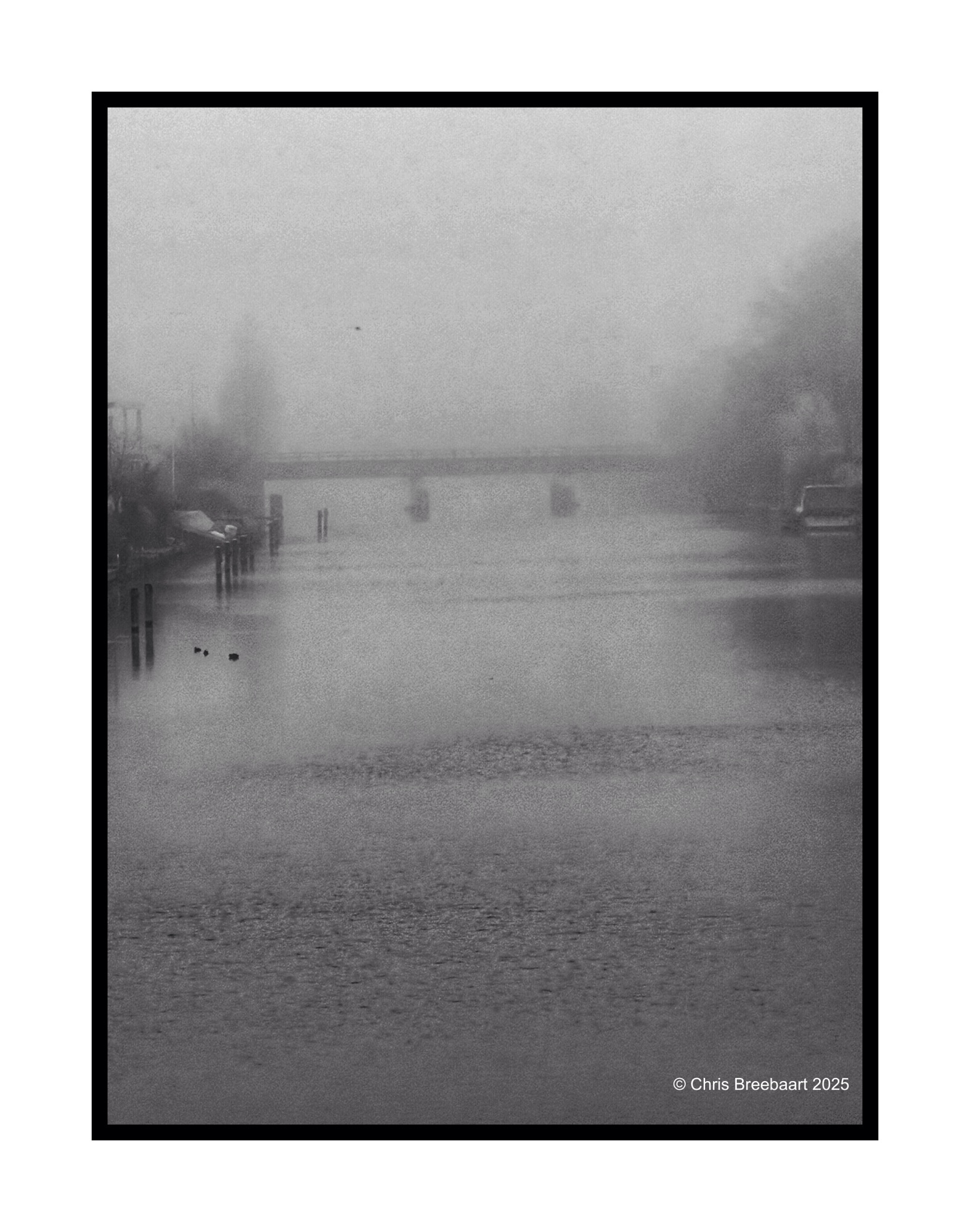
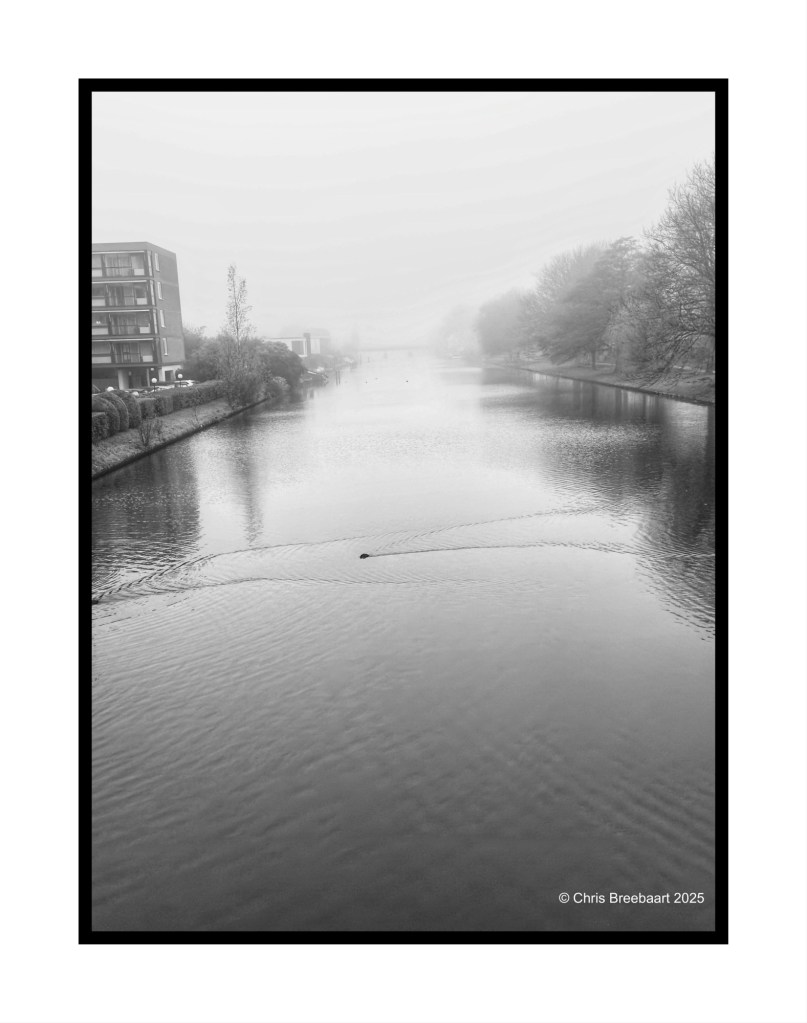
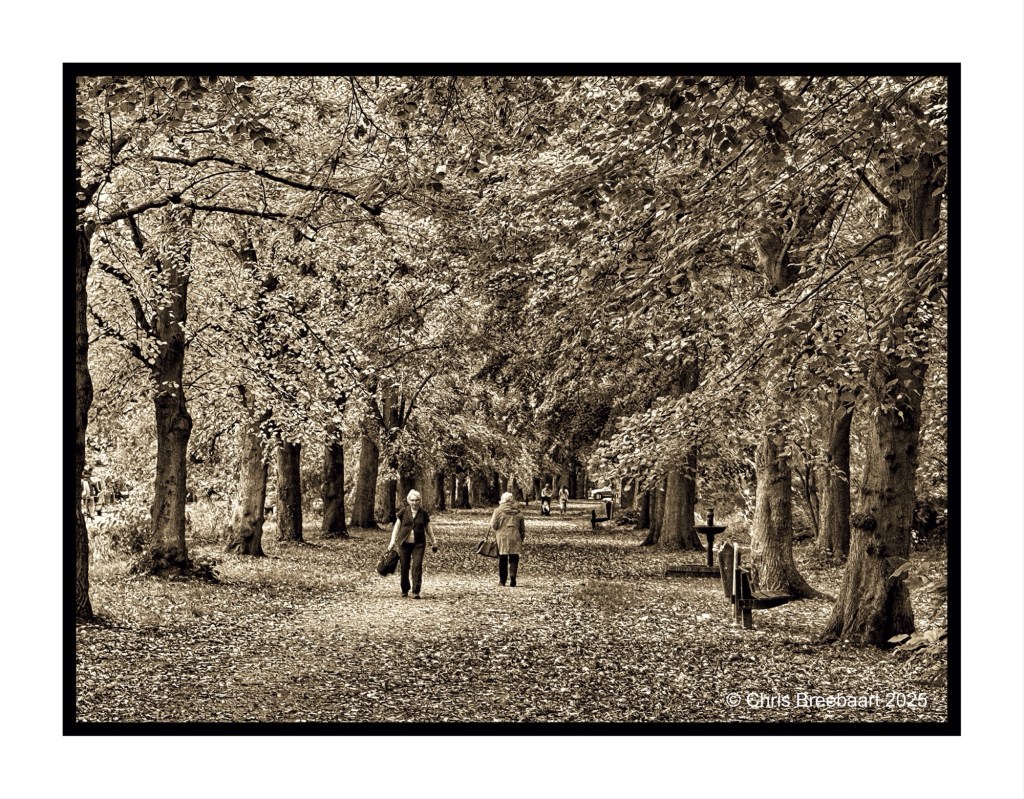
This week’s theme #390 is ‘color in black and white’. The theme focuses on the cognitive fact that our brains still know a color, even if it is in a grey tone. So the sky is blue, the grass green etc. Here you can see what colors do in greys, and if that is appealing or not to your taste pallet. For me this challenge is a bit of fun: most of the time I am looking at the world translating colors straight into grey tones, seeing if a photo is working in monochrome or not. Thanks Egidio for this challenge.
If you visit my blog – like I hope you do or from now start to do – you must have recognized my ‘old’ love for monochrome. When I started this hobby, mono was fashionable and a standard for news photography. And it was cheaper. In this series I offer you two versions of a photo. And you can prefer one over the other, or not.
If you visit my blog – like I hope you do or from now start to do – you must have recognized my ‘old’ love for monochrome. When I started this hobby, mono was fashionable and a standard for news photography. And it was cheaper. In this series I offer you two versions of a photo. And you can prefer one over the other, or not.
This week’s theme #390 is ‘color in black and white’. The theme focuses on the cognitive fact that our brains still know a color, even if it is in a grey tone. So the sky is blue, the grass green etc. Here you can see what colors do in greys, and if that is appealing or not to your taste pallet.
If you visit my blog – like I hope you do or from now start to do – you must have recognized my ‘old’ love for monochrome. When I started this hobby, mono was fashionable and a standard for news photography. And it was cheaper. In this series I offer you two versions of a photo. And you can prefer one over the other, or not.
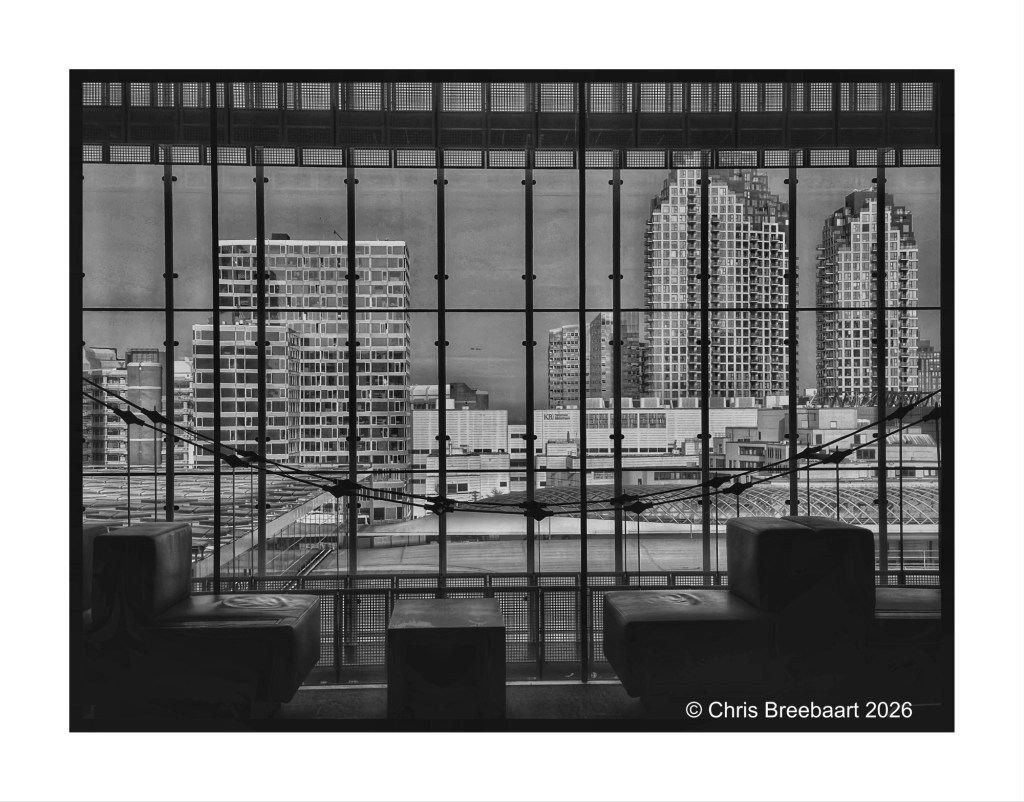
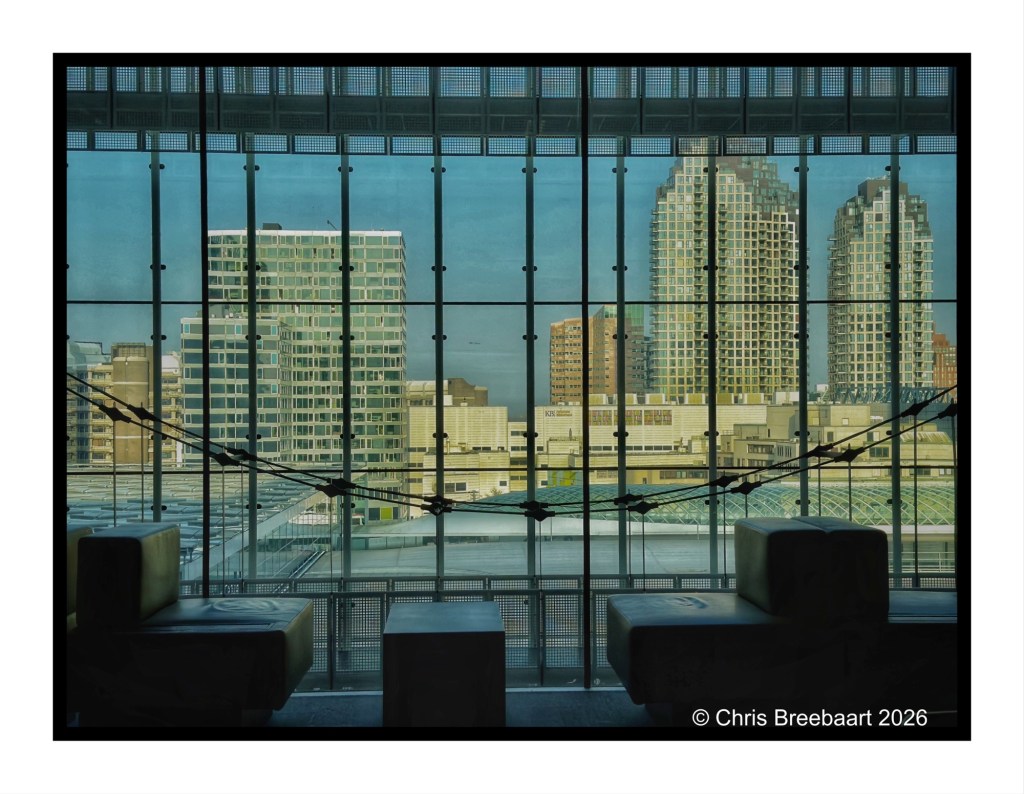
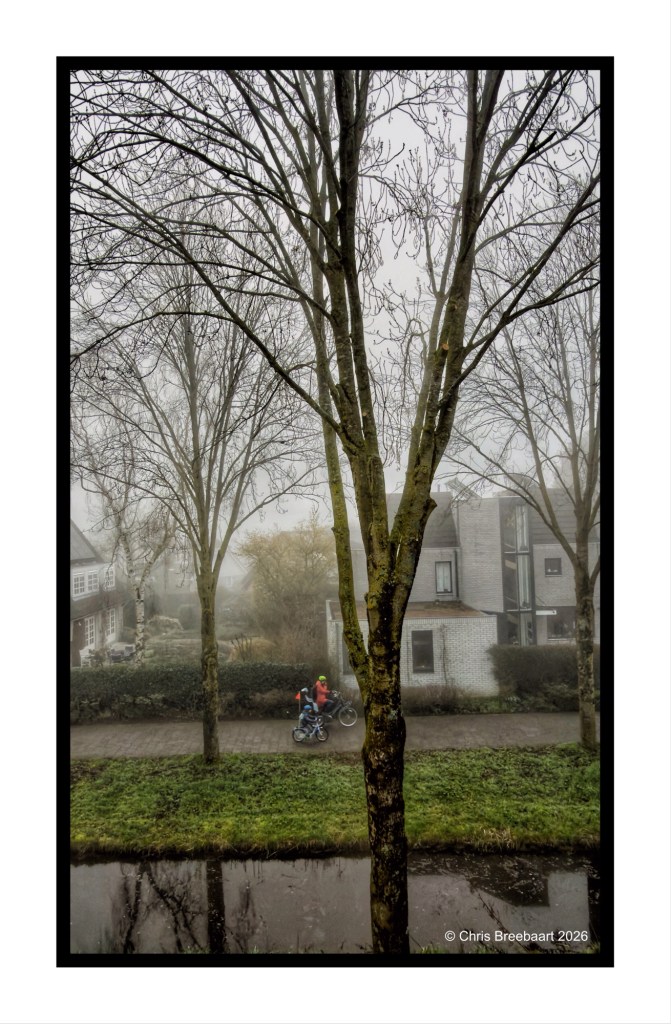
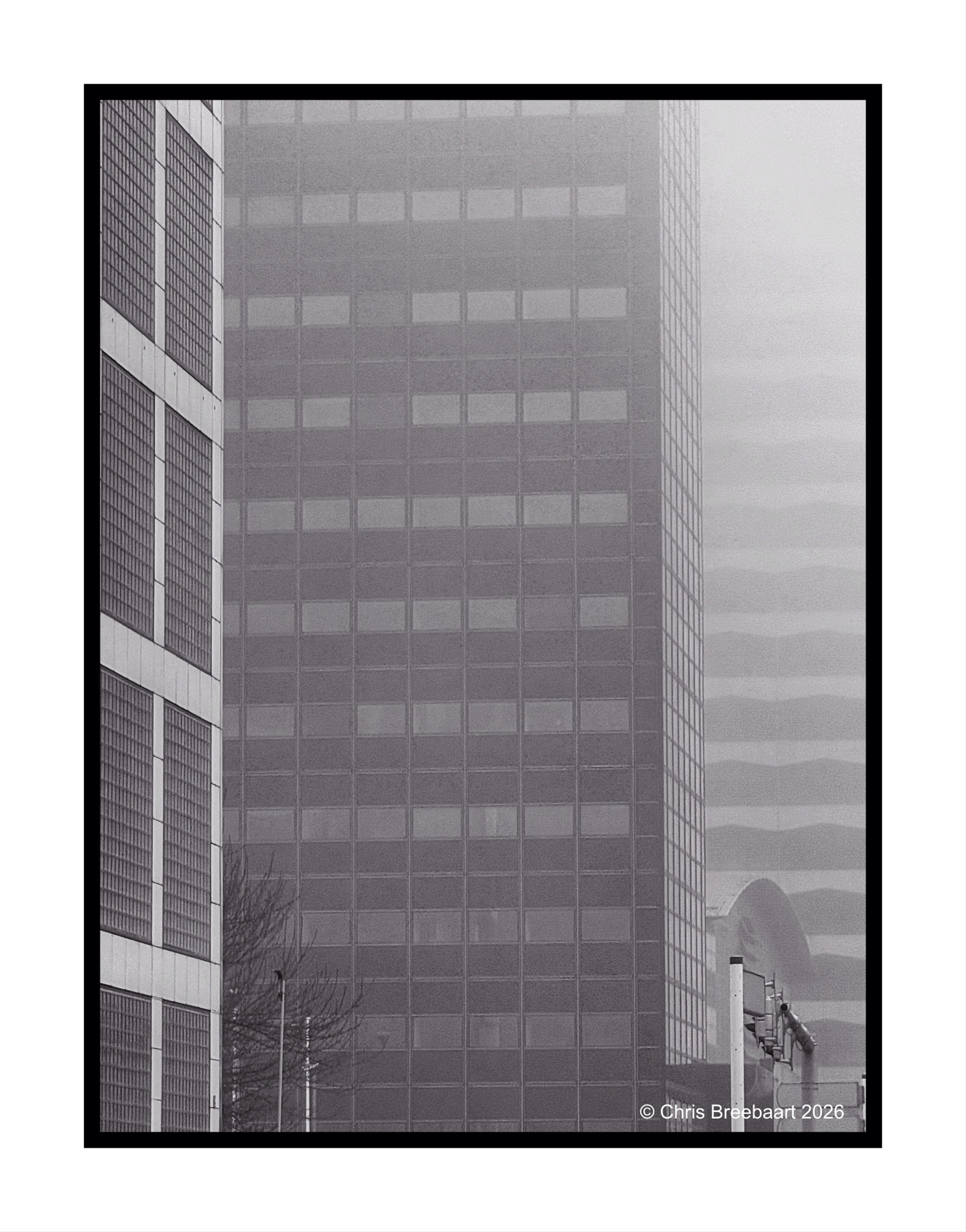
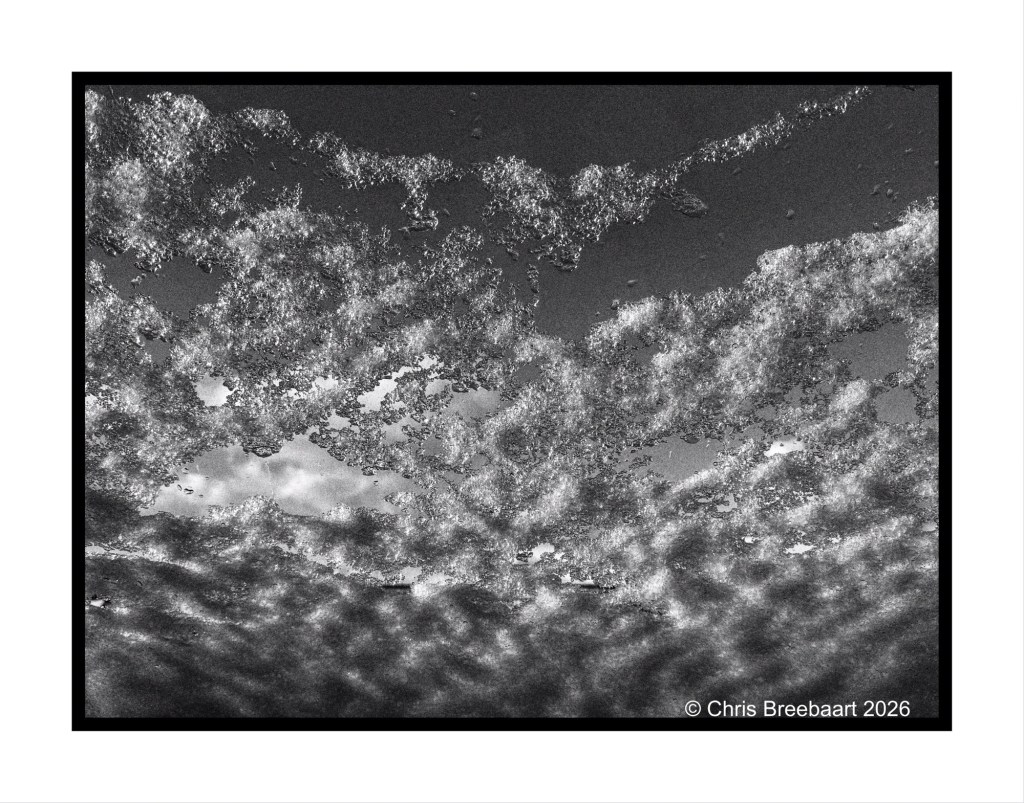
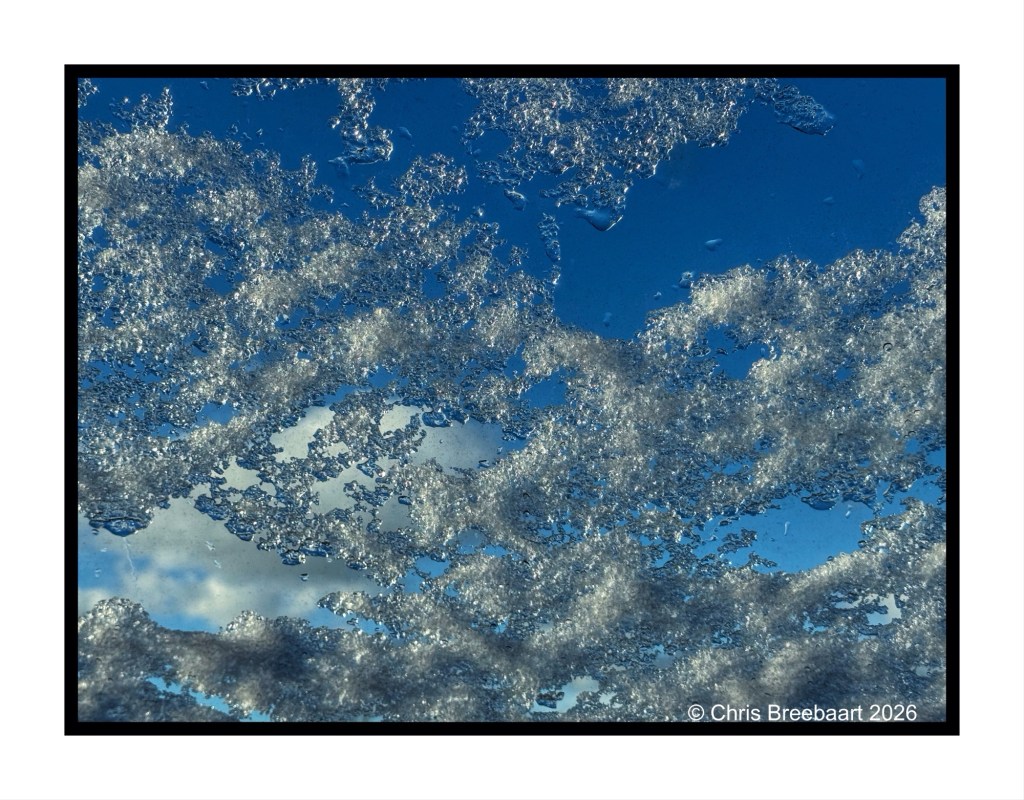
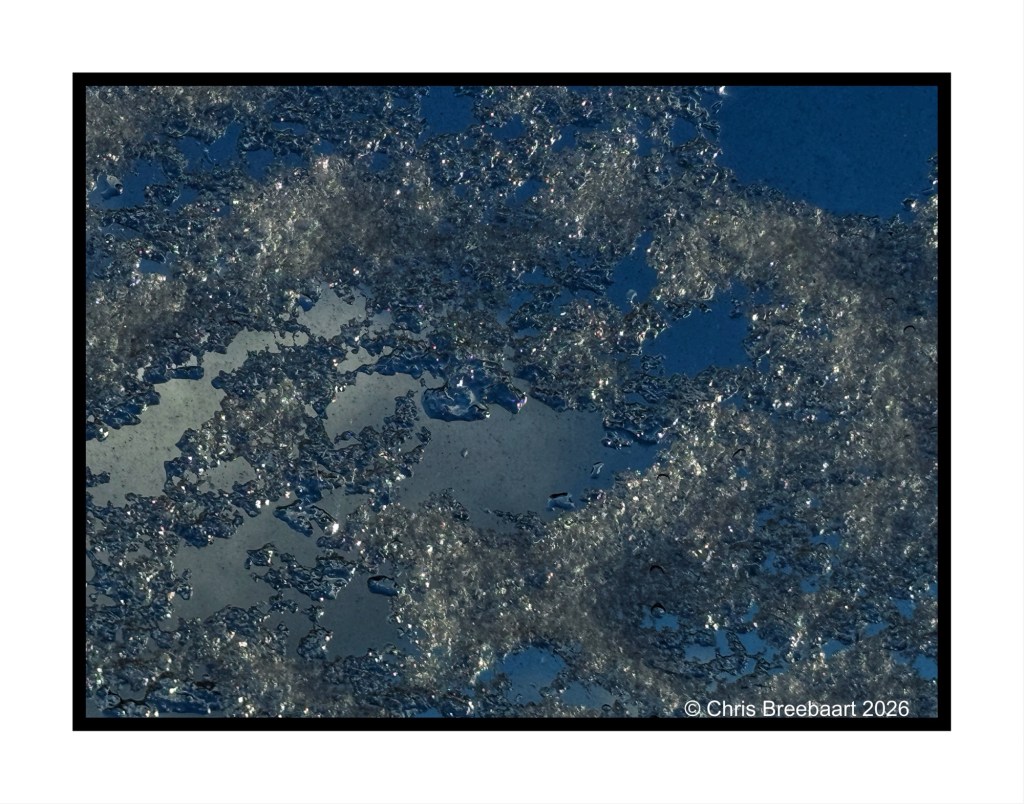
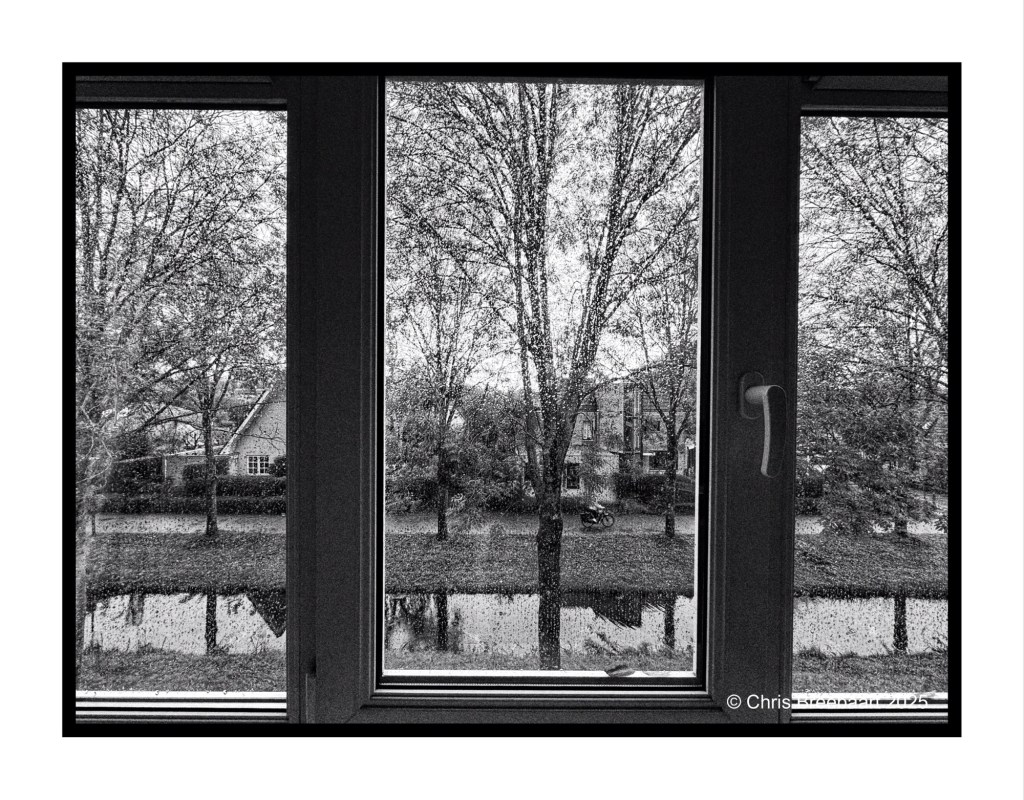
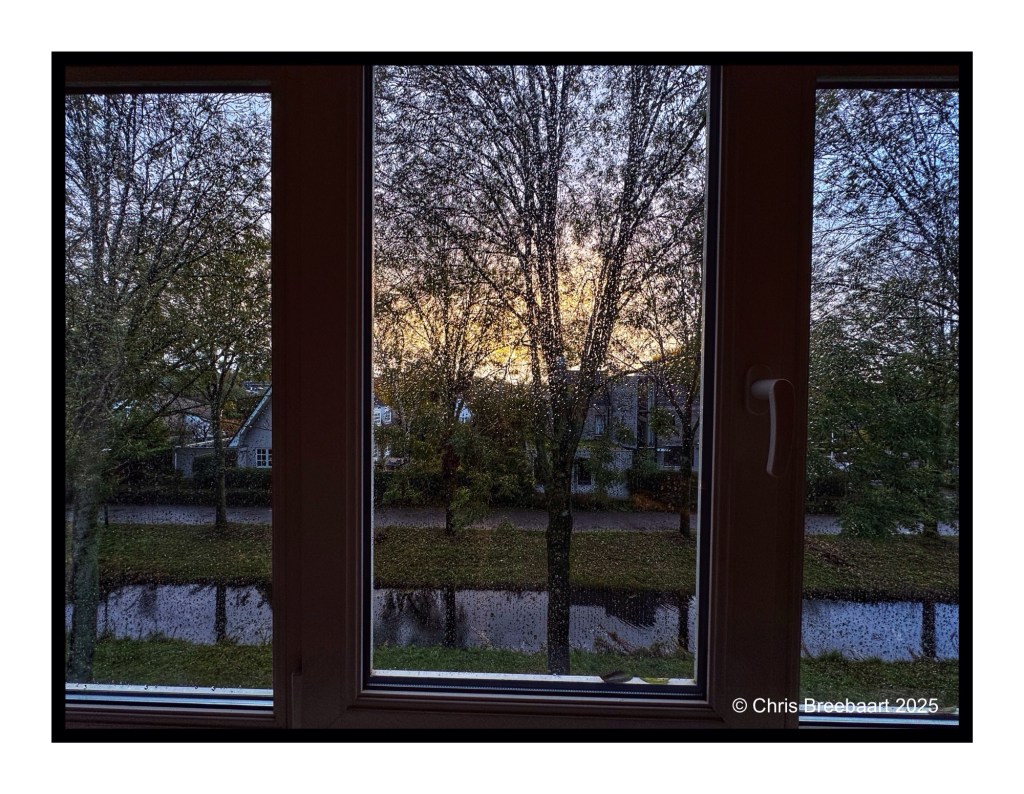
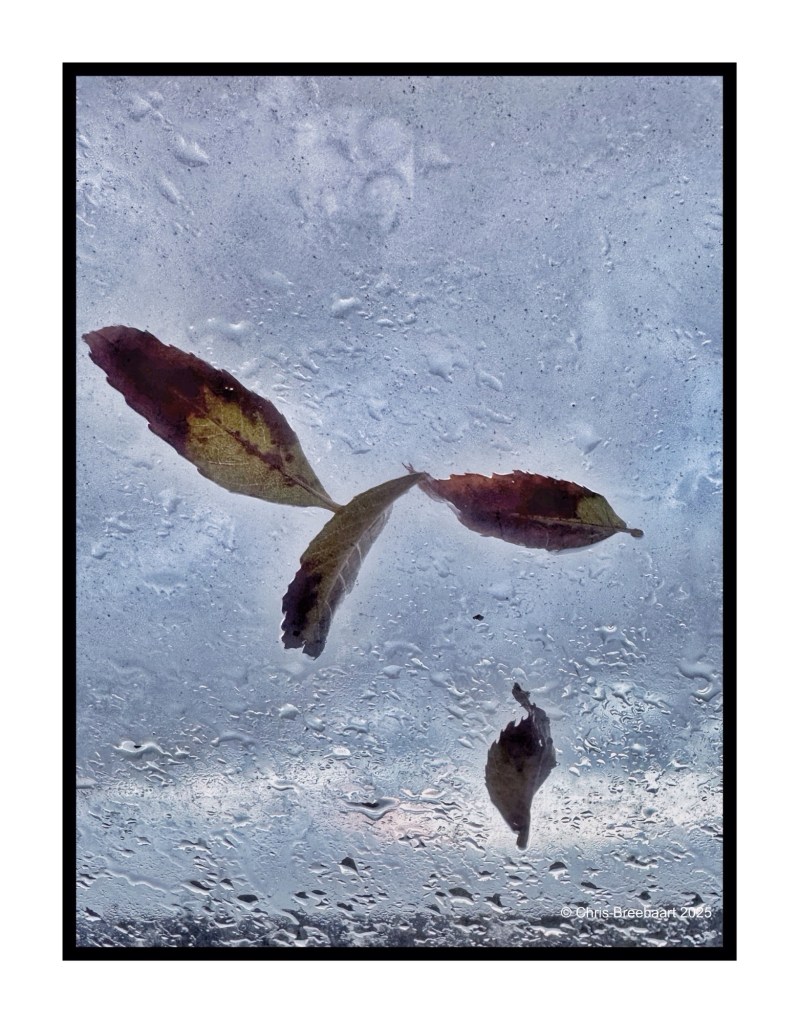
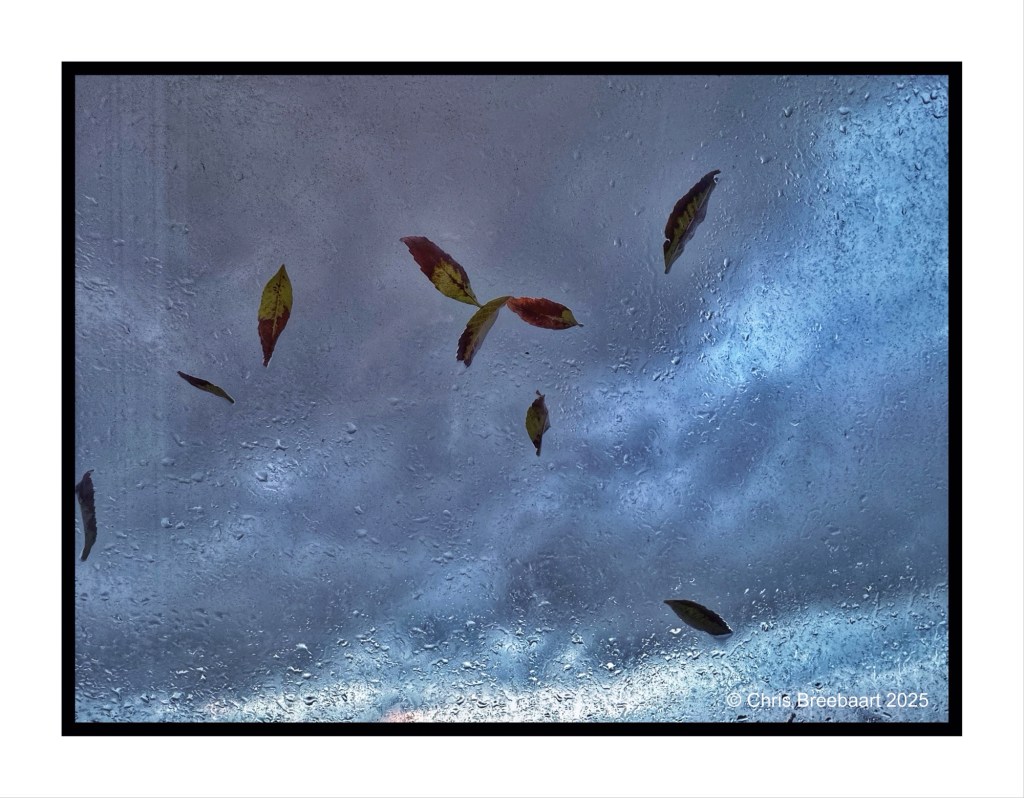
This week’s theme #390 is ‘color in black and white’. What an appropiate theme, to show the last of the series. A view out of the window. Egidio’s theme focused on the cognitive fact that our brains still know a soccer pitch is green, even in grey tones. Here you can see what colors do in greys, and if that is appealing or not to your taste pallet.
If you visit my blog – like I hope you do or from now start to do – you must have recognized my ‘old’ love for monochrome. When I started this hobby, mono was fashionable and a standard for news photography. And it was cheaper. In this series I offer you two versions of a photo. And you can prefer one over the other, or not.
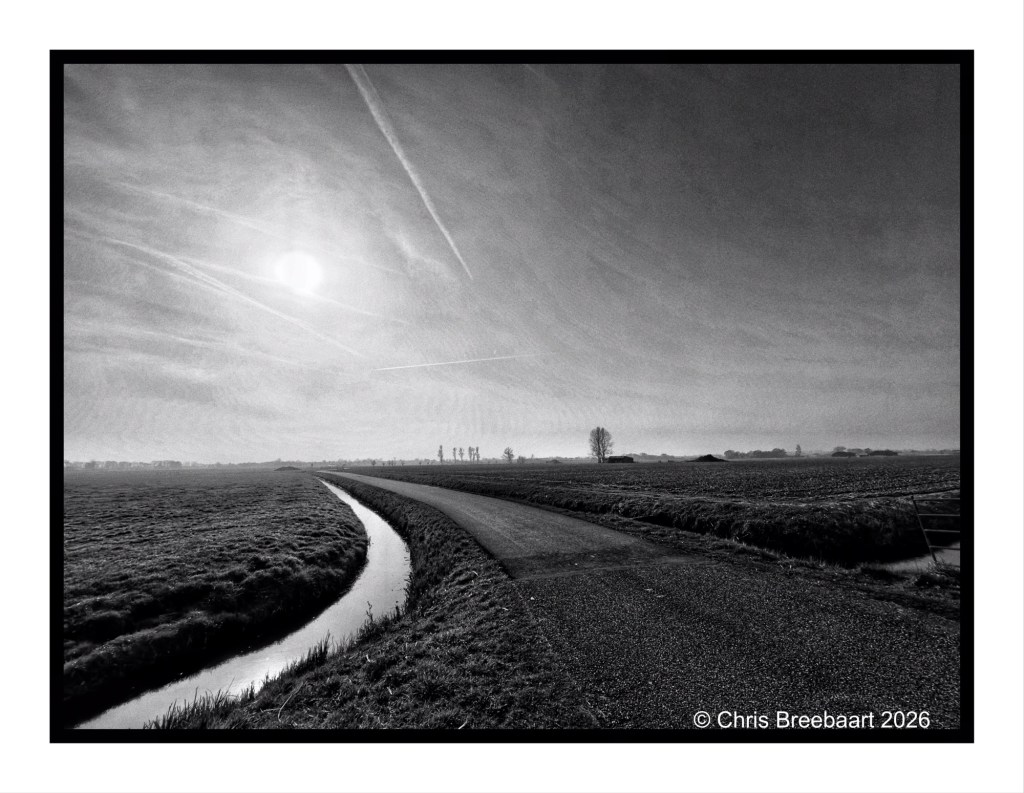
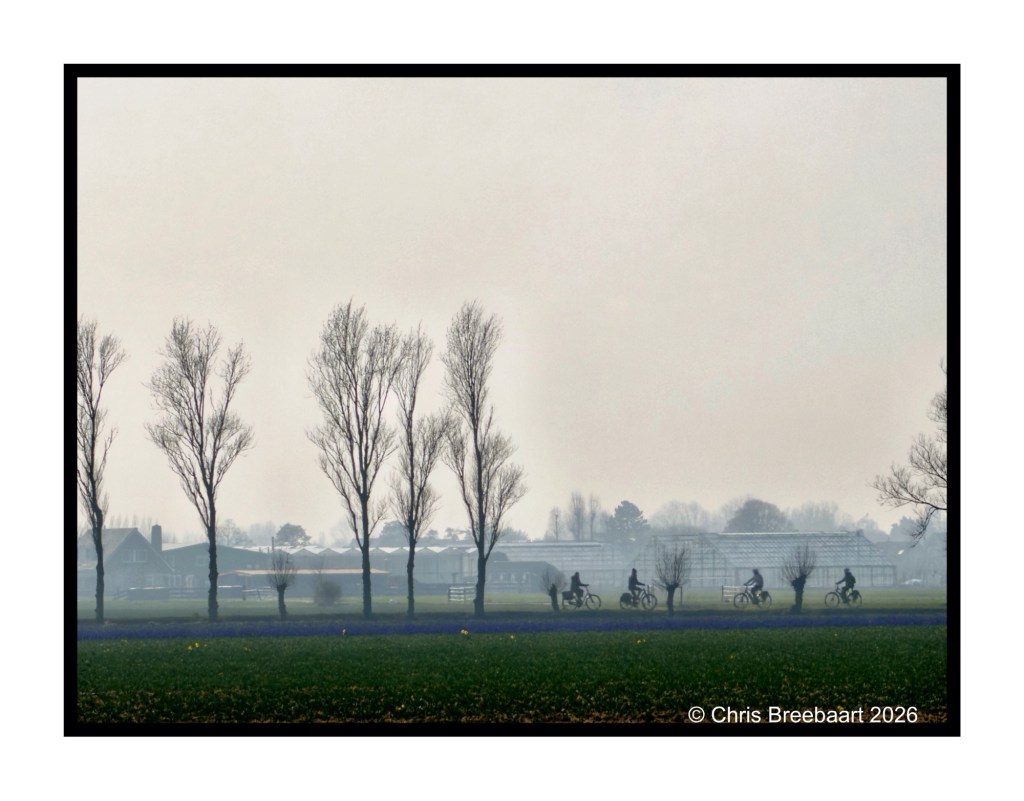
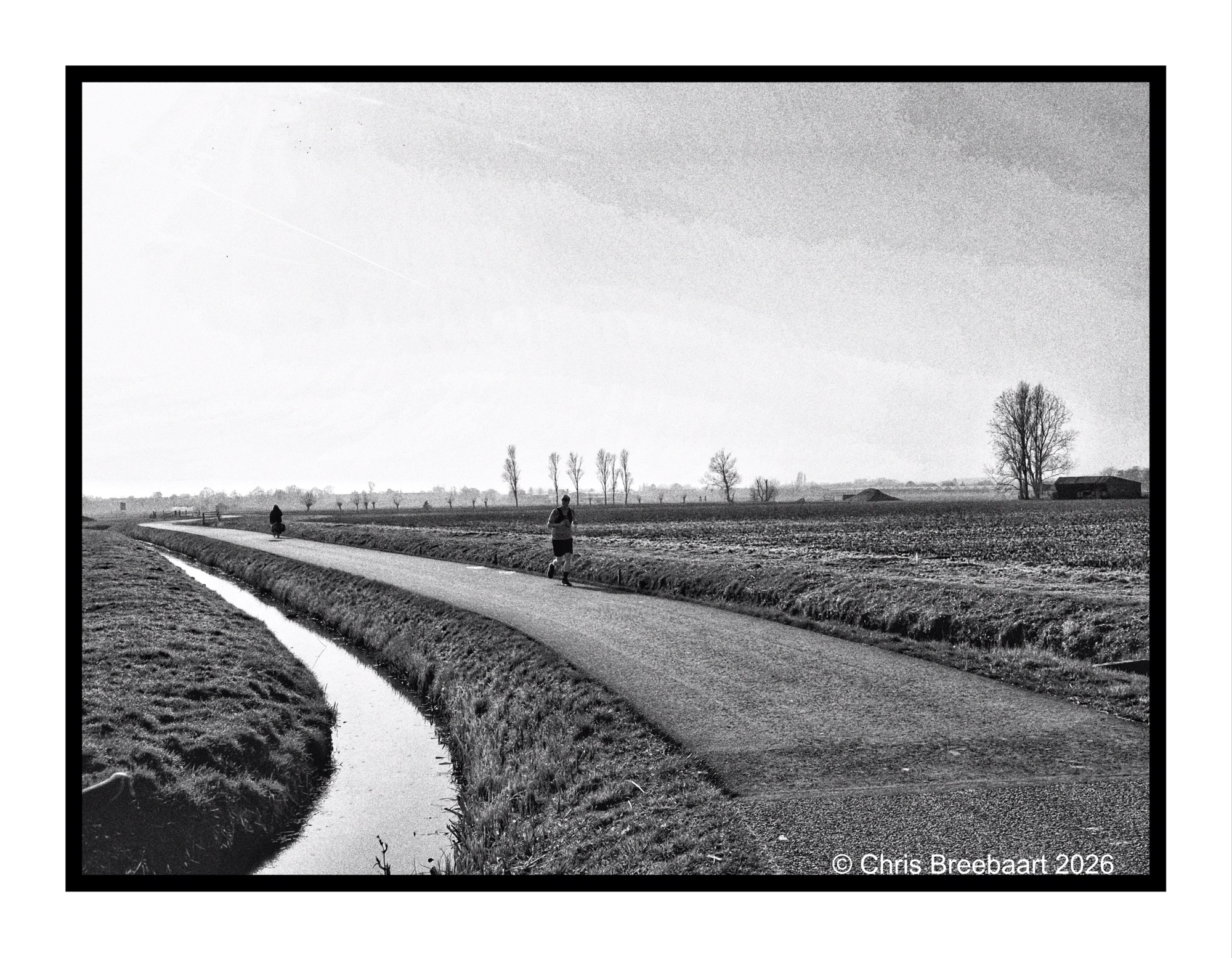
This week’s theme is ‘Time to relax’. On a bicycle ride through fields where soon bulb flowers will pop up, together with other cyclists. This is a piece of a polder showing the low horizon in the sun.
If you visit my blog – like I hope you do or from now start to do – you must have recognized my ‘old’ love for monochrome. When I started this hobby, mono was fashionable and a standard for news photography. And it was cheaper. In this series I offer you two versions of a photo. And you can prefer one over the other, or not.
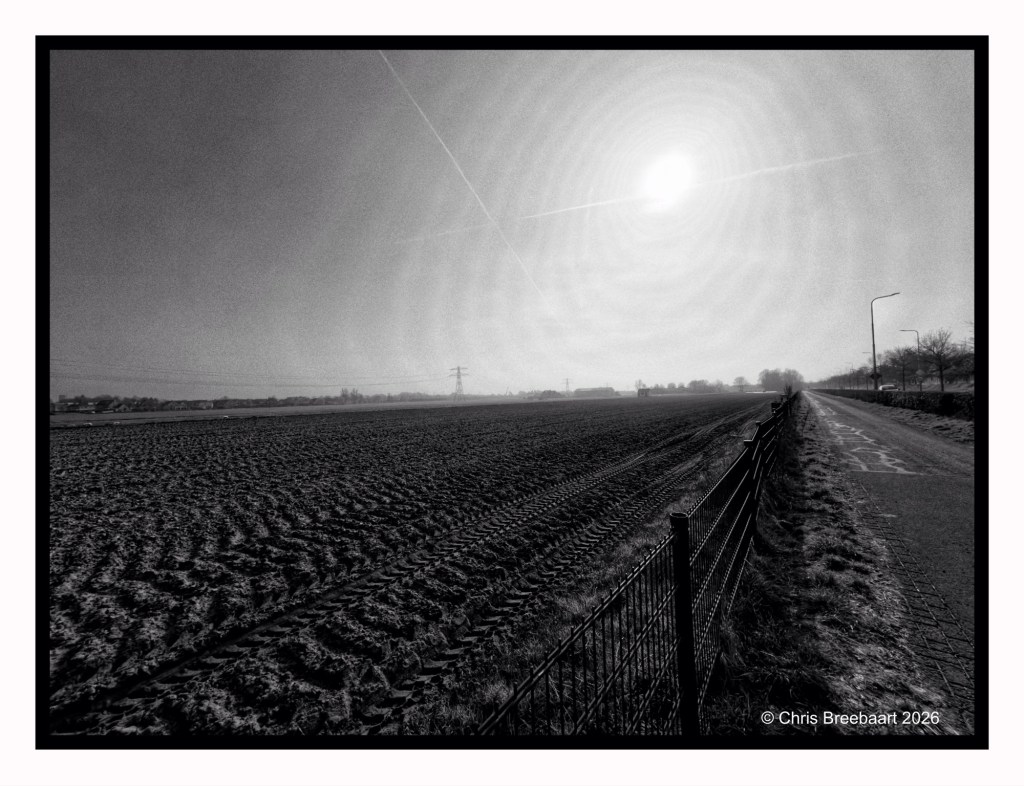
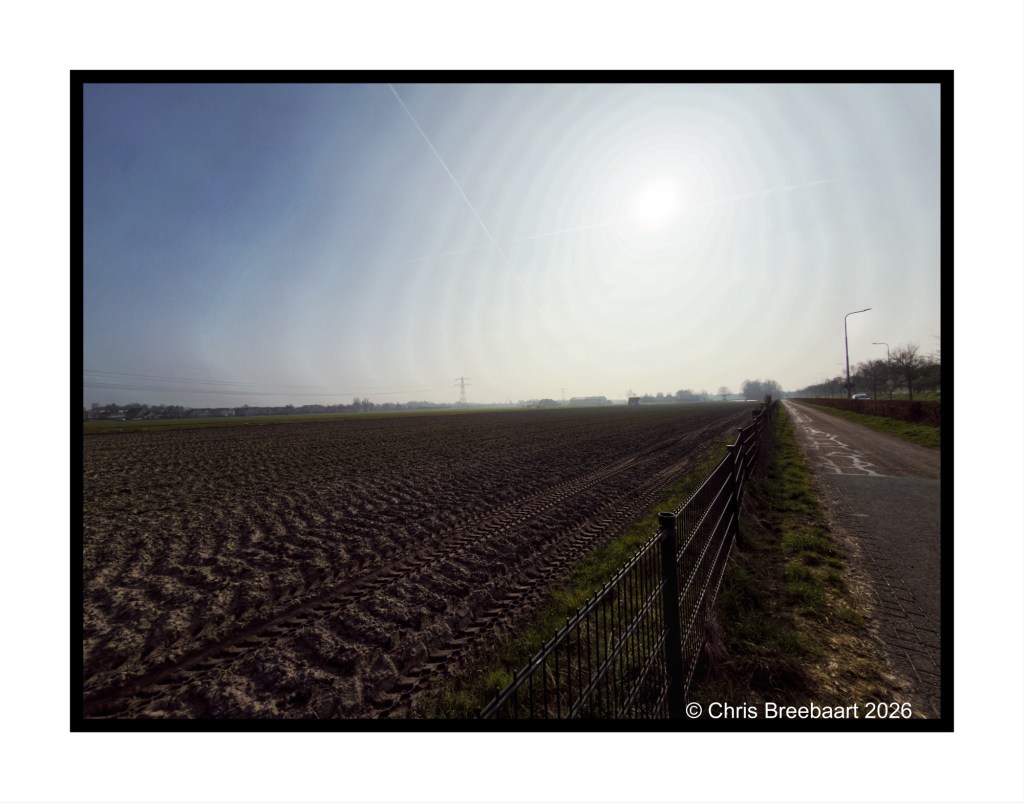
This week’s theme is ‘Time to relax’. On a bicycle ride through fields where soon bulb flowers will pop up, together with other cyclists. Thought I am not really sure about this piece of land, it is just been plowed it seems.
If you visit my blog – like I hope you do or from now start to do – you must have recognized my ‘old’ love for monochrome. When I started this hobby, mono was fashionable and a standard for news photography. And it was cheaper. In this series I offer you two versions of a photo. And you can prefer one over the other, or not.
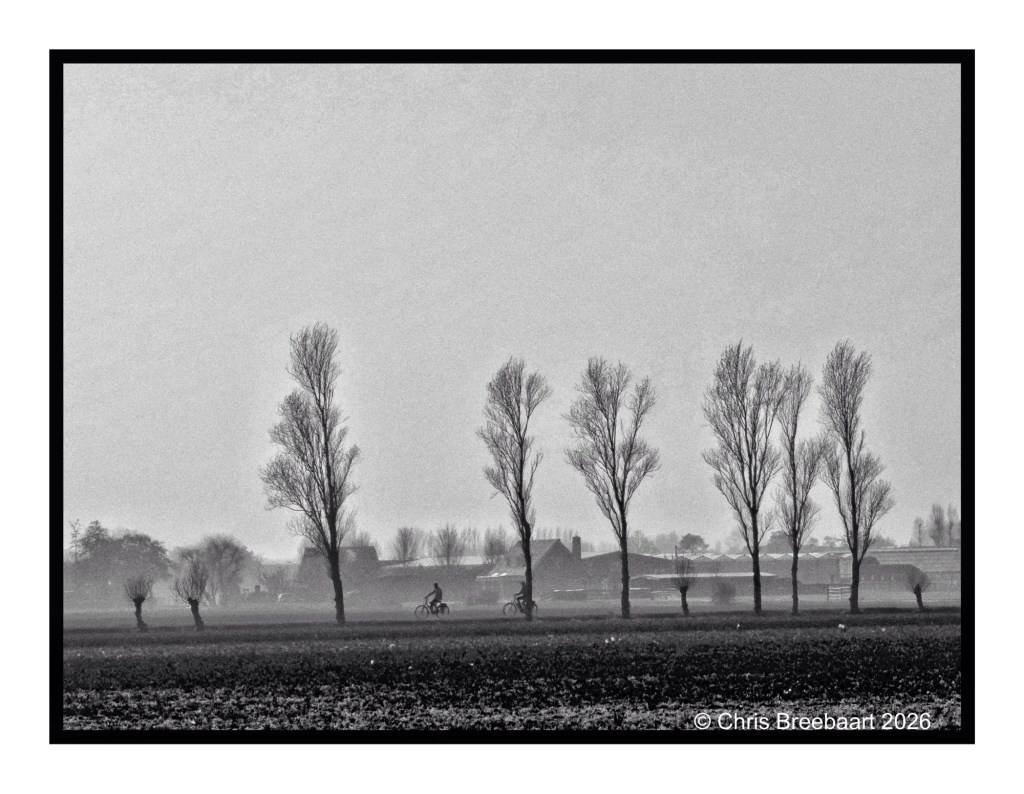
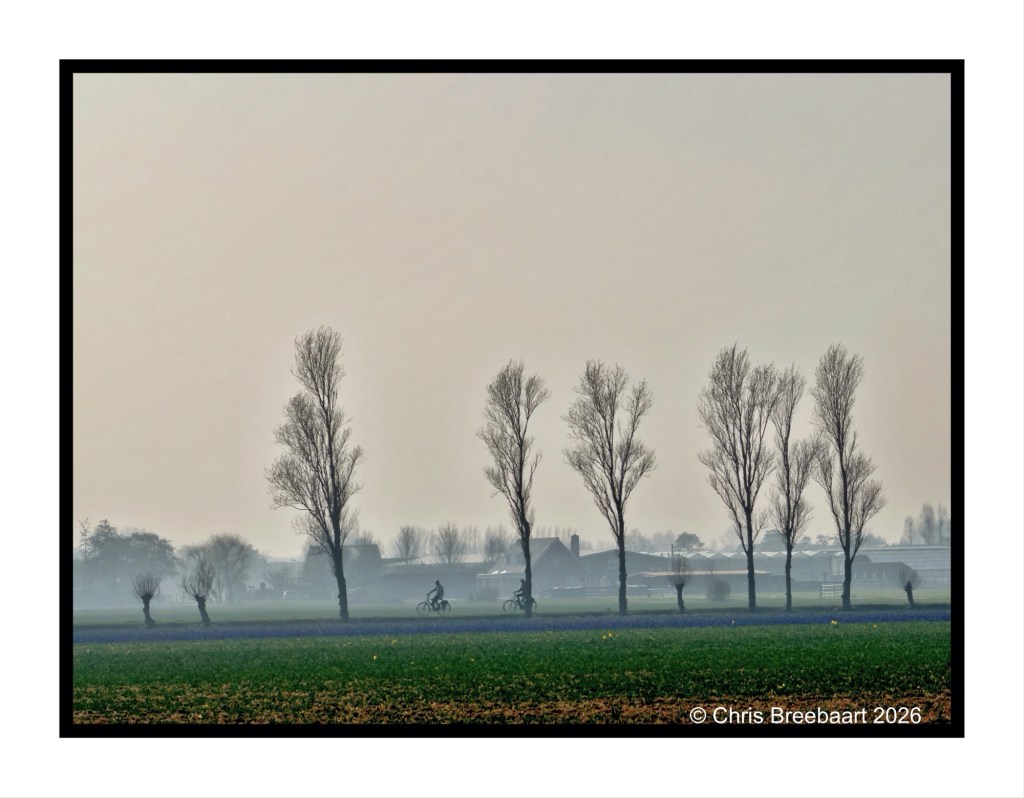
This week’s theme is ‘Time to relax’. On a bicycle ride through fields where soon bulb flowers will pop up, together with other cyclists. On the color version you can see the deep purple of early hyacinths. With Some yellow late Daffodils.
If you visit my blog – like I hope you do or from now start to do – you must have recognized my ‘old’ love for monochrome. When I started this hobby, mono was fashionable and a standard for news photography. And it was cheaper. In this series I offer you two versions of a photo. And you can prefer one over the other, or not.
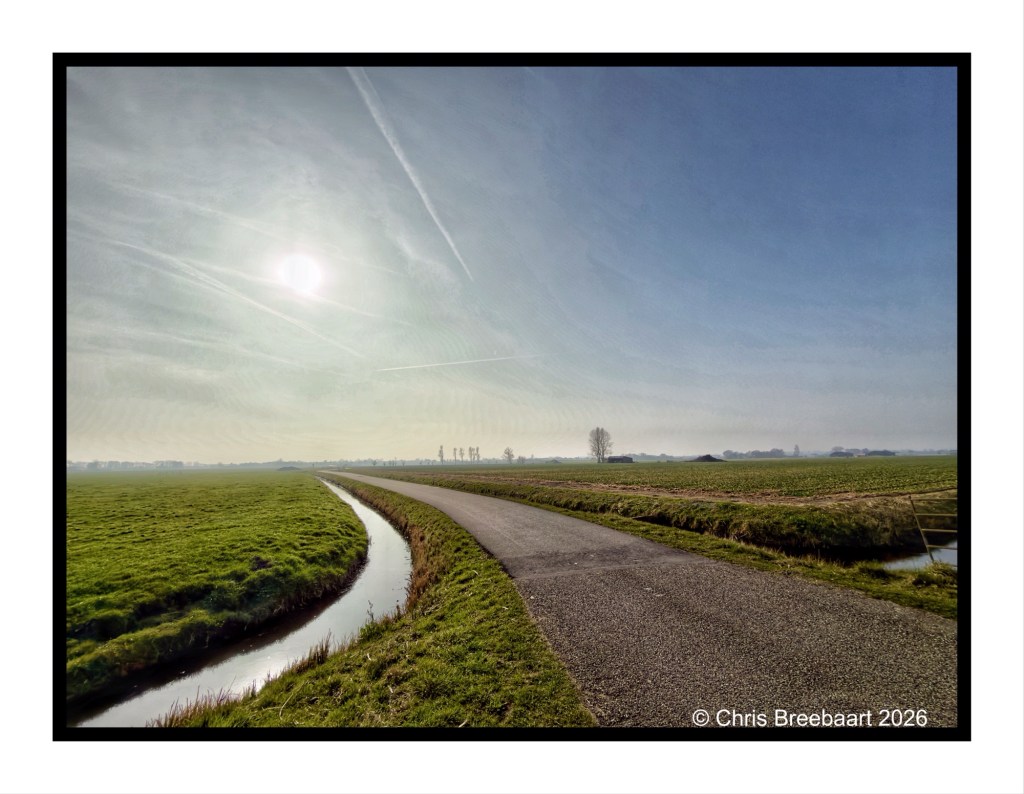
This week’s theme is ‘Time to relax’. On a bicycle ride through fields where soon bulb flowers will pop up, together with other cyclists. On the color version you can see the deep purple of early hyacinths. With Some yellow late Daffodils.
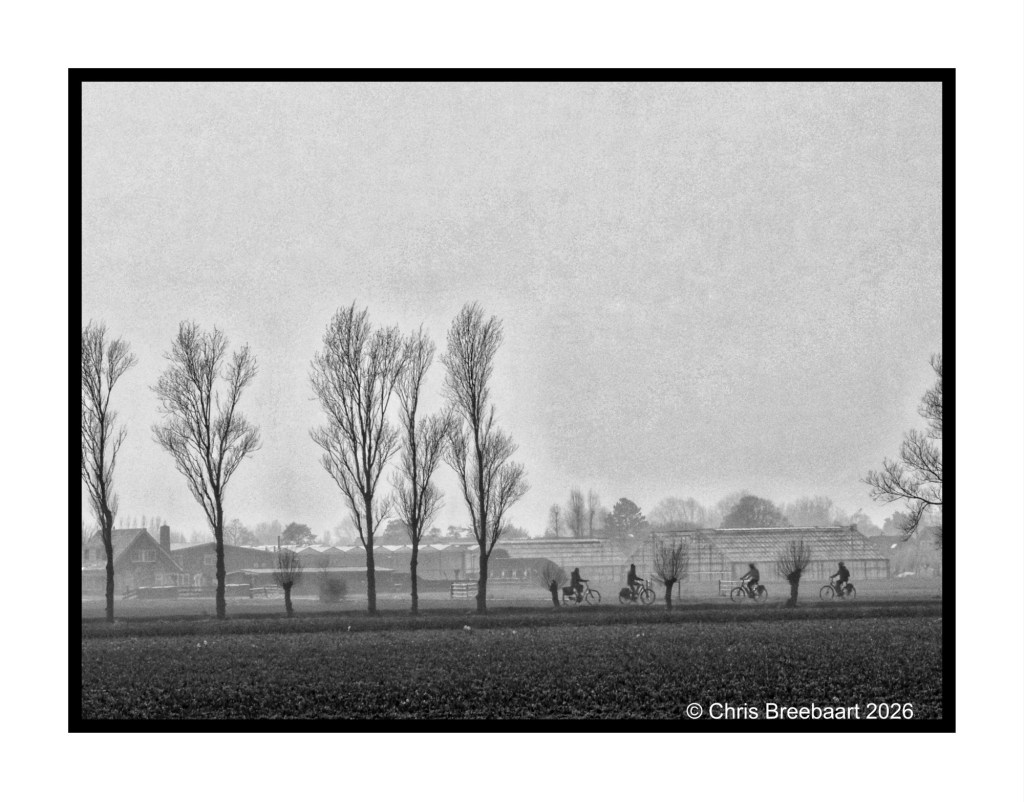
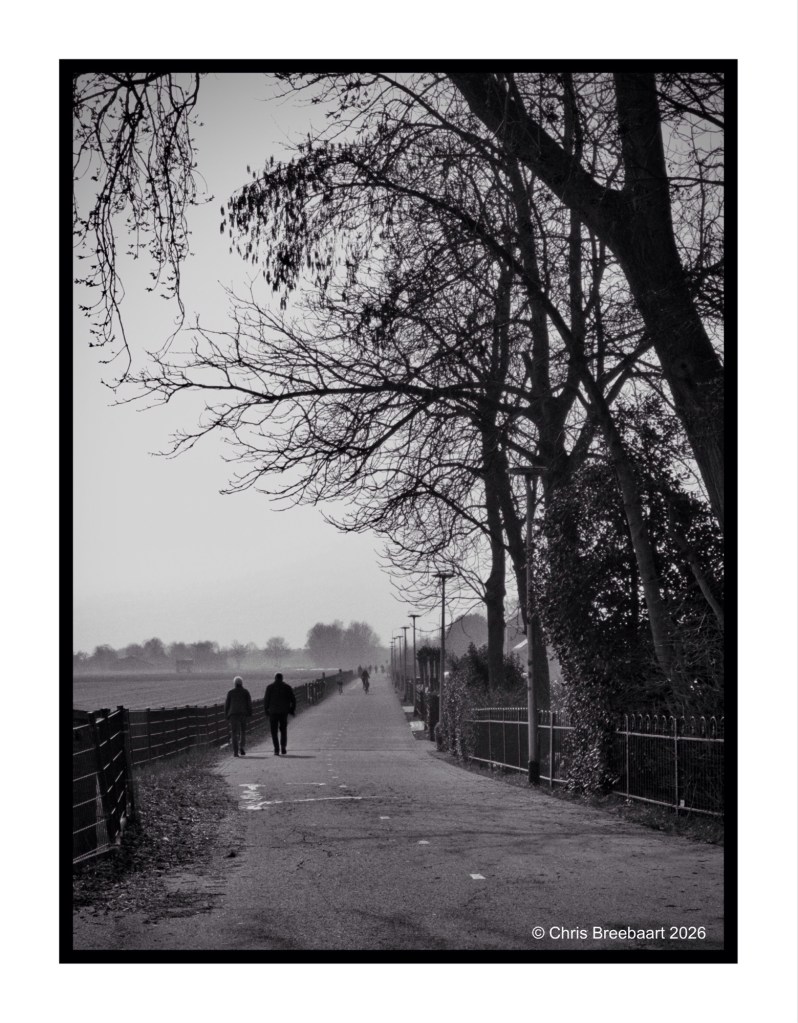
This week’s theme is ‘Time to relax’. On a bicycle ride through fields where soon bulb flowers will pop up, together with other cyclists and the occasional runner.
Spring is here and last weekend I made a little bicycle ride to check out the bulb flower fields. Daffodils where coming up, and at odd places hyacinths started to show. A nice way to relax and enjoy the lovely day outside. As did others by walking, running or cycling. Fitting this week’s theme ‘Time to relax’.
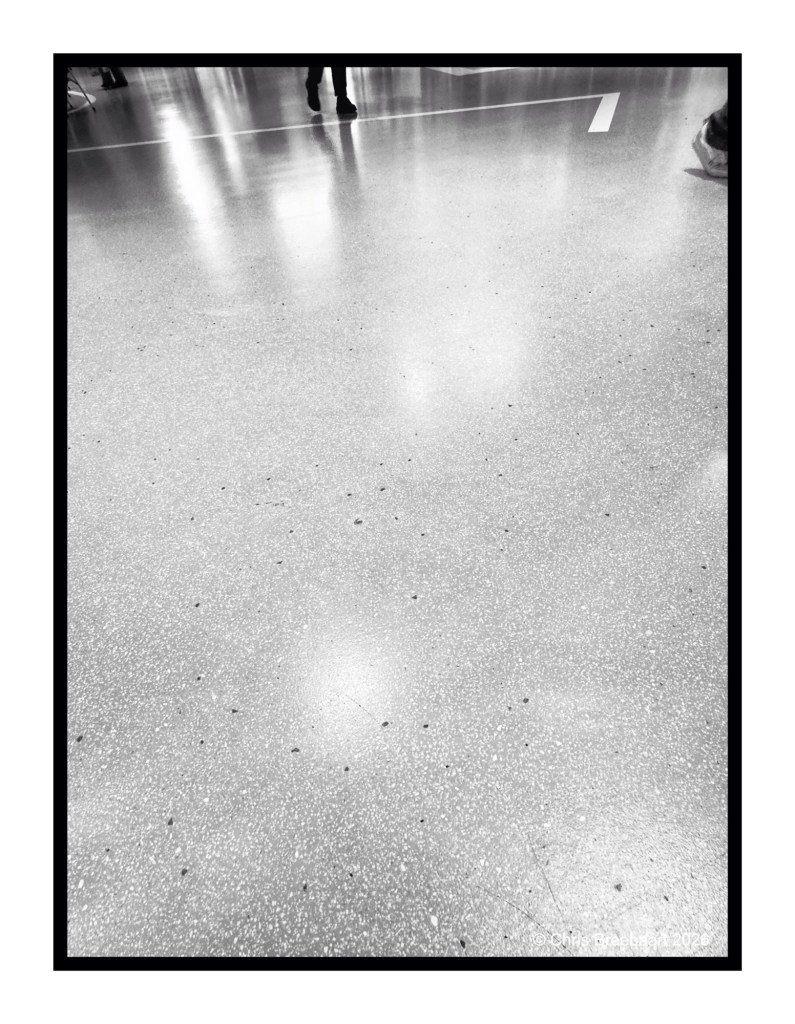
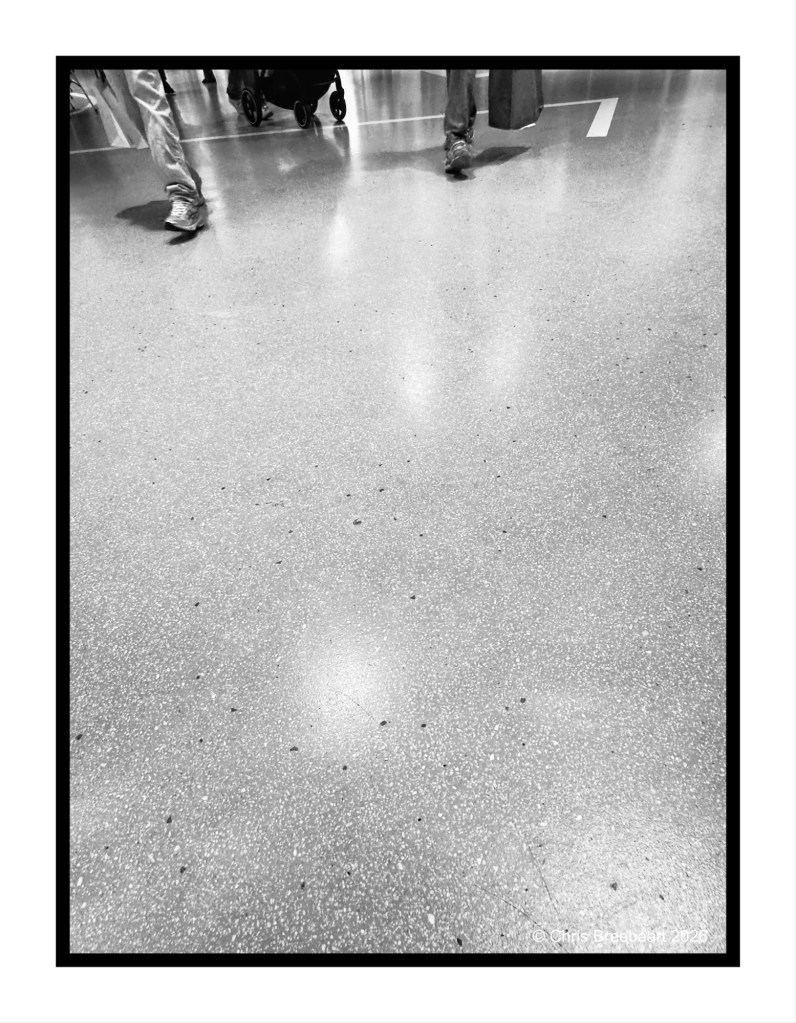
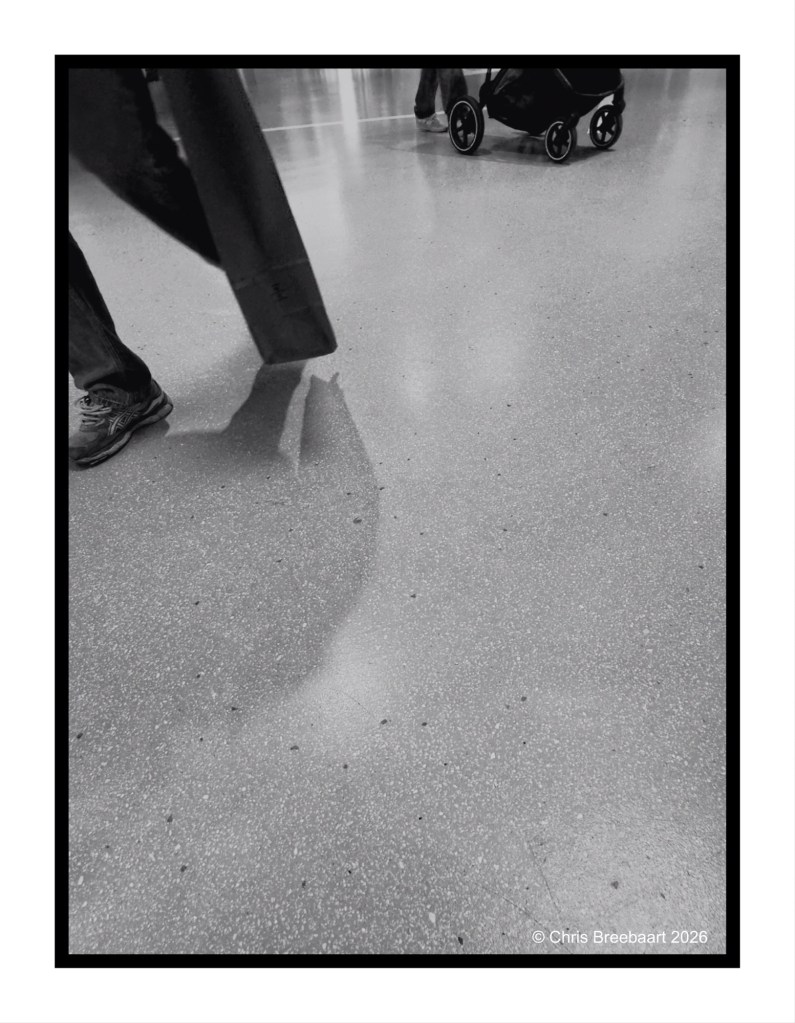
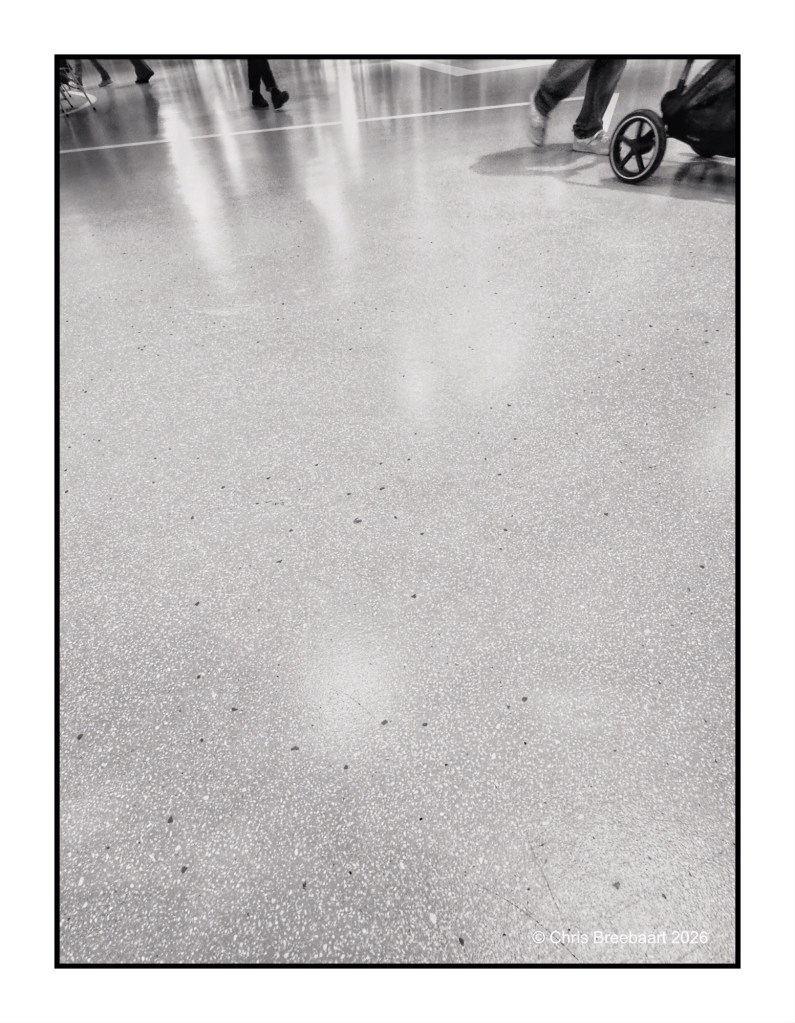
Some of the last photos with the iPhone15 Pro Max. A close view on a shopping floor. Like it is an endless circle of steps lining the floor. what can you do waiting for someone shopping?
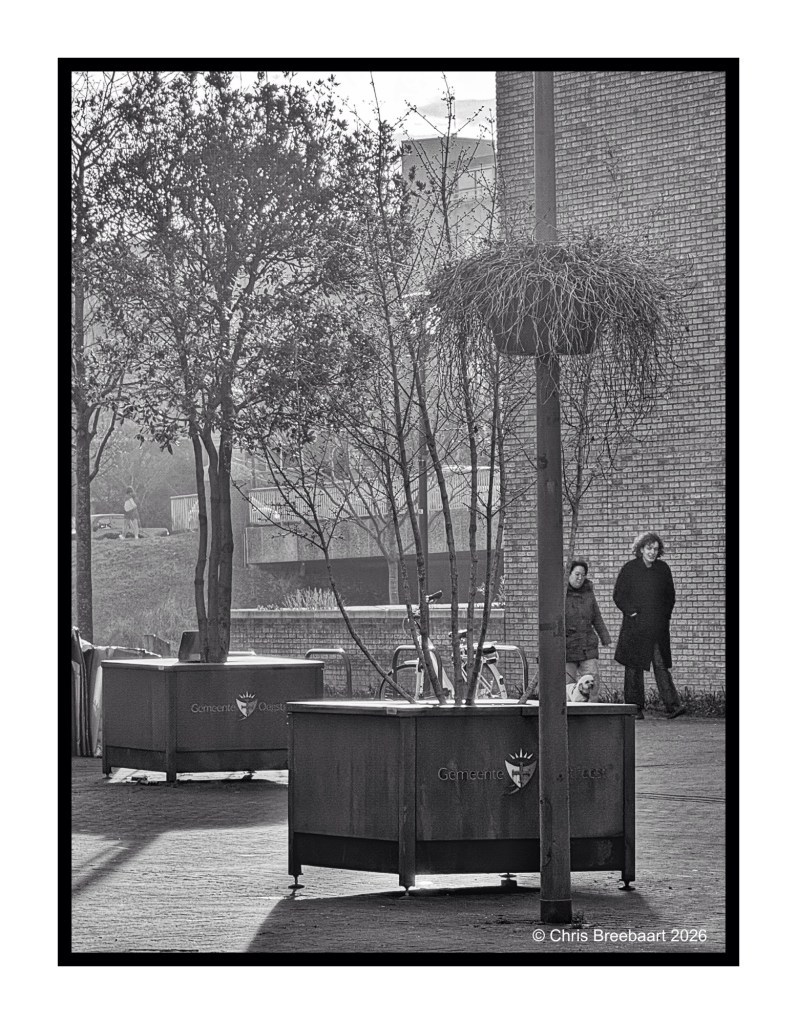
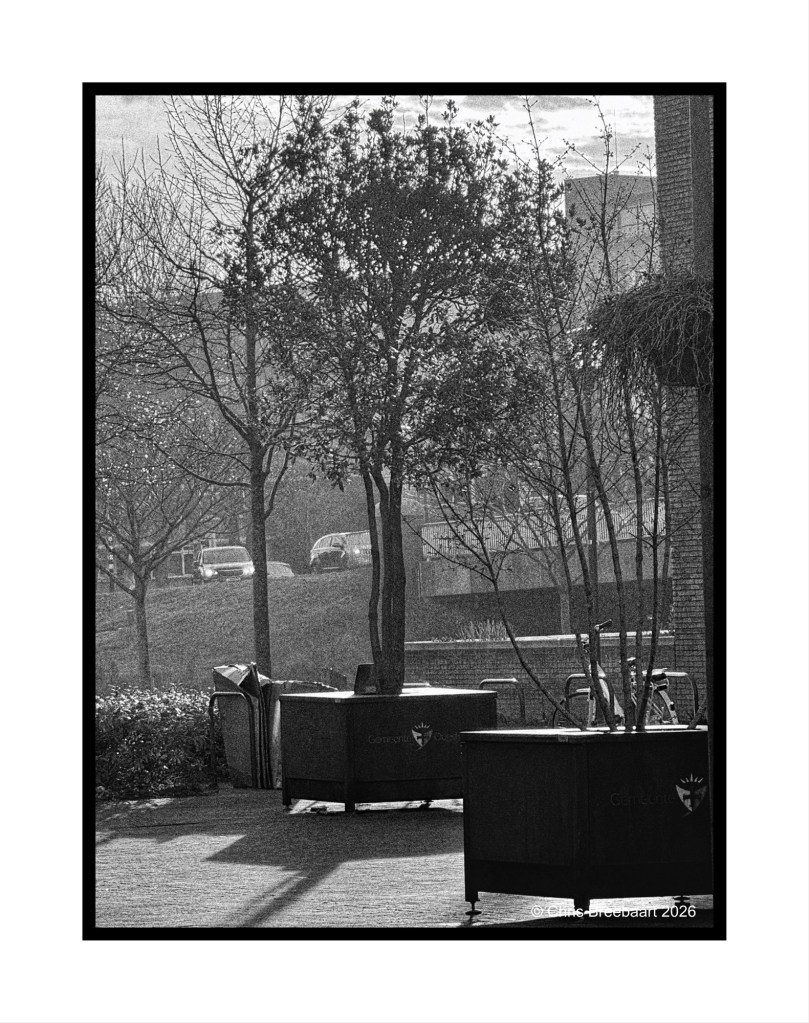
LAPC #386 invites to use the power of juxtaposition. I give the brief a bit more room for experiment, and put two pictures next to another. They both have a narrative of their own. It is basically the same subject (trees) but framed in a different way.
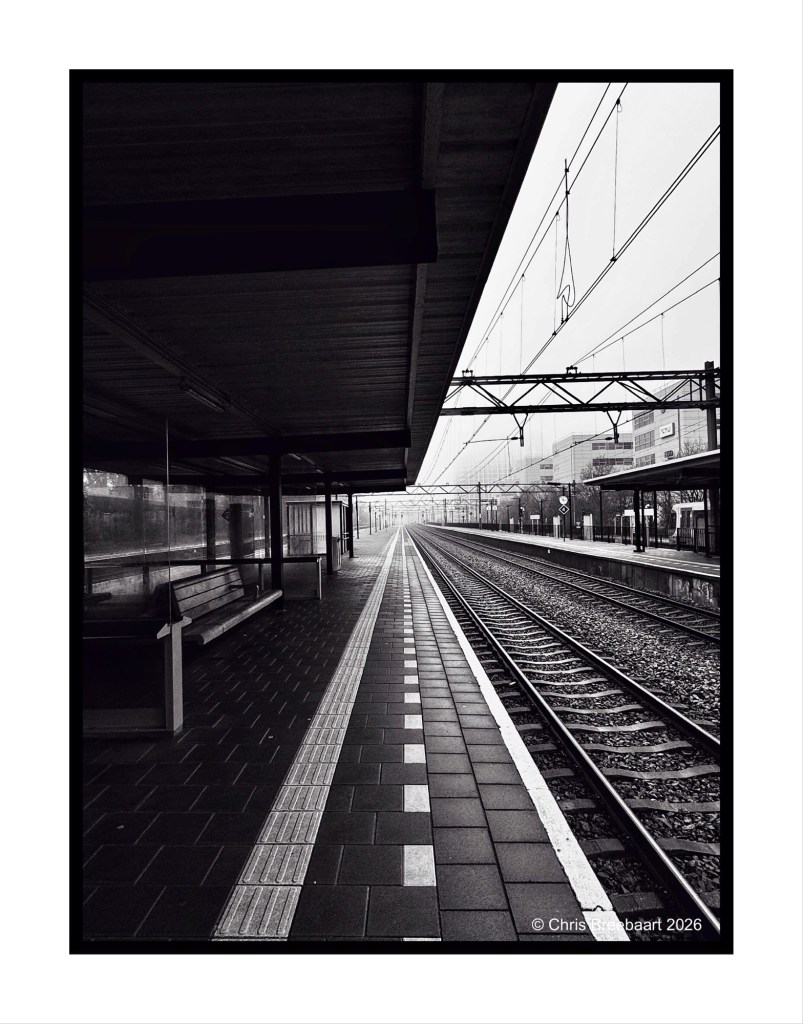
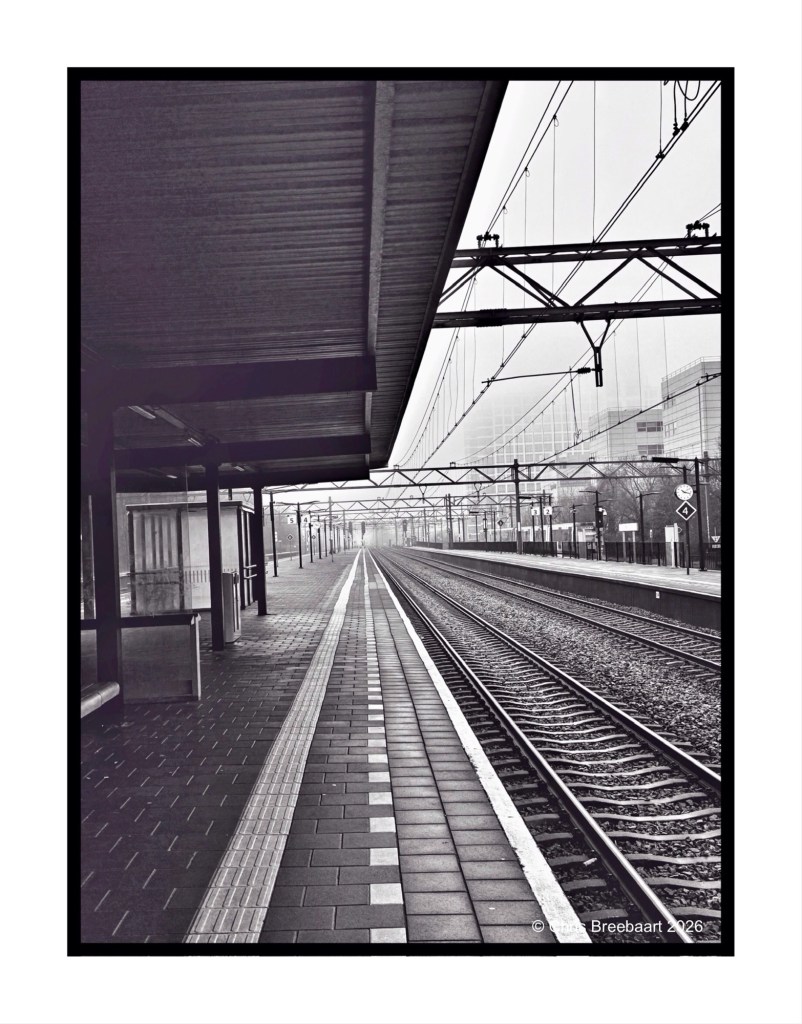
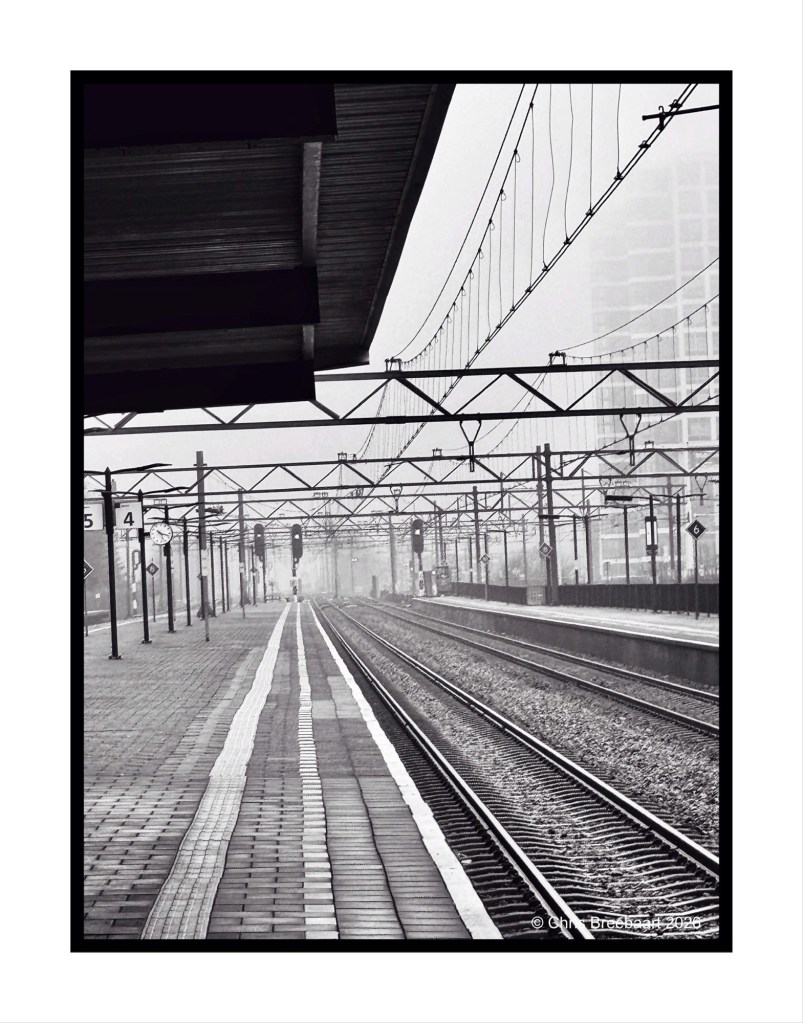
The LAPC theme #385 is ‘unusual crop’. Station Den Haag – Laan van Nieuw Oost-Indië (that is a throat breaker for most of you non-Dutch speakers). Tracking the tracks.
The LAPC theme #385 is ‘unusual crop’. It is about cropping (re-framing an existing image) for effect. I used an old photo from March 2018 to play with for this theme. I cropped it to get rid of some elements that I kept in the original shot. This theme makes me think about how I shoot and the principles I learned in the past.
I am not sure I fully understand the essence of the brief. I only understand it if I take it literally: how it is unusual for me to use cropping while editing. Let me try to explain. Cropping afterwards is to re-frame a shot. My aim is to frame a desired photo at the shoot on the camera. That is a principal I learned long ago. Modern technology helps. You can see the result of a shot right away on the camera. And zoom lenses give you the flexibility to decide about the framing. Long ago, all I shot was on a 50 mm lens on film. Then sometimes I deliberately shot to ‘crop’ the result. E.g. when I was unable to get close enough. In the darkroom, you enlarged the picture (blow up), and then decided the result of the frame. Nevertheless, this often resulted in a loss of quality (grain, sharpness). So I learned to frame from the start, long ago.
But even in those analogue days, blowing up negatives was creative, it added to the texture of a photo. Nowadays it is easier to be playful using better technology. Camera’s, phones, software, monitors, computers all contribute to more agility in the editing process.
I am curious about the perspective of other ‘old school’ photographers. The ones who used film and a darkroom in the past before the digital age. How do they view this challenge?
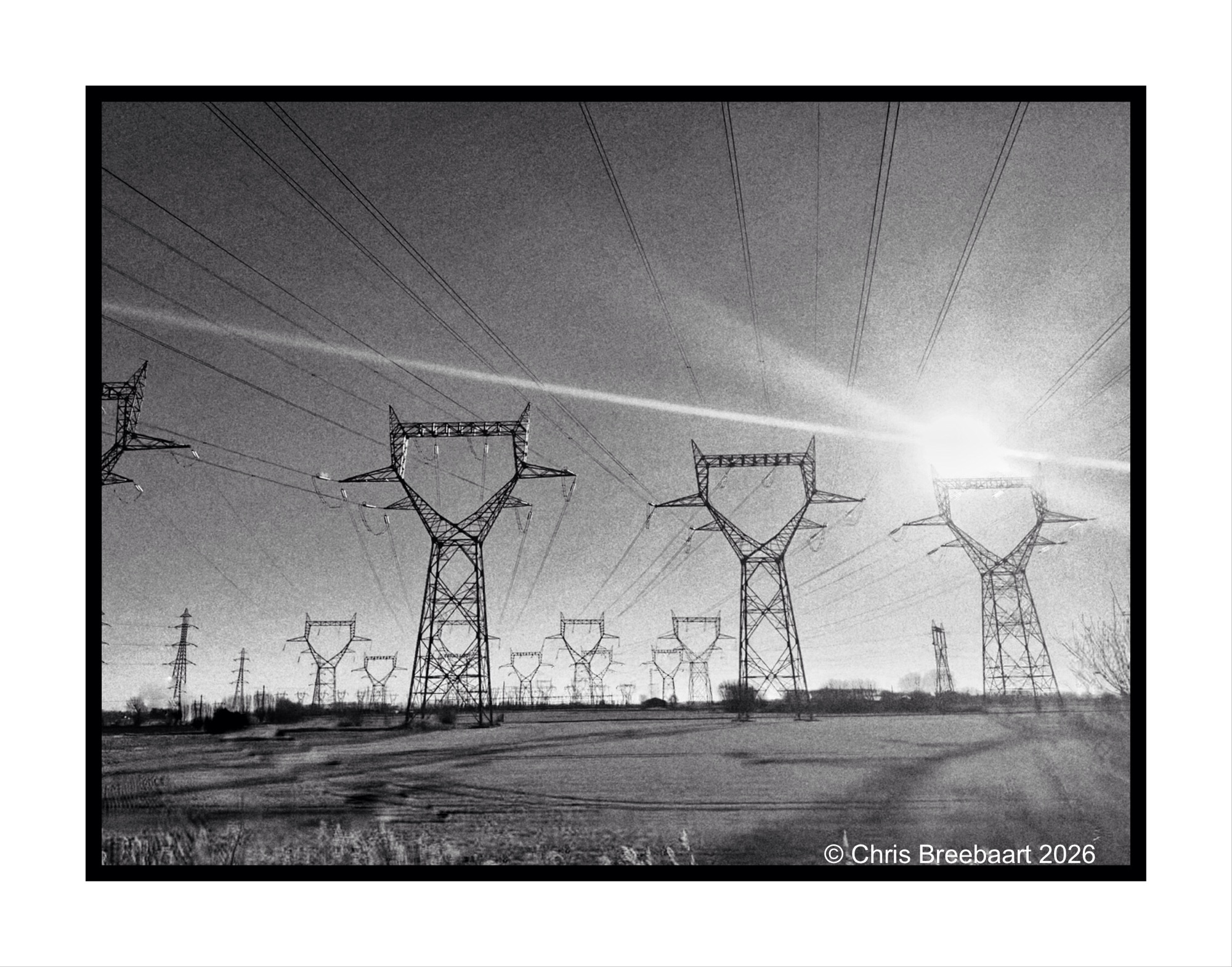
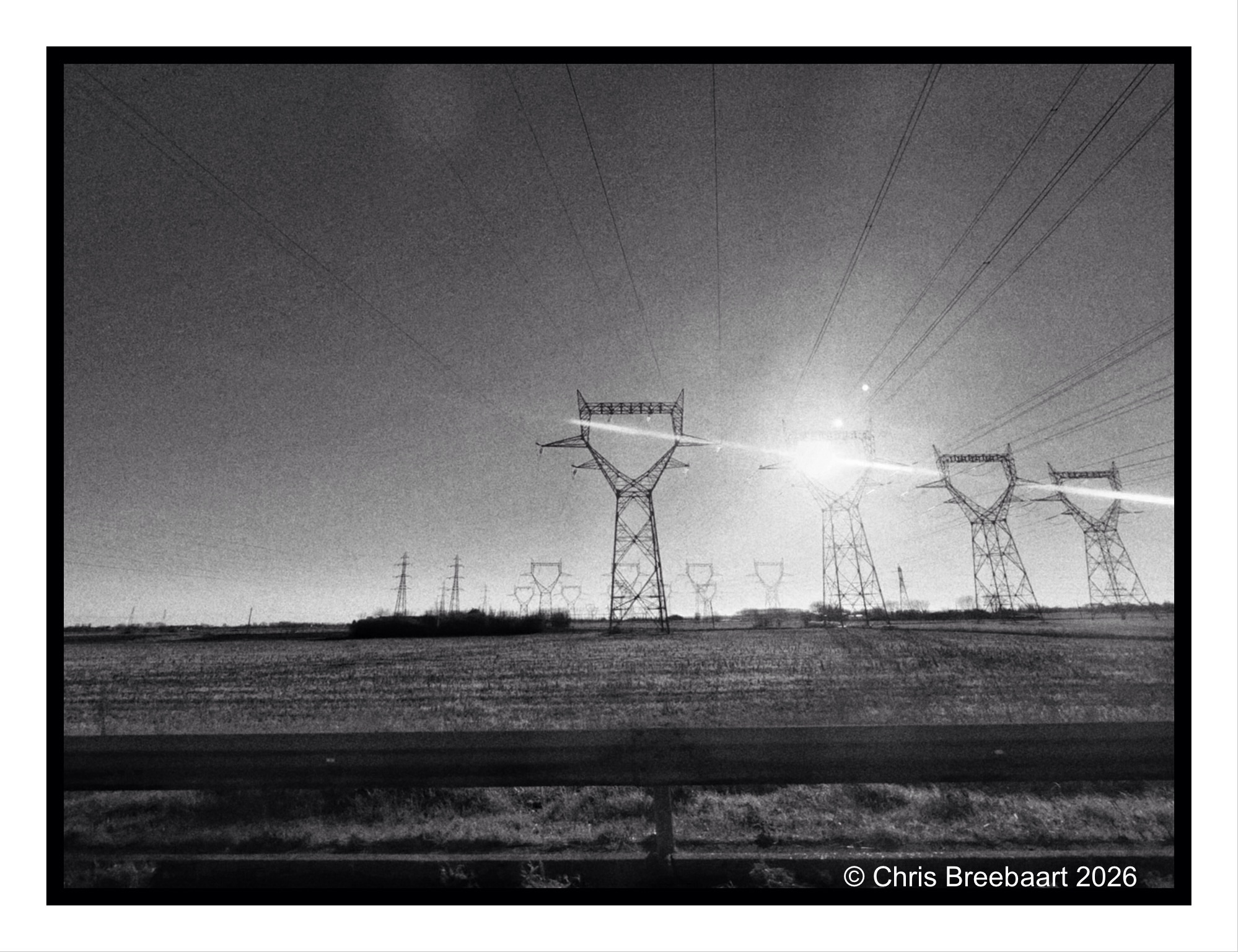
Every time we travel to the UK via the Channel Tunnel, I try to take photos of these steel giants. The same goes for when we return from there. They carry power lines in the area of St. Georges-sur-l’Aa. No worries, I’m in the passenger seat.
They remind me of mythical knights, marching in line over the fields. In the archive you find a set of photos over the years.
The year 2025 ends and we cross over to 2026. I hope the new year will be a good one. I wish it brings some of the desires I cherish in my heart. I am sure others cherish these desires as well.
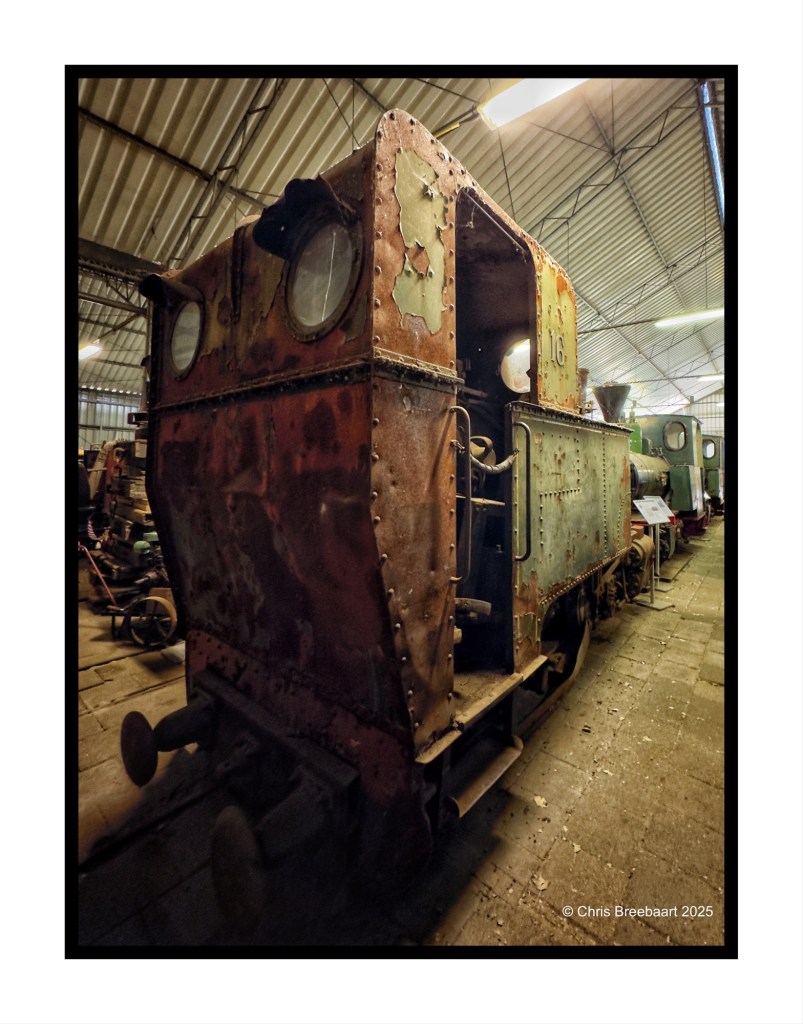
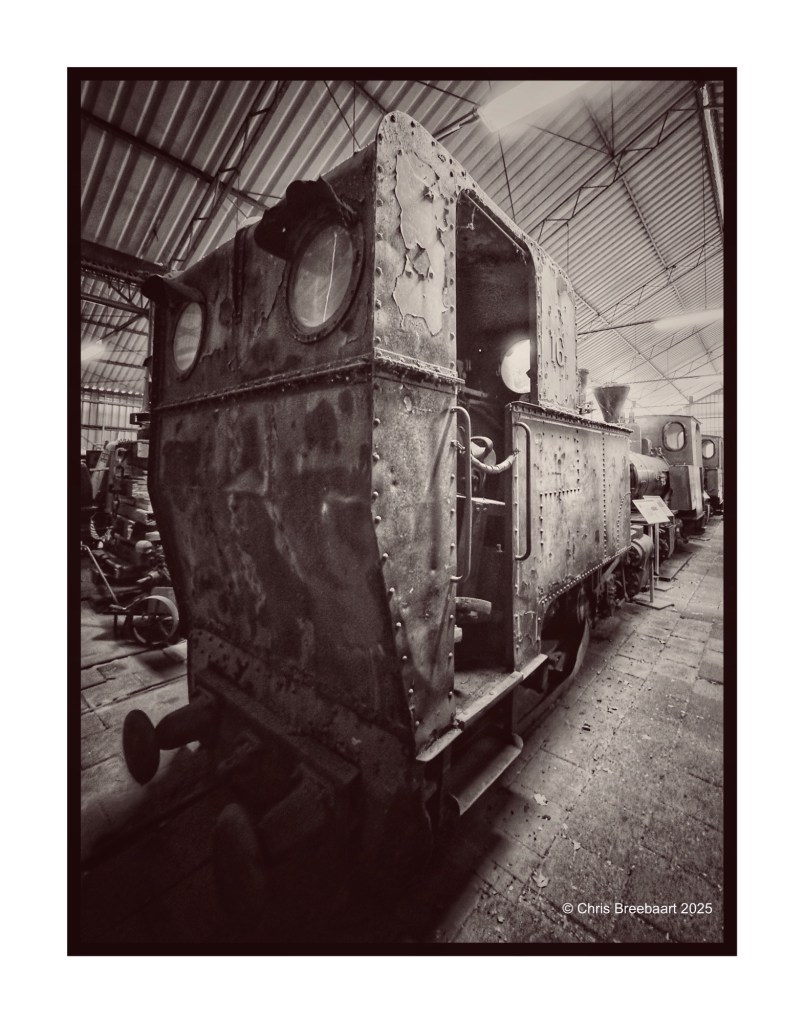
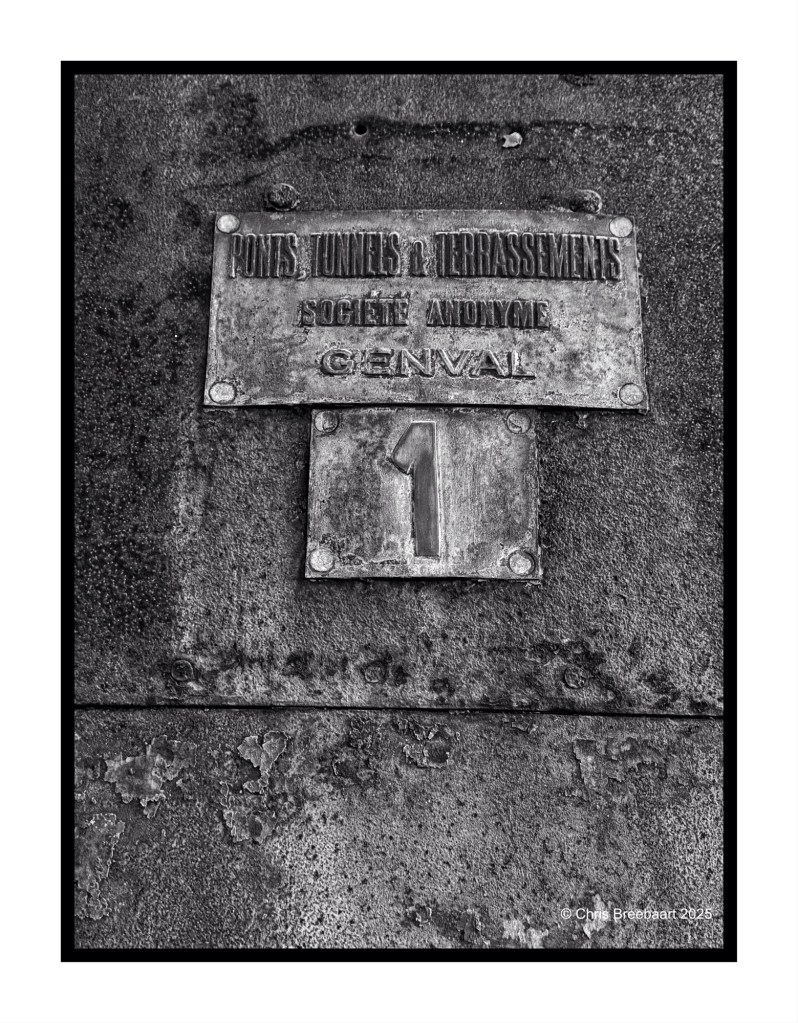
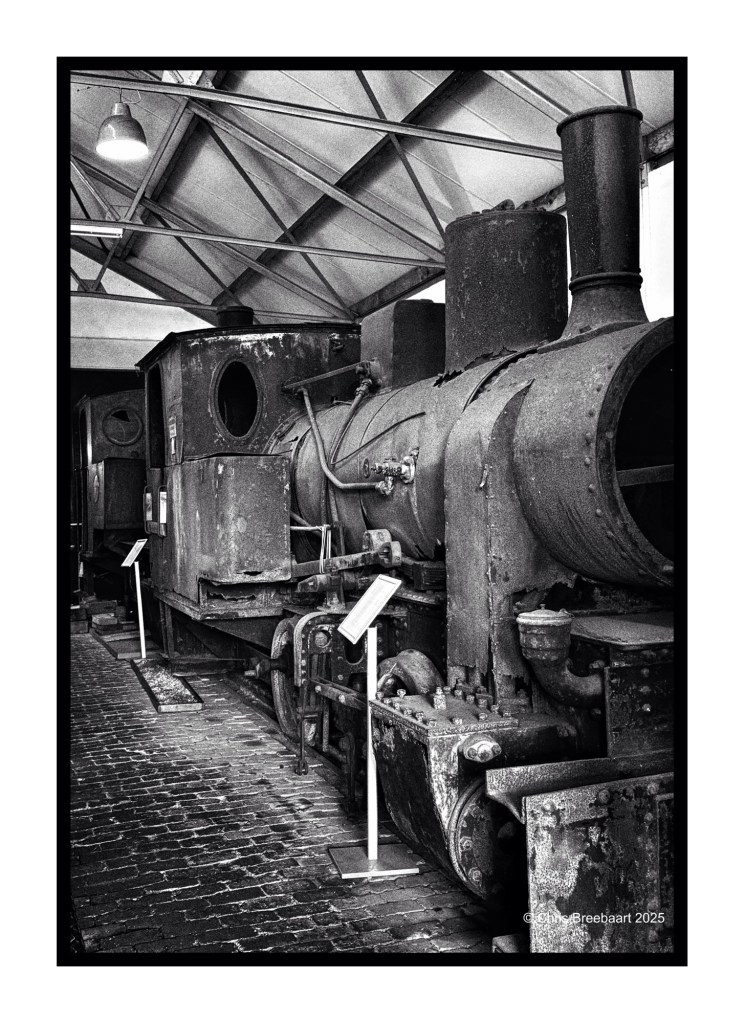
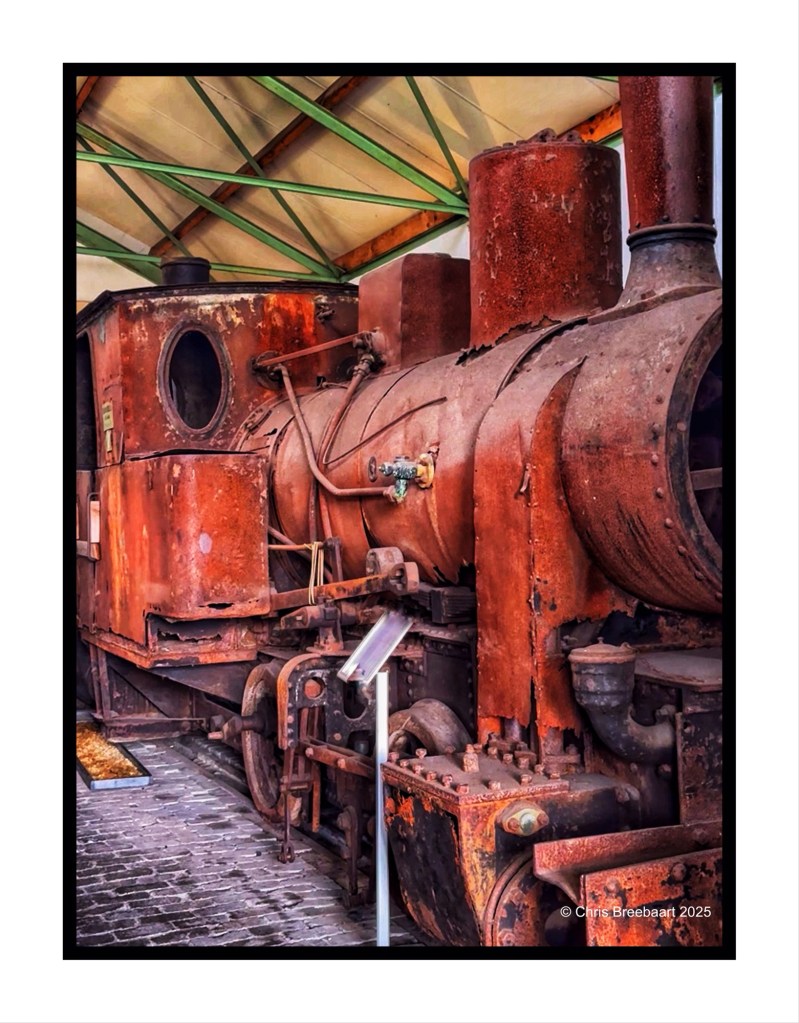
The Lens-Artists Photo Challenge #374 is ‘on the move’. Most of what is on these photos has not moved in a long time. However, the machines they got moving again are brilliant. It is a place where they try to keep history alive and accessible, touchable and usable.
The Steamtrain Museum Katwijk Leiden is run by volunteers. It offers the history of steam trains and their use on narrow gauge tracks. And the volunteers fix up and restore old locomotives, carriages and other cars. They have a big storage full of old parts and rusty machines.
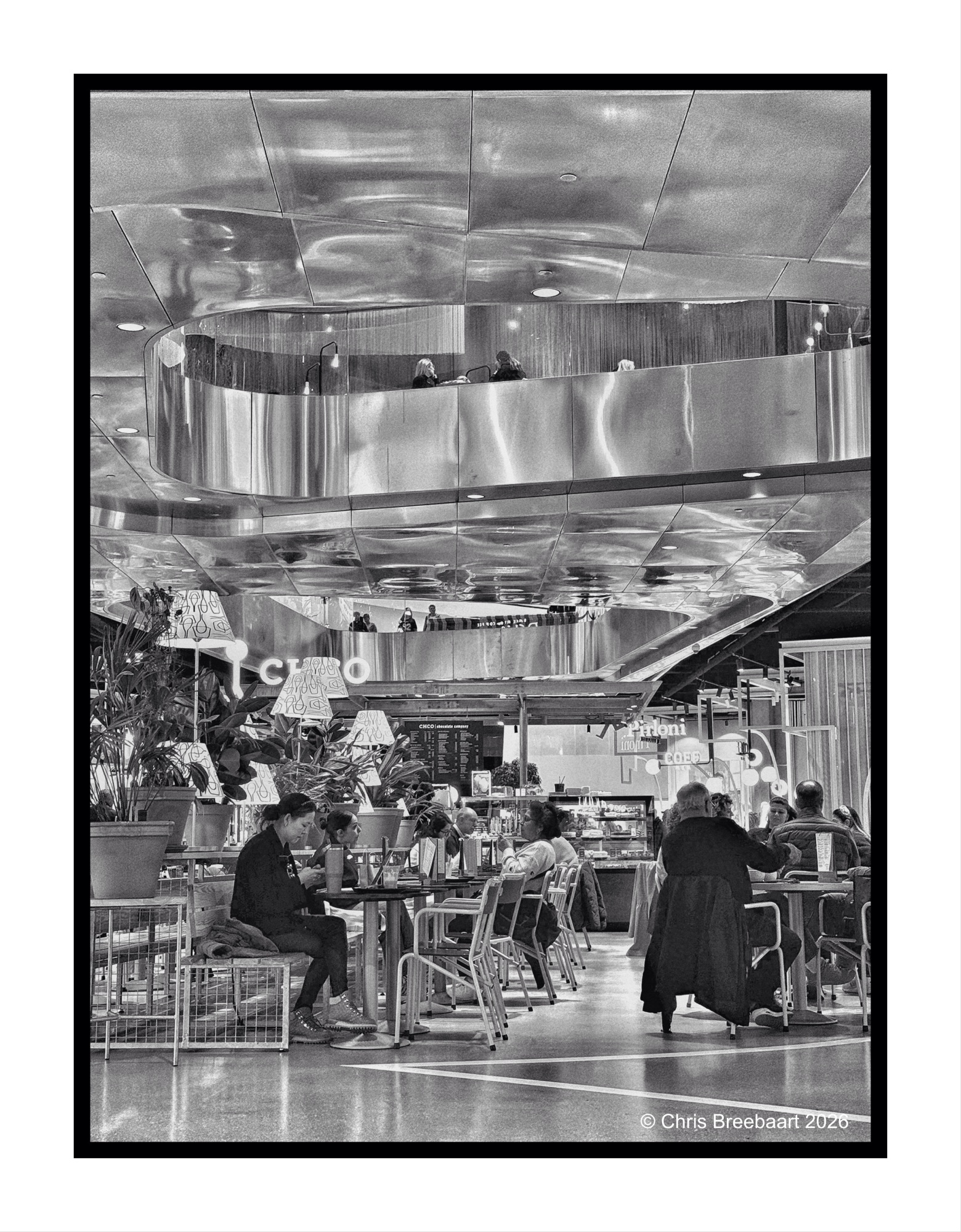
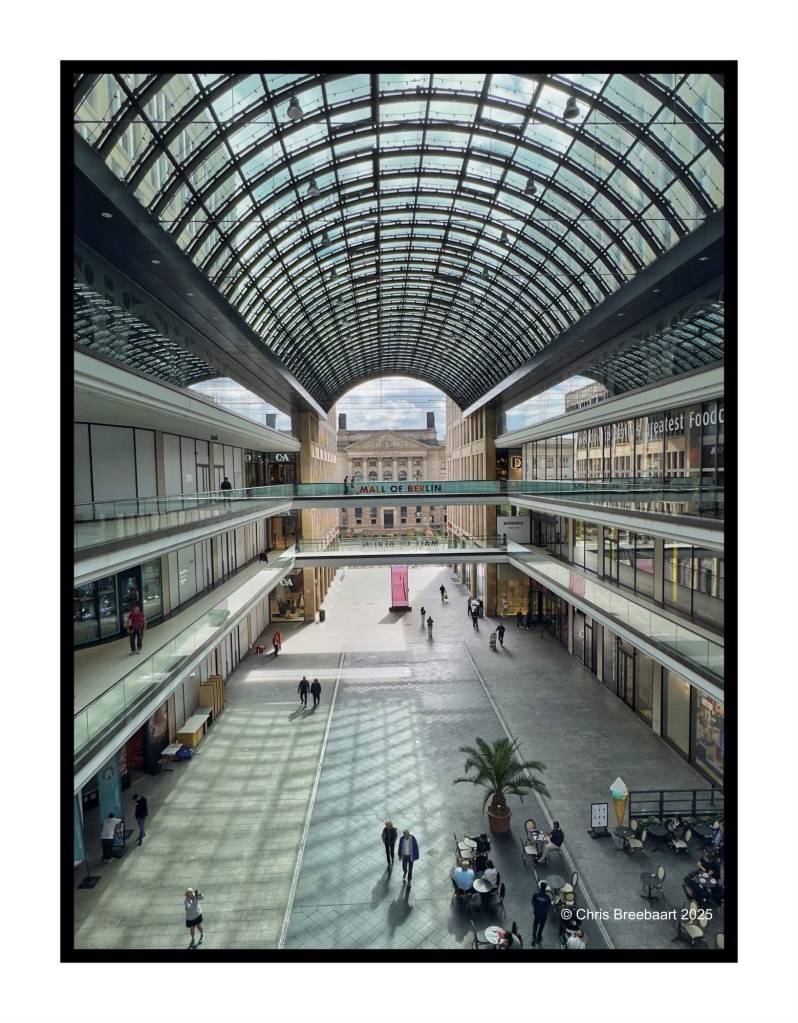
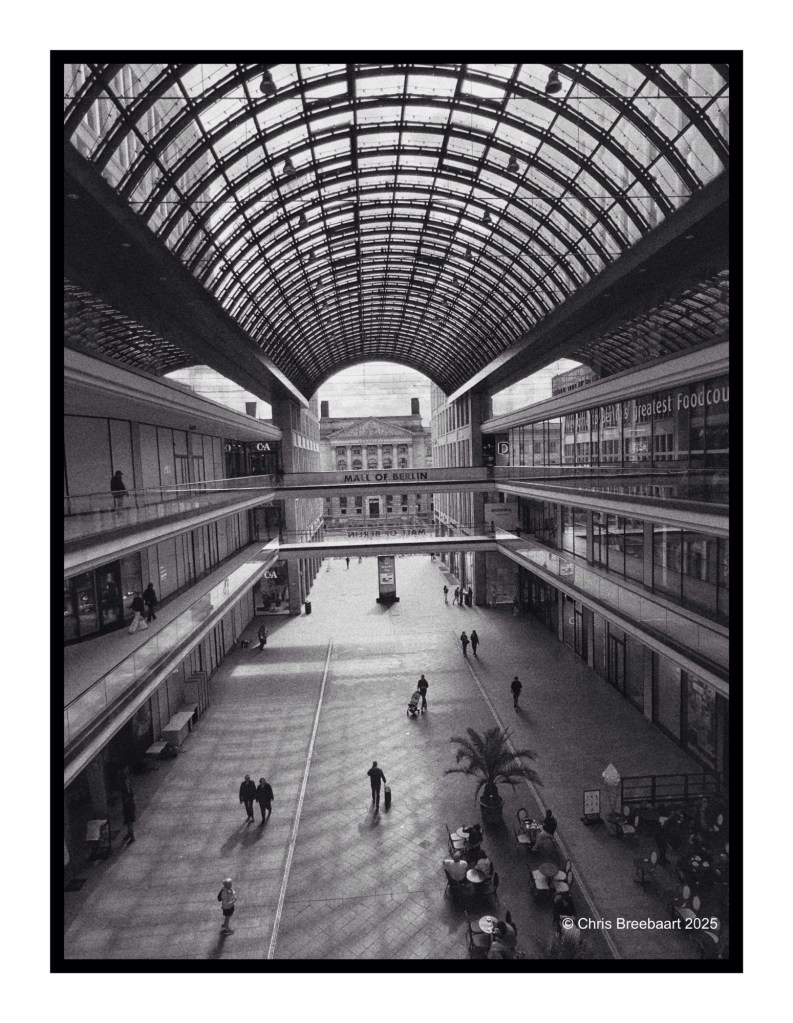
Every big city has its own mall, a big shopping center. Most of the times the shops and brands are the same as in the mall next to where you live. And the food court can be slightly different. The Mall of Berlin is no exception to that rule. The location (Leipziger Platz) makes it interesting, as does the architecture.
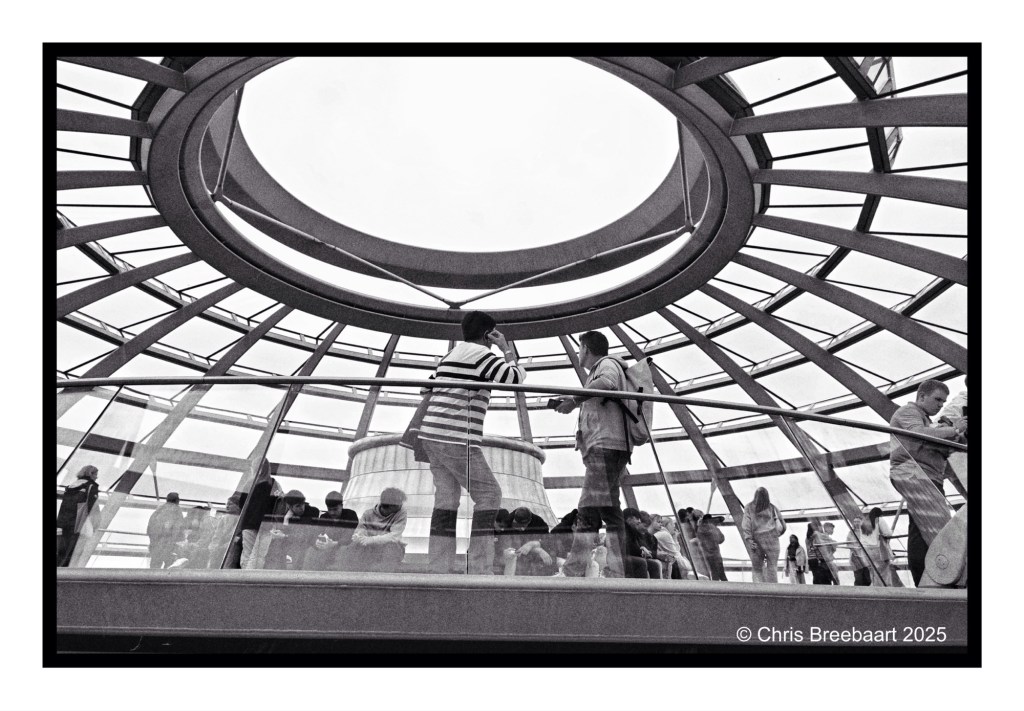
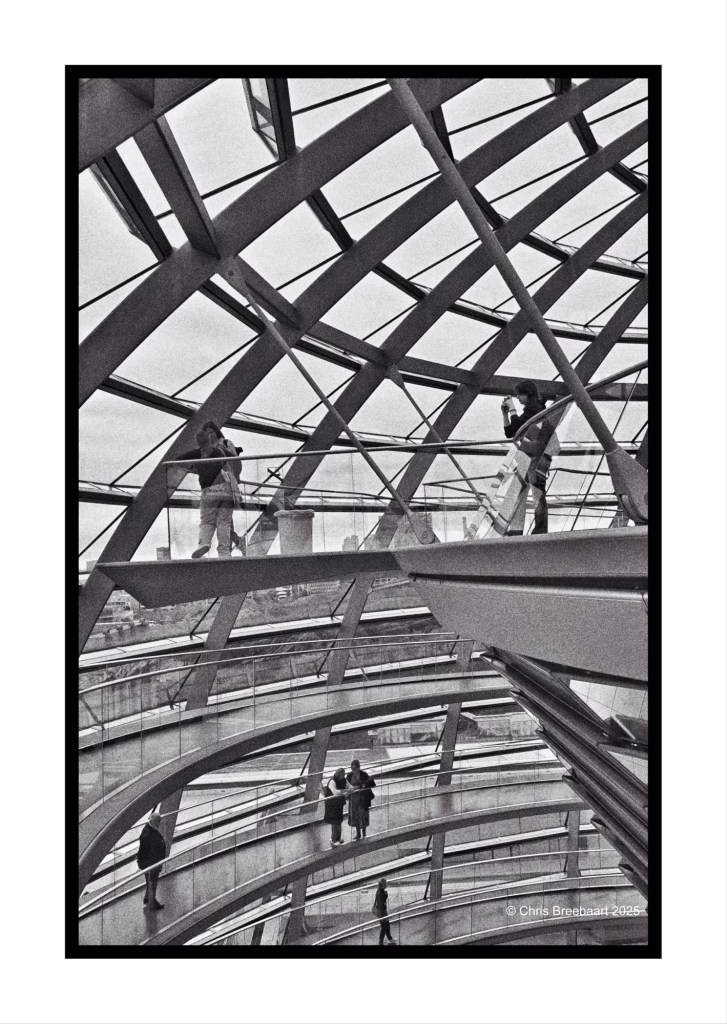
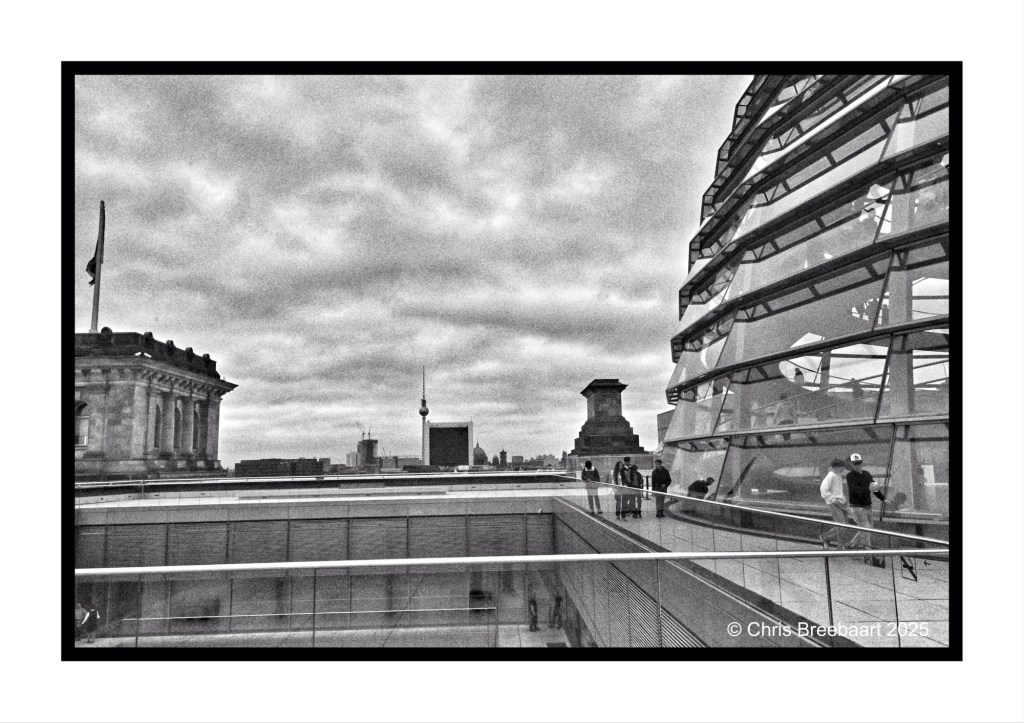
The dome on the Reichstag offers a wonderful panoramic view on Berlin. And you can walk the rest of the roof as well to look over the city. Here an impression in monochrome.
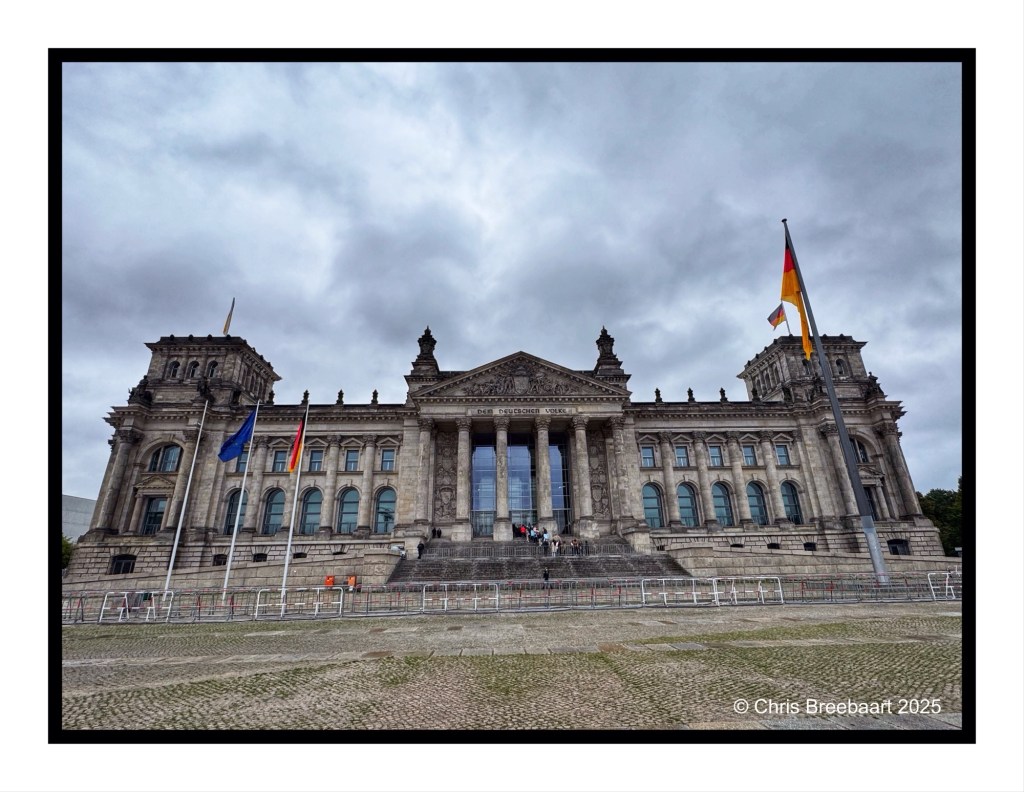
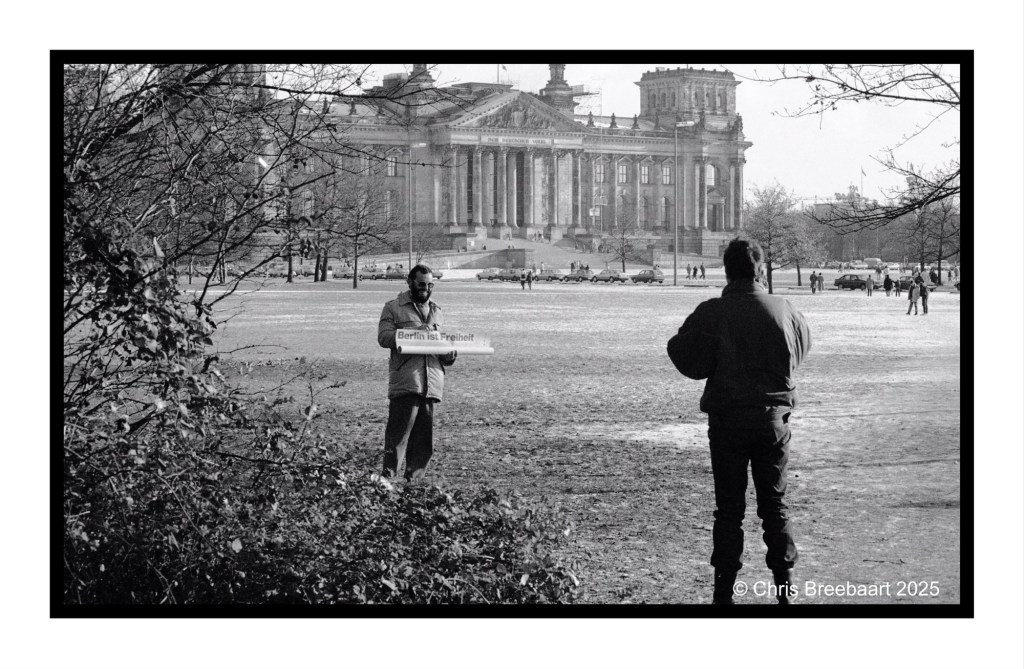
The front of the Reichstag. A visit was on the top of my list. In 1989 the Berlin Wall was right next to the building; and since 1989 this area was completely developed. So we booked a visit to the dome. On this photo I left the dome out consciously. I wanted to have an image like the building looked in November 1989 below.
Germany, Berlin – November 1989
The history of the Reichstag is connected to my hometown and Leiden. In 1933 Marinus van der Lubbe was accused, tried and sentenced by the Nazi-regime for setting fire to the building. He was born in Leiden en lived in Oegstgeest, as did his family.
About the B4 retouch series: I browsed my archive for pictures to publish. Some of them are partly retouched but most do have scratches, dust and stains.
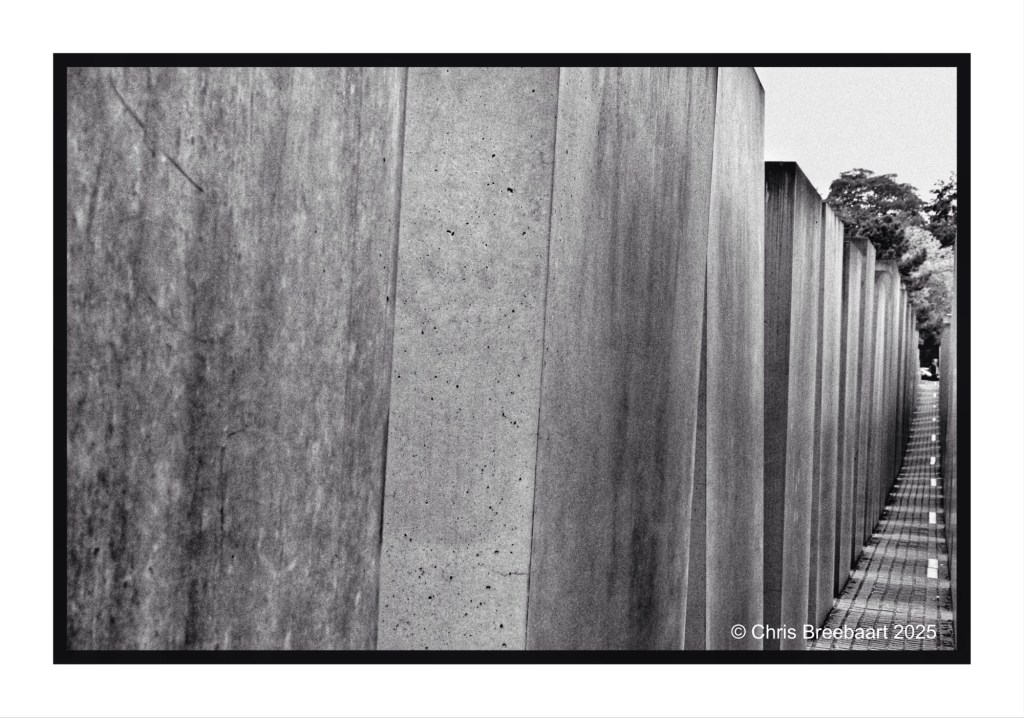
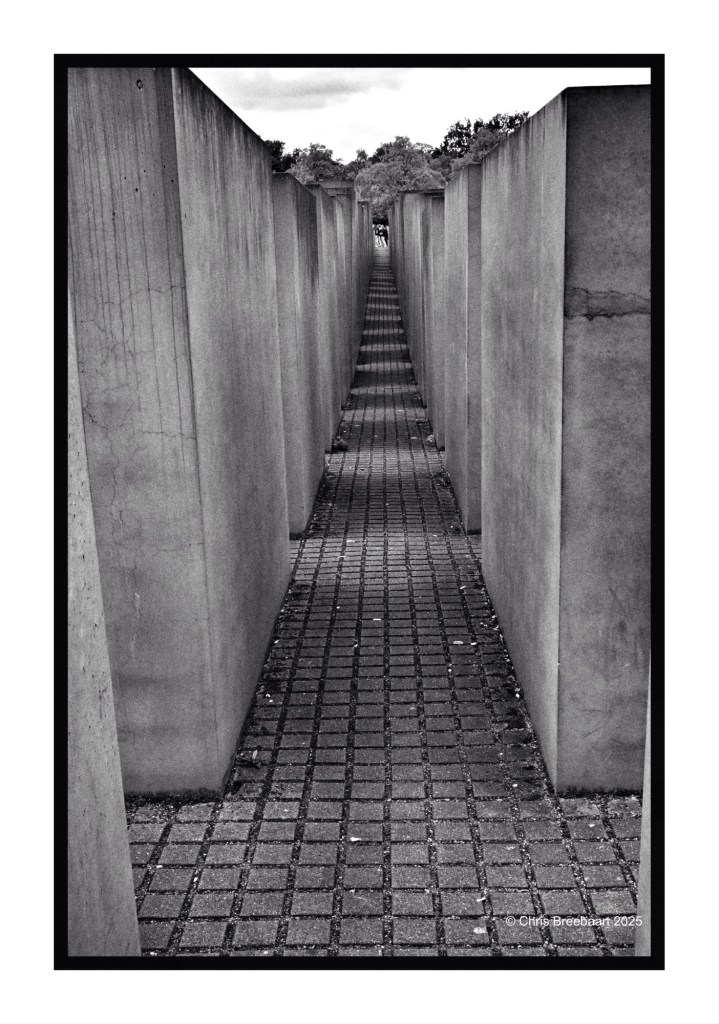
Last September I revisited Berlin after 46 years. One of the reasons to come back was to visit the Memorial to the murdered Jews in Europe. I had read stories and seen photos, and I wondered how I would take photo’s of it. And what it would be like to wonder through it. This visit I had my first experience with the monument. Here is the first impression (and the coming days I will publish some more).
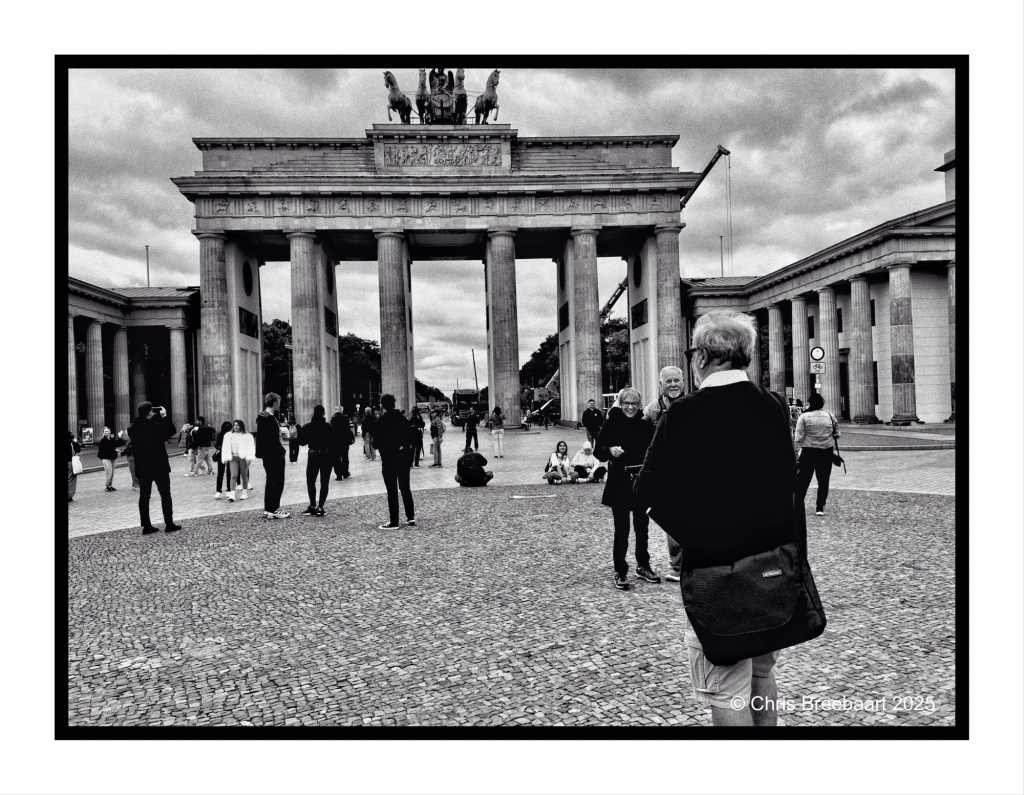
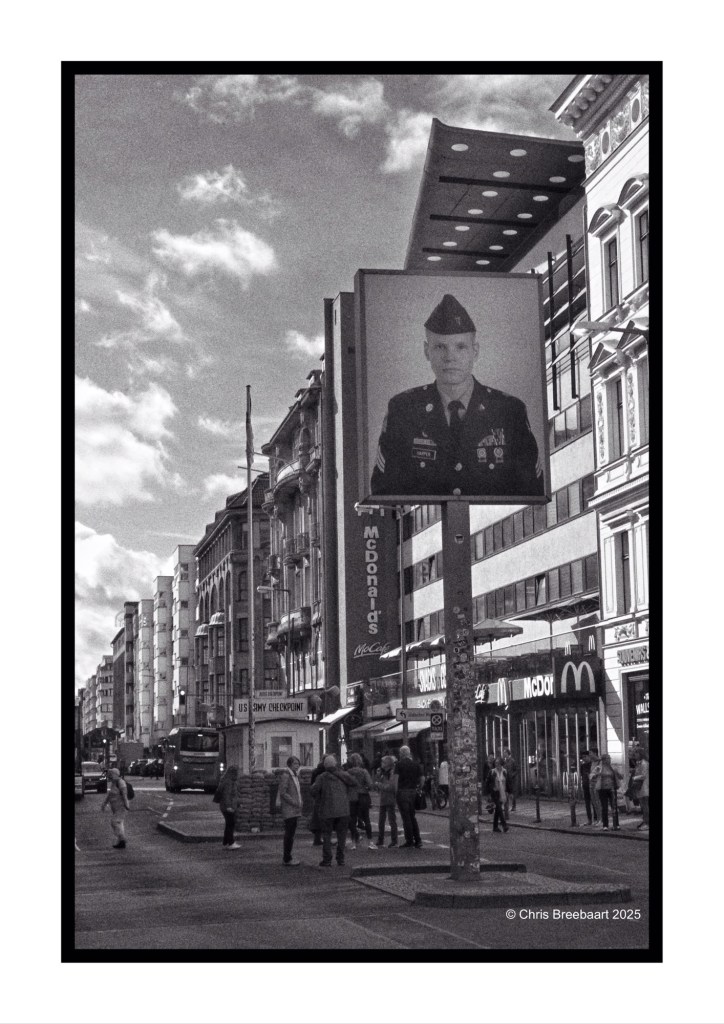
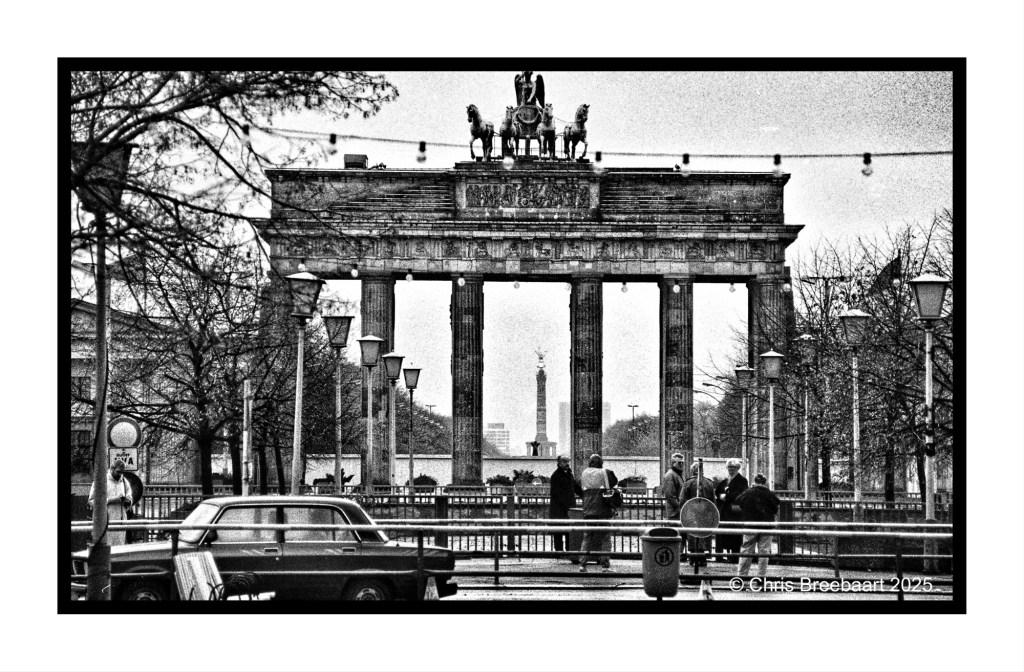
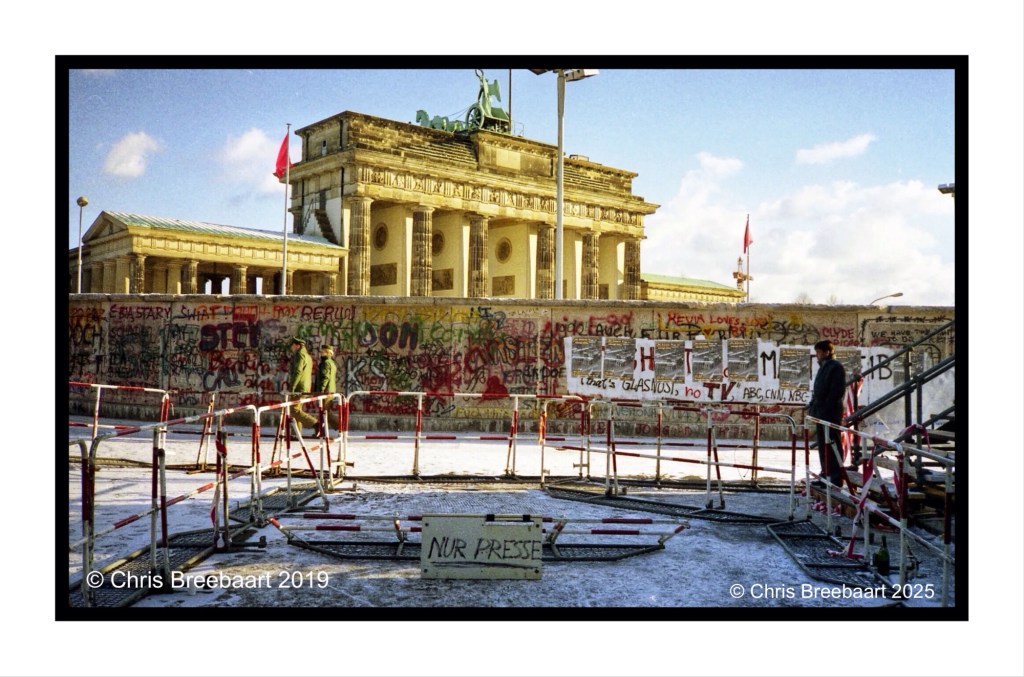
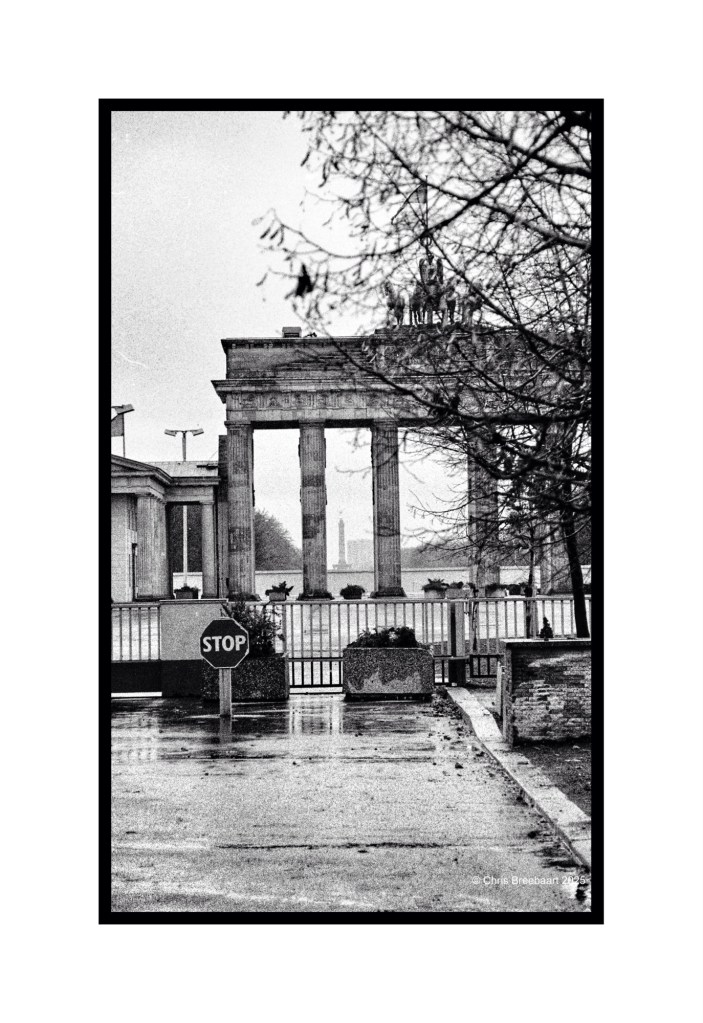
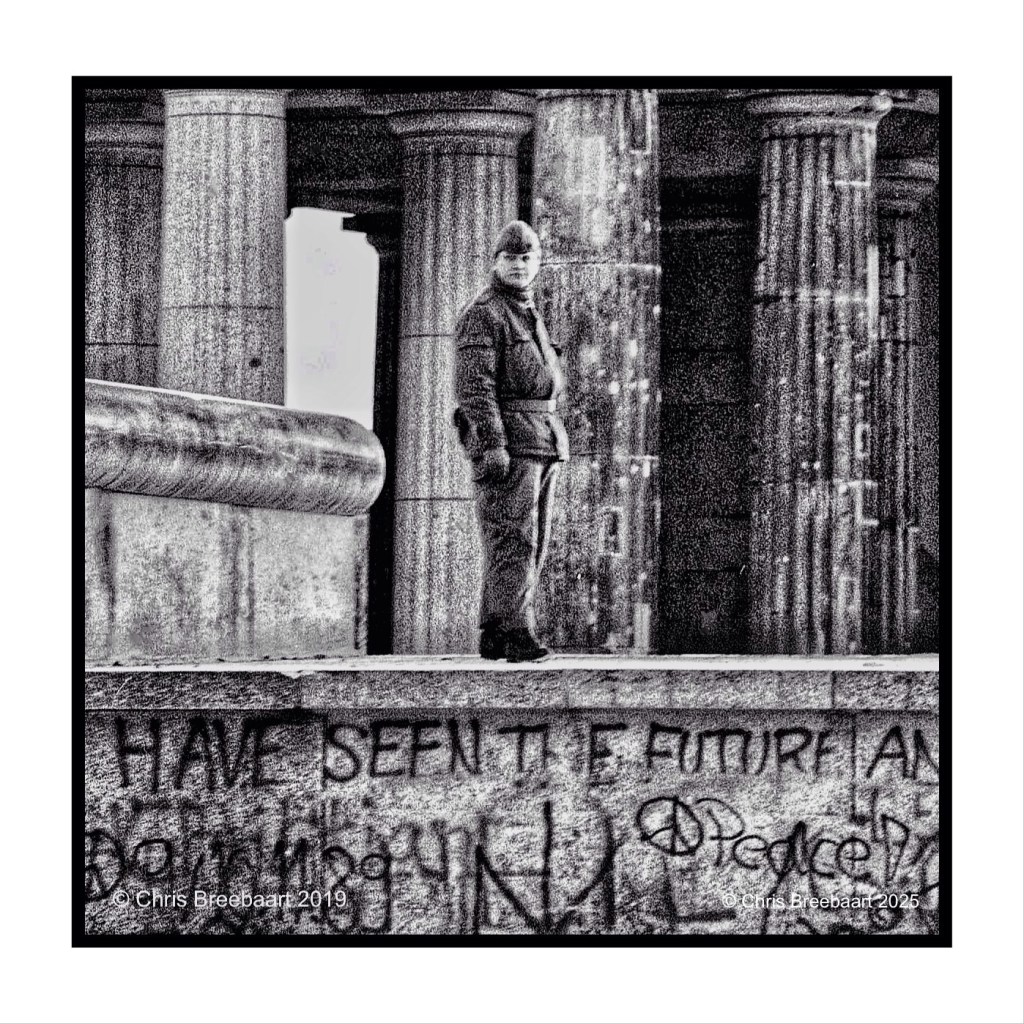
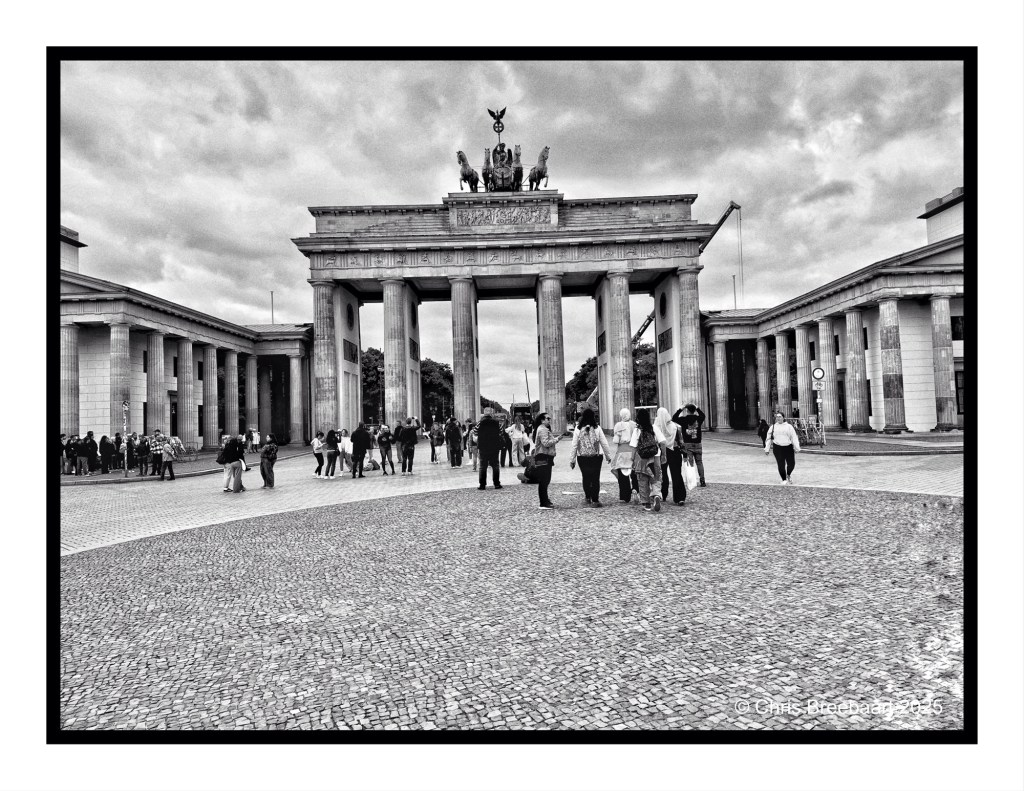
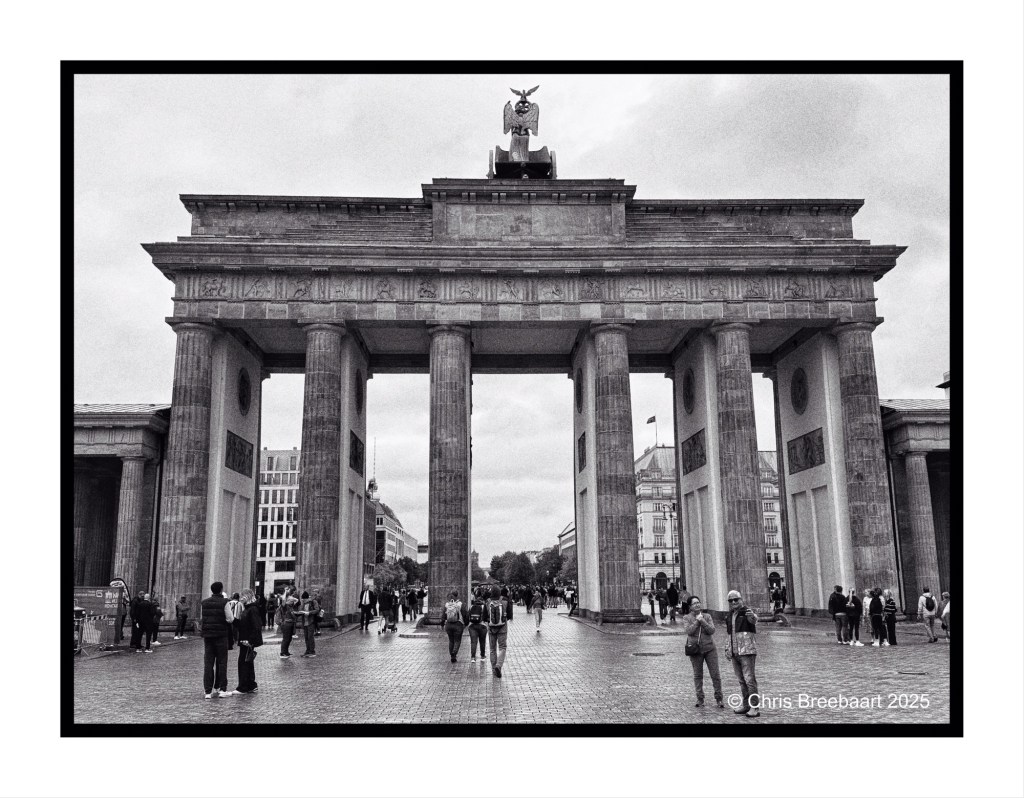
Brandenburger Gate (Brandenburger Tor) in Berlin was an iconic point at the time of the Berlin Wall (Berliner Mauer). The gate then stood in no mans land, and showed the alienating effects of division through the city. Now the Brandenburger Gate is a symbol of unity of Berlin. It was a pleasure to walk through the gates, and enjoy the people and streets around it. And the see the gate back at its splendor.
About the B4 retouch series: I browsed my archive for pictures to publish. Some of them are partly retouched but most do have scratches, dust and stains.
The monochrome set of 1989 was shot with Nikon F301 on Kodak TriX. The colorfilm was Fuji, and shot on Pentax Espio 115M. 2025 photos shot with iPhone 15 Pro Max edited using Snapseed and Marksta. Click the pictures for a larger version.









 What's (in) the Picture?