Walk
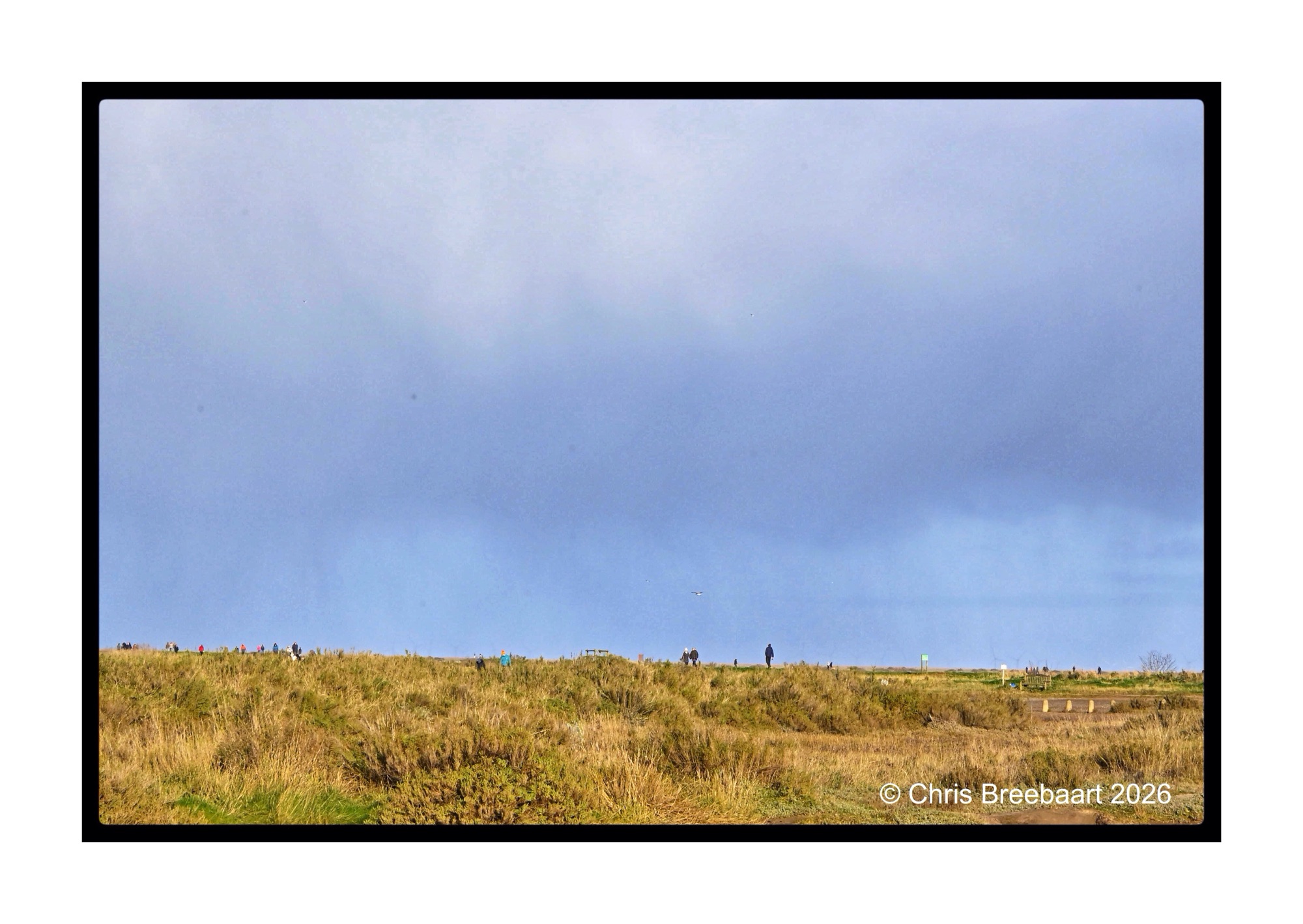
The path along the seafront in Blakeney.
Shot with Nikon Zf,edited using Snapseed and Marksta. Click the picture for a larger version.
The path along the seafront in Blakeney.
Shot with Nikon Zf,edited using Snapseed and Marksta. Click the picture for a larger version.
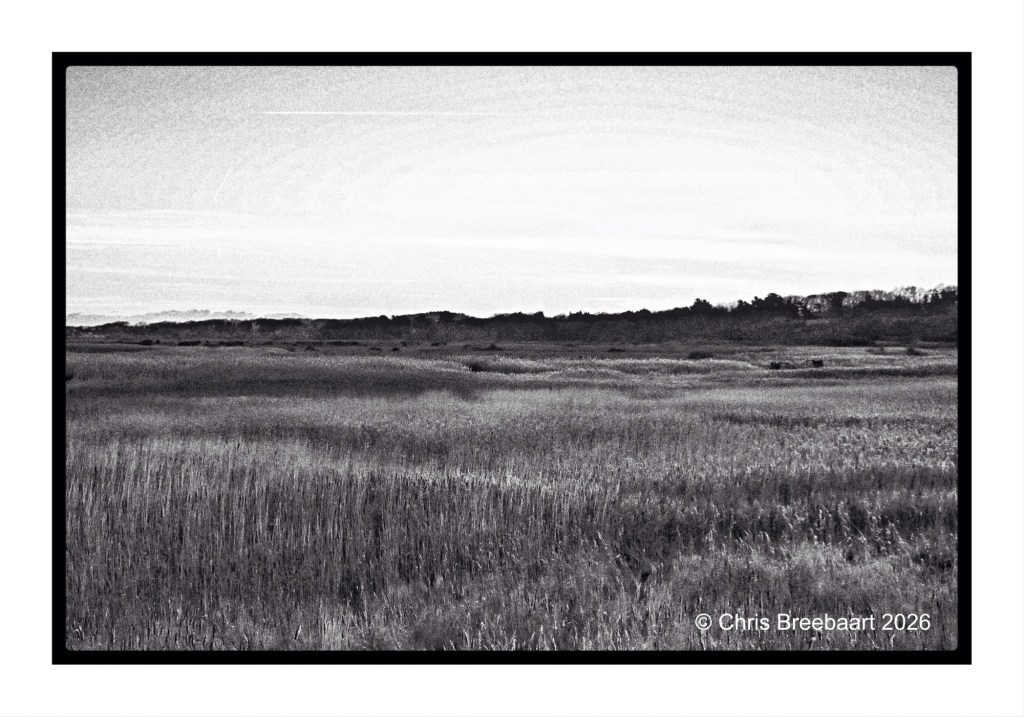
The last in the series of monochrome, more or less minimal photos for this week’s Lens artists photo challenge #381 (minimalism in black and white photography).
Shot with Nikon Zf,edited using Snapseed and Marksta. Click the picture for a larger version.
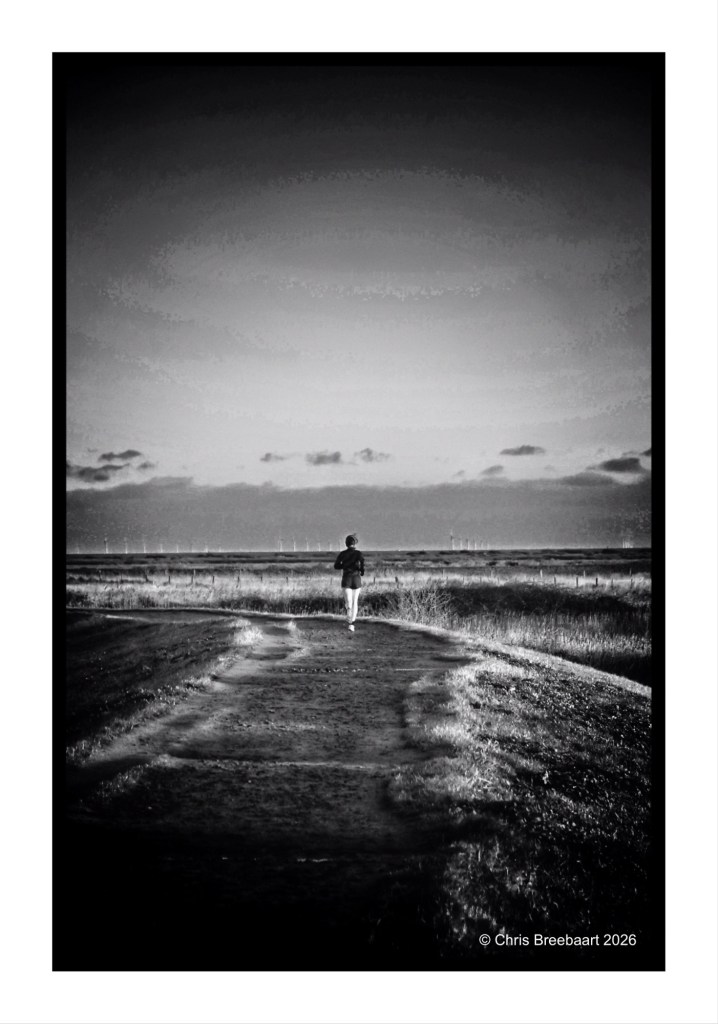
Lens artists photo challenge #381 is ‘minimalism in black and white photography’. The marshes at Blakeney are a place for running and hiking.
Shot with Nikon Zf,edited using Snapseed and Marksta. Click the picture for a larger version.
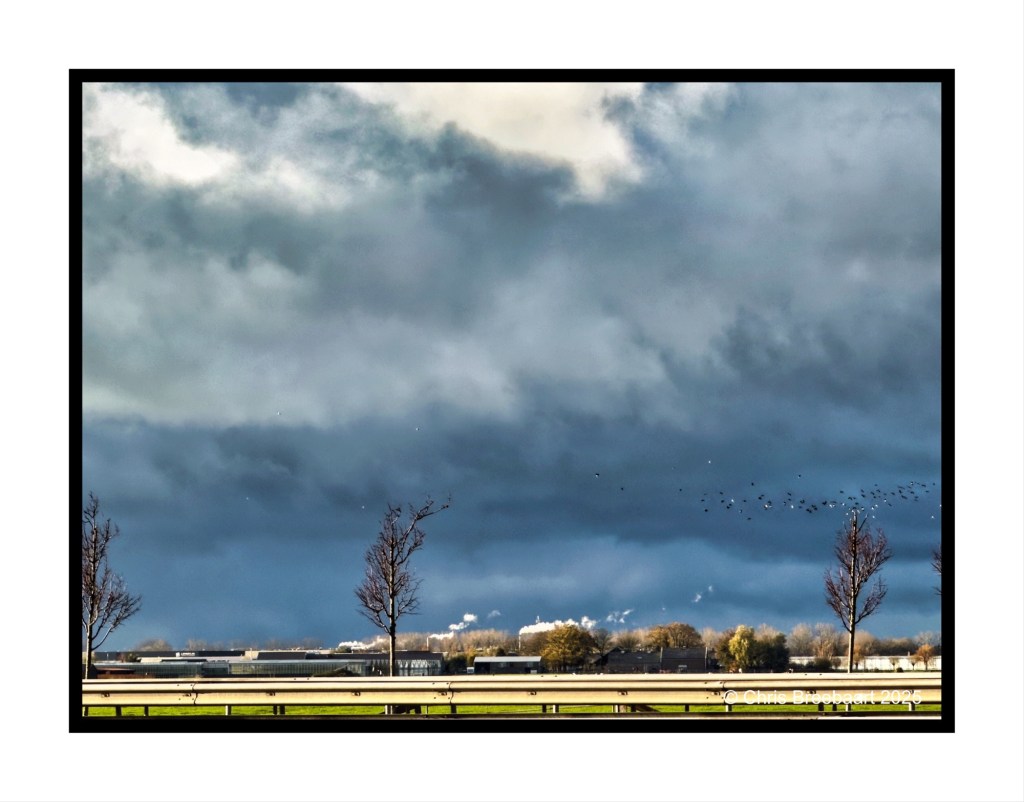
An iPhone long lens shot of a heavy rain sky. This was the first of the three photos I published the last three days.
Shot with iPhone 15 Pro Max edited using Snapseed and Marksta Click the picture for a larger version.
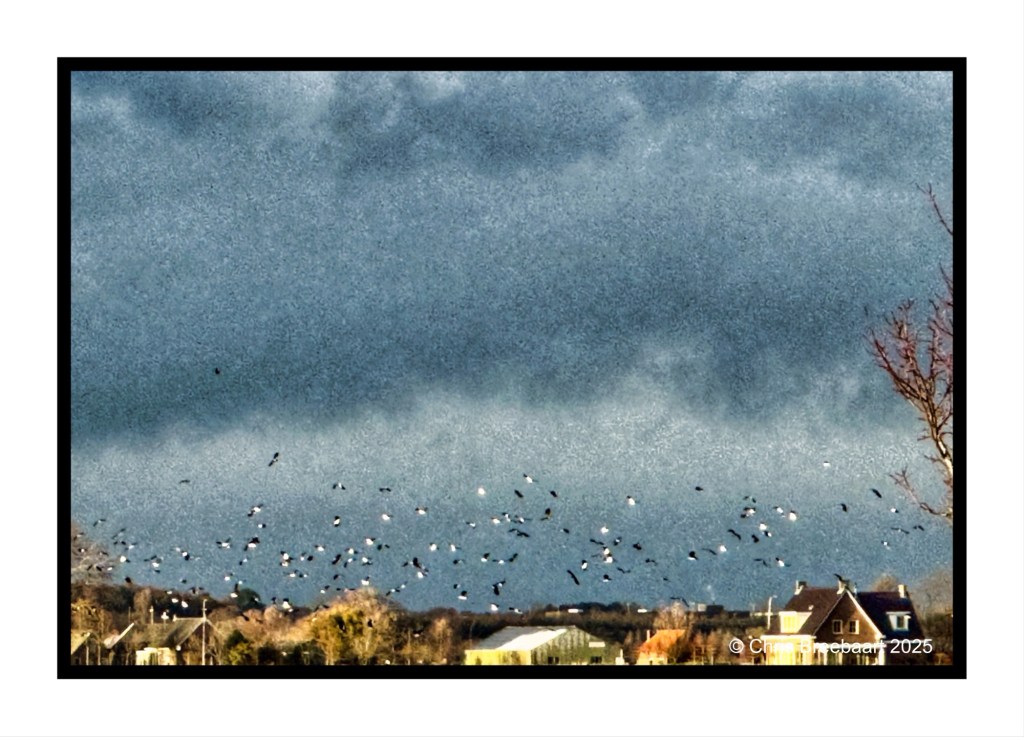
An iPhone long lens shot of the horizon, catching geese by accident, against a heavy rain sky. I cropped the motorway A44 out on this one.
Shot with iPhone 15 Pro Max edited using Snapseed and Marksta Click the picture for a larger version.

A bit of meadows with a hint of a rainbow.
Shot with iPhone 15 Pro Max edited using Snapseed and Marksta Click the picture for a larger version
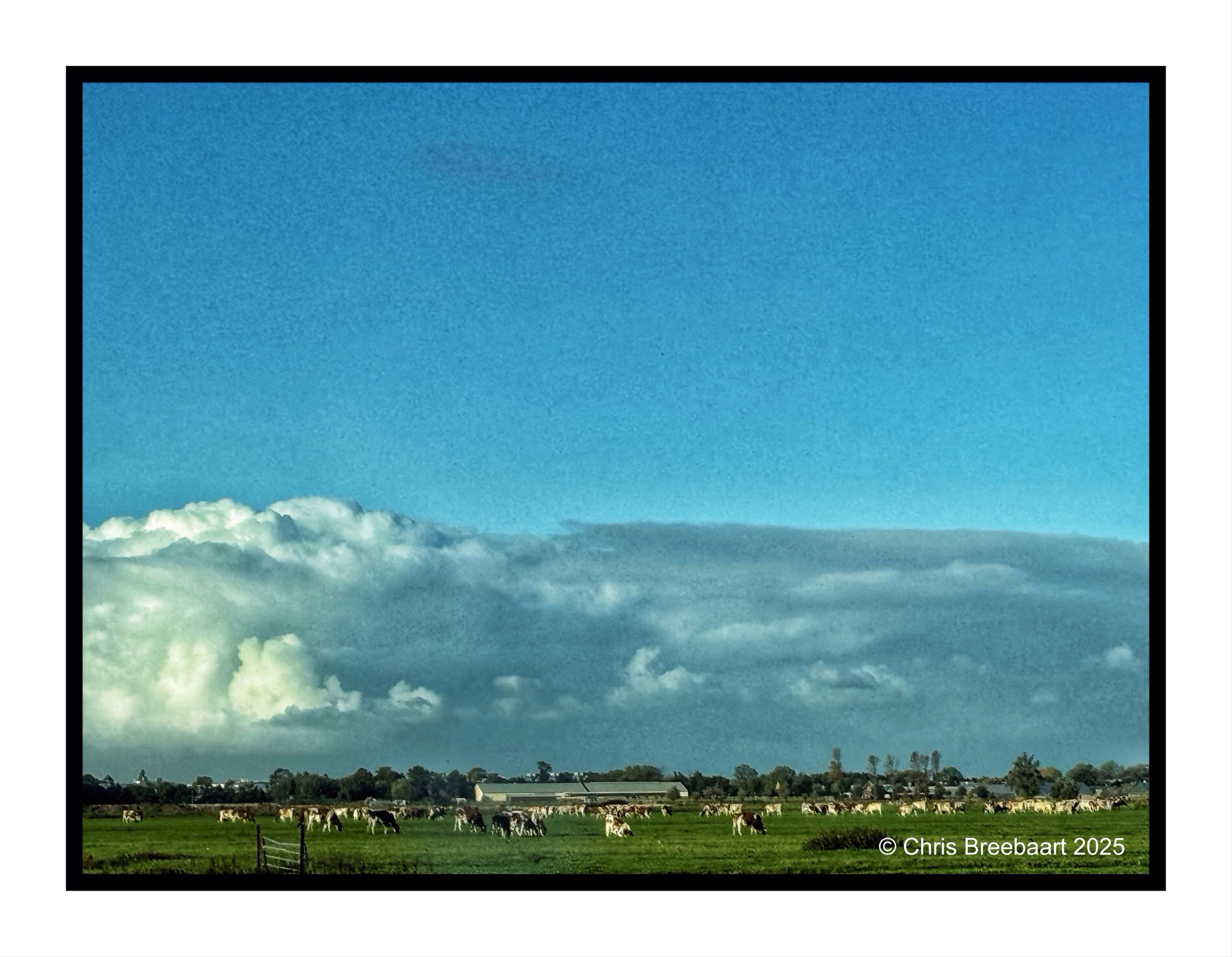
The Netherlands, as its name indicates, is flat. ‘Flat as a pancake’. But sometimes it looks as if we have mountains.
Shot with iPhone 15 Pro Max edited using Snapseed and Marksta. Click the picture for a larger version.
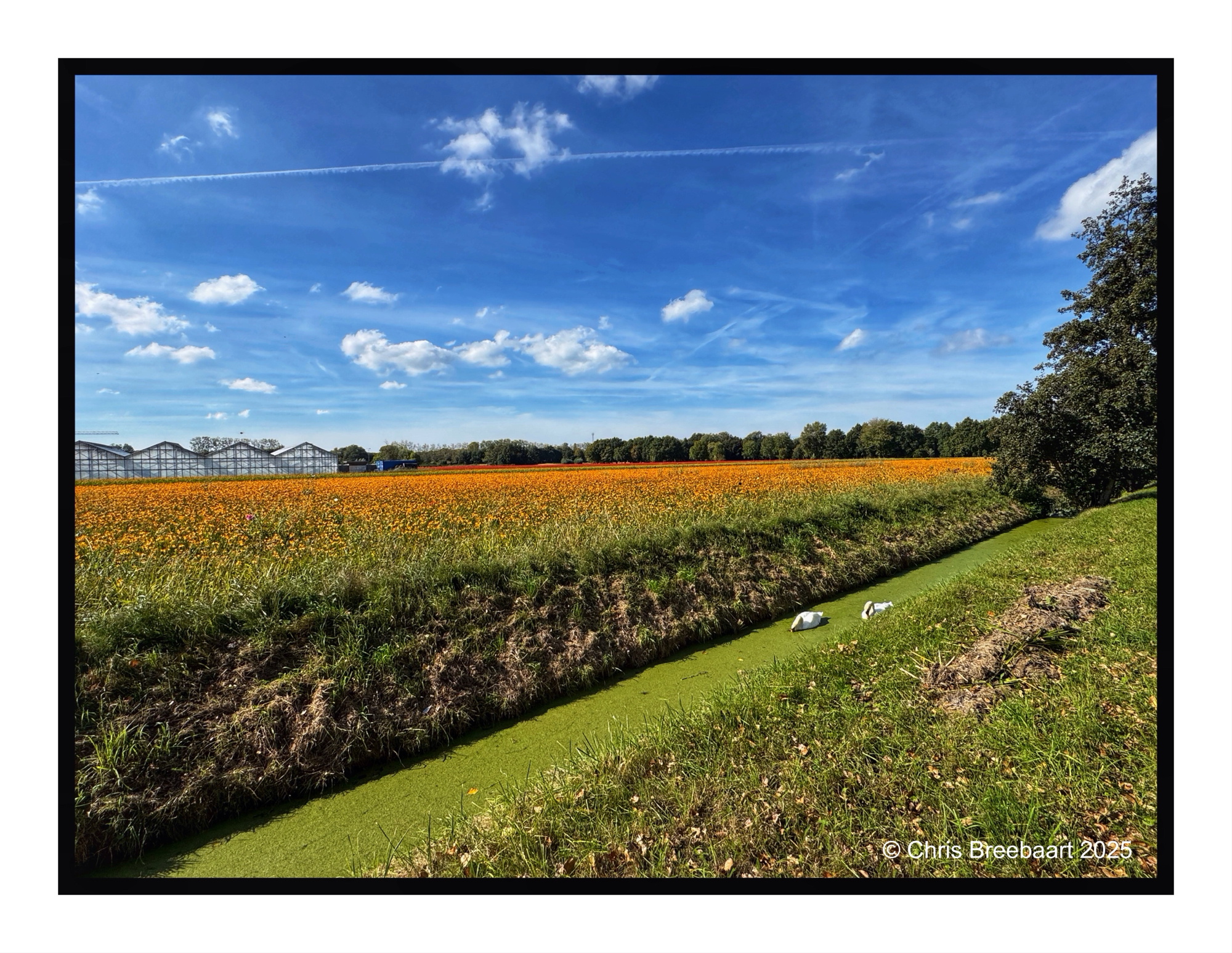
Shot with iPhone 15 Pro Max edited using Snapseed and Marksta Click the picture for a larger version


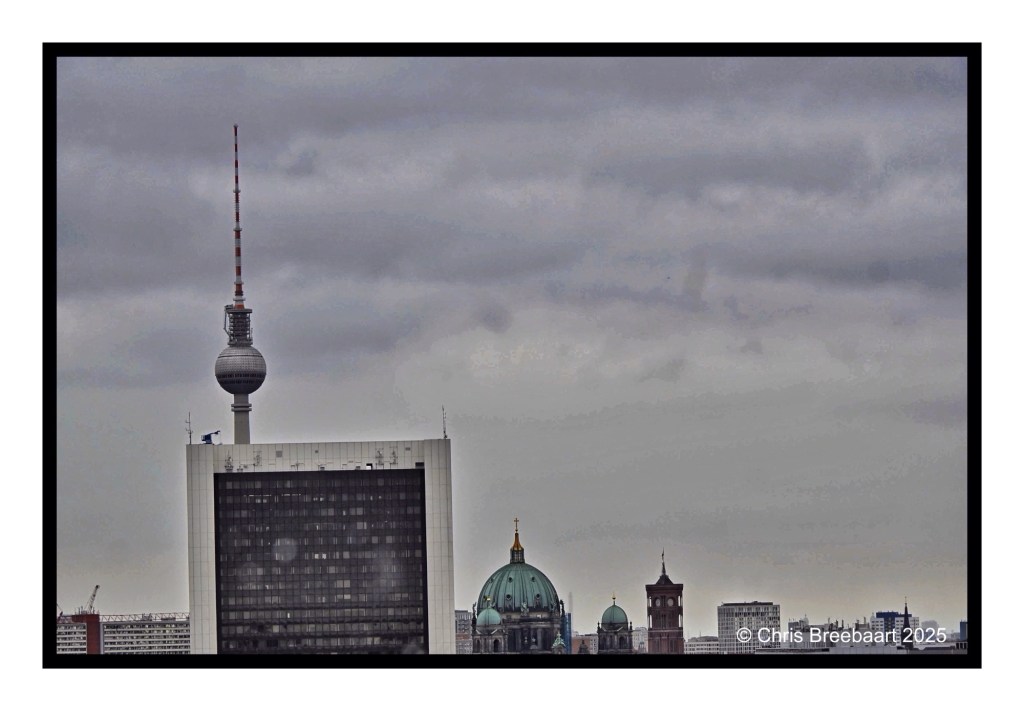
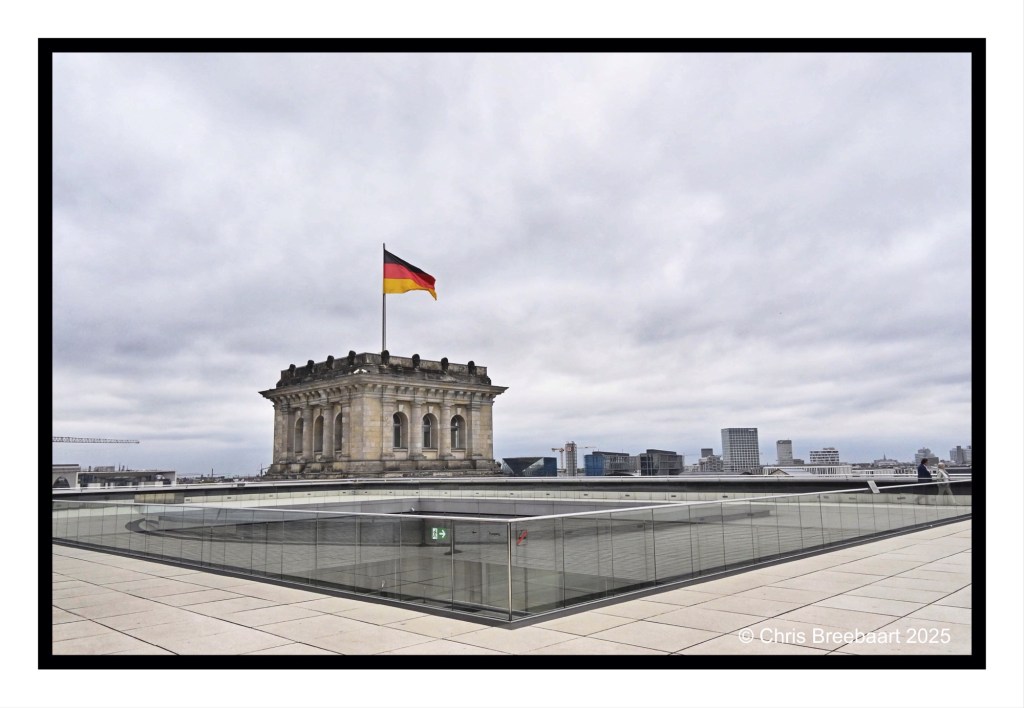
Views from the roof of the Reichstag. The panorama in the middle of the topline is from the iPhone15promax. On the bottom row on the left, you can see several notable ‘towers’. There is the television tower on Alexanderplatz, the International Trade Center, Berlin Cathedral, and the Red Town Hall. On the top right on the left the dome of the Französischer Dom, and on the right the Deutchser Dom (on Gendarmenmarkt).
Shot with Nikon Zf, edited using Snapseed and Marksta. Click the picture for a larger version.
Panorama shot with iPhone 15 Pro Max.
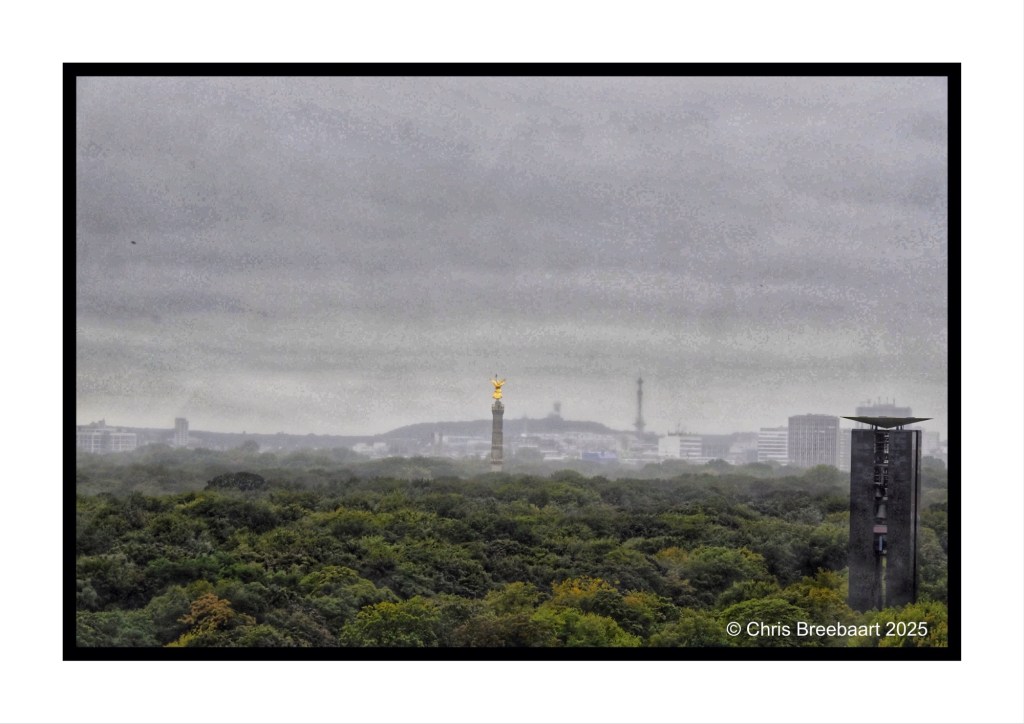
A view from the roof of the Reichstag, overlooking Tiergarten. On the left The Victory Column. On the right side is the Carillion, a 42 meter hight bell tower. And in the background the Teufelsberg.
I am not sure this photo is dreamy enough to enter Lens-Artists Photo Challenge #369 ‘dreamy’.
Shot with Nikon Zf, edited using Snapseed and Marksta. Click the picture for a larger version
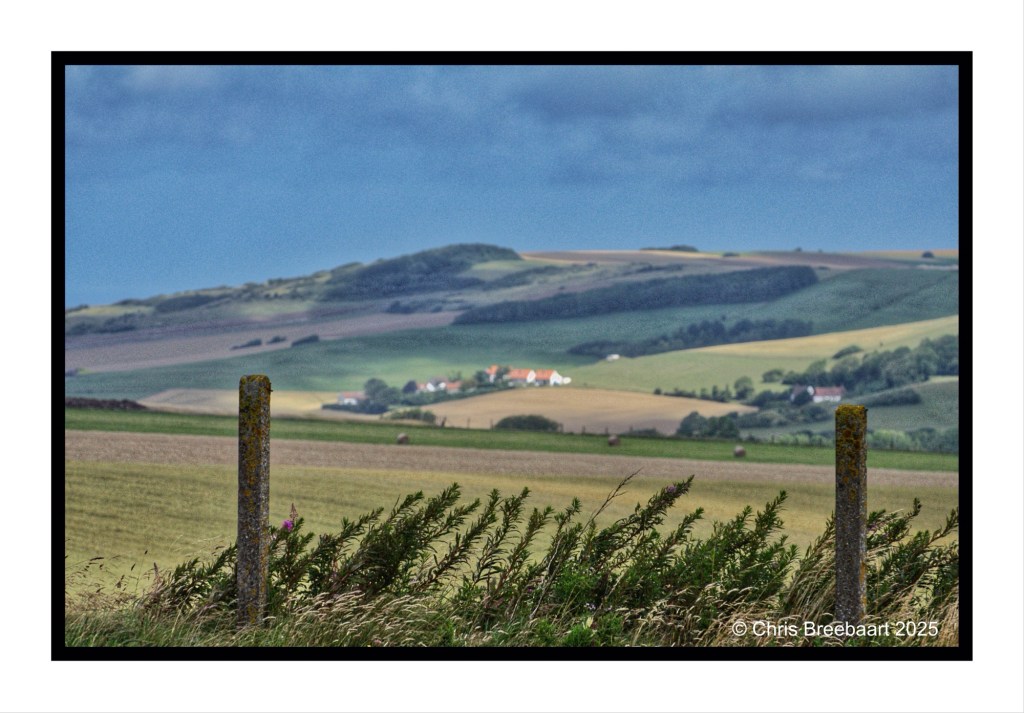
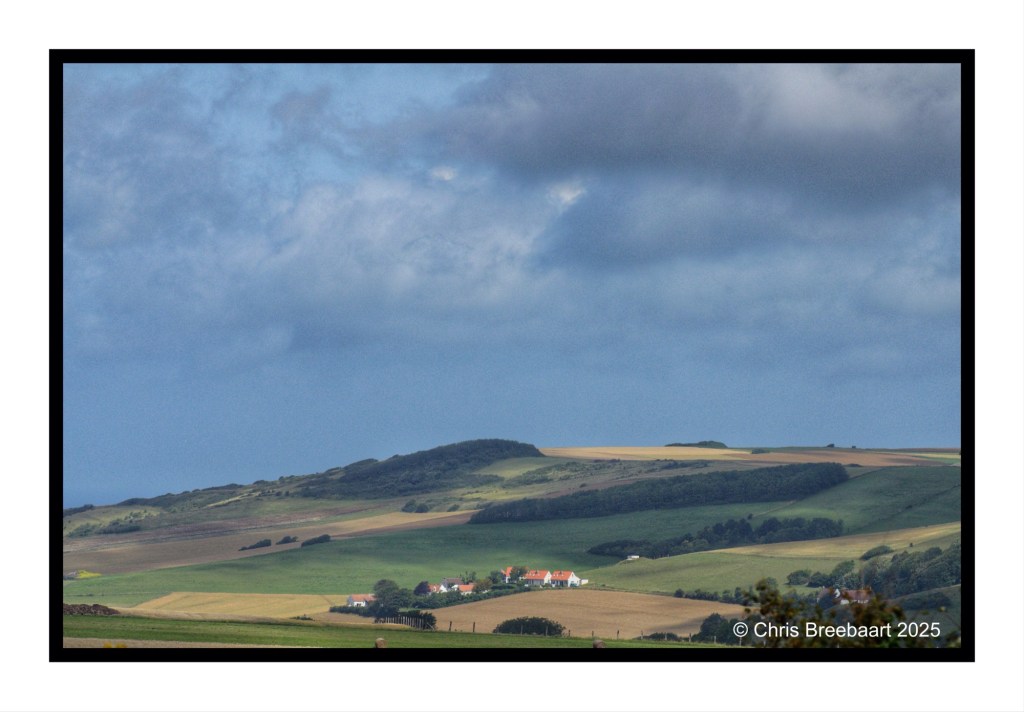
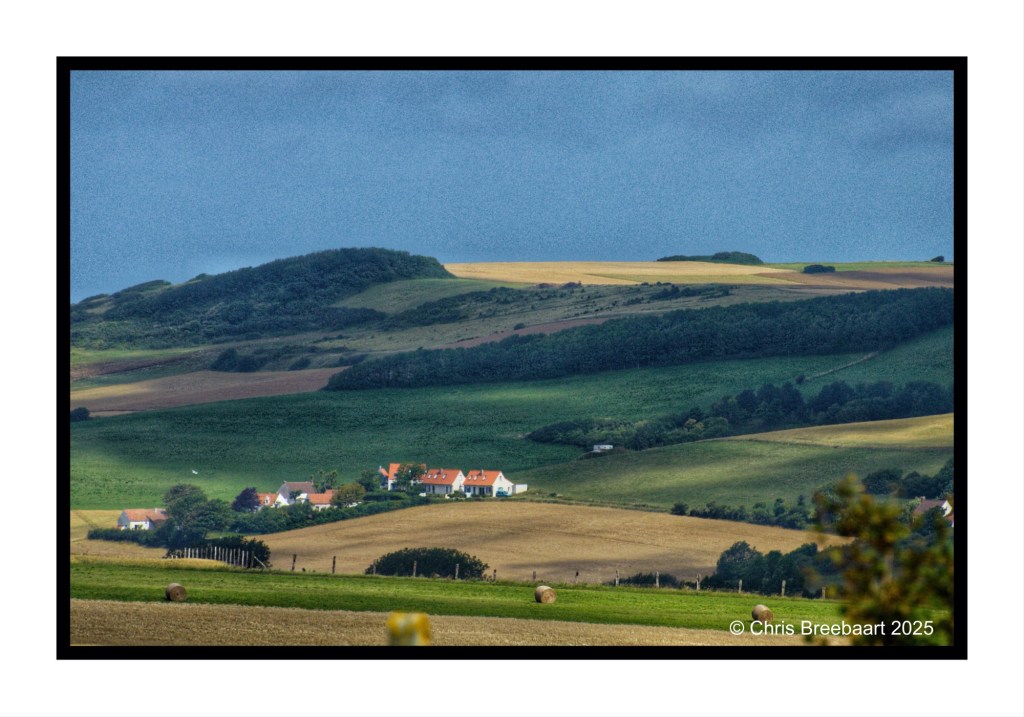
Lens-Artist’s Photo Challenge #365 is ‘longing’. This landscape is so appealing, I still feel the excitement I felt when I shot this sequence.
shot with Nikon D70, edited using Snapseed and Marksta. Click the picture for a larger version.
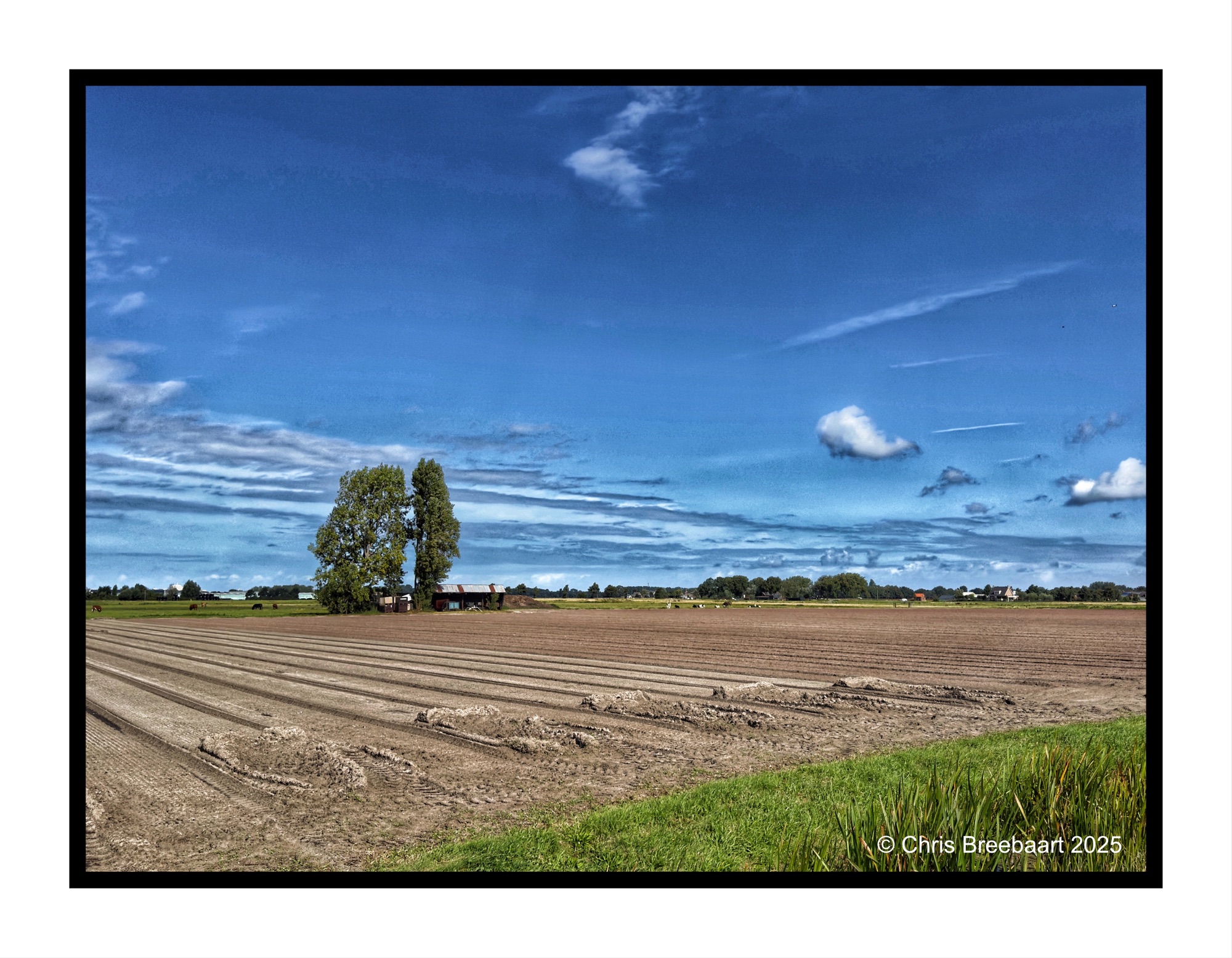
Lens- Artist Challenge #364 is ‘Quiet Moment’. A bicycle ride to clear the head. Seeing the bulbs for Spring being planted.
Shot with iPhone 15 Pro Max edited using Snapseed and Marksta. Click the picture for a larger version.
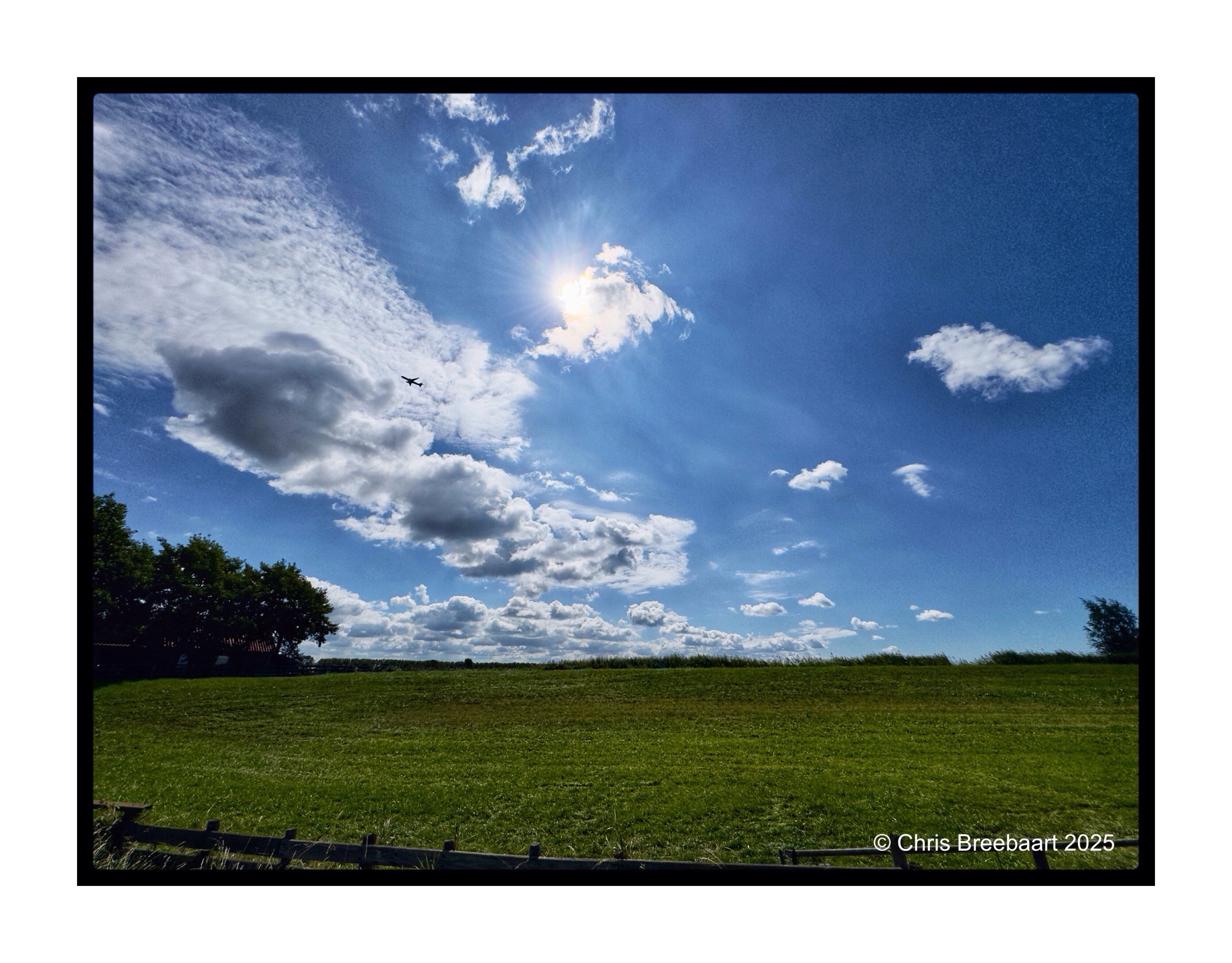
Meet the edge of the polder, the dyke.
Shot with iPhone 15 Pro Max edited using Snapseed and Marksta. Click the picture for a larger version
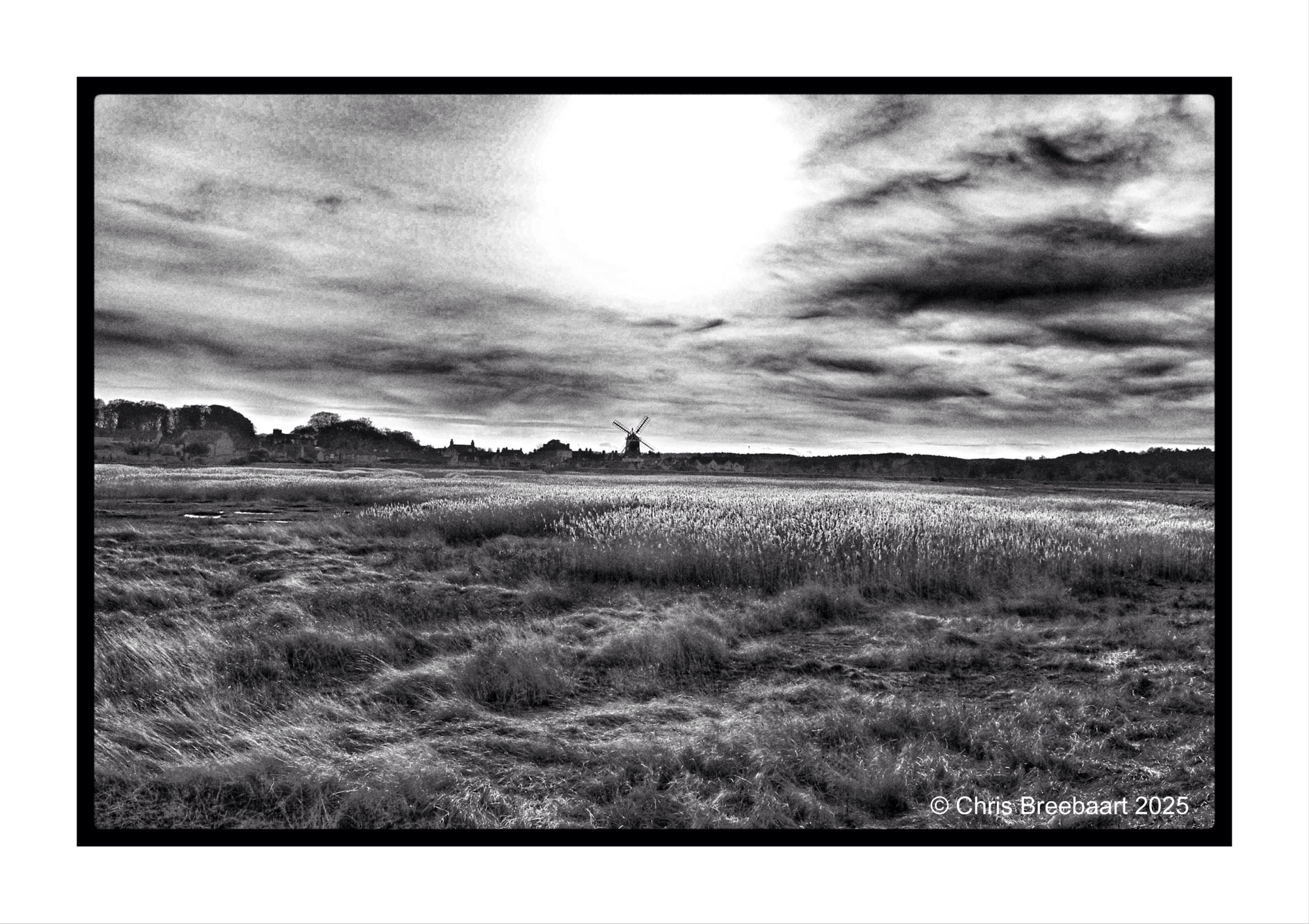
This is the famous Cley windmill at Cley next the sea. It’s by far the best name for a coastal village. Interestingly, it actually does not have a sea front. The mill was owned by the family of James Blunt.
Shot with Nikon Zf, edited using Snapseed and Marksta. Click the picture for a larger version.
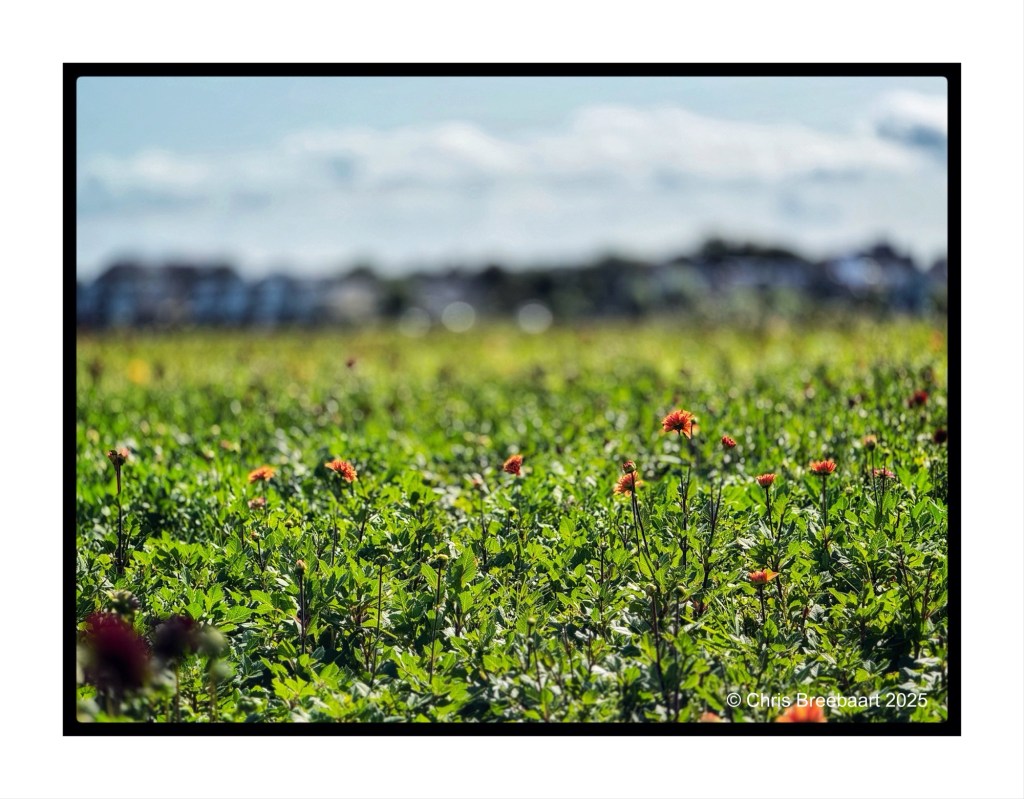
In Spring this field produces either hyacinths, daffodils or tulips. In Summer this year it produces Dahlia.
Shot with iPhone 15 Pro Max edited using Snapseed and Marksta. Click the picture for a larger version.

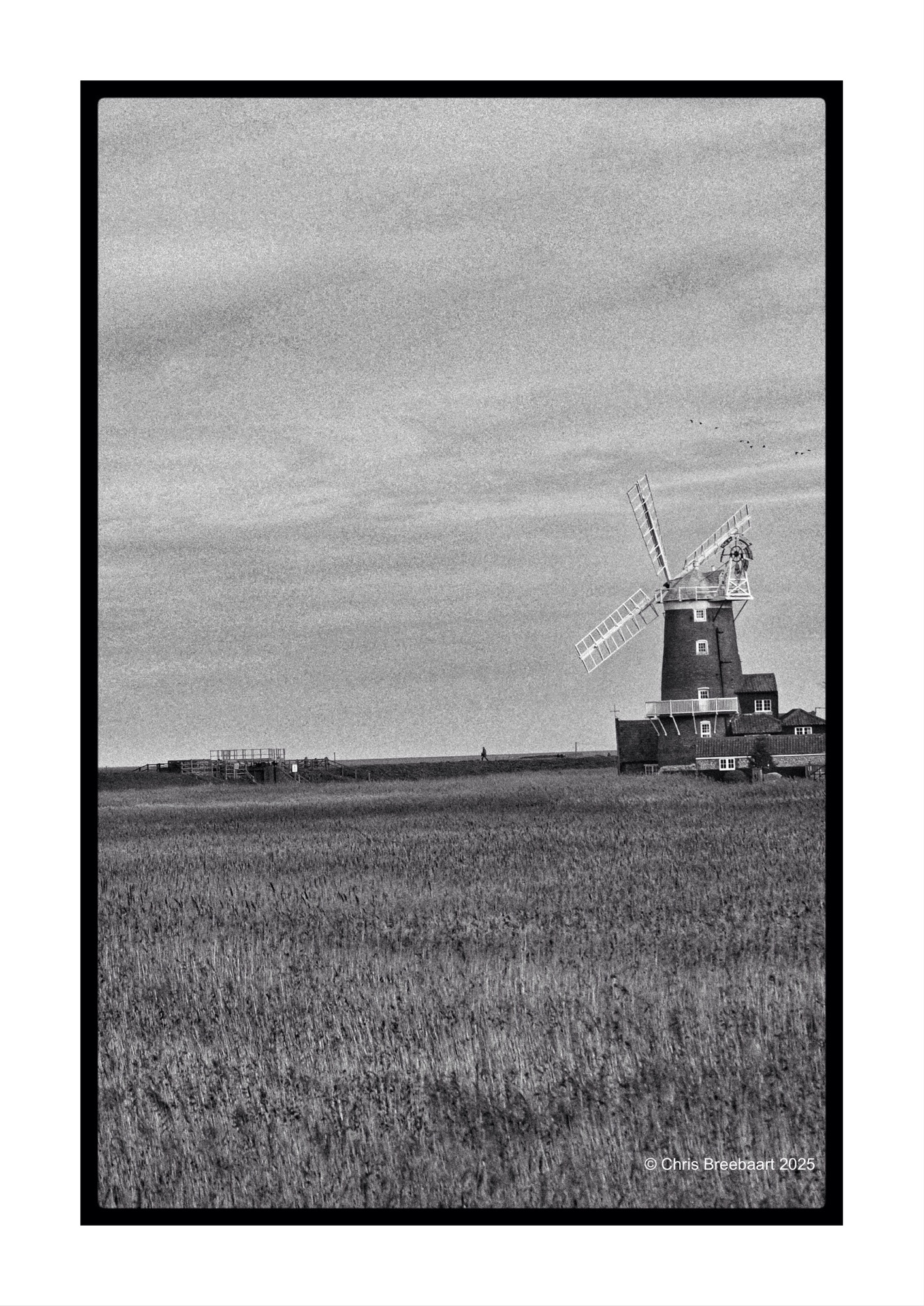
I have a fondness for black and white aka monochrome. That grew on me. Mono was cheaper 50 years ago and more ‘easy’ to handle in a dark room. Monochrome gives something extra at times. The sphere, the grain. And over all these years I learned to see objects in monochrome, visualizing what something looks like in grays.
When I bought my first Nikon digital camera (the D70), I naively asked ‘where is the monochrome setting?’. It was not there. Shooting was color only. If I wanted mono I had to create it myself afterwards in Lightroom, Photoshop or an app like Snapseed. But lucky for me, on the iPhone and on the recent Nikon Zf, there are monochrome settings. To be honest, that was one of the reasons to buy a Zf. So now I have a choice: mono or color.
I know the taste of my ‘audience’ is different than mine. In three days I like to find out more about your taste. What do you fancy more: a photo in mono or in color?
This is the famous Cley windmill at Cley next the sea. It’s by far the best name for a coastal village. Interestingly, it actually does not have a sea front. The mill was owned by the family of James Blunt. The photo was shot in color.
Shot with Nikon Zf, edited using Snapseed and Marksta. Click the picture for a larger version.
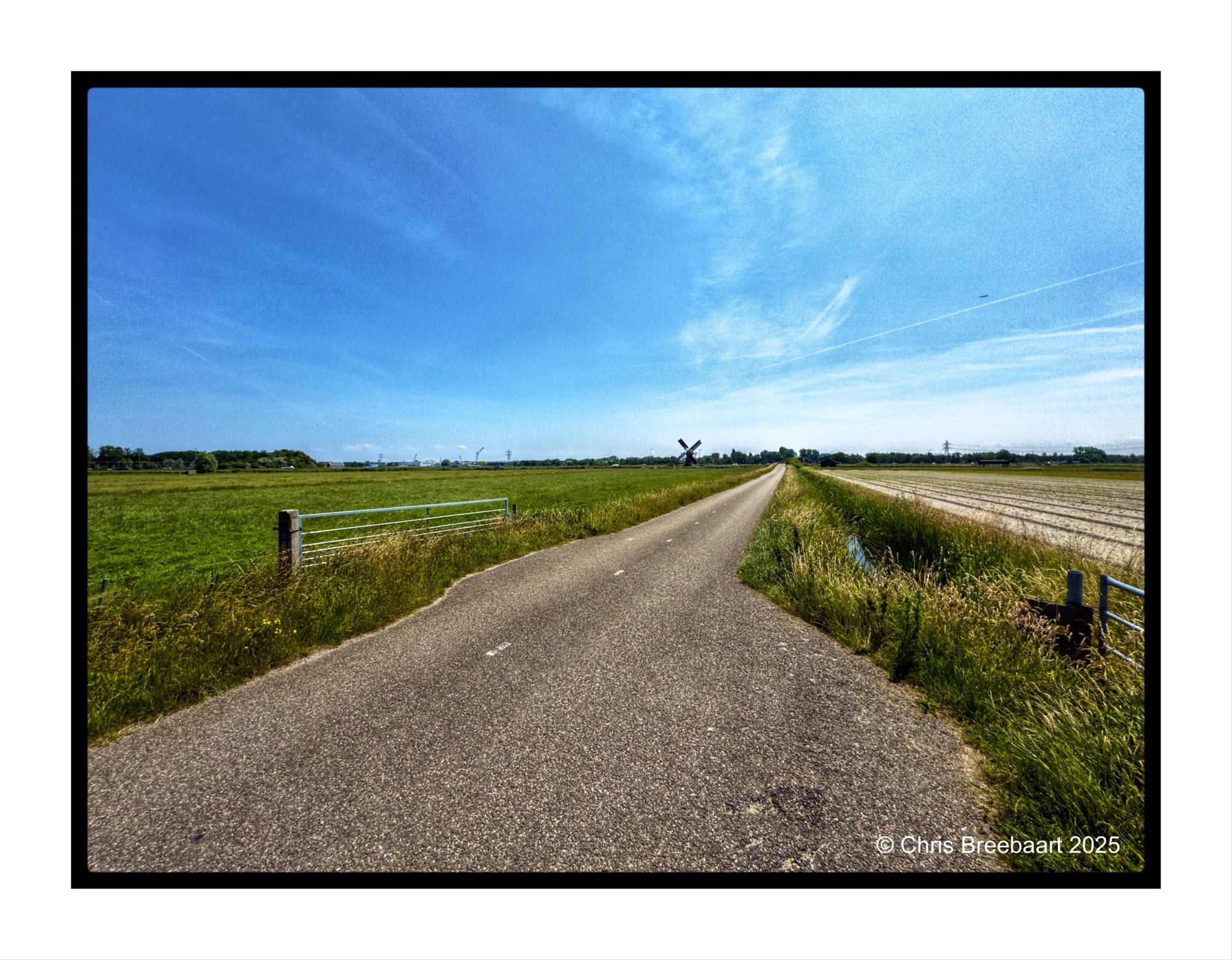
Shot with iPhone 15 Pro Max edited using Snapseed and Marksta. Click the picture for a larger version.
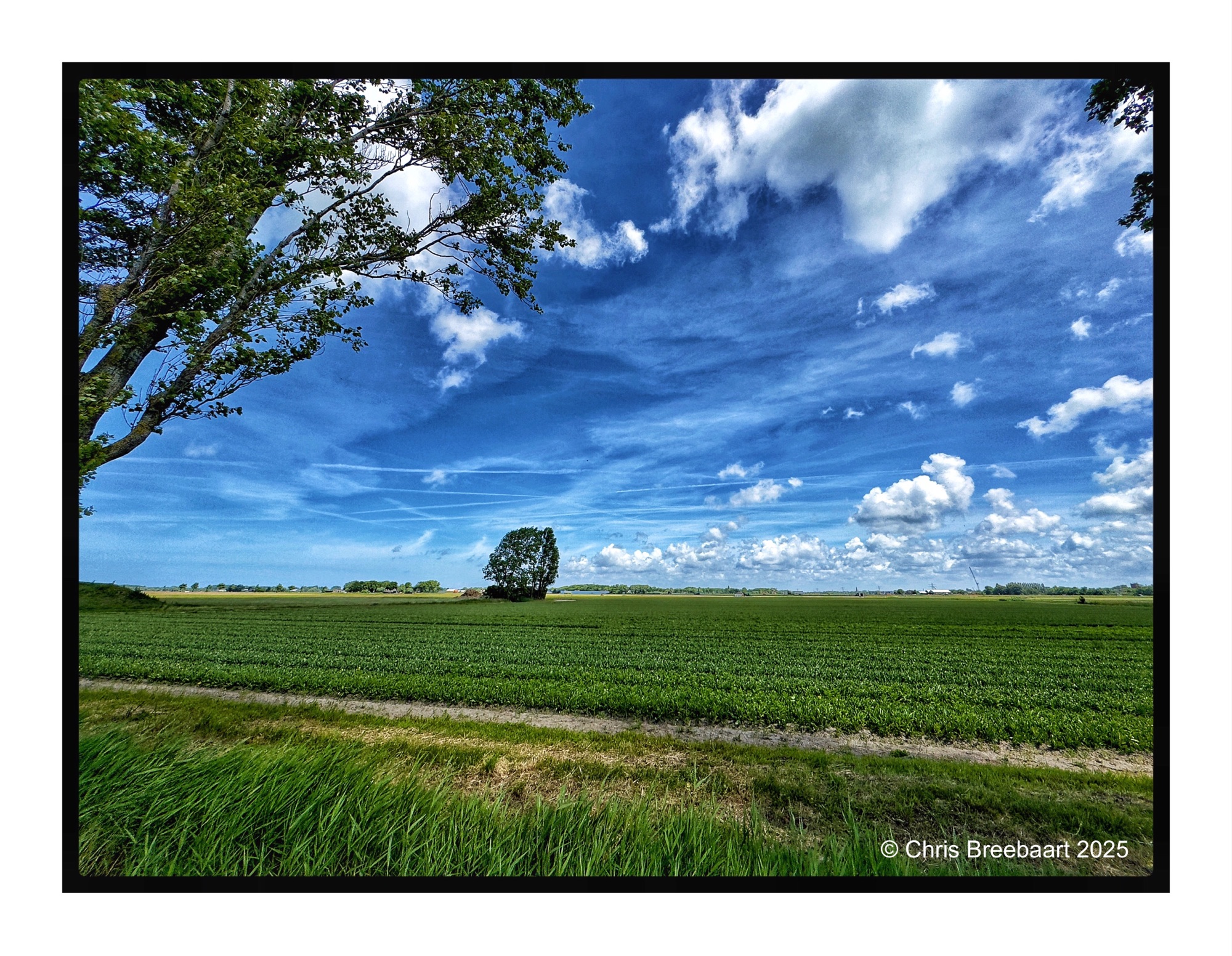
Shot with iPhone 15 Pro Max edited using Snapseed, GrainLab and Marksta. Click the picture for a larger version.

Shot with iPhone 15 Pro Max edited using Snapseed, GrainLab and Marksta. Click the picture for a larger version.

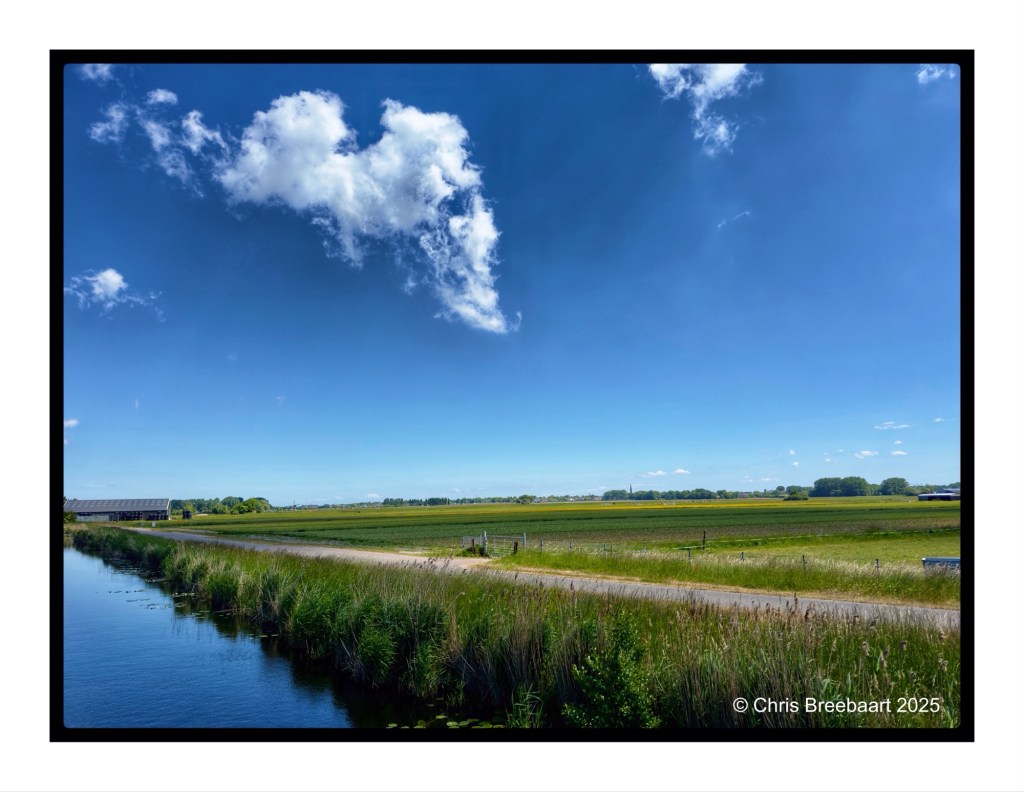


The Dutch landscape has low horizons and is flat (but not as a pancake). Canals cut through it. Bicycle paths offer easy access for exploring. These photos are just behind the dunes at Noordwijk. They are at the edge of the Maandagse Wetering. On the horizon is Voorhout.
Shot with iPhone 15 Pro Max edited using Snapseed and Marksta. Click the picture for a larger version.
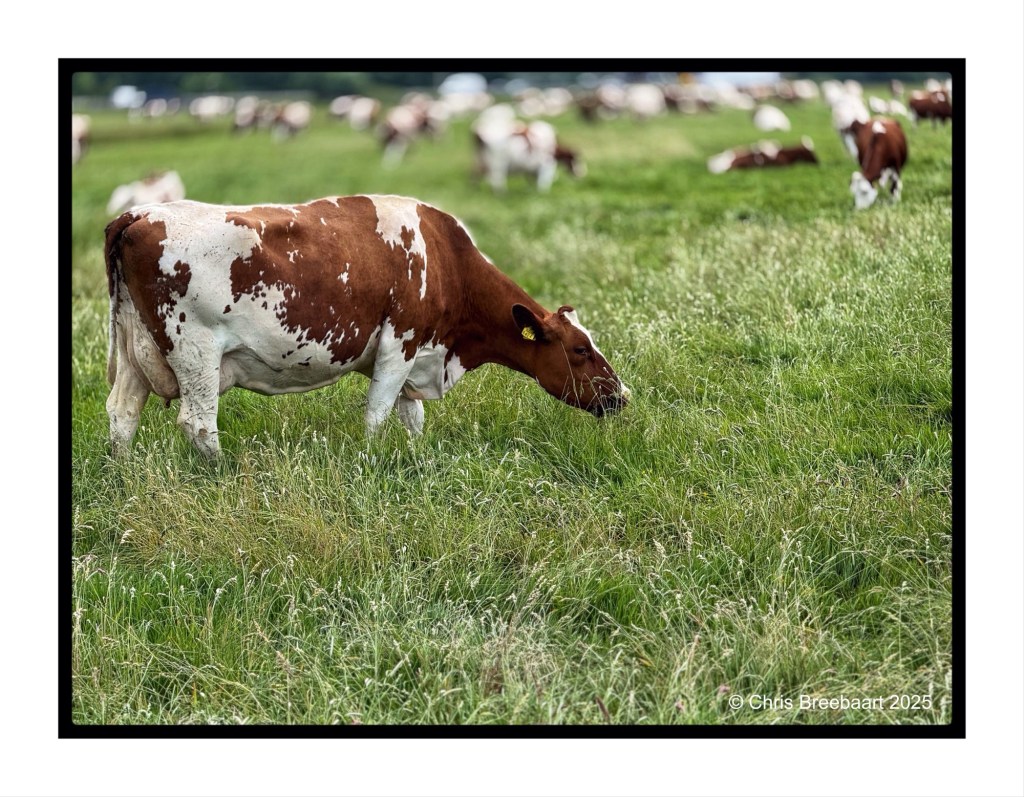
The famous Hipgnosis cover of Atom Heart Mother is iconic. I am not sure, but I think this is not a Holstein Cow.
Shot with iPhone 15 Pro Max edited using Snapseed, GrainLab and Marksta. Click the picture for a larger version.
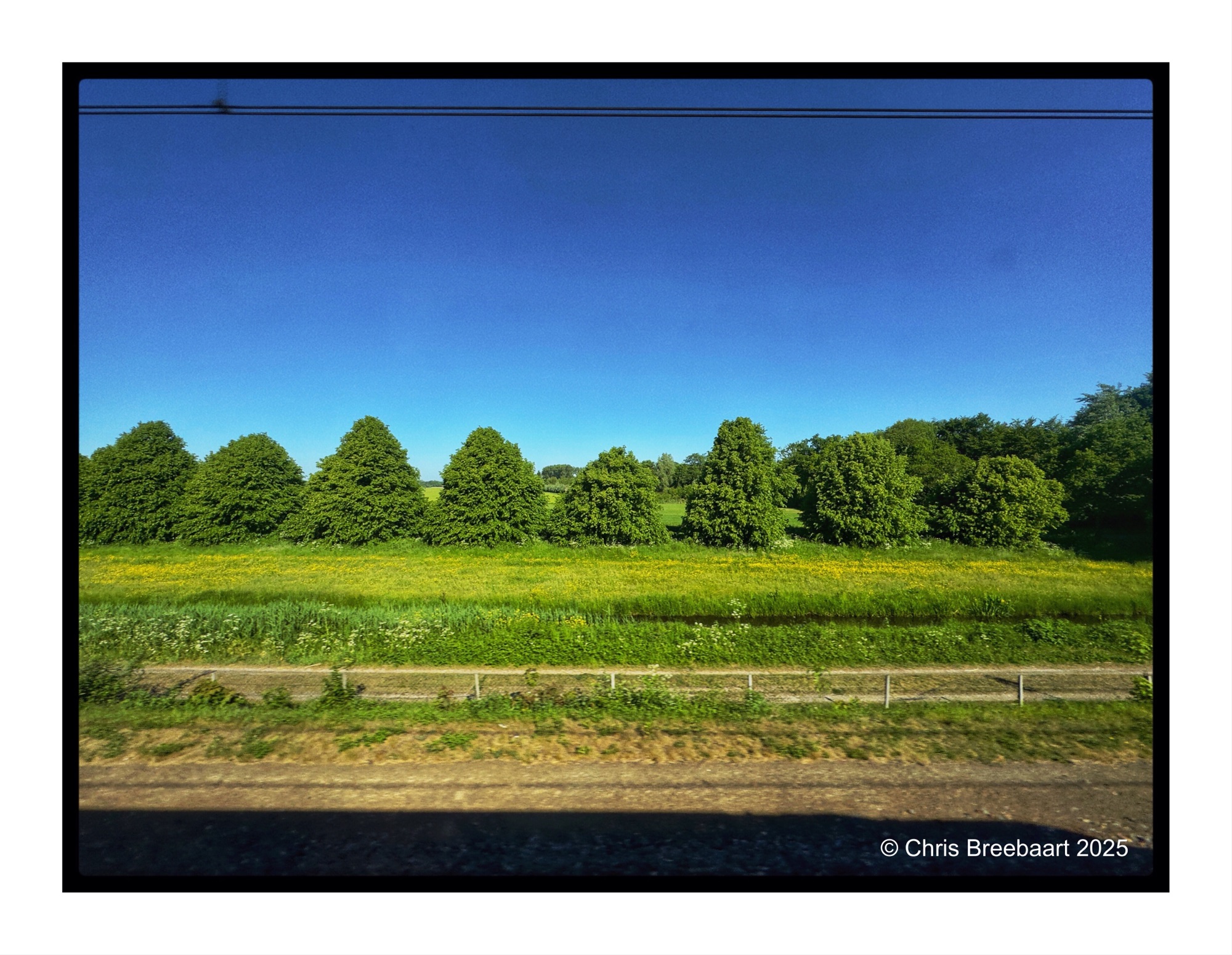
Shot with iPhone 15 Pro Max edited using Snapseed and Marksta. Click the picture for a larger version.
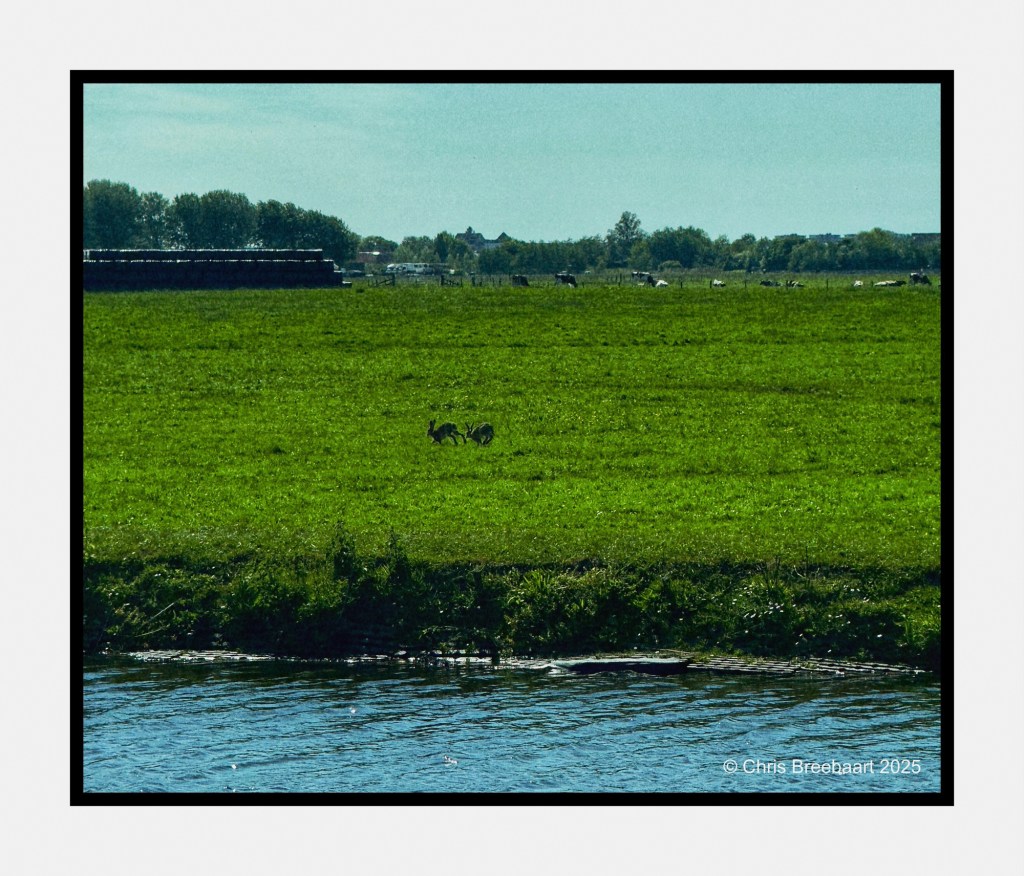
Hares in the fields, where normally cows wander.
Shot with iPhone 15 Pro Max edited using Snapseed, GrainLab and Marksta. Click the picture for a larger version.

Each time I pass here on the way to or from Calais, I take a picture of the power lines in St. Georges-sur-l’Aa.
Shot with iPhone 15 Pro Max, edited using Snapseed, GrainLab and Marksta. Click the picture for a larger version.
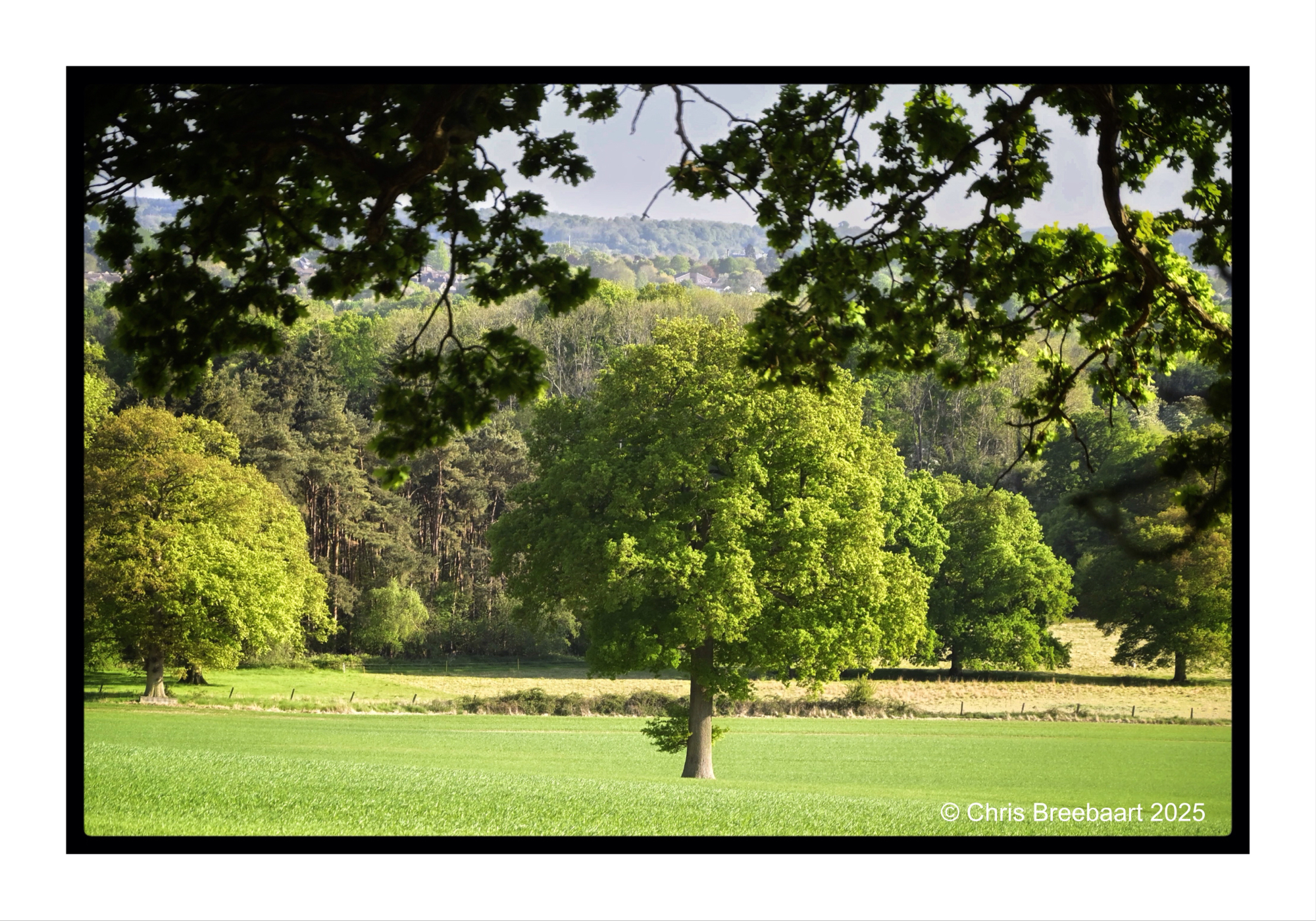
Shot with Nikon Zf, edited using Snapseed and Marksta. Click the picture for a larger version.
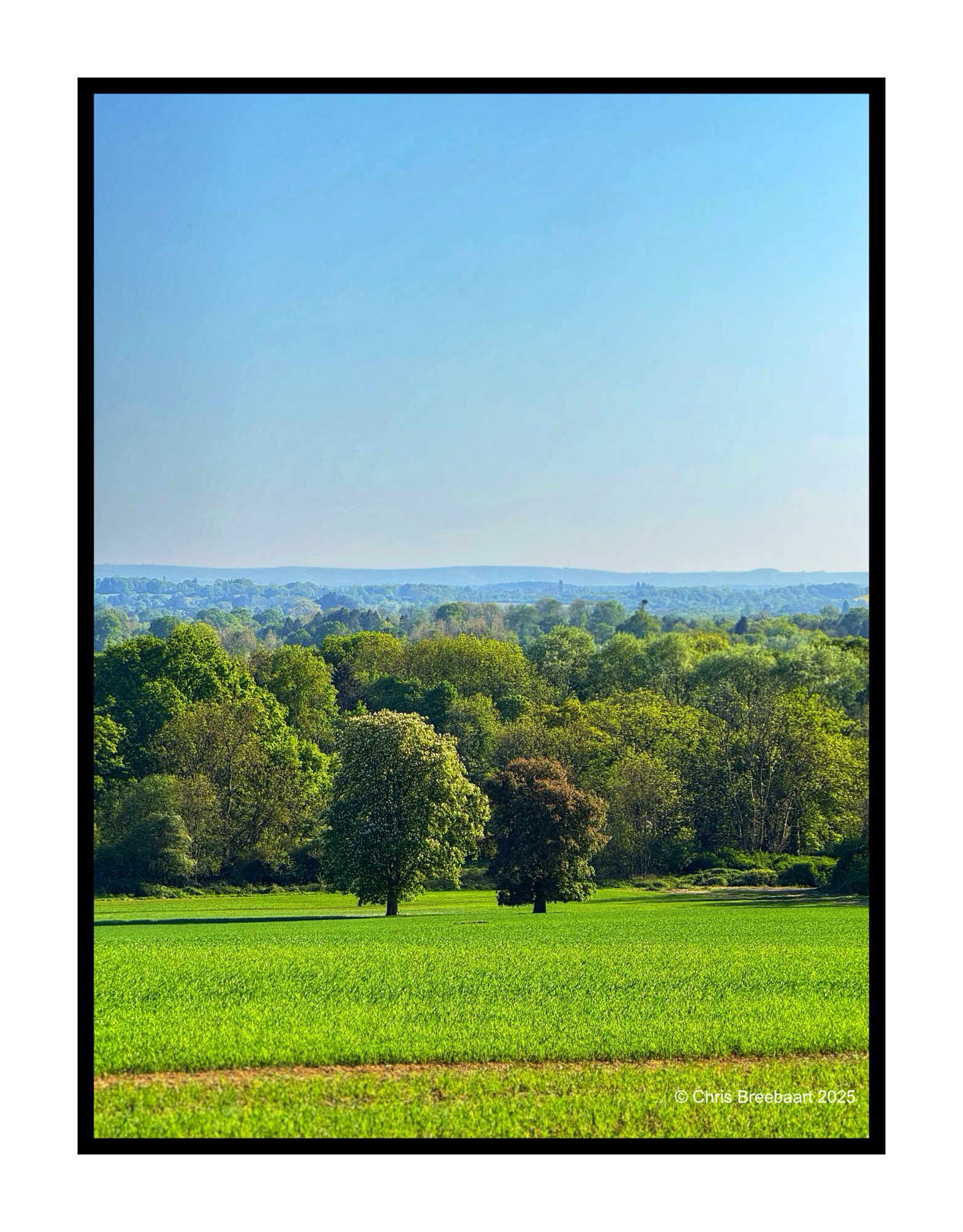
The weekly Lens-Artists Challenge #349 is ‘the first thing I thought of (when I saw this)’. For me this is about association, and the thought that pops up seeing a scene. Frankly this feedback of an image is why I shoot photos.
Two trees, a short and slightly taller one, an image that reminded me of Mini & Maxi, a small-art comical duo that consisted of Karel de Rooij (Mini) and Peter de Jong (Maxi). The duo performed under this name from 1969 to 2017. (there is no Wikipedia in English, but you can translate the Dutch one if you are interested to know more).
Shot with iPhone 15 Pro Max edited using Snapseed and Marksta. Click the picture for a larger version.
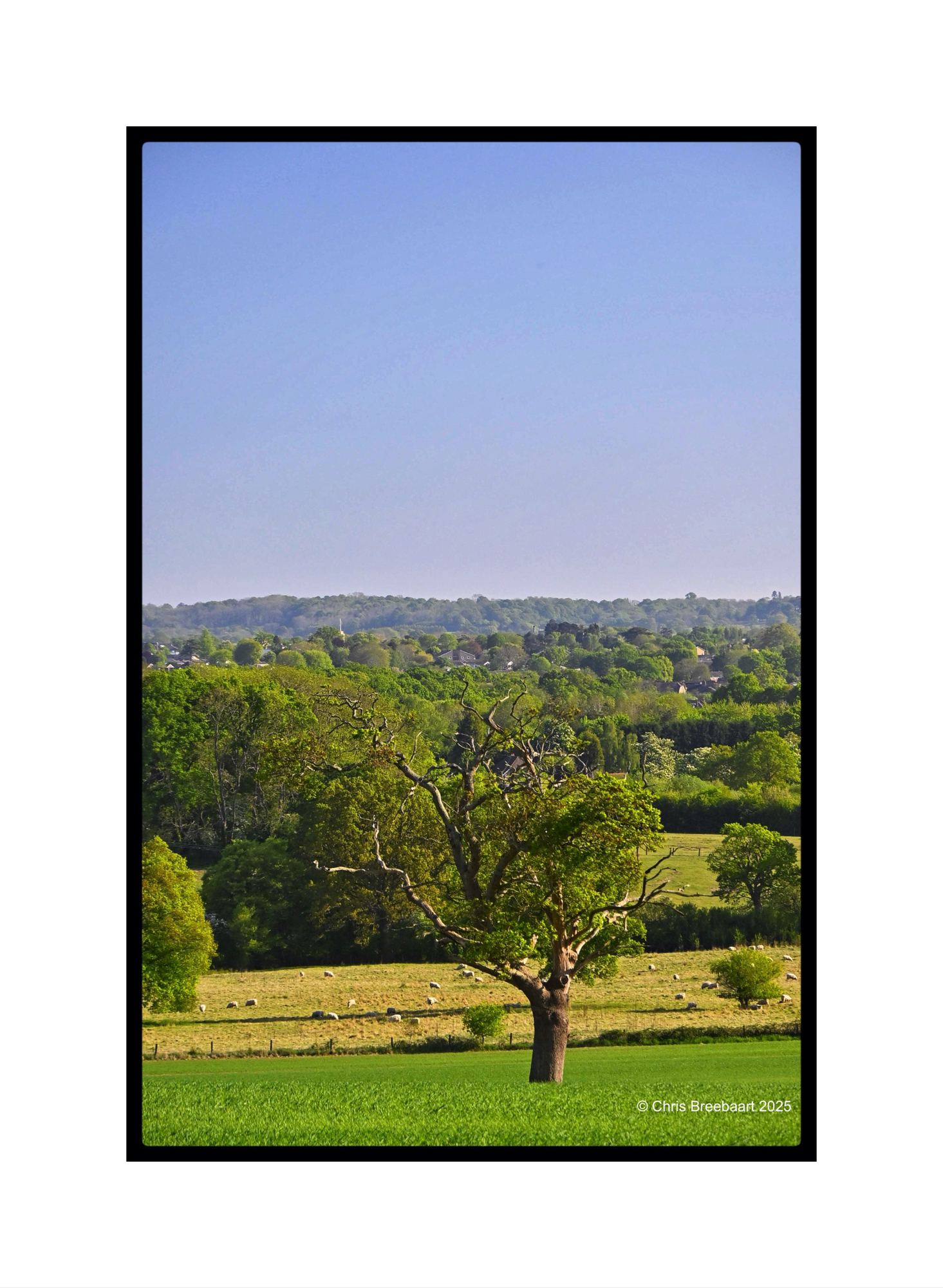
Lately I have not participated in the weekly Lens-Artists Challenge, but here is one that fits the brief of #349 ‘the first thing I thought of (when I saw this)’. For me this is about association, and the thought that pops up seeing a scene can be the reason for taking the photo. Sometimes a thought that brings a smile, sometimes a thought of a type of despair or frustration: why? As it was the latter in this case.
In The Netherlands, all trees are bi-annualy inspected for risks, like falling over during a storm, to prevent calamities and discomfort. Its aim is to prevent and control future situations. In a way this makes sense, if you can prevent accidents, what is not to be liked about that? On the other hand you are never sure when they come down, but you do know that it will happen! At times with severe storms, trees tend to come down on roads and motorways or train tracks. C’est la vie, say the French. Luckily, in England one can enjoy the odd dead, broken, fallen over or not too healthy tree like this one. Let nature be nature, enjoy the ride.
Shot with Nikon Zf, edited using Snapseed and Marksta. Click the picture for a larger version.
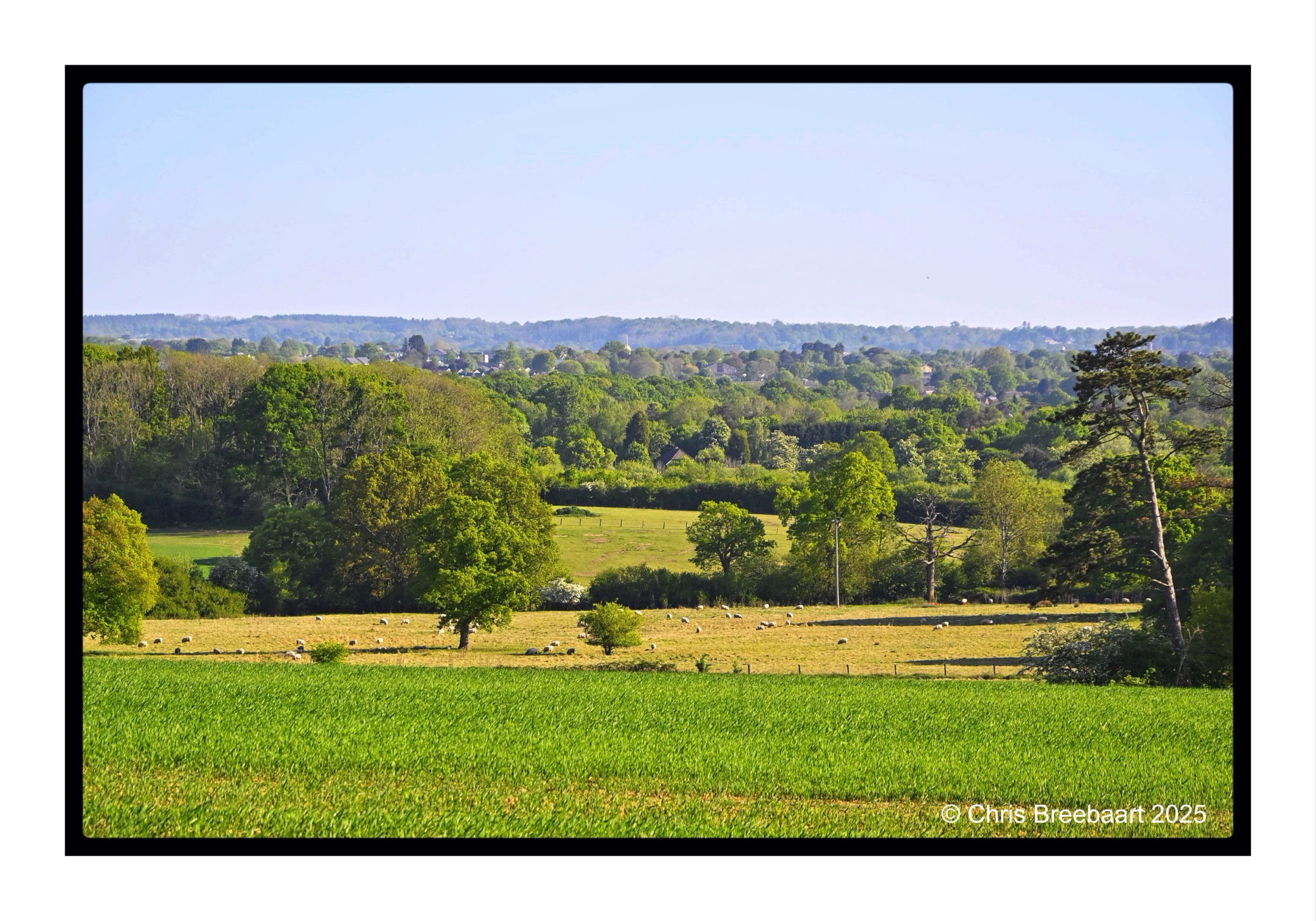
Lately I have not participated in the weekly Lens-Artists Challenge, but here is one that fits the brief of #349 ‘the first thing I thought of (when I saw this)’. For me this is about association, and the thought that pops up seeing a scene can be the reason for taking the photo. As it was in this case. A peaceful arcadic scene of a green, lush valley with grazing sheep in the distance, made me think of a sketch.
One of my first introductions to Monty Python’s Flying Circus was the sketch ‘Flying Sheep’. In which dim sheep are trying to be like birds, led by the most dangerous of all animals, a clever sheep (Harald). After that introduction I was a fan forever, of Python, and sometimes lamb.
Shot with Nikon Zf, edited using Snapseed and Marksta. Click the picture for a larger version.
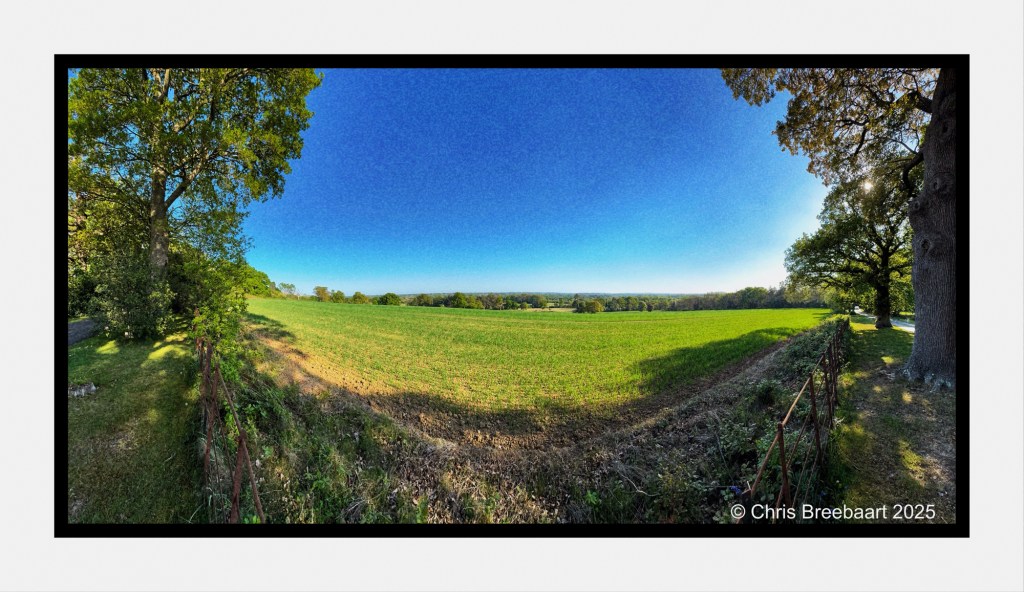
The iPhone has a cute panorama feature. The result of a pan shot is the above. I wonder if you could ‘turn it around’ so that it looks more like a wide angle/fisheye shot. That would look more natural to me. Anyone has any ideas? Now it looks like a view from a corner.
Shot with iPhone 15 Pro Max edited using Snapseed, GrainLab and Marksta. Click the picture for a larger version.
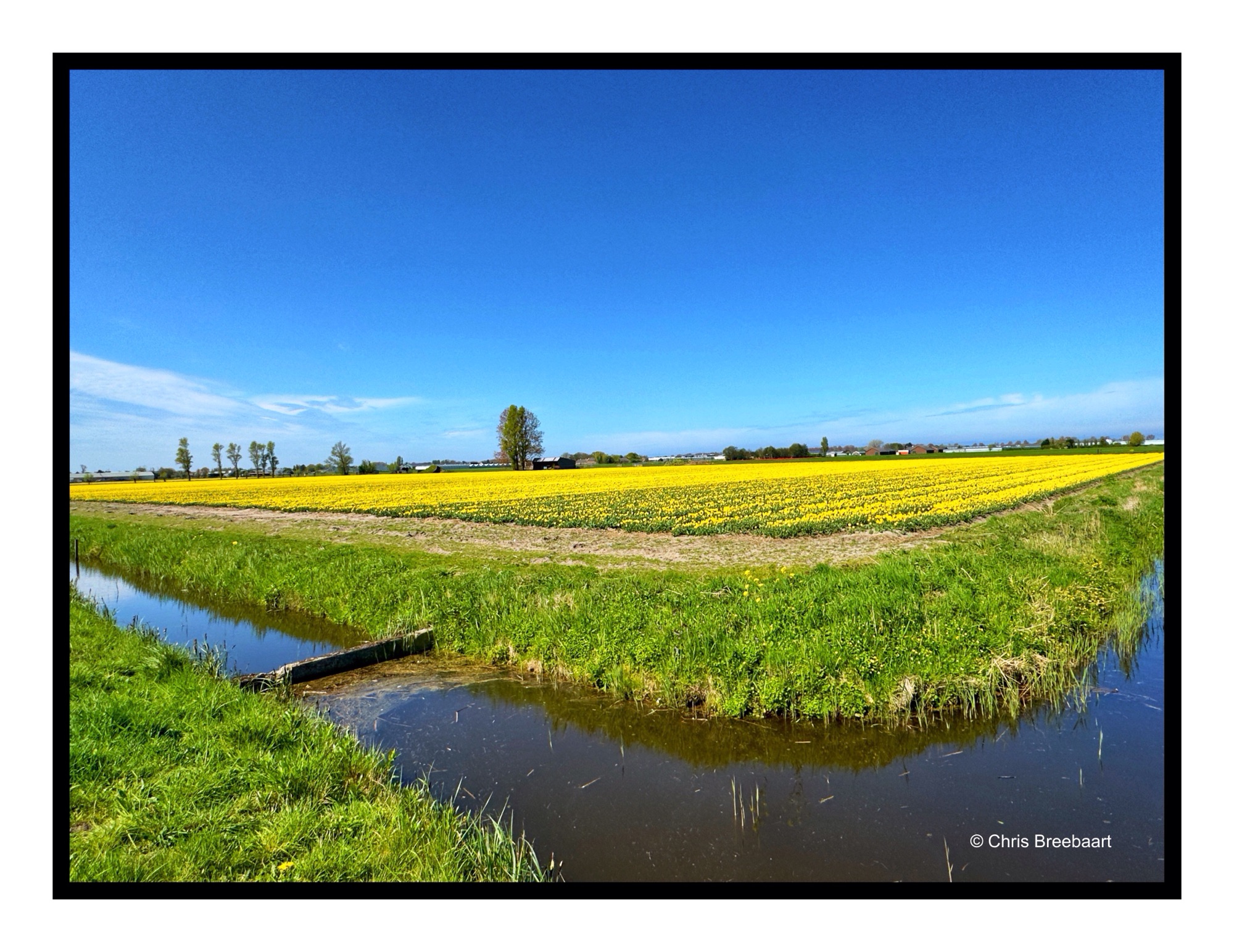
All the bulb flowers of Spring are now gone. We have to wait for next year to see tulips, daffodils and hyacinths ruling the fields of our flat lands. Until then we enjoy nature exploding in its full force, and after that its decline into Winter. But for now it’s amazing how fast everything springs out.
Shot with iPhone 15 Pro Max edited using Snapseed and Marksta. Click the picture for a larger version.
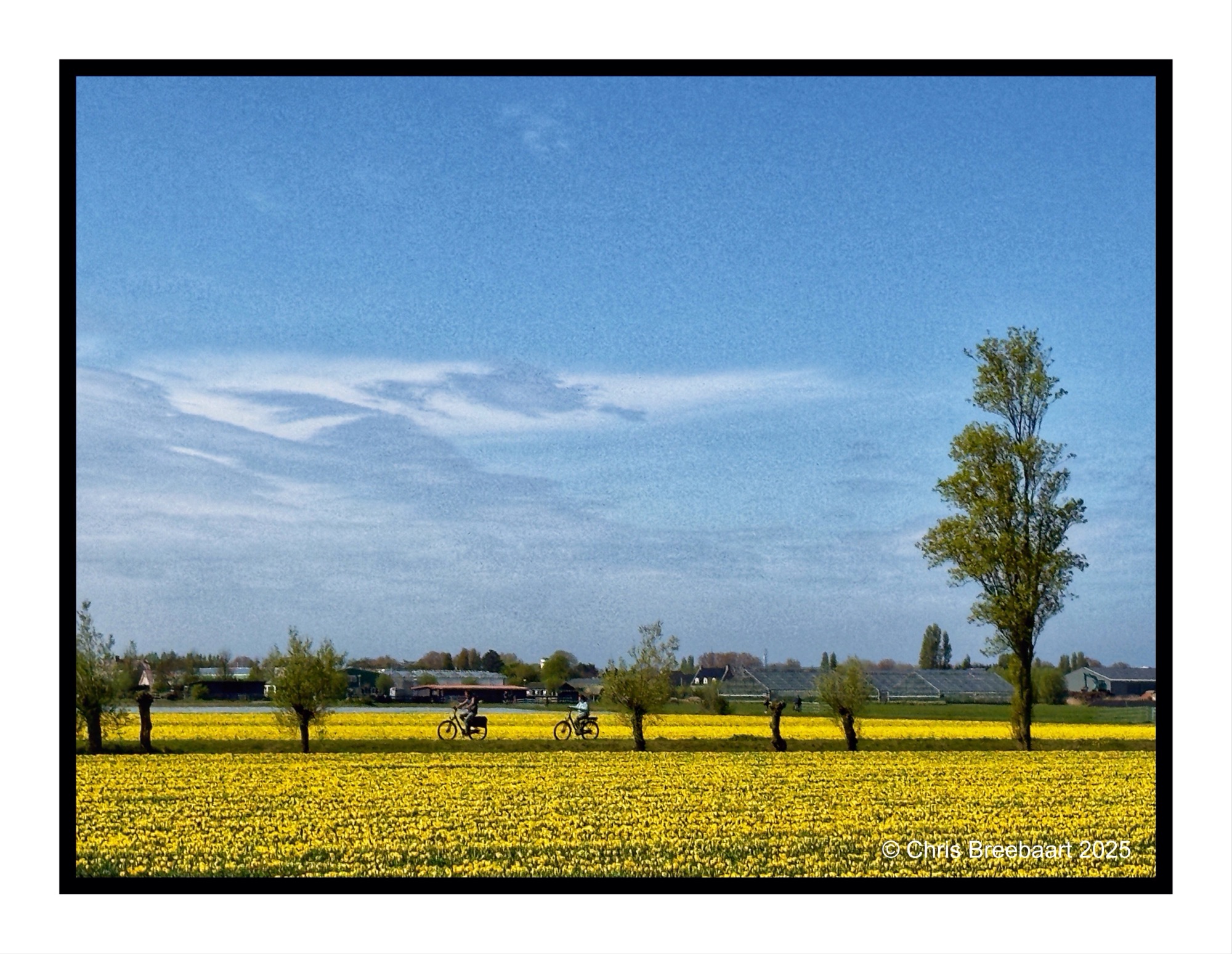
Shot with iPhone 15 Pro Max edited using Snapseed and Marksta. Click the picture for a larger version.
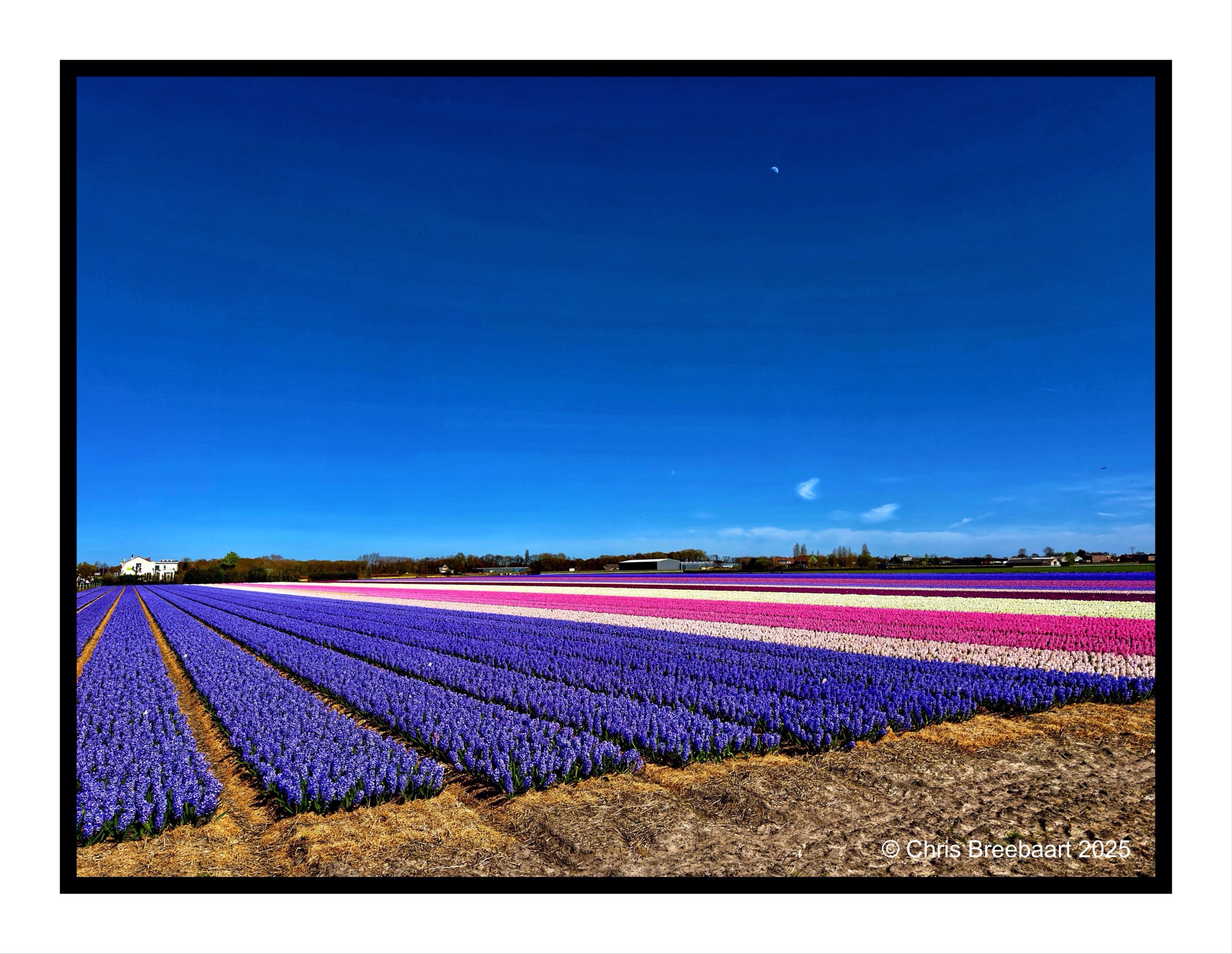
Shot with iPhone 15 Pro Max edited using Snapseed and Marksta. Click the picture for a larger version.
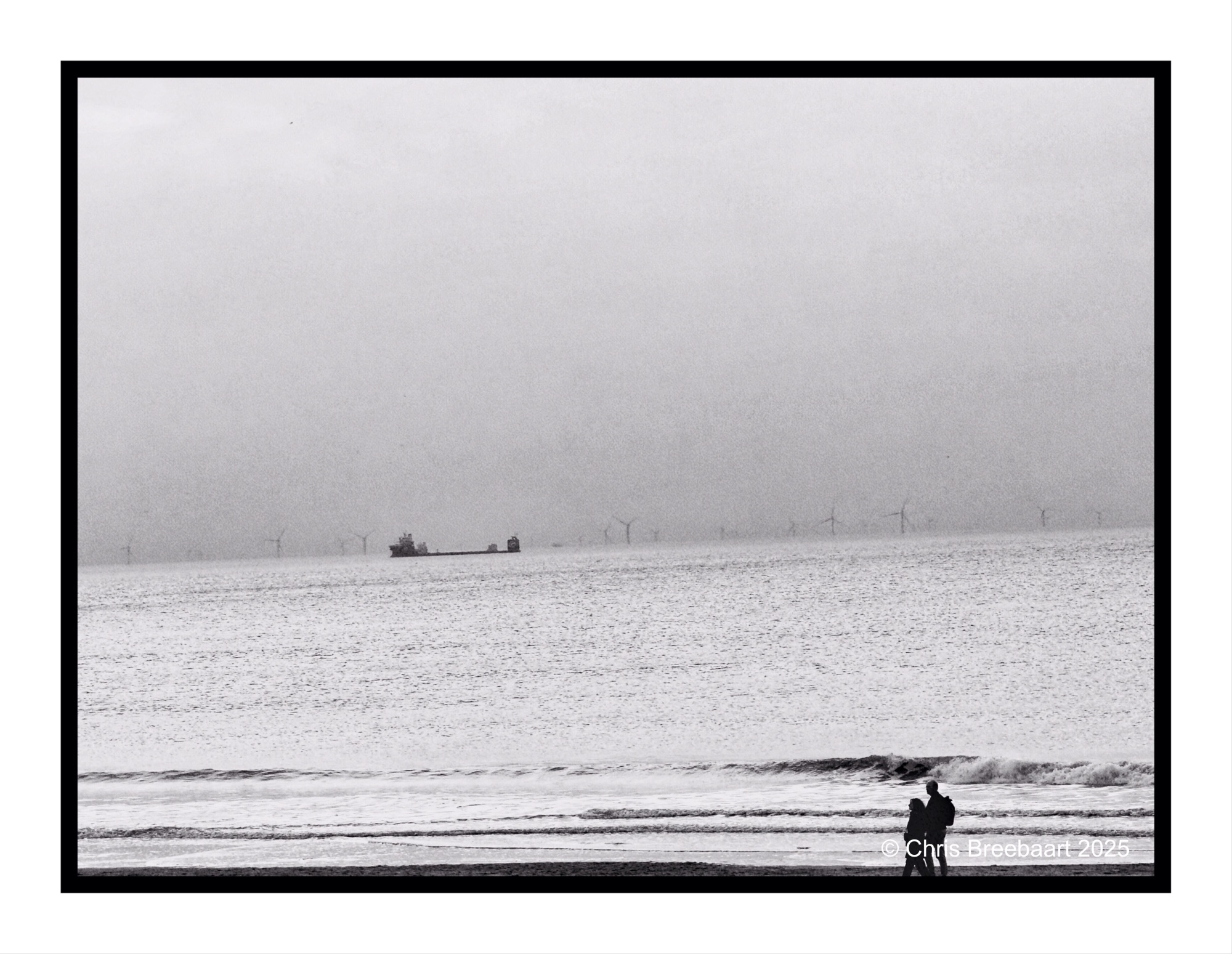
Shot with iPhone 15 Pro Max edited using Snapseed, GrainLab and Marksta Click the picture for a larger version
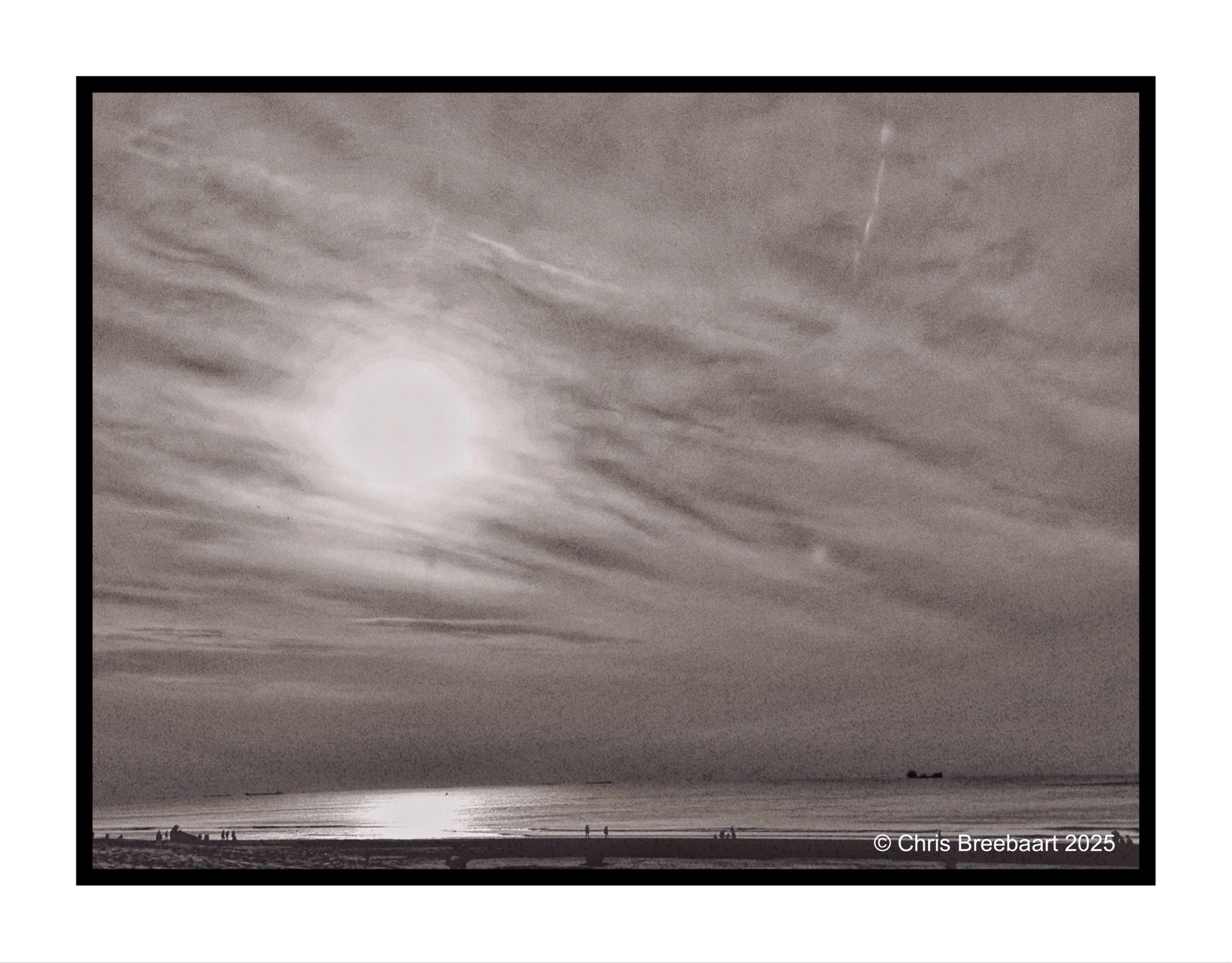
The first Sunset of Spring.
Shot with iPhone 15 Pro Max edited using Snapseed, GrainLab and Marksta Click the picture for a larger version
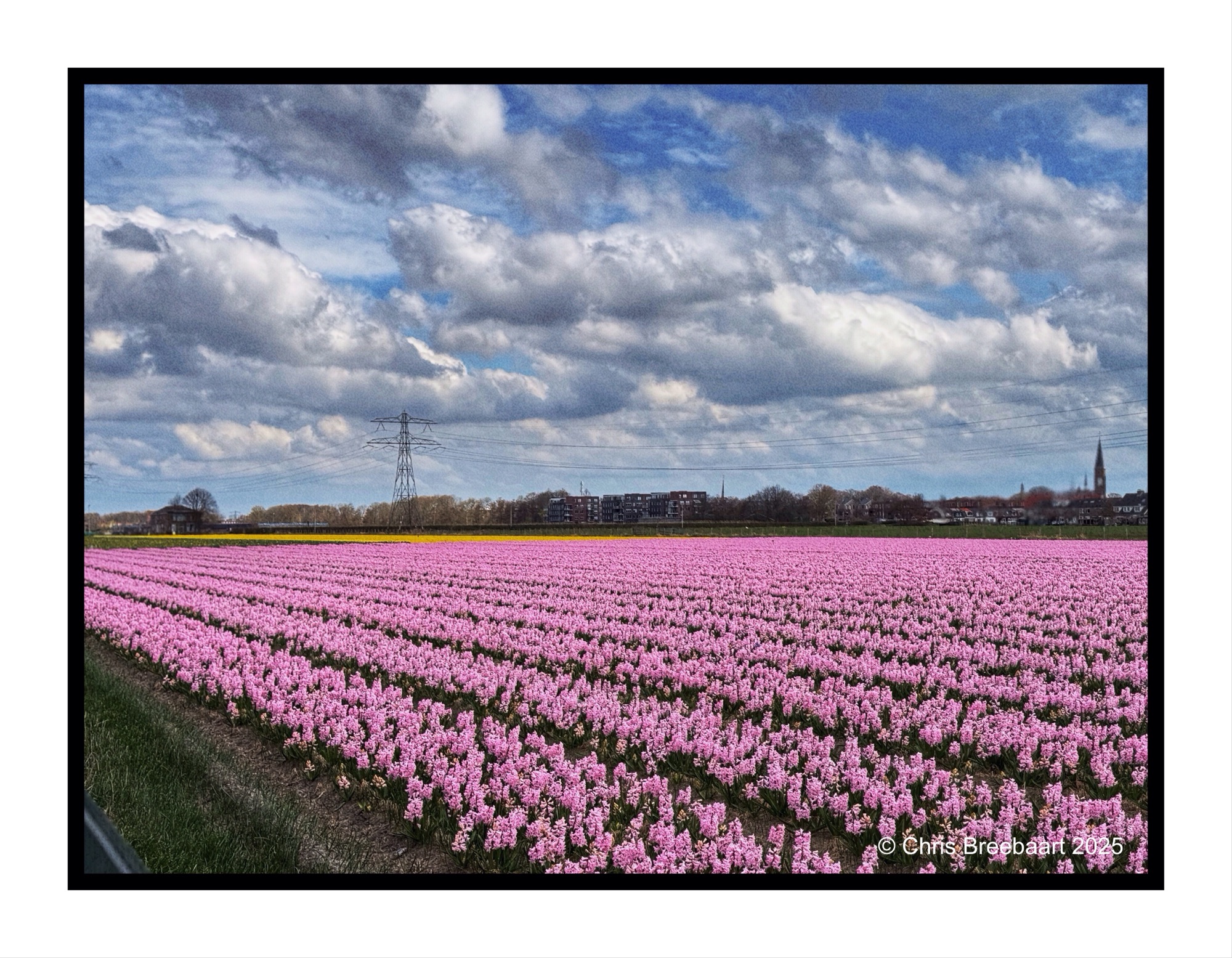
Shot with iPhone 15 Pro Max edited using Snapseed and Marksta. Click the picture for a larger version.

Shot with iPhone 15 Pro Max edited using Snapseed and Marksta. Click the picture for a larger version.
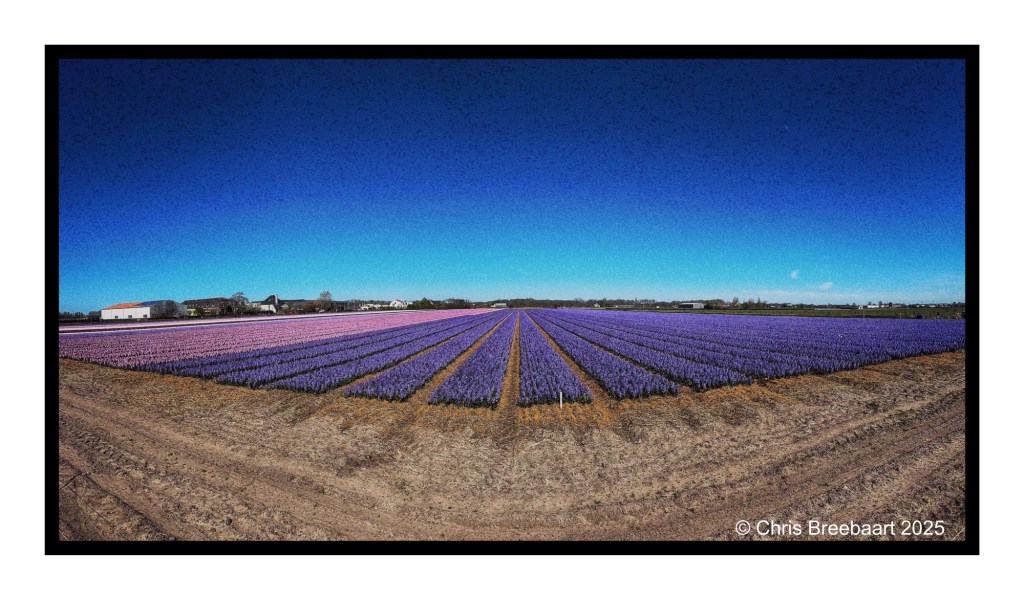
Lens Artists Photo Challenge 343 is ‘Seen on my last outing’. Yesterday, a short bicycle ride around Voorhout. On the bulb fields lines are straight, which is kind of boring. But the panoramic view of the iPhone changes the perspective.
Shot with iPhone 15 Pro Max edited using Snapseed, GrainLab and Marksta. Click the picture for a larger version.

Shot with iPhone 15 Pro Max edited using Snapseed, GrainLab and Marksta Click the picture for a larger version
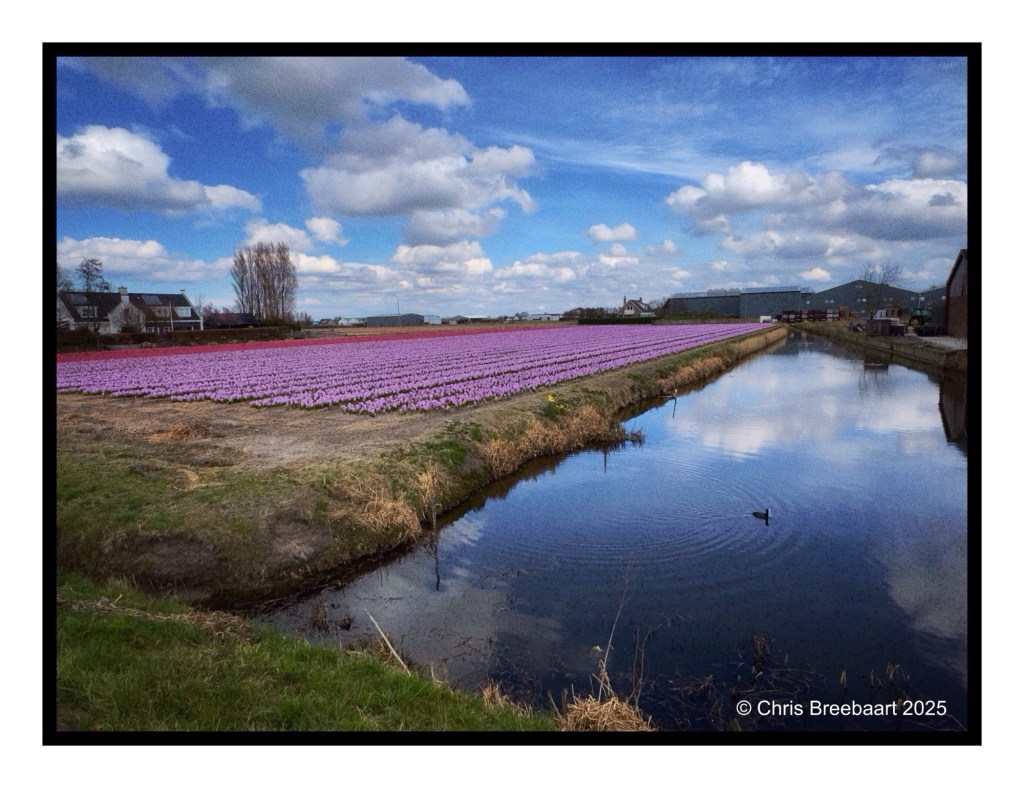
The flowerbeds are there again. The daffodils as always first and now hyacinths.
Shot with iPhone 15 Pro Max edited using Snapseed, GrainLab and Marksta Click the picture for a larger version
Shot with iPhone 15 Pro Max edited using Snapseed, GrainLab and Marksta. Click the picture for a larger version.
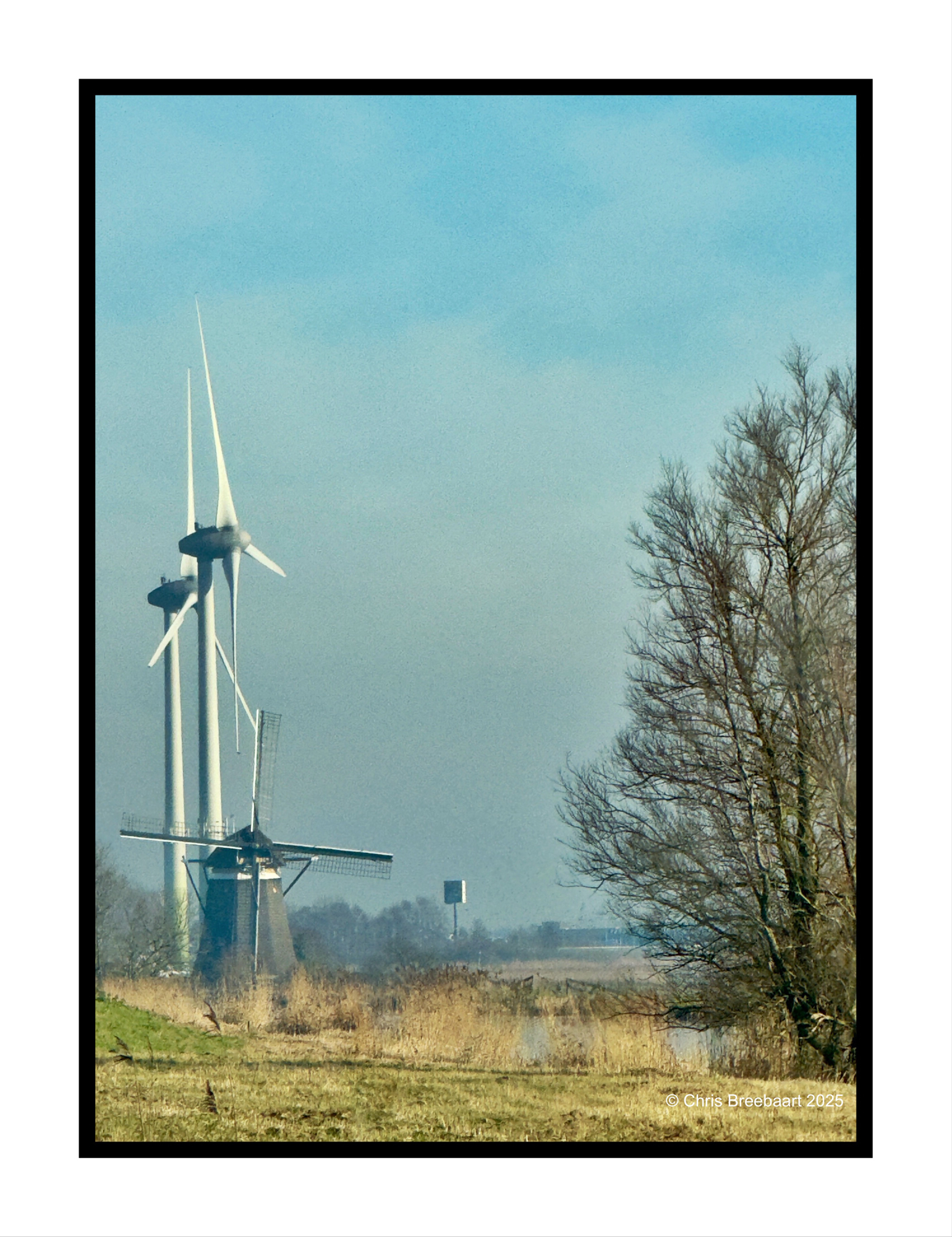
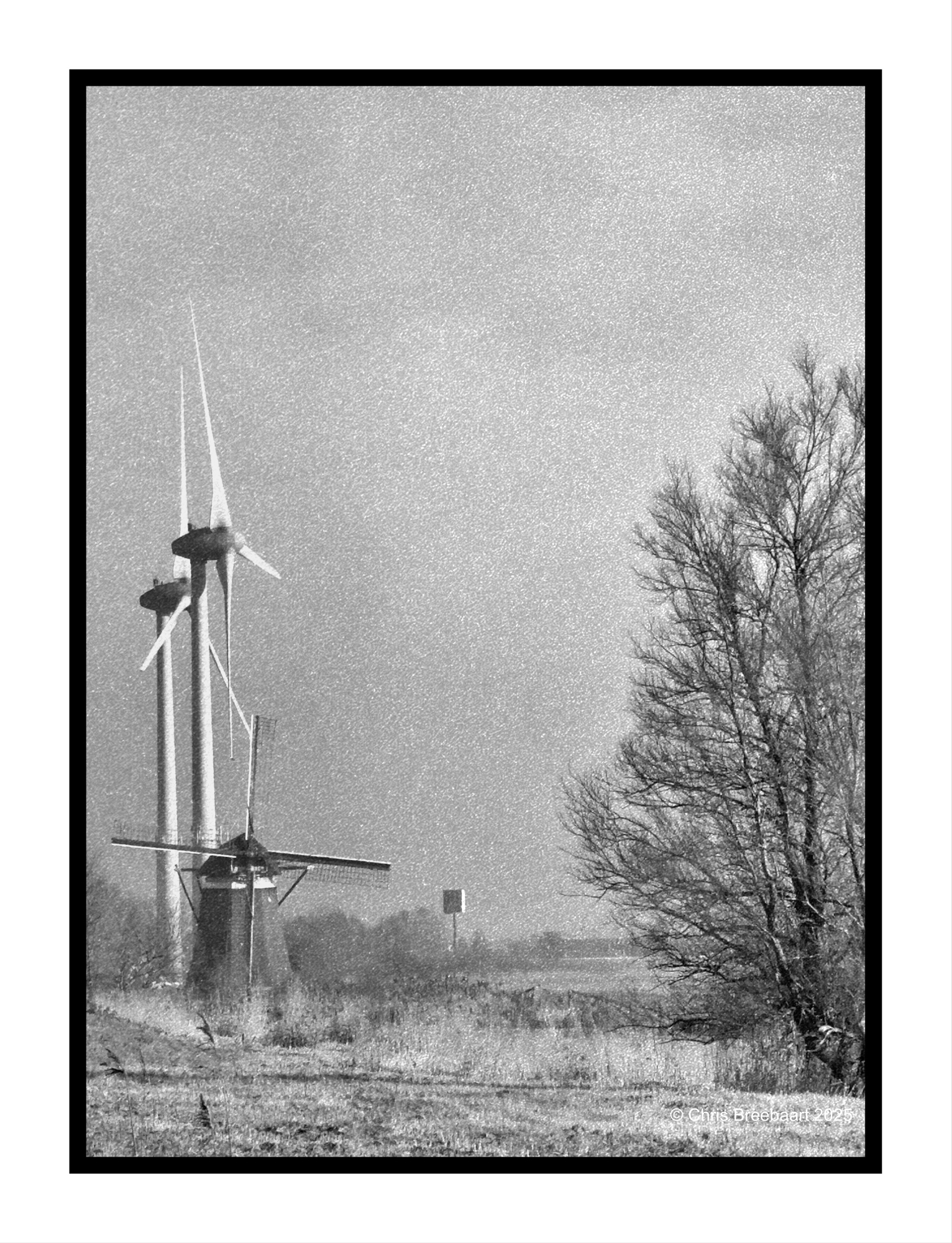
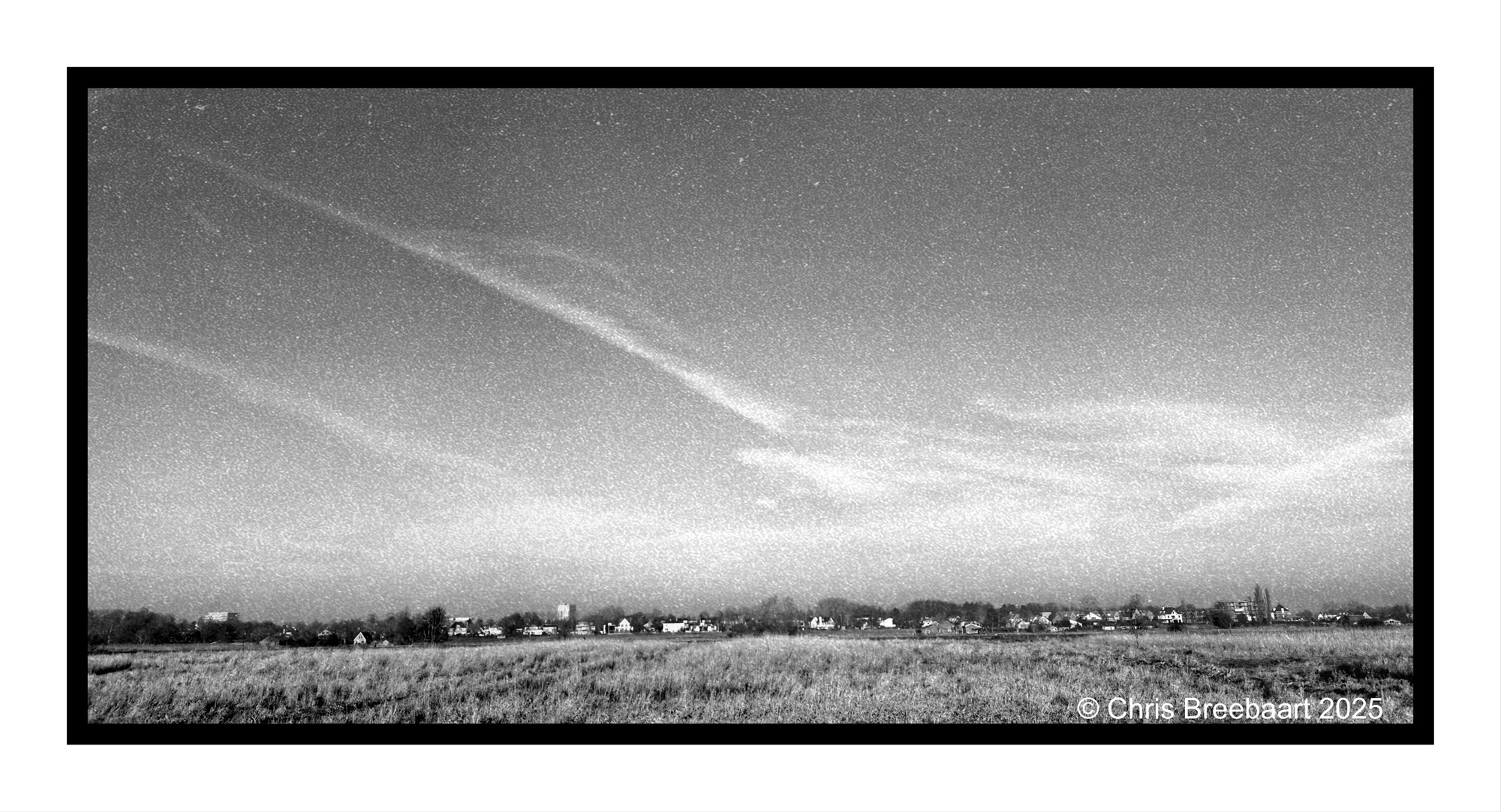
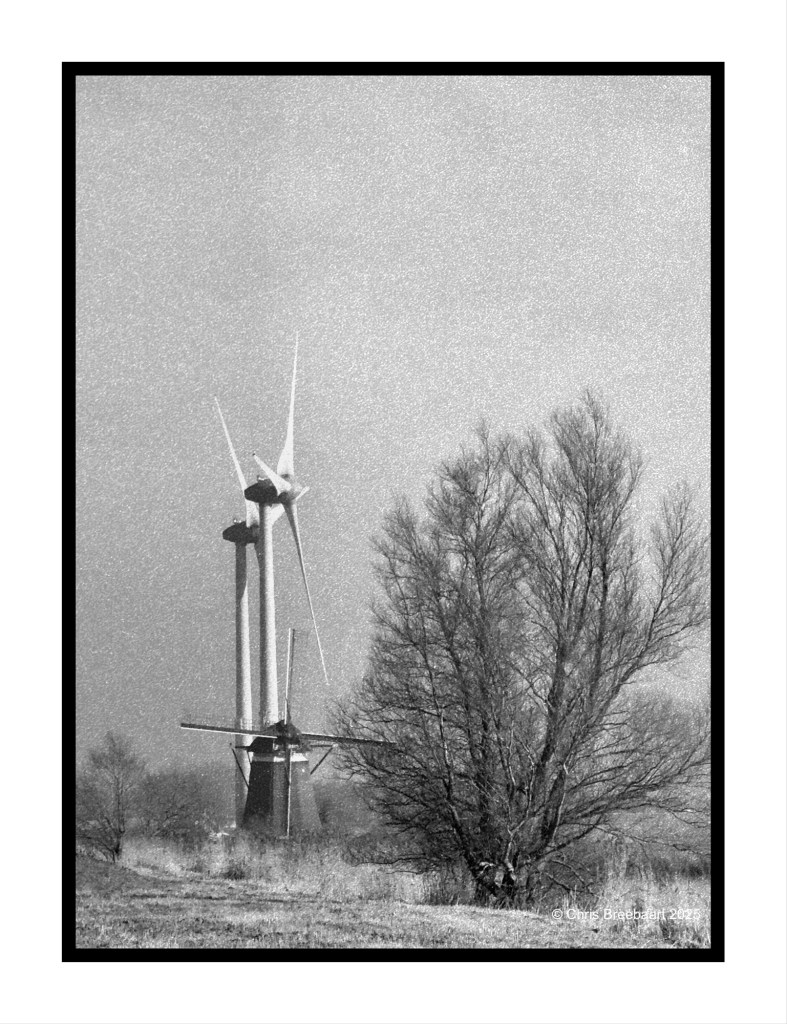
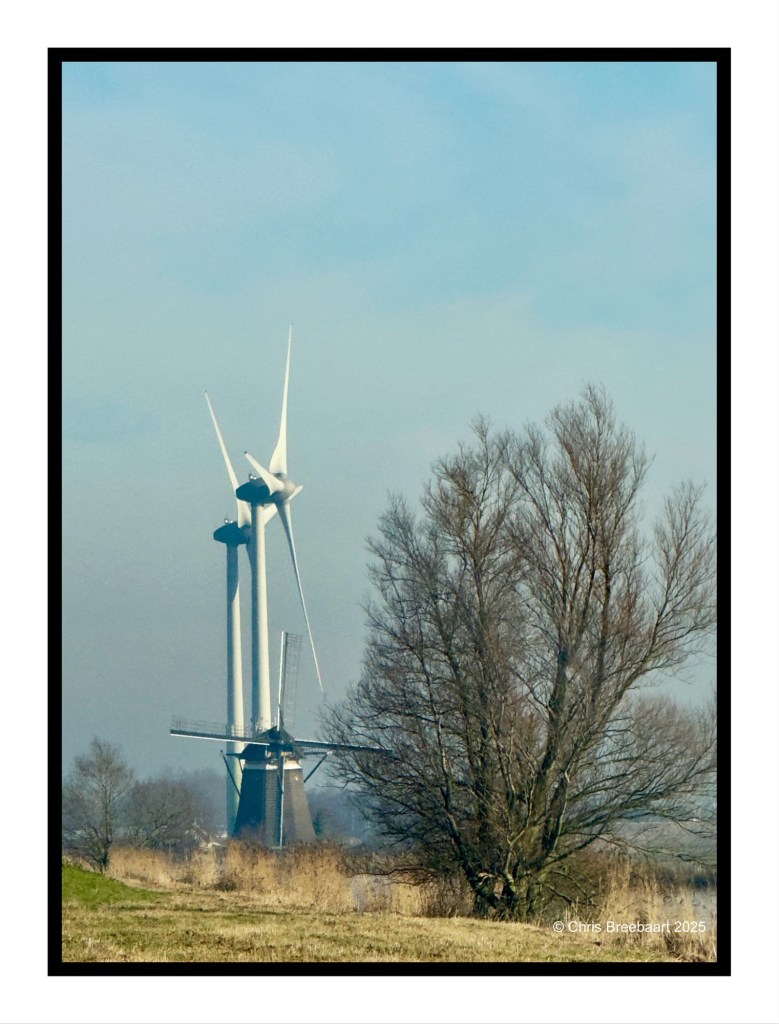
This week Lens Artist Photo Challenge #335 is exploring color versus monochrome aka black and white. Compare a color photo with a monochrome print of it. What works better?
A few days ago I published a resembling shot in color and mono. This post differs from the earlier ones. The tree on the right went out of the frame. And a very modern advertising pole pops up in the background.
My love for the bleak colors of Winter’s light are the same. But I prefer this mono version, even if it was originally shot in color. GrainLab is a great tool, and the atmosphere of the photo is ‘old’ but the view is modern.
Shot with iPhone 15 Pro Max edited using Snapseed, GrainLab and Marksta. Click the picture for a larger version.
This week Lens Artist Photo Challenge #335 is exploring color versus monochrome aka black and white. Compare a color photo with a monochrome print of it. What works better?
I tend to think in black and white at most moments. Just my preference. And if I can I shoot just in a mono mode on my iPhone or my recent purchased Nikon Zf.
Yesterday I publiced this one in color. I do like it, the bleak colors of Winter light are nice. But I prefer this mono version, even if it was originally shot in color,
Shot with iPhone 15 Pro Max edited using Snapseed, GrainLab and Marksta. Click the picture for a larger version.
Shot with iPhone 15 Pro Max edited using Snapseed and Marksta Click the picture for a larger version
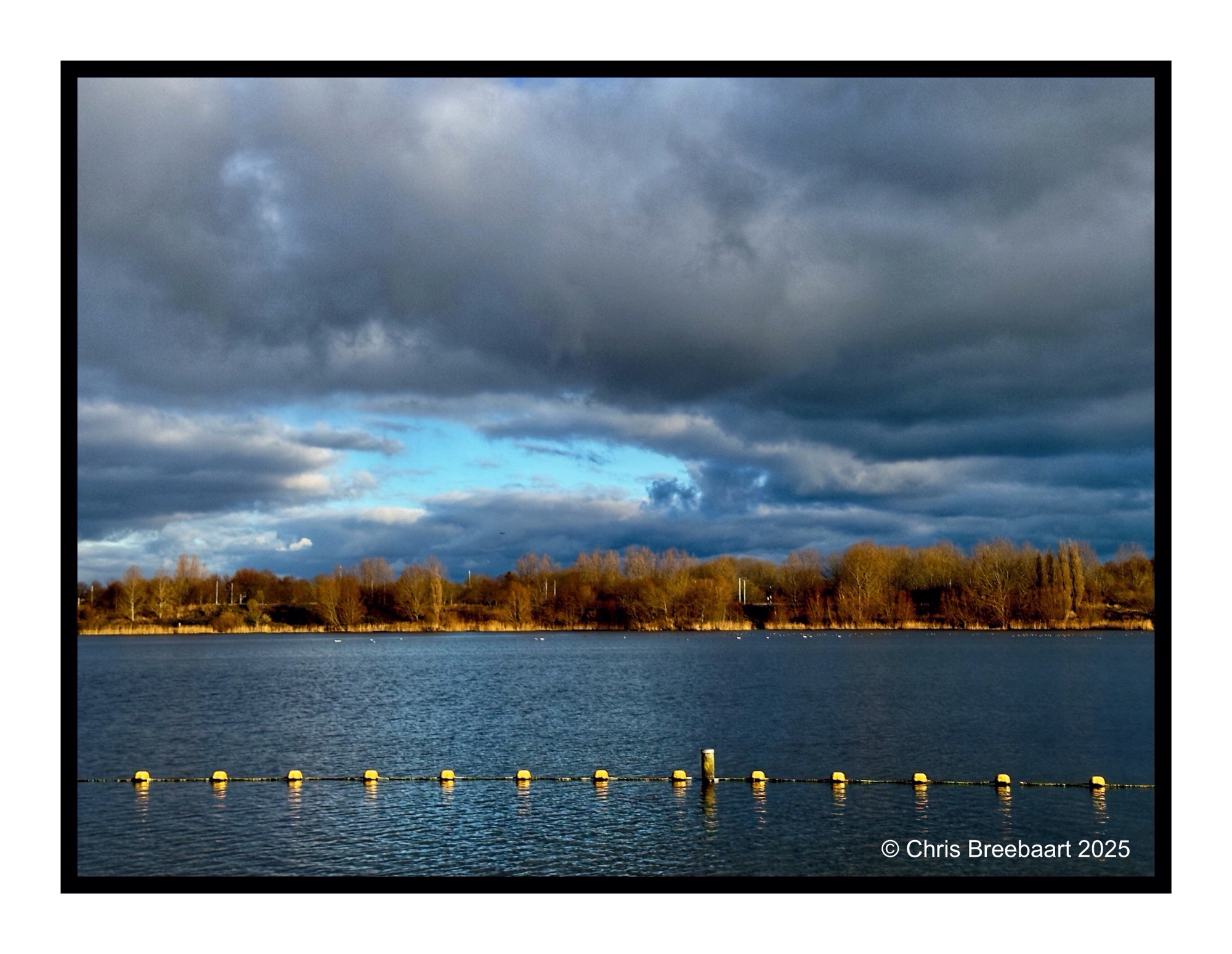
Shot with iPhone 15 Pro Max edited using Snapseed and Marksta Click the picture for a larger version

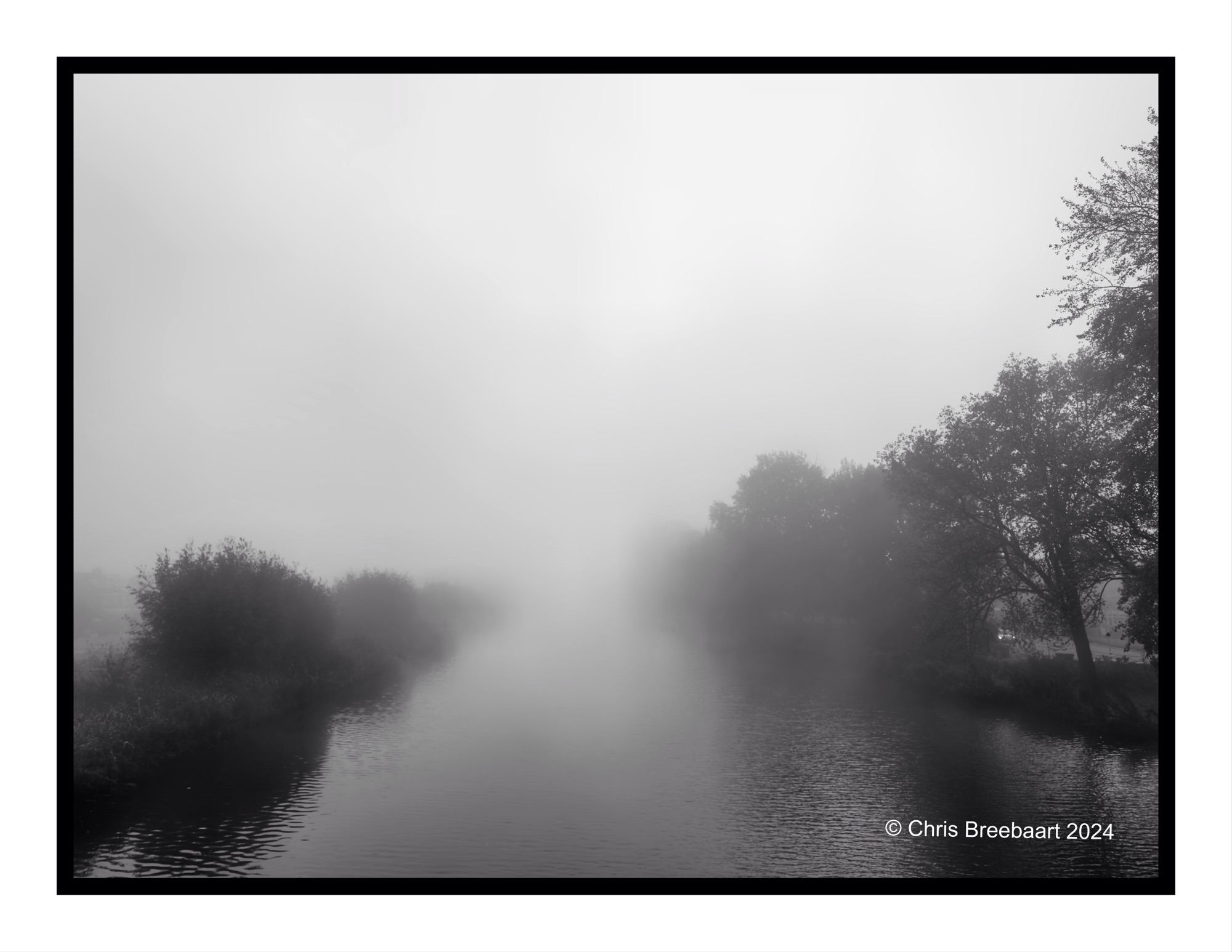
Ending the year in the UK, a roadside view from the car over a foggy countryside. Hence the sharpness is not optimal.
Shot with iPhone 15 Pro Max edited using Snapseed, GrainLab and Marksta Click the picture for a larger version

Ending the year in the UK, a roadside view from the car over a foggy Norfolk countryside. Hence the sharpness is not optimal.
Shot with iPhone 15 Pro Max edited using Snapseed, GrainLab and Marksta Click the picture for a larger version

Ending the year in the UK, a roadside view from the car over a foggy Suffolk countryside. Hence the sharpness is not optimal. This is another one I used GrainLab to put in an analogue grain feeling. It softened the darks and gave the photo a more balanced view in the highlights. Snapseed tends to distort big surfaces in the sky, and this is a nice retouch effect to repair that.
Shot with iPhone 15 Pro Max edited using Snapseed, GrainLab and Marksta Click the picture for a larger version
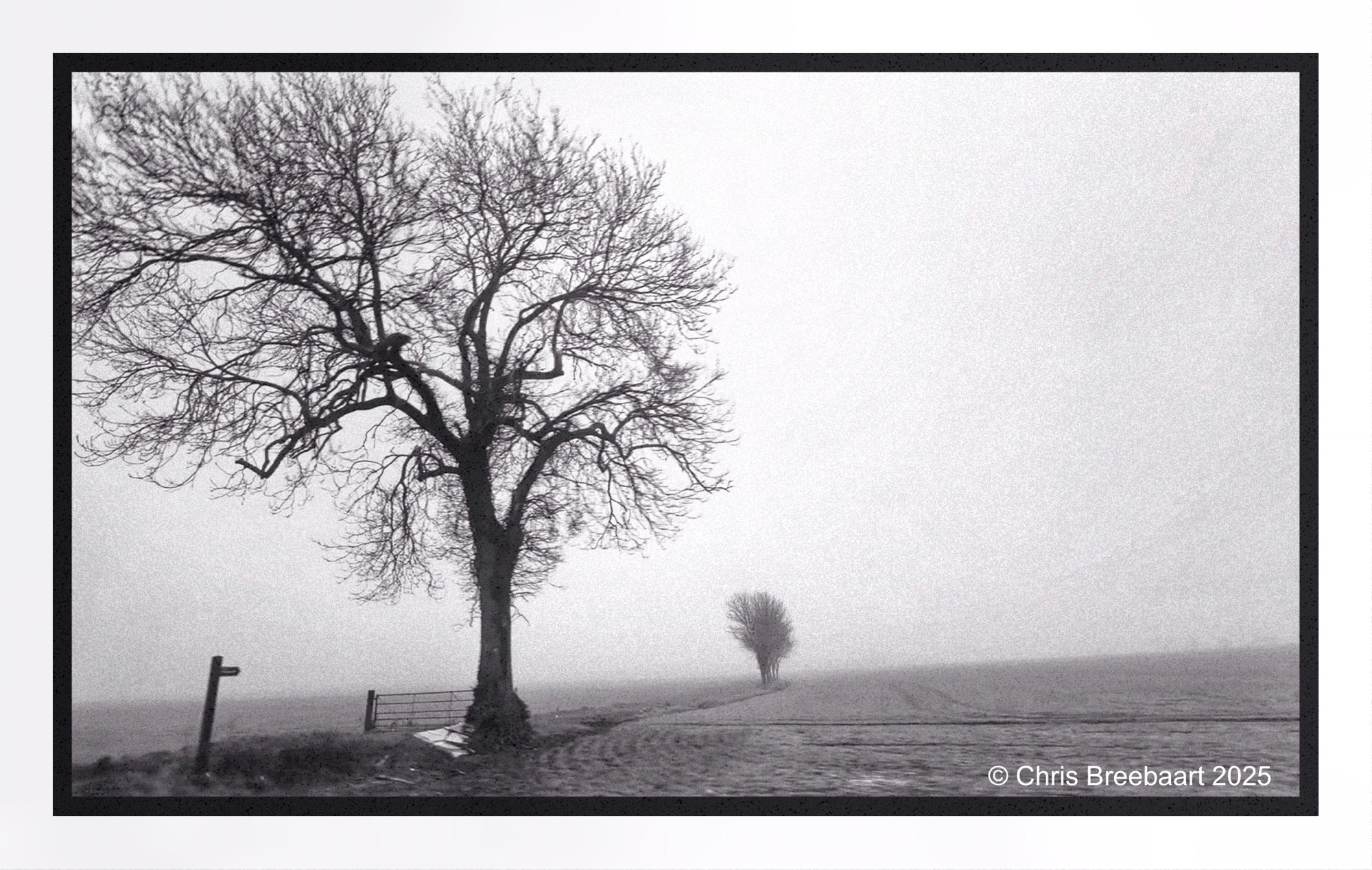
Ending the year in the UK, a roadside view from the car over a foggy Suffolk countryside. Hence the sharpness is not optimal. This is the first time I used GrainLab to put in an analogue grain feeling. It softened the darks and gave the photo a more balanced view in the highlights. Snapseed tends to distort big surfaces in the sky, and this is a nice retouch effect to repair that.
Shot with iPhone 15 Pro Max edited using Snapseed, GrainLab and Marksta Click the picture for a larger version

The weekly LAPC #327 is ‘five elements’. Four of the Greek (fire, water, earth, sky) and metal from a Chinese philosophical edge. The only fire in this photo is invisible and contained in the wind sweeping the water onto the beach. And as far for metal, it keeps the wooden fence together. Water, sky and earth in abundance. Funny we do not look in ‘elements’ to a photo.
Shot with iPhone 15 Pro Max edited using Snapseed and Marksta Click the picture for a larger version
Shot with iPhone 15 Pro Max edited using Snapseed and Marksta Click the picture for a larger version

