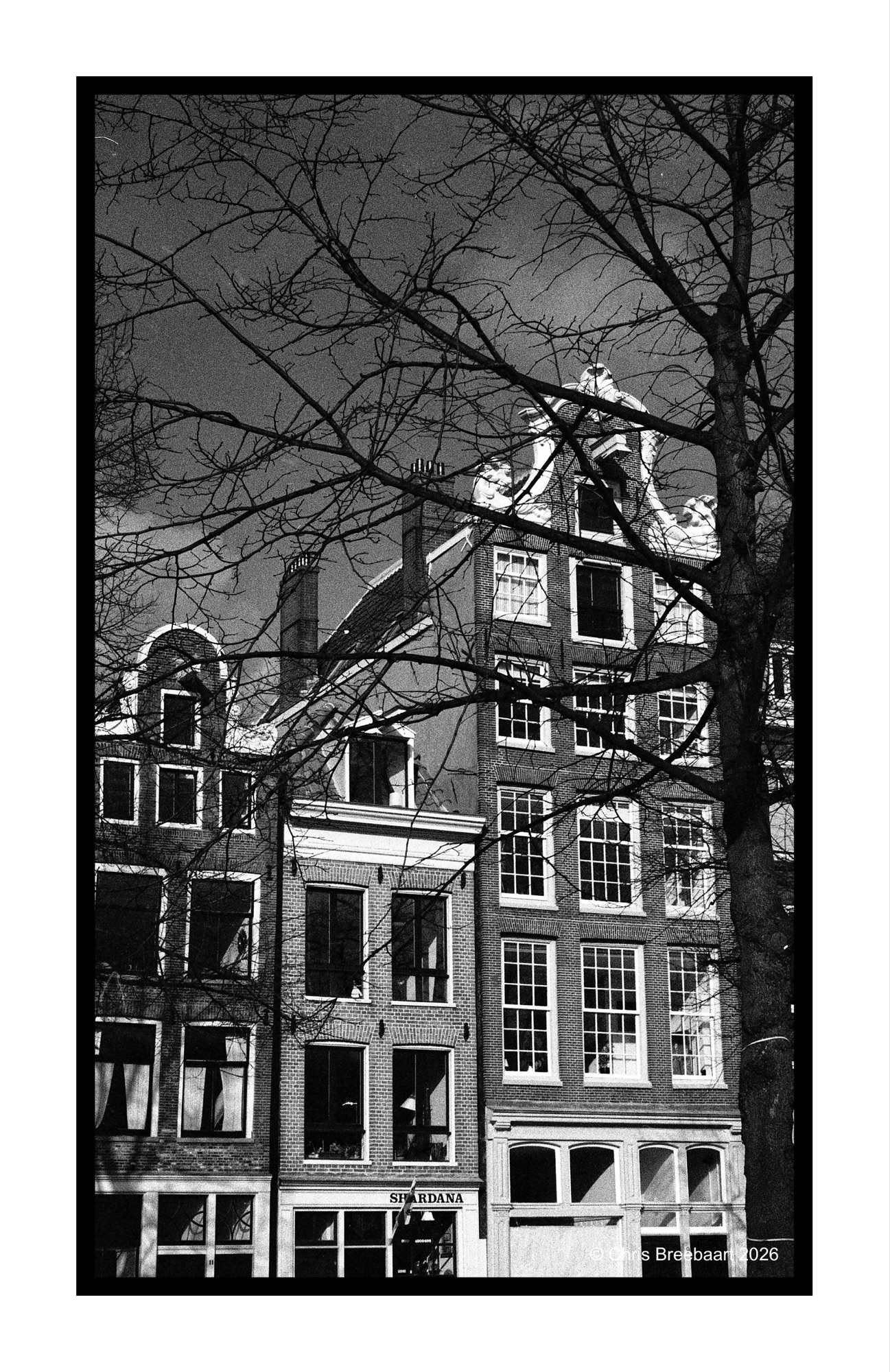
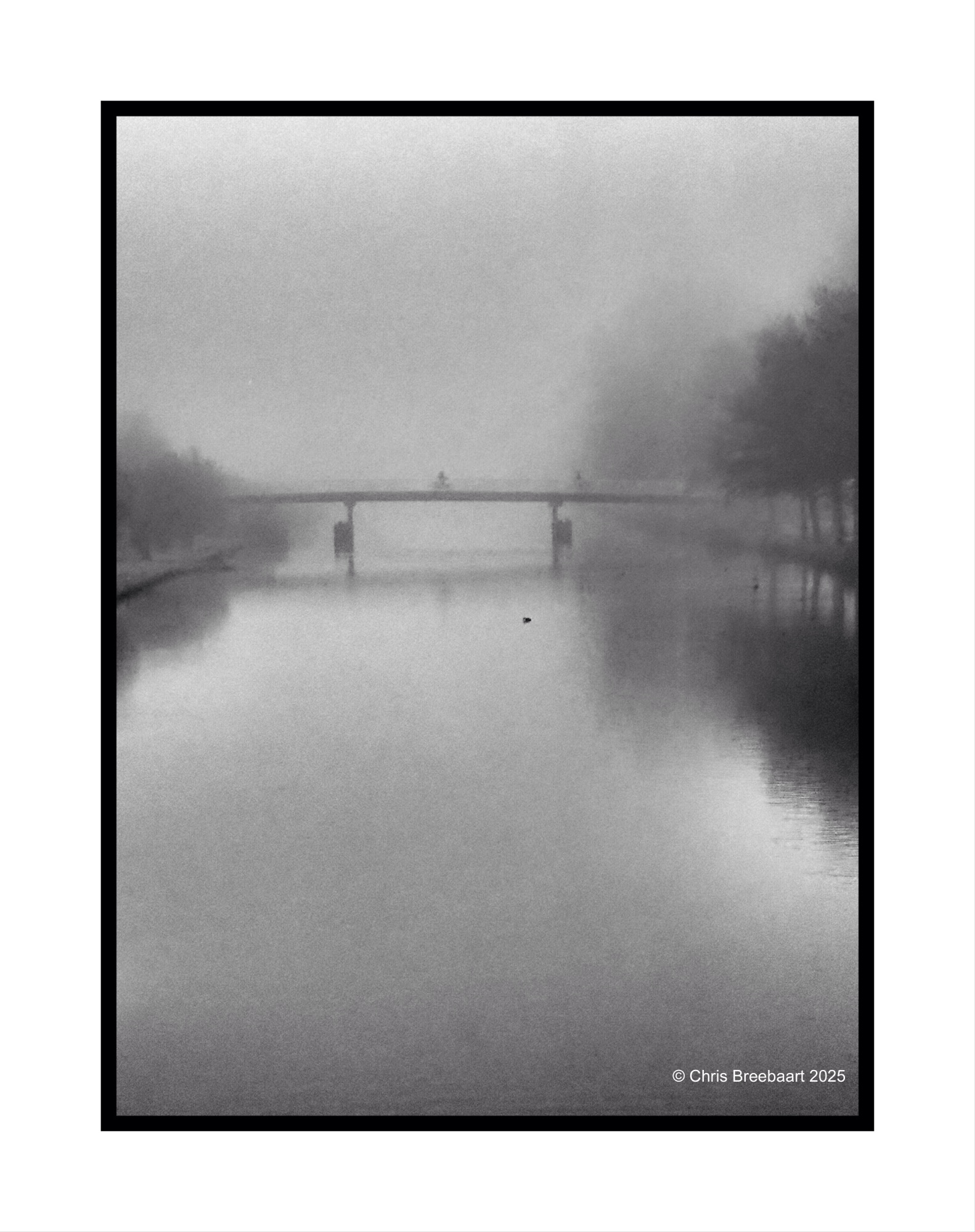
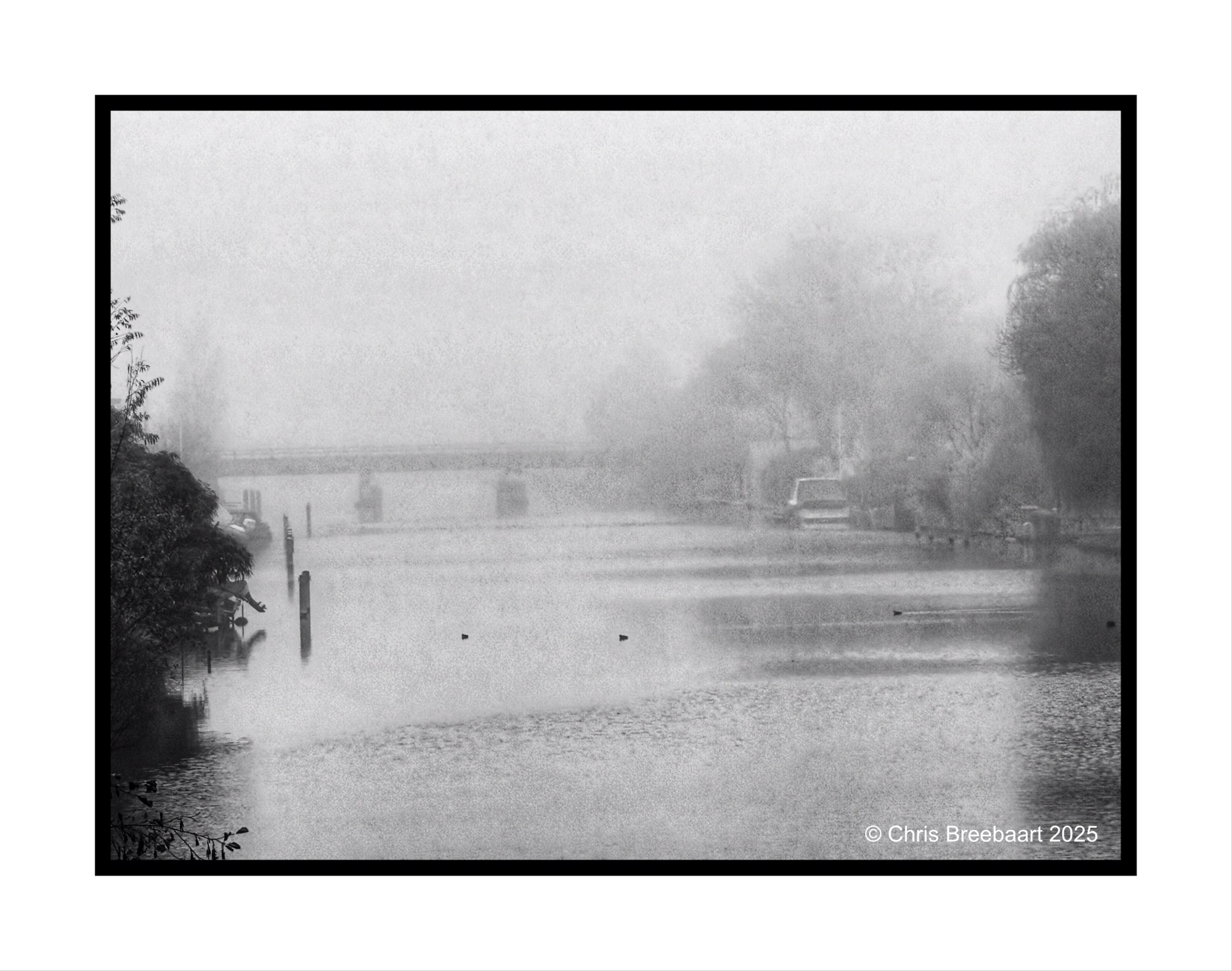
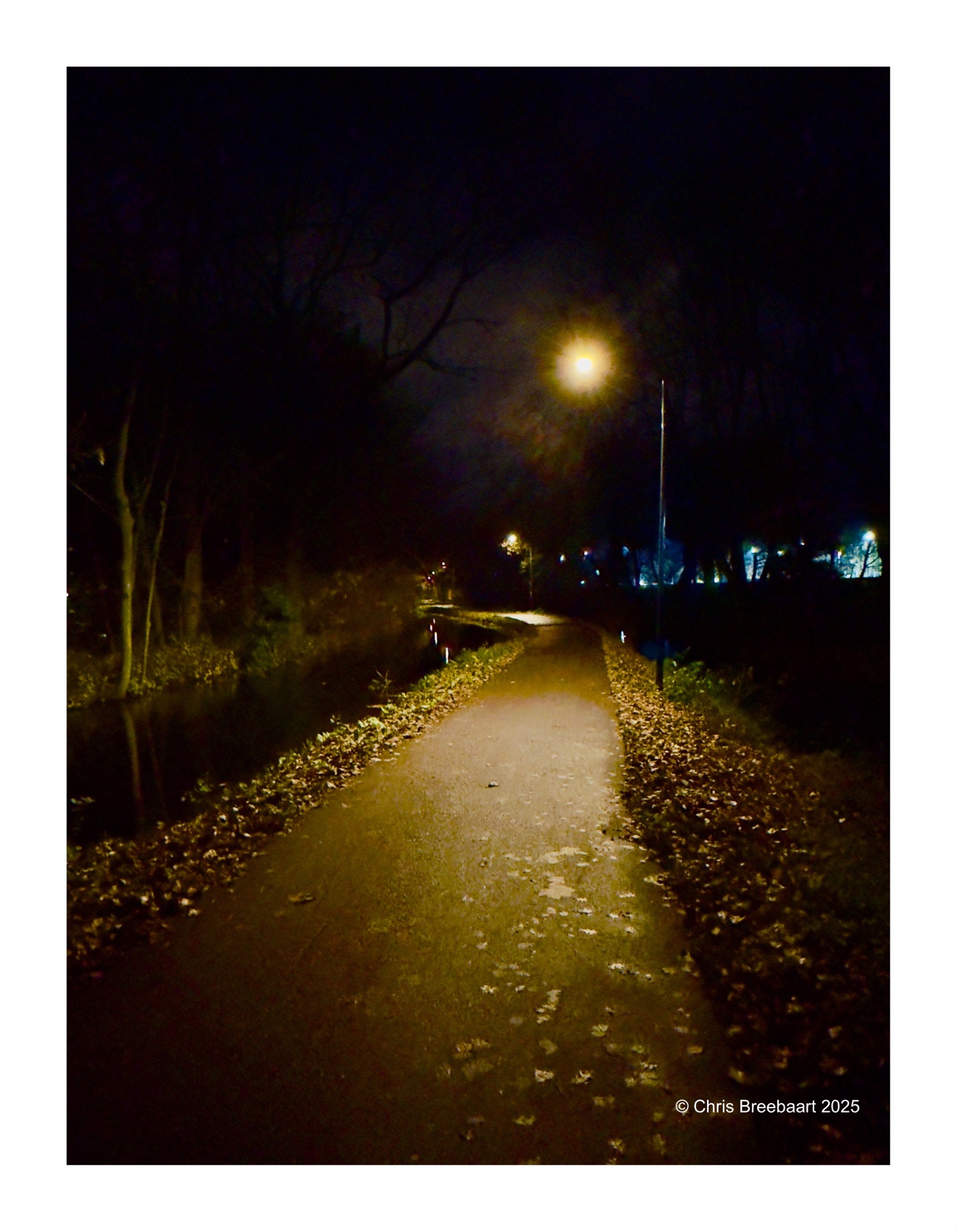
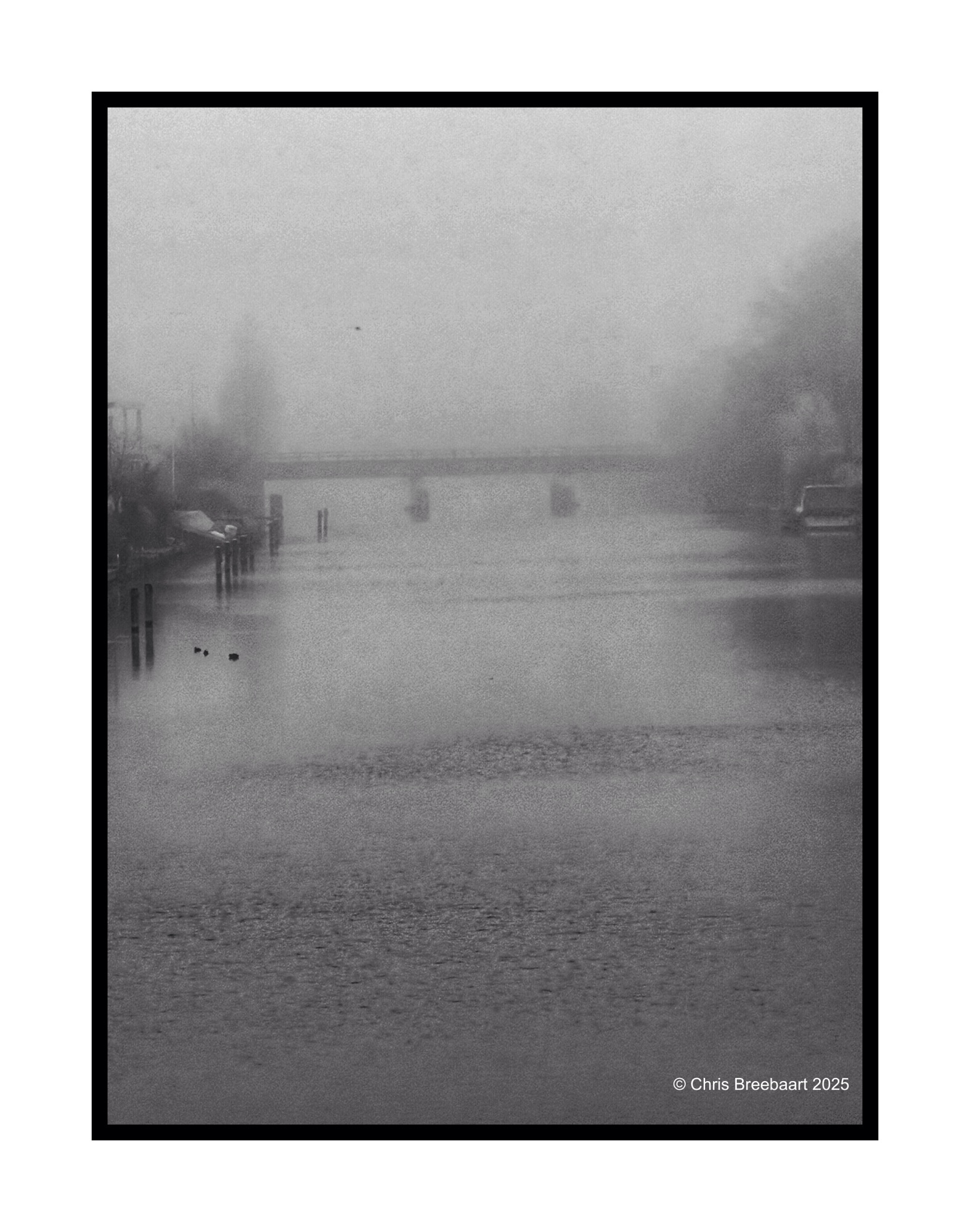
About the B4 retouch series: I browsed my archive for pictures to publish. Some of them are partly retouched but most do have scratches, dust and stains.
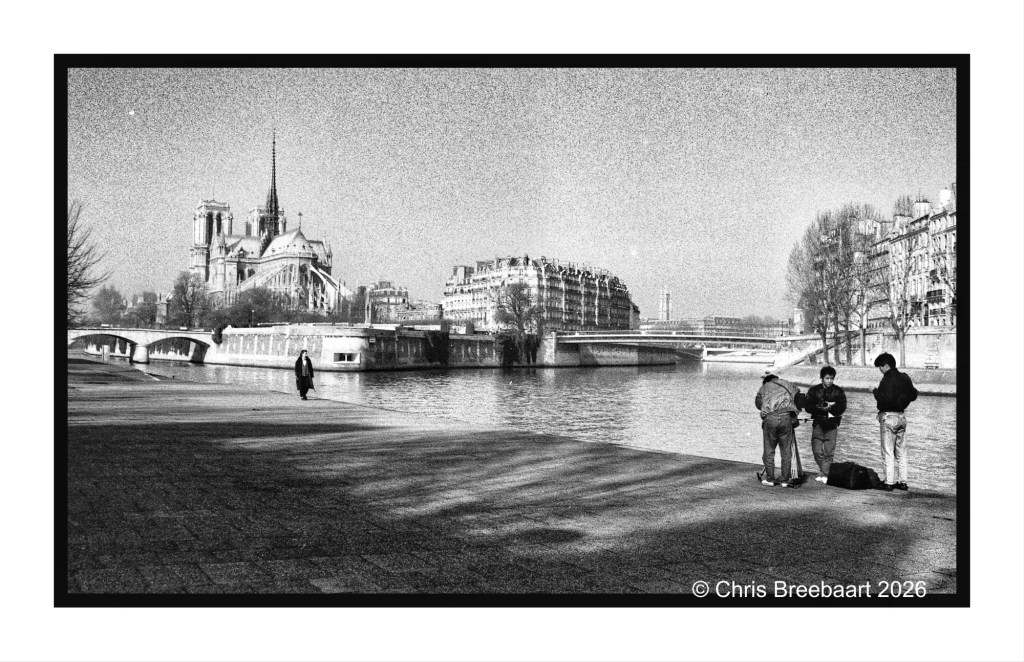
Shot with Nikon F90 on Kodak TriX, scanned from film and edited using Snapseed and Marksta. Click the picture for a bigger version.
The Notre Dame in Paris before the fire. A view from the quay toward the Île de la Cité. From a walk along the river, the third I took at almoste the same point. The previous ones I published yesterday and the day before yesterday, showing bridge arches.
About the B4 retouch series: I browsed my archive for pictures to publish. Some of them are partly retouched but most do have scratches, dust and stains.
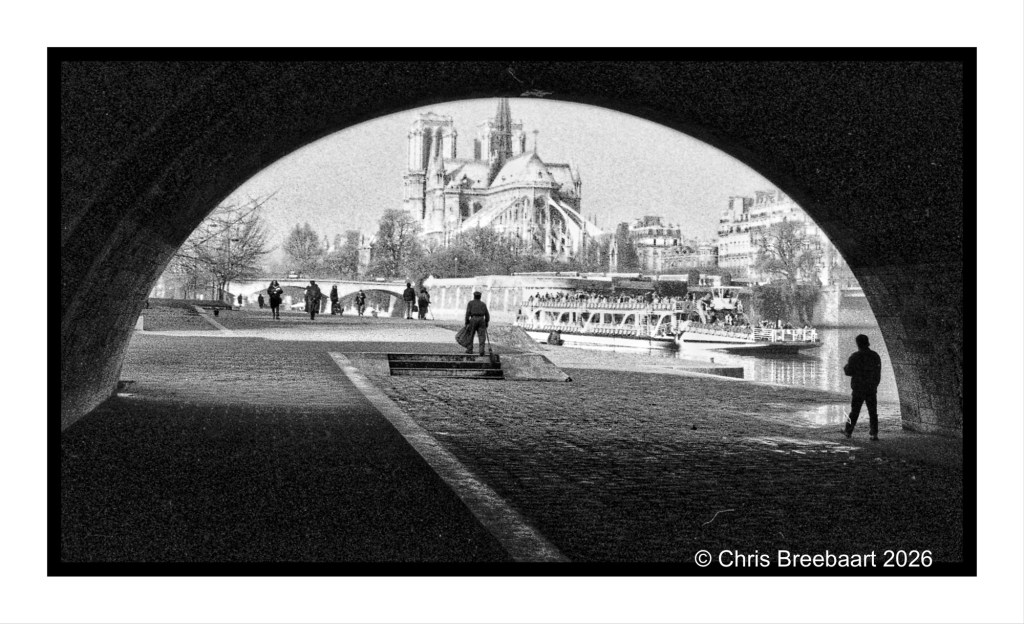
Originally shot with Nikon F301 on Kodak TriX, scanned from negative and tweaked using Snapseed and Marksta. Click the picture for a larger version.
The Notre Dame in Paris before the fire. The bridge arch offers a template on a sunny Winter morning. The first shot in a set of shots of three. The second I published yesterday.
About the B4 retouch series: I browsed my archive for pictures to publish. Some of them are partly retouched but most do have scratches, dust and stains.
Originally shot with Nikon F301 on Kodak TriX, scanned from negative and tweaked using Snapseed and Marksta. Click the picture for a larger version.
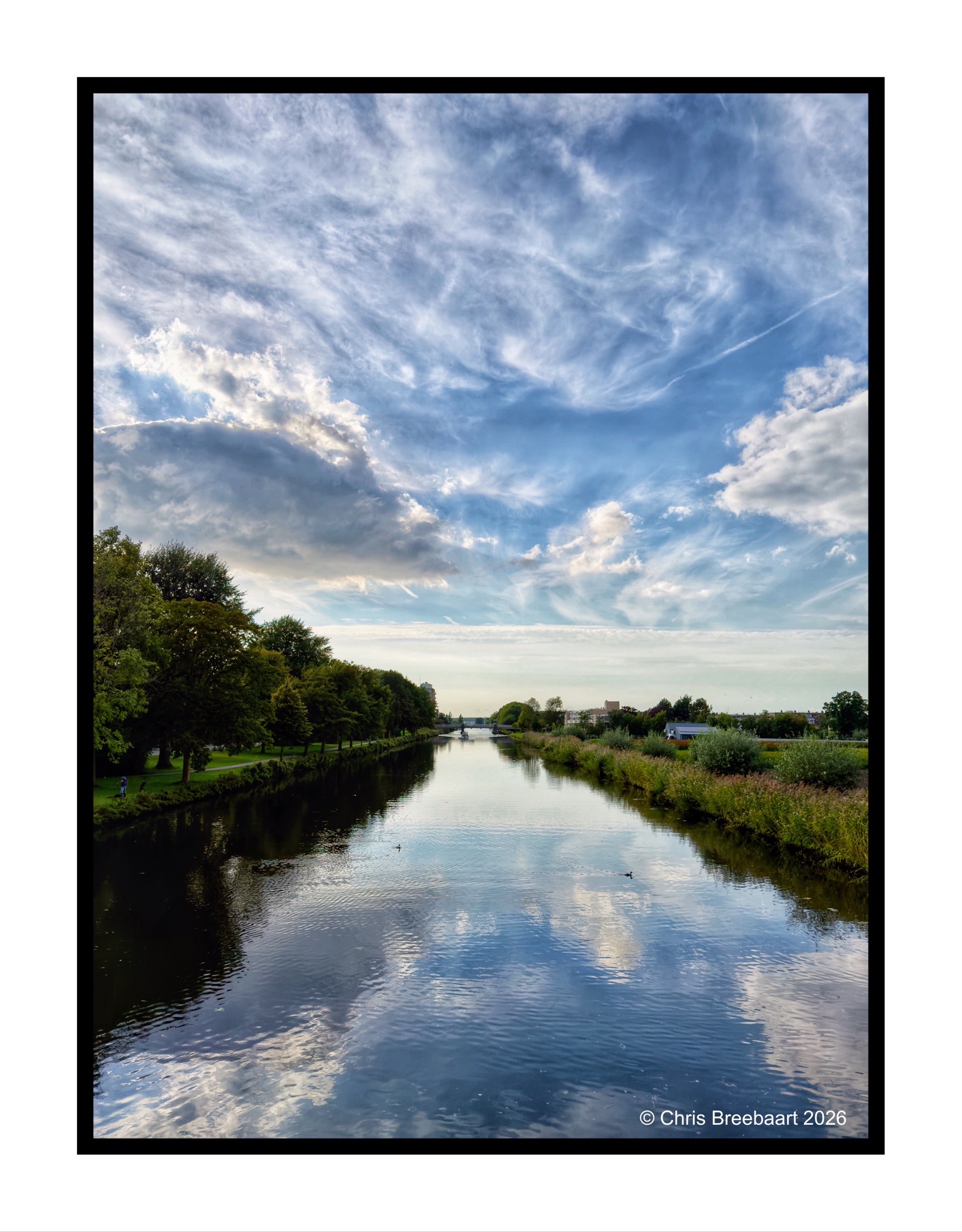
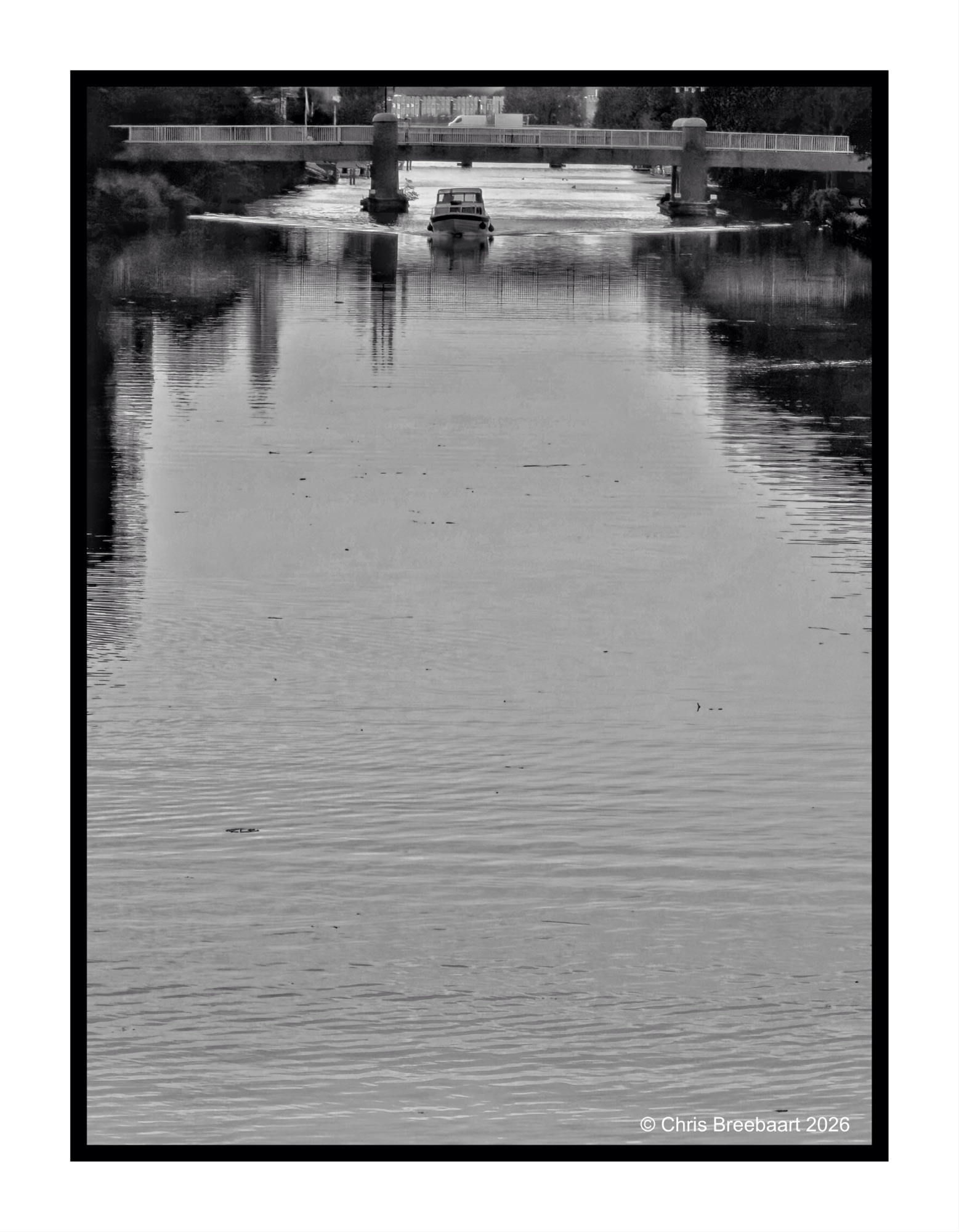
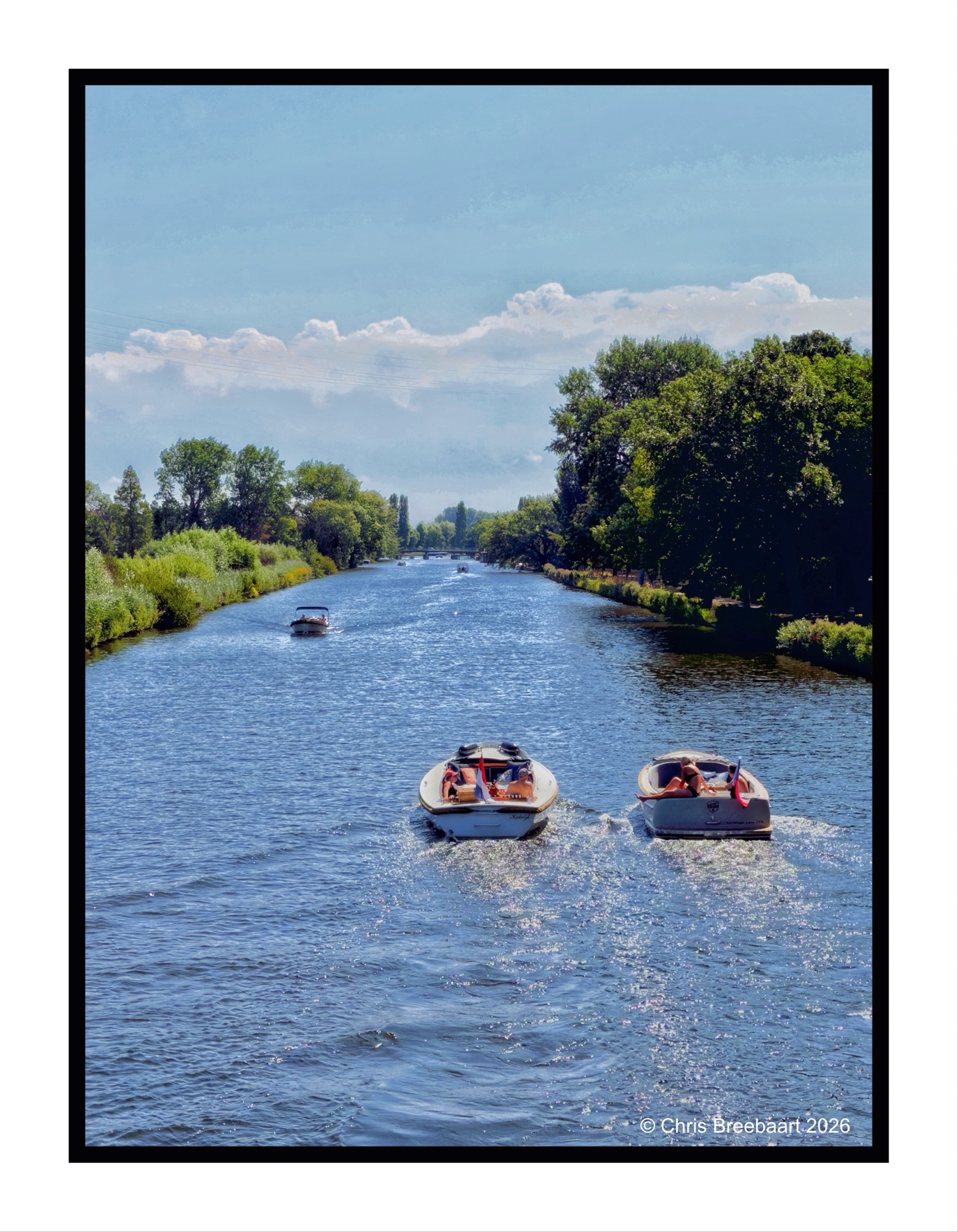
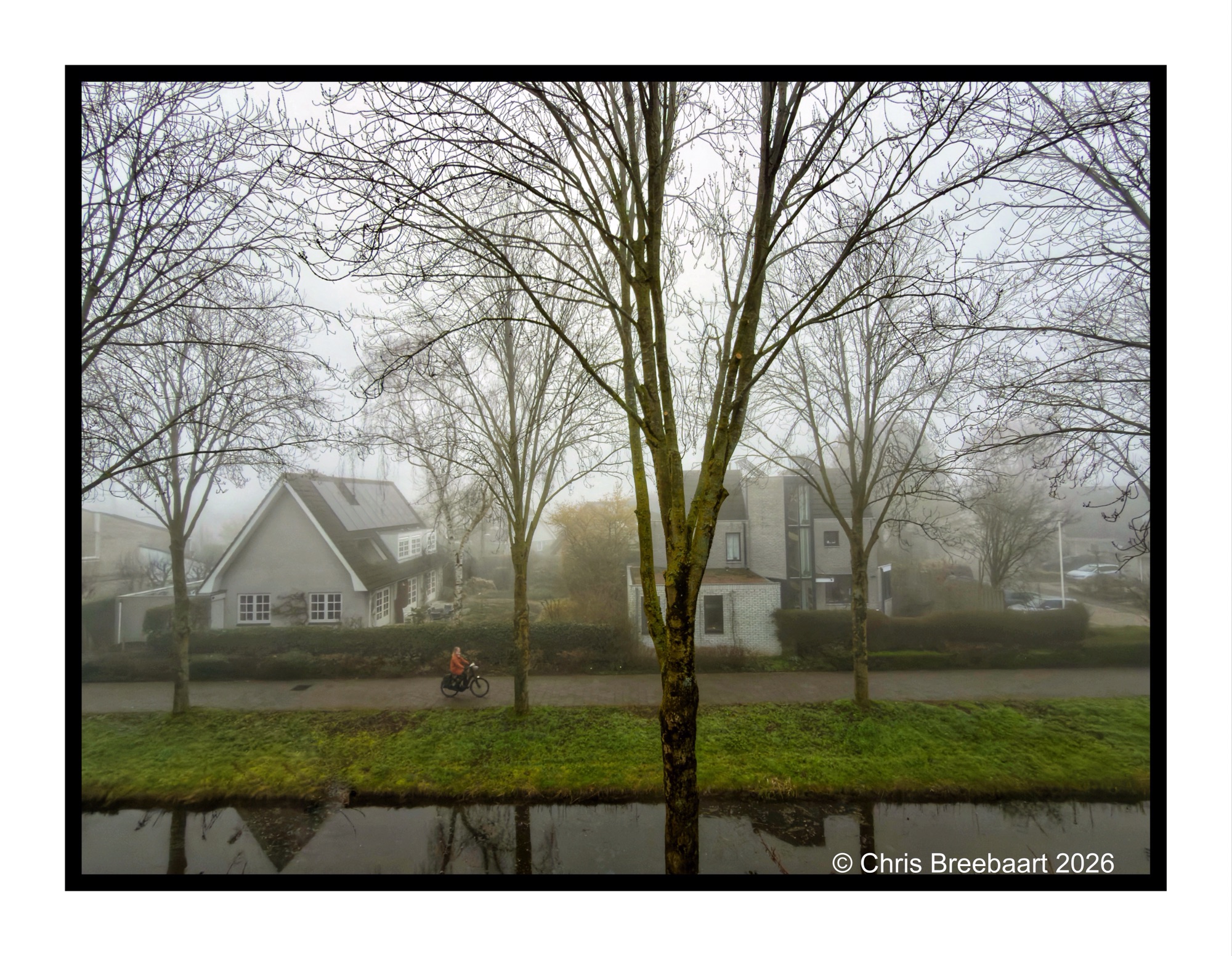
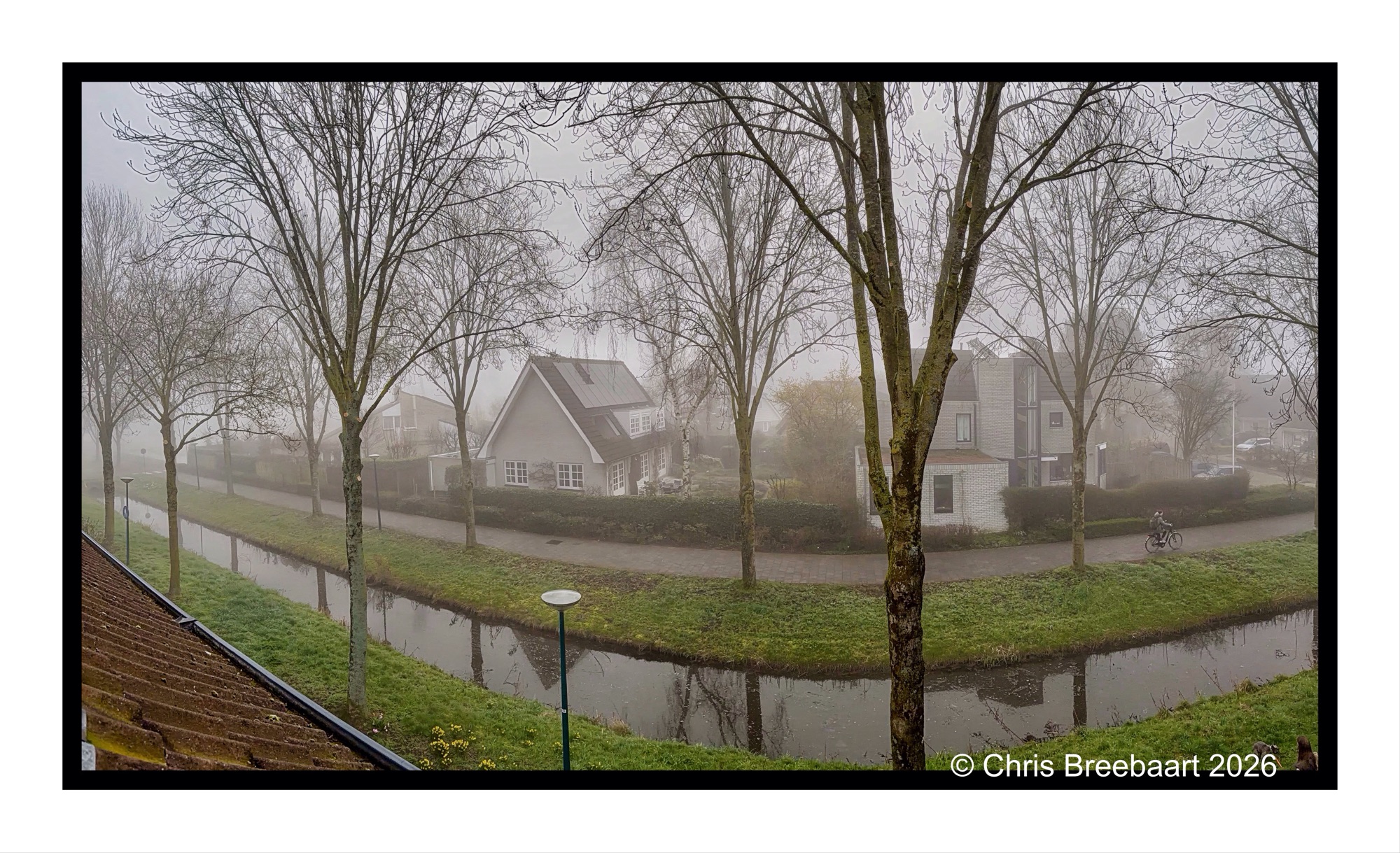
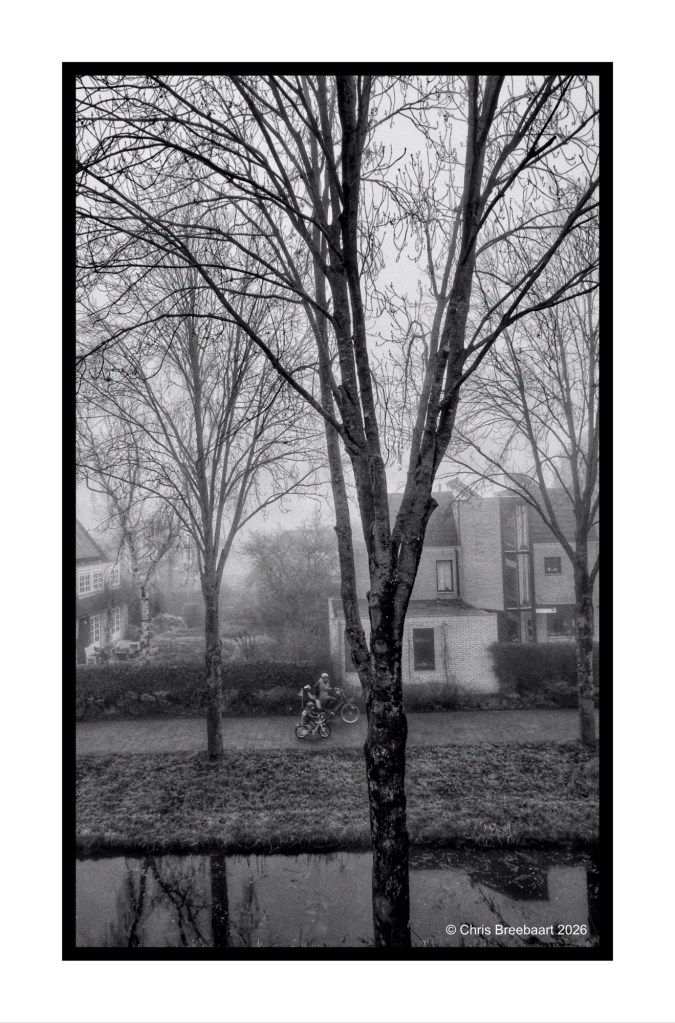
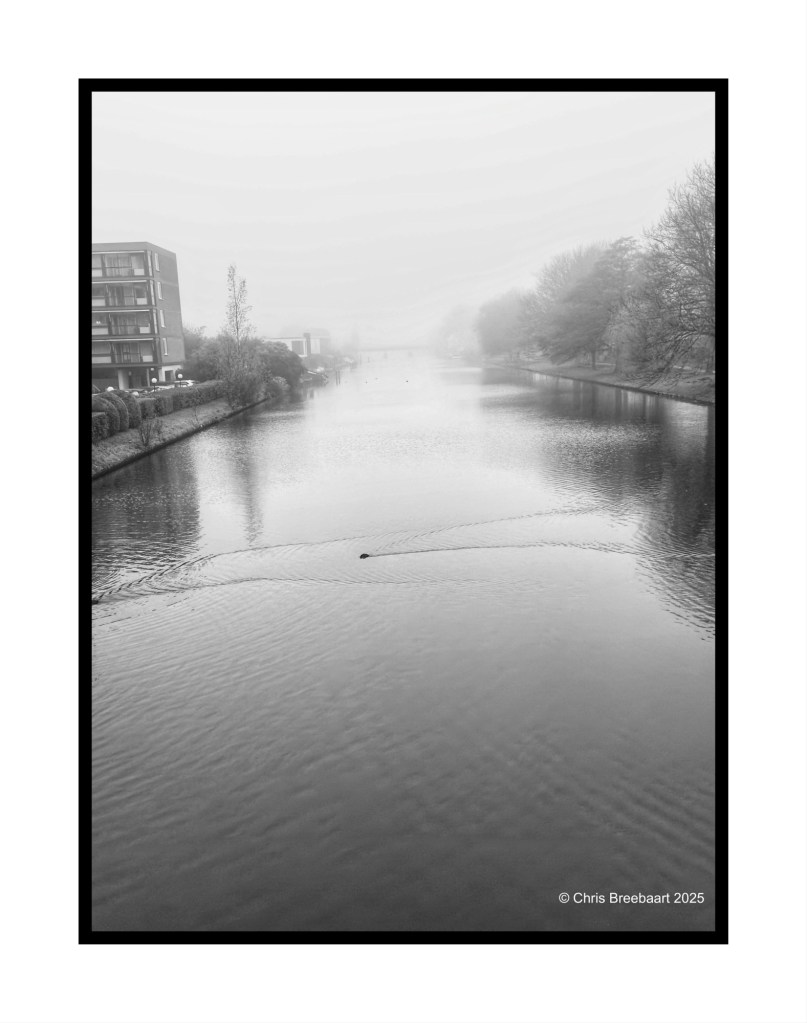
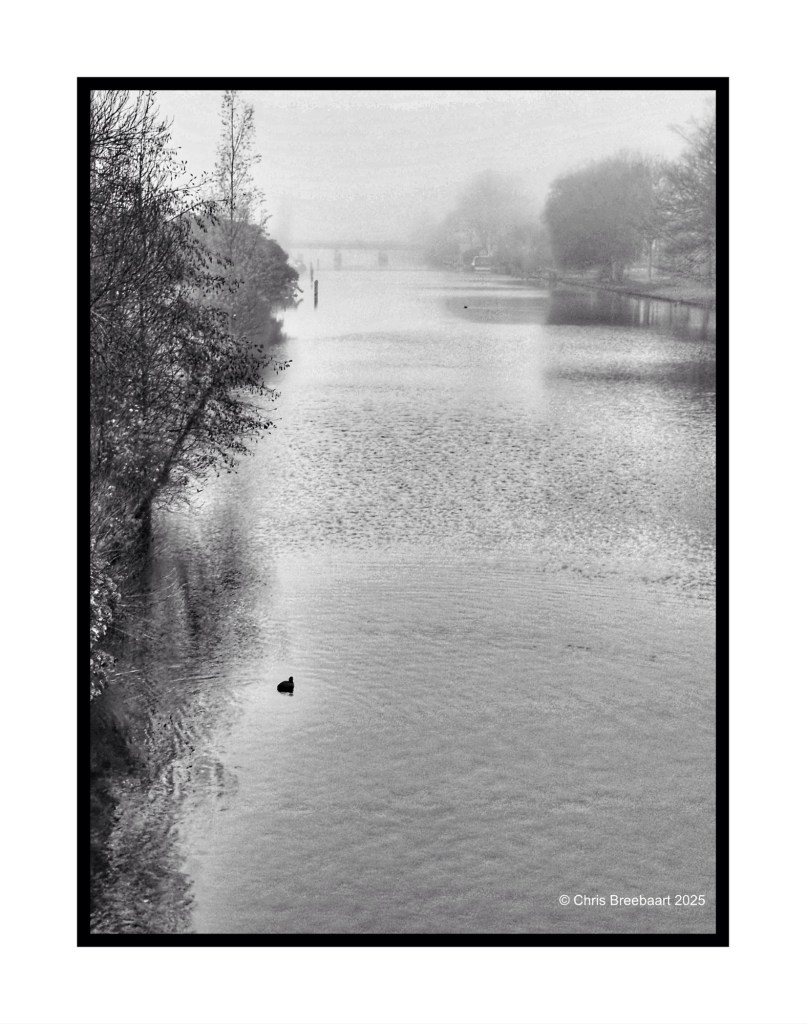
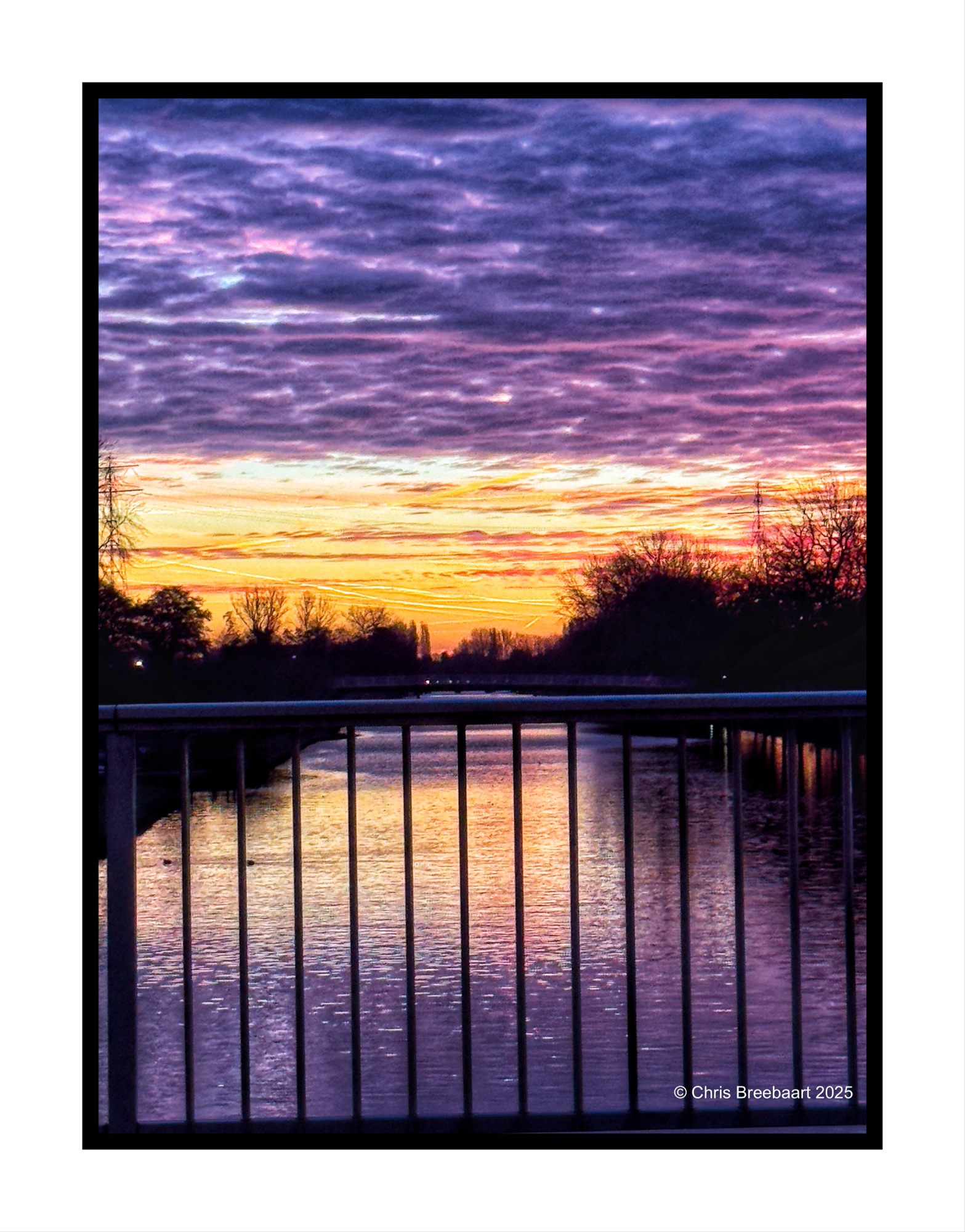
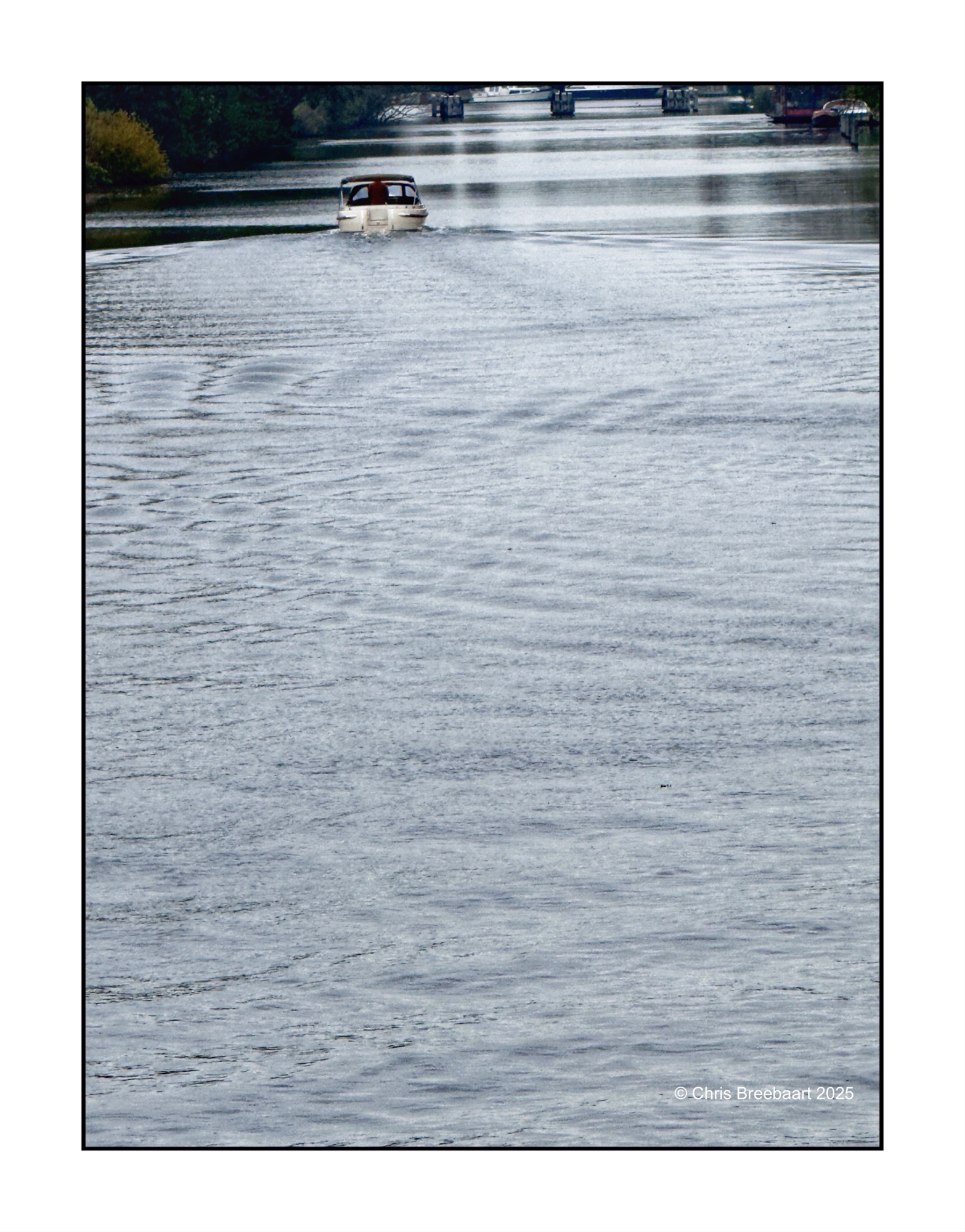
The days before I published photos that I took at the same time as this one. This overview gives you an idea how the previous photos came about, and show you the canal in a different way, to give an idea of the canal, its size and its environment.
A slightly different shot than yesterday. With a bit more of the atmosphere of the canal itself.
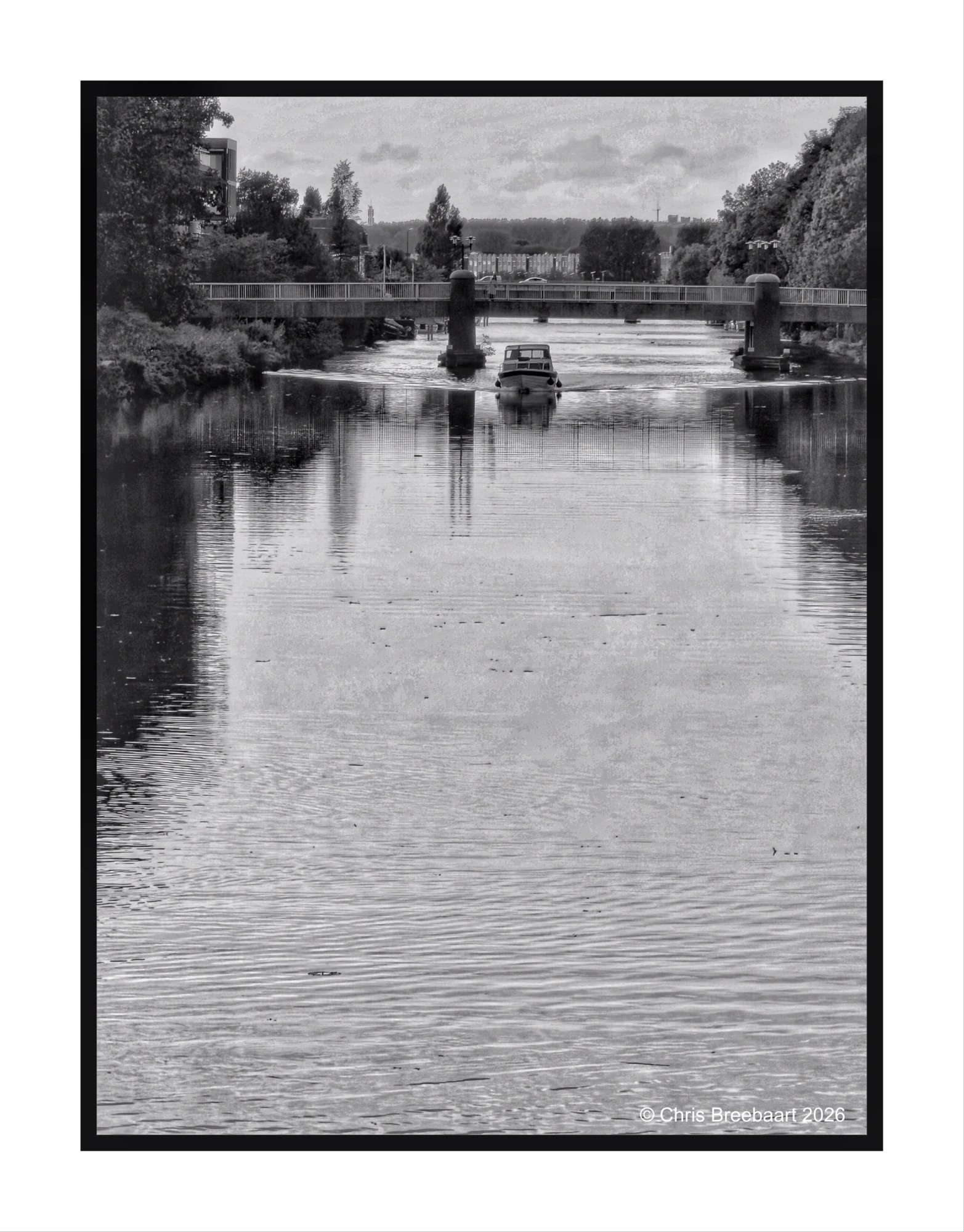
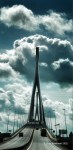
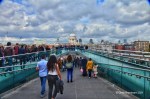
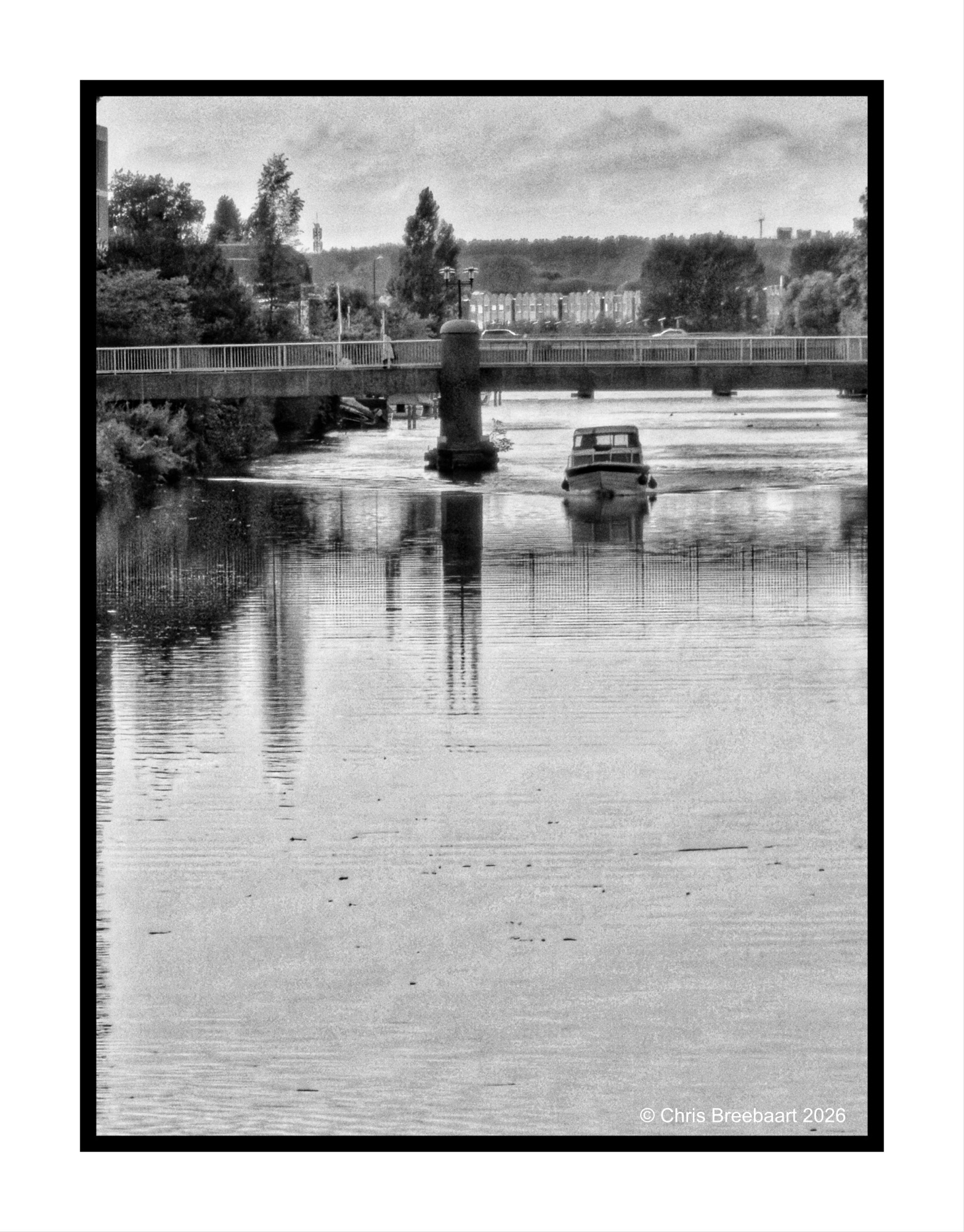
The Netherlands has its fair share of water (canals, lakes, ponds) and a fair share of bridges and even aquaducts. LAPC #413 is ‘bridges’. The two overlapping bridges (behind the front one is a motorway bridge) are not my favourites as the brief of LAPC asks for. They are the most practical in daily life to cross the canal. In the Archive bridges you find more photos of bridges. Most of them are from ordinary daily life close to home. But two of my favourites are the Millennium Bridge in London and the Pont de Normandie in Normandy.
The Netherlands has its fair share of water (canals, lakes, ponds) and a fair share of bridges and even aquaducts. LAPC #413 is ‘bridges’. The two overlapping bridges (behind the front one is a motorway bridge) are not my favourites as the brief of LAPC asks for. They are the most practical in daily life to cross the canal. In the Archive bridges you find more photos of bridges. Most of them are from ordinary daily life close to home. But two of my favourites are the Millennium Bridge in London and the Pont de Normandie in Normandy.
The Netherlands has its fair share of water (canals, lakes, ponds) and a fair share of bridges and even aquaducts. LAPC #413 is ‘bridges’. This two bridges (overlapping) are not my favorites, but with the bridge this one is taken from, the most common I see every day.
The Netherlands, Voorhout – April 2026 The Netherlands, Voorhout – April 2026
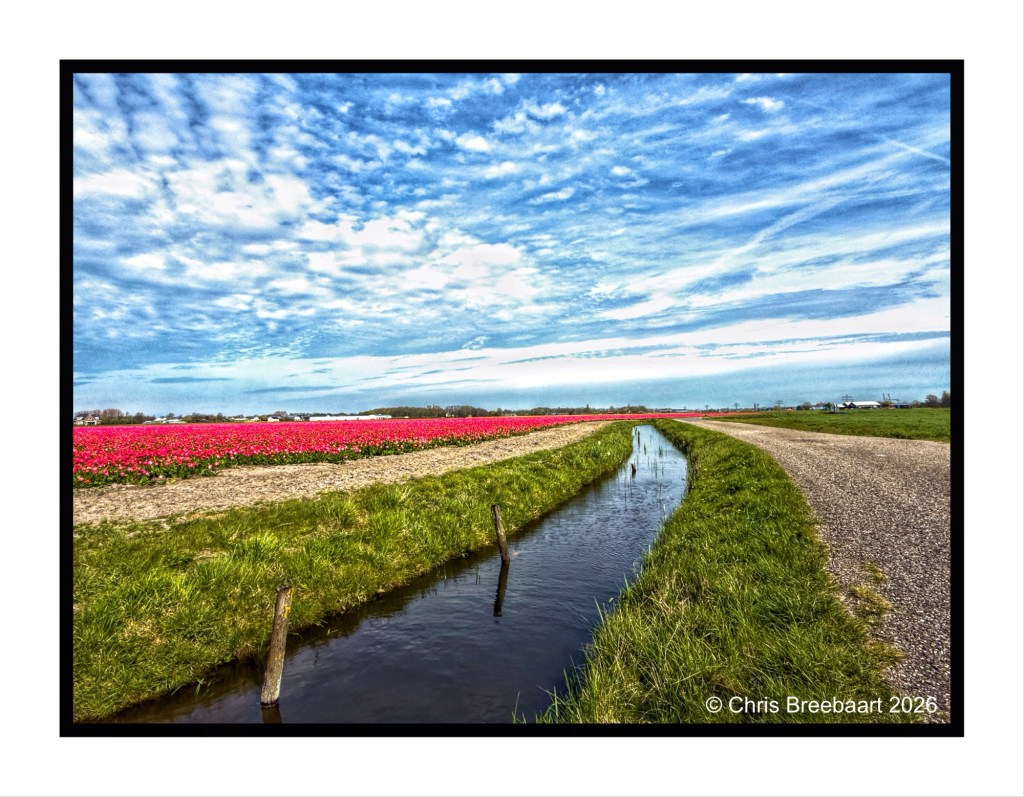
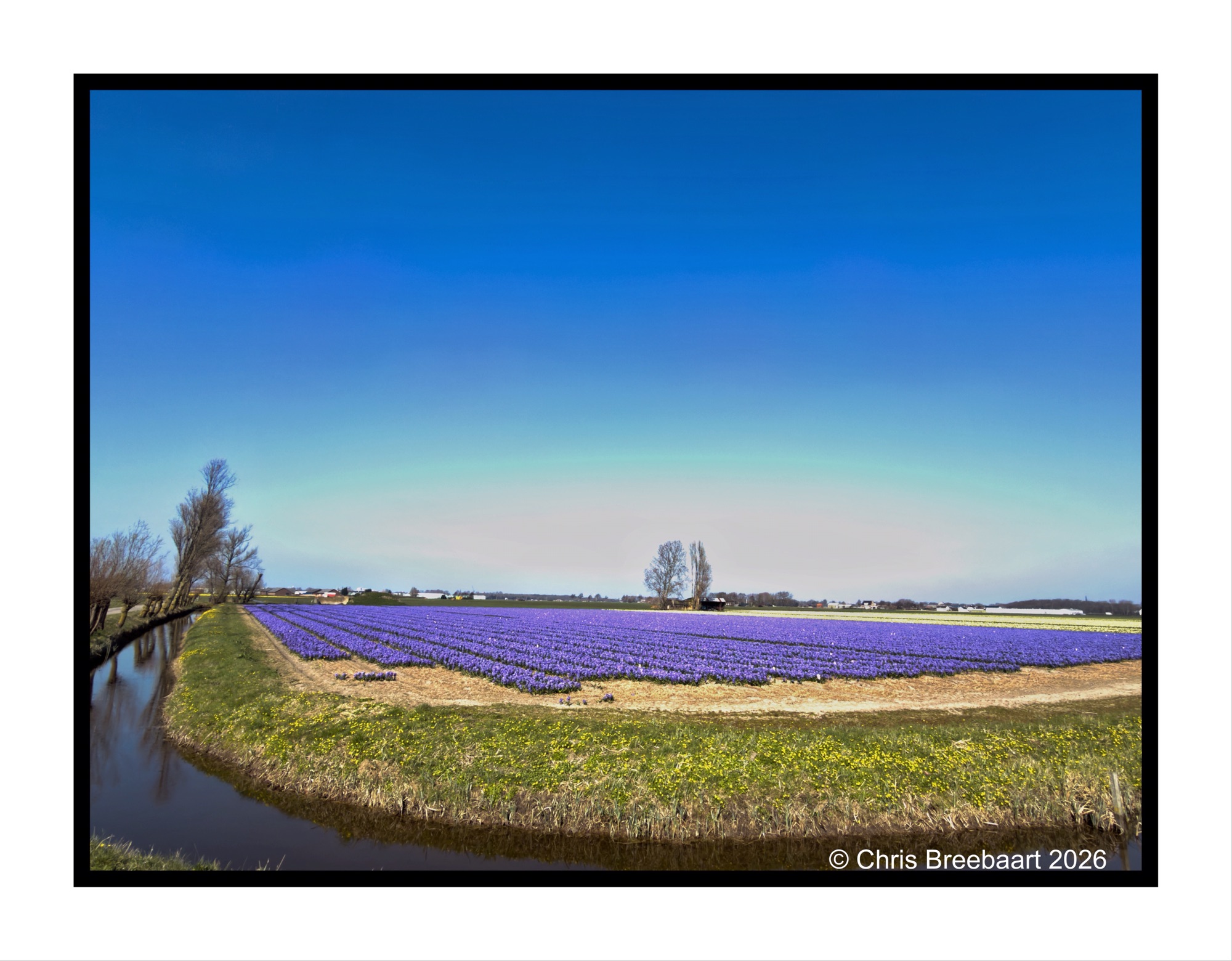
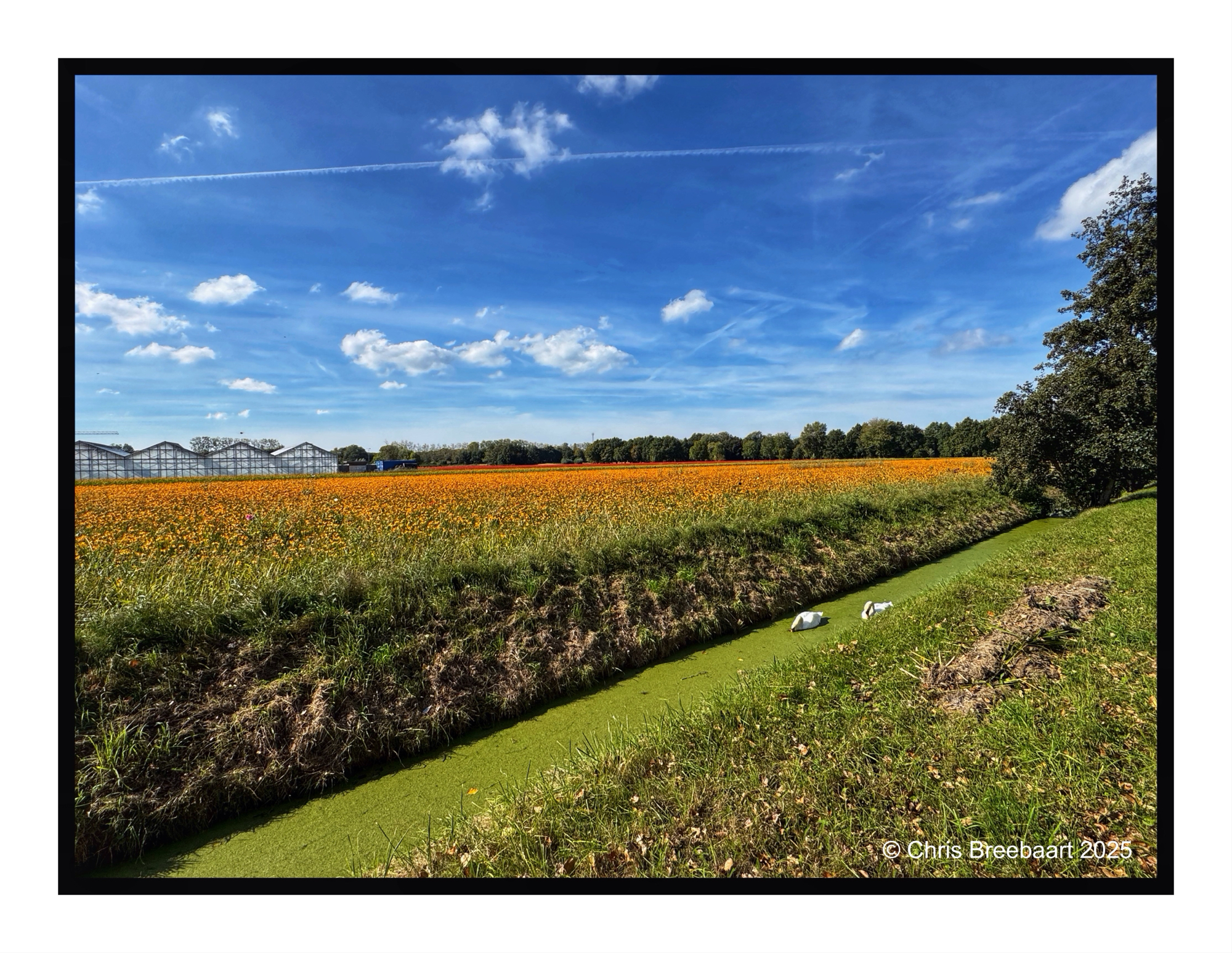
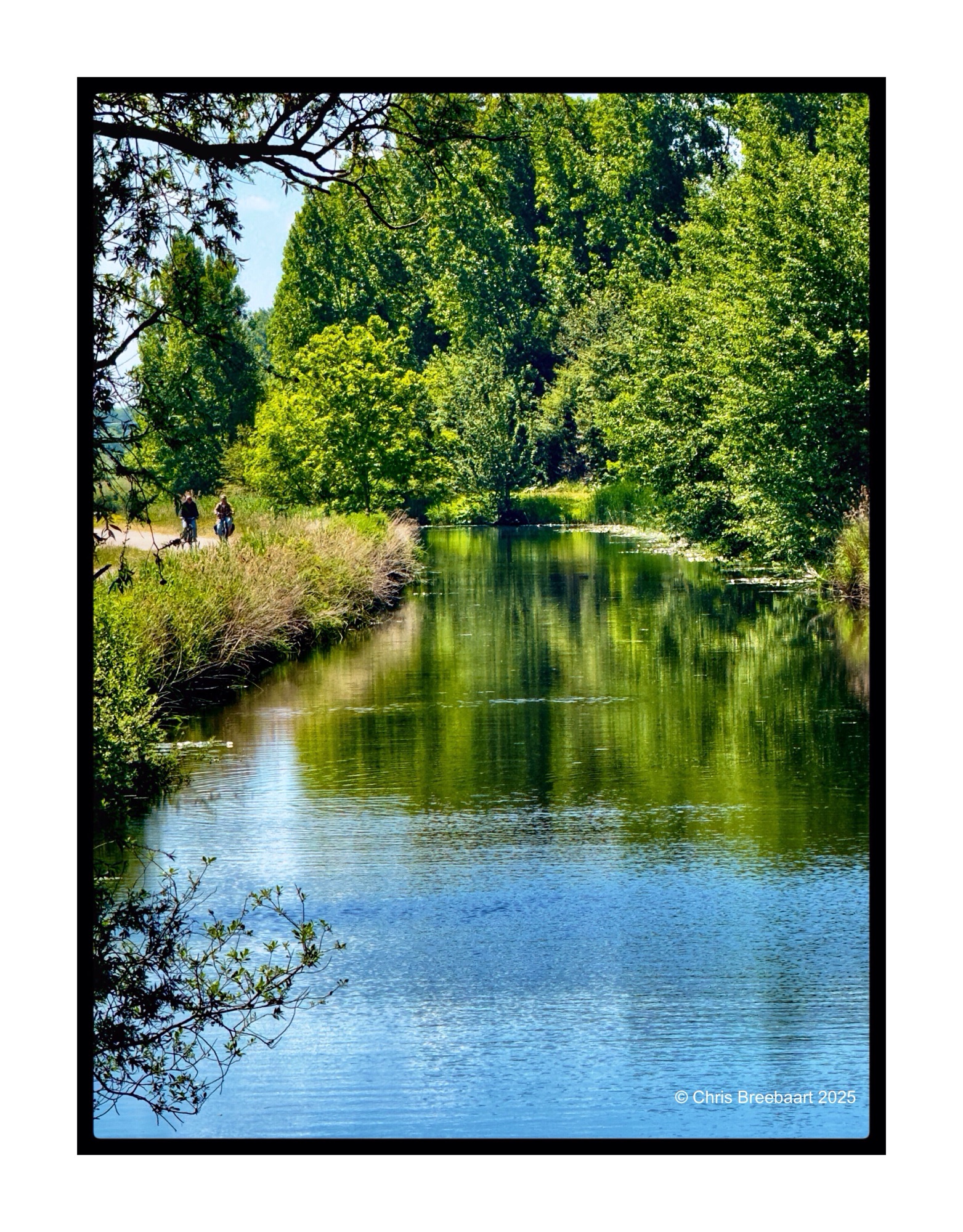
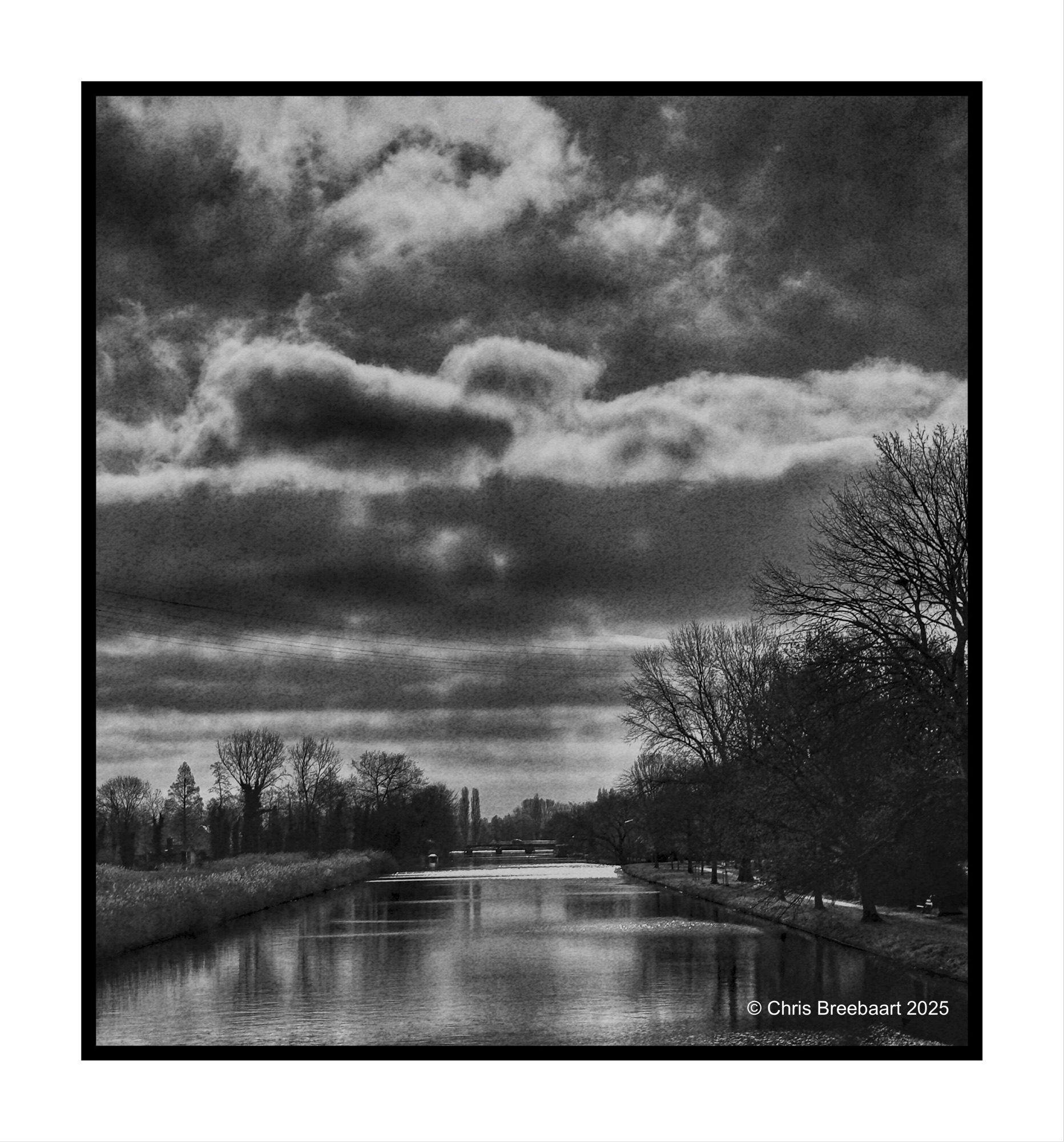
A major part of The Netherlands lies beneath sea level. Water, and the management of it in infrastructure as polders, dams and canals, is normal. We even not think of living under sea level. We feel safe. The flat landscape makes it interesting to look for lines that guide the eyes through the space. In a polder there are always canals that do the trick.
The question here is: which appeals most to your taste buds?
LAPC #395 looks back to LAPC #155 ‘On the water’. Water is not on our minds, but it is mindful to keep defending dry land against rising sea, rivers and soon (thanks to climate change with a bigger financial effort) rain. Meanwhile water is seen in most of the landscapes of The Netherlands.
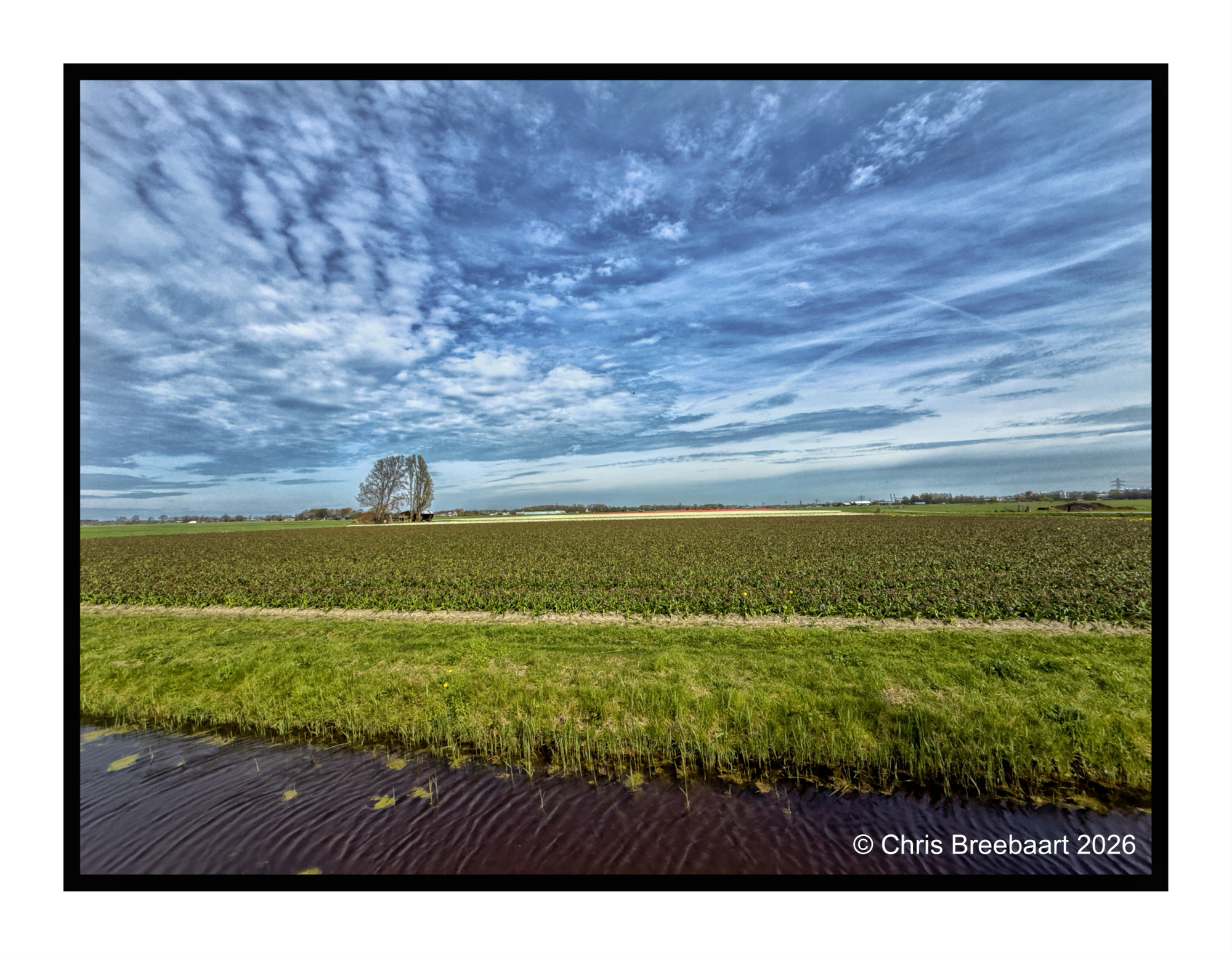
A major part of The Netherlands lies beneath sea level. Water, and the management of it in infrastructure as polders, dams and canals, is normal. We even not think of living under sea level. We feel safe. Most of The Netherlands is flat, with a low horizon, offering a wonderful quantity of sky over the horizon. Being near the coast there is always wind. Reflected in the sky and the water of the canals, serving to manage the water levels in the polder.
LAPC #395 looks back to LAPC #155 ‘On the water’. Water is not on our minds, but it is mindful to keep defending dry land against rising sea, rivers and soon (thanks to climate change with a bigger financial effort) rain. Meanwhile water is seen in most of the landscapes of The Netherlands.
A major part of The Netherlands lies beneath sea level. Water, and the management of it in infrastructure as polders, dams and canals, is normal. We even not think of living under sea level. We feel safe.
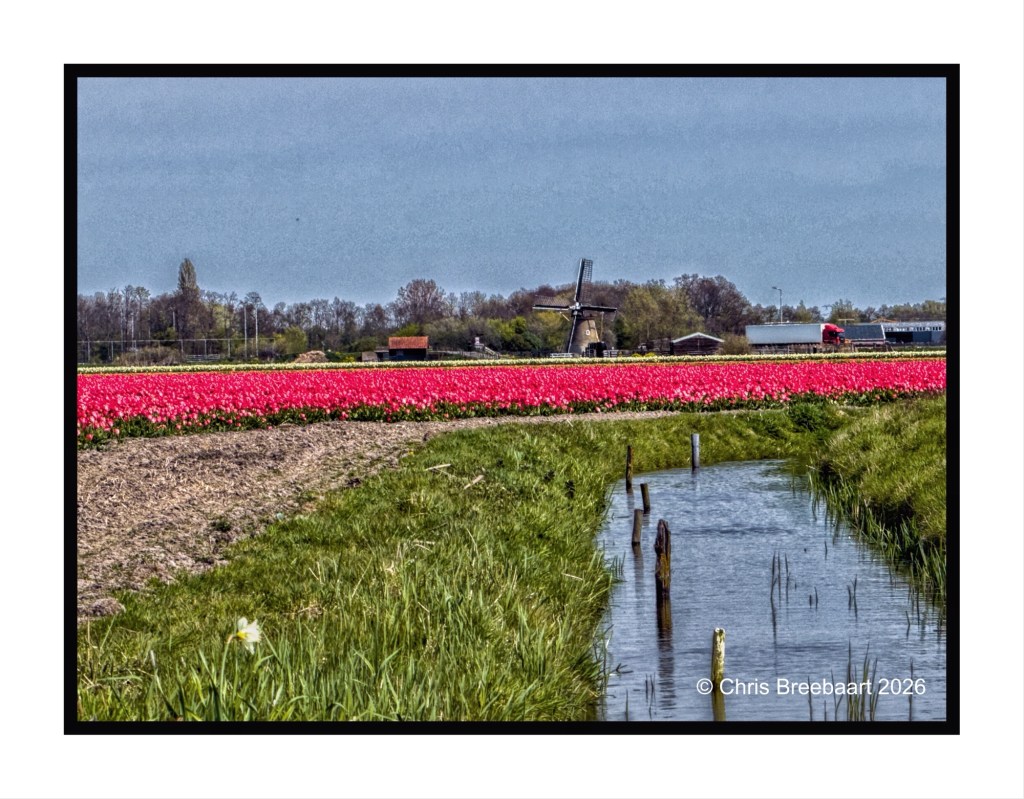
Here a polder with an old windmill (painted by Monet long ago) – originally used to pump water out of a polder- and a small canal in a polder with tulips. Only the clogs are missing!
LAPC #395 looks back to LAPC #155 ‘On the water’. Water is not on our minds, but it is mindful to keep defending dry land against rising sea, rivers and soon (thanks to climate change with a bigger financial effort) rain.
Fortunately, this is really just around the corner. This time of year it is fun to take the bicycle and check out the flowers in the area. Especially when the sun shines. As most of my photos on here are taken on iPhone I do fit the brief of this week’s LAPC theme week (#391) ‘Phone photography’ easy.
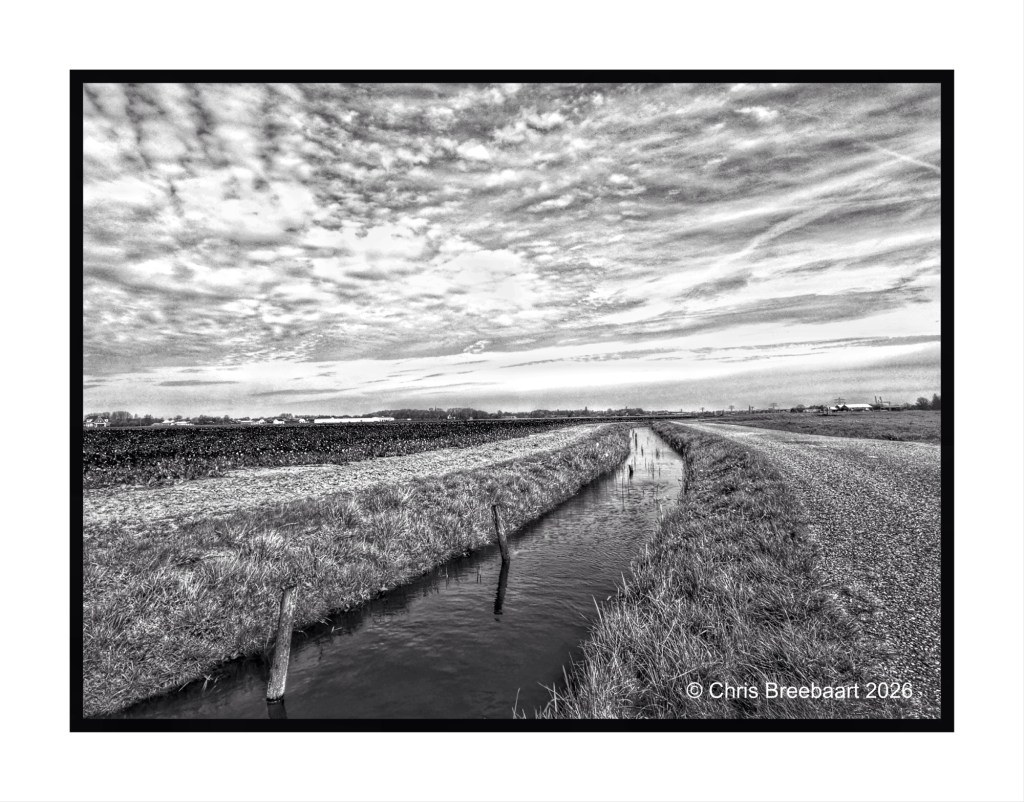
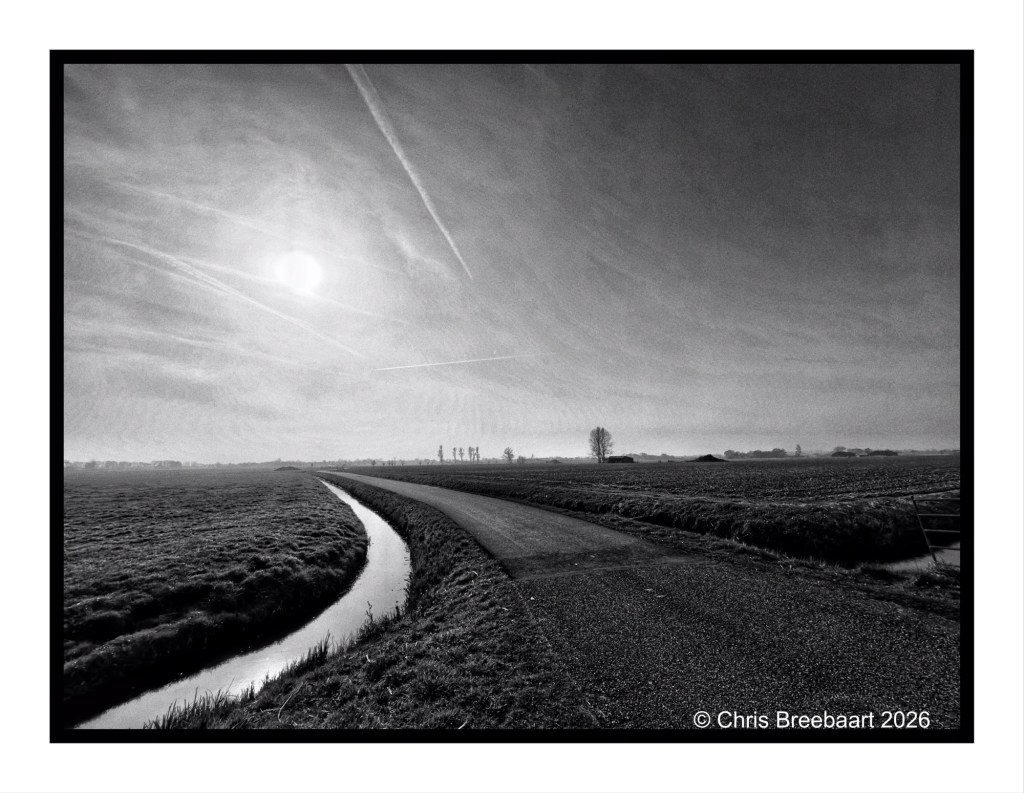
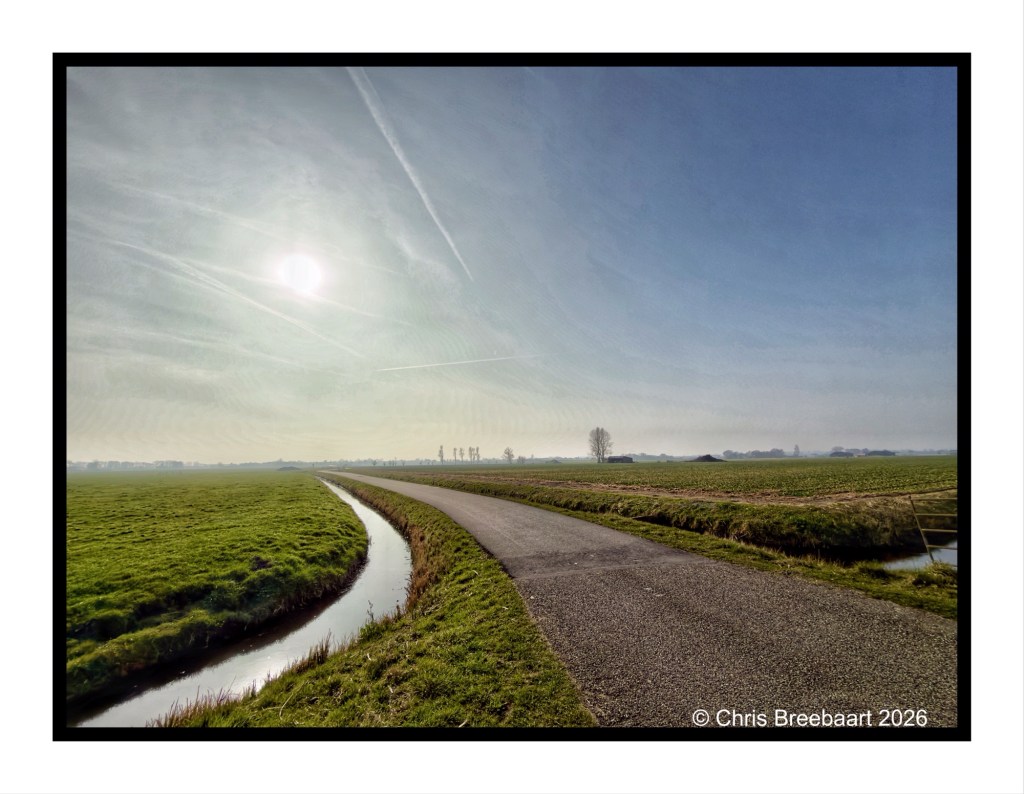
If you visit my blog – like I hope you do or from now start to do – you must have recognized my ‘old’ love for monochrome. When I started this hobby, mono was fashionable and a standard for news photography. And it was cheaper. In this series I offer you two versions of a photo. And you can prefer one over the other, or not.
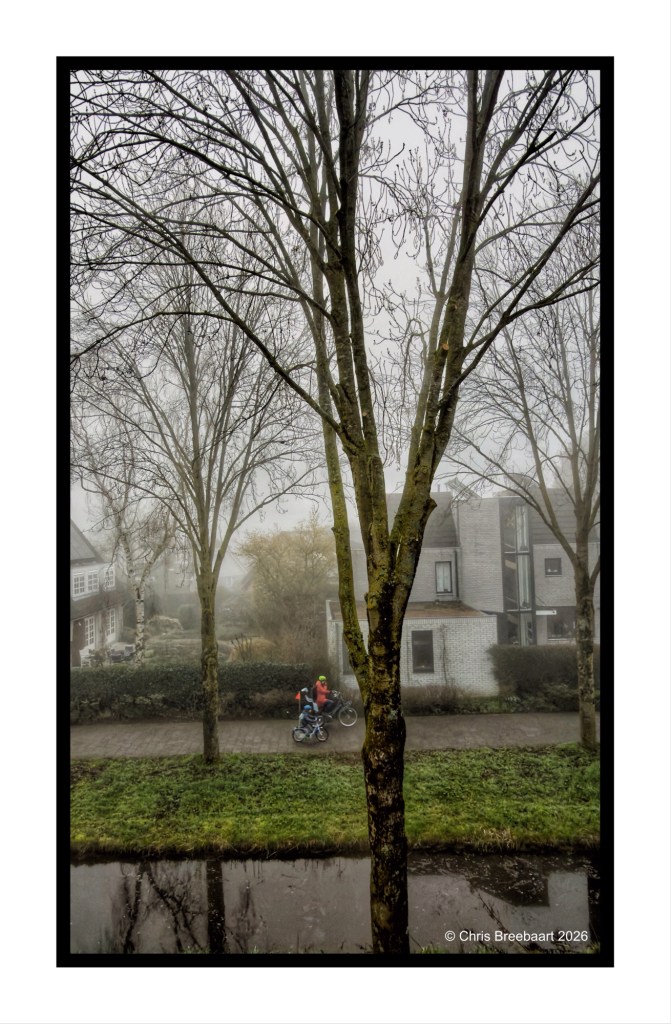
This week’s theme #390 is ‘color in black and white’. What an appropiate theme, to show the last of the series. A view out of the window. Egidio’s theme focused on the cognitive fact that our brains still know a soccer pitch is green, even in grey tones. Here you can see what colors do in greys, and if that is appealing or not to your taste pallet.
If you visit my blog – like I hope you do or from now start to do – you must have recognized my ‘old’ love for monochrome. When I started this hobby, mono was fashionable and a standard for news photography. And it was cheaper. In this series I offer you two versions of a photo. And you can prefer one over the other, or not.
This week’s theme is ‘Time to relax’. On a bicycle ride through fields where soon bulb flowers will pop up, together with other cyclists. This is a piece of a polder showing the low horizon in the sun.
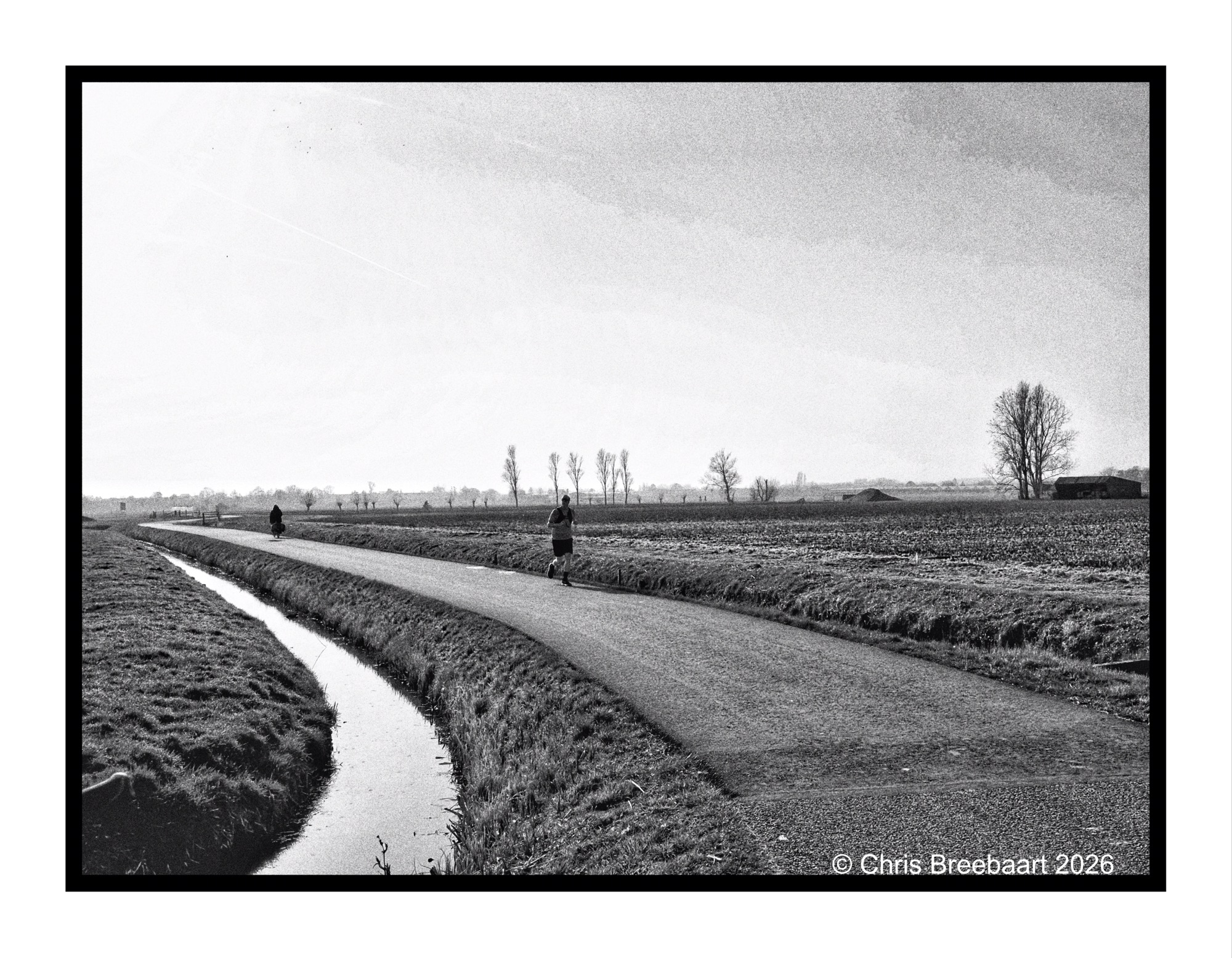
This week’s theme is ‘Time to relax’. On a bicycle ride through fields where soon bulb flowers will pop up, together with other cyclists and the occasional runner.
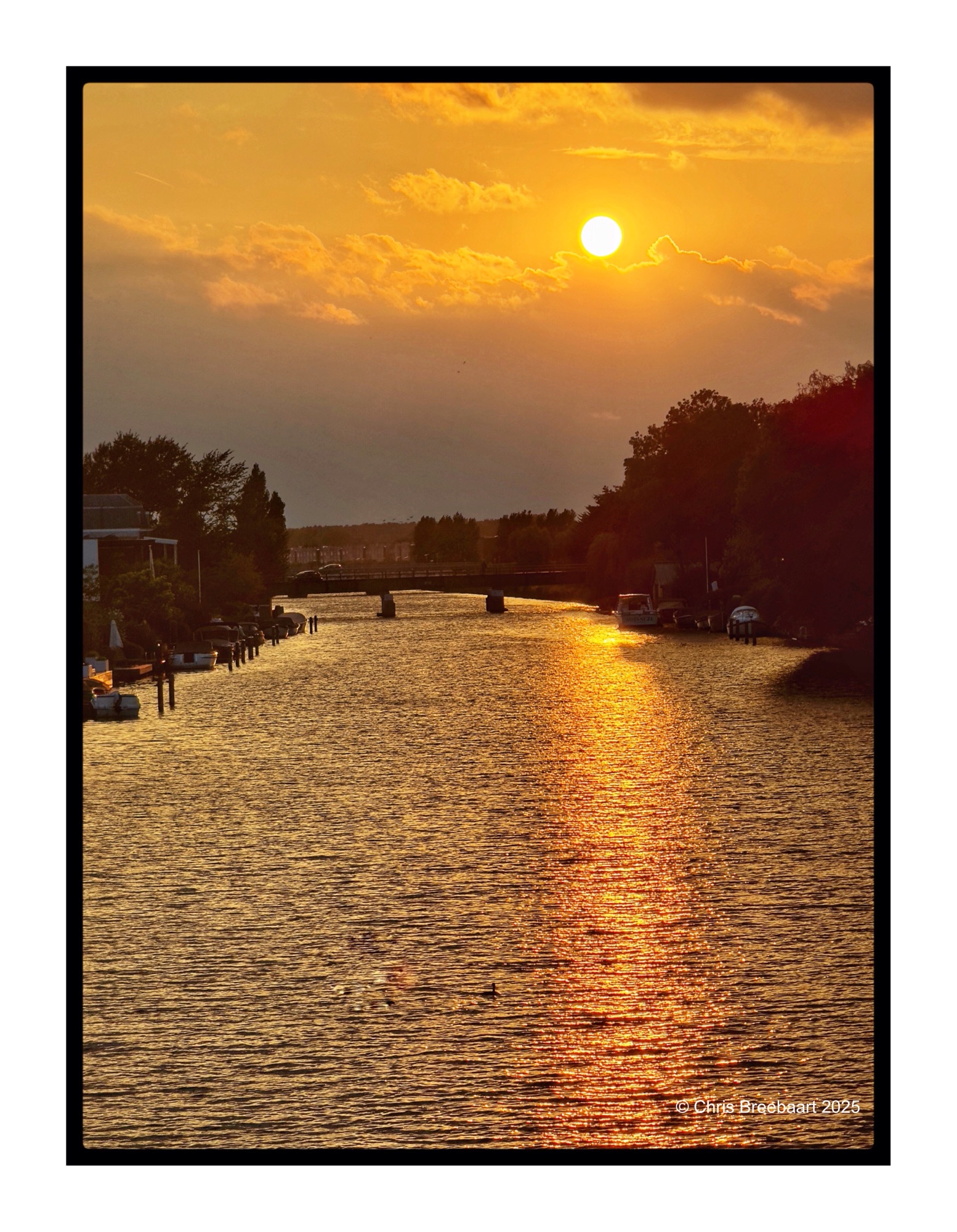
The year 2025 ends and we cross over to 2026. I hope the new year will be a good one. I wish it brings some of the desires I cherish in my heart. I am sure others cherish these desires as well.
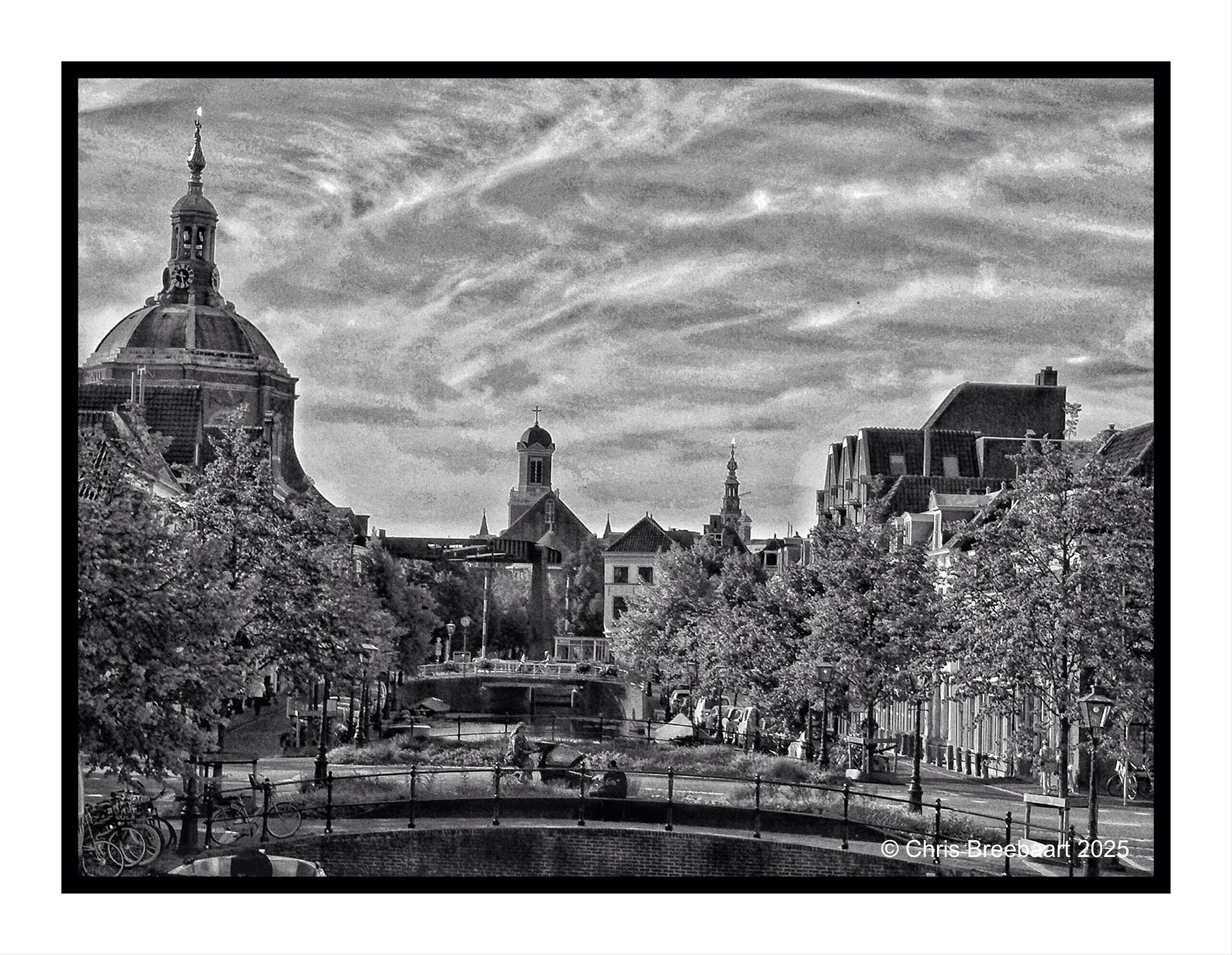
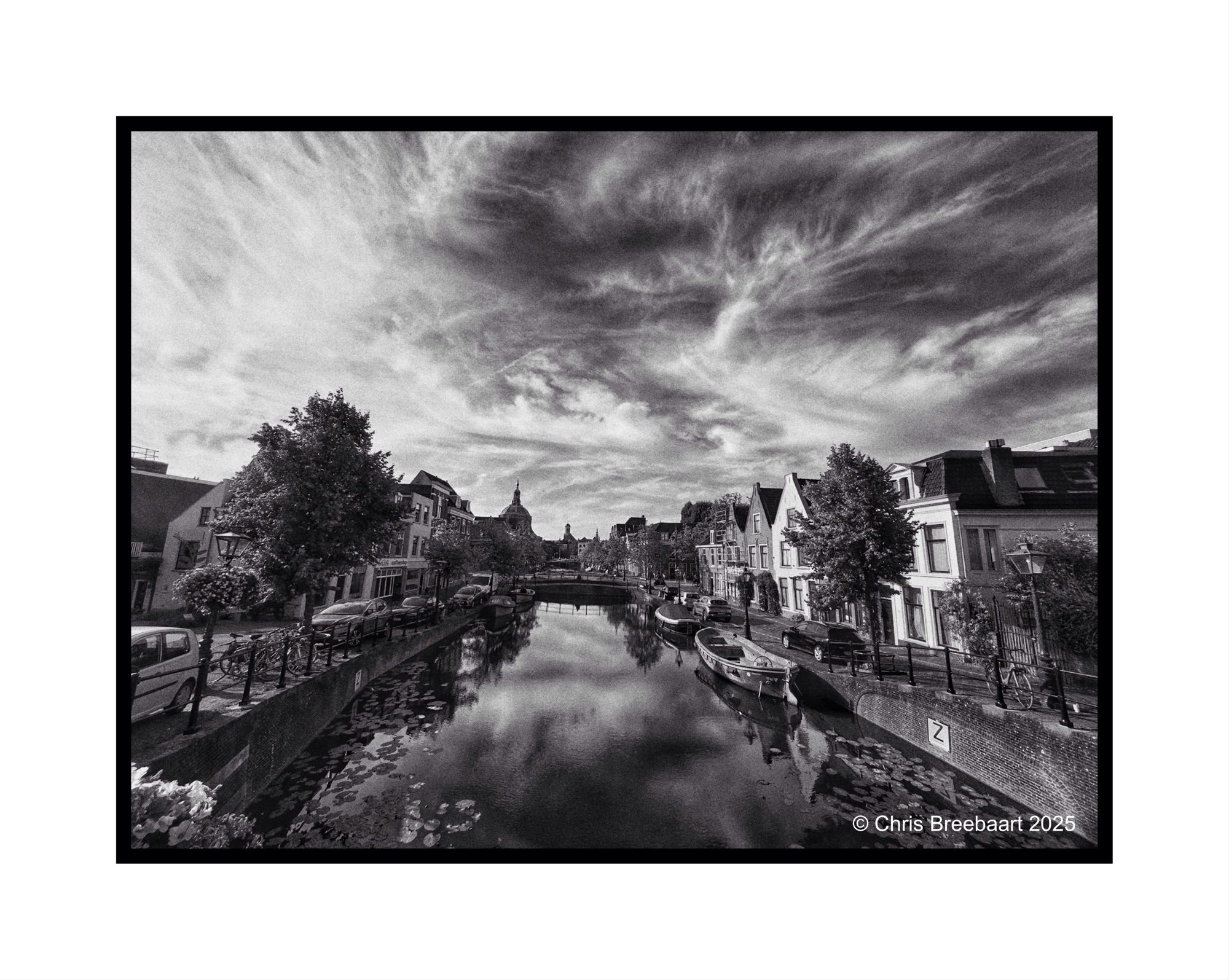
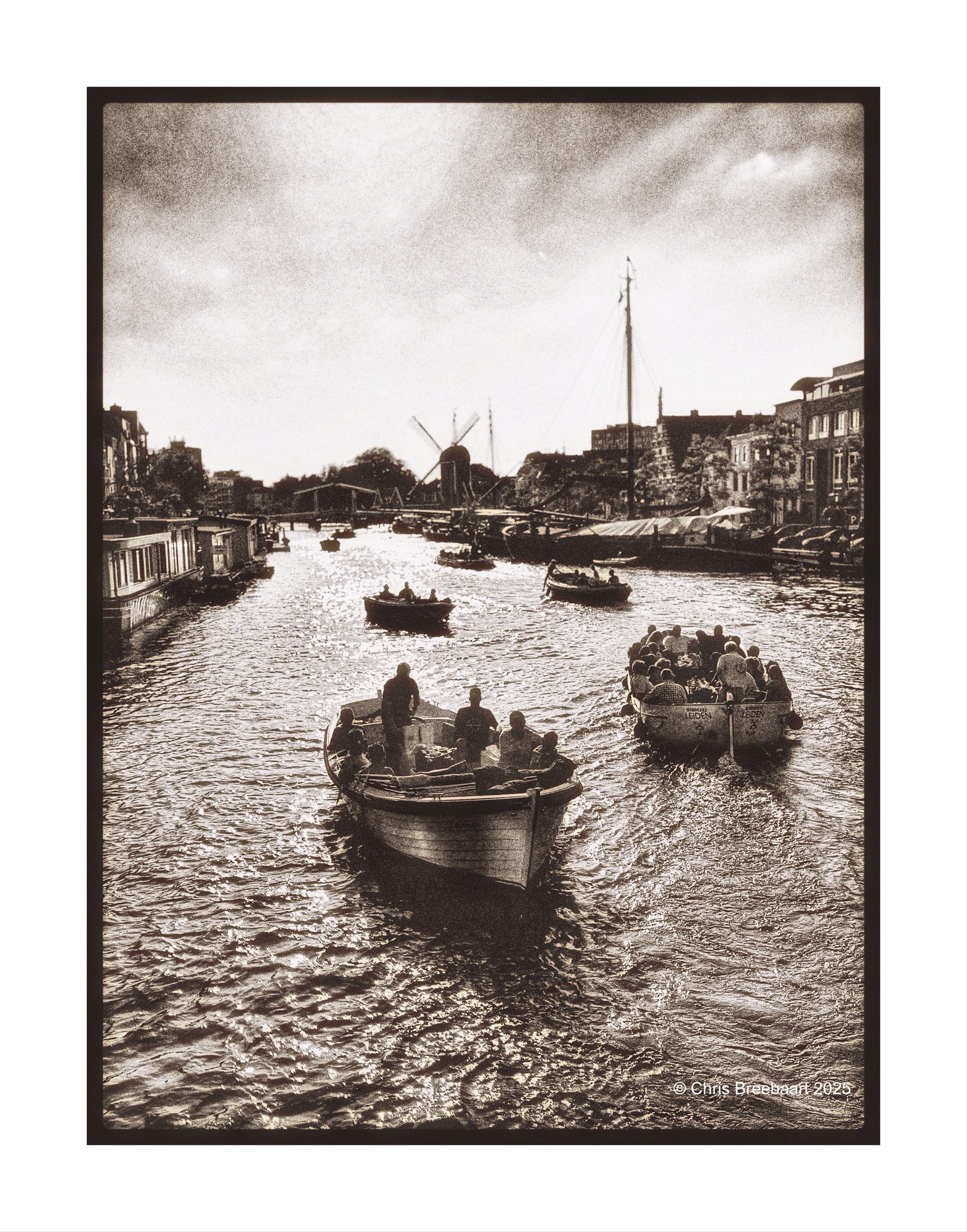
A more detailed view of the photo I published yesterday of Leiden. Leiden used to be famous for fabrics, and canals provided the infrastructure for the logistics. Some of the canals were filled up in the second half of the 20th century. However, there are debates about opening a few of them again. These discussions focus on sustainability and environmental quality.
A view on the city where Rembrandt van Rijn was born, Leiden. It was the home where he grew up. There he started his now famous career as a painter. Later, he moved to Amsterdam.
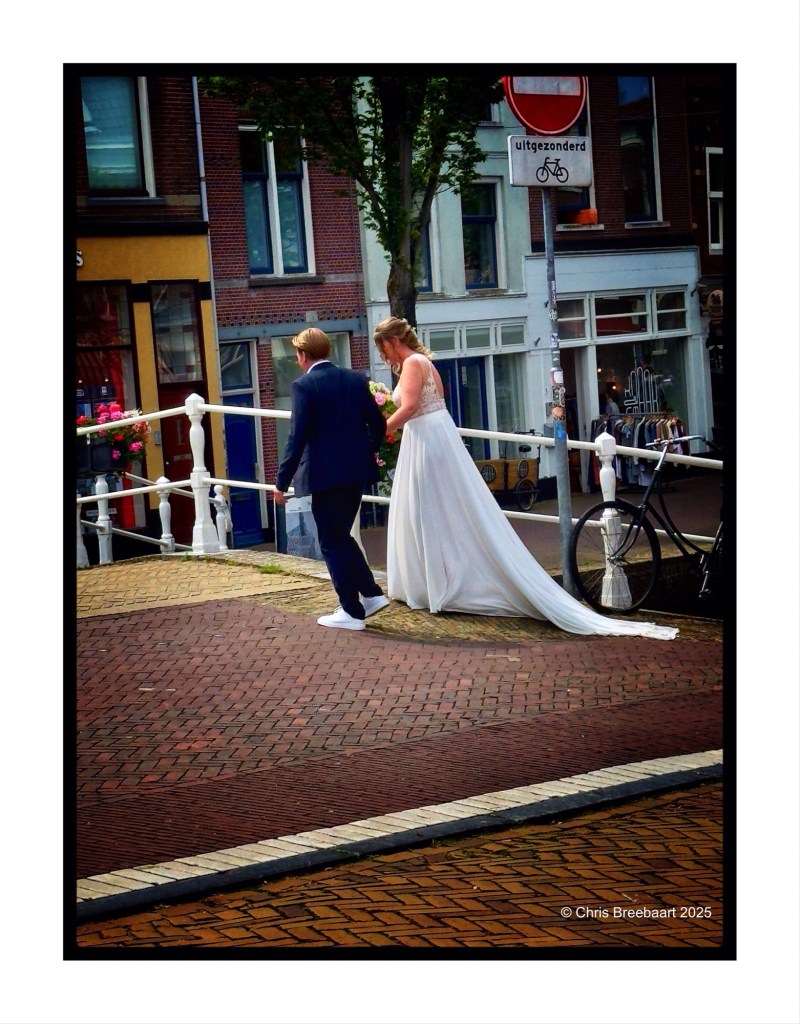
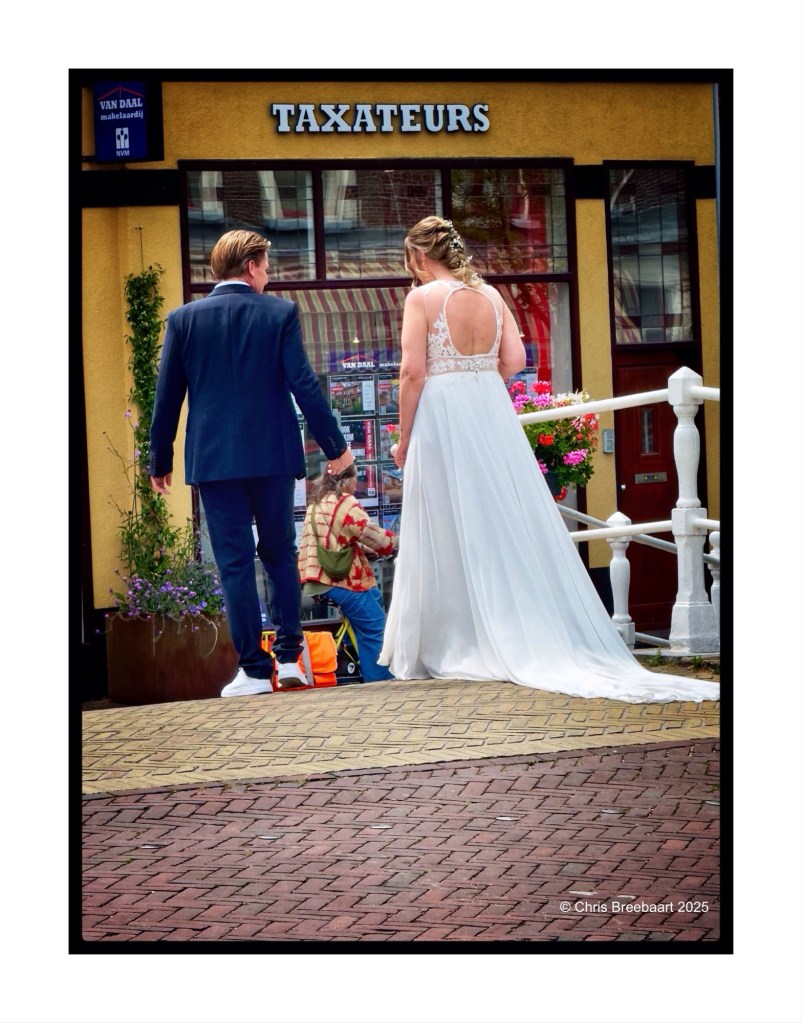
In the charming streets of Delft, a couple dressed as bride and groom had us questioning whether we’d stumbled upon a wedding or a spontaneous costume party. Either way, love was in the air, or at least some excellent snap photo ops!
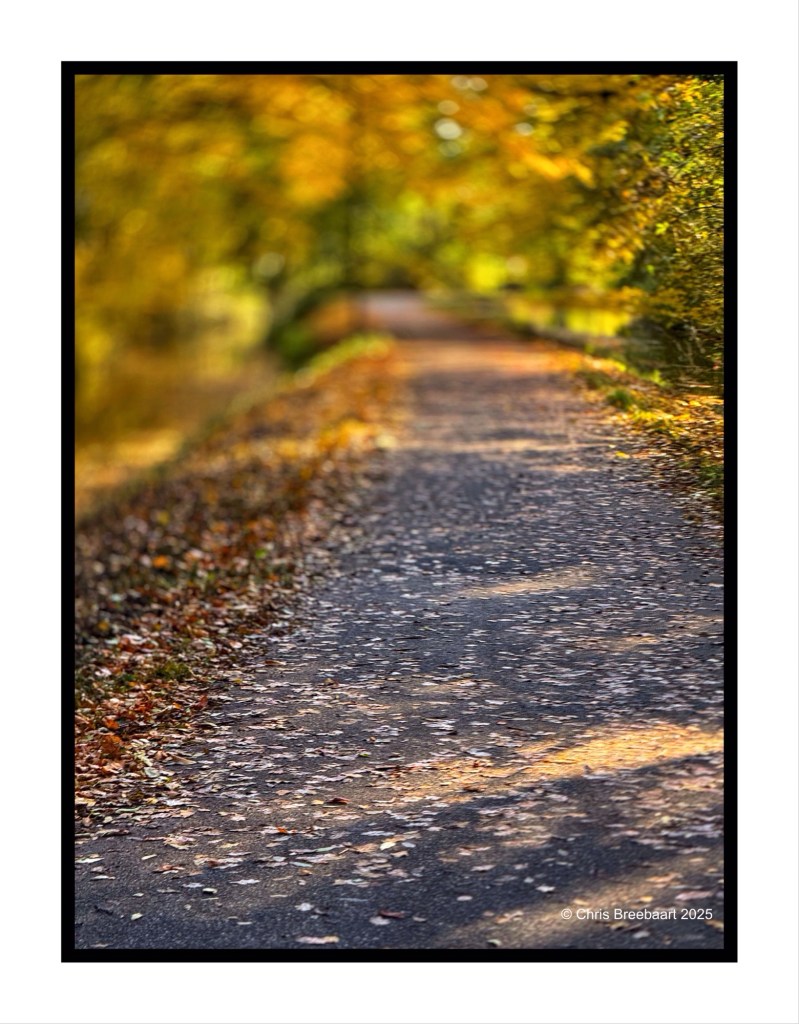
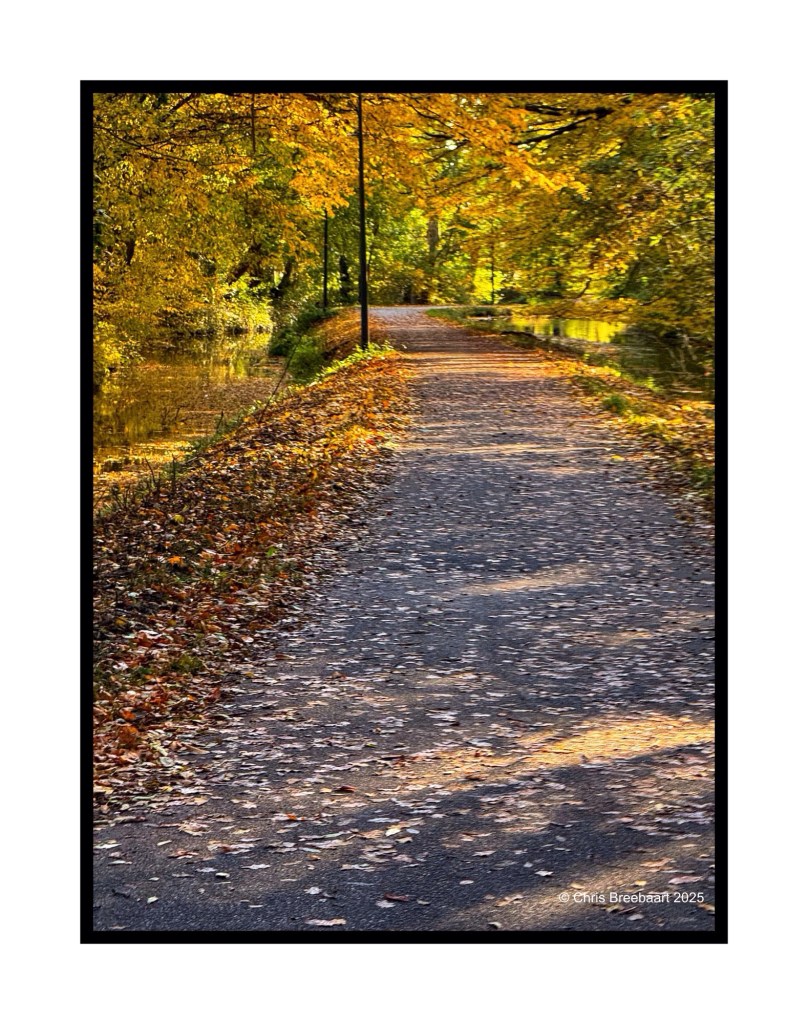
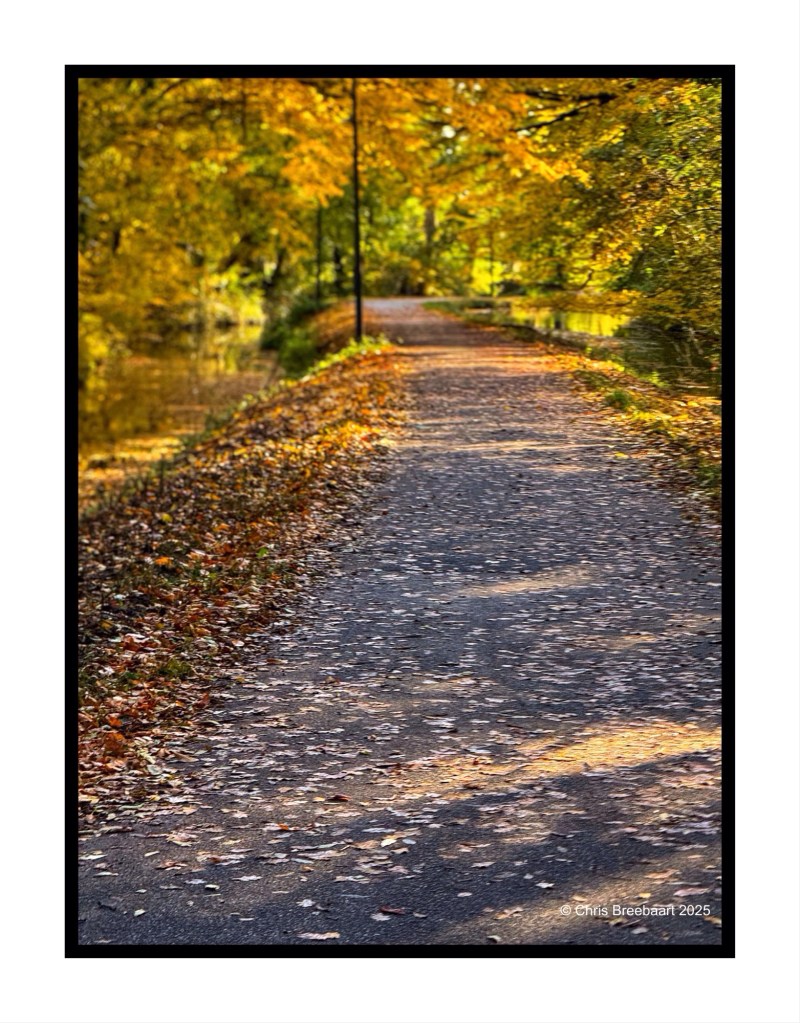
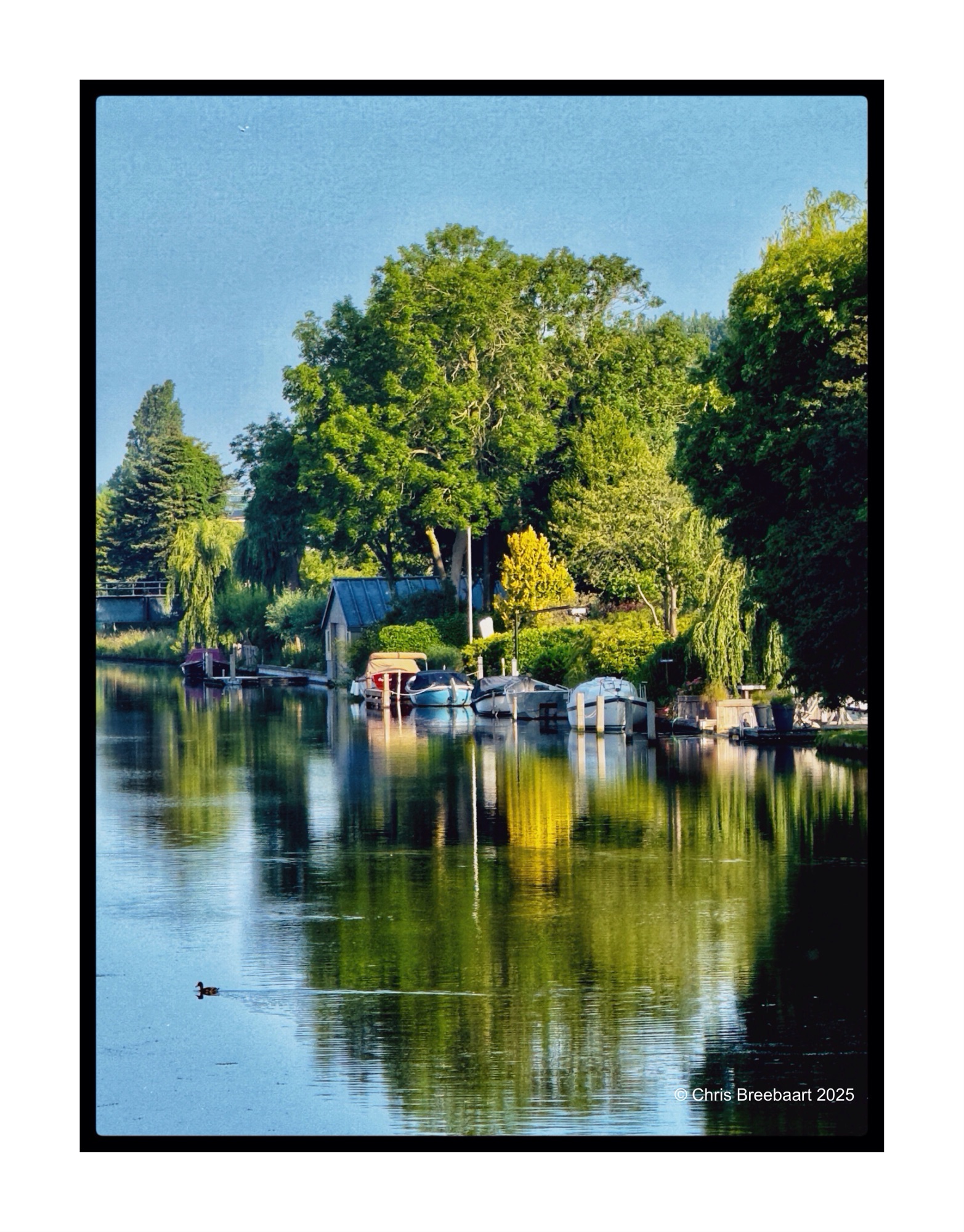
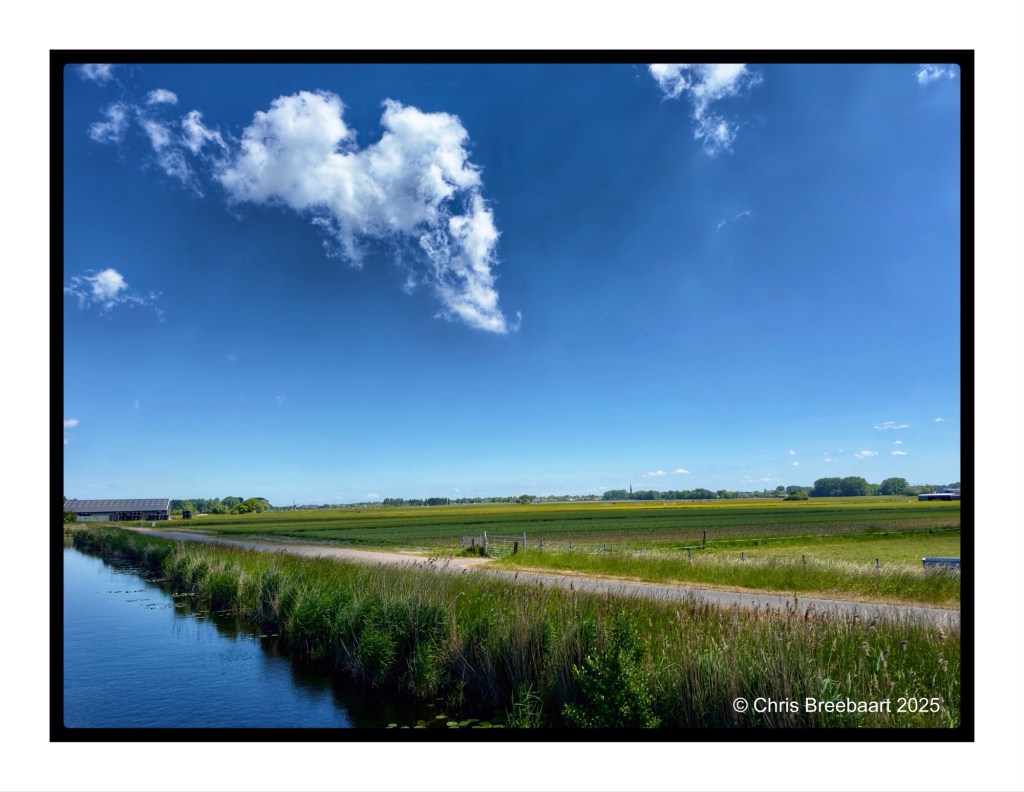
The Dutch landscape has low horizons and is flat (but not as a pancake). Canals cut through it. Bicycle paths offer easy access for exploring. These photos are just behind the dunes at Noordwijk. They are at the edge of the Maandagse Wetering. On the horizon is Voorhout.