Up Around The Bend
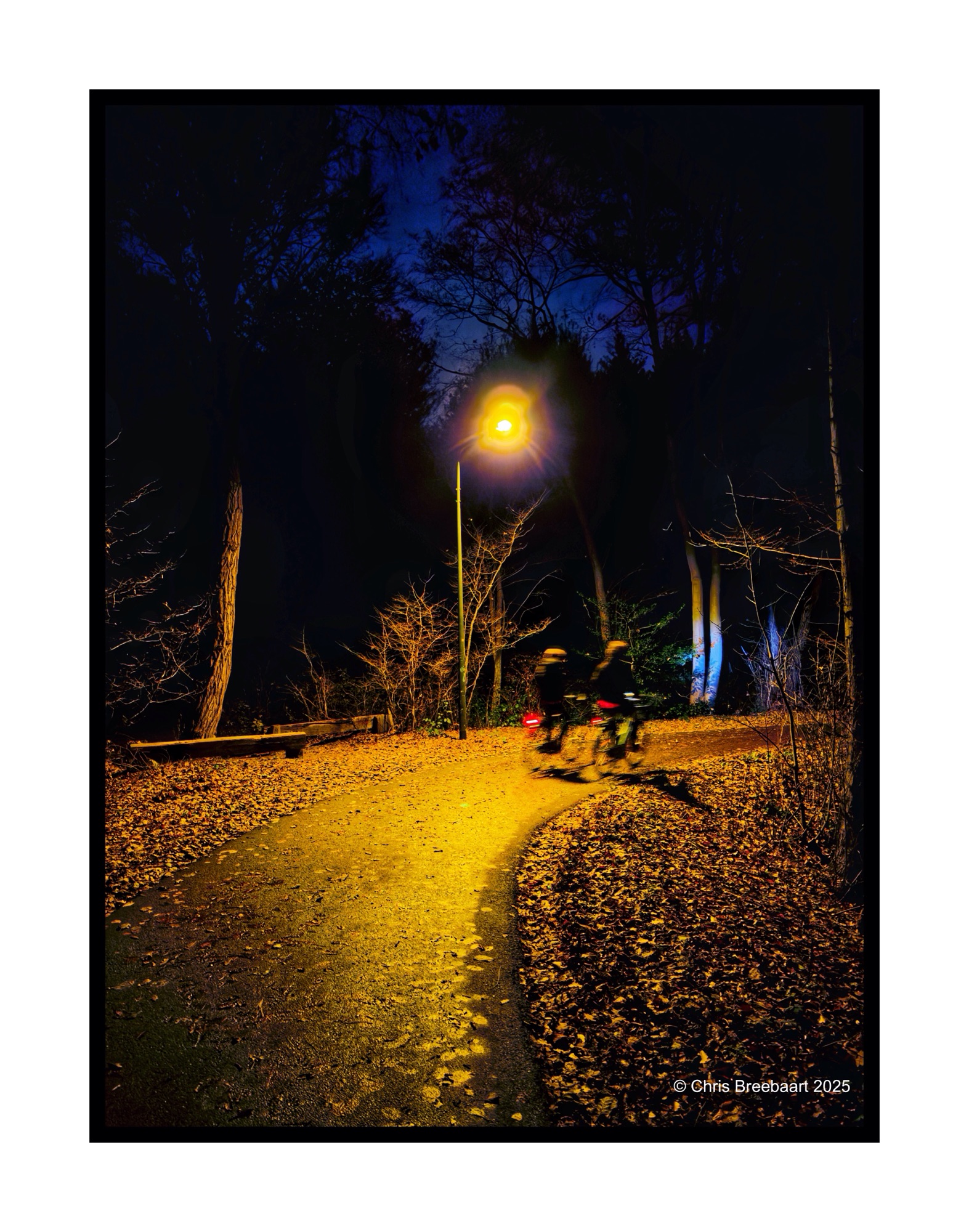
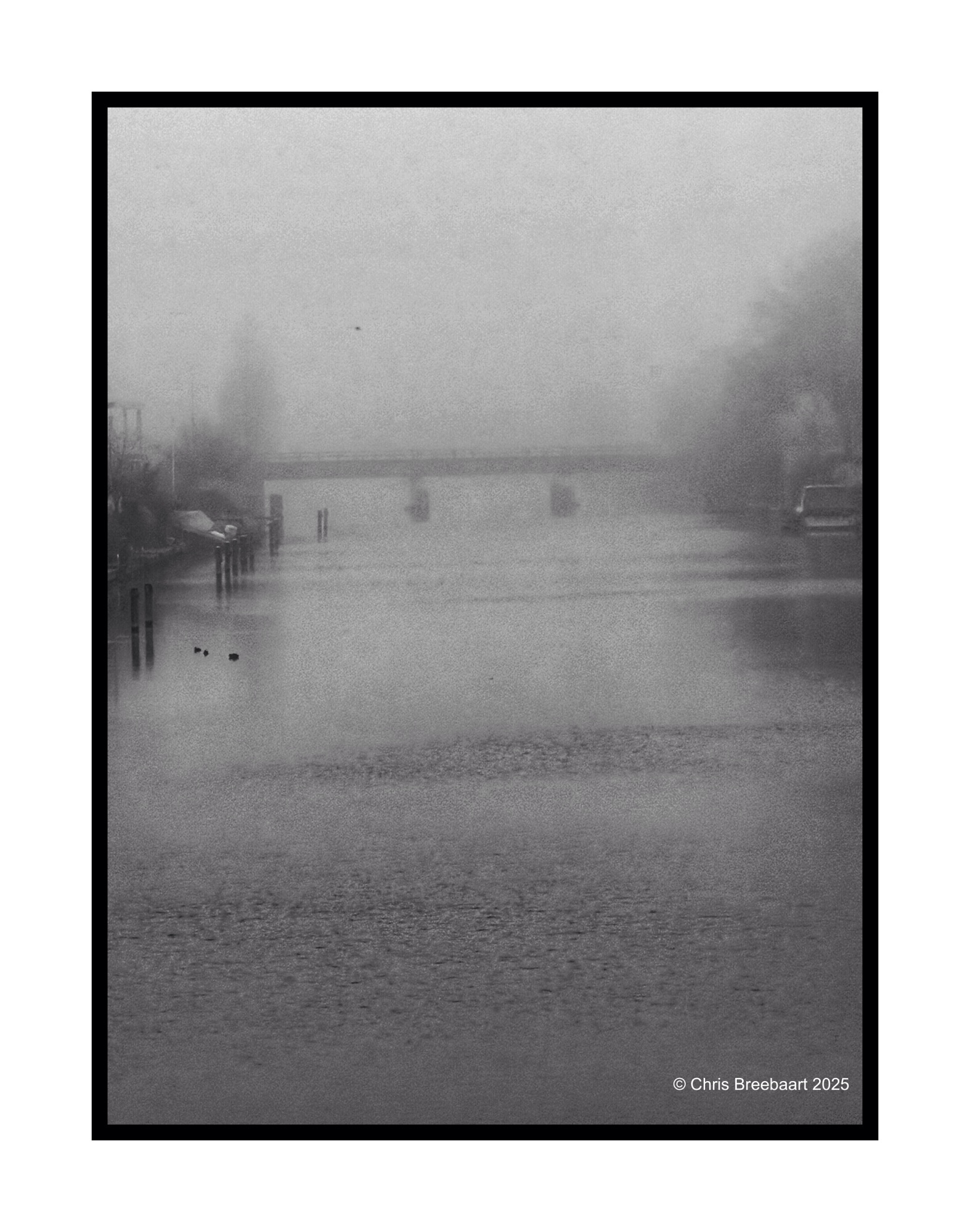
The Groene Maredijk in the Leidse Hout.
Shot with iPhone 15 Pro Max edited using Snapseed and Marksta. Click the picture for a larger version.
The Groene Maredijk in the Leidse Hout.
Shot with iPhone 15 Pro Max edited using Snapseed and Marksta. Click the picture for a larger version.
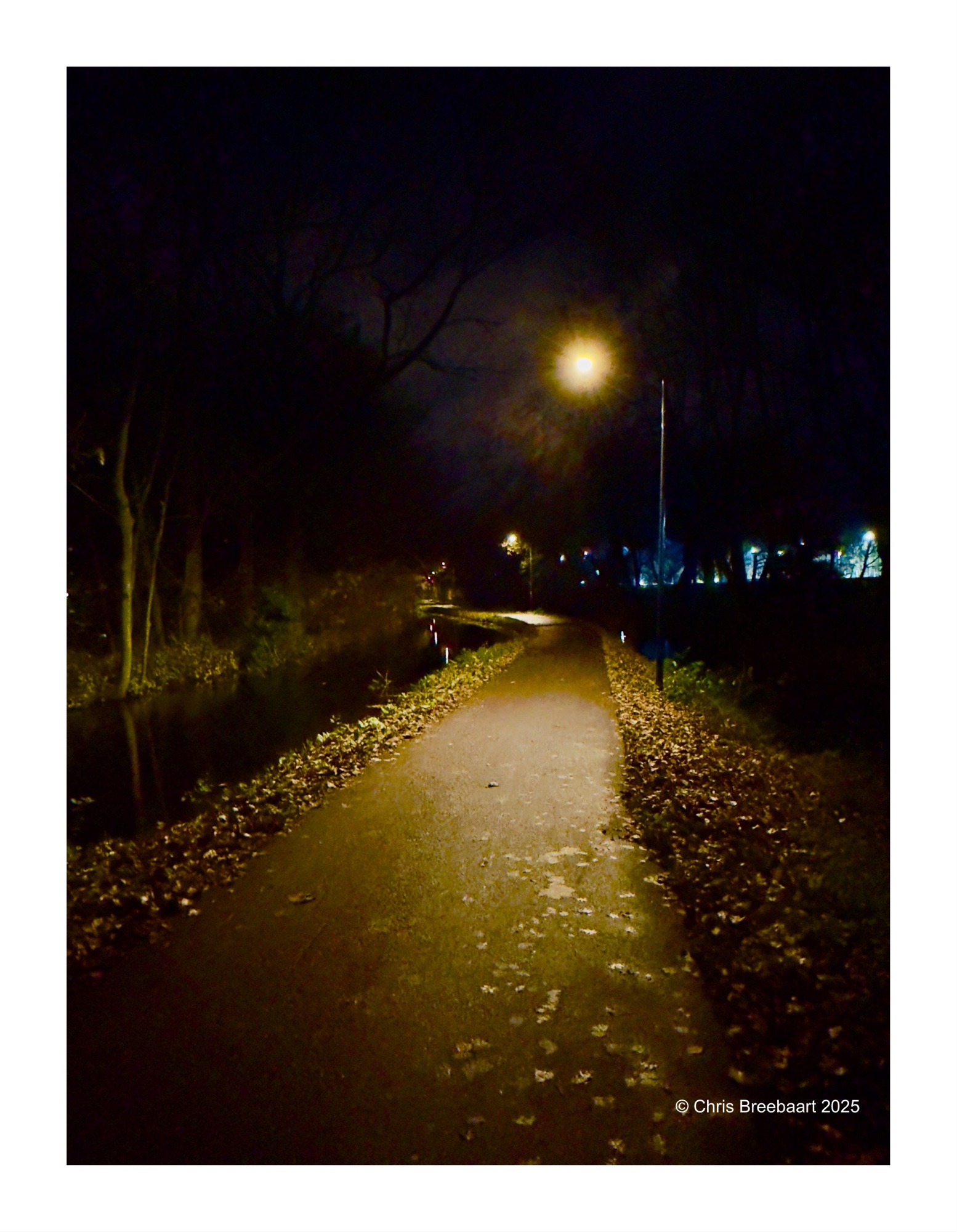
The Groene Maredijk in the Leidse Hout.
Shot with iPhone 15 Pro Max edited using Snapseed and Marksta. Click the picture for a larger version.
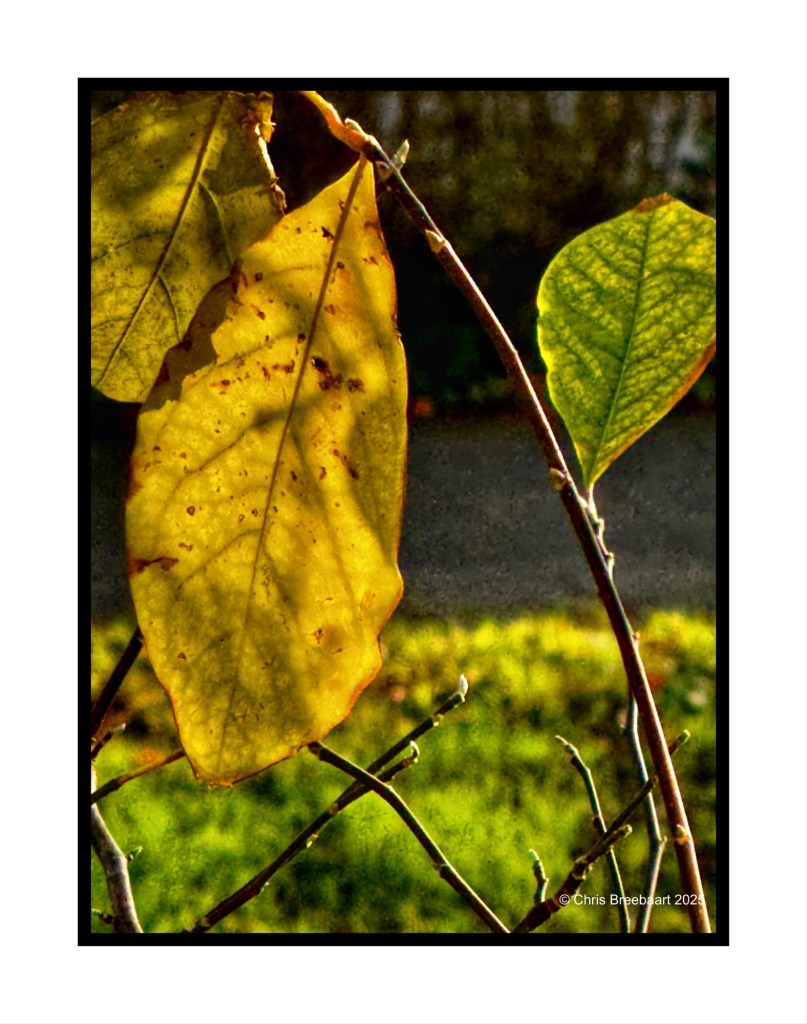
The last leaves of the Magnolia
Shot with iPhone 15 Pro Max edited using Snapseed and Marksta Click the picture for a larger version.
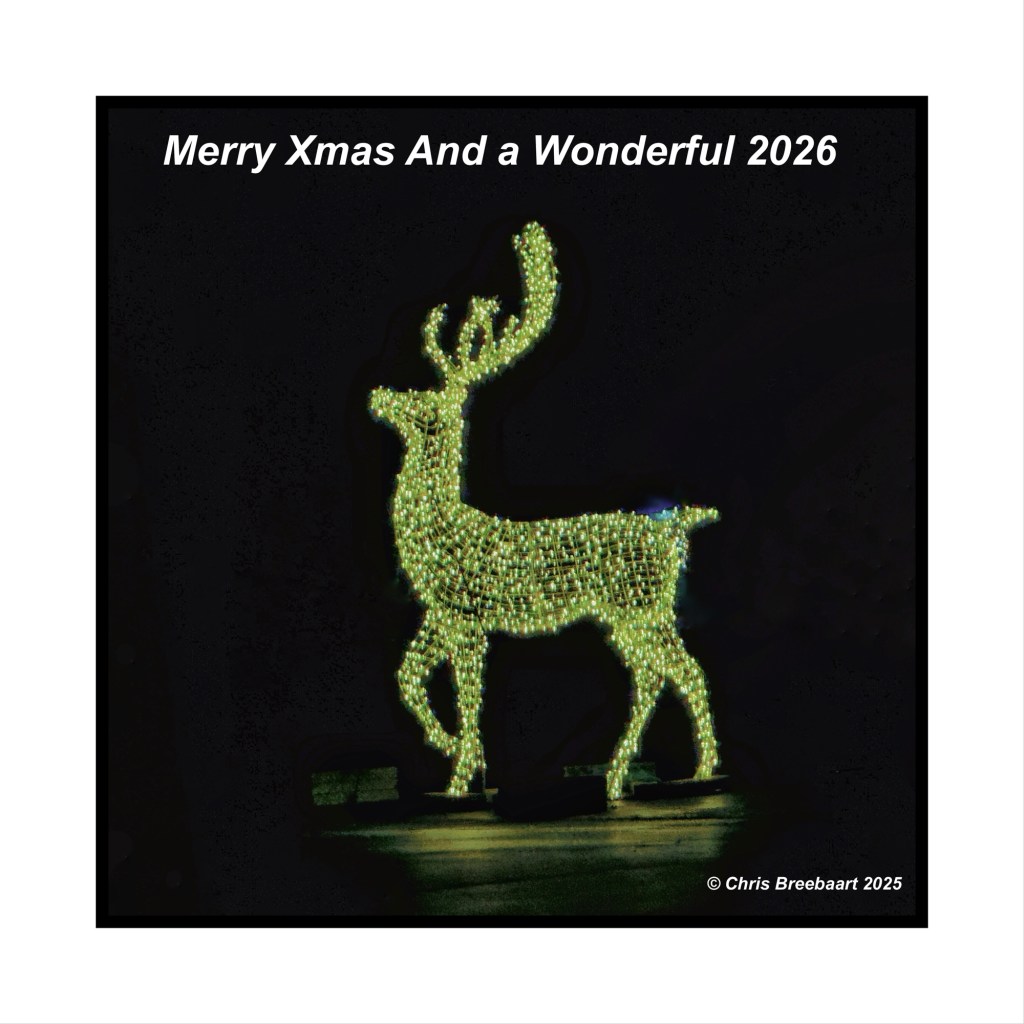
Best wishes for a light filled and heartfelt warm Xmas and a wonderful 2026 with kindness and understanding.
A small milestone maid: yesterday I passed the 300.000 views on this blog. Thank you.
Shot with iPhone 15 Pro Max edited using Snapseed and Marksta Click the picture for a larger version.
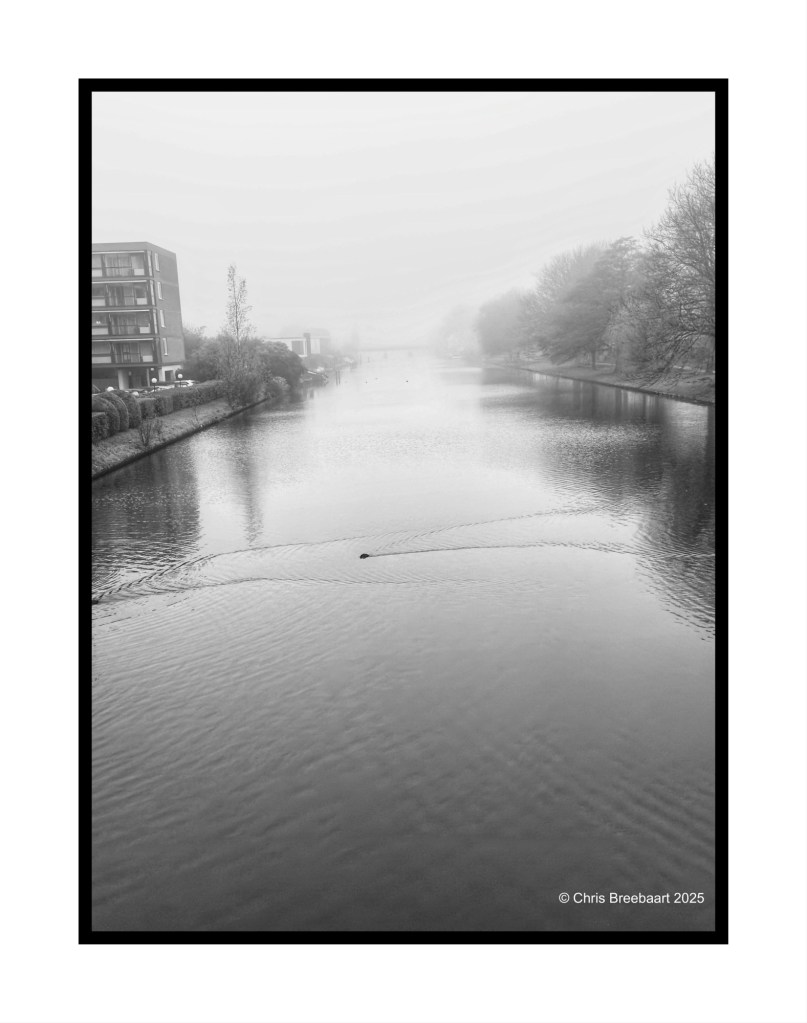
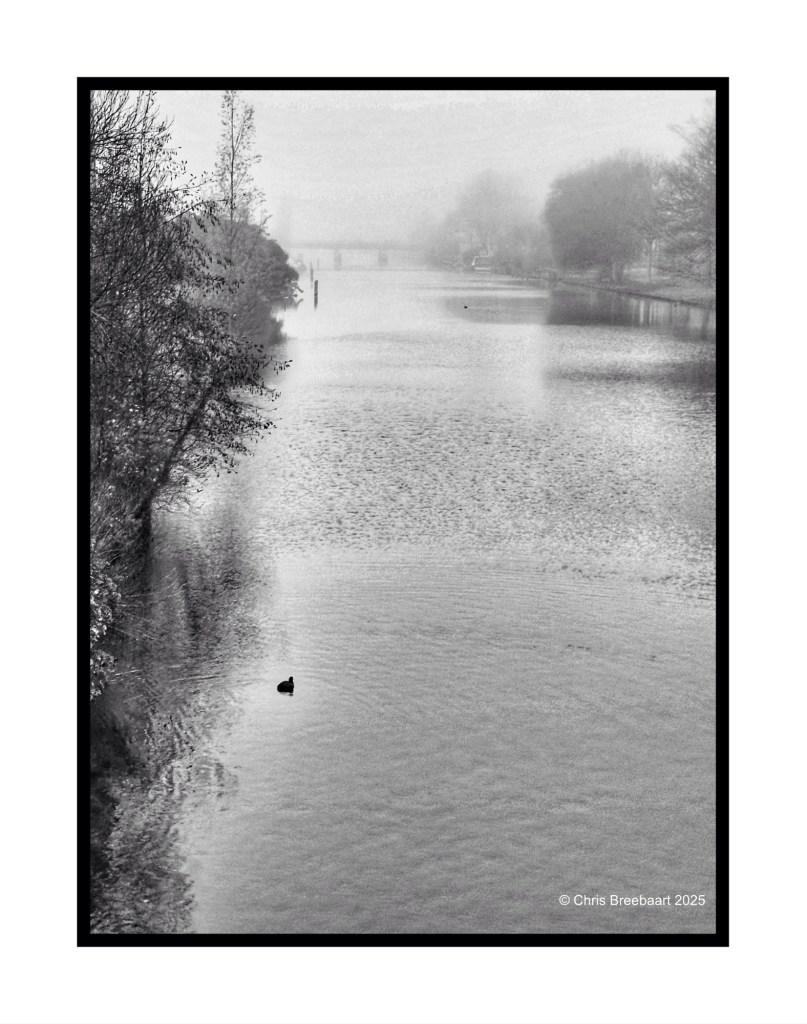
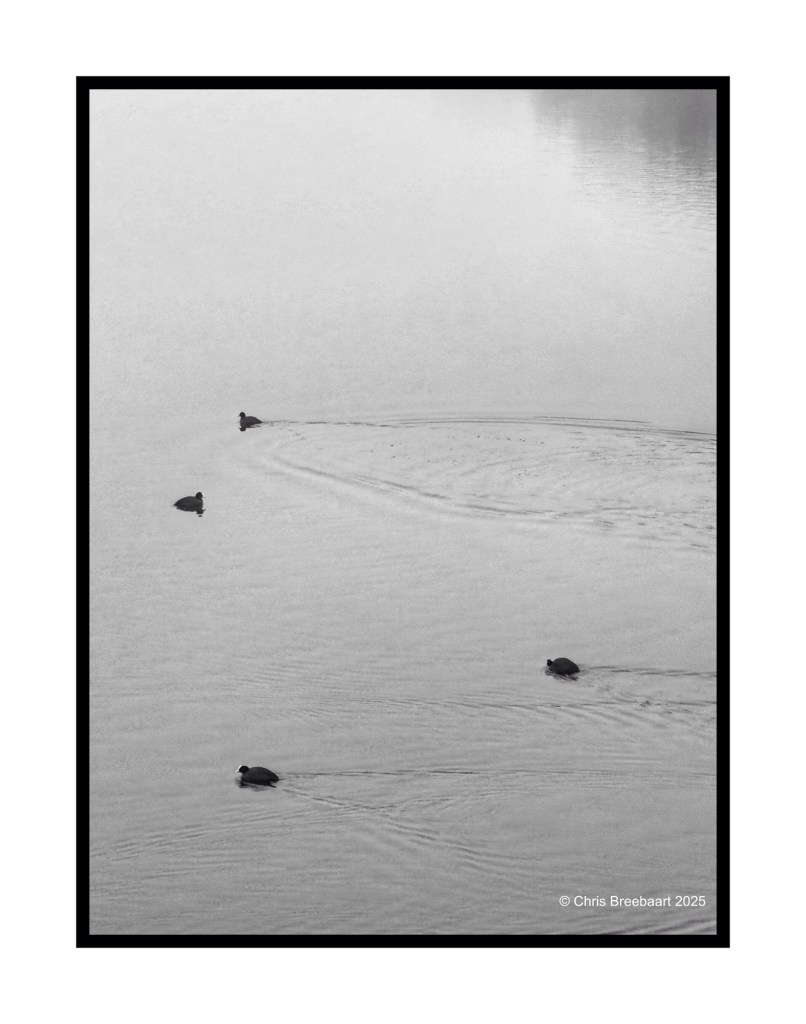
Moorhens in the canal.
Shot with iPhone 15 Pro Max edited using Snapseed and Marksta Click the picture for a larger version.

Autumn colors color the village.
Shot with iPhone 15 Pro Max edited using Snapseed and Marksta Click the picture for a larger version.
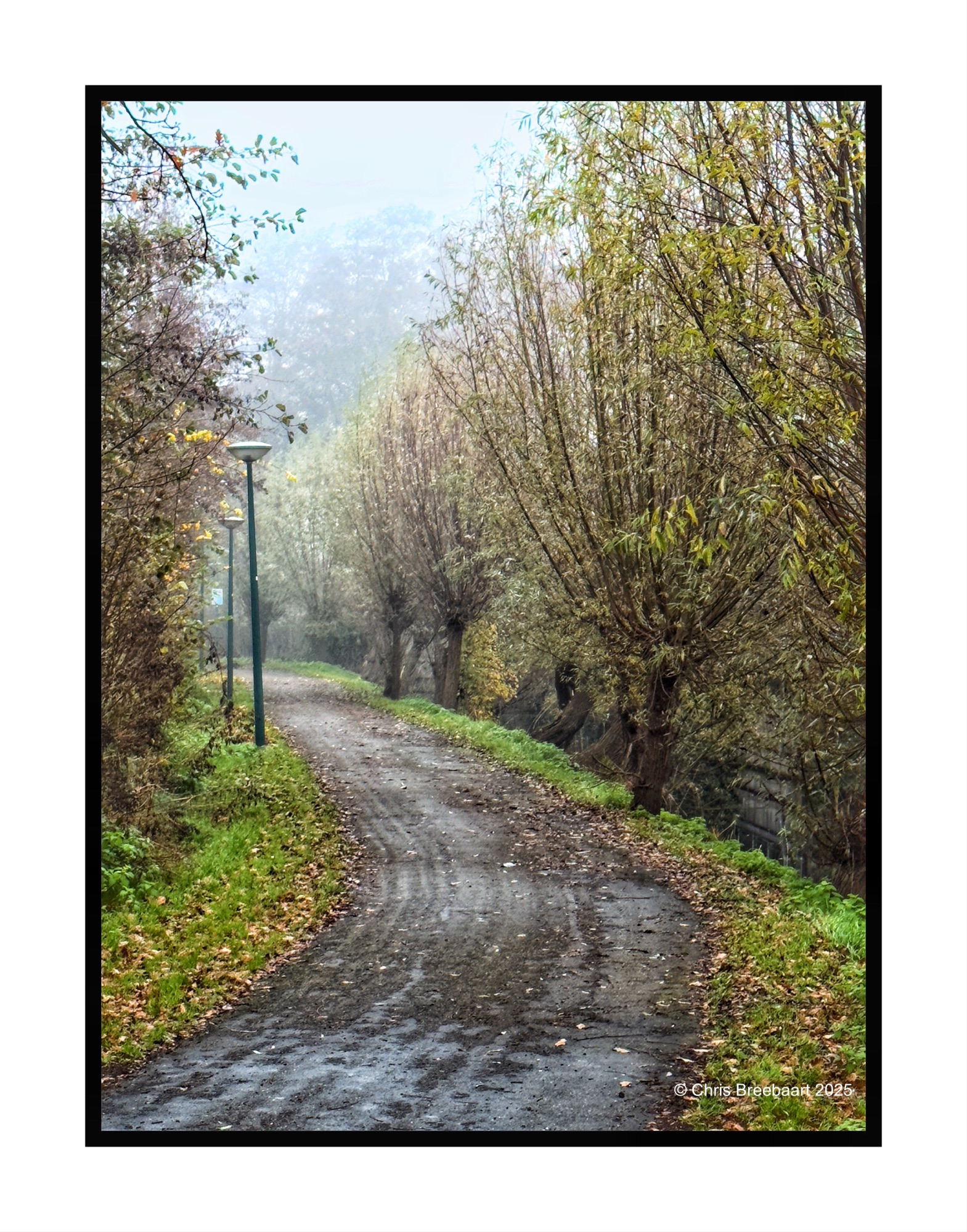
Autumn colors color the village.
Shot with iPhone 15 Pro Max edited using Snapseed and Marksta Click the picture for a larger version.
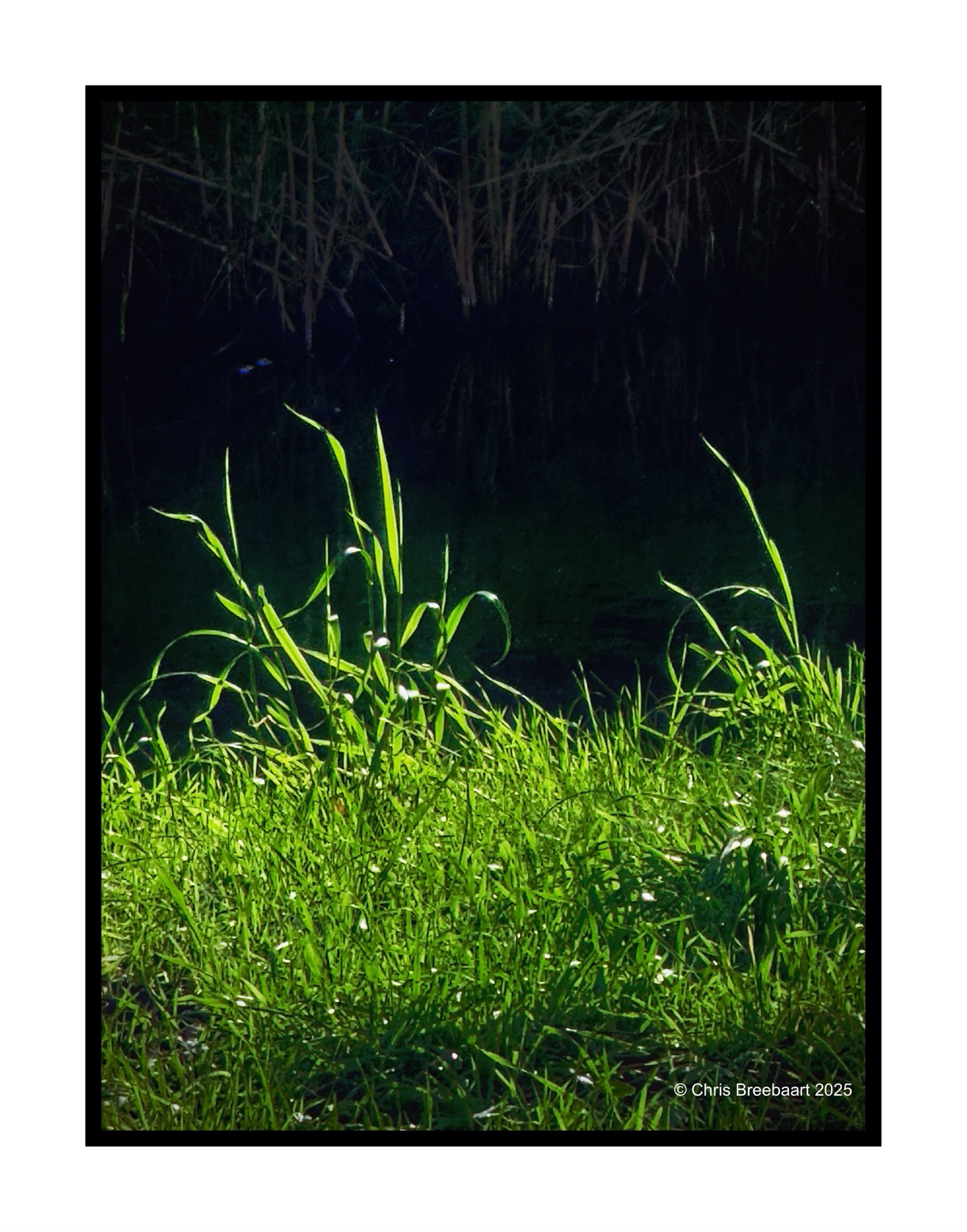
There is not a wall or hill, or other side. It is just green.
Shot with iPhone 15 Pro Max edited using Snapseed and Marksta Click the picture for a larger version.
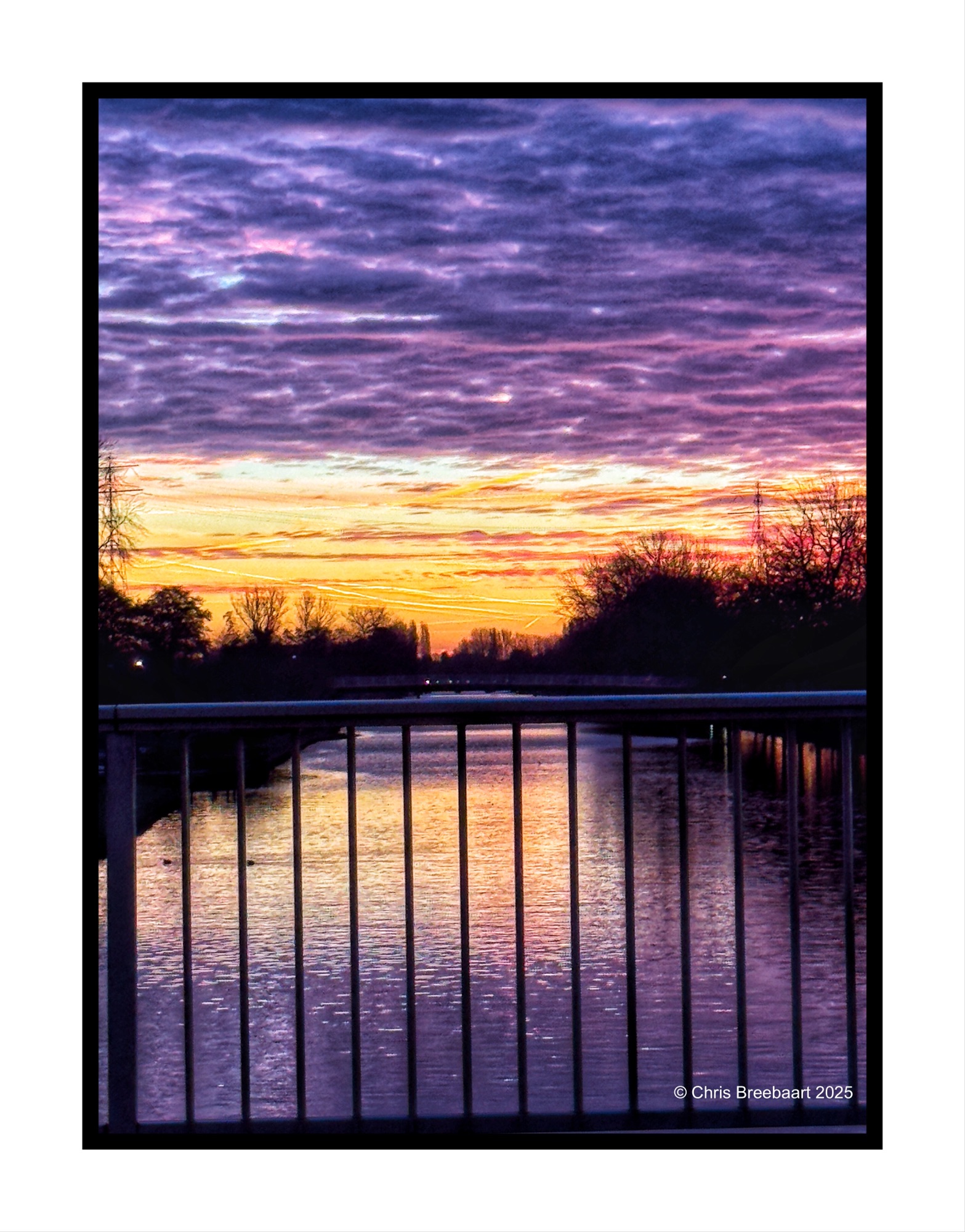
Autumn sunrise over the canal.
Shot with iPhone 15 Pro Max edited using Snapseed and Marksta Click the picture for a larger version.

Sunrise on an Autumn morning, from a car (not driving).
Shot with iPhone 15 Pro Max edited using Snapseed and Marksta. Click the picture for a larger version.
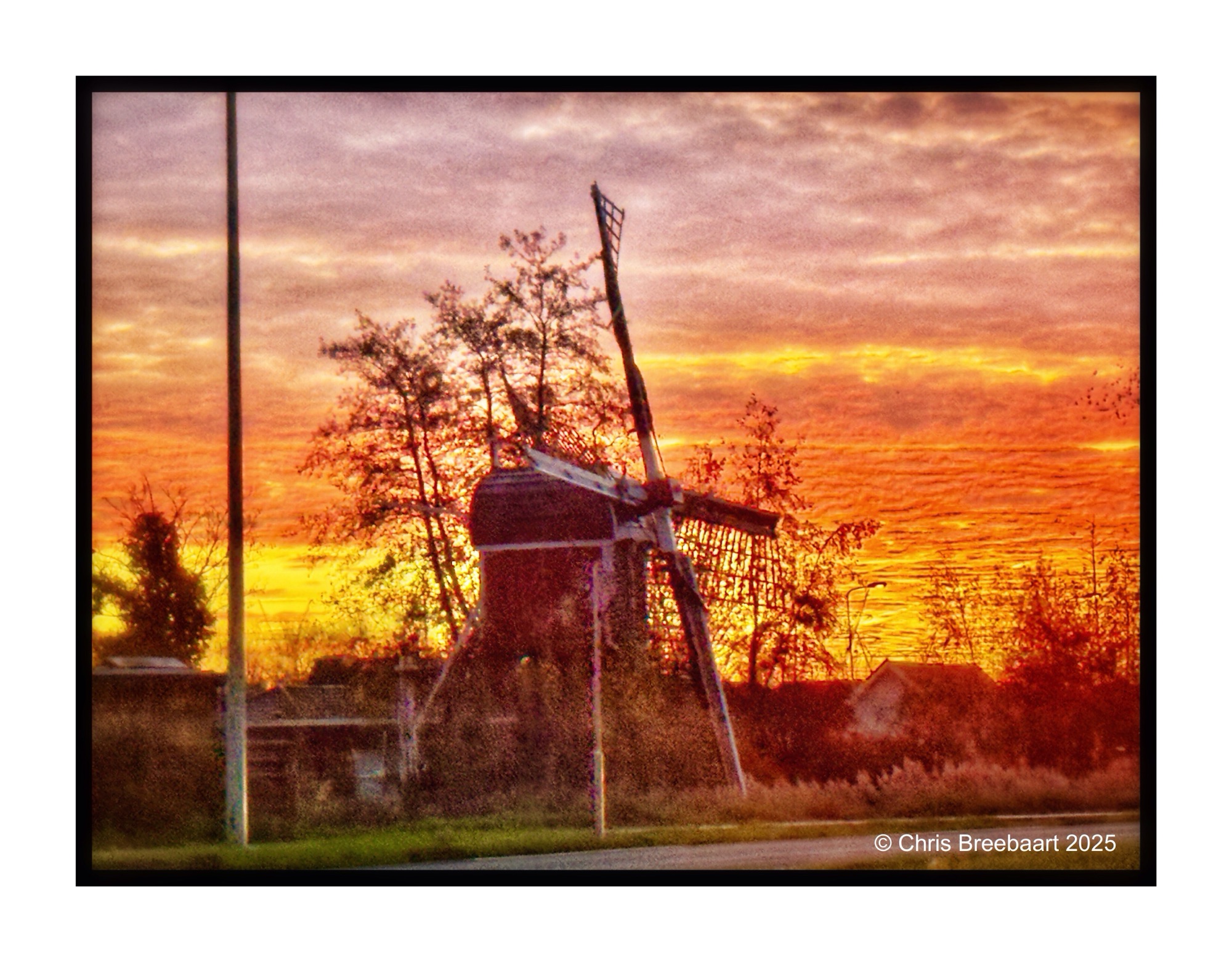
Sunrise on an Autumn morning, from a car (not driving).
Shot with iPhone 15 Pro Max edited using Snapseed and Marksta. Click the picture for a larger version.
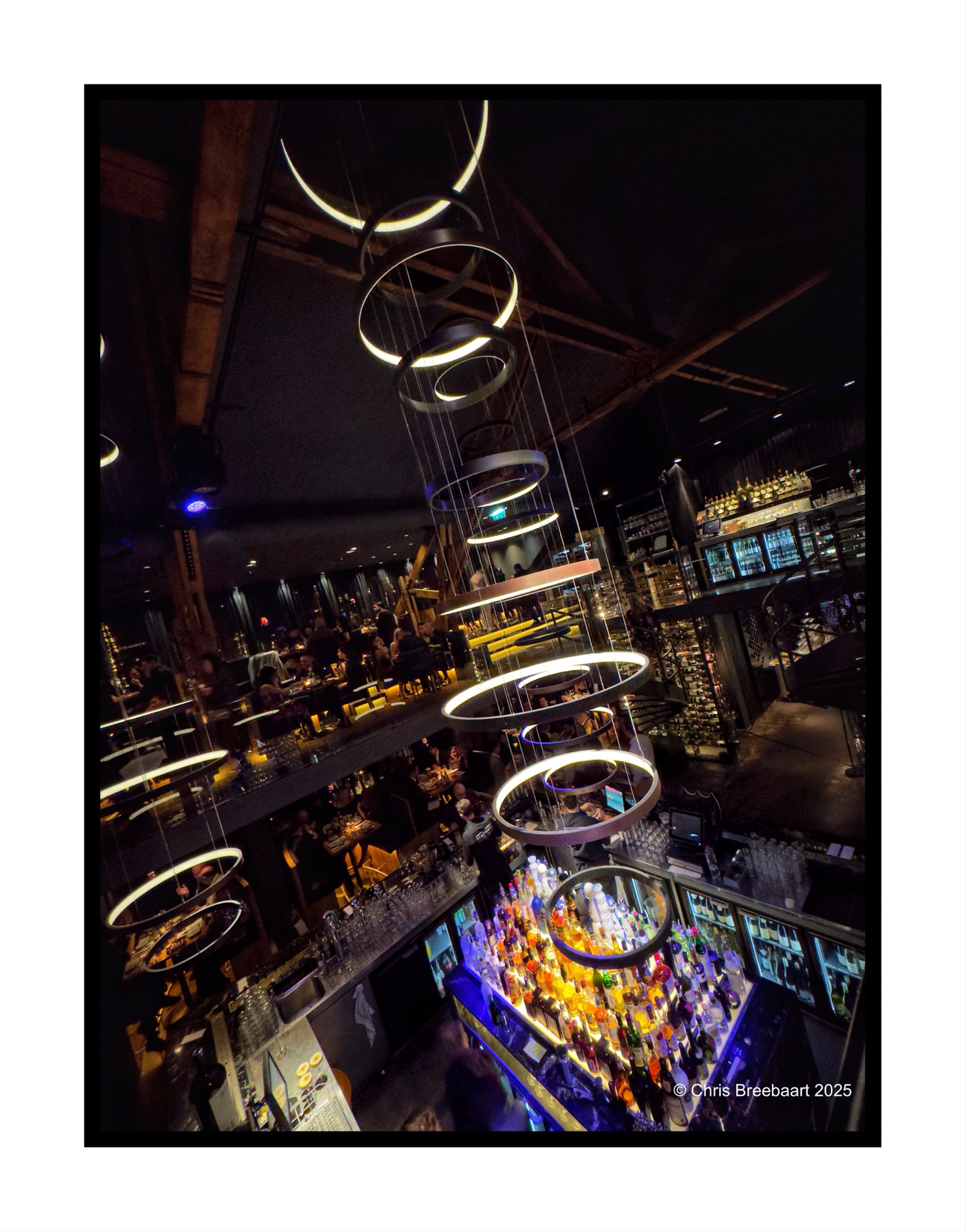
End of the year event in Encore in Scheveningen.
Shot with iPhone 15 Pro Max edited using Snapseed and Marksta. Click the picture for a larger version

End of the year event in Encore in Scheveningen.
Shot with iPhone 15 Pro Max edited using Snapseed and Marksta. Click the picture for a larger version
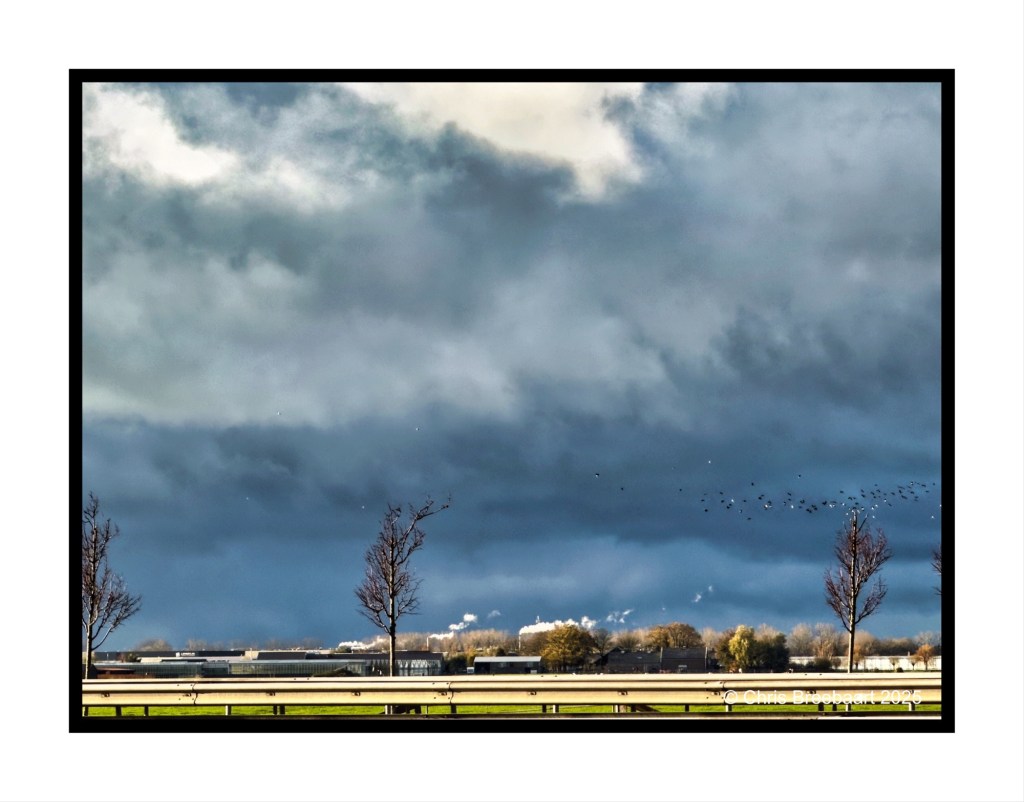
An iPhone long lens shot of a heavy rain sky. This was the first of the three photos I published the last three days.
Shot with iPhone 15 Pro Max edited using Snapseed and Marksta Click the picture for a larger version.
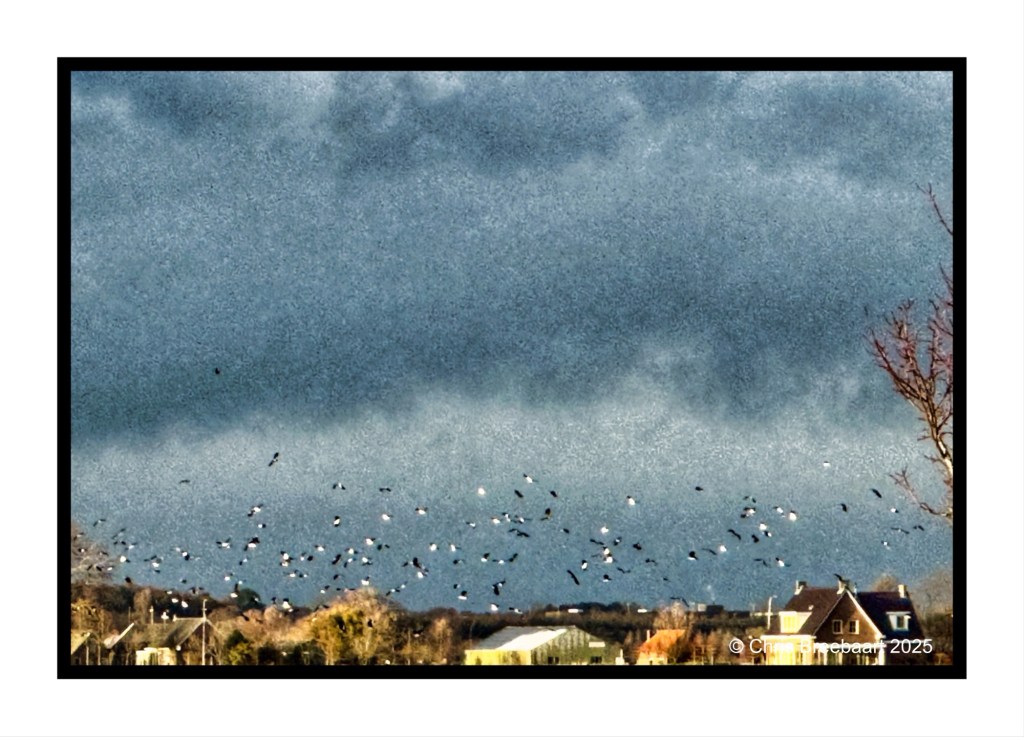
An iPhone long lens shot of the horizon, catching geese by accident, against a heavy rain sky. I cropped the motorway A44 out on this one.
Shot with iPhone 15 Pro Max edited using Snapseed and Marksta Click the picture for a larger version.
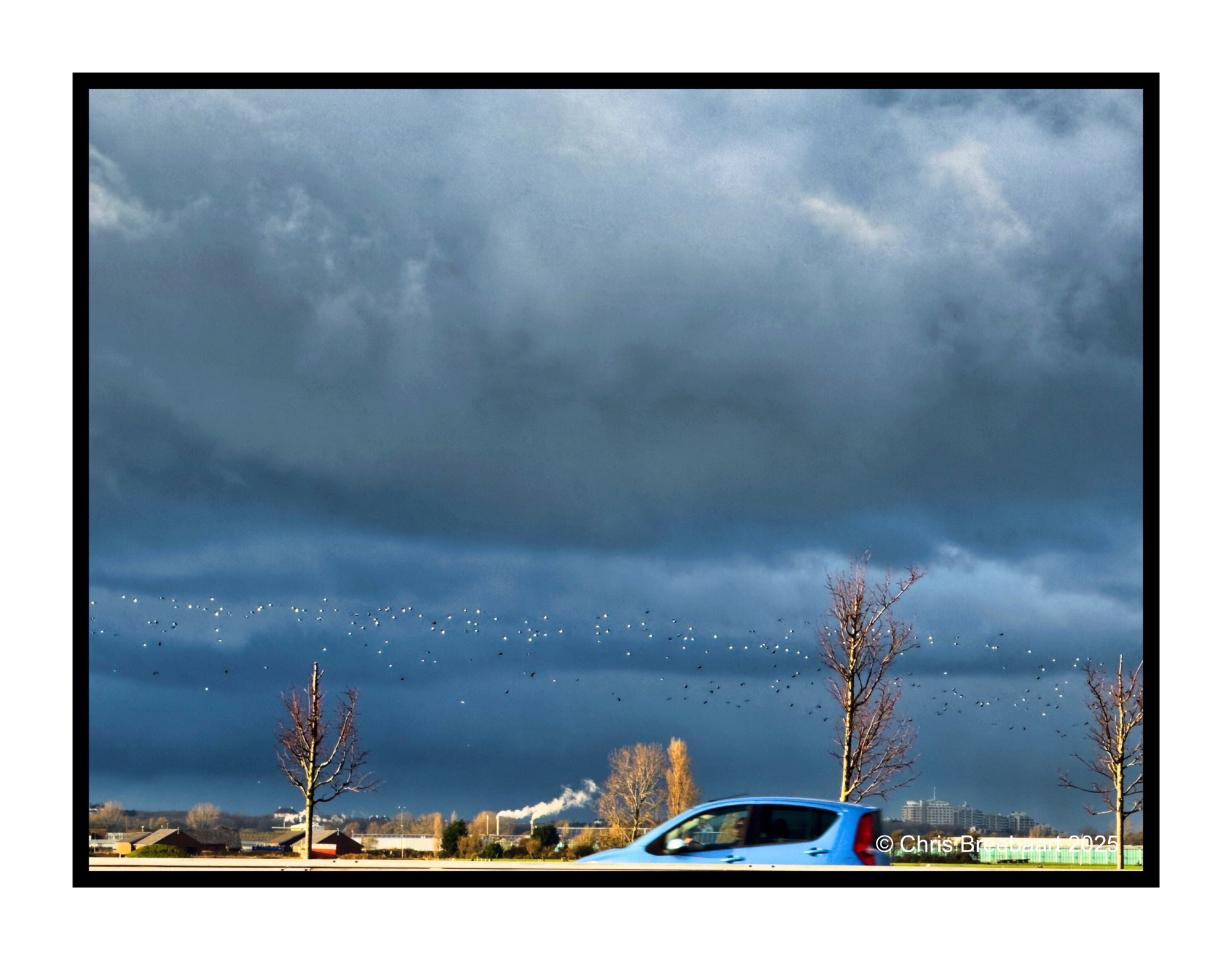
A long shot with an iPhone; a heavy rain sky with birds over motorway A44.
Shot with iPhone 15 Pro Max edited using Snapseed and Marksta Click the picture for a larger version.
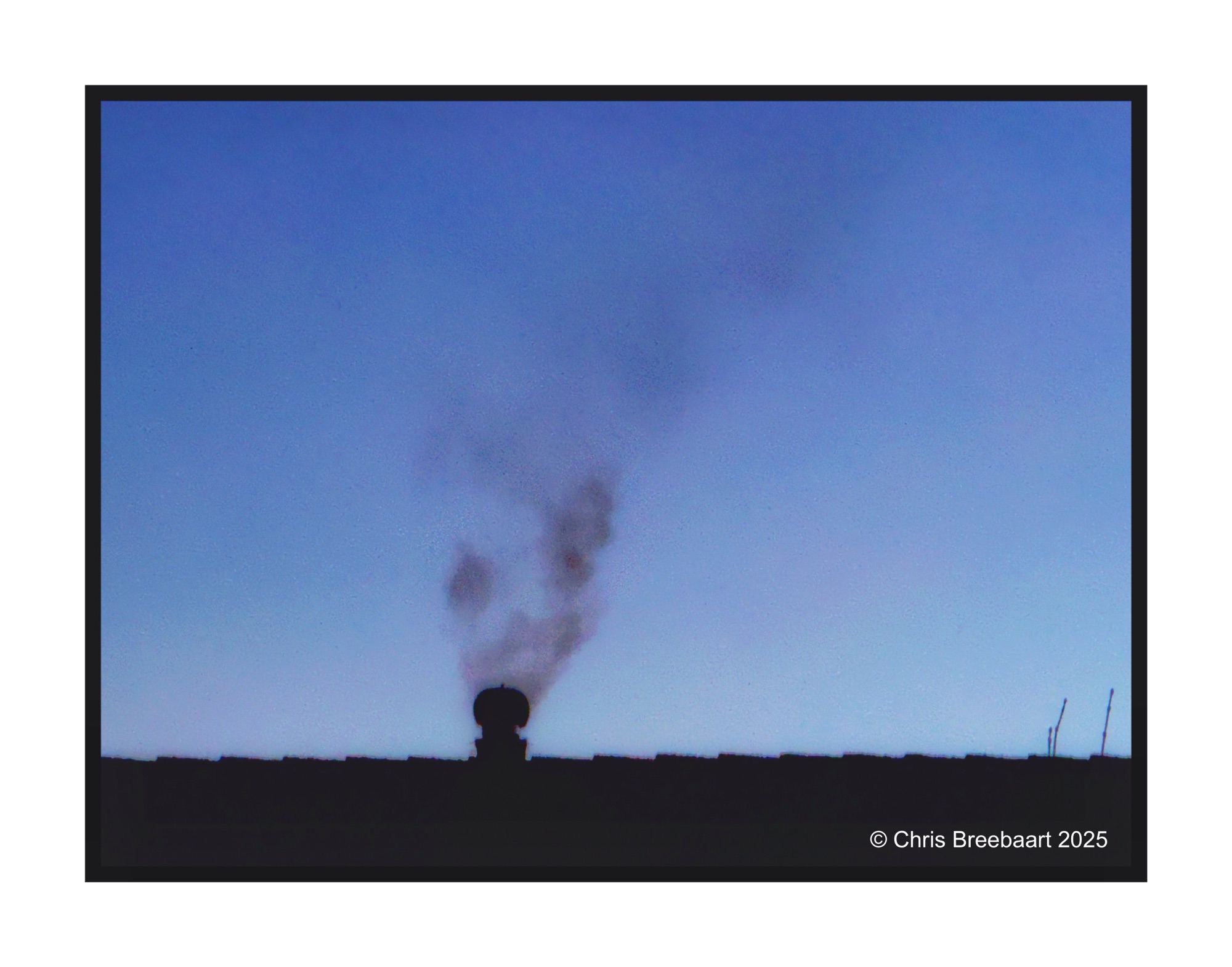
Who says chimneys are boring?
Shot with iPhone 15 Pro Max edited using Snapseed and Marksta Click the picture for a larger version.
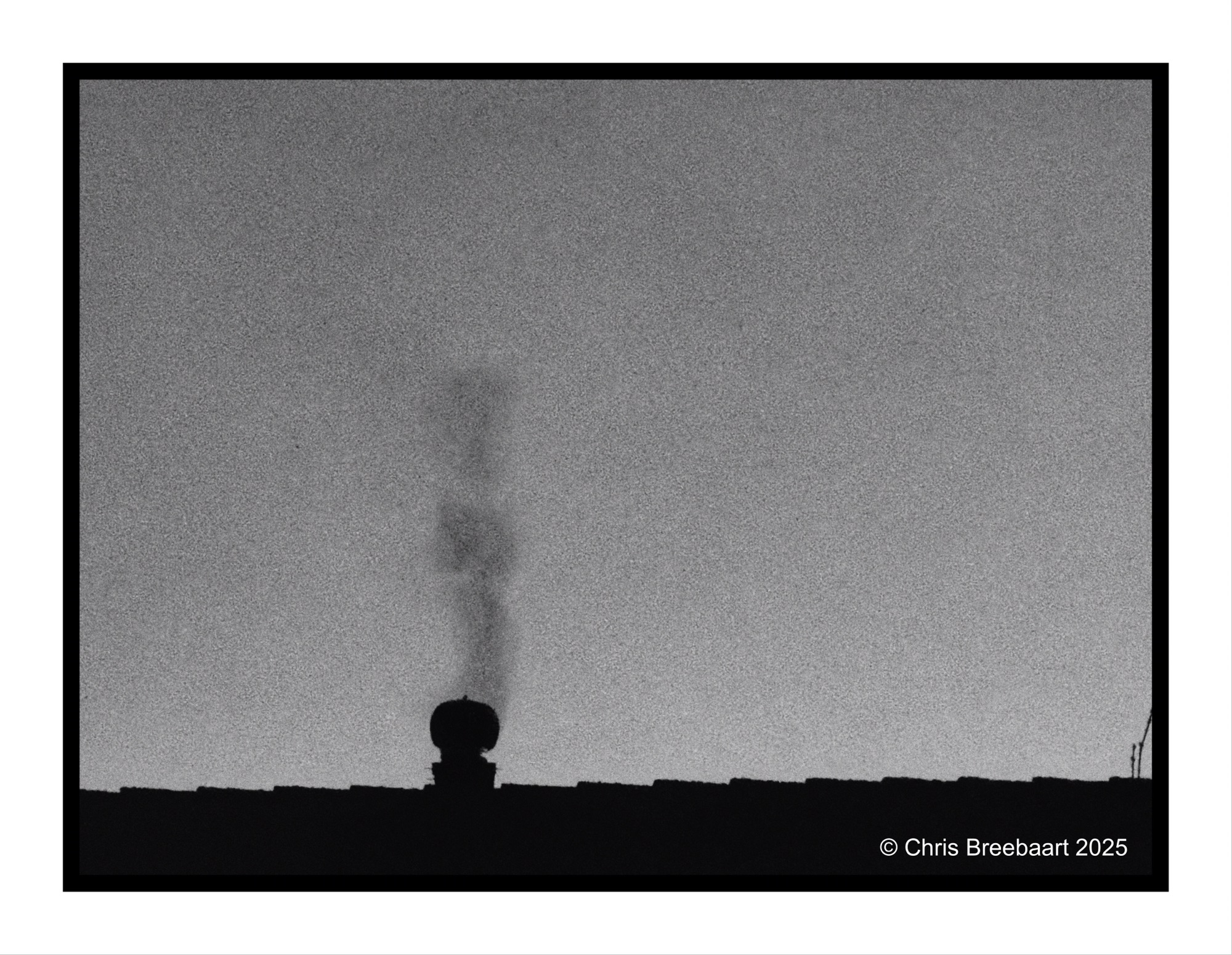
Who says chimneys are boring?
Shot with iPhone 15 Pro Max edited using Snapseed and Marksta Click the picture for a larger version.

Shot with iPhone 15 Pro Max edited using Snapseed and Marksta Click the picture for a larger version.
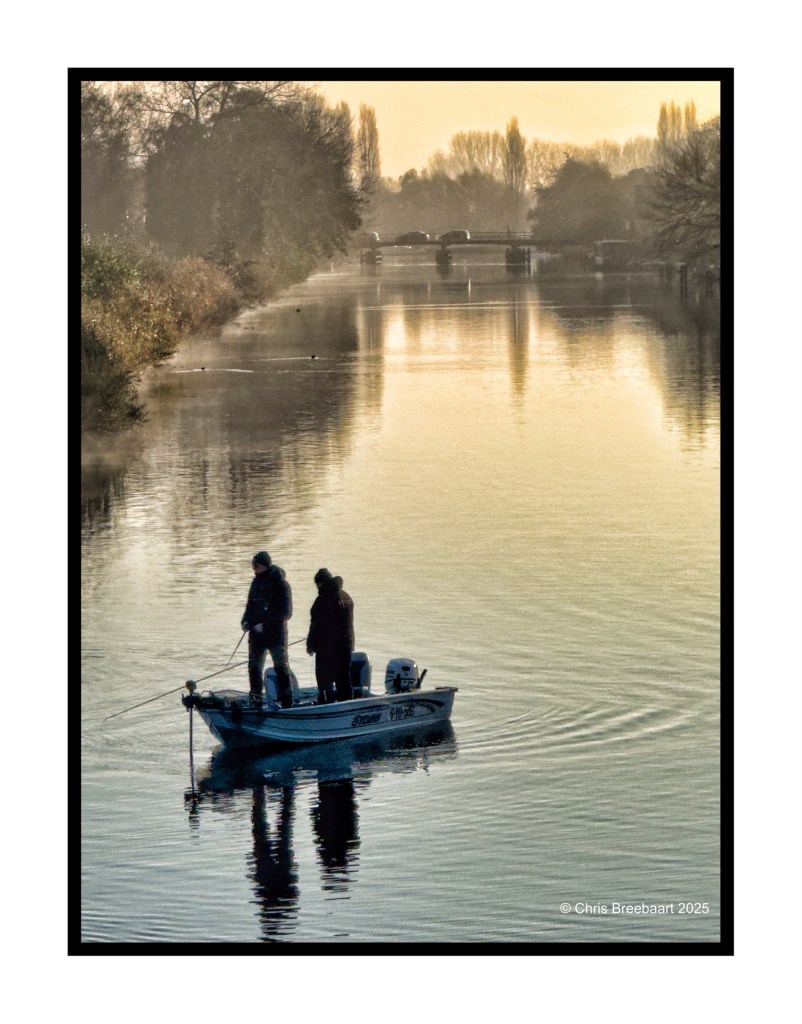
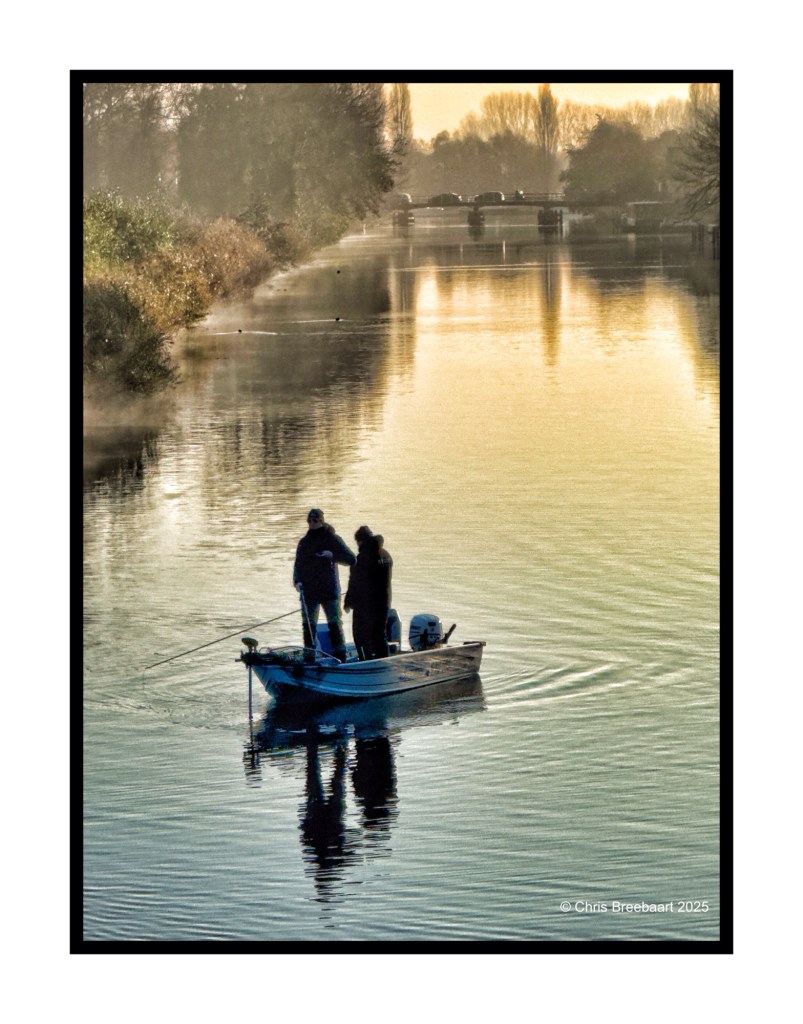
Fishing against the backdrop of an Autumn sunrise.
Shot with iPhone 15 Pro Max edited using Snapseed and Marksta Click the picture for a larger version.
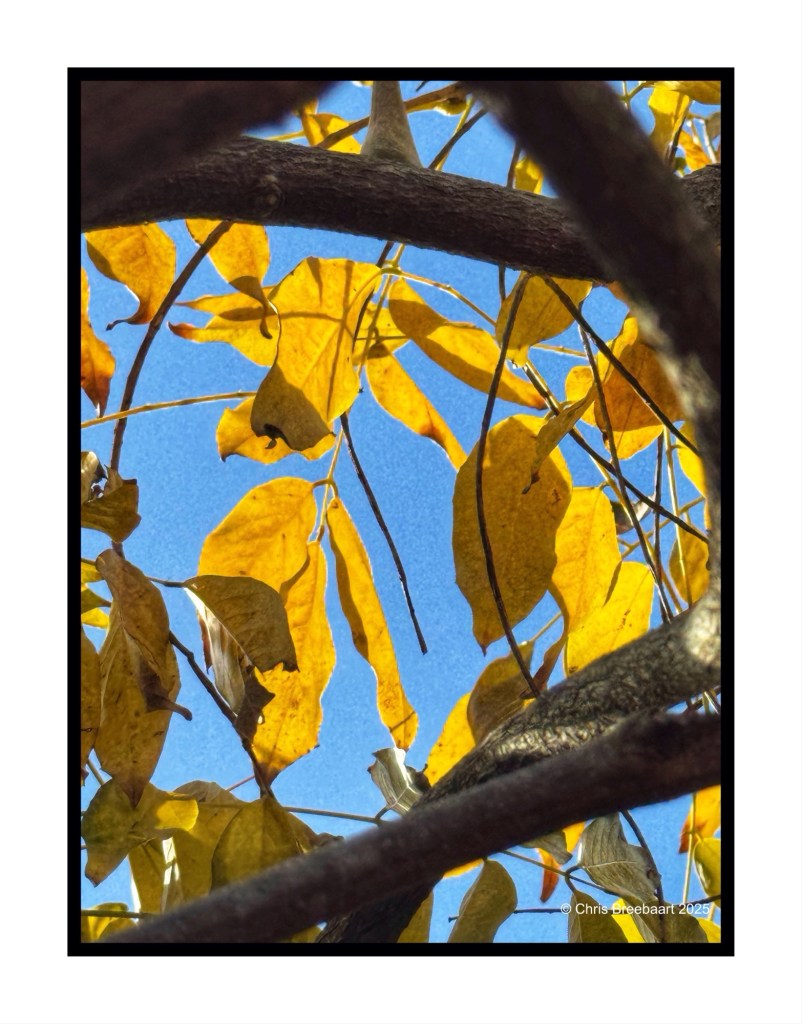
Shot with iPhone 15 Pro Max edited using Snapseed and Marksta Click the picture for a larger version.

Shot with iPhone 15 Pro Max edited using Snapseed and Marksta Click the picture for a larger version.
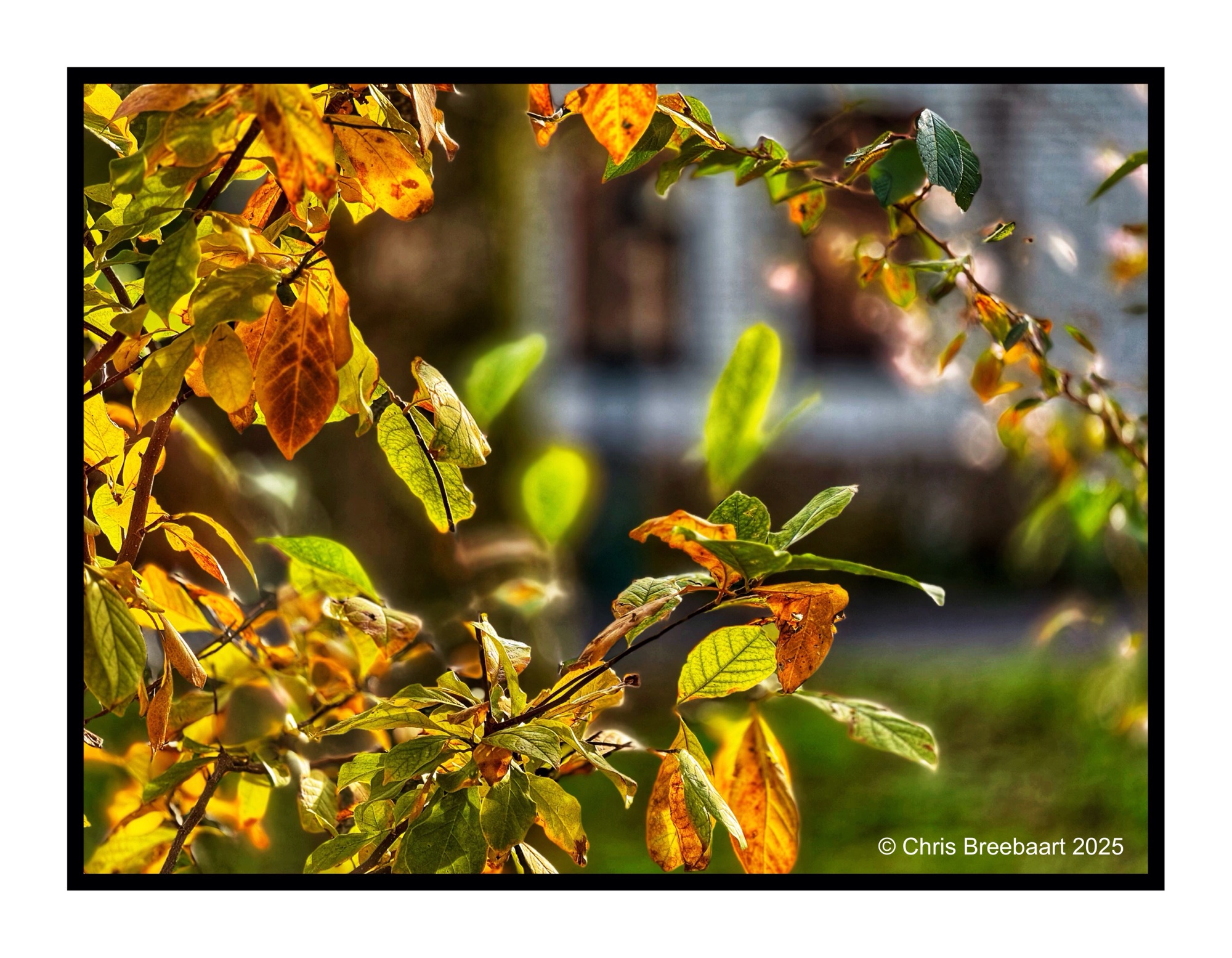
Shot with iPhone 15 Pro Max edited using Snapseed and Marksta Click the picture for a larger version.
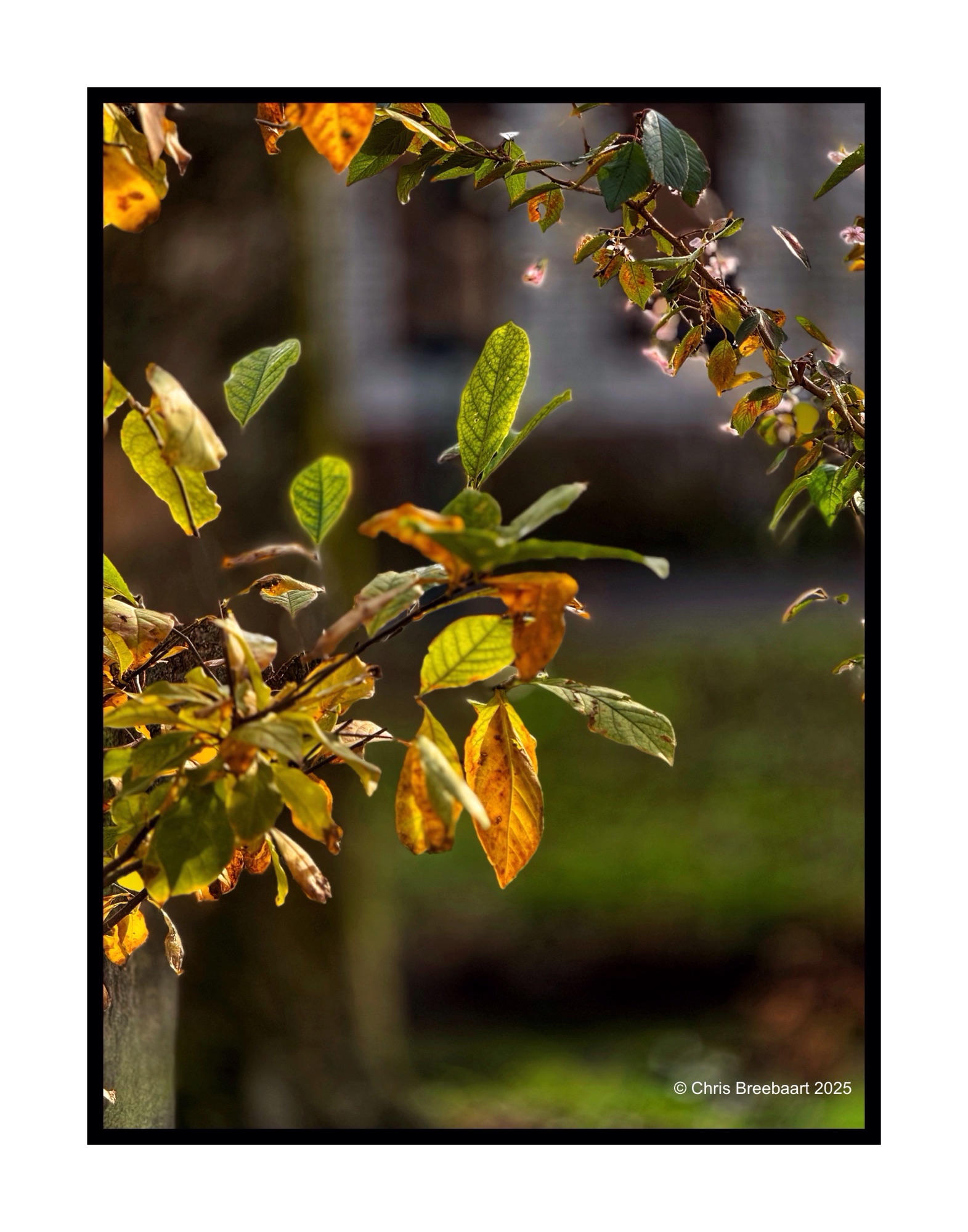
Shot with iPhone 15 Pro Max edited using Snapseed and Marksta Click the picture for a larger version.
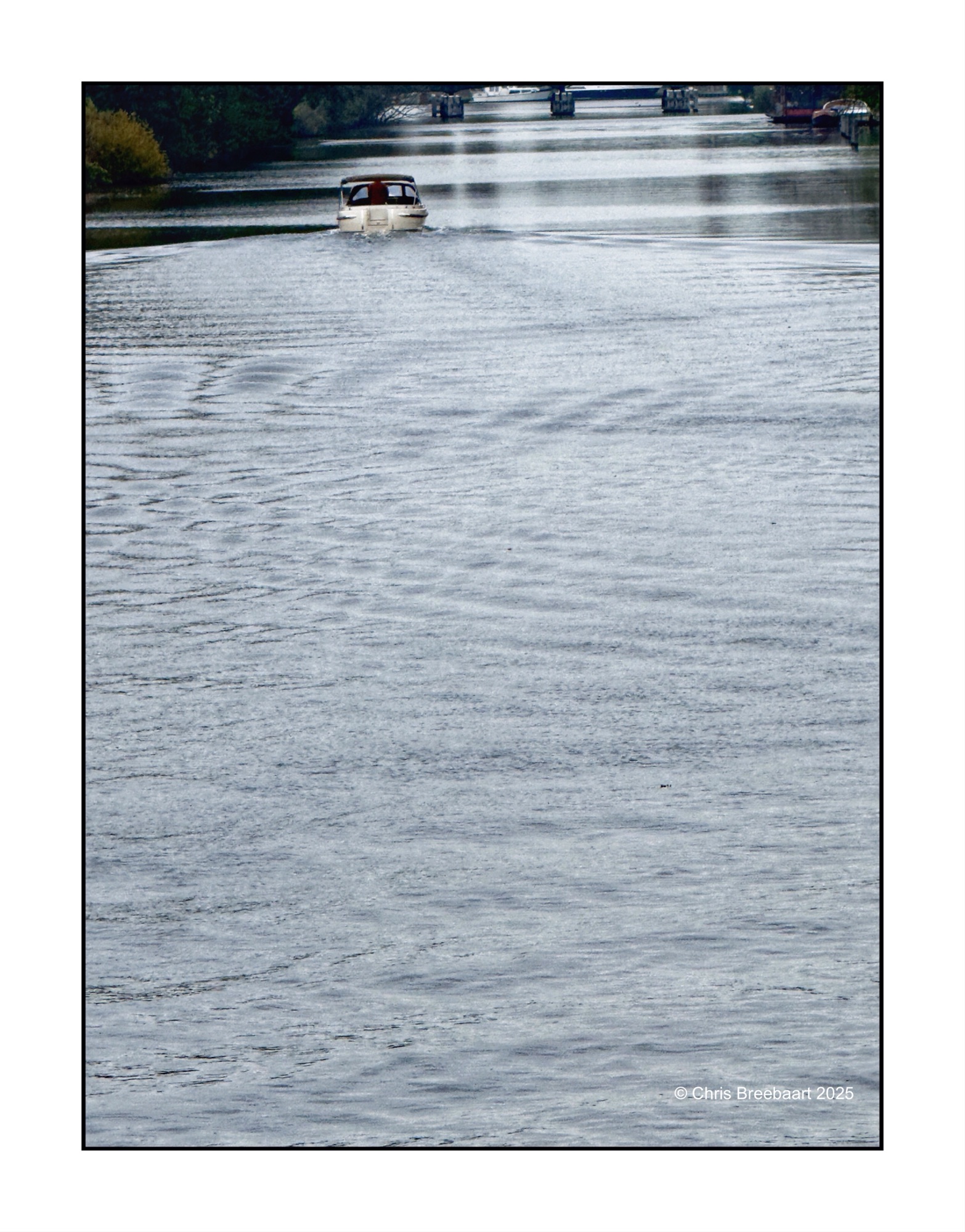
Shot with iPhone 15 Pro Max edited using Snapseed and Marksta Click the picture for a larger version.

A bit of meadows with a hint of a rainbow.
Shot with iPhone 15 Pro Max edited using Snapseed and Marksta Click the picture for a larger version
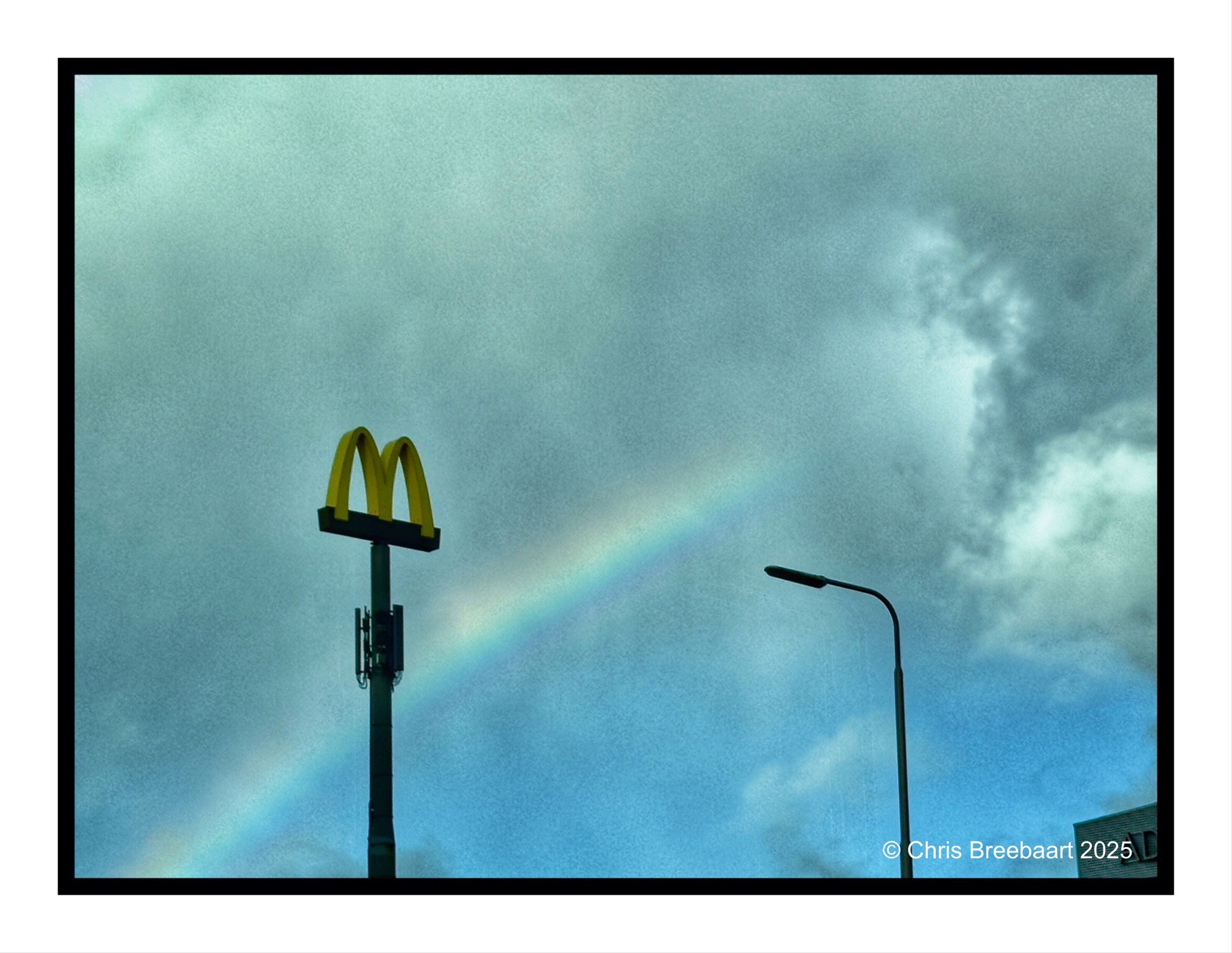
At the end of a rainbow should be a pot of gold. Not sure if that is a Mcadee.
Shot with iPhone 15 Pro Max edited using Snapseed and Marksta Click the picture for a larger version
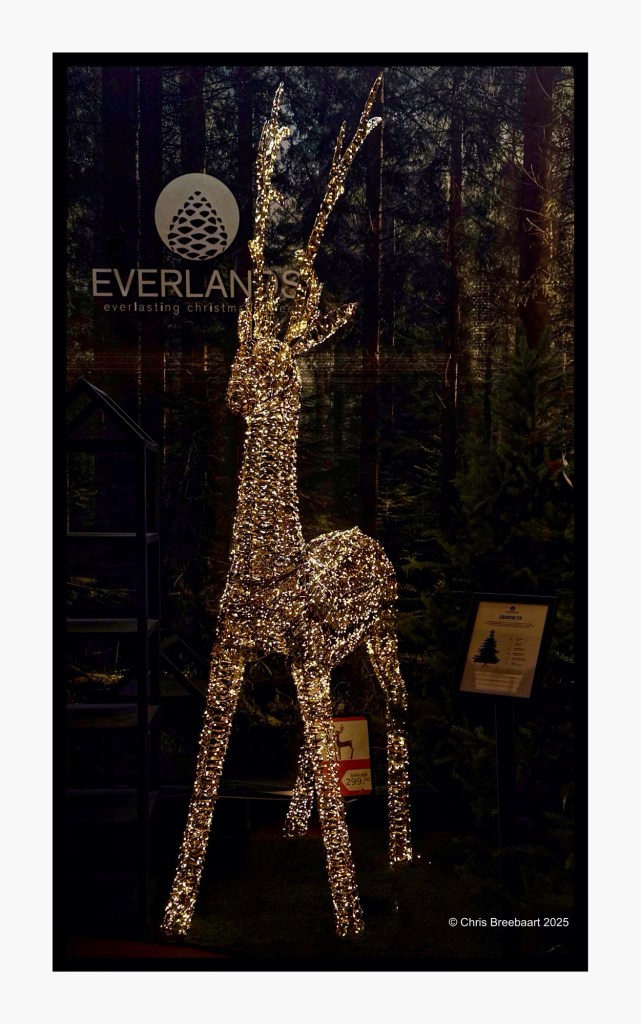
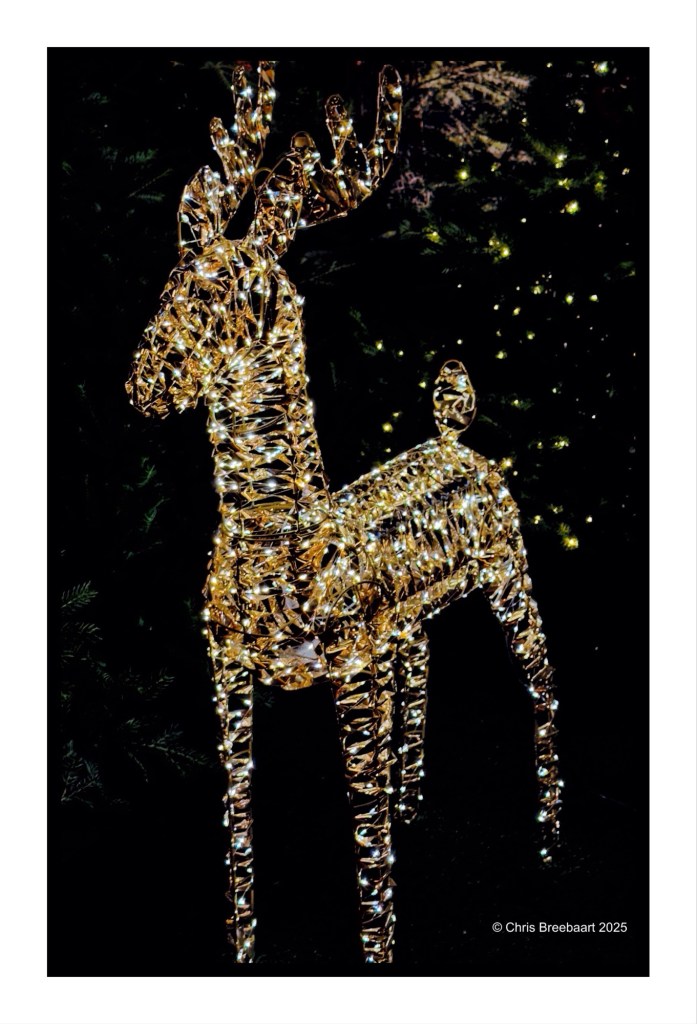
Shot with iPhone 15 Pro Max edited using Snapseed and Marksta. Click the picture for a larger version.
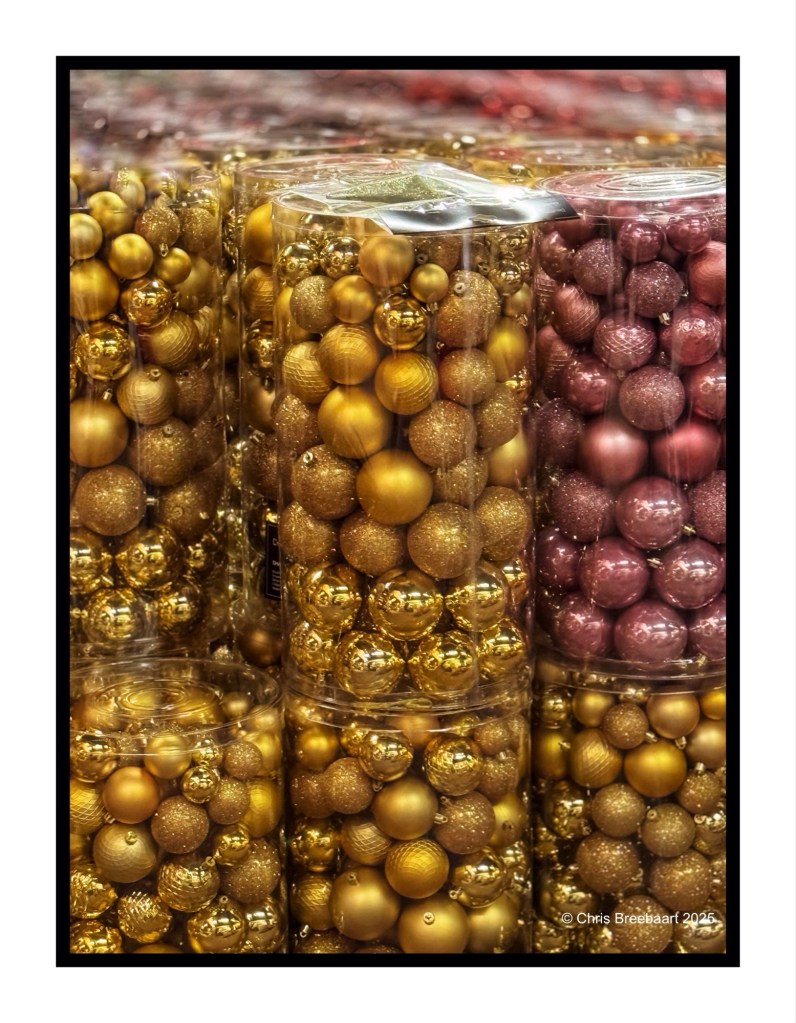
Shot with iPhone 15 Pro Max edited using Snapseed and Marksta. Click the picture for a larger version.
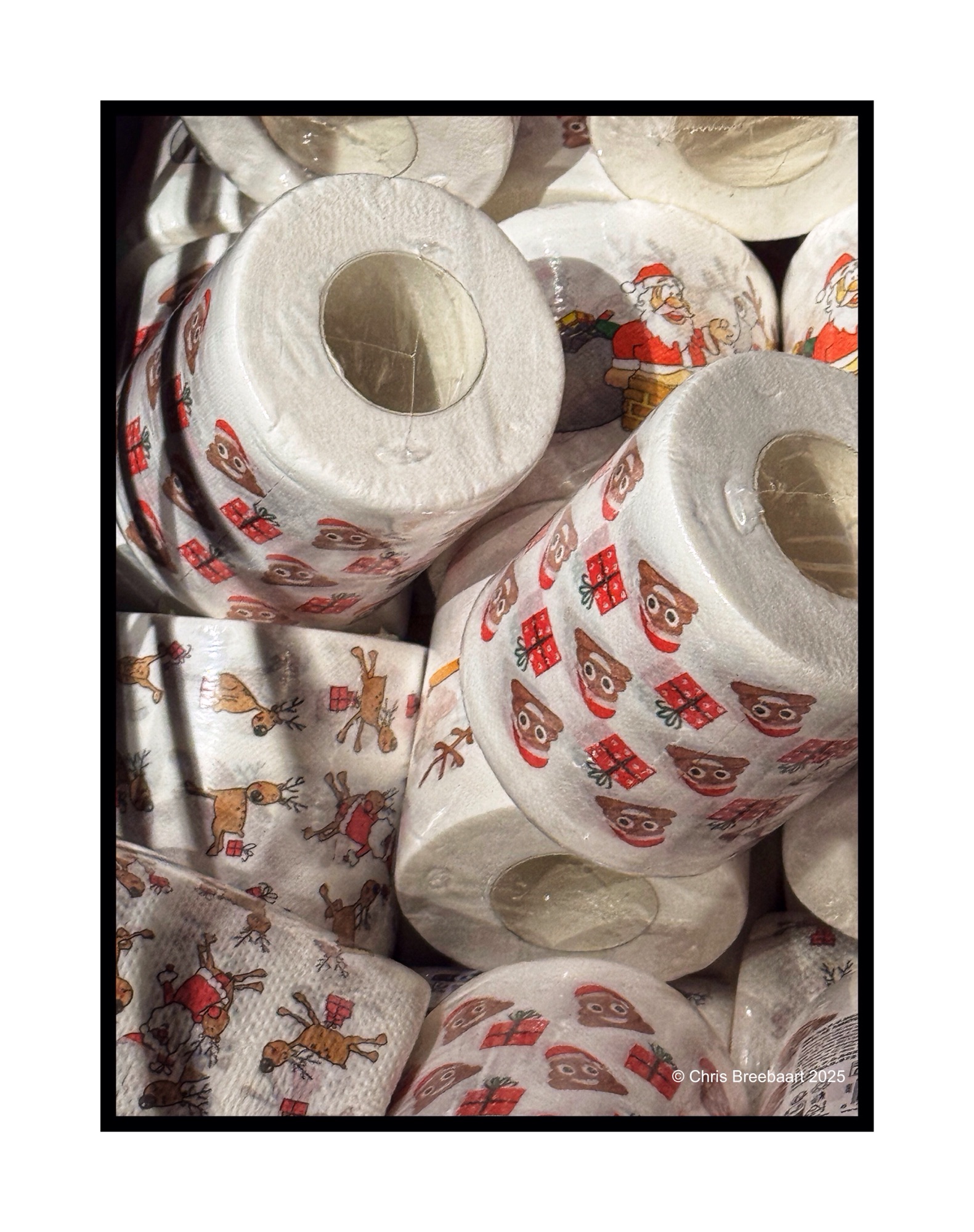
Christmas sales have kicked off, and you even can change your toilet area into a Christmas atmosphere. If it is tasteful? I am not sure about that.
Shot with iPhone 15 Pro Max edited using Snapseed and Marksta. Click the picture for a larger version.
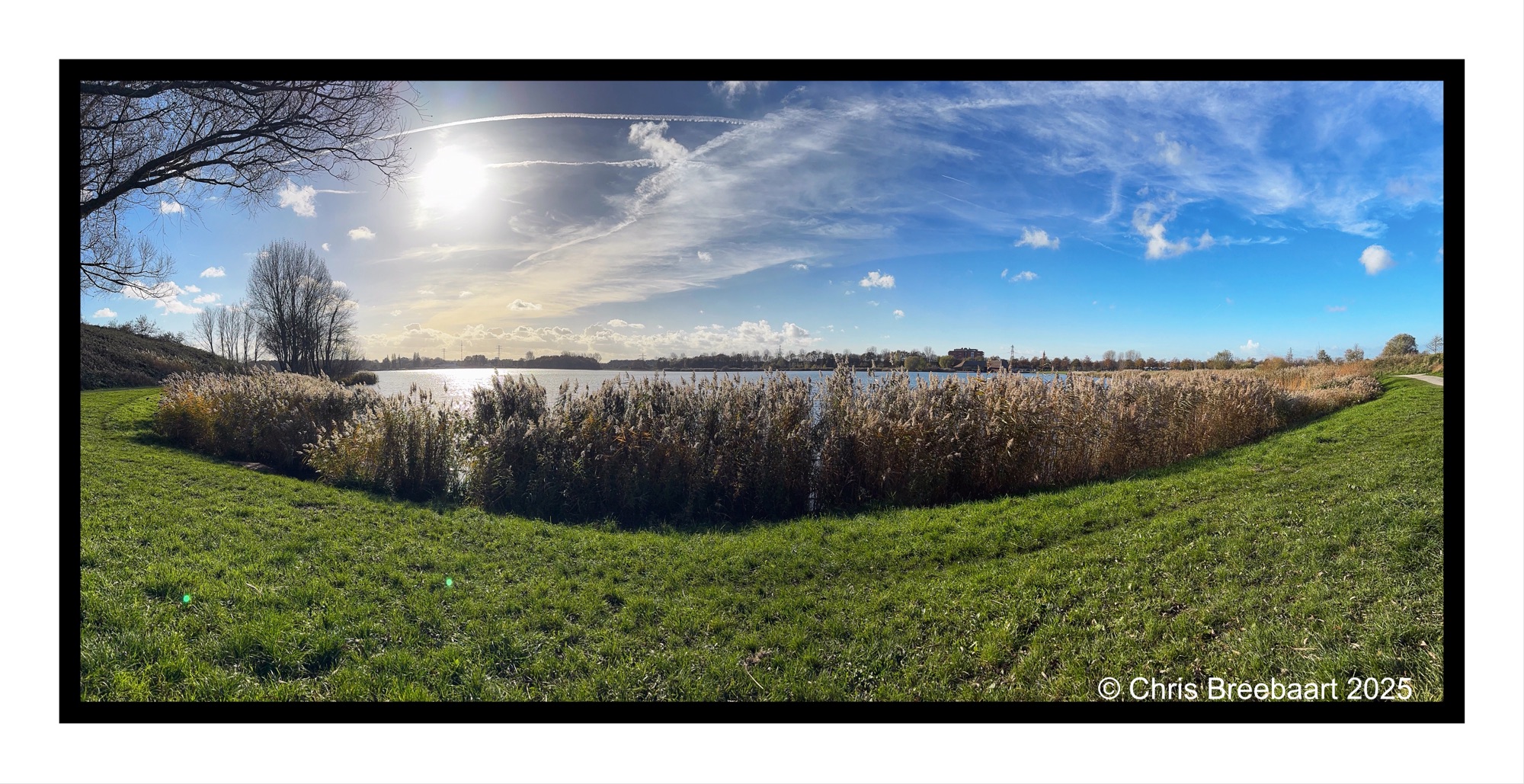
Shot with iPhone 15 Pro Max edited using Snapseed and Marksta. Click the picture for a larger version.
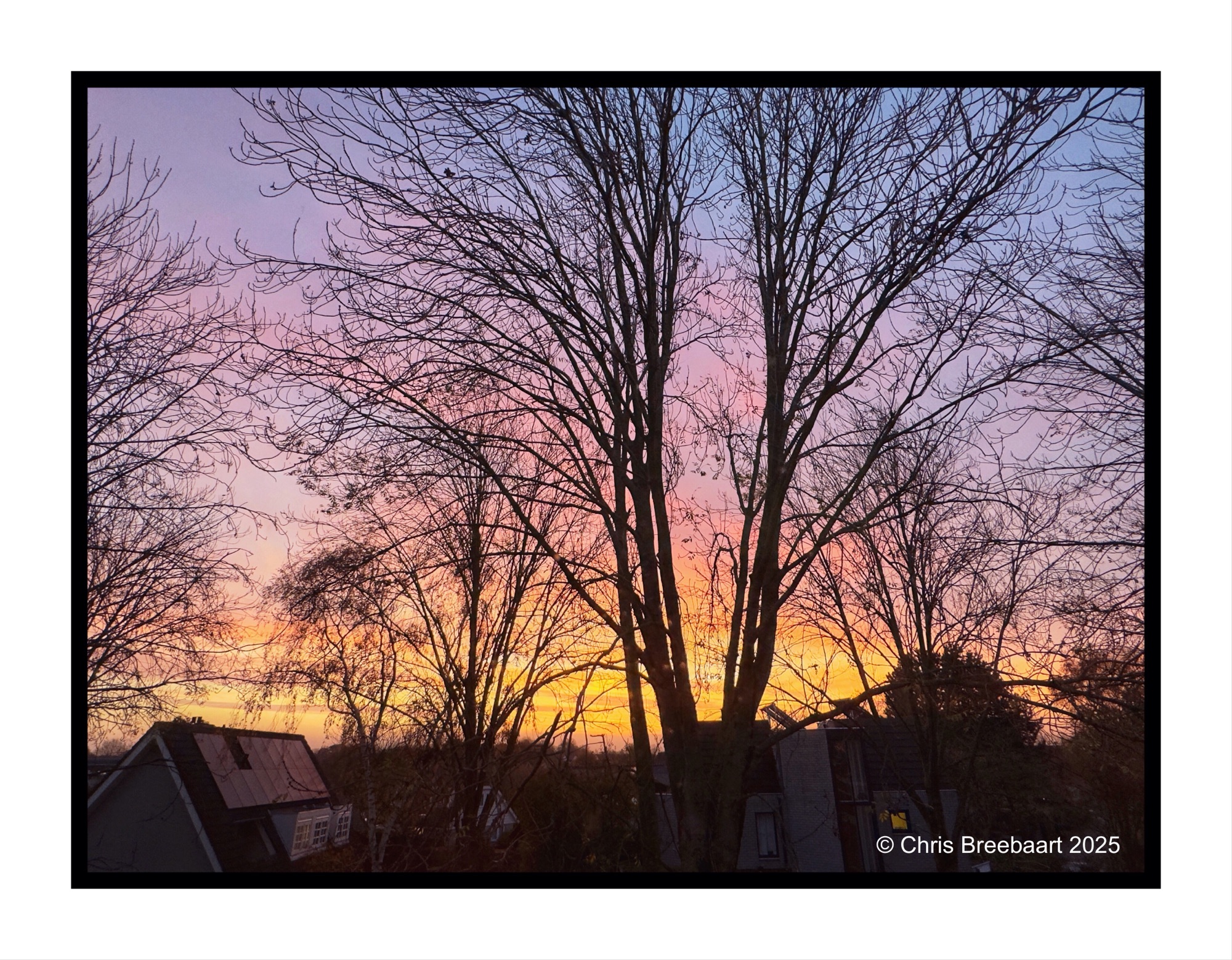
Autumn sunrises can be mesmerizing, maybe because the leaves are not hindering the view?
Shot with iPhone 15 Pro Max edited using Snapseed and Marksta Click the picture for a larger version.
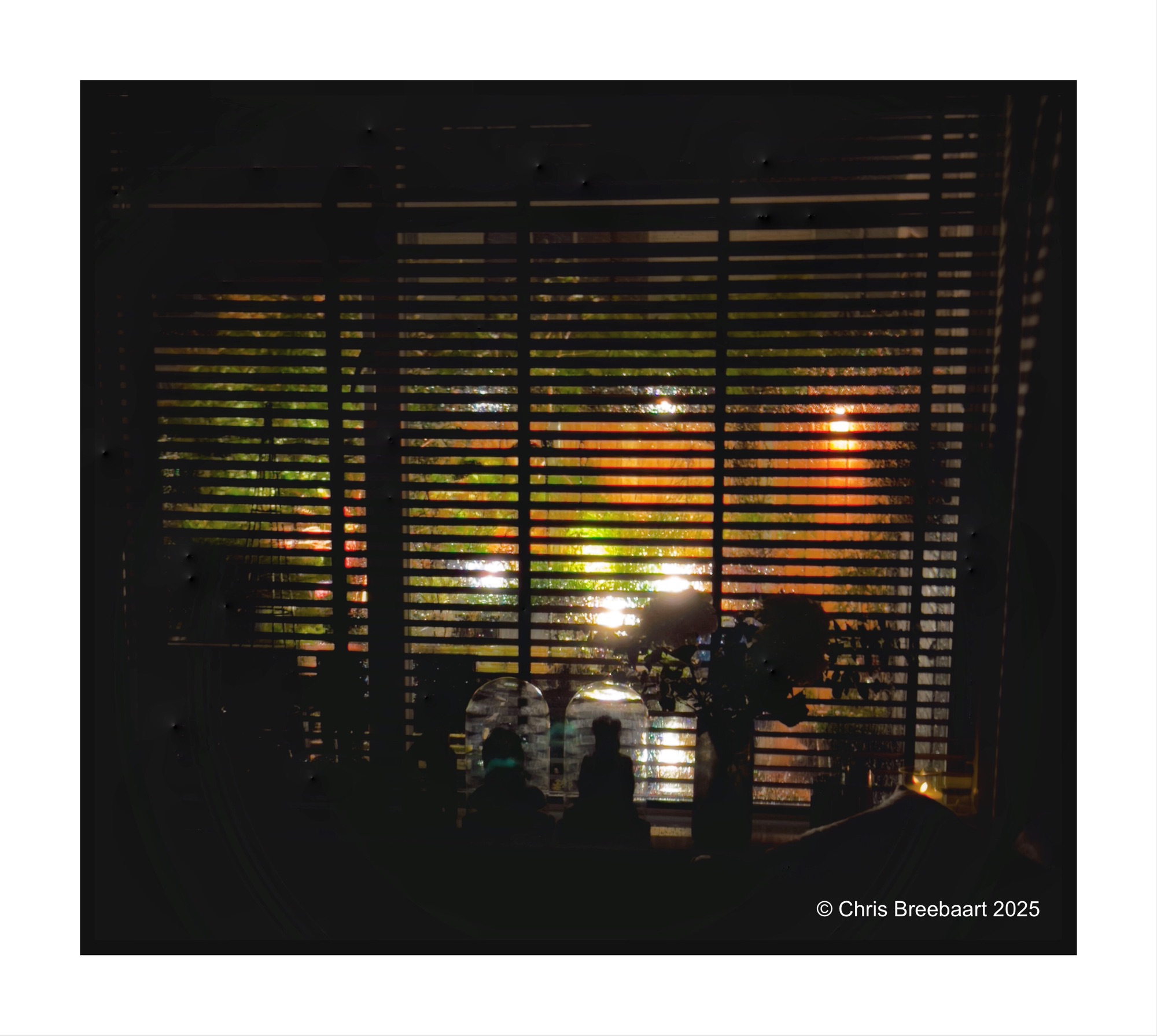
The garden at night. The Lens-Artists Photo Challenge #375 is ‘where to find the mysterious’.
Shot with iPhone 15 Pro Max edited using Snapseed and Marksta Click the picture for a larger version.
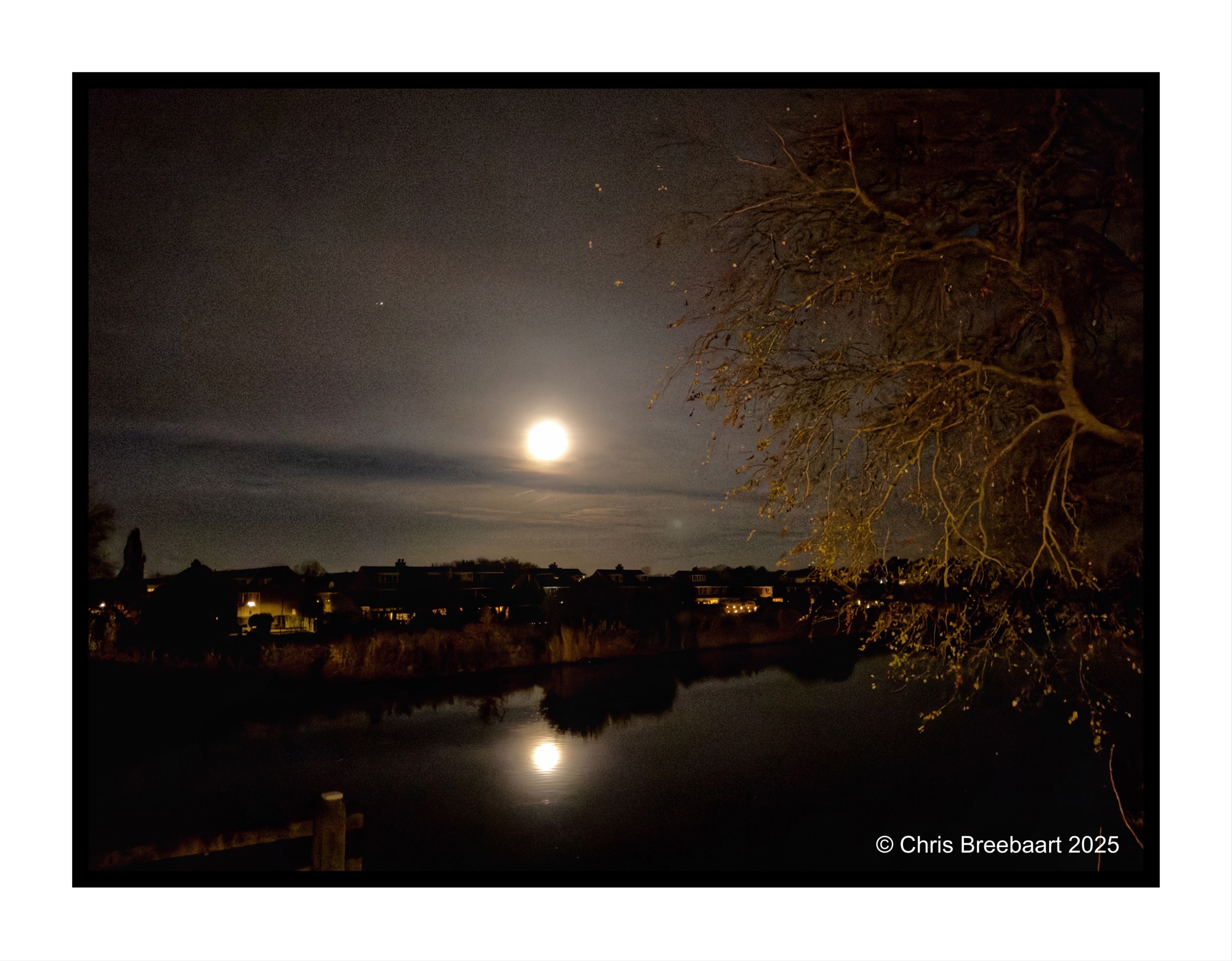
The Lens-Artists Photo Challenge #375 is ‘where to find the mysterious’. The full moon over the canal. A sight not often seen. This is a different photo of the same scene I posted yesterday.
Shot with iPhone 15 Pro Max edited using Snapseed and Marksta Click the picture for a larger version.
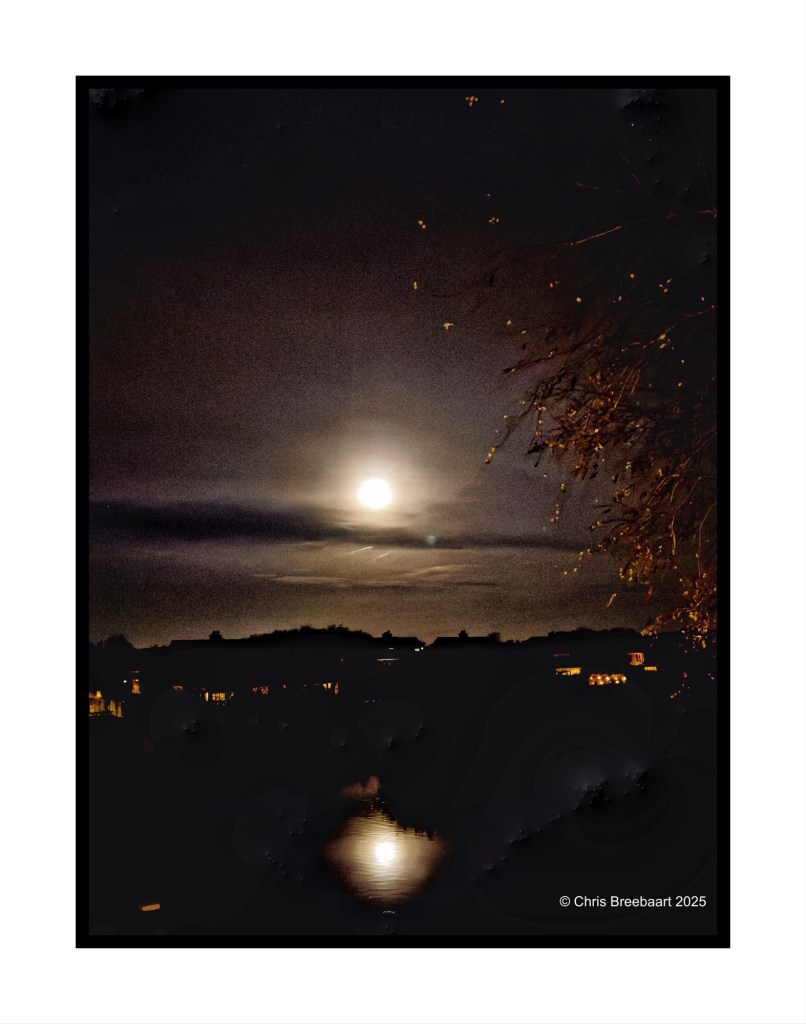
The Lens-Artists Photo Challenge #375 is ‘where to find the mysterious’. The full moon over the canal. A sight not often seen.
Shot with iPhone 15 Pro Max edited using Snapseed and Marksta Click the picture for a larger version.

Shot with iPhone 15 Pro Max edited using Snapseed and Marksta. Click the picture for a larger version.
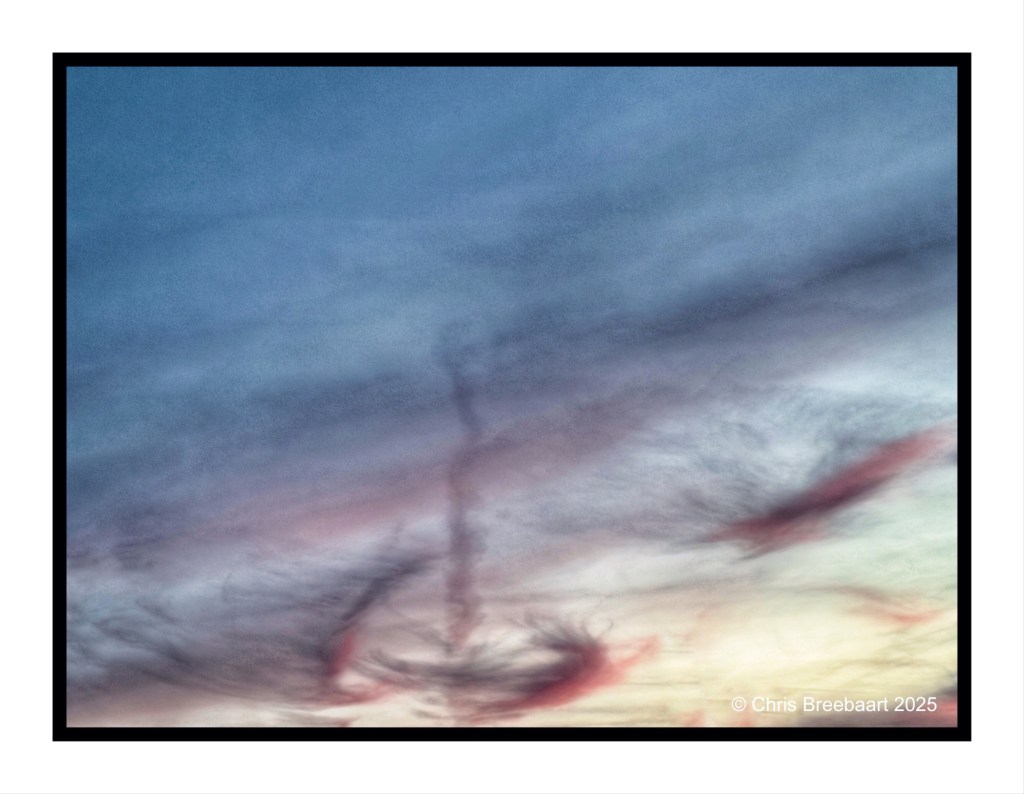
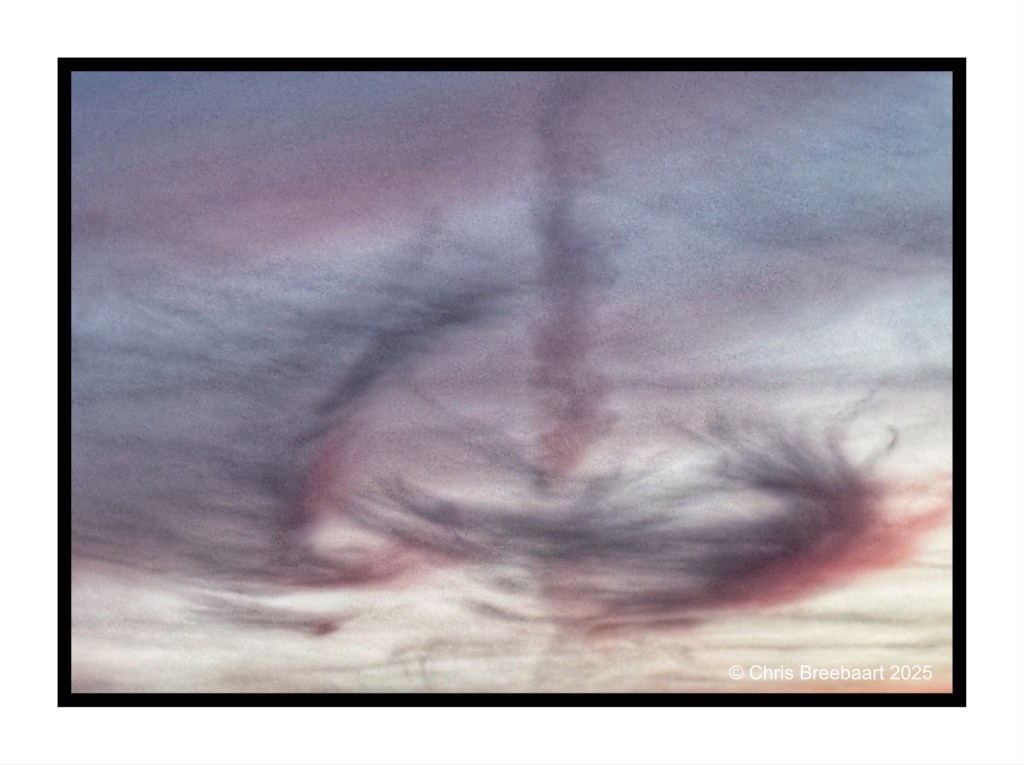
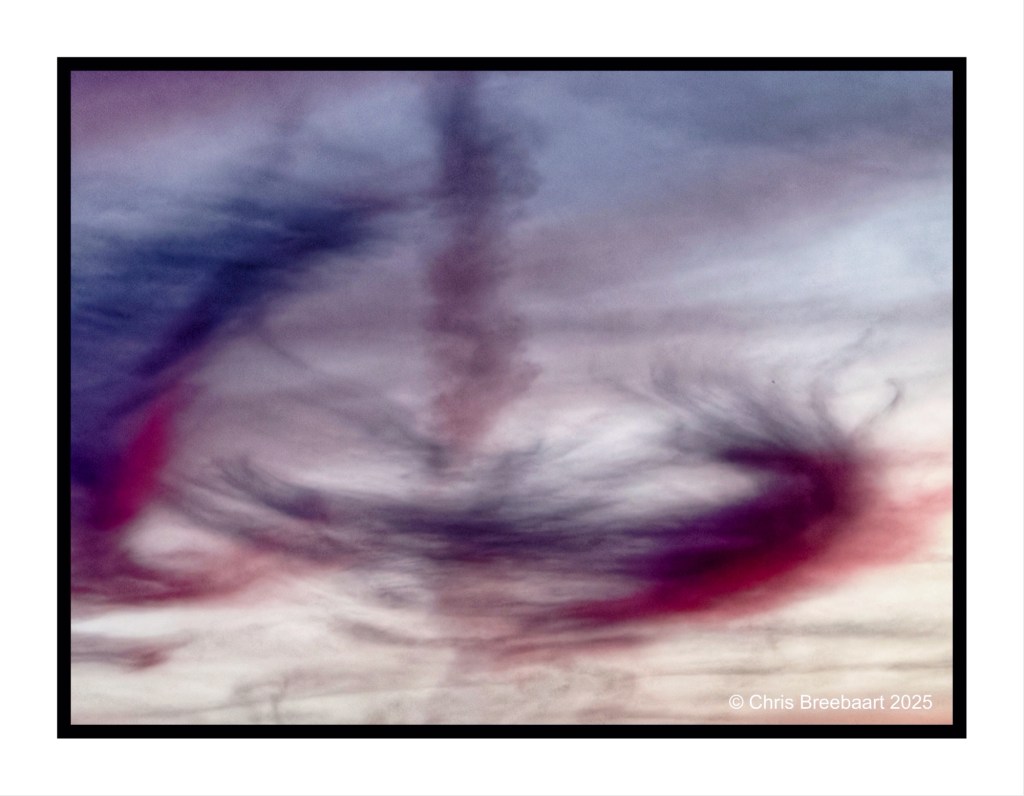
Autumn skies at sunset.
Shot with iPhone 15 Pro Max edited using Snapseed and Marksta. Click the picture for a larger version.
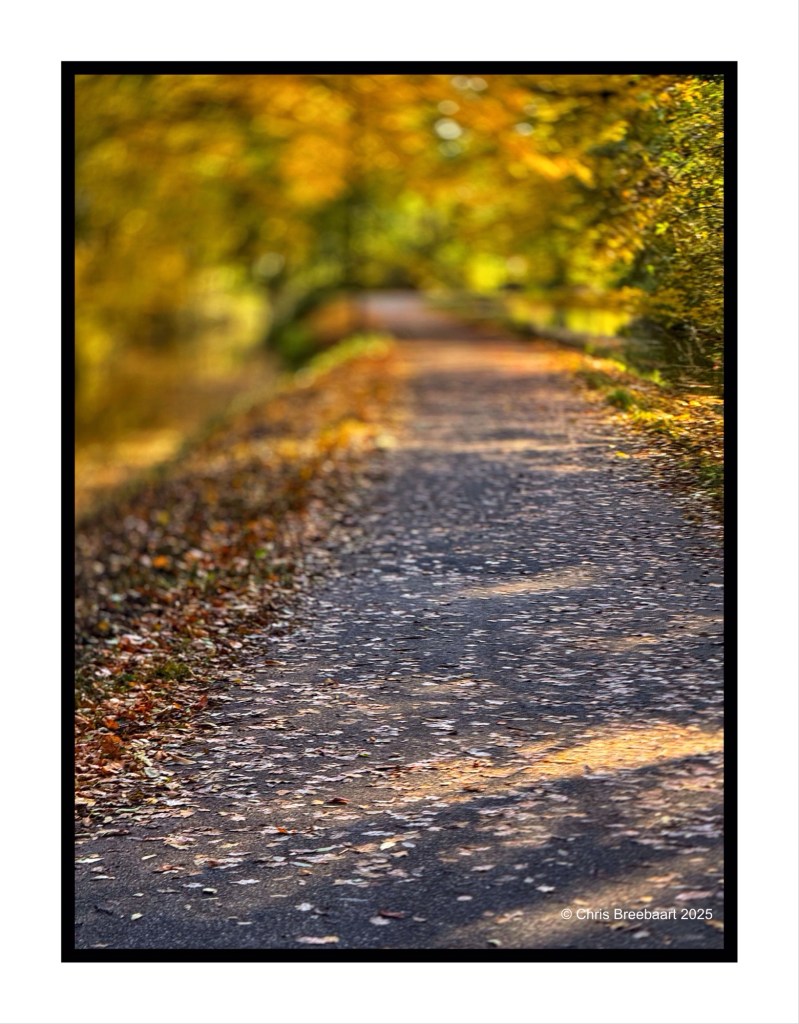
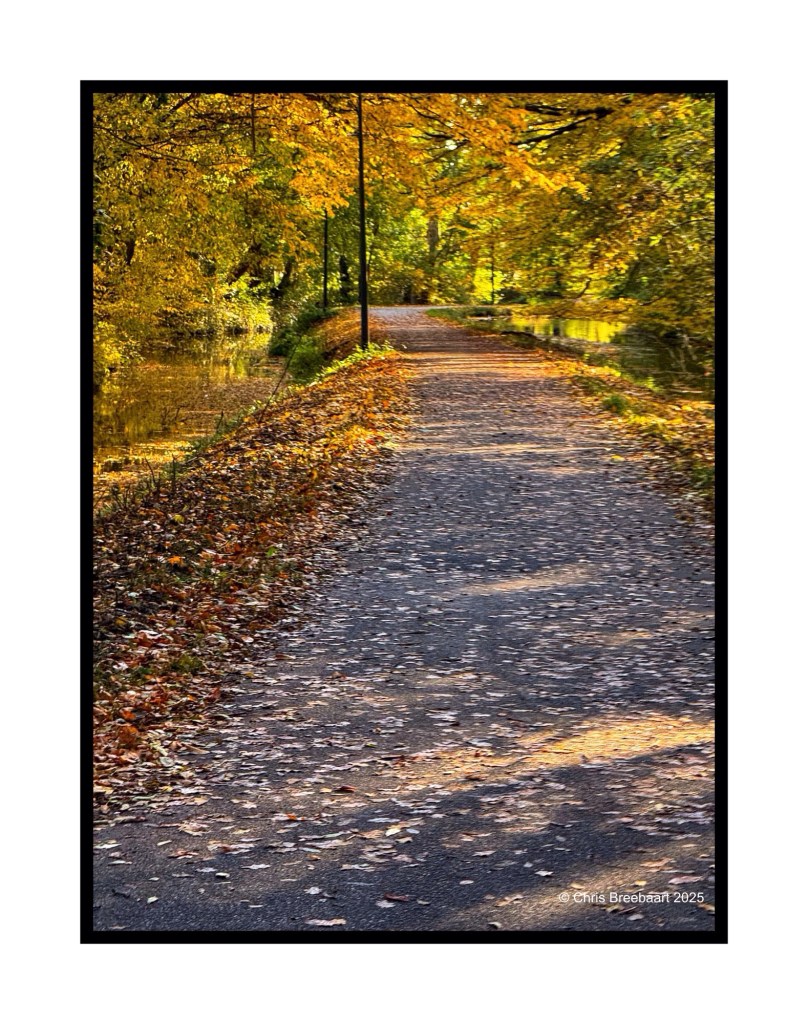
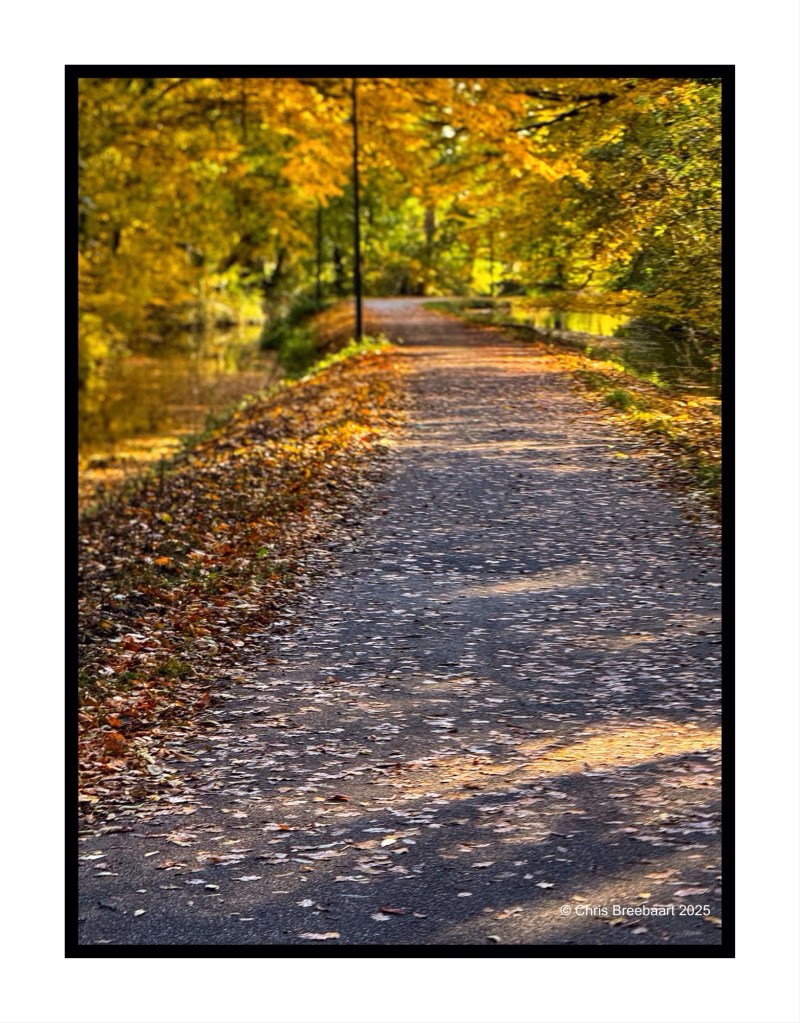

Shot with iPhone 15 Pro Max edited using Snapseed and Marksta. Click the picture for a larger version.
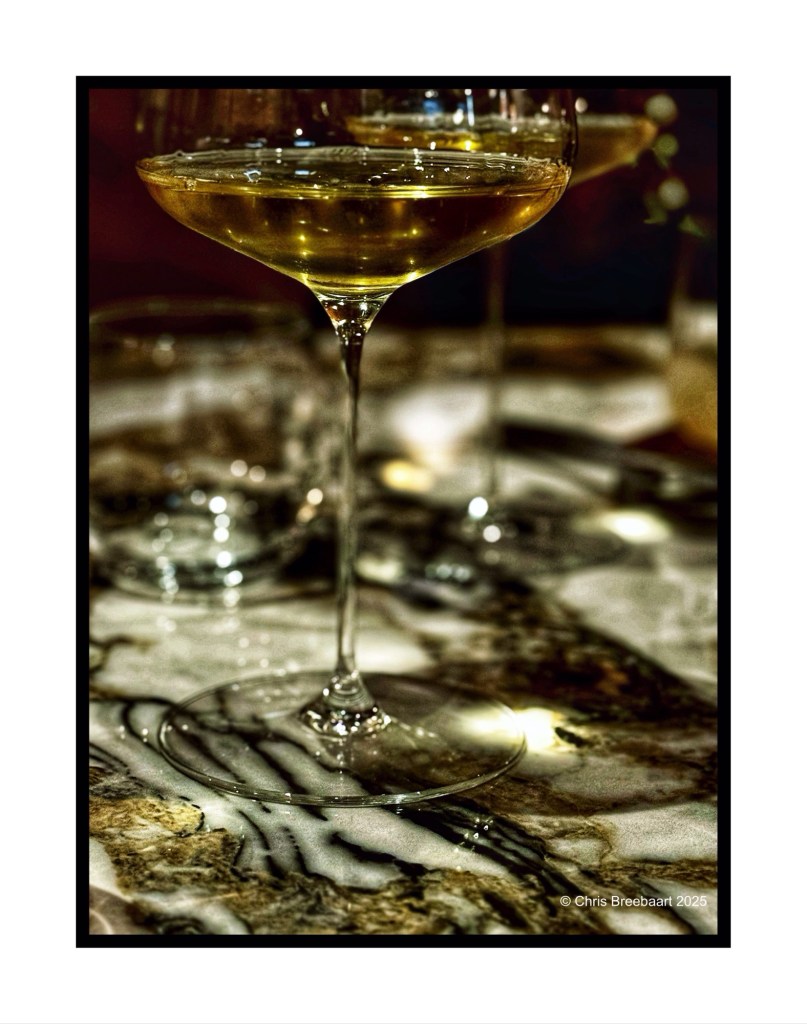
A dinner in our favorite restaurant, exquisite food with an excellent wine arrangement.
Shot with iPhone 15 Pro Max edited using Snapseed and Marksta. Click the picture for a larger version.
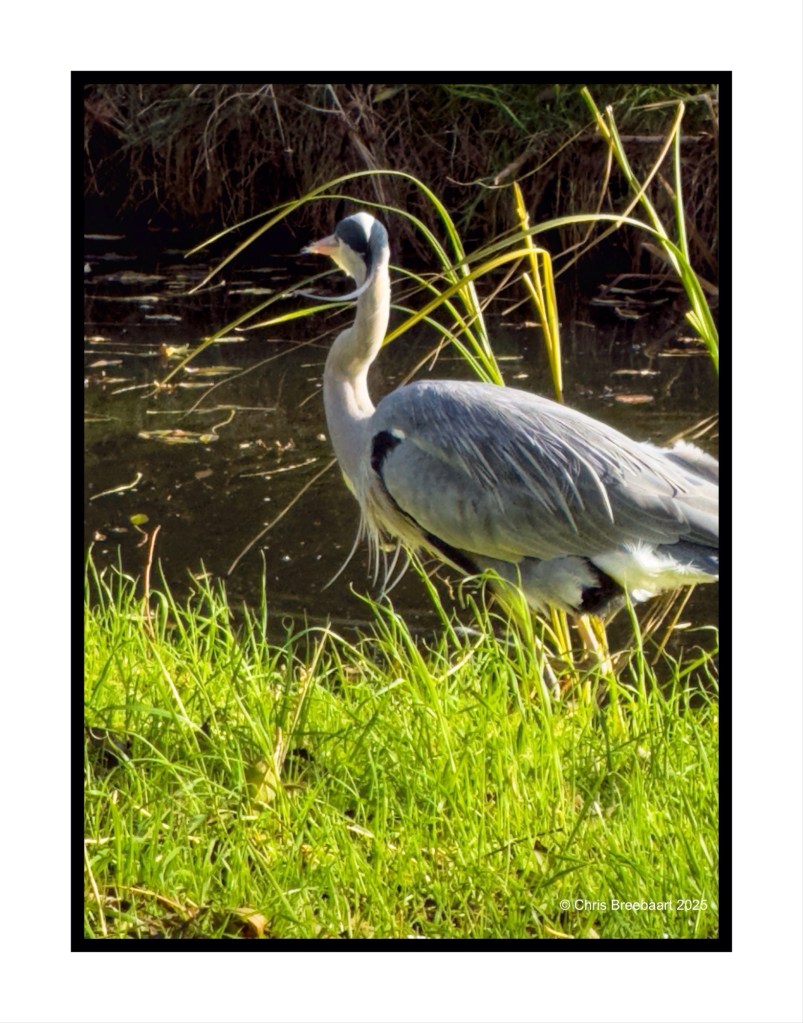
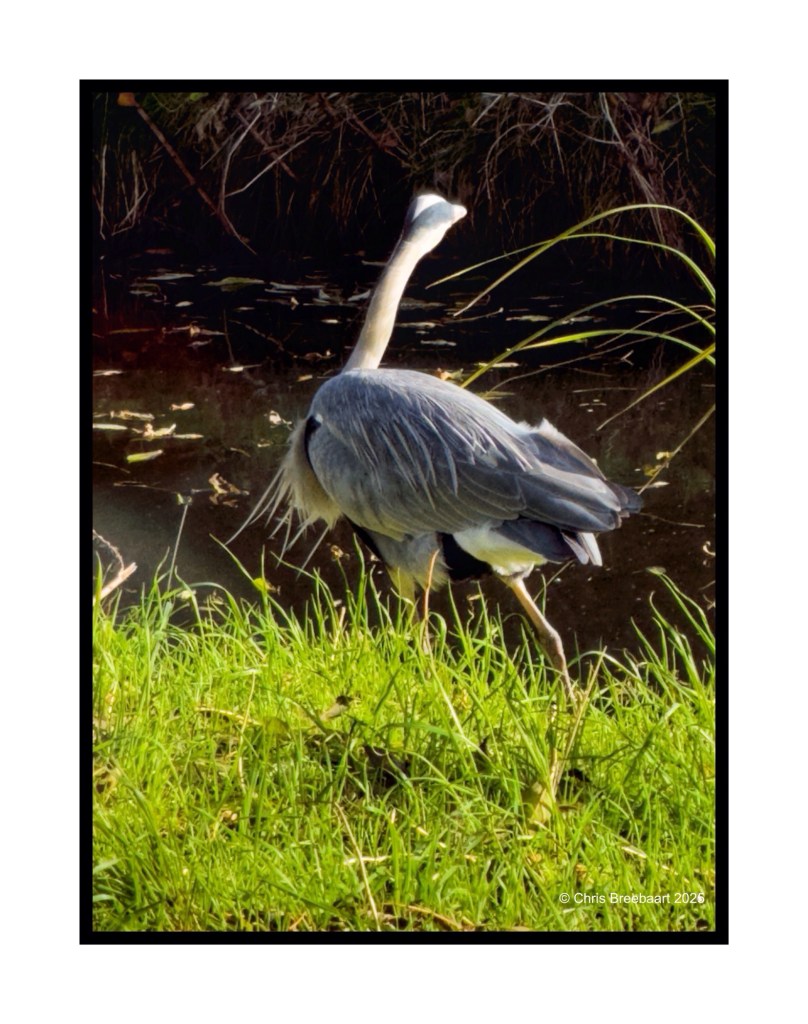
This Heron is a frequent visitor along the little canal in front of the house.
Shot with iPhone 15 Pro Max edited using Snapseed and Marksta. Click the picture for a larger version.
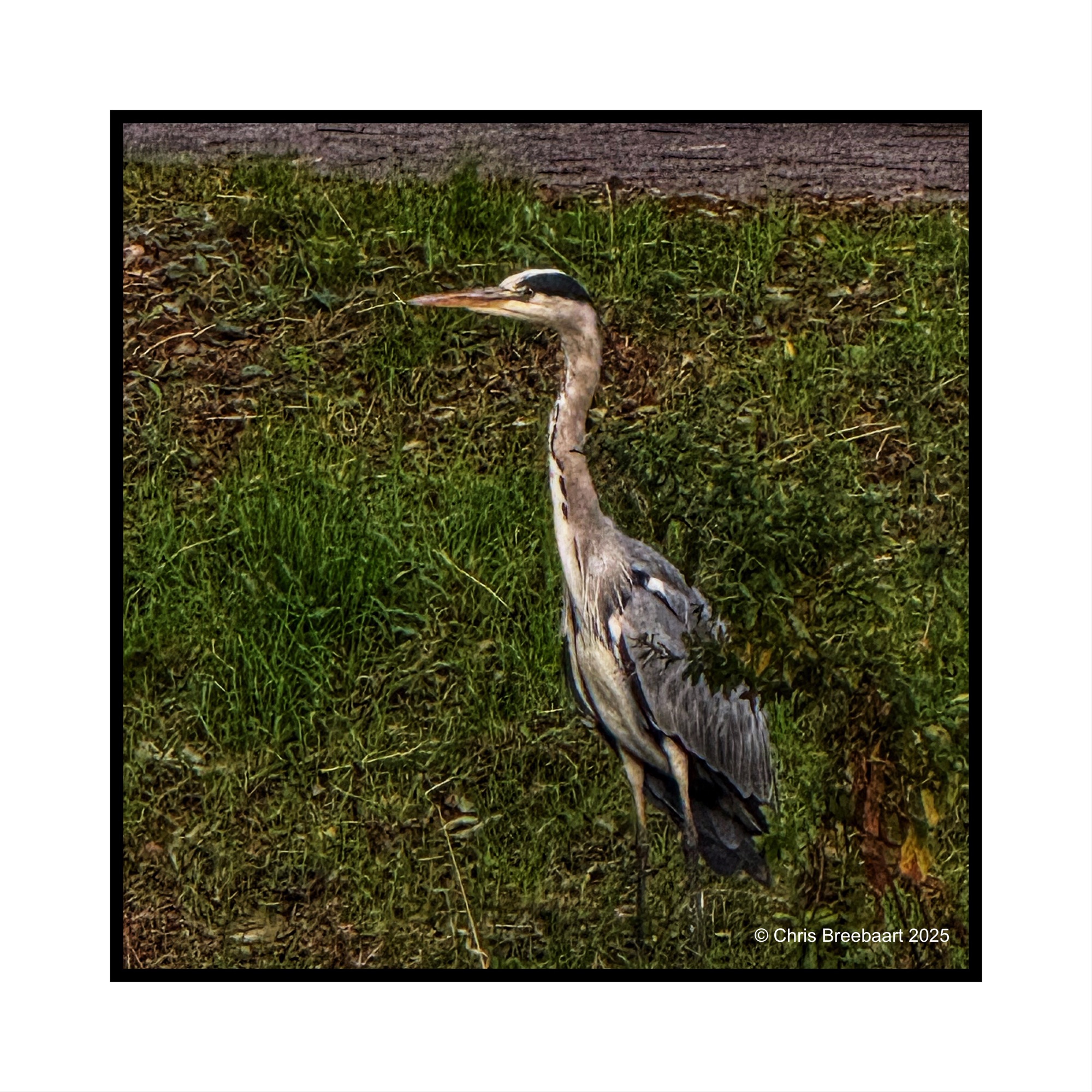
This Heron is a frequent visitor along the little canal in front of the house.
Shot with iPhone 15 Pro Max edited using Snapseed and Marksta. Click the picture for a larger version.
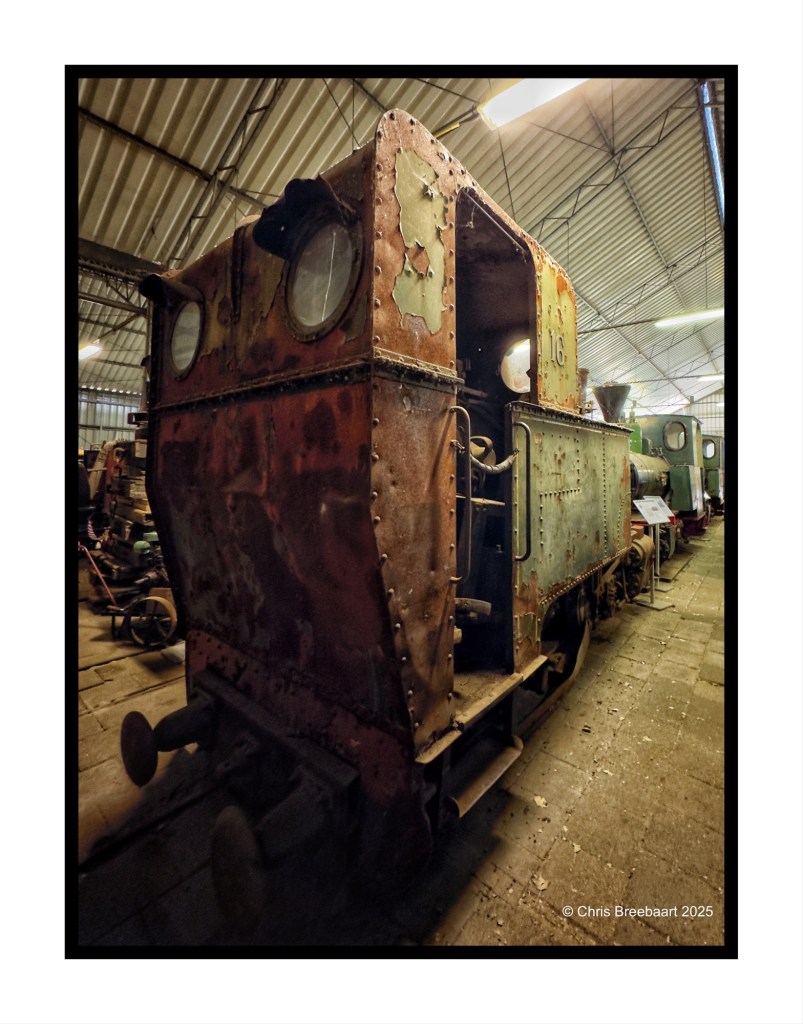
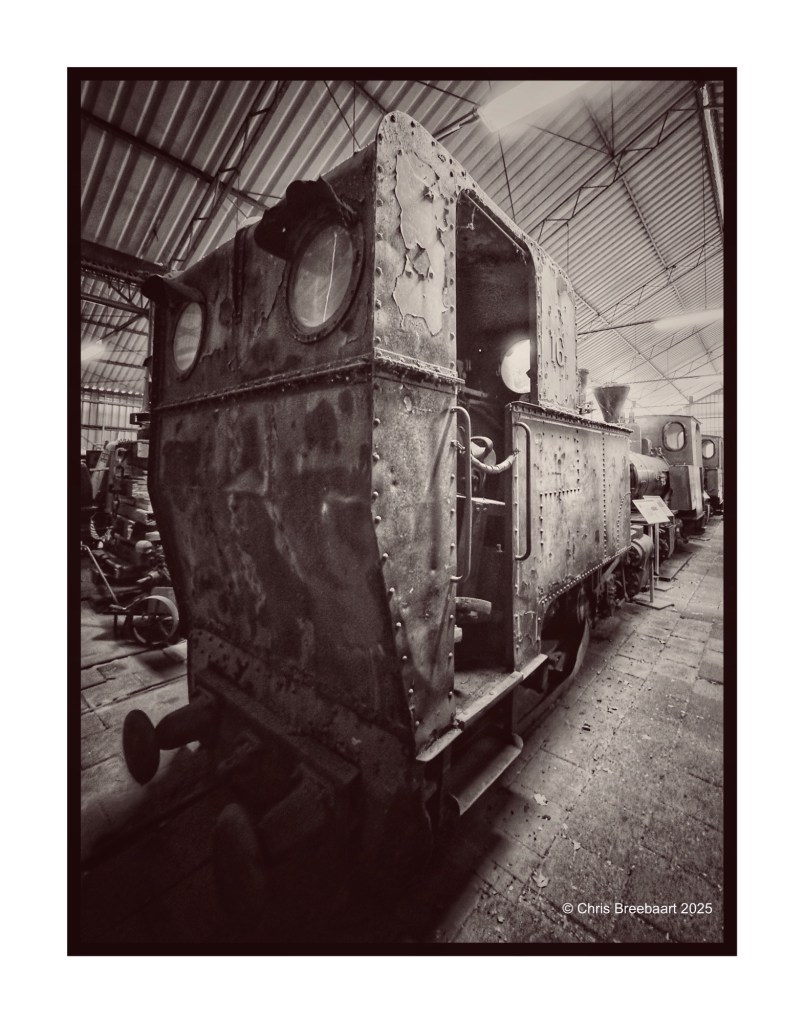
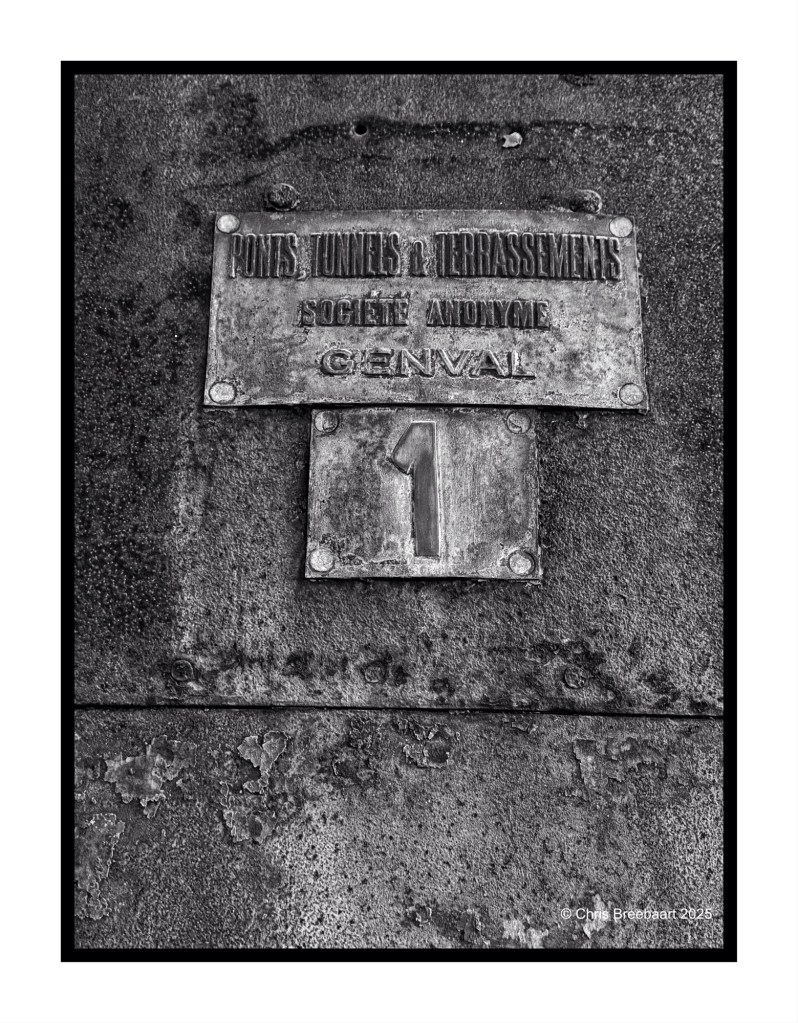

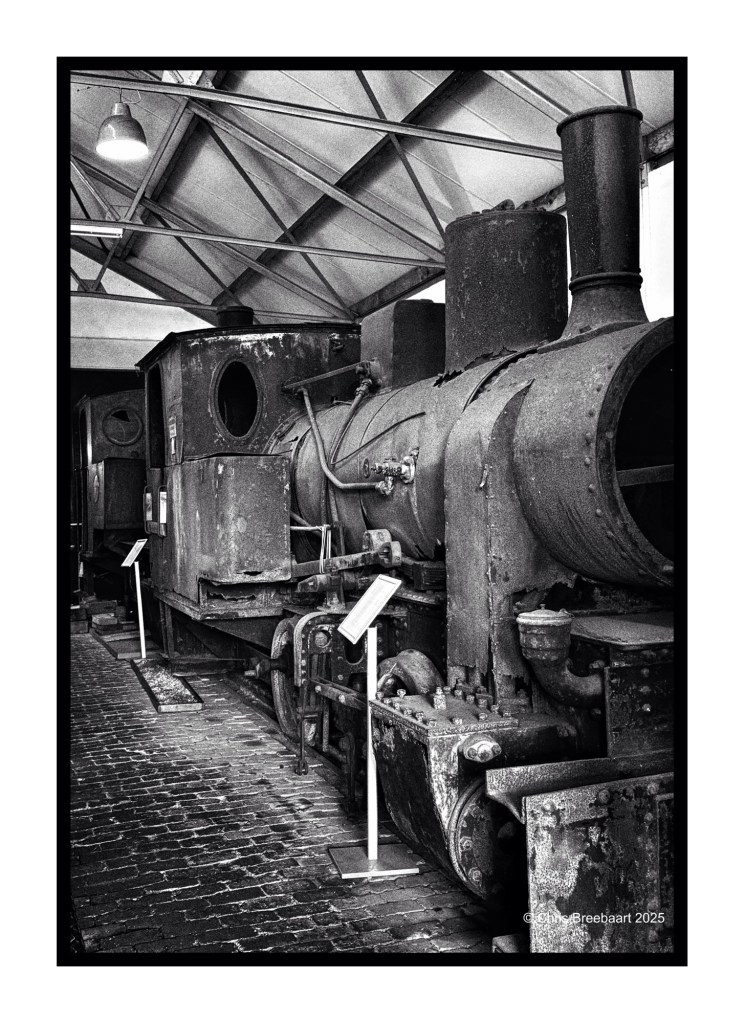
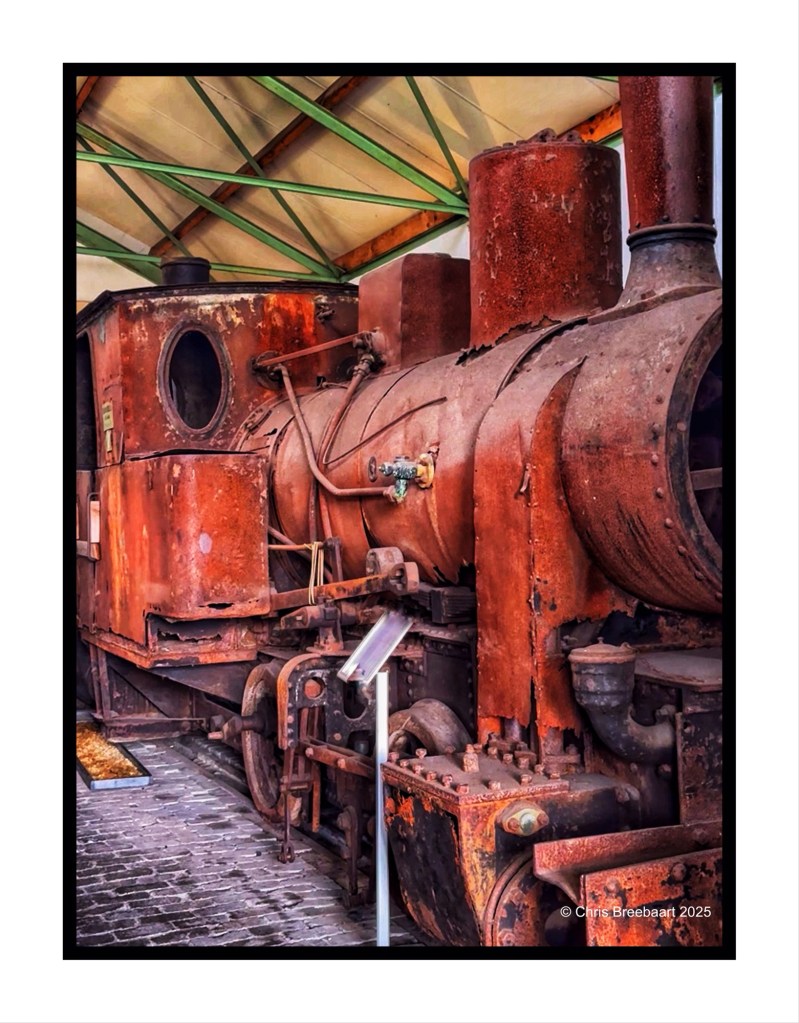
The Lens-Artists Photo Challenge #374 is ‘on the move’. Most of what is on these photos has not moved in a long time. However, the machines they got moving again are brilliant. It is a place where they try to keep history alive and accessible, touchable and usable.
The Steamtrain Museum Katwijk Leiden is run by volunteers. It offers the history of steam trains and their use on narrow gauge tracks. And the volunteers fix up and restore old locomotives, carriages and other cars. They have a big storage full of old parts and rusty machines.
Shot with iPhone 15 Pro Max edited using Snapseed and Marksta. Click the picture for a larger version.
Shot with iPhone 15 Pro Max edited using Snapseed and Marksta. Click the picture for a larger version.
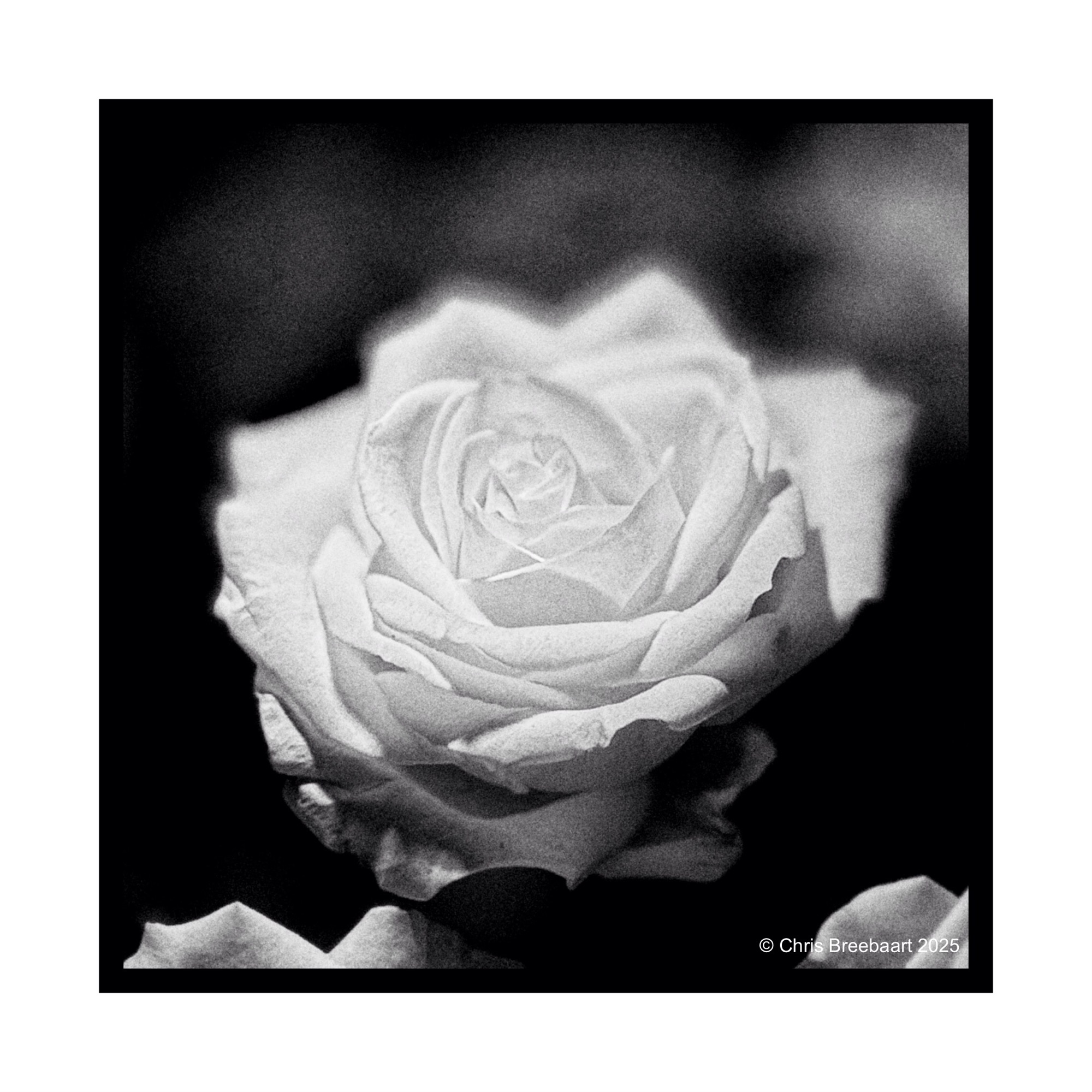
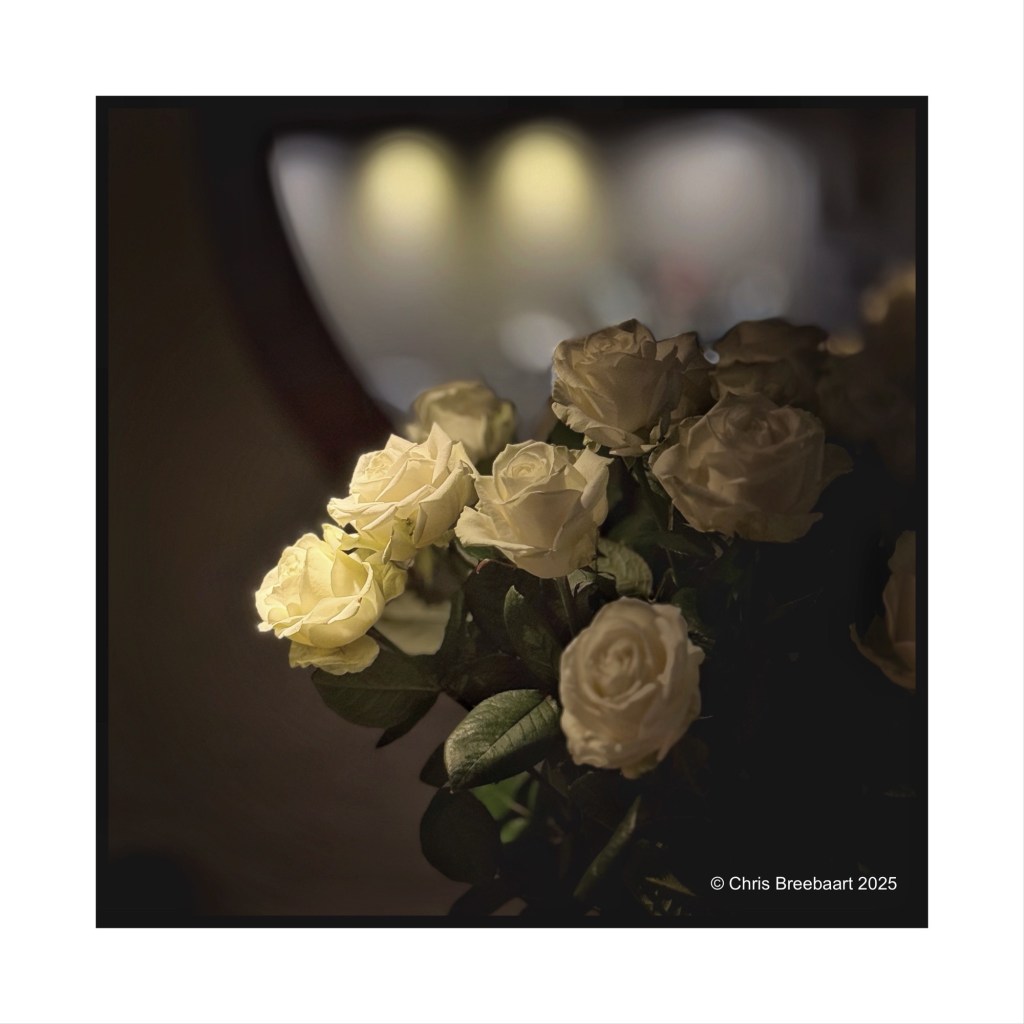
Having fresh flowers in the house is a blessing.
Shot with iPhone 15 Pro Max edited using Snapseed and Marksta. Click the picture for a larger version.
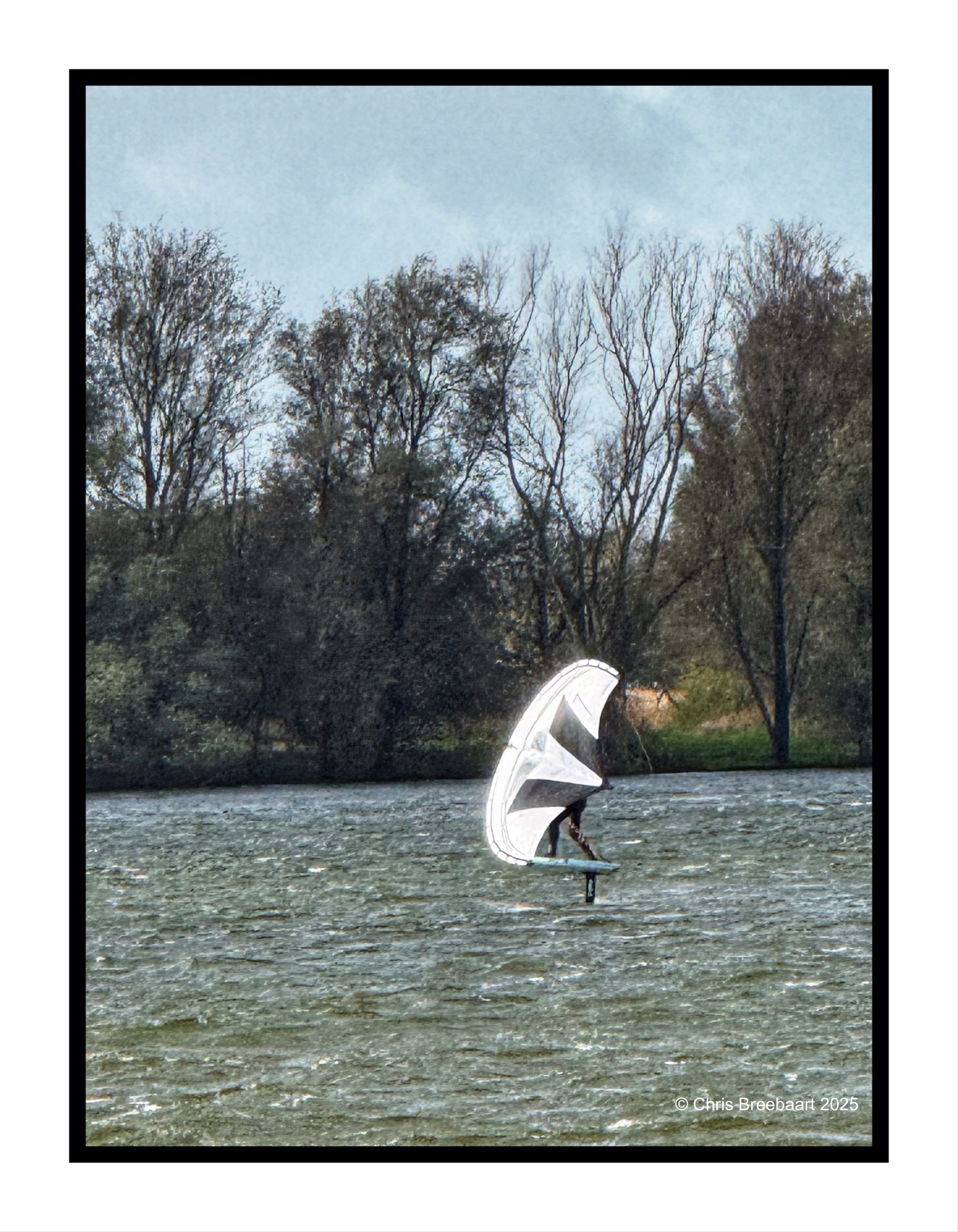
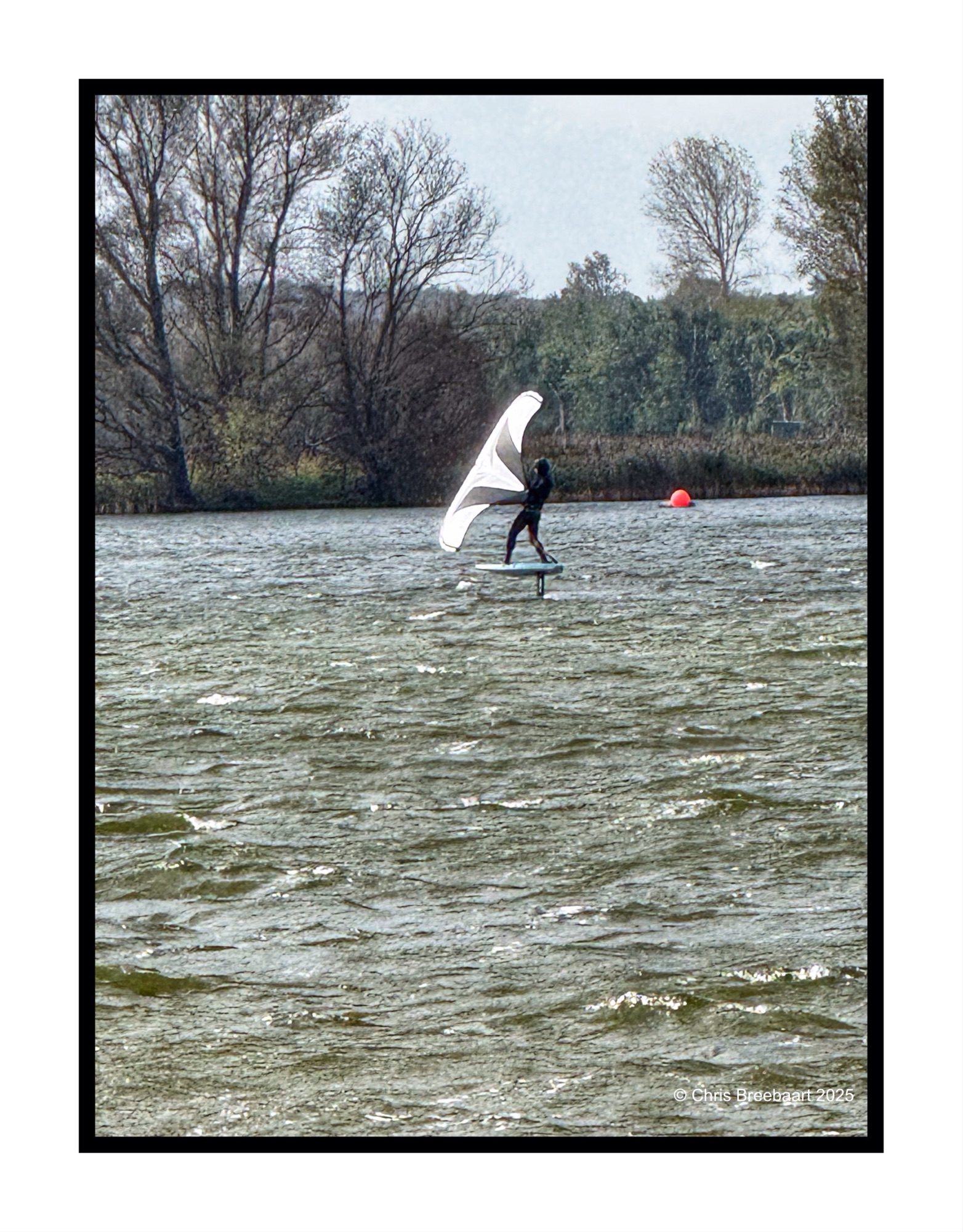
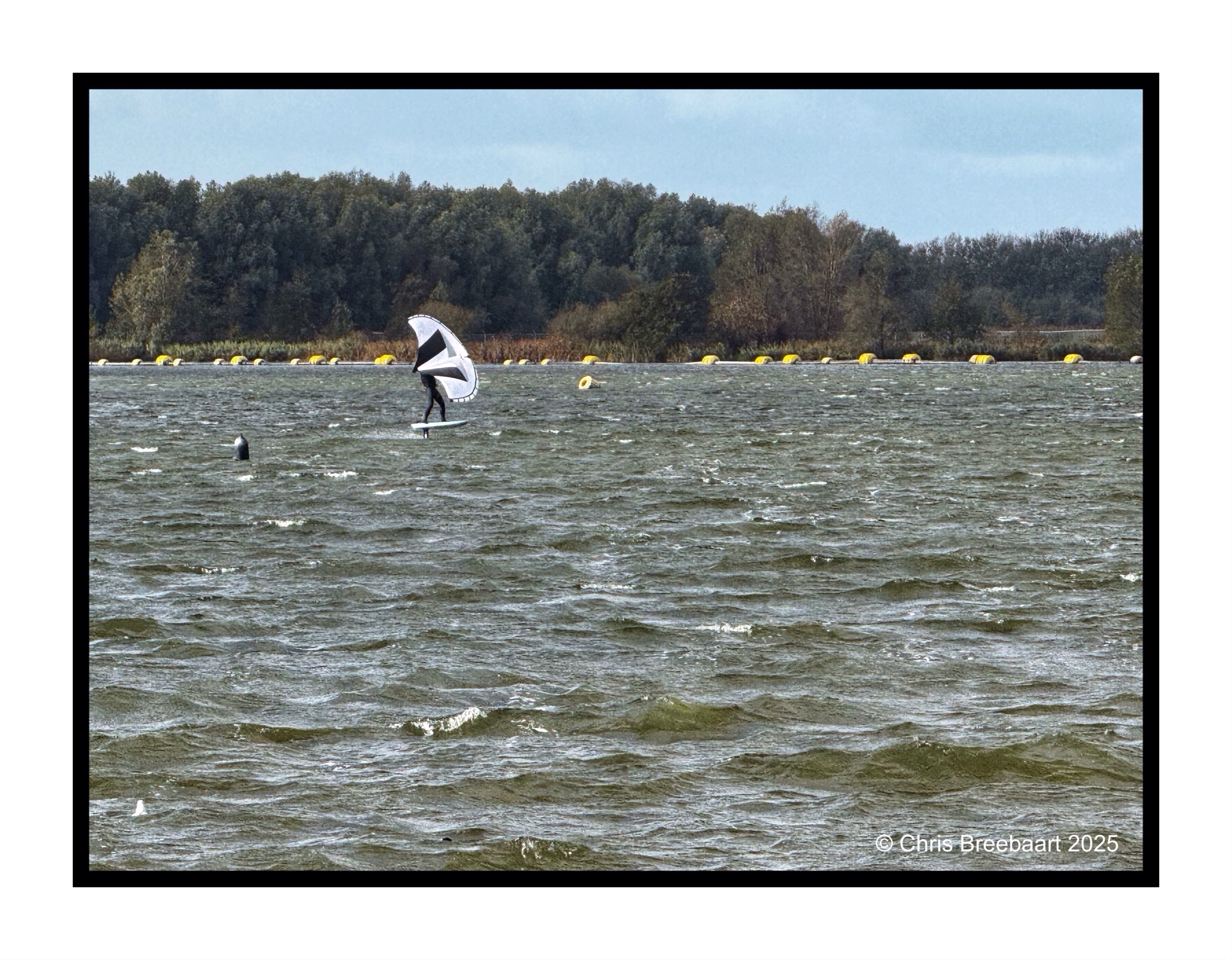
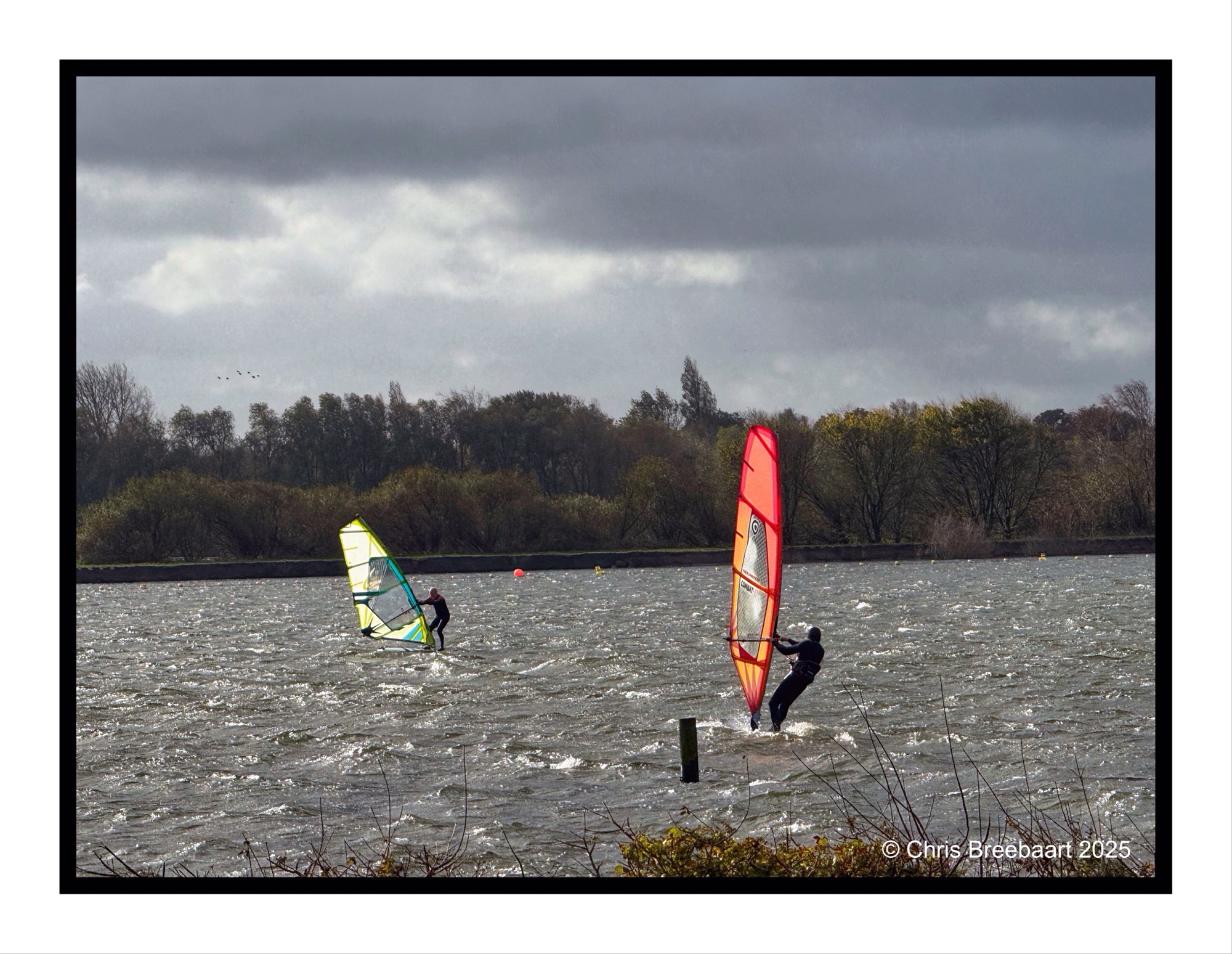

The Netherlands, Valkenburg – October 2025
The lake near Valkenburg during a forceful wind.
Shot with iPhone 15 Pro Max edited using Snapseed and Marksta. Click the picture for a larger version.
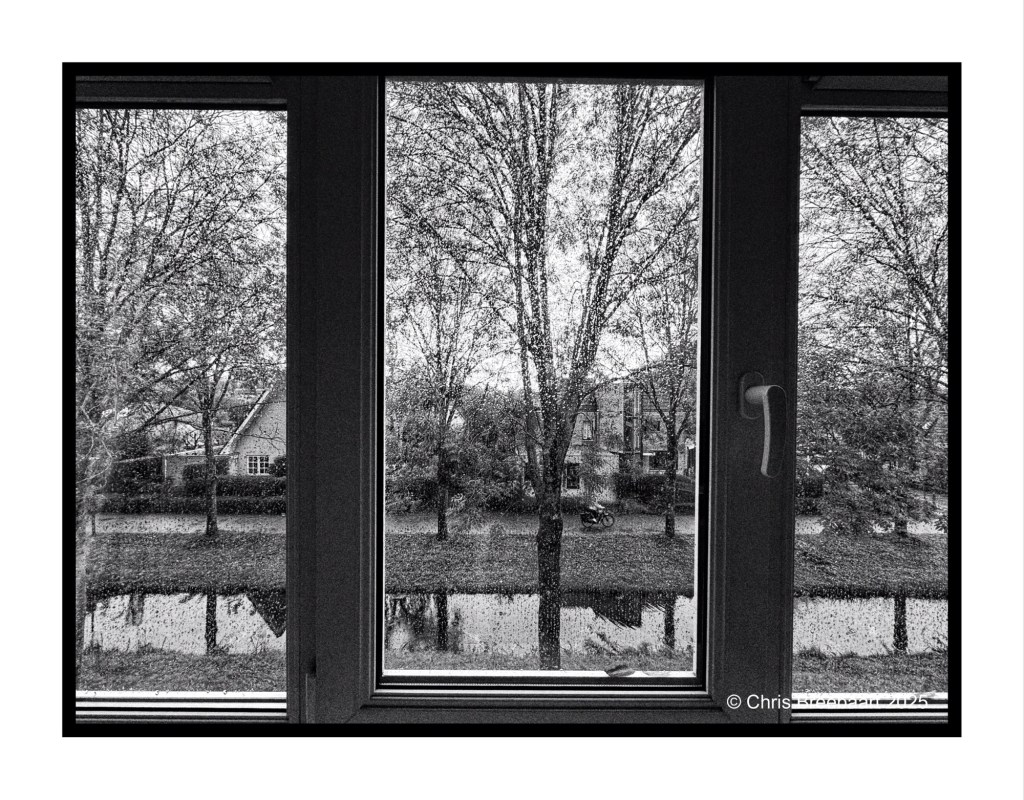
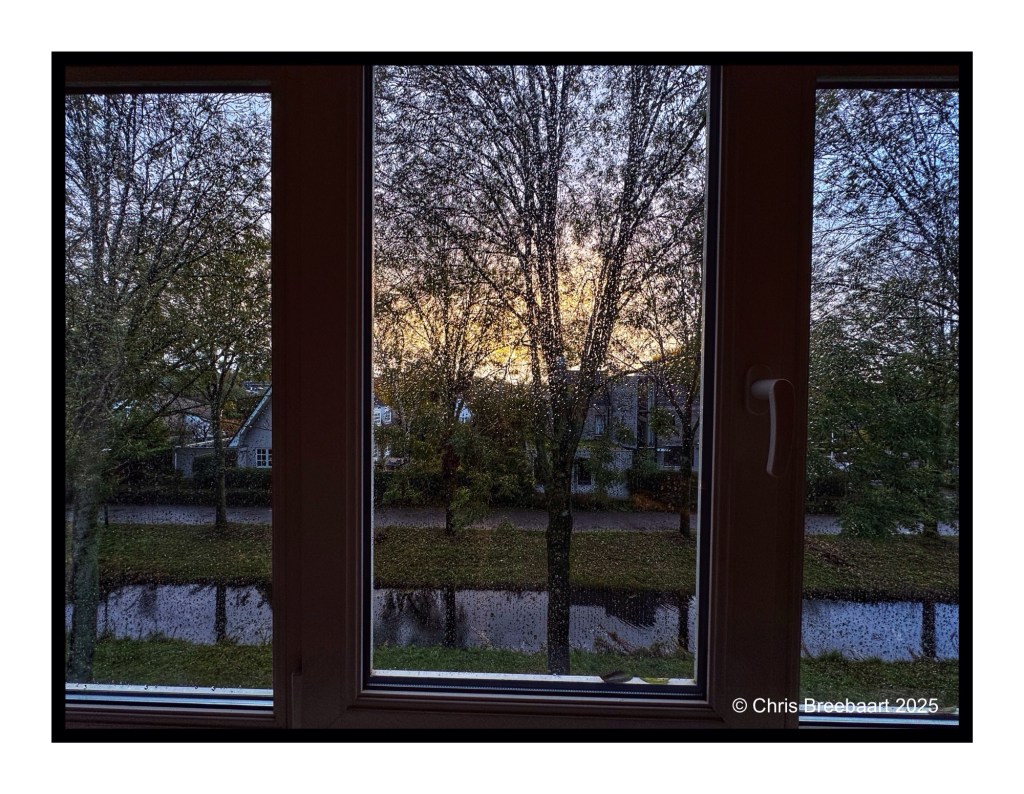
Shot with iPhone 15 Pro Max edited using Snapseed and Marksta. Click the picture for a larger version
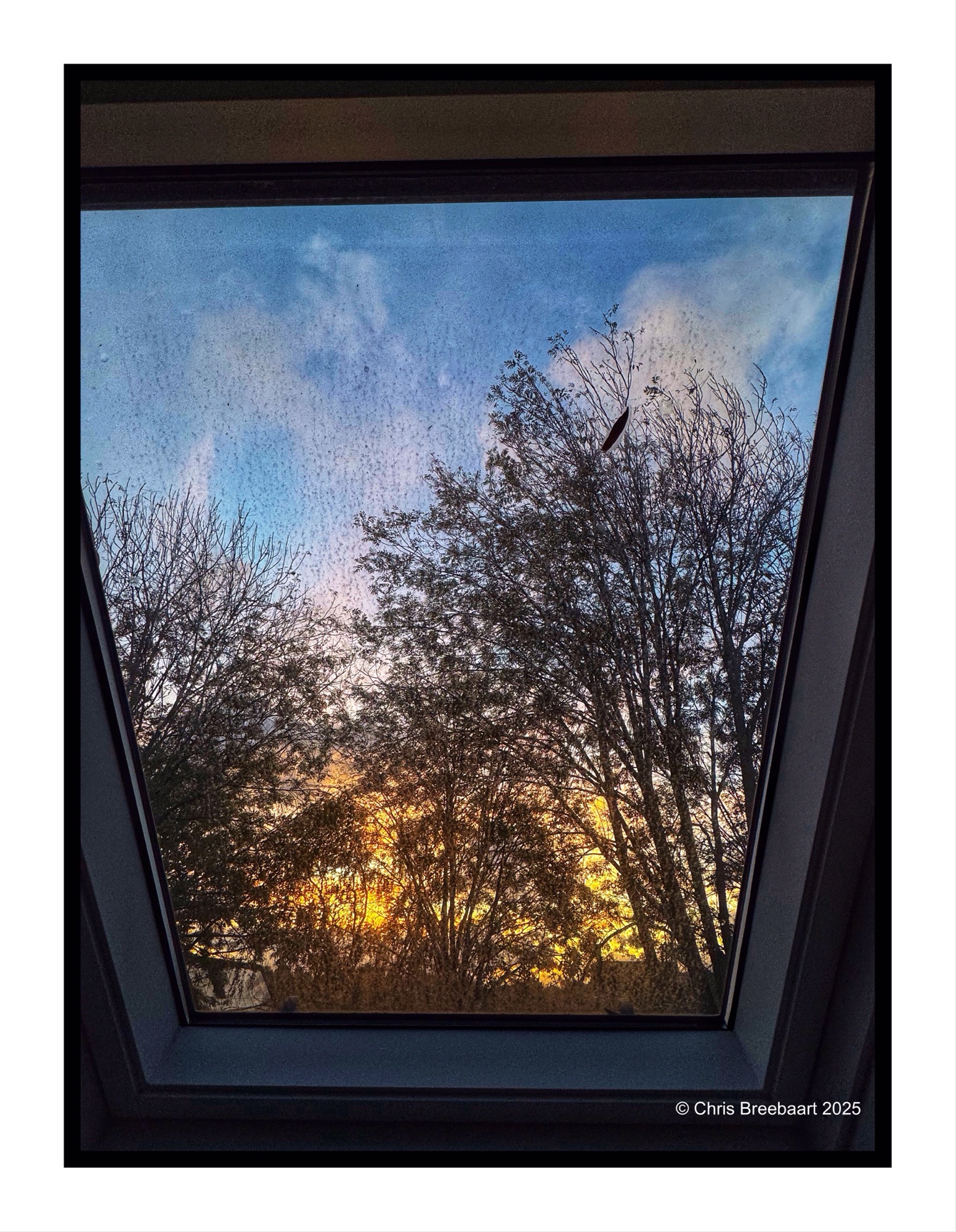
Shot with iPhone 15 Pro Max edited using Snapseed and Marksta. Click the picture for a larger version
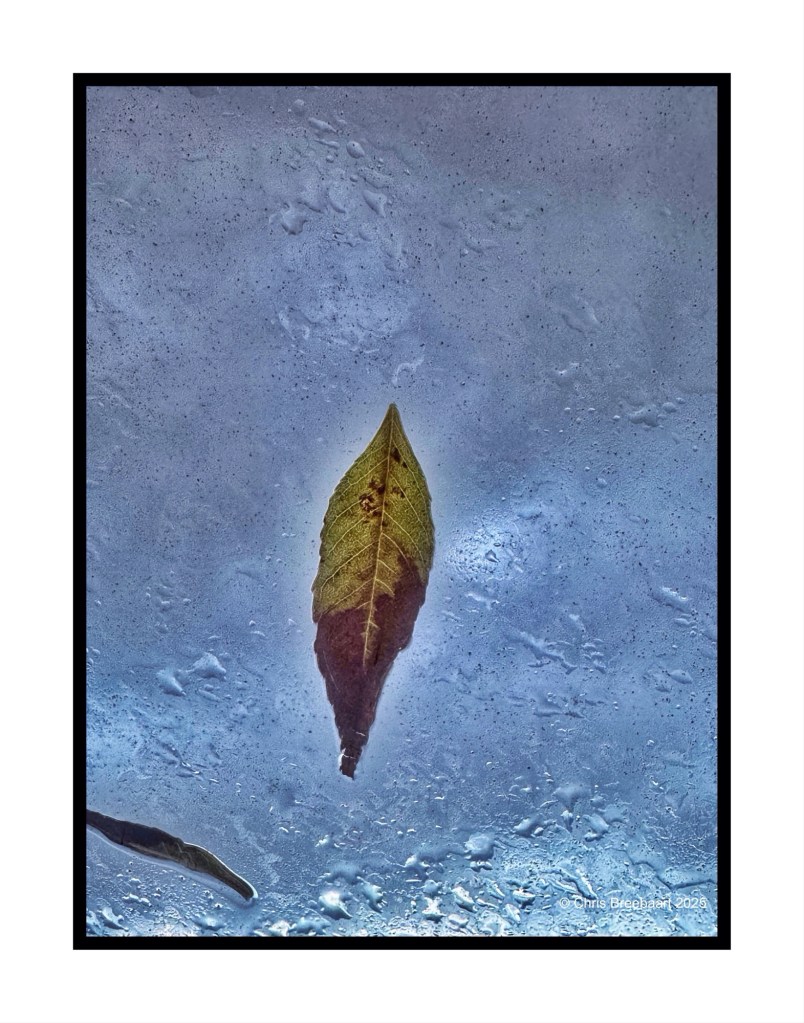
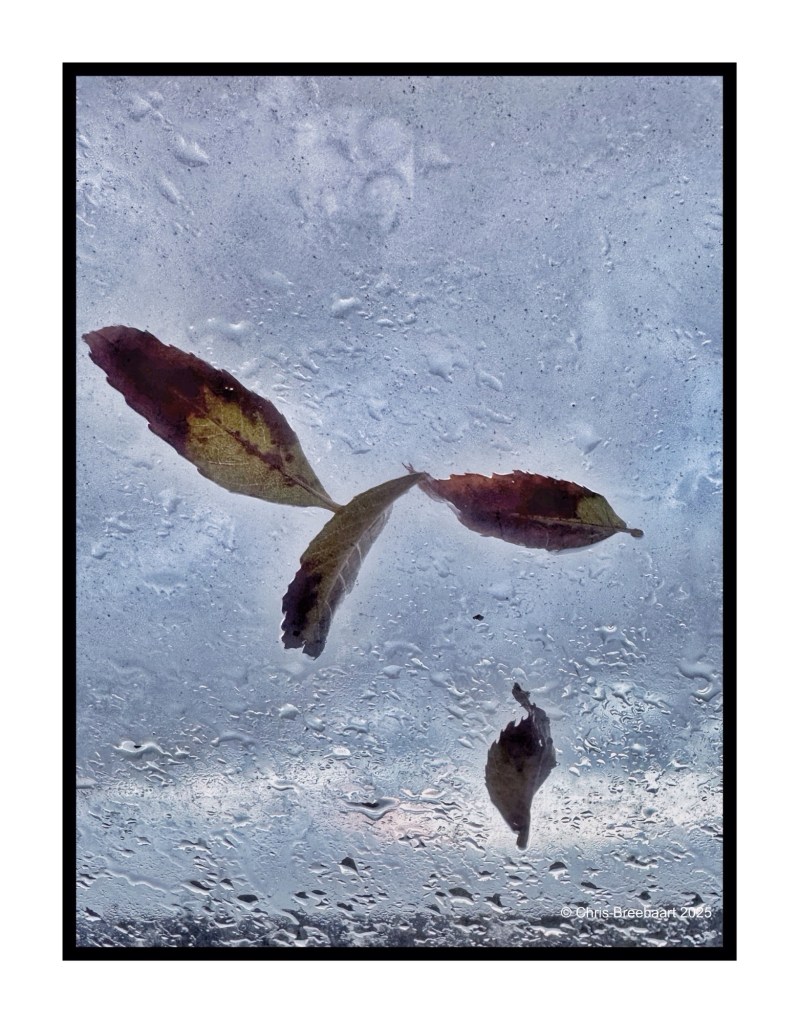
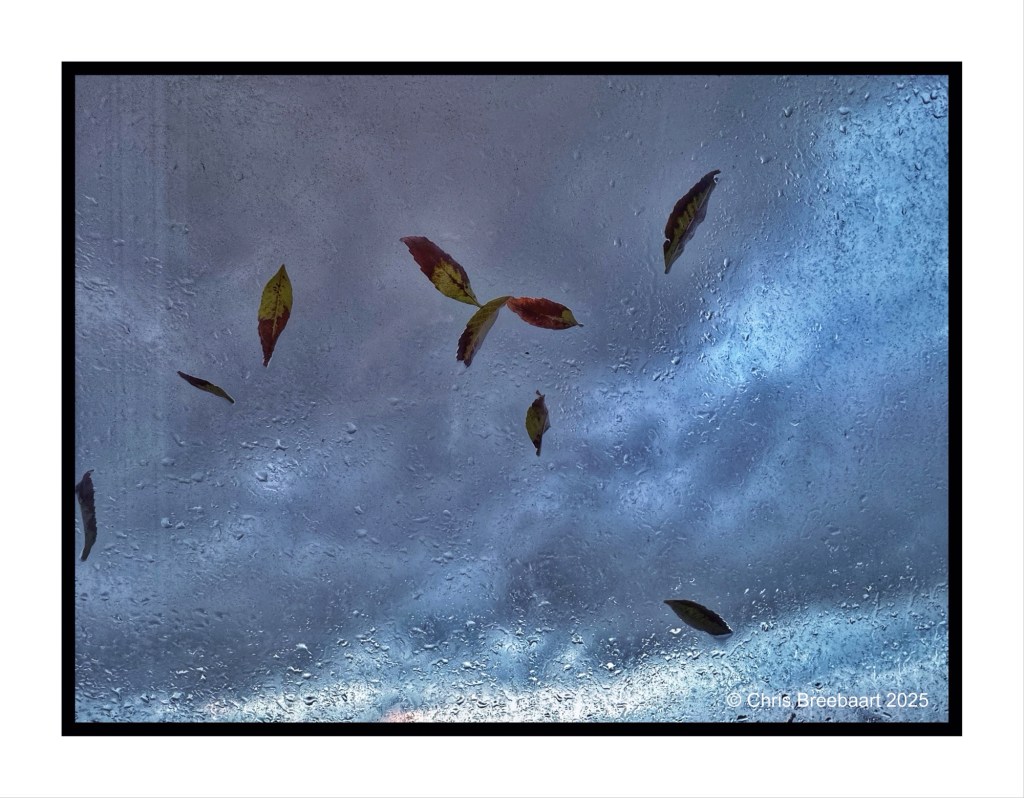

The sky and fallen leaves on windows.
Shot with iPhone 15 Pro Max edited using Snapseed and Marksta. Click the picture for a larger version
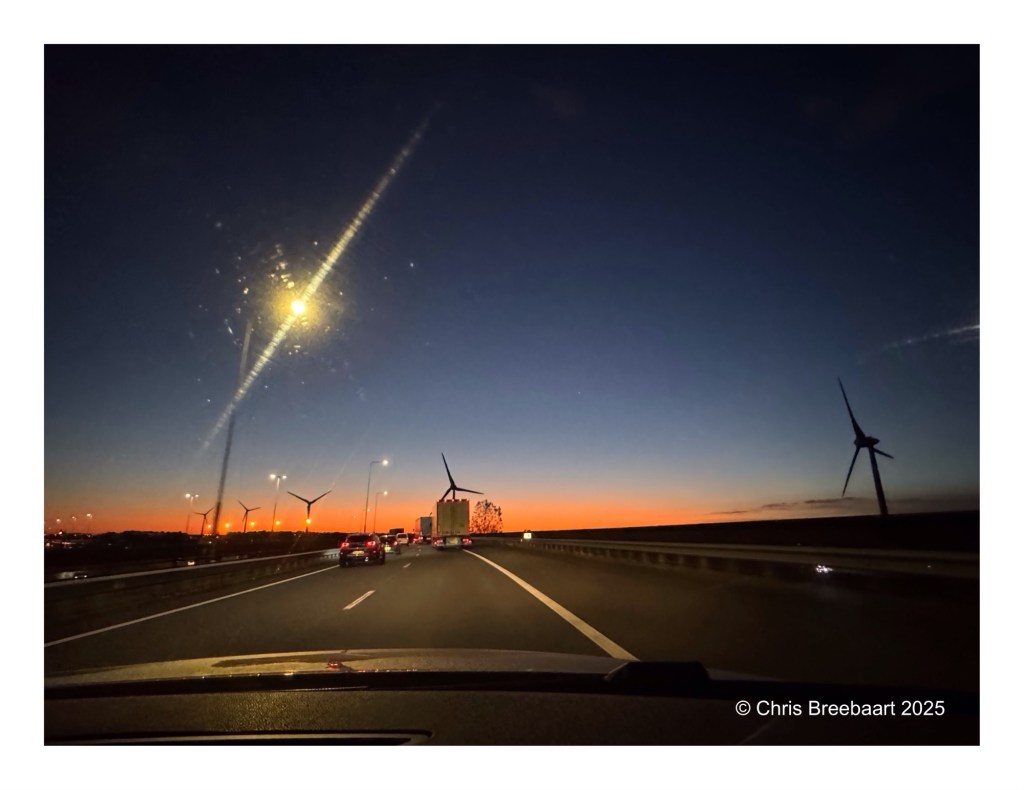
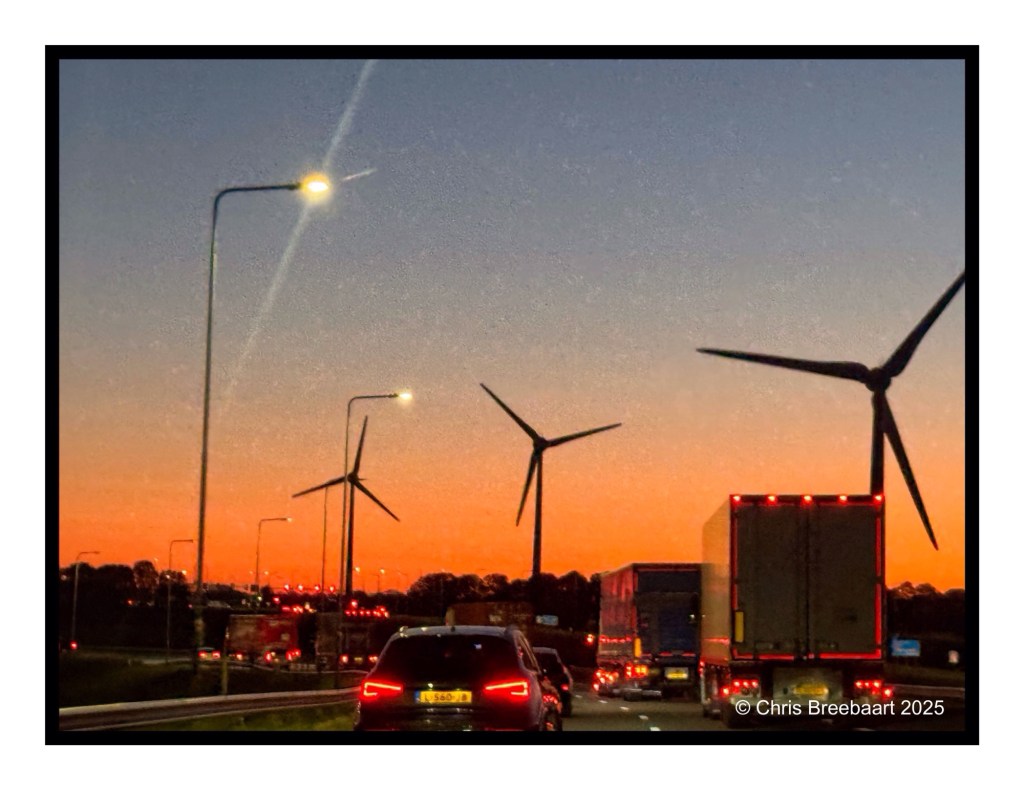
On the road at sunrise, the A44 and A4 to Schiphol Amsterdam.
I am not sure this is filling the brief of LAPC #373 ‘looking back at landscapes’. It’s more looking forward on the road.
Shot with iPhone 15 Pro Max edited using Snapseed and Marksta. Click the picture for a larger version.
 What's (in) the Picture?