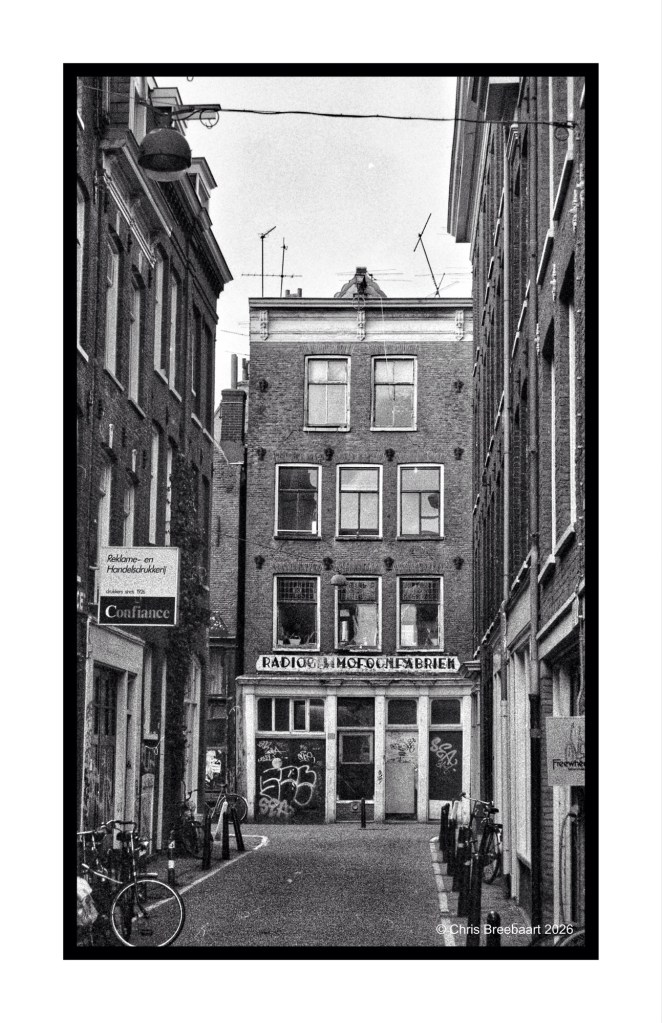
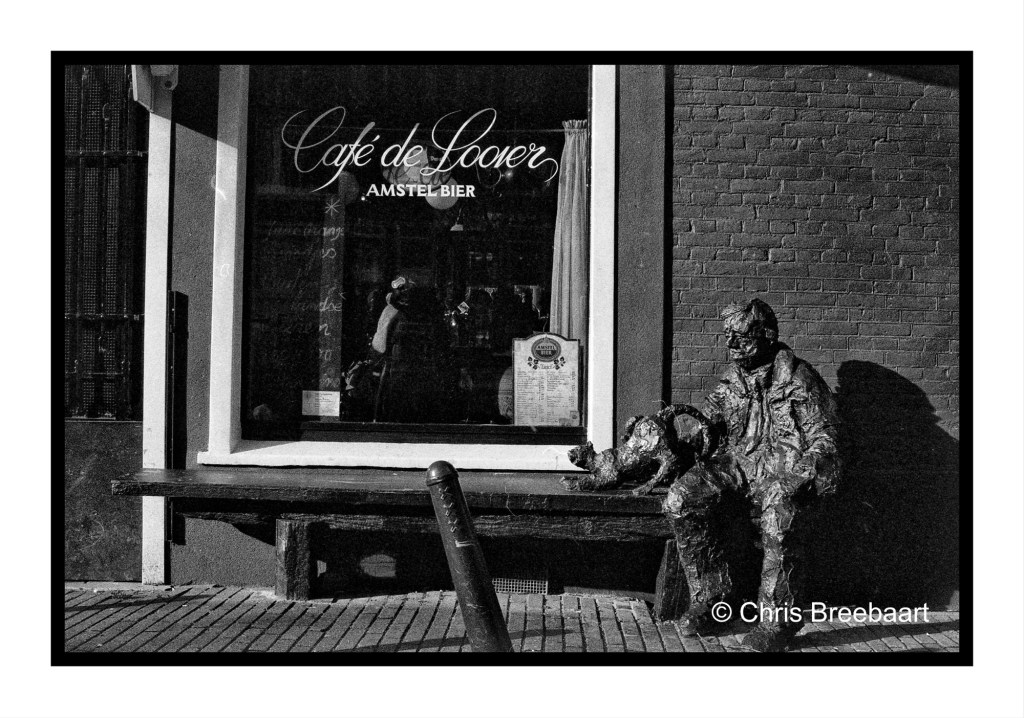
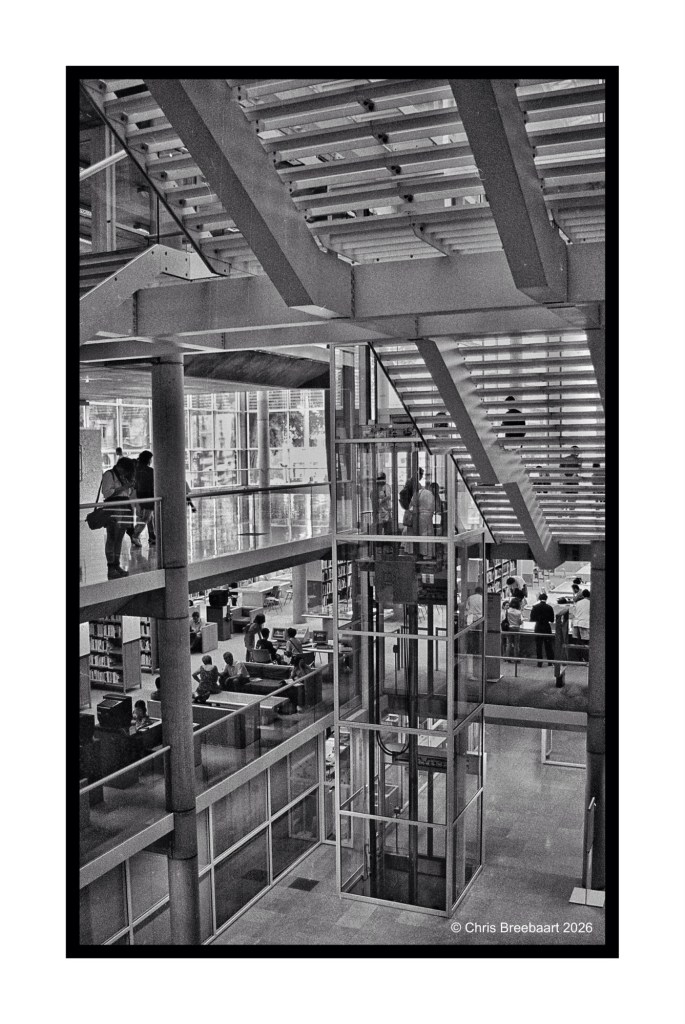
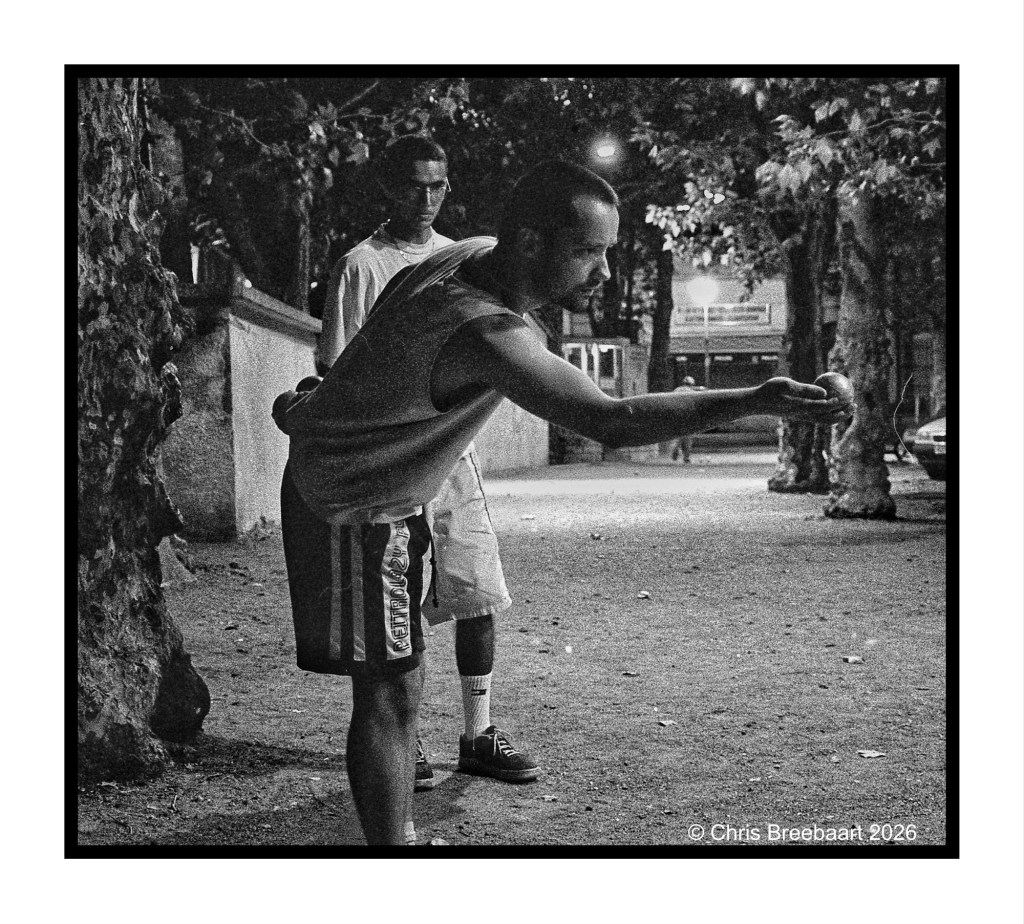
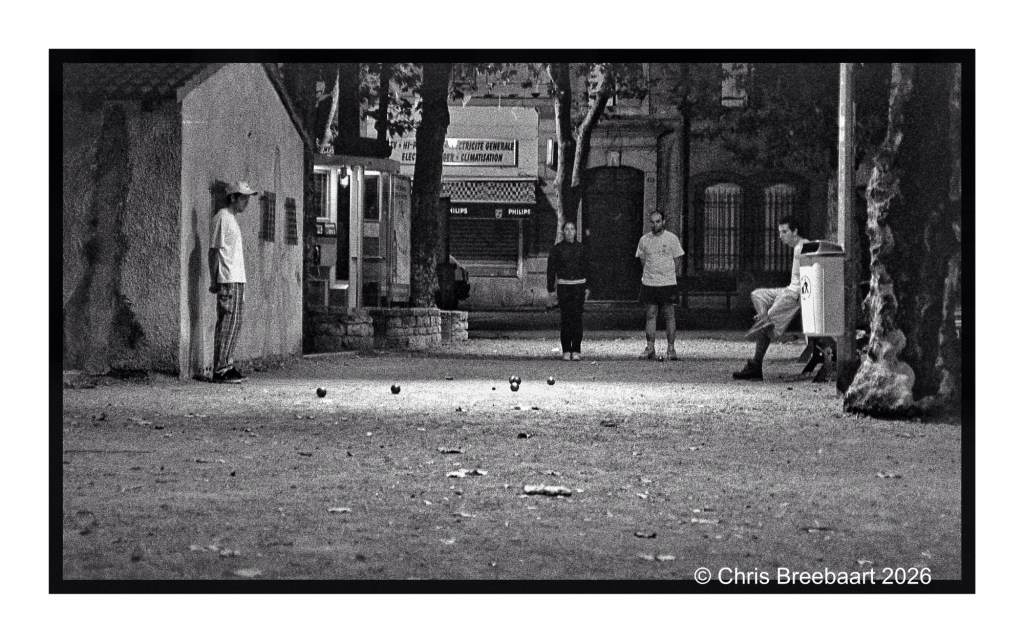
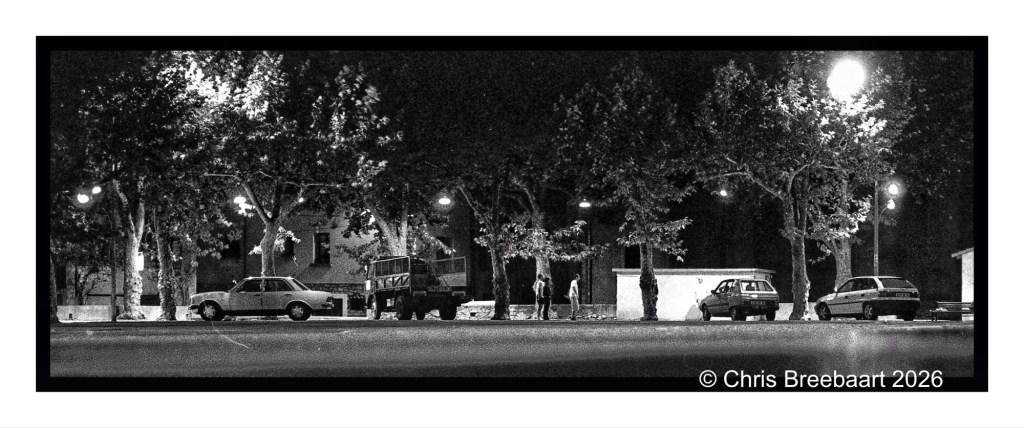
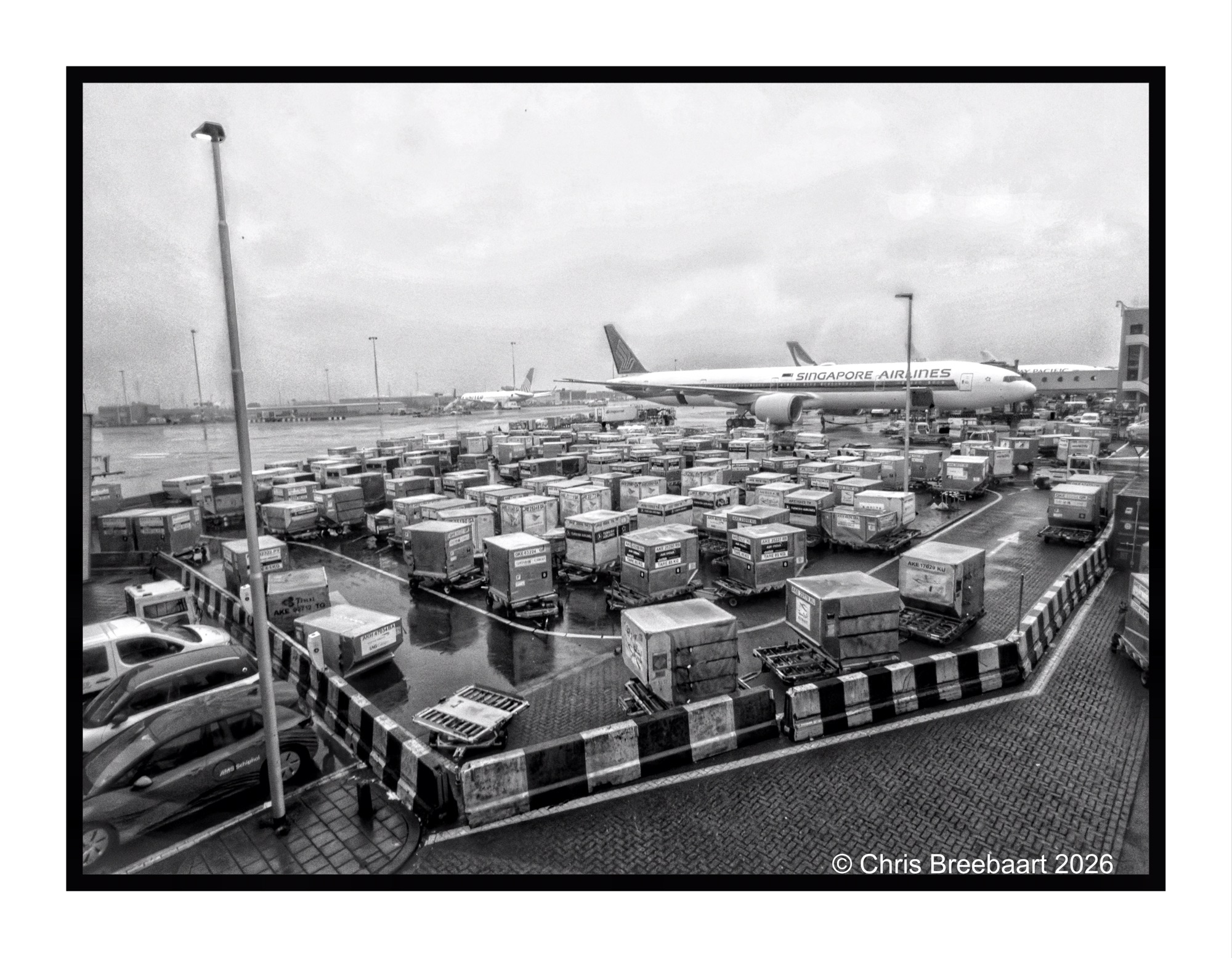
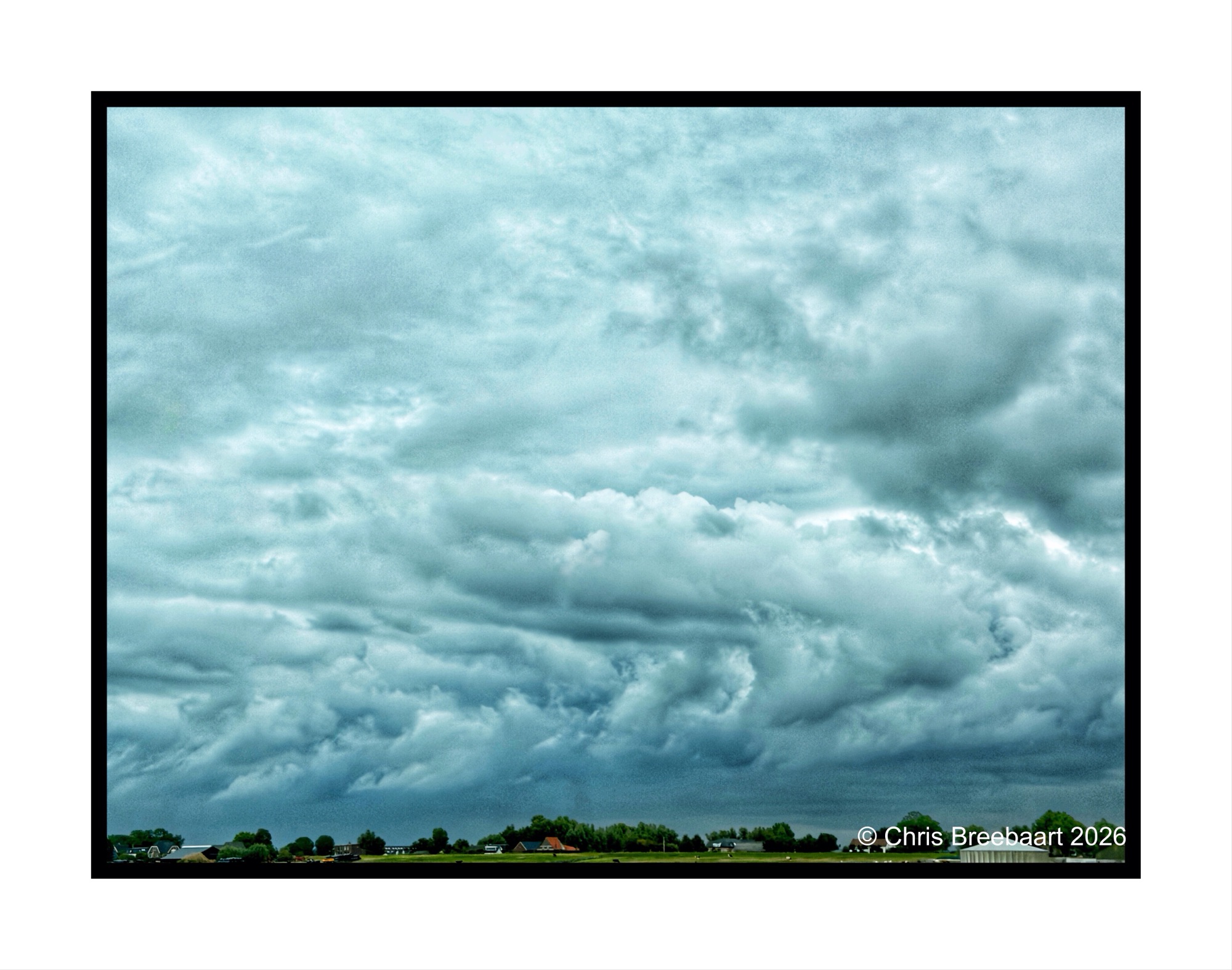
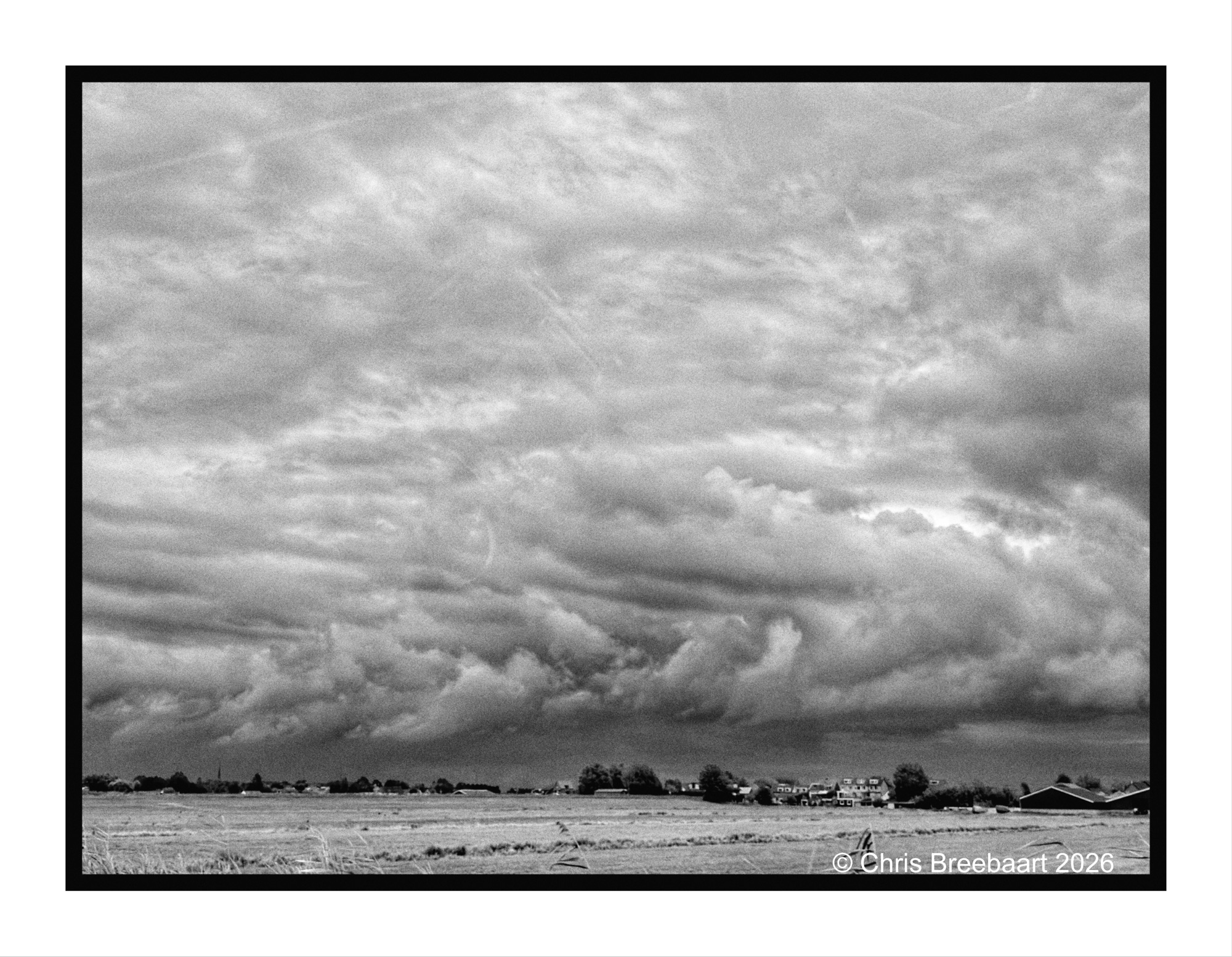
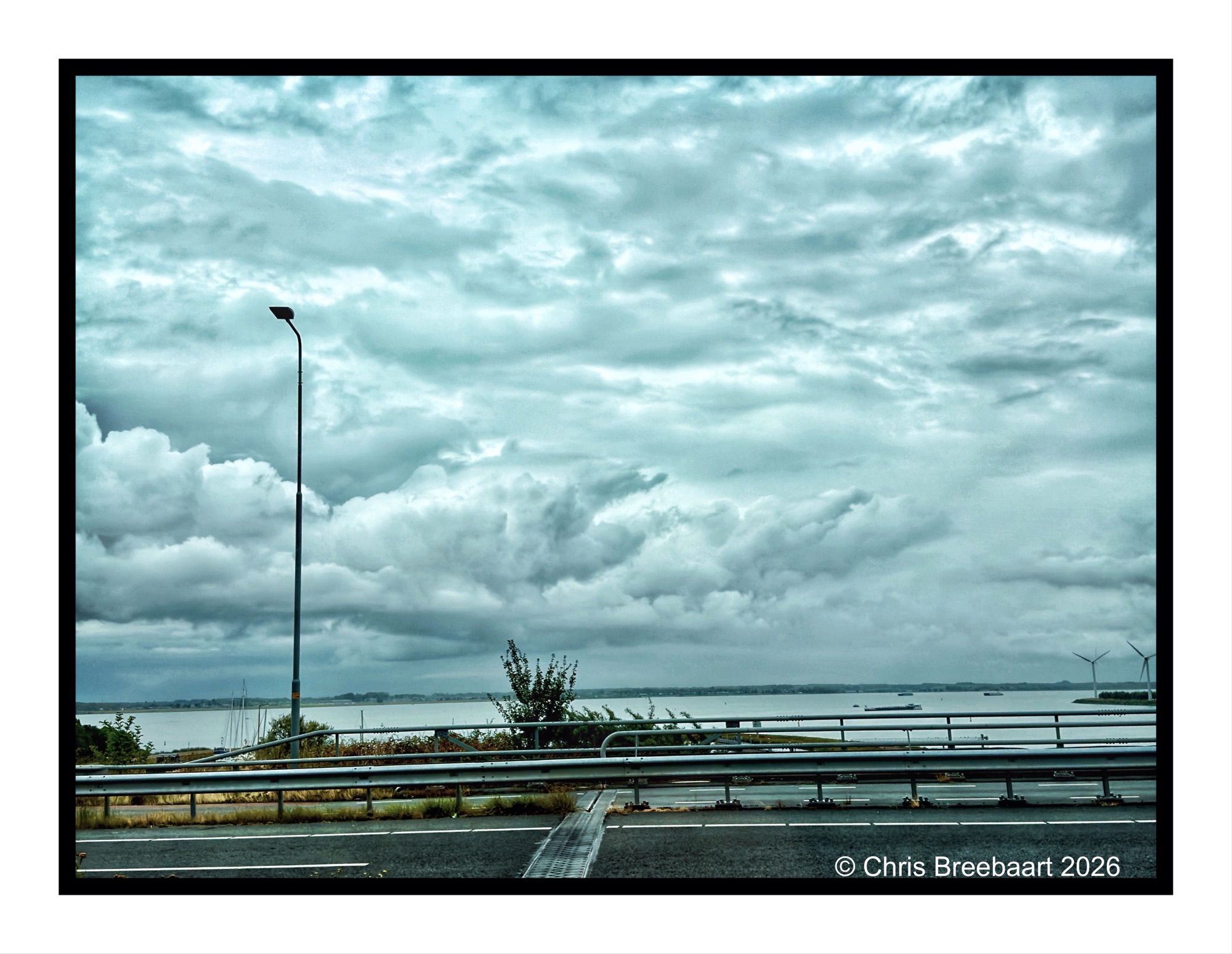
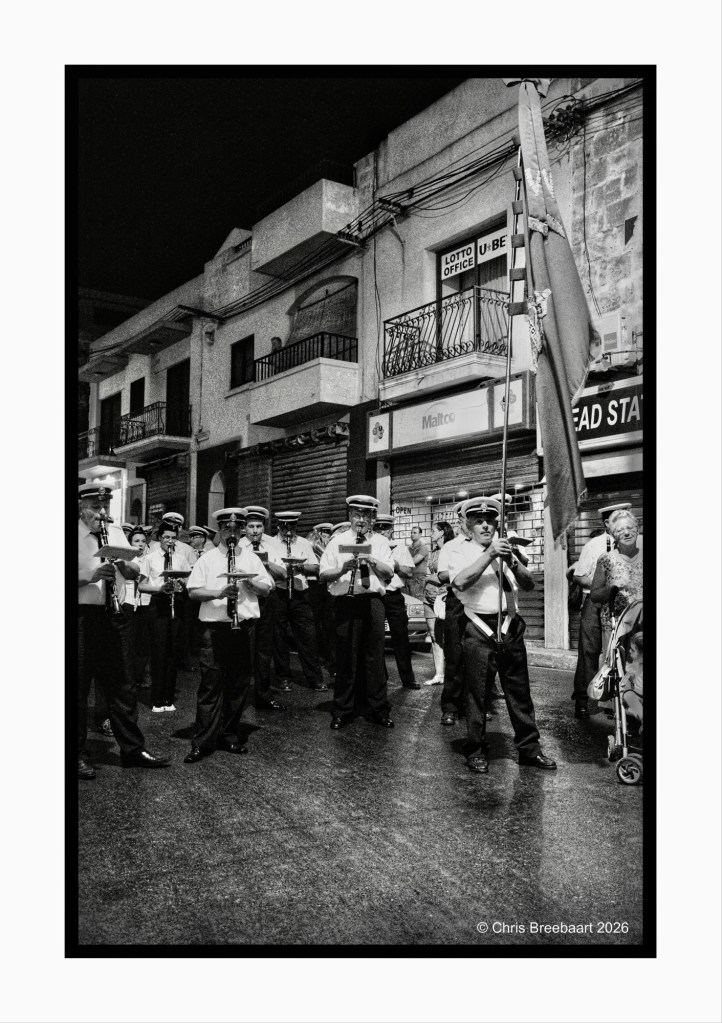
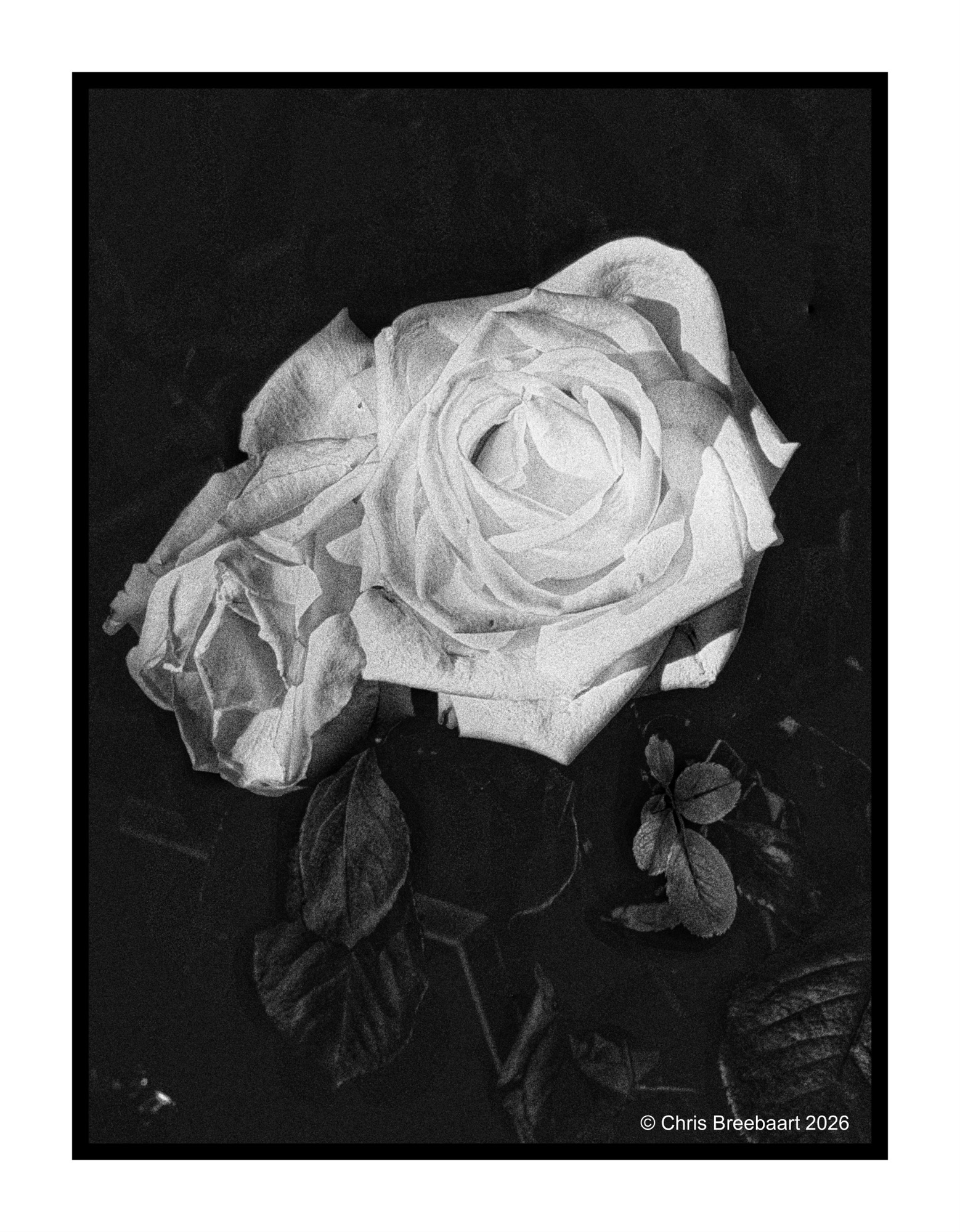
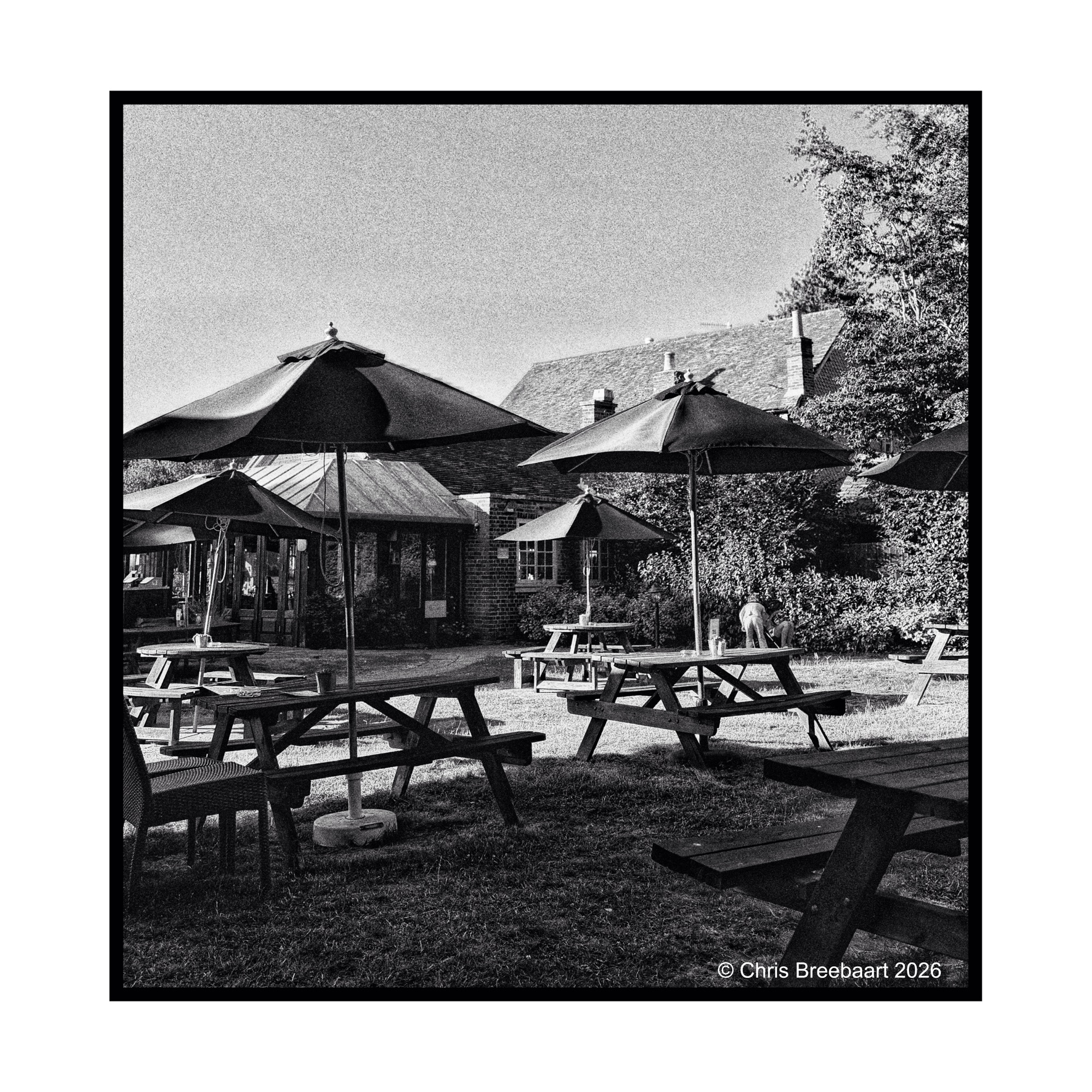
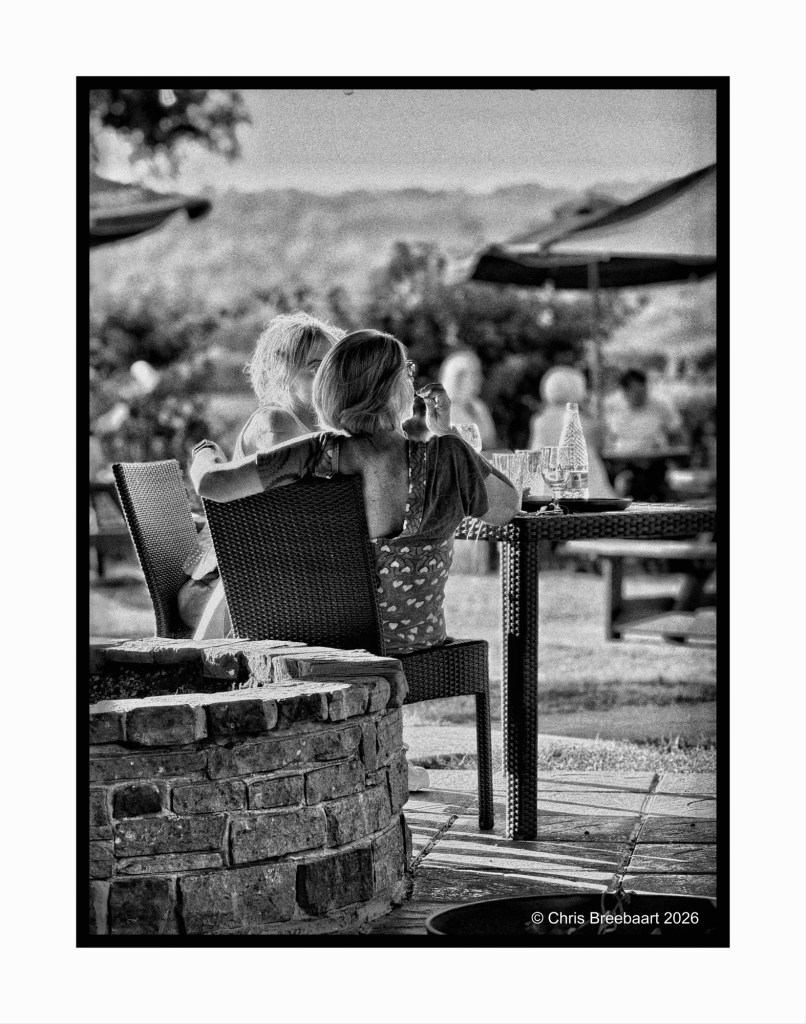
About the B4 retouch series: I browsed my archive for pictures to publish. Some of them are partly retouched but most do have scratches, dust and stains.
Shot with Nikon F90 on Kodak TriX, scanned from film and edited using Snapseed and Marksta. Click the picture for a bigger version.
About the B4 retouch series: I browsed my archive for pictures to publish. Some of them are partly retouched but most do have scratches, dust and stains.
Shot with Nikon F90 on Kodak TriX, scanned from film and edited using Snapseed and Marksta. Click the picture for a bigger version.
About the B4 retouch series: I browsed my archive for pictures to publish. Some of them are partly retouched but most do have scratches, dust and stains.
Shot with Nikon F90 on Kodak TriX, scanned from film and edited using Snapseed and Marksta. Click the picture for a bigger version.
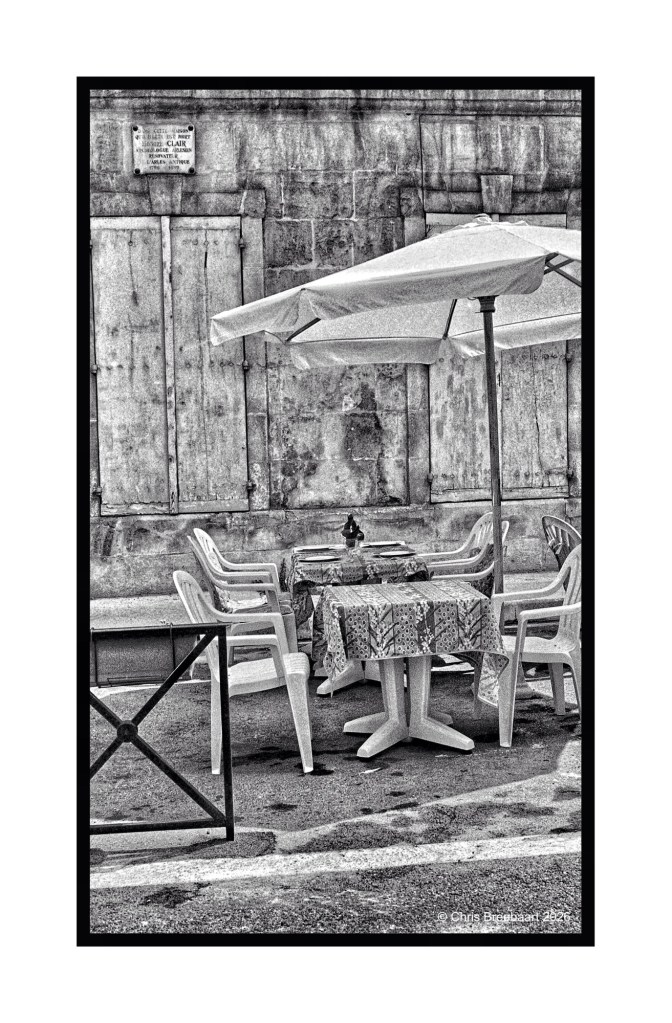
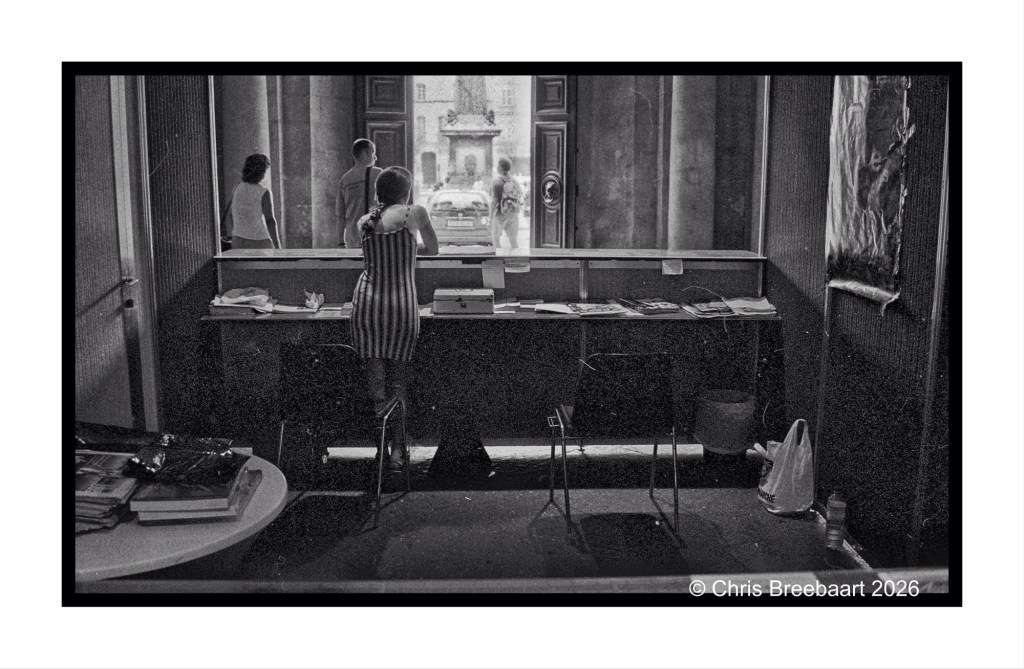
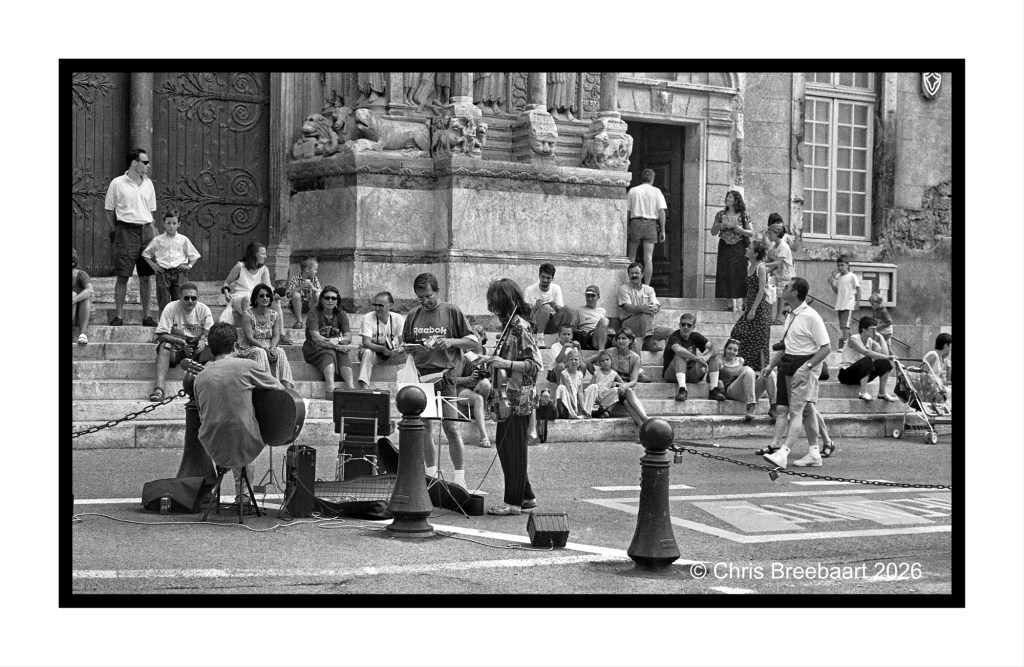
A terrace inArles. Everyone has a memory of a terrace I bet.
LAPC #417 is ‘Memories’. Sometimes the LAPC themes coincide with my ‘planning’ for my blog. The last weeks I am looking back into my archive of photographic memories. And this is one of them.
About the B4 retouch series: I browsed my archive for pictures to publish. Some of them are partly retouched but most do have scratches, dust and stains.
Shot with Nikon F90 on Kodak TriX, scanned from film and edited using Snapseed and Marksta. Click the picture for a bigger version.
The Bureau de Tourisme in the Hotel de Ville at the Rencontres d’Arles in 1997. Arles is a beautiful town, with a long history dating back to the Romans. Not only with a famous annual photographic exhibition, but with a rich cultural history.
LAPC #417 is ‘Memories’. Sometimes the LAPC themes coincide with my ‘planning’ for my blog. The last weeks I am looking back into my archive of photographic memories. And this is one of them.
About the B4 retouch series: I browsed my archive for pictures to publish. Some of them are partly retouched but most do have scratches, dust and stains.
Shot with Nikon F90 on Kodak TriX, scanned from film and edited using Snapseed and Marksta. Click the picture for a bigger version.
LAPC #417 is ‘Memories’. Sometimes the LAPC themes coincide with my ‘planning’ for my blog. The last weeks I am looking back into my archive of photographic memories. And this is one of them.
About the B4 retouch series: I browsed my archive for pictures to publish. Some of them are partly retouched but most do have scratches, dust and stains.
Shot with Nikon F90 on Kodak TriX, scanned from film and edited using Snapseed and Marksta. Click the picture for a bigger version.
LAPC #417 is ‘Memories’. In a way freezing images of moments in time is creating and storing a memory. In the analogue time of film the notion of shooting a great set of photos was the first step in a process. The next step was printing it in the darkroom. That was manual labor. And some photos are just not easy to bring out. A big step towards the digital time of now. Software now is amazing, and allows me to create what I could not achieve with my not adequate dark room skills.
So this is a memory of a moment I did not feel too well being harshly told off by a French garage owner to piss off and not bother him trying to shoot photos at his workshop. As part of a course assignment in a workshop.
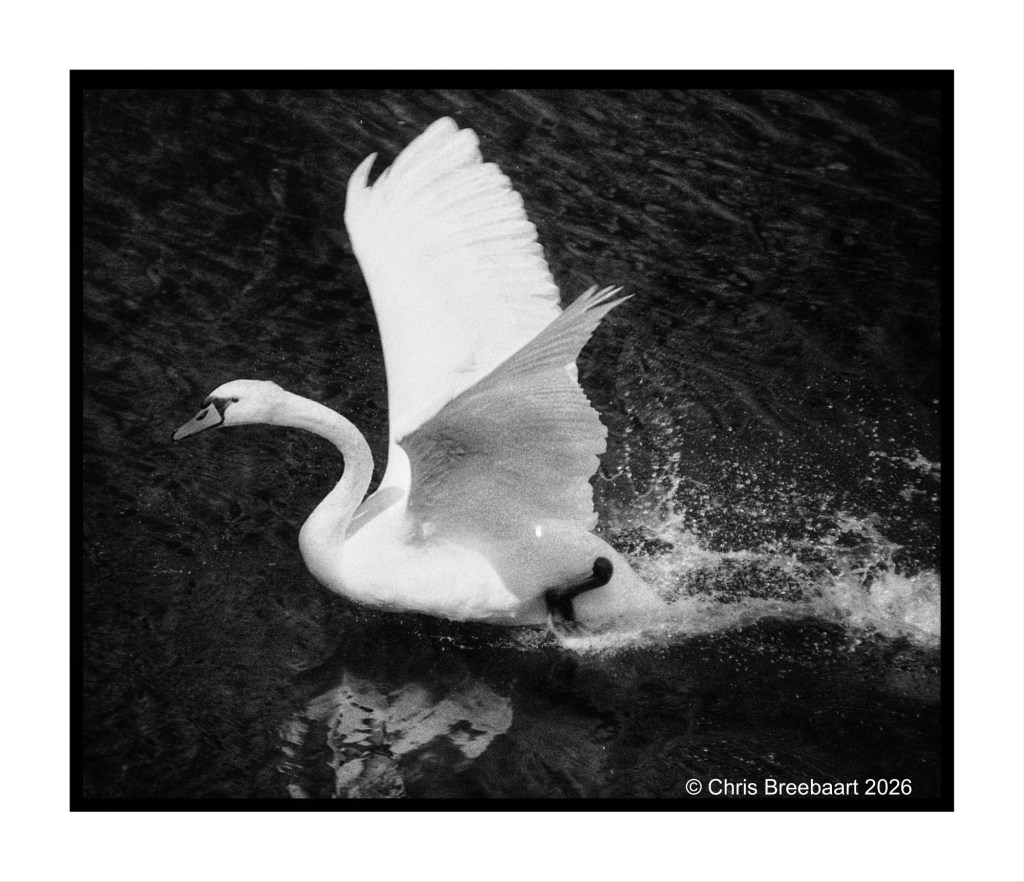
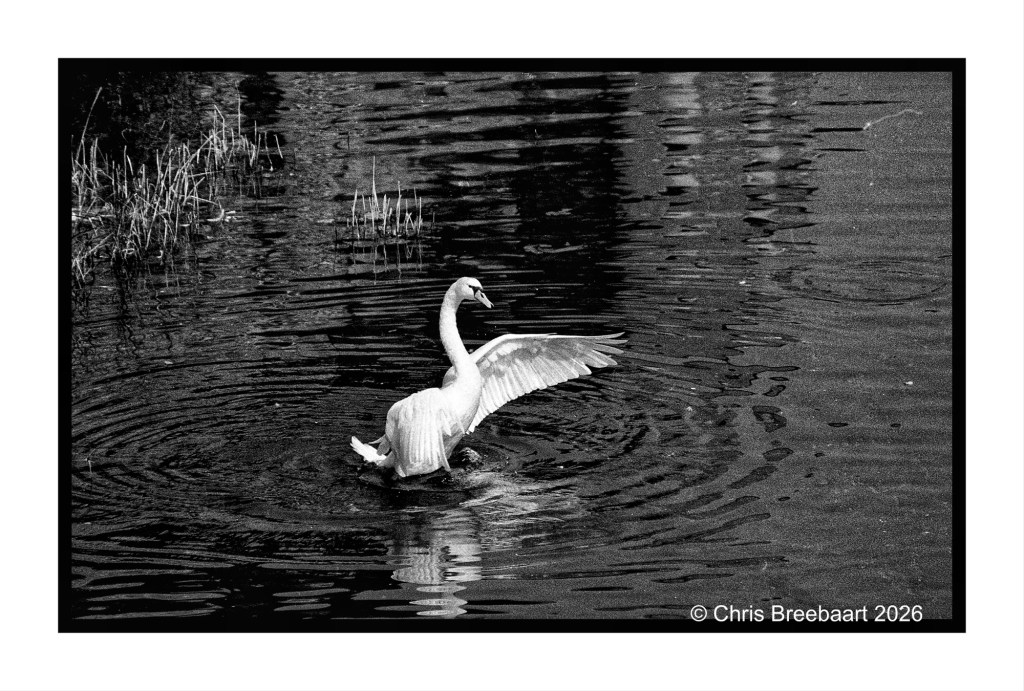
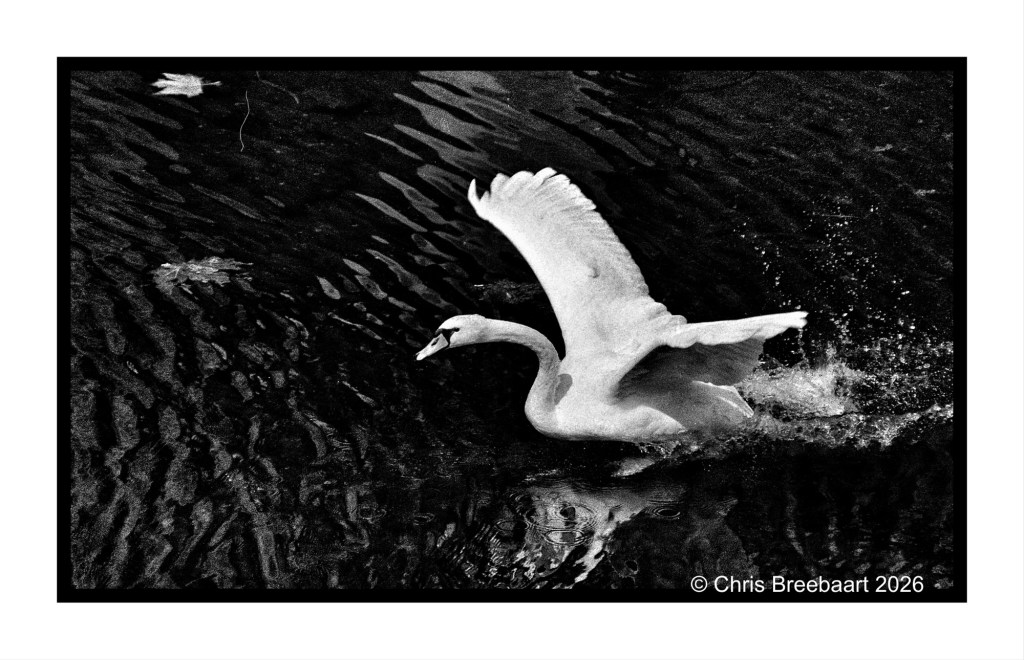
I walked to the bridge and this swan came down, landing in the river. Majestic. A gift.
About the B4 retouch series: I browsed my archive for pictures to publish. Some of them are partly retouched but most do have scratches, dust and stains.
Shot with Nikon F90 on Kodak TriX, scanned from film and edited using Snapseed and Marksta. Click the picture for a bigger version.
About the B4 retouch series: I browsed my archive for pictures to publish. Some of them are partly retouched but most do have scratches, dust and stains.
Shot with Nikon F90 on Kodak TriX, scanned from film and edited using Snapseed and Marksta. Click the picture for a bigger version.
About the B4 retouch series: I browsed my archive for pictures to publish. Some of them are partly retouched but most do have scratches, dust and stains.
Shot with Nikon F90 on Kodak TriX, scanned from film and edited using Snapseed and Marksta. Click the picture for a bigger version.
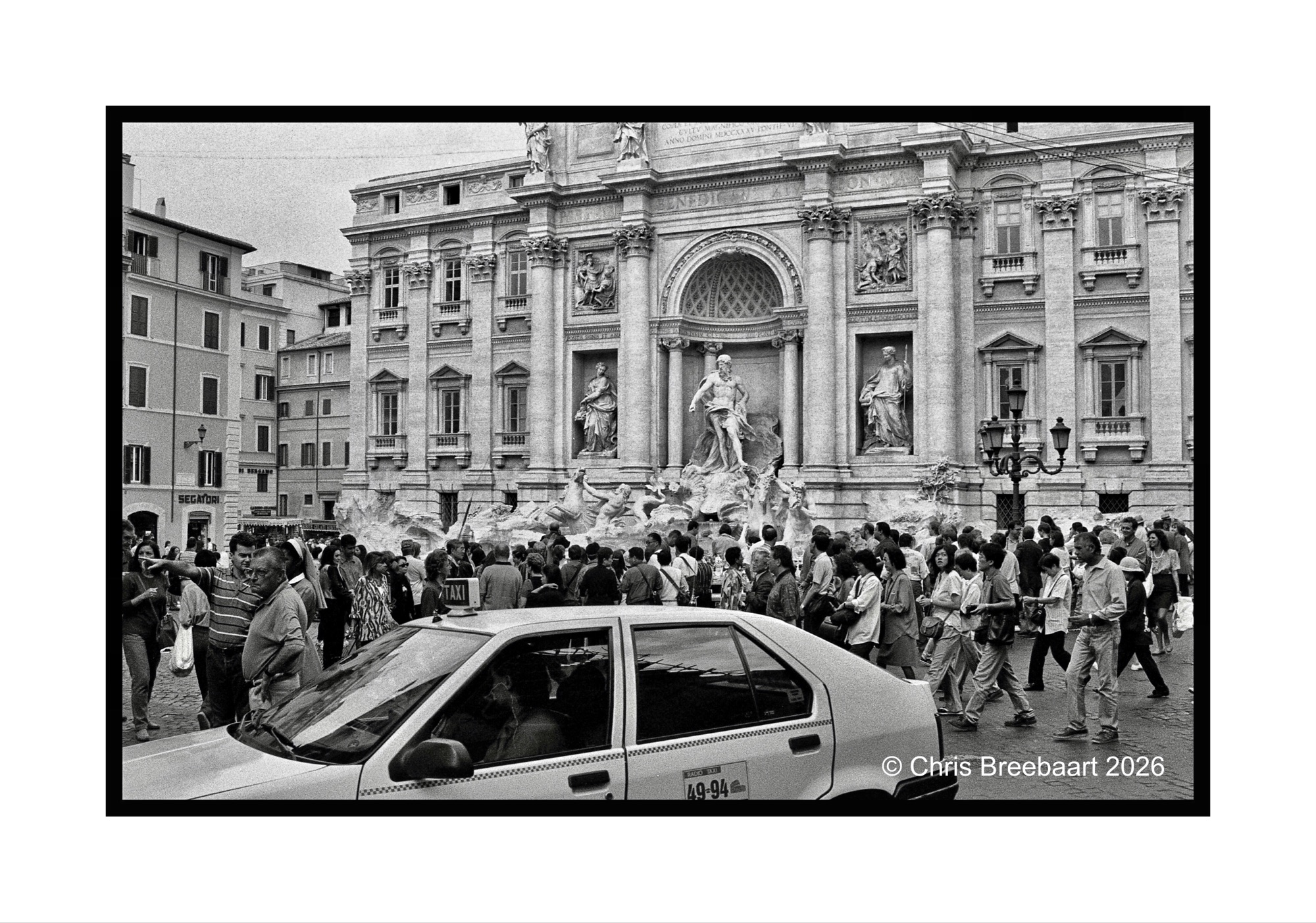
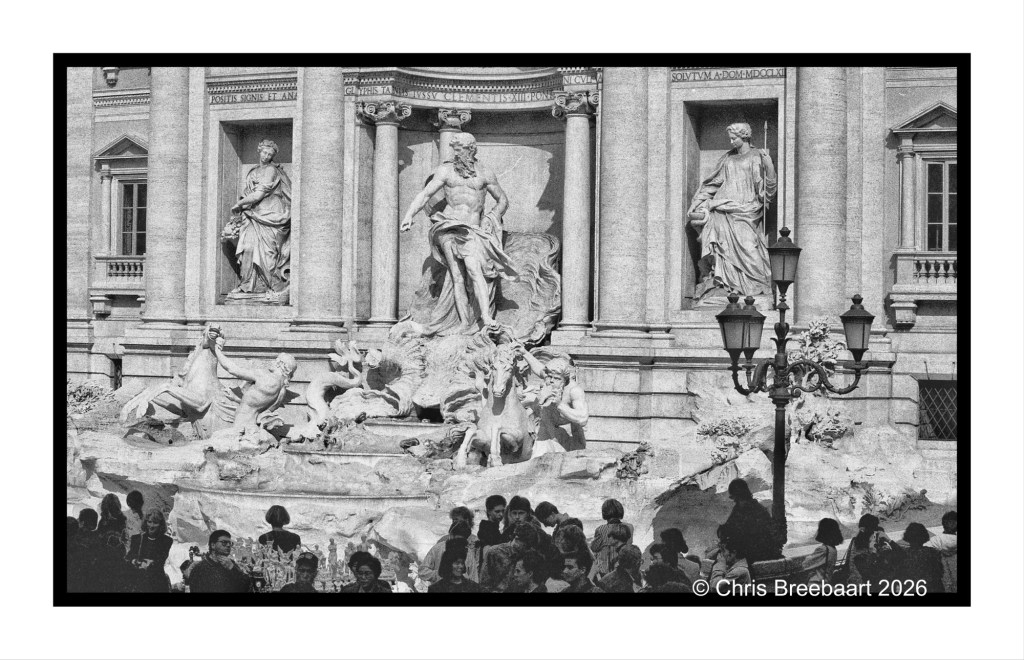
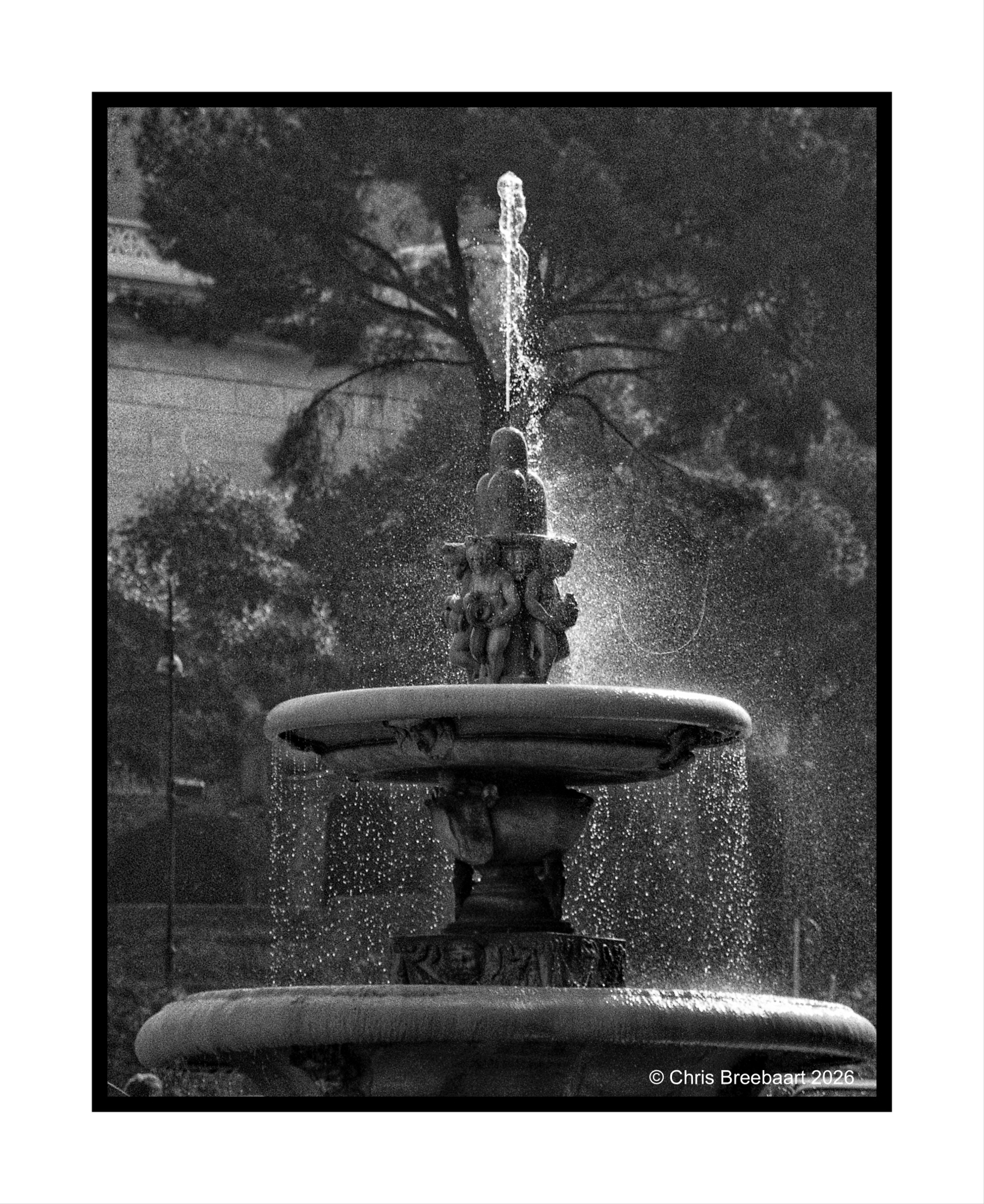
The Trevi Fountain – in Rome. Nowadays one has to pay an entrance fee to see it, trying to mitigate the amount of visitors. The myth is that you throw a coin over your right shoulder in the fountain, and you wish to come back. That worked for me three times already. Albeit long ago. LAPC #416 is ‘where does this lead?’. Mass tourism in big cities is a problem for the locals.
About the B4 retouch series: I browsed my archive for pictures to publish. Some of them are partly retouched but most do have scratches, dust and stains.
About the B4 retouch series: I browsed my archive for pictures to publish. Some of them are partly retouched but most do have scratches, dust and stains.
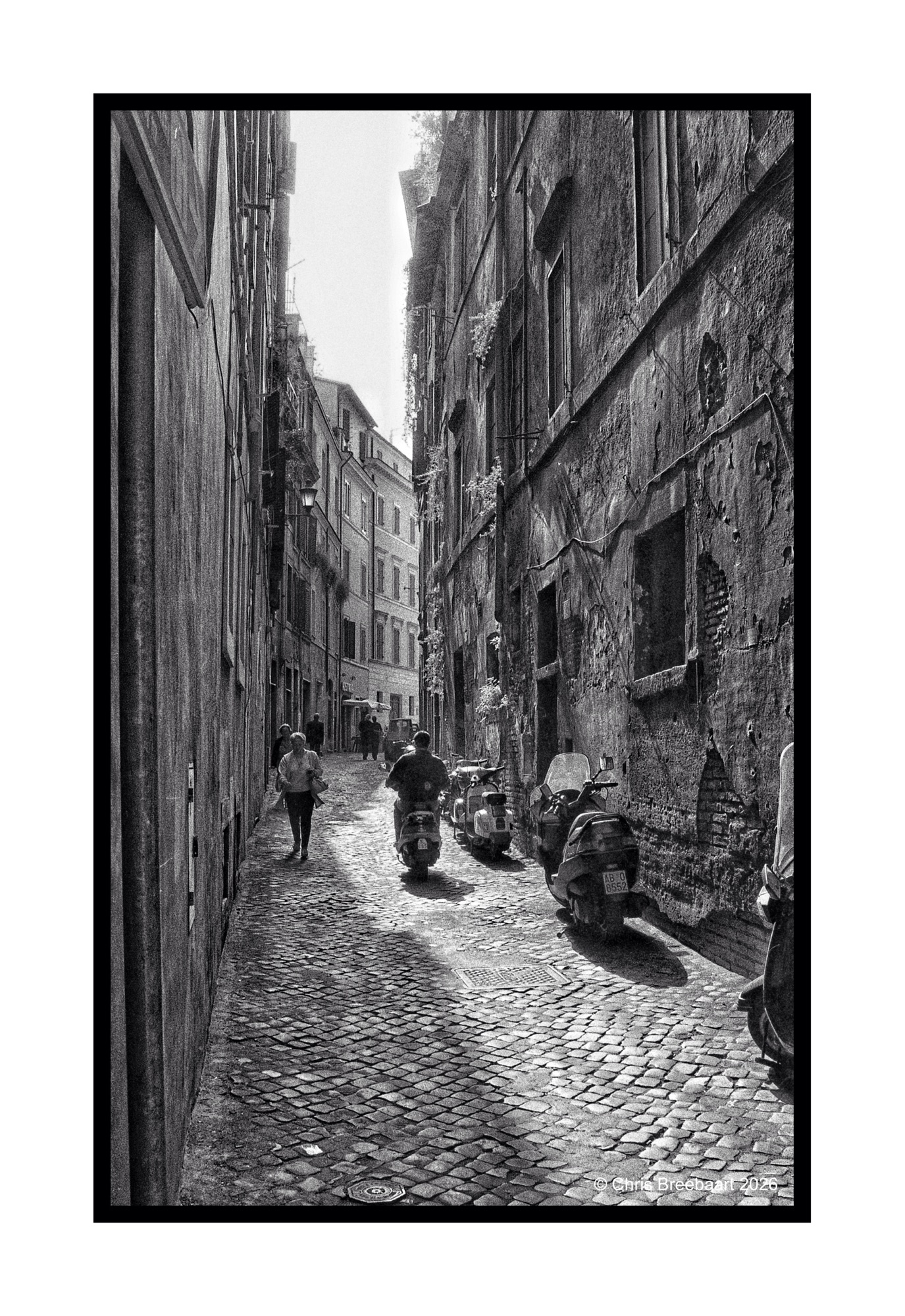
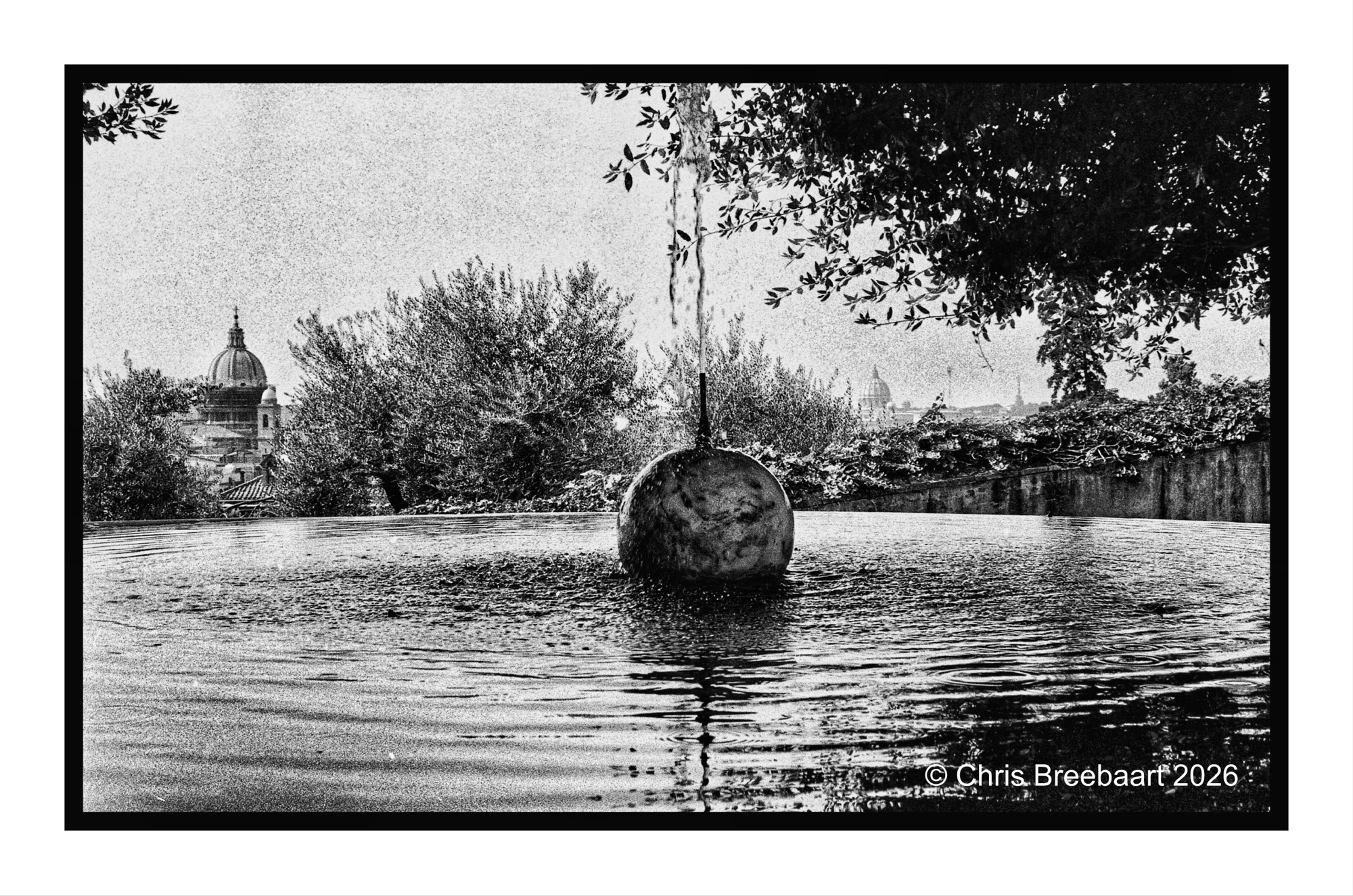
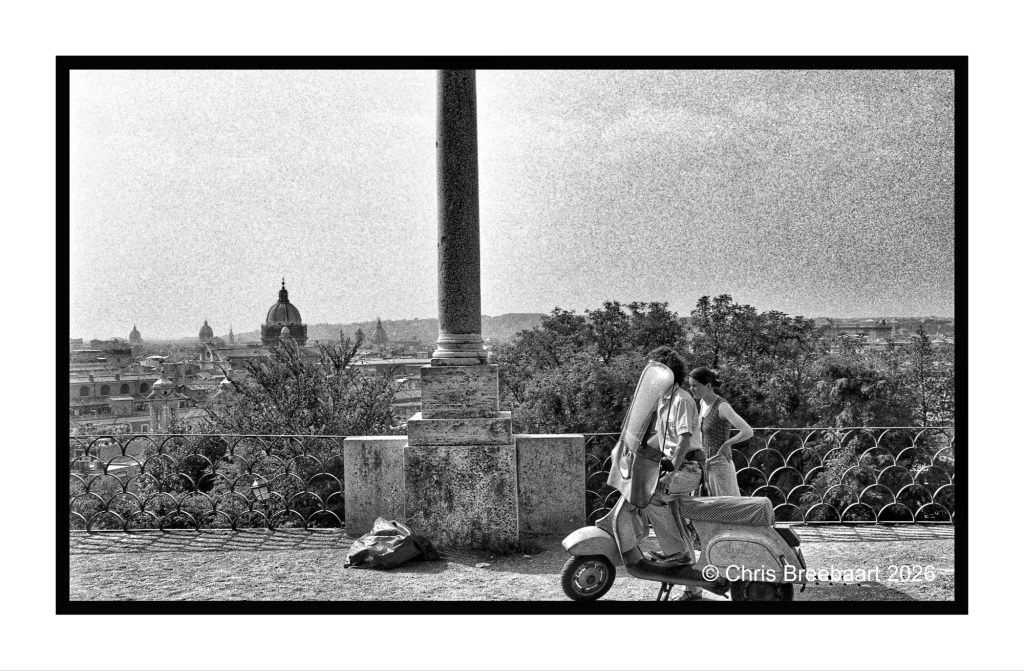
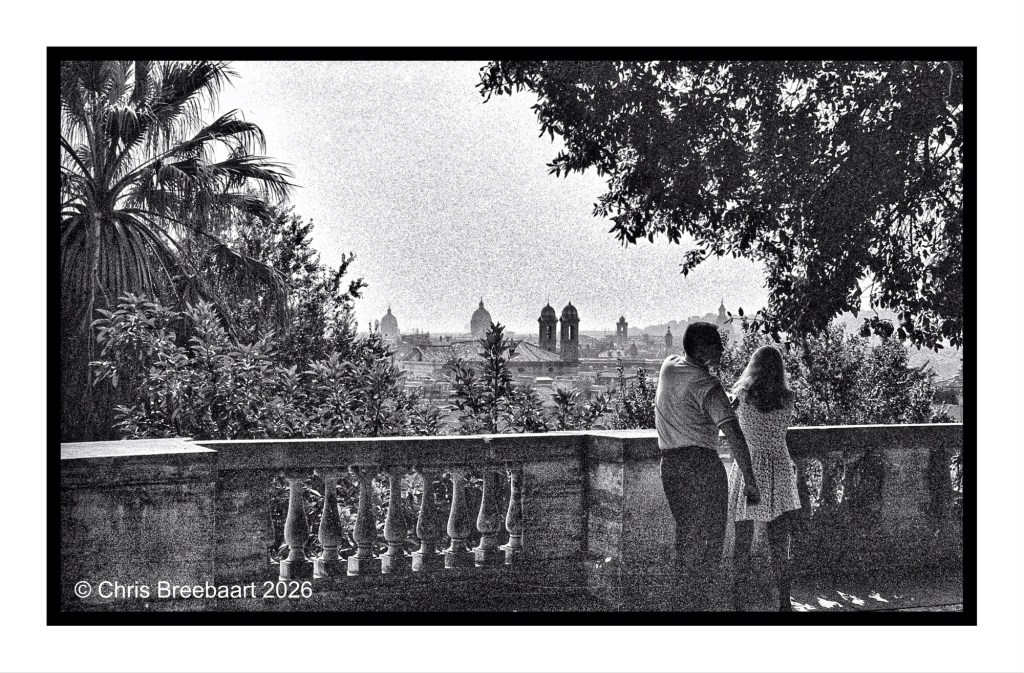
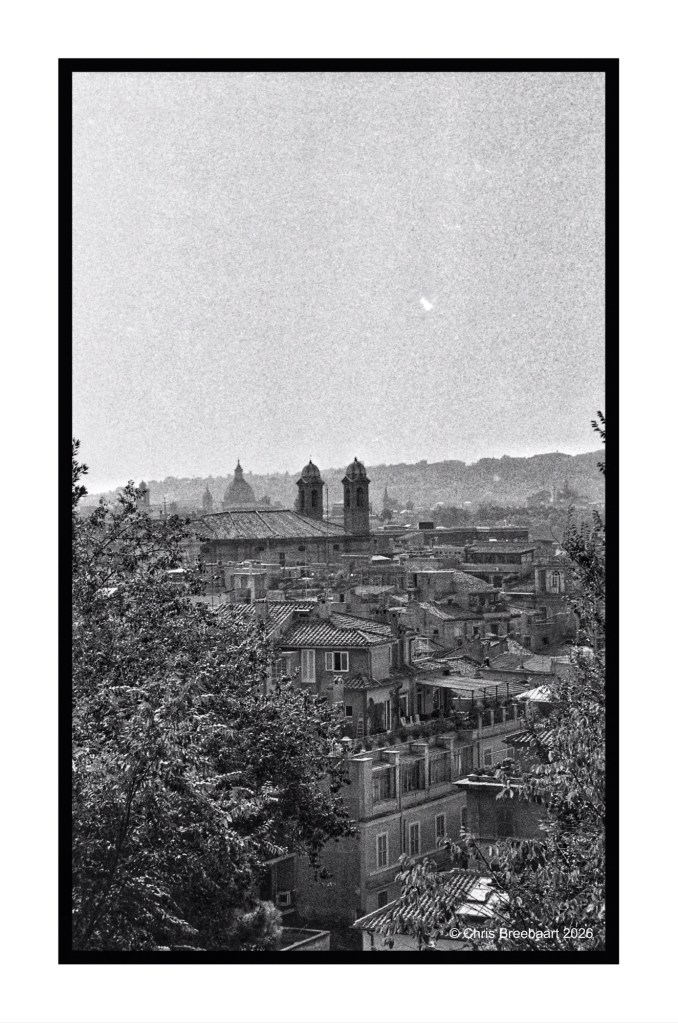
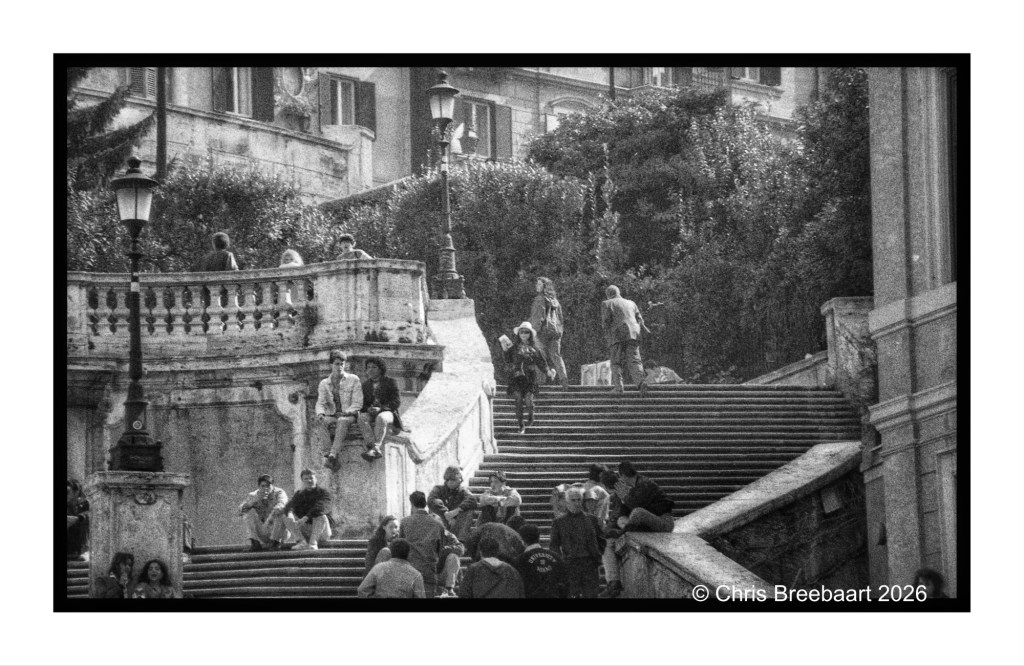
Rome is build on seven hills, but some hills are not counted in that list. One of the non listed hills is the Pincian Hill, that – like all of them – offers beautiful views over the eternal city. On top of the hill is Villa Borghese and a garden of statues.
About the B4 retouch series: I browsed my archive for pictures to publish. Some of them are partly retouched but most do have scratches, dust and stains.
Rome is build on seven hills, but some hills are not counted in that list. One of the non listed hills is the Pincian Hill, that – like all of them – offers beautiful views over the eternal city.
About the B4 retouch series: I browsed my archive for pictures to publish. Some of them are partly retouched but most do have scratches, dust and stains.
Rome is build on seven hills, but some hills are not counted in that list. One of the non listed hills is the Pincian Hill, that – like all of them – offers beautiful views over the eternal city.
About the B4 retouch series: I browsed my archive for pictures to publish. Some of them are partly retouched but most do have scratches, dust and stains.
Rome is build on seven hills, but some hills are not counted in that list. One of the non listed hills is the Pincian Hill, that – like all of them – offers beautiful views over the eternal city.
About the B4 retouch series: I browsed my archive for pictures to publish. Some of them are partly retouched but most do have scratches, dust and stains.
About the B4 retouch series: I browsed my archive for pictures to publish. Some of them are partly retouched but most do have scratches, dust and stains.
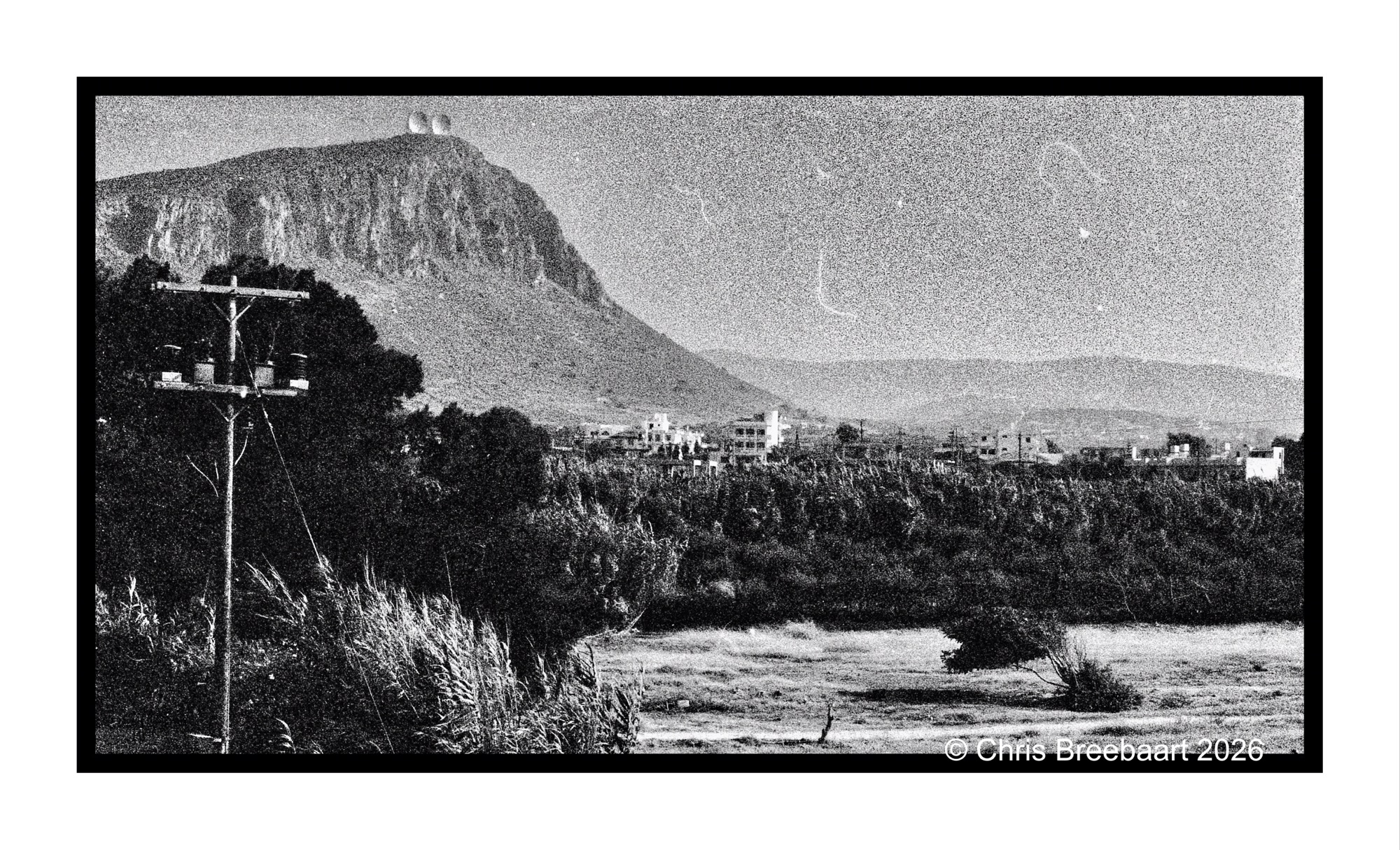
In 1992 the beaches at Gouves were much more open, and the village was rather small. Now it is all modern and built to the brim. A view from a hotel room long ago.
About the B4 retouch series: I browsed my archive for pictures to publish. Some of them are partly retouched but most do have scratches, dust and stains.
Originally shot with Nikon F301 on Kodak TriX, scanned from negative and tweaked using Snapseed and Marksta. Click the picture for a larger version.
About the B4 retouch series: I browsed my archive for pictures to publish. Some of them are partly retouched but most do have scratches, dust and stains.
Originally shot with Nikon F301 on Kodak TriX, scanned from negative and tweaked using Snapseed and Marksta. Click the picture for a larger version.
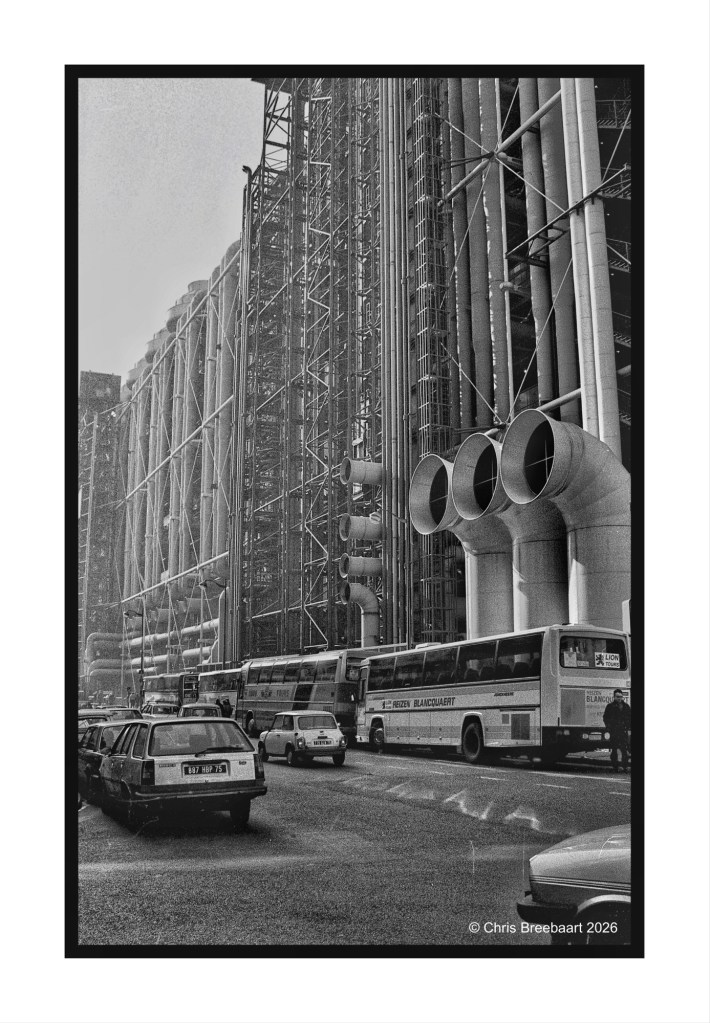
When the Centre Pompidou opened, the Parisians nicknamed it ‘the refinery’. It is a unique construction. But quite hard to maintain given all the angles and open spaces. The art collection inside is nice to walk around when in Paris. Always a place to visit again, when there.
About the B4 retouch series: I browsed my archive for pictures to publish. Some of them are partly retouched but most do have scratches, dust and stains.
Originally shot with Nikon F301 on Kodak TriX, scanned from negative and tweaked using Snapseed and Marksta. Click the picture for a larger version.
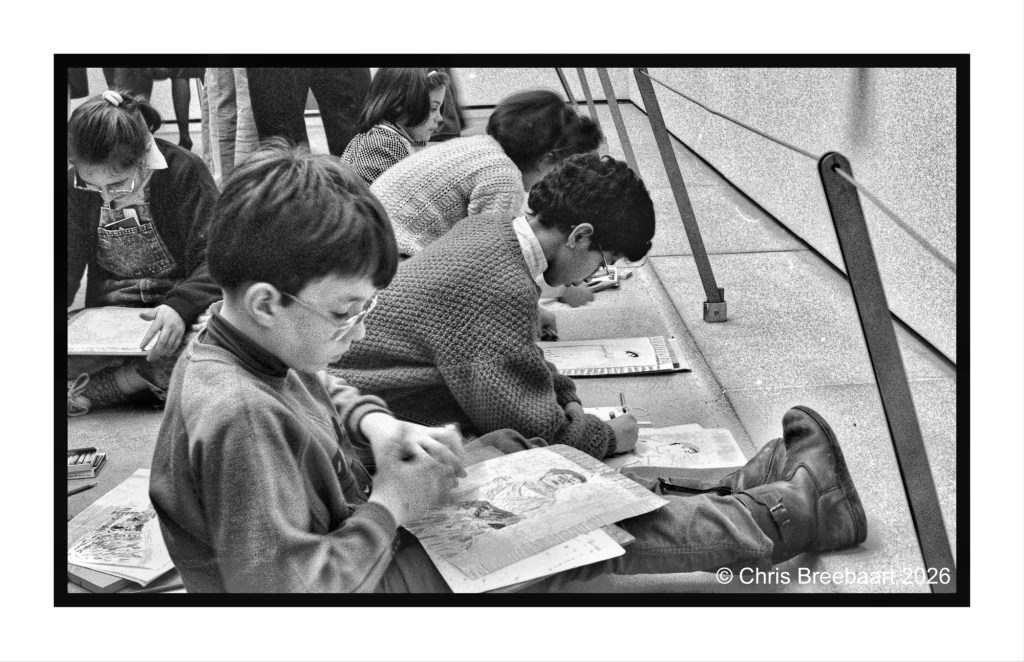
The Musée d’Orsay. One of my favourite museums. Not only for its architecture, but also for their collection of impressionist paintings. Here school kids, drawing in front of them.
About the B4 retouch series: I browsed my archive for pictures to publish. Some of them are partly retouched but most do have scratches, dust and stains.
Originally shot with Nikon F301 on Kodak TriX, scanned from negative and tweaked using Snapseed and Marksta. Click the picture for a larger version.
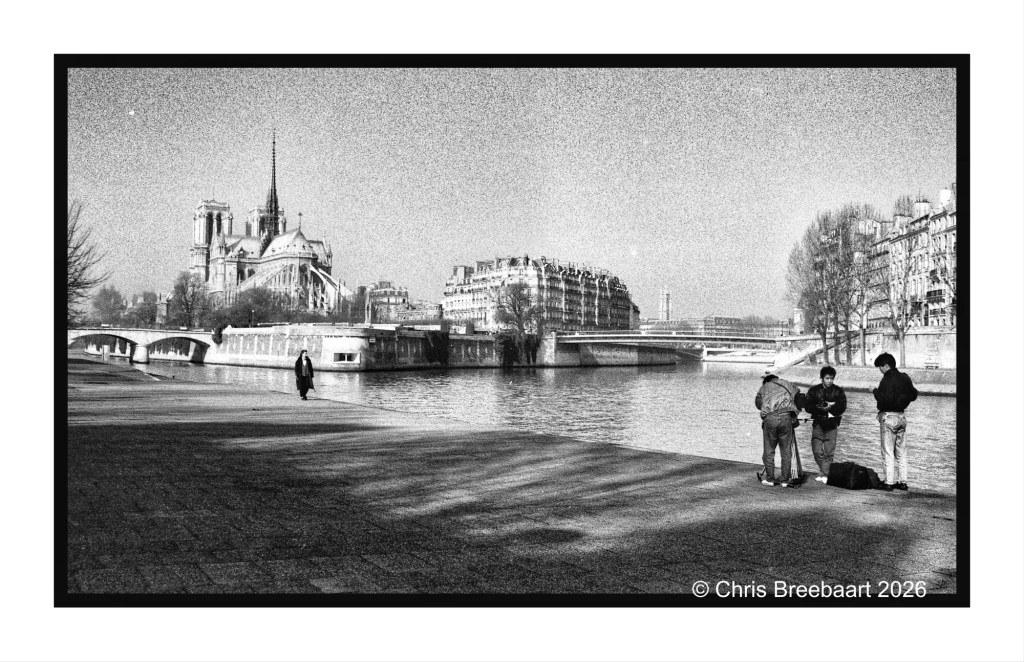
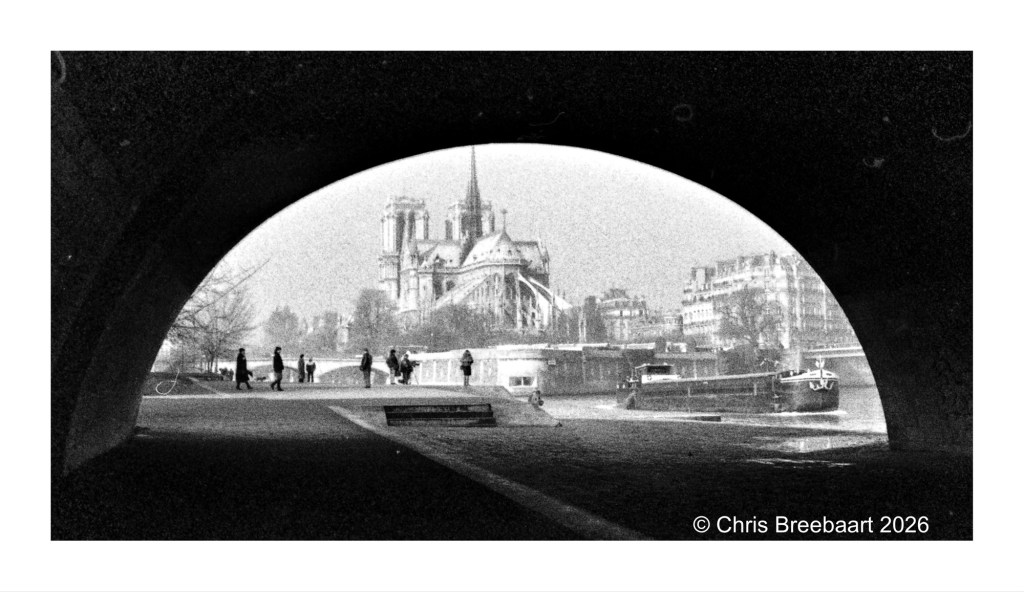
The Notre Dame in Paris before the fire. A view from the quay toward the Île de la Cité. From a walk along the river, the third I took at almoste the same point. The previous ones I published yesterday and the day before yesterday, showing bridge arches.
About the B4 retouch series: I browsed my archive for pictures to publish. Some of them are partly retouched but most do have scratches, dust and stains.
Originally shot with Nikon F301 on Kodak TriX, scanned from negative and tweaked using Snapseed and Marksta. Click the picture for a larger version.
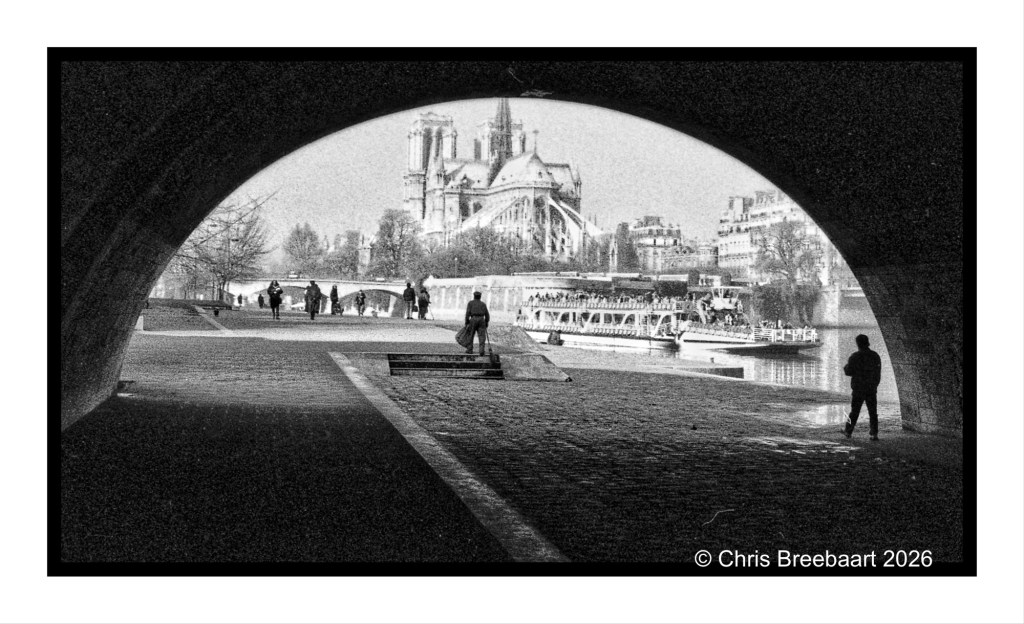
The Notre Dame in Paris before the fire. The bridge arch offers a template on a sunny Winter morning. The first shot in a set of shots of three. The second I published yesterday.
About the B4 retouch series: I browsed my archive for pictures to publish. Some of them are partly retouched but most do have scratches, dust and stains.
Originally shot with Nikon F301 on Kodak TriX, scanned from negative and tweaked using Snapseed and Marksta. Click the picture for a larger version.
The Notre Dame in Paris before the fire. The bridge arch offers a template on a sunny Winter morning. Earlier published but a bit adjusted. This is the second shot in a set of three. The first one will be on tomorrow, the third the day after.
About the B4 retouch series: I browsed my archive for pictures to publish. Some of them are partly retouched but most do have scratches, dust and stains.
Originally shot with Nikon F301 on Kodak TriX, scanned from negative and tweaked using Snapseed and Marksta. Click the picture for a larger version.
About the B4 retouch series: I browsed my archive for pictures to publish. Some of them are partly retouched but most do have scratches, dust and stains.
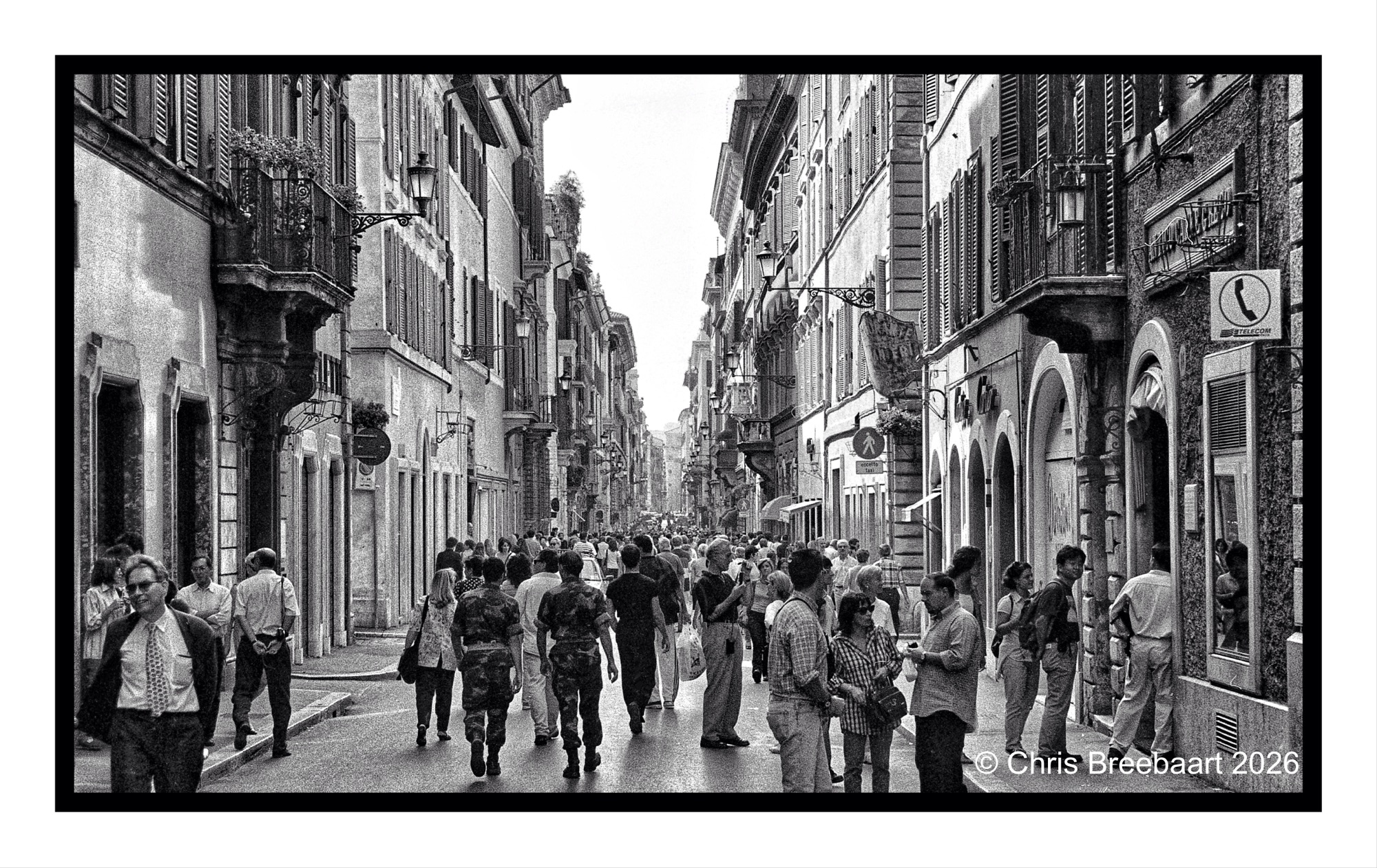
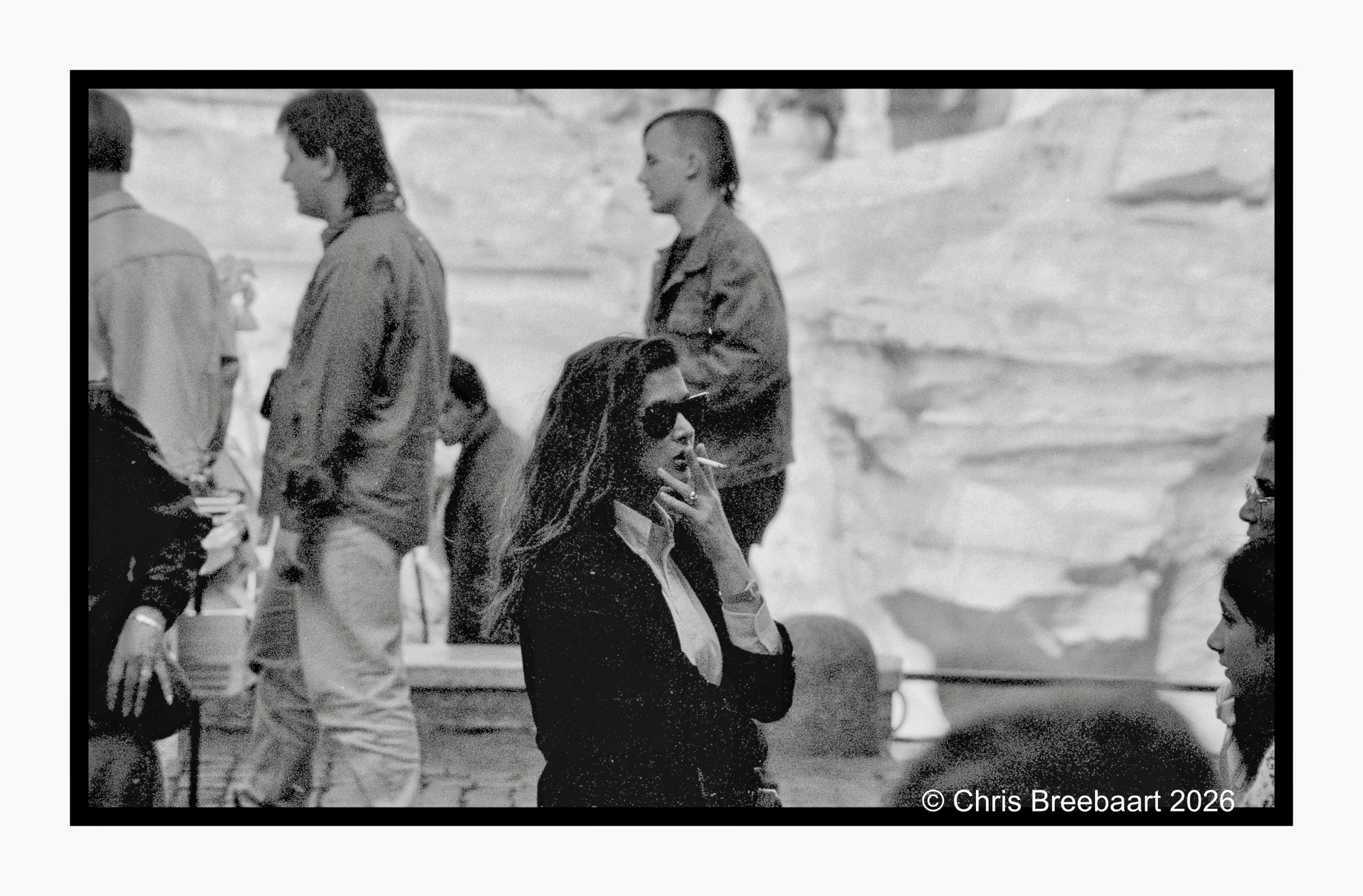
One from the archives, 32 years ago. A street photo of a smoking sunglass wearing young woman in front of the Trevi Fountain in Rome.
About the B4 retouch series: I browsed my archive for pictures to publish. Some of them are partly retouched but most do have scratches, dust and stains.
About the B4 retouch series: I browsed my archive for pictures to publish. Some of them are partly retouched but most do have scratches, dust and stains.
About the B4 retouch series: I browsed my archive for pictures to publish. Some of them are partly retouched but most do have scratches, dust and stains.
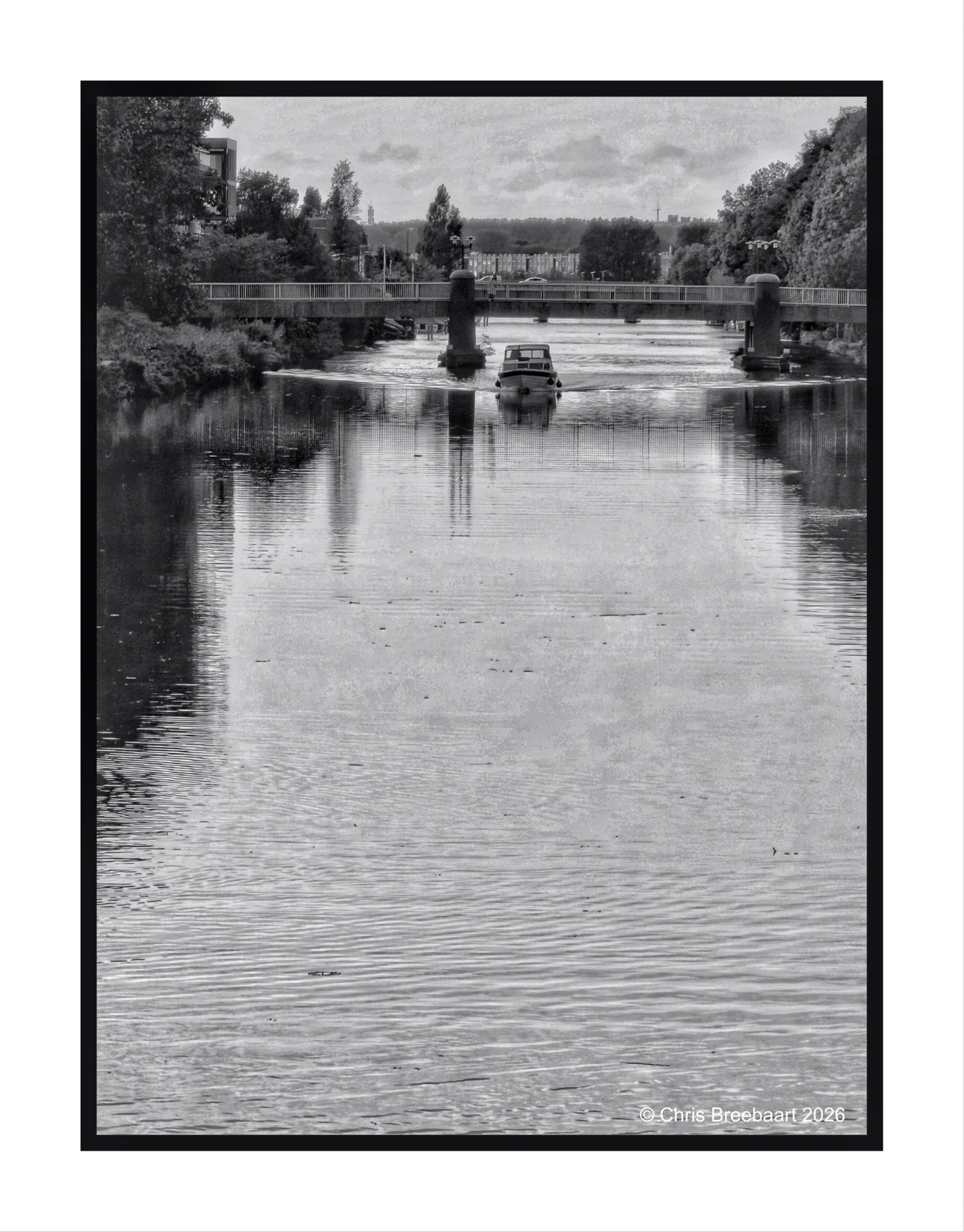
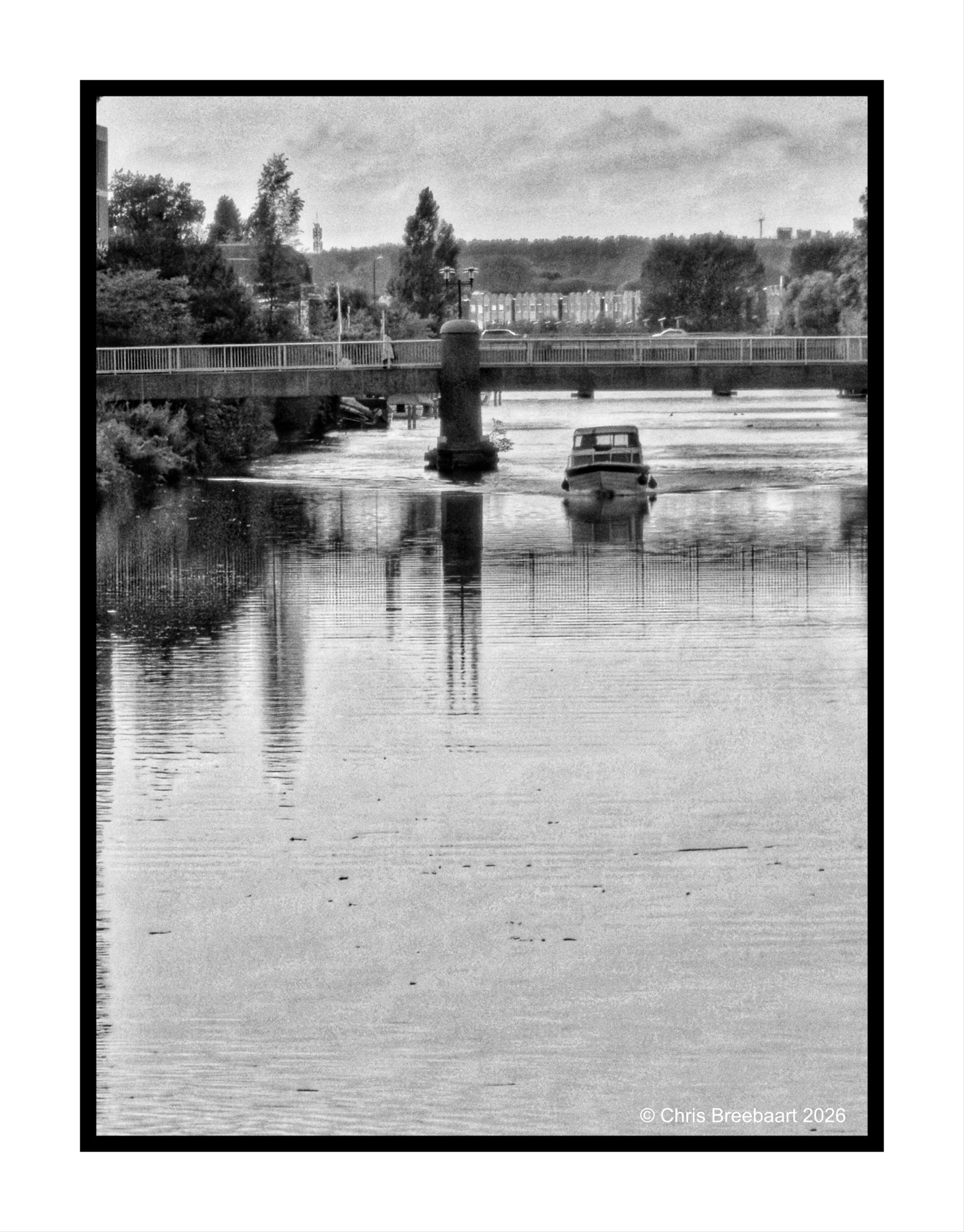
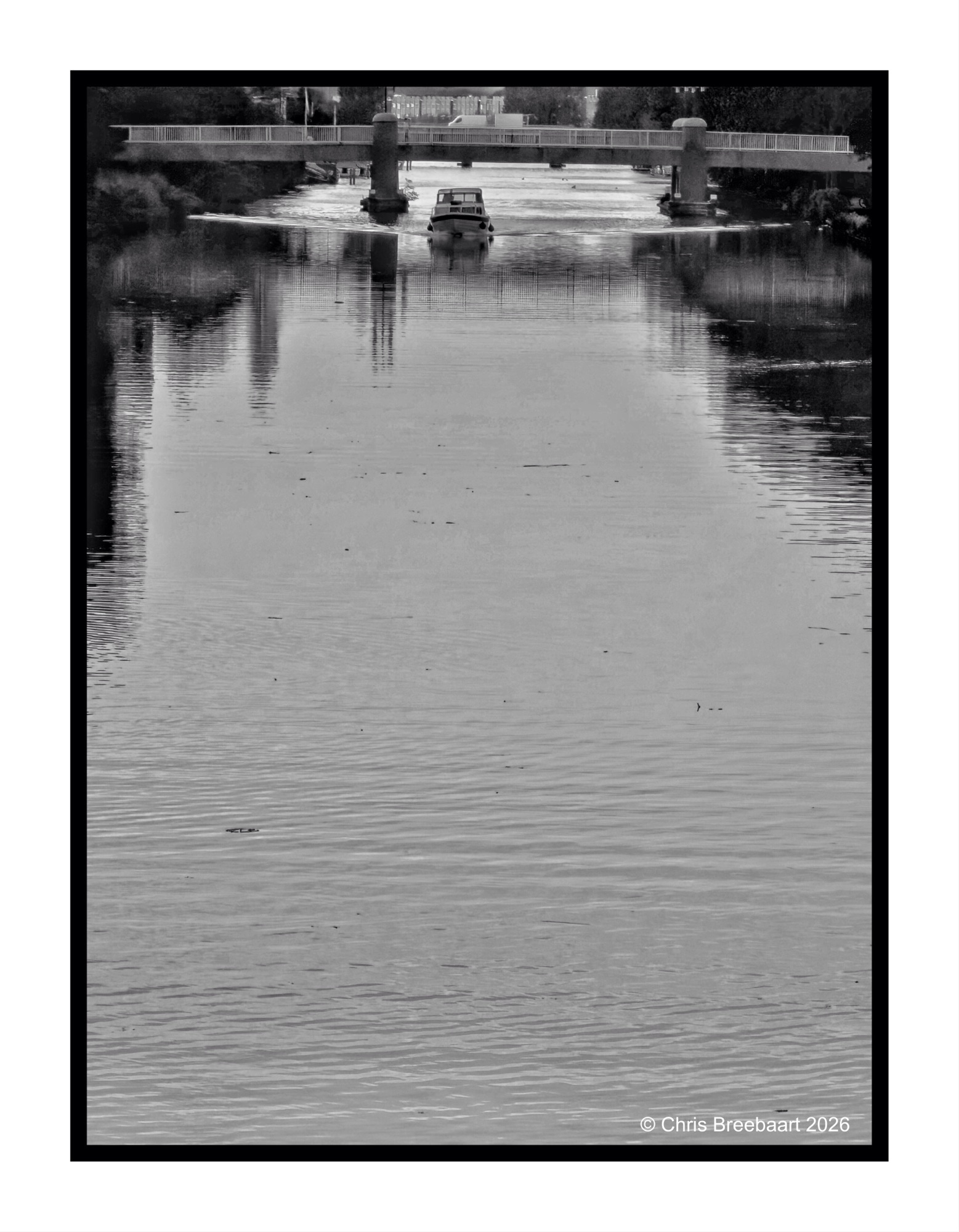
A slightly different shot than yesterday. With a bit more of the atmosphere of the canal itself.
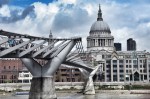
The Netherlands has its fair share of water (canals, lakes, ponds) and a fair share of bridges and even aquaducts. LAPC #413 is ‘bridges’. The two overlapping bridges (behind the front one is a motorway bridge) are not my favourites as the brief of LAPC asks for. They are the most practical in daily life to cross the canal. In the Archive bridges you find more photos of bridges. Most of them are from ordinary daily life close to home. But two of my favourites are the Millennium Bridge in London and the Pont de Normandie in Normandy.
The Netherlands has its fair share of water (canals, lakes, ponds) and a fair share of bridges and even aquaducts. LAPC #413 is ‘bridges’. The two overlapping bridges (behind the front one is a motorway bridge) are not my favourites as the brief of LAPC asks for. They are the most practical in daily life to cross the canal. In the Archive bridges you find more photos of bridges. Most of them are from ordinary daily life close to home. But two of my favourites are the Millennium Bridge in London and the Pont de Normandie in Normandy.
The Netherlands has its fair share of water (canals, lakes, ponds) and a fair share of bridges and even aquaducts. LAPC #413 is ‘bridges’. This two bridges (overlapping) are not my favorites, but with the bridge this one is taken from, the most common I see every day.
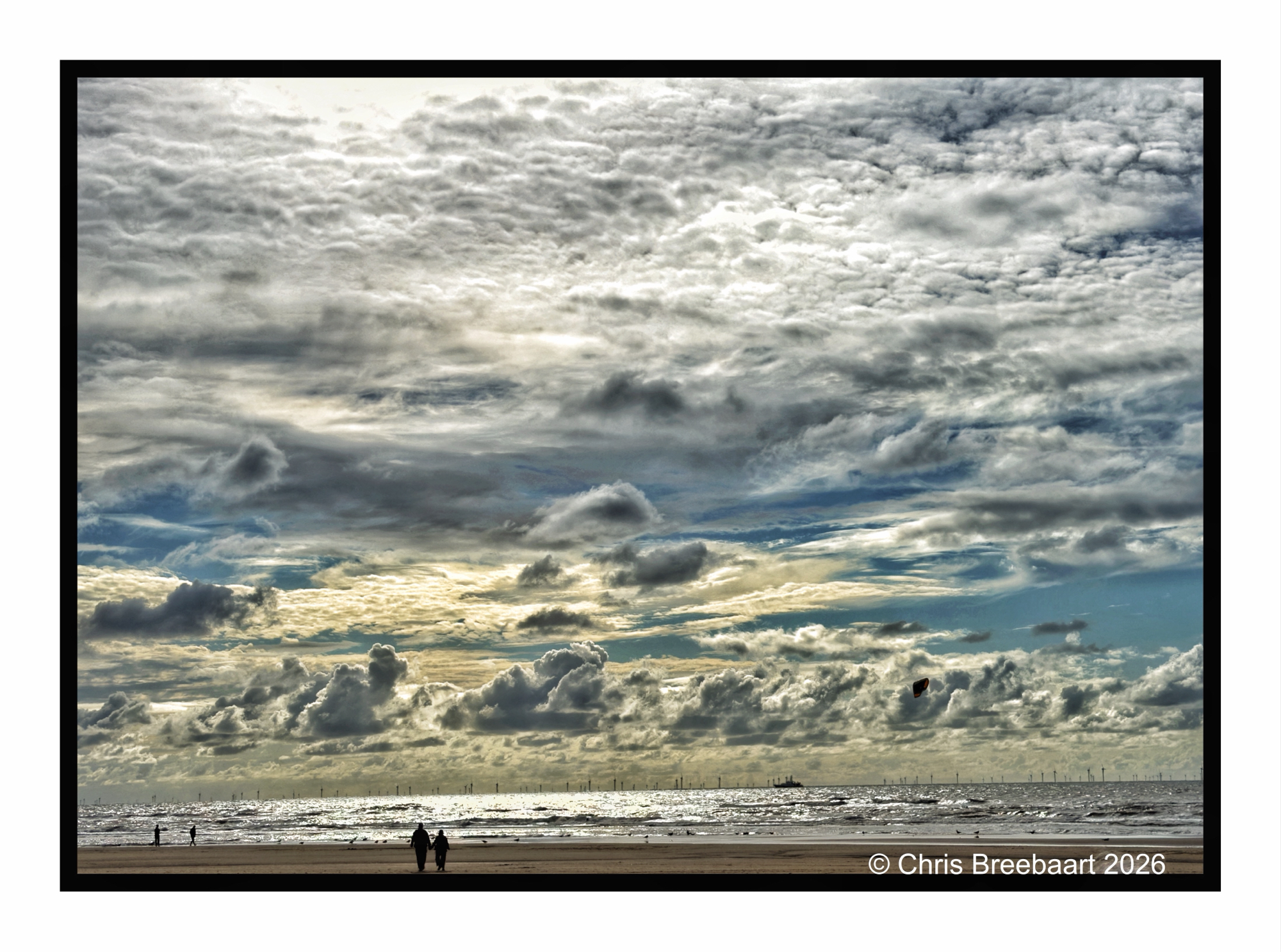
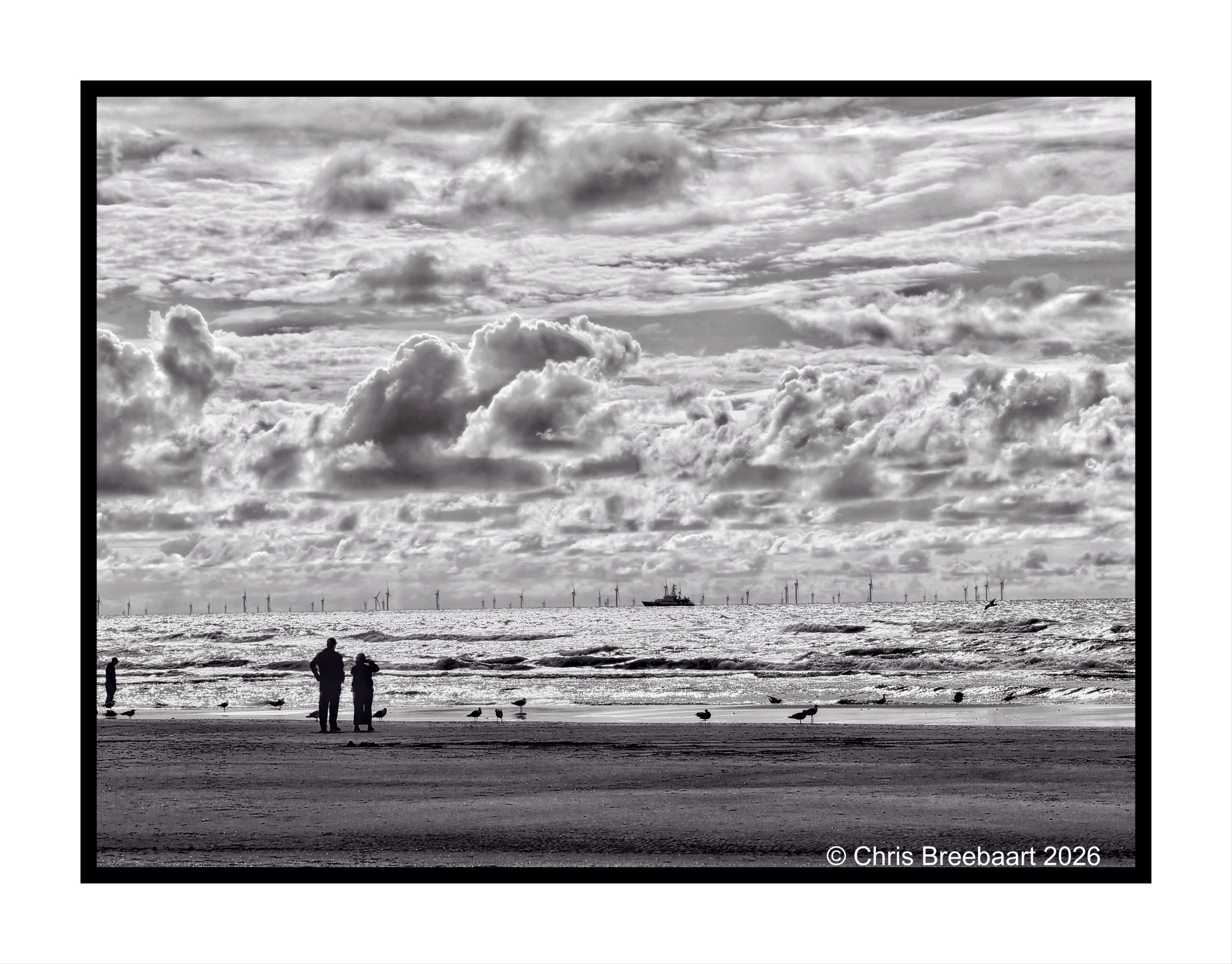
The beach at Zandvoort. The west coast of The Netherlands is one big sand beach. Choosing for mono or colour is a choice for atmosphere. But also a way to get more attention to certain parts of the frame. Silhouettes in black in mono work stronger than in colour for me. But in the end, it is a matter of taste of course.
One of the first questions I had buying my first digital DSLR was ‘how do I shoot monochrome photos from now?’. In the past it was just choosing what film I put in a camera. Going digital implied using editing to revert from color to monochrome. More recently black and white modes came back on devices. Not only on iPhone. My choice for Nikon Zf was influenced by it. But it all is a question of taste. And taste is specific. When I see a subject nowadays I try to use the monochrome settings and the standard colour settings; knowing that I can nowadays see the results straight away. That is a blessing.
Two different photos of the road over the Volkerakdam. This dam and the locks in it, are part of the Delta Works, safeguarding The Netherlands against floods.
One of the first questions I had buying my first digital DSLR was ‘how do I shoot monochrome photos from now?’. In the past it was just choosing what film I put in a camera. Going digital implied using editing to revert from color to monochrome. More recently black and white modes came back on devices. Not only on iPhone. My choice for Nikon Zf was influenced by it. But it all is a question of taste.
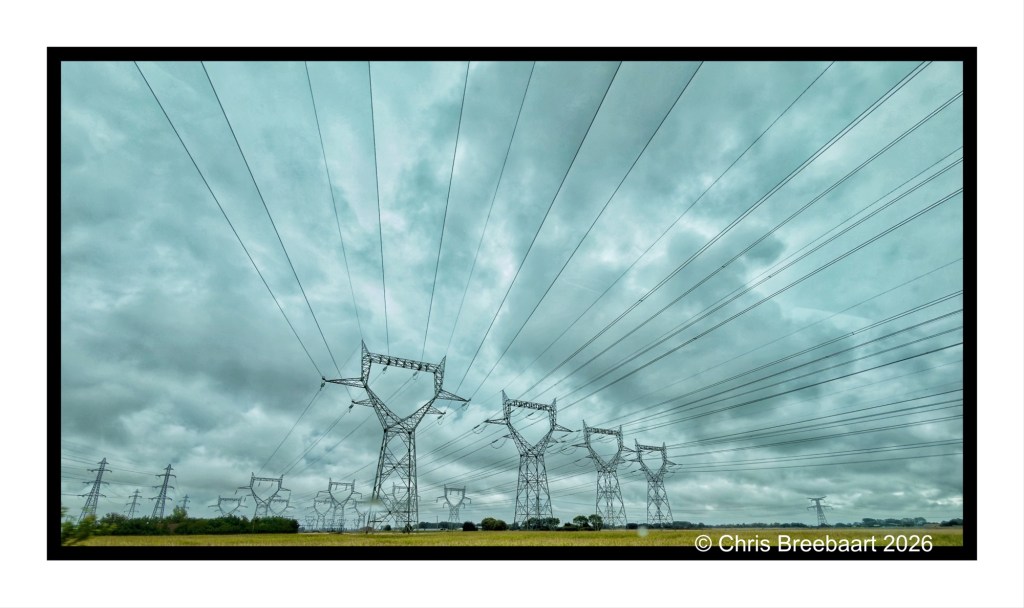
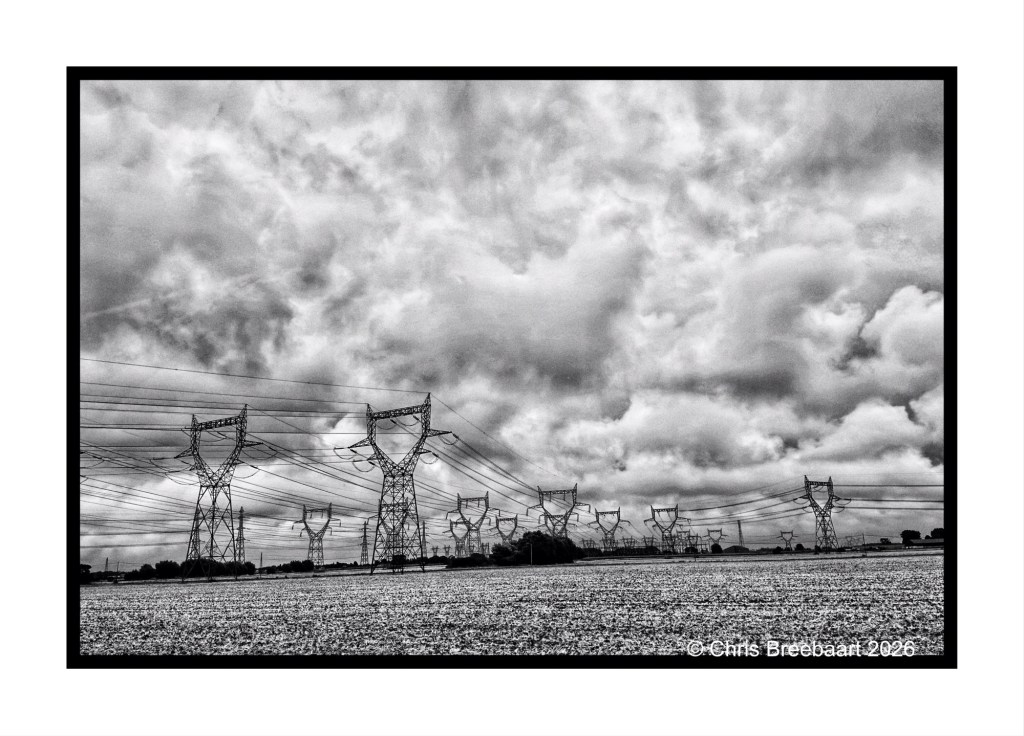
Two photos of the power lines at St. George-sur-L’Aa in France. Pick one or both. Both were shot on iPhone without the mono setting.
France, St. George-sur-L’Aa -August 2026
Every time we travel to or from the UK via the Channel Tunnel, I try to take photos of these steel giants. They carry power lines in the area of St. George-sur-l’Aa. No worries, I’m in the passenger seat.
One of the first questions I had buying my first digital DSLR was ‘how do I shoot monochrome photos from now?’. In the past it was just choosing what film I put in a camera. Going digital implied using editing to revert from color to monochrome. More recently black and white modes came back on devices. Not only on iPhone. My choice for Nikon Zf was influenced by it. But it all is a question of taste.
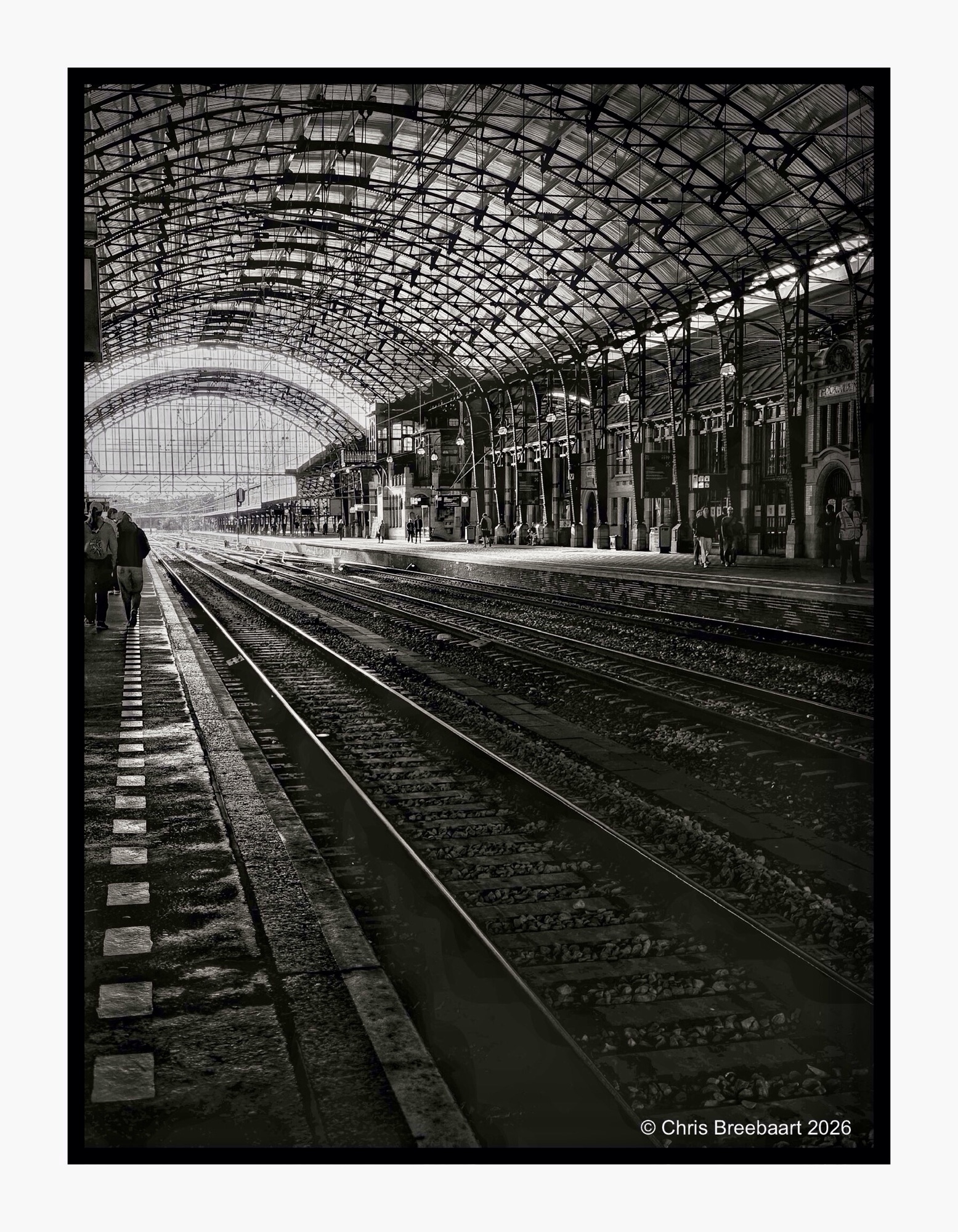
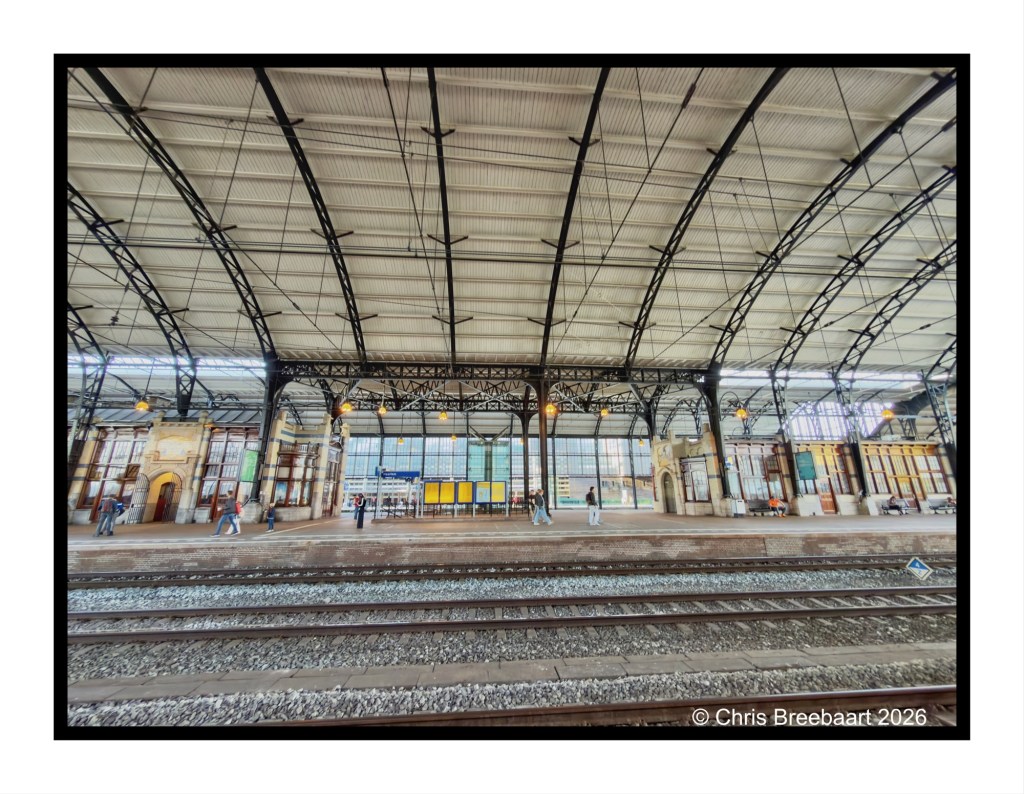
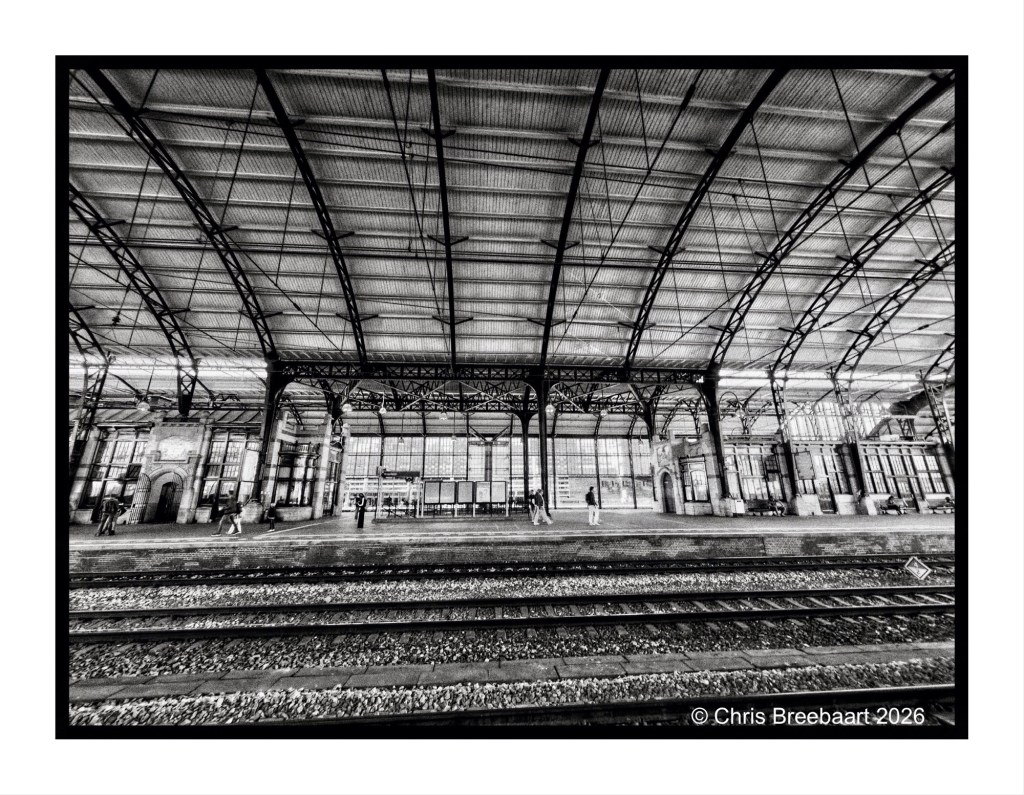
The same photo of the station of Haarlem in color and (edited) monochrome. Pick one or both.
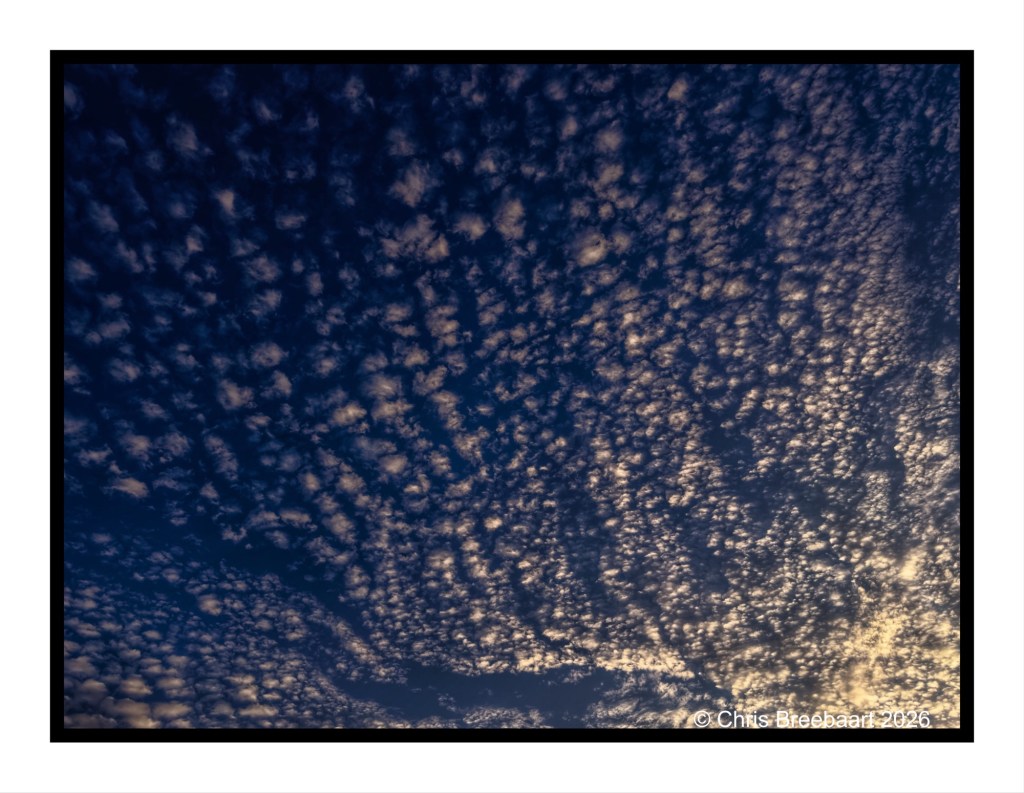
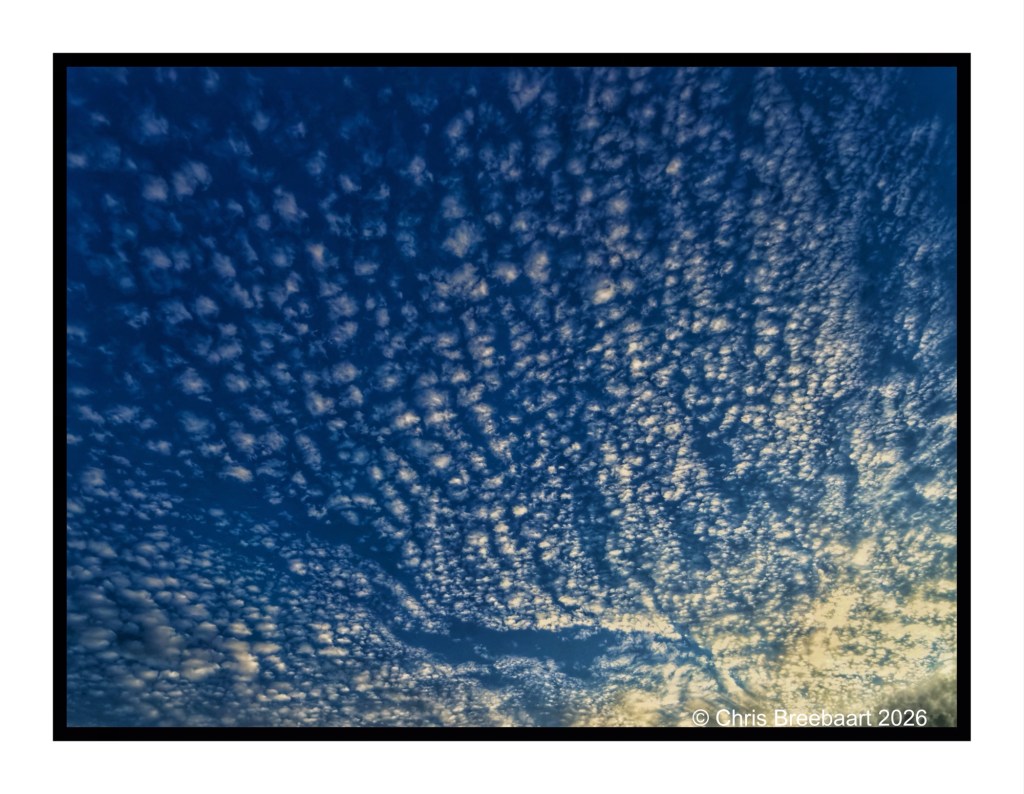
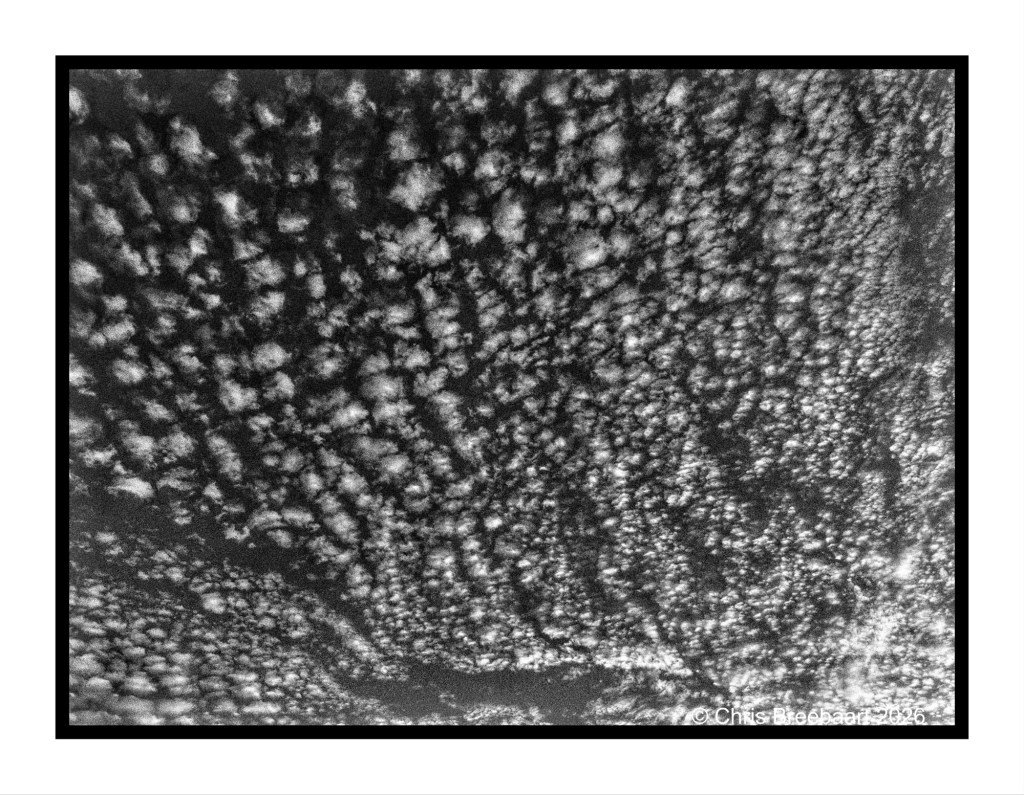
LAPC #408 is ‘over the top’. The sky at dusk, showing what we call ‘schapenwolken’ in Dutch. Literally over the top. In case you can not sleep, counting them would help. But where do they go after you counted them?
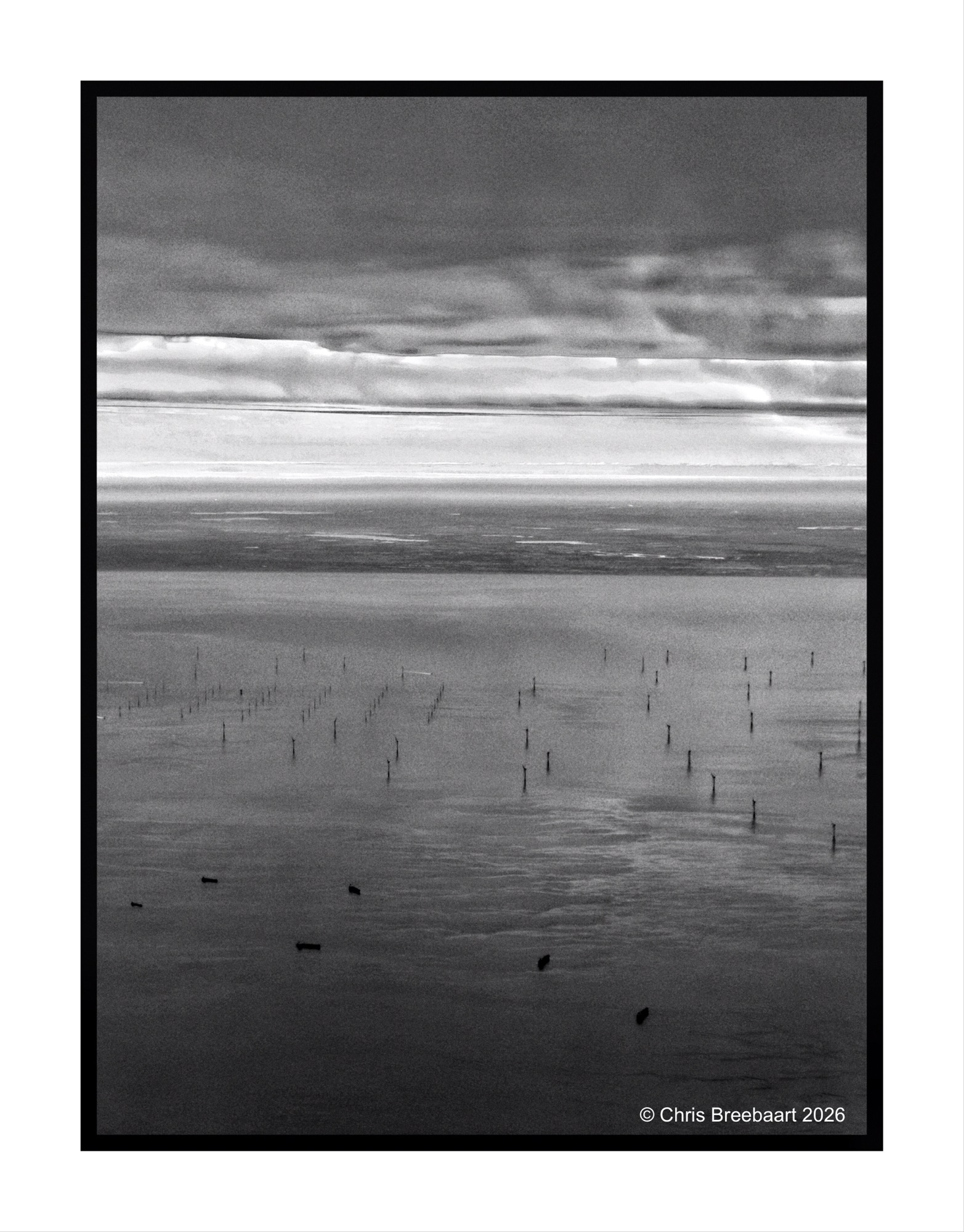
The coast of The Netherlands, showing the Dutch version of Le Plat Pays (my flat country) from an incoming Easyjet flight from London Gatwick to Schiphol Amsterdam. Lots of windmills still.